Sanatana Dharma of India. Theertham, Tirtha, Tirthasthan, Tirtha Yatra, Tirtha Snan, and the ritual of Bathing and Purification.
The ancient traditions of India are often described as ‘Sanatana Dharma’. Indians for a very long time recognized the significance of Water and use it in various rituals, particularly for the purification of the human body which is prone to sickness or illness attributed to sinful thoughts, words, and actions. The term ‘Theertham’ refers to water that is sanctified by prayerful thought and by using it in the devotional worship of God.
Sanatana Dharma of India – Theertam, Tirtha, Tirthasthan, Tirtha Yatra, Tirtha Snan and the ritual of Bathing and Purification.
The term ‘Tirtha’ refers to a body of water such as a well, pond, lake, river, or sea which gets an elevated status because of its geographical association with a physical location, place, or position named ‘Sthan’ or ‘Kshetra’. The physical journey to visit the place of Tirthasthan is called Tirtha Yatra.
Sanatana Dharma of India – Theertham, Tirtha, Tirthasthan, Tirtha Yatra, Tirtha Snan, and the ritual of Bathing and Purification.
The act of taking a bath or dipping into the water at a Tirthasthan is called Tirtha Snan.
Sanatana Dharma of India – Theertham, Tirtha, Tirthasthan, Tirtha Yatra, Tirtha Snan, and the rituals of Bathing and Purification.Sanatana Dharma of India – Theertham, Tirtha, Tirthasthan, Tirtha Yatra, Tirtha Snan, and the rituals of Bathing and Purification.
I ask my readers to reflect on the divine attributes of the Water Molecule. The original, sweet taste of fresh water cannot be discovered by the study of the properties of the Chemical Elements, Hydrogen and Oxygen which combine to form the Chemical Compound called Water. Man, like several other terrestrial creatures, depends upon Fresh Water delivered from Heaven.
Kumbh Mela: Millions of Indians take a holy dip – BBC News
Sanatana Dharma of India – The rituals of Bathing and Purification.
Image copyright Ankit Srinivas
Millions of people have taken to the waters at the confluence of India’s sacred Ganges and Yamuna rivers as part of the Kumbh Mela festival – humanity’s largest gathering.
Officials told the BBC some 15m people bathed on Tuesday. They expect about 120m visitors over 49 days.
Hindus believe bathing at the rivers will cleanse their sins and bring salvation.
The holy men were among the first procession to arrive early Tuesday.
Sadhus – or ascetics – smeared ash on their bodies as they came out of the water and chanted “Har Har Gange”, or “Mother Ganges”, and danced while posing for photographers.
Sanatana Dharma of India – The rituals of Bathing and Purification.
Image copyright Ankit Srinivas
The Naga sadhus are the biggest draw of the festival – held in the northern city of Allahabad, recently renamed Prayagraj – and arrived early in the morning in massive colorful processions.
Thousands of the Sadhus – naked and wearing marigold garlands around their necks – were escorted by police to the river as they chanted slogans invoking Shiva, the Hindu god of destruction. Many were waving tridents and swords.
At the last Kumbh in 2013, female ascetics were allowed to bathe at the confluence of the rivers – known as the Sangam – for the first time. A few hundred transgender people were among those who bathed on Tuesday morning.
More than a million foreign pilgrims will also take part in the festival, senior administration official Rajeev Rai told the BBC.
He and other organizers had been preparing for more than a year for the event, which dwarfs the annual Hajj pilgrimage to Islam’s holiest sites in Saudi Arabia.
Sanatana Dharma of India – The Rituals of Bathing and Purification.
Image copyright Ankit Srinivas Image caption Religious sects arrived in processions to take a dip
The mela (meaning “fair” in Hindi) has been held in Allahabad for centuries now, but it has grown into a mega event in the past two decades.
Sanatana Dharma of India – The Rituals of Bathing and Purification
Image copyright Getty Images
This year the gathering will be particularly huge and many believe India’s Hindu nationalist government has organized it with an eye on key general elections due in the summer.
Massive billboards of Prime Minister Narendra Modi dot Allahabad city and the Mela ground. Huge cardboard cut-outs have been placed strategically at the bathing areas.
Sanatana Dharma of India: The Rituals of Bathing and Purification
Image copyright Ankit Srinivas
A temporary tent city spread over 32 sq km (12 sq miles) has been set up to accommodate the masses, complete with hundreds of kilometers of new roads. Hospitals, banks, and fire services have been set up just for the festival, along with 120,000 toilets.
Hundreds of new train services are running to and from Allahabad to tackle the rush of pilgrims and more than 30,000 police and paramilitaries have been deployed to provide security and manage the crowds.
In the run-up to the festival, religious sects held daily processions marked by much pomp and show.
Sanatana Dharma of India – The Rituals of Bathing and Purification
Image copyright Ankit Srinivas
At one such procession on Sunday night, there were elephants, camels, and horses. Brass bands and drummers played, as religious leaders sitting atop several vehicles threw marigold flowers to thousands of devotees.
On Monday – a day before the official start of the festival – tens of thousands of pilgrims bathed at the Sangam. Some then lit clay lamps and floated them along with flowers in the Ganges.
Sanatana Dharma of India: The Rituals of Bathing and Purification
Image copyright Ankit Srinivas
Sanatana Dharma of India: The Rituals of Bathing and Purification
Image copyright Ankit Srinivas
The atmosphere at the mela is festive, and the authorities have announced a calendar of music and dance performances. But there’s plenty of impromptu entertainment taking place by the roadside, with children performing rope tricks and shows by drummers and ballad singers.
Most pilgrims, however, say they are here to “answer the call of Mother Ganges”.
“We believe that bathing here will destroy our sins,” farmer Pramod Sharma said.
“The waters here have regenerative properties. Bathing here can cure your ailments. It also removes obstacles from your way,” Shahbji Raja said.
Sanatana Dharma of India: The Rituals of Bathing and Purification.
Kumbh Mela at a glance
A pilgrimage in which Hindus gather at points along the Ganges, Yamuna and mythical Saraswati rivers
This year’s event expects 120 million visitors over seven weeks, dwarfing last year’s Hajj pilgrimage in Saudi Arabia which drew about 2.4 million
Astrology determines most aspects of the festival, including its date, duration, and location
The most recent full Kumbh, held in 2013 in Allahabad, was also a Maha (or great) Kumbh, which happen every 144 years. It attracted an estimated 100 million visitors
A lost-and-found camp was set up in 1946 and has since helped reunite countless family members and friends who get separated in the vast crowds
This year, 15 lost-and-found camps have been set up. These computerized centers are interconnected and their announcements will be heard across the Mela grounds. Details will also be uploaded on Facebook and Twitter to help trace the missing
India’s Sanatana Dharma. Theertham, Tirtha, Tirtha Yatra, and Tirtha Snan. The Rituals of Bathing and Purification.
Whole Dude – Whole Person: The Making of a Whole Name for the Whole Person. The Choice of the Name is predestined by the Science of Light called Jyotish .Whole Dude – Whole Person: The Making of a Whole Name for the Whole Person. The Choice of the Name is predestined by the Science of Light called Jyotish.
The name ‘ Indian ‘ is related to the great river Sindhu which is also known as Indus. In 1492, Christopher Columbus sailed westwards towards setting sun to reach the shores of India. He discovered people living on islands whom he had mistakenly named as Indians. Apart from those island dwellers, the natives of the entire American continent, the so-called New World were named Indians. In spite of concerted efforts to rename them as Native Americans, the name Indian is still in use.
What’s in a Name?The Rudra Dimension of ShivaWhat’s in a Name? NarasimhaWhole Dude – Whole Person: The Making of a Whole Name for the Whole Person. The Choice of the Name is predestined by the Science of Light called Jyotish.
Name is a very important tool to describe personal identity. The word name as a noun, describes a person, place or thing. It is also a word or words by which an object of thought is known. Indians did not choose the name India or Indian. However, the people of our Land of BHARAT, are extremely fond of choosing names. This fondness for selecting, using and remembering names is an important Cultural attribute which defines our identity. In my case, the choice of the Name is predestined by the Science of Light. Earthly events have celestial connections.
The Tradition of Giving Names:
Whole Dude – Whole Person: The Making of a Whole Name for the Whole Person. Lord Shiva is known as Rudra, Neela Kantha, Pasupati and several other names. This fondness for selecting, using, and remembering names is an important cultural attribute which defines Indian Identity. The Choice of my Name is predestined.
The name ” Rudra ” is one of the earliest names known to humanity. According to legend, the Vedic God Rudra acquired His name from His Creator Brahma. As per the story, a boy was seen ‘crying’ and ‘wandering’. The father had asked the boy the reason for his ‘howling’. The boy had answered that he was ‘weeping’ for he was not given a name. So, the father created a name by bringing together two Sanskrit words which mean ‘crying’ and ‘wandering’. Thus the name Ru+dra was born. This legend is an example of our emotional dependence upon the need for names. The major Deities such as VISHNU and SHIVA that Indians worship are known by thousands of names and remembering those names is deemed as an act of devoted worship. The use of these names is a fundamental right and I understand the term religious freedom in the context of my freedom to choose the name that I would worship. The religious experience that I had gained while growing up in India relates to the use of names as an act of worship. Worship would have no meaning or purpose and would not give me a sense of direction if I do not remember the beautiful names that I have come to know.
A Personal Name and a Personal Story:
Whole Dude – Whole Person: The choice of my Name is predestined. This landmark Temple of Kapaleeswarar binds me to my birthplace Mylapore, Madras (Chennai). If my birthplace had been different, my Name would have been different. The Presiding Deity of this Temple is chosen as my personal Protector and hence I am given the name of RUDRA.
My personal name is very much a part of my personal story. If my birthplace had been different, my Name would have been different. My Name is chosen entirely due to the circumstances of my birth and I remain connected to the persons and the places for the rest of my life. I describe MYLAPORE of MADRAS city (CHENNAI) as my birth place and I describe RAJAHMUNDRY of East Godavari District as my native place.
Whole Dude – Whole Person: MY IDENTITY AND MY CONNECTION. I CALL MYSELF AS ‘REBBAPRAGADA’; MY MOTHER BELONGS TO THE ‘KASTURI’ FAMILY. THIS IS A PICTURE OF KASTURI BROTHERS. FROM LEFT TO RIGHT, 1. DR. KASTURI NARAYANA MURTHY, M.D. (MY MATERNAL GRANDFATHER), 2. KASTURI. SESHAGIRI RAO (MARRIED TO MRS. RUKMINI, DAUGHTER OF DR. SARVEPALLI RADHAKRISHNAN), 3. KASTURI NARASIMHA RAO, 4. KASTURI KRISHNA RAO, 5. KASTURI SOMESHWARA RAO, 6. KASTURI RAMACHANDRA RAO, AND 7. KASTURI SIVAPRASADA RAO (FAR RIGHT).
My mother had given birth to me at my maternal grandfather’s residence 2/37 KUTCHERY road in Mylapore. Corporation of Chennai, Public Health Department entered my birth in the Birth Register and issued a birth certificate which records my gender, the date and time of my birth, the place of my birth, the names of my father and mother, the registration number and it does not show my name as my parents did not give me a name while reporting my birth.
Whole Dude – Whole Person: My paternal grandfather. The family astrologer who had prepared my horoscope predicted an inauspicious event and the prediction came true five months after my birth. But the prediction did not deter my grandfather in any manner. My grandmother whose name I had acquired told me that my grandfather had loved me with all his heart without any concern about the astrological prediction.
I spent the years of my early childhood at my paternal grandfather’s mansion in INNESPETA of Rajahmundry, East Godavari District of Madras Presidency and later Andhra Pradesh, India.
My birth sign: SagittariusMy birth Star: MoolaSagittarius constellationMoola Star of SagittariusKey Themes of Moola Birth StarWhole Dude – Whole Person: The Making of a Whole Name for the Whole Person. The choice of Name is predestined by the Science of Light called Jyotish.
As per the traditional belief and the practice of Vedic Astrology known as Jyotish (Science of Light), my birth star predicted and warned about some forthcoming inauspicious events. The astrological calculations suggested that remedial action is needed to counter the negative aspects of the birth star. Accordingly, my father had performed a ritualistic worship popularly known as Rudra Abhishekam and worshiped Lord Shiva at the beautiful KAPALEESWARAR temple of Mylapore. To ensure that I would always enjoy the blessings of Lord Shiva, my father decided to name me as Rudra. Hence, the name of Rudra instantly connects me to my birth place of Mylapore and to KAPALEESWARAR as my personal protector.
Whole Dude – Whole Person: What’s in a Name? The making of a Whole Name for the Whole Person. The choice of the Name is predestined by the Science of Light called Jyotish.
My birth star also had forewarned about consequences that would impact my paternal grandfather. There was no easy escape from the influences and the second part of my personal name was carefully chosen to please my paternal grandmother, Srimati. Lakshmi Narasamma. Because of the gender variation, the name Narasamma got transformed to Narasimham. This name immediately connects me to the Laws of Karma.
Whole Dude – Whole Person: The Making of a Whole Name for the Whole Person. The choice of the Name is predestined by the Science of Light called Jyotish.
These names are well-known and particularly in the southern States of India, the name Narasimham or variations of that name are frequently used. As long as I remain a conscious entity, my grandparents live in my consciousness. Astrology or Jyotish may not be a perfect Science. Horoscopes may not predict the future course of events in a person’s life. I exist in this world and I am known by a name which was specifically selected for me because of the predictions cast by my horoscope and the prediction came true and I find enough justification for this Indian Cultural Tradition called Jyotish.
Whole Dude – Whole person: The Rebbapragadas Group describes people related to this group of people and others connected to Rebbapragadas.
A unique name and a unique perspective:
In 1965, I joined Kurnool Medical College after I obtained a Bachelor of Science degree from Osmania University, Hyderabad. At Kurnool, a batch of B.Sc., degree students were directly admitted into the second year of the medical education program that awards the M.B.B.S degree. Professor Rama Murthy of the Anatomy Department was very fond of knowing and recognizing each of his students by their personal names. On the first day of our Anatomy class, the attendance register was not ready and Professor Rama Murthy had decided to call out names from the list of selected candidates. He very solemnly announced to the class that the roll call begins with a very angry and fiery name. We were intently listening to know what that name could be. Apparently, the list of selected students was prepared according to merit and my name was placed at the top of the list. He called my name and expressed his sense of disbelief. He asked me to verify my name and told the class that it was the first time in his life that he encountered a person with the personal name of Rudra Narasimham. His statement appears to be right and I have not known any other person who may have the same name. It is one of its own kind and is unique and special and these two names were put together to establish me as a Whole Person.
Whole Dude – Whole Person: Socrates implored people to ‘know thy self.’ He had stated that the unexamined life is not worth living. Understanding life involves understanding personal identity and name is a word by which an object of thought is known.
The name Rudra, the first part of my first name is related to SHIVA who is recognized as the God of Learning. Shiva is like Socrates. Socrates of 5th century B.C. is claimed to be the father of western thought. He had implored people to “know thy self.”Socrates had stated that the ‘unexamined life is not worth living’. Shiva guides me to reflect upon life. Shiva encourages introspection, reflecting upon your own mind and thoughts. Shiva defines that the purpose of learning is to acquire the ability to think for oneself.
The name Narasimham represents to me a Whole Person who defends my right to choose the Name for my worship. The story about PRAHLAD represents the Cultural importance attached to personal choice in matters of religious worship. Names of persons, places and the legends form a part of Cultural legacy of our Land and define the Indian Identity described by the Name Bharat.
Whole Dude – Whole Person: What’s in a name? The choice of my Name is predestined by the Science of Light called Jyotish. Kapaleeswarar temple in Mylapore, Madras. This Temple contributed to the first part of my first name. A view of the eastern Gopuram from inside the temple. (Photo credit: Wikipedia)
Whole Dude – Whole Bharat: BHARAT DARSHAN – A PRESENTATION AT HURON HIGH SCHOOL, ANN ARBOR, MICHIGAN, USAWhole Dude – Whole Bharat: BHARAT DARSHAN – A PRESENTATION ON INDIAN HISTORY, CULTURE, AND CIVILIZATION AT HURON HIGH SCHOOL ANN ARBOR, MICHIGAN, USA. ‘Bharat Darshan’ is the title of one of my presentations at Huron High School, Ann Arbor. The School offers a course titled ‘ Asian Civilization ‘. The students who take this class learn about India. I was invited to this class as a guest speaker and I took the opportunity as a learning tool and I started learning to express my ideas and thoughts about India. I still continue to learn and I use ‘ BHAVANA JAGAT ‘ to continue my learning experience. I am happy to express my sense of gratitude to the Class Teacher, Ms. Nadine Ghawi who initiated my desire for learning by inviting me to speak to her class. The following is the notes that I had prepared for one such speaking event at Huron High School.
Bharat Darshan:
Whole Dude – Whole Bharat: National Flag of India – Bharat Darshan, a presentation at Huron High School, Ann Arbor, offers glimpses of India’s History, Culture, Civilization and Traditions.
I shall begin with a traditional greeting. As a kid, I was trained to greet and acknowledge others. The greeting is called Namaskar or Namaste.
Today’s presentation is named Bharat Darshan. The Land of India in our Culture and tradition is referred to as the Land of Bharat. ‘Darshan’ means viewing a place or an event. During this brief tour, I would present to you a few glimpses of India’s history and Culture. I would launch you on a journey to Discover India.
Culture is defined as learned behavior. My traditions teach me that I should approach life with a sense of abundant caution. I am cautioned to avoid absolute optimism. It is like fastening your seat belt before you begin to drive. In any human endeavor, I am told to expect a positive outcome only after taking care of any possible negative outcomes. If you are driving your car, the State Law dictates that you would reach your destination safely only after taking precautions such as the wearing of seat belt to avoid serious injury. My success is guaranteed only if I anticipate and overcome all the obstacles that I might face along the road. However, my success is never entirely mine. I am trained to believe that my success is a blessing and that I should accept success with a sense of humility.
Whole Dude – Whole Bharat: Bharat Darshan, a presentation at Huron High School, Ann Arbor. Lord Ganesha, the Remover of Obstacles. A Prayer for Success with Humility. Sri Vakratunda Mahaa kaya, Koti Surya samaprabha; Nirvighnam kurume Deva, Subha karyeshu Sarvada.
To remove obstacles that may hinder me on my path, my Culture offers an icon who is designated as the remover of obstacles. This icon is known as Ganesha. He is also the mentor of learning. The learning process begins after seeking His blessings. Today, I like to succeed in my speaking event. I ask Him to help me in presenting this project which I call Bharat Darshan. My prayerful thoughts are expressed by this Sanskrit verse :
‘Shuklaam bara dharam, Vishnum, sasi varnam chaturbhujam
Prasanna Vadanam dhyaaye, tsarva vighno pa shantayey’.
The key phrase in this verse is ‘Prasanna Vadanam’. All obstacles are removed and subdued if I meditate upon His face which is a picture of relaxation and total composure. This prayer specifically guides me to overcome problems by focusing on positive energy that can be gained by reflecting upon a face that promotes tranquility.
Brief overview of Bharat Darshan:
Whole Dude – Whole Bharat: The National Bird of India. A peacock displays its brilliant plumage. The Discovery of India, a presentation at Huron High School, Ann Arbor, Michigan.
During this presentation, I would address the following questions.
1. Who is an Indian?
2. What was the single most important event in India’s history?
3. What is the essence of Indian Culture?
4. What is the role of icons, symbols, idols and images in Indian Culture?
I . Who is an Indian?
Whole Dude – Whole Bharat: Bharat Darshan, a presentation at Huron High School, Ann Arbor. The Land where River Ganga or Ganges flows is known as India and the River defines Indian Identity.
Culture gives people a sense of personal identity. Defining that identity helps in understanding the Culture.
Whole Dude – Whole Bharat. The Discovery of India, a presentation at Huron High School, Ann Arbor, Michigan. Mother Ganga or Ganges describes the Identity of the Land and its people.
The name Indian is related to the great river SandHumility which is also known as Indus. After the political partition of the Indian subcontinent in 1947, much of the river Sindhu traverses across the land of Pakistan. However, at no time in our existence we regarded Sindhu river as our symbol of identity. We view ourselves as people of a Land where the river Ganga or the Ganges flows. Indians cherish the value of keeping their hearts and minds pure and clean. We very fondly believe that Mother Ganga or the Ganges can cleanse us and help us to attain that purity. It is like the practice of Water Baptism. Secondly, we belong to a Land where people cherish the value of speaking the truth. Indians claim that God is Truth and believe that Truth is God. This belief is reflected in the motto of our nation. The motto is ‘ Satya Meva Jayate ‘ meaning that Truth alone triumphs.
II . What was the single most important event in India’s History?
Whole Dude – Whole Bharat: The Rig Vedic River Sarasvati is associated with the birth of Devnagari Script and Sanskrit Language. The ideas and thoughts that are expressed in Sanskrit Language flow through our National Life and the Language has become the Language of our actions, interactions, our Culture, our Customs, and our Traditions.
The single most important event in the entire history of India, the defining moment of our history was the birth of the Sanskrit language, the Language of people who identified themselves as “Aryans” around 1500 B.C. The introduction of the Sanskrit language was indeed a blessed event. Sanskrit became the language of our Culture. Sanskrit enriched all other Indian languages and encouraged the growth of literature in almost every region of India. The Aryan Culture flows in India and joins the colorful streams of all other regional Indian Cultures. This Cultural influx can be compared to the confluence of the rivers Ganga and Yamuna at Prayag which we consider as the holiest of all holy places in India. Outwardly, the combined stream of life appears to be the same, but inwardly it illuminated our minds and vitalized our hearts.
III . What is the essence of Indian Culture?
Whole Dude – Whole Bharat: The Discovery of India, a presentation at Huron High School, Ann Arbor, Michigan
I must again mention that Culture is defined as learned behavior. The most important behavior that is expected of me is that of showing respect and obedience. It is not merely about showing respect to the Gods we worship. Even the Gods that we worship also implicitly observe the rule about showing respect and obedience. This social expectation rules every relationship and activity. It is the basic expectation let it be parent-child relationship, husband-wife relationship, teacher-student relationship, employer-employee relationship, the relationship between the Ruler and the ruled, relationship between siblings and very often even between friends. Respectful conduct is expected while receiving guests, while dealing with any elder even though the person may not be related to you. In addition, several plants, trees, birds, animals, rivers and mountains enjoy a special status and are treated with great respect. This social behavior is encouraged at all times and we are trained as kids to display this behavior. Instead of God, I am free to choose a human, a plant, a tree, an animal, some element of nature or even a stone and worship that object with the same and similar amount of respect that I may give to God. The Gods of our Culture would not get angry or jealous if I get totally preoccupied with showing respect to someone else other than the Gods. Most of us get used to showing respect to a variety of objects.
IV . What is the role of icons, symbols,idols, and images in Indian Culture?
Whole Dude – Whole Bharat: The Fear of Samsara. Samsara portrays the picture of life’s journey as a tedious,difficult and challenging swim across an unknown,uncharted and treacherous ocean
I am trained to believe that life is a complex and challenging experience. The life’s journey is compared to swimming across a vast and unknown deep ocean. The journey as perceived is neither simple nor easy. We are provided with icons and symbols as our navigational tools. We derive our comfort and strength by our dependence upon idols and images. We imbibe values by simply imitating the chosen role models. Personal responsibility and self-motivation are very important but for companionship and guidance we look towards one or the other idol. To draw a comparison, it is like using icons on your computer screen to travel upon the so-called information super highway. Every icon that we use has become a part and parcel of our Cultural legacy. I shall explain a few of them:
Lord Shiva:
Whole Dude – Whole Bharat: Bharat Darshan, a presentation at Huron High School, Ann Arbor. Lord Shiva the God of Learning
Lord Shiva is like Socrates of 5 Th century B.C. who is claimed to be the father of western thought. He implored people to ” know thy self “. Socrates stated that the ‘unexamined life is not worth living’. Shiva guides me to reflect upon life. Shiva encourages introspection, reflecting upon your own mind and thoughts. Shiva is recognized as the God of learning. To commence learning, we respectfully tell Shiva that we are ready and prepared to receive our learning instructions. In Sanskrit, the phrase that is used is ‘Siddham’ meaning ready. Shiva ensures that we are willing and obedient before we start the first day of our schooling career. Shiva defines that the purpose of learning is to acquire the ability to think for oneself.
Whole Dude – Whole Bharat: Bharat Darshan, a presentation at Huron High School. A Mantra to commence Learning. OM, NAMAH SHIVAYA
Lord Ganesha:
Whole Dude – Whole Bharat: The Discovery of India. A presentation at Huron High School, Ann Arbor, Michigan.
Ganesha is the mentor of learning. He symbolizes the values of attentive listening, writing down words as instructed and patience. In the learning process, He works like a catalyst. He facilitates achievement by removing obstacles. He helps me to gain success with humility.
Goddess Sarasvati:
Whole Dude – Whole Bharat: Bharat Darshan, a presentation at Huron High School. Goddess Sarasvati – The Goddess of Pure Knowledge and Perfect Wisdom.
Sarasvati, the Goddess of Wisdom represents the value of acquiring pure knowledge. She is very much like the person described as ‘ Wisdom ‘ in the Book of Proverbs, Chapter 1, 3 and 4 of the King James version of Holy Bible. To optimize our learning potential, to draw upon the immense powers of a creative mind, She recommends an attitude of humility, obedience and discipline. All the Gods of our Culture including Her spouse Brahma worship Her to avoid mental lethargy. She defines that the goal of learning is to transform our minds to make us creative individuals.
Conclusion:
Whole Dude – Whole Bharat: Bharat Darshan, a presentation at Huron High School.The Discovery of India – The Indian Traditional Greeting known as ‘NAMASKAR’ represents the essence of Indian Culture.
Discovering India demands knowledge of plants, trees, birds, animals, rivers and mountains that are a part of our landscape. The Culture is reflected in the national symbols that we chose. A single word that can represent the full spectrum of our cultural legacy is Namaskar.
Whole Dude – Whole Bharat: The Discovery of India. A presentation at Huron High School, Ann Arbor, MichiganWhole Dude – Whole Bharat: The Discovery of India. A presentation at Huron High School, Ann Arbor, Michigan.Whole Dude – Whole Bharat: The Discovery of India. A presentation at Huron High School, Ann Arbor, Michigan.
Whole Dude – Whole Hymn – Whole Concept: My favorite prayer song. Salutations to Mother Annapurna the Original Source of Whole or Purna Concept (Always Full, Complete, and Perfect). My mother’s name translates to Whole Foods. Whole Dude – Whole Hymn – Whole Concept: Salutations to Mother Annapurna the Original Source of Whole or Purna Concept (Always Full, Complete and Perfect). My mother’s name translates to Whole Foods.Whole Dude – Whole Hymn – Whole Concept: Salutations to Mother Annapurna the Original Source of Whole or Purna Concept (Always Full, Complete and Perfect). My mother’s name translates to Whole Foods.
Annapurna (Annapoorna, Annapurneshwari, or Annada) is the Goddess of Food and Nourishment. Hence, Annapurna is a form of Shakti, Power, Force, and Energy and is described as a special manifestation of Goddess Parvati, the consort of Lord Shiva, the Lord who sustains the creation and may eventually cause its dissolution.
The word Anna is translated as Food and Grains and the word Purna means Whole, Full, or Complete. The Sanskrit words, Anna + Purna or Food + Whole gets transformed into the phrase Whole Foods in English. Fullness comes from Fullness and Fullness remains forever Full. Just like the concept of Sunya or Zero in Mathematics, the concept of Purna or Whole belongs to Bharat, the Land of India.
Whole Dude – Whole Hymn – Whole Concept: The Sanskrit name Annapurna is the Original Source of Whole or Purna Concept (Always Full, Complete and Perfect). My mother’s name translates to Whole Foods.Whole Dude – Whole Hymn – Whole Concept: The name Annapoorna or Annapurna is the original source of Whole or Purna Concept (Always Full, Complete and Perfect). My mother’s name translates to Whole Foods.
अन्नपूर्णे सदापूर्णे शंकर प्राणवल्लभे । ज्ञान वैराग्य सिध्यर्थं भिक्षां देहिच पार्वति ॥
Whole Dude – Whole Hymn – Whole Concept: The name Annapurna is the Original Source of Whole or Purna Concept (Always Full, Complete and Perfect). My mother’s name translates to Whole Foods.
माता च पार्वती देवी पिता देवो महेश्वरः । बान्धवाः शिवभक्ताश्च स्वदेशो भुवनत्रयम् ॥
Whole Dude – Whole Hymn – Whole Concept: The name Annapurna is the Original Source of Whole or Purna Concept (Always Full, Complete and Perfect). My mother’s name translates to Whole Foods.
Whole Dude – Whole Hymn – Whole Concept: The name Annapurna is the Original Source of Whole or Purna Concept (Always Full, Complete and Perfect). My mother’s name translates to Whole Foods.
Whole Dude – Whole Hymn – Whole Concept: The name Annapurna is the Original Source of Whole or Purna Concept (Always Full, Complete and Perfect). My mother’s name translates to Whole Foods.Whole Dude – Whole Hymn – Whole Concept: My favorite prayer song. Salutations to Mother Annapurna. The name Annapurna is the Original Source of Whole or Purna Concept (Always Full, Complete and Perfect). My mother’s name translates to Whole Foods.
Salutations to Mother Annapoorna: O Mother Annapoorna, You who are always full (with the gift of Food and Blessings), You who are the beloved of Shankara (Shiva), O Mother Parvati, Please grant me the alms of your Grace, to awaken within me Spiritual Knowledge (Jnana) and detachment, freedom from all worldly desires (Vairagya).
Salutations to Mother Annapoorna, my Mother Devi Parvati, and my Father, Deva Maheswara (Shiva). My friends are the devotees of Lord Shiva, and my residence is all the Three Worlds (whose Lord is none other than Shiva-Parvati).
My favorite prayer song:
Whole Dude – Whole Hymn – Whole Concept: My favorite prayer song. A prayer to Lord Krishna.
With the fragrant kasturi-mark on the forehead, the precious Kaustubha gem on the chest, the lovely pearl-jewel at the nose tip, the flute in the palm and the kankan (bangle) encircling the hand, the scented sandalwood paste all over the body, the pearl-necklace around the beautiful neck, surrounded by milk-maids – may victory be yours, O crown gem of Gopalas.
Whole Dude – Whole Hymn – Whole Concept: My favorite prayer song from prayer book Prarthana Tarangini.
Several years ago,my father sent me a prayer book, Prarthana Tarangini. The book originally belonged to my mother and she signed her name on the first page and dated the copy on 1-2-89 (January 02, 1989). Apparently,she liked some prayers more than others and she check marked her favorite selections in the prayer book.I liked her choice of “Bruhi Mukundeti.”
Whole Dude – Whole Hymn – Whole Concept: The Sweetness of uttering the name Krishna
The name Sri Krishna is received by the ears of the listener with a sense of sweetness which is described as sweet as the heavenly nectar called Amrut.
Whole Dude – Whole Hymn – Whole Concept: Nine Ways to Worship Lord God Creator
Prahlada, a great devotee of Lord Vishnu described nine ways to worship Vishnu. The acts of Smaranam (Remembering the Lord by recalling His glorious names from memory), Kirtanam (Singing the holy names of the Lord), and Sravanam (Listening or hearing the names of the Lord) could be combined into a single act of worship by simply repeating the various sweet names with which Lord Krishna is known.The best thing about this prayer is that one need not ask for any grant of wishes and need not express the desires of your heart. Kuchela who had traveled to Dwaraka to meet with Krishna and seek His favors, had actually forgotten to mention the purpose of his visit and was feeling sorry on his way back home for he thought that he had missed a great opportunity to speak his mind to Krishna. Kuchela,when he eventually got back home, he was in for a big surprise. Krishna knew his problems and granted his wishes and much more even without hearing a word about it. The sweetness of the name makes it easier to carry on the burdens of life and comforts you during your journey. The sweet name cheers up your heart, brightens your mood, sooths your aching joints, and gives hope when there is nothing else you can do. Let that sweet name fulfill your unexpressed,unstated and unspoken desires of your heart.
Whole Dude – Whole Hymn – Whole Concept: My favorite prayer song. Lord Madhava, and his consort of Madhavi (the name derived from the word Madhu which means nectar, honey, sugar, and Wine) bestow Krupa (the blessings of mercy, compassion, and grace) and the blessings impart the taste experience of Sweetness known as Madhurya.
Meaning: (I take Refuge in Sri Hanuman) 1: Who is Swift as the Mind and Fast as the Wind, 2: Who is the Master of the Senses, and Honoured for His Excellent Intelligence, Learning and Wisdom, 3: Who is Son of the Wind God and Chief among the Vanaras (Who were part of the Devas incarnated in the species of the monkeys to serve Sri Rama during His Incarnation), 4: To that Messenger of Sri Rama, I take Refuge (by prostrating before him).
I take refuge in Hanuman who was born from the womb of mother Anjani, and who was the most excellent minister of the king of monkeys (i.e. Sugriva), who is extremely dear to Sri Rama; I bow to you, O Hanuman, please protect me always.
Favorite prayer of my brother Prof. R. Subbarao:
Whole Dude – Whole Hymn – Whole Concept: My favorite prayer song. Sri Lalitha Sahasranama Stotram.
May we meditate on the divine mother whose body has the red hue of vermilion, who has three eyes, who wears a beautiful crown studded with rubies, who is adorned with the crescent moon, whose face sports beautiful smile indicating compassion, who has beautiful limbs, whose hands hold a jewel-studded golden vessel filled with nectar, and in the other a red lotus flower.
Favorite prayers of my pilot Uncle Capt. R. R. Rao:
Whole Dude – Whole Hymn – Whole Concept: My favorite prayer song. Sri Vakra tunda Mahaa kaaya, Koti Surya samaprabha; Nirvighnam kuru me Deva, Subha karyeshu Sarvada.
O the one who is with a single tusk and with a mighty body that looks resplendent like that of molten gold Who is having a huge belly, pleasant and broad eyes, I bow to you Lord Ganesha, the leader of Ganas.
In chanting his name again and again, ‘śrīrāma rāma rāma,’ I discover joy in Lord Rāma who pleases my heart and whose face is a blessing. His name is equal to the one thousand names of Lord Vişnu.
Whole Dude – Whole Hymn – Whole Concept: My favorite prayer song.Whole Dude – Whole Hymn – Whole Concept: The name Annapurna is the Original Source of Whole or Purna Concept (Always Full, Complete and Perfect). My mother’s name translates to Whole Foods.Whole Dude – Whole Hymn – Whole Concept: The name Annapurna is the Original Source of Whole or Purna Concept (Always Full, Complete and Perfect). My mother’s name translates to Whole Foods.Whole Dude – Whole Hymn – Whole Concept: The name Annapurna is the Original Source of Whole or Purna Concept (Always Full, Complete and Perfect). My mother’s name translates to Whole Foods.WHOLE DUDE – WHOLE CONCEPT: AT WHOLE FOODS MARKET, ANN ARBOR, MICHIGAN, WHOLE DUDE ANNOUNCED ON WEDNESDAY, JULY 30, 2014 HIS EPIC DISCOVERY OF THE EXPERIENCE CALLED “WHOLE LOVE.” ON SUNDAY, SEPTEMBER 24, 2023, WHOLE FOODS, ANN ARBOR CELEBRATED THE 20th ANNIVERSARY OF ITS OPENING.
Bharat Darshan – The Experience of Pain, Humiliation, and Loss of Face is Predestined The Rudolf-Rudi Connection explores the doctrine of predestination on September 22
Yes Indeed, Life is Complicated. Willingly no one chooses the Yoke of Slavery. The complexity of Life is about the choices we make. Sometimes, the pursuit of Freedom can come with the trappings of Slavery. The Rudolf-Rudi Connection explores the doctrine of Predestination to account for the living experience of pain, humiliation, and loss of face by the Yoke of Slavery
My Living Experience of Pain, Humiliation, and Loss of Face is Predestined. On September 22, I explore the role of my Birth Star Moola, Sagittarius Constellation in the operation of the mechanisms of Predestination.My Living Experience of Pain, Humiliation, and Loss of Face is Predestined. On September 22, I explore the role of my Birth Star Moola, Sagittarius Constellation in the operation of the mechanisms of Predestination.My Living Experience of Pain, Humiliation, and Loss of Face is Predestined. On September 22, I explore the role of my Birth Star Moola, Sagittarius Constellation in the operation of the mechanisms of Predestination.My Living Experience of Pain, Humiliation, and Loss of Face is Predestined. On September 22, I explore the role of my Birth Star Moola, Sagittarius Constellation in the operation of the mechanisms of Predestination.My Living Experience of Pain, Humiliation, and Loss of Face is Predestined. On September 22, I explore the role of my Birth Star Moola, Sagittarius Constellation in the operation of the mechanisms of Predestination.The Rudolf-Rudi Connection explores the doctrine of predestination on September 22 September 22–This Day in History–The Journey of Simon Cyrene from Freedom to the Yoke of Slavery
Simon Cyrene was predestined to bear the burden of the Cross and follow Jesus Christ on His final journey at the conclusion of His earthly mission to deliver Peace and Freedom to the mankind.
September 22–This Day in History–The Journey of Simon Cyrene from Freedom to the Yoke of Slavery. September 22–This Day in History–The Journey of Simon Cyrene from Freedom to the Yoke of Slavery. BEHOLD THE MAN. “TAKE MY YOKE UPON YOU….FOR MY YOKE IS EASY AND MY BURDEN IS LIGHT.” BOOK OF MATTHEW 11:28-30.September 22–This Day in History–The Journey of Simon Cyrene from Freedom to the Yoke of Slavery. My Dream for Freedom transforms into an ordeal of Slavery. My Journey to Chakrata and Beyond.
On September 22, 1971, I was Taken on Strength (TOS) of Establishment No. 22, Vikas Regiment, Special Frontier Force, a military organization created in response to The Cold War in Asia.
On Friday, September 22, 2023, I live in Ann Arbor, Michigan to welcome the first day of Fall Season. Today, I claim that my Dream for Freedom in Occupied Tibet got transformed into an ordeal of Slavery in a nation which abolished Slavery with a presidential proclamation on September 22.
On September 22, 1971, I had the freedom to reject my posting to Establishment No. 22. I was given the choice to choose or decline rendering military service in support of Freedom in Occupied Tibet.
The choice to serve in Establishment No. 22 comes with risks for its military mission differs from the military mission of the Indian Army which I joined to defend India from attacks by foreign aggressors.
The Rudolf-Rudi Connection explores the doctrine of predestination on September 22
It may appear that I am making my own choices in accepting calculated risks to my life. On Friday, September 22, 2023, I am still struggling to reconcile with the choices I made in the past. Now, I must reconcile with the reality of my Slavery while living in a country which sponsored my quest for Freedom in Occupied Tibet.
The Rudolf-Rudi Connection explores the doctrine of predestination on September 22
On Friday, September 22, 2023, I have no hope that I may arrive at the final destination of my life at the conclusion of my earthly existence. Chakrata in Uttarakhand, India represents the struggle ahead, a struggle waiting for me before I can arrive at the final destination of my life. Jesus Christ cannot set me free for the Yoke of Slavery is predestined.
September 22–This Day in History–The Journey of Simon Cyrene from Freedom to the Yoke of Slavery. September 22–This Day in History–The Journey of Simon Cyrene from Freedom to the Yoke of Slavery. My Quest for Freedom Traps me in Slavery. My Journey to Chakrata and Beyond.
September 22. This Day in History. What Happened on this Day?
The Rudolf-Rudi Connection explores the doctrine of predestination on September 22 . The Emancipation Proclamation of President Abraham Lincoln has failed to abolish the practice of Slavery, Involuntary Servitude, and Forced Labor. These practices got resurrected and are introduced into the Union territory by the secular laws enacted by the US Congress which violate the Principle of Equal Protection under Law.
On this day in 1862, President Abraham Lincoln issues a preliminary Emancipation Proclamation, which sets a date for the freedom of more than 3 million black slaves in the United States and recasts the Civil War as a fight against slavery.
When the Civil War broke out in 1861, shortly after Lincoln’s inauguration as America’s 16th president, he maintained that the war was about restoring the Union and not about slavery. He avoided issuing an anti-slavery proclamation immediately, despite the urgings of abolitionists and radical Republicans, as well as his personal belief that slavery was morally repugnant. Instead, Lincoln chose to move cautiously until he could gain wide support from the public for such a measure.
WholeDude-WholeSlave: Emancipation Proclamation by President Abraham Lincoln during September 1862. United States has officially abolished the practice of slavery and has now institutionalized the practice of Servitude and the Union has transformed from a ‘Free State’ into a ‘Slave State.’
In July 1862, Lincoln informed his cabinet that he would issue an emancipation proclamation but that it would exempt the so-called border states, which had slaveholders but remained loyal to the Union. His cabinet persuaded him not to make the announcement until after a Union victory. Lincoln’s opportunity came following the Union win at the Battle of Antietam in September 1862. On September 22, the president announced that slaves in areas still in rebellion within 100 days would be free.
On January 1, 1863, Lincoln issued the final Emancipation Proclamation, which declared “that all persons held as slaves” within the rebel states “are, and henceforward shall be free.” The proclamation also called for the recruitment and establishment of black military units among the Union forces. An estimated 180,000 African-Americans went on to serve in the army, while another 18,000 served in the navy.
After the Emancipation Proclamation, backing the Confederacy was seen as favoring slavery. It became impossible for anti-slavery nations such as Great Britain and France, who had been friendly to the Confederacy, to get involved on behalf of the South. The proclamation also unified and strengthened Lincoln’s party, the Republicans, helping them stay in power for the next two decades.
The proclamation was a presidential order and not a law passed by Congress, so Lincoln then pushed for an antislavery amendment to the U.S. Constitution to ensure its permanence. With the passage of the 13th Amendment in 1865, slavery was eliminated throughout America (although blacks would face another century of struggle before they truly began to gain equal rights).
Lincoln’s handwritten draft of the final Emancipation Proclamation was destroyed in the Chicago Fire of 1871. Today, the original official version of the document is housed in the National Archives in Washington, D.C.
FRIDAY, SEPTEMBER 22, 2023. MY PASSION FOR FREEDOM IN OCCUPIED TIBET WHICH BEGAN AT CHAKRATA DOES NOT RECONCILE WITH MY SLAVERY OF TODAY. THE SCENIC BEAUTY OF CHAKRATA PLAYED NO ROLE IN THE CHOICE I MADE ON SEPTEMBER 22, 1971.
The Rudolf-Rudi Connection explores the doctrine of predestination on September 22
Chakrata is not the final destination of my life. It is just the beginning of a struggle that remains ahead, both in terms of time and location.
September 22–This Day in History–The Journey of Simon Cyrene from Freedom to the Yoke of Slavery. My Quest for Freedom Traps me in Slavery. My Journey to Chakrata and Beyond.September 22–This Day in History–The Journey of Simon Cyrene from Freedom to the Yoke of Slavery. My Quest for Freedom Traps me in Slavery. My Journey to Chakrata and Beyond.September 22–This Day in History–The Journey of Simon Cyrene from Freedom to the Yoke of Slavery. My Quest for Freedom Traps me in Slavery. My Journey to Chakrata and Beyond.September 22–This Day in History–The Journey of Simon Cyrene from Freedom to the Yoke of Slavery. My Quest for Freedom Traps me in Slavery. My Journey to Chakrata and Beyond.September 22–This Day in History–The Journey of Simon Cyrene from Freedom to the Yoke of Slavery. My Quest for Freedom Traps me in Slavery. My Journey to Chakrata and Beyond.September 22–This Day in History–The Journey of Simon Cyrene from Freedom to the Yoke of Slavery. My Quest for Freedom Traps me in Slavery. My Journey to Chakrata and Beyond.September 22–This Day in History–The Journey of Simon Cyrene from Freedom to the Yoke of Slavery. My Quest for Freedom Traps me in Slavery. My Journey to Chakrata and Beyond.September 22–This Day in History–The Journey of Simon Cyrene from Freedom to the Yoke of Slavery. My Quest for Freedom Traps me in Slavery. My Journey to Chakrata and Beyond.September 22–This Day in History–The Journey of Simon Cyrene from Freedom to the Yoke of Slavery. My Quest for Freedom Traps me in Slavery. My Journey to Chakrata and Beyond.September 22–This Day in History–The Journey of Simon Cyrene from Freedom to the Yoke of Slavery. My Quest for Freedom Traps me in Slavery. My Journey to Chakrata and Beyond.September 22–This Day in History–The Journey of Simon Cyrene from Freedom to the Yoke of Slavery. My Quest for Freedom Traps me in Slavery. My Journey to Chakrata and Beyond.September 22–This Day in History–The Journey of Simon Cyrene from Freedom to the Yoke of Slavery. My Quest for Freedom Traps me in Slavery. My Journey to Chakrata and Beyond.September 22–This Day in History–The Journey of Simon Cyrene from Freedom to the Yoke of Slavery. My Quest for Freedom Traps me in Slavery. My Journey to Chakrata and Beyond.September 22–This Day in History–The Journey of Simon Cyrene from Freedom to the Yoke of Slavery. My Quest for Freedom Traps me in Slavery. My Journey to Chakrata and Beyond.September 22–This Day in History–The Journey of Simon Cyrene from Freedom to the Yoke of Slavery. My Quest for Freedom Traps me in Slavery. My Journey to Chakrata and Beyond. September 22–This Day in History–The Journey of Simon Cyrene from Freedom to the Yoke of Slavery. My Quest for Freedom Traps me in Slavery. My Journey to Chakrata and Beyond. September 22–This Day in History–The Journey of Simon Cyrene from Freedom to the Yoke of Slavery. My Quest for Freedom Traps me in Slavery. My Journey to Chakrata and Beyond. September 22–This Day in History–The Journey of Simon Cyrene from Freedom to the Yoke of Slavery. My Quest for Freedom Traps me in Slavery. My Journey to Chakrata and Beyond.September 22–This Day in History–The Journey of Simon Cyrene from Freedom to the Yoke of Slavery . My Quest for Freedom Traps me in Slavery. My Journey to Chakrata and Beyond. September 22–This Day in History–The Journey of Simon Cyrene from Freedom to the Yoke of Slavery. My Quest for Freedom Traps me in Slavery. My Journey to Chakrata and Beyond. September 22–This Day in History–The Journey of Simon Cyrene from Freedom to the Yoke of Slavery. My Quest for Freedom Traps me in Slavery. My Journey to Chakrata and Beyond. September 22–This Day in History–The Journey of Simon Cyrene from Freedom to the Yoke of Slavery. My Quest for Freedom Traps me in Slavery. My Journey to Chakrata and Beyond. September 22–This Day in History–The Journey of Simon Cyrene from Freedom to the Yoke of Slavery. My Quest for Freedom Traps me in Slavery. My Journey to Chakrata and Beyond.September 22–This Day in History–The Journey of Simon Cyrene from Freedom to the Yoke of Slavery. My Quest for Freedom Traps me in Slavery. My Journey to Chakrata and Beyond.September 22–This Day in History–The Journey of Simon Cyrene from Freedom to the Yoke of Slavery September 22–This Day in History–The Journey of Simon Cyrene from Freedom to the Yoke of Slavery September 22–This Day in History–The Journey of Simon Cyrene from Freedom to the Yoke of Slavery September 22–This Day in History–The Journey of Simon Cyrene from Freedom to the Yoke of Slavery September 22–This Day in History–The Journey of Simon Cyrene from Freedom to the Yoke of Slavery September 22–This Day in History–The Journey of Simon Cyrene from Freedom to the Yoke of Slavery September 22–This Day in History–The Journey of Simon Cyrene from Freedom to the Yoke of Slavery.September 22–This Day in History–The Journey of Simon Cyrene from Freedom to the Yoke of Slavery. The never ending ordeal of Simon Cyrene.The Rudolf-Rudi Connection explores the doctrine of Predestination on September 22
Bharat Darshan – The role of Cultural Nationalism vs Secular Nationalism in the Defense of the Republic of India
Bharat Darshan. Defending the Republic of India. Spiritualism vs Nationalism.SPIRITUALISM vs INDIAN NATIONALISM-KARGIL WAR 1999 : Indian Army Personnel salute the Kargil War Memorial in Drass, Jammu & Kashmir, India on August 12, 2012 in celebration of 65 Years of Independence. The photo insert shows the winner of Gallantry Award of Param Vir Chakra, Grenadier Yogendra Singh Yadav.
Essence and Existence in the Land of India:
SPIRITUALISM vs INDIAN NATIONALISM : On August 15, 2012, Indian people are celebrating the 66th Independence Day in commemoration of 65 Years of Independence. The Red Fort in New Delhi is the traditional venue for this celebration and the Indian National Flag is hoisted by the Prime Minister of India, the elected representative of People of India. In this context we have to explore the relationship between Spiritualism and Nationalism.
Today, on August 15, 2012, people of India also known as ‘BHARAT’ are celebrating the 66th Independence Day in commemoration of 65 Years of Independence. In this context, we have to examine the relationship between Spiritualism and Nationalism. In the ancient Land of India, human beings have lived continuously for thousands of years. But, it was a Land divided into several hundreds of small and large kingdoms until Indian people joined together in a Nationalist Movement to win their Freedom from foreign rule and occupation. Indians won this Freedom on August 15, 1947 when Great Britain ceased its occupation of India.
What is Nationalism?
SPIRITUALISM vs NATIONALISM-THE LAND OF INDIA : This National Flag of India known as ‘Tricolor’ has infused a sense of new ‘SPIRIT’ called Indian Nationalism, a sense of Devotion to one’s Nation.
Nationalism is the state of mind in which the individual feels that everyone owes his supreme loyalty to the Nation-State. Nationalism is a modern movement and it belongs to the modern world. Before the 18th century, people gave their loyalty to their communities, tribes, feudal lords, princes, or religious groups. The historical sense of attachment to the native soil, to social and cultural traditions, and to established territorial authorities has changed by the end of the 18th century when Nationalism began molding public and private life. Since then, Nationalism has become an important factor of modern history. The American Revolutionary Wars (1775-1783), and the French Revolution (1789) could be regarded as the first manifestations of Nationalism. It led to the formation of modern National States in Europe. The 19th century has been called the Age of Nationalism in Europe. The World War I, and World War II resulted in the spread of Nationalism in Asia and Africa and has manifested itself as a struggle against European Colonialism.
SPIRITUALISM vs NATIONALISM-THE LAND OF INDIA – Indian Nationalism won Freedom at a huge cost in human lives. The British Empire while leaving India during 1947 had divided the Land creating new National entities. The disorder that followed the Partition of India caused the loss of over one million human lives. The concept of Cultural Nationalism cannot and will not defend and preserve human life in the Land of India.
Nationalism began to appear in India after World War I. The Indian National Congress founded in 1885 began a new political process in the private and public lives of Indian people. It had produced leaders such as Mohandas Karamchand Gandhi (1869-1948) who joined the Nationalist Movement for Indian Independence during 1915.The people of India started replacing the king as the center of the Nation. The State had become the people’s State, a National State, and a Motherland.
SPIRITUALISM-NATIONALISM-THE LAND OF INDIA : Mahatma Gandhi is correctly recognized as the Father of the Nation. He won a huge political battle and won Freedom for millions of Indian people. Did he secure Peace, Harmony, and Tranquility in the living experience of the People of India? The Past is Never Dead. Spiritualism is the potency generated by Consciousness; the Consciousness or Awareness of the fact of existing in a given physical environment. Spiritualism demands the existence of a Living Soul or Spirit.
Nationalism is not a political program or ideology; it is a perspective on such programs or ideology. Nationalism can be described as a sentiment that places the existence and well-being of the Nation highest in the scale of personal loyalties.
In political terms, it signifies a person’s willingness to work for the Nation against foreign domination. It reflects a person’s willingness to resist foreign political, economic, and cultural domination. Nationalism implies a group’s consciousness of shared history, language, race, and values. Its significance lies in its role in supplying the ties that make the Nation-State a cohesive, viable entity. The terms such as nation, state, or country describe a political entity in which people are united under a particular political organization and are occupying a defined territory. However, the term ‘Nationalism’ demands more than the existence of boundaries or political institutions. Nationalism includes the feelings or thoughts of patriotism, zealous love of one’s country, advocacy of national unity or independence and it involves the creed that fidelity to one’s State or Nation is more important than fidelity to individual interests.
Bharat Darshan – The role of Cultural Nationalism vs Secular Nationalism in the Defense of the Land of India. The Cultural Unity of the people of India was not enough to stop the foreign aggressors who ruled over India
We, the people of India and of Indian origin have to truthfully examine if ‘Nationalism’ has ever existed in the Land of India. We have to truthfully explain as to why the Land of India exists as an easy target for foreign invasion, foreign conquest, foreign occupation, and foreign political, economic, and cultural domination. The Cultural Unity of the people of India was not enough to stop the foreign aggressors who ruled over the Land of India.
Indian Nationalism won Freedom at a huge cost in human lives. The British Empire while leaving India during 1947 had divided the Land creating new National entities. The disorder that followed the Partition of India caused the loss of over one million human lives. The concept of Cultural Nationalism cannot and will not defend and preserve human life in the Land of India.
The Problem of National Unity and the role of Cultural Nationalism in India:
Bharat Darshan – The role of Cultural Nationalism vs Secular Nationalism in the Defense of the Land of India. In the ancient Land of India, human beings have lived continuously for thousands of years. But, it was a Land divided into several hundreds of small and large kingdoms.
There is a fundamental problem with the experience of life in the Land of India. The Nation – State was nonexistent during the greater part of Indian history. People did not give loyalty to the Nation – State but to other, different forms of feudal states. Before 20th century, political allegiance was determined by mostly local and regional factors such as that of a local princely ruler, regional language or regional culture.
Indian Cultural Nationalism mainly consists of expression of some national characteristics through nonpolitical activities such as art, literature, music, dance, and other forms of culture such as the performance of Temple Worship and Pilgrimage. A vast multitude of people may come together at a particular place in celebration of an event and return to their native places. India did not exist as a large, unified territorial state with political, and economic centralization.
The political, and economic centralization that existed in India was largely a product of foreign rule and foreign occupation of the Land of India. This lack of National Unity and the lack of a National identity and Individuality made India an easy target for foreign, military attacks.
The History of Jihad in India
Bharat Darshan – The role of Cultural Nationalism vs Secular Nationalism in the Defense of the Land of India
Sir Jadunath Sarkar, a former Vice-Chancellor of Calcutta University, a historian, reviewed the records kept by Al- Utbi, the Secretary of Sultan Yaminu -d- Daula Mahmud bin Subuktigin known as Sultan Mahmud of Ghazna. The Secretary in the Persian document called the Tarikh -i- Yamini recorded the details of several episodes of bloody campaigns waged by Sultan Mahmud between 1001 A.D. and 1027 A.D. Persian historian Ferishta (“Tarikh-e- Fereshteh” work by Ferishta about Mahomedan Power in India) also recorded the military conquests of India by Sultan Mahmud. The Sultan of Ghazna directed his military attacks on places of spiritual pilgrimage in India. He attacked the temple towns of Nagarkot, Thanesar (1011), Mathura (1018), Kannauj (1019), Kalinjar (1023), and Somnath (1024-25). He also attacked the holy places of Varanasi, Ujjain, Maheswar, Jwalamukhi and Dwaraka. These attacks were witnessed by Persian writers such as Al-Biruni (Muhammad bin Ahmad al-Biruni) and Ferdowsi (Abu ol-Qasem Mansur or Firdawsi/Firdusi). All of these historical records and documents reveal the scale of loss of human life. It is estimated that about two million people died in the Land of India during Sultan Mahmud’s repeated attacks. Asaru -l- Bilad, a Persian geographer had also described some of the foreign conquests of India.
K.S. Lal, an Indian historian estimated that about sixty to eighty million people in India may have died between 1000 and 1525 CE due to foreign invasions. It clearly demonstrates that the idea of Cultural Nationalism did not play a significant role in defending Indian people and had failed to preserve human life. Apparently, Cultural Nationalism did not generate the cohesiveness or Unity that is needed to resist and to defeat foreign military campaigns.
Cultural Nationalism vs Secular Nationalism – The Clash at Kurnool Medical College, Andhra Pradesh:
CULTURAL NATIONALISM vs SECULAR NATIONALISM – THE CLASH AT KURNOOL MEDICAL COLLEGE : The clash at Kurnool Medical College is a consequence of my participation as a student delegate in a National Student Seminar on National Integration that was sponsored by Vishwa Yuvak Kendra, International Youth Centre, Chanakyapuri, New Delhi, India during June 1967.SPIRITUALISM – NATIONALISM – THE LAND OF INDIA : Dr. Sripada Pinakapani, M.D., Professor of Medicine and Superintendent of Kurnool Government General Hospital worked at Kurnool Medical College, Kurnool City, Andhra Pradesh, India from January 1957 to August 1968. He represents the face of forces opposed to the idea of Secular Nationalism. I was a student at Kurnool Medical College who had advocated the need for a National Identity and National Individuality and promoted the idea of formulating marital social relationships neglecting traditional cultural values based upon religion and caste. He had actively opposed my personal initiative and had encouraged my paternal uncle, Dr. R. Anjaneyulu, M.D., Emeritus Professor of Obstetrics & Gynaecology, B. J. Medical College and Sassoon Hospitals, Pune City, Maharashtra State, India to sabotage my career in Indian Army Medical Corps by using his influential contacts with senior Officers of Indian Army Medical Corps.
I submitted an application to Chief Minister Office, Government of Andhra Pradesh, Hyderabad, India on September 02, 2012. The request made by me is registered by the Secretariat Departments of Government of Andhra Pradesh and the Application Number is shown as : SR 12014477 and it reads as follows:
“I was a student of Kurnool Medical College from November 1965 to June 1970. I represented the State of Andhra Pradesh as a student delegate at the four-week long National Student Seminar on National Integration sponsored by Vishwa Yuvak Kendra, New Delhi during 1967 to promote the need for developing a National Identity and National Individuality for National Unity and National Integration. I encouraged students to ignore any identity that is derived from region, religion, language, and caste as India needs Secular Nationalism and not Cultural Nationalism. This was opposed by Dr. Sripada Pinakapani, M.D., who then served as the Professor of Medicine and the Superintendent of Kurnool Government General Hospital. Since he had actively opposed the principle of Secular Nationalism, I would request you to reconsider the decision made by the Government of Andhra Pradesh to name a building on Kurnool Medical College/General Hospital Campus to honour him.”
ESSENCE AND EXISTENCE IN THE LAND OF INDIA:
Spiritualism in the Land of India
The ideas about human soul or spirit( Atman or Atma in Sanskrit language) find their profound expression in the oral and written literature of India. Indian thoughts about the nature of man and his existence can be traced to the ancient texts of Vedas (the Rig-Veda, the Sama-Veda, the Yajur-Veda, and the Atharva-Veda) which were compiled from c. 1500 B.C. to c. 500 B.C. The Sanskrit texts known as the Upanishads (c. 900 – 500 B.C.) have systematized Indian philosophy. There are six classical systems of Indian philosophy that accept the authority of the Veda and the Upanishads; 1. Nyaya (6th century B.C. ) is a school of logic and epistemology, 2. Vaisheshika (3rd century B.C.) posits a sixfold classification of Reality (Substance, Quality, Activity, Generality, Particularity, and Inherence), 3. Samkhya (6th century B.C.) expounds two basic metaphysical principles; Purusha or Soul and Prakriti or Material Nature, 4. Yoga (2nd century B.C.) of Patanjali accepts Samkhya metaphysics, presents an eight-stage discipline of self-control and Meditation, 5. Purva-Mimamsa (2nd century B.C.) sets forth principles of interpretation of the Vedic texts, and 6. Uttara-Mimamsa or Vedanta which includes different schools of thought based on the Brahma-Sutras of Badarayana (early century A.D.) which summarize the Upanishadic doctrine and explain the teachings of the Upanishads. The most important schools of Vedanta are 1. the non-dualist (Advaita) Vedanta of Shankara (A.D. 788-820), 2. the qualified non-dualist Vedanta of Ramanuja (A.D. 1017-1137), and 3. the dualist Vedanta of Madhva (A.D. 1197-1276). Buddhism and Jainism are two important schools of thought that do not accept the authority of Veda and Upanishads. To a great extent, Indian traditions claim that man is an embodied soul. The mind, and body that represent the physical person is an illusion as the human body is thought to be “Asat”, or unreal, perishable, full of ignorance, and not happy. The real or true man as represented by soul or spirit is unborn. The real person is viewed as an eternal person who is not subject to change called life and death. Indian tradition considers that the Objective Reality of man or Essence of man is soul or spirit.
We must note that it is impossible to describe this mental concept called soul or spirit if it is never associated with its human body. The separation of man into body, mind, and soul is not supported by scientific study of man. Man comes into existence from a single, fertilized Egg-Cell. This man cannot be separated into distinct entities like material or physical body, thinking substance called mind, and an immaterial principle called soul. These three aspects of man have no independent existence of their own. There is no life and there is no human existence if body, mind, and soul are separated. Who you are describes your Essence and it is defined by What you do to establish the fact of your Existence. In other words, the Essence (Who you are) is preceded by the reality of Existence (What you do). Thus, Existence is the precondition to recognize Essence. Hence, I describe man as a living soul and not as an embodied soul.
In my impression, the traditional Indian views about human soul or spirit have failed to recognize the importance of human Existence as a precondition to define the nature of human Essence. Indian people have to give due recognition to the problems of human existence and must realize that Essence has no value if its meaning is not attached to the condition called Existence.
In my opinion, Spiritualism demands the existence of a Living Soul or Spirit to understand its characteristic functions that generate peace, harmony, and tranquility as a living human experience. Indians must define the concept of Spiritualism in the context of Self-Preservation.
If Indians seek their existence as a Nation, they have to forget the parochial differences to develop national individualities and the primary focus of allegiance must be the Republic of India and not that of the local language, religion, or culture.
Dr. R. Rudra Narasimham, B.Sc., M.B.B.S.,
Danavaipeta Municipal/Corporation High School, Rajahmundry, East Godavari District, Andhra Pradesh, India,
S.S.L.C. Class of March/April, 1961.
BHARAT MATA OR MOTHER INDIA REPRESENTS THE COUNTRY AND THE LAND OF MY ORIGIN.SHE IS THE CULTURAL AND SECULAR ICON OF THE LAND FOR SHE IS THE OWNER OF THE LAND,
Personal Number: MS-8466. Rank: Captain. Name: R Rudra Narasimham, Branch: Army Medical Corps/Short Service Regular Commission. Unit: Headquarters Establishment Number. 22, C/O 56 APO. Designation: Medical Officer from September 22, 1971 to December 18, 1974. Organization: SPECIAL FRONTIER FORCE.Special Frontier Force – Lohit River:SPECIAL FRONTIER FORCE – LOHIT RIVER: Map of Anjaw District, Arunachal Pradseh State, India.Special Frontier Force – Lohit River: Walong War MemorialThe Rudi-Grant Connection combines the knowledge provided by Human Anatomy with the Service experience in the Army Medical CorpsDefining Indian Identity – The Tradition of Hospitality. Honoring our fallen soldiers. The War Memorial in Walong, Arunachal PradeshDefining Indian Identity – The Tradition of Hospitality. I arrived at DumDuma (Doom Dooma) Airfield, Assam in 1972 after the successful conclusion of Operation Eagle, the military action in the Chittagong Hill Tracts, Bangladesh.I had the wonderful opportunity to serve in the North East Frontier Agency (NEFA) during 1972-73, after Indian Army’s victory in Bangladesh. I camped at Walong visiting troops.A view from a hill top near Walong, Arunachal Pradesh.During the 1962 Chinese aggression Indian Army valiantly resisted the enemy’s attack in a historical battle at Namti Plains, near Walong, Arunachal Pradesh.Suspension bridge across Lohit River near Chigwinti, Arunachal Pradesh.This is a picture taken at Headquarters ‘D’ Sector, prior to my visit to Chigwinti, and Walong. I am seen here along with Major Deedar Singh, the Unit Adjutant, and Captain Roop Singh an Assistant Company Commander standing in the middle.Service Award presented by all Officers D Sector, Establishment 22 in January 1973.Defining Indian Identity – The Tradition of Hospitality. I arrived at DumDuma (Doom Dooma) Airfield, Assam in 1972 after the successful conclusion of Operation Eagle, the military action in the Chittagong Hill Tracts, Bangladesh.
This entry is dedicated to the memory of those brave men who gave their precious lives fighting the massive Chinese aggression in 1962. I experienced the traditional Indian hospitality at a forward Company location in Arunachal Pradesh (North East Frontier Agency) and my memories are fresh after a lapse of over 50 years and the reason is that I still feel the same passion to serve our men who fight for our country.
Defining Indian Identity – The Tradition of Hospitality. A view of Lohit River at Walong, Anjaw District.
In 1962 while the Chinese attacked India, I was a first year student studying for a Bachelor of Science degree (3- Year Bachelor’s Degree Course) at Government Giriraj Arts College, Nizamabad, Andhra Pradesh. India was taken aback by this unprovoked and unexpected invasion across the Himalayan Frontier. There was a spontaneous reaction from people across our nation. Nizamabad was no exception and the Giriraj students took out a procession to condemn the enemy. I was not a student leader but I was the son of the Principal of the College. That placed me in the very first row of students who led the procession. At that time, I did not visualize myself that I would be wearing the Olive Green Indian Army Uniform.
Special Frontier Force – Lohit River: “WALONG WILL NEVER FALL AGAIN.”
By year 1972, I completed two years of service in Indian Army and the great moment in my life arrived when I stood before the War Memorial in WALONG. The following verses were inscribed on it:
The sentinel hills that round us stand
bear witness that we loved our land.
Amidst shattered rocks and flaming pine
We fought and died on Namti Plain.
O Lohit, gently by us glide
pale stars above us softly shine
as we sleep here in sun and rain.
Defining Indian Identity – The Tradition of Hospitality.
Let us keep our collective memory afresh and pay tribute to these loyal sons of our land.
The Tradition of Hospitality in India:
Defining Indian Identity – The Tradition of Hospitality.
Hospitality is a fairly popular tradition for a variety of cultures across our globe. In India the tradition was well established a long time ago and we elevated it to a degree which may not be seen anywhere else in this world. The Vedic statement ” Athiti Devo Bhava ” is a thought that finds its expression only in our Land. The word ‘Athiti’ defines the guest as a person who could show up at your home without a prior notice or formal invitation and on a day and at a time of his own choice. Our literature is full of stories about this great tradition of hospitality and the episode described in the story of MAHA BHARATA shows the importance of preserving this tradition. Princess Draupadi was overwhelmed by the arrival of a large number of guests , while she and the Pandava Princes lost their kingdom and were living in the forest. She did not want to fail in her duty of being a good hostess. She was desperate and she met this challenge by earnestly praying to Lord Krishna. Upholding the principle of hospitality is very important to Lord Krishna and He gracefully provided the help Draupadi needed to serve her guests in accordance with our Dharma (Right Conduct). Her adherence to the tradition of hospitality truly defines the Indian Identity.
Most of you would have experienced some act of hospitality or the other and I want to narrate a simple act of hospitality that I experienced at CHINGAWANTY ( or CHIGWINTI ) in Arunachal Pradesh and would take this opportunity to speak of my memorable experience at this forward Company location and describe this as our Indian Identity.
The Tradition of Hospitality at Chingawanty (CHIGWINTI ):
Defining Indian Identity – The Tradition of Hospitality
The Company Commander Major.G B Valenkar was the recipient of VIR CHAKRA award for his role in Operation Eagle, the military action that initiated the Liberation of Bangladesh in 1971 with attacks on the enemy posts in the Chittagong Hill Tracts. During Operation Eagle, we had worked together in the South Column Unit under the Command of Lieutenant Colonel B K Narayan.
Major Valenkar briefed me about the traditional hospitality of the men of his Company. Before the dinner was served, he told me that the men would continue to serve food till such time I announce that I am fully satiated and that I need no further servings. Then, they would bring one more final serving to ensure that I am truly satiated and well fed. I wanted to test the men and find out for myself their devotion to their hospitality tradition. After dinner was announced, I mentioned my preference for bread.
Defining Indian Identity – The Tradition of Hospitality.
Instead of ‘chapatis’, I told the men hosting my dinner, that I would like to be served with poori (soft, fluffy, deep-fried Indian Bread) to go with my meal. The dishes were served piping hot and the fried poori were made one after the other and a fresh serving would arrive just before I would finish the previous serving. The food was delicious and the mountain weather was cool and refreshing and I was young and had a healthy appetite. I continued eating while having a pleasant conversation with Major.Valenkar and after several servings, the man stood before me respectfully and asked me to grant him some additional time before he could bring forth the next serving. He mentioned that the cook had run out of the dough he had prepared for the evening meal. I responded saying that I really need no further servings and asked him not to bother about preparing more dough. The man submitted that it would not be fair on my part to stop him at that juncture and stated that I could only stop him from serving only at a time when he is able to provide more servings. In the Indian Hospitality tradition, the guest is also expected to give his host a reasonable opportunity to fulfill his obligation and the host has also a right to derive a sense of satisfaction by observing the rules of hospitality. I had to concede and in a little while, he resumed his service. After eating to my heart’s content, I told him that I am really satiated. He agreed to bring in the final serving and he passed in the test and he did not give up until he made sure that I am fed till such time that I am fully fed.
I am speaking of this hearty meal to just give you a chance to taste the passion that keeps us united and we relish the opportunity to serve our Land and defend its traditions of Valor and Hospitality.
Defining Indian Identity – The Tradition of Hospitality
Annam Brahma raso Vishnu pakto Devo Maheshvarah
Evam samchintya bhumjaano, drushti dosho na lipyate.
The above verse is asking us to consider both, the meal, and the person who is partaking the meal as God.
Defining Indian Identity – The Tradition of Hospitality.
The Cell Theory leads to the formulation of the concept called Whole Food
The Rudolf-Rudi Connection at Whole Foods. What is Nutrition? Rudolf is reborn as Rudi to describe the spiritual connection between Cell and its Energy Provider.
Rudi acknowledges his German heritage and describes it as the Rudolf-Rudi Connection at Whole Foods for he discovered the spiritual connection between man, food, and Providence. Whole Foods, Whole People, and Whole Planet are connected by a material substance called Protoplasm, or Cytoplasm, a divine plan to provide nourishment to Life.
SPIRITUALITY SCIENCE – THE SCIENCE OF NUTRITION:
The Rudolf-Rudi Connection at Whole Foods. What is Nutrition? Besides performing the functions of metabolism and reproduction, Protoplasm/Cytoplasm is the primary organ of Nutrition.
Life comes into existence when energy-yielding molecules and energy-demanding molecules come together in a spiritual relationship. The Science of Nutrition has to state that Food serves the function of being a spiritual medium that fosters unity between man’s body, mind, soul and the external source of matter and energy.
THE UNITED STATES DEPARTMENT OF AGRICULTURE (USDA) FOOD PYRAMID OF 1992. The Rudolf-Rudi Connection at Whole Foods. What is Nutrition?
WHOLE DUDE – WHOLE FOOD:
WHOLE DUDE – WHOLE FOOD :Human Foods are divided into Classes and the basic nutritional goal is to have a Balanced Diet with items from all of the major Food Groups. The Balanced Diet may or may not provide the experience called ‘SATIATION’.
WHAT IS FOOD?
The man is constituted as a Physical Being that is made up of about 100 trillion individual living cells that are structurally and functionally differentiated as the tissues, organs, and organ systems of the human body. Each living, individual cell is thermodynamically unstable. It means that the living system that is represented by the cell will dissolve into its non-living molecules and elements if not supplied energy from an external source.
Food provides those energy-yielding molecules to energy-demanding molecules that constitute the Physical Being. Food is used as a general term to describe substances consumed by a man for nourishment. Food is defined as any substance which a living organism can convert into its own living substance from which it grows and develops new tissue, manipulates energy, etc., using a process called ‘metabolism’. The term ‘nutrient’ is explained as a substance that serves as food, or provides nourishment.
The term ‘nutrition’ refers to the process of feeding or being nourished. As mentioned earlier, all the tissues and organs of which the human body is composed, consists of building blocks called cells. Every cell contains a spherical body called nucleus and a ground material, living substance, or living matter called ‘protoplasm’. The most striking characteristic of protoplasm is its vital property called ‘Nutrition’. In Human Physiology, the term ‘Nutrition’ is used to describe the ‘power’ which protoplasm has of attracting to itself the materials that provide energy, and the substances for its growth and maintenance from surrounding matter or extracellular environment.
The man must feed himself and yet he depends upon the ability of cells to recognize the specific nutrient substances and take action to absorb them and process them for further use.
Nutritional Science describes three major functions of food; 1. food generates energy for growth, maintenance and activity, 2. food supplies agents like vitamins and others that are needed to make or to help enzymes which carry out a variety of cellular processes, and 3. food provides the building materials like proteins and amino acids that are used for building cells and tissues of the body. The essential human nutrients are proteins, carbohydrates, fats, minerals, and vitamins. Human body cannot synthesize some of these nutrients and they must be supplied. To make this easy for understanding, human foods are divided into classes and the basic nutritional goal is to have a ‘Balanced Diet’ with items from all of the major Food Groups to perform all the living functions such as the uptake and conversion of nutrients, making, breaking, and repairing of organic molecules, production of energy, and regulation and coordination of various metabolic sequences.
WHAT IS WHOLE FOOD?
WHOLE DUDE – WHOLE FOOD – This image called ‘MYPLATE’ depicts important Food Groups such as Vegetables,Fruits, Grains, Proteins and Dairy. Could we be able to say that these substances together be called as “WHOLE FOOD”?SPIRITUALITY SCIENCE – THE SCIENCE OF NUTRITION: Hippocrates, the Father of Medicine laid emphasis on the role of Food in promoting Health and Well-Being of Man apart from its role in the treatment of Diseases. Jesus provides a different perspective and instituted the ritual of Holy Communion.
The term ‘WHOLE’ is often used to describe something that is entire or complete to signify that it has all the elements or parts constituting the entire amount and it is not broken, damaged, or defective. The term ‘WHOLE’ also means auspicious, healthy, or uninjured and not diseased.
The Rudolf-Rudi Connection at Whole Foods. What is Nutrition?: THE CELEBRATION OF LORD’S SUPPER, EUCHARIST, MASS, AND HOLY COMMUNION DEMANDS THE ESTABLISHMENT OF A NEW RELATIONSHIP BETWEEN GOD, CHRIST, AND MAN, A RELATIONSHIP THAT USES LOVE AS THE BOND THAT UNITES ALL.
We need to define human being as a ‘Whole Person’ to understand the complete entity that exists as man. There are five aspects of ‘Whole Person’:1. Man – the Physical being, 2. Man – the Mental being, 3. Man – the Social being, 4. Man – the Moral being, and 5. Man – the Spiritual being. These five components have to come together to establish the reality of man’s biological existence in the physical world.
The Rudolf-Rudi Connection at Whole Foods. What is Nutrition?
In the context of ‘Whole Food’, we need to find qualities that fit this description of being ‘Whole’ and its ability to perform all the functions that are attributed to Food. There is a huge growing concern about the substances that are adding to food by food industry. The concern involves the use of synthetic or artificial colors, flavors, and preservatives. Food that may contain artificial colors, artificial flavors and chemical preservatives may not promote good health and are even suspected to cause injury or disease. Hence, the concept of ‘Whole Food’ demands the exclusion of such artificial colors and flavors and all synthetic preservatives from the food products used by man for his nutrition. Even when chemicals are not added to food, there is a concern about chemicals like synthetic pesticides, fertilizers and hormones that are used by the food and agriculture industry. It calls for understanding the term called ‘Natural Food’. To be called ‘natural’, food must not be exposed or tainted by chemicals that are not ‘naturally’ present in the substances that are consumed as Food. This concern is often reflected in the demand for ‘Organic Food’ that calls for the exclusion of synthetic pesticides, chemical fertilizers, and growth hormones in the production of food.
Apart from these considerations, the use of additives to change the taste, texture, and appearance of food have caused several health-related concerns. Some of them relate to the use of artificial sweeteners, and the use of partially hydrogenated oils. To qualify as ‘Whole Food’, it may require the exclusion of artificial sweeteners and the so-called ‘transfats’ from food. This concern is also extended to genetically modified organisms or GMOs that have become common. The genetically modified trait may impart some benefit to the substance and yet it may not qualify to be described as ‘Whole Food’.
WHOLE FOOD – WHOLE SATISFACTION
The Rudolf-Rudi Connection at Whole Foods. What is Nutrition?
The man is constituted to exist as a Mental being. A man relates to himself, his physical body with the help of his thoughts and moods. It seems that man often tries to discover his ‘essence’ or true identity not in his physical, living substance, but by knowing his ideas, thoughts, and imagination which describe his physical identity. These mental concepts that relate to identity are always associated with emotional feelings and moods that give meaning to the living condition or living state. Food provides substances to constitute the body and it also affects man’s thoughts and moods. The problems related to man’s feeding behavior will not be eliminated by supplying him what could be defined as ‘Balanced Diet’. The health problems associated with food consumption and caloric intake seem to persist even when man consumes ‘Balanced Diet’.
The Rudolf-Rudi Connection at Whole Foods. What is Nutrition? What is Hunger? What is Thirst?: Living Waters. The Book of John, Chapter 3, verse 5 , Jesus answered, “I tell you the truth, no one can enter the Kingdom of God unless he is born of the water and the Spirit.”
It calls for further understanding of the functions of Food and we have to define the term ‘Whole Food’ by sharing the ‘Whole Story’ about Food and its role in human life.
There are two important aspects of Food that are not taken into consideration by Nutritional Science. The Law may require that food products that are sold by retail food stores or grocery stores must provide adequate ‘Nutritional Information’. The products are labeled to provide information about the ingredients, allergens, and nutritional facts to help the consumer of food to make an informed choice about the food that is consumed. Such nutritional choices are helpful and yet there is a problem about the Food. There are two roles performed by Food and the concept of ‘Whole Food’ may have to give recognition to the role of Food apart from its function as the supply of nutrients. Food has to provide Satiation or the experience of mental contentment or psychological satisfaction from its consumption.
WHOLE FOOD – WHOLE COMMUNITY
The Rudolf-Rudi Connection at Whole Foods. Escherichia Coli – Example of microbial flora of human gastrointestinal tract. The man exists as a natural host to a biotic community of trillions of microorganisms.
The man is constituted to exist as a Social being. The man’s growth and development demands social support. The man as a biological living entity could only be described as an association of trillions of individual cells. At the same time, there are about 10 times 100 trillion microbes that inhabit the human gastrointestinal tract. Man is a natural host and there is a mutually beneficial relationship between man the host, and the microbes that reside in his body. During the entire course of his life, man shares his food and drink with the guests who have taken residence in his body. These guests perform the function of an internal organ system and are important for man’s health and well-being. Man will always exist as a member of a Biotic or Biological community without any chance of true independence. This understanding is promoting the consumption of foods that are popularly termed as ‘PROBIOTIC’. Man to support his health and well-being has to consume some living organisms on a regular basis to replenish the microbes that are lost due to excretion.
The Rudolf-Rudi Connection at Whole Foods. What is Nutrition?
Food plays a vital role in the development, and the maintenance of social interactions, and social relationships.Food-directed activities of man often need social situations and social bonding. Food has the intrinsic ability to nurture a relationship between the provider of the food and the food consumer. At the same time, there is a direct emotional relationship between man and the Food he consumes. Man derives emotional satisfaction called ‘Satiation’ when he consumes Food. It contributes to psychological satisfaction or a sense of mental contentment to shape his living experience.
Man lives to experience satisfaction or mental contentment by gratifying his desires or cravings. Food craving is very important part of man’s life and biological existence. Balanced Diet may or may not provide the psychological contentment that man wants to derive by consuming Food. Such satisfaction demands social bonding between man and the food and between man and his provider of food. Hence, we have to develop our understanding of Food as a medium or as a substance that has the potency to develop and form relationships, association, connection, and bonding between man and his social community and environment in which man exists, and by the consumption of ‘Whole Food’ man may find ‘Whole Satisfaction’ in his living experience.
FOOD = ENERGY = LIFE = WHOLE ECOLOGY
ECOLOGY-WHOLE FOOD-WHOLE LIFE-WHOLE SPIRITUALITY:Food is the medium through which interrelatedness, interdependence, and the interconnectedness of living organisms is expressed.
Man is constituted to exist as a Spiritual being. The term ‘SPIRITUAL’ refers to relationships that are based upon feelings of sympathy and understanding.
Man has to define the spiritual basis of his relationship with the rest of the biological community and the physical environment that is common to all of them.
Ecology is the Science that is concerned with the relation between organisms and their environment. ‘Food Chain’ in Ecology describes the sequence of transfers of matter and energy from organism to organism in the form of food. Food is the medium through which interrelatedness, interdependence, and the interconnectedness of organisms that are members of an Ecological System is expressed.
A balanced growth of organisms that are connected in an Ecosystem demands the concept of ‘Sustainable Development’. Natural resources have to be used wisely to sustain the qualities of environment that supports living systems. Man needs food for his nourishment and to find this nourishment, man may have to stop environmental pollution and degradation that may upset the delicate Ecological Balance that operates in Nature. The manner in which man acquires energy-yielding molecules from his environment will define man’s definition of Food.
WHOLE FOOD – WHOLE MORALITY
WHOLE FOOD – WHOLE IDEALISM vs PRAGMATISM : WHILE STANDARDS COULD BE USEFUL GUIDELINES, SOMETHING COULD BE SAID TO BE TRUE IF AND ONLY IF IT COULD BE VERIFIED BY LOGICAL OR SCIENTIFIC PROCEDURES.
Man is constituted to exist as a Moral Being. Man is intrinsically endowed with a nature that displays the ability called discernment. Man has the ability to choose right conduct and right behavior as he has the ability to discern right from wrong, and distinguish good from bad.
The Rudolf-Rudi Connection at Whole Foods. What is Nutrition?
This human nature called discernment is related to the nature of the living substance or living matter called protoplasm or cytoplasm. I have described its vital property called the Power of Nutrition. It uses this power with a sense of discernment. Protoplasm while attracting substances found in its external environment, it uses a very selective uptake process. Some substances are accepted and tolerated and some are rejected. It expresses intolerance to the presence of certain substances and its response may cause a severe and sometimes life-threatening allergic reaction.
Man has no ability to consume all substances as Food. Man has to know about good and bad food choices, and man has to know as to which food is right and as to which food is wrong. Human beings acting individually and collectively have developed ‘Food Culture’ and Food Traditions to express their moral and ethical principles in all of their food-directed activities and behavior.
In recent times, these concerns have developed into ideas such as ‘FAIR-TRADE’, ‘WHOLE-TRADE’ and ‘ECO-TRADE’. There is a growing genuine moral and ethical concern to support the living conditions of people and communities involved in growing Food. There is a growing interest to consume Food that is called ‘LOCAL’; food that is grown or manufactured in the local communities. Man must consume Food for his living and he may have to do it in a morally and ethically responsible manner. These concerns have generated the demand for ethical and compassionate treatment of all animals used as Food for human consumption. Food and Agriculture Industry are developing standards for Compassionate Treatment of Animals. The concept of ‘Whole Food’ would include the moral and ethical principles that man would apply to define his food-related behavior.
WHOLE FOOD – WHOLE SPIRITUALITY
Food is defined as any substance which a living organism can convert into its own living substance or living matter called protoplasm, the physical basis of Life.
In my analysis, the corporeal substance or living matter has a spiritual dimension as it has the potency to formulate functional harmony and mutually beneficial relationship among the cells, tissues, organs and organ systems that grow and develop using the energy and organic molecules synthesized by protoplasm.
The concept of ‘Whole Food’ will naturally include the concept of Food as a Spiritual Substance that must be treated with respect and devotion. Such an attitude of respect and devotion would help man to use Food as a Spiritual Medium to establish a Connection, a Relationship, an Association, a Partnership, and Bonding between the Food Consumer and the Divine Providence.
WHOLE FOOD – WHOLE LIFE
The Rudolf-Rudi Connection at Whole Foods. What is Nutrition?
I define the term ‘WHOLE FOOD’ as follows taking into consideration the five aspects of the role of Food in supporting the biological existence of man in his community, and environment. No man is truly capable of independent existence that excludes the social community and the physical environment in which he exists:
1. Whole Food provides the nutritional substances for the Physical well-being of man and supports his living functions.
2. Whole Food provides the psychological satisfaction, the mental contentment that man needs in support of his Mental well-being.
3. Whole Food provides the stimulus for social relationships and social bonding that man needs in support of his Social well-being.
4. Whole Food provides the ability to man to express his moral and ethical principles in support of his Moral well-being.
5. Whole Food provides the Spiritual basis for man’s relationship with Divine Providence to support the Spiritual well-being of man.
Whole Food is the nutritional substance that supports man’s Physical, Mental, Social, Moral, and Spiritual well-being. These five components of well-being are important to have the experience of Peace, Harmony, and Tranquility in human Life. There is no Joy in Life and there is no Happiness in Mind, and there will be no Love in Heart until man finds Peace, Harmony, and Tranquility in the Living Experience.
I say Whole Food gives man the experience of Whole Life; a Life of Satisfaction, Contentment, Happiness, and Joy.
The Rudolf-Rudi Connection at Whole Foods. What is Nutrition?
I say, I Love Whole Food and what do you want to say? Kindly share your thoughts and views about the concept of ‘Whole Food’.
The Rudolf and Rudi Connection. The Discovery of Whole Spirituality at Whole Foods, Ann Arbor.
The Rudolf and Rudi Connection at Whole Foods, Ann Arbor can be best described as the concept of Whole Spirituality, the three dimensional spiritual relationship between the multicellular human organism, food, and the Divine Providence.
Rudolf is reborn as Rudi to describe the spiritual connection between Cell and its Energy Provider. The 3-Dimensional Spiritual Relationship between Man, Food, and God.
SPIRITUALISM – THE CELL THEORY OF SPIRITUALITY:
The Rudolf and Rudi Connection. The Discovery of Whole Spirituality at Whole Foods, Ann Arbor.
In Biology, cell is the basic or fundamental unit of structure, function, and organization in all living things or it is the building block of life. Let me begin with my respectful tribute to some of the people who contributed to ‘The Cell Theory’, one of the foundations of Biological Sciences. Cells were first observed in the 17th century shortly after the discovery of the microscope. Robert Hooke, british curator of instruments at The Royal Society of London, during 1665 coined the word cell. Dutch microscopist Antonie Van Leeuwenhoek (1632-1723) made over 247 microscopes and examined microorganisms and tissue samples. He gave the first complete descriptions of bacteria, protozoa (which he called animalcules), spermatozoa, and striped muscle. He also studied capillary circulation and observed Red Blood Cells.
Robert Hooke, british curator of instruments at The Royal Society of London coined the term cell during 1665.Dutch microscopist Antonie Van Leeuwenhoek (1668-80) studied capillary circulation and observed Red Blood Cells.
Improvements in microscopy during early 19th century permitted closer observation and the significance of cells had received better understanding. Matthias Jakob Schleiden (1838), german botanist, Theodor Schwann (1839), german physiologist, and Rudolf Virchow (1855), german pathologist, and others made important contributions to the Cell Theory that describes cell as the building block of all Life.
Schleiden, Professor of Botany, The University of Jena studied plant structure under the microscope, published “Contibutions to Phytogenesis”(1838). He had also published the two-volume text of ‘Principles of Scientific Botany’.Schwann founder of modern Histology extended the Cell Theory of Plants to animals in his ‘Microscopic Researches into Accordance in the Structure and Growth of Animals and Plants(1839).Schwann discovered Myelin Sheath covering peripheral axons, now termed Schwann Cells. He coined the term ‘Metabolism’ for the chemical changes that take place in living tissues.Rudolf Virchow,german pathologist in 1855 coined the biological dictum “OMNIS CELLULA E CELLULA” – All living cells arise only from pre-existing living cells.
The Cell is the smallest unit in the living organism that is capable of carrying on the essential life processes of sustaining metabolism for producing energy and reproducing. Many simple, small, single-celled organisms like Protozoa perform all life functions. In higher, complex, bigger, multicellular organisms, groups of cells are structurally and functionally differentiated into specialized tissues and organ systems. Thus, the Cell Theory includes the following foundational principles of the Biological Sciences:
1. All living things are made up of cells. Cell is the most elementary or basic unit of Life.
2. Cell is a fundamental unit of structure, function, and organization in all living things including plants and animals.
3. Cells only rise from division of previously existing cells.
4. All cells are similar in composition, form, and function. All cells are basically the same in chemical composition (in spite of variations) in organisms of similar species. For example, all the solid tissues in the human body can be shown to consist largely of similar cells; differing it is true, but that are essentially similar to an Ovum.
5. The cells exhibit functional autonomy. The activity of an organism depends on the total activity of ‘INDEPENDENT’ cells.
6. Energy flow (metabolism and biochemistry) occurs within cells.
7. Cells contain hereditary, biological information (DNA) which is passed from cell to cell during cell division.
THE CELL THEORY OF SPIRITUALITY:
The Rudolf and Rudi Connection. The Discovery of Whole Spirituality at Whole Foods, Ann Arbor.
The basic or fundamental unit of life in the human organism is derived from the fertilized egg cell that eventually develops into a complete organism. The most significant feature of similarity between the cells of the human body is the presence of a soft, gelatinous, semi-fluid, granular material inside the cell. This substance known as Protoplasm or Cytoplasm, or Cytosol is similar to the ground substance found in the Ovum or the Egg Cell.
Human Ovum Structure – The Cell Theory of Spirituality is based upon the Substance, Structure, Form, Organization, Function, Action and Interactions of this Single Fertilized Egg Cell that eventually develops into a complete human organism.
This viscous, translucent, colloidal substance is enclosed in a membrane called Cell Membrane, Plasma Membrane or Biological Membrane. A small spherical body called nucleus is embedded in the Protoplasm of the cell. The three essential features of any living cell in the human body are that of the presence of protoplasm, the nucleus, and the cell membrane.
PROTOPLASM – THE GROUND SUBSTANCE OF SPIRITUALISM AND SPIRITUALITY:
In the middle of the 19th century, various biologist started to recognize the importance of Juicy or Slimy contents of the cells. Purkinje (1839) gave the name protoplasm (Gr., Protos- primitive or first, plasma- substance) to the contents of the cells. This theory states that the cell is an accumulation of living substance or protoplasm, definitely limited in space and possessing a nucleus and a cell membrane .
I seek the existence of Soul or Spirit in a substance that is basic to life activities, and in a material that is responsible for all living processes. I, therefore, propose that the understanding of the true or real nature of this ground substance of all living matter will help man to discover peace, harmony, and tranquility in all of his internal and external relationships while man exists in a physical environment as a member of a social group, social community, and Society. In this blog post, I would like to pay my respectful tribute to Jan Evangelista Purkinje and Hugo Von Mohl for their great contribution to the scientific understanding of the living substance, living material, and living matter.
Jan Evangelista Purkyne(Czech name), Jan Evangelista Purkinje(German name)also known as Johannes Evangelist Purkinje, b. December 17, 1787, d. July 28, 1869. The pioneer Czech experimental Physiologist whose investigations in the fields of Histology, Embryology,and Pharmacology helped create a modern understanding of the eye and vision, brain and heart function, mammalian reproduction, and the composition of cells.
Purkinje conducted his research on human vision at the University of Prague and later on, he served there as a Professor of Physiology (1850-69). He went to Germany and was appointed the Chair of Physiology and Pathology (1823-50) at the University of Breslau, Prussia. There Purkinje created the world’s first independent Department of Physiology (1839) and the first Physiological Laboratory (Physiological Institute, 1842). He is best known for his discovery of large nerve cells with many branching extensions found in the cortex of Cerebellum of the brain (Purkinje Cells, 1837). He discovered the fibrous tissue that conducts electrical impulses from the ‘pacemaker’ called Atrioventricular node or A-V node along the inside walls of the ventricles to all parts of the heart to help in Cardiac contractile function (Purkinje Fibers, 1839). In 1835, he invented and introduced the scientific term ‘Protoplasm’ to describe the ground substance found inside young animal embryo cells. He discovered the sweat glands of the skin (1833); he discovered the nine configuration groups of Fingerprints used in biometric identification of man (1823); he described the germinal vesicle or nucleus of the unripe ovum that now bears his name (1825), and he noted the protein digesting power of pancreatic extracts (1836).
Hugo Von Mohl, b. April 08, 1805, d. April 01, 1872, German Botanist noted for his research on the anatomy and physiology of plant cells.
Hugo Von Mohl named the granular, colloidal material that made up the main substance of the plant cell as “Protoplasm” in 1846. Purkinje invented the word, but Hugo gave more clarity, understanding, and knowing the nature of this ground substance. He viewed cell as an “elementary organ” and in Physiology he explained Protoplasm as an organ of Motion or Movement, Nutrition, and Reproduction. It is the preliminary material in cellular generation. He was the first to propose that new cells are formed by division of preexisting cells and he had observed this process of Cell Division in the algal cells of Conferva glomerata. His observations are very important to understand the Cell Theory that explains cells as the basic building blocks of Life. He was the first to investigate the phenomenon of the stomatal openings in leaves.
The Ground Substance of Spiritualism and Spirituality. The vital characteristics, the animating principles of Protoplasm could be known by observing Amoeba proteus. The Living Substance works as an organ of Motion or Movement, as an organ of Nutrition, and as an organ of Reproduction to generate new cells which have a life span of their own. In these physiological functions, I describe the characteristics such as Cognition, Consciousness, Memory, and Intelligence which have a Spiritual role as they bring functional unity and harmony in the interactions between different parts of the same individual organism while it exists in an environment as a member of a biological community.
Protoplasm is a complex, viscous, translucent solution of such materials as salts and simple sugars with other molecules, mostly proteins and fats, in a colloidal state, that is dispersed but not dissolved in one another. Carbon, Hydrogen, Oxygen, and Nitrogen constitute more than 90 percent of Protoplasm. It exhibits properties such as Protoplasmic Streaming or Cytoplasmic Streaming or Motion that is called “Amoeboid Movement.” It has the intrinsic power to change its shape and position. It has the power of Nutrition by which it can attract and obtain the materials necessary for its growth and maintenance from surrounding matter/environment. These functions involve acquiring, processing, retaining, and using information to perform tasks in a sequential manner for a predetermined purpose and hence describe Consciousness, Memory, and Intelligence. The terms Soul and Spirit belong to the materialistic realm where the Physical Reality of man’s biological existence is established. I have not yet discovered any good reason to use the terms Soul and Spirit as a metaphysical or transcendental Reality.
The Ground Substance of Spiritualism and Spirituality. The vital characteristics, the animating principles of Protoplasm could be known by observing Amoeba proteus. The Living Substance works as an organ of Motion or Movement, as an organ of Nutrition, and as an organ of Reproduction to generate new cells which have a life span of their own. In these physiological functions, I describe the characteristics such as Cognition, Consciousness, Memory, and Intelligence as spiritual attributes of Life as they bring functional unity and harmony in the interactions between different parts of the same individual organism while it exists in an environment as a member of a biological community.
The Spirituality of Substance, Function, Organization, Action, and Interactions:
The Rudolf and Rudi Connection. The Discovery of Whole Spirituality at Whole Foods, Ann Arbor.
To establish the biological existence of the human organism, I add the concept of Spiritualism and Spirituality to the Cell Theory. The Single Fertilized Egg Cell has ground substance that is of Spiritual nature and the Spiritualism and Spirituality consists of the following functional, and organizational characteristics:
1. The Cell is Conscious of its own existence and knows its internal condition and knows it external environment.
2. The Cell is intelligent and it has the cognitive abilities like perception and memory to acquire information, to retain information, to recall information, and to use information in the performance of its complex tasks in a sequential manner.
3. The Cell has the ability to show characteristics such as mutual cooperation, mutual tolerance, and display functional subordination and subservience while being independent.
4. The Cell grows, divides, and develops into a complete organism while it acquires substances and energy from an external environment. The power of Protoplasm/Cytoplasm to attract matter found in its external environment is called Nutrition. The Cell continuously transforms matter to build matter of its own kind for its own benefit to sustain its existence with its own identity and individuality. The Organism represents a social group or a biological community of Cells. The Spiritual nature of Protoplasm/Cytoplasm brings this functional harmony and unity in the Social Group or Biotic Community of Cells by bringing together its Essence and Existence.
5. The Cell Theory is incomplete for it does not describe the conditioned nature of the Cell’s existence. The Cell represents a Living System that is thermodynamically unstable. It requires a constant supply of matter and energy from its external environment to sustain its living functions. The concept of Whole Spirituality formulates the connection between the Cell and its external source of matter and energy.
The Rudolf and Rudi Connection. The Discovery of Whole Spirituality at Whole Foods, Ann Arbor. The Bone Marrow smear from a patient of Leukemia or Blood Cancer helps to illustrate the nature of Biotic Interactions in the Social Group or Biotic Community that represents the singularity called man. The true or real man can only be discovered by the microscopic study of the Cells that constitute the Organism.
The theoretical claims about Spirit and Soul, the religious and philosophical doctrines of Spiritualism and Spirituality must be verified using the Cell Theory that defines the human organism. To describe Soul or Spirit as nonmaterial or immaterial Self will not help man to know the real or true man.
The Rudolf and Rudi Connection. The Discovery of Whole Spirituality at Whole Foods, Ann Arbor.
Whole Foods, Whole People, and Whole Planet come together in a Wholesome Relationship as God is the Energy Provider, the Original Source of Matter and Energy for Life.
Rudolf is Reborn as Rudi to describe the spiritual connection between the Cell and its Energy Provider.The Indian Tradition of Hospitality describes the 3-dimensional Spiritual relationship between Man, Food, and GodThis post is presented by the Rudi-Grant Connection
The Rudi-Grant ConnectionThe Rudi-Grant ConnectionThe Rudi-Grant ConnectionMyths and Legends guide us to explore the concept of Ultimate Reality
Myths and Legends guide us to explore the concept of Ultimate Reality
The Story of a Blessed Soul to explore the concept of Ultimate Reality. Shia Muslim Ruler of Golconda. Verily, a Blessed Soul. SULTAN ABUL HASAN QUTB SHAH (MAY PEACE BE UPON HIM).The Story of a Blessed Soul to explore the concept of Ultimate Reality
In 1965, while I was a student of Human Anatomy at Kurnool Medical College, I had the opportunity to know about Dr. J. C. B. Grant (1886-1973), the author of Grant’s Atlas of Anatomy. The 5th Edition of his Atlas was published in 1962 and was available in India in our Medical College Library.
Born in Loanhead (south of Edinburgh) in 1886, Grant studied medicine at the University of Edinburgh Medical School and graduated with an M.B., Ch.B. degree in 1908. While at Edinburgh, he worked under the renowned anatomist Daniel John Cunningham. Grant became a decorated serviceman of the Royal Army Medical Corps during the First World War before moving to Canada. He established himself as an ‘anatomist extraordinary’ at the University of Toronto, publishing three textbooks that form the basis of Grant’s Anatomy. The textbooks are still used in anatomy classes today, and made unforgettable memories for those who found themselves in his classes nearly a century ago. One of Grant’s many accomplishments was establishing a division of histology within the department.
The Story of a Blessed Soul to explore the concept of Ultimate Reality
As a medical student, I used Grant’s Atlas of Anatomy, the seminal work of Scottish-born Dr. John Charles Boileau Grant, who would become the chair of Anatomy at the University of Toronto in 1930 and retired in 1965.
Students continue to use Grant’s textbooks today, and for the more artistic anatomist there’s even a Grant’s Anatomy Coloring Book, published in 2018.
The Story of a Blessed Soul to explore the concept of Ultimate Reality
At the University of Toronto, Dr.McMurrich, Chair of Anatomy was succeeded as chairman in 1930 by Dr. John Charles Boileau Grant. Dr. Grant wrote three text books, of which “An Atlas of Anatomy” (published in 1943) rapidly gained international prominence and is still, one of the most widely used anatomical atlases in the world. It is now known as “Grant’s Atlas of Anatomy” and is in its tenth edition. The atlas was based on a series of elegant dissections done either by Grant or by others under his supervision. Many of these dissections are currently housed in Grant’s Museum at the University of Toronto.
The Rudi-Grant Connection is about knowing the man, the building blocks and the structural units and organization of the human body. To defend the human existence, the Rudi-Grant Connection lays the emphasis on knowing the person who is at risk apart from knowing the agent posing the risk.
THE IDENTITY OF MULTICELLULAR HUMAN ORGANISM:
The Story of a Blessed Soul to explore the concept of Ultimate Reality. Cunningham’s Manuals of Practical Anatomy provide me the learning tools to know and understand Man’s External and Internal Reality and its Identity as described by Cells, Tissues, Organs,and Organ Systems
Daniel John Cunningham was born on 15 April 1850 in Scotland. After his initial schooling at his home town, Crieff, he took up the study of medicine at the University of Edinburgh and passed with honours. He is best known for the excellent series of dissection manuals, namely Cunningham’s Dissection Manuals. Cunningham’s Manual of Practical Anatomy has provided me the learning tools to know and understand Man’s External and Internal Reality and its Identity as described by Cells, Tissues, Organs,and Organ Systems.
The Story of a Blessed Soul to explore the concept of Ultimate Reality. Cunningham’s Manuals of Practical Anatomy provide me the learning tools to know and understand Man’s External and Internal Reality and its Identity as described by Cells, Tissues, Organs,and Organ SystemsThe Story of a Blessed Soul to explore the concept of Ultimate Reality. Cunningham’s Manuals of Practical Anatomy provide me the learning tools to know and understand Man’s External and Internal Reality and its Identity as described by Cells, Tissues, Organs,and Organ SystemsThe Story of a Blessed Soul to explore the concept of Ultimate Reality. Cunningham’s Manuals of Practical Anatomy provide me the learning tools to know and understand Man’s External and Internal Reality and its Identity as described by Cells, Tissues, Organs,and Organ Systems
I learned the truths about the living human body and about Life while dissecting the dead human bodies in a systematic manner. The Manual of Practical Anatomy which guides us through this entire process was published in England. The author Dr. Daniel John Cunningham prepared the Manual while dissecting cadavers of British or Irish citizens. He had never encountered cadavers of Indian citizens. At Kurnool Medical College, Kurnool, Andhra Pradesh, India, where I was a student, the Department of Anatomy obtains dead bodies from Government General Hospital Kurnool and most of the deceased are the poor, illiterate, and uneducated people of that region. None of the deceased had the chance to know this man called Cunningham and Cunningham had no knowledge about the existence of these people who arrive on our dissection tables. But, as the dissection of the human body proceeds, inch, by inch, we recognize the anatomical parts as described by Cunningham. The manual also lists some anatomical variations and we very often exchange information between various dissection tables and recognize the variations mentioned. The dissections also involve slicing the organs and studying them, both macroscopically, and microscopically. We did not miss any part of the human body.
The Story of a Blessed Soul to explore the concept of Ultimate Reality. Skull anatomy, 1866 illustrations. This page is plate 7 from the first volume of ‘Atlas d’anatomie descriptive du corps humain’ (1844-1866) by French anatomists Constantin Bonamy and Paul Broca. This work described the anatomy of the human body with over 250 hand-coloured lithographs. The illustrations were by Emile Beau, with the text by Bonamy and Broca. The three volumes were bound as four books in 1866 when the atlas was completed. This page is from the first book ‘Locomotion’, a republication of the section on bones, ligaments and muscles that was first published in 1844.
So what is the Identity of this Human person or Human subject who experiences his life using the Sensory Experiences such as vision and taste? How does the living Human organism maintain its Identity and Individuality? Apart from the Cultural Traditions of India, several Schools of Religious Thought claim that the Human Individuality and true or real Identity is represented by Human Soul. Where does this soul exist in the human body? What is the location if the soul is present in the living person? Does man have a soul?How does the human organism acquires Knowledge about its own structures and the functions they perform?To discuss the concept of Ultimate Reality, I ask my readers to know the reality of man who is created and is constituted to exist as a Spiritual Being.
Myths, Legends, and Reality. A Temple to define the concept of Ultimate Reality
Myths, Legends, and Reality – Defining Indian Identity. Sree Seetha Ramachandra Swamy at Bhadradri. Temple of Lord Rama in Bhadrachalam defines the concept of Ultimate Reality.
SREE SEETHA RAMACHANDRA SWAMY SHRINE-TEMPLE OF LORD RAMA IN BHADRACHALAM
Myths, Legends, and Reality – Defining Indian Identity. A Temple to define the concept of Ultimate Reality.
This temple town of Bhadrachalam, located on the northern banks of the river Godavari in Khammam District of Telangana, India, best describes my Indian Identity as it brings together our myths, our legends and our quest for the “Ultimate Reality”.
Myths, Legends, and reality – Defining Indian Identity. A Temple to define the Ultimate Reality. The place described as Panchvati is in the vicinity of Bhadrachalam as per our local legend
This place is connected to events described in the epic poem of Ramayan which narrates Lord Rama’s journey in our Land. Rama while living in exile, camped in the forest by the name ‘Dandakaranya’ and His spouse Seetha was abducted and eventually, Rama and His brother Laxmana cross the river Godavari at this place in search of Seetha. A pious man known as Bhadra prayed at this place seeking Lord Rama’s return to this place. Much later, a simple tribal woman who lived in this area discovered the idols of ‘Vaikuntha Rama’ (for He carried the Sudarshana Chakra apart from the bow and arrow) with Seetha seated on His lap and the idol of Laxmana standing next to them.
Myths, Legends, and Reality -Defining Indian Identity. A Temple to define the concept of Ultimate Reality
Kancharla Gopanna, a Tahsildar (revenue official) of Palvancha Paragana, completed building this temple in 1674 A.D. The legend about the divine intervention and the miraculous release of Gopanna from the prison at the Golconda Fort is narrated in my entry titled, ‘The Benevolent Shia Ruler of Golconda-Verily, A Blessed Soul’.
ABOUT MYTHS AND LEGENDS:
Myths, Legends, and Reality. Defining Indian Identity. A Temple to define the concept of Ultimate Reality.
Myths are traditional stories which serve to explain our connection to God and the universe and hence they are not the same like the fictional stories. Myths exist in a historical context but may not be true historical accounts that are supported by scientific verification. Legends are stories handed down for generations among a people and popularly believed to have a historical basis but do not qualify for inclusion in a text book of history. As an Indian, I depend upon myths and legends to derive a sense of direction, a sense of guidance and a sense of hope for my human existence. They help me to know who I am and where I am going.
ABOUT REALITY AND ULTIMATE REALITY:
The influence called Time makes the distinction between Real and Unreal. A Temple to define the concept of Ultimate Reality
Indians are very concerned about the effects of Time . We practically witness in our daily lives the forceful consequences of time. Time changes the course of human life and time changes the physical world. However, the “Ultimate Reality” does not change, it is constant and it is eternal. Indians seek this Reality as it represents their natural home and that is their final destination on completion of the life’s journey. Since ‘TRUTH’ is unchanging in its character, is also described as the Reality that we cherish to experience.
Myths, Legends, and Reality. Defining Indian Identity. A Temple defines the concept of Ultimate Reality. The name Ra Ma represents Eternal Truth.
Millions of Indians express this desire for Truth and the Reality with a very simple statement. They claim that the name “RA MA” is eternal Truth. Our search for Truth and Reality becomes very easy if we just seek “RA MA”. Great powers on this earth had vainly tried to destroy our belief in RAMA. Mughal Emperor Babur destroyed the temple in Ayodhya which we consider as Rama’s birth place. The forces of Sultan Tughlak destroyed the Rama temple in my home town Rajahmundry. Mughal Emperor Aurangzeb destroyed countless number of temples and idols of Rama. Yet the myth and legend of Rama survives. At Bhadrachalam also known as Bhadra giri or Bhadradri (the hill of Bhadra), Sultan Tani Shah, a benevolent Shia Muslim ruler of Golconda, helped Kancharla Gopanna to maintain this temple. This devotee of Lord Rama is popularly known by the name Bhakta Rama Dasu.
WOULD IT BE POSSIBLE TO DESTROY RAMA?
Myths, Legends, and Reality. Defining Indian Identity. A Temple defines the concept of Ultimate Reality.
Many have tried to destroy the idols and images of Rama. For example, if some one would destroy the temple of Rama in Bhadrachalam, we still connect this place and the forest and the river with Rama’s life journey. If some one would destroy the forest, level the ground and change the course of the river, I would still look for the signs of His presence in the creation of the heavens and the earth. I would describe the blue sky as the color of Rama. If some one could destroy the blue sky and when I look up and see the dark sky, I would say that I am reminded of Lord Krishna who is described as black in color as dark as the sky of New Moon’s day. Our myths remind us that Rama and Krishna are one and the same. I do know people take great pride in their physical power but it may not be easy to wipe out a belief system which is more than the Idols which represent the Belief. The Indian Identity associated with Blue and Dark sky would survive as long as there is a sky above our heads and as long as the difference of night and day exists on this earth.
Myths, Legends, and Reality – Defining Indian Identity. A Temple to define the concept of Ultimate Reality.
” Lo! In the creation of the heavens and the earth and (in) the difference of night and day are tokens (of His sovereignty) for men of understanding”. Surah III, verse 190, Holy Book of Quran.
Myths, Legends, and Reality – Defining Indian Identity. A Temple to define the concept of Ultimate Reality.
Shia Muslim Ruler of Golconda. Verily, a Blessed Soul
Shia Muslim Ruler of Golconda. Verily, a Blessed Soul. SULTAN ABUL HASAN QUTB SHAH (MAY PEACE BE UPON HIM).Golconda Fort near the City of Hyderabad, the seat of Qutb Shahi Dynasty. GOLCONDA FORT- “GOLLA KONDA”(SHEPHERD’S HILL)
Quli Qutub Mulk, a Shia Muslim from Persia (present day Turkmenistan) with friends and a few relatives migrated to Delhi in the beginning of 16th century CE. He migrated south to Deccan and served Bahmani Sultan Mohammad Shah. He conquered Golconda and was appointed as the governor of the Telangana region (about the size of France) in 1512 CE. After the disintegration of the Bahmani Kingdom into the five Deccan Sultanates, Quli Qutub Mulk declared independence, assumed the title of ‘QUTUB SHAH’ and established the Qutb Shahi Dynasty of Golconda in 1518 CE. Qutub Shahis were great builders and patrons of learning. They not only patronized the Persian culture but also the regional culture of the Deccan, symbolized by the Telugu language and the Deccani idiom of Urdu. The Golconda rulers learned Telugu.
The Qutub Shahis was the ruling family of the kingdom of Golconda, DECCAN, southern India. They were Shia Muslims and belonged to a Turkmen tribe from the Turkmenistan-Armenia region. The dynasty ruled Golconda for 171 years until the Mughal Emperor Aurangazeb’s armies conquered the Deccan in 1687 CE. Abdullah Qutb Shah, the sixth ruler of the Qutb Shahi Dynasty (1626-1672 CE). Abdul Hasan Tana Shah married his daughter and gained access to power.Tana Shah (Abul Hasan Qutb Shah or Tanishah) (1672-1687 CE)
Sultan Abul Hasan Qutb Shah was the seventh and the last ruler of the Kingdom of Golconda (Deccan, Southern India) under the Qutb Shahi Dynasty. He ruled from 1672 CE to 1687 CE. He is also known as Abul Hasan Tana Shah and more popularly, he is known as TANI SHAH meaning benevolent ruler. He did not discriminate against those of other ethnicities or religions. He hired Hindus as his ministers and generals.
Akkanna, Madanna were secretaries to the prime minister during Abdullah Qutb Shah rule and their position helped Gopanna get a post as Palvancha Tehsildar. Sultan Tana Shah appointed Madanna as Prime Minister and Akkanna as Revenue Minister.
Madanna served as an official during Sultan Abdullah Qutb Shah’s rule. Madanna had a nephew by name Kancharla Gopanna and he helped Gopanna to be appointed as a “Tehsildar” (a revenue official) of Palvancha county.
Pokala Dhammakka, a tribal woman living in Bhadrareddypalem, found the central icon of Rama in an anthill.
During mid 17th century CE, Pokala Dhammakka, a tribal woman living in Bhadrareddypalem, found the central icon of Rama in an anthill. She dissolved the anthill using the water from the Godavari River. With the help of the villagers, Dhammakka constructed a mandapam (a temporary platform with a roof) and offered prayers to the deities. Following Abdullah Qutb Shah’s orders, Gopanna enforced the Jizyah tax (jizyah, also spelled jizya, historically, a tax paid by non-Muslim populations to their Muslim rulers., a penalty designed to make Hindus pay for not adopting Islam). Observing the dilapidated state of the worship site, Gopanna decided to build a temple for Rama, Seeta, and Laxmana idols by raising donations. In the initial attempt, Gopanna received harsh criticism from the local Hindus for enforcing the Jizyah tax. Dejected by numerous rebuffs, Gopanna decided to use a portion of the tax collected to build the temple and face the consequences. The temple was built by Gopanna in 1662 CE with a cost of nearly six lakh Varahas ( Gold coins). Abdullah Qutb Shah summoned Gopanna, who had no proper answer for misusing kingdom’s funds.
Sultan found Gopanna was guilty of the misuse of the funds and had him imprisoned at the Golconda Fort.
A LEGEND ABOUT DIVINE INTERVENTION:
Shia Ruler of Golconda, Verily, a Blessed Soul. A Temple to define the concept of Ultimate Reality.Did Lord Rama actually visit Golconda Fort to obtain the release of Kancharla Gopanna from the prison? Sultan Tani Shah believed that it was God or Allah who had come to him and cleared the debt owed by Gopanna. He further expressed that belief in his actions. He allowed Gopanna to complete the construction of Lord Rama’s Temple in Bhadrachalam and financially supported the maintenance of that Temple. By doing so, the Shia Ruler of Golconda gave us a chance to reflect upon Lord’s Mercy, Grace, and Compassion.
Gopanna spent about 12 years in prison. According to legend, God intervened on behalf of Gopanna to obtain his release from the prison at Golconda Fort.
RamaTanka Gold Coins given to Tana Shah are still in display at Bhadrachalam Temple.
As per the legend, Lord Rama in disguise had come before the King and returned the money owed by Gopanna and the debt was repaid with gold coins. God who came to rescue Gopanna from the prison had met the Sultan but not the prisoner. Upon his release from the prison, Gopanna did express his sorrow for missing the opportunity to meet the Lord. Gopanna was released from the prison and he successfully finished the construction of the Rama temple which stands even today. Sultan Tani Shah publicly acknowledged that he had met “ALLAH ” and recognized the fact of Gopanna’s release from the prison was made possible by divine intervention. He made permanent arrangements for the upkeep of this temple. The funds that were collected as tax from Palvancha county were allocated to the temple and also he had established an annual tradition of sending pearls to shower the Deity during the annual temple festival. This tradition of offering pearls was continued by the rulers of the princely State of Hyderabad popularly known as the ‘Nizams of Hyderabad’, who ruled the Telangana region continuously until India’s independence. The Hyderabad State became a part of the Indian Union and the State of Andhra Pradesh came into existence in 1956. The Government of Andhra Pradesh and later Telangana followed the tradition established by Sultan Tani Shah in the 17th century and the tradition of offering pearls to Lord Rama still exists.
VERILY A BLESSED SOUL:
Shia Ruler of Golconda, Verily a Blessed Soul.
Did Lord Rama actually visit Golconda Fort to obtain the release of Kancharla Gopanna from the prison? Sultan Tani Shah believed that it was God or Allah who had come to him and cleared the debt owed by Gopanna. He further expressed that belief in his actions. He allowed Gopanna to complete the construction of Lord Rama’s Temple in Bhadrachalam and financially supported the maintenance of that Temple. By doing so, the Shia Ruler of Golconda gave us a chance to reflect upon Lord’s Mercy, Grace, and Compassion.
This Lord Rama’s Temple in Bhadrachalam is a testimony about Lord’s Grace, Mercy, and Compassion.
This benevolent ruler defended the Golconda Fort for eight months when the Mughal Emperor Aurangzeb attacked it in 1687 A.D. In October 1687, the Fort was captured by bribery and Sultan Tani Shah was taken as a prisoner and was imprisoned in Daulatabad Fort until his death.
I would call Sultan Tani Shah is a Blessed Soul for he recognized God’s plan and purpose and supported Gopanna to build the temple and provided for the maintenance of the temple and gave us the opportunity to know about God’s Compassion, Grace, and Mercy. Secondly, Sultan Tani Shah received the biggest gift that a man could ever seek. Man always cherishes the idea of meeting his Creator, the Father in Heaven, Allah, the Lord, RAMA the divine reincarnation of Vishnu and very few actually realize that dream. Gopanna was rescued but could not meet RAMA. Sultan Tani Shah did not pray or ask for this favor from God. He is a Blessed Soul because God granted him that gift. He received a sensory experience of that Reality called God and I fully trust this experience he had shared with others. Sultan Tani Shah’s actions substantiate his claim. Most importantly, he did not seek any personal reward or personal gain while he acted in the obedience of a God he never actually believed and had never intended to worship in any manner. He acted without seeking the fruits of his actions. I bless this Shia Ruler of Golconda and pray for Lord’s Peace be upon him forever.
Shia Ruler of Golconda, Verily a Blessed Soul.This post is presented by the Rudi-Grant Connection
Bharat Darshan. Defining Indian Identity What’s in a Name? My personal name was decided under the influence of the Date, the Time, and the Place of my birth. Even the LORD’s incarnation was decided under the influence of the Date, the Time, and the Place predetermined for the killing of the Demon King Hiranyakashipu.
Narasimha Jayanti is an important festival of the Hindu community. This auspicious day is grandly celebrated on Vaisakh Chaturdashi (14th day) of the Shukla Paksha or the Waxing Phase of the Moon. Also known as Narasimha Chaturdashi, this sacred festival will be marked on 14 May, (Saturday) this year.
Bharat Darshan. Defining Indian Identity. What’s in a Name?My personal name was decided under the influence of the Date, the Time, and the Place of my birth.Even the incarnation of Lord Vishnu was predestined, the Date, the Time, and the Place of destroying the Demon King was predetermined.
As per scriptures, on this day, Lord Vishnu appeared in the form of Narasimha, (half lion and half man) to kill Demon Hiranyakashipu. He appeared with the face and features of a lion but the body of a man. Lord Narasimha is the fourth incarnation or avatar of Lord Vishnu.
Bharat Darshan. Defining Indian Identity. What’s in a Name? The Celebration of Narasimha Jayanti, Narasimha Chaturdashi on Saturday, May 14, 2022.The Date, the Time, and the Place of birth are predestined.
Narasimha Chaturdashi Tithi Begins – 03:22 PM on May 14, 2022
Bharat Darshan. Defining Indian Identity. What’s in a Name? The Celebration of Narasimha Jayanti, Narasimha Chaturdashi during the Shukla Paksha or the Waxing Phase of the Moon on Saturday, May 14, 2022.
Narasimha Chaturdashi Tithi Ends – 12:45 PM on May 15, 2022
Bharat Darshan. Defining Indian Identity. What’s in a Name? My personal name was decided under the influence of the Date, the Time, and the Place of my birth.The Lord did not choose the Date, the Time, and the Place of His Appearance. The Demon King made his own fatal choice.Bharat Darshan. Defining Indian Identity. What’s in a name?My personal name was decided under the influence of the Date, the Time, and the Place of my birth. What is Predestination? The Date, the Time, and the Place of Lord’s Appearance was predetermined by the choices made by the Demon King.
The name ‘ Indian ‘ is related to the great river SINDHU which is also known as Indus. In 1492, Christopher Columbus sailed westwards towards setting sun to reach the shores of India. He discovered people living on islands whom he had mistakenly named as Indians. Apart from those island dwellers, the natives of the entire American continent, the so-called NEW WORLD, were named Indians. In spite of concerted efforts to rename them as ” Native Americans ,” the name Indian is still in use.
Name is a very important tool to describe personal identity. The word name as a noun, describes a person, place or thing. It is also a word or words by which an object of thought is known. Indians did not choose the name India or Indian. However, the people of our Land of BHARAT, are extremely fond of choosing names. This fondness for selecting, using and remembering names is an important Cultural attribute which defines our identity.
THE TRADITION OF GIVING NAMES:
Lord Shiva is known as Rudra, Neela Kantha, Pasupati and several other names. This fondness for selecting, using, and remembering names is an important cultural attribute which defines Indian Identity.
The name “RUDRA” is one of the earliest names known to humanity. According to legend, the Vedic God Rudra acquired His name from His Creator Brahma. As per the story, a boy was seen crying and wandering. The Father asked the boy the reason for his ‘howling’. The boy answered that he was ‘weeping’ for he was not given a name. So, the Father created a name by bringing together two Sanskrit words, Ru and Dra which mean ‘crying’ and ‘wandering’. Thus the name Rudra was born. This legend is an example of our emotional dependence upon the need for names. The major Deities such as VISHNU and SHIVA that Indians worship are known by thousands of names and remembering those names is deemed as an act of devoted worship. The use of these names is a fundamental right and I understand the term religious freedom in the context of my freedom to choose the name that I would worship. The religious experience that I gained while growing up in India relates to the use of names as an act of worship. Worship would have no meaning or purpose and would not give me a sense of direction if I do not remember the beautiful names that I have come to know.
A PERSONAL NAME AND A PERSONAL STORY:
This landmark Temple of Kapaleeswarar binds me to my birthplace of Mylapore, Madras(Chennai). The Presiding Deity of this Temple is chosen as my personal Protector and hence I am given the name of “RUDRA.”
My personal name is very much a part of my personal story. The name is chosen entirely due to the circumstances of my birth and I remain connected to the persons and the places for the rest of my life. I describe MYLAPORE of MADRAS City (CHENNAI) as my birth place and I describe RAJAHMUNDRY of East Godavari District as my native place.
Bharat Darshan. Defining Indian Identity. What’s in a Name? My personal name was chosen under the influence of the Date, the Time, and the Place of my birth. A view of Kutcher Road, Mylapore, Madras, Chennai.
My mother gave birth to me at my maternal grandfather’s residence on KUTCHERY Road in Mylapore. I spent the years of my early childhood at my paternal grandfather’s mansion in INNISPETA of Rajahmundry. As per the traditional belief and the practice of Vedic Astrology known as ‘ JYOTISH ‘(Science of Light), my birth star predicted and warned about some forthcoming inauspicious events. The astrological calculations suggested that remedial action is needed to counter the negative aspects of the birth star. Accordingly, my father performed a ritualistic worship popularly known as ” RUDRA ABHISHEKAM ” and worshiped SHIVA at the beautiful KAPALEESWARAR temple of Mylapore. To ensure that I would always enjoy the blessings from SHIVA, my father decided to name me as RUDRA. Hence,this name of Rudra instantly connects me to my birth place of Mylapore and to KAPALEESWARAR as my personal protector. The birth star also forewarned about consequences that would impact my paternal grandfather. There was no easy escape from the influences and the second part of my personal name was carefully chosen to please my paternal grandmother, Srimati. Lakshmi Narasamma. Because of the gender variation, the name Narasamma transformed to Narasimham. This name immediately connects me to the “LAWS OF KARMA.” These names are well-known and particularly in the southern States of India, the name Narasimham or variations of that name are frequently used. As long as I remain a conscious entity, my grandparents live in my consciousness. Astrology or Jyotish may not be a perfect Science. Horoscopes may not predict the future course of events in a person’s life. I exist in this world and I am known by a name which was specifically selected for me because of the predictions cast by my horoscope and the prediction came true and I find enough justification for this Indian Cultural Tradition called Jyotish.
My paternal grandfather. The family astrologer who prepared my horoscope predicted an inauspicious event and the prediction came true five months after my birth. But the prediction did not deter my grandfather in any manner. My grandmother whose name I acquired told me that my grandfather loved me with all his heart without any concern about the astrological prediction.
A UNIQUE NAME AND A UNIQUE PERSPECTIVE:
In 1965, I joined Kurnool Medical College after I obtained a Bachelor of Science degree from Osmania University, Hyderabad. At Kurnool, a batch of B.Sc., degree students were directly admitted into the Second Year of the medical education program that awards the M.B.B.S degree. Professor Rama Murthy of the Anatomy Department was very fond of knowing and recognizing each of his students by their personal names. On the first day of our Anatomy Class, the attendance register was not ready and Professor Rama Murthy decided to call out names from the list of selected candidates. He very solemnly announced to the Class that the roll call begins with a very angry and fiery name. We were intently listening to know what that name could be. Apparently, the list of selected students was prepared according to merit and my name was placed at the top of the list. He called my name and expressed his sense of disbelief. He asked me to verify my name and told the Class that it was the first time in his life that he encountered a person with the given personal name of Rudra Narasimham and both of those names are personifications of extreme anger and fiery temperament. You can easily visualize the angry personality depicted in the images of Lord Narasimha. His statement appears to be right and I have not known any other person who may have the same name. It is one of its own kind and is unique and special.
Socrates implored people to ‘know thy self’. He had stated that the unexamined life is not worth living. Understanding life involves understanding personal identity and name is a word by which an object of thought is known.
The name Rudra is related to SHIVA who is recognized as the God of Learning. Shiva is like Socrates. Socrates of 5th century B.C. is claimed to be the father of western thought. He implores people to “know thy self”.Socrates states that the ‘ unexamined life is not worth living ‘. Shiva guides me to reflect upon life. Shiva encourages introspection, reflecting upon one’s own mind and thoughts. Shiva defines that the purpose of learning is to acquire the ability to think for oneself. The name Narasimham represents to me a person who defends my right to select the Name for my God whom I choose to Worship. The story about Prince Prahlad represents the Cultural importance attached to personal choice in matters of religious worship. Names of persons, places and the legends form a part of Cultural legacy of our Land and define Indian Identity.
Bharat Darshan. Defining Indian Identity. What’s in a Name? My personal name was decided under the influence of the Date, the Time, andthe place of my birth.So also, the LORD’s Appearance was predetermined and the Demon King chose the Date, the Time, and the Place for his own death.
Dr. R. Rudra Narasimham, B.Sc., M.B.B.S.,
Kurnool Medical College, Kurnool, Andhra Pradesh, India,
M.B.B.S., Class of April 1970.
Bharat Darshan. Defining Indian Identity. What’s in a Name? My personal name was decided under the influence of the Date, the Time, and the place of my birth.The LORD’s Appearance on Shukla Paksha Chaturdashi, the 14th Day of the Waxing Phase of the Moon during the month of Vaisakha was predestined.
Spiritualism-The Victory over Death : In Indian tradition, Lord Shiva is the Father Principle and His consort Goddess Parvati is the Mother Principle. Man attains Liberation or ‘Moksh’ and obtains his Release from bondage or ‘Mukti’ or ‘Vimochan’ by severing the connection called ‘Attachment’ to free oneself from the fear of Death. The condition called ‘Death’ causes fear if man is not aware of his Objective Reality. The Truth is that there is no disunity between man and God and there is no separation between man and God.
THE VICTORY OVER DEATH – BREAK THE PEDICLE OF ATTACHMENT – Man is attached to his life by a pedicle or attachment called ‘the fear of death’. Man conquers Death and can declare his Victory over Death by simply severing this attachment that arouses the sense of fear of Death. Spiritualism is the potency that brings man’s Essence and Existence to come together to establish the subjective reality of man in the physical world or the material realm. This hymn called ‘Maha Mrityunjaya Mantra’ in praise of Lord Shiva known as ‘Triyambaka appears in the ancient Vedic Book of Rig Veda.’
SPIRITUALISM – THE VICTORY OVER DEATH :
SPIRITUALISM – THE VICTORY OVER DEATH: In Indian tradition, the sense of pain and sorrow caused by death is overcome by coming to correct understanding of true or real nature of Man; His Essence and His Existence.
Spiritualism-The Victory over Death : The Rebbapragadas Family Photo. The Rebbapragada Group is mourning the loss of the second son of (Late) Dr. R. Anjaneyulu, M.D. former Professor of Gynaecology & Obstetrics, B.J. Medical College, Dean Faculty of Medicine, Pune University.
Ramakrishna ‘Rama’ Rebbapragada. Born. February 27, 1958, Died. July 25, 2012. A Funeral Service is being held on Saturday, July 28, 2012 at Boyd – Panciera Douglas Road Chapel, Pembroke Pines, Florida. In Indian Tradition the grief, the pain, and the sorrow caused by loss is overcome by declaring ‘The Victory over Death’ by expressing an understanding of true or real nature of man and his existence.
“EKAM EVA ADVITIYAM” – “I ONE ALONE AND THERE IS NO SECOND” :
The Individuality of man is described in a thought that is expressed in Sanskrit language and it appears in the ancient Vedic Book of Chandogya Upanishad( 6:2:1 ) which reads: “Ekam eva Advitiyam” meaning – “I one alone and there is no second.” The intent of this statement is that of seeking the unity of the Objective Reality of Man and the Ultimate Reality called God. There is no duality between the two and there is no disunity between Man and God.
SPIRITUALISM – THE VICTORY OVER DEATH : THE LAW OF CREATION AND INDIVIDUALITY :
In Indian tradition it is explained that the human body is composite of three principles; three bodies in one, ‘tri-ani-pada’ – the Causal, the Spiritual, and the Material; Man is a Created Being, Man is a Spiritual Being, and Man is a Physical Being with body, and mind. Human being exists as a dual entity or two “Purusha” – the Higher, Real-self( the Spirit, the Soul, or Atma ) which is unchanging and is the basis for Man’s Individuality, and the Lower, Body-self which is subject constant change in morphological appearance and is the basis for Man’s physical Identity in this world. The Law of Creation and Individuality claims that Man always arrives into the physical world as a newly created object that is original, one of its own kind, distinctive, and unique; an Individual that has not existed in the Past and an Individual that will never again exist in the Future in the material realm. I describe Spiritualism as the potency of the Spiritual Matter that brings Man’s Essence and Existence to come together. Being born relates Man to the Subjective and Objective Reality of a biological existence in the physical and material world. Man because of his innate Spiritual nature has the intrinsic power to uplift himself from an event called Death to sustain his Individuality which is the unchanging, underlying Principle that supports the existence of a changing form with a morphological appearance. Under the influence of the Cyclical Flow of Time, the events called Birth and Death flow from one state into another while the Individual with Individuality remains as, “I, one alone and there is no second.”
Spiritualism-The Victory over Death : I define Spiritualism as an Unchanging, Underlying Principle that supports the existence of every living Object that changes in Nature under the influence of the Cyclical Flow of Time.
ROYAL CARIBBEANS MOURNS THE LOSS OF RAMAKRISHNA REBBAPRAGADA :
Kindly read about Ramakrishna ‘Rama'(RAMU) Rebbapragada’s great contribution to Royal Caribbeans and to the Cruise Industry:


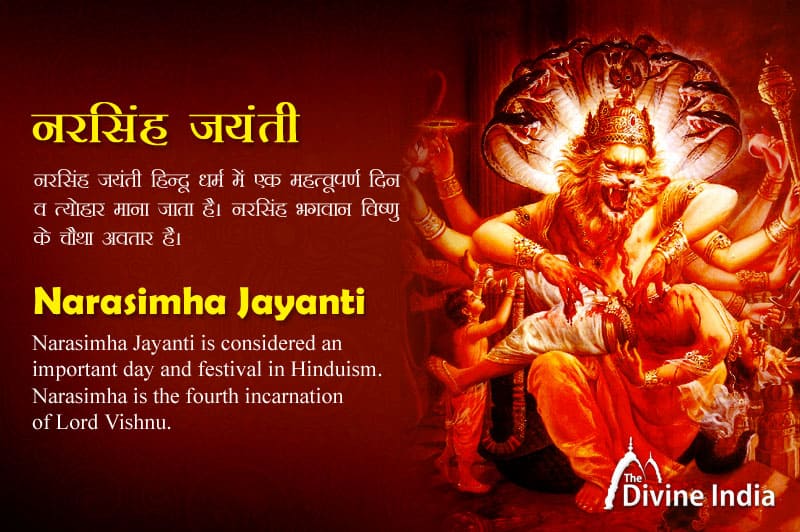
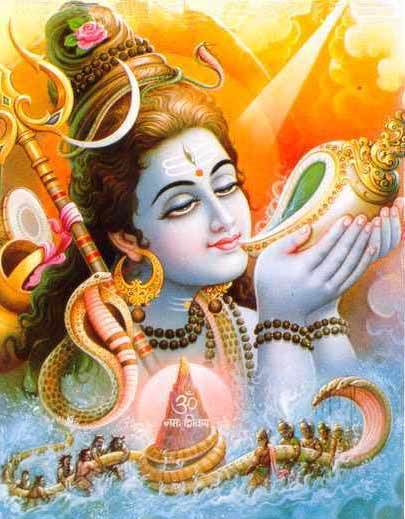


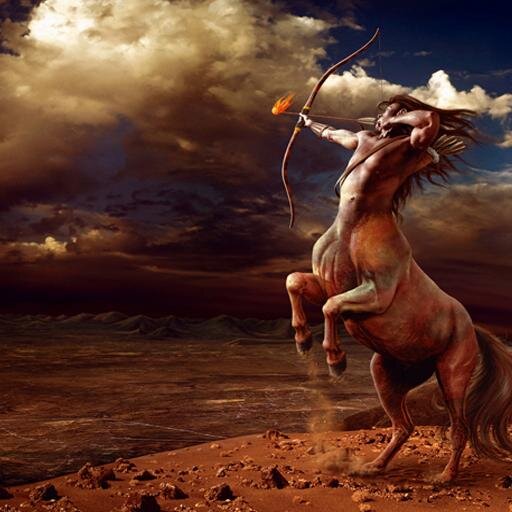
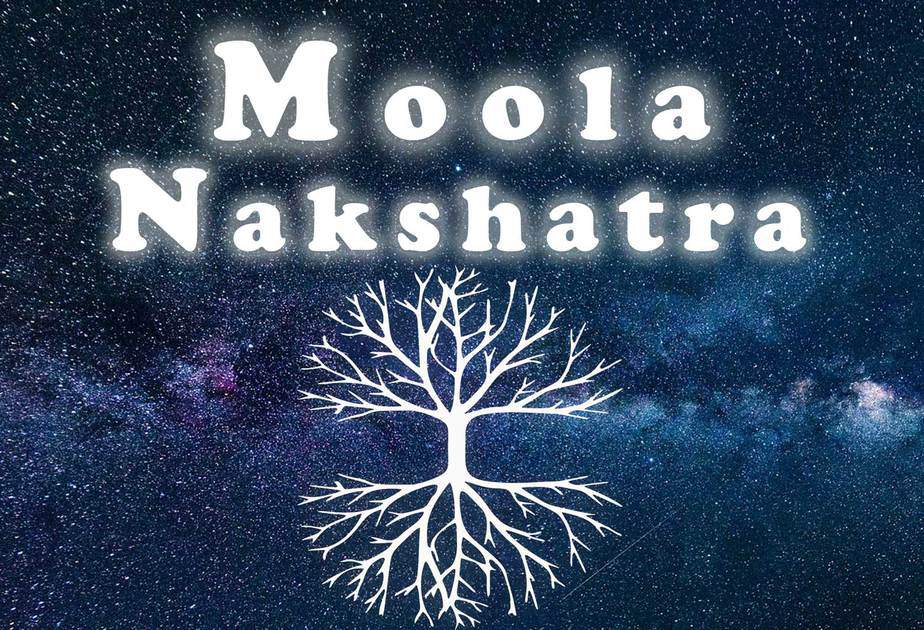

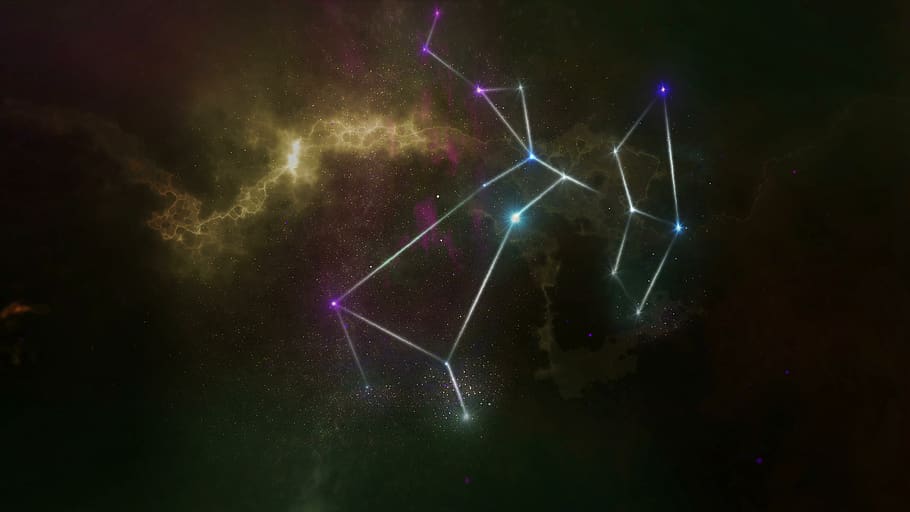

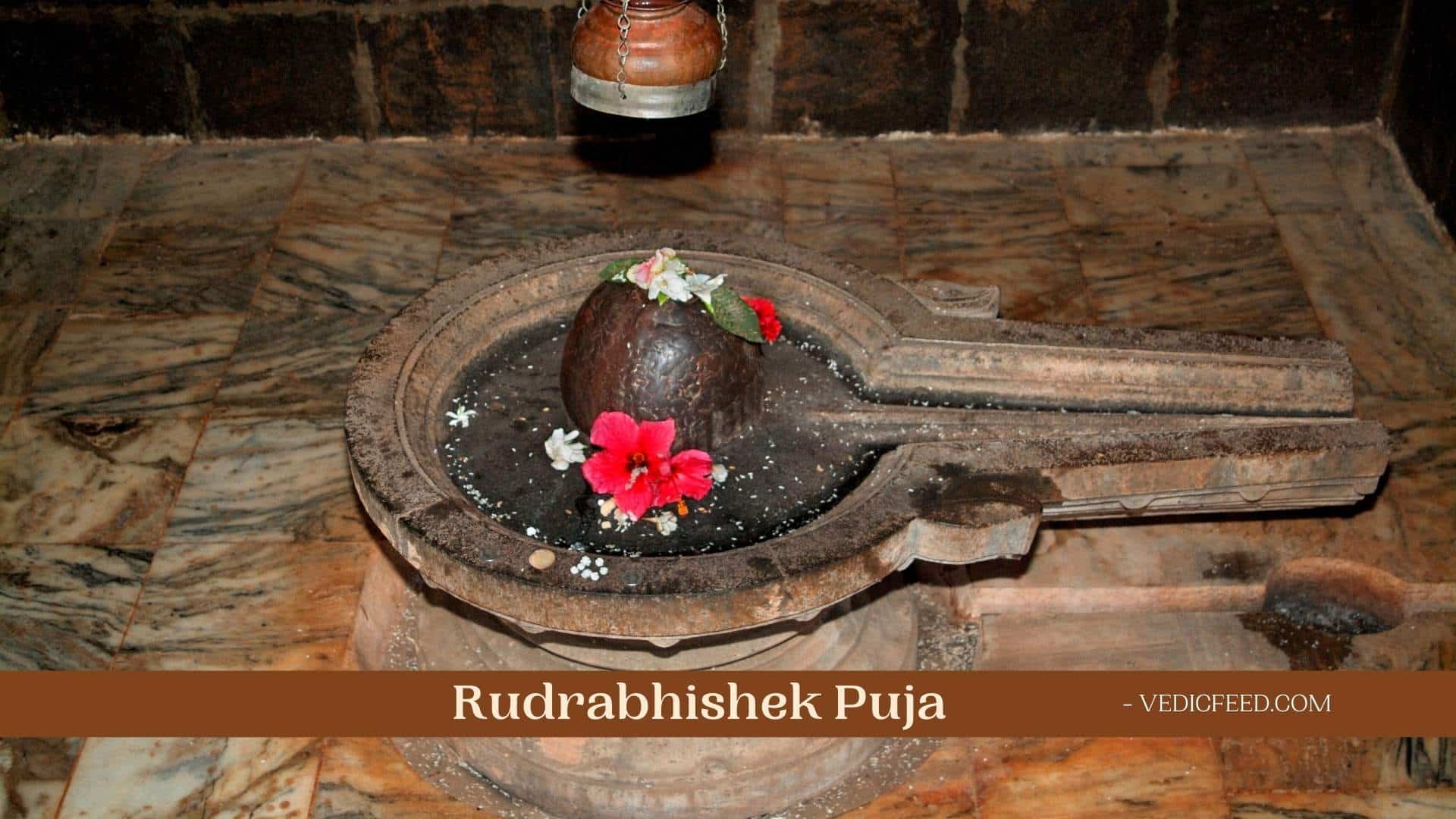


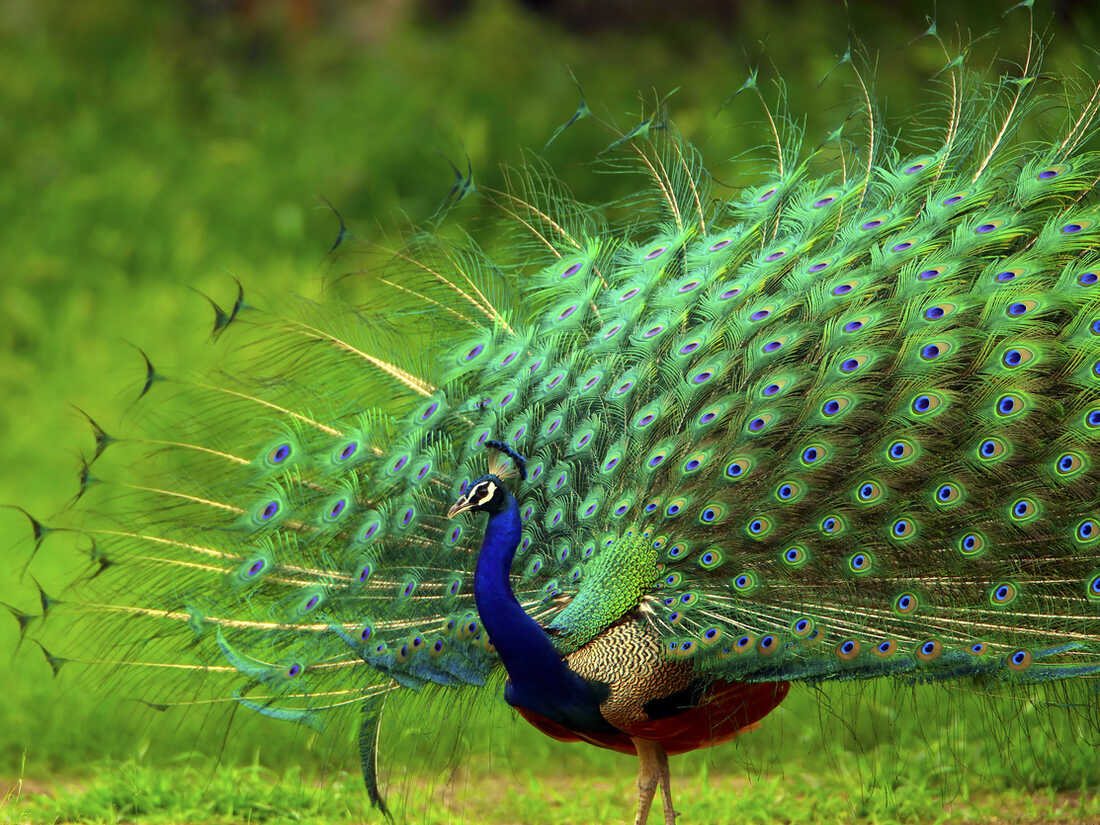

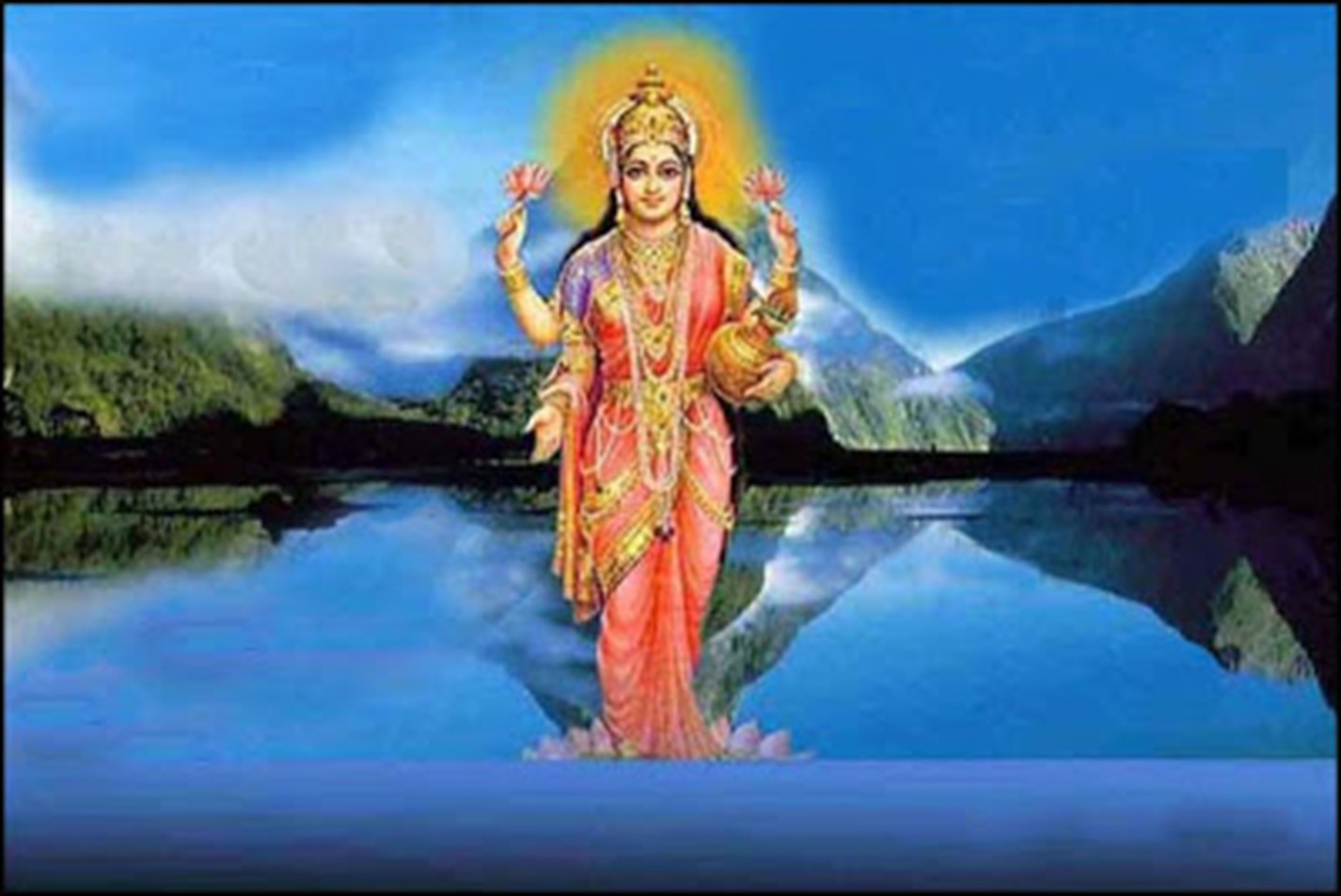
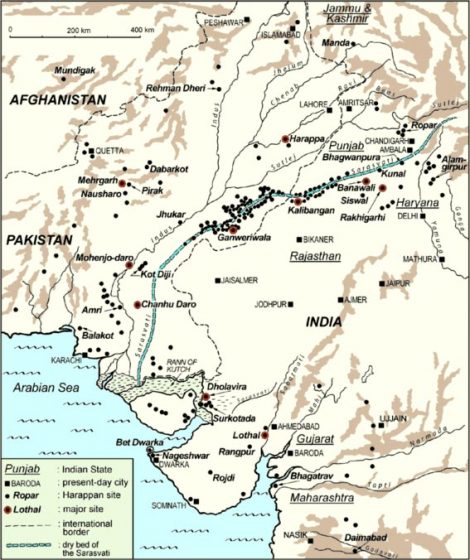




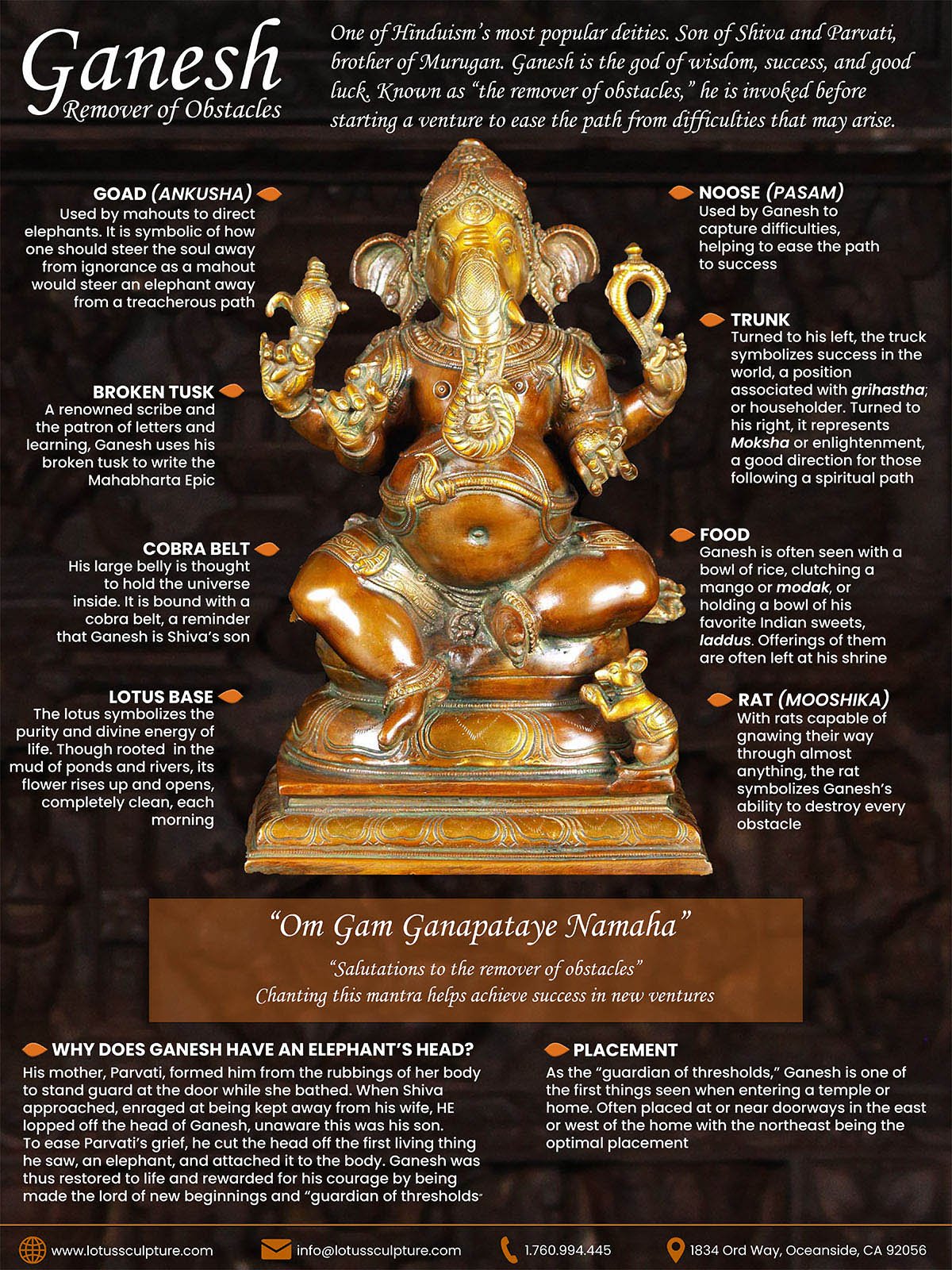

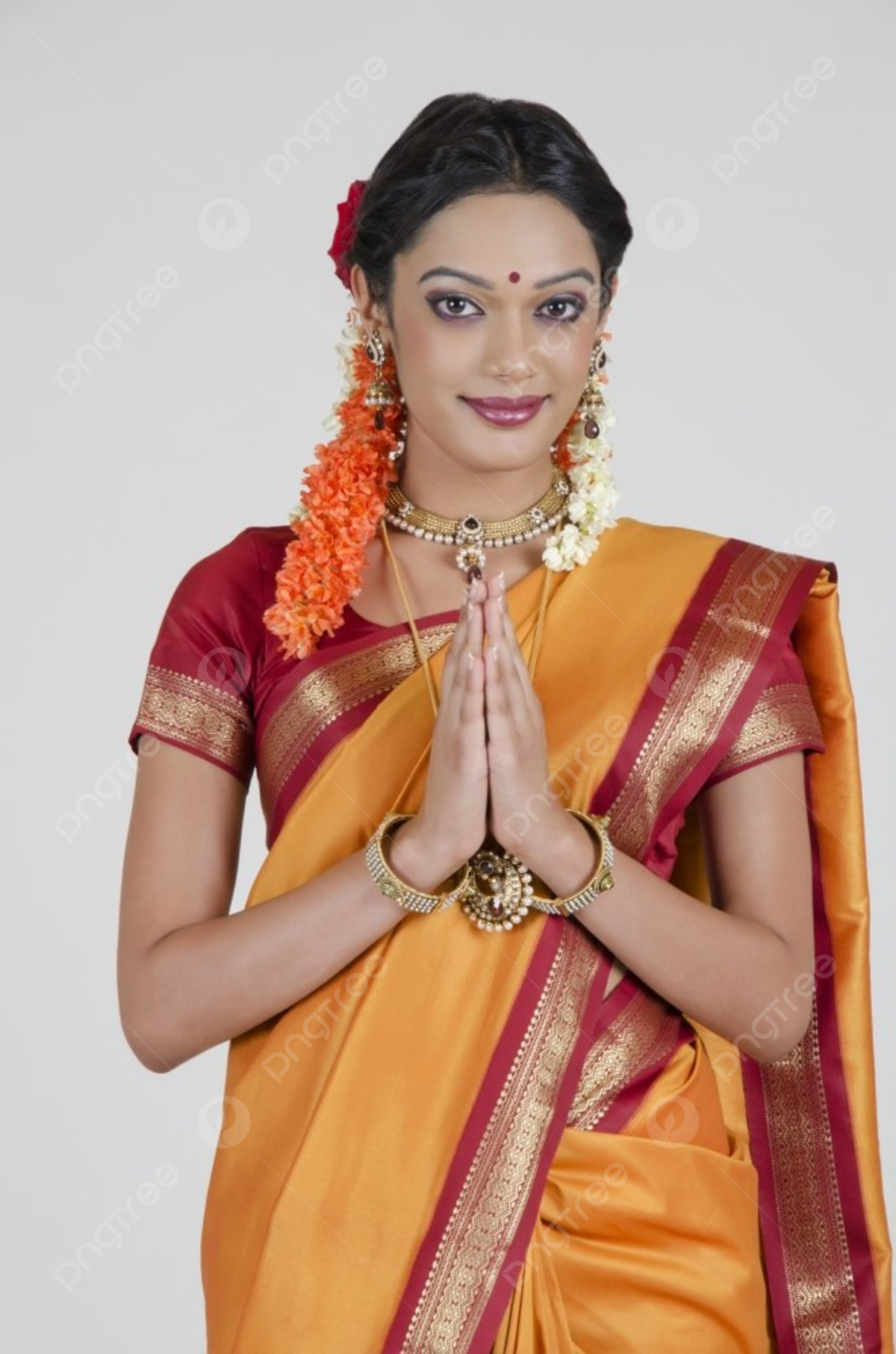




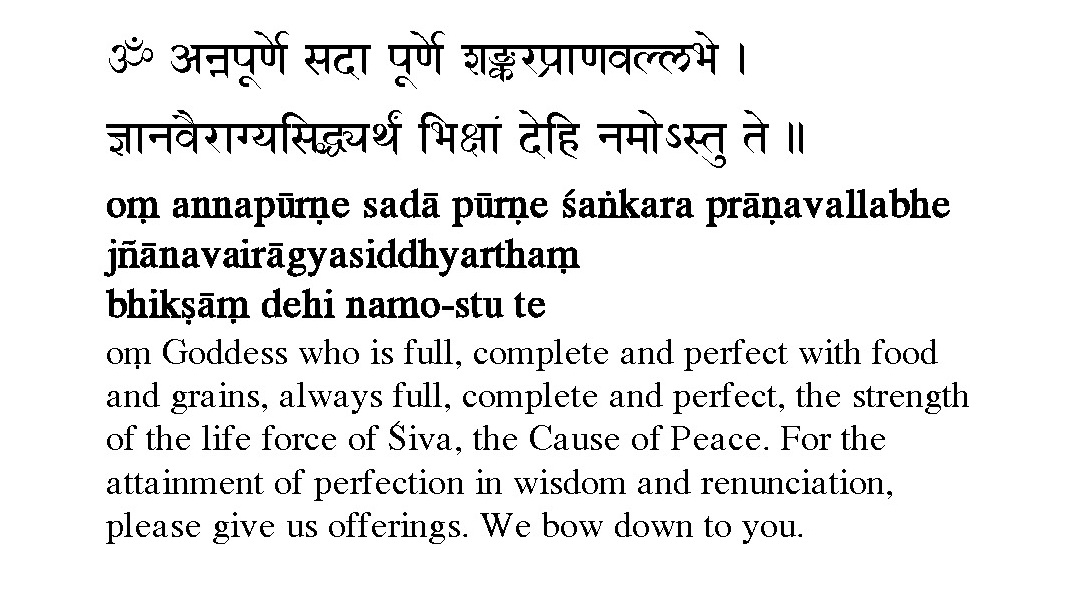

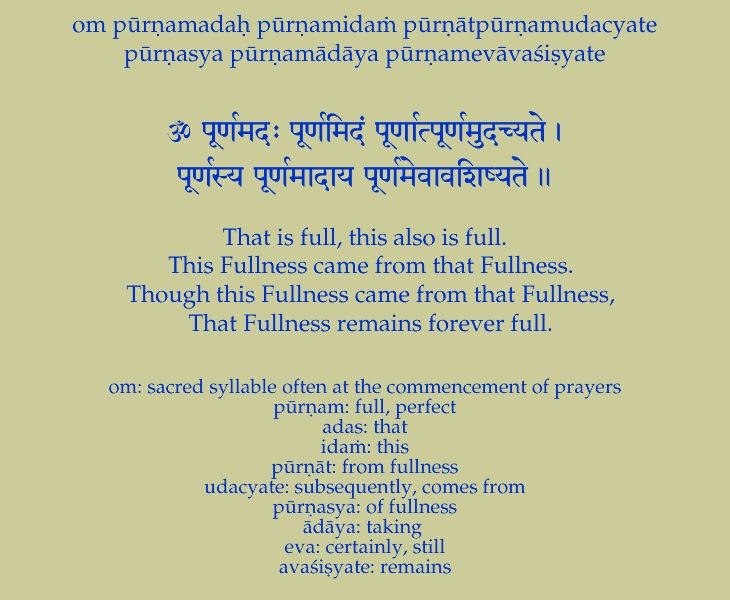

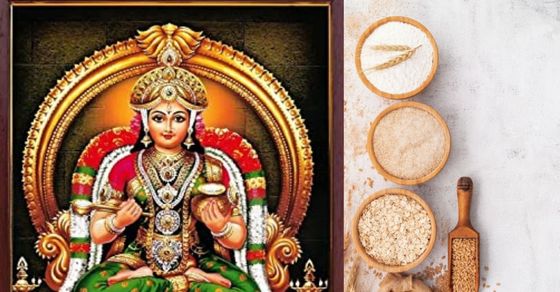
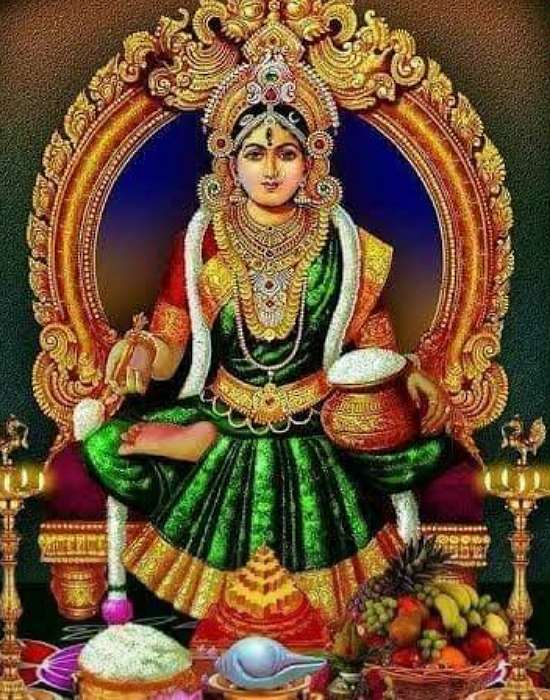


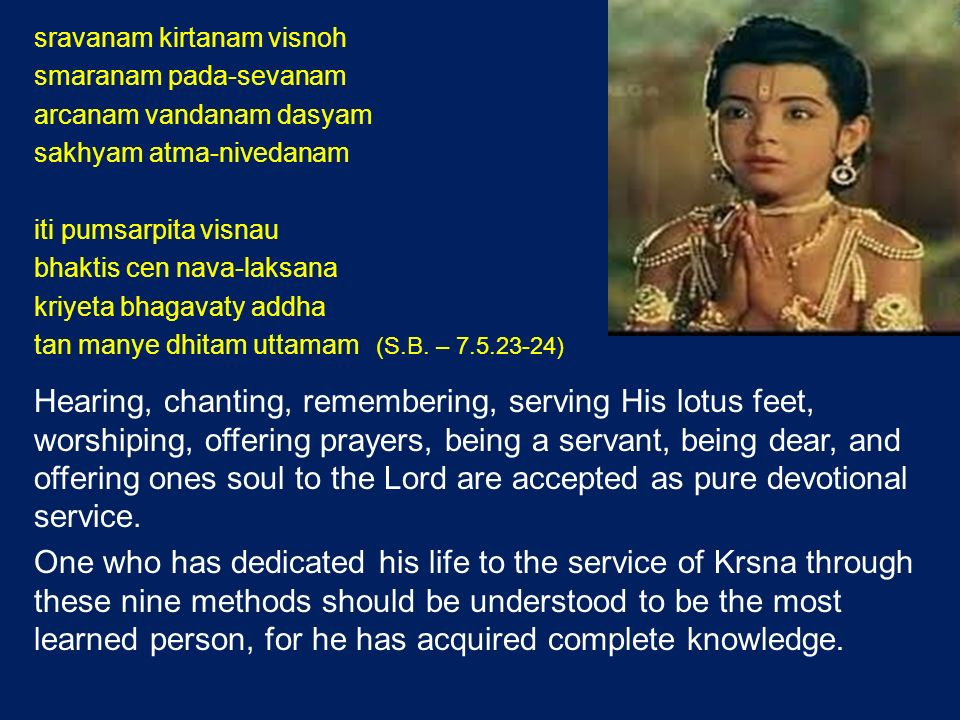


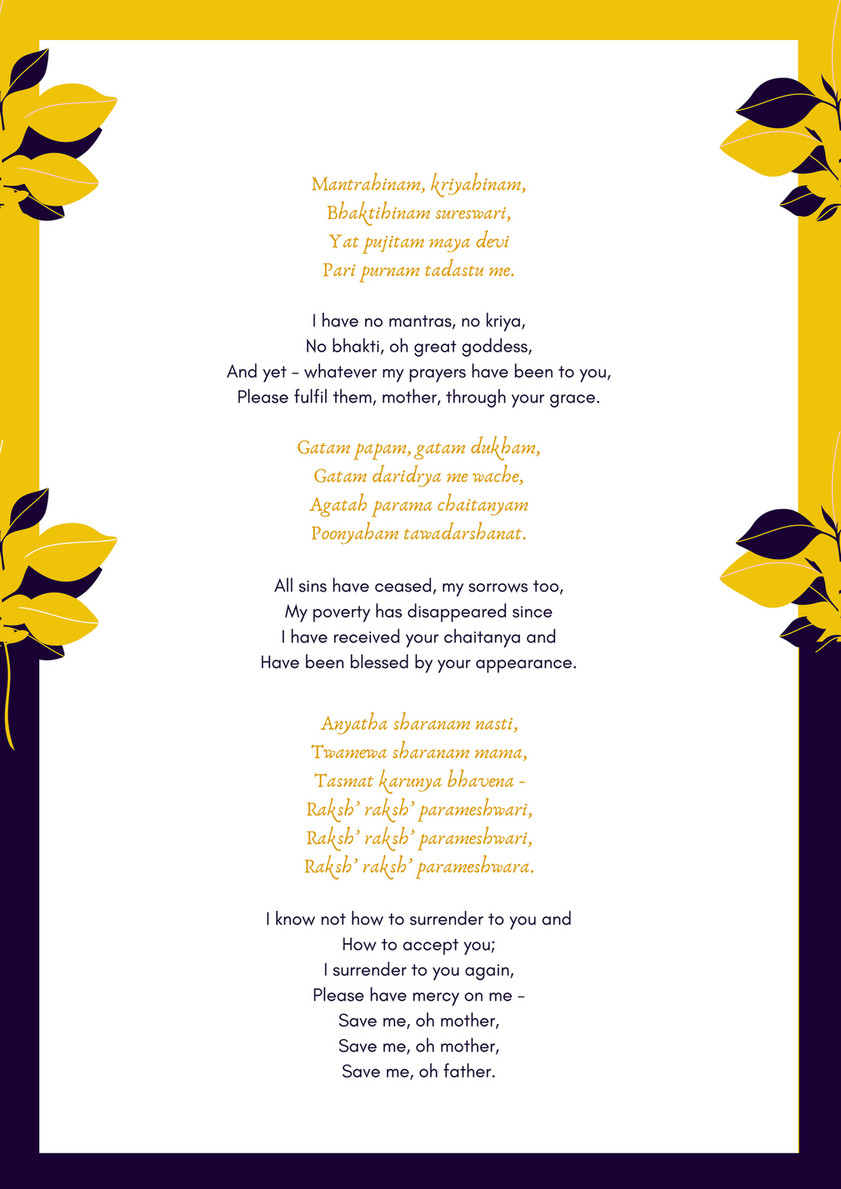


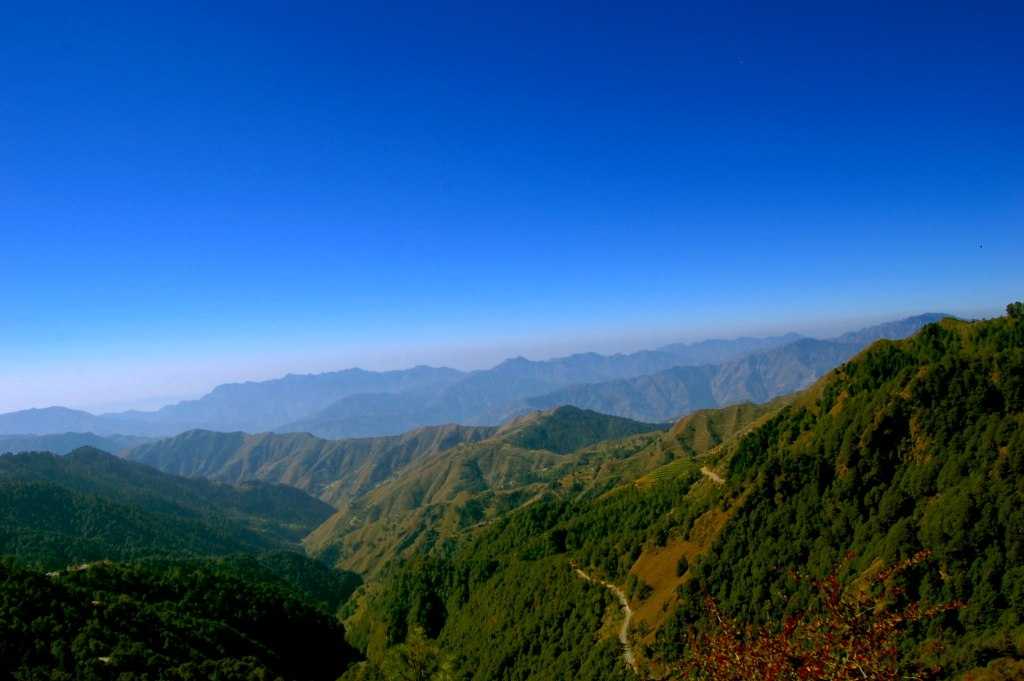
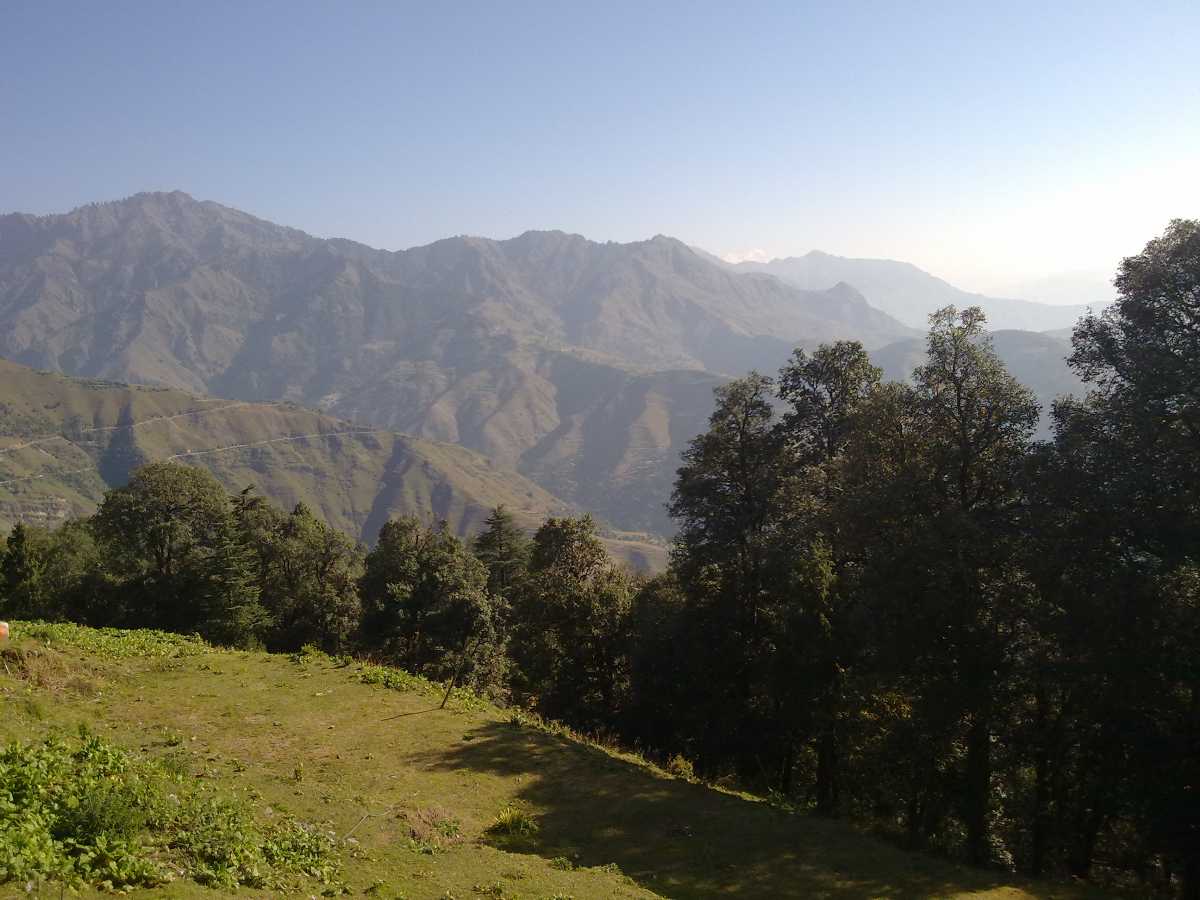
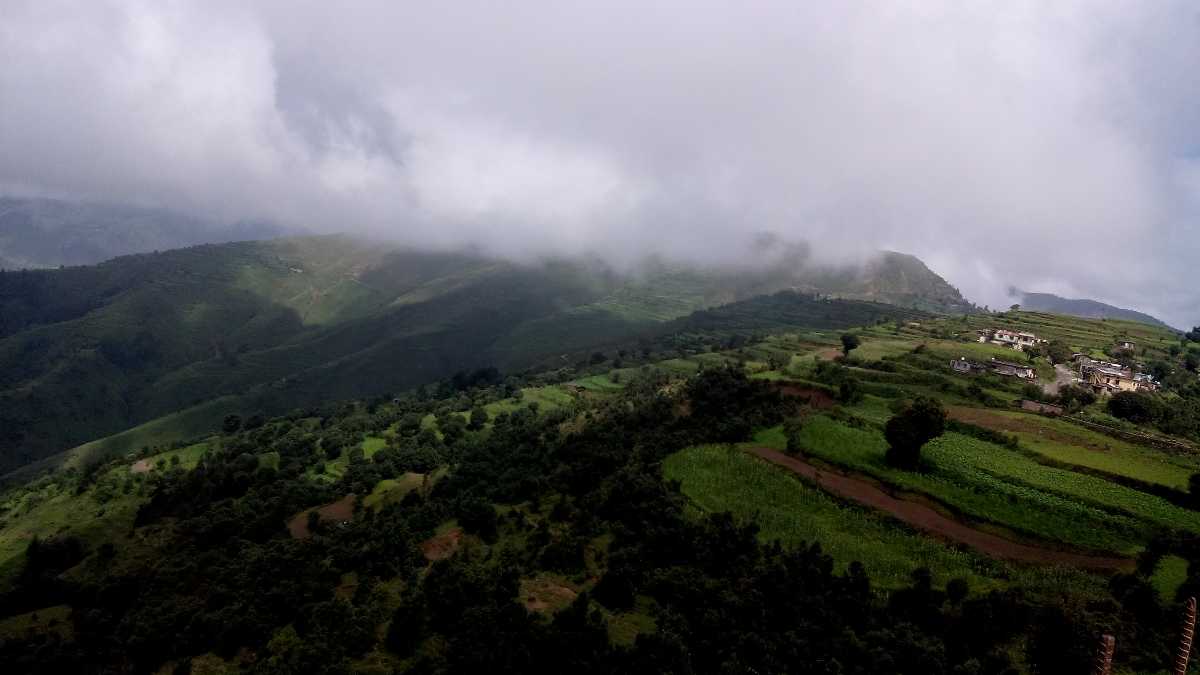
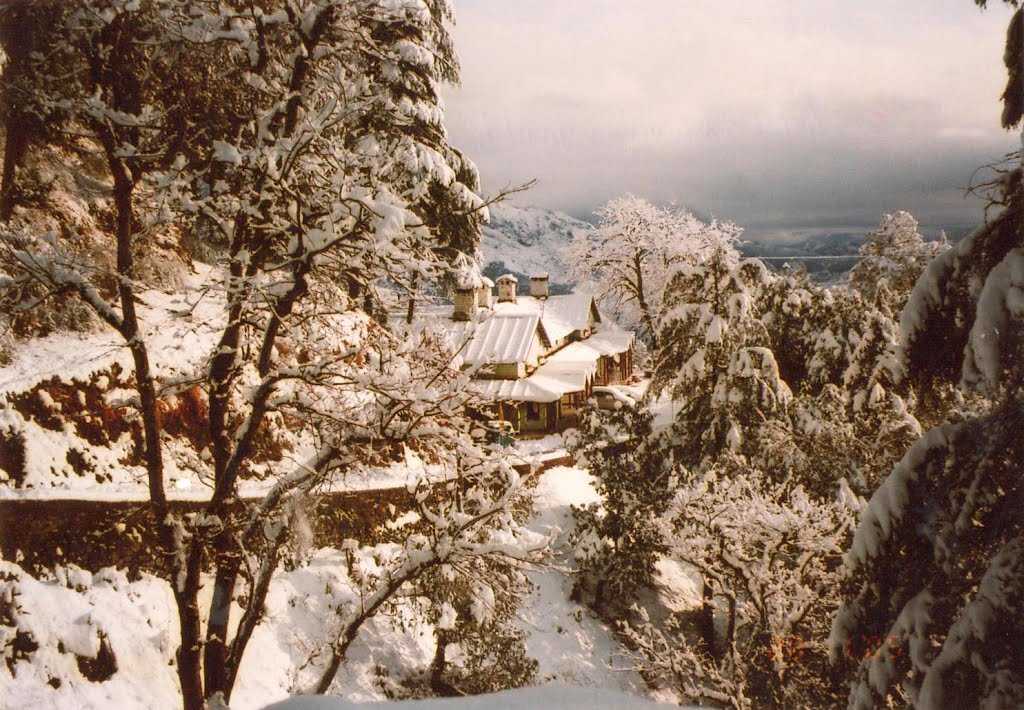
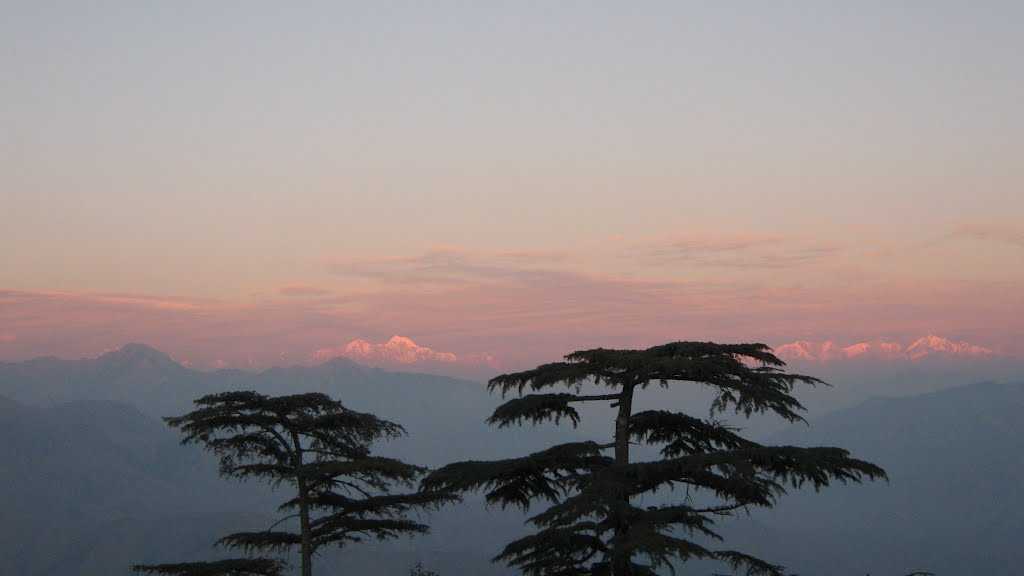
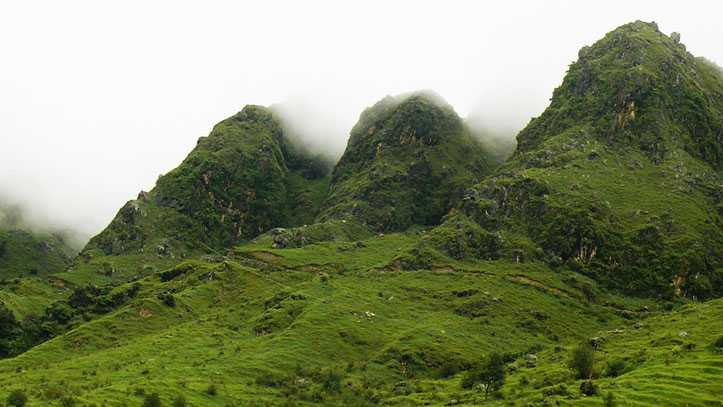
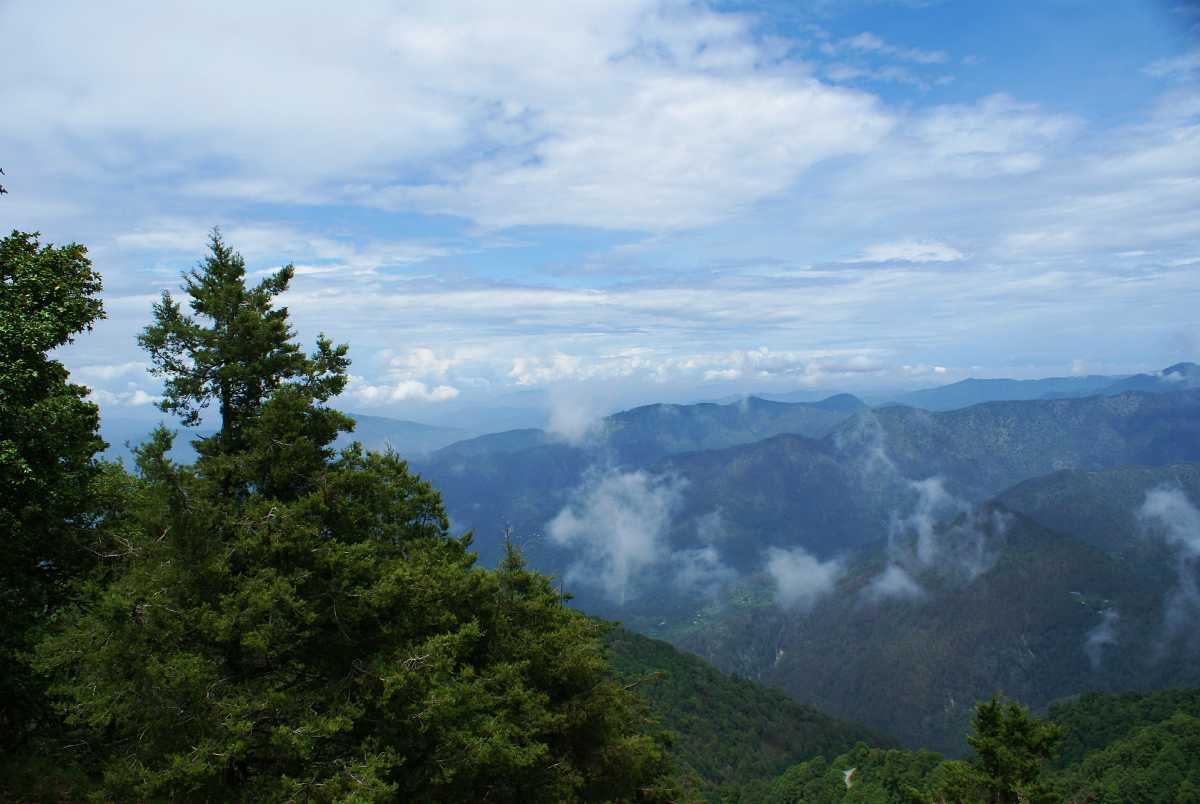
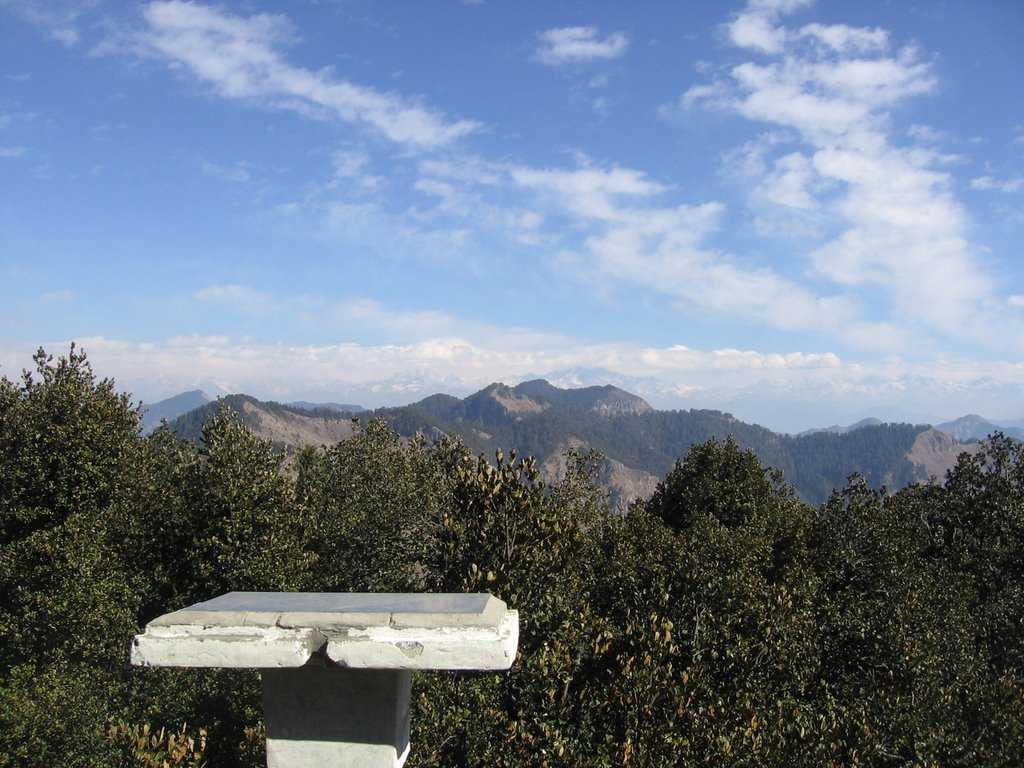
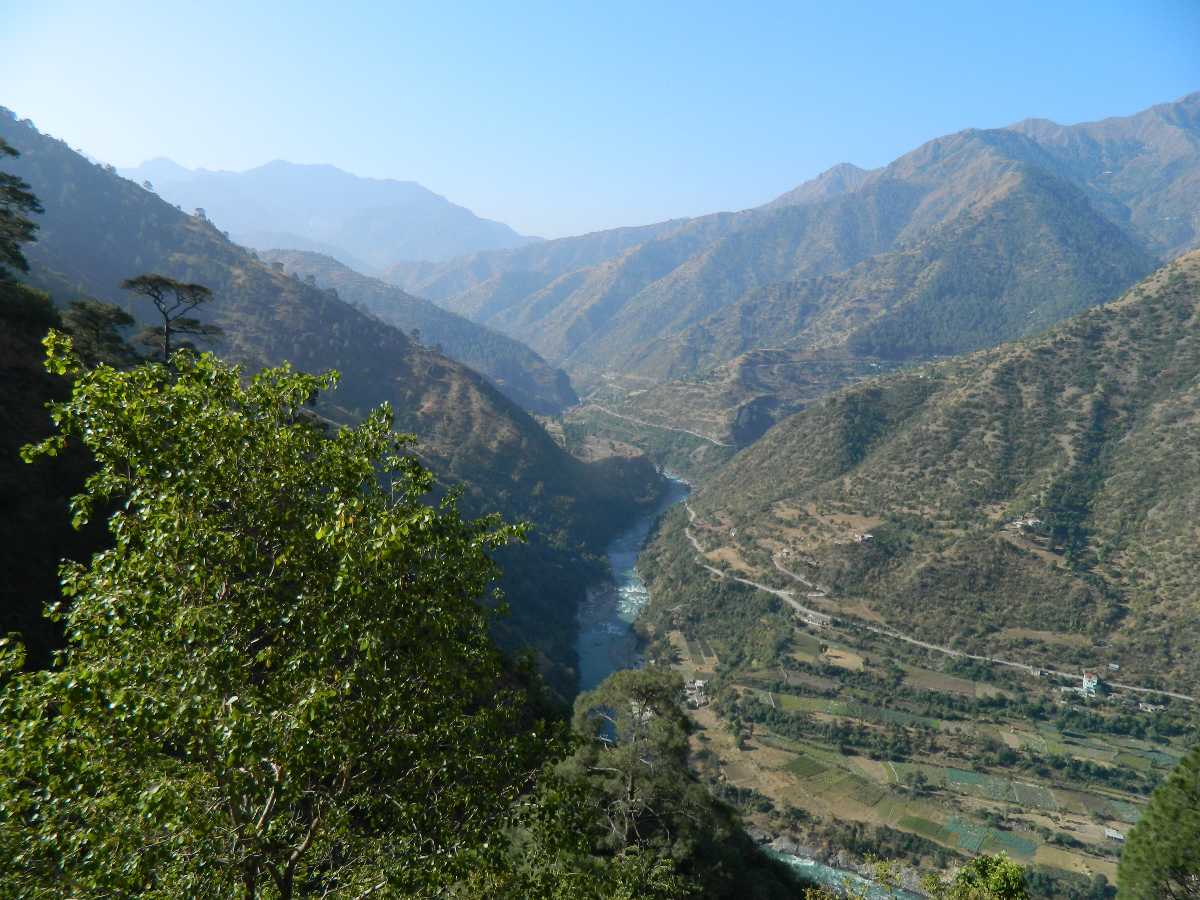


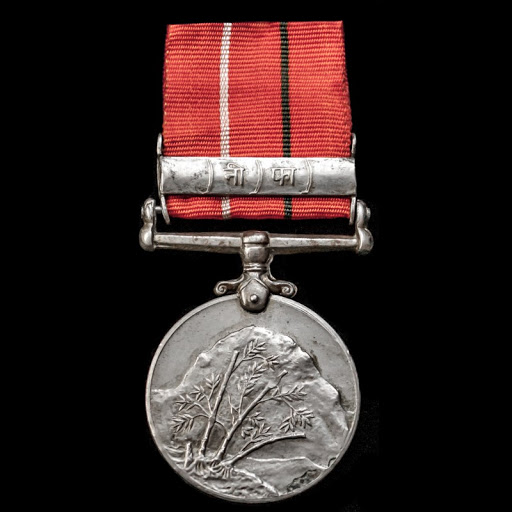


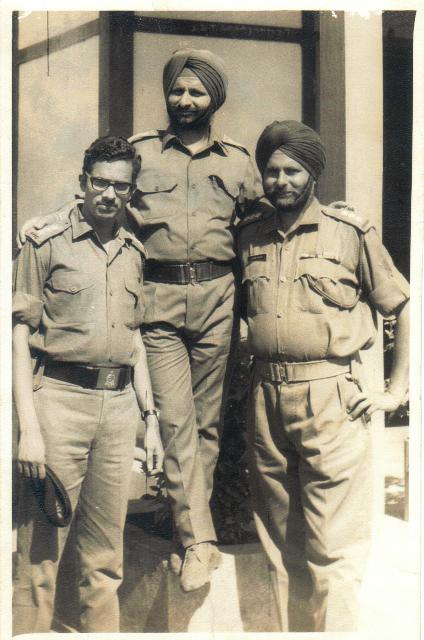




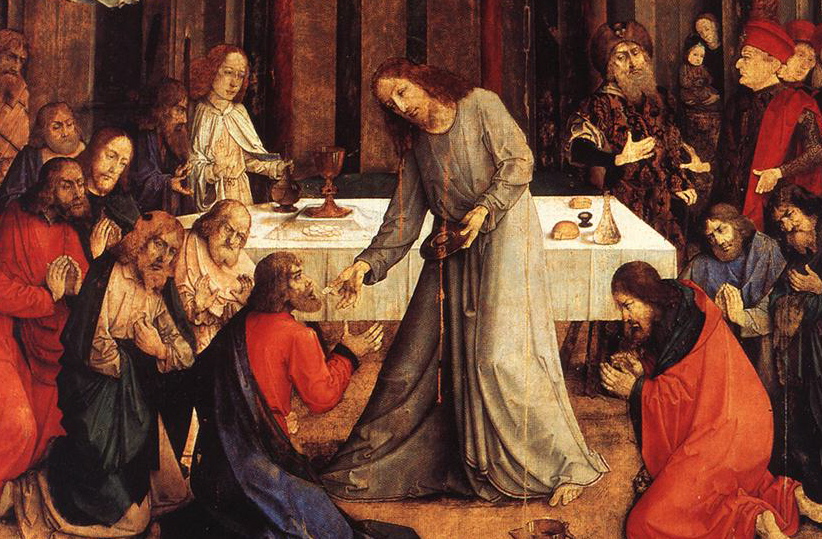







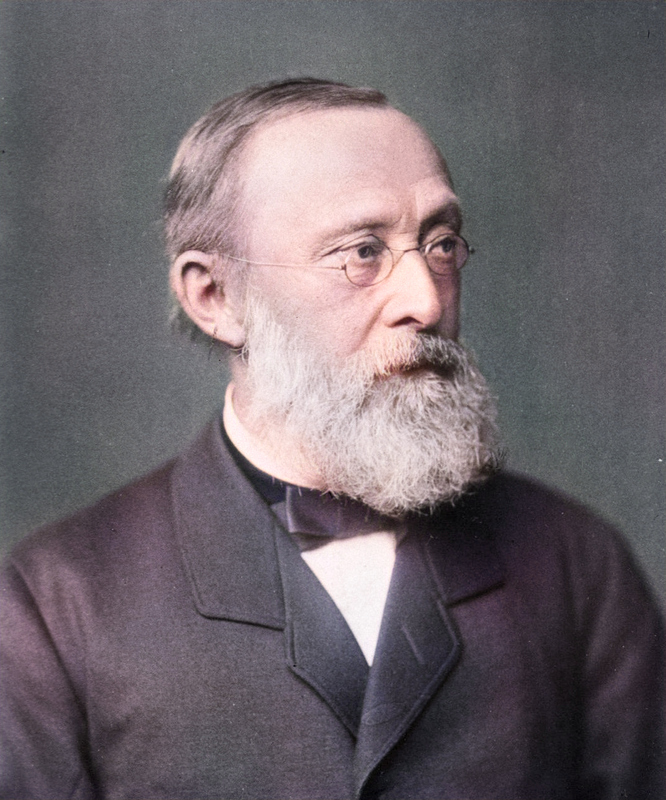








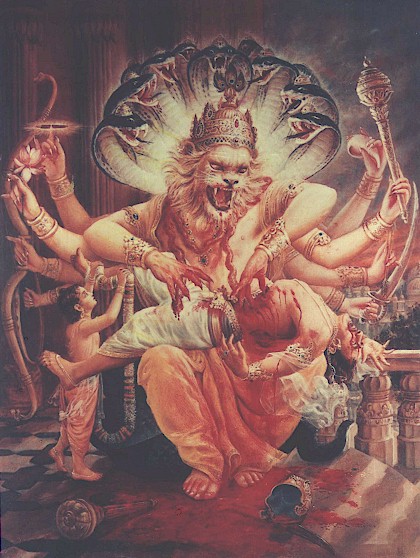
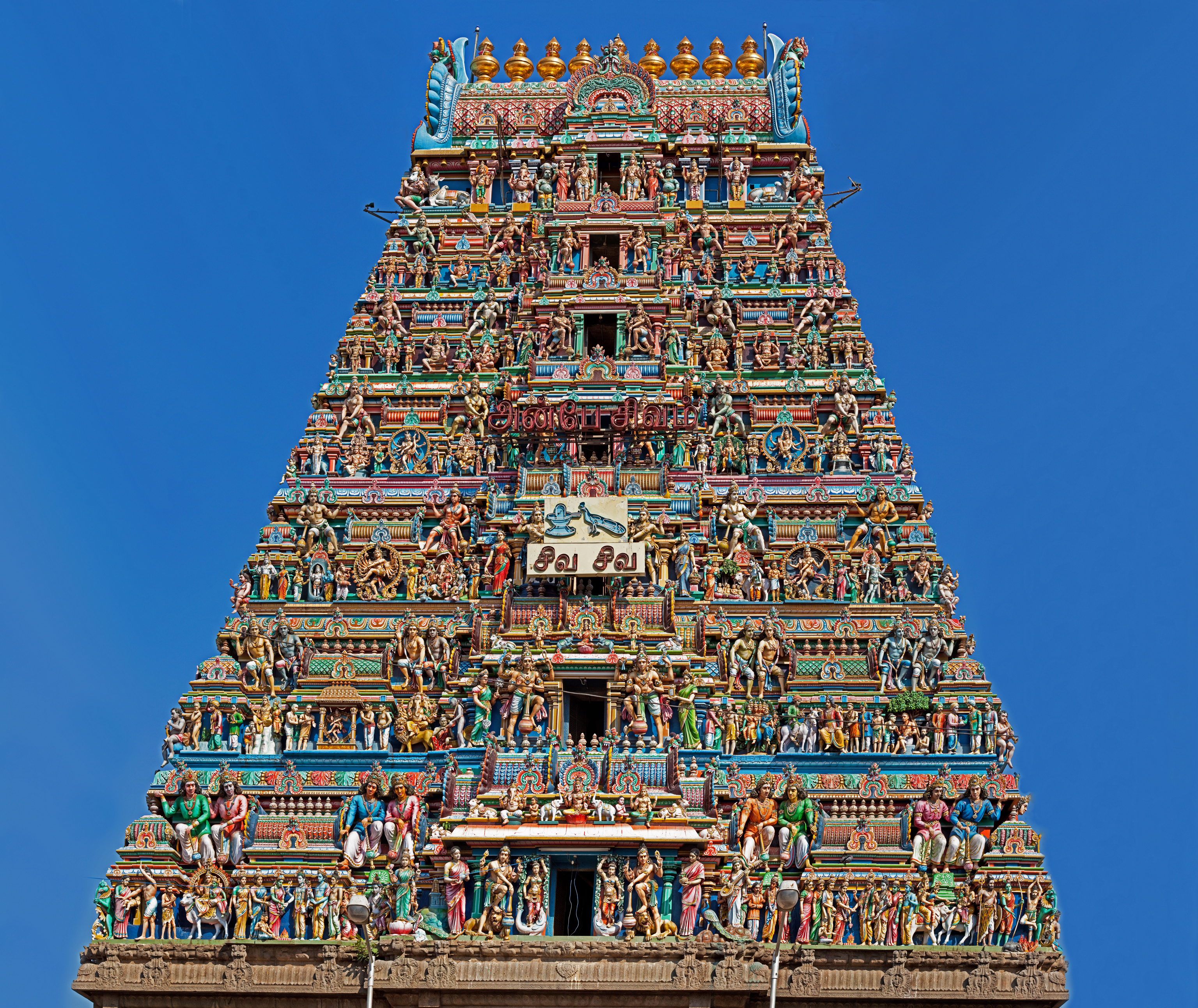

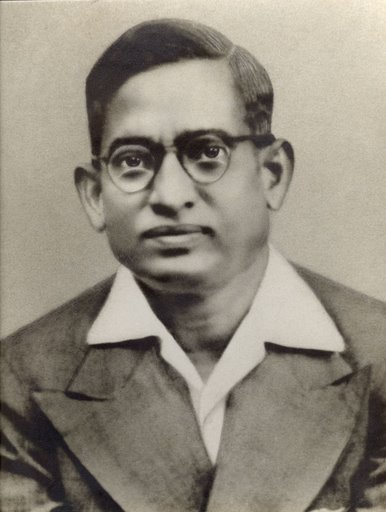


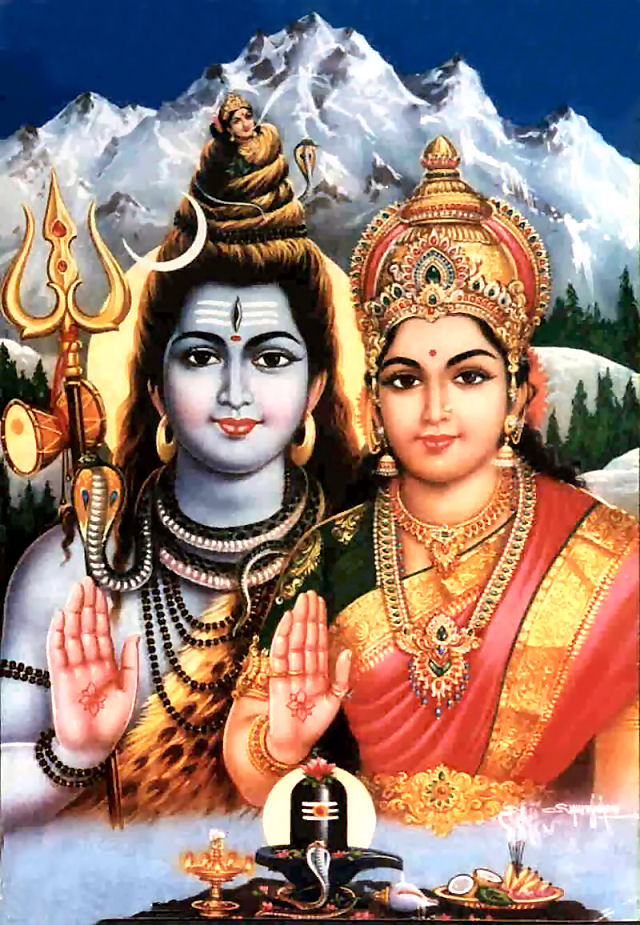

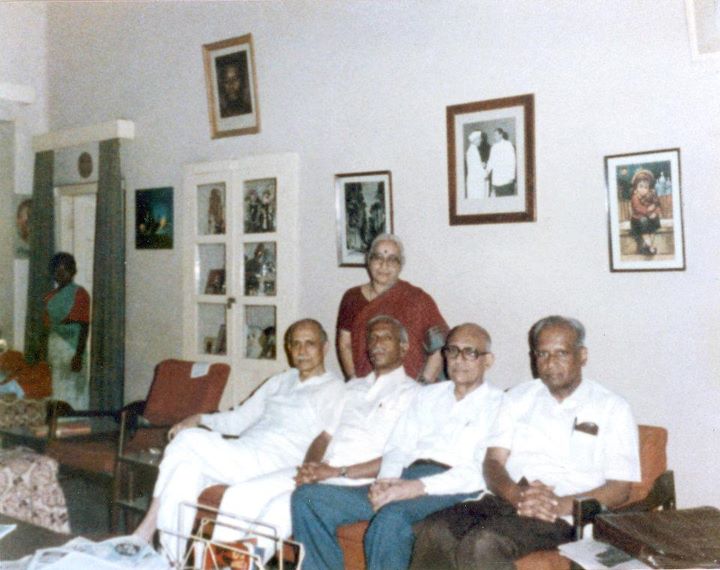
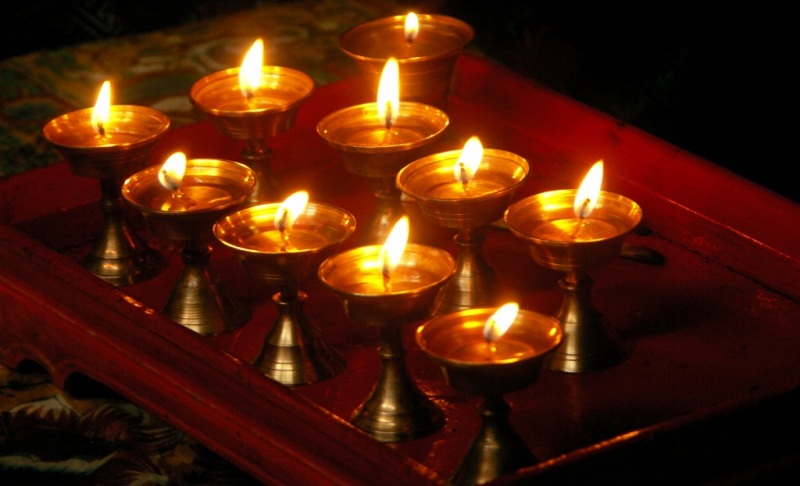
 Whole Dude - Whole Concept