Myths, Legends, and Reality – Defining Indian Identity. Sree Seetha Ramachandra Swamy at Bhadradri. Temple of Lord Rama in Bhadrachalam defines the concept of Ultimate Reality.
Sree Seetha Ramachandra Swamy Shrine -Temple of Lord Rama in Bhadrachalam
Myths, Legends, and Reality – Defining Indian Identity. A Temple to define the concept of Ultimate Reality.
This temple town of Bhadrachalam, located on the northern banks of the river Godavari in Khammam District of Telangana, India, best describes my Indian Identity as it brings together our myths, our legends and our quest for the “Ultimate Reality.”
Myths, Legends, and reality – Defining Indian Identity. A Temple to define the Ultimate Reality. The place described as Panchvati is in the vicinity of Bhadrachalam as per our local legend
This place is connected to events described in the epic poem of Ramayan which narrates Lord Rama’s journey in our Land. Rama while living in exile, camped in the forest by the name ‘Dandakaranya’ and His spouse Seetha was abducted and eventually, Rama and His brother Laxmana cross the river Godavari at this place in search of Seetha. A pious man known as Bhadra prayed at this place seeking Lord Rama’s return to this place. Much later, a simple woman who lived in this area discovered the idols of ‘Vaikuntha Rama’ ( the idol depicts Lord Rama with four arms and with the Conch shell and Sudarshana Chakra, the attributes of Lord Vishnu who presides over the realm described as Vaikuntha Lok) with Seetha seated on His lap and the idol of Laxmana standing next to them.
Myths, Legends, and Reality -Defining Indian Identity. A Temple to define the concept of Ultimate Reality
Kancharla Gopanna, a Tahsildar (revenue official) of Palvancha Paragana, built this temple in 1674 A.D. The legend about the divine intervention and the miraculous release of Gopanna from the prison at the Golconda Fort is narrated in my previous entry titled, ‘The Benevolent Shia Ruler of Golconda-Verily A Blessed Soul’.
About Myths and Legends:
Myths, Legends, and Reality. Defining Indian Identity. A Temple to define the concept of Ultimate Reality.
Myths are traditional stories which serve to explain our connection to God and the universe and hence they are not the same like the fictional stories. Myths exist in a historical context but may not be true historical accounts that are supported by scientific verification. Legends are stories handed down for generations among a people and popularly believed to have a historical basis but do not qualify for inclusion in a text book of history. As an Indian, I depend upon myths and legends to derive a sense of direction, a sense of guidance and a sense of hope for my human existence. They help me to know who I am and where I am going.
About Reality and Ultimate Reality:
Indians are very concerned about the effects of Time . We practically witness in our daily lives the forceful consequences of time. Time changes the course of human life and time changes the physical world. However, the “Ultimate Reality” does not change, it is constant and it is eternal. Indians seek this Reality as it represents their natural home and that is their final destination on completion of the life’s journey. Since ‘Truth’ is unchanging in its character, is also described as the Reality that we cherish to experience. Millions of Indians express this desire for Truth and the Reality with a very simple statement. They claim that the name “Ra Ma” is eternal Truth. Our search for Truth and Reality becomes very easy if we just seek “Ra Ma”. Great powers on this earth had vainly tried to destroy our belief in Rama. Mughal Emperor Babur destroyed the temple in Ayodhya which we consider as Rama’s birth place. The forces of Sultan Tughlak destroyed the Rama temple in my home town Rajahmundry. Mughal Emperor Aurangzeb destroyed countless number of temples and idols of Rama. Yet the myth and legend of Rama survives. At Bhadrachalam also known as Bhadra giri or Bhadradri (the hill of Bhadra), Sultan Tani Shah, a benevolent Shia Muslim ruler of Golconda, helped Kancharla Gopanna to maintain this temple and this devotee of Rama is popularly known by the name Bhakta Rama Dasu.
Would it be possible to destroy Rama?
Myths, Legends, and Reality. Defining Indian Identity. A Temple to define the concept of Ultimate Reality.
Many have tried to destroy the idols and images of Rama. For example, if some one would destroy the temple of Rama in Bhadrachalam, we still connect this place and the forest and the river with Rama’s life journey. If some one would destroy the forest, level the ground and change the course of the river, I would still look for the signs of His presence in the creation of the heavens and the earth. I would describe the blue sky as the color of Rama. If some one could destroy the blue sky and when I look up and see the dark sky, I would say that I am reminded of Lord Krishna who is described as black in color as dark as the sky of New Moon’s day. Our myths remind us that Rama and Krishna are one and the same. I do know people take great pride in their physical power but it may not be easy to wipe out a belief system which is more than the Idols which represent the Belief. I had mentioned before in a previous entry and the Indian Identity that I define is willing to accept the challenge of ‘Ten Commandments’ and the Indian Identity would survive as long as there is a sky above our heads and as long as the difference of night and day exists on this earth.
Myths, Legends, and Reality – Defining Indian Identity. A Temple to define the concept of Ultimate Reality.
” Lo ! In the creation of the heavens and the earth and (in) the difference of night and day are tokens (of His sovereignty) for men of understanding”. Surah III, verse 190, Holy Book of Quran.
Myths, Legends, and Reality – Defining Indian Identity. A Temple to define the concept of Ultimate Reality.
Shia Muslim Ruler of Golconda. Verily, a Blessed Soul
Shia Muslim Ruler of Golconda. Verily, a Blessed Soul. SULTAN ABUL HASAN QUTB SHAH (MAY PEACE BE UPON HIM).Golconda Fort near the City of Hyderabad, the seat of Qutb Shahi Dynasty.
Sultan Abul Hasan Qutb Shah was the seventh and the last ruler of the Kingdom of Golconda (Deccan, Southern India) under the Qutb Shahi Dynasty. He ruled from 1672 A.D. to 1687 A.D. He is also known as Abul Hasan Tana Shah and more popularly, he is known as TANI SHAH meaning benevolent ruler. He did not discriminate against those of other ethnicities or religions. He hired Hindus as his ministers and generals. Madanna was his Chief Minister. Madanna had a nephew by name Kancharla Gopanna. He appointed Gopanna as a “Tehsildar” (a revenue official) of Palvancha county. Gopanna inadvertently used the public funds for the construction of Rama temple on the banks of River Godavari at a place known as Bhadrachalam. Sultan Tani Shah found Gopanna was guilty of the misuse of the funds and had him imprisoned at the Golconda Fort.
A Legend About Divine Intervention:
Shia Ruler of Golconda, Verily, a Blessed Soul. A Temple to define the concept of Ultimate Reality.Did Lord Rama actually visit Golconda Fort to obtain the release of Kancharla Gopanna from the prison? Sultan Tani Shah believed that it was God or Allah who had come to him and cleared the debt owed by Gopanna. He further expressed that belief in his actions. He allowed Gopanna to complete the construction of Lord Rama’s Temple in Bhadrachalam and financially supported the maintenance of that Temple. By doing so, the Shia Ruler of Golconda gave us a chance to reflect upon Lord’s Mercy, Grace, and Compassion.
Gopanna spent about 12 years in prison. According to legend, God intervened on behalf of Gopanna to obtain his release from the prison at Golconda Fort. As per the legend, Lord Rama in disguise had come before the King and returned the money owed by Gopanna and the debt was repaid with gold coins. God who came to rescue Gopanna from the prison had met the Sultan but not the prisoner. Upon his release from the prison, Gopanna did express his sorrow for missing the opportunity to meet the Lord. Gopanna was released from the prison and he successfully finished the construction of the Rama temple which stands even today. Sultan Tani Shah publicly acknowledged that he had met “ALLAH ” and recognized the fact of Gopanna’s release from the prison was made possible by divine intervention. He made permanent arrangements for the upkeep of this temple. The funds that were collected as tax from Palvancha county were allocated to the temple and also he had established an annual tradition of sending pearls to shower the Deity during the annual temple festival. This tradition of offering pearls was continued by the rulers of the princely State of Hyderabad popularly known as the ‘Nizams of Hyderabad’, who ruled the Telangana region continuously until India’s independence. The Hyderabad State became a part of the Indian Union and the State of Andhra Pradesh came into existence in 1956. The Government of Andhra Pradesh and later Telangana followed the tradition established by Sultan Tani Shah in the 17th century and the tradition of offering pearls to Lord Rama still exists.
Verily A Blessed Soul:
Shia Ruler of Golconda, Verily a Blessed Soul.
Did Lord Rama actually visit Golconda Fort to obtain the release of Kancharla Gopanna from the prison? Sultan Tani Shah believed that it was God or Allah who had come to him and cleared the debt owed by Gopanna. He further expressed that belief in his actions. He allowed Gopanna to complete the construction of Lord Rama’s Temple in Bhadrachalam and financially supported the maintenance of that Temple. By doing so, the Shia Ruler of Golconda gave us a chance to reflect upon Lord’s Mercy, Grace, and Compassion.
This Lord Rama’s Temple in Bhadrachalam is a testimony about Lord’s Grace, Mercy, and Compassion.
This benevolent ruler defended the Golconda Fort for eight months when the Mughal Emperor Aurangzeb attacked it in 1687 A.D. In October 1687, the Fort was captured by bribery and Sultan Tani Shah was taken as a prisoner and was imprisoned in Daulatabad Fort until his death.
I recognize Sultan Tani Shah as a Blessed Soul for he recognized God’s plan and purpose and supported Gopanna to build the temple and provided for the maintenance of the temple and gave us the opportunity to know about God’s Compassion, Grace, and Mercy. Secondly, Sultan Tani Shah received the biggest gift that a man could ever seek. Man always cherishes the idea of meeting his Creator, the Father in Heaven, Allah, the Lord, Rama the divine reincarnation of Vishnu and very few actually realize that dream. Gopanna was rescued but could not meet Rama. Sultan Tani Shah did not pray or ask for this favor from God. He is a Blessed Soul because God granted him that gift. He received a sensory experience of that Reality called God and I fully trust this experience he had shared with others. Sultan Tani Shah’s actions substantiate his claim. Most importantly, he did not seek any personal reward or personal gain while he acted in obedience of a God he never actually believed and had never intended to worship in any manner. He acted without seeking the fruits of his actions. I bless this Shia Ruler of Golconda and pray for Lord’s Peace be upon him forever.
Myths, Legends, and Reality. Defining Indian Identity. A Temple to define the concept of Ultimate Reality.
Tuesday, March 19, 2024. A Day to Rejoice. The Celebration of Spring Renewal, Rejuvenation and Rebirth.
In the Indian tradition, the creative energy is personified as Goddess Madhavi, and Her consort Lord Madhava is the Controller of Creative Energy. Today, I seek Blessings of Lord Madhava and Goddess Madhavi to renew my creative energy and to guide expression of my thoughts using sweet words and to promote the well-being of all my readers and become a source of Happiness to all people.
Tuesday, March 19, 2024. A Day to Rejoice. The Celebration of Spring Renewal, Rejuvenation and Rebirth.
I wish all my readers, ‘Happy First Day of Spring’. In 2024, the March Equinox happens on Tuesday, March 19, at 11:06 P.M. EDT. In the Northern Hemisphere, this date marks the astronomical beginning of the Spring Season. At that time, the Earth will reach the point in its orbit where its axis isn’t tilted toward or away from the sun. Thus, the Sun will then be directly over a specific point on the Earth’s equator moving northward. On the sky, it’s where the ecliptic and celestial equator cross each other. While the Sun passes overhead, the tilt of the Earth is zero relative to the Sun, which means that Earth’s axis neither points toward nor away from the Sun. (Note, however, that the Earth never orbits upright, but is always tilted on its axis by about 23.5 degrees.)
Tuesday, March 19, 2024. A Day to Rejoice. The Celebration of Spring Renewal, Rejuvenation and Rebirth.
After this date, the Northern Hemisphere begins to be tilted more toward the Sun, resulting in increasing daylight hours and warming temperatures. (In the Southern Hemisphere, it’s the opposite: the March Equinox marks the start of Autumn, as the Southern Hemisphere begins to be tilted away from the Sun.) Equinoxes are the only two times a year that the Sun rises due east and sets due west for all of us on Earth!
Tuesday, March 19, 2024. A Day to Rejoice. The Celebration of Spring Renewal, Rejuvenation and Rebirth.
After the spring equinox, the Northern Hemisphere tilts toward the Sun. Although in most locations (the North Pole and Equator being exceptions) the amount of daylight had been increasing each day after the winter solstice, after the spring equinox, many places will experience more daylight than darkness in each 24-hour day. The amount of daylight each day will continue to increase until the summer solstice in June, in which the longest period of daylight occurs.
Welcome to Spring Season 2024. Every Change in Nature is operated by an Unchanging Reality.
EVERY CHANGING PHENOMENON IN NATURE IS OPERATED BY AN UNCHANGING REALITY:
Tuesday, March 19, 2024. A Day to Rejoice. The Celebration of Spring Renewal, Rejuvenation and Rebirth . Lord Madhava with His consort Goddess Madhavi.
Every changing phenomenon in nature is operated by an Unchanging Reality. Spring Season brings a change, and this change is possible for it is governed by an Unchanging Reality. In the Indian tradition, Spring Season is glorified for it symbolizes Lord Madhava, the Lord of Seasons.
Tuesday, March 19, 2024. A Day to Rejoice. The Celebration of Spring Renewal, Rejuvenation and Rebirth. Lord Krishna as Madhava symbolizes the Season of Flowers, the Season of Joy
The Divine Song called Bhagavad Gita, Chapter X, ‘The Infinite Glories of the Ultimate Truth’- ‘Vibhuti Vistara Yoga’, describes LORD God Creator’s Infinite Divine Attributes. In verse 35, Lord Krishna describes Himself as The Lord of Spring Season – The Season of Flowers: “Rtunam Kusumakarah.”
Tuesday, March 19, 2024. A Day to Rejoice. The Celebration of Spring Renewal, Rejuvenation and Rebirth. Lord Krishna as Madhava symbolizes the Season of Flowers, the Season of Joy
The word ‘Spring’ describes the move upward or forward from the ground, it denotes resilience or bounce, and it means to grow or develop or come into existence quickly. Among the Seasons, the Spring Season is the time during which plants begin to grow after lying dormant all Winter.
Tuesday, March 19, 2024. A Day to Rejoice. The Celebration of Spring Renewal, Rejuvenation and Rebirth. Lord Krishna as Madhava symbolizes the Season of Flowers, the Season of Joy.
In the North Temperate Zone, the Spring Season includes the months of March, April, and May, the period between the Vernal Equinox and the Summer Solstice.
Tuesday, March 19, 2024. A Day to Rejoice. The Celebration of Spring Renewal, Rejuvenation and Rebirth.
A not-so-equal equinox
On the day of the equinox, the sun will appear to rise exactly east and set exactly west. Daytime and nighttime are often said to be equally long with the equinox, but this is a common misconception — the day can be up to 8 minutes longer, depending on your latitude.
The sun is above the horizon half the day and below for half — but that statement neglects the effect of the Earth’s atmosphere, which bends the rays of sunlight (called refraction) around the Earth’s curvature when the sun lies close to the horizon. But, because of this bending of the sun’s rays, the disk of the sun is always seen slightly higher above the horizon than it really is.
In fact, when you see the sun appearing to sit on the horizon, what you are looking at is an optical illusion; the sun at that moment is actually below the horizon. So, we get several extra minutes of daylight at the start of the day and several extra minutes more at the end.
Tuesday, March 19, 2024. Welcome to Spring Season. The path of the sun across our sky – from about noon to sunset – on an equinox, a summer solstice and a winter solstice. Photographer Marcella Giulia Pace said: “I made these observations from Gatto Corvino village, Sicily, Italy … I chose a field where the western horizon was clearly visible and always shot from the same spot, every 10 minutes, beginning at true local noon.” Thank you, Marcella! Image via Earth Science Picture of the Day/ Universities Space Research Association.
Astronomers can calculate the moment of the vernal equinox right down to the nearest second. In the days that follow, the direct rays of the sun migrate to the north of the equator and the length of daylight in the Northern Hemisphere will correspondingly appear to increase.
Lord Madhava – Lord of the Spring Season:
Tuesday, March 19, 2024. A Day to Rejoice. The Celebration of Spring Renewal, Rejuvenation and Rebirth.
In the Indian tradition, Spring Season is called Basant, Vasant, Kusumakara, or Madhavam. A chief, alluring feature of this Season is the flowering of plants. Mangifera indica, MANGO plant, a native of India bears flowers and promises to deliver its sweet, and delicious fruits.
Tuesday, March 19, 2024. A Day to Rejoice. The Celebration of Spring Renewal, Rejuvenation and Rebirth.
The Spring Season is a time for rebirth, regeneration, renewal, and regrowth after a period of dormancy. Man derives a sense of joy and happiness when the plants start their growing process and quickly bear attractive flowers. It gives the experience of ‘Sweetness’ which is called ‘Madhurya’ in the Sanskrit language. It is a manifestation of a creative process, or operation of creative energy that makes human existence possible giving the man the sensation associated with consuming nectar, honey, or sweet wine.
Tuesday, March 19, 2024. A Day to Rejoice. The Celebration of Spring Renewal, Rejuvenation and Rebirth
In the Indian tradition, the creative energy is personified as Goddess Madhavi, and Her consort Lord Madhava is the Controller of Creative Energy. Today, I seek Blessings of Lord Madhava and Goddess Madhavi to renew my creative energy and to guide expression of my thoughts using sweet words and to promote the well-being of all my readers and become a source of Happiness to all people.
Tuesday, March 19, 2024. A Day to Rejoice. The Celebration of Spring Renewal, Rejuvenation and Rebirth.
Remembering Thomas Robert Malthus – His relevance to India
Remembering Thomas Robert Malthus – His relevance to India
THOMAS ROBERT, MALTHUS, ENGLISH ECONOMIST AND DEMOGRAPHER
Remembering Thomas Robert Malthus – His relevance to India
Thomas Robert Malthus (Feb 1766 to Dec 1834), the English economist was one of the earliest thinkers to study population growth as it relates to general human welfare. He identified population growth as an obstacle to human progress. He became renowned for his pessimistic predictions regarding the future of humanity. Malthus argued that the standard of living of the masses can not be improved because, “the power of population is indefinitely greater than the power of the earth to produce subsistence for man.” In 1798, he published ‘An Essay on the Principle of Population, As it Affects the Future Improvement of Society, ……’ and became famous as the originator of Malthusian population theory. “Population, when unchecked, increases in geometrical progression of such a nature as to double itself every twenty five years.” Malthus stated that infinite human hopes for social happiness must be vain, for population will always tend to outrun the growth of production. The increase of population will take place, if unchecked, in a geometrical progression, while the means of subsistence will increase in only an arithmetical progression. Population will always expand to the limit of subsistence and will be held there by famine, war and ill health. Betterment of the lot of mankind is impossible without stern limits on reproduction.
Malthus could be viewed as an economic pessimist who believed that poverty is a man’s inescapable lot. The Malthusian theory of population was incorporated into current theoretical systems of Economics. He helped to justify a theory of wages that made the minimum cost of subsistence of the wage earner a standard of judgment. The immediate influence of the Malthusian theory of population on social policy was very great. In addition, Malthus influenced thinkers like Charles Darwin who formulated The Theory of Evolution.
While I remember the English economist Malthus, I am glad to mention that my son was awarded a Bachelor’s degree in Economics on 16 December, 2007 (Sunday) by The Eastern Michigan University.
The fundamental question for India would be:
How would India feed its population in future?
Remembering Thomas Robert Malthus – His relevance to India. Climate Change and Global Warming pose significant threats apart from the size of the population.
Indians have to take a serious look at the problem of global warming, the climate changes that could be caused by human activities, the global shortage of drinking water, the shrinking glaciers and the melting ice fields in the Himalayas and its consequences on the volume of water that would flow down the major rivers that feed the Indian population.Indians have to consider the consequences of a “Malthusian Catastrophe.”
A personal tribute to Mr. Santanam, Lecturer in Political Science, Giriraj Government Degree College, Nizamabad, India:
I did my Pre-University Course (P.U.C.) in 1961-62 at Giriraj Government Arts College, Nizamabad, Andhra Pradesh, India. The main subjects of the course were Biology, Physics and Chemistry. In addition, I studied Social Studies. Mr. Santanam was at that time a Lecturer in Political Science and he taught undergraduate students. He was given the additional assignment of teaching the P.U.C. class of Social Studies. For the first time in my life I heard about Malthus and his Population Theory when Mr. Santanam introduced that subject in our class room. I would call Mr. Santanam a very effective communicator and a great teacher fo r I am able to recall the lesson that I heard in 1961. I would also remember Mr. Santanam for my success in essay-writing and debating competitions where the topics were related to what I had studied in the Social Studies class. In 1962, in a competition conducted at Nizamabad Town Hall, I received first prizes in both essay-writing and the debate about the contributions made by India’s Prime Minister Jawaharlal Nehru. Mr. Santanam officiated as the judge for both of these events. At that time, he was no longer my teacher as I had joined the Bachelor of Science course with Botany, Zoology and Chemistry as my main subjects. While being a science student, I used to compete with his students studying Political Science. I was also awarded a first prize by The Rotary Club of Nizamabad when they held an elocution competition in observance of the United Nations Day. Later at a function held at Giriraj Arts College, while my father the Principal of the College was seated on the dais, I told the student assembly that India should not depend upon the United nations and should test the nuclear weapon. I would call Mr. Santanam a real teacher for he had given us education and had not taken away our ability to think for ourselves and formulate our own opinions on issues that we formally study in an academic environment. Mr. Santanam is also dear to us for other reasons. We used to play cricket in the municipal park that was located in front of the house where he had lived in Nizamabad. He used to come out and watch our game and had several times officiated as an umpire during friendly matches with other local teams. I still remember his appreciation for my younger brother Raghu’s bowling skills. I would like to give my thanks to Mr. Santanam, a lively person who made the study of Social Studies to survive beyond the limits of one academic course.
Bharat Darshan: Remembering Thomas Robert Malthus – His relevance to India
A Barrier to Conquer the Cultural Barrier. A tribute to Sir Arthur Cotton.
Sir Arthur Cotton is popularly known as “Irrigation Cotton” or “Cotton Dora” (Cotton the Noble). In 1821, at the very young age of 18, he had arrived in India and was appointed to service with the Madras Engineers. He served in the First Burmese War (1824-26). The military Corps of Engineers also undertake civilian construction projects. Cotton became responsible for greatest civil engineering projects of his time. He worked in the face of stiff opposition, discouragement and criticism from the Madras government. In 1828, by constructing barrages across river Cauvery, he transformed the drought-stricken Tanjore district into the richest part of the State of Madras. In 1838, he designed and built sea defenses for Visakhapatnam. In 1847-52, he masterminded the Godavari delta project. He constructed Asia’s largest barrage across river Godavari a few miles south of Rajahmundry, my native place. This masonry dam is 2.25 mile (3,500 metres)long and is 12 feet high. It helped to irrigate 720,000 acres of land and created 500 mile long navigable channels connecting Godavari delta with the port of Kakinada. He was responsible for bringing prosperity to the farmers of the Godavari delta region. He was elevated to the post of Chief Engineer of the Madras Presidency. He retired from government service in 1862 and in 1876 he was knighted. His name is much honored to this day and the spirit of public service he displayed is still remembered with love and admiration.
GENERAL SIR ARTHUR THOMAS COTTON(b. MAY 15, 1803, WOOD COTE, OXFORDSHIRE, ENGLAND. _ d. JULY 14, 1899, DORKING, SURREY, ENGLAND.)
“OH, EAST IS EAST, AND WEST IS WEST,
AND NEVER THE TWAIN SHALL MEET.”
A BARRIER THAT CONQUERED THE EAST-WEST CULTURAL BARRIER. A TRIBUTE TO SIR ARTHUR THOMAS COTTON
There could be social and cultural barriers between humans but those man-made barriers could be conquered by people who are dedicated to serving the humanity. Sometimes, a man-made barrier can bridge that cultural divide and could bring people together. A barrage is described as a man-made barrier in a stream or a river. By constructing barrages, Sir Arthur Thomas Cotton had shown that public service could help people to love one another.
A Barrier that conquered the East-West Barrier. A tribute to Sir Arthur Cotton.A Barrier that Conquered the East-West Cultural Barrier. A tribute to Sir Arthur Cotton.
The Oral Tradition Helps me to discover the Homer of Rajahmundry
Defining Indian Identity -The Oral Tradition helps me to discover the Homer of Rajahmundry. Homer-One of the greatest of the world’s literary artists
Excerpt: A simple man, whose name is not known to me, who had written no epic poetry, is my ‘Homer’. Like the Great Poet, this man orally transmitted the ‘Original’ pain and the emotional experience of people who had lived in Rajahmundry centuries before my arrival and the pain survives in my memory and it would hopefully survive in the memories of our future generations. A bit of historical truth is as great as a long poem. A temple had been destroyed and the pain experienced by the community would live as long as our oral tradition would live.
Homer – One of the greatest of the world’s literary artists
Defining Indian Identity -The Oral Tradition helps me to discover the Homer of Rajahmundry. Achilles vs. Hector. The Climactic Confrontation of the Iliad. Triumphant Achilles dragging Hector s lifeless body in front of the Gates of Troy (from a panoramic fresco on the upper level of the main hall of the Achilleion).
The two great epic poems of ancient Greece, the Iliad and the Odyssey are attributed to Homer. Homer is an oral poet and Homeric tradition is an oral one- that this is a kind of poetry made and passed down by word of mouth and without the intervention of writing. Through out world, people have orally transmitted many texts, let it be history, literature or scriptures, for long periods of time, before the texts were committed to writing. The people of India share this great tradition and we practice this tradition during our festivals and while performing specific rituals. For example, ‘Gayatri Maha Mantra’ is orally transmitted during the ritual called Upanayanam. During festival season, we gather and listen to Puranas and to the Indian Epic Poems, which are ancient stories. A myth is essentially told. India is the land where the myths are transmitted form one generation to the next in the form of Epic Poetry.
MY STORY ABOUT ‘HOMER’ WHO LIVED IN RAJAHMUNDRY
I narrated my stories about my early childhood life in Rajahmundry. Kindly refer back to my blog entries about ‘The Tradition of Ahimsa’, ‘The Tradition of Idol Worship’ and ‘The Tradition of River Worship’. I learned about the Culture of my Land from very ordinary folks and they are the faces of the Indian Identity that I would love to speak about.
Defining Indian Identity -The Oral Tradition helps me to discover the Homer of Rajahmundry. The Story about ‘Pedda Masjid’, Main Road, Rajahmundry narrated by Homer of Rajahmundry
As a little kid, I sometimes performed chores while we lived in my grand parents’ home in Innespeta, Rajahmundry. I still have a vivid recollection of this event which helps me to speak about our oral tradition. I was walking along the ‘Main Road’ of Rajahmundry and was passing in front of Pedda Masjid (The Big Mosque). An elderly person stopped me and spoke to me. I was a little diminutive kid walking bare foot on the street. The man was very modestly dressed and appeared to be one of the working poor of the town who make their living by performing simple menial tasks at the market place. Some of you, who may have lived in Rajahmundry know that we have a vegetable market in that area and it is the heart of the town. I could see the sense of sadness on his face. He was simply trying to unburden himself and share the emotional pain with which he might have lived for many years. I remember this incident as the expression of sorrow and dismay is entirely true. He did not ask for any favor or help. He was not canvassing for any support for political ideology. He was not speaking about his poverty or the hardships of his daily life. He plainly shared the truth about the “Pedda Masjid.”
Defining Indian Identity -The Oral Tradition helps me to discover the Homer of Rajahmundry. The Story about the ‘Pedda Masjid’, Main Road, Rajahmundry narrated by Homer of Rajahmundry.
The mosque was not real. It was a temple. The temple was demolished and the mosque was erected in its place. He did not learn about it by visiting a library or reading the notes written by some historian or archaeologist. He had lived his life in the town and he gained this information from people who had lived before him. He had felt their pain and thought that it was important to share this collective memory with the next generation. I really do not know as to how long we should live with this injustice. But for now, my time has come. I need to narrate this story to the next generation. We shall continue to do so as long as this pain lives. This simple man, whose name is not known to me, who had written no epic poetry, is my ‘Homer’. Like the Great Poet, this man orally transmitted the ‘Original’ pain and the emotional experience of people who had lived in Rajahmundry centuries before my arrival and the pain survives in my memory and it would hopefully survive in the memories of our future generations. A bit of historical truth is as great as a long poem. A temple had been destroyed and the pain experienced by the community would live as long as our oral tradition would live.
A Hindu Place of WorshipThe Reality of Pedda MasjidDefining Indian Identity -The Oral Tradition helps me to discover the Homer of Rajahmundry
Whole Dude – Whole Drama: Makar Sankranti on Monday, January 15, 2024. The celebration of Sun’s Journey across the Sky. While Sun belongs to Supernatural or Extraterrestrial Realm, Sun’s Power/Energy/Force dominates Natural or Terrestrial Realm.
Whole Dude – Whole Celestial Drama
Makar Sankranti on Monday, January 15, 2024. The celebration of Sun’s Journey across the Sky. While Sun belongs to Supernatural or Extraterrestrial Realm, Sun’s Power/Energy/Force dominates Natural or Terrestrial Realm.
Makar Sankranti festival has special religious significance in Hinduism. Makar Sankranti festival is celebrated every year when the Sun god enters Capricorn according to the Hindu calendar.
Every year this time comes on 14th or 15th of January. There are mythological beliefs that on the day of Makar Sankranti, the Sun God goes to his son Shani’s (the personification of planet Saturn) house and according to astrology, Shani is the lord of Capricorn and Aquarius, and on the day of Makar Sankranti, the father-son union takes place. According to Hindu astrology, on Makar Sankranti festival, if all the religious works are done in auspicious time, then the person gets the virtuous results.
Makar Sankranti on Monday, January 15, 2024. The celebration of Sun’s Journey across the Sky.
Makar Sankranti will be celebrated this year on 15 January 2024, a Monday.
Makar Sankranti on Monday, January 15, 2024. The celebration of Sun’s Journey across the Sky. MAKAR SANKRANTI IS A FESTIVAL CELEBRATED IN INDIA IN RECOGNITION OF SUN’S CELESTIAL JOURNEY IN SUPERNATURAL OR EXTRATERRESTRIAL REALM, WHEN SUN ENTERS THE ZODIAC SIGN OF CAPRICORN OR ‘MAKAR’ ON MONDAY, JANUARY 15, 2024.
According to the Panchang (Vedic Astrology), the auspicious time of Makar Sankranti will be from 07.15 in the morning to 05.46 in the evening, Indian Standard Time. On the other hand, the great virtuous period of Makar Sankranti will be from 7.15 am to 9.00 am (IST). It is a religious belief that a person’s sins are washed away by donating and by bathing in the Ganges during the virtuous and great virtuous period of Makar Sankranti.
Makar Sankranti on Monday, January 15, 2024. The celebration of Sun’s Journey across the Sky. MAKAR SANKRANTI IS A FESTIVAL CELEBRATED IN INDIA IN RECOGNITION OF SUN’S CELESTIAL JOURNEY IN SUPERNATURAL OR EXTRATERRESTRIAL REALM, WHEN SUN ENTERS THE ZODIAC SIGN OF CAPRICORN OR ‘MAKAR’ ON MONDAY, JANUARY 15, 2024.
Lord Surya is worshiped on Makar Sankranti. On this day, Lord Surya should be offered Arghya (ritualistic offering) by adding water, jaggery and rose leaves in a copper vessel. On the other hand, donating khichdi of jaggery, sesame and moong dal (Pongal, a rice dish prepared with Moong Dal, a lentil) to the poor and needy and chanting Gayatri Mantra is considered auspicious.
Makar Sankranti on Monday, January 15, 2024. The celebration of Sun’s Journey across the Sky. Sun’s apparent motion or path in Supernatural or Extraterrestrial Realm crossing Signs of Zodiac. Hindus celebrate Sankranti on twelve separate occasions, but Sun’s Journey across Capricorn or Makar is considered to be the most auspicious event.
The Earth revolves around Sun and reaches the same location in its orbit on the same calendar date each year. On Monday, January 15, 2024, Earth reaches the location that an observer on Earth recognizes as the constellation of Capricorn when he sees Sun against the backdrop of stars in the Celestial Sphere. The man is blissfully unaware of Earth’s motion and merely perceives the apparent motion of Sun, Moon, and stars.
Makar Sankranti on Monday, January 15, 2024. The celebration of Sun’s Journey across the Sky.Makar Sankranti on Monday, January 15, 2024. The celebration of Sun’s Journey across the Sky.
The experience called Life is possible for man’s terrestrial home is set upon firm foundations so that it is never moved. The Celestial Drama unfolds on the vaulted Dome called Sky which seems to be strong and resembles molten looking glass.
Makar Sankranti on Monday, January 15, 2024. The celebration of Sun’s Journey across the Sky Dome. For God created Universe with Life on Earth, Sun traverses across Earth’s Sky giving man a blessed opportunity to Measure Time and Mark his Calendars.
Indian religious festival known as Makar Sankranti is celebration of an event witnessed by man who dwells in the Natural or Terrestrial Realm recognizing Sun’s apparent journey across Sky Dome which belongs to the Supernatural Realm. This separation of Terrestrial and Extraterrestrial domains is a creative event. God created Earth separating it from the Firmament.
Makar Sankranti on Monday, January 15, 2024. The celebration of Sun’s Journey across the Sky.
The separation and distinction between Natural and Supernatural Realm is important to understand the nature of man’s conditioned existence as a terrestrial organism. Firstly, I would extend Happy Makar Sankranti Greetings to my readers and share some information about Sun’s Path across the Sky known as ECLIPTIC.
Makar Sankranti on Monday, January 15, 2024. The celebration of Sun’s Journey across the Sky. Sun is a Celestial object that belongs to Supernatural or Extraterrestrial Realm.Makar Sankranti on Monday, January 15, 2024. The celebration of Sun’s Journey across the Sky. Sun’s Ecliptic Path belongs to Supernatural Realm and this Motion is apparent to an observer who belongs to Natural or Terrestrial Realm.Makar Sankranti on Monday, January 15, 2024. The celebration of Sun’s Journey across the Sky. Sun’s Ecliptic Path. Is this a Problem of Visual Perception or does it describe the reality of man’s conditioned existence in Natural or Terrestrial Realm?
I am happy to extend my greetings to all of my readers on this festive occasion called Sankranti. In the Indian tradition, Sun is represented as personification of the Divine Energy that sustains the life of all that lives on planet Earth. Apart from being the source of primary Energy, Sun is viewed as the Source of Knowledge and Indians seek Lord Surya, the Sun God’s blessings to illuminate their inner, mental world to banish darkness called ignorance. This would lead me to reflect about the theory of Knowledge and the revolutionary change caused by Immanuel Kant in understanding our philosophic problems and procedures.
Makar Sankranti, Monday, January 15, 2024. THE PERCEPTION OF TIME: Kepler’s Laws of Planetary Motion explain the Perception of Time in our Solar System. Mercury takes 88 Days, Venus takes 224 Days, Earth takes one Year, Mars takes 686 Days, Jupiter takes 11 Years, Saturn takes 29 Years, Uranus takes 84 Years, and Neptune takes 165 Years to orbit the Sun if Time is measured by Units created by man.
In the context of our celebration of the Indian festival of Sankranti, I would like to pay a special tribute to Nicholas Copernicus (1457-1543) who laid the foundation for modern astronomy with his heliocentric theory of planetary motion which replaced the geocentric cosmological theory established by Ptolemy (Claudius Ptolemaeus) of 2nd century A.D. Ptolemy’s theory placed Earth motionless at the center of the universe with all celestial bodies revolving around it. Copernican system places the Sun motionless at the center of the Solar System with all the planets, including Earth, revolving around it.
MAKAR SANKRANTI – MONDAY, JANUARY 15, 2024. WHAT IS THE ECLIPTIC? THE APPARENT MOTION OF SUN OR ILLUSION IS MORE RELEVANT THAN SUN’S REAL MOTION OR REVOLUTION AROUND MILKY WAY GALACTIC CENTER.
THE THEORY OF KNOWLEDGE – A COPERNICAN REVOLUTION:
Makar Sankranti on Monday, January 15, 2024. The celebration of Sun’s Journey across the Sky: Spiritualism is the potency that brings the man’s essence and existence to come together to provide the man the subjective and objective reality of his own existence in the physical, or material world.Makar Sankranti on Monday, January 15, 2024. The celebration of Sun’s Journey across the Sky. Nicholas Copernicus, Polish astronomer caused a revolutionary change in Astronomy for he reversed the way scientists think about the relationship of the Earth and the Sun.
Copernicus caused a revolution when he discerned reflections of the Earth’s own motion in the apparent motions of the planets, and stars. To the same extent, German philosopher Immanuel Kant (1724-1804) inaugurated a new era in the development of philosophical thought. He did comprehensive, and systematic work in Theory of Knowledge, Ethics, and Aesthetics.
Makar Sankranti on Monday, January 15, 2024. The celebration of Sun’s Journey across the Sky. Immanuel Kant reversed the way philosophers think about the relationship of the world of experience and the mind. As per Kant, the mind is not shaped by the world of experience; rather, the world of experience is shaped by the patterns set by the mind.
Kant alters the nature of philosophic inquiry. He recognizes the limits of the philosophical traditions of both Empiricism that stresses Experience, and Rationalism that stresses Reason. He analyzes the tradition of Rene Descartes (Rationalism) and clarifies the tradition of Francis Bacon (Empiricism). Kant attempts to incorporate both Experience and Reason, without falling into the Skepticism of the empirical school and without embracing the unverifiable metaphysical structure of the rationalist school. He criticizes Leibniz rationalism in his book, “Critique of Pure Reason” (1781). In Kant’s view, objective reality is known only insofar as it conforms to the essential structure of the knowing mind. Only objects of experience or phenomena may be known. Things lying beyond experience or noumena are unknowable. Kant states that the human mind provides the forms and the categories that can be used to describe experience. He holds the view that the problems like the existence of God, freedom, and immortality are insoluble by scientific thought. Kant proudly asserts that he accomplished a Copernican Revolution in philosophy. He claims that the subject doing the knowing constitutes, to a considerable extent, the object of knowing; i.e., that knowledge is in part constituted by the mind itself which imposes its influence upon the data of experience. Hence, knowledge is the product of the knowing subject and not a simple description of an external reality. Kant accounts for the application of the mind’s principles to objects by showing that the objects conform to the mind; in knowing, it is not mind that confirms to things but things confirm to the mind. I examine this issue for its relevance to the fundamental concern about human existence.
SPIRITUALISM-A COPERNICAN REVOLUTION:
Makar Sankranti on Monday, January 15, 2024. The celebration of Sun’s Journey across the Sky: In a moving world and universe called “JAGAT”, the entity called Soul , or “BHAVANA” provides the unchanging operating system to make the human existence a reality.
The man’s earthly existence is conditioned by constant change under the influence of Space and Time. To make Life happen, the existence has to be synchronized with the external events on which the man has no control. While Earth is spinning at an amazing speed, the man perceives Earth as a motionless object, and experiences the apparent motions of planets and stars. The speed of Earth’s motion, if perceived, is not compatible with human existence. The reality of Sun shining brightly in the sky all the time is not also helpful for human existence. The man needs alternating periods of light and darkness called day, and night. Human existence demands alternating periods of wakefulness and sleep. To experience the physical reality called existence, the man needs the influence of a powerful illusion that changes the perception of reality of this world, and universe that is constantly changing, and moving. The man exists for he cannot alter the sensory experience of Sun’s journey across the heavenly dome.
Makar Sankranti on Monday, January 15, 2024. The celebration of Sun’s Journey across the Sky. Sir Isaac Newton demonstrated the properties of Light rays using experiments. Science explains this optical illusion. Could Science remove the optical illusion and give man a chance to experience the reality of this Pencil. The Reality of this Pencil would be known if and only if the Pencil is removed from water as man has no ability to change the properties of Light rays.
In the Indian tradition, it is stated that the Creative Force/Power/Energy called Maya clouds man’s sense of perception of the world and the man has no ability to overcome the Power/Force/Energy that causes the Grand Illusion. This world experience caused by the Grand Illusion has a survival value as it intends to protect the man from the harsher realities of the world and the universe.
In my analysis, the man needs the guiding and regulative mechanism called Soul to perform his living functions in a moving, and changing world. Soul establishes the man’s ability to derive energy from an external source and hence Soul is always associated with the living body. The unity of man’s body and Soul could be named as the ‘God-Connection’ as this ‘Connection’ is not formulated by man’s mental, or physical work. This ‘God-Connection’ helps the man to express his desire for Freedom which includes a desire to seek Freedom from the world experience called ‘Death’. If Soul and Spirit are present in the living body that exists in the earthly, material realm, it points towards the operation of the Divine Providence in this terrestrial realm. If God by the nature of His existence is present in the immanent realm, the problems of metaphysics such as Freedom, Immortality, and God’s existence do not belong to unknowable, transcendental realm. I may have to suggest that Kant could be wrong in his view about the relationship between human mind, and the world of experience.
Makar Sankranti on Monday, January 15, 2024. The celebration of Sun’s Journey across the Sky.
The man is fortunate for things of world experience do not always confirm to the knowing mind.
Makar Sankranti on Monday, January 15, 2024. The celebration of Sun’s Journey across the Sky. MAKAR SANKRANTI IS A FESTIVAL CELEBRATED IN INDIA IN RECOGNITION OF SUN’S CELESTIAL JOURNEY IN SUPERNATURAL OR EXTRATERRESTRIAL REALM, WHEN SUN ENTERS THE ZODIAC SIGN OF CAPRICORN OR ‘MAKAR’ ON MONDAY, JANUARY 15, 2024.
Whole Dude – Whole Guest: Defining Indian Identity – The Tradition of Hospitality. Honoring our fallen soldiers. The War Memorial in Walong, Arunachal PradeshWhole Dude – Whole Guest: Defining Indian Identity – The Tradition of Hospitality. I arrived at Dum Duma (Doom Dooma) Airfield, Assam in 1972 after the successful conclusion of Operation Eagle, the military action in the Chittagong Hill Tracts, Bangladesh.Whole Dude – Whole Guest: I had the wonderful opportunity to serve in the North East Frontier Agency (NEFA) during 1972-73, after Indian Army’s victory in Bangladesh. I camped in Walong visiting troops.Whole Dude – Whole Guest: A view from a hill top near Walong, Arunachal Pradesh.Whole Dude – Whole Guest: During the 1962 Chinese aggression Indian Army valiantly resisted the enemy’s attack in a historical battle at Namti Plains, near Walong, Arunachal Pradesh.Whole Dude – Whole Guest: Suspension bridge across Lohit River near Chigwinti, Arunachal Pradesh.Service Award presented by all Officers D Sector, Establishment 22Whole Dude – Whole Guest : REMEMBERING A WAR:THE 1962 INDIA-CHINA WAR: This is a photo image taken in 1972, ten years after the 1962 War, while I had proudly served the Nation in North East Frontier Agency. There was no schism or division among the Officers Corps. The Men and the Officers were totally united and were fully motivated to fight the Enemy and we had patrolled the border along the McMahon Line and went beyond the border for Operational reasons. There was no Fear and we were Prepared for the Challenge.
This entry is dedicated to the memory of those brave men who gave their precious lives fighting the massive Chinese aggression in 1962. I experienced the traditional Indian hospitality at a forward Company location in Arunachal Pradesh (North East Frontier Agency) and my memories are fresh after a lapse of over 50 years and the reason is that I still feel the same passion to serve our men who fight for our country.
Whole Dude – Whole Guest: Defining Indian Identity – The Tradition of Hospitality. A view of Lohit River at Walong, Anjaw District.
In 1962 while the Chinese attacked India, I was a first year student studying for a Bachelor of Science degree (3- Year Bachelor’s Degree Course) at Government Giriraj Arts College, Nizamabad, Andhra Pradesh. India was taken aback by this unprovoked and unexpected invasion across the Himalayan Frontier. There was a spontaneous reaction from people across our nation. Nizamabad was no exception and the Giriraj students took out a procession to condemn the enemy. I was not a student leader but I was the son of the Principal of the College. That placed me in the very first row of students who led the procession. At that time, I did not visualize myself that I would be wearing the Olive Green Indian Army Uniform.
Whole Dude – Whole Guest: Special Frontier Force – Lohit River: “WALONG WILL NEVER FALL AGAIN.”
By year 1972, I completed two years of service in Indian Army and the great moment in my life arrived when I stood before the War Memorial in WALONG. The following verses were inscribed on it:
The sentinel hills that round us stand
bear witness that we loved our land.
Amidst shattered rocks and flaming pine
We fought and died on Namti Plain.
O Lohit, gently by us glide
pale stars above us softly shine
as we sleep here in sun and rain.
Whole Dude – Whole Guest: Defining Indian Identity – The Tradition of Hospitality.
Let us keep our collective memory afresh and pay tribute to these loyal sons of our land.
The Tradition of Hospitality in India:
Whole Dude – Whole Guest: Defining Indian Identity – The Tradition of Hospitality.
Hospitality is a fairly popular tradition for a variety of cultures across our globe. In India the tradition was well established a long time ago and we elevated it to a degree which may not be seen anywhere else in this world. The Vedic statement ” Athiti Devo Bhava ” is a thought that finds its expression only in our Land. The word ‘Athiti’ defines the guest as a person who could show up at your home without a prior notice or formal invitation and on a day and at a time of his own choice.
Whole Dude – Whole Guest: The Indian tradition of Hospitality.
Our literature is full of stories about this great tradition of hospitality and the episode described in the story of MAHA BHARATA shows the importance of preserving this tradition. Princess Draupadi was overwhelmed by the arrival of a large number of guests , while she and the Pandava Princes lost their kingdom and were living in the forest. She did not want to fail in her duty of being a good hostess. She was desperate and she met this challenge by earnestly praying to Lord Krishna. Upholding the principle of hospitality is very important to Lord Krishna and He gracefully provided the help Draupadi needed to serve her guests in accordance with our Dharma (Right Conduct). Her adherence to the tradition of hospitality truly defines the Indian Identity.
Most of you would have experienced some act of hospitality or the other and I want to narrate a simple act of hospitality that I experienced at CHINGAWANTY ( or CHIGWINTI ) in Arunachal Pradesh and would take this opportunity to speak of my memorable experience at this forward Company location and describe this as our Indian Identity.
The Tradition of Hospitality at Chingawanty (CHIGWINTI ):
Whole Dude – Whole Guest: Defining Indian Identity – The Tradition of Hospitality
The Company Commander Major.G B Valenkar was the recipient of VIR CHAKRA award for his role in Operation Eagle, the military action that initiated the Liberation of Bangladesh in 1971 with attacks on the enemy posts in the Chittagong Hill Tracts. During Operation Eagle, we had worked together in the South Column Unit under the Command of Lieutenant Colonel B K Narayan.
Major Valenkar briefed me about the traditional hospitality of the men of his Company. Before the dinner was served, he told me that the men would continue to serve food till such time I announce that I am fully satiated and that I need no further servings. Then, they would bring one more final serving to ensure that I am truly satiated and well fed. I wanted to test the men and find out for myself their devotion to their hospitality tradition. After dinner was announced, I mentioned my preference for bread.
Whole Dude – Whole Guest: Defining Indian Identity – The Tradition of Hospitality.
Instead of ‘chapatis’, I told the men hosting my dinner, that I would like to be served with poori (soft, fluffy, deep-fried Indian Bread) to go with my meal. The dishes were served piping hot and the fried poori were made one after the other and a fresh serving would arrive just before I would finish the previous serving. The food was delicious and the mountain weather was cool and refreshing and I was young and had a healthy appetite. I continued eating while having a pleasant conversation with Major.Valenkar and after several servings, the man stood before me respectfully and asked me to grant him some additional time before he could bring forth the next serving. He mentioned that the cook had run out of the dough he had prepared for the evening meal. I responded saying that I really need no further servings and asked him not to bother about preparing more dough. The man submitted that it would not be fair on my part to stop him at that juncture and stated that I could only stop him from serving only at a time when he is able to provide more servings. In the Indian Hospitality tradition, the guest is also expected to give his host a reasonable opportunity to fulfill his obligation and the host has also a right to derive a sense of satisfaction by observing the rules of hospitality. I had to concede and in a little while, he resumed his service. After eating to my heart’s content, I told him that I am really satiated. He agreed to bring in the final serving and he passed in the test and he did not give up until he made sure that I am fed till such time that I am fully fed.
I am speaking of this hearty meal to just give you a chance to taste the passion that keeps us united and we relish the opportunity to serve our Land and defend its traditions of Valor and Hospitality.
Whole Dude – Whole Guest:Defining Indian Identity – The Tradition of Hospitality
Annam Brahma raso Vishnu pakto Devo Maheshvarah
Evam samchintya bhumjaano, drushti dosho na lipyate.
Whole Dude – Whole Guest
The above verse is asking us to consider both, the meal, and the person who is partaking the meal as God.
Whole Dude – Whole Guest: Defining Indian Identity – The Tradition of Hospitality.
University of Michigan and Michigan Medicine must reject the concept of Race and Ethnicity to describe Asian/Indian Identity
University of Michigan and Michigan Medicine must learn that there is no human race called Indian
University of Michigan and Michigan Medicine must avoid the social and political constructs of Race and Ethnicity. How does the multicellular human organism verifies its own Identity?
Excerpt: The Michigan Medicine AHEAD study is examining the efficacy of a medication aimed at preventing Alzheimer’s Disease in individuals at increased risk of developing the disease. The study has, however, faced criticism regarding its focus on years of schooling and its lack of a research protocol to verify the identity and individuality of the human organism. Critics assert that biological processes like the flow of biological information and protein synthesis are not influenced by education level and that individuality should not be tied to factors such as race and ethnicity. The conceptualization of “life as knowledge in action” and that it is an interplay of cellular function and knowledge must be explored.
Whole Dude – Whole Race : Michigan Medicine and University of Michigan reveal their ignorance of the term called Race. There is no Race of People called Indian. However, several Indians, Iranians and Germans celebrate their Aryan Race heritage. I ask Michigan Medicine and University of Michigan to share its educational experience and publish its Theory of Man
On Tuesday, December 05, 2023, at the Michigan Clinical Research Unit (MCRU) at the Cardiovascular Center (CVC), I was interviewed for participating in the AHEAD Study and I completed the Stage 1A of the Screening process. I am asked to provide information about the most important occupation of my life, my sexual orientation, my race and ethnicity, my place of birth and the country of origin, the total number of years I spent in the School to register my personal identity for participation in the Medical Research Project.
Whole Dude – Whole Race: Michigan Medicine asks, “What is your Race?” There is no human race called Indian. I ask Michigan Medicine and University of Michigan to share its educational experience and publish its Theory of Man.
The AHEAD Study Research Protocol has not identified the basis for discovering the identity of a multicellular human organism. I can answer the questions I am asked. Do I have the ability to communicate my answers to the cells of my own body and reflect that identity in the living functions they perform to keep me alive?
Defining Indian Identity-The Doctrine of Individualism
Defining Indian Identity. The Doctrine of Individualism.
Excerpt: In the Indian Tradition, the true or real identity of man is unrelated to the features of his morphological appearance which is subject to changes under the influence of time. These morphological traits are unreal and the real or true man always exists as a Specific Individual with unchanging Individuality and is associated with the vital, animating principle called Soul. The human Soul is capable of transmigrating across all known human races and ethnicities.
What is Individualism?
The word individual is derived from Latin, ‘Individualis’-that which is not divided-an individual. Individualism can be defined as follows:1. a belief that stresses the primary importance and worth of each person and in the virtues of self-reliance and personal independence, 2. the principle or practice of maintaining individuality or independence of the individual, 3. the principle or habit of or belief in independent thought or action, 4. the conception that all values, rights and duties originate in individuals, 5. a doctrine that the interests of the individual are or ought to be ethically paramount, and 6. the pursuit of individual rather than common or collective interests. The doctrine of Individualism may support a view that the interests of the individual should take precedence over the interests of the State or Social Group.
Defining Indian Identity – The Doctrine of Individualism: THREE GREAT TEACHERS OF INDIA: IN SHANKARA’S ANALYSIS, MAN IS NOT SAVED BY ACQUIRED KNOWLEDGE. MAN CANNOT DIRECTLY RULE OR GOVERN HIS OWN BODY FOR THE BUILDING BLOCKS OF LIFE OR CELLS ARE INDEPENDENT AND ENJOY CELLULAR AUTONOMY. Defining Indian Identity. The Doctrine of Individualism.
ManO bhudhyahamkaara Chittaani na aHam,
Na Karnam, na Jihvaa, na cha Ghraana Netram,
Na cha Vyoma Bhumir na Tejo na VaayuH,
Chidaananda RuupaH ShivO aHam, ShivO aHam.
Indian Culture views human existence in absolute individualistic terms and the legacy of Indian Culture could be described as ‘Individualism’.
The Foundation for Individualism:
Defining Indian Identity. The Doctrine of Individualism. Defining Indian Identity. The Doctrine of Individualism.
The Bhagavad Gita, Chapter II, Sankhya Yoga, verse 39, claims that the analytical knowledge derived from Samkhya philosophy gives the description of the nature of individual and individuality.
Defining Indian Identity. The Doctrine of Individualism.
Chapter II, of the Bhagavad Gita explains this philosophy in several verses.Verse 11 claims that those who are wise lament neither for the living nor the dead.
Defining Indian Identity. The Doctrine of Individualism.
In verse 12, Lord Krishna states that there was never a time when He did not exist, nor Arjuna, nor all others in the battle field, and in the future there will never be a time when any of them cease to exist. Lord Krishna (The Supreme Individual Person) and also all other individuals are eternal persons.They existed as individuals in the past and they will continue to exist as individuals in the future.Their individuality existed in the past and their individuality will continue in the future without interruption. Lord Krishna clearly states that the individuality of all others will continue eternally. Hence, Indians do not accept the bodily conception of the living entities. Living entity is an individual soul and even though the body changes every moment, the soul does not undergo any change.
Defining Indian Identity. The Doctrine of Individualism.
Verse 13, claims that the embodied soul continually passes, in this body, from boyhood to youth, and then to old age; similarly, the soul also passes into another body at death. By nature the human body is ever changing, and the soul is eternal.
Defining Indian Identity. The Doctrine of Individualism.
Verse 24 states that this individual soul is unbreakable and insoluble. He is everlasting, unchangeable, immovable, and eternally the same.
Defining Indian Identity. The Doctrine of Individualism.
Finally, verse 27 establishes the foundation for ‘Individualism’ by stressing that ” For one who has taken his birth,death is certain; and for one who is dead, birth is certain.”
The Supremacy of Individual:
Defining Indian Identity. The Doctrine of Individualism.
The primary importance of the individual is established by the Vedic statement “AHAM BRAHMASMI” which describes the True Identity of the Individual as that of Ultimate Reality known as Brahman. The following verse supports the idea that the Individual is a Whole entity as the Whole is derived from the Whole, perfect, Supreme Being:
Defining Indian Identity. The Doctrine of Individualism.
Om, purna mada, purna midam, purnaat purna mudachyate
Purnasya purna maadaya, purna meva vasishtyate.
“That” (is an indefinite term to designate the Invisible Absolute) is Whole (Perfect Substance with Perfect Nature and Quality); “This” (the visible, the phenomenal embodied Soul) is Whole, from the (invisible) Whole comes forth the (visible) Whole. Though the visible Whole is derived or deducted from that invisible Whole, yet the Whole remains unaltered and both retain their Perfect Condition called Whole. The human entity is virtually trapped in a repeated cycle of birth, death and rebirth.The ultimate purpose of human existence is to achieve Moksha (Liberation) or Mukti (Release) from this Cycle that is referred to as ‘Samsara’.
The Practice of Individualism:
Defining Indian Identity – The Doctrine of Individualism: The illumination of Intellect -Gayatri Maha Mantra
Individualism is built upon the value attached to knowing oneself. We are encouraged to look inwards and to reflect upon the nature of ‘SELF’. Self-Knowledge is considered to be more valuable than gaining knowledge of the material world.The following prayer which is known as Gayatri Mantra is one such example of motivating Individuals to look inwards. Similarly, Socrates suggests, “Know thyself, and you will know the universe and the gods.”
Om Bhur Bhuva Suvah, Om tatsa vitur vareynyam
Bhargo Devasya dhee mahi dheeyo yo nah prachodayaat.
The Individual while firmly establishing his Individuality also takes complete responsibility for his actions.The Individual bears the burden for his own actions.
The Journey to Ultimate Individualism:
Defining Indian Identity. The Doctrine of Individualism.
The Individual strives for self-reliance, learns to minimize the importance of all external relationships and concentrates upon developing an intimate relationship with his personal God.The following prayer is one such example of an Individual’s journey on the path of devotion (Bhakti).
Tva meva maata cha pitaa tva meva, Tva meva bandhu cha sakha tva meva,
Tva meva vidya, dravinam tva meva, Tva meva sarvam mama Deva Deva.
Devotion to God practically takes over, replaces and consumes the need for any other kind of external relationship such as man’s relationship to his mother, father, relatives, friends, and educational and material status.
The Goal of Absolute Individualism:
Defining Indian Identity. The Doctrine of Individualism.
For the individual to win the battle of ‘Samsara’, to gain freedom from the cycle of birth and death, to declare victory over death and to finally reach the shore and complete the long and tiresome swim across the uncharted ocean, he is required to disentangle himself from the cobweb of relationships and set himself free. The following prayer known as Maha Mrityunjaya Mantra illustrates the point:
Defining Indian Identity. The Doctrine of Individualism.
Such liberated Individual who had freed himself from all external relationships would be able to proclaim his True Identity and the following verse written by Shri Shankaracharya is an example of an Individual who had reached the Goal Of Absolute Individualism:
Defining Indian Identity. The Doctrine of Individualism.
Na Mrityur, na Shankaa, na me Jaati bheydaH,
Pitaa naiva, me naiva Maataa, na Janma,
Na Bandhur,na Mitram, Gurur naiva SishyaH,
Chidaananda RupaH ShivO aHam, ShivO aHam.
Thus Indian Identity is none other than the identity of “SHIVA” whose Individualistic Identity is described as Sat+Chit+Ananda.
Defining Indian Identity. The Doctrine of Individualism.
In the Epic Poem of Ramayana, the concept of Individualism is vividly portrayed. Rama alone was required to live in the forest. He could have just refused to do so. No force upon earth could have moved Him but He made His own choice. Lakshmana made His own choice and accompanied His brother for a life in the forest. Rama made no decision about Seeta. He did not want her to accompany Him into the forest. Seeta made Her own decision. All of them express their own personal independence in unique manners.
Defining Indian Identity. The Doctrine of Individualism. The Man has no choice other than that of existing as an Individual with Individuality. His genome is unique and one of its own kind.
Whole Dude – Whole Performance: A tribute to Rajahmundry’s traditions of Performing Arts
Bharat Darshan – A tribute to Rajahmundry’s traditions of Performing Arts
Whole Dude – Whole Performance – A tribute to Rajahmundry’s traditions of Performing Arts
GOVERNMENT ARTS COLLEGE, RAJAHMUNDRY WHERE STUDENTS EXCEL IN PERFORMING ARTS
The Traditions of Performing Arts in Rajahmundry
Whole Dude – Whole Performance – A Tribute to Rajahmundry’s Traditions of Performing Arts.
Rajahmundry gets credit for being the home for great artists. The first drama in Telugu language was written by KandukuriVeeresalingam, a native of Rajahmundry. During the few years I spent in Rajahmundry, I had witnessed several wonderful performances and all of them without paying an entrance fee or buying a ticket. The community supports these performances and they are staged for public enjoyment free of cost. I had earlier mentioned about a traditional art form known as ‘BURRA KATHA‘. There is another traditional form of story narration known as ‘HARI KATHA’ and it introduced to me several interesting stories from the Indian epic poems.
Whole Dude – Whole Performance – A Tribute to Rajahmundry’s Traditions of performing Arts. The Tradition of story-telling called Harikatha.
Apart from story narration, Rajahmundry is a great place to witness artists performing drama. The themes are selected from mythology, history, social satire and modern social life. We have several companies in Rajahmundry that provide costumes, makeup artists, and stage equipment. During the major festivals and summer school vacations, we very often get a chance to enjoy the performances on makeshift stages putup at road intersections during night time. At the Government Arts College, Rajahmundry, students always celebrate their annual functions with several drama performances.
Just in Time- A Little Performance for Little Kids:
Whole Dude – Whole Performance – A Tribute to Rajahmundry’s Traditions of Performing Arts
There is a memorable performance that I witnessed at the Government Arts College, Rajahmundry, fully enacted by little kids. I remember some of the lines from this song drama :
A little girl sings,
“Found a peanut, Found a peanut, Found a peanut Just Now,”
The girl relishes eating the peanut,
Very soon, the girl is in trouble,
“Stomach aching, Stomach aching, Stomach aching Just Now,”
The girl can not bear the pain and asks for help,
“Call the Doctor, Call the Doctor, Call the Doctor Just Now”,
A young kid in doctor’s costume arrives, and the girl instructs the doctor,
“Cut it Open, Cut it Open, Cut it Open Just Now”,
The young doctor performs the mock surgery as the girl demands,
“Find the Peanut, Find the Peanut, Find the Peanut Just Now”,
The doctor successfully removes the offending Peanut, and the girl recovers,
“Thank You Doctor, Thank You Doctor, Thank You Doctor Just Now.”
Whole Dude – Whole Performance – A Tribute to Rajahmundry’s Traditions of performing Arts
My sister was the little girl in this performance and the audience received this brief show with a great sense of amusement and because of that pleasurable experience, I still happen to remember the lines.
This is my tribute to the great lovers of performing arts whose patronage makes Rajahmundry a wonderful place and I still cherish those pleasant memories of spending the evening hours watching very entertaining dramas.
Dr. R. Rudra Narasimham, B.Sc., M.B.B.S.,
DANAVAIPETA MUNICIPAL HIGH SCHOOL, RAJAHMUNDRY,
S.S.L.C. CLASS OF MARCH, 1961.
Whole Dude – Whole Performance – A Tribute to Rajahmundry’s Traditions of Performing Arts. The tradition of story-telling called Burrakatha.
Whole Dude – Whole Optics – Whole illumination: God created Light. The Light is the Source of illumination. The Knowledge is the Object of illumination. The mind is the Observer of illumination. There is Unity between the Source, the Object known and the Knower to manifest the phenomena of Knowing.
Spiritual Light and Spiritual Optics:
Whole Dude – Whole Optics – Whole illumination: God created Light. The Light is the Source of illumination. The Knowledge is the Object of illumination. The mind is the Observer of illumination. There is Unity between the Source, the Object known and the Knower to manifest the phenomena of Knowing
We need a methodology to study philosophy and to understand philosophical statements. Logical Positivism, also known as Scientific Empiricism aims to clarify concepts in both everyday and scientific language. It describes analysis of language as the function of philosophy. This analysis of language and of concepts is important to understand questions of belief and ideology which affect what we think we ought to do individually and socially. I use this method of ‘Applied Philosophy’ to analyze the concept of Spiritual Optics, the Spiritual Connection between Energy and Life. The Laws of Thermodynamics are important unifying principles of Biology. The First Law of Thermodynamics, also known as the Law of Conservation of Energy, states that Energy can neither be created nor destroyed. Spiritual Optics accounts for the capacity of photoreception and the term Spiritual Light refers to the creation of Light by God to begin the designing of Matter.
Man can see Light. Can man see God?
Whole Dude – Whole Optics – Whole illumination: The Organ of Sight: Photoreception by human eye requires energy and the energy is acquired by oxidation of organic molecules created during the Photosynthetic process. Plants have the ability called Photoreception and yet they do not have the capacity called Vision. Man has the ability called Photoreception and performs the sensory function called Vision and yet he directly, or indirectly depends upon the photorecognitive abilities of plants that cannot see the products of their photosynthetic function.
Photoreception by human eye requires energy and the energy is acquired by oxidation of organic molecules created during the Photosynthetic process. Plants have the ability called Photoreception and yet they do not have the capacity called Vision. Man has the ability called Photoreception and performs the sensory function called Vision and yet he directly, or indirectly depends upon the photorecognitive abilities of plants that cannot see the products of their photosynthetic function.
Man is Spiritually Blind
Whole Dude – Whole Optics – Whole illumination: Verification of Man’s Spiritual Wisdom. Man perceives God if he admits and acknowledges his ignorance or Spiritual Blindness.
Spiritual Blindness of people about God has been expressed by almost all Bhagats, but Bhagat Naam Dev Ji has been most forceful on the subject. Man cannot claim intellectual superiority as basis for knowing God. I appreciate man’s interest in formulating theories of God. But, I have to know the theory that is used to verify any given idea.
Man inclines to use his mental faculties of thought and introspection to formulate theories about God. Bhagat Namdev ji asks, “How could I make You (GOD) an object of thought?” However, man continues to claim intellectual power to gain Knowledge or Wisdom of God while man’s physical existence in Natural World depends upon Sense Perceptions that are not true. For example, man needs visual experience of Sunrise and Sunset without concern for Sun’s true or real motion in Milky Way Galaxy. Man is able to think, contemplate, and reflect upon realities of World for his physical existence is defended by lack of awareness of true or real nature of World, a very fast spinning object. Man exists in physical World for he is blind, ignorant, or unaware of realities of World.
Whole Dude – Whole Optics – Whole illumination: The Knower – The Knowing-Self: To Know Man, the Self, Soul, Spirit, or Atman as the Knower of the Body is the first step in Man’s Inquiry about Self. The Man can reach his Final Destination or the Goal using his body like a chariot.
It is important to know the views shared by the traditional thinkers of India. In my analysis, the Indian Schools of Thought such as Advaita (Non-Dualism) have formulated their theories about the true or real identity of Self (Atman) without considering the physiological or biological basis for hosting a thought about Self or Atman that may have an independent existence while it is totally detached from the Body, and Mind of its thinker. While mysticism is a part of various religious traditions, I am asking my readers to seek “Whole Illumination” by investigating and by exploring the basis for man’s existence in the natural world. Any such explanation, or clarification would come to a conclusion and will assert that the man needs association, partnership, relationship, bonding, cooperation, assistance, patronage, Yoking, or Unity (often characterized in the Sanskrit language by the word Asmi) with a source of Energy that exists in the man’s external environment. The man cannot maintain the fact or the reality of his physical existence using introspection, meditation, or contemplative prayer which could be of use in illuminating man’s “Inner World” and provide him “Inner Vision”, a vision or illumination that describes the Identity of man’s true or real Self or Atman and its perfect, complete, and wholesome Divine Nature.
The Phenomenon of illumination – The Phenomenon of Knowing:
Whole Dude – Whole Optics – Whole illumination: Man is Spiritually Blind. The illumined Mind knows the Knower, the Knowledge, and the Source of Knowledge.
The term illumination describes lighting or light. It is often used as the act or process of making something clearer or brighter or as a device for doing so. The word ‘illuminating’ or ‘illuminated’ is often applied to a clarification or explanation that sheds light on a subject that needs careful interpretation of information. In Physics, illumination is about the intensity of light per unit of area; the luminous flux per unit area at any point on a surface exposed to incident light. It is also called illuminance. However, in Biology, the phenomenon of Illumination requires the study of Optics, Photoreception, and Photochemistry. The biological processes that involve the response of a living thing to the Light stimulus need to be stated as Photochemical Reactions which could be energy dependent and involve the use of chemical energy provided by molecules of Adenosine triphosphate (ATP). The Phenomenon of illumination in Biology requires the operation of three conditions; 1. The Source of Light or Lighting, 2. The Object that is Illuminated, and 3. The Observer who has the Sensory Perception called Vision, or the ability called Photoreception to acknowledge the phenomenon that is observed. Using the nature of photochemical reaction that is observed, living things can be broadly classified into two kinds; 1. Plants that respond to Light stimulus to trap its radiant Energy but have no Sensory Perception called Vision, and 2. Animals (man included) that have the Sensory Perception called Vision but do not have the ability to trap the Light Energy. For human existence, we need all those three conditions, 1. The Sun as the Source of Light, 2. The Plants that trap the radiant energy of Sunlight using their ability called Photoreception, and 3. The man or Purusha who uses the ability called Sensory Perception or Vision and interprets that Light is God.
Whole Dude – Whole Optics – Whole illumination: Man is Spiritually Blind: For man to describe his sensory experience called Vision, apart from a Source of External or Internal Light, he needs the support of the vital function called Breathing (Prana) that establishes man as a breathing, living thing or Prani or Pranavanta.
The above picture image of a verse from Brihadaranyak Upanishad 4:5:11 helps us to understand the nature of the vital function of Breathing and Respiration which is the physiological mechanism that man uses to oxidize food substances and derive energy which he further uses for his physical and mental work.
Whole Dude – Whole Optics – Whole illumination: Man is Spiritually Blind. Cellular respiration is a set of metabolic reactions and processes that take place in the cells of organisms to convert biochemical energy from nutrients into adenosine triphosphate (ATP), and then release waste products.
If Vedas and Holy Scriptures are seen as the Source of knowledge, the transmission of that Knowledge involves the use of Breathing and the set of metabolic reactions and processes called Cellular Respiration. If “Knowing” is compared to the phenomenon of illumination, the act of Knowing will only be possible if there is Unity between God, the Source of Knowledge, Knower, the Individual called Jeeva who performs all his living functions because of the Knowledge implanted in his substance that makes him a Sentient or Sensible thing, or establishes him as the “Knowing-Self.” The natural phenomenon of Life and Living can be defined as ‘Knowledge in Action’. In Indian tradition the Self or Atman is the source of Inner Light that illuminates the entire human body.
Spiritual Optics – The Phenomenon of illumination – Man is Spiritually Blind
यथा प्रकाशयत्येक: कृत्स्नं लोकमिमं रवि: | क्षेत्रं क्षेत्री तथा कृत्स्नं प्रकाशयति भारत || 34||
yathā—as; prakāśhayati—illumines; ekaḥ—one; kṛitsnam—entire; lokam—solar system; imam—this; raviḥ—sun; kṣhetram—the body; kṣhetrī—the soul; tathā—so; kṛitsnam—entire; prakāśhayati—illumine; bhārata—Arjun, the son of Bharat
Just as one Sun illumines the entire solar system, so does the individual soul illumines the entire body (with consciousness).
Just like the Sun who illuminates the entire living world, the soul within the body illuminates the entire field of activity of the physical body by Chetana or Consciousness. This view as stated suggests that consciousness is the proof or the symptom of the presence of the soul.
In my analysis, the Light called Self or Atman illuminates by making it possible for a man to maintain his connection with an external source of energy present in the environment even while the man may find perfect Identity with God through the process called Inner Vision, Introspection, Meditation, or Contemplative Prayers with an attitude of “Whole Detachment” with all things present in the external world.
Light of Lights
Spiritual Optics – The Phenomenon of illumination – Man is Spiritually Blind: The Light of Lights: DR SARVEPALLI ANANTHA PADMANABHA RAO, M.S., PROFESSOR OF SURGERY, DIRECTOR OF MEDICAL EDUCATION, GOVERNMENT OF ANDHRA PRADESH, MEDICAL AND HEALTH SERVICES.
I am pleased to share an article titled “Light of Lights” published by Dr. Sarvepalli Anantha Padmanabha Rao, M.S. who served for many years as a Professor of Surgery, and as the Director of Medical Education in the Government of Andhra Pradesh Medical and Health Services.
I like the presentation “Light of Lights” for it nicely explains the thoughts of Shankara. However, I have noticed that the author did not provide clarification, or explanation for the final sentence, “Tat Asmi PrabhO.( Tadasmi PrabhO)” which describes the Unity (Asmi) between the man (Tat) and the Lord (Prabhu). The man’s ability of Sensory Perception called Vision, and the ability of Inner Vision are of secondary importance as Existence depends directly on the act of Breathing and the LORD provides Knowledge for performing that act of Breathing and the metabolic reactions called Cellular Respiration. The True Self or Atman illuminates me if it is connected to the Lord or Prabhu, the Original Source of Light.
Spiritual Optics – The Phenomenon of illumination – Man is Spiritually Blind: LIGHT OF LIGHTS: THE DIVINE SONG CALLED THE BHAGAVAD GITA ILLUMINATED THE MIND OF PRINCE ARJUNA WITH KNOWLEDGE AND THE SOURCE OF ALL KNOWLEDGE.
Light illumines manifold objects in varying degrees of darkness; that is its property. Sources of such light may be external or internal to us. Examples of the former class are well-known, such as Sun, moon, fire, various kinds of lamps etc; The latter class, the internal, would be the psychic apparatus of man, comprising the sense organs, intelligence, intuition and above all the transcendental ‘Oversoul’ of R W Emerson the American philosopher. Vedanta too subscribes to such a transcendental super-conscious entity, illumining all, comprehending all and all-encompassing supreme Brahman. Flashes of intuition reveal discoveries which remain obscure prior to such overpowering experiences. Archimedes, crying out ‘eureka – eureka’ and Newton, when the apple fell and the law of gravitation revealed are instances of such intuitions . A deeper mental cloud prevents one from knowing who one exactly is in the ultimate analysis.
There is, in Greek mythology, a river named ‘Lethe’ whose waters, when drunk, would make the drinker profoundly forgetful.. One would forget, who one was, the ‘whence and wherefore’ of one’s own very self. A great philosopher likened our human predicament, to such a state of congenital amnesia, in which we lost our moorings, our “original innocence” as it were. Nescience is the technical term used for this state of primordial ignorance, which is said to cover one’s wisdom, ‘like smoke shrouds the fire or as dust sullies a mirror or as the womb envelops an embryo’ as th bhagavadgiitaa puts it. This is the ultimate darkness which needs for its dispelling, no less a light than that of the ‘Lord’, quoted in the GITA chapterXI-12 ever so stunningly – “if the light of a thousand suns were to blaze forth in the sky all at once, that might resemble the splendour of that exalted Being” – nothing short of an ‘apocalypse’, as it were, a revelation, of something not previously known or realized. Oppenheimer, the nuclear physicist, whose name is associated with the first atom bomb and who was a witness to its detonation.was so awe-struck at the sight that this line of the gItA chapter XI-32 flamed in his mind ” I am the full-blown, the all-destroying Time “. It was an indubitable intimation from the depths of his being and not much later, his intuitive insight was proved right, by the nuclear holocaust, the mayhem and the destruction at Hiroshima and Nagasaki it was cataclysmic in proportion
To Sankara, that transcendental spiritual genius, is ascribed a one-stanza poem, by name, ‘ekashlokI’. In it, is encapsulated the pith, the quintessence of the celebrated “mahAvAkya’s or the four great Vedic statements, called as such in the Advaita Vedanta. They are culled one from each of the four Vedas those statements or rather ‘truths’ are
a) ” praGYAnam Brahma, (Rigveda) pristine consciousness is Brahman.
b) ayam aatmaa Brahma (Atharva veda) – consciousness in all its apparent transformations is Brahman,
c) “tat tvam asi” (Samaveda)- You are, in essence, that consciousness, the eternal nitya, the unsullied shuddha, the fully awakened buddha, and unfettered – mukta ; the corollary follows that you are not the ignorant embodied jiiva, which you imagine you are.
d) (“aham Brahma asmi ” (Yajurveda) I am indeed that all-encompassing consciousness
It is with considerable trepidation that I have dared to translate the ‘mahaavaakya’s for fear that they may suffer the ‘noble transmutation from gold to lead’, in the process.
The order in which they are recounted here is not the temporal order in which they occur in the veda but they seem, to me, to be the order adopted by Sankara in this small ‘upadesha’ work, namely, the ekashlokii ’ As will become clear in the sequel, what is attempted here is not a word-for-word translation of the Sanskrit texts, not even a paraphrase but rather an unfolding of the traditional thought couched in the highly compressed poem
Before reproducing the Sanskrit verse, a short anecdotal account of the poignant scenario in which it is set, would be well in order, One might be tempted to ask ‘why only one verse-an ‘ekashlokI? Had not Sankara composed his shatashlokI of hundred verses and his upadesha sAhasrI of thousand teachings ? After all, what were the extenuating circumstances? As though in answer to such questions, a story is recounted thus: Sankara, on one of his peregrinations, chanced upon a spiritual aspirant who was in the throes of death. bemoaning his fate of his having ro die before he could get his ‘beatitude’. The compassionate master had empathy with the man’s plight and knowing well the shruti declaration that “he who departs from this world without realising the ‘axara‘, the Imperishable entity, is a veritable wretch a ‘kRRipaNa“, the master devised for him the shortest discourse and the ‘ekashlokI was the result. The verse was composed in a frisky meter named ‘shArdUla vikrIditam’ which has four quarters of 19 syllables each, to enable him to pack all the punch at his command, in a single stanza. This imaginative story illustrates the truth that, when an exceptional master and a pupil desperately thirsting for the ‘saving wisdom’ come together, spiritual enlightenment can not be far behind.
The poem runs as follows :-
Spiritual Optics – The Phenomenon of illumination – Man is Spiritually Blind
Unless the composition is split up at the right places, it would seem baffling at the first sight, to a beginner. The piece is in the form of a catechism or what in modern pedagogy would be called a ‘one on one’ interactive session. There are five question-answer pairs, one affirmation and one authoritative live-wire exhortation of the teacher and a final total concurrence, by the disciple, after his instant transformation. We shall now proceed with what may, euphemistically, be termed an exegesis of the verse. As will be seen in the sequel, what is attempted here is not a word-to-word rendering in to English, nor even a mere paraphrasing of the work; it is rather an attempt to enter to, and to bring out the traditional import of this Vedantic composition, to the extent my limited faculties permit. Much pertinent digression from the text has been indulged in, in the exposition.
The break up of the verse, is as follows :-
Q 1 :kim jyotih tava ? – what is your illuminator? By this question, the teacher is trying to ascertain a ‘baseline’, as it were, of the pupil’s understanding so as to lead him thence to higher levels. This was a well established methodology of spiritual instruction in the days of yore. It may be noted here that the question is a general one with no adjuncts of time or place specified. The student however thinks the question pertains to daytime and to things within his visual range.
A: bhhaanumaan ahani me – The daylight of the Sun sir. This answer establishes that the seeker has his vision riveted on the external objects – the out-going vision, the so-called ‘paraak pasyati’ concept of the KaThopaniShad.
Q 2 : raatrau ? what after Sun-down ? what illumines then ?
A: pradiipa aadikam– light of the various kinds of lamps which includes illumination from the moonlight, bonfires, lighted torches et cetera; it may be noted that the field being covered is still the outer world.
Affirmation : syaad evam. rightly so my dear; here the guru seems to be saying to himself “ Oh my! your answers are correct as far as they go; but they do not go very far. Here is the next question:
Q 3 Ravi diipa darshana vidhau kim jyotih ? Akhyaahi me – Now tell me what enables you to visualize the objects so illumined by the Sun, the lamps etc.Here the preceptor is shifting focus from the outer to the inner world of the mind. Even the sun, the lamps etc. stand in the relation of visible objects to the perceiving eye.
A: caxuH– “My eye, sir, is the perceiving light in this context” Now the student is made to understand the eye as the window to his inner cognitive apparatus – the mind.
Q4 : tasya nimiilana adi samaye ? If your eyes are shut, what then? The reasons for the shut-down may be many; one may choose to turn a blind eye like Nelson or to give a more noble example, one may actually be blind like Helen Keller. ‘ The word aadi’ in the Sanskrit original in the above question may include a legion instances The guru is taking the student in to deeper waters here, to turning his mind’s eye inward and enable him to watch the gyrations of his own mind
A: dhiiH, sir, it is my intellect that provides me the illumination necessary for my purposes, I can think thoughts that would navigate the scenes for me
Q 5: dhiyaH darshane (kim) ? you are right again my son! But thought is like a spring or a fountain. There must be some faculty to get to its mainspring its source as it were What ultimate light is it that stands as a ‘witness’ or ‘sAxI’ as it is technically termed, to your cognitive equipment?
A: ‘tatra aham ’ sir, Shorn of the baggage of all acquired accretions, appurtenances and appearances – in short, of all objective super-impositions I stand in all my majestic aloofness, and isolation (kaivalya). as ‘Myself’.
The great spiritual warrior in Sankara has finally drawn the bitterest foe of his pupil -‘the beginning-less spiritual ignorance’ to the edge of the precipice. with a view to pushing it over to its final annihilation. With a solemn and apocalyptic, coup de maître – a masterstroke, he is going to deliver the final push the student would be led to his beatitude meaning perfect blessedness or happiness. In devising this stepwise instruction Sankara has trodden the path of the ancient sages, established for ages. The famous dialogue between the sage YaaGYavalkya and Janaka the king in the BRRihadaaranyaka Upanishad chapter iv-3, the kaTha Upanishad III-10 as also the Bhavadgiitaa chapter III-42 have laid down the same rising hierarchical levels of consciousness viz – sense objects, sense organs, intelligence, intellect and the highest of all the PuruSha- the non plus ultra, higher than Which there can be nothing. To use the those very Sanskrit words pregnant with proven meaning – proven to mystic seers of all creeds and climes in their deepest visions down the millennia – saa kaashThaa, saa paraa gatiH. THAT is the summum bonum the last post
And what may that stupendous, staggering declaration be ? Let us see that in the next line:-
THE FINAL PUSH : ataH bhavaan paramakam jyotiH Therefore my child, you are verily that Light of lights, which the Vedanta asserts in stentorian voice and peremptory tone- tat tvam asi – THAT THOU ART. It is not the denoted dictionary meanings of the words of the scriptural testimony that will bring the peace that passes understanding but the inner experience of the truth which is transforming in nature.
The finish : tat asmi prabho !!! Oh my master I am indeed that Light of Lights because I have just experienced that ecstatic mystic state, by your bounteous grace. It is another matter that the experience of that state can communicated in words only after descending somewhat from those Olympian heights. But at all events he has been raised to that dizzy altitude of sage-hood, the memory of which shall stamp its hallmark on every thought word and deed ever-after.
Spiritual Optics – The Phenomenon of illumination: LIGHT OF LIGHTS – “TAT ASMI PRABHO” – FIFTH MAHA VAKYA BY DR. SARVEPALLI ANANTHA PADMANABHA RAO.
The phenomenon of illumination – The Perception of Spiritual Light
Spiritual Optics – The Phenomenon of illumination: I describe Photoreception by Plants as the perception of Spiritual Light.
Yes Indeed, Life is Complicated. The complexity of Life involves the Four Fundamental Forces operating in Nature. Fundamental interactions are irreducible forces that act between the elementary particles composing all matter. Physicists have distinguished four fundamental interactions: gravitational, electromagnetic, weak nuclear, and strong nuclear.Physics fails to account for the Fundamental Interaction between Living Matter and Electromagnetic Energy.
Spiritual Optics – The Phenomenon of illumination: I describe Photoreception by Plants as the perception of Spiritual Light
The Four Fundamental Interactions described by Physics do not account for the existence of Life on planet Earth. The Rudolf-Rudi doctrine of Spiritualism describes Photoreception by Plants as a Fundamental Spiritual Interaction.
Spiritual Optics – The Phenomenon of illumination: I describe Photoreception by Plants as the perception of Spiritual Light.
What it is to be a Substance? and What it is to Exist? We need to establish knowledge about the man and the world on a firm basis and the information it provides must be tested for its accuracy and consistency with an external reality. We have to make the fundamental distinction between the living and the non-living matter. The scientific advances of the 19th and 20th centuries reinforced the materialistic position concerning the basic similarity of organic living and inorganic physical matter. The man is viewed as a product of natural evolution and is thought to be subject to the same laws of Physics and Chemistry or mechanistic principles.
Spiritual Optics – Spiritual Light – Photoreception: Photoreception is the biological response of organism to stimulation by light. Such responses to environmental stimuli demonstrate the presence of consciousness, the awareness of an organism of the fact of its own existence in a given external environment.
Photoreception is the biological response of an organism to stimulation by light. It is not the same as the Photoelectric Effect which non-living matter such as metals can exhibit. Among living things, the presence of consciousness is displayed by their biological responses to environmental stimuli. In plants the primary photoreceptive response is described as photosynthesis, a photobiological process which leads to the conversion of carbon dioxide and water to the essential nutritive elements of all life using the energy of the Sun. Photoreception is the mechanism by which animals receive sensory information transmitted by light of different qualities and wavelengths. Just like photosynthesis, the function called vision is a vital photobiological process that is required to support existence. At a fundamental level, the visual function is concerned with supporting existence. Visual clues assist in finding food, to avoid threats to existence, and help to achieve reproductive success. Almost all organisms derive their food directly, or indirectly from the organic compounds formed within plants during photosynthesis. The stored chemical energy in those organic compounds is essential for growth, repair, reproduction, movement, and other vital functions. In animals, the ability of photoreception is dependent upon the chemical energy provided by organic molecules called Adenosine triphosphate or ATP that is produced by intracellular organelles called mitochondria which use the chemical reaction called oxidation-reduction to oxidize the organic molecules created by plants using photosynthetic energy. Thus photoreception is the fundamental photobiological process that maintains life on planet Earth. If God is viewed as the Creator of Light, Photoreception could be stated as the most important feature of a Whole Design to establish life on planet Earth. For the man has the capacity called vision, he should be able to visualize the Whole Design used by the Whole Designer, or Whole Architect, or a Whole Artist. The man gained insights about photoreception and the photosynthetic process over several centuries of careful observations and scientific experimentation.
Photoreception and Plant Growth:
Spiritual Optics – The Phenomenon of illumination: I describe Photoreception by Plants as the perception of Spiritual Light.Spiritual Optics – The Phenomenon of illumination: Photoreception: Otto Heinrich Warburg (1883-1970), German chemist won the 1931 Nobel Prize for Medicine or Physiology. He had the unique distinction of getting recommended for a second Nobel Prize during 1944. He researched cellular respiration and also studied Photosynthesis.
In this story on Photoreception, I must mention the name of Otto Heinrich Warburg who investigated Photosynthesis and demonstrated that the process consists of several distinct steps and found that a variety of molecules are involved in the photoreaction.
Spiritual Optics – The Phenomenon of illumination. Photoreception: Melvin Ellis Calvin (1911-1997), American chemist received the 1961 Nobel Prize for Chemistry. He discovered the Path of Carbon in the entire cycle of Photosynthesis.
Melvin Elvis Calvin worked with Andrew Benson, and James Bassham to trace the path of carbon molecule during the entire process of Photosynthesis.
Spiritual Optics- The Phenomenon of illumination. Photoreception: Starting from 1930s attention is focused upon the nature of biological electron-transport molecules involved in Photochemical reactions.Spiritual Optics – The Phenomenon of illumination. Photoreception: The membrane proteins are important to make use of the function called Photoreception. Chloroplast is 4 to 6 microns in length, 1 to 2 microns in width, discoid or ellipsoid in shape. It is surrounded by two lipoprotein membranes. Inside the membranes form lamellae in a granular fluid known as stroma. The lamellae form disk-like structures called Thylakoids which are stacked to form structures called grana. The two phases of photosynthesis, 1. Light phase (absorption of light energy) and 2. Dark phase (Carbon fixation) take place inside the Chloroplast. Spiritual Optics – The Phenomenon of illumination. Photoreception: Electron micrograph of Chloroplast.Spiritual Optics – The Phenomenon of illumination. Photoreception: Electron Transfer System of the Photosynthetic Photochemical Reaction.Spiritual Optics – The Phenomenon of illumination. Photoreception: Light Harvesting System to establish Photoreception as a biological function.Spiritual Optics – The Phenomenon of illumination. Photoreception: The membrane proteins of pigments involved in Photoreception involve the characteristics of intelligent functions or immanent actions that are distinct from mechanical actions.
Life involves Matter and Energy interactions manipulated by Knowledge.Life depends upon a virtually uninterrupted supply of materials or matter for its metabolism. If the word Spirit or Soul is defined as the vital, animating principle found in all living things, we need to understand the relationship between Matter and Spirit. The concern about the importance of matter is often ridiculed as Materialism, and man is often directed to value Spiritualism where the point of emphasis is man’s direct relationship with God. The separation of Matter and Spirit as two distinct entities will not help us to understand the reality of human existence. Man has to know that there is no disunity between Matter and Spirit. If Spirit is the medium of direct relationship between man and God, the nature of this medium is discovered from the nature of matter that man consumes as food and drink to establish his life. Food always represents the activities of the Living Things and hence the Source of Food and the Source of Life share a Common Source of Origin.
Photoreception – Vision:
Spiritual Optics – The Phenomenon of illumination: I describe Photoreception by Plants as the perception of Spiritual Light.
The photochemical events in vision involve the protein Opsin and the isomers of Retinal. Nerve impulses are generated by changes in the shape of proteins. The activation of visual pigment called Rhodopsin causes the nerve impulse. The photoreceptor cells of eye absorb light through a layer of pigment and convert it into a stimulus directed toward the nervous system where it is recognized. The pigment responsible for nerve excitation consists of the chemical compound Chromophore which absorbs light, and a protein complex known as Opsin. The Chromophore contained in all visual pigments is nearly identical. Variations in the range of wavelength reception by different pigments are the result of differences in the structure of animal proteins. To describe very briefly, the process of photo or light reception involves the conversion of the light stimulus into a nerve response which is caused by changes in the electrochemical equilibrium of cell membranes.
Spiritual Optics – The Phenomenon of illumination – Man is Spiritually Blind: Photoreception by human eye requires energy and the energy is acquired by oxidation of organic molecules created during the Photosynthetic process. Plants have the ability called Photoreception and yet they do not have the capacity called Vision. Man has the ability called Photoreception and performs the sensory function called Vision and yet he directly, or indirectly depends upon the photoreceptive abilities of plants that cannot see the products of their photosynthetic function.
Photoreception is an intelligent function that leads to immanent actions in which the living thing senses, grows, and develops performing those actions. Photoreception in living things is unlike the mechanical action performed by a camera made by man. Photoreception is created to synchronize the existence of the two major systems of life; plants and animals perform their living functions to complement the functions and actions of each other. Hence Photoreception could be described as the spiritual basis for all kinds of existence on planet Earth.
Who is the Artist? Who is the Designer?
Spiritual Optics – The Phenomenon of illumination – Man is Spiritually Blind: I describe Photoreception by Plants as the perception of Spiritual Light. Chlorophyll formulates the Spiritual Connection between Energy and Life. Who is the Artist? Who is the Designer? An artist uses colors with imagination to create forms and to generate a desired visual effect. A “Whole Artist” is a person who creates his own canvas, his own tools, his own pigments, and creates the desired visual effects while the forms that are created have no such creative and cognitive abilities.
No single function can explain the coloration of living things. We need a comprehensive theory that predicts the lines and patterns of coloration of plants and animals. An artist’s palette containing only three properly chosen colors is entirely adequate under most circumstances to produce the various visual effects of color that is observed. The optical mechanisms involved in the production of color are complex. Coloration is a dynamic and complex characteristic and the term must be clearly distinguished from the term ‘color’ which only refers to the spectral qualities of emitted or reflected light. It is apparent that plants, and animals have no cognitive abilities to produce the coloration by which they are recognized. However, the coloration displayed gives us a clue about the nature of the “Whole Artist” who could be using imagination, has feelings for the forms created and seeks satisfaction from the visual effects that he produced.
Spiritual Optics – The Phenomenon of illumination – Man is Spiritually Blind: I describe Photoreception by Plants as the perception of Spiritual Light.
If a man has the ability called visual perception, he must use the ability to visualize the “Whole Artist” who is at work. I ask my readers to give attention to the three dimensions of Color Perception. These are, 1. The Designer or the Artist, 2. The Object of Perception, and 3. The visual capacity of the Viewer.
Spiritual Optics – The Phenomenon of illumination – Man is Spiritually Blind: I describe Photoreception by Plants as the perception of Spiritual Light
Photochemistry is the study of chemical processes that are exclusively brought about by the interaction of light with matter. The term design describes the action to make a plan, a pattern and carry out the execution by artistic arrangement in a skillful way. Artists, Designers, and Architects are persons who make plans, patterns, the artful scheme for the arrangement of parts, the details, the form, the substance, the color, etc., so as to produce an artistic unit. The study of Photochemistry helps us to recognize the artistic work of a Whole Designer, a Whole Architect, and a Whole Artist who uses Light, Matter, Color, Space, and Time to create living systems which are interdependent, interrelated, and interconnected. The existence of two major systems of Life, plants, and animals is perfectly synchronized and each performs its living functions to complement the living functions performed by the other. Photochemistry establishes the fundamental basis for this spiritual relationship among the living systems.
Photochemical reactions that play a vital role in biological systems are called Photobiological processes. Photochemistry establishes relationship between the laws of Physics, and Chemistry with the living functions to synchronize the interactions between Light and Matter that is important for Life to exist on planet Earth.
Spiritual Optics – The Phenomenon of illumination – Man is Spiritually Blind: I describe Photoreception by Plants as the perception of Spiritual Light.













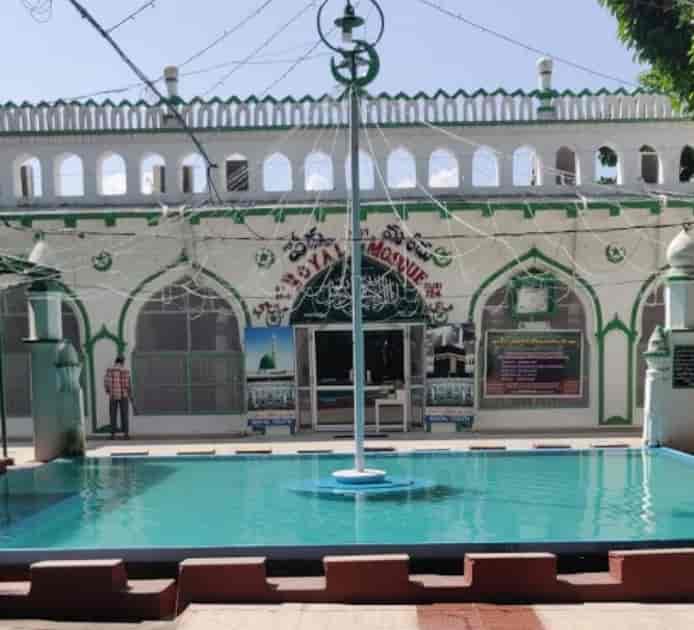






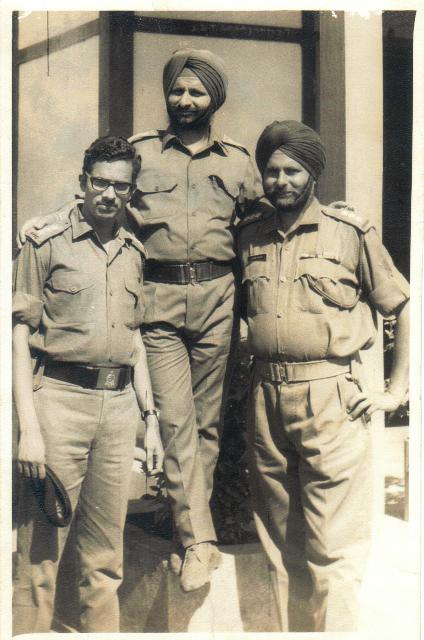


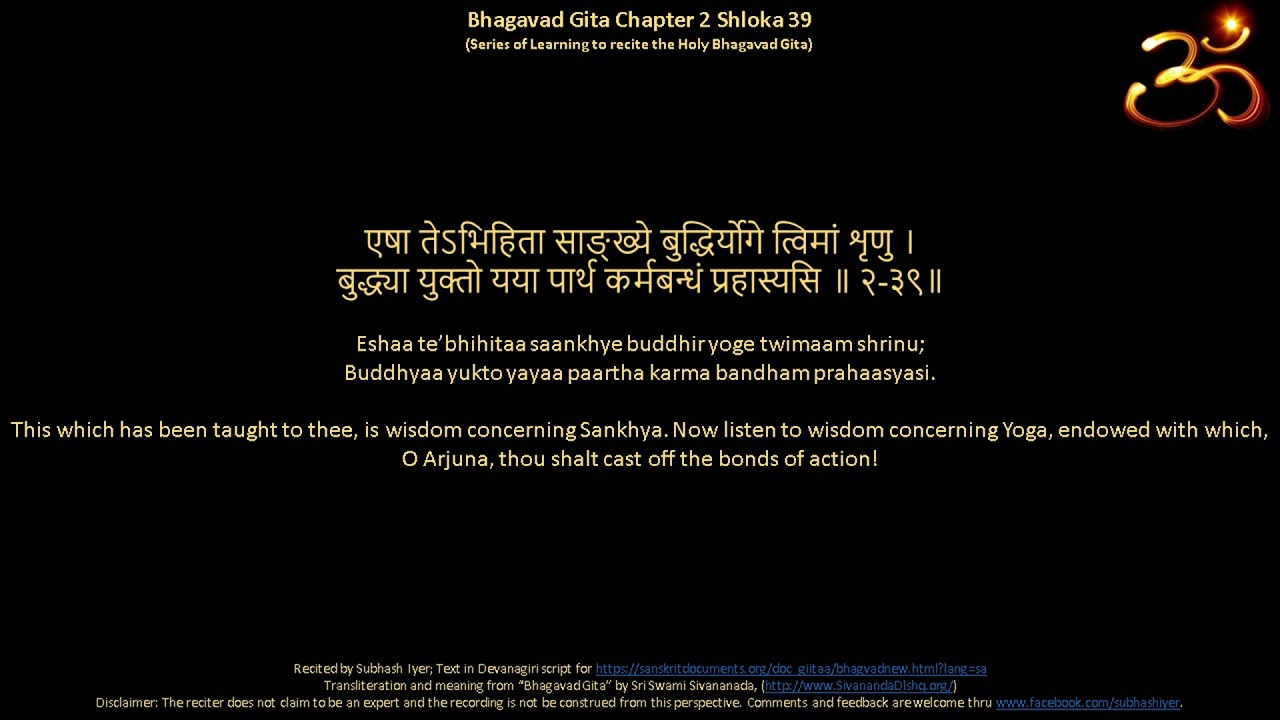
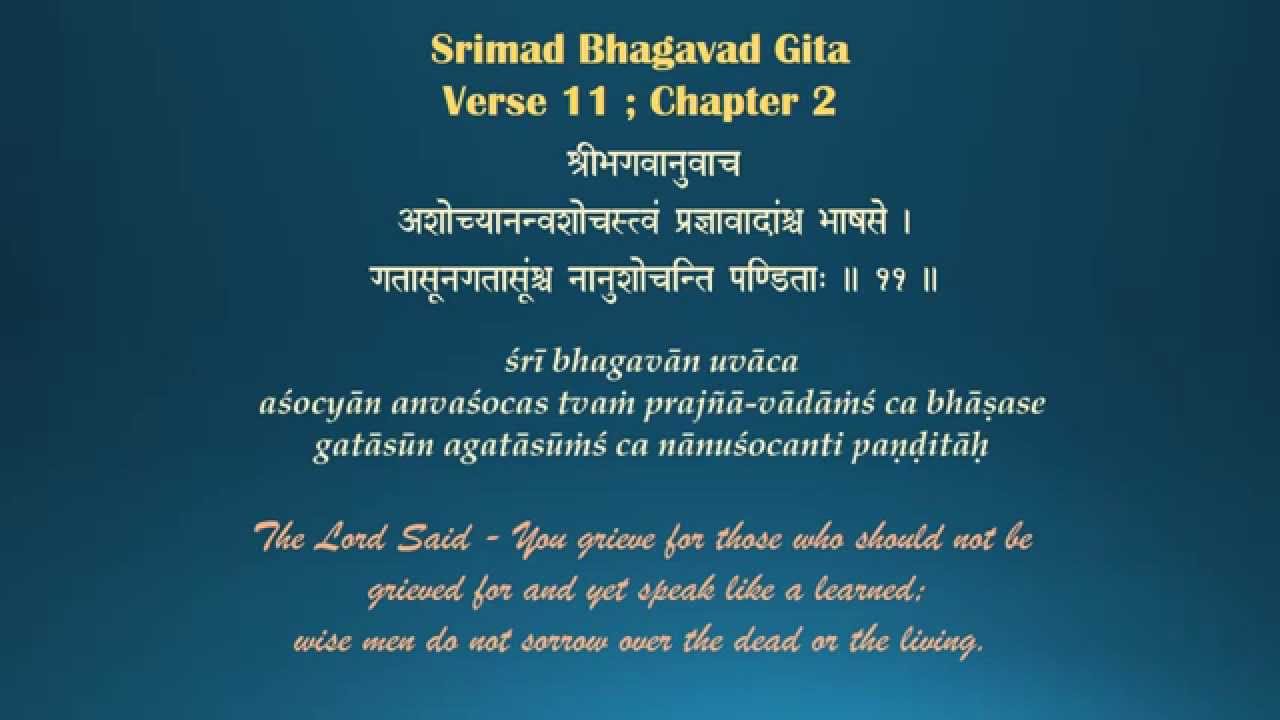
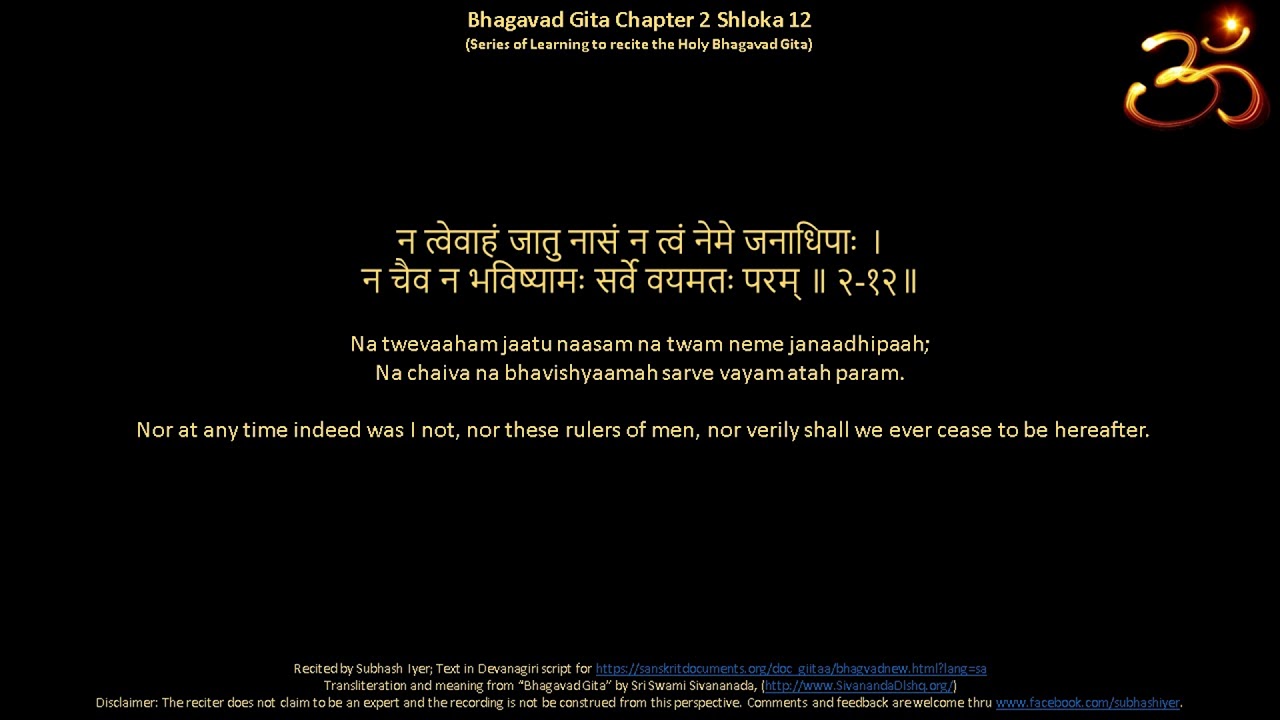

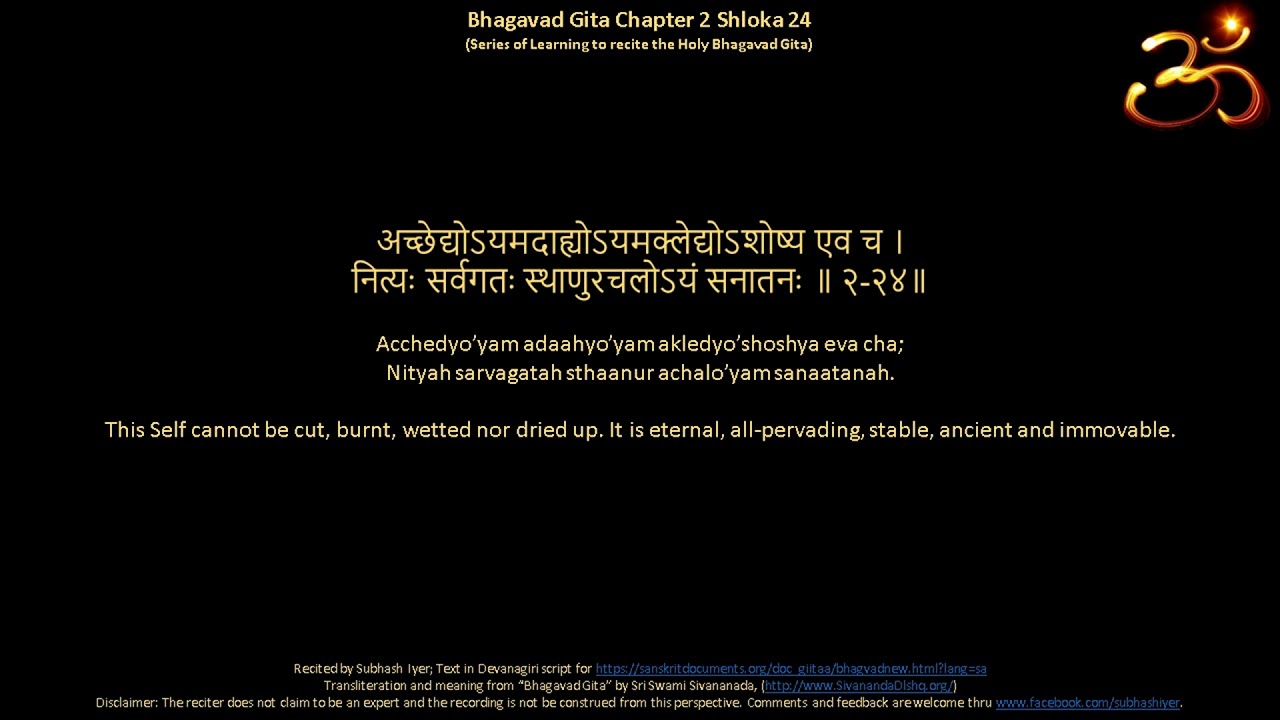
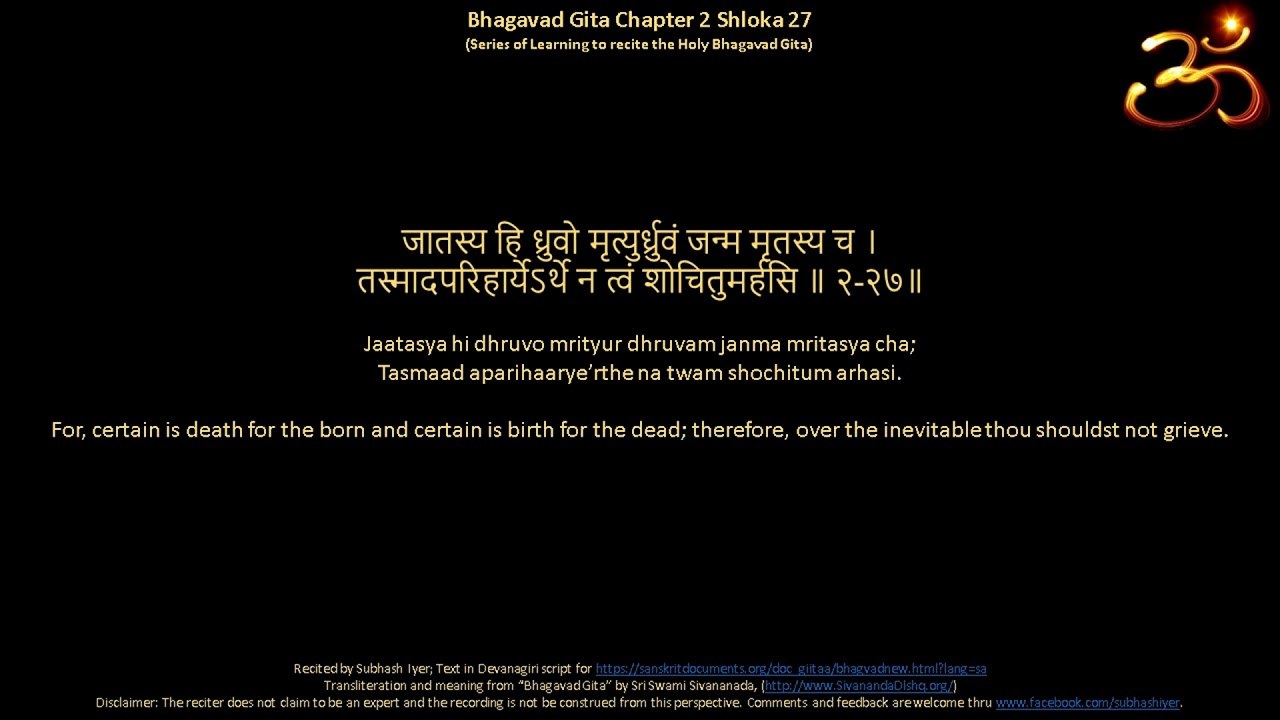




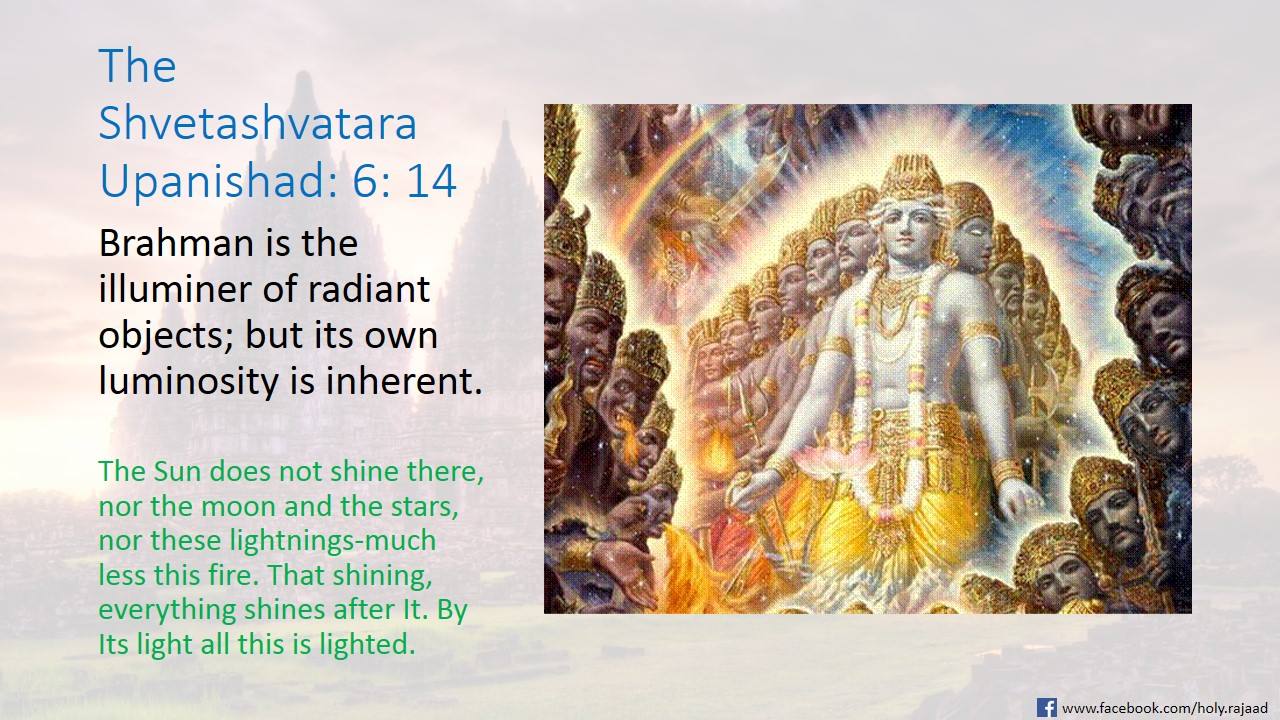


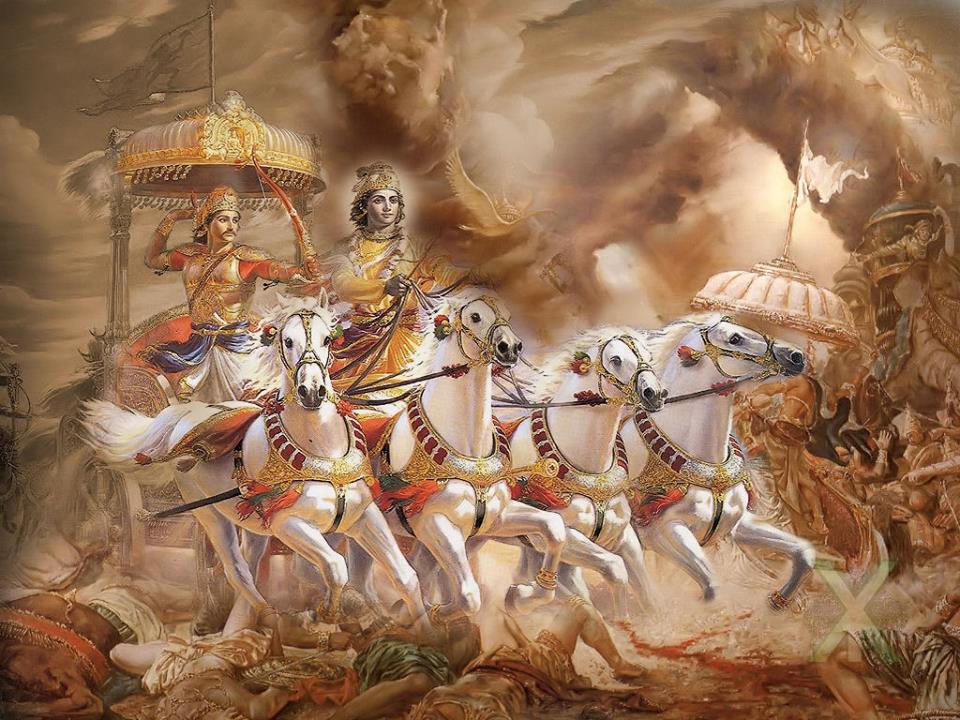




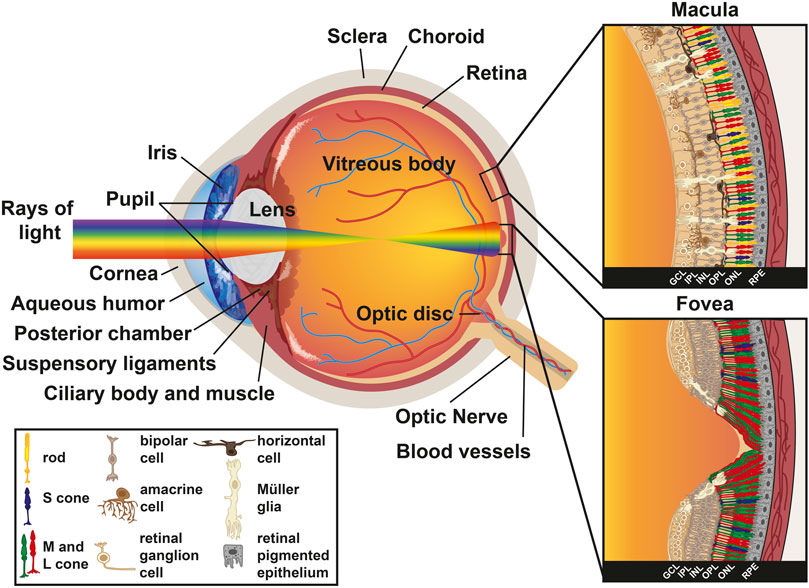


 Whole Dude - Whole Concept

