SEPTUAGENARIAN CELEBRATES 70th REPUBLIC DAY OF INDIA
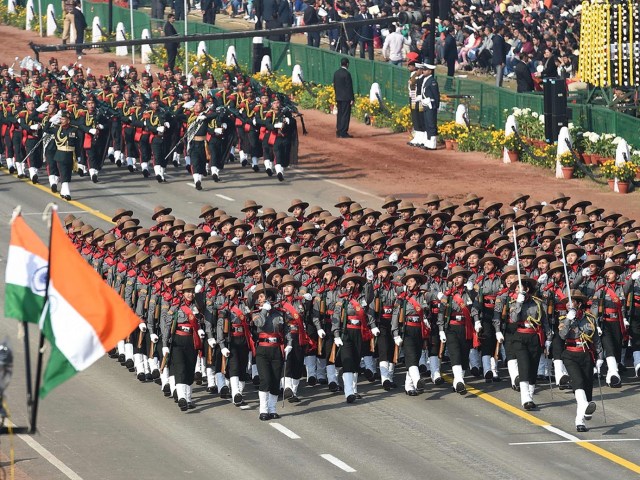
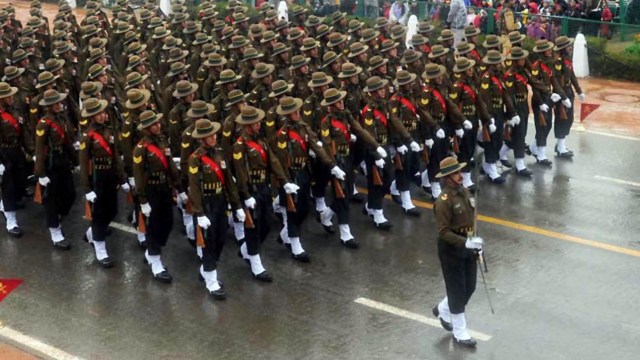
Septuagenarian celebrates the 70th Republic Day of India on January 26, 2019, paying homage to all people who gave their precious lives defending the Republic of India. I offer my hearty congratulations to India’s All-Women Assam Rifles contingent which participated in the Parade.
Rudranarasimham Rebbapragada
SPECIAL FRONTIER FORCE
Republic Day 2019: India’s military might, cultural diversity on display
Republic Day parade highlights 22 tableaux of states, central government departments
Indian Army’s T-90 Bhishma tanks are displayed during the Republic Day parade. Image Credit: Reuters
NEW DELHI: An incredible spectacle was on display as India’s 70th Republic Day celebrations began on Saturday amidst tight security in the national capital, with the traditional grand military parade on Rajpath.
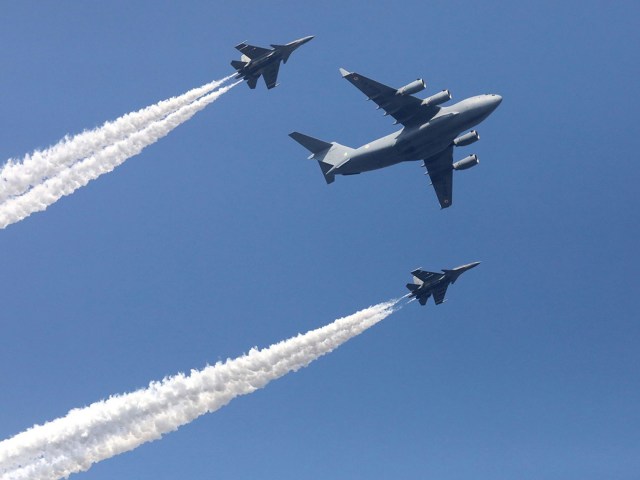
India’s Air Force’s (IAF) C-17 Globemaster and two Sukhoi Su-30MKI aircraft fly past during the Republic Day parade. Image Credit: Reuters
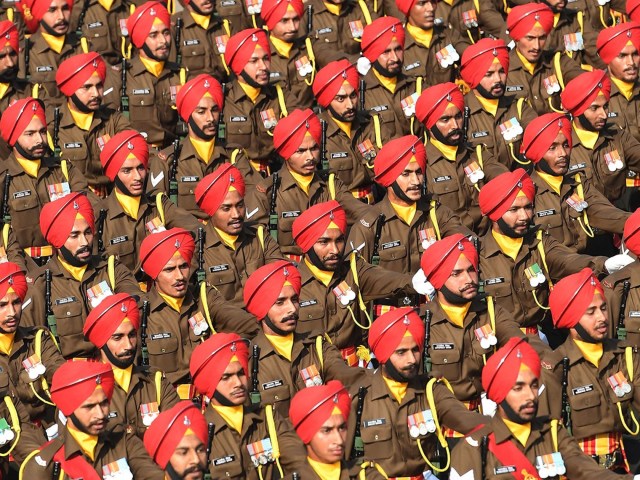
An Indian Army Sikh Contingent marches during the 70th Republic Day parade. Image Credit: AFP
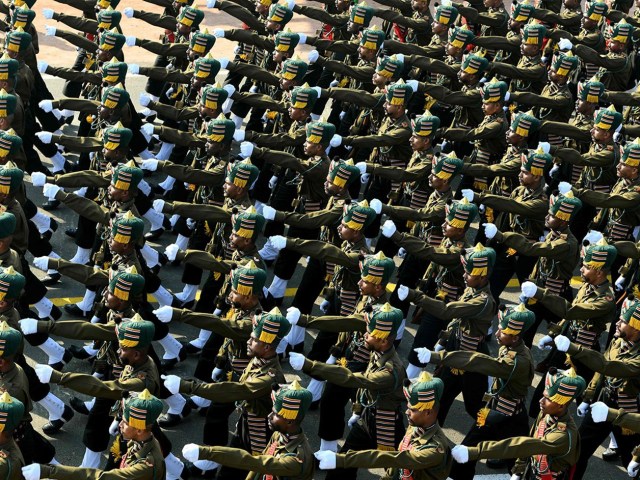
An Indian army contingent marches during the Republic Day parade. Image Credit: AFP
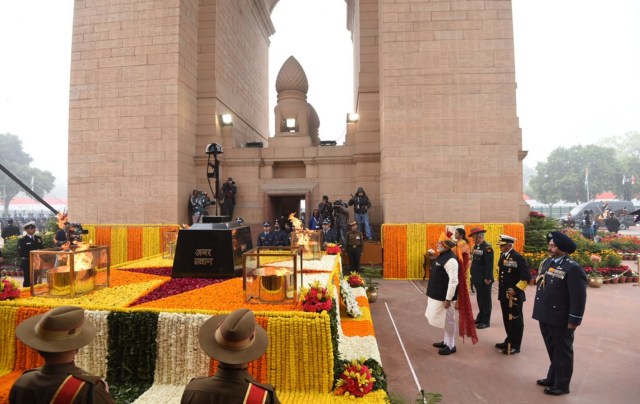
Prime Minister Narendra Modi laid a wreath at the Amar Jawan Jyoti memorial at India Gate and along with the three chiefs of the armed forces paid homage to soldiers who lost their lives in combat.
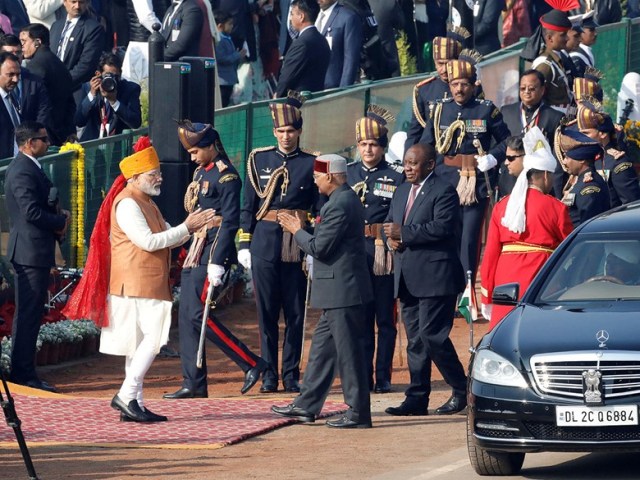
President Ram Nath Kovind, the first lady and the South African President Cyril Ramaphosa who is the chief guest this year, arrived in a cavalcade escorted by 46 President’s Bodyguards.
Prime Minister Narendra Modi greets President Ramnath Kovind and South Africa’s President Cyril Ramaphosa Image Credit: Reuters
The open buggy traditionally used to escort the chief guest was done away this year owing to security concerns, news agency ANI reported.
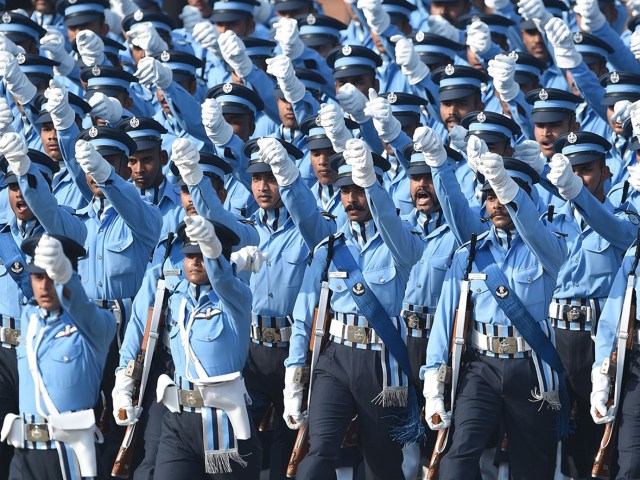
An Indian Air Force contingent marches during the Republic Day parade. Image Credit: AFP
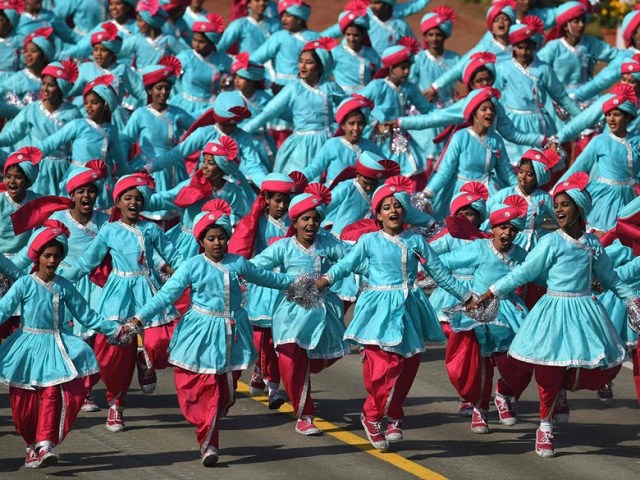
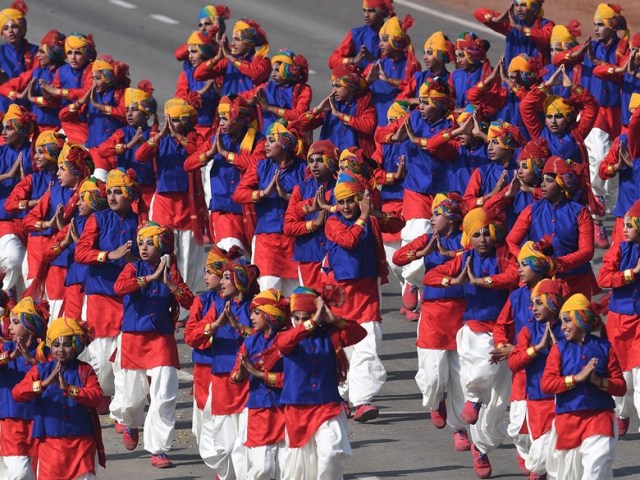
Fifty-eight tribal guests from various parts of the country, 22 tableaux of states and central government departments and performance by school children formed part of the 90-minute Republic Day parade.
Indian school children perform during the 70th Republic Day parade. Image Credit: AFP
Indian school children perform during the 70th Republic Day parade. Image Credit: AFP
India’s All-Women Assam Rifles contingent marches during the 70th Republic Day parade. Image Credit: AFP
For the first time in the history of the paramilitary, an all-women contingent from the Assam Rifles participated in the parade.
ICE-BREAKING OR HEART-BREAKING? NIXON’S HISTORIC 1972 TRIP TO PEKING
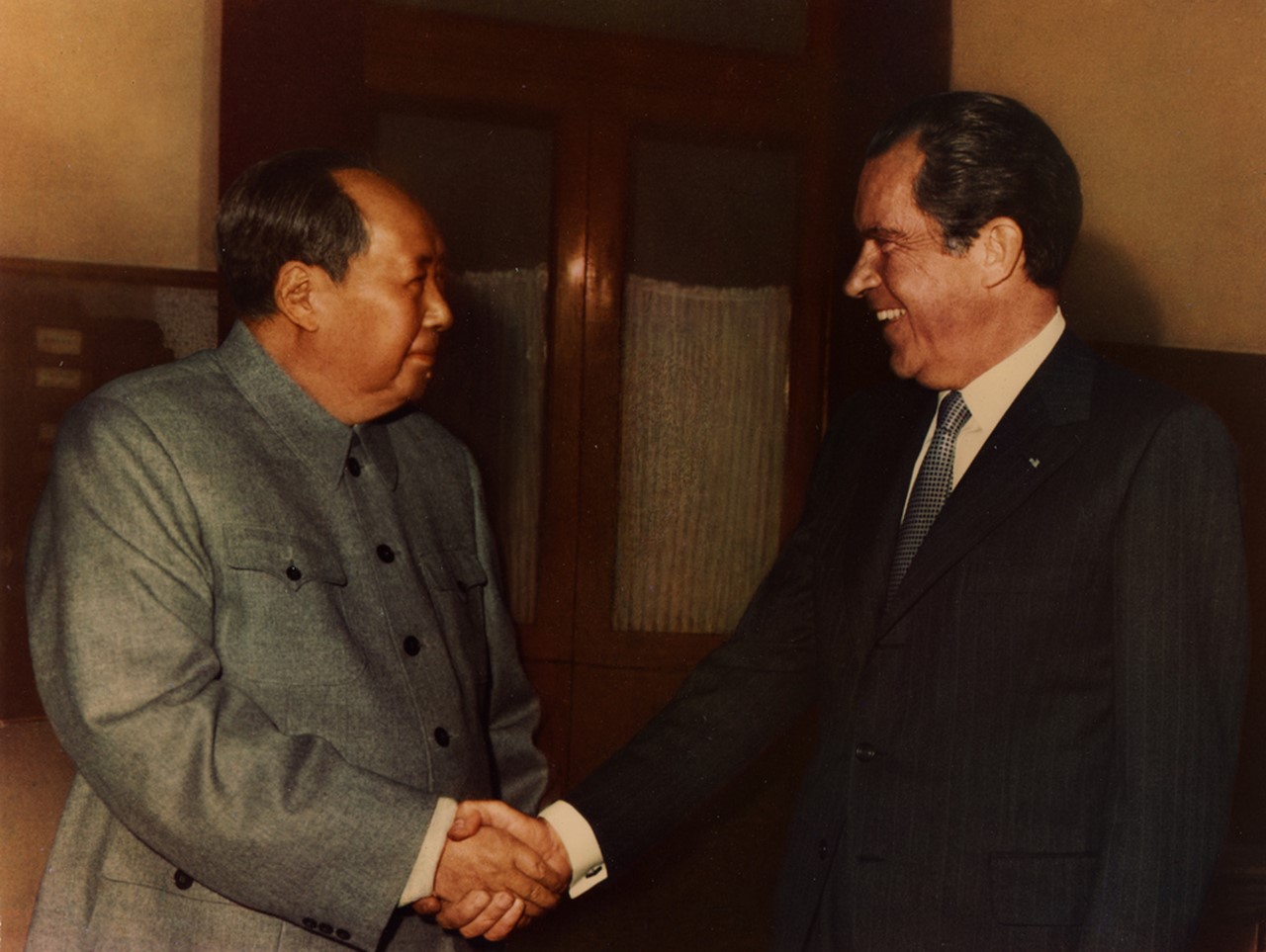
Ice-Breaking or Heart-Breaking? President Nixon’s historic 1972 trip to Peking. Nixon’s Peking Deal breaks the heart of Tibet Nation.
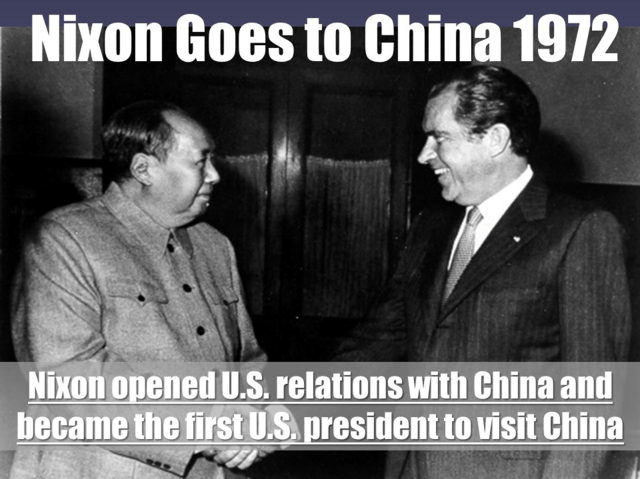
The Richard Nixon Foundation may celebrate the 40th Anniversary of the establishment of diplomatic relations between the US and China. I characterize this 1972 “ice-breaking” trip as “Heart-Breaking.” President Nixon shook hands with Chairman Mao Zedong with his right hand while backstabbing Tibet with his left hand.
Rudranarasimham Rebbapragada
SPECIAL FRONTIER FORCE
Ice-Breaking or Heart-Breaking? President Nixon’s historic 1972 trip to Peking. Deal-Making while Backstabbing Tibet.
Nixon’s historic 1972 trip to China was ‘ice-breaking’
By LIU YINMENG in Yorba Linda, California | China Daily USA | Updated: 2019-01-15 23:28
“ICE-BREAKING OR HEART-BREAKING?” PRESIDENT NIXON’S HISTORIC 1972 TRIP TO PEKING HIDES A PAINFUL TRUTH, THE BACKSTABBING OF TIBET.
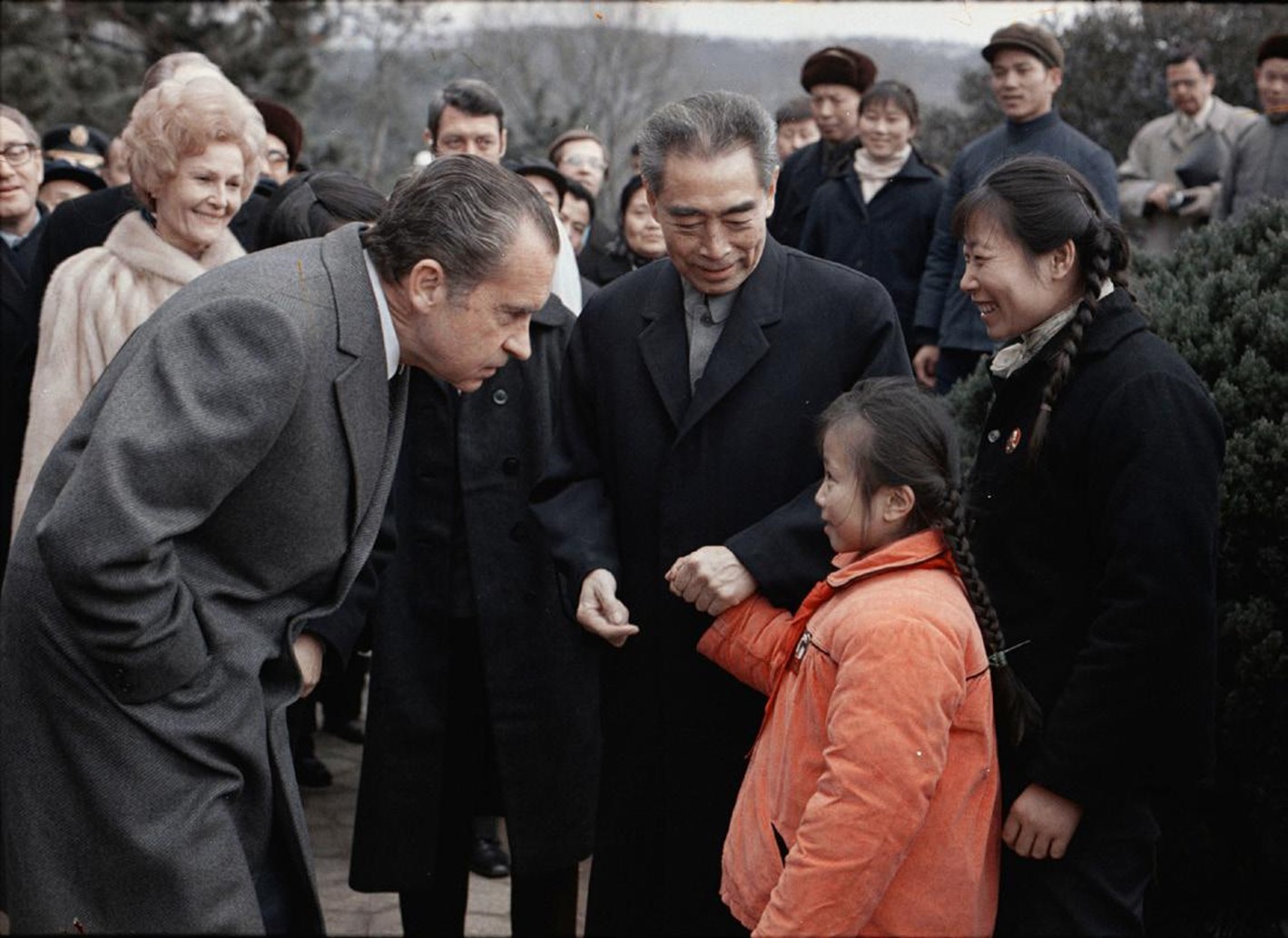
President Richard Nixon and Premier Zhou Enlai greet a young girl at Hangzhou West Lake Park in China on Feb 26, 1972. photo provided by Nixon Library
The Richard Nixon Foundation was a fitting place to celebrate the 40th anniversary of the establishment of diplomatic relations between China and the United States.
An elaborate dinner was held on Sunday at the foundation, the resting place of the American president whose “ice-breaking” trip to China in 1972 opened a significant chapter in the history of the two countries.
Elected officials, representatives of the Chinese Consulate General in Los Angeles, Chinese-American leaders, musicians and business leaders who participated called for goodwill and mutual understanding at a crucial juncture in the Sino-American relationship.
“For many years, Southern California has been running at the forefront in leading US-China subnational exchange and cooperation. It provides a good example of the mutually beneficial nature of our relations,” said Zhang Ping, Chinese consul general in Los Angeles.
He said the fact that President Xi Jinping and US President Donald Trump had reached an important consensus during their meeting at the G20 on Dec 1 is encouraging, and “it’s important that we make concerted efforts to implement their consensus”.
“As we look at the journey that bilateral relations have gone through, we are gratifying to see that our people are always standing behind the relationship,” Zhang said.
The event, co-hosted by the Roundtable of Chinese-American Organizations and the Richard Nixon Foundation, was attended by around 450 people.
The commemorative event kicked off with an “East Meets West” concert that included the national anthems of China and the US performed by the Orange County Music and Dance School.
Attendees also enjoyed performances by soprano Feng Wei and pianist Bai Chao Lan, as well as a selection of songs played by the Orange County-based Pacific Symphony, which made its debut tour in China in May.
Foundation President William Baribault called Nixon’s opening with China a “truly transformational foreign policy”.
“Because of President Nixon’s long and deep reading and understanding of history, he knew that China was a great power, and from his long and deep practice and understanding of statecraft, he knew that a truly stable, secure, prosperous and peaceful world requires the inclusion of all great powers at the table,” Baribault said.
Nixon’s 1972 trip, which he dubbed “the week that changed the world”, marked the first time a US president set foot in China.
It led to the issuance of the Shanghai Communiqué at the end of the trip and the signing of accords between US president Jimmy Carter and Chinese vice- premier Deng Xiaoping in 1979, which formally established US-China diplomatic ties.
“His weeklong tour is one of the world’s most significant diplomatic milestones in the 20th century that has a lasting impact on our future,” said Guo Song, chairwoman of the Roundtable of Chinese-American Organizations.
She said Chinese Americans abroad, who have experienced up close the ups and downs of the relationship, treasured the deep and everlasting friendships between the US and China.
MONDAY, JANUARY 21. THE CELEBRATION OF THE CIVIL RIGHTS MOVEMENT
On Monday, January 21, 2019, I celebrate Dr. Martin Luther King Jr.Day reflecting on America’s March from the Civil Rights Movement to the founding of a Police State that houses nearly half-a-million African Americans apart from others in its vast Prison System.
Rudranarasimham Rebbapragada
SPECIAL FRONTIER FORCE
Monday, January 21. The Celebration of the Civil Rights Movement.
Reverend Martin Luther King Jr., considered one of the greatest Americans to ever live, was assassinated 50 years ago on a balcony at the Lorraine Motel in Memphis, Tennessee.
King rose to prominence after helping lead the Montgomery bus boycott, which led to a US Supreme Court decision that desegregated Alabama’s bus system.
King went on to be the first president of the Southern Christian Leadership Council, leading marches from Selma to Montgomery. A moving orator, King delivered his famous “I Have a Dream” speech at the March on Washington in 1963.
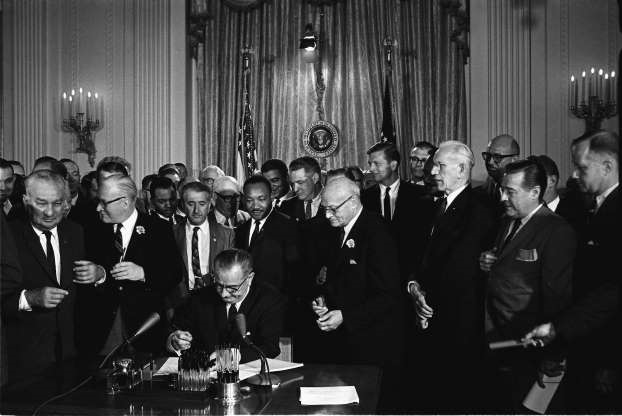
Inspiring generations to come, King’s work and activism led to the Civil Rights Act of 1964, the Voting Rights Act of 1965, and more.
Here are 11 of the most iconic photos of King ever taken:
King receives a kiss from his wife, Coretta Scott King, on March 22, 1956, after being released from a Montgomery jail.
King was instrumental in leading the more than year-long Montgomery bus boycott to desegregate the bus system, which was sparked by Rosa Parks’ refusal to give up her seat. The picture was taken after King had been found guilty of conspiracy to boycott the buses, but the judge suspended his $500 fine.
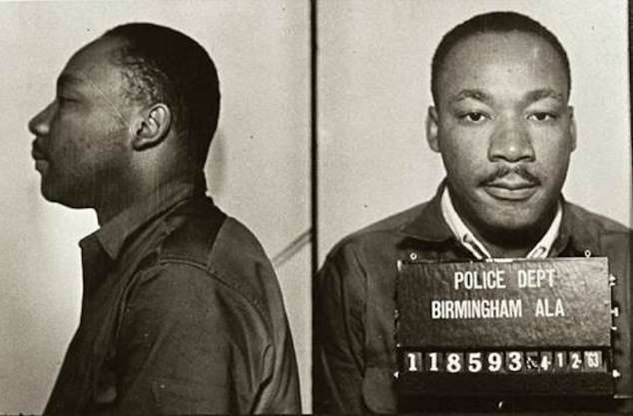
King’s mugshot after he was arrested in Birmingham on April 12, 1963 — Good Friday — for violating an anti-protest injunction.
In April 1963, King and the Southern Christian Leadership Council organized the Birmingham Campaign to protest segregation, which involved a series of sit-ins and marches.
After King was arrested, and while in solitary confinement, he penned his famed “Letter From a Birmingham Jail,” which responded to a number of local religious leaders who criticized the Birmingham campaign.
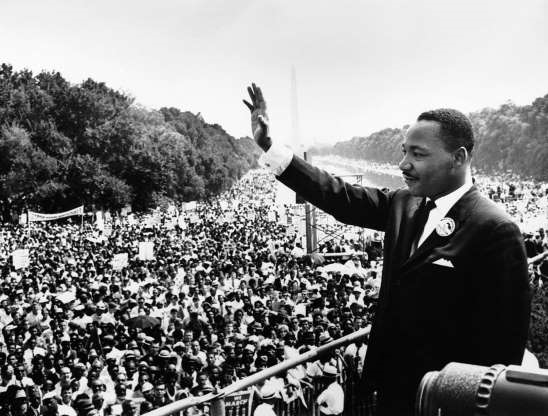
King delivers his famous “I Have a Dream” speech at the Lincoln Memorial in Washington DC on August 28, 1963.
“I have a dream that my four little children will one day live in a nation where they will not be judged by the color of their skin but by the content of their character,” King said in perhaps his most famous line of the speech. “I have a dream today.”
The March on Washington for Jobs and Freedom, in which about 250,000 people gathered, drew attention to the continuing inequality and struggles of African Americans.
King shakes hands with Malcolm X in Washington DC in March 1964.
The picture was taken shortly after Malcolm X split with the Nation of Islam.
Malcolm X would later travel to Mecca, where he learned that orthodox Muslims preach equality of the races, leading him to abandon the belief that all white people are devils.
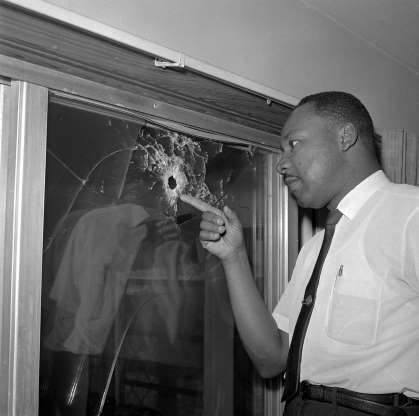
King points to a bullet hole in his rented St. Augustine, Florida home on June 5, 1964.
King was in St. Augustine to help end segregation in one of the US’ oldest cities, hoping that it would also garner more support for the pending Civil Rights Act, which was passed less than a month later.
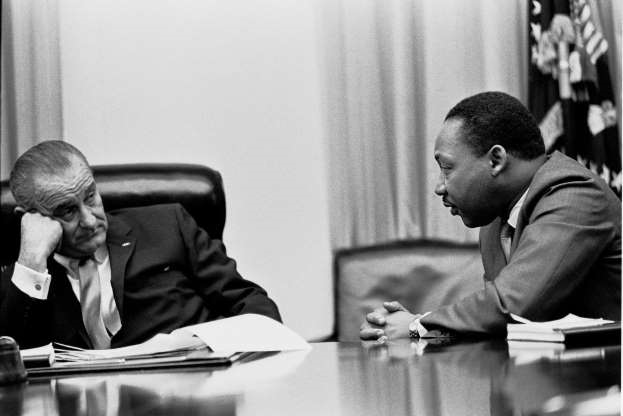
King meets with President Johnson in January 1965 at the White House to discuss the Voting Rights Act of 1965, which would be passed about eight months later.
King marches and civil rights marchers cross the Edmund Pettus Bridge in Selma, Alabama, on March 21, 1965, during their 50-mile march to Montgomery to protest voting laws.
King organized three marches from Selma to Montgomery in March 1965, the first of which later became known as “Bloody Sunday” after state troopers brutally assaulted the activists, galvanizing Congress to pass the Voting Rights Act of 1965.
King delivers his last speech on April 3, 1968, at the Mason Temple in Memphis, Tennessee.
“I just want to do God’s will,” King said at the end of his speech. “And he’s allowed me to go up to the mountain. And I’ve looked over. And I’ve seen the promised land. I may not get there with you. But I want you to know tonight that we as a people will get to the promised land. So I’m happy tonight, I’m not worried about anything – I’m not fearing any man. My eyes have seen the coming of the Lord.”
King was assassinated the next day, April 4th, on a balcony at the Lorraine Motel.
INTERNET SEARCH ENGINES MUST DEFEND FREE SPEECH RIGHTS
January 18. Internet Freedom Day. Internet Search Engines must defend Free Speech Rights.
In celebration of Internet Freedom Day on January 18, 2019, I advocate that Internet Search Engines must defend Free Speech Rights.
Rudranarasimham Rebbapragada
SPECIAL FRONTIER FORCE
Activists at Google’s London HQ protest Project Dragonfly | Business | Techworld
Google’s leaked plans for a censored Chinese search engine has sparked anger globally
This afternoon outside Google’s King’s Cross headquarters, a small group of protesters gathered to put pressure on the firm to scrap leaked plans for a censored Chinese search engine, codenamed Project Dragonfly.
The protest was orchestrated under the Stop Google Censorship campaign, which is comprised of groups associated with SumOfUs, the Tibetan independence movement, and Uighur Muslims. It was planned on the same day as Internet Freedom Day and was mirrored by planned gatherings outside Google offices in the US, Canada, India, Mexico, Chile, Argentina, Sweden, Switzerland, and Denmark.
January 18. Internet Freedom Day. Internet Search Engines must defend Free Speech Rights.
When Techworld arrived, two security guards were talking to the protest organizers, but they quickly departed on reassurances that the protest would be peaceful.
Outside the glass-fronted headquarters, based in Granary Square near King’s Cross Station, a group of between 10 to 15 protesters were gathered, some of them tending to clump of red balloons emblazoned with the Google logo dappled with the gold stars of the Chinese flag.
The Intercept first revealed the Dragonfly Project in August 2018, citing insider sources and a leaked company memo. Google was reportedly harvesting information from 265.com, a Chinese-language web directory purchased by the company in 2008 that redirected any search traffic to the biggest Chinese search engine, Baidu.
The Intercept claimed the project had been underway since spring of 2017, however, it was alleged by the publication that Google’s privacy team wasn’t notified of the use of 265.com in this way.
If launched, the search engine would have to cooperate with censorship laws from the Chinese government, including barring search results of certain publications such as the BBC, and certain search terms such as news, academic studies, and sex, as well as references to Tiananmen square and Tibetan independence.
But this isn’t the protester’s only qualm with the project, it’s also due to the requirements to comply with new Chinese Internet Security law introduced in 2018.
“One of the most damaging aspects of that law is that internet service providers are required to capture details of people using their services, and that would include Dragonfly,” John Jones, Free Tibet’s campaigns and communications manager told Techworld.
The law requires that the details of searchers on the service be made available to security services should they request them.
“In theory, someone could be arrested and imprisoned based on what they search for using Google’s search engine in China,” points out Jones. He says this is a particular concern for the group based on their understanding that there have been past incidences where Chinese citizens are imprisoned for searches through Chinese websites.
The Intercept reported in December 2018 that in the aftermath of their revelations, the project has stalled. Google itself also stated that it has no ambitions to launch in China. However, many see this as not truly indicative that its interest in the rising superpower has been extinguished.
“We can’t take anything for granted so we’re going to keep putting pressure on them and hopefully get some sort of acknowledgment from the company itself that this project has been scrapped,” says Jones.
Jones says the fact that Google has now distanced itself from the allegations shows that the company was cognizant of the bad optics surrounding developing something like this. But he doesn’t see the business as monolithic.
“There are the executives and there are the people developing the project, but then there’s also many of the staff who are decent people who are ideologically opposed to this,” says Jones, pointing to dissent from within the tech giant. “They’ve been the ones leaking the information about it, contacting journalists and in some cases even resigning – because they think it violates the vision they had when they started working for Google.”
The group claim that some of the employees emerging from Google had engaged with the protest, with one signaling support, and another saying that this was a topic of intense discussion within the offices too. Techworld can’t confirm this as no one approached the protesters during the time we were present.
The project also seems to signal a pivot in Google’s former position when it pulled out of the China market, citing – in addition to a cybersecurity attack – censorship and the company’s principles for free internet.
Although in its early days the company preached somewhat utopian ideals it recently dropped its infamous ‘don’t be evil’ slogan from its code of conduct.
The Project Dragonfly revelations came amidst domestic controversies in Silicon Valley. Google had been working with the US government on a drone program called Project Maven, while Amazon workers protested their company aiding Trump’s deportation agency ICE.
Jones sees this as a blueprint for what pressure on the company could potentially achieve in regard to China.
Success, according to Jones, would look like an open acknowledgment of Google that it will be canceling the Project Dragonfly search project. But he did acknowledge when asked by Techworld that China is not the only region where the titans of Silicon Valley have wormed their way into the state surveillance apparatus.
“From my point of view, any time they violate their own principles by handing over information that the user doesn’t know is being handed over they probably do need to examine themselves and be challenged for it and it doesn’t matter if it’s in China or the US,” Jones says. “The only difference is the extent to which they’re doing it and the possible penalty that someone can be paying. I’m sure if I was working on civil rights in the US I’d be up in arms about their past cases.”
The earlier Snowden revelations, meanwhile, proved that the intelligence agencies of the ‘Five Eyes’ governments – the USA, Canada, Britain, New Zealand, and Australia – had been collaborating on an intricate worldwide surveillance dragnet.
And amid questionable fears that Russian bot networks had impacted the result of the US presidential election in 2016, Facebook and other Silicon Valley companies have been working to black-ball news sources that they have labeled as ‘divisive’ – aided by the unabashedly pro-NATO think tank The Atlantic Council.
A separate media relations volunteer, Business Insider journalist Michael Selby-Green, acknowledged that most of the people in attendance were volunteers or full-timers at groups relating to Tibet or other NGOs that exert pressure in China. He said that the protest was kept deliberately small – with minimal public outreach – because the intention was to picket Google employees and passers-by.
Jones says the problem isn’t Google offering a service in China per se.
“We have absolutely no problem in theory if Google were to open a search engine in China free from constraints of the government, we’d be completely happy with it,” he says. “The minute they start colluding with governments that are repressing human rights and develop a tool that could help them such as tracking peoples’ searches, that’s when they’ve got to be challenged.”
Some would say that from a business perspective, that the company is loath to ignore such a vast emerging and potentially extremely lucrative market, however, Selby-Green says that this doesn’t make it justifiable.
“I don’t think the ends justify the means, you’ve got to say what your values are, and you have to stick to those I think,” Selby-Green says. “If Google’s values are internet freedom and things we hold dear in the west or think we do, then I think Google has to stand by that and sacrifice that market and the profits in that market if that’s what they hold dear.”
In 2018 Samm Sacks of the Henry Kissinger-supported think tank the CSIS detailed the ins and outs of the Cyber Internet Security Law – which was inspired at least in part by Europe’s General Data Protection Regulation, putting Chinese data regulations on more of an even footing with American and European laws, at least concerning personal data held by private companies.
She added at the time that for successful companies operating within the valuable China market, success is only possible with the support of the government. Countries seeking closer ties with China, meanwhile, are approaching its government for advice on how to govern the internet.
It could be argued that Google, which was reached for comment but has not responded, is stuck between a rock and a hard place concerning China.
Google will not want to ignore the country’s growing economy, but the project was leaked during a climate of increased western scrutiny directed at China, as well as an ongoing trade war between the USA and China and the arrest of Huawei CFO Meng Wanzhou in Canada.
Western intelligence has, meanwhile, warned of the over-reliance of Chinese infrastructure equipment from Huawei – although the German technology watchdog found no evidence of wrongdoing and the company has long been under the watch of cybersecurity experts at a center in Banbury, Oxfordshire.
January 18. Internet Freedom Day. Internet Search Engines must defend Free Speech Rights.
CHINA’S ECONOMIC EXPANSIONISM MUST BE BLUNTED BY TRADE AND DIPLOMATIC SANCTIONS
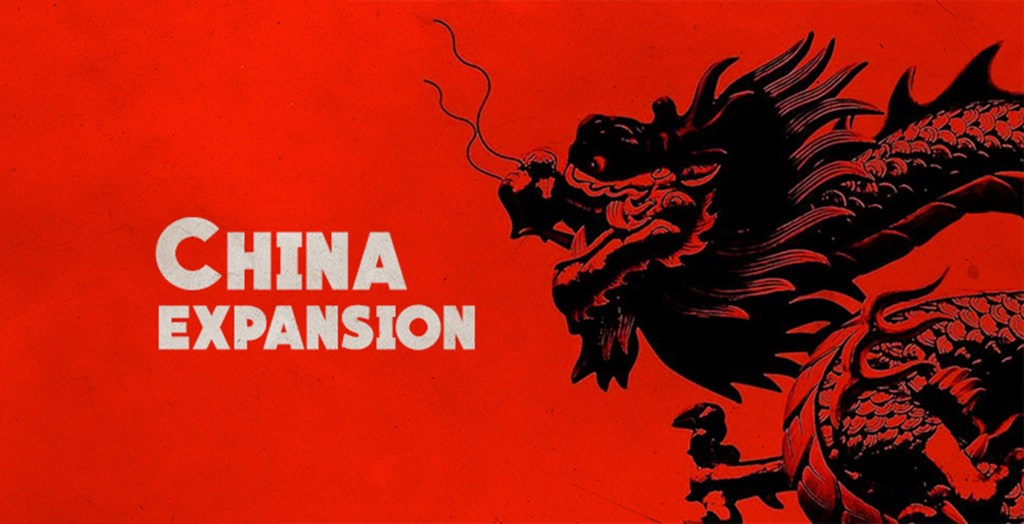
China’s economic expansionism must be blunted by trade and diplomatic sanctions.
China’s economic expansionism poses grave dangers as China routinely steals intellectual property of the US companies, provides illegal subsidies to Chinese companies, imposes regulations to hamper the trade activities of the US corporations. China and Chinese companies violate the US sanctions or export control laws to indulge in illegal trading practices.
The US response to China’s economic expansionism must include the imposition of diplomatic sanctions as trade sanctions will not be sufficient to blunt the attack of the expansionist regime.
Rudranarasimham Rebbapragada
SPECIAL FRONTIER FORCE
U.S. lawmakers introduce bipartisan bills targeting China’s Huawei and ZTE | Reuters
WASHINGTON (Reuters) – A bipartisan group of U.S. lawmakers introduced bills on Wednesday that would ban the sale of U.S. chips or other components to Huawei Technologies Co Ltd [HWT.UL], ZTE Corp (000063.SZ) or other Chinese telecommunications companies that violate U.S. sanctions or export control laws.
China’s Economic Expansionism must be blunted by trade and diplomatic sanctions.
FILE PHOTO: The Huawei logo is pictured outside their research facility in Ottawa, Ontario, Canada, December 6, 2018. REUTERS/Chris Wattie
The proposed law was introduced shortly before the Wall Street Journal reported federal prosecutors were investigating allegations that Huawei stole trade secrets from T-Mobile U.S. Inc (TMUS.O) and other U.S. businesses.
The Journal said that an indictment could be coming soon on allegations that Huawei stole T-Mobile technology, called Tappy, which mimicked human fingers and was used to test smartphones.
The action is the latest in a long list of actions taken to fight what some in the Trump administration call China’s cheating through intellectual property theft, illegal corporate subsidies and rules hampering U.S. corporations that want to sell their goods in China.
In November, the U.S. Department of Justice unveiled an initiative to investigate China’s trade practices with a goal of bringing trade secret theft cases.
At that time, Washington had announced an indictment against Chinese chipmaker Fujian Jinhua Integrated Circuit Co Ltd for stealing trade secrets from U.S. semiconductor company Micron Technology (MU.O) relating to research and development of memory storage devices.
Jinhua, which has denied any wrongdoing, was put on a list of entities that cannot buy goods from U.S. firms.
On Capitol Hill, Senator Tom Cotton and Representative Mike Gallagher, both Republicans, along with Senator Chris Van Hollen and Representative Ruben Gallego, both Democrats, introduced the bills which would require the president to ban the export of U.S. components to any Chinese telecommunications company that violates U.S. sanctions or export control laws.
The bills specifically cite ZTE and Huawei, both of which are viewed with suspicion in the United States because of fears that their switches and other gear could be used to spy on Americans. Both have also been accused of failing to respect U.S. sanctions on Iran.
“Huawei is effectively an intelligence-gathering arm of the Chinese Communist Party whose founder and CEO was an engineer for the People’s Liberation Army,” Cotton wrote in a statement. “If Chinese telecom companies like Huawei violate our sanctions or export control laws, they should receive nothing less than the death penalty – which this denial order would provide.”
The proposed law and investigation are two of several challenges that Huawei, the world’s biggest telecommunications equipment maker, faces in the U.S. market.
In addition to allegations of sanctions-busting and intellectual property theft, Washington has been pressing allies to refrain from buying Huawei’s switches and other gear because of fears they will be used by Beijing for espionage.
Huawei’s founder, Ren Zhengfei, denied this week that his company was used by the Chinese government to spy.
Huawei founder says firm does not spy for China
Canada detained Ren’s daughter, Meng Wanzhou, who is Huawei’s chief financial officer, in December at the request of U.S. authorities investigating an alleged scheme to use the global banking system to evade U.S. sanctions against Iran.
For its part, ZTE agreed last year to pay a $1 billion fine to the United States that had been imposed because the company breached a U.S. embargo on trade with Iran. As part of the agreement, the U.S. lifted a ban in place since April that prevented ZTE from buying the U.S. components it relies on heavily to make smartphones and other devices.
Reporting by Diane Bartz and Karen Freifeld; Editing by Steve Orlofsky and James Dalgleish.
China’s Economic Expansionism must be blunted by Trade and Diplomatic Sanctions.
THEERTHAM, TIRTHA, TIRTHA SNAAN – SANATANA DHARMA OF INDIA
Sanatana Dharma of India. Theertham, Tirtha Sthan, Tirtha Yatra, Tirtha Snaan.
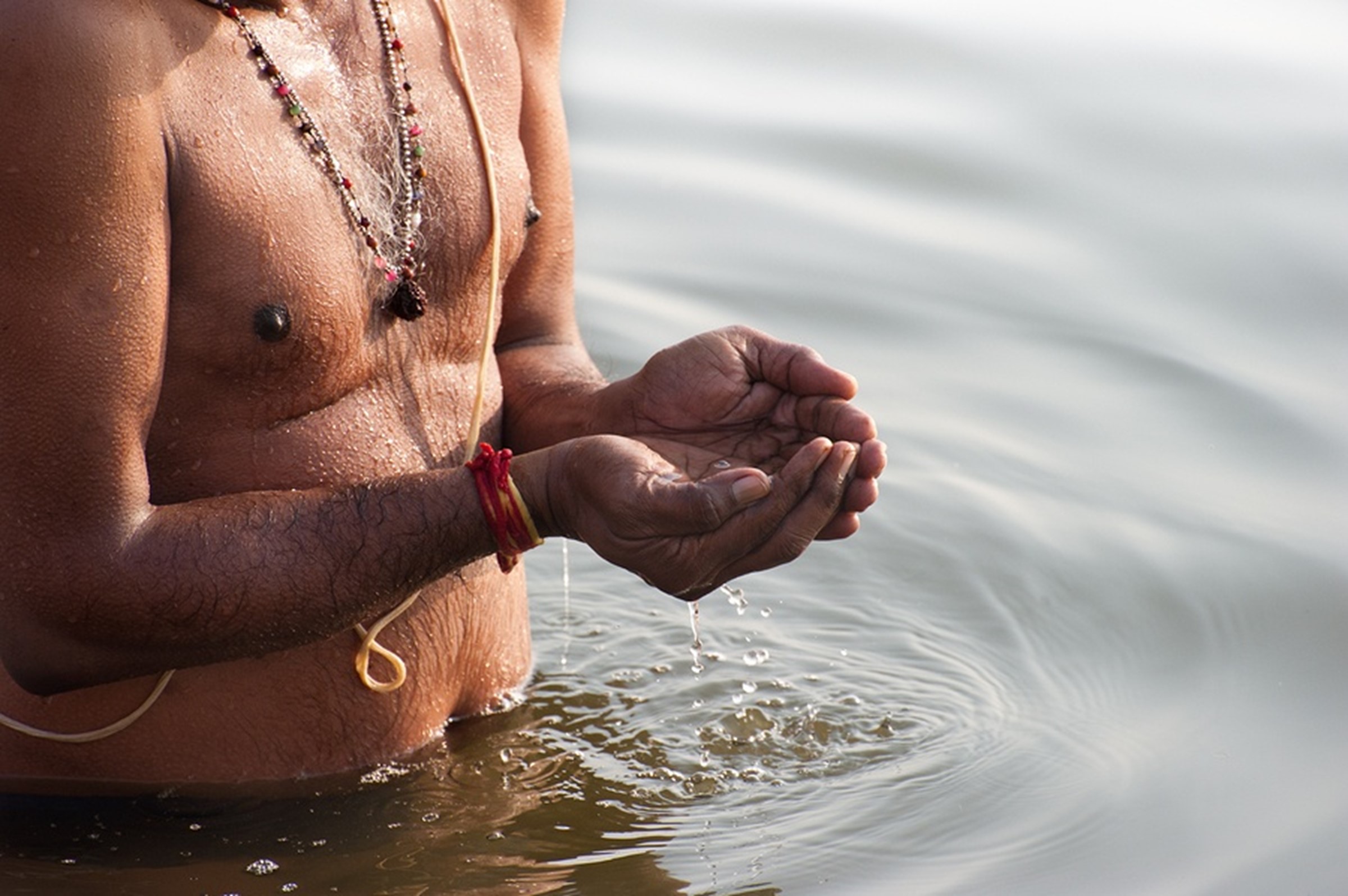
The ancient traditions of India are often described as ‘Sanatana Dharma’. Indians for a very long time recognized the significance of Water and use it in various rituals, particularly for the purification of the human body which is prone to sickness or illness attributed to sinful thoughts, words, and actions. The term ‘Theertham’ refers to water that is sanctified by prayerful thought and by using it in the devotional worship of God. The term ‘Tirtha’ refers to a body of water such as a well, pond, lake, river, or sea which gets an elevated status because of its geographical association with a physical location, place, or position named ‘Sthan’ or ‘Kshetra’. The physical journey to visit the place of Tirtha Sthan is called Tirtha Yatra. The act of taking a bath or dipping into the water at a Tirtha Sthan is called Tirtha Snaan.
I ask my readers to reflect on the divine attributes of the Water Molecule. The original, sweet taste of fresh water cannot be discovered by the study of the properties of the Chemical Elements, Hydrogen and Oxygen which combine to form the Chemical Compound called Water. Man, like several other terrestrial creatures, depends upon Fresh Water delivered from ‘Heaven’.
Rudranarasimham Rebbapragada
BHAVANAJAGAT.ORG
Kumbh Mela: Millions of Indians take a holy dip – BBC News
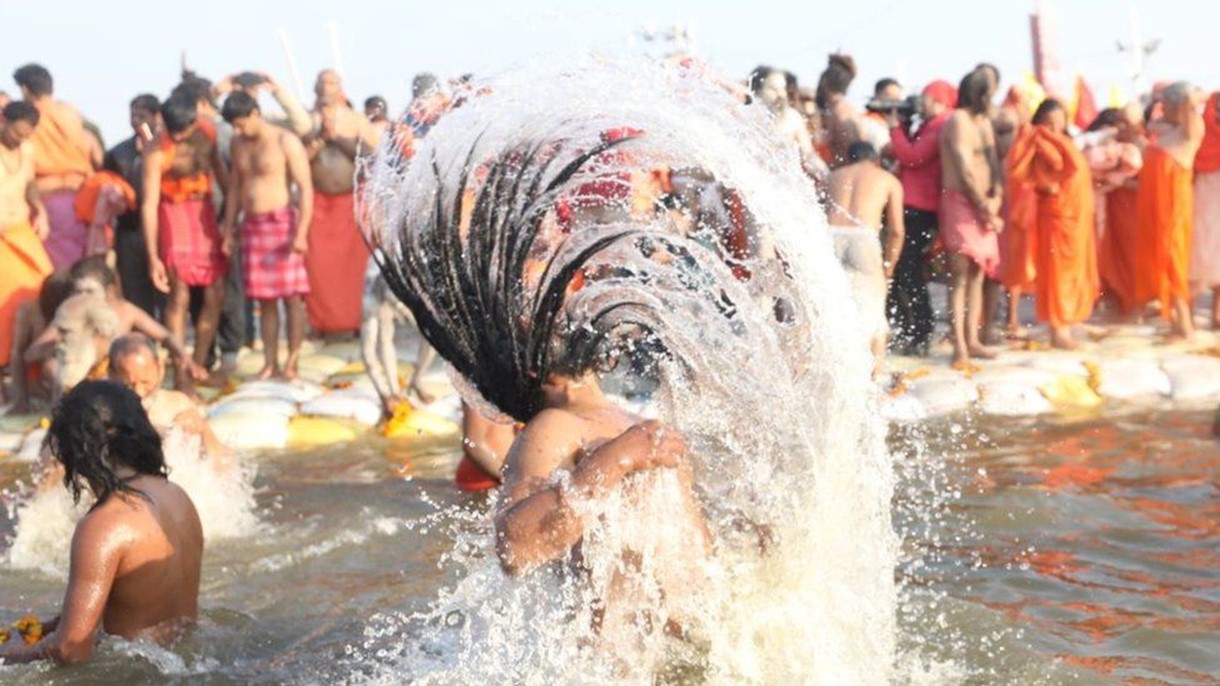
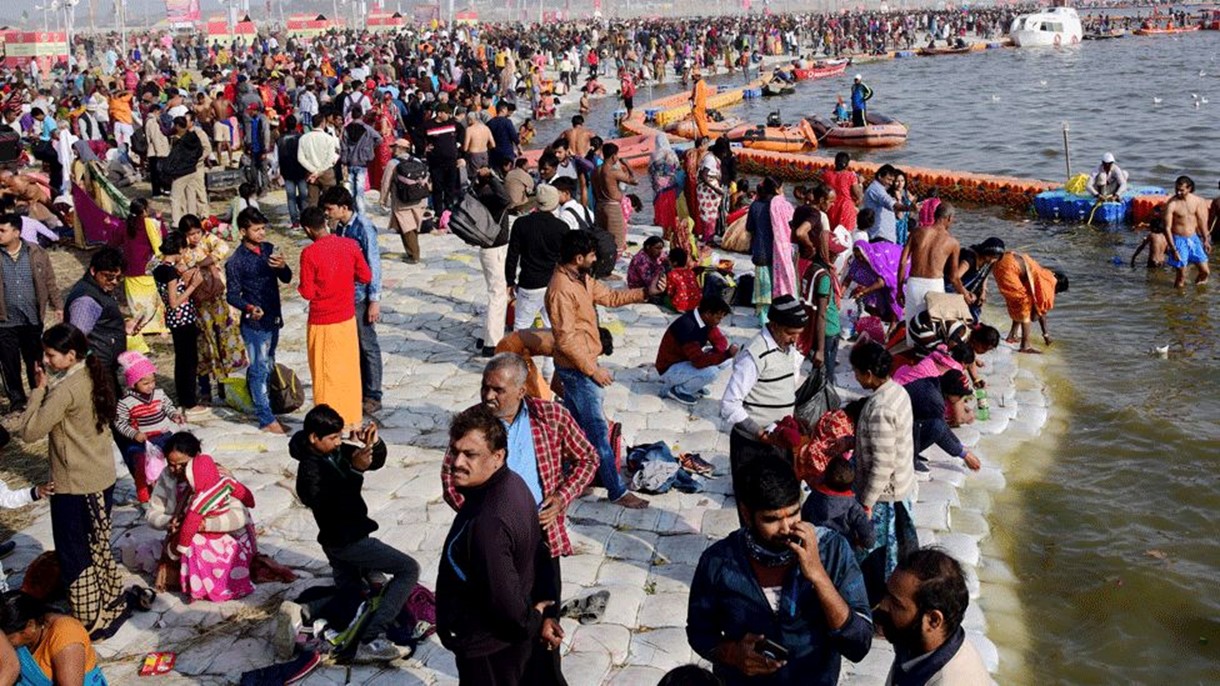
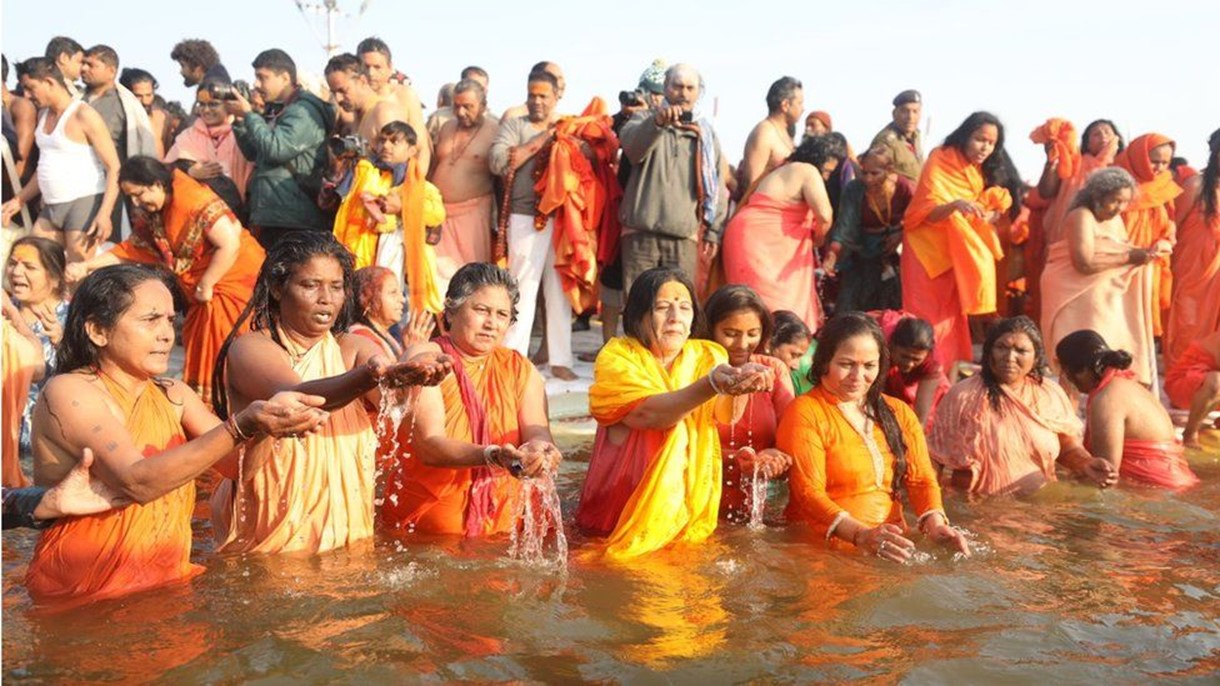
Millions of people have taken to the waters at the confluence of India’s sacred Ganges and Yamuna rivers as part of the Kumbh Mela festival – humanity’s largest gathering.
Officials told the BBC some 15m people bathed on Tuesday. They expect about 120m visitors over 49 days.
Hindus believe bathing at the rivers will cleanse their sins and bring salvation.
The holy men were among the first procession to arrive early Tuesday.
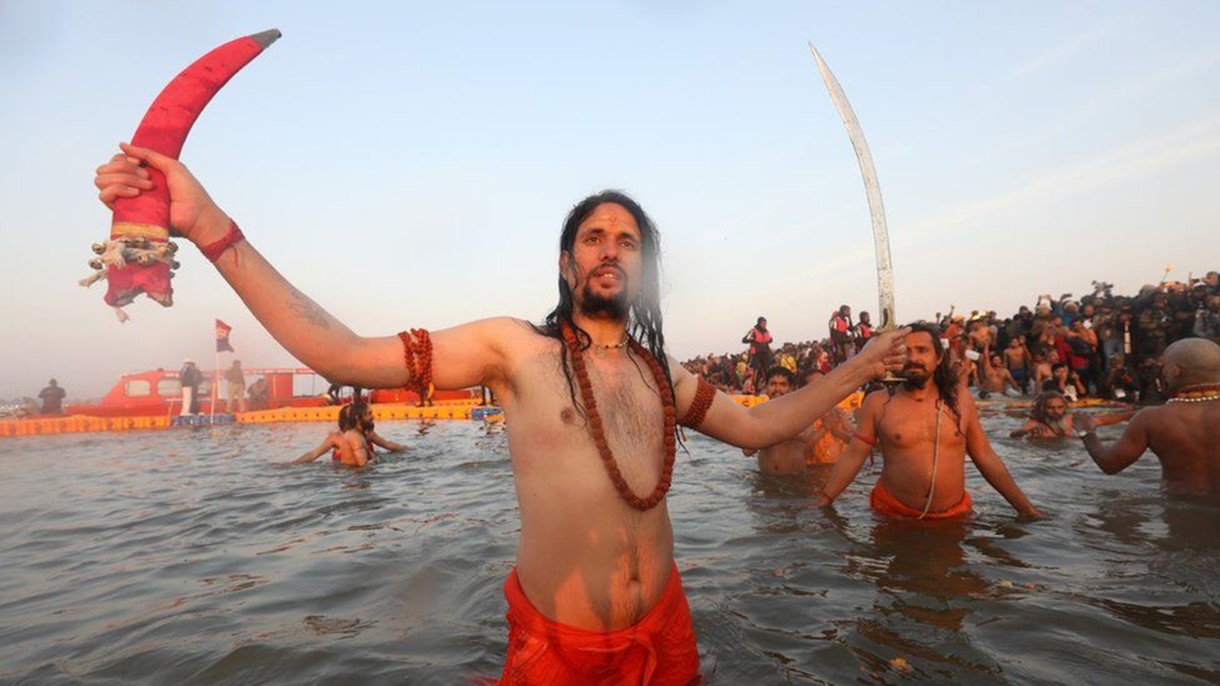
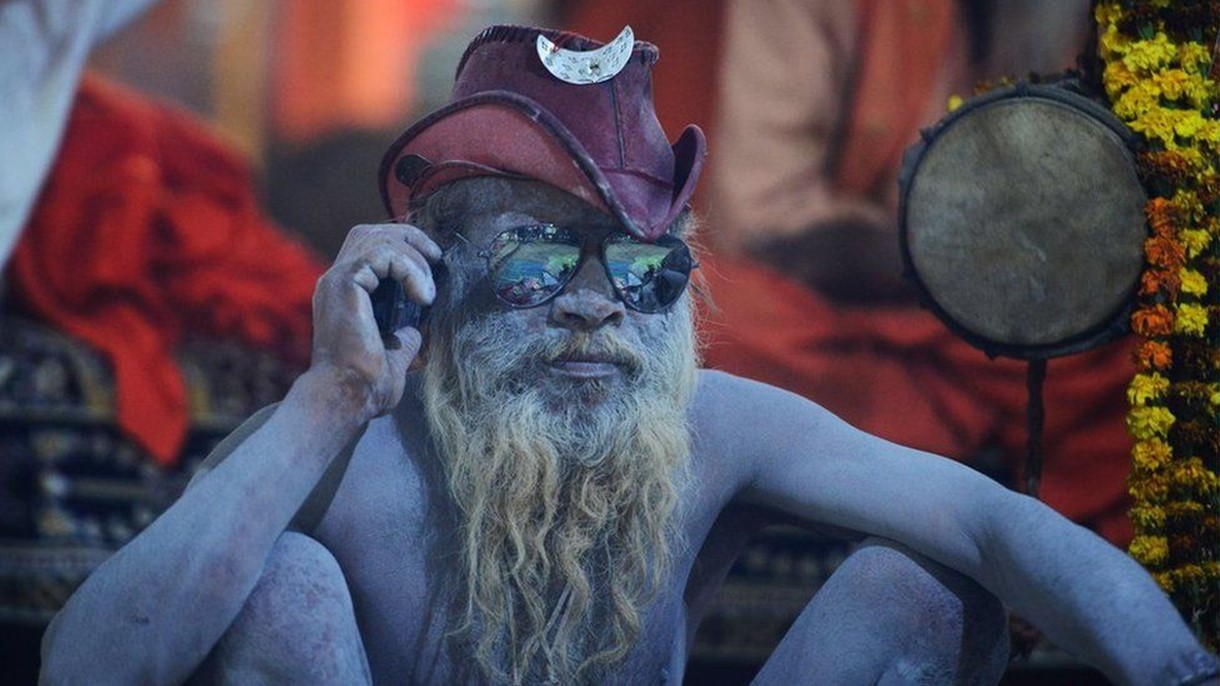
Sadhus – or ascetics – smeared ash on their bodies as they came out of the water and chanted “Har Har Gange”, or “Mother Ganges”, and danced while posing for photographers.
Image copyright Ankit Srinivas
The Naga sadhus are the biggest draw of the festival – held in the northern city of Allahabad, recently renamed Prayagraj – and arrived early in the morning in massive colorful processions.
Thousands of the Sadhus – naked and wearing marigold garlands around their necks – were escorted by police to the river as they chanted slogans invoking Shiva, the Hindu god of destruction. Many were waving tridents and swords.
At the last Kumbh in 2013, female ascetics were allowed to bathe at the confluence of the rivers – known as the Sangam – for the first time. A few hundred transgender people were among those who bathed on Tuesday morning.
More than a million foreign pilgrims will also take part in the festival, senior administration official Rajeev Rai told the BBC.
He and other organizers had been preparing for more than a year for the event, which dwarfs the annual Hajj pilgrimage to Islam’s holiest sites in Saudi Arabia.
Image copyright Ankit Srinivas Image caption Religious sects arrived in processions to take a dip
The mela (meaning “fair” in Hindi) has been held in Allahabad for centuries now, but it has grown into a mega event in the past two decades.
Image copyright Getty Images
This year the gathering will be particularly huge and many believe India’s Hindu nationalist government has organized it with an eye on key general elections due in the summer.
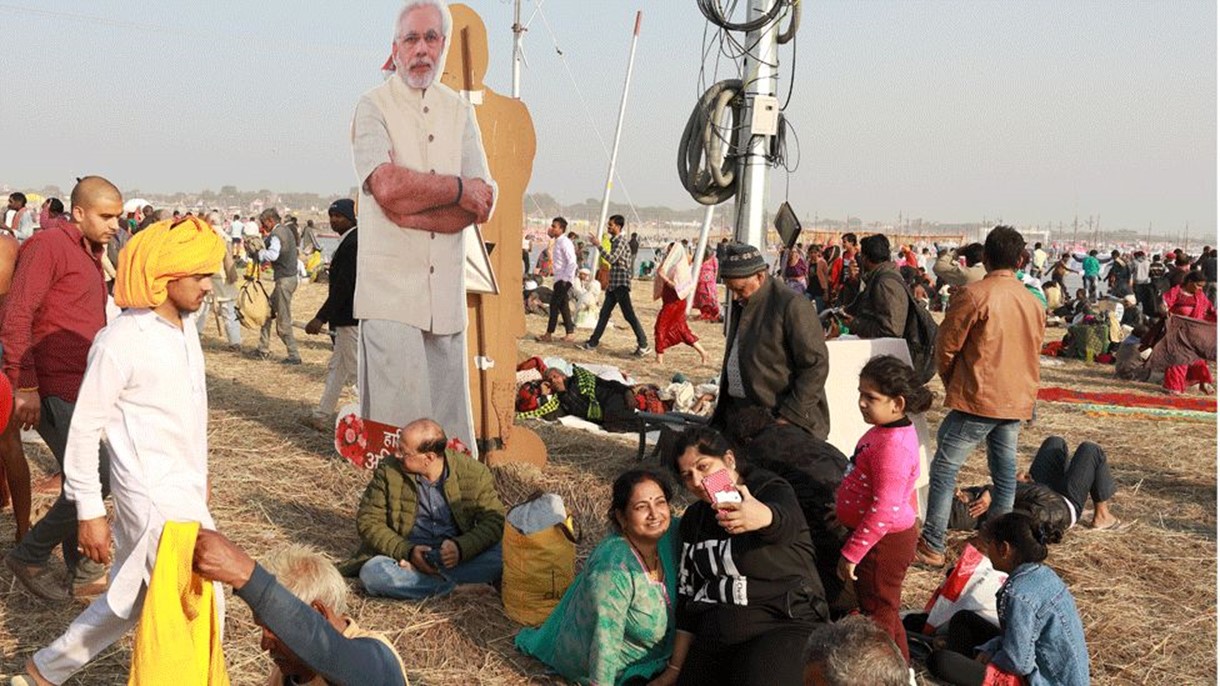
Massive billboards of Prime Minister Narendra Modi dot Allahabad city and the Mela ground. Huge cardboard cut-outs have been placed strategically at the bathing areas.
Image copyright Ankit Srinivas
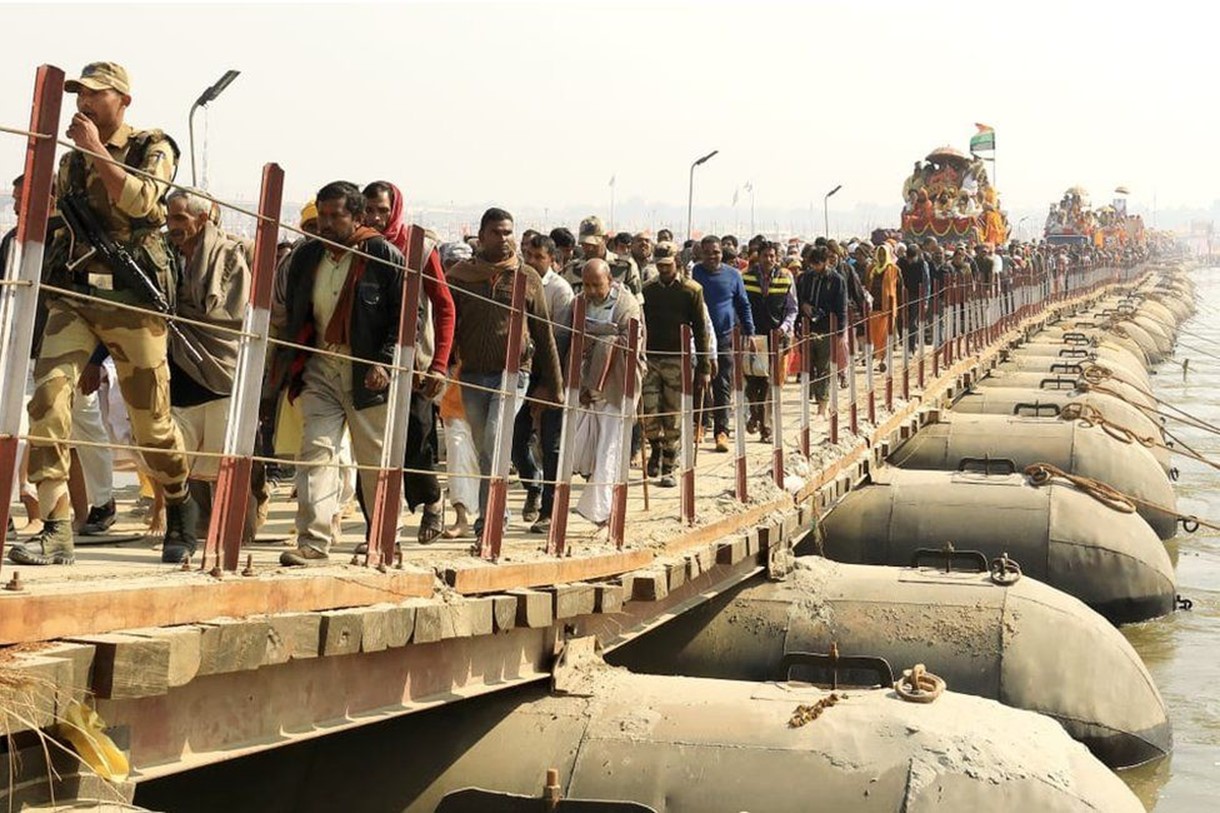
A temporary tent city spread over 32 sq km (12 sq miles) has been set up to accommodate the masses, complete with hundreds of kilometers of new roads. Hospitals, banks, and fire services have been set up just for the festival, along with 120,000 toilets.
Hundreds of new train services are running to and from Allahabad to tackle the rush of pilgrims and more than 30,000 police and paramilitaries have been deployed to provide security and manage the crowds.
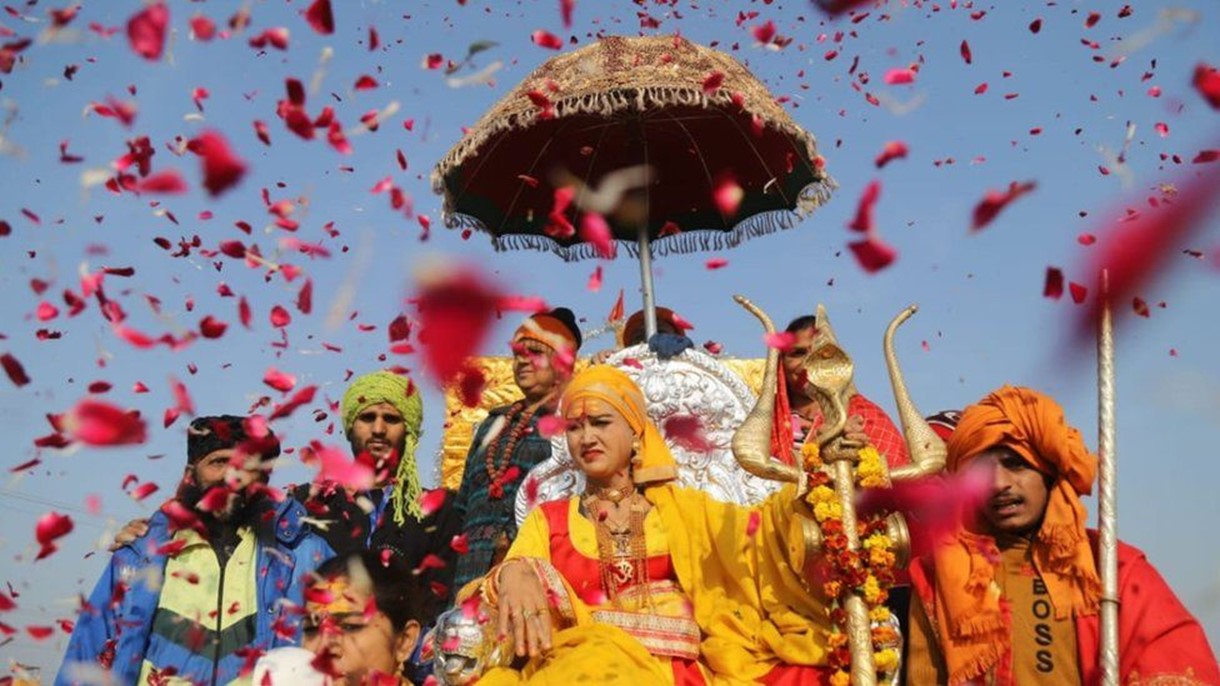
In the run-up to the festival, religious sects held daily processions marked by much pomp and show.
Image copyright Ankit Srinivas
At one such procession on Sunday night, there were elephants, camels, and horses. Brass bands and drummers played, as religious leaders sitting atop several vehicles threw marigold flowers to thousands of devotees.
On Monday – a day before the official start of the festival – tens of thousands of pilgrims bathed at the Sangam. Some then lit clay lamps and floated them along with flowers in the Ganges.
Image copyright Ankit Srinivas
Image copyright Ankit Srinivas
The atmosphere at the mela is festive, and the authorities have announced a calendar of music and dance performances. But there’s plenty of impromptu entertainment taking place by the roadside, with children performing rope tricks and shows by drummers and ballad singers.
Most pilgrims, however, say they are here to “answer the call of Mother Ganges”.
“We believe that bathing here will destroy our sins,” farmer Pramod Sharma said.
“The waters here have regenerative properties. Bathing here can cure your ailments. It also removes obstacles from your way,” Shahbji Raja said.
Kumbh Mela at a glance
A pilgrimage in which Hindus gather at points along the Ganges, Yamuna and mythical Saraswati rivers
This year’s event expects 120 million visitors over seven weeks, dwarfing last year’s Hajj pilgrimage in Saudi Arabia which drew about 2.4 million
Astrology determines most aspects of the festival, including its date, duration, and location
The most recent full Kumbh, held in 2013 in Allahabad, was also a Maha (or great) Kumbh, which happen every 144 years. It attracted an estimated 100 million visitors
A lost-and-found camp was set up in 1946 and has since helped reunite countless family members and friends who get separated in the vast crowds
This year, 15 lost-and-found camps have been set up. These computerized centers are interconnected and their announcements will be heard across the Mela grounds. Details will also be uploaded on Facebook and Twitter to help trace the missing
India’s Sanatana Dharma. Theertham, Tirtha, Tirtha Yatra, and Tirtha Snaan.
MAKAR SANKRANTI, MONDAY, JANUARY 14, 2019. THE GRAND ILLUSION GOVERNS THE HUMAN EXISTENCE
Man’s mortal journey on Earth’s surface is measured by the duration of Sun’s apparent motions across sky which is experienced as Day and Night while Sun shines all the time without performing movements characterized as Sunrise and Sunset. Man blissfully exists without ever experiencing true motions of Sun around Milky Way Galactic Center. The Grand Illusion, the apparent motion of Sun and other heavenly objects across the sky is the fundamental basis of Biological Rhythm that governs the man’s living functions.
Rudranarasimham Rebbapragada
BHAVANAJAGAT.ORG
MAKAR SANKRANTI, MONDAY, JANUARY 14, 2019. THE PERCEPTION OF CHANGING SEASONS
Whole Concept – The Perception of Time and Unchanging Reality: Happy Makara Sankranti to all of my readers. Indians observe and Celebrate the Movement of Sun across the Celestial Sphere. Human Existence is conditioned by Illusion; the Apparent Motions of Sun and not the Real Motions of Sun influence the experience of Life on Earth.
UNDERSTANDING TIME AND THE CONCEPT OF UNCHANGING REALITY:
Makar Sankranti, Monday, January 14, 2019. Earth’s Rotational Spin provides experience of Time by causing changes in the environment which Man perceives as Day and Night. This cyclical change of alternating periods of Light and Darkness is synchronized with Man’s Biological Rhythms.
Time is defined as the period or interval between two events or during which something exists, happens, or acts; the duration is a measurable interval. Indian thinkers have described ‘Time’ or ‘KAALA’ as a Power or a Force that is eternal suggesting that ‘Time’ existed before the formation of this created universe, Time operates during the existence of this created universe, and Time remains after the total dissolution of this created universe. ‘Things in Nature change with Time’. Does Time exert a force entirely of its own to change things in Nature? If Time is viewed as a Power or Force, who controls this Force and what are the Laws that operate this Force?
Makar Sankranti, Monday, January 14, 2019.The Subjective Reality of Man’s physical existence is operated by the Biological Clock which may have a plan for Man’s Dissolution.
Everything that is born, everything that has come into existence, and everything that is conditioned arrives with its own plan for dissolution. Whosoever had arrived on this planet Earth, is sure to depart. Time operates this plan for dissolution. Time has the power to cause dissolution of the animate as well as the inanimate world and the physical universe. Whatever qualities, or attributes such as material wealth, social status, social position, and physical state of well-being that man cherishes and desires most would be dissolved and would be rendered useless by the effects of Time. Humans lack the material, and the biological abilities to transform their physical beings into sources of perpetual enjoyment. Time with its Power of Dissolution would eventually compel us to investigate and to explore the concept of Absolute and Unchanging Reality. This Subjective Reality of Man’s existence on this planet Earth which is a member of the Solar System would be dissolved by the influence of Time. Dissolution of Sun and the Solar System would not lead to dissolution of this universe that we currently know and understand. Even when man is dissolved, the conditioned reality of this physical universe will continue and remains as before as Earth and Sun do not describe the total reality of this conditioned universe.
THE PERCEPTION OF CHANGE AND HUMAN CONCEPTS ABOUT TIME:
Makar Sankranti, Monday, January 14, 2019.The Moving Train and the Perception of changing landscape. Photo Credit: Indyeahforever.
Many of you who learned Physics understand the term Speed and Velocity. A person riding in a train or any other moving object could perceive a change that is caused by the motion. The nature of this perception depends upon the Speed or Velocity of that moving object. If the person jumps out of the train, the change that he has been perceiving immediately stops. There would be no changing landscape. As the speed of train increases, perception of change also alters and at very high speeds man loses the ability of visual perception. The visual image becomes a blur. If man is viewing a Motion Picture, his visual ability to view the Picture could be destroyed by simply increasing the speed of the Projector.
Any given point on the surface of the Earth moves with the Speed of the Earth. Earth is moving at a great speed and man has no ability to perceive this motion or the speed. Man perceives a change in his environment and calls it day and night.
We run our lives by numbers on clocks and calendars. The clocks and calendars create the illusion that we live in a world of mathematically measured segments of time. Time is looked upon as a flow like a river. Sir Isaac Newton (1687) stated that the flow of Time is absolute; “It flows equably without relation to anything external.” In 1905 while postulating the Theory of Relativity, Albert Einstein had observed that Time is not absolute, and measurement of Time is affected by the motion of the observer. The Relativity of Time becomes significant only at great speeds. Gravity affects both Light and Time. Gravity bends both Space and Light. Time is affected by the gravitational field of each celestial body. Time is unique to any one spot in the universe. If you and I do not exist at the same spot in the universe, our experience of Time will not be the same. Thus, experience of Time on this planet is an illusionary experience and is not an absolute experience.
‘KAALA CHAKRA’ OR THE CYCLICAL FLOW OF TIME:
Makar Sankranti, Monday, January 14, 2019.The Cyclical Flow of Time brings Cyclical Changes called ‘Seasons’ at expected Time intervals. Life exists because of the Cyclical Flow of Time.
Herman Minkowski, a mathematician, added Time as the Fourth Dimension of Three-Dimensional Space. Time is seen as a Dimension as it gives meaning to events and the order in which they occur. Physicists describe Time and Space as the building blocks of this universe. Biologists see Time in the internal clocks that keep all living entities in sync with Nature.
Human existence and the existence of all other living entities depend upon this illusionary experience of Time. Life exists and operates only if Time flows in a cyclical manner just like a wheel that moves, rotates on an axle or axis. Man needs this experience of day and night during his entire life journey. Man needs the changing Seasons with its cyclical regularity.
Just imagine the consequences to human existence if Spring Season does not arrive at the Time it is expected. Planet Earth is not at the same location or place in Space as Time flows. Last year, we had experienced the Spring Season while Earth existed at an entirely different location and we look forward for the arrival of a new Spring Season despite the Change in the position. Despite Changes in location or position, in relative terms, the Spring Season is the Unchanging Reality of the Conditioned State of Human Existence.
Because of the Conditioned nature of Human Existence, Man always looks forward, and hopes that Time would flow in a cyclical manner bringing cyclical changes. Biologists describe Life in terms of Life Cycles. All living functions have a rhythmic or cyclical quality. The exchange of gases during a cycle called Respiration involves the cyclical events of Inspiration and Expiration. The vital functions sustained by Circulation demands cyclical flow of Blood. The Individual and his State or Condition of Individuality remains existing as an Unchanging Reality if he experiences the cyclical changes in his bodily functions and in the environment in which he exists.
I am that Unchanging Reality; the Reality of my Identity and my Individuality remains unchanged as my physical body experiences cyclical changes in its appearance and in the environment where it exists. My phenotype or morphological appearance or outward appearance undergoes a constant change and this change is synchronized with the cyclical change called alternating periods of Day and Night. The Biological Clock precisely measures this Time interval or duration of my existence relative to the illusionary change; the Sun is always shining with all His brightness with no significant change that I can perceive.
THE GOD CONNECTION:
Makar Sankranti, Monday, January 14, 2019. Face Recognition Technology helps Identification of an Individual. Under the influence of Time, the outward appearance undergoes changes all the time during Life’s Journey and yet Identity and Individuality survives the Time’s Power of Dissolution.
My Identity and my Individuality is the Unchanging Reality of my conditioned state of human existence. I had explored the Nature of this Unchanging Identity and Individuality. This Unchanging Reality of Identity and Individuality exists during the Time interval or duration of my God Connection. I know that Time existed before my creation, Time is operating during my existence as a created being, and Time would continue to operate after my physical dissolution. Time with its great power of Dissolution could not change my perception about my Unchanging Identity and Individuality because of my God Connection. It is rational, it is logical, and it is reasonable to reflect upon Absolute and Unchanging Reality as long as I maintain my Identity and Individuality which cannot be changed or altered by the flow of Time.
Makar Sankranti, Monday, January 14, 2019. Sun’s Apparent Motions Across Sky have Real Consequences for Life on Planet Earth.
Makar Sankranti, Monday, January 14, 2019. Man cannot dismiss Apparent Motions of Sun across the Sky as Illusion. This Illusion has Real Consequences as it determines Man’s Existence as Mortal Being.
MAKAR SANKRANTI, MONDAY, JANUARY 14, 2019. SUN’S JOURNEY ACROSS THE CELESTIAL SPHERE.
MAKAR SANKRANTI, MONDAY, JANUARY 14, 2019 – PERCEPTION OF CHANGING SEASONS. SUN’S PATH ACROSS THE SKY VARIES WITH SEASONS.
MAKAR SANKRANTI, MONDAY, JANUARY 14, 2019. FOR THOUSANDS OF YEARS, MAN IS KEEPING TRACK OF SUN’S MOTION ACROSS THE SKY.
·
MAKAR SANKRANTI, MONDAY, JANUARY 14, 2019. WHAT IS THE ECLIPTIC? ILLUSION IS MORE RELEVANT THAN SUN’S REAL MOTION OR REVOLUTION AROUND MILKY WAY GALACTIC CENTER.
MAKAR SANKRANTI, MONDAY, JANUARY 14, 2019. SUN’S MOVEMENT ACROSS THE SKY HELPS TO MEASURE TIME. MAN’S LIFESPAN IS MEASURED BY THE APPARENT MOTION OF SUN.
MAKAR SANKRANTI, MONDAY, JANUARY 14, 2019. WHILE OBSERVED FROM EARTH, SUN DURING HIS ANNUAL JOURNEY ENTERS AND TRAVERSES THE ZODIAC OF CAPRICORN.
Makar Sankranti, Monday, January 14, 2019. Sun’s Annual Celestial Path. On this Day, Sun begins to traverse across Zodiacal Constellation of Capricorn or “MAKAR.”
MAKAR SANKRANTI, MONDAY, JANUARY 14, 2019. CONSTELLATIONS OF THE ZODIAC.
Makar Sankranti, Monday, January 14, 2019. For God created Universe with Life on Earth, Sun traverses across Earth’s Sky giving Man blessed opportunity to Measure Time and to prepare Calendars.
Red China’s Journey from Imperialism to Neocolonialism
Red China’s Journey from Imperialism to Neocolonialism
Tibet escaped from the clutches of Qing Empire during 1911-12 to declare full independence on February 13, 1913. From the ashes of the Qing Empire, Red China emerged as the new Imperialistic Power on October 01, 1949 when the Communists took over mainland China defeating the Nationalists. For Tibet, the new era of political domination, cultural subjugation, and colonialist exploitation began with Red China’s military invasion in 1950.
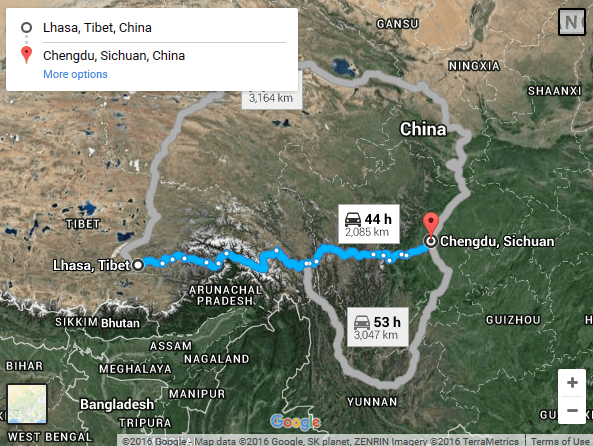
The railway construction projects across the Tibetan Plateau are mere symptoms of Neocolonialism, a facet of Red China’s Doctrine of Expansionism.
Red China’s Journey from Imperialism to Neocolonialism.
CHINA TO STRENGTHEN RAILWAY CONSTRUCTION IN OCCUPIED TIBET
Red China’s Journey from Imperialism to Neocolonialism.
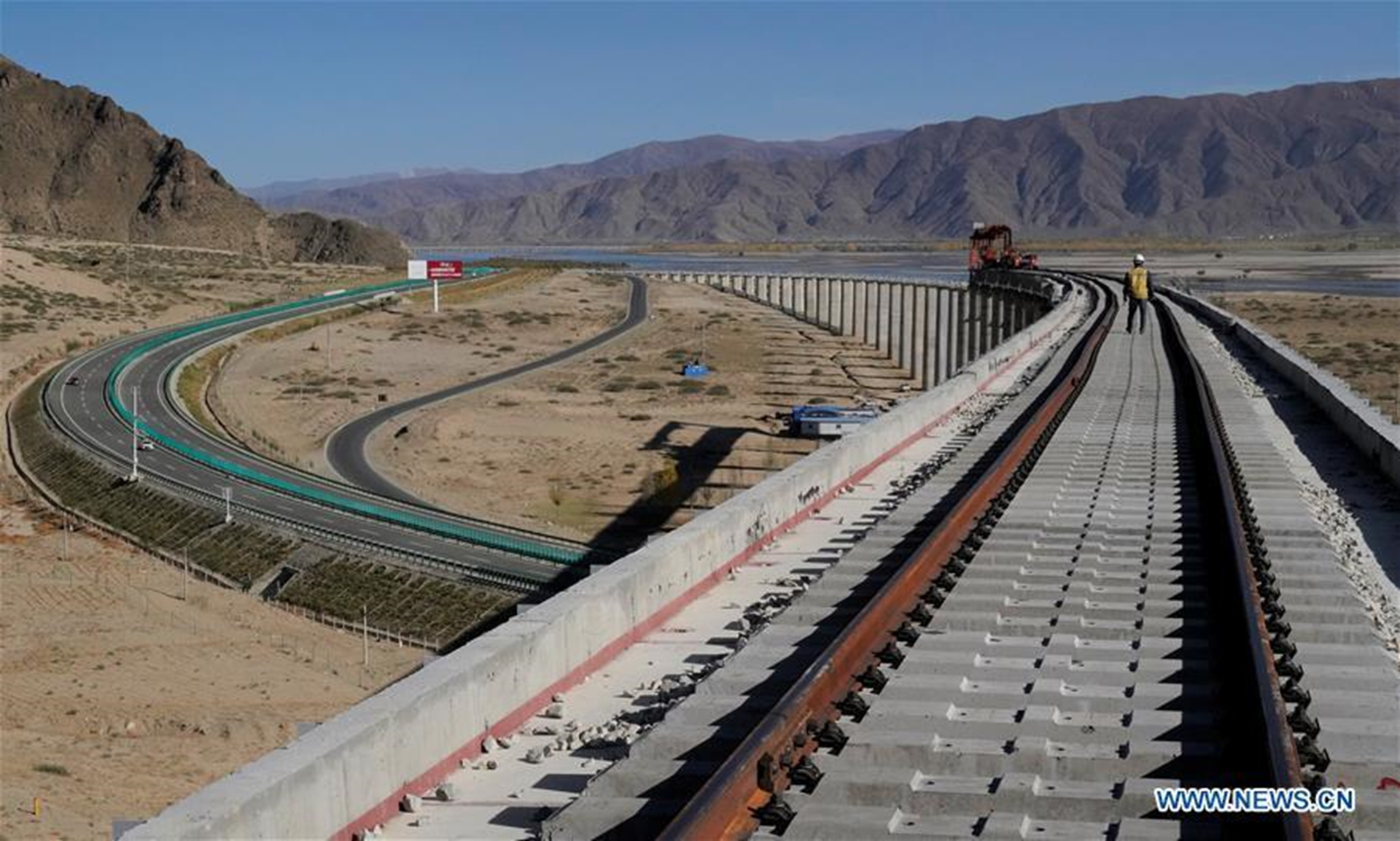
Staff members work at the construction site of the Lhasa-Nyingchi section of the Sichuan-Tibet Railway in Occupied Tibet, on Nov. 26, 2018. In 2018, an investment of 4.2 billion yuan (623 million U.S. dollars) was made in railway construction in the region. (Xinhua/Purbu Zhaxi)
Red China’s Journey from Imperialism to Neocolonialism.
Staff members work at the construction site of the Lhasa-Nyingchi section of the Sichuan-Tibet Railway in Occupied Tibet, on Nov. 26, 2018. In 2018, an investment of 4.2 billion yuan (623 million U.S. dollars) was made in railway construction in the region. (Xinhua/Purbu Zhaxi)
Red China’s Journey from Imperialism to Neocolonialism.
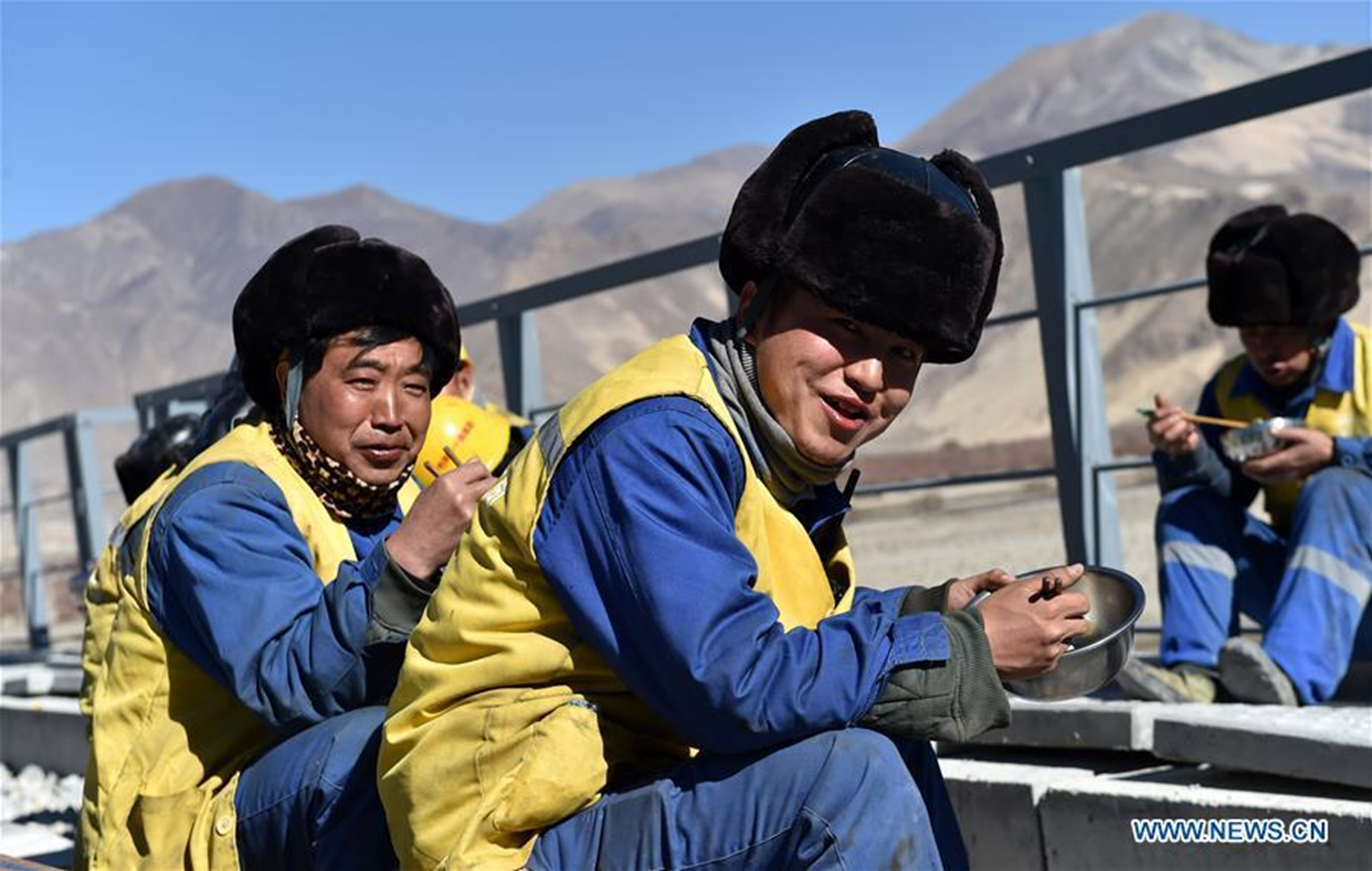
Workers have lunch at the construction site of the Lhasa-Nyingchi section of the Sichuan-Tibet Railway in Occupied Tibet, on Nov. 26, 2018. In 2018, an investment of 4.2 billion yuan (623 million U.S. dollars) was made in railway construction in the region. (Xinhua/Chogo)
Red China’s Journey from Imperialism to Neocolonialism.
Workers at the construction site of the Lhasa-Nyingchi section of the Sichuan-Tibet Railway in Occupied Tibet, on Nov. 26, 2018. In 2018, an investment of 4.2 billion yuan (623 million U.S. dollars) was made in railway construction in the region. (Xinhua/Chogo)
Red China’s Journey from Imperialism to Neocolonialism.
Photo taken on Dec. 23, 2018, shows the construction site of the Lhasa-Nyingchi section of the Sichuan-Tibet Railway in Occupied Tibet. In 2018, an investment of 4.2 billion yuan (623 million U.S. dollars) was made in railway construction in the region. (Xinhua/Purbu Zhaxi)
Red China’s Journey from Imperialism to Neocolonialism.
THE RECIPROCAL ACCESS TO TIBET ACT IS NOT FOR BOOSTING TOURISM
The Reciprocal Access to Tibet Act is not for boosting Tourism.
The Reciprocal Access to Tibet Act is not for promoting Tibetan Tourism. The ‘Access’ is demanded to monitor Human Rights violations in the Occupied Tibetan territory.
Rudranarasimham Rebbapragada
SPECIAL FRONTIER FORCE
The Reciprocal Access to Tibet Act is not for boosting Tourism.
China pledges easier foreign tourist access to Tibet amid U.S. pressure
The Reciprocal Access to Tibet Act is not for boosting Tourism.
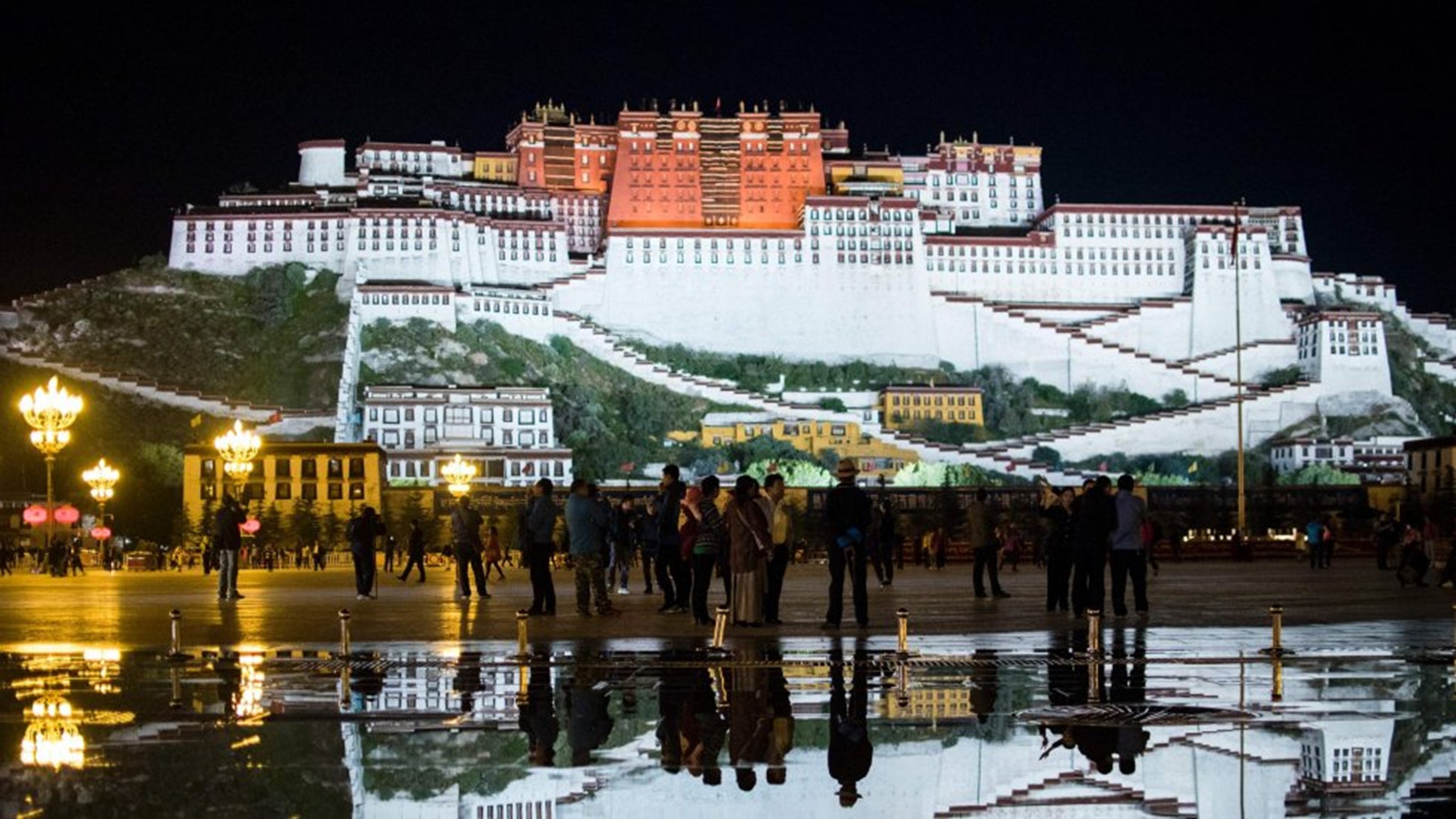
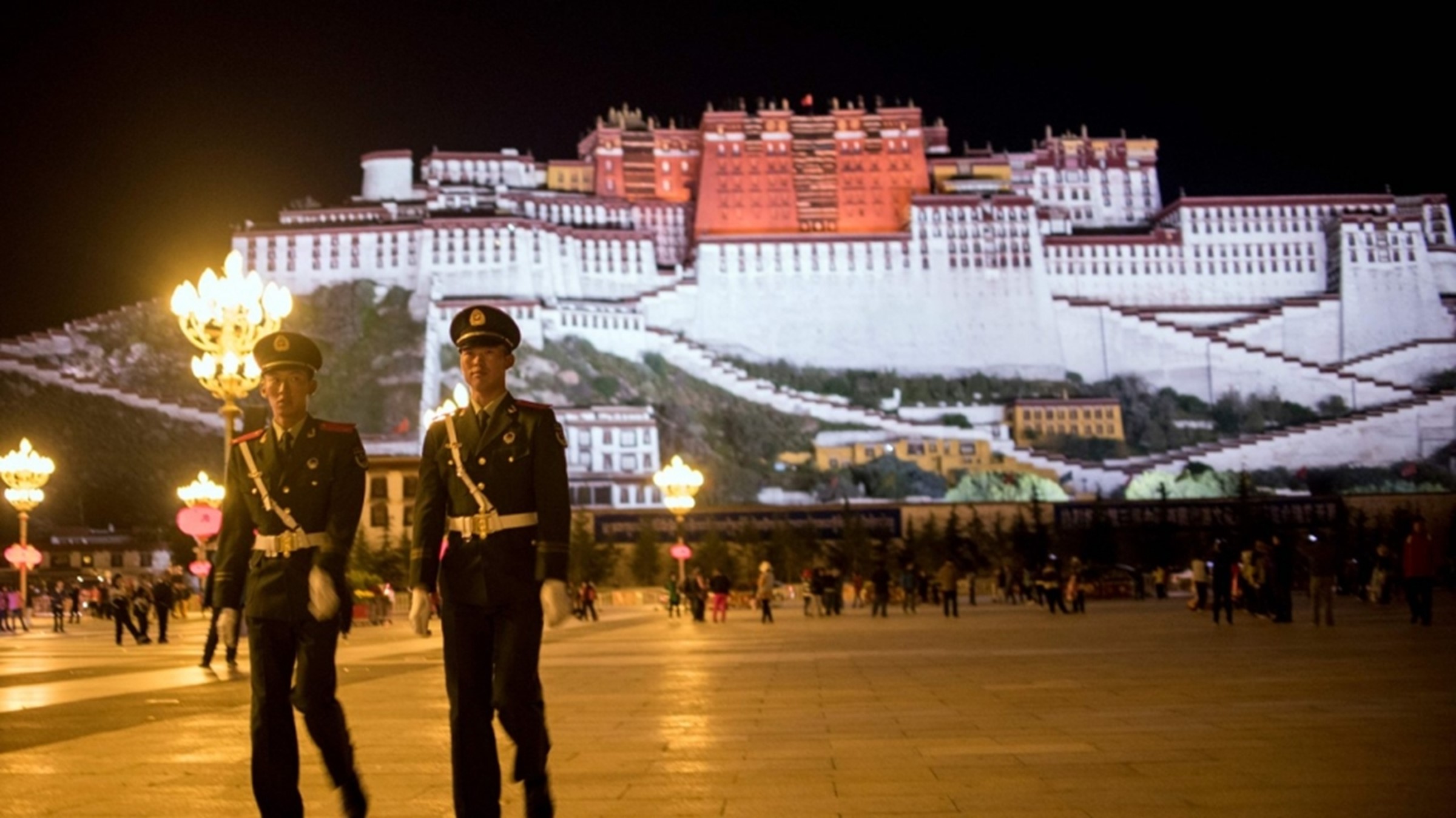
BEIJING (Reuters) – The Chinese government in Tibet said it will boost numbers and cut waiting times for foreign tourists visiting the highly restricted region, amid renewed pressure from the United States for greater access for U.S. officials and journalists.
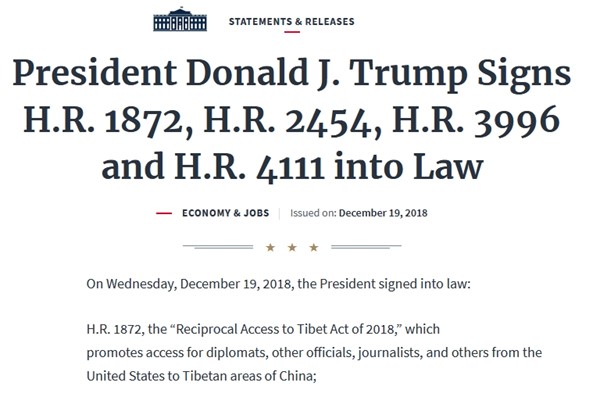
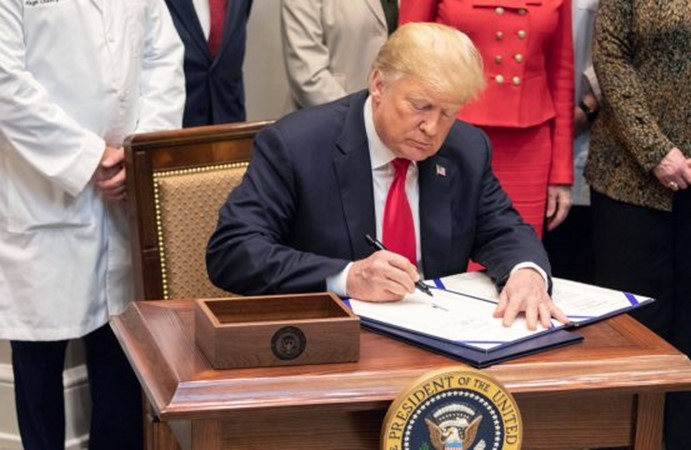
U.S. President Donald Trump signed into law the Reciprocal Access to Tibet Act in December, which seeks to press China to open the region by denying U.S. entry for officials deemed responsible for restricting access to Tibet.
Beijing denounced the law at the time as interference in China’s internal affairs, risking “serious harm” to ties with Washington.
China and the United States are engaged in talks to try to hammer out a deal to end a festering trade dispute that has threatened to sour the relationship across the board, including on issues such as security, influence and human rights.
The Tibetan government will shorten the time required for foreign tourists to gain access to the region by half and boost numbers by fifty percent, Qizhala, chairman of the regional government, said in an annual work report published by the official Tibet Daily newspaper on Friday.
Non-Chinese visitors must apply for a special permit to travel to remote, mountainous Tibet, which is usually granted for tourists provided they travel with approved tour companies but rarely for journalists and diplomats.
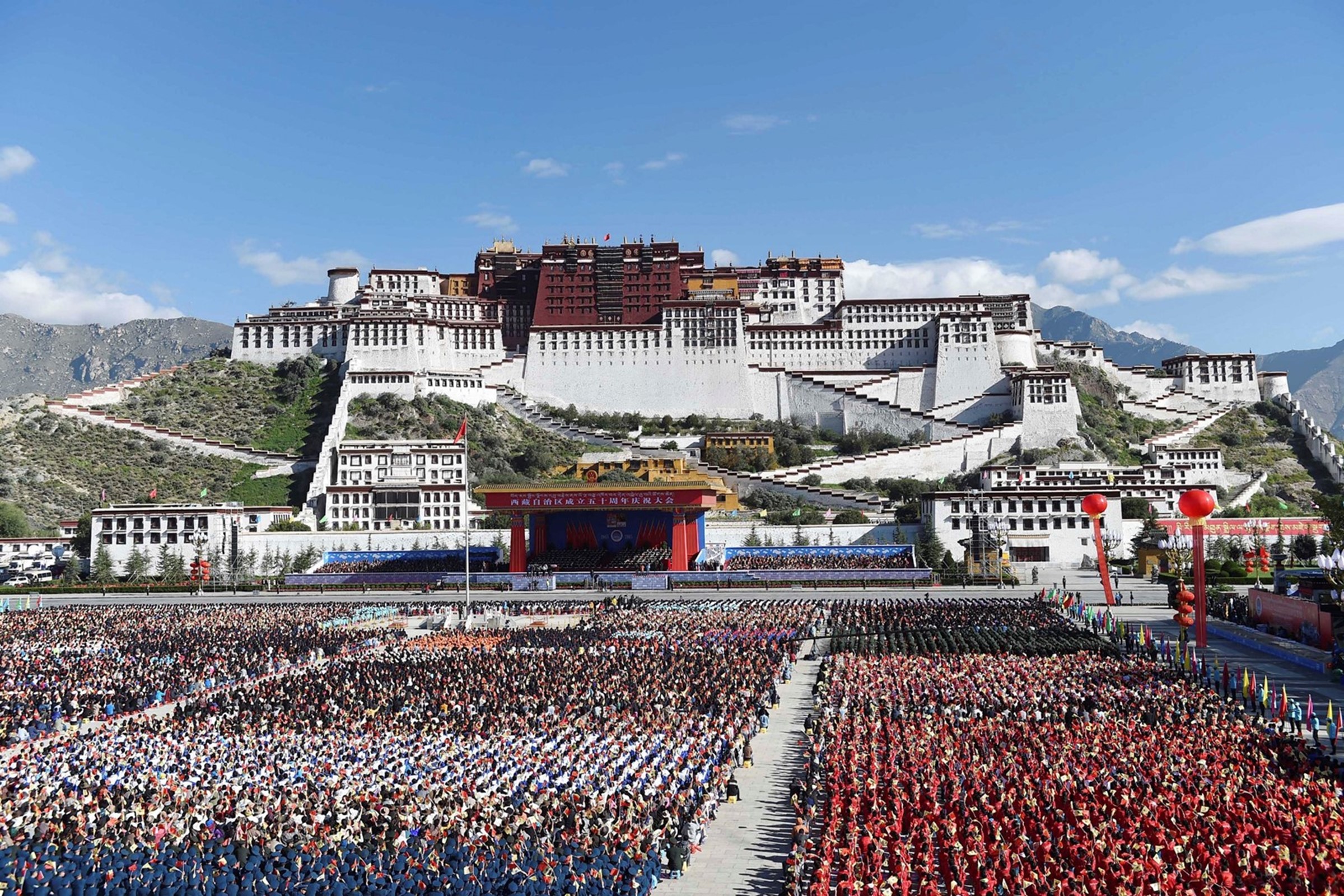
Beijing has ruled Tibet with an iron fist since Chinese Communist Party troops marched into the region in 1950 in what it terms a “peaceful liberation”.
Qizhala also pledged that the government in Tibet would “take a clear-cut stance in the fight against the Dalai clique”, a reference to exiled spiritual leader the Dalai Lama.
“We must improve the monastery management and service mechanisms to defend the bottom line of Tibetan Buddhism not being manipulated by foreign forces,” he said, and management of religious activities must prevent another “upsurge” of religion.
Rights groups and overseas activists say ethnic Tibetans face widespread restrictions under Chinese rule and the U.N. High Commissioner for Human Rights said in June conditions were “fast deteriorating”.
This year marks the 60th anniversary of a Tibetan uprising against Chinese rule in 1959. Supporters of Tibetan independence and of the Dalai Lama have staged protests in the past to mark the uprising’s anniversary, angering China.
China views the Dalai Lama, Tibet’s Buddhist spiritual leader who fled into exile in India after the failed uprising, as a dangerous separatist.
The Nobel Peace laureate denies espousing violence and says he only wants genuine autonomy for Tibet.
Reporting by Christian Shepherd; Editing by Paul Tait
The Reciprocal Access to Tibet Act is not for boosting Tourism.
ASIA REASSURANCE INITIATIVE ACT SYMBOLIZES THE COLD WAR IN ASIA
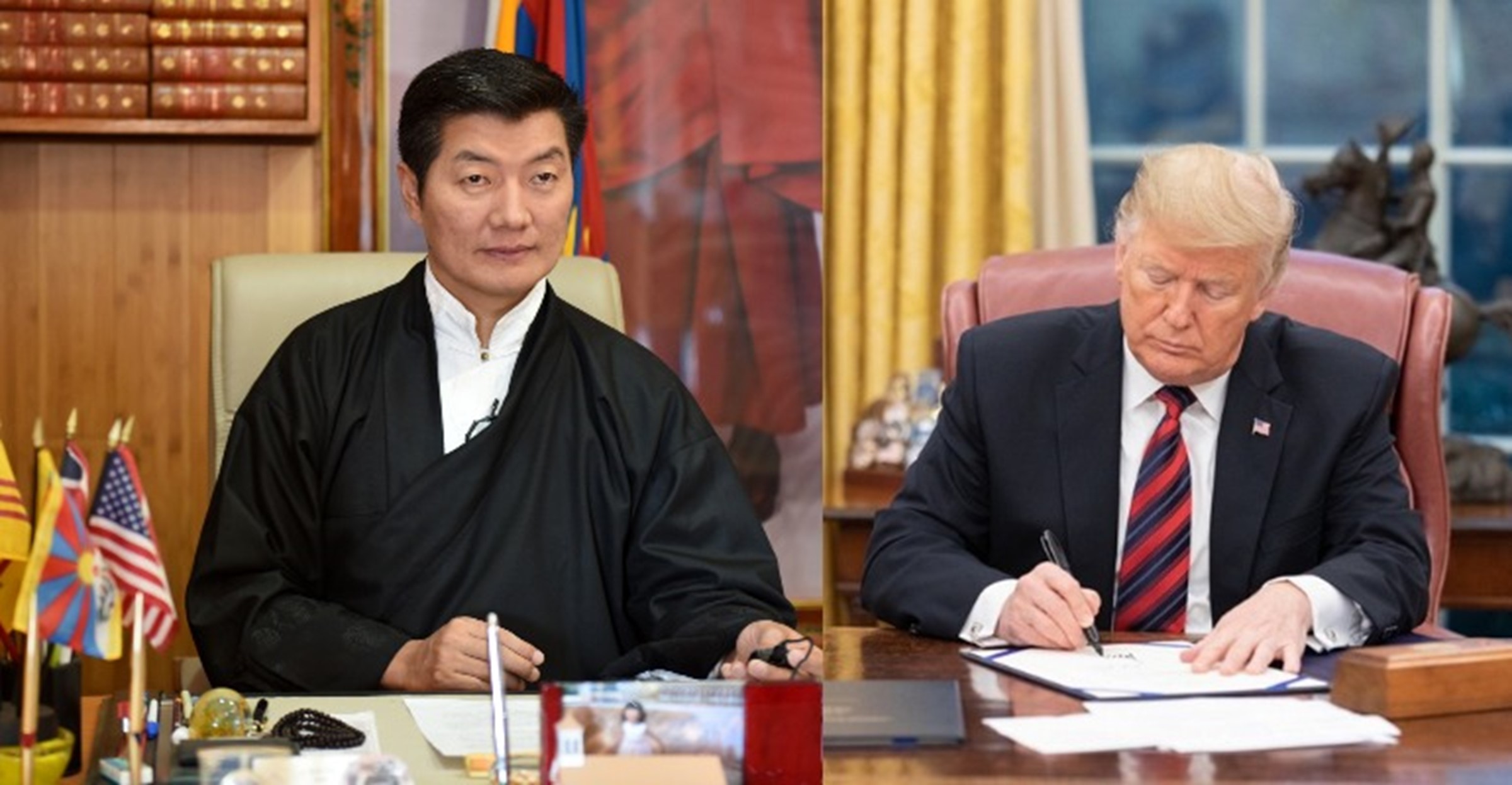
In my analysis, the Asia Reassurance Initiative Act symbolizes the reality of ‘The Cold War in Asia’. President of Tibet and the President of the United States have acknowledged the threat posed by the Enemy’s presence in Tibet.
Rudranarasimham Rebbapragada
SPECIAL FRONTIER FORCE
CTA President welcomes the enactment of Asia Reassurance Initiative Act (ARIA) | Central Tibetan Administration
CTA President hails the Asia Reassurance Initiative Act.
Dharamshala: President Dr Lobsang Sangay of Central Tibetan Administration hailed the enactment of the Asia Reassurance Initiative Act (ARIA) on Tuesday, saying that the passage is a much-welcomed move. US President Donald Trump signed the ARIA Act into law on 31 December 2018, having passed the Senate and the House on 4 and 12 December respectively.
President Dr Sangay thanked the US Congress for passing the Asia Reassurance Initiative Act, which references Tibet in terms of supporting “activities preserving cultural traditions and promoting sustainable development, education, and environmental conservation in Tibetan communities in the Tibet Autonomous Region and in other Tibetan communities in China, India, and Nepal.”
CTA President, in recent years, has made multiple visits to the United States and held high-level meetings in the Senate as well as the House of Representatives. During those meetings, he has relentlessly tabled the issue of prioritizing Tibet at the core of US policy. The Office of Tibet in Washington DC has also made tremendous efforts towards this.
“ARIA ensures that the US will continue to support Tibet by authorizing funds for Tibet-related programs and by highlighting Chinese human rights abuses against the Tibetan people,” said Senators Cory Gardner (R-Colo.) and Ed Markey (D-Mass.), the lead sponsors of the Act.
Matteo Mecacci, president of the International Campaign for Tibet said: “This Act rightly places the issue of Tibet within the parameters of US security interests. Tibet occupies an Asian fault zone of clashing cultures and big-power politics.”
The Act, known as ARIA, aims at enhancing American leadership in the Indo-Pacific region and strengthening cooperation with regional partners, including India and Taiwan. It says, “The United States has a fundamental interest in defending human rights and promoting the rule of law in the Indo-Pacific region.”
Following is the reference to Tibet in the Act. SEC. 409. AUTHORIZATION OF APPROPRIATIONS.
(a) Promotion of Democracy in the Indo-Pacific Region.– (1) In general.–There is authorized to be appropriated $210,000,000, for each of the fiscal years 2019 through 2023, to promote democracy, strengthen civil society, human rights, rule of law, transparency, and accountability in the Indo- Pacific region, including for universities, civil society, and multilateral institutions that are focusing on education awareness, training, and capacity building.
(2) Democracy in china. –Amounts appropriated pursuant to paragraph (1) shall be made available for United States Government efforts, led by the Assistant Secretary of State for Democracy, Human Rights, and Labor, to promote democracy, the rule of law, and human rights in the People’s Republic of China.
(3) Tibet. –Amounts appropriated pursuant to paragraph (1) shall be made available for nongovernmental organizations to support activities preserving cultural traditions and promoting sustainable development, education, and environmental conservation in Tibetan communities in the Tibet Autonomous Region and in other Tibetan communities in China, India, and Nepal.
The Act also recognizes India as a major Defense partner, the vital role of the strategic partnership between the United States and India in promoting peace and security in the Indo-Pacific region. Section 204 of the Act calls for strengthening and broadening of diplomatic, economic, and security ties between the two countries.
The Indo-Pacific is a biogeographic region, comprising the Indian Ocean and the western and central Pacific Ocean, including the South China Sea.





























 Whole Dude - Whole Concept