Whole Dude – Whole Designer – The Master Planner is still at Work: The Rudi Connection at Whole Foods describes the concept of Whole Designer
Yes Indeed, Life is Complicated. The complexity of Life involves the complex nature of the designing of the Living Things and as the Master Planner is still at Work, man gets the opportunity to visualize the artistic scheme of the World in which he exists.
Whole Dude – Whole Designer: The Cuckoo of India called “KOEL”, Eudynamys scolopacea . I only want to be heard and I do not want to be seen. I speak about the relation between sound and echo, the song and the singer, the Creator, and the created.
What it is to be a Substance? and What it is to Exist? We need to establish knowledge about the man and the world on a firm basis and the information it provides must be tested for its accuracy and consistency with an external reality. We have to make the fundamental distinction between the living and the non-living matter. The scientific advances of the 19th and 20th centuries reinforced the materialistic position concerning the basic similarity of organic living and inorganic physical matter. The man is viewed as a product of natural evolution and is thought to be subject to the same laws of Physics and Chemistry or mechanistic principles without the operation of any creative mechanism.
I speak about the relation between sound and echo, the song and the singer, the Creator, and the created.
The Rudi Connection at Whole Foods describes the concept of Whole Designer. I speak about the relation between sound and echo, the song and the singer, the Creator, and the created.
I use the method of ‘Applied Philosophy’ to analyze the concept of Spiritual Optics, the Spiritual dimension of biological coloration andto explain the concept of Whole Designer.
What is Color and What is Coloration?
The Rudi Connection at Whole Foods describes the concept of Whole Designer. What is Color? What is Coloration? I speak about the relation between sound and echo, the song and the singer, the Creator, and the created.
The term ‘color’ refers to the spectral qualities of emitted or reflected light. The term ‘coloration’ is a dynamic and complex characteristic that has captured human interest and attention for a long time. The human interest to coloration ranges from purely aesthetic to the rigidly pragmatic.
Biological Coloration:
The Rudi Connection at Whole Foods describes the concept of Whole Designer. I speak about the relation between sound and echo, the song and the singer, the Creator, and the created.
Biological Coloration refers to the general appearance of an organism as determined by the quality and quantity of light that is reflected or emitted from its surface. This Coloration depends upon several factors:
1. The integrity and deployment of the structural units and features involved in the generation of color,
2. The color and distribution of the organism’s pigments, and the relative location of differently colored areas,
3. The shape, posture, position, and movement of the organism,
4. The quality and quantity of light striking the organism, including the seasonal light and temperature variations,
5. The psychological, behavioral, hormonal, and other physiological conditions associated with the use of color,
6. The visual capacity of the viewer.
The comprehensive understanding of biological coloration demands a study of Physics, Chemistry, Physiology, Biology, Psychology and other subjects.
Whole Dude-Whole Designer
The Rudi Connection at Whole Foods describes the concept of Whole Designer. I speak about the relation between sound and echo, the song and the singer, the Creator, and the created.Hyacinthine Macaws – Anodorhynchus hyacinthinus. The visual, sensory experience of this color is a dynamic, complex event.
The term design means to make a plan, a pattern, or outline and carry out the execution by artistic arrangement in a skillful way. To produce an artistic unit, the designer will arrange the parts; details of form, color, etc., to fit into the artful scheme. Unlike an artist, the Whole Designer creates the whole scene using own imaginative power. Earth is in existence for a very long time. I invite my readers to reflect upon the designing of some of the living things which are recognized for their longevity.
The Designing of the Living Things. The Concept of Whole Designer. I speak about the relation between sound and echo, the song and the singer, the Creator, and the created. THIS IMAGE OF DIVIDING YEAST CELLS DESCRIBES A REAL POTENTIAL IMMORTALITY IN SIMPLE ORGANISMS THAT ARE SINGLE-CELLED AND REPRODUCE BY ASEXUAL REPRODUCTION CALLED FISSION. The Designing of the Living Things. The Concept of Whole Designer. I speak about the relation between sound and echo, the song and the singer, the Creator, and the created. COCKROACHES ARE AMONG THE OLDEST INSECT GROUPS HAVING SURVIVED BASICALLY UNCHANGED FOR 300 TO 350 MILLION YEARS (CARBONIFEROUS PERIOD). The Designing of the Living Things. The Concept of Whole Designer. :I speak about the relation between sound and echo, the song and the singer, the Creator, and the created. ANTARCTIC SPONGE (PHYLUM- PORIFERA) CAN LIVE FOR CENTURIES, THE OLDEST KNOWN LIVING SPONGE COULD BE 1,550-YEARS OLD. The Designing of the Living Things. The Concept of Whole Designer. I speak about the relation between sound and echo, the song and the singer, the Creator, and the created.TUBE WORMS (PHYLUM-ANNELIDA) SUCH AS LAMELLIBRACHIA LUYMESI LIVE ON THE FLOOR OF ATLANTIC OCEAN NEAR HYDROCARBON VENTS. THEY TAKE 170-250 YEARS TO GROW. The Designing of the Living Things. The Concept of Whole Designer.I speak about the relation between sound and echo, the song and the singer, the Creator, and the created. GEODUCKS (PHYLUM-MOLLUSKA) DATE BACK TO CAMBRIAN PERIOD OR 500 MILLION YEARS AGO, FOUND IN THE US COASTAL SEA WATERS OF PUGET SOUND. ONE OF THE OLDEST ANIMALS IN THE WORLD. IT CAN LIVE FROM 140 TO 160 YEARS. The Designing of the Living Things. The Concept of Whole Designer.I speak about the relation between sound and echo, the song and the singer, the Creator, and the created. OCEAN QUAHOG (PHYLUM-MOLLUSKA) ARCTICA ISLANDICA, SALTWATER CLAM CAN LIVE FOR CENTURIES, ESTIMATED AGE 400 YEARS. The Designing of the Living Things. The Concept of Whole Designer.I speak about the relation between sound and echo, the song and the singer, the Creator, and the created. SEA URCHIN (PHYLUM ECHINODERMATA), STRONGYLOCENTROTUS FRANCISCANUS LIVES IN PACIFIC OCEAN. IT CAN LIVE FOR ABOUT 200 YEARS. The Designing of the Living Things. The concept of Whole Designer. I speak about the relation between sound and echo, the song and the singer, the Creator, and the created. THIS UNIQUE SPECIES OF JELLYFISH (PHYLUM-COELENTERATA-CNIDARIA) AN INVERTEBRATE SEA CREATURE WITH STINGING CELLS KNOWN AS TURRITOPIS NUTRICULA USES A CELL DEVELOPMENT PROCESS CALLED TRANSDIFFERENTIATION AND IT CAN REVERT FROM A MATURE ADULT STAGE TO AN IMMATURE POLYP STAGE AND HENCE MAY HAVE NO NATURAL LIMITS TO ITS LIFE-SPAN OR IT BEHAVES LIKE AN IMMORTAL BEING BY REVERSING ITS AGING PROCESS. The Designing of the Living Things. The concept of Whole Designer. I speak about the relation between sound and echo, the song and the singer, the Creator, and the created. THE WHITE SHARK, CARCHARODON CARCHARIAS, ONE OF ABOUT 350 SPECIES OF CARTILAGINOUS FISHES. SHARKS ARE REMARKABLY SUCCESSFUL ANIMALS WITH FEW PARASITES OR DISEASES AND ALMOST NO ENEMIES EXCEPT OTHER SHARKS. THEY ARE LIVING ALMOST UNCHANGED FOR ABOUT 350 MILLION YEARS SINCE THE END OF THE DEVONIAN PERIOD. The Designing of the Living Things. The Concept of Whole Designer. I speak about the relation between sound and echo, the song and the singer, the Creator, and the created. CROCODILES ARE LARGE AMPHIBIOUS REPTILES THAT ORIGINATED DURING THE LATE TRIASSIC PERIOD, 200 MILLION YEARS AGO. DURING THE CRETACEOUS PERIOD, ABOUT 120 MILLION YEARS AGO, LARGE CROCODILES (40 FEET OR MORE) THAT EXISTED MAY HAVE PREYED ON DINOSAURS. The Designing of the Living Things. The Concept of Whole Designer. I speak about the relation between sound and echo, the song and the singer, the Creator, and the created. TORTOISE IS THE LAND-LIVING TURTLE SPECIES. THEY ARE IN EXISTENCE FROM THE TRIASSIC PERIOD, ABOUT 200 MILLION YEARS AGO. THIS GALAPAGOS GIANT TORTOISE (TESTUDO ELEPHANTOPUS) CAN LIVE UP TO 177 YEARS. THE ALDABRA GIANT TORTOISE NAMED ADWAITA LIVED FOR 250 YEARS. The Designing of the Living Things. The Concept of Whole Designer. I speak about the relation between sound and echo, the song and the singer, the Creator, and the created.SEA TURTLES ARE REPTILES, AMONG THE OLDEST LIVING GROUP OF REPTILES WHICH HAVE NOT CHANGED IN THEIR APPEARANCE FOR NEARLY 200 MILLION YEARS. IF THEY ARE ENDANGERED OR THREATENED, THE PROBLEM IS NOT CONTRIBUTED BY AGING OR NATURAL LONGEVITY. The Designing of the Living Things. The Concept of Whole Designer. I speak about the relation between sound and echo, the song and the singer, the Creator, and the created. TUATARA (SPHENODON PUNCTATUM), NATIVE OF NEW ZEALAND IS NOT A LIZARD. THIS SPECIES IS IN EXISTENCE FOR ABOUT 225 MILLION YEARS. IT IS A VERY RARE, MEDIUM-SIZED, AMPHIBIOUS REPTILE WHICH BELONGS TO THE ORDER SPHENODONTIA. ALL OTHER SPECIES OF THIS ORDER BECAME EXTINCT 60 MILLION YEARS AGO. IT IS CALLED A LIVING FOSSIL. INDIVIDUAL MEMBERS MAY LIVE FROM 100 TO 200 YEARS. IT HAS A WELL-DEVELOPED THIRD EYE AND A ROW OF SPINES ALONG THE BACK. The Designing of the Living Things. The Concept of Whole Designer. I speak about the relation between sound and echo, the song and the singer, the Creator, and the created. “KOI” ARE ORNAMENTAL, DOMESTICATED VARIETY OF THE COMMON CARP, CYPRINUS CARPIO. THESE FISH HAVE RECORDED LIVES OF 150 TO 226 YEARS. The Designing of the Living Things.The Concept of Whole Designer. I speak about the relation between sound and echo, the song and the singer, the Creator, and the created. DUCK-BILLED PLATYPUS, ORNITHORHYNCHUS ANATINUS, A MONOTREME, AN EGG-LAYING MAMMAL OF EASTERN AUSTRALIA AND TASMANIA. IT IS SEMIAQUATIC, HAS A DUCK-BILL SHAPED MUZZLE WITH NO TEETH, FEET ARE WEBBED, NO EARS, AND BODY COVERED WITH DARK-BROWN FUR. COMBINES FEATURES OF A DUCK, BEAVER, AND OTTER. HAS MILK GLANDS TO NOURISH THE YOUNG. THEY HAVE SURVIVED SINCE AUSTRALIAN PLEISTOCENE, ABOUT 2 MILLION YEARS AGO. The Designing of the Living Things. The Concept of Whole Designer. I speak about the relation between sound and echo, the song and the singer, the Creator, and the created. THE BOWHEAD WHALE OF ALASKA. RIGHT WHALE OR BALAENA MYSTICETUS ORIGINATED IN THE EARLY TERTIARY OR UPPER CRETACEOUS PERIOD ABOUT 70 MILLION YEARS AGO. IT IS THE LONGEST LIVING MAMMAL AND INDIVIDUAL MEMBERS HAVE RECORDED 150 TO 200 YEARS OF LIFE.
Who is the Artist? Who is the Designer?
The Designing of the Living Things. The Concept of Whole Designer.Who is the Artist? Who is the Designer? An artist uses colors with imagination to create forms and to generate a desired visual effect. A “Whole Artist” is a person who creates his own canvas, his own tools, his own pigments, and creates the desired visual effects while the forms that are created have no such creative and cognitive abilities.
No single function can explain the coloration of living things. We need a comprehensive theory that predicts the lines and patterns of coloration of plants and animals. An artist’s palette containing only three properly chosen colors is entirely adequate under most circumstances to produce the various visual effects of color that is observed. The optical mechanisms involved in the production of color are complex. Coloration is a dynamic and complex characteristic and the term must be clearly distinguished from the term ‘color’ which only refers to the spectral qualities of emitted or reflected light.
WholeDude – Whole Artist : Chilean Mimulus flowers. Mimulus luteus. Who is the artist that caused this visual effect?
It is apparent that plants, and animals have no cognitive abilities to produce the coloration by which they are recognized. However, the coloration displayed gives us a clue about the nature of the “Whole Artist” who could be using imagination, has feelings for the forms created and seeks satisfaction from the visual effects that he produced. If man has the ability called visual perception, he must use the ability to visualize the “Whole Artist” who is at work. I ask my readers to give attention to the three dimensions of Color Perception. These are, 1. The Designer or the Artist, 2. The Object of Perception, and 3. The visual capacity of the Viewer.
The Designing of the Living Things. The Concept of Whole Designer. I speak about the relation between sound and echo, the song and the singer, the Creator, and the created.
Whole Dude – Whole Beauty: Beauty is in the eye of the beholder who lives in Whole Harmony to experience Whole Beauty.
Beauty inheres in the object itself and may be judged objectively. Hume identified beauty with that which pleases the observer. Apart from the observer and the object, there is an entity called Artist who may have created the artistic form which generates the visual and the psychological experience described as Beauty.
Whole Dude – Whole Beauty: Beauty is in the eye of the beholder; a living person who can process sensory information and the feelings attached to the form generating the visual experience.
I ask my readers to reflect upon the concept of Beauty while viewing the marble statue of Aphrodite, the Greek goddess of erotic love. The experience called Beauty essentially involves three entities, 1. The observer, 2. The Object, and 3. The Artist which includes the original creator of the human form or of the artistic elements that an observer can easily recognize. For that reason, the study of Beauty will always involve the concept of a Designer who paves the way for the creation of any work of art.
Whole Dude – Whole Designer-Whole Beauty
Whole Dude-Whole Designer- Whole Beauty: Alexander Gottlieb Baumgarten (1714-1762), German philosopher coined the term ‘Aesthetics’ from the Greek word for Perception (aisthesis). It denotes a realm of concrete knowledge in which content is communicated in sensory form.
Aesthetics is a branch of philosophy dealing with the nature of art and the criteria of artistic judgment.
Aesthetics involves the study or theory of beauty and of the psychological responses to it.
Aesthetics has developed into a broad field of knowledge and inquiry. The term was coined by Alexander Gottlieb Baumgarten to denote a realm of concrete knowledge in which content is communicated in sensory form. Now the term is applied to the study of all the works of the fine arts, the useful arts (crafts) and natural phenomena (eg., landscapes, the human face and body) that have aesthetic value and generate an experience called aesthetic experience.
Plato and Aristotle formulated the conception of art as an imitation of nature.
Baumgarten emphasizes on the importance of feeling. If art imitates nature, the artist must deliberately alter nature by adding elements of feeling to perceive reality.
The artistic process involves the use of illusion to mirror the creative process of the world.
A Study in Aesthetics – The Birth of Tragedy out of the Spirit of Music:
Whole Dude – Whole Designer – Whole Beauty: In his first book, The Birth of Tragedy Out of the Spirit of Music (1872), Friedrich Wilhelm Nietzsche presented a theory of Greek mythology and of the foundations of art. It remains a classic in the history of Aesthetics to this day.
In his first book, The Birth of Tragedy Out of the Spirit of Music (1872), German philosopher Nietzsche presents a theory of Greek mythology and of the foundations of art. He introduced his famous distinction or dichotomy between the Apollonian or rational element in human nature, and the Dionysian or passionate element of human nature as exemplified in the Greek gods Apollo and Dionysus. In Nietzsche’s view, man achieves a momentary harmony with the Primordial Mystery when the two principles of rational and passionate nature are blended either in art or in life. His book remains a classic in the history of Aesthetics to this day.
Whole Dude-Whole Designer-Whole Beauty: Son of Zeus, Greek god Apollo is the god of all plastic energies, the deity of light, god of reason, and god of life and form giving force. In art, Apollo is portrayed as the perfection of Youth and Beauty. Nietzsche describes Apollo as the reality that is ordered and differentiated by forms.Whole Dude-Whole Designer-Whole Beauty: Greek god Dionysus is the god of fertility, and passion. He taught mankind viticulture. He is capable of dreadful revenge upon those who deny his divinity. According to Nietzsche, Dionysus represents reality as disordered and undifferentiated by forms. Dionysus is the god of Choral Music, self-forgetting, embraces chaos and frees the self to seek unity with others and gives way to a primal unity with Nature.
Nietzsche describes an art form that transcends the pessimism and nihilism of a fundamentally meaningless world. The tragedy of Ancient Greece was the highest form of art. The Apollonian element represents measure, restraint, and harmony The Apollonian element is found in the dialogue which gives a concrete symbolism that balances the Dionysian element. The Apollonian spirit is able to give form to the abstract Dionysian. Nietzsche claims that the Dionysian element is to be found in the music of the chorus. Under the influence of wine or of narcotic draught, the Dionysian element makes everything subjective to vanish into complete self-forgetfulness.
Whole Dude-Whole Designer-Whole Beauty: In Greek mythology, Orpheus, son of Apollo and Muse Calliope, played the Lyre beautifully that he charmed the beasts, trees, and rivers. He is seen recovering his wife Eurydice from Hades after her death. It describes the pain and suffering of human existence and the struggle to overcome it.Whole Dude-Whole Designer-Whole Beauty: Greek god Orpheus brings his wife Eurydice from Hades after her death. But, tragically, he loses her when he turns to look back and he was not allowed to see her while she followed him out of Hades. The Greek religion of Orphism is based upon the dual aspect of human nature described as Good and Evil. Orpheus worshiped Apollo above Dionysus and Dionysus retaliated by killing him.
Nietzsche describes the inseparable ecstasy and suffering of human existence. He states that man’s ability to live creatively in optimistic harmony with the sufferings of life demand the use of both Apollonian and Dionysian elements. Plato reasons that it is only an aesthetic phenomenon that existence and world are eternally justified.
However, Nietzsche claims that knowledge and rationality in themselves do nothing to justify existence and the world. In Nietzsche’s view, life finds meaning only through art, music and tragedy. Existence and world become meaningful not as objects of knowledge but as artistic experiences. Nietzsche includes the Buddhist or the Eastern philosophy of pain and suffering as an inescapable attribute of human existence and emphasizes a tragic longing for nothingness and the absence of will. Nietzsche recommends to live a life in a human-dreamt world of illusions. He sees existence as an illusion of illusion. Nietzsche bemoaned the final destruction of Greek tragedy by Greek philosophical inquiry which sought a more logical connection between Nature and mankind. Euripides, Socrates and their disciples demanded a rational explanation of the Greek myths and caused the final destruction of Ancient Greece’s religion and culture.
The Concept of Whole Artist:
Whole Dude – Whole Beauty: The concept of Whole Beauty: Who is the Artist? An artist uses colors with imagination to create forms and to generate a desired visual effect. A “Whole Artist” is a person who creates his own canvas, his own tools, his own pigments, and creates the desired visual effects while the forms that are created have no such creative and cognitive abilities.
The term artist is used to describe a person who works in, or is skilled in the technique of any of the fine arts, especially in painting, drawing, and sculpture. The term artistry describes the artistic ability which includes the use of imagination, a feeling for form, and a feeling for effect.
I coined the phrase Whole Artist to describe a person who uses imagination to create his own canvas, his own tools, his own pigments, and creates the desired visual effects while the forms that are created have no such creative and cognitive abilities.
WholeDude – Whole Artist – The Colors of Chilean Mimulus flowers. Mimulus cupreus (Red Emperor). Who is the artist who produced this visual effect?
For example, plants may produce flowers of different colors while they essentially lack cognitive abilities to recognize the visual effect of the color they produce. The concept of Whole Artist helps me to visualize the beauty of these flowers by reflecting upon the artistic abilities of the Whole Designer who creates plants and flowers while giving the benefit of visual experience to the man.
The study, the theory of beauty, or Aesthetics helps us to know the nature of the Whole Artist.
Whole Beauty – Whole Existence -Whole Unity – Whole Harmony:
Whole Dude-Whole Designer-Whole Beauty: Greek philosophical inquiry sought a more logical connection between nature and mankind. Euripides and Socrates demanded a rational explanation of Greek myths and caused the final destruction of Homeric pantheon. I use the term ‘Whole Beauty’ to describe the ‘Wholeness’ of Human Existence that requires the ‘Whole Harmony’ between Dependence and Freedom, the Whole Harmony between Illusion and Reality, the ‘Whole Unity’ between Body, Mind, Spirit and Soul. At the School of Athens, artist Raphael uses the illusion of an artistic process to create a scene where Plato and Aristotle are debating their conflicting views about Human Nature and Human Existence.
Aesthetics involves the study of objects that have an inherent aesthetic quality to generate an aesthetic experience in the mind of an observer who has the capacity to interpret sensory information. An artist uses the artistic process to capture the creative process of the world by integrating illusion with reality.
In my analysis, the conflict in the nature of human existence is caused by the tension between the two basic elements called Dependence, and Freedom. Human Dependence upon an external source of energy and sustenance is made possible by the vital, animating principle called Spirit or Soul. The Joy, the Happiness, the Blissful condition of Existence gives the man the desire for Freedom, the Freedom or the Independence from Dependence that establishes the Existence. The pursuit of Freedom may make man to live dangerously with a spirit of recklessness. Finally, Death is inevitable as there is no escape from the nature of Dependent Existence. The man uses the power of Imagination to secure his Freedom from Death and Dependence. The man creates an illusion of eternal Life in which he sees the illusion of his Freedom. Spirit is the principle that governs the man’s desire for Freedom, and Independence. It is with the principle of Spirit the man is able to dream, imagine, and create an illusion that gives him the relief or the escape from the reality of pain and suffering.
Whole Dude – Whole Beauty: The Vitruvian Man c. 1492. The painting by Leonardo da Vinci displays the spirit of scientific inquiry. We must investigate the biological basis of Human Existence to know about Human Nature. The Nature is a reflection of the potency that keeps the Object existing.
I use the term ‘Whole Beauty’ to describe the integration of the human body with the principles of soul and spirit to bring ‘Whole Unity’ and ‘Whole Harmony’ between the conflicting elements of Dependence and Freedom.
I find the application of this artistic process in the works of Whole Artist or Whole Designer who makes the man to live on the surface of a fast spinning object called planet Earth where the Power of Time churns every future instant into a past instant without ever giving man the chance to recognize the experience of a present instant.
Whole Beauty captures the beauty of the reality of human existence derived from the experience of a Grand Illusion which effectively blocks the man from experiencing the harsh realities of existence in a world which is constantly moving at an amazing speed.
Whole Dude – Whole Beauty: To perceive beauty, I must not have no sensory experience of the harsh realities of existence on the surface of a fast, spinning object.
Whole Dude – Whole Artist – Whole Aesthetics: Beauty is in the eye of the beholder
What is Color and What is Coloration?
Whole Dude – Whole Artist – Whole Aesthetics: Beauty is in the eye of the beholder
The term ‘color’ refers to the spectral qualities of emitted or reflected light. The term ‘coloration’ is a dynamic and complex characteristic that has captured human interest and attention for a long time. The human interest to coloration ranges from purely aesthetic to the rigidly pragmatic.
Biological Coloration:
Whole Dude – Whole Artist – Whole Aesthetics: Beauty is in the eye of the beholder
Biological Coloration refers to the general appearance of an organism as determined by the quality and quantity of light that is reflected or emitted from its surface. This Coloration depends upon several factors:
1. The integrity and deployment of the structural units and features involved in the generation of color,
2. The color and distribution of the organism’s pigments, and the relative location of differently colored areas,
3. The shape, posture, position, and movement of the organism,
4. The quality and quantity of light striking the organism, including the seasonal light and temperature variations,
5. The psychological, behavioral, hormonal, and other physiological conditions associated with the use of color,
6. The visual capacity of the viewer.
The Concept of Whole Artist:
Whole Dude – Whole Artist – Whole Aesthetics: Beauty is in the eye of the beholder
The term artist is used to describe a person who works in, or is skilled in the technique of any of the fine arts, especially in painting, drawing, and sculpture. The term artistry describes the artistic ability which includes the use of imagination, a feeling for form, and a feeling for effect. I am using the term ‘Whole Artist’ to discover the person who may have used imagination to create forms to produce desired effects while the form itself lacks the cognitive abilities to generate its own form. Plants may produce flowers of different colors while they essentially lack cognitive abilities to recognize the visual effect of the color they produce. The study, the theory of beauty, or Aesthetics helps us to know the nature of the Whole Artist.
Whole Dude – Whole Artist – Whole Aesthetics: Beauty is in the eye of the beholder.
Aesthetics is a branch of philosophy dealing with the nature of art and the criteria of artistic judgment. Aesthetics involves the study or theory of beauty and of the psychological responses to it. Aesthetics has developed into a broad field of knowledge and inquiry. The term was coined by Alexander Gottlieb Baumgarten to denote a realm of concrete knowledge in which content is communicated in sensory form. Now the term is applied to the study of all the works of the fine arts, the useful arts (crafts) and natural phenomena (eg., landscapes, the human face and body) that have aesthetic value and generate an experience called aesthetic experience. Plato and Aristotle formulated the conception of art as an imitation of nature. Beauty inheres in the object itself and may be judged objectively. Hume identified beauty with that which pleases the observer. Baumgarten emphasized on the importance of feeling. If art imitates nature, the artist must deliberately alter nature by adding elements of feeling to perceive reality. The artistic process involves the use of illusion to mirror the creative process of the world.
Whole Dude – Whole Artist – Whole Aesthetics: Beauty is in the eye of the beholder.
Aesthetics involves the study of objects that have an inherent aesthetic quality to generate an aesthetic experience in the mind of an observer who has the capacity to interpret sensory information. An artist uses the artistic process to capture the creative process of the world by integrating illusion with reality.
I use the term ‘Whole Aesthetics’ to describe the integration of the human body with the principles of soul and spirit to bring ‘Whole Unity’ and ‘Whole Harmony’ between the conflicting elements of Dependence and Freedom by using an artistic process of combining Reality with Illusion. I use the term ‘Whole Aesthetics’ to describe the ‘Wholeness’ of Human Existence that requires the ‘Whole Harmony’ between Dependence and Freedom, the Whole Harmony between Illusion and Reality, the ‘Whole Unity’ between the human body, spirit and soul.
I find the application of this artistic process in the works of Whole Artist or Whole Designer who makes the man to live on the surface of a fast spinning object called planet Earth where the Power of Time churns every future instant into a past instant without ever giving man the chance to recognize the experience of a present instant. Whole Aesthetics captures the beauty of the reality of human existence derived from the experience of illusion.
Whole Designer – Whole Artist-Whole Aesthetics:
WholeDude – Whole Artist : Chilean Mimulus flowers. Mimulus luteus. Who is the artist that caused this visual effect?
Plants have the ability of Photoreception but do not have organs of sense perception like eyes. They produce flowers as if an artist is at work. The flowers below all have two things in common: They’re beautiful, and they remind the human eye of something else entirely. These are flowers are just stunning works of art by nature.I am pleased to share the photo images of Orchids to explain the concept of Whole Designer and Whole Artist.
Masters of Plant Pareidolia
Whole Dude – Whole Artist – Whole Aesthetics: Beauty is in the eye of the beholder.
Pareidolia is the tendency to see familiar or significant images in places where none is intended. Classic examples are sightings of Jesus or the Virgin Mary in wood grain or the pastime of looking for shapes in clouds. Pareidolia is encouraged in the Rorschach inkblot test. There are plenty of examples in the natural world, and orchids are particularly notable for looking like something else.
Monkey Face Orchid (Dracula simia)
Dracula simia is another species in the Dracula genus. As the name implies, the blooms of this orchid look exactly like a monkey’s face.
The monkey orchid (Orchis simia) is said to be shaped like a monkey’s body. A male monkey, to be sure.
Moth Orchid ( Phalaenopsis )
There are about 60 species of Moth Orchids (Phalaenopsis), which are native to Asia and popular among orchid growers. Many of them, if you look really close, appear to have a small bird emerging from their center. Get a closer look at this pink specimen.
Naked Man Orchid (Orchis italica)
Orchis italica is native to the Mediterranean area, and is sometimes called the Naked Man Orchid. You can see why. The blossoms even have little eyes and smiles!
Hooker’s Lips (Psychotria elata)
Orchids may be the masters of plant pareidolia, but they aren’t the only plants that look like something else. Psychotria elata is a tropical plant that produces the psychedelic chemical DMT. The plant is also called Hooker’s Lips. I can’t imagine why.
Dancing Girls (Impatiens bequaertii)
Laughing Bumble Bee Orchid (Ophrys bomybliflora)
While we can’t say that nature intended for an orchid to look like a male body or a flying duck, the orchid genus Ophrys has a simple reason for looking the way it does. The Bee Orchid (Ophrys apifera) bloom resembles a bee in order to attract bees. When a male bee tries to mate with the flower (because it’s so pretty), he ends up pollinating it. Using an insect to achieve plant sex is common, but using insect sex to achieve plant sex is brilliantly weird. It apparently works well, because Ophrys ranges over several continents.
Swaddled Babies (Anguloa uniflora)
Parrot Flower (Impatiens psittacina)
Snap Dragon Seed Pod (Antirrhinum)
Flying Duck Orchid (Caleana major)
The Australian orchid genus Caleana is still not fully classified, but it is commonly called the Flying Duck Orchid. The shape attracts the sawfly, which pollinates the plant. Each component of the flower is design to use the sawfly, like a bright color for it to see, a place to land, and a petal that traps the fly into taking a pollen-rich route out. That’s one smart duck!
An orchid that looks remarkably like a tiger
Happy Alien (Calceolaria uniflora)
And his fellow aliens
Angel Orchid (Habenaria grandifloriformis)
Dove Orchid Or Holy Ghost Orchid(Peristeria elata)
White Egret Orchid (Habenaria radiata )
The Darth Vader (Aristolochia salvadorensis)
An Orchid that looks like a Ballerina
Whole Dude – Whole Artist – Whole Aesthetics: Beauty is in the eye of the beholder.Whole Dude – Whole Artist – Whole Aesthetics: Beauty is in the eye of the beholder
Dr. Sarvepalli Radhakrishnan (1888 -1975). I met this President during his retired life at his residence in Mylapore,Madras (Chennai). I am related to this President on my maternal side. His daughter married my maternal grandfather’s( Dr. Kasturi. Narayana Murty, M.D. Professor of Medicine Madras Medical College, Madras ) younger brother Kasturi. Seshagiri Rao who practiced Law. Mylapore is my birthplace and I grew up there. The reasons for strengthening these connections are as follows: 1. Dr. Sarvepalli studied in Madras Christian College and worked in Presidency College, Madras. My father also studied and worked in Presidency College. I am related and worked with people who studied in Madras Christian College. 2. My father taught Indian History and Sarvepalli Gopal also taught Indian History. 3. Apart from my father, several of my relatives belong to Teaching Profession. 4. As a child, I was aware of Vice President and later President of India in the context of India’s Diplomacy during Cold War Era. 5. The 1962 War happened during his Presidency and Special Frontier Force was formulated during his Presidency. These events shaped my choice to serve in the Indian Army since September 1969. I was granted Direct Permanent Regular Commission in the Army Medical Corps in March 1973 while I served as Medical Officer at Doom Dooma, Assam with Special Frontier Force. Posted by Dr. Rudra Narasimham, Rebbapragada, B.Sc., M.B.B.S.
September 05, President Sarvepalli Radhakrishnan’s birthday is celebrated as Teachers’ Day in India. On Tuesday, September 05, 2023, I want to share my reflections on the philosophy of Sarvepalli Radhakrishnan.
In my analysis, President Sarvepalli Radhakrishnan, like all other Indian thinkers, thinks of Spirit, Soul, or Atman as an immaterial principle and hence fails to examine the Material Basis of Spirit and Soul, or Atman. At a fundamental level, he fails to make the distinction between Physical Matter and Living Matter. He discusses the nature of human form and human body without sharing any thought about the living corporeal substance of the human body and human form.
Dr. Sarvepalli Radhakrishnan and the history of Special Frontier Force, Establishment No. 22, Vikas Regiment: In India, school children celebrate Dr. Radhakrishnan’s birthday (05 September) as Teachers’ Day and every year that I spent as a student, I had a special reason to remember my family connection with his daughter.
Sarvepalli Radhakrishnan (1888—1975)
As an academic, philosopher, and statesman, Sarvepalli Radhakrishnan (1888-1975) was one of the most recognized and influential Indian thinkers in academic circles in the 20th century. Throughout his life and extensive writing career, Radhakrishnan sought to define, defend, and promulgate his religion, a religion he variously identified as Hinduism, Vedanta, and the Religion of the Spirit. He sought to demonstrate that his Hinduism was both philosophically coherent and ethically viable. Radhakrishnan’s concern for experience and his extensive knowledge of the Western philosophical and literary traditions has earned him the reputation of being a bridge-builder between India and the West. He often appears to feel at home in the Indian as well as the Western philosophical contexts, and draws from both Western and Indian sources throughout his writing. Because of this, Radhakrishnan has been held up in academic circles as a representative of Hinduism to the West. His lengthy writing career and his many published works have been influential in shaping the West’s understanding of Hinduism, India, and the East.
September 05. My Musings on President Sarvepalli Radhakrishnan’s Philosophy.This photo image shows Vice President Radhakrishnan at his New Delhi residence during 1960. I met President Radhakrishnan at his Mylapore, Madras (Chennai) residence after completion of his term of presidency in 1967. He prefers to read while relaxing in his bed. This is the image, I still carry in my memory.
Radhakrishnan located his metaphysics within the Advaita (non-dual) Vedanta tradition (sampradaya). And like other Vedantins before him, Radhakrishnan wrote commentaries on the Prasthanatraya (that is, main primary texts of Vedanta ): the Upanishads (1953),Brahma Sutra (1959), and the Bhagavadgita (1948).
As an Advaitin, Radhakrishnan embraced a metaphysical idealism. But Radhakrishnan’s idealism was such that it recognized the reality and diversity of the world of experience (Prakrit) while at the same time preserving the notion of a wholly transcendent Absolute (Brahman), an Absolute that is identical to the self (Atman). While the world of experience and of everyday things is certainly not ultimate reality as it is subject to change and is characterized by finitude and multiplicity, it nonetheless has its origin and support in the Absolute (Brahman) which is free from all limits, diversity, and distinctions (Nirguṇa). Brahman is the source of the world and its manifestations, but these modes do not affect the integrity of Brahman.
In this vein, Radhakrishnan did not merely reiterate the metaphysics of Shankara (8th century C.E.), arguably Advaita Vedanta’s most prominent and enduring figure, but sought to reinterpret Advaita for present needs. In particular, Radhakrishnan reinterpreted what he saw as Shankara’s understanding of Maya strictly as illusion. For Radhakrishnan, Maya ought not to be understood to imply a strict objective idealism, one in which the world is taken to be inherently disconnected from Brahman, but rather Maya indicates, among other things, a subjective misconception of the world as ultimately real. [See Donald Bauer, Maya in Radhakrishnan’s Thought: Six Meanings Other Than Illusion (1985) for a full treatment of this issue.]
The Material Basis of Spirituality Science. The Truth about Soul or Spirit. Adi Shankara (c. 788 A.D. – c. 820 A.D.), the founder of the Non-Dualist or ADVAITA School of Indian Philosophy has shared his ideas about human soul or spirit which is called ATMA or ATMAN in the Indian Sanskrit language. What is the Truth about Soul or Spirit?
President Sarvepalli Radhakrishnan just like Adi Shankara is fully convinced in his belief that ‘A’ (Soul or Spirit, or Atman) and the human body ‘B’ are not connected or related. It must be noted that, ‘A’ or “AHAM” refers to a singular person called ‘I’ and that singular person ‘I’ is in a state called ‘Being’, one who lives, or exists. If ‘A’ is stated to be existing as an entity called I am, I would like to ask the following questions:
1. Who is Existing?
2. What is Existing?
3. When it is Existing?
4. Where it is Existing?
5. Why it is Existing?
If the Subject ‘A’, or “AHAM” (I AM), has no size, no shape, and no form, how could we establish the fact that ‘A’ is existing?
Adi Shankara/ Dr Radhakrishnan fail to categorically state the place or site where Spirit, Soul, or Atman could be existing.
If ‘A’ is existing, we may like to know the purpose of this existence. If there is a purpose for the existence of ‘A’, the question would be, What is that purpose? How is the nature of ‘A’ or the nature of ‘C’ (Ultimate Reality or God) is related to its purpose?
The Truth and Reality about human Soul, or Spirit, or Atman can be verified, can be corroborated, and can be validated by knowing the structural, functional, mental, moral, social, and spiritual relationship, partnership, connection, association, or bonding between ‘A’, ‘B’, and ‘C’. Indian tradition suggests that the human body has three aspects; “Tri-ani-pada”, or three-in-one; and the three aspects of human body are, 1. Causal, 2. Spiritual, and 3. Material. There is a material connection between ‘A’, ‘B’, and ‘C’, if the human body has a ‘causal, and a ‘spiritual’ dimension.
It would be very interesting to note that Adi Shankara and Dr Radhakrishnan specifically avoid to describe the connection or relationship between the human Soul and the human Consciousness. In the Sanskrit language, Consciousness is called Chetana and this term is not explored to study the conscious dimension of the human body. Indian tradition believes that consciousness is the evidence for the presence of the human Soul and there is a structural and functional relationship between Soul and the Living human entity that is Conscious.
We need to explain the concepts of Subject-Object, Appearance-Reality, Perceptual-Categorical, Immanent-Transcendent, Regulative-Constitutive, Conditioned-Unconditioned Dualism in respect of man’s existence and man’s status in Nature.
September 05: President Sarvepalli Radhakrishnan fails to examine the Material Basis of Spirit, Soul, or Atman.
We need a methodology to study philosophy and to understand philosophical statements. Logical Positivism, also known as Scientific Empiricism aims to clarify concepts in both everyday and scientific language. It describes analysis of language as the function of philosophy. This analysis of language and of concepts is important to understand questions of belief and ideology which affect what we think we ought to do individually and socially. I would use this method of ‘Applied Philosophy’ to analyze the philosophical doctrine of ‘Advaita’ and to study the views and philosophy of Adi Shankara and his efforts to interpret the true or real identity.
In the study of a man, the know-er and the known are one. The man is the observer and the observed fact is that of the man’s nature. If a man has to know the truth about his true or real self, the man has to understand the truth and reliability of his own cognitive powers. If the Subject called man is identified as an Object called Soul, or Spirit, the Truth or Reality of Soul, or Spirit involves a structural/functional relationship between the Subject and its Object.
September 05. My Musings on the Philosophy of President Sarvepalli Radhakrishnan. MAN’S EXISTENCE IS SHAPED BY FLAT EARTH WITH ARCHED DOME EXPERIENCE.
Dr. Sarvepalli Radhakrishnan’s metaphysics fails to account for the existence of the Spirit in the physical, material, terrestrial, or immanent realm called Earth. Just like Shankara, Radhakrishnan claims that the Absolute (Brahman) is identical to the true or real Self (Atman) without clarifying the structural and the functional relationship between the human body and its indwelling Soul, Spirit, or Atman.
In any case, Hinduism cannot be defined as the Religion of the Spirit. In my experience, most Hindus worship Mother Earth as the physical manifestation of the Absolute (Brahman). In my analysis, the Spirituality of the Hindu experience always includes a Material Basis to account for the relationship between man, Earth, and God.
Whole Dude – Whole Creationism: Lord Krishna, the Divine Supreme Being arrived in this Physical, Material World as a newborn, human baby, a Spiritual Being. Man always arrives as a Spiritual Being and Spiritualism is not a Learned or Acquired Knowledge.Whole Dude – Whole Creationism: SPIRITUALITY SCIENCE – ESSENCE – IDENTITY – UNITY – EXISTENCE: THE NEWBORN BABY ALWAYS ARRIVES INTO THE WORLD WITH AN ORIGINAL, UNIQUE, DISTINCT, AND ONE OF ITS OWN KIND OF GENOME THAT HAS NEVER EXISTED IN THE PAST AND WILL NEVER EXIST AGAIN IN THE FUTURE.
The Theory of Evolution has no relevance to the ultimate identity of each individual member of a given species. This identity is dictated by the interplay between the various components of each individual cell and its interactions with other cells. With the same genomes or different genomes, the living entities can only exist as individuals and they have no other choice. The evolutionary connections are not relevant to this identity. To understand the phenomenon of biodiversity, we will be forced to look at each individual member of each given species.
WHOLE DUDE – WHOLE CREATIONISM: The term “WholeChrist” refers to Jesus before His human birth, during His earthly existence, after His Resurrection, and to the promise of His Second Coming. The term “WholeLove” describes God’s Unconditioned Love that is not determined by human knowledge and rationality. The Birth of Jesus cannot be accounted by human knowledge and rationality.
Creation and Conservation:
Whole Dude – Whole Creationism: I coined the phrase Whole Creationism to avoid making the distinction between Creation and Conservation of Life on Earth
First published Thu Nov 9, 2017; substantive revision Tue Mar 8, 2022
In the philosophy of religion, creation is the action by which God brings an object into existence, while conservation is the action by which God maintains the existence of an object over time. The major monotheisms unambiguously affirm that God both created the world and conserves it. It is less clear, however, whether creation and conservation are to be conceived as distinct kinds of actions.
On the predominant traditional view, conservation is continuous creation. Adherents of this view typically say with Francisco Suárez that God’s creation and conservation of things are “only conceptually distinct” (Suárez 1597, 120). Jonathan Edwards, for example, says, “God’s upholding created substance, or causing its existence in each successive moment, is altogether equivalent to an immediate production out of nothing, at each moment…. So that this effect differs not at all from the first creation, but only circumstantially…” (Edwards 1758, 402). In other words, there is no real difference between the act of creation and the act of conservation, though different words may be used for them. Descartes, Malebranche, Leibniz, and Berkeley all express similar views. More recently, Philip Quinn likewise treats both God’s creating and God’s conserving as species of bringing about a thing’s existence. We call the act ‘creation’ if it occurs at the first time at which the creature exists, and we call it ‘conservation’ if it occurs at a later time, but the action is the same (e.g., Quinn 1988, 54).
Creation – Creationism – Whole Creationism:
Whole Dude – Whole Creationism: SPIRITUALITY SCIENCE – MAN IS A SPIRITUAL BEING: HUMAN BIRTH IS A DIVINE PHENOMENON. THE NEWBORN ALWAYS ARRIVES IN THE WORLD AS AN ORIGINAL, UNIQUE, DISTINCTIVE, AND ONE OF ITS OWN OBJECT WITH A GENOME THAT NEVER EXISTED IN THE PAST AND WILL NOT AGAIN EXIST IN THE FUTURE.
Creation is defined as to make or bring into existence an object, something new, original, one of its kind, unique, and distinctive. and to produce an object through imaginative skill or inspiration. As per the Theory of Creation, the natural world in which we exist is the physical manifestation of an act of Creation.
Whole Dude – Whole Creationism: In humans, the egg and sperm cells are formed through a particular kind of cell division called meiosis where the genetic material of the parent cell is divided up twice, resulting in these haploid cells with only one set of chromosomes. This is a creative mechanism to produce original objects of one of its own kind.
I coined the phrase Whole Creationism to avoid making the distinction between the original act of creating life and its sustenance over a period of time. Both Creation and Conservation of Life deploy the same creative mechanisms such as Meiosis and Photosynthesis in the creation and maintenance of the energy dependent Living Systems.
Whole Dude – Whole Creationism: Human Birth in the past, in the present, and in future will always happen as an act of Creation. It is a Divine Phenomenon. This Individuality has existed before in the past, exists in the present time, and would not cease from its existence and would continue to exist in the future. Man exists in nature as a Created Being and his Individuality remains unchanged during the entire process of Life’s Journey during the different stages of its existence.
The Law of Individuality:
Whole Dude – Whole Creationism: The Law of Individuality governs all Individual Living Things. A colony of genetically identical or cloned E. coli bacteria is actually a mob of individuals.
I propose the Law of Individuality which governs all the living entities. Either with the same and identical genome or with different genomes, all living organisms have no choice other than that of living as ‘Individuals’. The genes and the genetic codes function in accordance with the Law of Individuality. While the genetic structural organization is the same, there is functional variability due to factors over which the organism has no control. I describe Individuality as a Trade Mark. It is the characteristic of a biological entity. Genes and the genetic codes are the tools that an organism uses to express its Individuality. Each organism assembles its own kind of protein molecules to define its identity and to defend its existence in the natural world.
Whole Dude – Whole Creationism: Individuality and the Genome. The Law of Individuality formulates the phenomenon of Human Individuality.
The concept of Biological Individual and Individuality has to be always defined in the context of the Individual’s relationship with its own Body, Social Group, Society, Time, and the Environment in which the Individual finds the reality of its own Existence.
Whole Dude – Whole Creationism: The Law of Individuality leaves the Individual with no choice other than that of expressing variability while being a member of a Social Group which may have a fixed Identity which is often used to avoid the very complex and practically incomprehensible issue of biodiversity in terms of individualistic variations displayed by each living cell and living thing.
What is Identity and What is Individuality?
Whole Dude – Whole Creationism: A brief glance at the face is enough for most people to identify one another. Face recognition is a basic feature of human identity and recognition.
A brief glance at the face is enough for most people to identify one another. However, man does not exist with the same identity during the course of his life. The word identity describes the condition or fact of being a specific person. Identification is the process by which a person can be identified in an accurate and consistent manner. The morphological or the external appearance of a person is subject to constant changes and it differs in a significant manner during the various stages of life such as infancy, boyhood, adulthood, and old age.
Whole Dude – Whole Creationism: If Identity described by the Phenotype establishes one face of the Coin, the Individuality describes the second face of the same coin and is established by the Genotype. While being the same, the Genotype presents the Individual with varying features of identification.
The term individuality describes the sum of the characteristics or qualities that set one person apart from others. The condition of being individual, or different from others establishes the indivisibility of man. Man is unique, original, one kind of person who has not existed before and would not also exist in future even when he shares the same identical genome. Two identical twins could be correctly identified as two different individuals.
Whole Dude – Whole Creationism: Individuality and the Genome. The phenomenon of Diversity must be studied beyond the realm of genes, genetic codes, and genomes. Cytoplasm and its organs must be studied to understand the physiological basis of Diversity.
I propose the Law of Individuality and Creation which claims that man exists as Individual and has no choice over his conditioned nature of subjective physical existence in the world. Man can only exist as Individual with Individuality.
Whole Dude – Whole Creationism: The Divine Phenomenon – A child always comes into existence as a created object even when it derives its life from a Mother Cell.
Man describes his identity in terms of his personal name, age, gender, race, ethnicity, place of origin, language, religion, political, occupational, or social affiliation. In reality, the man is an association of trillions of individual cells and each cell lives as an individual with individuality.
Whole Dude – Whole Creationism: Individuality and the Genome. The Law of Individuality formulates the phenomenon of Human Individuality.
People all over the world directly experience the natural phenomenon of Creation. Creation is not merely a past event. Creation is an observable phenomenon of our present times. Creation is a phenomenon that would repeat and perpetuate itself as long as planet Earth exists and the Cosmic Balance, the Cosmic Harmony, and the Cosmic Connection prevails. The reality of Creation gets revealed by its own nature. Creation is a self-evident Truth.
Whole Dude – Whole Creationism: The Power of Creation imparts the sense of Joy which can be simply experienced by holding your own baby.
Whole Dude – Whole Original – Whole Analysis: Who is Whole Dude? Whole Dude can experience the Original Fragrance of Earth
The Four FundamentalForces are working together to make possible our Earthly existence.
Whole Dude – Whole Original – Whole Analysis: Who is Whole Dude? Whole Dude can experience the Original Fragrance of Earth
The evidence for the united effort of the Four Fundamental Forces is the original product that has come into existence because of the interaction of physical, chemical, and biotic factors. These Fundamental Interactions generate Earth’s fragrance. The originality of this fragrance could be deemed as the evidence to describe planet Earth as a product of Creation.
Who is Whole Dude?
Whole Dude – Whole Original – Whole Analysis: Whole Dude discovers the real or true Man as a Spectrum of Seven Colors. This painting, the Vitruvian Man (c. 1492) by Leonardo da Vinci displays a spirit of scientific inquiry. What is Man? Who is Whole Dude?
The word ‘Whole’ as an adjective describes quality of being healthy, sound, auspicious, not broken, not defective, entire, undivided, complete, containing or constituting the entire amount, or having all of its natural elements. The word ‘Whole’ is also used as a noun to describe a thing or entity that is complete in itself and which lacks none of its parts. Whole Dude is a phrase that refers to Whole Man in all aspects of one’s being, including physical, mental, social, moral, rational, creative and spiritual. The man exists because of functional unity of the entire system and hence the singularity of the multicellular organism called man may not be divided into its constituent parts like body, mind, and soul which have no independent existence of their own.
Whole Dude -Whole Original Whole Analysis – Who is Whole Dude?: White light is perceived as colorless as only a neutral color sensation is aroused by it. White light is composed of every color in the spectrum. Human civilization has developed taste in color and has attached names, values and functions to the colors it visualizes. A sense of fitness has been acquired concerning the use of color.
I prefer the phrase Whole Dude over other often used phrases such as Whole Man, Whole Person, Whole Self, and others. Just like ‘White Light’, the singularity described as Man is in reality a spectrum of seven colors. The seven dimensions of the Man are, 1. The Physical, 2. The Mental, 3. The Social, 4. The Moral, 5. The Spiritual, 6. The Creative, and 7. The Rational.
The description of the Man as a created, spiritual, and rational being is fundamental to defining the Man as a Whole Dude.
Whole Dude – Whole Original – Whole Analysis: Who is Whole Dude?
We need a methodology to study philosophy and to understand philosophical statements. Logical Positivism, also known as Scientific Empiricism aims to clarify concepts in both everyday and scientific language. It describes analysis of language as the function of philosophy. This analysis of language and of concepts is important to understand questions of belief and ideology which affect what we think we ought to do individually and socially. I use this method of ‘Applied Philosophy’ to analyze the concept of Whole Dude – Whole Planet.
Whole Dude – Whole Original – Whole Analysis: Who is Whole Dude?
Whole Dude – Whole Sabbath: The Sixth-Day Adventism of the Rudi-Grant Connection at Whole Foods. The Sabbath is made for man and not man for the Sabbath. SPIRITUALITY SCIENCE – THE ETERNAL LAW OF AGING: THE EPIGENETIC CLOCK, HORVATH’S CLOCK IS A BIOLOGICAL CLOCK TO MEASURE THE AGE OF MOST HUMAN TISSUES, CELL TYPES, AND ORGANS IN THE SAME INDIVIDUAL WHICH CAN HELP IN PREDICTING THE AGING PROCESS.
“The sabbath was made for man, and not man for the sabbath” (Mark 2:27). These words of the Savior remind us that the Sabbath day was meant to be a blessing rather than a burden to those who observe it.
Whole Dude – Whole Sabbath: Sixth-Day Adventism – The Sabbath is made for man, not man for the SabbathWhole Dude – Whole Sabbath: Sixth-Day Adventism – The Sabbath is made for man, not man for the Sabbath
The US Labor Law, Fair Labor Standards Act (FLSA) is fundamentally flawed for it is not designed to achieve Work-Life Balance of the US workers without making any artificial classes of people according to their wages or qualifications. The Natural Law demands Equal Treatment of all people at the place of Employment. If a place of Employment is open for the Seven Days of a Week, the Employees have to labor for Six Days with a Day for Rest planned by the Work Schedule.
Sixth-Day Adventist integrated plan for physical, mental, social, moral, and spiritual wellbeing of all classes of workers
Sixth-Day Adventism – The Sabbath is made for man, not man for the Sabbath. Sixth-Day Adventist integrated plan for physical, mental, social, moral, and spiritual wellbeing of all classes of workers
Professional Wellness Month is celebrated each year in June and it throws light on the workplace’s role in creating a holistic environment for employees. It also focuses on how organizations that place emphasis on professional wellness are largely successful, attract top talent, and drive employee retention.
I ask my readers to reject the assumptions and the criteria described by the Fair Labor Standards Act as they contribute to Unequal Employment Opportunities at the American Workplace. As such the Fair Labor Standards Act is not consistent with the Natural Law principle of Equality that formulates the Supreme Law of this Land. We need just one plan to promote the wellness of all workers without making any distinctions such as the hourly wage earners and the salaried class imposed by the US Labor Law FLSA.
Sixth-Day Adventist Work Culture vs Seventh-Day Adventist Sabbath Culture
Whole Dude – Whole Sabbath: Sixth-Day Adventism – The Sabbath is made for man, not man for the Sabbath. Sixth-Day Adventist vs Seventh-Day Adventist. The formula for Positive Work Culture.
The Seventh-Day Adventists believe that the Sabbath should be observed on the seventh day of the week, i.e. from Friday sunset to Saturday sunset.
I coined the phrase Sixth-Day Adventist to give my highest priority to God’s Commandment asking man to perform labor or work for Six Days.
In my analysis, God ordained a Six-Day Work Schedule without which man cannot seek the blessings of Sabbath.
The Rudi-Grant Connection at Whole Foods follows the Six-Day Weekly Work Schedule.
The Sixth-Day Adventist Perfect Work Culture formulates a Six-Day Work Week
Whole Dude – Whole Sabbath: Six-Day Adventism. Sabbath is made for man and not man for the Sabbath. The benefits of Sixth-Day Adventist Positive Work Culture. This article is dedicated to the loving memory of Jessica Cole of Seventh-Day Adventist Church, Bangalore (Bengaluru), India.
This article is dedicated to the loving memory of Jessica Cole, my relative who lived in Bangalore (Bengaluru), India as a member of the Seventh-Day Adventist Church. She inspired me to formulate the Sixth-Day Adventist Positive Work Culture.
Whole Dude – Whole Sabbath: Sixth-Day Adventism. The Sabbath is made for man and not man for the Sabbath. Weekly Work Schedule of Six Days.
The U.S. Working Week
Whole Dude – Whole Sabbath: Sixth-Day Adventism – The Sabbath is made for man, not man for the Sabbath. 40 hours can be spread over Six Days for Six is a good number.
As in most industrialized countries, the Standard Work Week in the United States begins on Monday and ends on Friday. During the Depression, President Herbert Hoover called for a reduction in Work Hours in lieu of layoffs. Later, President Franklin Roosevelt signed the Fair Labor Standards Act of 1938, which established a five-day, 40-hour workweek for many workers.
Whole Dude – Whole Sabbath: Sixth-Day Adventism – The Sabbath is made for man, not man for the Sabbath.
Benefits of a Healthy Work Culture
Whole Dude – Whole Sabbath: Sixth Day Adventism. Six – Day Work Schedule. The Sabbath is made for man and not man for Sabbath.
The benefits of a healthy workplace culture are innumerable. Some of the most astounding benefits that a strong culture has to offer include
Highly engaged and productive teams—Research shows that when employees view their organization’s culture positively, they are 3.8 times more likely to be engaged at work; in fact, a staggering 89 percent of “highly engaged” employees claim that the culture in their organization is positive.1 Some of the markers that are associated with increases in employee engagement rates include workplace connections2; clear communication around organizational goals, objectives, and plans for implementation or execution3; community, inclusivity, and teamwork; learning and development opportunities4; frequent feedback; commitment to wellbeing and wellness programs; and above all, trust in senior management.
Whole Dude – Whole Sabbath: Sixth-Day Adventism – The Sabbath is made for man, not man for the Sabbath.
Improved retention and recruitment—In a study conducted by Deloitte, organizations that had the strongest workplace cultures were much more likely to attract and keep talent, including 59 percent less attrition. Given that corporate culture is now more important than compensation or material benefits when employees decide whether to work for a certain organization, organizations with high employee satisfaction rates and employee experience stories testifying to a strong workplace culture are likely to have a larger pool of potential hires to choose from compared to their competitors, and are likely to hold on to new talent for the long-term—a needed perk amongst mounting evidence that suggests that Gen Z, on average, is spending significantly less time at a given job compared to older generations.
Whole Dude – Whole Sabbath: Sixth-Day Adventism – The Sabbath is made for man, not man for the Sabbath.
Healthier employees—While toxic work cultures are linked to poor health outcomes, the opposite is also true. Research shows that employees who think positively of their workplace culture tend to have lower heart rates and blood pressure, as well as stronger immune systems. As this makes employees less likely to get sick, organizations that tout healthy workplace environments also observe 41 percent reductions in absenteeism and presenteeism.
Whole Dude – Whole Sabbath: Sixth-Day Adventism – The Sabbath is made for man, not man for the Sabbath.
Fewer accidents, injuries, and mistakes—In addition to fewer absences and less sick days, founder and CEO of Choose People, Kris Boesch, reports that organizations with people-centric or “people-first” cultures boast 26 percent fewer mistakes, accidents, and work-related injuries.
Whole Dude – Whole Sabbath: Sixth-Day Adventism – The Sabbath is made for man, not man for Sabbath.
Greater customer satisfaction and higher profitability—When employees feel healthier and happier in the workplace thanks to a positive work culture, research shows that such feelings tend to rub off on the customers they interact with, making for an improved customer service experience. Consequently, PwC insights reveal that organizations with strong cultures are a whopping 89 percent more likely to report higher customer satisfaction.—but not only that, they are also more likely to report revenue increases up to four times that of their competitors (with an average increase of up to 682 percent for organizations with thriving cultures compared to just 166 percent for organizations with poor cultures).
Organizational resiliency and adaptability—Managers almost unanimously agree that a positive workplace culture creates more resilient teams. In fact, a strong company culture is responsible for helping nearly 70 percent of organizations adapt better to the pandemic. According to new insights from PwC, 67 percent of senior leaders cited a strong culture as the tool that helped change initiatives happen and helped them to maintain and drive successful outcomes.
The Concept of Positive Sixth-Day Adventist Work Culture is inspired by God’s Work Week:
Whole Dude – Whole Planet: Sixth-Day Adventism – The Sabbath is made for man, not man for the Sabbath. God’s Account is for God. Man’s Account just reflects man’s conditioned existence under the influence of Grand Illusion.
The details of God’s Work Week are vividly described in Genesis, Chapter 1.
Whole Dude – Whole Sabbath: Sixth-Day Adventism – The Sabbath is made for man, not man for the Sabbath.Whole Dude – Whole Sabbath: Sixth-Day Adventism – The Sabbath is made for man, not man for the Sabbath.Whole Dude – Whole Sabbath: Sixth-Day Adventism – The Sabbath is made for man, not man for the Sabbath. Whole Dude – Whole Sabbath: Sixth-Day Adventism – The Sabbath is made for man, not man for the Sabbath.Whole Dude – Whole Sabbath: Sixth-Day Adventism – The Sabbath is made for man, not man for the Sabbath.Whole Dude – Whole Sabbath: Sixth-Day Adventism – The Sabbath is made for man, not man for the Sabbath.Whole Dude – Whole Sabbath: Sixth-Day Adventism – The Sabbath is made for man, not man for the Sabbath.Whole Dude – Whole Sabbath: Sixth-Day Adventism – The Sabbath is made for man, not man for the Sabbath.Whole Dude – Whole Sabbath: Sixth-Day Adventism – The Sabbath is made for man, not man for the Sabbath.Whole Dude – Whole Sabbath: Sixth-Day Adventism – The Sabbath is made for man, not man for the Sabbath.Whole Dude – Whole Sabbath: Sixth-Day Adventism – The Sabbath is made for man, not man for the Sabbath. The benefits of Sixth-Day Adventist Positive Work Culture
Six is a number perfect in itself. God created the world and the man in Six Days because this number is perfect. For that reason, the man must also choose a Six-Day Work Week.
Whole Dude – Whole Sabbath: Sixth-Day Adventism – The Sabbath is made for man, not man for the Sabbath. The benefits of Sixth-Day Adventist Positive Work Culture. The Seventh-Day Adventist Church in Loma Linda, California inspires me to formulate the Sixth-Day Adventist Positive Work Culture.
The Fair Labor Standards Act (FLSA) is fundamentally flawed for it is not inspired by the Sixth-Day Adventist Positive Work Culture
Whole Dude – Whole Sabbath: Sixth-Day Adventism – The Sabbath is made for man, not man for the Sabbath. The benefits of Sixth-Day Adventist Positive Work Culture
Whole Dude – Whole Adventist:This article is dedicated to the loving memory of Jessica Cole of Seventh-Day Adventist Church, Bangalore (Bengaluru), India
This article is dedicated to the loving memory of Jessica Cole, my relative who lived in Bangalore (Bengaluru), India as a member of the Seventh-Day Adventist Church. She inspired me to formulate the Sixth-Day Whole Adventist concepts of Whole Christ, Whole Love, Whole Gospel and the Sixth-Day Adventist Positive Work Culture.
Whole Christ – Whole Love – Whole Gospel:
WHOLE DUDE – WHOLE ADVENTIST: The term “Whole Christ” refers to Jesus before His human birth, during His earthly existence, after His Resurrection, and to the Hope of His Second Coming to establish the ‘Kingdom of Heaven on Earth’.The term “Whole Love” describes God’s Unconditioned Love that is not determined by human knowledge and rationality. The Birth of Jesus cannot be fully accounted by human knowledge and rationality for man lacks the ability to account for his own existence.
The word Christ (Greek. Christos) refers to the Messiah whose appearance is prophesied in the Old Testament and is used as a title to describe Jesus of Nazareth. I am using the term “Whole Christ” to describe Jesus before His human birth, Jesus during the years spent on this Earth, Jesus after His Resurrection, and Jesus who gives the Hope of the Second Coming to establish The Kingdom of Heaven on Earth. The word Christ may not communicate the entirety of Jesus and in the four Gospels we do not obtain the full picture as the event called ‘The Second Coming’ has not yet taken place. The word “Love” (Hebrew. ‘ahavah’, Greek. ‘agape’) is presented in Scripture as the very nature or essence of God, the supreme attribute in which all other attributes are harmonized. Love is a bond that unites all virtues. I consider the Power/Force/Energy of Mercy, Grace, and Compassion as the operating mechanism of God’s Love and could be simply called Divine Providence. I am using the term “Whole Love” to describe God’s Unconditioned Love that is not determined or fully accounted by human knowledge and human rationality. In other words, I have no ability to empower myself to receive God’s Unconditioned Love. I cannot manipulate God’s Whole Love through my actions, behavior, or even prayers. I can experience Whole Love but, I cannot explain or fully account for the existence of that Love.
Whole Christ – Whole Love – Whole Creation:
Whole Dude – Whole Adventist: The Birth of Jesus as a Spiritual Being cannot be fully accounted by using human knowledge and human rationality. Man must try to know and understand as to where he exists and as to how he exists. God uses the dimension called Whole Love to bring Unity and Harmony between the dimensions of Matter, Energy, Time, and Space to create man and the World in which man exists.
Man cannot explain the Birth of Jesus using his scientific knowledge. The Birth of Jesus can only be understood as a fact of Creation, a creative event. It should not come as a surprise as each human being who took birth on Earth has always arrived as an original, unique, distinctive, and one of its own kind of object with a genome that never existed in the past, and would also never exist again in the future. Each man is born as a created being and the birth of Jesus as a singular event reveals a creative mechanism not known to man and not subject to the limitations of man’s rational power. God uses the dimension called Whole Love to bring Unity and Harmony between the dimensions of Matter, Energy, Time, and Space to create man and the World in which man exists. For that reason, the Second Coming is of very special interest to man for it reveals God’s costly plan for redemption of man through Jesus Christ.
Whole Christ – Whole Love – Whole Existence:
Whole Dude – Whole Adventism: The Birth of Jesus and His earthly existence describes the operation of a Supreme, Spiritual WholeLaw that harmonizes all Laws of Nature that operate in the physical world to establish WholeExistence which may be stated as a Law of Conservation:” Matter is neither created nor destroyed.” Similarly, it can be stated: “Life is neither created nor destroyed.”
Whole Dude – Whole Adventism: God Exists. Very often people raise the question about God’s place of existence in this vast universe of unknown dimensions. Where does man exist? How could man be certain about the location of his own existence in this universe which is constantly moving every instant?
Whole Dude – Whole Adventism: Where does man exist? It is easy to describe man’s place of existence in the Solar System, and Milky Way Galaxy, but in reality man exists in Space without any awareness of his position that is changing every instant. No object that is known in this universe continues to exist at the same position at two different instants. Man exists in a restless universe under the Blissful influence called WholeLove which shields man from the harsh realities of physical universe.
To experience the Joy of Whole Adventism, to seek the uplifting power of Jesus Christ, man must know the truth and reality about human existence. Human knowledge and rationality in themselves do nothing to justify human existence or the existence of this universe. To establish the fact of this human existence on one known planet called Earth is beyond the abilities of human cognitive powers. The biological basis of human existence demands the support of Love whose operating principles are Mercy, Grace, and Compassion. This Love is not conditioned by human behavior and human actions and not even prayers. Man cannot empower himself to acquire God’s Love using his free will. The good and evil actions of man, the right and bad conduct of man will be possible if and only if man’s existence precedes his actions and behavior. It is often argued that the evil and suffering in the world seems to count against the existence of God. I have to account for my physical existence before I can share the experience of pain, misery, disappointment, frustration, and suffering of my life’s condition. The fact or the reality of human pain and suffering cannot exclude the fact of God’s existence. Man at any given age and any given stage of his existence, from conception, physical birth, infancy, youth, adult, old age and death, in ill-health or good health depends upon an Unchanging Spiritual Principle to bring Unity and Harmony to maintain that condition or state called existence. This concept of God’s Unconditioned Love or WholeLove for man is shared by the Birth of Jesus. When I think of this WholeLove, I feel better, my mood gets uplifted, the burden of my painful existence is eased, and I can sense the Joy of the Season. To the same extent, the Second Coming is of very special interest to man for it reveals God’s costly plan for redemption of man through Jesus Christ.
Whole Christ – Whole Love – Whole Law:
Whole Dude – Whole Adventist: The Second Coming is of very special interest to man for it reveals God’s costly plan for redemption of man through Jesus Christ. Love is defined by stating its attributes. Love is Patient. Love is Kind. Love does not envy. Love does not boast, it is not proud. Love is not rude. Love is not self-seeking. Love is not easily angered. Love protects, trusts, hopes, always perseveres and Love never fails. Divine Mother Mary is seen expressing such Love for her baby Jesus.
Apostle Paul in his First Epistle to Corinthians, in the New Testament Book of 1 Corinthians, Chapter 13, verses #4 to 8 describes the attributes of Love: “Love is patient, love is kind. It does not envy. It does not boast, it is not proud. It is not rude, it is not self-seeking, it is not easily angered, it keeps no record of wrongs. Love does not delight in evil but rejoices with the truth. It always protects, always trusts, always hopes, always perseveres. Love never fails. But where there are prophecies, they will cease; where there are tongues, they will be stilled; where there is knowledge, it will pass away.”
Whole Dude – Whole Adventist: The Second Coming is of very special interest to man for it reveals God’s costly plan for redemption of man through Jesus Christ.
Jesus Christ while teaching the operating principle called Love, names Love as a Law, a Law above all other laws of nature, and above all other Commandments. In the Gospel According to Saint Matthew, Chapter 22, verses 37 to 40 “WholeLove” is explained as “Whole Law”: Jesus replied: ” ‘Love the Lord your God with all your heart and with all your soul and with all your mind.’ This is the first and greatest commandment. And the second is like it: ‘Love your neighbor as yourself.’ All the Law and the Prophets hang on these two commandments.”
Whole Dude – Whole Adventist: The Second Coming is of very special interest to man for it reveals God’s costly plan for redemption of man through Jesus Christ.
Love is the supreme attribute, nature, and essence of God and at the same time it operates as a Law above all other Laws of Nature and the commandments shared by Prophets. WholeLove can be stated as the WholeLaw that governs the existence of man and gives man the chance to experience Peace, Harmony, and Tranquility in his living condition.
Whole Christ – Whole Love – Whole Reality:
The term WholeChrist describes Jesus as an eternal, immortal, unborn Spiritual Principle that existed before His birth, that existed in the Middle or during His earthly Life, and continues to exist in the Future Coming without being influenced by Time.
The term WholeChrist describes Jesus as an eternal, immortal, unborn Spiritual Principle that existed before His birth, that existed in the Middle or during His earthly Life, and continues to exist in the Future Coming without being influenced by Time.Whole Dude – Whole Adventist: The Birth of Jesus Christ. Life is neither created nor destroyed. The term WholeChrist describes Jesus as an eternal, immortal, unborn Spiritual Principle that existed before His birth, that existed in the Middle or during His earthly Life, and continues to exist in the Future Second Coming without being influenced by Time.
Apostle Paul in his First Epistle to Corinthians, 1 Corinthians, Chapter 13, verse 13 shares the Spiritual Principles of Conservation: “And now these three remain: faith, hope, and love. But the greatest of these is love.”
Whole Dude – Whole Adventist: The Spiritual Principles of Conservation. The Second Coming is of very special interest to man for it reveals God’s plan for redemption of man through Jesus Christ.
Man exists in a world that is restless and is constantly changing. The Individual, created human being is born, grows and develops, exists with a physical identity that constantly changes under the powerful influence of Time and the event called death records the loss of that identity that is never constant at any time of its earthly existence. In the natural world, such changes in appearance are governed by the Laws of Conservation such as the Laws of Conservation of Mass, Energy, and Momentum. During man’s physical existence, the physical form and appearance change and yet the Spiritual Principles of Faith, Hope, and Love are conserved. Man cannot depend upon his knowledge and rationality as they are always subject to change. To know the Subjective and Objective Reality or the “WholeReality” of his ‘WholeExistence’, man needs to know the Law of Conservation of Faith, Hope, and Love.
Whole Christ – Whole Love – Whole Prayer:
Whole Dude – Whole Adventist: The Second Coming is of very special interest to man for it reveals God’s costly plan for redemption of man through Jesus Christ. Father knows what you need before you ask Him. We pray for His “WILL” be done on earth as it is in Heaven. The ‘Whole Prayer’ gives virtues such as Patience, Perseverance, Tolerance, and Kindness the attributes of ‘Whole Love’.
The word Prayer refers to man’s communication with God. It is a spiritual or devotional communication to make a humble, sincere request. Prayer is the act of supplication and it includes words of praise, words of thanksgiving, words of confession, and words of plea seeking sanction of a favor to transform a mental desire into a physical reality in the external world. If God is omniscient, He must know of the evil; and if God is omnipotent, He must be able to remove the evil; and if God is perfectly benevolent and is loving, there should be no pain and suffering. To experience pain and misery, to experience suffering, disappointment and frustration, I have to maintain the condition called existence. At a fundamental level, I have to understand my ability to know things, my power to rule or govern things, and I must know my ability to make choices to change things in my external environment.
Whole Dude – Whole Adventist: The Second Coming is of very special interest to man as it reveals God’s costly plan for redemption of man through Jesus Christ.
Jesus in the New Testament Book of Matthew, Chapter 6, verse 8 instructs: “Do not be like them (pagans), for your Father knows what you need before you ask Him.” In Lord’s Prayer, Jesus makes it abundantly clear that the purpose of the ‘Whole Prayer’ is that of asking, “Your will be done on earth as it is in heaven.” Using my human knowledge and rationality, I can neither account for my existence nor account for my experience of pain and suffering which describes the nature of my existence.
I describe ‘Whole Prayer’ as an act of Faith, and Hope in recognition of the fact or reality called Whole Love that imparts its qualities and virtues such as Patience, Perseverance, Tolerance, and Kindness. Even if I cannot change the circumstances of my life that cause or give the experience of pain, suffering, and misery, the acceptance of Whole Love makes me pain-tolerant, and pain-resistant. It gives me the strength called ‘Endurance’ to overcome the challenge called the ‘Stress of Life’.
Whole Dude – Whole Adventist: The Second Coming of Christ is of very special interest to man as it reveals God’s costly plan for redemption of man through Jesus Christ.
Whole Dude – Whole Adventist: The Second Coming of Christ is of very special interest to man as it reveals God’s costly plan for man’s redemption through Jesus Christ.
The Vitruvian Man c. 1492. The painting by Leonardo da Vinci displays the spirit of scientific inquiry. We must investigate the biological basis of Human Existence to know about Human Nature. The Nature is a reflection of the potency that keeps the human Object existing
What is man? The motivation for asking this question comes from a statement expressed in the Sanskrit language, “Sarvesham Swastir Bhavatu,” which seeks the well-being of all humans, of all races, of all religions, of all cultures, and of all nations. Our efforts to support the well-being of man would be affected by our understanding the ‘real’ or ‘true’ nature of man.
All human traditions, including religious, cultural, literary, philosophical, and scientific traditions make assumptions about human nature. The basic assumption about human nature is that of finding it displayed in thoughts, feelings, moods, and the actions and the behaviors that proceed from such mental states of the human individual. Human nature could be discovered by understanding the biological basis for human existence. Human nature is a reflection of that potency that keeps the human object existing. To describe human nature from mental life or mental states of an individual causes Subject-Object Dualism.
I must know human nature by knowing the characteristics of the substance that exists. The substance when it performs its functions, the characteristics of its behavior could be observed in biotic interactions, the interactions of the cells, the tissues, the organs and the organ systems that constitute the human organism. I discover human nature of a subject who objectively exists because of the functions of the cells, the tissues, organs and organ systems that provide the basis for that existence.
I coined the phrase Whole Existence to examine the complexity of Time and Life interactions. Life is always derived from previously existing Life and Life by its very nature has the ability to reproduce and perpetuate its existence displaying its inherent capacity for a future existence or future Life. The Mortal Being called Man has to be studied giving attention to the Cyclical Flow of Time which can make it possible for Man to have a Past Life, a Present Life, and a Future Life. Whole Existence includes the former state of existence or Past Birth, and a future state of existence or Rebirth apart from the Present Birth.
Existentialism – The Philosophy of Human Existence:
Jean Paul Sartre ( 1905 – 1980 ), French novelist, playwright, and exponent of Existentialism.
The philosophical focus of Existentialism is concerned with the uniqueness of the individual human being, the meaning or purpose of human life as a subjective experience, and with the freedom of human individual. Sartre believes in the ability of every person to choose for himself his attitudes, purposes, values, and a way of life. Sartre’s thesis is that humans are essentially free, free to choose (though not free not to choose)and free to negate the given features of the world. In his novel, “Being and Nothingness” (1943), Sartre expresses an opinion that the only ‘authentic’ and genuine way of life is that freely chosen by each individual for himself. Sartre’s driving belief in Radical Freedom involves the ability to choose not only a course of action but also what one would become. According to Sartre, man is truly free, the world, whether material or social can place no constraints on him, not even to the extent of determining what would or would not be good reasons for following a given course of action. Sartre thinks that there are no transcendent or objective values set for human beings and that there is no ultimate meaning or purpose inherent in human life. Sartre insists that the only foundation for values is human freedom and that there can be no external or objective justification for the values anyone chooses to adopt.
Human Consciousness and Human Existence:
Sartre divides the being, the existing realities into two categories;1. one category is called being – in – itself (L’etre – en – soi) which comprises inanimate things such as rocks, and 2. the second category is being – for – itself (L’etre – pour – soi) which comprises beings that have feelings such as human beings. Sartre effectively excludes a vast majority of living organisms from the category that he calls being – for – itself. Sartre understands consciousness as an ability to know or be aware of feelings. His view is only partly correct. The true function of consciousness is awareness of the state, the condition, and the fact of living. Hence, this Amoeba proteus is a conscious entity while it is living in its given environment.
Sartre makes a radical distinction between consciousness (L’etre – pour – soi, being – for – itself) and non-conscious objects (L’etre – en – soi, being – in – itself). Though it is correct that human beings have emotional feelings, thoughts, and moods, the nature of consciousness is the same in all living entities. The presence or absence of feelings is of no consideration to make the fundamental distinction between inanimate and animate beings. His focus is on the opposition between objective things and human consciousness. This basic dualism is shown by the fact that consciousness necessarily has an object; it is always consciousness of something which is not itself. Consciousness makes the distinction between itself and its object. Sartre makes a conceptual connection between consciousness and nothingness. Human consciousness is a non-thing as its reality consists in standing back from things and taking a point of view on them. Because consciousness is a non-thing (Sartre’s “neant” literally means “nothingness”), it does not have any of the causal involvements that things have with other things. This means that consciousness and thus humans themselves are essentially free. In Sartre’s view, to pretend that we are not free is that of self-deception or bad faith (mauvaise foi). According to Sartre, the freedom of human consciousness is experienced by humans as a burden and it causes anguish. Sartre’s most basic point is that to be conscious is to be ‘free’. Sartre’s concept of human freedom is a simple mental entity and it involves the freedom of imagination. However, man has a very limited freedom to convert his imagination into actuality. Man lacks total freedom and has no true freedom as he does not directly rule or govern even a single cell in his body which comprises of trillions of individual, living cells which have functional autonomy and are independent entities while being part of a group.
Human Consciousness and Human Freedom:
Human Consciousness and Human Freedom – Sartre contends that we can never be just objects to be observed and accurately described. However, Biology describes man as a multicellular organism, man can view a cell from his own body and then the Subject viewing the Object and the Object that is viewed are the same and the Subject can accurately describe the Object. I observe cell structure and functions to understand human consciousness and human freedom.
I disagree with the view shared by Sartre and various others about the nature of human consciousness. The problem involves the description of consciousness as a mental function. Consciousness is a neurobiological function, and more importantly it is the basic living function. The living cell is aware or conscious of the fact of its own existence; it is conscious of itself and its internal condition, and it is conscious of its external environment and objects found in its external environment. Hence, consciousness must be described as a biological characteristic of living cells and living organisms.
Consciousness describes the nature of the substance that is living, the matter that lives and is known as living matter. The living matter is conscious of its internal condition, a condition that demands the supply of energy from an external source to keep its existence. The biological properties of motion, and nutrition come into play because of this biological characteristic called consciousness. Hence it is a vital, or animating principle of all living cells and living organisms. The living cell because of its consciousness knows its nature of energy dependent existence and uses its power of motion and nutrition to attract substances found in its external environment to perform all other living functions to support its growth and maintenance. The fact of energy dependent existence and the consciousness of that conditioned existence displays the lack of human freedom in matters that pertain to human existence.
Whole Dude – Whole Existence: The integration of Structure and Function describes the Spiritual Basis for Health and Human Existence. By knowing the structure and function of the Red Blood Cell or Erythrocyte, we can establish the facts of Blood Circulation, the reason for the structure of the Heart and Lungs, their motions and their relation to each other and their relation to the Human Being who exists as an Individual with Individuality.
A complex human living system exists because of harmonious interactions, partnership, relationship, and association between the cells, the tissues, the organs and the organ systems that constitute the human individual. These biotic interactions display behavioral characteristics such as mutual assistance, mutual cooperation, mutual tolerance, mutual subservience, mutual functional subordination to provide benefits to each other to support the survival and reproductive success of each other. There is sympathy, compassion, and understanding for the needs of each other among the participants of a biotic or biological community or association of living cells that comprise the human person. I observe the human organism and I can accurately describe that Spiritualism is the chief attribute of human existence and human nature. Man has no freedom and man has no choice other than that of existing as a Spiritual Being.
It is ironic that man has no cortical or mental awareness of the spiritual nature of his own body and the substance that lives because of its nature. By seeking awareness of the underlying spiritual nature, man will be able to live in harmony and peace within himself and with others in his environment.
I agree with the view of Sartre and suggest that man’s existence precedes his essence. Sartre has failed to contemplate upon the biological basis of human existence and hence could not describe the reality of human essence and human nature. The Subjective Reality of physical existence precedes and defines the nature of human being. Who you are (your Essence) is defined by what you do (your Existence). To know man’s essence, to describe human nature, we need a man who is existing. If there is no living, physical being called man, it would serve us no purpose to know its nature or essence. In Spiritualism, man’s essence and existence come together to establish the purpose of man in Life.
The Art of Receiving and the Art of Giving:
Ecology is the Science that deals with the relations between living organisms and their environment. Humans as individuals and as social or national groups have to make adjustments to their geographical, social, and biotic environments to live in peace and harmony. The Art of Receiving and The Art of Giving is inescapable and is inevitable consequence of human living and human life.
Sir Winston Churchill said, “You make a living by what you get. You make a life by what you give.” To add clarity to this quote, I say that human existence depends upon receiving energy from an external source. Human nature involves sharing that energy with others. The human person comprises of about 100 trillion individual, living cells and at the same time there are about 10 times 100 trillion microorganisms that inhabit the human gastrointestinal tract. There is a mutually beneficial relationship between man the host and the microbes that inhabit the gastrointestinal tract. These microbes receive a fair share of energy and material that man consumes as food and drink. This relationship persists during the entire course of man’s life. If receiving is inescapable, giving is inevitable consequence of human living and human life. Spiritualism is the potency that gives the man the ability to Receive and to Give to others.
Whole Cookie – Whole Love – Whole Communion: LOVE IS THE BOND THAT UNITES ALL VIRTUES. LOVE IS THE BASIS FOR THE BONDING BETWEEN MAN, CHRIST, AND GOD. LOVE DOES NO HARM TO ITS NEIGHBOR. THEREFORE LOVE IS THE FULFILLMENT OF THE LAW. THIS WHOLE COOKIE CALLED 365 EVERYDAY VALUE MISMATCHED SANDWICH CREMES WILL SYMBOLIZE WHOLE LOVE THAT BRINGS UNITY BETWEEN MAN, CHRIST, AND GOD.
In my view, the bread and wine partaken in remembrance of Christ’s atoning death cannot be viewed as man’s participation in the Sacrifice and man has no ability to offer himself to atone his own sins. Between man and God, the relationship demands a new basis, a new Law, and a new Covenant.
WHOLE COOKIE – WHOLE LOVE – WHOLE COMMUNION:
WHOLE COOKIE – WHOLE LOVE – WHOLE COMMUNION: I WILL ASK MY READERS TO PRAYERFULLY REFLECT UPON THE CONCEPT OF HOLY COMMUNION. THE SACRAMENT KNOWN AS EUCHARIST DOES NOT ESTABLISH THE TRADITION TO CELEBRATE THE DIVINE LAW OF LOVE.
I will ask my readers to prayerfully reflect upon the concept of Holy Communion, the Sacrament known as ‘Eucharist’ and it does not establish the tradition to celebrate the Divine Law of Love that replaced the Torah. Judas Iscariot, the twelfth disciple of Jesus had participated in Lord’s Supper and betrayed the Lord just after receiving the consecrated bread and wine directly shared by the Lord. If only Judas had loved the Lord, the betrayal would have been impossible. The Holy Communion is incomplete, is imperfect and is not Wholesome until the Command to Love One Another is fulfilled. Hence, I want to make a fundamental distinction between Holy Communion and “Whole Communion” in which the “Whole Sacrament” is received to reflect man’s participation and adherence to the Law of Love. I want to share the concept of ‘Whole Communion’, a “Whole Sacrament” in remembrance of Jesus Christ and His Ministry on Earth.
WHOLE COOKIE – WHOLE LOVE – WHOLE COMMUNION: SACRAMENT IS AN OUTWARD SIGN OF SOMETHING SACRED. CATHOLICS RECOGNIZE SEVEN SACRAMENTS AND PROTESTANTS RECOGNIZE BAPTISM AND COMMUNION. NONE OF THEM RECOGNIZE THE COVENANT OF LOVE.
The term ‘Sacrament’ refers to an outward sign of something sacred. Roman Catholics, the Orthodox, and the Anglicans may believe in seven Sacraments; 1. Eucharist, 2. Baptism, 3. Confirmation, 4. Penance or Reconciliation, 5. Anointing of the Sick, 6. Marriage, and 7. Holy Orders. Protestants recognize two Sacraments, Baptism and Holy Communion. None of these sacred rituals and observances are directly related to the two Greatest Commandments proclaimed by Jesus Christ.
WHOLE COOKIE – WHOLE LOVE – WHOLE COMMUNION: JESUS CHRIST CELEBRATED HIS LAST SUPPER THE NIGHT BEFORE HIS CRUCIFIXION. HE ESTABLISHED A NEW COVENANT SO THAT A NEW RELATIONSHIP COULD BE CREATED BETWEEN GOD, CHRIST, AND MAN. JUDAS, THE TWELFTH BETRAYED THE LORD FOR HE DID NOT PARTICIPATE IN THE NEW COVENANT OR COMMAND TO LOVE ONE ANOTHER.
Lord’s Supper was the Last Supper that Jesus had shared with His twelve disciples on the night before His Crucifixion. Christ offered Himself to God as a sacrifice for sin so that a new relationship could be created by God between Himself and the redeemed community of believers. Lord’s Supper is a proclamation of the Lord’s death as a Sacrament until He returns to Earth. It could be correct to claim that Lord’s Supper is the Memorial of a Sacrifice. When believers receive the consecrated bread and wine, their participation is not a repetition of the Sacrifice of Christ made at Calvary. The act of sharing bread and wine which are used as symbols of Body and Blood of Jesus, will not constitute a participation in the self-offering that Christ has made. Virtually all Christian Churches celebrate the practice of Holy Communion and the ‘Mass’ is held as a real though mystical reenactment of the Christ on the Cross and in expectation of the arrival of the Kingdom of God in its fullness. Churches believe that the recipient of the Sacrament is united mystically with Christ by simply receiving the consecrated bread and wine. Judas participated in the Holy Communion and received the sacrament directly from the hands of Jesus but there was no mystical union between the recipient and the Christ.
In my view, the bread and wine partaken in remembrance of Christ’s atoning death cannot be viewed as man’s participation in the Sacrifice and man has no ability to offer himself to atone his own sins. Between man and God, the relationship demands a new basis, a new Law, and a new Covenant.
WHOLE COOKIE – WHOLE LOVE – WHOLE COMMUNION: THE CELEBRATION OF LORD’S SUPPER, EUCHARIST, MASS, AND HOLY COMMUNION DEMANDS THE ESTABLISHMENT OF A NEW RELATIONSHIP BETWEEN GOD, CHRIST, AND MAN, A RELATIONSHIP THAT USES LOVE AS THE BOND THAT UNITES ALL. THE FULFILLMENT THAT JESUS DESIRES IS THAT OF THE FULFILLMENT IN THE KINGDOM OF GOD.
In the New Testament Book of LUKE, Chapter 22, verse 18, Jesus explicitly states, “For I tell you I will not drink again of the fruit of the vine until the Kingdom of God comes.” In my view, there is no fulfillment of Communion without the fulfillment of the Law of Love that demands man to Love One Another.
WHOLE CHRIST – WHOLE LOVE – WHOLE SACRIFICE:
WHOLE COOKIE – WHOLE LOVE – WHOLE COMMUNION – WHOLE SACRIFICE: COMMUNION IS THE ACT OF SHARING ONE’S THOUGHTS AND EMOTIONS WITH ANOTHER OR OTHERS. MAN CANNOT PARTICIPATE IN THE ACT OF SELF-SACRIFICE TO ATONE HIMSELF. MAN HAS TO FIND FULFILLMENT IN CHRIST’S ACT OF WHOLE SACRIFICE FOR HE BORE THE SINS OF MANY AND MADE INTERCESSION FOR ALL TRANSGRESSORS.
The term ‘Communion’ means the act of sharing one’s thoughts and emotions with another or others. It describes an intimate relationship with deep understanding. In the context of the ‘Whole Sacrifice’, the Christ who bore the sin of many, and made intercession for all the transgressors, the term ‘Communion’ must be used in a celebration that is more significant than that of professing the same faith and practicing the same religious rites.
Sixth Day Adventist celebrates Whole Communion on Wednesday, July 26, 2023. Luke 22:17,18.
The New Testament Book of Luke, Chapter 22, verses 7 to 23 describe the Last Supper on the night before the Crucifixion; “And He said to them, ‘I have eagerly desired to eat this Passover with you before I suffer. For I tell you, I will not eat it again until it finds fulfillment in the Kingdom of God’.” The ‘Whole Sacrifice’ derives its meaning and purpose in Christ’s expectation of fulfillment in the Kingdom of God. The instructions for Lord’s Supper are shared in the New Testament Book of 1 Corinthians, Chapter 11, verses 17 to 34; “For whenever you eat this bread and drink this cup, you proclaim the Lord’s death until He comes.”
Sixth Day Adventist celebrates Whole Communion on Wednesday, July 26, 2023
The New Testament Book of Romans, Chapter 12, verse 1 describes the concept of ‘Living Sacrifice’; “Therefore, I urge you, brothers, in view of God’s mercy, to offer your bodies as living sacrifices, holy and pleasing to God – this is your spiritual act of worship.”
In my view, this spiritual act of worship is about the two Greatest Commandments that Jesus proclaimed. The praise of God, and the worship of God demand the following of Command. The fulfillment of ‘Whole Sacrifice’ demands a Living Sacrifice, a new spiritual act of worship by following the Command to Love One Another and seeking relationship with God through the Love of Christ.
Sixth Day Adventist celebrates Whole Communion on Wednesday, July 26, 2023
Whole Cookie – Whole Creme – Whole Communion:
WHOLE COOKIE – WHOLE LOVE – WHOLE COMMUNION: LOVE IS THE BOND THAT UNITES ALL VIRTUES. LOVE IS THE BASIS FOR THE BONDING BETWEEN MAN, CHRIST, AND GOD. LOVE DOES NO HARM TO ITS NEIGHBOR. THEREFORE LOVE IS THE FULFILLMENT OF THE LAW. THIS WHOLE COOKIE CALLED 365 EVERYDAY VALUE MISMATCHED SANDWICH CREMES WILL SYMBOLIZE WHOLE LOVE THAT BRINGS UNITY BETWEEN MEN, CHRIST, AND GOD.
The New Testament Book of Romans, Chapter 13, verse 8 reminds, “Let no debt remain outstanding except the continuing debt to love one another, for he who loves his fellow-man has fulfilled the Law.”
Sixth Day Adventist celebrates Whole Communion on Wednesday, July 26, 2023
Similarly, Romans asks us to seek the fulfillment of the Law which has specifically taken the place of the ‘Torah’.
Sixth Day Adventist celebrates Whole Communion on Wednesday, July 26, 2023
“Love does no harm to its neighbor. Therefore love is the fulfillment of the Law.” (Romans:13:10) For the mystical union between man and God, the requirement is that of the fulfillment of the Law.
WHOLE DUDE – WHOLE CREME: AT WHOLE FOODS MARKET, ANN ARBOR, MICHIGAN, WHOLE DUDE ANNOUNCED ON WEDNESDAY, JULY 30, 2014 HIS EPIC DISCOVERY OF THE EXPERIENCE CALLED “WHOLE LOVE.”
I discovered the meaning of Love, the fulfillment of the Law when I purchased the 365 Everyday Value Mismatched Cremes at Whole Foods, Ann Arbor on Wednesday, July 30, 2014. The Creme symbolizes God’s essential Nature called Love, the Love that brings Unity by developing bonding relationships. If I am the Creme, I will inherit the Nature of Love. If I am the Creme, there is Unity between me and God through Christ and this bonding is symbolized by the Vanilla Cookie. The Command to Love One Another is symbolized by the Chocolate Cookie to which I am attached because of the ‘Whole Creme’ that symbolizes God’s Essence or Nature called Love. In remembrance of Christ’s Whole Sacrifice, I shall profess ‘Whole Love’ by celebrating the Sacrament of ‘Whole Communion’ while I eat and share these ‘Whole Cookies’.
Sixth-Day Adventism formulates the concepts of Whole Christ, Whole Love, and Whole Gospel
Sixth Day Adventist celebrates Whole Communion on Wednesday, July 26, 2023. This article is dedicated to the loving memory of Jessica Cole of Seventh-Day Adventist Church, Bangalore (Bengaluru), India
This article is dedicated to the loving memory of Jessica Cole, my relative who lived in Bangalore (Bengaluru), India as a member of the Seventh-Day Adventist Church. She inspired me to formulate the Sixth-Day Adventism concepts of Whole Christ, Whole Love, Whole Gospel and Sixth-Day Adventist Positive Work Culture.
Whole Christ – Whole Love – Whole Gospel:
WHOLE CHRIST – WHOLE LOVE: The term “Whole Christ” refers to Jesus before His human birth, during His earthly existence, after His Resurrection, and to the Hope of His Second Coming to establish the ‘Kingdom of Heaven on Earth’.The term “Whole Love” describes God’s Unconditioned Love that is not determined by human knowledge and rationality. The Birth of Jesus cannot be fully accounted by human knowledge and rationality for man lacks the ability to account for his own existence.
The word Christ (Greek. Christos) refers to the Messiah whose appearance is prophesied in the Old Testament and is used as a title to describe Jesus of Nazareth. I am using the term “Whole Christ” to describe Jesus before His human birth, Jesus during the years spent on this Earth, Jesus after His Resurrection, and Jesus who gives the Hope of the Second Coming to establish The Kingdom of Heaven on Earth. The word Christ may not communicate the entirety of Jesus and in the four Gospels we do not obtain the full picture as the event called ‘The Second Coming’ has not yet taken place. The word “Love” (Hebrew. ‘ahavah’, Greek. ‘agape’) is presented in Scripture as the very nature or essence of God, the supreme attribute in which all other attributes are harmonized. Love is a bond that unites all virtues. I consider the Power/Force/Energy of Mercy, Grace, and Compassion as the operating mechanism of God’s Love and could be simply called Divine Providence. I am using the term “Whole Love” to describe God’s Unconditioned Love that is not determined or fully accounted by human knowledge and human rationality. In other words, I have no ability to empower myself to receive God’s Unconditioned Love. I cannot manipulate God’s Whole Love through my actions, behavior, or even prayers. I can experience Whole Love but, I cannot explain or fully account for the existence of that Love.
Whole Christ – Whole Love – Whole Creation:
Whole Christ – Whole Love – Whole Creation: The Birth of Jesus as a Spiritual Being cannot be fully accounted by using human knowledge and human rationality. Man must try to know and understand as to where he exists and as to how he exists. God uses the dimension called Whole Love to bring Unity and Harmony between the dimensions of Matter, Energy, Time, and Space to create man and the World in which man exists.
Man cannot explain the Birth of Jesus using his scientific knowledge. The Birth of Jesus can only be understood as a fact of Creation, a creative event. It should not come as a surprise as each human being who took birth on Earth has always arrived as an original, unique, distinctive, and one of its own kind of object with a genome that never existed in the past, and would also never exist again in the future. Each man is born as a created being and the birth of Jesus as a singular event reveals a creative mechanism not known to man and not subject to the limitations of man’s rational power. God uses the dimension called Whole Love to bring Unity and Harmony between the dimensions of Matter, Energy, Time, and Space to create man and the World in which man exists.
Whole Christ – Whole Love – Whole Existence:
Whole Christ – Whole Love -Whole Existence: The Birth of Jesus and His earthly existence describes the operation of a Supreme, Spiritual WholeLaw that harmonizes all Laws of Nature that operate in the physical world to establish WholeExistence which may be stated as a Law of Conservation:” Matter is neither created nor destroyed.” Similarly, it can be stated: “Life is neither created nor destroyed.”
Whole Christ – Whole Love – Whole Existence: God Exists. Very often people raise the question about God’s place of existence in this vast universe of unknown dimensions. Where does man exist? How could man be certain about the location of his own existence in this universe which is constantly moving every instant?
Whole Christ – Whole Love – Whole Existence: Where does man exist? It is easy to describe man’s place of existence in the Solar System, and Milky Way Galaxy, but in reality man exists in Space without any awareness of his position that is changing every instant. No object that is known in this universe continues to exist at the same position at two different instants. Man exists in a restless universe under the Blissful influence called WholeLove which shields man from the harsh realities of physical universe.
To experience the Joy of Christmas, to seek the uplifting power of Jesus Christ, man must know the truth and reality about human existence. Human knowledge and rationality in themselves do nothing to justify human existence or the existence of this universe. To establish the fact of this human existence on one known planet called Earth is beyond the abilities of human cognitive powers. The biological basis of human existence demands the support of Love whose operating principles are Mercy, Grace, and Compassion. This Love is not conditioned by human behavior and human actions and not even prayers. Man cannot empower himself to acquire God’s Love using his free will. The good and evil actions of man, the right and bad conduct of man will be possible if and only if man’s existence precedes his actions and behavior. It is often argued that the evil and suffering in the world seems to count against the existence of God. I have to account for my physical existence before I can share the experience of pain, misery, disappointment, frustration, and suffering of my life’s condition. The fact or the reality of human pain and suffering cannot exclude the fact of God’s existence. Man at any given age and any given stage of his existence, from conception, physical birth, infancy, youth, adult, old age and death, in ill-health or good health depends upon an Unchanging Spiritual Principle to bring Unity and Harmony to maintain that condition or state called existence. This concept of God’s Unconditioned Love or WholeLove for man is shared by the Birth of Jesus. When I think of this WholeLove, I feel better, my mood gets uplifted, the burden of my painful existence is eased, and I can sense the Joy of the Season.
Whole Christ – Whole Love – Whole Law:
Whole Christ – Whole Love – Whole Law: Love is defined by stating its attributes. Love is Patient. Love is Kind. Love does not envy. Love does not boast, it is not proud. Love is not rude. Love is not self-seeking. Love is not easily angered. Love protects, trusts, hopes, always perseveres and Love never fails. Divine Mother Mary is seen expressing such Love for her baby Jesus.
Apostle Paul in his First Epistle to Corinthians, in the New Testament Book of 1 Corinthians, Chapter 13, verses 4 to 8 describes the attributes of Love: “Love is patient, love is kind. It does not envy. It does not boast, it is not proud. It is not rude, it is not self-seeking, it is not easily angered, it keeps no record of wrongs. Love does not delight in evil but rejoices with the truth. It always protects, always trusts, always hopes, always perseveres. Love never fails. But where there are prophecies, they will cease; where there are tongues, they will be stilled; where there is knowledge, it will pass away.”
Sixth Day Adventist celebrates Whole Communion on Wednesday, July 26, 2023. Whole Christ – Whole Love – Whole Law
Jesus Christ while teaching the operating principle called Love, names Love as a Law, a Law above all other laws of nature, and above all other Commandments. In the Gospel According to Saint Matthew, Chapter 22, verses 37 to 40 “WholeLove” is explained as “Whole Law”: Jesus replied: ” ‘Love the Lord your God with all your heart and with all your soul and with all your mind.’ This is the first and greatest commandment. And the second is like it: ‘Love your neighbor as yourself.’ All the Law and the Prophets hang on these two commandments.”
Sixth Day Adventist celebrates Whole Communion on Wednesday, July 26, 2023. Whole Christ – Whole Love – Whole Law
Love is the supreme attribute, nature, and essence of God and at the same time it operates as a Law above all other Laws of Nature and the commandments shared by Prophets. WholeLove can be stated as the WholeLaw that governs the existence of man and gives man the chance to experience Peace, Harmony, and Tranquility in his living condition.
Whole Christ – Whole Love – Whole Reality:
Whole Christ – Whole Love – Whole Reality: The Birth of Jesus Christ. Life is neither created nor destroyed. The term WholeChrist describes Jesus as an eternal, immortal, unborn Spiritual Principle that existed before His birth, that existed in the Middle or during His earthly Life, and continues to exist in Future without being influenced by Time.
Apostle Paul in his First Epistle to Corinthians, 1 Corinthians, Chapter 13, verse 13 shares the Spiritual Principles of Conservation: “And now these three remain: faith, hope, and love. But the greatest of these is love.”
Whole Christ – Whole Love – Whole Reality: The Spiritual Principles of Conservation
Man exists in a world that is restless and is constantly changing. The Individual, created human being is born, grows and develops, exists with a physical identity that constantly changes under the powerful influence of Time and the event called death records the loss of that identity that is never constant at any time of its earthly existence. In the natural world, such changes in appearance are governed by the Laws of Conservation such as the Laws of Conservation of Mass, Energy, and Momentum. During man’s physical existence, the physical form and appearance change and yet the Spiritual Principles of Faith, Hope, and Love are conserved. Man cannot depend upon his knowledge and rationality as they are always subject to change. To know the Subjective and Objective Reality or the “WholeReality” of his ‘WholeExistence’, man needs to know the Law of Conservation of Faith, Hope, and Love.
Whole Christ – Whole Love – Whole Prayer:
Whole Christ – Whole Love – Whole Prayer: The Gospel According to Saint Matthew, Chapter 6 gives the account of “Whole Prayer” that is popularly known as ‘Lord’s Prayer’. Father knows what you need before you ask Him. We pray for His “WILL” be done on earth as it is in Heaven. The ‘Whole Prayer’ gives virtues such as Patience, Perseverance, Tolerance, and Kindness the attributes of ‘Whole Love’.
The word Prayer refers to man’s communication with God. It is a spiritual or devotional communication to make a humble, sincere request. Prayer is the act of supplication and it includes words of praise, words of thanksgiving, words of confession, and words of plea seeking sanction of a favor to transform a mental desire into a physical reality in the external world. If God is omniscient, He must know of the evil; and if God is omnipotent, He must be able to remove the evil; and if God is perfectly benevolent and is loving, there should be no pain and suffering. To experience pain and misery, to experience suffering, disappointment and frustration, I have to maintain the condition called existence. At a fundamental level, I have to understand my ability to know things, my power to rule or govern things, and I must know my ability to make choices to change things in my external environment.
Sixth Day Adventist celebrates Whole Communion on Wednesday, July 26, 2023. Whole Christ – Whole Love – Whole Prayer
Jesus in the New Testament Book of Matthew, Chapter 6, verse 8 instructs: “Do not be like them (pagans), for your Father knows what you need before you ask Him.” In Lord’s Prayer, Jesus makes it abundantly clear that the purpose of the ‘Whole Prayer’ is that of asking, “Your will be done on earth as it is in heaven.” Using my human knowledge and rationality, I can neither account for my existence nor account for my experience of pain and suffering which describes the nature of my existence.
I describe ‘Whole Prayer’ as an act of Faith, and Hope in recognition of the fact or reality called Whole Love that imparts its qualities and virtues such as Patience, Perseverance, Tolerance, and Kindness. Even if I cannot change the circumstances of my life that cause or give the experience of pain, suffering, and misery, the acceptance of Whole Love makes me pain-tolerant, and pain-resistant. It gives me the strength called ‘Endurance’ to overcome the challenge called the ‘Stress of Life’.
Whole Christ – Whole Love – Nietzsche: “That which is done out of Love always takes place beyond Good and Evil.” Man with his Good or Evil actions and behavior cannot control the flow of God’s Unconditioned or ‘Whole Love’.
I wish you all a Merry Christmas in the celebration of Christmas on Wednesday, July 26, 2023.
Sixth Day Adventist celebrates Whole Communion on Wednesday, July 26, 2023. Whole Christ – Whole Love: The Advent or Coming of Christ is of very special interest to man as it reveals God’s costly plan for man’s redemption through Jesus Christ.

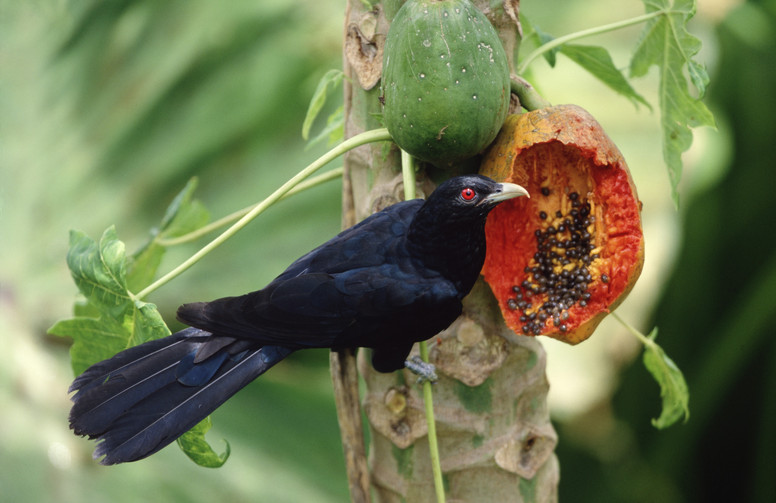







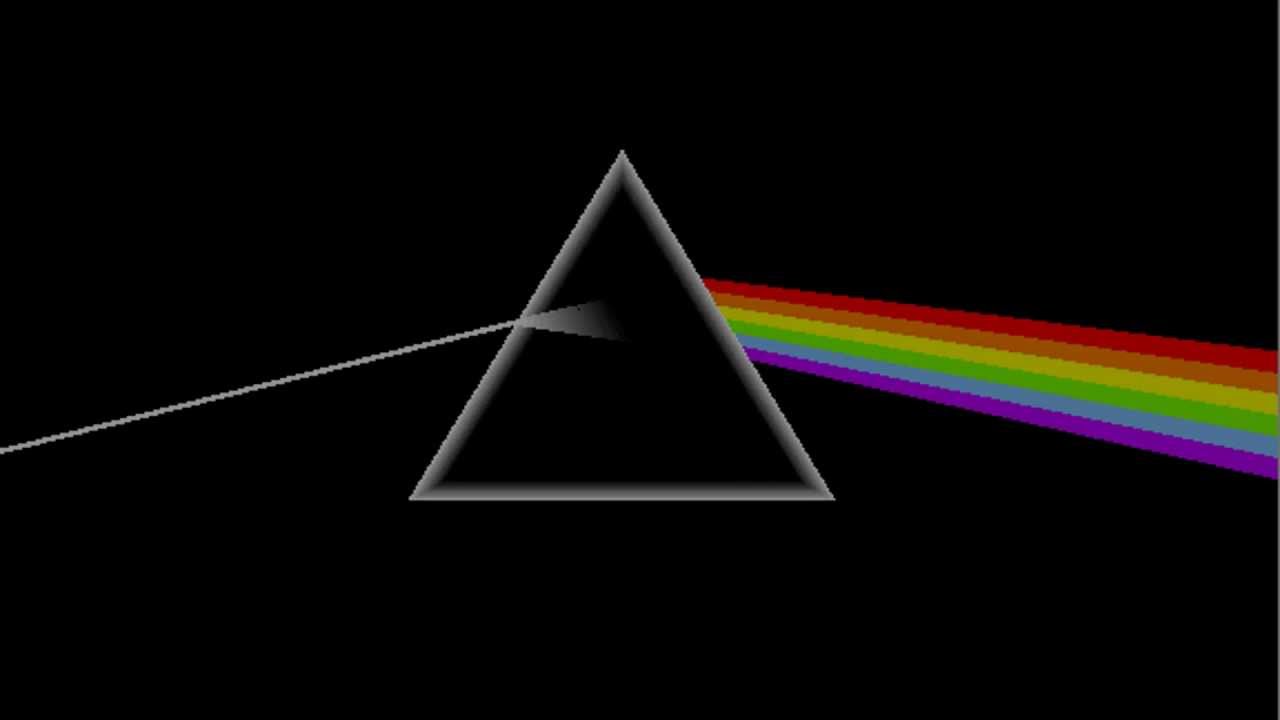




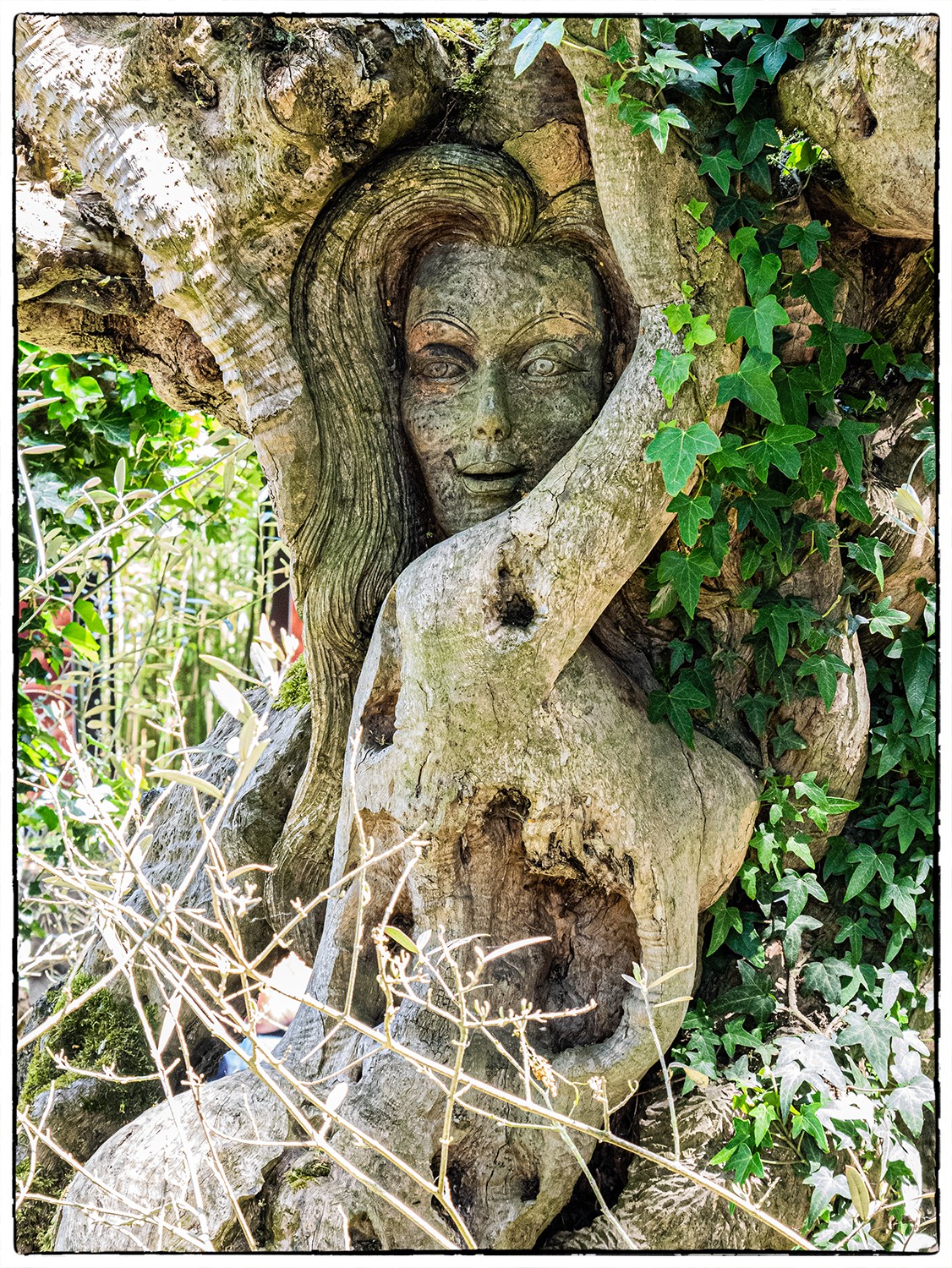


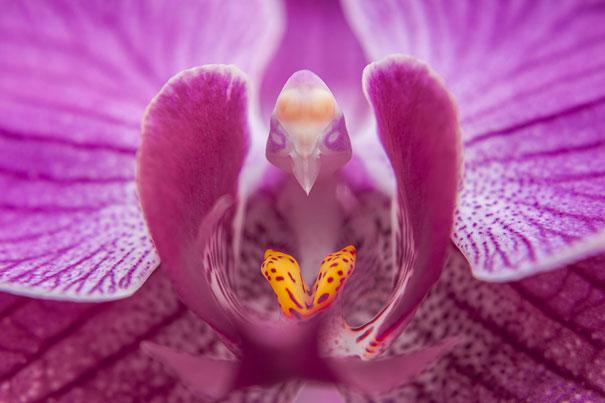




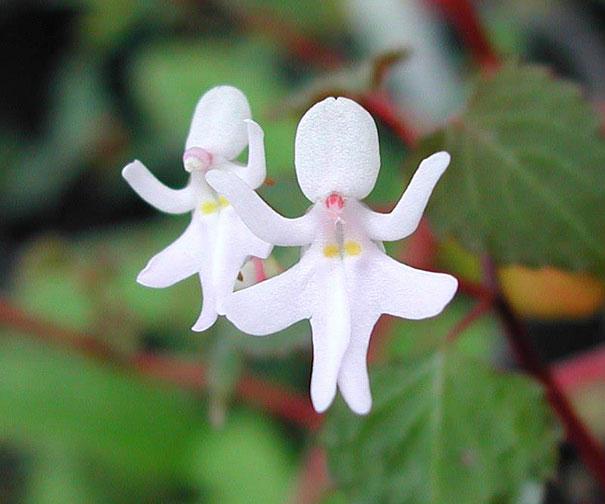


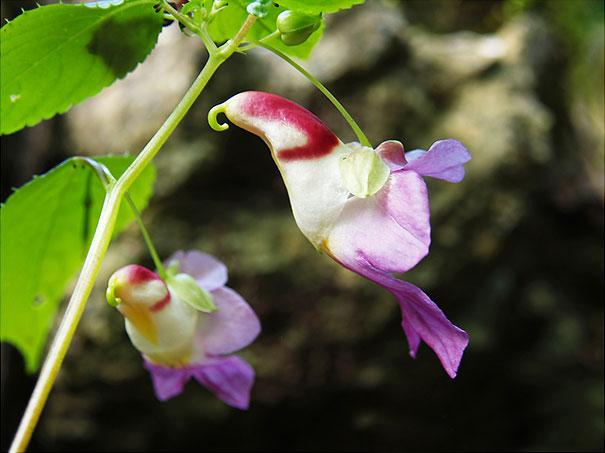









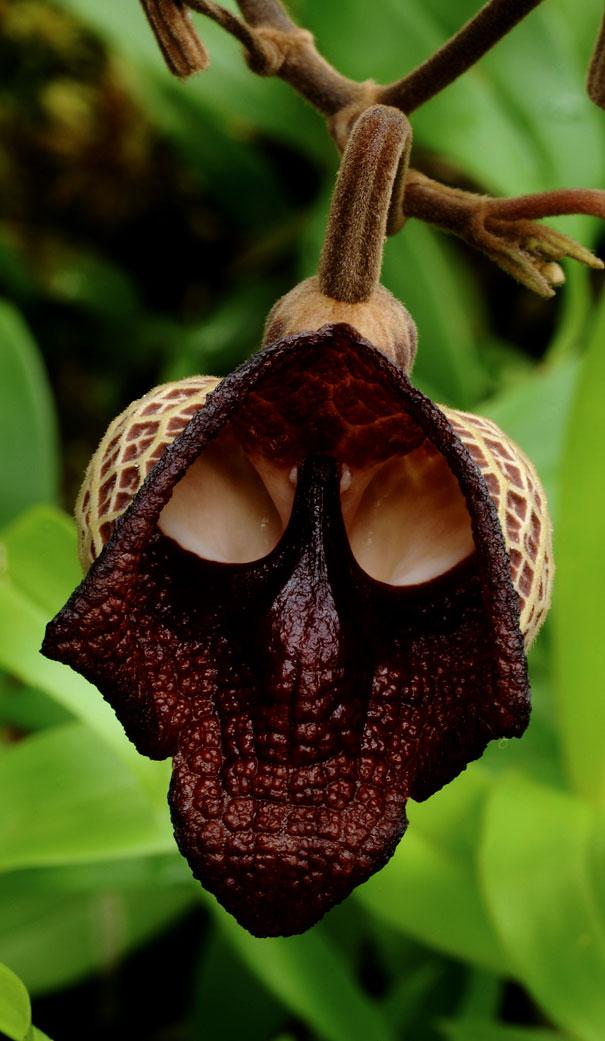


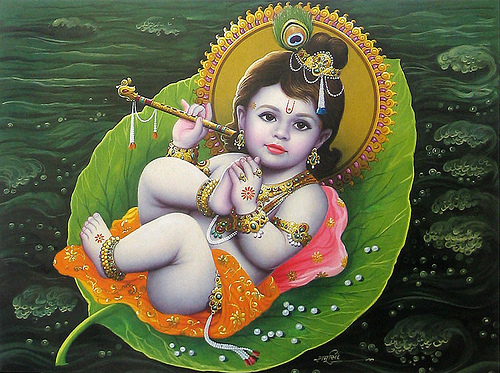

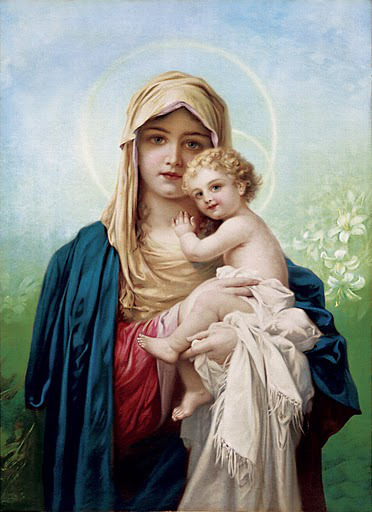
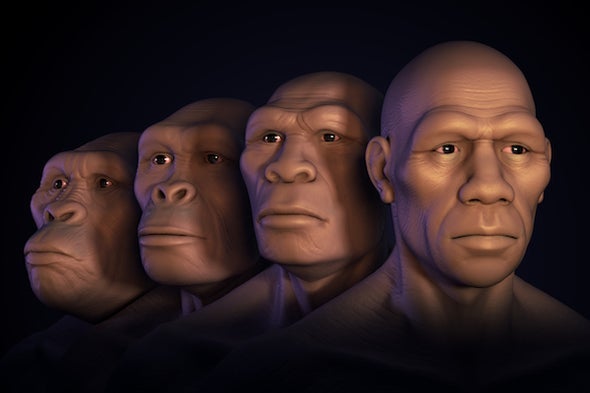
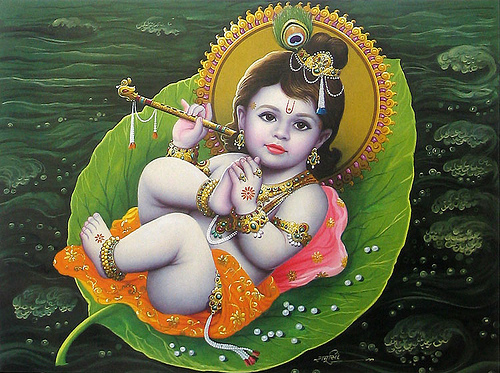
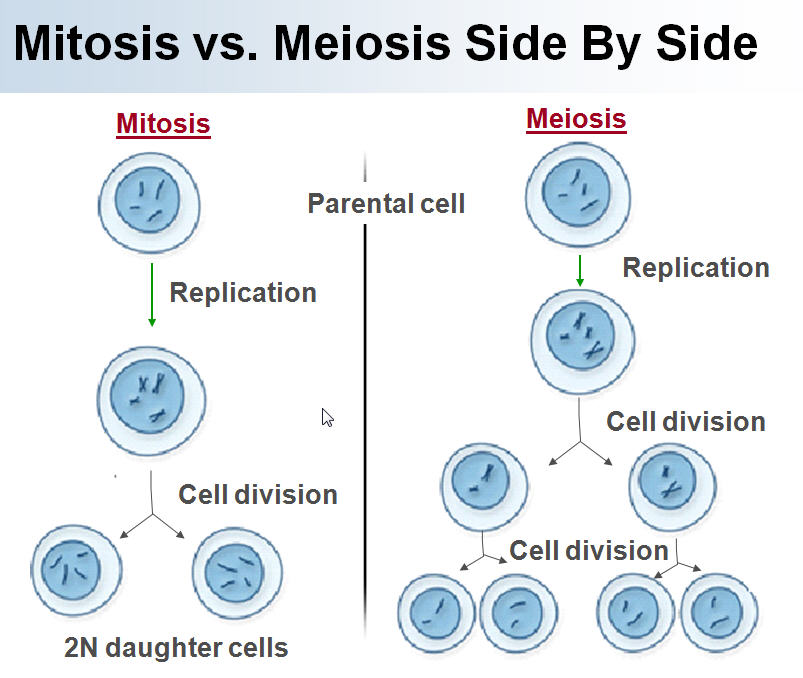


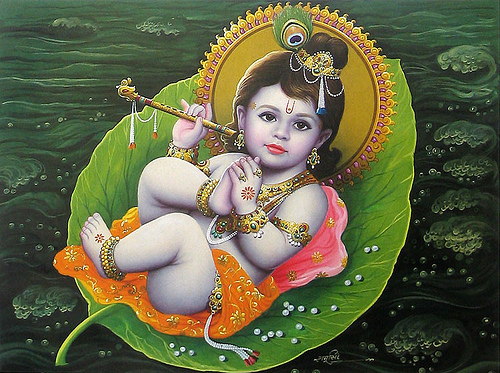


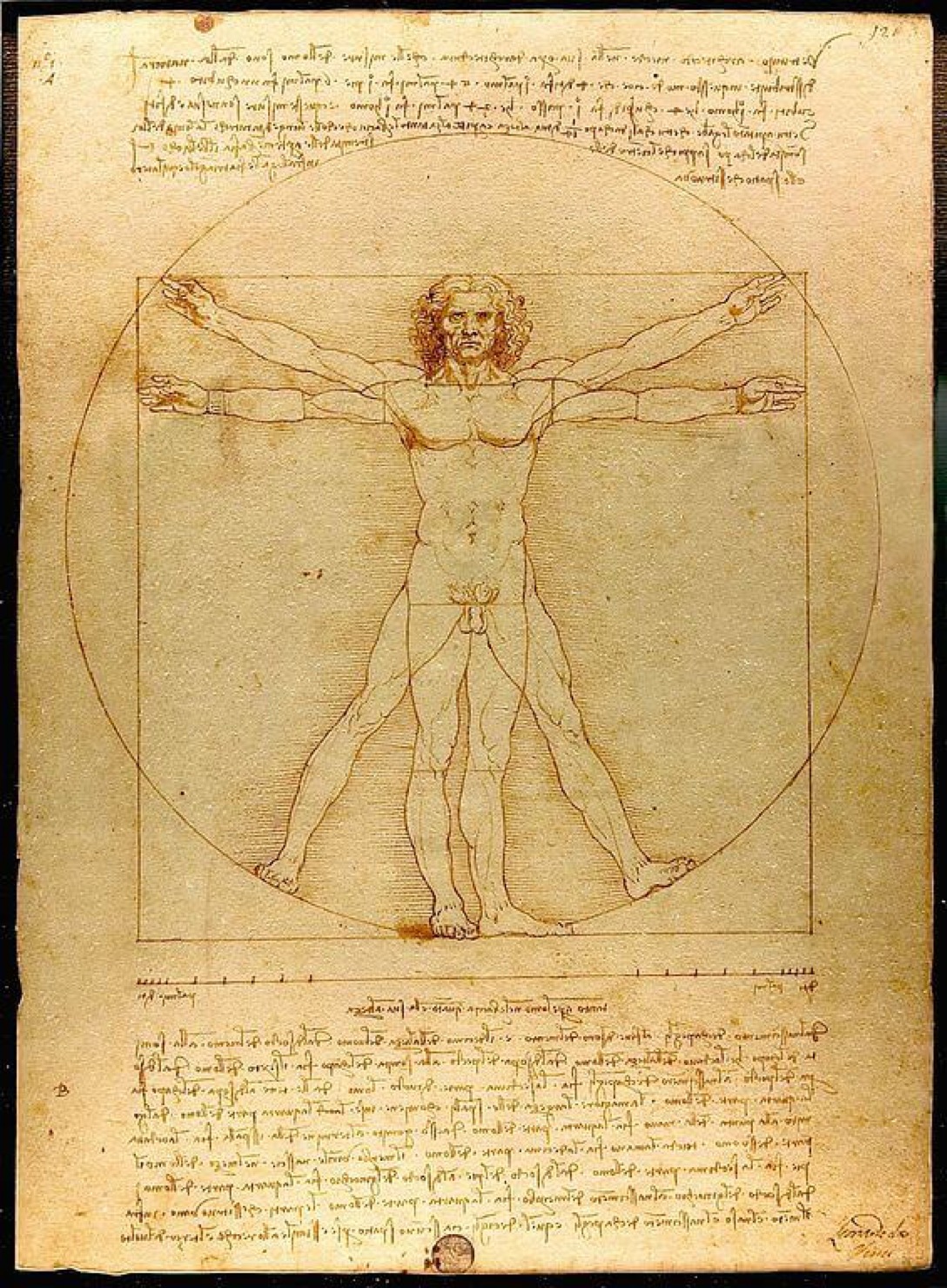


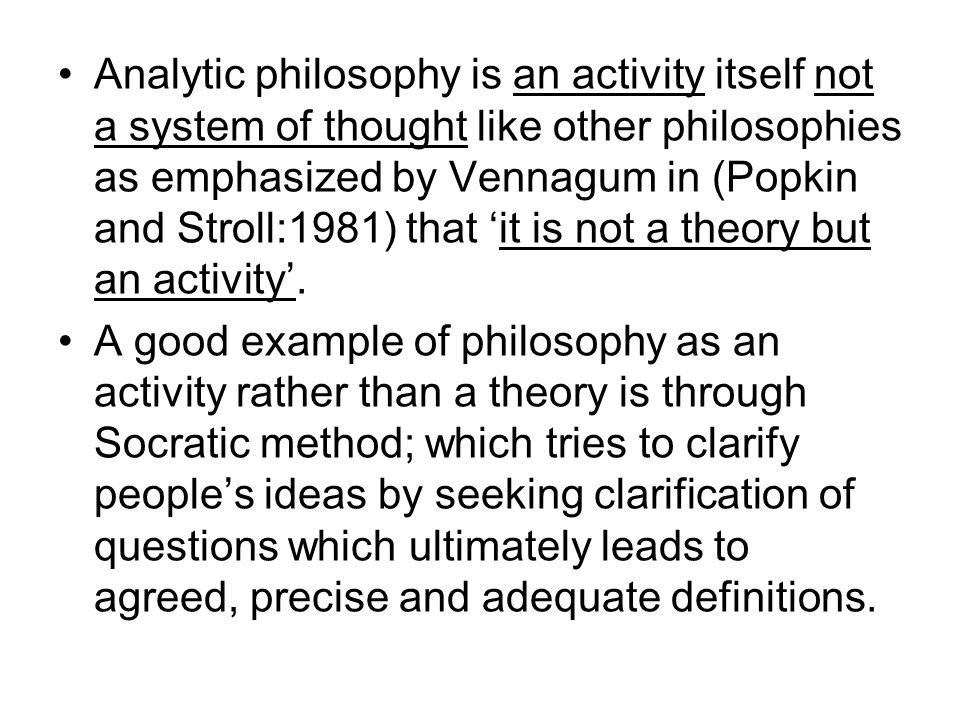





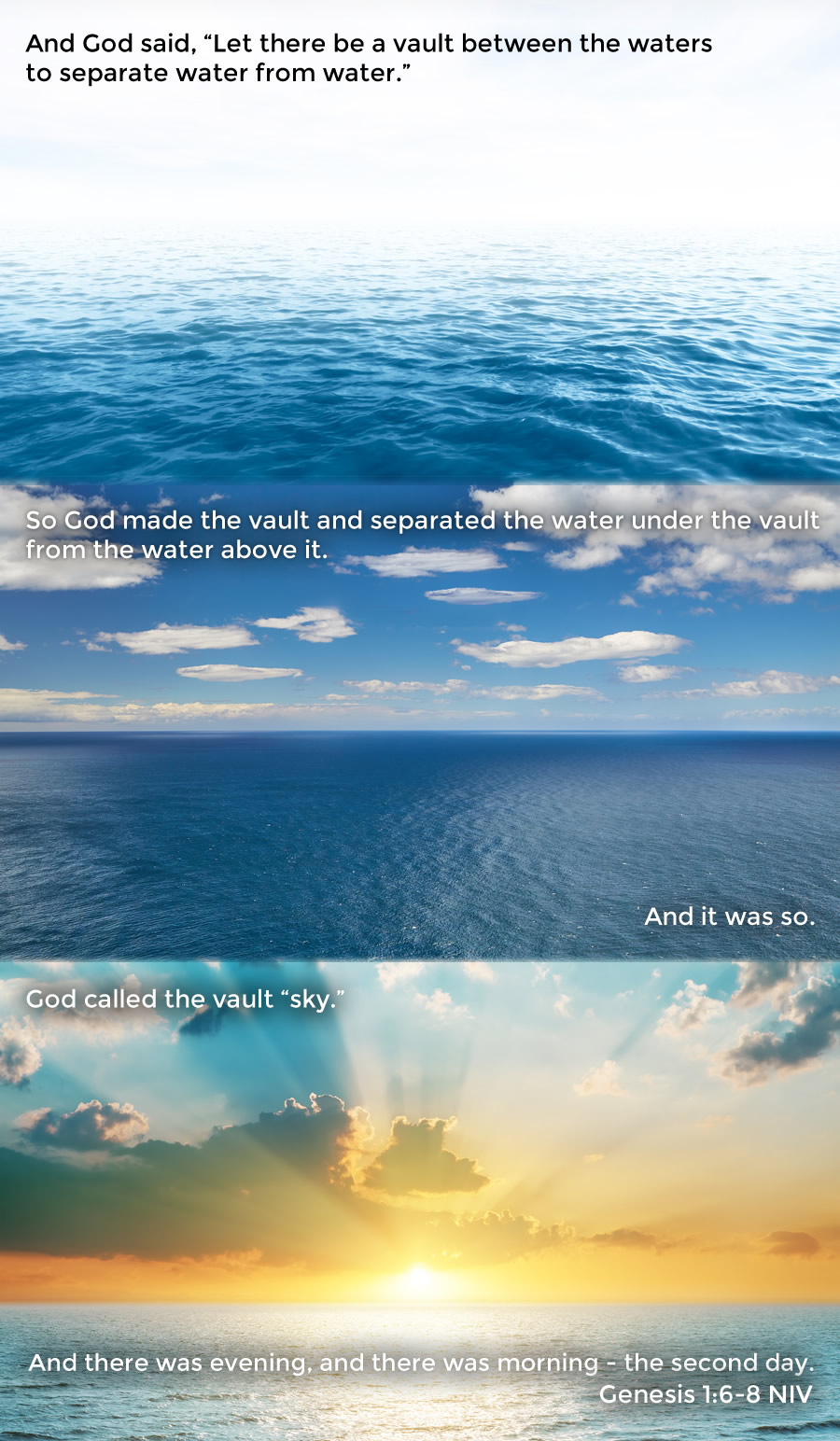

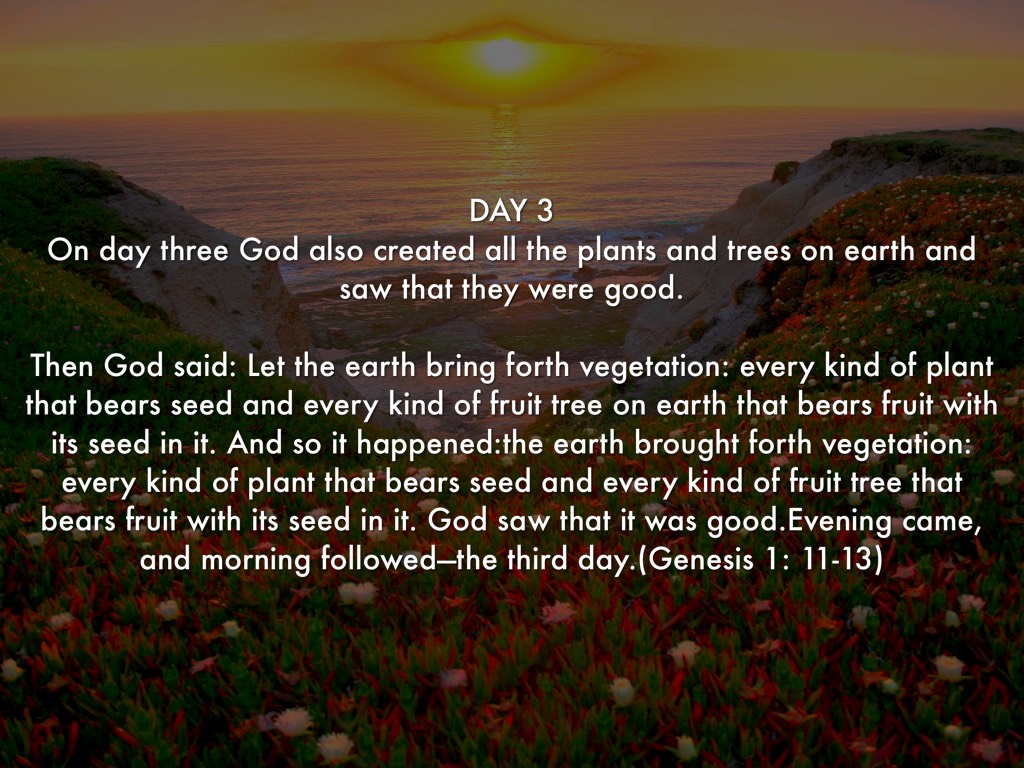
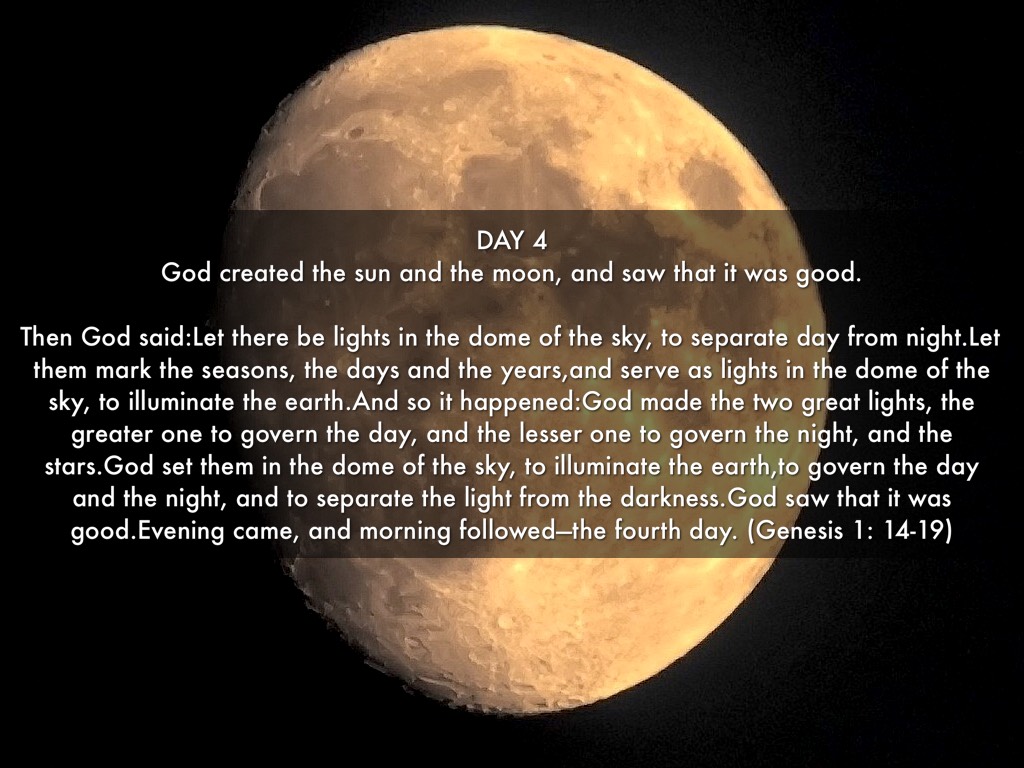

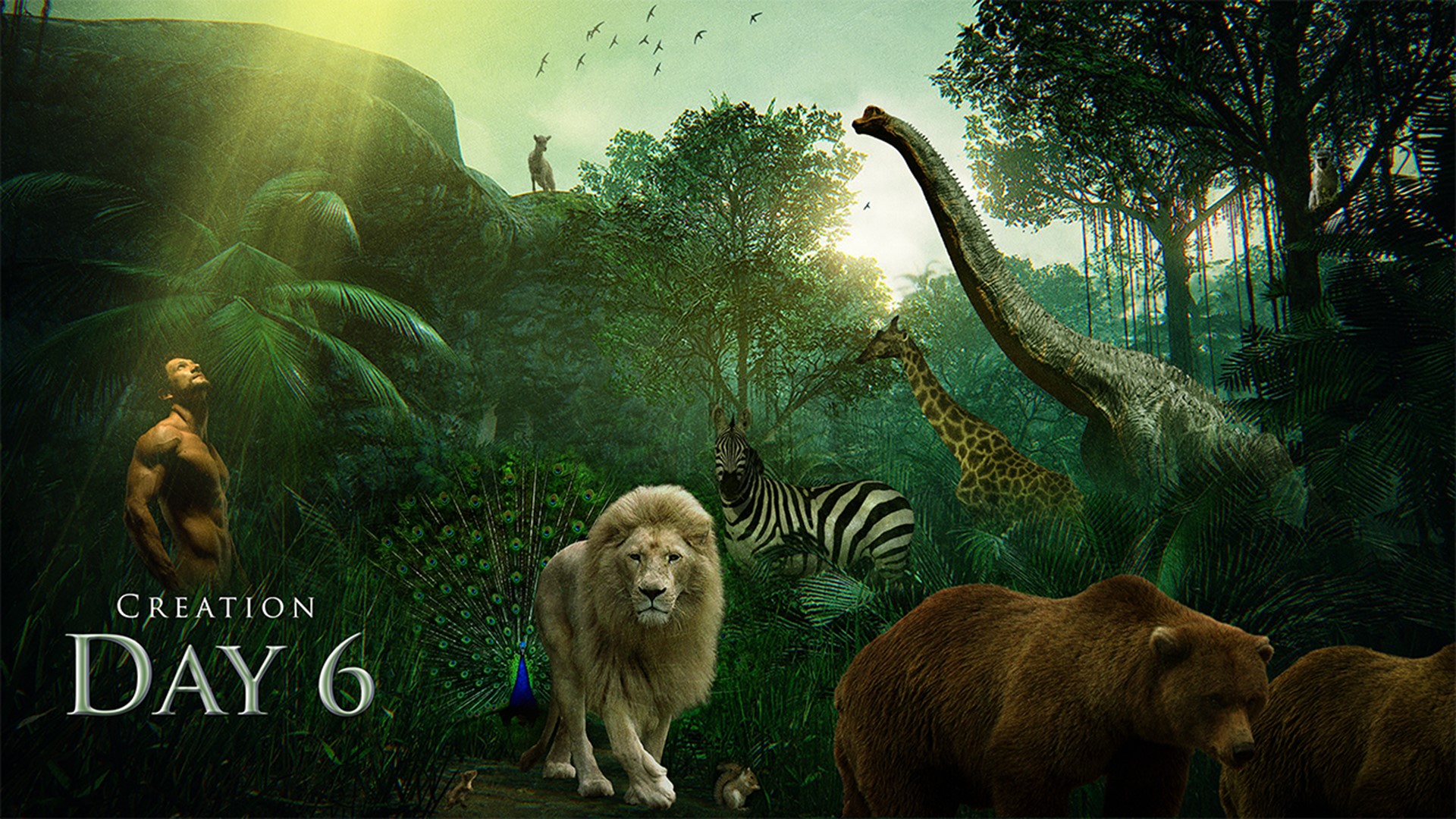
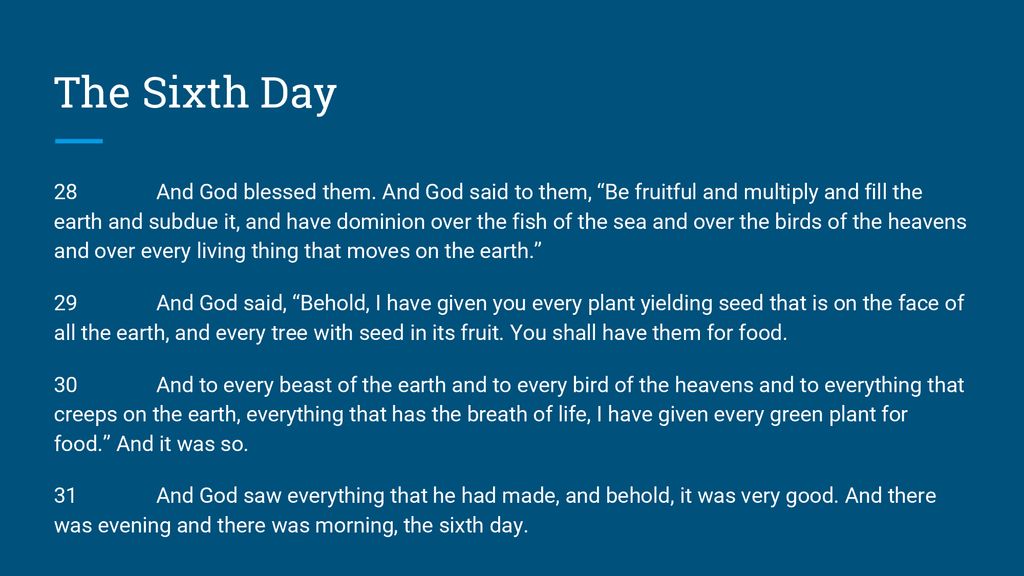

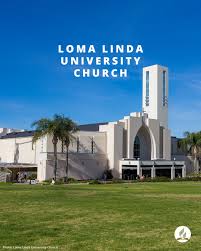


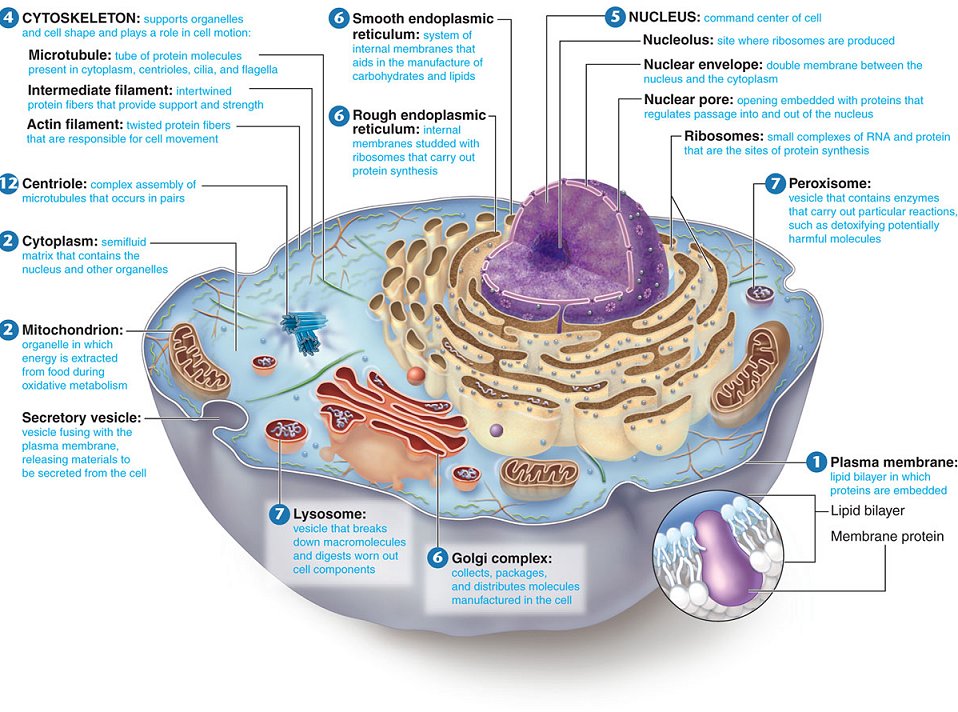



 Whole Dude - Whole Concept


