Old Flames Never Die: The year 2010 is the Year of the Male Iron Tiger (lcags-pho stag-lo). The first day falls on February 14, 2010, or Tibetan New Year 2137. Old Flames Never Die: The year 2010 is the Year of the Male Iron Tiger (lcags-pho stag-lo). The first day falls on February 14, 2010, or Tibetan New Year 2137.
My consciousness got exposed to the Spirits of some young Tibetan soldiers whose untimely deaths I had witnessed. I dedicate this blog post to those Living Tibetan Spirits that continue to live in my consciousness.
Who is my Valentine?
Old Flames Never Die: The year 2010 is the Year of the Male Iron Tiger (lcags-pho stag-lo). The first day falls on February 14, 2010, or Tibetan New Year 2137. Goddess Palden Lhamo (Sanskrit. Sri Devi), the Dharma Protector of Tibet.
The word Valentine as a noun describes a Sweetheart chosen on St. Valentine’s Day (February 14). A note or greeting card sent to Sweetheart on this Day containing a message of sentimental love is also described as a Valentine. This year’s Valentine’s Day is of special significance to the Tibetan people as they ushered the New Year of Iron Tiger Year 2137 of their Lunar Calendar. On this Valentine’s Day, I want to assure my Valentine that the burning passion aroused in me is alive and has not died.
After attending Kurnool Medical College, Kurnool, Andhra Pradesh, India, I joined the Indian Army on July 26, 1970. On July 26, 1971, I completed my military and professional training at Military Hospital, Ambala Cantonment, Haryana and was fully ready to serve the nation in my role as a Medical Officer of the Indian Army Medical Corps. I left Ambala on September 21, 1971 on my first posting. On September 22, 1971 after reaching my new Duty Station I met my Flame. The Flame kindled a fire in my heart. That fire still burns.
Old Flames Never Die – A Pledge to my Valentine. These Flames kindled a fire in my heart on September 22, 1971 and that fire still burns. I shall keep the Flame alive in my future.
As the saying goes, “Old Flames Never Die”. The Flame lives in my Consciousness. On this Valentine’s Day, I pledge that I will keep the Flame alive in my future. The message that I want to send to my Valentine is ; “My past, my present, and my future is a continuum.” I share the pain and grief that my Valentine has experienced in the past and is experiencing now. We both understand the Challenge, share a common hope and expectation of a better future. The Spirit of my Valentine languishes in Darkness. The darkness of military occupation has enveloped my Flame threatening her very existence. She needs a breath of fresh air to survive. I promise that I am the Breath of my Valentine’s life.
Old Flames Never Die: I seek the Compassion of Buddha to keep the Flame Alive and fulfil the Pledge made to my Valentine.
The Butter Lamps lit in my Unit’s Gonpa (Gompa) are still glowing. I seek the Compassion of Buddha to keep the Flames Alive.
Old Flames Never Die: I seek the Compassion of Buddha to keep the Flame Alive and fulfil the Pledge made to my Valentine.
Buddham Saranam Gacchami,
Dhammam Saranam Gachhami,
Sangham Saranam Gachhami.
I seek the Path of Triple Refuge to keep the Old Flames Alive. I seek the Refuge of Buddha. I seek the Refuge of ‘Dharma’. I seek the Refuge of ‘Sangha’.
Old Flames Never Die: I seek the Compassion of Buddha to keep the Flame Alive and fulfil the Pledge made to my Valentine. The Path of Triple Refuge to keep the Old Flames Alive.
Tibetan New Year -Losar – Iron Tiger Year 2137:
Tibetans celebrate their New Year in the traditions of their Lunar Calendar. The Valentine’s Day this year has coincided with their New Year – LOSAR celebration. In due recognition of the pain, suffering, and misery that is experienced by Tibetans inside Tibet, and to honor the memory of Tibetans who lost their lives during 2008 protests, the Tibetan Community has refused to celebrate LOSAR during 2009. I send my greetings of “TASHI DELEK” to all of my associates and people who defend Tibetan Identity.
His Holiness the Dalai Lama Attends Religious Ceremonies on Tibetan New Year
His Holiness the Dalai Lama leads an early morning prayer ceremony in Dharamsala on 14 February 2010. (Photo by Tenzin Choejor, OHHDL)
Dharamsala, HP, India, 14 February 2010 (tibet.net) – His Holiness the Dalai Lama presided over religious ceremonies at the main Buddhist temple in Dharamsala this morning, marking Losar or the “Year 2137 of the Iron-Tiger” of Tibetan calender.
Later, His Holiness the Dalai Lama delivered a brief address to thousands of Tibetans gathered for the ceremony.
His Holiness offered greetings to Tibetans living inside and outside Tibet and people of the Himalayan region who share same culture and religion as Tibetans. His Holiness extended his good wishes and gratitude to the international community for taking interest in and supporting the just cause of Tibetans.
“Despite facing great problems in Tibet for many years, the Tibetan people living inside have shown indomitable courage and sincerity in standing up to the situation,” said His Holiness the Dalai Lama.
His Holiness said “Tibetans in living in many parts of Tibet are marking the year as a year of remembrance of Tibetan people’s suffering,” adding that “they refrain from festivities during the Losar.” With such sentiments of our brethren in Tibet, His Holiness advised Tibetans to offer prayers by engaging in religious ceremonies and eschew festive celebrations.”
His Holiness the Dalai Lama spaaks to thousands of Tibetans after attending religious ceremonies in Dharamsala on 14 February 2010. (Photo by Tenzin Choejor, OHHDL)
His Holiness “reminds Tibetans living in the free world, not to forget the critical situation in Tibet”. “The Tibetans in exile must keep up their sincerity and courage like their brethren in Tibet,” His Holiness added.
Speaking of education, His Holiness “urged Tibetans, Mongolians and the people of Himalayan region to put more efforts in education, and to excel in the study of Tibetan Buddhism”. His Holiness “underlined the study of Tibet’s unique secular education, particularly the philosophy of religion”.
The day began at 7:00 am with an early morning ceremony of offering prayers and ceremonial cake(Tse-Tor) to goddess Palden Lhamo, the supreme hierarchy of Dharma protectors. The abbot of Namgyal Monastery offered Mendel Tensum, auspicious offerings to His Holiness the Dalai Lama. The officials of the Central Tibetan Administration, including the chief justice commissioner, justice commissioners, speaker and members of Tibetan Parliament, Kalon Tripa Prof Samdhong Rinpoche and members of the Kashag, were present.
This is was followed by another prayer service in the main shrine hall, during which the abbot of Namgyal Monastery, the chief justice commissioner, speaker of the Tibetan Parliament and Kalon Tripa, presented auspicious offerings to His Holiness the Dalai Lama. A group of monks participated in a religious debate.
Old Flames Never Die: The year 2010 is the Year of the Male Iron Tiger (lcags-pho stag-lo). The first day falls on February 14, 2010, or Tibetan New Year 2137. Goddess Palden Lhamo (Sanskrit. Sri Devi), the Dharma Protector of Tibet.
A Barrier to Conquer the Cultural Barrier. A tribute to Sir Arthur Cotton.
Sir Arthur Cotton is popularly known as “Irrigation Cotton” or “Cotton Dora” (Cotton the Noble). In 1821, at the very young age of 18, he had arrived in India and was appointed to service with the Madras Engineers. He served in the First Burmese War (1824-26). The military Corps of Engineers also undertake civilian construction projects. Cotton became responsible for greatest civil engineering projects of his time. He worked in the face of stiff opposition, discouragement and criticism from the Madras government. In 1828, by constructing barrages across river Cauvery, he transformed the drought-stricken Tanjore district into the richest part of the State of Madras. In 1838, he designed and built sea defenses for Visakhapatnam. In 1847-52, he masterminded the Godavari delta project. He constructed Asia’s largest barrage across river Godavari a few miles south of Rajahmundry, my native place. This masonry dam is 2.25 mile (3,500 metres)long and is 12 feet high. It helped to irrigate 720,000 acres of land and created 500 mile long navigable channels connecting Godavari delta with the port of Kakinada. He was responsible for bringing prosperity to the farmers of the Godavari delta region. He was elevated to the post of Chief Engineer of the Madras Presidency. He retired from government service in 1862 and in 1876 he was knighted. His name is much honored to this day and the spirit of public service he displayed is still remembered with love and admiration.
GENERAL SIR ARTHUR THOMAS COTTON(b. MAY 15, 1803, WOOD COTE, OXFORDSHIRE, ENGLAND. _ d. JULY 14, 1899, DORKING, SURREY, ENGLAND.)
“OH, EAST IS EAST, AND WEST IS WEST,
AND NEVER THE TWAIN SHALL MEET.”
A BARRIER THAT CONQUERED THE EAST-WEST CULTURAL BARRIER. A TRIBUTE TO SIR ARTHUR THOMAS COTTON
There could be social and cultural barriers between humans but those man-made barriers could be conquered by people who are dedicated to serving the humanity. Sometimes, a man-made barrier can bridge that cultural divide and could bring people together. A barrage is described as a man-made barrier in a stream or a river. By constructing barrages, Sir Arthur Thomas Cotton had shown that public service could help people to love one another.
A Barrier that conquered the East-West Barrier. A tribute to Sir Arthur Cotton.A Barrier that Conquered the East-West Cultural Barrier. A tribute to Sir Arthur Cotton.
Whole Dude – Whole Liberator: The US Liberator Express could have stopped Communist China’s Peaceful Liberation of Tibet.
On behalf of Special Frontier Force, I review the “HUMP” airlift operation during the course of The Pacific War 1941 – 1945. The legacy of the “HUMP” cargo flight service operation endures to this day as the same US transport aircraft shaped the beginning of the Tibetan Resistance Movement in 1948-49. Some Hump flights delivered arms and ammunition to Tibet but Tibet failed to use the opportunity to formulate diplomatic and military alliance with the US. Special Frontier Force which represents the Tibetan Resistance Movement acquired some of the US aircraft that provided cargo flights flying the “hump” route. I have flown in these aircraft in the Indian sector of The China-Burma-India Theater of World War II and visited various airfields in Assam, northeast India built by US forces who arrived in response to Japan’s successful military campaign in Southeast Asia during 1941- 42. In my analysis, the Supreme Ruler of Tibet and his regents failed to seize the great opportunity to fully prepare Tibet from the threat of Chinese Expansionism.
On August 14, the V-J Day, the Rudi Connection at Whole Foods reviews the US-Tibet Relations and the Hump Airlift Operations
On Sunday, August 14, 2022, Victory Over Japan Day, the Rudi Connection at Whole Foods Remembers the US President FDR-the Dalai Lama Connection and the Hump Airlift Operations
Yes indeed, Life is Complicated. The complexity of Life involves the problem of earning the Daily Bread. For people who serve in Uniform, the Daily Bread often comes in the context of a struggle, waging a War for Life and Death. The Rudi Connection at Whole Foods remembers that the War was not over on August 14, 1945, the Victory Over Japan Day.
On Sunday, August 14, 2022, Victory Over Japan Day, the Rudi Connection at Whole Foods Remembers the US President FDR-the Dalai Lama Connection and the Hump Airlift Operations. August 14, 1945. Victory Over Japan Day. Victory Kiss in Times Square.
V-J Day, or Victory over Japan Day, marks the end of World War II, one of the deadliest and most destructive wars in history. When President Harry S. Truman announced on Aug. 14, 1945, that Japan had surrendered unconditionally, war-weary citizens around the world erupted in celebration. The Pacific War ended on August 14, 1945, but the “hump” cargo flights continued until September or November 1945 as Nationalist China fought a bitter civil war with Red Army supported by China’s Communist Party.
The 14th Dalai Lama Reveals His Patel Philippe Pocket watch, a Gift from the US President Franklin Roosevelt in 1943
On Sunday, August 14, 2022, Victory Over Japan Day, the Rudi Connection at Whole Foods Remembers the US President FDR-the Dalai Lama Connection and the Hump Airlift Operations.On Sunday, August 14, 2022, Victory Over Japan Day, the Rudi Connection at Whole Foods Remembers the US President FDR-the Dalai Lama Connection and the Hump Airlift Operations.
It has been known for a long time that his Holiness, The Dalai Lama was given a Patek Philippe Pocket-watch by U.S. President Franklin Roosevelt. Until today, the Dalai Lama’s Patek Philiipe has never been seen, but in the photo below we see his holiness showing his watch off in Washington DC., on June 14, 2016.
The photo below is a close-up photo of His Holiness, The Dalai Lama holding his Patek Phillipe & Company [Reference 658] pocket watch. On Sunday, August 14, 2022, Victory Over Japan Day, the Rudi Connection at Whole Foods Remembers the US President FDR-the Dalai Lama Connection and the Hump Airlift Operations
A Treasured Gift of Friendship From the US President Franklin Roosevelt during World War II
The Patek Philippe was a given to The Dalai Lama as a gift from U.S. President Franklin Roosevelt in 1943. During World War II , the Allied Powers wanted to build a road through Tibet, from India that continued to China. In 1943, two American agents from the Office Of Strategic Services (the US Central Intelligence Agency) delivered a package to the young Dalai Lama from U.S. President Roosevelt, which contained a letter and a complicated yellow-gold Patek Phillipe Reference 658 Pocket-watch model.
On Sunday, August 14, 2022, Victory Over Japan Day, the Rudi Connection at Whole Foods Remembers the US President FDR-the Dalai Lama Connection and the Hump Airlift OperationsOn Sunday, August 14, 2022, Victory Over Japan Day, the Rudi Connection at Whole Foods Remembers the US President FDR-the Dalai Lama Connection and the Hump Airlift Operations.On Sunday, August 14, 2022, Victory Over Japan Day, the Rudi Connection at Whole Foods Remembers the US President FDR-the Dalai Lama Connection and the Hump Airlift Operations.
It was U.S. Senator Patrick Leahy who shared this magnificent Patek Philippe watch to the world. Senator Patrick Leahy is pictured below with His Holiness, The Dalai Lama in Washington DC, along with Mrs. Leahy.
On Sunday, August 14, 2022, Victory Over Japan Day, the Rudi Connection at Whole Foods Remembers the US President FDR-the Dalai Lama Connection and the Hump Airlift Operations
Senator Patrick Leahy showcased the Dalai Lama’s Patek Philippe in a Tweet on Twitter Today, as seen below.
On Sunday, August 14, 2022, Victory Over Japan Day, the Rudi Connection at Whole Foods Remembers the US President FDR-the Dalai Lama Connection and the Hump Airlift OperationsOn Sunday, August 14, 2022, Victory Over Japan Day, the Rudi Connection at Whole Foods Remembers the US President FDR-the Dalai Lama Connection and the Hump Airlift Operations
On this day, August 14, 1935, FDR signs the Social Security Act to provide economic security to the working Americans during their old age, a safety net to the retirees and the disabled.
Special Frontier Force Reviews Hump Airlift Operation 1942 – 1945. I am able to review the Hump Airlift Operation for I served at Dum Duma Airfield near Chabua Airfield shown in this Map.
“The world’s first strategic airlift,” the U.S. Air Force calls it.
Special Frontier Force Reviews Hump Airlift Operation 1942 – 1945
Special Frontier Force Reviews Hump Airlift Operation 1942 – 1945. THE LEGACY OF THE HUMP OPERATION LIVES TO THIS DAY.Special Frontier Force Reviews Hump Airlift Operations of 1942-1945. This US Transport Plane C-87 Liberator Express was used for delivering arms and ammunition to Tibet during Hump Airlift Operations of 1942-45.
Excerpt: On behalf of Special Frontier Force, I review the “HUMP” airlift operation during the course of The Pacific War 1941 – 1945. The legacy of the “HUMP” cargo flight service operation endures to this day as the same US transport aircraft shaped the beginning of the Tibetan Resistance Movement in 1948-49. Some Hump flights delivered arms and ammunition to Tibet but Tibet failed to use the opportunity to formulate diplomatic and military alliance with the US. Special Frontier Force which represents the Tibetan Resistance Movement acquired some of the US aircraft that provided cargo flights flying the “hump” route. I have flown in these aircraft in the Indian sector of The China-Burma-India Theater of World War II and visited various airfields in Assam, northeast India built by US forces who arrived in response to Japan’s successful military campaign in Southeast Asia during 1941- 42. In my analysis, the Supreme Ruler of Tibet and his regents failed to seize the great opportunity to fully prepare Tibet from the threat of Chinese Expansionism.
Special Frontier Force Reviews Hump Airlift Operation 1942 – 1945. The Legacy of the Hump Operation lives to this day.
About 80 years ago (April 04, to June 22, 1944) during the Battles of Kohima, and Imphal, Allied troops, mainly Indians, drove back the invading Japanese forces from India’s borders. “Hump” airlift operation was primarily intended to support Chiang Kai-shek’s Nationalist China at their capital Chungking. The Pacific War ended on August 14, 1945, but the “hump” cargo flights continued until September or November 1945 as Nationalist China fought a bitter civil war with Red Army supported by China’s Communist Party. However as US relations with Nationalist China cooled off, US Special Representative to China placed an embargo on further shipment of US arms to Nationalist China during August 1946.
I am sharing an article titled “The Hump was the Deadliest Cargo Flight in History” authored by David Axe. This author mostly refers to findings from Francis B Pike’s book titled ‘HIROHITO’S WAR – THE PACIFIC WAR 1941 – 1945’. To understand the “hump” airlift operation, it will be necessary to know about ‘Burma Road’, a road extending about 700 miles from Kunming, Yunnan Province., S.China, to Lashio, a railhead in Burma. It was built-in 1937- 38 over mountainous terrain by the Chinese. It achieved its greatest importance during World War II, when Japan controlled the East Asian coast and the road served as a vital artery for the transport of Allied military supplies to Chinese forces fighting Japanese. On December 25, 1941, Japan captured Hong Kong. Japanese forces based in Thailand invaded Burma on February 08, 1942. Japanese captured Rangoon on March 08, and Allied Forces lost control over Lashio on April 30, 1942, which closed the Burma Road ending overland supply to Nationalist China. By the end of May 1942, the Japanese held most of Burma and the Allies were left with no supply route to engage Japan on Chinese territory. The solution was found in an air route from Assam in India’s Northeast to Kunming, and various airports in Yunnan Province, Southwest China, the “Dangerous” hump route along the southern edge of Himalaya mountain range. The “hump” route covered a distance of about 525 miles passing over the mountainous region of far north Burma and Western China. The height of mountains in Burma, North-South spur of the main East-West Himalaya mountain range, varied from 16,000 to 12,000 feet. In March 1942, the China National Aviation Corporation (CNAC) began freight service over the “hump” and the US began a transport program in April 1942. In 1944 Japan advanced toward Assam to cut Allied supply lines or capture the airfields at the Western end of the “hump.” Japan’s attack on Assam (March to July 1944) was defeated with help from transport planes withdrawn from the “hump.”
US Army’s Air Transport Command using elements of the 10th Air Force began flying cargo over the “hump” using Dakota C- 47 Skytrains, C – 46 Commandos which gradually expanded into first sustained, long-range, 24-hour around the clock, all-weather aerial cargo flight operation in history. Initially, the “hump” operation involved about 27 planes and about 1,100 pilots and support personnel. By December 1943, cargo planes carried tons of supplies equivalent to the tonnage carried along the Burma Road at the peak of its overland supply operation. In the fall of 1944, Consolidated C – 87s, Douglas C – 54 four engine aircraft were pressed into cargo flight service. In August 1945, the “hump” operation involved 622 aircraft, 34,000 military personnel, and about 47,000 civilian employees. During the course of the “hump” operation, the United States lost 509 downed aircraft identified, and 81 aircraft were listed as missing. The loss of aircraft was mostly contributed by weather-related problems and a few due to enemy action. The United States lost 1,314 crew members killed in action, and 1,171 personnel survived bailouts. US officials reported 345 as Missing in Action (MIA). The search and accounting of MIA have mostly concluded by 1950s and in recent times, there has been a renewed demand to continue search operations following the discovery of cargo plane crash sites in the jungles of Northern Burma along the “hump” flight routes.
At Special Frontier Force I derive consolation from the fact that the legacy of the “HUMP” operation endures. The US transport planes played a role in shaping the Tibetan Resistance Movement from its early beginning during 1948-49 as United States, India, and Tibet recognized the security threats posed by growing Communist military power in mainland China.
Special Frontier Force Reviews Hump Airlift Operation 1942 – 1945. The Legacy of the Hump Operation endures to this day for the US transport aircraft supported Tibetan Resistance Movement since 1948-49.
Rudra Narasimham Rebbapragada Ann Arbor, MI 48104-4162, USA The Spirits of Special Frontier Force
Special Frontier Force Reviews Hump Airlift Operation 1942 – 1945 for its Legacy endures to this day. The Hump aircraft shaped The Tibetan Resistance Movement.
THE HUMP WAS ONE OF THE DEADLIEST CARGO FLIGHTS IN HISTORY
Special Frontier Force Reviews Hump Airlift Operation 1942 – 1945. The legacy of the Hump Operation survives to this day. US transport aircraft shaped Tibetan Resistance Movement since 1948-49.
A third of Allied aircrews died hauling supplies to China in World War II
by DAVID AXE
Few people appreciate it today, but for a period of more than three years during World War II, a force of mostly American airmen undertook one of history’s most complex — and deadliest — logistical operations, flyingthousands of tons of supplies from India over the Himalayas into China in rickety, under-powered cargo planes.
“The world’s first strategic airlift,” the U.S. Air Force calls it.
These flights over “the Hump” were indispensable to China’s war effort against the Japanese, and thus a major factor in the Allies’ ultimate victory.
But at a tremendous cost. No fewer than 700 Allied planes crashed or got shot down and 1,200 airmen died. “Every 340 tons delivered cost the life of a pilot,” historian Francis Pike writes in his exhaustive new history.
Hirohito’s War: The Pacific War, 1941–1945.
Within a few months after bombing Pearl Harbor in December 1941, the armies of Imperial Japan occupied a swath of Asia extending from China and Korea south into Burma and what is now Indonesia, eastward all the way to isolated islands in the middle of the Pacific.
Tokyo’s march seemed inexorable. And Japan’s expansion might have been much, much more aggressive if not for the valiant and bloody resistance that Chinese Generalissimo Chiang Kai-shek and his fighters offered up in the portions of their country the Japanese did not fully control.
Chiang’s soldiers tied up no fewer than 1.5 million of Tokyo’s own troops, Pike asserts in his dense new tome, which at nearly a thousand pages defies conventional review. But the Chinese were strapped for weapons, ammo, and supplies. The Allies — and America, in particular — were desperate to keep China fighting and, by extension, keep Japan bogged down.
As Pike explains, prior to May 1942 the Allies maintained a land route from India through Burma into China. But Tokyo’s conquest of Burma shifted the burden of supplying Chiang’s forces to a contingent of initially just 25 planes — a mix of Douglas DC-3s, C-39s, C-47s and C-53s that was wholly inadequate for the mission’s demands.
“When fully loaded, Douglas DC-3s could not climb high enough to clear all the peaks and were forced to weave a perilous path through the mountains, a task that was virtually impossible when the treacherous Himalayan weather closed in,” Pike writes.
Turbulence could force a plane to drop thousands of feet in mere seconds. “Flight operations were a pilot’s nightmare,” according to the Air Force.
Planes crashed. Japanese fighters shot down others. In April 1943 the U.S. Army Air Corps rushed the bigger and more powerful Curtis-Wright C-46 into production to help out with Hump ops, but the new plane’s engines had a tendency to ice up. “The bugs were worked out over the Hump,” Pike quotes one pilot as explaining.
Special Frontier Force Reviews Hump Airlift Operation – China-Burma-India Theater, World War II. C-46 Transport Plane flying east of Salween River. “HUMP” refers to Mountains that separate Salween and Mekong Rivers.Special Frontier Force Reviews Hump Airlift Operation 1942 – 1945.
At the top — a C-46 over the Hump. At right — view from over the Hump. Photo by Gifford Bull
By the end of 1943, the Allies’ Air Transport Command had 142 types of transport and five crews for each plane. ATC eventually swelled to 700 planes supported by 84,000 military personnel flying 1,000 miles round trip delivering up to 10,000 tons of supplies a month, “with a plane crossing the Hump every two minutes,” according to Pike.
Granted, the airplanes and aircrews were just part of what was, in fact, an unbelievably vast effort, also involving cargo ships that deposited supplies in Calcutta and trains that hauled the material to the airfields — not to mention roughly two million Indian and Chinese laborers who built the airstrips in their respective countries by hand.
But the aircrews arguably suffered the most of all the people involved in the Hump operation. “There was an approximately one in three chance of being killed,” Pike writes — one of the worst wartime survival rates ever. Of the 700 planes (US official estimate 590 planes) that went down trying to cross the Hump between 1942 and 1945, some 500 (US official estimate 81 missing aircraft and 509 downed planes fully identified) remain missing more than 70 years later.
Published on Jun 18. All rights reserved by the author.
FRANCIS B PIKE DESCRIBED THE HUMP CARGO FLIGHT OPERATION OF 1942 – 1945 IN HIS BOOK TITLED ‘HIROHITO’S WAR. SPECIAL FRONTIER FORCE REVIEWED THE HUMP OPERATION FOR ITS LEGACY CONTINUES TO THIS DAY.SPECIAL FRONTIER FORCE REVIEWS HUMP AIRLIFT OPERATION 1942 – 1945. FRANCIS B PIKE MAY NOT HAVE KNOWN THAT THE LEGACY OF THE HUMP OPERATION LIVES TO THIS DAY.Special Frontier Force Reviews Hump Airlift Operation 1942 – 1945. THE BURMA ROAD DURING WORLD WAR IISpecial Frontier Force Reviews Hump Airlift Operation 1942 – 1945. Japan’s conquest of Burma in 1942 cut off the overland supply route known as the Burma Road forcing the choice of an aerial route to deliver military supplies to Nationalist China.Special Frontier Force Reviews Hump Airlift Operation 1942 – 1945. The Legacy of the Hump Operation still survives to this day.Special Frontier Force Reviews Hump Airlift Operation 1942 – 1945. Its Legacy continues to this day.Special Frontier Force Reviews Hump Airlift Operation 1942 – 1945. Its legacy continues to this day. US Cargo planes used in Burma Drop supported the Tibetan Resistance Movement since 1948-49.Special Frontier Force Reviews Hump Airlift Operation 1942 – 1945 as its Legacy continues to this day.Special Frontier Force Reviews the Legacy of Hump Airlift Operation 1942 – 1945.Special Frontier Force Reviews The Legacy of Hump Airlift Operation 1942 – 1945.Special Frontier Force Reviews Hump Airlift Operation 1942 – 1945.
Special Frontier Force Reviews the Discovery of wreckage of a Hump Airlift Operation Transport Plane
Special Frontier Force Reviews the Discovery of wreckage of a Hump Airlift Operation Transport Plane. This US Transport Plane C-87 Liberator Express was used for delivering arms and ammunition to Tibet during Hump Airlift Operations of 1942-45.
Special Frontier Force shares interest in the discovery of wreckage of a Hump Transport Plane that crashed in Tibet 80 years ago. In a previous post on this subject, I have shared the maps of Hump Flight routes and majority of crashes occurred either in Burma or Southwest China, and not in Tibet.
Wreckage of a Hump Transport Plane That Crashed in Tibet 80 Years Ago Now En Route to the Jianchuan Museum in Chengdu, China
Whole Dude – Whole Liberator: Special Frontier Force Reviews the Discovery of wreckage of a Hump Airlift Operation Transport Plane.
On August 5, Xinhua News Agency photo center photographer embedded into the search party took a group photo with volunteers in the 4,100-meter-high unpopulated area
On August 5, volunteers collected wreckage in the 4,200-meter-high area.
Whole Dude – Whole Liberator: Special Frontier Force Reviews the Discovery of wreckage of a Hump Airlift Operation Transport Plane. On August 5, Xinhua News Agency photo center photographer embedded into the search party took a group photo with volunteers in the 4,100-meter-high unpopulated area (PRNewsFoto/Xinhua News Agency)
CHENGDU, China, Aug. 13, 2015 /PRNewswire/ — Wreckage of an air freighter that was navigating over the Hump, the name given by Allied World War II pilots to the eastern part of the Himalayas due to the difficult challenge the mountain range posed to the pilots, when it crashed into a glacier 70 years ago and where its debris have since remained, was moved from Bomi County, Tibet, to Chengdu, Sichuan province on August 11. The valuable historical relics which are an important part of the story of Sino-US cooperation during WWII will be sent to China’s largest private museum, Jianchuan Museum.
The remains belong to the United States army’s Consolidated C-87 Liberator Express, serial 41-24688, which crashed in the winter of 1943. The C-87 plane and the remains of five U.S. pilots were discovered in the area, 4,100 meters above sea level, by local hunter Luo Song in September 1993. China and the U.S. later confirmed that the remains belonged to an airplane which had crashed at that time. The two countries held a transfer of remains ceremony at which then U.S. President Bill Clinton paid final respects to the deceased. However, the majority of the remains of the plane were left on the glacier.
Jianchuan Museum security director Choenyi Choedak took part in the search. He told reporters that the search team found many remains including three pairs of army boots, including a pair of thigh-high boots, two pairs of hunting boots and one pair of low boots.
“Those boots are the same ones that I saw in the 1990s,” Luo Song, an inhabitant of Zhongbei Village, Yigong, who guided the search team to the glacier and one of five local people who first discovered the crashed remains in 1990, said.
Beset by the limitations in terms of transport, the search team could only move about 50 pieces of the valuable wreckage, including a 4.5-meter-long and 2-meter-wide wing with an engraved white five-pointed star, as well as the dashboard, the engine and cabin parts. A reporter described seeing words and acronyms, among them, “Chicago,” “USA,” “FBE-18” and “PAT” on some parts of what was collected.
Yang Jianchao, head of the search team and deputy director of Jianchuan Museum, said that it was especially difficult to climb onto the glacier as there are no roads or bridges. The members of the search team had to build makeshift roads and bridges while climbing and then carried the remains on their backs and descended the mountain with the help of 41 Tibetan porters.
The route over the Hump was established during the World War II and served as an “aerial lifeline” to transport strategic supplies from Allied positions further west into China. It is the longest-running, hardest and most costly airborne route in the history of wartime aviation. The Hump pilots transported about 850,000 tons of strategic supplies and roughly 1,500 American planes crashed along the route in southwest China.
“The route can be clearly seen from the light reflected by the wreckage of our companions’ crashed planes on a clear day and we call the valley with the scattered wreckage of airplanes ‘Aluminum Valley’, a name as cold as the metal,” citing The Time’s descriptions of the Hump during World War II. Yang, the museum deputy director, explained that during the war, thousands of aircraft flying the Hump crashed, but few of them have ever been found. It is the first time that such a considerable collection of remains is being brought together in a museum.
The search was initially planned six years ago. In 2009, Jianchuan Museum curator Fan Jianquan, learned from his comrade-in-arms that the wreckage of a U.S. transport airplane along the WWII Hump route remained in the depopulated zone in Nyingchi Prefecture in Tibet. He immediately developed a strong desire to find and bring in what he knew had to be a behemoth of a plane to Chengdu.
“Six years ago I told myself that I must take the remains to Chengdu, but I was unable to do what I had hoped to do as conducting a search over such uninhabitable terrain combined with the need to properly handle and preserve such cultural relics needed the assistance of professionals,” Fan elaborated. “My wish finally came true this year, after years of elaborate planning.”
One of the halls in the museum, the Flying Squad Hall, houses many U.S. army relics from the World War II period, in commemoration of the aid provided by the U.S. Air Force to China during the war.
“I felt all the hard work had been more than worthwhile when I saw the wreckage,” said Hu Zhiyang, a volunteer who was nearly hit by a rock that had fallen off the side of the mountain during the climb. Despite the elaborate planning, the actual search proved far more difficult than expected. Another team leader Jiang Fan said that he felt he could vividly imagine the ordeal of the pilots when he first came upon the wreckage. “These pilots were the very the best flyers of that era. It is heart rendering to think that they travelled so far from their homelands to fight for the world peace,” Jiang said.
Search team member Ni Jian said that he felt that it was a worthy search, although the expedition was exhausting and he suffered badly from altitude sickness. Kuailu Investment, where Ni works, invested over 300 million yuan (approx. US$50 million) in making a film to be named The Bombing, depicting the horror that can be inflicted by military aggression by showing the ruthless bombing of Chongqing by the Japanese army during the Sino-Japanese war and the history of Chinese and American air forces joining together in the bloody battle. He said, “We will share the spiritual wealth of this search journey with the movie crew, encouraging all to remember the history and making this anti-war movie even richer in content.” According to sources, the 3D movie, made possible as a result of a Sino-US partnership, is already 70 per cent finished, and is expected to be completed this October and be released next February.
The remains will go on display at Jianchuan Museum and be opened to the public on or about August 15. In addition, Xinhua News Agency chief editor Chen Xiaobo and a renowned exhibition curator, will host the exhibition where large sections of the plane will be on display, entitled “Broken wings – searching for C-87”.
Whole Dude – Whole Liberator: Special Frontier Force reviews Hump Airlift Operations of 1942-1945. Consolidated C-87 Liberator Express Transport aircraft delivered arms and ammunition to Tibet during World War II while they flew over Tibet.Special Frontier Force Reviews Hump Airlift Operation – China-Burma-India Theater-World War II – Brigadier General Tom Hardin, Commander, Hump Fliers.Special Frontier Force Reviews Hump Airlift Operation, China-Burma-India Theater, World War II. Hump Fliers Captain “Bamboo” Joe Barube and Lieutenant Ernest Lajoie returning from China Operations Office.Special Frontier Force Reviews Hump Airlift Operation, China-Burma-India Theater, World War II. Hump Flier Assistant Engineer John Huffman, a bail out survivor wearing Tibetan clothes.Special Frontier Force Reviews Hump Airlift Operation, China-Burma-India Theater World War II. Hump Flight Maintenance Field in India.Special Frontier Force Reviews Hump Airlift Operation, China-Burma-India Theater, World War II. Air Depot in China showing freight received from India. Freight included even trucks, jeeps, and ambulances apart from guns and bombs.Whole Dude – Whole Liberator: Special Frontier Force Reviews Hump Airlift Operation, China-Burma-India Theater, World War II. Anything that can be broken down into four-ton-Units have gone over the “HUMP.”Whole Dude – Whole Liberator: Special Frontier Force Reviews Hump Airlift Operation 1942 – 1945. On Sunday, August 14, 2022, Victory Over Japan Day, the Rudi Connection at Whole Foods Remembers the US President FDR-the Dalai Lama Connection and the Hump Airlift Operations.
Special Frontier Force Reviews Hump Airlift Operation 1942 – 1945. I am able to review the Hump Airlift Operation for I served at Dum Duma Airfield near Chabua Airfield shown in this Map.
“The world’s first strategic airlift,” the U.S. Air Force calls it.
Special Frontier Force Reviews Hump Airlift Operation 1942 – 1945
Special Frontier Force Reviews Hump Airlift Operation 1942 – 1945. THE LEGACY OF THE HUMP OPERATION LIVES TO THIS DAY.Special Frontier Force Reviews Hump Airlift Operations of 1942-1945. This US Transport Plane C-87 Liberator Express was used for delivering arms and ammunition to Tibet during Hump Airlift Operations of 1942-45.
Excerpt: On behalf of Special Frontier Force, I review the “HUMP” airlift operation during the course of The Pacific War 1941 – 1945. The legacy of the “HUMP” cargo flight service operation endures to this day as the same US transport aircraft shaped the beginning of the Tibetan Resistance Movement in 1948-49. Some Hump flights delivered arms and ammunition to Tibet but Tibet failed to use the opportunity to formulate diplomatic and military alliance with the US. Special Frontier Force which represents the Tibetan Resistance Movement acquired some of the US aircraft that provided cargo flights flying the “hump” route. I have flown in these aircraft in the Indian sector of The China-Burma-India Theater of World War II and visited various airfields in Assam, northeast India built by US forces who arrived in response to Japan’s successful military campaign in Southeast Asia during 1941- 42. In my analysis, the Supreme Ruler of Tibet and his regents failed to seize the great opportunity to fully prepare Tibet from the threat of Chinese Expansionism.
Special Frontier Force Reviews Hump Airlift Operation 1942 – 1945. The Legacy of the Hump Operation lives to this day.
About 80 years ago (April 04, to June 22, 1944) during the Battles of Kohima, and Imphal, Allied troops, mainly Indians, drove back the invading Japanese forces from India’s borders. “Hump” airlift operation was primarily intended to support Chiang Kai-shek’s Nationalist China at their capital Chungking. The Pacific War ended on August 14, 1945, but the “hump” cargo flights continued until September or November 1945 as Nationalist China fought a bitter civil war with Red Army supported by China’s Communist Party. However as US relations with Nationalist China cooled off, US Special Representative to China placed an embargo on further shipment of US arms to Nationalist China during August 1946.
I am sharing an article titled “The Hump was the Deadliest Cargo Flight in History” authored by David Axe. This author mostly refers to findings from Francis B Pike’s book titled ‘HIROHITO’S WAR – THE PACIFIC WAR 1941 – 1945’. To understand the “hump” airlift operation, it will be necessary to know about ‘Burma Road’, a road extending about 700 miles from Kunming, Yunnan Province., S.China, to Lashio, a railhead in Burma. It was built-in 1937- 38 over mountainous terrain by the Chinese. It achieved its greatest importance during World War II, when Japan controlled the East Asian coast and the road served as a vital artery for the transport of Allied military supplies to Chinese forces fighting Japanese. On December 25, 1941, Japan captured Hong Kong. Japanese forces based in Thailand invaded Burma on February 08, 1942. Japanese captured Rangoon on March 08, and Allied Forces lost control over Lashio on April 30, 1942, which closed the Burma Road ending overland supply to Nationalist China. By the end of May 1942, the Japanese held most of Burma and the Allies were left with no supply route to engage Japan on Chinese territory. The solution was found in an air route from Assam in India’s Northeast to Kunming, and various airports in Yunnan Province, Southwest China, the “Dangerous” hump route along the southern edge of Himalaya mountain range. The “hump” route covered a distance of about 525 miles passing over the mountainous region of far north Burma and Western China. The height of mountains in Burma, North-South spur of the main East-West Himalaya mountain range, varied from 16,000 to 12,000 feet. In March 1942, the China National Aviation Corporation (CNAC) began freight service over the “hump” and the US began a transport program in April 1942. In 1944 Japan advanced toward Assam to cut Allied supply lines or capture the airfields at the Western end of the “hump.” Japan’s attack on Assam (March to July 1944) was defeated with help from transport planes withdrawn from the “hump.”
US Army’s Air Transport Command using elements of the 10th Air Force began flying cargo over the “hump” using Dakota C- 47 Skytrains, C – 46 Commandos which gradually expanded into first sustained, long-range, 24-hour around the clock, all-weather aerial cargo flight operation in history. Initially, the “hump” operation involved about 27 planes and about 1,100 pilots and support personnel. By December 1943, cargo planes carried tons of supplies equivalent to the tonnage carried along the Burma Road at the peak of its overland supply operation. In the fall of 1944, Consolidated C – 87s, Douglas C – 54 four engine aircraft were pressed into cargo flight service. In August 1945, the “hump” operation involved 622 aircraft, 34,000 military personnel, and about 47,000 civilian employees. During the course of the “hump” operation, the United States lost 509 downed aircraft identified, and 81 aircraft were listed as missing. The loss of aircraft was mostly contributed by weather-related problems and a few due to enemy action. The United States lost 1,314 crew members killed in action, and 1,171 personnel survived bailouts. US officials reported 345 as Missing in Action (MIA). The search and accounting of MIA have mostly concluded by 1950s and in recent times, there has been a renewed demand to continue search operations following the discovery of cargo plane crash sites in the jungles of Northern Burma along the “hump” flight routes.
At Special Frontier Force I derive consolation from the fact that the legacy of the “HUMP” operation endures. The US transport planes played a role in shaping the Tibetan Resistance Movement from its early beginning during 1948-49 as United States, India, and Tibet recognized the security threats posed by growing Communist military power in mainland China.
Special Frontier Force Reviews Hump Airlift Operation 1942 – 1945. The Legacy of the Hump Operation endures to this day for the US transport aircraft supported Tibetan Resistance Movement since 1948-49.
Rudra Narasimham Rebbapragada Ann Arbor, MI 48104-4162, USA The Spirits of Special Frontier Force
Special Frontier Force Reviews Hump Airlift Operation 1942 – 1945 for its Legacy endures to this day. The Hump aircraft shaped The Tibetan Resistance Movement.
THE HUMP WAS ONE OF THE DEADLIEST CARGO FLIGHTS IN HISTORY
Special Frontier Force Reviews Hump Airlift Operation 1942 – 1945. The legacy of the Hump Operation survives to this day. US transport aircraft shaped Tibetan Resistance Movement since 1948-49.
A third of Allied aircrews died hauling supplies to China in World War II
by DAVID AXE
Few people appreciate it today, but for a period of more than three years during World War II, a force of mostly American airmen undertook one of history’s most complex — and deadliest — logistical operations, flyingthousands of tons of supplies from India over the Himalayas into China in rickety, under-powered cargo planes.
“The world’s first strategic airlift,” the U.S. Air Force calls it.
These flights over “the Hump” were indispensable to China’s war effort against the Japanese, and thus a major factor in the Allies’ ultimate victory.
But at a tremendous cost. No fewer than 700 Allied planes crashed or got shot down and 1,200 airmen died. “Every 340 tons delivered cost the life of a pilot,” historian Francis Pike writes in his exhaustive new history.
Hirohito’s War: The Pacific War, 1941–1945.
Within a few months after bombing Pearl Harbor in December 1941, the armies of Imperial Japan occupied a swath of Asia extending from China and Korea south into Burma and what is now Indonesia, eastward all the way to isolated islands in the middle of the Pacific.
Tokyo’s march seemed inexorable. And Japan’s expansion might have been much, much more aggressive if not for the valiant and bloody resistance that Chinese Generalissimo Chiang Kai-shek and his fighters offered up in the portions of their country the Japanese did not fully control.
Chiang’s soldiers tied up no fewer than 1.5 million of Tokyo’s own troops, Pike asserts in his dense new tome, which at nearly a thousand pages defies conventional review. But the Chinese were strapped for weapons, ammo, and supplies. The Allies — and America, in particular — were desperate to keep China fighting and, by extension, keep Japan bogged down.
As Pike explains, prior to May 1942 the Allies maintained a land route from India through Burma into China. But Tokyo’s conquest of Burma shifted the burden of supplying Chiang’s forces to a contingent of initially just 25 planes — a mix of Douglas DC-3s, C-39s, C-47s and C-53s that was wholly inadequate for the mission’s demands.
“When fully loaded, Douglas DC-3s could not climb high enough to clear all the peaks and were forced to weave a perilous path through the mountains, a task that was virtually impossible when the treacherous Himalayan weather closed in,” Pike writes.
Turbulence could force a plane to drop thousands of feet in mere seconds. “Flight operations were a pilot’s nightmare,” according to the Air Force.
Planes crashed. Japanese fighters shot down others. In April 1943 the U.S. Army Air Corps rushed the bigger and more powerful Curtis-Wright C-46 into production to help out with Hump ops, but the new plane’s engines had a tendency to ice up. “The bugs were worked out over the Hump,” Pike quotes one pilot as explaining.
Special Frontier Force Reviews Hump Airlift Operation – China-Burma-India Theater, World War II. C-46 Transport Plane flying east of Salween River. “HUMP” refers to Mountains that separate Salween and Mekong Rivers.Special Frontier Force Reviews Hump Airlift Operation 1942 – 1945.
At the top — a C-46 over the Hump. At right — view from over the Hump. Photo by Gifford Bull
By the end of 1943, the Allies’ Air Transport Command had 142 types of transport and five crews for each plane. ATC eventually swelled to 700 planes supported by 84,000 military personnel flying 1,000 miles round trip delivering up to 10,000 tons of supplies a month, “with a plane crossing the Hump every two minutes,” according to Pike.
Granted, the airplanes and aircrews were just part of what was, in fact, an unbelievably vast effort, also involving cargo ships that deposited supplies in Calcutta and trains that hauled the material to the airfields — not to mention roughly two million Indian and Chinese laborers who built the airstrips in their respective countries by hand.
But the aircrews arguably suffered the most of all the people involved in the Hump operation. “There was an approximately one in three chance of being killed,” Pike writes — one of the worst wartime survival rates ever. Of the 700 planes (US official estimate 590 planes) that went down trying to cross the Hump between 1942 and 1945, some 500 (US official estimate 81 missing aircraft and 509 downed planes fully identified) remain missing more than 70 years later.
Published on Jun 18. All rights reserved by the author.
FRANCIS B PIKE DESCRIBED THE HUMP CARGO FLIGHT OPERATION OF 1942 – 1945 IN HIS BOOK TITLED ‘HIROHITO’S WAR. SPECIAL FRONTIER FORCE REVIEWED THE HUMP OPERATION FOR ITS LEGACY CONTINUES TO THIS DAY.SPECIAL FRONTIER FORCE REVIEWS HUMP AIRLIFT OPERATION 1942 – 1945. FRANCIS B PIKE MAY NOT HAVE KNOWN THAT THE LEGACY OF THE HUMP OPERATION LIVES TO THIS DAY.Special Frontier Force Reviews Hump Airlift Operation 1942 – 1945. THE BURMA ROAD DURING WORLD WAR IISpecial Frontier Force Reviews Hump Airlift Operation 1942 – 1945. Japan’s conquest of Burma in 1942 cut off the overland supply route known as the Burma Road forcing the choice of an aerial route to deliver military supplies to Nationalist China.Special Frontier Force Reviews Hump Airlift Operation 1942 – 1945. The Legacy of the Hump Operation still survives to this day.Special Frontier Force Reviews Hump Airlift Operation 1942 – 1945. Its Legacy continues to this day.Special Frontier Force Reviews Hump Airlift Operation 1942 – 1945. Its legacy continues to this day. US Cargo planes used in Burma Drop supported the Tibetan Resistance Movement since 1948-49.Special Frontier Force Reviews Hump Airlift Operation 1942 – 1945 as its Legacy continues to this day.Special Frontier Force Reviews the Legacy of Hump Airlift Operation 1942 – 1945.Special Frontier Force Reviews The Legacy of Hump Airlift Operation 1942 – 1945.Special Frontier Force Reviews Hump Airlift Operation 1942 – 1945.
Special Frontier Force Reviews the Discovery of wreckage of a Hump Airlift Operation Transport Plane
Special Frontier Force Reviews the Discovery of wreckage of a Hump Airlift Operation Transport Plane. This US Transport Plane C-87 Liberator Express was used for delivering arms and ammunition to Tibet during Hump Airlift Operations of 1942-45.
Special Frontier Force shares interest in the discovery of wreckage of a Hump Transport Plane that crashed in Tibet 80 years ago. In a previous post on this subject, I have shared the maps of Hump Flight routes and majority of crashes occurred either in Burma or Southwest China, and not in Tibet.
Wreckage of a Hump Transport Plane That Crashed in Tibet 80 Years Ago Now En Route to the Jianchuan Museum in Chengdu, China
Special Frontier Force Reviews the Discovery of wreckage of a Hump Airlift Operation Transport Plane.
On August 5, Xinhua News Agency photo center photographer embedded into the search party took a group photo with volunteers in the 4,100-meter-high unpopulated area
On August 5, volunteers collected wreckage in the 4,200-meter-high area.
Special Frontier Force Reviews the Discovery of wreckage of a Hump Airlift Operation Transport Plane. On August 5, Xinhua News Agency photo center photographer embedded into the search party took a group photo with volunteers in the 4,100-meter-high unpopulated area (PRNewsFoto/Xinhua News Agency)
CHENGDU, China, Aug. 13, 2015 /PRNewswire/ — Wreckage of an air freighter that was navigating over the Hump, the name given by Allied World War II pilots to the eastern part of the Himalayas due to the difficult challenge the mountain range posed to the pilots, when it crashed into a glacier 70 years ago and where its debris have since remained, was moved from Bomi County, Tibet, to Chengdu, Sichuan province on August 11. The valuable historical relics which are an important part of the story of Sino-US cooperation during WWII will be sent to China’s largest private museum, Jianchuan Museum.
The remains belong to the United States army’s Consolidated C-87 Liberator Express, serial 41-24688, which crashed in the winter of 1943. The C-87 plane and the remains of five U.S. pilots were discovered in the area, 4,100 meters above sea level, by local hunter Luo Song in September 1993. China and the U.S. later confirmed that the remains belonged to an airplane which had crashed at that time. The two countries held a transfer of remains ceremony at which then U.S. President Bill Clinton paid final respects to the deceased. However, the majority of the remains of the plane were left on the glacier.
Jianchuan Museum security director Choenyi Choedak took part in the search. He told reporters that the search team found many remains including three pairs of army boots, including a pair of thigh-high boots, two pairs of hunting boots and one pair of low boots.
“Those boots are the same ones that I saw in the 1990s,” Luo Song, an inhabitant of Zhongbei Village, Yigong, who guided the search team to the glacier and one of five local people who first discovered the crashed remains in 1990, said.
Beset by the limitations in terms of transport, the search team could only move about 50 pieces of the valuable wreckage, including a 4.5-meter-long and 2-meter-wide wing with an engraved white five-pointed star, as well as the dashboard, the engine and cabin parts. A reporter described seeing words and acronyms, among them, “Chicago,” “USA,” “FBE-18” and “PAT” on some parts of what was collected.
Yang Jianchao, head of the search team and deputy director of Jianchuan Museum, said that it was especially difficult to climb onto the glacier as there are no roads or bridges. The members of the search team had to build makeshift roads and bridges while climbing and then carried the remains on their backs and descended the mountain with the help of 41 Tibetan porters.
The route over the Hump was established during the World War II and served as an “aerial lifeline” to transport strategic supplies from Allied positions further west into China. It is the longest-running, hardest and most costly airborne route in the history of wartime aviation. The Hump pilots transported about 850,000 tons of strategic supplies and roughly 1,500 American planes crashed along the route in southwest China.
“The route can be clearly seen from the light reflected by the wreckage of our companions’ crashed planes on a clear day and we call the valley with the scattered wreckage of airplanes ‘Aluminum Valley’, a name as cold as the metal,” citing The Time’s descriptions of the Hump during World War II. Yang, the museum deputy director, explained that during the war, thousands of aircraft flying the Hump crashed, but few of them have ever been found. It is the first time that such a considerable collection of remains is being brought together in a museum.
The search was initially planned six years ago. In 2009, Jianchuan Museum curator Fan Jianquan, learned from his comrade-in-arms that the wreckage of a U.S. transport airplane along the WWII Hump route remained in the depopulated zone in Nyingchi Prefecture in Tibet. He immediately developed a strong desire to find and bring in what he knew had to be a behemoth of a plane to Chengdu.
“Six years ago I told myself that I must take the remains to Chengdu, but I was unable to do what I had hoped to do as conducting a search over such uninhabitable terrain combined with the need to properly handle and preserve such cultural relics needed the assistance of professionals,” Fan elaborated. “My wish finally came true this year, after years of elaborate planning.”
One of the halls in the museum, the Flying Squad Hall, houses many U.S. army relics from the World War II period, in commemoration of the aid provided by the U.S. Air Force to China during the war.
“I felt all the hard work had been more than worthwhile when I saw the wreckage,” said Hu Zhiyang, a volunteer who was nearly hit by a rock that had fallen off the side of the mountain during the climb. Despite the elaborate planning, the actual search proved far more difficult than expected. Another team leader Jiang Fan said that he felt he could vividly imagine the ordeal of the pilots when he first came upon the wreckage. “These pilots were the very the best flyers of that era. It is heart rendering to think that they travelled so far from their homelands to fight for the world peace,” Jiang said.
Search team member Ni Jian said that he felt that it was a worthy search, although the expedition was exhausting and he suffered badly from altitude sickness. Kuailu Investment, where Ni works, invested over 300 million yuan (approx. US$50 million) in making a film to be named The Bombing, depicting the horror that can be inflicted by military aggression by showing the ruthless bombing of Chongqing by the Japanese army during the Sino-Japanese war and the history of Chinese and American air forces joining together in the bloody battle. He said, “We will share the spiritual wealth of this search journey with the movie crew, encouraging all to remember the history and making this anti-war movie even richer in content.” According to sources, the 3D movie, made possible as a result of a Sino-US partnership, is already 70 per cent finished, and is expected to be completed this October and be released next February.
The remains will go on display at Jianchuan Museum and be opened to the public on or about August 15. In addition, Xinhua News Agency chief editor Chen Xiaobo and a renowned exhibition curator, will host the exhibition where large sections of the plane will be on display, entitled “Broken wings – searching for C-87”.
Special Frontier Force reviews Hump Airlift Operations of 1942-1945. Consolidated C-87 Liberator Express Transport aircraft delivered arms and ammunition to Tibet during World War II while they flew over Tibet.Special Frontier Force Reviews Hump Airlift Operation – China-Burma-India Theater-World War II – Brigadier General Tom Hardin, Commander, Hump Fliers.Special Frontier Force Reviews Hump Airlift Operation, China-Burma-India Theater, World War II. Hump Fliers Captain “Bamboo” Joe Barube and Lieutenant Ernest Lajoie returning from China Operations Office.Special Frontier Force Reviews Hump Airlift Operation, China-Burma-India Theater, World War II. Hump Flier Assistant Engineer John Huffman, a bail out survivor wearing Tibetan clothes.Special Frontier Force Reviews Hump Airlift Operation, China-Burma-India Theater World War II. Hump Flight Maintenance Field in India.Special Frontier Force Reviews Hump Airlift Operation, China-Burma-India Theater, World War II. Air Depot in China showing freight received from India. Freight included even trucks, jeeps, and ambulances apart from guns and bombs.Special Frontier Force Reviews Hump Airlift Operation, China-Burma-India Theater, World War II. Anything that can be broken down into four-ton-Units have gone over the “HUMP.”
“If arrived, will depart, the King, the Slave and the Fakir”
Excerpt: Man vs God: Who is the Pot Maker? It is very interesting to note that Indian thinkers like Saint Kabir Das are certain about man’s departure. It would be much more interesting to reflect upon as to how man arrives here in the first place. If we understand as to when and how man arrives on planet Earth, we could be more certain about man’s status in nature.
Man vs God: Who is the Pot Maker? KABIR DAS (Kabir-Arabic for Great, Das-Sanskrit for Servant) 1398A.D. to 1448A.D. (or 1440A.D. to 1518 A.D.) presents man as the Pot maker.
Saint Kabir lived in Benaras (Kasi, Varanasi), India during 15th century. His contributions to the Bhakti or Devotion and the Sufi movements in India are well known. Some of his poetry was incorporated into the ‘Guru Granth Sahib'(Adi Granth), the sacred book of Sikhs. In this holy book, Kabir’s hymns appear at the head of ‘Bhagat Bani’. Kabir pointed to the inward life of the mind as the source of contact with the Divine. Kabir grew up as a Muslim and his family was poor and he belonged to a community whose traditional occupation was that of weavers. In my analysis, Kabir was unaware of the preachings of the Books of The Old Testament of Bible. This unawareness becomes apparent in his concept of Clay and Potter.
The Legend about Kabir’s Departure
Man vs God: Who is the Pot Maker? KABIR DAS (Kabir-Arabic for Great, Das-Sanskrit for Servant) 1398A.D. to 1448A.D. (or 1440A.D. to 1518 A.D.) presents man as the Pot maker
Kabir’s life, his birth and death, is shrouded in mystery and legend. One popular legend about Kabir’s death claims that after his death, his Muslim and Hindu disciples were fighting about the type of funeral rites as the Muslims believe in burial and the Hindus believe in cremation of dead bodies. When they had finally opened Kabir’s coffin and pushed the cloth that was used to cover the dead body, they were astonished to find that the body was missing. In lieu of the body, they found flower petals and an empty book. His disciples entered Kabir’s sayings in that book.
Man vs God: Who is the Pot Maker? KABIR DAS (Kabir-Arabic for Great, Das-Sanskrit for Servant) 1398A.D. to 1448A.D. (or 1440A.D. to 1518 A.D.) presents man as the Pot maker. If arrived, will depart, the King, the Slave, and the Fakir. The Status of man in Nature is operated under the external influence called time.
Mati Kahe Kumhaar Se Tu Kya Raunde Moye
Ek Din Aisa Aayega Mein Raundungi Toye

Aaye Hai So Jayenge Raja Rank Fakir
Ek Sinhaasan Chadhi Chale Ek Bandhe Janjir
Durbal Ko Na Sataaiye Jaaki Moti Haaye
Bina Jeev Ki khaal Se loha Bhasm Ho Jaye

Chalti Chaki Dekh Ke Diya Kabira Roye
Do Paatan Ke Bich Mein Baki Bacha Na Koi
Dukh Me Sumiran Sab Kare Sukh Mein Kare Na Koye
Jo Sukh Mein Sumiran Kare To Dukh Kahe Hoye

Patta Tuta Daal Se Le Gayi Pawan Udaye
Ab Ke Bichhade Kab Milenge Door Padenge Jaye
Kabira Aap Thagaiye Aur Na Thagiye Koi
Aap Thage Sukh Upaje Aur Thage Dukh Hoye
Humans, who arrive on this planet earth, are certain to depart as well. The King departs after having climbed the throne. The Slave departs after having lived in shackles. The Fakir, the Wise and Man of Learning, or Monk with no worldly possessions or attachments also departs when his time for departure arrives. Kabir departed, and as per the legend, his dead body mysteriously disappeared but we still have his ideas and thoughts to reflect upon the principles called Form and Matter that constitute all living things.
How and When Man Arrives?
Man vs God: Who is the Pot Maker? Human Birth is an act of Creation. It is a Divine Phenomenon. This Individuality has existed before in the past and would not cease from its existence and would continue to exist in the future. Man exists in nature as a Created Being and his Individuality remains unchanged during the entire process of Life’s Journey during the different stages of its existence.
It is very interesting to note that Indian thinkers like Saint Kabir Das are certain about man’s departure. It would be much more interesting to reflect upon as to how man arrives here in the first place. If we understand as to when and how man arrives on planet Earth, we could be more certain about man’s status in nature.
Man vs God: Who is the Pot Maker? SPIRITUALITY SCIENCE – ESSENCE – IDENTITY – UNITY – EXISTENCE: THE NEWBORN BABY ALWAYS ARRIVES INTO THE WORLD WITH AN ORIGINAL, UNIQUE, DISTINCT, AND ONE OF ITS OWN KIND OF GENOME THAT HAS NEVER EXISTED IN THE PAST AND WILL NEVER EXIST AGAIN IN THE FUTURE.
Each human being arrives as a new object, one of its own kind, original, unique, and distinctive. The genome of each man who has arrived here has not existed before, and would not exist again after the departure of that man. If arrived, man has no choice other than that of existing as an Individual with Individuality. Besides no escape from death; there is also no escape from the fact of existing as a Specific Individual with Individuality while living.
Man vs God: Who is the Pot Maker? SPIRITUALITY SCIENCE – THE HUMAN SPECIES: Modern Facial Recognition and Identification Technology allows the identification of each member of the Human Species as a specific Individual with Individuality. Two human faces are never alike and the variation can be detected.
Man has to define the term life, and death and explain the basis for his existence as an Individual with Individuality while he cannot rule or govern even a single individual living cell in his body which comprises of over 100 trillion cells.This Individuality also shapes the dying process of the Individual while the man faces challenges to his mortal existence coming from numerous directions. The King may die of his battlefield injuries. The Slave may die of the effects of heat or cold. The Fakir may die of respiratory illness like pneumonia.
Man vs God: Who is the Pot Maker? If arrived, will depart, the King, the Slave, and the Fakir. But, in my analysis, each of them arrives as unique Individuals with Individuality
The Status of Man in Nature. Who or What formed the Man?
The Status of Man in Nature. Who or What formed the Man?
Excerpt: Man is added to nature by a special act of Creation. The status of Man in Nature is determined by the Law of Natural Generation, Bio-genetic Law, and the Law of Individuality. Could we view the behavior of man and animals and the phenomena of intelligence or mind and the constitution of psyche in confirmation with the doctrine of evolution? If man is a created being, he would exist as a spiritual being, and spirituality describes the connection between man and his Creator. If an immortal principle is involved in the creation of man, the nature or essence of man would describe the nature of that immortal principle.
The Status of Man in Nature. Who or What formed the Man? MICHELANGELO’S FAMOUS PAINTING IN SISTINE CHAPEL– MAN IS ADDED TO NATURE BY A SPECIAL ACT OF CREATION
Man is a Created Being:
The Status of Man in Nature. Who or What formed the Man?The Status of Man in Nature. Who or What formed the Man?
“You turn things upside down,
as if the potter were thought to be like the clay!
The Status of Man in Nature. Who or What formed the Man?The Status of Man in Nature. Who or What formed the Man?
The Place of Man in the Order of Nature:
The Status of Man in Nature. Who or What formed the Man?
Does man have an animal ancestry ?
Could we view the behavior of man and animals and the phenomena of intelligence or mind and the constitution of psyche in confirmation with the doctrine of evolution?
There are two different views about the place of man in nature.
Man is a special creation in body and soul:
The Status of Man in Nature. Who or What formed the Man?
Plants and animals did not actually exist when the world began. The Book of Genesis speaks about the successive appearance of the various forms of life. The actual production of plants and animals in their various kinds is an act of creation. An increase in the number of species upon earth is merely a matter of addition, they attribute stability to each species new as well as old. Man is simply added to the life forms already in existence without any change in the status as species of the pre-existing forms. To quote from the Book of Psalms, 104:24
The Status of Man in Nature. Who or What formed the Man?
“How many are your works, O LORD !
In wisdom you made them all;
the earth is full of your creatures.”
The first appearance of man at a historical moment was an act of spontaneous generation, due to a special act of creation. Man is created as an individual human soul.
So God created man in his own image,
in the image of God He created him ;
male and female He created them. (Book of Genesis 1:27)
The Status of Man in Nature. Who or What formed the Man?
Man is essentially and abruptly distinct from animals. Man and ape as they now exist in the world, are essentially distinct – different in kind.
“the Lord God formed the man from the dust of the ground and breathed into his nostrils the breath of life, and the man became a living being.” (Book of Genesis 2:7)
The Status of Man in Nature. Who or What formed the Man?
The Law of Biogenesis – Like generating Like:
The Status of Man in Nature. What or Who formed the Man?
An important fact about generation or reproduction is that a species always breeds true; its members always generate organisms which can be classified as belonging to the same species however much they vary among themselves as individuals within the group. Furthermore, the subgroups the races or varieties of species are able to breed with one another, but diverse species cannot interbreed. If crossbred, like the horse and the ass, they produce a sterile hybrid like the mule.
The Status of Man in Nature. Who or What formed the Man?
Species are distinguished by their stability from generation to generation. Species are thus self-perpetuating, they in turn give stability to all the larger groupings – the genera, phyla, families – which remain as fixed from generation to generation as the species which constitute them. Nobody has actually observed or demonstrated the transformation of one species into a different species. Species of living things appear to be fixed in number and immutable in type throughout the ages.
The Status of Man in Nature: Species are recognized on the basis of their morphology (size, shape, and appearance) and, more recently, by genetic analysis. For example, there are up to species of butterfly; they are often very different in appearance and do not interbreed.
By the Law of Natural Generation, offspring will always be of the same species as the parent organisms. No origin of species would be possible except by a special act of creation. If in the course of ages new species have arisen, their appearance cannot be accounted by natural generation.
The Status of Man in Nature. Who or What formed the Man?
Modern science tends to affirm the Law of Biogenesis, living organisms are generated only by living organisms.
Life could have sprung up from the nature of what is void of life
The Status of Man in Nature. Who or What formed the Man?
In the words of Aristotle, “nature proceeds little by little from things lifeless to animal life.” In terms of structure and function, animals and plants tend to demonstrate a common scheme and this analogy of forms seem to be produced in accordance with a common type. They have an actual kinship due to descent from a common parent. The facts of comparative anatomy and embryology reveal affinities in organic structure and development between organisms distinct in species. The geological record of earth indicates the great antiquity of life upon the earth, also gives evidence of the cataclysmic changes in the earth’s surface with consequences for the survival of life. The fossil remains of forms of life now extinct are not dissimilar from species alive in the present age. The Theory of Evolution describes a developmental or genetic relation among the various forms of life.
Charles Darwin claims that new species do originate in the course of time. He describes the circumstances under which new species arise and other forms become extinct. He formulates the various factors in the differentiation of species. A new species does not require a special act of creation and it is entirely the result of a natural process which requires no factors other than those at work every day in the life, death, and breeding of plants and animals. According to Darwin, new species arises when, among the varieties of an existing species, certain intermediate forms become extinct, and the surviving varieties become more sharply separated from one another in type, and in the course of many generations of inbreeding, also tend to breed true. The process of natural selection may exterminate the parent-forms and the intermediate links. Thus the origin of species is associated with the extinction of intermediate varieties, combined with the survival of one or more of the extreme varieties. This theory requires the existence of an infinite number of intermediate members lying between two given species.
Man is a by-product of the evolutionary process and has arrived from already existing organic forms by “descent with modification.” Man is a species and differs from other animals only by continuous variation. Man and ape differ only in degree and intermediate varieties have existed to account for their descent from a common ancestor. The genetic code of man and other primates is nearly identical and they also share the same pseudo genes (genes that are present but their character is not expressed). Man and the anthropoid apes have descended from a common ancestral form which is now extinct as are also many of the intermediate varieties in the chain of development -some fossil remains supply some of the missing links. Some of the transitional forms which are described as part-ape, part-human are identified as ‘Australopithecus’, and ‘paranthropines’. Man has become a distinct species through the extinction of intermediate varieties and he differs from animals in an accidental manner.
The Law of Individuality and Creation:
The Status of Man in Nature. Who or What formed the Man?
Ultimately, each individual living creature differs from every other in the same group with whom, at the same time, it shares certain characteristics of the race, the species, the genus, and all the larger classes to which they belong. This uniqueness is important to describe the intrinsic value of human life and the notion of Human Individuality and Individualism. Man has arrived as an individual and essentially exists as an individual as per the Law of Individuality, a biological characteristic of all living organisms and creatures.
The Status of Man in Nature. Who or What formed the Man?
We have two choices about the position of man in nature. There is an aspect of human existence which is not governed by our choice. Man, when viewed as a physical being, the physical being is mortal and would eventually die and everything that is born comes with its own plan for its dissolution.
If man is a created being, he would exist as a spiritual being, and spirituality describes the connection between man and his Creator. If an immortal principle is involved in the creation of man, the nature or essence of man would describe the nature of that immortal principle.
The Status of Man in Nature. Who or What formed the Man?
“By the sweat of your brow
you will eat your food
until you return to the ground,
since from it you were taken;
for dust you are
and to dust you will return.” (Genesis, Chapter 3, verse 19)
The Status of Man in Nature. Who or What formed the Man?
MISSING IN ACTION – INDIAN PRISONERS OF WAR SINCE 1971 WAR
Whole Dude – Whole Plight: MISSING IN ACTION – INDIAN PRISONERS OF WAR SINCE 1971 WAR
Excerpt: Pakistan is still holding 54 Indian Prisoners of 1971 War and has not formally announced their existence in captivity. I am rejoiced to hear about efforts launched by human rights activists to bring these prisoners back home. May God Speed their efforts and bless them for standing up to defend dignity and rights of Indian Prisoners who have already endured over 50 years in prisons away from their loved ones. Most unfortunately, their efforts still remain unsuccessful.
Whole Dude – Whole Plight: MISSING IN ACTION – INDIAN PRISONERS OF WAR SINCE 1971 WAR
Special Frontier Force initiated Liberation of Bangladesh with military action in the Chittagong Hill Tracts during November – December 1971. Indian Army’s victory in East Pakistan during the brief 1971 War has come with a sense of pain for India has failed to account for Service Personnel Missing In Action.
Whole Dude – Whole Plight: MISSING IN ACTION – INDIAN PRISONERS OF WAR SINCE 1971 WAR
Pakistan is still holding 54 Indian Prisoners of 1971 War and has not formally announced their existence in captivity. I am rejoiced to hear about efforts launched by human rights activists to bring these prisoners back home. May God Speed their efforts and bless them for standing up to defend dignity and rights of Indian Prisoners who have already endured over 50 years in prisons away from their loved ones. Most unfortunately, their efforts still remain unsuccessful.
After 45 years in Pakistan, India’s ‘Missing 54’ POWs Could Be Coming Home
Whole Dude – Whole Plight: MISSING IN ACTION – INDIAN PRISONERS OF WAR SINCE 1971 WAR
NEWSWEEK
A Pakistani flag flies on a mast as paramilitary Frontier Corps soldiers talk while guarding at Karachi District Malir Prison, August 23, 2013.
Nila Gosh was just eight months old at the time, but her mother has recounted this story many times. There Nila’s father was—hands clutched around the bars of a prison cell, the smart cuffs of his military jacket replaced with a rough sweater, his moustache still neatly trimmed—staring out from a grainy black and white photograph in Time magazine. The official story was that Major Arskok Gosh had been killed during fierce fighting the year before. Yet there he was, behind bars in a Pakistani prison, and alive.
Time was reporting on the messy end of a bloody 14-day conflict between Pakistan and India; a military disaster for the Pakistani state which saw Eastern Pakistan, later to become an independent Bangladesh, entirely lost.
A clutch of Indian military personnel was captured during the hostilities. The bulk was swiftly released. Yet the so-called “Missing 54,” Major Gosh among them, have never been set free. That war ended in 1971, and the 54 captured Indians—whose existence is still denied by the Pakistani authorities, whom the Indian government seems in no hurry to recover, and whose families still hope will return—are still missing.
Earlier this week, to try to break this decades-long deadlock, two British human rights lawyers, Jas Uppal and Christopher Wing, flew to Delhi to begin legal proceedings on behalf of the families at the Indian Supreme Court. They will argue that the dispute should be taken out of both Indian and Pakistani government hands and passed to the International Court of Justice in The Hague for arbitration. Both India and Pakistan recognise the jurisdiction of that Court, which is backed by the United Nations Security Council.
“The Indian authorities have prevaricated for over four decades and failed to raise the matter at an international level,” argues Uppal, a British Indian of Punjabi origin. “These families have been living in purgatory for 45 years.”
After the war, the exchange of each sides’ prisoners-of-war became a bitter and highly politicised dispute. Ninety thousand captured Pakistani troops represented a third of the country’s ground forces and paramilitary groups, and were only handed back after Pakistan was forced to sign a humiliating peace agreement.
“India was just so happy with the victory, maybe they were overlooked?” Major Gosh’s daughter Nila observes, “And if they were released now it would be a huge embarrassment for both countries.”
Though Islamabad won’t admit Pakistan holds the missing men, Pakistani state radio stations have on several occasions during and since the war alluded to their existence – broadcasting across the border into India. One such case was Wing Commander Hersern Singh Gill, a fighter pilot whose Mig-21 was shot down over Pakistani territory on 13 December 1971. That same day, the Pakistani military bragged it had captured an “ace Indian pilot”.
Some of the families have been tracked down by former inmates in Pakistani prisons, saying they had spent time with the missing men while inside. Like the photo of Major Gosh turning up in Time, a photo of another missing soldier—Captain Ravinder Kaura—made its way to India, and was published by a local paper in 1972. One family even received a note directly from their missing loved one, smuggled out by a released detainee.
More worryingly, British historian Victoria Schoffield wrote in her book Bhutto – Trial and Execution, that prisoners in a Pakistani jail had heard men being tortured, men they believed to be The Missing 54.
“Their screams and shrieks in the dead of night are something I will not forget,” reads a chilling testimonial. Still, with no formal confirmation from the Pakistani government, decades of not knowing has taken its toll on the families.
“He was so patriotic,” Captain Kaura’s sister says, handing me a framed photo of her brother, handsome and resplendent in uniform, as we sit in her home in north London. The last time she saw him was when he dropped her off at the airport for a flight to the United Kingdom, where she was to marry. “He had already done two tours,” she says, “he insisted on doing a third, he shouldn’t have gone.” Mrs Kaur doesn’t hesitate for a second when I ask if she thinks her brother is still alive—”Of course!”
Yet earlier, when we arranged to meet on the phone, she had broken down in tears. In the four and a half decades her brother has been missing, Mrs Kaur saw her father go blind, then die with his wife in 1982. Her other brother died two years later, in ethnic violence which gripped northern India. Mrs Kaur herself is wheelchair bound, after a car accident. She tells me that when, not if, her brother returns, she will buy him a house in India so he can retire. “I could bring him to the UK, but he fought for India,” she explains.
The families complain the Indian government has not done enough. Eight years after the conflict ended, authorities finally published a list of 40 missing personnel, admitting the men could be being held by the Pakistanis. A further 14 were later added to the list. While Pakistan is probably holding them to make a point or as political leverage, Delhi are not keen to rock an uneasy relationship with its counterparts in Islamabad—with frequent border skirmishes still flaring up.
A formal commission was formed to investigate the cases in 2008, but took four years to even interview the families of the missing. Since then the commission has been unenthusiastic and ineffective. Direct approaches to various senior Army and Air Force personnel by the families have been met with indifference.
“Evidence shows these men were last in the custody of Pakistan. Their government must be held to account too,” adds lawyer Uppal. A date for the final decision by the Supreme Court in Delhi has yet to be set.
Newsweek
Whole Dude – Whole Plight: MISSING IN ACTION – INDIAN PRISONERS OF WAR SINCE 1971 WAR
The Oral Tradition Helps me to discover the Homer of Rajahmundry
Defining Indian Identity -The Oral Tradition helps me to discover the Homer of Rajahmundry. Homer-One of the greatest of the world’s literary artists
Excerpt: A simple man, whose name is not known to me, who had written no epic poetry, is my ‘Homer’. Like the Great Poet, this man orally transmitted the ‘Original’ pain and the emotional experience of people who had lived in Rajahmundry centuries before my arrival and the pain survives in my memory and it would hopefully survive in the memories of our future generations. A bit of historical truth is as great as a long poem. A temple had been destroyed and the pain experienced by the community would live as long as our oral tradition would live.
Homer – One of the greatest of the world’s literary artists
Defining Indian Identity -The Oral Tradition helps me to discover the Homer of Rajahmundry. Achilles vs. Hector. The Climactic Confrontation of the Iliad. Triumphant Achilles dragging Hector s lifeless body in front of the Gates of Troy (from a panoramic fresco on the upper level of the main hall of the Achilleion).
The two great epic poems of ancient Greece, the Iliad and the Odyssey are attributed to Homer. Homer is an oral poet and Homeric tradition is an oral one- that this is a kind of poetry made and passed down by word of mouth and without the intervention of writing. Through out world, people have orally transmitted many texts, let it be history, literature or scriptures, for long periods of time, before the texts were committed to writing. The people of India share this great tradition and we practice this tradition during our festivals and while performing specific rituals. For example, ‘Gayatri Maha Mantra’ is orally transmitted during the ritual called Upanayanam. During festival season, we gather and listen to Puranas and to the Indian Epic Poems, which are ancient stories. A myth is essentially told. India is the land where the myths are transmitted form one generation to the next in the form of Epic Poetry.
MY STORY ABOUT ‘HOMER’ WHO LIVED IN RAJAHMUNDRY
I narrated my stories about my early childhood life in Rajahmundry. Kindly refer back to my blog entries about ‘The Tradition of Ahimsa’, ‘The Tradition of Idol Worship’ and ‘The Tradition of River Worship’. I learned about the Culture of my Land from very ordinary folks and they are the faces of the Indian Identity that I would love to speak about.
Defining Indian Identity -The Oral Tradition helps me to discover the Homer of Rajahmundry. The Story about ‘Pedda Masjid’, Main Road, Rajahmundry narrated by Homer of Rajahmundry
As a little kid, I sometimes performed chores while we lived in my grand parents’ home in Innespeta, Rajahmundry. I still have a vivid recollection of this event which helps me to speak about our oral tradition. I was walking along the ‘Main Road’ of Rajahmundry and was passing in front of Pedda Masjid (The Big Mosque). An elderly person stopped me and spoke to me. I was a little diminutive kid walking bare foot on the street. The man was very modestly dressed and appeared to be one of the working poor of the town who make their living by performing simple menial tasks at the market place. Some of you, who may have lived in Rajahmundry know that we have a vegetable market in that area and it is the heart of the town. I could see the sense of sadness on his face. He was simply trying to unburden himself and share the emotional pain with which he might have lived for many years. I remember this incident as the expression of sorrow and dismay is entirely true. He did not ask for any favor or help. He was not canvassing for any support for political ideology. He was not speaking about his poverty or the hardships of his daily life. He plainly shared the truth about the “Pedda Masjid.”
Defining Indian Identity -The Oral Tradition helps me to discover the Homer of Rajahmundry. The Story about the ‘Pedda Masjid’, Main Road, Rajahmundry narrated by Homer of Rajahmundry.
The mosque was not real. It was a temple. The temple was demolished and the mosque was erected in its place. He did not learn about it by visiting a library or reading the notes written by some historian or archaeologist. He had lived his life in the town and he gained this information from people who had lived before him. He had felt their pain and thought that it was important to share this collective memory with the next generation. I really do not know as to how long we should live with this injustice. But for now, my time has come. I need to narrate this story to the next generation. We shall continue to do so as long as this pain lives. This simple man, whose name is not known to me, who had written no epic poetry, is my ‘Homer’. Like the Great Poet, this man orally transmitted the ‘Original’ pain and the emotional experience of people who had lived in Rajahmundry centuries before my arrival and the pain survives in my memory and it would hopefully survive in the memories of our future generations. A bit of historical truth is as great as a long poem. A temple had been destroyed and the pain experienced by the community would live as long as our oral tradition would live.
A Hindu Place of WorshipThe Reality of Pedda MasjidDefining Indian Identity -The Oral Tradition helps me to discover the Homer of Rajahmundry
Special Frontier Force – Establishment 22 – Operation Eagle – Grant of Gallantry Award
Special Frontier Force – Establishment 22 – Operation Eagle – Grant of Gallantry Award: An open letter to President of India about the sanction of Gallantry Award for participation in Special Frontier Force Operation Eagle during Liberation of Bangladesh 1971-72: OPERATION EAGLE IS THE CODE NAME FOR MILITARY ACTION THAT INITIATED THE LIBERATION OF BANGLADESH ON NOVEMBER 03, 1971 WITH STRIKES ON THE ENEMY MILITARY POSTS IN THE CHITTAGONG HILL TRACTS.
Excerpt: Special Frontier Force – Operation Eagle – Bangladesh Liberation War of 1971-72. Sanction of Gallantry Award. It must be clearly noted that the eligibility criteria for the grant of military awards, decorations and honours were included in the Battle Plan of Operation Eagle which was duly approved and sanctioned by the Prime Minister of India.
Special Frontier Force – Establishment 22 – Operation Eagle – Grant of Gallantry Award: An open letter to President of India about the sanction of Gallantry Award for participation in Special Frontier Force Operation Eagle during Liberation of Bangladesh 1971-72. Special Service Award Presented by Establishment – 22Establishment No. 22 – Operation Eagle: The Shoulder Badge of Special Frontier Force. Its first combat mission was in the Chittagong Hill Tracts which unfolded on 03 November 1971. It was named Operation Eagle. It accomplished its mission of securing peace in the region that is now knownas Republic of Bangladesh.Operation Eagle – Gallantry Award: Flight Lieutenant Parvez Rustom Jamasji, Indian Air Force Helicopter Pilot provided airlift to the battle casualties in the conduct of Operation Eagle, Bangladesh Ops in the Chittagong Hill Tracts.Operation Eagle – Gallantry Award: Service Number IC-22805 Major Survendra Singh Negi, The Grenadiers, served as a Company Commander, South Column, Operation Eagle, Bangladesh Ops, the Chittagong Hill Tracts.
Government of India, Department of Administrative Reforms & Public Grievances Portal to receive Petitions and Grievances: www.pgportalgov.in/
Registration Number: DARPG/E/2013/82597
Name of Complainant:Rebbapragada Pratap Narayan
Date of Receipt: 07 September 2013
Received by: Department of Administrative Reforms and Public Grievances
1. My younger brother, Service Number: MS-8466/MR-03277K, Name:R. Rudra Narasimham (or R. R. Narasimham) served as Medical Officer in the Army Medical Corps from 26 July 1970 to 10 January 1984 after the grant of Short Service Commission (September 1969) and Direct Permanent Commission (March 1973). He served in the rank of Lieutenant/Captain at Establishment No. 22/Special Frontier Force from 22 September 1971 to 18 December 1974.
2. He had served under the command of Major General Sujan Singh Uban, Inspector General Special Frontier Force and took part in Operation Eagle from November 1971 to January 1972. Operation Eagle had initiated the Liberation of Bangladesh with military action in the Chittagong Hill Tracts. The Brigade Commander of Operation Eagle was Brigadier T S Oberoi, the Commandant, Establishment No. 22. The Chief Staff Officer was Colonel Iqbal Singh. My brother served in the South Column Unit that was commanded by Lieutenant Colonel BK Narayan. During November 1971, his Unit had attacked and captured an enemy post defended by regular troops of Pakistan’s Army. In this Infantry attack, my brother was at the front line marching with the men. The two Company Commanders, Major Savendra Singh Negi (Grenadiers), and Major G B Velankar (SFF-EST No. 22, a Civilian Officer) who led the assault on the enemy position were awarded the Gallantry Award of Vir Chakra. My brother who took part in this action with the men of these two Company Commanders was also recommended to receive the Gallantry Award of Vir Chakra. The citation for the grant of this Gallantry Award was initiated by Lieutenant Colonel BK Narayan, it was seen by Colonel Iqbal Singh, the Chief Staff Officer, it was reviewed and recommended by Brigadier T S Oberoi and it was finally approved by Major General Sujan Singh Uban, IG SFF who had recommended it and sent it directly to the Director of Medical Services, DMS (Army), Medical Directorate, New Delhi for favour of sending the citation to the MS Branch, Army Hq for their necessary action to sanction the Gallantry Award.
3. It must be clearly noted that the eligibility criteria for the grant of military awards, decorations and honours were included in the Battle Plan of Operation Eagle which was duly approved and sanctioned by the Prime Minister of India.
The Prime Minister’s Office (PMO) and the Cabinet Secretariat are fully aware of the terms and conditions for the grant of awards to members who took part in Operation Eagle. My brother is requesting that the Gallantry Award to be granted as approved and recommended by the Inspector General of Special Frontier Force. My brother applied for Direct Permanent Commission during September 1972 and his application for AMC Examination held in September 1972 includes the remarks of recommendation signed by Colonel Iqbal Singh who had mentioned the citation, and had substantially quoted the citation giving the full details of my brother’s gallant response in the face of enemy action. This application for Permanent Regular Commission in the Army Medical Corps is archived at the Medical Personnel Records Section (Officers)/ MPRS(O), Office of the DGAFMS, Ministry of Defence, New Delhi.
4. If you need any further information, kindly write to me and I will be happy to provide the same.
Current Status: Received the Grievance
Grievance Status for registration number: DARPG/E/2013/82597
Grievance Concerns To
Name Of Complainant
R Pratap Narayan
Date of Receipt
07/09/2013
Received By Ministry/Department
Administrative Reforms and Public Grievances – Nodal Agency
Grievance Description
1. My younger brother, Service Number: MS-8466/MR-03277K, Name:R. Rudra Narasimham (or R. R. Narasimham) served as Medical Officer in the Army Medical Corps from 26 July 1970 to 10 January 1984 after the grant of Short Service Commission (September 1969) and Direct Permanent Commission (March1973). He served in the rank of Lieutenant/Captain at Establishment No. 22/Special Frontier Force from 22 September 1971 to 18 December 1974.
2. He had served under the command of Major General Sujan Singh Uban, Inspector General Special Frontier Force and took part in Operation Eagle from November 1971 to January 1972. Operation Eagle had initiated the Liberation of Bangladesh with military action in the Chittagong Hill Tracts. The Brigade Commander of Operation Eagle was Brigadier T S Oberoi, the Commandant, Establishment No. 22. The Chief Staff Officer was Colonel Iqbal Singh. My brother served in the South Column Unit that was commanded by Lieutenant Colonel BK Narayan. During November 1971, his Unit had attacked and captured an enemy post defended by regular troops of Pakistan’s Army. In this Infantry attack, my brother was at the front line marching with the men. The two Company Commanders, Major Savendra Singh Negi (Grenadiers), and Major G B Velankar (SFF-EST No. 22, a Civilian Officer) who led the assault on the enemy position were awarded the Gallantry Award of Vir Chakra. My brother who took part in this action with the men of these two Company Commanders was also recommended to receive the Gallantry Award of Vir Chakra. The citation for the grant of this Gallantry Award was initiated by Lieutenant Colonel BK Narayan, it was seen by Colonel Iqbal Singh, the Chief Staff Officer, it was reviewed and recommended by Brigadier T S Oberoi and it was finally approved by Major General Sujan Singh Uban, IG SFF who had recommended it and sent it directly to the Director of Medical Services, DMS (Army), Medical Directorate, New Delhi for favour of sending the citation to the MS Branch, Army Hq for their necessary action to sanction the Gallantry Award.
3. It must be clearly noted that the eligibility criteria for the grant of military awards, decorations and honours were included in the Battle Plan of Operation Eagle which was duly approved and sanctioned by the Prime Minister of India. The Prime Minister’s Office(PMO) and the Cabinet Secretariat are fully aware of the terms and conditions for the grant of awards to members who took part in Operation Eagle. My brother is requesting that the Gallantry Award to be granted as approved and recommended by the Inspector General of Special Frontier Force. My brother applied for Direct Permanent Commission during September 1972 and his application for AMC Examination held in September 1972 includes the remarks of recommendation signed by Colonel Iqbal Singh who had mentioned the citation, and had substantially quoted the citation giving the full details of my brother’s gallant response in the face of enemy action. This application for Permanent Regular Commission in Army Medical Corps is archived at the Medical Personnel Records Section(Officers)/ MPRS(O), Office of the DGAFMS, Ministry of Defence, New Delhi.
4. If you need any further information, kindly write to me and I will be happy to provide the same.
Current Status
Case Disposed of
Date of Action
11/03/2016
Remarks
Redressed vide DGMS (Army)/DGMS-3D (Comp) vide their letter No B/74303/MOD/475/2013/DGMS-3D (Comp) dt 01 Sep 2014
Reply Document
Telephone: 23093735 B/74303/MOD/475/2013/DGMS-3D(Comp) Shri R Pratap Narayan F/o MR-03277K Ex AMC Offr R R Narasimham
Dte Gen of Med Services (Army) Adiutant General’s Branch Integrated HQ of MOD (Army) L” Block, New Delhi- 110001 01 Sep 2014
DISPOSALOFCOMPLAINT/PETITIONS: MR-03277K EX AMC OFFR RR NARASIMHAM
1 Refer to your petition dt 07 Sep 2013. 2 In this regard, it is intimated that no record is available with this Dte Gen regarding grant of gallantry award or proposal for grant of the same in r/o MR-03277K EX AMC Offr R R Narasimham.
This is for vour info please.
(Y S Reddy)
Lt Col
OIC Complaint Cell for DGMS (Army)
Copy to :- MoD/D(Med) 0/o DGAFMS (Complaint Cell) for info and closing the dy entry please wrt ID Note number 20(1)/2013/D(Medical) dt 12 Nov 2013. for info and closing the dy entry please wrt your office Note No 44712/DGAFMS/Addl DGAFMS/HR/147/2013 dt 26 Dec 2013 and 44712/DGAFMS/Addl DGAFMS/HR/ 141/2013 dt 26 Dec 2013.
It must be clearly noted that the eligibility criteria for the grant of military awards, decorations and honours were included in the Battle Plan of Operation Eagle which was duly approved and sanctioned by the Prime Minister of India.Special Frontier Force – Establishment 22 – Operation Eagle – Grant of Gallantry Award: An open letter to President of India about the sanction of Gallantry Award for participation in Special Frontier Force Operation Eagle during Liberation of Bangladesh 1971-72.
The Military Expeditions to Demagiri, Tlabung, Lushai, Mizo Hills. A Tribute to Tibetan Martyrs
Whole Dude – Whole Expedition: 1871 and 1971, One Hundred Years Apart, Southern Column vs South Column. The Military Expeditions to Demagiri, Tlabung,Lushai, Mizo Hills. This Memorial Stone was erected in Demagiri in honor of Captain Thomas Herbert Lewin, the Deputy Commissioner of the Chittagong Hill Tracts who built a fort in Demagiri to serve as the Force Headquarters of the British Indian Army First Lushai Expedition of 1871-72.
Excerpt: I am sharing this story about the British Indian Army First Lushai Expedition of 1871-72 to honor the memory of the Tibetan soldiers who arrived in Demagiri, Tlabung, Lushai or Mizo Hills in October 1971 and gave their precious lives during the military action in the Chittagong Hill Tracts initiating the Liberation of Bangladesh. On behalf of The Living Tibetan Spirits, I ask that a Memorial Stone be erected in Demagiri, Tlabung, the place which served as the Force Headquarters of The Fifth Army in Bangladesh under the command of Major General Sujan Singh Uban, the Inspector General of Special Frontier Force.
Whole Dude – Whole Expedition: 1871 and 1971, One Hundred Years Apart, Southern Column vs South Column. The Military Expeditions to Demagiri, Tablung, Lushai, Mizo Hills. Captain Lewin the founder of Demagiri Military Settlement lived in Demagiri for about nine years. Whole Dude – Whole Expedition: 1871 and 1971, One Hundred Years Apart, Southern Column vs South Column. The Military Expeditions to Demagiri, Tablung, Lushai, Mizo Hills. Captain Lewin befriended the native people by learning their language and their cultural traditions.
Captain Thomas Herbert Lewin was appointed as the Deputy Commissioner and Political Agent for the Chittagong Hill Tracts in March 1866. He held that post until 1875. In 1874, he was made an honorary Lieutenant Colonel.. He made his first camp at Chandraghona and later in Rangamati. He was the founder of a military camp and settlement at Demagiri ahead of the British Indian Army First Lushai Expedition of 1871-72.
Whole Dude – Whole Expedition: 1871 and 1971, One Hundred Years Apart, Southern Column vs South Column. The Military Expeditions to Demagiri, Mizo Hills. A view of Demagiri, Tlabung on the banks of the Khawthlang Tuipui or Karnaphuli River, the border between Mizo Hills and the Chittagong Hill Tracts.
The British Indian Army Lushai Expedition of 1871 to 1872 was a punitive incursion under the command of Generals Brownlow and Bourchier. General Charles Henry Brownlow commanded the Southern Column or the Chittagong Column for the Lushai Expedition and then served as Assistant Military Secretary for India for ten years. General George Bourchier commanded the East Frontier District, and in 1871 to 1872 he commanded the Cachar Column or the North Column in the Lushai Expedition.
In 1871, the British Indian Army military expedition named the Southern Column started from Kasalong in Rangamati and it followed the course of Karnaphuli River to reach Demagiri, Tlabung in Lushai, Mizo Hills. Whereas in 1971, the Special Frontier Force military expedition named the South Column started from Demagiri and initially it was an overland incursion followed by the use of passenger boat service to reach Rangamati and used captured vehicles to advance to Kaptai by road and launched a separate airborne operation to secure the Naval Base at Chittagong Sea Port. The South Column reached Chittagong by road taking advantage of the vehicles left behind by the enemy but camped in Kaptai and around the Kaptai Lake until the conclusion of the Campaign in the Chittagong Hill Tracts.
Whole Dude – Whole Expedition: 1871 and 1971, One Hundred Years Apart, Southern Column vs South Column. The Military Expeditions to Demagiri, Mizo Hills. A view of the Khawthlang Tuipui or Karnaphuli River near Demagiri, Tlabung, Lushai, Mizo Hills.
The objectives of the British Indian Army First Lushai Expedition were to rescue British subjects who had been captured by the Lushais (Mizos) in raids into Assam—including a six-year-old girl called Mary Winchester—and to convince the hill tribes of the region that they had nothing to gain and everything to lose by placing themselves in a hostile position towards the British Government. Mary Winchester, or Zolûti to Mizos, (1865–1955) was a Scottish girl who was captured and held hostage by the Lushai, Mizo tribes of Lushai Hills, Mizo Hills in 1871, and rescued by the British expedition in 1872.
Captain Thomas Herbert Lewin signed a Peace Treaty with Mizo Chief Rothangpuia of Thangluah clan following which he shifted his headquarters from Rangamati to Demagiri, Tlabung. The Mizos called him Thangliana or the Man of Great Fame. Captain Lewin returned to England due to ill health, was made an honorary Lieutenant Colonel and received a Colonel’s pension. He returned to India in 1875 to take up the post of Deputy Commissioner of Cooch Behar, and later became Deputy Commissioner of Darjeeling, where he remained until his retirement in 1879. In 1885, Thomas Herbert bought Parkhurst, a house in Abinger, near Dorking, Surrey where he lived until his death in 1916. Lewin was the author of several works on India and Indian languages.
The Story of South Column
Whole Dude – Whole Expedition: 1871 and 1971, One Hundred Years Apart, Southern Column vs South Column. The Military Expeditions to Demagiri, Tlabung, Lushai, Mizo Hills. On completion of my Medical Internship at Military Hospital, Ambala Cantonment, Haryana, I joined Establishment 22 (Two-Two) on September 22, 1971.Whole Dude – Whole Expedition: 1871 and 1971, One Hundred Years Apart, Southern Column vs South Column. The Military Expeditions to Demagiri, Mizo Hills. The Story of South Column begins in October 1971.Whole Dude – Whole Expedition: 1871 and 1971, One Hundred Years Apart, Southern Column vs South Column. The Military Expeditions to Demagiri, Tlabung, Lushai, Mizo Hills. During October 1971, I provided the medical support to Bangla Freedom Fighters training at a Camp on the eastern bank of the Yamuna River near Dakpathar Barrage.
I joined duty at the Military Hospital Wing of Establishment 22 (Two-Two) on September 22, 1971 and at the end of the month I was sent on temporary duty to provide medical support to Bangla Freedom Fighters training on the eastern banks of the Yamuna River between the Shivalik Hills and Dakpathar Barrage across the Yamuna River. This Training Camp was commanded by Lieutenant Colonel Prasanta Coomar Purkayastha, The Regiment of Garhwal Rifles. I did not take my service weapon to perform this duty while the men did receive weapon training. I returned to Chakrata during the third week of October 1971 and was not yet aware of any battle plan to take military action in support of the Bangla refugees in India.
On October 19, 1971, while serving in the Military Hospital Wing of Establishment 22 (Two-Two) in Chakrata, I was asked to provide medical support to the Mobile Reserve Force (MRF), Kailana Camp in Chakrata Cantonment. I was not briefed about the nature of my temporary duty and I moved to the MRF Kailana Camp with a steel trunk and a bedding, a heavy load of personal belongings.
Whole Dude – Whole Expedition: 1871 and 1971, One Hundred Years Apart, Southern Column vs South Column. The Military Expeditions to Demagiri, Tlabung, Lushai, Mizo Hills From the Military Hospital Wing, Chakrata Camp, I proceeded on temporary duty to the Mobile Reserve Force, Kailana Camp in Chakrata Cantonment without taking my service weapon, the 9 mm Sub Machine Gun, SMG (Carbine, Machine, Sten)..
As an Officer of the Indian Army, I received training in the use of a 9 mm Sub Machine Gun known as Sten Gun or SMG (Carbine, Machine, Sten) and had always passed in my weapon training tests. It is a devastating close-range weapon. It is a compact, lightweight automatic weapon firing pistol ammunition and it would fire without any lubrication. The personal weapon is held in the Unit Quarter Guard (Armory) and is generally taken out for range practice and weapon training during peacetime and is carried during the performance of active duty deployment either training or actual combat operations. I proceeded for this assignment at MRF, Kailana Camp without taking my personal weapon and ammunition as it was primarily a peacetime assignment. My Movement Order did not specify that I must draw the service weapon and ammunition prior to proceeding on this duty. However, the men were personally briefed to prepare for a wartime duty and I was in the Hospital and did not listen to the motivational speech given by Gyalo Thondup, the brother of His Holiness the 14th Dalai Lama.
Whole Dude – Whole Expedition: 1871 and 1971, One Hundred Years Apart, Southern Column vs South Column. The Military Expeditions to Demagiri, Tlabung, Lushai, Mizo Hills. THE PROBLEM OF ESPIONAGE. ILLEGAL PHOTO IMAGE TAKEN BY CHINESE SPY AT ESTABLISHMENT NO. 22. DAPON/POLITICAL LEADER RATUK NGAWANG HAD POSSESSION OF THIS IMAGE AND SUPPLIED IT TO A JOURNALIST. Gyalo Thondup, 14th Dalai Lama’s brother gave a motivational speech at the Mobile Reserve Force Kailana Camp in Chakrata during the third week of October 1971. Special Secretary Mr. R.N. Kao is flanked by Major General Sujan Singh Uban (Left) and Brigadier T S Oberoi (Right).Whole Dude – Whole Expedition: 1871 and 1971, One Hundred Years Apart, Southern Column vs South Column. The Military Expeditions to Demagiri, Tlabung, Lushai, Mizo Hills. The Key Players met in Chakrata. Brigadier T S Oberoi (extreme left) seen with Special Secretary Mr. R. N. Kao, and Major General Sujan Singh Uban, the Inspector General of Special Frontier Force, and Tibetan Political Leader at extreme right.Whole Dude – Whole Expedition: The Fifth Army in Bangladesh. Establishment No. 22 – Operation Eagle: This badge represents a military alliance/pact between India, Tibet, and the United States of America. Its first combat mission was in the Chittagong Hill Tracts which unfolded on Thursday, October 28, 1971 when South Column crossed the international boundary West of Borunasury Border Security Force Company Post. It was named Operation Eagle. It accomplished its mission of securing peace in the region that is now known as Republic of Bangladesh. The Badge is not worn on uniforms during active duty.Whole Dude – Whole Expedition: 1871 and 1971, One Hundred Years Apart, Southern Column vs South Column. The Military Expeditions to Demagiri, Tlabung, Lushai, Mizo Hills. I proceeded from Mobile Reserve Force Kailana Camp, Chakrata in Uttarakhand to the Aviation Research Centre Airbase in Sarsawa on October 20, 1971 without carrying my service weapon.Whole Dude – Whole Expedition: 1871 and 1971, One Hundred Years Apart, Southern Column vs South Column. The Military Expeditions to Demagiri, Tlabung, Lushai, Mizo Hills.My journey begins at Mobile Reserve Force Kailana Camp, Chakrata after I was attached to the Mobile Reserve Force on October 19, 1971.Whole Dude – Whole Expedition: 1871 and 1971, One Hundred Years Apart, Southern Column vs South Column. The Military Expeditions to Demagiri, Mizo Hills. The story of South Column begins at Mobile Reserve Force Kailana Camp, Chakrata. Apart from Chakrata, troops had also arrived in Demagiri from other locations.Whole Dude – Whole Expedition: 1871 and 1971, One Hundred Years Apart, Southern Column vs South Column. The Military Expeditions to Demagiri, Mizo Hills. On October 20, 1971, I moved from Kailana Camp, Chakrata to Sarsawa, near Saharanpur travelling by road in a military convoy.Whole Dude – Whole Expedition: 1871 and 1971, One Hundred Years Apart, Southern Column vs South Column. The Military Expeditions to Demagiri, Mizo Hills. On October 20, 1971, I moved from Chakrata to Sarsawa, near Saharanpur by road. A view of the bridge over the Tons River at Kalsi, near Dakpathar.Whole Dude – Whole Expedition: 1871 and 1971, One Hundred Years Apart, Southern Column vs South Column. The Military Expeditions to Demagiri, Mizo Hills. After arriving in Sarsawa on October 20, 1971, I was issued a Movement Order to proceed on duty described as Operation Eagle. I proceeded on this duty with a heavy load of my personal belongings and without my personal service weapon and ammunition. A view of Sarsawa Airfield. On October 21, 1971, for the early morning takeoff, the runway was lit by rows of flaming torches.Whole Dude – Whole Expedition: 1871 and 1971, One Hundred Years Apart, Southern Column vs South Column. The Military Expeditions to Demagiri, Mizo Hills. OPERATION EAGLE IS THE CODE NAME FOR MILITARY ACTION THAT INITIATED THE LIBERATION OF BANGLADESH DURING OCTOBER-NOVEMBER 1971 WITH STRIKES ON THE ENEMY MILITARY POSTS IN CHITTAGONG HILL TRACTS.Whole Dude – Whole Expedition: 1871 and 1971, One Hundred Years Apart, Southern Column vs South Column. The Military Expeditions to Demagiri, Mizo Hills. I took an early morning flight on October 21, 1971 from Sarsawa Air Force Station to Kumbhigram Air Force Station.Whole Dude – Whole Expedition: 1871 and 1971, One Hundred Years Apart, Southern Column vs South Column. The Military Expeditions to Demagiri, Mizo Hills. On October 20, 1971 I was deployed for the military action code-named Operation Eagle at Sarsawa, near Saharanpur. My Movement Order did not provide any details and there was no briefing to keep the battle plan as a secret.1871 and 1971, One Hundred Years Apart, Southern Column vs South Column. The Military Expeditions to Demagiri, Mizo Hills. The Antonov An-12 is a four-engined turboprop transport aircraft designed in the Soviet Union. The above photo image is used just for the illustrative purpose. We were not permitted to take any photographs in the conduct of the covert military mission code named Operation Eagle.
At Sarsawa Air Force Station, I boarded the Antonov An-12, Soviet designed transport aircraft in the early morning hours of October 21, 1971. The runway was illuminated by rows of flaming torches on either side. The Commandant of Establishment 22 (Two-Two) Brigadier T S Oberoi delayed the departure of the flight until a hot breakfast was served to all the men boarding the aircraft. The men were fully armed and were dressed in combat gear and I was the only exception proceeding on Operation Eagle mission without carrying a service weapon. I was permitted to carry the heavy load of my personal belongings as the nature of the mission was not formally disclosed. While we boarded the aircraft in a single file, Brigadier T S Oberoi warmly shook hands of each person. He wished me all the best and did not inquire about my service weapon as the mission remained a secret and its objectives were not disclosed in Sarsawa. I was just taking part in an unknown military mission and did not even know the destination of this morning flight from Sarsawa Airfield until the aircraft landed in Kumbhigram Airfield near Silchar City in Cachar District, Assam. However, I checked the Movement Order that was issued to me. The Commandant of Establishment 22 has the authority to sanction my move from the Military Hospital Wing to the Mobile Reserve Force Base, Kailana Camp in Chakrata and from there to Sarsawa airfield where we often go for parachuting or para jumping. The Inspector General of Special Frontier Force has the authority to sanction my move from Chakrata to any other location within India. The Inspector General does not have the sanctioning power to ask me to move across the boundaries of India. The Movement Order deploying me for Operation Eagle that I received in Sarsawa did not specify any particular location but the Move was sanctioned by the Cabinet Secretariat, the Prime Minister’s Office (PMO), the executive branch of the Government of India which has the sanctioning power to move me to any location in India as well as across the borders of India. Before boarding the Antonov An-12 transport aircraft in Sarsawa, I knew I may have to move across the borders of India but had no clue about its precise location. I was not briefed and I did not ask any questions as my mission was still under the wraps of operational security. On October 21, 1971, I was blissfully unaware of the existence of a place known as Demagiri in Lushai, Mizo Hills. On that date I am aware of the training imparted to Bangla Freedom Fighters but had no clue about an impending operation that follows the course of the British Indian Army’s First Lushai Expedition of 1871-72.
1871 and 1971, One Hundred Years Apart, Southern Column vs South Column. The Military Expeditions to Demagiri, Tlabung, Lushai, Mizo Hills. On October 21, 1971, I boarded the Antonov An-12 transport aircraft in Sarsawa without knowing the destination of my air flight.1871 and 1971, One Hundred Years Apart, Southern Column vs South Column. The Military Expeditions to Demagiri, Mizo Hills. On October 21, 1971, I arrived in Kumbhigram Air Force Station, Cachar District, Assam and camped near the runaway to begin the road journey to Lushai, Mizo Hills on October 22, 1971.1871 and 1971, One Hundred Years Apart, Southern Column vs South Column. The Military Expeditions to Demagiri, Mizo Hills. The 3-ton Lorry shown in this picture is used just for the illustrative purpose.. In 1971, the Indian Army was using TATA Mercedes Benz 3-ton Lorry for the transportation of men and supplies.1871 and 1971, One Hundred Years Apart, Southern Column vs South Column. The Military Expeditions to Demagiri, Mizo Hills. On October 22, 1971, I moved from Kumbhigram, Cachar District, Assam to Aizawl, Mizo Hills in a military convoy and halted there for the night at the Border Roads Task Force (BRTF), Project Pushpak, Officers Mess.1871 and 1971, One Hundred Years Apart, Southern Column vs South Column. The Military Expeditions to Demagiri, Mizo Hills. On October 22, 1971, I arrived in Aizawl and spent the night at the Officers Mess of the Border Roads Task Force (BRTF), Project Pushpak.1871 and 1971, One Hundred Years Apart. Southern Column vs South Column. The Military Expeditions to Demagiri, Tlabung, Lushai, Mizo Hills. On October 23, 1971, I moved from Aizawl to Lunglei, Mizoram for another night halt at Border Roads Task Force (BRTF), Project Pushpak Officers Mess in Lunglei. A view of Mizo Hills, Aizawl.1871 and 1971, One Hundred Years Apart, Southern Column vs South Column. The Military Expeditions to Demagiri, Mizo Hills. On October 24, 1971, I moved from Lunglei to Demagiri, Tlabung.1871 and 1971, One Hundred Years Apart, Southern Column vs South Column. The Military Expeditions to Demagiri, Mizo Hills. On October 24, 1971, the military convoy moved from Lunglei to arrive in Demagiri. 1871 and 1971, One Hundred Years Apart, Southern Column vs South Column. The Military Expeditions to Demagiri, Mizo Hills. I arrived in Demagiri on October 24, 1971. I walked up to the Khawthlang Tuipui, Karnaphuli River bank and looked for signs of activity across the border. Surprisingly, the area looked uninhabited while in Demagiri the streets were crowded with Bangla refugees.
October 1971, Operation Eagle Deployment at Demagiri, Tlabung
1871 and 1971, One Hundred Years Apart, Southern Column vs South Column. The Military Expeditions to Demagiri, Tlabung, Lushai, Mizo Hills. On Monday, October 25, 1971, I selected Vietnam War Era US Army Infantry Assault M14 Rifle as my service weapon.Operation Eagle. The military action to initiate the Liberation of Bangladesh involved the use of this US Marine Corps Service Rifle. 1871 and 1971, One Hundred Years Apart, Southern Column vs South Column. The Military Expeditions to Demagiri, Tlabung, Lushai, Mizo Hills. The M14 Rifle was issued to me on Monday, October 25, 1971. On Tuesday, October 26, 1971, I returned the Gun to the Armory at Force Headquarters, Operation Eagle, Demagiri (Tlabung).1871 and 1971, One Hundred Years Apart, Southern Column vs South Column. The Military Expeditions to Demagiri, Tlabung, Lushai, Mizo Hills. On Monday, October 25, 1971, I was offered Hungarian AK-47 Assault Rifle to use as my issued or authorized weapon. I selected the US Army M14 Infantry Assault Rifle recommended by the Company Commanders of South Column.
Friday, October 01, 1971 to Friday, October 15, 1971: I was at a Training Camp with Bangla Freedom Fighters near Dakpathar Barrage across the Yamuna River, Uttarakhand, India.
Tuesday, October 19, 1971: Moved from the Military Hospital Wing, Headquarters Establishment 22, Chakrata to the Mobile Reserve Force, Kailana Camp, Chakrata Cantonment.
Wednesday, October 20, 1971: Moved from Mobile Reserve Force, Kailana Camp, Chakrata to Sarsawa Airfield, near Saharanpur by road in a military convoy.
Thursday, October 21, 1971: Moved from Sarsawa Airfield to Kumbhigram Airfield, Cachar District, Assam in the Antonov An-12 transport aircraft. The air flight was provided by Aviation Research Centre. The Movement Order described the move as Operation Eagle deployment and did not specify the name of any location.
Friday, October 22, 1971: Moved from Kumbhigram Airfield, Assam, to Border Roads Task Force Camp, Project Pushpak, Aizawl, Mizoram by military convoy.
Saturday, October 23, 1971: Moved from Aizawl to Border Roads Task Force Camp, Project Pushpak, Lunglei, Mizoram by military convoy.
Sunday, October 24, 1971: Moved from Lunglei to the Force Headquarters, Operation Eagle Camp in Demagiri, Tlabung, Mizo Hills by road convoy. I viewed the Khawthlang Tuipui, Karnaphuli River. Found several Bangla refugees on the streets of Demagiri.
Monday, October 25, 1971: I was informed that I am posted as the Medical Officer of South Column under the Command of Lieutenant Colonel B K Narayan, the Regiment of Artillery. Attended the first briefing by Colonel Narayan. Briefed about the battle plan to operate on Manpack basis to assault the enemy posts in the Chittagong Hill Tracts. I reviewed the options for my service weapon. I viewed the Hungarian AK-47 Assault Rifle and the US Marine Corps M14 Rifle. On the recommendation of the Company Commanders of South Column, I selected the US Marine Corps M14 Rifle.
Tuesday, October 26, 1971: Attended the second briefing by South Column Commander B K Narayan. Discussed the options for my service weapon. Took permission to return the US Marine Corps M14 Rifle and to serve in the military mission without carrying any service weapon and ammunition. Deposited all the heavy personal belongings in the store of Quartermaster of Force Headquarters Camp in Demagiri. Collected all the field gear, rations, medical supplies required for the conduct of operational tasks on the manpack basis.
1871 and 1971, One Hundred Years Apart, Southern Column vs South Column. The Military Expeditions to Demagiri, Tlabung, Lushai, Mizo Hills. American made High-Explosive Fragmentation Mark II Hand Grenade. OPERATION EAGLE 1971. Pakistan’s Army uses this type of hand grenades. During Operation Eagle, the India-Pakistan War of 1971, I collected two such hand grenades at the enemy post that we captured. I removed the Detonator to safely handle the grenade. I took them home and presented them to my father as a piece of evidence of my participation in the War. My father was afraid to keep my evidence. The Grenades were buried in Alcot Gardens, Rajahmundry. 1871 and 1971, One Hundred Years Apart, Southern Column vs South Column. The Military Expeditions to Demagiri, Tlabung, Lushai, Mizo Hills.The General Purpose Machine Gun M60 was designed for use in the Vietnam War was equally useful for our Infantry Operation Eagle in the Chittagong Hill Tracts. 1871 and 1971, One Hundred Years Apart, Southern Column vs South Column. The Military Expeditions to Demagiri, Tlabung, Lushai, Mizo Hills. M1 Muzzle loading 81mm Mortar is a heavy piece of Infantry weapon which provides indirect fire support. During Operation Eagle, our men had carried them on their backs and used them to fire upon the enemy patrols whenever they had confronted us. 1871 and 1971, One Hundred Years Apart, Southern Column vs South Column. The Military Expeditions to Demagiri, Tlabung, Lushai, Mizo Hills. The most common weapon used by American Infantry Battalions in World War II, Korea, and Vietnam. Operation Eagle was fought on a manpack basis and this short-range, lightweight mortar was very useful. 1871 and 1971, One Hundred Years Apart, Southern Column vs South Column. The Military Expeditions to Demagiri, Tlabung, Lushai, Mizo Hills AN/PRC-77 Backpack radio set is similar to the AN/PRC-25 radio set. This has the additional ability to scramble voice communications while being transmitted. The US Army used the same radio sets in Vietnam. .1871 and 1971, One Hundred Years Apart, Southern Column vs South Column. The Military Expeditions to Demagiri, Tlabung, Lushai, Mizo HillsShort-range, manpack, portable, frequency modulated (FM) transceiver that provides two-way voice communication. Radio Set AN/PRC – 25 is used in the Vietnam War and I had used the same in Operation Eagle. .1871 and 1971, One Hundred Years Apart, Southern Column vs South Column. The Military Expeditions to Demagiri, Tlabung, Lushai, Mizo Hills Operation Eagle: Fifth Army in Bangladesh. We used the Collapsible, Tri-fold, Entrenching Tool used by the US Army in Vietnam. .1871 and 1971, One Hundred Years Apart, Southern Column vs South Column. The Military Expeditions to Demagiri, Tlabung, Lushai, Mizo Hills Infantry marches on its feet. Boots are the most important equipment apart from Guns. I had used Ankle Canvas Boots used by the US Army in Vietnam, during Operation Eagle and had marched on feet to fight and dislodge the enemy from the Chittagong Hill Tracts. .1871 and 1971, One Hundred Years Apart, Southern Column vs South Column. The Military Expeditions to Demagiri, Tlabung, Lushai, Mizo Hills. A Soldier needs his gun, boots, and clothing to protect himself. During Operation Eagle 1971, I had used this US Army Nylon Poncho with Hood (Olive) to sleep on the ground and as a coat to protect myself from intense fog and dew prevalent in the Chittagong Hill Tracts. 1871 and 1971, One Hundred Years Apart, Southern Column vs South Column. The Military Expeditions to Demagiri, Tlabung, Lushai, Mizo Hills.During Operation Eagle 1971 we were not allowed the use of cameras or photography. I would have looked like this man wearing Olive Green Coat Poncho. I had used US Army Cap-Jungle. 1871 and 1971, One Hundred Years Apart, Southern Column vs South Column. The Military Expeditions to Demagiri, Tlabung, Lushai, Mizo Hills. The US Army Lightweight, Olive Green, Field Patrol Cap or Cap Jungle was worn by me during the entire duration of the military expedition.1871 and 1971, One Hundred Years Apart, Southern Column vs South Column. The Military Expeditions to Demagiri, Tlabung, Lushai, Mizo Hills.U.S. Army uses a variety of Individual Field Medical Kits. The Kits issued to us during Operation Eagle 1971 were Olive Green Canvas pouches worn on the belts by each individual. The medical supplies included Water Purification Tablets for use in water bottles, anti-Malaria pills, Insect Repellent Solution (DBP), Insect Repellant Cream (DMP), Injectable Tubonic Morphine, Oxytetracycline tablets, Multivitamin tablets, Field dressings, bandages and others. The Kits were not stamped but the contents reveal the place of origin. 1871 and 1971, One Hundred Years Apart, Southern Column vs South Column. The Military Expeditions to Demagiri, Tlabung, Lushai, Mizo Hills.Operation Eagle. We used the same Water Purification Tablets and Water Canteens used by the US Army in Vietnam. 1871 and 1971, One Hundred Years Apart, Southern Column vs South Column. The Military Expeditions to Demagiri, Tlabung, Lushai, Mizo Hills. Field Rations supplied in Demagiri. Kraft processed Cheddar Cheese in Blue tins.1871 and 1971, One Hundred Years Apart, Southern Column vs South Column. The Military Expeditions to Demagiri, Tlabung, Lushai, Mizo Hills. Field Rations supplied in Demagiri. Nestle’s Condensed Milk. Image used for illustrative purpose.
In October 1971, the US Army in Vietnam was using the same items and supplies that I was supplied in Demagiri. After the Sunset, South Column began its tactical move to Borunasury, a Border Security Force Company Post located South of Demagiri. The South Column marched in single file along a narrow walking trail observing absolute silence and without the use of lights. The trail was not maintained and was broken at several places with steep trenches and we had to very slowly negotiate these obstacles maintaining the distance between the person ahead and the person behind. Sometimes, we were forced to stop the march as the advance elements checked the route for any possible threats. We were in an area known for Mizo rebel activity and took precautions to avoid getting ambushed. I still remember the moment when I watched a bunch of snakes crawling under my legs while I rested on the trail using my heavy backpack as my support. I just silently watched the snakes without making any move and they moved quickly without noticing my presence.
Wednesday, October 27, 1971: Camped at Borunasury Border Security Force Company Post preparing for the next tactical move to assault the enemy post at Jalanpara, the Chittagong Hill Tracts located across the international boundary West of Borunasury. Using binoculars, we could watch activity at Jalanpara Camp as the enemy prepared trenches around the Camp.
Thursday, October 28, 1971: Crossed the international boundary West of Borunasury under the cover of darkness wading through the waters of a narrow stream. After marching through the forest for several hours, wading through shallow streams, avoiding all known walking trails and beaten paths, the South Column decided to Camp in the forest near an abandoned Chakma hut. One Company of South Column moved to a location just East of Jalanpara enemy camp to keep the enemy engaged while the assault gets launched from North of Jalanpara enemy camp.
Friday, October 29, 1971: The march resumed in the morning to reach a place North of Jalanpara enemy post to secure the enemy’s supply chain. Wading through the forest streams posed its own problems like leeches and my feet got soaked for so long, the skin simply peeled off. After Sunset, the enemy patrol spotted our movement and fired upon our position. We remained calm taking cover in trench pits and kept the enemy patrol at bay by very restrained response with a very few men returning the fire. The enemy patrol went back and didn’t get the chance to estimate the size of our force.
Saturday night, October 30/early morning hours of Sunday, October 31, 1971: Two Companies of South Column with Company Commanders Major Savendra Singh Negi, the Grenadiers, Major (Honorary) G B Velankarmove South along the trail to assault the enemy post at Jalanpara.The enemy resisted the assault fiercely shooting the made in China machine guns and I was able to hear the bouts of coughing noise of the gunfire for several hours. Finally, the enemy was neutralized and the machine gun fire stopped.
Sunday, October 31, 1971: South Column Commander radioed me and spoke to me using my mother tongue Telugu. We knew the composition of the enemy troops and we knew that they would not be able to decipher the words spoken in Telugu. He asked me to come to the enemy post at Jalanpara. I moved there with four men providing me the escort. South Column lost nine Tibetan men in the action due to hostile fire and had 13 battlefield casualties. South Column cremated the bodies of the battlefield dead as per the Tibetan Customs. I was informed that an airlift of the battlefield casualties was not possible as the helicopter flight across the international boundary was not sanctioned. The men were utterly surprised and reacted with anger. I spoke to the men giving them the assurance that I can take care of the situation. I made a decision to evacuate the casualties to Borunasury Border Security Force Company Post in India by using improvised stretchers. South Column assembled a party of about sixty or sixty five men to lift the stretchers and to provide armed escort to the evacuation team. We marched to Borunasury Border Security Force Post on foot and had to halt the march after 4 hours due to night fall. During the night of Sunday, October 31, 1971, I continued to monitor the condition of the battle casualties providing nursing care and support. For this battlefield casualty evacuation, I performed the duties of the Army Medical Corps Medical Officer, Nursing Assistant, as well as Ambulance Assistant. The services of the AMC Nursing Assistants of the South Column could not be spared for this ground evacuation from Jalanpara as we had to be on alert for an enemy counterattack.
1871 and 1971, One Hundred Years Apart, Southern Column vs South Column. The Military Expeditions to Demagiri, Tlabung, Lushai, Mizo Hills. The Mi-4 was a Soviet design medium-lift helicopter designed to carry 1,600 kgs of weight or 16 troops and had a maximum range of 500 km at typical speeds of 140 kmph to 160 kmph.The helicopters could be loaded up to the maximum since the sortie durations were not more than an hour or so in duration and the missions could be flown with less fuel..
Monday, November 01, 1971: The ground evacuation of the battle casualties resumed before dawn and I reached Borunasury Border Security Force Company Post early in the morning and prepared the battle casualties for airlift to the Field Hospital in Lunglei, Mizoram. Flight Lieutenant Jadhav of Aviation Research Centre (ARC) arrived at the helipad in Mi-4 Helicopter. Operation Eagle was provided airlift support by two ARC Mi-4 Helicopters.
On Monday, November 01, 1971, myself and the battle casualty evacuation team marched back to Jalanpara and the foot journey took about eight hours. I had a very surprising encounter with a Chakma youth who stopped me asking for medical assistance.
The Slow and Tedious Military Campaign in the Forests of the Chittagong Hill Tracts
1871 and 1971, One Hundred Years Apart, Southern Column vs South Column. The Military Expeditions to Demagiri, Mizo Hills. THE FIFTH ARMY IN BANGLADESH – THE CHITTAGONG HILL TRACTS. I arrived in Demagiri on October 24, 1971 and I attended the first briefing by Lieutenant Colonel B K Narayan on October 25, 1971.THE FIFTH ARMY IN BANGLADESH – THE CHITTAGONG HILL TRACTS. THE DIFFERENCE BETWEEN THE INDIAN ARMY AND THE FIFTH ARMY IN BANGLADESH . WE USED THE SAME WEAPONS AND EQUIPMENT USED BY THE US ARMY IN VIETNAM.1871 and 1971, One Hundred Years Apart, Southern Column vs South Column. The Military Expeditions to Demagiri, Tlabung, Lushai, Mizo Hills. Special Frontier Force-Establishment No. 22-Operation Eagle:. In 1971, Special Frontier Force initiated Liberation of Bangladesh with military action in the Chittagong Hill Tracts with Battle Plan Code-named Operation Eagle. This Operation is not governed by Army Act 1950.1871 and 1971, One Hundred Years Apart, Southern Column vs South Column. The Military Expeditions to Demagiri, Mizo Hills.Whole Dude – Whole Expedition: In 1971, Special Frontier Force initiated Liberation of Bangladesh with military action in the Chittagong Hill Tracts with Battle Plan Code-named Operation Eagle. This Operation is not governed by Army Act 1950.
Tuesday, November 02, 1971: At Jalanpara, we expected the enemy to regroup and launch a counterattack the Company Post we captured. It did not happen. We used the beaten track to march towards Barkal which was our next target. As we marched out of Jalanpara in single file, an hour before the Sunset, we had an encounter with an enemy patrol. The advance party of the South Column exchanged fire with the enemy patrol keeping them at bay. The enemy patrol withdrew but left behind a booby trap using hand grenades and a trip wire. Several men marched over the trip wire without noticing it. Soon, the booby trap was discovered, but it was too late. A young Tibetan soldier had hit the trip wire setting off a loud explosion. I immediately rushed forward to see if I could provide some medical care and support. The blast force was too severe and hit him over the abdomen spilling his intestines. He died almost instantaneously. The South Column had decided to cremate him at that site on the forest trail. It taught us a bitter lesson about the use of the beaten tracks.
1871 and 1971, One Hundred Years Apart, Southern Column vs South Column. The Military Expeditions to Demagiri, Tlabung, Lushai, Mizo Hills. Made in China High-Explosive Fragmentation Hand Grenade found during Operation Eagle 1971. Chinese Army uses the same hand grenades. Pakistan receives arms and ammunition from Communist China apart from the massive military aid it receives from the United States of America. In the Indo-Pak War of 1971, we captured enemy posts and recovered arms and ammunition that were made in China. 1871 and 1971, One Hundred Years Apart, Southern Column vs South Column. The Military Expeditions to Demagiri, Tlabung, Lushai, Mizo Hills.
During the month of November 1971, our march towards Barkal was hampered by the enemy sending heavily armed patrols waiting for us on the tracks we tried to use to reach the Karnaphuli River at Barkal. At the least on two occasions, we had prolonged exchanges of gunfire and we had to use the 81mm Mortar Bombs to checkmate the enemy patrol parties. It took us a while to locate the enemy’s camp in the forest East of Barkal.
Friday, December 10, 1971: The South Column launched a decisive attack on the enemy camp on a hill feature East of Barkal. The assault started early in the morning before the Sunrise to take advantage of the very dense fog. But, it was not much of a surprise. The enemy was fully prepared and the resistance was fierce. The South Column experienced the worst loss of battle dead in this attack. I duly identified all the battle dead and prepared the documentation before the South Column prepared individual graves to bury them on the side of the forest trail near the hill post East of Barkal. The battle wounded were airlifted to the Field Hospital in Lunglei. I met Flight Lieutenant Parvez Rustom Jamsaji, the Mi-4 helicopter pilot for the first time on Friday, December 10, 1971 when he had arrived at that South Column location.
1871 and 1971, One Hundred Years Apart, Southern Column vs South Column. The Military Expeditions to Demagiri, Mizo Hills.1871 and 1971, One Hundred Years Apart, Southern Column vs South Column. The Military Expeditions to Demagiri, Mizo Hills.The Mi-4 was a Soviet design medium-lift helicopter designed to carry 1,600 kgs of weight or 16 troops and had a maximum range of 500 km at typical speeds of 140 kmph to 160 kmph.The helicopters could be loaded up to the maximum since the sortie durations were not more than an hour or so in duration and the missions could be flown with less fuel. On Friday, December 10, 1971, the Mi-4 helicopter was loaded up to the maximum capacity to provide airlift support to the battlefield casualties.
Friday, December 10, 1971: The Battle for Barkal was intense. The enemy withdrew from the hill post taking away the battle wounded and battle dead casualties. The South Column captured an enemy soldier who could not run away because of his ankle injury. I treated this prisoner of war and got him airlifted to the Field Hospital, Lunglei.
Monday, December 13, 1971: The Indian Air Force sent a sortie in support of the advance of the South Column to capture Barkal. The IAF pilots were in contact with the South Column as they targeted the enemy’s fortified bunkers on the hill ridge that overlooks the Karnaphuli River.
Monday, December 13, 1971: The South Column crossed the Karnaphuli River using very small fishing boats left behind my the local fishermen on the east bank of the River. It involved the making of several trips. The enemy and even the civilian population of Barkal had fully withdrawn and I could not find any person in this small village. I visited the enemy’s fortified bunkers on the top of the hill ridge. The bunker roofs were riddled with large gaping holes. Apparently, the enemy withdrew from the post on Sunday, December 12, 1971. I checked the Medical Clinic in Barkal. There were no signs of any casualties from the air raid by the Indian Air Force.
1871 and 1971, One Hundred Years Apart, Southern Column vs South Column. The Military Expeditions to Demagiri, Mizo Hills. The South Column crossed the Karnaphuli River on Monday, December 13, 1971 to capture Barkal.1871 and 1971, One Hundred Years Apart, Southern Column vs South Column. The Military Expeditions to Demagiri, Mizo Hills. The South Column advanced to Rangamati hiring a passenger boat service on Monday, December 13, 1971. The passenger boat came to Barkal from Rangamati.
Monday, December 13, 1971: The South Column advanced to Rangamati after the Sunset. A large crowd of Bangla citizens had gathered to greet us as we disembarked from the passenger boat. The crowd was cheering, wild with excitement and enthusiasm as the enemy withdrew from Rangamati prior to the arrival of the South Column.
Tuesday, December 14, 1971: The South Column advanced to Kaptai by road taking advantage of the vehicles abandoned by the enemy.
Friday, December 17, 1971: The South Column deployed itself in Kaptai and a few locations around the Kaptai Lake. Lieutenant Colonel B K Narayan, the South Column Commander officiated as the Imam of the Friday Morning Prayer Service held at the Kaptai Guest House where we camped. A very large number of Bangla citizens of Kaptai attended this Prayer Service and the large conference hall at the Guest House was fully packed.
Soon after capturing Kaptai, South Column Commander Colonel B K Narayan and myself along with our Bangla guide Mr. Siddique Ahmed went to Chandraghona using a captured enemy car. Mr. Siddique Ahmed worked as an engineer in the Chandraghona (Karnaphuli) Paper Mills before he joined the Bangla Freedom Movement.
1871 and 1971, One Hundred Years Apart, Southern Column vs South Column. The Military Expeditions to Demagiri, Mizo Hills. The Bangla Guide assigned to South Column, Mr. Siddique Ahmed worked as engineer at Chandraghona (Karnaphuli) Paper Mills, Chandraghona. We visited the Paper Mills soon after capturing Kaptai.1871 and 1971, One Hundred Years Apart, Southern Column vs South Column. The Military Expeditions to Demagiri, Mizo Hills. Soon after capturing Kaptai, South Column Commander Colonel B K Narayan, myself, and our Bangla guide Mr. Siddique Ahmed visited Chandraghona. A view of the Karnaphuli River at Chandraghona.
Tuesday, December 14, 1971 to Saturday, January 22, 1972: I camped in Kaptai and could fortunately enjoy the comforts of residing in the Guest House whose staff prepared and served hot meals using our military rations. I could purchase a few personal care items and some casual wear at the local market in Kaptai. I was visiting the Company locations deployed around the Kaptai Lake using the speedboats the enemy abandoned.
1871 and 1971, One Hundred Years Apart, Southern Column vs South Column. The Military Expeditions to Demagiri, Mizo Hills.1871 and 1971, One Hundred Years Apart, Southern Column vs South Column. The Military Expeditions to Demagiri, Mizo Hills.1871 and 1971, One Hundred Years Apart, Southern Column vs South Column. The Military Expeditions to Demagiri, Mizo Hills.1871 and 1971, One Hundred Years Apart, Southern Column vs South Column. The Military Expeditions to Demagiri, Mizo Hills.1871 and 1971, One Hundred Years Apart, Southern Column vs South Column. The Military Expeditions to Demagiri, Mizo Hills.1871 and 1971, One Hundred Years Apart, Southern Column vs South Column. The Military Expeditions to Demagiri, Mizo Hills.1871 and 1971, One Hundred Years Apart, Southern Column vs South Column. The Military Expeditions to Demagiri, Mizo Hills.1871 and 1971, One Hundred Years Apart, Southern Column vs South Column. The Military Expeditions to Demagiri, Mizo Hills1871 and 1971, One Hundred Years Apart, Southern Column vs South Column. The Military Expeditions to Demagiri, Mizo Hills.1871 and 1971, One Hundred Years Apart, Southern Column vs South Column. The Military Expeditions to Demagiri, Mizo Hills.1871 and 1971, One Hundred Years Apart, Southern Column vs South Column. The Military Expeditions to Demagiri, Mizo Hills1871 and 1971, One Hundred Years Apart, Southern Column vs South Column. The Military Expeditions to Demagiri, Mizo Hills.1871 and 1971, One Hundred Years Apart, Southern Column vs South Column. The Military Expeditions to Demagiri, Mizo Hills1871 and 1971, One Hundred Years Apart, Southern Column vs South Column. The Military Expeditions to Demagiri, Tlabung, Lushai, Mizo Hills. The South Column was camping in Kaptai on Monday, January 10, 1972, the Homecoming Day of Bangabandhu Sheikh Mujibur Rahman.1871 and 1971, One Hundred Years Apart, Southern Column vs South Column. The Military Expeditions to Demagiri, Mizo Hills.1871 and 1971, One Hundred Years Apart, Southern Column vs South Column. The Military Expeditions to Demagiri, Mizo Hills.1871 and 1971, One Hundred Years Apart, Southern Column vs South Column. The Military Expeditions to Demagiri, Mizo Hills.
The Return Trip From Chittagong to Amritdhara Bhavan, 97-A Rajpur Road, Dehradun
Whole Dude – Whole Expedition: 1871 and 1971, One Hundred Years Apart, Southern Column vs South Column. The Military Expeditions to Demagiri, Mizo Hills. On Saturday, January 22, 1972, the South Column departed from Chittagong Sea Port after their successful execution of the military expedition to the Chittagong Hill Tracts launched from Demagiri, Tlabung, Lushai, Mizo Hills.Whole Dude – Whole Expedition: 1871 and 1971, One Hundred Years Apart, Southern Column vs South Column. The Military Expeditions to Demagiri, Tlabung, Lushai, Mizo Hills. On Saturday, January 22, 1972, the South Column boarded a hired Indian Merchant Vessel to depart from Chittagong Sea Port.Whole Dude – Whole Expedition: The Expedition to Mizo Hills concluded by our return to Kolkata Port from Chittagong Port after 3-days Sea Voyage.Whole Dude – Whole Expedition: The Expedition to Mizo Hills concluded with a 3-Day Sea Voyage from Chittagong to Kolkata Sea Port. Military Trucks were waiting on the Dock and took us to Howrah Junction Railway Station for a Military Special Train Journey to Dehradun.Whole Dude – Whole Expedition: The Expedition to Mizo Hills concluded with a 3-Day Sea Voyage from Chittagong to Kolkata Sea Port. Military Trucks were waiting on the Dock and took us to Howrah Junction Railway Station for a Military Special Train Journey to Dehradun.Whole Dude – Whole Expedition: My Expedition started at Chakrata and it proceeded to Mizo Hills via Sarsawa Airfield and on the return trip, we took a ship to Kolkata Sea Port and from Howrah Railway Junction we returned to Dehradun in a Military Special Train. I did not immediately return to Chakrata as I was granted the Balanace of Annual Leave of 1971.Please read the story “Mavericks of Fifth Army” published by Colonel Satish Singh Lalotra who served as Company Commander, D Sector, Special Frontier Force during 1993-95.Whole Dude – Whole Expedition: 1871 and 1971, One Hundred Years Apart, Southern Column vs South Column. The Military Expeditions to Demagiri, Tlabung, Lushai, Mizo Hills. Just like this Camp Hale Memorial Plaque in Colorado, USA, I am asking for a Memorial Plate to be placed in Demagiri, Tlabung, Lushai, Mizo Hills, India.
Whole Dude – Whole Smile: On January 30, Martyrs’ Day, I Smile like the Smiling Buddha.
January 30, Martyrs’ Day, I smile like the Smiling Buddha
Excerpt: On January 30, Martyrs’ Day, I smile like the Smiling Buddha. At Giriraj , in 1962, when we celebrated the ‘U.N.O. DAY’, I had the opportunity to speak and publicly express my opinion about India’s relationship with the United Nations. As my father, the Principal of Giriraj, was listening to me, I told the Faculty Staff Members and the assembled student community that India should exercise its rights to develop and test the nuclear weapons. India carried out its first nuclear test at POKHRAN on May 18, 1974. The Concept of Peace and Non-violence does not exclude India’s Right to Test Nuclear Weapons.
Whole Dude – Whole Smile: Remembering the Smiling Buddha on January 30, Martyrs’ DayWhole Dude – Whole Smile: Smiling Buddha at Giriraj Government Arts College, Nizamabad, India.
SMILING BUDDHA AT GIRIRAJ GOVERNMENT ARTS COLLEGE, NIZAMABAD, INDIA
Whole Dude – Whole Smile: Smiling Buddha at Giriraj Government Arts College, Nizamabad, India.
The Concept of Peace and Non-violence does not exclude India’s Right to Test Nuclear Weapons
Smiling Buddha at Giriraj Government Arts College, Nizamabad, India.
In the year 1961, my father was transferred from Government Arts College, Rajahmundry to Nizamabad upon his selection as the Principal of Giriraj Government Arts College. At age 13, I joined Giriraj as a student of the Pre-University Course. In 1962, at age 14, I joined the Bachelor of Science 3- year degree course. I started understanding the security threats that were faced by India after the brutal Chinese aggression across our Himalayan frontier. I had also started to lose my faith in the United Nations as India was not able to defend its vital national interests in the UN Security Council. India survived on account of the diplomatic support extended by the Soviet Union. At Giriraj , in 1962, when we celebrated the ‘U.N.O. DAY’, I had the opportunity to speak and publicly express my opinion about India’s relationship with the United Nations. As my father, the Principal of Giriraj, was listening to me, I told the Faculty Staff Members and the assembled student community that India should exercise its rights to develop and test the nuclear weapons. India carried out its first nuclear test at POKHRAN on May 18, 1974.
I WAS SMILING LIKE ‘THE SMILING BUDDHA’
Whole Dude – Whole Smile: Smiling Buddha at Giriraj Government Arts College, Nizamabad, India. Till date, it is considered to be one of the CIA’s biggest failures in espionage and detection.Whole Dude – Whole Smile: Smiling Buddha at Giriraj Government Arts College, Nizamabad, IndiaWhole Dude – Whole Smile: Smiling Buddha at Giriraj Government Arts College, Nizamabad.Whole Dude – Whole Smile: Smiling Buddha at Giriraj Government Arts College, Nizamabad, India.Whole Dude – Whole Smile: Smiling Buddha at Giriraj Government Arts College, Nizamabad, India.Whole Dude – Whole Smile: Smiling Buddha at Giriraj Government Arts College, Nizamabad, India.Whole Dude – Whole Smile: Smiling Buddha at Giriraj Government Arts College, Nizamabad, India.Whole Dude – Whole Smile: Smiling Buddha at Giriraj Government Arts College, Nizamabad, India.
I love Giriraj , which gave me this courage to speak my mind without any inhibition or fear. Later in my life, in the year 1979 while serving in the rank of Major in the Indian Army Medical Corps, I participated in a major military exercise in and around Pokhran area of Rajasthan and I was smiling like “THE SMILING BUDDHA.”
Whole Dude – Whole Smile: Smiling Buddha at Giriraj Government Arts College, Nizamabad, IndiaWhole Dude – Whole Smile: On January 30, Martyrs’ Day, I was smiling like the Smiling Buddha.


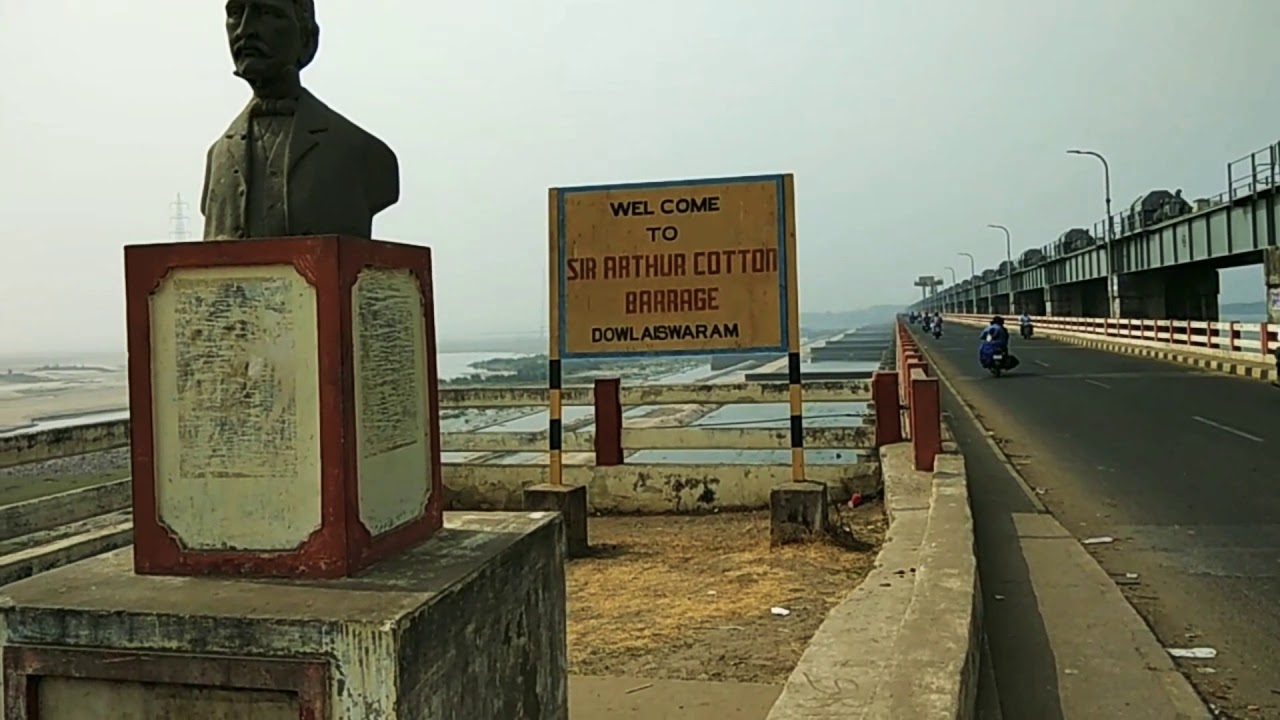

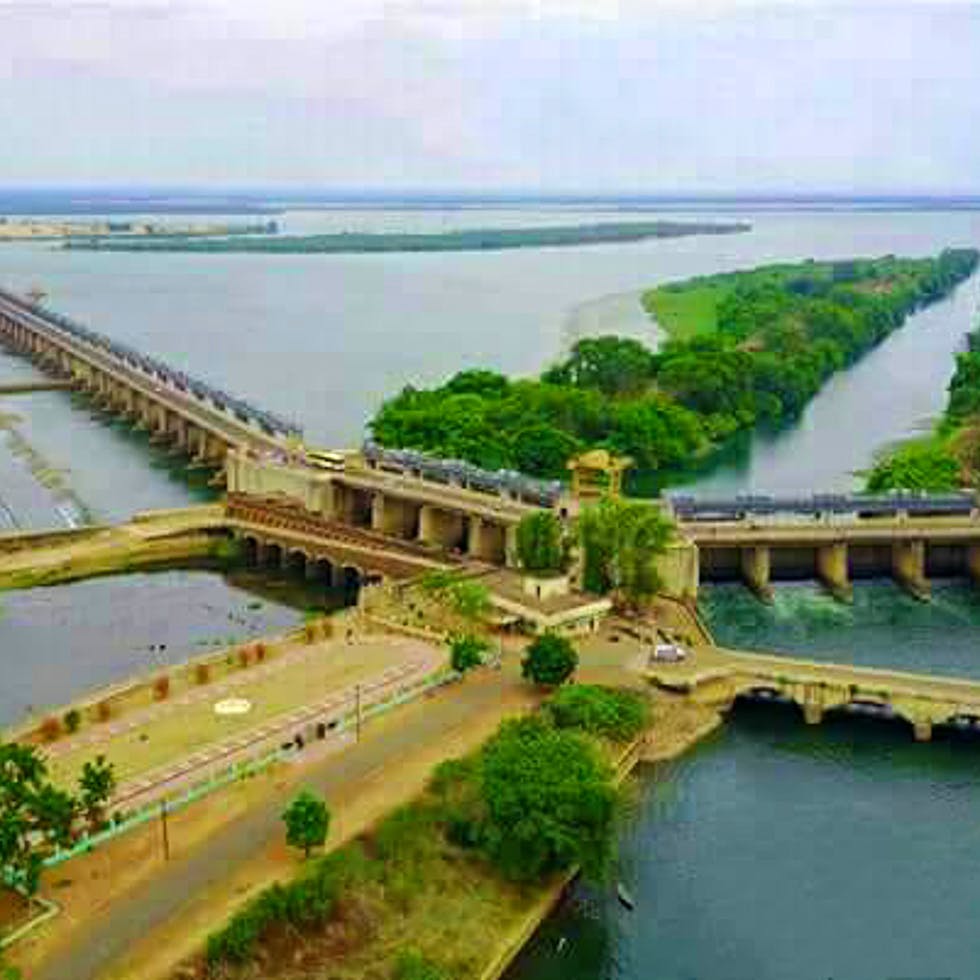


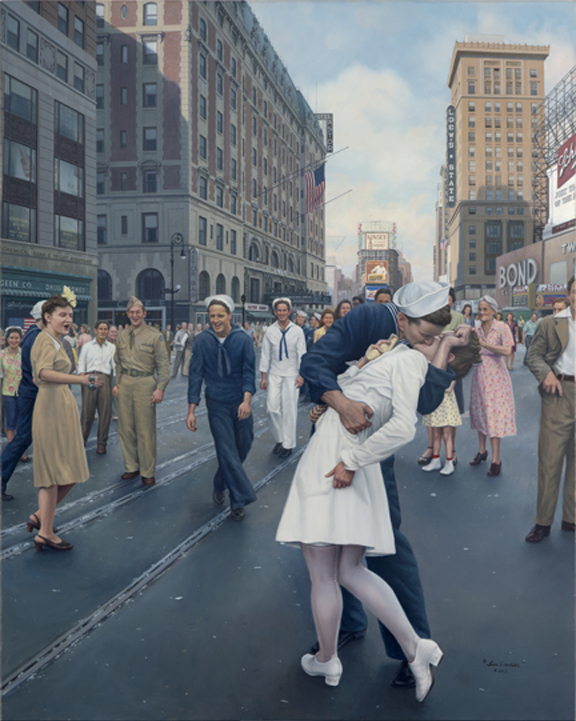
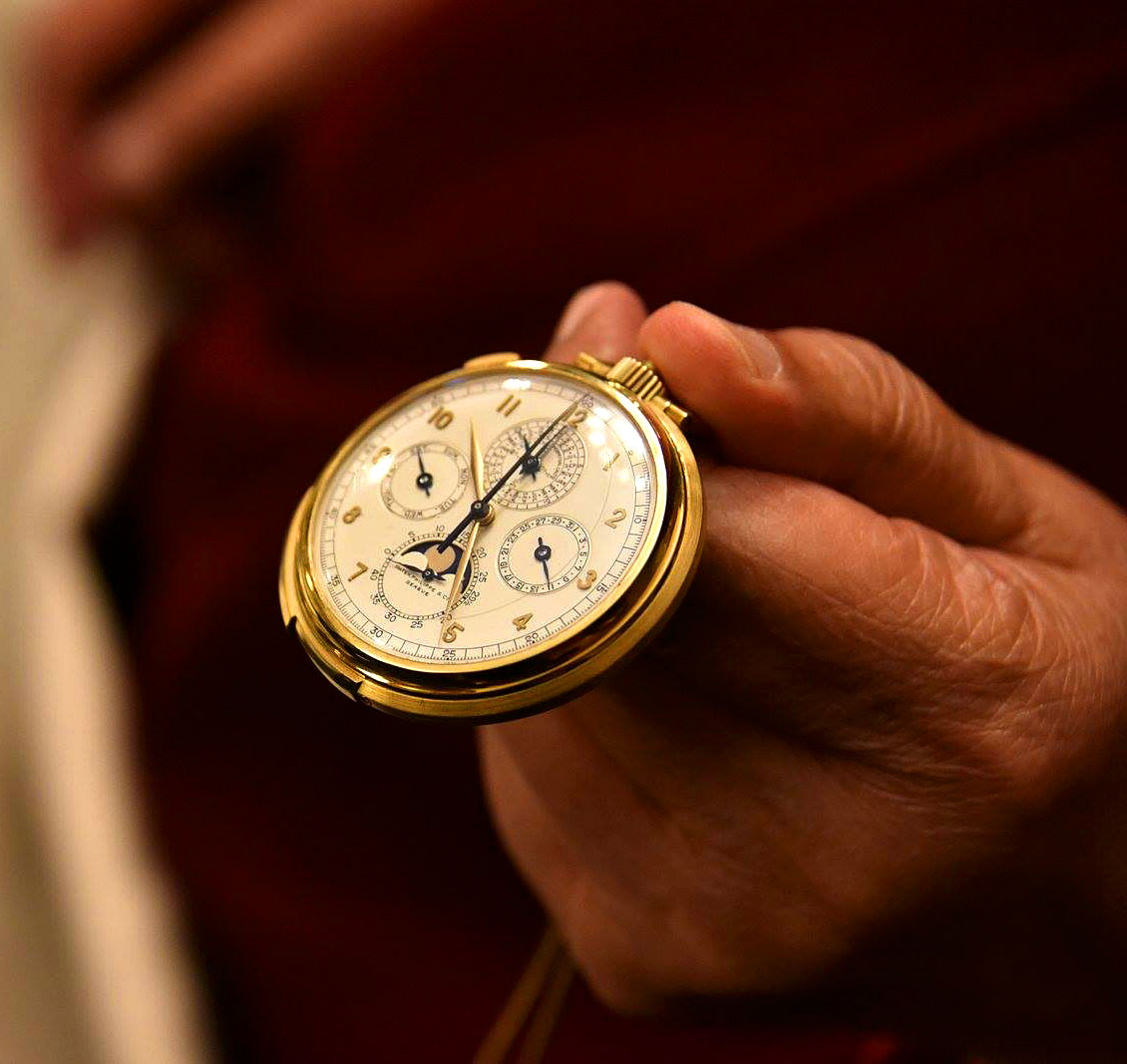
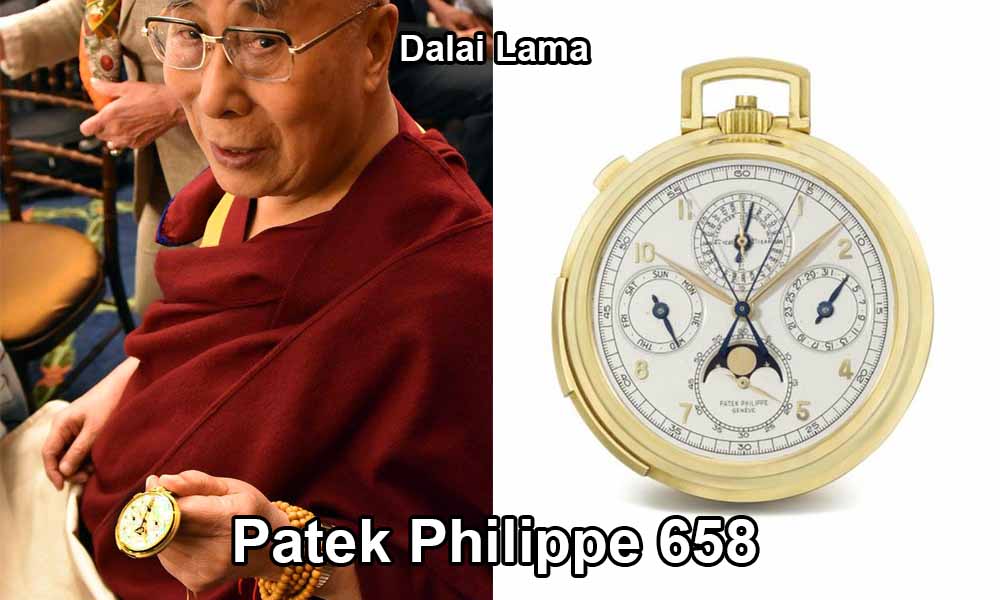
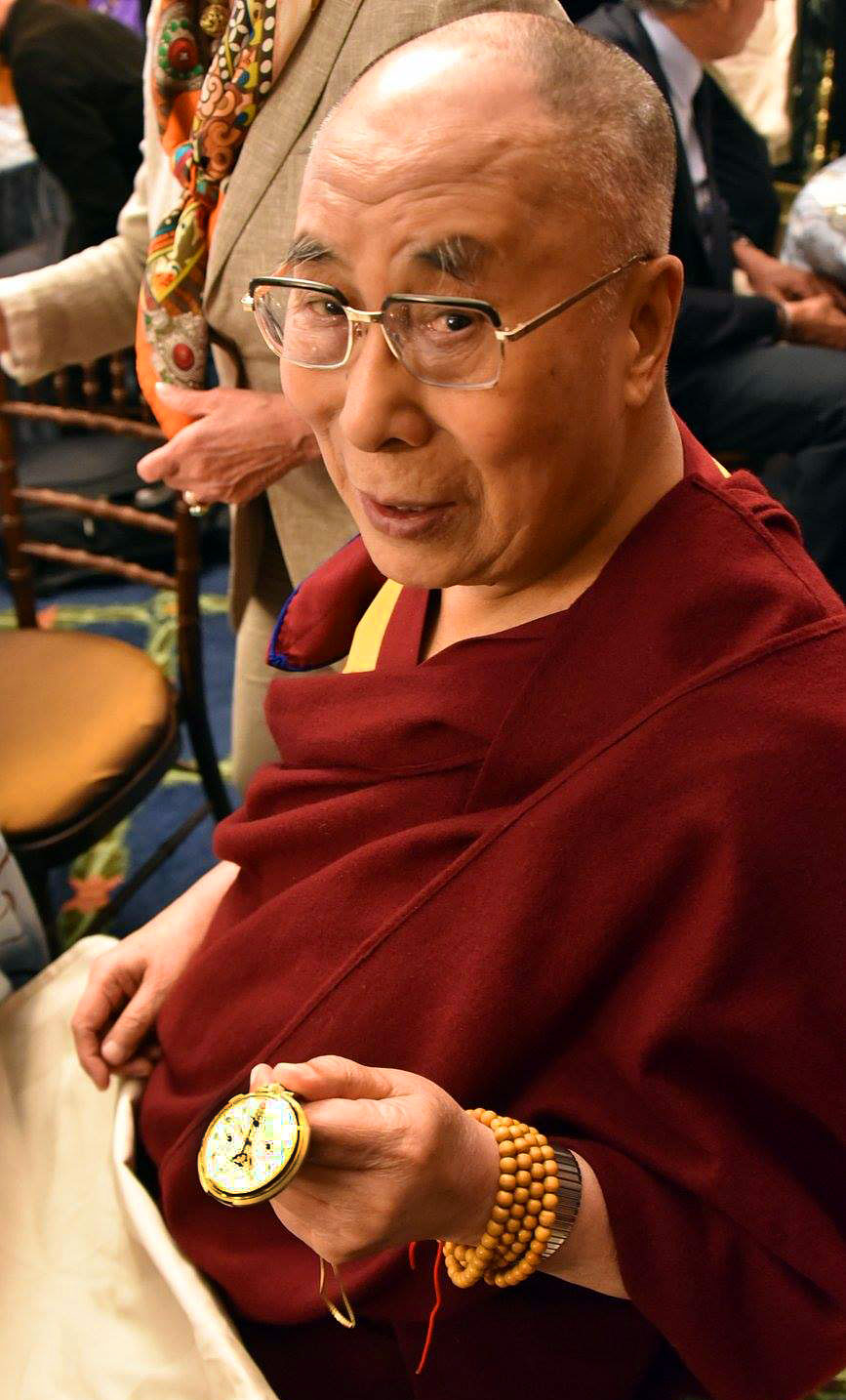


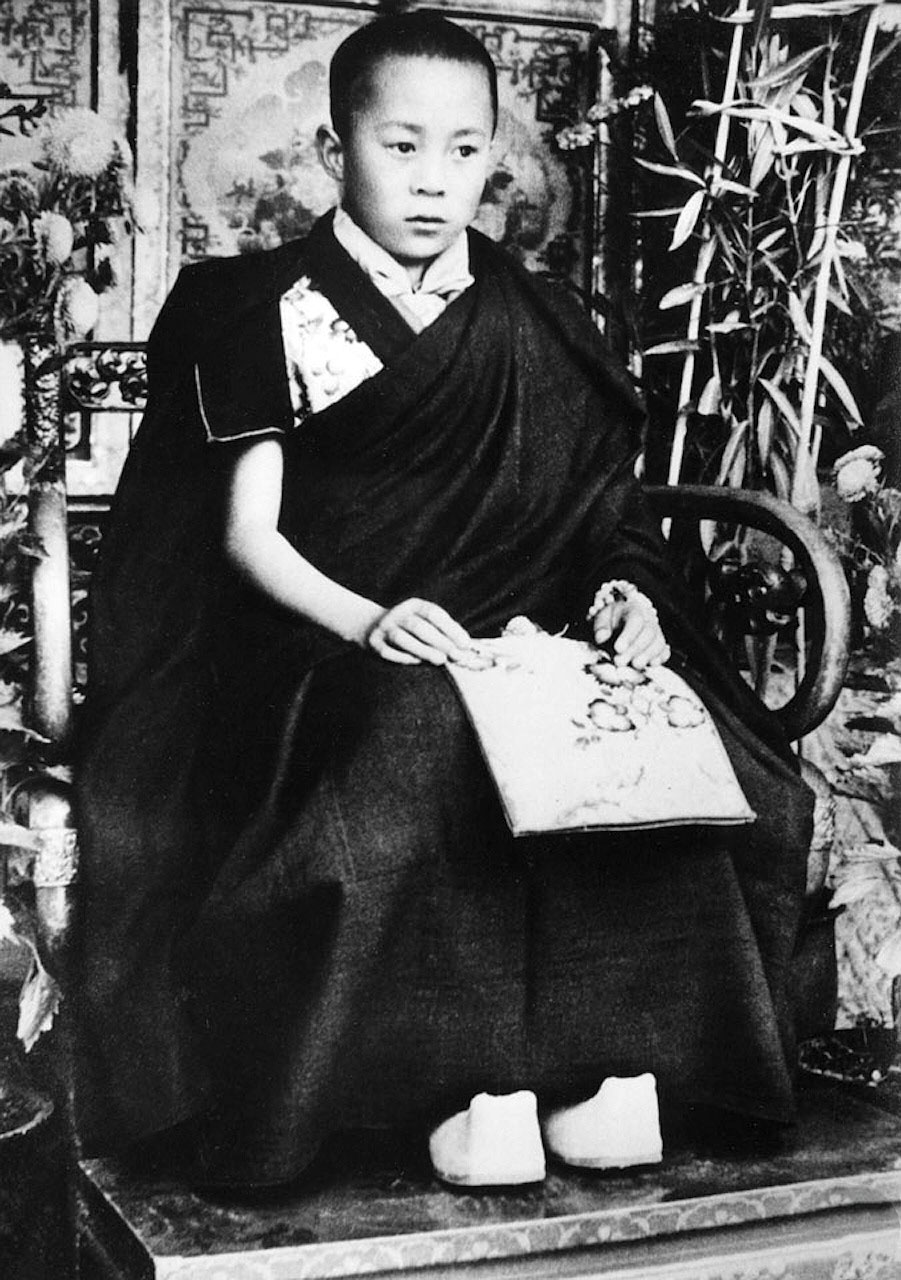
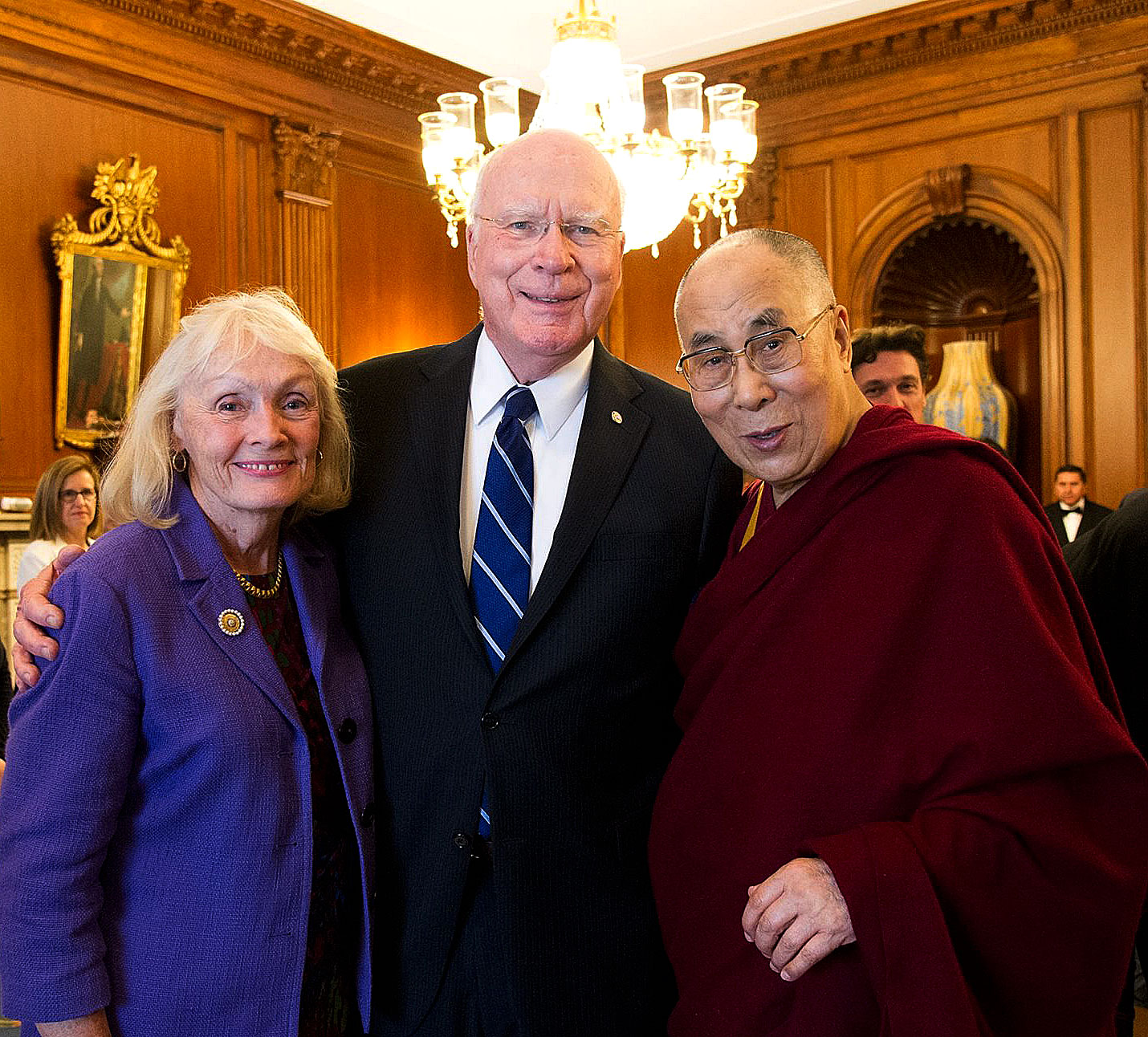
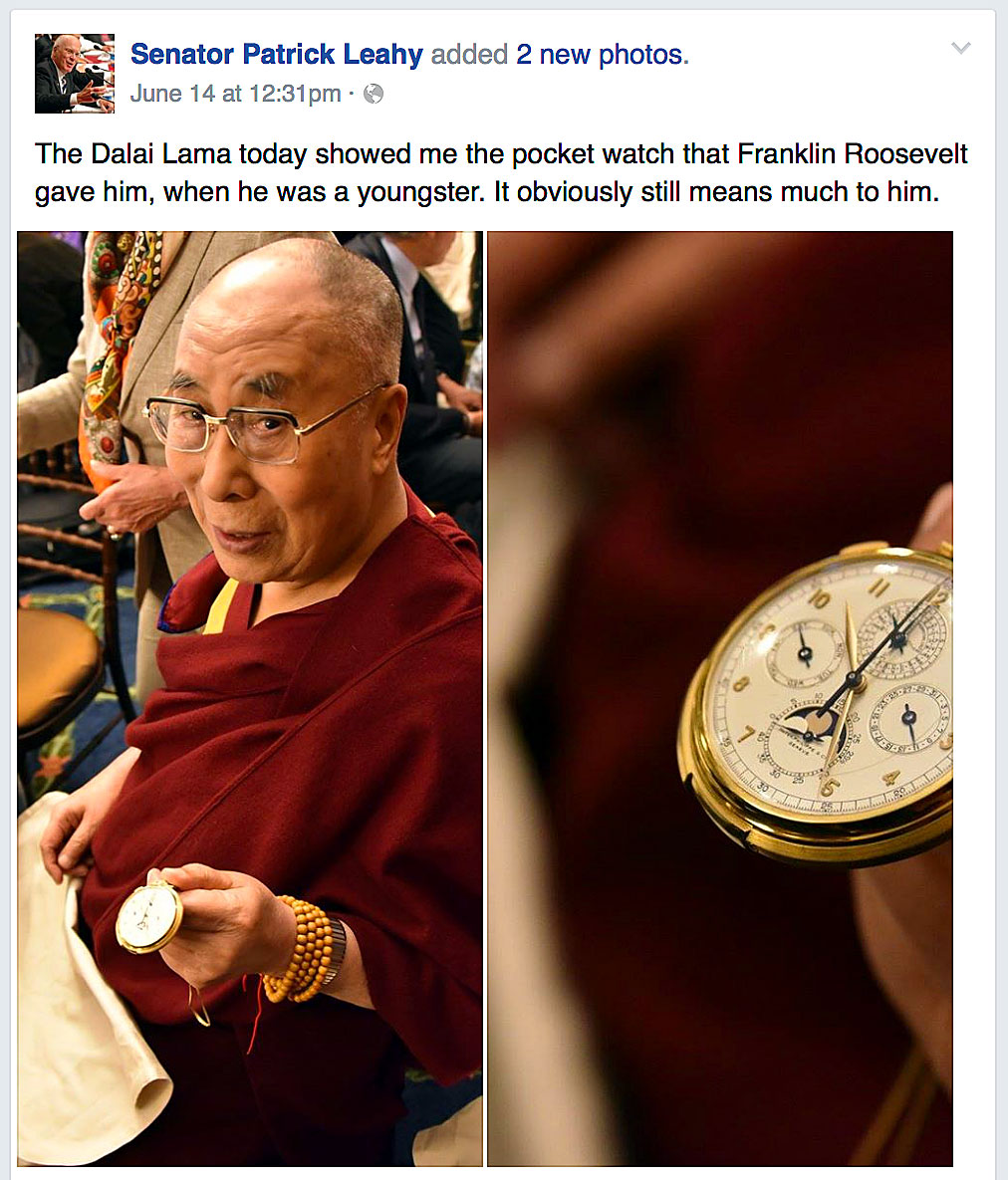
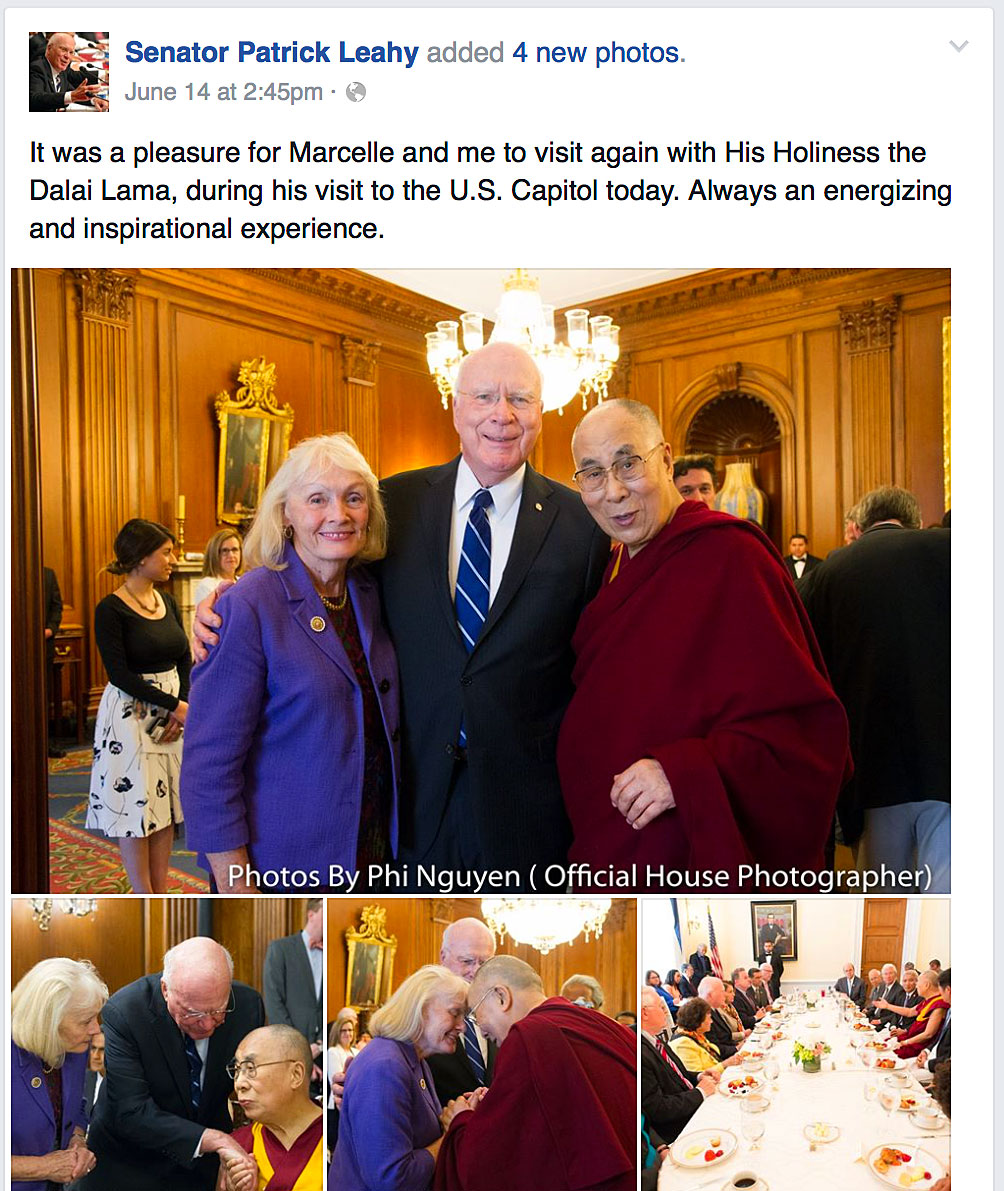

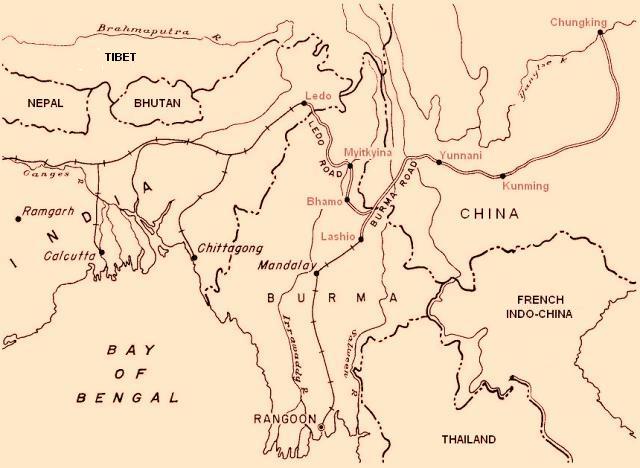
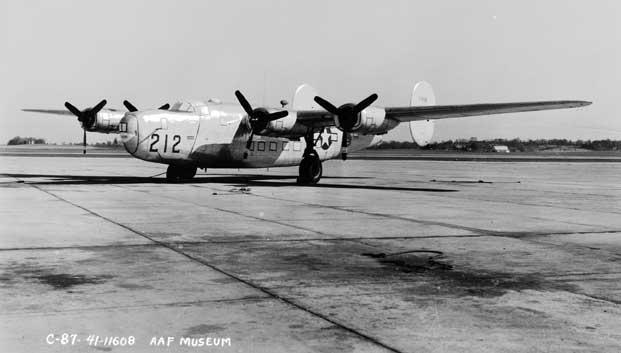

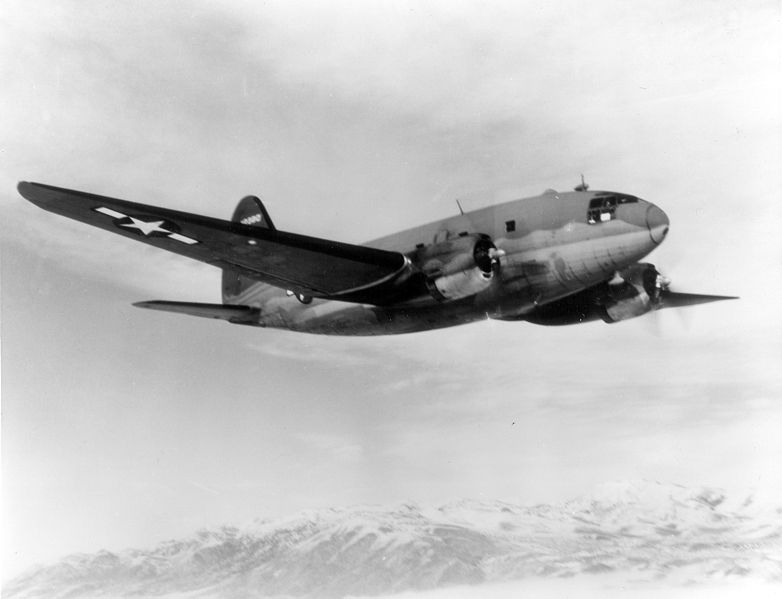
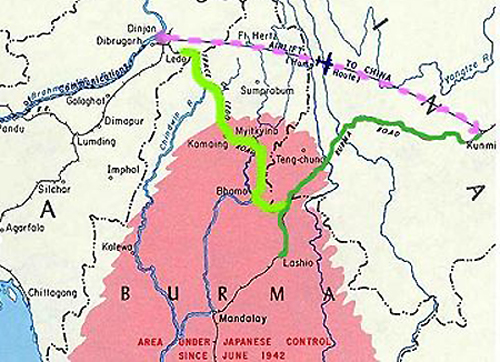
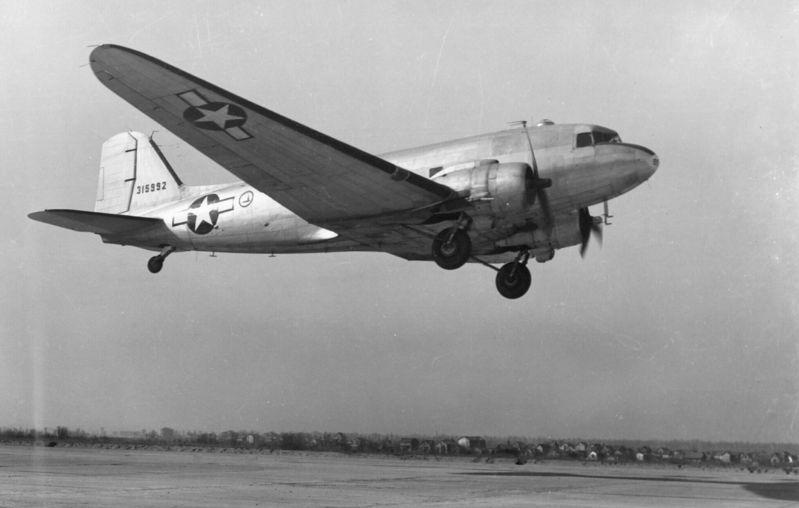
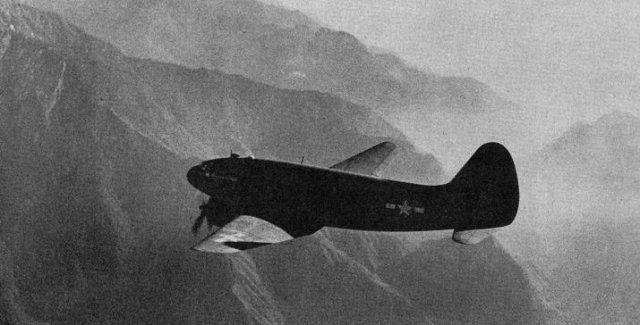



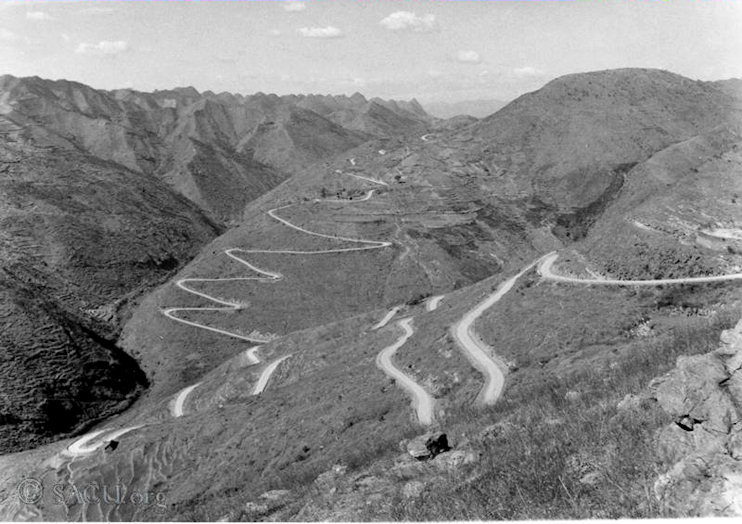
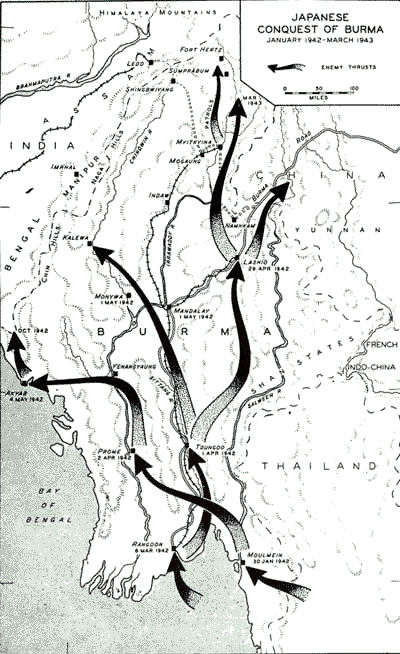
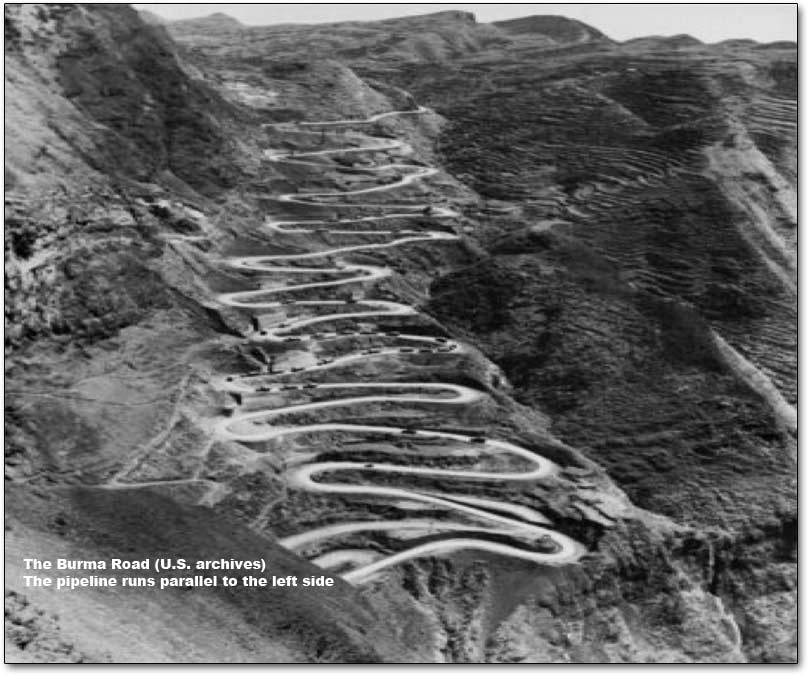
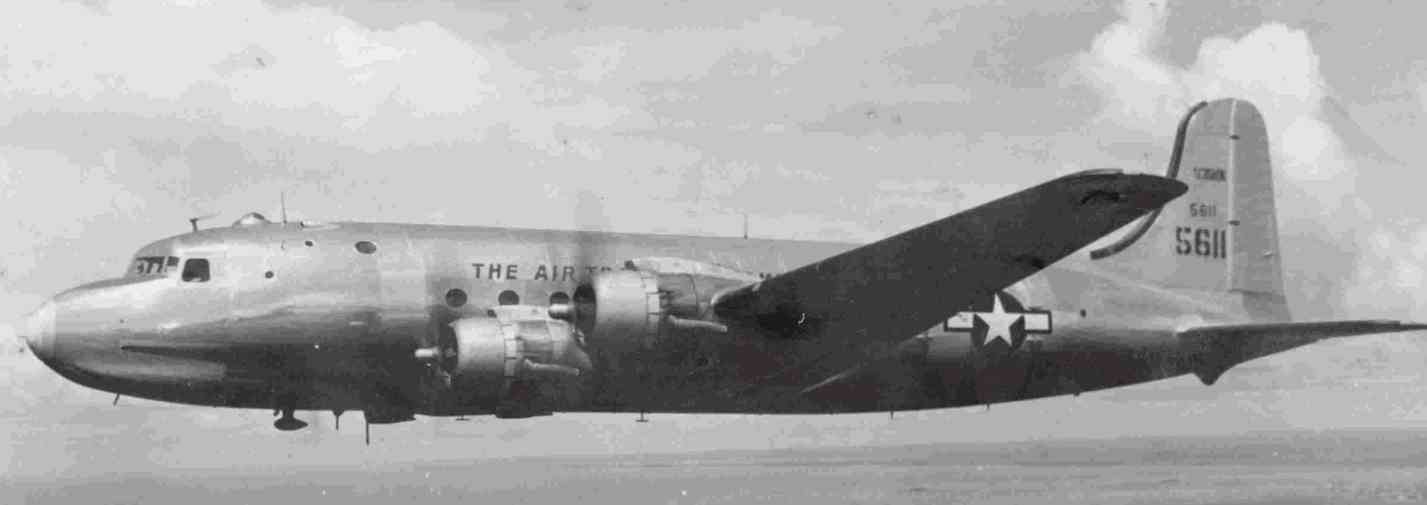
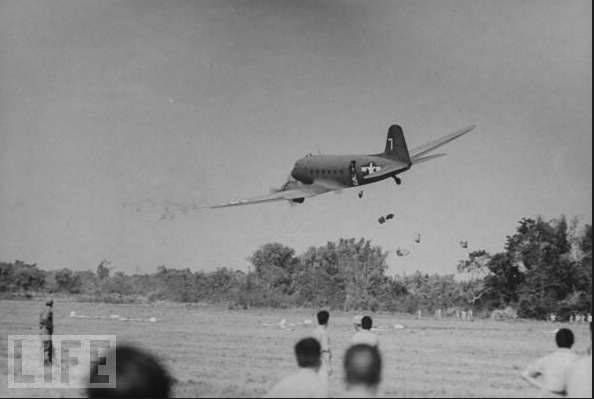
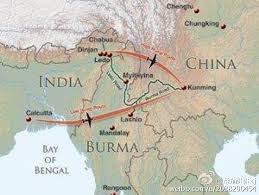
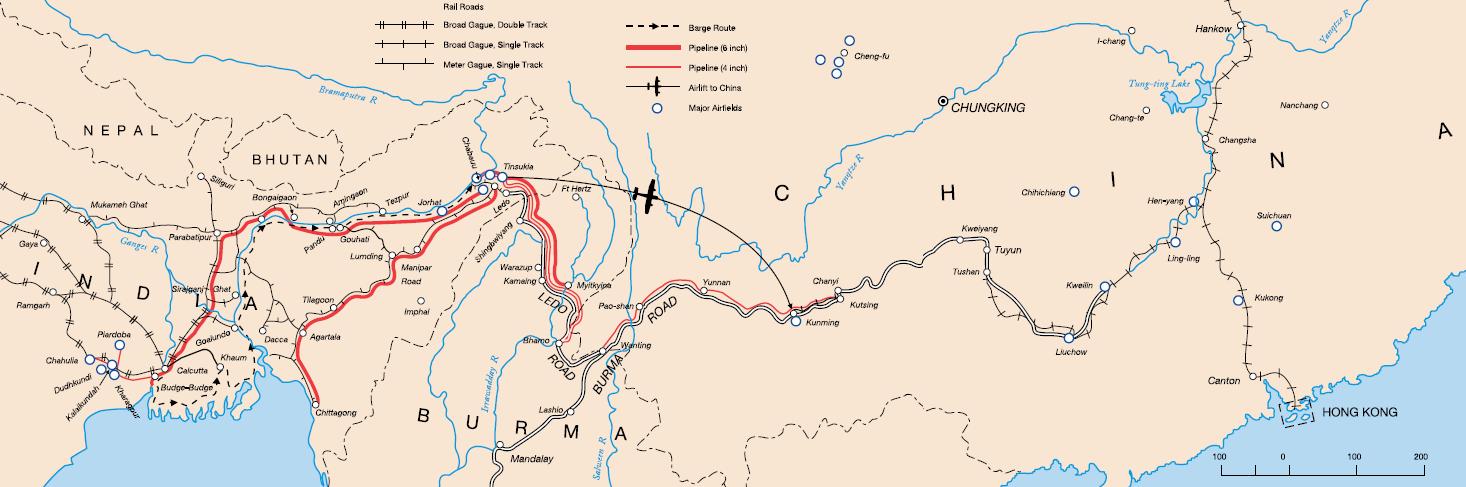
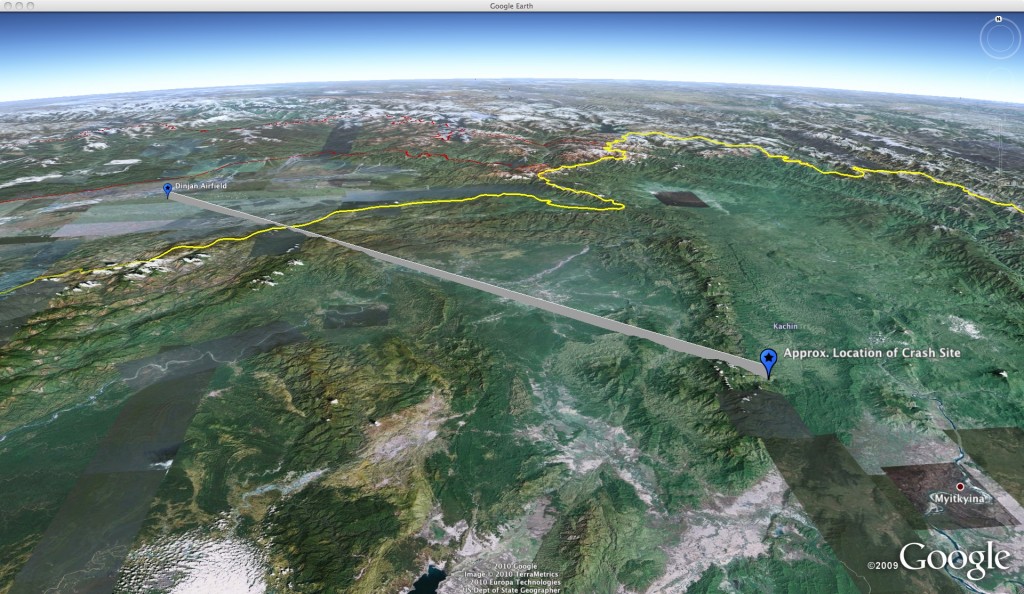
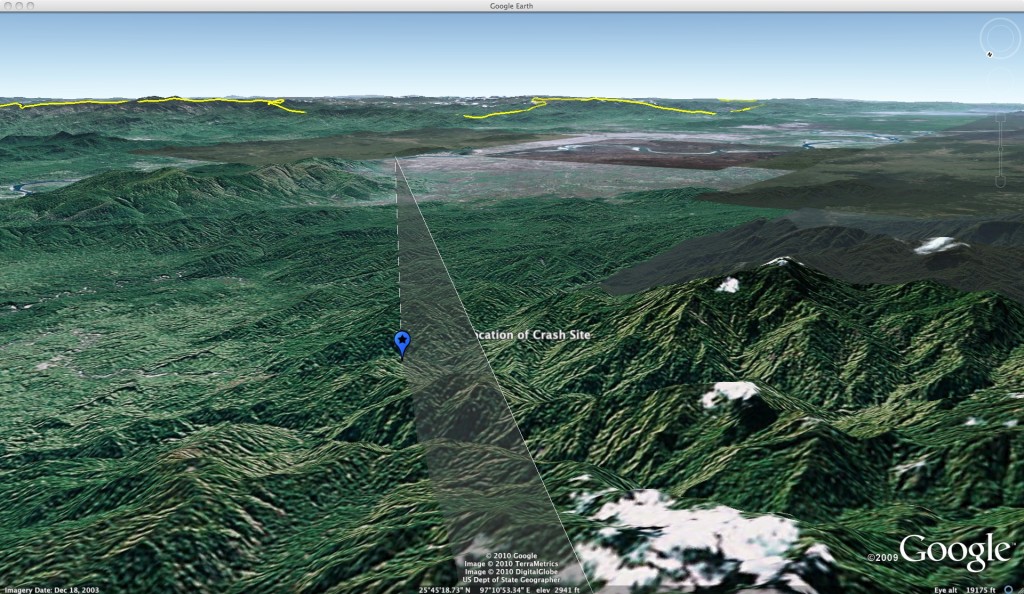
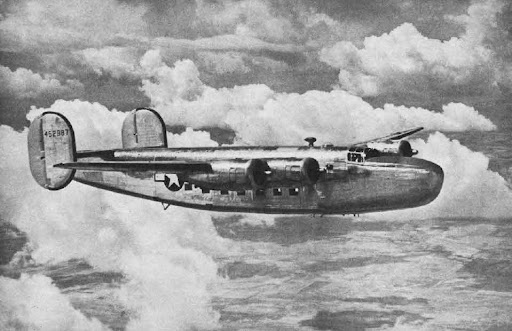
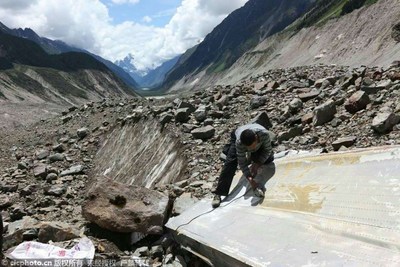
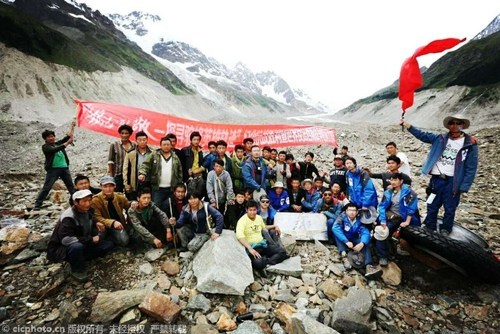
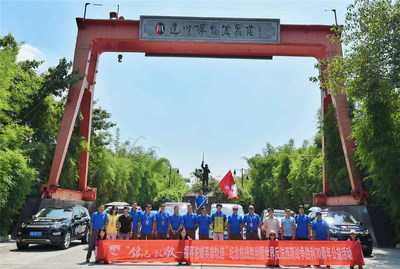
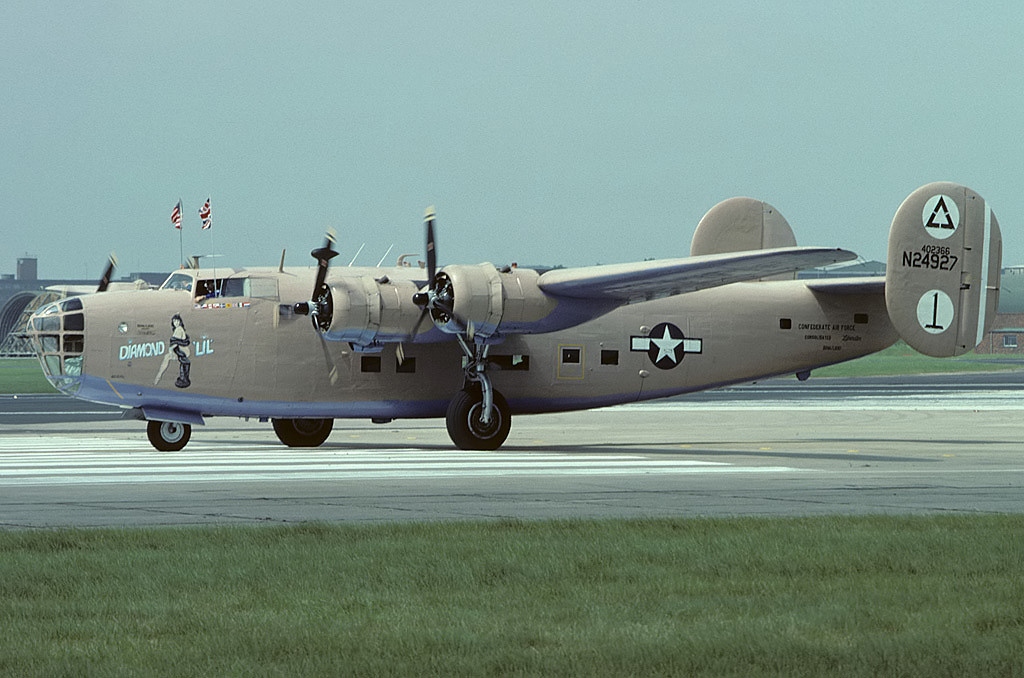
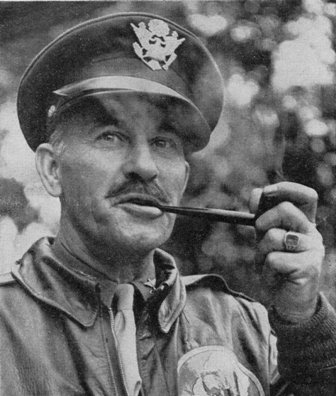
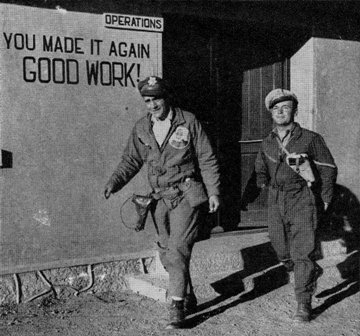
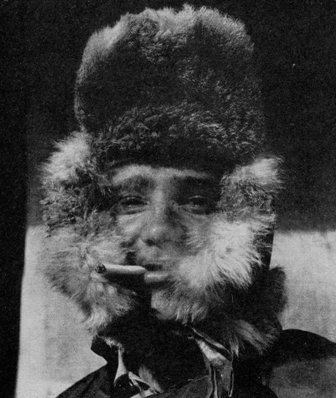

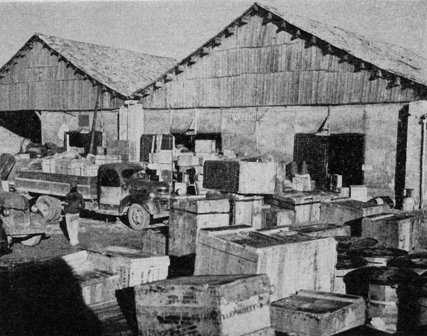
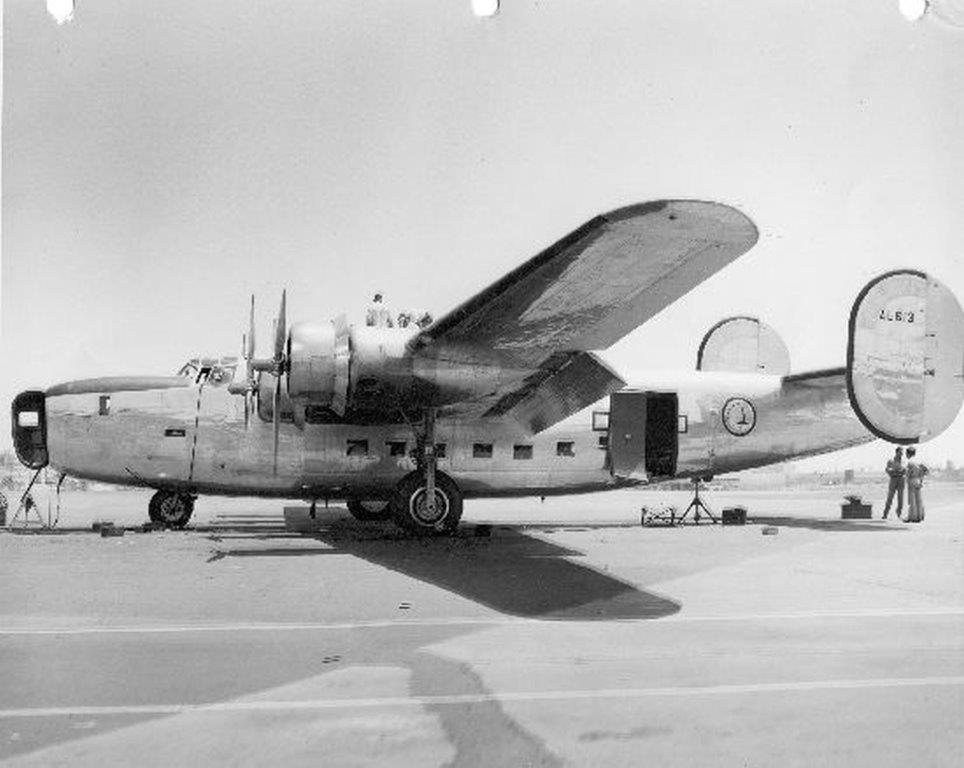


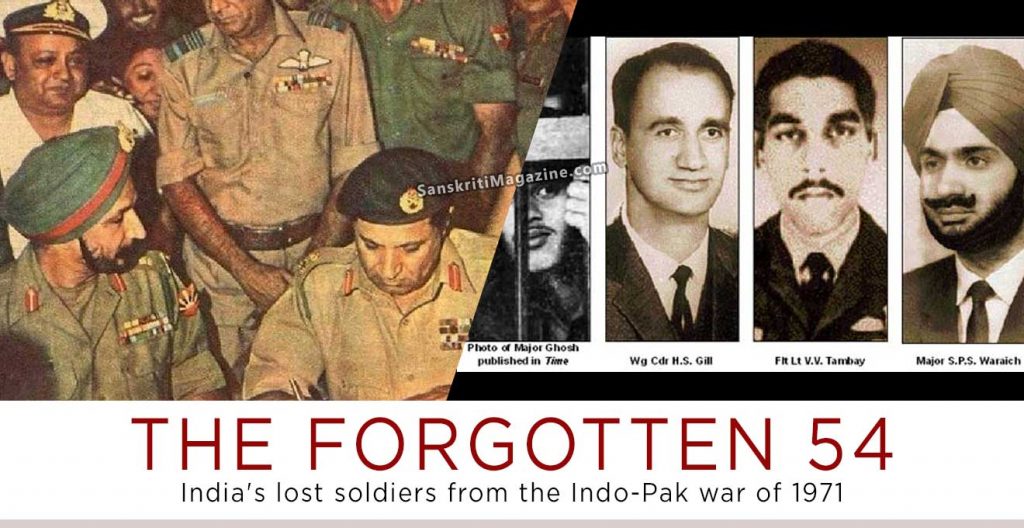
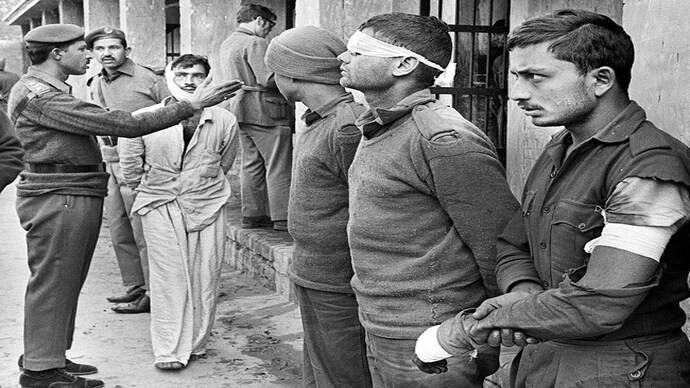
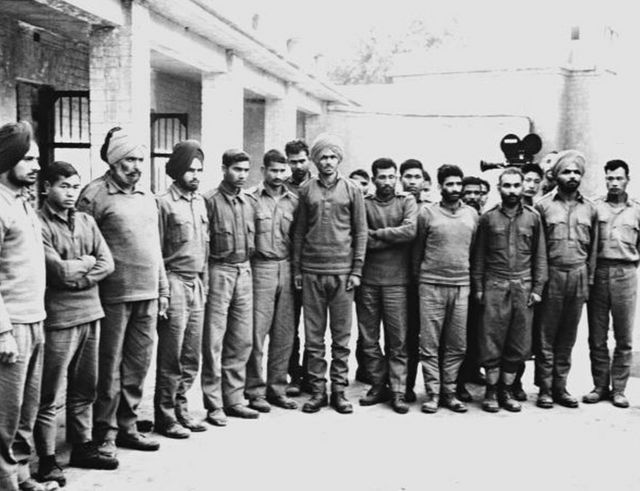
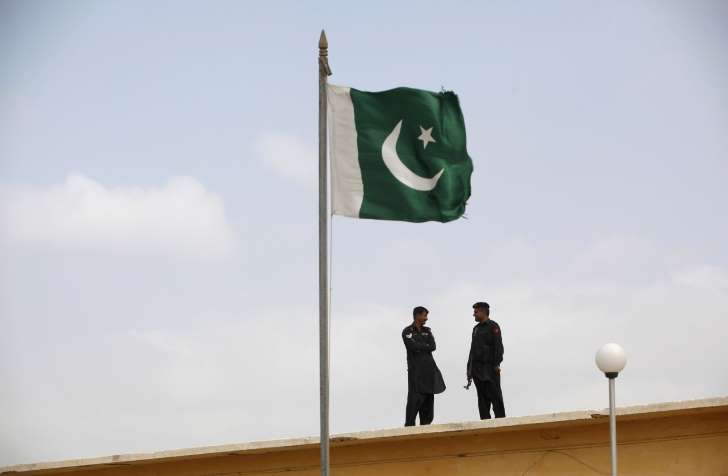








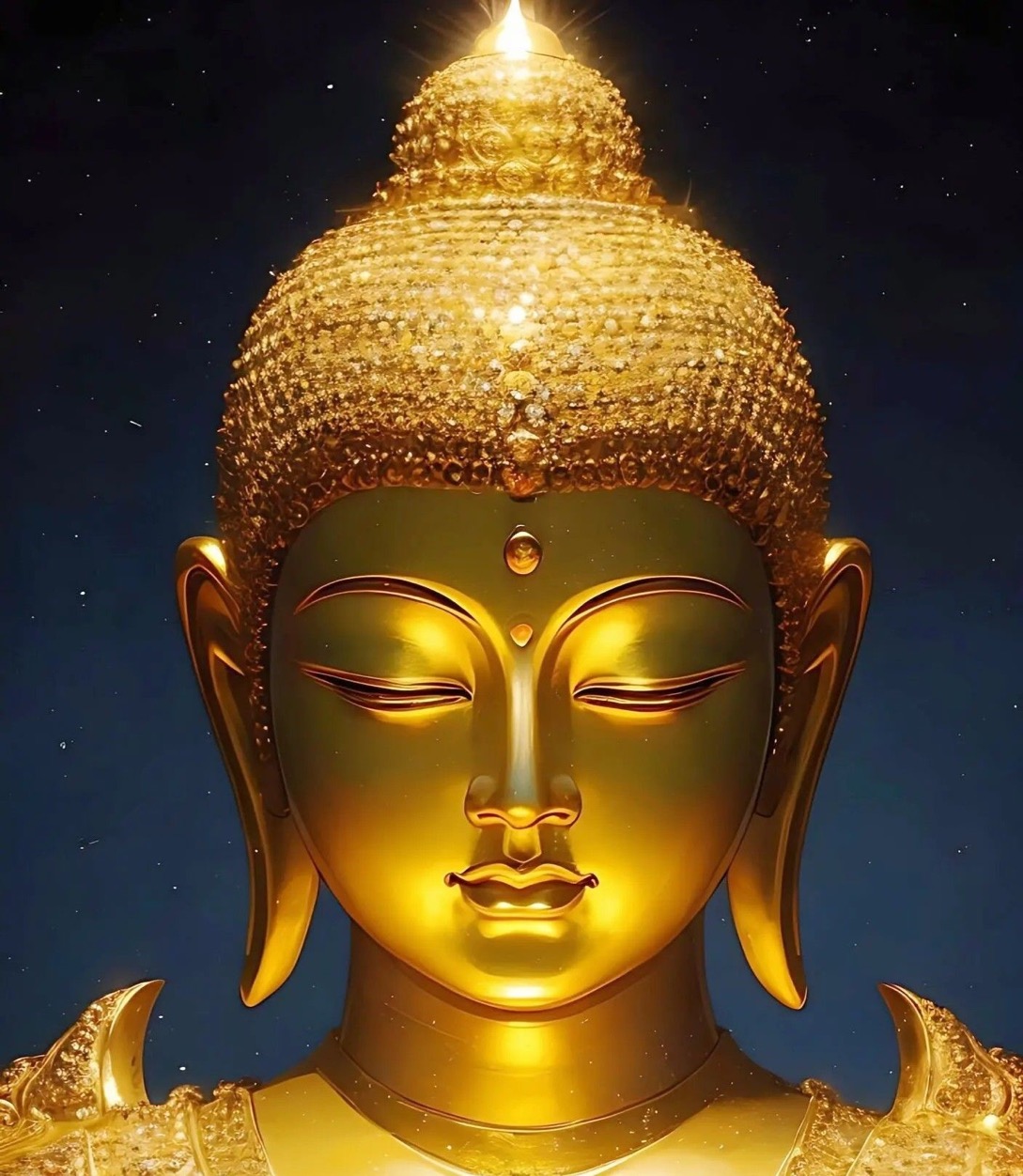




 Whole Dude - Whole Concept


