Trouble in Tibet – Red China’s Doctrine of Neocolonialism – The Forced Resettlement of Tibetan Nomads
‘Trouble in Tibet’ has several faces and one of them is Resettlement of Nomads. This Policy of Resettlement of Tibetan Nomads symbolizes Red China’s Neocolonialism; extension of political and economic control over Tibet using organizational, and technological superiority.
‘Trouble in Tibet’ has several faces and one of them is Resettlement of Nomads. This Policy of Resettlement of Tibetan Nomads symbolizes Red China’s Neocolonialism; extension of political and economic control over Tibet using organizational, and technological superiority.
‘Trouble in Tibet’ has several faces and one of them is Resettlement of Nomads. This Policy of Resettlement of Tibetan Nomads symbolizes Red China’s Neocolonialism; extension of political and economic control over Tibet using organizational, and technological superiority.‘Trouble in Tibet’ has several faces and one of them is Resettlement of Nomads. This Policy of Resettlement of Tibetan Nomads symbolizes Red China’s Neocolonialism; extension of political and economic control over Tibet using organizational, and technological superiority.
STRUGGLE IN THE CITY FOR TIBETAN NOMADS
By Benjamin Haas
Aba (China) (AFP) – By mid-morning, Lobsang’s leather cowboy hat is askew, his black robes dishevelled, and his breath stinks of booze. Once a nomad herder roaming the high Tibetan plateau, instead he stumbles around his sparse new concrete house.
For decades he and his wife grazed yaks and sheep, living a life little changed in centuries, until they acquiesced three years ago to government calls to give up their yak-hair tents for permanent housing.
Now they live in a resettlement village, row after row of identical blue-roofed grey shells, an hour’s drive from Aba in Sichuan province along winding mountain roads.
“Everything changed when we moved to this town,” said Tashi, who like her husband is in her 40s but not sure of her exact age. “First we ran out of money, then he couldn’t find suitable work and then he started drinking more and more.”
Chinese authorities say urbanisation in Tibetan areas and elsewhere will increase industrialisation and economic development, offering former nomads higher living standards and better protecting the environment.
Those who move receive an urban hukou — China’s strictly controlled internal residence permits that determine access to social services. The government offers free or heavily subsidised houses, medical insurance, and free schooling.
TROUBLE IN TIBET – RESETTLEMENT OF TIBETAN NOMADS. KANDING, THE GANZI PREFECTURE. RED CHINA’S NEOCOLONIALISM.‘Trouble in Tibet’ has several faces and one of them is Resettlement of Nomads. This Policy of Resettlement of Tibetan Nomads symbolizes Red China’s Neocolonialism; extension of political and economic control over Tibet using organizational, and technological superiority.
A woman walks in the snow in Kangding in the Ganzi Tibetan Autonomous Prefecture, southwestern China.
But critics say the drive has a one-size-fits-all approach and many former pastoralists have not prospered, despite its promises.
Unlike the voluntary urbanisation of the early 2000s, when many adults maintained subsistence lifestyles while sending children and the elderly into towns, Andrew Fischer, of the International Institute of Social Studies at Erasmus University in Rotterdam, said: “The policy lock, stock and barrel shoves nomads into these resettlements thinking that is good for them.
“But then that gives rise to a variety of related problems like unemployment, social problems, alcoholism, et cetera, which are typical hallmarks of rapid social dislocation,” he told AFP.
‘TOO LATE’
‘Trouble in Tibet’ has several faces and one of them is Resettlement of Nomads. This Policy of Resettlement of Tibetan Nomads symbolizes Red China’s Neocolonialism; extension of political and economic control over Tibet using organizational, and technological superiority.
At the resettlement facility, many relocated former herders complained to AFP they lacked work or training. Critics of China’s urbanization drive say it has a one-size-fits-all approach and many former pastoralists have not prospered.
Dolkar, 42, sold his last 13 yaks for 85,000 yuan (now $13,000) two years ago, a decision he now regrets, and has yet to find stable employment. “I thought this was a lot of money, but I didn’t realise things in the town would be so expensive,” he lamented.
“A person from the government came and convinced me I should move, but now I see I’ve lost so much. I want to go back, but it’s too late.”
Now available urban jobs are low-wage, manual positions in construction or sanitation. But many nomads shun menial labour, having enjoyed wealthy status in the Tibetan community by virtue of their valuable livestock holdings.
‘Trouble in Tibet’ has several faces and one of them is Resettlement of Nomads. This Policy of Resettlement of Tibetan Nomads symbolizes Red China’s Neocolonialism; extension of political and economic control over Tibet using organizational, and technological superiority.
Critics say one goal of the urbanisation campaign is to give authorities more oversight over the people of Tibet.
“It’s not like everyone can become a petty entrepreneur selling dumplings in the marketplace, the jobs need to be there and in the absence of that, the government moving them to urban areas isn’t going to help.”
SEPARATIST FORCES
Critics say one goal of the urbanisation campaign is to give authorities more oversight over the people of Tibet, which has been ruled by Beijing since 1951.
The resettlement village AFP visited is in what was Kham, the eastern part of pre-invasion Tibet, where Khampa warriors fought Communist forces, sometimes with CIA backing, until the late 1960s.
‘Trouble in Tibet’ has several faces and one of them is Resettlement of Nomads. This Policy of Resettlement of Tibetan Nomads symbolizes Red China’s Neocolonialism; extension of political and economic control over Tibet using organizational, and technological superiority.
Across China, urbanisation is a top economic priority, with Premier Li Keqiang calling it the country’s ‘Grand Strategy for Modernisation’.
The region’s top Party official, Chen Quanguo, has said each village should become a “fortress” to “guard against and combat the infiltration of Tibetan separatist forces”.
Urbanisation efforts “concentrate people into areas where they are far easier to surveil and where they become more dependent on state subsidies to survive —- in other words, where they are easier to control”, Sophie Richardson, China director at Human Rights Watch, told AFP.
Environmental experts also say that rather than protecting mountain pastures, the policy has damaged their ecology, allowing invasive weeds to proliferate and change the nature of the soil.
“Not using these grasslands long-term doesn’t work,” said Sun Jie, deputy director of the Grassland Research Institute at the Inner Mongolia Academy of Agricultural & Animal Husbandry Sciences.
“It’s always been natural for grasslands to be used for grazing, the plants and the soil need it for healthy growth,” she added. “Otherwise poor quality foliage moves in and contributes to soil decline.”
Across China, urbanisation is a top economic priority, with Premier Li Keqiang calling it the country’s “grand strategy for modernisation” at a 2014 policy meeting.
But benefits such as running water have come at the cost of Tibetan former nomads’ sense of identity, with many complaining their sons and daughters are taught almost entirely in Mandarin.
“My children will never know our history, they won’t understand our Tibetan traditions,” said Dorje, who moved into the resettlement camp six years ago and occasionally works odd jobs. “My grandchildren will never know I used to be a respected and wealthy man, they will only know poverty.”
‘Trouble in Tibet’ has several faces and one of them is Resettlement of Nomads. This Policy of Resettlement of Tibetan Nomads symbolizes Red China’s Neocolonialism; extension of political and economic control over Tibet using organizational, and technological superiority.
Trouble in Tibet – Demise of Tibetan Language Education
Trouble in Tibet – Demise of Tibetan Language Education
Trouble in Tibet has millions of faces, and I am sad to add the face of Tashi Wangchuk to describe Tibet’s Trouble; tragic demise of Tibetan Language Education.
Tibetan language rights activist Tashi Wangchuk detained again for “slanderous” videos on Chinese TikTok
Chinese authorities detained prominent Tibetan language rights activist, Tashi Wangchuk, on October 20, 2024, for his language rights activism on Chinese social media platforms. The Yushul (Chinese: Yushu) City Public Security Bureau (PSB) accused Tashi of publishing “fabricated” and “slanderous” videos on platforms such as Douyin (TikTok) and Kuaishou to “slander government agencies” and challenge government decision-making.
Tashi was held for 15 days and released on November 4, 2024. This detention follows his previous five-year prison term from 2016 to 2021 on charges of “inciting separatism,” after his appearance in a New YorkTimes article and video documentary in November 2015 documenting his efforts to petition the Chinese government for Tibetan language protection.
China Charges Tibetan Education Advocate With Inciting Separatism
THE NEW YORK TIMES By EDWARD WONG MARCH 30, 2016
China Charges Tibetan Education Advocate With Inciting Separatism
Tashi Wangchuk, a Tibetan entrepreneur and education advocate, at his home in Yushu, China, in July. Mr. Tashi was detained in January and held in secret until his family was notified this month. Credit Gilles Sabrie for The New York Times
BEIJING : A detained Tibetan entrepreneur who advocated for bilingual education in schools across Tibetan regions of China has been charged with inciting separatism, according to an official police document.
The entrepreneur, Tashi Wangchuk, 30, is being held at the main detention center in Yushu, the town in Qinghai Province in western China, where he lives with his elderly parents. Mr. Tashi could face up to 15 years in prison if found guilty, depending on the specifics of the allegations against him.
Mr. Tashi was detained on Jan.27 and held in secret for weeks. His relatives said they were not told of his detention until March 24, though Chinese law requires that a detainee’s family be notified within 24 hours. A document stating the charge against Mr. Tashi, which a police officer gave the family, and a photograph of which was seen by The New York Times, was dated March 4.
Before his detention, Mr. Tashi had written on his microblog that Tibetans needed to protect their culture and that Chinese officials should aid them in doing so. He has argued for greater Tibetan autonomy within China, but none of his known writings have called for Tibetan independence, which he has said he opposes.
A Tibetan’s Journey for Justice
Worried about the erosion of Tibetan culture and language, one man takes his concerns to Beijing, hoping media coverage and the courts can reverse what he sees as a systematic eradication.
By JONAH M. KESSEL on Publish Date November 28, 2015. Photo by Gilles Sabrie for The New York Times.
The family said it has not been able to find a local lawyer to represent Mr. Tashi. Officials have not yet announced a trial date.
Mr. Tashi’s case has attracted international attention. Officials at the State Department are aware of his detention, and a representative of Canadian Journalists for Free Expression said the group was starting a petition to call for his release. President Obama may raise human rights issues with his Chinese counterpart, President Xi Jinping, when Mr. Xi visits Washington this week for a summit meeting on nuclear issues.
As an advocate for Tibetan culture, Mr. Tashi has been most vocal about language education, saying that schools should adopt a true system of bilingual education so that Tibetan children can become fluent in their mother language.
Mr. Tashi has said that the dearth of effective Tibetan language education, and the fact that the language is not used in government offices, violates the Chinese Constitution, which guarantees cultural autonomy for Tibetan and other ethnic regions.
Mr. Tashi runs a shop in Yushu and sells goods from the region to buyers across China on Taobao, an online platform run by Alibaba, the e-commerce giant. In 2014, Alibaba chose Mr. Tashi to be featured in a video for the company’s investor roadshow before a high-profile initial public offering. The founder and executive chairman of Alibaba, Jack Ma, was the video’s main narrator.
Late last year, Mr. Tashi was quoted in two articles in The New York Times on Tibetan language and culture. He was also the main subject of a documentary video by The Times about his attempts to use the legal system to compel officials to improve Tibetan language education.
In an interview last year, Mr. Tashi said he did not support Tibetan independence because he believed that Tibet could continue to develop economically as a part of China. He said he wanted true autonomy for Tibetan regions as guaranteed in the constitution, which he said would help preserve Tibetan language and culture.
Mr. Tashi also said in the interview that he was thankful to all the Chinese people who truly protect minorities, and he praised Mr. Xi for having promoted a democratic and law-abiding country these last few years.
Mr. Tashi had been detained briefly twice before, he and his family members have said. Once was for trying to go to India, a common destination for Tibetans who want to see the Dalai Lama, the Tibetan spiritual leader. The other detention, in 2012, was for posting online comments that criticized local officials over land seizures.
TIBET’S ATLAS OF EMOTIONS. TROUBLE IN TIBET – NO PEACE UNDER OCCUPATION. MIND MAP OF TIBET SHOWS FEAR, ANGER, SADNESS, AND DISGUST.
Peace is true or real experience if that experience is in conformity with facts of external world. If forces of occupation control, rule, govern, reign, or operate conditions of external world, there can be no ‘Inner Peace’ for it is not real or true. For any Tibetan living in Occupied Tibet, his emotions are not his Enemy; the Enemy is visible, the Enemy is real. There is no Calmness of Mind for this Enemy is not yet removed.
“Dalai Lama” Website Launched by His Holiness the Dalai Lama includes Mind Map, and Atlas of Emotions to help people find or discover “Inner Peace.” Spirituality and Science can be blended, but the real issue is that of blending Freedom and Repression. For Repression excludes Freedom, there will be no Peace, neither in Mind, nor in World.
Inner Peace? The Dalai Lama Made a Website for That
Special Frontier Force – Tibetan Resistance: The Doctrine and the Philosophy of Tibetan Resistance to China’s War of Occupation is based on the Force or Power of an Idea that concludes that the Enemy has no Power over your Mind and the Enemy cannot exercise authority over your Mind. Resistance begins when man sets his Mind Free. Resistance is Freedom in Action without any sense of Fear.
The Dalai Lama spoke about the Atlas of Emotions study at the Wilson House on the Sisters of St. Francis’ Assisi Heights campus in Rochester, Minnesota.
By KEVIN RANDALL
May 6, 2016
ROCHESTER, Minn. — The Dalai Lama, who tirelessly preaches inner peace while chiding people for their selfish, materialistic ways, has commissioned scientists for a lofty mission: to help turn secular audiences into more self-aware, compassionate humans.
That is, of course, no easy task. So the Dalai Lama ordered up something with a grand name to go with his grand ambitions: a comprehensive Atlas of Emotions to help the more than seven billion people on the planet navigate the morass of their feelings to attain peace and happiness.
“It is my duty to publish such work,” the Dalai Lama said.
To create this “map of the mind,” as he called it, the Dalai Lama reached out to a source Hollywood had used to plumb the workings of the human psyche.
Specifically, he commissioned his good friend Paul Ekman — a psychologist who helped advise the creators of Pixar’s “Inside Out,” an animated film set inside a girl’s head — to map out the range of human sentiments. Dr. Ekman later distilled them into the five basic emotions depicted in the movie, from anger to enjoyment.
Dr. Ekman’s daughter, Eve, also a psychologist, worked on the project as well, with the goal of producing an interactive guide to human emotions that anyone with an Internet connection could study in a quest for self-understanding, calm and constructive action.
“We have, by nature or biologically, this destructive emotion, also constructive emotion,” the Dalai Lama said. “This innerness, people should pay more attention to, from kindergarten level up to university level. This is not just for knowledge, but in order to create a happy human being. Happy family, happy community and, finally, happy humanity.”
The Dalai Lama paid Dr. Ekman at least $750,000 to develop the project, which began with a request several years ago.
Dr. Ekman recalled the Dalai Lama telling him: “When we wanted to get to the New World, we needed a map. So make a map of emotions so we can get to a calm state.”
As a first step, Dr. Ekman conducted a survey of 149 scientists (emotion scientists, neuroscientists and psychologists who are published leaders in their fields) to see where there was consensus about the nature of emotions, the moods or states they produce, and related areas.
Based on the survey, Dr. Ekman concluded that there were five broad categories of emotions — anger, fear, disgust, sadness and enjoyment — and that each had an elaborate subset of emotional states, triggers, actions and moods. He took these findings to a cartography and data visualization firm, Stamen, to depict them in a visual and, he hoped, useful way. “If it isn’t fun, it’s a failure,” Dr. Ekman said. “It’s got to be fun for people to use.” Stamen’s founder, Eric Rodenbeck, has created data visualizations for Google, Facebook and MTV, as well as maps showing climate change and rising oceans. But he said the Atlas was the most challenging project he had worked on because it was “built around knowledge and wisdom rather than data.”
Not surprisingly, getting scientists to reach a unified understanding of human emotions was difficult.
Dacher Keltner, a professor of psychology at the University of California, Berkeley, also counseled Pixar on establishing and depicting the emotional characters for “Inside Out.” He has even advised Facebook on emoticons.
Although Dr. Keltner took part in Dr. Ekman’s survey, the two are not in complete agreement on the number of core emotions. Still, Dr. Keltner said he saw the project as a good step. “The survey questions could have allowed for more gray areas,” he said. “But it’s important to take stock of what the scientific consensus is in the field.”
Dr. Ekman emphasized that the Atlas was not a scientific work intended for peer review.
“It is a visualization for what we think has been learned from scientific studies,” he said. “It’s a transformative process, a work of explanation.”
The Dalai Lama wants to keep religion out of it.
“If we see this research work as relying on religious belief or tradition, then it automatically becomes limited,” he said. “Even if you pray to God, pray to Buddha, emotionally, very nice, very good. But every problem, we have created. So I think even God or Buddha cannot do much.”
The Dalai Lama said he hoped the Atlas could be a tool for cultivating good in the world by defeating the bad within us.
“Ultimately, our emotion is the real troublemaker,” he said. “We have to know the nature of that enemy.”
The Dalai Lama said he had been encouraged by President Obama’s reaction to the project when he told him about it in India.
“Obama seems, I think, to show more interest about our inner value,” he said. “In the past, compassion was something of a sign of weakness, or anger a sign of power, sign of strength. Basic human nature is more compassionate. That’s the real basis of our hope.”
While excited about the Atlas, however, the 80-year-old Dalai Lama will probably not be clicking around the interactive site. He is much more comfortable turning the printed pages of a version that was custom-made for him.
“Technology is for my next body,” he once quipped to the researchers.
TROUBLE IN TIBET – MIND MAP OF TIBET – WHERE IS PEACE WITHOUT FREEDOM?
“Dalai Lama” Website Launched by His Holiness the Dalai Lama includes Mind Map, and Atlas of Emotions to help people find or discover “Inner Peace.” Spirituality and Science can be blended, but the real issue is that of blending Freedom and Repression. For Repression excludes Freedom, there will be no Peace, neither in Mind, nor in World.
Tibetans want to find or discover “Freedom” which is defined as the state or quality of being free from the control of some other person or some arbitrary power; a being able of itself to choose or determine action freely without hindrance, restraint, or repression. If Tibetans are not “Free” to act, how can Tibetans discover “Inner Peace?” Creation of Mind Map will not create Freedom in Occupied Tibet. Repression in Tibet has to go to discover Inner Peace in Mind Map of Tibet.
Dalai Lama: Website launched by Dalai Lama, Atlas of Emotions, blends Science and Spirituality to create Mind Map and reach global audiences
TROUBLE IN TIBET – MIND OF TIBET. DALAI LAMA’S WEBSITE ATLAS OF EMOTIONS EXCLUDES MIND MAP OF TIBET WHERE REPRESSION REIGNS.
May 6, 2016 Sally Elliott
The Dalai Lama never ceases his quest to help others navigate the complex human psyche as part of the path to inner peace, and the Dalai Lama’s website is designed to do just that.
In a truly creative and contemporary collaboration between a Hollywood producer, world-class scientists, and the Dalai Lama, a website, named Atlas of Emotions, was launched with a view of helping the world identify and understand human emotions and overcome those that block the path to peace. The Dalai Lama’s website is the result of a collaboration between Paul Ekman, an American psychologist, and the producers of 2015 animated blockbuster Inside Out. Atlas of Emotions blends science and spirituality to create a mind map for global audiences — the religious, the spiritual, and the secular.
“It is my duty to publish such work,” the Dalai Lama told the New York Times.
According to the New York Times, Dr. Ekman and the Dalai Lama are good friends, and when he decided on a course of action to help the human race achieve peace, the Dalai thought of Pixar’s Inside Out and its universally comprehensible model of the mind and human emotion.
“Specifically, he commissioned his good friend Paul Ekman — a psychologist who helped advise the creators of Pixar’s ‘Inside Out,’ an animated film set inside a girl’s head — to map out the range of human sentiments. Dr. Ekman later distilled them into the five basic emotions depicted in the movie, from anger to enjoyment,” reports the outlet.
Trouble in Tibet – Mind Map of Tibet. Repression excludes Freedom. There is neither inner nor outer Peace if Freedom is not in Mind Map.
The Dalai Lama is one of the world’s most prolific and widely followedspiritual leaders [Photo by Lisa Maree Williams]
The Dalai Lama’s website is aimed at achieving his lofty life mission guiding the human race to overcome selfish and hateful behavior, practice kindness, self-awareness, and compassion — in a changing world of countless brands of faith.
“‘When we wanted to get to the New World, we needed a map,’ Dr. Ekman recalled the Dalai Lama telling him. ‘So make a map of emotions so we can get to a calm state,’” reports the New York Times.
Eve Ekman, Dr. Ekman’s fellow psychologist daughter, also collaborated to maximize the engagement and accuracy of the website launched by the Dalai Lama. Atlas of Emotions blends scientific knowledge, which psychologists use to help patients understand and overcome negative behaviors and emotions, and spiritual ideology to provide an interactive guide to human emotions, and it is available to any person with internet access. The website is set to be an invaluable resource for those without the money or opportunity to seek professional help and people seeking to understand their complex emotions on the path to self-awareness, inner peace, and constructive action.
“We have, by nature or biologically, this destructive emotion, also constructive emotion. This innerness, people should pay more attention to, from kindergarten level up to university level,” the Dalai Lama told the NY Times.
“This is not just for knowledge, but in order to create a happy human being. Happy family, happy community and, finally, happy humanity.”
Trouble in Tibet – Mind Map of Tibet. There is no Inner Peace in Mind or World without Freedom.
The Dalai Lama was the guest of honor at a U.S. Government-hosted PrayerBreakfast. [Photo by Pool/Getty Images]
The website launched by the Dalai Lama greets visitors with a simple and sophisticated homepage that outlines five core emotions: anger, fear, disgust, sadness, and enjoyment. Users can navigate through the wealth of scientific and spiritual knowledge through Triggers, States, Actions, Moods, and Calm — explanations of how thoughts and feelings come about, how they are experienced, the actions we take as a result, how those make us feel, and how we can overcome the blocks to inner peace and happiness posed by ignorance or lack of understanding.
Trouble in Tibet – Mind Map of Tibet. Where is Peace and Freedom in Atlas of Emotions?
New work! We designed an Atlas of Emotions for the @DalaiLama and @PaulEkman
Trouble in Tibet – Mind Map of Tibet. Where is Peace and Freedom in Atlas of Emotions?
With the highest quality of professional input, the website launched by the Dalai Lama, Atlas of Emotions, which blends science and spirituality to create a mind map, is set to reach global audiences. The potential for engagement is infinite.
Trouble in Tibet – Mind Map of Tibet. Where is Peace and Freedom in Atlas of Emotions?Trouble in Tibet – Mind Map of Tibet. Repression is not compatible with Calmness.Trouble in Tibet – Mind Map of Tibet. Repression Causes FEAR.Trouble in Tibet – Mind Map of Tibet. Repression leads to Apprehension and FearTrouble in Tibet – Mind Map of Tibet. Repression Triggers FEAR.Trouble in Tibet – No Peace Under Occupation. Tibet’s Atlas of Emotions. Mind Map of Tibet shows Fear, Anger, Sadness, and Disgust.Tibet’s Atlas of Emotions – Mind Map of Tibet Shows Fear, Apprehension, Anger, Disgust, and Sadness.
November 14, 1962 – First Prime Minister of India shares his birth date with Vikas Regiment
November 14, 1962. First Prime Minister of India shares his birth date with Special Frontier Force.
On Wednesday, November 14, 2024, I pay my respectful tributes to India’s first Prime Minister Jawaharlal Nehru. On November 14, 1962, he shared his birth date with Special Frontier Force without hosting any public ceremony.
On Wednesday, November 14, 2024, I pay my respectful tributes to India’s first Prime Minister Jawaharlal Nehru. On November 14, 1962, he shared his birth date with Special Frontier Force without hosting any public ceremony.
November 14, 1962. First Prime Minister of India shares his birth date with Special Frontier Force.
November 14, 1962. First Prime Minister of India shares his birth date with Special Frontier Force.
Jawaharlal Nehru was born to Motilal Nehru and Swaruprani Thussu on November 14, 1889, in Allahabad in Uttar Pradesh. His birthday is celebrated as Children’s Day. Jawaharlal Nehru remained in office (as prime minister) until his death in 1964.
November 14, Jawaharlal Nehru’s birth anniversary, is celebrated as Children’s Day in India
New Delhi:
President Ram Nath Kovind, Prime Minister Narendra Modi and senior Congress leader Sonia Gandhi on Wednesday paid tributes to India’s first prime minister Jawaharlal Nehru on his 129th birth anniversary.
Jawaharlal Nehru was born to Motilal Nehru and Swaruprani Thussu on November 14, 1889, in Allahabad in Uttar Pradesh. His birthday is celebrated as Children’s Day. Jawaharlal Nehru remained in office (as prime minister) until his death in 1964.
Former president Pranab Mukherjee, former vice president Hamid Ansari, former prime minister Manmohan Singh, and Sonia Gandhi paid their respects to Jawaharlal Nehru at Shantivan.
“Remembering Shri Jawaharlal Nehru, our first Prime Minister, on his birth anniversary,” read a post on the official Twitter handle of the President Kovind.
PM Modi recalled Jawaharlal Nehru’s contribution to India’s freedom struggle and during his tenure as prime minister. “Remembering our first Prime Minister, Pandit Jawaharlal Nehru on his birth anniversary. We recall his contribution to our freedom struggle and during his tenure as Prime Minister,” he tweeted.
Balloons in the colors of the Indian flag were released amid playing of bands and singing of patriotic songs by school children at Jawaharlal Nehru’s memorial Shantivan.
Lok Sabha Speaker Sumitra Mahajan led parliamentarians in paying tributes to the first prime minister at the Central Hall of Parliament.
Besides Ms. Mahajan, senior leaders LK Advani, Ghulam Nabi Azad, Leader of Opposition Mallikarjun Kharge, Union minister Vijay Goel, former Haryana chief minister Bhupinder Singh Hooda among others paid homage to Jawaharlal Nehru.
November 14, 1962. First Prime Minister of India shares his birth date with Special Frontier Force.Special Service Award presented by all Officers D Sector, Establishment 22
Whole Review – Movie TE3N Reveals My Tibet Connection by grouping four photo images in a single screenshot: SURRENDER AGREEMENT SIGNED IN DHAKA ON DECEMBER 16, 1971.Whole Review – Movie TE3N Reveals My Tibet Connection by grouping four photo images in a single screenshot: LIBERATION OF BANGLADESH ON DECEMBER 16, 1971.Whole Review – Movie TE3N Reveals My Tibet Connection by grouping four photo images in a single screenshot: Pakistan Surrenders on December 16, 1971.Movie TE3N Reveals my Tibet Connection by using Four Photo images grouped together in a single screenshot. Liberation of Bangladesh on December 16, 1971.Movie TE3N Reveals my Tibet Connection by grouping four photo images in a single screenshot. Surrender Agreement in Dhaka on December 16, 1971.TE3N Movie Reviews my Tibet Connection by grouping together four photo images. Pakistan surrenders in Dhaka on December 16, 1971.
TE3N Movie Producer Sujoy Ghosh and Director Ribhu Das Gupta imaginatively created a screenshot grouping four different photo images to describe my Tibet Connection; These are,
1. Surrender Agreement signed in Dhaka on December 16, 1971 leading to creation of independent nation of Bangladesh,
Lieutenant General Dalbir Singh AVSM VSM, General Officer-in-Command, Eastern Command of Indian Army had served as the Inspector General of Special Frontier Force prior to his promotion to the rank of Lieutenant General. He served in the rank of Brigadier during the 1971 War but Movie TE3N chose this photo image.
2. Lieutenant General Dalbir Singh Suhag, General Officer Commanding-in-Chief, Headquarters Eastern Command, Kolkata, who actually participated in the 1971 War while serving in the rank of Brigadier,
TE3N Movie Reviews my Tibet Connection by grouping four photo images in a single screenshot. My Indian Army Picture ID photo image of 1972 taken at Doom Dooma, Tinsukia District, Assam, India. In reality, I participated in the 1971 War wearing the badges of rank of Lieutenant and not Captain
3. My Indian Army Picture ID photo image of 1972 taken in Doom Dooma while I was posted to D Sector, Establishment 22 after the 1971 War, and
Lieutenant General T S Oberoi, the Southern Army Commander during 1983, the former Inspector General of Special Frontier Force is seen in this photo wearing a helmet. The photo was taken during 1982 while he visited Army Service Corps Centre, Bangalore. In reality, he served as my Brigade Commander during the 1971 War.
4. Lieutenant General Thirath Singh Oberoi PVSM VrC, General Officer Commanding-in-Chief, Headquarters Southern Command Pune while he visited Army Service Corps Centre in Bangalore in 1982. In reality, T S Oberoi served in the rank of Brigadier during the 1971 War.
Photo images 2, 3, and 4 are related for they relate to our military service at Special Frontier Force, Establishment 22 now known as Vikas Regiment. In November 1971, Special Frontier Force initiated Liberation of Bangladesh with military action in the Chittagong Hill Tracts and so, these images relate to the photo image of the Surrender Agreement signed in Dhaka on December 16, 1971.
Beijing is Doomed – Revelation Unsealed
TE3N Movie explores my Tibet Connection. Beijing is Doomed – Revelation Unsealed. Strike by Heavenly Object.
I kept silent about my participation in Operation Eagle, Bangladesh Ops for a very long time and none of you heard that word from me until 2010 when I started my demand for gallantry award after His Holiness the Dalai Lama’s visit to Ann Arbor, Michigan on March 03/04, 2008. I did not invite him to visit Ann Arbor, and I had no time to meet him. I read news media coverage, particularly the story published by The Ann Arbor News of this event. Prior to this date, I did not speak or write about him. I realized that the time has come to describe my Tibet Connection. If I had really cared about getting Gallantry Award, I would have reacted in January 1972 when my Unit Commander informed me that the Indian Army Medical Directorate did not forward my gallantry award citation on time to Army Headquarters, MS Branch. The citation was not lost. It was not sent in time for its consideration. I raised the issue in 2010, for it is important to disclose my Tibet Connection.
I want to receive Gallantry Award recommended in 1971 War. However, it is not an acknowledgment of my service in Indian Army. The award was recommended by my Unit Commander who knew that I deliberately chose to enter Enemy territory without carrying my service weapon. Under Army Act, the refusal to carry personal weapon, the concealing or disposal of personal weapon, or not using weapon against Enemy are punishable offenses. My Unit (South Column, Op Eagle, Establishment 22 – Special Frontier Force) is not subject to Army Act. They have not threatened to discipline me. Rather, they have shown appreciation for my determination to work without my personal weapon. I made that decision because of my Tibet Connection.
While most of you may have read about speeches or quotes from speeches given by the Dalai Lama, may not be knowing about an assurance the Dalai Lama has given to his followers. Dalai Lama lives on the hope that China’s Communist Regime would experience sudden downfall. Many in the Tibetan Exile community share this hope as they believe or have faith in his words. I acknowledge my Tibet Connection, but I am not follower of the Dalai Lama. So, I had to investigate his statement and subject it to my rational analysis, a scientific method which I call Devotional Inquiry. I use the term Devotion not in the context of any kind of worship service or prayerful thought. I don’t look inwards. I look for answers examining the reality of external world.
For example, many Christians believe in the Future Coming of Christ or Advent. This hope comes from The New Testament Book of Revelation. Over 2,000 years have passed, many believers lived and died and yet the prophecy has not come true. I looked at various possibilities to account for Dalai Lama’s hope for the sudden, unexpected downfall of China. He has not shared or further explained the mechanism to trigger a sudden downfall of Communist China. World War II came to an abrupt stop when US bombed Hiroshima and Nagasaki. Japan surrendered in August 1945. I ruled out the possibility of China surrendering in World War III. Regimes have changed after public revolts like American Revolution, French Revolution, Red Revolution, and October Revolution of China. In fact, Tibet formally declared Full Independence on February 13, 1913 after the downfall of Manchu China following 1911 Revolution. We have seen some protests in China during 1989, protests in Hong Kong, and signs of severe labor unrest in China. But, I am not expecting a Great Proletarian Revolution to cause China’s downfall. If not political unrest, I considered the possibility of economic meltdown and severe or Great Depression. It is a good possibility as their Communist – Capitalist Economy will fail and is currently failing.
Historically, we have records of great empires rising and falling. People have given a variety of reasons to account for rise and fall of empires. Diseases like Malaria may account for fall of Roman Empire. Apart from health and sickness, people have cultural beliefs. Jews may believe in Messiah, Christians believe in the Kingdom of Heaven, Buddhists believe in Reincarnation of Compassionate Buddha (Maitreya), and Hindus may believe in Reincarnation of Lord Vishnu to change World Order to restore Peace and Justice.
Being student of Biology, I looked at Natural Causes and Natural Mechanisms that can significantly impact life on Earth. Natural calamities like floods, earthquakes, and hurricanes can have devastating effect. But, most major and minor mass extinction events have extraterrestrial causes such as Radiation or impact or collision by celestial objects like comets or asteroids. Planet Earth experienced several such collision events. At K-T Junction, about 65 million years ago, the entire Dinosaur population got wiped out while Life on Earth continued to multiply. In most recent times, during Geological Epoch called Holocene, entire species of Hominin Family got wiped out with the exception of Anatomically Modern Man leaving no surviving prehistoric man such as Neanderthal, Denisova, or Cro-Magnon. But, in terms of Science, these are all random, unguided events that can be interpreted as accidents and are not purposeful actions.
I account for human life as series of guided, goal-oriented, sequential, purposeful actions which demand synchronization with events in external environment such as periods of light and darkness, and Conservation of Mass, Energy, and Momentum. While planet Earth is spinning at great speed and is moving all the time, I sleep and get up in Ann Arbor as if Earth is a stationary object. I am not predicting a random, spontaneous event or natural calamity that may cause sudden downfall of China.
I looked at Book of Revelation written by Prophet John who most Christian theologians think of as Apostle John, one of Jesus Christ’s Twelve Disciples. Apparently, he wrote this Book while imprisoned in a small island far away from Babylon. But, that is not important. Historical Babylonian Empire had fallen several centuries before birth of Jesus Christ. There was no Evil Babylon when John wrote his Revelation Prophecy. Babylon is thought of a ‘code’ name for some unknown Evil Empire. Some think, that the term ‘Evil Empire’ or ‘Babylon’ may refer to Rome or even China in the East which was not a great empire at the time of writing that Book.
Chapter 18, Book of Revelation, that describes sudden downfall of Babylon was inspired by The Old Testament Book of Isaiah, a Hebrew Prophet. His prophecy came true when Persian Emperor Cyrus defeated and vanquished Babylon and graciously permitted rebuilding of Second Temple in Jerusalem long before the birth of Jesus Christ. So John has no reason to make prophecy about Babylon while he lived during the lifetime of Jesus and His Crucifixion.
I accept the scenario described in Chapter 18, Book of Revelation. I am not claiming a new prophetic vision. I am simply unsealing the mystery of Babylon. When I state, “Beijing is Doomed,” I am not visualizing natural accident or natural calamity. China’s downfall will come by guided, goal-oriented, purposeful, sequential actions following its strike by a heavenly object such as asteroid, large stone which will collide with China’s largest City of Shanghai.
Doomsayer of Doom Dooma – Revelation – Photo Image in Bollywood Movie – TE3N
TE3N MOVIE EXPLORES MY TIBET CONNECTION BY GROUPING TOGETHER FOUR PHOTO IMAGES IN A SINGLE SCREENSHOT.
TE3N is a suspense thriller set in Kolkata. Industry’s best actors Amitabh Bachchan, Vidya Balan and Nawazuddin Siddiqui coming together in one film.
Story in detail:
It’s been 8 years since John Biswas (Amitabh Bachchan) lost his granddaughter, Angela, in a tragic kidnapping incident that scarred him & his wife Nancy forever. But eight years later, while the world has moved, John hasn’t given up his relentless quest for justice.
He continues to visit the police station where he’s shunned & ignored every day. The only person whose help he seeks is Martin Das (Nawazuddin Siddiqui), an ex-cop turned priest who has one thing in common with John – the death of Angela had a life altering impact on both men.
But then, 1 day, 8 years after that tragic incident, there’s another kidnapping & everything about it echoes of similarity with the kidnapping of Angela. Father Martin is once again dragged into the investigation by cop Sarita Sarkar (Vidya Balan).
Doomsayer of Doom Dooma – Beijing is Doomed: In 1972, a Chinese spy who infiltrated my military camp in Doom Dooma sent my photo image to Peking (Beijing).
It comes as a big surprise to find my stolen Indian Army Photo ID image from 1972 is revealed in a brief screenshot of this Movie.
Doomsayer of Doom Dooma – Revelation
TE3N Movie explores my Tibet Connection. Beijing is Doomed.
I use my Indian Army Photo ID image of 1972 to describe my connection with City of Doom Dooma, Tinsukia District, Assam, India. I unsealed the prophecy shared by Book of Revelation, Chapter 18 that gives detailed account of sudden, unexpected, downfall of Evil Empire in one single day.
TE3N Movie explores my Tibet Connection using photo image taken at Doom Dooma in 1972. Beijing is Doomed.TE3N Movie explores my Tibet Connection using single screenshot of photo image taken at Doom Dooma, Tinsukia District, Assam. Beijing is Doomed.TE3N Movie explores my Tibet Connection. Beijing is Doomed.TE3N Movie explores my Tibet Connection. Beijing is Doomed.TE3N Movie explores my Tibet Connection. Beijing is Doomed.TE3N Movie explores my Tibet Connection. Beijing is Doomed. Mystery of Revelation 18: 1-24 Unsealed.TE3N Movie explores my Tibet Connection. Mystery of Babylon Unsealed. Beijing is Doomed.TE3N Movie explores my Tibet Connection. Mystery of Babylon Unsealed. Beijing is Doomed.TE3N Movie explores my Tibet Connection. Mystery of Babylon Unsealed. Beijing is Doomed.TE3N Movie explores my Tibet Connection. Mystery of Babylon Unsealed. Beijing is Doomed.
My Indian Army Photo ID image taken in 1972 at Doom Dooma serves just one purpose; it unseals Revelation Prophecy and it helps me to announce, “BEIJING IS DOOMED.”
Whole Review – Movie TE3N Reveals My Tibet Connection by grouping four photo images in a single screenshot. Special Service Award presented by all Officers D Sector, Establishment 22, at Doom Dooma, Tinsukia District, Assam, India.
Doomsayer of Doom Dooma – Prophecy revealed by Photo image in TE3N
Doomsayer of Doom Dooma – Revelation – Photo Image in Bollywood Movie TE3N.
TE3N is a suspense thriller set in Kolkata. Industry’s best actors Amitabh Bachchan, Vidya Balan and Nawazuddin Siddiqui coming together in one film.
My Indian Army Photo ID image taken in 1972 at Doom Dooma serves just one purpose; it unseals Revelation Prophecy and it helps me to announce, “BEIJING IS DOOMED.”
Story in detail: It’s been 8 years since John Biswas (Amitabh Bachchan) lost his granddaughter, Angela, in a tragic kidnapping incident that scarred him & his wife Nancy forever. But eight years later, while the world has moved, John hasn’t given up his relentless quest for justice.
My Indian Army Photo ID image taken in 1972 at Doom Dooma serves just one purpose; it unseals Revelation Prophecy and it helps me to announce, “BEIJING IS DOOMED.”
He continues to visit the police station where he’s shunned & ignored every day. The only person whose help he seeks is Martin Das (Nawazuddin Siddiqui), an ex-cop turned priest who has one thing in common with John – the death of Angela had a life altering impact on both men.
My Indian Army Photo ID image taken in 1972 at Doom Dooma serves just one purpose; it unseals Revelation Prophecy and it helps me to announce, “BEIJING IS DOOMED.”
But then, 1 day, 8 years after that tragic incident, there’s another kidnapping & everything about it echoes of similarity with the kidnapping of Angela. Father Martin is once again dragged into the investigation by cop Sarita Sarkar (Vidya Balan).
My Indian Army Photo ID image taken in 1972 at Doom Dooma serves just one purpose; it unseals Revelation Prophecy and it helps me to announce, “BEIJING IS DOOMED.” Doomsayer of Doom Dooma – Revelation – Photo Image in Bollywood Movie TE3N. I use my Indian Army Photo ID image of 1972 to describe my connection with City of Doom Dooma, Tinsukia District, Assam, India. I unsealed the prophecy shared by Book of Revelation, Chapter 18 that gives detailed account of sudden, unexpected, downfall of Evil Empire in one single day.
It comes as a big surprise to find my stolen Indian Army Photo ID image from 1972 is revealed in a brief scene shot of Bollywood Movie TE3N released in June 2016.
Doomsayer of Doom Dooma – Revelation
Doomsayer of Doom Dooma – Revelation – Photo Image in Bollywood Movie TE3N. Beijing is Doomed. I use my Indian Army Photo ID image of 1972 to describe my connection with City of Doom Dooma, Tinsukia District, Assam, India. I unsealed the prophecy shared by Book of Revelation, Chapter 18 that gives detailed account of sudden, unexpected, downfall of Evil Empire in one single day.
I use my Indian Army Photo ID image of 1972 to describe my connection with City of Doom Dooma, Tinsukia District, Assam, India. I unsealed the prophecy shared by Book of Revelation, Chapter 18 that gives detailed account of sudden, unexpected, downfall of Evil Empire in one single day.
Doomsayer of Doom Dooma – Revelation – Photo Image in Bollywood Movie TE3N. Beijing is Doomed. My Indian Army Photo ID image taken in 1972 at Doom Dooma serves just one purpose; it unseals Revelation Prophecy and it helps me to announce, “BEIJING IS DOOMED.” Doomsayer of Doom Dooma – Revelation – Photo Image in Bollywood Movie TE3N. Beijing is Doomed. My Indian Army Photo ID image taken in 1972 at Doom Dooma serves just one purpose; it unseals Revelation Prophecy and it helps me to announce, “BEIJING IS DOOMED.” Doomsayer of Doom Dooma – Revelation – Photo Image in Bollywood Movie TE3N. Beijing is Doomed.My Indian Army Photo ID image taken in 1972 at Doom Dooma serves just one purpose; it unseals Revelation Prophecy and it helps me to announce, “BEIJING IS DOOMED.” Doomsayer of Doom Dooma – Revelation – Photo Image in Bollywood Movie TE3N. Beijing is Doomed. My Indian Army Photo ID image taken in 1972 at Doom Dooma serves just one purpose; it unseals Revelation Prophecy and it helps me to announce, “BEIJING IS DOOMED.” Doomsayer of Doom Dooma – Revelation – Photo Image in Bollywood Movie TE3N. Beijing is Doomed. My Indian Army Photo ID image taken in 1972 at Doom Dooma serves just one purpose; it unseals Revelation Prophecy and it helps me to announce, “BEIJING IS DOOMED.”Doomsayer of Doom Dooma – Revelation 18:1-24 – Photo Image in Bollywood Movie TE3N. Beijing is Doomed. My Indian Army Photo ID image taken in 1972 at Doom Dooma serves just one purpose; it unseals Revelation Prophecy and it helps me to announce, “BEIJING IS DOOMED.” My Indian Army Photo ID image taken in 1972 at Doom Dooma serves just one purpose; it unseals Revelation Prophecy and it helps me to announce, “BEIJING IS DOOMED.” My Indian Army Photo ID image taken in 1972 at Doom Dooma serves just one purpose; it unseals Revelation Prophecy and it helps me to announce, “BEIJING IS DOOMED.” Doomsayer of Doom Dooma – Revelation Chapter 18:1-24 – Beijing is Doomed. Photo Image in Bollywood Movie TE3N. My Indian Army Photo ID image taken in 1972 at Doom Dooma serves just one purpose; it unseals Revelation Prophecy and it helps me to announce, “BEIJING IS DOOMED.” Doomsayer of Doom Dooma – Revelation Chapter 18:1-24 – Beijing is Doomed. Photo Image in Bollywood Movie TE3N. My Indian Army Photo ID image taken in 1972 at Doom Dooma serves just one purpose; it unseals Revelation Prophecy and it helps me to announce, “BEIJING IS DOOMED.” Doomsayer of Doom Dooma – Revelation Chapter 18:1-24 inspired by Prophet Isaiah Chapter 47 – Beijing is Doomed. Photo Image in Bollywood Movie TE3N.My Indian Army Photo ID image taken in 1972 at Doom Dooma serves just one purpose; it unseals Revelation Prophecy and it helps me to announce, “BEIJING IS DOOMED.”
My Indian Army Photo ID image taken in 1972 at Doom Dooma serves just one purpose; it unseals Revelation Prophecy and it helps me to announce, “BEIJING IS DOOMED.”
My Indian Army Photo ID image taken in 1972 at Doom Dooma serves just one purpose; it unseals Revelation Prophecy and it helps me to announce, “BEIJING IS DOOMED.”My Indian Army Photo ID image taken in 1972 at Doom Dooma serves just one purpose; it unseals Revelation Prophecy and it helps me to announce, “BEIJING IS DOOMED.”
TROUBLE IN TIBET – WHERE IS THE PATH TO FREEDOM? “VAGUE TALK ABOUT PEACE WILL ONLY DISTURB SOME PIGEONS.” H.H. The Dalai Lama. For there is ‘Trouble in Tibet’, we need to continue our search for a Path to Freedom. Tibetan Cause was at the center of America’s Cold War interests. Vague talk of peace Dalai Lama said, “will only disturb some pigeons.” It is imperative to find a clear path to Freedom in Occupied Tibet.
For there is ‘Trouble in Tibet’, we need to continue our search for a Path to Freedom. Tibetan Cause was at the center of America’s Cold War interests. Vague talk of peace Dalai Lama said, “will only disturb some pigeons.” It is imperative to find a clear path to Freedom in Occupied Tibet.
Kalon Tripa Dr. Lobsang Sangay, political head of the Tibetan people, unfurls and raises the Tibetan National Flag on the 53rd National Uprising Day on March 10, 2012 in Dharamsala, India. Tibetan people are demanding their Right to Natural Freedom that was taken away by the military occupation of their Land. Freedom in Tibet is about oppression caused by foreign occupation.
THE WASHINGTON POST
THE DALAI LAMA’S PRACTICAL PATH TO PEACE
Trouble in Tibet – Where is the Path to Freedom?For there is ‘Trouble in Tibet’, we need to continue our search for a Path to Freedom. Tibetan Cause was at the center of America’s Cold War interests. Vague talk of peace Dalai Lama said, “will only disturb some pigeons.” It is imperative to find a clear path to Freedom in Occupied Tibet.
The Dalai Lama, center, can be informal and mischievous, as when he rubbed his head into the beard of a very dignified Muslim cleric. (Tenzin Choejor/Office of His Holiness the Dalai Lama)
By MICHAEL GERSON Opinion writer May 5, 2016 at 8:00 PM
DHARAMSALA, India
When posed a policy question, the Dalai Lama is surprisingly (for a religious leader) un-prone to moralism. What, I asked him, does he think of the European backlash against migration? “In the name of sympathy, for the few who are desperate, [resettlement] is worthwhile.” But Europeans, he continued, “have a right to be concerned for their own prosperity.” Better, he said, “to help people in their own land.” He added: “It is really complex.”
Michael Gerson is a nationally syndicated columnist who appears twice weekly in The Post.
In conversation, the Dalai Lama’s cast of mind is thoroughly empirical. You can see him considering a matter from various angles and revising his views based on new input. He is a Buddhist who recommends “analytic meditation” instead of employing spiritual exercises as a “tranquilizer.” Self-reflection, he believes, should be the basis for action in the world. Vague talk of peace, he said, “will only disturb some pigeons.”
For decades, the Dalai Lama has embodied the Tibetan cause, which was once at the center of America’s Cold War interests. With that cause now something of an international orphan, the Dalai Lama has cultivated a different type of influence — global celebrity based on spiritual charisma.
I saw that charisma up close as the fortunate witness to a singular event. Under the auspices of the United States Institute of Peace, the Dalai Lama spent two days mentoring 28 exceptional youth leaders — men and women doing peacebuilding in conflict zones across Asia and Africa, often at great personal risk.
The Dalai Lama is, despite recent health issues, energetic and apparently (at 80) tireless. He is informal and mischievous (at one point rubbing his bald head into the beard of a very dignified Muslim cleric). He is disarmingly self-effacing: “I am not god,” quoth the 14th reincarnation of the Lord of Compassion. “I don’t know” is a consistent refrain.
But his view of the world is also highly consistent and occasionally controversial. He argues that ethics are primary and unifying, while religion belongs to “a secondary level of difference.” What he calls “secular ethics” can be derived from “common experience and common sense,” which teaches the “sameness of humanity” and the universal capacity for, and need for, love and compassion. For evidence, he turns to neuroscience and social scientific research on child development rather than to scripture. (He has mandated a science curriculum for Tibetan monasteries.) Human beings, in his view, are essentially good and responsible for doing good. “We promote a more compassionate world,” he said, “through education, not through prayer.”
If this sounds familiar, it is not far from the social ethics — not the theology — of some strains of liberal Protestantism. And the Dalai Lama shares something with Pope Francis: an impatience with institutional religion, which he says is prone to be “narrow and rigid.”
The Dalai Lama is keen to argue that “all religions carry the message of love and compassion.” In more careful moments, he says, “all religions have the same potential.” This is true — from a certain perspective. Each of the world’s major religions has resources of respect for the other that can (and should) be emphasized at the expense of less attractive elements.
Some of the faithful will resist the Dalai Lama’s frank insistence that religion be modernized. “Some traditions must change. I tell my Hindu friends, they must change their treatment of outcasts.” In Islam, “the meaning of jihad is not hurting other people.” His own tradition he described as “too close to the feudal system.” “This is not a change in religion. It is changing habits due to social tradition.”
This religious essentialism — defining a core of humane teaching that stands in judgment of a tradition’s cultural expressions — is what helps ensure that religion is a positive cultural force. Conservative Protestants in the United States who dispute this idea still demonstrate it. The treatment of women in most evangelical churches is closer to common American practice than to the Apostle Paul’s first-century attitudes, and it should be.
The uniqueness of the Dalai Lama’s voice in global debates is his emphasis on the inner life. He roots the pursuit of peace in a “calm mind” — and displays it. “External disarmament,” he told the gathered young activists, “begins with internal disarmament. If you show anger, things get worse. A genuine smile and warmheartedness and a joke are the only way to cool things down.”
It is good advice for anyone facing conflict — as well as the only basis for a peace that involves trust, forgiveness and healing.
Michael Gerson is a nationally syndicated columnist who appears twice weekly in The Post.
Trouble in Tibet reflects anxiety of Tibetan people as they search for path to freedom they lost in 1950. Talks on Tibetan autonomy are doomed to fail as the proposed dialogue is not about Tibetan nation that existed for centuries with its own identity.Trouble in Tibet reflects anxiety of Tibetan people as they search for path to freedom they lost in 1950. Talks on Tibetan autonomy are doomed to fail as the proposed dialogue is not about Tibetan nation that existed for centuries with its own identity.Trouble in Tibet reflects anxiety of Tibetan people as they search for path to freedom they lost in 1950. Talks on Tibetan autonomy are doomed to fail as the proposed dialogue is not about Tibetan nation that existed for centuries with its own identity.Trouble in Tibet reflects anxiety of Tibetan people as they search for path to freedom they lost in 1950. Talks on Tibetan autonomy are doomed to fail as the proposed dialogue is not about Tibetan nation that existed for centuries with its own identity.
Trouble in Tibet reflects anxiety of Tibetan people as they search for path to freedom they lost in 1950. Talks on Tibetan autonomy are doomed to fail as the proposed dialogue is not about Tibetan nation that existed for centuries with its own identity.
Trouble in Tibet reflects anxiety of Tibetan people as they search for path to freedom they lost in 1950. Talks on Tibetan autonomy are doomed to fail as the proposed dialogue is not about Tibetan nation that existed for centuries with its own identity.Trouble in Tibet – Search For Path to Freedom. Lobsang Sangay, Prime Minister of Tibetan Government-In-Exile.Trouble in Tibet reflects anxiety of Tibetan people as they search for path to freedom they lost in 1950. Talks on Tibetan autonomy are doomed to fail as the proposed dialogue is not about Tibetan nation that existed for centuries with its own identity.
Lobsang Sangay, the incumbent prime minister of the Tibetan government-in-exile, speaks to media after being re-elected for second term in office in Dharmsala, India, Wednesday, April 27, 2016.
Shannon Van Sant May 16, 2016 3:46 AM
HONG KONG—
The re-election of Lobsang Sangay as prime minister of the Tibetan government-in-exile has renewed hopes among some that dialogue between the Dalai Lama and China’s central government, which stopped in 2010, will begin again.
On the day of his election, Sangay vowed to push for autonomy for the Tibetan people and restart talks with the Chinese government.
“We remain fully committed to the Middle Way Approach, which clearly seeks genuine autonomy for the Tibetan people within China. It is hoped the leaders in Beijing will see reason with the Middle Way Approach, instead of distorting it, and step forward to engage in dialogue with His Holiness the Dalai Lama’s envoys,” he said.
No talks since 2010
Representatives of the Dalai Lama held several rounds of talks with China until they were stalled in 2010 by protests and a subsequent crackdown in Tibet. Tsering Passang, Chair of the Tibetan Community in Britain, said whether or not talks restart is in Beijing’s hands. “It’s really up to the Chinese, and due to the current reality, the geopolitical situation, as well as the economic situation, China has the upper hand, so it’s going to be a challenge for the Tibetan leadership,” he said.
Trouble in Tibet – Search For Path to Freedom.Trouble in Tibet reflects anxiety of Tibetan people as they search for path to freedom they lost in 1950. Talks on Tibetan autonomy are doomed to fail as the proposed dialogue is not about Tibetan nation that existed for centuries with its own identity.
FILE – An elderly Tibetan woman, who was among those waiting to receive the Dalai Lama, gets emotional as the spiritual leader greets devotees upon arrival at the Institute of Buddhist Dialectics near Dharmsala, India.
Sangay defeated challenger Penpa Tsering
Sangay ran against the speaker of the Tibetan Parliament, Penpa Tsering and received 58 percent of nearly 60,000 votes cast. About 90,000 exiled Tibetans are registered to vote in 40 countries. However, China has largely ignored the elections, with the foreign ministry only making terse remarks on the ballot results when pressed to comment at a recent briefing. Spokesman Hong Lei said the voting was nothing but a “farce” staged by an “illegal” organization that is not recognized by any country in the world.
Robert Barnett, the director of modern Tibet studies at Columbia University, is not very optimistic about the resumption of talks. “It’s quite disheartening at the moment because there are no signs from the Chinese side of any concession at all, in fact very much the opposite. But of course the Chinese side would not disclose if it was going to make a move. It would be in its interest to move very quickly at a time of its own choosing,” he said.
Trouble in Tibet – Search for Path to Freedom.Trouble in Tibet reflects anxiety of Tibetan people as they search for path to freedom they lost in 1950. Talks on Tibetan autonomy are doomed to fail as the proposed dialogue is not about Tibetan nation that existed for centuries with its own identity.
FILE – An exile Tibetan nun cries as she prays during a candlelit vigil in solidarity with two Tibetans, who exiles claim have immolated themselves demanding freedom for Tibet, in Dharmsala, India, Wednesday, March 2, 2016.
China claims control of Tibet for centuries
China says it has maintained control of the Tibetan region since the 13th century, and the Communist Party says it has liberated the Tibetan people through removing monks from power who the party says presided over a feudal system. But many Tibetans argue they were independent until Communist forces invaded in 1950. Nine years later the Dalai Lama fled into exile after a failed uprising against the government. While the Dalai Lama remains the spiritual leader of the Tibetan people, he gave up political authority in 2011, and called for democratic elections to choose a prime minister to lead the parliament of the Central Tibetan Administration in Dharamsala, India.
With the current Dalai Lama now in his 80s, the issue of who will select the next Dalai Lama is gaining in importance.
But P.K. Gautam, a Research Fellow at the Institute for Defense Studies and Analyses in India, said any political talks that may develop should not be confused with discussions over who will select the next Dalai Lama.
“So who selects the Dalai Lama is a very separate process, but the political negotiations, for the autonomous region, the way it is desired, that can be taken on by this central administration. So it’s a long-term process; it’s just one of these steps that may lead to a solution so that the Tibet autonomous region regains its pillars,” he said.
Many Tibetans hope Sangay’s election is also a step towards easing discontent throughout the Tibetan community. More than 100 Tibetans have self-immolated in protest against the Chinese government since 2009.
Trouble in Tibet – Search For Path to Freedom.Trouble in Tibet reflects anxiety of Tibetan people as they search for path to freedom they lost in 1950. Talks on Tibetan autonomy are doomed to fail as the proposed dialogue is not about Tibetan nation that existed for centuries with its own identity.TROUBLE IN TIBET – SEARCH FOR PATH TO FREEDOM. PREPARE YOUR MIND.Trouble in Tibet reflects anxiety of Tibetan people as they search for path to freedom they lost in 1950. Talks on Tibetan autonomy are doomed to fail as the proposed dialogue is not about Tibetan nation that existed for centuries with its own identity.
Three interesting facts about Bollywood Movie TE3N:
Bollywood Movie TE3N inspires me to recount my 1972 Journey from Kaptai to Kolkata
Bollywood Movie TE3N is a suspense thriller set in Kolkata. Industry’s best actors Amitabh Bachchan, Vidya Balan and Nawazuddin Siddiqui coming together in one film. There are three interesting facts about Movie TE3N which refers to the numerical number 3. 1. As the movie is set in Kolkata, it reminds me of my lifetime’s first journey, a maiden Sea Voyage of Three Days to the City of Kolkata. 2. Interestingly, this movie features a scene in which a framed portrait of my Indian Army Photo ID Card is displayed. The Indian Army Photo ID I had on Tuesday, January 25, 1972, the day I visited Kolkata and during the Liberation War of Bangladesh was different from the photo image featured in movie TE3N. The photo image shown in movie TE3N in June 2016 was from photo image of February 1972 that was taken after my posting to Doom Dooma, Tinsukia District, Assam. 3. As a survivor of childhood abduction, the theme of movie TE3N is of great interest to me for it involves the suspense associated with the effort to find the child abductor.
TE3N Movie inspires me to review my 1972 Journey from Kaptai, Bangladesh to Kolkata, India
TE3N Movie inspires me to review my 1972 Journey from Kaptai, Bangladesh to Kolkata, IndiaTE3N Movie inspires me to Review My Journey From Kaptai To Kolkata. I was at Kaptai, Rangamati Hill District, Bangladesh on January 10, 1972, while Bangabandhu Shiek Mujibur Rehman arrived at Palam Airport, New Delhi.TE3N Movie inspires me to Review My Journey From Kaptai To Kolkata. I was at Kaptai, Rangamati Hill District, Bangladesh on January 10, 1972, while Bangabandhu Shiek Mujibur Rehman arrived at Palam Airport, New Delhi.TE3N Movie inspires me to Review My Journey From Kaptai To Kolkata. I was at Kaptai, Rangamati Hill District, Bangladesh on January 10, 1972, while Bangabandhu Shiek Mujibur Rehman arrived at Palam Airport, New Delhi.TE3N inspires me to reviews My Journey From Kaptai to Kolkata. I was at Kaptai, Rangamati Hill District, Bangladesh on January 10, 1972 when Bangabandhu Shiek Mujibur Rehman arrived as Palam Airport, New Delhi.
TE3N Movie produced by Sujoy Ghosh and directed by Ribhu Das Gupta inspires me to Review My Three Days or “TEEN (3) Din” Journey to Kolkata ( formerly known as Calcutta) in January 1972. I was camping at Kaptai, Rangamati Hill District of Chittagong Division during January 1972. On January 10, 1972, Bangabandhu Shiek Mujibur Rehman arrived at Palam Airport, New Delhi. He returned to Dhaka and assumed office as the first Prime Minister of independent Bangladesh on January 12, 1972.
TE3N Movie inspires me to Review My Journey From Kaptai to Kolkata. On January 10, 1972, I was at Kaptai, Rangamati Hill District, Bangladesh while Bangabandhu Shiek Mujibur Rehman arrived at Palam Airport, New Delhi.He was appointed as the first Prime Minister of independent Bangladesh on January 12, 1972.TE3N Movie inspires me to Review My Journey From Kaptai to Kolkata. On January 10, 1972, I was at Kaptai, Rangamati Hill District, Bangladesh while Bangabandhu Shiek Mujibur Rehman arrived at Palam Airport, New Delhi.He was appointed as the first Prime Minister of independent Bangladesh on January 12, 1972.TE3N Movie inspires me to Review My Journey From Kaptai to Kolkata. On January 10, 1972, I was at Kaptai, Rangamati Hill District, Bangladesh while Bangabandhu Shiek Mujibur Rehman arrived at Palam Airport, New Delhi.He was appointed as the first Prime Minister of independent Bangladesh on January 12, 1972.TE3N Movie inspires me to Review My Journey From Kaptai to Kolkata. On January 10, 1972, I was camping at Kaptai, Rangamati Hill District, Bangladesh while Bangabandhu Shiek Mujibur Rehman arrived at Palam Airport, New Delhi. Later, during February 1972, he visited Kolkata.
Operation Eagle concluded its Bangladesh Operations on January 22, 1972. Special Frontier Force contracted Indian Merchant Navy Cargo Vessel to arrange our departure from Port of Chittagong to Port of Kolkata, a distance of about 361 nautical miles. Our ship may have traveled at a speed of about 5 knots/hour and my maiden Sea Voyage took 3 days (Teen =3 in Hindi). We arrived in Kolkata on Tuesday, January 25, 1972.
1871 and 1971, One Hundred Years Apart, Southern Column vs South Column. The Military Expeditions to Demagiri, Mizo Hills. On Saturday, January 22, 1972, the South Column departed from Chittagong Sea Port after their successful execution of the military expedition to the Chittagong Hill Tracts launched from Demagiri, Tlabung, Lushai, Mizo Hills.1871 and 1971, One Hundred Years Apart, Southern Column vs South Column. The Military Expeditions to Demagiri, Tlabung, Lushai, Mizo Hills. On Saturday, January 22, 1972, the South Column boarded a hired Indian Merchant Vessel to depart from Chittagong Sea Port.
My Journey to Kolkata – Past is not Dead – It’s Not Even Past
The Fifth Army – The Untold Story from the Chittagong Hill Tracts: In 1971, Special Frontier Force initiated Liberation of Bangladesh with military action in the Chittagong Hill Tracts with Battle Plan Code-named Operation Eagle. This Operation is not governed by Army Act 1950.
My Past is not Dead for I survived my childhood abduction. My Past is not even Past for it just resurfaced in Kolkata.
This Movie takes me back to Kolkata which I visited for the first time in my life when I sailed from Chittagong Harbor on Saturday, January 22, 1972 to arrive at Kidderpore(?) Docks in Calcutta on Tuesday, 25 January, 1972 still wearing the badges of rank of a Lieutenant in spite of my promotion to the rank of Captain on July 26, 1971. After disembarking at Kolkata port, there were no formalities, and we quickly proceeded to military vehicles that were waiting to take us to Howrah Railway Station, the oldest railway station in India. I received information that the Train is not ready to depart giving me several hours to spend in Kolkata.
TE3N Movie inspires me to Review My Journey From Kaptai, Bangladesh to Kolkata, India during January 1972. My maiden Sea Voyage took Three (3) days or ‘Teen Din’. We immediately proceeded to Howrah Railway Station (Howrah Junction).TE3N Movie inspires me to Review My Journey From Kaptai to Kolkata in January 1972. My maiden Sea Voyage took Three (3) Days or ‘Teen Din’. I was at this Howrah Station on January 25, 1972.TE3N Movie inspires me to Review My Journey From Kaptai to Kolkata in January 1972. My maiden Sea Voyage took Three (3) Days or ‘Teen Din’. I was at this Howrah Station on January 25, 1972.TE3N Movie inspires me to Review My Journey From Kaptai to Kolkata in January 1972. My maiden Sea Voyage took Three (3) Days or ‘Teen Din’. I was at this Howrah Station on January 25, 1972TE3N Movie inspires me to Review My Journey From Kaptai to Kolkata in January 1972. My maiden Sea Voyage took Three (3) Days or ‘Teen Din’. I was at this Howrah Station on January 25, 1972.
I took a ride in Cycle Rickshaw to reach Purna Das Road, Gariahat, via Rash Behari Avenue after crossing Howrah Bridge for the first time in my life. My eldest brother lived in Gariahat and was working in Hindustan Lever Company (Unilever of India) factory famous for its Lipton Tea. It was a long road journey but the ride was pleasant. Myself and my brother walked over to my uncle’s house for he lived in the same neighborhood. My uncle served in Indian Airlines as a Pilot. I returned to Howrah Station using the City Bus Service to continue my train journey to Dehradun.
TE3N Movie inspires me to Review My Journey From Kaptai to Kolkata, my maiden Sea Voyage of Three (3) Days or ‘Teen Din’ in January, 1972. On January 25, 1972, I crossed Howrah Bridge riding in a Cycle Rickshaw or pedicab.TE3N Movie inspires me to Review My Journey From Kaptai to Kolkata, my maiden Sea Voyage of Three (3) Days or ‘Teen Din’ in January, 1972. On January 25, 1972, I crossed Howrah Bridge riding in a Cycle Rickshaw or pedicab.TE3N Movie asks me to Review my Journey From Kaptai to Kolkata of Three (3) Days or ‘Teen Din’ in January, 1972. I visited Gariahat, Calcutta on January 25, 1972.TE3N Movie asks me to Review my Journey From Kaptai to Kolkata of Three (3) Days or ‘Teen Din’ in January, 1972. I visited Gariahat, Calcutta on January 25, 1972.
I never expected that I would serve in Assam – North East Frontier Agency (NEFA) or Arunachal Pradesh or D Sector (Delta Sector) of Special Frontier Force. I was keen to visit Leh, Ladakh or A Sector (Alpha Sector) of Special Frontier Force. In my debriefing interview held in January 1972, I expressed my desire to serve in Ladakh Sector and eventually visit the entire Himalayan Frontier from West to East. Ignoring my desire to be dispatched to Ladakh or “Alpha Sector”, Special Frontier Force Headquarters in New Delhi decided to post me to Assam/NEFA or “Delta Sector.” To my surprise, I took a flight provided by Aviation Research Centre (ARC) at Sarsawa Airfield to reach Doom Dooma town, a name I never heard before. However, it is famous for its Tea Gardens and it seems Hindustan Lever had a large factory to process tea leaves. I had no time to visit that place. But, my camp is surrounded by Tea estate with plenty of Orange trees used to provide cover apart from fruits. It was again, a pleasant surprise as they used to sell us fresh fruit across our barbed wire fence. We used to buy bucketfuls of fresh oranges for our Officers Mess as they were so cheap. As water in that area is not very good, we used to drink freshly squeezed orange juice all the time. We used to visit Tea plantations where lot of friends known to my Unit Officers worked as managers. Many of them served in Army or Police before.
The Fifth Army – The Untold Story from the Chittagong Hill Tracts. I joined the Indian Army Medical Corps in the rank of Lieutenant and was issued an Army Photo ID at AMC Centre, Lucknow. On July 26, 1971, I was promoted to the rank of Captain and as my Unit could not verify the Gazette of India Notification, I continued to wear the badges of rank of a Lieutenant until February 1972. The Passport photo with the badges of rank of Captain for the above Army Photo ID was taken in a photo studio in Doom Dooma, Tinsukia District, Assam.
My picture image that appears in TE3N Movie was taken in a photo studio at Doom Dooma and I still have two copies of the same. I lost that Picture ID Card when my belongings (suitcase) got stolen. This is the only photo image of my Army ID that still lives today and I have not saved copies of others.
In this picture, I have no medal ribbons to display. The medals for participation in the India-Pakistan War of 1971 had arrived later.
My lifetime’s first journey to the City of Kolkata. Poorvi Star was awarded for my Service in the Eastern Sector during India-Pakistan War of 1971My lifetime’s first journey to the City of Kolkata. Sangram Seva Medal was awarded for my Service during India-Pakistan War of 1971.
It surprises me to find Bollywood Movie ‘TE3N’ includes a scene in which my Indian Army Photo ID picture is revealed. This Army ID along with my army uniform and other belongings contained in a black leather suitcase that I purchased in Kaptai of Bangladesh during 1971 Liberation War got stolen at Cuttack railway station while I was traveling to Tinsukia, after my 1972 annual leave at Rajahmundry. I tried to contact a person who was proceeding to the Aviation Research Centre (ARC), Charbatia Air Base which was a clear mistake I made.
Whole Facts – Bollywood Movie TE3N relates to Three interesting Facts of my Life Journey. My Indian Army Picture ID Card was stolen at Cuttack Railway Station as I got distracted by making an attempt to contact a person proceeding to Aviation Research Centre (ARC), Air Base at Charbatia.
I lodged a complaint with Cuttack Railway Police and could not get immediate assistance from duty Police Constable. For I missed my train journey to Tinsukia, Assam, I was left with no alternative and had to call the Aviation Reserach Centre (ARC), Charbatia to provide me with assistance to travel to Doom Dooma Air Base. ARC Charbatia provided me with immediate assistance and provided air lift to reach Doom Dooma Air Field. For the loss of my Indian Army Picture ID Card in 1972, my Commandant at Head Quarters Establishment 22 at Chakrata punished me on January 10, 1973 with an official, verbal Reprimand that entered into my Service Record in ‘Blue Ink’. This disciplinary action taken on January 10, 1973 lives in my memory for it also revealed the problem of Espionage at Chakrata that ultimately impacted my career in Indian Army.
In recent months, when I reviewed that theft, it aroused a suspicion of some unknown enemy agent who may have stolen my Army Photo ID Card at Cuttack Railway Station as I got distracted by my desire to find a person who was proceeding to Charbatia and was in the same train that I was traveling. Since TE3N movie is entirely shot in Kolkata, the stolen Army ID Card may have resurfaced in Kolkata to get included with three other photo images in a scene imaginatively created by the Movie Director. I will be happy to recover my Army Picture ID Card if the film company found it in Kolkata. I have noticed increased site visits to my blog post in which I included this photo, and now I think this movie released on June 10, 2016 could be the reason.
Special Frontier Force – Operation Eagle – Liberation War of Bangladesh 1971:
Major General Sujan Singh Uban, the Commander of Special Frontier Force.The Commander of the ‘Fifth Army’ in Chittagong Hill Tracts.
General Sujan Singh Uban had narrated his story in his book titled ‘The Phantoms of Chittagong : The Fifth Army in Bangladesh.
Lieutenant Governor of Andaman & Nicobar Islands (December 1985 to December 1989) – Lieutenant General TS Oberoi, PVSM, VrC., former General Officer Commanding-in-Chief, Headquarters Southern Command, Pune, former Inspector General, Special Frontier Force, former Commandant, Headquarters Establishment No. 22. He is the tall person in this photo wearing dark brown turban. I knew him since 1971. Under his able leadership, the Liberation of Bangladesh had commenced in the year 1971 during the Indo-Pak War.Apart from his military wisdom, he took a good care of all men under his Command. While I was proceeding to the Chittagong Hill Tracts, he had individually greeted all the members of my team and had delayed the departure of aircraft to ensure that a hot breakfast was served to all the men boarding the aircraft. He paid personal attention to all the aspects of the military mission to ensure the wellbeing of men apart from achieving success in accomplishing the military task. The sense of warmth he radiated is easily felt when we meet him in person. His grandson provided me the link to this photo. Photo Credit – Trishna-Ajay-Picasa Web Album.The Fifth Army – The Untold Story from the Chittagong Hill Tracts. A VIEW OF INDIAN MIZO HILLS FROM CHITTAGONG HILL TRACTSThe Fifth Army – The Untold Story from the Chittagong Hill Tracts. Rivers and streams flow throughout the region of Chittagong Hill Tracts.The Fifth Army – The Untold Story from the Chittagong Hill Tracts Early morning dense fog and mist in the Chittagong Hill Tracts.The Fifth Army – The Untold Story from the Chittagong Hill Tracts. I used a large waterproof poncho to get protection from early morning mist and dew.The Fifth Army – The Untold Story from the Chittagong Hill Tracts. The Fifth Army operated in the Chittagong Hill Tracts.The Fifth Army – The Untold Story from the Chittagong Hill Tracts. Chittagong Hill Tracts is sparsely populated with isolated dwellings.The Fifth Army – The Untold Story from the Chittagong Hill TractsThe Fifth Army – The Untold Story from the Chittagong Hill Tracts. The Simplicity of Chakma Existence.The Fifth Army – The Untold Story from the Chittagong Hill Tracts. The Chakma posed no threat but we had avoided direct contact. The Chakma Ruler or King had earlier announced his support of Pakistan’s military regime.The Fifth Army – The Untold Story from the Chittagong Hill Tracts. I had camped at Kaptai Lake and it is memorable.The Fifth Army – The Untold Story from the Chittagong Hill Tracts. I had regularly visited men deployed in Kaptai Lake Area.The Fifth Army – The Untold Story from the Chittagong Hill Tracts. We had never executed the plan to blow up the dam over Karnaphuli River at Kaptai; we have indeed carried some explosives and as the Enemy withdrew his forces, we had no need to blow up the Dam on Karnaphuli River.The Fifth Army – The Untold Story from the Chittagong Hill Tracts. For brief moments during 1971, messages in Telugu language had appeared in the radio waves transmitted across the Chittagong Hill Tracts.The Fifth Army – The Untold Story from the Chittagong Hill Tracts. We had operated in an area under the operational control of IV CORPS but did not provide the details of our operation to either IV Corps or HQ Eastern Command.In the history of Indian Army Medical Corps for the first time during 1971 I had provided the services of a Medical Officer, a Nursing Assistant, and an Ambulance Assistant.I was trained in the use of a 9 mm SMG or Sten Gun. I had chosen to march into enemy territory without my personal weapon to defend myself. I did not throw away my weapon and I did not surrender my weapon to the enemy which are crimes under law. War is a team effort. My contribution to this team effort is not based upon firing bullets from my Sten Gun. I had totally discarded any concerns about my personal safety and worked for the success of the team. I have shown Courage by not carrying this Sten Gun and in following my team like a shadow and confronting the enemy as a Team.The Indo-Pak War of 1971 and the Birth of Bangladesh are very significant achievements of Prime Minister Indira Gandhi. As I was then serving in an Establishment under the Cabinet Secretariat, I had direct and personal understanding of her Foreign Policy Initiatives. She had personally approved the ‘Fifth Army’s military Operation in Chittagong Hill Tracts. In the conduct of this War, we had faced a very critical moment and it needed her personal intervention and a decision that she alone could make. I rendered my services and had overcome the challenge posed by that critical situation. The importance of this situation could be understood as it needed an intervention from the Prime Minister. I am now asking the Government of India to recognize my GALLANT response in enemy’s territory without any concern for my personal safety.
I am pleased to claim that I had established an entirely new record in providing medical support to the battle wounded in an operational area of Chittagong Hill Tracts during Operation Eagle 1971, Liberation War of Bangladesh. To provide medical support to the battle casualties, I reached the casualties at the enemy post that we had just captured. I was the only Army Medical Corps person on the ground. We had no stretchers, blankets, and resuscitation fluids. The casualties could not be airlifted as per the prior Medical Evacuation Plan. The men felt outraged. I comforted them with my assurance that I would accompany them to the nearest helipad that was located over forty miles away at the Border Security Force outpost of Bonapansuria near the border in the Indian Mizo Hills. The men prepared improvised stretchers. We had no Infantry Officer to accompany us. A party of about 65 men, a Bangla Refugee as a guide, carried all the battle casualties in stretchers and had camped overnight in the forest and had reached the helipad at Bonapansuria the next day morning. I had acted as the Medical Officer, the Nursing Assistant, and an Ambulance Assistant for the battle wounded during this foot journey through the difficult hilly and forest terrain. My patients reached the Field Hospital in Lungleh in very good spirits and in a stable condition in spite of being critically wounded.
Lungleh, or Lunglei, was the destination for my battle wounded patients. The Flag of the Indian Army Medical Corps.
The sense of resolve, determination, and confidence with which I had accompanied my patients and had performed a foot journey walking over forty miles through the forests of Chittagong Hill Tracts during Operation Eagle 1971 had given the sense of comfort and reassurance the men needed to boost up their morale. In the medical evacuation of battle casualties from the battle field, Army Medical Corps typically uses several Nursing Assistants and Ambulance Assistants who perform a variety of tasks. I had the unique privilege to perform their duties for I have a true sense of appreciation for the valuable services they render in providing patient care and comfort. I had actually self-learned the tasks they perform and knew it would be of a great value and an asset for my success as a Medical officer of Indian Army.
The Fifth Army – The Untold Story from the Chittagong Hill Tracts: In 1971, Special Frontier Force initiated Liberation of Bangladesh with military action in the Chittagong Hill Tracts with Battle Plan Code-named Operation Eagle. This Operation is not governed by Army Act 1950.TE3N Movie asks me to Review My Journey From Kaptai To Kolkata. My Photo Image of 1972 resurfaced in Calcutta in June 2016. The Past is Never Dead for I survived my childhood abduction.TE3N Movie asks me to Review My Three (3) Days or ‘Teen Din’ Journey From Kaptai to Calcutta during January 1972. I visited my eldest brother living in Gariahat on Tuesday, January 25, 1972.
TE3N MOVIE REVIEW – VICTORY OVER DEATH. Reliance Big Entertainment Pvt Ltd is distributing TE3N Movie exhibiting my portrait in Section.15 of DVD – Bollywood Movie TE3N.
To Whomsoever it may concern:
This letter informs of my legal right to distribute some contents of TE3N Movie DVD distributed by Reliance Big Entertainment Pvt Ltd., Mumbai – 400055, India.
TE3N MOVIE REVIEW – VICTORY OVER DEATH. Reliance Big Entertainment Pvt Ltd is distributing TE3N Movie exhibiting my portrait in Section.15 of DVD.
TE3N Movie Review – Victory Over Death – Psychology of Warfare
TE3N MOVIE REVIEW – VICTORY OVER DEATH. Reliance Big Entertainment Pvt Ltd is distributing TE3N Movie exhibiting my portrait in Section.15 of DVD.
Reliance Big Entertainment Private Ltd, Grandeur, 8th Floor, Veera Desai Road Extension, Oshiwara, Andheri (West), Mumbai – 400053, India. And Reliance Big Entertainment Private Ltd, 502, Plot No. 91/94, Prabhat Colony, Santacruz (E), Mumbai – 400053, India.
Dear Sir,
Subject: TE3N Pre-recorded DVD, PKD: July/2016, Section.15, Photo Images Reference: Electronic mail dated July 26, 2016 sent to customercare
1. Reliance Big Entertainment Pvt.Ltd is distributing TE3N Movie DVD exhibiting my portrait in Section.15 of DVD.
TE3N MOVIE REVIEW – VICTORY OVER DEATH: Reliance Big Entertainment Private Ltd is distributing TE3N Movie DVD that exhibits my Photo Image of 1972 in Section.15 of DVD.
TE3N MOVIE REVIEW – VICTORY OVER DEATH. Reliance Big Entertainment Pvt Ltd is distributing TE3N Movie DVD that exhibits my Photo Image of my stolen Indian Army Picture ID of 1972 in Section.15 of DVD. 2. In the Indian traditions of my Telugu or Andhra Family, such a framed portrait seen mounted on a wall in a living room is often used to show respect to a deceased person. TE3N Movie used my stolen Indian Army Picture ID photo image to prepare this framed portrait in a manner to indirectly claim the death of the person shown in the image. It is reasonable to assume that TE3N Movie Producer and Director have counted me among War Dead while knowing that I am a living person. In other words, the display of a portrait of a living person on a wall implies a non-verbal death threat or death wish.
3. I inform you that I have a legal right to distribute a few contents of TE3N Movie DVD to counteract the impression given to TE3N Movie DVD viewers.
Special Frontier Force – Operation Eagle – Liberation War of Bangladesh 1971:
The Victory Over Death – The Psychology of Warfare. The Connection between the Fruit and the Vine. To overcome the Fear of Death, the man is encouraged to sever the attachment to the Cycle of Life and Death which separates man from his true or real immortal essence. OPERATION EAGLE IS THE CODE NAME FOR MILITARY ACTION THAT INITIATED THE LIBERATION OF BANGLADESH ON NOVEMBER 03, 1971 WITH STRIKES ON THE ENEMY MILITARY POSTS IN THE CHITTAGONG HILL TRACTS.
Indira Gandhi, Prime Minister of India initiated the Liberation of Bangladesh during 1971 with military action in the Chittagong Hill Tracts. The battle plan of this military action is known as Operation Eagle. This blog post is related to the war experience obtained by conducting the military operation in the Chittagong Hill Tracts.
The Victory Over Death – The Psychology of Warfare. The Connection between the Fruit and the Vine. To overcome the Fear of Death, the man is encouraged to sever the attachment to the Cycle of Life and Death which separates man from his true or real immortal essence. Kachumbar/Cucumber, Cucumis sativus, a native of India. THE VICTORY OVER DEATH – BREAK THE PEDICLE OF ATTACHMENT – Man is attached to his life by a pedicle or attachment called ‘the fear of death’. Man conquers Death and can declare his Victory over Death by simply severing this attachment that arouses the sense of fear of Death. Spiritualism is the potency that brings man’s Essence and Existence to come together to establish the subjective reality of man in the physical world or the material realm. This hymn called ‘Mrityunjaya Maha Mantra’in praise of Lord Shiva known as ‘Triyambaka appears in the ancient Vedic Book of Rig Veda.’
This hymn in praise of Lord Shiva also known as ‘Triyambaka’ appears in the ancient Vedic Book of Rig Veda. It expresses a very unique idea or concept about conquering death. This idea has originated in India as this idea relates to a plant that is a native of India. Man is mortal, and just like a fully ripened fruit falls off from a tree, a man ripe in his age, even when not afflicted by any disease or sickness, would meet natural physical death. This Mantra suggests that a man can become immortal (a person who has consumed the divine nectar known as ‘Amrita’) and conquer physical death (Mrityu) by simply severing his psychological attachment to his own life and liberating (Mukshiya) himself from bondage. This Mantra compares the act of cutting attachments to free oneself (Mukti) to secure victory (Jaya) over physical death (Mrityu) to the act of harvesting Cucumbers (Urvaru). The pedicle (Kamiva or the stalk of the fruit) should be severed to separate the fruit from its attachment (Bandhan) to the Vine.
The Victory Over Death – The Psychology of Warfare. The Connection between the Fruit and the Vine. To overcome the Fear of Death, the man is encouraged to sever the attachment to the Cycle of Life and Death which separates man from his true or real immortal essence.
Cucumber, Cucumis sativus is a vine fruit. It is a member of the Cucurbitaceae family. It is native to northwestern India and is being cultivated for thousands of years. The fruit is harvested in the immature stage and is eaten in its unripe, green form. The ripe fruit turns bitter and is not eaten. The fruit is firmly attached to the vine by its stalk or pedicle. The unripe, green fruit would not naturally fall off from the vine. The farmer harvests the Cucumber by cutting off the pedicle( Kamiva).
The Victory Over Death – The Psychology of Warfare. The Connection between the Fruit and the Vine. To overcome the Fear of Death, the man is encouraged to sever the attachment to the Cycle of Life and Death which separates man from his true or real immortal essence. Dosakayi, a popular Cucumber of Telugu people.
This analogy of severing the connection and freeing the Cucumber also implies that man should not wait until he reaches a very ripe age to conquer physical death. A man who is still at an unripe age or still young in years, just like the unripe and green fruit of Cucumber, should plan to overcome death or his ‘liberation’ from death, by cutting away the stalk or pedicle which symbolizes attachment (bandhan). The attachment in the context of man and his mortality could be described as his ‘Fear of Death’. By overcoming his ‘Fear of Death’, a man’s attachment to the ‘Vine of Life’ is severed and he is ‘Liberated’ (Mukshiya) from Death (Mrityu). As long as the ‘Fear of Death’ is alive, man cannot win his battle against Death and mortality. To achieve ‘immortality’, man must conquer his ‘Fear of Death’. Indians seek to praise (Yajamahe) the Lord known as ‘Triyambaka’ for He had declared His victory over Death (Mrityu) by burning away all of His desires and had become Free from all Attachments. Lord Shiva physically demonstrates His Freedom from Attachments by covering His entire body with ashes (Bhasma), the burnt residue of His desires.
The Psychology of Warfare:
An Infantry soldier to ‘attack’ his enemy’s position has to physically ‘advance’ towards the entrenched enemy and directly confront the enemy. The assault on the enemy’s position or site is carefully planned and the Infantry soldier is physically, and psychologically ready for his task which exposes him to the threat of death. The soldier loosens the attachment called the ‘Fear of Death’ in his march towards the enemy. A man who is tied down by the ‘Fear of Death’ cannot physically move towards his enemy who symbolizes the threat of death.
Victory over Death – The Psychology of Warfare: We helped the Bangla Muslims to regain their freedom and dignity. The India-Pakistan War of 1971 and the Birth of Bangladesh are very significant achievements of Prime Minister Indira Gandhi. As I was then serving in an Establishment under the Cabinet Secretariat, I had direct and personal understanding of her Foreign Policy Initiatives. She personally approved our military Operation in the Chittagong Hill Tracts. In the conduct of this War, we faced a very critical moment and it needed her personal intervention and a decision that she alone could make. I rendered my services and had overcome the challenge posed by that critical situation. The importance of this situation could be understood as it needed an intervention from the Prime Minister. I am now asking the Government of India to recognize my Gallant response to conduct a rescue mission in enemy’s territory without any concern for my personal safety.
I participated in the 1971 War of Liberation of Bangladesh. The men of my Unit did not recite the ‘Mrityunjaya Maha Mantra’, but they used its concept in their psychological preparation for War and in their attack on their enemy’s positions. Our success in 1971 over the enemy demonstrates that the concept of breaking the stalk or pedicle is useful to gain victory over the ‘Fear of Death’ before we actually meet the threat of Death.
Psychology of Warfare – Victory over Death: To defend her true nature, to preserve her essence, to resist the violation of her personal dignity and honor, Rani Padmini of Chittorgarh, India courageously responded to a difficult and challenging life situation by an act of self-immolation. Her physical being was destroyed by the fire which she had willingly embraced and yet her spirit has survived. She has declared Victory over Death and she lives as an immortal person in the hearts of Indians and gives them a sense of Pride and Identity. Indian Culture and Tradition glorify the act of giving life to resist the Enemy.
In my blog post titled “Proud to be an Indian”, dated Monday, September 17, 2007, I described the ability to conquer fear as Courage. Courage does not mean the absence of Fear. Rani Padmini has truly immortalized herself by her victory over the Fear of Death. She defeated her enemy’s intention to violate her personal dignity and honor. She could embrace fire for she had overcome the Fear of Death. She lives in our hearts today as a truly “Immortal” person. She is described as a person who declared Victory over Death (Mrityun Jaya).
Psychology of Warfare – Victory over Death: To defend her true nature, to preserve her essence, to resist the violation of her personal dignity and honor, Rani Padmini of Chittorgarh, India courageously responded to a difficult and challenging life situation by an act of self-immolation. Her physical being was destroyed by the fire which she had willingly embraced and yet her spirit has survived. She has declared Victory over Death and she lives as an immortal person in the hearts of Indians and gives them a sense of Pride and Identity. Indian Culture and Tradition glorify the act of giving life to resist the Enemy.
Vikas Regiment, Special Frontier Force, Establishment 22 – The Problem of Espionage:
Special Frontier Force-The Problem of Espionage: The Chinese military philosopher in a military treatise known as PING-FA(The Art of War) written c. 400 BC mentions the use of secret agents and the importance of good intelligence.
The term ‘intelligence’ is used to describe government operations that involve evaluation of information concerning the strength, activities, and probable course of action of its opponents. Espionage involves the gathering of ‘intelligence’ information which is further used in evaluation to design a political or a military course of action to deter the enemy. Radug Ngawang had exposed his participation in espionage by releasing the following photo images that were taken at Establishment No. 22/Special Frontier Force during 1971-1975 prior to his dismissal from Service in 1976. He clearly understands that the possession of these images is illegal and he is fully aware of the fact that the people shown in the images had no clue that they were being secretly photographed and did not know that the photo images will be released without official permission.
Special Frontier Force-The Problem of Espionage: Establishment 22 or Special Frontier Force represents a military alliance/pact between the United States, India, and Tibet to confront the military threat posed by the Communist Red Dragon’s occupation of Tibet since 1950. It is no surprise that at Special Frontier Force we have constantly experienced the problem of espionage orchestrated by the People’s Republic of China.
To obtain knowledge of the enemy’s intentions intelligence systems have been in use from ancient times. The concept of intelligence is not new. The military treatise “PING-FA” (The Art of War) written c. 400 BC by the Chinese philosopher Sun-Tzu mentions the use of secret agents and the importance of good intelligence. The intelligence service of the People’s Republic of China is known as the Social Affairs Department. The term espionage describes the process of obtaining information using spies, secret agents, and involves the use of illegal monitoring devices. At Vikas Regiment, Establishment 22 or Special Frontier Force the evidence for espionage conducted by the People’s Republic of China is revealed by the photo images obtained by spies and secret agents. After an investigation, the Department of Security of Central Tibetan Administration had dismissed from Service its top military leader/Political Leader/Dapon Radug (or Ratuk) Ngawang during 1976. Another Senior Political Leader Jamba Kalden had voluntarily retired from Service during 1977 after admitting that he had failed to stop or prevent the acts of espionage. It is very interesting to mention that Dapon Ratuk Ngawang had actually escorted His Holiness the 14th Dalai Lama on his way to India after the failed National Uprising Day (March 10, 1959 ) in Lhasa, Tibet. Ratuk Ngawang, is currently 85-years old (in 2013, the original date of this article), is not formally charged for any crime or illegal activity by the Government of India or Tibetan Government-in-Exile. After his retirement, he was permitted to live in India in the Capital City of New Delhi and he draws a modest amount of pension for the years he spent in Service. I worked with him at Establishment 22/Special Frontier Force from September 1971 to December 1974. His wife was in charge of the camp where we trained the female paratroopers of SFF. She released some of the prohibited, illegal photo images captured by the enemy agents sheltered by Ratuk Ngawang. I am fully convinced that he supported espionage activity at my military organization. It is not surprising to find Communist China is always ahead of the combined Intelligence Gathering Mission of the United States, India and Tibet.
Special Frontier Force – The Problem of Espionage. January 21 is Squirrel Appreciation Day. My reflections on “Chakrata Karma” with the help of a Squirrel Story. During January 1974, there was an attempt on my life at the Military Hospital Wing, Chakrata. This type of Charcoal burner was placed in my duty room in an attempt to poison me. I suspect the involvement of Political Leader Ratuk Ngawang and his wife who could have used a Tibetan female nurse to place this burner in the small duty room.Special Frontier Force-The Problem of Espionage: Chinese Intelligence correctly guessed that the 14th Dalai Lama had escaped from Lhasa to seek asylum in India after the failed Day of National Uprising in Tibet. Peking (Beijing) announced that the 14th Dalai Lama had arrived in India, a day before New Delhi could make a formal announcement. Chinese intelligence always remained ahead of the United States, India, and Tibet.Special Frontier Force-The Problem of Espionage: 54 years ago, His Holiness the 14th Dalai Lama had arrived in India on March 31, 1959. A Guard of Honor was presented by the Assam Rifles after he crossed into India’s North East Frontier Agency(Arunachal Pradesh) at Chutangmu/Khenzimani in TAWANG sector. The Chinese intelligence pursued him constantly monitoring his movements and activities all these years.Special Frontier Force-The Problem of Espionage: Dapon/Political Leader Radug Ngawang served in Establishment No. 22 or Special Frontier Force after arriving in India along with His Holiness the 14th Dalai Lama. The Tibetan Government-in-Exile had simply dismissed him from Service and had spared him from punitive retaliatory action even after knowing that he had harbored Communist spy or spies. His Holiness treated him with mercy and compassion in due recognition of his past performance before his falling prey to Chinese influence.Special Frontier Force-The Problem of Espionage: This is the photo image of Ratuk or Radug Ngawang at 84-years of age. While giving interviews to Indian news media and other writers, Ngawang had shared photo images that were illegally taken at Establishment No. 22 or Special Frontier Force where such photography is strictly forbidden. I have no hesitation to identify him as a Communist Agent who supported espionage activity.
The term ‘intelligence’ is used to describe government operations that involve evaluation of information concerning the strength, activities, and probable course of action of its opponents. Espionage involves the gathering of ‘intelligence’ information which is further used in evaluation to design a political or a military course of action to deter the enemy. Radug Ngawang had exposed his participation in espionage by releasing the following photo images that were taken at Establishment No. 22/Special Frontier Force during 1971-1975 prior to his dismissal from Service in 1976. He clearly understands that the possession of these images is illegal and he is fully aware of the fact that the people shown in the images had no clue that they were being secretly photographed and did not know that the photo images will be released without official permission.
Special Frontier Force-The Problem of Espionage-Photo provided by Dapon/Political Leader Ratuk Ngawang. In this illegally taken photo image, Gyalo Thondup, the 14th Dalai Lama’s elder brother is seen addressing the Tibetan men who serve in Establishment No. 22/Special Frontier Force and had encouraged them to join the War of Liberation of Bangladesh 1971. From right to left the persons seated is 1. Brigadier T S Oberoi, Commandant Establishment No. 22, 2. Mr. R. N. Kao, the Secretary, Directorate General of Security and RAW(Research and Analysis Wing), and 3. Major General Sujan Singh Uban, the Inspector General Special Frontier Force. None of us were aware that this photo was taken. Photography was strictly forbidden.The Failure of Intelligence Gathering Mission at Vikas Regiment, Special Frontier Force, Establishment 22. THE PROBLEM OF ESPIONAGE. DAPON/POLITICAL LEADER RATUK NGAWANG OF ESTABLISHMENT 22 DIED ON FEBRUARY 07, 2016 AT AGE 90. HE SHARED THIS PHOTO IMAGE WITH INDIAN NEWS MEDIA. This photo image was illegally captured without the knowledge of Gaylord Thondup, the elder brother of His Holiness the 14th Dalai Lama who is seen standing next to Dapon Ratuk Ngawang.Special Frontier Force-The Problem of Espionage: This is an illegal photo image shared by Political Leader Ratuk Ngawang who is at far left. His Holiness the 14th Dalai Lama (right), Major General Sujan Singh Uban, the Inspector General Special Frontier Force (second from right), and Senior Political Leader Jamba Kalden (third from right). A Chinese spy (later discovered in the robes of a Buddhist monk) secretly took this photo on June 03, 1972 when His Holiness visited Establishment No. 22 for the very first time after its inception in November 1962. These Political Leaders lost their jobs because of the problem of espionage.Special Frontier Force-The Problem of Espionage: Political Leader Ratuk Ngawang is seen standing at right looking towards the photographer. This illegal photo image was shared by Ratuk Ngawang and it helps me to identify him as a Communist Agent who had harbored Chinese spy/spies at Establishment No. 22. Other people, Major General Sujan Singh Uban Inspector General Special Frontier Force (second from right), Mr. R. N. Kao Secretary Directorate General of Security-Research and Analysis Wing-RAW (third from right), and Brigadier T S Oberoi Commandant Establishment No. 22 (far left). I served with these people including Ratuk Ngawang from September 1971 to December 1974 and I can very easily confirm that this photo is the evidence of the problem of espionage.Special Frontier Force-The Problem of Espionage: For the first time in the history of our military pact and alliance with Tibet, His Holiness the 14th Dalai Lama, the Head of Tibetan Government-in-exile had accepted our invitation to visit Establishment No. 22. This was entirely a private visit and it was kept as a ‘top secret’. Photography during this visit on June 03, 1972 was strictly forbidden. However, Political Leader Ratuk Ngawang had a copy of this photo and he had shared the same with a news reporter who had interviewed him at his house in New Delhi several years after his dismissal from Service during 1976. Senior Political Leader Jamba Kalden had become a victim of this espionage and had to retire from Service for he had failed to prevent this crime.Special Frontier Force-Establishment No. 22 – The Problem of Espionage – Illegal photo image was taken on June 03, 1972. His Holiness the 14th Dalai Lama maintained a safe distance from the activities of Establishment No. 22/Special Frontier Force. However, during 1971-72 he had to make an exception as he had granted his permission to train his men by allowing their participation in the Liberation War of Bangladesh 1971. I participated in this military action known as ‘Operation Eagle’. In an attempt to stall this military operation, Dr. Henry Alfred Kissinger, the US Secretary of State had personally urged China’s Prime Minister Zhou Enlai to attack India across the Himalayan frontier(North East Frontier Agency-NEFA-Arunachal Pradesh). China did not comply with that request as China gave a high priority to secure the defeat of the US Army in Vietnam.Special Frontier Force – Establishment No. 22 – The Problem of Espionage – Illegal photo image was taken on June 03, 1972. This was a historical moment and yet it was not expected to be captured in a photo image. A Chinese spy dressed in the robes of a Buddhist monk was later arrested at Establishment No. 22. I was informed about the death of this spy on January 10, 1973. I do not know the exact date of death. The body was cremated according to Buddhist rites and the cause of death was not confirmed by an autopsy. Indian Intelligence Bureau official had expressed his sense of indignation and was totally dismayed by the attitude of Political Leader Ratuk Ngawang who had failed to deliver the spy to Indian Intelligence Bureau for their interrogation and investigation of the problem of espionage. The fact that this photo image exists is the clearest evidence of the Chinese espionage at Establishment No. 22-Special Frontier Force.Special Frontier Force – Establishment No. 22 – The Problem of Espionage – Illegal photo image was taken during Prime Minister Indira Gandhi’s visit to recognize the female paratroopers of SFF. This was a historical moment and yet it was not expected to release this photo image. I can easily identify Political Leader/Dapon Ratuk Ngawang (seated at extreme Left and his wife seated Third from Right, next to Major General T S Oberoi, the Inspector General of SFF.Special Frontier Force – Establishment No. 22 – The Problem of Espionage – Illegal photo image was taken during Secretary R N Kao’s visit to recognize the female paratroopers of SFF. This was a historical moment and yet it was not expected to release this photo image. I can easily identify Political Leader/Dapon Ratuk Ngawang standing at extreme Left with his wife in front of him.
While I served in Special Frontier Force-Establishment No. 22 from September 1971 to December 1974, I interacted with Political leader Ratuk Ngawang on numerous occasions during our routine training activities. I never had the opportunity to medically examine him or interview him at my Medical Inspection Room/Hospital Wing of Establishment No. 22. I am not surprised to know about his dismissal from Service during 1976 after the Tibetan Government-in-Exile had decided not to frame any charges against him. I have no doubt in my mind that he is not fit to be a member of the Tibetan Resistance Movement. He lost his desire to resist the Enemy.
Rudra N. Rebbapragada, Ann Arbor, Michigan, USA.,
Organization: The Spirits of Special Frontier Force.
The Failure of Intelligence Gathering Mission at Establishment 22. This photo image of a Screen Shot from Movie TE3N released in 2016 is the evidence for espionage activity at Establishment 22. The image is obtained from my stolen Indian Army Picture ID.
In the Indian traditions of my Telugu or Andhra Family, such a framed portrait seen mounted on a wall in a living room is often used to show respect to a deceased person. TE3N Movie used my stolen Indian Army Picture ID photo image to prepare this framed portrait in a manner to indirectly claim the death of the person shown in the image. It is reasonable to assume that TE3N Movie Producer and Director have counted me among War Dead while knowing that I am a living person. In other words, the display of a portrait of a living person on a wall implies a non-verbal death threat or death wish.
The photo evidence for my affiliation and service at a secret military organization known as Vikas Regiment, Special Frontier Force and Establishment 22. Silver Plate presented by all Officers, D-Sector, Establishment 22 in appreciation of my Service in the North East Frontier Agency/Arunachal Pradesh in January 1973.Establishment No. 22 – Operation Eagle: This badge represents a military alliance/pact between India, Tibet, and the United States of America. Its first combat mission was in the Chittagong Hill Tracts which unfolded on 03 November 1971. It was named Operation Eagle. It accomplished its mission of securing peace in the region that is now knownas Republic of Bangladesh.
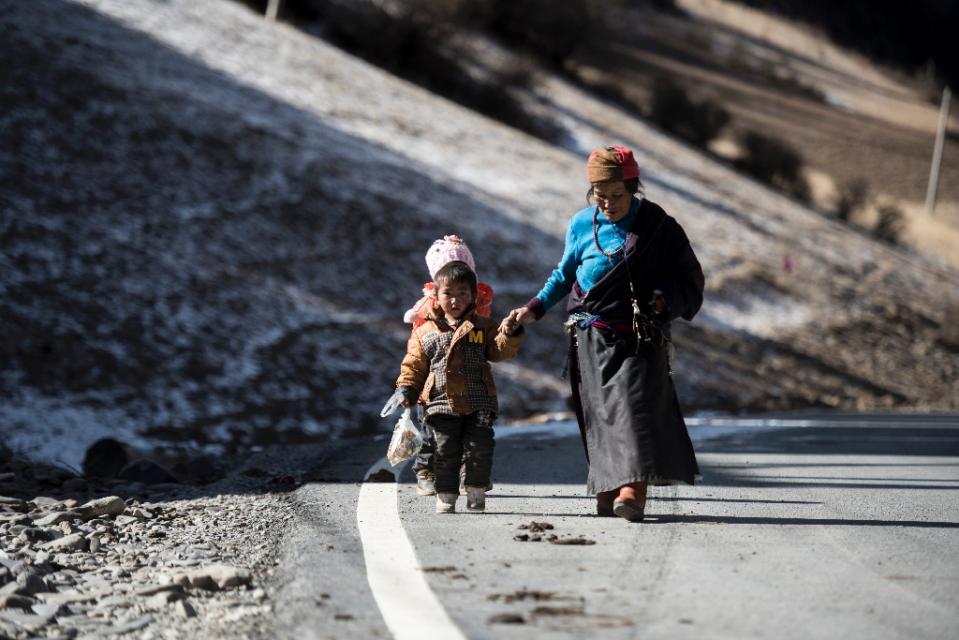
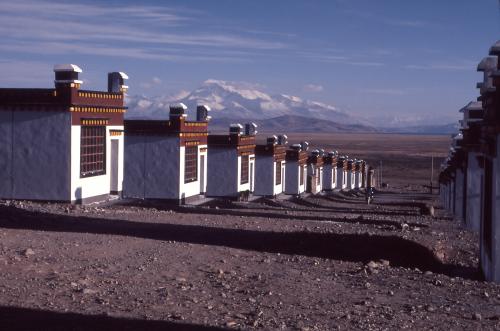
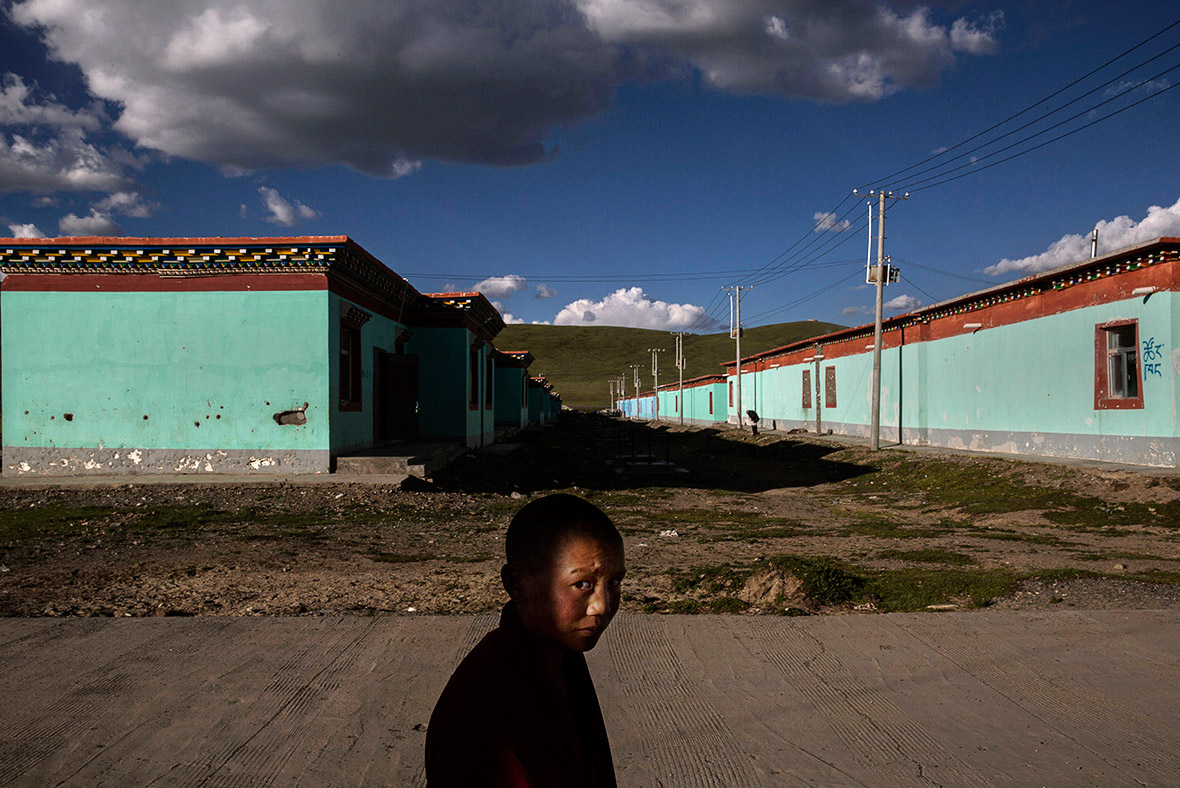
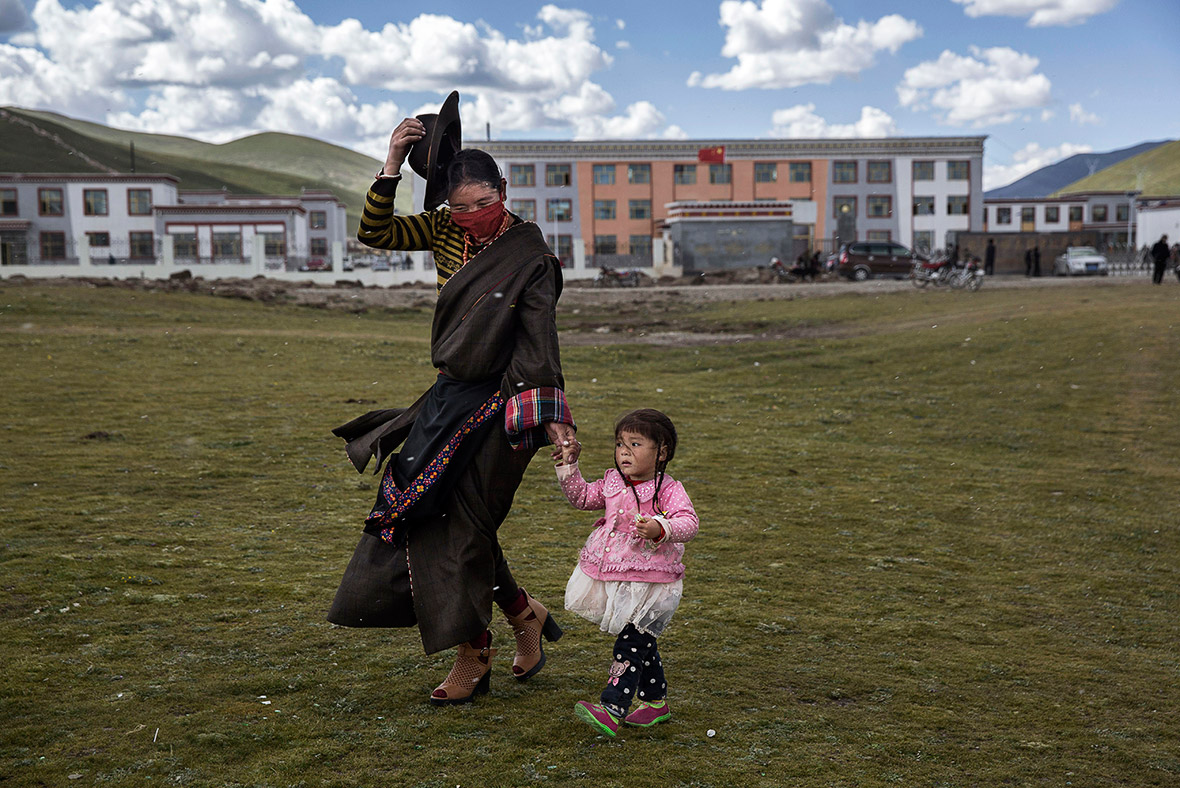
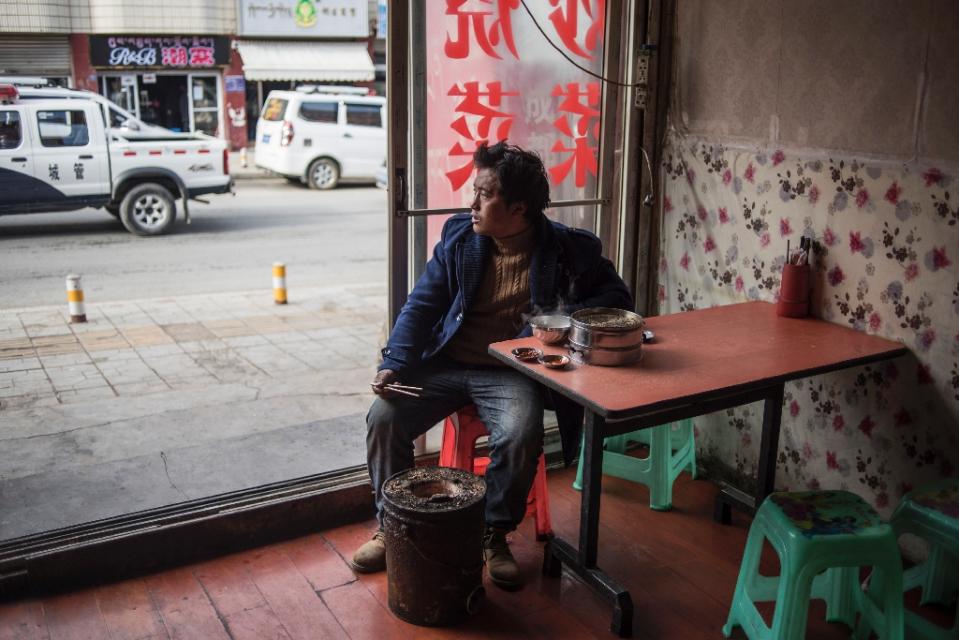
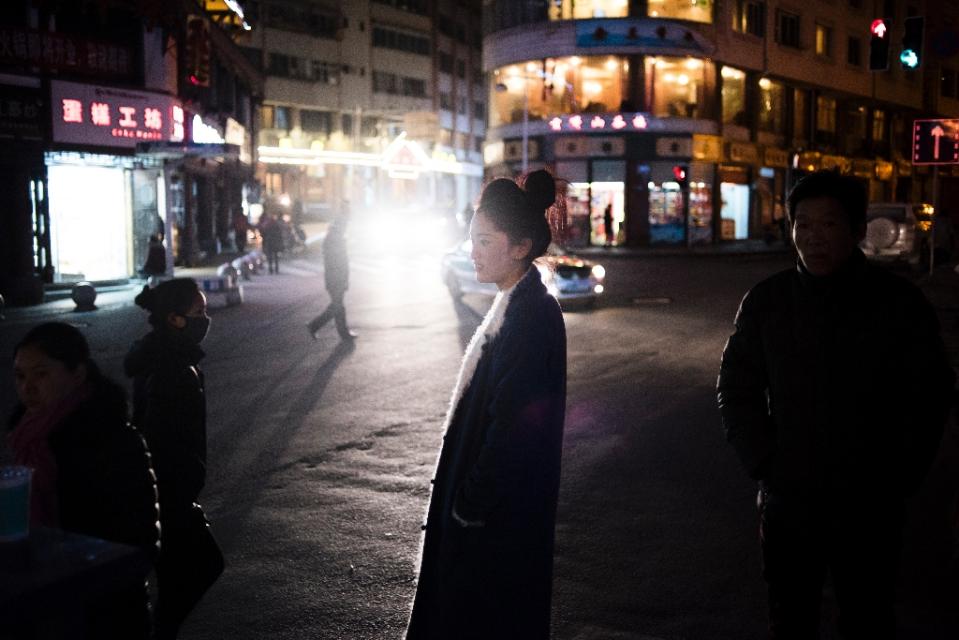
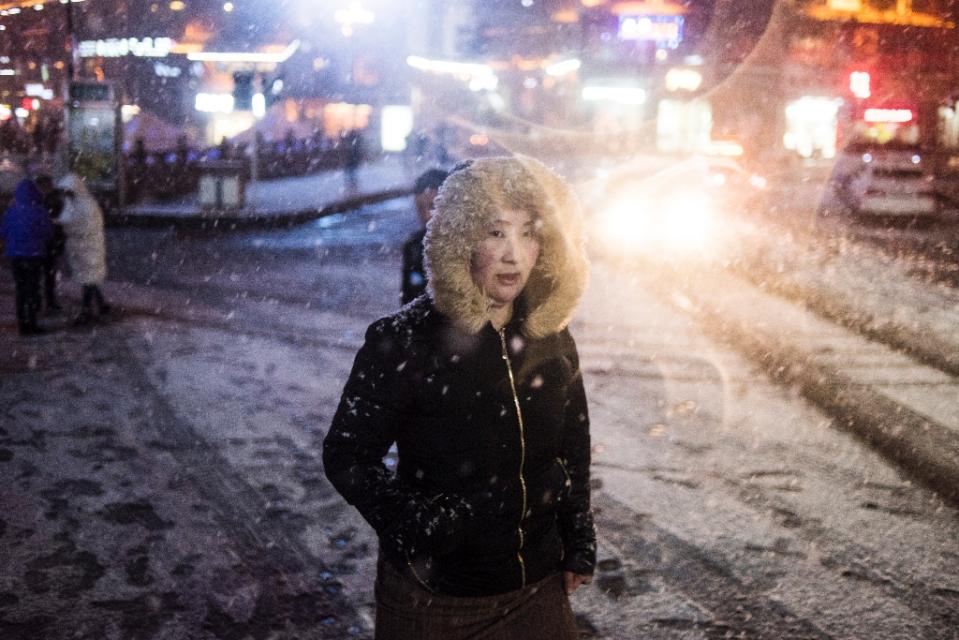
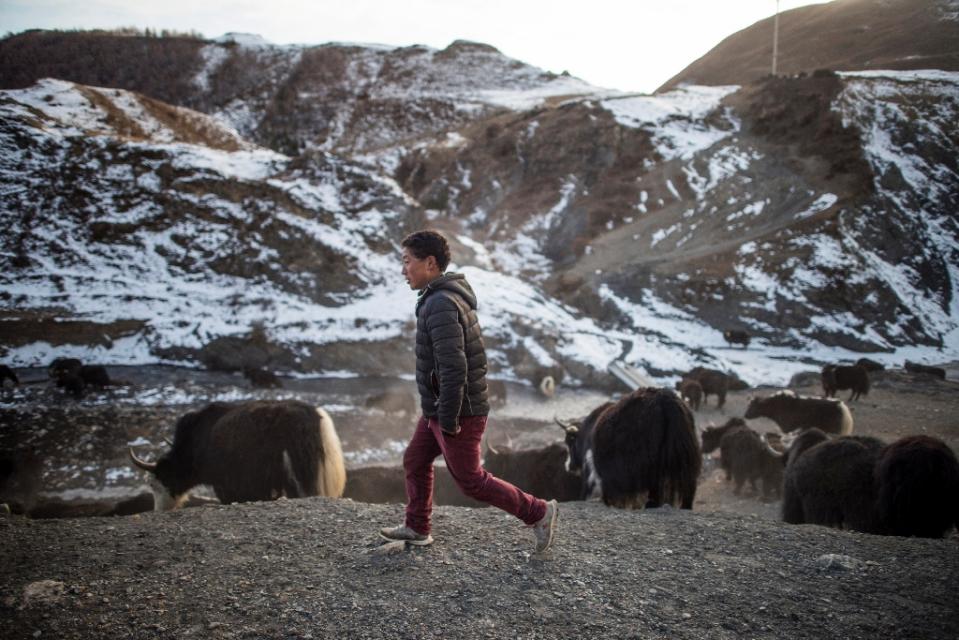
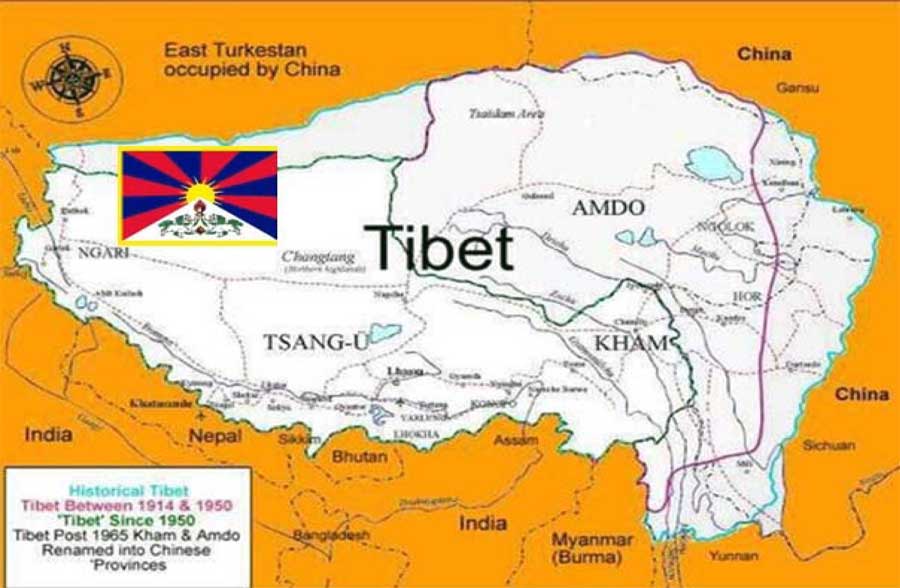

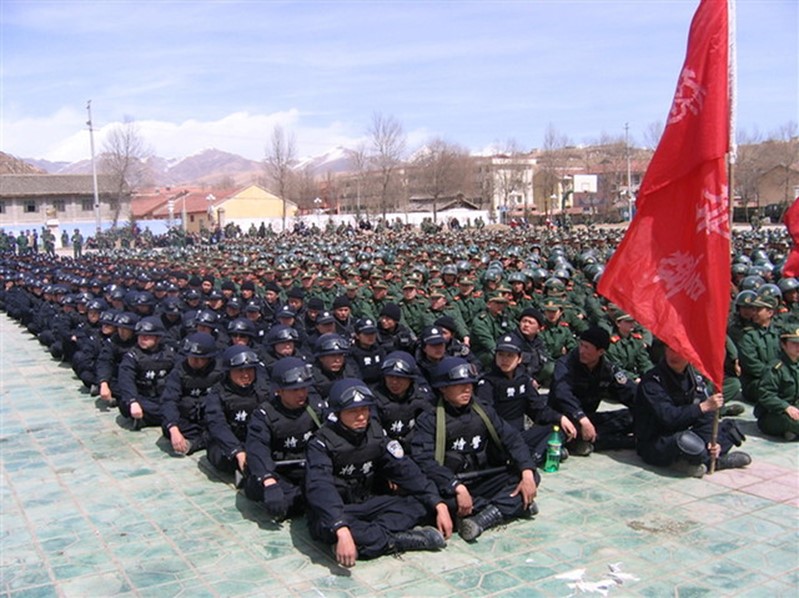

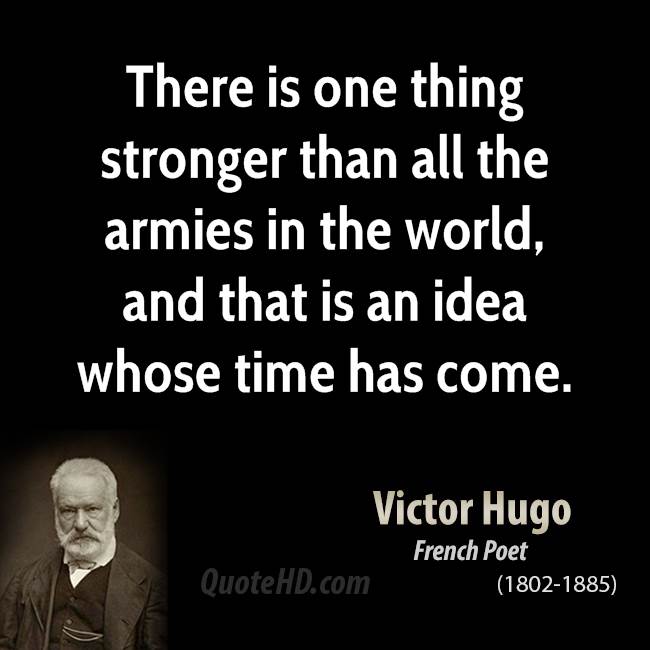

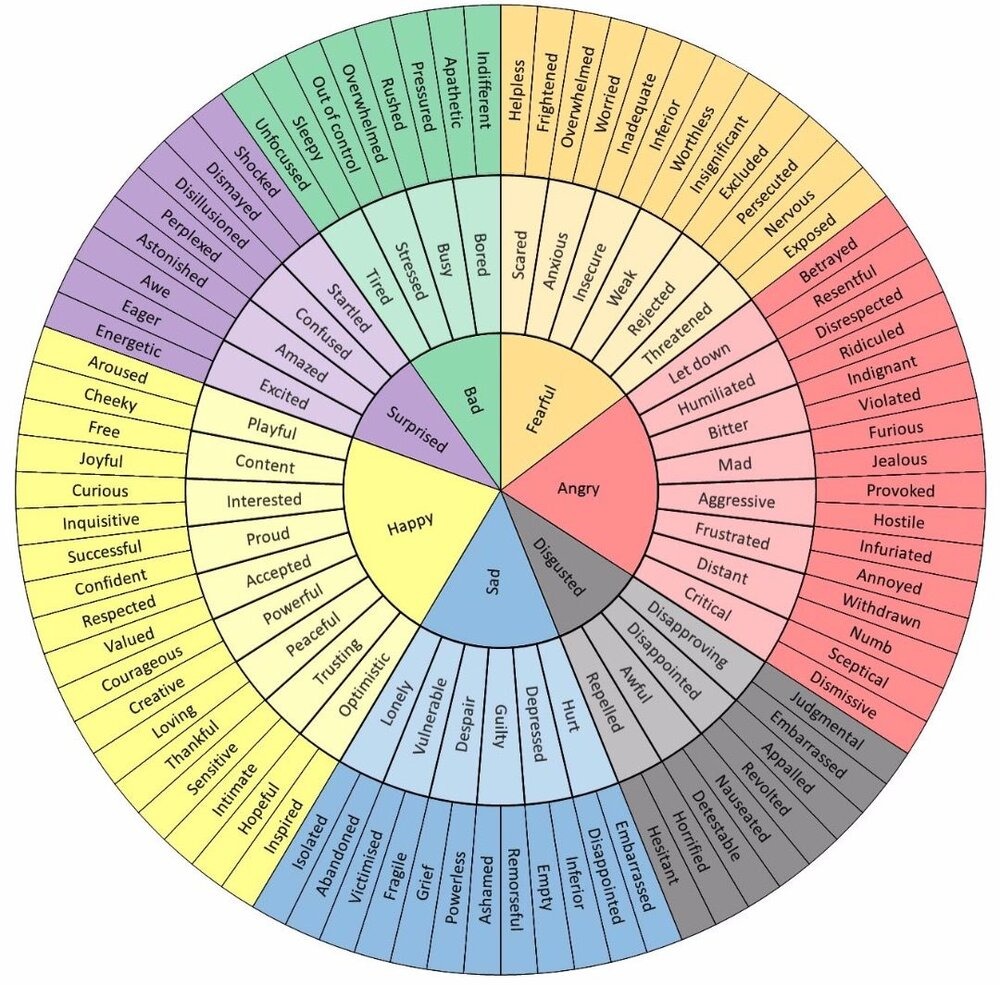


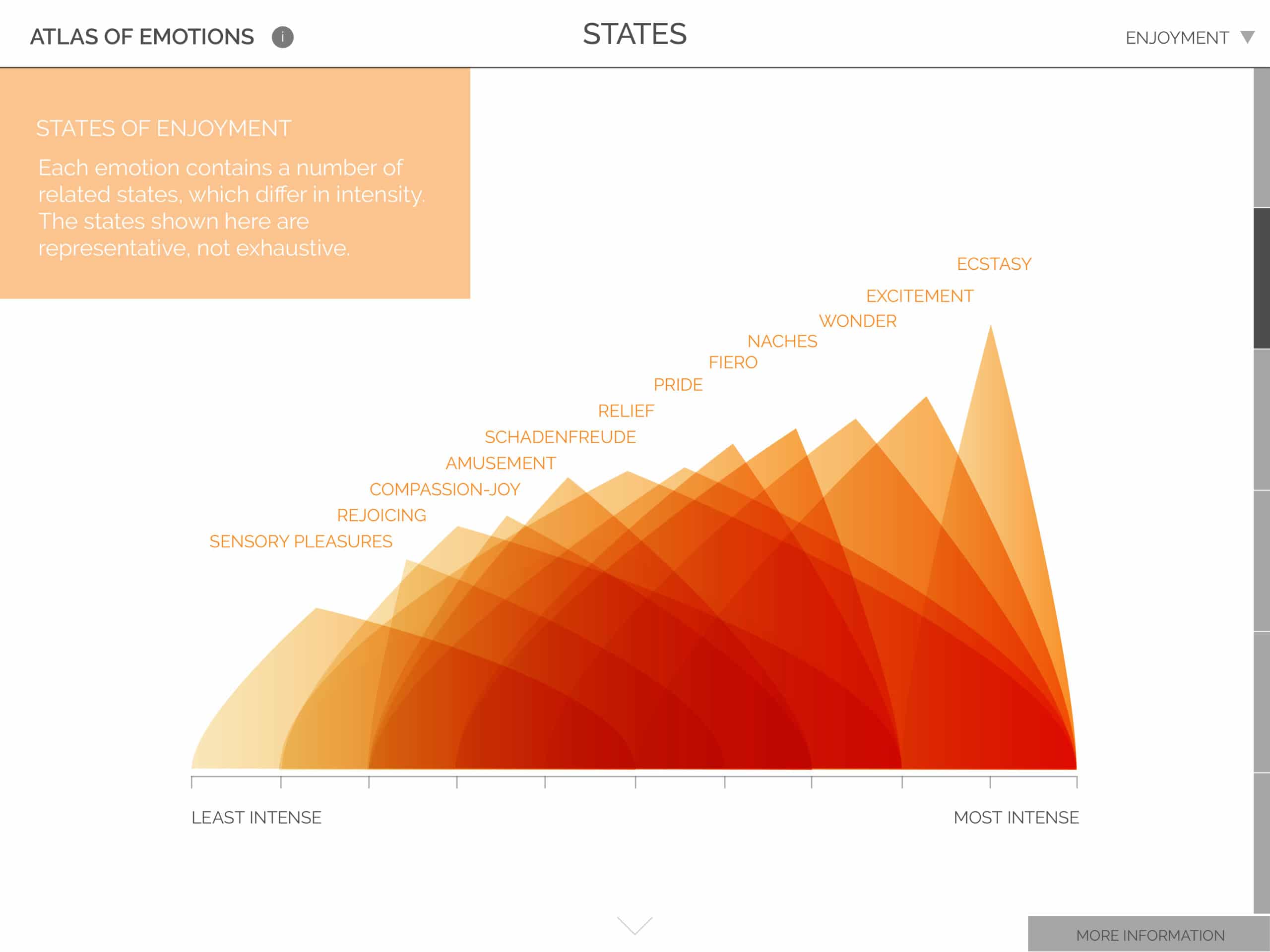
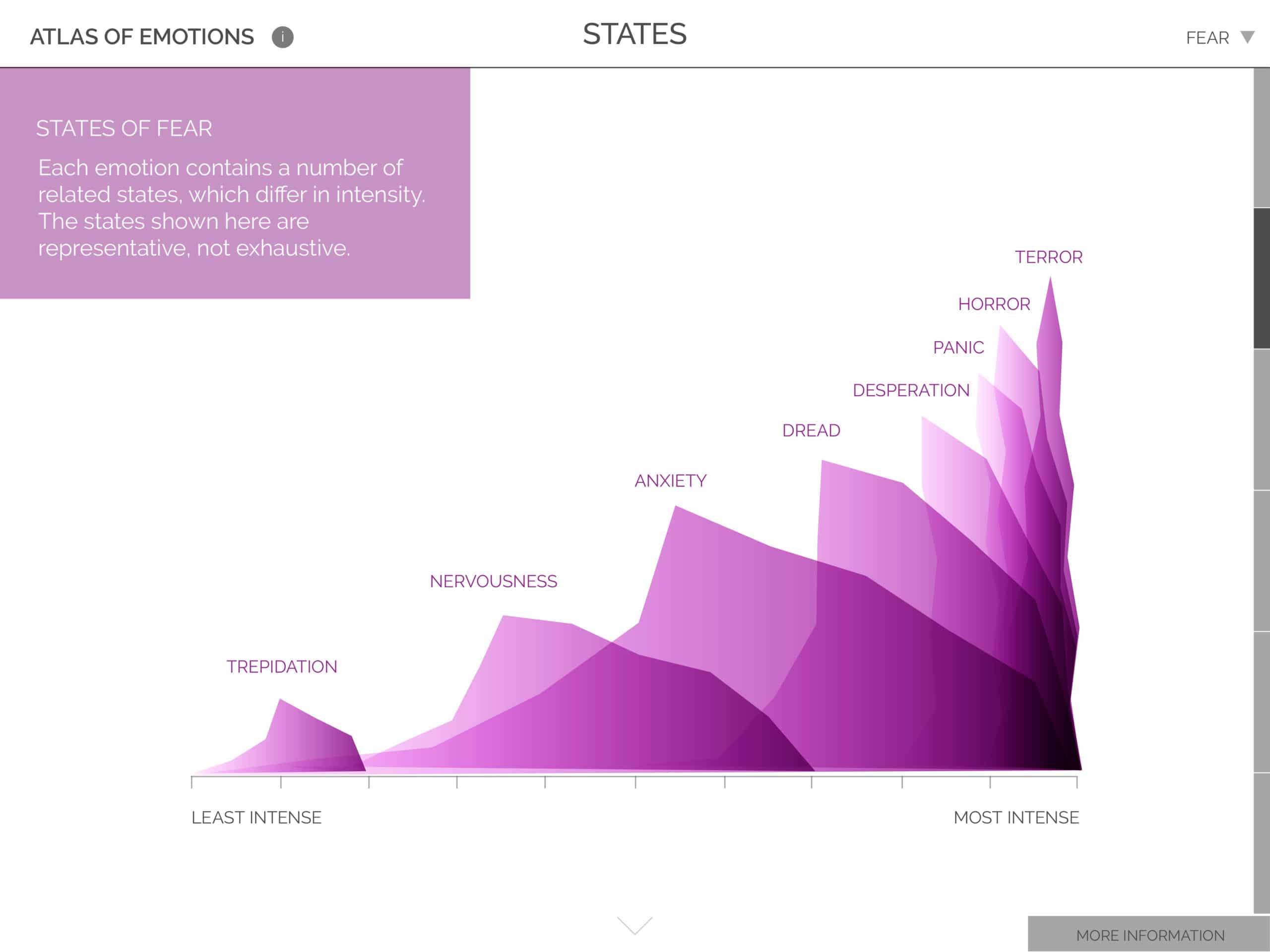
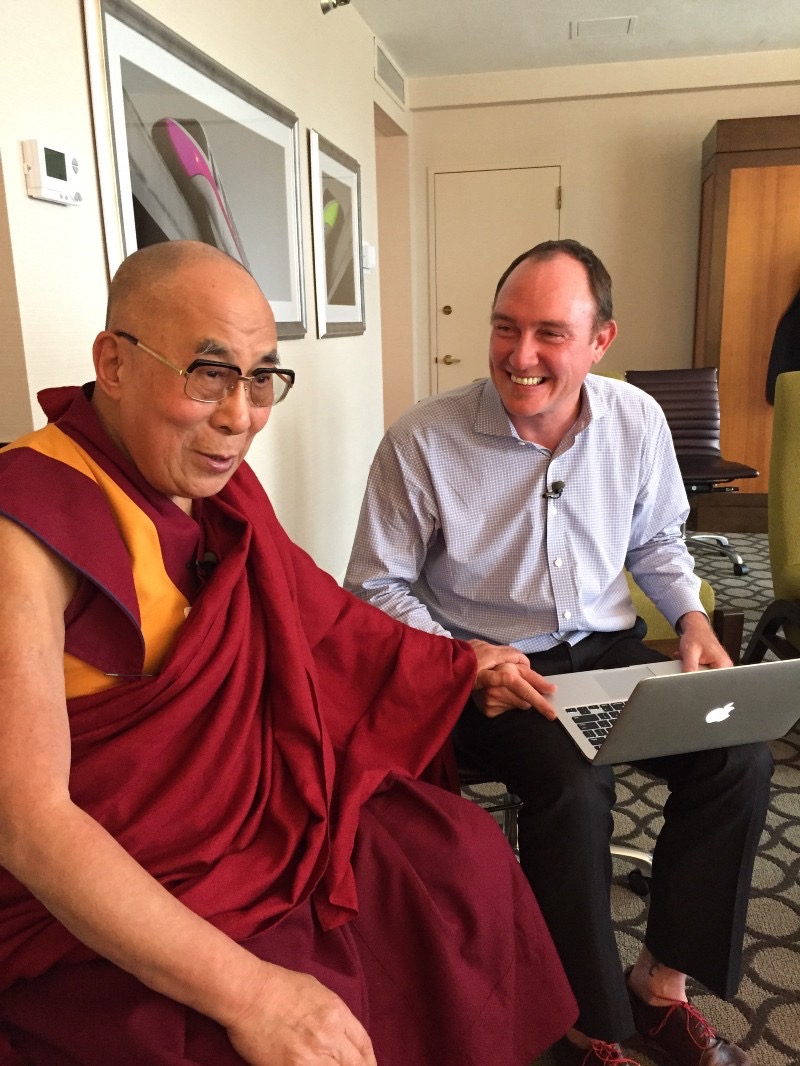

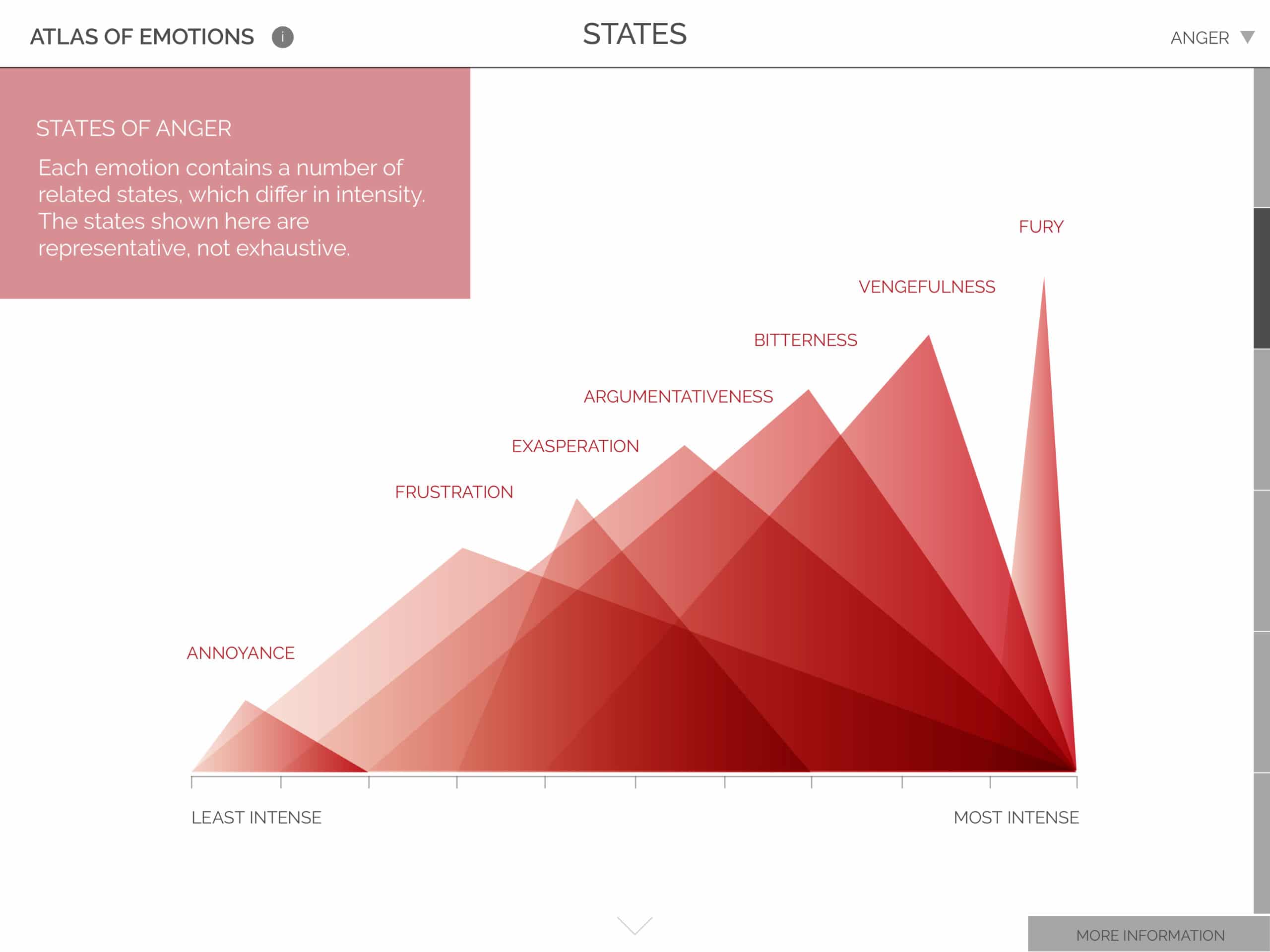

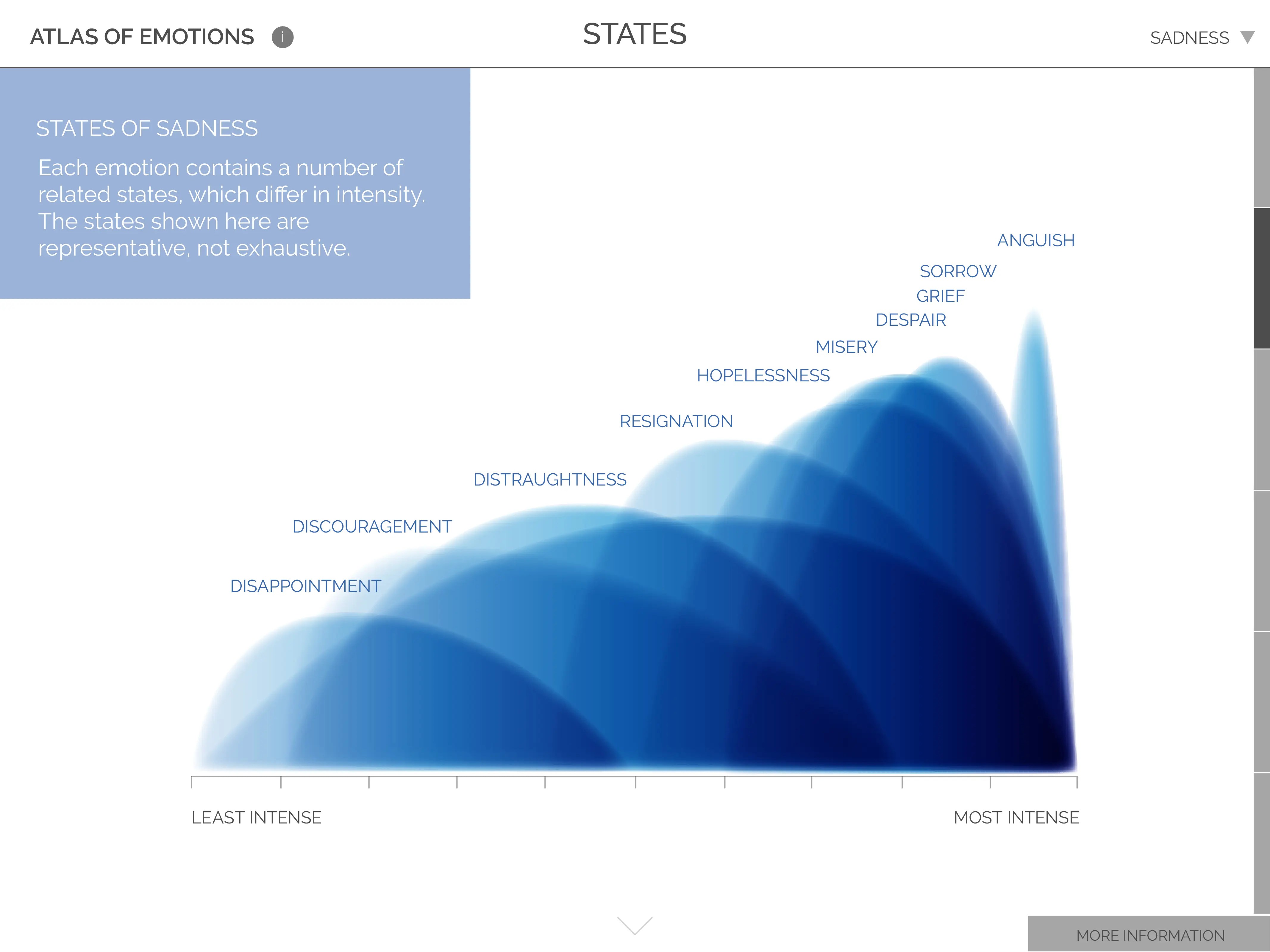

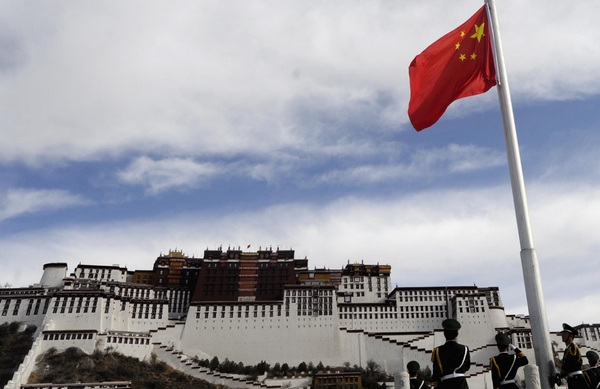
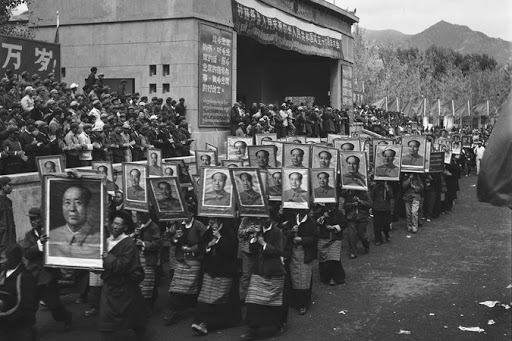

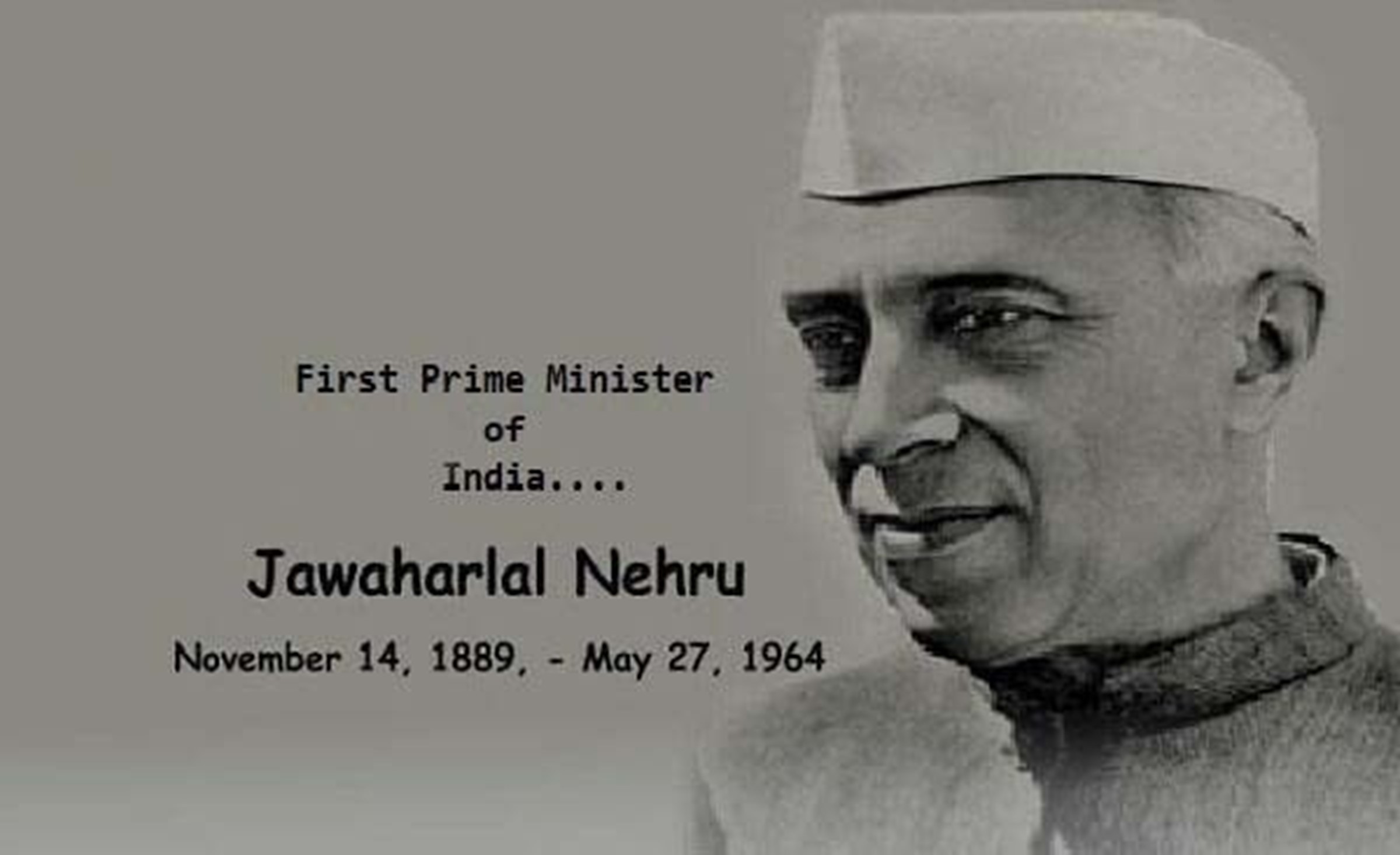

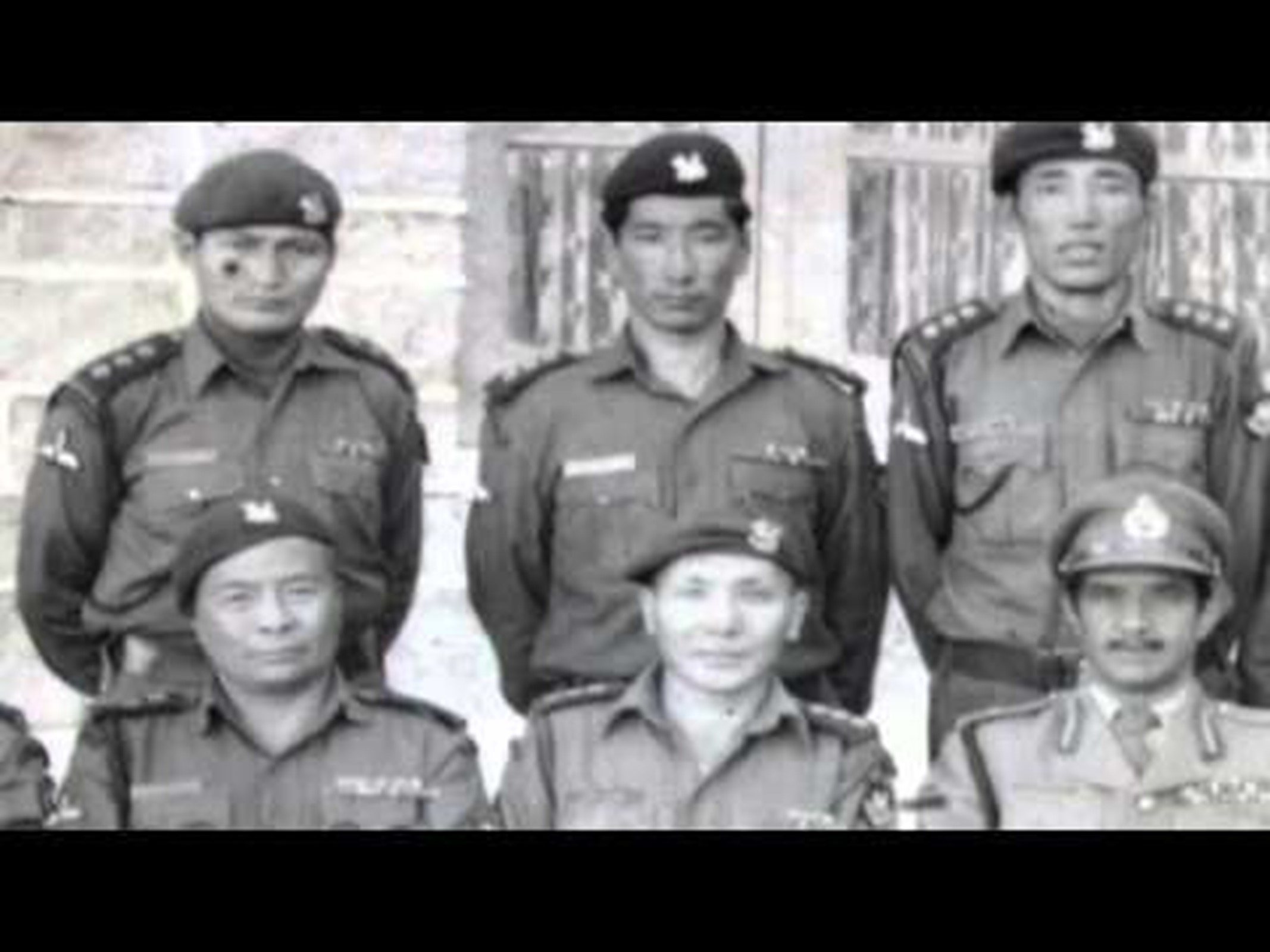
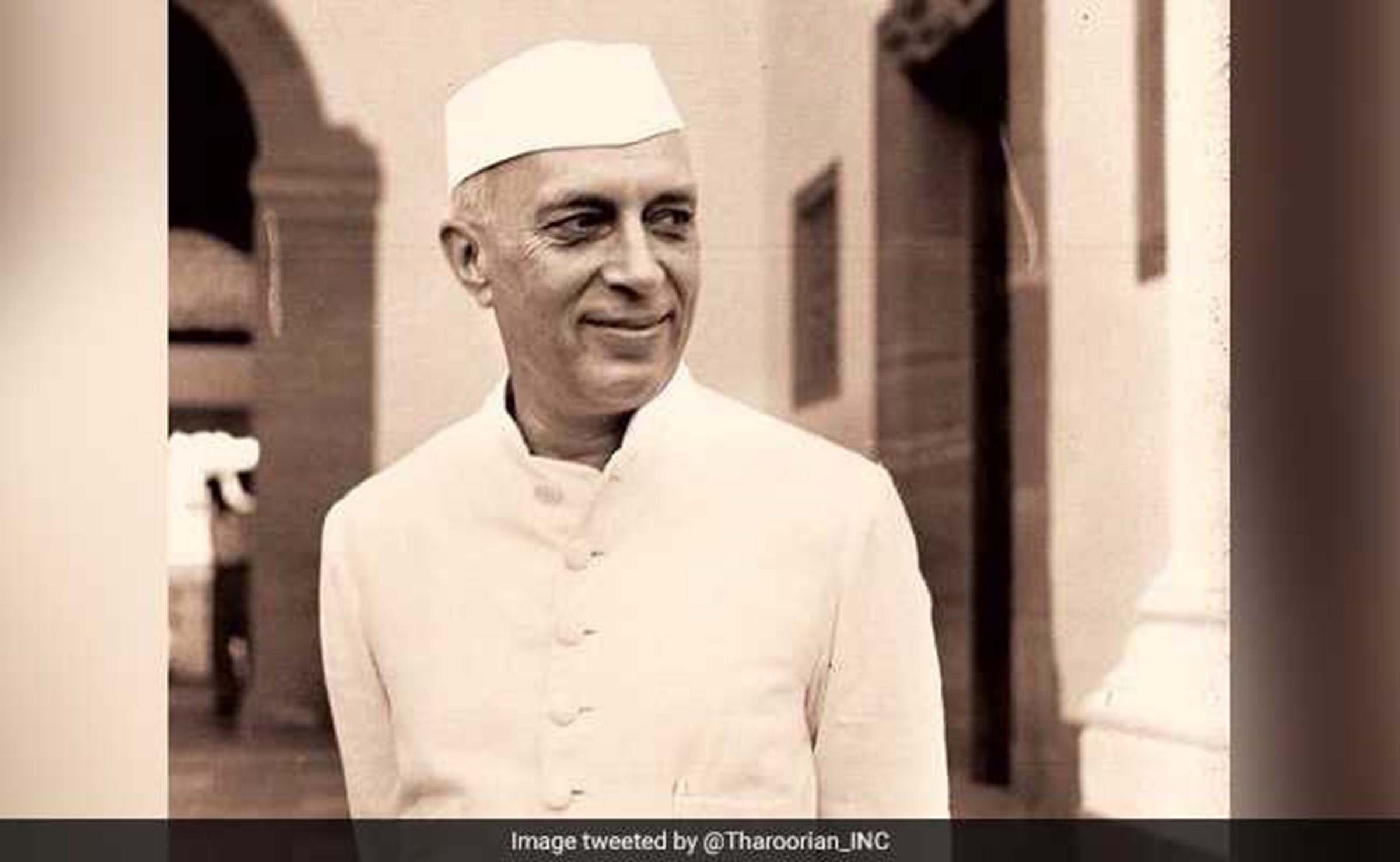
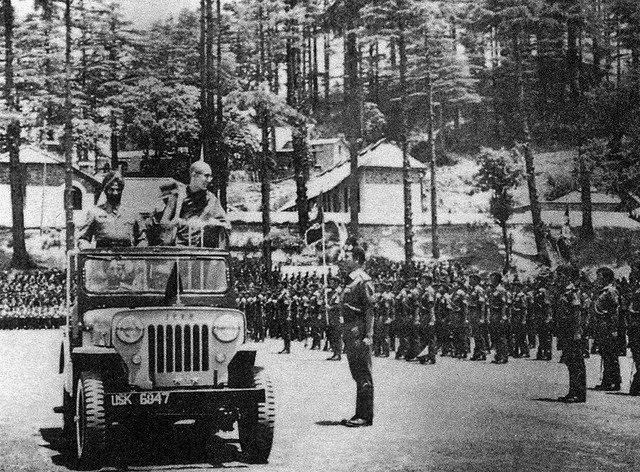


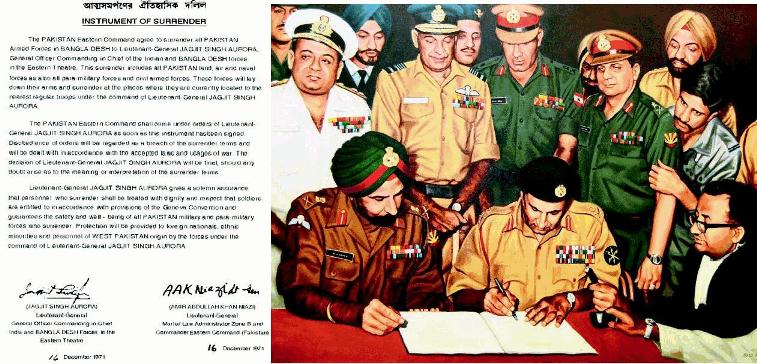

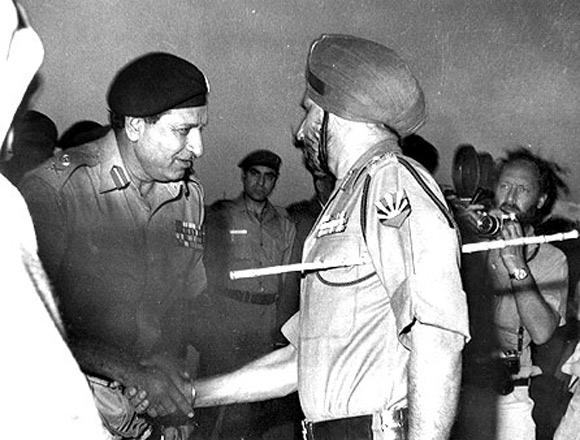

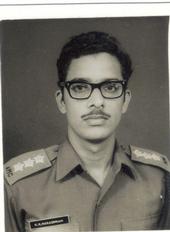




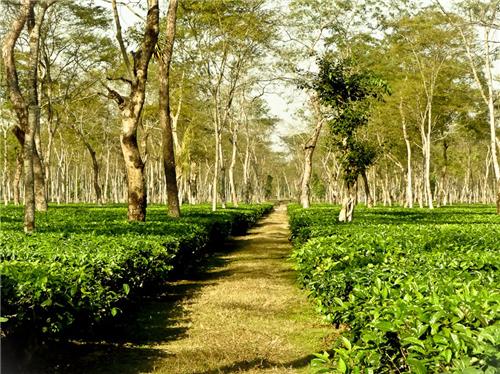


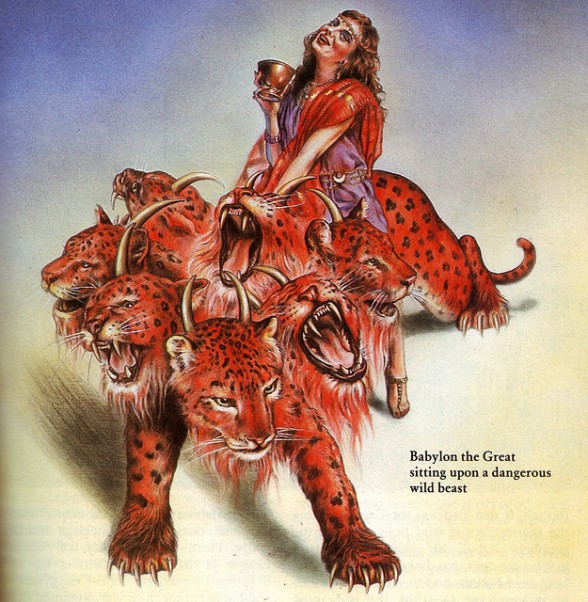
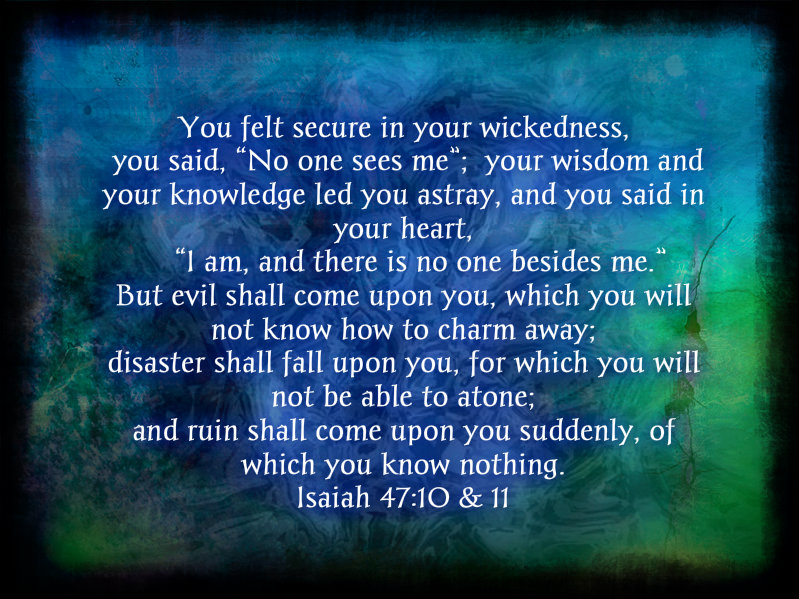




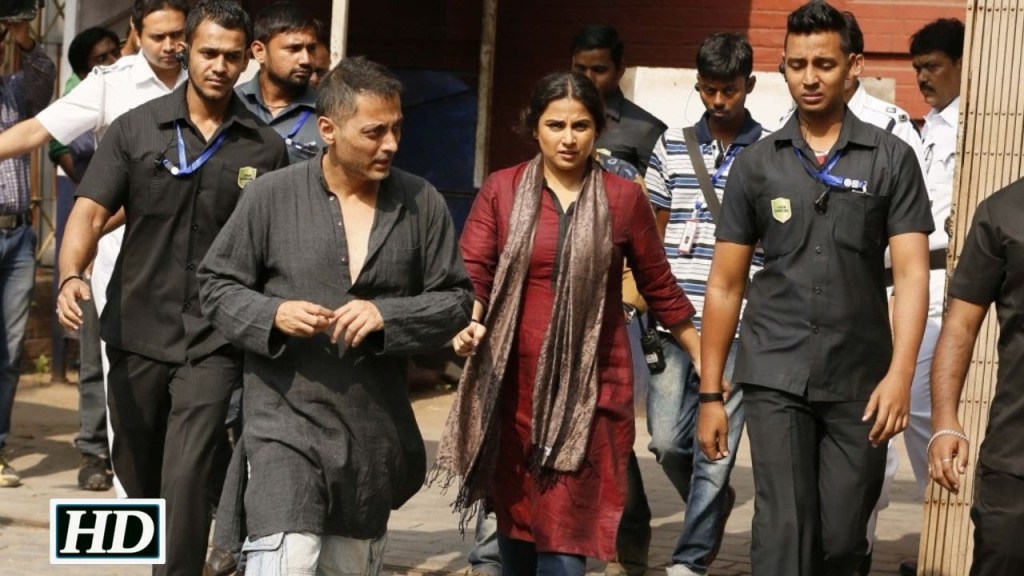



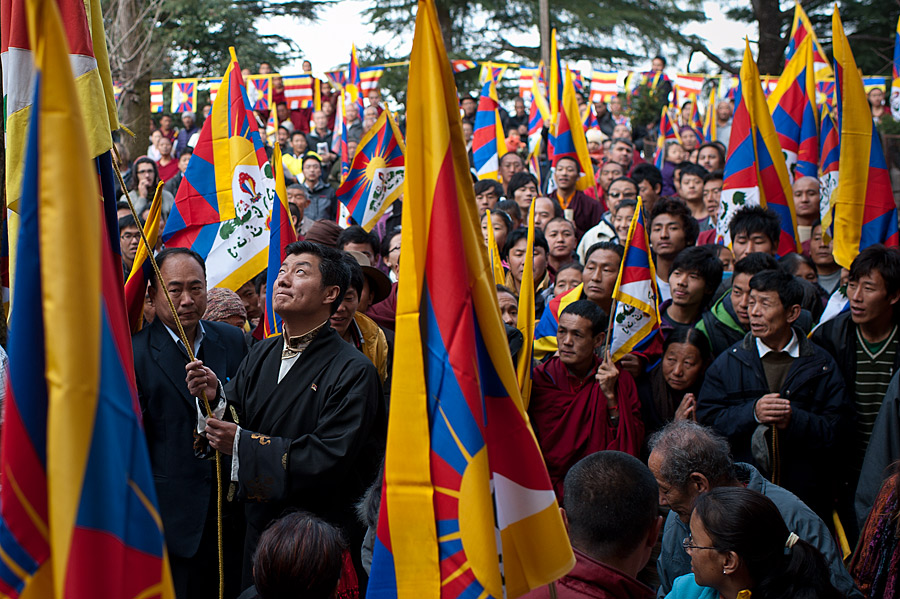



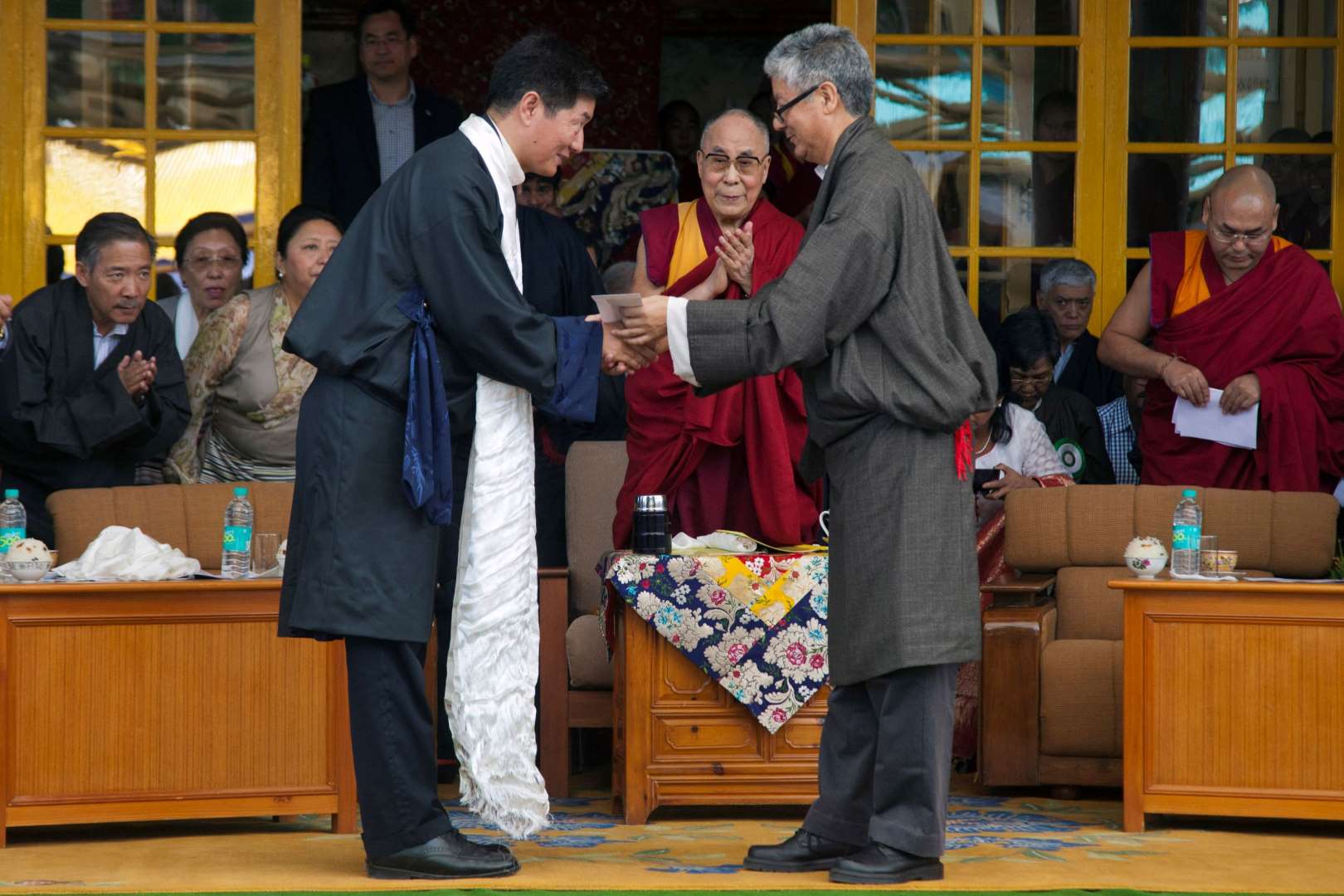
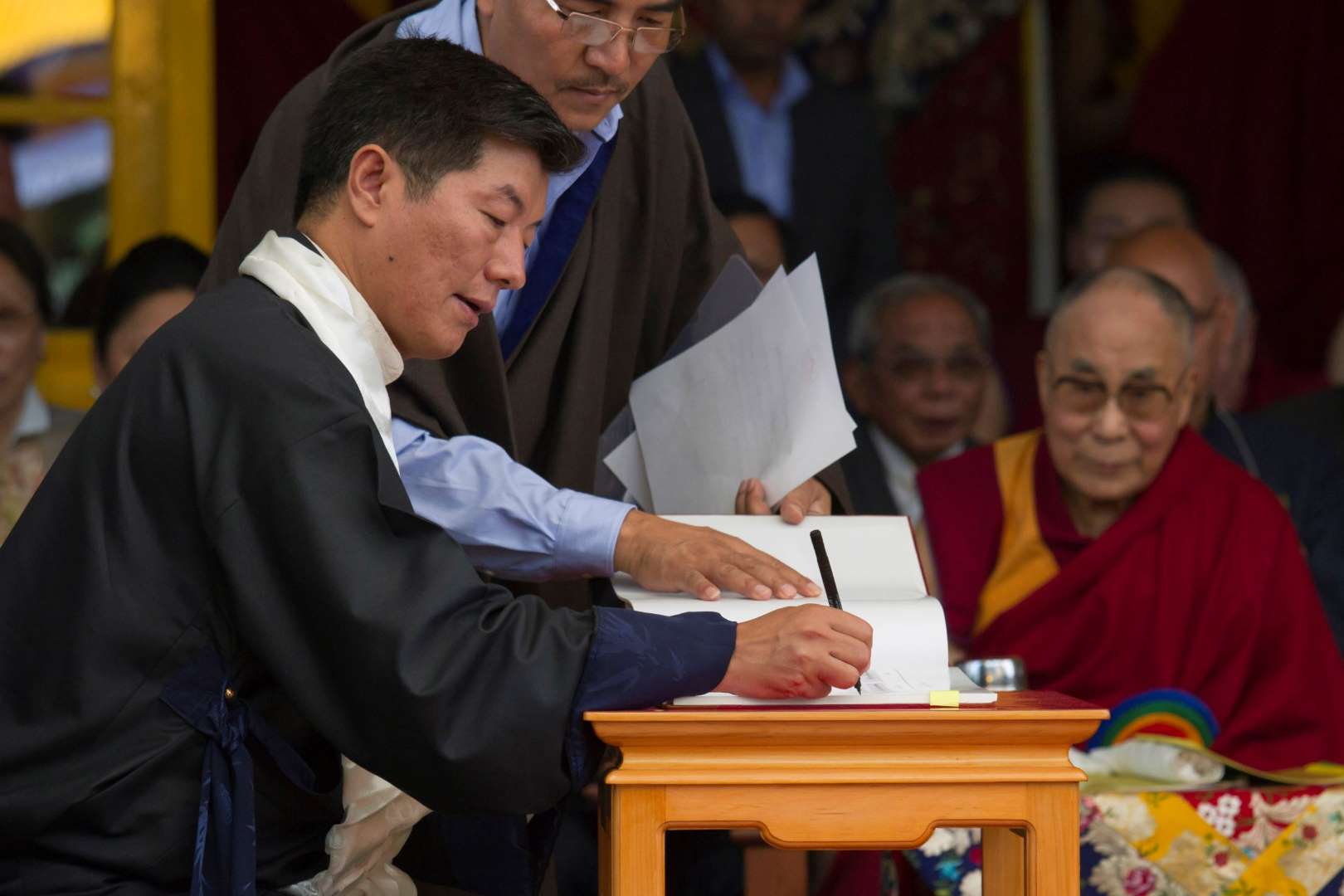
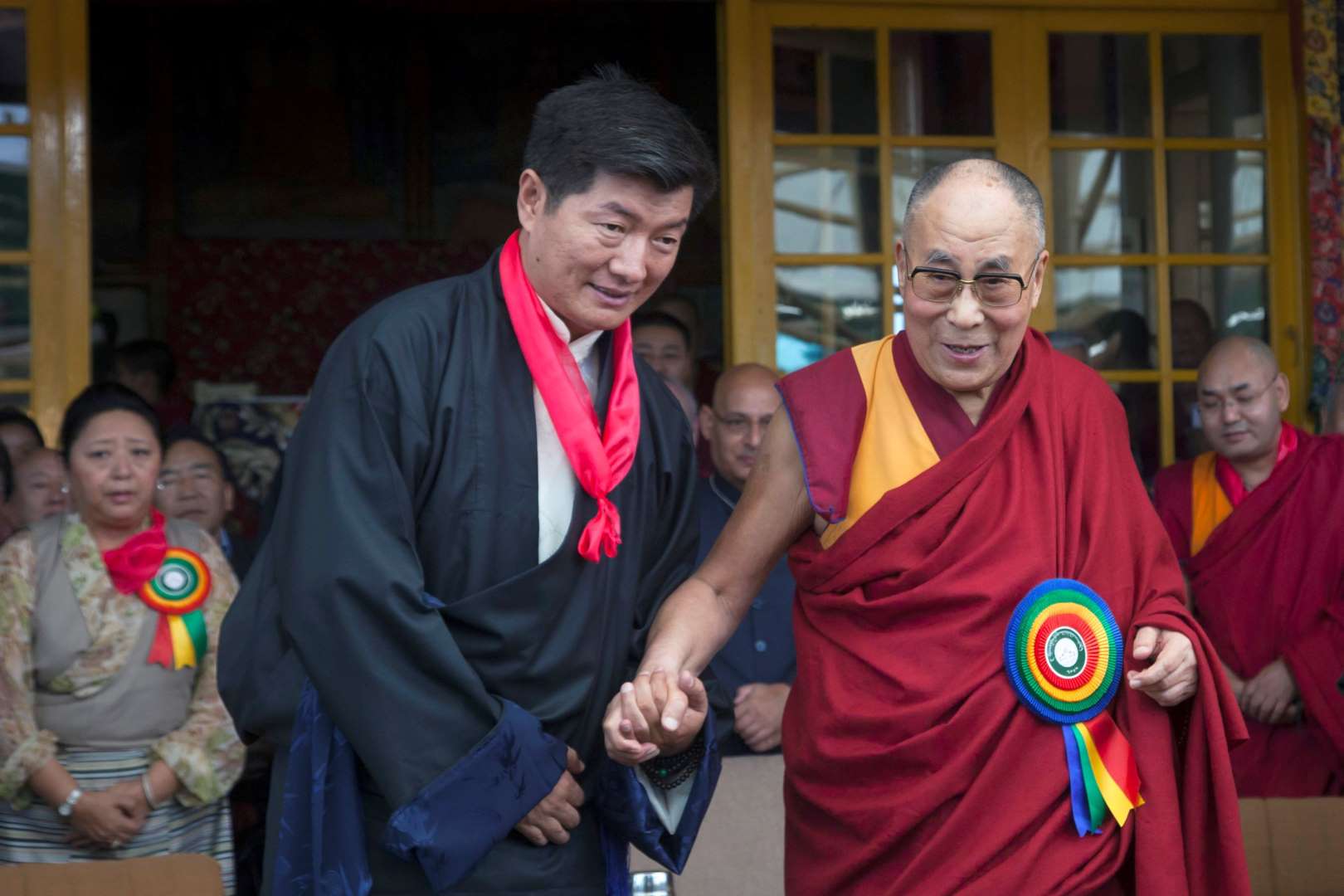
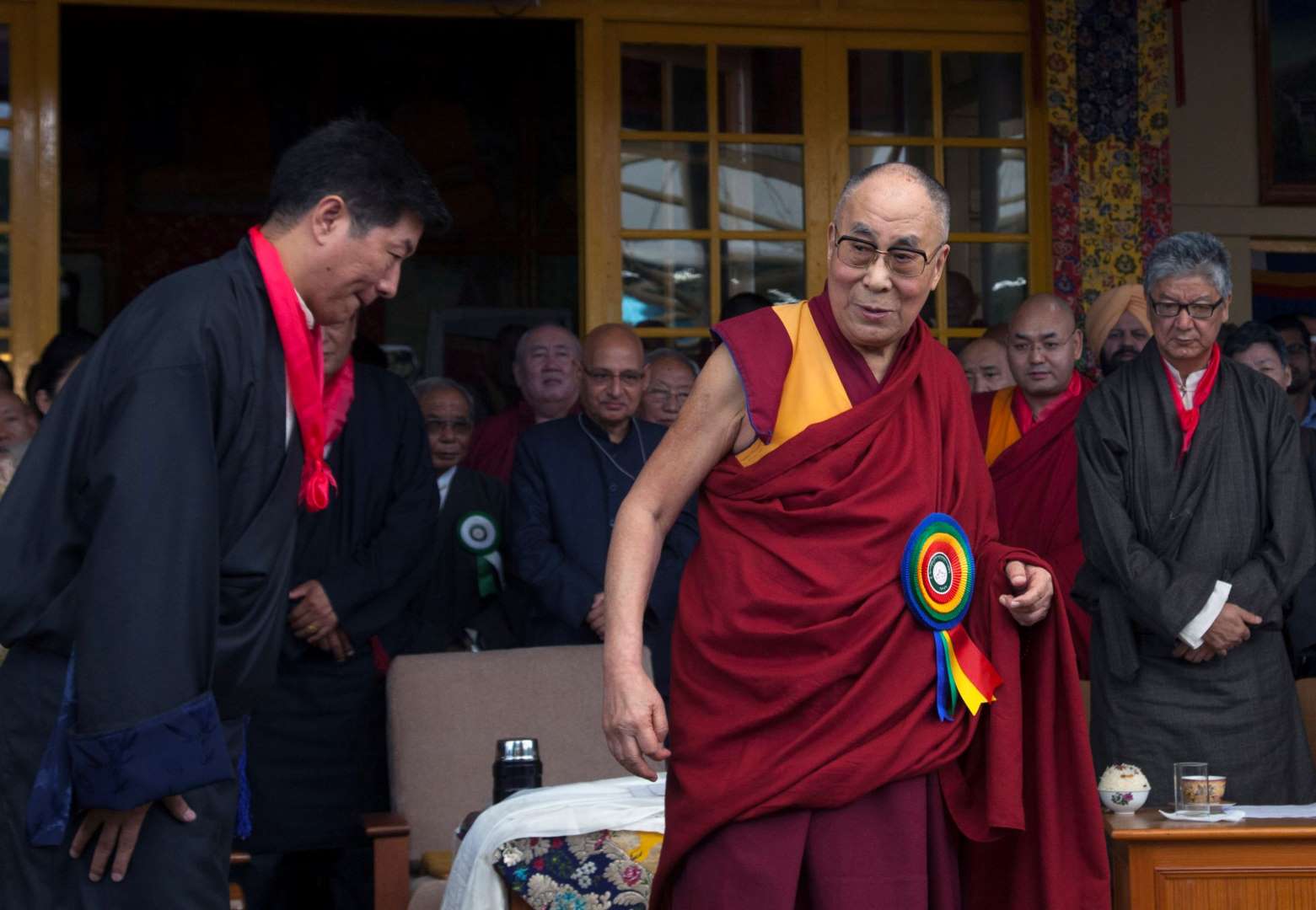
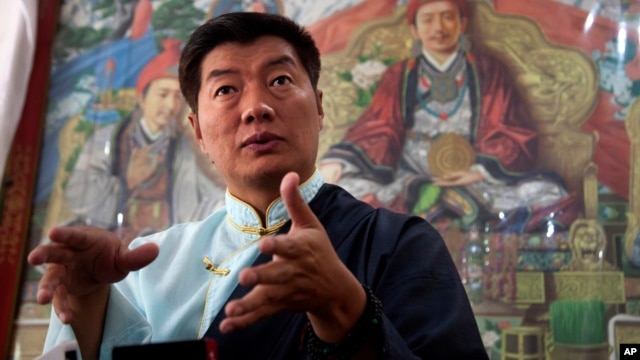
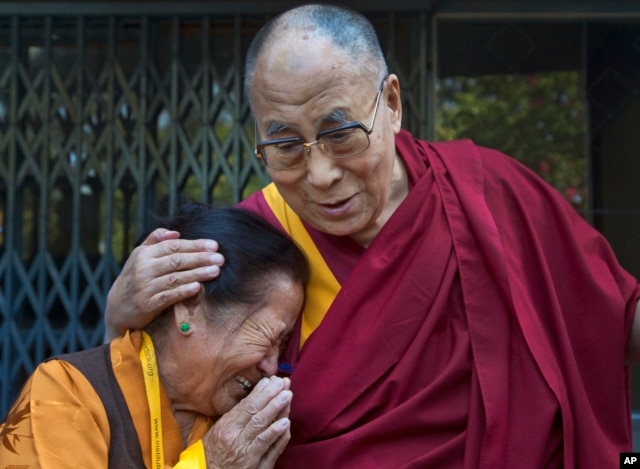
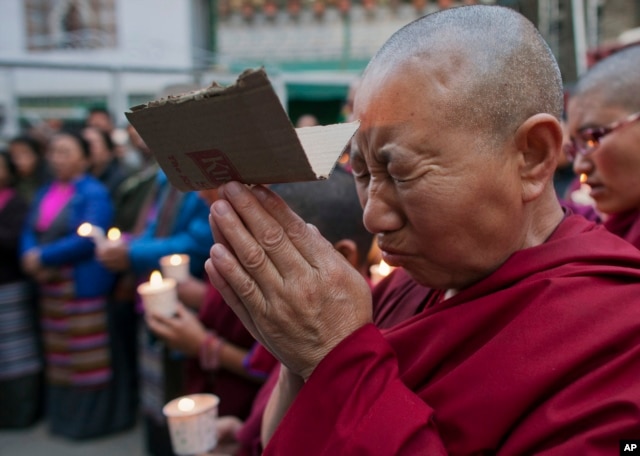



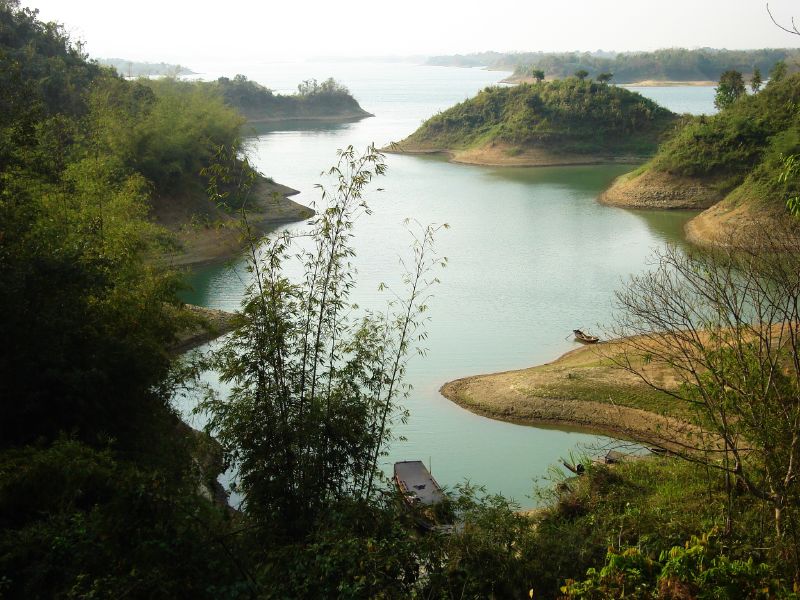

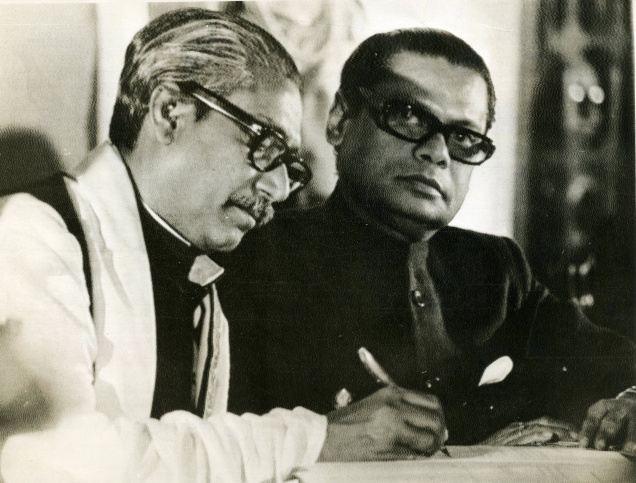
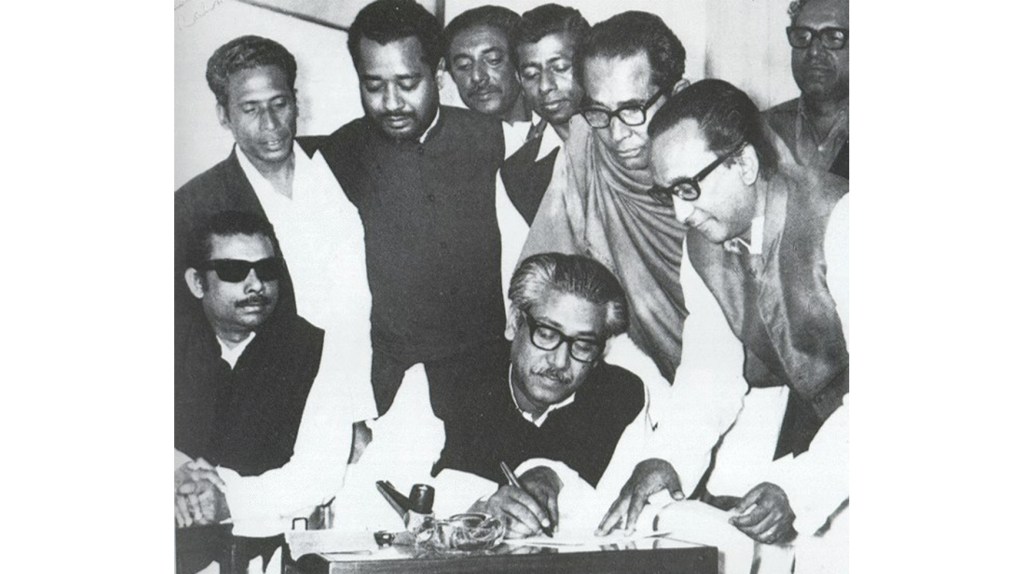
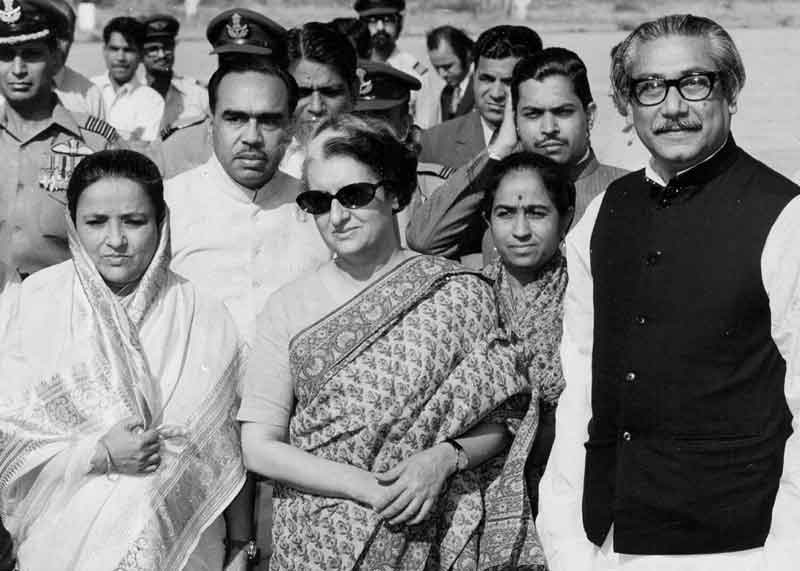



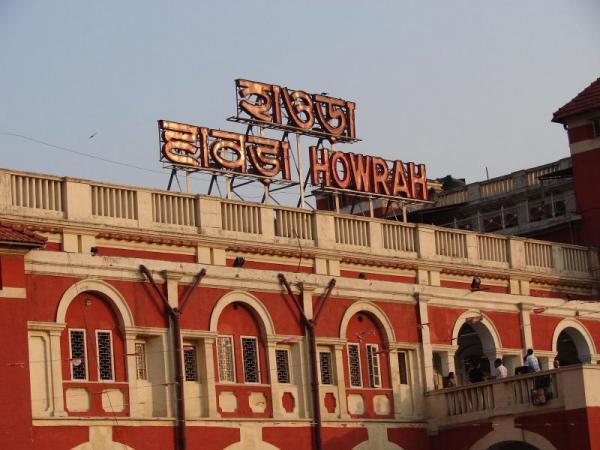





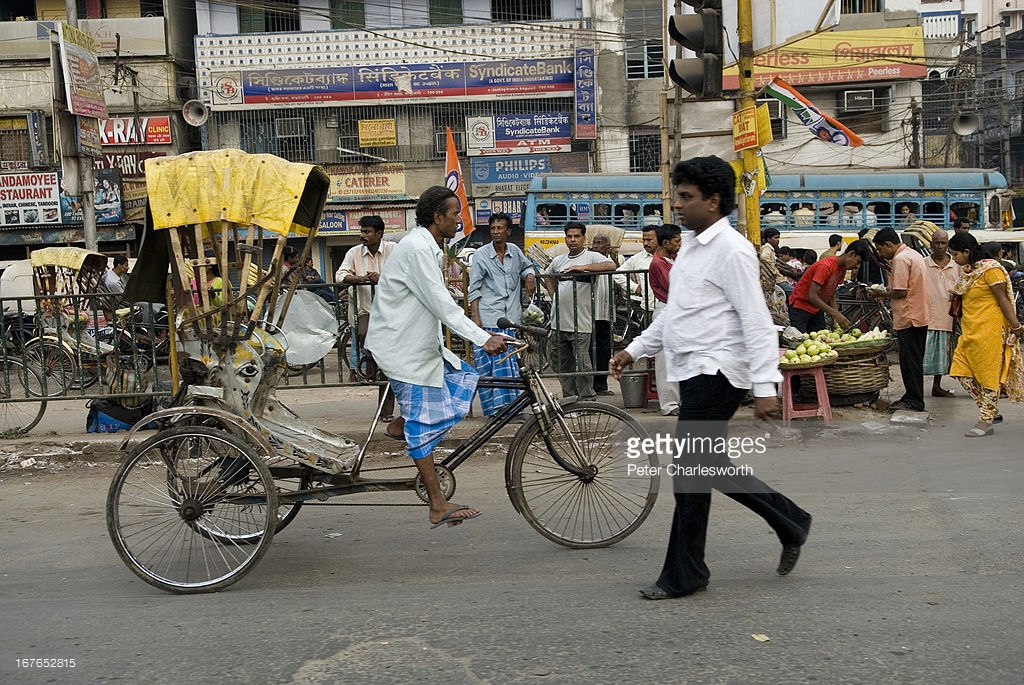
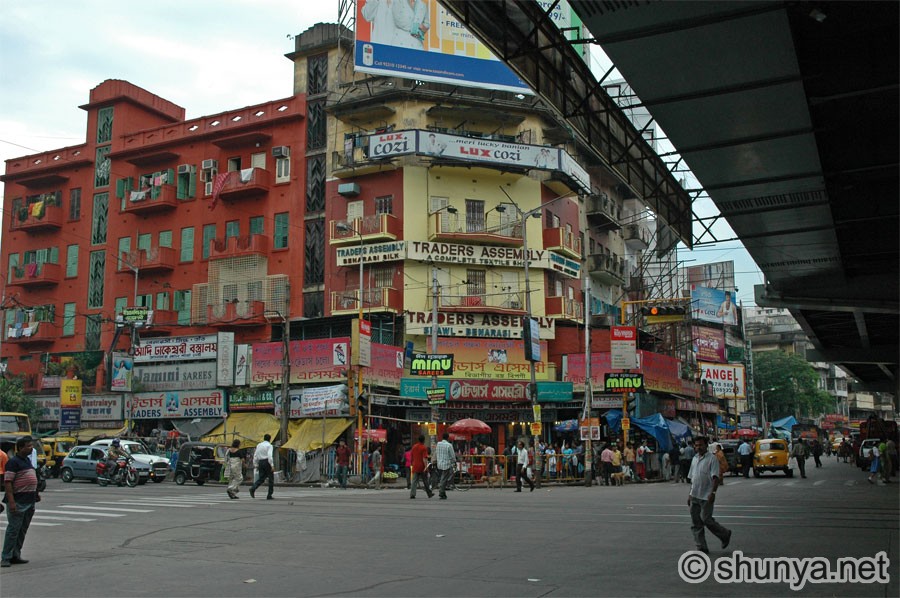


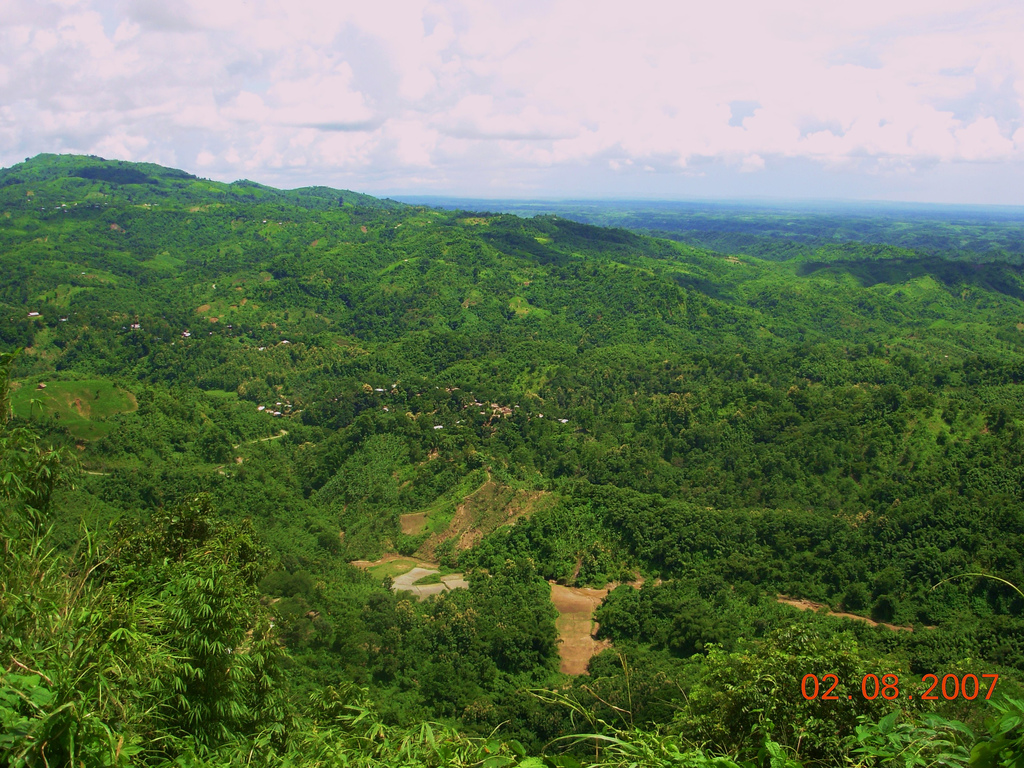





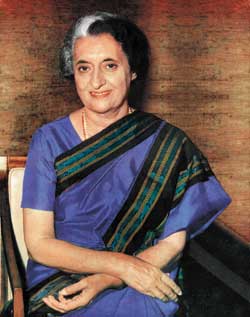


 Whole Dude - Whole Concept