The U.S. Office of Personnel Management building in Washington June 5, 2015. In the latest in a string of intrusions into U.S. agencies’ high tech systems, the Office of Personnel Management (OPM) suffered what appeared to be one of the largest breaches of information ever on government workers. The office handles employee records and security clearances. REUTERS/Gary Cameron
Archenemy is a chief or important enemy. In Biblical literature, the Archenemy is called ‘SATAN’ or ‘THE DEVIL’. The term enemy refers to a nation or force hostile to another, a military adversary. For most people, the word enemy describes an unfriendly person. Red China stole personal information of millions of American citizens and those victims would be offended by that unfriendly act. Red China may have a reason to conduct spying missions or espionage to defend her national interests. But, most Americans whose personal information is stolen, would recognize Red China’s actions as unfriendly. Red China qualifies to the title of “ARCHENEMY” for her unfriendly actions that victimized millions of people in her own territory and in territories she occupied using her military power.
UNION: HACKERS HAVE PERSONNEL DATA ON EVERY FEDERAL EMPLOYEE
THE EVIL RED EMPIRE – RED CHINA – ARCHENEMY : RED CHINA’S CYBERSPYING IS UNFRIENDLY ACT AND MILLIONS OF AMERICAN VICTIMS WOULD VIEW RED CHINA AS “ENEMY.”
Union: Hackers have personnel data on every federal employee
By KEN DILANIAN
WASHINGTON (AP) — Hackers stole personnel data and Social Security numbers for every federal employee, a government worker union said Thursday, saying that the cyber theft of U.S. employee information was more damaging than the Obama administration has acknowledged.
Sen. Harry Reid, the Democratic leader, said on the Senate floor that the December hack into Office of Personnel Management data was carried out by “the Chinese” without specifying whether he meant the Chinese government or individuals. Reid is one of eight lawmakers briefed on the most secret intelligence information. U.S. officials have declined to publicly blame China, which has denied involvement.
J. David Cox, president of the American Federation of Government Employees, said in a letter to OPM director Katherine Archuleta that based on OPM’s internal briefings, “We believe that the Central Personnel Data File was the targeted database, and that the hackers are now in possession of all personnel data for every federal employee, every federal retiree, and up to one million former federal employees.”
The OPM data file contains the records of non-military, non-intelligence executive branch employees, which covers most federal civilian employees but not, for example, members of Congress and their staffs.
The union believes the hackers stole military records and veterans’ status information, address, birth date, job and pay history, health insurance, life insurance and pension information; and age, gender and race data, he said. The letter was obtained by The Associated Press.
The union said it is basing its assessment on internal OPM briefings. The agency has sought to downplay the damage, saying what was taken “could include” personnel file information such as Social Security numbers and birth dates.
“We believe that Social Security numbers were not encrypted, a cybersecurity failure that is absolutely indefensible and outrageous,” Cox said in the letter. The union called the breach “an abysmal failure on the part of the agency to guard data that has been entrusted to it by the federal workforce.”
Samuel Schumach, an OPM spokesman, said that “for security reasons, we will not discuss specifics of the information that might have been compromised.” The central personnel data file contains up to 780 separate pieces of information about an employee.
Cox complained in the letter that “very little substantive information has been shared with us, despite the fact that we represent more than 670,000 federal employees in departments and agencies throughout the executive branch.”
The union’s release and Reid’s comment in the Senate put into sharper focus what is looking like a massive cyber espionage success by China. Sen. Susan Collins, an intelligence committee member, has also said the hack came from China.
The U.S. Office of Personnel Management building in Washington June 5, 2015. In the latest in a string of intrusions into U.S. agencies’ high tech systems, the Office of Personnel Management (OPM) suffered what appeared to be one of the largest breaches of information ever on government workers. The office handles employee records and security clearances. REUTERS/Gary Cameron
The U.S. Office of Personnel Management building in Washington June 5, 2015.
Mike Rogers, the former chairman of the House intelligence committee, said last week that Chinese intelligence agencies have for some time been seeking to assemble a database of information about Americans. Those personal details can be used for blackmail, or also to shape bogus emails designed to appear legitimate while injecting spyware on the networks of government agencies or businesses Chinese hackers are trying to penetrate.
U.S. intelligence officials say China, like the U.S., spies for national security advantage. Unlike the U.S., they say, China also engages in large-scale theft of corporate secrets for the benefit of state-sponsored enterprises that compete with Western companies. Nearly every major U.S. company has been hacked from China, they say.
The Office of Personnel Management is also a repository for extremely sensitive information assembled through background investigations of employees and contractors who hold security clearances. OPM’s Schumach has said there is “no evidence” that information was taken. But there is growing skepticism among intelligence agency employees and contractors about that claim.
In the Senate on Thursday, Democrats blocked a Republican effort to add a cybersecurity bill to a sweeping defense measure. The vote was 56-40, four votes short of the number necessary.
Democrats had warned of the dangers of cyberspying after the theft of government personnel files, but Democrats voted against moving ahead on the legislation, frustrated with the GOP-led effort to tie the two bills together. President Barack Obama has threatened to veto the defense legislation over budget changes by the GOP.
“The issue of cybersecurity is simply too important to be used as a political chit and tucked away in separate legislation.” said Sen. Chris Coons, D-Del.
Associated Press writers Donna Cassata and Eric Tucker contributed to this report.
Office of Personnel Management
Social Security numbers
federal employee
Sen. Harry Reid
China
Copyright 2015 The Associated Press. All rights reserved. This material may not be published, broadcast, rewritten or redistributed.
The U.S. Office of Personnel Management building in Washington June 5, 2015. In the latest in a string of intrusions into U.S. agencies’ high tech systems, the Office of Personnel Management (OPM) suffered what appeared to be one of the largest breaches of information ever on government workers. The office handles employee records and security clearances. REUTERS/Gary Cameron
THE EVIL RED EMPIRE – RED CHINA – ARCHENEMY : RED CHINA’S CYBERSPYING IS UNFRIENDLY ACT AND MILLIONS OF AMERICAN VICTIMS WOULD VIEW RED CHINA AS “ENEMY.”
THE EVIL RED EMPIRE – RED CHINA – LIAR : GENERAL FAN CHANGLONG, VICE-CHAIRMAN CENTRAL MILITARY COMMISSION, BEIJING VISITED PENTAGON ON JUNE 11, 2015.
Liar refers to a person who tells lies. Red China, a national entity has chosen a State Policy to conduct her affairs telling lies. The term ‘LIE’ describes a statement that one knows is false, and is especially made with intent to deceive. Red China is an habitual liar for she makes such false statements deliberately with intent to deceive her gullible neighbors. Tibet agreed to sign Seventeen Point or 17-Article Agreement for the Peaceful Liberation of Tibet on May 23, 1951 fully trusting lies, false assurances, and fraudulent promises given by Red China. Similarly, Republic of India agreed to sign ‘Panchsheel Agreement’ in 1954, fully trusting lies mouthed by Red China. The act of deception means to bring, put, or accomplish something by lying. Red China has mastered The Art of Deception and she makes statements that have characteristics such as 1. Prevaricate: to quibble or confuse the issue in order to evade the truth, 2. Equivocate: implies the deliberate use of ambiguity in order to deceive or mislead, 3. Fabricate: suggests invention of a false story, excuse, etc., intended to deceive, 4. Subterfuge: suggests an artifice or stratagem used to deceive others and to evade something, or gain some personal benefit at cost of another person or entity, and 5. Trickery: implies the use of tricks or ruses in deceiving others.
For Red China is a born Liar, she uses ‘DECEPTION’ as her State Policy and she dishonestly deprives others of their property, rights, freedom, etc.,
PENTAGON CHIEF URGES CHINA TO STOP ISLAND BUILDING
.
Chinese Gen. Fan Changlong Vice Chairman of China’s Central Military Commission, arrives at the Pentagon on June 11, 2015, and stands with US Secretary of Defense Secretary Ashton Carter(R) in Washington, DC (AFP Photo/Paul J. Richards)
Washington (AFP) – US Secretary of Defense Ashton Carter called Thursday on Beijing to stop building artificial islands in the disputed waters of the South China Sea, as he hosted a top Chinese general.
The visit to the Pentagon of General Fan Changlong, vice chairman of China’s Central Military Commission, was relatively low-key amid simmering tensions over the maritime dispute and a massive hack of US federal employees.
China insists it has sovereignty over nearly all of the South China Sea, a major global shipping route believed to be home to oil and gas reserves, but rival claimants accuse it of expansionism.
“Carter reiterated US concerns on the South China Sea and called on China and all claimants to implement a lasting halt on land reclamation, cease further militarization and pursue a peaceful resolution of territorial disputes in accordance with international law,” the Pentagon said in a statement.
Carter had previously accused China of being out of step with international rules in its conduct in the South China Sea. Unlike previous trips, including one last year, there was no joint press conference.
“The Chinese did request that there not be a lot of media attention around this trip,” Pentagon spokesman Colonel Steven Warren said. Also raising tensions is this month’s revelation by the US government that hackers accessed the personal data of at least four million current and former federal employees.
The vast cyberattack is suspected to have originated in China, though Beijing has said the charge was “irresponsible” and stressed that Chinese laws prohibit cybercrimes. Prior to visiting Washington, Fan went to California and Texas.
His trip is part of a years-long effort to build a regular dialogue between the American and Chinese armed forces to defuse potential tensions and avoid miscalculations. Carter’s predecessor, Chuck Hagel, visited China in 2014 in a trip that was marked by friction, with each side trading sharply worded criticism.
U.S. Secretary of Defense Ash Carter (R) and China’s Vice Chairman of the Central Military Commission General Fan Changlong listen to their respective national anthems at the Pentagon in Washington June 11, 2015. REUTERS/Gary Cameron
red china pentagon meeting june112015
THE EVIL RED EMPIRE – RED CHINA – LIAR : GENERAL FAN CHANGLONG, VICE-CHAIRMAN CENTRAL MILITARY COMMISSION, BEIJING VISITED PENTAGON ON JUNE 11, 2015.
The word ‘pollute’ means to make unclean, impure, corrupt, defile, contaminate, dirty by releasing harmful ideas, wicked practices, immoral and unethical conduct apart from the usual meaning of a harmful chemical or waste material recklessly discharged into water, land, and air. Red China is guilty of both kinds of pollution and hence I acknowledge Red China as a “POLLUTER.”
My concern is not about Karl Marx’s philosophy called ‘Dialectical Materialism’. My concern is about Red China’s immoral conduct and behavior. My concern is about Red China’s use of Intimidation, Infiltration, and Internal Subversion to inject her Communist Doctrine into Land of Tibet which she had illegally occupied since 1950s using her superior military power. Red China constantly intimidates Tibetan people to make them afraid, to make them timid, and to force them or deter them with threats and use of brutal violence. Red China uses the policy of Intimidation to completely undermine ability of Tibetans to resist military occupation. The policy of Intimidation is not working and Tibetans responded with patience and perseverance to resist Red China’s military occupation.
Red China, A Jackal, knows several tricks or ruses to conquer her opponents. Red China is using a strategy called ‘Infiltration’ to subjugate Tibetan people. Infiltration involves penetrating a group or a region gradually or stealthily so as to attack or to seize control from within. In military strategy, Infiltration describes passing through weak places in the defense lines in order to attack defender’s flanks or rear. Red China used a frontal attack and had overcome opposition to her military power when she occupied Tibet in 1950. However, Red China failed to exercise control or influence the minds of Tibetan people. Tibetan National Identity and Tibetan National Character is resisting corrupting influences introduced by Foreign Conqueror. Tibet is displaying strength, and resilience in refusing to embrace evil, wicked, depraved, dishonest dealings and behavior of Communists. The word ‘CORRUPTION’ means a change from sound condition to an unsound condition. The effect or consequence of Corruption is described as rotten, spoiled, contaminated, deteriorated, debased, perverted, venal, or depraved condition as compared to normal standards and perceptions of morality and ethical behavior.
Red China is a Seven-headed Scarlet Beast and in her passionate desire to possess Tibet; to dominate, to control, and to influence Tibetan people Red China is using a Communist tactic called “Internal Subversion.” Subversion is a mechanism used to ruin, destroy, or overthrow an established government, institution, belief, etc., using the tool called Corruption. Red China is using Subversion as a means to undermine or corrupt established social, cultural, religious, political, and belief ‘Systems’ of Tibet to overthrow, destroy, and ruin Tibetan National Identity, Tibetan National Character that continues to resist Red China’s Communist Doctrine and Ideology.
The controversy about Tibetan Panchen Lama is evidence of Red China’s wicked practice called ‘Internal Subversion’.
China’s Panchen Lama promises Xi he will uphold national unity
Gyaltsen Norbu (R), the 11th Panchen Lama, speaks with a delegate ahead of the opening of the third plenary …
BEIJING (Reuters) – A youth named by China as the second-highest figure in Tibetan Buddhism, but reviled as a fake by many Tibetans, on Wednesday told President Xi Jinping he backed national unity and would strive to meet the Communist Party’s expectations.
Although officially atheist, China selected Gyaltsen Norbu as the 11th Panchen Lama in 1995, in a drive to win the hearts and minds of Tibetans.
Tibet’s current spiritual leader, the Dalai Lama, had announced his own choice of a six-year-old boy, but he was taken away by authorities and has since vanished from public view.
This year marks not only the 20th anniversary of the boy’s disappearance, but also the 80th birthday of the Dalai Lama, who has lived in exile in India since fleeing Tibet in 1959 following an abortive uprising against Chinese rule.
It is also the 50th anniversary of the founding of what China calls the Tibet Autonomous Region.
At a meeting in the party’s Zhongnanhai leadership compound in central Beijing, China’s Panchen Lama told Xi he would “resolutely uphold the unity of the motherland and its people”, state television said in its main evening news bulletin.
He would “not fail to live up to the ardent expectations of the party and people”, the report added.
Xi said the party paid great attention to events in Tibet, and would send a delegation to mark 50 years of the founding of the autonomous region.
“Tomorrow will be even better for all the people of Tibet,” Xi said, adding that he hoped China’s Panchen Lama would promote patriotism and uphold national unity.
China has gradually exposed its Panchen Lama in public roles in the hope he will achieve the respect commanded by the Dalai Lama among Tibetans and globally, and in 2012 he made his first trip outside mainland China when he visited Hong Kong.
Chinese troops marched into Tibet in 1950. After the Dalai Lama fled, the 10th Panchen Lama stayed on and was initially seen as a collaborator, but it later emerged that his criticism of Beijing had earned him more than a decade spent either in prison or under house arrest.
Freed in 1977, he was politically rehabilitated the following year, and died in 1989.
Activists say China has violently tried to stamp out religious freedom and culture in Tibet, which remains under heavy security. China rejects the criticism, saying its rule has ended serfdom and brought development to a backward region.
(Reporting by Ben Blanchard; Editing by Clarence Fernandez)
Supporters of the Dalai Lama watch as his motorcade passes by them after he spoke at wellness convention at Sydney’s Luna Park, June 10, 2015. The Dalai Lama is in Australia on an extended speaking tour. REUTERS/Jason Reed
Gyaltsen Norbu (R), the 11th Panchen Lama, speaks with a delegate ahead of the opening of the third plenary meeting of Chinese People’s Political Consultative Conference (CPPCC) at the Great Hall of the People in Beijing, March 11, 2015. REUTERS/Kim Kyung Hoon
Exiled Tibetan spiritual leader the Dalai Lama acknowledges the audience at a school in Katoomba, west of Sydney, during his first public appearance on his current visit to Australia June 8, 2015. REUTERS/Jason Reed
Tibetan spiritual leader the Dalai Lama listens to a debate on Tibetan Buddhist dialectics presented by students at the Tibetan Children’s Village School in Dharmsala, India, Wednesday, May 27, 2015. Every year Dalai Lama gives teachings to young Tibetans at the school. (AP Photo/Ashwini Bhatia)
Tibetan spiritual leader the Dalai Lama smiles as he arrives to give a religious talk at the Tibetan Children’s Village School in Dharmsala, India, Thursday, May 28, 2015. Every year he gives teachings to young Tibetans at the school. (AP Photo/Ashwini Bhatia)
The word “SUBJUGATE” means to bring under control, or subjection, conquer, to cause to become subservient, subdue, and to bring under yoke. Subjugation is the exact opposite of ‘Liberation’, or ‘Emancipation’. Subjugation is associated with tyranny, oppressive and unjust government, very cruel and unjust use of power or authority. Subjugation is the symptom of loss of Freedom. Red China with her military conquest of Tibet in 1950 imposed her authority with harshness, rigor, severity and uses her power in arbitrary manner using coercion. Red China is a Tyrant, one who seizes sovereignty of another nation illegally, Usurper, and a Subjugator of Tibet.
Red China – Subjugator of Tibet. The 17-point Plan signed on May 23, 1951 represents a plan for Subjugation of Tibet and not of Peaceful Liberation of Tibet.
Very often, Red China makes reference to Seventeen-Point Agreement, or 17-Point Plan, or 17-Article Agreement between the Central People’s Government and the Local Government of Tibet on Measures for the Peaceful Liberation of Tibet. Five Tibetan delegates headed by Ngapoi Ngawang Jigmei and Representatives of the Central People’s Government met in Peking(Beijing) and signed an Agreement on May 23, 1951 in presence of Red China’s Vice President Zhu De, Vice President Li Jishena, and Vice-Premier Chen Yi. This 17-Point Plan promised that there should be no coercion on the part of the Central Government of China in implementing any of its measures. During the following years, 1951-1956, Tibet recognized Red China’s true ‘evil’ intentions to subject Tibetan people to her military occupation. Both Tibet, and Republic of India conducted a series of diplomatic negotiations with Red China to loosen her military grip over Tibet. By 1957, it became very apparent that Red China is using her authority to eliminate any opposition to her direct rule. Red China has taken measures to control every aspect of Tibetan Nation giving no chance or opportunity to Tibetan people to live their lives with a natural right to freedom, an independent way of living that Tibet enjoyed during centuries of foreign rule by Mongols, and Manchu China’s Qing Dynasty(1644-1911). Seventeen-Point Agreement of 1951 is a phony agreement with lies, empty assurances and it is evidence of Red China’s treachery, cunningness, craftiness, and wickedness for which I name Red China a ‘Jackal’.
Red China – Subjugator of Tibet. The military conquest of Tibet.
At Special Frontier Force, I recognized that Red China has violated 17-Article Agreement signed on May 23, 1951. The history of Tibetan Resistance Movement that formulated the finding of Special Frontier Force bears testimony to the fact of Tibet’s subjugation under a tyrannical rule imposed by Red China.
Top Chinese officer pays visit to US: Pentagon
Fan Changlong (R), vice chairman of China’s Central Military Commission, meets with U.S. Army Chief of Staff General Raymond Odierno in Beijing, capital of China, Feb. 21, 2014. (Xinhua/Li Tao)
US army Chief of Staff General Ray Odierno (L) meets with Fan Changlong, Deputy Chairman of the Central Military Commission at Bayi Building in Beijing on February 21, 2014 (AFP Photo/Lintao Zhang)
Washington (AFP) – A top Chinese military officer began a six-day visit to the United States on Monday amid rising tensions over Beijing’s assertive stance in the South China Sea.
General Fan Changlong, vice-chairman of China’s Central Military Commission, started his tour in San Diego with a stop at the USS Ronald Reagan aircraft carrier and will hold talks on Thursday at the Pentagon with US Defense Secretary Ashton Carter, officials said.
Carter and other top US officials have recently castigated China over its push to build artificial islands in the disputed waters of the South China Sea. At a recent security conference in Singapore, Carter called for an immediate end to land reclamation by countries in the region, and accused China of being out of step with international rules.
“Turning an underwater rock into an airfield simply does not afford the rights of sovereignty or permit restrictions on international air or maritime transit,” the Pentagon chief said at the International Institute for Strategic Studies conference.
President Barack Obama earlier this month also warned Beijing over its tactics, saying territorial disputes could not be solved by “throwing elbows.” Before heading to Washington, Fan was due to visit a Boeing factory in Seattle and a US Army base at Fort Hood in Texas.
Fan is considered a counterpart to Carter, US officials said.
The general’s visit is part of a years-long effort to build a regular dialogue between the American and Chinese armed forces to defuse potential tensions and avoid miscalculations. Carter’s predecessor, Chuck Hagel, paid a visit to China in 2014 in a trip that was marked by friction, with each side trading sharply worded criticism.
Mao Zedong proclaims the founding of the People’s Republic of China in Beijing on Oct. 1, 1949.THE EVIL RED EMPIRE – RED CHINA – SUBJUGATOR OF TIBET .Red China Subjugator of Tibet – May 23, 1951 – PEKING ( Beijing)Red China Subjugator of Tibet: 17-Point Plan of May 23, 1951.Red China Subjugator of Tibet. 17 Article Agreement of May 23, 1951Red China Subjugator of Tibet – Banquet in PEKING ( Beijing).Red China Subjugator of Tibet – 17- Point Agreement, May 1951 – PEKING( Beijing).Red China Subjugator of Tibet – Tibetan Uprising – March 12, 1959.Red China – Oppression in Tibet
THE EVIL RED EMPIRE – RED CHINA – OPPRESSOR : TIBET IS NOT A PART OF RED CHINA . HOWEVER, IT IS CORRECT TO STATE THAT TIBETANS ARE OPPRESSED BY RED CHINA’S TYRANNY .
Oppressor refers to a person or group that oppresses people. Oppressor is related to terms like tyrant, despot, persecutor, and,subjugator. Oppressor is a person who uses power or authority in a cruel, unjust, or harmful way. Red China is an Oppressor for she persecutes people in Occupied Tibet. In recent times, news media in the United States have shared a number of stories to focus public attention of people about problems faced by people of Philippines and other weak neighbors of Red China because of China’s Maritime Expansionism. Not even a single word is mentioned about Red China’s oppressive rule over Occupied Tibet.
THE EVIL RED EMPIRE – RED CHINA – OPPRESSOR : TIBET IS NOT A PART OF RED CHINA . RED CHINA EXPANDED HER TERRITORY THROUGH MILITARY CONQUEST .
Tibet is the first victim of Red China’s Expansionist Policy. The problems of South China Sea demand proper evaluation of Red China’s tyranny, despotism, subjugation, persecution, suppression, and oppression of Tibetan people living their miserable lives in Occupied Tibet.
MASINLOC, Philippines — When nations duel over reefs, rocks and islets, people are going to get hurt, and in the South China Sea dispute, that means the fishermen here who once wrested a living from the contested waters.
Gunmen in a Chinese speedboat drove Macario Forones, for instance, away from a favorite spot called Scarborough Shoal, and now his boat, the Marvin-1, sits useless in the grass and weeds above the high-tide line, and he sells someone else’s fish from a stall in the local market. Efrim Forones now dives for clams in the bay, making about one-tenth of what he earned when he fished the sea. Viany Mula says he was set upon with a Chinese water cannon when he ventured out to the shoal in his boat, and now he makes deliveries around town on a motorbike, barely earning enough each day, as he p
“I really want to fish the shoal,” Mula said one recent day. “It’s a very rich fishing ground. But that’s not possible now.”
For generations, the South China Sea was a regional common. Fishing boats from all of the surrounding countries would roam its waters, pausing now and then to trade cigarettes or potatoes or gossip.
But then Vietnam, followed by the Philippines, began staking claims to some of the islands, and now China is moving in, in a big way. Beijing is building up the outposts it has established, enlarging islands that it controls and claiming exclusive rights to fishing grounds.
The smaller, poorer nations can’t put up a real fight for the access to the sea that they long enjoyed. “That’s not for us,” Mula said. “We have nothing.”
But the Philippines does have the United States behind it, after a fashion. The Americans are making more visits here, and stepping up naval patrols and overflights — and in the process, the South China Sea dispute becomes something bigger than a contest for fish. It looks more and more like a geostrategic confrontation between the two great powers, China and the United States; that’s certainly how the Chinese characterize it.
The U.S. military has long been a source of anguish, self-doubt and defiance for the Philippines, a former U.S. colony. Many Filipinos are encouraged by recent U.S. attention to the maritime dispute, but they wonder whether the Americans give much thought to the Philippines and the people who are paying a price as the dispute deepens. One in three residents of Masinloc have depended over the years on fishing for their livelihoods, said Mayor Desiree Edora. Scarborough Shoal, a half-day’s sail from shore, was a refuge from storms, a gathering place for fishermen from all over and a home to abundant grouper and giant clams. Now, the Chinese have barred foreign boats. It is like being thrown out of your own house, she said.
“We can’t replicate what Scarborough Shoal can provide,” she said.
The Philippines took China to court — an international tribunal in The Hague — two years ago over competing claims in the sea. China refused to participate; a decision is expected next year, but it probably will be unenforceable. The Philippine move may have provoked the Chinese into trying to cement their claims by occupying and building up as many spots in the sea as they can, but officials in the Philippines say they had no choice after efforts to negotiate came to nothing.
The governor of Zambales province, Hermogenes E. Ebdane Jr., said he wonders what China’s ultimate goal is. “No one’s going to war over fish,” he said. His constituents, the fishermen, will have to find something else to do. But if this confrontation is about something bigger, Ebdane said, it’s unclear what role the Philippines might have. There’s a new defense agreement with the United States, but, he said, neither side seems to have thought through the implications for the murky weeks and months ahead.
A legacy of deep ambivalence
At the Defense College in Quezon City, on the outskirts of Manila, an entire wall in the lobby is given over to a painting that depicts the massacre of four dozen U.S. soldiers by Filipino insurgents at Balangiga in 1901. A diorama up a staircase shows Filipinos battling Spanish conquistadors, and fighting against the Japanese in World War II — alongside Americans. The United States seized the Philippines from Spain in 1898 and held it until 1946. The U.S. military continued to keep permanent bases here until 1991.
The legacy is a deep ambivalence toward the United States. But the U.S. Navy is the one force that is willing to challenge the Chinese and keep up regular patrols in the region. An agreement signed last year would allow the U.S. military standing presence here, rotating forces onto Philippine bases. The agreement is held up by a lawsuit in the Philippine Supreme Court.
Washington has stepped up visits and patrols, and it has made much of joint training exercises and the donation of used military equipment. “That is not to protect the Philippines but to protect their own turf,” said Roilo Golez, a member of the country’s House of Representatives. U.S. military aid, worth about $40 million a year, is nothing but a token, he said.
The Philippine armed forces, in this nation of 100 million, remain in woeful shape. It is an article of faith that the government was caught napping when China began making its moves in the South China Sea.
“We remain quite dependent on allied help, and that is not good,” said Rafael Alban III, former secretary of the interior. “The focus of the Philippine government has been on politics, politics, politics, at the expense of national security. China is taking advantage of our inertia and lack of assertiveness. We are presenting ourselves as unworthy before friend and foe.” Walden Bello, founding director of a group called Focus on the Global South, said his country “is right back to its role in the Cold War, when it played the part of handmaiden to the United States.”
But military officials here say they are unsure of the U.S. commitment if hostilities should break out. The United States and the Philippines have a mutual defense treaty pledging assistance if either is attacked, but Washington doesn’t recognize any nation’s territorial claims in the South China Sea, including the Philippines’. Naval analysts in Washington say the U.S. response to conflict there would depend entirely on the circumstances.
“We may have overestimated how the United States will come to the rescue,” said Chito Santa Romana, an expert on China. “We may have underestimated Chinese resolve.”
Water-borne civil disobedience
The two biggest vessels in the Philippine navy are former U.S. Coast Guard cutters, retrofitted with deck guns, and of little use in standing up to the Chinese. The government, in any case, has no desire to provoke China into a military confrontation.
That leaves the fishing fleet as the country’s best means of maintaining a presence in the parts of the South China Sea that Beijing claims. Philippine — and Vietnamese — boats challenge the Chinese when and where they can, until the Chinese coast guard drives them off. It is water-borne civil disobedience.
“These are small, subsistence fishermen,” said Evan P. Garcia, undersecretary for policy in the Philippines Department of Foreign Affairs. “They’re not a threat to anybody. And it’s not as if they just went there yesterday.”
The fish they’re after may be the other big casualty of the dispute. The tensions over the years have kept anyone from getting good data on fish stocks or devising a conservation plan. Hundreds of millions of people live around the South China Sea and eat its fish. The Marine Stewardship Council, with an office in Singapore, says that the humpback wrasse and bluefin tuna populations are close to collapse. Edgardo Gomez, a marine biologist in Manila, said that the Chinese have wiped out the giant clams on Scarborough and that their construction work is destroying reefs that support the bottom rungs of the sea’s food chain.
“You have tons and tons of marine life in and around those reefs that are now gone,” he said. The hatch is being shut on a way of life. The United States and China are either pursuing strategic advantage or practicing destructive gamesmanship, depending on the perspective. Filipinos have to live with that — with the “odd detour,” as Garcia put it, that brought them here.
Viany Mula would trade his motorbike in the blink of an eye for a chance to return to sea. But that is not going to happen.
Englund visited the Philippines on a Jefferson Fellowship, supported by the East-West Center.
THE EVIL RED EMPIRE – RED CHINA – OPPRESSOR : TIBET IS NOT A PART OF RED CHINA . HOWEVER, IT IS CORRECT TO STATE THAT TIBETANS ARE OPPRESSED BY RED CHINA’S TYRANNY .
THE EVIL RED EMPIRE – RED CHINA – OPPRESSOR : Filipino fisherman’s personal story .
THE EVIL RED EMPIRE – RED CHINA – OPPRESSION IN TIBET – ON MAY 23, 1951, TIBETAN DELEGATES GAVE CONSENT TO A 17-POINT PLAN WHICH PROMISED THAT RED CHINA WILL NOT USE COERCION TO IMPLEMENT HER MEASURES INSIDE TIBET . RED CHINA VIOLATED THIS AGREEMENT .
THE EVIL RED EMPIRE – RED CHINA – OPPRESSOR : TIBET IS NOT A PART OF RED CHINA . RED CHINA EXPANDED HER TERRITORY THROUGH MILITARY CONQUEST .
THE EVIL RED EMPIRE – RED CHINA – COMMUNIST: ONE – PARTY GOVERNANCE OF RED CHINA HAS NO RESPECT FOR NATURAL RIGHTS OF PEOPLE .
I am asking my readers to acknowledge Red China’s one-party governance as “COMMUNIST.” In the years ahead, the United States and others will be left with no political alternatives as there is fundamental incompatibility between the systems of governance called ‘Democracy’, and ‘Communism’.
THE EVIL RED EMPIRE – RED CHINA – COMMUNIST : COMMUNISM LAYS EMPHASIS ON THE REQUIREMENTS OF THE STATE WITH NO CONCERN FOR INDIVIDUAL LIBERTIES . COMMUNIST GOVERNANCE IS NOT BASED UPON SOCIAL CONTRACT . COMMUNISTS RULE WITHOUT CONSENT OF THEIR PEOPLE .
Communism is the form of government by a one-party political structure which lays emphasis on the requirements of the State rather than on individual liberties. State is primarily involved in planning and control of economy without transparency and public accountability. Democracy is a form of government based on the theory of “Natural Rights” and the doctrine of government by “Social Contract.” In Democracy, government is instituted among men deriving its just powers from consent of the governed. Communism includes an unmistakable design to establish tyranny.
Red China’s Communist Party Chairman Mao Tse-Tung or Mao Zedong established a national entity on October 01, 1949 where the Communist Party can rule or govern people without their consent. Red China entered the Korean War against UN forces in 1950, participating on a large scale until the armistice of 1953. Red China invaded and occupied its weak neighbor Tibet during October 1950. A liberal “Hundred Flowers” period of 1957 was followed by a harsh crackdown on intellectuals. Red China demonstrated its ambitions to become a global superpower by exploding an atomic bomb in 1964 and the launching of its first satellite in 1970. Nixon-Kissinger “TREASON” in Vietnam paved the way for Red China’s entry to the United Nations. While the United States was engaged in a bloody war in Vietnam to resist and contain Communism, Nixon-Kissinger visited Peking in February 1972. US and Red China normalized diplomatic relations on January 01, 1979.
In 1981, Red China’s Communist Party severely criticized Mao Tse-Tung’s policies in the last years of his life in a public document and in 1982 Maoist ideology and political structure were curbed through the adoption of new Party and national constitution. The events commonly described as “TIANANMEN SQUARE MASSACRE” during May-June 1989 is clear evidence of a system of governance inspired by ideology of Communism which has no respect for “Natural Rights” of people.
THE EVIL RED EMPIRE – RED CHINA – COMMUNIST: Beijing. Tien An Men Square. ‘The Tank Man’ stopping the column of T59 tanks. 4th June 1989.
Red China has not accounted for her “Crimes Against Humanity” during a period of her history called the “Cultural Revolution.” Communist Party Chairman Mao Tse-Tung launched a massive upheaval in August 1966 to physically destroy all ‘liberal’ elements who in his view posed a threat to China’s “Red Revolution.” It was a mass campaign to revitalize revolutionary fervor by attacking people and cultural institutions perceived as liberal or so-called “BOURGEOIS” elements in cultural circles. Tibetan religious and political institutions that define Tibetan national character and Tibetan national identity became the targets of vicious attacks that aimed to physically destroy persons and material properties associated with Tibetan Culture using State-sponsored violence. Cultural Revolution ended in 1976 with the death of Chairman Mao and the purging of the “Gang of Four.” However, Communist misrule, xenophobia, and anti-intellectualism continue unabated in Occupied Tibet.
Here’s how The Washington Post covered Tiananmen Square in 1989
By SWATI SHARMA June 4
In 1989, the chinese military descended on Tiananmen Square and moved to end pro-democracy demonstrations. The event, which resulted in several hundred to several thousand dead, is considered one of the most brutal crackdowns in modern history. At the height of the protests, which were sparked by the death of a Communist Party leader who wanted reform, at least a million people were estimated to have participated in the demonstrations. Here is a look back at the Tiananmen Square massacre through the pages of The Washington Post.
May 20: Students defy martial law orders
“[T]he government today declared martial law ‘in certain areas’ of the capital to meet the growing defiance by Chinese citizens. Martial law provisions included a ban on demonstrations, and restrictions on the movements of Chinese citizens and the activities of foreign journalists.”
June 3: Troops are blocked for a second time
Although 200,000 troops surrounded Tiananmen Square, citizens were able to stop them from entering. “The citizens shouted ‘Go home,’ and called on people in the area to join them in opposition to the troops. The troops continued to press forward but were channeled into the left-hand side of the street, when a mass of people now numbering more than 1,000 stopped the soldiers in their tracks. The troops then seemed to give up.”
Tiananmen Square Massacre June 1989
June 3: Frightened students worry about what comes next
After troops were blocked from entering the square twice, concerned students and media contemplate the military’s next move. Staff writer Jay Mathews poses a simple question: “Would they come?”
Tiananmen Square Massacre June 1989.
June 4: The massacre
Here is the front page, leading with staff reporter Daniel Southerland’s coverage.
Tiananmen Square Massacre June 1989.
June 4: The legacy of Tiananmen Square
The front of The Post’s Outlook section: “‘There’s been nothing like it in human history,’CBS’s Charles Kuralt proclaimed on Sunday morning.”
Tiananmen Square Massacre June 1989.
June 5: Death in Tiananmen
Tiananmen Square Massacre June 1989.
June 6: An infamous photo is born
July 1: An avenue full of corpses
Shen Tong became the first Chinese student to speak publicly about the massacre. He told reporters: “People around me were being shot because they could not believe the army was shooting at them, so they did not move.”
Massacre in Tiananmen Square June 1989.
Note: This post was originally published on June 3, 2014.
Swati Sharma is a digital editor for World and National Security and previously worked at the Boston Globe.
The Evil Red Empire: Red China Communist: PRO-DEMOCRACY PROTEST June 03, 1989The Evil Red Empire: Red China Communist t. Tiananmen Square Protests 19891989, Beijing, China, Bodies of protestors shot by the Chinese army piled up in the corner of Capital hospital after the Chinese army occupation of Tiananmen Square on the 4th June, 1989. Tiananmen Square MassacreThe Evil Red Empire: Red China Communist. Bodies and mangled bicycles. Pro Democracy Protests 1989.The Evil Red Empire: Red China Communist. Pro Democracy protests June 05 1989
Espionage is described as ‘Intelligence’ gathering, securing of information about one nation for the benefit of another. Spying is a term used to describe clandestine intelligence gathering activity. Spying involves the use of spies or agents by a government to learn the secrets of other nations. Espionage involves obtaining information using spies, secret agents, and illegal monitoring devices.
red china espionage sun tzu the art of war
In government operations, intelligence involves evaluated information concerning the strength, activities and probable course of action of its opponents. The concept of intelligence is not new. The military treatise “Ping-fa”(The Art of War) written c.400 B.C. by military philosopher Sun-tzu mentions the use of secret agents and importance of good intelligence. To obtain knowledge of enemy’s intentions, intelligence systems have been in use from ancient times. The Intelligence Service of Red China belongs to Ministry of State Security.
At Special Frontier Force, I am familiar with Red China’s espionage and her intelligence gathering operations which often target individuals serving in Special Frontier Force to identify them with specificity. Intelligence gathering in cyberspace or cyberespionage is manifestation of digital age. At Special Frontier Force, I am trained to recognize Red China as an adversary, an opponent, and an enemy. I would not expect Red China to extend her cooperation to apprehend those criminals who with a series of computer hacks have stolen vast amounts of data from a database maintained by the Office of Personnel Management in the United States. While nations may face the compulsion to gather intelligence, stealing private information of millions of civilian employees is unfair, unethical, and is totally unwarranted. As such, I would recognize Red China as a Cyber Criminal and Red China has to bear full responsibility for criminal actions of her employees or agents she hired.
With a series of major hacks, China builds a database on Americans
American and Chinese flags are adjusted before a press conference in Beijing in 2012. (Feng Li/ASSOCIATED PRESS)
By ELLEN NAKASHIMA June 5 at 5:55 PM
China is building massive databases of Americans’ personal information by hacking government agencies and U.S. health-care companies, using a high-tech tactic to achieve an age-old goal of espionage: recruiting spies or gaining more information on an adversary, U.S. officials and analysts say.
Groups of hackers working for the Chinese government have compromised the networks of the Office of Personnel Management(OPM) which holds data on millions of current and former federal employees, as well as the health insurance giant Anthem, among other targets, the officials and researchers said.
“They’re definitely going after quite a bit of personnel information,” said Rich Barger, chief intelligence officer of ThreatConnect, a Northern Virginia cybersecurity firm. “We suspect they’re using it to understand more about who to target [for espionage], whether electronically or via human recruitment.”
The targeting of large-scale databases is a relatively new tactic and is used by the Chinese government to further its intelligence-gathering, the officials and analysts say. It is government espionage, not commercial espionage, they say.
China hacked into the federal government’s network, compromising four million current and former employees’ information. The Post’s Ellen Nakashima talks about what kind of national security risk this poses and why China wants this information. (Alice Li/The Washington Post)
“This is part of their strategic goal — to increase their intelligence collection via big data theft and big data aggregation,” said a U.S. government official, who, like others, spoke on condition of anonymity to discuss a sensitive topic. “It’s part of a strategic plan.”
One hack of the OPM, which was disclosed by the government Thursday, dates at least to December, officials said. Earlier last year, the OPM discovered a separate intrusion into a highly sensitive database that contains information on employees seeking or renewing security clearances and on their background investigations.
Once harvested, the data can be used to glean details about key government personnel and potential spy recruits, or to gain information useful for counterintelligence. Records in OPM’s database of background investigations, for instance, could contain a complete history of where an individual has lived and all of his or her foreign contacts in, say, China. “So now the
Chinese counterintelligence authorities know which American officials are meeting with which Chinese,” a China cyber and intelligence expert said.
The data could help Chinese analysts do more effective targeting of individuals, said a former National Security Agency official. “They can find specific individuals they want to go after, family members,” he said.
The trend has emerged and accelerated over the past 12 to 18 months, the official said. An increase in Chinese capability has opened the way “for bigger data storage, for bigger data theft,” he said. “And when you can gain it in bulk, you take it in bulk.”
The Chinese government, he said, is making use of Chinese companies that specialize in aggregating large sets of data “to help them in sifting through” the information for useful details. “The analogy would be one of our intelligence organizations using Google, Yahoo, Accenture to aggregate data that we collected.”
China on Friday dismissed the allegation of hacking as “irresponsible and unscientific.”
Chinese Foreign Ministry spokesman Hong Lei said Beijing wanted to cooperate with other nations to build a peaceful and secure cyberspace.
“We wish the United States would not be full of suspicions, catching wind and shadows, but rather have a larger measure of trust and cooperation,” he told a regular news briefing,
The OPM disclosed that the latest hack of one of its systems exposed personal data of up to 4 million current and former employees — the largest hack of federal employee data in recent years.
U.S. officials privately said China was behind it. The stolen information included Social Security numbers and performance evaluations.
“This is an intelligence operation designed to help the Chinese government,” the China expert said. “It’s a new phase in an evolution of what they’re doing. It certainly requires greater sophistication on their part in terms of being able to take out this much data.”
Barger’s firm has turned up technical evidence that the same Chinese group is behind the hacks of Premera Blue Cross and Empire BlueCross, which were discovered at roughly the same time earlier this year.
The first OPM incident has been linked to the health-care hacks by Barger and another security researcher, John Hultquist, senior manager for cyberespionage threat intelligence at iSight Partners. Hultquist said the same group is responsible for all of them, and for other intrusions into commercial databases containing large sets of Americans’ personal information.
“They would leverage this data to get to diplomatic, political, military and economic intelligence that they typically target,” said Hultquist, who declined to comment on who was behind the attacks.
Though much Chinese cyberespionage is attributed to the People’s Liberation Army, these hacks, Barger said, appeared to be linked to the Ministry of State Security, which is a spy agency responsible for foreign espionage and domestic counterintelligence.
Other Chinese entities, including the military, may also be involved in the campaign, analysts said.
Chinese government hackers “are like a vacuum cleaner” in sucking up information electronically, said Robert “Bear” Bryant, a former top counterespionage official in the government. “They’re becoming much more sophisticated in tying it all together. And they’re trying to harm us.”
Security researchers have pointed to a cyber tool or family of malicious software called Derusbi that has been linked exclusively to Chinese actors. One group that has used Dersubi is Deep Panda, a name coined by the firm CrowdStrike, which has linked that group to the Anthem hack.
Disclosed in February, that incident exposed the Social Security numbers, addresses, phone numbers, e-mail addresses and member IDs of tens of millions of customers. No medical data such as diagnosis or treatment information was compromised, the company said.
Researchers note that in contrast to the hacks of Home Depot and Target, personal data that might have been stolen from the OPM, Anthem and the other companies have not shown up on the black market, where it can be sold to identity thieves. That is another sign, they said, that the intrusions are not being made for commercial purposes.
“Usually if there’s a criminally or financially motivated breach like that, we see the data making its way into the black market soon after that,” Barger said.
The big data approach being taken by the Chinese might seem to mirror techniques used abroad by the NSA, which has come under scrutiny for its data-gathering practices under executive authority. But in China, the authorities do not tolerate public debate over the proper limits of large-scale spying in the digital age.
“This is what all intelligence services do if they’re good,” said the China cyber expert. “If you want to find a needle, first you have to gather a haystack of needles.”
The massive data harvesting “reflects a maturity in Chinese” electronic intelligence gathering, the expert said. “You have to put in place structured data repositories. You have to have big data management tools to be able to store and sift and analyze.”
Barger said that “with a large pool of data, they can prioritize who is the best to target electronically and who is the best to target via human recruitment.”
The U.S. official noted that the Chinese “would not take [the data] if they did not have the opportunity to aggregate it.” And, he added, “they are taking it.”
Simon Denyer in Beijing contributed to this report.
Ellen Nakashima is a national security reporter for The Washington Post. She focuses on issues relating to intelligence, technology and civil liberties.
The Seven Heads of Red China manifest as 1. Evil Power, 2. Expansionist, 3. Imperial State, 4. Aggressor Nation, 5. Neocolonialist, 6. Tyrant, and 7. Jackal. Nations that conduct business with Red China have to deal with the reality of this Seven-Headed Monster.
The Evil Red Empire – Red China – Seven-Headed Scarlet Beast
The Evil Red Empire – The Seven-Headed Scarlet Beast: The Seven Heads of Red China manifest as 1. Evil Power, 2. Expansionist, 3. Imperial State, 4. Aggressor Nation, 5. Neocolonialist, 6. Tyrant, and 7. Jackal. Nations that conduct business with Red China have to deal with the reality of this Seven-Headed Monster.
Red China’s Communist Party Chairman Mao Zedong or Mao Tse-Tung proclaimed the founding of People’s Republic of China on October 01, 1949. Red China joined the global community of nations with ‘evil’ intentions. Red China shared a vision for her own future growth and development, formally disclosed a plan for building an ‘Empire’ using the policy of ‘Expansionism’.
The Evil Red Empire – The Seven-Headed Scarlet Beast: The Seven Heads of Red China manifest as 1. Evil Power, 2. Expansionist, 3. Imperial State, 4. Aggressor Nation, 5. Neocolonialist, 6. Tyrant, and 7. Jackal. Nations that conduct business with Red China have to deal with the reality of this Seven-Headed Monster.
I monitored the growth of this Evil Empire and she symbolizes Seven-Headed Scarlet Beast described in The New Testament Book of Revelation, Chapter 17, verse 3.
Revelation 17:3
“So he carried me away in the spirit into the wilderness: and I saw a woman sit upon a scarlet colored beast, full of names of blasphemy, having seven heads and ten horns.”
Each head of this Scarlet Beast represents a particular trait or aspect of Red China and her behavior as a national entity. The Seven Heads of Red China manifest as 1. Evil Power, 2. Expansionist, 3. Imperial State, 4. Aggressor Nation, 5. Neocolonialist, 6. Tyrant, and 7. Jackal.
Nations that conduct business with Red China have to deal with the reality of this Seven-Headed Monster.
CHINA OFFICIAL SAYS AIR DEFENSE ZONE IN SOUTH CHINA SEA HINGES ON SECURITY
Reuters
Mischief Reef in the Spratly Islands. Red China Land Reclamation .Photo image MAY 11, 2015. Nations that conduct business with Red China have to deal with the reality of this Seven-Headed Monster. Nations that conduct business with Red China have to deal with the reality of this Seven-Headed Monster.
China’s decision on whether to establish an air defense zone in the South China Sea depends on whether there is a threat to its air or maritime security in the region, a senior military official said on Saturday.
Extensive land reclamation work by China in the South China Sea has led to speculation that it will declare an Air Defense Identification Zone around the disputed waters.
Such a move “depends on whether our security in air and maritime will be threatened and extensive factors will be taken into consideration,” Admiral Sun Jianguo, a deputy chief of staff of China’s People’s Liberation Army, said at a security forum in Singapore.
(Reporting by Rachel Armstrong; Editing by Raju Gopalakrishnan)
The Washington Post
The Seven Heads of Red China manifest as 1. Evil Power, 2. Expansionist, 3. Imperial State, 4. Aggressor Nation, 5. Neocolonialist, 6. Tyrant, and 7. Jackal. Nations that conduct business with Red China have to deal with the reality of this Seven-Headed Monster.
Pentagon chief criticizes Beijing’s South China Sea moves
The Seven Heads of Red China manifest as 1. Evil Power, 2. Expansionist, 3. Imperial State, 4. Aggressor Nation, 5. Neocolonialist, 6. Tyrant, and 7. Jackal. China official says air defense zone in South China Sea hinges on security. Nations that conduct business with Red China have to deal with the reality of this Seven-Headed Monster.
China’s land reclamation in the South China Sea is out of step with international rules, and turning underwater land into airfields won’t expand its sovereignty, Defense Secretary Ash Carter told an international security conference Saturday, stepping up America’s condemnation of the communist giant as Beijing officials sat in the audience.
Associated Press
The Seven Heads of Red China manifest as 1. Evil Power, 2. Expansionist, 3. Imperial State, 4. Aggressor Nation, 5. Neocolonialist, 6. Tyrant, and 7. Jackal. China official says air defense zone in South China Sea hinges on security. Nations that conduct business with Red China have to deal with the reality of this Seven-Headed Monster.The Seven Heads of Red China manifest as 1. Evil Power, 2. Expansionist, 3. Imperial State, 4. Aggressor Nation, 5. Neocolonialist, 6. Tyrant, and 7. Jackal. Nations that conduct business with Red China have to deal with the reality of this Seven-Headed Monster.The Seven Heads of Red China manifest as 1. Evil Power, 2. Expansionist, 3. Imperial State, 4. Aggressor Nation, 5. Neocolonialist, 6. Tyrant, and 7. Jackal. Nations that conduct business with Red China have to deal with the reality of this Seven-Headed Monster.The Seven Heads of Red China manifest as 1. Evil Power, 2. Expansionist, 3. Imperial State, 4. Aggressor Nation, 5. Neocolonialist, 6. Tyrant, and 7. Jackal. Nations that conduct business with Red China have to deal with the reality of this Seven-Headed Monster.The Seven Heads of Red China manifest as 1. Evil Power, 2. Expansionist, 3. Imperial State, 4. Aggressor Nation, 5. Neocolonialist, 6. Tyrant, and 7. Jackal. Nations that conduct business with Red China have to deal with the reality of this Seven-Headed Monster.The Seven Heads of Red China manifest as 1. Evil Power, 2. Expansionist, 3. Imperial State, 4. Aggressor Nation, 5. Neocolonialist, 6. Tyrant, and 7. Jackal. Nations that conduct business with Red China have to deal with the reality of this Seven-Headed Monster.
Jackals are wild dogs of Asia and North Africa. The word Jackal is often used to describe a person who does dishonest or humiliating tasks for one’s own gain. Jackal is the other name for a cheat or a swindler. I am specifically using the term ‘JACKAL’ to describe the nature of Red China’s statecraft or statesmanship. It helps my readers to recognize Red China’s sly, secretive, or wily nature. Sly implies a working to achieve one’s ends by evasiveness, insinuation, furtiveness, duplicity, circumvention, plot, subterfuge, stratagem, craftiness, subtle blandishments, ruses, cunning underhandedness, mischievous or roguish behavior. Red China could be called “FOXY” for its tricks are sharpened by experience. Red China deals with her neighbors using her proficiency in deception. Red China is subtly deceitful for she knows to defraud others by deliberately misleading them to obtain their rights and property. Red China often takes pleasure in demonstrating the gullibility of her victims.
At Special Frontier Force, we have personal experience of Red China’s sly, wily, cunning, dishonest, and deceitful nature.
Pentagon chief criticizes Beijing’s South China Sea
moves
Associated Press
By LOLITA C. BALDOR and MATTHEW PENNINGTON
SINGAPORE — China’s land reclamation in the South China Sea is out of step
with international rules, and turning underwater land into airfields won’t
expand its sovereignty, Defense Secretary Ash Carter told an international
security conference Saturday, stepping up America’s condemnation of the
communist giant as Beijing officials sat in the audience.
Carter told the room full of Asia-Pacific leaders and experts that the U.S.
opposes “any further militarization” of the disputed lands.
His remarks were immediately slammed as “groundless and not constructive” by
a Chinese military officer in the audience.
Carter’s comments came as defense officials revealed that China had put two
large artillery vehicles on one of the artificial islands it is creating in the
South China Sea. The discovery, made at least several weeks ago, fuels fears in
the U.S and across the Asia-Pacific that China will try to use the land
reclamation projects for military purposes.
The weaponry was discovered at least several weeks ago, and two U.S.
officials who are familiar with intelligence about the vehicles say they have
been removed. The officials weren’t authorized to discuss the intelligence and
spoke only on condition of anonymity.
The Pentagon would not release any photos to support its contention that the
vehicles were there.
China’s assertive behavior in the South China Sea has become an increasingly
sore point in relations with the United States, even as President Barack Obama
and China’s President Xi Jinping have sought to deepen cooperation in other
areas, such as climate change.
Carter delivers his speech about “The United States and Challenges to
Asia-Pacific Security” during the 14th International Institute for Strategic
Studies Shangri-la Dialogue, or IISS, Asia Security Summit, Saturday, May 30,
2015, in Singapore.
While Carter did not refer directly to the weapons in his speech, he told the
audience that now is the time for a diplomatic solution to the territorial
disputes because “we all know there is no military solution.”
“Turning an underwater rock into an airfield simply does not afford the
rights of sovereignty or permit restrictions on international air or maritime
transit,” Carter told the audience at the International Institute for Strategic
Studies summit.
China’s actions have been “reasonable and justified,” said Senior Col. Zhao
Xiaozhuo, deputy director of the Center on China-America Defense Relations at
the People’s Liberation Army’s Academy of Military Science.
Zhao challenged Carter, asking whether America’s criticism of China and its
military reconnaissance activities in the South China Sea “help to resolve the
disputes” and maintain peace and stability in the region.
Carter responded that China’s expanding land reclamation projects are
unprecedented in scale. He said the U.S. has been flying and operating ships in
the region for decades and has no intention of stopping.
While Carter’s criticism was aimed largely at China, he made it clear that
other nations who are doing smaller land reclamation projects also must
stop.
One of those countries is Vietnam, which Carter is scheduled to visit during
this 11-day trip across Asia. Others are Malaysia, the Philippines and
Taiwan.
Asked about images of weapons on the islands, China’s Foreign Ministry
spokeswoman Hua Chunying said she was “not aware of the situation you
mention.”
She also scolded Carter, saying the U.S. should be “rational and calm and
stop making any provocative remarks, because such remarks not only do not help
ease the controversies in the South China Sea, but they also will aggravate the
regional peace and stability.”
Carter appeared to strike back in his speech, saying that the U.S. is
concerned about “the prospect of further militarization, as well as the
potential for these activities to increase the risk of miscalculation or
conflict.” And he said the U.S. “has every right to be involved and be
concerned.”
But while Carter stood in China’s backyard and added to the persistent
drumbeat of U.S. opposition to Beijing’s activities, he did little to give
Asia-Pacific nations a glimpse into what America is willing to do to achieve a
solution.
He said the U.S. will continue to sail, fly and operate in the region, and
warned that the Pentagon will be sending its “best platforms and people” to the
Asia-Pacific. Those would include, he said, new high-tech submarines,
surveillance aircraft, the stealth destroyer and new aircraft carrier-based
early-warning aircraft.
U.S. Sen. John McCain, R-Ariz., who also is attending the Singapore
conference, told reporters that the U.S. needs to recognize that China will
continue its activities in the South China Sea until it perceives that the costs
of doing so outweigh the benefits.
Carter delivers his speech about “The United States and Challenges to
Asia-Pacific Security” during the 14th International Institute for Strategic
Studies Shangri-la Dialogue (IISS) Asia Security Summit, Saturday, May 30, 2015,
in Singapore.
One senior defense official has said the U.S. is considering more military
flights and patrols closer to the projects in the South China Sea, to emphasize
reclaimed lands are not China’s territorial waters. Officials also are looking
at ways to adjust the military exercises in the region to increase U.S. presence
if needed. That official was not authorized to discuss the options publicly and
spoke on condition of anonymity.
One possibility would be for U.S. ships to travel within 12 miles of the
artificial islands, to further make the point that they are not sovereign
Chinese land. McCain said it would be a critical mistake to recognize any
12-mile zone around the reclamation projects.
The U.S. has been flying surveillance aircraft in the region, prompting China
to file a formal protest.
U.S. and other regional officials have expressed concerns about the island
building, including worries that it may be a prelude to navigation restrictions
or the enforcement of a possible air defense identification zone over the South
China Sea. China declared such a zone over disputed Japanese-held islands in the
East China Sea in 2013.
China has said the islands are its territory and that the buildings and other
infrastructure are for public service use and to support fishermen.
Pennington reported from Washington. AP news assistant Liu Zheng in Beijing
contributed to this report.
red china shangri la carter
red china shangri la may302015
red china reclamation may112015
red china sun jianguo pla navy shangri la
red china south china sea thitu island spratly group
red china us secretary of defense ashton carter
THE EVIL RED EMPIRE – RED CHINA – A JACKAL .
the evil red empire theexpansionist south china sea
the evil red empire chairman mao zedong premier zhou en lai5
the evil red empire the expansionist4
the evil red empire airspace nine dash expansionism5
Red China vs Tibet: Who decides the results of a battle? The outcome of the fight is not always controlled by the relative military strengths of the opposing parties.
Red China has claimed that it is expanding its defense spending to increase its global military reach to defend its economic interests and territorial rights which includes Red China’s claim for territorial rights in Occupied Tibet. People’s Liberation Army maintains an impressive military force in Tibet with which it brutalized and represses people who offer Resistance to Red China’s occupation. Red China rules over Tibet with its Iron Fist.
Red China vs Tibet: Who decides the results of a battle? The outcome of the fight is not always controlled by the relative military strengths of the opposing parties.
Everyday deeds by ordinary folks can break the knuckles of the military grip over Tibet. Who decides the results of a battle? The outcome of the fight is not always controlled by the relative military strengths of the opposing parties.
RED CHINA vs TIBET – THE FIGHT BETWEEN DAVID AND GOLIATH:
Red China vs Tibet: Who decides the results of a battle? The outcome of the fight is not always controlled by the relative military strengths of the opposing parties.
Wars in ancient times were sometimes decided by “representative combat”; Champions from each side would fight, and the results of their combat would determine the battle’s result. People believed the outcome of the fight was controlled by the warriors’ gods more than by the two sides’ military strength.The Old Testament Book of 1 Samuel, Chapter 17 described an interesting fight between David, a young Israeli shepherd and Goliath, a gigantic warrior of the Philistine army. David had no prior experience of warfare but was confident in his God. Whereas Goliath was an experienced soldier and was especially scornful of Israelites who openly proclaimed that they are God’s chosen people.
Red China vs Tibet: Who decides the results of a battle? The outcome of the fight is not always controlled by the relative military strengths of the opposing parties.
The Philistines had ventured into Israel’s territory and had taken a firm position on the slope of a hill, with Israel camped on the opposite hill. From the Philistine camp Goliath made daily challenges to personal combat, but after forty days no one accepted his challenge as Israelites were simply terrified and dismayed by the Philistine. Goliath’s size was extraordinary. He was over nine feet (or even over eleven feet) in height. Goliath had a bronze helmet on his head and wore a coat of scale armor of bronze, on his legs he wore bronze greaves, and a bronze javelin was slung on his back. He also held a sword and a spear. For forty days, Goliath came forward every morning and evening and took his stand demanding Israelites to send a soldier to fight him. David had been sent to Israeli camp to deliver some provisions to his three brothers who served as soldiers in Israeli army. When David heard Goliath’s challenge, he made repeated inquires about its meaning. After being told, David agreed to respond to Goliath’s challenge and demand for personal combat without any concern for his lack of war experience.
Red China vs Tibet: Who decides the results of a battle? The outcome of the fight is not always controlled by the relative military strengths of the opposing parties.
David took his staff in his hand, chose five smooth stones from the stream, put them in the pouch of his shepherd’s bag and with his sling in hand ,went to face Goliath. He approached him and said to Goliath, “You come against me with sword and spear and javelin, but I come against you in the name of the LORD Almighty, the God of the armies of Israel, whom you have defied…… All those gathered here will know that it is not b sword or spear that the LORD saves; for the battle is LORD’s, and He will give all of you into our hands.” (1 Samuel 17: 45-47)
Red China vs Tibet: Who decides the results of a battle? The outcome of the fight is not always controlled by the relative military strengths of the opposing parties.
As Goliath moved closer to attack David, he ran quickly toward the battle line to meet Goliath. David reached into his bag and took out a stone, slung it striking Goliath on his forehead. The stone found its mark, sank into Goliath’s forehead, and Goliath fell facedown on the ground.
Red China vs Tibet: Who decides the results of a battle? The outcome of the fight is not always controlled by the relative military strengths of the opposing parties.
So David triumphed over Goliath with a sling and stone without a sword in his hand; he struck down Goliath and killed him.
Red China vs Tibet: Who decides the results of a battle? The outcome of the fight is not always controlled by the relative military strengths of the opposing parties.
David took hold of Goliath’s sword and drew it from the scabbard and he cut off his head with the sword.
Red China vs Tibet: Who decides the results of a battle? The outcome of the fight is not always controlled by the relative military strengths of the opposing parties.
In my analysis, David overwhelmed Goliath, taking full advantage of a small portion of Goliath’s huge body to strike it at a most vulnerable spot in a very precisely executed attack.
Red China vs Tibet: Who decides the results of a battle? The outcome of the fight is not always controlled by the relative military strengths of the opposing parties.
I am not concerned about the religious beliefs of people who fight on behalf of Tibet or those of Red China. I visualize this as a ‘Battle of Right Against Might’. Military occupation of Tibet is illegal, unjust, and it reveals the evil intent of Red China. For Red China’s actions are evil, Red China has no choice other than that of experiencing the fruits of their own actions. For that reason, I predict that Beijing Is Doomed. Red China will come down, its downfall will be sudden and very quick as mentioned in The New Testament Book Revelation Chapter 18, Verse 21.
Red China vs Tibet: Who decides the results of a battle? The outcome of the fight is not always controlled by the relative military strengths of the opposing parties.
CHINESE MILITARY SETS COURSE TO EXPAND GLOBAL REACH AS ‘NATIONAL INTERESTS’ GROW
The Washington Post
Simon Denyer
Red China vs Tibet: Who decides the results of a battle? The outcome of the fight is not always controlled by the relative military strengths of the opposing parties.
BEIJING — China said Tuesday that it plans to extend its global military reach to safeguard its economic interests, while defending its territorial claims at sea against “provocative actions” by neighbors and “meddling” by the United States.
A policy document setting out China’s military strategy, issued by the State Council, or cabinet, underlined the dramatic growth of the country’s defense ambitions — especially its naval ambitions — in tandem with its rapid economic rise.
Beijing insisted in the document that its military is dedicated to “international security cooperation” and peaceful development. But it also said the navy will expand its focus from “offshore waters defense” to a greater emphasis on “open seas protection” as China aims to establish itself as a maritime power. The air force, meanwhile, will shift its focus from “territorial air defense to both defense and offense.”
Patrick Cronin, director of the Asia-Pacific Security Program at the Center for a New American Security, called the white paper “a blueprint for achieving slow-motion regional hegemony.”
“It asserts a confidence backed by growing capability on land and increasingly at sea,” he said. “While it calls for balancing China’s territorial ‘rights’ with ‘stability,’ there should be little doubt on the part of its neighbors that China is building a maritime force to assert the former.”
China’s officially disclosed defense budget was expanded by just over 10 percent this year, to $141 billion, marking two decades of nearly unbroken double-digit growth. The navy is reportedly building a second aircraft carrier and has invested heavily in submarines and warships.
“China has made it a strategic goal to become a maritime power,” Senior Col. Wang Jin said at a news conference Tuesday. “Therefore, we need to build a strong navy.”
He added that the development of long-range precision weapons means that the battlefield at sea is widening. “Offshore-waters defense alone can no longer provide effective defense of the country’s maritime interests,” he said.
In Washington, State Department spokesman Jeff Rathke said the administration was aware of the paper and continued to monitor China’s military developments carefully. “We also continue to urge China to exhibit greater transparency with respect to its capabilities and to its intentions,” he said.
According to a Pentagon report released this month, China is developing missiles designed to “push adversary forces — including the United States — farther from potential regional conflicts.”
The Chinese military is mainly focused on readying for possible conflict in the Taiwan Strait but also is investing to prepare for “contingencies” in the East China Sea and the South China Sea, where it is engaged in several territorial disputes, the Pentagon report said.
Chinese officials say that the country’s declared annual defense spending is significantly below the global average when compared with the size of its economy. Its actual defense spending is almost certainly higher than the declared number but is still far lower than the Pentagon’s fiscal 2015 budget of $560 billion, experts say.
In a move welcomed by other nations, China sent a 700-strong peacekeeping force in December to South Sudan, where it has extensive oil interests, marking the first time it has sent an infantry battalion on a U.N. mission.
Beijing also is negotiating with the strategic port nation of Djibouti to open a military base there to support anti-piracy naval escort missions in the Gulf of Aden and off the coast of Somalia, the Agence France-Presse news agency reported this month. The United States and France already have a military presence in the tiny Horn of Africa country.
Mapping Asia’s Chinese fears
“With the growth of China’s national interests, the security of our overseas energy and resources, strategic sea lines of communication and the safety of our overseas institutions, personnel and assets have become prominent issues,” Senior Col. Zhang Yuguo said at Tuesday’s news conference.
Zhang added, however, a note of outreach apparently aimed at the United States and other countries watching China’s military growth. “China will never seek hegemony or divide up spheres of power, nor will it engage in military alliances or expansion,” he said.
In addition to rattling its neighbors, China’s military growth has set the nation on a possible collision course with the United States.
This year in particular, the Obama administration has repeatedly condemned a program of rapid land reclamation and construction on disputed islands and reefs in the South China Sea. A U.S. surveillance plane was warned to leave the area by the Chinese navy last week, while Beijing lodged a formal diplomatic complaint.
Senior Col. Yang Yujun, a Defense Ministry spokesman, on Tuesday likened China’s construction activities on the islands to “everyday actions” such as the building of houses, roads and bridges. But he acknowledged that the facilities being constructed, including an airstrip and radar stations, will have both military and civilian uses.
[Chinese warships could one day outnumber U.S. fleet]
Rathke, the State Department spokesman, said the United States took a different view, saying that China’s land reclamation efforts in the South China Sea have “contributed . . . to rising tensions” and suggesting that other countries in the region share that view.
Yang said that the Chinese military was responding to increasingly frequent surveillance flights in a “legal and professional manner” but that the issue was being hyped up to “throw mud” at China.
“There’s no ruling out the possibility that some country is seeking an excuse for its potential action in the future,” he said. “I don’t think this is a new trick. It’s an old trick.”
On Monday, the state-owned tabloid the Global Times warned that battle is “inevitable” if the United States tries to prevent China from finishing its reclamation and construction work. It said the risks would be “still under control” if Washington accepts China’s peaceful rise.
Although not necessarily fully reflecting official thinking, the editorial shows China’s determination to continue its projects in the South China Sea.
Yang said Sino-U.S. relations are generally good and noted that both militaries have signed agreements to govern air and maritime encounters and prevent crises.
But the policy paper expressed concern about the United States’ “ ‘rebalancing’ strategy,” which has led China to enhance its military presence and strengthen military alliances in the Asia-Pacific region and worry about more assertive military and security policies in Japan. It accused China’s neighbors of provocative actions by reinforcing their military presence on “China’s reefs and islands that they have illegally occupied.”
“Some external countries are also busy meddling in South China Sea affairs,” it said, adding in a clear reference to the United States: “A tiny few maintain constant close-in air and sea surveillance and reconnaissance against China.”
Philippines President Benigno Aquino III was quoted as saying Monday that his nation will continue flying over disputed islands in the South China Sea, while Defense Minister Voltaire Gazmin said he was seeking a “stronger commitment” from the United States to help its ally, according to news agency reports.
China responded angrily.
“I would like to remind the Philippines that China will not bully small countries, but small countries must not ceaselessly and willfully make trouble,” Foreign Ministry spokeswoman Hua Chunying said at a news conference. “We hope the Philippines can cease its instigation and provocation and return to the correct path of resolving the problem through negotiation and consultation.”
On Tuesday, state media reported that China had held a groundbreaking ceremony for the building of two lighthouses on the disputed Spratly Islands, a move that Hua said was meant to fulfill the nation’s international obligations but that is unlikely to ease concerns about Beijing’s expanding influence.
The military strategy paper also outlined threats emanating from instability on the Korean Peninsula, from separatist forces in its western regions of Tibet and Xinjiang and from forces attempting to instigate a “color revolution” to overthrow the Communist Party. It also noted growing threats in outer space and cyberspace.
Xu Yangjingjing in Beijing and Dan Lamothe in Washington contributed to this report.
Red China vs Tibet: Who decides the results of a battle? The outcome of the fight is not always controlled by the relative military strengths of the opposing parties.Red China vs Tibet: Who decides the results of a battle? The outcome of the fight is not always controlled by the relative military strengths of the opposing parties.Red China vs Tibet: Who decides the results of a battle? The outcome of the fight is not always controlled by the relative military strengths of the opposing parties.Red China vs Tibet: Who decides the results of a battle? The outcome of the fight is not always controlled by the relative military strengths of the opposing parties.Red China vs Tibet: Who decides the results of a battle? The outcome of the fight is not always controlled by the relative military strengths of the opposing parties.Red China vs Tibet: Who decides the results of a battle? The outcome of the fight is not always controlled by the relative military strengths of the opposing parties.Red China vs Tibet: Who decides the results of a battle? The outcome of the fight is not always controlled by the relative military strengths of the opposing parties.Red China vs Tibet: Who decides the results of a battle? The outcome of the fight is not always controlled by the relative military strengths of the opposing parties.Red China vs Tibet: Who decides the results of a battle? The outcome of the fight is not always controlled by the relative military strengths of the opposing parties.Red China vs Tibet: Who decides the results of a battle? The outcome of the fight is not always controlled by the relative military strengths of the opposing parties.







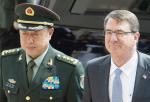







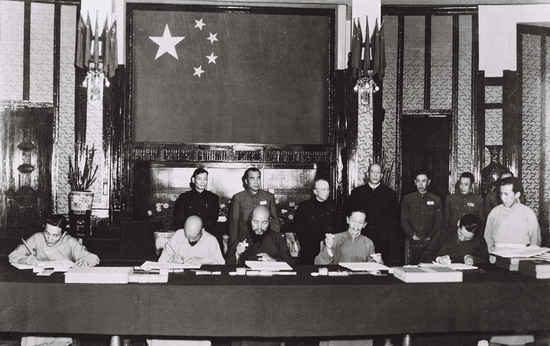
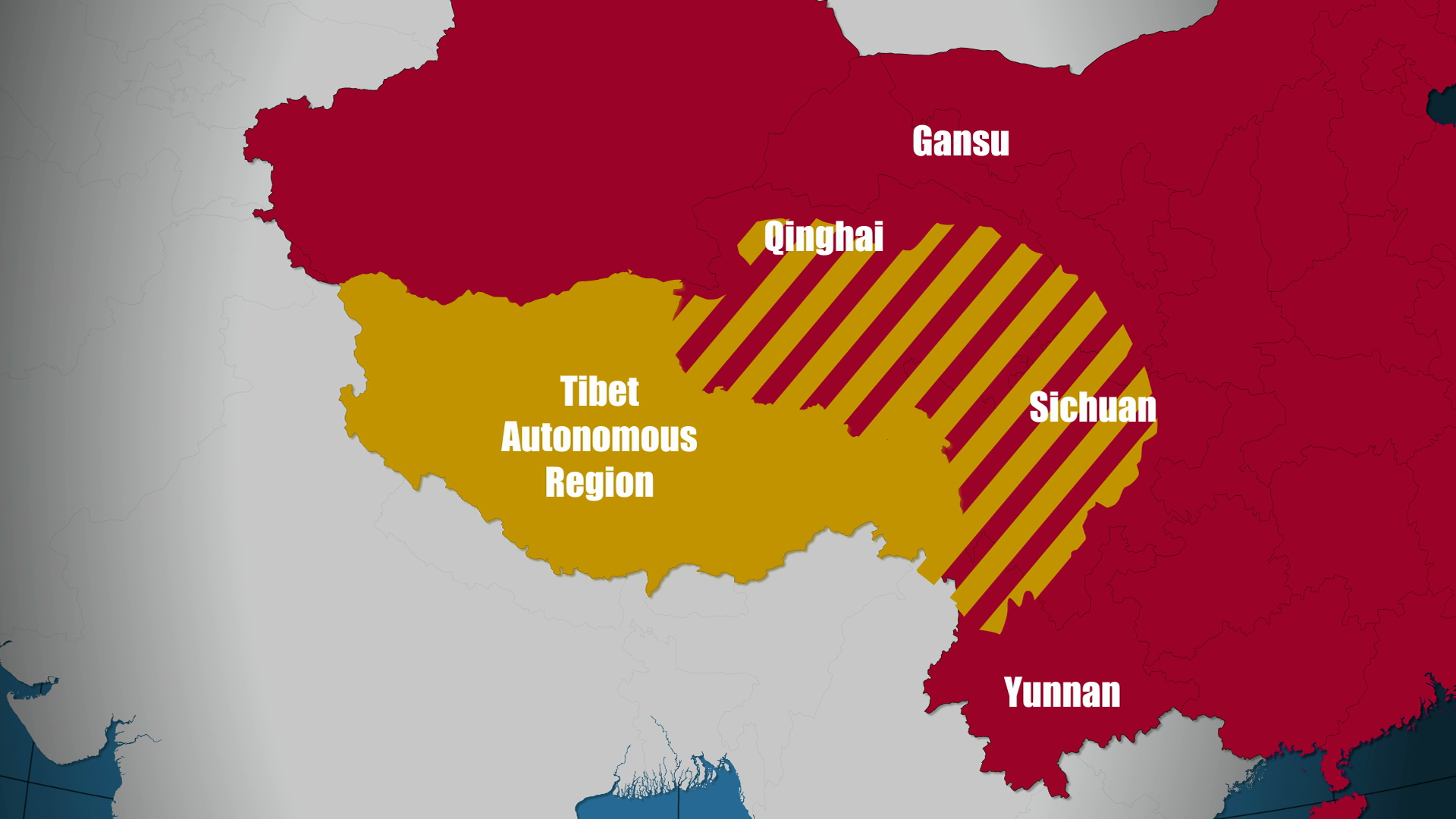












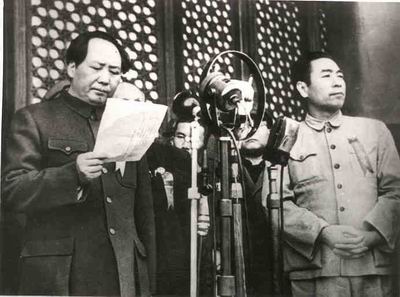
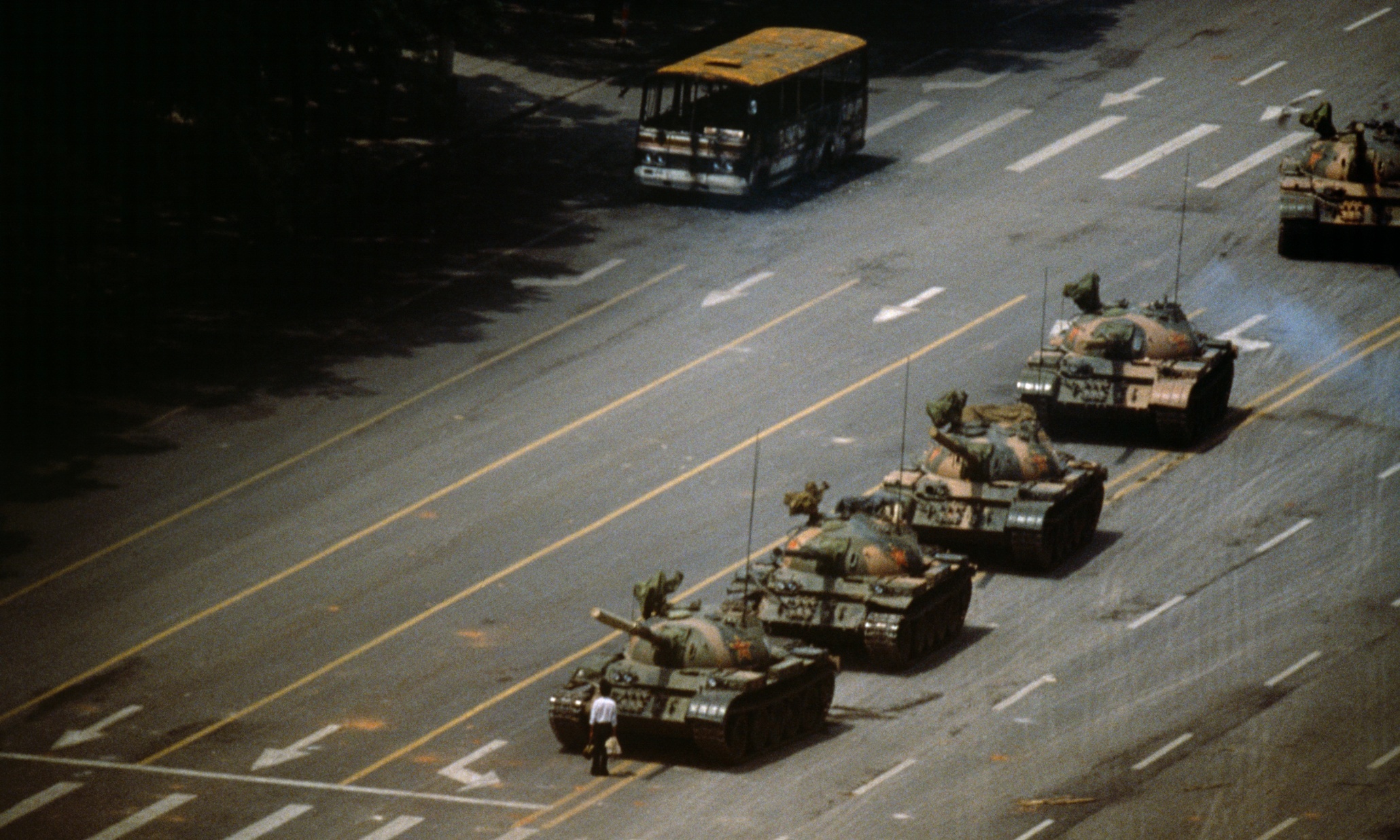





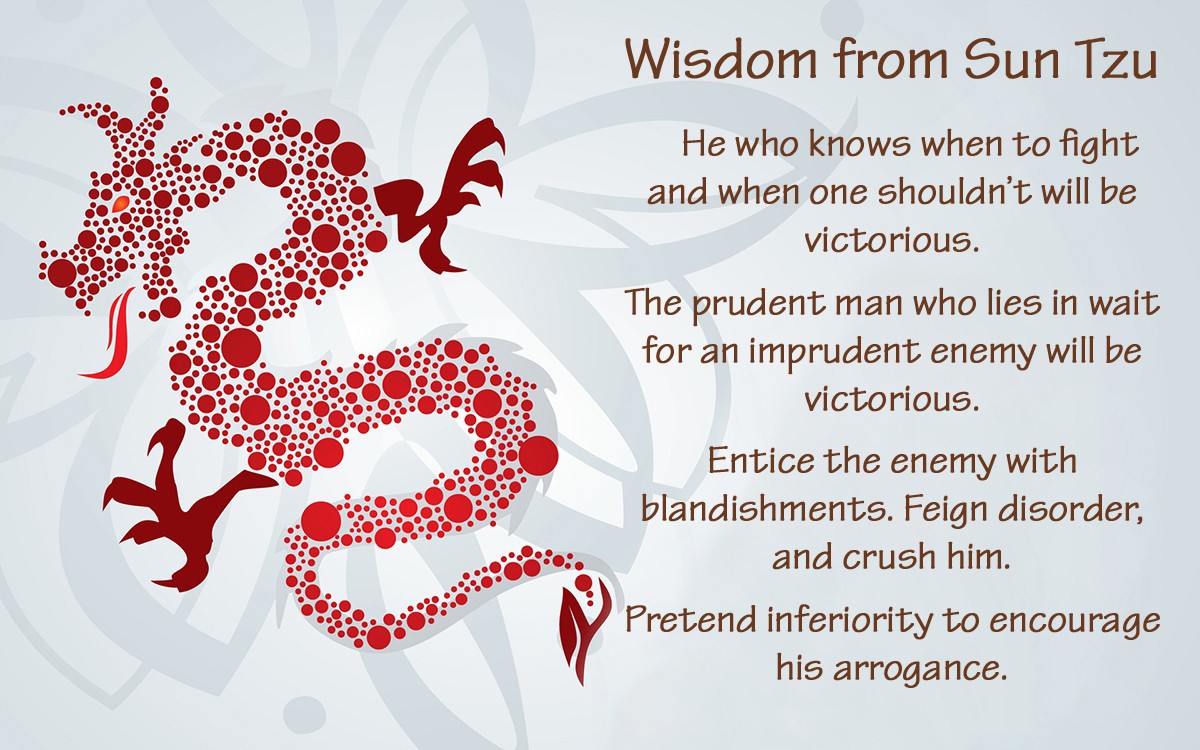





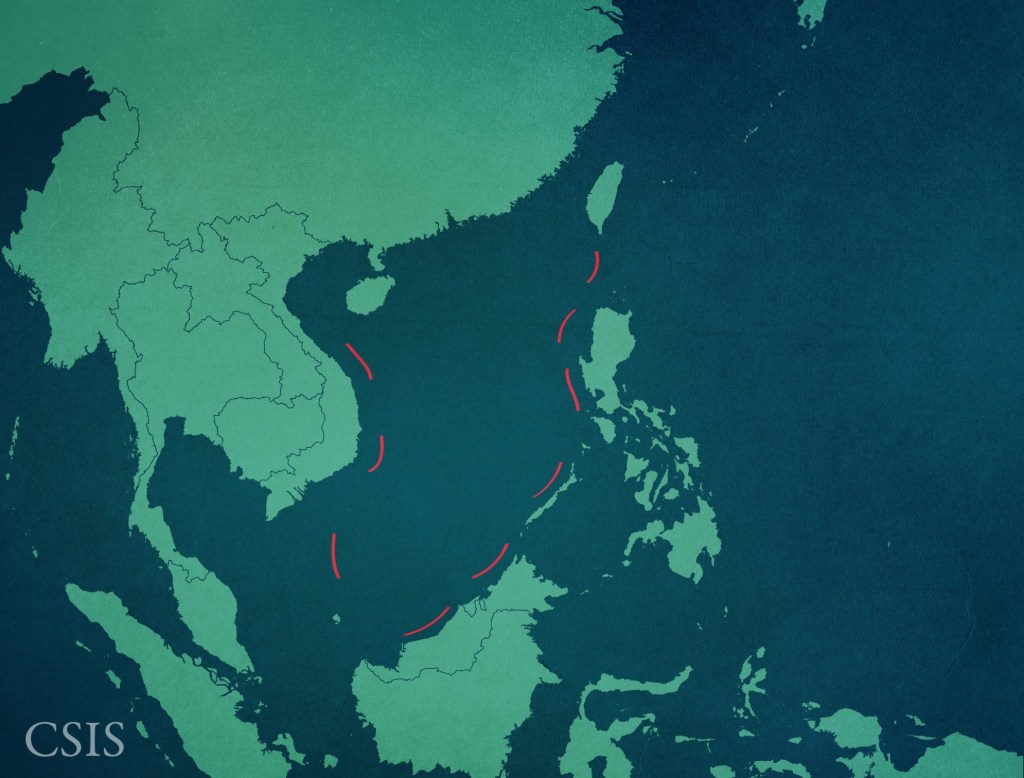


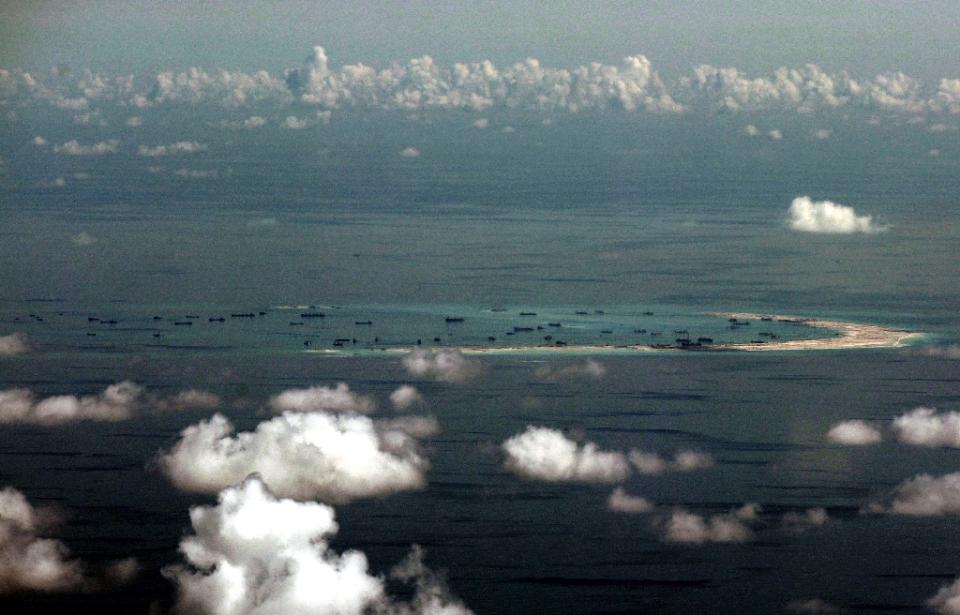
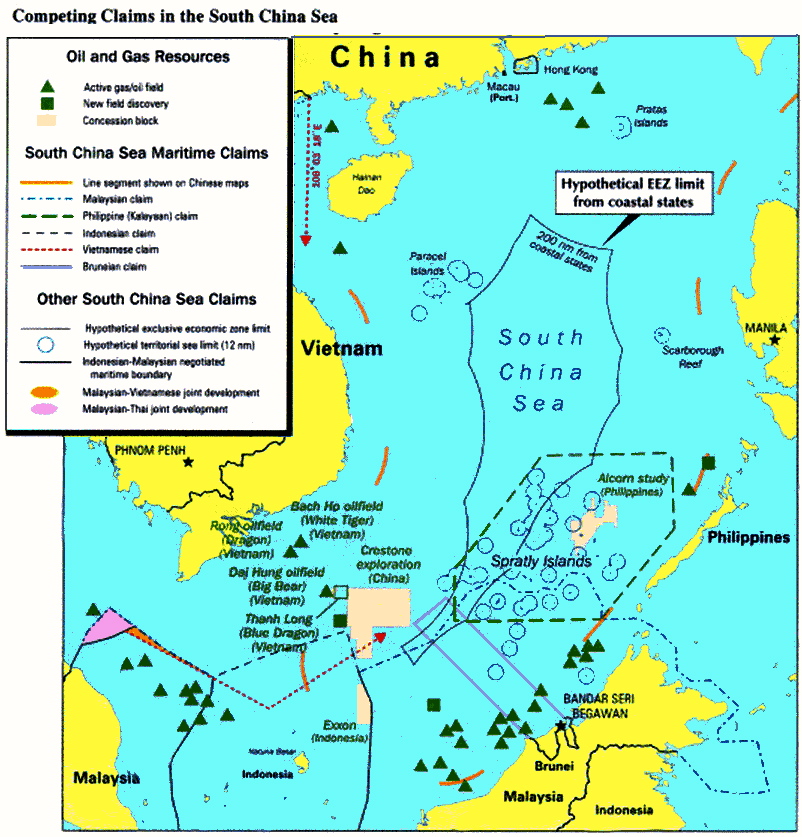
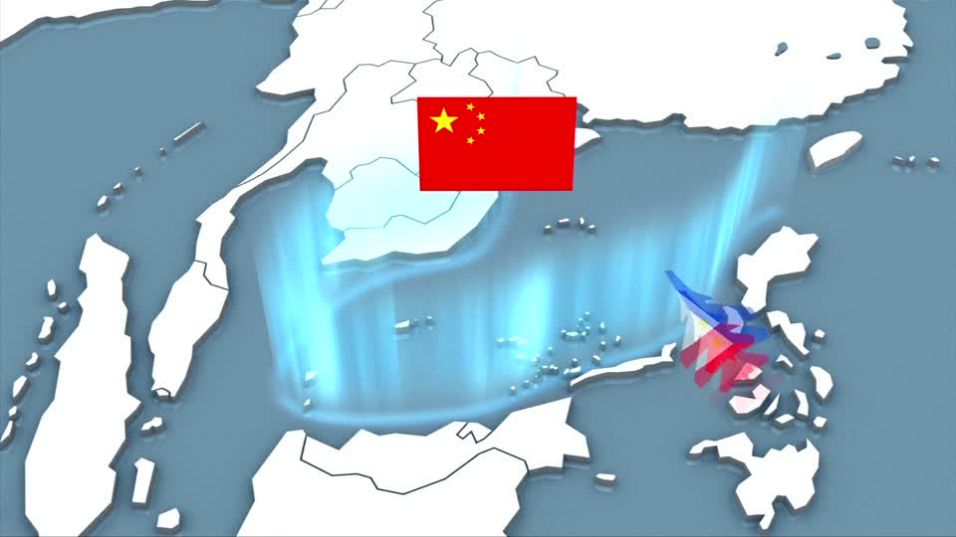
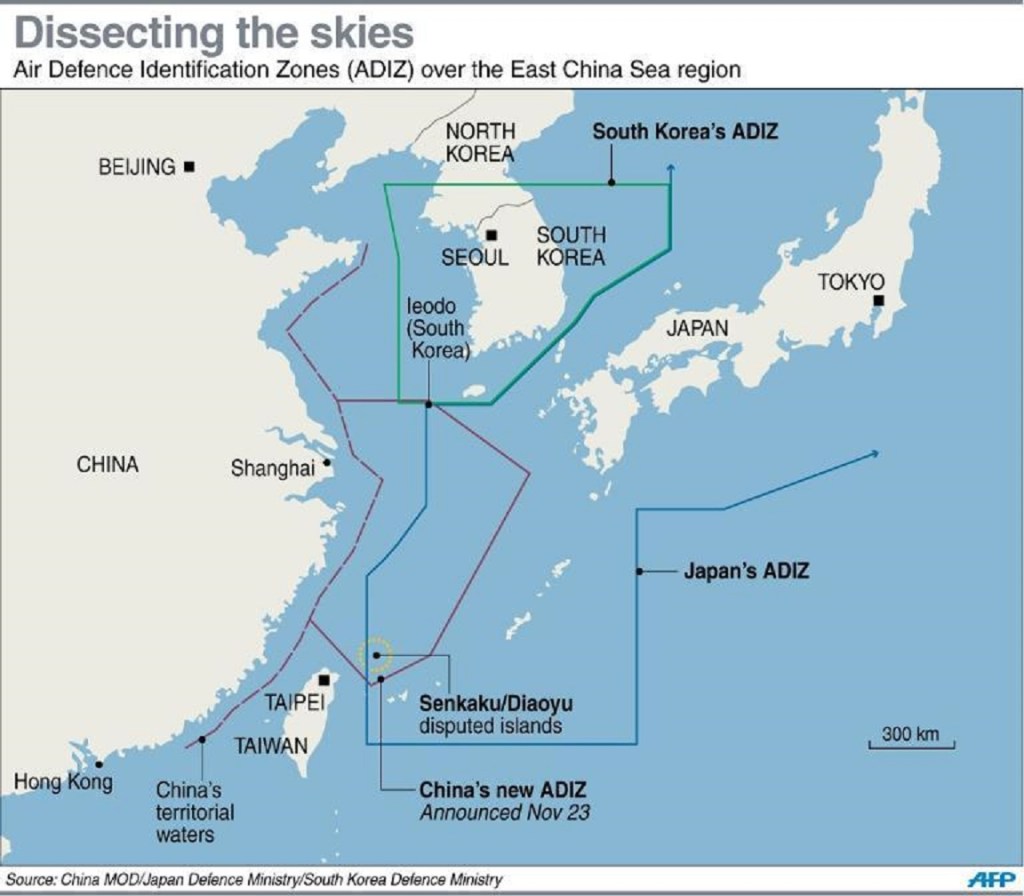
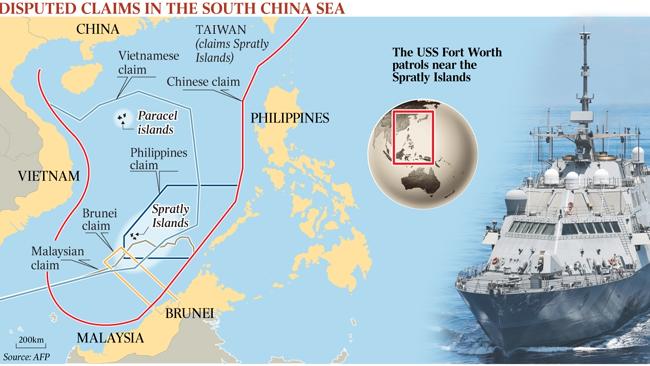
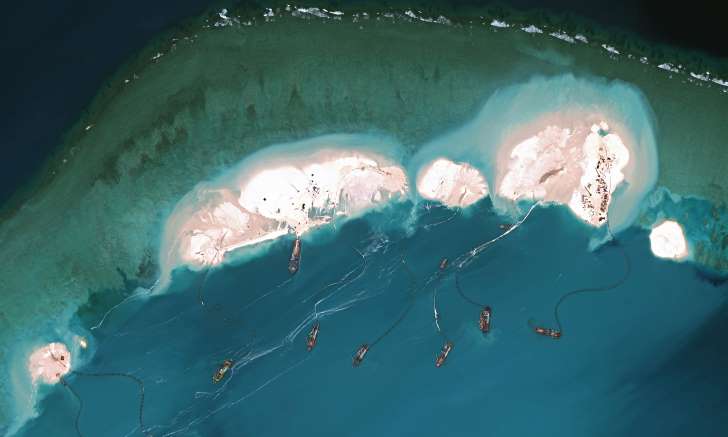
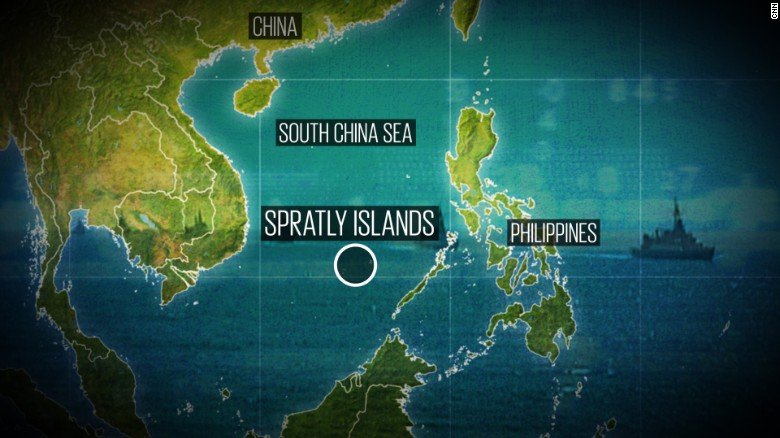













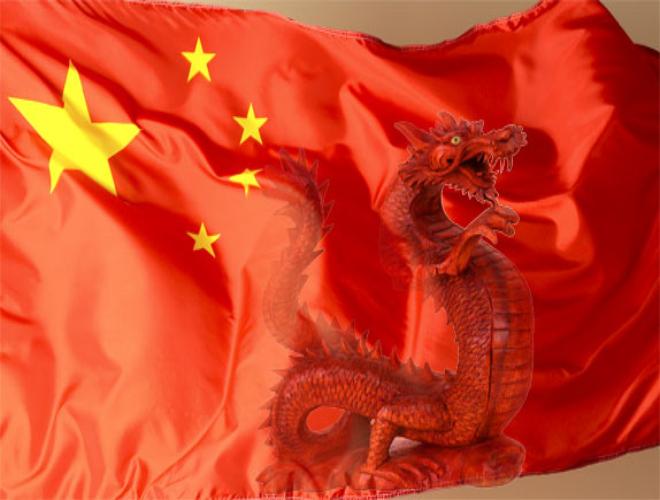








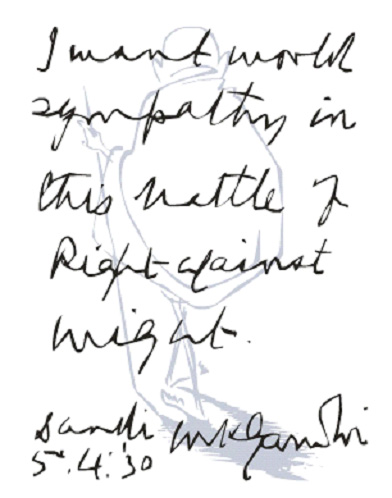

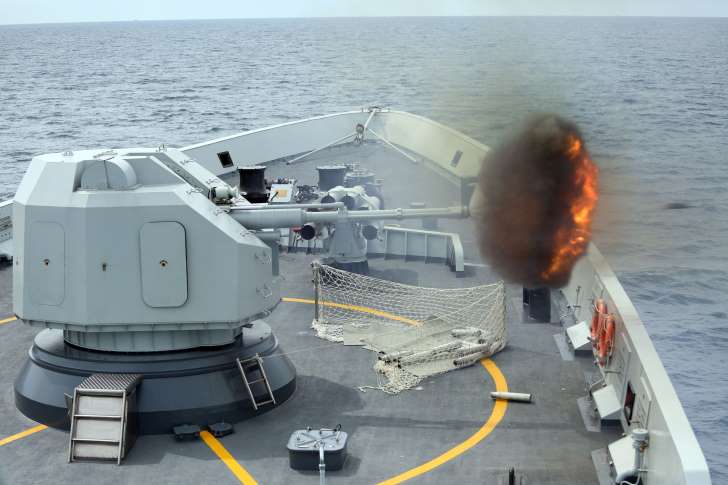



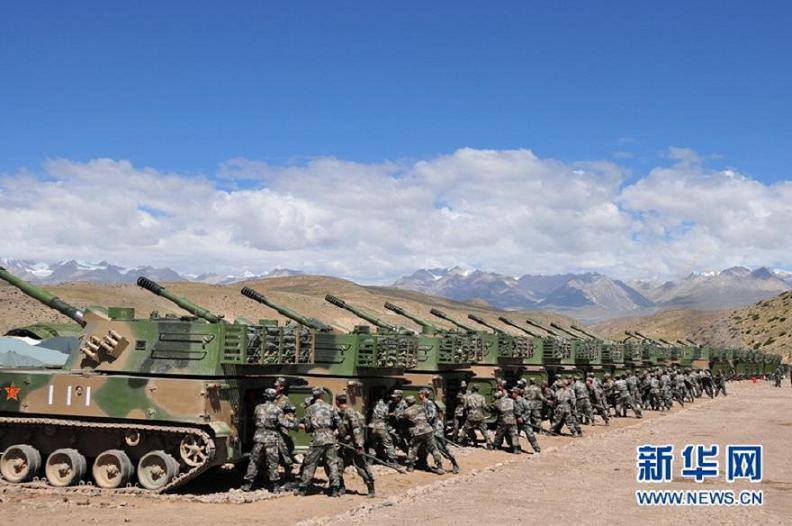
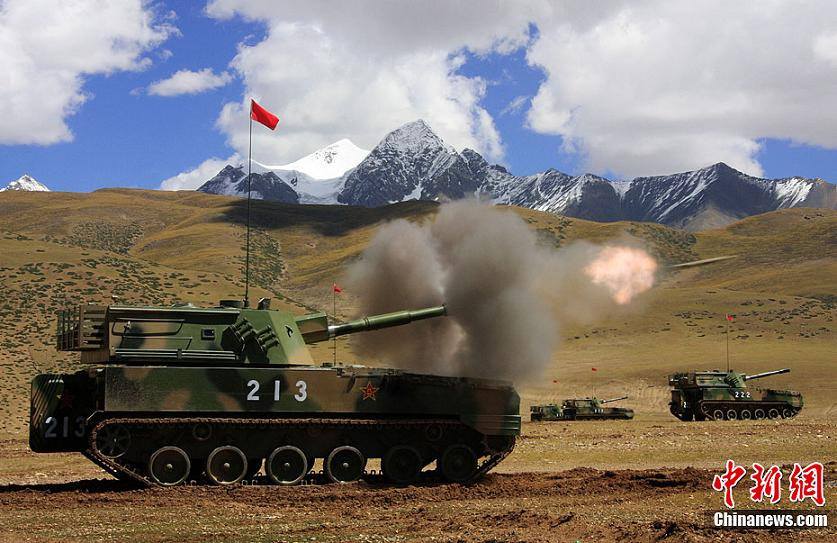
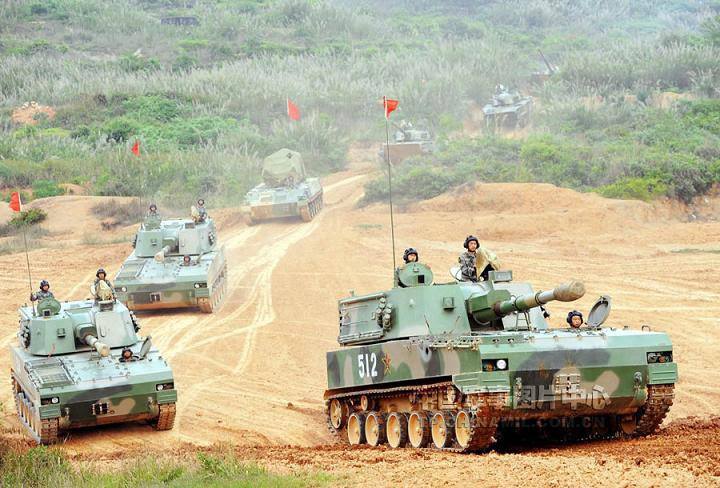
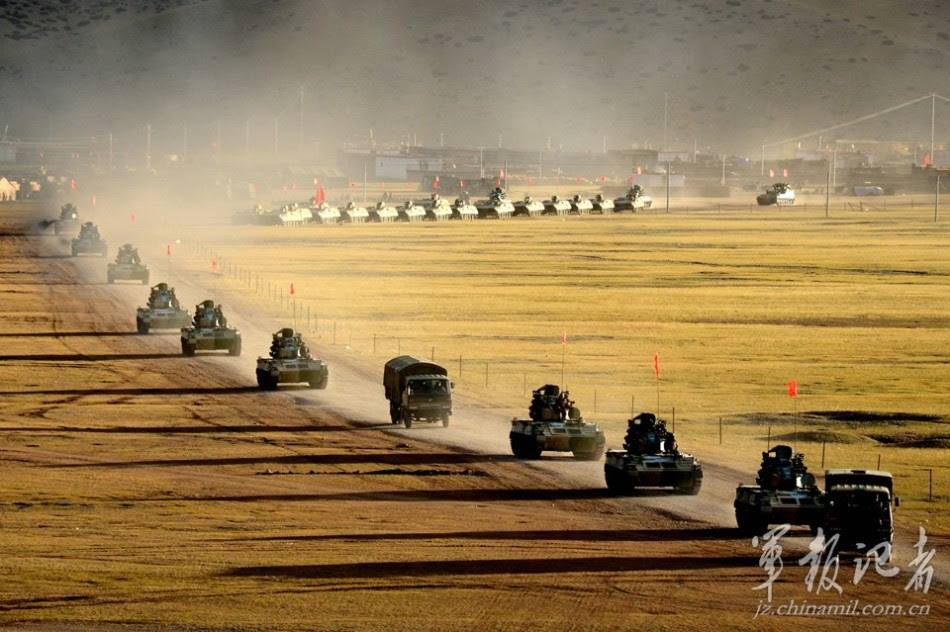
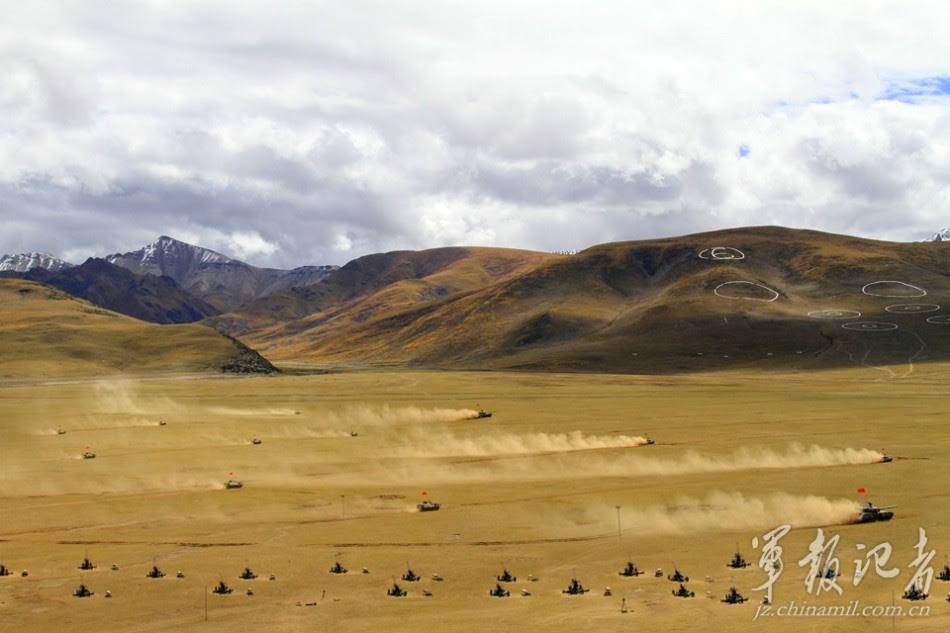


 Whole Dude - Whole Concept