The assassination of Bangladesh Prime Minister Sheikh Mujibur Rahman on August 15, 1975.
A rare family photograph of Bangbandhu Sheikh Mujibur Rahman, where he sits in the middle with his youngest Sheikh Rissell on his lap, Sheikh Kamal on the very left, Sheikh Rehana, second from left, spouse Begum Fazilatunnesa Mujib, on Bangbandhu’ right, Sheikh Jamal, fifth from left, and incumbent Bangladesh Prime Minister Sheikh Hasina on the very right
I returned to Chakrata, India during the last week of January 1972 after the successful conclusion of Operation Eagle that initiated the Liberation of Bangladesh with military action in the Chittagong Hill Tracts. During February 1972, I had the opportunity to take part in the training of a National Security Force (Jatiyo Rakkhi Bahini) whose mission was very clear from the beginning. There was an utter sense of urgency and earnestness to defend the personal life of Bangabandhu Bangladesh Prime Minister Sheikh Mujibur Rahman as our intelligence information discovered a plot getting brewed by a few Bangladesh Army Officers who were not satisfied with Bangabandhu’s vision for a modern, democratic nation of Bangladesh. In February 1972, the training of the National Defence Force (Jatiyo Rakkhi Bahini) commenced in Establishment 22, near Chakrata. I have direct personal insight of the training of Mujib Bahini before the 1971 War and of JRB in 1972 after the War.
Indira Gandhi’s paramount concern at that moment of time was figuring out how to get Bangladesh leader Sheikh Mujibur Rahman back to his country alive and well. She was prepared to pay any price to save his life. This much the prime minister confided to at least one member of her so called ‘kitchen Cabinet’. That person was Ram Nath Kao.the RAW chief.
Bangabandhu, Father of the Nation, Bangladesh Prime Minister Sheikh Mujibur Rahman had twice ignored India’s alert against the bloody putsch, saying the plotters were his “own children” who will not harm him.
Over seven months before the ‘Bangabandhu’ was assassinated along with most of his family members in the August 15, 1975 carnage, a former top Research and Analysis Wing (RAW) official had met him here to warn him against the conspirators.
“These are my own children and they will not harm me,” the Bangladesh leader had told Rameshwar Nath Kao, founder of the India’s external intelligence agency, who meet him in December, 1974 with the approval of the then Indian Prime Minister Mrs. Indira Gandhi.
Referring to the book “Inside R&AW” by Asoka Raina, the report said Rahman had dismissed the concern with a wave of his hand. Kao did not argue but said the Indian information was reliable and he would send him more details of the plot.
He subsequently sent a senior RAW officer to Dhaka in March, 1975 who gave Rahman exact details of the units and ranks of the serving and dismissed officers who were hatching the plot to overthrow his post-independence government.
“But again, he (Bangabandhu) was not convinced,” it said.
.Prime Minister Sheikh Mujibur Rahman welcoming Indian Prime Minister Mrs. Indira Gandhi on March 17, 1972 at Dhaka Airport.Prime Minister Mrs Indira Gandhi interacting with Sheikh Mujibur Rahman on 07 Feb 1972 at Raj Bhavan, Calcutta (Kolkata) Prime Minister Indira Gandhi with Prime Minister Sheikh Mujibur Rahman (March 1972) Bangabandhu Bangladesh Prime Minister Sheikh Mujibur Rahman with Indian Prime Minister Mrs. Indira Gandhi (March 1972).A smiling Bangabandhu Sheikh Mujibur Rahman during the signing of Mujib-Indira treaty (May 16, 1974).
I returned to Chakrata, India during the last week of January 1972 after the successful conclusion of Operation Eagle that initiated the Liberation of Bangladesh with military action in the Chittagong Hill Tracts. During February 1972, I had the opportunity to take part in the training of a National Security Force (Jatiyo Rakkhi Bahini) whose mission was very clear from the beginning. There was an utter sense of urgency and earnestness to defend the personal life of Bangabandhu Bangladesh Prime Minister Sheikh Mujibur Rahman as our intelligence information discovered a plot getting brewed by a few Bangladesh Army Officers who were not satisfied with Bangabandhu’s vision for a modern, democratic nation of Bangladesh. In February 1972, the training of the National Defence Force (Jatiyo Rakkhi Bahini) commenced in Establishment 22, near Chakrata. I have direct personal insight of the training of Mujib Bahini before the 1971 War and of JRB in 1972 after the War.
In my analysis, India had prior information of the assassination plot. India diligently shared the intelligence information with Bangladesh Prime Minister. The choice to act upon the intelligence information was entirely left in the hands of Bangladesh Prime Minister. Indian Prime Minister Mrs. Indira Gandhi took utmost care to get his release from the military prison in West Pakistan and played a critical role to avoid the death sentence imposed on him. At the same time, India treated the new independent nation with grace and respect giving Bangladesh to discover its own destiny without external influence.
Jatiyo Rakkhi Bahini (JRB) – from law enforcers to Sheikh Mujib’s private army
Sheikh Mujib’s hatred for all things military
Sheikh Mujib had an understandable hatred for all things military. He had suffered grievously at the hands of Pakistan’s two military dictators, Field Marshall Ayub Khan and General Yahya Khan. Ayub had arrested Sheikh Mujib on 7 October 1958, the day he seized power. During the next 10-and-half-years of Ayub’s dictatorship Sheikh Mujib had been jailed for long periods in solitary confinement. Then in 1968, while once more in detention for political activity, he was made the principle accused in the notorious Agartala Conspiracy trial in Dhaka. The charge conspiring with India for the secession of East Pakistan. It was a capital offence and Mujib only escaped the gallows because a countryside upsurge against Ayub in 1968 forced him to drop the charges and bring Mujib to the conference table.
While a prisoner of General Yahya Khan in 1971 during the Bangladesh independence struggle, Sheikh Mujib had had an even closer brush with death. According to Sheikh Mujib, he had been tried by a military court and found guilty of treason and sedition. He was to be executed on 15 December 1971, a day before Pakistan surrendered to Bangladesh in Dhaka. Fortunately for him the ceasefire was ordered that night and he was smuggled away to safety by the prison jailor.
Sheikh Mujib carried his hatred of the army with him to the grave. This attitude was shared by his ministers and other senior Awami Leaguers who had also escaped death at the hands of the Pakistan army in 1971.To their [senior Awami Leaguers] basic hostility of things military was added, after independence, the fear that the Bangladesh army might try to supplant them. This anxiety was grounded in the fact that the Bengali military men had been in the thick of the fighting during the independence movement while the Awami Leaguers stayed safely in Calcutta out of the line of fire. As such it would have been understandable if the army men with the other freedom fighters had insisted on positions of influence in the new state. The army as an institution at least did not make this demand. It was content to let Mujib rule and in the first two years of independence gave him loyalty and support.
Anthony Mascarenhas, journalist who wrote the groundbreaking ‘Genocide’ article in 1971 & author of “Bangladesh: A Legacy of Blood” (1986)
Mujib and his ministers, however, from the very start deliberately emasculated [made efforts to weaken] the role of the Defence Forces. Before he was one month in office Mujib took the first step in this direction by signing a 25 year Treaty of Friendship and Mutual Assistance with India. The Indian army had helped to create Bangladesh and it was to India that Mujib now looked to protect it from external aggression. The treaty thus obviated the need for an effective fighting force and the country’s defence establishment was reduced to a police-keeping and largely ceremonial role.I don’t want to create another monster like the one we had in Pakistan.
Sheikh Mujib told Anthony Mascarenhas in February 1974 that he was against a powerful military force
Nevertheless, in independent Bangladesh Prime Minister Sheikh Mujib took initiatives to establish military academies for building skilled and ideal armed forces in the country. He inaugurated the Military Academy in Comilla Cantonment in 1974. However, with the administration of the country at its infancy and his personal dislike for all things military, Sheikh Mujib remained reluctant to dispense too much power to the army and maintained a cautious approach throughout his reign.When you play with gentlemen, you play like a gentleman. But when you play with bastards, make sure you play like a bigger bastard. Otherwise you will lose. Don’t forget I have had good teachers.
Sheikh Mujib allegedly remarked to Anthony Mascarenhas during a poker game on a night train from the Grand Canyon to Los Angeles
Creation of JRB
In early 1972, the government announced the formation of an elite paramilitary force named the Jatiyo Rakkhi Bahini (National Defence Force), or JRB for short. The Jatiyo Rakkhi Bahini Order, 1972 (President’s Order no. 21 of 1972) was promulgated on 7 March 1972 – on the first anniversary of Sheikh Mujib’s famous Ebarer Sangram speech – with a retroactive effect from 1 February 1972.
The idea for the JRB is believed to have resulted from a discussion between the top leaders of Mujib Bahini (also known as Bangladesh Liberation Force or BLF) and Sheikh Mujibur Rahman. The leaders made Sheikh Mujib realise that the fruit of the labour during the independence war could be undone by anti-revolutionary forces within the young volatile nation. It was a view also shared by Tajuddin Ahmad. He advised Sheikh Mujib that the 100,000 trained and armed common people that had participated as muktijuddhas (freedom fighters) during the Swadhinata Juddho (Independence War) should come under national service and a paramilitary force should be formed for them.
Sheikh Mujib was also aware of the growing threat of coup from the military. To combat these, Sheikh Mujib formed the new elite force to provide security for the people after initially rejecting the idea. The task force was formed without any consultation in the cabinet.
So about 110,000 government certified freedom fighters, at the very outset of the independence, felt ignored and excluded from the reconstruction of the new country. Though Sheikh Mujib offered the freedom fighters to join the armed forces, only 8,000 turned up – mostly young Mujib Bahini members and other loyal cadres – and they were absorbed in the Jatiyo Rakkhi Bahini.
Indian link
Jatiyo Rakkhi Bahini was actively deployed just after the Indian Army left Bangladesh on 17 March 1972. The force was trained and brought up by Indian Major General Sujan Singh Uban from Research and Analysis Wing (RAW) as per the request of Sheikh Mujibur Rahman. General Uban, had also trained the Mujib Bahini in India during the 1971 Bangladesh Liberation War and accompanied Sheikh Moni to Bangladesh.
The basic training of the force was not provided by the Bangladesh Army but instead given in India, by Indian Army. Any additional special training were also provided by India in the Indian Military Academy of Dehradun. The JRB troops were armed with Indian assault rifles, heavy machine guns, steel helmet, and leather boots. Jeeps and trucks were imported from India and their olive green-coloured uniform was similar to that of the Border Security Force 66 of the Indian Army.
The JRB was led by Brigadier General A. N. M. Nuruzzaman who was appointed as the Director General while Major Anwarul Alam Shahid (Training), Lieutenant Colonel Abul Hasan Khan (Administration), Lieutenant Colonel Sarwar (Operations), Lieutenant Colonel Sabihuddin (Signals) and Lieutenant Colonel Azizul Islam (Zonal Head Quarter of Chittagong) were his five deputies.
Brigadier Nuruzzaman was a Sector 3 (Brahmanbaria and parts of Sylhet) Commander during 1971 Liberation War.The raising of a new paramilitary force, JRB having exclusive allegiance to Sheikh Mujib proved morally and politically disastrous. JRB became the target of anti-Mujib campaign.
At the height of its influence in 1975 JRB was 25,000 member strong and plans were put in place for it to grow to an astronomical 130,000 by the end of 1980 – that’s more than the number of muktijuddhas who fought in the Swadhinata Juddho. These troops would have been distributed to every district under the authority of the 60 District Governors. To finance this force, Sheikh Mujib used the major part of the 13% of public expenditures allocated to defence, and recruitment of new soldiers in the army was almost stopped. When the Rakkhi Bahini was raised to 25,000 men with basic military training and modern automatic weapons, the discontent amongst some army men turned into antagonism. All these discrimination created rift between the two forces.The Jatiyo Rakkhi Bahini, which roughly translated means National Security Force, was an elite para-military force whose members had to take oaths of personal loyalty to Bangabandhu Sheikh Mujibur Rahman.
Bangabandhu Sheik Mujibur Rahman with Major General Sujan Singh Uban, Inspector General Special Frontier Force. In February 1972, the training of the National Defence Force (Jatiyo Rakkhi Bahini) commenced in Establishment 22, near Chakrata. I have direct personal insight of the training of Mujib Bahini before the 1971 War and of JRB in 1972 after the War.
Special Frontier Force – The Problem of Espionage:
Special Frontier Force-The Problem of Espionage: The Chinese military philosopher in a military treatise known as PING-FA(The Art of War) written c. 400 BC mentions the use of secret agents and the importance of good intelligence.Special Frontier Force-The Problem of Espionage: Establishment No. 22 or Special Frontier Force represents a military alliance/pact between the United States, India, and Tibet to confront the military threat posed by the Communist Red Dragon’s occupation of Tibet since 1950. It is no surprise that at Special Frontier Force we have constantly experienced the problem of espionage orchestrated by the People’s Republic of China.
To obtain knowledge of the enemy’s intentions intelligence systems have been in use from ancient times. The concept of intelligence is not new. The military treatise “PING-FA”(The Art of War) written c. 400 BC by the Chinese philosopher Sun-Tzu mentions the use of secret agents and the importance of good intelligence. The intelligence service of the People’s Republic of China is known as the Social Affairs Department. The term espionage describes the process of obtaining information using spies, secret agents, and involves the use of illegal monitoring devices. At Establishment No. 22 or Special Frontier Force the evidence for espionage conducted by the People’s Republic of China is revealed by the photo images obtained by China’s spies and secret agents. After an investigation, the Department of Security of Central Tibetan Administration had dismissed from Service its top military leader/Political Leader/Dapon Radug (or Ratuk) Ngawang during 1976. Another Senior Political Leader Jamba Kalden had voluntarily retired from Service during 1977 after admitting that he had failed to stop or prevent the acts of espionage. It is very interesting to mention that Dapon Ratuk Ngawang had actually escorted His Holiness the 14th Dalai Lama on his way to India after the failed National Uprising Day (March 10, 1959 ) in Lhasa, Tibet. Ratuk Ngawang, is currently 85-years old (in 2013, the original date of this article), is not formally charged for any crime or illegal activity by the Government of India or Tibetan Government-in-Exile. After his retirement, he was permitted to live in India in the Capital City of New Delhi and he draws a modest amount of pension for the years he spent in Service. I had worked with him at Establishment No. 22/Special Frontier Force from September 1971 to December 1974. His wife was in charge of the camp where we trained the female paratroopers of SFF. She released some of the prohibited, illegal photo images captured by the enemy agents sheltered by Ratuk Ngawang. I am fully convinced that he supported espionage activity at my military organization.
Special Frontier Force – The Problem of Espionage.January 21 is Squirrel Appreciation Day. My reflections on “Chakrata Karma” with the help of a Squirrel Story. During January 1974, there was an attempt on my life at the Military Hospital Wing, Chakrata. This type of Charcoal burner was placed in my duty room in an attempt to poison me. I suspect the involvement of Political Leader Ratuk Ngawang and his wife who could have used a Tibetan female nurse to place this burner in the small duty room.Special Frontier Force-The Problem of Espionage: Chinese Intelligence correctly guessed that the 14th Dalai Lama had escaped from Lhasa to seek asylum in India after the failed Day of National Uprising in Tibet. Peking(Beijing) had announced that the 14th Dalai Lama had arrived in India, a day before New Delhi could make a formal announcement. Chinese intelligence always remained ahead of the United States, India, and Tibet.Special Frontier Force-The Problem of Espionage: 54 years ago, His Holiness the 14th Dalai Lama had arrived in India on March 31, 1959. A Guard of Honor was presented by the Assam Rifles after he crossed into India’s North East Frontier Agency(Arunachal Pradesh) at Chutangmu/Khenzimani in TAWANG sector. The Chinese intelligence pursued him constantly monitoring his movements and activities all these years.Special Frontier Force-The Problem of Espionage: Dapon/Political Leader Radug Ngawang served in Establishment No. 22 or Special Frontier Force after arriving in India along with His Holiness the 14th Dalai Lama. The Tibetan Government-in-Exile had simply dismissed him from Service and had spared him from punitive retaliatory action even after knowing that he had harbored Communist spy or spies. His Holiness treated him with mercy and compassion in due recognition of his past performance before falling prey to Chinese influence.Special Frontier Force-The Problem of Espionage: This is the photo image of Ratuk or Radug Ngawang at 84-years of age. While giving interviews to Indian news media and other writers, Ngawang had shared photo images that were illegally taken at Establishment No. 22 or Special Frontier Force where such photography is strictly forbidden. I have no hesitation to identify him as a Communist Agent who had supported espionage activity.
The term ‘intelligence’ is used to describe government operations that involve evaluation of information concerning the strength, activities, and probable course of action of its opponents. Espionage involves the gathering of ‘intelligence’ information which is further used in evaluation to design a political or a military course of action to deter the enemy. Radug Ngawang had exposed his participation in espionage by releasing the following photo images that were taken at Establishment No. 22/Special Frontier Force during 1971-1975 prior to his dismissal from Service in 1976. He clearly understands that the possession of these images is illegal and he is fully aware of the fact that the people shown in the images had no clue that they were being secretly photographed and did not know that the photo images will be released without official permission..
Special Frontier Force-The Problem of Espionage-Photo provided by Dapon/Political Leader Ratuk Ngawang. In this illegally taken photo image, Gyalo Thondup, the 14th Dalai Lama’s elder brother is seen addressing the Tibetan men who serve in Establishment No. 22/Special Frontier Force and had encouraged them to join the War of Liberation of Bangladesh 1971. From right to left the persons seated is 1. Brigadier T S Oberoi, Commandant Establishment No. 22, 2. Mr. R. N. Kao, the Secretary, Directorate General of Security and RAW(Research and Analysis Wing), and 3. Major General Sujan Singh Uban, the Inspector General Special Frontier Force. None of us were aware that this photo was taken. Photography was strictly forbidden.Special Frontier Force-The Problem of Espionage: This is an illegal photo image shared by Political Leader Ratuk Ngawang who is at far left. His Holiness the 14th Dalai Lama (right), Major General Sujan Singh Uban, the Inspector General Special Frontier Force (second from right), and Senior Political Leader Jamba Kalden (third from right). A Chinese spy (later discovered in the robes of a Buddhist monk) secretly took this photo on June 03, 1972 when His Holiness visited Establishment No. 22 for the very first time after its inception in November 1962. These Political Leaders lost their jobs because of the problem of espionage.Special Frontier Force-The Problem of Espionage: Political Leader Ratuk Ngawang is seen standing at right looking towards the photographer. This illegal photo image was shared by Ratuk Ngawang and it helps me to identify him as a Communist Agent who had harbored Chinese spy/spies at Establishment No. 22. Other people, Major General Sujan Singh Uban Inspector General Special Frontier Force (second from right), Mr. R. N. Kao Secretary Directorate General of Security-Research and Analysis Wing-RAW (third from right), and Brigadier T S Oberoi Commandant Establishment No. 22 (far left). I served with these people including Ratuk Ngawang from September 1971 to December 1974 and I can very easily confirm that this photo is the evidence of the problem of espionage.Special Frontier Force-The Problem of Espionage: For the first time in the history of our military pact and alliance with Tibet, His Holiness the 14th Dalai Lama, the Head of Tibetan Government-in-exile had accepted our invitation to visit Establishment No. 22. This was entirely a private visit and it was kept as a ‘top secret’. Photography during this visit on June 03, 1972 was strictly forbidden. However, Political Leader Ratuk Ngawang had a copy of this photo and he had shared the same with a news reporter who had interviewed him at his house in New Delhi several years after his dismissal from Service during 1976. Senior Political Leader Jamba Kalden had become a victim of this espionage and had to retire from Service for he had failed to prevent this crime.Special Frontier Force-Establishment No. 22 – The Problem of Espionage – Illegal photo image was taken on June 03, 1972. His Holiness the 14th Dalai Lama maintained a safe distance from the activities of Establishment No. 22/Special Frontier Force. However, during 1971-72 he had to make an exception as he had granted his permission to train his men by allowing their participation in the Liberation War of Bangladesh 1971. I participated in this military action known as ‘Operation Eagle’. In an attempt to stall this military operation, Dr. Henry Alfred Kissinger, the US Secretary of State had personally urged China’s Prime Minister Zhou Enlai to attack India across the Himalayan frontier(North East Frontier Agency-NEFA-Arunachal Pradesh). China did not comply with that request as China gave a high priority to secure the defeat of the US Army in Vietnam.Special Frontier Force – Establishment No. 22 – The Problem of Espionage – Illegal photo image was taken on June 03, 1972. This was a historical moment and yet it was not expected to be captured in a photo image. A Chinese spy dressed in the robes of a Buddhist monk was later arrested at Establishment No. 22. I was informed about the death of this spy on January 10, 1973. I do not know the exact date of death. The body was cremated according to Buddhist rites and the cause of death was not confirmed by an autopsy. Indian Intelligence Bureau official had expressed his sense of indignation and was totally dismayed by the attitude of Political Leader Ratuk Ngawang who had failed to deliver the spy to Indian Intelligence Bureau for their interrogation and investigation of the problem of espionage. The fact that this photo image exists is the clearest evidence of the Chinese espionage at Establishment No. 22-Special Frontier Force.Special Frontier Force – Establishment No. 22 – The Problem of Espionage – Illegal photo image was taken during Prime Minister Indira Gandhi’s visit to recognize the female paratroopers of SFF. This was a historical moment and yet it was not expected to release this photo image.Special Frontier Force – Establishment No. 22 – The Problem of Espionage – Illegal photo image was taken during Secretary R N Kao’s visit to recognize the female paratroopers of SFF. This was a historical moment and yet it was not expected to release this photo image.
While I served in Special Frontier Force-Establishment No. 22 from September 1971 to December 1974, I interacted with Political leader Ratuk Ngawang on numerous occasions during our routine training activities. I never had the opportunity to medically examine him or interview him at my Medical Inspection Room/Hospital Wing of Establishment No. 22. I am not surprised to know about his dismissal from Service during 1976 after the Tibetan Government-in-Exile had decided not to frame any charges against him. I have no doubt in my mind that he is not fit to be a member of the Tibetan Resistance Movement. He lost his desire to resist the Enemy.
Rudra N. Rebbapragada, Ann Arbor, Michigan, USA.,
Organization: The Spirits of Special Frontier Force.
Establishment No. 22 – Operation Eagle: This badge represents a military alliance/pact between India, Tibet, and the United States of America. Its first combat mission was in the Chittagong Hill Tracts which unfolded on 03 November 1971. It was named Operation Eagle. It accomplished its mission of securing peace in the region that is now knownas Republic of Bangladesh.
The Military Expeditions to Demagiri, Tlabung, Lushai, Mizo Hills. A Tribute to Tibetan Martyrs
Whole Dude – Whole Expedition: 1871 and 1971, One Hundred Years Apart, Southern Column vs South Column. The Military Expeditions to Demagiri, Tlabung,Lushai, Mizo Hills. This Memorial Stone was erected in Demagiri in honor of Captain Thomas Herbert Lewin, the Deputy Commissioner of the Chittagong Hill Tracts who built a fort in Demagiri to serve as the Force Headquarters of the British Indian Army First Lushai Expedition of 1871-72.
Excerpt: I am sharing this story about the British Indian Army First Lushai Expedition of 1871-72 to honor the memory of the Tibetan soldiers who arrived in Demagiri, Tlabung, Lushai or Mizo Hills in October 1971 and gave their precious lives during the military action in the Chittagong Hill Tracts initiating the Liberation of Bangladesh. On behalf of The Living Tibetan Spirits, I ask that a Memorial Stone be erected in Demagiri, Tlabung, the place which served as the Force Headquarters of The Fifth Army in Bangladesh under the command of Major General Sujan Singh Uban, the Inspector General of Special Frontier Force.
Whole Dude – Whole Expedition: 1871 and 1971, One Hundred Years Apart, Southern Column vs South Column. The Military Expeditions to Demagiri, Tablung, Lushai, Mizo Hills. Captain Lewin the founder of Demagiri Military Settlement lived in Demagiri for about nine years. Whole Dude – Whole Expedition: 1871 and 1971, One Hundred Years Apart, Southern Column vs South Column. The Military Expeditions to Demagiri, Tablung, Lushai, Mizo Hills. Captain Lewin befriended the native people by learning their language and their cultural traditions.
Captain Thomas Herbert Lewin was appointed as the Deputy Commissioner and Political Agent for the Chittagong Hill Tracts in March 1866. He held that post until 1875. In 1874, he was made an honorary Lieutenant Colonel.. He made his first camp at Chandraghona and later in Rangamati. He was the founder of a military camp and settlement at Demagiri ahead of the British Indian Army First Lushai Expedition of 1871-72.
Whole Dude – Whole Expedition: 1871 and 1971, One Hundred Years Apart, Southern Column vs South Column. The Military Expeditions to Demagiri, Mizo Hills. A view of Demagiri, Tlabung on the banks of the Khawthlang Tuipui or Karnaphuli River, the border between Mizo Hills and the Chittagong Hill Tracts.
The British Indian Army Lushai Expedition of 1871 to 1872 was a punitive incursion under the command of Generals Brownlow and Bourchier. General Charles Henry Brownlow commanded the Southern Column or the Chittagong Column for the Lushai Expedition and then served as Assistant Military Secretary for India for ten years. General George Bourchier commanded the East Frontier District, and in 1871 to 1872 he commanded the Cachar Column or the North Column in the Lushai Expedition.
In 1871, the British Indian Army military expedition named the Southern Column started from Kasalong in Rangamati and it followed the course of Karnaphuli River to reach Demagiri, Tlabung in Lushai, Mizo Hills. Whereas in 1971, the Special Frontier Force military expedition named the South Column started from Demagiri and initially it was an overland incursion followed by the use of passenger boat service to reach Rangamati and used captured vehicles to advance to Kaptai by road and launched a separate airborne operation to secure the Naval Base at Chittagong Sea Port. The South Column reached Chittagong by road taking advantage of the vehicles left behind by the enemy but camped in Kaptai and around the Kaptai Lake until the conclusion of the Campaign in the Chittagong Hill Tracts.
Whole Dude – Whole Expedition: 1871 and 1971, One Hundred Years Apart, Southern Column vs South Column. The Military Expeditions to Demagiri, Mizo Hills. A view of the Khawthlang Tuipui or Karnaphuli River near Demagiri, Tlabung, Lushai, Mizo Hills.
The objectives of the British Indian Army First Lushai Expedition were to rescue British subjects who had been captured by the Lushais (Mizos) in raids into Assam—including a six-year-old girl called Mary Winchester—and to convince the hill tribes of the region that they had nothing to gain and everything to lose by placing themselves in a hostile position towards the British Government. Mary Winchester, or Zolûti to Mizos, (1865–1955) was a Scottish girl who was captured and held hostage by the Lushai, Mizo tribes of Lushai Hills, Mizo Hills in 1871, and rescued by the British expedition in 1872.
Captain Thomas Herbert Lewin signed a Peace Treaty with Mizo Chief Rothangpuia of Thangluah clan following which he shifted his headquarters from Rangamati to Demagiri, Tlabung. The Mizos called him Thangliana or the Man of Great Fame. Captain Lewin returned to England due to ill health, was made an honorary Lieutenant Colonel and received a Colonel’s pension. He returned to India in 1875 to take up the post of Deputy Commissioner of Cooch Behar, and later became Deputy Commissioner of Darjeeling, where he remained until his retirement in 1879. In 1885, Thomas Herbert bought Parkhurst, a house in Abinger, near Dorking, Surrey where he lived until his death in 1916. Lewin was the author of several works on India and Indian languages.
The Story of South Column
Whole Dude – Whole Expedition: 1871 and 1971, One Hundred Years Apart, Southern Column vs South Column. The Military Expeditions to Demagiri, Tlabung, Lushai, Mizo Hills. On completion of my Medical Internship at Military Hospital, Ambala Cantonment, Haryana, I joined Establishment 22 (Two-Two) on September 22, 1971.Whole Dude – Whole Expedition: 1871 and 1971, One Hundred Years Apart, Southern Column vs South Column. The Military Expeditions to Demagiri, Mizo Hills. The Story of South Column begins in October 1971.Whole Dude – Whole Expedition: 1871 and 1971, One Hundred Years Apart, Southern Column vs South Column. The Military Expeditions to Demagiri, Tlabung, Lushai, Mizo Hills. During October 1971, I provided the medical support to Bangla Freedom Fighters training at a Camp on the eastern bank of the Yamuna River near Dakpathar Barrage.
I joined duty at the Military Hospital Wing of Establishment 22 (Two-Two) on September 22, 1971 and at the end of the month I was sent on temporary duty to provide medical support to Bangla Freedom Fighters training on the eastern banks of the Yamuna River between the Shivalik Hills and Dakpathar Barrage across the Yamuna River. This Training Camp was commanded by Lieutenant Colonel Prasanta Coomar Purkayastha, The Regiment of Garhwal Rifles. I did not take my service weapon to perform this duty while the men did receive weapon training. I returned to Chakrata during the third week of October 1971 and was not yet aware of any battle plan to take military action in support of the Bangla refugees in India.
On October 19, 1971, while serving in the Military Hospital Wing of Establishment 22 (Two-Two) in Chakrata, I was asked to provide medical support to the Mobile Reserve Force (MRF), Kailana Camp in Chakrata Cantonment. I was not briefed about the nature of my temporary duty and I moved to the MRF Kailana Camp with a steel trunk and a bedding, a heavy load of personal belongings.
Whole Dude – Whole Expedition: 1871 and 1971, One Hundred Years Apart, Southern Column vs South Column. The Military Expeditions to Demagiri, Tlabung, Lushai, Mizo Hills From the Military Hospital Wing, Chakrata Camp, I proceeded on temporary duty to the Mobile Reserve Force, Kailana Camp in Chakrata Cantonment without taking my service weapon, the 9 mm Sub Machine Gun, SMG (Carbine, Machine, Sten)..
As an Officer of the Indian Army, I received training in the use of a 9 mm Sub Machine Gun known as Sten Gun or SMG (Carbine, Machine, Sten) and had always passed in my weapon training tests. It is a devastating close-range weapon. It is a compact, lightweight automatic weapon firing pistol ammunition and it would fire without any lubrication. The personal weapon is held in the Unit Quarter Guard (Armory) and is generally taken out for range practice and weapon training during peacetime and is carried during the performance of active duty deployment either training or actual combat operations. I proceeded for this assignment at MRF, Kailana Camp without taking my personal weapon and ammunition as it was primarily a peacetime assignment. My Movement Order did not specify that I must draw the service weapon and ammunition prior to proceeding on this duty. However, the men were personally briefed to prepare for a wartime duty and I was in the Hospital and did not listen to the motivational speech given by Gyalo Thondup, the brother of His Holiness the 14th Dalai Lama.
Whole Dude – Whole Expedition: 1871 and 1971, One Hundred Years Apart, Southern Column vs South Column. The Military Expeditions to Demagiri, Tlabung, Lushai, Mizo Hills. THE PROBLEM OF ESPIONAGE. ILLEGAL PHOTO IMAGE TAKEN BY CHINESE SPY AT ESTABLISHMENT NO. 22. DAPON/POLITICAL LEADER RATUK NGAWANG HAD POSSESSION OF THIS IMAGE AND SUPPLIED IT TO A JOURNALIST. Gyalo Thondup, 14th Dalai Lama’s brother gave a motivational speech at the Mobile Reserve Force Kailana Camp in Chakrata during the third week of October 1971. Special Secretary Mr. R.N. Kao is flanked by Major General Sujan Singh Uban (Left) and Brigadier T S Oberoi (Right).Whole Dude – Whole Expedition: 1871 and 1971, One Hundred Years Apart, Southern Column vs South Column. The Military Expeditions to Demagiri, Tlabung, Lushai, Mizo Hills. The Key Players met in Chakrata. Brigadier T S Oberoi (extreme left) seen with Special Secretary Mr. R. N. Kao, and Major General Sujan Singh Uban, the Inspector General of Special Frontier Force, and Tibetan Political Leader at extreme right.Whole Dude – Whole Expedition: The Fifth Army in Bangladesh. Establishment No. 22 – Operation Eagle: This badge represents a military alliance/pact between India, Tibet, and the United States of America. Its first combat mission was in the Chittagong Hill Tracts which unfolded on Thursday, October 28, 1971 when South Column crossed the international boundary West of Borunasury Border Security Force Company Post. It was named Operation Eagle. It accomplished its mission of securing peace in the region that is now known as Republic of Bangladesh. The Badge is not worn on uniforms during active duty.Whole Dude – Whole Expedition: 1871 and 1971, One Hundred Years Apart, Southern Column vs South Column. The Military Expeditions to Demagiri, Tlabung, Lushai, Mizo Hills. I proceeded from Mobile Reserve Force Kailana Camp, Chakrata in Uttarakhand to the Aviation Research Centre Airbase in Sarsawa on October 20, 1971 without carrying my service weapon.Whole Dude – Whole Expedition: 1871 and 1971, One Hundred Years Apart, Southern Column vs South Column. The Military Expeditions to Demagiri, Tlabung, Lushai, Mizo Hills.My journey begins at Mobile Reserve Force Kailana Camp, Chakrata after I was attached to the Mobile Reserve Force on October 19, 1971.Whole Dude – Whole Expedition: 1871 and 1971, One Hundred Years Apart, Southern Column vs South Column. The Military Expeditions to Demagiri, Mizo Hills. The story of South Column begins at Mobile Reserve Force Kailana Camp, Chakrata. Apart from Chakrata, troops had also arrived in Demagiri from other locations.Whole Dude – Whole Expedition: 1871 and 1971, One Hundred Years Apart, Southern Column vs South Column. The Military Expeditions to Demagiri, Mizo Hills. On October 20, 1971, I moved from Kailana Camp, Chakrata to Sarsawa, near Saharanpur travelling by road in a military convoy.Whole Dude – Whole Expedition: 1871 and 1971, One Hundred Years Apart, Southern Column vs South Column. The Military Expeditions to Demagiri, Mizo Hills. On October 20, 1971, I moved from Chakrata to Sarsawa, near Saharanpur by road. A view of the bridge over the Tons River at Kalsi, near Dakpathar.Whole Dude – Whole Expedition: 1871 and 1971, One Hundred Years Apart, Southern Column vs South Column. The Military Expeditions to Demagiri, Mizo Hills. After arriving in Sarsawa on October 20, 1971, I was issued a Movement Order to proceed on duty described as Operation Eagle. I proceeded on this duty with a heavy load of my personal belongings and without my personal service weapon and ammunition. A view of Sarsawa Airfield. On October 21, 1971, for the early morning takeoff, the runway was lit by rows of flaming torches.Whole Dude – Whole Expedition: 1871 and 1971, One Hundred Years Apart, Southern Column vs South Column. The Military Expeditions to Demagiri, Mizo Hills. OPERATION EAGLE IS THE CODE NAME FOR MILITARY ACTION THAT INITIATED THE LIBERATION OF BANGLADESH DURING OCTOBER-NOVEMBER 1971 WITH STRIKES ON THE ENEMY MILITARY POSTS IN CHITTAGONG HILL TRACTS.Whole Dude – Whole Expedition: 1871 and 1971, One Hundred Years Apart, Southern Column vs South Column. The Military Expeditions to Demagiri, Mizo Hills. I took an early morning flight on October 21, 1971 from Sarsawa Air Force Station to Kumbhigram Air Force Station.Whole Dude – Whole Expedition: 1871 and 1971, One Hundred Years Apart, Southern Column vs South Column. The Military Expeditions to Demagiri, Mizo Hills. On October 20, 1971 I was deployed for the military action code-named Operation Eagle at Sarsawa, near Saharanpur. My Movement Order did not provide any details and there was no briefing to keep the battle plan as a secret.1871 and 1971, One Hundred Years Apart, Southern Column vs South Column. The Military Expeditions to Demagiri, Mizo Hills. The Antonov An-12 is a four-engined turboprop transport aircraft designed in the Soviet Union. The above photo image is used just for the illustrative purpose. We were not permitted to take any photographs in the conduct of the covert military mission code named Operation Eagle.
At Sarsawa Air Force Station, I boarded the Antonov An-12, Soviet designed transport aircraft in the early morning hours of October 21, 1971. The runway was illuminated by rows of flaming torches on either side. The Commandant of Establishment 22 (Two-Two) Brigadier T S Oberoi delayed the departure of the flight until a hot breakfast was served to all the men boarding the aircraft. The men were fully armed and were dressed in combat gear and I was the only exception proceeding on Operation Eagle mission without carrying a service weapon. I was permitted to carry the heavy load of my personal belongings as the nature of the mission was not formally disclosed. While we boarded the aircraft in a single file, Brigadier T S Oberoi warmly shook hands of each person. He wished me all the best and did not inquire about my service weapon as the mission remained a secret and its objectives were not disclosed in Sarsawa. I was just taking part in an unknown military mission and did not even know the destination of this morning flight from Sarsawa Airfield until the aircraft landed in Kumbhigram Airfield near Silchar City in Cachar District, Assam. However, I checked the Movement Order that was issued to me. The Commandant of Establishment 22 has the authority to sanction my move from the Military Hospital Wing to the Mobile Reserve Force Base, Kailana Camp in Chakrata and from there to Sarsawa airfield where we often go for parachuting or para jumping. The Inspector General of Special Frontier Force has the authority to sanction my move from Chakrata to any other location within India. The Inspector General does not have the sanctioning power to ask me to move across the boundaries of India. The Movement Order deploying me for Operation Eagle that I received in Sarsawa did not specify any particular location but the Move was sanctioned by the Cabinet Secretariat, the Prime Minister’s Office (PMO), the executive branch of the Government of India which has the sanctioning power to move me to any location in India as well as across the borders of India. Before boarding the Antonov An-12 transport aircraft in Sarsawa, I knew I may have to move across the borders of India but had no clue about its precise location. I was not briefed and I did not ask any questions as my mission was still under the wraps of operational security. On October 21, 1971, I was blissfully unaware of the existence of a place known as Demagiri in Lushai, Mizo Hills. On that date I am aware of the training imparted to Bangla Freedom Fighters but had no clue about an impending operation that follows the course of the British Indian Army’s First Lushai Expedition of 1871-72.
1871 and 1971, One Hundred Years Apart, Southern Column vs South Column. The Military Expeditions to Demagiri, Tlabung, Lushai, Mizo Hills. On October 21, 1971, I boarded the Antonov An-12 transport aircraft in Sarsawa without knowing the destination of my air flight.1871 and 1971, One Hundred Years Apart, Southern Column vs South Column. The Military Expeditions to Demagiri, Mizo Hills. On October 21, 1971, I arrived in Kumbhigram Air Force Station, Cachar District, Assam and camped near the runaway to begin the road journey to Lushai, Mizo Hills on October 22, 1971.1871 and 1971, One Hundred Years Apart, Southern Column vs South Column. The Military Expeditions to Demagiri, Mizo Hills. The 3-ton Lorry shown in this picture is used just for the illustrative purpose.. In 1971, the Indian Army was using TATA Mercedes Benz 3-ton Lorry for the transportation of men and supplies.1871 and 1971, One Hundred Years Apart, Southern Column vs South Column. The Military Expeditions to Demagiri, Mizo Hills. On October 22, 1971, I moved from Kumbhigram, Cachar District, Assam to Aizawl, Mizo Hills in a military convoy and halted there for the night at the Border Roads Task Force (BRTF), Project Pushpak, Officers Mess.1871 and 1971, One Hundred Years Apart, Southern Column vs South Column. The Military Expeditions to Demagiri, Mizo Hills. On October 22, 1971, I arrived in Aizawl and spent the night at the Officers Mess of the Border Roads Task Force (BRTF), Project Pushpak.1871 and 1971, One Hundred Years Apart. Southern Column vs South Column. The Military Expeditions to Demagiri, Tlabung, Lushai, Mizo Hills. On October 23, 1971, I moved from Aizawl to Lunglei, Mizoram for another night halt at Border Roads Task Force (BRTF), Project Pushpak Officers Mess in Lunglei. A view of Mizo Hills, Aizawl.1871 and 1971, One Hundred Years Apart, Southern Column vs South Column. The Military Expeditions to Demagiri, Mizo Hills. On October 24, 1971, I moved from Lunglei to Demagiri, Tlabung.1871 and 1971, One Hundred Years Apart, Southern Column vs South Column. The Military Expeditions to Demagiri, Mizo Hills. On October 24, 1971, the military convoy moved from Lunglei to arrive in Demagiri. 1871 and 1971, One Hundred Years Apart, Southern Column vs South Column. The Military Expeditions to Demagiri, Mizo Hills. I arrived in Demagiri on October 24, 1971. I walked up to the Khawthlang Tuipui, Karnaphuli River bank and looked for signs of activity across the border. Surprisingly, the area looked uninhabited while in Demagiri the streets were crowded with Bangla refugees.
October 1971, Operation Eagle Deployment at Demagiri, Tlabung
1871 and 1971, One Hundred Years Apart, Southern Column vs South Column. The Military Expeditions to Demagiri, Tlabung, Lushai, Mizo Hills. On Monday, October 25, 1971, I selected Vietnam War Era US Army Infantry Assault M14 Rifle as my service weapon.Operation Eagle. The military action to initiate the Liberation of Bangladesh involved the use of this US Marine Corps Service Rifle. 1871 and 1971, One Hundred Years Apart, Southern Column vs South Column. The Military Expeditions to Demagiri, Tlabung, Lushai, Mizo Hills. The M14 Rifle was issued to me on Monday, October 25, 1971. On Tuesday, October 26, 1971, I returned the Gun to the Armory at Force Headquarters, Operation Eagle, Demagiri (Tlabung).1871 and 1971, One Hundred Years Apart, Southern Column vs South Column. The Military Expeditions to Demagiri, Tlabung, Lushai, Mizo Hills. On Monday, October 25, 1971, I was offered Hungarian AK-47 Assault Rifle to use as my issued or authorized weapon. I selected the US Army M14 Infantry Assault Rifle recommended by the Company Commanders of South Column.
Friday, October 01, 1971 to Friday, October 15, 1971: I was at a Training Camp with Bangla Freedom Fighters near Dakpathar Barrage across the Yamuna River, Uttarakhand, India.
Tuesday, October 19, 1971: Moved from the Military Hospital Wing, Headquarters Establishment 22, Chakrata to the Mobile Reserve Force, Kailana Camp, Chakrata Cantonment.
Wednesday, October 20, 1971: Moved from Mobile Reserve Force, Kailana Camp, Chakrata to Sarsawa Airfield, near Saharanpur by road in a military convoy.
Thursday, October 21, 1971: Moved from Sarsawa Airfield to Kumbhigram Airfield, Cachar District, Assam in the Antonov An-12 transport aircraft. The air flight was provided by Aviation Research Centre. The Movement Order described the move as Operation Eagle deployment and did not specify the name of any location.
Friday, October 22, 1971: Moved from Kumbhigram Airfield, Assam, to Border Roads Task Force Camp, Project Pushpak, Aizawl, Mizoram by military convoy.
Saturday, October 23, 1971: Moved from Aizawl to Border Roads Task Force Camp, Project Pushpak, Lunglei, Mizoram by military convoy.
Sunday, October 24, 1971: Moved from Lunglei to the Force Headquarters, Operation Eagle Camp in Demagiri, Tlabung, Mizo Hills by road convoy. I viewed the Khawthlang Tuipui, Karnaphuli River. Found several Bangla refugees on the streets of Demagiri.
Monday, October 25, 1971: I was informed that I am posted as the Medical Officer of South Column under the Command of Lieutenant Colonel B K Narayan, the Regiment of Artillery. Attended the first briefing by Colonel Narayan. Briefed about the battle plan to operate on Manpack basis to assault the enemy posts in the Chittagong Hill Tracts. I reviewed the options for my service weapon. I viewed the Hungarian AK-47 Assault Rifle and the US Marine Corps M14 Rifle. On the recommendation of the Company Commanders of South Column, I selected the US Marine Corps M14 Rifle.
Tuesday, October 26, 1971: Attended the second briefing by South Column Commander B K Narayan. Discussed the options for my service weapon. Took permission to return the US Marine Corps M14 Rifle and to serve in the military mission without carrying any service weapon and ammunition. Deposited all the heavy personal belongings in the store of Quartermaster of Force Headquarters Camp in Demagiri. Collected all the field gear, rations, medical supplies required for the conduct of operational tasks on the manpack basis.
1871 and 1971, One Hundred Years Apart, Southern Column vs South Column. The Military Expeditions to Demagiri, Tlabung, Lushai, Mizo Hills. American made High-Explosive Fragmentation Mark II Hand Grenade. OPERATION EAGLE 1971. Pakistan’s Army uses this type of hand grenades. During Operation Eagle, the India-Pakistan War of 1971, I collected two such hand grenades at the enemy post that we captured. I removed the Detonator to safely handle the grenade. I took them home and presented them to my father as a piece of evidence of my participation in the War. My father was afraid to keep my evidence. The Grenades were buried in Alcot Gardens, Rajahmundry. 1871 and 1971, One Hundred Years Apart, Southern Column vs South Column. The Military Expeditions to Demagiri, Tlabung, Lushai, Mizo Hills.The General Purpose Machine Gun M60 was designed for use in the Vietnam War was equally useful for our Infantry Operation Eagle in the Chittagong Hill Tracts. 1871 and 1971, One Hundred Years Apart, Southern Column vs South Column. The Military Expeditions to Demagiri, Tlabung, Lushai, Mizo Hills. M1 Muzzle loading 81mm Mortar is a heavy piece of Infantry weapon which provides indirect fire support. During Operation Eagle, our men had carried them on their backs and used them to fire upon the enemy patrols whenever they had confronted us. 1871 and 1971, One Hundred Years Apart, Southern Column vs South Column. The Military Expeditions to Demagiri, Tlabung, Lushai, Mizo Hills. The most common weapon used by American Infantry Battalions in World War II, Korea, and Vietnam. Operation Eagle was fought on a manpack basis and this short-range, lightweight mortar was very useful. 1871 and 1971, One Hundred Years Apart, Southern Column vs South Column. The Military Expeditions to Demagiri, Tlabung, Lushai, Mizo Hills AN/PRC-77 Backpack radio set is similar to the AN/PRC-25 radio set. This has the additional ability to scramble voice communications while being transmitted. The US Army used the same radio sets in Vietnam. .1871 and 1971, One Hundred Years Apart, Southern Column vs South Column. The Military Expeditions to Demagiri, Tlabung, Lushai, Mizo HillsShort-range, manpack, portable, frequency modulated (FM) transceiver that provides two-way voice communication. Radio Set AN/PRC – 25 is used in the Vietnam War and I had used the same in Operation Eagle. .1871 and 1971, One Hundred Years Apart, Southern Column vs South Column. The Military Expeditions to Demagiri, Tlabung, Lushai, Mizo Hills Operation Eagle: Fifth Army in Bangladesh. We used the Collapsible, Tri-fold, Entrenching Tool used by the US Army in Vietnam. .1871 and 1971, One Hundred Years Apart, Southern Column vs South Column. The Military Expeditions to Demagiri, Tlabung, Lushai, Mizo Hills Infantry marches on its feet. Boots are the most important equipment apart from Guns. I had used Ankle Canvas Boots used by the US Army in Vietnam, during Operation Eagle and had marched on feet to fight and dislodge the enemy from the Chittagong Hill Tracts. .1871 and 1971, One Hundred Years Apart, Southern Column vs South Column. The Military Expeditions to Demagiri, Tlabung, Lushai, Mizo Hills. A Soldier needs his gun, boots, and clothing to protect himself. During Operation Eagle 1971, I had used this US Army Nylon Poncho with Hood (Olive) to sleep on the ground and as a coat to protect myself from intense fog and dew prevalent in the Chittagong Hill Tracts. 1871 and 1971, One Hundred Years Apart, Southern Column vs South Column. The Military Expeditions to Demagiri, Tlabung, Lushai, Mizo Hills.During Operation Eagle 1971 we were not allowed the use of cameras or photography. I would have looked like this man wearing Olive Green Coat Poncho. I had used US Army Cap-Jungle. 1871 and 1971, One Hundred Years Apart, Southern Column vs South Column. The Military Expeditions to Demagiri, Tlabung, Lushai, Mizo Hills. The US Army Lightweight, Olive Green, Field Patrol Cap or Cap Jungle was worn by me during the entire duration of the military expedition.1871 and 1971, One Hundred Years Apart, Southern Column vs South Column. The Military Expeditions to Demagiri, Tlabung, Lushai, Mizo Hills.U.S. Army uses a variety of Individual Field Medical Kits. The Kits issued to us during Operation Eagle 1971 were Olive Green Canvas pouches worn on the belts by each individual. The medical supplies included Water Purification Tablets for use in water bottles, anti-Malaria pills, Insect Repellent Solution (DBP), Insect Repellant Cream (DMP), Injectable Tubonic Morphine, Oxytetracycline tablets, Multivitamin tablets, Field dressings, bandages and others. The Kits were not stamped but the contents reveal the place of origin. 1871 and 1971, One Hundred Years Apart, Southern Column vs South Column. The Military Expeditions to Demagiri, Tlabung, Lushai, Mizo Hills.Operation Eagle. We used the same Water Purification Tablets and Water Canteens used by the US Army in Vietnam. 1871 and 1971, One Hundred Years Apart, Southern Column vs South Column. The Military Expeditions to Demagiri, Tlabung, Lushai, Mizo Hills. Field Rations supplied in Demagiri. Kraft processed Cheddar Cheese in Blue tins.1871 and 1971, One Hundred Years Apart, Southern Column vs South Column. The Military Expeditions to Demagiri, Tlabung, Lushai, Mizo Hills. Field Rations supplied in Demagiri. Nestle’s Condensed Milk. Image used for illustrative purpose.
In October 1971, the US Army in Vietnam was using the same items and supplies that I was supplied in Demagiri. After the Sunset, South Column began its tactical move to Borunasury, a Border Security Force Company Post located South of Demagiri. The South Column marched in single file along a narrow walking trail observing absolute silence and without the use of lights. The trail was not maintained and was broken at several places with steep trenches and we had to very slowly negotiate these obstacles maintaining the distance between the person ahead and the person behind. Sometimes, we were forced to stop the march as the advance elements checked the route for any possible threats. We were in an area known for Mizo rebel activity and took precautions to avoid getting ambushed. I still remember the moment when I watched a bunch of snakes crawling under my legs while I rested on the trail using my heavy backpack as my support. I just silently watched the snakes without making any move and they moved quickly without noticing my presence.
Wednesday, October 27, 1971: Camped at Borunasury Border Security Force Company Post preparing for the next tactical move to assault the enemy post at Jalanpara, the Chittagong Hill Tracts located across the international boundary West of Borunasury. Using binoculars, we could watch activity at Jalanpara Camp as the enemy prepared trenches around the Camp.
Thursday, October 28, 1971: Crossed the international boundary West of Borunasury under the cover of darkness wading through the waters of a narrow stream. After marching through the forest for several hours, wading through shallow streams, avoiding all known walking trails and beaten paths, the South Column decided to Camp in the forest near an abandoned Chakma hut. One Company of South Column moved to a location just East of Jalanpara enemy camp to keep the enemy engaged while the assault gets launched from North of Jalanpara enemy camp.
Friday, October 29, 1971: The march resumed in the morning to reach a place North of Jalanpara enemy post to secure the enemy’s supply chain. Wading through the forest streams posed its own problems like leeches and my feet got soaked for so long, the skin simply peeled off. After Sunset, the enemy patrol spotted our movement and fired upon our position. We remained calm taking cover in trench pits and kept the enemy patrol at bay by very restrained response with a very few men returning the fire. The enemy patrol went back and didn’t get the chance to estimate the size of our force.
Saturday night, October 30/early morning hours of Sunday, October 31, 1971: Two Companies of South Column with Company Commanders Major Savendra Singh Negi, the Grenadiers, Major (Honorary) G B Velankarmove South along the trail to assault the enemy post at Jalanpara.The enemy resisted the assault fiercely shooting the made in China machine guns and I was able to hear the bouts of coughing noise of the gunfire for several hours. Finally, the enemy was neutralized and the machine gun fire stopped.
Sunday, October 31, 1971: South Column Commander radioed me and spoke to me using my mother tongue Telugu. We knew the composition of the enemy troops and we knew that they would not be able to decipher the words spoken in Telugu. He asked me to come to the enemy post at Jalanpara. I moved there with four men providing me the escort. South Column lost nine Tibetan men in the action due to hostile fire and had 13 battlefield casualties. South Column cremated the bodies of the battlefield dead as per the Tibetan Customs. I was informed that an airlift of the battlefield casualties was not possible as the helicopter flight across the international boundary was not sanctioned. The men were utterly surprised and reacted with anger. I spoke to the men giving them the assurance that I can take care of the situation. I made a decision to evacuate the casualties to Borunasury Border Security Force Company Post in India by using improvised stretchers. South Column assembled a party of about sixty or sixty five men to lift the stretchers and to provide armed escort to the evacuation team. We marched to Borunasury Border Security Force Post on foot and had to halt the march after 4 hours due to night fall. During the night of Sunday, October 31, 1971, I continued to monitor the condition of the battle casualties providing nursing care and support. For this battlefield casualty evacuation, I performed the duties of the Army Medical Corps Medical Officer, Nursing Assistant, as well as Ambulance Assistant. The services of the AMC Nursing Assistants of the South Column could not be spared for this ground evacuation from Jalanpara as we had to be on alert for an enemy counterattack.
1871 and 1971, One Hundred Years Apart, Southern Column vs South Column. The Military Expeditions to Demagiri, Tlabung, Lushai, Mizo Hills. The Mi-4 was a Soviet design medium-lift helicopter designed to carry 1,600 kgs of weight or 16 troops and had a maximum range of 500 km at typical speeds of 140 kmph to 160 kmph.The helicopters could be loaded up to the maximum since the sortie durations were not more than an hour or so in duration and the missions could be flown with less fuel..
Monday, November 01, 1971: The ground evacuation of the battle casualties resumed before dawn and I reached Borunasury Border Security Force Company Post early in the morning and prepared the battle casualties for airlift to the Field Hospital in Lunglei, Mizoram. Flight Lieutenant Jadhav of Aviation Research Centre (ARC) arrived at the helipad in Mi-4 Helicopter. Operation Eagle was provided airlift support by two ARC Mi-4 Helicopters.
On Monday, November 01, 1971, myself and the battle casualty evacuation team marched back to Jalanpara and the foot journey took about eight hours. I had a very surprising encounter with a Chakma youth who stopped me asking for medical assistance.
The Slow and Tedious Military Campaign in the Forests of the Chittagong Hill Tracts
1871 and 1971, One Hundred Years Apart, Southern Column vs South Column. The Military Expeditions to Demagiri, Mizo Hills. THE FIFTH ARMY IN BANGLADESH – THE CHITTAGONG HILL TRACTS. I arrived in Demagiri on October 24, 1971 and I attended the first briefing by Lieutenant Colonel B K Narayan on October 25, 1971.THE FIFTH ARMY IN BANGLADESH – THE CHITTAGONG HILL TRACTS. THE DIFFERENCE BETWEEN THE INDIAN ARMY AND THE FIFTH ARMY IN BANGLADESH . WE USED THE SAME WEAPONS AND EQUIPMENT USED BY THE US ARMY IN VIETNAM.1871 and 1971, One Hundred Years Apart, Southern Column vs South Column. The Military Expeditions to Demagiri, Tlabung, Lushai, Mizo Hills. Special Frontier Force-Establishment No. 22-Operation Eagle:. In 1971, Special Frontier Force initiated Liberation of Bangladesh with military action in the Chittagong Hill Tracts with Battle Plan Code-named Operation Eagle. This Operation is not governed by Army Act 1950.1871 and 1971, One Hundred Years Apart, Southern Column vs South Column. The Military Expeditions to Demagiri, Mizo Hills.Whole Dude – Whole Expedition: In 1971, Special Frontier Force initiated Liberation of Bangladesh with military action in the Chittagong Hill Tracts with Battle Plan Code-named Operation Eagle. This Operation is not governed by Army Act 1950.
Tuesday, November 02, 1971: At Jalanpara, we expected the enemy to regroup and launch a counterattack the Company Post we captured. It did not happen. We used the beaten track to march towards Barkal which was our next target. As we marched out of Jalanpara in single file, an hour before the Sunset, we had an encounter with an enemy patrol. The advance party of the South Column exchanged fire with the enemy patrol keeping them at bay. The enemy patrol withdrew but left behind a booby trap using hand grenades and a trip wire. Several men marched over the trip wire without noticing it. Soon, the booby trap was discovered, but it was too late. A young Tibetan soldier had hit the trip wire setting off a loud explosion. I immediately rushed forward to see if I could provide some medical care and support. The blast force was too severe and hit him over the abdomen spilling his intestines. He died almost instantaneously. The South Column had decided to cremate him at that site on the forest trail. It taught us a bitter lesson about the use of the beaten tracks.
1871 and 1971, One Hundred Years Apart, Southern Column vs South Column. The Military Expeditions to Demagiri, Tlabung, Lushai, Mizo Hills. Made in China High-Explosive Fragmentation Hand Grenade found during Operation Eagle 1971. Chinese Army uses the same hand grenades. Pakistan receives arms and ammunition from Communist China apart from the massive military aid it receives from the United States of America. In the Indo-Pak War of 1971, we captured enemy posts and recovered arms and ammunition that were made in China. 1871 and 1971, One Hundred Years Apart, Southern Column vs South Column. The Military Expeditions to Demagiri, Tlabung, Lushai, Mizo Hills.
During the month of November 1971, our march towards Barkal was hampered by the enemy sending heavily armed patrols waiting for us on the tracks we tried to use to reach the Karnaphuli River at Barkal. At the least on two occasions, we had prolonged exchanges of gunfire and we had to use the 81mm Mortar Bombs to checkmate the enemy patrol parties. It took us a while to locate the enemy’s camp in the forest East of Barkal.
Friday, December 10, 1971: The South Column launched a decisive attack on the enemy camp on a hill feature East of Barkal. The assault started early in the morning before the Sunrise to take advantage of the very dense fog. But, it was not much of a surprise. The enemy was fully prepared and the resistance was fierce. The South Column experienced the worst loss of battle dead in this attack. I duly identified all the battle dead and prepared the documentation before the South Column prepared individual graves to bury them on the side of the forest trail near the hill post East of Barkal. The battle wounded were airlifted to the Field Hospital in Lunglei. I met Flight Lieutenant Parvez Rustom Jamsaji, the Mi-4 helicopter pilot for the first time on Friday, December 10, 1971 when he had arrived at that South Column location.
1871 and 1971, One Hundred Years Apart, Southern Column vs South Column. The Military Expeditions to Demagiri, Mizo Hills.1871 and 1971, One Hundred Years Apart, Southern Column vs South Column. The Military Expeditions to Demagiri, Mizo Hills.The Mi-4 was a Soviet design medium-lift helicopter designed to carry 1,600 kgs of weight or 16 troops and had a maximum range of 500 km at typical speeds of 140 kmph to 160 kmph.The helicopters could be loaded up to the maximum since the sortie durations were not more than an hour or so in duration and the missions could be flown with less fuel. On Friday, December 10, 1971, the Mi-4 helicopter was loaded up to the maximum capacity to provide airlift support to the battlefield casualties.
Friday, December 10, 1971: The Battle for Barkal was intense. The enemy withdrew from the hill post taking away the battle wounded and battle dead casualties. The South Column captured an enemy soldier who could not run away because of his ankle injury. I treated this prisoner of war and got him airlifted to the Field Hospital, Lunglei.
Monday, December 13, 1971: The Indian Air Force sent a sortie in support of the advance of the South Column to capture Barkal. The IAF pilots were in contact with the South Column as they targeted the enemy’s fortified bunkers on the hill ridge that overlooks the Karnaphuli River.
Monday, December 13, 1971: The South Column crossed the Karnaphuli River using very small fishing boats left behind my the local fishermen on the east bank of the River. It involved the making of several trips. The enemy and even the civilian population of Barkal had fully withdrawn and I could not find any person in this small village. I visited the enemy’s fortified bunkers on the top of the hill ridge. The bunker roofs were riddled with large gaping holes. Apparently, the enemy withdrew from the post on Sunday, December 12, 1971. I checked the Medical Clinic in Barkal. There were no signs of any casualties from the air raid by the Indian Air Force.
1871 and 1971, One Hundred Years Apart, Southern Column vs South Column. The Military Expeditions to Demagiri, Mizo Hills. The South Column crossed the Karnaphuli River on Monday, December 13, 1971 to capture Barkal.1871 and 1971, One Hundred Years Apart, Southern Column vs South Column. The Military Expeditions to Demagiri, Mizo Hills. The South Column advanced to Rangamati hiring a passenger boat service on Monday, December 13, 1971. The passenger boat came to Barkal from Rangamati.
Monday, December 13, 1971: The South Column advanced to Rangamati after the Sunset. A large crowd of Bangla citizens had gathered to greet us as we disembarked from the passenger boat. The crowd was cheering, wild with excitement and enthusiasm as the enemy withdrew from Rangamati prior to the arrival of the South Column.
Tuesday, December 14, 1971: The South Column advanced to Kaptai by road taking advantage of the vehicles abandoned by the enemy.
Friday, December 17, 1971: The South Column deployed itself in Kaptai and a few locations around the Kaptai Lake. Lieutenant Colonel B K Narayan, the South Column Commander officiated as the Imam of the Friday Morning Prayer Service held at the Kaptai Guest House where we camped. A very large number of Bangla citizens of Kaptai attended this Prayer Service and the large conference hall at the Guest House was fully packed.
Soon after capturing Kaptai, South Column Commander Colonel B K Narayan and myself along with our Bangla guide Mr. Siddique Ahmed went to Chandraghona using a captured enemy car. Mr. Siddique Ahmed worked as an engineer in the Chandraghona (Karnaphuli) Paper Mills before he joined the Bangla Freedom Movement.
1871 and 1971, One Hundred Years Apart, Southern Column vs South Column. The Military Expeditions to Demagiri, Mizo Hills. The Bangla Guide assigned to South Column, Mr. Siddique Ahmed worked as engineer at Chandraghona (Karnaphuli) Paper Mills, Chandraghona. We visited the Paper Mills soon after capturing Kaptai.1871 and 1971, One Hundred Years Apart, Southern Column vs South Column. The Military Expeditions to Demagiri, Mizo Hills. Soon after capturing Kaptai, South Column Commander Colonel B K Narayan, myself, and our Bangla guide Mr. Siddique Ahmed visited Chandraghona. A view of the Karnaphuli River at Chandraghona.
Tuesday, December 14, 1971 to Saturday, January 22, 1972: I camped in Kaptai and could fortunately enjoy the comforts of residing in the Guest House whose staff prepared and served hot meals using our military rations. I could purchase a few personal care items and some casual wear at the local market in Kaptai. I was visiting the Company locations deployed around the Kaptai Lake using the speedboats the enemy abandoned.
1871 and 1971, One Hundred Years Apart, Southern Column vs South Column. The Military Expeditions to Demagiri, Mizo Hills.1871 and 1971, One Hundred Years Apart, Southern Column vs South Column. The Military Expeditions to Demagiri, Mizo Hills.1871 and 1971, One Hundred Years Apart, Southern Column vs South Column. The Military Expeditions to Demagiri, Mizo Hills.1871 and 1971, One Hundred Years Apart, Southern Column vs South Column. The Military Expeditions to Demagiri, Mizo Hills.1871 and 1971, One Hundred Years Apart, Southern Column vs South Column. The Military Expeditions to Demagiri, Mizo Hills.1871 and 1971, One Hundred Years Apart, Southern Column vs South Column. The Military Expeditions to Demagiri, Mizo Hills.1871 and 1971, One Hundred Years Apart, Southern Column vs South Column. The Military Expeditions to Demagiri, Mizo Hills.1871 and 1971, One Hundred Years Apart, Southern Column vs South Column. The Military Expeditions to Demagiri, Mizo Hills1871 and 1971, One Hundred Years Apart, Southern Column vs South Column. The Military Expeditions to Demagiri, Mizo Hills.1871 and 1971, One Hundred Years Apart, Southern Column vs South Column. The Military Expeditions to Demagiri, Mizo Hills.1871 and 1971, One Hundred Years Apart, Southern Column vs South Column. The Military Expeditions to Demagiri, Mizo Hills1871 and 1971, One Hundred Years Apart, Southern Column vs South Column. The Military Expeditions to Demagiri, Mizo Hills.1871 and 1971, One Hundred Years Apart, Southern Column vs South Column. The Military Expeditions to Demagiri, Mizo Hills1871 and 1971, One Hundred Years Apart, Southern Column vs South Column. The Military Expeditions to Demagiri, Tlabung, Lushai, Mizo Hills. The South Column was camping in Kaptai on Monday, January 10, 1972, the Homecoming Day of Bangabandhu Sheikh Mujibur Rahman.1871 and 1971, One Hundred Years Apart, Southern Column vs South Column. The Military Expeditions to Demagiri, Mizo Hills.1871 and 1971, One Hundred Years Apart, Southern Column vs South Column. The Military Expeditions to Demagiri, Mizo Hills.1871 and 1971, One Hundred Years Apart, Southern Column vs South Column. The Military Expeditions to Demagiri, Mizo Hills.
The Return Trip From Chittagong to Amritdhara Bhavan, 97-A Rajpur Road, Dehradun
Whole Dude – Whole Expedition: 1871 and 1971, One Hundred Years Apart, Southern Column vs South Column. The Military Expeditions to Demagiri, Mizo Hills. On Saturday, January 22, 1972, the South Column departed from Chittagong Sea Port after their successful execution of the military expedition to the Chittagong Hill Tracts launched from Demagiri, Tlabung, Lushai, Mizo Hills.Whole Dude – Whole Expedition: 1871 and 1971, One Hundred Years Apart, Southern Column vs South Column. The Military Expeditions to Demagiri, Tlabung, Lushai, Mizo Hills. On Saturday, January 22, 1972, the South Column boarded a hired Indian Merchant Vessel to depart from Chittagong Sea Port.Whole Dude – Whole Expedition: The Expedition to Mizo Hills concluded by our return to Kolkata Port from Chittagong Port after 3-days Sea Voyage.Whole Dude – Whole Expedition: The Expedition to Mizo Hills concluded with a 3-Day Sea Voyage from Chittagong to Kolkata Sea Port. Military Trucks were waiting on the Dock and took us to Howrah Junction Railway Station for a Military Special Train Journey to Dehradun.Whole Dude – Whole Expedition: The Expedition to Mizo Hills concluded with a 3-Day Sea Voyage from Chittagong to Kolkata Sea Port. Military Trucks were waiting on the Dock and took us to Howrah Junction Railway Station for a Military Special Train Journey to Dehradun.Whole Dude – Whole Expedition: My Expedition started at Chakrata and it proceeded to Mizo Hills via Sarsawa Airfield and on the return trip, we took a ship to Kolkata Sea Port and from Howrah Railway Junction we returned to Dehradun in a Military Special Train. I did not immediately return to Chakrata as I was granted the Balanace of Annual Leave of 1971.Please read the story “Mavericks of Fifth Army” published by Colonel Satish Singh Lalotra who served as Company Commander, D Sector, Special Frontier Force during 1993-95.Whole Dude – Whole Expedition: 1871 and 1971, One Hundred Years Apart, Southern Column vs South Column. The Military Expeditions to Demagiri, Tlabung, Lushai, Mizo Hills. Just like this Camp Hale Memorial Plaque in Colorado, USA, I am asking for a Memorial Plate to be placed in Demagiri, Tlabung, Lushai, Mizo Hills, India.
Whole Dude – Whole Persian: India and Iran – What is the connection? It relates to my military service in the Indian Army and the Royal Oman Army.
I joined the Indian Army Medical Corps during September 1969 when I qualified for the grant of Short Service Regular Commission in the rank of Second Lieutenant. General Manekshaw had a very high reputation across all the ranks and branches of the Indian Armed Forces. I had no opportunity to meet him in person but I always felt motivated by his spirit and enthusiasm to perform military tasks with cheerfulness and a sense of strong conviction to uphold the pride and dignity of Indian Army.
MY CONNECTION WITH THE PARSI COMMUNITY OF INDIA:
Whole Dude – Whole Persian: Parsi Community in India had arrived from HORMUZ area of Persia. My military career in India began under the leadership of General Sam Manekshaw, a Parsi by birth, and Srimati Indira Gandhi who had married Feroze Gandhi, a Parsi by birth. Interestingly, my military career has ended in July 1986 at KHASAB, on the shores of the Strait of Hormuz.
Parsis are the followers in India of the Iranian Prophet Zoroaster. The name means Persians. According to tradition, the Parsis had initially settled at Hormuz on the Persian Gulf and they sailed to India in the 8th century. They form a well-defined community and they have retained almost unchanged the beliefs and customs of their ancestors. Just like other Indians, the Parsis consider the elements of Fire, Water and Earth as sacred. I would like to speak about two members of this community with whom I am connected with love and a great admiration.
1. Field Marshal Sam Hormusji Framji Jamshedji Manekshaw:
WHOLE DUDE – WHOLE PERSIAN: SAM THE BRAVE’-FIELD MARSHAL SAM HORMUSJI FRAMJI JAMSHEDJI MANEKSHAW, MILITARY CROSS, PADMA VIBHUSHAN, PADMA BHUSHAN, CHIEF OF ARMY STAFF 07 JUNE 1969-15 JAN 1973
In the year 1969, while I was a student at Kurnool Medical College, Kurnool, Andhra Pradesh, I qualified for the grant of Short Service Regular Commission to join the Indian Army Medical Corps in the rank of Second Lieutenant. I joined the Army Medical Corps on 26 July, 1970 in the rank of Lieutenant. On completion of my training, I got promoted to the rank of Captain on 26 July, 1971. My first task was getting ready for the crisis that India was facing on account of the influx of the Bangla refugees.
Whole Dude – Whole Persian: Field Marshal Sam Hormusji Framji Jamshedji Manekshaw is popularly known as ‘SAM BAHADUR’. He was 8th Chief of Army Staff of Indian Army from 07 June 1969 to 15 January 1973. My career in the Indian Army commenced with this Parsi Connection. He served as the GOC-in-C of the Eastern Command.
General Manekshaw was born in Amritsar, Punjab to Parsi parents. He became the 8th Chief of Staff of the Indian Army in 1969 and his distinguished military career has spanned four decades and through five wars, including World War II. He has the rare distinction of being honoured for his bravery on the battle front itself. He won the Military Cross for display of his valour in face of stiff resistance from the Japanese while he was leading a counter-offensive against the invading Japanese Army in Burma. He is the architect of India’s heroic victory in the 1971 India-Pakistan War. He had shown uncommon ability to motivate the troops and coupled it with a mature war strategy. He had masterminded the rout of the Pakistan Army in one of the quickest victories in recent military history. I take pride in my military service and my connection to Sam Bahadur. This military experience has helped me while I participated in Military Security and Intelligence Operations at Strait of Hormuz, Persian Gulf during 1984 to 1986 while I served in Royal Oman Army.
Whole Dude – Whole Persian: The rugged sea coast of Musandam Peninsula where I had worked hard patrolling the coastline, visiting remote villages, looking for Iranian infiltrators. Iran is just 18 miles away. I used to look towards Bandar abbas of Iran which is clearly visible while I used to drive over these hill cliffs. I had a sense of fascination for Hormuz region of Iran. Parsi community of India had arrived from Hormuz. My military career in Indian Army had started under General Manek Shaw. Prime Minister Indira Gandhi’s husband Feroze Gandhi was a Parsi by birth. I had actually visited Iranian Embassy in Muscat. The Staff were excited to receive me as I went there in my military uniform and they had recognized that I was stationed at Khasab defending Strait of Hormuz. They wanted to help me but they had no powers. I was not seeking a tourist visa. I had reconciled. It was not God’s Plan. When God plans your Journey, there would be no obstacles. His uplifting power would enable you to overcome all obstacles.
I began my military service under the leadership of a member of the Parsi Community which had arrived in India from Hormuz area of Persian Gulf (Iran) and my military career came to a final conclusion at Headquarters Peninsular Security Force (Hq PENSEC), Musandam, Khasab, on the shores of Persian Gulf at Strait of Hormuz while I was very actively involved in arresting the growth of Iranian influence in that area.
2. FEROZE GANDHI (FEROZE GANDHY):
WHOLE DUDE – WHOLE PERSIAN: INDIA AND IRAN WHAT IS THE CONNECTION? I DESCRIBE THIS CONNECTION FROM MY NATIONAL PERSPECTIVE. IT NARRATES MY LIFE’S JOURNEY FROM INDIA TO THE SHORES OF STRAIT OF HORMUZ , PERSIAN GULF. I SENT A LETTER OF CONGRATULATIONS TO MRS. INDIRA GANDHI WHEN SHE BECAME THE THIRD PRIME MINISTER OF INDIA IN 1966.Whole Dude – Whole Persian: On January 24, 1966, Indira Gandhi became the third Prime Minister of India. She had married Feroze Gandhy or Feroze Gandhi born into a Parsi family. Feroze Gandhi was a Member of India’s First Parliament and had won elections to the Parliament in 1952 and 1957 from Rai Bareilly Constituency in Uttar Pradesh State.
Feroze Gandhi was born into a Parsi family. He was a member of India’s first Parliament. He won his election in 1952 and in 1957 from Rai Bareilly constituency in Uttar Pradesh. His wife was his election manager. He was the husband of India’s first woman Prime Minister, Mrs. Indira Gandhi and the father of the former Indian Prime Minister Rajiv Gandhi. His grandson is a Member of Indian Parliament. Feroze died in 1960 but his name connects me to our beloved Prime Minister Indira Gandhi. I was a student in Kurnool Medical College in 1966 when Mrs. Gandhi was first appointed as the Prime Minister. I wrote her a personal letter to congratulate her and she had graciously responded to that letter. In 1967, I was in New Delhi to participate in a National Student Seminar for National Integration . Myself and other student delegates had a opportunity to meet Mrs. Gandhi at her residence and exchanged our views and expressed our concerns on several issues. After joining Indian Army, in 1971, I joined duty at the Office of the Directorate General of Security which takes its orders from the Prime Minister’s Cabinet Secretariat. It gave me an opportunity to understand the great leadership role played by Mrs.Gandhi and it provided me an insight into her foreign policy initiatives. Mrs. Gandhi’s decisive leadership had helped India to successfully test our first nuclear weapon.
SPECIAL FRONTIER FORCE – OPERATION EAGLE – INDIRA GANDHI’S MILITARY ACTION IN THE CHITTAGONG HILL TRACTS – LIBERATION WAR OF BANGLADESH 1971:
WHOLE DUDE – WHOLE PERSIAN: INDIA AND IRAN – WHAT IS THE CONNECTION? INDIAN AIR FORCE HELICOPTER PILOT FLIGHT LIEUTENANT PARVEZ JAMASJI, VrC . THE FIRST PARSI OFFICER OF INDIAN ARMED FORCES THAT I MET AND BRIEFLY INTERACTED DURING THE MILITARY ACTION IN THE CHITTAGONG HILL TRACTS THAT INITIATED THE LIBERATION OF BANGLADESH DURING 1971.
Among several people who had participated in Operation Eagle 1971, I want to mention the name of Flight Lieutenant Parvez Jamasji of Indian Air Force, the Parsi helicopter pilot who helped me with my battle casualty evacuation from the Chittagong Hill Tracts to our Field Hospital at Lungleh, Mizoram.
WHOLE DUDE – WHOLE PERSIAN: OPERATION EAGLE 1971 – INDIA’S MILITARY VICTORY IN THE CHITTAGONG HILL TRACTS – THE PARSI CONNECTION
Iran is an ancient land. We had trade and Cultural relations with Iran (PERSIA – THE LAND OF ARYANS) for several centuries. People of Persian origin have immensely contributed to India in a variety of fields such as business, arts, architecture and public service. The Parsi community of India represents my connection to Iran, a Land which still proclaims its Aryan heritage.
Whole Dude – Whole Persian: Major General Sujan Singh Uban, Inspector General of Special Frontier Force, was my Commander during Indo-Pak War of 1971. I used this military experience in the conduct of Security and Intelligence Operations at the ‘Strait of Hormuz’, Persian Gulf.Whole Dude – Whole Persian: The Taste of Victory. Indian Armed Forces scored a historical victory in its successful conduct of a massive military campaign that resulted in the Birth of Bangladesh.
Dr. R. Rudra Narasimham, B.Sc., M.B.B.S.,
Service Number: MR-03277K, Rank: Major Army Medical Corps/Direct Permanent Commission & XSCO-324 Naqeeb/Captain Force Medical Services, Royal Oman Army, Sultanate of Oman
Medical Officer, South Column Unit, Operation Eagle 1971-72
Headquarters Establishment No. 22 C/O 56 APO
Indian Army has awarded POORVI STAR for my participation in military operation in the Chittagong Hill Tracts during the Indo-Pak War of 1971Sangram Medal 1971Sainya Seva Medal (NEFA) 1972Nine Years Long Service Medal 1979Royal Oman Army Peace MedalRoyal Oman Army 15th Anniversary MedalSilver Jubilee Medal 1972Whole Dude – Whole Persian: India and Iran – What is the connection? It relates to my military service in the Indian Army and the Royal Oman Army.
Bharat Darshan – Remembering Sam Bahadur
Bharat Darshan-Remembering Sam BahadurBharat Darshan – Remembering Sam Manekshaw. 8th Chief of Army Staff and Prime Minister of India, my Parsi Connections in 1970.Bharat Darshan – Remembering Sam Bahadur. Mrs. Indira Gandhi, Prime Minister of India with Indian Army Chief Sam Manekshaw, my Parsi Connections.
I have good reasons to pay this tribute to Field Marshal Sam Manekshaw (‘SAM BAHADUR’) who passed away on June 27, 2008. I count him as my ‘Parsi Connection’ apart from Mrs. Indira Gandhi who was India’s Prime Minister when I reported to Officers Training School, AMC Centre, Lucknow on July 26, 1970 to attend Basic Medical Officers Course 20/70. Interestingly, when I left military service, I was at Strait of Hormuz near Hormuz region of Iran to which Parsi community has its historical relationship.
Bharat Darshan-Remembering Sam Bahadur.
The video jerked into play… realised I wasn’t looking for the Great Man: Sam Manekshaw’s daughter Maja Daruwala
Field Marshal Sam Manekshaw died this day in 2008. A daughter remembers.
Bharat Darshan – Remembering Sam Bahadur Field Marshal Sam Manekshaw.
Field Marshal Sam Manekshaw led the Indian Army to victory in East Pakistan. (Photo: Express Archive)Written by Maja Daruwala | New Delhi | Published:June 27, 2016 1:27 am
Perhaps because there are so few of us around, people feel obliged to email and SMS me snippets of news and views, blogs, pictures and videos about Parsees. The complimentary pieces are bittersweet gestures of affection for a friend. They come tinged with regret that seems to mourn the inevitable passing away of our tiny community. The last little video I got came with the message “You should be proud” and opened into a montage of the usual greats. I watched with only tepid interest as the pictures and names in blazoned heroic script passed across the screen. There was Jamshedji, and Dorabji, Nani, Fali and Soli. There was Bhikhaji Cama and atomic energy Bhabha and Rattan of course, Adi, and apro Zubin and Cyrus. I’d seen them all before. At the end, the video stalled and I realised I was mildly miffed at the producers who had missed one name.Still and sad, I stared hard at the little dots going round and round as the video buffered into its last five seconds. In those long moments, I felt my chest tighten and my eyes prick as I remembered the missing man. He had meant so much to us. Eight years dead this week, he was still right there at every family gathering, lighting up the room with silly teasing and laughter, telling funny stories about the cook in Amritsar whose kheema my mother could never match, or the fair girl who’d given him his first innocent kiss by the back loo in exchange for a promise not to tell the elders she was meeting with the local rake, or the tale of how he had exasperated his mother into throwing a bunch of keys at him for explaining to all the household that his hazel eyes came from being born in Egypt. When we asked; “Why Egypt? His only explanation was “Baby, that’s the only name I knew!”
He taught us the names of all the flowers in the garden and read us Scheherazade stories from the Arabian Nights. Then wickedly played king. My sister was the favoured and beautiful Lal Pari, I the ugly sidey grateful to be included. When we asked what our mother was he’d say airily: “Oh, she’s the lady in waiting — waiting for everything.” He loved being the hero and would post us scurrilous detective stories at boarding school. In the hols, I complained to my aunt that no one believed the letters were from my father and she cried out “Bhai, you’re still doing the same thing!” She had been an early victim in their school days. He had enthusiasms and dragged us willy-nilly into them because they had to be shared by everyone around. So my mother, straw hat on head, walked across the winter sun fields near Delhi while he shot quail and joined the locals in chai on the khatia after. At home, my sister wiggled hot and impatient under studio lights while he perfected the angle of his tripod camera. At the race course, he taught me to feed our one-fourth of a race horse with an open flat hand so I wouldn’t get bitten. It mattered not at all that First Entry never won a race. In Ferozpur, the huge grounds of Flagstaff House turned him farmer. So we all dug potatoes out of the ground, picked cotton and felt how aniseed tasted right off the stalk. In Mhow, he battled the cook for suzerainty over the kitchen and competed with him to show he could make the best tasting chola ever — for breakfast! In Coonoor, it was trout fishing and endless hours fiddling to find just the right rods and reels and being coaxed into spearing live bait on to hook because he wasn’t going to do it. Then it was milch cows. We had to have them. All the houses along Porter Avenue got milk at the same price for 20 years. Meticulous accounts were kept. The grandchildren got the 6 am milk run and my mother got to name the animals: Rose (naturally, what else can you name a cow), then Rose Bud, then just Bud, then Bud Bud. Until the Gorkhas put their foot down and only a minimal cow was allowed to remain on the premises. He loved being loved and retired hurt one time when our long time charioteer cook and Gorkhas agreed that “hamari madam jaisa koi nahi”. He wasn’t expecting it. Beyond the jesting, there was wisdom. “You must spoil your children and spoil your children but they must never get spoiled.” He’d say. The video jerked into play and pulled me out of my reverie. At last I was face to face with the last name and portrait. We looked at each other and I realised I wasn’t looking for the Great Man at all but for the funny, handsome brave father whose face anyway lives behind my eyes — always.
Bharat Darshan – Remembering Sam Bahadur, Field Marshal Manekshaw.Bharat Darshan – Remembering Sam Bahadur, Field Marshal Sam Manekshaw.Bharat Darshan-Remembering Sam Bahadur (GOC IV CORPS)Bharat Darshan – Remembering Sam Bahadur, Field Marshal Sam Manekshaw.Bharat Darshan – Remembering Sam Bahadur, Field Marshal Sam Manekshaw.Bharat Darshan – Remembering Sam Bahadur, Field Marshal Sam Manekshaw.Bharat Darshan – Remembering Sam Bahadur, Field Marshal Sam Manekshaw.Bharat Darshan – Remembering Sam Bahadur, Field Marshal Sam Manekshaw.Bharat Darshan – Remembering Sam Bahadur, Field Marshal Sam Manekshaw. Indian President V.V. Giri with Army, Navy, and Air Chiefs.Bharat Darshan – Remembering Sam Bahadur, Field Marshal Sam Manekshaw.Bharat Darshan – Remembering Sam Bahadur, Field Marshal Sam Manekshaw.Bharat Darshan – Remembering Sam Bahadur, Field Marshal Sam Manekshaw.Bharat Darshan – Remembering Sam Bahadur, Field Marshal Manekshaw, Final Journey on June 27, 2008.Bharat Darshan-Remembering Sam Bahadur.Whole Dude – Whole Persian: Remembering Sam Bahadur. India – Iran, Hormuz – Parsi Connection.
A Sermon in Kaptai, Bangladesh Ops 1971-72. A personal tribute to Lieutenant Colonel B K Narayan, The Regiment of Artillery. An Islamic Scholar who served in Olive Green Uniform. The Imam of Friday Prayer on December 17, 1971.
A Personal Tribute to Lieutenant Colonel B K Narayan, The Regiment of Artillery, Indian Army. An Islamic Scholar Who Served in Olive Green Uniform. The Imam of Friday Prayer in Kaptai on December 17, 1971.
A Sermon in Kaptai, Bangladesh Ops 1971-72. A personal tribute to Lieutenant Colonel B K Narayan, Islamic Scholar who served in Olive Green Uniform. The Imam of Friday Prayer in Kaptai on December 17, 1971: Glorious Quran, Surah VIII, SPOILS OF WAR, Verse 01: “And if they incline to peace, incline thou also to it, and trust in Allah.Lo! He is the Hearer, the Knower.”
I was in college from 1962 to 1965 and obtained the Bachelor of Science degree from Osmania University, Hyderabad. I remember this period as the Golden Age of immortal Mohd. Rafi whose melodies still fill my ears. I grew up in this cradle of Urdu language Culture and had acquired my love for ghazals and qawwalis. I spent time in Lucknow, a crown jewel in the Urdu speaking world, where you meet in the market place, ordinary folks who speak in tones that have made the language famous for its sweetness. Much later, I had served in the Royal Oman Army and took my first lesson in Arabic language. My love for Urdu and my Knowledge of Arabic language pales when I write about this Islamic Scholar and Arabic language expert whom I met in India during 1971. He passed away on Sunday, May 2, 2004, in Bahrain where he worked for over 20 years as the Head of the Translation Department at the Bahrain Archives. This is not a tribute about his academic accomplishments, the books that he had published, his military career or about his famous friendly relationship with President Gamal Abdel Nasser and President Anwar Sadat of Egypt. I am writing this tribute to recognize his personal qualities and the values that he had promoted. I am writing this tribute to recognize him as a “peacemaker.” He represents a symbol of hope and the light that he had shown may lead us on to a path of peaceful co-existence.
A personal tribute to Lieutenant Colonel B K Narayan, an Islamic Scholar who served in Olive Green Uniform. The Imam of Friday Prayer in Kaptai on December 17, 1971: ” (This is) a Scripture that We have revealed unto thee, full of blessing, that they may ponder its revelations, and that men of understanding may reflect “.(Holy Book of Quran, Surah XXXVIII, “SAAD” verse 29)
I met Lieutenant Colonel.B K Narayan in Demagiri, Mizoram in October 1971. He hails from Karnataka, and he grew up as a Hindu. We gathered in Demagiri to make preparations to launch Operation Eagle in support of Bangla Muslims seeking freedom from military dictatorship imposed by Pakistan. In Demagiri, I reported to him to serve as his Medical Officer of the South Column Unit. He had the unique distinction of commanding an Infantry Unit in the conduct of War while he belonged to The Regiment of Artillery. I have not known a ‘GUNNER’ who could plan and execute Infantry Attacks on Enemy posts. Colonel Iqbal Singh, the Chief of Staff at the Force Headquarters also belonged to The Regiment of Artillery. But, the role played by Colonel Narayan as an Infantry Commander during War is exceptional and has no comparisons that I am aware of. I had the opportunity to converse with him for extended periods of time and came to know his admirable personality. It is not the knowledge of Arabic language that has made him unique and sets him apart from all other language experts. He is special because of his love for Islamic Culture and his ability to project the deep understanding of that Culture when he speaks to others. He performed the holy pilgrimage of Hajj and had observed all the rituals of that spiritual journey like a true and devout Muslim. When he narrated his Hajj experience, I could know the sense of joy and the purity of his intentions. His observance of Hajj, a ritual performed by all devout Muslims, was genuine, real to its core.
A Sermon in Kaptai, Bangladesh Ops 1971-72. A personal tribute to Lieutenant Colonel B K Narayan, an Islamic Scholar who served in Olive Green Uniform. On Friday, December 10, 1971, the South Column Unit under his Command fought a furious battle with Pakistan’s Security Forces just east of Barkal and forced them into a retreat On Friday, December 17, 1971, Colonel Narayan conducted the Friday Worship Service in Kaptai acting as the Imam of Friday Prayer.
From Tlabung, Demagiri, South Column marched to Borunasury and then we marched towards Barkal after neutralizing the enemy post at Jalanpara and had encounters with aggressive enemy patrolling to resist our advance at two other locations. Finally, on Friday, December 10, 1971, the enemy fought a very decisive battle on the east side of Karnaphuli River to stop our advance towards Barkal. After losing the battle, the enemy promptly beat a retreat and withdrew from Barkal, Rangamati, Kaptai, and further moved out of Chittagong without putting up a fight. Col Narayan was able to quote the Quran from his memory and would convey his understanding of the verses with great clarity. I personally witnessed his amazing performance in a little town called KAPTAI, on the banks of Karnaphuli Lake, Rangamati Division of Bangladesh. He conducted the Friday Worship Service for the local Bangla Muslims and delivered a sermon which was received with great appreciation by the worshipers. His job in Uniform did not impose any obligation to organize such an event. He held that prayer meeting entirely on his own initiative and it was purely an expression of his love to worship in the Islamic tradition and it also affirms his faith that the worship of God is not limited by one single tradition.
A personal tribute to Lieutenant Colonel B K Narayan, an Islamic Scholar who served in Olive Green Uniform. The Imam of Friday Prayer in Kaptai on December 17, 1971:”And if they incline to peace, incline thou also to it, and trust in Allah. Lo! He is the Hearer, the Knower.”
The Friday Prayer Service was held at the State Guest House in Kaptai where I stayed after my Unit had captured Kaptai. It had a large Conference Room. Col Narayan contacted the Muslim Clerics of the local Masjid and they were absolutely delighted when they met him. His Scholarship and devotion to Islam had captivated them and they immediately agreed to convene the local congregation at the Guest House and organize the Friday Prayer Service. The Conference Hall got totally packed with worshipers. I could watch the proceedings directly from my room in the State Guest House. The Bangla Muslim Community of Kaptai were truly appreciative of Colonel Narayan and his military campaign for bringing Peace and Joy to their Community.
A personal tribute to Lieutenant Colonel B K Narayan, an Islamic Scholar who served in Olive Green Uniform. The Imam of Friday Prayer in Kaptai on December 17, 1971
I knew Colonel Narayan’s great admiration for Arab people. He always described them as peace-loving people. He knew this as a fact and it was based upon his understanding of Islamic Culture and traditions. I would describe Colonel Narayan as God’s humble servant. It is important to remember and pay tribute to such “peacemakers” as we can achieve true peace through reflecting and understanding the revelations from the Holy Scriptures of all people. The Regiment of Artillery of Indian Army must record this historical contribution made by a Gunner officer who served as an Infantry Commander during the Bangladesh Ops of 1971-72.
SPECIAL FRONTIER FORCE – ESTABLISHMENT NUMBER. 22 – OPERATION EAGLE – LIBERATION WAR OF BANGLADESH 1971:
A personal tribute to Lieutenant Colonel B K Narayan, an Islamic Scholar who served in Olive Green Uniform. The Imam of Friday Prayer in Kaptai on December 17, 1971. OPERATION EAGLE – BANGLADESH OPERATIONS – 1971-72 – A SERMON IN KAPTAI, BANGLADESH
Mrs. Indira Gandhi, Prime Minister of India initiated Liberation of Bangladesh during 1971 with military action in the Chittagong Hill Tracts. The battle plan of this military action is known as Operation Eagle. She conceived this battle plan to bring peace in that region. She was inclined towards peace. She wanted to deliver peace to people of Bangladesh who had earlier declared their independence from Pakistan. During Operation Eagle, Bangladesh Operations of 1971-72, I served in South Column, an Infantry Unit Commanded by Lieutenant Colonel B K Narayan. He was a great Islamic Scholar. He had explained to me that PEACE is the greeting of Righteous people.
A personal tribute to Lieutenant Colonel B K Narayan, an Islamic Scholar who served in Olive Green Uniform. The Imam of Friday Prayer in Kaptai on December 17, 1971. OPERATION EAGLE – BANGLADESH OPERATIONS: The Flag of The Regiment of Artillery of Indian Army. This is a story about a Gunner, an Officer of The Regiment of Artillery who had commanded an Infantry Unit during India-Pakistan War of 1971 and had planned and executed Infantry Assaults on Enemy Posts to Liberate Bangladesh. His Unit was the first to receive the Gallantry Awards of Vir Chakra during the Liberation War of Bangladesh.A personal tribute to Lieutenant Colonel B K Narayan, an Islamic Scholar who served in Olive Green Uniform. The Imam of Friday Prayer in Kaptai on December 17, 1971. OPERATION EAGLE – BANGLADESH OPERATIONS: The Military Operation in the Chittagong Hill Tracts during the India-Pakistan War of 1971 aimed at restoring Peace and to deliver Peace to Bangladesh Muslims to help them live in Dignity. My Unit had captured Kaptai and this Dam was not targeted for inflicting any kind of damage. For example, we carried explosives to execute operational plans to evict the enemy but not to harm the people. In any case, Pakistan withdrew its forces after the decisive battle fought on Friday, December 10, 1971.
A personal tribute to Lieutenant Colonel B K Narayan, an Islamic Scholar who served in Olive Green Uniform. The Imam of Friday Prayer in Kaptai on December 17, 1971. OPERATION EAGLE – BANGLADESH OPERATIONS: My Unit never discussed any Battle Plan that required blowing up the Dam over Karnaphuli River at Kaptai. However, we discussed the Plan to capture Rangamati, and Kaptai and carried explosives if a contingency arises for their use. The Pakistan Security Forces withdrew from Rangamati and Kaptai without offering any resistance.OPERATION EAGLE -BANGLADESH OPERATIONS: Major General Sujan Singh Uban, Inspector General of Special Frontier Force, was my Commander during Operation Eagle 1971-72 but he made no mention in his book about the Imam of Friday Prayer in Kaptai’. He did not destroy Kaptai Dam during the 1971 War. His son’s claim about Kaptai Dam is totally incorrect.A personal tribute to Lieutenant Colonel B K Narayan, an Islamic Scholar who served in Olive Green Uniform. The Imam of Friday Prayer in Kaptai on December 17, 1971. OPERATION EAGLE – BANGLADESH Ops: THE SERMON IN KAPTAI. We helped the Bangladesh Muslims to regain their freedom and dignity. The India-Pakistan War of 1971 and the Birth of Bangladesh are very significant achievements of Prime Minister Indira Gandhi. As I was then serving in Establishment No. 22 under the Cabinet Secretariat, I had a direct and personal understanding of her Foreign Policy Initiatives. She personally approved our military Operation in the Chittagong Hill Tracts. In the conduct of this War, we had faced a very critical moment and it needed her personal intervention and a decision that she alone could make. I rendered my services and had overcome the challenge posed by that critical situation. The importance of this situation could be understood as it needed an intervention from the Prime Minister. I am now asking the Government of India to recognize my GALLANT response in enemy’s territory without any concern for my personal safety.A personal tribute to Lieutenant Colonel B K Narayan, an Islamic Scholar who served in Olive Green Uniform. The Imam of Friday Prayer in Kaptai on December 17, 1971. OPERATION EAGLE 1971: Electricity generated at Kaptai helps to operate Chandraghona Paper Mills near Kaptai.An engineer who had worked in the Paper Mills at Chandraghona, a Bangla Muslim had helped my Unit during our military operation in the Chittagong Hill Tracts. When our Unit reached Kaptai, the engineer happily returned to his home. He had joined Lieutenant Colonel Assar in a military operation at Chittagong. I went and visited the Paper and Rayon Fiber Mill at Chandraghona.A personal tribute to Lieutenant Colonel B K Narayan, an Islamic Scholar who served in Olive Green Uniform. The Imam of Friday Prayer in Kaptai on December 17, 1971. Lieutenant Governor of Andaman & Nicobar Islands(December 1985 to December 1989) – Lieutenant General(Retd) TS Oberoi, PVSM, VrC., former General Officer Commanding-in-Chief, Headquarters Southern Command, Pune, former Inspector General, Special Frontier Force, former Commandant, Headquarters Establishment No. 22, Commander Operation Eagle – Bangladesh Ops. He is the tall person in this photo wearing the dark brown turban. I knew him since 1971. Under his able leadership, the Liberation of Bangladesh had commenced in the year 1971 during the Indo-Pak War. Apart from his military wisdom, he took good care of all men under his Command. While I was proceeding to the Chittagong Hill Tracts, he had individually greeted all the members of my team and had delayed the departure of aircraft to ensure that a hot breakfast was served to all the men boarding the aircraft. He paid personal attention to all the aspects of the military mission to ensure the wellbeing of men apart from achieving success in accomplishing the military task. The sense of warmth he radiated is easily felt when we meet him in person. His grandson provided me the link to this photo. Photo Credit – Trishna-Ajay-Picasa Web Album.
R. R. Narasimham, B.Sc., M.B.B.S.,
Service Number: MS-8466, Rank: CAPTAIN Branch: Army Medical Corps/Short Service Regular Commission;
Designation: Medical Officer, South Column, Operation Eagle
Major General Sujan Singh Uban, a legendary veteran of the Second World War, was a natural choice to raise, train and command the Special Frontier Force and mould them into a well oiled fighting machine, recalls his son Inspector General Gurdip Singh Uban (retd), who led SFF troops during the Kargil War.
As the Indian Army moved in with their major thrust into East Pakistan, the SFF, while supporting the flank of the Indian Army, by a blitzkrieg, cleared the Chittagong Hill Tracts, destroyed the Kaptai dam and encircled and prevented the escape of Pakistan’s 97 Brigade and No 2 Commando Battalion, all of whom were taken prisoner.
The SFF was poised for the capture of Chittagong port when a ceasefire was declared; a daring move which paid handsome dividends.
This earned them the title ‘Phantoms of Chittagong’.
A personal tribute to Lieutenant Colonel B K Narayan, an Islamic Scholar who served in Olive Green Uniform. The Imam of Friday Prayer in Kaptai on December 17, 1971. The Kaptai Dam was not destroyed during the Bangladesh Ops 1971-72.A personal tribute to Lieutenant Colonel B K Narayan, an Islamic Scholar who served in Olive Green Uniform. The Imam of Friday Prayer in Kaptai on December 17, 1971.
The Phantoms of Chittagong – A story from the Chittagong Hill Tracts. ESTABLISHMENT NO. 22 – OPERATION EAGLE: A COVERT MILITARY ACTION SANCTIONED BY PRIME MINISTER OF INDIA TO SECURE PEACE IN THE REGION NOW KNOWN AS THE REPUBLIC OF BANGLADESH.
The Phantoms of the Chittagong Hill Tracts. The Fifth Army in Bangladesh.The Phantoms of Chittagong – A story from the Chittagong Hill Tracts. The Comic Strip Superhero – The Phantom,The Ghost Who Walks.The Phantoms of Chittagong – A story from the Chittagong Hill Tracts. Lee Falk created the fictional Superhero known as PHANTOM
LEE FALK’S PHANTOM:
Leon Harrison Gross, popularly known as Lee Falk had created the comic strip superhero ‘The Phantom, The Ghost Who Walks’. The story of Phantom was initially set in the deep woods of Bengal of India. Later, the setting of the story moved to the jungles of the fictional African country of Bangalla. In that story, the true nature of Phantom is only known to the PYGMY tribe, the natives of the forest.
THE PHANTOMS OF CHITTAGONG: THE FIFTH ARMY IN BANGLADESH
Major General Sujan Singh Uban, AVSM, the former Inspector General of the Special Frontier Force. The Commander of ‘The Phantoms of Chittagong’.
Allied Publishers of India had published this book on April 1, 1985. The author of this Phantom fiction is Major General (Retd)Sujan Singh Uban. He commanded the Special Frontier Force in the rank of Inspector General. In his story, General Uban narrated the military exploits of the Special Frontier Force during the Liberation War of Bangladesh in 1971. General Uban was deputed to carry out a hazardous operation in the Chittagong Hill Tracts. His force was airlifted to the northeast corner of India and had reached the border of Mizoram State and had proceeded on foot to accomplish its mission. The force had operated independently in the most difficult terrain of Chittagong Hill Tracts. The phrase Fifth Army makes the important distinction between Special Frontier Force and the Indian Army.
The Phantoms of Chittagong – A story from the Chittagong Hill Tracts
For the success of this operation, General Uban was awarded the medal for distinguished service of exceptional order known as ‘Param Vishisht Seva Medal’ ( PVSM). Just like the ‘bush people’ of the forests of Bangalla know the true nature of PHANTOM, the native forest dwellers of the Chittagong Hill Tracts described as ‘CHAKMA’ know the true nature of the Phantoms, the ‘Fifth Army’ in Bangladesh. The Chakmas have eyes that can see. They had silently witnessed the movements of the Fifth Army. General Uban may not have contacted these denizens of the forests. He may have no clue as to what the Chakma might have seen. In the execution of General Urban’s military plan some of the Phantoms, gallant members of the Fifth Army sacrificed their lives. General Uban was not present when the real heroes were cremated or buried. Apart from myself, I presume that the Chakma might have seen where the ‘Phantoms of Chittagong’ were buried.
Lieutenant Governor of Andaman & Nicobar Islands(December 1985 to December 1989) – Lieutenant General(Retd) TS Oberoi, PVSM, VrC., former General Officer Commanding-in-Chief, Headquarters Southern Command, Pune, former Inspector General, Special Frontier Force, former Commandant, Headquarters Establishment No. 22. He is the tall person in this photo wearing dark brown turban. I knew him since 1971. Under his able leadership, the Liberation of Bangladesh had commenced in the year 1971 during the Indo-Pak War.Apart from his military wisdom, he took a good care of all men under his Command. While I was proceeding to the Chittagong Hill Tracts, he had individually greeted all the members of my team and had delayed the departure of aircraft to ensure that a hot breakfast was served to all the men boarding the aircraft. He paid personal attention to all the aspects of the military mission to ensure the wellbeing of men apart from achieving success in accomplishing the military task. The sense of warmth he radiated is easily felt when we meet him in person. His grandson provided me the link to this photo. Photo Credit – Trishna-Ajay-Picasa Web Album.
THE UNTOLD STORY OF THE FIFTH ARMY:
The Phantoms of Chittagong – A story from the Chittagong Hill Tracts. Operation Eagle. The military action to initiate the Liberation of Bangladesh involved the use of this US Marine Corps Service Rifle. I declined to use the US Service Rifle M14 and had no Service Weapon for self-defence.
General Uban in his book did not describe the full story about his military expedition to Bangladesh. He did not describe the Medical Evacuation Plan for his operation.
The Phantoms of Chittagong – A story from the Chittagong Hill Tracts. MS-8466 CAPTAIN R.R. NARASIMHAM, AMC/SSC. During the 1971 War, at a critical juncture, as the Unit waited for Prime Minister Indira Gandhi’s decision, this Medical Officer acted with decisive Courage inside the enemy territory and had accomplished his military Mission.
In the history of the Indian Army Medical Corps, a unique chapter was added in the forests of Chittagong Hill Tracts. It would be my privilege to narrate that historical moment. General Uban may not be aware of the fact that I had actually marched into enemy territory without my personal weapon to defend myself.
The Phantoms of Chittagong – A story from the Chittagong Hill Tracts. I was trained in the use of a 9mm SMG or Sten Gun which is very similar to the gun shown in this photo image. I had chosen to march into enemy territory without my personal weapon to defend myself. When I reported for duty, I learned that my South Column Unit had no Sten Guns on their inventory. War is a team effort. My contribution to this team effort is not based upon firing bullets from my Sten Gun. I had totally discarded any concerns about my personal safety and worked for the success of the team. I have shown Courage by not carrying this Sten Gun and in following my team like a shadow and confronting the enemy as a TEAM.The Phantoms of the Chittagong Hill Tracts.The Untold Story of the Fifth Army in Bangladesh. Where was my Sten Gun?
General Uban was not aware of the ‘SERMON’ delivered by Lieutenant Colonel B K Narayan, my South Column Unit Commander in Kaptai. On Friday, December 17, 1971 morning, the religious worship service for Bangla Muslims of Kaptai was conducted by Colonel Narayan, a non-Muslim. I shared this story at my blog post titled ‘A Sermon in Kaptai, Bangladesh’.
The Phantoms of Chittagong – A story from the Chittagong Hill Tracts. On Friday, December 17, 1971, Lieutenant Colonel B K Narayan, Commander of South Column Unit of Operation Eagle conducted the Friday Worship Service for Bangla Muslims of Kaptai, Rangamati District, Bangladesh.
General Uban was not aware of the use of Telugu language in military radio communications during a crucial phase of our Unit’s encounter with the enemy. Our enemy was not in a position to comprehend a South Indian language like Telugu. Myself and Colonel Narayan took advantage of the language barriers and had openly communicated in Telugu language. The enemy might have intercepted and listened to our radio conversations but did not decipher our messages. During 1971 War, for brief moments, the airwaves in Chittagong Hill tracts had carried words spoken in Telugu.
The Phantoms of Chittagong – A story from the Chittagong Hill Tracts. AN-PRC-25 US Army Backpack VHF Radio. We used the radio communicating in Telugu language.
General Uban is entitled to take credit for his military plan. However, the real credit goes to the person who had executed the plan on the ground. Lieutenant General T S Oberoi, PVSM, VrC who was the General Officer Commanding – in – Chief at Headquarters Southern Command, Pune during 1982-85 should get the real credit. I knew General Oberoi. In 1971, he was a Brigadier. While I was heading to Kumbhigram airfield, he had personally seen me off in the early morning hours at Sarsawa airfield. He delayed the departure of the aircraft. He insisted that the men must be served a hot breakfast before boarding the plane. I remember him for his sense of devotion to the men he had commanded. He displayed this devotion in his actions and the manner in which the military plan was executed on the ground. Rajiv Gandhi. the Prime Minister of India had simply overlooked his merit and had denied him the opportunity to serve the nation as the Chief of Army Staff. I had also served under General K S Sundarji at the First Armoured Division. In my blog post titled ‘Living Under The Shadow – A Prescription For Death’ dated June 22, 2009, I wrote that I could not perform the simple task of medical evacuation when I was called to attend upon his ailing wife. Whereas while serving under the Command of Brigadier Oberoi, in the forests of Chittagong Hill Tracts, I had written a new Chapter in the History Books of the Indian Army Medical Corps. Based upon that story, I ask the Government of India to award me the Gallantry Award Vir Chakra that was recommended but not presented. A gallantry award is not the equivalent of winning a lottery ticket. The award is only a recognition of a past event that had taken place. History cannot be rewritten. Apart from the Citation recommending me for this decoration, my Annual Confidential Report for the year 1971, Colonel Iqbal Singh’s Remarks on my application for Direct Permanent Commission – AMC Examination held in 1972 are part of the documents archived at Ministry of Defence, New Delhi. My actions in Chittagong Hill Tracts were witnessed by Bangla Muslim refugees who had accompanied us and more interestingly by a young Chakma man who had silently observed me while I cared and comforted the battle casualties. I am happy to narrate this Untold Story. Kindly view my Blog Post:
Lieutenant General T S Oberoi, the Southern Army Commander during 1983, the former Inspector General of Special Frontier Force is seen in this photo wearing a helmet. The photo was taken during 1982 while he had visited A S C Centre, Bangalore. He would have executed Operation Blue Star with due care and concern to save the lives of his men and the civilians.
I want to express my sense of appreciation and give my warmest regards to Mr. Siddique Ahmed who served at Karnaphuli Complex at Chandraghona near Kaptai and had joined our Unit during the execution of Operation Eagle. I thank him for sharing his comments on this post.
R. Rudra Narasimham, B.Sc., M.B.B.S.,
Service Number: MS-8466, Rank: CAPTAIN, Branch: Army Medical Corps/Short Service Regular Commission,
Designation: Medical Officer, South Column Operation Eagle, 1971-72,
The Phantoms of Chittagong – A story from the Chittagong Hill Tracts.THE FIFTH ARMY IN BANGLADESH. A VIEW OF MIZO HILLS (INDIA) FROM THE CHITTAGONG HILL TRACTS.The Indo-Pak War of 1971 and the Birth of Bangladesh are very significant achievements of Prime Minister Indira Gandhi. As I was then serving in Establishment No. 22 under the Cabinet Secretariat, I had direct and personal understanding of her Foreign Policy Initiatives and would call her as the ‘Creator of the Phantoms of Chittagong’. She had personally approved our covert military Operation in the Chittagong Hill Tracts. In the conduct of this War, we had faced a very critical moment and it needed her personal intervention and a decision that she alone could make. I rendered my services and had overcome the challenge posed by that critical situation. The importance of this situation could be understood as it needed an intervention from the Prime Minister. I am now asking the Government of India to recognize my GALLANT response in enemy’s territory without any concern for my personal safety.
The Medical Plan for the Fifth Army in Bangladesh – A Chakma tribal person is my eye witness during unplanned battlefield medical evacuation of casualties in the Chittagong Hill Tracts .In a hilly, forest terrain, the use of aerial firepower or bombing campaigns will not dislodge the enemy. The enemy must be found on the ground and must be directly attacked.
The Medical Plan for the Fifth Army in Bangladesh – A Chakma tribal person is my eye witness during unplanned battlefield medical evacuation of casualties in the Chittagong Hill Tracts. The Fifth Army is the name used by Major General Sujan Singh Uban, Inspector General Special Frontier Force, the Commander of Operation Eagle which started its military action on 03 November 1971 with attacks on Pakistan’s military posts in the Chittagong Hill Tracts.The Medical Plan for the Fifth Army in Bangladesh – A Chakma tribal person is my eye witness during unplanned battlefield medical evacuation of casualties in the Chittagong Hill Tracts. SPECIAL FRONTIER FORCE – ESTABLISHMENT NO. 22 – OPERATION EAGLE: IT WAS AN ACT OF WAR ON PAKISTAN SANCTIONED BY PRIME MINISTER OF INDIA TO SECURE PEACE IN THE REGION NOW KNOWN AS THE REPUBLIC OF BANGLADESH.The Medical Plan for the Fifth Army in Bangladesh – A Chakma tribal person is my eye witness during unplanned battlefield medical evacuation of casualties in the Chittagong Hill Tracts.Major General Sujan Singh Uban, PVSM, AVSM, Inspector General of Special Frontier Force. The Commander of the ‘Fifth Army in Bangladesh’.
Major General (Retd) Sujan Singh Uban, PVSM, AVSM, the former Inspector General of Special Frontier Force published a book that is titled ‘The Phantoms of Chittagong: The Fifth Army in Bangladesh’. He narrated the story about his Special Frontier Force that liberated the Chittagong Hill Tracts during the India-Pakistan War of 1971. In his book, he did not discuss the Medical Plan for the evacuation of battlefield casualties. He coined the phrase “The Fifth Army” to make the distinction between Special Frontier Force and the Indian Armed Forces. For all practical purposes, the Special Frontier Force operated with the same infantry weapons, ammunition, field gear, equipment, and supplies used by the US Army in the Vietnam War. We have not deployed field guns or artillery and had very limited airlift support. As such, Special Frontier Force is raised to engage the enemy with unconventional warfare and the men are not trained in the use of field guns. However, we have several Gunner Officers who adopt to the tactics of Special Frontier Force that doesn’t need their expertise in Artillery Warfare.
The Medical Plan for the Fifth Army in Bangladesh – A Chakma tribal person is my eye witness during unplanned battlefield medical evacuation of casualties in the Chittagong Hill Tracts. The Lieutenant Governor of Andaman & Nicobar Islands – Lieutenant General(Retd) TS Oberoi, PVSM, VrC (the tall person wearing dark-brown turban). The Liberation of Bangladesh commenced during 1971 under the able leadership of Brigadier TS Oberoi. Photo Credit – Trishna-Ajay-Picasa Web Album.The Medical Plan for the Fifth Army in Bangladesh – A Chakma tribal person is my eye witness during unplanned battlefield medical evacuation of casualties in the Chittagong Hill Tracts. MS-8466 CAPTAIN. R. R. Narasimham, AMC/SSRC, Medical Officer, Special Frontier Force.He served in the Fifth Army in Bangladesh.
THE ORGANIZATION OF MEDICAL SUPPORT IN THE BATTLEFIELD:
Each Unit or Regiment of the Armed Forces operating in the Field have to initially take care of their wounded soldiers at the Front Line of real combat. Units in the Field often set up a Regimental Aid Post (RAP) to give medical support. The Army Medical Corps positions its staff which includes Ambulance Assistants, Nursing Assistants, and Medical Officers who give this morale-boosting blanket of comfort. However, the medical resources that are available at RAP are very limited. Because of the distances, time, and practical difficulties involved, the battle casualties are evacuated from the forward-most line of contact to the nearest Field Hospital of the field formation/Division by positioning Staging Posts along the Chain of Medical Evacuation. A Staging Post that is often used is known as the Advanced Dressing Station (ADS) which supports the regimental Units of a brigade. At the ADS, the battle casualty could be resuscitated by intravenous fluids. Apart from resources like stretchers and blankets, the ADS can deploy ambulances to speedily evacuate wounded men to a Field Hospital or another intermediate Medical Staging Post.
THE MEDICAL PLAN FOR THE FIFTH ARMY IN BANGLADESH:
The Medical Plan for the Fifth Army in Bangladesh – A Chakma tribal person is my eye witness during unplanned battlefield medical evacuation of casualties in the Chittagong Hill Tracts. This retired Indian Air Force Officer, Squadron Leader Parvez Rustom Jamasji was one of the two pilots of the Mi-4 helicopters that provided airlift support to my Unit called South Column during our military action in the Chittagong Hill Tracts. In due recognition of his gallant action, he was awarded the Gallantry Award of Vir Chakra. This helicopter pilot knows the Medical Plan for the Fifth Army in Bangladesh.
The Fifth Army was tasked to operate independently with very limited logistical support. Fundamentally the battle was designed as a covert operation and hence the use of field guns was excluded. During the initial phases of the military operation in the Chittagong Hill Tracts, the men had operated on foot, on a ‘Man-Pack’ basis in roadless forests. A military Field Hospital with a Surgical Team was established at Lungleh or Lunglei in the Mizo Hills. Between the battle field and the Hospital, there were no Medical Staging Posts along the route of Casualty Evacuation. The Fifth Army did not set up any Advanced Dressing Stations. The Medical Plan was to initially provide medical support at any place selected by the Battalion in the Field and to directly evacuate the battlefield casualties to Lunglei Field Hospital by using the two Mi-4 helicopters. It was indeed a simple plan. None of us including my Battalion Commander Colonel B K Narayan, Brigadier T S Oberoi, the field Commander of this task Force, and his Chief of Staff Colonel Iqbal Singh had ever imagined that there could be a big surprise in the execution of this straight forward Battlefield Medical Evacuation Plan.
The Medical Plan for the Fifth Army in Bangladesh – A Chakma tribal person is my eye witness during unplanned battlefield medical evacuation of casualties in the Chittagong Hill Tracts.The India-Pakistan War of 1971 and the Birth of Bangladesh are very significant achievements of Prime Minister Indira Gandhi. As I was then serving in an Establishment under the Cabinet Secretariat, I had direct and personal understanding of her Foreign Policy Initiatives. She had personally approved our military Operation in the Chittagong Hill Tracts. To make the distinction between the Indian Armed Forces and the Special Frontier Force, our Inspector General coined the phrase The ‘Fifth Army in Bangladesh’. In the conduct of this War, we had faced a very critical moment and it needed the Prime Minister’s personal intervention and a decision that she alone could make. I rendered my services and overcame the challenge posed by that critical situation. The importance of this situation could be understood as it needed an intervention from the Prime Minister. I am now asking the Government of India to recognize my GALLANT response inside enemy’s territory without any concern for my personal safety.
A SHOCKING SURPRISE AND A COURAGEOUS RESPONSE:
The first attack on the enemy position was made by the men led by Major Savender Singh Negi and Major G B Velankar of my South Column Unit which was Commanded by Lieutenant Colonel B K Narayan of the Regiment of Artillery, the first Gunner Officer to Command and participate in an Infantry style assault in the conduct of military action. Another Gunner Officer of the Regiment of Artillery, Lieutenant Colonel Krishan Lal Vasudeva Commanded the Central Column Unit of this Operation.
The Medical Plan for the Fifth Army in Bangladesh – A Chakma tribal person is my eye witness during unplanned battlefield medical evacuation of casualties in the Chittagong Hill Tracts. Operation Eagle – Gallantry Award: Service Number IC-22805 Major Savendra Singh Negi, The Grenadiers, served as a Company Commander, South Column, Operation Eagle, Bangladesh Ops, the Chittagong Hill Tracts.
Later, both the Company Commanders of my South Column Unit received the Gallantry Awards of Vir Chakra for the courage displayed by them. In the India-Pakistan War of 1971, these two Officers were the first decorated apart from Major Raj Kumar Malhotra 4 PARA who was with the North Column Unit under the Command of Lieutenant Colonel Prasanta Coomar Purkayastha of Garhwal Rifles. As this successful attack of South Column Unit was concluding, my Unit Commander was informed that an airlift of battle casualties was not possible due to tactical and working difficulties as at that time the Prime Minister of India did not specifically sanction the entry of Indian aircraft into the Pakistani airspace. A helicopter flight to the enemy post that we captured was not possible on that day as the flight was not sanctioned by the Prime Minister. Most of the enemy defenders of the post that we attacked had escaped into the forest. The enemy could regroup and launch a counterattack to retake their lost position. Our men without wasting any time had taken up the defensive positions and were ready to fight if the enemy wanted to retake the post.
The use of helicopter airlift for air medical evacuation was vital to ensure the success of our military expedition. The men reacted to the news with a sense of utter disbelief. In fact, the grumblings of the men were loud, clear, and specific. It was not a sign of mutiny or the lack of trust in the Unit Leadership. Their concern was about the change of the game plan while we were in the middle of the game. I heard the men explicitly saying that they would shoot down any helicopter if it were to be deployed for any other operational reason without meeting the purpose of the battlefield medical evacuation of the casualties. I was not surprised for the men are not directly commanded by the leaders employed by India. The men have their own leaders and their leaders are involved in the planning and the execution of the battle operations. We were inside the enemy territory without stretchers, blankets and equipment for the proper conduct of ground medical evacuation. The nearest Border Security Force (BSF) outpost on the Indian border was over forty miles away. This BSF Post had a secure helipad. The challenge we had faced was to carry our battle casualties across a difficult terrain and to keep them alive until they could get to the helipad. None of the wounded were in a condition to walk on their own. All of them needed transportation as lying patients in stretchers. The Unit had not come ready to use any of its men as Stretcher Bearers. Each man had an assigned role in his own Platoon/Company. I willingly accepted to respond to this challenge and assume the responsibility to safely evacuate my patients and go with them on a foot journey to the BSF Post. The morale of the men got instantly boosted up. Pointing towards the stands of Bamboo, I suggested to the men that we could make our own improvised stretchers. It was a pleasure to watch these smart and talented men who went into action and the stretchers were assembled and ready for use in a short time. I did not get a chance to offer any guidance about how to prepare an improvised stretcher. They had entirely acted on their own.
THE MEDICAL EVACUATION – A MEMORABLE FOOT JOURNEY:
My South Column Unit Commander Lieutenant Colonel B K Narayan had to make a very difficult decision. He had to spare his fighting men for performing the duty of stretcher bearers. He assembled a party of about sixty or sixty-five men to lift and carry the stretchers and to defend the party. Stretcher bearing is a difficult task. A Bangla Muslim refugee was given to us as a guide. He did not depute any of the Infantry Officers to go with us on this tedious mission. I did not make any such demand. My medical staff, the AMC Nursing Assistants were distributed to different Companies and I wanted them to stay at their posts as the situation on the ground was still unpredictable. Hence, I was the only Army Medical Corps medical support person in this entire party proceeding on a foot journey to the BSF Post at Bonapansuria in Mizo Hills. After marching for over three hours, the nightfall and darkness obscured our path and we could not move any further. We decided to halt for the night on that jungle track. The men took turns to stay awake and remained vigilant. I kept a close watch on the condition of my patients, provided comfort and assurance and encouraged them to keep drinking small amounts of water to keep them hydrated and to prevent shock associated with blood loss due to injuries. I administered the water and medications (broad spectrum antibiotic pills to prevent wound infection and Injection Tubonic Morphia to relieve pain), checked and applied dressings and bandages as needed. We were concerned about the Mizo rebel activity in those forests. Fortunately, we spent the night without any untoward incident. We continued our march early morning before the sunrise and finally reached a stream that marks the boundary between the Indian Mizo Hills and the Chittagong Hill Tracts. The water level in the stream was low. We waded through knee level water with our stretchers. The BSF Post police personnel at Bonapansuria were delighted to receive us. They had rejoiced because of our recent victory and for capturing the enemy post. The staff at the Bonapansuria BSF Post were among the first group of Indians who knew about our military expedition and its success in the Chittagong Hill Tracts. The Mi-4 helicopter had soon arrived at that BSF Post to further transport my patients to the Field Hospital in Lunglei. All of my patients survived this prolonged ordeal. They remained calm and hopeful during the entire trip. I only used the very basic principles of Medicine and Resuscitation to give support to my patients. I had arrested bleeding, prevented further blood loss, provided relief from pain, and kept them well-hydrated. My physical presence provided them with a sense of reassurance that they needed. I was their doctor, their nurse, and their medical attendant during our march. This was a memorable, one of its kind medical evacuation story in the history of the Indian Army Medical Corps. If I had shown a sense of resolve, determination, and confidence, it was because of all these wonderful people acting as my eyewitnesses. I was performing in front of their eyes. They had absolute trust in my abilities. My patients not only survived but also cheerfully provided a telling testimony to others who had visited them at the Field Hospital in Lunglei. That was the unique, one of its own kind of battlefield medical evacuation of lying patients with only one medical support person.
THE EXPERIENCE OF ‘MADHURYA’ (SWEETNESS) AND A CHAKMA EYEWITNESS:
The Medical Plan for the Fifth Army in Bangladesh – A Chakma tribal person is my eye witness during unplanned battlefield medical evacuation of casualties in the Chittagong Hill Tracts. The Experience of Madhurya in the Chittagong Hill Tracts. The butterfly knows the Sweetness of Nectar (Madhu).
Once my patients got airlifted, I had the experience described in the Indian tradition as ‘Madhurya’ or a sense of Sweetness. At the conclusion of our medical mission, we were not feeling tired. We were simply filled with joy. We were ready to walk back immediately and rejoin the Unit in the Chittagong Hill Tracts. We started back, briskly walking through the forest without any breaks. Due to security concerns, we did not bunch up as a single group. The men remained vigilant with their loaded weapons and were fully prepared to engage any enemy. During that return trip through the forest, to my utter surprise, a young Chakma male appeared before me, apparently from nowhere. The Bangla Muslim refugee guide who was walking slightly ahead of me had stopped. The Chakma tribe speak a Bengali dialect. He spoke to the Bangla guide and could communicate that he needed my help. His father was bedridden and was in great pain. I was totally shocked to know that this unknown Chakma living in the middle of a forest had correctly identified me as a doctor of medicine. At that moment, I just looked like any other soldier. My Olive Green uniform was crumpled and dirty. I was in the same clothes for more than seven days both day and night. I had not changed my socks. I had no shower and I had not shaved. This Chakma youth did not bother to stop other men who were in my party hurriedly walking. He had not only approached me, but also he had a very specific reason for stopping me. For he had correctly known my identity, I guess that he had actually observed me while I was at work. He was my silent eyewitness. He knew the trip we made through the forest on the previous day. He had quietly observed while I nursed and treated my patients. I did not want to refuse his request for help for he had correctly identified me . I was a known stranger. I was not a soldier running through the forest. The Chakma had eyes that could see. He correctly comprehended my trade and understood that I help people who are in pain. When our party was returning, he decided to make use of that opportunity to seek my help. He did not treat me as a threat to his existence but as someone who could help his existence. I agreed to go with him to his house. I was shocked when he pointed his house to me. He lives in a tree house which was hidden from our view when we walked on the track near the house. He dropped a ladder for my use. I asked my Bangla Guide to stay on the ground. My escort party of armed men were not alerted and they stayed at about twenty feet distance from that tree and had no clue about my sudden disappearance. I did not want the Chakma family to feel intimidated by our presence in their area. I climbed up and entered the living room to find a Chakma man, the father of this young man who had stopped me. He was lying on the floor and was in pain. He had middle ear infection which was giving him a terrible pain. I dried up the ear discharge and showed him the importance of keeping the ear dry by using the cotton swab sticks that I provided him. I instilled antibiotic ear drops and showed him the way to instill ear drops after gently drying any discharge. I had a tube full of antibiotic pills. I also gave him pills for his pain and a supply of multivitamin pills. All of these pills come in different colors. I could instruct him in the use of the pills that I dispensed. I personally administered the pills and he felt better with my brief visit and intervention. I climbed down the ladder to rejoin my Bangla Guide and the escort party and we made a safe return trip to our Unit location. During this entire foot journey of over eighty miles, I had no sense of tiredness or physical fatigue. I had no sense of resentment or bitterness for making this trip which was not included in our initial Medical Plan for Casualty Evacuation. I did not experience even a trace of fear about my personal safety or wellbeing. The experience of ‘Madhurya’ was such, I was not irritated when a Chakma man had suddenly stopped me. I gave him no excuses. I entered the stranger’s house without my personal weapon and without any concern about my personal security. I provided him the medicines he needed for his recovery.
The young Chakma man displayed courage in approaching me and stopping me while I was in the company of a large group of armed men. The previous day he had apparently watched us silently as we journeyed through the forest. He had overcome that sense of fear that forced him to stay mute. He was able to communicate with a stranger who does not belong to his Land or Community. On my part, I had no desire and had no initiative that could have let me climb a tree and enter a treehouse. Just like a physically handicapped person would have declined the challenge of climbing a tree, I would not have exercised my physical ability in climbing a tree and taking the risk of entering an unknown dwelling. The Chakma did not use a threat or coerce me in any way while he approached me to get my attention.
I do not seek any personal credit or recognition for rendering medical help to an unknown forest dweller. I did not discuss the findings of my house visit with my Bangla guide or with the rest of the soldiers who were waiting for me. I did not describe this incident to my Unit Commander and to other Officers upon joining them. We just got busy with preparations for our next move to accomplish the goals of our military expedition to the Chittagong Hill Tracts.
Was I predestined to help the Chakma patient?
The Medical Plan for the Fifth Army in Bangladesh – A Chakma tribal person is my eye witness during unplanned battlefield medical evacuation of casualties in the Chittagong Hill Tracts
This Chakma man was sick and was suffering with pain even before Indian Army attacked the enemy post in the Chittagong Hill Tracts. He was confined to his treehouse unknown to any of us. He had no chance of getting any help from the external world. We carefully planned to avoid any direct contact with Chakma tribe forest dwellers and other civilian noncombatants during the course of our military expedition. We planned to directly attack the enemy positions and help the Bangla Muslim refugees to return to their homes which were at a much farther distance in fully inhabited areas. This foot journey for medical evacuation was a total surprise and was not planned. I wonder if the Chakma patient prayed for the medical intervention that had happened. If the helicopter had arrived to provide airlift, I would have never made that journey. Did the prayer of the Chakma patient had the power to stop the helicopter arriving for the battlefield casualty evacuation? Most interestingly, in 1964 while I lived in Nizamabad, Andhra Pradesh, studying for my Bachelor of Science degree, I suffered from an acute middle ear infection which ruptured the eardrum, the tympanic membrane. Fortunately, the rupture healed with treatment. The ENT Specialist ( Ear, Nose, and Throat Surgeon) at Military Hospital, Secunderabad examined me during the Medical Board Examination to assess my Fitness in 1969. He could easily discover the healed eardrum and approved my fitness to serve in the Indian Army Medical Corps. It amazes me even now that I had to unexpectedly provide help to a total stranger who was experiencing a medical condition which I had already experienced in my personal life.
Dr. R. Rudra Narasimham, B.Sc., M.B.B.S.,
Service Number. MS-8466 Rank. Captain AMC/SSC
Medical Officer, South Column Unit, Operation Eagle 1971
Headquarters Establishment No. 22 C/O 56 A.P.O.
The Medical Plan for the Fifth Army in Bangladesh – A Chakma tribal person is my eye witness during unplanned battlefield medical evacuation of casualties in the Chittagong Hill Tracts. OPERATION EAGLE 1971 – GALLANTRY AWARD – RECOGNITION BY LIEUTENANT GENERAL T S OBEROI, PVSM, VrC, GOC-in-C, Hq Southern Command
SPECIAL FRONTIER FORCE AT VAYU BHAWAN: MY GRIEVANCE REGARDING AWARD OF GALLANTRY AWARD RECOMMENDED BY SPECIAL FRONTIER FORCE IN RECOGNITION OF MY ROLE IN BANGLADESH OPs HAS NOW REACHED VAYU BHAWAN.
My grievance about grant of gallantry award recommended in recognition of my role during Bangladesh Ops of 1971 submitted to Department of Administrative Reforms & Public Grievances has now reached Shri. Amitab Ranjan Sinha, Director Air III, Vayu Bhawan. His contact phone number: 23016326. Indian Air Force Officer Parvez Jamasji, helicopter pilot who served in the rank of Flight Lieutenant during 1971 had received Vir Chakra award for his participation in the same military operation. Apparently, my petition is being processed at Vayu Bhawan as my Unit(South Column – Special Frontier Force) received airlift support from this Air Force helicopter pilot. I would ask my readers to speak to Shri. Amitab Ranjan Sinha and request him to process my petition at an early date.
SPECIAL FRONTIER FORCE AT VAYU BHAWAN, NEW DELHI. SHRI. AMITAB RANJAN SINHA, DIRECTOR AIR III, ROOM NO. 364, VAYU BHAWAN, DHQ P.O. NEW DELHI IS CURRENTLY PROCESSING THIS GRIEVANCE SUBMITTED BY AN OFFICER WHO BELONGS TO SPECIAL FRONTIER FORCE.
:: Grievance Status ::
PORTAL FOR PUBLIC GRIEVANCES
Brought to you by Department of Administrative Reforms & Public Grievances
Government of India
Grievance Status
Status as on 11 Jul 2015
Registration Number:DARPG/E/2013/82606
Name Of Complainant:R R Narasimham
Date of Receipt:07 Sep 2013
Received by:Department of Administrative Reforms and Public Grievances
Forwarded to:Director Air III
Officer name:Shri Amitab Ranjan Sinha
Officer Designation:Director
Contact Address:Room No.364, Vayu Bhawan DHQ, PO New Delhi
Contact Number:23016326
Grievance Description:
Dear Sir, or Madam,
This grievance pertains to the following petitions registered by the Department of Administrative Reforms and Public Grievances. 1. MODEF/E/2011/00761 dated 24 Sep 2011, 2. CABST/E/2012/00154 dated 26 May 2012, 3. DARPG/E/2013/82597 dated 07 Sep 2013, and 4. MODEF/E/2013/01709 dated 05 Sep 2013.
1.A gallantry award is granted in recognition of a past event and the gallant action would always exist as a past event.
2. In the history of Republic of India, for the first time during 1971, the Prime Minister sanctioned a military action that was not planned by Army/Ministry of Defence.
3. Operation Eagle in which I had the honour to participate was not planned and executed under orders issued by Army Headquarters/Ministry of Defence.
4. The gallant action did not happen in the context of a border skirmish or that of a border conflict. It was not related to the Official War between India and Pakistan that was declared by the Prime Minister on 04 December 1971.
5. The gallant action pertains to a deliberate, planned attack deep inside the territory defended by the Enemy’s Regular Army. I had marched with the men to participate in the attack.
6. The battlefield casualties were treated at the Enemy Post we captured and not in Indian territory.
7. There was no Regimental Aid Post at the border, inside Indian territory. The treatment of battle casualties began at the site of battle, about 40 miles from the border.
8.The Brigade Headquarters which had the primary responsibility for airlifting of battle casualties could not dispatch the helicopter as the Prime Minister did not sanction the violation of Pakistan’s airspace during the first phase of Operation Eagle in the month of November 1971.
9. I as the Unit Medical Officer went beyond the call of my duty to ensure a safe, and timely evacuation of the battlefield casualties. I had marched a distance of over 80 miles from Sunrise to Sunset to complete my task inside the Enemy territory while the Enemy was still dispersed in the area.
10. Indian Army concluded its phase of military operations inside Bangladesh on 16 December 1971 when the Enemy totally surrendered. However, Operation Eagle concluded its military operation during January 1972.
11. The fact that the Prime Minister had established the eligibility criteria for the sanction of military awards, honours, and decorations to the participants of Operation Eagle could be proved by the simple fact that the Gallantry Award of Vir Chakra was given to Shri. G B Velankar, a civilian officer of my Unit who was allowed the use of Major’s rank on a honorary basis.
12. Under the battle plan of Operation Eagle, to grant military awards, the Prime Minister did not impose any time constraints as it was not a battle operation launched by Indian Army.
13. The citation that recommended the grant of Vir Chakra for my gallant action during Operation Eagle was initiated by Lieutenant Colonel B K Narayan of my Unit, it was reviewed and recommended by Brigade Commander, Brigadier T S Oberoi, and it was finally approved and recommended by the Formation Commander, Major General Sujan Singh Uban.
14. Special Frontier Force had strictly followed the guidelines included in the battle plan of Operation Eagle and the citation was directly submitted to the Director of Medical Services(Army), Medical Directorate, Army Headquarters, New Delhi before the conclusion of Operation Eagle.
15. I am not responsible for delivering the citation to the MS Branch, Ministry of Defence, New Delhi while I am on operational duty in the field. If the Medical Directorate had failed in the performance of its duty, I should not be penalized.
Date of Action:27 May 2015
SPECIAL FRONTIER FORCE AT VAYU BHAWAN: MAJOR GENERAL SUJAN SINGH UBAN AVSM, INSPECTOR GENERAL SPECIAL FRONTIER FORCE RECOMMENDED GALLANTRY AWARD FOR MY ROLE DURING BANGLADESH OPs OF 1971.
SPECIAL FRONTIER FORCE AT VAYU BHAWAN: REMARKS OF LIEUTENANT GENERAL TS OBEROI PVSM, VrC., GENERAL OFFICER COMMANDING IN CHIEF, HQ SOUTHERN COMMAND, PUNE.
SPECIAL FRONTIER FORCE AT OFFICE OF THE DGAFMS : I served in this organization from September 22, 1971 to December 18, 1974. I was not a mercenary working for a foreign government or Agency. I was fully involved and was prepared to defend the legitimate border between India and Tibet as established by the McMahon Treaty and the Simla Agreement of 1914 between India and Tibet. We as an organization defended our own territory to defend our natural rights. We were fully ready to conduct offensive operations against our Enemy if the Enemy attacks us during the conduct of our military mission.
I am sharing the status of a public grievance submitted to Department of Administrative Reforms & Public Grievances. No effort is made to contact my Unit(Special Frontier Force) to verify my personal service information, record of service, and the fact of my participation in Bangladesh Ops during which my Unit recommended a gallantry award.
I am asking my readers to speak to Colonel. R. R. Kole, Director AFMS Coord, Office of DGAFMS to ask him to contact my Unit(Special Frontier Force) and obtain the relevant information to process the grievance.
PORTAL FOR PUBLIC GRIEVANCES Brought to you by Department of Administrative Reforms & Public Grievances
Government of India
Grievance Status
Status as on 10 Jul 2015
Registration Number:DARPG/E/2013/82597
Name Of Complainant:R Pratap Narayan
Date of Receipt:07 Sep 2013
Received by:Department of Administrative Reforms and Public Grievances
Forwarded to:Office of DGAFMS
Officer name:Col. R R. Kole
Officer Designation:Dir AFMS Coord.
Contact Address:Room No.7, M Block, New Delhi 110001
Contact Number: Phone 01123092004
Grievance Description:
1. My younger brother, Service Number: MS-8466/MR-03277K, Name:R. Rudra Narasimham( or R. R. Narasimham ) served as Medical Officer in Army Medical Corps from 26 July 1970 to 10 January 1984 after grant of Short Service Commission(September 1969) and Direct Permanent Commission(March 1973). He served in the rank of Lieutenant/Captain at Establishment No. 22/Special Frontier Force from 22 September 1971 to 18 December 1974.
2. He had served under the command of Major General Sujan Singh Uban, Inspector General Special Frontier Force and took part in Operation Eagle from November 1971 to January 1972. Operation Eagle had initiated the Liberation of Bangladesh with military action in Chittagong Hill Tracts. The Brigade Commander of Operation Eagle was Brigadier T S Oberoi, the Commandant, Establishment No. 22. The Chief Staff Officer was Colonel Iqbal Singh. My brother served in the South Column Unit that was commanded by Lieutenant Colonel BK Narayan. During November 1971, his Unit had attacked and captured an enemy post defended by regular troops of Pakistan’s Army. In this Infantry attack, my brother was at the front line marching with the men. The two Company Commanders, Major Savendra Singh Negi(Grenadiers), and Major G B Velankar(SFF-EST No. 22, a Civilian Officer) who led the assault on the enemy position were awarded the Gallantry Award of Vir Chakra. My brother who took part in this action with the men of these two Company Commanders was also recommended to receive the Gallantry Award of Vir Chakra. The citation for the grant of this Gallantry Award was initiated by Lieutenant Colonel BK Narayan, it was seen by Colonel Iqbal Singh, the Chief Staff Officer, it was reviewed and recommended by Brigadier T S Oberoi and it was finally approved by Major General Sujan Singh Uban, IG SFF who had recommended it and sent it directly to the Director of Medical Services, DMS(Army), Medical Directorate, New Delhi for favour of sending the citation to the MS Branch, Army Hq for their necessary action to sanction the Gallantry Award.
3. It must be clearly noted that the eligibility criteria for the grant of military awards, decorations and honours were included in the Battle Plan of Operation Eagle which was duly approved and sanctioned by the Prime Minister of India. The Prime Minister’s Office(PMO) and the Cabinet Secretariat are fully aware of the terms and conditions for the grant of awards to members who took part in Operation Eagle. My brother is requesting that the Gallantry Award to be granted as approved and recommended by the Inspector General of Special Frontier Force. My brother applied for Direct Permanent Commission during September 1972 and his application for AMC Examination held in September 1972 includes the remarks of recommendation signed by Colonel Iqbal Singh who had mentioned the citation, and had substantially quoted the citation giving the full details of my brother’s gallant response in the face of enemy action. This application for Permanent Regular Commission in Army Medical Corps is archived at the Medical Personnel Records Section(Officers)/ MPRS(O), Office of the DGAFMS, Ministry of Defence, New Delhi.
4. If you need any further information, kindly write to me and I will be happy to provide the same.
GOLDEN EAGLE-OPERATION EAGLE-SPIRITUALISM-THE PAST IS NEVER DEAD: THE SPIRITUAL RELATIONSHIP BETWEEN MYSELF AND THE MEN WHO PARTICIPATED IN OPERATION EAGLE IS NOT DEAD. THE SPIRITS LIVE IN MY CONSCIOUSNESS.
The term ‘Spiritual’ describes the nature of a relationship, a partnership, an association, a connection, or bonding between two or more living entities based upon thoughts or feelings of sympathy and understanding. When I participated in the military action called ‘Operation Eagle’ that initiated the Liberation of Bangladesh in the Chittagong Hill Tracts during 1971, I formulated a spiritual relationship with the men of my Unit. I describe ‘Spiritualism’ as the relation between a changing object and its unchanging spiritual nature. Operation Eagle is a past event but because of the unchanging nature of the spiritual relationship, I have to claim: “The past is never dead and it’s not even past.”( Nobel Laureate William Faulkner )
I am happy to speak about the kind support extended by Dr. B. V. Ramarao, PhD, IRSE(Retd) to seek recognition for my participation in Operation Eagle and I am happy to publish this letter he submitted to Dr. M. M. Pallam Raju, Honourable Union Minister of State for Defence, Raksha Rajya Mantri, Government of India:
DR. MALLIPUDI MANGAPATHI PALLAM RAJU, UNION MINISTER OF STATE FOR DEFENCE, RAKSHA RAJYA MANTRI, 108-B, SOUTH BLOCK, MINISTRY OF DEFENCE, GOVERNMENT OF INDIA, NEW DELHI: OPERATION EAGLE – THE PAST IS NEVER DEAD.
Special Frontier Force – Operation Eagle -Gallantry Award:
RESPECTED Dr. M M PALLAM RAJU garu,
I had written to you in the past about the need to suitably honour Dr. R. Rudra Narasimham, of Army Medical Corps, who did exemplary work beyond the call of duty in the Bangla Desh War in 1971, called OPERATION EAGLE, directly handled at that time by late Prime Minister, Smt. INDIRA GANDHI.
PETITION REFERENCE: case: CABST/E/2012/00154
A brief summary is as follows:
1. Dr. R. Rudra Narasimham, served in the Special Frontier Force from 22nd September 1971 to 18th December 1974. He was posted to Headquarters Establishment Number. 22 C/O 56 APO as Medical Officer. He served under the Command of Brigadier T S Oberoi. Under a Battle Operation Plan called Operation Eagle sanctioned and approved by the Prime Minister of India and her Cabinet Secretariat, he was posted to the South Column Unit of Operation Eagle under the Command of Lieutenant Colonel B K Narayan.
2. During 1971, Operation Eagle initiated the Liberation of Bangladesh with military action in the Chittagong Hill Tracts. In a written statement, his South Column Unit Commander Lieutenant Colonel B K Narayan had stated that this doctor had displayed a great sense of devotion to duty, maturity, physical toughness, and bravery beyond call of duty during Operation Eagle for which he had recommended the doctor for a gallantry award. In his Annual Confidential Report (Officers) for the year 1971-72, Lieutenant Colonel B K Narayan had written: “A very conscientious and Tough MO who worked hard during the Bangladesh Ops. He did very well and showed Maturity, which was beyond the call of duty. I have recommended this Officer for a gallantry award for which he deserves eminently. He is physically tough and cheerful. Is a fresh entrant with less than 2 years of Service and yet he displayed capability and confidence.” This written Annual Confidential Report(Officers) was forwarded by the Office of Inspector General Special Frontier Force to Military Secretary’s Branch (Army), MS 4(CR), MoD on 13th May 1972.
3. The citation for gallantry award initiated by Lieutenant Colonel B K Narayan was duly reviewed and recommended by Brigadier T S Oberoi and Major General Sujan Singh Uban, Inspector General, Special Frontier Force. This citation recommending the gallantry award was sent to the Medical Directorate, Medical Branch, Adjutant General’s Branch, Army Headquarters. The Director of Medical Services (Army), MoD did not take any further action to obtain the sanction for the recommended award. It is not known as to why the Director of Medical Services (Army) did not forward the citation to the Military Secretary’s Branch (Army) MoD. As such it seems that the Medical Branch had blocked or prevented the sanction of gallantry award.
4. In a written testimonial given by Lieutenant General T S Oberoi PVSM VrC, General Officer in Commanding-in-Chief, Headquarters Southern Command, Pune – 411001, dated 14th February 1983, General Oberoi had stated that this doctor deserves befitting recognition for the Service he had rendered to the Nation during the time of a national crisis. The Southern Army Commander had categorically stated that the doctor was recommended for a gallantry award for display of gallant qualities in the face of the enemy.
5. The Prime Minister of India and her Cabinet Secretariat have established the eligibility criteria for grant of Service Medals, Decorations, and Awards to the participants of Operation Eagle 1971-72. This doctor is eligible to receive the gallantry award that was duly recommended by his South Column Unit Commander Lieutenant Colonel B K Narayan, and it was duly reviewed and recommended by Force Commander Brigadier T S Oberoi and approved by Major General Sujan Singh Uban, Inspector General Special Frontier Force.
6. To serve the purpose of Justice and Fairness, I would ask that this doctor should be given the gallantry award that was duly recommended following the rules and procedures established by the Prime Minister of India for her Battle Plan of Operation Eagle.
7. Particulars of the above Officer are as follows:
Dr. R. Rudra Narasimham, B.Sc., M.B.B.S., Service Number. MS-8466 Rank Lieutenant/Captain AMC/SSC, Medical Officer, South Column, Operation Eagle (1971-72), Service Number. MR-03277K Rank Captain/Major AMC/DPC Medical Officer, Headquarters Establishment No. 22 C/O 56 APO (1971-74), Directorate General of Security, Office of Inspector General Special Frontier Force, East Block V, Level IV, R. K. Puram, New Delhi – 110 022
Thanking You,
(Sd. BVRR)
Yours Faithfully,
B V Ramarao, PhD, IRSE (Retd.), Retired GM (Railways), 10, Prince Apartments, Balaji Nagar, VISAKHAPATNAM – 530 003 Tel. (0891) 2755691, eMail: rbodapati Dated 29 June 2012
Biographical Information:
R. Rudra Narasimham, Son of Shri. R. Suryanarayana Murthy,
13-92, First Cross Road, Prakasam Nagar, Rajahmundry, East Godavari District, Andhra Pradesh, India.
Student of Danavaipeta Municipal/Corporation High School, Rajahmundry (S.S.L.C.- MARCH/APRIL, 1961.)
SPECIAL FRONTIER FORCE. REMARKS OF LIEUTENANT GENERAL TS OBEROI PVSM VrC., GOC -in- C, HQ SOUTHERN COMMAND, PUNE.


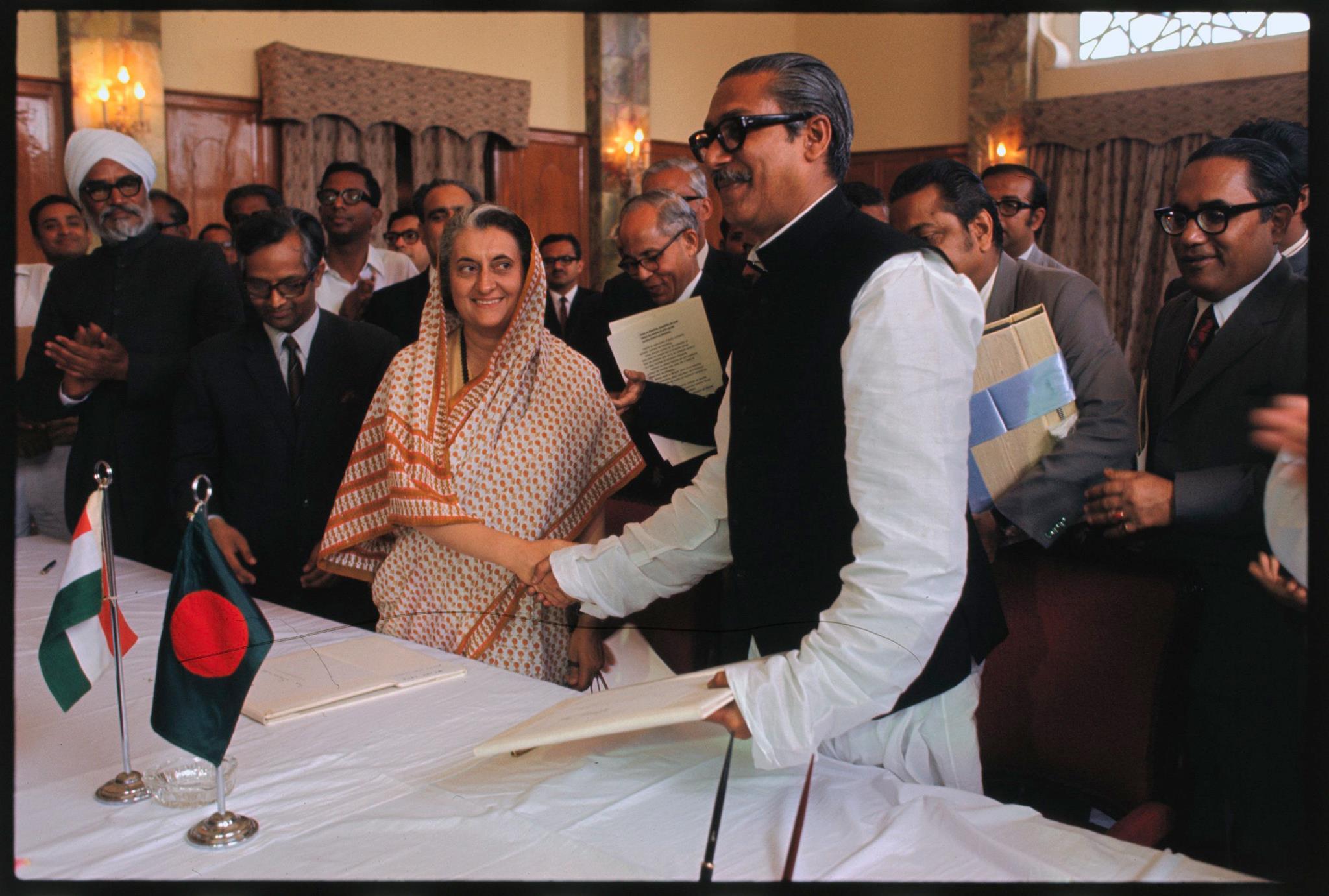


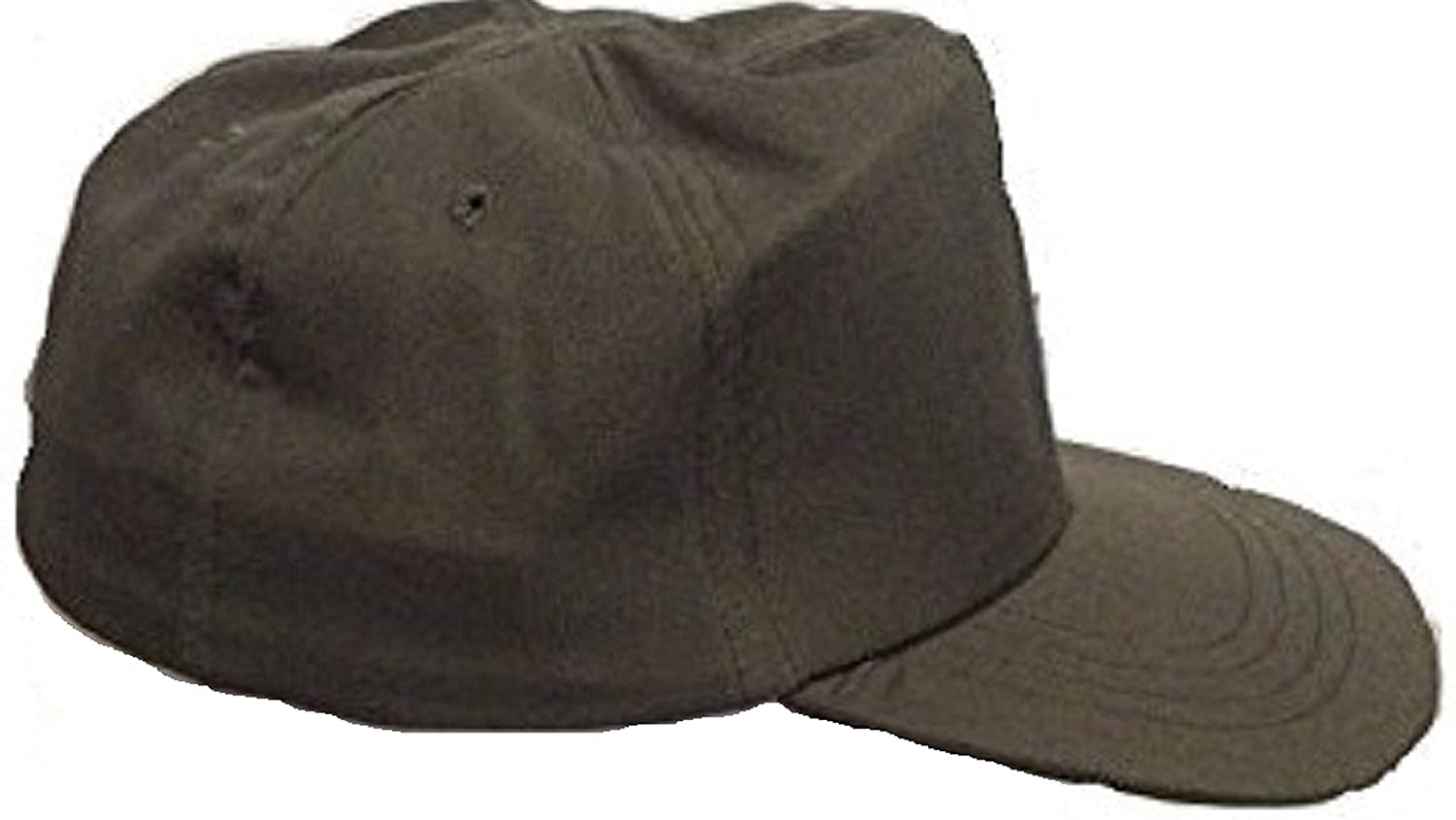


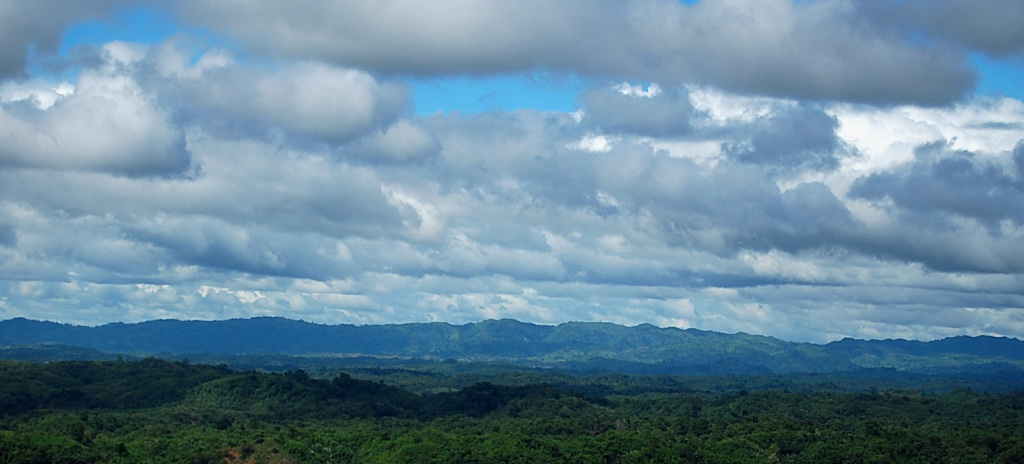


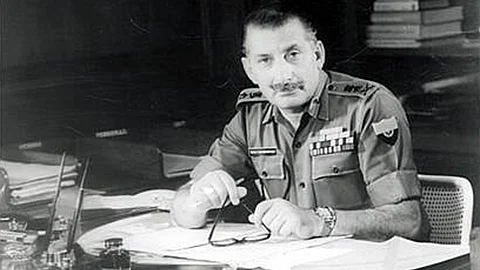
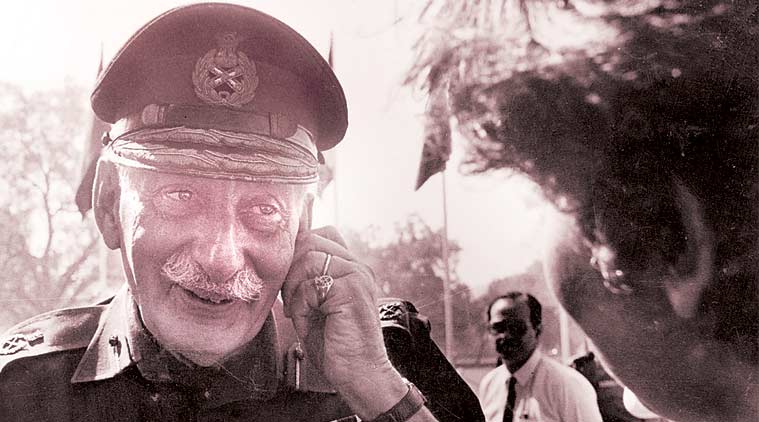


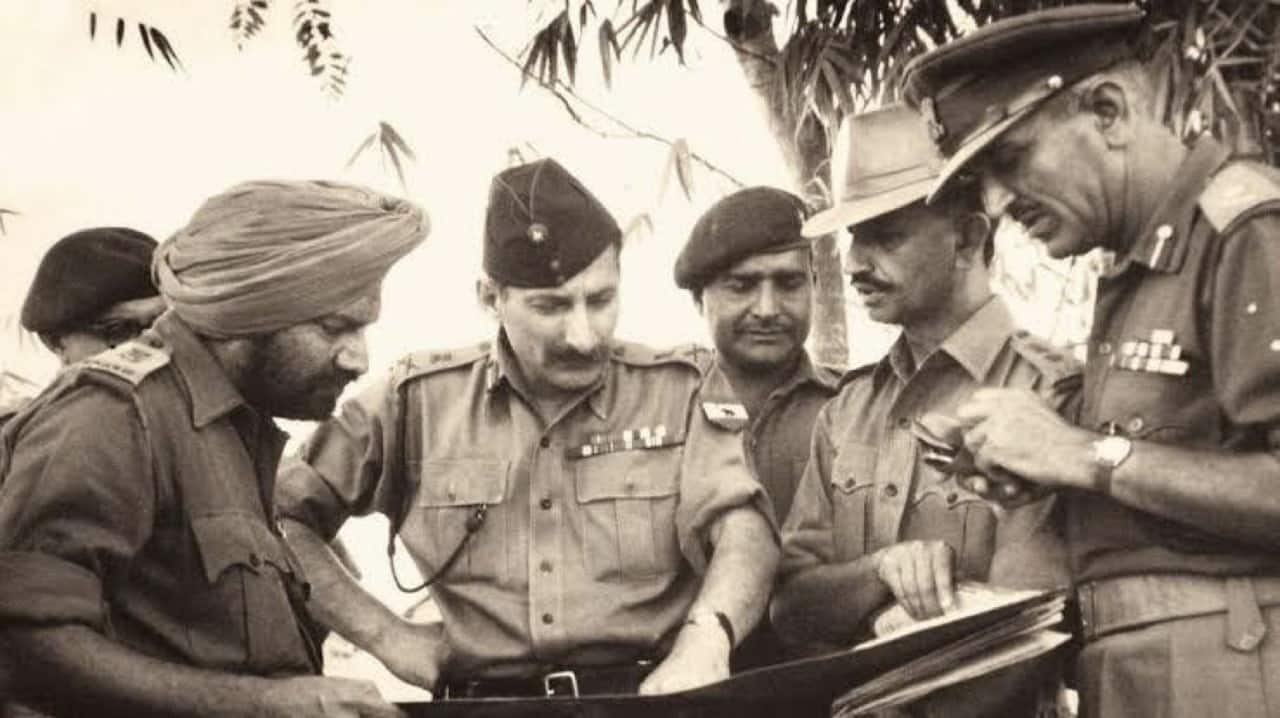


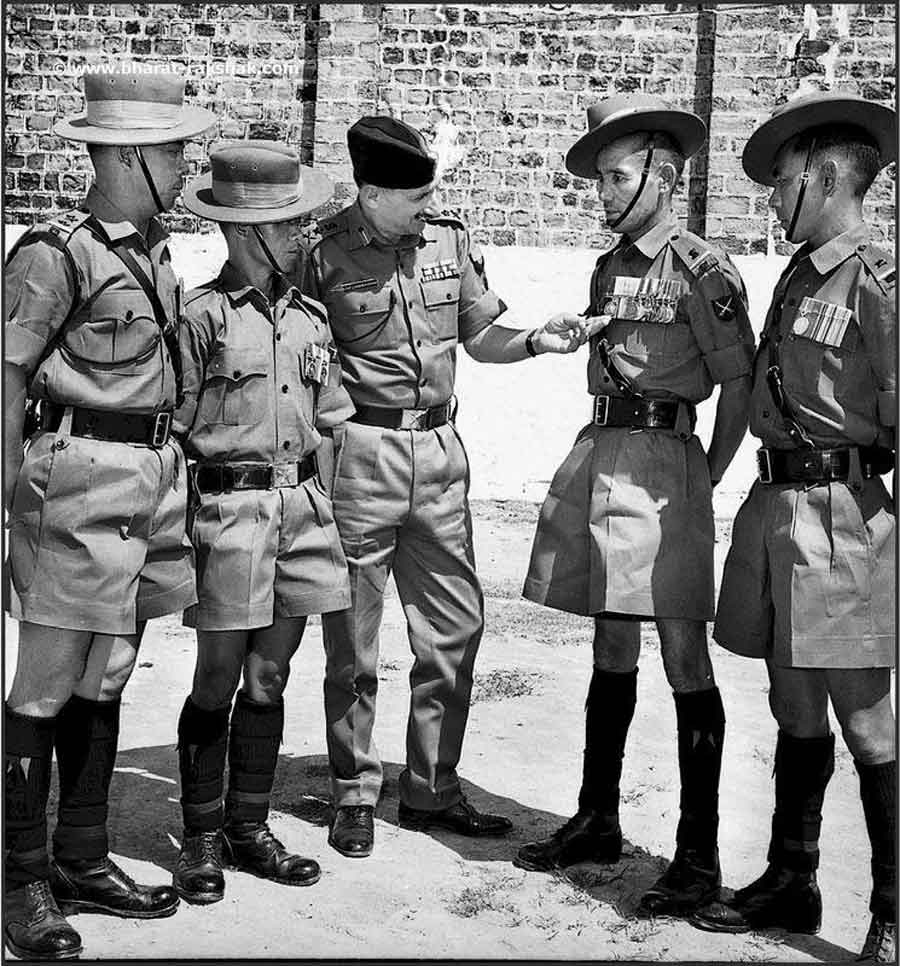

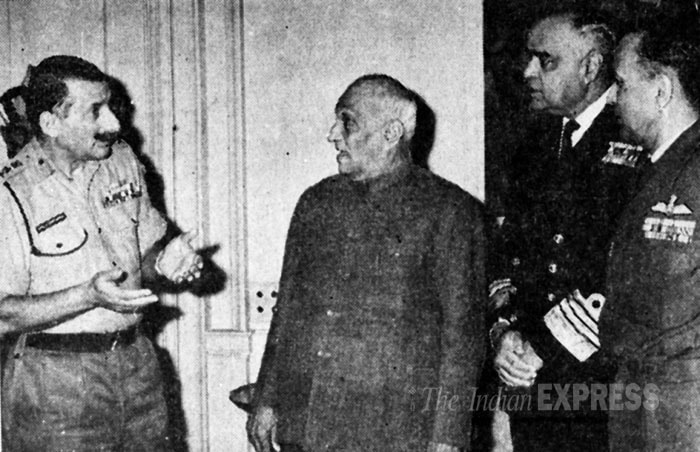


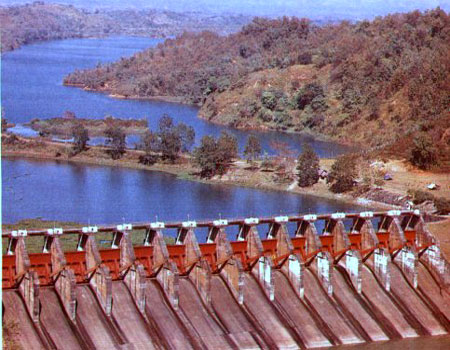


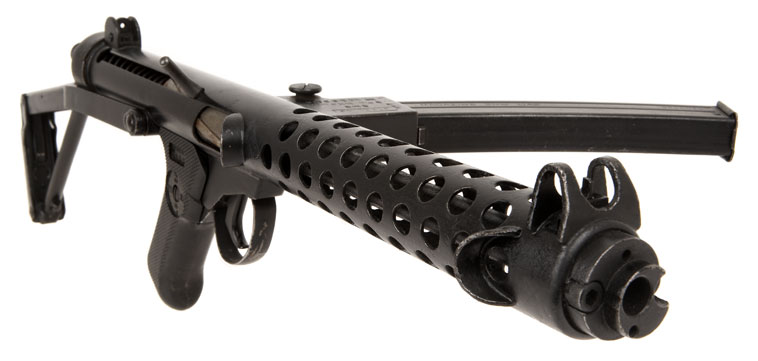


 PORTAL FOR


 Whole Dude - Whole Concept


