The Cold War in Asia – The US Strategy Putting Communist China ahead of Tibet totally Failed
Whole Strategy – “America First, Tibet on the Back Burner” Strategy totally FailedWhole Strategy – “America First, Tibet on the Back Burner” Strategy totally Failed
The Cold War in Asia began with the spread of Communism to mainland China. It is no surprise if President Trump thinks of China as a ‘Security Threat’. However, American infatuation with Communist China is not over. Americans are not yet ready to come to grips with realities of world dominated by Socialism with Chinese Characteristics. “America First – Tibet on The Back Burner” Strategy has totally failed.
Whole Strategy – “America First, Tibet on the Back Burner” Strategy totally Failed
Rudra Narasimham Rebbapragada Special Frontier Force-Establishment 22-Vikas Regiment
The Cold War in Asia began with the spread of Communism to mainland China. It is no surprise if President Trump thinks of China as a ‘Security Threat’. However, American infatuation with Communist China is not over. Americans are not yet ready to come to grips with realities of world dominated by Socialism with Chinese Characteristics. “America First – Tibet on The Back Burner” Strategy has totally failed.
China condemns the US Cold War Mentality on National Security
The Cold War in Asia began with the spread of Communism to mainland China. It is no surprise if President Trump thinks of China as a ‘Security Threat’. However, American infatuation with Communist China is not over. Americans are not yet ready to come to grips with realities of world dominated by Socialism with Chinese Characteristics. “America First – Tibet on The Back Burner” Strategy has totally failed.
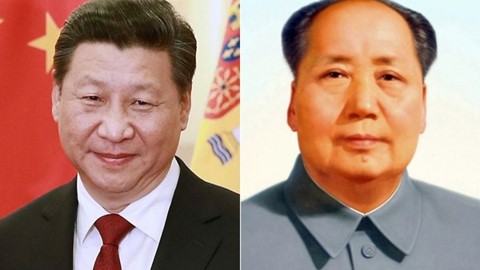
Image copyright Getty Images Image caption Chinese President Xi Jinping has enjoyed a cordial relationship with Donald Trump.
China has condemned the “Cold War mentality” of the White House after the publication of a new US national security policy. The document labels China and Russia as “rival powers” and lays out a number of potential threats they pose. The new strategy said Beijing and other governments were determined to challenge American power. But China’s foreign ministry criticized the strategy report, saying Washington should “abandon outdated notions.” Spokeswoman Hua Chunying said: “No country or report will succeed in distorting facts or deploying malicious slander. “We urge the US side to stop intentionally distorting China’s strategic intentions and to abandon outdated ideas of Cold War mentality and the zero-sum game.” Russia also responded to the new strategy by saying it “cannot accept” that it is treated as a threat.It also criticized what it said was the “imperialist character” of the document.
Trump’s pragmatic view of troubled world
The Cold War in Asia began with the spread of Communism to mainland China. It is no surprise if President Trump thinks of China as a ‘Security Threat’. However, American infatuation with Communist China is not over. Americans are not yet ready to come to grips with realities of world dominated by Socialism with Chinese Characteristics. “America First – Tibet on The Back Burner” Strategy has totally failed.
In the new US national security strategy, China and Russia are said to “challenge American power, influence and interests, attempting to erode American security and prosperity”. “They are determined to make economies less free and less fair, to grow their militaries, and to control information and data to repress their societies and expand their influence.”
The Cold War in Asia began with the spread of Communism to mainland China. It is no surprise if President Trump thinks of China as a ‘Security Threat’. However, American infatuation with Communist China is not over. Americans are not yet ready to come to grips with realities of world dominated by Socialism with Chinese Characteristics. “America First – Tibet on The Back Burner” Strategy has totally failed.
The new national security strategy contains a range of claims about China, including: China and Russia “are developing advanced weapons and capabilities” that could threaten the US. Competitors such as China “steal US intellectual property valued at hundreds of billions of dollars” China and Russia are investing in the developing world “to expand influence and gain competitive advantages” over the US. In Europe, China is gaining a foothold “by expanding its unfair trade practices and investing in key industries.” China also “seeks to pull the [Central America] region into its orbit through state-led investments and loans.” Some of the claims have been made before, but the new document casts them as part of a battle for dominance.
Analysis: Friends or rivals?
The BBC’s Robin Brant in Shanghai First at his golf club in Florida, then at the Forbidden City in Beijing, President Trump has taken every opportunity to say how close a friendship he’s built with his Chinese counterpart Xi Jinping. But now the official version is rivals – not friends. The classification sends a clear message about America’s changing stance towards a rising China, a China that’s made no secret of its plan to significantly expand its navy, assert more regional authority and expand its influence further abroad through a massive state-backed investment push. Economic rivalry is crucial to this dynamic. The Trump administration is investigating China for what it alleges is the dumping of artificially cheap aluminum products on US markets. It has threatened to do the same on steel exports. Ahead of the document’s publication, there were reports that the National Security Strategy would classify China as an economic “aggressor”, but that did not appear in the final version. Strategy documents are often released with little ceremony, but President Trump appeared at a special event to mark the release of the new strategy.In a speech about his new strategy, Mr. Trump said the US faced a new era of competition, and that China and Russia were the primary threats to US economic dominance.But, he said, the US must attempt to build a “great partnership with them”. Mr. Trump described “four pillars” to his new plan: protecting the homeland, promoting American prosperity, demonstrating peace through strength and advancing American influence. The 68-page document, which White House officials began work on 11 months ago, suggests a return to Mr. Trump’s campaign promise of “America First.”
The Cold War in Asia began with the spread of Communism to mainland China. It is no surprise if President Trump thinks of China as a ‘Security Threat’. However, American infatuation with Communist China is not over. Americans are not yet ready to come to grips with realities of world dominated by Socialism with Chinese Characteristics. “America First – Tibet on The Back Burner” Strategy has totally failed.
In his speech, Mr. Trump referred to his election victory, saying that in 2016 voters chose to “Make America Great Again.”Previous American leaders had “drifted” and “lost sight of America’s destiny” he said, standing before a backdrop of American flags. “Now less than one year later I am proud to report that the entire world has heard the news and has seen the signs,” he said. “America is coming back and America is coming back strong.” He also outlined his campaign promise to build a wall on the border with Mexico, as well as reform of the immigration visa system. The new policy stresses economic security but does not recognize climate change as a national security threat.His predecessor, Barack Obama, in 2015 declared climate change an “urgent and growing threat to our national security”.
The Cold War in Asia began with the spread of Communism to mainland China. It is no surprise if President Trump thinks of China as a ‘Security Threat’. However, American infatuation with Communist China is not over. Americans are not yet ready to come to grips with realities of world dominated by Socialism with Chinese Characteristics. “America First – Tibet on The Back Burner” Strategy has totally failed.
Whole Dude – Whole Reckoning: The Repeal PRWORA Project
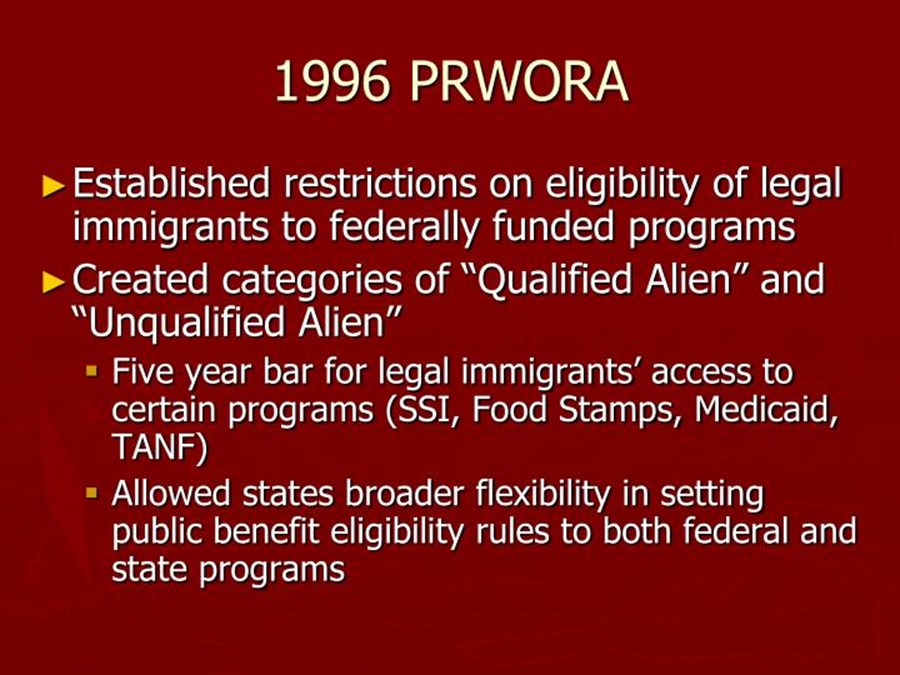
Excerpt: The “Repeal PRWORA Project” advocates for the repeal of Public Law 104-193, also known as the Personal Responsibility and Work Opportunity Reconciliation Act (PRWORA) signed by US President Bill Clinton in 1996. The organizers argue that this law reintroduced varieties of slavery, including involuntary servitude and forced labor, by unfairly denying retirement income benefits to non-citizen taxpayers who cannot provide proof of lawful residency. Critics claim this law infringes on the constitutional rights of these workers, violating principles of equal treatment, protection, and justice under law. They demand for a strict adherence to the natural law principles abolishing any form of slavery.
Whole Dude – Whole Reckoning: The Day of Reckoning For President Clinton’s Unjust and Unfair Welfare Reform Act subverting The Social Security ActWhole Dude – Whole Reckoning: August 14, 2023. The Day of Reckoning For President Clinton’s Unjust and Unfair Welfare Reform Act of 1996 subverting The Social Security Act of 1935. THE SSA IS SLAVE DRIVER. EMPLOYEE RETIREMENT INCOME SECURITY ACT OF 1974 (ERISA) DOES NOT COVER THE RETIREMENT INSURANCE BENEFIT PLAN SPONSORED BY THE SSA.
On this day, August 14, 1935, FDR signs the Social Security Act. However, the Employee Retirement Income Security Act of 1974 (ERISA) does not cover Retirement Insurance Benefit Plans sponsored by government entities such as the Social Security Administration (SSA). This glaring omission of Social Security Retirement Insurance Benefit Plan from the protection offered by ERISA transformed SSA into “Slave Driver.” SSA uses this absence of oversight with great impunity to violate the principles of Equal Protection guaranteed by the US Constitutional Law.
Whole Dude – Whole Reckoning: August 14, 2023. The Day of Reckoning For President Clinton’s Unjust and Unfair Welfare Reform Act of 1996 subverting The Social Security Act of 1935.
President Bill Clinton on August 22, 1996, sabotaged the Social Security Act of 1935 to introduce his ‘A New Beginning’. His Welfare Reform Act of 1996 marks The New Beginning of Slavery in the United States.
Whole Dude – Whole Reckoning: The Day of Reckoning For President Clinton’s Unjust and Unfair Welfare Reform Act subverting The Social Security Act
Whole Dude – Whole Reckoning: August 14, 2023. The Day of Reckoning For President Clinton’s Unjust and Unfair Welfare Reform Act of 1996 subverting The Social Security Act of 1935. On AUGUST 14, 1935 ROOSEVELT SIGNS SOCIAL SECURITY ACT. SSA SLAVE DRIVER FOR IT ADMINISTERS RETIREMENT INSURANCE BENEFIT PLAN OUTSIDE PURVIEW OF EMPLOYEE RETIREMENT INCOME SECURITY ACT OF 1974 (ERISA).
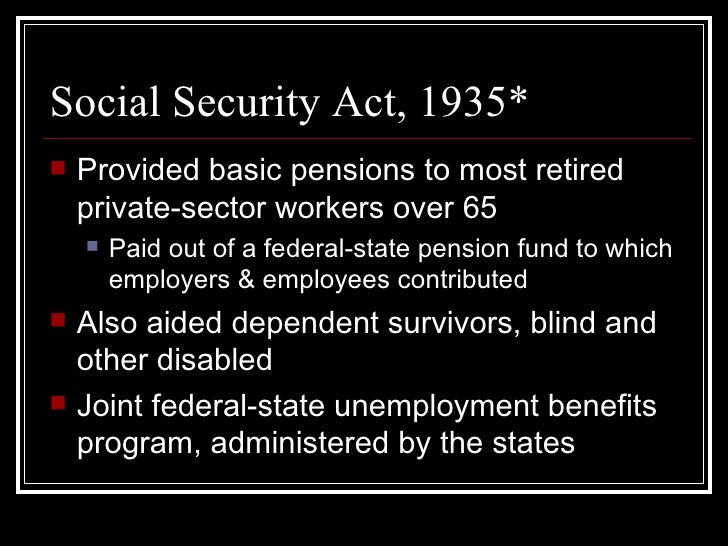
On this day in 1935, President Franklin D. Roosevelt signs into law the Social Security Act. Press photographers snapped pictures as FDR, flanked by ranking members of Congress, signed into law the historic act, which guaranteed an income for the unemployed and retirees. FDR commended Congress for what he considered to be a “patriotic” act.
Roosevelt had taken the helm of the country in 1932 in the midst of the Great Depression, the nation’s worst economic crisis. The Social Security Act (SSA) was in keeping with his other “New Deal” programs, including the establishment of the Works Progress Administration and the Civilian Conservation Corps, which attempted to hoist America out of the Great Depression by putting Americans back to work.
In his public statement that day, FDR expressed concern for “young people [who] have come to wonder what would be their lot when they came to old age” as well as those who had employment but no job security. Although he acknowledged that “we can never insure one hundred percent of the population against one hundred percent of the hazards and vicissitudes of life,” he hoped the act would prevent senior citizens from ending up impoverished.
Although it was initially created to combat unemployment, Social Security now functions primarily as a safety net for retirees and the disabled and provides death benefits to taxpayer dependents. The Social Security system has remained relatively unchanged since 1935.
Whole Dude – Whole Reckoning: August 14, 2023. The Day of Reckoning For President Clinton’s Unjust and Unfair Welfare Reform Act of 1996 subverting The Social Security Act of 1935. SSA SLAVE DRIVER FOR ITS RETIREMENT INCOME INSURANCE BENEFIT PLAN IS NOT COVERED BY THE EMPLOYEE RETIREMENT INCOME SECURITY ACT OF 1974 (ERISA).Whole Dude – Whole Reckoning: August 14, 2023. The Day of Reckoning For President Clinton’s Unjust and Unfair Welfare Reform Act of 1996 subverting The Social Security Act of 1935.
The United States must reflect upon the actions of the 42nd President that violate the LORD’ s Commandments. The Welfare Reform Act of 1996 enacted by President Bill Clinton reintroduced Slavery into the United States nullifying President Abraham Lincoln’s Proclamation that abolished Slavery.
Whole Dude – Whole Reckoning: August 14, 2023. The Day of Reckoning For President Clinton’s Unjust and Unfair Welfare Reform Act of 1996 subverting The Social Security Act of 1935.Whole Dude – Whole Reckoning: August 14, 2023. The Day of Reckoning For President Clinton’s Unjust and Unfair Welfare Reform Act of 1996 subverting The Social Security Act of 1935.Whole Dude – Whole Reckoning: August 14, 2023. The Day of Reckoning For President Clinton’s Unjust and Unfair Welfare Reform Act of 1996 subverting The Social Security Act of 1935.Whole Dude – Whole Reckoning: August 14, 2023. The Day of Reckoning For President Clinton’s Unjust and Unfair Welfare Reform Act of 1996 subverting The Social Security Act of 1935.Whole Dude – Whole Reckoning: August 14, 2023. The Day of Reckoning For President Clinton’s Unjust and Unfair Welfare Reform Act of 1996 subverting The Social Security Act of 1935.Whole Dude – Whole Reckoning: August 14, 2023. The Day of Reckoning For President Clinton’s Unjust and Unfair Welfare Reform Act of 1996 subverting The Social Security Act of 1935.Whole Dude – Whole Reckoning: August 14, 2023. The Day of Reckoning For President Clinton’s Unjust and Unfair Welfare Reform Act of 1996 subverting The Social Security Act of 1935.Whole Dude – Whole Reckoning: August 14, 2023. The Day of Reckoning For President Clinton’s Unjust and Unfair Welfare Reform Act of 1996 subverting The Social Security Act of 1935.Whole Dude – Whole Reckoning: August 14, 2023. The Day of Reckoning For President Clinton’s Unjust and Unfair Welfare Reform Act of 1996 subverting The Social Security Act of 1935.Whole Dude – Whole Reckoning: August 14, 2023. The Day of Reckoning For President Clinton’s Unjust and Unfair Welfare Reform Act of 1996 subverting The Social Security Act of 1935.Whole Dude – Whole Reckoning: August 14, 2023. The Day of Reckoning For President Clinton’s Unjust and Unfair Welfare Reform Act of 1996 subverting The Social Security Act of 1935. Social Security Administration Makes The Decision To Send The Notice of Slavery Award on October 20, 2020. My Reflections On The Law of Conscience.Whole Dude – Whole Reckoning: August 14, 2023. The Day of For President Clinton’s Unjust and Unfair Welfare Reform Act of 1996 subverting The Social Security Act of 1935.Whole Dude – Whole Reckoning: August 14, 2023. The Day of Reckoning For President Clinton’s Unjust and Unfair Welfare Reform Act of 1996 subverting The Social Security Act of 1935.Whole Dude – Whole Reckoning: August 14, 2023. The Day of Reckoning For President Clinton’s Unjust and Unfair Welfare Reform Act of 1996 subverting The Social Security Act of 1935. President Clinton’s Welfare Reform Act of 1996 shifts the burden of the Cross on to the shoulders of Simon of Cyrene.
Whole Dude – Whole Slippery: The Repeal PRWORA Project
Excerpt: The “Repeal PRWORA Project” advocates for the repeal of Public Law 104-193, also known as the Personal Responsibility and Work Opportunity Reconciliation Act (PRWORA) signed by US President Bill Clinton in 1996. The organizers argue that this law reintroduced varieties of slavery, including involuntary servitude and forced labor, by unfairly denying retirement income benefits to non-citizen taxpayers who cannot provide proof of lawful residency. Critics claim this law infringes on the constitutional rights of these workers, violating principles of equal treatment, protection, and justice under law. They demand for a strict adherence to the natural law principles abolishing any form of slavery.
Whole Dude – Whole Slippery: The economic policy initiated by President Clinton placed the US economy on a Slippery Slope. Americans will give attention to my words after they fail to resolve the Economic Crisis through either Liberal or Conservative Spending Plans to revive the National Economy.Whole Dude – Whole Slippery: In this graphic, Julie Peasley shows how many one-dollar bills it would take to stack up to the total U.S. debt of $31.4 trillion. Americans will give attention to my words after they fail to resolve the Economic Crisis through either Liberal or Conservative Spending Plans to revive the National Economy.
In my analysis, the Economic Policy of President Bill Clinton is fundamentally flawed for it violated the principles of Natural Law that make America a proud and prosperous nation in the world. The economic downfall of the United States is relentless and is almost unstoppable. There can be no healing and no recovery without the Blessings promised by God and living up to the Official Motto “IN GOD WE TRUST.”
Whole Dude – Whole Slippery: Americans will give attention to my words after they fail to resolve the Economic Crisis through either Liberal or Conservative Spending Plans to revive the National Economy.Whole Dude – Whole Slippery: Americans will give attention to my words after they fail to resolve the Economic Crisis through either Liberal or Conservative Spending Plans to revive the National Economy.
President Clinton’s Economic Policy to formulate a Balanced Budget is not consistent with LORD God Creator’s Economic Plan for the man in his golden years of his life. The issue is not that of Austere Spending or Deficit Spending Plans of the US Federal Government. God’s Plan clearly demands that the dignity of the man must be upheld in his Old Age when the man needs rest from daily labor to support his mortal existence.
Americans will give attention to my words after they fail to resolve the Economic Crisis through either Liberal or Conservative Spending Plans to revive the National Economy.
The Antislavery Campaign demands the Repeal of PRWORA of 1996 as it triggered ‘The Clinton Curse’ placing the US economy on a slippery slope. President Clinton did not Balance the US Budget for he acted in violation of God’s Commandments.
The Material Basis of Spirituality Science. The Clinton Curse. The US Economy on a Slippery Slope. Americans will give attention to my words after they fail to resolve the Economic Crisis through either Liberal or Conservative Spending Plans to revive the National Economy.
President Clinton missed the opportunity to save the country from foreign debt because he denied the payment of the Old Age Retirement Income and Health Insurance Benefits to alien workers who fully subscribed to the Social Security and Medicare Plans by paying the necessary taxes. To the same extent, ‘The Clinton Curse’ invites Americans to live their lives paying taxes to repay the foreign debt.
The concept of Spiritual well being always includes the dimension of the physical or the material well being of the man. In the present times, the physical or the material well being of the man always includes the concern about fair and just access to the economic resources to provide for the daily necessities of life particularly during old age after the attainment of the legally determined full retirement age.
The Material Basis of Spirituality Science. The Clinton Curse. The US Economy on a Slippery Slope. Americans will give attention to my words after they fail to resolve the Economic Crisis through either Liberal or Conservative Spending Plans to revive the National Economy.The Material Basis of Spirituality Science. The Clinton Curse. The US Economy on a Slippery Slope. Americans will give attention to my words after they fail to resolve the Economic Crisis through either Liberal or Conservative Spending Plans to revive the National Economy.
How Bill Clinton’s Balanced Budget Destroyed The Economy – Business Insider
The Material Basis of Spirituality Science. The Clinton Curse. The US Economy on a Slippery Slope. Americans will give attention to my words after they fail to resolve the Economic Crisis through either Liberal or Conservative Spending Plans to revive the National Economy.
Bill Clinton is giving the keynote speech at the Democratic National Convention tonight.
The idea is to make people feel nostalgic for the last time when the economy was really booming, and hope that some of that rubs off on Obama.
However, in the New York Post, Charlie Gasparino uses the occasion to remind everyone that the seeds of our current economic malaise were planted during the Clinton years.
Basically, it was under Clinton that Fannie and Freddie really began blowing the housing bubble, issuing epic amounts of mortgage-backed debt.
The story that Gasparino tells is basically: Liberal Bill Clinton thought he could use government to make everyone a homeowner and so naturally this ended in disaster.
Gasparino specifically cites the controversial Community Reinvestment Act, a popular conservative bogeyman:
How did they do this? Through rigorous enforcement of housing mandates such as the Community Reinvestment Act, and by prodding mortgage giants Fannie Mae and Freddie Mac to make loans to people with lower credit scores (and to buy loans that had been made by banks and, later, “innovators” like Countrywide).
The Housing Department was Fannie and Freddie’s top regulator — and under Cuomo, the mortgage giants were forced to start ramping up programs to issue more subprime loans to the riskiest of borrowers.
That’s interesting. But the truth is far more complicated. And more interesting.
Clinton’s Budget Legacy
In addition to being remembered for a strong economy, Bill Clinton is remembered as the last President to preside over balanced budgets.
Given the salience of the national debt issue in American politics today, the surpluses are a major mark of pride for the former President (and arguably the entire country). They shouldn’t be.
“I think it is safe to say that we are still suffering the harmful effects of the Clinton budget surpluses,” says Stephanie Kelton, an economics professor at the University of Missouri Kansas City.
To understand why you first need to understand that the components of GDP look like this:
In the above equation, C is private consumption (spending). ‘I’ is investment spending. ‘G’ is government spending. And ‘X-M’ is exports-minus imports (essentially the trade surplus).
Here’s a chart of the government budget around the years during and right after Clinton, in case you need a reminder that the government was in surplus near the end of his tenure.
The Material Basis of Spirituality Science. The Clinton Curse. The US Economy on a Slippery Slope. Americans will give attention to my words after they fail to resolve the Economic Crisis through either Liberal or Conservative Spending Plans to revive the National Economy.
If the government is in surplus, it means that the government is taking in more cash than it is spending, which is the opposite of stimulus.
It’s also well-known that the US trade deficit exploded during the late 90s, which means that ‘X-M’ was also a huge drag on GDP during his years.
The Material Basis of Spirituality Science.The Clinton Curse. The US Economy on a Slippery Slope. Americans will give attention to my words after they fail to resolve the Economic Crisis through either Liberal or Conservative Spending Plans to revive the National Economy.
So the trade deficit was subtracting from GDP, and the government was sucking up more money from the private sector than it was pushing out.
There was only one “sector” of the economy left to compensate: Private consumption. And private consumption compensated for the drags from government and trade in two ways.
First, the household savings rate collapsed during the Clinton years.
The Material Basis of Spirituality Science. The Clinton Curse. The US Economy on a Slippery Slope. Americans will give attention to my words after they fail to resolve the Economic Crisis through either Liberal or Conservative Spending Plans to revive the National Economy.
And even more ominously, household debt began to surge.
The Material Basis of Spirituality Science.The Clinton Curse. The US Economy on a Slippery Slope. Americans will give attention to my words after they fail to resolve the Economic Crisis through either Liberal or Conservative Spending Plans to revive the National Economy.
So already you can see how the crisis started to germinate under Clinton.
As his trade and budget policies became a drag on the economy, households spent and went into debt like never before.
Economist Stephanie Kelton expounded further in an email to Business Insider:
“Now, you might ask, “What’s the matter with a negative private sector balance?”. We had that during the Clinton boom, and we had low inflation, decent growth and very low unemployment. The Goldilocks economy, as it was known. The great moderation. Again, few economists saw what was happening with any degree of clarity. My colleagues at the Levy Institute were not fooled. Wynne Godley wrote brilliant stuff during this period. While the CBO was predicting surpluses “as far as the eye can see” (15+ years in their forecasts), Wynne said it would never happen. He knew it couldn’t because the government could only run surpluses for 15+ years if the domestic private sector ran deficits for 15+ years. The CBO had it all wrong, and they had it wrong because they did not understand the implications of their forecast for the rest of the economy. The private sector cannot survive in negative territory. It cannot go on, year after year, spending more than its income. It is not like the US government. It cannot support rising indebtedness in perpetuity. It is not a currency issuer. Eventually, something will give. And when it does, the private sector will retrench, the economy will contract, and the government’s budget will move back into deficit.”
But this is only part of the story. What about what Charlie Gasparino wrote about above?
The Fannie and Freddie Boom
When the government is running a surplus, it no longer has to issue much debt. But risk-free government bonds are a crucial component of portfolios for all kinds of financial institutions, and for mom & pop investors who like the safety of regularly Treasury payouts. The yield on the 10-year bond was over 5% back in those days… nothing to sneeze at for people planning for a retirement.
This created a bit of a crisis.
Bond trader Kevin Ferry, a veteran of the scene, told Business Insider about the panic that was unfolding over the government’s lack of debt.
“OMG, they were all saying… there wasn’t going to be any paper!”
How did the markets react?
“Lo and behold… [Fannie and Freddie] issuance “SURGED” in the late 90s,” said Ferry.
Everything changed. While the government dramatically slowed down the issuance of Treasuries, Fannie and Freddie picked up the baton and started selling debt like never before.
“Prior to those years, there were not regular [Fannie and Freddie] auctions.”
“The system wanted it.”
“The fear was that there wasn’t going to be any…. There were no bill auctions.”
“The brokers were calling up ma & pa and said there are no more T-Bill auctions!”
And the data bears this out.
Total agency issuance of mortgage-backed securities spiked in 1998 and 1999, and from then on they never looked back.
The Material Basis of Spirituality Science.The Clinton Curse. The US Economy on a Slippery Slope.Americans will give attention to my words after they fail to resolve the Economic Crisis through either Liberal or Conservative Spending Plans to revive the National Economy.
Business Insider, Bloomberg
And just to drive home the point again, about how the 1998-1999 spike in issuance was the mirror image of the annual change in the size of the government debt.
The Material Basis of Spirituality Science. The Clinton Curse. The US Economy on a Slippery Slope.Americans will give attention to my words after they fail to resolve the Economic Crisis through either Liberal or Conservative Spending Plans to revive the National Economy.
Note that both government debt and agency issuance spiked in the early 2000s, but that was during a recession when the private sector dramatically scaled back its activity form the late 90s.
How Clinton Destroyed The Economy
The bottom line is that the signature achievement of the Clinton years (the surplus) turns out to have been a deep negative. For this drag on GDP was being counterbalanced by low household savings, high household debt, and the real revving up of the Fannie and Freddie debt boom that had a major hand in fueling the boom that ultimately led to the downfall of the economy.
And that brings up a broader question that people who advocate balanced budgets must answer.
What’s the point of it?
Despite the budget surplus, interest rates were higher. And the surplus provided no protection of the coming slump. And if anything, it just weakened the most brittle part of the economy: households.
Furthermore, there is a pattern of this.
Japan ran a budget surplus in the year right before its economy went into terminal decline, as this chart from Trading Economics shows
The Material Basis of Spirituality.The Clinton Curse. The US Economy on a Slippery Slope.Americans will give attention to my words after they fail to resolve the Economic Crisis through either Liberal or Conservative Spending Plans to revive the National Economy.
So while Clinton will be remembered nostalgically tonight, for both the performance of the economy and his government finances, they shouldn’t be remembered fondly.
All said and done, President Clinton’s Evil Plan failed to resolve the problem of National Debt. The Repeal Movement exposes President Clinton’s contemptuous violation of Constitutional Principles of equal protection, equal justice and equal treatment under Law.
The Material Basis of Spirituality Science. The Clinton Curse. The US Economy on a Slippery Slope.Americans will give attention to my words after they fail to resolve the Economic Crisis through either Liberal or Conservative Spending Plans to revive the National Economy.
Whole Dude – Whole Plan: The Repeal PRWORA Project
Whole Dude – Whole Plan: The Repeal PRWORA Project
Excerpt: The “Repeal PRWORA Project” advocates for the repeal of Public Law 104-193, also known as the Personal Responsibility and Work Opportunity Reconciliation Act (PRWORA) signed by US President Bill Clinton in 1996. The organizers argue that this law reintroduced varieties of slavery, including involuntary servitude and forced labor, by unfairly denying retirement income benefits to non-citizen taxpayers who cannot provide proof of lawful residency. Critics claim this law infringes on the constitutional rights of these workers, violating principles of equal treatment, protection, and justice under law. They demand for a strict adherence to the natural law principles abolishing any form of slavery.
Whole Dude – Whole Plan: In this graphic, Julie Peasley shows how many one-dollar bills it would take to stack up to the total U.S. debt of $31.4 trillion.Americans will give attention to my words after they fail to resolve the Economic Crisis through either Liberal or Conservative Spending Plans to revive the National Economy.Whole Dude – Whole Plan: Americans will give attention to my words after they fail to resolve the Economic Crisis through either Liberal or Conservative Spending Plans to revive the National Economy.Whole Dude – Whole Plan: Americans will give attention to my words after they fail to resolve the Economic Crisis through either Liberal or Conservative Spending Plans to revive the National Economy.The Clinton Curse. America in Crisis. No Economist can Save the US from the present day economic downfall. Americans will give attention to my words after they fail to resolve the Economic Crisis through either Liberal or Conservative Spending Plans to revive the National Economy.
In my analysis, the Economic Policy of President Bill Clinton is fundamentally flawed for it violated the principles of Natural Law that make America a proud and prosperous nation in the world. The economic downfall of the United States is relentless and is almost unstoppable. There can be no healing and no recovery without the Blessings promised by God and living up to the Official Motto “IN GOD WE TRUST.”
President Clinton’s Economic Policy to formulate a Balanced Budget is not consistent with LORD God Creator’s Economic Plan for the man in his golden years of his life. The issue is not that of Austere Spending or Deficit Spending Plans of the US Federal Government. God’s Plan clearly demands that the dignity of the man must be upheld in his Old Age when the man needs rest from daily labor to support his mortal existence.
Americans will give attention to my words after they fail to resolve the Economic Crisis through either Liberal or Conservative Spending Plans to revive the National Economy.
REPEAL THE PRWORA PROJECT – RESIST DEGRADING CONSTITUTIONAL GUIDELINES. The Clinton Curse. America in Crisis. No Economist can Save the United States. Americans will give attention to my words after they fail to resolve the Economic Crisis through either Liberal or Conservative Spending Plans to revive the National Economy.
The economist who could save the world
By Ishaan Tharoor
Washington, D.C.
Ishaan Tharoor. The Columnist for The Washington Post.
Columnist covering foreign affairs, geopolitics and history. Education: Yale University, BA, honors in history and ethnicity, race and migration. Ishaan Tharoor is a columnist on the foreign desk of The Washington Post, where he authors the Today’s World View newsletter and column.
The economist who could save the world
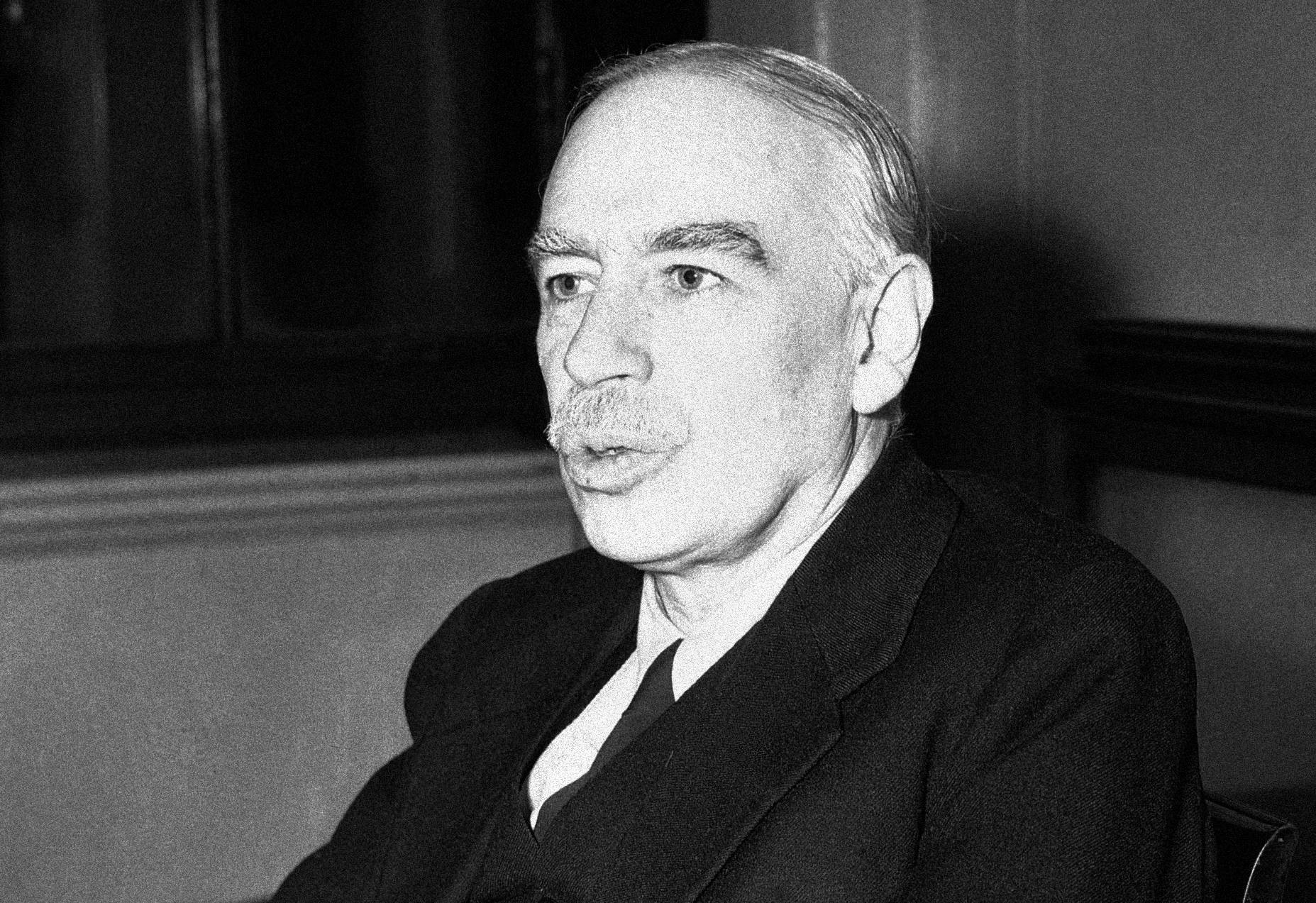
John Maynard Keynes in his office at the Treasury in London on Aug. 25, 1945. (AP) Americans will give attention to my words after they fail to resolve the Economic Crisis through either Liberal or Conservative Spending Plans to revive the National Economy.
Who’s afraid of big spending now?
Across western democracies, the impact of the coronavirus pandemic has compelled governments of various stripes to unleash fiscal stimulus on their battered societies. Even before the virus paralyzed much of the global economy, public attitudes toward austerity had long soured, with parties across the political spectrum increasingly embracing more active social spending and eschewing platforms that touted cuts.In “The Price of Peace: Money, Democracy and the Life of John Maynard Keynes,” journalist Zachary Carter vividly explores the career of the early 20th-century economist whose prescriptions for economic crises linger with us. As The Washington Post’s review of the book puts it, governments are “still in thrall” to Keynes in myriad ways, but especially when faced with the troubles of our present. Carter, a reporter at HuffPost, spoke to Today’s WorldView about Keynes and his legacy. Below is an edited version of our chat. What do we mean when we talk about “Keynesianism?”
Most of us encounter a version of Keynesianism in Econ 101 courses, where we learn that Keynes was the guy who counseled governments to spend big during recessions to help bring the government out of the doldrums. But Keynes himself never wanted to be remembered as a deficit therapist. He was a social thinker who was concerned with the great problems of his day: war and economic depression. And I think he would be very troubled by the idea that government spending on anything at all became the hallmark of his legacy in the economics profession. Although, he was not a modest man, and I think he would have taken some comfort in knowing that Democrats and Republicans alike have adopted policy strategies named after him.
Are there ways in which he viewed social goods and the responsibilities of lawmakers that would challenge the mainstream norms of our present, especially in America?
Very much so. Keynes was deeply afraid of social upheaval and revolution, but his social values were essentially radical. He was a gay man who lived with a community of pacifist artists and writers, who was very comfortable living against the grain of the social norms of his time. But I think he would be perplexed by what we deem to be political battles in the United States. He thought economic policy was the central political battleground for social justice, and the way economics has become technocratized and hived off from mainstream politics as an arena for specialists would have both excited and frightened him. He would be terrified by the idea that central political questions about equality and inequality have become the terrain of experts who essentially rule in favor of inequality, regardless of which political party is in charge. Keynes viewed inequality as a very dangerous thing — it’s something that preoccupied him when he wrote “The Economic Consequences of the Peace” and “The General Theory” — his two masterpieces.
The Clinton Curse. America in Crisis. No Economist can Save the United States. Americans will give attention to my words after they fail to resolve the Economic Crisis through either Liberal or Conservative Spending Plans to revive the National Economy.
For all the impact he’s had on economic policy thinking, he faced repeated political disappointments through much of his career.
I think there are very few people who have cultivated such monumental political legacies who had such pathetic political careers. Keynes lost essentially every public policy battle he waged between 1917 and 1941. All of his economic thought was developed in an attempt to prevent another calamity like World War I, and he obviously failed in that project. But that failure forced him to be increasingly ambitious with his thinking. If he had been able to persuade governments at Paris in 1919, for instance, to cancel international debts, we might never have seen “The General Theory.”
The conventional understanding now places Keynes, a champion of stimulus, against Milton Friedman, who came after him and is seen as a champion of austerity. Is that a useful binary?
I think we lose track of the fact that Friedman and Keynes had different social visions. They weren’t just arguing across the generations about which policies would best create the same desired result. They were arguing about what kind of world they wanted to live in. And the mathematicization of economics in the 20th century really obscures this deeper ideological conflict, often by design. Keynes wanted everyone to live in the Bloomsbury of 1913, having their hair cut by Virginia Woolf while drinking champagne and debating post-impressionism with Lytton Strachey. Friedman wanted to preserve these activities as the exclusive domain of the wealthy. Why be rich if you can’t live a better life than the masses? To which Keynes would counter: Who cares about the masses when you are drinking champagne with Virginia Woolf?
So literal champagne socialism?
The Clinton Curse. America in Crisis. No Economist can Save the United States. Americans will give attention to my words after they fail to resolve the Economic Crisis through either Liberal or Conservative Spending Plans to revive the National Economy.
Given the pandemic and the kind of spending many governments are mustering now, are we entering a new age of Keynesianism?
In a narrow sense, we’ve always been living in a Keynesian world. Even Republicans spend big to save the economy. But since 2008 and particularly today, it’s obvious that there is no market economy absent political support for economic activity, and recovery will require profound, long-term guidance from today’s great powers. But Keynes would not see the crisis as a matter of dollars and cents or imbalanced equations. He’d look to climate change, inequality and the escalating tensions between the United States and China as pressing social problems in need of immediate attention. And so he’d craft rescue packages that attempted to kill multiple birds with one stone: bring the economy to prosperity, of course, but establish a foundation for international harmony.Keynes never stopped believing in the potential for people to create a better world, even as the world in his own lifetime descended deeper and deeper into chaos and dysfunction. There was no problem he believed democracies were incapable of overcoming. People criticized him for being naive, but I don’t think democracies can afford to break that faith in the future.
The Clinton Curse. America in Crisis. No Economist can Save the United States. Americans will give attention to my words after they fail to resolve the Economic Crisis through either Liberal or Conservative Spending Plans to revive the National Economy.The Clinton Curse-Curses for Disobedience. Americans will give attention to my words after they fail to resolve the Economic Crisis through either Liberal or Conservative Spending Plans to revive the National Economy.
Whole Dude – Whole Strategy: Chanakya Niti – A review of the doomed US policy of Hegemony.
Chanakya Niti or the Doctrine of Chanakya, Kautilya, or Vishnu Gupta, the Indian Statesman and Philosopher
Whole Dude – Whole Strategy: Chanakya Niti – A review of the doomed US policy of Hegemony
Chanakya could be described as the pioneer economist of the world. He is known for his shrewdness, astuteness and diplomacy. He may have been influenced by Zoroastrians who arrived in India from Persia (present day Iran). He became a counsellor and adviser to King Chandragupta (reigned c. 321- c. 297) of the Mauryan Empire in India. King Chandragupta was a contemporary of Alexander the Great. Chanakya was instrumental in helping Chandragupta to overthrow the powerful Nanda dynasty at Pataliputra, Magadha.
Whole Dude – Whole Strategy: Chanakya Niti – A review of the doomed US policy of Hegemony
Chanakya is praised for his sound political wisdom and knowledge of human nature. Because of him the Mauryan Empire under Chandragupta and later under Ashoka (reigned c. 265- c. 238) became a model of efficient government.
Whole Dude – Whole Strategy: Chanakya Niti – A review of the doomed US policy of Hegemony
Chanakya wrote a classic treatise on polity, Artha Shastra. Artha means property, economics or material success. It incorporates Principles of Economics and Administration. The book discusses monetary and fiscal policies, welfare, international relations and war strategies. His book Niti Shastra deals with the ideal way of life. The book Chanakya Niti enunciates his policies.
American Foreign Policy – Hegemony:
Whole Dude – Whole Strategy: Chanakya Niti – A review of the doomed US policy of HegemonyWhole Dude – Whole Strategy: Chanakya Niti – A review of the Doomed US foreign policy called Hegemony.
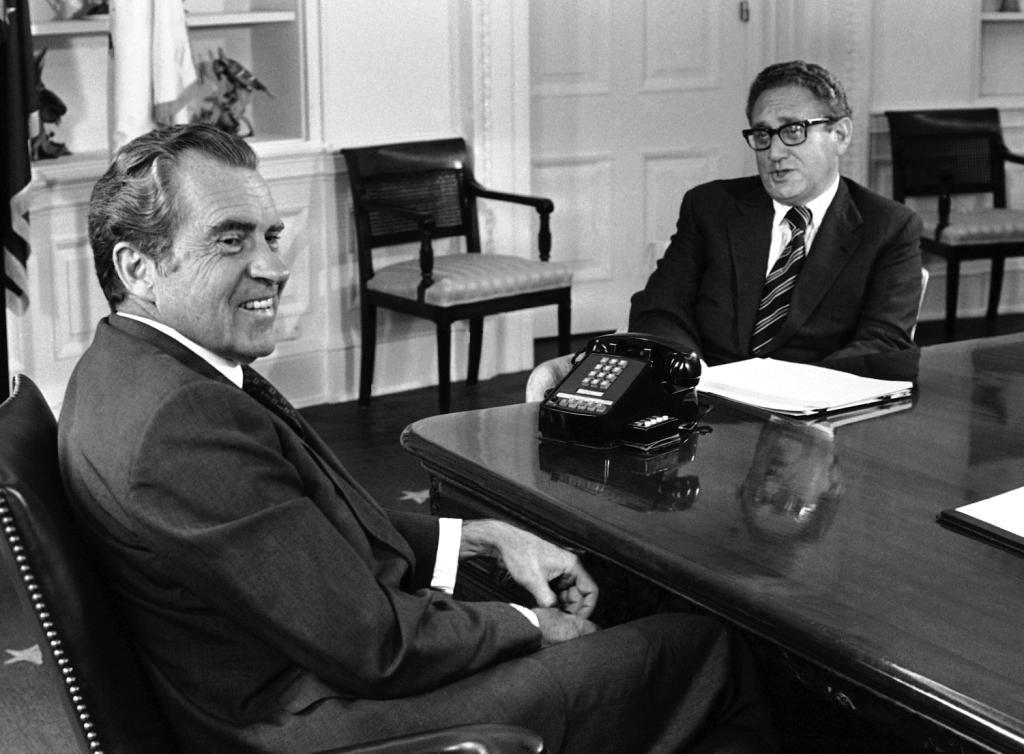
Dr. Henry Alfred Kissinger who was chief foreign policy adviser and Secretary of State to Presidents Richard Nixon and Gerald Ford is described as the architect of American foreign policy which he named as hegemony.
Whole Dude – Whole Strategy: Chanakya Niti – A review of the US policy of Hegemony. The chief architect of the doomed US policyWhole Dude – Whole Strategy: Chanakya Niti – A review of the US policy of Hegemony. The chief architect of the doomed US policyWhole Dude – Whole Strategy: Chanakya Niti – A review of the US policy of Hegemony. The chief architect of the doomed US policyWhole Dude – Whole Strategy: Chanakya Niti – A review of the US policy of Hegemony. The chief architect of the doomed US policyWhole Dude – Whole Strategy: Chanakya Niti – A review of the US policy of Hegemony. The chief architect of the doomed US policyWhole Dude – Whole Strategy: Chanakya Niti – A review of the US policy of Hegemony. The chief architect of the doomed US policyWhole Dude – Whole Strategy: Chanakya Niti – A review of the US policy of Hegemony. The chief architect of the doomed US policyWhole Dude – Whole Strategy: Chanakya Niti – A review of the US policy of Hegemony. The chief architect of the doomed US policy
At the end of the cold war, America has assumed the role of World’s only Superpower (Hyperpower) and is willing to dominate the globe in all aspects including that of being the sole military, political, economic and socio-cultural power.
Whole Dude – Whole Strategy: Chanakya Niti – A review of the US policy of Hegemony. The chief architect of the doomed US policy
What’s Good for America is Good for the World:
Whole Dude – Whole Strategy: Chanakya Niti – A review of the Doomed US policy of Hegemony
If Chanakya is called upon to evaluate the performance of American foreign policy, he would naturally first look at the impact of American military spending. The total amount of year 2008 supplemental funding for American wars in Iraq and Afghanistan is $ 189.3 Billion and $ 158 Billion is for the Iraq war. The total spending for the Iraq war is $ 617 Billion and would be increasing on a daily basis. The total U.S. casualties in Iraq has reached a grim milestone of 4,000. America fought battles in World War II, Korea and Vietnam and the human toll was very heavy. But, in terms of the costs of waging wars, the present costs are astronomical. Does this military spending boost the national economy and create jobs? The verdict is that the military spending is draining resources from the productive economy. It has a detrimental impact on many sectors of the economy. It has resulted in slow economic growth, less investment, higher trade deficits and fewer jobs. American economy has now slowed down and currently it is the biggest concern of the American public and the concern for economy is greater than the concern for the future course of war in Iraq.
Whole Dude – Whole Strategy: Chanakya Niti – A review of the US policy of Hegemony. The chief architect of the doomed US policy
In the United States, the national debt is expanding by about $ 1.4 Billion a day. It means about $ 30,000 in debt for each man, woman, child and infant living in the United States. Currently, the national debt stands at $ 9.2 Trillion. In the fiscal year 2006, United States government spent $ 406 Billion on interest payments to the holders of the National Debt. The interest payments keep compounding, and could in time squeeze out most other government spending. The national debt is projected to grow beyond $ 10 Trillion by January 2009 when the Americans would have chosen the next President to lead their country.
How would America defends its National Security?
Whole Dude – Whole Strategy: How would America defend its National Security?Whole Dude – Whole Strategy: Chanakya Niti – A review of the doomed US policy of Hegemony
American national security will remain hostage to events on the ground in Iraq and Afghanistan. There is no easy way out. The next President of the United States would not be in a position to pull back the troops in spite of the election time rhetoric. The moment America pulls out of Iraq, the power vacuum would be filled up by Iran which would be against American interests in the Middle East. The situation is much worse in Afghanistan. Their economy survives on foreign support and as of today the government in Kabul rules very little of its territory.
Whole Dude – Whole Strategy: Chanakya Niti – A review of the doomed US policy of Hegemony
America claimed a big success for its foreign policy in the break up of the Republic of Yugoslavia and for creating the State of Kosovo. Kosovo has no economy of its own and is currently dependent upon the American and European troops who spend their money while they are stationed there. American military spending in Europe is projected to increase much more on account of the new missile and radar bases it would have in Poland and Czech Republic.
Whole Dude – Whole Strategy: Chanakya Niti – A review of the US policy of Hegemony. The chief architect of the doomed US policy. The ideals and principles contained in the historical document known as ‘The Declaration of Independence’ could not be translated into reality. In the United States, rulers have become corrupt, they pursued economic, trade, and commerce policies that caused a huge chasm between aspirations and accomplishments of this independent nation. National, and personal indebtedness has grown to unimaginable levels while very few individuals have amassed immense personal wealth. Employment opportunities are lost as the country depends upon products and services that are entirely imported from foreign countries like People’s Republic of China where people have no representative government. United States lacks an informed population while people use education as a tool for economic privilege. There are no laws and institutions to compensate for the diminution of public virtue.
None of these foreign policy initiatives for global dominance could help America to balance its federal budget and control its deficit spending which is the root cause of the problems that its economy is facing now. If American economy suffers, it would definitely cause a ripple effect. I am not surprised to hear that the merchants in the New York city are willing to accept payments in Euros as an acknowledgement of the fact that the U.S. Dollar has become weak and will continue to remain weak in comparison to major global currencies.
Whole Dude – Whole Strategy: Chanakya Niti – A review of the doomed US policy of HegemonyWhole Dude – Whole Strategy: Chanakya Niti – A review of the doomed US policy of Hegemony
American militaryspending has a detrimental impact on many sectors of the economy. It has led to slow economic growth, less investment, higher trade deficits and fewer jobs. Is that Good for America?
Whole Dude – Whole Strategy: Chanakya Niti – A review of the doomed US policy of Hegemony
Red China’s Strategy in Tibet – Rule with Iron Fist
Whole Strategy – Red China’s Strategy in Occupied Tibet. Rule with Iron Fist.
Red China on July 10, 2015 formulated a new strategy to suppress expression of Tibetan Identity in all areas of Tibet that include the Tibetan Autonomous Region (TAR), and Tibetan Autonomous Prefectures incorporated into Yunnan, Sichuan, Qinghai, and Gansu Provinces encompassing the eastern Tibetan regions of Amdo, and Kham. Red China’s policy of Suppression of Tibetan Identity has achieved an altogether unintended purpose and it gives an opportunity to all Tibetans to collectively breakdown the knuckles of Red China’s Iron Fist and slacken her grip over Tibet.
Whole Strategy – Red China’s Strategy in Occupied Tibet. Rule with Iron Fist.
Unrepresented Nations and Peoples Organization
August 14, 2015
Tibet: Increased Militarization ahead of 50th Anniversary
Whole Strategy – Red China’s Strategy in Occupied Tibet. Rule with Iron Fist.
With the 50th anniversary of the establishment of the Tibet Autonomous Region (TAR) coming up on 1 September 2015, Chinese military troops have excessively increased their presence in the region during the month of August. Moreover, on 30 July 2015, a high-level meeting on Tibet security policy was convened by China’s top Politburo and presided over by President Xi Jinping himself.
In this photo released by China’s Xinhua News Agency, Chinese People’s Liberation Army troops march during a grand ceremony marking the 50th anniversary of the founding of the Tibet Autonomous Region at the square of the Potala Palace in Lhasa, capital of southwest China’s Tibet Autonomous Region, Tuesday, Sept. 8, 2015. Schoolchildren waved flags and paramilitary troops marched in full battle dress as the Chinese government on Tuesday staged a mass spectacle marking 50 years since Tibet’s establishment as an ethnic autonomous region firmly under the control of Beijing. (Pang Xinglei/Xinhua via AP)
Below is an article by INTERNATIONAL CAMPAIGN FOR TIBET Major troop movements, including tanks or heavy artillery in convoys of more than 200 vehicles, have been observed in different parts of Tibet in the build-up to the September 1 anniversary of the establishment of the Tibet Autonomous Region, which will be attended by Chinese leaders from Beijing. The People’s Liberation Army held major live fire exercises this week led by the Chengdu military district that oversees Tibet and the border areas. The importance of the Tibet issue at the highest levels in China was underlined by a meeting of the top Politburo led by Party Secretary Xi Jinping on July 30. The issue of the Dalai Lama’s reincarnation was raised in the official media as a critical element of the PRC’s “sovereignty and national security”. The formation of a powerful new central group for ‘United Front’ work – the Party department involved in dialogue with the Dalai Lama’s representatives until talks stalled in January 2010 – is likely to indicate an upgrading of the department and a strengthening of control. An agreement formalizing cooperation on security and ‘political stability’ – a political term associated with a dramatic expansion of military and police powers – across Tibetan areas in the PRC was made in Lhasa on July 10. The new developments, which focus on a hard line approach to the Dalai Lama and struggle against ‘separatism’ set the tone for a key high-level strategy meeting rumored to be imminent that is intended to set Tibet policy for the coming decade. Linked to this, there is speculation that China’s Party Secretary and President Xi Jinping may visit Tibet in the next few weeks. Images and footage have emerged of major convoys of troops in transit in Lhasa and Shigatse (Chinese: Rikaze) in the Tibet Autonomous Region (TAR), and Rebkong (Chinese: Tongren) in Qinghai, in July. While the purpose of some of the convoys appears to have been propaganda and intimidation, some of the troop movements may have been linked to major military exercises. The Chinese state media announced a joint military drill with live firing on Monday (August 10) on the Tibetan plateau in Sichuan (Xinhua, August 11, 2015). The footage depicts trucks full of armed troops passing through Lhasa near the Potala Palace and a main street in Shigatse. The vehicles have red banners on the side of the vehicles bearing slogans in Chinese characters including: “To defend security and stability in Tibet”; “A healthy civilian and peaceful society is the will of the people”; “Sincerely loyal to the Party and unswervingly work for its mission”. No air cover was reported by sources who observed the various convoys, and one source said that no troop movements of this scale had been observed in the areas before. One of the troop convoys in the TAR consisted of more than 200 vehicles, including several tanks either on wheels or caterpillar tracks, traveling from Lhasa in the direction of Bayi, which is the prefectural capital of Nyingtri/Kongpo (Chinese: Linzhi) and a major base of the armed forces in Tibet close to the border with India. The convoy included “bridges on wheels” – portable bridges to be dismantled and used for heavy vehicles crossing rivers or in areas affected by landslides. The purpose of the troop movements is not known, although it is likely to be a combination of conveying propaganda, overt intimidation and involvement in major military exercises. The Chinese state media announced this week that a joint military drill entered “live fire stage” “in a plateau area” in Sichuan, organized by the People’s Liberation Army Chengdu Military Area Command, which oversees Tibetan areas including the sensitive border with India. Code-named ‘Joint Action-2015D’, Xinhua reported that it was the “first of five similar drills that will involve a total of more than 140,000 soldiers from over 140 PLA regiments of various types.” (Xinhua, August 11, 2015). There has been a strong emphasis in the official press about the strengthening of control mechanisms at a time when the CCP authorities are preparing for the major 50th anniversary of their foundation of the TAR. While this is to be marked throughout August, the main date for the official celebration is September 1. Sources have reported tightened security in every sphere, including instructions on the importance of ‘stability’ conveyed to Tibetan trade organisations, business and tourist agencies and an increase in police checkpoints. Travel permits to the TAR are not being issued for at least the first week of September, according to a report posted on the website prweb.com on Jul 26, citing Tibet tourism bureau. The scale of the military movements in several different areas and tightened security across the TAR has also heightened speculation about an imminent visit of Party Secretary and President Xi Jinping to Tibet, according to various sources and comments circulating on social media. A meeting of the Chinese Politburo on July 30 presided over by Xi Jinping asserted the continued “anti-separatist” hard line approach by the authorities in Tibet, with Xinhua stating that “safeguarding national unity and enhancing ethnic unity” should be emphasized in order to achieve “long-term stability”. It was the second Politburo meeting in a period of ten days, discussing issues of China’s economy and development. The emphasis on Tibet policy indicates it is a matter of prominent concern at the highest levels of the CCP. Given the limited details released about the behind closed doors meeting, it is not possible to confirm whether Party control over the Dalai Lama’s reincarnation was discussed. Earlier last month the state media had released a statement objecting to the Dalai Lama’s comments in the New York Times on his own reincarnation. The state media report confirmed that the CCP authorities view this as “an important issue concerning sovereignty and national security.” (Xinhua, July 19, 2015). The Dalai Lama, who turned 80 on July 6, said recently: “The Chinese Communist Party is pretending that they know more about the reincarnation system than the Dalai Lama.” The significance of the Tibet issue to the Party was emphasized in an editorial in the Chinese-language publication Legal Daily, which stated: “Last year was the 20th anniversary of the beginning of partnered aiding Tibet, this year is the 50th anniversary of the establishment of the Tibet Autonomous Region, and next year is the 65th anniversary of the Peaceful Liberation of Tibet. Against a backdrop of the convergence of these important points, central authorities have given the highest priority to making decisions about the development of Tibet.” The CCP prioritizes development, infrastructure construction and resource extraction as key elements of its strategic objectives in Tibet, casting support for the Dalai Lama and protection of Tibetan national identity as obstacles to its ambitions to re-shape the Tibetan plateau for its own purposes and ensure its dominance. After the Politburo meeting, the state media also announced the formation of a leading group for United Front work – the Party department involved in dialogue with the Dalai Lama’s representatives until talks stalled in January 2010. The United Front Work Department oversees the implementation of Party policy toward China’s ethnic and religious groups, intellectuals, entrepreneurs, and outside organisations, among other functions. It is not yet known whether Xi Jinping will head the new ‘central leading group’ of the United Front, but the development is likely to indicate an upgrading of the department and a strengthening of control. One of the key priorities of the United Front Work Department is to maintain a hard line position on Tibet, with a core mission of ‘struggle’ against the Dalai Lama. The leading group in the Party bureaucracy charged with Tibet policy is directed by the Politburo Standing Committee member in charge of the United Front. The Politburo meeting on July 30 and an additional meeting in Lhasa on July 10 to coordinate security policy across all Tibetan areas of the PRC have set the frame for a Sixth Tibet Work Forum which is rumored to be imminent. There have only been five such strategy meetings since the Chinese took over Tibet in 1949-50. The Fifth Work Forum in January, 2010 – the first since 2001 – was attended by more than 300 of China’s most senior Party, government and military leaders and set the cycle of policy for the subsequent years. While the Fourth Work Forum focused on the Tibet Autonomous Region, the Fifth included all Tibetan areas in Sichuan, Yunnan, Gansu and Qinghai provinces – encompassing the eastern Tibetan regions of Amdo and Kham. Official statements tended before to characterize only the Tibet Autonomous Region as ‘Tibet,’ although Tibetan areas incorporated in four other provinces are defined as ‘Tibetan autonomous’ prefectures and counties. Uniformity of policy throughout Tibetan areas of the PRC has been emphasized since then, and was further underlined in a meeting in Lhasa on July 10 (2015). According to a state media report in Chinese, the ‘strategy forum’ held on July 10 involved the Tibet Autonomous Region and Tibetan Autonomous Prefectures incorporated into Yunnan, Sichuan, Qinghai and Gansu signing a cooperation agreement on ‘stability’. In Chinese political language, ‘stability’ is a coded reference to the need to crush any form of dissent and to ensure allegiance to the CCP authorities in order for the authorities to pursue their strategic and economic objectives on the plateau without impediment. The meeting focused on strengthening of control across Tibetan areas, describing the meeting as the first “cross-regional local Tibet Work Forum”. In a further agenda-setting statement, on April 15 the Chinese government had issued a long and elaborately argued White Paper on Tibet which outlined the CCP’s political position on the Dalai Lama and Tibet’s status in great detail with a much harsher approach than in previous such statements. In the paper, circulated widely in the Chinese state media, the authorities went on the attack over the Dalai Lama’s Middle Way approach, which advocates for a genuine autonomy under the sovereignty of the PRC. It is notable that the Chinese authorities have issued more White Papers on Tibet than on Xinjiang, Hong Kong, Taiwan and Inner Mongolia put together. A month later, in May (2015), a conference of the United Front Work Department, the Party bureau behind the White Paper, was upgraded to the level of the central authorities. According to the Legal Daily, the changes in the status of these officials reflect the importance the central government attaches to United Front work. Legal Daily explained: “Why was the decision made at the Politburo meeting to set up a Central United Front Work Leading Group? Professor Zhu Lijia of the National School of Administration thinks you can find the answer in Xi Jinping’s speech during the May 20 meeting of the Central United Front Work Conference, in which Xi Jinping stressed that “Now, our Party historical position, facing the internal and external situation, is shouldering significant changes in our mission and tasks. The more we change, the more the United Front should develop, and the more the United Front work will be done well.” In the Communist Party bureaucracy, leading small groups function as powerful mechanisms to ensure implementation of policies established by their supervising leadership. The leading small group on Tibet is headed by Yu Zhengsheng on the Politburo, who is also director of the Xinjiang Work Coordination Small Group.
Director of the United Front Work Department Sun Chunlan visited Tibet on July 9-12 (2015), travelling to Labrang monastery in Gansu, and Tibetan areas in Sichuan and Qinghai. During the visit, Sun Chunlan expressed her hope that Tibetan Buddhists should ‘promote patriotism’, which means allegiance to the Chinese Communist Party, and that the Buddhist teachings should be “adaptable to core values of socialism in order to become an important force for national unification, ethnic unity and social stability.”
In the current political climate in Tibet, almost any expression of Tibetan identity or culture not directly sanctioned by the state, no matter how moderate, can be characterized by the authorities as “creating instability” or “splittist” and therefore “criminal.” Definitions of what constitutes “criminal” activity are deliberately opaque, giving leeway for lower-level officials and security personnel to apply severe penalties. Tibetans in areas characterized as being “lacking in stability” can be subjected to harsh and violent reprisals. For instance, countless Tibetans in Driru (Chinese: Biru) in the Tibet Autonomous Region have been tortured and imprisoned for even mild expressions of views in the context of an ongoing crackdown. The India-based Tibetan Center for Human Rights and Democracy reported this week that on the night of 5 August 2015, local county officials accompanied by People’s Armed Police (PAP) officers attacked several sleeping Tibetans in their homes with hammers, sticks, knives and stones apparently as a punishment for failing to organize the celebration of ‘Army Day’ on August 1. It has been noted in the Indian media that an announcement of the promotion of ten People’s Liberation Army officers, at least four of whom have served in Tibet, was made at around the same time as the Politburo meeting on July 30. The officers who were promoted to the highest rank of full General included Jinan Military Region Commander Zhao Zongqi who served over 20 years in Tibet, and the Lanzhou and Chengdu Military Region Commanders, 60-year-old General Liu Yuejun and General Li Zuocheng. According to analyst Jayadeva
Ranade, President of the Centre for China Analysis and Strategy: “The operational jurisdiction of both includes the Tibet region across India’s borders and both Commanders were in position at the time of the intrusions in the Depsang Plains and the Chumar area in Ladakh in April 2013 and September 2014 respectively.”
Mr Ranade, a former Additional Secretary in the Cabinet Secretariat, Government of India, also said: “The promotions additionally point to the attention being given by the Chinese leadership to the Sino-Indian border and to steadily enhancing and consolidating military preparedness in Tibet.” Xinhua reported this week: “The PLA plans to complete more than 100 joint exercises involving over 50 army corps this year. Military experts consider joint exercises the most demanding training, as they require a high degree of coordination.” (Xinhua, August 11, 2015). The International Campaign for Tibet believes that there is an urgent need to end the excessive and counter-productive military buildup in Tibet and limit the dominance of the security apparatus, factors that are intensifying the dangers in Tibet and undermining any genuine stability. The Dalai Lama’s 80th birthday this year should give the authorities pause to consider that policies in Tibet that vilify him and attack Tibetan culture, religion and Tibetan identity, are at the root cause of the current crisis, and that genuine Tibetan grievances must be addressed.


























 Whole Dude - Whole Concept
