TIBET AWARENESS – TIBET IS NOT PART OF RED CHINA. THE GREAT PROBLEM OF TIBET IS OCCUPATION BY FOREIGN POWER.
There is great confusion in the minds of people when they speak about Status of Tibet as a national entity. It may be true to claim that Tibet came under foreign domination from 1279 to 1368 during Mongol or Yuan Dynasty of China, and had nominal protection from 1644 to 1911 during Qing, Ch’ing, or Manchu Dynasty of China. For much of its human history, Tibet was free of direct foreign control and Tibetans maintained independent national character and independent national identity. For example, India was part of British Empire for several centuries and yet India has always been a separate entity and has its own national character and national identity that sets India and Great Britain apart.
TIBET AWARENESS – TIBET IS NOT PART OF CHINA. RED CHINA’S MILITARY OCCUPATION WILL NOT MAKE TIBET A PART OF CHINA. TIBET IS OCCUPIED AND TIBET’S STATUS WILL BE RESTORED WHEN THE OCCUPIER IS EVICTED.
The Evil Red Empire formulated by China’s Communist Party Chairman Mao Zedong (or Mao Tse-tung) on October 01, 1949 cannot claim Tibet as a part of People’s Republic of China. Tibet always existed as separate, and independent and it cannot be incorporated into other national entities like China. Tibet’s subjugation, domination by Red China describe the true colors of the evil Red Dragon. I describe Red China as Imperialist, Hegemonist, Neocolonialist, and Expansionist. Red China’s territorial expansionism will not replace Tibet’s true identity and status.
TIBET AWARENESS – TIBET IS NOT PART OF CHINA. TIBET INCLUDES TIBETAN TERRITORIES OF TIBETAN AUTONOMOUS REGION (TAR), AND TIBETAN TERRITORY INCLUDED IN QINGHAI, GANSU, SICHUAN, AND YUNNAN PROVINCES OF RED CHINA.
On behalf of Special Frontier Force, I confirm that we are not seeking separation of Tibet from Red China. Separatism is not the real issue for Tibet is never a part of any Chinese Dynasty or Chinese Empire. However, we have our rights to evict occupying military power from the entire territory of Tibet which includes Tibetan territory found in Red China’s Provinces of Qinghai, Gansu, Sichuan, Yunnan apart from Tibet Autonomous Region or TAR.
President Xi Emphasizes Need to Promote National Unity and Combat Separatism in Tibet
By KWAO PEPPEH | Aug 25, 2015 12:02 PM EDT
TIBET AWARENESS – TIBET IS NOT PART OF CHINA. RED CHINA’S MILITARY OCCUPATION WILL NOT MAKE TIBET A PART OF CHINA. TIBET IS OCCUPIED AND TIBET’S STATUS WILL BE RESTORED WHEN THE OCCUPIER IS EVICTED.
(Photo : Photo by Host Photo Agency/Ria Novosti via Getty Images) Chinese President Xi Jinping has underscored the need to consolidate the unity and security of Tibet.
President Xi Jinping on Tuesday called for an all-out-effort to cultivate national unity in Tibetan autonomous areas and fight against separatism.
He made this comment against the backdrop of persistent agitations from Tibetans at home and abroad for sovereignty from China.
The Chinese government claims Tibet as part of her national territory. Therefore, when the Communist Party of China consolidated control of the mainland in 1950, representatives of the government and the Dalai Lama (the de facto head of the theocratic state) negotiated a historic agreement. The Seventeen Point Agreement officially cemented Chinese control of the region – albeit it was granted autonomy.
This agreement was later thrown-under-the-bus following the 1959 Tibetan Uprising. The 14th Dalai Lama subsequently went on exile and has repeatedly repudiated the Seventeen Point Agreement. There have been several protests (including self-immolation) by Tibetans for independence since then. Activists claim the Chinese government is curtailing the rights of Tibetans and undermining their culture.
President Xi has explained that efforts should be focused on “ensuring national unity and consolidating ethnic unity” in Tibet.
“We should help people of various ethnic groups understand, support, appreciate and study from each other,” he explained.
President Xi highlighted the need to engender a sense of patriotism among Tibetans and promote the ideals of socialism. He also noted that religious doctrines expounded by Tibetans Buddhists should be compatible with those of the Communist Party.
Xi explained that ensuring stability in Tibet is crucial to ensuring good government in the entire country. He condemned separatism and vowed to clamp down on all efforts to separate the country.
Recently, the Chinese-state media reported that the government is set to install three additional unmanned radars in the Himalayan region. Currently, the government has only one radar in the area. Experts say this would go a long way to improve security in Tibet and strengthen the government’s control of the region.
At the center of the unrest in Tibet is issue of the exiled Dalai Lama and the selection of his successor. Chinese state media have underscored the fact that the central government plays a “vital role”in the selection of the next Dalai Lama. However, experts say this is unlikely to go down well with the Dalai Lama, who has said that he may be the last leader of the “Yellow Hat” Tibetan Buddhists.
TIBET AWARENESS – TIBET IS NOT PART OF CHINA. RED CHINA’S MILITARY OCCUPATION WILL NOT MAKE TIBET A PART OF CHINA. TIBET IS OCCUPIED AND TIBET’S STATUS WILL BE RESTORED WHEN THE OCCUPIER IS EVICTED.
Red China’s Strategy in Tibet – Rule with Iron Fist
Whole Strategy – Red China’s Strategy in Occupied Tibet. Rule with Iron Fist.
Red China on July 10, 2015 formulated a new strategy to suppress expression of Tibetan Identity in all areas of Tibet that include the Tibetan Autonomous Region (TAR), and Tibetan Autonomous Prefectures incorporated into Yunnan, Sichuan, Qinghai, and Gansu Provinces encompassing the eastern Tibetan regions of Amdo, and Kham. Red China’s policy of Suppression of Tibetan Identity has achieved an altogether unintended purpose and it gives an opportunity to all Tibetans to collectively breakdown the knuckles of Red China’s Iron Fist and slacken her grip over Tibet.
Whole Strategy – Red China’s Strategy in Occupied Tibet. Rule with Iron Fist.
Unrepresented Nations and Peoples Organization
August 14, 2015
Tibet: Increased Militarization ahead of 50th Anniversary
Whole Strategy – Red China’s Strategy in Occupied Tibet. Rule with Iron Fist.
With the 50th anniversary of the establishment of the Tibet Autonomous Region (TAR) coming up on 1 September 2015, Chinese military troops have excessively increased their presence in the region during the month of August. Moreover, on 30 July 2015, a high-level meeting on Tibet security policy was convened by China’s top Politburo and presided over by President Xi Jinping himself.
In this photo released by China’s Xinhua News Agency, Chinese People’s Liberation Army troops march during a grand ceremony marking the 50th anniversary of the founding of the Tibet Autonomous Region at the square of the Potala Palace in Lhasa, capital of southwest China’s Tibet Autonomous Region, Tuesday, Sept. 8, 2015. Schoolchildren waved flags and paramilitary troops marched in full battle dress as the Chinese government on Tuesday staged a mass spectacle marking 50 years since Tibet’s establishment as an ethnic autonomous region firmly under the control of Beijing. (Pang Xinglei/Xinhua via AP)
Below is an article by INTERNATIONAL CAMPAIGN FOR TIBET Major troop movements, including tanks or heavy artillery in convoys of more than 200 vehicles, have been observed in different parts of Tibet in the build-up to the September 1 anniversary of the establishment of the Tibet Autonomous Region, which will be attended by Chinese leaders from Beijing. The People’s Liberation Army held major live fire exercises this week led by the Chengdu military district that oversees Tibet and the border areas. The importance of the Tibet issue at the highest levels in China was underlined by a meeting of the top Politburo led by Party Secretary Xi Jinping on July 30. The issue of the Dalai Lama’s reincarnation was raised in the official media as a critical element of the PRC’s “sovereignty and national security”. The formation of a powerful new central group for ‘United Front’ work – the Party department involved in dialogue with the Dalai Lama’s representatives until talks stalled in January 2010 – is likely to indicate an upgrading of the department and a strengthening of control. An agreement formalizing cooperation on security and ‘political stability’ – a political term associated with a dramatic expansion of military and police powers – across Tibetan areas in the PRC was made in Lhasa on July 10. The new developments, which focus on a hard line approach to the Dalai Lama and struggle against ‘separatism’ set the tone for a key high-level strategy meeting rumored to be imminent that is intended to set Tibet policy for the coming decade. Linked to this, there is speculation that China’s Party Secretary and President Xi Jinping may visit Tibet in the next few weeks. Images and footage have emerged of major convoys of troops in transit in Lhasa and Shigatse (Chinese: Rikaze) in the Tibet Autonomous Region (TAR), and Rebkong (Chinese: Tongren) in Qinghai, in July. While the purpose of some of the convoys appears to have been propaganda and intimidation, some of the troop movements may have been linked to major military exercises. The Chinese state media announced a joint military drill with live firing on Monday (August 10) on the Tibetan plateau in Sichuan (Xinhua, August 11, 2015). The footage depicts trucks full of armed troops passing through Lhasa near the Potala Palace and a main street in Shigatse. The vehicles have red banners on the side of the vehicles bearing slogans in Chinese characters including: “To defend security and stability in Tibet”; “A healthy civilian and peaceful society is the will of the people”; “Sincerely loyal to the Party and unswervingly work for its mission”. No air cover was reported by sources who observed the various convoys, and one source said that no troop movements of this scale had been observed in the areas before. One of the troop convoys in the TAR consisted of more than 200 vehicles, including several tanks either on wheels or caterpillar tracks, traveling from Lhasa in the direction of Bayi, which is the prefectural capital of Nyingtri/Kongpo (Chinese: Linzhi) and a major base of the armed forces in Tibet close to the border with India. The convoy included “bridges on wheels” – portable bridges to be dismantled and used for heavy vehicles crossing rivers or in areas affected by landslides. The purpose of the troop movements is not known, although it is likely to be a combination of conveying propaganda, overt intimidation and involvement in major military exercises. The Chinese state media announced this week that a joint military drill entered “live fire stage” “in a plateau area” in Sichuan, organized by the People’s Liberation Army Chengdu Military Area Command, which oversees Tibetan areas including the sensitive border with India. Code-named ‘Joint Action-2015D’, Xinhua reported that it was the “first of five similar drills that will involve a total of more than 140,000 soldiers from over 140 PLA regiments of various types.” (Xinhua, August 11, 2015). There has been a strong emphasis in the official press about the strengthening of control mechanisms at a time when the CCP authorities are preparing for the major 50th anniversary of their foundation of the TAR. While this is to be marked throughout August, the main date for the official celebration is September 1. Sources have reported tightened security in every sphere, including instructions on the importance of ‘stability’ conveyed to Tibetan trade organisations, business and tourist agencies and an increase in police checkpoints. Travel permits to the TAR are not being issued for at least the first week of September, according to a report posted on the website prweb.com on Jul 26, citing Tibet tourism bureau. The scale of the military movements in several different areas and tightened security across the TAR has also heightened speculation about an imminent visit of Party Secretary and President Xi Jinping to Tibet, according to various sources and comments circulating on social media. A meeting of the Chinese Politburo on July 30 presided over by Xi Jinping asserted the continued “anti-separatist” hard line approach by the authorities in Tibet, with Xinhua stating that “safeguarding national unity and enhancing ethnic unity” should be emphasized in order to achieve “long-term stability”. It was the second Politburo meeting in a period of ten days, discussing issues of China’s economy and development. The emphasis on Tibet policy indicates it is a matter of prominent concern at the highest levels of the CCP. Given the limited details released about the behind closed doors meeting, it is not possible to confirm whether Party control over the Dalai Lama’s reincarnation was discussed. Earlier last month the state media had released a statement objecting to the Dalai Lama’s comments in the New York Times on his own reincarnation. The state media report confirmed that the CCP authorities view this as “an important issue concerning sovereignty and national security.” (Xinhua, July 19, 2015). The Dalai Lama, who turned 80 on July 6, said recently: “The Chinese Communist Party is pretending that they know more about the reincarnation system than the Dalai Lama.” The significance of the Tibet issue to the Party was emphasized in an editorial in the Chinese-language publication Legal Daily, which stated: “Last year was the 20th anniversary of the beginning of partnered aiding Tibet, this year is the 50th anniversary of the establishment of the Tibet Autonomous Region, and next year is the 65th anniversary of the Peaceful Liberation of Tibet. Against a backdrop of the convergence of these important points, central authorities have given the highest priority to making decisions about the development of Tibet.” The CCP prioritizes development, infrastructure construction and resource extraction as key elements of its strategic objectives in Tibet, casting support for the Dalai Lama and protection of Tibetan national identity as obstacles to its ambitions to re-shape the Tibetan plateau for its own purposes and ensure its dominance. After the Politburo meeting, the state media also announced the formation of a leading group for United Front work – the Party department involved in dialogue with the Dalai Lama’s representatives until talks stalled in January 2010. The United Front Work Department oversees the implementation of Party policy toward China’s ethnic and religious groups, intellectuals, entrepreneurs, and outside organisations, among other functions. It is not yet known whether Xi Jinping will head the new ‘central leading group’ of the United Front, but the development is likely to indicate an upgrading of the department and a strengthening of control. One of the key priorities of the United Front Work Department is to maintain a hard line position on Tibet, with a core mission of ‘struggle’ against the Dalai Lama. The leading group in the Party bureaucracy charged with Tibet policy is directed by the Politburo Standing Committee member in charge of the United Front. The Politburo meeting on July 30 and an additional meeting in Lhasa on July 10 to coordinate security policy across all Tibetan areas of the PRC have set the frame for a Sixth Tibet Work Forum which is rumored to be imminent. There have only been five such strategy meetings since the Chinese took over Tibet in 1949-50. The Fifth Work Forum in January, 2010 – the first since 2001 – was attended by more than 300 of China’s most senior Party, government and military leaders and set the cycle of policy for the subsequent years. While the Fourth Work Forum focused on the Tibet Autonomous Region, the Fifth included all Tibetan areas in Sichuan, Yunnan, Gansu and Qinghai provinces – encompassing the eastern Tibetan regions of Amdo and Kham. Official statements tended before to characterize only the Tibet Autonomous Region as ‘Tibet,’ although Tibetan areas incorporated in four other provinces are defined as ‘Tibetan autonomous’ prefectures and counties. Uniformity of policy throughout Tibetan areas of the PRC has been emphasized since then, and was further underlined in a meeting in Lhasa on July 10 (2015). According to a state media report in Chinese, the ‘strategy forum’ held on July 10 involved the Tibet Autonomous Region and Tibetan Autonomous Prefectures incorporated into Yunnan, Sichuan, Qinghai and Gansu signing a cooperation agreement on ‘stability’. In Chinese political language, ‘stability’ is a coded reference to the need to crush any form of dissent and to ensure allegiance to the CCP authorities in order for the authorities to pursue their strategic and economic objectives on the plateau without impediment. The meeting focused on strengthening of control across Tibetan areas, describing the meeting as the first “cross-regional local Tibet Work Forum”. In a further agenda-setting statement, on April 15 the Chinese government had issued a long and elaborately argued White Paper on Tibet which outlined the CCP’s political position on the Dalai Lama and Tibet’s status in great detail with a much harsher approach than in previous such statements. In the paper, circulated widely in the Chinese state media, the authorities went on the attack over the Dalai Lama’s Middle Way approach, which advocates for a genuine autonomy under the sovereignty of the PRC. It is notable that the Chinese authorities have issued more White Papers on Tibet than on Xinjiang, Hong Kong, Taiwan and Inner Mongolia put together. A month later, in May (2015), a conference of the United Front Work Department, the Party bureau behind the White Paper, was upgraded to the level of the central authorities. According to the Legal Daily, the changes in the status of these officials reflect the importance the central government attaches to United Front work. Legal Daily explained: “Why was the decision made at the Politburo meeting to set up a Central United Front Work Leading Group? Professor Zhu Lijia of the National School of Administration thinks you can find the answer in Xi Jinping’s speech during the May 20 meeting of the Central United Front Work Conference, in which Xi Jinping stressed that “Now, our Party historical position, facing the internal and external situation, is shouldering significant changes in our mission and tasks. The more we change, the more the United Front should develop, and the more the United Front work will be done well.” In the Communist Party bureaucracy, leading small groups function as powerful mechanisms to ensure implementation of policies established by their supervising leadership. The leading small group on Tibet is headed by Yu Zhengsheng on the Politburo, who is also director of the Xinjiang Work Coordination Small Group.
Director of the United Front Work Department Sun Chunlan visited Tibet on July 9-12 (2015), travelling to Labrang monastery in Gansu, and Tibetan areas in Sichuan and Qinghai. During the visit, Sun Chunlan expressed her hope that Tibetan Buddhists should ‘promote patriotism’, which means allegiance to the Chinese Communist Party, and that the Buddhist teachings should be “adaptable to core values of socialism in order to become an important force for national unification, ethnic unity and social stability.”
In the current political climate in Tibet, almost any expression of Tibetan identity or culture not directly sanctioned by the state, no matter how moderate, can be characterized by the authorities as “creating instability” or “splittist” and therefore “criminal.” Definitions of what constitutes “criminal” activity are deliberately opaque, giving leeway for lower-level officials and security personnel to apply severe penalties. Tibetans in areas characterized as being “lacking in stability” can be subjected to harsh and violent reprisals. For instance, countless Tibetans in Driru (Chinese: Biru) in the Tibet Autonomous Region have been tortured and imprisoned for even mild expressions of views in the context of an ongoing crackdown. The India-based Tibetan Center for Human Rights and Democracy reported this week that on the night of 5 August 2015, local county officials accompanied by People’s Armed Police (PAP) officers attacked several sleeping Tibetans in their homes with hammers, sticks, knives and stones apparently as a punishment for failing to organize the celebration of ‘Army Day’ on August 1. It has been noted in the Indian media that an announcement of the promotion of ten People’s Liberation Army officers, at least four of whom have served in Tibet, was made at around the same time as the Politburo meeting on July 30. The officers who were promoted to the highest rank of full General included Jinan Military Region Commander Zhao Zongqi who served over 20 years in Tibet, and the Lanzhou and Chengdu Military Region Commanders, 60-year-old General Liu Yuejun and General Li Zuocheng. According to analyst Jayadeva
Ranade, President of the Centre for China Analysis and Strategy: “The operational jurisdiction of both includes the Tibet region across India’s borders and both Commanders were in position at the time of the intrusions in the Depsang Plains and the Chumar area in Ladakh in April 2013 and September 2014 respectively.”
Mr Ranade, a former Additional Secretary in the Cabinet Secretariat, Government of India, also said: “The promotions additionally point to the attention being given by the Chinese leadership to the Sino-Indian border and to steadily enhancing and consolidating military preparedness in Tibet.” Xinhua reported this week: “The PLA plans to complete more than 100 joint exercises involving over 50 army corps this year. Military experts consider joint exercises the most demanding training, as they require a high degree of coordination.” (Xinhua, August 11, 2015). The International Campaign for Tibet believes that there is an urgent need to end the excessive and counter-productive military buildup in Tibet and limit the dominance of the security apparatus, factors that are intensifying the dangers in Tibet and undermining any genuine stability. The Dalai Lama’s 80th birthday this year should give the authorities pause to consider that policies in Tibet that vilify him and attack Tibetan culture, religion and Tibetan identity, are at the root cause of the current crisis, and that genuine Tibetan grievances must be addressed.
Red Dragon – Red China – Real Evil Face: Cultural Genocide, and Ecocide, deliberate destruction of Tibet’s delicate Ecological Systems.
I am fully aware of Red China’s darkest side and I have seen her real ‘evil’ face, the face that had driven thousands of innocent Tibetans to seek protection in India and to live in exile.
Red Dragon – Red China – Real Evil Face: Cultural Genocide, and Ecocide, deliberate destruction of Tibet’s delicate Ecological Systems.
MELTDOWN IN TIBET
BY T R RAMACHANDRAN August 09, 2015
Red Dragon – Red China – Real Evil Face: Cultural Genocide, and Ecocide, deliberate destruction of Tibet’s delicate Ecological Systems.
In Meltdown in Tibet, Michael Buckley turns the spotlight on the darkest side of China’s emergence as a global super power.
Canadian adventure travel writer and environmentalist Michael Buckley has blown the lid of China’s ecocide of the fragile, high altitude environment of Tibet. The scenario is frightening which can severely impact the Indian subcontinent and countries in Southeast Asia. Even the Spiritual head of the Tibetans, His Holiness the Dalai Lama is deeply concerned. He drew pointed attention to this book and observed it “should be part of a wake-up call to the international community and China to seriously assess the ecological and environmental conditions on the Tibetan plateau and take remedial measures before it is too late”. The author warns that the Himalayan snow caps are in meltdown mode due to climate change accelerated by a rain of black soot from massive burning of coal and other fuels in both China and India.
Tibetans have experienced waves of genocide since the 1950s. Now they are facing ecocide with the reckless destruction of their fragile, high altitude environment. It is widely believed there is urgent need for an International Law to protect downstream nations — something the United Nations agreed a decade ago but has never acted on it. The health of all the rivers in Tibet are of vital concern to all the nations of Asia. Bhutan is light years ahead of its Asian neighbours in its environmental vision. The quixotic nation has become the environmental innovator of Asia. The mighty rivers of Tibet are being dammed extensively by Chinese engineering consortiums for the mainland’s thrust for power. The land is being relentlessly mined to feed China’s industrial complex. Massive engineering projects are diverting water from Tibet’s abundant rivers to water starved regions of China. Simply put the global supply of fresh water is dwindling at an alarming rate. This will lead to major tension between nations over shared water resources. The rivers of Tibet are so important to Southeast Asia and the Indian subcontinent.
The Tibetan plateau is the source of the major rivers of this vast region stretching all the way from the coast of China in the East to Pakistan in the West. Ninety per cent of the run off from Tibetan rivers flows downstream into China, Vietnam, Cambodia, Laos, Thailand, Burma, Bangladesh, India, Nepal, Bhutan and Pakistan. At the tail end of these same rivers lie the world’s largest deltas. One way or another close to two billion people rely on Tibet’s waters — for drinking, for agriculture, for fishing, for industry.
Red Dragon – Red China – Real Evil Face: Cultural Genocide, and Ecocide, deliberate destruction of Tibet’s delicate Ecological Systems. Author Michael Buckley with His Holiness the Dalai Lama.
Meltdown In Tibet
Michael Buckley
Publisher: Pan Macmillan
Pages: 248; Price: Rs 499
Water not oil is becoming the world’s most important resource. Though we live in a planet covered by water, very little of it is accessible. More than 90 per cent is sea water which is too salty. Roughly two per cent of the water resources is locked in ice and snow. That leaves a paltry one per cent to supply drinking water, grow crops, run factories, cool power plants, and handle all the other roles that water plays. It is possible that half of the paltry one per cent is polluted or contaminated water, which is not usable. As non-renewable ground resource are used up, the global supply of water is dwindling at an alarming rate. This had the portends of leading to great tensions between nations over shared water resources. Tibet is often referred to as the “Third Pole” because it is the third largest source of water locked in ice and snow.
It is unique in the world as a mass provider of water via rivers to a dozen countries downstream. It is the source of major headwaters for the rivers of Asia and the Himalayas, and additionally provides key tributaries or feeders for other major rivers such as the Ganges. There is no parallel to this situation anywhere in the world. Tibetan glaciers are melting rapidly, and its lakes are drying up. This plateau is under siege from climate change factors, but instead of seeking ways to minimise the impact of all this, China is aggravating the situation. Chinese hydro consortiums are blocking the flow of waters. Extensive mining is degrading the land with high potential of rivers being polluted downstream. The grasslands of Tibet are being encroached upon by desert. Ultimately this will become a global problem because there are no boundaries when it comes to environmental impact.
The massive clear cutting of forests in Tibet and expanding desertification of grasslands have severely impacted regional ecosystems and may influence extreme weather patterns in Asia. Tibet sits on the largest permafrost layer outside the North and the South Poles. “We have only one Tibet. There are no backups, no second chances. If the water resources of the Tibetan plateau should be blocked or diverted, or become polluted, then Asia will tumble into chaos. In his Preface to the book, His Holiness the Dalai Lama warned that pursuing economic development at the expense of the ecological balance will lead to drastic and unforseen consequences.
In the case of China, many environmental experts consider the economic accomplishments are already exerting a heavy environmental price. They bemoan the threat of China’s disappearing lakes, shrinking and increasingly polluted rivers and smog filled skies that will have long-term consequences for public health. The ability to breathe clean air and drink clean water is a human right. “But it is a right threatened by focussing only on economic development that pays inadequate attention to ecological well-being,” the Dalai Lama observed. His Holiness had no doubt that this is a wake up call to the international community and China to seriously assess ecological and environmental conditions on the Tibetan plateau and take remedial measures before it is too late.
Tagged with: Adventure writer, book review, environmentalist, Michael Buckley, Tibet, Tibet Meltdown
The Free Press Journal is one of the oldest English Daily newspapers from Mumbai with a heritage of more than 80 years. And yet, The Free Press Journal is a contemporary paper and rooted in current urban realities.
The mighty rivers of Tibet are being dammed extensively by Chinese engineering consortiums for the mainland’s thrust for power. The land is being relentlessly mined to feed China’s industrial complex. Massive engineering projects are diverting water from Tibet’s abundant rivers to water starved regions of China. Simply put the global supply of fresh water is dwindling at an alarming rate. This will lead to major tension between nations over shared water resources. The rivers of Tibet are so important to Southeast Asia and the Indian subcontinent.
Red China – Red Alert – Sixth Protest Self-Immolation of 2015
Whole Sacrifice – Tibetans Resist Occupation by Self-Sacrifice
Tibetans continue to resist military occupation of Tibet. Self-Immolation is ultimate act of passive resistance in an attempt to convince an adversary to change his behavior. I am sharing the news about this Tibetan tragedy and offer my prayers for Peace, Harmony, and Tranquility in the Land of Tibet.
UNREPRESENTED NATIONS AND PEOPLES ORGANIZATION (UNPO)
RED CHINA – RED ALERT: SIXTH PROTEST SELF-IMMOLATION OF 2015 TO RESIST TIBET’S MILITARY OCCUPATION.
July 10, 2015
Tibet: Sixth Protest Self-Immolation of This Year Takes Place in Kyegudo
Tibet: Sixth Protest Self-Immolation of 2015 Takes Place in Kyegudo
An unidentified Tibetan monk set himself ablaze on Thursday [9 July 2015] in the central square of Kyegudo in the Yulshul Tibetan Autonomous Prefecture, China’s Qinghai province, in a protest against Beijing’s rule in the Tibetan region. It constitutes the sixth self-immolation this year and brings the total number of self-immolations by Tibetans since the beginning of open protests in 2009 to 142. The monk was taken to a hospital for treatment, but his current condition or whereabouts remain unknown. It also remains unclear whether he was taken away by bystanders or by the police.
Below is an article published by RADIO FREE ASIA
A Tibetan monk set himself ablaze on Thursday in northwestern China’s Qinghai province in an apparent challenge to Beijing’s rule in Tibetan areas in the sixth such protest this year, according to sources in the region and in exile.
The burning in the central square of Kyegudo in the Yulshul (in Chinese, Yushu) Tibetan Autonomous Prefecture brings to 142 the total number of self-immolations by Tibetans since the wave of fiery protests began in 2009.
The still unidentified monk was taken to hospital for treatment of his burns, but no word has been received on his current condition or whereabouts, sources said.
“On July 9, sometime between 5:00 and 6:00 p.m. [local time] a monk self-immolated in Kyegudo’s Gesar Square,” a Tibetan living in exile told RFA’s Tibetan Service on Thursday, citing contacts in the town.
“We still don’t know what his name is or which monastery he came from,” he said, adding that though sources said the monk was transported to a local hospital for treatment, it is unclear if he was taken there by bystanders or the police.
Kyegudo, the site of Thursday’s protest and Yulshul prefecture’s main town, was hit by a devastating earthquake on April 14, 2010 that largely destroyed the town and killed almost 3,000 residents by official count.
Thursday’s burning is the sixth Tibetan self-immolation to take place since the beginning of the year. It follows the May 27 protest of Sangye Tso, a Tibetan mother of two, who set herself ablaze and died outside Chinese police headquarters in Chone (Zhuoni) county in Gansu province’s Kanlho (Gannan) Tibetan Autonomous Prefecture.
Whole Freedom or Purna Swaraj – United States Supports Tibet’s Whole Freedom: We believe that it is the inalienable right of the Indian people, as of any other people, to have freedom and to enjoy the fruits of their toil and have the necessities of life, so that they may have full opportunities of growth.
We believe that it is the inalienable right of the Indian people, as of any other people, to have freedom and to enjoy the fruits of their toil and have the necessities of life, so that they may have full opportunities of growth.
While the US has stated publicly that Tibet is a part of China, yet it supports “Tibet independence forces”, a senior Chinese official has said.
UNITED STATES SUPPORTS TIBET’S FREEDOM: FOR MAN IS BORN FREE, MAN HAS A NATURAL RIGHT TO FREEDOM. UNITED STATES OPPOSES MILITARY OCCUPATION THAT DESTROYED TIBET’S NATURAL FREEDOM. While the US has stated publicly that Tibet is a part of China, yet it supports “Tibet independence forces”, a senior Chinese official has said.
On behalf of Special Frontier Force, I am pleased to respond to a statement issued by Chinese official, Lu Guangjin, Director of the Human Rights Affairs Bureau of the Department of State Council Information Office of China when he spoke to IANS (The Times of India) on July 06, 2015.
Chinese official Lu claimed that the United States recognized Tibet as part of China one hundred years ago. The national entity known as People’s Republic of China has never existed one hundred years ago. The United States is simply stating that Tibet was part of Manchu China Empire of Ch’ing or Qing Dynasty (1644-1911) that has fallen and no longer exists in the world.
Freedom is a natural condition and for man is born free, Freedom is man’s Natural Right. Yuan or Mongol Dynasty (1260-1368) founded by Kublai Khan invaded Tibet in 1279. Later, Tibet came under nominal protection of Manchu or Qing Dynasty and with its downfall in 1911, Tibet declared independence and maintained the same until 1950 when Red China invaded and illegally occupied Tibetan territory. Tibetans were not affected by these foreign conquests and for centuries Tibetans enjoyed their Natural Freedom and maintained their independent nature.
UNITED STATES SUPPORTS TIBET’S FREEDOM: UNITED STATES DECLARED HER INDEPENDENCE ON JULY 04, 1776 CLAIMING HER RIGHTS TO FREEDOM, EQUALITY, AND PURSUIT OF HAPPINESS. While the US has stated publicly that Tibet is a part of China, yet it supports “Tibet independence forces”, a senior Chinese official has said.
United States opposes military occupation of Tibet that destroyed Tibet’s Natural Freedom. United States supports Freedom, Democracy, and Peace as national values based upon which United States declared Independence on July 04, 1776. In this context, it can be said that India was part of British Empire but India is never a part of a national entity called Great Britain. To the same extent, Special Frontier Force states that Tibet was part of Mongol China, Manchu China, and later Red China, but Tibet is never a part of a national entity called People’s Republic of China.
UNITED STATES SUPPORTS FREEDOM IN TIBET: SPECIAL FRONTIER FORCE IS A MILITARY ORGANIZATION FUNDED BY UNITED STATES TO PROMOTE FREEDOM, DEMOCRACY, AND PEACE IN OCCUPIED TIBET.While the US has stated publicly that Tibet is a part of China, yet it supports “Tibet independence forces”, a senior Chinese official has said.
US SUPPORTS ‘INDEPENDENCE FORCES’ IN TIBET: CHINESE OFFICIAL – THE TIMES OF INDIA
US supports ‘independence forces’ in Tibet: Chinese official IANS | Jul 6, 2015, 08.34 PM IST
And in an apparent reference to Tibetan spiritual leader the Dalai Lama, the official said that some people who fled China were now working “with some external forces to destabilize China.”
BEIJING: While the US has stated publicly that Tibet is a part of China, yet it supports “Tibet independence forces”, a senior Chinese official has said.
And in an apparent reference to Tibetan spiritual leader the Dalai Lama, the official said that some people who fled China were now working “with some external forces to destabilize China”.
“Some 100 years ago the US had stated publicly that Tibet is part of China. Even now it admits thatTibet is inseparable from China,” Lu Guangjin, director of the Human Rights Affairs Bureau of the Department of State Council Information Office of China, told IANS here.
“Yet the US supports Tibet independence forces,” he said, clearly hinting at the Central Tibetan Administration (CTA), the India-based government-in-exile once headed by the Dalai Lama.
The 55-year-old Chinese official was categorical in his hour-long interaction that “some people who ran away from China are now working together with some external forces to create destabilizing factors and obstruct people’s lives in China.
“As I understand it, there are some external forces that provoked a small group of monks,” Lu said.
He was asked to comment on the 140 people in Tibet who have self-immolated with the demand for the return of the Dalai Lama and for freedom for Tibetans.
“Such violence triggered international reaction. During that period (2008 Beijing Olympics) some Tibet independence forces attempted to obstruct the relay torch, causing anger among Chinese.”
The official said even now attempts were being made to stall China’s bid for the 2022 Winter Olympics.
“Some people are creating trouble. There is an international website that supports Tibet’s independence and it submitted material to the IOC (International Olympics Committee) saying China’s human rights violations, particularly in Tibet, don’t qualify it to host the Winter Olympics.”
On the celebration of the Dalai Lama’s 80th birthday, he said: “He is celebrating the birthday for a second time (July 6), this time in the US. In this, you see the influence of external factors.
“He (the Dalai Lama) is a religious leader. I won’t comment on his religious doings. Yet he has a shallow political vision.
“Over the years he has always been committed to the so-called ‘grand cause’ of Tibet independence. For us, he’s naive,” added the official.
He reiterated Beijing’s official line that Tibet cannot be separated from China.
While the US has stated publicly that Tibet is a part of China, yet it supports “Tibet independence forces”, a senior Chinese official has said.
While the US has stated publicly that Tibet is a part of China, yet it supports “Tibet independence forces”, a senior Chinese official has said.While the US has stated publicly that Tibet is a part of China, yet it supports “Tibet independence forces”, a senior Chinese official has said.While the US has stated publicly that Tibet is a part of China, yet it supports “Tibet independence forces”, a senior Chinese official has said.While the US has stated publicly that Tibet is a part of China, yet it supports “Tibet independence forces”, a senior Chinese official has said.
Red China Poses Red Alert – Freedom in Tibet is at Extreme Danger
Whole Alert – Red China poses Red Alert – Freedom in Tibet is at Extreme DangerWhole Alert – Red China poses Red Alert -Freedom in Tibet is at Extreme Danger
On behalf of Special Frontier Force I share my concern about Tibet’s Freedom. Decades of military occupation and repressive rule by Red China could not wipe out Tibetan Identity. As long as Tibetan Identity lives, Tibetans will continue to resist military occupation and will continue to seek their natural rights. The problem is indeed about the loss of American Identity. Americans have lost connection with values that shaped founding of their nation. Democracy, Freedom, Human Rights, and Peace do not continue to inspire the minds of American people. Tibet’s Freedom is at risk as American Values have evaporated.
Whole Alert – Red China poses Red Alert – Freedom in Tibet is at Extreme Danger
Tibet Isn’t Free Yet; That Doesn’t Mean the Dalai Lama Has Failed
Freya Putt, Human rights activist & Deputy Director at Tibet Action Institute: Tibet Isn’t Free Yet; That Doesn’t Mean the Dalai Lama Has Failed
Posted: 06/25/2015 3:38 pm EDT
In recent years, I’ve noticed an increasing trend of articles and commentaries examining the Dalai Lama’s life and legacy that conclude Tibetans, and he as their leader, have failed in their cause to restore freedom to Tibet. Having worked for this movement for 18 years, I can understand having doubts about what the future holds. But really? Failed? It’s a done deal?
Tibet Isn’t Free Yet; That Doesn’t Mean the Dalai Lama Has Failed
Some voiced similar sentiments in the 1960s and 1970s, when most people had never heard of Tibet, and certainly no countries were bothering to advocate for Tibetan political prisoners or other rights. China had been “lost” by the west and Tibetans were unfortunate casualties.
But the gloom-and-doom analysis proved to be misguided then, as the mere handful of Tibetan refugees who had resettled globally built awareness and inspired activism. Huge protests in Lhasa in the late 1980s, as well as the Dalai Lama’s Nobel Peace Prize, Hollywood and the Tibetan Freedom Concerts, drove Tibet into international public consciousness. Likewise, this frame of analysis is misguided now.
Tibet Isn’t Free Yet; That Doesn’t Mean the Dalai Lama Has Failed
Perhaps I’m just too invested to acknowledge that the cause is lost. But I don’t think so.
First of all, it’s human nature that where there’s injustice, there’s struggle. People don’t just give up trying to make their lives better because the odds are against them; the daily effort to resist indignities and oppose oppression continues regardless of what the endgame might be. Tibetans demonstrate this constantly, showing their opposition to China’s occupation by wearing traditional clothes, patronizing Tibetan-owned shops, holding onto their language and fighting for its use in schools, deploying art, music and poetry to express themselves and rally each other, using blockades and other direct action to protect lands, and even making the extreme choice to light themselves on fire in defiance of Chinese rule.
In fact, while state oppression has increased in recent years, resistance in Tibet has grown and deepened. A decade ago, opposition to Chinese rule seemed to manifest mainly through small, unplanned protests, which though symbolically powerful, are easily countered by China. Today, resistance is constant, sophisticated, and waged on many fronts.
Tibet Isn’t Free Yet; That Doesn’t Mean the Dalai Lama Has Failed
And while our collective memory is short, it shouldn’t be too much of a stretch to remember that many — perhaps most — conflicts about rights, territory and self-governance have taken decades or centuries to resolve. Think slavery and civil rights in the U.S.A., Irish independence, the anti-apartheid struggle in South Africa, Indian independence and decolonization the world over.
The conditions affecting rights and freedom for Tibet are daunting, to say the least. China has steadily gained economic clout and countries increasingly react in fear when it flexes its economic muscle. Tibetans number roughly six million, Chinese 1.3 billion. Tibet’s high, mountainous plateau has kept it isolated and made it easier for China to severely limit both physical and virtual interaction between Tibetans and the outside world. And Tibet’s mineral and water resources and strategic location in the heart of Asia make it an economic and geopolitical prize.
Looking at these factors, it shouldn’t be a big surprise that the Tibetan struggle hasn’t yet been won.
But not having yet won a struggle is very different from having lost it. Bill Moyer, an American theorist and activist, developed a strategic model for explaining the progress of social movements and used case studies to illustrate eight distinct phases. He emphasized that after substantial gains, such as building a mass movement, achieving popular support and defining an issue as a problem on society’s agenda, movements often find themselves mired in a sense of despair and powerlessness based on a misperception of their progress.
Tibetan freedom movement has made significant strides toward its goals: establishing the legitimacy of Tibetans’ claims to freedom, building a mass base of popular global support, overpowering China’s propaganda factory in the media, and making Tibet a constant challenge to China’s reputation on the global stage. There is much more to be done, clearly, but the critical foundation has already been built.
Tibet Isn’t Free Yet; That Doesn’t Mean the Dalai Lama Has Failed
In fact, amidst all the tragedy, suffering and daily hardship that Tibetans face, there is much to celebrate. Far from having failed, the Dalai Lama should be recognized as one of the global leaders of the 20th and 21st century who has made an indelible, positive impact on the world.
The Dalai Lama brought the issue of Tibet to the world and inspired tens if not hundreds of thousands of people to support the cause. He bridged the various religious, regional and other divides within the Tibetan community to unify Tibetans behind a strategic approach to the struggle that included making it visible internationally — despite China’s constant objections and best efforts
RED CHINA – RED ALERT – TIBET’S FREEDOM: TIBET’S NATURAL RIGHT TO FREEDOM IS AT RISK. WHERE ARE THOSE VALUES ENSHRINED IN THE DECLARATION OF INDEPENDENCE?RED CHINA – RED ALERT – TIBET’S FREEDOM : AMERICA HAS TO REDISCOVER HER OWN VALUES THAT DEFINE HER NATIONAL IDENTITY.RED CHINA – RED ALERT – TIBET’S FREEDOM: AMERICANS HAVE TO RECALL THEIR PAST TO REDISCOVER VALUES THAT DEFINE AMERICAN NATION.RED CHINA – RED ALERT – TIBET’S FREEDOM: I ASK AMERICANS TO RECALL PRESIDENT KENNEDY’S VITAL CONTRIBUTION TO TIBETAN RESISTANCE MOVEMENT.RED CHINA – RED ALERT – TIBET’S FREEDOM: TIBET’S FREEDOM IS AT RISK. IT IS TIME TO REVITALIZE AMERICANS.Whole Alert – Red China poses Red Alert – Freedom in Tibet is at Extreme Danger
Nixon-Kissinger US administration in 1971-72 took advantage of the split between Soviet Union and Red China to formulate US foreign policy that initiated trade and commerce relations with Red China.
Red China openly confessed its sense of deep fear about Western Democratic Ideals. In her view, Internet poses a grave challenge to her one-party governance inspired by Communist ideology. This fear of Democracy, Freedom, and Individual Liberties shaped the split between Red China and Soviet Union during late 1950s.
The Evil Red Empire – Red China – Whole Villain: President Eisenhower welcomes Premier Nikita Khrushchev. This Policy is important to contain and isolate Red China’s Imperialism.
Nikita Sergeyevich Khrushchev (April 17, 1894 – September 11, 1971), leader of the USSR from 1956 (Premier from 1958) to 1964 traveled to United States in 1959 and 1960. His insistence on “peaceful coexistence” with the West contributed to a rupture with Communist government of Red China. Khrushchev stopped assisting Chinese nuclear program on June 20, 1959. Red China’s Chairman Mao Tse-Tung criticized Khrushchev as a “palm-singing buffoon who underestimated the nature of Western Imperialism.”
Nikita Sergeyevich Khrushchev (April 17, 1894 – September 11, 1971), leader of the USSR from 1956 (Premier from 1958) to 1964 traveled to United States in 1959 and 1960.Nikita Sergeyevich Khrushchev (April 17, 1894 – September 11, 1971), leader of the USSR from 1956 (Premier from 1958) to 1964 traveled to United States in 1959 and 1960.Khrushchev agreed for the first Nuclear Test-Ban Treaty of 1963. The Moscow Agreement banned testing nuclear weapons in the atmosphere, in outer space, and under water
The Evil Red Empire – Red China – Whole Villian: Moscow, August 05 ,1963. It was a very good beginning that has full potential to curb Red China’s Expansionist Policy.
Khrushchev agreed for the first Nuclear Test-Ban Treaty of 1963. The Moscow Agreement banned testing nuclear weapons in the atmosphere, in outer space, and under water
Khrushchev agreed for the first Nuclear Test-Ban Treaty of 1963. The Moscow Agreement banned testing nuclear weapons in the atmosphere, in outer space, and under water. It paved the way to 1968 Nuclear Non-Proliferation Treaty or The Limited Test-Ban Treaty that tried to restrict the size of the “Nuclear Club.” Khrushchev further eased relations with the West by agreeing to limit central strategic forces. Strategic Arms Limitation Talks (SALT) began in 1969 and SALT I Treaty was signed in May 1972. Two arms-control agreements were made, 1. The Anti-Ballistic Missile (ABM) Treaty that agreed to limit antiballistic missiles, and 2. Interim Agreement on Offensive Nuclear Weapons that imposed freeze on long-range land- and sea-based ballistic missile launchers. Soviet Union did not violate provisions of these treaties.
Nixon-Kissinger US administration in 1971-72 took advantage of the split between Soviet Union and Red China to formulate US foreign policy that initiated trade and commerce relations with Red China. Nixon-Kissinger had clearly underestimated the nature of Red China’s Imperialism and failed to recognize threats posed to Peace and Freedom by Red China’s Policy of Expansionism.
The rupture between Soviet Union and Red China initiated by Premier Khrushchev in 1959 is in the interests of promoting Western Values of Democracy, Freedom, and Peace. The current US foreign policy of containing and isolating Russia is driving Russia to seek healing of rupture of 1959 and is forcing Russia to rebuild broken relations with Red China.
China has taken up Russia’s Deepest Fear
By Linette Lopez
(Reuters) A poster depicting Russian President Vladimir Putin and his Chinese counterpart Xi Jinping pasted on the Brancusi Atelier by activists from Reporters Without Borders to mark the 20th annual World Press Freedom day in Paris in 2013.
(Reuters) A poster depicting Russian President Vladimir Putin and his Chinese counterpart Xi Jinping pasted on the Brancusi Atelier by activists from Reporters Without Borders to mark the 20th annual World Press Freedom day in Paris in 2013.
President Xi Jinping wants his people to know that the greatest threat to China is an insidious export from the West — ideas that could lead to a color revolution. “The one non-neglectable factor [in the development of] color revolutions in these countries is the spreading of Western ideology, especially from the US,” Xu Songwen of the Chinese Academy of Social Sciences wrote Sunday in The People’s Daily(via The South China Morning Post).
The People’s Daily is a Chinese Communist Party paper known to reflect the sentiments of Jinping’s regime. Songwen wasn’t alone either. In the same issue, four other academics also shared their thoughts on the dangers of color revolutions. The message was clear. There will be no nonviolent political movements in China. There will be no regime change. This will not be Lebanon or Ukraine in 2005. This will not be the Middle East in 2011.
Don’t even think about it.
That’s where the danger is, after all — in the thinking.
China has been systematically shutting out Western ideals from research centers, school curriculums, and higher learning for some time now, but this is the first time a government mouthpiece has made it clear that these thoughts are an intentional aggression from the West.
The basic gist of all of the papers in Sunday’s People’s Daily is fairly simple. It’s like this: The proliferation of Western democratic ideals are a Cold War tactic that helped bring about the end of the Soviet Union.
The ideas bring unrest and discontent to populations and ultimately lead to bloodshed. They also tend to end in failure (see: Arab Spring). Those who foment this kind of unrest are enemies of the state.
There is “a high price to pay for nations that fall into the trap of color revolutions,” one article said, according to the South China Morning Post. Besides, a People’s Daily commentary that ran Friday said, the Chinese Communist Party is “rigid enough to protect against threats, and resilient against internal problems and external shocks.”
So don’t even try it.
(Reuters) Putin and Xi arriving for a festive concert marking the 70th anniversary of the end of World War II in Europe, at Red Square in Moscow on May 9, 2015.
China is taking a play right out of Russia’s book with this one. In March, Security Council of Russia railed against the US security strategy, writing: “In relation to Russia, there is a high probability of the US using extensively advanced means for ‘color revolutions’ to eliminate unwanted political regimes.”
So where do color revolutions start?
Aside from schools and research centers, they start on the internet. The People’s Liberation Army knows that all too well, having released a chilling memo last month that said “the internet has become the main battlefront for struggle in the ideological area.”
Western hostile forces and a small number of “ideological traitors” in our country use the network, and relying on computers, mobile phones and other such information terminals, maliciously attack our Party, blacken the leaders who founded the New China, vilify our heroes, and arouse mistaken thinking trends of historical nihilism, with the ultimate goal of using “universal values” to mislead us, using “constitutional democracy” to throw us into turmoil, use “color revolutions” to overthrow us, use negative public opinion and rumours to oppose us, and use “de-partification and depoliticization of the military” to upset us.
Hours after these papers appeared in The People’s Daily, Hong Kong authorities said they had taken nine people into custody for potentially attempting to plan an attack on a legislative building on the island. Officials think they may advocate “localism,” or the belief that the mainland should stay out of Hong Kong affairs, according to The New York Times.
Bad timing.
Nixon-Kissinger US administration in 1971-72 took advantage of the split between Soviet Union and Red China to formulate US foreign policy that initiated trade and commerce relations with Red China.
The Evil Red Empire – Evil One – Evildoer: I am inspired by US President Ronald Reagan to describe Red China 🇨🇳 as The Evil Red Empire.
I have a great pleasure in sharing the blog post titled “China’s Opening to Russia” by Dina Badie published by Huffington Post on April 27, 2015. It clearly exposes Dr. Henry Alfred Kissinger, PhD as Whole Villain for he formulated the US-China relations without any concern for values that define United States of America. Red China’s opening to Russia will compel the United States to define its national values while it defends its security interests in present day world.I am inspired by US President Ronald Reagan to describe Red China as The Evil Red Empire.
The Evil Red Empire – Evil One – Evildoer: US President Ronald Reagan addressed National Association of Evangelicals on March 08, 1983. He coined the phrase “Evil Empire” to describe the Soviet Union. He framed the US-Soviet confrontation as “Good vs Evil.”
What is Evil?
The Evil Red Empire – Evil One – Evildoer: I am inspired by US President Ronald Reagan to describe Red China as The Evil Red Empire: The Woman riding the Scarlet Beast is the personification of the Evil Red Empire – Red China.🇨🇳
The term Evil describes conduct regarded as morally bad, morally wrong, wicked, depraved, causing pain, or trouble, harmful, injurious, offensive, disgusting, threatening, and bringing misfortune and misery to those affected by it. Red China is Evildoer for it does evil actions habitually. Red China is Evil-Minded for its disposition is malicious. Red China is the Evil One, a term used for The Devil or Satan.
Dina Badie, Assistant Professor of Politics and International Studies at Centre College in Danville, KY
China’s Opening to Russia. The Evil Red Empire – Evil One – Evildoer: I am inspired by US President Ronald Reagan to describe Red China 🇨🇳 as The Evil Red Empire. Kissinger was sworn in as US Secretary of State in September 1973. He was the Adviser, National Security Affairs when he abused his position to Open the Door to Communist China in 1971 .
When Henry Kissinger returned from a secret meeting in China in 1971, he laid the groundwork for a historic diplomatic opening after more than 20 years of rejecting the Communist Party government. Within a year, Richard Nixon visited Mao Zedong in Beijing, the Shanghai Communiqué was signed, and the process of normalizing Sino-America relations began. Since then, most scholars and analysts have considered Nixon’s opening to China to be a resounding foreign policy success. In the midst of the Cold War, it successfully exploited existing divisions within the communist bloc and improved the U.S. strategic position vis-à-vis the USSR. Rather than three powerful states existing in isolation of one another, it was now 2 against 1: the U.S. and China vs. the USSR.
At the time, however, Nixon’s policy did not come without criticism. Mao Zedong’s brand of communism along with his brutal implementation of a “cultural revolution,” made him an improbable target for U.S. policymakers looking for diplomatic partners. Given the importance of the “democracy and capitalism” narrative of the Cold War, trading the recognition of the old Kuomintang government in Taiwan for the Communist Party state in the mainland was a contentious move. Yet, Nixon and Kissinger looked beyond ideology to open dialogue for strategic purposes.
Today, the U.S. is on the other end of an opening.
American and European statesmen are currently boycotting, sanctioning, condemning, and isolating Russia as punishment for its Ukraine policy. In the way that the U.S. picked off China after recognizing the Sino-Soviet split, China is now picking off Russia given the American-Russian split. The Ukraine crisis indirectly created an opportunity for China to expand a “strategic partnership” with Russia as the only major power not taking part in the sanctions regime. This is not to say that Russia and China had no diplomatic relations prior to the Ukraine crisis; rather, that Western policy toward Russia is creating an opening that China can easily exploit. As far as Russia policy goes, the further the West goes, the closer China comes.
While it is easy to criticize China’s noninterference policy and neutrality on Ukraine, it is not significantly different from Nixon and Kissinger’s decision to look beyond ideology in the 1970s. Pursuing a tangible national interest over ideological considerations, China has been able to deepen economic ties with Russia to ease the impact of Western sanctions. To address its growing energy needs, China is working on a second pipeline project with Russia to import much-needed natural resources. And next month, Xi Jinping will be the guest of honor at Russia’s WWII commemorative parade, which American and European leaders plan to boycott.
China’s strategic opening should come as no surprise to the U.S. There remain significant differences between Russia and China but the more Washington pushes and pivots, the closer Moscow and Beijing will become. Rather than continually isolating Russia over its actions in Ukraine and denouncing China for remaining neutral, the U.S. would be best served to once again cast off ideologically motivated policy in favor of real politik.
The Evil Red Empire – Evil One – Evildoer: I am inspired by US President Ronald Reagan to describe Red China 🇨🇳 as The Evil Red Empire. Kissinger was sworn in as US Secretary of State in September 1973. He was the Adviser, National Security Affairs when he abused his position to Open the Door to Communist China in 1971 . The Evil Red Empire – Evil One – Evildoer: I am inspired by US President Ronald Reagan to describe Red China 🇨🇳 as The Evil Red Empire. Kissinger was sworn in as US Secretary of State in September 1973. He was the Adviser, National Security Affairs when he abused his position to Open the Door to Communist China in 1971 . The Evil Red Empire – Evil One – Evildoer: I am inspired by US President Ronald Reagan to describe Red China 🇨🇳 as The Evil Red Empire. Kissinger was sworn in as US Secretary of State in September 1973. He was the Adviser, National Security Affairs when he abused his position to Open the Door to Communist China in 1971 . The Evil Red Empire – Evil One – Evildoer: I am inspired by US President Ronald Reagan to describe Red China 🇨🇳 as The Evil Red Empire. Kissinger was sworn in as US Secretary of State in September 1973. He was the Adviser, National Security Affairs when he abused his position to Open the Door to Communist China in 1971 . The Evil Red Empire – Evil One – Evildoer: I am inspired by US President Ronald Reagan to describe Red China 🇨🇳 as The Evil Red Empire. Kissinger was sworn in as US Secretary of State in September 1973. He was the Adviser, National Security Affairs when he abused his position to Open the Door to Communist China in 1971 . The Evil Red Empire – Evil One – Evildoer: I am inspired by US President Ronald Reagan to describe Red China 🇨🇳 as The Evil Red Empire. Kissinger was sworn in as US Secretary of State in September 1973. He was the Adviser, National Security Affairs when he abused his position to Open the Door to Communist China in 1971 . The Evil Red Empire – Evil One – Evildoer: I am inspired by US President Ronald Reagan to describe Red China 🇨🇳 as The Evil Red Empire. Kissinger was sworn in as US Secretary of State in September 1973. He was the Adviser, National Security Affairs when he abused his position to Open the Door to Communist China in 1971 . The Evil Red Empire – Evil One – Evildoer: I am inspired by US President Ronald Reagan to describe Red China 🇨🇳 as The Evil Red Empire. Kissinger was sworn in as US Secretary of State in September 1973. He was the Adviser, National Security Affairs when he abused his position to Open the Door to Communist China in 1971 . The Evil Red Empire – Evil One – Evildoer: I am inspired by US President Ronald Reagan to describe Red China 🇨🇳 as The Evil Red Empire. Kissinger was sworn in as US Secretary of State in September 1973. He was the Adviser, National Security Affairs when he abused his position to Open the Door to Communist China in 1971 . The Evil Red Empire – Evil One – Evildoer: I am inspired by US President Ronald Reagan to describe Red China 🇨🇳 as The Evil Red Empire. Kissinger was sworn in as US Secretary of State in September 1973. He was the Adviser, National Security Affairs when he abused his position to Open the Door to Communist China in 1971 . The Evil Red Empire – Evil One – Evildoer: I am inspired by US President Ronald Reagan to describe Red China 🇨🇳 as The Evil Red Empire. Kissinger was sworn in as US Secretary of State in September 1973. He was the Adviser, National Security Affairs when he abused his position to Open the Door to Communist China in 1971 . The Evil Red Empire – Evil One – Evildoer: I am inspired by US President Ronald Reagan to describe Red China 🇨🇳 as The Evil Red Empire. Kissinger was sworn in as US Secretary of State in September 1973. He was the Adviser, National Security Affairs when he abused his position to Open the Door to Communist China in 1971 . The Evil Red Empire – Evil One – Evildoer: I am inspired by US President Ronald Reagan to describe Red China 🇨🇳 as The Evil Red Empire. Kissinger was sworn in as US Secretary of State in September 1973. He was the Adviser, National Security Affairs when he abused his position to Open the Door to Communist China in 1971 . The Evil Red Empire – Evil One – Evildoer: I am inspired by US President Ronald Reagan to describe Red China 🇨🇳 as The Evil Red Empire. Kissinger was sworn in as US Secretary of State in September 1973. He was the Adviser, National Security Affairs when he abused his position to Open the Door to Communist China in 1971 . The Evil Red Empire – Evil One – Evildoer: I am inspired by US President Ronald Reagan to describe Red China 🇨🇳 as The Evil Red Empire. Kissinger was sworn in as US Secretary of State in September 1973. He was the Adviser, National Security Affairs when he abused his position to Open the Door to Communist China in 1971 . The Evil Red Empire – Evil One – Evildoer: I am inspired by US President Ronald Reagan to describe Red China 🇨🇳 as The Evil Red Empire. Kissinger was sworn in as US Secretary of State in September 1973. He was the Adviser, National Security Affairs when he abused his position to Open the Door to Communist China in 1971 . The Evil Red Empire – Evil One – Evildoer: I am inspired by US President Ronald Reagan to describe Red China 🇨🇳 as The Evil Red Empire. Kissinger was sworn in as US Secretary of State in September 1973. He was the Adviser, National Security Affairs when he abused his position to Open the Door to Communist China in 1971 . The Evil Red Empire – Evil One – Evildoer: I am inspired by US President Ronald Reagan to describe Red China 🇨🇳 as The Evil Red Empire. Kissinger was sworn in as US Secretary of State in September 1973. He was the Adviser, National Security Affairs when he abused his position to Open the Door to Communist China in 1971 . The Evil Red Empire – Evil One – Evildoer: I am inspired by US President Ronald Reagan to describe Red China 🇨🇳 as The Evil Red Empire. Kissinger was sworn in as US Secretary of State in September 1973. He was the Adviser, National Security Affairs when he abused his position to Open the Door to Communist China in 1971 . The Evil Red Empire – Evil One – Evildoer: I am inspired by US President Ronald Reagan to describe Red China 🇨🇳 as The Evil Red Empire. Kissinger was sworn in as US Secretary of State in September 1973. He was the Adviser, National Security Affairs when he abused his position to Open the Door to Communist China in 1971 . The Evil Red Empire – Evil One – Evildoer: I am inspired by US President Ronald Reagan to describe Red China 🇨🇳 as The Evil Red Empire. Kissinger was sworn in as US Secretary of State in September 1973. He was the Adviser, National Security Affairs when he abused his position to Open the Door to Communist China in 1971 .
WHOLE EVIL – THE EVIL RED EMPIRE: DRAGON SYMBOLIZED IMPERIAL CHINA’S POWER. THE RED DRAGON OF BIBLE SYMBOLIZES SIN, DISOBEDIENCE, RECKLESSNESS, FORCEFULNESS, REBELLIOUSNESS OF SATAN, THE DEVIL.WHOLE EVIL – THE EVIL RED EMPIRE: WHAT IS THE FUTURE OF TIBET? FOR HOW LONG TIBETANS HAVE TO LIVE UNDER THE TYRANNY OF OCCUPATION? WHEN WILL COMMUNIST CHINA LOSE ITS MILITARY GRIP OVER LHASA?
On Wednesday, April 15, 2015, People’s Republic of China released a white paper to describe Tibet’s Progress and Development. The Tibet it describes is known as TAR or Tibetan Autonomous Region that Red China created in 1965. As such this white paper does not describe the national entity called Tibet. The white paper traces the history of origin of Tibetan Resistance Movement that eventually resulted in creation of a military organization called Special Frontier Force. This Organization aims to evict the occupier of Tibet. China’s white paper describes China’s position on the demand for full autonomy. China claims that it is rejecting the demand for full autonomy as it may lead to Tibet’s full independence.
WHOLE EVIL – THE EVIL RED EMPIRE: WHAT IS THE FUTURE OF TIBET? FOR HOW LONG TIBETANS HAVE TO LIVE UNDER THE TYRANNY OF OCCUPATION? WHEN WILL COMMUNIST CHINA LOSE ITS MILITARY GRIP OVER LHASA?
In human history, empires have risen, and empires have fallen. The Evil Empire of Red China will not be an exception and I predict Beijing is Doomed and its fate or destiny was written long ago and sealed in a scripture called ‘Revelation’ which describes The Day of Reckoning.
WHOLE EVIL – THE EVIL RED EMPIRE: WHAT IS THE FUTURE OF TIBET? FOR HOW LONG TIBETANS HAVE TO LIVE UNDER THE TYRANNY OF OCCUPATION? WHEN WILL COMMUNIST CHINA LOSE ITS MILITARY GRIP OVER LHASA?WHOLE EVIL – THE EVIL RED EMPIRE: FOR SIXTY FIVE YEARS, TIBETANS HAVE LIVED UNDER MILITARY OCCUPATION. WHAT IS TIBET’S FUTURE? HOW TO EVICT THE EVIL RED EMPIRE FROM TIBET?
In my view, the Occupier of Tibet faces inevitable destruction by an apocalyptic event without the need to fight him in a direct battle. The prophetic vision of this enemy’s defeat is in The Old Testament Book of Isaiah, The Book of Psalms-Psalm 137, and The New Testament Book of Revelation.
WHOLE EVIL – THE EVIL RED EMPIRE: IN MY PROPHETIC VISION, I PREDICT THAT THE EVIL RED EMPIRE WILL BE DESTROYED BY AN APOCALYPTIC EVENT FORETOLD IN THE BOOKS OF BIBLE.
They predict a sudden destruction of Evil not through warfare but by a cosmic event which involves the Evil Empire getting hit by an asteroid thrown down to cause its utter ruin.
The Evil Red Empire:
WHOLE EVIL – THE EVIL RED EMPIRE: MAO ZEDONG OR MAO TSE-TUNG PROCLAIMS THE FOUNDING OF THE PEOPLE’S REPUBLIC OF CHINA IN PEKING (BEIJING) ON OCTOBER 01, 1949. THIS NATION IS FOUNDED ON THE IDEOLOGY OF COMMUNISM FOLLOWING “RED REVOLUTION.” THIS RED CHINA IS AN EVIL EMPIRE FROM ITS BIRTH .
I am using the name Evil Red Empire to specifically describe a political entity called The People’s Republic of China proclaimed by Mao tse-Tung or Mao Zedong on October 01, 1949.
WHOLE EVIL – THE EVIL RED EMPIRE: RED CHINA FOUNDED BY MAO TSE-TUNG IS MORE EVIL THAN HITLER’S NAZI GERMANY. AFTER THE FALL OF SOVIET UNION, RED CHINA HAS BECOME THE MOST EVIL EMPIRE OF THE PRESENT DAY WORLD.
In the past, US President Ronald Reagan used the phrase ‘Evil Empire’ to describe Soviet Union. Now, that designation gets full applied to The People’s Republic of China.
WHOLE EVIL – THE EVIL RED EMPIRE: APRIL 26, 1984. US PRESIDENT RONALD REAGAN WITH EVIL CHINA’S PRESIDENT LI XIANNIAN IN PEKING. RED CHINA IS MORE EVIL AS COMPARED TO RED SOVIET UNION IN 1984.
To the Jews of Biblical times, Babylonia became a byword for evil, for she was the nation that had destroyed Jerusalem and its Temple to God. The New Testament Book of Revelation refers to Babylonia and many experts recognize the symbolism of “Babylon The Great.” It is more likely Revelation used the word Babylon as a coded name and it simply intended to predict the downfall of Roman Empire.
Now, world is not facing any danger from former Evil Empires like Babylonia, Rome, or Soviet Union. Those empires got wiped out and do not exist any more. For all practical purposes, after the fall of Nazi Germany, the breakup of Soviet Union, the only Evil Empire that exists is that of Red China. Historically, China’s rulers include The Shang dynasty, Chou dynasty, Chin dynasty, Han dynasty, T’ang dynasty, Sung dynasty, Yuan dynasty, Ming dynasty, and Ch’ing or Manchu dynasty, the last one ruled from 1644 to 1912. Red China formulated by Communist Party Chairman Mao tse-Tung is ideologically driven and he and his party is responsible for pain and suffering imposed on millions of people.
The Red Dragon:
WHOLE EVIL – THE EVIL RED EMPIRE: RED DRAGON IS A MYTHICAL OR LEGENDARY ANIMAL OF FRIGHTENING PROPORTIONS . IT IS ANOTHER NAME FOR SATAN, THE DEVIL, WHO IS OFTEN DEPICTED AS A SERPENT, BEAST, JACKAL, MALE GOAT, SEA MONSTER, AND OTHERS SYMBOLIZING EVIL POWER WHICH IS PHYSICAL FORCE APPLIED IN RECKLESS MANNER TO EVENTUALLY CAUSE PAIN AND SUFFERING.
Dragon is a mythical or legendary animal which combines several features of snake and lizard. It symbolizes force and power that evokes a sense of great fear. In China, and Japan, the dragon may have some benevolent attributes.
In China, from ancient times, dragon was the emblem of the Imperial family, and until the founding of the Republic (1911), the dragon adorned the Chinese flag. In Christian tradition, the dragon symbolizes an evil power and it is thought to be a physical manifestation of Satan or The Devil. Satan symbolizes Sin, Disobedience of God, rebelliousness, recklessness, wickedness and supernatural power which brings people to utter ruination or eternal damnation in Hell.
The Hebrew words “TANNIM” and “TANNIN” appear thirteen and fourteen times respectively in The Old Testament Books. They are translated as Dragon, Jackal, sea-monster, Serpent, Whale, Wolf, and The Beast. These are large creatures with a frightening aspect.
WHOLE EVIL – THE EVIL RED EMPIRE: RED DRAGON IS A MYTHICAL OR LEGENDARY ANIMAL OF FRIGHTENING PROPORTIONS. IT IS ANOTHER NAME FOR SATAN, THE DEVIL, WHO IS OFTEN DEPICTED AS A SERPENT, BEAST, JACKAL, MALE GOAT, SEA MONSTER, AND OTHERS SYMBOLIZING EVIL POWER WHICH IS PHYSICAL FORCE APPLIED IN RECKLESS MANNER TO EVENTUALLY CAUSE PAIN AND SUFFERING .
In The New Testament Book of Revelation, Satan is referred to as a dragon in Chapter 12, verse 3: “Then another sign appeared in Heaven; an enormous red dragon with seven heads and ten horns and seven crowns on its heads.”
The Evil Red Empire – The Beast of Revelation: RED DRAGON IS A MYTHICAL OR LEGENDARY ANIMAL OF FRIGHTENING PROPORTIONS . IT IS ANOTHER NAME FOR SATAN, THE DEVIL, WHO IS OFTEN DEPICTED AS A SERPENT , BEAST , JACKAL, MALE GOAT, SEA MONSTER, AND OTHERS SYMBOLIZING EVIL POWER WHICH IS PHYSICAL FORCE APPLIED IN RECKLESS MANNER TO EVENTUALLY CAUSE PAIN AND SUFFERING.WHOLE EVIL – THE EVIL RED EMPIRE: THE WOMAN ON THE SCARLET BEAST. “THE WOMAN YOU SAW IS THE GREAT CITY THAT RULES OVER THE KINGS OF THE EARTH.” IT IS NOT BABYLON. IT IS NOT ROME. IT IS NOT BERLIN. IT IS NOT MOSCOW. INDEED IT IS BEIJING.
The relationship between the Evil Empire called Babylon and The Devil is described in Revelation, Chapter 17, verse 3: “Then the angel carried me away in the spirit into a desert. There I saw a woman sitting on a scarlet beast that was covered with blasphemous names and had seven heads and ten horns.” Revelation, Chapter 17, verse 18 describes the symbolism of The Woman on The Beast: “The woman you saw is the great city that rules over the kings of the earth.” In present times, the only great city associated with The Evil Empire is Peking or Beijing. It matches with description of Babylon as the seat of Power and Wealth.
WHOLE EVIL – THE EVIL RED EMPIRE: RED DRAGON IS A MYTHICAL OR LEGENDARY ANIMAL OF FRIGHTENING PROPORTIONS . IT IS ANOTHER NAME FOR SATAN, THE DEVIL, WHO IS OFTEN DEPICTED AS A SERPENT , BEAST , JACKAL, MALE GOAT, SEA MONSTER, AND OTHERS SYMBOLIZING EVIL POWER WHICH IS PHYSICAL FORCE APPLIED IN RECKLESS MANNER TO EVENTUALLY CAUSE PAIN AND SUFFERING .
The Fall of Evil Empire: A Prayer in the Book of Psalms:
THE EVIL RED EMPIRE – BEIJING IS DOOMED – NO ONE CAN SAVE RED CHINA: Red China Arrogant Nation, Evil Power.
Psalm 137 was composed by captive Jews in Babylon. Verse 8 reflects their hope and expectation: “O Daughter of Babylon, doomed to destruction, happy is he who repays you for what you have done to us….”
THE EVIL RED EMPIRE – BEIJING IS DOOMED – NO ONE CAN SAVE RED CHINA: Red China Arrogant Nation, Evil Power.
People in occupied Tibet are held captive in their own Land and they are all waiting for their release, for liberation, and for salvation that will end the pain, and misery of decades of brutal oppression and tyrannical rule by Beijing. Babylon is a coded substitute for Beijing and the Fall of Babylon is The Fall of Beijing.
The Fall of the Evil Red Empire by a Sudden Catastrophe:
God predicts that the Great Queen Babylon (Beijing) will become a harlot, and will be surprised by a sudden catastrophe. Prophet Isaiah reveals the scenario of this sudden catastrophe in Book of Isaiah, Chapter 47, verses 10, 11, 12, and 15:
God predicts that the Great Queen Babylon (Beijing) will become a harlot, and will be surprised by a sudden catastrophe. Prophet Isaiah reveals the scenario of this sudden catastrophe in Chapter 47, verses 10, 11, 12, and 15:
God predicts that the Great Queen Babylon (Beijing) will become a harlot, and will be surprised by a sudden catastrophe. Prophet Isaiah reveals the scenario of this sudden catastrophe in Book of Isaiah, Chapter 47, verses 10, 11, 12, and 15:
“You have trusted in your wickedness and have said, ‘No one sees me.’ Your wisdom and knowledge mislead you When you say to yourself, ‘I am and there is none besides me.’
“Disaster will come upon you that you cannot ward off with a ransom; a catastrophe you cannot foresee will suddenly come upon you.”
“Keep on, then, with your magic spells and with your many sorceries, which you have labored at since childhood. Perhaps you will succeed, perhaps you will cause terror.”
“That is all they can do for you – these you have labored with and trafficked with since childhood. Each of them goes on in his error; There is not one that can save you.”
The Fall of Babylon (Beijing) – Prophesy in the Book Revelation:
Whole Evil – The Evil Red Empire: The Book of Revelation, Chapter 18 gives a detailed account of the Fall of Evil Empire and describes the mechanism for its destruction.
The Book of Revelation, Chapter 18 gives a detailed account of the Fall of Evil Empire and describes the mechanism for its destruction. The kings of the earth who committed adultery with her, the merchants of the earth who traded with her, every sea-captain, the sailors, and all who earn their earn their living from the sea will stand far off, terrified at her torment. They will weep and mourn and cry out:
“Woe! Woe , O great city, dressed in fine linen, purple and scarlet, and glittering with gold, precious stones and pearls! In one hour such great wealth has been brought to ruin!”
In one hour, the great wealth and power of Beijing will be brought to ruin as foretold in verse# 21:
“Then a mighty angel picked up a boulder the size of a large millstone and threw it into the sea, and said: “With such violence the great city of Babylon will be thrown down, never to be found again.”
China calls on Dalai Lama to ‘put aside illusions’ about talks
Reuters
The Dalai Lama gestures during a public talk and teachings event at St. Jakobshalle, in Basel, February 2015.
BEIJING (Reuters) – China on Wednesday urged the exiled Tibetan spiritual leader, the Dalai Lama, to “put aside his illusions” about talks on Tibet’s future and accused him of insincerity and covertly pushing for independence, rather than autonomy.
China has ruled Tibet with an iron fist since troops “peacefully liberated” the region in 1950. The Dalai Lama fled into exile in India in 1959 after an abortive uprising against Chinese rule.
Representatives of the Nobel Peace laureate held rounds of talks with China until 2010, but formal dialogue has stalled amid leadership changes in Beijing and a crackdown in Tibet.
In a lengthy white paper released by the official Xinhua news agency, the government said that having failed to use violence to achieve their goals, the Dalai Lama and his supporters had little understanding of modern Tibet and “a sentimental attachment to the old theocratic feudal serfdom”.
“The only sensible alternative is for the Dalai Lama and his supporters to accept that Tibet has been part of China since antiquity, to abandon their goals of dividing China and seeking independence for Tibet,” it said.
“The central government hopes that the Dalai Lama will put aside his illusions in his remaining years and face up to reality,” the government said in the white paper, released in both English and Chinese.
Beijing has been disappointed that the Dalai Lama remains committed to the Middle Way – which he says merely seeks genuine autonomy for the Himalayan region – and this is something China cannot accept as its real goal is still independence, it added.
“None of the negotiations were conducted in good faith – it was always the intention of the Dalai Lama and his supporters to divide China and achieve independence for Tibet,” it added.
The Tibetan government in exile, based in India, said in an emailed statement that condemning the Middle Way showed Beijing’s failure to come up with an alternative. “The Middle Way Policy seeks genuine autonomy within the framework of the constitution of the People’s Republic of China which is a win-win proposition for all parties and one lauded throughout the world including various governments,” it said.
The Dalai Lama denies espousing violence and says he only wants genuine autonomy for Tibet, though China has repeatedly said he is insincere. China has recently stepped up its rhetoric against the Dalai Lama. He is being received by fewer and fewer foreign leaders in recent years, because of the anger it draws from China, the world’s second-largest economy.
China rules out more Tibetan autonomy
(Reporting by Ben Blanchard; Editing by Clarence Fernandez
THE EVIL RED EMPIRE – BEIJING IS DOOMED – NO ONE CAN SAVE RED CHINA: Red China Arrogant Nation, Evil Power.THE EVIL RED EMPIRE – BEIJING IS DOOMED – NO ONE CAN SAVE RED CHINA: Red China Arrogant Nation, Evil Power. Red China’s Maritime Expansionism.
Tibet Awareness – Uprising in the Land of Rising Sun
WHOLE CHALLENGE: UPRISING IN THE LAND OF RISING SUN (1959) AND UPRISING IN MY HEART (1962)
I am happy to share the Guest Column titled ‘Dragon’s Familiar Dance’ published in India Today, November 07, 2011. Brahma Chellaney, the author of this article is Professor of Strategic Studies at the Centre for Policy Research, New Delhi.
The word uprising describes the action of rising up and specifically it means an outbreak against a ruler or power or the act of revolt. Tibetans witnessed an Uprising in the Land of Rising Sun. Tibetans are conscious of the fact of the flight of His Holiness the Dalai Lama to India to lead a life in exile. I am conscious of the fact of Communist China’s attack on India during 1962. Communist China’s brutal aggression provoked an uprising in my heart. It has stirred me, it caused an intense swelling of emotions and it gave birth to a desire to resist Communist China as best as possible. Tibetans and myself have experienced similar emotions and feelings and share a common desire to resist Communist China and the threat it imposed upon our consciousness. During 1962, I was a young student at Giriraj Government Arts College, Nizamabad, Nizamabad District, Telangana, India. The students of Giriraj College spontaneously reacted to China’s attack and expressed their sense of resentment. We joined hands and walked on the City streets to express our Unity and Solidarity to defend India. This desire to oppose Communist China helped me to find an opportunity to join the ranks of Indian Army. On completion of my Basic Medical Officers Command Training Course (BMOC 20/70 ) at Officers Training School, Army Medical Corps Centre, Lucknow, and professional training at Military Hospital Ambala, during my first military assignment, I joined others who share my desire to fight the Red Dragon. We all know that it is a Challenge that needs preparation. While getting trained to gain the ability to move upwards to face the enemy, some people have fallen down. They have fallen with a desire still living in their hearts.
My consciousness is aware of this desire for Freedom and it keeps the Spirits alive in the form of a desire to resist the enemy and to end the illegal occupation of the Land of Rising Sun. The desire to resist your enemy causes feelings of sorrow or dukha like all other human desires. But, the condition called Freedom is not a desire. Freedom is the natural state or condition of human beings and military occupation is a violation or transgression of this natural condition of human existence. There is no choice other than that of revolting against occupation. So, we have accepted the desire to revolt against the enemy seeking the Compassion of Buddha to uplift us from the feelings of sorrow or Dukha.
Whole Challenge: The Red Dragon’s Lust for Global Supremacy poses a great danger to Freedom and Democracy all over the world.
With the 50th anniversary of the 1962 invasion approaching, history is in danger of repeating itself.
Brahma Chellaney The writer is professor of strategic studies at the Centre for Policy Research, New Delhi GUEST COLUMN India Today, November 7, 2011
As the 50th anniversary of China’s invasion approaches, history is in danger of repeating itself, with Chinese military pressures and aggressive designs against India not only mirroring the pre-1962 war situation but also extending to Pakistan-occupied Kashmir (PoK) and the oceans around India. China’s expanding axis of evil with Pakistan, including a new troop presence in PoK, heightens India’s vulnerability in Jammu and Kashmir, even as India has beefed up its defences in Arunachal Pradesh. By muscling up to India, what is China seeking to achieve? The present situation, ominously, is no different in several key aspects from the one that prevailed in the run-up to the 1962 war. ● The aim of “Mao’s India war” in 1962, as Harvard scholar Roderick MacFarquhar has called it, was largely political: to cut India to size by demolishing what it represented—a democratic alternative to China’s autocracy. The swiftness and force with which Mao Zedong defeated India helped discredit the Indian model, boost China’s international image, and consolidate Mao’s internal power. The return of the China-India pairing decades later riles Beijing. ● Just as the Dalai Lama’s flight to India in 1959 set the stage for the Chinese military attack, the exiled Tibetan leader today has become a bigger challenge for China than ever. The continuing security clampdown across the Tibetan plateau since the March 2008 Tibetan uprising parallels the harsh Chinese crackdown in Tibet during 1959-62. ● The prevailing pattern of cross-frontier incursions and other border incidents is no different from the situation that led up to the 1962 war. Yet, India is repeating the same mistake by playing down the Chinese intrusions. Gratuitously stretching the truth, Indian officials say the incursions are the result of differing perceptions about the line of control. But which side has refused to define the line of control? It speaks for itself that China hasn’t offered this excuse. The fact is that Chinese forces are intruding even into Utttarakhand—the only sector where the line of control has been clarified by an exchange of maps—and into Sikkim, whose 206-km border with Tibet is recognized by Beijing. ● The 1962 war occurred against the backdrop of China instigating and arming insurgents in India’s northeast. Although such Chinese activities ceased after Mao’s death, China has come full circle today, with Chinese-made arms increasingly flowing into guerrilla ranks in northeast India via Burmese front organisations. In fact, Pakistan-based terrorists targeting India also rely on Chinese arms. ● China’s pre-1962 psychological war is returning. In recent years, Beijing has employed its state-run media and nationalistic websites to warn of another armed conflict. It is a throwback to the coarse rhetoric China had used in its build-up to the 1962 war. Its People’s Daily, for example, has warned India to weigh “the consequences of a potential confrontation with China.” China merrily builds strategic projects in an internationally disputed area like Pak Occupied Kashmir but responds with crude threats when others explore just for oil in the South China Sea. ● Just as India in the early 1960s retreated to a defensive position in the border negotiations after having undermined its leverage through a formal acceptance of the “Tibet region of China,” the spotlight now is on China’s revived Tibet-linked claim to Arunachal rather than on the core issue, Tibet itself. India, with its focus on process than results, has remained locked in continuous border negotiations with China since 1981—the longest and the most-fruitless process between any two nations post-Second World War. This process has only aided China’s containment-with-engagement strategy. ● In the same way that India under Nehru unwittingly created the context to embolden Beijing to wage aggression, New Delhi is again staring at the consequences of a mismanagement of relations. The more China’s trade surplus with India has swelled—jumping from $2 billion in 2002 to more than $30 billion now—the greater has been its condescension toward India. To make matters worse, the insidious, V.K. Krishna Menon-style shadow has returned to haunt Indian defence management and policy. India has never had more clueless defence and foreign ministers or a weaker Prime Minister with a credibility problem than it does today. In fact, as it aims to mould a Sino-centric Asia, China is hinting that its real geopolitical contest is more with India than with the distant United States. The countries around India have become battlegrounds for China’s moves to encircle India. From a military invasion in 1962 and a subsequent cartographic aggression, China is moving towards a hydrological aggression and a multipronged strategic squeeze of India. China’s damming of rivers flowing from Tibet to India are highlighting Indian vulnerability on the water front even before India has plugged its disadvantage on the nuclear front by building a credible but minimal deterrent. Whether Beijing actually sets out to teach India “the final lesson” by launching a 1962-style attack will depend on several factors. They include India’s domestic political situation, its defence preparedness, and the availability for China of a propitious international timing of the type the Cuban missile crisis provided in 1962. If India does not want to be caught napping again, it has to come out of the present political paralysis and inject greater realism into its China policy, which today bears a close resemblance to a studied imitation of an ostrich burying its head in the sand. (c) India Today.
WHOLE CHALLENGE – FREEDOM IN THE LAND OF RISING SUN: FREE TIBET. IF NOT NOW, WHEN?
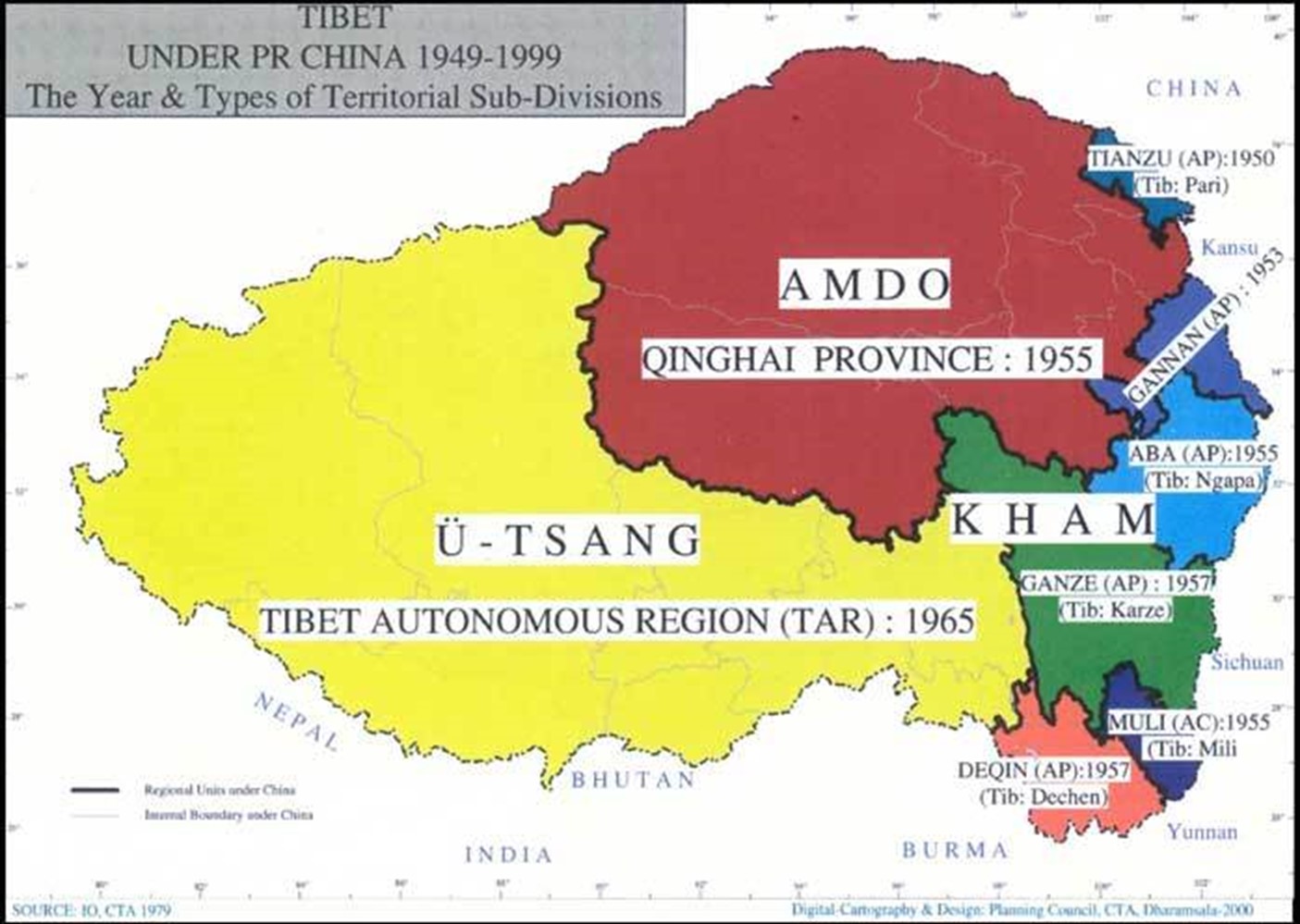
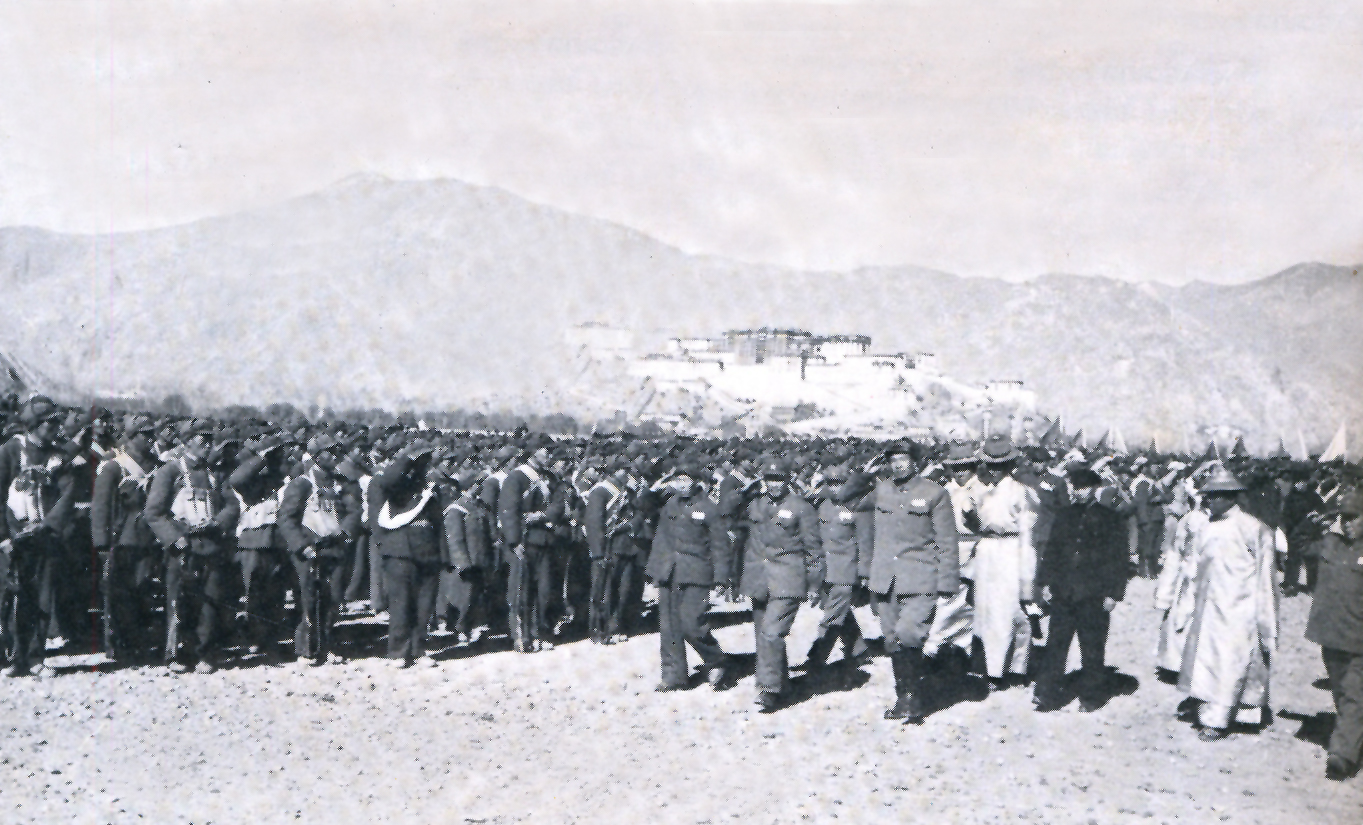

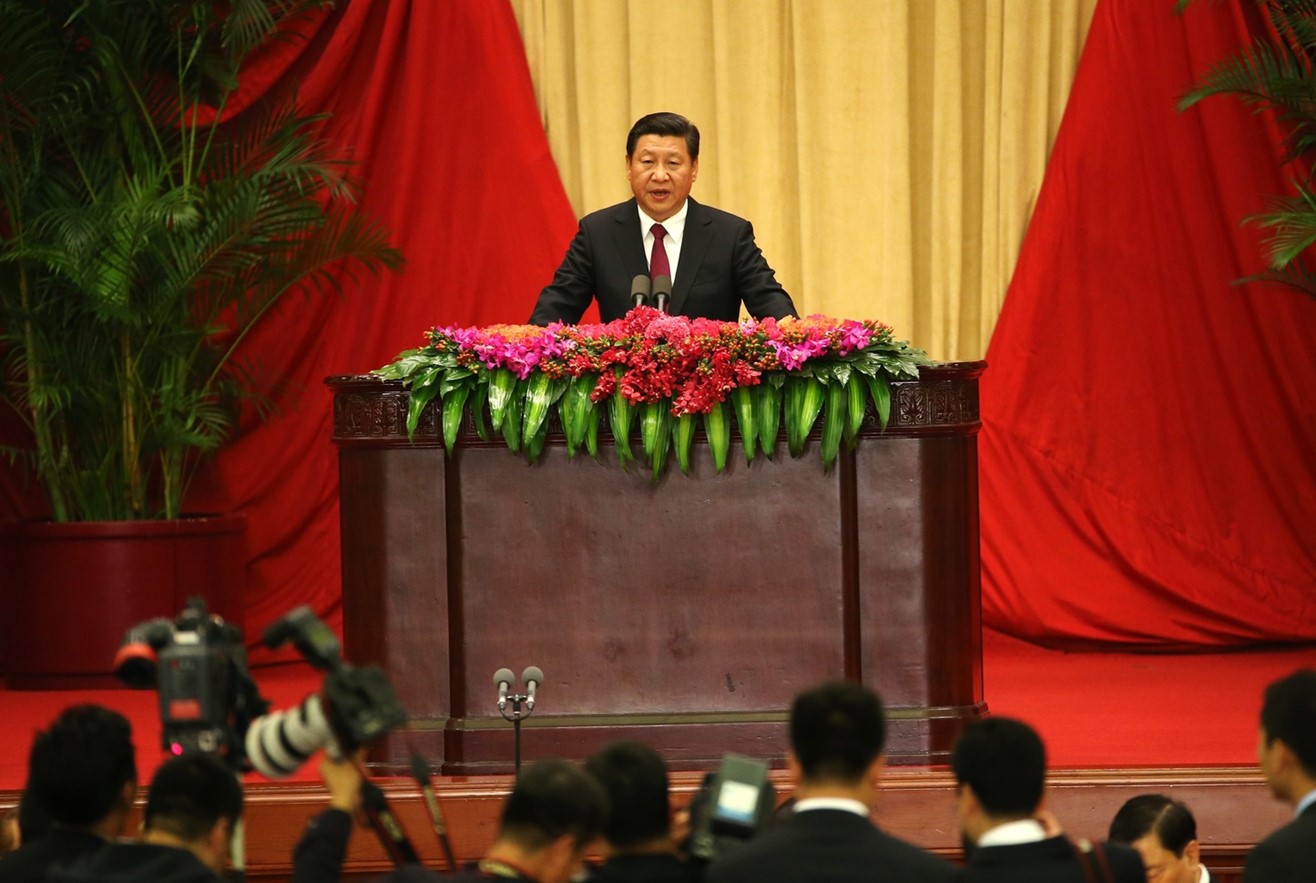
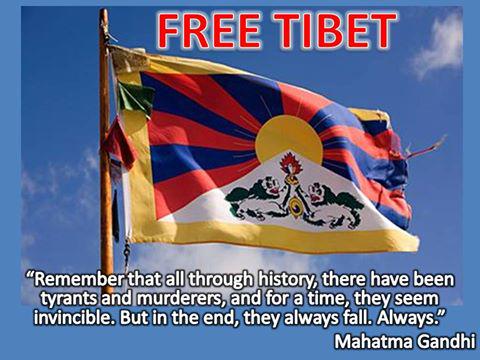





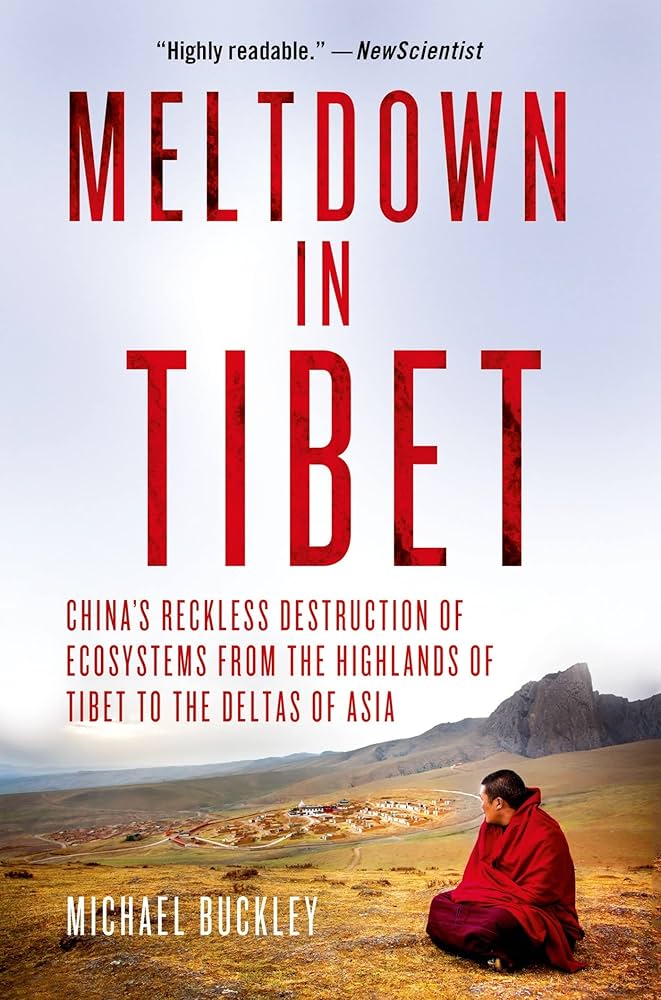


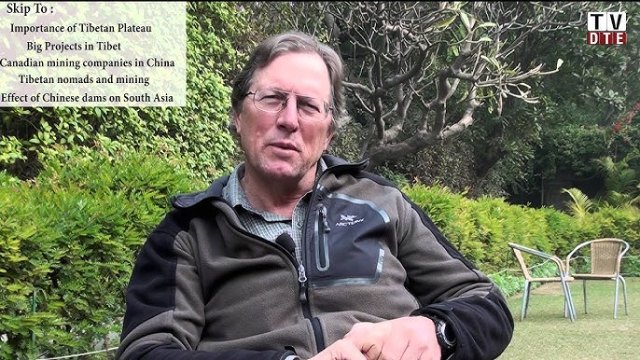
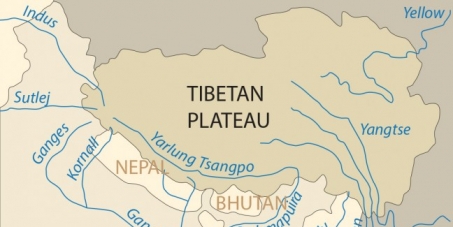
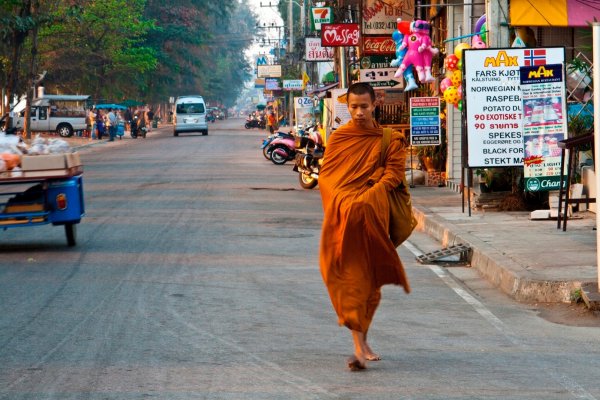
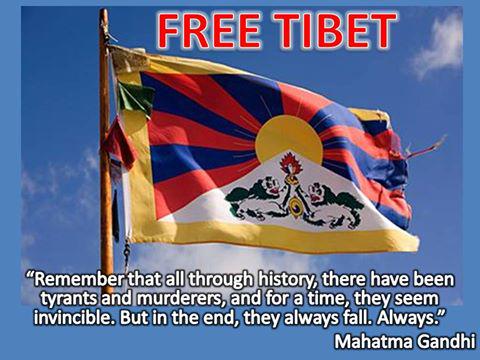




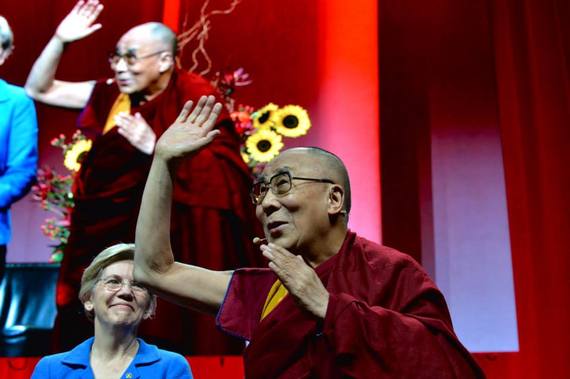

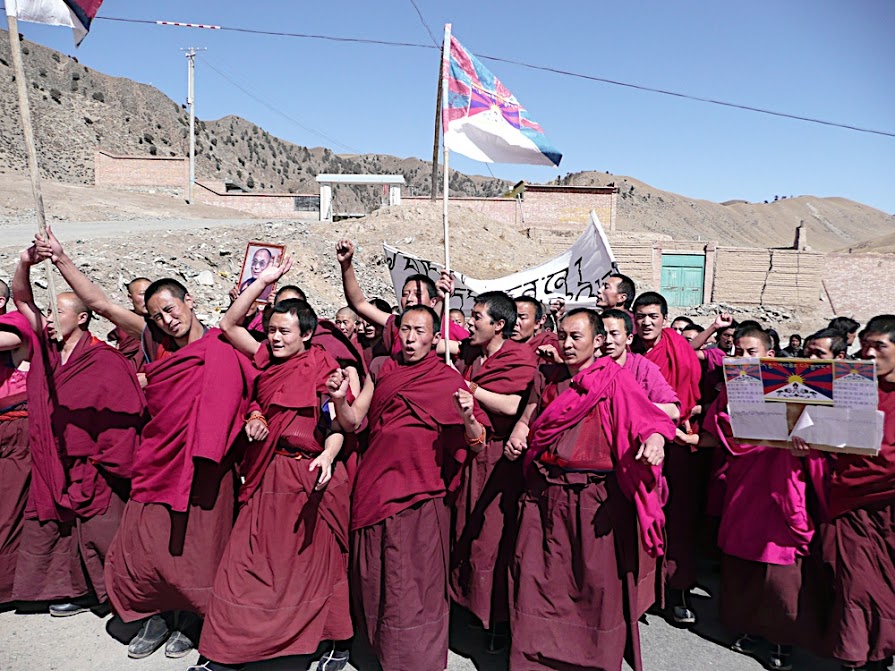
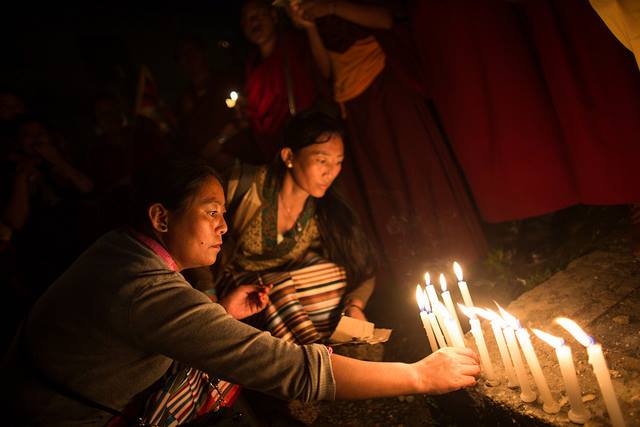
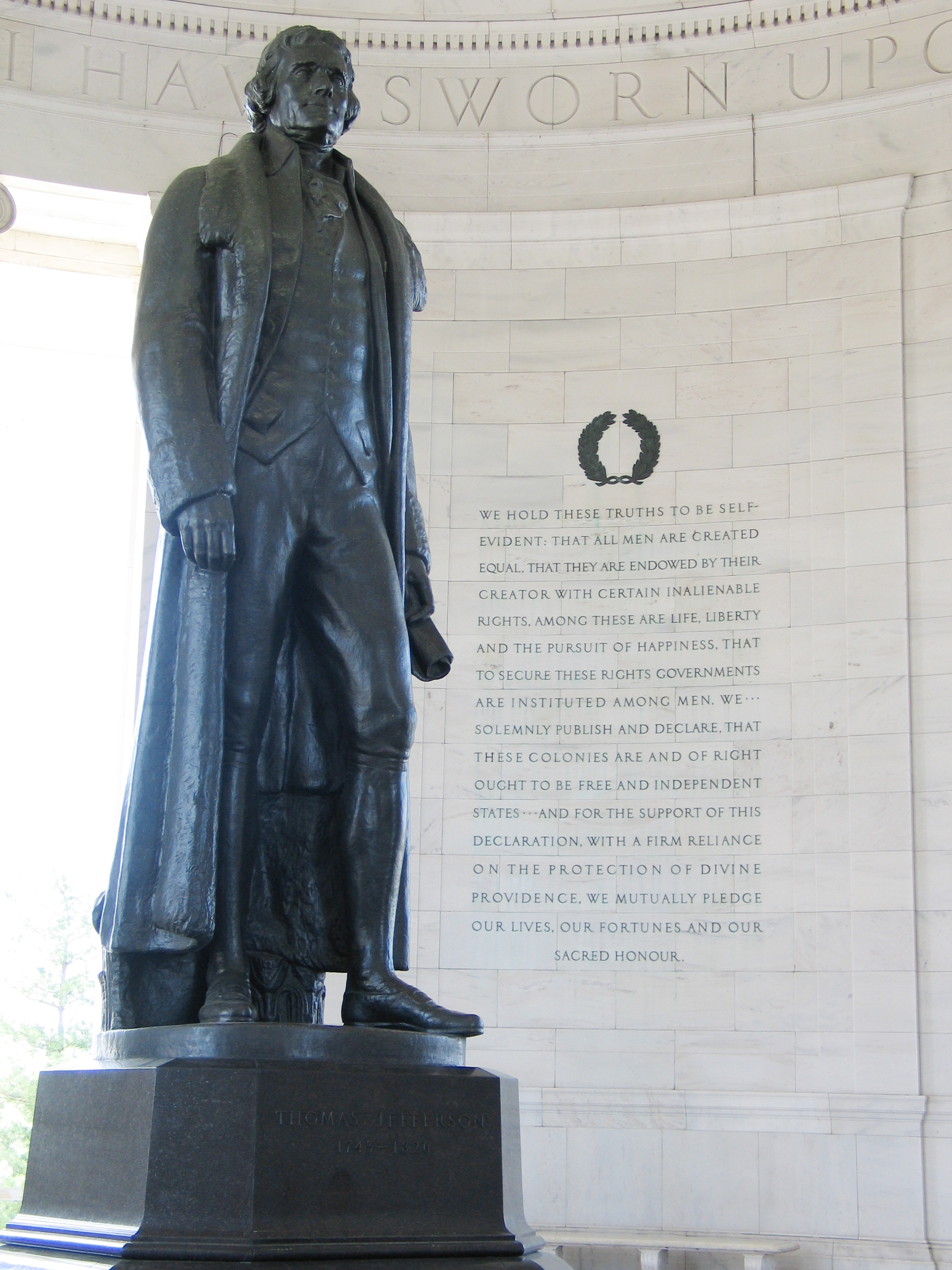


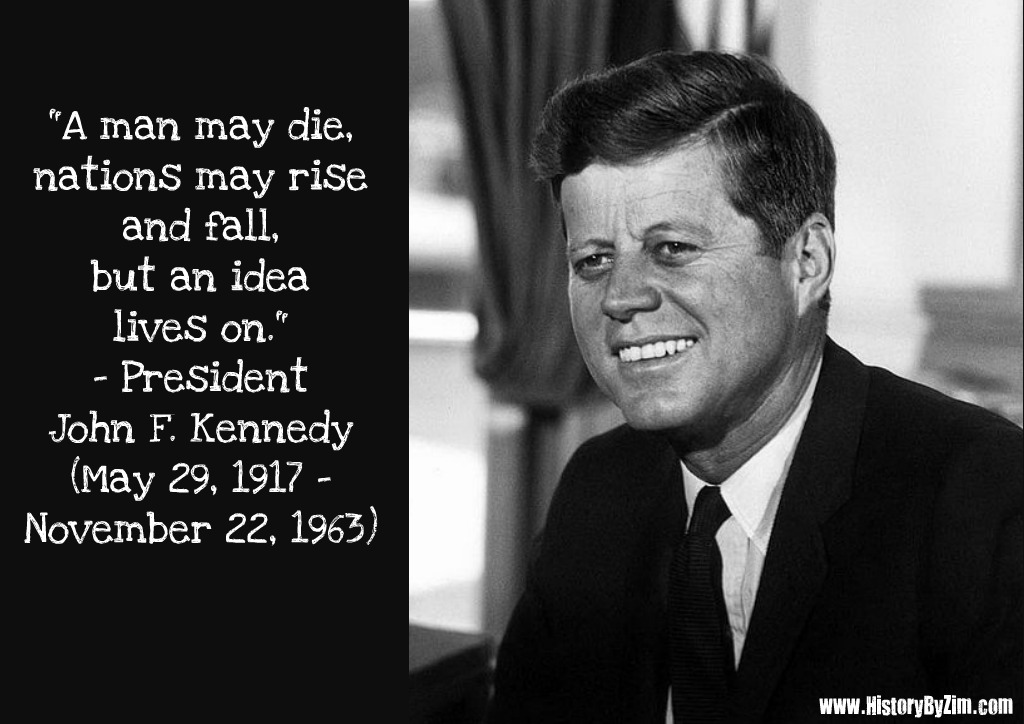


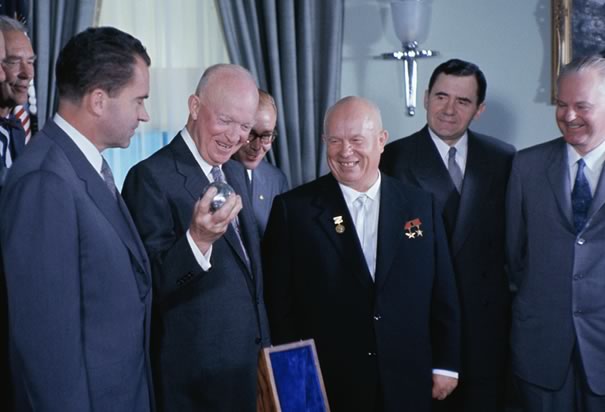
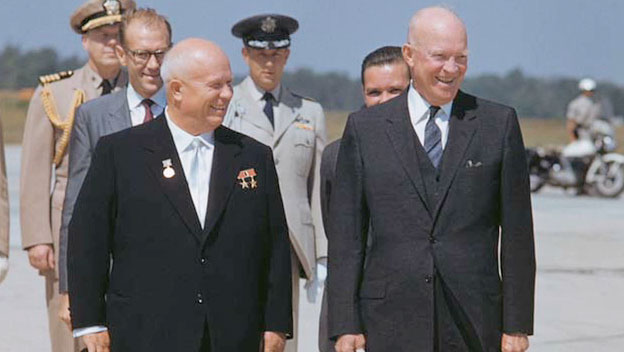


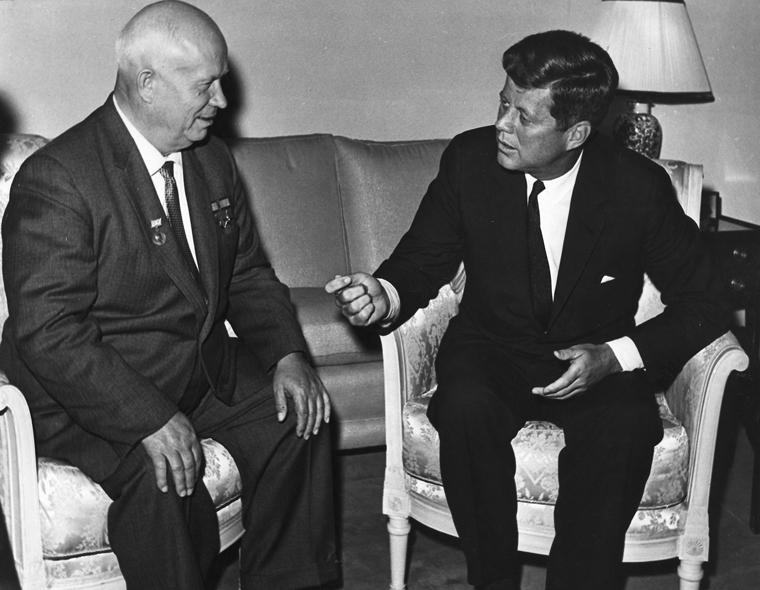
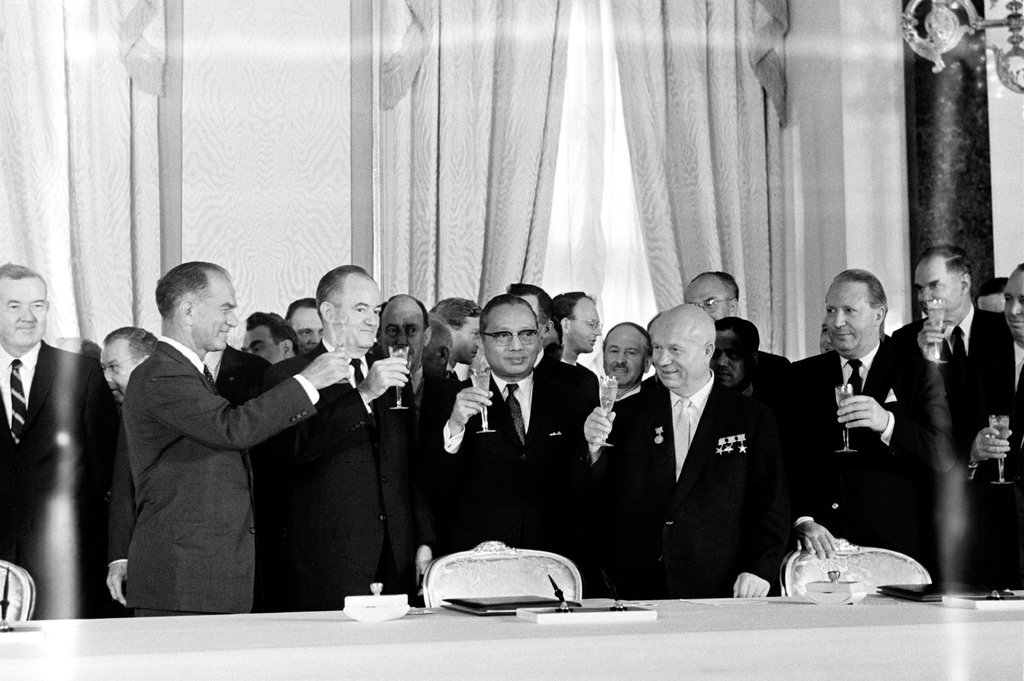
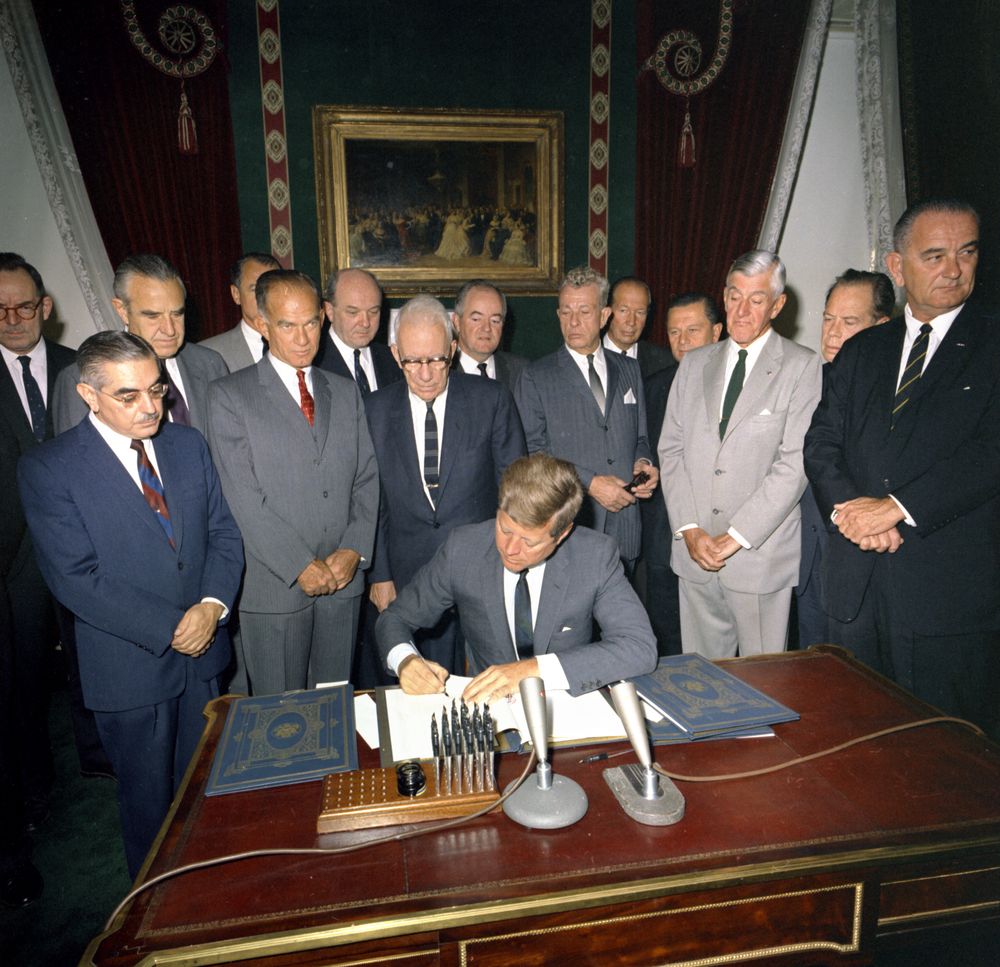

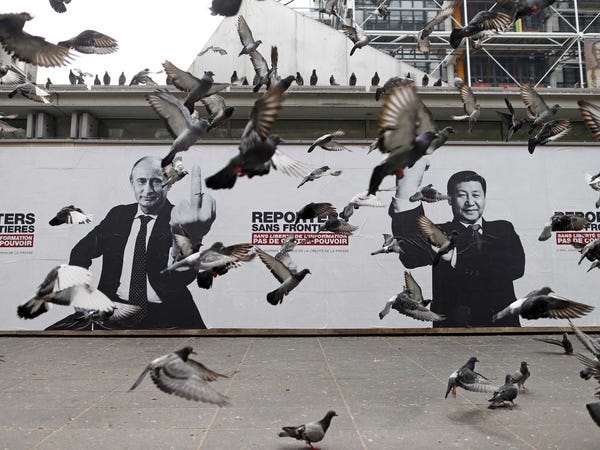
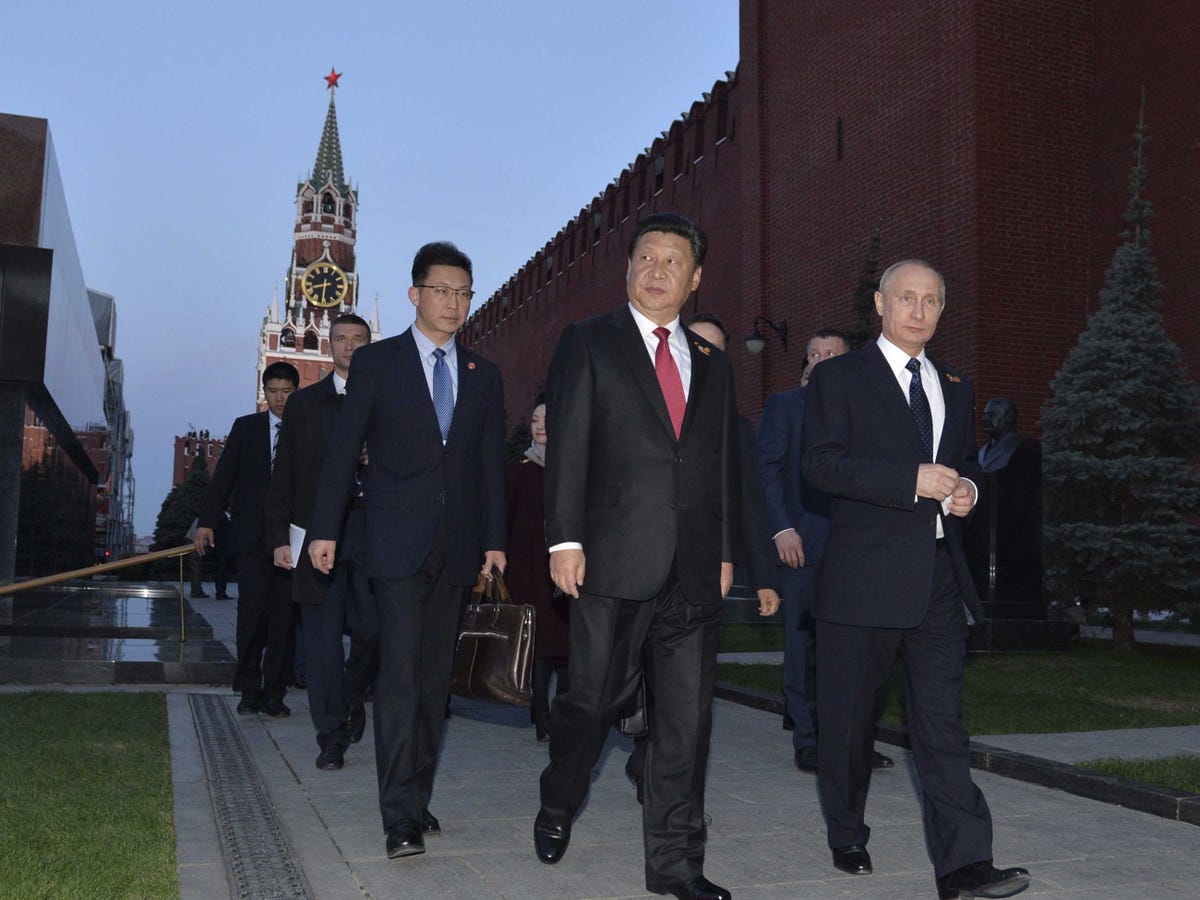
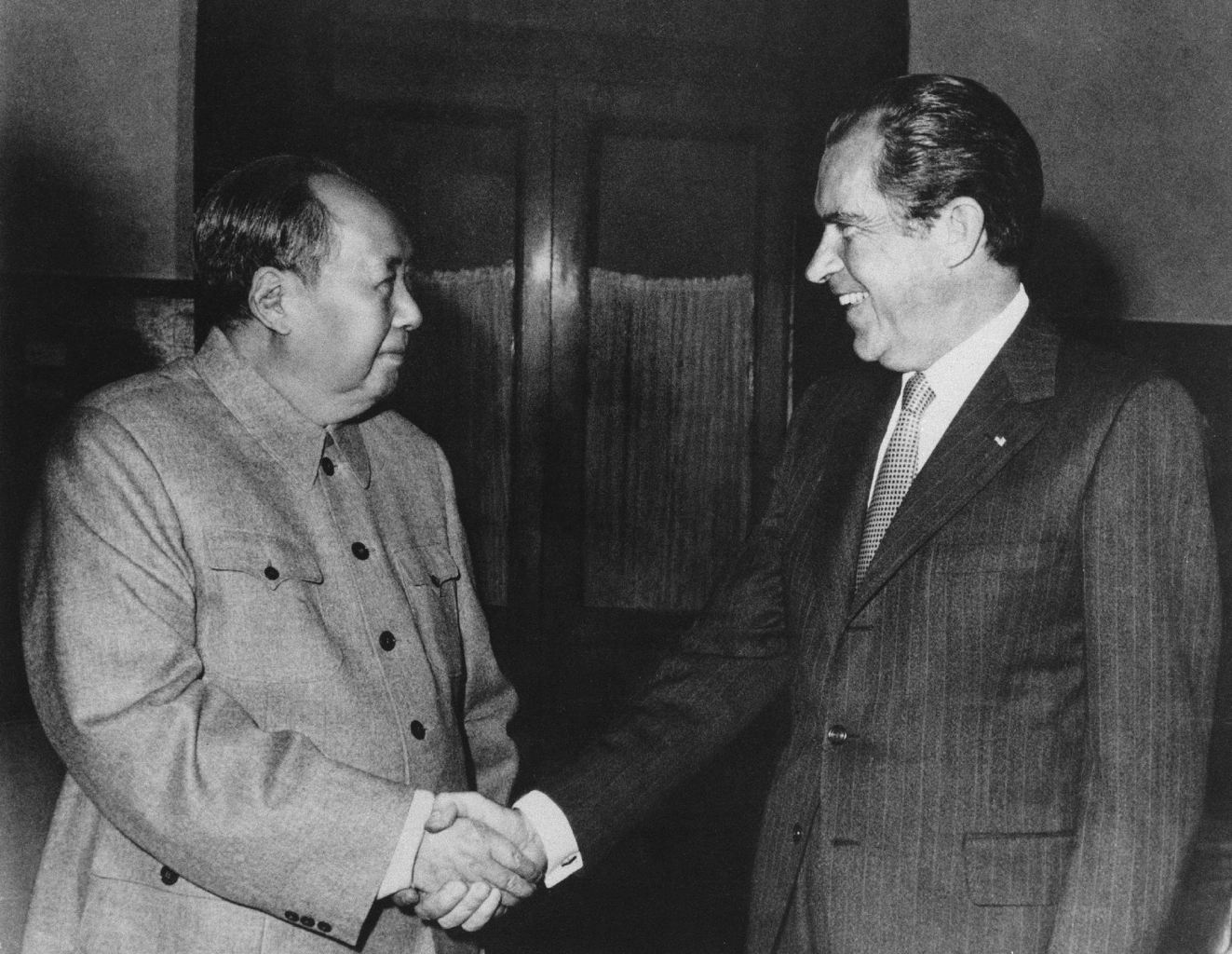

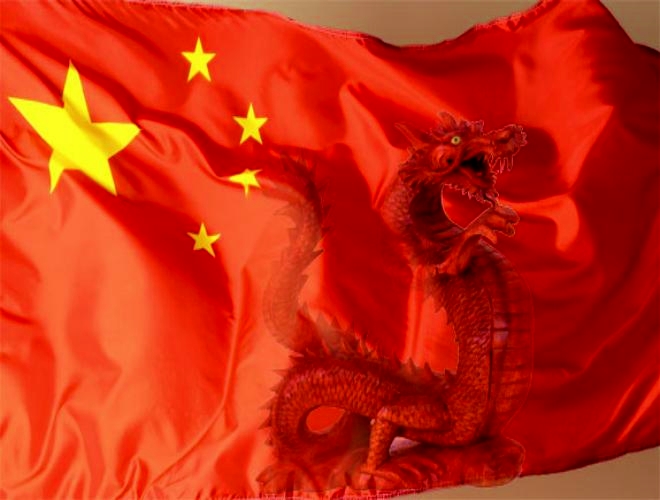

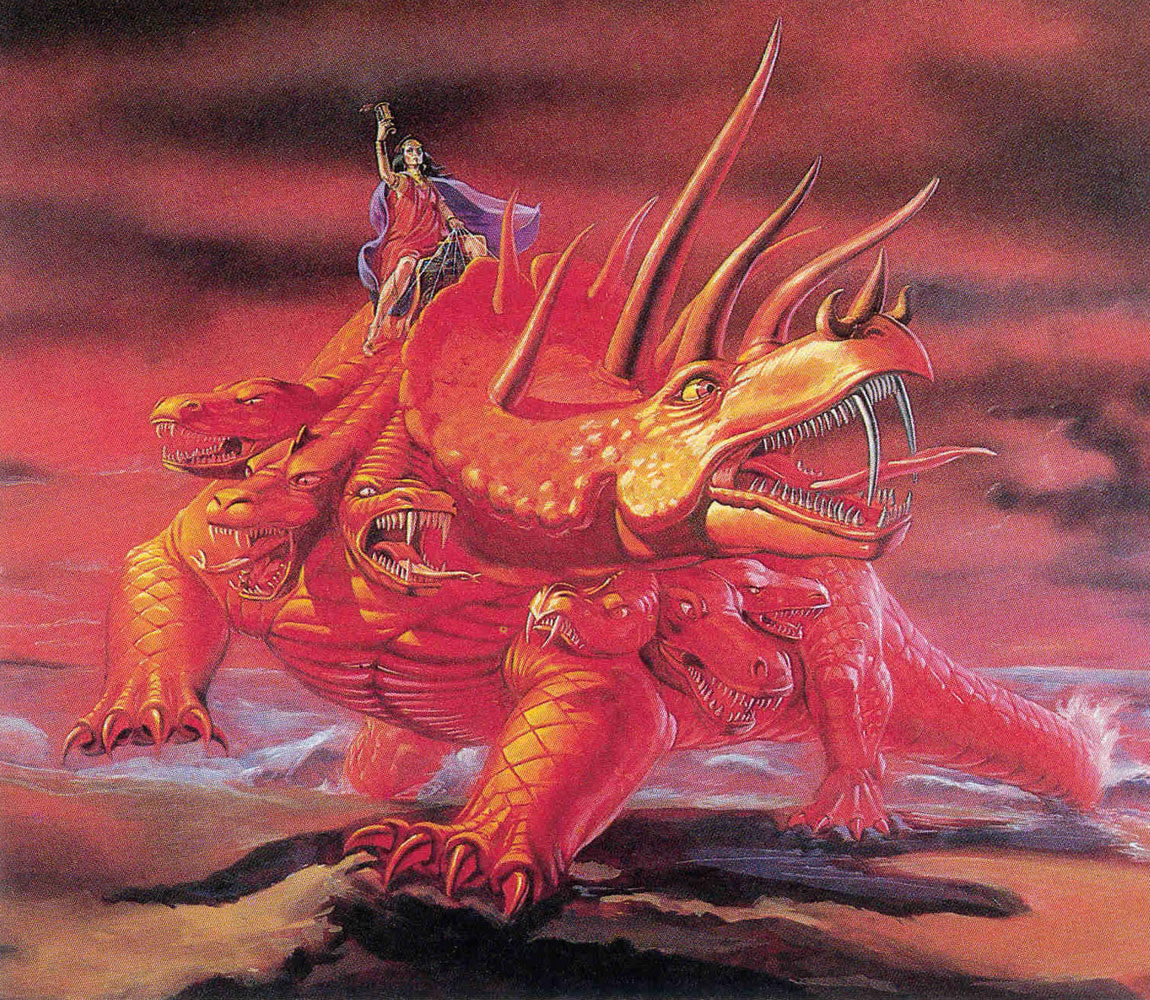

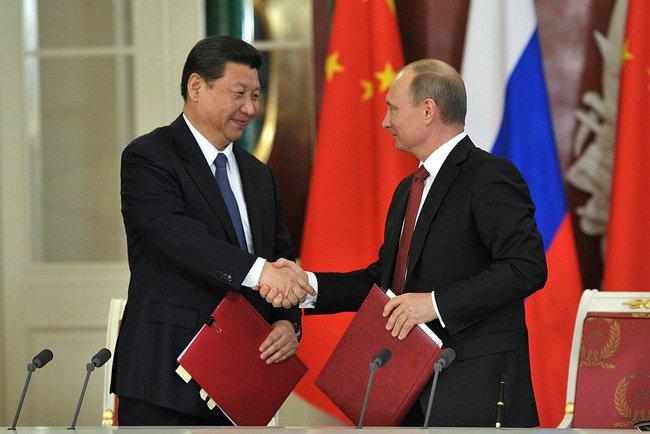

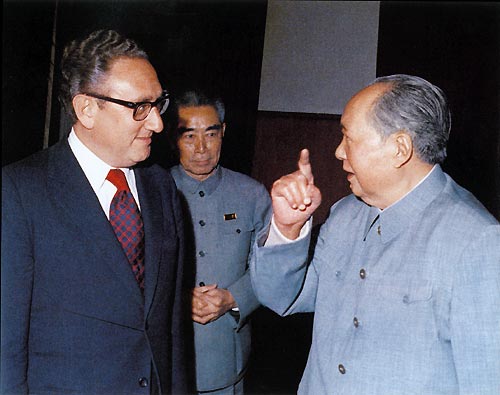

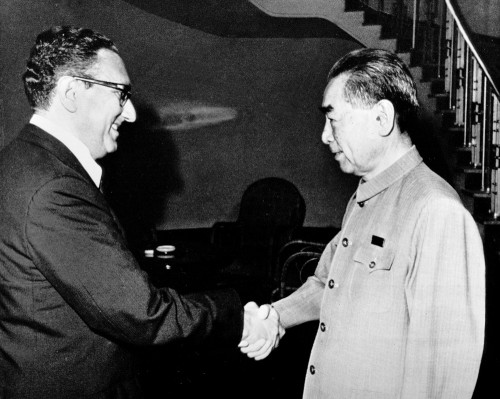

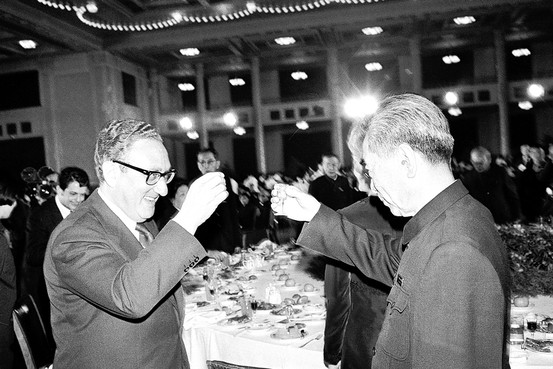


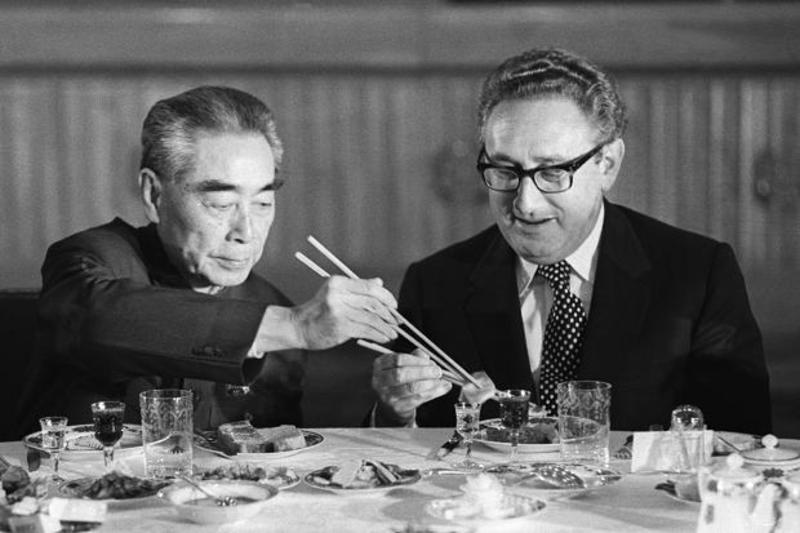

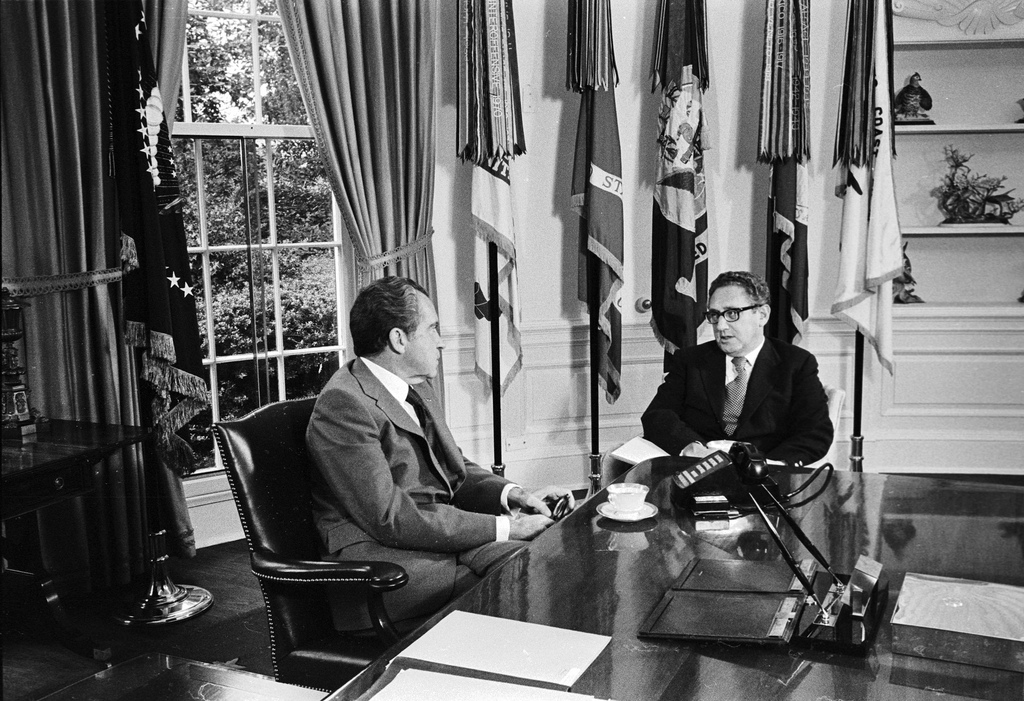
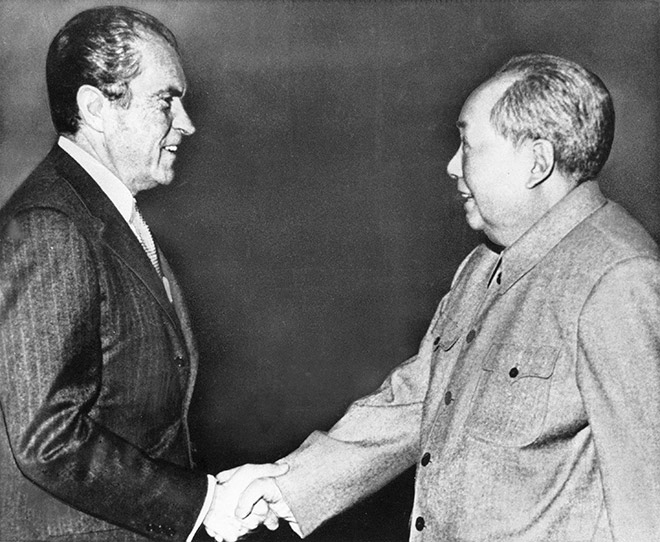
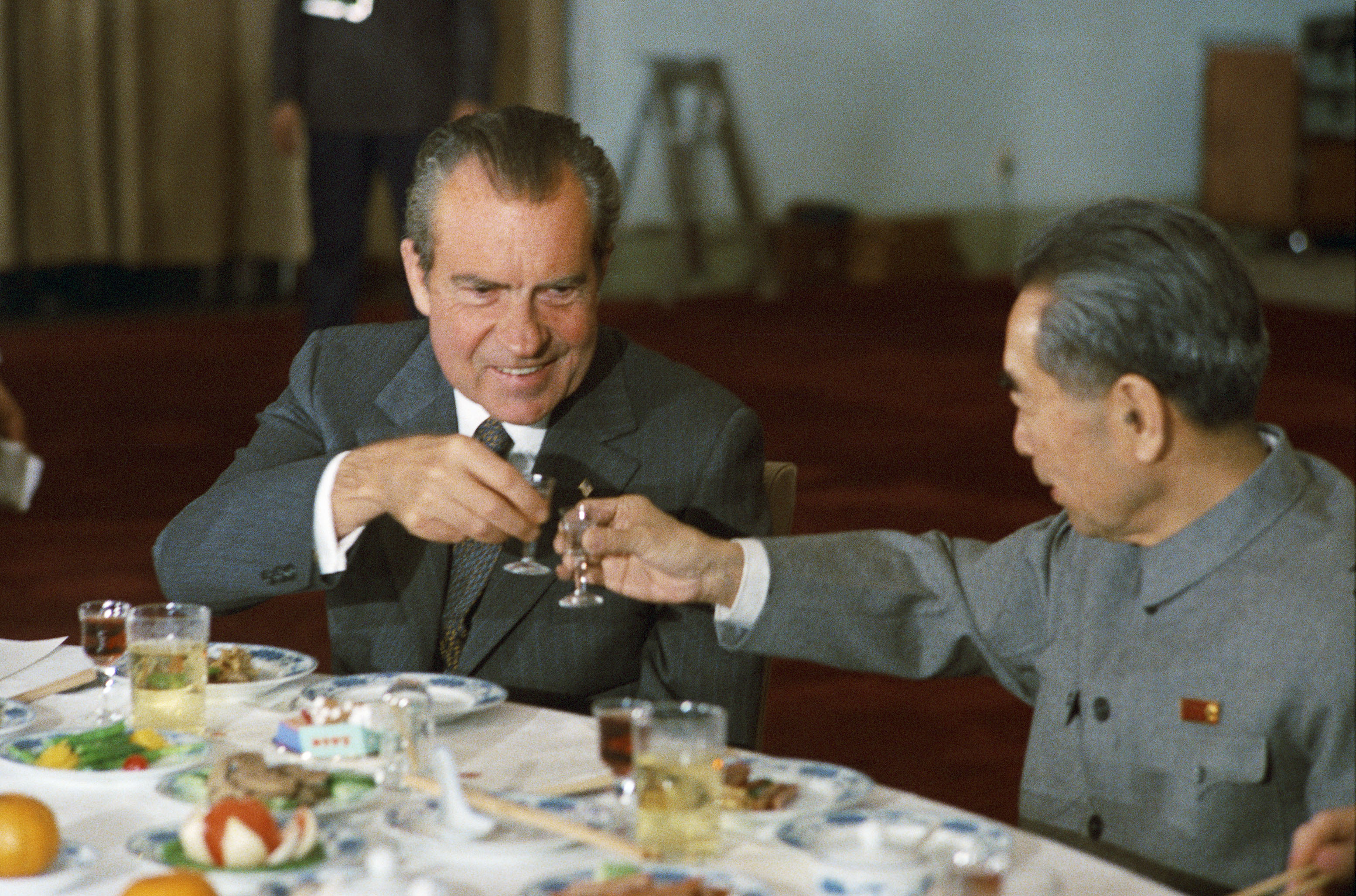
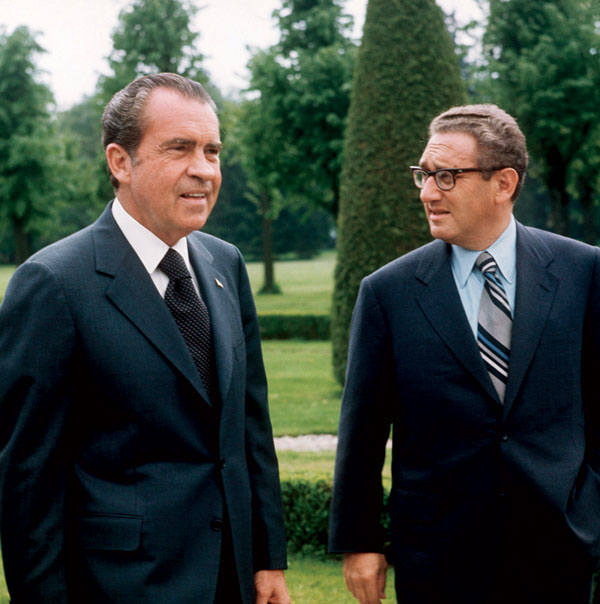
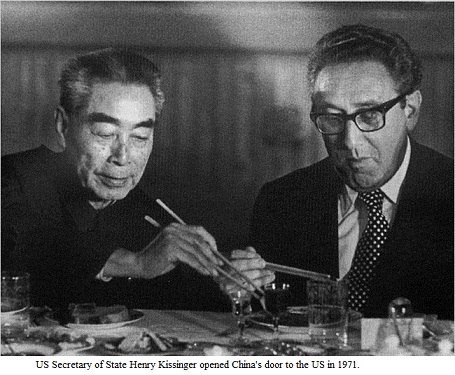

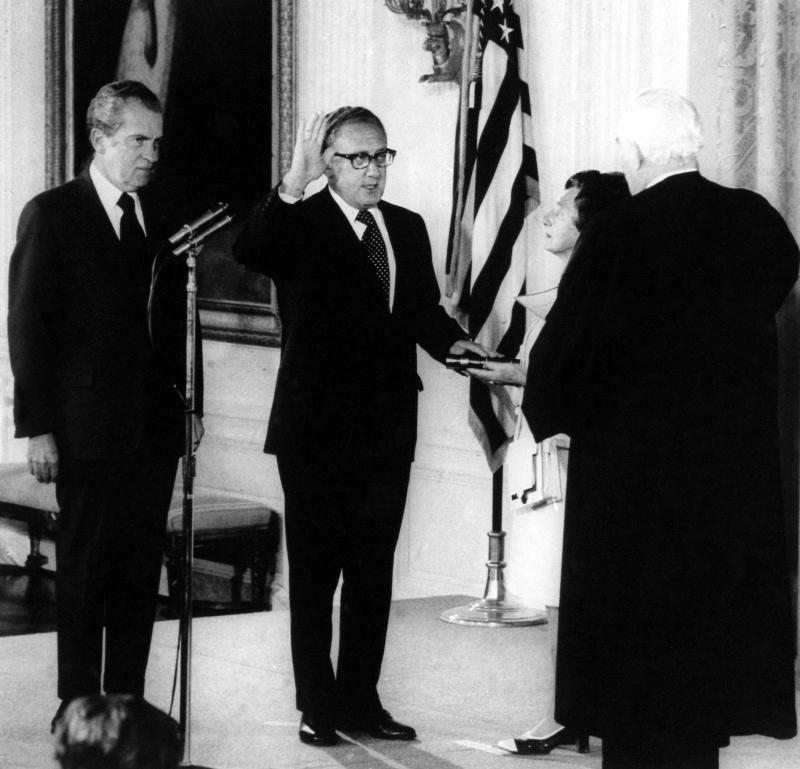
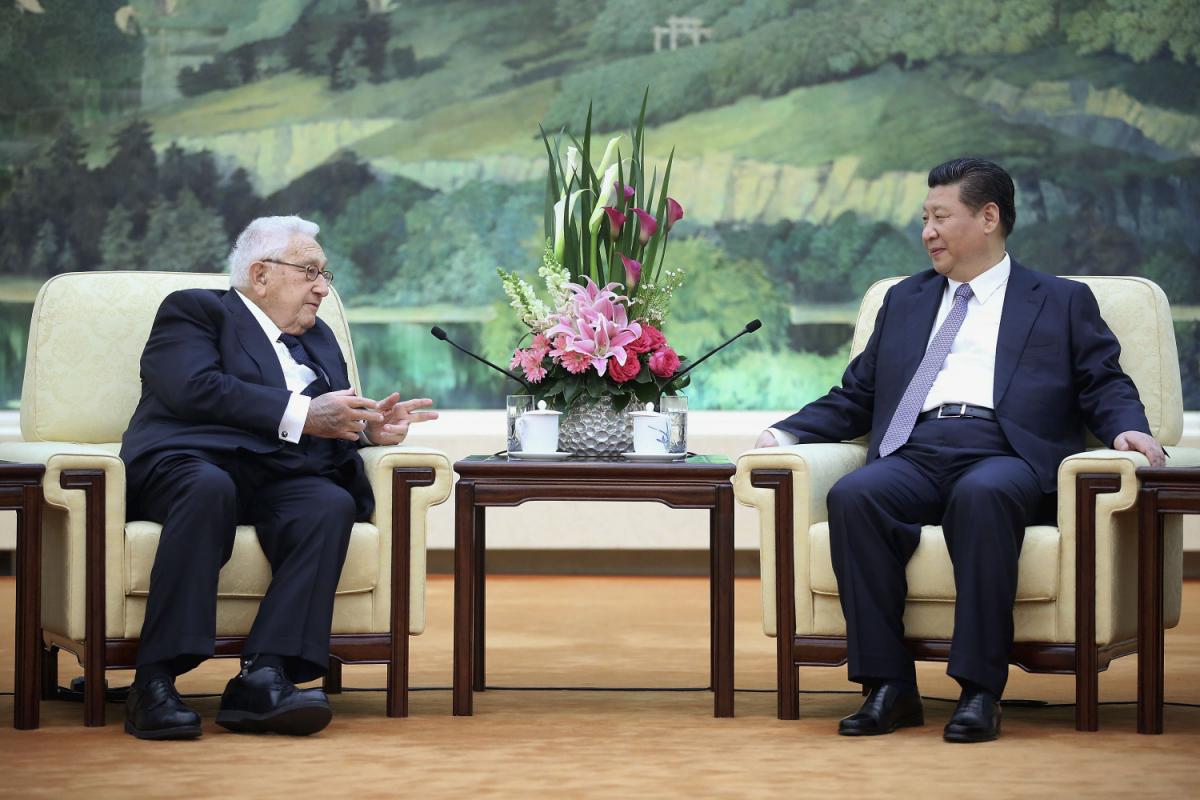
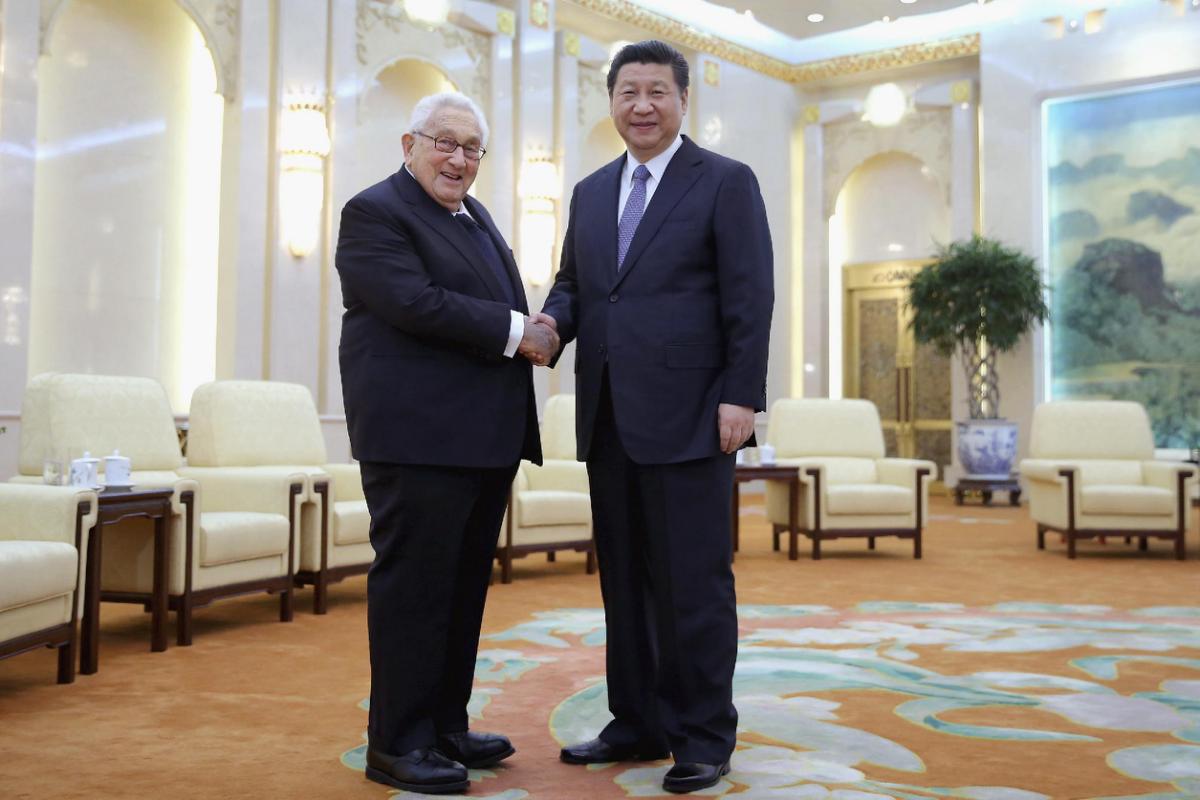

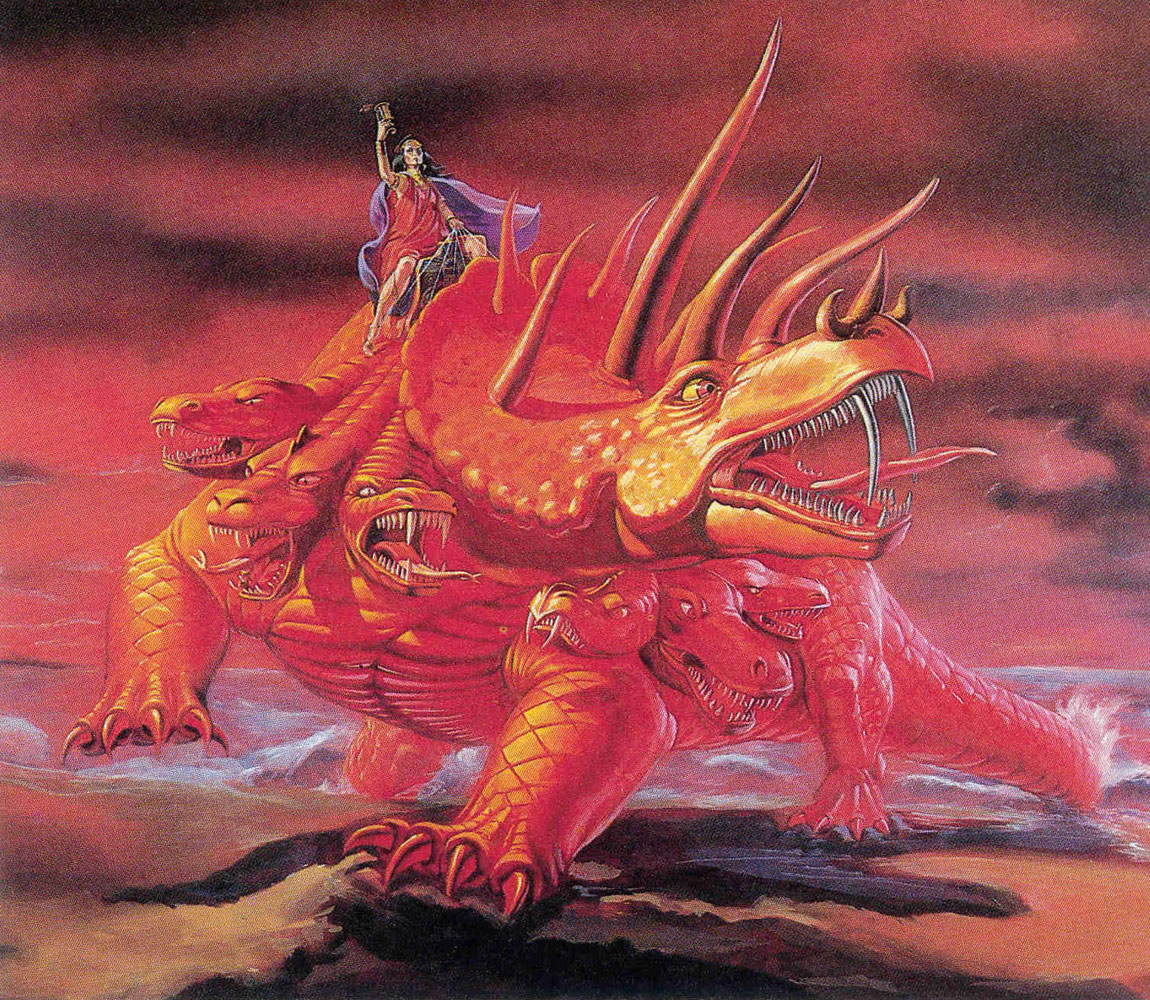






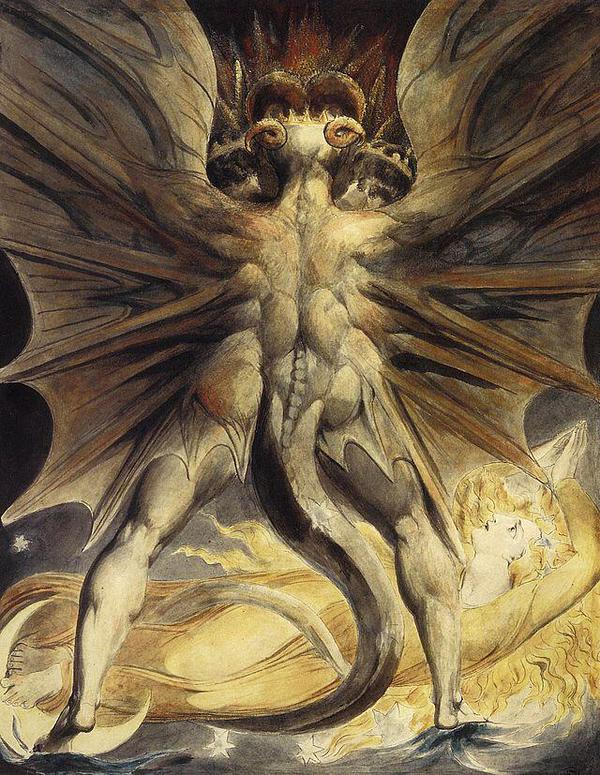



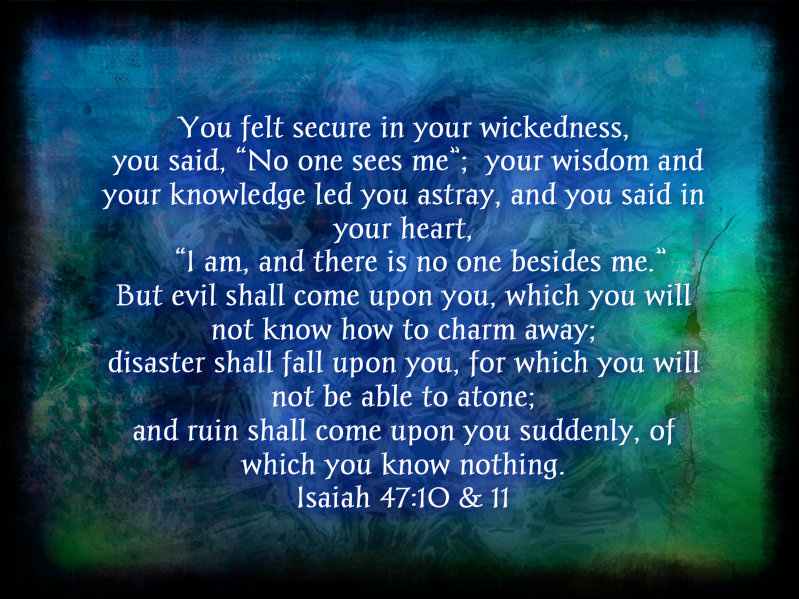

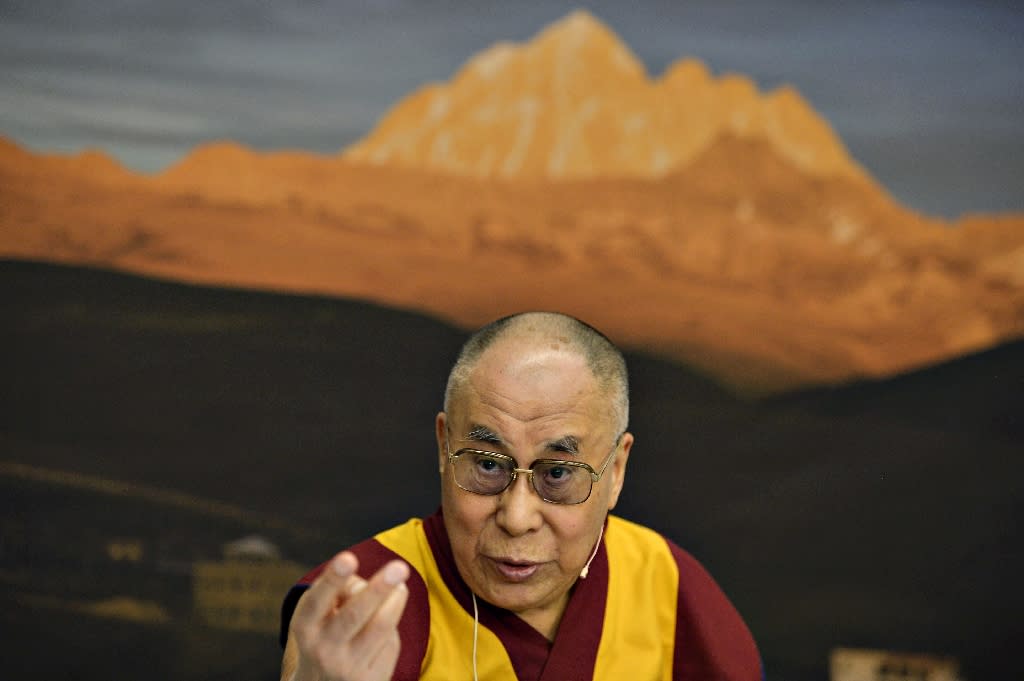
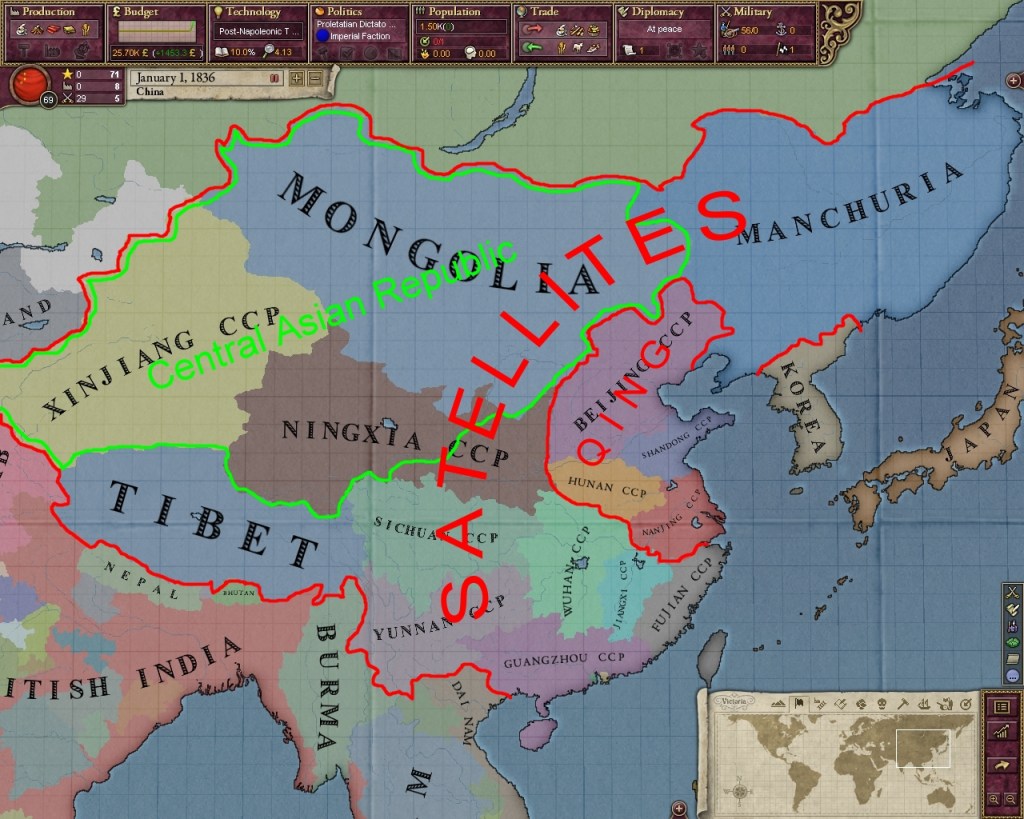
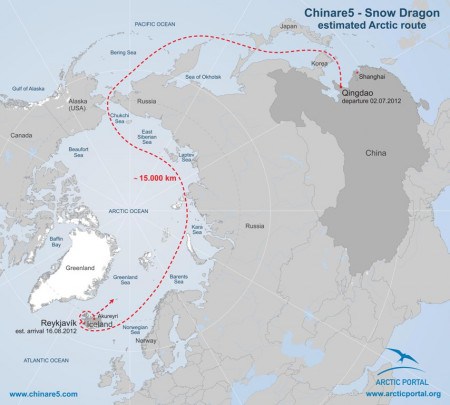


 Whole Dude - Whole Concept