Whole Trouble – Troubles of Tibet – Tibetans Under Constant Surveillance

Trouble in Tibet – Tibetans Under Constant Surveillance

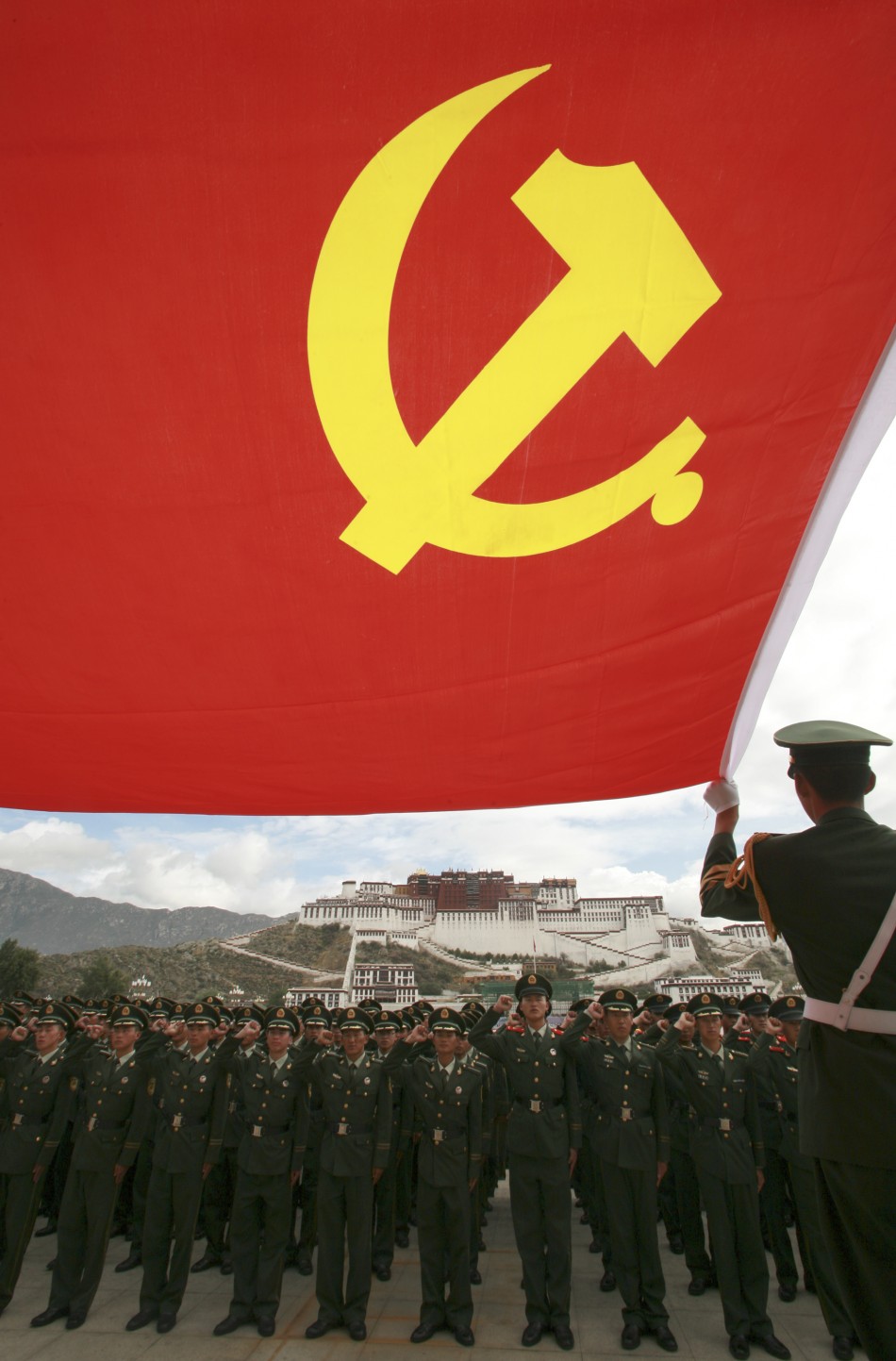
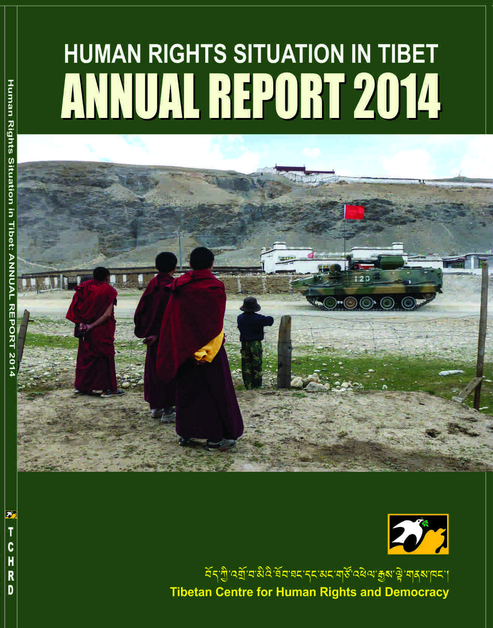
TROUBLE IN TIBET – TIBETANS UNDER SURVEILLANCE. HUMAN RIGHTS VIOLATIONS IN OCCUPIED TIBET.

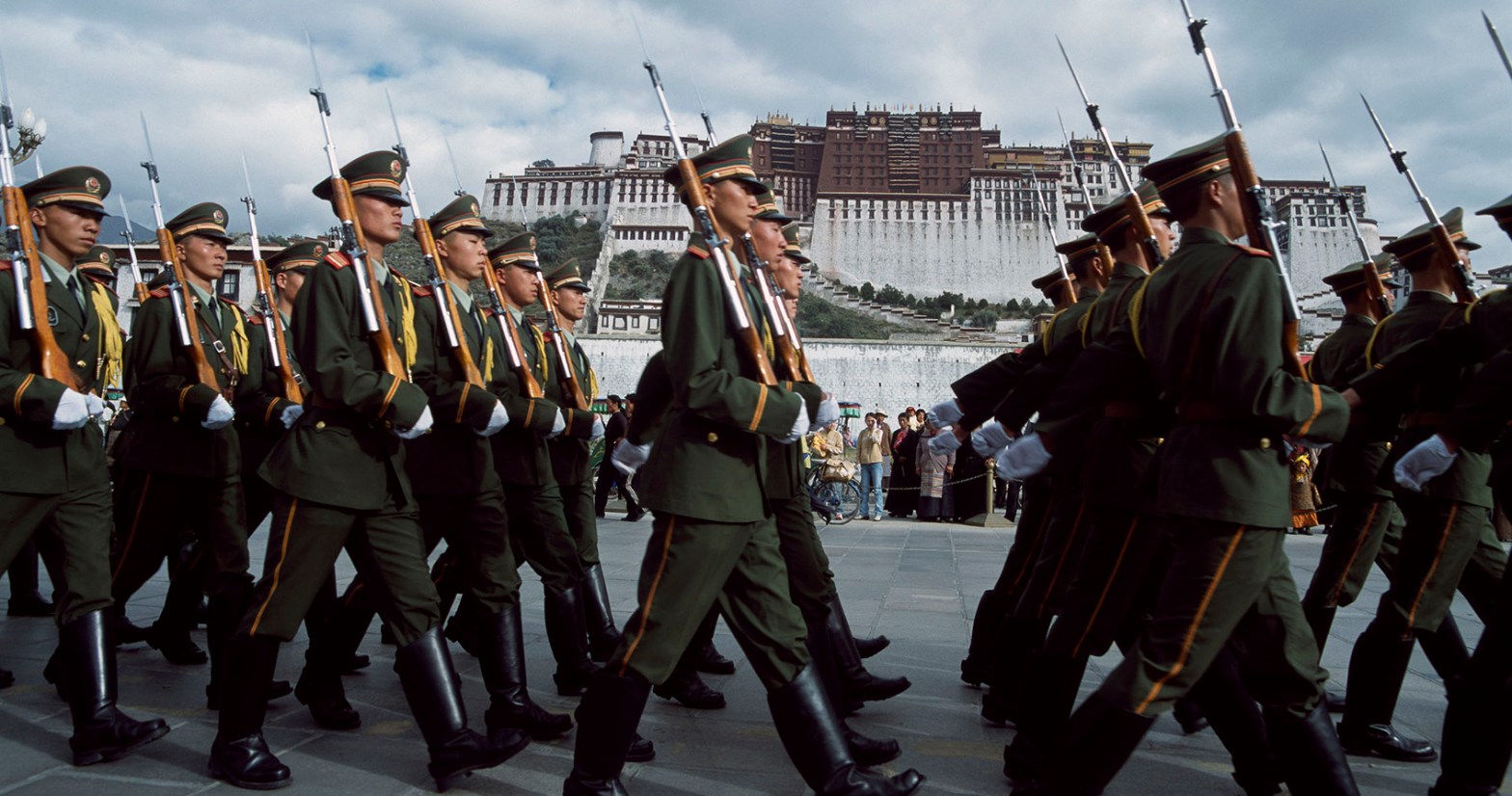
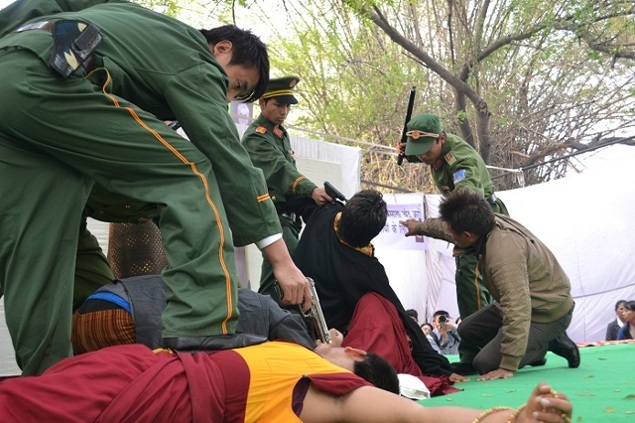
Red China extended indefinitely a village-based Tibet Surveillance Program which in its essence is a continuous Human Rights violation.

Rudra Narasimham Rebbapragada
Ann Arbor, MI 48104-4162 USA
SPECIAL FRONTIER FORCE


CHINA DIGITAL TIMES

Tibet: Surveillance & Living Buddhas

Human Rights Watch reports that authorities in Tibet are extending a village-based surveillance scheme that was originally scheduled to end in 2014, creating a permanent system of cadre teams to maintain political stability in the region:

“The Chinese government’s decision to extend its Tibet surveillance program indefinitely is nothing less than a continuous human rights violation,” said Sophie Richardson, China director. “The new normal is one of permanent surveillance of Tibetans.”

[…] The purpose of the village-based cadre teams was initially described as improving services and material conditions in the villages, but, according to the Party leader of the TAR in 2011, their primary requirement was to turn each village into “a fortress” in “the struggle against separatism,” a reference to support for Tibetan independence and the Dalai Lama.

This was done by setting up new Communist Party organizations in each village, establishing local security schemes, gathering information about villagers, and other measures. The teams were also required to carry out re-education with villagers on “Feeling the Party’s kindness” and other topics.

[…] The village-based teams also “screen and mediate social disputes,” which involves acting to settle and contain any disputes among villagers or families, because of official concerns in China that small disputes might lead to wider unrest or “instability.” One objective is to prevent villagers from presenting petitions to higher level officials.

[…] In August 2015, a statement posted on a government Tibetan-language website said that the TAR authorities had called for work teams “to be constantly stationed at their village committees.” It added that “on hearing that village-based-cadre work was to continue, the rural masses were overjoyed, saying that this was one of the Party and government’s best policies to benefit rural areas.”

Read Human Rights Watch’s 2013 report on the surveillance grid in Tibet, the reported use of monks’ cellphones as monitoring devices, and more on surveillance in the region, via China Digital Times.

Meanwhile, the BBC reports that the Chinese State Administration for Religious Affairs has established the country’s first database of “authentic living buddhas,” complete with photos, personal details, and license numbers, that has been made available to the public for verification purposes.

Beijing has taken the unusual step of concerning itself with matters of reincarnation by releasing the names, photographs and locations of 870 “verified” buddhas on the website of the State Administration for Religious Affairs, Xinhua news agency reports. It’s a move that’s been praised by one of the men who features on the list. “As a living buddha, I feel genuinely happy about it,” Drukhang Thubten Khedrup tells the state-run news agency.

According to China’s religious affairs agency, the system has been inaugurated to counter “fake” buddhas who are undermining Tibetan Buddhism by cheating believers out of cash.
However, the spiritual cataloguing scheme has already been criticised as a means of further controlling Tibetan affairs. “This living Buddha database and the whole policy toward reincarnation is clearly a pre-emptive move by the government to control what happens after this Dalai Lama,” Amnesty International’s Nicholas Bequelin told Time magazine in December 2015, when the list was first announced. It’s also seen as a means of confirming state choices for other religious appointments.

At China Real Time, Olivia Geng and Josh Chin note that fake living buddhas were described as a national security threat on state broadcaster CCTV last year.They also point out that the Dalai Lama is not among those on the new register, despite Beijing’s repeated insistence that he must reincarnate, and that it has the right to identify his reincarnation.

Elsewhere, Jane Qiu looks at the negative impacts that a series of government grazing restrictions and fencing policies have had on the Tibetan grasslands and the health of the surrounding environment. From Nature:

The challenges that face Dodra and other Tibetan herders are at odds with glowing reports from Chinese state media about the health of Tibetan grasslands — an area of 1.5 million square kilometres — and the experiences of the millions of nomads there. Since the 1990s, the government has carried out a series of policies that moved once-mobile herders into settlements and sharply limited livestock grazing. According to the official account, these policies have helped to restore the grasslands and to improve standards of living for the nomads.

But many researchers argue that available evidence shows the opposite: that the policies are harming the environment and the herders. “Tibetan grasslands are far from safe,” says Wang Shiping, an ecologist at the Chinese Academy of Sciences’ (CAS) Institute of Tibetan Plateau Research (ITPR) in Beijing. “A big part of the problem is that the policies are not guided by science, and fail to take account of climate change and regional variations.”

The implications of that argument stretch far beyond the Tibetan Plateau, which spans 2.5 million square kilometres — an area bigger than Greenland — and is mostly controlled by China. The grasslands, which make up nearly two-thirds of the plateau, store water that feeds into Asia’s largest rivers. Those same pastures also serve as a gigantic reservoir of carbon, some of which could escape into the atmosphere if current trends continue. Degradation of the grasslands “will exacerbate global warming, threaten water resources for over 1.4 billion people and affect Asian monsoons”, says David Molden, director general of the International Centre for Integrated Mountain Development (ICIMOD) in Kathmandu, Nepal. [

Read more on threats to grasslands in Tibet and elsewhere, including a 2013 Human Rights Watch report on the forced settlement of Tibetan herders, via China Digital Times.

January 19, 2016 12:04 AM
Posted By: CINDY

China Digital Times is supported by the Berkeley Counter-Power Lab | 2011 Copyright © China Digital Times | Powered by WordPress
TROUBLE IN TIBET – TIBETANS UNDER SURVEILLANCE – HUMAN RIGHTS VIOLATION IN OCCUPIED TIBET.
TROUBLE IN TIBET – TIBETANS UNDER SURVEILLANCE. RED CHINA’S PROPAGANDA AGENTS MOVE INTO EVERY TIBETAN VILLAGE.


TROUBLE IN TIBET – TIBETANS UNDER SURVEILLANCE. HUMAN RIGHTS VIOLATIONS N OCCUPIED TIBET.

Whole Trouble – Dalai Lama will not Reincarnate in Land where his portraits are confiscated

Trouble in Tibet – Dalai Lama Portraits Confiscated

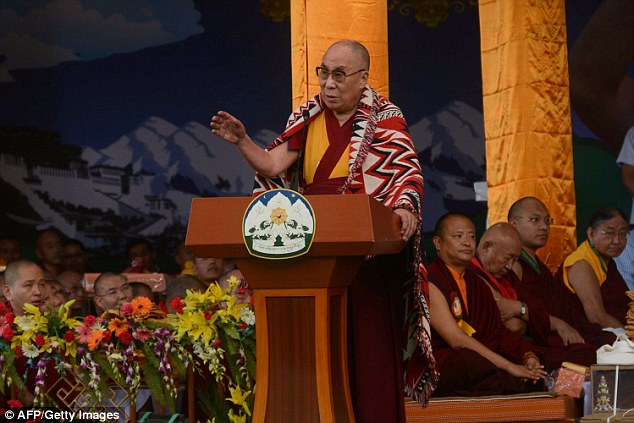
Confiscation of Dalai Lama portraits in Occupied Tibet is a sign and symptom of deep Trouble in Tibet. To give relief from Trouble, Tibet needs Freedom From Occupation. The Dalai Lama will not reincarnate in a Land where his portraits are confiscated.

Confiscation of Dalai Lama portraits in Occupied Tibet is a sign and symptom of deep Trouble in Tibet. To give relief from Trouble, Tibet needs Freedom From Occupation. The Dalai Lama will not reincarnate in a Land where his portraits are confiscated.

Rudra Narasimham Rebbapragada
Ann Arbor, MI 48104-4162 USA
SPECIAL FRONTIER FORCE

Confiscation of Dalai Lama portraits in Occupied Tibet is a sign and symptom of deep Trouble in Tibet. To give relief from Trouble, Tibet needs Freedom From Occupation. The Dalai Lama will not reincarnate in a Land where his portraits are confiscated.

DALAI LAMA PORTRAITS CONFISCATED IN CHINA: REPORT

February 3, 2016 12:40 AM

A man prays below a portrait of the Dalai Lama at Kirti Monastery in Aba, a Tibetan area of China’s Sichuan province, on December 9, 2015 (AFP Photo/Benjamin Haas)

Beijing (AFP) – A Chinese province with a large Tibetan population has ordered shopkeepers to hand in portraits of the Dalai Lama, state-run media said Wednesday, quoting Beijing experts likening the Nobel laureate to executed Iraqi leader Saddam Hussein.

Sichuan in the southwest, which includes several ethnically Tibetan areas, set up a “law enforcement squad” of cultural bureau personnel, police and other officials to enforce the drive, reported the Global Times, which is close to the ruling Communist party.

The aim was to “crack down on pornography and illegal publications, which include portraits of the Dalai Lama” ahead of the Lunar New Year, it quoted Gou Yadong, director of the provincial publicity department, as saying.

People were more than welcome to put on show pictures of the country’s past and present leaders, he added, referring to former heads of the ruling party.
The Global Times also cited Lian Xiangmin, of the China Tibetology Research Centre in Beijing, as saying that for Chinese people, hanging his picture was the same as displaying Saddam Hussein’s image would be for Americans.

The former Iraqi leader was executed in 2006 after being convicted of crimes against humanity, while the Dalai Lama, who fled Tibet after a failed uprising against Chinese rule, was awarded the 1989 Nobel Peace prize.

The move in Sichuan comes as Beijing steps up a campaign against the spiritual leader, who is still widely revered by Tibetans.
Beijing brands him a dangerous separatist, despite his repeated statements condemning violence, and in Tibet it tightly controls images of him as part of what many Tibetans see as official repression of their religion and culture.

China denies repression of minorities and says its massive investment in Tibet has brought development to a formerly poverty stricken region.
Some Tibetan areas in Sichuan had seen laxer enforcement in recent years, with business owners displaying his portrait in shops.

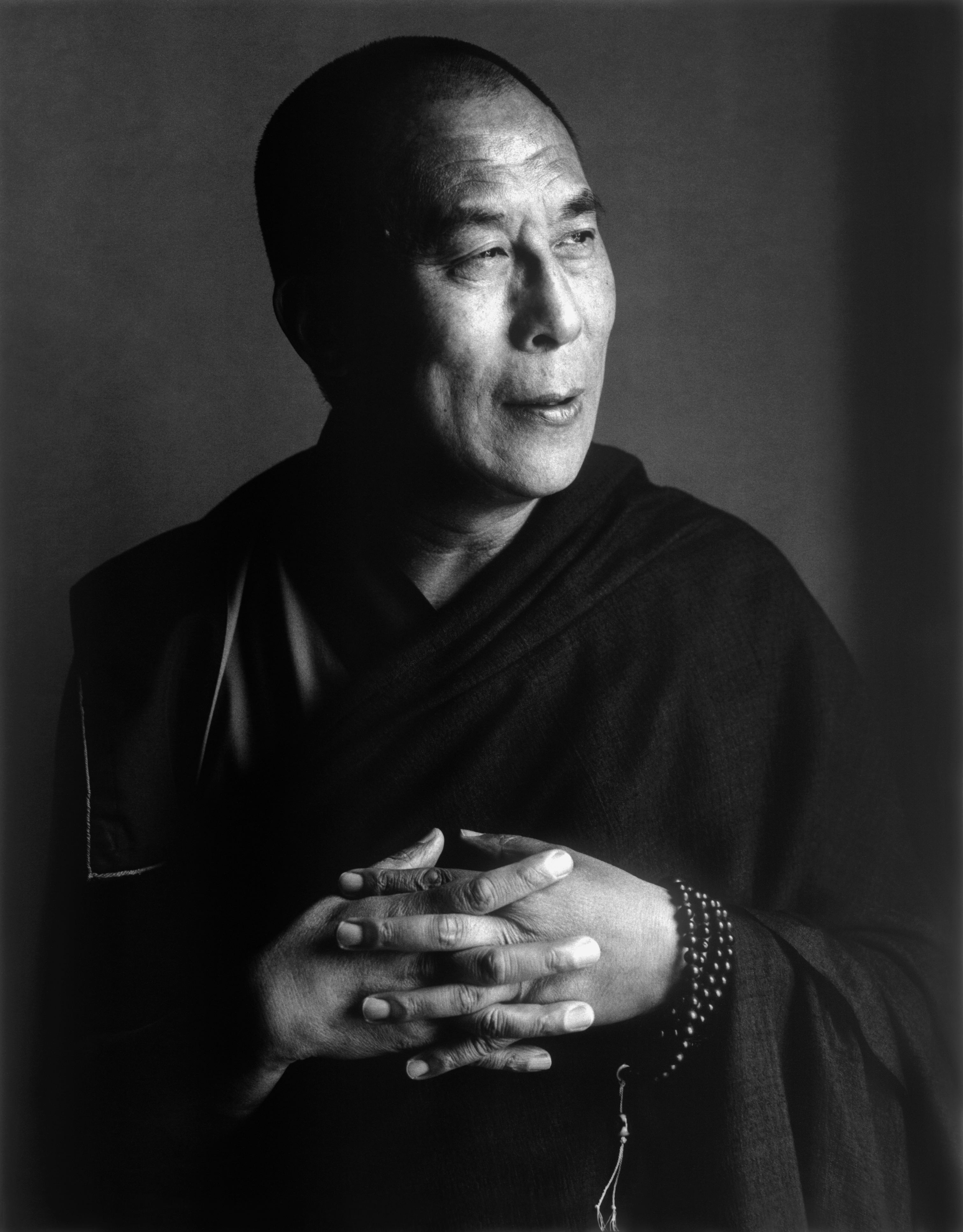
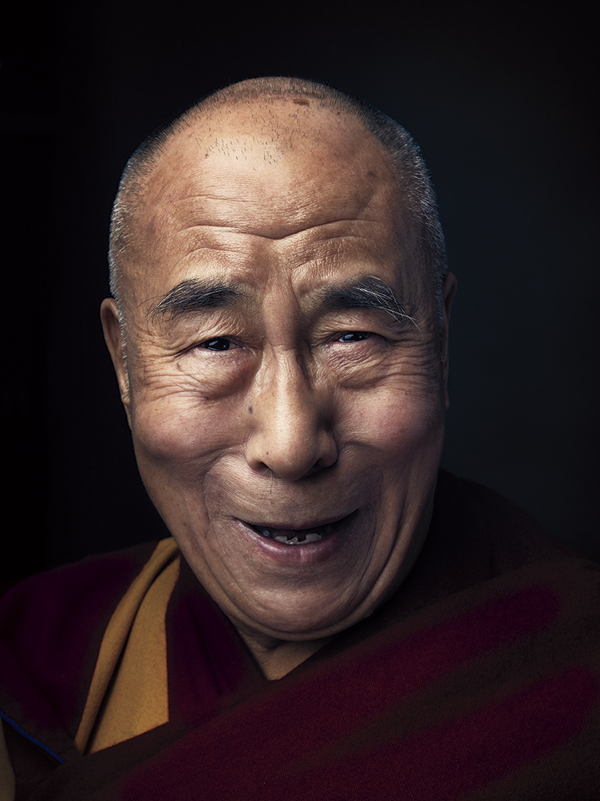
TROUBLE IN TIBET – DALAI LAMA PORTRAITS CONFISCATED IN OCCUPIED TIBET. 1987 Photography by Herb Ritts.
Confiscation of Dalai Lama portraits in Occupied Tibet is a sign and symptom of deep Trouble in Tibet. To give relief from Trouble, Tibet needs Freedom From Occupation. The Dalai Lama will not reincarnate in a Land where his portraits are confiscated.

WHAT IS MILITARY INTELLIGENCE? TIBET’S INDEPENDENCE IS INDIA’S SECURITY

TIBET’S INDEPENDENCE IS INDIA’S SECURITY


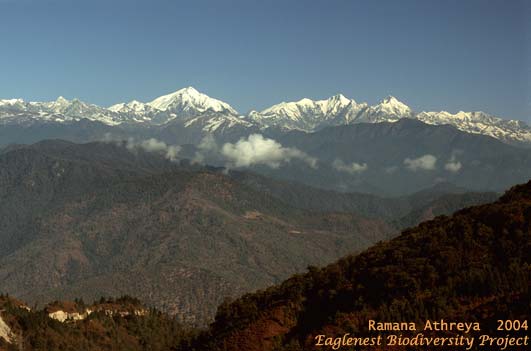
Tibet’s Independence is India’s Security. The Gorichen Range, the highest mountain range of the Arunachal Pradesh separates Tibet from Tawang in India.

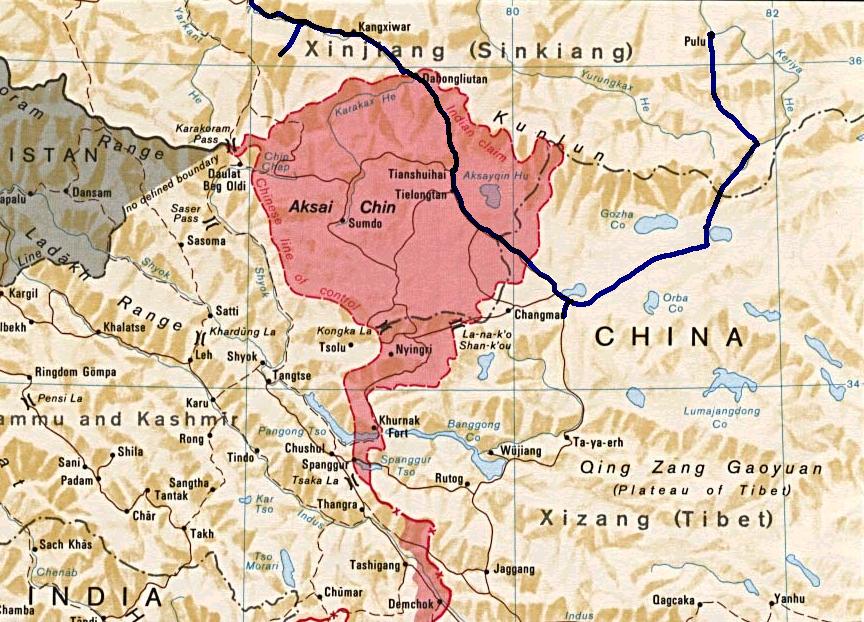
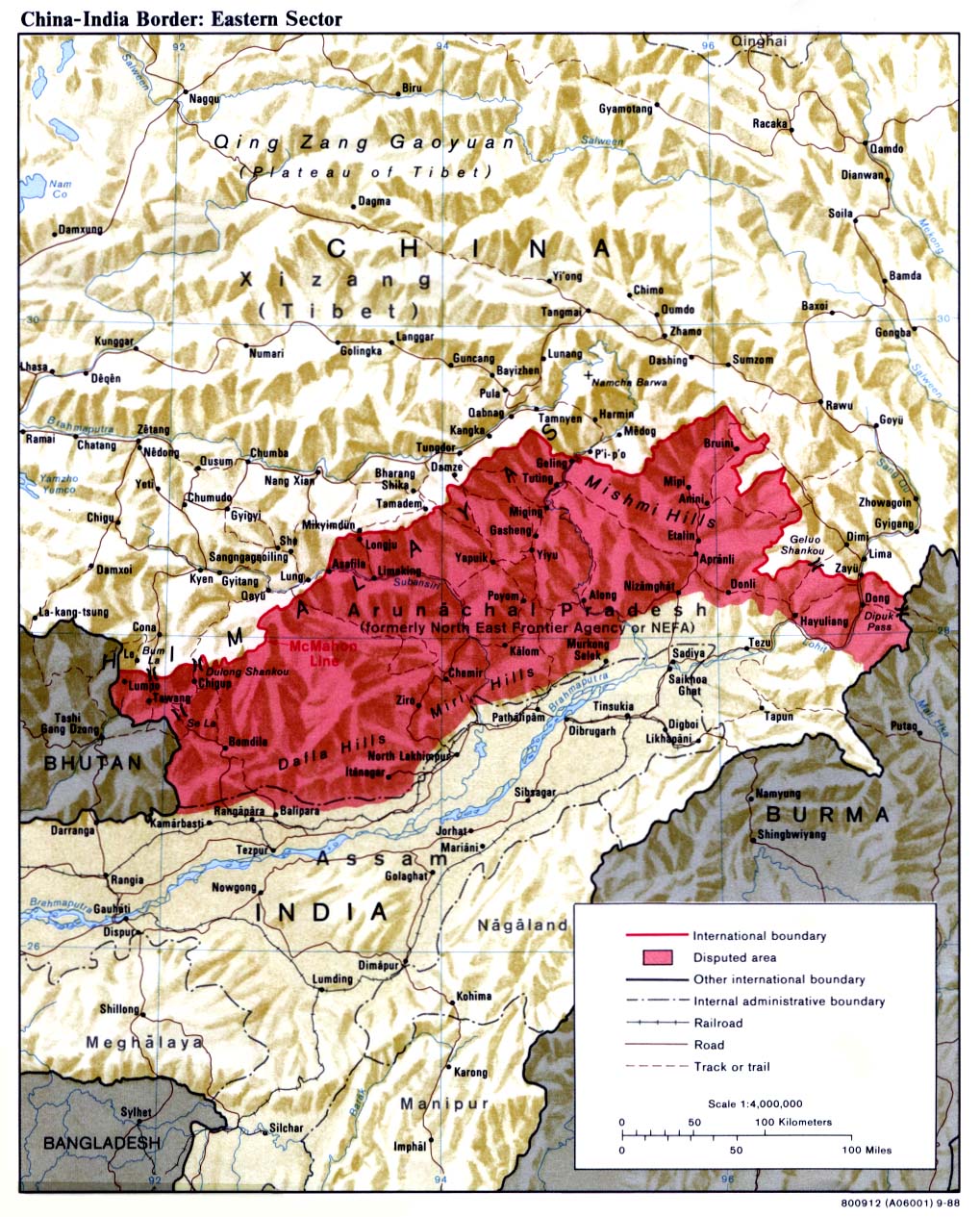
TIBET’S INDEPENDENCE IS INDIA’S SECURITY. People’s Republic of China claimed Indian territories of Aksai Chin and Arunachal Pradesh.

On October 22, 2010, People’s Republic of China has launched an official online mapping service and has formally claimed the entire state of ‘Arunachal Pradesh’ and Aksai Chin region of India’s Ladakh region of the State of Jammu and Kashmir as its own territory. Beijing claims Arunachal Pradesh and has named that area as ‘Southern Tibet’. The Simla Agreement of 1914, and the McMahon Treaty between British India, Tibet, and Manchu China had established the McMahon Line as the legitimate boundary between India and Tibet. Tawang in Arunachal Pradesh was under Tibetan domination during early 19th century. Tibetans consider Tawang as holy land as their Sixth Dalai Lama, Tsang Yang Gyatso ( The Precious Ocean of Pure Melody ), a great poet was born there during 1683. However, the 13th Dalai Lama had ceded this territory to British India and had agreed that McMahon Line determines the Indo-Tibetan border. During Communist China’s unilateral military attack on India in 1962, the Indian government had declared that McMahon Line as the official boundary between India and Tibet which came under China’s military occupation since 1950.  

The Security of Arunachal Pradesh is better served by Tibet’s Independence. Tibet’s Independence is India’s Security.

Birthplace of Tsangyang Gyatso, 6th Dalai Lama, Tawang, Arunachal Pradesh, India. Tibet’s Independence is India’s Security.

McMahon Line in Aksai Chin of Ladakh is the boundary recognized by India. Tibet’s Independence is India’s Security.

The McMahon Treaty of 1914 and the McMahon Line establish the boundary between India and Tibet. Tibet’s Independence is India’s Security.

To defend Northeast India, to curb the activities of insurgents and rebels, India must support Tibet’s Independence. Tibet’s Independence is India’s Security.

India and China have already held 13 rounds of talks to resolve the boundary issue. General Shankar Roychowdhury, PVSM, ADC  served as India’s Chief of Army Staff from 22 November 1994 to 30 September 1997. In a recent article published in The Asian Age, he described  problem of the future security of Arunachal Pradesh. So also, India’s Chief of Army Staff, General V K Singh while addressing a seminar on “Indian Army : Emerging Roles and Tasks” on October 19, 2010 said that China and Pakistan are “irritants” for India.  

General Shankar Roychowdhury, PVSM, ADC was India’s 20th Chief of Army Staff. Tibet’s Independence is India’s Security.

General Vijay Kumar Singh, AVSM, India’s 26th Chief of Army Staff. Tibet’s Independence is India’s Security.

TIBET’S INDEPENDENCE IS INDIA’S SECURITY : SPECIAL FRONTIER FORCE DEFENDING FREEDOM AND DEMOCRACY IN TIBET:


Lieutenant General Dalbir Singh AVSM VSM, General Officer-in-Command, Eastern Command of Indian Army had served as the Inspector General of Special Frontier Force prior to his promotion to the rank of Lieutenant General. He may be aware of the Primary Mission of Special Frontier Force.
Lieutenant General Dalbir Singh Suhag AVSM VSM, General Officer-in-Command, Eastern Command of Indian Army served as the Inspector General of Special Frontier Force from April 2009 to March 2011 in the rank of Major General. Tibet’s Independence is India’s Security.

TIBET'S INDEPENDENCE IS INDIA'S SECURITY. GENERAL DALBIR SINGH SUHAG AVSM VSM, INDIAN ARMY CHIEF OF STAFF KNOWS INDIA'S ENEMIES.
TIBET’S INDEPENDENCE IS INDIA’S SECURITY. GENERAL DALBIR SINGH SUHAG AVSM VSM, INDIAN ARMY CHIEF OF STAFF KNOWS INDIA’S ENEMIES. TIBET’S INDEPENDENCE IS INDIA’S SECURITY.


TIBET’S INDEPENDENCE IS INDIA’S SECURITY.

China’s military occupation of Tibet in 1950 has subjected India to a variety of pressures. India will forever be subjected to pressures: militarily, politically, environmentally, and now, sharing of River waters if Tibet remains under Chinese military occupation. India, for its own Security, and for the future Security of Arunachal Pradesh needs Tibet to exist as a ‘Buffer Zone’ between India and China. Tibetan People have their legitimate Rights to defend their own Culture, Religion, Language, National Identity, Tibetan Buddhist Institutions and historical freedom to their own way of life. People of the entire Free World must come together and demand Tibet’s Independence from illegal Chinese occupation. The bilateral trade and commerce between China and India has allowed China to loot and plunder India’s natural resources without firing a bullet. China has colonized India and is exploiting its natural resources without the need for military occupation. China may not launch or initiate a large-scale military invasion of India as long as this lucrative trade in minerals and manufactured goods flourishes. However, India cannot afford to ignore this security threat and risk posed by China’s military occupation of Tibet. Tibet’s Independence would be in India’s interest and it would be India’s Security. 

THE SPIRITS OF SPECIAL FRONTIER FORCE:

I would invite all readers of this blog post to visit Facebook Page of The Spirits of Special Frontier Force and “LIKE” the Page to show their support for establishing Freedom and Democracy in Occupied Tibet.

Rudranarasimham Rebbapragada,

SPECIAL FRONTIER FORCE


THE ASIAN AGE: 

Oct 19th, 2010  

General Shankar Roychowdhury  

All wars commence in the mind, and escalate with words. “Zhang Nan” or “Southern Tibet”, the designation bestowed by the People’s Republic of China on India’s state of Arunachal Pradesh bordering Tibet, is one such example. China now claims Arunachal Pradesh as its historic territory comprising the three southern districts of the Tawang Tract unilaterally acquired by the then British Empire after the Treaty of Simla in 1913. New demands, which were first articulated around 2005, initially concerned Tawang as a traditional tributary region of Lhasa, being the birthplace of the Sixth Dalai Lama (Tsangyang Gyatso, enthroned 1697, probably murdered 1706 by Mongol guards who were escorting him to Beijing under arrest). Subsequently, a day prior to the visit of China’s President Hu Jintao to India in 2006, Sun Yuxi, the then Chinese ambassador to India, stridently reiterated in public China’s claims to the entire state of Arunachal Pradesh in a deliberately provocative gesture designed to put New Delhi on notice of Beijing’s intention to dominate the agenda of interaction according to its own priorities. In a longer-term perspective, these needlessly provocative claims could escalate to a flash point with the potential to provoke a major confrontation between the two countries, and create an existential crisis for the entire region, a contingency for which India has to prepare itself adequately.  

Indian reaction has been characteristically muted, constantly choosing to soft pedal and play down the issue — a unilateral gesture of restraint regardless of the degree of blatant provocation, which exasperated many in this country. It is seen as making a virtue out of necessity, because India has neglected to build up the requisite capabilities to adopt stronger alternatives. This is surely an unenviable position for a country seeking to promote itself as a major power for a permanent seat on the Security Council.  

The present Sino-Indian equation is almost irresistibly reminiscent of the run-up to the Sino-Indian border war of 1962, and provides a fascinating playback of China’s postures at that time with its disconcertingly similar sequence of claims along the McMahon Line in North East Frontier Agency (Nefa), as well as along the Uttar Pradesh-Tibet border and in Ladakh, as relics of historic injustices perpetrated in earlier days by British imperialists. A naive and militarily ill-prepared India, with an exaggerated self-image of its own international relevance as a leader of the Non-Aligned Movement, had sought to dissuade a determined China with platitudinous Nehruvian philosophies of anti-colonial solidarity, all of which were contemptuously disposed of by “a whiff of grapeshot” on the desolate slopes of the Namkha Chu and Rezang La. India’s collapse and comprehensive downsizing in short order in 1962 was primarily because it lacked military capability vis-a-vis China, a fatal flaw which has a disconcerting tendency of repeating itself when lessons of earlier debacles wear off from the country, as they seem to be doing now. “1962 redux” is slowly grinding into gear again, with end results unforeseeable, except that an enhanced replay at some stage (2020?) can never be totally discounted. India must not repeat its follies of the past because this time around it has been adequately forewarned.  

To recover and reunify what it perceives as its lost territories, notably Tibet and Taiwan, the People’s Republic of China has never swerved from its other such claims pertaining to areas along the Sino-Soviet and Sino-Indian borders, besides smaller island entities in the South and East China Seas, to which has now been added the complete territory of India’s Arunachal Pradesh under its new Chinese appellation.  

India has to evaluate the threat potential of the situation dispassionately but realistically, having reference to China’s demonstrated determination to set its own history in order. Tibet was successfully concluded in 1950 when the People’s Liberation Army marched into the country against a feeble and disjointed resistance, and re-established China’s authority. Taiwan has been an infructuous effort so far only because of the massive support and protection of the United States, which has guaranteed the independence of that country with the presence of its Seventh Fleet.  

The border of Arunachal Pradesh, and Ladakh cannot be resolved through diplomacy and mediation (again as in 1962), India will be left with starkly limited options — either capitulation to China, or military defence of its territory. In the latter contingency, even a speculative overview would suggest that for India a full-fledged Sino-India war would likely be a “two-and-a-half front”, with Pakistan and China combining in tandem, and an additional internal half front against affiliated terrorist networks already emplaced and functional within the country. For India it would be a combination of 1962, together with all of India’s wars against Pakistan (1947-65, ’71 and ’99), upgraded to future dimensions and extending over land, aerial, maritime space and cyberspace domains. Nuclear exchange at some stage, strategic, tactical or both, would remain a distinct possibility, admittedly a worst case, but one which cannot be ignored. The magnitude of losses in terms of human, material and economic costs to all participants can only be speculated upon at present.  

China is obviously very much ahead of India in military capabilities, a comparative differential which will be further skewed with Pakistan’s resources coming into play. India has to develop its own matching capabilities in short order, especially the ability to reach out and inflict severe punitive damage to the heartlands of its adversaries, howsoever distant. There would be national, regional and international repercussions that would severely affect the direct participants as also close bystanders like Nepal, Bangladesh and Bhutan, if not countries further afield as well.  

Any future Sino-Indian conflict is a doomsday scenario, straight out of Dr Strangelove, a zero-sum calculus that must not allowed to occur. China must restrain itself regarding its alleged claims to India’s Arunachal be Pradesh. History has moved on — attempts to reverse it are futile.  

Gen. Shankar Roychowdhury is a former Chief of Army Staff and a former Member of Parliament.
  

Whole Trouble – Occupation of Tibet brings Trouble for Asia

Trouble in Tibet – Trouble for Asia

Whole Trouble – Occupation of Tibet brings Trouble for Asia

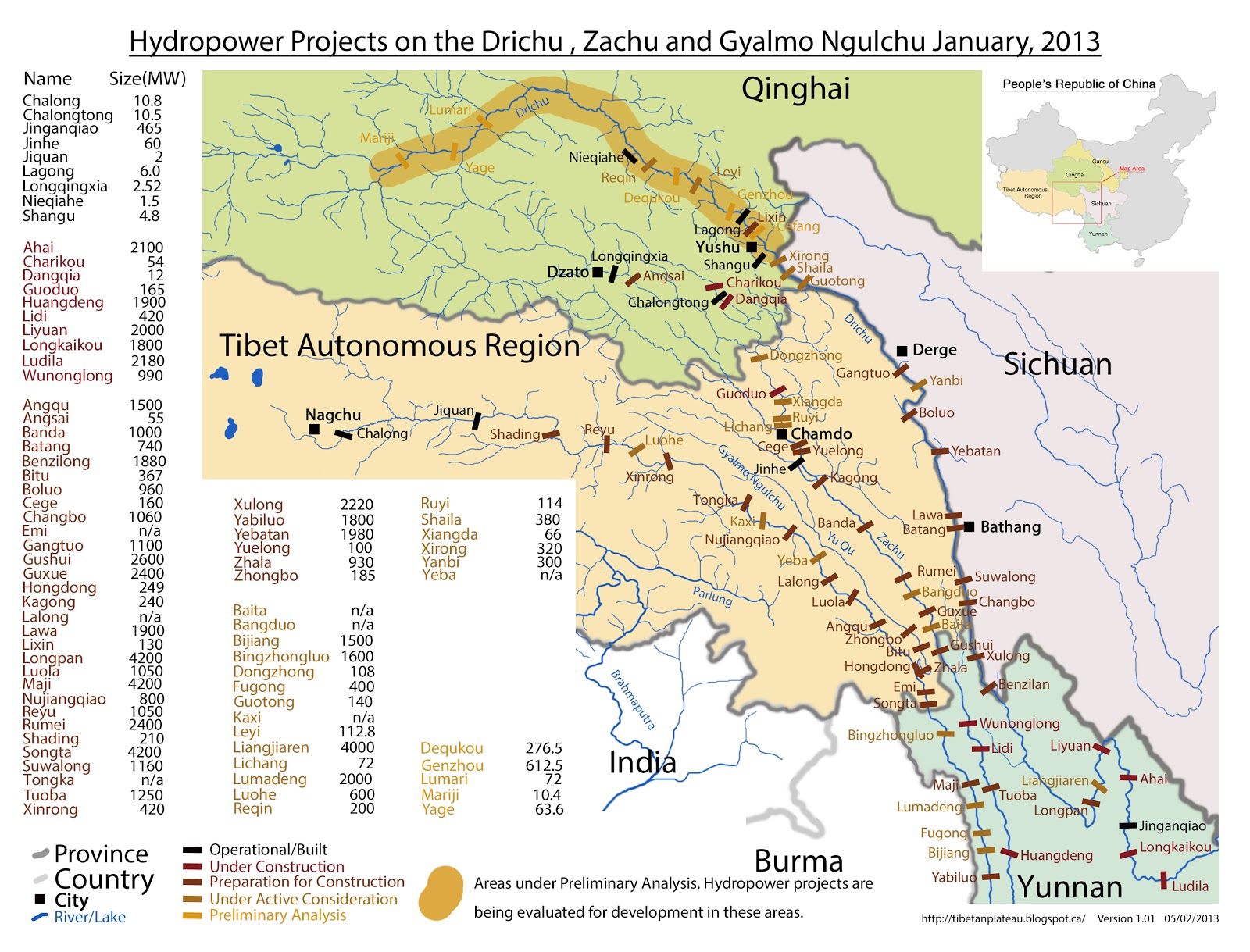
People of Asia are slowly coming to grips with ‘Trouble in Tibet’. Red China’s military occupation of Tibet and dam-building to control flow of South Asia’s rivers is a security threat and it demands the use of military power to resolve Tibet’s Trouble.

Preventing a water war in Asia

China’s extensive dam-building would give it control of Southeast Asia’s rivers

An Indian washerman works on the banks of the River Brahmaputra on a foggy winter morning in Gauhati, India, Monday, Jan. 18, 2016. (AP Photo/Anupam Nath)
Whole Trouble – Occupation of Tibet brings Trouble for Asia

An Indian washerman works on the banks of the River Brahmaputra on a foggy winter morning in Gauhati, India, Monday, Jan. 18, 2016. (AP Photo/Anupam Nath)

By THE WASHINGTON TIMES – – Monday, January 18, 2016

Just when Asia was getting accustomed to the Chinese threat to the oceans of Southeast Asia, there’s another water worry for Asians. The government in Beijing controls the health of six major South and Southeastern Asian rivers, the heart of life in the region. All of the rivers rise on the Tibetan plateau. The Chinese have been on an intensive program of dam-building on the upper reaches of the Brahmaputra, the Irrawaddy, the Meman Chao Phya and the Mekong, which would give them the ability to control these arteries of commerce, as well as irrigation of rice and other crops, for vast areas downstream.

Snows are melting on thousands of glaciers, the largest concentration of ice north and south of the poles, repeating the ancient and constant cycle of change in the world’s weather. One Tibetan lake, Namtso, a holy site where pilgrims circumnavigate its banks in prayer, expanded by 20 square miles between 2000 and 2014. Tibet’s glaciers have shrunk by 15 percent over the past 30 years. Though subject to the whims of climate change, if melting continues at current levels the warmer temperatures could melt two-thirds of the plateau’s glaciers by 2050, and this would affect in unknown ways 2 billion people in China, India, Pakistan, Bangladesh, Bhutan, Burma, Thailand, Laos, Cambodia and Vietnam.

The most dramatic example of prospective risk is China’s plan to divert the Brahmaputra from its upper reaches, where it flows a thousand miles through Tibet and another 600 miles through India, emptying into the harbor of Calcutta, the second-largest city of India. The Brahmaputra is the lifeline of northeast India, a troubled region with caste and other ethnic conflicts.

There’s concern in Thailand, Laos, Vietnam and Cambodia over eight dams under construction on the upper reaches of the Mekong River. The Burmese military junta canceled a dam under construction in Myanmar, formerly called Burma, one of six Chinese-led hydroelectric projects planned for the upper reaches of the Irrawaddy. These plants would have exported electricity to southern China.

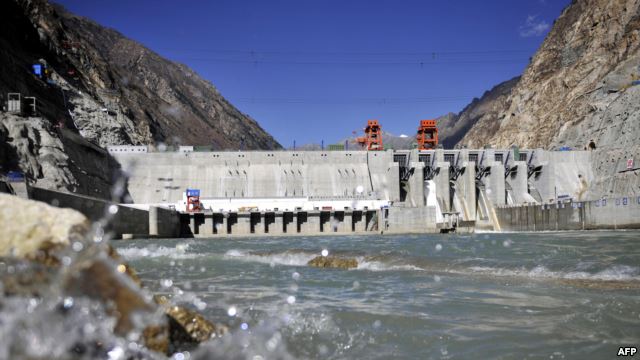
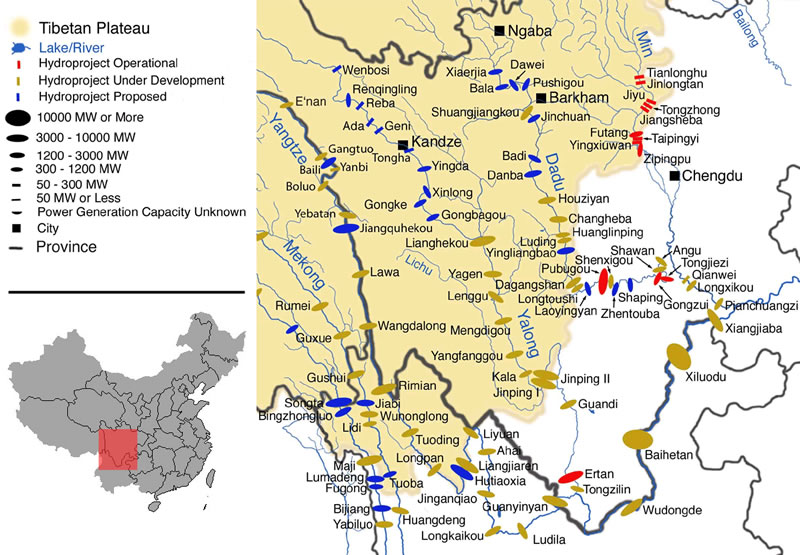
Government and the business interests worry that China’s apparent intention to dam every major river flowing out of Tibet will lead to environmental imbalance, natural disasters, degrade fragile ecologies, and most of all, divert vital water supplies. The extent of the Chinese program is monumental — on the eight great Tibetan rivers alone, China has completed or started construction of 20 dams, with three-dozen more on the drawing board.

The Dalai Lama points out the obvious, that China’s dam-building could lead to conflict. He warns that India’s use of the Tibetan water “is something very, very essential. So, since millions of Indians use water coming from the Himalayan glaciers I think [India] should express more serious concern. This is nothing to do with politics, just everybody’s interests, including Chinese people.”

The Chinese program for the Brahmaputra is one of the issues which complicate the India-China relationship. Indian Prime Minister Narendra Modi blows hot and cold over the threat. Despite extensive contacts, Himalayan border disputes dating from almost a century are no nearer solution than ever, and water is one of the important irritants. Increasing penetration of the Himalayan kingdoms of Nepal and Bhutan, once dependencies of Britain, has become a new concern in New Delhi.

However, China has become India’s No. 1 trading partner — up to $80 billion in 2015, an increase of $10 billion over 2014. India exports mostly raw materials and imports mostly Chinese electronics and other manufactured goods. Economic relations are the usual guarantee that political and economic disagreements will somehow be sorted out. But not always. Keeping the peace if not necessarily tranquility between the Asian giants must be a priority of the U.S. government. A water war is in nobody’s interest.

Copyright © 2016 The Washington Times, LLC.

All site contents © Copyright 2016 The Washington Times, LLC|3600 New York Avenue NE | Washington, DC 20002 |202-636-3000


Whole Trouble – Occupation of Tibet brings Trouble for Asia

China’s Great Dam Boom: An Assault on Its River Systems | Central ...

... china begins building dam on image source china begins building dam on

also angering china s neighbors says dw columnist frank sieren

Whole Trouble – Occupation of Tibet brings Trouble for Asia

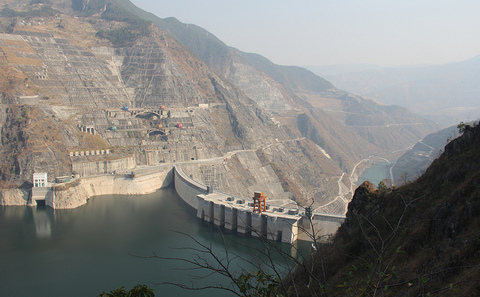
Hutoushan Reservoir

Whole Trouble – Occupation of Tibet brings Trouble for Asia

China's New Environmental Protection Law, Not for Tibet

Whole Trouble – Occupation of Tibet brings Trouble for Asia

RT @STForeignDesk: Tibetan mega-dam begins operation: #China mediahttp ...
Whole Trouble – Occupation of Tibet brings Trouble for Asia

Whole Trouble – Occupation of Tibet brings Trouble for Asia

Tibetan mega-dam begins operation: China media | Daily Mail Online

Whole Trouble – Occupation of Tibet brings Trouble for Asia

River by River: Meltdown in Tibet

Whole Trouble – Occupation of Tibet brings Trouble for Asia

Whole Trouble – Occupation of Tibet brings Trouble for Asia