Whole Hegemonist – Red China is Hegemonist since 1949

Red Dragon – Red China – Hegemonist
Whole Hegemonist – The Future of Red China’s Expansionism – Beijing Doomed.

Hegemony refers to dominance of one nation over others. Hegemonism is the policy or practice of a nation in aggressively expanding its influence over other countries.

Hegemony refers to dominance of one nation over others. Hegemonism is the policy or practice of a nation in aggressively expanding its influence over other countries. The 17-Point Plan or Agreement of March 1953 sets the tone for Communist China’s Expansionist Doctrine

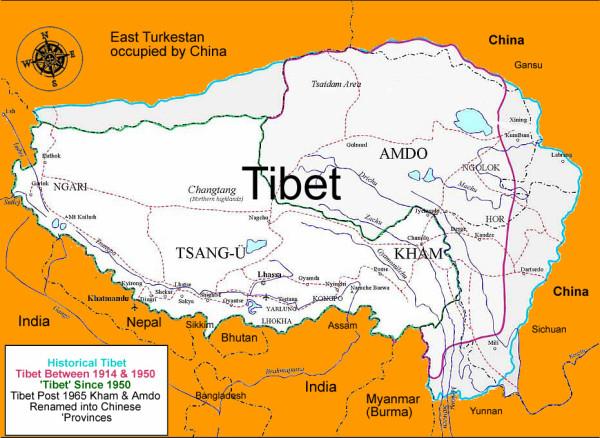
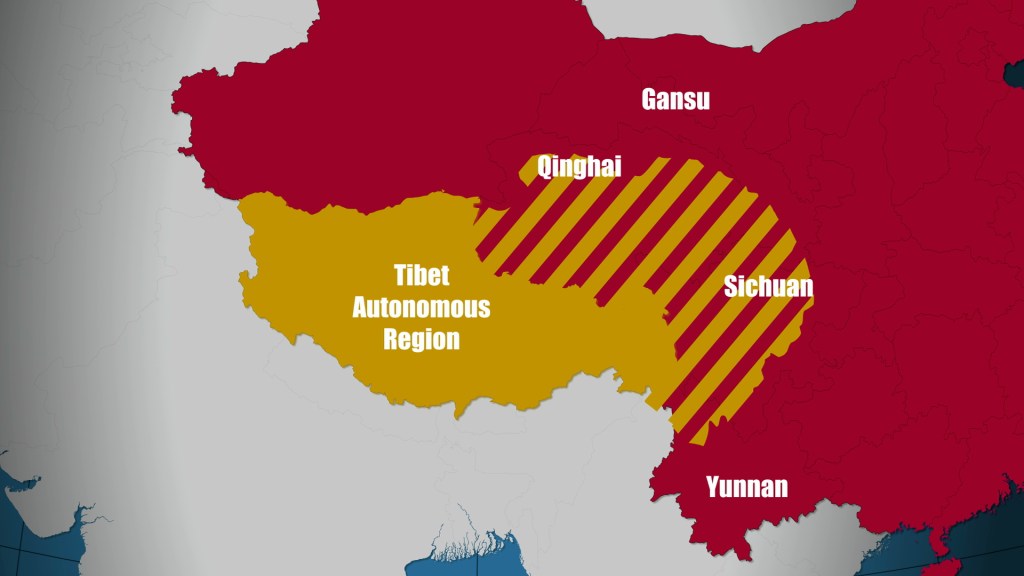
Red China heralded her hegemonistic policy in 1949 when she announced to the world that she would use military force to occupy Tibet which declared full independence on February 13, 1913. In October 1950, Red China attacked Tibet overcoming weak Tibetan resistance and occupied 965, 000 square miles of Tibetan territory which now represents one quarter of Red China’s landmass. This Tibetan territory includes entire Tibet Autonomous Region (TAR) and regions found in Qinghai, Gansu, Sichuan and Yunnan provinces. Red China’s policy of Hegemonism is nothing new. Red China will prevail with her military aggression in South China Sea if Red China is not evicted from Tibet.
Hegemony refers to dominance of one nation over others. Hegemonism is the policy or practice of a nation in aggressively expanding its influence over other countries. The 17-Point Plan or Agreement of March 1953 sets the tone for Communist China’s Expansionist Doctrine

I submit that we need not always Fight a War to Win a War. At Special Frontier Force, I am known as ‘Doomsayer of Doom Dooma’. I am claiming that we will Win our War against Tibet’s military occupation without fighting a War with Red China for I predict ‘Beijing Is Doomed’ and Red China set herself on irreversible path of Self-Destruction.
Hegemony refers to dominance of one nation over others. Hegemonism is the policy or practice of a nation in aggressively expanding its influence over other countries. The 17-Point Plan or Agreement of March 1953 sets the tone for Communist China’s Expansionist Doctrine

Rudra Narasimham Rebbapragada
Ann Arbor, MI 48104-4162, USA
Special Frontier Force-Establishment 22-Vikas Regiment

Hegemony refers to dominance of one nation over others. Hegemonism is the policy or practice of a nation in aggressively expanding its influence over other countries. The 17-Point Plan or Agreement of March 1953 sets the tone for Communist China’s Expansionist Doctrine

ValueWalk.

Game Theory: A New Twist To The South China Sea
RED DRAGON – RED CHINA – DICTATORIAL REGIME. RED CHINA CREATED TERRITORIAL DISPUTES WITH ALL OF HER REGIONAL NEIGHBORS FOR SHE IS EVIL POWER.

Posted By: BRINDA BANERJEE Posted date: August 20, 2015 03:15:04 PM

If you haven’t heard of “HEGEMON” and you’re a geostrategy enthusiast, you’re missing out on a very interesting experience. Developed by the Potomac Foundation, the multiplayer game allows users to take on the identities of different countries, complete with resources and political agendas.

Before you write it off as yet another game imitating life, consider this: Hegemon has quickly become a favorite with strategists and academicians who use the simulation to test different approaches and evaluate results.

Players can take on the roles of the United States, China and other countries in the Asia-Pacific region; from budgeting and strategizing to managing military and technological needs, the ‘game’ involves enacting real-world geopolitical relationships on-screen.
Perhaps the most interesting implication of the game is that it allows users to test the waters, so as to speak, on the South China Sea issue. And the revelations are rather edifying.

China could gain a hegemony on the South China Sea

As per an article first published in the Lowy Interpreter, China could gain and sustain a hegemony on the South China Sea without every actually having to resort to armed conflict. The South China Sea issue has been in the news frequently over the past year owing to a rise in hostile disputes over territory between the various claimants. China, most noticeably, has ‘reclaimed’ several territories and undertaken construction operations on the same, much to the chagrin of other stakeholders. As of this past month, the state has halted its actions in the region in keeping with an international effort to resolve the dispute peacefully. However, as the game has revealed, there are other ways in which the state could monopolize the region. Here are some possible outcomes to mull over.

#1 You Don’t Need To Fight A War To Win A War

A very big part of war strategy is avoiding war altogether. You must prepare to excel at the worst, but still keep it from happening at any cost. In the game, only 50% of the region takes to violence across a span of two decades. Instead, the more probable outcome is that countries turn to brokering agreements. It’s interesting to note that the matter of who plays the game affects what the outcome is: military personnel are more likely to opt for confrontational tactics while academics are more prone to choosing the non-combative options.

#2 The Role Of Russia

While Russia isn’t a claimant in the South China Sea issue, or even a regional stakeholder, the state does exert a considerable amount of influence on the area’s security and stability. Alliances and enmities with Russia can go a long way towards affecting the regional balance of power. History has proven that power in geopolitical conflicts is best consolidated through a formidable military presence in the region in question, and the fact that Russia is a significant contributor to the international weapons market all but guarantees Moscow a say-so in the South China Sea issue.

#3 What Would Vietnam Do?

Vietnam makes for a very interesting entry point into the South China Sea dispute because the state is a claimant in the territorial conflict and clearly opposed to Chinese monopoly in the greater South Asian region, but it still continues to be something of a wild card. The country has a land border in common with Beijing, so it serves Vietnam’s security interests to maintain peaceful ties with China. One probable outcome, as we see played out in Hegemon only too often, is that Hanoi is likely to forsake a portion of its stakes in the South China Sea issue in exchange for a decreased Chinese military presence at its borders.

#4 Diplomacy & Perseverance

Many real-world experts have argued that China will seek to avoid open confrontation simply because the costs of war are too high and the state has identified another means to the same end: diplomatic channels. China currently enjoys a position of enviable influence in the region. The current geopolitical landscape of South Asia is marked by an eagerness to either ally with China or, at the very least, avoid an armed conflict with the state. Analysts argue that by simply waiting it out China stands to gain more. As such, if China were to solidify its identity as the dominant regional power it would serve a severe blow to the United States’ ‘pivot to Asia’ strategy.

#5 Deterrence or Destruction?

Yet others argue that even if China were to persevere at the long game, there is no guarantee that other Asian states will concede to its hegemony in the region. China has a historical rival in Japan, and if things were to come to a head, the latter is most likely to align with the United States in an effort to maintain the status quo in Asia. In this case, the arms race and support gathering may result in a more pronounced divide than ever before, and scholars warn that the world might soon be looking at another iteration of the Cold War.

Interesting though it is to see how closely the game imitates real life and vice-versa, theorists will argue against basing actual strategy on gameplay simply because two crucial elements- the stakes involved and the time in hand- do not represent real-time situations accurately. Defeat in a game and defeat on a battlefield are two very different experiences indeed. And while overnight developments are not completely unheard of in military history, most issues develop gradually and decision-makers have months, even years, to chart the most preferred course of action.

So, while geostrategy buffs can definitely learn a thing or two about the South China Sea issue from Hegemon, and maybe even test-drive a few theories, the real world is, as they say, a totally different ballgame.

,Hegemony refers to dominance of one nation over others. Hegemonism is the policy or practice of a nation in aggressively expanding its influence over other countries. The 17-Point Plan or Agreement of March 1953 sets the tone for Communist China’s Expansionist Doctrine

About the author

BRINDA BANERJEE

Brinda Banerjee is a researcher working on security, armed conflict and military policies. She holds a Bachelor’s in Journalism (with Honors), a Master’s in Peace and Conflict Studies and is currently pursuing her Ph.D. in state responses to internal conflict. Brinda writes extensively about current events, conflict resolution and geopolitical dynamics in the modern world.

Copyright © 2015 ValueWalk

Hegemony refers to dominance of one nation over others. Hegemonism is the policy or practice of a nation in aggressively expanding its influence over other countries. The 17-Point Plan or Agreement of March 1953 sets the tone for Communist China’s Expansionist Doctrine

Whole Evil – The Tyrannical Rule of China over occupied Territories

The Evil Red Empire – The Tyranny of Expansionism

RED CHINA - THE EVIL RED EMPIRE - RED ALERT - A TYRANT
The term ‘tyrant’ describes any person who exercises authority in an oppressive manner, a cruel master, despot, absolute ruler who is unwilling for arbitration. Red China governs as a tyrant

The term ‘tyrant’ describes any person who exercises authority in an oppressive manner, a cruel master, despot, absolute ruler who is unwilling for arbitration. Red China governs as a tyrant. Apart from being harsh, cruel, oppressive, and unjust, the tyrannical rule imposed by Red China over illegally occupied Tibet is characterized by Red China’s use of any kind of pretext to justify its tyranny. When the oppressor intends to be unjust, no argument will succeed. A tyrant will always find a pretext for his tyranny and it is useless for the victim to try by reasoning to get justice. Red China to justify its military grip over Tibet claims that She liberated Tibet and emancipated Tibetan people from feudal Lords.

The stories popularly known as Aesop’s Fables include a story titled ‘The Wolf and The Lamb’ in which, a Lamb finds no choice other than that of losing his life for the Wolf, a tyrant is unwilling to accept any reasoning with which Lamb pleaded to save his life.

The Wolf and the Lamb:

THE EVIL RED EMPIRE - RED CHINA - TYRANT : THE TYRANT WILL ALWAYS FIND AN EXCUSE FOR HIS TYRRANY.
The term ‘tyrant’ describes any person who exercises authority in an oppressive manner, a cruel master, despot, absolute ruler who is unwilling for arbitration. Red China governs as a tyrant

Once upon a time, a Wolf was lapping at a stream, when looking up, the Wolf saw a Lamb just beginning to drink a little lower down the stream.

“There’s my supper”, thought the Wolf, “If only I can find some excuse to seize it.” Then he called out to the Lamb, “How dare you muddle the water from which I am drinking?”

“Nay, Master, nay,” said Lambikin, “If the water be muddy up there, I cannot be the cause of it, for it runs down from you to me.”

“Well then,” said the Wolf, “Why did you call me bad names this time last year?”

“That cannot be,” said the Lamb, “I am only six months old.”

“I don’t care,” snarled the Wolf, “If it was not you it was your father,” and with that he rushed upon the poor little Lamb, seized him and ate him up saying, “Well I won’t remain supperless even though you refute every one of my imputations.”

But before he died, Lamb gasped out, “Any excuse will serve a tyrant.”

In my view, the United States and its allies in Asia cannot win their argument about territorial boundaries in South China Sea. Red China is a tyrant who will use any excuse to justify her actions to expand her maritime boundaries. To address the problem of Red China’s tyranny, the global community of nations must begin with ‘The Great Problem of Tibet’ and evict the illegal occupier of Tibet.

Rudra Narasimham Rebbapragada
Ann Arbor, MI 48104-4162, USA

U.S. HOPES CHINESE ISLAND-BUILDING WILL SPUR ASIAN RESPONSE

Reuters

By David Alexander

By releasing video of Beijing’s island reclamation work and considering more assertive maritime actions, the United
States is signaling a tougher stance over the South China Sea and trying to spur Asian partners to more action.

The release last week of the surveillance plane footage – showing dredgers and other ships busily turning remote outcrops into islands with runways and harbors – helps ensure the issue will dominate an Asian security forum starting on Friday attended by U.S. Defense Secretary Ash Carter as well as senior Chinese military officials.

As it pushes ahead with a military “pivot” to Asia partly aimed at countering China, Washington wants Southeast
Asian nations to take a more united stance against China’s rapid acceleration this year of construction on disputed reefs.

The meeting, the annual Shangri-La Dialogue in Singapore, will be overshadowed by the tensions in the South China
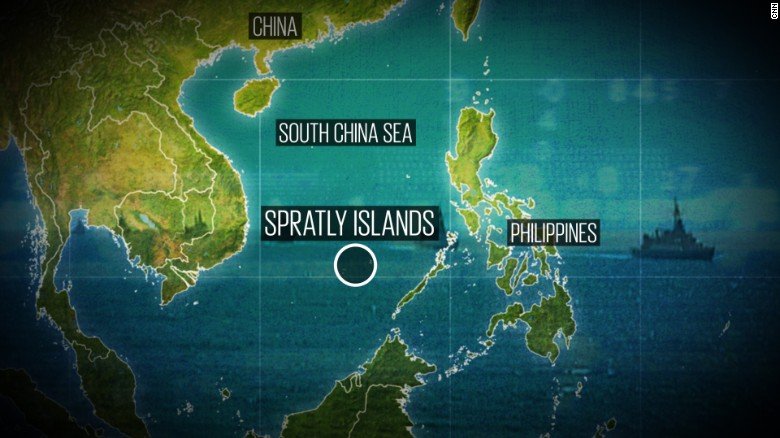
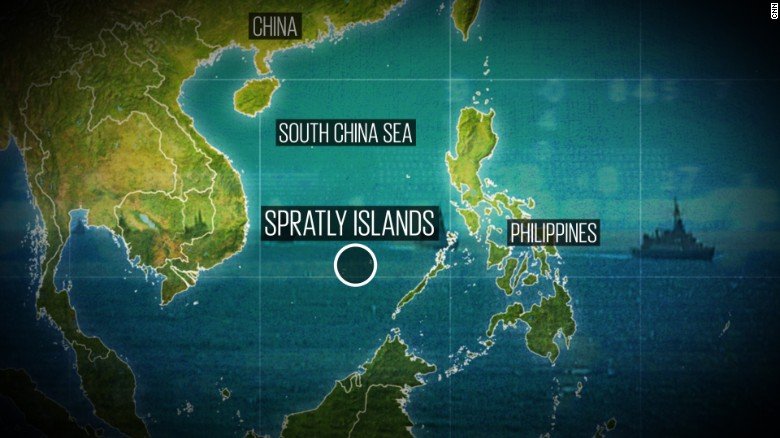
Sea, where Beijing has added 1,500 acres to five outposts in the resource-rich Spratly islands since the start of this year.

“These countries need to own it (the issue),” one U.S. defense official said on condition of anonymity, adding that
it was counterproductive for the United States to take the lead in challenging China over the issue.

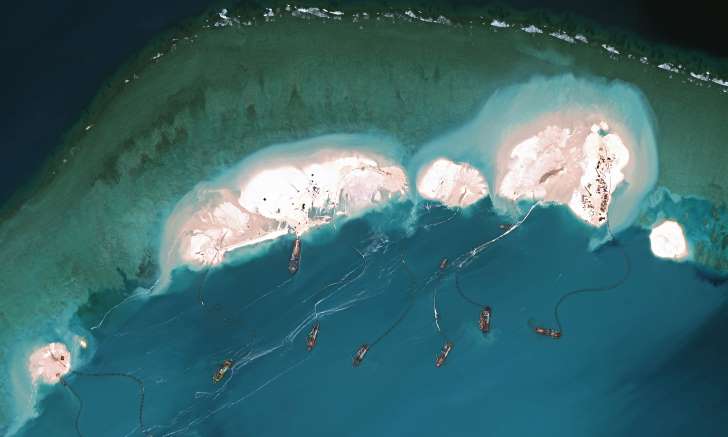
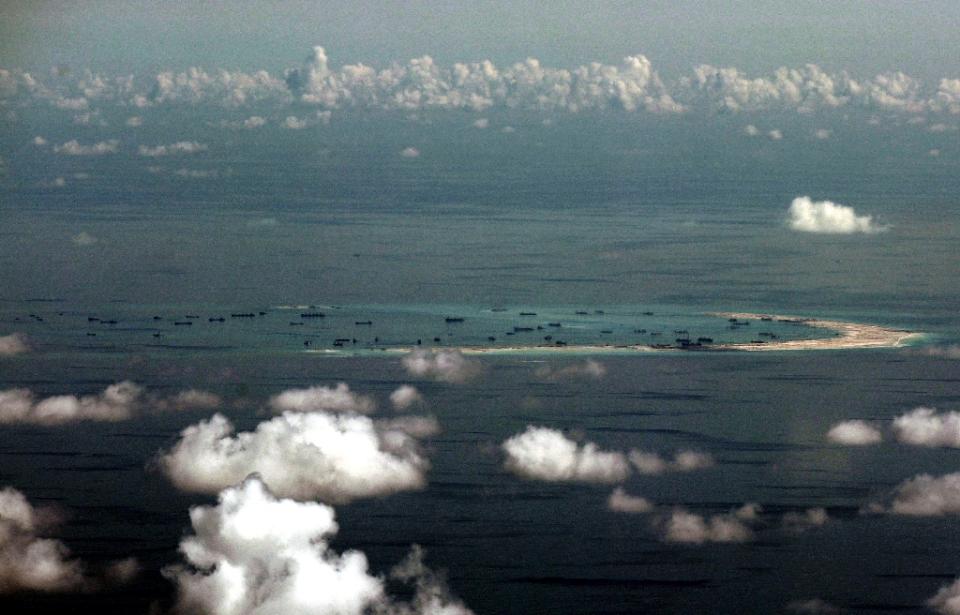
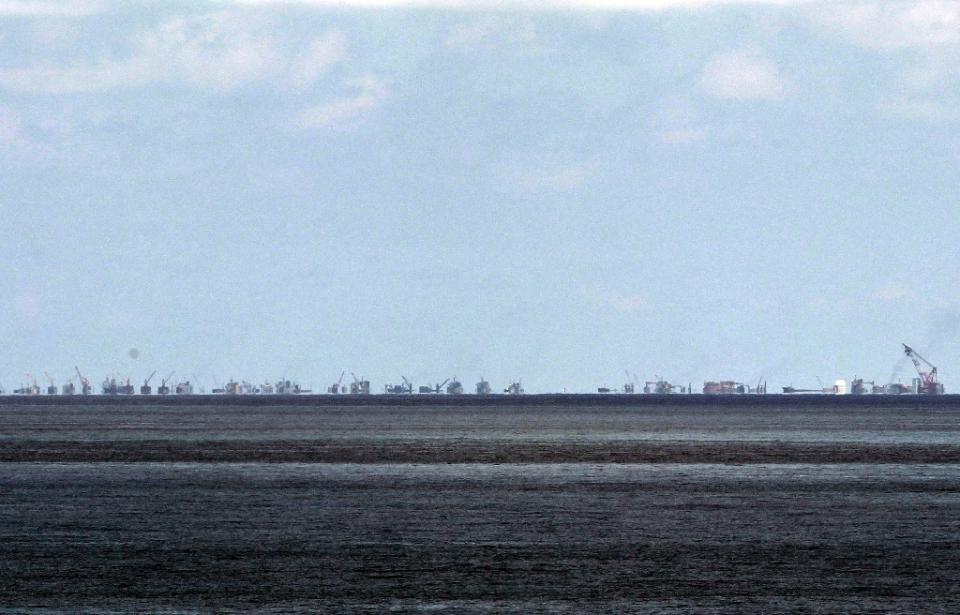
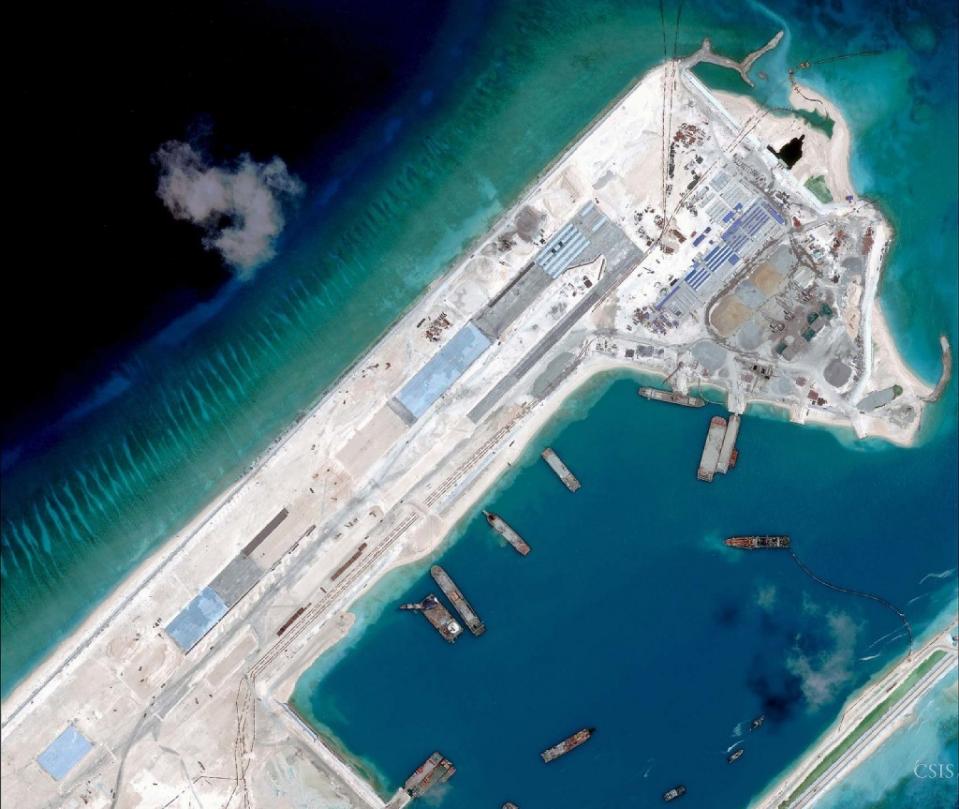
Red China -  Land Reclamation Activity in   South China Sea.
Red China – Land Reclamation Activity in South China Sea.

© REUTERS/U.S. Navy/Handout via Reuters Still image from United States Navy video purportedly shows Chinese dredging vessels in the waters around Mischief Reef in the disputed Spratly Islands.

More unified action by the partners, including the 10-member Association of Southeast Asian Nations (ASEAN), needed
to happen soon because “if you wait four years, it’s done,” the official said.

While some ASEAN members, including U.S. ally the Philippines and fellow claimant Vietnam, have been vocal critics of
Chinese maritime actions, the group as a whole has been divided on the issue and reluctant to intervene.

But in a sign of growing alarm, the group’s leaders last month jointly expressed concern that reclamation activity
had eroded trust and could undermine peace in the region.

Experts dismiss the idea of ASEAN-level joint action any time soon in the South China Sea. “It’s absolute fantasy,” said
Ian Storey of Singapore’s Institute on South East Asian Studies.

But stepped-up coordination between some states is possible. Japan’s military is considering joining the United States in
maritime air patrols over the sea. Japan and the Philippines are expected to start talks next week on a framework for the transfer of defense equipment and technology and to discuss a possible pact on the status of Japanese military
personnel visiting the Philippines.

Carter, speaking in Honolulu en route to Singapore, repeated Washington’s demand that the island-building stop, saying
China was violating the principles of the region’s “security architecture” and the consensus for “non-coercive approaches.”

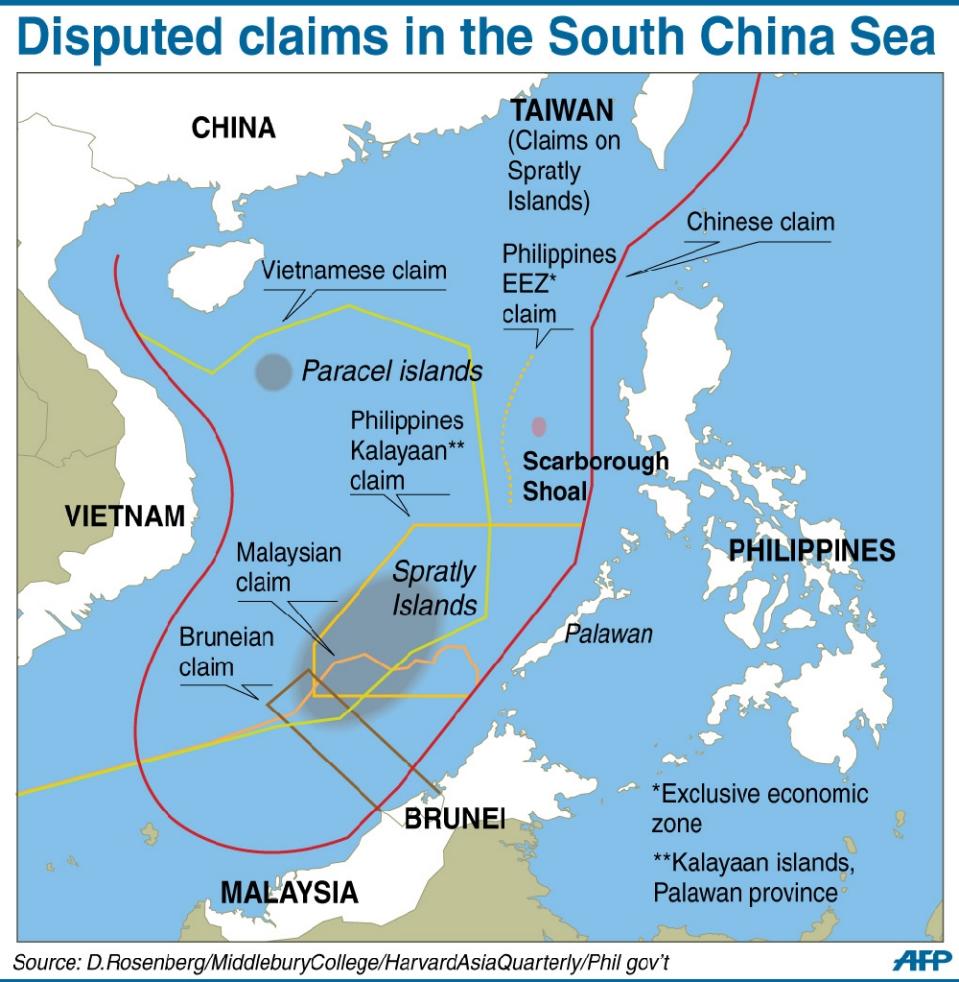
China claims 90 percent of the South China Sea, which is believed to be rich in oil and gas, with overlapping claims
from Brunei, Malaysia, the Philippines, Vietnam and Taiwan.

SHOWING CHINA SOME “RESOLVE”

As part of Washington’s drive to energize its allies, a U.S. Navy P-8 reconnaissance plane allowed CNN and Navy
camera crews to film Chinese land reclamation activity in the Spratly islands last week and release the footage.

“No one wants to wake up one morning and discover that China has built numerous outposts and, even worse, equipped them
with military systems,” Assistant Secretary of State Daniel Russel said.

Ernest Bower, a Southeast Asia expert at the Center for Strategic and International Studies think tank in Washington,
said the U.S. goal was to convince China to buy into the international system for dispute resolution rather than impose its sweeping territorial claims on the region.

But in the near term, he added: “I think the Americans are going to have to show China some resolve.”

U.S. officials have said Navy ships may be sent within 12 miles (19 kms) of the Chinese-built islands to show that
Washington does not recognize Beijing’s insistence that it has territorial
rights there.

Washington is also pressing ahead with its rebalancing towards Asia, four years after President Barack Obama announced
the strategic shift, even as some countries say it is slow to take shape.

The United States has updated its security agreements with treaty allies Japan and the Philippines and is
bolstering missile defenses in Japan with an eye on North Korea.

U.S. Marines are training in Australia on a rotational basis, littoral combat ships are operating out of Singapore and
new P-8 reconnaissance planes stationed in Japan have flown missions across the region.

Overall, defense officials said, the Navy will increase its footprint by 18 percent between 2014 and 2020. The aim is
to have 60 percent of Navy ships oriented toward the Pacific by 2020, compared to 57 percent currently.

Military officials in the Philippines say the U.S. shift has been noticeable, including military exercises, training
and ship and aircraft visits. The emphasis has shifted from anti-terrorism to maritime security, one official said.

China has not shown any sign of being deterred. On Tuesday it held a groundbreaking ceremony for two lighthouses in
the South China Sea, vowed to increase its “open seas protection,” and criticized neighbors who take “provocative actions” on its reefs and islands.

(Additional reporting by Greg Torode in
Hong Kong, Nobuhiro Kubo in Tokyo, Manuel Mogato in Manila, Sui Lee Wee in
Beijing; editing by David Storey and Stuart Grudgings.)

The term ‘tyrant’ describes any person who exercises authority in an oppressive manner, a cruel master, despot, absolute ruler who is unwilling for arbitration. Red China governs as a tyrant

Whole Awareness – Tibet is the first victim of Red China’s Hegemonism

Tibet Awareness – Red China – Hegemonist

Deng Xiaoping General Assembly Speech
TIBET AWARENESS – RED CHINA – HEGEMONIST – CHINESE PREMIER DENG XIAOPING IN HIS SPEECH AT UN GENERAL ASSEMBLY DELIBERATELY, PURPOSEFULLY LIED ABOUT RED CHINA’S HEGEMONIST POLICY.

Chinese Premier Deng Xiaoping in 1974 during his maiden appearance at United Nations General Assembly assured UN members that China is not and never will be a superpower or seek dominance over others. Deng Xiaoping carefully avoided using the term “Hegemon” while describing Communist China’s state policy. Hegemonism is the policy or practice of a nation in aggressively expanding its influence over other countries. Hegemony refers to dominance of one nation over others. Tibet is the first victim of Red China’s Hegemonist Policy.

Tracing China’s long, convoluted relationship with the UN

BEIJING (AP) — China’s President Xi Jinping is poised to address the U.N. General Assembly for the first time on Monday. Here are some milestones in China’s long, convoluted relationship with the world body:

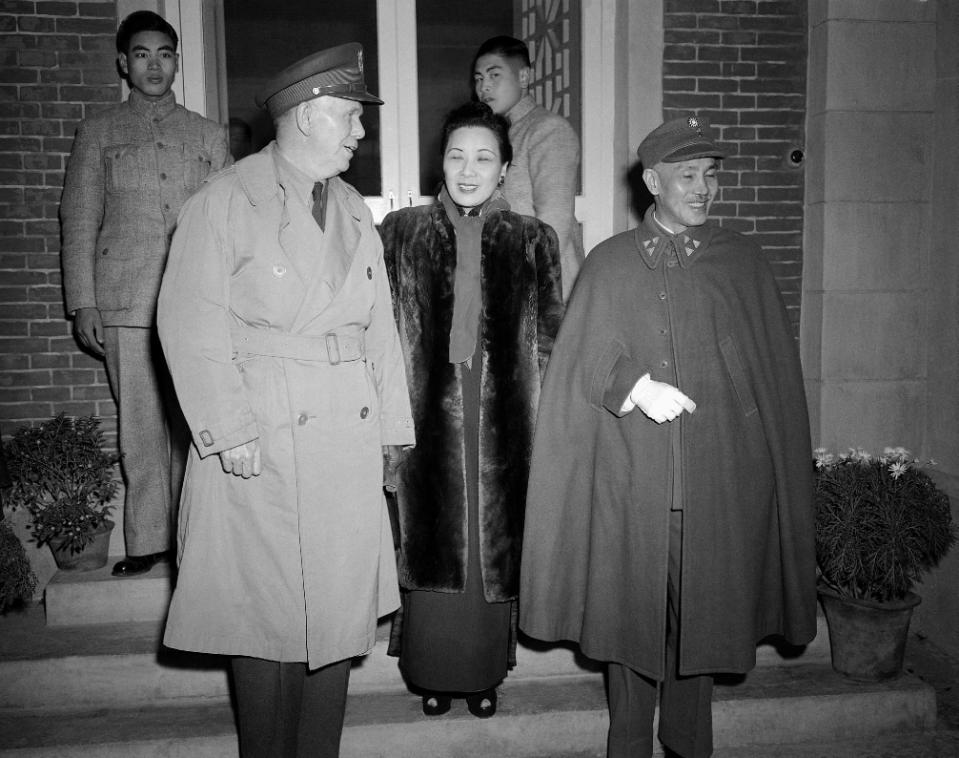
1945 — The Republic of China, led by Chiang Kai-shek, becomes the first nation to sign the U.N. charter. As one of the victors in World War II, China assumes one of five permanent seats on the U.N. Security Council over the objections of some world leaders, including Britain’s Winston Churchill. Chinese representatives also help draft and sign the Universal Declaration of Human Rights.

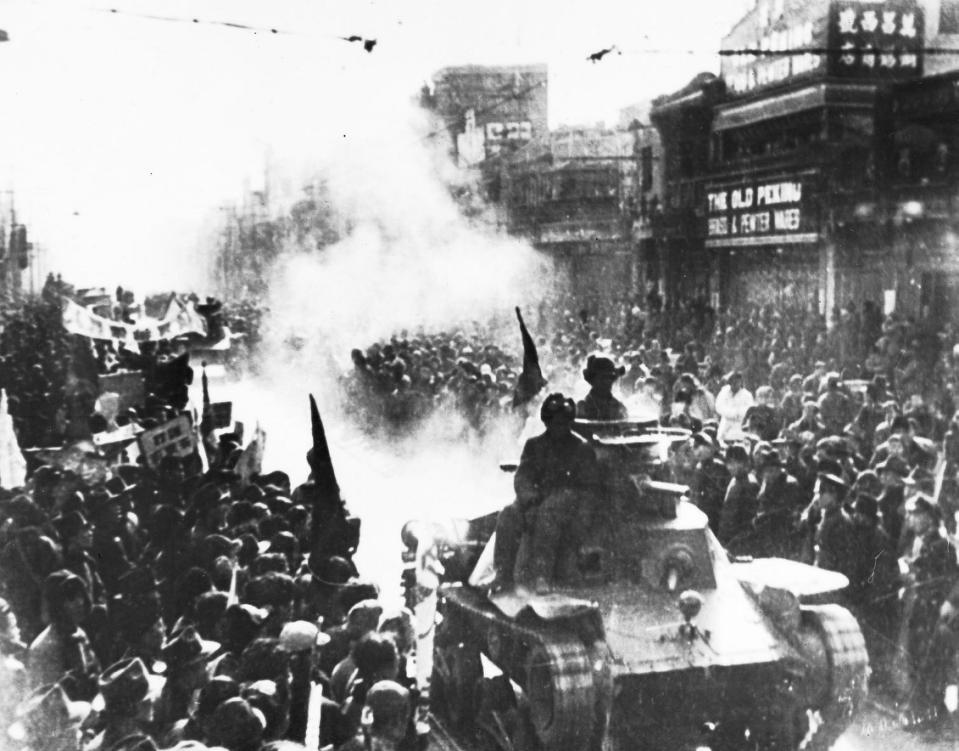
1949 — Chiang’s Nationalists lose the Chinese civil war to Mao Zedong’s Communists and retreat from the Chinese mainland to the island of Taiwan. The Republic of China, however, retains China’s Security Council seat with the key backing of the U.S. in order to restrain Mao’s ally, the Soviet Union, as the Cold War unfolds.

1950 — The Korean War breaks out. With Soviet encouragement, Chinese forces are sent to bolster North Korea’s military. The Security Council recognizes North Korea’s attack on the South as an invasion and dispatches a 21-nation force led by the U.S. to repulse the aggression. U.N. forces frequently fight against Chinese troops until the signing of an armistice in 1953.

1950s and 1960s — Mao’s People’s Republic of China attempts repeatedly to replace the ROC as the legitimate representative of China at the U.N. However, with Washington’s strong support, the Republic of China manages to hang on even as support in the General Assembly steadily erodes.

1971 — Amid a thaw in relations between Beijing and Washington, the People’s Republic of China secures the votes of 26 newly independent African nations and finally prevails in its campaign to win the China seat. Passed on the 21st attempt, U.N. Resolution 2758 expels the representatives of Chiang Kai-shek from the body, effectively casting Taiwan into the diplomatic wilderness.

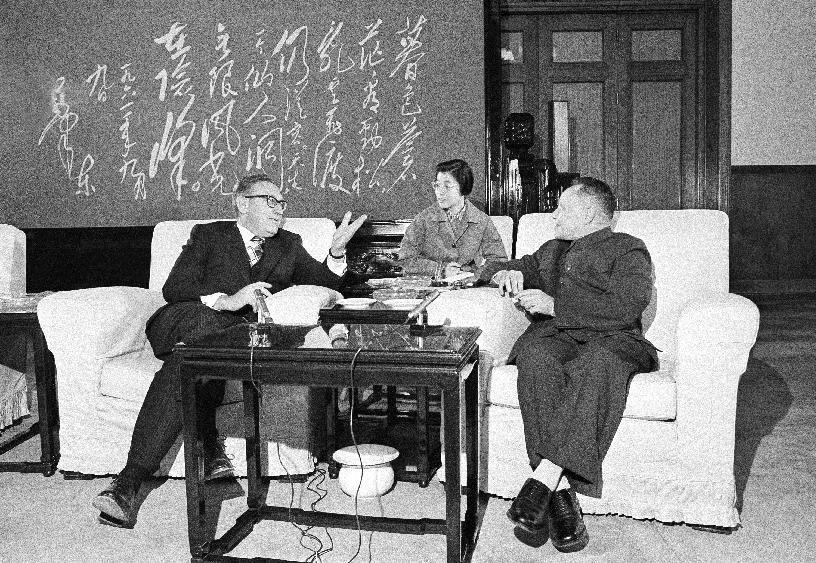
1974 — Soon-to-be paramount leader Deng Xiaoping becomes the first major Chinese politician to address the General Assembly. In his speech, Deng assures the body that China is not and never will be a superpower or seek dominance over others (replacing “hegemon”), assertions increasingly at odds with China’s rising global influence in the 21st century.

1991 — The Republic of China applies to join the U.N. separately from mainland China as the representative of Taiwan and its related islands, saying that Resolution 2758 was irrelevant to Taipei’s status. The move is fiercely condemned by China and is never included in the General Assembly’s agenda or put to a formal vote.

1992 — Having dropped its objections to U.N. peacekeeping on grounds of non-intervention, China sends its first contribution in the form of an engineering company to join in a mission in Cambodia. In subsequent years, China becomes far and away the biggest contributor of personnel to peacekeeping operations among the five permanent Security Council, with more than 3,000 troops and police committed as of this year.

2013 — China is granted a seat on the U.N. human rights council despite frequent criticisms of its authoritarian political system and heavy restrictions on civil liberties. Opponents say that move not only provides cover for China’s detention of political opponents and other abuses, but also allows it to suppress all U.N. human rights initiatives and attempts to hold rights violators accountable.

Copyright 2015 The Associated Press. All rights reserved. This material may not be published, broadcast, rewritten or redistributed.

Yahoo – ABC News Network

Tibet is the first victim of Red China’s Hegemonist Policy.

1973: Deng Xiaoping Came Back to Power (邓小平复出)

President Gerald Ford meets with Chairman Mao Tse-tung in Peking

!The year of the Sheep (or Goat or Ram) begins today. President Ford ...

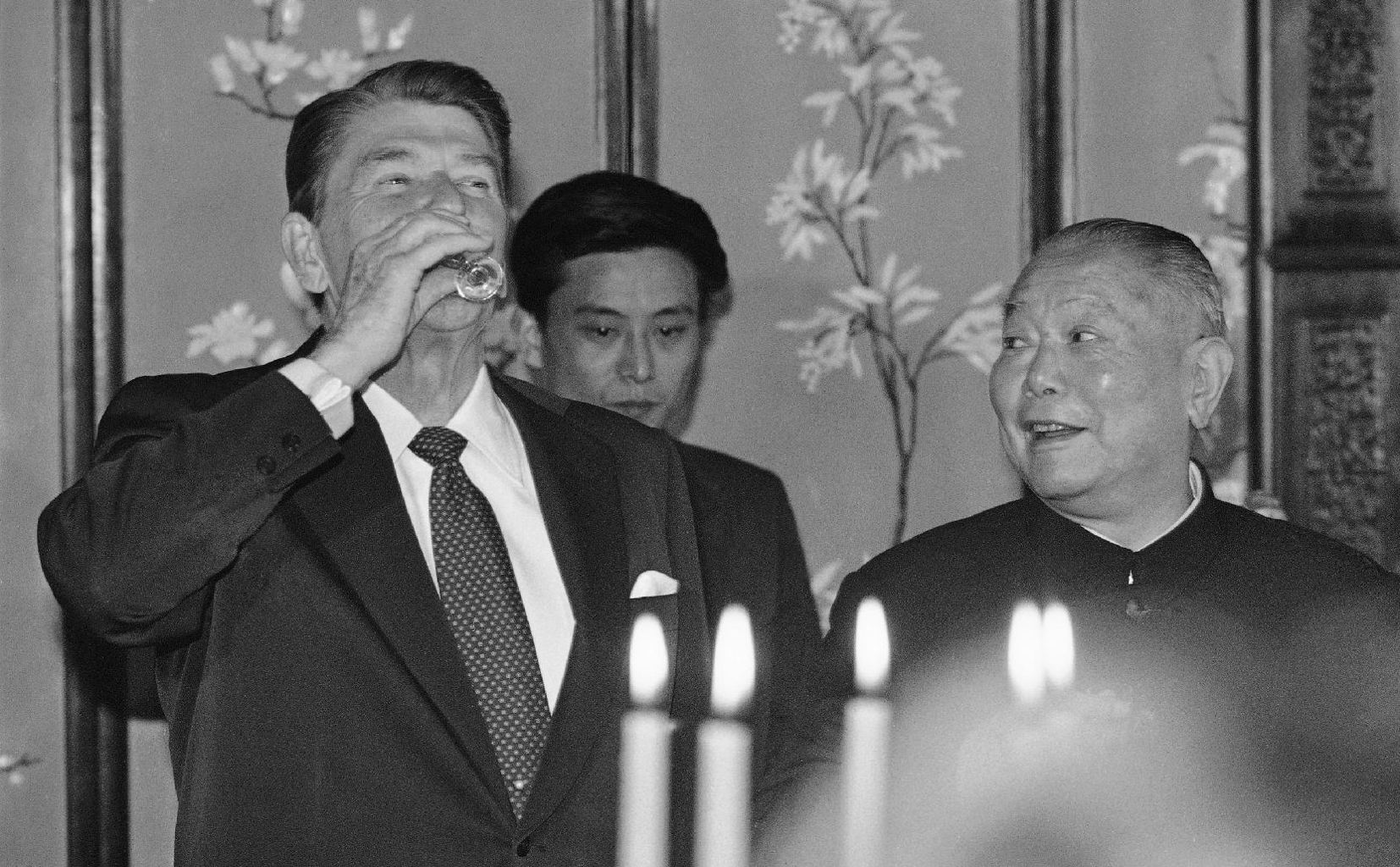
... Sin-April 26-1984-President Li Xiannian-President Ronald Reagan-Peking

FILE In this May 2, 1949 file photo, a column of Chinese Communist light tanks enter the streets of Peking, which are filled with people watching the conquerors pass. In 1949, Chiang Kai shek’s Nationalists lost the Chinese civil war to Mao Zedong’s Communists and retreat from the Chinese mainland to the island of Taiwan. The Republic of China, however, retained China’s Security Council seat with the key backing of the U.S. in order to restrain Mao’s ally, the Soviet Union, as the Cold War unfolds. (AP Photo, File)
FILE In this Dec. 22, 1945 file photo, Gen. George C. Marshall, left, special envoy of U.S. President Harry Truman to China with rank of ambassador, poses with Generalissimo Chiang Kai Shek, right, and Madame Chiang at Chiang’s Nanking home shortly after his arrival in Nanjing. In 1945 the Republic of China, led by Chiang Kai shek, became the first nation to sign the U.N. charter. As one of the victors in World War II, China assumed one of five permanent seats on the U.N. Security Council over the objections of some world leaders, including Britain’s Winston Churchill. Chinese representatives also helped draft and sign the Universal Declaration of Human Rights. (AP Photo, File)
FILE In this Nov. 27, 1974 file photo, Chinese Premier Deng Xiaoping, right, listens to U.S. Secretary of State Henry Kissinger, left, during their meeting in Beijing. In 1974, soon to be paramount leader Deng became the first major Chinese politician to address the General Assembly. In his speech, Deng assured the body that China is not and never will be a superpower or seek dominance over others (replacing “hegemon”), assertions increasingly at odds with China’s rising global influence in the 21st century. (AP Photo, File)
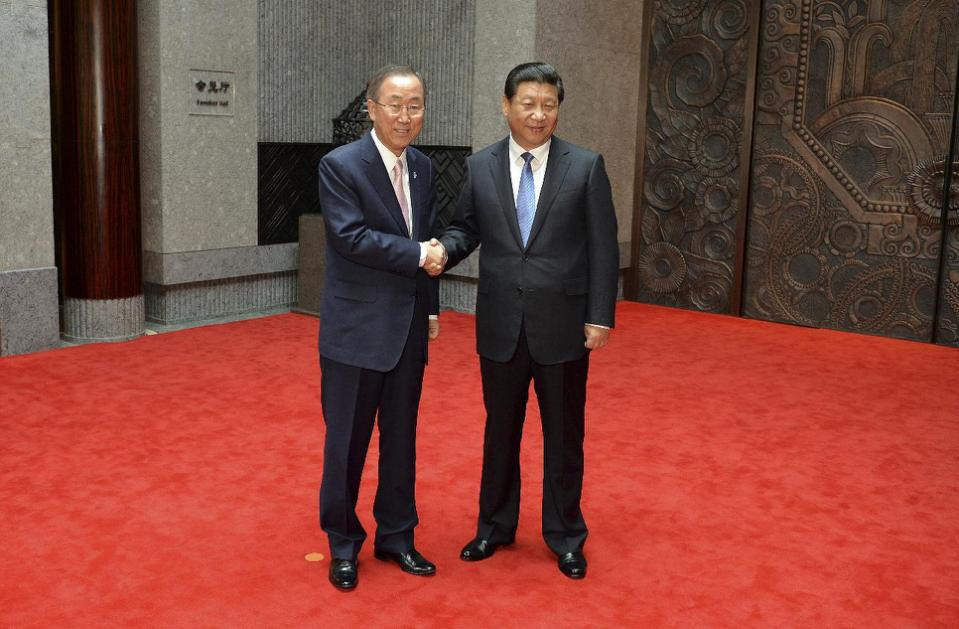
FILE In this May 19, 2014 file photo, Chinese President Xi Jinping, right, shakes hands with United Nations Secretary General Ban Ki moon, left, as they pose for photos on the eve of the fourth Conference on Interaction and Confidence Building Measures in Asia (CICA) summit at the Xijiao State Guesthouse in Shanghai, China. China’s President Xi is poised to address the U.N. General Assembly for the first time on Monday, Sept. 28, 2015. (Mark Ralston/Pool Photo via AP, File)

Tibet is the first victim of Red China’s Hegemonist Policy.

Whole Alert – Red China’s Policy of Brinkmanship

Red China – Red Alert – The policy of Brinkmanship

RED DRAGON - RED CHINA - RED ALERT - BRINKMANSHIP - MILITARY DOMINANCE : AN IMMINENT THREAT TO PEACE AND SECURITY OF ALL NATIONS.
RED DRAGON – RED CHINA – RED ALERT – BRINKMANSHIP – MILITARY DOMINANCE : AN IMMINENT THREAT TO PEACE AND SECURITY OF ALL NATIONS.

The term ‘brink’ means the edge, especially at the top of a steep place. Very often ‘brink’ is used figuratively such as “At the brink of War.” Brinkmanship refers to the policy of pursuing a hazardous course of action to the brink of catastrophe. Red China’s Policy of Economic Expansionism draws support from her Policy of Military Expansionism. Red China’s pursuit of world’s territories, and natural resources is accompanied by her aggressive expansion of political influence over other nations to cause nations to become subservient to Red China’s ambitions. Red China’s Policy of ‘Brinkmanship’ has to be exposed, has to be effectively contained and has to be resisted at every place apart from South China Sea where the dispute is receiving attention of news media.

5 MILLION REASONS CHINA MAY BE DRAWN INTO GLOBAL CONFLICTS

By DAVID TWEED

BLOOMBERG

With five million offshore citizens to protect and billions of investment dollars at stake, China is rethinking its policy of keeping out of other countries’ affairs.

China has long made loans conditional on contracts for its companies. In recent years it has sent an army of its nationals to work on pipelines, roads and dams in such hot spots as South Sudan, Yemen and Pakistan. Increasingly, it has to go across borders to protect or rescue them.

That makes it harder to stick to the policy espoused by then-premier Zhou Enlai in 1955 of not interfering in “internal” matters, something that has seen China decline to back international sanctions against Russia over Ukraine or the regime of Syrian President Bashar al-Assad.

As President Xi Jinping’s “Silk Road” program of trade routes gets under way, with infrastructure projects planned across Central Asia, the Indian Ocean and the Middle East to Europe, China’s footprint abroad will expand from the $108 billion that firms invested abroad in 2013, up from less than $3 billion a decade earlier.
That is forcing China to take a more proactive approach to securing its interests and the safety of its people. With more engagement abroad there’s a risk that China, an emerging power with a military to match, is sucked into conflicts and runs up against the U.S. when tensions are already flaring over China’s disputed claims in the South China Sea.
“It is going to be a long, hard haul,” said Kerry Brown, director of the University of Sydney’s China Studies Centre. “You either have disruption as a new power rips up the rule book and causes bedlam or you’ve got a gradual transition where China is ceded more space but also expected to have more responsibility.”

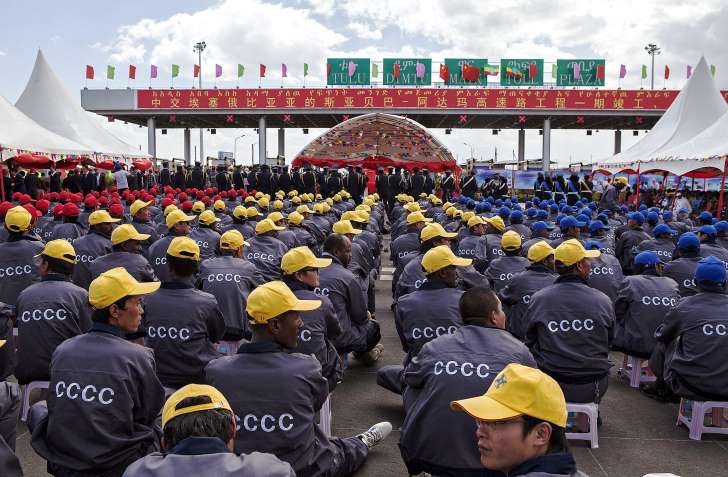
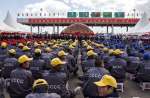
RED CHINA - RED ALERT - BRINKMANSHIP : RED CHINA IS INVESTING BILLIONS OF DOLLARS AND DISPATCHING MILLIONS OF CHINESE WORKERS TO FURTHER ITS EXPANSIONIST POLICY THAT MAKES CONFLICTS WITH OTHER NATIONS INEVITABLE. IN THIS PHOTO IMAGE, ETHIOPIAN AND CHINESE CONSTRUCTION WORKERS SEEN WAITING NEAR CHINA COMMUNICATION CONSTRUCTION COMPANY BUILDING ADDIS ABABA - ADAMA TOLL ROAD.
RED CHINA – RED ALERT – BRINKMANSHIP : RED CHINA IS INVESTING BILLIONS OF DOLLARS AND DISPATCHING MILLIONS OF CHINESE WORKERS TO FURTHER ITS EXPANSIONIST POLICY THAT MAKES CONFLICTS WITH OTHER NATIONS INEVITABLE. IN THIS PHOTO IMAGE, ETHIOPIAN AND CHINESE CONSTRUCTION WORKERS SEEN WAITING NEAR CHINA COMMUNICATION CONSTRUCTION COMPANY BUILDING ADDIS ABABA – ADAMA TOLL ROAD.

© Zacharias Abuker/AFP/Getty Images Ethiopian and Chinese workers of the China Communication Construction Company sit at the site of the Addis Ababa-Adama toll road on May 5, 2014. The site was christened by Chinese Prime Minister Li Keqiang. Li arrived in Ethiopia for the start of a four-nation African tour, his first visit to the continent since assuming his position a little over a year ago.

Yemen, Myanmar

For more than a half century China stuck to Zhou’s policy predicated on non-interference and respect for the sovereignty of others. The policy partly reflected a focus on domestic stability and economic development by governments that lacked the means or interest to play a more active role offshore. It also led President Barack Obama to last year describe China’s leaders as “free riders” while others carried the global security burden.

China’s greater involvement in projects around the world comes along its military expansion, as it seeks to project its power abroad and challenge decades of U.S. dominance of the global economic and strategic order. U.S. policymakers are debating whether to find ways to accommodate China’s rise or to seek to contain it.
As China’s policy evolves its leaders are dipping their toe into areas once considered taboo, including the practice of dealing only with a country’s leaders.

Myanmar Meeting

Xi met Myanmar opposition leader Aung San Suu Kyi in Beijing on June 11 to lay the foundation for improved ties ahead of a November election in Myanmar, and there are reports China has hosted peace talks between the Afghan government and Taliban.

On June 9 China called for a cease-fire in Yemen, during a teleconference between China’s ambassador Tian Qi and the United Nations envoy to Yemen, according to a posting on the website of China’s embassy.

China sent naval vessels into Yemen’s waters in April to rescue 629 Chinese citizens and 279 foreign nationals from escalating violence, the first time the People’s Liberation Army helped other countries evacuate their citizens.

“Protection of nationals and interests abroad particularly with big new projects like the Silk Road in the works, is likely to be long-term very significant for China’s evolution as a great power,” said Jonas Parello-Plesner, a diplomat at the Danish embassy in Washington, DC. “How China behaves in other parts of world will be a litmus test on its road to great power status.”

Five Million

Chinese investment abroad picked up from 2002 after then Premier Jiang Zemin championed a “going out” policy, even as he repeated China would not meddle in the internal affairs of other countries.

Parello-Plesner and Mathieu Duchatel, who co-wrote “China’s Strong Arm: Protecting Citizens and Assets Abroad” estimate there are five million workers offshore, based on research and interviews with officials, a figure that’s about five times larger than that given by the Ministry of Commerce.

The official data reflect a lack of systemic consular registration and the absence of formal reporting by subcontractors sending workers abroad, according to Parello- Plesner and Duchatel, who estimate about 80 Chinese nationals were killed overseas between 2004 and 2014. Duchatel is a Beijing-based senior researcher at the Stockholm International Peace Research Institute.

‘Greater Range’

“There are now several countries that – in terms of the number of Chinese citizens there – are ‘too big to fail’,” said Parello-Plesner. “The business-oriented ‘going-out’ strategy now has to be squared with broader strategic calculations.”

China’s foreign-policy evolution is becoming institutionalized. The concept of protecting nationals was added to the priority list at the 18th Communist Party Congress in 2012. The PLA’s role in protecting China’s interests abroad was enshrined in the 2013 Defense White Paper for the first time.

This year’s Defense White paper went further, noting the “national security issues facing China encompass far more subjects, extend over a greater range, and cover a longer time span than at any time in the country’s history.”

“While China is not likely to publicly drop the non – interference principle what we’ll see is increasing fluctuation in how it is applied — or not applied,” said Alexander Sullivan, an associate fellow at the Center for a New American Security in Washington.

South Sudan

“The departures from this policy that we have seen thus far have been driven generally by commercial and resource interests that for one reason or another come under threat.”
Sullivan said Sudan and South Sudan have been a testing ground for China policy. After the outbreak of civil war in South Sudan, China persuaded other members of the Security Council in May last year to extend the United Nations peacekeeping mandate to South Sudan, where China National Petroleum Corp. has oilfield investments. China has sent 700 troops to join that mission.

China’s biggest overseas intervention was in Libya in 2011, when 35,000 workers were transported out at the start of the uprising against Muammar Qaddafi’s regime, mostly by air and sea.

As the trade route projects get under way, Pakistan will pose one of the biggest risks to the security of Chinese workers. The first investment of China’s $40 billion Silk Road infrastructure fund is $1.65 billion for the Karot dam on the Jhelum river in northern Pakistan.

Pakistan Force

Before announcing the project, Pakistan agreed to train a 10,000-strong security force to protect Chinese nationals building a $45 billion economic corridor from China to the deep – water port of Gwadar on the Arabian Sea. The route runs through Baluchistan, a thinly populated Pakistan province where an insurgency has killed thousands.

“Chinese foreign policy is taking a bigger role in global problem solving,” said Pang Zhongying, dean of the Institute of International Affairs at Sun Yat-sen University in Guangzhou. “The Silk Road is in essence bringing a lot of foreign policy changes but we still know little about its prospects.”

–With assistance from Kamran Haider in Islamabad and Daniel Petrie in Sydney.


RED DRAGON – RED CHINA – RED ALERT – BRINKMANSHIP – MILITARY DOMINANCE : AN IMMINENT THREAT TO PEACE AND SECURITY OF ALL NATIONS.

RED DRAGON – RED CHINA – RED ALERT – HEGEMONIST

RED DRAGON – RED CHINA – RED ALERT – HEGEMONIST

RED DRAGON - RED CHINA - RED ALERT - HEGEMONIST : UNITED STATES IN RECOGNITION OF RED CHINA'S HEGEMONISM MUST COUNTERACT AND CONTAIN RED CHINA'S INFLUENCE OVER HER WEAK NEIGHBORS.
RED DRAGON – RED CHINA – RED ALERT – HEGEMONIST : UNITED STATES IN RECOGNITION OF RED CHINA’S HEGEMONISM MUST COUNTERACT AND CONTAIN RED CHINA’S INFLUENCE OVER HER WEAK NEIGHBORS.

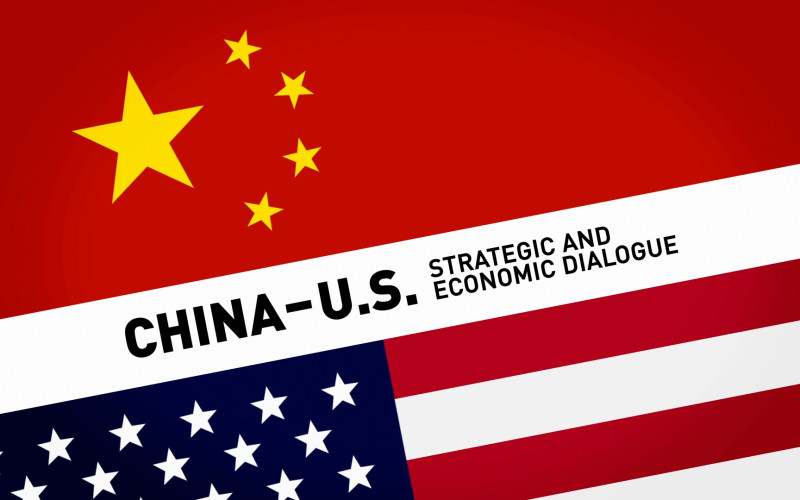
On behalf of Special Frontier Force I issuing a ‘RED ALERT’ to warn US citizens of imminent danger as United States holds three days of cabinet-level meetings with more than 400 Chinese officials. Under the wide-ranging Strategic and Economic Dialogue(S &ED)framework, eight US Cabinet Secretaries are involved in these talks and consultations with Chinese officials. The top Chinese officials meet US President Barack Obama at The White House on Wednesday, June 24, 2015.

RED DRAGON - RED CHINA - RED ALERT - HEGEMONIST : THIS SEVENTH STRATEGIC AND ECONOMIC DIALOGUE BETWEEN UNITED STATES AND CHINA MUST ADDRESS THE PROBLEM OF RED CHINA'S HEGEMONISM.
RED DRAGON – RED CHINA – RED ALERT – HEGEMONIST : THIS SEVENTH STRATEGIC AND ECONOMIC DIALOGUE BETWEEN UNITED STATES AND CHINA MUST ADDRESS THE PROBLEM OF RED CHINA’S HEGEMONISM.

The term ‘HEGEMONY’ describes dominance of one state or nation over others. Hegemonism is the Policy or Practice of a nation in aggressively expanding its influence over other nations. Red China formulated her Hegemonistic Policy in 1950 when she conquered Tibet bringing Tibetan people under her control or subjection. Red China subdued Tibetan Government and forced Tibet’s Head of State to live in exile. Red China’s Hegemonic Practice forces Tibetan people to become subservient to Peking(or Beijing). United States has to recognize Red China as “HEGEMONIST” and counteract to contain Red China’s growing political, economic, military power which she uses to expand her influence over other nations of our world.

Rudranarasimham Rebbapragada
Ann Arbor, MI 48104-4162, USA
The Spirits of Special Frontier Force

image
The Spirits of Special Frontier ForceSpecial Frontier Force is a military organization funded by United States to secure Freedom &…
View on www.facebook.com Preview by Yahoo

U.S. AND CHINA OPEN ANNUAL DIALOGUE WITH ‘CANDID, TO-THE-POINT’ TALKS

BY DAVID BRUNNNSTROM

The United States and China held “candid and to-the-point” talks at the start of three days of cabinet-level meetings aimed at managing the highly complex relationship between the world’s two biggest economies, a senior U.S. official said.

The U.S. side, led on Monday by Deputy Secretary of State Antony Blinken, reiterated U.S. concerns about China’s pursuit of territorial claims in the South China Sea, the official said.

U.S. worries about cybersecurity following massive attacks on government computers that U.S. officials have blamed on Chinese hackers would also be addressed “in very direct terms,” the official said.

red alert us and chinese flags at tiananmen square president obama beijing visit
RED DRAGON – RED CHINA – RED ALERT – HEGEMONIST: US and Chinese flags at Tiananmen Square President Obama’s Peking(Beijing) Visit.


© REUTERS/Petar Kujundzic U.S. and
Chinese national flags flutter on light post at Tiananmen Square ahead of welcoming ceremony for U.S. President Obama, in Beijing

More than 400 Chinese officials are in Washington for the annual talks under the wide-ranging Strategic and Economic Dialogue (S&ED) framework, which will involve eight U.S. cabinet secretaries.

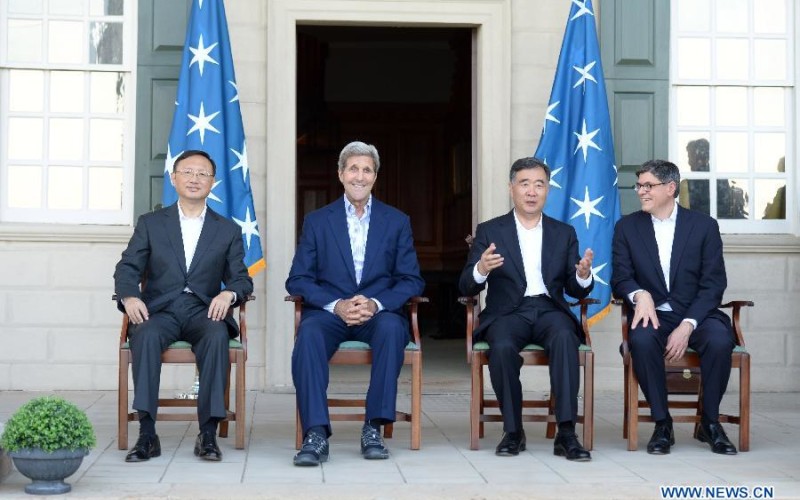
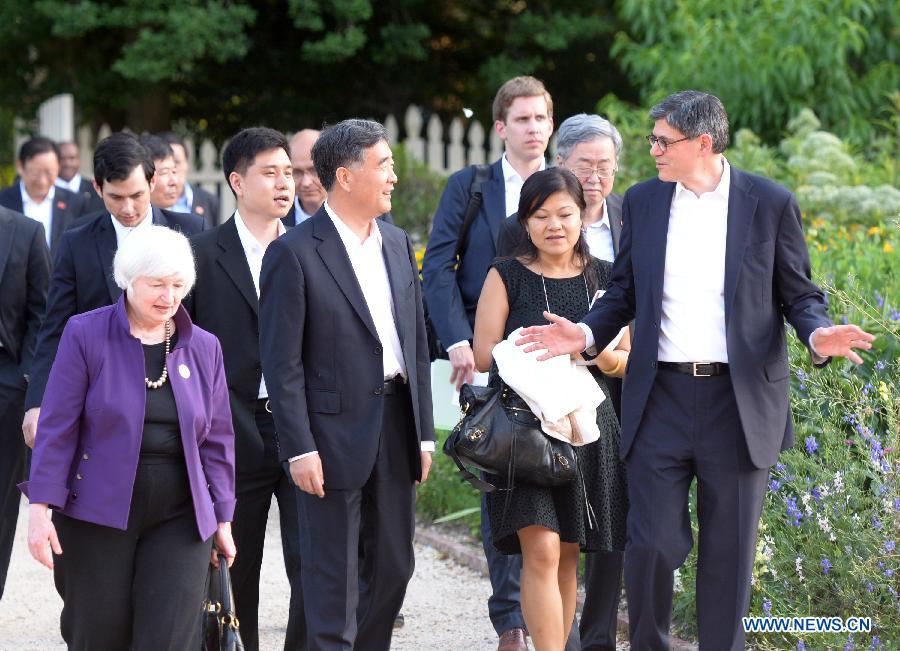
RED DRAGON - RED CHINA - RED ALERT - HEGEMONIST : RED CHINA'S VICE PREMIER WANG YANG IN MT VERNON, VIRGINIA.
RED DRAGON – RED CHINA – RED ALERT – HEGEMONIST : RED CHINA’S VICE PREMIER WANG YANG IN MT VERNON, VIRGINIA.

The meetings come at a time of waning trust and widening differences between the two countries, even though they maintain robust economic ties worth $590 billion in two-way trade last year.

U.S. concerns have been mounting about Beijing’s challenge to its dominance of global finance and about restrictions on U.S. businesses in China.

U.S. President Barack Obama is struggling to secure backing from Congress for legislation needed to speed a 12-nation trade deal, which is the economic plank of his Asia policy intended as a counterweight to China’s growing influence.

The two sides will try to ease tensions by stressing areas of cooperation, including climate change, shared concerns about Iran and North Korea’s nuclear programs, the fight against Islamist militancy, and support for global development.

“We have agreed with the Chinese that we are going to try to expand those areas where our interests overlap and expand cooperation in those areas,” the U.S. official said. But the aim was not to “paper over” contentious issues, or to “agree to disagree,” but to narrow differences to avoid miscalculations.

Despite the considerable areas of tension, China is hoping for a smooth set of meetings to prepare for a visit to Washington by President Xi Jinping in September.
Prospects for substantial outcomes from the cabinet-level meetings appeared slim, with any scant progress likely to be held over for announcement during Xi’s visit, analysts said.

The sides are expected to discuss a Bilateral Investment Treaty that has been seven years in discussion but has been held up by restrictions on both sides, while China is likely to press its bid to add the yuan to the International Monetary Fund’s basket of reserve currencies.

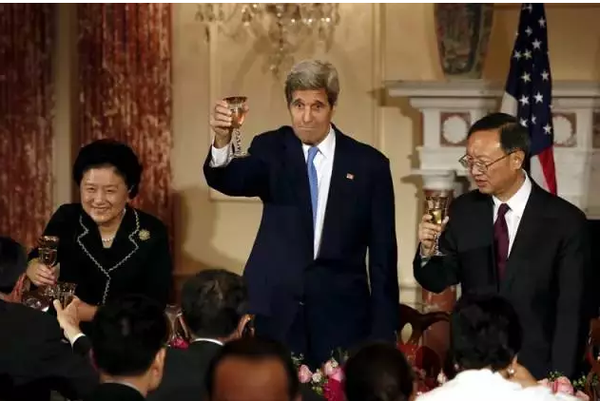
Blinken and Secretary of State John Kerry will chair the security side of the talks with State Councillor Yang Jiechi and Vice Foreign Minister Zhang Yesui on the Chinese side.

RED DRAGON - RED CHINA - RED ALERT - HEGEMONIST: BEAWARE OF RED CHINA'S HEGEMONISM.
RED DRAGON – RED CHINA – RED ALERT – HEGEMONIST: BEAWARE OF RED CHINA’S HEGEMONISM.


U.S. Treasury Secretary Jack Lew and Chinese Vice Premier Wang Yang will chair the economic elements, and the top Chinese officials will meet Obama at the White House on Wednesday.

(Reporting by David Brunnstrom; Additional reporting by Jason Lange, Krista Hughes, Anna Yukhananov, Megan Cassella and Idrees Ali in Washington and Michael Martina in Beijing; Editing by Christian Plumb)

Whole Evil – Red China – Neocolonialist

The Evil Red Empire – Red China – Neocolonialist

THE EVIL RED EMPIRE - RED CHINA - NEOCOLONIALIST.
THE EVIL RED EMPIRE – RED CHINA – NEOCOLONIALIST.

Neocolonialism describes the revival of Colonialist exploitation by a foreign power of a region that has achieved independence. Colonialism is the system or policy by which a country maintains foreign colonies especially in order to exploit them economically. Colonization refers to extension of political and economic control over an area by an occupying state that has organizational or technological superiority. Imperialism has been a major colonizing force. The Colony’s population is subdued to assimilate them to the Colonizer’s way of life.

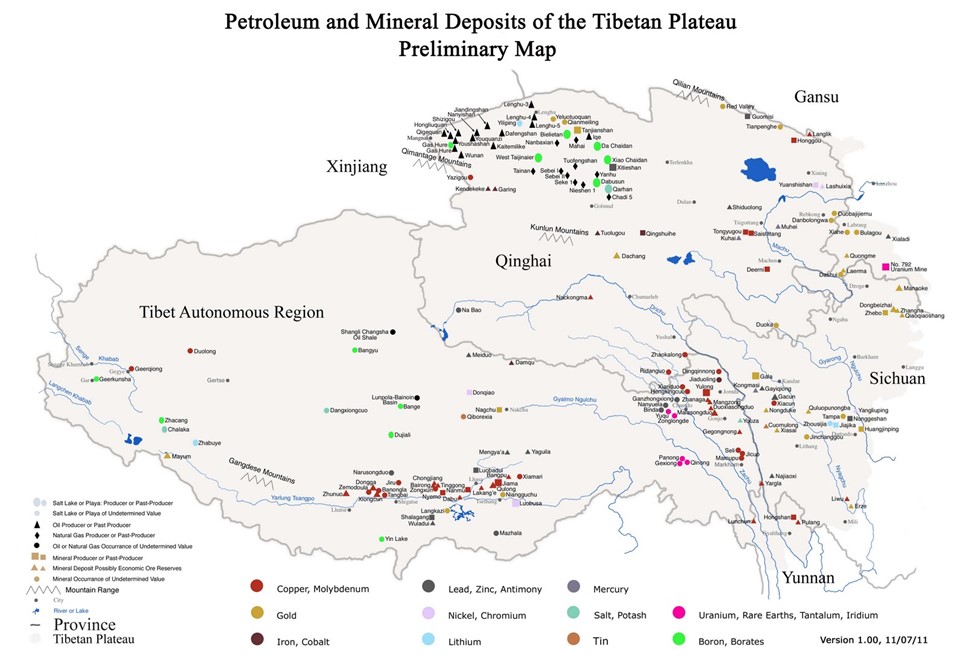
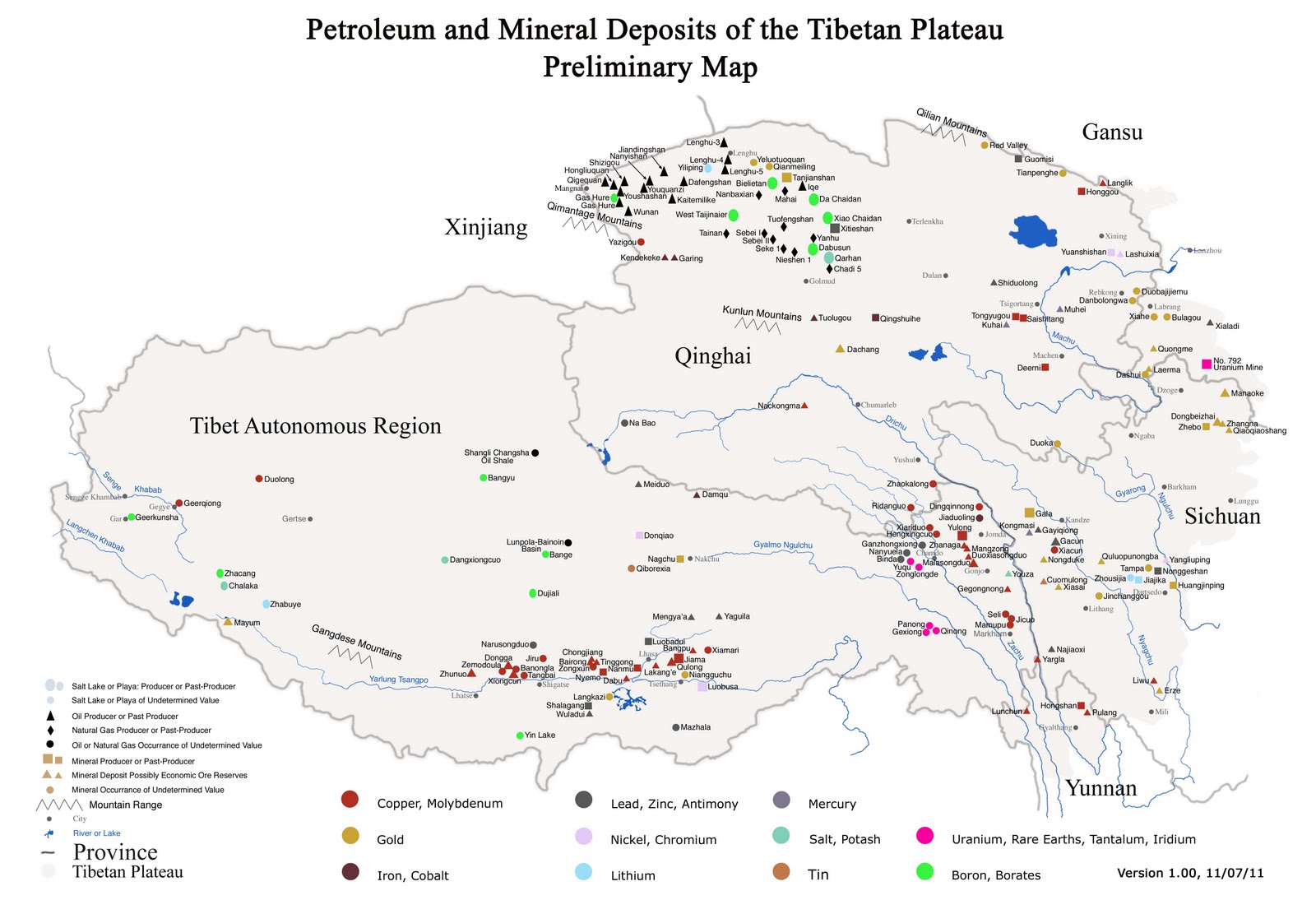
The Great 13th Dalai Lama of Tibet declared Tibet’s independence from Manchu China(Qing or Ch’ing Dynasty) on February 13, 1913. Tibet expelled Manchu China’s diplomats and its military contingent posted in Lhasa, Tibet’s Capital. For centuries, Tibet came under foreign conquests by Mongols and Manchu China but Tibet was never colonized. Red China’s military invasion of Tibet in 1950 describes the typical features of Colonialism. Tibet’s population is repressed by brutal force in an attempt to fully assimilate Tibetans to the Colonizer’s way of life. Red China’s Colonial Rule is a direct threat to the existence of Tibetan way of life shaped by centuries of Natural Freedom. Apart from wiping out Tibetan System of Governance known as Ganden Phodrang, The Institution of Dalai Lama at Potala Palace, Lhasa, the tyrannical rule of Red China is destroying every attribute of Tibetan Culture including Tibetan language, and Tibetan religious institutions putting Tibetan Identity at a great peril. Red China’s colonization of Tibet is defacing and degrading Tibetan territory and its fragile environment totally upsetting its delicate ecological balance. The Land of Tibet is scarred by Red China’s reckless mining activities, deforestation, diversion of rivers, and dumping of toxic chemical and nuclear wastes.

Colonization was the vehicle of European expansion from the 15th century into Africa, the Americas, and Asia. The Spanish, Portuguese, English, French, and Dutch established Colonies worldwide that have for the most part obtained independence from imperial system only in the 20th century.

Red China determines the economic development of other countries from which it extracts vast amounts of raw materials. With the sole exception of Tibet, Red China is able to get raw materials and flood world markets with Made in China products without the need to fight the wars of the previous Colonial Era. With threats of its muscle power, Red China has entered a new era of Colonialism. People of the World have to awaken to the threat imposed by Red China – Neocolonialist.

Whole Evil: Red China Neocolonialist exploiting mineral deposits in Tibet