TIBETAN IDENTITY. THE CELEBRATION OF YOGURT BANQUET FESTIVAL
The Living Tibetan Spirits offer their prayers for the Blessings of Peace and Happiness as the Tibetans celebrate the Shoton, Yogurt Banquet Festival in Lhasa from August 30 to September 05.
Yogurt Festival celebrated in Tibet
By Palden Nyima in Lhasa, Tibet. chinadaily.com.cn
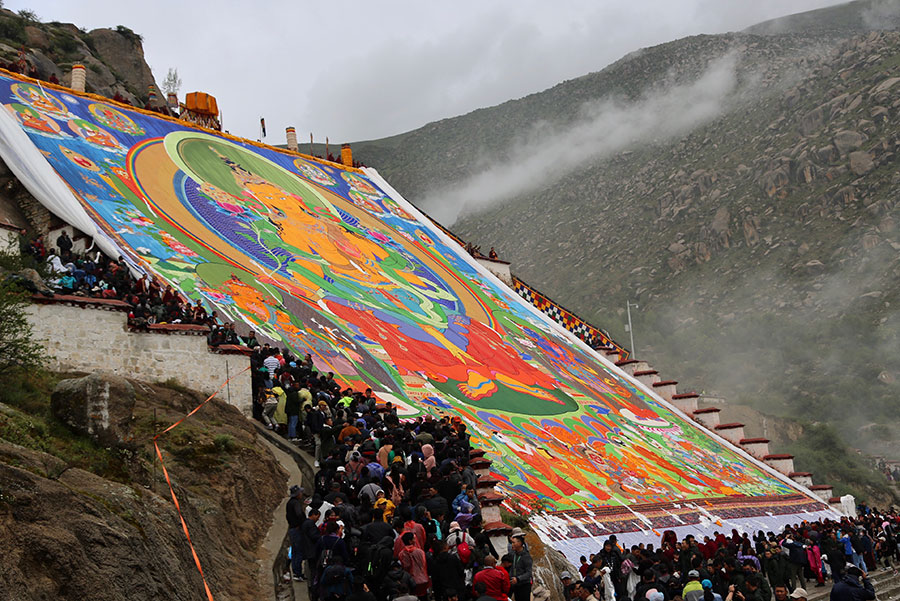
People visit a giant thangka exhibition to mark the start of the annual Shoton Yogurt Festival on Friday in Lhasa. [Photo by Palden Nyima/chinadaily.com.cn]
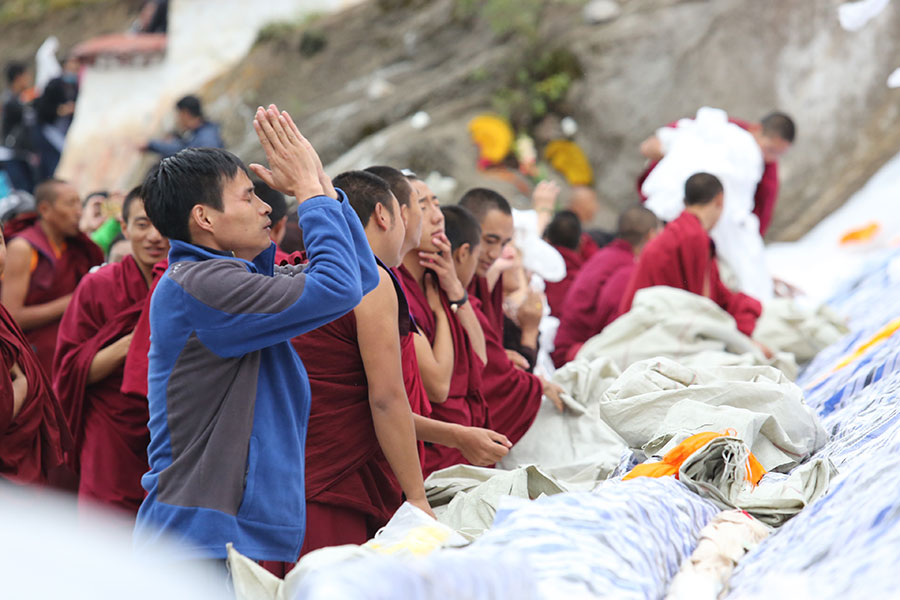
Thousands of Tibetans braved the rain to pay homage to giant thangka -religious images embroidered in silk -to mark the start of the annual Shoton, or Yogurt Festival, on Friday in Lhasa, capital of Tibet.
Continuous rain early in the morning and hot sun afterwards did not stop people from finishing the pilgrimage.
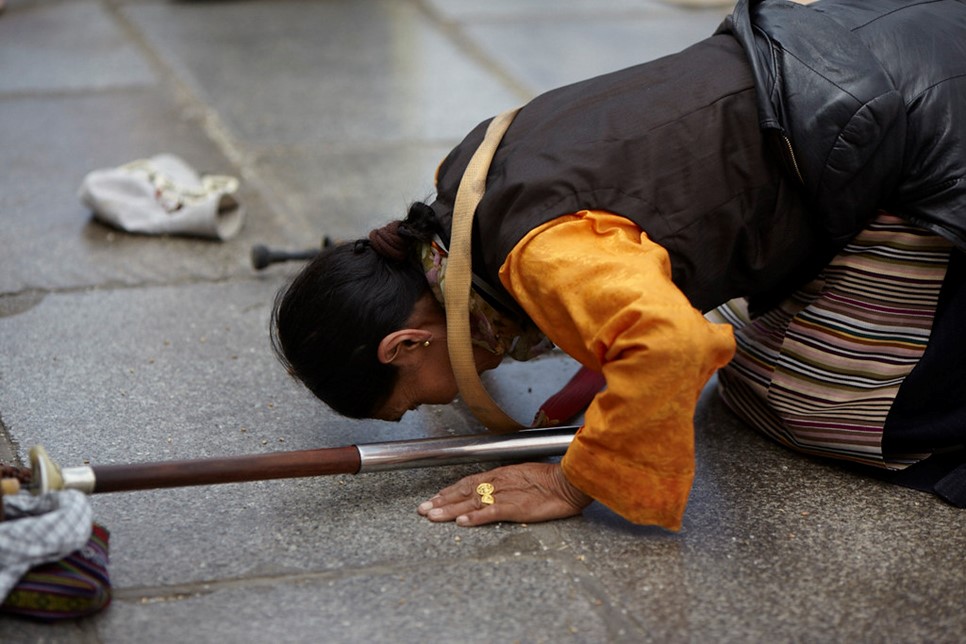
A devout Tibetan Buddhist prays in front of the exhibition of giant thangka on the annual Shoton Yogurt Festival on Friday in Lhasa. [Photo by Palden Nyima/chinadaily.com.cn
Accompanied by the sound of long bronze horns and religious chanting reverberating through the valley, Buddhist monks slowly unrolled the thangka on a hill slope aside the region’s Drepung Monastery.
The thangka was unrolled at the Drepung and Sera monasteries at 8 am.
According to an anonymous monk at the Drepung monastery, different from last year when the image of Buddha Shakyamuni was displayed, this year the image of the Future Buddha, known as Gyalwa Champa in the Tibetan language, was exhibited.
As it rained from time to time in the morning, monks covered the embroidery with thin plastic sheeting.
Tibetan Buddhists present money and khadaks, a white piece of silk, to Buddha and guests on Friday in Lhasa. [Photo by Palden Nyima/chinadaily.com.cn]
This year’s event will feature the traditional “sunning of the Buddha” ceremonies, as well as Tibetan opera performances, picnics in the Norbu Lingka Park, trekking, equestrian events, traditional music and dance, and an ethnic costume show.
“I got up at 3 am and started my pilgrimage trip in the rain from my home. It took me hours to pay the visit to the Buddha,” said Dorje Tashi, a 29-year-old resident of the region’s Doilungdechen district.
Tibetan Buddhists present money and khadaks, a white piece of silk, to Buddha and guests on Friday in Lhasa. [Photo by Palden Nyima/chinadaily.com.cn]
“This year, it is unusual – I had to pay my visit in the rain, however, I am very pleased that I could make it. I will all living beings peace and happiness,” said Dorje, adding that he also wishes the Buddha will bless him to bring good luck to him so that he cass pass the entrance exam at Tibet University.
The festival will last for one week from Aug 30 to Sep 5.
Shoton, which literally means “yogurt banquet festival,” is one of the most important festivals for Tibetans in Lhasa, and it dates back to the 17th century when it began as a religious ceremony for local residents to offer yogurt to the fifth Dalai Lama and monks in the Drepung Monastery after finishing their meditation retreats in the summer.
Shoton festival starts on the 29th day of the 6th Tibetan month. Tibetans use Lunar calendar. The festival date usually falls on August.
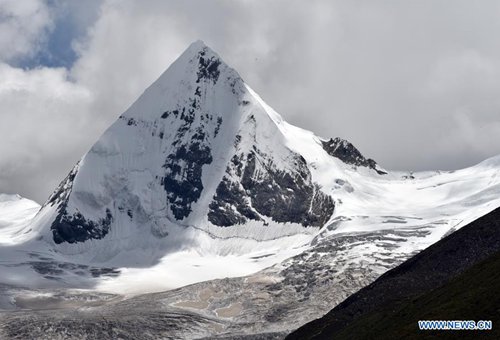
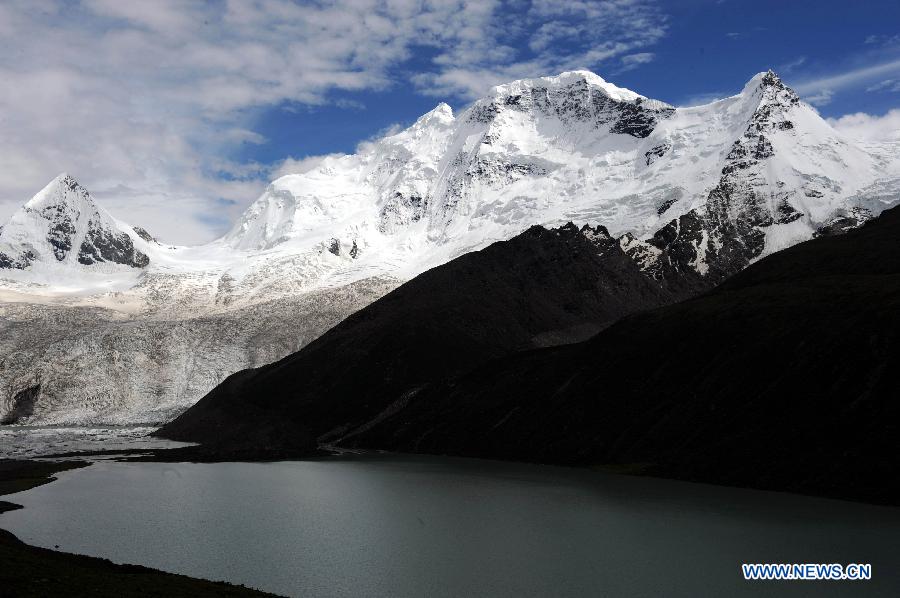
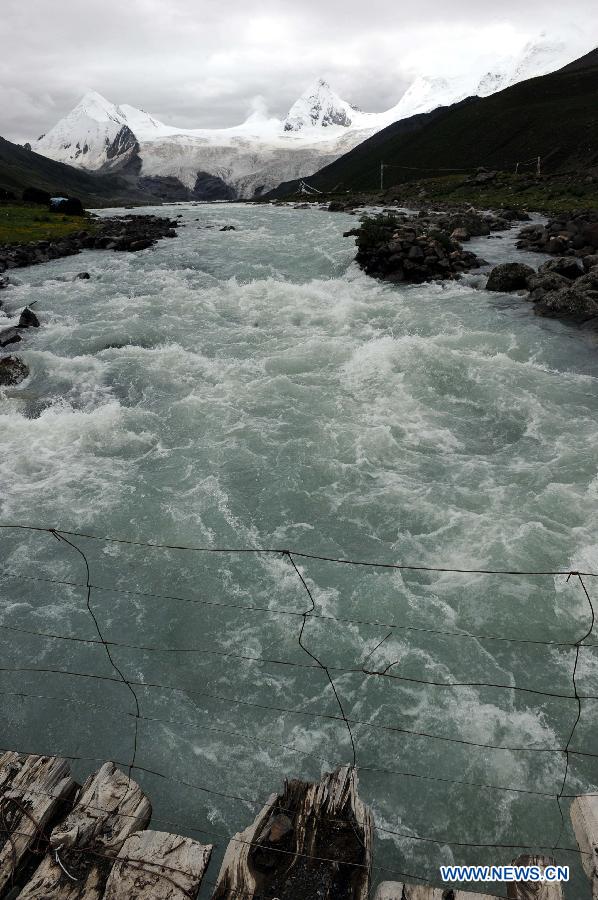
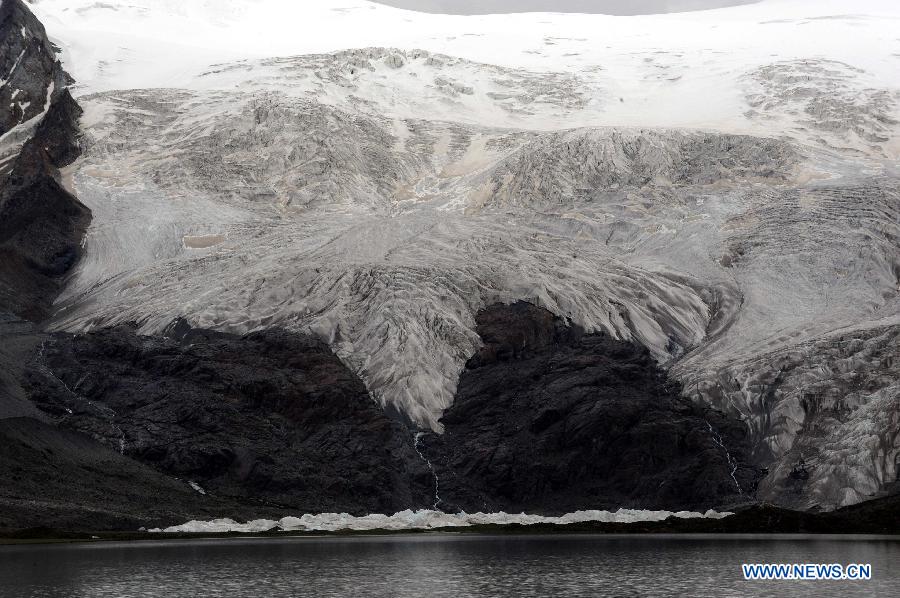
Photo taken on Aug. 24, 2019, shows the glaciers on the Sapukonglagabo Mountain in Biru County of Nagqu, Tibet. (Photo: Xinhua)
Photo taken on Aug. 24, 2019, shows the glaciers on the Sapukonglagabo Mountain in Biru County of Nagqu, Tibet. (Photo: Xinhua)
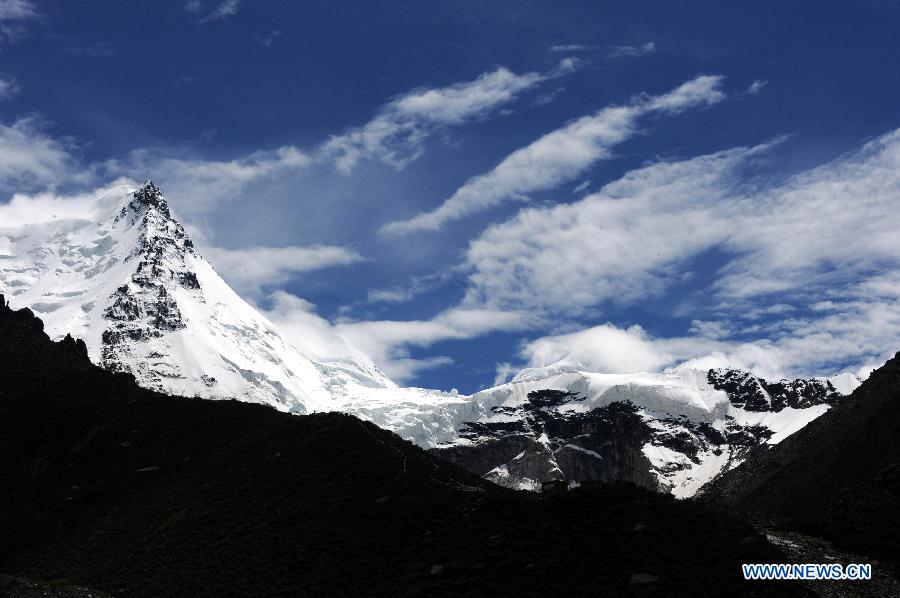
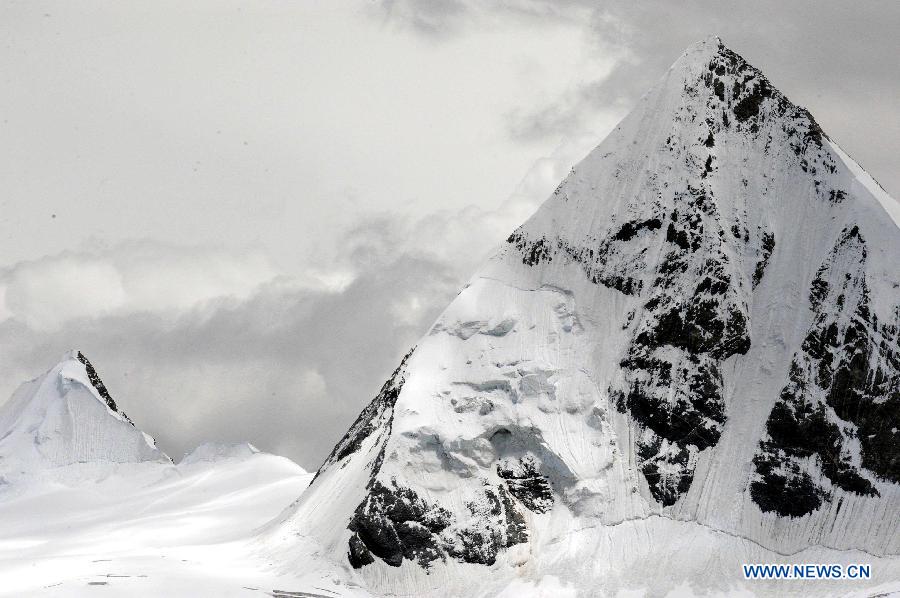
Photo taken on Aug. 24, 2019, shows the Sapukonglagabo Mountain in Biru County of Nagqu, Tibet. (Photo: Xinhua)
Photo taken on Aug. 24, 2019, shows the Sapukonglagabo Mountain in Biru County of Nagqu, Tibet. (Photo: Xinhua)
A visitor takes photos of the Sapukonglagabo Mountain in Biru County of Nagqu, Tibet, Aug. 24, 2019. (Photo: Xinhua)
Photo taken on Aug. 24, 2019, shows the Sapukonglagabo Mountain in Biru County of Nagqu, Tibet. (Photo: Xinhua)
Photo taken on Aug. 24, 2019, shows the Sapukonglagabo Mountain in Biru County of Nagqu, Tibet. (Photo: Xinhua)
There are many famous glaciers in Tibet, however, we know only a few of them. So today let me show one which locates on the Sapukonglagabo Mountain in Biru County of Nagqu Prefecture.
NATURE NURTURES TIBETAN IDENTITY OF TIBETAN NATION
NATURE NURTURES TIBETAN IDENTITY OF TIBETAN NATION.
Nature, natural forces, natural mechanisms, natural factors, and natural conditions work in conjunction to nurture and shape the Tibetan Identity of Tibetan Nation.
Rudra Narasimham Rebbapragada
SPECIAL FRONTIER FORCE
NATURE NURTURES TIBETAN IDENTITY OF TIBETAN NATION.
Tibet has seen significant progress in restoring biodiversity.
BEIJING, Aug. 17, 2019 (Xinhua) — Tibet has seen significant progress in restoring biodiversity, with a forest coverage rate of 12.14 percent, said a white paper released in March this year by China’s State Council Information Office.
The population of Tibetan antelopes has grown from 60,000 in the 1990s to more than 200,000 and Tibetan wild donkeys have increased in numbers from 50,000 to 80,000, noted the document, titled “Democratic Reform in Tibet — Sixty Years On.”
Since the Qomolangma Nature Reserve was established in 1988, Tibet has set up 47 nature reserves of all kinds, including 11 at the state level, with the total area of nature reserves accounting for more than 34.35 percent of the total area of the autonomous region, the white paper said. Tibet has 22 eco-protection areas, including one at the state level, 36 counties in receipt of transfer payments from central finance for their key ecological roles, four national scenic areas, nine national forest parks, 22 national wetland parks, and three national parks, figures showed.
The central government has continued to increase eco-compensation for Tibet in return for its cost for protecting the eco-environment and the consequent losses in development opportunities. The white paper said that since 2001, the central government has paid 31.6 billion yuan (4.71 billion U.S. dollars) in eco-compensation to Tibet for protecting forests, grassland, wetland, and key ecological reserves.
Tourists visit the Tibet Garden at the Beijing International Horticultural Exhibition in Beijing, capital of China. (Xinhua/Ren Chao)
Tourists visit the Tibet Garden at the Beijing International Horticultural Exhibition in Beijing, capital of China. (Xinhua/Ren Chao)
Yaks on a wetland in northern Tibet. (Xinhua/Purbu Zhaxi)
Sea of clouds over Medog County, Tibet. (Xinhua/Li Xin)
The scenery of Bome County of Nyingchi, Tibet. (Xinhua/Li Xin)
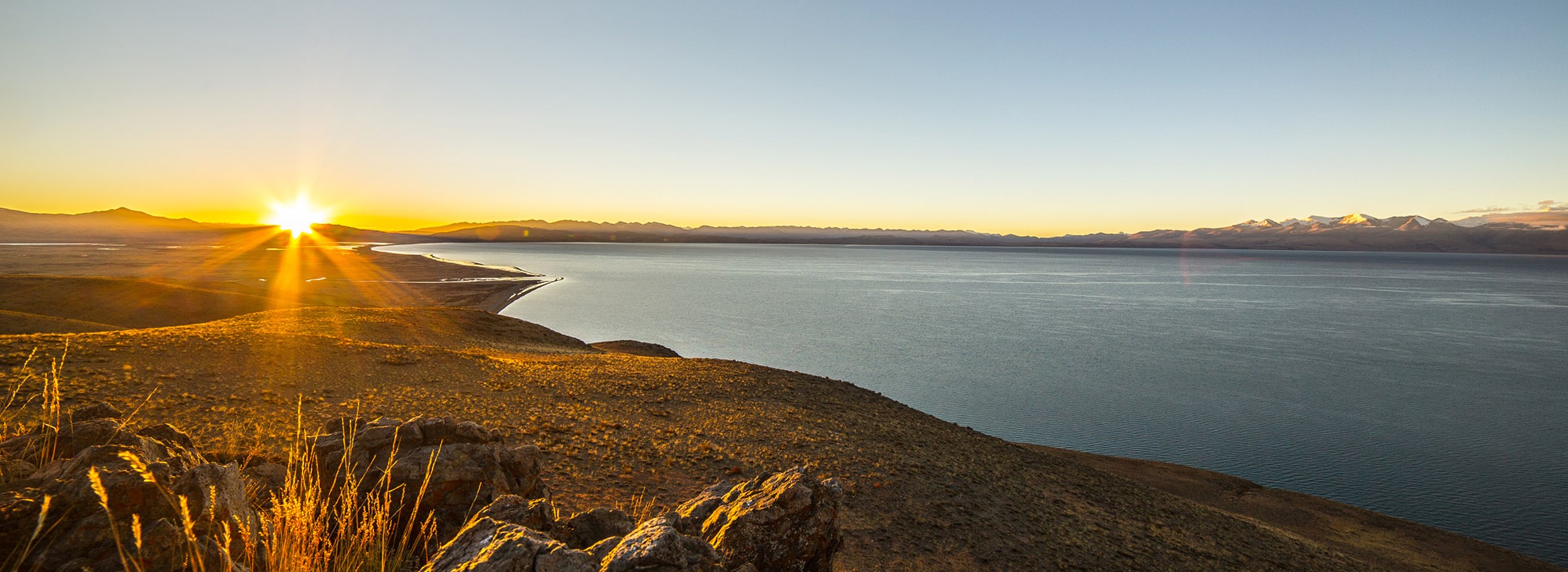
The scenery of Nam Co Lake in Tibet. (Xinhua/Li Xin)
The scenery of the Yamzbog Yumco Lake in Shannan, Tibet. (Xinhua/Jigme Dorje)
Tibetan wild donkeys on a pasture in Zanda County, Tibet. (Xinhua/Jigme Dorje)
The scenery of a part of a glacier in Rutog County of Ngari Prefecture, Tibet. (Xinhua/Jigme Dorje)
Banggong Co in Ngari Prefecture, Tibet. (Xinhua/Jigme Dorje)
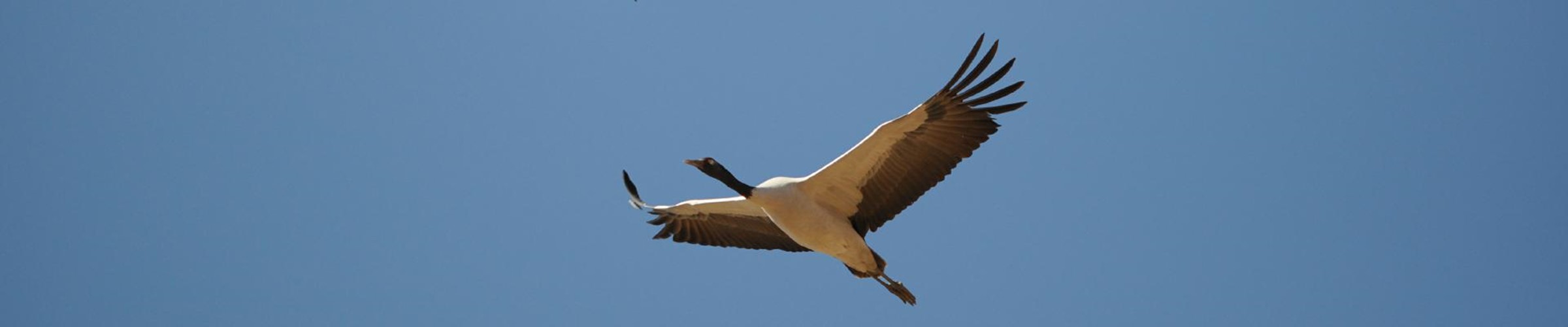
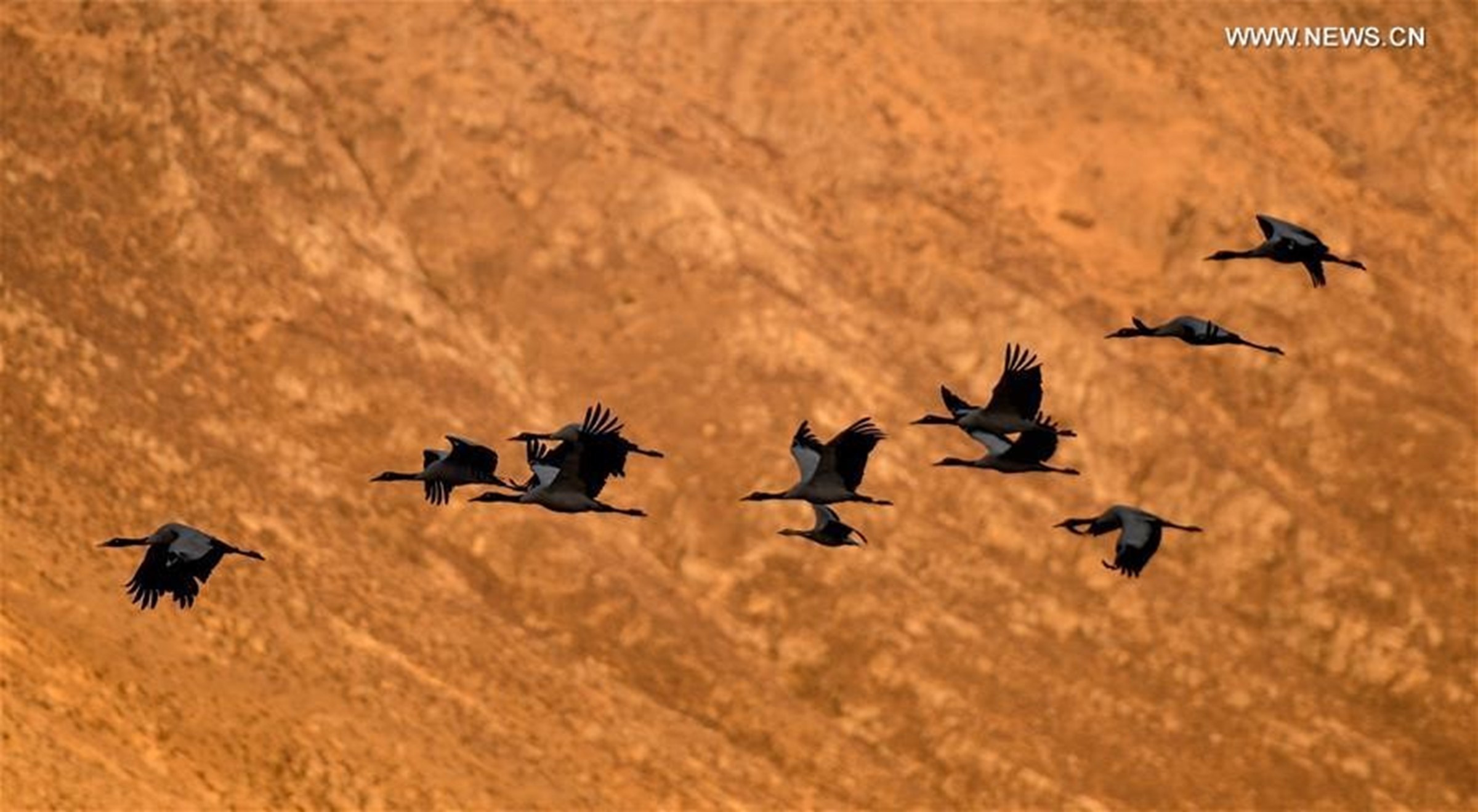
Black-necked cranes in Linzhou County of Lhasa, Tibet. (Xinhua/Zhang Rufeng)
Glacier on the foot of Mount Qomolangma (Mount Everest) in Tibet. (Xinhua/Purbu Zhaxi)
Tangra Yumco Lake in Nagqu, Tibet. (Xinhua/Purbu Zhaxi)
Tibetan antelopes in Qiangtang National Nature Reserve in Tibet. (Xinhua/Purbu Zhaxi)
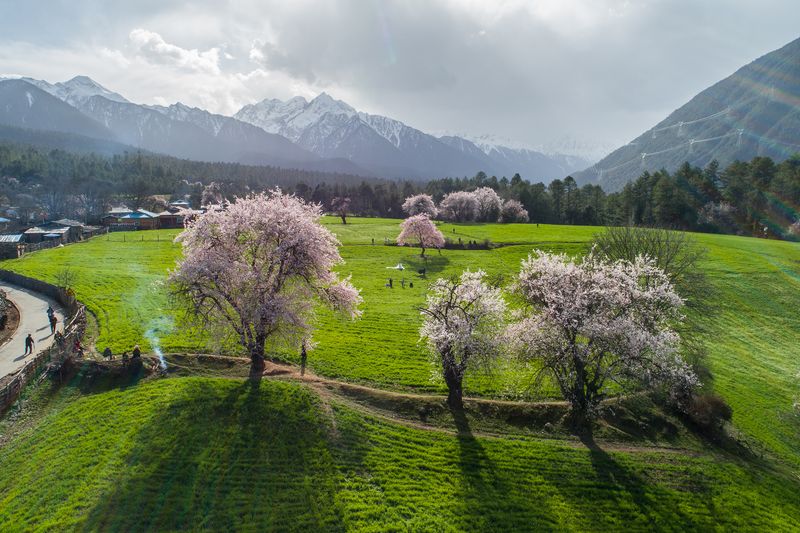
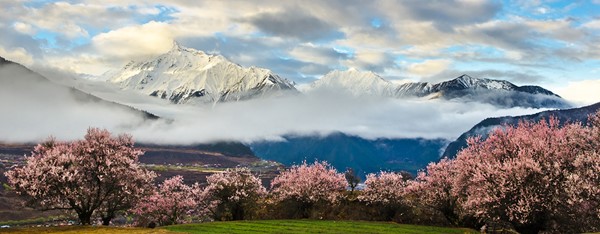
Peach flowers in the suburb of Lhasa, Tibet. (Xinhua/Purbu Zhaxi)
Trees planted along banks of the Yarlung Zangbo River (Brahmaputra River) in Tibet. (Xinhua/Purbu Zhaxi)
Lhalu Wetland National Nature Reserve in Lhasa, Tibet. (Xinhua/Purbu Zhaxi)
Stunning aerial shots display captivating scenery of Lhasa at an altitude of 3,650 meters above sea level.
LHASA, Aug. 15, 2019 (Xinhua) — Lhasa, capital of Tibet, saw more than 6.42 million visitors to the city in the first half of 2019, up 18.72 percent year on year, according to the local tourism authorities.
The city raked in 10.9 billion yuan (1.58 billion U.S. dollars) from tourism in the same period, up 25.46 percent year on year, according to the Lhasa tourism development bureau.
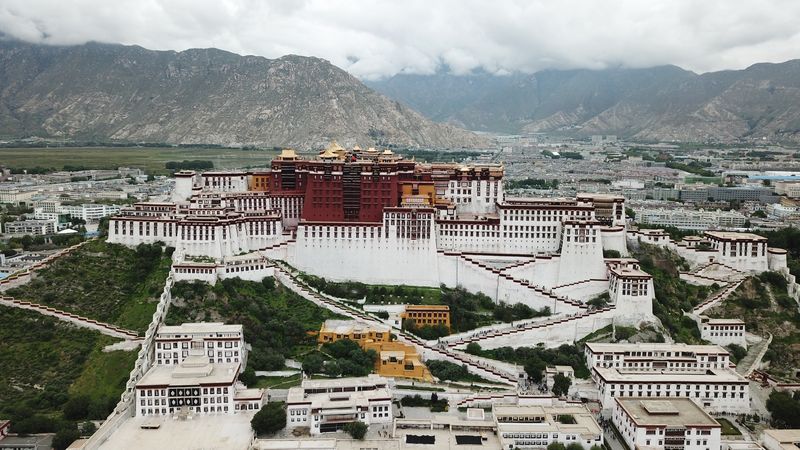
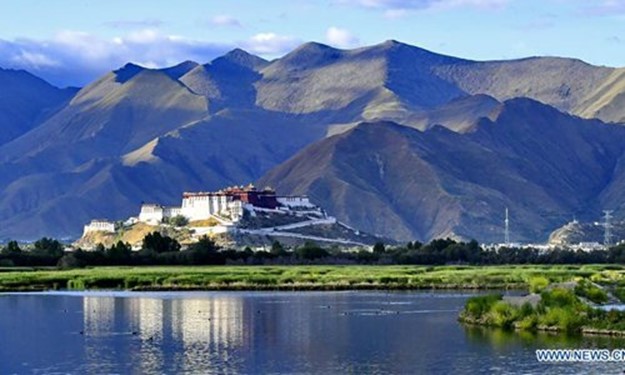
Lhasa is home to some of the most renowned cultural and tourist sites such as the Potala Palace and Jokhang Temple.
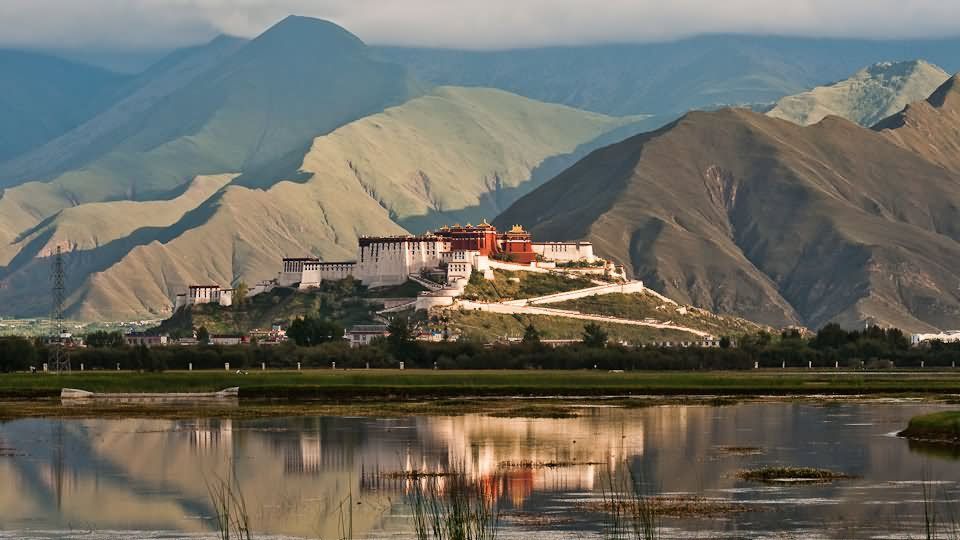
The Potala Palace in Lhasa, the capital city of Tibet, Aug. 10, 2019. (Xinhua/Wang Yiliang)
Aerial view of the old town of Lhasa, the capital city of Tibet, Aug. 10, 2019. (Xinhua/Purbu Zhaxi)
The Potala Palace in Lhasa, the capital city of Tibet, Aug. 10, 2019. (Xinhua/Hou Dongtao)
Aerial view of the old town of Lhasa, the capital city of Tibet, May 16, 2019. (Xinhua/Zhang Rufeng)
The Potala Palace in Lhasa, the capital city of Tibet, Aug. 10, 2019. (Xinhua/Jigme Dorje)
The Lhalu wetland in Lhasa, the capital city of Tibet, June 5, 2019. (Xinhua/Purbu Zhaxi)
The Potala Palace square in Lhasa, Capital City of Tibet, Aug. 10, 2019. (Xinhua/Wang Yiliang)
Aerial view of the old town of Lhasa, the capital city of Tibet, Aug. 10, 2019. (Xinhua/Jigme Dorje)
The Jokhang Temple in Lhasa, the capital city of Tibet, Aug. 10, 2019. (Xinhua/Purbu Zhaxi)
Aerial photo taken on Aug. 10, 2019, shows the Jokhang Temple in Lhasa, the capital city of Tibet, Aug. 10, 2019. (Xinhua/Purbu Zhaxi)
Aerial photo taken on Aug. 10, 2019, shows the Jokhang Temple in Lhasa, capital city Tibet. (Xinhua/Purbu Zhaxi)
The New Bridge in Lhasa, the capital city of Tibet, April 3, 2019. (Xinhua/Jigme Dorje)
The old town of Lhasa, the capital city of Tibet, Aug. 10, 2019. (Xinhua/Purbu Zhaxi)
TIBETAN NATION-TIBETAN IDENTITY-PHOTO PILGRIMAGE TO TIBET
Tibetan Nation. Tibetan Identity. Photo Pilgrimage to Tibet.
I discover the Tibetan Nation and Tibetan Identity through my photo pilgrimage to Tibet.
Rudra Narasimham Rebbapragada
SPECIAL FRONTIER FORCE
Tibetan Nation. Tibetan Identity. Photo Pilgrimage to Tibet.
Photographer records Tibet with passion
The Buddha’s Day at Langmu Temple in Gannan during the 2019 Festival celebration [Photo by Hu Guoqing/cpanet.org.cn]
Photographer Hu Guoqing has been closely following and capturing life in Tibet for more than ten years, travelling to the region eight times. His most recent visit included a trip to the Langmu Temple in Gannan, where he observed the grand Buddha Worshipping Festival.
Every year on January 13th of the Chinese lunar calendar, thousands of monks gather in Langmu Temple to participate in the Festival, which is also known as the Buddha Show Festival.
Monks carry huge statues of the Thangka Buddha to a fixed platform at the foot of the monastery for people to worship. Tibetan people wear beautiful clothes, bring a year’s harvest as part of a personal pilgrimage, and conduct small-scale material exchange. The most important thing during the event is the grand scene of worshipping the Buddha.
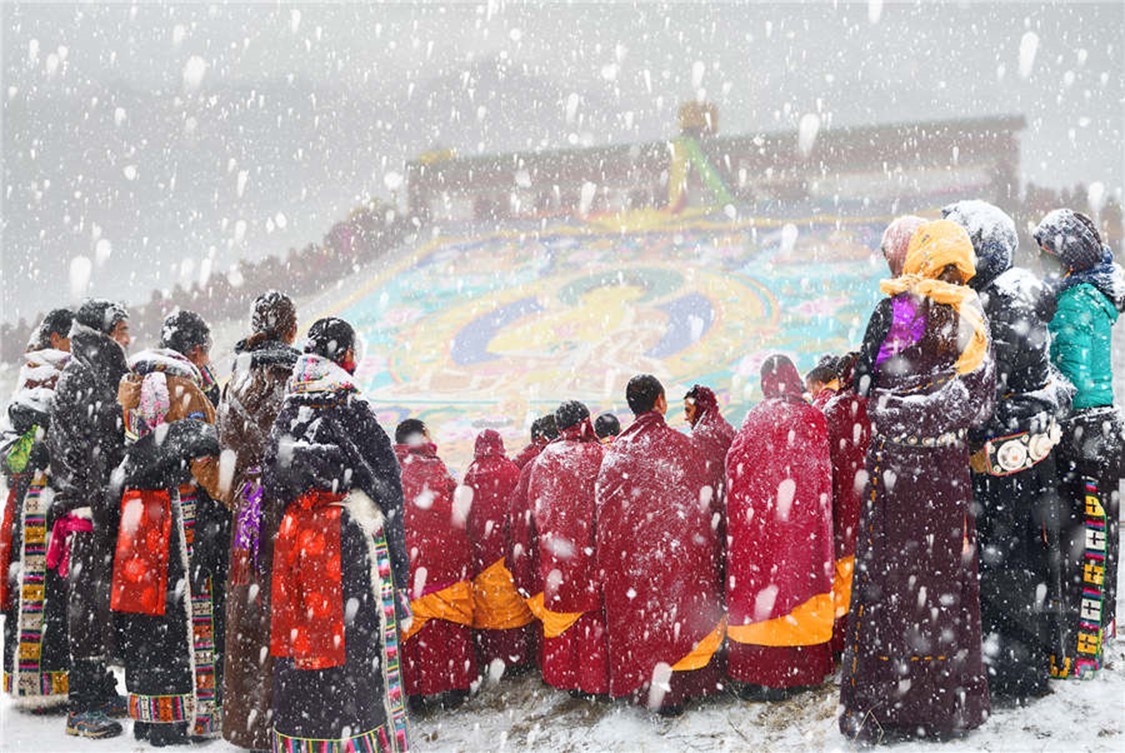
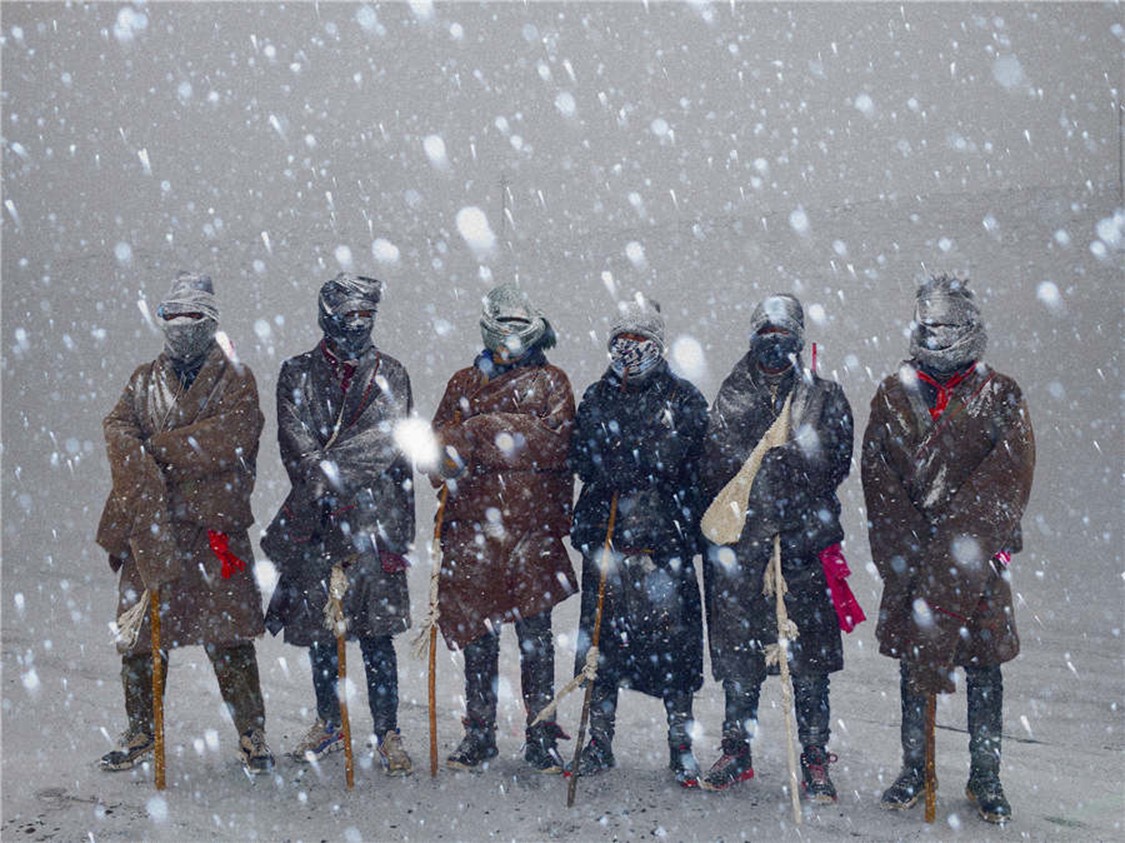
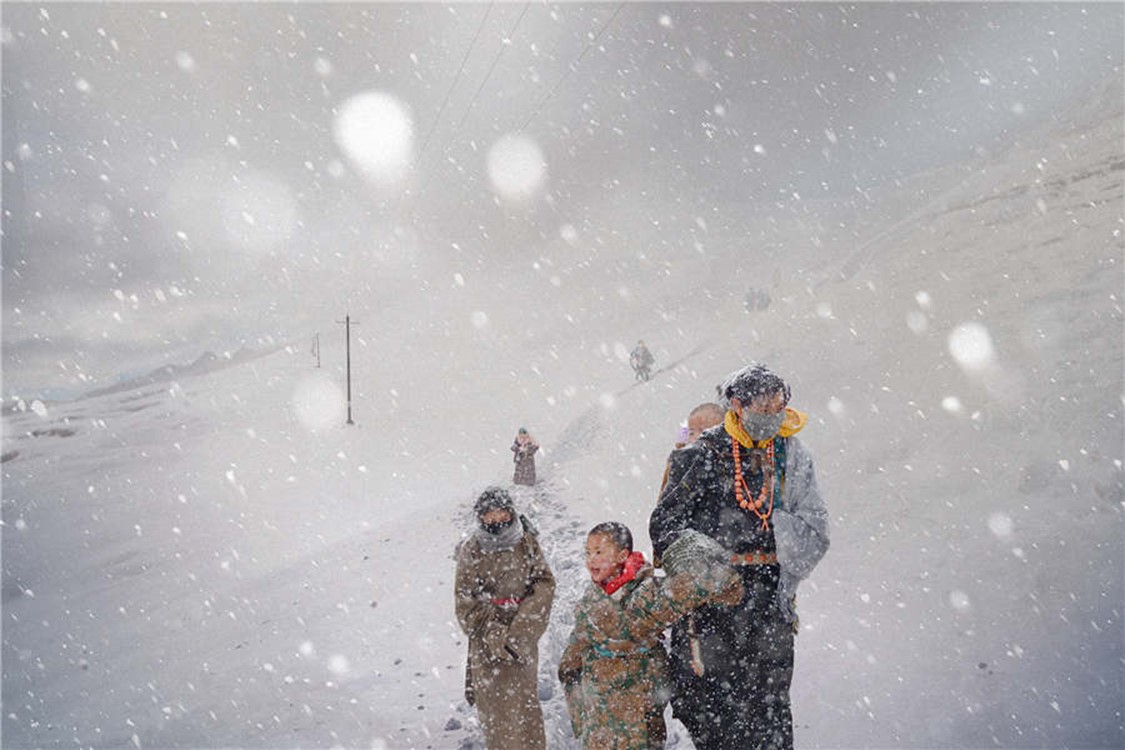
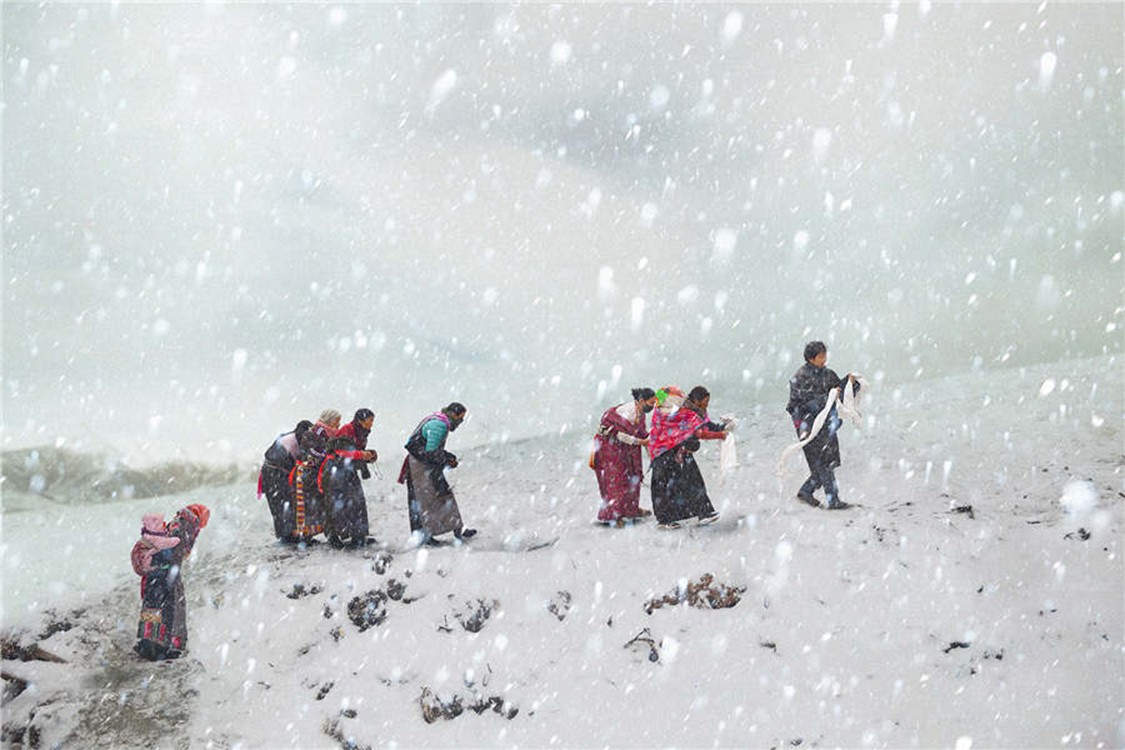
This year, the Festival experienced intense snowfall, adding to the grandeur of the event.
Hu Guoqing is a member of the China Photographers Association, and has won several photography awards, such as the 10th China Photography Award, and the 2014 Top Ten Creative Photographer in China
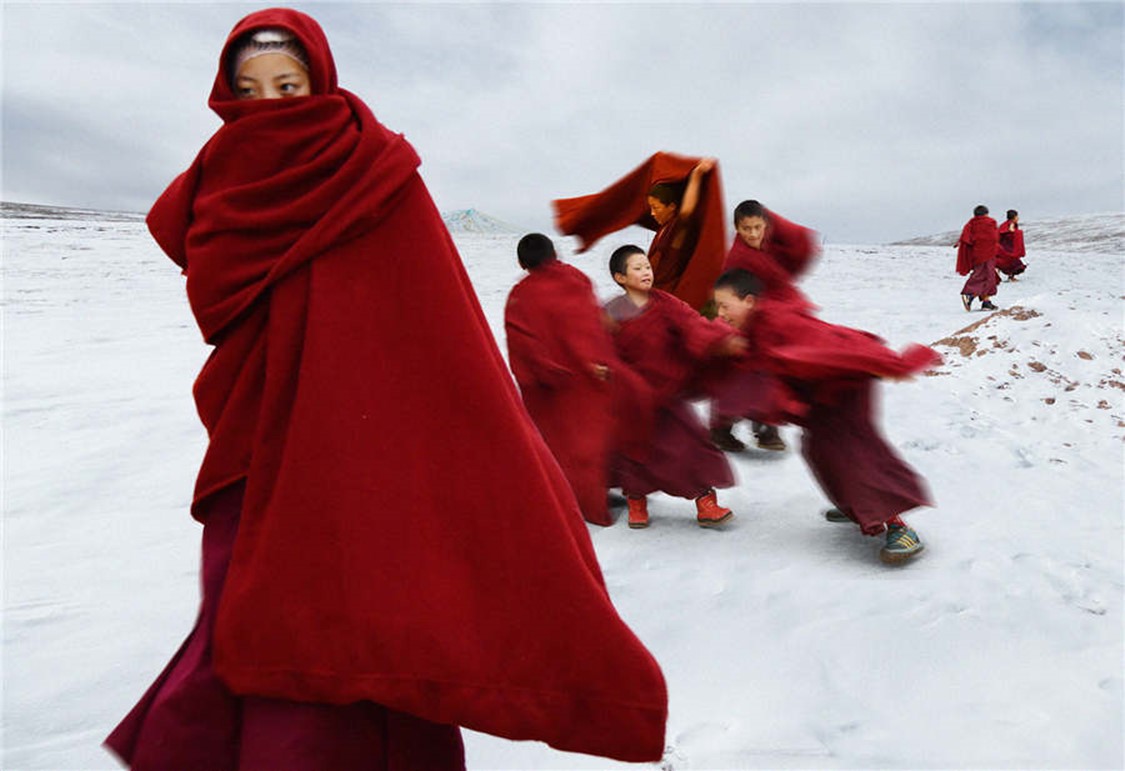
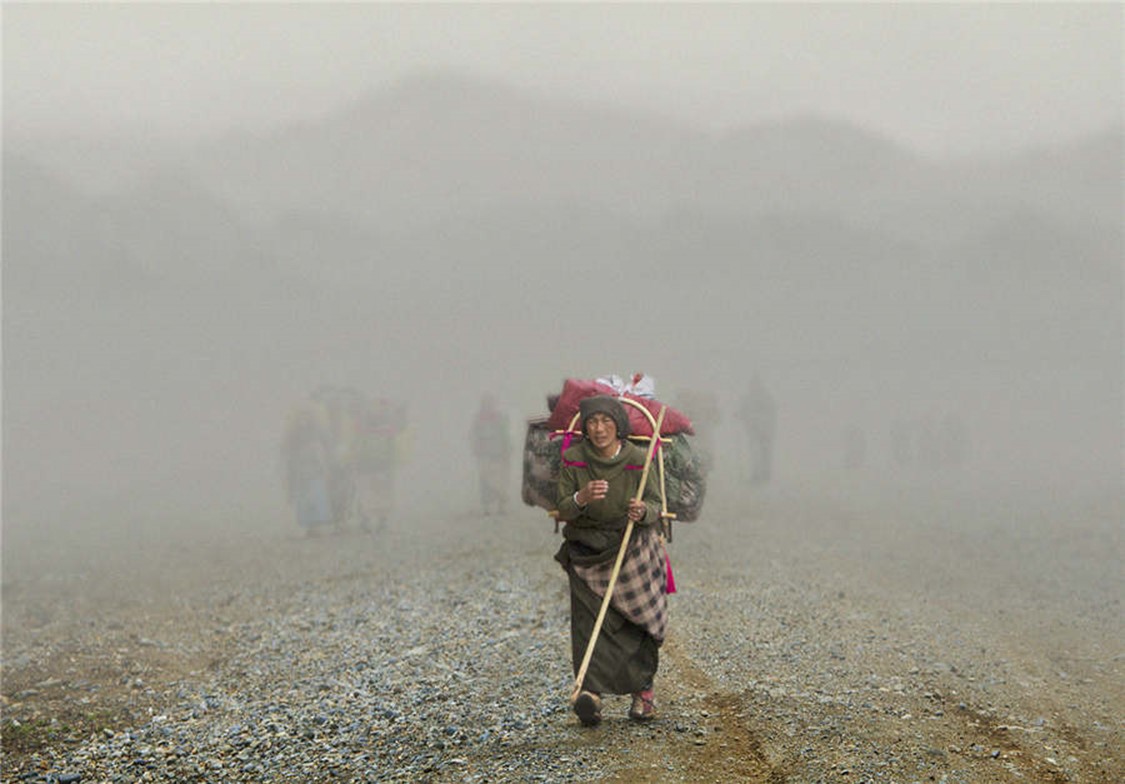
Pilgrims in the snow [Photo by Hu Guoqing/cpanet.org.cn]
Followers on their way to the Buddha’s Day event [Photo by Hu Guoqing/cpanet.org.cn]
Followers in the snow [Photo by Hu Guoqing/cpanet.org.cn]
Some disciples of the Buddhist Academy [Photo by Hu Guoqing/cpanet.org.cn]
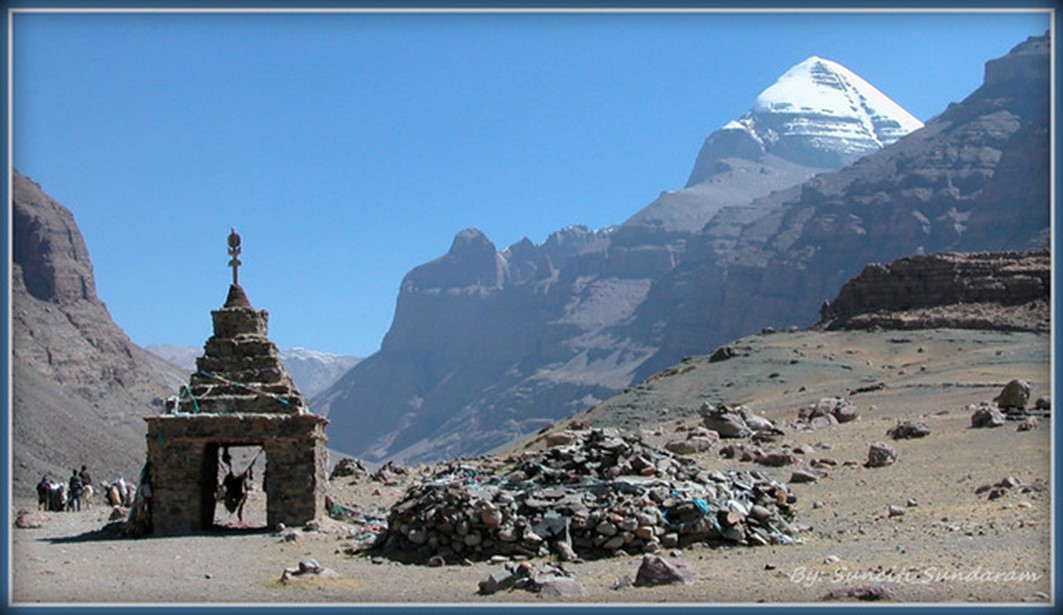
People climb Mount Kailash in Tibet [Photo by Hu Guoqing/cpanet.org.cn]
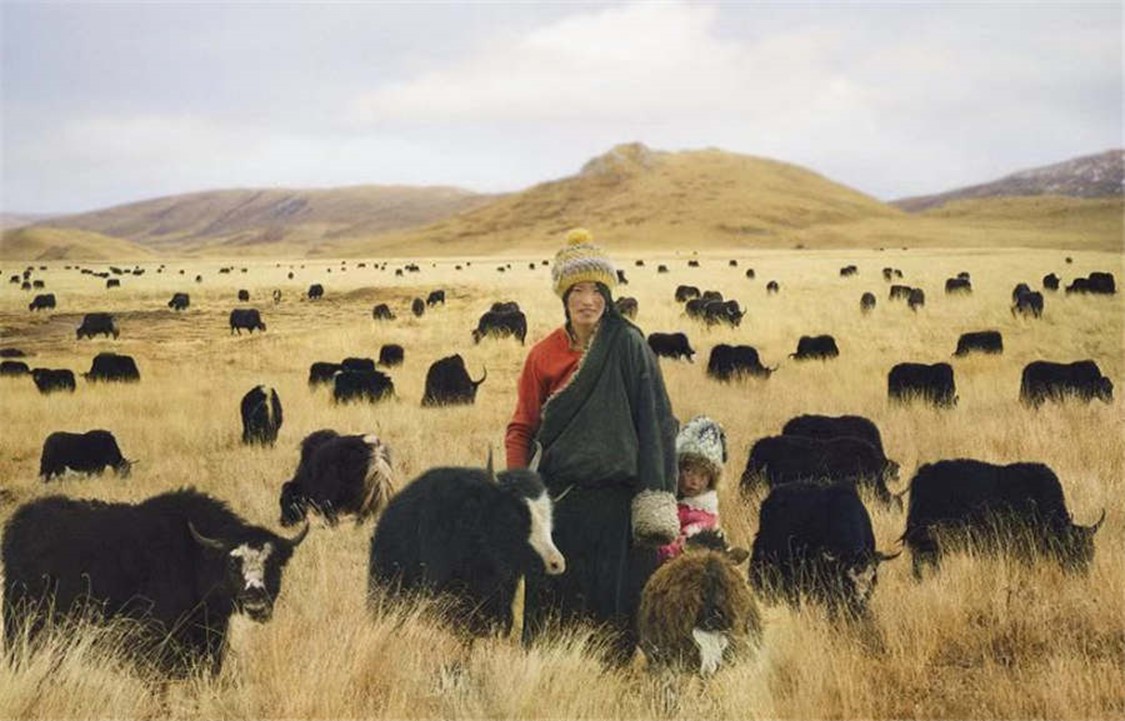
Tibetan people and yaks [Photo by Hu Guoqing/cpanet.org.cn]
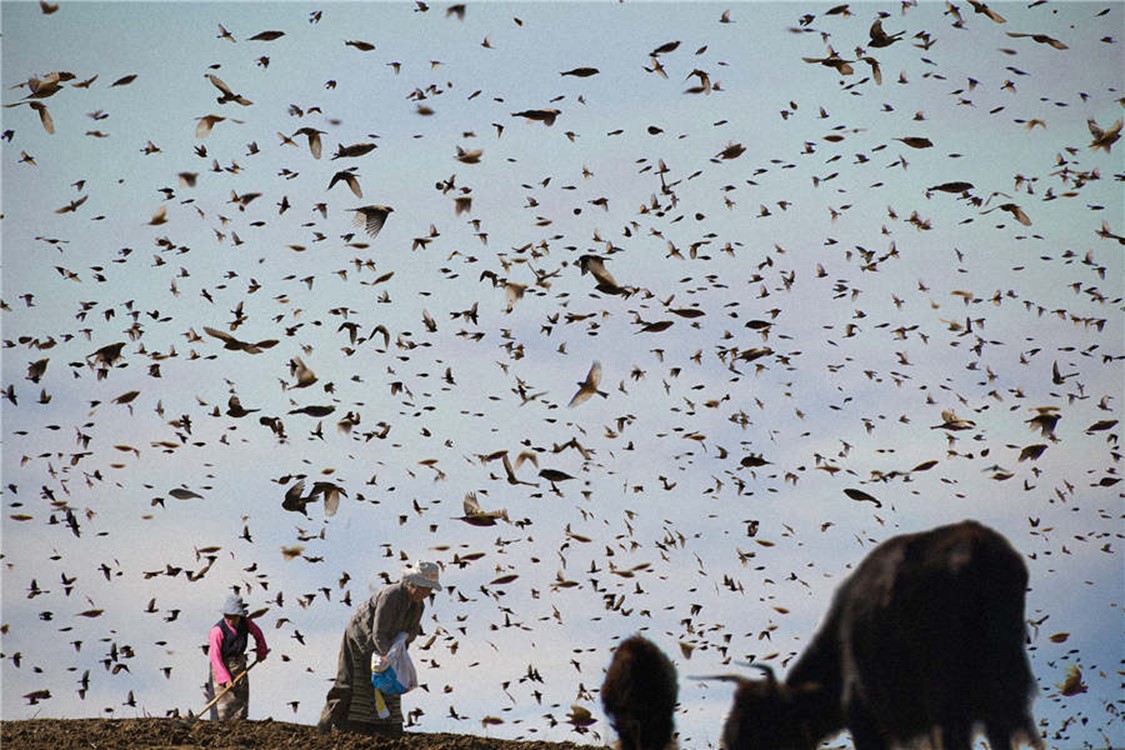
The season of sowing Highland Barley [Photo by Hu Guoqing/cpanet.org.cn]
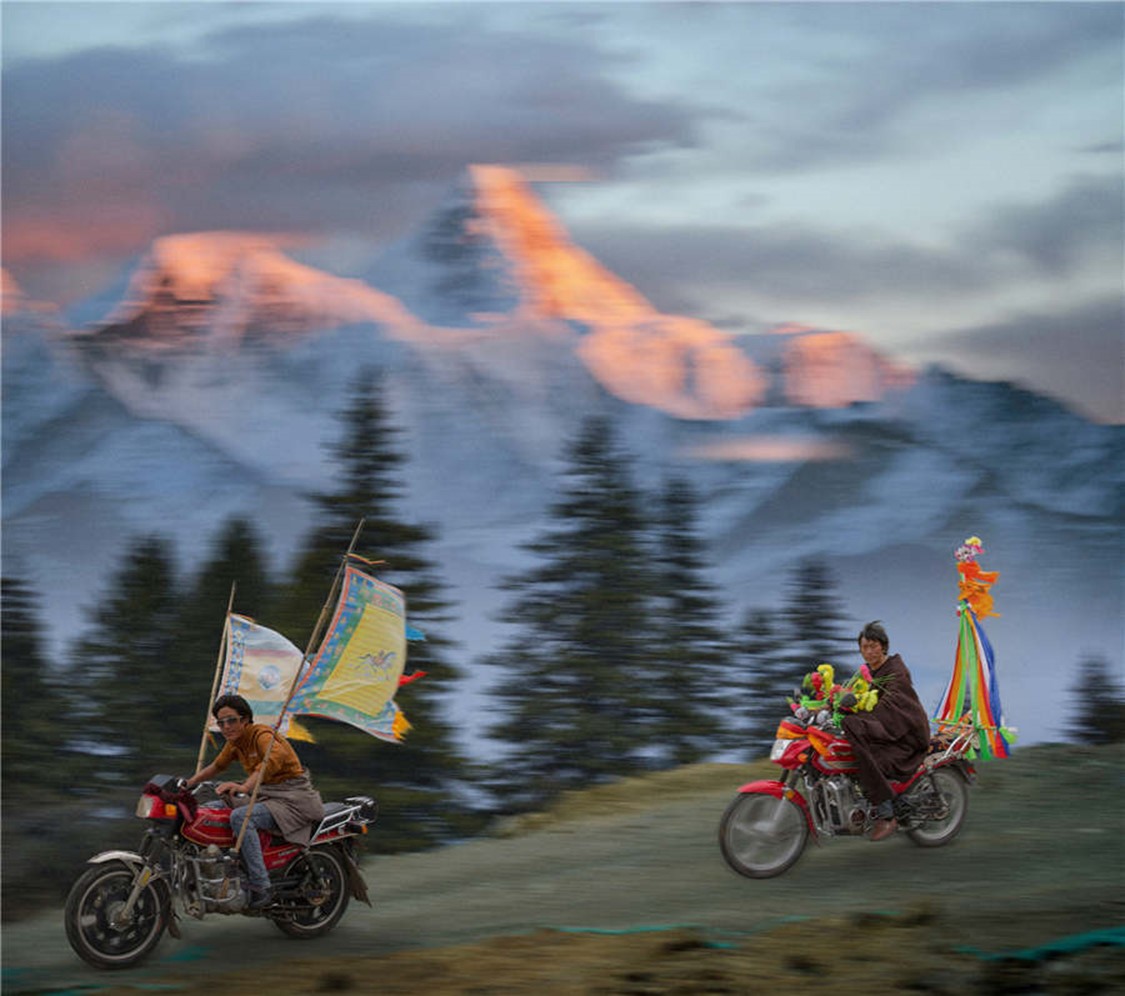
Tibetan people cross the grasslands of Gongga Mountain [Photo by Hu Guoqing/cpanet.org.cn]
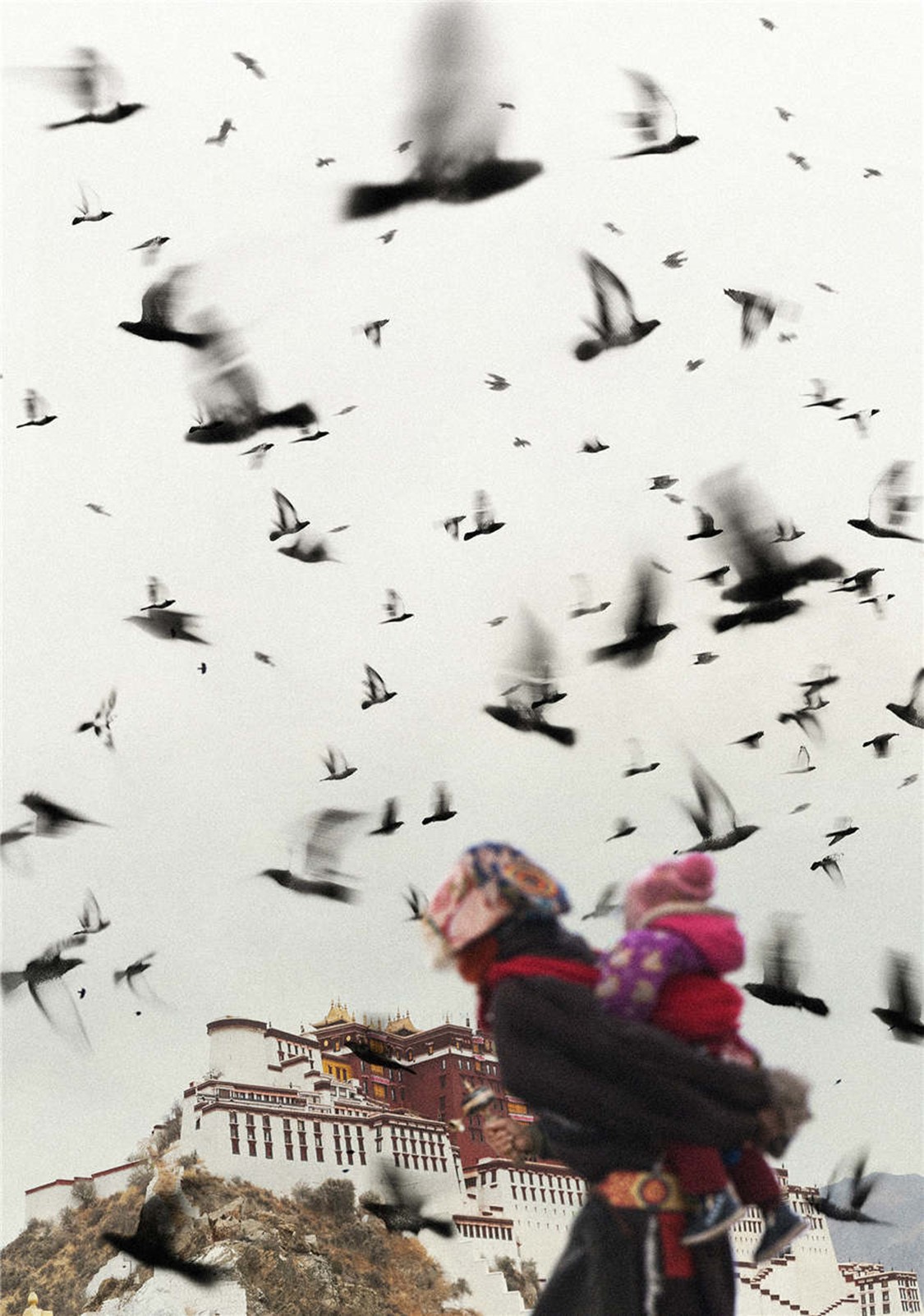
Potala Palace Square, Lhasa [Photo by Hu Guoqing/cpanet.org.cn]
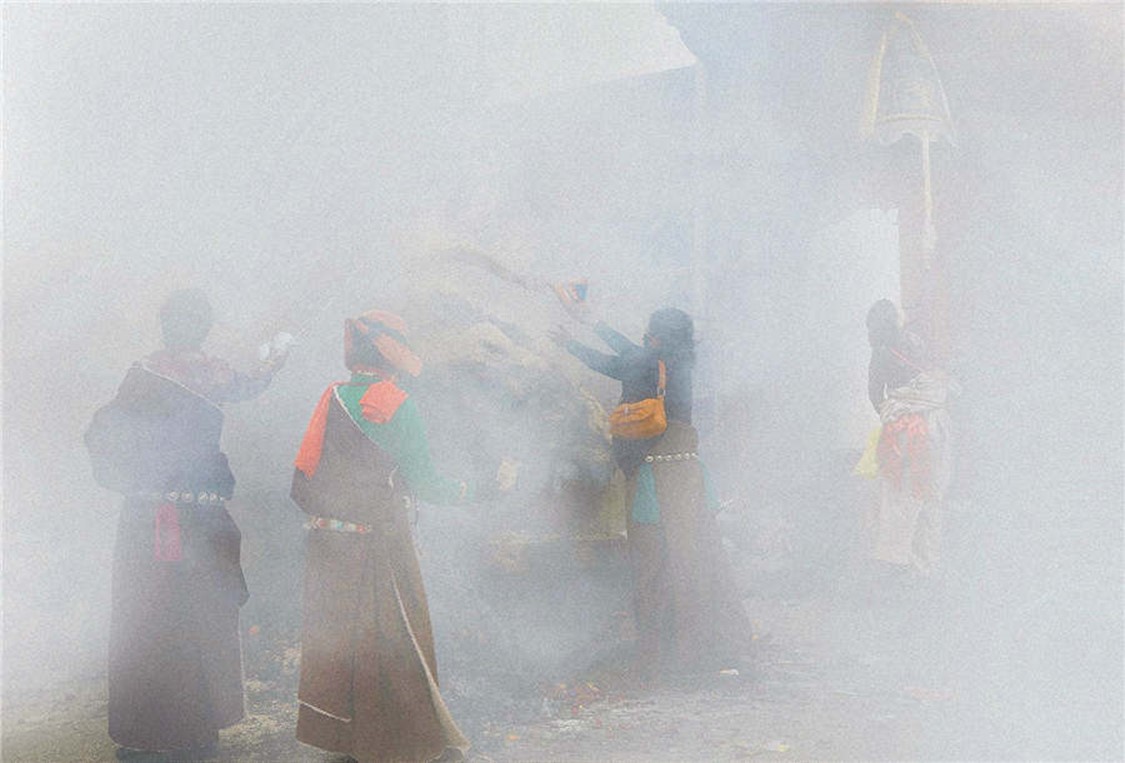
Pilgrims during prayers [Photo by Hu Guoqing/cpanet.org.cn]
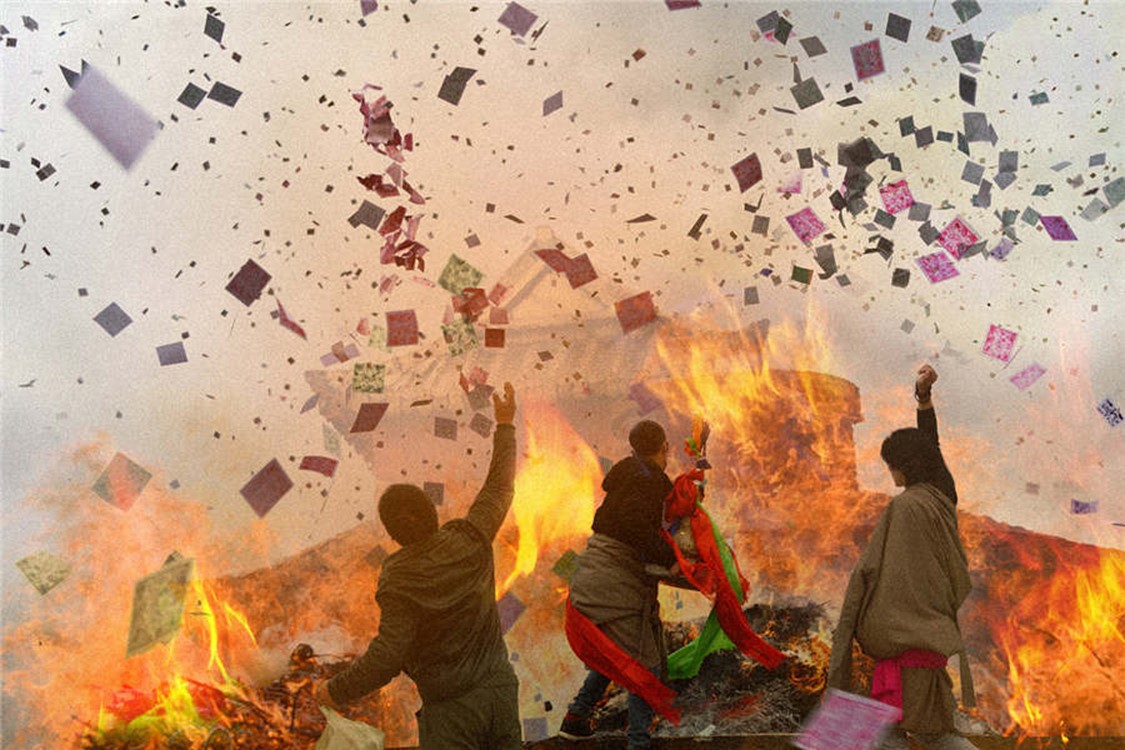
Pilgrims scatter longda, little pieces of paper printed with horses and beasts , for blessings [Photo by Hu Guoqing/cpanet.org.cn]
Tibetan Nation. Tibetan Identity. Photo Pilgrimage to Tibet.
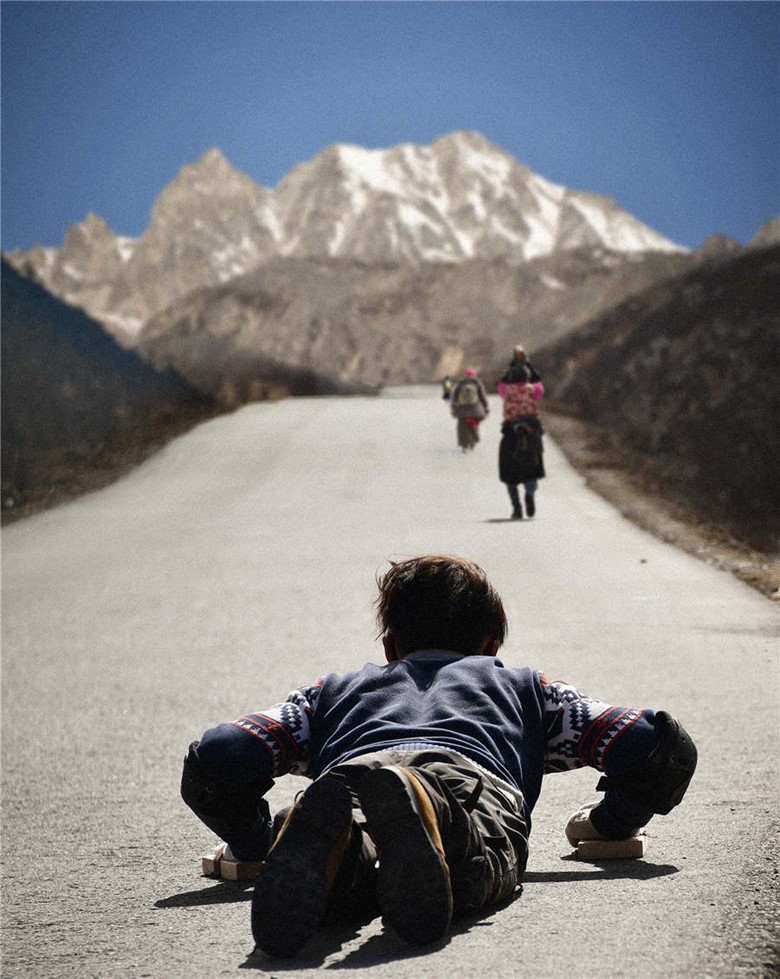
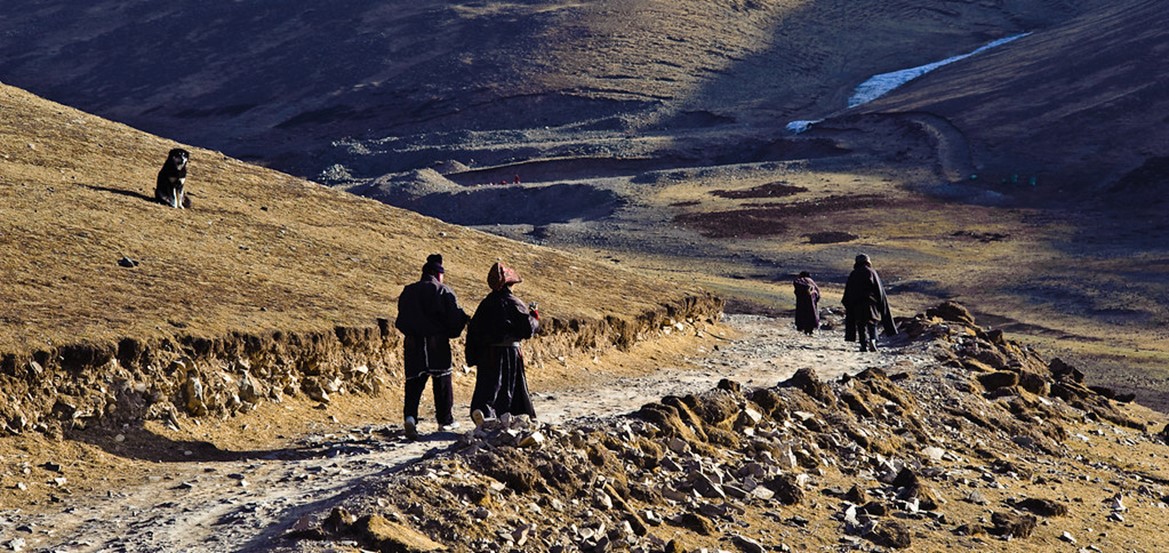
The road to the holy mountain [Photo by Hu Guoqing/cpanet.org.cn]
Tibetan Nation. Tibetan Identity. Photo Pilgrimage to Tibet.
Followers walk around the mountain to pilgrimage [Photo by Hu Guoqing/cpanet.org.cn]
Tibetan Nation-Tibetan Identity. Photo Pilgrimage to Tibet.
LAKE MANASAROVAR-THE SWEET WATERS OF TIBETAN NATIONALISM
Tibetan Nationalism springs from the fresh waters of Lake Manasarovar.
The photo was taken on July 21, 2019, shows a herd of cattle by the Mapam Yumco Lake in Burang County of Ngari Prefecture, Tibet. Located on an altitude of 4,588 meters at the Qinghai-Tibet Plateau, the 412-square-kilometer lake is a sacred Hindu and Buddhist site as well as a renowned tourist attraction. (Xinhua/Chogo)
Tibetan Nationalism springs from the fresh waters of Lake Manasarovar.
The photo was taken on July 21, 2019, shows a white pagoda by the Mapam Yumco Lake in Burang County of Ngari Prefecture, Tibet. Located on an altitude of 4,588 meters at the Qinghai-Tibet Plateau, the 412-square-kilometer lake is a sacred Hindu and Buddhist site as well as a renowned tourist attraction. (Xinhua/Chogo)
Tibetan Nationalism springs from the fresh waters of Lake Manasarovar.
The photo was taken on July 21, 2019, shows the engraved stones by the Mapam Yumco Lake in Burang County of Ngari Prefecture, Tibet. Located on an altitude of 4,588 meters at the Qinghai-Tibet Plateau, the 412-square-kilometer lake is a sacred Hindu and Buddhist site as well as a renowned tourist attraction. (Xinhua/Chogo)
Tibetan Nationalism springs from the fresh waters of Lake Manasarovar.
The photo was taken on July 21, 2019, shows the scenery of Mapam Yumco Lake in Burang County of Ngari Prefecture, Tibet. Located on an altitude of 4,588 meters at the Qinghai-Tibet Plateau, the 412-square-kilometer lake is a sacred Hindu and Buddhist site as well as a renowned tourist attraction. (Xinhua/Chogo)
Tibetan Nationalism springs from the fresh waters of Lake Manasarovar.
The photo was taken on July 21, 2019, shows a white pagoda and a lama by the Mapam Yumco Lake in Burang County of Ngari Prefecture, Tibet. Located on an altitude of 4,588 meters at the Qinghai-Tibet Plateau, the 412-square-kilometer lake is a sacred Hindu and Buddhist site as well as a renowned tourist attraction. (Xinhua/Chogo)
TIBETAN NATIONALISM. THE LAND DESCRIBES TIBETAN IDENTITY
Tibetan Nationalism. The Land describes Tibetan Identity.
The Tibetan Identity arises from the Land and all its denizens. The Spirit of Independent Lifestyles is ingrained into the Tibetan Psyche on account of Natural Forces, Natural Factors, Natural Conditions, Natural Causes, and Natural Mechanisms that shape Tibet’s Geography and give meaning to the Tibetan Existence.
Rudranarasimham Rebbapragada
Special Frontier Force
Tibetan Nationalism. The Land describes Tibetan Identity.
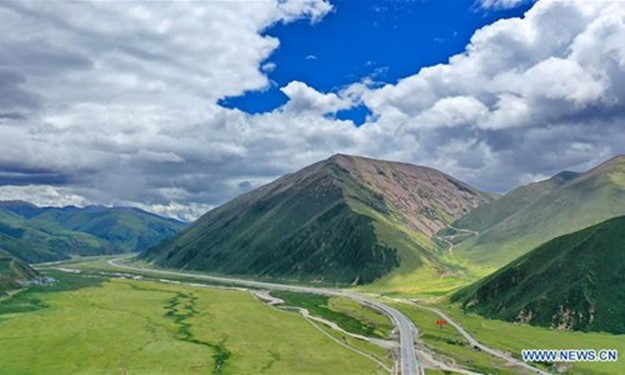
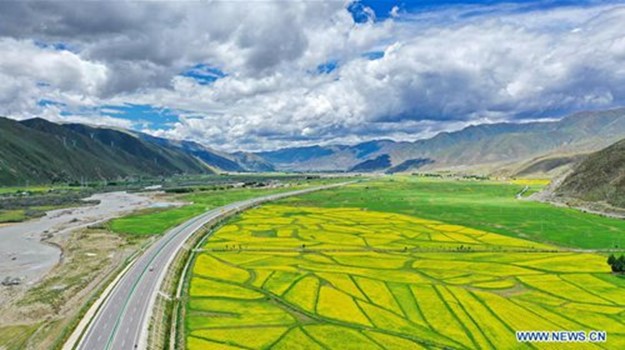
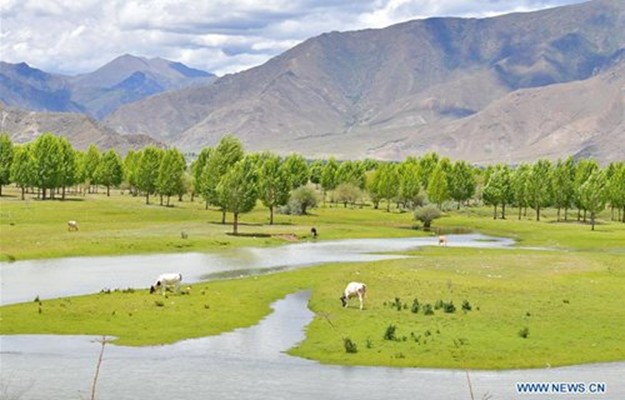
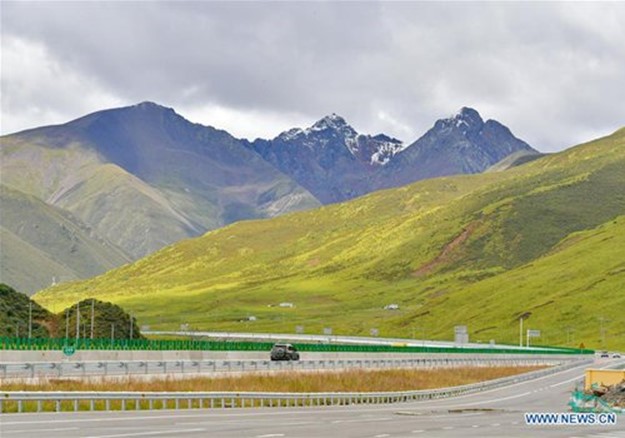
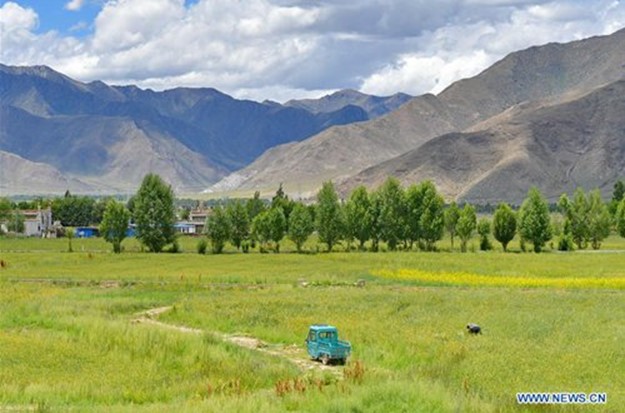
Scenery along highway linking Lhasa with Nyingchi in Tibet
Tibetan Nationalism. The Land describes Tibetan Identity.
Photo taken on July 16, 2019 shows a scenery along the highway linking Lhasa with Nyingchi in southeast Tibet. (Photo: Xinhua)
Tibetan Nationalism. The Land describes Tibetan Identity.
Photo taken on July 16, 2019 shows a scenery along the highway linking Lhasa with Nyingchi in southeast Tibet. (Photo: Xinhua)
Tibetan Nationalism. The Land describes Tibetan Identity.
Photo taken on July 16, 2019 shows a scenery along the highway linking Lhasa with Nyingchi in southeast Tibet. (Photo: Xinhua)
Tibetan Nationalism. The Land describes Tibetan Identity.
Photo taken on July 16, 2019 shows a scenery along the highway linking Lhasa with Nyingchi in southeast Tibet. (Photo: Xinhua)
Tibetan Nationalism. The Land describes Tibetan Identity.
Photo taken on July 16, 2019 shows a scenery along the highway linking Lhasa with Nyingchi in southeast Tibet Autonomous. (Photo: Xinhua)
Tibetan Nationalism. The Land describes Tibetan Identity.
TIBETAN IDENTITY AND NATIONALISM BELONG TO THE LAND AND ITS DENIZENS
Tibetan Identity and Nationalism belong to the Land and all of its denizens.
I examine Tibetan Identity and Nationalism by exploring the geography of the region for they developed together over thousands of years under the influence of Natural Causes, Natural Forces, Natural Conditions, and Natural Factors that condition the Tibetan Existence.
Rudranarasimham Rebbapragada
SPECIAL FRONTIER FORCE
PLATEAU PIKAS ARE SEEN BY THE LAKESIDE ON QINGHAI-TIBET PLATEAU
Tibetan Identity and Nationalism belong to the Land and all of its denizens.
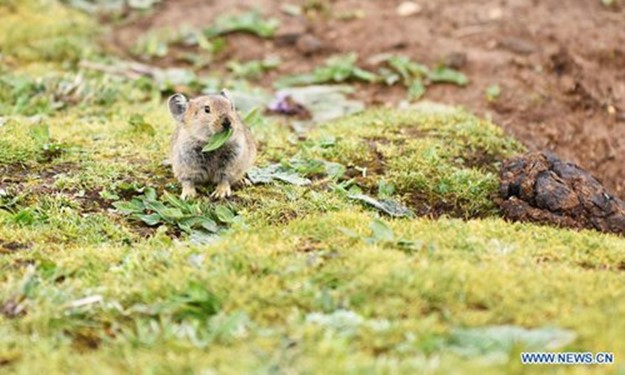
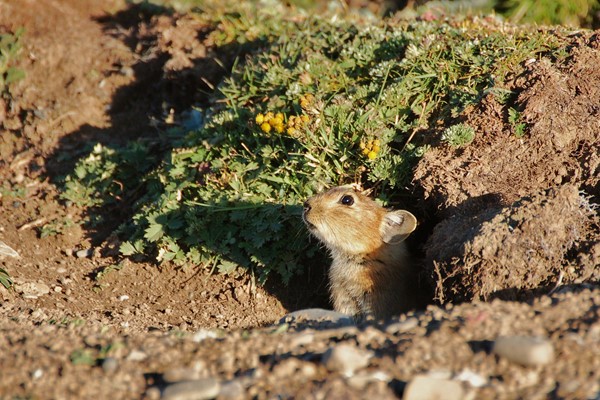
A plateau pika (Ochotona curzoniae) forages by a lakeside on the Qinghai-Tibet plateau in Maizhokunggar County, Tibet. July 6, 2019. (Photo: Xinhua)
Tibetan Identity and Nationalism belong to the Land and all of its denizens.
A plateau pika (Ochotona curzoniae) is pictured by a lakeside on the Qinghai-Tibet plateau in Maizhokunggar County, Tibet. July 6, 2019. (Photo: Xinhua)
Tibetan Identity and Nationalism belong to the Land and all of its denizens.
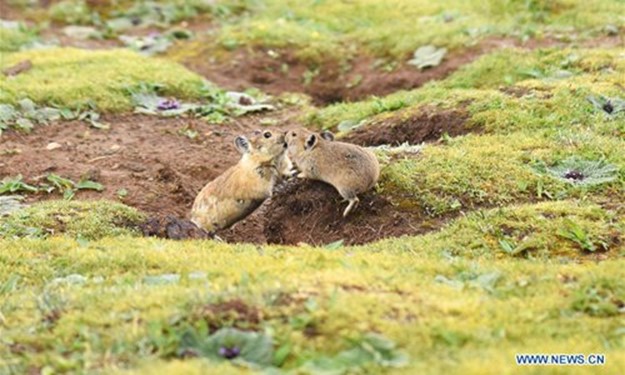
Two plateau pikas (Ochotona curzoniae) frolic by a lakeside on the Qinghai-Tibet plateau in Maizhokunggar County, Tibet. July 6, 2019.(Photo: Xinhua)
Tibetan Identity and Nationalism belong to the Land and all of its denizens.
‘THE LUNG OF LHASA’ BREATHES TIBETAN AIR FOR IT SHARES TIBETAN IDENTITY OF THE LAND AND ITS DENIZENS.
Tibetan Nationalism. The Lung of Lhasa Breathes Tibetan Air.
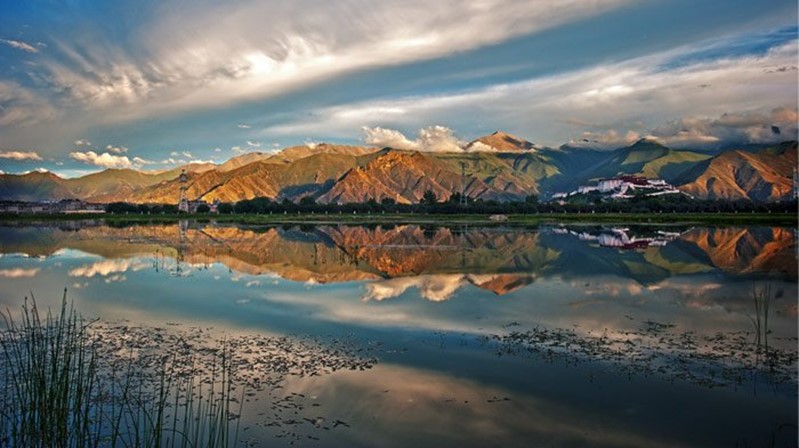
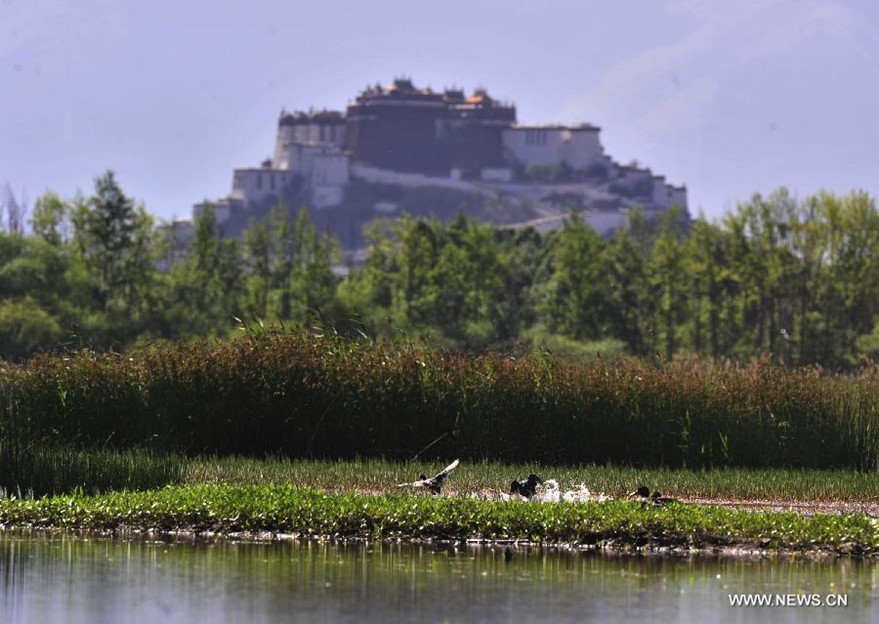
Lhalu wetland, ‘The Lung of Lhasa’ breathes Tibetan air. I describe Tibetan Nationalism as the reflection of Tibetan Identity of the Land and all of its denizens.
Rudranarasimham Rebbapragada
SPECIAL FRONTIER FORCE
Tibetan Nationalism. The Lung of Lhasa Breathes Tibetan Air.
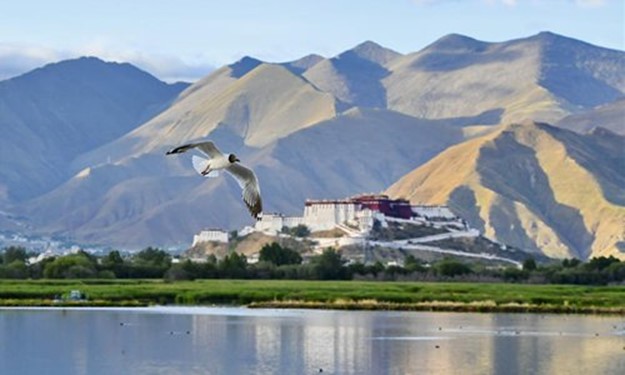
Lhalu wetland, ‘the Lung of Lhasa’ in Tibet
Tibetan Nationalism. The Lung of Lhasa Breathes Tibetan Air.
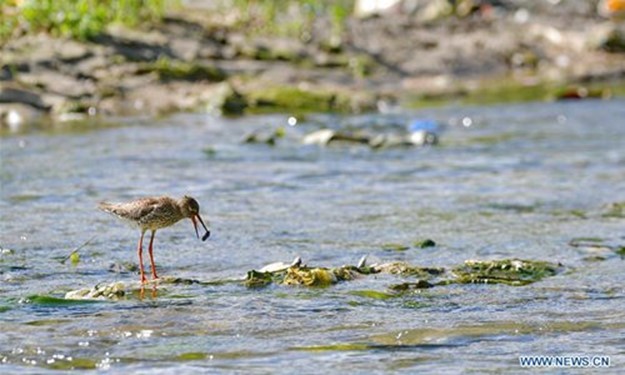
A common redshank is seen at Lhalu wetland in Lhasa, June 27, 2019. Lhalu wetland national nature reserve is known as “the Lung of Lhasa”. (Xinhua/Zhang Rufeng)
Tibetan Nationalism. The Lung of Lhasa Breathes Tibetan Air.
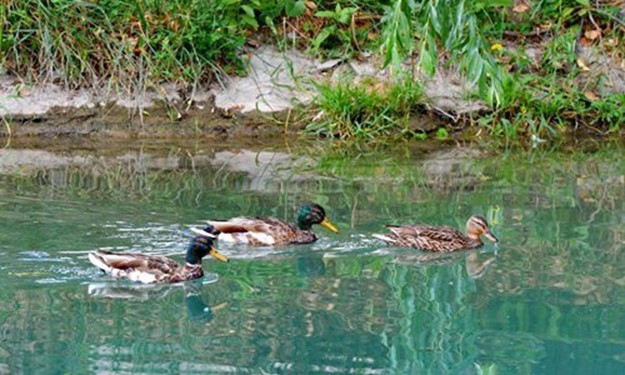
Wild ducks swim at the Lhalu wetland in Lhasa, June 26, 2019. Lhalu wetland national nature reserve is known as “the Lung of Lhasa”. (Xinhua/Zhang Rufeng)
Tibetan Nationalism. The Lung of Lhasa Breathes Tibetan Air.
A night heron is seen at Lhalu wetland in Lhasa, June 26, 2019. Lhalu wetland national nature reserve is known as “the Lung of Lhasa”. (Xinhua/Zhang Rufeng)
Tibetan Nationalism. The Lung of Lhasa Breathes Tibetan Air.
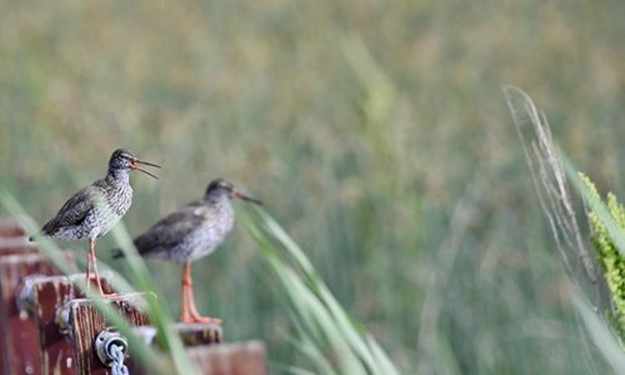
Common redshanks are seen at Lhalu wetland in Lhasa, June 26, 2019. Lhalu wetland national nature reserve is known as “the Lung of Lhasa”. (Xinhua/Zhang Rufeng)
Tibetan Nationalism. The Lung of Lhasa Breathes Tibetan Air.
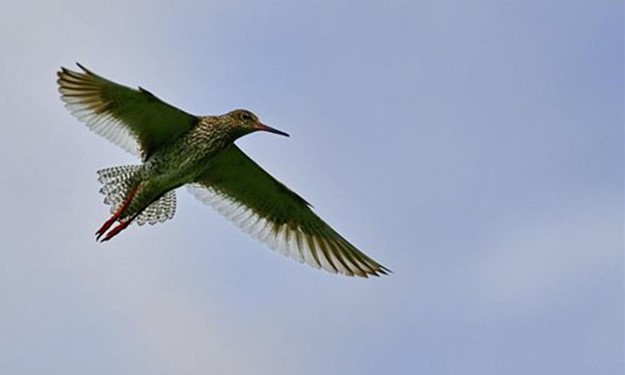
A common redshank flies over Lhalu wetland in Lhasa, June 26, 2019. Lhalu wetland national nature reserve is known as “the Lung of Lhasa”. (Xinhua/Zhang Rufeng)
Tibetan Nationalism. The Lung of Lhasa Breathes Tibetan Air.
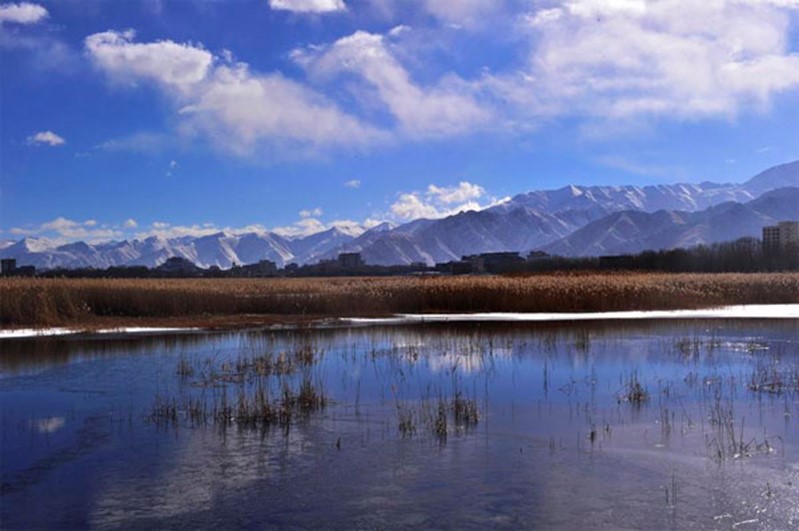
Photo taken on June 27, 2019 shows the view of the Lhalu wetland in Lhasa. Lhalu wetland national nature reserve is known as “the Lung of Lhasa”. (Xinhua/Zhang Rufeng)
Tibetan Nationalism. The Lung of Lhasa Breathes Tibetan Air.
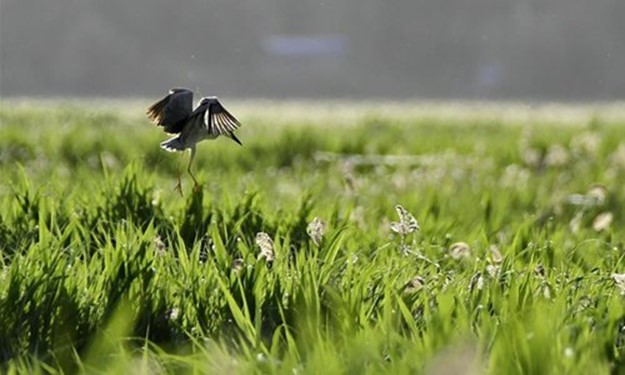
A brown-headed gull flies over Lhalu wetland in Lhasa, June 27, 2019. Lhalu wetland national nature reserve is known as “the Lung of Lhasa”. (Xinhua/Zhang Rufeng)
Tibetan Nationalism. The Lung of Lhasa Breathes Tibetan Air.
Whole Struggle – Tibet Struggles for Natural Freedom.
In my analysis, the Tibetan Resistance Movement can only be described as the Struggle for Natural Freedom. Tibetans resist military occupation of Tibet by a foreign invader for occupation totally undermines the Tibetan National Experience of Natural Freedom that defines the Land and its denizens. Freedom is not viewed as a Political Right. Tibetans cherish Freedom as a Nature’s Gift which no man has the power to trample upon.
Whole Struggle – Tibet Struggles for Natural Freedom.
Dalai Lama Says Tibet Issue Is No Longer Struggle For Political Independence
Whole Struggle – Tibet Struggles for Natural Freedom.
Tibet Issue “No Longer Struggle for Political Independence”: Dalai Lama
Political independence is mainly meant for the happiness of the people, but does it alone guarantee happiness, the Dalai Lama asked.
All India | Press Trust of India | Updated: July 04, 2019 20:11 IST
New Delhi:
The Tibetan issue is no longer a struggle for political independence, the Dalai Lama has said, asserting that there is a need to focus on preservation of Tibet’s cultural, religious and linguistic identity.
Political independence is mainly meant for the happiness of the people, but does it alone guarantee happiness, the Tibetan spiritual leader asked.
“There is a growing feeling among the top leaders in China that their policies have not been able to solve the Tibet issue in the last 70 years. So, they should follow a more realistic approach. Even though Tibet was an independent country, politically China occupies Tibet today,” he told news magazine ”The Week” in an interview.
“Under the given circumstances, I have been saying for some time now that there is a need to focus on preservation of Tibetan culture, religion and identity. It is no longer a struggle for political independence,” he said.
The 14th Dalai Lama left Tibet in 1959 to escape Chinese occupation and has been keeping China on tenterhooks about his successor.
In April this year, at a global conference, he had said people from Tibet have been seeking a mutually acceptable solution to the Tibetan issue with China since 1974 but Beijing considers him a “splittist” though he isn’t one.
The spiritual leader, who turns 84 soon, had said he preferred Tibet remaining with China, with “some kind of a reunion”.
In the interview, given in Himachal Pradesh’s McLeodganj, the Dalai Lama also said if the Tibetan people can preserve their thousands of years old cultural heritage, religion and identity, it will bring them inner peace and happiness.
“For this, I really admire the Indian Union for its unity in diversity. In a similar way, the People’s Republic of China and Tibet can coexist keeping Tibet’s cultural, linguistic and religious identity,” he said.
On a question, about his successor, he said, “I can only be concerned about this life; the next is not my concern. What is important are the teachings, the institution of the Dalai Lama comes after that.
“If reincarnation was so important, then why did the Buddha not have a reincarnation,” adding, “sometimes, I also feel the Lama institution has some connection with the feudal system and is not relevant today”.
The Tibetan spiritual leader recently apologized for his comment on women in a BBC interview, with his office in Dharamshala saying he has always opposed their objectification.
Responding to a question on whether his reincarnation could be a woman, the Nobel Peace Prize winner had joked that she should be attractive.
On a question on India, he said, the rich people in India should pay more attention to the study of Indian philosophy and texts “rather than just uttering ”Ram Ram” and doing puja”.
“It is better to create small libraries and learn about ancient Indian philosophy and psychology than just praying without any knowledge and performing rituals without understanding them,” he said.
On his association with prime minister Jawaharlal Nehru, he said, “Pandit was very kind to me; he advised me under difficult circumstances. I followed his advice, and it was very practical. I came to India in 1956, during Buddha Jayanti. At that time, many Tibetan officials told me that I should stay in India and not return”.
He said, he returned to Tibet in 1957. “I tried my best (to maintain peace with the Chinese), but after some time… there (were) uprisings. In 1959, things went out of control and I decided to escape from Tibet,” the Dalai Lama added.
“I am grateful to the Indian government (and leaders such as) Nehru, Indira Gandhi, Morarji Desai, Narasimha Rao and the (later) generation of leaders, and also Indian officials who have been very sympathetic towards Tibet,” he said.
Today, India and Tibet are very close not only for political or economic reasons, but also spiritually and emotionally, he added.
On China calling him a separatist, and his 60th year of exile in India, he said, “Let them (Chinese) say I am a separatist. That will be helpful as I will continue to live in India peacefully”.
“If they sincerely ask me to return – although on many occasions to some Chinese individuals I mentioned that I prefer freedom – and if I return to China, I (will be) put in a big house with no freedom. There is no use. I am happy to live in India for the rest of my life,” the Dalai Lama said.
“Among all civilizations, whether it is Chinese or Egyptian, it is the Indus Valley civilization that has produced the best thinkers and philosophers. I consider Buddhism and Hinduism as twin brother and sister. India’s civilization is something wonderful and should be known for its contribution to the world,” he asserted.
Whole Struggle – Tibet Struggles for Natural Freedom.























 Whole Dude - Whole Concept