Dr. Edward Osborne Wilson,American biologist, an expert in the Study of Ants(Myrmecology), former Professor of Zoology, Harvard University, founder of Sociobiology, has studied the genetic basis of the social behavior of all animals including humans. He had presented his theories about the biological basis of Social Behavior in his book, Sociobiology : The New Synthesis(1975). The biological basis of Social Behavior must include the study of the Behavioral Ability of the Living Substance.
Dr. Edward Osborne Wilson is recognized as the world’s leading authority on ants. He is the foremost proponent of Sociobiology, the study of the genetic basis of the social behavior of all animals including humans. In his book, Sociobiology: The New Synthesis (1975) he presents his theories about the biological basis of social behavior. It involves the application of the Theory of Evolution to the study of animal and human social behavior. It holds that the Theory of Evolution by ‘natural selection’ applies to behavior in the same way that it applies to structure and physiological functions. He holds that behavior patterns are genetically determined and are governed by the process of ‘natural selection’. Accordingly, he explains that social behavior relies upon the principle that genes are able to influence behavior and will be selected if the behaviors they encourage contribute ultimately to the reproductive success of the individual carrying those genes. The ‘Darwinian Fitness’ of an organism or a gene is a measure of the ability of that organism or gene to project copies of itself into future generations. Because, ‘natural selection’ would influence genetically controlled behavior, he believes that individuals will tend to behave in ways that maximize their ‘Darwinian Fitness’. However, he attributes 10 percent of human behavior as genetically induced, the rest being attributable to environment.
In my analysis, it could be indeed true that some behavioral abilities depend upon underlying genetic mechanisms which support the neural and hormonal mechanisms that are required in the performance of actions by organisms. Dr. Wilson recognizes the essentially biological principles on which animal societies are based and could apply those principles to human social behavior. One of Dr. Wilson’s most notable theories is that a characteristic such as ‘altruism’ could be genetically based and may have evolved through the process of ‘natural selection’. Dr. Wilson maintains that altruistic behavior is consistent with ‘natural selection’ in that the sacrifice is made to save closely related individuals who share many of the sacrificed organism’s genes.
Altruism and Sociobiology:
Ants, approximately 8,000 species of the Insect family Formicidae ( Order Hymenoptera )are social in habit and live together in organized colonies. Worker ants are maximally ‘altruistic’ and devote their whole lives to caring for the Queen to reproduce, constructing and protecting the nest, foraging for food, and tending the larvae while they are sterile. The worker ants display unselfish concern for the welfare of others and they have no chance to reproduce.
The term ‘altruism’ (French – altruisme) was coined by Auguste Comte, the founder of Positivism and Sociology. It is considered as antithesis to Egoism. Altruism is behavior that benefits others at some cost to the individual displaying altruistic behavior. Social scientists refer to altruism as the behavior of an individual who consciously comes to the aid of another, without expecting anything in return. Such behavior is influenced by empathy, an emotional response that results from being aware of another person’s emotions. In Ethics, altruism is described as a theory of conduct that regards the good of others as the end of moral action. It describes unselfish concern for the welfare of others.
However, biologists view altruism as any behavior that reduces the ‘Darwinian Fitness’ (reproductive success) of the altruist while increasing the fitness of another. It is common for animals to share food, help provide for another’s young, defend others against predators, and give alarm calls when a predator appears. Such animal altruism is common and it does not require psychological abilities and functions like sharing of emotions, feelings, and thoughts. Altruism as a behavior is not always a psychological function or ability. It is displayed as pure altruism in the social behavior of worker bees, ants, and wasps.
Spiritualism – The New Synthesis:
It must be understood that behavior is a fundamental characteristic of life and of all living entities. All species, whether single-celled protozoans or the largest of mammals possess the capacity to respond to stimuli in their environment. This ability called responsiveness is the fundamental attribute of all kinds and types of behavior.
Psychologists like B.F. Skinner tend to focus on the learned components of behavior and stress the importance of environment and its influence on behavior. Biologists like Konrad Lorenz tend to focus primarily on the analysis of the innate components of behavior. Sociobiologists tend to recognize the role of genes and the influence of environment and describe that behavioral abilities depend on underlying genetic mechanisms that develop the structures and physiological mechanisms that are important to display a given behavior. It may be noted that both Psychologists and Biologists are describing behavior in the context of social relations and interactions between individual and groups of living organisms. Living things behave in ways to maximize their chances of survival. In the entire animal kingdom, most living organisms display parental or social instincts. All animals display social behavior. There is no animal that is ever completely isolated from some kind of environment that includes members of the same species or other species. Animals form parental societies to care for their offspring. Bacteria come together to live as colonies. Hence, it will be important to recognize social behavior that is displayed by individual living cells.
I define Spiritualism as the capacity or the biological ability of an individual living cell to formulate harmonious relations with others and to participate in or contribute constructively to changes in the social environment. The potency called Spiritualism is reflected in the biological functions of Consciousness and Intelligence.
Red Blood Cells – Altruism – Spiritualism – The New Synthesis: Unlike most cells of the human organism, mature Red Blood Cells do not have nuclei, have no mitochondria, and have no other organelles. The Red Blood Cells cannot divide and reproduce and lead a short life while they exist to support the life and survival of trillions of other cells in the body.
At a cellular level, the social aspect of Consciousness is reflected by the biological abilities of the cell such as association, cooperation, communication, recognition of other living cells in its immediate environment, and performing actions which have characteristics of functional subservience to provide benefits like survival and reproductive success to other cells. A very good example of Spiritualism is that of altruism displayed by the mature Red Blood Cells of the man. The mature Red Blood Cells have no nuclei and hence cannot divide or reproduce. Each Red Blood Cell has a very limited life span of its own. They sustain their meagre energy needs by a form of anaerobic respiration as they do not have mitochondria like the trillions of other cells of the human body. The Red Blood Cells are passive in nature and they simply exist to provide Oxygen to other cells and tissues, collect Carbon Dioxide while being swept along by the blood stream. Since the mature Red Blood Cells have no nuclei, their behavior is not operated by genes or genetic mechanisms which could be important in their formation, development, and maturation. The social aspects of the Red Blood Cell behavior is related to the spiritual nature of its living substance.
I would ask Biologists to give attention to the nature, functional abilities of the living substance apart from the consideration of genes and genetic mechanisms. It may be very clearly understood that the nucleus, the chromosomes, and the genes have no independent existence of their own and they perform their cellular functions while they derive energy and nutritional support from the living substance or Protoplasm that has the biological abilities of Consciousness, and Intelligence which is reflected in its properties like responsiveness, the power of nutrition, and reproduction.
Spiritualism is the Science of New Synthesis; the New Synthesis that formulates the relationships between Substance, Structure, Function, Heredity of a Living Organism and its Environment, Behavior, and Social Community.
Spiritualism – The New Synthesis. The Behavior pf the Red Blood Cell can be described as Altruism. Red Blood Cells are packed with hemoglobin. Each Red Cell contains over 600 million hemoglobin molecules.
Protoplasm, the living, corporeal substance, is the source of energy, knowledge, and work that supports the living form that lives and is known. (Photo credit: salimfadhley)
SPIRITUALISM – THE MEDICAL DOCTRINE OF DIALECTICAL SPIRITUALISM :
Georg Wilhelm Friedrich Hegel(b. August. 27, 1770, d. November. 14, 1831),German Idealist Philosopher, author of Phenomenology of Spirit or Phenomenology of Mind(1807), Science of Logic(1812-16), and Encyclopedia of the Philosophical Sciences(1817) and other works and lectures. He developed theories of Ethics, Aesthetics, History, Politics, and Religion. He developed a Dialectical scheme that influenced the development of Existentialism, Marxism, Positivism, and Analytic Philosophy.
Georg Wilhelm Friedrich Hegel influenced most facets of modern philosophy. At the center of the universe, Hegel posited an enveloping absolute Spirit that guides all reality including human reason. His absolute ‘Idealism’ envisages a world-Soul, that develops from, and is known through, a process of change and progress termed as the Hegelian Dialectic. The doctrine of ‘Idealism’ makes the attempt to account for all objects in nature and experience as representations of the mind, and sometimes it assigns to such representations a higher order of existence. According to Hegel, reality is Absolute Mind, Reason, or Spirit which manifests itself in both natural and human history. His famous dictum, “the real is rational and the rational real”, is an expression of the identity of reality and the rational process. Because reality is rational, it acts in accordance with the laws of reasoning. Hegel suggested that understanding the nature of thought will lead to understanding the nature of reality as a whole. Dialectics is a form of logical argumentation that could be applied to diverse fields including thought, nature, and history. Hegel identified dialectic as the tendency of a notion, or idea to pass over into its own negation as the result of conflict between its inherent contradictory aspects. He developed the concept that Mind or Spirit manifested itself in a set of contradictions and oppositions that it ultimately integrated and united without eliminating either pole or reducing one to the other. According to Hegelian principles, one concept or ‘thesis’ inevitably generates its opposite or ‘antithesis’; their conflict or interaction generates a new concept or ‘synthesis’ which in turn becomes the ‘thesis’ of a new triad. Hegel developed a dialectical scheme that emphasized the progress of history and ideas from ‘thesis’ to ‘antithesis’ and then to a higher and richer ‘synthesis’. His main contribution is that of giving a clear view of reality; Reality can only be understood as a totality, “The Truth is the Whole”, and that the attempt to understand the apparently individual and unconnected phenomena of nature, history, and human life through separate categories of thought is utterly mistaken. I would like to endorse his view and submit that Reality must be known as a Whole.
THE MEDICAL DOCTRINE OF DIALECTICAL SPIRITUALISM :
Amoeba proteus and the understanding of Reality as a Whole or the ‘Whole Truth’. To understand the reality of human life, we need to know and understand the Reality of a material substance that is common to all living organisms. This common substance called Protoplasm is found in all living cells including the cells of human brain, an anatomical organ that is associated with thinking,and Mind the seat of thoughts. However, I would ask all of my readers to know and understand Protoplasm, the substance in which thoughts are generated and reside. I give attention to the Spiritual Nature of this substance and divert attention from Mind and Brain.
Hegel in his book, Phenomenology of Mind or Phenomenology of Spirit has traced the progression of consciousness from sense perception to Absolute Knowledge. In my view, Amoeba proteus is conscious and intelligent. I speak about Spirit or Soul in relation to a material substance called Protoplasm. I would hesitate to equate Mind with Spirit as that would mislead people to think of consciousness and intelligence as the exclusive biological functions of an anatomical organ called brain. At the same time, it must be clearly understood that brain and mind perform their specialized functions using the same living matter or substance that is found inside Amoeba proteus. The fact that brain and mind perform very complex functions should not hide the fact of the true or real nature of Protoplasm. There is inherent conflict in the nature of Protoplasm. It is inherently unstable; the living matter is thermodynamically unstable, and without continuous supply of energy from an external source, it will dissolve into its constituent inorganic molecules and non-living physical elements. This nature of energy dependence and the risk of its dissolution is the ‘thesis’ and it is opposed by its potency and potential to remain immutable, or unchanging, the ‘antithesis’. Protoplasm is unstable and is stable at the same time. It has survived and has continuously lived on the surface of planet Earth for billions of years after having come into existence. We have account of several major and minor extinction events and yet Protoplasm has remained and existed without any apparent change in its properties, characteristics, and functions. Protoplasm has demonstrated the potentiality called Imperishability, indestructibility, Immortality and the ability of Eternal or Everlasting Life. The interaction or conflict between unstable(‘thesis’) and stable(‘antithesis’) nature of Protoplasm has generated a new ‘synthesis’ called Immortality or Everlasting Life. I call this higher state of existence as ‘Dialectical Spiritualism’. Man is a physical, Mortal Being and his body substance is Perishable. Through the process of Dialectical Spiritualism, the conflict and interaction between the unstable and stable nature of Protoplasm which is a Spiritual substance, man progresses towards his goal of becoming a Complete or Whole Spiritual Being and his body substance will exist in its higher state of existence of Imperishability. The Medical Doctrine of Dialectical Spiritualism proposes the hypothesis of Man’s Immortality or Everlasting Life as a higher state of existence of a mortal or perishable substance that has developed the potentiality and progressed towards its natural goal of Imperishability and indestructibility.
Dr. R. Rudra Narasimham, B.Sc., M.B.B.S.,
Kurnool Medical College, Kurnool, Andhra Pradesh, India,
The Vitruvian Man c. 1492. The painting by Leonardo da Vinci displays the spirit of scientific inquiry. We must know the distinction between Human Nature and Human Behavior.
What is man? The motivation for asking this question comes from a statement expressed in Sanskrit language : “Sarvesham Swastir Bhavatu”, which seeks the well-being of all humans, of all races, of all religions, of all cultures, and of all nations. Our efforts to support the well-being of man would be affected by our understanding the ‘real’ or ‘true’ nature of man. I recognize that man exists with the following five forms, 1. the Physical Being as described by Human Anatomy, Human Physiology and other Medical Sciences, the human being in health and sickness, 2. the Mental Being, the intellect and emotional aspects as described by Psychology and Psychiatry, 3. the Social Being as described by Social Sciences, 4. the Moral Being as described by Morals and Ethics, the power of discernment used by man to make the distinction between good and evil, and right and wrong, and 5. the Spiritual Being as described by the spiritual nature of man’s corporeal substance that develops and builds the cells, the tissues, the organs, and the organ systems of the human body. While most religious and philosophical traditions explore spirituality by understanding human thoughts, and feelings, I try to know this spiritual aspect of human nature by observing the functional behavior that is displayed in the interactions of cells, tissues, and organs that constitute the human organism. If man is viewed as a multicellular organism, human behavior must be observed in the biotic interactions of cells, tissues, and organs because of whose functions man lives in the world. The five aspects of man contribute to the five kinds of behavior of man; the physical, mental, social, moral, and spiritual behavior. A muscle cell displays the behavior of contraction in response to a stimulus and it is able to contract because of its contractile nature which gives it the power of contracting.
In my view, Spiritualism is the human nature that gives the man the power or ability to perform his living functions and display his characteristic behaviors like feeding, breathing and reproduction. I remind my readers to be very careful to make the distinction between Human Nature and Human Behavior. For example, the power of Nutrition described by Human Physiology is not the same as the eating behavior that manifests as the problem of obesity.
Human Behavior and Environment:
Whole Dude – Whole Behavior: Burrhus Frederick Skinner (1904 – 1990), Professor of Psychology at Harvard University (1948 – 1974) proposes that the empirical study of human behavior is the only way to arrive at a true theory of human nature. He had published several books, The Behavior of Organisms:An Experimental Analysis (1938), Science and Human Behavior (1953), and Verbal Behavior (1957).Whole Dude – Whole Behavior: The relationship between Man and Nature (Environment) that conditions human behavior.
B. F. Skinner studied behavior and the environmental causes of behavior mediated through conditioning mechanisms. In his opinion, all behavior is a function of environmental variables. He proposed a thesis of Universal Determinism, and thinks that every human event including all human choices has a set of preceding environmental causes.
In the Indian tradition, the Bhagavad Gita also explains the relation between human behavior and environment or ‘Prakriti’. Chapter XIV, verse 5 states : “Sattvam, rajas, tama iti gunah prakriti sambhavah”, the modes of human behavior such as Sattva (the mode of goodness), Rajas (the mode of passion), and Tamas (the mode of ignorance) are generated by the interactions between human body and the environment in which he lives.
Whole Dude – Whole Behavior: A thing comprises of two categories, 1. Matter, and 2. Form. Behavior pertains to the actions performed by the Form and Nature pertains to the material nature of Matter, the Living Matter or the corporeal substance.
At the same time, Indian tradition makes a very clear distinction between true human nature and the three modes of human behavior. The real, or true man is described by the spiritual characteristic of human nature. The Bhagavad Gita in Chapter XVIII, verse 20 claims that all living entities share a single reality even while they are divided into innumerable forms (Sarva bhutesu yenaikam bhavam avyayam iksate) and directs us to recognize that spiritual nature as the true reality that is common among different living forms. B.F. Skinner paid attention to the external causes or influences that generate or modify human behavior and has totally avoided the study of innate or inner cause of behavior. He did not give any importance to the role of heredity in human behavior. This internal influence on an organism’s behavior is not directly observable and an experimenter cannot manipulate such internal influences to conduct experimental studies of behavior. Skinner’s findings about external influences and environmental conditioning mechanisms explain several aspects of human behavior but they do not explain the relationship between human behavior and human existence. To understand human existence, we have to learn about the nature of man’s substance and the behavior of the cells, tissues, and organs that provide the structural and functional basis of the human organism.
Man is a very complex living organism that shows structural differentiation and the functional organization of various tissues and organ systems. The specialized functions of tissues and organs is possible because of the functional subordination of the cells to the requirements of the organism as a whole. In other words, the specialized functions of tissues and organs could be described as ‘altruistic’ behavior, a behavior that promotes the well-being and appears to favor the individual’s chances of survival and reproduction. Man may exhibit behavior under the influence of environment and may act in the modes of behavior such as goodness (Sattva), passion (Rajas), or ignorance (Tamas), but his existence is made possible by his innate human nature which acts as an internal influence and determines the characteristics of the biotic interactions between the cells, the tissues, and organs of his own body.
Whole Dude – Whole Behavior: The integration of Structure and Function describes the Spiritual Basis for Health and Human Existence. By knowing the structure and function of the Red Blood Cell or Erythrocyte, we can establish the facts of Blood Circulation, the reason for the structure of the Heart and Lungs, their motions and their relation to each other and their relation to the Human Being who exists as an Individual with Individuality.
When you breathe in smoke that comes from the end of a lit cigarette, cigar, or pipe ( often described as ‘sidestream smoke‘ ), or when you breathe in smoke that is exhaled by a smoker(often described as ‘mainstream smoke’ ), you are exposed to the risk of secondhand smoke. You will be inhaling almost the same amount of chemicals as the smoker breathes in. Tobbaco smoke contains more than 4,000 different chemical compounds, and more than 50 of them are known to cause Cancer. Some of these known carcinogens are Hydrogen Cyanide, Benzene, Formaldehyde, and Carbon monoxide. Involuntary or passive smoking can kill. There is no amount of exposure to secondhand smoke that is considered as a safe level of exposure. The more secondhand smoke that you breathe in, the more your health risk increases. Secondhand smoke exposure causes nearly 50,000 deaths per year in adult nonsmokers in the United States. 3,000 deaths are from Lung Cancer, and 46,000 deaths are from heart disease. Nonsmokers increase their risk of developing Lung Cancer by 20% to 30%, and heart disease by 25% to 30% when they are exposed to secondhand smoke. The risks of Breast Cancer and Cervical Cancer and other types of Cancer are also higher. Women who are exposed to secondhand smoke face a 69% higher risk of heart disease and a 56% higher risk of Stroke than those who are not exposed to smoke. Children are particularly vulnerable to the effects of secondhand smoke because of their bodies are still growing and they breathe at a faster rate than adults. The effects of smoking can be very significant especially for those who live or work with a smoker. In reality, most of the smoke from a burning cigarette doesn’t get sucked down into smoker’s lungs- it simply escapes into the air where it can be inhaled by anyone unfortunate enough to be nearby. Living under the shadow of a great person may give some benefits, protection, and a sense of security. But, life under the shadow of secondhand smoke is a prescription for death. There was such an unfortunate victim who had lived under the shadow of a great leader known as Mohammed Ali Jinnah.
Mohammad Ali Jinnah, Qaid-e-Azam, the great leader and founder of Pakistan. What is the risk of Living under the Shadow of a great leader?
Jinnah, Indian Muslim politician was the founder and first Governor General of Pakistan (1947-1948). His parents arranged for an early marriage for him before he left for England at the age of 16. While in London, Jinnah suffered the loss of his wife and mother. In 1895, at the age of 19, he was called o the Bar on completion of his formal studies to become a barrister. He had supported the election of Dadabhai Naoroji, a Parsi leader, a leading Indian nationalist who ran for the English Parliamnet. Naoroji became the first Indian to sit in the British House of Commons. In 1896, Jinnah returned to Karachi and then moved to Bombay to start his legal practice. He met Ruttenbai, the daughter of Dinshaw Petit, a Bombay Parsi millionaire. Jinnah had married this young and beautiful lady over tremendous opposition from her parents and others. The great love and the marriage withered and proved to be an unhappy union. The stress imposed by exposure to secondhand smoke was not known and was not recognized those days. Jinnah’s addiction to Tobacco and the price paid by his wife describe the other side of Jinnah which many people in Pakistan and India tend to ignore.
The Other side of Mohammed Ali Jinnah :
Jinnah, a great leader with a simple addiction to Tobacco.
This young and beautiful lady had great feelings of love for Jinnah and those tender feelings withered while she had lived under the Shadow of Secondhand Smoke.
I would like to share the very interesting and powerful story about the life of Ruttenbai who had lived under the shadow of Mohammed Ali Jinnah . Unfortunatley, this story posted below my post fails to mention the nature of cancer that had killed this beautiful lady at such an young age. I am very sure about the nature of her illness. She died of Lung Cancer. She developed Cancer because of inhaling tobacco smoke and it is a very well recognized risk factor now. Secondhand Tobacco smoke kills people and even now the chances of survival are not good. I had personally witnessed a similar case and had narrated that story at my Home page of BhavanaJagat and the story is titled ‘Living Under the Shadow – A Prescription for Death’. A young, beautiful lady, the first wife of Chief of Army Staff (under Prime Minister Rajiv Gandhi), General K S Sundarji ( who is well-known for Operation Blue Star ) died of Lung Cancer in Army Hospital, New Delhi during 1978. The connection between smoking and Lung Cancer was well understood but at that time the risk of Lung Cancer due to Secondhand Tobacco Smoke was not properly recognized.
The Chief of Army Staff, General Krishnaswamy Sundarrajan, PVSM - I had served under his Command while he was the General Officer Commanding of the First Armoured Division during 1976 to 1978. His first wife, Padma Sundarji had lived her life under the shadow of Secondhand Smoke.
More than 61 years have passed since the death of founder of Pakistan , Quaid-i-Azam Mohammad Ali Jinnah. But even today, nothing about Jinnah seems ordinary —not his legal career, politics, personal life, his legacy and even the property he left behind.
The great South Asian intellectual Eqbal Ahmed once described Jinnah as an enigma of modern history. His aristocratic English lifestyle, Victorian manners, and secular outlook rendered him a most unlikely leader of India ’s Muslims. Yet, he led them to separate statehood, creating history, and in Saad R. Khairi’s apt phrase, “altering geography”.
Much has been written about Jinnah’s legal career, politics, his role as a founder of Pakistan and his vision, but even today, very little is known about Jinnah’s personal life. This was probably because Jinnah never had time to write a diary or an autobiography and whatever little he wrote was formal and matter of fact. For most of his life, he remained reserved, taciturn and secretive. He wrote his will in May, 1939, but it was only after his death that Liaquat Ali Khan, his close associate and the first Prime Minister of Pakistan, came to know that he was its trustee and executor.
His only child, Dina Wadia, has hardly ever spoken about her father in public. So furious was Jinnah with Dina that he disowned her after she married a Parsi man against his wishes, and yet he left two lacs for her in his will. Akbar Ahmed’s movie Jinnah had just ten to fifteen minutes on Jinnah’s personal life, which are nowhere near enough.
Life Under The Shadow – Ruttie in Jinnah’s Shadow
image004
image005
image006
Jinnah’s first wife, fourteen year old Emibai from Paneli village, died just eight months after he left for London at age sixteen in 1892, to join Graham’s Shipping and Trading Company, which conducted business with his father in Karachi. It was a forced marriage, as Jinnah’s mother was afraid that if he went to England , he might end up marrying an English girl. He barely knew Emibai.
Jinnah’s second marriage with the most beautiful girl of Bombay – Ruttie: The Flower of Bombay – was like a fairy tale. It began in the summer of 1916 in Darjeeling or “Town of the Thunderbolt” (how appropriate considering what was to happen there).
Jinnah had established himself as a lawyer and a politician by then and had become friends with Sir Dinshaw Maneckjee Petit, the son of one of the richest and most devoutly orthodox Parsis of the 19th century.
The Petit`s chateau overlooked Mount Everest and it was there Jinnah met his only daughter Ruttenbai Petit or Ruttie as she was popularly called. Merely sixteen at that time, Ruttie was a charming young girl. Stanley Wolpert writes in Jinnah of Pakistan :“Precociously bright, gifted in every art, beautiful in every way. As she matured, all of her talents, gifts and beauty were magnified in so delightful and unaffected a manner that she seemed a fairy princess”.
A dazzling beauty and full of life, Ruttie had exquisite taste and affable manners. Quick-witted, she was easily one of the best dressed and most popular women among the elitist circles of Bombay . She was intellectually far more mature than other girls of her age, with diverse interests ranging from poetry (Oscar Wilde being her favorite, whom she often recited) to politics. Her large collection of books, which remained in Jinnah’s possession after her death, reflected her deep interest in poetry, literature, history, occultism, mysticism and sorcery. She was an excellent horse-rider. She attended all public meetings and was inspired by Annie Besant’s Home Rule League.
A fierce supporter of India for Indians, Ruttie was once asked about rumors of Jinnah’s possible knighthood and whether she would like to be Lady Jinnah. She snapped that she would rather be separated from her husband than take on an English title.
Jinnah on the other hand also had a special interest in acting and in Shakespeare’s dramas. While in London , he had acted in some Shakespearean plays and even considered seriously taking up acting as a profession. It was his dream to play Romeo at The Globe in London . Khwaja Razi Haider thinks it was probably Jinnah’s deep interest in Shakespeare that gave him insight into the intricacies of the human character, which he was to use for grasping the essentials of Indian politics. Jinnah was thirty-nine and Ruttie sixteen, but the age difference proved no obstacle in their love. Love has no logic.
He was enamored by her beauty and charm and she was awe- struck by “Jay”, as she called him. Jinnah asked Sir Dinshaw for Ruttie’s hand in marriage, who became furious and refused. Jinnah repeatedly pleaded his case but Dinshaw never gave in, as Jinnah had a different faith and he was more than twice Ruttie’s age. Their friendship ended and Dinshaw forbade Ruttie from meeting Jinnah while she lived in his house. He even got a court injunction restraining Jinnah from meeting her (a pity no biographer has yet traced the court papers).
The couple continued to meet secretly, and patiently waited for two years until February 1918 when Ruttie turned eighteen, and was free to marry. She walked out of her parental home to which she was never to return, and converted to Islam at Bombay ’s Jamia Mosque, under the Muslim Shiite doctrine, on April 18, 1918.
The very next day, Jinnah and Ruttie got married in a quiet ceremony at Jinnah’s Malabar Hill house in Bombay . Located in a most highly-priced area today, with Maharashtra’s Chief Minister as its next-door neighbor, Jinnah House remains a dispute between India , Pakistan and Dina Wadia. Jinnah owned another house at 10 Aurangzeb Road , Delhi , which he sold just before Partition for Rs 3 lacs. The Dutch Ambassador to India lives there now. The Raja Sahib of Mahmudabad, who signed as Jinnah’s witness, and a few other friends, attended the wedding. Maulana Muhammad Hasan Najafi was Ruttie’s witness. Jinnah presented the wedding ring to Ruttie, a gift from Raja Sahab, and paid Rs 125,000 as haq mehr . Nobody from Ruttie’s family attended the wedding. Interestingly, the Nikah Nama stated “Ruttenbai” as the bride’s name instead of Marium, her Islamic name. The honeymoon was first at Raja Sahab’s Nainitaal mansion, and then at the Maidens Hotel, a magnificent property just beyond the Red Fort.
Quaid’s Nikahnama
Quaid’s house in Bombay
Gandhi’s grandson Raj Mohan Gandhi writes about the wedding in his book Understanding the Muslim Mind: “For the first time in his life, a girl had absorbed Jinnah’s emotions. Living for sometime now in a large but somber Malabar Hill house, bowing to ladies (on occasional parties) and praising their sarees but otherwise keeping a distance from them, (he) fell in love with Ruttenbai. Joy and laughter entered Jinnah’s life. The Malabar Hill house became brighter.’ She presented him with a daughter, Dina. But, ‘Alas the happiness was not destined to last; Sarojni’s veiled prediction of trouble came true”.
Sarojni Naidu was a huge admirer of Jinnah, wrote several poems and prose pieces on him, and many historians believe she was in love with him.
She wrote this about the wedding in a letter to Sir Syed’s son, Syed Mahmud: “So Jinnah has at last plucked the Blue Flower of his desire. It was all very sudden and caused terrible agitation and anger among the Parsis; but I think the child has made far bigger sacrifices than she yet realises. Jinnah is worth it all – he loves her; the one really human and genuine emotion of his reserved and self-centred nature. And he will make her happy.”
The first few years of the marriage were a dream for Ruttie and Jinnah, the happiest time of their lives. They traveled across India , Europe and North America together. Ruttie watched with a great sense of pride the feverish political activity of her husband. She would be seen in the visitors’ gallery when Jinnah was due to speak, accompanied him to the High Court, and even attended the Nagpur session of the Congress in December 1920.
According to Wolpert: “They were a head- turning couple; he in his elegant suits, stitched in London , she with her long, flowing hair decked in flowers. There was no limit to their joy and satisfaction at that time. Their only woe was Ruttie’s complete isolation and ostracism from her family.”
Kanji Dwarkadas, a veteran leader of Congress and a close friend of the couple, who looked after Ruttie during her last days, wrote in his book Ruttie Jinnah: The story of a great friendship: “For Jinnah, who was not generous in many matters, no expense was too great to satisfy the extravagant claims of the baronet’s spoilt child. During a visit to Kashmir , she spent Rs 50,000 in refurnishing the boathouse and Jinnah gladly paid all the bills. He treated her wonderfully well, and paid without a murmur all the bills necessitated by the luxurious life she led.Ruttie’s fabulous beauty, spontaneous wit, and immense charm have been praised to the neglect of her serious interests.”
Even though Ruttie was much younger than Jinnah, she made him a very happy man. They had no separate existence and Jinnah found her a great source of inspiration.
He resigned from the Orient Club where he used to play chess and billiards. He was so deeply in love with Ruttie that he would return from the law courts on time each day and talk to her for hours on end.
Unfortunately, their happiness was short- lived and the marriage started to crack after 1922-3. What caused the ruination of the Jinnah-Ruttie marriage? Was it Jinnah’s busy political life and his inability to give enough time to Ruttie, their age difference, or their incompatibility of temperaments? He was cold, introverted and domineering. She was young, extroverted, glamorous. There is no clear answer but the fact remains that Ruttie and Jinnah still loved each other despite the rift in their marriage.
It is evident in every letter Ruttie wrote during that period, and every book written on their relationship. She moved to London with Dina in 1922 and from there too, her heart was still set on her life with Jinnah.
She wrote in a letter to Kanji in India :“And just one thing more – go and see Jinnah and tell me how he is – he has a habit of overworking himself and now that I am not there to tease and bother him, he will be worse than ever.”
After her return, the couple tried one more time to save their failing marriage and took a five-month tour to Europe and North America together. But the rift grew and by January 1928 they were virtually separated, when Ruttie became seriously ill with cancer. Shortly before her death, she wrote a letter to Jinnah from Marseilles , France where she had gone for treatment. It turned out to be her last letter to him (larger view of original hand-written letter with typed text here
Life Under The Shadow – Ruttie’s Letter to Jinnah
image011
S. S. Rajputana,
Marseilles 5 Oct 1928 Darling – thank you for all you have done. If ever in my bearing your once tuned senses found any irritability or unkindness – be assured that in my heart there was place only for a great tenderness and a greater pain – a pain my love without hurt. When one has been as near to the reality of Life (which after all is Death) as I have been dearest, one only remembers the beautiful and tender moments and all the rest becomes a half veiled mist of unrealities. Try and remember me beloved as the flower you plucked and not the flower you tread upon.
I have suffered much sweetheart because I have loved much. The measure of my agony has been in accord to the measure of my love. Darling I love you – I love you – and had I loved you just a little less I might have remained with you – only after one has created a very beautiful blossom one does not drag it through the mire. The higher you set your ideal the lower it falls.
I have loved you my darling as it is given to few men to be loved. I only beseech you that the tragedy which commenced in love should also end with it.
Darling Goodnight and Goodbye Ruttie
image013
image014
It is a pity that none of the letters that Jinnah wrote to Ruttie have ever been made public. M.C. Chagla, a former Chief Justice of the Bombay High Court and a diplomat at the UN, has described the last days of Ruttie and Jinnah’s marriage in his book “Roses in December”. Chagla knew the couple very well, as he assisted Jinnah at his chambers during that time. He idealized Jinnah but severed all ties when he began working on the idea of an independent state for the Muslims of India. He writes: By 1927, Ruttie and Jinnah had virtually separated. Ruttie’s health deteriorated rapidly in the years after they returned from their final trip together. Ruttie lived at the Taj Hotel in Bombay, almost a recluse as she became more and more bed-ridden. Kanji continued to be her constant companion. By February 18, 1929 she had become so weak that all she could manage to say to him was a request to look after her cats.Two days later, Ruttie Petit Jinnah died. It was her 29th birthday. She was buried on February 22 in Bombay according to Muslim rites. Jinnah sat like a statue throughout the funeral but when asked to throw earth on the grave, he broke down and wept. That was the only time when I found Jinnah betraying some shadow of human weakness. It’s not a well publicised fact that as a young student in England it had been one of Jinnah’s dreams to play Romeo at The Globe. It is a strange twist of fate that a love story that started like a fairy tale ended as a haunting tragedy to rival any of Shakespeare’s dramas.”
The second time Jinnah ever broke down was in August 1947 when he visited Ruttie’s grave one last time before leaving for Pakistan . The architect of Pakistan paid a high price for Partition by leaving two of his most beloved possessions on ‘the other’ side of the border, the Jinnah House on Malabar Hill where he had the happiest moments of his life, and his beloved wife Ruttie who remains buried in Bombay. Jinnah left India in August 1947, never to return again, but he left behind a piece of his heart in a little grave in a cemetery in Bombay .
The Truth about Self, The Inquiry about Self, Who am I?
The term Truth suggests confirmity with facts, experience, or with Reality, either as an idealized abstraction or in actual application to statements, ideas, acts, etc., Truth signifies an established or verified fact, or principle. Truth is related to the validity of what we mean. Plato defined the nature of Truth as correspondence between thought and reality. Dr. William Jones in his book, ‘The Principles of Psychology’ states : “True ideas are those we can assimilate, validate, corroborate, and verify.”
The universe is vast and man’s role in it is insignificant. Man’s great need is not only to know the world around him but also know himself better. Man has to know the Truth about himself.
The Three Dimensions of Truth:
1. Truth is correspondence between a statement and the reality of external world.
2. Truth is correspondence between the observer and the reality of the observed fact. Here, we need to recognize the method used for the observation such as intuition, sense experience, or revelation.
3. Truth is correspondence between man and his true nature.
Lord Jesus Christ – Truth as Prophecy:
The Truth of Jesus, The Book of John, Chapter 20, verse 29: Jesus said to him (Thomas), “Have you come to believe because you have seen me? Blessed are those who have not seen and have believed.” Truth – Is it a matter of sight or sense experience, or is it a matter of faith and belief?
The Truth about Lord Jesus Christ had come to a very critical scrutiny while he got arrested and stood before Pilate, the Roman Governor. The Book of John, Chapter 18, verses 37 and 38 record the conversation between Jesus and Pilate: So Pilate said to him, “Then you are a King?” Jesus answered, “You say I am a King. For this I was born, and for this I came into the world, to testify to the truth. Everyone who belongs to the truth listens to my voice.” “What is truth?” Pilate asked. Jesus did not answer the question as the truth must have correspondence with reality in external world. The truth of Jesus is about establishment of Kingdom of Heaven upon Earth. It was a prophetic truth and the truth would be evident only when the Prophecy comes true.
Lord Gautama Buddha – Truth as Experience:
Lord Gautama Buddha c. 563 to c. 483 B.C. also known as Prince Siddhartha (he who will accomplish) witnessed irremediable human suffering in the form of physical disability, sickness, oldage, and death. Acting under the uplifting Power of Compassion, he left the royal palace in search of Truth.
Lord Gautama Buddha known as Siddhartha (He who will accomplish), c. 563 B.C to c. 483 B.C., left the palace at the age of 29 leaving behind his young wife and infant son. After six years of ascetic life, while meditating under a Pipal tree (later called Bodhi or Enlightenment Tree ), he became Supreme Buddha (c. 528 B.C.) at the age of 35. He preached his first sermon at Sarnath. He outlined his Doctrine of Four Noble Truths and the First Noble Truth is that of suffering, the experience of pain and sorrow called DUKHA is implicit in human existence. Buddha’s truth is related to man’s experience of the nature of his existence in the world.
I maintain that man exists at any stage of his existence, at any given age, under any given circumstance, in either good health or ill health, in pain and suffering or that of joy and happiness due to the operation of a Fundamental Force/Power/Energy that delivers Mercy/Grace/Compassion. If suffering describes one face of the coin called human existence, Compassion describes the second face of the same coin. Compassion is implicit in human existence and that of all living things.
Lord Rama – Truth in Action:
“WHO AM I? WHY I AM LIKE THIS?” were the questions asked by Lord Rama and these are the questions that we need to ask ourselves to know the Truth about Self.
In the epic poem known as Ramayana, Indian poet Valmiki describes Lord Rama’s life journey. Rama spends 14 years in the forest to help fulfilment of the word or promise made by his father. In the final Chapter, Book Six, Yuddha Kanda, Chapter (Sarga) 117, verse 11, he asks the following question:
so aHaM yasya yatashchaahaM bhagavaMstadbraviitu me.”
“I think of myself to be a human being, by name Rama, the son of Dasaratha. You, as a gracious Divintiy tell me who I am and why I am like this?”
In the story of Ramayana, the Creator Lord Brahma responds to the questions asked by Lord Rama. These are the questions that we need to ask ourselves. To know Truth about Self, man must begin his inquiry with the question of Who am I?
The Inquiry about Self – Who am I?
Socrates before taking poison that would end his life had stated: “The unexamined life is not worth living.” “Know thyself” is a virtue and to defend that virtue, Socrates made no attempt to save his life.
The tradition of knowing oneself is a longer tradition than any other Science. This is a study in which the Knower and the Known are one. The object of scientific inquiry is the nature of the scientist.
How to discover the Truth about Self?
Austrian psychoanalyst Sigmund Freud: “No knowledge can be obtained from revelation, intuition, or inspiration.”
Religion, Philosophy, and Science may represent three distinct fields of learning about Truth and Reality. Each tries to answer fundamental questions about human life. All three differ from each other in the selection of method and subject matter. Auguste Comte, the 19th century French philosopher, the founder of Sociology had described Positive Science as the study of natural, mental, and social phenomena by empirical methods. In his view, Philosophy is mere speculation and Religion is superstition or irrational belief. Speculation represents a futile attempt to go behind the phenomena in order to discover ultimate causes or substances and such speculative methods may result in guess work or conjecture and not in knowledge. Philosophy may use Logic and system and yet its conclusions may lack the validity or objectivity of Science.The philosophical inquiry does not involve investigation by experiment. Science not only provides the knowledge that something is true, but also the reasons why it is true. The famous Austrian psychoanalyst Sigmund Freud had categorically claimed that no knowledge can be obtained from revelation, intuition, or inspiration. There is a tendency in modern times to reject the methods used by Religion and Philosophy. Philosophy may use intuitive generalization or induction from ordinary sense experience. The scientific method involves induction from an inference from experiments which involve testing and verifying a hypothesis. The observations of scientist go beyond the experiences which ordinary men have in the course of daily life. The instruments that are invented and used by scientists have immense abilities to collect numerous kinds of empirical data with precision, accuracy, and consistency. However, it may not be easy to conclude that Science alone can arrive at correspondence with Truth and Reality. Could we extend scientific methodology of investigation to every field of Inquiry? Could we obtain clarity and certainity in all matters using scientific methods? Could Science be the only avenue to Truth? Could we find Truth and Reality as an external experience? Could man use scientific information to experience Truth and Reality?
Sir Issac Newton demonstrated the properties of Light rays using experimets. Science explains this optical illusion. Could Science remove the optical illusion and give man a chance to experience the reality of this Pencil. The Reality of this Pencil would be known when the Pencil is removed from water and man has no ability to change the properties of Light rays.
When a object exists in a conditioned state, like this Pencil in water, Science may explain the illusion generated. Science and scientific information may not provide the direct experience of Truth and Reality. Man is the observer, and the reality or truth of Earth’s Angular Speed, or Linear Speed is not an observed fact obtained by direct human sense experience. Scientific information can not provide the experience that could be generated by the truth and reality of Earth’s Motion.
The Purpose of Science: The Knowledge about Self:
The purpose of Science is to describe observation and experience and provide accepted body of information and arrange it into a meaningful pattern to explain truth and reality.
The purpose of Science is to describe and codify observation and experiences. Natural Sciences such as Physical Sciences, Biological Sciences, and Medical Sciences provide accepted body of information about the world and human body. We need to arrange this information into a meaningful pattern and interpret it to describe the Reality or Truth about man. We need to apply a reasoning process which involves analysis of basic concepts to determine their consistency. Something could be said to be true if, and only if it could be verified by logical or scientific procedures. We need to use a reasoning process, a philosophical analysis to clarify statements, to verify or refute a theoretical claim by demonstrating relation between the theoretical claim and the observational evidence.
The Self and the Knowing-Self:
I divide man into two categories; 1. The Self: it represents the man as a physical, mental, and social being. The Self represents the thinking person or the person having thoughts, and feelings. 2. The Knowing-Self: it represents man as a moral, and spiritual being. The Knowing-Self is aware or Conscious of the thoughts and feelings of The Self.
Thinking vs Consciousness:
Dr Florian Mormann & Dr Christof Koch have defined Neural Correlates of Consciousness as the minimal neuronal mechanism jointly sufficient for any one specific Conscious percept. This definition basically makes no distinction between Thinking and Consciousness. The NCC definition is not based on correct understanding of the function known as Consciousness. It fails to speak about the role of Reticular Formation, and Brain Stem Nuclei that have the Capacity of Consciousness. The Capacity of Consciousness is an essential precondition of the Content of Consciousness. The Reticular Formation filters incoming stimuli to discriminate irrelevant background stimuli and composes the Content of Consciousness before relaying the information to the Cerebral hemispheres to cause Cortical awareness.
The Self may think about the nature of consciousness, but Thinking and Consciousness are two distinct functions. Thinking and Consciousness are not one and the same. Consciousness functions to provide Awareness and it is not involved in mental activities such as Thinking. The conscious individual is aware of his thoughts. The Reticular Formation supports functions such as AROUSAL and it maintains wakefulness, alertness, and sleep. In the absence of this Brain Stem function, the Individual is not capable of generating thoughts, and feelings and would not be aware of what goes on inside the Individual, and what goes on outside the Individual.
In Clinical Medicine, the medical practitioner evaluates the Level of Arousal or Alertness of his patient.
The Individual – Identity and Individuality – The Two Sides of the same Coin:
The Self has two aspects- External Reality describes the Identity of the Individual; Internal Reality establishes the Individuality of the Individual.
If man is viewed as a living thing, the thing is made of Matter and Form. The Form establishes the morphological appearance in the external world. The Matter establishes the Individuality of the Individual. The external appearance or Phenotype of man undergoes constant change and is not the same at all times. The Individuality is related to the Genotype which remains constant while man goes through various stages of his existence from conception to old age. As per The Law of Individuality and Creation, man is a created being who would always exist as an Individual with Individuality and man has no choice other than that of existing as an Individual. The Truth about Self is not about the Identity of the Individual in terms of his anthropometric measurements, biometric information, name, gender, race, ethnicity, language, religion, nationality, education, social occupation, social status or social ranking, and affiliations. This external reality has a degree of correspondence in the external world as it is often confirmed and is recognized by others who can observe the Individual. But this knowledge is subject to change and the information it provides is not experienced in a constant, and objective manner. The Truth about Self is the Truth about the human organism which is multicellular. We need to know as to who or what is the subject who lives because of the functions of the trillions of cells that comprise the human organism.
Who am I? – “I am Consciousness”:
WHO AM I? This question must be answered by applying a reasoning process to Inferential Knowledge about Cell Structure (ANATOMY) and Cell Functions (PHYSIOLOGY). Life is defined as “Knowledge in Action.”
All living organisms use similar building units called cells. Basically, the cell has a membrane, a nucleus, and a living substance known as Protoplasm. The nucleus has nucleic acids like DNA/RNA which have no independent existence of their own. The genome functions when it is associated with Protoplasm which has the exclusive ability to obtain energy (food) from its environment. Consciousness is a natural principle that describes the condition of an Individual; the condition of knowing, awareness, or recognizing the fact, the state, and the act of biological existence in a given environment. The term environment refers to all the conditions, circumstances, and influences surrounding, and affecting the existence of a given Individual, or a group of Individuals. Who is this Individual who has the ability to know and be aware of its external, and internal environment? The Individual is a living organism and the organism could be unicellular or multicellular. The most fundamental aspect of Consciousness as a living function that establishes biological existence is that of acquiring energy from environment. The living cell is a thermodynamically unstable system. This means that without continuous input of energy, a cell will degrade spontaneously into a non living collection of molecules.
“I am Consciousness” – The Verification of the Proposition:
The proposition that “I am Consciousness” could be subjected to a reasoning process in two manners: 1. The Coherence Theory of Truth, and 2. The Correspondence Theory of Truth.
1. “I am Consciousness” – The Coherence Theory of Truth: The standard of Truth is the logical consistency of a proposition with a large system of propositions. “I am Consciousness” is the proposition. The propositions to support my proposition are :
a. Consciousness is a mental experience.
b. Consciousness is a sense experience.
c. Consciousness is a physical or body experience.
d. Consciousness is a social experience.
e. Consciousness is a moral experience.
f. Consciousness is a spiritual experience.
g. Consciousness is a cellular experience.
The Subject “I am” of the proposition could be defined as a physical, mental, social, moral, and spiritual being based upon the contents of the ‘Total Consciousness’ experience of that Individual.
2. “I am Consciousness” – The Correspondence Theory of Truth: Truth is viewed as a relation between an idea or proposition and its object. “I am Consciousness” is the proposition. The Subject known as “I am” is related to an idea or object described as “Consciousness.” We need to verify the Truth or Reality of a relation between the Subject and its Object. The Subject is the whole or entire human organism comprising of trillions of individual cells which function as organs and tissues of the body. The Subject “I am” can not be defined merely as a single individual,specific organ like brain or mind. The body organ called brain has no independent existence of its own. Brain and its cells (neurons, axons, and connective tissue) need energy to sustain its metabolic activities. The functional relationship between the Subject and the Object operates and involves the activity of the entire organism and is not limited to the activities of brain or mind. The purpose of Consciousness at cellular level is to foster functional unity of the multicellular organism and establish it as an Individual. A living thing maintains it Individuality while being a member of a given social group. The process by which a living cell acquires energy to perform its living functions is called ‘Nutrition’. Consciousness is the awareness of energy dependent existence in a given environment and it is the characteristic of all living cells irrespective of their differentiation, functional subordination, and identification as the constituent parts of specific organs, tissues, and organ systems. The idea or Object called “Consciousness” is fundamentally related to the Subject called “I am” both at the level of the entire organism and at the level of individual cells.
Human Knowledge and Self-Knowledge:
WHO AM I? Lord Krishna described Himself in The Bhagavad Gita, Chapter X, The Opulence of the Absolute, verse 22:”Of the Vedas, I am the Sama Veda; of the demigods, I am Indra; of the senses, I am the Mind; and in Living Beings, I AM CONSCIOUSNESS.”
Human Knowledge is of two kinds; 1. Acquired Knowledge that is dependent upon sense experience, and reason, and 2. Innate or Intuitive Knowledge, the genetic information, the biological information that all living cells and organisms use to perform living functions and to exhibit biological behavior and instincts. Knowledge about Self, or Self-Knowledge begins with the implantation of Consciousness in Matter and not as Sense experience, and not on account of rational thinking with application of reason.
Whole Dude – Whole Science: Dr. Oliver Wendell Holmes, Professor of Anatomy and Physiology, Dean of the Harvard Medical School 1847-1882. “To live is to function and that is all there is in living.” Life is defined by the nature of its living functions. Consciousness is the absolute characteristic of all living functions and so I define Life as “Knowledge in Action.”
Dr. Oliver Wendell Holmes, Professor of Anatomy and Physiology, Dean of the Harvard Medical School 1847-1882, says, “To live is to function and that is all there is in living.” Life is defined by the nature of its living functions. Consciousness is the absolute characteristic of all living functions and so I define Life as “Knowledge in Action.”
What is Consciousness?
Whole Dude-Whole Science: Why is this baby crying? Is it hunger? Is it thirst? Is it a wet diaper? Is it earache? Is it fever? Is it too hot? Is it too cold? Is it gripes or colic? Is it to get attention? Is it Consciousness? The baby is aware of something. The baby is aware of its existence in an environment and is also aware of its internal condition.
Consciousness is described as a state of knowing, or awareness, or recognizing the existence, truth, or fact of ‘something’. What is that ‘something’ that is known or recognized by Consciousness? I propose to explore the contents of Consciousness to answer the question of what is Consciousness?
Consciousness is a Sense Experience:
Whole Dude-Whole Science: What is Consciousness? Is it awareness of Sense Perception? Is it awareness of Thought? Is it awareness of Mood and Feeling? Is it awareness of Existence? Can there be any Perception without Existence? What is that Exists and Knows that it Exists?Whole Dude-Whole Science: The Neural Correlates of Consciousness defined by Mormann & Koch explores Consciousness as a sense experience. It fails to understand the Totality of Consciousness.
Consciousness is generally viewed as a form of relationship or act of the mind towards objects in nature. Consciousness has been described as a continuous field or stream of mental sense-data. Some biologists and neurophysiologists view Consciousness as a brain function and describe it as an exclusive function of the nerve cells; neuronal and axonal function. Dr. Florian Mormann and Dr. ChristofKoch have defined Neural Correlates of Consciousness (Florian Mormann & Christof Koch (2007) NCC, Scholarpedia 2(12):1740 ) as the minimal neuronal mechanisms jointly sufficient for any one specific conscious percept. Further, Mormann & Koch state that, “Consciousness is a puzzling, state-dependent property of certain types of complex, biological, adaptive, and highly connected systems. A Science of Consciousness must strive to explain the exact relationship between phenomenal, mental states and brain states.” They have posed the question: ” What is the nature of the relationship between the immaterial, conscious mind and its physical basis in the electro-chemical interactions in the body?
The answer to the above question is very simple. Consciousness is related to a material substance that is called Protoplasm and electro-chemical interactions in the body describe the properties of this living substance or material. The brain cells and all other cells have the same basic features; they are constituted by Protoplasm which has a Biological Membrane to define the limits of the Cell. Mormann & Koch also erroneously suggest that, “Only a few particular systems can experience anything, why they are Conscious and other systems such as the enteric nervous system or the immune system are not Conscious.” The enteric nervous system does in fact provide a wide range of Conscious experiences. A baby would respond with a cry when it experiences gripes or colic. In the practice of Clinical Medicine, the evaluation of pain as a symptom and as a diagnostic clinical sign plays a very significant role. The pain experienced by an individual with gastrointestinal, or genitourinary problems, or from inflammation of tissues and organs, and from problems with skeleton and musculature is registered by Consciousness. The immune system behaves in a Conscious manner and displays specificity, selectivity, and memory. A Living Cell is a highly complex, biological, adaptive, and highly connected system known in Natural Science. A simple understanding of various cell functions would explain this issue. For example, mitochondria are organelles found within most cells which provide the cells with energy. Extensive protein translocation occurs in mitochondria where about one thousand different polypeptides are imported from the cytosol. This event is orchestrated by distinct translocation machineries in the outer and the inner mitochondrial membranes. Mitochondria display functional awareness and perform the task of oxidising sugars and fats in a deliberate, and sequential manner that involves the use of different enzymes to facilitate each chemical reaction.
Consciousness is a Physical or Body Experience – The Concept of Homeostasis:
Whole Dude-Whole Science: SPIRITUALITY SCIENCE – WHOLE DYNAMICS – WHOLE EQUILIBRIUM: IN MAN, HEALTH IS RELATIVE EQUILIBRIUM OF BODY FORM AND FUNCTION WHICH RESULTS FROM ITS SUCCESSFUL DYNAMIC ADJUSTMENT TO FORCES TENDING TO DISTURB IT.
Apart from thoughts, intellect, feelings, moods, and perception of various sensory information, man is aware of the fact of and the state or condition of his physical existence. Man is aware or Conscious of hunger, thirst, and sexual drive. Man is aware of vital functions like respiration, and circulation. Man is alerted and often reacts with a sense of fear when these vital functions are disturbed or threatened in a significant manner. Consciousness or awareness includes awareness of bodily functions such as appetite, lack of appetite, nausea, vomiting sensation, deglutition (the act of swallowing food and drink), satiation, and the functions of excretion and the associated sensations like the fullness of the bladder, and rectum. The human organism has awareness of its internal condition such as the state of hydration, water and electrolyte balance, and acid/base balance. The chemical events collectively called “metabolism” require the concentration of hydrogen ions and electrolytes to remain within narrow limits in the tissue cells and in the fluids which bathes them. Body responds to both volume changes and changes in the osmotic pressure of the body fluids. Life is possible only if the hydrogen ion concentration of bodyfluid is kept within a narrow range. In health, a blood hydrogen ion concentration of 36-44 nmol/liter or pH 7.37 – 7.45 is maintained by several closely integrated but widely differing mechanisms.
Whole Dude-Whole Science: SPIRITUALITY SCIENCE – WHOLE DYNAMICS – WHOLE EQUILIBRIUM: TO DESCRIBE EQUILIBRIUM AS APPLIED TO MAN, THE FACT OF BEING AT PHYSICAL REST OR IN A STATE OF MOTION IN THE GIVEN EXTERNAL ENVIRONMENT ARE LESS RELEVANT COMPARED TO THE REQUIREMENT OF “HOMEOSTASIS” AS DEFINED BY FRENCH PHYSICIAN CLAUDE BERNARD.
19th century French physiologist Claude Bernard had defined “Homeostasis” as “all the vital mechanisms, varied as they are, have only one object; that of preserving constant the conditions of life.” All living things maintain a constant internal environment or Internal Milieu. Living cells and organisms are aware or Conscious of the environment in which they exist as well as the state of their own internal environment making possible to witness this phenomenon of Homeostasis.
Consciousness is a Cellular Experience:
All the solid tissues in the human body consist of cells that are essentially similar to an Ovum.
Dr. Oliver Wendell Holmes, the former Dean of Harvard Medical School had defined Life by stating that, “To live is to function and that is all there is in living.” Who or what is the subject who lives because of its living functions? Consciousness is a cellular experience of the cells of the brain and the body. It is an experience shared by the Whole Organism. It is an experience shared by all the living cells. The living functions of cells include uptake and conversion of nutrients, synthesis of new molecules, production of energy, and regulation and coordination of metabolic sequences apart from the function of reproduction by asexual cell division. All the solid tissues in the human body can be shown to consist largely of similar cells, differing it is true, but that are essentially similar to an ovum. The most significant feature of similarity between the cells is the presence of a soft, gelatinous, semi-fluid, granular material inside the cell. This substance known as Protoplasm is similar to that found in the ovum or the egg cell. This viscous, translucent, colloidal substance is enclosed in a membrane called Plasma Membrane or Biological Membrane. A small, spherical body called nucleus is embedded in the protoplasm. The protoplasm could be differentiated into cytoplasm/cytosol, and nucleoplasm based upon its location. Cytoplasm refers to protoplasm located outside the nucleus. Nucleoplasm refers to the protoplasm located inside the nucleus. The two essential features of any living cell in the human body are that of the presence of protoplasm and the nucleus. The most striking characteristics of protoplasm are its vital properties of “Motion”, and “Nutrition.” Protoplasm has the intrinsic power to change its shape and position and the motion is described as amoeboid movement as the motion is similar to the motion that is observed in Amoeba proteus. Nutrition is the power which protoplasm has of attracting or drawing the materials that are necessary for its growth and maintenance from surrounding matter/environment. Nutrition is not a passive, unguided, and physical event. The Biological Membrane or the Plasma Membrane allows a highly controlled exchange of matter across the barrier it poses; some compounds are able to pass through the Membrane easily, others are completely blocked. The Biological Membrane helps to maintain cell’s internal environment or constant interior milieu in which intracellular reactions occur. To maintain life, the cell not only repairs or replaces, (or both) its structures by continual synthesis of new organic molecules. This is characteristic of functional awareness or Consciousness that is at work at the cellular level. The human organism uses a repair process and it is described as Inflammation and Repair. Wound healing, and hemostasis (or blood leakage or bleeding from an injured blood vessel is controlled) are natural mechanisms operated by Cellular Consciousness. Human existence is possible because of this valuable and protective healing process which comes into immediate play after an injury or damage. Similarly, the human organism defines its identity and defends its existence by deploying unique protein molecules such as the antibodies. Antibodies recognize their antigens or foreign protein molecules with high affinity and extreme selectivity. The ability to develop specific immunity to infection is only one consequence of a wider capacity in the individual to recognize and to specifically respond to the foreignness of an extensive range of biological substances that are not normally present in the body of that individual. The adaptive immune system remembers that particular infectious agent and can prevent it causing disease later. The immune system consists of a variety of molecules and cells that are distributed throughout the body. They play an important role in inflammation, tissue damage and repair, the killing of bacteria, viruses, and tumor cells. Cellular Consciousness defends human existence.
Consciousness is a Social Experience:
Whole Dude-Whole Science: SPIRITUALITY SCIENCE: THE DEFINITION OF WHOLE PERSON. 1. CONSCIOUS BEING, 2. PHYSICAL BEING, 3. MENTAL BEING, 4. SOCIAL BEING, 5. MORAL BEING, and 6. SPIRITUAL BEING. This entire Human Organism is derived from a Single, Fertilized Egg Cell.
Sociology lays claim to the whole of human life beyond the biological level because virtually all human activities possess a social aspect. Consciousness can be viewed as the capacity in an individual to form harmonious relations with others and to participate in or contribute constructively to changes in the social environment. Man is a social being and he is aware of the social structures and the social organization that he is part of. Parental instincts and social instincts describe an aspect of social behavior exhibited by all animals. Animals exhibit social behaviors and form parental societies to care for their offspring. Bacteria come together to live as colonies. At cellular level, the social aspect of Consciousness is reflected by the cell’s abilities such as association, cooperation, communication using signaling molecules, recognition, and functional subordination in its interactions with other living cells present in its environment. In an Ecological System, the Consciousness plays the role to establish the interrelatedness, the interdependence, and the interconnectedness.
Consciousness is a Moral Experience:
Consciousness is the attribute of a conscientious person. Conscious behavior is often described as conscientious action that is scrupulous, characterized by or done with careful attention. Conscience describes awareness of one’s own acts and the application of knowledge to discern an act as right or wrong, good or evil, selfish or altruistic. Man has the intrinsic ability to recognize his acts of transgression or sinful conduct. Man is a creature with conscience and hence exists as a moral being.
Consciousness is a Spiritual Experience:
Whole Dude – Whole Science: The Consciousness begins at conception. THE GROWTH AND DEVELOPMENT OF THE HUMAN EMBRYO AND FETUS IS INFLUENCED BY TIME AND ITS EFFECTS ON THE MECHANISMS THAT OPERATE AND CONTROL THE AGING PHENOMENON. HUMAN EMBRYO, SIX DAYS ATER CONCEPTION IS READY FOR IMPLANTATION IN ITS MOTHER’S WOMB.
The word spiritual is often used to describe the fact of having a relationship based on sympathy of thought or feeling. Consciousness has a spiritual function as it establishes a relationship between the energy dependent living cell and its energy provider. The living cell is a thermodynamically unstable system. This means that without continuous input of energy, a cell will degrade spontaneously into a nonliving collection of molecules. The life’s journey of the human organism begins as a single cell, that of a fertilized egg cell. This single fertilized egg cell is Conscious of its existence, is Conscious of its energy dependence and it promptly connects itself to its energy provider. Human life begins to move forward when this egg cell implants itself into the maternal tissue and the biological mother has no cortical awareness of this implantation. Cortical awareness does not describe the Totality of Consciousness. The Science of Consciousness must describe the mental, the sensory, the physical, the cellular, the social, the moral, and the spiritual aspects of Consciousness.
Consciousness is awareness of Existence in an Environment:
Whole Dude-Whole Science: Amoeba proteus – Is this organism aware of its own existence in an environment? Is it aware of what goes on around it and what goes on within it?
Consciousness describes the condition of an individual; the condition of knowing, awareness, or recognizing the fact, the state, and the act of existence or living in a given environment. Thus, Consciousness is a natural principle that could explain what an individual knows and experiences about the world around one and inside one. There are two aspects of Consciousness that is registered subjectively by an individual; 1. Consciousness is a state of knowing or awareness of what goes on around an individual, and 2. Consciousness is a state of knowing or awareness of what goes on within the individual. Who is this individual who has the ability to know and be aware of its external and internal environment? The term environment refers to all the conditions, circumstances, and influences surrounding, and affecting the existence of a given individual, or group of individuals. The individual is a living organism and the organism could be unicellular or multicellular.
Consciousness and Material Substance:
Whole Dude – Whole Science: Consciousness is an absolute attribute of Life; it is the fundamental characteristic of living matter or living substance described as Protoplasm, Cytoplasm, Cytosol, Nucleoplasm, and etc.,
Consciousness is an absolute attribute of Life; it is the fundamental characteristic of living matter or living substance described as Protoplasm or Cytoplasm, the essential living matter or material substance of all animal, and plant cells. Wherever Protoplasm is found, irrespective of the size, shape, and form of the cell or of the living organism, the contents of its Consciousness could be discovered.
Consciousness – The Law of Individuality and Creation:
Whole Dude-Whole Science: Identity and Individuality are the two sides of the same Coin. The genome establishes the Identity, and Consciousness establishes the Individuality of a Living Cell or of a Living Organism.
The contents of Consciousness vary from individual to individual. There are individualistic variations in the contents of Consciousness. There can never be two identical living individuals. Even when the cells are cloned and have the same or identical genomes, the state, or condition of Protoplasm that is Conscious is never identical. With the same genome, or different genomes, the living cells can only exist or live as individuals and they have no other choice. The living substance is the same, and the nature of Consciousness is the same and yet the contents of Consciousness are not the same. This Individualistic variation of Consciousness is the characteristic of what I describe as ‘The Law of Individuality and Creation’.
The Principles of Consciousness:
Whole Dude-Whole Science: Consciousness is the natural, vital principle that moves and animates all Life. The Living Cell knows the fact of its existence, it knows as to where it exists, and knows as to how it is existing.
Consciousness is the natural principle, the vital principle that moves and animates all Life. It has a set of defining features; it is the principle by which a living cell or organism knows the fact of its own existence, it knows as to where it exists, and knows as to how it is existing. Cognition is described as the act of knowing. Cognitive Science involves the study of all human activities related to Knowledge. These activities include attention, creativity, memory, perception, problem solving, thinking, and the use of language. Cognition is the process involved in knowing, or the act of knowing which includes awareness and judgment. The nature of cognition, the relationship between the knowing mind and external reality, is applicable in the study of living functions that are characteristic of the living substance or material called Protoplasm. These functions at cellular level that require cognition include nutrition, reproduction, metabolism, and association with other living cells present in the immediate environment. The human brain is often viewed as the Seat of Knowledge. Human brain’s ability to acquire, process, store, and use of information is essentially a function of the cytoplasm of the brain cells. Cognitive functions like perception and memory would establish Protoplasm as the Seat of Knowledge.
Consciousness in the Human Multicellular Organism:
Whole Dude-Whole Science: The Human Organism is an association of trillions of individual living cells. Consciousness serves the purpose of Functional Unity and all the cells display adaptive functional subordination to serve the purpose of the Whole Organism or the Individual. There are two distinct aspects of human Consciousness;1. The Capacity for Consciousness, and 2. The Contents of Consciousness.
There are two distinct aspects of human Consciousness namely the Capacity for Consciousness and the Contents of Consciousness. When Consciousness is viewed as a psychological or strictly as a mental function, it is represented by the Contents of Consciousness which is a function of the Cerebral Cortex. When Consciousness is understood as a biological or living function, it is represented by the aspect of Capacity for Consciousness. The upper brain-stem, the neural structures like the Reticular Formation, and Thalamus function to compose the contents of Consciousness and project the contents to the cerebral hemispheres via the tracts of the Ascending Reticular Activating System. The integrity of these neurons and neural connections is important to maintain the alertness, and Arousal State of the Whole Organism in its relationship to its environment and internal maintenance of coordination of various living functions.
The grading of Consciousness in Clinical Medicine:
Whole Dude-Whole Science: The reaction of pupil to light beam is often tested in the neurological evaluation of Consciousness in the practice of Clinical Medicine.
Apart from philosophers, psychologists, psychics, theologians and others, the term Consciousness is frequently used by the practitioners of Clinical Medicine. It is a useful term with several practical applications in the management of individuals with a variety of conditions that impact the neural functions, particularly the Arousal. In medical practice, the assessment and grading of Consciousness serves the purpose of being good predictor of the eventual long-term outcome or prognosis of the underlying disease or medical condition.
Whole Dude-Whole Science: In Clinical Medicine, the medical practitioner evaluates the Level of Arousal or Alertness of his patient.
In Clinical Medicine, the medical practitioner evaluates the Level of Arousal or Alertness of his patient. The different levels of Consciousness are:
a. alert or awake, fully Conscious and fully Oriented to person, place, and time. This Orientation represents the normal operation of Higher Intellectual Functions. A person who is Conscious, but is under the influence of alcohol or other psychotropic drugs, neural stimulants or depressants may not be fully oriented.
b. phase of automatism – the person is not fully alert as in Sleep-walking, or recovering from the effects of anesthesia.
c. Lethargic – drowsy, sleepy, but easily arousable.
d. Delirium – a state of mental confusion, a toxic condition, altered physical, and mental state or condition.
e. Stupor – semiconscious, responsive only to painful stimuli.
f. Coma – Unconscious or not responsive to painful stimuli.
Similarly, the Edinburgh method of grading Consciousness is:
Grade 0 – Fully Conscious
Grade 1 – drowsy but responsive to vocal command.
Grade 2 – Unconscious but responsive to minimal painful stimuli.
Grade 3 – Unconscious but just responsive to strong painful stimuli.
Grade 4 – Unconscious with no response to verbal commands and all other painful stimuli.
The Glasgow Coma Scale (GCS ) is universally used in the assessment of the head injury victim. This Scale measures and provides a score that ranges from 3 to 15 points by evaluating three kinds of responses from the patient.
1. Eye Opening: Spontaneous eye opening=4; Eye opening in response to command=3; Eye opening in response to painful stimuli=2; and no response of eye opening=1.
2. Motor Response: Obeys commands=6; Localizes pain=5; Shows flexion( decorticate ) response to pain=3; Shows extension ( decerebrate ) response to pain=2; and no response( no reflex muscular activity )=1.
3. Vocal Response: Oriented to person, place, and time=5; Confused=4; Shows inappropriate speech=3; Makes incomprehensible sounds=2; and no vocal sounds=1.
Such neurological evaluations are repeated periodically to record significant changes in the medical condition of the patient. However, it must be noted that Clinical Medicine always evaluates the totality of all living functions and the medical usage of the terms Conscious and Unconscious represent a careful interpretation in the context of the medical condition of the patient.
The Totality of Consciousness:
The Science of Consciousness must explore and investigate the entire contents of Consciousness. By understanding the nature of experience provided by the Totality of Consciousness, the condition, the state, or the act of being Conscious could be explained.
Consciousness is a Mental Experience:
Whole Dude – Whole Science. What is Consciousness? It is not a mental function but includes the experience of mental activities.
The term consciousness is most widely used as meaning ” attention to the contents or workings of one’s own mind.” English philosopher John Locke defined Consciousness as a psychological condition; it is described as the perception of what passes in a man’s own mind. In Indian tradition, mental activities are of four kinds and collectively constitute what is named as “ANTAHKARANAM”; these are : 1. “MANAS”- the seat of thoughts, 2. “BUDDHI” or intellect and knowledge, 3. “CHITTA” or the seat of emotions such as Kindness and Love, and 4. “AHAMKARA” or self-ego. The mental experience or knowing of these activities of thoughts, intellect, moods, feelings, and self-ego describe Consciousness as a mental experience. Using this view, many philosophers, religious thinkers, and mystics have shared their experience of different levels of Consciousness and have given names to the higher levels or states of Consciousness. Terms such as Pure Consciousness, Cosmic Consciousness, and Super Consciousness may describe some kind of mental experience and such terms may not add any information to understand the Totality of Consciousness and its experience.
Whole Dude – Whole Science: The Neural Correlates of Consciousness defined by Mormann & Koch basically ignores the existence of specific Conscious percept like NUTRITION by which the Living Organism shows its awareness of Energy dependence for its existence or living.
TIME HEALS ALL WOUNDS - DOES IT DESCRIBE THE POWER OF TIME?
THE BOOK OF ECCLESIASTES AND CONCEPTS ABOUT TIME :
The words of the Preacher, the son of King David, King in Jerusalem, Solomon the Wise.
King Solomon is believed to be the author of The Book of Ecclesiastes, The Old Testament Book of Holy Bible. These are his words from Chapter 3, verses 1-11 :
To everything there is a season,
A time for every purpose under Heaven:
A time to be born,
And a time to die;
A time to plant,
And a time to pluck what is planted;
A time to kill,
And a time to heal;
A time to break down,
And a time to build up;
A time to weep,
And a time to laugh;
A time to mourn,
And a time to dance;
A time to cast away stones,
And a time to gather stones;
A time to embrace,
And a time to refrain from embracing;
A time to gain,
And a time to lose;
A time to keep,
And a time to throw away;
A time to tear,
And a time to sew;
A time to keep silence,
And a time to speak;
A time to love,
And a time to hate;
A time of war,
And a time of peace.
What profit has the worker from that in which he labors? I have seen the God-given task with which the sons of men are to be occupied. He has made everything beautiful in its time. Also He has put eternity in their hearts, except that no one can find out the work that God does from beginning to end.
THE HEALING POWER OF TIME :
Human existence could be challenged by physical and psychological injuries. A physical injury could also cause a significant amount of psychological damage and to a similar extent, unhealed psychological wounds may impair physical health and wellbeing. A psychological insult or injury may impact the activities and the normal functioning of a person who is not otherwise physically diseased. Human body is naturally endowed with an ability to repair damage caused to body tissues by physical injuries and other insults. The Repair process by which body heals itself is described as Inflammation and Repair. Human existence is possible because of this valuable, and protective natural healing process. However, this healing process and mechanisms are not under man’s voluntary control. The inflammatory reaction and the repair process result in scars as remnants. Once inflammation has subsided, the body may heal by regeneration of original tissue or the original tissue could be replaced by fibrotic connective tissue leading to scarring; very often wounds heal by a combination of these two events. Different tissues in the human body have different regenerative capacities. Basing upon the ability of regeneration, three different types of cells make up the human body: 1. Labile Cells – have the ability to regenerate throughout life. The epithelial cells of skin surface are regenerated on a regular basis giving us the ability to sustain our physical appearance as long as we live. Several other cells particularly found in blood, lymph, and spleen have this ability. 2. Stable Cells – have the ability to multiply and proliferate throughout life but are dormant unless stimulated. The cells of liver, pancreas, kidney, smooth muscles such as found in the wall of intestines, and the cells of the inner lining of blood vessels belong to this category. If a part of liver is removed, the liver can regenerate new liver cells and the resected liver regains its original size. 3. Permanent Cells – these cells do not have the ability to replicate and when injured or damaged are always replaced by connective tissue that results in loss of function. Neurons, skeletal muscle cells, and cardiac muscle cells belong to this type. The injury of neurons may cause paralysis. The injury of cardiac muscle cells may cause heart failure or cardiac arrest.
The natural process of Wound Healing is Time related.
The human body’s ability to heal itself also depends upon the nature of the insult and the agent causing the injury. Several physical, chemical, and biological agents have a great potential to cause severe damage and result in structural and functional impairment of the body from which recovery is not possible. Wound healing and restoration of function represent a process critical to the practice of Surgery. Surgeons are able to provide curative and restorative services because of the human body’s natural ability to heal itself.
TYPES OF WOUND HEALING :
The Healing of Wounds takes Time and the Types of Wound Healing is also related to the Time Factor.
Wound Healing is the process in which a physical injury ( like a cut injury ) undergoes repair with restoration of intrinsic tissue strength and function and also with resistance to infection and other external influences. Wound Healing is affected by the type of the Wound. Clean, sterile wounds that are not at the risk of contamination by other body secretions from the gastrointestinal tract, the genitourinary tract, or the respiratory tract heal better. Infected wounds and contaminated wounds heal slowly. If a wound is suspected to be contaminated the wound is often left open to evaluate the problem and to control any infectious agent. There are three types of Wound Healing described.
1. Primary Intention or First Intention Wound Healing – Primary Union occurs when there has been little tissue damage, the wound is clean and is not contaminated by foreign matter, the wound is not infected, and the wound edges are closely approximated and are in proper contact. The edges of a wound should be approximated as early as possible after the injury. The surgical procedure known as Primary Wound Closure allows the wound to heal by First Intention. These wounds heal rapidly with minimal amount of scarring. A Surgeon while operating inflicts clean incised wounds and closes the wounds at the end of the surgical procedure. Nature takes over the process of Healing which proceeds in a timely fashion.
The Natural Wound Healing Process known as Inflammation and Repair involves several different kinds of body cells and chemical mediators. Macrophage is one such cell. It eats up dead tissue and devours harmful bacteria, and engulfs foreign matter present in the wound.
2. Second Intention Wound Healing – It will not be possible to close wounds immediately after an injury if the wound is large, and the two skin edges are not in contact; the wound contains a lot of dead tissue or foreign matter, or is infected. The wound could be intentionally left open until the surgeon could make it clean. Sometimes, the injured person arrives late after sustaining an injury. The time of injury is of critical importance in choosing a course of action for its healing. The surgical procedure known as Delayed or Secondary Closure brings about healing by Secondary Union. Apart from the delay in Wound Healing, the resulting scar tissue is also more extensive.
3. Third Intention Wound Healing – Sometimes, the wound is left open and is observed for several days because of low-grade bacterial contamination. Eventually, when the wound looks healthy and the wound edges are healthy, the Surgeon would close the wound allowing it to heal by Third Intention. Depending upon the amount of loss in skin surface, and the size of the wound, skin grafts may be needed for Wound Healing and the process is delayed until suitable graft material is procured and the grafting process concludes successfully.
Wound Healing is affected by several factors that affect human body. A healthy person recovers faster and better if he is injured. When the health is compromised, the recovery from the wounds would be unsatisfactory. Malnutrition, protein deficiency, iron deficiency, Vitamin-C ( Ascorbic acid ) deficiency, diseases of liver and kidneys delay the natural healing process. Conditions causing poor blood supply( Peripheral Arterial Disease ), diabetes, other severe systemic diseases and infections like Tuberculosis can affect wound healing. After Wound Healing, the tissue never regains its original strength that existed prior to the injury. An uncomplicated wound, six months after its healing has about 80 percent of its original strength. Most wounds continue to remodel for more than one year. First Intention healing would generally produce cosmetically acceptable scars. Some scars are unsightly with a raised surface but the scar lies entirely within the confines of the wound. These Hypertrophic scars eventually stabilize in about six months time and are amenable to further cosmetic surgical correction to improve the appearance and to restore the function of the affected body part. Scars known as ‘Keloids’ invade nearby normal tissue that was not previously involved in the wound. This type of scar continues to enlarge even after six months time and does not usually regress or soften. The Keloids cause cosmetic disfigurement which is not easily treatable. Time plays an important role in all the aspects of Wound Healing and Wound Management and exerts an unique influence of its own in the outcomes.
THE EXPERIENCE OF PAIN AND THE EXPRESSION OF GRIEF :
The disfigurement caused by Leprosy is known to humanity for several centuries. This disfigurement is caused by the involvement of nerves and the loss of sensory functions.
We seek help and medical attention for our physical injuries and wounds because of our ability to experience pain.The experience of the physical sensation of pain is of utmost importance in defending and in preserving human existence. If the neurological function of pain perception is blunted or impaired for any reason, the recovery from physical wounds would be delayed and the body sustains further physical damage. Pain is of utmost importance in Clinical Medicine, both for diagnosing an underlying medical condition, to watch the progress, and in treating the condition. The human body that can not express pain or experience pain is at a great risk of harming itself. Psychological insults and injuries also cause pain and grief. To experience mental pain or grief is a natural protective, and defensive mechanism. Such ability to perceive pain from psychological attacks and insults is important to preserve the integrity and existence of the entire organism. By expressing grief, body initiates the natural healing process. While physical wounds need to be closed to help them heal faster, psychological wounds need to be exposed to bring about their healing. Emotional pain and grief must not be concealed. By properly expressing mental grievances, mind gets a chance to purge the negative emotions generated by the psychological assault. The grievance must be reported to a friend, a relative, a therapist, a priest, or to the Law Enforcement and if no such avenue is available it must be submitted to the God the person believes. Psychological wounds when hidden, fail to heal.
Psychological Injuries and Insults Heal with passage of Time. The Pain is eased as the painful event becomes more distant and the memory of the event starts fading. Apart from memory function, Time may alter our perception of the Psychological Attack and the Injury.
Time exists even when there is no conscious entity with its awareness of past, present, and the future. Time exists not because of human memory of past events, awareness of present, and expectation of future. Time exerts an influence of its own which changes our perception of events and alters the course of consequences. A person with very good memory function would experience less pain with the passage of time after sustaining psychological trauma. The qualities of patience, tolerance, and forbearance increase our ability to withstand physical and mental pain. In the Sanskrit language, the qualities of patience, tolerance, and forbearance are described as ‘KSHAMA’. These qualities not only make the individual Stress Resistant and Resilient, they would also allow the Time’s Power of Healing to come into play. Indians seek the quality of KSHAMA to withstand the consequences of physical and psychological wounds and they believe in the concept of Time as a Healer of all Wounds.
THE DIVINE HEALING POWER OF TIME :
Susruta, Surgeon of Ancient India - Surgical Care and intervention is possible only because of the body's intrinsic ability to heal its wounds. Surgery would be impossible without this Natural Gift of Inflammation and Repair.
By simply repeating and remembering the two letters, "RA", "MA" serves like a Medicine while man confronts the problems of Healing and the consequences of physical and psychological wounds. Indian Culture offers RAMA as a Medicine to all the illnesses and injuries that may afflict human existence and survival. The Indian Concept of Time describes its Divine Healing Potential and Rama provides KSHAMA, the patience, tolerance, and forbearance that is needed for Time to exert its Divine Healing Power.
Human body exists with an ability to recognize its own wounds and initiates its well synchronized response almost simultaneously and this timely response could only be described as a Divine Gift, a gift which humans have no ability to invent on their own.
Please also view my blog post titled ‘Pain and Compassion – Philosophy of Medicine’
THIS PORTRAIT OF ADI SHANKARA DEPICTS HIM IN PERFECT, GOOD AND POSITIVE HEALTH.
THE LEGEND ABOUT ‘BHAJA GOVINDAM’ :
Adi Shankara, an Indian philosopher of 8th century CE, born in the southern Indian state of Kerala is well-known for his doctrine of Advaita Vedanta which he had established using Upanishads for reference. Shankara had established the ‘SMARTHA’ tradition to which I belong. He had recommended devotion to both Shiva and Vishnu and also the worship of other gods and goddesses. His poetic composition popularly known as ‘Bhaja Govindam’ deals with issues of human existence and the problem of death. Shankara had renounced the comforts associated with materialistic existence and had become a ‘Sanyasin'( Hindu ascetic) at a very young age and had walked across the length and breadth of India on foot. He had lived by accepting the offerings(‘biksha’) given by the community which often involved walking along the streets in places where he had lived. While he had lived in the city of Kashi also known as Benares or Varanasi, the legend claims that he had composed the twelve verses of Sanskrit poetry. He was accompanied by fourteen of his disciples who had also contributed a verse each and these songs are collectively known as ‘Bhaja Govindam’. The legend describes that Shankara had encountered a man teaching the rules of Sanskrit grammar to his students. In India, the teaching technique often involves learning by rote. A phrase is repeated several times to let the students put it into memory. As this Sanskrit Grammar teacher was repeating the phrase ‘Du krun kariney’, Shankara, a man of great spiritual insight, had instantly recognized that the Sanskrit teacher was actually facing the threat of death and the teacher himself was not aware of the threat to his physical existence. Shankara who had mastered Vedas and Upanishads was aware of the many sources both external and internal that endanger human physical existence. This particular ability of Shankara to diagnose the health of an individual interests me because of my educational experience and training in the ‘Art of Diagnosis’. Unfortunately, Shankara died at the very young age of 32. A mystery surrounds his death. The place of his death is disputed. He was always followed by his disciples. Some accounts claim that he had died in Kedarnath in the Himalayan mountains of Uttaranchal State. Others claim that he had died in the southern Indian city of Kanchi. What had contributed to his premature demise is not known. His portraits always depicted him in good and positive health.
THE ART OF DIAGNOSING GOOD HEALTH :
To diagnose ill-health is easy. The sick person may describe his ailments. In addition to a person’s subjective symptoms, ill-health shows objective manifestations. The art of clinical diagnosis in sickness and disease involves the use of signs and symptoms attributable to specific conditions that affect the state of health of an individual. However, the mere absence of ill-health does not necessarily mean that the person is positively healthy. Health, like beauty is often a matter of subjective impression. But, while beauty is in the eyes of the beholder, the diagnosis of perfect and positive health is a verdict rendered after a carefully executed medical examination.
The important object of medical inspection and examination of Armed Forces personnel is to ensure that they are healthy and are able to perform the tasks assigned to them. As the medical officer providing medical cover to units in the Armed Forces of India and The Sultanate of Oman where I had served, I was responsible for assessment of health of all personnel under my care. To ensure that the troops are in good health, I was required to medically inspect all personnel under my care periodically and diagnose that they were in good health. Good health demands that a person should appear well nourished. In stature and build, a person should represent an average example of his race and class. The person should not present any evidence of emotional hyper-excitability. Temperamentally, the individual should exhibit reasonable aptitude and behavior consistent with the expectations of his occupation. Most importantly, the face of the person should reflect the bloom of vigorous health. A person in good health should appear cheerful and be full of vitality. The entire individual is carefully examined to assess the health status. I had acquired the practical skills of the ‘Art of Diagnosing Good Health’ by carefully carrying out regular, periodic health inspections of all men under my care. Armed Forces insists upon Medical Inspections for a variety of reasons and individuals who are subject to the Rules and Regulations that govern Service in Uniform cannot refuse the mandatory Medical Examinations. Medical Inspection of all the men including all food handlers of the Unit is done typically once every month. In addition, men newly posted to the Unit( New Arrivals), men before proceeding on and returning from Courses of Instruction/Leave of Absence/Temporary Duty, and after Hospital Discharge are Medically Inspected. Recruits posted to the Unit after completion of Recruit Training, and men joining their Units after serving abroad are subjected to Medical Inspections. Thorough, detailed and specific Medical Examinations of military personnel is required under the following conditions :
1. All troops proceeding on ‘active service’ or troops proceeding overseas. 2. Individuals proceeding on permanent transfer to another Unit. 3. Men desirous of an extension of service or re-engagement. 4. Troops for transfer for the Reserve Duty. 5.Officers at the time of initiation of Annual Confidential Reports, entry to Staff College, any Course of Instruction, Fitness for Special Duty. 6. Men under arrest and undergoing sentence and before disciplinary action. 7. Men posted to serve at High Altitude. 8. Special examination at the outbreak of an infectious disease. Typically, I used to examine at least twenty known contacts of each case of Malaria or Viral Hepatitis.
Medicine is not merely the Art of Diagnosing ill-health and it is equally the Art of Diagnosing Good and Positive Health. I had perfected this skill by meticulously repeating the task of conducting Medical Inspections thousands of times during the course of my service in the Armed Forces. This had also contributed to my ability to diagnose ill-health and in the next several posts I would narrate a few specific instances when I had diagnosed an impending outcome of death during my service and there are instances when I had diagnosed Good Health and made individuals to perform their assigned tasks and did not allow them to escape from the obligations of Military Duty. Sometimes, my acute power of observation was better than that of Physicians more qualified than me. During 1973, I was admitted to Military Hospital, ROORKEE for an intestinal infection. During my hospital stay as a patient,while I was standing in the lobby of the Officers’ Ward one particular evening, I had seen a young, male patient coming into the Ward after his admission. When I had looked at him from a distance, and the manner in which he was walking, particularly his gait and the position of his right hand over the right lower quadrant of his abdomen, I had suspected his medical problem. After he came into the Ward, from his facial appearance alone, I had recognized him as the younger brother of an Officer who was then serving with me in my Unit. Both of them belonged to the Corps of Engineers. I had introduced myself and he had confirmed his relationship to the Officer who was then serving at my Unit. I had asked him about his medical ailment. He was getting treatment from the Hospital Physician( Medical Specialist) over the last several days and was
already seen by the Physician twice in the Out-Patient Clinic and was not responding to the medicines that were prescribed. I had looked up at the Hospital Admission document. He was admitted to the Military Hospital with the provisional diagnosis of Fever Not Yet Diagnosed. I told him that Fever was not the real issue and that he was suffering on account of a common well-known surgical condition called Acute Appendicitis. I had confirmed this diagnosis by performing a simple test on this young Officer patient and told him that he would need immediate surgery and that his ‘APPENDIX’ should be removed without any delay. I proceeded to contact the Duty Medical Officer who had admitted and sent this individual to the Officers’ Ward. The Duty Officer had simply admitted this man based upon the written opinion given by the Physician. The Duty Medical Officer came over to the Officers’ Ward and he repeated the test I had performed earlier and the diagnosis was very clear. He immediately called the Duty Surgeon, who came over and repeated the test I had conducted and confirmed that Appendix should be removed. The appendix was removed and the Surgeon came back and told me that the appendix was highly inflamed and was at the risk of a RUPTURE which could pose a greater threat. While, Appendicitis is a common surgical emergency among young adults, Medical Specialists are not trained to treat this condition and sometimes they may fail to look for it. I was less qualified than the Medical Specialist but I had trained myself in the Art of Diagnosis which would be of use in diagnosis if not in delivering the special treatment a medical condition requires. Whatever may be the outcome, a Good Diagnosis is as relevant as a Good and proper Treatment. Roorkee was the hometown of this Officer patient. Later his father came to the Ward to meet me and was particularly excited with this chance coincidence ; I knew his first son and then I was in Roorkee at that precise moment and intervened as his second son was arriving at the Officers’ ward.
BHAJA GOVINDAM – PART-I :
While the Art of Diagnosis interests me, I constantly remind myself that Good Health is due to the GRACE and MERCY of the LORD and Indians love to identify the LORD as GOVINDA. While we exist because of MERCY, when the existence is threatened, we have no choice other than remembering the LORD.
“I think, therefore I am” is a Whole Thought as it is beyond skeptical doubt. Rene Descartes( Ren-ay, Day-kart ) b. March 31, 1596, d. February 11, 1650 the 17th century French Mathematician and Father of Modern Philosophy advanced a Philosophy based on certitude.
Descartes, Rene, the Father of modern philosophy: “I Think, Therefore I am.”
My proposition: “I am Consciousness, Therefore I am.”
This is a proposition to gain knowledge, and to understand Truth and Reality. Consciousness is awareness of one’s own state, condition, and fact of existence in a given environment. The Subject who exists because of the living functions of trillions cells has to be identified. The term ‘soul’ describes the functional unity of these trillions of livingcells each of which is aware of its own existence in a given environment. My soul is the manifestation of trillions of units of awareness or consciousness of the individual living cells that comprise my humanbody. To exist in the natural world, my consciousness or awareness establishes what I describe as ‘God Connection’; the connection between the energy-seeker and the energy-provider. The biological function called Consciousness gives the ability to acquire energy from the given environment in which the living entity is present. To perform mental functions such as thinking, and having feelings, the human being has to maintain physical existence and sustain vital metabolic functions acquiring energy from external environment. The Theory of Total Consciousness must explore the total contents of conscious experience and determine its significance in relation to the act, state, or condition called Living.
The Ground Substance of Spiritualism and Spirituality. The vital characteristics, the animating principles of Protoplasm could be known by observing Amoeba proteus. The Living Substance works as an organ of Motion or Movement, as an organ of Nutrition, and as an organ of Reproduction to generate new cells which have a life span of their own. In these physiological functions, I describe the characteristics such as Cognition, Consciousness, Memory, and Intelligence which have a Spiritual role as they bring functional unity and harmony in the interactions between different parts of the same individual organism while it exists in an environment as a member of a biological community.
DESCARTES, RENE (b. March 31, 1596, d. February 11, 1650 ), French Mathematician and Father of Modern Philosophy.
Could we extend scientific methodology of investigation into every field of inquiry? Could we find Truth, and Reality as an external experience? Is it possible to visualize Truth and Reality in the realm of Intuition and Conscience? Jean Jacques Rousseau, the French philosopher suggests that man has to find his way to his pure nature, and this through feelings. Man’s duty is to look for his most deep interior feelings and follow them. Rene Descartes advances a philosophy based on certitude. He seeks to devise a method of inquiry for reaching the Truth. He proposes a method for guaranteeing Knowledge. He argues that in order to provide a secure foundation for Knowledge it is necessary to discover “clear and distinct ideas” that could not be doubted and could serve as a basis for deriving further truths. He finds such an idea in the proposition “I think, therefore I am” (“cogito, ergosum”). Descartes stresses a world of metaphysical truths that could be discovered by pure reason. He subjects his beliefs to a series of skeptical hypotheses. He invokes skepticism as a means of reaching certainty. As per his conclusion, “I think, therefore I am” is beyond skeptical doubt.
Cartesian Philosophy – The Value of “Systematic Doubt”:
Human body is composed of cells and each of these cells is a conscious entity. Consciousness is a biological, cellular function which brings about Functional Unity of the Whole Organism. Cellular consciousness provides the abilities of recognition, association, and cooperation between cells. Cells are characterized by Adaptive Subordination to meet the requirements of the organism as a whole. Rene Descartes proposition to divide human body into two parts; a thinking part, and a mechanical part is incorrect.
I truly admire Descartes for adopting a strategy of withholding his belief from anything that is not entirely certain and indubitable. Skepticism is an attitude that rejects claims to certainty. Its basic philosophical contention is that the possibility of knowledge is limited by the limitations of the mind itself or by the inaccessibility of the object. Descartes is known as the Father of the Mind-Body Problem. He claims that human beings are composites of two kinds of substances, mind and body. A mind is a conscious or thinking being, that is, it understands, wills, senses, and imagines. A body is a being extended in length, width, and breadth. He thinks that minds are indivisible, whereas bodies are infinitely divisible. The “I” of the “I think, therefore I am” is the mind that he claims could exist without being extended, so that it can in principle survive the death of the body. Descartes argues that colors, sounds, tastes, heat, cold, and pain are merely sensations existing in mind/thought and that there is nothing in bodies that resembles the sensation. He thinks that all complex functioning of living organisms including human bodies could be explained solely by mechanistic physics. He even denies that consciousness could be attributed to animals in order to explain their behavior. Descartes influenced the whole course of philosophical enquiry. Using the same Cartesian Philosophy, I find the proposition of Descartes to be invalid and incorrect based upon my understanding of human body, mind, and consciousness. The proposition which I would use is, “I am Consciousness, therefore I am”. This clear, and distinct idea, which is beyond doubt would help me to discover man’s awareness of God or what I describe as the “God Connection”. This “Connection” is the foundation for man’s existence in the natural world.
Spiritualism: My Spiritual Journey – The Inquiry about Self, Spirit and Soul
Vitruvian Man by Leonardo Da Vinci (c. 1492). This picture is used as the cover page for Best & Taylor’s Text Book of Human Physiology. Medical Science and Medical Education is knowledge built upon the foundations of understanding and knowing Human Anatomy (Structure) and Human Physiology (Function).
The understanding of ‘self’, spirit, and soul demands the learning of the structure and functional organization of the being that exists.
The Identity of Multicellular Human Organism:
Daniel John Cunningham is best known for the excellent series of dissection manuals, namely Cunningham’s Dissection Manuals. Cunningham’s Manuals of Practical Anatomy provide me the learning tools to know and understand Man’s External and Internal Reality and its Identity as described by Cells, Tissues, Organs,and Organ SystemsDr. Daniel John Cunningham (1850-1909), Chair of Anatomy, University of Cambridge has provided this Manual of Practical Anatomy to help medical students dissect human cadavers and learn Human Anatomy. Whether humans know and understand Human Anatomy and Physiology or not, they come into existence with full functional knowledge of every constituent cell in the body. The Human Body has Innate Knowledge of its own Structure and Function. I acquired this Knowledge from uneducated individuals who gifted their bodies to promote Medical Education.
I learned about human body while dissecting the body in a systematic manner. The Manual of Practical Anatomy which guides us through this entire process was published in England. The author Dr. Daniel John Cunningham prepared the Manual while dissecting cadavers of British or Irish citizens. He had never encountered cadavers of Indians. At Kurnool Medical College, Kurnool, Andhra Pradesh, India, where I was a student, the Department of Anatomy obtains dead bodies from the Government General Hospital and most of the deceased are the poor, illiterate people of that region. None of the deceased had a chance to know this man called Cunningham and Cunningham had no knowledge about the existence of these people who had arrived on our dissection tables. But, as the dissection of the human body proceeded, inch, by inch, we recognized the anatomical parts as described by Cunningham. The manual also lists some anatomical variations and we very often exchanged information between various dissection tables and recognized the variations mentioned. The dissections also involves slicing the organs and studying them, both macroscopically, and microscopically. We did not miss any part of the human body. So what is the Identity of this Human person or Human subject? How does the living Human organism maintain its Identity and Individuality? Apart from the Cultural Traditions of India, several Schools of Religious Thought claim that the Human Individual and its Identity is represented by Human Soul. Where does this soul exist in the human body? What is the location if soul is present in the living person? Does man have a soul?
The Knowledge of Field and The Field of Activity: Kshetra and Kshetra Jnana:
In the Indian tradition, the human body is described as Kshetra or the Field of Activity.
The term soul has to be carefully defined if I have to find it by exploring the human body. In the Indian tradition, the human body is described as Kshetra or Field. The individual who knows and enjoys this body, kshetra, or field is described as Purusha. The knowledge of the body is called Kshetra Jnana. The person called Purusha explores his body called kshetra and acquire knowledge called Kshetra Jnana. So, I explored my body to find out if I have a soul and as to where it exists. I can explore my body while I am alive. If I am dead, only a different living person may get the opportunity to explore my dead body, but he may not be able to discover the soul which may have already departed from the body. If soul exists in the cadaver, Cunningham would not have missed it, and we the diligent students dissecting human cadavers would not have missed it. By definition, soul does not exist in dead bodies. It has something to do with life and the characteristics of a living person or organism. With the intellectual insight I had gained by studying human anatomy, I can explore my living body without placing it on a dissection table.
The Functional Unity of Multicellular Human Organism:
Adaptive Subordination of Red Blood cells to the requirements of the whole Human Organism. The mature RBCs have no nuclei and they cannot divide. They are exclusively adapted to transport Oxygen and serve the Human Organism. During the life span of Human Organism, the RBCs live for short periods of time and are constantly replaced by new RBCs.
Humans are multicellular organisms. Who or what is the Subject who lives because of the functions of the trillions of cells? Multicellularity found in complex organisms like humans is accompanied by definite capabilities of cells for differentiation. The design of cells has been modified to serve specialized functions of tissues and organs. To achieve proper numerical balance between functionally related cell groups, the death of many cells is necessary for others to reach maturity. This programmed cell death plays an important role during embryological growth and development of human fetus. Waves of genetically driven cell deaths are critical to the proper modeling of organs, and organ systems. Such programmed cell death events are essential if the organism as a whole is to develop its normal final form by which its Identity as an Individual is established. The constituent cells of the organism do not display functional individuality while living as individuals. The cell in a complex organism is not truly an independently functioning unit. The cell exists and functions to achieve Unity of the Organism as a Whole. The one very important part of the environment of a cell is other cells. The Consciousness, the Awareness of individual cells in multicellular organism functions to achieve the Functional Unity of the Whole Organism. Consciousness brings Functional Unity by providing the abilities of recognition, association, and cooperation between all the cells of the multicellular organism. Multicellular organisms are characterized by the ‘Adaptive Subordination’ of the constituent cells to the requirements of the organism as a Whole. For example, mature Red Blood Cells or RBCs have no nuclei and they cannot divide or replicate. They are exclusively adapted to transport Oxygen and serve the whole human organism. The RBCs have short lives as individual cells. The human organism has a life span of its own. During the life time of a human person, RBCs live for short periods of time and are constantly replaced by new RBCs. Thus it may be stated that the purpose of Consciousness at cellular level is to foster Functional Unity of the multicellular organism and establish it as an Individual. If the term ‘Soul’ represents the Identity of this Individual, the Soul is a functional attribute of Consciousness at cellular level.
The Physiological Basis of Human Soul:
Reticular Formation is shown as a single ‘red’ bar in this figure. It consists of numerous Brain Stem nuclei. It is a network of nerve pathways and nuclei throughout the Brain Stem. A single neuron in this network may have synapses/connections with as many as 25,000 other neurons/nerve cells.The two components of Consciousness: 1.Capacity for consciousness is an upper Brain-Stem Function and 2. the Content of consciousness is a Function of the Cerebral Cortex. The Reticular Formation which is located in the central Brain Stem helps to coordinate and integrate actions of different parts of the Central Nervous System such as regulation of muscle and reflex activity;central transmission and composition of sensory impulses; respiration; cardiovascular responses; behavioral arousal; and sleep.
I explored my body called Kshetra. The Kshetra Jnana, or Knowledge of my body is as follows: My soul is represented by an anatomical structure described as Reticular Formation in the Brain Stem. Just like my body is composed of trillions of individual cells which collectively represent and establish my physical identity in this world, my soul derives its existence and identity from trillions of these individual units or cells that comprise my body. My soul is actually a composite of trillions of units of consciousness of trillions of individual cells that comprise my human body. The Functional Unity in relation to Consciousness is achieved in the Reticular Formation, the site where Consciousness of the Whole human organism is composed and then is relayed to the Cerebral hemispheres. It is just like a picture or a photo which represents trillions of spots of varying degrees of light intensity or brightness. The term soul has to be defined as the manifestation of “Consciousness”. If there is no “Consciousness”, there is no soul. The existence of soul is witnessed by the presence of “Consciousness”. This biological characteristic described as “Consciousness” exists in every single living cell. If a living organism is made up of one single cell, it has a soul as manifested by its “Consciousness”. For the human person, when identified as an Individual, the anatomical location of his Soul is the Reticular Formation of the Brain Stem which receives input from the rest of the body and shapes the information and sends it to Thalamus and to Cortical Areas of the Brain which provide the awareness, the functional knowledge with which the human organism exists as a living entity. Man enjoys an existence characterized by Peace, Harmony, and Tranquility, as the Soul, or the Life Principle operates most of the vital functions of the complex organism without relaying all the information to the cortical areas where it would be then known to the Man who exists because of these vital functions. Thereby, Man is protected from a huge information overload that is not compatible with mental peace and equilibrium.
LORD KRISHNA IN THE HINDU SCRIPTURE OF BHAGAVAD GITA, Chapter 10, The Opulence of the Absolute, verse 22 claims, “…in living beings I am Consciousness.” Similarly, in Chapter 7, verses 9 and 10, Lord Krishna claims, “I am the life of all that lives”, “I am the Original seed of all existences.”


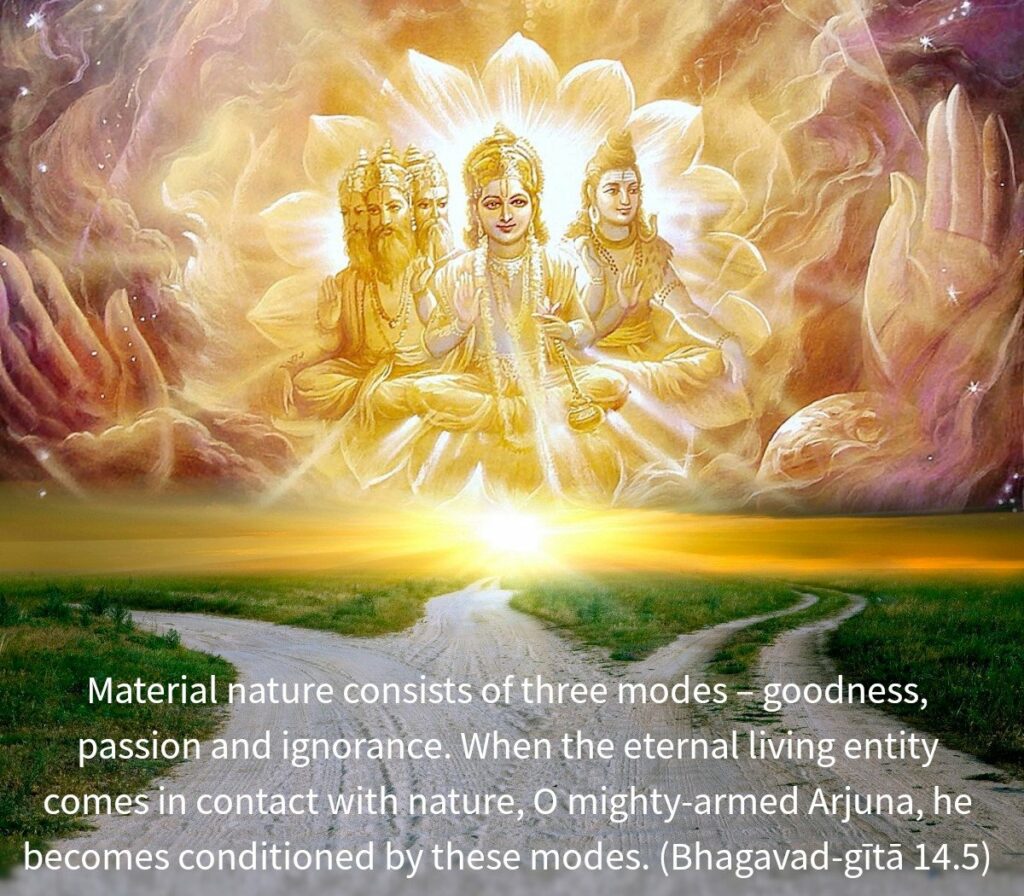












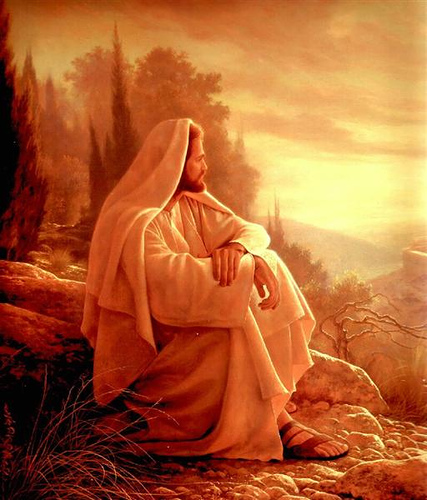
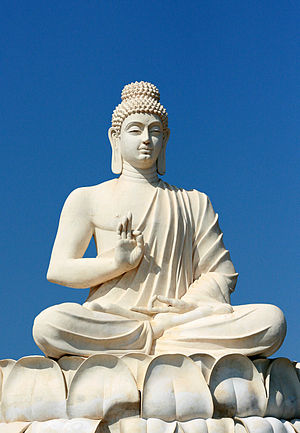


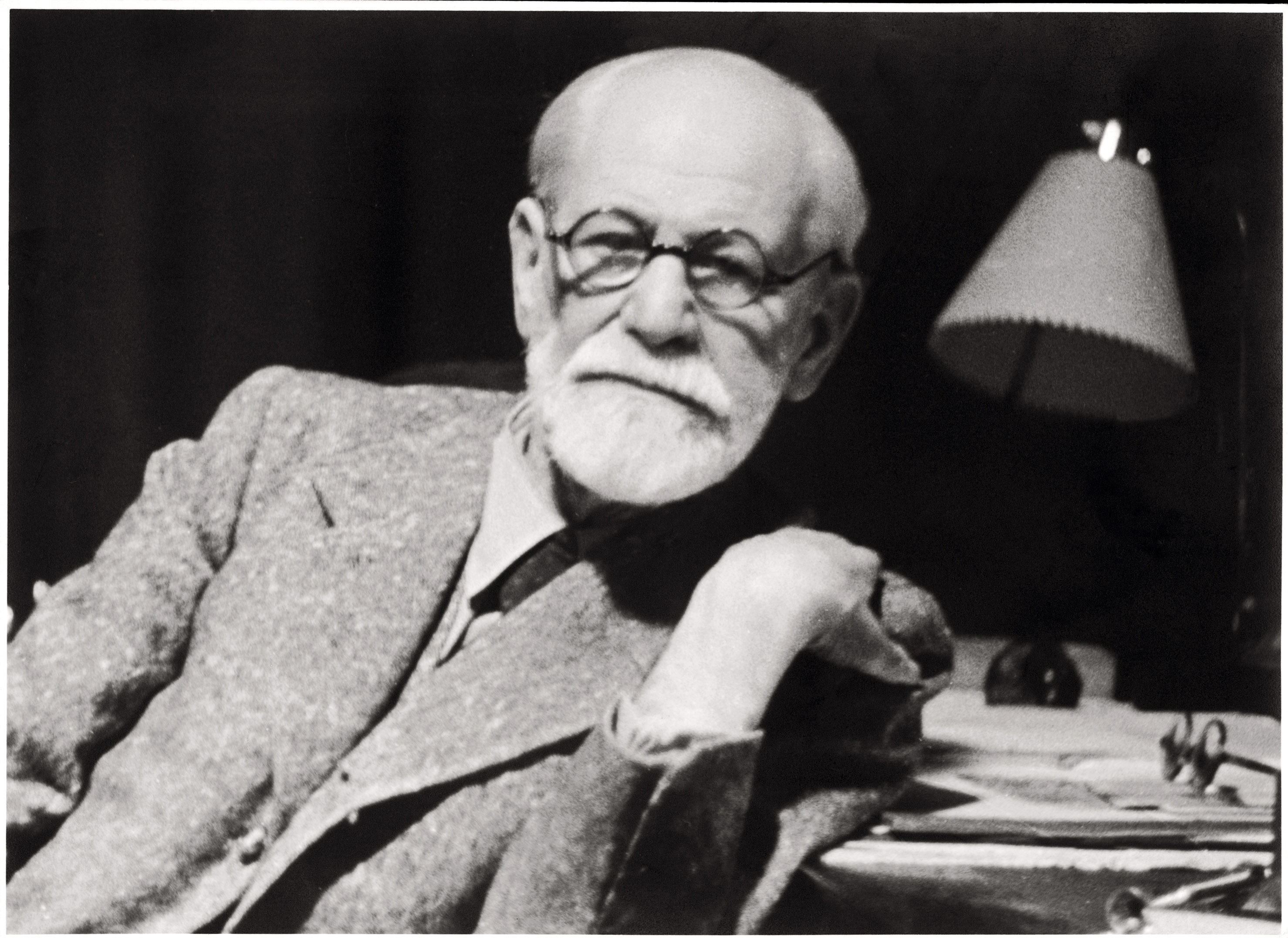


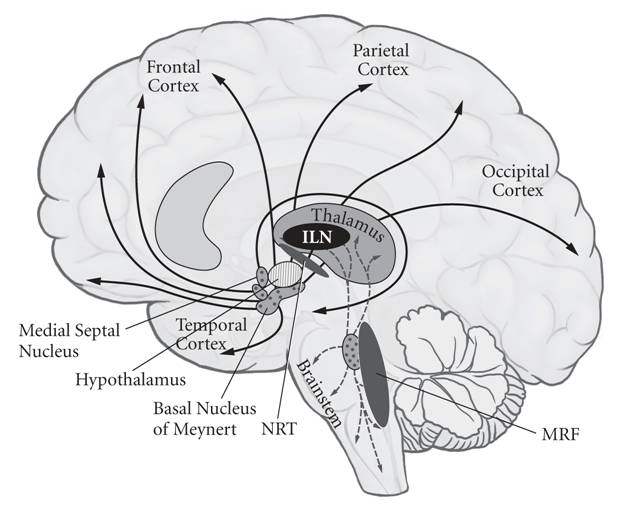


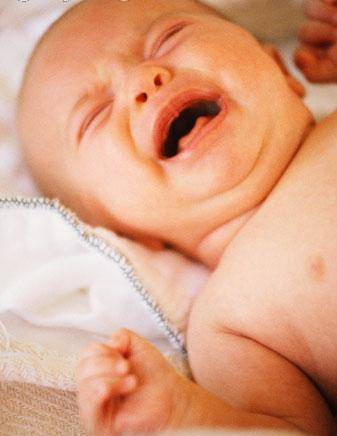


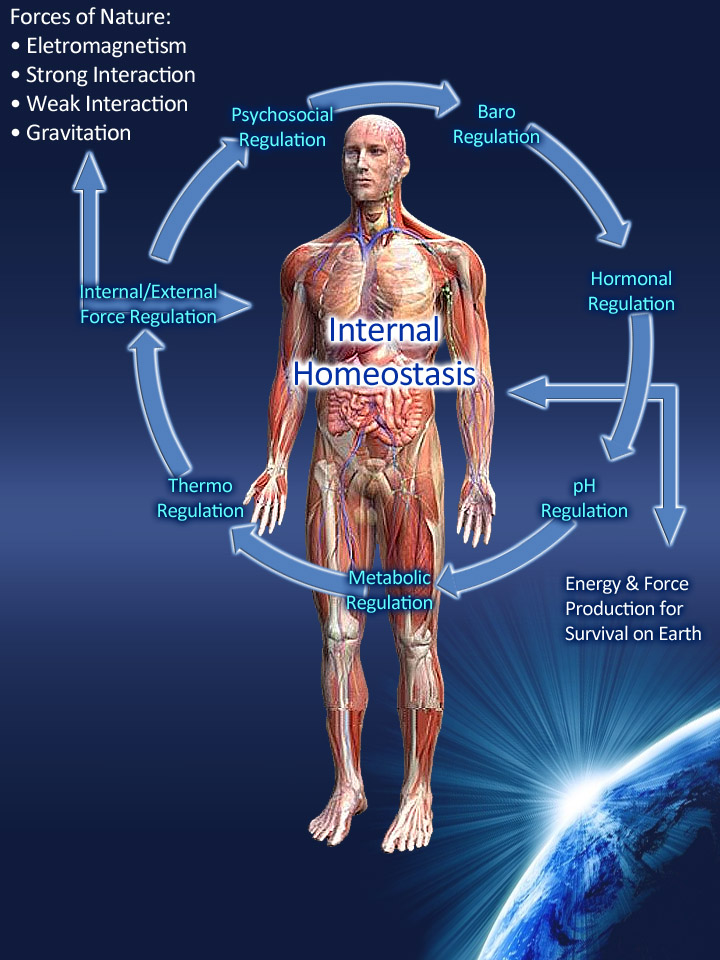
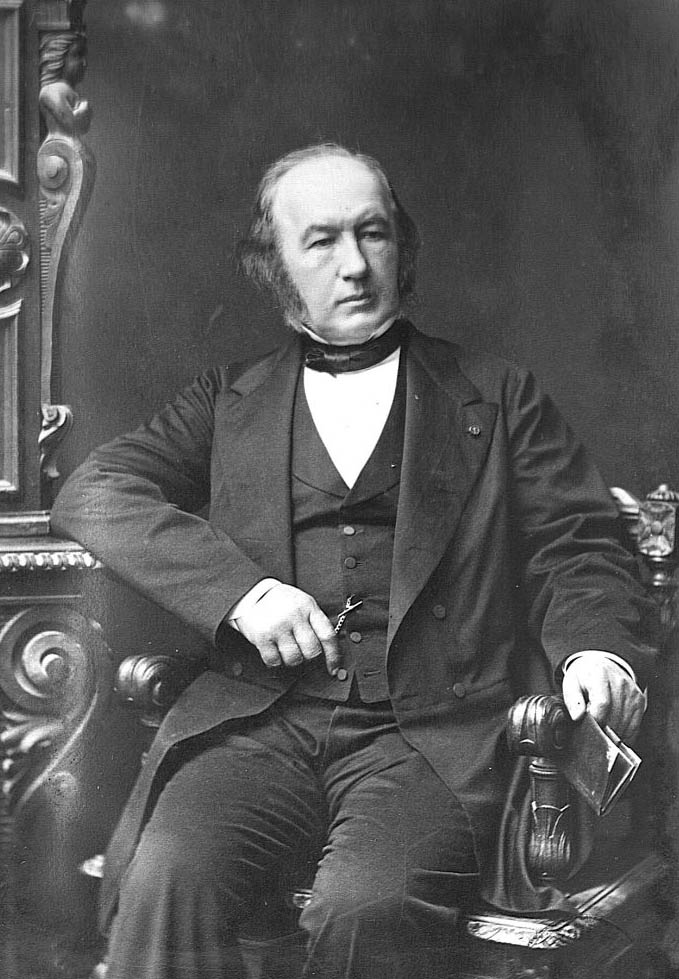


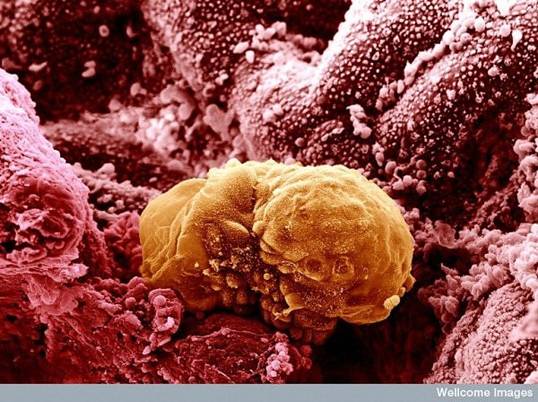





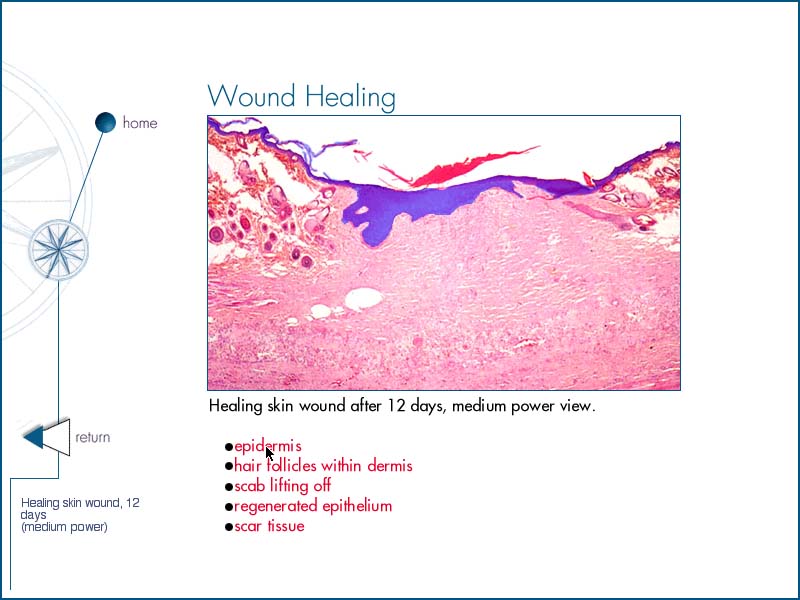


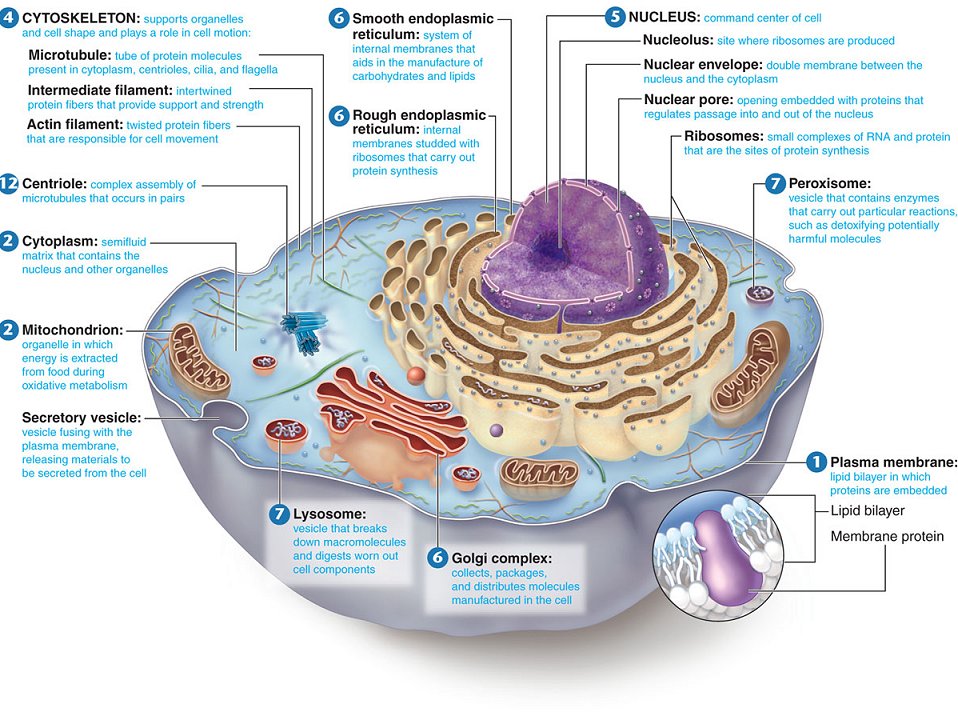




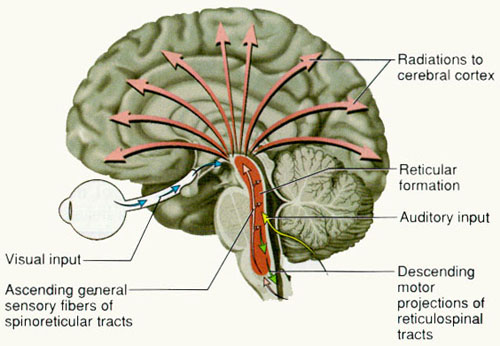
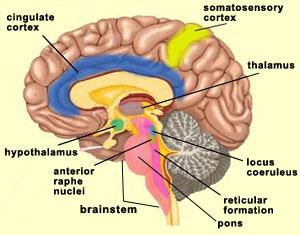
 Whole Dude - Whole Concept