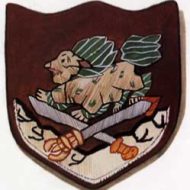
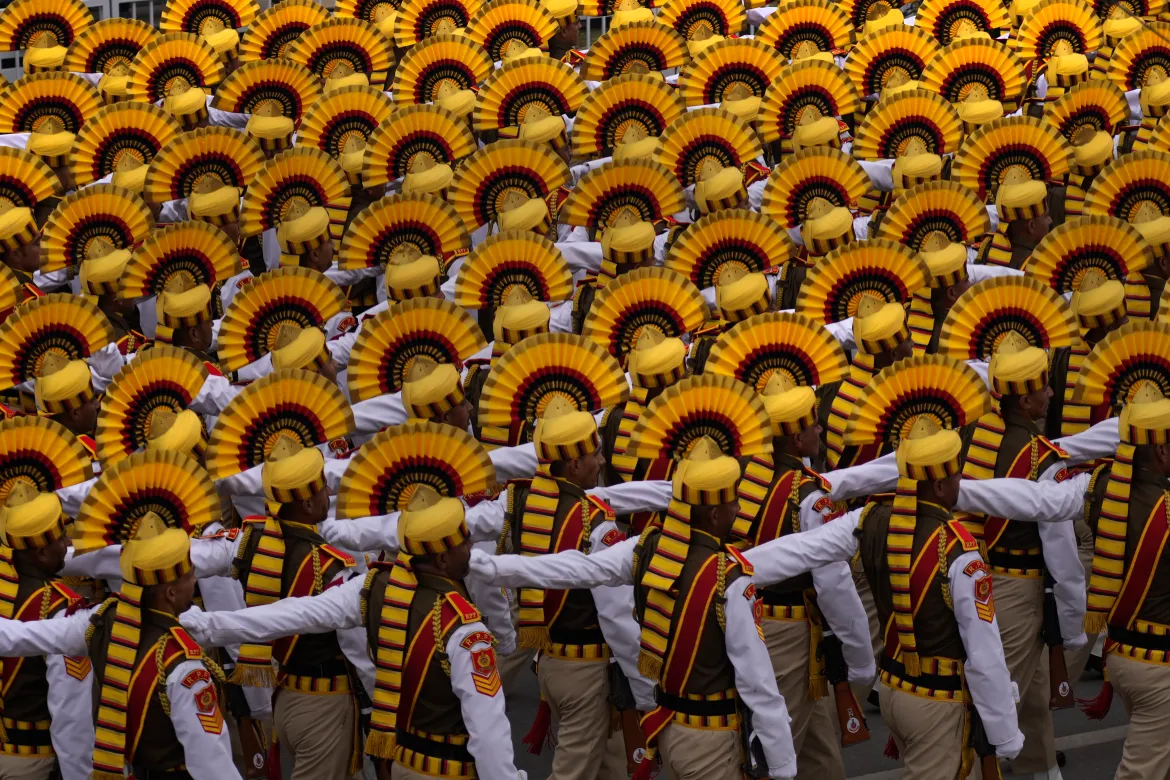
52nd Anniversary of Vijay Diwas: Special Frontier Force pays tribute to all the fallen heroes of the Bangladesh Liberation War
Whole Dude – Whole Commemoration: 52nd Anniversary of Vijay Diwas: Special Frontier Force pays tribute to all the fallen heroes of the Bangladesh Liberation War on Saturday, December 16, 2023
Excerpt: Prime Minister Mrs. Indira Gandhi balanced the resistance exerted by the United States in the execution of the Liberation War of Bangladesh. Barely four months before the start of the 1971 Bangladesh war, documents recently declassified by the Central Intelligence Agency show how the US Secretary of State Henry Kissinger wanted to choke India.
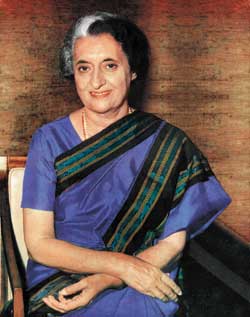
Whole Dude – Whole Commemoration: 52nd Anniversary of Vijay Diwas: A tribute to Prime Minister Mrs. Indira Gandhi for her leadership role in the execution of the Liberation War of Bangladesh.
I take this golden opportunity to acknowledge the leadership role of Prime Minister Mrs. Indira Gandhi in the execution of the Liberation War of Bangladesh. I have first-hand knowledge of her stewardship for she approved the battle plan code-named Operation EAGLE which initiated the liberation with direct military action in the Chittagong Hill Tracts. Her initiative was very critical and she balanced the opposition and the resistance exerted by the United States.
Whole Dude – Whole Commemoration: 52nd Anniversary of Vijay Diwas: A tribute to Prime Minister Mrs. Indira Gandhi. OPERATION EAGLE IS THE CODE NAME FOR MILITARY ACTION THAT INITIATED THE LIBERATION OF BANGLADESH ON NOVEMBER 03, 1971 WITH STRIKES ON THE ENEMY MILITARY POSTS IN THE CHITTAGONG HILL TRACTS.
New Delhi. Prime Minister Narendra Modi on Saturday, December 16, 2023 paid tributes to the armed forces personnel who played a significant role in ensuring India’s victory over Pakistan in the 1971 war on the occasion of Vijay Diwas and said the country will always be indebted to them. In a tweet, Modi said, “Today, on Vijay Diwas, we pay heartfelt tributes to all the brave heroes who dutifully served India in 1971, ensuring a decisive victory. Their valour and dedication remain a source of immense pride for the nation. Their sacrifices and unwavering spirit will forever be etched in the people’s hearts and our nation’s history. India salutes their courage and remembers their indomitable spirit.”
52nd Anniversary of Vijay Diwas: Special Frontier Force pays tribute to all the fallen heroes of the Bangladesh Liberation War on Saturday, December 16, 2023. India’s Union Defence Minister Rajnath Singh pays tribute to fallen heroes of the 1971 Bangladesh Liberation War.16 December 2021 Vijay Diwas. India’s Prime Minister Narendra Modi pays tribute to fallen heroes of the 1971 Bangladesh Liberation War.Friday, 16 December 2022, Vijay Diwas. New Delhi: India’s Union Defence Minister Rajnath Singh pays tribute to fallen heroes of the 1971 Bangladesh Liberation War.Friday, 16 December 2022, Vijay Diwas. New Delhi: India’s Union Defence Minister Rajnath Singh pays tribute to fallen heroes of the 1971 Bangladesh Liberation War.Friday, 16 December 2022, Vijay Diwas. New Delhi: India’s Union Defence Minister Rajnath Singh pays tribute to fallen heroes of the 1971 Bangladesh Liberation War.
52nd Anniversary of Vijay Diwas: Special Frontier Force pays tribute to all the fallen heroes of the Bangladesh Liberation War
I also pay my tributes to all the fallen heroes of the War including the membres of Special Frontier Force, Establishment No. 22, now known as Vikas Regiment.
Whole Dude – Whole Commemoration: 52nd Anniversary of Vijay Diwas: A tribute to Prime Minister Mrs. Indira Gandhi for her leadership in the execution of the Liberation War of Bangladesh.
Service Number: MS-8466 and MR-03277K Major R. Rudra Narasimham, AMC, Medical Officer, South Column, Operation Eagle, Special Frontier Force.
52nd Anniversary of Vijay Diwas: A tribute to Prime Minister Mrs. Indira Gandhi. Indian Prime Minister Indira Gandhi and US President Richard Nixon, talking at the White House, Washington D C, USA, November 03, 1971. (Photo by Keystone/Hulton Archive/Getty Images) Barely four months before the start of the 1971 Bangladesh War, documents recently declassified by the Central Intelligence Agency show how US Secretary of State Henry Kissinger wanted to choke India.
The History of Special Frontier Force – Establishment No. 22 – Vikas Regiment: “AHIMSA PARAMO DHARMA; DHARMA HIMSA TATHIVA CHA.” Both India and Tibet recognize Non-Violence or Ahimsa as the highest principle. The military organization, Special Frontier Force-Establishment No. 22-Vikas Regiment represents the second part of the statement; Violence or Himsa is equally the highest principle when it is necessary to defend the righteous.November 14 – The Birth Anniversary of Special Frontier Force – Establishment 22 – Vikas Regiment. AHIMSA PARAMO DHARMA; DHARMA HIMSA TATHIVA CHA.” Both India and Tibet recognize Non-Violence or Ahimsa as the highest principle. The military organization, Special Frontier Force-Establishment No. 22-Vikas Regiment represents the second part of the statement; Violence or Himsa is equally the highest principle when it is necessary to defend the righteous.
The military organization which is known as Special Frontier Force – Establishment No. 22 – Vikas Regiment came into its existence during the presidency of Dr. Sarvepalli Radhakrishnan, the second President of the Republic of India, 13 May 1962 to 13 May 1967.
India’s first Prime Minister Jawaharlal Nehru was the architect of Special Frontier Force – Establishment No. 22 – Vikas Regiment: “AHIMSA PARAMO DHARMA; DHARMA HIMSA TATHIVA CHA.” Both India and Tibet recognize Non-Violence or Ahimsa as the highest principle. The military organization, Special Frontier Force-Establishment No. 22-Vikas Regiment represents the second part of the statement; Violence or Himsa is equally the highest principle when it is necessary to defend the righteous.
India’s first Prime Minister, Jawaharlal Nehru is the architect of this military organization and hence the 14th Day of November, his birthday is linked to the birth of this organization. While Special Frontier Force is a product of Cold War Era secret diplomacy, I would like to share my personal story, the events from early childhood, that shaped the rest of my life and has formulated my bonding with this Organization and my desire to accomplish its military mission.
September 05. Dr. Sarvepalli Radhakrishnan’s birthday. The history of Special Frontier Force-Establishment No. 22-Vikas Regiment: “AHIMSA PARAMO DHARMA; DHARMA HIMSA TATHIVA CHA.” Both India and Tibet recognize Non-Violence or Ahimsa as the highest principle. The military organization, Special Frontier Force-Establishment No. 22-Vikas Regiment represents the second part of the statement; Violence or Himsa is equally the highest principle when it is necessary to defend the righteous.
Dr. Sarvepalli Radhakrishnan belonged to Mylapore, Madras City (Chennai) and his daughter, Rukmini was married to the younger brother of my maternal grandfather, Dr. Kasturi. Narayana Murthy, M.D., who lived at 2/37 Kutchery Road in Mylapore. I was born at 2/37 Kutchery Road, Mylapore, my grandfather’s residence. While I lived in Mylapore and later during my regular summer vacations spent in Madras City, I used to visit Dr. Radhakrishnan’s daughter’s residence daily. At that time, Dr. Radhakrishnan served as the first Vice President of India (1952-1962). I clearly remember the celebration of 2500th Birth Anniversary of Gautama Buddha on May 24, 1956, while I was in Mylapore, Madras City (Chennai), and in India’s capital of New Delhi, the celebration was attended by His Holiness the 14th Dalai Lama and the 10th Panchen Lama Rinpoche. The Institution of Dalai Lama is the central focus of Tibetan Cultural Identity and Tibetan national character.
Dr. Sarvepalli Radhakrishnan and the history of Special Frontier Force -Establishment No. 22 – Vikas Regiment: In India, school children celebrate Dr. Radhakrishnan’s birthday(05 September) as Teacher’s Day and every year that I spent as a student, I had a special reason to remember my family connection with his daughter and the Indian President. He had correctly predicted the need for military action to fight injustice and during his Presidency, India bravely resisted the Chinese aggression and thousands of Indian Army soldiers gave their precious lives to defend India. It inspired me to serve in the Indian Armed Forces to continue the task of opposing, and resisting the threat posed by Communist China.
India – Tibet Relations From 1950 to 1962:
The history of Special Frontier Force – Establishment No. 22 – Vikas Regiment: The Celebration of 2500th Anniversary of the birth of Gautama Buddha (Buddha Jayanti) in New Delhi on May 24, 1956 displays the historical connection between India, and Tibet. Prime Minister Nehru, President Rajendra Prasad, the 14th Dalai Lama, and the 10th Panchen Lama, Rinpoche are seen in this photo image. Because of Gautama Buddha, India, and Tibet are natural allies. But, the complex, political, and military relationship developed as a reaction to the People’s Republic of China’s invasion of Tibet in 1950.The History of Special Frontier Force – Establishment No. 22 – Vikas Regiment: The President of India Babu Rajendra Prasad with the visiting His Holiness the 14th Dalai Lama, and Panchen Lama Rinpoche. India, and Tibet, during 1956 tried to resolve the crisis imposed by China using peaceful, diplomatic negotiations.The History of Special Frontier Force – Establishment No. 22 – Vikas Regiment: The military occupation of Tibet by Communist China had shaped the historical, cultural, religious relationship between India, and Tibet. It commenced an entirely new era in which both India and Tibet are driven by the same kind of security concerns. Prime Minister Chou En-Lai represents the face of that danger that forced Prime Minister Nehru to know and appreciate the nature of Tibetan Nation as represented by the 14th Dalai Lama and the 10th Panchen Lama Rinpoche.
India had achieved its full independence from British rule on August 15, 1947. India became the Republic of India on January 26, 1950. Dr. Babu Rajendra Prasad became the first President of the Republic of India. The first general elections were held in 1952, and Dr. Sarvepalli Radhakrishnan, who was at that time-serving as India’s ambassador to the Soviet Union, was elected as the first Vice President and he had served a second term as the Vice President from 1957 to 1962. India witnessed a major military threat to its Himalayan frontier when the People’s Republic of China sent its army during October 1950 to occupy Tibet while Tibetans had no ability to resist such a massive, military invasion of their territory. Tibet tried to resolve the issue using diplomacy. Tibet requested India to bring the issue to the attention of the United Nations to adopt a resolution against the Communist invasion. At that time Tibet was still following the policy of political isolationism, and neutralism and was not recognized by the United Nations as a member nation. The United States was fighting the Korean War and was fully interested in preventing the spread of Communism in Asia. However, Tibet did not request direct, US military intervention. India did not have the necessary military force of its own to intervene inside Tibet. At the same time, India had also actively pursued its own policy of political neutralism that is known as the Nonaligned Movement to reduce the political tensions caused by the Cold War. India thought that the crisis in Tibet could be resolved by directly negotiating with China without involving the United Nations. During 1951 Communist China had imposed a 17-Point Agreement on Tibet while Tibetans had no capacity to defend their rights; the Agreement of the Central People’s Government and the Local Government of Tibet on 23rd May 1951 to take measures for the “Peaceful Liberation of Tibet.” China started quoting this agreement to justify its illegal and unjust military occupation of Tibet. It must be clearly understood that the Great Fifth Dalai Lama founded the “Ganden Phodrang” Government of Tibet in 1642. The successive Dalai Lamas have headed the Tibetan State for nearly four centuries. Towards the end of the Qing Dynasty or Ching Dynasty, the Great 13th Dalai Lama declared Tibet’s Independence from Manchu China. From 1911 to 1950 – 39-Years, Tibet was an independent Nation before the creation of this political entity called The People’s Republic of China.
The history of Special Frontier Force – Establishment No. 22 – Vikas Regiment: The photo image of His Holiness the 14th Dalai Lama in Peking. Tibet tried its very best to appease the Communist Party Chairman Mao Tse-Tung until 1954-1955. China took full political, and military advantage of Tibet’s isolationism and took every possible measure to deny the freedom that Tibetans had enjoyed for several centuries in spite of sporadic foreign invasions by the Mongols, and later by the Manchus. In the past, the foreign rulers of Tibet did not intervene in Tibet’s internal affairs and their traditional style of governance through the institution of the Dalai Lama or the “Ganden Phodrang” Government continued for four centuries.The History of Special Frontier Force – Establishment No. 22 – Vikas Regiment: His Holiness the 14th Dalai Lama with India’s President and Vice President. Both India and Tibet had strongly desired to resolve the conflict with communist China using diplomacy. The existence of an autonomous Tibetan nation serves the best interests of Indian national security.The History of Special Frontier Force – Establishment No. 22 – Vikas Regiment: India and Tibet had no intentions to formulate a military alliance/pact in response to China’s military occupation. They had expected that China would consent to release its military grip and allow full autonomy. A banquet held in Ashoka Hotel, New Delhi in 1956 to honor the visiting Head of State, the 14th Dalai Lama of Tibet who is seen seated between Prime Minister Jawaharlal Nehru and his daughter Ms. Indira Gandhi.The History of Special Frontier Force – Establishment No. 22 – Vikas Regiment: Both India and Tibet desired friendly and peaceful relations with China. Prime Minister Chou En-Lai is seen here with the 14th Dalai Lama, Indian Prime Minister Jawaharlal Nehru, and his daughter Ms. Indira Gandhi. These efforts towards peaceful co-existence with Communist China had utterly failed during 1957-58.The history of Special Frontier Force – Establishment No. 22 – Vikas Regiment: India and Tibet tried to cultivate a friendly relationship with China and its failure was caused by China’s policy of Expansionism.The History of Special Frontier Force – Establishment No. 22 – Vikas Regiment: India desired to promote international peace and tried to avoid armed conflicts. The burden imposed by China’s military occupation of Tibet was viewed with concern, but India tried the use of diplomacy and avoid war. A ceremony to honor Prime Minister Chou En-Lai, and the 14th Dalai Lama during their visit to New Delhi in 1956.The History of Special Frontier Force – Establishment No. 22 – Vikas Regiment: The photo images of Prime Minister Chou En-Lai, Prime Minister Jawaharlal Nehru, and the 14th Dalai Lama demonstrate the desire of India to promote peaceful co-existence. Establishment No. 22 represents the failure of India’s peace initiative. The military occupation of Tibet is not a friendly posture and China could not be trusted as a friend.
While Tibet tried its very best to please the Communist leaders of China, India had also pursued a similar policy to befriend China to address the problem of the military threat posed by the military occupation of Tibet. The “Panchsheela” Agreement of 1954 between India and the People’s Republic of China recognized Chinese sovereignty over Tibet, and India had agreed to withdraw its very small, military presence in Tibet. India believed that China would grant full autonomy to Tibet and preserve the political, and cultural institutions of Tibet. It must be noted that Tibet had not recognized or endorsed the agreement made by India and China.
The history of Special Frontier Force – Establishment No. 22 – Vikas Regiment: Chinese Prime Minister Zhou Enlai visited New Delhi, India in June 1954 after his initiative called the Five Principles of Peaceful Coexistence (PANCHSHEEL). The first President of India, Rajendra Prasad (first right), Vice President Radhakrishnan third right, and India’s Prime Minister Jawaharlal Nehru is at the far left.The history of Special Frontier Force – Establishment No. 22 – Vikas Regiment: Indian Vice President Dr. Radhakrishnan made an unsuccessful attempt to resolve the problem of the military occupation of Tibet. He had visited Peking during September 1957 and met with various Communist Party leaders including Chairman Mao Tse-Tung, and President Liu Shao-Chi (Liu Shaoqi), and Party General Secretary Teng Hsiao-Ping (Deng Xiaoping).The history of Special Frontier Force – Establishment No. 22 – Vikas Regiment: Indian Vice President Radhakrishnan had visited Peking during September/October 1957 and could not get any concessions from the Communist leaders. China had determined to pursue a policy of Expansionism and had tripled the size of its country using its superior military power.6 November 1961: President John F. Kennedy and Prime Minister Jawaharlal Nehru arriving at Andrews Air Force Base and being greeted by Vice President Lyndon B. Johnson and Lady Bird Johnson, Secretary of State Dean Rusk and Mrs. Rusk, General Lyman Lemnitzer, and embassy staff members. United States Ambassador to India John Kenneth Galbraith also attends. President Kennedy and Prime Minister Nehru make addresses on a speaker’s stand, inspect troops, go through a reception line, and board a U.S. Army helicopter.November 1961. The History of Special Frontier Force – Establishment No. 22 – Vikas Regiment: “AHIMSA PARAMO DHARMA; DHARMA HIMSA TATHIVA CHA.” Both India and Tibet recognize Non-Violence or Ahimsa as the highest principle. The military organization, Special Frontier Force-Establishment No. 22-Vikas Regiment represents the second part of the statement; Violence or Himsa is equally the highest principle when it is necessary to defend the righteous.November 1961. The History of Special Frontier Force – Establishment No. 22 – Vikas Regiment: “AHIMSA PARAMO DHARMA; DHARMA HIMSA TATHIVA CHA.” Both India and Tibet recognize Non-Violence or Ahimsa as the highest principle. The military organization, Special Frontier Force-Establishment No. 22-Vikas Regiment represents the second part of the statement; Violence or Himsa is equally the highest principle when it is necessary to defend the righteous.November 1961. The History of Special Frontier Force – Establishment No. 22 – Vikas Regiment: “AHIMSA PARAMO DHARMA; DHARMA HIMSA TATHIVA CHA.” Both India and Tibet recognize Non-Violence or Ahimsa as the highest principle. The military organization, Special Frontier Force-Establishment No. 22-Vikas Regiment represents the second part of the statement; Violence or Himsa is equally the highest principle when it is necessary to defend the righteous.November 1961. The History of Special Frontier Force – Establishment No. 22 – Vikas Regiment: “AHIMSA PARAMO DHARMA; DHARMA HIMSA TATHIVA CHA.” Both India and Tibet recognize Non-Violence or Ahimsa as the highest principle. The military organization, Special Frontier Force-Establishment No. 22-Vikas Regiment represents the second part of the statement; Violence or Himsa is equally the highest principle when it is necessary to defend the righteous.November 1961. The History of Special Frontier Force – Establishment No. 22 – Vikas Regiment: “AHIMSA PARAMO DHARMA; DHARMA HIMSA TATHIVA CHA.” Both India and Tibet recognize Non-Violence or Ahimsa as the highest principle. The military organization, Special Frontier Force-Establishment No. 22-Vikas Regiment represents the second part of the statement; Violence or Himsa is equally the highest principle when it is necessary to defend the righteous.November 1961. The History of Special Frontier Force – Establishment No. 22 – Vikas Regiment: “AHIMSA PARAMO DHARMA; DHARMA HIMSA TATHIVA CHA.” Both India and Tibet recognize Non-Violence or Ahimsa as the highest principle. The military organization, Special Frontier Force-Establishment No. 22-Vikas Regiment represents the second part of the statement; Violence or Himsa is equally the highest principle when it is necessary to defend the righteous.November 1961. The History of Special Frontier Force – Establishment No. 22 – Vikas Regiment: “AHIMSA PARAMO DHARMA; DHARMA HIMSA TATHIVA CHA.” Both India and Tibet recognize Non-Violence or Ahimsa as the highest principle. The military organization, Special Frontier Force-Establishment No. 22-Vikas Regiment represents the second part of the statement; Violence or Himsa is equally the highest principle when it is necessary to defend the righteous.November 1961. The History of Special Frontier Force – Establishment No. 22 – Vikas Regiment: “AHIMSA PARAMO DHARMA; DHARMA HIMSA TATHIVA CHA.” Both India and Tibet recognize Non-Violence or Ahimsa as the highest principle. The military organization, Special Frontier Force-Establishment No. 22-Vikas Regiment represents the second part of the statement; Violence or Himsa is equally the highest principle when it is necessary to defend the righteous.
The Origin of Special Frontier Force -Establishment No. 22 – Vikas Regiment:
The history of Special Frontier Force – Establishment No. 22 – Vikas Regiment: 1957 was a turning point. India had recognized that its foreign policy of political neutralism was of no use and had started depending upon the United States to address the military threat posed by China’s occupation of Tibet. But, the effort was too modest and both India and the United States had grossly underestimated the strength of the People’s Liberation Army. Camp Hale at Colorado represents one aspect of CIA operation and had been called ST CIRCUS.
The need for the use of military force became inevitable after China made it abundantly clear that it would not negotiate its military occupation of Tibet and would not allow the traditional form of Tibetan Government as represented by the Institution of the Dalai Lama. The Tibetan Resistance Movement began with a very modest attempt to train some Tibetan nationals to fight the Chinese People’s Liberation Army that occupied Tibet.
The history of Special Frontier Force – Establishment No. 22 – Vikas Regiment can be traced back to 1957-58 when the CIA launched Operation ST CIRCUS. This Commemoration on September 10, 2010, was the first time that the US had officially acknowledge the CIA operation with the Tibetans and it includes the Mustang(Nepal) Operation.
In 1957 it became very clear that Communist China would not relax its military grip over Tibet, and the hopes for limited Tibetan autonomy evaporated. Both India, and Tibet had agreed to seek American military intervention, and it must be believed that India had only wanted a covert, military operation to build and establish a Tibetan Resistance Movement to challenge and overthrow the Chinese military regime in Tibet. The climax of this Tibetan Resistance was during March 1959, and China using its vastly superior military power had easily crushed this Tibetan Uprising. His Holiness the 14th Dalai Lama had no choice; he and his close followers fled Tibet to seek political asylum in India.
The history of Special Frontier Force – Establishment No. 22 – Vikas Regiment: The arrival of His Holiness the 14th Dalai Lama in India to seek political asylum represents the failure of CIA’s covert operation inside Tibet. CIA had grossly underestimated the intelligence capabilities of Communist China.The history of Special Frontier Force – Establishment No. 22 – Vikas Regiment: The Journey of a political refugee. His Holiness the 14th Dalai Lama had arrived in India on 31 March 1959 and was presented a Guard of Honor by the Assam Rifles in the Tawang Sector of the North-East Frontier Agency which is renamed as Arunachal Pradesh.The History of Special Frontier Force – Establishment No. 22 – Vikas Regiment: “AHIMSA PARAMO DHARMA; DHARMA HIMSA TATHIVA CHA.” Both India and Tibet recognize Non-Violence or Ahimsa as the highest principle. The military organization, Special Frontier Force-Establishment No. 22-Vikas Regiment represents the second part of the statement; Violence or Himsa is equally the highest principle when it is necessary to defend the righteous. HISTORY OF THE US-INDIA-TIBET RELATIONS: SEPTEMBER 04, 1959 .The history of Special Frontier Force – Establishment No. 22 – Vikas Regiment: Indian President Babu Rajendra Prasad had received His Holiness the 14th Dalai Lama with due dignity reflecting India’s belief that the Dalai Lama is the traditional Head of Tibet, an autonomous nation.The history of Special Frontier Force – Establishment No. 22 – Vikas Regiment: The military tyranny imposed by Communist China’s occupation had forced Tibet to break-free from its traditional policy of political isolationism and it is not a big surprise to find India as its natural ally. Vice President Radhakrishnan is seen with His Holiness the 14th Dalai Lama.
The 1962 India – China War:
The History of Special Frontier Force – Establishment No. 22 – Vikas Regiment: Prior to the 1962 India-China War, the Tibetan Resistance Movement had no permanent base in India. The War had forced India to strengthen the Tibetan Resistance Movement and provide it a permanent base within Indian territory. Indian Armed Forces played a major role in training the members of Special Frontier Force with financial, and technical assistance provided by the United States.The History of Special Frontier Force – Establishment No. 22 – Vikas Regiment: “AHIMSA PARAMO DHARMA; DHARMA HIMSA TATHIVA CHA.” Both India and Tibet recognize Non-Violence or Ahimsa as the highest principle. The military organization, Special Frontier Force-Establishment No. 22-Vikas Regiment represents the second part of the statement; Violence or Himsa is equally the highest principle when it is necessary to defend the righteous. The 1962 India- China War. Indian Army troops in NEFA (Arunachal Pradesh)
I must admit that the Chinese brutal attacks across the Himalayan frontier during October 1962 came as a shocking surprise to me and to most people all over India. To some extent, India, Tibet, and the United States had lacked the intelligence capabilities to know the intentions and the capabilities of their enemy. The costs of this 1962 War would be known if China takes courage and openly admits the numbers of its soldiers wounded, or killed in action. China paid a heavy price and had utterly failed to obtain legitimacy for its military occupation of Tibet.
The history of Special Frontier Force – Establishment No. 22 – Vikas Regiment: The 1962 War between India and China paved the way towards a better understanding of India’s security concerns and the need for military alliance/pact with a friendly power like the United States to meet the challenge posed by Communist China. I appreciate Prime Minister Jawaharlal Nehru for his idealistic views and aspiration to be known as a peacemaker. He finally recognized the need for a strong, well-equipped Army.
The 1962 War of Aggression launched by Communist China had a decisive influence on my personal life. I was a college student, and I was in the first year of my 3-year Bachelor of Science degree course. I felt a strong urge to join India’s Armed Forces to specifically address the military threat posed by China. The 1962 War was a conflict imposed by China to teach India a lesson. Later, official documents released by China describe that Chairman Mao Tse-Tung took punitive action to teach a lesson to India when it launched a massive war of retribution attacking Indian Army positions across the entire Himalayan frontier in October 1962. Chairman Mao Tse-Tung was angered by the support extended by India to Tibet to counter the military occupation. Chairman Mao had resented India’s role in helping the covert operation of the Central Intelligence Agency and had called it an “Imperialist” conspiracy or plot against China. China had utterly failed to achieve its objectives and the War ended when China declared a unilateral ceasefire on November 21, 1962, and withdrew from the captured Himalayan territory. It should be noted that India did not request China to declare this ceasefire. India did not promise that it will withhold the support that it extends to the Tibetan Government-in-Exile. The Secret White House Recordings of the US President John F Kennedy reveal that Kennedy had threatened to nuke China in 1962 and I must say that the threat achieved its purpose and had forced China to stop its military aggression and withdraw unilaterally without demanding any concessions from India, or Tibet.
The Birth of Special Frontier Force -Establishment No. 22 -Vikas Regiment:
November 14 – Birth Anniversary of Special Frontier Force – Establishment No. 22 – Vikas Regiment: I served in this military organization from September 22, 1971 to December 18, 1974. I was not a mercenary working for a foreign government or Agency. I was fully involved and was prepared to defend the legitimate border between India and Tibet as established by the McMahon Treaty and the Simla Agreement of 1914 between India and Tibet. We as an organization defended our own territory to defend our natural rights. We were fully ready to conduct offensive operations against our Enemy if the Enemy attacks us during the conduct of our military mission.
President John F. Kennedy immediately responded to the Chinese attack on India. Apart from the delivery of arms and ammunition, and other military supplies, American aircraft carried out photo missions over the Indo-Tibetan border. In a meeting held on November 19, 1962 at the White House, President Kennedy, Dean David Rusk(Secretary of State), Averell Harriman(Assistant Secretary of State for Far Eastern Affairs), Robert McNamara(Secretary of Defense), General Paul Adams(Chief of the US Strike Command), John Kenneth Galbraith(US Ambassador to India), John A McCone(Director of Central Intelligence Agency), Desmond Fitzgerald(the Far Eastern CIA Chief), James Critchfield(the Near East CIA Chief), John Kenneth Knaus(CIA’s Tibet Task Force), and David Blee(CIA Station Chief in New Delhi) had decided upon a military aid package in support of the newly created military organization in India which was initially named as Establishment No. 22 and later the name Special Frontier Force was added to describe the location of its headquarters in New Delhi.
The History of Special Frontier Force – Establishment No. 22 – Vikas Regiment: In the Cold War Era of Silence and Secrecy, India was fortunate to find the Assistant Secretary of State for Far Eastern Affairs, Averell Harriman who played a crucial role in developing the military response to the 1962 War.The History of Special Frontier Force – Establishment No. 22 – Vikas Regiment: John Kenneth Galbraith, the US Ambassador to India played a very helpful role to bring India, and the United States to come together on mutual security concerns and to build a personal relationship between the leaders. This photo image is from 1961 taken during Prime Minister Nehru’s visit to Washington D.C.9 November 1961 Prime Minister of India Jawaharlal Nehru (white hat) departs the White House following a meeting with President John F. Kennedy (at right, with back to camera). Also pictured: Indian Ambassador to the United States, B.K. Nehru (behind President Kennedy); United Press International (UPI) photographer, James K. W. Atherton (far left). West Wing Entrance, White House, Washington, D.C.The History of Special Frontier Force – Establishment No. 22 – Vikas Regiment: the People’s Republic of China could not alter the course of India’s foreign policy. The 1962 War launched by China ended very abruptly when China declared a unilateral ceasefire and withdrew from the captured territory on November 21, 1962. President Kennedy played a decisive role by threatening to “NUKE” China.
The 1962 India-China War, a military conflict that was initiated by China had accomplished the exact opposite of what China had planned to accomplish.
1. India became more firmly aligned with the United States discarding its original policy of political neutralism.
2. The level of cooperation between the Central Intelligence Agency and India’s Research and Analysis Wing(RAW-The Intelligence Bureau of India) became greatly enhanced.
3. India started increasing its own defense-preparedness and had strengthened its military capabilities to fight a future war with China.
4. India was not deterred by the Chinese attack and had decided to substantially increase its involvement with the Tibetan Resistance Movement. India made the commitment to provide a permanent base to the Tibetan Resistance Movement apart from hosting the Tibetan Government-in-Exile.
5. India, Tibet, and the United States joined together in a military alliance/pact leading to the creation of the military organization called the Establishment No. 22 which is later formally named The Special Frontier Force to describe its official Headquarters in New Delhi.
The history of Special Frontier Force – Establishment No. 22 – Vikas Regiment: President Radhakrishnan visiting Indian Army units during the 1962 India-China War. India had withstood the attack by Communist China and it soon recovered from its wounds and regained its full confidence to engage China on the battlefield.The history of Special Frontier Force – Establishment No. 22 – Vikas Regiment: President Radhakrishnan with Officers of Indian Army during the 1962 India-China War. India understood the need for better preparedness to fight future wars and had decided to maintain its support to His Holiness the 14th Dalai Lama, the Head of Tibetan nation who was granted political asylum in India.The History of Special Frontier Force – Establishment No. 22 – Vikas Regiment: “AHIMSA PARAMO DHARMA; DHARMA HIMSA TATHIVA CHA.” Both India and Tibet recognize Non-Violence or Ahimsa as the highest principle. The military organization, Special Frontier Force-Establishment No. 22-Vikas Regiment represents the second part of the statement; Violence or Himsa is equally the highest principle when it is necessary to defend the righteous.
President Radhakrishnan’s historic visit to the United States on June 03/04 1963:
The History of Special Frontier Force – Establishment No. 22 – Vikas Regiment: “AHIMSA PARAMO DHARMA; DHARMA HIMSA TATHIVA CHA.” Both India and Tibet recognize Non-Violence or Ahimsa as the highest principle. The military organization, Special Frontier Force-Establishment No. 22-Vikas Regiment represents the second part of the statement; Violence or Himsa is equally the highest principle when it is necessary to defend the righteous.The History of Special Frontier Force – Establishment No. 22 – Vikas Regiment: “AHIMSA PARAMO DHARMA; DHARMA HIMSA TATHIVA CHA.” Both India and Tibet recognize Non-Violence or Ahimsa as the highest principle. The military organization, Special Frontier Force-Establishment No. 22-Vikas Regiment represents the second part of the statement; Violence or Himsa is equally the highest principle when it is necessary to defend the righteous.
After the conclusion of the 1962 War with China, as Prime Minister Nehru’s personal health demanded serious attention, President Radhakrishnan performed the historical journey to the United States on June 03/04 to meet the US President John F. Kennedy to express India’s solidarity with the United States in promoting Peace and Democracy. The visit displays the trust, and confidence placed by India in the future of their mutual military assistance, and cooperation. I am happy to share several photo images of that visit.
The History of Special Frontier Force – Establishment No. 22 – Vikas Regiment: “AHIMSA PARAMO DHARMA; DHARMA HIMSA TATHIVA CHA.” Both India and Tibet recognize Non-Violence or Ahimsa as the highest principle. The military organization, Special Frontier Force-Establishment No. 22-Vikas Regiment represents the second part of the statement; Violence or Himsa is equally the highest principle when it is necessary to defend the righteous.The History of Special Frontier Force – Establishment No. 22 – Vikas Regiment: “AHIMSA PARAMO DHARMA; DHARMA HIMSA TATHIVA CHA.” Both India and Tibet recognize Non-Violence or Ahimsa as the highest principle. The military organization, Special Frontier Force-Establishment No. 22-Vikas Regiment represents the second part of the statement; Violence or Himsa is equally the highest principle when it is necessary to defend the righteous.The History of Special Frontier Force – Establishment No. 22 – Vikas Regiment: “AHIMSA PARAMO DHARMA; DHARMA HIMSA TATHIVA CHA.” Both India and Tibet recognize Non-Violence or Ahimsa as the highest principle. The military organization, Special Frontier Force-Establishment No. 22-Vikas Regiment represents the second part of the statement; Violence or Himsa is equally the highest principle when it is necessary to defend the righteous.The History of Special Frontier Force – Establishment No. 22 – Vikas Regiment: “AHIMSA PARAMO DHARMA; DHARMA HIMSA TATHIVA CHA.” Both India and Tibet recognize Non-Violence or Ahimsa as the highest principle. The military organization, Special Frontier Force-Establishment No. 22-Vikas Regiment represents the second part of the statement; Violence or Himsa is equally the highest principle when it is necessary to defend the righteous.The History of Special Frontier Force – Establishment No. 22 – Vikas Regiment: June 03/04, 1963. The historic visit by President Radhakrishnan to affirm India’s friendly relationship with the United States in their policy towards China.The History of Special Frontier Force – Establishment No. 22 – Vikas Regiment: June 03/04, 1963. President Radhakrishnan’s visit affirms the appreciation for American support during the 1962 India-China War.The History of Special Frontier Force – Establishment No. 22 – Vikas Regiment: June 03, 1963, Indian President Radhakrishnan by his visit acknowledges the India-Tibet-US military alliance/pact to oppose the military threat posed by China.The History of Special Frontier Force-Establishment No. 22-Vikas Regiment. President of India’s visit of June 03/04, 1963.The History of Special Frontier Force – Establishment No. 22 – Vikas Regiment: “AHIMSA PARAMO DHARMA; DHARMA HIMSA TATHIVA CHA.” Both India and Tibet recognize Non-Violence or Ahimsa as the highest principle. The military organization, Special Frontier Force-Establishment No. 22-Vikas Regiment represents the second part of the statement; Violence or Himsa is equally the highest principle when it is necessary to defend the righteous.The History of Special Frontier Force – Establishment No. 22 – Vikas Regiment: “AHIMSA PARAMO DHARMA; DHARMA HIMSA TATHIVA CHA.” Both India and Tibet recognize Non-Violence or Ahimsa as the highest principle. The military organization, Special Frontier Force-Establishment No. 22-Vikas Regiment represents the second part of the statement; Violence or Himsa is equally the highest principle when it is necessary to defend the righteous.The History of Special Frontier Force – Establishment No. 22 – Vikas Regiment is linked to the presidency of John F. Kennedy.
I met President Radhakrishnan at his Mylapore residence after his retirement during 1967. At that time, both of us were not aware that the very first posting of my career in Indian Armed Forces would be that of Special Frontier Force-Establishment No. 22 that was created during his presidency. In India, Dr. Sarvepalli Radhakrishnan is recognized as a teacher, philosopher, and statesman. He is never described as the Supreme Commander of the Indian Armed Forces. I was granted Commission to serve in the Indian Army at the pleasure of the President of India, and my posting order to serve as a Medical Officer in Establishment No. 22 – Special Frontier Force was issued under the authority of the Ministry of Defence which functions under the powers sanctioned by the President of India.
The history of Special Frontier Force – Establishment No. 22- Vikas Regiment: This photo image shows Vice President Radhakrishnan at his New Delhi residence during 1960. The events from 1957 to 1962 had shaped Indian foreign policy and it paved the way for alignment with the United States to oppose the military threat posed by the People’s Republic of China. I met President Radhakrishnan at his Mylapore, Madras (Chennai) residence after completion of his term of presidency in 1967. He prefers to read while relaxing in his bed. This is the image, I still carry in my memory.The history of the Special Frontier Force – Establishment No. 22 – Vikas Regiment: This is a photo image taken at Sarasawa airfield that proudly displays the National Flag of Tibet. Special Frontier Force is a living military organization that is facing its future with hope and encouragement from the United States, India, and Tibet.THE SPIRITS OF SPECIAL FRONTIER FORCE: WE ARE OPENLY SHARING THIS PHOTO ILLEGALLY OBTAINED BY A CHINESE SPY. THE PHOTO WAS TAKEN AT CHAKRATA ON 03 JUNE, 1972 WHILE HIS HOLINESS THE 14th DALAI LAMA WAS PRESENTED A GUARD OF HONOR BY MAJOR GENERAL SUJAN SINGH UBAN, AVSM, INSPECTOR GENERAL, SPECIAL FRONTIER FORCE. MY INDIAN ARMY CAREER BEGAN AT THIS LOCATION AND I WILL CONTINUE TO FIGHT FOR FREEDOM AND DEMOCRACY IN THE OCCUPIED LAND OF TIBET.November 14 – The Birth Anniversary of Special Frontier Force – Establishment No. 22 – Vikas Regiment. The History of Special Frontier Force – Establishment No. 22 – Vikas Regiment: “AHIMSA PARAMO DHARMA; DHARMA HIMSA TATHIVA CHA.” Both India and Tibet recognize Non-Violence or Ahimsa as the highest principle. The military organization, Special Frontier Force-Establishment No. 22-Vikas Regiment represents the second part of the statement; Violence or Himsa is equally the highest principle when it is necessary to defend the righteous.THE SPECIAL FRONTIER FORCE-ESTABLISHMENT NO. 22 – VIKAS REGIMENT – OLD FLAMES NEVER DIE – THE LIVING NEHRU LEGACY: I AM WITNESS TO THE LIVING LEGACY OF PRIME MINISTER JAWAHARLAL NEHRU. I GRATEFULLY ACKNOWLEDGE HIS TIRELESS EFFORTS TO FOSTER FRIENDLY RELATIONS BETWEEN INDIA, TIBET, AND THE UNITED STATES.
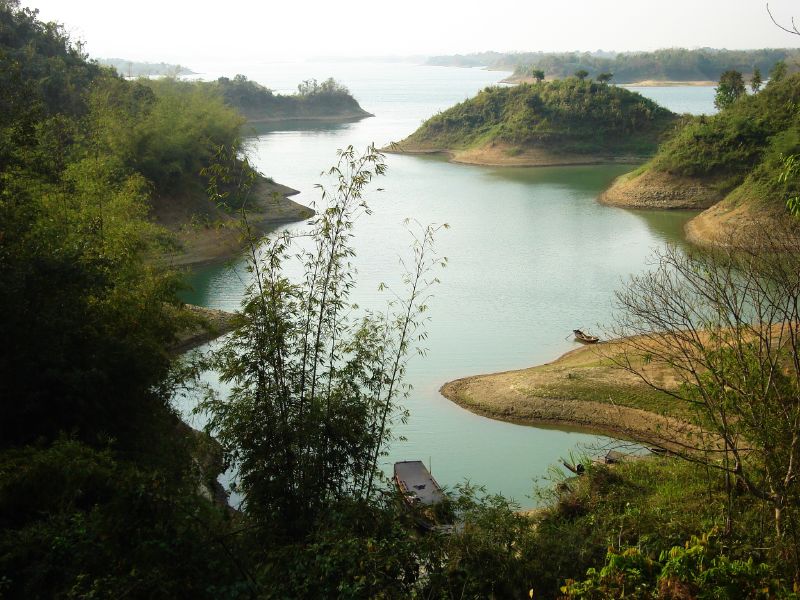
Operation Eagle 1971-72. A Sermon in Kaptai, Bangladesh
GLORIOUS QURAN – SURAH VIII – SPOILS OF WAR, VERSE 61: “AND IF THEY INCLINE TO PEACE, INCLINE THOU ALSO TO IT, AND TRUST IN ALLAH. LO! HE IS THE HEARER, THE KNOWER.”
Excerpt: The article details Operation Eagle 1971-72, a military operation conceived by then-Prime Minister Indira Gandhi with the goal of bringing peace to Bangladesh, then seeking independence from Pakistan. The summary emphasizes Lieutenant Colonel B K Narayan’s role as both an Islamic Scholar and a military leader serving in Operation Eagle. Narayan’s deep understanding of Islamic tradition and culture, as well as his efforts to foster peace, are highlighted through his leadership and actions, such as his execution of Friday Prayer Services for local Bangla Muslims. The author also asks the Indian Government to acknowledge the bravery showcased during the operation.
Operation Eagle 1971-72. A Sermon in Kaptai, Bangladesh.
THE GOSPEL ACCORDING TO SAINT MATTHEW, CHAPTER 5, VERSE 9: “BLESSEDARETHEPEACEMAKERS, FOR THEY WILL BE CALLED SONS OF GOD “
Operation Eagle 1971-72. A Sermon in Kaptai, Bangladesh.The military operation – Operation Eagle 1971 in the Chittagong Hill Tracts was inclined towards PEACE.OPERATION EAGLE 1971 IN THE CHITTAGONG HILL TRACTS IS INCLINED TOWARDS PEACE. WE DELIVERED PEACE TO PEOPLE OF BANGLADESH.
Operation Eagle 1971 was conceived by Prime Minister Indira Gandhi to deliver peace to the people of Bangladesh who had earlier declared their independence from Pakistan. I had the good fortune to serve under the Command of an Islamic Scholar who had performed Hajj and who had retained the entire book of Holy Quran in his memory and a true master of Islamic religious tradition and rituals of worship. Peace is the greeting of the Righteous. The Righteous while engaged in war are inclined towards Peace. My South Column Infantry Unit Commander of Operation Eagle, Lieutenant Colonel B K Narayan belonged to the Regiment of Artillery and during the time I spent with him I learned about the peace traditions of Righteous Muslims. Kindly read my personal tribute to this Islamic Scholar who had served Indian Army in its Olive Green Uniform.
I knew Colonel Narayan’s great admiration for Arab people. He always described them as peace-loving people. He knew this as a fact and it was based upon his understanding of Islamic Culture and traditions. I would describe Colonel Narayan as God’s humble servant. It is important to remember and pay tribute to such “peacemakers” as we can achieve true peace through reflecting and understanding the revelations from the Holy Scriptures of all people. The Regiment of Artillery of Indian Army must record this historical contribution made by a Gunner officer who served as an Infantry Commander during the Bangladesh Ops of 1971-72.
Dr. R. Rudra Narasimham, B.Sc., M.B.B.S.,
Personal Number: MS-8466; Rank: Captain; Branch: AMC/SSC
Medical Officer, South Column, Operation Eagle
Headquarters Establishment No. 22 C/O 56 APO
Operation Eagle 1971-72. A Sermon in Kaptai, BangladeshOperation Eagle 1971-72. A Sermon in Kaptai, Bangladesh.Operation Eagle 1971-72. A Sermon in Kaptai, Bangladesh
Special Frontier Force – Establishment Number. 22 – Operation Eagle – Liberation War of Bangladesh 1971:
OPERATION EAGLE 1971 – A SERMON IN KAPTAI BANGLADESH
Indira Gandhi, Prime Minister of India had initiated Liberation of Bangladesh during 1971 with military action in Chittagong Hill Tracts. The battle plan of this military action is known as Operation Eagle. She had conceived this battle plan to bring peace in that region. She was inclined towards peace. She wanted to deliver peace to people of Bangladesh who had earlier declared their independence from Pakistan. During Operation Eagle 1971, I had served in South Column, an Infantry Unit Commanded by Lieutenant Colonel B K Narayan. He was a great Islamic Scholar. He had explained to me that PEACE is the greeting of Righteous people.
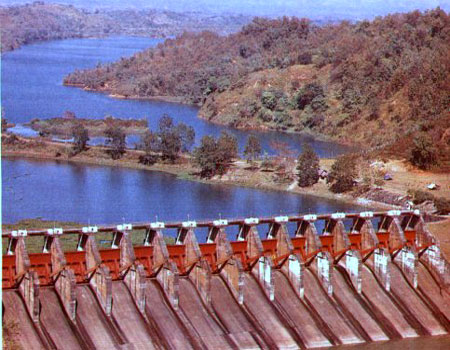
OPERATION EAGLE 1971:The Flag of The Regiment of Artillery of Indian Army. This is a story about a Gunner, an Officer of The Regiment of Artillery who had commanded an Infantry Unit during India-Pakistan War of 1971 and had planned and executed Infantry Assaults on Enemy Posts to Liberate Bangladesh. His Unit was the first to receive the Gallantry Awards of Vir Chakra during the Liberation War of Bangladesh.OPERATION EAGLE 1971:The Military Operation in Chittagong Hill Tracts during India-Pakistan War of 1971 aimed at restoring Peace and to deliver Peace to Bangladesh Muslims to help them live in Dignity. My Unit had captured Kaptai and this Dam was not targeted for inflicting any kind of damage.
OPERATION EAGLE 1971:My Unit never discussed any Battle Plan that required blowing up the Dam over Karnaphuli River at Kaptai.
A personal tribute to Lieutenant Colonel B K Narayan, an Islamic Scholar who served in Olive Green Uniform. The Imam of Friday Prayer in Kaptai on December 17, 1971
A Sermon in Kaptai, Bangladesh Ops 1971-72. A personal tribute to Lieutenant Colonel B K Narayan, The Regiment of Artillery. An Islamic Scholar who served in Olive Green Uniform. The Imam of Friday Prayer on December 17, 1971.
I was in college from 1962 to 1965 and obtained the Bachelor of Science degree from Osmania University, Hyderabad. I remember this period as the Golden Age of immortal Mohd. Rafi whose melodies still fill my ears. I grew up in this cradle of Urdu language Culture and had acquired my love for ghazals and qawwalis. I spent time in Lucknow, a crown jewel in the Urdu speaking world, where you meet in the market place, ordinary folks who speak in tones that have made the language famous for its sweetness. Much later, I had served in the Royal Oman Army and took my first lesson in Arabic language. My love for Urdu and my Knowledge of Arabic language pales when I write about this Islamic Scholar and Arabic language expert whom I met in India during 1971. He passed away on Sunday, May 2, 2004, in Bahrain where he worked for over 20 years as the Head of the Translation Department at the Bahrain Archives. This is not a tribute about his academic accomplishments, the books that he had published, his military career or about his famous friendly relationship with President Gamal Abdel Nasser and President Anwar Sadat of Egypt. I am writing this tribute to recognize his personal qualities and the values that he had promoted. I am writing this tribute to recognize him as a “peacemaker.” He represents a symbol of hope and the light that he had shown may lead us on to a path of peaceful co-existence.
A personal tribute to Lieutenant Colonel B K Narayan, an Islamic Scholar who served in Olive Green Uniform. The Imam of Friday Prayer in Kaptai on December 17, 1971: ” (This is) a Scripture that We have revealed unto thee, full of blessing, that they may ponder its revelations, and that men of understanding may reflect “.(Holy Book of Quran, Surah XXXVIII, “SAAD” verse 29)
I met Lieutenant Colonel.B K Narayan in Demagiri, Mizoram in October 1971. He hails from Karnataka, and he grew up as a Hindu. We gathered in Demagiri to make preparations to launch Operation Eagle in support of Bangla Muslims seeking freedom from military dictatorship imposed by Pakistan. In Demagiri, I reported to him to serve as his Medical Officer of the South Column Unit. He had the unique distinction of commanding an Infantry Unit in the conduct of War while he belonged to The Regiment of Artillery. I have not known a ‘GUNNER’ who could plan and execute Infantry Attacks on Enemy posts. Colonel Iqbal Singh, the Chief of Staff at the Force Headquarters also belonged to The Regiment of Artillery. But, the role played by Colonel Narayan as an Infantry Commander during War is exceptional and has no comparisons that I am aware of. I had the opportunity to converse with him for extended periods of time and came to know his admirable personality. It is not the knowledge of Arabic language that has made him unique and sets him apart from all other language experts. He is special because of his love for Islamic Culture and his ability to project the deep understanding of that Culture when he speaks to others. He performed the holy pilgrimage of Hajj and had observed all the rituals of that spiritual journey like a true and devout Muslim. When he narrated his Hajj experience, I could know the sense of joy and the purity of his intentions. His observance of Hajj, a ritual performed by all devout Muslims, was genuine, real to its core.
A Sermon in Kaptai, Bangladesh Ops 1971-72. A personal tribute to Lieutenant Colonel B K Narayan, an Islamic Scholar who served in Olive Green Uniform. On Friday, December 10, 1971, the South Column Unit under his Command fought a furious battle with Pakistan’s Security Forces just east of Barkal and forced them into a retreat On Friday, December 17, 1971, Colonel Narayan conducted the Friday Worship Service in Kaptai acting as the Imam of Friday Prayer.A personal tribute to Lieutenant Colonel B K Narayan, an Islamic Scholar who served in Olive Green Uniform. The Imam of Friday Prayer in Kaptai on December 17, 1971. The Kaptai Dam was not destroyed during the Bangladesh Ops 1971-72.
From Tlabung, Demagiri, South Column marched to Borunasury and then we marched towards Barkal after neutralizing the enemy post at Jalanpara and had encounters with aggressive enemy patrolling to resist our advance at two other locations. Finally, on Friday, December 10, 1971, the enemy fought a very decisive battle on the east side of Karnaphuli River to stop our advance towards Barkal. After losing the battle, the enemy promptly beat a retreat and withdrew from Barkal, Rangamati, Kaptai, and further moved out of Chittagong without putting up a fight. Col Narayan was able to quote the Quran from his memory and would convey his understanding of the verses with great clarity. I personally witnessed his amazing performance in a little town called KAPTAI, on the banks of Karnaphuli Lake, Rangamati Division of Bangladesh. He conducted the Friday Worship Service for the local Bangla Muslims and delivered a sermon which was received with great appreciation by the worshipers. His job in Uniform did not impose any obligation to organize such an event. He held that prayer meeting entirely on his own initiative and it was purely an expression of his love to worship in the Islamic tradition and it also affirms his faith that the worship of God is not limited by one single tradition.
A personal tribute to Lieutenant Colonel B K Narayan, an Islamic Scholar who served in Olive Green Uniform. The Imam of Friday Prayer in Kaptai on December 17, 1971:”And if they incline to peace, incline thou also to it, and trust in Allah. Lo! He is the Hearer, the Knower.”
The Friday Prayer Service was held at the State Guest House in Kaptai where I stayed after my Unit had captured Kaptai. It had a large Conference Room. Col Narayan contacted the Muslim Clerics of the local Masjid and they were absolutely delighted when they met him. His Scholarship and devotion to Islam had captivated them and they immediately agreed to convene the local congregation at the Guest House and organize the Friday Prayer Service. The Conference Hall got totally packed with worshipers. I could watch the proceedings directly from my room in the State Guest House. The Bangla Muslim Community of Kaptai were truly appreciative of Colonel Narayan and his military campaign for bringing Peace and Joy to their Community.
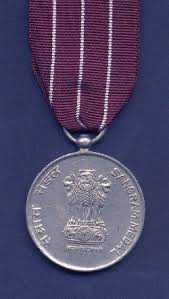
OPERATION EAGLE 1971:Major General Sujan Singh Uban, Inspector General of Special Frontier Force, was my Commander during Operation Eagle 1971 but he made no mention about ‘The Sermon in Kaptai’ in his book.OPERATION EAGLE 1971:THE SERMON IN KAPTAI, BANGLADESH. We had helped the Bangladesh Muslims to regain their freedom and dignity.The India-Pakistan War of 1971 and the Birth of Bangladesh are very significant achievements of Prime Minister Indira Gandhi. As I was then serving in an Establishment under the Cabinet Secretariat, I had direct and personal understanding of her Foreign Policy Initiatives. She had personally approved our military Operation in Chittagong Hill Tracts. In the conduct of this War, we had faced a very critical moment and it needed her personal intervention and a decision that she alone could make. I rendered my services and had overcome the challenge posed by that critical situation. The importance of this situation could be understood as it needed an intervention from the Prime Minister. I am now asking the Government of India to recognize my GALLANT response in enemy’s territory without any concern for my personal safety.OPERATION EAGLE 1971:Electricity generated at Kaptai helps to operate Chandraghona Paper Mills near Kaptai.An engineer who had worked in the Paper Mills at Chandraghona, a Bangla Muslim had helped my Unit during our military operation in Chittagong Hill Tracts.When our Unit reached Kaptai, the engineer happily returned to his home. I went and visited the Paper and Rayon Fiber Mill at Chandraghona.
Lieutenant Governor of Andaman & Nicobar Islands(December 1985 to December 1989) – Lieutenant General(Retd) TS Oberoi, PVSM, VrC., former General Officer Commanding-in-Chief, Headquarters Southern Command, Pune, former Inspector General, Special Frontier Force, former Commandant, Headquarters Establishment No. 22, Commander Operation Eagle 1971. He is the tall person in this photo wearing dark brown turban. I knew him since 1971. Under his able leadership, the Liberation of Bangladesh had commenced in the year 1971 during the Indo-Pak War.Apart from his military wisdom, he took a good care of all men under his Command. While I was proceeding to Chittagong Hill Tracts, he had individually greeted all the members of my team and had delayed the departure of aircraft to ensure that a hot breakfast was served to all the men boarding the aircraft. He paid personal attention to all the aspects of the military mission to ensure the wellbeing of men apart from achieving success in accomplishing the military task. The sense of warmth he radiated is easily felt when we meet him in person. His grandson provided me the link to this photo. Photo Credit – Trishna-Ajay-Picasa Web Album.
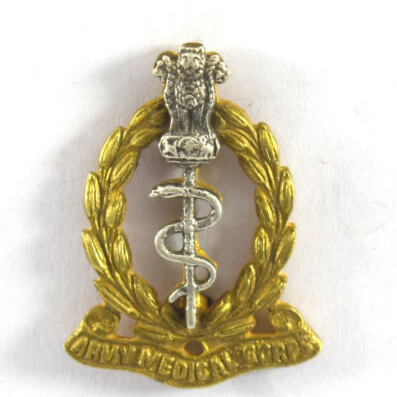
The Flag of Indian Army Medical Corps: Dull Cherry is the Color of the Royal Army Medical Corps and is associated with Positive Health, Succor, and Freedom from Disease. Black is the Color of Indian Hospital Corps and it is associated with formless state of creating birth and death. Old Gold is the Color that represents Indian Medical Services which existed in India prior to 1943. The Color symbolizes Sun God or AESCULAPIUS, the God of Medicine.Personal Number: MS-8466. Rank: Captain. Name: R Rudra Narasimham, Branch: Army Medical Corps/Short Service Regular Commission. Unit: Headquarters Establishment Number. 22, C/O 56 APO. Designation: Medical Officer from September 22, 1971 to December 18, 1974. Organization: SPECIAL FRONTIER FORCE.The Rudi-Grant Connection celebrates the 74th Republic Day of IndiaSeptuagenarian of Special Frontier Force celebrates the 74th Republic Day of India. The 74th Republic Day Celebration of my life’s journey is of special significance to me. I served in the Indian Army Medical Corps and had the unique opportunity to begin my military career at the Special Frontier Force/Establishment No. 22/Vikas Regiment. I took part in the military action in the Chittagong Hill Tracts that initiated the Liberation of Bangladesh in 1971. I served under the Command of Lieutenant Colonel B K Narayan of the Regiment of Artillery. He mastered Arabic language and was a renowned Islamic scholar. Prior to joining the Special Frontier Force, he served as a military attaché in the Indian Embassy in Cairo. His Islamic scholarship attracted the attention of Egyptian president Colonel Gamal Abdel Nasser and Colonel Anwar El-Sadat who later served as the third president of Egypt. Colonel Narayan shared with me the friendly conversations he had with President Nasser and Colonel Sadat who was already preparing his plans to formulate peace with Israel. Colonel Sadat discussed his foreign policy initiatives with Colonel Narayan without any concern for his country of origin. Most of the conversations gave attention to the correct interpretation of the Holy Book Quran. Colonel Narayan cleared his doubts and confirmed that the Religion of Islam is indeed a Religion of Peace. In 1971, I learned about Colonel Sadat’s peace initiatives to secure peace with Israel. Apart from these conversations, Egypt helped Colonel Narayan to perform the holy pilgrimage of Hajj as per the Islamic traditions. Colonel shared those pictures with me. In fact, India’s first Prime Minister Jawaharlal Nehru fomented very friendly and cordial relations with Egypt and President Nasser joined the Non-Alignment Movement advocated by Nehru.
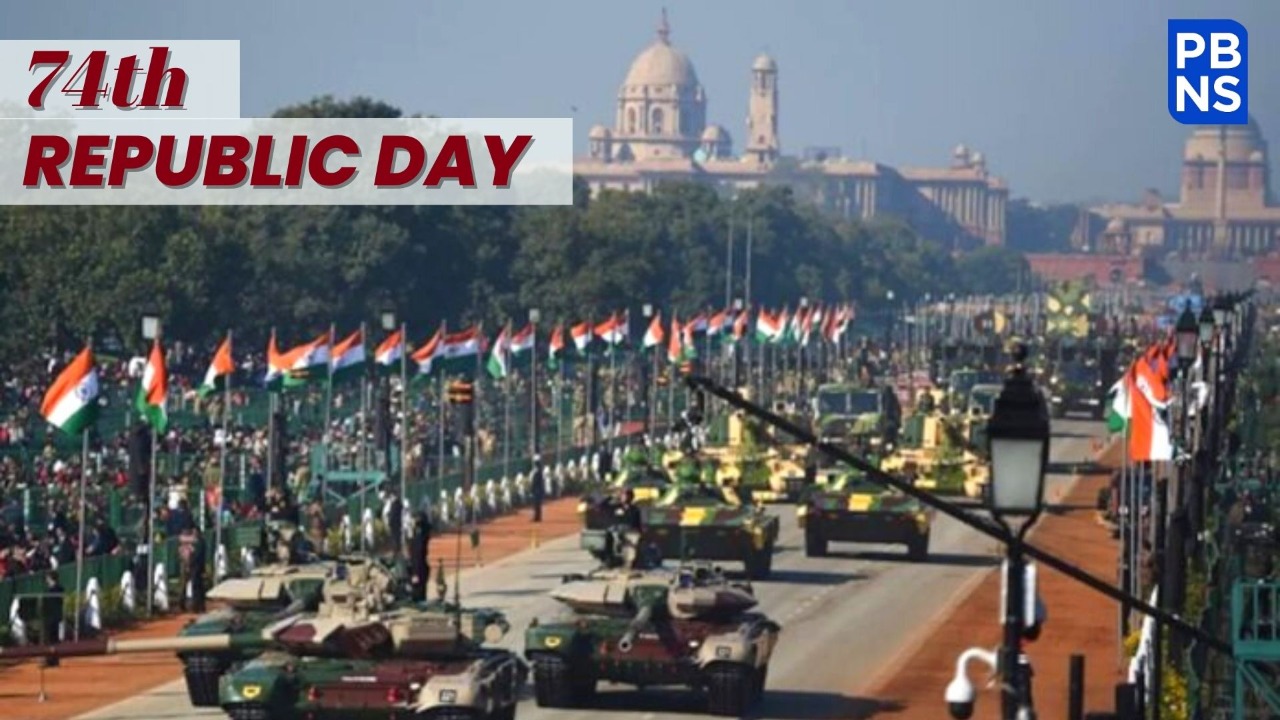
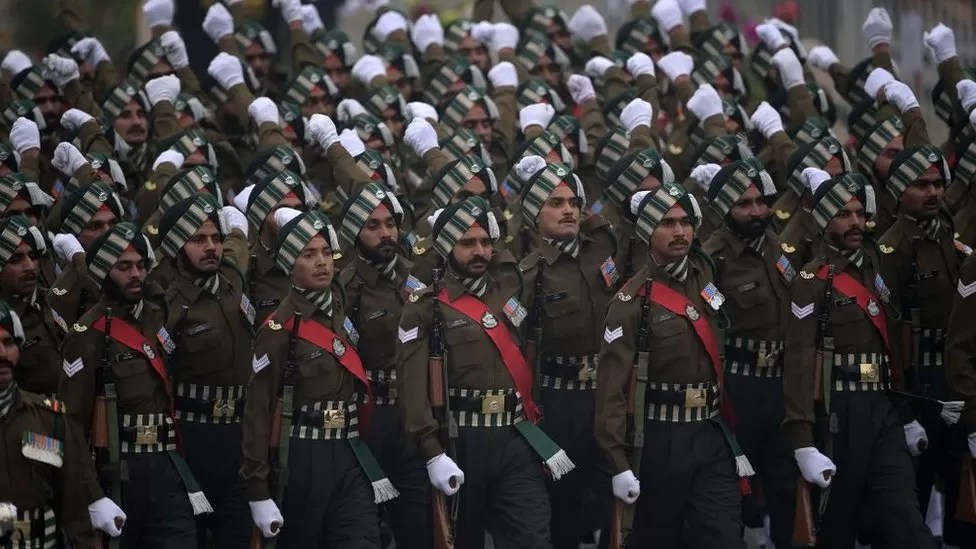
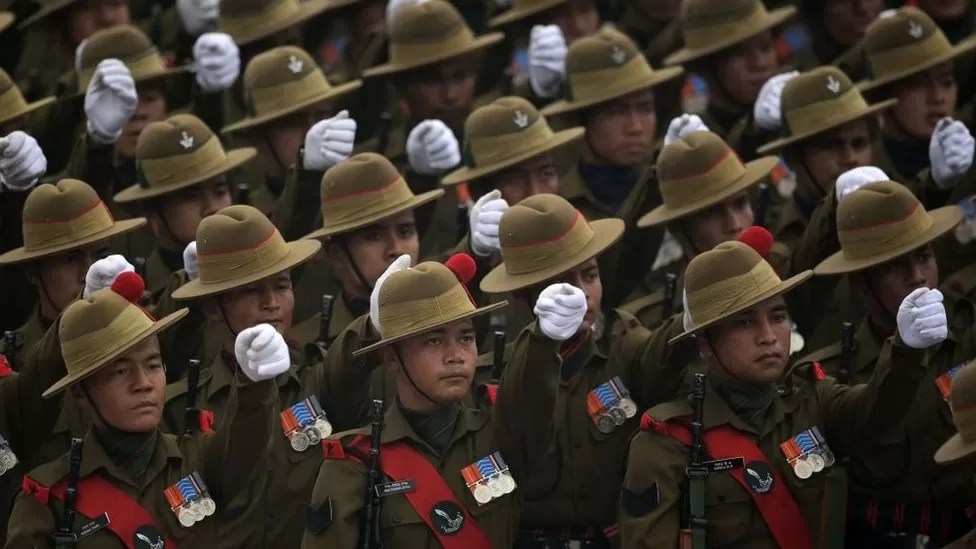
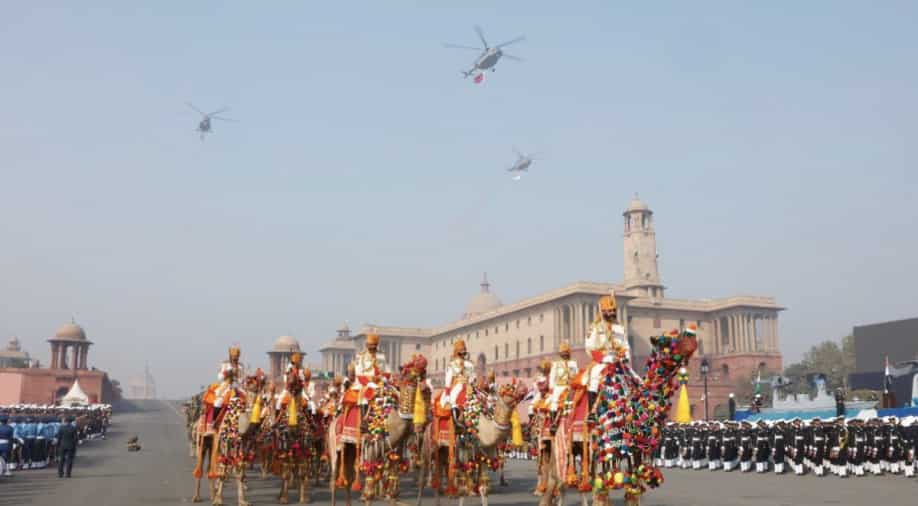
India celebrates its 74th Republic Day on 26 January this year. The day is observed to honour the day when the Constitution of India was enacted in 1950. January 26 was chosen as the date to implement the Constitution because on this day in 1930, the Indian National Congress (INC) declared Purna Swaraj (complete independence), opposing dominion status by the Britishers.
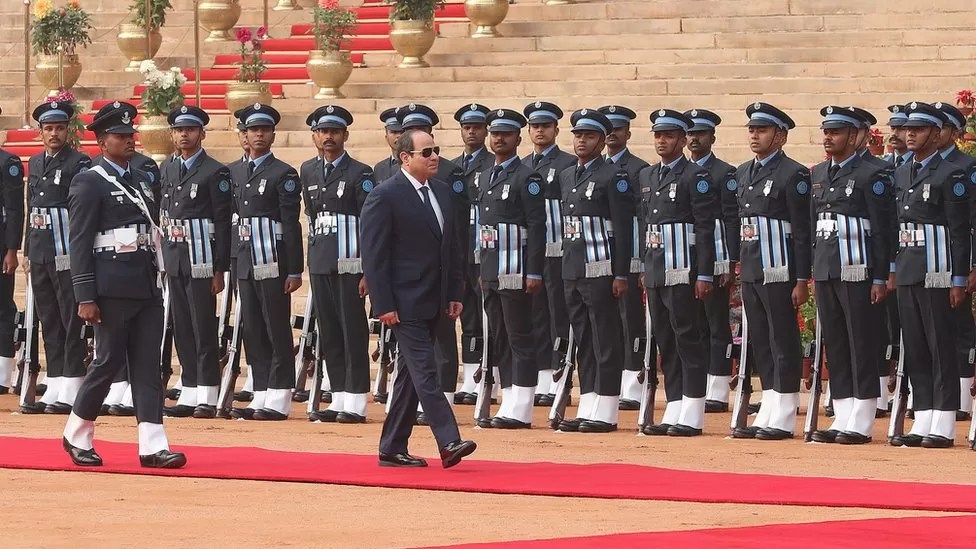
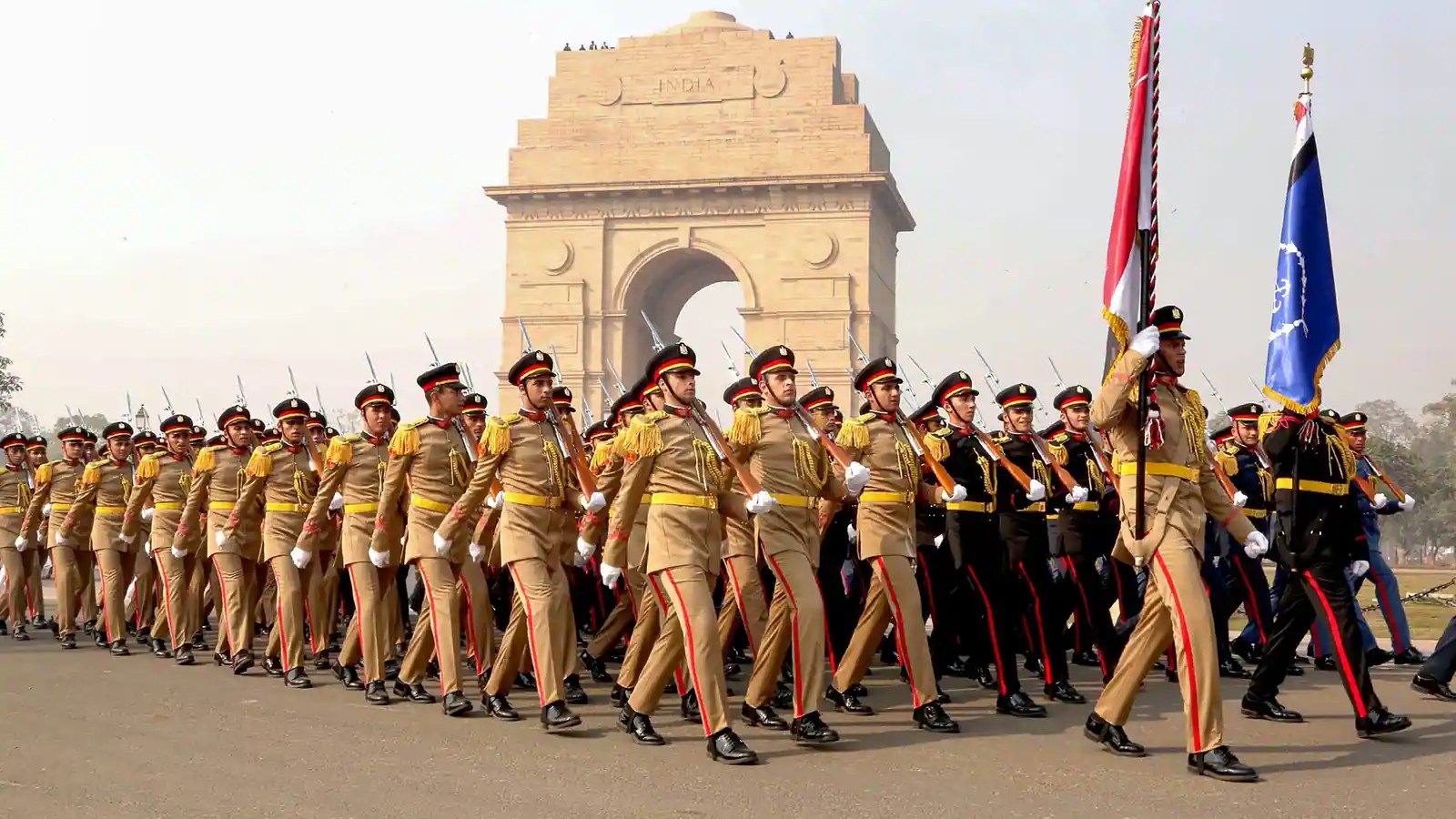
Abdel Fattah el-Sisi: First President of Egypt to Visit India on Republic Day
Septuagenarian of Special Frontier Force celebrates the 74th Republic Day of India. The 74th Republic Day Celebration of my life’s journey is of special significance to me. I served in the Indian Army Medical Corps and had the unique opportunity to begin my military career at the Special Frontier Force/Establishment No. 22/Vikas Regiment. I took part in the military action in the Chittagong Hill Tracts that initiated the Liberation of Bangladesh in 1971. I served under the Command of Lieutenant Colonel B K Narayan of the Regiment of Artillery. He mastered Arabic language and was a renowned Islamic scholar. Prior to joining the Special Frontier Force, he served as a military attaché in the Indian Embassy in Cairo. His Islamic scholarship attracted the attention of Egyptian president Colonel Gamal Abdel Nasser and Colonel Anwar El-Sadat who later served as the third president of Egypt. Colonel Narayan shared with me the friendly conversations he had with President Nasser and Colonel Sadat who was already preparing his plans to formulate peace with Israel. Colonel Sadat discussed his foreign policy initiatives with Colonel Narayan without any concern for his country of origin. Most of the conversations gave attention to the correct interpretation of the Holy Book Quran. Colonel Narayan cleared his doubts and confirmed that the Religion of Islam is indeed a Religion of Peace. In 1971, I learned about Colonel Sadat’s peace initiatives to secure peace with Israel. Apart from these conversations, Egypt helped Colonel Narayan to perform the holy pilgrimage of Hajj as per the Islamic traditions. Colonel shared those pictures with me. In fact, India’s first Prime Minister Jawaharlal Nehru fomented very friendly and cordial relations with Egypt and President Nasser joined the Non-Alignment Movement advocated by Nehru.
President Droupadi Murmu unfurled the national flag at Kartavya Path, which was followed by the national anthem and 21-gun salute. Egyptian President Abdel Fattah El-Sisi is the Chief Guest this year.
The 74th Republic Day Celebration of my life’s journey is of special significance to me. I served in the Indian Army Medical Corps and had the unique opportunity to begin my military career at the Special Frontier Force/Establishment No. 22/Vikas Regiment. I took part in the military action in the Chittagong Hill Tracts that initiated the Liberation of Bangladesh in 1971. I served under the Command of Lieutenant Colonel B K Narayan of the Regiment of Artillery. He mastered Arabic language and was a renowned Islamic scholar. Prior to joining the Special Frontier Force, he served as a military attaché in the Indian Embassy in Cairo. His Islamic scholarship attracted the attention of Egyptian president Colonel Gamal Abdel Nasser and Colonel Anwar El-Sadat who later served as the third president of Egypt. Colonel Narayan shared with me the friendly conversations he had with President Nasser and Colonel Sadat who was already preparing his plans to formulate peace with Israel. Colonel Sadat discussed his foreign policy initiatives with Colonel Narayan without any concern for his country of origin. Most of the conversations gave attention to the correct interpretation of the Holy Book Quran. Colonel Narayan cleared his doubts and confirmed that the Religion of Islam is indeed a Religion of Peace. In 1971, I learned about Colonel Sadat’s peace initiatives to secure peace with Israel. Apart from these conversations, Egypt helped Colonel Narayan to perform the holy pilgrimage of Hajj as per the Islamic traditions. Colonel shared those pictures with me. In fact, India’s first Prime Minister Jawaharlal Nehru fomented very friendly and cordial relations with Egypt and President Nasser joined the Non-Alignment Movement advocated by Nehru.
On the eve of the 74th Republic Day, the president of Egypt; Abdel Fattah el-Sisi has been formally invited by the prime Minister of India, Shri Narendra Modi. The President of Egypt, Abdel Fattah Saeed Hussein Khalil el-Sisi; commonly known as Abdel Fattah el-Sisi was born on 9th November 1954 in Cairo, Egypt. He is not only the Executive Head of Egypt but also a retired Military Officer. Abdel Fattah el-Sisi is the sixth President of Egypt.
Septuagenarian of Special Frontier Force celebrates the 74th Republic Day of India. The 74th Republic Day Celebration of my life’s journey is of special significance to me. I served in the Indian Army Medical Corps and had the unique opportunity to begin my military career at the Special Frontier Force/Establishment No. 22/Vikas Regiment. I took part in the military action in the Chittagong Hill Tracts that initiated the Liberation of Bangladesh in 1971. I served under the Command of Lieutenant Colonel B K Narayan of the Regiment of Artillery. He mastered Arabic language and was a renowned Islamic scholar. Prior to joining the Special Frontier Force, he served as a military attaché in the Indian Embassy in Cairo. His Islamic scholarship attracted the attention of Egyptian president Colonel Gamal Abdel Nasser and Colonel Anwar El-Sadat who later served as the third president of Egypt. Colonel Narayan shared with me the friendly conversations he had with President Nasser and Colonel Sadat who was already preparing his plans to formulate peace with Israel. Colonel Sadat discussed his foreign policy initiatives with Colonel Narayan without any concern for his country of origin. Most of the conversations gave attention to the correct interpretation of the Holy Book Quran. Colonel Narayan cleared his doubts and confirmed that the Religion of Islam is indeed a Religion of Peace. In 1971, I learned about Colonel Sadat’s peace initiatives to secure peace with Israel. Apart from these conversations, Egypt helped Colonel Narayan to perform the holy pilgrimage of Hajj as per the Islamic traditions. Colonel shared those pictures with me. In fact, India’s first Prime Minister Jawaharlal Nehru fomented very friendly and cordial relations with Egypt and President Nasser joined the Non-Alignment Movement advocated by Nehru.Septuagenarian of Special Frontier Force celebrates the 74th Republic Day of India. The 74th Republic Day Celebration of my life’s journey is of special significance to me. I served in the Indian Army Medical Corps and had the unique opportunity to begin my military career at the Special Frontier Force/Establishment No. 22/Vikas Regiment. I took part in the military action in the Chittagong Hill Tracts that initiated the Liberation of Bangladesh in 1971. I served under the Command of Lieutenant Colonel B K Narayan of the Regiment of Artillery. He mastered Arabic language and was a renowned Islamic scholar. Prior to joining the Special Frontier Force, he served as a military attaché in the Indian Embassy in Cairo. His Islamic scholarship attracted the attention of Egyptian president Colonel Gamal Abdel Nasser and Colonel Anwar El-Sadat who later served as the third president of Egypt. Colonel Narayan shared with me the friendly conversations he had with President Nasser and Colonel Sadat who was already preparing his plans to formulate peace with Israel. Colonel Sadat discussed his foreign policy initiatives with Colonel Narayan without any concern for his country of origin. Most of the conversations gave attention to the correct interpretation of the Holy Book Quran. Colonel Narayan cleared his doubts and confirmed that the Religion of Islam is indeed a Religion of Peace. In 1971, I learned about Colonel Sadat’s peace initiatives to secure peace with Israel. Apart from these conversations, Egypt helped Colonel Narayan to perform the holy pilgrimage of Hajj as per the Islamic traditions. Colonel shared those pictures with me. In fact, India’s first Prime Minister Jawaharlal Nehru fomented very friendly and cordial relations with Egypt and President Nasser joined the Non-Alignment Movement advocated by Nehru.Septuagenarian of Special Frontier Force celebrates the 74th Republic Day of India. The 74th Republic Day Celebration of my life’s journey is of special significance to me. I served in the Indian Army Medical Corps and had the unique opportunity to begin my military career at the Special Frontier Force/Establishment No. 22/Vikas Regiment. I took part in the military action in the Chittagong Hill Tracts that initiated the Liberation of Bangladesh in 1971. I served under the Command of Lieutenant Colonel B K Narayan of the Regiment of Artillery. He mastered Arabic language and was a renowned Islamic scholar. Prior to joining the Special Frontier Force, he served as a military attaché in the Indian Embassy in Cairo. His Islamic scholarship attracted the attention of Egyptian president Colonel Gamal Abdel Nasser and Colonel Anwar El-Sadat who later served as the third president of Egypt. Colonel Narayan shared with me the friendly conversations he had with President Nasser and Colonel Sadat who was already preparing his plans to formulate peace with Israel. Colonel Sadat discussed his foreign policy initiatives with Colonel Narayan without any concern for his country of origin. Most of the conversations gave attention to the correct interpretation of the Holy Book Quran. Colonel Narayan cleared his doubts and confirmed that the Religion of Islam is indeed a Religion of Peace. In 1971, I learned about Colonel Sadat’s peace initiatives to secure peace with Israel. Apart from these conversations, Egypt helped Colonel Narayan to perform the holy pilgrimage of Hajj as per the Islamic traditions. Colonel shared those pictures with me. In fact, India’s first Prime Minister Jawaharlal Nehru fomented very friendly and cordial relations with Egypt and President Nasser joined the Non-Alignment Movement advocated by Nehru.Septuagenarian of Special Frontier Force celebrates the 74th Republic Day of India. The 74th Republic Day Celebration of my life’s journey is of special significance to me. I served in the Indian Army Medical Corps and had the unique opportunity to begin my military career at the Special Frontier Force/Establishment No. 22/Vikas Regiment. I took part in the military action in the Chittagong Hill Tracts that initiated the Liberation of Bangladesh in 1971. I served under the Command of Lieutenant Colonel B K Narayan of the Regiment of Artillery. He mastered Arabic language and was a renowned Islamic scholar. Prior to joining the Special Frontier Force, he served as a military attaché in the Indian Embassy in Cairo. His Islamic scholarship attracted the attention of Egyptian president Colonel Gamal Abdel Nasser and Colonel Anwar El-Sadat who later served as the third president of Egypt. Colonel Narayan shared with me the friendly conversations he had with President Nasser and Colonel Sadat who was already preparing his plans to formulate peace with Israel. Colonel Sadat discussed his foreign policy initiatives with Colonel Narayan without any concern for his country of origin. Most of the conversations gave attention to the correct interpretation of the Holy Book Quran. Colonel Narayan cleared his doubts and confirmed that the Religion of Islam is indeed a Religion of Peace. In 1971, I learned about Colonel Sadat’s peace initiatives to secure peace with Israel. Apart from these conversations, Egypt helped Colonel Narayan to perform the holy pilgrimage of Hajj as per the Islamic traditions. Colonel shared those pictures with me. In fact, India’s first Prime Minister Jawaharlal Nehru fomented very friendly and cordial relations with Egypt and President Nasser joined the Non-Alignment Movement advocated by Nehru.
India and Egypt enjoy warm and friendly relations based on civilizational and deep-rooted people-to-people ties. India has invited Egypt, an Islamic nation for the very first time for the celebrations of the Republic Day that takes place on 26th January, every year. Abdel Fattah el-Sisi has an interesting political life. Before retiring from the Military as a General in 2014, he served as the Deputy Prime Minister of Egypt from 2013-2014. He served as the Minister of Defense from 2012-2013 and as its Director of Military Intelligence from the year 2010-2012. Later on, Abdel Fattah el-Sisi was promoted to the rank of Field Marshal in January 2014.
Septuagenarian of Special Frontier Force celebrates the 74th Republic Day of India. The 74th Republic Day Celebration of my life’s journey is of special significance to me. I served in the Indian Army Medical Corps and had the unique opportunity to begin my military career at the Special Frontier Force/Establishment No. 22/Vikas Regiment. I took part in the military action in the Chittagong Hill Tracts that initiated the Liberation of Bangladesh in 1971. I served under the Command of Lieutenant Colonel B K Narayan of the Regiment of Artillery. He mastered Arabic language and was a renowned Islamic scholar. Prior to joining the Special Frontier Force, he served as a military attaché in the Indian Embassy in Cairo. His Islamic scholarship attracted the attention of Egyptian president Colonel Gamal Abdel Nasser and Colonel Anwar El-Sadat who later served as the third president of Egypt. Colonel Narayan shared with me the friendly conversations he had with President Nasser and Colonel Sadat who was already preparing his plans to formulate peace with Israel. Colonel Sadat discussed his foreign policy initiatives with Colonel Narayan without any concern for his country of origin. Most of the conversations gave attention to the correct interpretation of the Holy Book Quran. Colonel Narayan cleared his doubts and confirmed that the Religion of Islam is indeed a Religion of Peace. In 1971, I learned about Colonel Sadat’s peace initiatives to secure peace with Israel. Apart from these conversations, Egypt helped Colonel Narayan to perform the holy pilgrimage of Hajj as per the Islamic traditions. Colonel shared those pictures with me. In fact, India’s first Prime Minister Jawaharlal Nehru fomented very friendly and cordial relations with Egypt and President Nasser joined the Non-Alignment Movement advocated by Nehru.
In this context about the President of Egypt who will be India’s Chief Guest during the 74th Republic Day celebration on 26th January, I would like to mention the name of Colonel Gamal Abdel Nasser, the second President of Egypt. India’s first Prime Minister Jawaharlal Nehru founded the famous Non-Alignment Movement along with President Nasser of Egypt, Marshal Tito, president of the Republic of Yugoslavia, President Sukarno of Indonesia, and Mrs. Sirimavo Bandaranaike, Prime Minister of Sri Lanka.
Septuagenarian of Special Frontier Force celebrates the 74th Republic Day of India. The 74th Republic Day Celebration of my life’s journey is of special significance to me. I served in the Indian Army Medical Corps and had the unique opportunity to begin my military career at the Special Frontier Force/Establishment No. 22/Vikas Regiment. I took part in the military action in the Chittagong Hill Tracts that initiated the Liberation of Bangladesh in 1971. I served under the Command of Lieutenant Colonel B K Narayan of the Regiment of Artillery. He mastered Arabic language and was a renowned Islamic scholar. Prior to joining the Special Frontier Force, he served as a military attaché in the Indian Embassy in Cairo. His Islamic scholarship attracted the attention of Egyptian president Colonel Gamal Abdel Nasser and Colonel Anwar El-Sadat who later served as the third president of Egypt. Colonel Narayan shared with me the friendly conversations he had with President Nasser and Colonel Sadat who was already preparing his plans to formulate peace with Israel. Colonel Sadat discussed his foreign policy initiatives with Colonel Narayan without any concern for his country of origin. Most of the conversations gave attention to the correct interpretation of the Holy Book Quran. Colonel Narayan cleared his doubts and confirmed that the Religion of Islam is indeed a Religion of Peace. In 1971, I learned about Colonel Sadat’s peace initiatives to secure peace with Israel. Apart from these conversations, Egypt helped Colonel Narayan to perform the holy pilgrimage of Hajj as per the Islamic traditions. Colonel shared those pictures with me. In fact, India’s first Prime Minister Jawaharlal Nehru fomented very friendly and cordial relations with Egypt and President Nasser joined the Non-Alignment Movement advocated by Nehru.Septuagenarian of Special Frontier Force celebrates the 74th Republic Day of India. The 74th Republic Day Celebration of my life’s journey is of special significance to me. I served in the Indian Army Medical Corps and had the unique opportunity to begin my military career at the Special Frontier Force/Establishment No. 22/Vikas Regiment. I took part in the military action in the Chittagong Hill Tracts that initiated the Liberation of Bangladesh in 1971. I served under the Command of Lieutenant Colonel B K Narayan of the Regiment of Artillery. He mastered Arabic language and was a renowned Islamic scholar. Prior to joining the Special Frontier Force, he served as a military attaché in the Indian Embassy in Cairo. His Islamic scholarship attracted the attention of Egyptian president Colonel Gamal Abdel Nasser and Colonel Anwar El-Sadat who later served as the third president of Egypt. Colonel Narayan shared with me the friendly conversations he had with President Nasser and Colonel Sadat who was already preparing his plans to formulate peace with Israel. Colonel Sadat discussed his foreign policy initiatives with Colonel Narayan without any concern for his country of origin. Most of the conversations gave attention to the correct interpretation of the Holy Book Quran. Colonel Narayan cleared his doubts and confirmed that the Religion of Islam is indeed a Religion of Peace. In 1971, I learned about Colonel Sadat’s peace initiatives to secure peace with Israel. Apart from these conversations, Egypt helped Colonel Narayan to perform the holy pilgrimage of Hajj as per the Islamic traditions. Colonel shared those pictures with me. In fact, India’s first Prime Minister Jawaharlal Nehru fomented very friendly and cordial relations with Egypt and President Nasser joined the Non-Alignment Movement advocated by Nehru.Septuagenarian of Special Frontier Force celebrates the 74th Republic Day of India. The 74th Republic Day Celebration of my life’s journey is of special significance to me. I served in the Indian Army Medical Corps and had the unique opportunity to begin my military career at the Special Frontier Force/Establishment No. 22/Vikas Regiment. I took part in the military action in the Chittagong Hill Tracts that initiated the Liberation of Bangladesh in 1971. I served under the Command of Lieutenant Colonel B K Narayan of the Regiment of Artillery. He mastered Arabic language and was a renowned Islamic scholar. Prior to joining the Special Frontier Force, he served as a military attaché in the Indian Embassy in Cairo. His Islamic scholarship attracted the attention of Egyptian president Colonel Gamal Abdel Nasser and Colonel Anwar El-Sadat who later served as the third president of Egypt. Colonel Narayan shared with me the friendly conversations he had with President Nasser and Colonel Sadat who was already preparing his plans to formulate peace with Israel. Colonel Sadat discussed his foreign policy initiatives with Colonel Narayan without any concern for his country of origin. Most of the conversations gave attention to the correct interpretation of the Holy Book Quran. Colonel Narayan cleared his doubts and confirmed that the Religion of Islam is indeed a Religion of Peace. In 1971, I learned about Colonel Sadat’s peace initiatives to secure peace with Israel. Apart from these conversations, Egypt helped Colonel Narayan to perform the holy pilgrimage of Hajj as per the Islamic traditions. Colonel shared those pictures with me. In fact, India’s first Prime Minister Jawaharlal Nehru fomented very friendly and cordial relations with Egypt and President Nasser joined the Non-Alignment Movement advocated by Nehru.Septuagenarian of Special Frontier Force celebrates the 74th Republic Day of India. The 74th Republic Day Celebration of my life’s journey is of special significance to me. I served in the Indian Army Medical Corps and had the unique opportunity to begin my military career at the Special Frontier Force/Establishment No. 22/Vikas Regiment. I took part in the military action in the Chittagong Hill Tracts that initiated the Liberation of Bangladesh in 1971. I served under the Command of Lieutenant Colonel B K Narayan of the Regiment of Artillery. He mastered Arabic language and was a renowned Islamic scholar. Prior to joining the Special Frontier Force, he served as a military attaché in the Indian Embassy in Cairo. His Islamic scholarship attracted the attention of Egyptian president Colonel Gamal Abdel Nasser and Colonel Anwar El-Sadat who later served as the third president of Egypt. Colonel Narayan shared with me the friendly conversations he had with President Nasser and Colonel Sadat who was already preparing his plans to formulate peace with Israel. Colonel Sadat discussed his foreign policy initiatives with Colonel Narayan without any concern for his country of origin. Most of the conversations gave attention to the correct interpretation of the Holy Book Quran. Colonel Narayan cleared his doubts and confirmed that the Religion of Islam is indeed a Religion of Peace. In 1971, I learned about Colonel Sadat’s peace initiatives to secure peace with Israel. Apart from these conversations, Egypt helped Colonel Narayan to perform the holy pilgrimage of Hajj as per the Islamic traditions. Colonel shared those pictures with me. In fact, India’s first Prime Minister Jawaharlal Nehru fomented very friendly and cordial relations with Egypt and President Nasser joined the Non-Alignment Movement advocated by Nehru.
Most interestingly, my service in the Indian Army Medical Corps includes my tenure at Special Frontier Force where I served under the Command of Lieutenant Colonel B K Narayan in the conduct of our military operation in the Chittagong Hill Tracts to initiate the Liberation of Bangladesh in 1971. Prior to joining Special Frontier Force, Colonel B K Narayan served as a Military Attaché at the Indian Embassy in Cairo. He was indeed a great Islamic Scholar who served in the Indian Army in its Olive Green uniform. He learned Arabic language and mastered it. While he served in Cairo, his expertise attracted the attention of President Nasser and Colonel Anwar Sadat who became the third president of Egypt in 1970. Colonel Anwar Sadat had several friendly conversations with Colonel Narayan to gain insights from the holy Quran which he used to formulate his peace initiative with Israel.
Septuagenarian of Special Frontier Force celebrates the 74th Republic Day of India. The 74th Republic Day Celebration of my life’s journey is of special significance to me. I served in the Indian Army Medical Corps and had the unique opportunity to begin my military career at the Special Frontier Force/Establishment No. 22/Vikas Regiment. I took part in the military action in the Chittagong Hill Tracts that initiated the Liberation of Bangladesh in 1971. I served under the Command of Lieutenant Colonel B K Narayan of the Regiment of Artillery. He mastered Arabic language and was a renowned Islamic scholar. Prior to joining the Special Frontier Force, he served as a military attaché in the Indian Embassy in Cairo. His Islamic scholarship attracted the attention of Egyptian president Colonel Gamal Abdel Nasser and Colonel Anwar El-Sadat who later served as the third president of Egypt. Colonel Narayan shared with me the friendly conversations he had with President Nasser and Colonel Sadat who was already preparing his plans to formulate peace with Israel. Colonel Sadat discussed his foreign policy initiatives with Colonel Narayan without any concern for his country of origin. Most of the conversations gave attention to the correct interpretation of the Holy Book Quran. Colonel Narayan cleared his doubts and confirmed that the Religion of Islam is indeed a Religion of Peace. In 1971, I learned about Colonel Sadat’s peace initiatives to secure peace with Israel. Apart from these conversations, Egypt helped Colonel Narayan to perform the holy pilgrimage of Hajj as per the Islamic traditions. Colonel shared those pictures with me. In fact, India’s first Prime Minister Jawaharlal Nehru fomented very friendly and cordial relations with Egypt and President Nasser joined the Non-Alignment Movement advocated by Nehru.Septuagenarian of Special Frontier Force celebrates the 74th Republic Day of India. Remembering The Six Day Arab-Israel War. Anwar El Sadat A Man with a Mission. The 74th Republic Day Celebration of my life’s journey is of special significance to me. I served in the Indian Army Medical Corps and had the unique opportunity to begin my military career at the Special Frontier Force/Establishment No. 22/Vikas Regiment. I took part in the military action in the Chittagong Hill Tracts that initiated the Liberation of Bangladesh in 1971. I served under the Command of Lieutenant Colonel B K Narayan of the Regiment of Artillery. He mastered Arabic language and was a renowned Islamic scholar. Prior to joining the Special Frontier Force, he served as a military attaché in the Indian Embassy in Cairo. His Islamic scholarship attracted the attention of Egyptian president Colonel Gamal Abdel Nasser and Colonel Anwar El-Sadat who later served as the third president of Egypt. Colonel Narayan shared with me the friendly conversations he had with President Nasser and Colonel Sadat who was already preparing his plans to formulate peace with Israel. Colonel Sadat discussed his foreign policy initiatives with Colonel Narayan without any concern for his country of origin. Most of the conversations gave attention to the correct interpretation of the Holy Book Quran. Colonel Narayan cleared his doubts and confirmed that the Religion of Islam is indeed a Religion of Peace. In 1971, I learned about Colonel Sadat’s peace initiatives to secure peace with Israel. Apart from these conversations, Egypt helped Colonel Narayan to perform the holy pilgrimage of Hajj as per the Islamic traditions. Colonel shared those pictures with me. In fact, India’s first Prime Minister Jawaharlal Nehru fomented very friendly and cordial relations with Egypt and President Nasser joined the Non-Alignment Movement advocated by Nehru.
In 1971, I became aware of President Sadat’s peace initiatives and as to how Colonel Narayan helped him and guided him in the process using his Islamic scholarship. Prior to returning to India, Colonel Narayan had the unique opportunity to perform the Hajj pilgrimage sponsored by President Nasser and Colonel Anwar Sadat.
The national capital witnessed a spectacular presentation of discipline and grit as Army contingents and other personnel marched on the Kartavya Path on 26 January.
Septuagenarian of Special Frontier Force celebrates the 74th Republic Day of India. The 74th Republic Day Celebration of my life’s journey is of special significance to me. I served in the Indian Army Medical Corps and had the unique opportunity to begin my military career at the Special Frontier Force/Establishment No. 22/Vikas Regiment. I took part in the military action in the Chittagong Hill Tracts that initiated the Liberation of Bangladesh in 1971. I served under the Command of Lieutenant Colonel B K Narayan of the Regiment of Artillery. He mastered Arabic language and was a renowned Islamic scholar. Prior to joining the Special Frontier Force, he served as a military attaché in the Indian Embassy in Cairo. His Islamic scholarship attracted the attention of Egyptian president Colonel Gamal Abdel Nasser and Colonel Anwar El-Sadat who later served as the third president of Egypt. Colonel Narayan shared with me the friendly conversations he had with President Nasser and Colonel Sadat who was already preparing his plans to formulate peace with Israel. Colonel Sadat discussed his foreign policy initiatives with Colonel Narayan without any concern for his country of origin. Most of the conversations gave attention to the correct interpretation of the Holy Book Quran. Colonel Narayan cleared his doubts and confirmed that the Religion of Islam is indeed a Religion of Peace. In 1971, I learned about Colonel Sadat’s peace initiatives to secure peace with Israel. Apart from these conversations, Egypt helped Colonel Narayan to perform the holy pilgrimage of Hajj as per the Islamic traditions. Colonel shared those pictures with me. In fact, India’s first Prime Minister Jawaharlal Nehru fomented very friendly and cordial relations with Egypt and President Nasser joined the Non-Alignment Movement advocated by Nehru.Septuagenarian of Special Frontier Force celebrates the 74th Republic Day of India. The 74th Republic Day Celebration of my life’s journey is of special significance to me. I served in the Indian Army Medical Corps and had the unique opportunity to begin my military career at the Special Frontier Force/Establishment No. 22/Vikas Regiment. I took part in the military action in the Chittagong Hill Tracts that initiated the Liberation of Bangladesh in 1971. I served under the Command of Lieutenant Colonel B K Narayan of the Regiment of Artillery. He mastered Arabic language and was a renowned Islamic scholar. Prior to joining the Special Frontier Force, he served as a military attaché in the Indian Embassy in Cairo. His Islamic scholarship attracted the attention of Egyptian president Colonel Gamal Abdel Nasser and Colonel Anwar El-Sadat who later served as the third president of Egypt. Colonel Narayan shared with me the friendly conversations he had with President Nasser and Colonel Sadat who was already preparing his plans to formulate peace with Israel. Colonel Sadat discussed his foreign policy initiatives with Colonel Narayan without any concern for his country of origin. Most of the conversations gave attention to the correct interpretation of the Holy Book Quran. Colonel Narayan cleared his doubts and confirmed that the Religion of Islam is indeed a Religion of Peace. In 1971, I learned about Colonel Sadat’s peace initiatives to secure peace with Israel. Apart from these conversations, Egypt helped Colonel Narayan to perform the holy pilgrimage of Hajj as per the Islamic traditions. Colonel shared those pictures with me. In fact, India’s first Prime Minister Jawaharlal Nehru fomented very friendly and cordial relations with Egypt and President Nasser joined the Non-Alignment Movement advocated by Nehru.Septuagenarian of Special Frontier Force celebrates the 74th Republic Day of India. The 74th Republic Day Celebration of my life’s journey is of special significance to me. I served in the Indian Army Medical Corps and had the unique opportunity to begin my military career at the Special Frontier Force/Establishment No. 22/Vikas Regiment. I took part in the military action in the Chittagong Hill Tracts that initiated the Liberation of Bangladesh in 1971. I served under the Command of Lieutenant Colonel B K Narayan of the Regiment of Artillery. He mastered Arabic language and was a renowned Islamic scholar. Prior to joining the Special Frontier Force, he served as a military attaché in the Indian Embassy in Cairo. His Islamic scholarship attracted the attention of Egyptian president Colonel Gamal Abdel Nasser and Colonel Anwar El-Sadat who later served as the third president of Egypt. Colonel Narayan shared with me the friendly conversations he had with President Nasser and Colonel Sadat who was already preparing his plans to formulate peace with Israel. Colonel Sadat discussed his foreign policy initiatives with Colonel Narayan without any concern for his country of origin. Most of the conversations gave attention to the correct interpretation of the Holy Book Quran. Colonel Narayan cleared his doubts and confirmed that the Religion of Islam is indeed a Religion of Peace. In 1971, I learned about Colonel Sadat’s peace initiatives to secure peace with Israel. Apart from these conversations, Egypt helped Colonel Narayan to perform the holy pilgrimage of Hajj as per the Islamic traditions. Colonel shared those pictures with me. In fact, India’s first Prime Minister Jawaharlal Nehru fomented very friendly and cordial relations with Egypt and President Nasser joined the Non-Alignment Movement advocated by Nehru.
A plethora of events will be organized on this day with the centre of attraction being the annual parade held at the Kartavya Path (formerly Rajpath) near the Rashtrapati Bhavan. During the official ceremony, the President of India acknowledges and pays tribute to the courageous officers of the police department and armed forces for their exceptional bravery in the field. Additionally, several awards are given to citizens who have displayed courage in various circumstances.
Septuagenarian of Special Frontier Force celebrates the 74th Republic Day of India. The 74th Republic Day Celebration of my life’s journey is of special significance to me. I served in the Indian Army Medical Corps and had the unique opportunity to begin my military career at the Special Frontier Force/Establishment No. 22/Vikas Regiment. I took part in the military action in the Chittagong Hill Tracts that initiated the Liberation of Bangladesh in 1971. I served under the Command of Lieutenant Colonel B K Narayan of the Regiment of Artillery. He mastered Arabic language and was a renowned Islamic scholar. Prior to joining the Special Frontier Force, he served as a military attaché in the Indian Embassy in Cairo. His Islamic scholarship attracted the attention of Egyptian president Colonel Gamal Abdel Nasser and Colonel Anwar El-Sadat who later served as the third president of Egypt. Colonel Narayan shared with me the friendly conversations he had with President Nasser and Colonel Sadat who was already preparing his plans to formulate peace with Israel. Colonel Sadat discussed his foreign policy initiatives with Colonel Narayan without any concern for his country of origin. Most of the conversations gave attention to the correct interpretation of the Holy Book Quran. Colonel Narayan cleared his doubts and confirmed that the Religion of Islam is indeed a Religion of Peace. In 1971, I learned about Colonel Sadat’s peace initiatives to secure peace with Israel. Apart from these conversations, Egypt helped Colonel Narayan to perform the holy pilgrimage of Hajj as per the Islamic traditions. Colonel shared those pictures with me. In fact, India’s first Prime Minister Jawaharlal Nehru fomented very friendly and cordial relations with Egypt and President Nasser joined the Non-Alignment Movement advocated by Nehru.
For the first time, an Egyptian Army contingent led by Colonel Mahmoud Mohamed Abdel Fattah El Kharasawy marched on Kartayvta Path.
Septuagenarian of Special Frontier Force celebrates the 74th Republic Day of India. The 74th Republic Day Celebration of my life’s journey is of special significance to me. I served in the Indian Army Medical Corps and had the unique opportunity to begin my military career at the Special Frontier Force/Establishment No. 22/Vikas Regiment. I took part in the military action in the Chittagong Hill Tracts that initiated the Liberation of Bangladesh in 1971. I served under the Command of Lieutenant Colonel B K Narayan of the Regiment of Artillery. He mastered Arabic language and was a renowned Islamic scholar. Prior to joining the Special Frontier Force, he served as a military attaché in the Indian Embassy in Cairo. His Islamic scholarship attracted the attention of Egyptian president Colonel Gamal Abdel Nasser and Colonel Anwar El-Sadat who later served as the third president of Egypt. Colonel Narayan shared with me the friendly conversations he had with President Nasser and Colonel Sadat who was already preparing his plans to formulate peace with Israel. Colonel Sadat discussed his foreign policy initiatives with Colonel Narayan without any concern for his country of origin. Most of the conversations gave attention to the correct interpretation of the Holy Book Quran. Colonel Narayan cleared his doubts and confirmed that the Religion of Islam is indeed a Religion of Peace. In 1971, I learned about Colonel Sadat’s peace initiatives to secure peace with Israel. Apart from these conversations, Egypt helped Colonel Narayan to perform the holy pilgrimage of Hajj as per the Islamic traditions. Colonel shared those pictures with me. In fact, India’s first Prime Minister Jawaharlal Nehru fomented very friendly and cordial relations with Egypt and President Nasser joined the Non-Alignment Movement advocated by Nehru.The 74th Republic Day Celebration of my life’s journey is of special significance to me. I served in the Indian Army Medical Corps and had the unique opportunity to begin my military career at the Special Frontier Force/Establishment No. 22/Vikas Regiment. I took part in the military action in the Chittagong Hill Tracts that initiated the Liberation of Bangladesh in 1971. I served under the Command of Lieutenant Colonel B K Narayan of the Regiment of Artillery. He mastered Arabic language and was a renowned Islamic scholar. Prior to joining the Special Frontier Force, he served as a military attaché in the Indian Embassy in Cairo. His Islamic scholarship attracted the attention of Egyptian president Colonel Gamal Abdel Nasser and Colonel Anwar El-Sadat who later served as the third president of Egypt. Colonel Narayan shared with me the friendly conversations he had with President Nasser and Colonel Sadat who was already preparing his plans to formulate peace with Israel. Colonel Sadat discussed his foreign policy initiatives with Colonel Narayan without any concern for his country of origin. Most of the conversations gave attention to the correct interpretation of the Holy Book Quran. Colonel Narayan cleared his doubts and confirmed that the Religion of Islam is indeed a Religion of Peace. In 1971, I learned about Colonel Sadat’s peace initiatives to secure peace with Israel. Apart from these conversations, Egypt helped Colonel Narayan to perform the holy pilgrimage of Hajj as per the Islamic traditions. Colonel shared those pictures with me. In fact, India’s first Prime Minister Jawaharlal Nehru fomented very friendly and cordial relations with Egypt and President Nasser joined the Non-Alignment Movement advocated by Nehru.
The military parade group of the Egyptian Armed Forces consisted of 144 soldiers representing the main branches of the Egyptian Armed Forces reflecting the greatness of the Egyptian state and its pride in its ancient history.
The 74th Republic Day Celebration of my life’s journey is of special significance to me. I served in the Indian Army Medical Corps and had the unique opportunity to begin my military career at the Special Frontier Force/Establishment No. 22/Vikas Regiment. I took part in the military action in the Chittagong Hill Tracts that initiated the Liberation of Bangladesh in 1971. I served under the Command of Lieutenant Colonel B K Narayan of the Regiment of Artillery. He mastered Arabic language and was a renowned Islamic scholar. Prior to joining the Special Frontier Force, he served as a military attaché in the Indian Embassy in Cairo. His Islamic scholarship attracted the attention of Egyptian president Colonel Gamal Abdel Nasser and Colonel Anwar El-Sadat who later served as the third president of Egypt. Colonel Narayan shared with me the friendly conversations he had with President Nasser and Colonel Sadat who was already preparing his plans to formulate peace with Israel. Colonel Sadat discussed his foreign policy initiatives with Colonel Narayan without any concern for his country of origin. Most of the conversations gave attention to the correct interpretation of the Holy Book Quran. Colonel Narayan cleared his doubts and confirmed that the Religion of Islam is indeed a Religion of Peace. In 1971, I learned about Colonel Sadat’s peace initiatives to secure peace with Israel. Apart from these conversations, Egypt helped Colonel Narayan to perform the holy pilgrimage of Hajj as per the Islamic traditions. Colonel shared those pictures with me. In fact, India’s first Prime Minister Jawaharlal Nehru fomented very friendly and cordial relations with Egypt and President Nasser joined the Non-Alignment Movement advocated by Nehru.The 74th Republic Day Celebration of my life’s journey is of special significance to me. I served in the Indian Army Medical Corps and had the unique opportunity to begin my military career at the Special Frontier Force/Establishment No. 22/Vikas Regiment. I took part in the military action in the Chittagong Hill Tracts that initiated the Liberation of Bangladesh in 1971. I served under the Command of Lieutenant Colonel B K Narayan of the Regiment of Artillery. He mastered Arabic language and was a renowned Islamic scholar. Prior to joining the Special Frontier Force, he served as a military attaché in the Indian Embassy in Cairo. His Islamic scholarship attracted the attention of Egyptian president Colonel Gamal Abdel Nasser and Colonel Anwar El-Sadat who later served as the third president of Egypt. Colonel Narayan shared with me the friendly conversations he had with President Nasser and Colonel Sadat who was already preparing his plans to formulate peace with Israel. Colonel Sadat discussed his foreign policy initiatives with Colonel Narayan without any concern for his country of origin. Most of the conversations gave attention to the correct interpretation of the Holy Book Quran. Colonel Narayan cleared his doubts and confirmed that the Religion of Islam is indeed a Religion of Peace. In 1971, I learned about Colonel Sadat’s peace initiatives to secure peace with Israel. Apart from these conversations, Egypt helped Colonel Narayan to perform the holy pilgrimage of Hajj as per the Islamic traditions. Colonel shared those pictures with me. In fact, India’s first Prime Minister Jawaharlal Nehru fomented very friendly and cordial relations with Egypt and President Nasser joined the Non-Alignment Movement advocated by Nehru.
An all-women contingent of the Central Reserve Police Force is one of the highlights this year.
The 74th Republic Day Celebration of my life’s journey is of special significance to me. I served in the Indian Army Medical Corps and had the unique opportunity to begin my military career at the Special Frontier Force/Establishment No. 22/Vikas Regiment. I took part in the military action in the Chittagong Hill Tracts that initiated the Liberation of Bangladesh in 1971. I served under the Command of Lieutenant Colonel B K Narayan of the Regiment of Artillery. He mastered Arabic language and was a renowned Islamic scholar. Prior to joining the Special Frontier Force, he served as a military attaché in the Indian Embassy in Cairo. His Islamic scholarship attracted the attention of Egyptian president Colonel Gamal Abdel Nasser and Colonel Anwar El-Sadat who later served as the third president of Egypt. Colonel Narayan shared with me the friendly conversations he had with President Nasser and Colonel Sadat who was already preparing his plans to formulate peace with Israel. Colonel Sadat discussed his foreign policy initiatives with Colonel Narayan without any concern for his country of origin. Most of the conversations gave attention to the correct interpretation of the Holy Book Quran. Colonel Narayan cleared his doubts and confirmed that the Religion of Islam is indeed a Religion of Peace. In 1971, I learned about Colonel Sadat’s peace initiatives to secure peace with Israel. Apart from these conversations, Egypt helped Colonel Narayan to perform the holy pilgrimage of Hajj as per the Islamic traditions. Colonel shared those pictures with me. In fact, India’s first Prime Minister Jawaharlal Nehru fomented very friendly and cordial relations with Egypt and President Nasser joined the Non-Alignment Movement advocated by Nehru.
Several other marching contingents, including those of the Navy, featured women. The Naval contingent, led by a woman officer, featured 3 women, and 6 Agniveers — soldiers in the first batch of the new armed forces recruitment scheme.
The 74th Republic Day Celebration of my life’s journey is of special significance to me. I served in the Indian Army Medical Corps and had the unique opportunity to begin my military career at the Special Frontier Force/Establishment No. 22/Vikas Regiment. I took part in the military action in the Chittagong Hill Tracts that initiated the Liberation of Bangladesh in 1971. I served under the Command of Lieutenant Colonel B K Narayan of the Regiment of Artillery. He mastered Arabic language and was a renowned Islamic scholar. Prior to joining the Special Frontier Force, he served as a military attaché in the Indian Embassy in Cairo. His Islamic scholarship attracted the attention of Egyptian president Colonel Gamal Abdel Nasser and Colonel Anwar El-Sadat who later served as the third president of Egypt. Colonel Narayan shared with me the friendly conversations he had with President Nasser and Colonel Sadat who was already preparing his plans to formulate peace with Israel. Colonel Sadat discussed his foreign policy initiatives with Colonel Narayan without any concern for his country of origin. Most of the conversations gave attention to the correct interpretation of the Holy Book Quran. Colonel Narayan cleared his doubts and confirmed that the Religion of Islam is indeed a Religion of Peace. In 1971, I learned about Colonel Sadat’s peace initiatives to secure peace with Israel. Apart from these conversations, Egypt helped Colonel Narayan to perform the holy pilgrimage of Hajj as per the Islamic traditions. Colonel shared those pictures with me. In fact, India’s first Prime Minister Jawaharlal Nehru fomented very friendly and cordial relations with Egypt and President Nasser joined the Non-Alignment Movement advocated by Nehru.Septuagenarian of Special Frontier Force celebrates the 74th Republic Day of India. The 74th Republic Day Celebration of my life’s journey is of special significance to me. I served in the Indian Army Medical Corps and had the unique opportunity to begin my military career at the Special Frontier Force/Establishment No. 22/Vikas Regiment. I took part in the military action in the Chittagong Hill Tracts that initiated the Liberation of Bangladesh in 1971. I served under the Command of Lieutenant Colonel B K Narayan of the Regiment of Artillery. He mastered Arabic language and was a renowned Islamic scholar. Prior to joining the Special Frontier Force, he served as a military attaché in the Indian Embassy in Cairo. His Islamic scholarship attracted the attention of Egyptian president Colonel Gamal Abdel Nasser and Colonel Anwar El-Sadat who later served as the third president of Egypt. Colonel Narayan shared with me the friendly conversations he had with President Nasser and Colonel Sadat who was already preparing his plans to formulate peace with Israel. Colonel Sadat discussed his foreign policy initiatives with Colonel Narayan without any concern for his country of origin. Most of the conversations gave attention to the correct interpretation of the Holy Book Quran. Colonel Narayan cleared his doubts and confirmed that the Religion of Islam is indeed a Religion of Peace. In 1971, I learned about Colonel Sadat’s peace initiatives to secure peace with Israel. Apart from these conversations, Egypt helped Colonel Narayan to perform the holy pilgrimage of Hajj as per the Islamic traditions. Colonel shared those pictures with me. In fact, India’s first Prime Minister Jawaharlal Nehru fomented very friendly and cordial relations with Egypt and President Nasser joined the Non-Alignment Movement advocated by Nehru.Septuagenarian of Special Frontier Force celebrates the 74th Republic Day of India. The 74th Republic Day Celebration of my life’s journey is of special significance to me. I served in the Indian Army Medical Corps and had the unique opportunity to begin my military career at the Special Frontier Force/Establishment No. 22/Vikas Regiment. I took part in the military action in the Chittagong Hill Tracts that initiated the Liberation of Bangladesh in 1971. I served under the Command of Lieutenant Colonel B K Narayan of the Regiment of Artillery. He mastered Arabic language and was a renowned Islamic scholar. Prior to joining the Special Frontier Force, he served as a military attaché in the Indian Embassy in Cairo. His Islamic scholarship attracted the attention of Egyptian president Colonel Gamal Abdel Nasser and Colonel Anwar El-Sadat who later served as the third president of Egypt. Colonel Narayan shared with me the friendly conversations he had with President Nasser and Colonel Sadat who was already preparing his plans to formulate peace with Israel. Colonel Sadat discussed his foreign policy initiatives with Colonel Narayan without any concern for his country of origin. Most of the conversations gave attention to the correct interpretation of the Holy Book Quran. Colonel Narayan cleared his doubts and confirmed that the Religion of Islam is indeed a Religion of Peace. In 1971, I learned about Colonel Sadat’s peace initiatives to secure peace with Israel. Apart from these conversations, Egypt helped Colonel Narayan to perform the holy pilgrimage of Hajj as per the Islamic traditions. Colonel shared those pictures with me. In fact, India’s first Prime Minister Jawaharlal Nehru fomented very friendly and cordial relations with Egypt and President Nasser joined the Non-Alignment Movement advocated by Nehru.Septuagenarian of Special Frontier Force celebrates the 74th Republic Day of India. The 74th Republic Day Celebration of my life’s journey is of special significance to me. I served in the Indian Army Medical Corps and had the unique opportunity to begin my military career at the Special Frontier Force/Establishment No. 22/Vikas Regiment. I took part in the military action in the Chittagong Hill Tracts that initiated the Liberation of Bangladesh in 1971. I served under the Command of Lieutenant Colonel B K Narayan of the Regiment of Artillery. He mastered Arabic language and was a renowned Islamic scholar. Prior to joining the Special Frontier Force, he served as a military attaché in the Indian Embassy in Cairo. His Islamic scholarship attracted the attention of Egyptian president Colonel Gamal Abdel Nasser and Colonel Anwar El-Sadat who later served as the third president of Egypt. Colonel Narayan shared with me the friendly conversations he had with President Nasser and Colonel Sadat who was already preparing his plans to formulate peace with Israel. Colonel Sadat discussed his foreign policy initiatives with Colonel Narayan without any concern for his country of origin. Most of the conversations gave attention to the correct interpretation of the Holy Book Quran. Colonel Narayan cleared his doubts and confirmed that the Religion of Islam is indeed a Religion of Peace. In 1971, I learned about Colonel Sadat’s peace initiatives to secure peace with Israel. Apart from these conversations, Egypt helped Colonel Narayan to perform the holy pilgrimage of Hajj as per the Islamic traditions. Colonel shared those pictures with me. In fact, India’s first Prime Minister Jawaharlal Nehru fomented very friendly and cordial relations with Egypt and President Nasser joined the Non-Alignment Movement advocated by Nehru.Septuagenarian of Special Frontier Force celebrates the 74th Republic Day of India. The 74th Republic Day Celebration of my life’s journey is of special significance to me. I served in the Indian Army Medical Corps and had the unique opportunity to begin my military career at the Special Frontier Force/Establishment No. 22/Vikas Regiment. I took part in the military action in the Chittagong Hill Tracts that initiated the Liberation of Bangladesh in 1971. I served under the Command of Lieutenant Colonel B K Narayan of the Regiment of Artillery. He mastered Arabic language and was a renowned Islamic scholar. Prior to joining the Special Frontier Force, he served as a military attaché in the Indian Embassy in Cairo. His Islamic scholarship attracted the attention of Egyptian president Colonel Gamal Abdel Nasser and Colonel Anwar El-Sadat who later served as the third president of Egypt. Colonel Narayan shared with me the friendly conversations he had with President Nasser and Colonel Sadat who was already preparing his plans to formulate peace with Israel. Colonel Sadat discussed his foreign policy initiatives with Colonel Narayan without any concern for his country of origin. Most of the conversations gave attention to the correct interpretation of the Holy Book Quran. Colonel Narayan cleared his doubts and confirmed that the Religion of Islam is indeed a Religion of Peace. In 1971, I learned about Colonel Sadat’s peace initiatives to secure peace with Israel. Apart from these conversations, Egypt helped Colonel Narayan to perform the holy pilgrimage of Hajj as per the Islamic traditions. Colonel shared those pictures with me. In fact, India’s first Prime Minister Jawaharlal Nehru fomented very friendly and cordial relations with Egypt and President Nasser joined the Non-Alignment Movement advocated by Nehru.
Indian made Arjun, and other made in India, including the Akash missile system, were on display.
The 74th Republic Day Celebration of my life’s journey is of special significance to me. I served in the Indian Army Medical Corps and had the unique opportunity to begin my military career at the Special Frontier Force/Establishment No. 22/Vikas Regiment. I took part in the military action in the Chittagong Hill Tracts that initiated the Liberation of Bangladesh in 1971. I served under the Command of Lieutenant Colonel B K Narayan of the Regiment of Artillery. He mastered Arabic language and was a renowned Islamic scholar. Prior to joining the Special Frontier Force, he served as a military attaché in the Indian Embassy in Cairo. His Islamic scholarship attracted the attention of Egyptian president Colonel Gamal Abdel Nasser and Colonel Anwar El-Sadat who later served as the third president of Egypt. Colonel Narayan shared with me the friendly conversations he had with President Nasser and Colonel Sadat who was already preparing his plans to formulate peace with Israel. Colonel Sadat discussed his foreign policy initiatives with Colonel Narayan without any concern for his country of origin. Most of the conversations gave attention to the correct interpretation of the Holy Book Quran. Colonel Narayan cleared his doubts and confirmed that the Religion of Islam is indeed a Religion of Peace. In 1971, I learned about Colonel Sadat’s peace initiatives to secure peace with Israel. Apart from these conversations, Egypt helped Colonel Narayan to perform the holy pilgrimage of Hajj as per the Islamic traditions. Colonel shared those pictures with me. In fact, India’s first Prime Minister Jawaharlal Nehru fomented very friendly and cordial relations with Egypt and President Nasser joined the Non-Alignment Movement advocated by Nehru.
The first-ever women riders took part in the camel contingent of the Border Security Forces.
The 74th Republic Day Celebration of my life’s journey is of special significance to me. I served in the Indian Army Medical Corps and had the unique opportunity to begin my military career at the Special Frontier Force/Establishment No. 22/Vikas Regiment. I took part in the military action in the Chittagong Hill Tracts that initiated the Liberation of Bangladesh in 1971. I served under the Command of Lieutenant Colonel B K Narayan of the Regiment of Artillery. He mastered Arabic language and was a renowned Islamic scholar. Prior to joining the Special Frontier Force, he served as a military attaché in the Indian Embassy in Cairo. His Islamic scholarship attracted the attention of Egyptian president Colonel Gamal Abdel Nasser and Colonel Anwar El-Sadat who later served as the third president of Egypt. Colonel Narayan shared with me the friendly conversations he had with President Nasser and Colonel Sadat who was already preparing his plans to formulate peace with Israel. Colonel Sadat discussed his foreign policy initiatives with Colonel Narayan without any concern for his country of origin. Most of the conversations gave attention to the correct interpretation of the Holy Book Quran. Colonel Narayan cleared his doubts and confirmed that the Religion of Islam is indeed a Religion of Peace. In 1971, I learned about Colonel Sadat’s peace initiatives to secure peace with Israel. Apart from these conversations, Egypt helped Colonel Narayan to perform the holy pilgrimage of Hajj as per the Islamic traditions. Colonel shared those pictures with me. In fact, India’s first Prime Minister Jawaharlal Nehru fomented very friendly and cordial relations with Egypt and President Nasser joined the Non-Alignment Movement advocated by Nehru.
Delhi Police Women Pipe Band of 35 women constables participated in the Republic Day parade for the first time.
The 74th Republic Day Celebration of my life’s journey is of special significance to me. I served in the Indian Army Medical Corps and had the unique opportunity to begin my military career at the Special Frontier Force/Establishment No. 22/Vikas Regiment. I took part in the military action in the Chittagong Hill Tracts that initiated the Liberation of Bangladesh in 1971. I served under the Command of Lieutenant Colonel B K Narayan of the Regiment of Artillery. He mastered Arabic language and was a renowned Islamic scholar. Prior to joining the Special Frontier Force, he served as a military attaché in the Indian Embassy in Cairo. His Islamic scholarship attracted the attention of Egyptian president Colonel Gamal Abdel Nasser and Colonel Anwar El-Sadat who later served as the third president of Egypt. Colonel Narayan shared with me the friendly conversations he had with President Nasser and Colonel Sadat who was already preparing his plans to formulate peace with Israel. Colonel Sadat discussed his foreign policy initiatives with Colonel Narayan without any concern for his country of origin. Most of the conversations gave attention to the correct interpretation of the Holy Book Quran. Colonel Narayan cleared his doubts and confirmed that the Religion of Islam is indeed a Religion of Peace. In 1971, I learned about Colonel Sadat’s peace initiatives to secure peace with Israel. Apart from these conversations, Egypt helped Colonel Narayan to perform the holy pilgrimage of Hajj as per the Islamic traditions. Colonel shared those pictures with me. In fact, India’s first Prime Minister Jawaharlal Nehru fomented very friendly and cordial relations with Egypt and President Nasser joined the Non-Alignment Movement advocated by Nehru.
Agniveers (new Armed Forces Recruitment Scheme) were part of the Republic Day parade for the first time.
The 74th Republic Day Celebration of my life’s journey is of special significance to me. I served in the Indian Army Medical Corps and had the unique opportunity to begin my military career at the Special Frontier Force/Establishment No. 22/Vikas Regiment. I took part in the military action in the Chittagong Hill Tracts that initiated the Liberation of Bangladesh in 1971. I served under the Command of Lieutenant Colonel B K Narayan of the Regiment of Artillery. He mastered Arabic language and was a renowned Islamic scholar. Prior to joining the Special Frontier Force, he served as a military attaché in the Indian Embassy in Cairo. His Islamic scholarship attracted the attention of Egyptian president Colonel Gamal Abdel Nasser and Colonel Anwar El-Sadat who later served as the third president of Egypt. Colonel Narayan shared with me the friendly conversations he had with President Nasser and Colonel Sadat who was already preparing his plans to formulate peace with Israel. Colonel Sadat discussed his foreign policy initiatives with Colonel Narayan without any concern for his country of origin. Most of the conversations gave attention to the correct interpretation of the Holy Book Quran. Colonel Narayan cleared his doubts and confirmed that the Religion of Islam is indeed a Religion of Peace. In 1971, I learned about Colonel Sadat’s peace initiatives to secure peace with Israel. Apart from these conversations, Egypt helped Colonel Narayan to perform the holy pilgrimage of Hajj as per the Islamic traditions. Colonel shared those pictures with me. In fact, India’s first Prime Minister Jawaharlal Nehru fomented very friendly and cordial relations with Egypt and President Nasser joined the Non-Alignment Movement advocated by Nehru.Septuagenarian of Special Frontier Force celebrates the 74th Republic Day of India. The 74th Republic Day Celebration of my life’s journey is of special significance to me. I served in the Indian Army Medical Corps and had the unique opportunity to begin my military career at the Special Frontier Force/Establishment No. 22/Vikas Regiment. I took part in the military action in the Chittagong Hill Tracts that initiated the Liberation of Bangladesh in 1971. I served under the Command of Lieutenant Colonel B K Narayan of the Regiment of Artillery. He mastered Arabic language and was a renowned Islamic scholar. Prior to joining the Special Frontier Force, he served as a military attaché in the Indian Embassy in Cairo. His Islamic scholarship attracted the attention of Egyptian president Colonel Gamal Abdel Nasser and Colonel Anwar El-Sadat who later served as the third president of Egypt. Colonel Narayan shared with me the friendly conversations he had with President Nasser and Colonel Sadat who was already preparing his plans to formulate peace with Israel. Colonel Sadat discussed his foreign policy initiatives with Colonel Narayan without any concern for his country of origin. Most of the conversations gave attention to the correct interpretation of the Holy Book Quran. Colonel Narayan cleared his doubts and confirmed that the Religion of Islam is indeed a Religion of Peace. In 1971, I learned about Colonel Sadat’s peace initiatives to secure peace with Israel. Apart from these conversations, Egypt helped Colonel Narayan to perform the holy pilgrimage of Hajj as per the Islamic traditions. Colonel shared those pictures with me. In fact, India’s first Prime Minister Jawaharlal Nehru fomented very friendly and cordial relations with Egypt and President Nasser joined the Non-Alignment Movement advocated by Nehru.The Rudi-Grant Connection presents the post, The 74th Republic Day of India.
Personal Number: MS-8466. Rank: Captain. Name: R Rudra Narasimham, Branch: Army Medical Corps/Short Service Regular Commission. Unit: Headquarters Establishment Number. 22, C/O 56 APO. Designation: Medical Officer from September 22, 1971 to December 18, 1974. Organization: SPECIAL FRONTIER FORCE.The Rudi-Grant Connection has a special reason to celebrate the 74th Republic Day of IndiaSeptuagenarian of Special Frontier Force celebrates the 74th Republic Day of India
India celebrates its 74th Republic Day on 26 January this year. The day is observed to honour the day when the Constitution of India was enacted in 1950. January 26 was chosen as the date to implement the Constitution because on this day in 1930, the Indian National Congress (INC) declared Purna Swaraj (complete independence), opposing dominion status by the Britishers.
Abdel Fattah el-Sisi: First President of Egypt to Visit India on Republic Day
Septuagenarian of Special Frontier Force celebrates the 74th Republic Day of India
On the eve of the 74th Republic Day, the president of Egypt; Abdel Fattah el-Sisi has been formally invited by the prime Minister of India, Shri Narendra Modi. The President of Egypt, Abdel Fattah Saeed Hussein Khalil el-Sisi; commonly known as Abdel Fattah el-Sisi was born on 9th November 1954 in Cairo, Egypt. He is not only the Executive Head of Egypt but also a retired Military Officer. Abdel Fattah el-Sisi is the sixth President of Egypt.
Septuagenarian of Special Frontier Force celebrates the 74th Republic Day of IndiaSeptuagenarian of Special Frontier Force celebrates the 74th Republic Day of IndiaSeptuagenarian of Special Frontier Force celebrates the 74th Republic Day of India
India and Egypt enjoy warm and friendly relations based on civilizational and deep-rooted people-to-people ties. India has invited Egypt, an Islamic nation for the very first time for the celebrations of the Republic Day that takes place on 26th January, every year. Abdel Fattah el-Sisi has an interesting political life. Before retiring from the Military as a General in 2014, he served as the Deputy Prime Minister of Egypt from 2013-2014. He served as the Minister of Defense from 2012-2013 and as its Director of Military Intelligence from the year 2010-2012. Later on, Abdel Fattah el-Sisi was promoted to the rank of Field Marshal in January 2014.
Septuagenarian of Special Frontier Force celebrates the 74th Republic Day of India
In this context about the President of Egypt who will be India’s Chief Guest during the 74th Republic Day celebration on 26th January, I would like to mention the name of Colonel Gamal Abdel Nasser, the second President of Egypt. India’s first Prime Minister Jawaharlal Nehru founded the famous Non-Alignment Movement along with President Nasser of Egypt, Marshal Tito, president of the Republic of Yugoslavia, President Sukarno of Indonesia, and Mrs. Sirimavo Bandaranaike, Prime Minister of Sri Lanka.
Septuagenarian of Special Frontier Force celebrates the 74th Republic Day of IndiaSeptuagenarian of Special Frontier Force celebrates the 74th Republic Day of IndiaSeptuagenarian of Special Frontier Force celebrates the 74th Republic Day of IndiaSeptuagenarian of Special Frontier Force celebrates the 74th Republic Day of India
Most interestingly, my service in the Indian Army Medical Corps includes my tenure at Special Frontier Force where I served under the Command of Lieutenant Colonel B K Narayan in the conduct of our military operation in the Chittagong Hill Tracts to initiate the Liberation of Bangladesh in 1971. Prior to joining Special Frontier Force, Colonel B K Narayan served as a Military Attaché at the Indian Embassy in Cairo. He was indeed a great Islamic Scholar who served in the Indian Army in its Olive Green uniform. He learned Arabic language and mastered it. While he served in Cairo, his expertise attracted the attention of President Nasser and Colonel Anwar Sadat who became the third president of Egypt in 1970. Colonel Anwar Sadat had several friendly conversations with Colonel Narayan to gain insights from the holy Quran which he used to formulate his peace initiative with Israel.
Septuagenarian of Special Frontier Force celebrates the 74th Republic Day of IndiaSeptuagenarian of Special Frontier Force celebrates the 74th Republic Day of India. Remembering The Six Day Arab-Israel War. Anwar El Sadat A Man with a Mission.
In 1971, I became aware of President Sadat’s peace initiatives and as to how Colonel Narayan helped him and guided him in the process using his Islamic scholarship. Prior to returning to India, Colonel Narayan had the unique opportunity to perform the Hajj pilgrimage sponsored by President Nasser and Colonel Anwar Sadat.
Septuagenarian of Special Frontier Force celebrates the 74th Republic Day of India
A plethora of events will be organized on this day with the centre of attraction being the annual parade held at the Kartavya Path (formerly Rajpath) near the Rashtrapati Bhavan. During the official ceremony, the President of India acknowledges and pays tribute to the courageous officers of the police department and armed forces for their exceptional bravery in the field. Additionally, several awards are given to citizens who have displayed courage in various circumstances.
Bharat Ratna
Bharat Ratna is the nation’s highest civilian award. It is given in honour of great work or accomplishment of the highest order in any area of human endeavour. The Prime Minister recommends candidates for Bharat Ratna to the President of India. There is no requirement for official recommendations for Bharat Ratna. There can only be three Bharat Ratna Awards given out in a calendar year.
Padma Awards
The recipients of the Padma Awards- one of the highest civilian honours in the country- are announced annually on the eve of Republic Day. Instituted in 1954, these awards seek to recognise achievements across various fields involving an element of public service. The awards are split into three categories based on the level of achievement. In descending order, first comes Padma Vibhushan, followed by Padma Bhushan, and Padma Shri.
All nominations for Padma Awards are presented to a special committee, which is constituted each year separately by the prime minister. The Home Secretary, the Secretary to the President, and four to six distinguished individuals serve on the Padma Awards Committee, presided over by the Cabinet Secretary. The Prime Minister and President of India are required to approve the committee’s recommendations.
Gallantry Awards
On 26 January 1950, the Government of India established the first three gallantry awards- Param Vir Chakra, Maha Vir Chakra, and Vir Chakra. The government then introduced the three additional gallantry awards known as the Ashoka Chakra Class-I, Class-II, and Class-III on 4 January 1952. However, in January 1967, these honours were given new titles: the Ashoka Chakra, Kirti Chakra, and Shaurya Chakra, respectively. The recipients of these honours are announced twice a year- first on Republic Day and later on Independence Day. As per significance, the gallantry awards are the Param Vir Chakra, the Ashoka Chakra, the Mahavir Chakra, the Kirti Chakra, the Vir Chakra, and the Shaurya Chakra.
President’s Police Medals
The awards were once known as the President’s Police and Fire Service Medal when they were first established on 1 March 1951. Regardless of rank or length of service, the medals may be presented to any police officer. The country’s law enforcement officials are recognized by the President with three police medals for meritorious service- distinguished service, and bravery. A monthly stipend is awarded to those who achieve the medal. It is paid to them even after retirement and is continued to be paid to the recipient’s surviving spouse after their demise.
Pradhan Mantri Rashtriya Bal Puraskar
This award is presented to youngsters under the age of 18 who have demonstrated exceptional creativity, academic excellence, or outstanding contribution in the fields of social service, the arts and humanities, bravery, or sports. In
Jeevan Raksha Padak
Instituted in 1961, this particular award is given to a person for saving someone’s life. It comes in three categories: Sarvottam Jeevan Raksha Padak, Uttam Jeevan Raksha Padak and Jeevan Raksha Padak. The award is given to citizens who save lives from fire, drowning, or other tragedies.
Correctional Service Medals
The President of India honours prison staff in three categories including Distinguished Service, Meritorious Service, and Gallantry Medals in the recognition of their work in the nation’s correctional facilities.
Septuagenarian of Special Frontier Force celebrates the 74th Republic Day of IndiaThis post is presented by the Rudi-Grant Connection.
Happy Twosday on Tuesday, February 22, 2022. I joined Two-Two after getting Commission at age Twenty-Two.
22/02/2022: Today is Happy Twosday, and it’s both a palindrome and an ambigram
Happy Twosday on Tuesday. The date on 22nd February 2022 is both a palindrome and an ambigram. The date reads the same from left to right, from right to left AND upside down. Photograph:( Twitter )
The world will reach a historic milestone on February 22.It’s the date itself: February 22nd, 2022.This is an ambigram as well as a rare palindrome. Only a few dates on the calendar are extremely rare numerically. Such dates are usually accurate over a long period of time. Today is one of those occasions.
The date forms a palindrome and an ambigram when written in the British style on 22/02/2022, a pattern that is unique and extremely unusual. This implies it may be read in any direction, including backwards and upside down.
Personal Number: MS-8466. Rank: Captain. Name: R Rudra Narasimham, Branch: Army Medical Corps/Short Service Regular Commission. Unit: Headquarters Establishment Number. 22, C/O 56 APO. Designation: Medical Officer. Organization: SPECIAL FRONTIER FORCE. Joined Two-Two after getting Commission at age Twenty-Two.Happy Twosday on Tuesday, February 22, 2022. I belong to Two-Two and I joined Two-Two on September 22 after getting Commission at age Twenty-Two.
At age twenty-two, I got Commission in the Indian Army Medical Corps giving me the opportunity to serve in a top-secret military Establishment Number. 22 which is popularly identified as Two-Two. I joined Two-Two on September 22 making it a Special Day of my life.
Who are You at age Two-Two?
I ask my readers to share their images at age Twenty-Two.
Happy Twosday on Tuesday, 22/02/2022. I joined Two-Two after getting Commission at age Twenty-Two.
Bharat Darshan: The Celebration of 73rd Republic Day. Jai Hind, Bharat Mata Ki Jai.I served in the Indian Army Medical Corps (AMC) from September 1969 to January 1984.Bharat Darshan: The Celebration of 73rd Republic Day. Jai Hind, Bharat Mata Ki Jai. The Army Ordnance Corps contingent. I served in the Army Ordnance Corps Centre, Secunderabad from December 1978 to January 1984.Lieutenant Manisha Bohra of the Army Ordnance Corps became the first woman to lead its all-male contingent as they marched in the Republic Day parade on Wednesday, January 26, 2022. Flight Lieutenant Shivangi Singh is the first woman fighter pilot on the Rafale combat aircraft. She was seen at the Indian Air Force (IAF) tableau today, making our hearts swell with pride. Lieutenant Commander Aanchal Sharma was seen leading the Indian Navy contingent at the Republic Day parade today.Lieutenant Preeti led the Indian Navy tableau at the Republic Day Parade, alongside Lt Mayank Bhagour.The Seema Bhawani motorcycle team of the BSF left everyone in awe today as they put on a spectacular display of strength. Bharat Darshan. The celebration of 73rd Republic Day. The Rajput Regiment.Bharat Darshan. The celebration of 73rd Republic Day. The Jammu and Kashmir Light Infantry Regiment.Bharat Darshan. The celebration of 73rd Republic Day. JAK Light Infantry Regiment.SIKH Light Infantry contingent takes part in the Republic Day parade at Rajpath. Army Chief General MM Naravane is the present Col. of the regiment. Bharat Darshan. The celebration of 73rd Republic Day. The Sikh Light Infantry Regiment.The Assam Regiment contingent marches down the Rajpath on Republic Day. This contingent comprises troops from all seven North Eastern States. It has been a three-time winner of Republic Day Parade. Bharat Darshan. The celebration of 73rd Republic Day Parade. The Parachute Regiment.Bharat Darshan. The celebration of 73rd Republic Day. I served in the First Armoured Division, Black Elephant Divisional Badge from May 1976 to December 1978.Bharat Darshan. The celebration of 73rd Republic Day. I served in First Armoured Division (Black Elephant Divisional Badge)from May 1976 to December 1978.Bharat Darshan: The Celebration of 73rd Republic Day. Jai Hind, Bharat Mata Ki Jai, Vande Mataram, Salutations to Mother India.Bharat Darshan: The Celebration of 73rd Republic Day. Jai Hind, Bharat Mata Ki Jai. The Republic Day Parade keeps alive the memories of my Service in the Indian Army from September 1969 to January 1984.Bharat Darshan: The Celebration of 73rd Republic Day. Jai Hind, Bharat Mata Ki Jai. The Republic Day Parade keeps alive the memories of my Service in the Indian Army from September 1969 to January 1984.
A Sermon in Kaptai, Bangladesh Ops 1971-72. A personal tribute to Lieutenant Colonel B K Narayan, The Regiment of Artillery. An Islamic Scholar who served in Olive Green Uniform. The Imam of Friday Prayer on December 17, 1971.
A Personal Tribute to Lieutenant Colonel B K Narayan, The Regiment of Artillery, Indian Army. An Islamic Scholar Who Served in Olive Green Uniform. The Imam of Friday Prayer in Kaptai on December 17, 1971.
A Sermon in Kaptai, Bangladesh Ops 1971-72. A personal tribute to Lieutenant Colonel B K Narayan, Islamic Scholar who served in Olive Green Uniform. The Imam of Friday Prayer in Kaptai on December 17, 1971: Glorious Quran, Surah VIII, SPOILS OF WAR, Verse 01: “And if they incline to peace, incline thou also to it, and trust in Allah.Lo! He is the Hearer, the Knower.”
I was in college from 1962 to 1965 and obtained the Bachelor of Science degree from Osmania University, Hyderabad. I remember this period as the Golden Age of immortal Mohd. Rafi whose melodies still fill my ears. I grew up in this cradle of Urdu language Culture and had acquired my love for ghazals and qawwalis. I spent time in Lucknow, a crown jewel in the Urdu speaking world, where you meet in the market place, ordinary folks who speak in tones that have made the language famous for its sweetness. Much later, I had served in the Royal Oman Army and took my first lesson in Arabic language. My love for Urdu and my Knowledge of Arabic language pales when I write about this Islamic Scholar and Arabic language expert whom I met in India during 1971. He passed away on Sunday, May 2, 2004, in Bahrain where he worked for over 20 years as the Head of the Translation Department at the Bahrain Archives. This is not a tribute about his academic accomplishments, the books that he had published, his military career or about his famous friendly relationship with President Gamal Abdel Nasser and President Anwar Sadat of Egypt. I am writing this tribute to recognize his personal qualities and the values that he had promoted. I am writing this tribute to recognize him as a “peacemaker.” He represents a symbol of hope and the light that he had shown may lead us on to a path of peaceful co-existence.
A personal tribute to Lieutenant Colonel B K Narayan, an Islamic Scholar who served in Olive Green Uniform. The Imam of Friday Prayer in Kaptai on December 17, 1971: ” (This is) a Scripture that We have revealed unto thee, full of blessing, that they may ponder its revelations, and that men of understanding may reflect “.(Holy Book of Quran, Surah XXXVIII, “SAAD” verse 29)
I met Lieutenant Colonel.B K Narayan in Demagiri, Mizoram in October 1971. He hails from Karnataka, and he grew up as a Hindu. We gathered in Demagiri to make preparations to launch Operation Eagle in support of Bangla Muslims seeking freedom from military dictatorship imposed by Pakistan. In Demagiri, I reported to him to serve as his Medical Officer of the South Column Unit. He had the unique distinction of commanding an Infantry Unit in the conduct of War while he belonged to The Regiment of Artillery. I have not known a ‘GUNNER’ who could plan and execute Infantry Attacks on Enemy posts. Colonel Iqbal Singh, the Chief of Staff at the Force Headquarters also belonged to The Regiment of Artillery. But, the role played by Colonel Narayan as an Infantry Commander during War is exceptional and has no comparisons that I am aware of. I had the opportunity to converse with him for extended periods of time and came to know his admirable personality. It is not the knowledge of Arabic language that has made him unique and sets him apart from all other language experts. He is special because of his love for Islamic Culture and his ability to project the deep understanding of that Culture when he speaks to others. He performed the holy pilgrimage of Hajj and had observed all the rituals of that spiritual journey like a true and devout Muslim. When he narrated his Hajj experience, I could know the sense of joy and the purity of his intentions. His observance of Hajj, a ritual performed by all devout Muslims, was genuine, real to its core.
A Sermon in Kaptai, Bangladesh Ops 1971-72. A personal tribute to Lieutenant Colonel B K Narayan, an Islamic Scholar who served in Olive Green Uniform. On Friday, December 10, 1971, the South Column Unit under his Command fought a furious battle with Pakistan’s Security Forces just east of Barkal and forced them into a retreat On Friday, December 17, 1971, Colonel Narayan conducted the Friday Worship Service in Kaptai acting as the Imam of Friday Prayer.
From Tlabung, Demagiri, South Column marched to Borunasury and then we marched towards Barkal after neutralizing the enemy post at Jalanpara and had encounters with aggressive enemy patrolling to resist our advance at two other locations. Finally, on Friday, December 10, 1971, the enemy fought a very decisive battle on the east side of Karnaphuli River to stop our advance towards Barkal. After losing the battle, the enemy promptly beat a retreat and withdrew from Barkal, Rangamati, Kaptai, and further moved out of Chittagong without putting up a fight. Col Narayan was able to quote the Quran from his memory and would convey his understanding of the verses with great clarity. I personally witnessed his amazing performance in a little town called KAPTAI, on the banks of Karnaphuli Lake, Rangamati Division of Bangladesh. He conducted the Friday Worship Service for the local Bangla Muslims and delivered a sermon which was received with great appreciation by the worshipers. His job in Uniform did not impose any obligation to organize such an event. He held that prayer meeting entirely on his own initiative and it was purely an expression of his love to worship in the Islamic tradition and it also affirms his faith that the worship of God is not limited by one single tradition.
A personal tribute to Lieutenant Colonel B K Narayan, an Islamic Scholar who served in Olive Green Uniform. The Imam of Friday Prayer in Kaptai on December 17, 1971:”And if they incline to peace, incline thou also to it, and trust in Allah. Lo! He is the Hearer, the Knower.”
The Friday Prayer Service was held at the State Guest House in Kaptai where I stayed after my Unit had captured Kaptai. It had a large Conference Room. Col Narayan contacted the Muslim Clerics of the local Masjid and they were absolutely delighted when they met him. His Scholarship and devotion to Islam had captivated them and they immediately agreed to convene the local congregation at the Guest House and organize the Friday Prayer Service. The Conference Hall got totally packed with worshipers. I could watch the proceedings directly from my room in the State Guest House. The Bangla Muslim Community of Kaptai were truly appreciative of Colonel Narayan and his military campaign for bringing Peace and Joy to their Community.
A personal tribute to Lieutenant Colonel B K Narayan, an Islamic Scholar who served in Olive Green Uniform. The Imam of Friday Prayer in Kaptai on December 17, 1971
I knew Colonel Narayan’s great admiration for Arab people. He always described them as peace-loving people. He knew this as a fact and it was based upon his understanding of Islamic Culture and traditions. I would describe Colonel Narayan as God’s humble servant. It is important to remember and pay tribute to such “peacemakers” as we can achieve true peace through reflecting and understanding the revelations from the Holy Scriptures of all people. The Regiment of Artillery of Indian Army must record this historical contribution made by a Gunner officer who served as an Infantry Commander during the Bangladesh Ops of 1971-72.
SPECIAL FRONTIER FORCE – ESTABLISHMENT NUMBER. 22 – OPERATION EAGLE – LIBERATION WAR OF BANGLADESH 1971:
A personal tribute to Lieutenant Colonel B K Narayan, an Islamic Scholar who served in Olive Green Uniform. The Imam of Friday Prayer in Kaptai on December 17, 1971. OPERATION EAGLE – BANGLADESH OPERATIONS – 1971-72 – A SERMON IN KAPTAI, BANGLADESH
Mrs. Indira Gandhi, Prime Minister of India initiated Liberation of Bangladesh during 1971 with military action in the Chittagong Hill Tracts. The battle plan of this military action is known as Operation Eagle. She conceived this battle plan to bring peace in that region. She was inclined towards peace. She wanted to deliver peace to people of Bangladesh who had earlier declared their independence from Pakistan. During Operation Eagle, Bangladesh Operations of 1971-72, I served in South Column, an Infantry Unit Commanded by Lieutenant Colonel B K Narayan. He was a great Islamic Scholar. He had explained to me that PEACE is the greeting of Righteous people.
A personal tribute to Lieutenant Colonel B K Narayan, an Islamic Scholar who served in Olive Green Uniform. The Imam of Friday Prayer in Kaptai on December 17, 1971. OPERATION EAGLE – BANGLADESH OPERATIONS: The Flag of The Regiment of Artillery of Indian Army. This is a story about a Gunner, an Officer of The Regiment of Artillery who had commanded an Infantry Unit during India-Pakistan War of 1971 and had planned and executed Infantry Assaults on Enemy Posts to Liberate Bangladesh. His Unit was the first to receive the Gallantry Awards of Vir Chakra during the Liberation War of Bangladesh.A personal tribute to Lieutenant Colonel B K Narayan, an Islamic Scholar who served in Olive Green Uniform. The Imam of Friday Prayer in Kaptai on December 17, 1971. OPERATION EAGLE – BANGLADESH OPERATIONS: The Military Operation in the Chittagong Hill Tracts during the India-Pakistan War of 1971 aimed at restoring Peace and to deliver Peace to Bangladesh Muslims to help them live in Dignity. My Unit had captured Kaptai and this Dam was not targeted for inflicting any kind of damage. For example, we carried explosives to execute operational plans to evict the enemy but not to harm the people. In any case, Pakistan withdrew its forces after the decisive battle fought on Friday, December 10, 1971.
A personal tribute to Lieutenant Colonel B K Narayan, an Islamic Scholar who served in Olive Green Uniform. The Imam of Friday Prayer in Kaptai on December 17, 1971. OPERATION EAGLE – BANGLADESH OPERATIONS: My Unit never discussed any Battle Plan that required blowing up the Dam over Karnaphuli River at Kaptai. However, we discussed the Plan to capture Rangamati, and Kaptai and carried explosives if a contingency arises for their use. The Pakistan Security Forces withdrew from Rangamati and Kaptai without offering any resistance.OPERATION EAGLE -BANGLADESH OPERATIONS: Major General Sujan Singh Uban, Inspector General of Special Frontier Force, was my Commander during Operation Eagle 1971-72 but he made no mention in his book about the Imam of Friday Prayer in Kaptai’. He did not destroy Kaptai Dam during the 1971 War. His son’s claim about Kaptai Dam is totally incorrect.A personal tribute to Lieutenant Colonel B K Narayan, an Islamic Scholar who served in Olive Green Uniform. The Imam of Friday Prayer in Kaptai on December 17, 1971. OPERATION EAGLE – BANGLADESH Ops: THE SERMON IN KAPTAI. We helped the Bangladesh Muslims to regain their freedom and dignity. The India-Pakistan War of 1971 and the Birth of Bangladesh are very significant achievements of Prime Minister Indira Gandhi. As I was then serving in Establishment No. 22 under the Cabinet Secretariat, I had a direct and personal understanding of her Foreign Policy Initiatives. She personally approved our military Operation in the Chittagong Hill Tracts. In the conduct of this War, we had faced a very critical moment and it needed her personal intervention and a decision that she alone could make. I rendered my services and had overcome the challenge posed by that critical situation. The importance of this situation could be understood as it needed an intervention from the Prime Minister. I am now asking the Government of India to recognize my GALLANT response in enemy’s territory without any concern for my personal safety.A personal tribute to Lieutenant Colonel B K Narayan, an Islamic Scholar who served in Olive Green Uniform. The Imam of Friday Prayer in Kaptai on December 17, 1971. OPERATION EAGLE 1971: Electricity generated at Kaptai helps to operate Chandraghona Paper Mills near Kaptai.An engineer who had worked in the Paper Mills at Chandraghona, a Bangla Muslim had helped my Unit during our military operation in the Chittagong Hill Tracts. When our Unit reached Kaptai, the engineer happily returned to his home. He had joined Lieutenant Colonel Assar in a military operation at Chittagong. I went and visited the Paper and Rayon Fiber Mill at Chandraghona.A personal tribute to Lieutenant Colonel B K Narayan, an Islamic Scholar who served in Olive Green Uniform. The Imam of Friday Prayer in Kaptai on December 17, 1971. Lieutenant Governor of Andaman & Nicobar Islands(December 1985 to December 1989) – Lieutenant General(Retd) TS Oberoi, PVSM, VrC., former General Officer Commanding-in-Chief, Headquarters Southern Command, Pune, former Inspector General, Special Frontier Force, former Commandant, Headquarters Establishment No. 22, Commander Operation Eagle – Bangladesh Ops. He is the tall person in this photo wearing the dark brown turban. I knew him since 1971. Under his able leadership, the Liberation of Bangladesh had commenced in the year 1971 during the Indo-Pak War. Apart from his military wisdom, he took good care of all men under his Command. While I was proceeding to the Chittagong Hill Tracts, he had individually greeted all the members of my team and had delayed the departure of aircraft to ensure that a hot breakfast was served to all the men boarding the aircraft. He paid personal attention to all the aspects of the military mission to ensure the wellbeing of men apart from achieving success in accomplishing the military task. The sense of warmth he radiated is easily felt when we meet him in person. His grandson provided me the link to this photo. Photo Credit – Trishna-Ajay-Picasa Web Album.
R. R. Narasimham, B.Sc., M.B.B.S.,
Service Number: MS-8466, Rank: CAPTAIN Branch: Army Medical Corps/Short Service Regular Commission;
Designation: Medical Officer, South Column, Operation Eagle
Major General Sujan Singh Uban, a legendary veteran of the Second World War, was a natural choice to raise, train and command the Special Frontier Force and mould them into a well oiled fighting machine, recalls his son Inspector General Gurdip Singh Uban (retd), who led SFF troops during the Kargil War.
As the Indian Army moved in with their major thrust into East Pakistan, the SFF, while supporting the flank of the Indian Army, by a blitzkrieg, cleared the Chittagong Hill Tracts, destroyed the Kaptai dam and encircled and prevented the escape of Pakistan’s 97 Brigade and No 2 Commando Battalion, all of whom were taken prisoner.
The SFF was poised for the capture of Chittagong port when a ceasefire was declared; a daring move which paid handsome dividends.
This earned them the title ‘Phantoms of Chittagong’.
A personal tribute to Lieutenant Colonel B K Narayan, an Islamic Scholar who served in Olive Green Uniform. The Imam of Friday Prayer in Kaptai on December 17, 1971. The Kaptai Dam was not destroyed during the Bangladesh Ops 1971-72.A personal tribute to Lieutenant Colonel B K Narayan, an Islamic Scholar who served in Olive Green Uniform. The Imam of Friday Prayer in Kaptai on December 17, 1971.
The Phantoms of Chittagong – A story from the Chittagong Hill Tracts. ESTABLISHMENT NO. 22 – OPERATION EAGLE: A COVERT MILITARY ACTION SANCTIONED BY PRIME MINISTER OF INDIA TO SECURE PEACE IN THE REGION NOW KNOWN AS THE REPUBLIC OF BANGLADESH.
The Phantoms of the Chittagong Hill Tracts. The Fifth Army in Bangladesh.The Phantoms of Chittagong – A story from the Chittagong Hill Tracts. The Comic Strip Superhero – The Phantom,The Ghost Who Walks.The Phantoms of Chittagong – A story from the Chittagong Hill Tracts. Lee Falk created the fictional Superhero known as PHANTOM
LEE FALK’S PHANTOM:
Leon Harrison Gross, popularly known as Lee Falk had created the comic strip superhero ‘The Phantom, The Ghost Who Walks’. The story of Phantom was initially set in the deep woods of Bengal of India. Later, the setting of the story moved to the jungles of the fictional African country of Bangalla. In that story, the true nature of Phantom is only known to the PYGMY tribe, the natives of the forest.
THE PHANTOMS OF CHITTAGONG: THE FIFTH ARMY IN BANGLADESH
Major General Sujan Singh Uban, AVSM, the former Inspector General of the Special Frontier Force. The Commander of ‘The Phantoms of Chittagong’.
Allied Publishers of India had published this book on April 1, 1985. The author of this Phantom fiction is Major General (Retd)Sujan Singh Uban. He commanded the Special Frontier Force in the rank of Inspector General. In his story, General Uban narrated the military exploits of the Special Frontier Force during the Liberation War of Bangladesh in 1971. General Uban was deputed to carry out a hazardous operation in the Chittagong Hill Tracts. His force was airlifted to the northeast corner of India and had reached the border of Mizoram State and had proceeded on foot to accomplish its mission. The force had operated independently in the most difficult terrain of Chittagong Hill Tracts. The phrase Fifth Army makes the important distinction between Special Frontier Force and the Indian Army.
The Phantoms of Chittagong – A story from the Chittagong Hill Tracts
For the success of this operation, General Uban was awarded the medal for distinguished service of exceptional order known as ‘Param Vishisht Seva Medal’ ( PVSM). Just like the ‘bush people’ of the forests of Bangalla know the true nature of PHANTOM, the native forest dwellers of the Chittagong Hill Tracts described as ‘CHAKMA’ know the true nature of the Phantoms, the ‘Fifth Army’ in Bangladesh. The Chakmas have eyes that can see. They had silently witnessed the movements of the Fifth Army. General Uban may not have contacted these denizens of the forests. He may have no clue as to what the Chakma might have seen. In the execution of General Urban’s military plan some of the Phantoms, gallant members of the Fifth Army sacrificed their lives. General Uban was not present when the real heroes were cremated or buried. Apart from myself, I presume that the Chakma might have seen where the ‘Phantoms of Chittagong’ were buried.
Lieutenant Governor of Andaman & Nicobar Islands(December 1985 to December 1989) – Lieutenant General(Retd) TS Oberoi, PVSM, VrC., former General Officer Commanding-in-Chief, Headquarters Southern Command, Pune, former Inspector General, Special Frontier Force, former Commandant, Headquarters Establishment No. 22. He is the tall person in this photo wearing dark brown turban. I knew him since 1971. Under his able leadership, the Liberation of Bangladesh had commenced in the year 1971 during the Indo-Pak War.Apart from his military wisdom, he took a good care of all men under his Command. While I was proceeding to the Chittagong Hill Tracts, he had individually greeted all the members of my team and had delayed the departure of aircraft to ensure that a hot breakfast was served to all the men boarding the aircraft. He paid personal attention to all the aspects of the military mission to ensure the wellbeing of men apart from achieving success in accomplishing the military task. The sense of warmth he radiated is easily felt when we meet him in person. His grandson provided me the link to this photo. Photo Credit – Trishna-Ajay-Picasa Web Album.
THE UNTOLD STORY OF THE FIFTH ARMY:
The Phantoms of Chittagong – A story from the Chittagong Hill Tracts. Operation Eagle. The military action to initiate the Liberation of Bangladesh involved the use of this US Marine Corps Service Rifle. I declined to use the US Service Rifle M14 and had no Service Weapon for self-defence.
General Uban in his book did not describe the full story about his military expedition to Bangladesh. He did not describe the Medical Evacuation Plan for his operation.
The Phantoms of Chittagong – A story from the Chittagong Hill Tracts. MS-8466 CAPTAIN R.R. NARASIMHAM, AMC/SSC. During the 1971 War, at a critical juncture, as the Unit waited for Prime Minister Indira Gandhi’s decision, this Medical Officer acted with decisive Courage inside the enemy territory and had accomplished his military Mission.
In the history of the Indian Army Medical Corps, a unique chapter was added in the forests of Chittagong Hill Tracts. It would be my privilege to narrate that historical moment. General Uban may not be aware of the fact that I had actually marched into enemy territory without my personal weapon to defend myself.
The Phantoms of Chittagong – A story from the Chittagong Hill Tracts. I was trained in the use of a 9mm SMG or Sten Gun which is very similar to the gun shown in this photo image. I had chosen to march into enemy territory without my personal weapon to defend myself. When I reported for duty, I learned that my South Column Unit had no Sten Guns on their inventory. War is a team effort. My contribution to this team effort is not based upon firing bullets from my Sten Gun. I had totally discarded any concerns about my personal safety and worked for the success of the team. I have shown Courage by not carrying this Sten Gun and in following my team like a shadow and confronting the enemy as a TEAM.The Phantoms of the Chittagong Hill Tracts.The Untold Story of the Fifth Army in Bangladesh. Where was my Sten Gun?
General Uban was not aware of the ‘SERMON’ delivered by Lieutenant Colonel B K Narayan, my South Column Unit Commander in Kaptai. On Friday, December 17, 1971 morning, the religious worship service for Bangla Muslims of Kaptai was conducted by Colonel Narayan, a non-Muslim. I shared this story at my blog post titled ‘A Sermon in Kaptai, Bangladesh’.
The Phantoms of Chittagong – A story from the Chittagong Hill Tracts. On Friday, December 17, 1971, Lieutenant Colonel B K Narayan, Commander of South Column Unit of Operation Eagle conducted the Friday Worship Service for Bangla Muslims of Kaptai, Rangamati District, Bangladesh.
General Uban was not aware of the use of Telugu language in military radio communications during a crucial phase of our Unit’s encounter with the enemy. Our enemy was not in a position to comprehend a South Indian language like Telugu. Myself and Colonel Narayan took advantage of the language barriers and had openly communicated in Telugu language. The enemy might have intercepted and listened to our radio conversations but did not decipher our messages. During 1971 War, for brief moments, the airwaves in Chittagong Hill tracts had carried words spoken in Telugu.
The Phantoms of Chittagong – A story from the Chittagong Hill Tracts. AN-PRC-25 US Army Backpack VHF Radio. We used the radio communicating in Telugu language.
General Uban is entitled to take credit for his military plan. However, the real credit goes to the person who had executed the plan on the ground. Lieutenant General T S Oberoi, PVSM, VrC who was the General Officer Commanding – in – Chief at Headquarters Southern Command, Pune during 1982-85 should get the real credit. I knew General Oberoi. In 1971, he was a Brigadier. While I was heading to Kumbhigram airfield, he had personally seen me off in the early morning hours at Sarsawa airfield. He delayed the departure of the aircraft. He insisted that the men must be served a hot breakfast before boarding the plane. I remember him for his sense of devotion to the men he had commanded. He displayed this devotion in his actions and the manner in which the military plan was executed on the ground. Rajiv Gandhi. the Prime Minister of India had simply overlooked his merit and had denied him the opportunity to serve the nation as the Chief of Army Staff. I had also served under General K S Sundarji at the First Armoured Division. In my blog post titled ‘Living Under The Shadow – A Prescription For Death’ dated June 22, 2009, I wrote that I could not perform the simple task of medical evacuation when I was called to attend upon his ailing wife. Whereas while serving under the Command of Brigadier Oberoi, in the forests of Chittagong Hill Tracts, I had written a new Chapter in the History Books of the Indian Army Medical Corps. Based upon that story, I ask the Government of India to award me the Gallantry Award Vir Chakra that was recommended but not presented. A gallantry award is not the equivalent of winning a lottery ticket. The award is only a recognition of a past event that had taken place. History cannot be rewritten. Apart from the Citation recommending me for this decoration, my Annual Confidential Report for the year 1971, Colonel Iqbal Singh’s Remarks on my application for Direct Permanent Commission – AMC Examination held in 1972 are part of the documents archived at Ministry of Defence, New Delhi. My actions in Chittagong Hill Tracts were witnessed by Bangla Muslim refugees who had accompanied us and more interestingly by a young Chakma man who had silently observed me while I cared and comforted the battle casualties. I am happy to narrate this Untold Story. Kindly view my Blog Post:
Lieutenant General T S Oberoi, the Southern Army Commander during 1983, the former Inspector General of Special Frontier Force is seen in this photo wearing a helmet. The photo was taken during 1982 while he had visited A S C Centre, Bangalore. He would have executed Operation Blue Star with due care and concern to save the lives of his men and the civilians.
I want to express my sense of appreciation and give my warmest regards to Mr. Siddique Ahmed who served at Karnaphuli Complex at Chandraghona near Kaptai and had joined our Unit during the execution of Operation Eagle. I thank him for sharing his comments on this post.
R. Rudra Narasimham, B.Sc., M.B.B.S.,
Service Number: MS-8466, Rank: CAPTAIN, Branch: Army Medical Corps/Short Service Regular Commission,
Designation: Medical Officer, South Column Operation Eagle, 1971-72,
The Phantoms of Chittagong – A story from the Chittagong Hill Tracts.THE FIFTH ARMY IN BANGLADESH. A VIEW OF MIZO HILLS (INDIA) FROM THE CHITTAGONG HILL TRACTS.The Indo-Pak War of 1971 and the Birth of Bangladesh are very significant achievements of Prime Minister Indira Gandhi. As I was then serving in Establishment No. 22 under the Cabinet Secretariat, I had direct and personal understanding of her Foreign Policy Initiatives and would call her as the ‘Creator of the Phantoms of Chittagong’. She had personally approved our covert military Operation in the Chittagong Hill Tracts. In the conduct of this War, we had faced a very critical moment and it needed her personal intervention and a decision that she alone could make. I rendered my services and had overcome the challenge posed by that critical situation. The importance of this situation could be understood as it needed an intervention from the Prime Minister. I am now asking the Government of India to recognize my GALLANT response in enemy’s territory without any concern for my personal safety.
The Medical Plan for the Fifth Army in Bangladesh – A Chakma tribal person is my eye witness during unplanned battlefield medical evacuation of casualties in the Chittagong Hill Tracts .In a hilly, forest terrain, the use of aerial firepower or bombing campaigns will not dislodge the enemy. The enemy must be found on the ground and must be directly attacked.
The Medical Plan for the Fifth Army in Bangladesh – A Chakma tribal person is my eye witness during unplanned battlefield medical evacuation of casualties in the Chittagong Hill Tracts. The Fifth Army is the name used by Major General Sujan Singh Uban, Inspector General Special Frontier Force, the Commander of Operation Eagle which started its military action on 03 November 1971 with attacks on Pakistan’s military posts in the Chittagong Hill Tracts.The Medical Plan for the Fifth Army in Bangladesh – A Chakma tribal person is my eye witness during unplanned battlefield medical evacuation of casualties in the Chittagong Hill Tracts. SPECIAL FRONTIER FORCE – ESTABLISHMENT NO. 22 – OPERATION EAGLE: IT WAS AN ACT OF WAR ON PAKISTAN SANCTIONED BY PRIME MINISTER OF INDIA TO SECURE PEACE IN THE REGION NOW KNOWN AS THE REPUBLIC OF BANGLADESH.The Medical Plan for the Fifth Army in Bangladesh – A Chakma tribal person is my eye witness during unplanned battlefield medical evacuation of casualties in the Chittagong Hill Tracts.Major General Sujan Singh Uban, PVSM, AVSM, Inspector General of Special Frontier Force. The Commander of the ‘Fifth Army in Bangladesh’.
Major General (Retd) Sujan Singh Uban, PVSM, AVSM, the former Inspector General of Special Frontier Force published a book that is titled ‘The Phantoms of Chittagong: The Fifth Army in Bangladesh’. He narrated the story about his Special Frontier Force that liberated the Chittagong Hill Tracts during the India-Pakistan War of 1971. In his book, he did not discuss the Medical Plan for the evacuation of battlefield casualties. He coined the phrase “The Fifth Army” to make the distinction between Special Frontier Force and the Indian Armed Forces. For all practical purposes, the Special Frontier Force operated with the same infantry weapons, ammunition, field gear, equipment, and supplies used by the US Army in the Vietnam War. We have not deployed field guns or artillery and had very limited airlift support. As such, Special Frontier Force is raised to engage the enemy with unconventional warfare and the men are not trained in the use of field guns. However, we have several Gunner Officers who adopt to the tactics of Special Frontier Force that doesn’t need their expertise in Artillery Warfare.
The Medical Plan for the Fifth Army in Bangladesh – A Chakma tribal person is my eye witness during unplanned battlefield medical evacuation of casualties in the Chittagong Hill Tracts. The Lieutenant Governor of Andaman & Nicobar Islands – Lieutenant General(Retd) TS Oberoi, PVSM, VrC (the tall person wearing dark-brown turban). The Liberation of Bangladesh commenced during 1971 under the able leadership of Brigadier TS Oberoi. Photo Credit – Trishna-Ajay-Picasa Web Album.The Medical Plan for the Fifth Army in Bangladesh – A Chakma tribal person is my eye witness during unplanned battlefield medical evacuation of casualties in the Chittagong Hill Tracts. MS-8466 CAPTAIN. R. R. Narasimham, AMC/SSRC, Medical Officer, Special Frontier Force.He served in the Fifth Army in Bangladesh.
THE ORGANIZATION OF MEDICAL SUPPORT IN THE BATTLEFIELD:
Each Unit or Regiment of the Armed Forces operating in the Field have to initially take care of their wounded soldiers at the Front Line of real combat. Units in the Field often set up a Regimental Aid Post (RAP) to give medical support. The Army Medical Corps positions its staff which includes Ambulance Assistants, Nursing Assistants, and Medical Officers who give this morale-boosting blanket of comfort. However, the medical resources that are available at RAP are very limited. Because of the distances, time, and practical difficulties involved, the battle casualties are evacuated from the forward-most line of contact to the nearest Field Hospital of the field formation/Division by positioning Staging Posts along the Chain of Medical Evacuation. A Staging Post that is often used is known as the Advanced Dressing Station (ADS) which supports the regimental Units of a brigade. At the ADS, the battle casualty could be resuscitated by intravenous fluids. Apart from resources like stretchers and blankets, the ADS can deploy ambulances to speedily evacuate wounded men to a Field Hospital or another intermediate Medical Staging Post.
THE MEDICAL PLAN FOR THE FIFTH ARMY IN BANGLADESH:
The Medical Plan for the Fifth Army in Bangladesh – A Chakma tribal person is my eye witness during unplanned battlefield medical evacuation of casualties in the Chittagong Hill Tracts. This retired Indian Air Force Officer, Squadron Leader Parvez Rustom Jamasji was one of the two pilots of the Mi-4 helicopters that provided airlift support to my Unit called South Column during our military action in the Chittagong Hill Tracts. In due recognition of his gallant action, he was awarded the Gallantry Award of Vir Chakra. This helicopter pilot knows the Medical Plan for the Fifth Army in Bangladesh.
The Fifth Army was tasked to operate independently with very limited logistical support. Fundamentally the battle was designed as a covert operation and hence the use of field guns was excluded. During the initial phases of the military operation in the Chittagong Hill Tracts, the men had operated on foot, on a ‘Man-Pack’ basis in roadless forests. A military Field Hospital with a Surgical Team was established at Lungleh or Lunglei in the Mizo Hills. Between the battle field and the Hospital, there were no Medical Staging Posts along the route of Casualty Evacuation. The Fifth Army did not set up any Advanced Dressing Stations. The Medical Plan was to initially provide medical support at any place selected by the Battalion in the Field and to directly evacuate the battlefield casualties to Lunglei Field Hospital by using the two Mi-4 helicopters. It was indeed a simple plan. None of us including my Battalion Commander Colonel B K Narayan, Brigadier T S Oberoi, the field Commander of this task Force, and his Chief of Staff Colonel Iqbal Singh had ever imagined that there could be a big surprise in the execution of this straight forward Battlefield Medical Evacuation Plan.
The Medical Plan for the Fifth Army in Bangladesh – A Chakma tribal person is my eye witness during unplanned battlefield medical evacuation of casualties in the Chittagong Hill Tracts.The India-Pakistan War of 1971 and the Birth of Bangladesh are very significant achievements of Prime Minister Indira Gandhi. As I was then serving in an Establishment under the Cabinet Secretariat, I had direct and personal understanding of her Foreign Policy Initiatives. She had personally approved our military Operation in the Chittagong Hill Tracts. To make the distinction between the Indian Armed Forces and the Special Frontier Force, our Inspector General coined the phrase The ‘Fifth Army in Bangladesh’. In the conduct of this War, we had faced a very critical moment and it needed the Prime Minister’s personal intervention and a decision that she alone could make. I rendered my services and overcame the challenge posed by that critical situation. The importance of this situation could be understood as it needed an intervention from the Prime Minister. I am now asking the Government of India to recognize my GALLANT response inside enemy’s territory without any concern for my personal safety.
A SHOCKING SURPRISE AND A COURAGEOUS RESPONSE:
The first attack on the enemy position was made by the men led by Major Savender Singh Negi and Major G B Velankar of my South Column Unit which was Commanded by Lieutenant Colonel B K Narayan of the Regiment of Artillery, the first Gunner Officer to Command and participate in an Infantry style assault in the conduct of military action. Another Gunner Officer of the Regiment of Artillery, Lieutenant Colonel Krishan Lal Vasudeva Commanded the Central Column Unit of this Operation.
The Medical Plan for the Fifth Army in Bangladesh – A Chakma tribal person is my eye witness during unplanned battlefield medical evacuation of casualties in the Chittagong Hill Tracts. Operation Eagle – Gallantry Award: Service Number IC-22805 Major Savendra Singh Negi, The Grenadiers, served as a Company Commander, South Column, Operation Eagle, Bangladesh Ops, the Chittagong Hill Tracts.
Later, both the Company Commanders of my South Column Unit received the Gallantry Awards of Vir Chakra for the courage displayed by them. In the India-Pakistan War of 1971, these two Officers were the first decorated apart from Major Raj Kumar Malhotra 4 PARA who was with the North Column Unit under the Command of Lieutenant Colonel Prasanta Coomar Purkayastha of Garhwal Rifles. As this successful attack of South Column Unit was concluding, my Unit Commander was informed that an airlift of battle casualties was not possible due to tactical and working difficulties as at that time the Prime Minister of India did not specifically sanction the entry of Indian aircraft into the Pakistani airspace. A helicopter flight to the enemy post that we captured was not possible on that day as the flight was not sanctioned by the Prime Minister. Most of the enemy defenders of the post that we attacked had escaped into the forest. The enemy could regroup and launch a counterattack to retake their lost position. Our men without wasting any time had taken up the defensive positions and were ready to fight if the enemy wanted to retake the post.
The use of helicopter airlift for air medical evacuation was vital to ensure the success of our military expedition. The men reacted to the news with a sense of utter disbelief. In fact, the grumblings of the men were loud, clear, and specific. It was not a sign of mutiny or the lack of trust in the Unit Leadership. Their concern was about the change of the game plan while we were in the middle of the game. I heard the men explicitly saying that they would shoot down any helicopter if it were to be deployed for any other operational reason without meeting the purpose of the battlefield medical evacuation of the casualties. I was not surprised for the men are not directly commanded by the leaders employed by India. The men have their own leaders and their leaders are involved in the planning and the execution of the battle operations. We were inside the enemy territory without stretchers, blankets and equipment for the proper conduct of ground medical evacuation. The nearest Border Security Force (BSF) outpost on the Indian border was over forty miles away. This BSF Post had a secure helipad. The challenge we had faced was to carry our battle casualties across a difficult terrain and to keep them alive until they could get to the helipad. None of the wounded were in a condition to walk on their own. All of them needed transportation as lying patients in stretchers. The Unit had not come ready to use any of its men as Stretcher Bearers. Each man had an assigned role in his own Platoon/Company. I willingly accepted to respond to this challenge and assume the responsibility to safely evacuate my patients and go with them on a foot journey to the BSF Post. The morale of the men got instantly boosted up. Pointing towards the stands of Bamboo, I suggested to the men that we could make our own improvised stretchers. It was a pleasure to watch these smart and talented men who went into action and the stretchers were assembled and ready for use in a short time. I did not get a chance to offer any guidance about how to prepare an improvised stretcher. They had entirely acted on their own.
THE MEDICAL EVACUATION – A MEMORABLE FOOT JOURNEY:
My South Column Unit Commander Lieutenant Colonel B K Narayan had to make a very difficult decision. He had to spare his fighting men for performing the duty of stretcher bearers. He assembled a party of about sixty or sixty-five men to lift and carry the stretchers and to defend the party. Stretcher bearing is a difficult task. A Bangla Muslim refugee was given to us as a guide. He did not depute any of the Infantry Officers to go with us on this tedious mission. I did not make any such demand. My medical staff, the AMC Nursing Assistants were distributed to different Companies and I wanted them to stay at their posts as the situation on the ground was still unpredictable. Hence, I was the only Army Medical Corps medical support person in this entire party proceeding on a foot journey to the BSF Post at Bonapansuria in Mizo Hills. After marching for over three hours, the nightfall and darkness obscured our path and we could not move any further. We decided to halt for the night on that jungle track. The men took turns to stay awake and remained vigilant. I kept a close watch on the condition of my patients, provided comfort and assurance and encouraged them to keep drinking small amounts of water to keep them hydrated and to prevent shock associated with blood loss due to injuries. I administered the water and medications (broad spectrum antibiotic pills to prevent wound infection and Injection Tubonic Morphia to relieve pain), checked and applied dressings and bandages as needed. We were concerned about the Mizo rebel activity in those forests. Fortunately, we spent the night without any untoward incident. We continued our march early morning before the sunrise and finally reached a stream that marks the boundary between the Indian Mizo Hills and the Chittagong Hill Tracts. The water level in the stream was low. We waded through knee level water with our stretchers. The BSF Post police personnel at Bonapansuria were delighted to receive us. They had rejoiced because of our recent victory and for capturing the enemy post. The staff at the Bonapansuria BSF Post were among the first group of Indians who knew about our military expedition and its success in the Chittagong Hill Tracts. The Mi-4 helicopter had soon arrived at that BSF Post to further transport my patients to the Field Hospital in Lunglei. All of my patients survived this prolonged ordeal. They remained calm and hopeful during the entire trip. I only used the very basic principles of Medicine and Resuscitation to give support to my patients. I had arrested bleeding, prevented further blood loss, provided relief from pain, and kept them well-hydrated. My physical presence provided them with a sense of reassurance that they needed. I was their doctor, their nurse, and their medical attendant during our march. This was a memorable, one of its kind medical evacuation story in the history of the Indian Army Medical Corps. If I had shown a sense of resolve, determination, and confidence, it was because of all these wonderful people acting as my eyewitnesses. I was performing in front of their eyes. They had absolute trust in my abilities. My patients not only survived but also cheerfully provided a telling testimony to others who had visited them at the Field Hospital in Lunglei. That was the unique, one of its own kind of battlefield medical evacuation of lying patients with only one medical support person.
THE EXPERIENCE OF ‘MADHURYA’ (SWEETNESS) AND A CHAKMA EYEWITNESS:
The Medical Plan for the Fifth Army in Bangladesh – A Chakma tribal person is my eye witness during unplanned battlefield medical evacuation of casualties in the Chittagong Hill Tracts. The Experience of Madhurya in the Chittagong Hill Tracts. The butterfly knows the Sweetness of Nectar (Madhu).
Once my patients got airlifted, I had the experience described in the Indian tradition as ‘Madhurya’ or a sense of Sweetness. At the conclusion of our medical mission, we were not feeling tired. We were simply filled with joy. We were ready to walk back immediately and rejoin the Unit in the Chittagong Hill Tracts. We started back, briskly walking through the forest without any breaks. Due to security concerns, we did not bunch up as a single group. The men remained vigilant with their loaded weapons and were fully prepared to engage any enemy. During that return trip through the forest, to my utter surprise, a young Chakma male appeared before me, apparently from nowhere. The Bangla Muslim refugee guide who was walking slightly ahead of me had stopped. The Chakma tribe speak a Bengali dialect. He spoke to the Bangla guide and could communicate that he needed my help. His father was bedridden and was in great pain. I was totally shocked to know that this unknown Chakma living in the middle of a forest had correctly identified me as a doctor of medicine. At that moment, I just looked like any other soldier. My Olive Green uniform was crumpled and dirty. I was in the same clothes for more than seven days both day and night. I had not changed my socks. I had no shower and I had not shaved. This Chakma youth did not bother to stop other men who were in my party hurriedly walking. He had not only approached me, but also he had a very specific reason for stopping me. For he had correctly known my identity, I guess that he had actually observed me while I was at work. He was my silent eyewitness. He knew the trip we made through the forest on the previous day. He had quietly observed while I nursed and treated my patients. I did not want to refuse his request for help for he had correctly identified me . I was a known stranger. I was not a soldier running through the forest. The Chakma had eyes that could see. He correctly comprehended my trade and understood that I help people who are in pain. When our party was returning, he decided to make use of that opportunity to seek my help. He did not treat me as a threat to his existence but as someone who could help his existence. I agreed to go with him to his house. I was shocked when he pointed his house to me. He lives in a tree house which was hidden from our view when we walked on the track near the house. He dropped a ladder for my use. I asked my Bangla Guide to stay on the ground. My escort party of armed men were not alerted and they stayed at about twenty feet distance from that tree and had no clue about my sudden disappearance. I did not want the Chakma family to feel intimidated by our presence in their area. I climbed up and entered the living room to find a Chakma man, the father of this young man who had stopped me. He was lying on the floor and was in pain. He had middle ear infection which was giving him a terrible pain. I dried up the ear discharge and showed him the importance of keeping the ear dry by using the cotton swab sticks that I provided him. I instilled antibiotic ear drops and showed him the way to instill ear drops after gently drying any discharge. I had a tube full of antibiotic pills. I also gave him pills for his pain and a supply of multivitamin pills. All of these pills come in different colors. I could instruct him in the use of the pills that I dispensed. I personally administered the pills and he felt better with my brief visit and intervention. I climbed down the ladder to rejoin my Bangla Guide and the escort party and we made a safe return trip to our Unit location. During this entire foot journey of over eighty miles, I had no sense of tiredness or physical fatigue. I had no sense of resentment or bitterness for making this trip which was not included in our initial Medical Plan for Casualty Evacuation. I did not experience even a trace of fear about my personal safety or wellbeing. The experience of ‘Madhurya’ was such, I was not irritated when a Chakma man had suddenly stopped me. I gave him no excuses. I entered the stranger’s house without my personal weapon and without any concern about my personal security. I provided him the medicines he needed for his recovery.
The young Chakma man displayed courage in approaching me and stopping me while I was in the company of a large group of armed men. The previous day he had apparently watched us silently as we journeyed through the forest. He had overcome that sense of fear that forced him to stay mute. He was able to communicate with a stranger who does not belong to his Land or Community. On my part, I had no desire and had no initiative that could have let me climb a tree and enter a treehouse. Just like a physically handicapped person would have declined the challenge of climbing a tree, I would not have exercised my physical ability in climbing a tree and taking the risk of entering an unknown dwelling. The Chakma did not use a threat or coerce me in any way while he approached me to get my attention.
I do not seek any personal credit or recognition for rendering medical help to an unknown forest dweller. I did not discuss the findings of my house visit with my Bangla guide or with the rest of the soldiers who were waiting for me. I did not describe this incident to my Unit Commander and to other Officers upon joining them. We just got busy with preparations for our next move to accomplish the goals of our military expedition to the Chittagong Hill Tracts.
Was I predestined to help the Chakma patient?
The Medical Plan for the Fifth Army in Bangladesh – A Chakma tribal person is my eye witness during unplanned battlefield medical evacuation of casualties in the Chittagong Hill Tracts
This Chakma man was sick and was suffering with pain even before Indian Army attacked the enemy post in the Chittagong Hill Tracts. He was confined to his treehouse unknown to any of us. He had no chance of getting any help from the external world. We carefully planned to avoid any direct contact with Chakma tribe forest dwellers and other civilian noncombatants during the course of our military expedition. We planned to directly attack the enemy positions and help the Bangla Muslim refugees to return to their homes which were at a much farther distance in fully inhabited areas. This foot journey for medical evacuation was a total surprise and was not planned. I wonder if the Chakma patient prayed for the medical intervention that had happened. If the helicopter had arrived to provide airlift, I would have never made that journey. Did the prayer of the Chakma patient had the power to stop the helicopter arriving for the battlefield casualty evacuation? Most interestingly, in 1964 while I lived in Nizamabad, Andhra Pradesh, studying for my Bachelor of Science degree, I suffered from an acute middle ear infection which ruptured the eardrum, the tympanic membrane. Fortunately, the rupture healed with treatment. The ENT Specialist ( Ear, Nose, and Throat Surgeon) at Military Hospital, Secunderabad examined me during the Medical Board Examination to assess my Fitness in 1969. He could easily discover the healed eardrum and approved my fitness to serve in the Indian Army Medical Corps. It amazes me even now that I had to unexpectedly provide help to a total stranger who was experiencing a medical condition which I had already experienced in my personal life.
Dr. R. Rudra Narasimham, B.Sc., M.B.B.S.,
Service Number. MS-8466 Rank. Captain AMC/SSC
Medical Officer, South Column Unit, Operation Eagle 1971
Headquarters Establishment No. 22 C/O 56 A.P.O.
The Medical Plan for the Fifth Army in Bangladesh – A Chakma tribal person is my eye witness during unplanned battlefield medical evacuation of casualties in the Chittagong Hill Tracts. OPERATION EAGLE 1971 – GALLANTRY AWARD – RECOGNITION BY LIEUTENANT GENERAL T S OBEROI, PVSM, VrC, GOC-in-C, Hq Southern Command