Whole Dude – Whole Divine: Matru Devo Bhava. Tridevi, the Divine Trinity, or Three-in-One Concept of Motherhood. 1. Mother is the Original Source of the Living Matter, 2. Mother is the Original Source of Life Force, Prana or Energy obtained by oxidation of food, and 3. Mother is the Original Source of Consciousness and Intellect.
THE DIVINITY OF MOTHER AND FATHER:
Whole Dude – Whole Divine: The Divinity of Father and Mother
Jesus taught this prayer to His disciples and it is given in The Book of Matthew, Chapter 6, verses 9-13. ” Our Father in heaven, hallowed be your name, your kingdom come, your will be done on earth as it is in heaven…” In relation to God whom He called Father, Jesus claimed the unique and distinctive relationship of Son. In an absolute and unqualified way, Jesus claimed that He is the Father’s unique Son. “No one knows the Son except the Father and no one knows the Father except the Son” (MATTHEW 11:27). Jesus expresses this intimacy of relationship by addressing God as “ABBA”, the word for father in Aramaic language. Nowhere in the literature and the prayers of ancient Judaism is this invocation of God as “ABBA” to be found. The final words of Jesus when He died on the cross were,” Father, into your hands I commit my Spirit ” (LUKE 23:46).
The Divinity of Motherhood:
Whole Dude – Whole Divine: Matru Devo Bhava. Tridevi, the Divine Trinity, or Three-in-One Concept of Motherhood. 1. Mother is the Original Source of the Living Matter, 2. Mother is the Original Source of Life Force, Prana or Energy obtained by oxidation of food, and 3. Mother is the Original Source of Consciousness and Intellect. The Land where River Ganga or Ganges flows is known as India and the River defines Indian Identity.Whole Dude – Whole Divine: Matru Devo Bhava. Tridevi, the Divine Trinity, or Three-in-One Concept of Motherhood. 1. Mother is the Original Source of the Living Matter, 2. Mother is the Original Source of Life Force, Prana or Energy obtained by oxidation of food, and 3. Mother is the Original Source of Consciousness and Intellect. MOTHER GANGES OR GANGA DEFINES THE MOTHER MOTHER PRINCIPLE – RIVER GANGES OR RIVER GANGA IS VIEWED WITH REVERENCE AND AFFECTION BY PEOPLE OF THE LAND OF INDIA.
My Indian Identity is directly attributable to my claim of the Divinity of my Mother. When I speak to God, I refer to the Divine Entity as my Mother and Father. In Indian literature, while speaking of parents, invariably the word mother takes precedence over the word father. In my prayers, I address God as my Mother and Father. My traditions, my rituals and Cultural practices stress the Divinity of Mother. The river I worship is Ganga Ma (Mother Ganges), the cow I worship is Go Mata, the provider of my linguistic identity is Telugu Talli, the country of my origin is Bharat Mata. The following prayer is an example of my belief in a Divine, Universal Mother:
सिद्धि बुद्धि प्रदे देवि भुक्ति मुक्ति प्रदायिनि
मन्त्रमूर्ते सदा देवि महालक्ष्मि नमोऽस्तुते
Siddhi-Buddhi-Prade Devi Bhukti-Mukti-Pradaayini
Mantra-Muurte Sadaa Devi Mahaalakssmi Namostute
सिद्धिबुद्धिप्रदे (Siddhi-Buddhi-Prade) – Giver of Success and Intelligence
देवि (Devi) – Goddess
भुक्तिमुक्तिप्रदायिनि (Bhukti-Mukti-Pradaayini) – Giver of Wordly Enjoyment and Liberation
मन्त्रमूर्ते (Mantra-Muurte) – Embodiment of Mantra (mystical power of Sound)
सदा (Sadaa) – Always, देवि (Devi) – Goddess
महालक्ष्मि (Mahaalakssmi) – Devi Mahalakshmi नमोऽस्तुते (Namostute) – Reverential Salutations to You
1: (Salutations to Devi Mahalakshmi) The Devi who Gives Success and Intelligence and Gives Wordly Enjoyment and Liberation,
2: The Devi who Always abides as the Embodiment of Mantra; Salutations to that Mahalakshmi
Whole Dude – Whole Divine: Matru Devo Bhava. Tridevi, the Divine Trinity, or Three-in-One Concept of Motherhood. 1. Mother is the Original Source of the Living Matter, 2. Mother is the Original Source of Life Force, Prana or Energy obtained by oxidation of food, and 3. Mother is the Original Source of Consciousness and Intellect.
THE MOTHER PRINCIPLE IN THE INDIAN TRADITION:
Whole Dude – Whole Divine: Matru Devo Bhava. Tridevi, the Divine Trinity, or Three-in-One Concept of Motherhood. 1. Mother is the Original Source of the Living Matter, 2. Mother is the Original Source of Life Force, Prana or Energy obtained by oxidation of food, and 3. Mother is the Original Source of Consciousness and Intellect. BHARAT MATA OR MOTHER INDIA REPRESENTS THE COUNTRY AND THE LAND OF MY ORIGIN.
The term or word mother describes a female parent and it also conveys an idea that mother gives birth to something, it is the source, or origin of something, it nurtures something in a manner like that of a mother, and it also speaks of having the responsibility, and authority of a mother. The word mother could be used as a title to address a female person with respect and affection. The word mother is also often used as an adjective to describe something derived or learned from one’s mother. Indian Culture has given three icons who represent the three aspects of motherhood. Goddess Lakshmi, the Original Source of Mercy and Grace, represents the mother who nurtures, the provider of material wealth, prosperity, and well-being. Goddess Parvati, the Original Source of Compassion, represents the mother who defends, the source of energy, and the sustainer. Goddess Sarasvati represents the Original source of Innate knowledge and consciousness, the provider of learning, speech, and wisdom.
Whole Dude – Whole Divine: Matru Devo Bhava. Tridevi, the Divine Trinity, or Three-in-One Concept of Motherhood. 1. Mother is the Original Source of the Living Matter, 2. Mother is the Original Source of Life Force, Prana or Energy obtained by oxidation of food, and 3. Mother is the Original Source of Consciousness and Intellect. GREETINGS TO BELOVED MOTHER TELUGU. TELUGU TALLI, THE MOTHER OF LINGUISTIC TRADITIONS OF TELUGU LANGUAGE, MY MOTHER TONGUE.Whole Dude – Whole Divine: Goddess Laxmi – The Mother Principle that is the Origin of Life, the Original Source of Living Matter and its material well-being.Whole Dude – Whole Divine: Goddess Shakti or Goddess Parvati, The Divine Mother, The Original Source of Vital Force called Prana, Chemical Energy that Sustains Life and its Living Functions..Whole Dude – Whole Divine: Goddess Sarasvati, The Divine Mother, the Source of Innate Knowledge, the Source of Consciousness and Intellect. The Provider of Pure Knowledge and Perfect Wisdom.Whole Dude – Whole Divine: MOTHER IS A BIOLOGICAL PARENT, THE SOURCE OF MY LIFE, THE SOURCE OF MY ENERGY, THE SOURCE OF MY KNOWLEDGE TO PERFORM MY LIVING FUNCTIONS.Whole Dude – Whole Divine: Matru Devo Bhava. Tridevi, the Divine Trinity, or Three-in-One Concept of Motherhood. 1. Mother is the Original Source of the Living Matter, 2. Mother is the Original Source of Life Force, Prana or Energy obtained by oxidation of food, and 3. Mother is the Original Source of Consciousness and Intellect.
Whole Dude – Whole Icon: A visual representation of God for religious devotion and worship.
An icon is a religious work of art, most commonly a painting. They are not simply artworks; “an icon is a sacred image used in religious devotion”. Icons (from the Greek eikones) are sacred images. “Icon” and “symbol” are terms that we often use interchangeably, but there’s actually a subtle difference: An icon is a literal, visual representation of the thing it represents, whereas a symbol can be a more abstract representation of something.
Whole Dude – Whole Icons: Defining Indian Identity – The portrayal of religious icons.
Whole Dude – Whole Icon: A visual representation of God for religious devotion and worship
With the fragrant kasturi-mark on the forehead, the precious Kaustubha gem on the chest, the lovely pearl-jewel at the nose tip, the flute in the palm and the kankan (bangle) encircling the hand, the scented sandalwood paste all over the body, the pearl-necklace around the beautiful neck, surrounded by milk-maids – may victory be yours, O crown gem of Gopalas.
The Portrayal of Religious Icons:
Whole Dude – Whole Icons: Defining Indian Identity – The portrayal of religious icons
Apart from the basic differences in the ideas and thoughts of various religious traditions of this world, there is a fundamental difference in the visual characterization of the religious icons. The first thing that strikes the mind of the reader of religious scriptures is the difference in the way the scriptures portray their icons. When I read The Holy Bible, The Holy Quran, no religious image comes before my eyes. I have to really struggle hard to imagine as to who is speaking to me.These Scriptures have several characters which are clearly human but there is no description of their physical attributes and the portrayal is lacking in information that would help the reader to develop a visual image. If you read the above verse, the beautiful image of Lord Krishna automatically comes before you without any effort. I define this as Indian Identity, it is a reflection upon our nature and our literature does a marvellous job giving life and color to the icons and I feel it becomes very easy for me to get connected to them and listen to them as they guide us in our spiritual journey.
Whole Dude – Whole Icon: Defining Indian Identity – The portrayal of religious icons
yasya smaraNa-mAtreNa janma-samsAra-bandhanAt vimuchyate namas-tasmai vishNave prabhavishNave. Om namo vishNave prabhavishNave. [ My salutations to that superior diety vishNu, by a mere thought of Whose name all persons are freed from the bonds of samsara (birth and death).
Whole Dude – Whole Icon: A visual representation of God for religious devotion and worship
Just remembering Vishnu’s name could deliver us from the trappings of Samsara and the remembrance becomes all the more easier when you recall the image.
Whole Dude – Whole Icons: Defining Indian Identity – The portrayal of religious icons.Whole Dude – Whole Icons: A visual representation of God for religious devotion and worship.
Whole Dude – Whole Terror: Defending Indian Identity-The Challenge of Terror. The tragic scene at Lumbini Amusement Park, Hyderabad, India on August 25, 2007 (Hyderabad Bombings).
Excerpt: In the Land of Bharat from where beautiful thoughts have blossomed, the people have now become increasingly vulnerable to Terror Attacks and a countless number of innocent lives have already perished because of evil forces which desire to wipe out our Identity as a people.
Whole Dude – Whole Terror: Defending Indian Identity-The Challenge of Terror. The tragic scene at Lumbini Amusement Park, Hyderabad, India on August 25, 2007 (Hyderabad Bombings).
In the Land of Bharat from where beautiful thoughts have blossomed, the people have now become increasingly vulnerable to Terror Attacks and a countless number of innocent lives have already perished because of evil forces which desire to wipe out our Identity as a people. While we commit ourselves to promote peace and goodwill and work for the well- being of all people, there is no escape from the challenge that we face today. As a community and as a nation, we have no alternative other than preparing ourselves to this threat that is showing its ugly face without prior notice or warning.
A Strategy to face the Security Challenges of Terrorism
Whole Dude – Whole Terror: Defending Indian Identity-The Challenge of Terror. The tragic scene at Lumbini Amusement Park, Hyderabad, India on August 25, 2007 (Hyderabad Bombings).
Terror and ruthless violence have become the tools of fanatics who would like to impose their socio-cultural agenda to bring about large scale societal changes by using coercion and not negotiation. The recent bomb attacks in the city of Hyderabad on August 25, 2007 is establishing a trend. The targets of terror are very soft and nothing was known about an impending attack. There is no easily identifiable group. There is no proclaimed goal or agenda other than that of destroying the fabric of the Indian society.
We should stop clinging to the traditional views of conventional wars between countries. Each incident of terror attack should be legally defined as an act of war and the suspects should be held accountable for war crimes. The Armed Forces of the country should be equipped, prepared and redeployed to join this battle at a short notice.The military planners need to evolve a strategy for urban warfare and to pursue an enemy hiding in densely populated areas and to engage enemy targets with great precision and fire power which could be delivered with greater accuracy. The military intelligence capabilities should be enhanced to evolve military operations against internal enemies. We may need trained, rapid response teams to respond to this kind of aggression and its aftermath of wounded victims. The asymmetrical war unleashed by the terror groups is of equal importance in terms of the danger it poses to our national sovereignty. The response to each attack should come from the nation as a whole with the Armed Forces keeping the option of a military strike in retaliation.
The most important task following a terror attack would be that of caring for the victims. The Army Response Teams should be called in to arrange for the evacuation and treatment of the victims in the same manner that casualties from a battle field are taken care of. The wounded should be treated, rehabilitated and be provided followup care and paid a disability pension if required. We need to take care of victims instead of forgetting about them after paying some compensation. The investigation of the incidents and the prosecution of suspects should happen under the jurisdictional directions from the military authority.There should be no public disclosures about the evidence and the tools and methods used for collection of evidence. Such disclosures would only help the terror groups to plan their future attacks better. The suspects should be tried under the provisions of the military law in military courts. Indian citizens who are accomplices to these acts of war should be charged with treason and tried as traitors. If we are at war with groups and terror outfits based in foreign countries, our trade and diplomatic relationships should reflect the state of war that exists and there should be no normalization of relationships till such time the threat is neutralized.
Our government has an obligation to protect and defend the rights of the people and we need to step up our response to these acts of war of aggression.
Whole Dude – Whole Terror: Defending Indian Identity-The Challenge of Terror
Whole Dude – Whole Bharat: BHARAT DARSHAN – A PRESENTATION AT HURON HIGH SCHOOL, ANN ARBOR, MICHIGAN, USAWhole Dude – Whole Bharat: BHARAT DARSHAN – A PRESENTATION ON INDIAN HISTORY, CULTURE, AND CIVILIZATION AT HURON HIGH SCHOOL ANN ARBOR, MICHIGAN, USA. ‘Bharat Darshan’ is the title of one of my presentations at Huron High School, Ann Arbor. The School offers a course titled ‘ Asian Civilization ‘. The students who take this class learn about India. I was invited to this class as a guest speaker and I took the opportunity as a learning tool and I started learning to express my ideas and thoughts about India. I still continue to learn and I use ‘ BHAVANA JAGAT ‘ to continue my learning experience. I am happy to express my sense of gratitude to the Class Teacher, Ms. Nadine Ghawi who initiated my desire for learning by inviting me to speak to her class. The following is the notes that I had prepared for one such speaking event at Huron High School.
Bharat Darshan:
Whole Dude – Whole Bharat: National Flag of India – Bharat Darshan, a presentation at Huron High School, Ann Arbor, offers glimpses of India’s History, Culture, Civilization and Traditions.
I shall begin with a traditional greeting. As a kid, I was trained to greet and acknowledge others. The greeting is called Namaskar or Namaste.
Today’s presentation is named Bharat Darshan. The Land of India in our Culture and tradition is referred to as the Land of Bharat. ‘Darshan’ means viewing a place or an event. During this brief tour, I would present to you a few glimpses of India’s history and Culture. I would launch you on a journey to Discover India.
Culture is defined as learned behavior. My traditions teach me that I should approach life with a sense of abundant caution. I am cautioned to avoid absolute optimism. It is like fastening your seat belt before you begin to drive. In any human endeavor, I am told to expect a positive outcome only after taking care of any possible negative outcomes. If you are driving your car, the State Law dictates that you would reach your destination safely only after taking precautions such as the wearing of seat belt to avoid serious injury. My success is guaranteed only if I anticipate and overcome all the obstacles that I might face along the road. However, my success is never entirely mine. I am trained to believe that my success is a blessing and that I should accept success with a sense of humility.
Whole Dude – Whole Bharat: Bharat Darshan, a presentation at Huron High School, Ann Arbor. Lord Ganesha, the Remover of Obstacles. A Prayer for Success with Humility. Sri Vakratunda Mahaa kaya, Koti Surya samaprabha; Nirvighnam kurume Deva, Subha karyeshu Sarvada.
To remove obstacles that may hinder me on my path, my Culture offers an icon who is designated as the remover of obstacles. This icon is known as Ganesha. He is also the mentor of learning. The learning process begins after seeking His blessings. Today, I like to succeed in my speaking event. I ask Him to help me in presenting this project which I call Bharat Darshan. My prayerful thoughts are expressed by this Sanskrit verse :
‘Shuklaam bara dharam, Vishnum, sasi varnam chaturbhujam
Prasanna Vadanam dhyaaye, tsarva vighno pa shantayey’.
The key phrase in this verse is ‘Prasanna Vadanam’. All obstacles are removed and subdued if I meditate upon His face which is a picture of relaxation and total composure. This prayer specifically guides me to overcome problems by focusing on positive energy that can be gained by reflecting upon a face that promotes tranquility.
Brief overview of Bharat Darshan:
Whole Dude – Whole Bharat: The National Bird of India. A peacock displays its brilliant plumage. The Discovery of India, a presentation at Huron High School, Ann Arbor, Michigan.
During this presentation, I would address the following questions.
1. Who is an Indian?
2. What was the single most important event in India’s history?
3. What is the essence of Indian Culture?
4. What is the role of icons, symbols, idols and images in Indian Culture?
I . Who is an Indian?
Whole Dude – Whole Bharat: Bharat Darshan, a presentation at Huron High School, Ann Arbor. The Land where River Ganga or Ganges flows is known as India and the River defines Indian Identity.
Culture gives people a sense of personal identity. Defining that identity helps in understanding the Culture.
Whole Dude – Whole Bharat. The Discovery of India, a presentation at Huron High School, Ann Arbor, Michigan. Mother Ganga or Ganges describes the Identity of the Land and its people.
The name Indian is related to the great river SandHumility which is also known as Indus. After the political partition of the Indian subcontinent in 1947, much of the river Sindhu traverses across the land of Pakistan. However, at no time in our existence we regarded Sindhu river as our symbol of identity. We view ourselves as people of a Land where the river Ganga or the Ganges flows. Indians cherish the value of keeping their hearts and minds pure and clean. We very fondly believe that Mother Ganga or the Ganges can cleanse us and help us to attain that purity. It is like the practice of Water Baptism. Secondly, we belong to a Land where people cherish the value of speaking the truth. Indians claim that God is Truth and believe that Truth is God. This belief is reflected in the motto of our nation. The motto is ‘ Satya Meva Jayate ‘ meaning that Truth alone triumphs.
II . What was the single most important event in India’s History?
Whole Dude – Whole Bharat: The Rig Vedic River Sarasvati is associated with the birth of Devnagari Script and Sanskrit Language. The ideas and thoughts that are expressed in Sanskrit Language flow through our National Life and the Language has become the Language of our actions, interactions, our Culture, our Customs, and our Traditions.
The single most important event in the entire history of India, the defining moment of our history was the birth of the Sanskrit language, the Language of people who identified themselves as “Aryans” around 1500 B.C. The introduction of the Sanskrit language was indeed a blessed event. Sanskrit became the language of our Culture. Sanskrit enriched all other Indian languages and encouraged the growth of literature in almost every region of India. The Aryan Culture flows in India and joins the colorful streams of all other regional Indian Cultures. This Cultural influx can be compared to the confluence of the rivers Ganga and Yamuna at Prayag which we consider as the holiest of all holy places in India. Outwardly, the combined stream of life appears to be the same, but inwardly it illuminated our minds and vitalized our hearts.
III . What is the essence of Indian Culture?
Whole Dude – Whole Bharat: The Discovery of India, a presentation at Huron High School, Ann Arbor, Michigan
I must again mention that Culture is defined as learned behavior. The most important behavior that is expected of me is that of showing respect and obedience. It is not merely about showing respect to the Gods we worship. Even the Gods that we worship also implicitly observe the rule about showing respect and obedience. This social expectation rules every relationship and activity. It is the basic expectation let it be parent-child relationship, husband-wife relationship, teacher-student relationship, employer-employee relationship, the relationship between the Ruler and the ruled, relationship between siblings and very often even between friends. Respectful conduct is expected while receiving guests, while dealing with any elder even though the person may not be related to you. In addition, several plants, trees, birds, animals, rivers and mountains enjoy a special status and are treated with great respect. This social behavior is encouraged at all times and we are trained as kids to display this behavior. Instead of God, I am free to choose a human, a plant, a tree, an animal, some element of nature or even a stone and worship that object with the same and similar amount of respect that I may give to God. The Gods of our Culture would not get angry or jealous if I get totally preoccupied with showing respect to someone else other than the Gods. Most of us get used to showing respect to a variety of objects.
IV . What is the role of icons, symbols,idols, and images in Indian Culture?
Whole Dude – Whole Bharat: The Fear of Samsara. Samsara portrays the picture of life’s journey as a tedious,difficult and challenging swim across an unknown,uncharted and treacherous ocean
I am trained to believe that life is a complex and challenging experience. The life’s journey is compared to swimming across a vast and unknown deep ocean. The journey as perceived is neither simple nor easy. We are provided with icons and symbols as our navigational tools. We derive our comfort and strength by our dependence upon idols and images. We imbibe values by simply imitating the chosen role models. Personal responsibility and self-motivation are very important but for companionship and guidance we look towards one or the other idol. To draw a comparison, it is like using icons on your computer screen to travel upon the so-called information super highway. Every icon that we use has become a part and parcel of our Cultural legacy. I shall explain a few of them:
Lord Shiva:
Whole Dude – Whole Bharat: Bharat Darshan, a presentation at Huron High School, Ann Arbor. Lord Shiva the God of Learning
Lord Shiva is like Socrates of 5 Th century B.C. who is claimed to be the father of western thought. He implored people to ” know thy self “. Socrates stated that the ‘unexamined life is not worth living’. Shiva guides me to reflect upon life. Shiva encourages introspection, reflecting upon your own mind and thoughts. Shiva is recognized as the God of learning. To commence learning, we respectfully tell Shiva that we are ready and prepared to receive our learning instructions. In Sanskrit, the phrase that is used is ‘Siddham’ meaning ready. Shiva ensures that we are willing and obedient before we start the first day of our schooling career. Shiva defines that the purpose of learning is to acquire the ability to think for oneself.
Whole Dude – Whole Bharat: Bharat Darshan, a presentation at Huron High School. A Mantra to commence Learning. OM, NAMAH SHIVAYA
Lord Ganesha:
Whole Dude – Whole Bharat: The Discovery of India. A presentation at Huron High School, Ann Arbor, Michigan.
Ganesha is the mentor of learning. He symbolizes the values of attentive listening, writing down words as instructed and patience. In the learning process, He works like a catalyst. He facilitates achievement by removing obstacles. He helps me to gain success with humility.
Goddess Sarasvati:
Whole Dude – Whole Bharat: Bharat Darshan, a presentation at Huron High School. Goddess Sarasvati – The Goddess of Pure Knowledge and Perfect Wisdom.
Sarasvati, the Goddess of Wisdom represents the value of acquiring pure knowledge. She is very much like the person described as ‘ Wisdom ‘ in the Book of Proverbs, Chapter 1, 3 and 4 of the King James version of Holy Bible. To optimize our learning potential, to draw upon the immense powers of a creative mind, She recommends an attitude of humility, obedience and discipline. All the Gods of our Culture including Her spouse Brahma worship Her to avoid mental lethargy. She defines that the goal of learning is to transform our minds to make us creative individuals.
Conclusion:
Whole Dude – Whole Bharat: Bharat Darshan, a presentation at Huron High School.The Discovery of India – The Indian Traditional Greeting known as ‘NAMASKAR’ represents the essence of Indian Culture.
Discovering India demands knowledge of plants, trees, birds, animals, rivers and mountains that are a part of our landscape. The Culture is reflected in the national symbols that we chose. A single word that can represent the full spectrum of our cultural legacy is Namaskar.
Whole Dude – Whole Bharat: The Discovery of India. A presentation at Huron High School, Ann Arbor, MichiganWhole Dude – Whole Bharat: The Discovery of India. A presentation at Huron High School, Ann Arbor, Michigan.Whole Dude – Whole Bharat: The Discovery of India. A presentation at Huron High School, Ann Arbor, Michigan.
Whole Dude – Whole Hymn – Whole Concept: My favorite prayer song. Salutations to Mother Annapurna the Original Source of Whole or Purna Concept (Always Full, Complete, and Perfect). My mother’s name translates to Whole Foods. Whole Dude – Whole Hymn – Whole Concept: Salutations to Mother Annapurna the Original Source of Whole or Purna Concept (Always Full, Complete and Perfect). My mother’s name translates to Whole Foods.Whole Dude – Whole Hymn – Whole Concept: Salutations to Mother Annapurna the Original Source of Whole or Purna Concept (Always Full, Complete and Perfect). My mother’s name translates to Whole Foods.
Annapurna (Annapoorna, Annapurneshwari, or Annada) is the Goddess of Food and Nourishment. Hence, Annapurna is a form of Shakti, Power, Force, and Energy and is described as a special manifestation of Goddess Parvati, the consort of Lord Shiva, the Lord who sustains the creation and may eventually cause its dissolution.
The word Anna is translated as Food and Grains and the word Purna means Whole, Full, or Complete. The Sanskrit words, Anna + Purna or Food + Whole gets transformed into the phrase Whole Foods in English. Fullness comes from Fullness and Fullness remains forever Full. Just like the concept of Sunya or Zero in Mathematics, the concept of Purna or Whole belongs to Bharat, the Land of India.
Whole Dude – Whole Hymn – Whole Concept: The Sanskrit name Annapurna is the Original Source of Whole or Purna Concept (Always Full, Complete and Perfect). My mother’s name translates to Whole Foods.Whole Dude – Whole Hymn – Whole Concept: The name Annapoorna or Annapurna is the original source of Whole or Purna Concept (Always Full, Complete and Perfect). My mother’s name translates to Whole Foods.
अन्नपूर्णे सदापूर्णे शंकर प्राणवल्लभे । ज्ञान वैराग्य सिध्यर्थं भिक्षां देहिच पार्वति ॥
Whole Dude – Whole Hymn – Whole Concept: The name Annapurna is the Original Source of Whole or Purna Concept (Always Full, Complete and Perfect). My mother’s name translates to Whole Foods.
माता च पार्वती देवी पिता देवो महेश्वरः । बान्धवाः शिवभक्ताश्च स्वदेशो भुवनत्रयम् ॥
Whole Dude – Whole Hymn – Whole Concept: The name Annapurna is the Original Source of Whole or Purna Concept (Always Full, Complete and Perfect). My mother’s name translates to Whole Foods.
Whole Dude – Whole Hymn – Whole Concept: The name Annapurna is the Original Source of Whole or Purna Concept (Always Full, Complete and Perfect). My mother’s name translates to Whole Foods.
Whole Dude – Whole Hymn – Whole Concept: The name Annapurna is the Original Source of Whole or Purna Concept (Always Full, Complete and Perfect). My mother’s name translates to Whole Foods.Whole Dude – Whole Hymn – Whole Concept: My favorite prayer song. Salutations to Mother Annapurna. The name Annapurna is the Original Source of Whole or Purna Concept (Always Full, Complete and Perfect). My mother’s name translates to Whole Foods.
Salutations to Mother Annapoorna: O Mother Annapoorna, You who are always full (with the gift of Food and Blessings), You who are the beloved of Shankara (Shiva), O Mother Parvati, Please grant me the alms of your Grace, to awaken within me Spiritual Knowledge (Jnana) and detachment, freedom from all worldly desires (Vairagya).
Salutations to Mother Annapoorna, my Mother Devi Parvati, and my Father, Deva Maheswara (Shiva). My friends are the devotees of Lord Shiva, and my residence is all the Three Worlds (whose Lord is none other than Shiva-Parvati).
My favorite prayer song:
Whole Dude – Whole Hymn – Whole Concept: My favorite prayer song. A prayer to Lord Krishna.
With the fragrant kasturi-mark on the forehead, the precious Kaustubha gem on the chest, the lovely pearl-jewel at the nose tip, the flute in the palm and the kankan (bangle) encircling the hand, the scented sandalwood paste all over the body, the pearl-necklace around the beautiful neck, surrounded by milk-maids – may victory be yours, O crown gem of Gopalas.
Whole Dude – Whole Hymn – Whole Concept: My favorite prayer song from prayer book Prarthana Tarangini.
Several years ago,my father sent me a prayer book, Prarthana Tarangini. The book originally belonged to my mother and she signed her name on the first page and dated the copy on 1-2-89 (January 02, 1989). Apparently,she liked some prayers more than others and she check marked her favorite selections in the prayer book.I liked her choice of “Bruhi Mukundeti.”
Whole Dude – Whole Hymn – Whole Concept: The Sweetness of uttering the name Krishna
The name Sri Krishna is received by the ears of the listener with a sense of sweetness which is described as sweet as the heavenly nectar called Amrut.
Whole Dude – Whole Hymn – Whole Concept: Nine Ways to Worship Lord God Creator
Prahlada, a great devotee of Lord Vishnu described nine ways to worship Vishnu. The acts of Smaranam (Remembering the Lord by recalling His glorious names from memory), Kirtanam (Singing the holy names of the Lord), and Sravanam (Listening or hearing the names of the Lord) could be combined into a single act of worship by simply repeating the various sweet names with which Lord Krishna is known.The best thing about this prayer is that one need not ask for any grant of wishes and need not express the desires of your heart. Kuchela who had traveled to Dwaraka to meet with Krishna and seek His favors, had actually forgotten to mention the purpose of his visit and was feeling sorry on his way back home for he thought that he had missed a great opportunity to speak his mind to Krishna. Kuchela,when he eventually got back home, he was in for a big surprise. Krishna knew his problems and granted his wishes and much more even without hearing a word about it. The sweetness of the name makes it easier to carry on the burdens of life and comforts you during your journey. The sweet name cheers up your heart, brightens your mood, sooths your aching joints, and gives hope when there is nothing else you can do. Let that sweet name fulfill your unexpressed,unstated and unspoken desires of your heart.
Whole Dude – Whole Hymn – Whole Concept: My favorite prayer song. Lord Madhava, and his consort of Madhavi (the name derived from the word Madhu which means nectar, honey, sugar, and Wine) bestow Krupa (the blessings of mercy, compassion, and grace) and the blessings impart the taste experience of Sweetness known as Madhurya.
Meaning: (I take Refuge in Sri Hanuman) 1: Who is Swift as the Mind and Fast as the Wind, 2: Who is the Master of the Senses, and Honoured for His Excellent Intelligence, Learning and Wisdom, 3: Who is Son of the Wind God and Chief among the Vanaras (Who were part of the Devas incarnated in the species of the monkeys to serve Sri Rama during His Incarnation), 4: To that Messenger of Sri Rama, I take Refuge (by prostrating before him).
I take refuge in Hanuman who was born from the womb of mother Anjani, and who was the most excellent minister of the king of monkeys (i.e. Sugriva), who is extremely dear to Sri Rama; I bow to you, O Hanuman, please protect me always.
Favorite prayer of my brother Prof. R. Subbarao:
Whole Dude – Whole Hymn – Whole Concept: My favorite prayer song. Sri Lalitha Sahasranama Stotram.
May we meditate on the divine mother whose body has the red hue of vermilion, who has three eyes, who wears a beautiful crown studded with rubies, who is adorned with the crescent moon, whose face sports beautiful smile indicating compassion, who has beautiful limbs, whose hands hold a jewel-studded golden vessel filled with nectar, and in the other a red lotus flower.
Favorite prayers of my pilot Uncle Capt. R. R. Rao:
Whole Dude – Whole Hymn – Whole Concept: My favorite prayer song. Sri Vakra tunda Mahaa kaaya, Koti Surya samaprabha; Nirvighnam kuru me Deva, Subha karyeshu Sarvada.
O the one who is with a single tusk and with a mighty body that looks resplendent like that of molten gold Who is having a huge belly, pleasant and broad eyes, I bow to you Lord Ganesha, the leader of Ganas.
In chanting his name again and again, ‘śrīrāma rāma rāma,’ I discover joy in Lord Rāma who pleases my heart and whose face is a blessing. His name is equal to the one thousand names of Lord Vişnu.
Whole Dude – Whole Hymn – Whole Concept: My favorite prayer song.Whole Dude – Whole Hymn – Whole Concept: The name Annapurna is the Original Source of Whole or Purna Concept (Always Full, Complete and Perfect). My mother’s name translates to Whole Foods.Whole Dude – Whole Hymn – Whole Concept: The name Annapurna is the Original Source of Whole or Purna Concept (Always Full, Complete and Perfect). My mother’s name translates to Whole Foods.Whole Dude – Whole Hymn – Whole Concept: The name Annapurna is the Original Source of Whole or Purna Concept (Always Full, Complete and Perfect). My mother’s name translates to Whole Foods.WHOLE DUDE – WHOLE CONCEPT: AT WHOLE FOODS MARKET, ANN ARBOR, MICHIGAN, WHOLE DUDE ANNOUNCED ON WEDNESDAY, JULY 30, 2014 HIS EPIC DISCOVERY OF THE EXPERIENCE CALLED “WHOLE LOVE.” ON SUNDAY, SEPTEMBER 24, 2023, WHOLE FOODS, ANN ARBOR CELEBRATED THE 20th ANNIVERSARY OF ITS OPENING.
Bharat Darshan – The Experience of Pain, Humiliation, and Loss of Face is Predestined The Rudolf-Rudi Connection explores the doctrine of predestination on September 22
Yes Indeed, Life is Complicated. Willingly no one chooses the Yoke of Slavery. The complexity of Life is about the choices we make. Sometimes, the pursuit of Freedom can come with the trappings of Slavery. The Rudolf-Rudi Connection explores the doctrine of Predestination to account for the living experience of pain, humiliation, and loss of face by the Yoke of Slavery
My Living Experience of Pain, Humiliation, and Loss of Face is Predestined. On September 22, I explore the role of my Birth Star Moola, Sagittarius Constellation in the operation of the mechanisms of Predestination.My Living Experience of Pain, Humiliation, and Loss of Face is Predestined. On September 22, I explore the role of my Birth Star Moola, Sagittarius Constellation in the operation of the mechanisms of Predestination.My Living Experience of Pain, Humiliation, and Loss of Face is Predestined. On September 22, I explore the role of my Birth Star Moola, Sagittarius Constellation in the operation of the mechanisms of Predestination.My Living Experience of Pain, Humiliation, and Loss of Face is Predestined. On September 22, I explore the role of my Birth Star Moola, Sagittarius Constellation in the operation of the mechanisms of Predestination.My Living Experience of Pain, Humiliation, and Loss of Face is Predestined. On September 22, I explore the role of my Birth Star Moola, Sagittarius Constellation in the operation of the mechanisms of Predestination.The Rudolf-Rudi Connection explores the doctrine of predestination on September 22 September 22–This Day in History–The Journey of Simon Cyrene from Freedom to the Yoke of Slavery
Simon Cyrene was predestined to bear the burden of the Cross and follow Jesus Christ on His final journey at the conclusion of His earthly mission to deliver Peace and Freedom to the mankind.
September 22–This Day in History–The Journey of Simon Cyrene from Freedom to the Yoke of Slavery. September 22–This Day in History–The Journey of Simon Cyrene from Freedom to the Yoke of Slavery. BEHOLD THE MAN. “TAKE MY YOKE UPON YOU….FOR MY YOKE IS EASY AND MY BURDEN IS LIGHT.” BOOK OF MATTHEW 11:28-30.September 22–This Day in History–The Journey of Simon Cyrene from Freedom to the Yoke of Slavery. My Dream for Freedom transforms into an ordeal of Slavery. My Journey to Chakrata and Beyond.
On September 22, 1971, I was Taken on Strength (TOS) of Establishment No. 22, Vikas Regiment, Special Frontier Force, a military organization created in response to The Cold War in Asia.
On Friday, September 22, 2023, I live in Ann Arbor, Michigan to welcome the first day of Fall Season. Today, I claim that my Dream for Freedom in Occupied Tibet got transformed into an ordeal of Slavery in a nation which abolished Slavery with a presidential proclamation on September 22.
On September 22, 1971, I had the freedom to reject my posting to Establishment No. 22. I was given the choice to choose or decline rendering military service in support of Freedom in Occupied Tibet.
The choice to serve in Establishment No. 22 comes with risks for its military mission differs from the military mission of the Indian Army which I joined to defend India from attacks by foreign aggressors.
The Rudolf-Rudi Connection explores the doctrine of predestination on September 22
It may appear that I am making my own choices in accepting calculated risks to my life. On Friday, September 22, 2023, I am still struggling to reconcile with the choices I made in the past. Now, I must reconcile with the reality of my Slavery while living in a country which sponsored my quest for Freedom in Occupied Tibet.
The Rudolf-Rudi Connection explores the doctrine of predestination on September 22
On Friday, September 22, 2023, I have no hope that I may arrive at the final destination of my life at the conclusion of my earthly existence. Chakrata in Uttarakhand, India represents the struggle ahead, a struggle waiting for me before I can arrive at the final destination of my life. Jesus Christ cannot set me free for the Yoke of Slavery is predestined.
September 22–This Day in History–The Journey of Simon Cyrene from Freedom to the Yoke of Slavery. September 22–This Day in History–The Journey of Simon Cyrene from Freedom to the Yoke of Slavery. My Quest for Freedom Traps me in Slavery. My Journey to Chakrata and Beyond.
September 22. This Day in History. What Happened on this Day?
The Rudolf-Rudi Connection explores the doctrine of predestination on September 22 . The Emancipation Proclamation of President Abraham Lincoln has failed to abolish the practice of Slavery, Involuntary Servitude, and Forced Labor. These practices got resurrected and are introduced into the Union territory by the secular laws enacted by the US Congress which violate the Principle of Equal Protection under Law.
On this day in 1862, President Abraham Lincoln issues a preliminary Emancipation Proclamation, which sets a date for the freedom of more than 3 million black slaves in the United States and recasts the Civil War as a fight against slavery.
When the Civil War broke out in 1861, shortly after Lincoln’s inauguration as America’s 16th president, he maintained that the war was about restoring the Union and not about slavery. He avoided issuing an anti-slavery proclamation immediately, despite the urgings of abolitionists and radical Republicans, as well as his personal belief that slavery was morally repugnant. Instead, Lincoln chose to move cautiously until he could gain wide support from the public for such a measure.
WholeDude-WholeSlave: Emancipation Proclamation by President Abraham Lincoln during September 1862. United States has officially abolished the practice of slavery and has now institutionalized the practice of Servitude and the Union has transformed from a ‘Free State’ into a ‘Slave State.’
In July 1862, Lincoln informed his cabinet that he would issue an emancipation proclamation but that it would exempt the so-called border states, which had slaveholders but remained loyal to the Union. His cabinet persuaded him not to make the announcement until after a Union victory. Lincoln’s opportunity came following the Union win at the Battle of Antietam in September 1862. On September 22, the president announced that slaves in areas still in rebellion within 100 days would be free.
On January 1, 1863, Lincoln issued the final Emancipation Proclamation, which declared “that all persons held as slaves” within the rebel states “are, and henceforward shall be free.” The proclamation also called for the recruitment and establishment of black military units among the Union forces. An estimated 180,000 African-Americans went on to serve in the army, while another 18,000 served in the navy.
After the Emancipation Proclamation, backing the Confederacy was seen as favoring slavery. It became impossible for anti-slavery nations such as Great Britain and France, who had been friendly to the Confederacy, to get involved on behalf of the South. The proclamation also unified and strengthened Lincoln’s party, the Republicans, helping them stay in power for the next two decades.
The proclamation was a presidential order and not a law passed by Congress, so Lincoln then pushed for an antislavery amendment to the U.S. Constitution to ensure its permanence. With the passage of the 13th Amendment in 1865, slavery was eliminated throughout America (although blacks would face another century of struggle before they truly began to gain equal rights).
Lincoln’s handwritten draft of the final Emancipation Proclamation was destroyed in the Chicago Fire of 1871. Today, the original official version of the document is housed in the National Archives in Washington, D.C.
FRIDAY, SEPTEMBER 22, 2023. MY PASSION FOR FREEDOM IN OCCUPIED TIBET WHICH BEGAN AT CHAKRATA DOES NOT RECONCILE WITH MY SLAVERY OF TODAY. THE SCENIC BEAUTY OF CHAKRATA PLAYED NO ROLE IN THE CHOICE I MADE ON SEPTEMBER 22, 1971.
The Rudolf-Rudi Connection explores the doctrine of predestination on September 22
Chakrata is not the final destination of my life. It is just the beginning of a struggle that remains ahead, both in terms of time and location.
September 22–This Day in History–The Journey of Simon Cyrene from Freedom to the Yoke of Slavery. My Quest for Freedom Traps me in Slavery. My Journey to Chakrata and Beyond.September 22–This Day in History–The Journey of Simon Cyrene from Freedom to the Yoke of Slavery. My Quest for Freedom Traps me in Slavery. My Journey to Chakrata and Beyond.September 22–This Day in History–The Journey of Simon Cyrene from Freedom to the Yoke of Slavery. My Quest for Freedom Traps me in Slavery. My Journey to Chakrata and Beyond.September 22–This Day in History–The Journey of Simon Cyrene from Freedom to the Yoke of Slavery. My Quest for Freedom Traps me in Slavery. My Journey to Chakrata and Beyond.September 22–This Day in History–The Journey of Simon Cyrene from Freedom to the Yoke of Slavery. My Quest for Freedom Traps me in Slavery. My Journey to Chakrata and Beyond.September 22–This Day in History–The Journey of Simon Cyrene from Freedom to the Yoke of Slavery. My Quest for Freedom Traps me in Slavery. My Journey to Chakrata and Beyond.September 22–This Day in History–The Journey of Simon Cyrene from Freedom to the Yoke of Slavery. My Quest for Freedom Traps me in Slavery. My Journey to Chakrata and Beyond.September 22–This Day in History–The Journey of Simon Cyrene from Freedom to the Yoke of Slavery. My Quest for Freedom Traps me in Slavery. My Journey to Chakrata and Beyond.September 22–This Day in History–The Journey of Simon Cyrene from Freedom to the Yoke of Slavery. My Quest for Freedom Traps me in Slavery. My Journey to Chakrata and Beyond.September 22–This Day in History–The Journey of Simon Cyrene from Freedom to the Yoke of Slavery. My Quest for Freedom Traps me in Slavery. My Journey to Chakrata and Beyond.September 22–This Day in History–The Journey of Simon Cyrene from Freedom to the Yoke of Slavery. My Quest for Freedom Traps me in Slavery. My Journey to Chakrata and Beyond.September 22–This Day in History–The Journey of Simon Cyrene from Freedom to the Yoke of Slavery. My Quest for Freedom Traps me in Slavery. My Journey to Chakrata and Beyond.September 22–This Day in History–The Journey of Simon Cyrene from Freedom to the Yoke of Slavery. My Quest for Freedom Traps me in Slavery. My Journey to Chakrata and Beyond.September 22–This Day in History–The Journey of Simon Cyrene from Freedom to the Yoke of Slavery. My Quest for Freedom Traps me in Slavery. My Journey to Chakrata and Beyond.September 22–This Day in History–The Journey of Simon Cyrene from Freedom to the Yoke of Slavery. My Quest for Freedom Traps me in Slavery. My Journey to Chakrata and Beyond. September 22–This Day in History–The Journey of Simon Cyrene from Freedom to the Yoke of Slavery. My Quest for Freedom Traps me in Slavery. My Journey to Chakrata and Beyond. September 22–This Day in History–The Journey of Simon Cyrene from Freedom to the Yoke of Slavery. My Quest for Freedom Traps me in Slavery. My Journey to Chakrata and Beyond. September 22–This Day in History–The Journey of Simon Cyrene from Freedom to the Yoke of Slavery. My Quest for Freedom Traps me in Slavery. My Journey to Chakrata and Beyond.September 22–This Day in History–The Journey of Simon Cyrene from Freedom to the Yoke of Slavery . My Quest for Freedom Traps me in Slavery. My Journey to Chakrata and Beyond. September 22–This Day in History–The Journey of Simon Cyrene from Freedom to the Yoke of Slavery. My Quest for Freedom Traps me in Slavery. My Journey to Chakrata and Beyond. September 22–This Day in History–The Journey of Simon Cyrene from Freedom to the Yoke of Slavery. My Quest for Freedom Traps me in Slavery. My Journey to Chakrata and Beyond. September 22–This Day in History–The Journey of Simon Cyrene from Freedom to the Yoke of Slavery. My Quest for Freedom Traps me in Slavery. My Journey to Chakrata and Beyond. September 22–This Day in History–The Journey of Simon Cyrene from Freedom to the Yoke of Slavery. My Quest for Freedom Traps me in Slavery. My Journey to Chakrata and Beyond.September 22–This Day in History–The Journey of Simon Cyrene from Freedom to the Yoke of Slavery. My Quest for Freedom Traps me in Slavery. My Journey to Chakrata and Beyond.September 22–This Day in History–The Journey of Simon Cyrene from Freedom to the Yoke of Slavery September 22–This Day in History–The Journey of Simon Cyrene from Freedom to the Yoke of Slavery September 22–This Day in History–The Journey of Simon Cyrene from Freedom to the Yoke of Slavery September 22–This Day in History–The Journey of Simon Cyrene from Freedom to the Yoke of Slavery September 22–This Day in History–The Journey of Simon Cyrene from Freedom to the Yoke of Slavery September 22–This Day in History–The Journey of Simon Cyrene from Freedom to the Yoke of Slavery September 22–This Day in History–The Journey of Simon Cyrene from Freedom to the Yoke of Slavery.September 22–This Day in History–The Journey of Simon Cyrene from Freedom to the Yoke of Slavery. The never ending ordeal of Simon Cyrene.The Rudolf-Rudi Connection explores the doctrine of Predestination on September 22
Dr. Sarvepalli Radhakrishnan (1888 -1975). I met this President during his retired life at his residence in Mylapore,Madras (Chennai). I am related to this President on my maternal side. His daughter married my maternal grandfather’s( Dr. Kasturi. Narayana Murty, M.D. Professor of Medicine Madras Medical College, Madras ) younger brother Kasturi. Seshagiri Rao who practiced Law. Mylapore is my birthplace and I grew up there. The reasons for strengthening these connections are as follows: 1. Dr. Sarvepalli studied in Madras Christian College and worked in Presidency College, Madras. My father also studied and worked in Presidency College. I am related and worked with people who studied in Madras Christian College. 2. My father taught Indian History and Sarvepalli Gopal also taught Indian History. 3. Apart from my father, several of my relatives belong to Teaching Profession. 4. As a child, I was aware of Vice President and later President of India in the context of India’s Diplomacy during Cold War Era. 5. The 1962 War happened during his Presidency and Special Frontier Force was formulated during his Presidency. These events shaped my choice to serve in the Indian Army since September 1969. I was granted Direct Permanent Regular Commission in the Army Medical Corps in March 1973 while I served as Medical Officer at Doom Dooma, Assam with Special Frontier Force. Posted by Dr. Rudra Narasimham, Rebbapragada, B.Sc., M.B.B.S.
September 05, President Sarvepalli Radhakrishnan’s birthday is celebrated as Teachers’ Day in India. On Tuesday, September 05, 2023, I want to share my reflections on the philosophy of Sarvepalli Radhakrishnan.
In my analysis, President Sarvepalli Radhakrishnan, like all other Indian thinkers, thinks of Spirit, Soul, or Atman as an immaterial principle and hence fails to examine the Material Basis of Spirit and Soul, or Atman. At a fundamental level, he fails to make the distinction between Physical Matter and Living Matter. He discusses the nature of human form and human body without sharing any thought about the living corporeal substance of the human body and human form.
Dr. Sarvepalli Radhakrishnan and the history of Special Frontier Force, Establishment No. 22, Vikas Regiment: In India, school children celebrate Dr. Radhakrishnan’s birthday (05 September) as Teachers’ Day and every year that I spent as a student, I had a special reason to remember my family connection with his daughter.
Sarvepalli Radhakrishnan (1888—1975)
As an academic, philosopher, and statesman, Sarvepalli Radhakrishnan (1888-1975) was one of the most recognized and influential Indian thinkers in academic circles in the 20th century. Throughout his life and extensive writing career, Radhakrishnan sought to define, defend, and promulgate his religion, a religion he variously identified as Hinduism, Vedanta, and the Religion of the Spirit. He sought to demonstrate that his Hinduism was both philosophically coherent and ethically viable. Radhakrishnan’s concern for experience and his extensive knowledge of the Western philosophical and literary traditions has earned him the reputation of being a bridge-builder between India and the West. He often appears to feel at home in the Indian as well as the Western philosophical contexts, and draws from both Western and Indian sources throughout his writing. Because of this, Radhakrishnan has been held up in academic circles as a representative of Hinduism to the West. His lengthy writing career and his many published works have been influential in shaping the West’s understanding of Hinduism, India, and the East.
September 05. My Musings on President Sarvepalli Radhakrishnan’s Philosophy.This photo image shows Vice President Radhakrishnan at his New Delhi residence during 1960. I met President Radhakrishnan at his Mylapore, Madras (Chennai) residence after completion of his term of presidency in 1967. He prefers to read while relaxing in his bed. This is the image, I still carry in my memory.
Radhakrishnan located his metaphysics within the Advaita (non-dual) Vedanta tradition (sampradaya). And like other Vedantins before him, Radhakrishnan wrote commentaries on the Prasthanatraya (that is, main primary texts of Vedanta ): the Upanishads (1953),Brahma Sutra (1959), and the Bhagavadgita (1948).
As an Advaitin, Radhakrishnan embraced a metaphysical idealism. But Radhakrishnan’s idealism was such that it recognized the reality and diversity of the world of experience (Prakrit) while at the same time preserving the notion of a wholly transcendent Absolute (Brahman), an Absolute that is identical to the self (Atman). While the world of experience and of everyday things is certainly not ultimate reality as it is subject to change and is characterized by finitude and multiplicity, it nonetheless has its origin and support in the Absolute (Brahman) which is free from all limits, diversity, and distinctions (Nirguṇa). Brahman is the source of the world and its manifestations, but these modes do not affect the integrity of Brahman.
In this vein, Radhakrishnan did not merely reiterate the metaphysics of Shankara (8th century C.E.), arguably Advaita Vedanta’s most prominent and enduring figure, but sought to reinterpret Advaita for present needs. In particular, Radhakrishnan reinterpreted what he saw as Shankara’s understanding of Maya strictly as illusion. For Radhakrishnan, Maya ought not to be understood to imply a strict objective idealism, one in which the world is taken to be inherently disconnected from Brahman, but rather Maya indicates, among other things, a subjective misconception of the world as ultimately real. [See Donald Bauer, Maya in Radhakrishnan’s Thought: Six Meanings Other Than Illusion (1985) for a full treatment of this issue.]
The Material Basis of Spirituality Science. The Truth about Soul or Spirit. Adi Shankara (c. 788 A.D. – c. 820 A.D.), the founder of the Non-Dualist or ADVAITA School of Indian Philosophy has shared his ideas about human soul or spirit which is called ATMA or ATMAN in the Indian Sanskrit language. What is the Truth about Soul or Spirit?
President Sarvepalli Radhakrishnan just like Adi Shankara is fully convinced in his belief that ‘A’ (Soul or Spirit, or Atman) and the human body ‘B’ are not connected or related. It must be noted that, ‘A’ or “AHAM” refers to a singular person called ‘I’ and that singular person ‘I’ is in a state called ‘Being’, one who lives, or exists. If ‘A’ is stated to be existing as an entity called I am, I would like to ask the following questions:
1. Who is Existing?
2. What is Existing?
3. When it is Existing?
4. Where it is Existing?
5. Why it is Existing?
If the Subject ‘A’, or “AHAM” (I AM), has no size, no shape, and no form, how could we establish the fact that ‘A’ is existing?
Adi Shankara/ Dr Radhakrishnan fail to categorically state the place or site where Spirit, Soul, or Atman could be existing.
If ‘A’ is existing, we may like to know the purpose of this existence. If there is a purpose for the existence of ‘A’, the question would be, What is that purpose? How is the nature of ‘A’ or the nature of ‘C’ (Ultimate Reality or God) is related to its purpose?
The Truth and Reality about human Soul, or Spirit, or Atman can be verified, can be corroborated, and can be validated by knowing the structural, functional, mental, moral, social, and spiritual relationship, partnership, connection, association, or bonding between ‘A’, ‘B’, and ‘C’. Indian tradition suggests that the human body has three aspects; “Tri-ani-pada”, or three-in-one; and the three aspects of human body are, 1. Causal, 2. Spiritual, and 3. Material. There is a material connection between ‘A’, ‘B’, and ‘C’, if the human body has a ‘causal, and a ‘spiritual’ dimension.
It would be very interesting to note that Adi Shankara and Dr Radhakrishnan specifically avoid to describe the connection or relationship between the human Soul and the human Consciousness. In the Sanskrit language, Consciousness is called Chetana and this term is not explored to study the conscious dimension of the human body. Indian tradition believes that consciousness is the evidence for the presence of the human Soul and there is a structural and functional relationship between Soul and the Living human entity that is Conscious.
We need to explain the concepts of Subject-Object, Appearance-Reality, Perceptual-Categorical, Immanent-Transcendent, Regulative-Constitutive, Conditioned-Unconditioned Dualism in respect of man’s existence and man’s status in Nature.
September 05: President Sarvepalli Radhakrishnan fails to examine the Material Basis of Spirit, Soul, or Atman.
We need a methodology to study philosophy and to understand philosophical statements. Logical Positivism, also known as Scientific Empiricism aims to clarify concepts in both everyday and scientific language. It describes analysis of language as the function of philosophy. This analysis of language and of concepts is important to understand questions of belief and ideology which affect what we think we ought to do individually and socially. I would use this method of ‘Applied Philosophy’ to analyze the philosophical doctrine of ‘Advaita’ and to study the views and philosophy of Adi Shankara and his efforts to interpret the true or real identity.
In the study of a man, the know-er and the known are one. The man is the observer and the observed fact is that of the man’s nature. If a man has to know the truth about his true or real self, the man has to understand the truth and reliability of his own cognitive powers. If the Subject called man is identified as an Object called Soul, or Spirit, the Truth or Reality of Soul, or Spirit involves a structural/functional relationship between the Subject and its Object.
September 05. My Musings on the Philosophy of President Sarvepalli Radhakrishnan. MAN’S EXISTENCE IS SHAPED BY FLAT EARTH WITH ARCHED DOME EXPERIENCE.
Dr. Sarvepalli Radhakrishnan’s metaphysics fails to account for the existence of the Spirit in the physical, material, terrestrial, or immanent realm called Earth. Just like Shankara, Radhakrishnan claims that the Absolute (Brahman) is identical to the true or real Self (Atman) without clarifying the structural and the functional relationship between the human body and its indwelling Soul, Spirit, or Atman.
In any case, Hinduism cannot be defined as the Religion of the Spirit. In my experience, most Hindus worship Mother Earth as the physical manifestation of the Absolute (Brahman). In my analysis, the Spirituality of the Hindu experience always includes a Material Basis to account for the relationship between man, Earth, and God.
Bharat Darshan – The role of Cultural Nationalism vs Secular Nationalism in the Defense of the Republic of India
Bharat Darshan. Defending the Republic of India. Spiritualism vs Nationalism.SPIRITUALISM vs INDIAN NATIONALISM-KARGIL WAR 1999 : Indian Army Personnel salute the Kargil War Memorial in Drass, Jammu & Kashmir, India on August 12, 2012 in celebration of 65 Years of Independence. The photo insert shows the winner of Gallantry Award of Param Vir Chakra, Grenadier Yogendra Singh Yadav.
Essence and Existence in the Land of India:
SPIRITUALISM vs INDIAN NATIONALISM : On August 15, 2012, Indian people are celebrating the 66th Independence Day in commemoration of 65 Years of Independence. The Red Fort in New Delhi is the traditional venue for this celebration and the Indian National Flag is hoisted by the Prime Minister of India, the elected representative of People of India. In this context we have to explore the relationship between Spiritualism and Nationalism.
Today, on August 15, 2012, people of India also known as ‘BHARAT’ are celebrating the 66th Independence Day in commemoration of 65 Years of Independence. In this context, we have to examine the relationship between Spiritualism and Nationalism. In the ancient Land of India, human beings have lived continuously for thousands of years. But, it was a Land divided into several hundreds of small and large kingdoms until Indian people joined together in a Nationalist Movement to win their Freedom from foreign rule and occupation. Indians won this Freedom on August 15, 1947 when Great Britain ceased its occupation of India.
What is Nationalism?
SPIRITUALISM vs NATIONALISM-THE LAND OF INDIA : This National Flag of India known as ‘Tricolor’ has infused a sense of new ‘SPIRIT’ called Indian Nationalism, a sense of Devotion to one’s Nation.
Nationalism is the state of mind in which the individual feels that everyone owes his supreme loyalty to the Nation-State. Nationalism is a modern movement and it belongs to the modern world. Before the 18th century, people gave their loyalty to their communities, tribes, feudal lords, princes, or religious groups. The historical sense of attachment to the native soil, to social and cultural traditions, and to established territorial authorities has changed by the end of the 18th century when Nationalism began molding public and private life. Since then, Nationalism has become an important factor of modern history. The American Revolutionary Wars (1775-1783), and the French Revolution (1789) could be regarded as the first manifestations of Nationalism. It led to the formation of modern National States in Europe. The 19th century has been called the Age of Nationalism in Europe. The World War I, and World War II resulted in the spread of Nationalism in Asia and Africa and has manifested itself as a struggle against European Colonialism.
SPIRITUALISM vs NATIONALISM-THE LAND OF INDIA – Indian Nationalism won Freedom at a huge cost in human lives. The British Empire while leaving India during 1947 had divided the Land creating new National entities. The disorder that followed the Partition of India caused the loss of over one million human lives. The concept of Cultural Nationalism cannot and will not defend and preserve human life in the Land of India.
Nationalism began to appear in India after World War I. The Indian National Congress founded in 1885 began a new political process in the private and public lives of Indian people. It had produced leaders such as Mohandas Karamchand Gandhi (1869-1948) who joined the Nationalist Movement for Indian Independence during 1915.The people of India started replacing the king as the center of the Nation. The State had become the people’s State, a National State, and a Motherland.
SPIRITUALISM-NATIONALISM-THE LAND OF INDIA : Mahatma Gandhi is correctly recognized as the Father of the Nation. He won a huge political battle and won Freedom for millions of Indian people. Did he secure Peace, Harmony, and Tranquility in the living experience of the People of India? The Past is Never Dead. Spiritualism is the potency generated by Consciousness; the Consciousness or Awareness of the fact of existing in a given physical environment. Spiritualism demands the existence of a Living Soul or Spirit.
Nationalism is not a political program or ideology; it is a perspective on such programs or ideology. Nationalism can be described as a sentiment that places the existence and well-being of the Nation highest in the scale of personal loyalties.
In political terms, it signifies a person’s willingness to work for the Nation against foreign domination. It reflects a person’s willingness to resist foreign political, economic, and cultural domination. Nationalism implies a group’s consciousness of shared history, language, race, and values. Its significance lies in its role in supplying the ties that make the Nation-State a cohesive, viable entity. The terms such as nation, state, or country describe a political entity in which people are united under a particular political organization and are occupying a defined territory. However, the term ‘Nationalism’ demands more than the existence of boundaries or political institutions. Nationalism includes the feelings or thoughts of patriotism, zealous love of one’s country, advocacy of national unity or independence and it involves the creed that fidelity to one’s State or Nation is more important than fidelity to individual interests.
Bharat Darshan – The role of Cultural Nationalism vs Secular Nationalism in the Defense of the Land of India. The Cultural Unity of the people of India was not enough to stop the foreign aggressors who ruled over India
We, the people of India and of Indian origin have to truthfully examine if ‘Nationalism’ has ever existed in the Land of India. We have to truthfully explain as to why the Land of India exists as an easy target for foreign invasion, foreign conquest, foreign occupation, and foreign political, economic, and cultural domination. The Cultural Unity of the people of India was not enough to stop the foreign aggressors who ruled over the Land of India.
Indian Nationalism won Freedom at a huge cost in human lives. The British Empire while leaving India during 1947 had divided the Land creating new National entities. The disorder that followed the Partition of India caused the loss of over one million human lives. The concept of Cultural Nationalism cannot and will not defend and preserve human life in the Land of India.
The Problem of National Unity and the role of Cultural Nationalism in India:
Bharat Darshan – The role of Cultural Nationalism vs Secular Nationalism in the Defense of the Land of India. In the ancient Land of India, human beings have lived continuously for thousands of years. But, it was a Land divided into several hundreds of small and large kingdoms.
There is a fundamental problem with the experience of life in the Land of India. The Nation – State was nonexistent during the greater part of Indian history. People did not give loyalty to the Nation – State but to other, different forms of feudal states. Before 20th century, political allegiance was determined by mostly local and regional factors such as that of a local princely ruler, regional language or regional culture.
Indian Cultural Nationalism mainly consists of expression of some national characteristics through nonpolitical activities such as art, literature, music, dance, and other forms of culture such as the performance of Temple Worship and Pilgrimage. A vast multitude of people may come together at a particular place in celebration of an event and return to their native places. India did not exist as a large, unified territorial state with political, and economic centralization.
The political, and economic centralization that existed in India was largely a product of foreign rule and foreign occupation of the Land of India. This lack of National Unity and the lack of a National identity and Individuality made India an easy target for foreign, military attacks.
The History of Jihad in India
Bharat Darshan – The role of Cultural Nationalism vs Secular Nationalism in the Defense of the Land of India
Sir Jadunath Sarkar, a former Vice-Chancellor of Calcutta University, a historian, reviewed the records kept by Al- Utbi, the Secretary of Sultan Yaminu -d- Daula Mahmud bin Subuktigin known as Sultan Mahmud of Ghazna. The Secretary in the Persian document called the Tarikh -i- Yamini recorded the details of several episodes of bloody campaigns waged by Sultan Mahmud between 1001 A.D. and 1027 A.D. Persian historian Ferishta (“Tarikh-e- Fereshteh” work by Ferishta about Mahomedan Power in India) also recorded the military conquests of India by Sultan Mahmud. The Sultan of Ghazna directed his military attacks on places of spiritual pilgrimage in India. He attacked the temple towns of Nagarkot, Thanesar (1011), Mathura (1018), Kannauj (1019), Kalinjar (1023), and Somnath (1024-25). He also attacked the holy places of Varanasi, Ujjain, Maheswar, Jwalamukhi and Dwaraka. These attacks were witnessed by Persian writers such as Al-Biruni (Muhammad bin Ahmad al-Biruni) and Ferdowsi (Abu ol-Qasem Mansur or Firdawsi/Firdusi). All of these historical records and documents reveal the scale of loss of human life. It is estimated that about two million people died in the Land of India during Sultan Mahmud’s repeated attacks. Asaru -l- Bilad, a Persian geographer had also described some of the foreign conquests of India.
K.S. Lal, an Indian historian estimated that about sixty to eighty million people in India may have died between 1000 and 1525 CE due to foreign invasions. It clearly demonstrates that the idea of Cultural Nationalism did not play a significant role in defending Indian people and had failed to preserve human life. Apparently, Cultural Nationalism did not generate the cohesiveness or Unity that is needed to resist and to defeat foreign military campaigns.
Cultural Nationalism vs Secular Nationalism – The Clash at Kurnool Medical College, Andhra Pradesh:
CULTURAL NATIONALISM vs SECULAR NATIONALISM – THE CLASH AT KURNOOL MEDICAL COLLEGE : The clash at Kurnool Medical College is a consequence of my participation as a student delegate in a National Student Seminar on National Integration that was sponsored by Vishwa Yuvak Kendra, International Youth Centre, Chanakyapuri, New Delhi, India during June 1967.SPIRITUALISM – NATIONALISM – THE LAND OF INDIA : Dr. Sripada Pinakapani, M.D., Professor of Medicine and Superintendent of Kurnool Government General Hospital worked at Kurnool Medical College, Kurnool City, Andhra Pradesh, India from January 1957 to August 1968. He represents the face of forces opposed to the idea of Secular Nationalism. I was a student at Kurnool Medical College who had advocated the need for a National Identity and National Individuality and promoted the idea of formulating marital social relationships neglecting traditional cultural values based upon religion and caste. He had actively opposed my personal initiative and had encouraged my paternal uncle, Dr. R. Anjaneyulu, M.D., Emeritus Professor of Obstetrics & Gynaecology, B. J. Medical College and Sassoon Hospitals, Pune City, Maharashtra State, India to sabotage my career in Indian Army Medical Corps by using his influential contacts with senior Officers of Indian Army Medical Corps.
I submitted an application to Chief Minister Office, Government of Andhra Pradesh, Hyderabad, India on September 02, 2012. The request made by me is registered by the Secretariat Departments of Government of Andhra Pradesh and the Application Number is shown as : SR 12014477 and it reads as follows:
“I was a student of Kurnool Medical College from November 1965 to June 1970. I represented the State of Andhra Pradesh as a student delegate at the four-week long National Student Seminar on National Integration sponsored by Vishwa Yuvak Kendra, New Delhi during 1967 to promote the need for developing a National Identity and National Individuality for National Unity and National Integration. I encouraged students to ignore any identity that is derived from region, religion, language, and caste as India needs Secular Nationalism and not Cultural Nationalism. This was opposed by Dr. Sripada Pinakapani, M.D., who then served as the Professor of Medicine and the Superintendent of Kurnool Government General Hospital. Since he had actively opposed the principle of Secular Nationalism, I would request you to reconsider the decision made by the Government of Andhra Pradesh to name a building on Kurnool Medical College/General Hospital Campus to honour him.”
ESSENCE AND EXISTENCE IN THE LAND OF INDIA:
Spiritualism in the Land of India
The ideas about human soul or spirit( Atman or Atma in Sanskrit language) find their profound expression in the oral and written literature of India. Indian thoughts about the nature of man and his existence can be traced to the ancient texts of Vedas (the Rig-Veda, the Sama-Veda, the Yajur-Veda, and the Atharva-Veda) which were compiled from c. 1500 B.C. to c. 500 B.C. The Sanskrit texts known as the Upanishads (c. 900 – 500 B.C.) have systematized Indian philosophy. There are six classical systems of Indian philosophy that accept the authority of the Veda and the Upanishads; 1. Nyaya (6th century B.C. ) is a school of logic and epistemology, 2. Vaisheshika (3rd century B.C.) posits a sixfold classification of Reality (Substance, Quality, Activity, Generality, Particularity, and Inherence), 3. Samkhya (6th century B.C.) expounds two basic metaphysical principles; Purusha or Soul and Prakriti or Material Nature, 4. Yoga (2nd century B.C.) of Patanjali accepts Samkhya metaphysics, presents an eight-stage discipline of self-control and Meditation, 5. Purva-Mimamsa (2nd century B.C.) sets forth principles of interpretation of the Vedic texts, and 6. Uttara-Mimamsa or Vedanta which includes different schools of thought based on the Brahma-Sutras of Badarayana (early century A.D.) which summarize the Upanishadic doctrine and explain the teachings of the Upanishads. The most important schools of Vedanta are 1. the non-dualist (Advaita) Vedanta of Shankara (A.D. 788-820), 2. the qualified non-dualist Vedanta of Ramanuja (A.D. 1017-1137), and 3. the dualist Vedanta of Madhva (A.D. 1197-1276). Buddhism and Jainism are two important schools of thought that do not accept the authority of Veda and Upanishads. To a great extent, Indian traditions claim that man is an embodied soul. The mind, and body that represent the physical person is an illusion as the human body is thought to be “Asat”, or unreal, perishable, full of ignorance, and not happy. The real or true man as represented by soul or spirit is unborn. The real person is viewed as an eternal person who is not subject to change called life and death. Indian tradition considers that the Objective Reality of man or Essence of man is soul or spirit.
We must note that it is impossible to describe this mental concept called soul or spirit if it is never associated with its human body. The separation of man into body, mind, and soul is not supported by scientific study of man. Man comes into existence from a single, fertilized Egg-Cell. This man cannot be separated into distinct entities like material or physical body, thinking substance called mind, and an immaterial principle called soul. These three aspects of man have no independent existence of their own. There is no life and there is no human existence if body, mind, and soul are separated. Who you are describes your Essence and it is defined by What you do to establish the fact of your Existence. In other words, the Essence (Who you are) is preceded by the reality of Existence (What you do). Thus, Existence is the precondition to recognize Essence. Hence, I describe man as a living soul and not as an embodied soul.
In my impression, the traditional Indian views about human soul or spirit have failed to recognize the importance of human Existence as a precondition to define the nature of human Essence. Indian people have to give due recognition to the problems of human existence and must realize that Essence has no value if its meaning is not attached to the condition called Existence.
In my opinion, Spiritualism demands the existence of a Living Soul or Spirit to understand its characteristic functions that generate peace, harmony, and tranquility as a living human experience. Indians must define the concept of Spiritualism in the context of Self-Preservation.
If Indians seek their existence as a Nation, they have to forget the parochial differences to develop national individualities and the primary focus of allegiance must be the Republic of India and not that of the local language, religion, or culture.
Dr. R. Rudra Narasimham, B.Sc., M.B.B.S.,
Danavaipeta Municipal/Corporation High School, Rajahmundry, East Godavari District, Andhra Pradesh, India,
S.S.L.C. Class of March/April, 1961.
BHARAT MATA OR MOTHER INDIA REPRESENTS THE COUNTRY AND THE LAND OF MY ORIGIN.SHE IS THE CULTURAL AND SECULAR ICON OF THE LAND FOR SHE IS THE OWNER OF THE LAND,
Bharat Darshan. Defining Indian Identity What’s in a Name? My personal name was decided under the influence of the Date, the Time, and the Place of my birth. Even the LORD’s incarnation was decided under the influence of the Date, the Time, and the Place predetermined for the killing of the Demon King Hiranyakashipu.
Narasimha Jayanti is an important festival of the Hindu community. This auspicious day is grandly celebrated on Vaisakh Chaturdashi (14th day) of the Shukla Paksha or the Waxing Phase of the Moon. Also known as Narasimha Chaturdashi, this sacred festival will be marked on 14 May, (Saturday) this year.
Bharat Darshan. Defining Indian Identity. What’s in a Name?My personal name was decided under the influence of the Date, the Time, and the Place of my birth.Even the incarnation of Lord Vishnu was predestined, the Date, the Time, and the Place of destroying the Demon King was predetermined.
As per scriptures, on this day, Lord Vishnu appeared in the form of Narasimha, (half lion and half man) to kill Demon Hiranyakashipu. He appeared with the face and features of a lion but the body of a man. Lord Narasimha is the fourth incarnation or avatar of Lord Vishnu.
Bharat Darshan. Defining Indian Identity. What’s in a Name? The Celebration of Narasimha Jayanti, Narasimha Chaturdashi on Saturday, May 14, 2022.The Date, the Time, and the Place of birth are predestined.
Narasimha Chaturdashi Tithi Begins – 03:22 PM on May 14, 2022
Bharat Darshan. Defining Indian Identity. What’s in a Name? The Celebration of Narasimha Jayanti, Narasimha Chaturdashi during the Shukla Paksha or the Waxing Phase of the Moon on Saturday, May 14, 2022.
Narasimha Chaturdashi Tithi Ends – 12:45 PM on May 15, 2022
Bharat Darshan. Defining Indian Identity. What’s in a Name? My personal name was decided under the influence of the Date, the Time, and the Place of my birth.The Lord did not choose the Date, the Time, and the Place of His Appearance. The Demon King made his own fatal choice.Bharat Darshan. Defining Indian Identity. What’s in a name?My personal name was decided under the influence of the Date, the Time, and the Place of my birth. What is Predestination? The Date, the Time, and the Place of Lord’s Appearance was predetermined by the choices made by the Demon King.
The name ‘ Indian ‘ is related to the great river SINDHU which is also known as Indus. In 1492, Christopher Columbus sailed westwards towards setting sun to reach the shores of India. He discovered people living on islands whom he had mistakenly named as Indians. Apart from those island dwellers, the natives of the entire American continent, the so-called NEW WORLD, were named Indians. In spite of concerted efforts to rename them as ” Native Americans ,” the name Indian is still in use.
Name is a very important tool to describe personal identity. The word name as a noun, describes a person, place or thing. It is also a word or words by which an object of thought is known. Indians did not choose the name India or Indian. However, the people of our Land of BHARAT, are extremely fond of choosing names. This fondness for selecting, using and remembering names is an important Cultural attribute which defines our identity.
THE TRADITION OF GIVING NAMES:
Lord Shiva is known as Rudra, Neela Kantha, Pasupati and several other names. This fondness for selecting, using, and remembering names is an important cultural attribute which defines Indian Identity.
The name “RUDRA” is one of the earliest names known to humanity. According to legend, the Vedic God Rudra acquired His name from His Creator Brahma. As per the story, a boy was seen crying and wandering. The Father asked the boy the reason for his ‘howling’. The boy answered that he was ‘weeping’ for he was not given a name. So, the Father created a name by bringing together two Sanskrit words, Ru and Dra which mean ‘crying’ and ‘wandering’. Thus the name Rudra was born. This legend is an example of our emotional dependence upon the need for names. The major Deities such as VISHNU and SHIVA that Indians worship are known by thousands of names and remembering those names is deemed as an act of devoted worship. The use of these names is a fundamental right and I understand the term religious freedom in the context of my freedom to choose the name that I would worship. The religious experience that I gained while growing up in India relates to the use of names as an act of worship. Worship would have no meaning or purpose and would not give me a sense of direction if I do not remember the beautiful names that I have come to know.
A PERSONAL NAME AND A PERSONAL STORY:
This landmark Temple of Kapaleeswarar binds me to my birthplace of Mylapore, Madras(Chennai). The Presiding Deity of this Temple is chosen as my personal Protector and hence I am given the name of “RUDRA.”
My personal name is very much a part of my personal story. The name is chosen entirely due to the circumstances of my birth and I remain connected to the persons and the places for the rest of my life. I describe MYLAPORE of MADRAS City (CHENNAI) as my birth place and I describe RAJAHMUNDRY of East Godavari District as my native place.
Bharat Darshan. Defining Indian Identity. What’s in a Name? My personal name was chosen under the influence of the Date, the Time, and the Place of my birth. A view of Kutcher Road, Mylapore, Madras, Chennai.
My mother gave birth to me at my maternal grandfather’s residence on KUTCHERY Road in Mylapore. I spent the years of my early childhood at my paternal grandfather’s mansion in INNISPETA of Rajahmundry. As per the traditional belief and the practice of Vedic Astrology known as ‘ JYOTISH ‘(Science of Light), my birth star predicted and warned about some forthcoming inauspicious events. The astrological calculations suggested that remedial action is needed to counter the negative aspects of the birth star. Accordingly, my father performed a ritualistic worship popularly known as ” RUDRA ABHISHEKAM ” and worshiped SHIVA at the beautiful KAPALEESWARAR temple of Mylapore. To ensure that I would always enjoy the blessings from SHIVA, my father decided to name me as RUDRA. Hence,this name of Rudra instantly connects me to my birth place of Mylapore and to KAPALEESWARAR as my personal protector. The birth star also forewarned about consequences that would impact my paternal grandfather. There was no easy escape from the influences and the second part of my personal name was carefully chosen to please my paternal grandmother, Srimati. Lakshmi Narasamma. Because of the gender variation, the name Narasamma transformed to Narasimham. This name immediately connects me to the “LAWS OF KARMA.” These names are well-known and particularly in the southern States of India, the name Narasimham or variations of that name are frequently used. As long as I remain a conscious entity, my grandparents live in my consciousness. Astrology or Jyotish may not be a perfect Science. Horoscopes may not predict the future course of events in a person’s life. I exist in this world and I am known by a name which was specifically selected for me because of the predictions cast by my horoscope and the prediction came true and I find enough justification for this Indian Cultural Tradition called Jyotish.
My paternal grandfather. The family astrologer who prepared my horoscope predicted an inauspicious event and the prediction came true five months after my birth. But the prediction did not deter my grandfather in any manner. My grandmother whose name I acquired told me that my grandfather loved me with all his heart without any concern about the astrological prediction.
A UNIQUE NAME AND A UNIQUE PERSPECTIVE:
In 1965, I joined Kurnool Medical College after I obtained a Bachelor of Science degree from Osmania University, Hyderabad. At Kurnool, a batch of B.Sc., degree students were directly admitted into the Second Year of the medical education program that awards the M.B.B.S degree. Professor Rama Murthy of the Anatomy Department was very fond of knowing and recognizing each of his students by their personal names. On the first day of our Anatomy Class, the attendance register was not ready and Professor Rama Murthy decided to call out names from the list of selected candidates. He very solemnly announced to the Class that the roll call begins with a very angry and fiery name. We were intently listening to know what that name could be. Apparently, the list of selected students was prepared according to merit and my name was placed at the top of the list. He called my name and expressed his sense of disbelief. He asked me to verify my name and told the Class that it was the first time in his life that he encountered a person with the given personal name of Rudra Narasimham and both of those names are personifications of extreme anger and fiery temperament. You can easily visualize the angry personality depicted in the images of Lord Narasimha. His statement appears to be right and I have not known any other person who may have the same name. It is one of its own kind and is unique and special.
Socrates implored people to ‘know thy self’. He had stated that the unexamined life is not worth living. Understanding life involves understanding personal identity and name is a word by which an object of thought is known.
The name Rudra is related to SHIVA who is recognized as the God of Learning. Shiva is like Socrates. Socrates of 5th century B.C. is claimed to be the father of western thought. He implores people to “know thy self”.Socrates states that the ‘ unexamined life is not worth living ‘. Shiva guides me to reflect upon life. Shiva encourages introspection, reflecting upon one’s own mind and thoughts. Shiva defines that the purpose of learning is to acquire the ability to think for oneself. The name Narasimham represents to me a person who defends my right to select the Name for my God whom I choose to Worship. The story about Prince Prahlad represents the Cultural importance attached to personal choice in matters of religious worship. Names of persons, places and the legends form a part of Cultural legacy of our Land and define Indian Identity.
Bharat Darshan. Defining Indian Identity. What’s in a Name? My personal name was decided under the influence of the Date, the Time, andthe place of my birth.So also, the LORD’s Appearance was predetermined and the Demon King chose the Date, the Time, and the Place for his own death.
Dr. R. Rudra Narasimham, B.Sc., M.B.B.S.,
Kurnool Medical College, Kurnool, Andhra Pradesh, India,
M.B.B.S., Class of April 1970.
Bharat Darshan. Defining Indian Identity. What’s in a Name? My personal name was decided under the influence of the Date, the Time, and the place of my birth.The LORD’s Appearance on Shukla Paksha Chaturdashi, the 14th Day of the Waxing Phase of the Moon during the month of Vaisakha was predestined.
From the beginning of human civilization, from the times of the origin of the Anatomically Modern Man in Tibet and India, the ‘Sanatana Dharma’ formulated the bond between the people of India and Tibet. These people participate in ritualistic worship of Mountains, and of bodies of Water such as the lakes and rivers which shape their earthly living experience. They seek the presence of the LORD God Creator in the acts of His Creation.
Rudranarasimham Rebbapragada
SPECIAL FRONTIER FORCE
The Sanatana Dharma Bond between India and Tibet.
First Group Of Kailash-Mansarovar Pilgrims For 2019 Yatra Reach Tibet
The Sanatana Dharma Bond between India and Tibet.
Kailash-Mansarovar Yatra: “All the members of the batch are safe. They were found medically fit by Indo-Tibetan Border Police or ITBP doctors during a check-up at Gunji.
All India | Press Trust of India | Updated: June 20, 2019 13:52 IST
The Sanatana Dharma Bond between India and Tibet.
Pilgrims on the Kailash-Mansarovar yatra have reached Tibet for darshan (File Photo)
Pithoragarh, Uttarakhand:
The first batch of 58 Kailash-Mansarovar pilgrims reached Tibet today through the Lipulekh pass.
The pilgrims crossed over into Tibet through the Lipulekh pass located at 17,500 feet on way to Kailash-Mansarovar at 8:15 am, said Ashok Joshi, General Manager of Kumaon Mandal Vikas Nigam or KMVN, the nodal agency for the yatra.
“All the members of the batch are safe. They were found medically fit by Indo-Tibetan Border Police or ITBP doctors during a check-up at Gunji.
“The batch will return to the pass after spending seven days in Tibet where the pilgrims will have a darshan (view) of the holy Mount Kailash believed to be the abode of Lord Shiva. They will also take a dip in the sacred Mansarovar lake,” Mr. Joshi said.
Besides the first batch, two other batches of pilgrims have also reached close to the Lipulekh pass, he added.


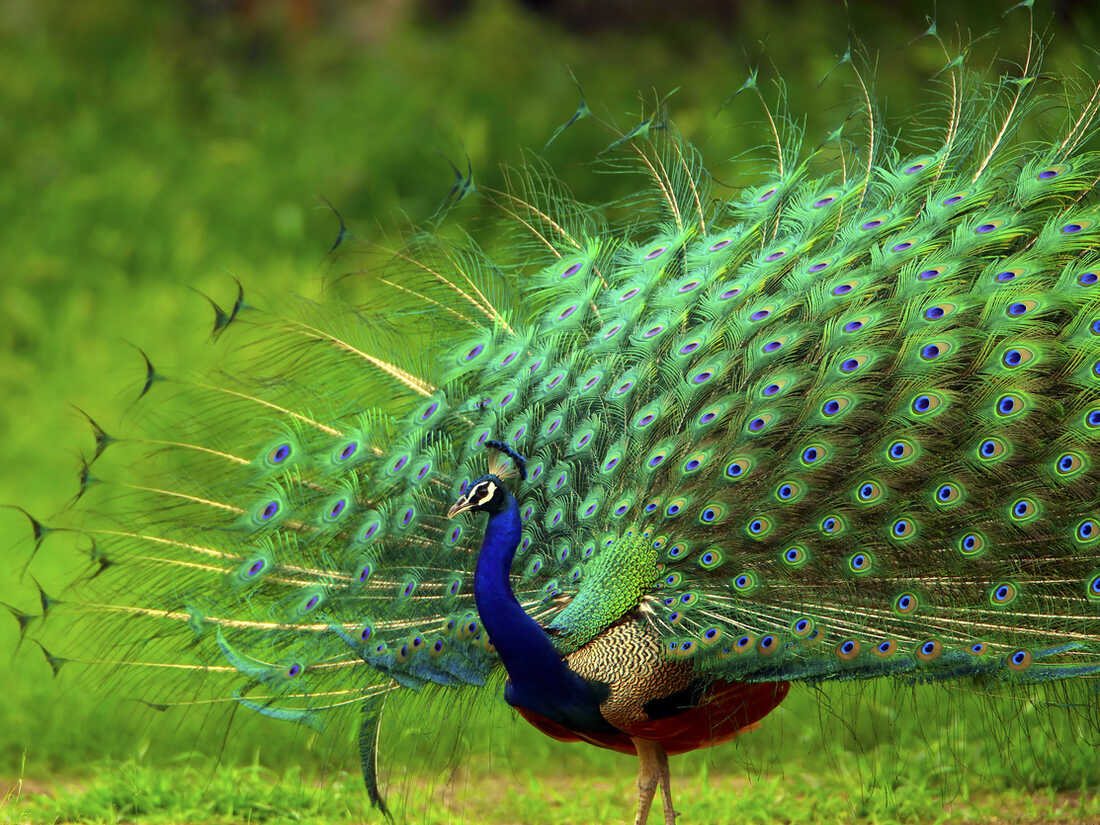

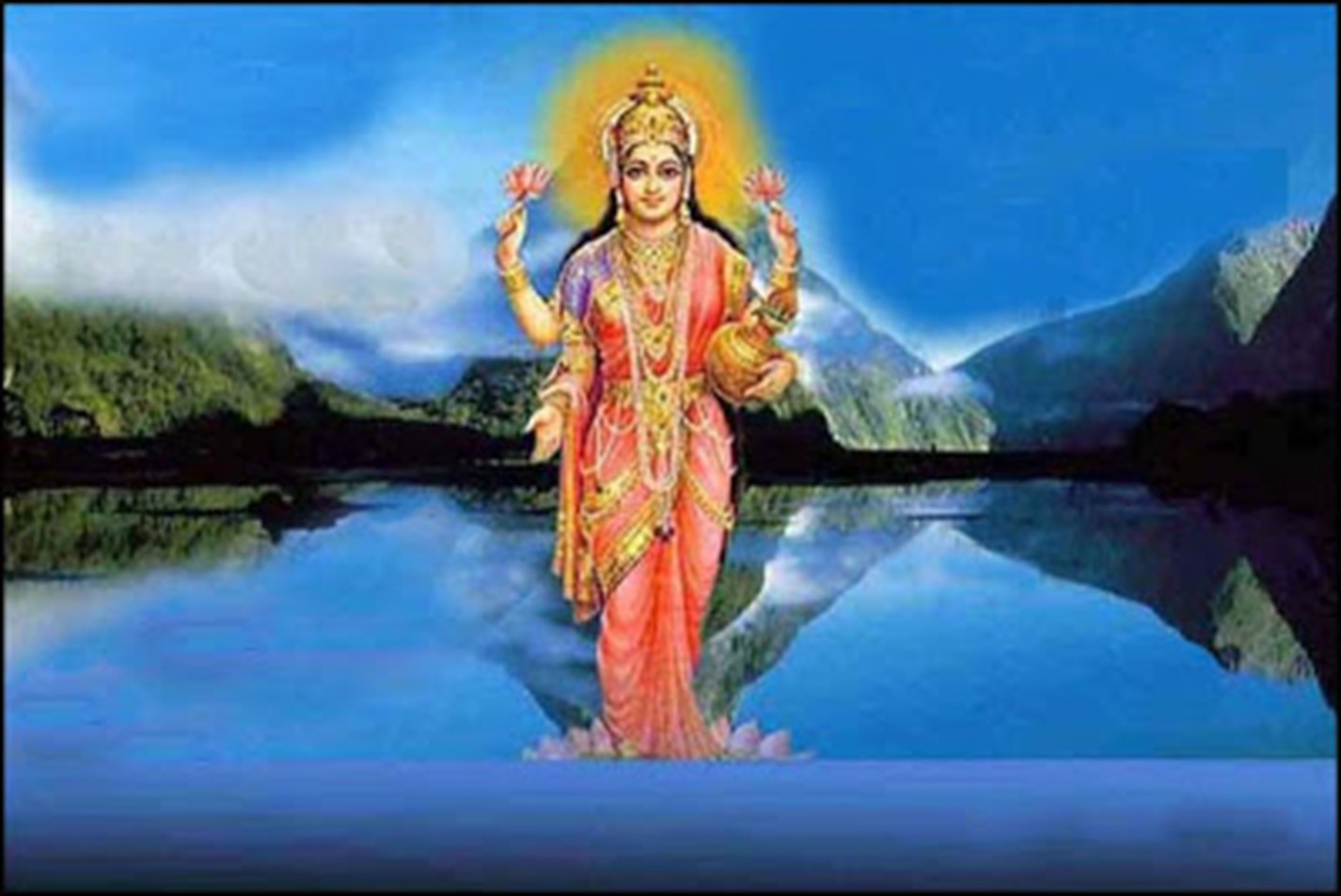
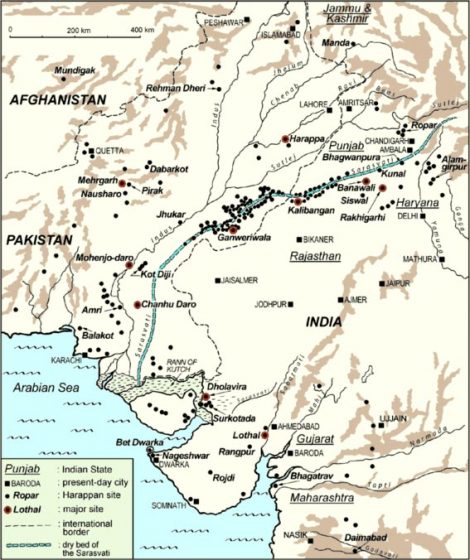




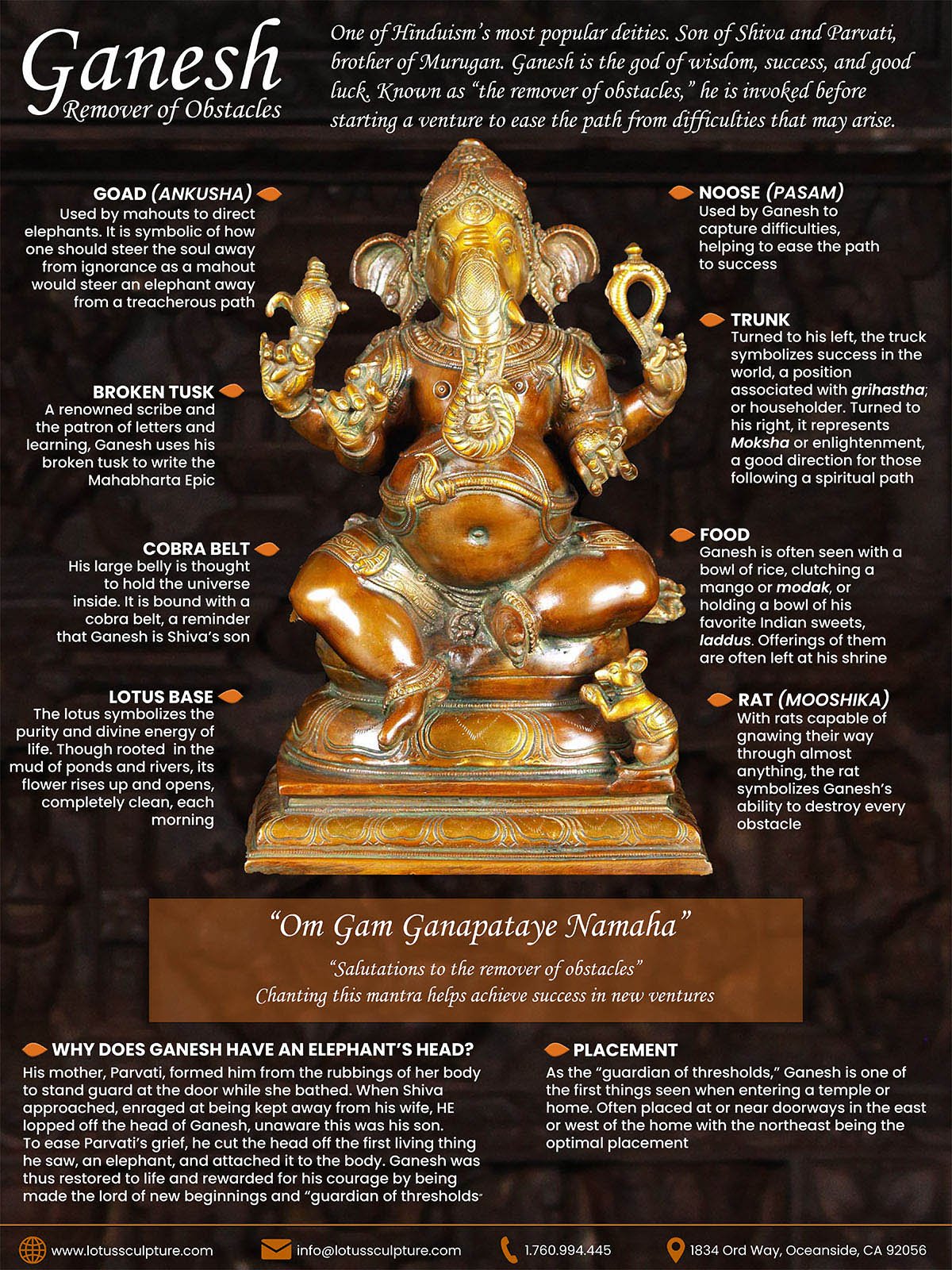





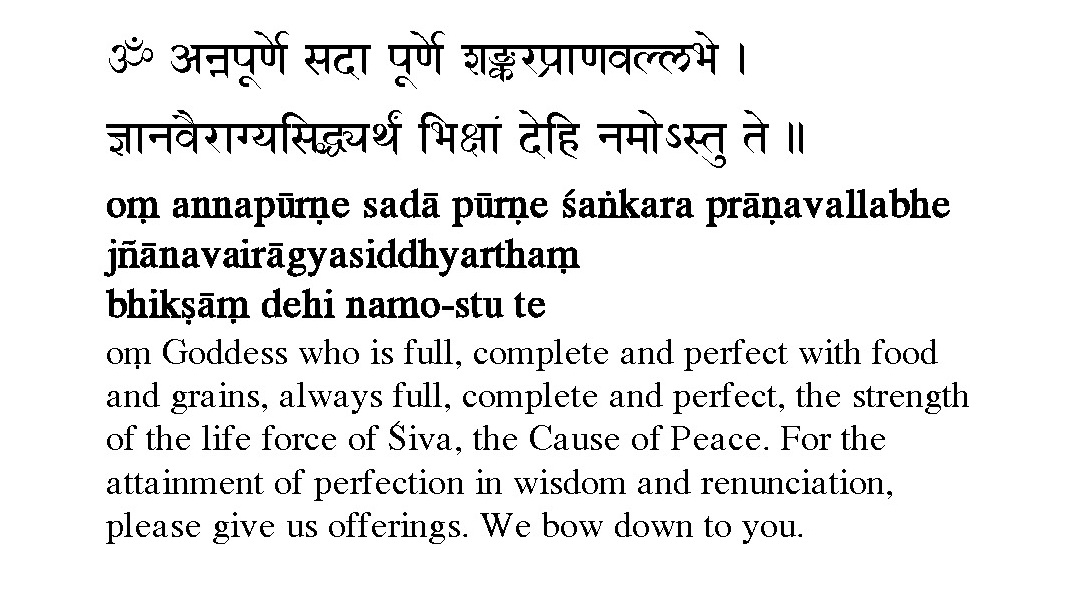

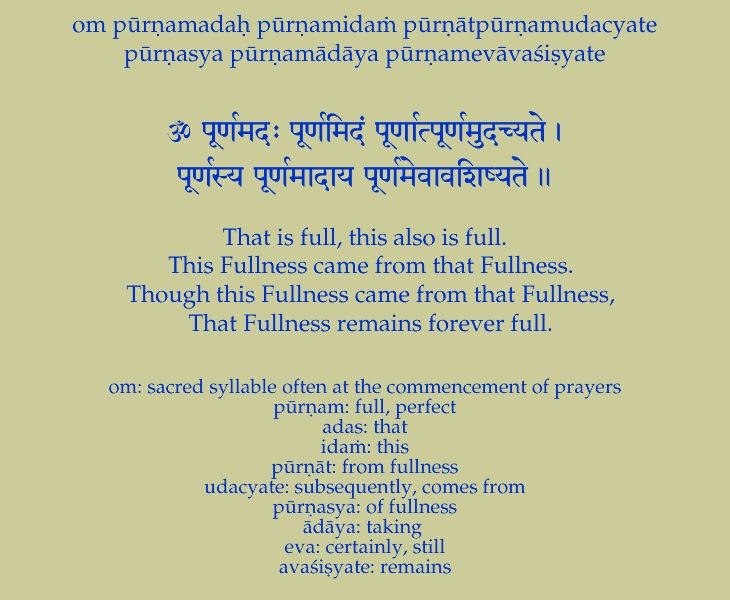

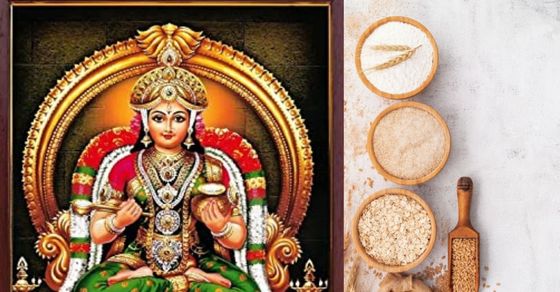
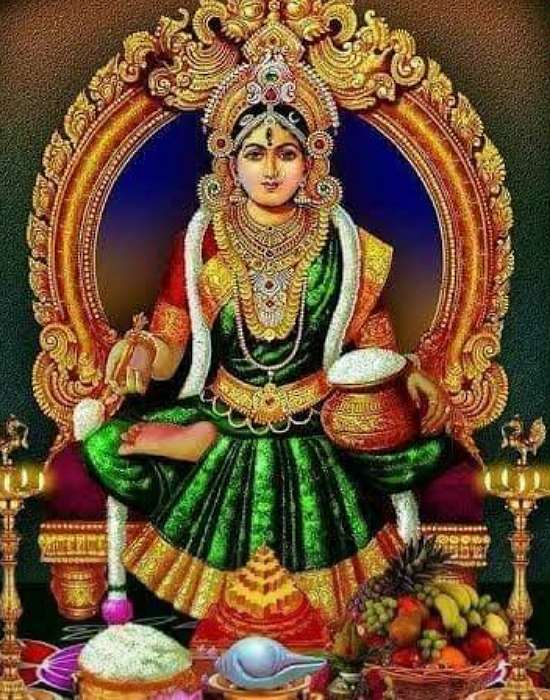


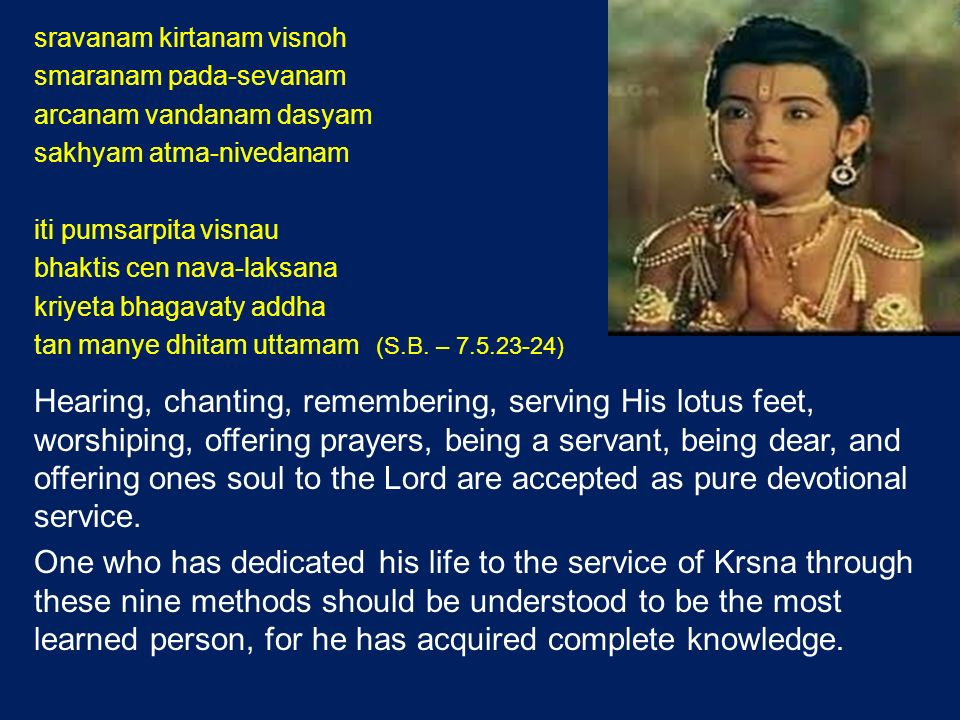


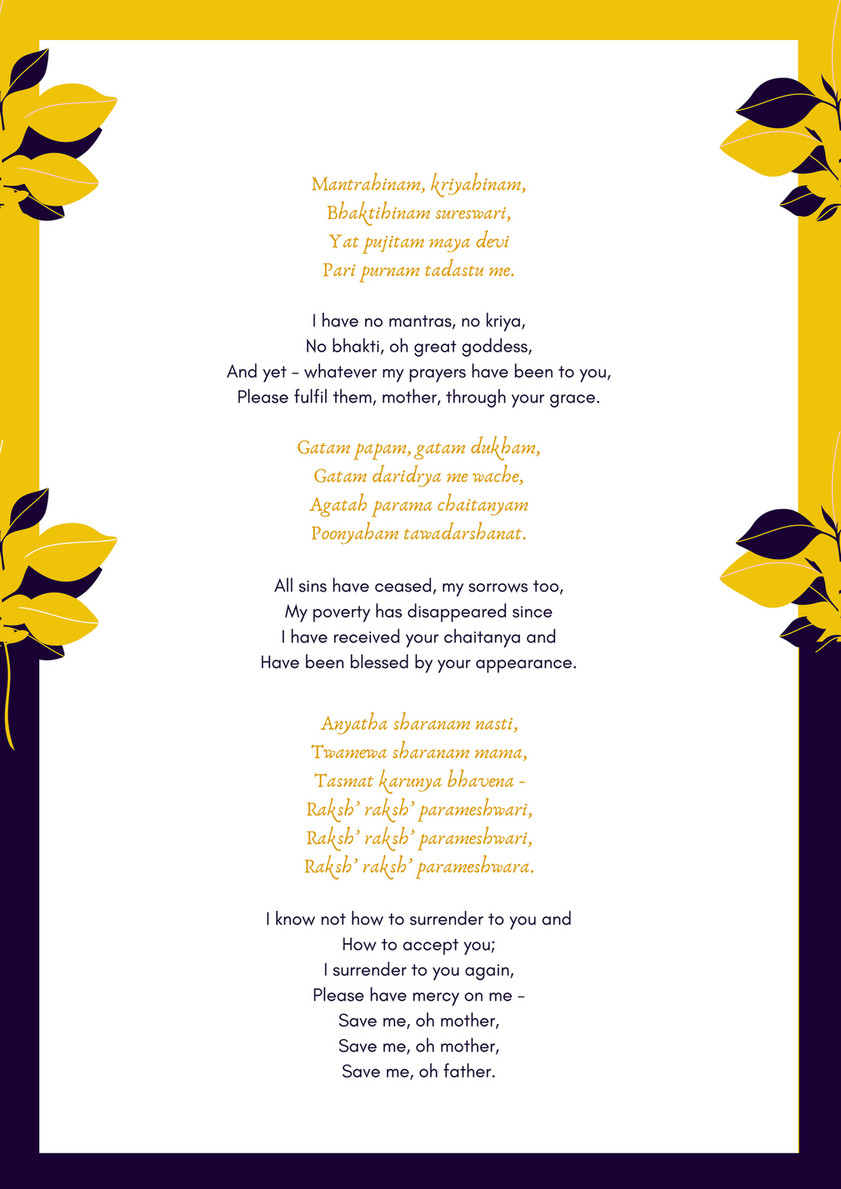


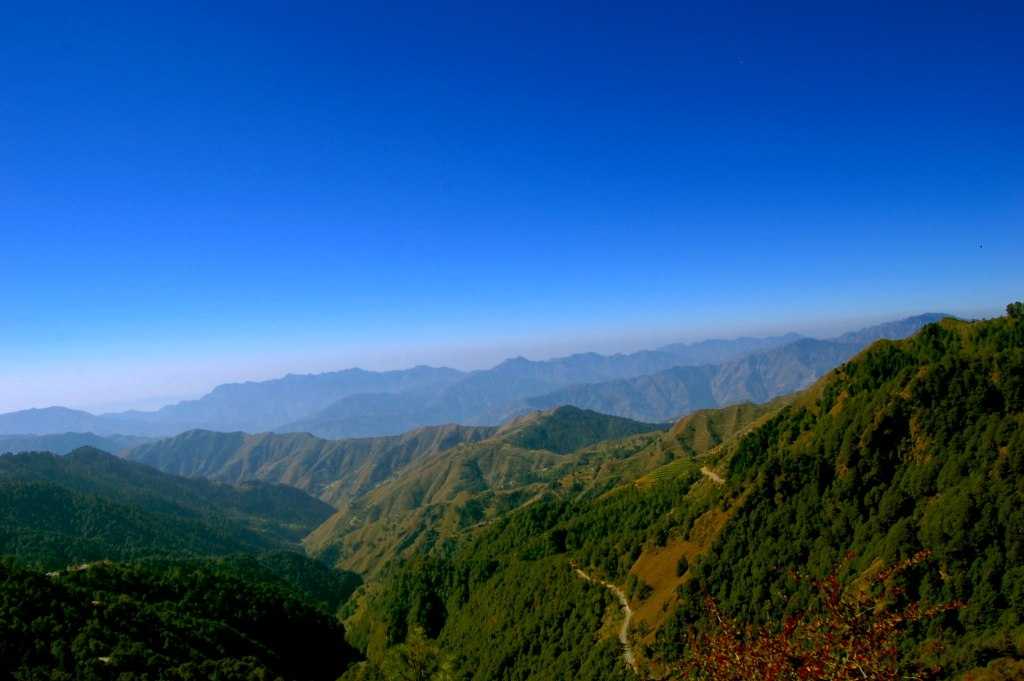
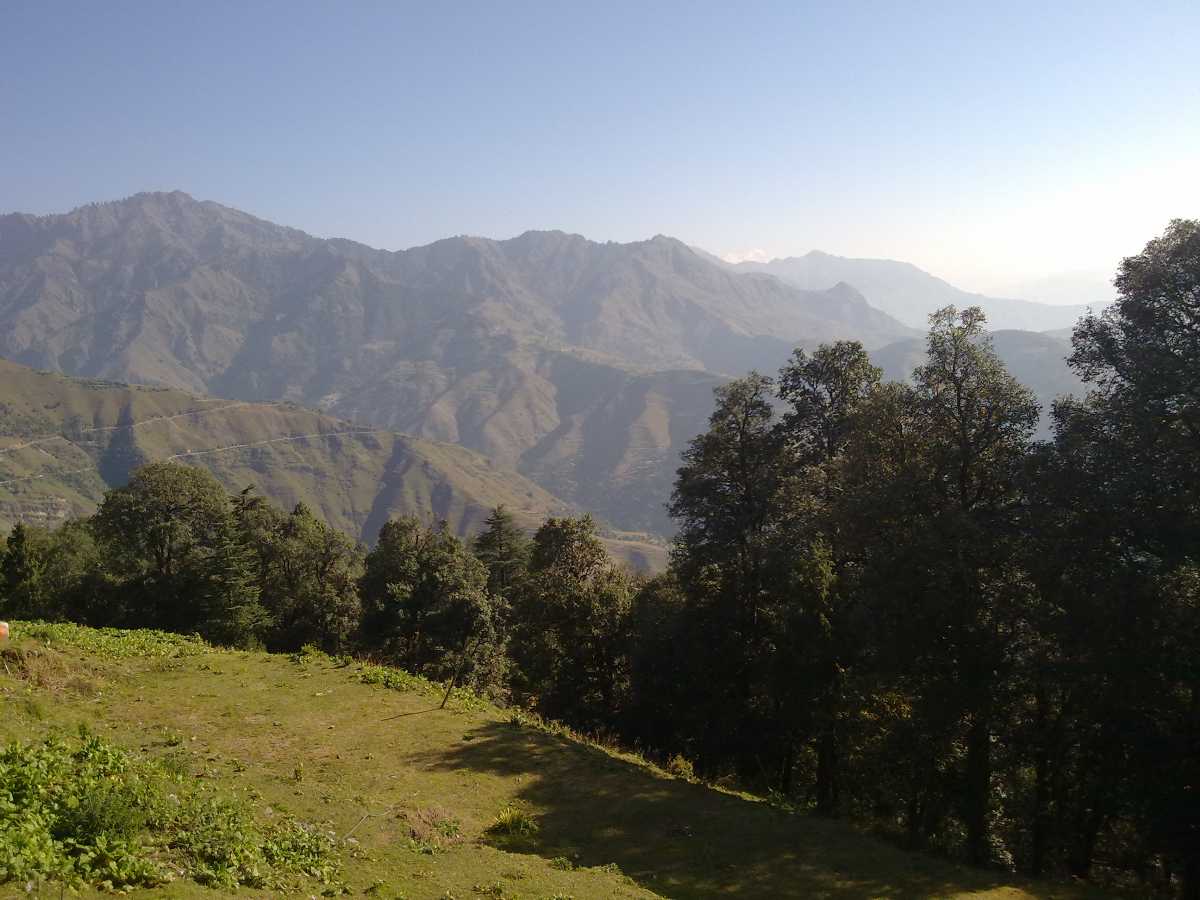
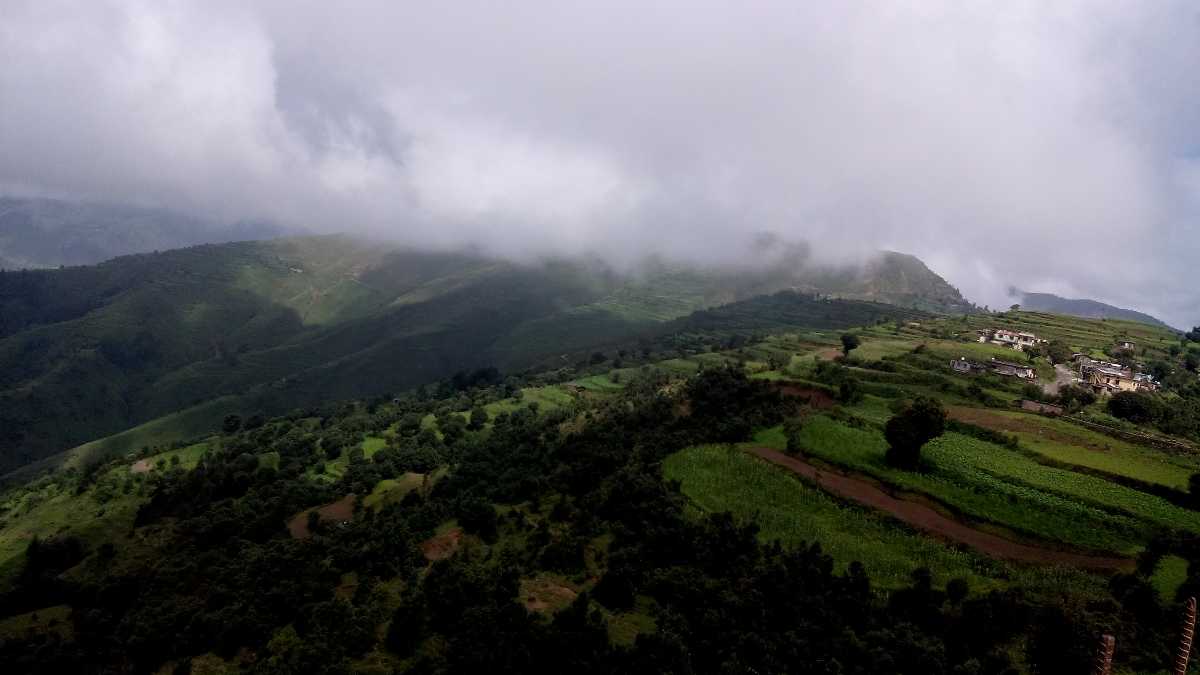
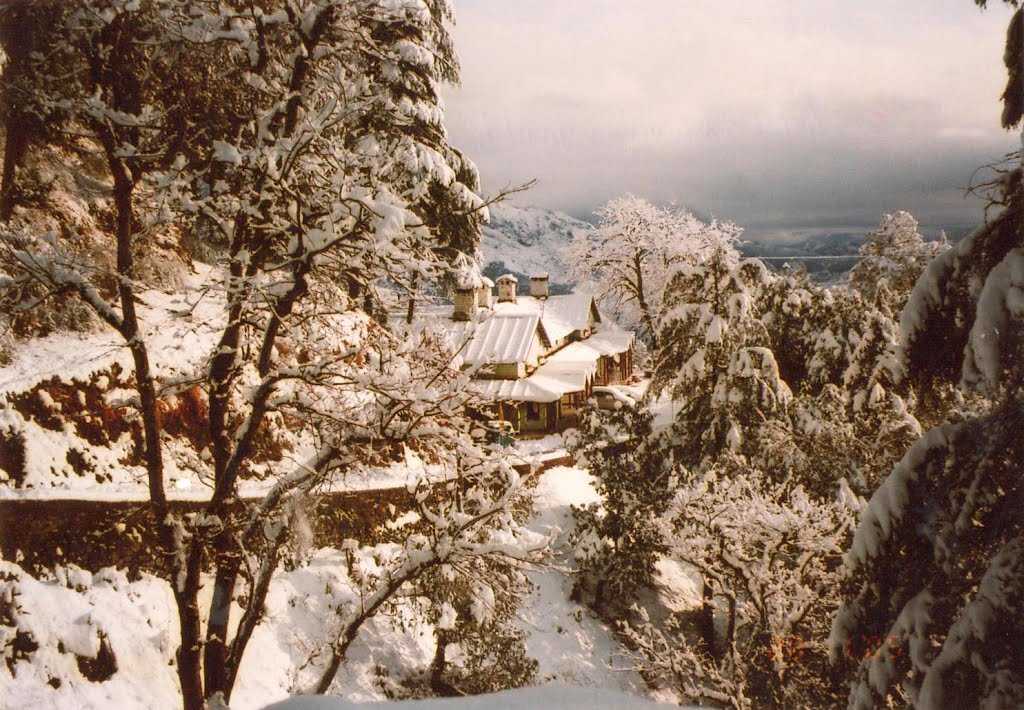
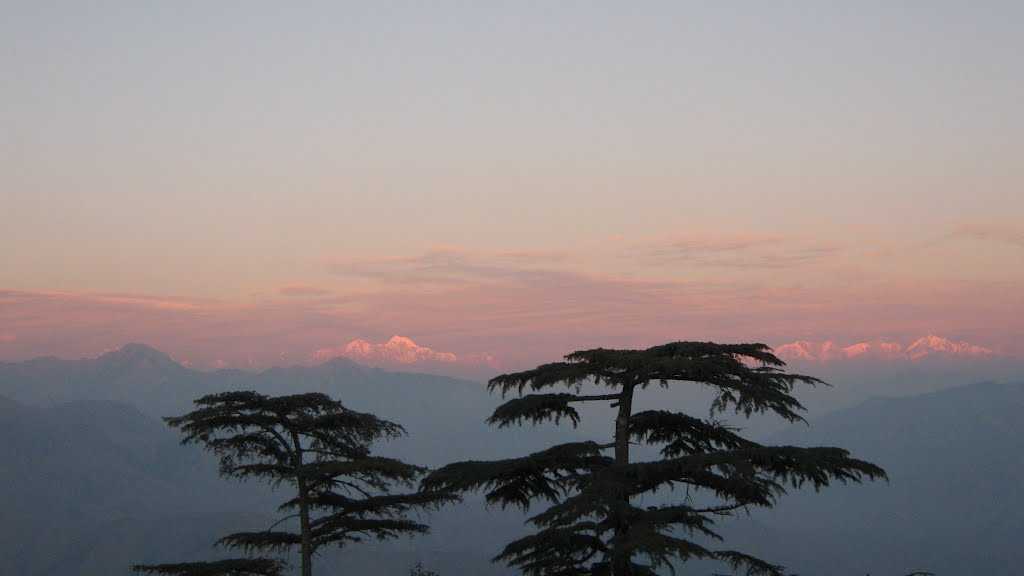
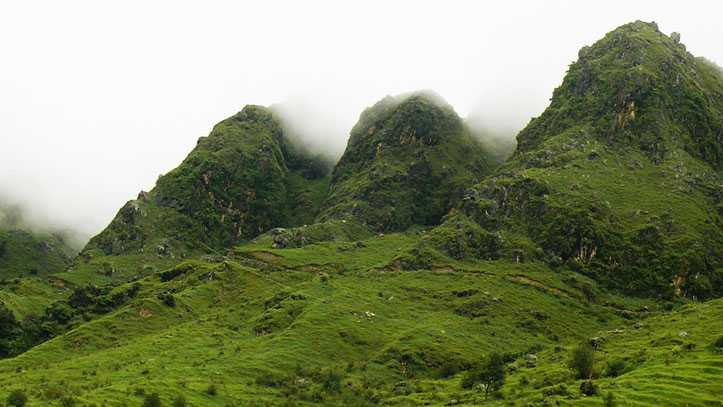
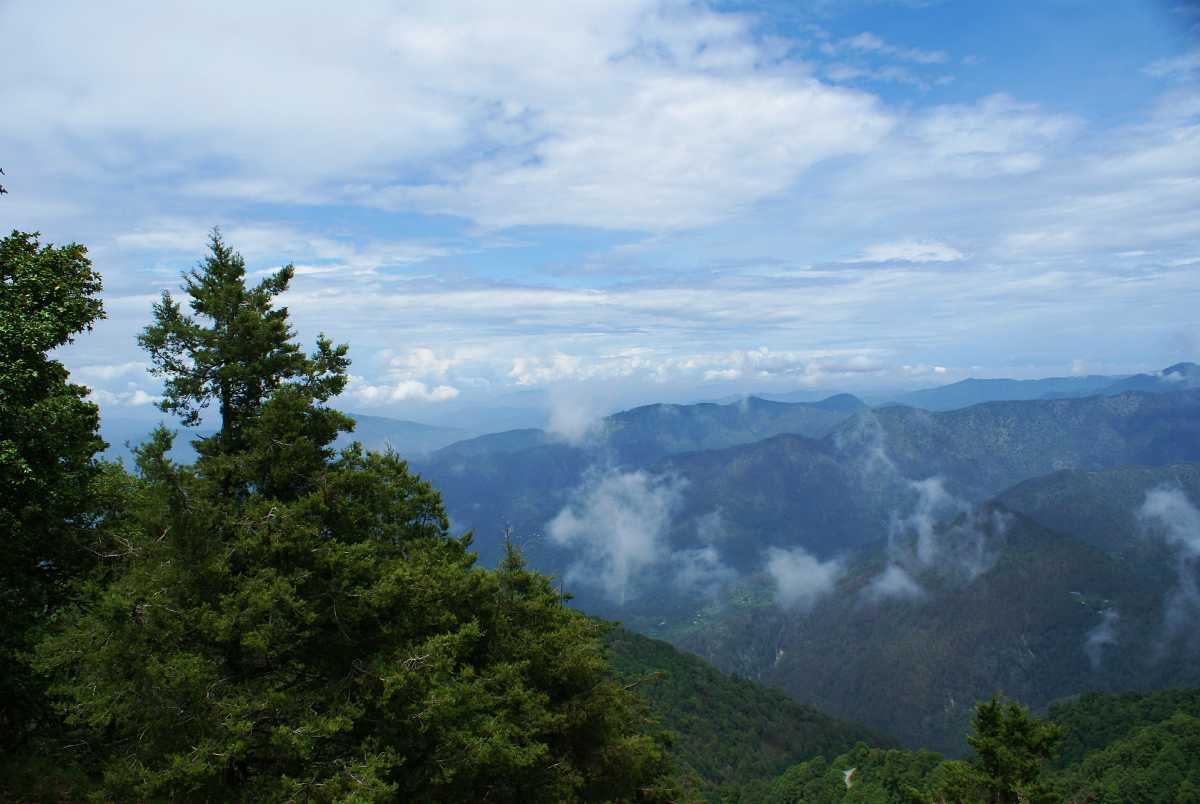
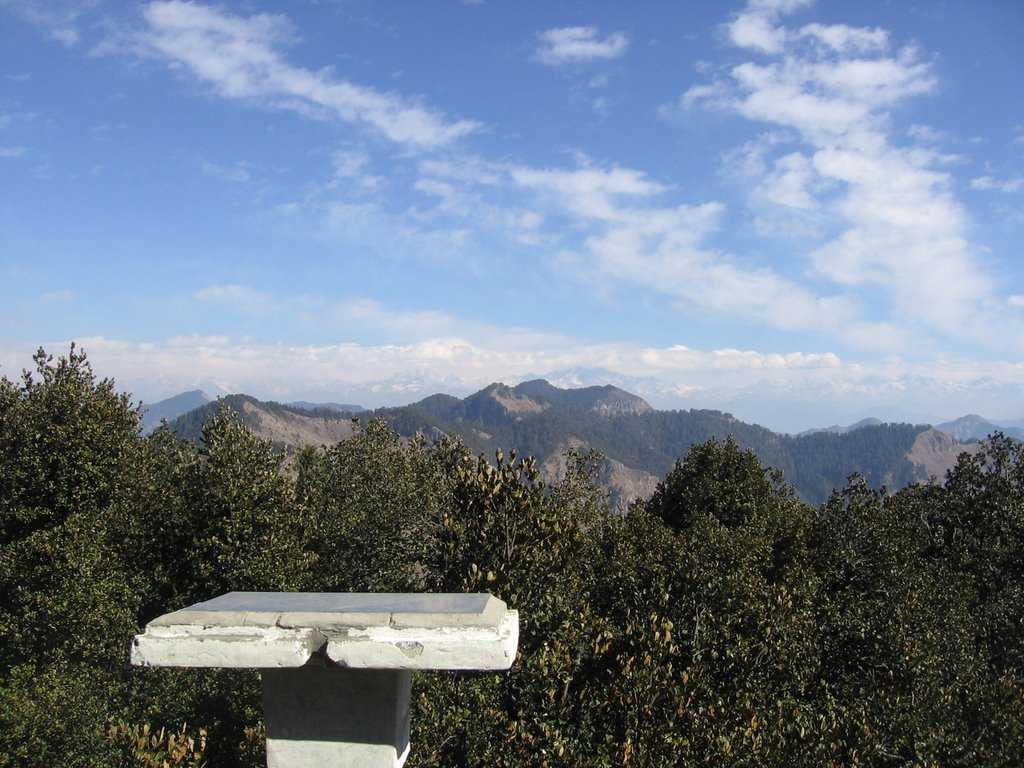
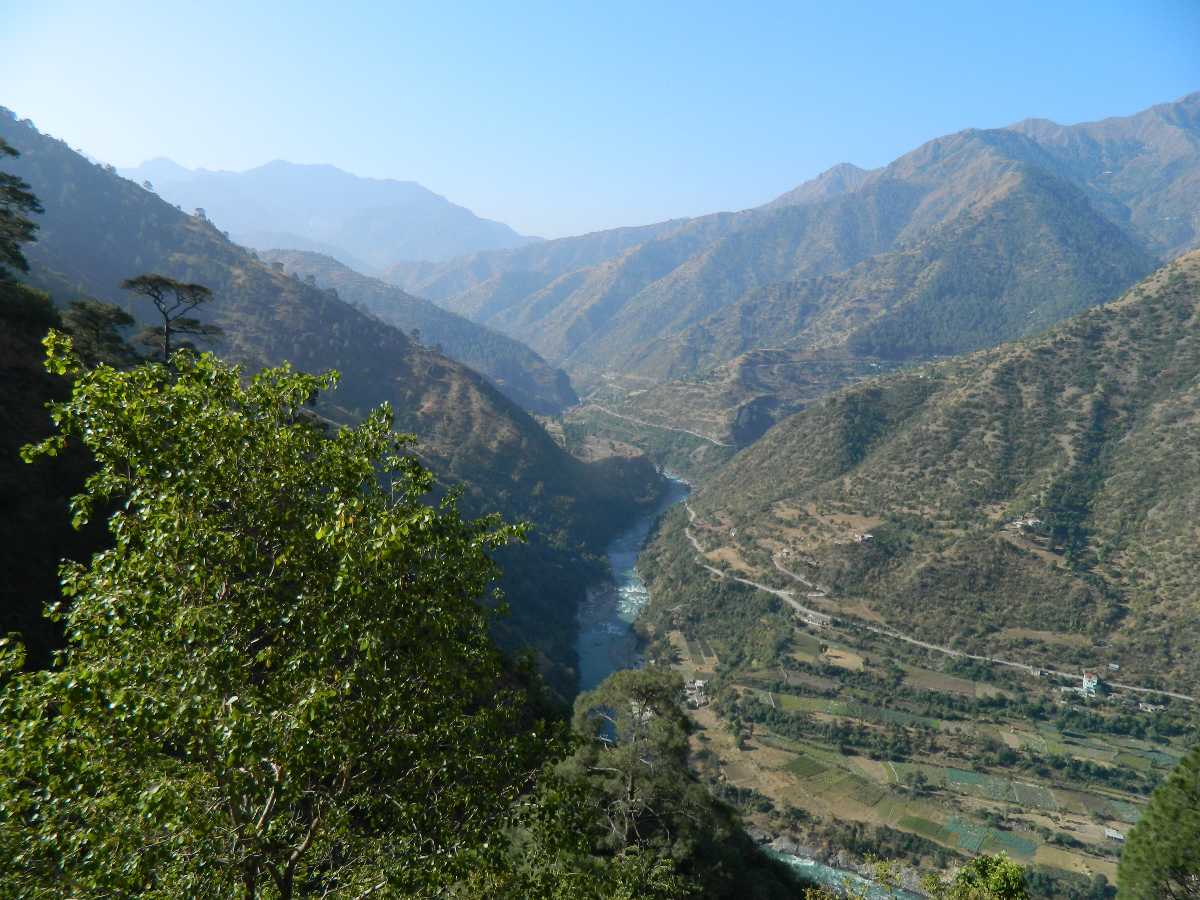


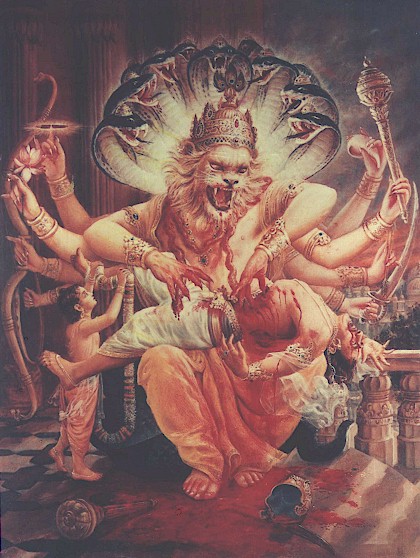
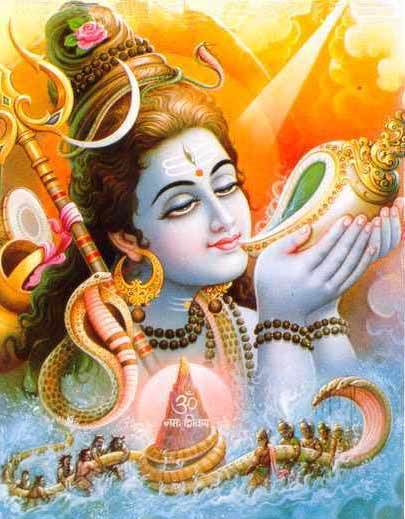
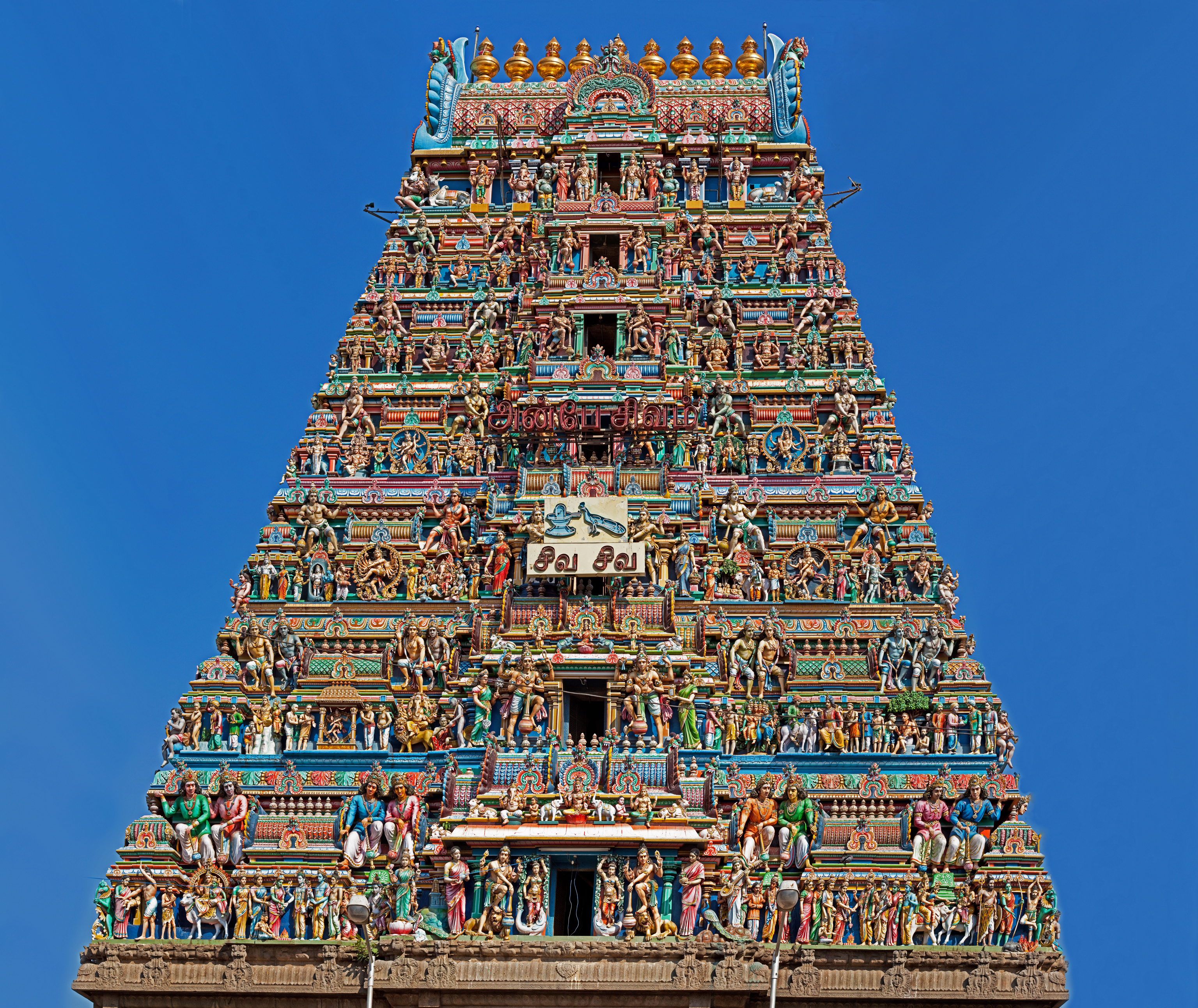

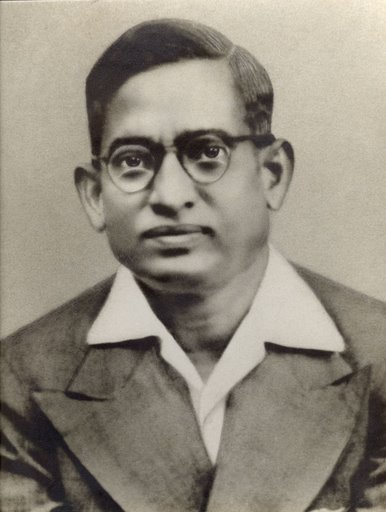


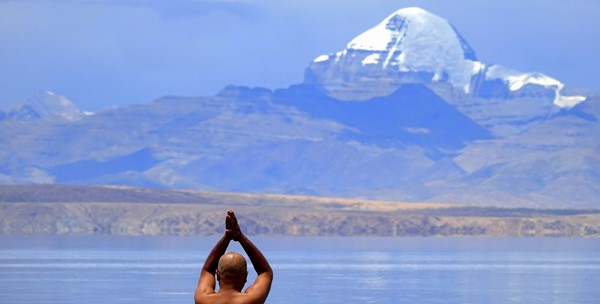
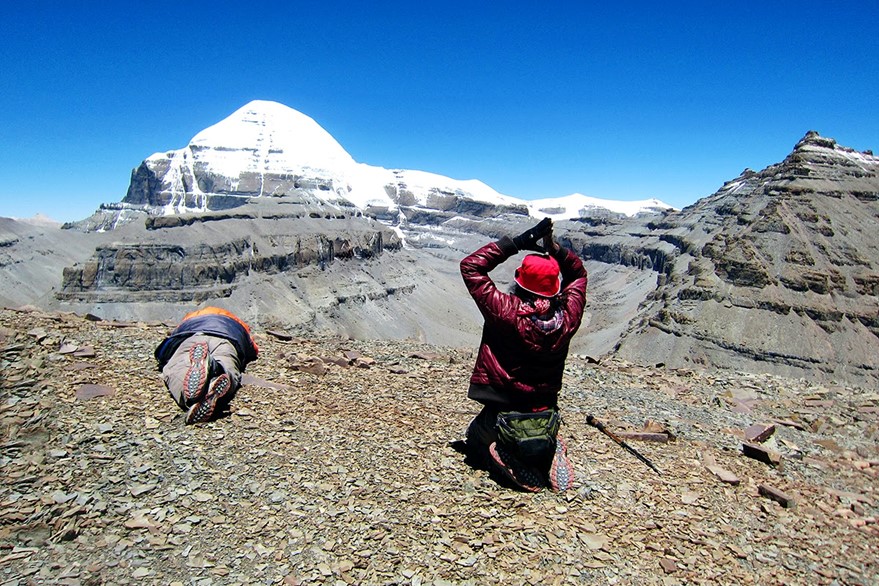
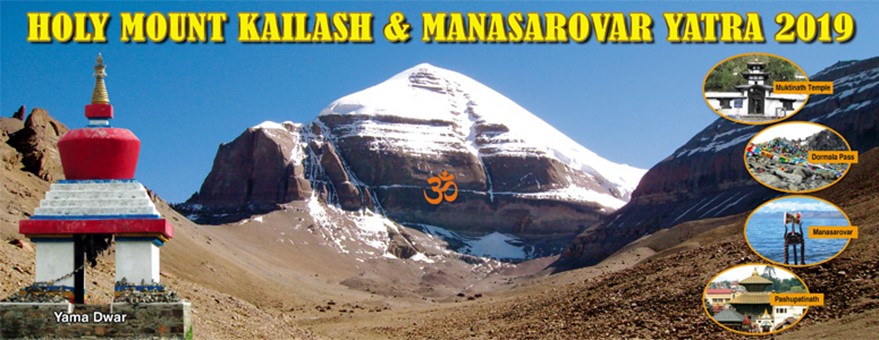
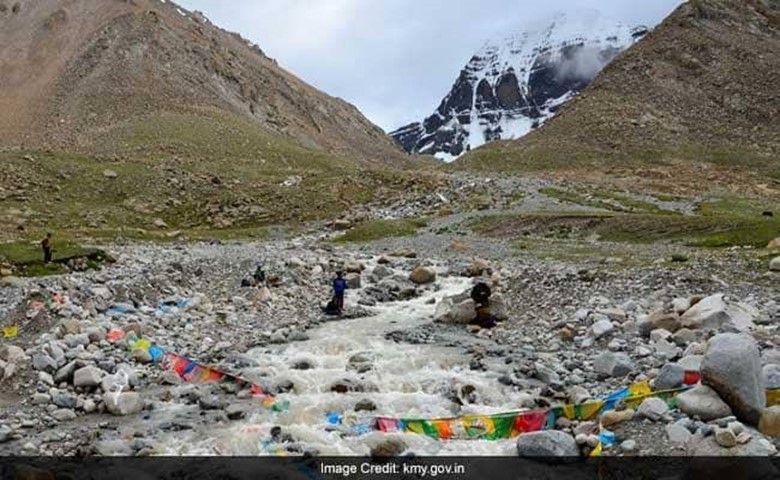
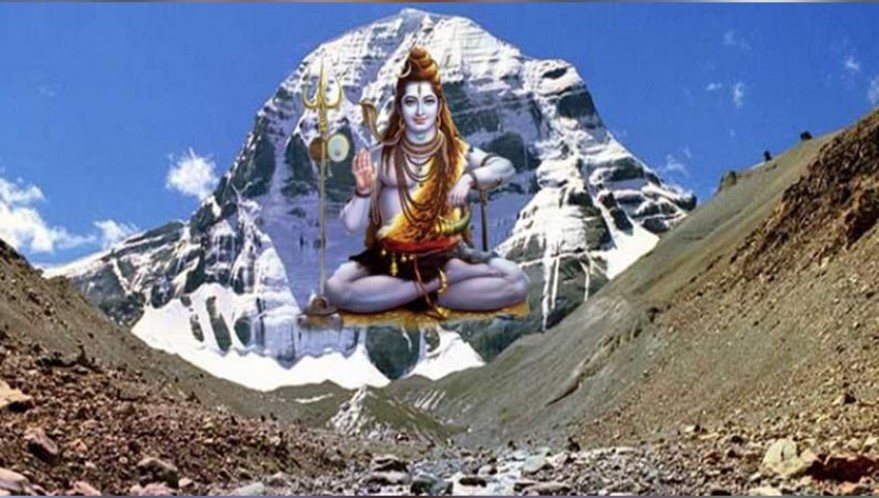
 Whole Dude - Whole Concept