NIXON-KISSINGER VIETNAM TREASON – THE CIA’S CANCELLED WAR

NIXON-KISSINGER VIETNAM TREASON – THE CIA’S CANCELLED WAR

NIXON-KISSINGER VIETNAM TREASON – THE CIA’S CANCELLED WAR.

‘TIBET: THE CIA’S CANCELLED WAR’ fails to describe Nixon-Kissinger Vietnam Treason during 1971-72 when Americans were fighting a bloody War in Vietnam against Communists supported by the Soviet Union and Red China. As I was part of this CIA Mission in Tibet, I knew that Tibet and India were willing to help the US by fighting against Communists inside Tibet rather than directly engaging Communists in Vietnam. Tibet and India want to choose their Battlefield in full support of the US Policy to engage and contain the spread of Communism. The Central Intelligence Agency or CIA has no vested powers to wage or fight wars. “The Cancelled War” is simply an act of Treason. The 37th President of the United States chose to provide support and comfort to the Enemy during War waged on behalf of the United States.

In 1971-72, CIA Mission in Tibet never ended. The Mission continued without direct participation of American nationals. I can appreciate CIA’s unwillingness to divulge the truth about its Mission which is always sanctioned by the executive powers vested in the US President. In my analysis, this War will be fought to restore Balance of Power in Southern Asia.

Rudranarasimham, Rebbapragada

DOOM DOOMA DOOMSAYER

TIBET: THE CIA’S CANCELLED WAR

JONATHAN MIRSKY

NIXON-KISSINGER VIETNAM TREASON – CIA’S CANCELLED WAR

Lhamo Tsering Collection

Resistance fighters on the Tibetan border during the early years of the CIA’s Tibet program

For much of the past century, US relations with Tibet have been characterized by kowtowing to the Chinese and hollow good wishes for the Dalai Lama. As early as 1908, William Rockhill, a US diplomat, advised the Thirteenth Dalai Lama that “close and friendly relations with China are absolutely necessary, for Tibet is and must remain a portion of the Ta Ts’ing [Manchu] Empire for its own good.” Not much has changed with the Fourteenth Dalai Lama one hundred years later. After a meeting in 2011 with President Obama in the White House Map Room—the Oval Office being too official—the Dalai Lama has ushered out the back door, past the garbage cans. All this, of course, is intended to avoid condemnation from Beijing, which regards even the mildest criticism of its Tibet policy as “interference.”

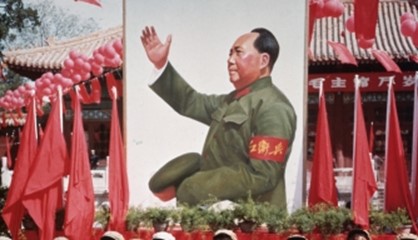
However, there was one dramatic departure from the minimalist approach. For nearly two decades after the 1950 Chinese takeover of Tibet, the CIA ran a covert operation designed to train Tibetan insurgents and gather intelligence about the Chinese, as part of its efforts to contain the spread of communism around the world. Though little known today, the program produced at least one spectacular intelligence coup and provided a source of support for the Dalai Lama. On the eve of Richard Nixon’s historic 1972 meeting with Mao, the program was abruptly canceled, thus returning the US to its traditional arms-length policy toward Tibet. But this did not end the long legacy of mistrust that continues to color Chinese-American relations. Not only was the Chinese government aware of the CIA program; in 1992, it published a white paper on the subject. The paper included information drawn from reliable Western sources about the agency’s activities, but laid the primary blame for the insurgency on the “Dalai Lama clique,” a phrase Beijing still uses today.

The insurgency began after the People’s Liberation Army invaded Tibet following its defeat of the Nationalists, and after Beijing forced the Dalai Lama’s government to recognize Chinese administration over the region. In 1955, a group of local Tibetan leaders secretly plotted an armed uprising, and rebellion broke out a year later, with the rebels besieging local government institutions and killing hundreds of government staff as well as Han Chinese people. In May 1957, a rebel organization and a rebel fighting force were founded and began killing communist officials, disrupting communication lines, and attacking institutions and Chinese army troops stationed in the region.

By that point, the rebellion had gained American backing. In the early 1950s, the CIA began to explore ways to aid the Tibetans as part of its growing campaign to contain Communist China. By the second half of the decade, “Project Circus” had been formally launched, Tibetan resistance fighters were being flown abroad for training, and weapons and ammunition were being airdropped at strategic locations inside Tibet. In 1959, the agency opened a secret facility to train Tibetan recruits at Camp Hale near Leadville, Colorado, partly because the location, more than 10,000 feet above sea level, might approximate the terrain of the Himalayas. According to one account, some 170 “Kamba guerrillas” passed through the Colorado program.

While the CIA effort never produced a mass uprising against the Chinese occupiers, it did provide one of the greatest intelligence successes of the Cold War, in the form of a vast trove of Chinese army documents captured by Tibetan fighters and turned over to the CIA in 1961. These revealed the loss of morale among Chinese soldiers, who had learned of the vast famine that was wracking China during The Great Leap Forward. Over the next decade, however, there was growing disagreement in Washington over the CIA’s activities in Tibet, and in 1971, as Henry Kissinger prepared for Nixon’s meeting with Mao, the program was wound down.

“Although Tibet may not have been on the table in the Beijing talks, the era of official US support for the Tibetan cause was over,” recalled John Kenneth Knaus, a forty-year CIA veteran, in his 1999 book Orphans of the Cold War: America and the Tibetan Struggle for Survival. “There was no role for Tibet in Kissinger’s new equation.” By 1975, President Gerald Ford could say to a skeptical Deng Xiaoping, China’s future leader, “Let me assure you, Mr. Vice-Premier, that we oppose and do not support any [United States] governmental action as far as Tibet is concerned.”

Many friends of Tibet and admirers of the Dalai Lama, who has always advocated nonviolence, believe he knew nothing about the CIA program. But Gyalo Thondup, one of the Dalai Lama’s brothers, was closely involved in the operations, and Knaus, who took part in the operation, writes that “Gyalo Thondup kept his brother the Dalai Lama informed of the general terms of the CIA support.” According to Knaus, starting in the late 1950s, the Agency paid the Dalai Lama $15,000 a month. Those payments came to an end in 1974.

In 1999, I asked the Dalai Lama if the CIA operation had been harmful to Tibet. “Yes, that is true,” he replied. The intervention was harmful, he suggested because it was primarily aimed at serving American interests rather than helping the Tibetans in any lasting way. “Once the American policy toward China changed, they stopped their help,” he told me. “Otherwise our struggle could have gone on. Many Tibetans had great expectations of CIA [air] drops, but then the Chinese army came and destroyed them. The Americans had a different agenda from the Tibetans.”

This was exactly right, and the different goals of the Agency and the Tibetans are explored fully by the Tibetan-speaking anthropologist Carole McGranahan in her Arrested Histories: Tibet, the CIA, and Memories of a Forgotten War (2010). Although sometimes clouded by anthropological jargon, her account fascinatingly explores how differently from their American counterparts the Tibetan veterans remember the CIA operation. A striking example is the matter of the Chinese army documents, whose capture in a Tibetan ambush of a high-ranking Chinese officer is depicted in grisly detail in a huge painting in the CIA’s museum in Washington. In addition to revealing low Chinese morale, the documents disclosed the extent of Chinese violence in Tibet. “This information was the only documentary proof the Tibetan government [in exile] had of the Chinese atrocities and was therefore invaluable,” McGranahan notes. Yet the documents and their capture rarely came up during her long interview sessions with the veterans. “Why is it that this achievement, so valued by the US and Tibetan governments, is not remotely as memorable for [the] soldiers?”

One reason is that the Tibetan fighters were told nothing about the value of the documents, which they couldn’t read. One veteran explains to her:

Our soldiers attacked Chinese trucks and seized some documents of the Chinese government. After that, the Americans increased our pay scale. Nobody knew what the contents of those documents were. At that time, questions weren’t asked. If you asked many questions, then others would be suspicious of you.

The leader of the ambush tells her that “as a reward, the CIA gave me an Omega chronograph,” but he, too, had little knowledge of the documents’ importance. As McGranahan shows in extensive detail, the veterans were preoccupied above all by their devotion to the Dalai Lama, whom they wanted to resume his position as supreme leader of an independent Tibet.

After the CIA mission was ended, Tibet became increasingly marginal to Washington’s China policy, as Knaus has now made clear in a second book, Beyond Shangri-la: America and Tibet’s Move into the Twenty-First Century. The reality is that American presidents now face a world power in Beijing. In language that sums up the cats-cradle of American justifications for ignoring Tibet, ex-Assistant Secretary of State for East Asia Marshall Green recalls to Knaus, “there was nothing we could do to help the Tibetans except by improving our relations with the Chinese Communists so that we might be in a position to exert pressure on them to moderate their policies towards the Tibetans.” Green “admitted that this was ‘perhaps a rationalization.'”

President Obama will soon meet the new Chinese leader, Xi Jinping. His advisers will have reminded him of the encounter between his predecessor, Bill Clinton, and then-Chinese president Jiang Zemin on June 27, 1998. In that meeting, Clinton assured Jiang that, “I agree that Tibet is a part of China, an autonomous region of China. And I can understand why the acknowledgment of that would be a precondition of dialog with the Dalai Lama.” Banking on his well-known charm, Mr. Clinton added, “I have spent time with the Dalai Lama. I believe him to be an honest man, and I believe if he had a conversation with President Jiang, they would like each other very much.” Jiang, it is reported, threw back his head and laughed. Clinton’s suggestion was omitted from the official Chinese transcript.

April 9, 2013, 2:29 pm


© 1963-2017 NYREV, Inc. All rights reserved.
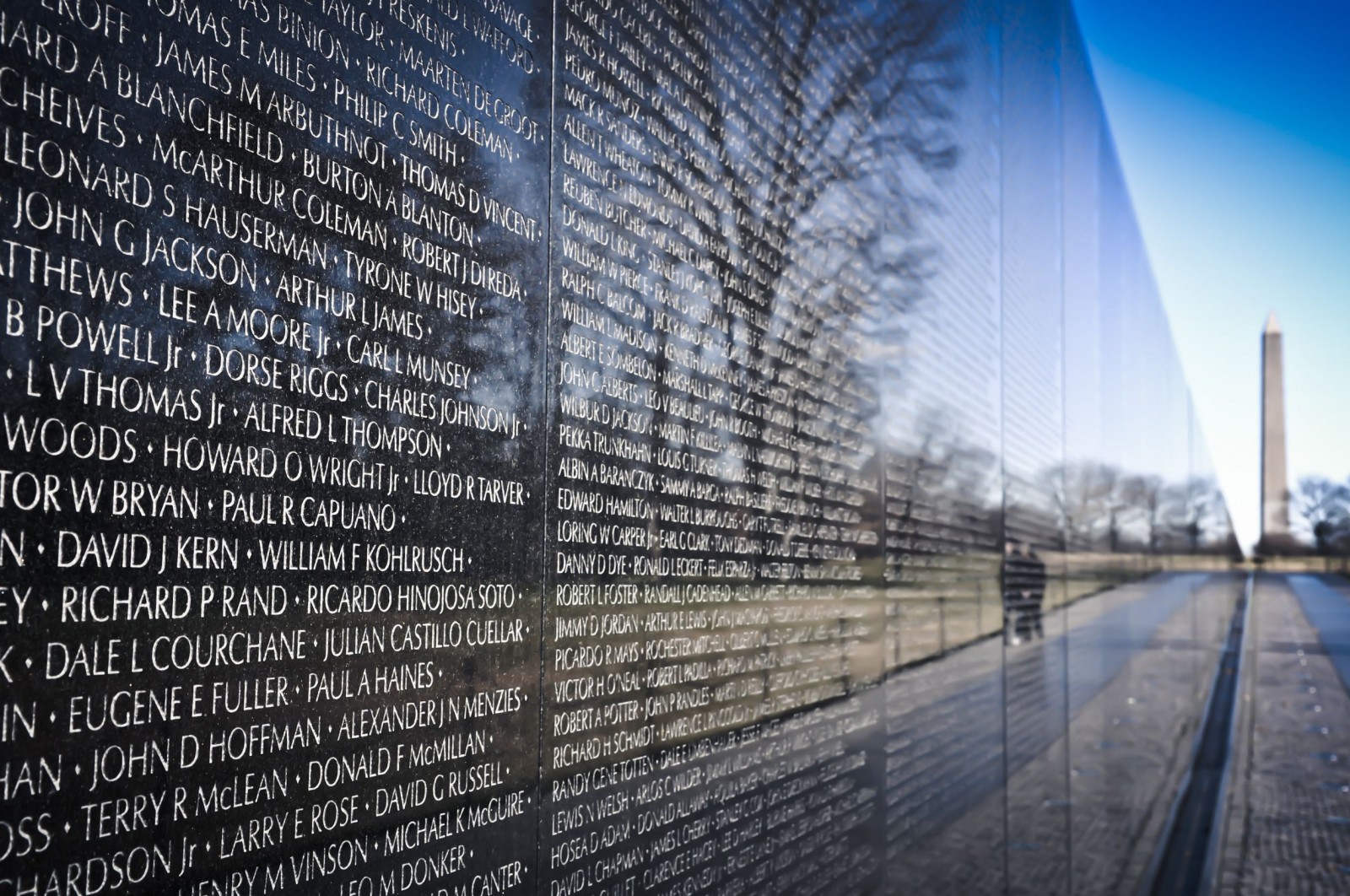
NIXON-KISSINGER VIETNAM TREASON – CIA’S CANCELLED WAR.

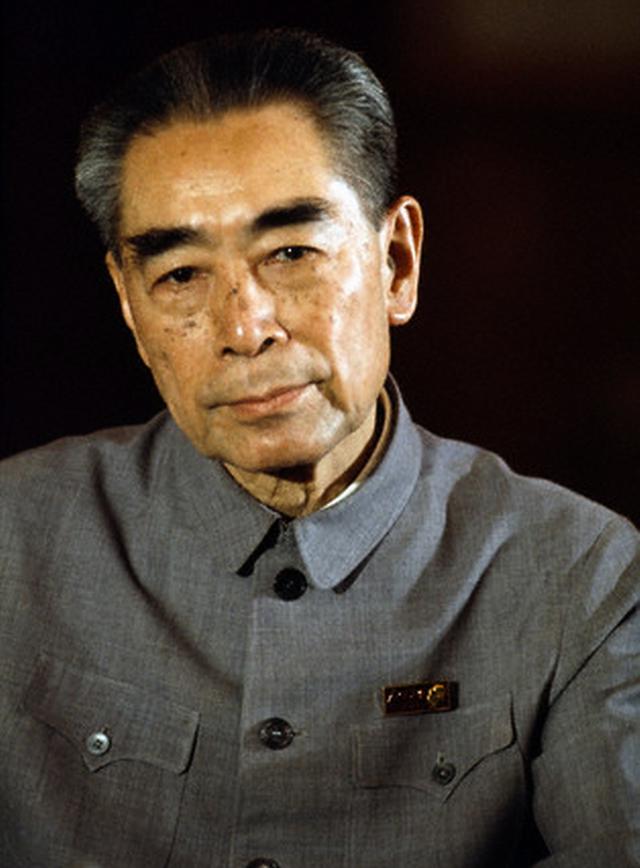
REMEMBERING PRIME MINISTER ZHOU ENLAI – DIED ON JANUARY 08, 1976

REMEMBERING PRIME MINISTER ZHOU ENLAI – DIED ON JANUARY 08, 1976

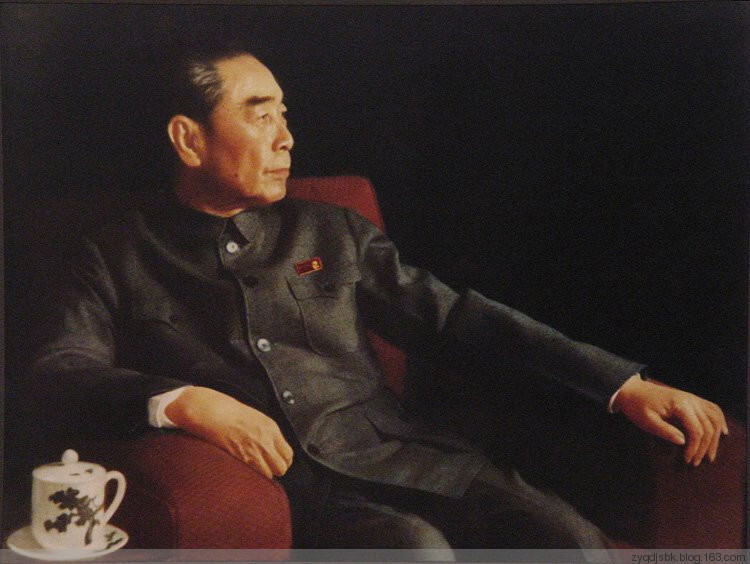
REMEMBERING PRIME MINISTER ZHOU ENLAI ON HIS 41st DEATH ANNIVERSARY.
REMEMBERING CHINESE PRIME MINISTER ZHOU ENLAI ON JANUARY 08, 2017, HIS 41st DEATH ANNIVERSARY. I KEEP HIM ALIVE IN MY THOUGHTS.

Chinese Prime Minister Zhou Enlai died on January 08, 1976. On January 08, 2017, Zhou’s 41st Death Anniversary, I disclose that I keep Zhou Enlai alive in my thoughts for Tibet is still under Military Occupation. I will bury my thoughts of Prime Minister Zhou Enlai when the Military Occupier of Tibet gets evicted from Tibet.

Rudranarasimham Rebbapragada

Ann Arbor, Michigan, USA 48104 – 4162.

DOOM DOOMA DOOMSAYER


REMEMBERING CHINESE PRIME MINISTER ZHOU ENLAI ON JANUARY 08, 2017, HIS 41st DEATH ANNIVERSARY.
REMEMBERING CHINESE PRIME MINISTER ZHOU ENLAI ON JANUARY 08, 2017, HIS 41st DEATH ANNIVERSARY. I KEEP HIM ALIVE IN MY THOUGHTS.
REMEMBERING CHINESE PRIME MINISTER ZHOU ENLAI ON JANUARY 08, 2017, HIS 41st DEATH ANNIVERSARY. I KEEP ZHOU ENLAI, MAO ZEDONG, RICHARD NIXON ALIVE IN MY THOUGHTS FOR TIBET REMAINS UNDER MILITARY OCCUPATION.

Cold War

1976

Chinese leader Zhou Enlai dies

  • Author
    History.com Staff

  • Website Name
    History.com

  • Year Published
    2009

  • URL
    http://www.history.com/this-day-in-history/chinese-leader-zhou-enlai-dies

  • Publisher
    A+E Networks

  • Zhou Enlai, premier of the People’s Republic of China (PRC) since 1949, dies of cancer at age 77. Zhou was second to Mao Zedong, the leader of the revolution that brought a communist regime to China, in terms of importance in the PRC. Beyond his significance as a leader of communist China, Zhou was instrumental in the negotiations that resulted in the U.S. recognition of the PRC in 1979.

    Zhou was born in 1898, and he was heavily involved in the Chinese Communist Party (CCP) by the 1920s. He rose quickly through the party ranks and became one of Mao Zedong’s most trusted advisors, particularly valued for his skill at negotiations and diplomacy. These skills were crucial during the 1930s, when the CCP found it necessary to collaborate with its enemy, the Chinese Nationalists, to oppose Japanese aggression. In 1949, the CCP was victorious in its civil war against the Nationalists and Zhou was appointed premier and foreign minister of the new government.

    During the 1950s, he represented China at various diplomatic gatherings, including the 1954 Geneva Conference and the 1955 Asian-African Conference in Bandung. He was also a stabilizing force inside China during the tumultuous years of the Cultural Revolution and its resultant political tensions.

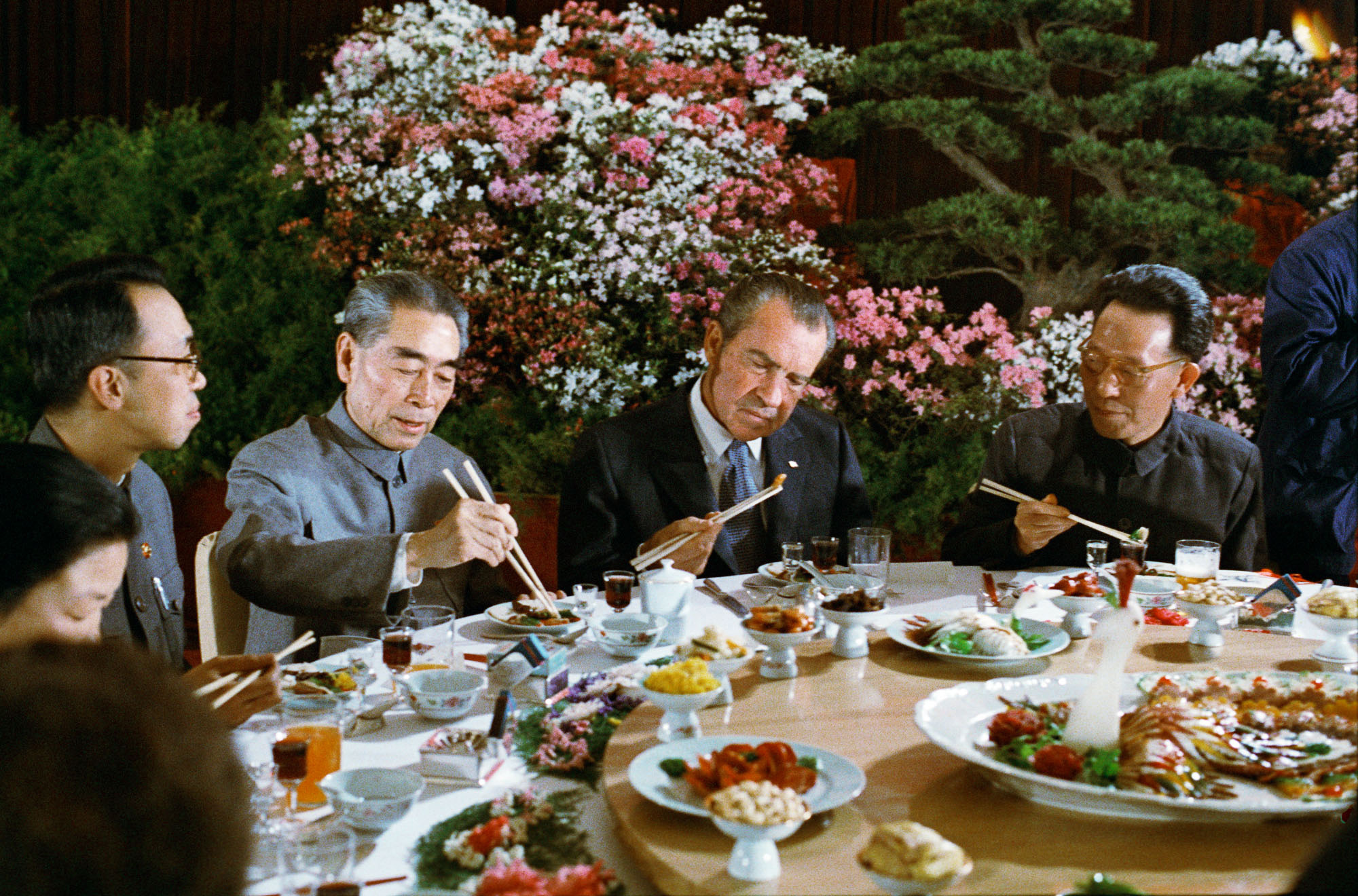
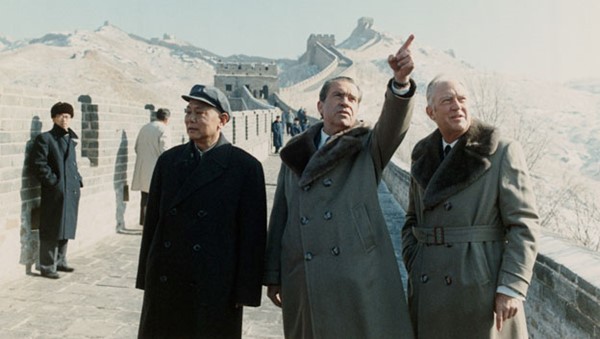
    In the early 1970s, Zhou embarked on a program to rebuild relations with the United States, which had refused to recognize the Chinese communist government. In 1972, he and President Richard Nixon shocked the world by meeting and agreeing to work for closer political and economic relations between the two nations. These talks eventually did bear fruit in 1979, when the United States formally recognized the PRC.

Remembering Chinese Prime Minister Zhou Enlai on his 41st Death Anniversary. I keep Zhou alive in my thoughts. Major Milestones in U.S.-China Relations 
Remembering Chinese Prime Minister on his 41st Death Anniversary. I keep Zhou Enlai, Mao Zedong, and Richard Nixon alive in my thoughts. Cultural Revolution 
Remembering Chinese Prime Minister Zhou Enlai on his 41st Death Anniversary. I keep Zhou Enlai, Mao Zedong, and Richard Nixon alive in my thoughts. Nixon Returns From China 

© 2017, A&E Television Networks, LLC. All Rights Reserved.

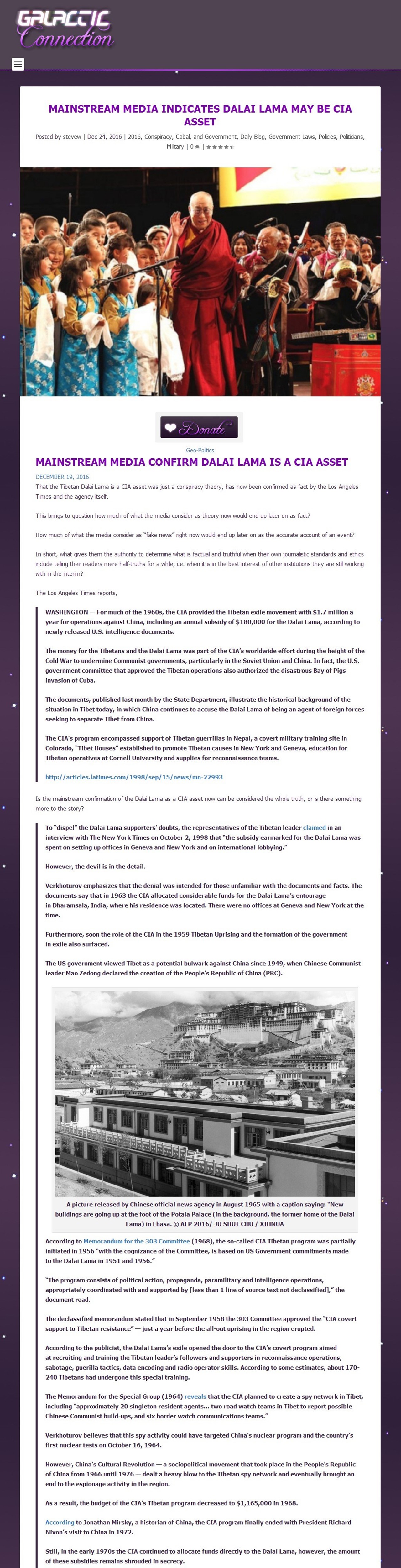
PEACEMAKING IN OCCUPIED TIBET – DALAI LAMA – PEACEMAKER vs SPIRITUAL HEALER

PEACEMAKING IN OCCUPIED TIBET – DALAI LAMA – PEACEMAKER vs SPIRITUAL HEALER

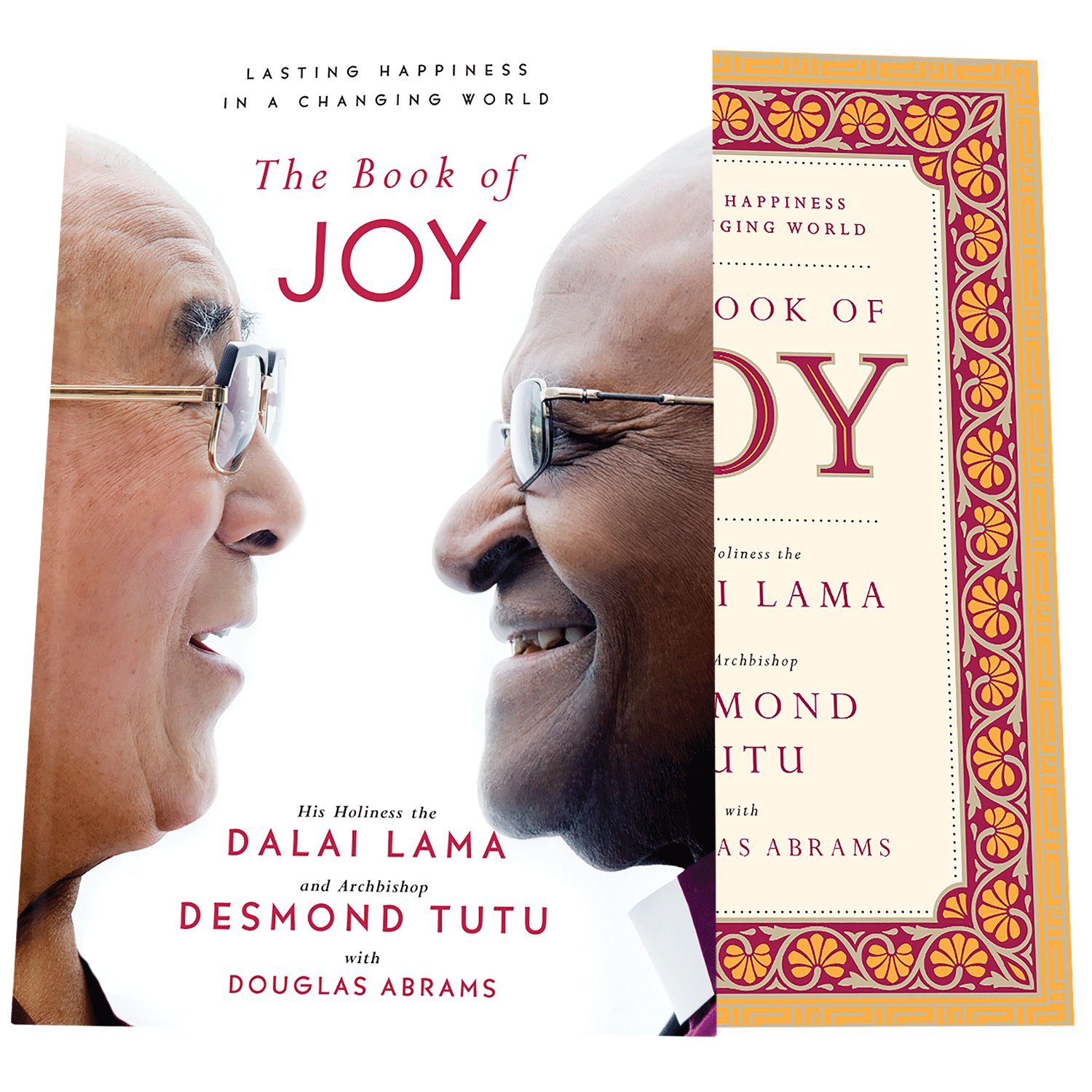
PEACEMAKING IN OCCUPIED TIBET - DALAI LAMA - PEACEMAKER vs SPIRITUAL HEALER. THE PROBLEM OF JOY AND EVERLASTING HAPPINESS IN TIBET.
PEACEMAKING IN OCCUPIED TIBET – DALAI LAMA – PEACEMAKER vs SPIRITUAL HEALER. THE PROBLEM OF JOY AND EVERLASTING HAPPINESS IN TIBET.

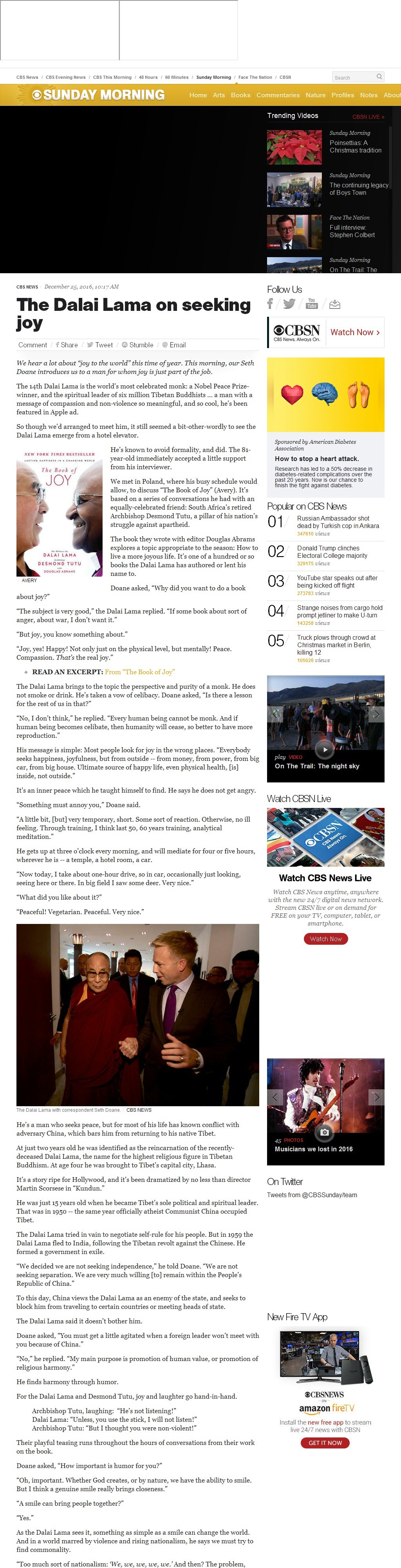
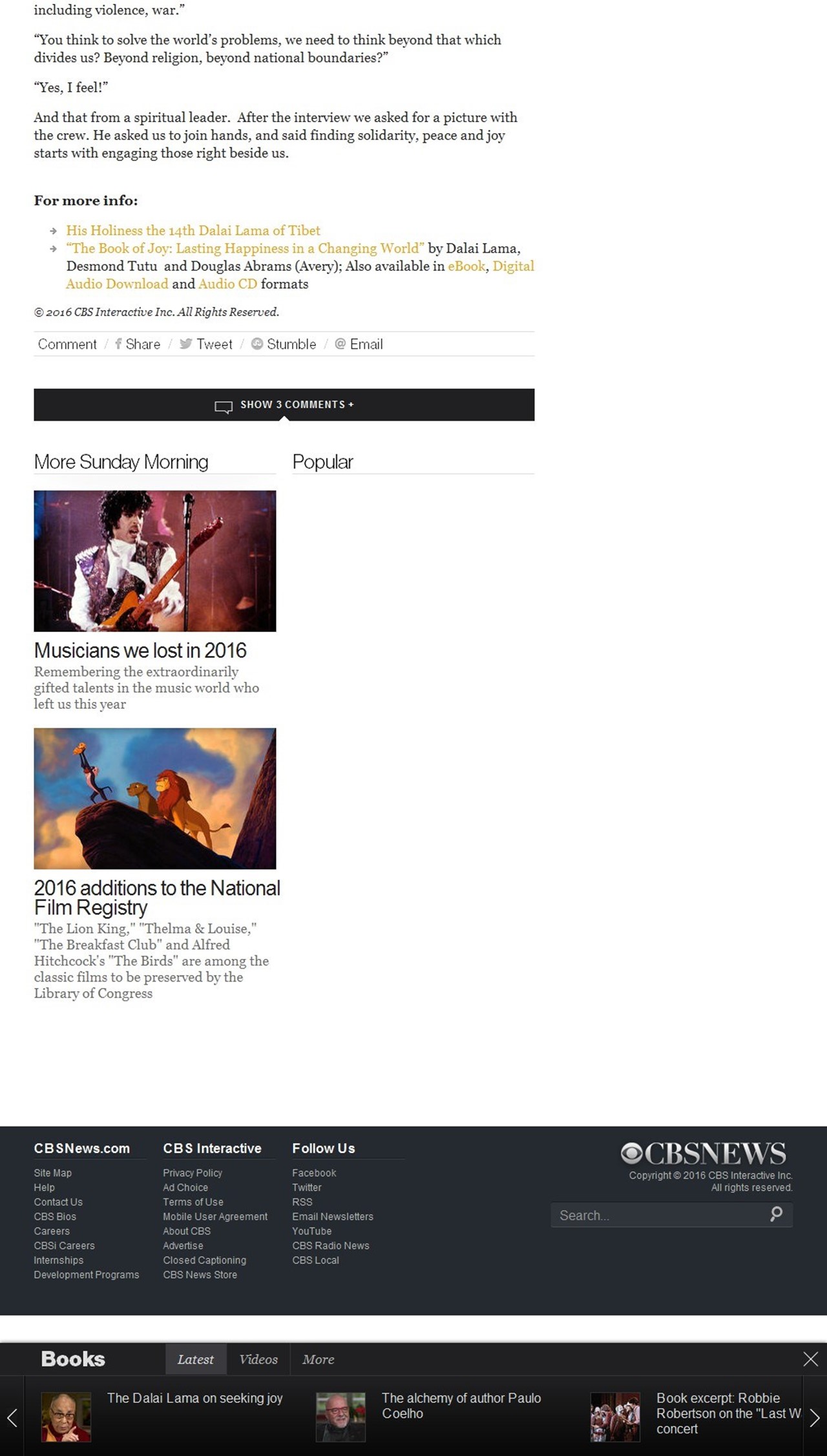
Dalai Lama, exiled Ruler of Tibet is often described as Spiritual Leader of Tibet who may provide Spiritual Healing to problems experienced by people all over the world. Dalai Lama recommends Peaceful Resolution of all Conflicts. In Tibet, China’s Military Occupation violates Natural Order and Natural Equilibrium that operates Tibetan National Life. This Violation of Tibetan National Life stimulates ‘Resistance’ as Natural Reaction to Oppression. Peacemaking in Occupied Tibet demands Eviction of Military Occupier which may or may not demand application of Physical Force depending upon Red China’s willingness to seek Peaceful Resolution of Conflict arising from her own actions.

Rudranarasimham Rebbapragada

DOOM DOOMA DOOMSAYER

PEACEMAKING IN OCCUPIED TIBET – CIA FUNDING NOT ENOUGH

PEACEMAKING IN OCCUPIED TIBET – CIA FUNDING NOT ENOUGH

Cold War Era Secrecy will not secure Peace, Freedom, and Justice in Occupied Tibet. Democracy thrives on the principles of Transparency and Public Accountability. To confront threat posed by Communist Expansionism, the assets of CIA are not enough. It is no surprise to note Tibet exists under Red China’s Subjugation.

United States must correctly assess Enemy’s Military, Economic, and Intelligence capabilities and engage Enemy on various fronts to neutralize Enemy’s assets before meeting Enemy on the Battlefield.

Rudranarasimham Rebbapragada

DOOM DOOMA DOOMSAYER

PEACEMAKING IN OCCUPIED TIBET – CIA FUNDING NOT ENOUGH

In my analysis, CIA lacks military, financial, and intelligence capabilities to Evict Military Occupier of Tibet. In this ‘BATTLE OF RIGHT AGAINST MIGHT’ of Red China, I ask World to Unite.

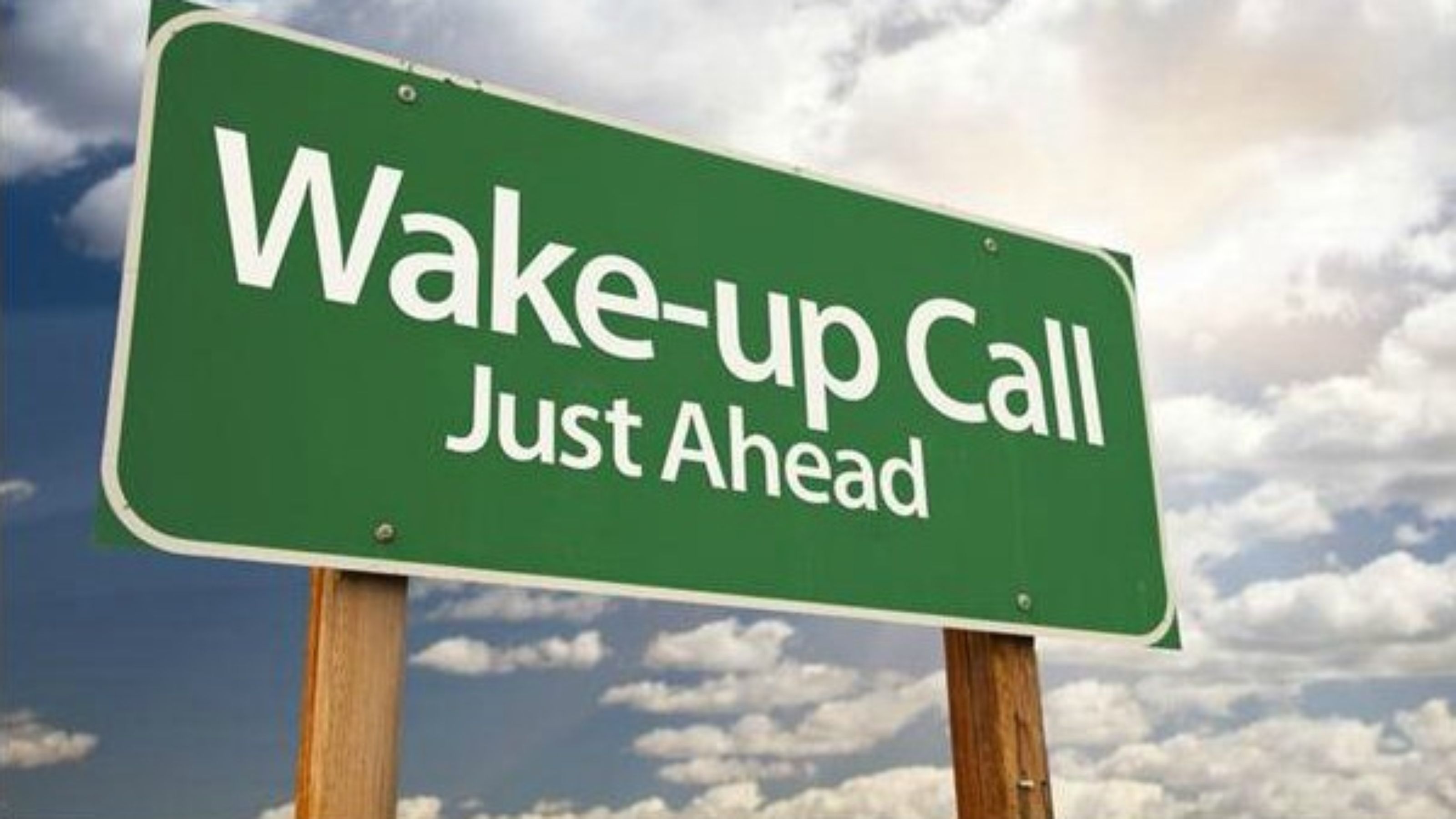
DOOMED AMERICAN FANTASY – WAKE UP CALL FOR AMERICA

DOOMED AMERICAN FANTASY – WAKE UP CALL FOR AMERICA

DOOMED AMERICAN FANTASY – WAKE UP CALL FOR AMERICA. DUMP CHINA. MAKE AMERICA GREAT AGAIN.

37th US President Richard M. Nixon’s China Fantasy placed America on a Slippery Slope with tragic consequences including Military Disaster in Vietnam.

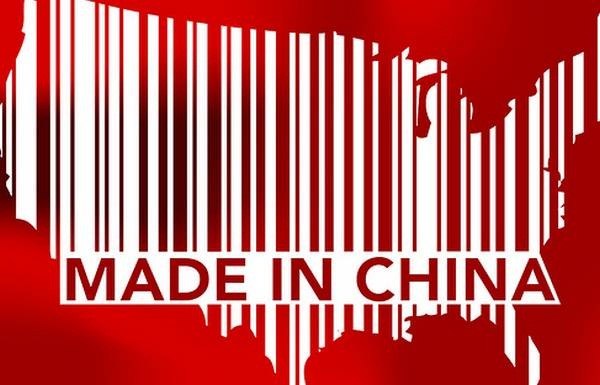
DOOMED AMERICAN FANTASY – WAKE UP CALL FOR AMERICA – READ THE WRITING ON MADE IN CHINA LABEL.

Nixon-Kissinger China Fantasy formulated US Policy of “Conceptual Failure,” and “Strategic Blunder” which holds no Promise for America’s Future.

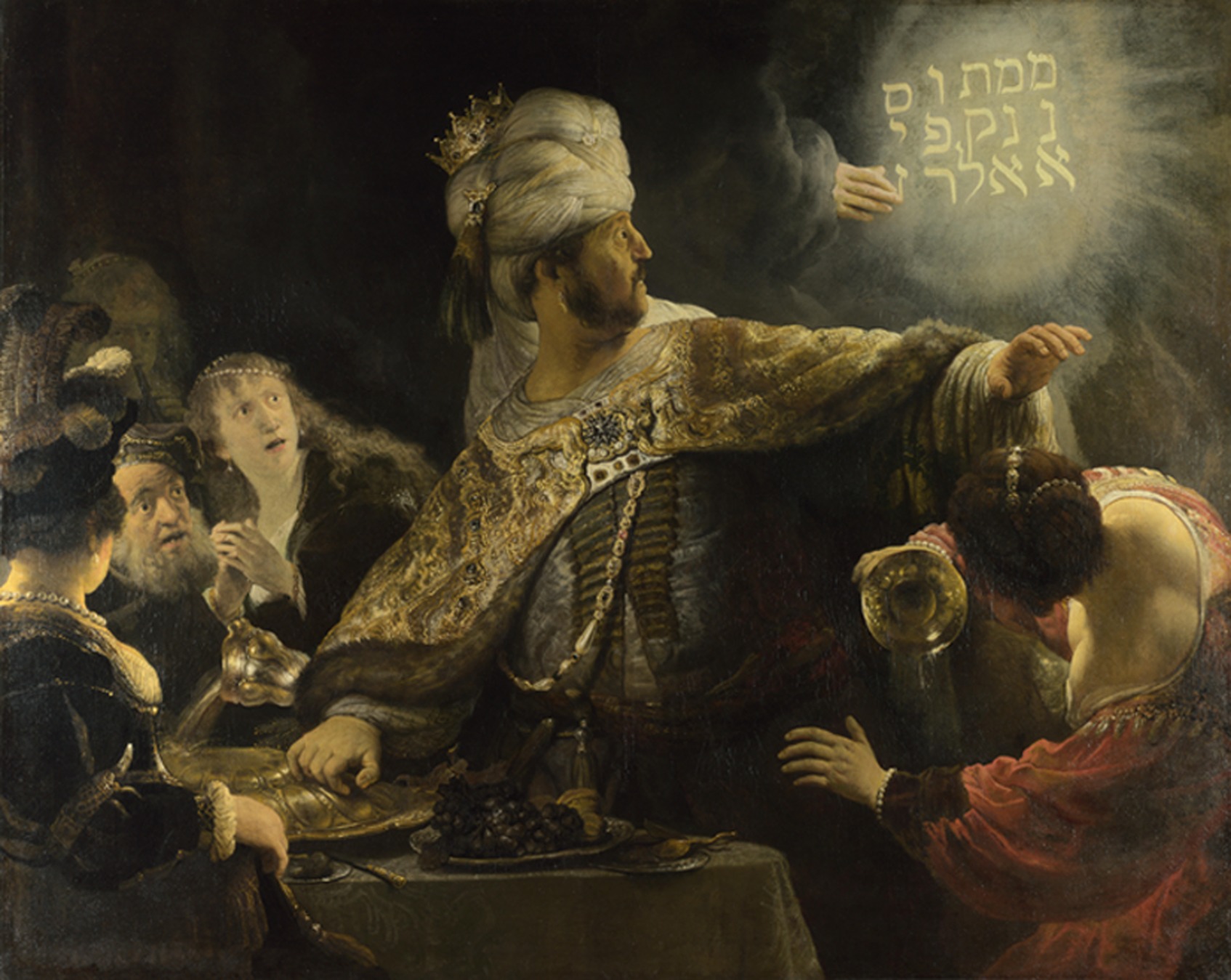
Doomed American Fantasy – Wake Up Call For America. Belshazzar, Doomed last King of Babylon failed to Decipher The Writing On The Wall (DANIEL 5:25).

“The Writing On The Wall” is clear. America need to Read The Writing On Made In China Label. Prophet Daniel warned Belshazzar, last King of Babylon about impending Doom. It’s not too late. To avoid Downfall, to avert Disaster, to prevent Catastrophe, and to halt Calamity in its tracks, America needs to Dump China Fantasy. The next US President Trump has to start afresh to ‘Make America Great Again’.

Rudranarasimham Rebbapragada
Ann Arbor, MI 48104-4162 USA
DOOM DOOMA DOOMSAYER

Doomed American Fantasy – Wake Up Call For America. James Mann, author of “The China Fantasy.”

The New York Times

Op-Ed Contributor

America’s Dangerous ‘China Fantasy’

By JAMES MANN
OCT. 27, 2016

Throughout the 1990s and early 2000s, American business executives and political leaders of both parties repeatedly put forward what I label the “China fantasy”: the view that trade, foreign investment and increasing prosperity would lead to political liberalization in the world’s most populous country.

“Trade freely with China, and time is on our side,” said President George W. Bush. He was merely echoing his Democratic predecessor, Bill Clinton, who called the opening of China’s political system “inevitable, just as inevitably the Berlin Wall fell.”

To say the least, things in China haven’t turned out that way.

Over the past few years, the Chinese regime has become ever less tolerant of political dissent – to such an extent that, these days, American leaders have become far more reluctant to make claims about China’s political future or the impact on it of trade and investment. The “China fantasy” got the dynamics precisely wrong: Economic development, trade and investment have yielded greater political repression and a more closed political system.

This amounts to a new China paradigm: an intensely internationalized yet also intensely repressive one-party state. China provides the model that other authoritarian regimes, from Russia to Turkey to Egypt, may seek to replicate. As a result, the United States will find itself struggling with this new China paradigm again and again in the coming years.

In using the word “repression,” I am talking about organized political activity, not private speech. Visitors to China are sometimes surprised to find that cab drivers, tour guides or old friends may speak to them with candor, even about political subjects. However, what such people can’t do is to form an organization independent of the Chinese Communist Party or take independent action to try to change anything.

Doomed American Fantasy – Wake Up Call For America. Wang Qiaoling (Left), and Li Wenzu with photos of their husbands, Human Rights lawyers Detained by Red China.

Wang Qiaoling, left, and Li Wenzu with photos of their husbands, human rights lawyers in China who have been detained since July 2015. Credit How Hwee Young/European Pressphoto Agency

Indeed, over the past two years the Chinese government has been moving in new ways against people and institutions that might, even indirectly, provide support for independent political activity. It has tightened the rules for nongovernmental organizations. More recently, it has been arresting Chinese lawyers. It has also been staging televised confessions, a practice reminiscent of Stalin’s show trials.

Why is it that trade and investment have led to a Chinese regime that represses dissent more than it did five, 10 or 20 years ago? The answer, put simply, is that the regime thinks it needs to do so, can do so and has fewer outside constraints inhibiting it from doing so.

First, it needs to because as the economy develops and grows more complex, Chinese citizens are having new grievances of the sort that would otherwise lead to organized political activity. Environmental problems have multiplied. Consumers worry about product safety (tainted milk, for example) and accidents (like train wrecks). And at least to educated Chinese, internet censorship can be an annoyance, if not an insult.

Second, China’s security apparatus has a much greater capacity to repress dissent than it did in the past. Technology gives it greater capacity to control both physical space (the streets) and cyberspace (the internet).

Finally, the world’s increased commercial involvement with China over the past two decades has made foreign leaders more reluctant to do anything in response to Chinese crackdowns, lest the Chinese regime retaliate. This is in large part a problem of perception: In fact, the Chinese regime cares about its standing in the world and would seek to avoid international condemnation if world leaders took strong stand and work together.

Almost forgotten now is that in the 1990s, the United States, possessing far greater economic leverage in dealing with China than it has today, threatened trade restrictions if Beijing did not improve the human rights climate. After intense debate, the Clinton administration eventually backed away from threats to limit trade with China.

The aftermath of that debate was disastrous. American leaders overreacted by deciding to avoid any further strong actions in support of human rights in China. Instead, they offered the “China fantasy”: the idea that change would come inevitably.

At one point, giving voice to the optimism and the false assumptions about how trade would liberalize China, President Clinton told China’s president, Jiang Zemin, at a Washington news conference, “You’re on the wrong side of history.” History, however, is rendering its own judgment – that America’s confidence in the political impact of trade with China was woefully misplaced.

Looking forward, we are obliged to deal with a China capable of moving endlessly from one crackdown to another, no longer interrupted by the occasional easings or “Beijing Springs” of the past. It will be a different China, in which educated, middle-class people may be less loyal, but their views also less influential.

What we can do is to keep expressing as forcefully as possible the values of political freedom and the right to dissent. Democratic governments around the world need to collaborate more often in condemning Chinese repression – not just in private meetings but in public as well. We should also find new ways to single out and penalize individual Chinese officials involved in repression. Why should there be a one-way street in which Chinese leaders send their own children to America’s best schools, while locking up lawyers at home?

The Chinese regime is not going to open up because of our trade with it. The “China fantasy” amounted to both a conceptual failure and a strategic blunder. The next president will need to start out afresh.

James Mann, a resident fellow at the Johns Hopkins School of Advanced International Studies and former Beijing bureau chief for The Los Angeles Times, is the author of “The China Fantasy.”

· © 2016 The New York Times Company


DOOMED GUN OF DOOM DOOMA – NIXON-KISSINGER VIETNAM TREASON

Doomed Gun of Doom Dooma – Nixon-Kissinger Vietnam Treason

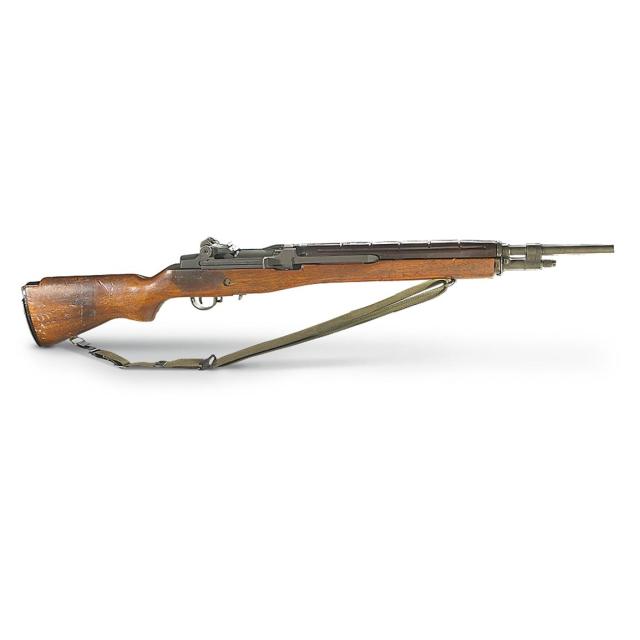
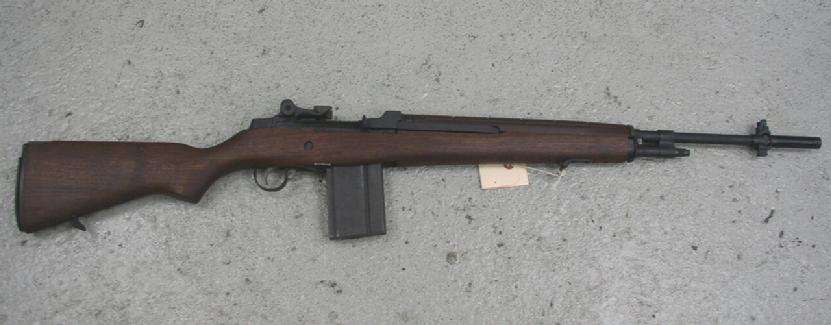
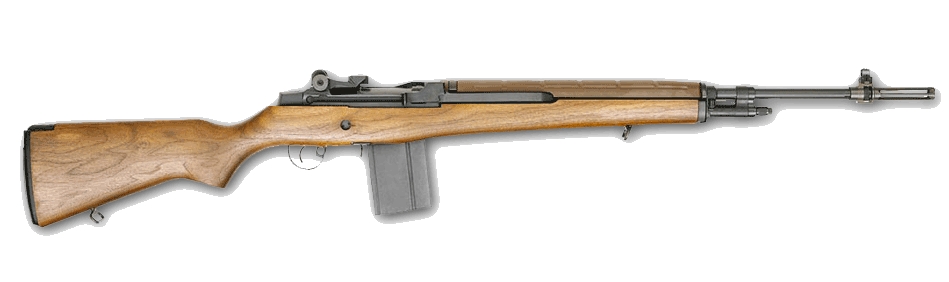
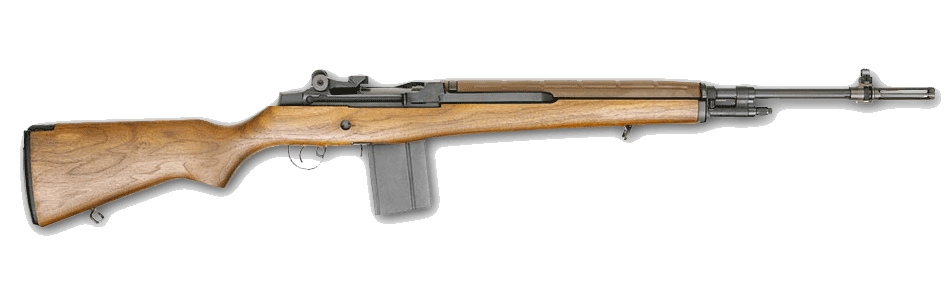
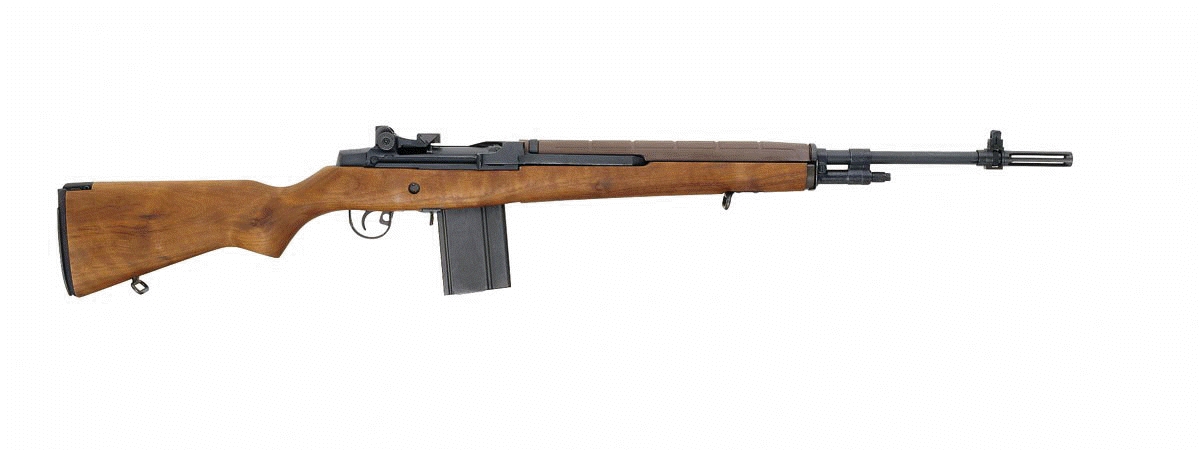
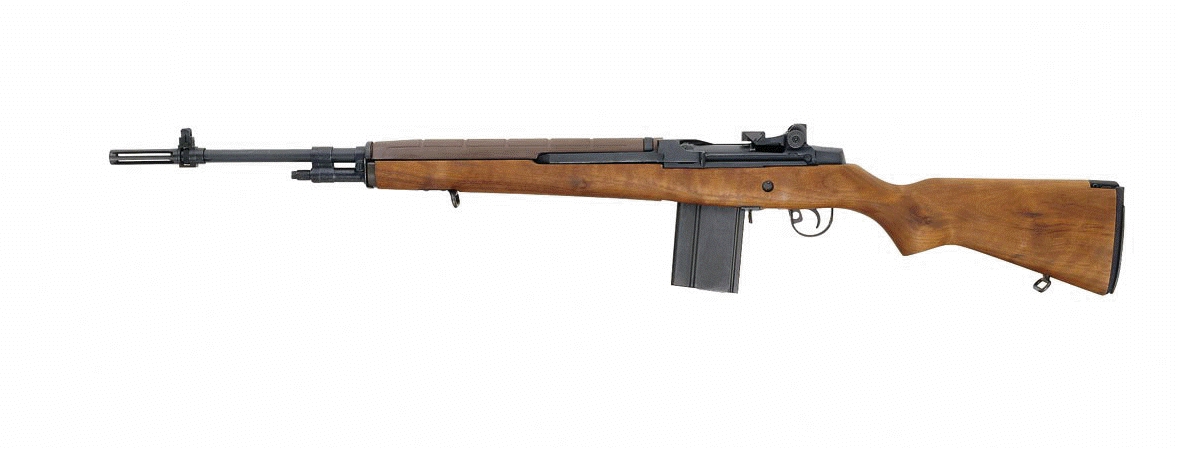
Doomed Gun of Doom Dooma – Nixon-Kissinger Vietnam Treason. United States Rifle M14.

In 1971, for the first time in my life, I was introduced to the United States Rifle, 7.62mm, M14.

I describe US Rifle, 7.62mm, M14 as the ‘Doomed Gun of Doom Dooma’ as my golden opportunity to join the US War on Communism doomed in Doom Dooma. Nixon-Kissinger US administration flatly denied me that opportunity while giving me full access to the US Rifle. Nixon-Kissinger Vietnam Treason forced me to reject the United States Rifle, M14. This Gun is Doomed for it is given to me to use against Enemy whom US President befriended in a treacherous deviation of the US Policy on Communism.

DOOMED GUN OF DOOM DOOMA – NIXON-KISSINGER VIETNAM TREASON.

NIXON-KISSINGER TREASON IN VIETNAM – REMEMBERING JANUARY 23, 1973

NIXON-KISSINGER VIETNAM TREASON – UNFINISHED WAR IN SOUTHERN ASIA. DOOMED GUN OF DOOM DOOMA SYMBOLIZES DOOMED US-CHINA POLICY.

On January 23, 1973, President Nixon announced about ‘The Agreement on Ending the War and Restoring Peace in Vietnam’ popularly known as Paris Peace Accords. This Vietnam Peace Treaty was signed on January 27, 1973, with cease-fire effective from January 28, 1973. Nixon-Kissinger are guilty of treason in Vietnam for President Nixon won his election for first-term in 1968, and later won his election for second-term in 1972 by using Vietnam War for political gain and not to serve the purpose of the United States which was at War actively fighting against the enemy. For all practical purposes, ‘The Fate of Saigon’, and ‘The Fall of Saigon’ on April 30, 1975, was decisively concluded on January 23, 1973.

THE WASHINGTON POST

SECRET ARCHIVE OFFERS FRESH INSIGHT INTO NIXON PRESIDENCY

Nixon believed that years of aerial bombing in Southeast Asia to pressure North Vietnam achieved “zilch” even as he publicly declared it was effective and ordered more bombing while running for reelection in 1972, according to a handwritten note from Nixon disclosed in a new book by Bob Woodward.

Nixon’s note to Henry Kissinger, then his national security adviser, on Jan. 3, 1972, was written sideways across a top-secret memo updating the president on war developments. Nixon wrote: “K. We have had 10 years of total control of the air in Laos and V.Nam. The result = Zilch. There is something wrong with the strategy or the Air Force.”

By David E. Hoffman October 11 at 9:29 AM

The Post’s Bob Woodward, the author of the new book, “The Last of the President’s Men,” talks to former Nixon aide Alexander Butterfield about a previously undisclosed top-secret memo updating Nixon on war developments. (Ultan Guilfoyle and Tom LeGro/The Washington Post)

The day before he wrote the “zilch” note, Nixon was asked about the military effectiveness of the bombing by Dan Rather of CBS News in an hour-long, prime-time television interview. “The results have been very, very effective,” Nixon declared.

Nixon’s private assessment was correct, Woodward writes: The bombing was not working, but Nixon defended and intensified it in order to advance his reelection prospects. The claim that the bombing was militarily effective “was a lie, and here Nixon made clear that he knew it,” Woodward writes.

Nixon’s note, which has not previously been disclosed, was found in a trove of thousands of documents taken from the White House by Alexander P. Butterfield, deputy to H.R. Haldeman, Nixon’s chief of staff, and not made public until now. Butterfield’s odyssey through Nixon’s first term is the subject of Woodward’s book, “The Last of the President’s Men,” to be published Tuesday by Simon & Schuster.

Doomed Gun of Doom Dooma – Nixon-Kissinger Vietnam Treason.

Richard Nixon performs the last acts of his devastated presidency in the White House East Room on Aug. 9, 1974, as he bids farewell to his Cabinet, aides and staff. (AP)

Butterfield became a key figure in the Watergate scandal when he revealed to Senate investigators the existence of the White House taping system. The tapes captured Nixon’s role in the coverup and marked a critical turning point in the collapse of his presidency. He resigned in 1974. Woodward and Carl Bernstein exposed the Watergate story in The Washington Post.

The new book, based on the documents and more than 46 hours of interviews with Butterfield, offers an intimate but disturbing portrayal of Nixon in the Oval Office. Butterfield depicts Nixon, who died in 1994, as forceful and energetic, but also vengeful, petty, lonely, shy and paranoid.

Butterfield felt deeply conflicted; he was proud to be serving but chagrined to be caught up in the underside of Nixon’s presidency. “The whole thing was a cesspool,” he told Woodward.

Doomed Gun of Doom Dooma. Butterfield who gave an account of Nixon-Kissinger Vietnam Treason.

Alexander Butterfield is photographed in Washington, D.C., on Oct. 10. (Nikki Kahn/The Washington Post)

Butterfield, now 89, was in charge of preventing other Nixon staffers from leaving the White House with government documents, but he saw many, including the late Nixon counselor Arthur Burns, haul away boxes when they left.

Butterfield anticipated writing a memoir, so when he left the White House in 1973, “I just took my boxes of stuff and left,” he told Woodward, packing them into his and his wife’s car. Woodward writes that the boxes contained everything from routine chronologies and memos to some top-secret exchanges with Kissinger and a few highly classified CIA bulletins.

The new book by The Post’s Bob Woodward, “The Last of the President’s Men,” is based on previously undisclosed documents and more than 46 hours of interviews with Alexander Butterfield, the Nixon aide who revealed the existence of the White House taping system. (Ultan Guilfoyle and Tom LeGro/The Washington Post)

Butterfield acknowledged to Woodward that it was improper and wrong to remove them, and pledged to ensure that they will be deposited with a proper archive.
Woodward, who wrote that he thought the Nixon story was over for him after his book on Mark Felt, the FBI associate director and a secret source known as Deep Throat, said he was “shocked” at the existence of Butterfield’s secret files. “So the story, like most of history, does not end,” he writes.

‘SHAKE THEM UP!!’

The Vietnam War had been all-consuming for Nixon’s presidency. The antiwar movement was strong in the United States, and Nixon was under political pressure to end the conflict. The centerpiece of Nixon’s approach was “Vietnamization”: withdraw U.S. troops so that the South Vietnamese could take over, and negotiate a peace settlement “with honor,” avoiding anything that could be labeled a defeat.

As ground troops withdrew, air power was one of Nixon’s few remaining tools to pressure Hanoi. In late December 1971, Nixon ordered the renewed bombing of North Vietnamese targets for five days.

By early 1972, Nixon was on the verge of announcing his reelection campaign and taking his momentous trip to China. But he was worried about reports of a major North Vietnamese buildup, foreshadowing a possible offensive.

On Jan. 2, 1972, in the CBS television interview, Rather asked Nixon, “On everyone’s mind is the resumption of the widespread bombing of North Vietnam. Can you assess the military benefits of that?” Nixon reiterated what he had often said about the bombing, that it was “very, very effective,” and added, “I think that effectiveness will be demonstrated by the statement I am now going to make.” Nixon then announced that he would soon bring home more troops — virtually removing any U.S. combat forces in Vietnam.

The next day, writing his private thoughts to Kissinger, Nixon added, “There is something wrong with the strategy or the Air Force. I want a ‘bark-off’ study — no snow job — on my desk in two weeks as to what the reason for the failure is.” Nixon added that “otherwise continued air operations make no sense in Cambodia, Laos, etc. after we complete withdrawal — Shake them up!!” Nixon underlined the last words twice.

Woodward said he could find no evidence that the study was ever carried out.
[How Mark Felt Became ‘Deep Throat’]

In another memo written a few months later, also found in the Butterfield files, Nixon complained to Kissinger that the military and bureaucracy were too timid. Nixon demanded action that is “strong, threatening and effective” to “punish the enemy” and “go for broke.” Nixon may also have been frustrated at North Vietnamese resilience. Woodward cites CIA, Defense Intelligence Agency and Pentagon memos showing that the bombing was not that effective because the North was getting more supplies than it needed to fight the ground war in the south, and could hold out for two years even if the bombing continued.

Kissinger, in an interview, told Woodward he agreed with the conclusion that years of bombing North Vietnam had failed, and he recalled that Nixon was frustrated. “He was in the habit of wanting more bombing . . . his instructions most often were for more bombing,” Kissinger said.

Woodward writes: “The ‘zilch’ conclusion had grown over three years. In what way and when did he realize this? History may never know. Maybe Nixon never knew, never grasped the full weight of his own conclusion.”

Woodward concludes that while Nixon knew the bombing was militarily futile, he believed it would reap political rewards at home. After Nixon resigned, papers found in his hideaway office in the White House included a GOP polling study, commissioned in 1969, that showed that the American people would favor bombing and blockading North Vietnam for six months. Woodward cites the work of Ken Hughes of the University of Virginia’s Miller Center to show that “the massive bombing did not do the job militarily but it was politically popular. Hughes argues with a great deal of evidence that the bombing was chiefly designed so Nixon would win re-election.”
[Woodward and Bernstein: Nixon was far worse than we thought]

The “zilch” note was followed in February by orders for an intensified bombing of North Vietnam. On May 8, Nixon ordered the mining of Haiphong Harbor and bombing of key military targets. On Sept. 8, Nixon reported to Kissinger that poll numbers favored the bombing. “It’s two-to-one for the bombing,” he boasted.

On Oct. 16, just weeks before the election, Nixon recalled the May 8 decision to mine the harbor and told Kissinger, “May 8 was the acid test. And how it’s prepared us for all these things. The election, for example.” Kissinger replied, “I think you won the election on May 8.” Nixon was reelected by a landslide in November.

In that election year, the United States dropped 1.1 million tons of bombs in the Vietnam War, including 207,000 tons in North Vietnam alone, Woodward reports, citing Pentagon records.

‘DEEP, DEEP RESENTMENTS’

Before joining the White House, Butterfield was a 42-year-old U.S. Air Force colonel with an assignment in Australia. After Nixon’s triumph in the 1968 election, Butterfield reached out to Haldeman, an acquaintance from their university years at UCLA. Haldeman then hired Butterfield as his White House deputy. Butterfield was an outsider, unlike many of the others around Nixon, and what he saw in the next four years left a vivid impression.

When Butterfield was introduced to the president in the Oval Office by Haldeman, Nixon mumbled, cleared his throat and gestured. “No words came out, only a kind of growl,” Woodward writes, based on Butterfield’s recollection. Another time, also in the White House, Nixon dropped by a birthday party for Paul Keyes, a comedy writer and Nixon friend who had helped on the 1968 campaign. When Nixon entered the room, there was an unnatural hush. No one offered a handshake or a glass of wine. Nixon seemed at a loss. Keyes was wearing a solid green blazer. “Ah, ah, ah . . . uh,” Nixon muttered, according to Woodward’s account. “Then Nixon pointed down at the carpet, a worn, faded maroon. He spoke in a deep but barely audible voice. ‘Green coat . . . red rug . . . Christmas colors.’ He then wheeled around and strode out of the room to the Oval Office.”

Doomed Gun of Doom Dooma. Butterfield gave his account of Nixon-Kissinger Vietnam Treason.

Alexander Butterfield, an administrator of the Federal Aviation Administration, arrives at the Rayburn Building to testify before the Judiciary Committee in Washington, D.C., on July 2, 1974.
(Bob Burchette/The Washington Post)

Woodward says Butterfield felt that “Nixon was quickly becoming the oddest man he’d ever known.”

“It was if he were locked in his own deeply personal world, thinking, planning and churning,” Woodward writes of Butterfield’s impressions. Butterfield described Nixon as so lonely that he often took dinner by himself in the Old Executive Office Building, sitting with his suit coat still on, writing on his legal pad. “He was happiest when he was alone,” Butterfield recalled.

Nixon’s relationship with his wife, Pat, was cold, Butterfield observed. At the Winter White House, a compound in Key Biscayne, Fla., she stayed in a separate house.

On Christmas Eve 1969, Nixon walked through the Executive Office Building adjacent to the White House to wish employees a Merry Christmas. The president discovered that some support staff employees had prominently displayed photographs of President John F. Kennedy and that one worker had two. Nixon was furious and ordered Butterfield to remove all photos of other presidents. On Jan. 16, 1970, Butterfield wrote a memo to the president, titled “Sanitization of the EOB,” describing how all 35 offices displayed only Nixon’s photograph.

Alexander Butterfield, the deputy assistant to President Richard Nixon, describes to The Post’s Bob Woodward how Nixon barred certain reporters from traveling with him to China in 1972. (Ultan Guilfoyle and Tom LeGro/The Washington Post)

Butterfield learned that Nixon did not just have an “enemies list” with dozens of names, but also an “opponents list” and a “freeze list.” One day Nixon exploded in anger after finding out that Derek Bok, then the president of Harvard University, was at the White House. “I don’t ever want that son of a bitch back here on the White House grounds,” he told Butterfield. “And you get those enemies lists, make sure everybody knows who’s on them.”
[Kissinger: the Dr. Frankenstein of foreign affairs, or just self-promoter?]

The president constantly scrutinized event invitation lists, striking names. Nixon organized a procedure with Butterfield so that during coffee after a state dinner, only a pre-selected group of five out of some 100 invited guests would get a chance to talk to the president. No one else could approach him.

Butterfield told Woodward that Nixon was controlled by “his various neuroses, the deep, deep, deep resentments, and hatreds — he seemed to hate everybody. The resentments festered. And he never mellowed out.”

Butterfield did not know about the specifics of the Watergate break-in but witnessed how Nixon’s obsessions led to it. At one point, Butterfield was given the assignment to plant a spy in the Secret Service detail of Sen. Edward M. Kennedy (D-Mass.). Nixon later mused that the spy — a retired agent who was reactivated — might find information that would “ruin him for ’76,” when Kennedy might be considered a possible presidential candidate. Butterfield knew the plan was illegal and told Woodward that he was surprised at himself for going along with it.

Alexander Butterfield, the deputy assistant to President Richard Nixon, talks to The Post’s Bob Woodward about revealing the existence of the White House taping system. (Ultan Guilfoyle and Tom LeGro/The Washington Post)

It fell to Butterfield to organize the White House taping system, installed at Nixon’s behest in February 1971. Although Nixon endlessly explored and sifted his options on most issues, Woodward reports that “there was apparently no discussion about the merits or risks of such a taping system.” It was installed over a weekend by the Secret Service while the president was out of town. Five microphones were put in the president’s desk, on the top, concealed with a coating of varnish. The lights on the mantel in the Oval Office also carried microphones, a place where Nixon often took guests, including heads of state, to chat. The microphones were connected to voice-activated tape recorders behind a metal door in the basement.

When the Watergate scandal broke, “I was thinking of the tapes the whole time,” Butterfield recalled. “God, if they only knew. If they only knew. In a way I wanted it to be known. In the deep recesses of my brain, I was eager to tell.” Woodward devotes several chapters to Butterfield’s personal struggle over whether to reveal the secret taping system, which Nixon thought would never be made public.

On the day of Nixon’s departure from the White House, Aug. 9, 1974, Butterfield saw many White House officials and workers weeping in the East Room. “I could not believe that people were crying in that room,” he told Woodward. “It was sad, yes. But justice had prevailed. Inside I was cheering. That’s what I was doing. I was cheering.”

washingtonpost.com

© 1996-2015 The Washington Post

Doomed Gun of Doom Dooma - Nixon-Kissinger Vietnam Treason. US Army Rifle M14.
Doomed Gun of Doom Dooma – Nixon-Kissinger Vietnam Treason. US Army Rifle M14.
Doomed Gun of Doom Dooma - Nixon-Kissinger Vietnam Treason. United States Rifle M14.
Doomed Gun of Doom Dooma – Nixon-Kissinger Vietnam Treason. United States Rifle M14.
Doomed Gun of Doom Dooma - Nixon-Kissinger Vietnam Treason. US Rifle M14.
Doomed Gun of Doom Dooma – Nixon-Kissinger Vietnam Treason. US Rifle M14.
Doomed Gun of Doom Dooma. Relic of Nixon-Kissinger Vietnam Treason. US Rifle M14.
Doomed Gun of Doom Dooma. Operation Eagle M14 US Rifle.