RED CHINA ON SLIPPERY SLOPE – OPENS FIRST OVERSEAS MILITARY BASE

RED CHINA ON SLIPPERY SLOPE – OPENS FIRST OVERSEAS MILITARY BASE
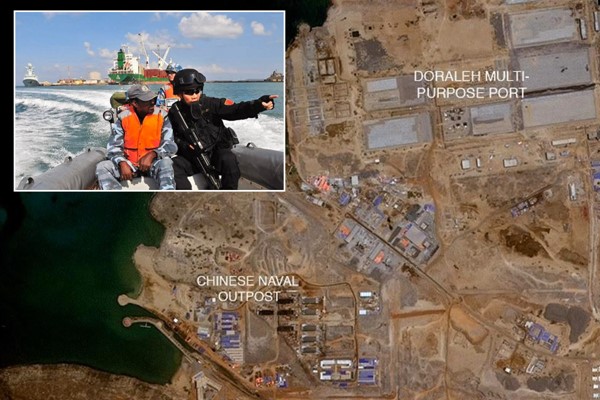


In my analysis, Red China placed herself on Slippery Slope by opening her first overseas military base in Djibouti. Red China’s military adventurism cannot ward off natural disaster, natural calamity, and natural catastrophe that is waiting, for Beijing invited her own Doom with her evil actions.


Soviet Union failed in the past due to military adventurism. It is too late for Red China to learn and plan to avoid sudden Downfall.


Rudranarasimham Rebbapragada

DOOMDOOMA DOOMSAYER
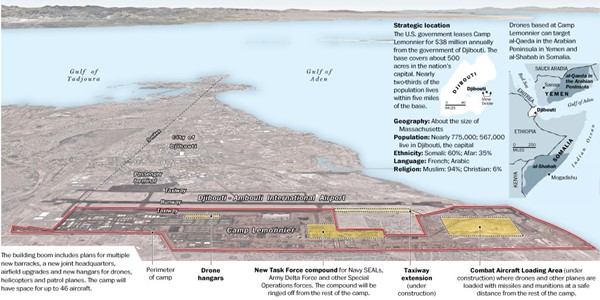


China sends troops to Djibouti, establishes first overseas military base

By Brad Lendon and Steve George, CNN


Wed July 12, 2017
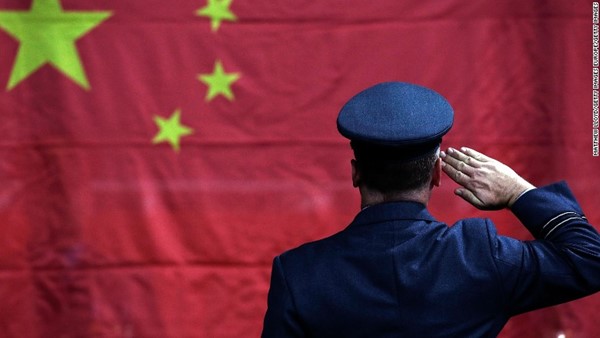


  • “This base can support Chinese Navy to go farther,” Chinese paper says
  • Djibouti has become host to several foreign military powers

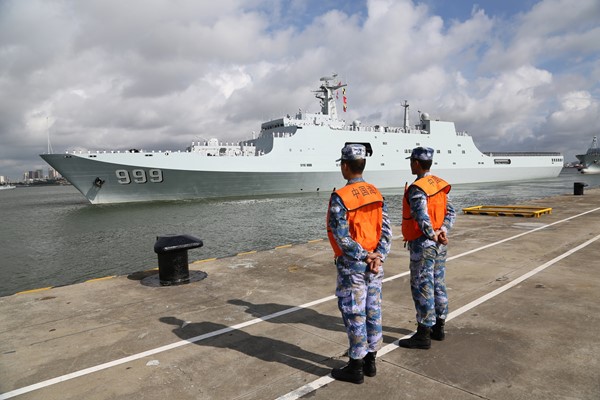
    (CNN)China has dispatched troops to Djibouti in advance of formally establishing the country’s first overseas military base.

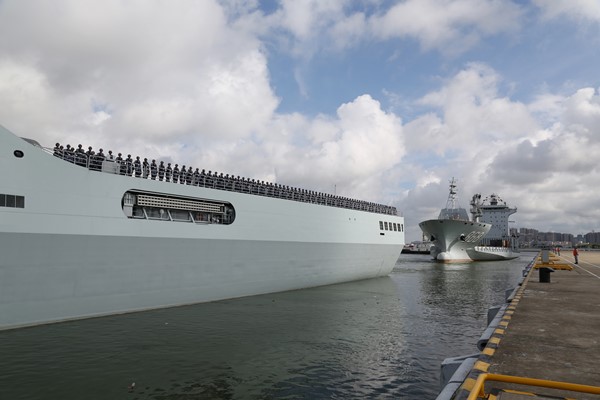
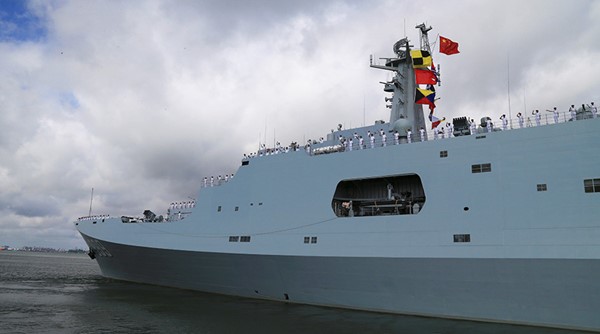
    Two Chinese Navy warships left the port of Zhanjiang on Tuesday, taking an undisclosed number of military personnel on the journey across the Indian Ocean.

    An editorial Wednesday in the state-run Global Times stressed the importance of the new Djibouti facility — in the strategically located Horn of Africa — to the Chinese military.


    “Certainly this is the People’s Liberation Army’s first overseas base and we will base troops there. It’s not a commercial resupply point… This base can support Chinese Navy to go farther, so it means a lot,” said the paper.

    The Global Times said the main role of the base would be to support Chinese warships operating in the region in anti-piracy and humanitarian operations.

    “It’s not about seeking to control the world,” said the editorial.
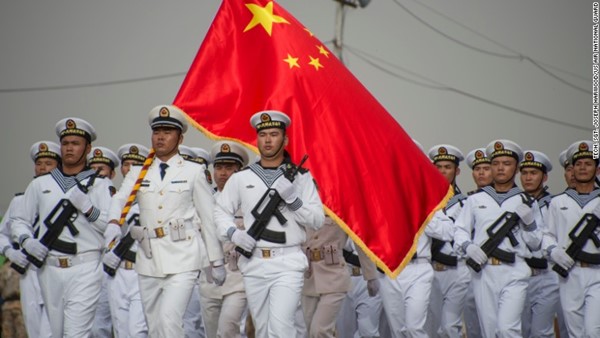


    Chinese People’s Liberation Army-Navy troops march in Djibouti’s Independence Day parade on June 27, marking 40 years since the end of French rule in the Horn of Africa country.

    Chinese military presence


    At a regular press briefing Wednesday, Chinese Foreign Ministry spokesman Geng Shuang described the base as part of ongoing efforts to help bring peace and security to the region.

    “China has been deploying naval ships to waters off Somalia in the Gulf of Aden to conduct escorting missions since 2008,” said Geng. “The completion and operation of the base will help China better fulfill its international obligations in conducting escorting missions and humanitarian assistance … It will also help promote economic and social development in Djibouti.”

    China has expanded its military ties across Africa in recent years. According to a report by the European Council on Foreign Relations (ECFR), cooperation with Africa on peace and security is now an “explicit part of Beijing’s foreign policy.”

    In 2015 Chinese President Xi Jinping committed 8,000 troops to the UN peacekeeping standby force — one fifth of the 40,000 total troops committed by 50 nations — China also pledged $100 million to the African Union standby force and $1 billion to establish the UN Peace and Development Trust Fund.

    More than 2,500 Chinese combat-ready soldiers and police officers are now deployed in blue-helmet missions across the African continent, with the largest deployments in South Sudan (1,051), Liberia (666), and Mali (402), according to the ECFR.

    “Blue-helmet deployments give the PLA a chance to build up field experience abroad — and to help secure Chinese economic interests in places such as South Sudan,” said the ECFR report.

    Africa is home to an estimated one million Chinese nationals, with many employed in infrastructure projects backed by the Chinese government.

    “China’s involvement in African security is a product of a wider transformation of China’s national defense policy. It is taking on a global outlook … and incorporating new concepts such as the protection of overseas interests and open seas protection,” said the ECFR report.


    US ‘strategic interests’
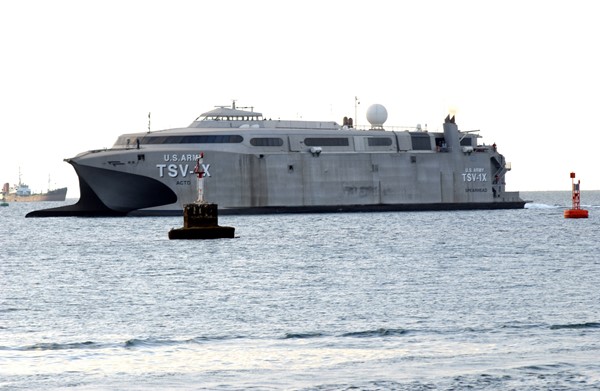
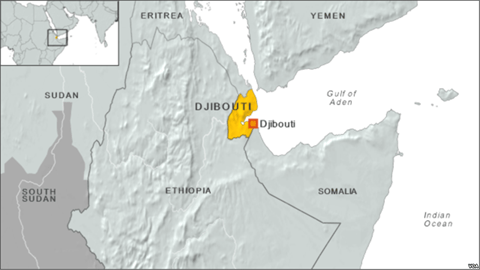
    China joins the US, France and Japan, among others, with permanent bases in Djibouti, a former French colony with a population of less than one million residents.

    Though small in both population and size, Djibouti’s position on the tip of the Horn of Africa offers strategic access to the Bab el-Mandeb Strait.

    The strait, which is only 18 miles wide at its narrowest point, connects the Mediterranean Sea via the Suez Canal and the Red Sea to the Gulf of Aden and the Indian Ocean beyond.

    One of the world’s most important sea lanes, millions of barrels of oil and petroleum products pass through the strait daily, according to GlobalSecurity.org.

    US Marine Corps Gen. Thomas Waldhauser, the head of the Pentagon’s Africa Command, stressed Djibouti’s location during a visit to the US Camp Lemonnier garrison there earlier this year.

    “This particular piece of geography is very, very important to our strategic interests,” Waldhauser said in joint appearance with US Defense Secretary James Mattis.

    The US military has some 4,000 troops at Camp Lemonnier, a 100-acre base for which it signed a 10-year, $630 million lease in 2014, according to media reports.

    Elsewhere in Djibouti, the US military operates the Chabelley Airfield, from which the Pentagon stages drone airstrikes, likely into Somalia and across the Bab el-Mandeb Strait into Yemen, according to the Center for the Study of the Drone at Bard College in New York. The Pentagon is investing millions in the base, and satellite photos show several construction projects, the center reported last year.
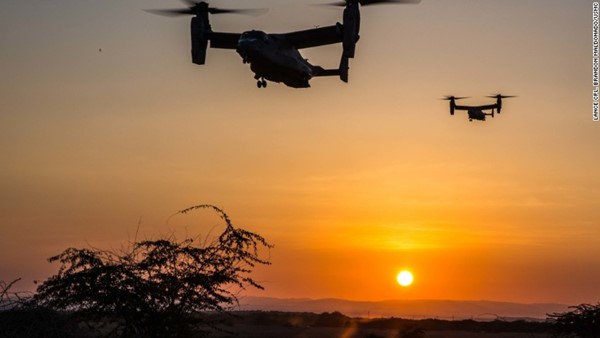


    US Marine Corps MV-22 Ospreys prepare to land at a landing zone during training conducted in Djibouti on January 10.


    ‘Get-rich-quick scheme’


    Japan, which has seen tense relations with China over disputed islands in the East China Sea, has established what it calls an “activity facility” to support its anti-piracy efforts there.

    A spokesperson for the Japan Self Defense Forces said 170 troops are at its 30-acre facility in Djibouti.

    Lease terms would not be released, but Japan will spend about $9 million to operate the facility this fiscal year, the spokesperson said.

    Edward Paice, director of the London-based Africa Research Institute, said a base in Djibouti makes a lot of sense for China, just as it does for Japan or the US.

    “It (China) has cited its desire to play a greater role in peacekeeping, and it has combat troops in both South Sudan and Mali. It’s logical that it needs an actual base somewhere in Africa, which is really no different from the Americans saying that they need Camp Lemonnier as a headquarters for operations in Africa, whether in peacekeeping or counterterror or whatever,” Paice said on The Cipher Brief website.
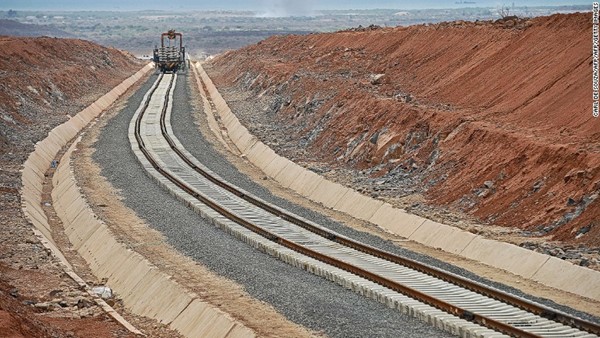


    Picture taken on May 5, 2015, shows work in progress on the new railway tracks linking Djibouti with Addis Ababa.

    Paice points out that China made a substantial investment in Djibouti — about $500 million, according to reports — to build the Djibouti portion of a rail line to the capital of neighboring Ethiopia.

    “It’s a confluence of these factors — trade, military, and stability in the host country’s government” that brought China to Djibouti, Paice said.

    Meanwhile, for Djibouti, it’s all about money, Paice said. “This is a fantastic get-rich-quick scheme — to rent bits of desert to foreign powers. It’s as simple as that.”

    CNN’s Serenitie Wang, Daisy Lee and Junko Ogura contributed to this report.

  •  
    © 2017 Cable News Network. Turner Broadcasting System, Inc. All Rights Reserved.

    CNN Sans ™ & © 2016 Cable News Network.

    Inserted from <http://www.cnn.com/2017/07/12/asia/china-djibouti-military-base/index.html>


TIBET EQUILIBRIUM – 66 YEARS AND COUNTING – TIBET AND CHINA

TIBET EQUILIBRIUM – 66 YEARS AND COUNTING – TIBET AND CHINA

TIBET EQUILIBRIUM – 66 YEARS AND COUNTING – TIBET AND CHINA.

American China Fantasy is Doomed. The reason is that of America’s Unfinished War in Asia. The Cold War in Asia is not about Tibet’s Independence or Autonomy. The Cold War is about engaging, containing, confronting, opposing, and resisting the threat posed by Communism and its influence in Asia.

Rudranarasimham Rebbapragada
DOOM DOOMA DOOMSAYER

TIBET EQUILIBRIUM – THE COLD WAR IN ASIA IS NOT ABOUT TIBET’S INDEPENDENCE OR AUTONOMY. ITS ABOUT SPREAD OF COMMUNISM.

DOOMED AMERICAN CHINA FANTASY – CIA’S UNFINISHED WAR IN ASIA

DOOMED AMERICAN CHINA FANTASY – CIA’S UNFINISHED WAR IN ASIA

DOOMED AMERICAN CHINA FANTASY – CIA’S UNFINISHED WAR IN ASIA.

I speak of Doomed American China Fantasy in context of ‘The Cold War in Asia’ introduced by spread of Communism from Soviet Union to China.

Doomed American China Fantasy – CIA’s Unfinished War in Asia.

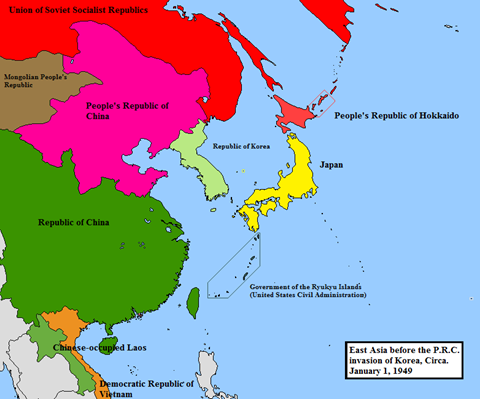
On January 01, 1949, People’s Republic of China posed a lesser threat as compared to today. Most surprisingly, the United States refused to learn from conflicts in Korea and Vietnam. Bumbling United States has yet to review fate of CIA’s Unfinished War in Asia.

Rudranarasimham Rebbapragada

DOOM DOOMA DOOMSAYER

BUMBLING Ex-CIA OFFICER CHARGED WITH SELLING SECRETS TO CHINA

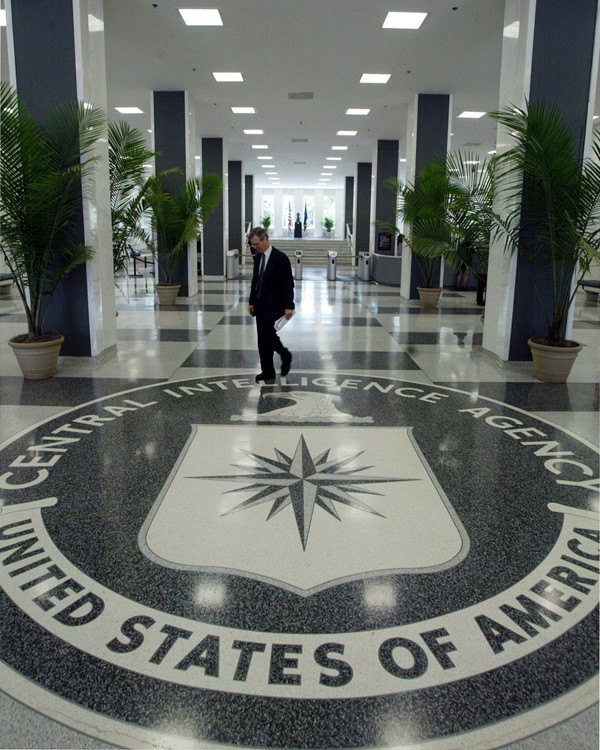
Doomed American China Fantasy – CIA’s Unfinished War in Asia. McLean Building n Virginia.

Clipped from: http://foreignpolicy.com/2017/06/23/bumbling-ex-cia-officer-charged-for-selling-secrets-to-china/

A prestigious Chinese think tank provided cover for the intelligence operation that ensnared Kevin Mallory.

  • By Bethany Allen-Ebrahimian. Bethany Allen-Ebrahimian is an assistant editor at Foreign Policy. She spent four years in China before joining Foreign Policy and holds a master’s degree in East Asian studies from Yale University., Elias Groll. Elias Groll is a staff writer at Foreign Policy, covering cyberspace and its conflicts and controversies. He has written for the magazine since 2012 and is a graduate of Harvard University.
  • June 23, 2017
Doomed American China Fantasy – CIA’s Unfinished War in Asia.

Caught with a bag of cash and an electronic device used to communicate with his handlers, a former government official with years of military and intelligence experience is accused of spying for China.

Kevin Mallory of Leesburg, Virginia is charged with providing defense-related information to a foreign government and lying to federal agents.

Mallory allegedly provided several classified government documents to a Chinese contact, who initially claimed affiliation with a prestigious Shanghai think tank, in exchange for cash. Documents filed by federal prosecutors depict Mallory, an experienced Chinese-speaking former operative, as a bumbling spy who executed his treason clumsily.

Mallory’s career spanned decades and multiple government agencies. After graduating from Brigham Young University in 1981, he served as active duty military and then an Army reservist for several years. From 1987 to 2013, he worked for different government agencies and U.S. defense contractors — as well as the CIA, according to a report in the Washington Post. He held a top secret security clearance for much of that time and was posted to regions including Iraq, China, and Taiwan.

It was only this year that Mallory allegedly began to stray from the straight and narrow, according to court documents. A Chinese handler posing as an employee of the Shanghai Academy of Social Sciences (SASS) made contact with Mallory during trips to China in March and April.

The SASS is a reputable and internationally known think tank. But it also maintains a close working relationship with the Shanghai State Security Bureau, a regional office of the Ministry of State Security, China’s intelligence arm.

In the following weeks, Mallory allegedly provided classified documents to Chinese intelligence officials in exchange for $25,000.

The FBI’s affidavit describing Mallory’s espionage activity appears to indicate that the former CIA officer tried to cover up his crimes. After he was stopped at Chicago’s O’Hare airport returning from Shanghai with $16,500 in undeclared cash in one of his bags, Mallory approached American intelligence agencies to describe his meetings in Shanghai with individuals he described as Chinese intelligence officers.

Having been caught with a payment that investigators believe was in exchange for classified government information, Mallory disclosed his contacts with the Chinese intelligence officers and may have offered his services as a double agent in order to conceal his alleged espionage on behalf of Beijing. The FBI affidavit never claims he offered to serve as a double agent, but in approaching an unspecified government agency with a communications device provided to him by the Chinese, Mallory appears to have made an overture to an American intelligence agency.

“He had a security clearance, he had apparently also worked at CIA, so he knew what he was doing,” said Peter Mattis “He had a security clearance, he had apparently also worked at CIA, so he knew what he was doing,” said Peter Mattis, a former government analyst and now a fellow at the Jamestown Foundation’s China Program.

But then Mallory made what Mattis called a “stupid mistake.”

The FBI affidavit filed in a Virginia federal court this week paints a picture of extraordinary technical incompetence by Mallory and his alleged Chinese handlers. Mallory’s Chinese contacts supplied him with a communications device — likely a smart phone — to exchange messages and allegedly transfer classified documents.

In a May 24 meeting with FBI agents, Mallory showed off the device and demonstrated how to move from a “normal” to “secure” messaging mode. When he toggled over to the secure mode, he was surprised to find that it displayed a history of his secure messages. Mallory seems to have assumed they would be deleted.

Mallory voluntarily turned the device over to the bureau for a forensic analysis. When the bureau’s technical experts dug into it, they were able to recover additional secure messages exchanged between Mallory and his Chinese contacts.

In an exchange of messages on May 3, 2017, Mallory’s handler asked why the documents had been blacked out at the top and bottom. “The black was to cross out the security classification (TOP SECRET//ORCON//,” Mallory replied. “I had to get it out without the chance of discovery. Unless read in detail, it appeared like a simple note.”

Two days later, Mallory discussed his motives with his handler: “Your object is to gain information, and my object is to be paid.” Two days later, Mallory discussed his motives with his handler: “Your object is to gain information, and my object is to be paid.” His handler replied: “My current object is to make sure your security and try to reimburse you.”

The FBI analysis also discovered four documents on the phone, three of which are described in court documents as government materials. One is top secret; the other two are classified as secret. The affidavit provides no hint as to what the documents contain.

Mattis told Foreign Policy that the “scope, scale and potential impact of Chinese intelligence operations” has been of primary concern to U.S. national security agencies for years.

Chinese think tanks, including SASS, often work closely with the Ministry of State Security. China’s spy arm prefers to meet sources inside China, and social science academies provide a useful front for intelligence and influence operations.

“Chinese think tanks can be used to invite someone over who is either a person of interest or a source,” said Mattis. “That person comes over and gives a talk, and they’ll be met and have meetings with the local state security element or the People’s Liberation Army.”

But some intelligence-linked Chinese think tanks also maintain a known presence in Washington. One of those is the China Institutes of Contemporary International Relations, which bills itself as a “comprehensive research institution” but which is also an official numbered bureau of the Ministry of State Security, functioning rather like the CIA’s Open Source Center.

The institute actively engages in the Washington think tank ecosystem and also invites U.S. officials and academics for events in Beijing. The Center for Strategic and International Studies, a nonpartisan Washington think tank, has co-hosted numerous cybersecurity dialogues with the Chinese institute in recent years.

For more than two decades, the institute has sent a fellow to Washington, who stays for a year or two, according to Mattis. “I guess some people find value in talking with them,” he said. “I have mixed feelings on that score.”

BRENDAN SMIALOWSKI/AFP/Getty Images

Doomed American China Fantasy – CIA’s Unfinished War in Asia.
Doomed American China Fantasy – The Presidential Daily Briefing on CIA’s Unfinished War in Asia.
Doomed American China Fantasy – Unchanging Communist Party in China from 1949 to 2017. CIA’s Unfinished War in Asia.
Doomed American China Fantasy. CIA’s Unfinished War in Asia.

DOOMED AMERICAN CHINA FANTASY – NIXON-KISSINGER BACKSTAB TIBET

DOOMED AMERICAN CHINA FANTASY – NIXON-KISSINGER BACKSTAB TIBET

DOOMED AMERICAN CHINA FANTASY – NIXON-KISSINGER BACKSTAB TIBET. PLIGHT OF TIBETANS IN INDIA.

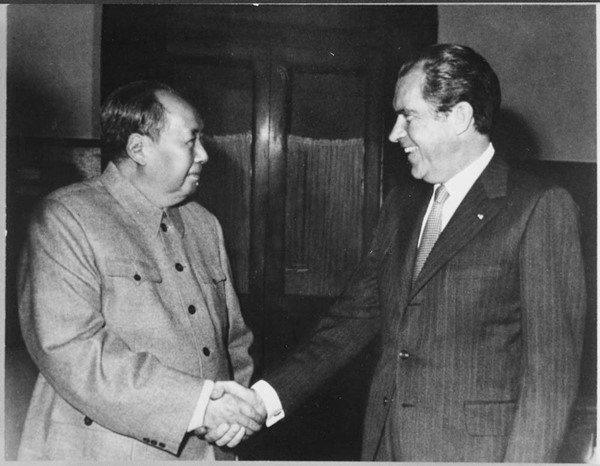
In February 1972, Nixon-Kissinger Backstab Tibet to win Communist China’s Friendship. The plight of Tibetan refugees in India is the result of Doomed American China Fantasy.

Rudranarasimham Rebbapragada

DOOM DOOMA DOOMSAYER

DECADES AFTER FLEEING TIBET, REFUGEES STILL HAVE LIMITS ON RIGHTS IN INDIA

Doomed American China Fantasy – Nixon-Kissinger Backstab Tibet. Plight of Tibetans in India.

Clipped from: https://www.voanews.com/a/decades-after-fleeing-tibet-refugees-still-have-limits-rights-india/3911014.html

Doomed American China Fantasy – Nixon-Kissinger Backstab Tibet. Plight of Tibetans in India.

A Tibetan exile carries her child as she walks toward the Tsuglagkhang temple in Dharamsala, India, March 19, 2016.

DHARAMSALA / NEW DELHI — 

Event organizer Lobsang Wangyal has to travel overseas often, but as a Tibetan refugee born in India, he did not have a passport and sometimes had to wait days to get the mandatory permits every time he went abroad.

So Wangyal, whose parents fled Tibet as teenagers, went to court to demand his right to an Indian passport.

In response to his petition, the Delhi High Court said authorities must abide by an earlier ruling that all Tibetans born in India between January 1950 and July 1987 are Indian citizens by birth, and can be issued passports.

The order came into effect in March, and Wangyal got his Indian passport shortly thereafter, using it to go to Thailand.

For the first time, he was spared the additional scrutiny that his documents always got from immigration officials.

“I feel like a real person now, having obtained a passport,” said Wangyal, 47, who was born in a Tibetan settlement in eastern Odisha state and now lives in the hill town Dharamsala.

Doomed American China Fantasy – Nixon-Kissinger Backstab Tibet. Plight of Tibetans in India.

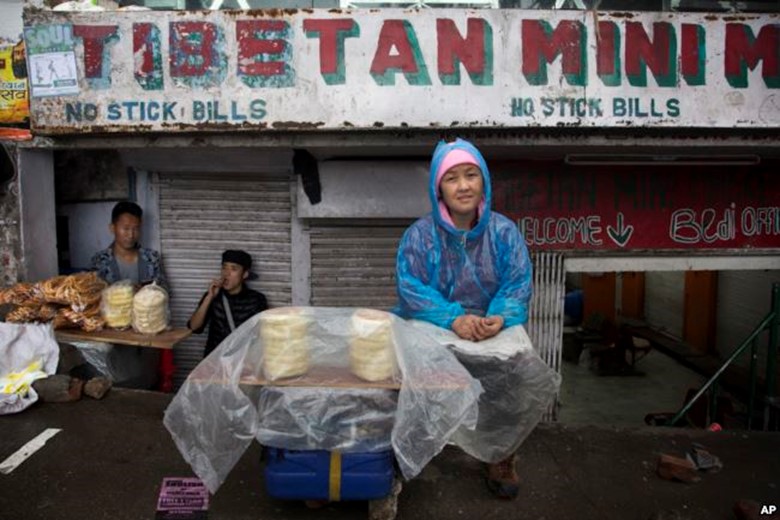
Pema Kyi, a 40-year-old exile Tibetan, sells Tibetan bread by the roadside in Dharmsala, India, June 20, 2017.

“Tibetans are seen as refugees and as stateless in India. Being seen that way after having been born and lived our whole lives in India is unfair and impractical,” he said.

‘Emotional turmoil’

Tibetans have been seeking asylum in India since the Dalai Lama fled Lhasa in 1959 after a failed uprising against Chinese occupation.

The Tibetan spiritual leader has since lived mostly in Dharamsala in the northern state of Himachal Pradesh, where his supporters run a small government in exile and advocate for autonomy for Tibet by peaceful means.

More than 100,000 Tibetans live in 39 formal settlements and dozens of informal communities across India. They generally arrive via Nepal, after a perilous trek across the Himalayas.

The Indian government has funded schools to provide free education for Tibetans, and reserved seats in medical and engineering colleges. Those eligible can get voter identification cards.

But Tibetans do not have citizenship rights, which limits their access to government jobs and freedom of movement within and outside India. They cannot own land or property.

Doomed American China Fantasy – Nixon-Kissinger Backstab Tibet. Plight of Tibetans in India.

Passang Topgyal, a 38-year-old exile Tibetan, tests a Tibetan stringed musical instrument called a piwang at his instrument shop in Dharmsala, India, June 20, 2017.

In some states, they cannot get driving licenses or bank loans. Those without identity documents are at risk of harassment, arrests and deportation to China.

“The status of statelessness is demoralizing and frustrating. There’s a lot of emotional turmoil,” said Tenzin Tselha, an activist with Students for a Free Tibet, whose father served in the Indian army.

“Sometimes I eat rice and daal [lentils] more than thukpa [Tibetan noodle soup], but I never feel Indian; I am Tibetan. It drains my energy, this struggle to always prove who I am and where I am from,” she said.

Foreigners by law

India is not a signatory to the 1951 Refugee Convention, which spells out refugee rights and state responsibilities to protect them.

Nor does it have a domestic law to protect the more than 200,000 refugees it currently hosts, including Tibetans, Sri Lankans, Afghans, Bangladeshis and Rohingyas from Myanmar. They are all considered foreigners by law.

Tibetan refugees get “enough rights and benefits,” and not everyone wants citizenship, said Sonam Norbu Dagpo, a spokesman for the Central Tibetan Administration, the government in exile.

“Even those Tibetan refugees who qualify for Indian citizenship do not apply for citizenship,” he said.

Doomed American China Fantasy – Nixon-Kissinger Backstab Tibet. Plight of Tibetans in India.

A young Tibetan exile stands backstage as she waits to perform during celebrations marking the 80th birthday of exiled Tibetan spiritual leader Dalai Lama, at Majnu Ka Tila, a Tibetan refugee camp in New Delhi, India, July 6, 2015.

While the number of refugees across the world has risen in recent years, the number of Tibetans arriving in India has fallen significantly since 2008, following a crackdown by China, which considers Tibet a renegade province.

Only 87 Tibetans registered in Dharamsala in 2015, compared with about 2,500 each year before 2008.

“India’s policy towards refugees has always been dictated by geopolitical compulsions,” said Saurabh Bhattacharjee, a professor at the National University of Juridical Sciences in Kolkata.

But beyond ensuring basic protections and civic amenities for all refugees, India must consider the status of Tibetan refugees more carefully, he said.

“Will they always remain refugees,” he said, “or should they be given some sort of permanent resident status, as they have been here for so long and have little chance of being repatriated?”

More rights

Recent court orders and the Tibetan Rehabilitation Policy of 2014 promise more rights and benefits.

The policy proposes, for the first time, to give refugees welfare benefits on par with Indians, subsidies for some college courses, more job options and greater ease in getting documents.

Doomed American China Fantasy – Nixon-Kissinger Backstab Tibet. Plight of Tibetans in India.

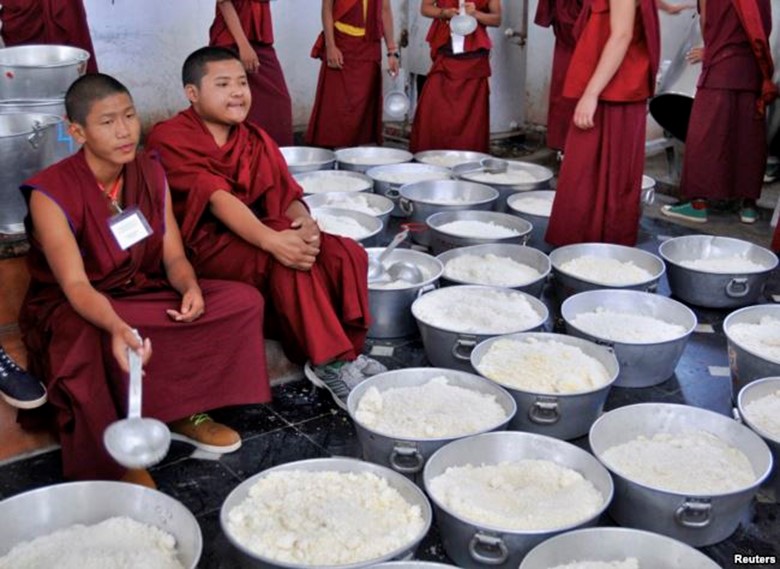
Young Buddhist monks wait to serve cooked rice to the attendees of the Jangchup Lamrim teachings conducted by the exiled Tibetan spiritual leader the Dalai Lama (unseen) at the Gaden Jangtse Thoesam Norling Monastery in Mundgod in the southern Indian state of Karnataka, Dec. 28, 2014.

It does not address property ownership, getting government jobs, or traveling freely within and outside India.

But the issue of rights and citizenship is also an emotional one that divides the community.

“I don’t think it’s important to have citizenship rights or to have an Indian passport,” said Dorjee Tsering, 28, who works in a store in Dharamsala selling Free Tibet T-shirts and sweatshirts. “We may face some problems, but we should sacrifice a little to preserve our heritage and identity.”

But for Wangyal, who fought for a passport, more rights are necessary.

“I would like the right to own property. A little house and a small business would be good to live a decent life,” he said. “Tibetans will fight on for Free Tibet, but at the same time we have to live our lives now.”

Doomed American China Fantasy – Nixon-Kissinger Backstab Tibet. Plight of Tibetans in India.

ZERO FUNDING FOR TIBET – NATURAL MECHANISM FOR REGIME CHANGE IN BEIJING

ZERO FUNDING FOR NATURAL FREEDOM IN TIBET – NATURAL MECHANISM FOR REGIME CHANGE IN BEIJING. THE SWORD OF DAMOCLES HANGING OVER THE NECK OF BEIJING. 

ZERO FUNDING FOR TIBET – NATURAL MECHANISM FOR REGIME CHANGE IN BEIJING

President Trump’s 2018 Budget provides no funding in support of Natural Freedom in Tibet.

I am presenting view shared by Ms. Olivia Enos in which she appeals to President Trump not to forget Tibet. In her view, it appears that Natural Order is always determined by choices and actions performed by Man.

As student of Natural Science, I examine Natural Factors, Natural Conditions, Natural Mechanisms, and Natural Events that impact, or reset Natural Balance, Natural Order, and Natural Equilibrium that underlies human experience called Natural Freedom. For example, Natural Event called K-T Extinction Event totally wiped out ruling clan of Dinosaurs from face of planet Earth to introduce new clan of rulers called Anatomically Modern Man.

In Natural History of Man, powerful, mighty Empires have risen and fallen altering political boundaries imposed by Man over Natural Boundaries that define terrestrial life. Man brings about Regime Change using physical force using tools invented by Man. However, to expect Regime Change through Natural Event such as Bolide Collision cannot be dismissed as figment of human imagination.

In fact, Saint John describes, Book of REVELATION, Chapter 18, a mechanism for Regime Change in Evil Empire code-named Babylon. He visualizes heavenly strike such as Bolide Collision that destroys Evil Empire Babylon. Man may interpret sudden, unexpected Downfall of Babylon as Natural Disaster, Natural Calamity, Catastrophe, Cataclysm, Doom, or Apocalypse.

I am not concerned about President Trump’s Budget Plan with Zero Funding for Natural Freedom in Tibet. In my Natural Expectation, Evil Red Empire will experience Natural Downfall triggered by Natural Event called Bolide Collision. I seek Tibet Equilibrium to restore Balance of Power in South Asia that grants Natural Freedom to Tibetans. The Sword of Damocles is hanging over the neck of Beijing.

Rudranarasimham Rebbapragada

DOOM DOOMA DOOMSAYER

PRESIDENT TRUMP, DON’T FORGET ABOUT TIBET

Clipped from: https://www.forbes.com/sites/oliviaenos/2017/06/09/president-trump-dont-forget-about-tibet/#105138fd7f9a

Zero Funding in President Trump’s 2018 Budget in support of Natural Freedom in Tibet. Natural Mechanism may restore Tibet Equilibrium.

Olivia Enos ,  

Contributor

I write on international human rights and national security.

I am a researcher in the Asian Studies Center at The Heritage Foundation where I write on international human rights issues including human trafficking, transnational crime, religious freedom, and democratic freedoms, among other social issues in Asia. I also work on human rights challenges facing the Middle East including ISIS genocide and U.S. refugee policy. My work has been featured in The National Interest, RealClearWorld, Providence: A Journal of Christianity and Foreign Policy, and Georgetown Journal of International Affairs, among other publications. I received my BA from Patrick Henry College and am completing my MA in Asian Studies at Georgetown University. I live with my husband Zach on Capitol Hill in Washington, D.C.

The author is a Forbes contributor. The opinions expressed are those of the writer.

President Trump’s 2018 Budget provides Zero Funding in support of Natural Freedom in Tibet. Natural Mechanism for Regime Change in Beijing.

UNSPECIFIED, CHINA – APRIL 23: Tibetan Buddhist monks use the iPhone in the courtyard of the Kumbum Monastery on April 23, 2017 in Xining, Qinghai Province. Kumbum was founded in 1583 in a narrow valley close to the village of Lusar in the Tibetan cultural region of Amdo. (Photo by Wang He/Getty Images)

President Trump’s proposed 2018 budget would zero out funding critical to advancing freedom in Tibet. Proposed budget cuts would eliminate all USAID programming for Tibet and funding for the Ngawang Choephel Fellows program, which finances educational and cultural exchanges for Tibetan refugees. What might happen with efforts to protect Tibetan refugees in South Asia is unclear.

The State Department said that many “tough choices” were made during budget negotiations. Economic development programs in Tibet will take the most significant hit. In addition to the cuts outlined above, there is a question as to how much funding—if any—will be allocated for the Tibet Fund. Nor does the budget proposal outline how cuts to the National Endowment for Democracy (NED) will impact programs toward Tibet.

Defunding efforts to empower Tibetans sends the signal that the U.S. no longer cares about advancing liberty in places like Tibet and Xinjiang where China today uses human rights abuse to maintain control over these territories.

Just last year, the Chinese government began demolishing one of the world’s largest Tibetan Buddhist academies, the Larung Gar, reducing the population of monks and nuns from 12,000 to less than 5,000 after its partial destruction in 2016. Additionally, at least 150 Tibetans have self-immolated since February 2009.

At a recent event at The Heritage Foundation, Dr. Lobsang Sangay, president of the Central Tibetan Administration, reaffirmed Tibet’s commitment to the “Middle Way” approach. This policy approach seeks freedom for Tibetans within the framework of the Chinese constitution.

“The Middle Way approach” explained Sangay, “is in the middle of seeking separation or independence from China but at the same time ending the present repressive policies of the Chinese government.”

It is a peaceful initiative, one that embraces dialogue with the Chinese government. The last two U.S. administrations affirmed that policy, but it remains to be seen whether it will be supported by the Trump administration which has said little to nothing on Tibet.

U.S policy toward Tibet has historically been led by Congress and is enshrined in the 2002 law, the Tibetan Policy Act, which initiated or affirmed the programs the Trump administration plans to cut. If budget cuts are solidified, members of Congress should take steps to reaffirm U.S. support for Tibet.

One of the other ways Sangay suggests the U.S. can support Tibet is by meeting with the Dalai Lama. Sangay highlighted that on his first international trip, President Trump visited Saudi Arabia, Israel and the Vatican traveling to “all three major sacred places of three major traditions.” Sangay continued, “If he can meet with all leaders of major traditions, I think it’s just logical that he meet with the most prominent Buddhist leader”.

Advancing freedom in Asia – and around the world, for that matter – is in the interest of the U.S. China is not the only country to use human rights violations or the threat of abuse to keep the population in check and maintain their grip on power. These authoritarian tendencies are encouraged when actors like the U.S. refrain from supporting freedom where they can. The U.S. should not grant de facto impunity to China by abandoning the Tibetan people in their time of need. Secretary of State Rex Tillerson in a recent speech to the State Department said that human rights would factor into the Trump administration’s foreign policy paradigm. To make good on that promise, the Trump administration should consider ways to promote human rights and norms in China. The effort can begin with protecting rights and freedom in Tibet.

President Trump’s 2018 Budget provides Zero Funding in support of Natural Freedom in Tibet. Natural Mechanism for Regime Change in Beijing may restore Tibet Equilibrium. The Sword of Damocles hanging over the neck of Beijing.
Zero Funding in support of Natural Freedom in Tibet. Natural Mechanism for Regime Change in Beijing. The Sword of Damocles hanging over the neck of Beijing.
Zero Funding in support of Natural Freedom in Tibet. Natural Mechanism for Regime Change in Beijing. The Sword of Damocles hangs over the neck of Beijing.

TIBET EQUILIBRIUM vs THUCYDIDES TRAP – UNFINISHED VIETNAM WAR

TIBET EQUILIBRIUM vs THUCYDIDES TRAP – UNFINISHED VIETNAM WAR

TIBET EQUILIBRIUM vs THUCYDIDES TRAP – UNFINISHED VIETNAM WAR. RED CHINA’S EVIL ACTIONS DESTINED US-CHINA WAR.

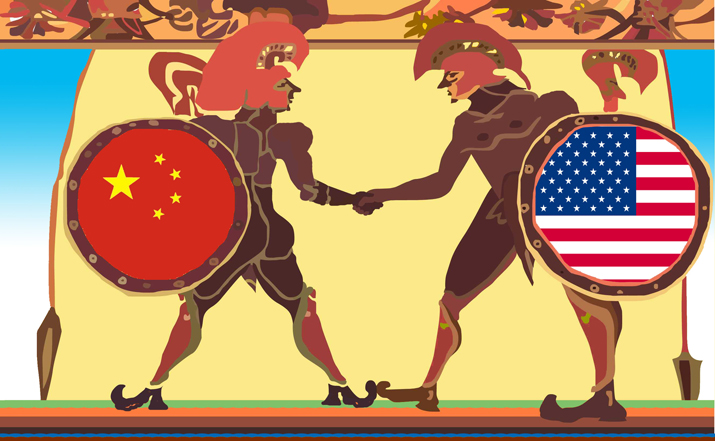
Special Frontier Force represents military organization that symbolizes ‘Unfinished Vietnam War’. The US fought bloody War in Vietnam to contain, to engage, to confront, and to oppose the spread of Communism in South Asia. Red China’s Evil actions Destined US-China War. ‘Tibet Equilibrium’ is good reason to fight Unfinished Vietnam War to its rightful conclusion.

Rudranarasimham Rebbapragada

SPECIAL FRONTIER FORCE

TIBET EQUILIBRIUM vs THUCYDIDES TRAP – UNFINISHED VIETNAM WAR. RED CHINA’S EVIL ACTIONS DESTINED US-CHINA WAR.

Could the U.S. and China end up in a terrible war that neither wants?

May 30 at 6:00 AM

TIBET EQUILIBRIUM vs THUCYDIDES TRAP – UNFINISHED VIETNAM WAR. RED CHINA’S EVIL ACTIONS DESTINED US-CHINA WAR.

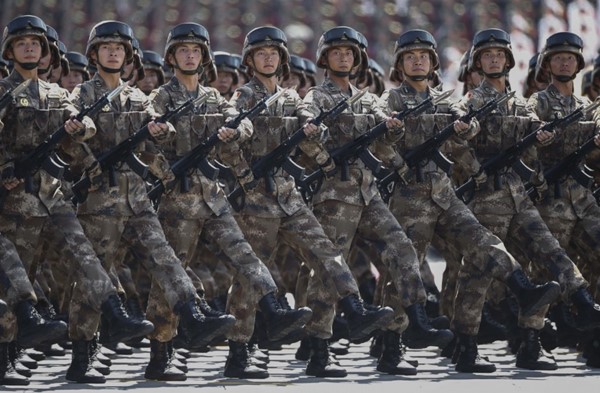
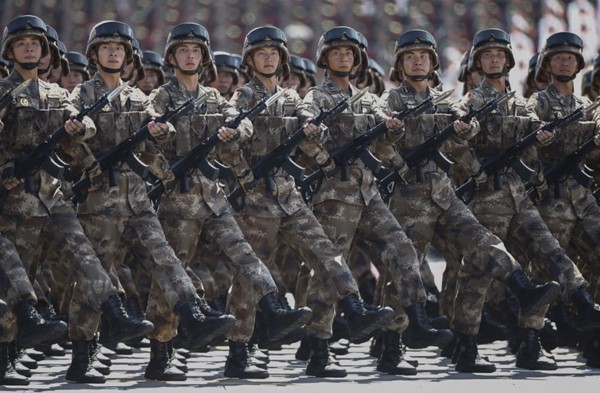
Chinese troops marching to commemorate the 70th Anniversary of the ‘Victory of Chinese People’s Resistance against Japanese Aggression and World Anti-Fascist War’ at Tiananmen Square in Beijing on Sept. 3, 2015. China planned to increase its defense budget in 2016 by 7 to 8 percent (European Pressphoto Agency/Rolex Dela Pena/poll/file)

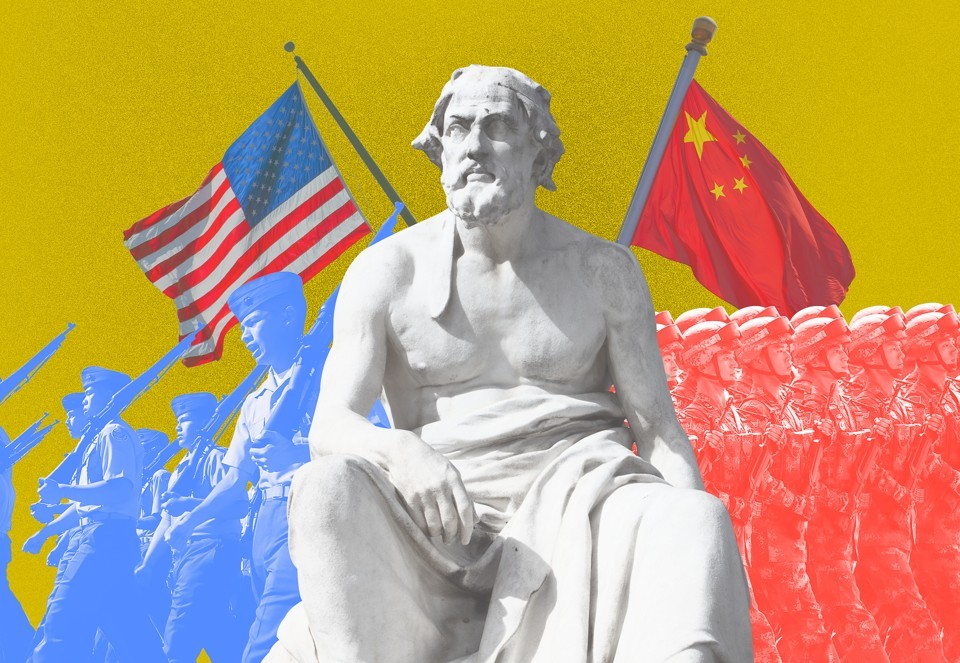
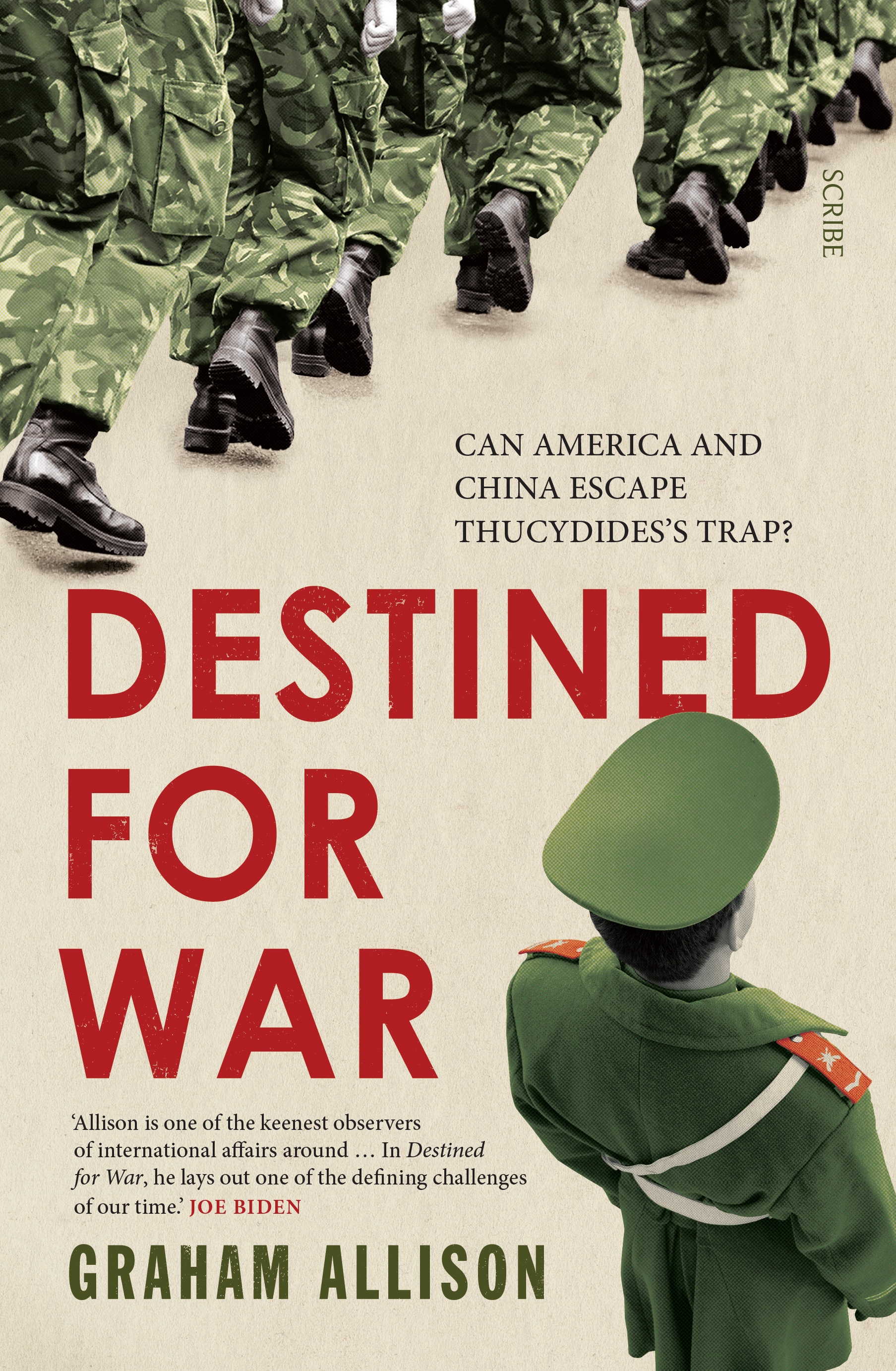
Is a dangerous pattern emerging in U.S.-China relations? International relations scholar Graham Allison coined the term “Thucydides Trap” in 2012 to explain how a rising power can instill fear in an existing power, leading to hostility and mistrust that can escalate into war.

In his new book, Allison argues that China and the United States are falling into this trap, which owes its name to Greek historian Thucydides’s famous history of the Peloponnesian War between Athens and Sparta, which proved disastrous for both sides. Fast-forward a couple of millennia, and some observers worry that Washington and Beijing are heading toward the same fate.


But the focus on whether the United States and China will follow this path has obscured another insight from Thucydides’ classic work, “The Peloponnesian War” — how the geography of East Asia would shape what a U.S.-China war might look like, and just how dangerous and destructive such a war may be.

There is another way to look at rising powers

The Thucydides Trap we often see in debates about rising powers is actually a simple version of power transition theory, which dates back to the 1950s. The idea is that a war between great powers is more likely when a rising state seeks to topple the international pecking order. It is easy to see why this idea might be applicable to contemporary U.S.-China relations.

There are other ways to view the situation. Some scholars have argued that things may be more stable when two leading powers are at similar strength; others argue that the sources of war lie elsewhere. And the empirical record does not provide a lot of evidence that rising and dominant powers fight directly, or for the reasons that power transition theorists suggest. This leads some scholars to suggest that the power transition model is a poor guide to understanding U.S.-China relations.

None of this discussion means that U.S. and Chinese analysts should ignore Thucydides, although perhaps they should look for inspiration from other parts of his book.

The other Thucydides Trap isn’t pretty

Thucydides is best remembered for his short argument about the causes of war, but he said much more about its conduct. His insights are quite relevant for a hypothetical clash between the United States and China. This is especially the case in his commentary on the first few years of the Peloponnesian War, where he describes how Athens and Sparta stumbled into a protracted fight that neither side expected.

How they got there has to do with a very different kind of Thucydides trap. They wanted a quick victory, and they wanted to avoid their respective enemies’ comparative military advantages. Both opponents fell victim to delusions about bloodless victory without hard fighting. After their early efforts failed, they faced a terrible dilemma: capitulate or settle into a long and uncertain war.

And both sides faced the same basic challenge when the war began in 431 B.C. — how to avoid engaging on terms that favored the enemy. Sparta (like China today) was a dominant land power while Athens was the dominant naval power (like today’s United States). Sparta needed to figure out how to defeat Athens without challenging its navy directly. Meanwhile, Athens needed Sparta to concede without taking the risk of a pitched battle on land against the formidable Spartan army.


Neither side had a good solution — but they pursued operational fantasies about how to win without having to challenge the enemy’s main area of strength. Athens wanted to use its navy to assist land forces that would conduct raids on Sparta’s allies, while simultaneously encouraging a slave insurrection in the Spartan homeland. Sparta, for its part, thought that others would take on the Athenian navy on its behalf — and then it could focus instead on fighting on land.

Not much came out of these plans for the first few years. As long as Sparta and Athens were unwilling to challenge their counterparts directly, neither was able to hurt the enemy enough to force surrender. Neither side was willing to back down. And because they could both retreat to reliable sanctuaries — Sparta on land, Athens at sea — they didn’t need to seek terms.

A toxic blend of geography and politics conspired against the Greek great powers, and the result was an exhausting war that no one wanted. Geography enabled retreat, while political pressures encouraged continued fighting. Meanwhile the military balance held, with Sparta dominant on land and Athens controlling the water. What followed were years of costly but indecisive campaigns. Neither side was strong enough to win — nor weak enough to lose.

Geography would factor into any U.S.-China war

Here’s how this applies to U.S.-China relations today. As I explain in a forthcoming article in the Journal of Strategic Studies, the United States and China risk slipping into this pattern.

War is far from inevitable, of course. But if it did break out, the United States and China — like Athens and Sparta — would each be able to retreat safely in the event of early wartime setbacks. When we read about potential flash points that could spark a confrontation, especially over Taiwan and disputed maritime claims, this geographic risk lurks in the background.

Wartime setbacks that send each side retreating to its safe haven are possible, perhaps even likely, given that both sides are placing their bets on elaborate plans to win quickly. In this scenario, China and the United States would each put a premium on interfering with the other’s communications and blinding its intelligence capabilities to inject confusion on the battlefield and make it hard to coordinate complex operations.

For the United States, the goal would be to seize the initiative, ensuring freedom of movement in the waters near the Chinese mainland, overcoming anti-access weapons, and buying time for superior reinforcements to arrive in the region. For China, it means forcing the United States to fight farther from the shore, which might prevent it from effectively defending its regional allies and partners.

These plans might sound good in theory, but both sides are investing in efforts to secure their communications against debilitating attacks. The normal fog and friction of war also work against operational plans that depend on precise attacks with little margin for error. Leaders might also become so concerned about nuclear escalation that they scale back their opening moves, further decreasing their effectiveness. For all these reasons, both sides may end up disappointed by the result of the first volley.

A quick political settlement might be the rational response in this case, but the fact that both sides were willing to take the gigantic risk of war suggests they will find it hard to stomach the prospect of backing down, especially if they haven’t suffered many casualties. This is a recipe for a long and grinding war.

This is the kind of Thucydides trap that looms over any U.S.-China conflict. Geography, politics and the maritime-land balance in East Asia create a situation likely to lead to prolonged fighting. The central task for strategists is figuring out how to escape it. If they cannot, the only alternative is avoiding war in the first place.

Joshua Rovner holds the John Goodwin Tower Distinguished Chair in National Security and International Politics at Southern Methodist University, where he also serves as director of the Security and Strategy Program (SAS@SMU).

Comments

Rudranarasimham Rebbapragada

10:32 AM EDT

On behalf of Special Frontier Force, I confirm the possibility of war between the US and China. We wanted to fight this War to relieve pressure on the US Armed Forces fighting bloody war in Vietnam. President Nixon-Kissinger continued using bombing campaign while knowing that it was not effective. Special Frontier Force as a military organization symbolizes the Unfinished Vietnam War. US was fighting against the spread of Communism in South Asia. The fall of Soviet Union has not eliminated the problem of Power Equilibrium in Asia. If not the tensions of South and North China Sea disputes, the great problem of ‘Tibet Equilibrium’ will be a good reason to check, to contain, to engage, and to oppose Red China.

mustquestion

10:20 AM EDT

Odd that it does not include North Korea in the discussion. The most likely scenario is a US – N. Korea conflict with China taking sides with N Korea. But that does not fit the simplistic model of dominant vs challenging state that is the book’s theme.

Rudranarasimham Rebbapragada

10:46 AM EDT

Tibet is the second largest nation of this region sharing border with China. In terms of size, Tibet is second to China. Korea receives plenty of media attention. The problem of Balance of Power demands action to accomplish ‘Tibet Equilibrium’.

nqb123

7:54 AM EDT

I don’t see how the US and China could stumble onto war. What’s the motive for a war when there is so much trade going between these 2 countries? There is no common border between the two, no known historical animosity between the two people, no known problem that only a war could solve. The Taiwan problem is likely to be solved sometime in the future by the Chinese themselves. If the US wanted to defend Taiwan in the first place, Taiwan and the US would already have a mutual defense treaty. I don’t see any US military base in Taiwan either.

Rudranarasimham Rebbapragada

10:52 AM EDT

That’s not correct reading of the US history. President Harry Truman tried his best to avert Communist victory in China. Apart from giving support to Nationalists, the US made modest efforts to deliver arms and ammunition to Tibet during 1948-49. Tibet maintained policy of Isolationism until China’s military conquest in 1950s. Since that time, the US is helping Tibetan Resistance. The plans for a future war are not yet buried.

Douglas Levene

7:42 AM EDT

Excellent article, thank you. I’ve been teaching in China for the past seven years and worry about what to do if war breaks out – can I make it across the border into Hong Kong? Would the Chinese expel all Americans or intern them or worse? From this end of the pond, it’s pretty easy to see how rising Chinese confidence could lead to miscalculations, spilled blood and war. The Chinese think they can overcome US supremacy in submarines by building out a huge network of sea floor sensors in the South China Sea – who knows what that type of arms race combined with territorial expansion could lead to?

kcs1760

7:22 AM EDT

A good article, but I would have liked to read how the author feels our economic inter-dependency would factor into the equation.

Rudranarasimham Rebbapragada

10:56 AM EDT

In the past, Communist Powers like Soviet Union encouraged people and nations to oppose European Colonial Rulers. Now, the world of geopolitics and geoeconomics have changed. Now, the US would encourage people and nations to oppose Red China’s Neocolonialism.

William Billeaud

7:10 AM EDT

Only someone with a worldview based in the capitol of the U.S. Bible Belt would spew this. What horse shout; I subscribed to Wash Post for this?

Rudranarasimham Rebbapragada

11:00 AM EDT

Don’t worry about your subscription. You can still read this story without being a subscriber. The realities of the world are described by Red China’s occupation of the second largest nation of South Asia. As long as that occupation prevails, there will be Power Imbalance. Tibet Equilibrium cannot be dismissed as wishful thinking.

TIBET EQUILIBRIUM vs THUCYDIDES TRAP – UNFINISHED VIETNAM WAR. RED CHINA’S EVIL ACTIONS DESTINED US-CHINA WAR.

Inserted from <https://www.washingtonpost.com/news/monkey-cage/wp/2017/05/30/could-the-u-s-and-china-end-up-in-a-terrible-war-that-neither-wants/?utm_term=.37b806c4ec1a#comments>

TIBET EQUILIBRIUM vs THUCYDIDES TRAP – UNFINISHED VIETNAM WAR.RED CHINA’S EVIL ACTIONS DESTINED US-CHINA WAR.

SPECIAL PROSECUTOR TO INVESTIGATE NIXON-KISSINGER VIETNAM TREASON

SPECIAL PROSECUTOR TO INVESTIGATE NIXON-KISSINGER VIETNAM TREASON

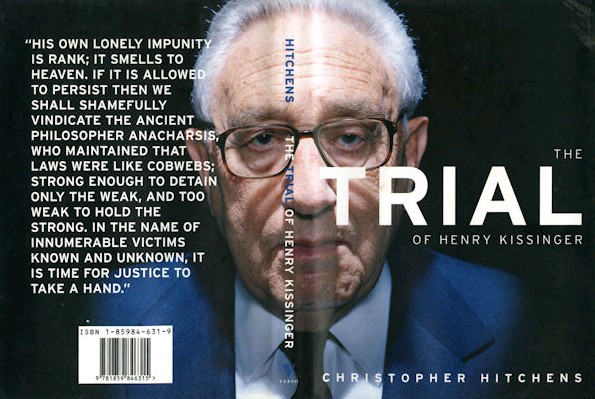
SPECIAL PROSECUTOR TO INVESTIGATE NIXON-KISSINGER VIETNAM TREASON. THE TRIAL OF HENRY KISSINGER.

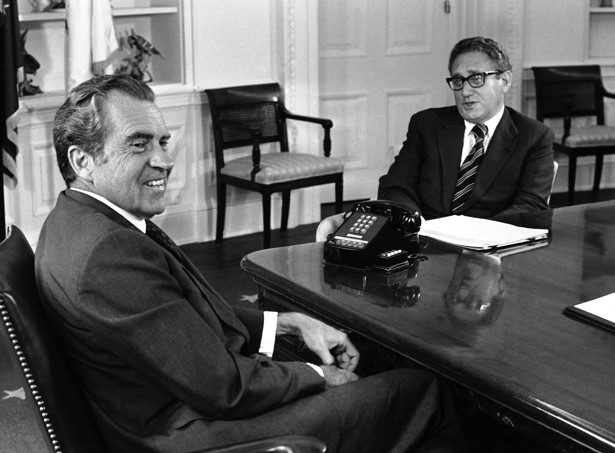
Better Late Than Never. Dr. Henry A. Kissinger usurped the powers granted to the US Secretary of State while he worked as National Security Adviser during 1970-73. He is the architect of Doomed American Fantasy that formulated US – China relations while Americans were bleeding and dying in Vietnam to contain the spread of Communism in Southeast Asia. USA needs to find Special Prosecutor to investigate Nixon-Kissinger Vietnam Treason. I am waiting for “The Trial of Henry Kissinger”.

Rudranarasimham Rebbapragada

DOOM DOOMA DOOMSAYER

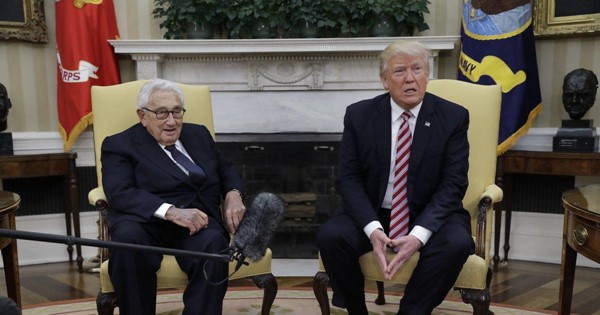
PRESIDENT TRUMP, HENRY KISSINGER MEET IN OVAL OFFICE AMID WATERGATE COMPARISONS – WHITE HOUSE, US PATCH 

Clipped from: https://patch.com/us/white-house/president-trump-henry-kissinger-meet-oval-office

In a surprise meeting, Trump sat down with the former secretary of State and official in the Nixon and Ford White Houses.

SPECIAL PROSECUTOR TO INVESTIGATE NIXON-KISSINGER VIETNAM TREASON. THE TRIAL OF HENRY KISSINGER FOR WAR CRIMES.

WASHINGTON, DC — President Trump invited the press into the Oval Office Wednesday for photos and brief questions with a guest that shocked many of the reporters in attendance: Henry Kissinger, the controversial former secretary of State and official in the Nixon and Ford White Houses. Trump called the meeting “an honor.” Earlier in the morning, Trump met with Russian Foreign Minister Sergey Lavrov and Russian Ambassador Sergey Kislyak — a choice many found shocking in light of Tuesday night’s firing of FBI Director James Comey, whose bureau is investigating ties between the president’s campaign and Russia.

Asked in the Oval Office meeting with Kissinger about the Comey termination, Trump said, “He wasn’t doing a good job. Very simple. He was not doing a good job.” (For more information on this and other political stories, subscribe to the White House Patch for daily newsletters and breaking news alerts.)

“With all the comparisons the Nixon era, Trump brings the press into the Oval to see him sitting w/ a key member of the Nixon administration,” tweeted Bloomberg and pool reporter Jennifer Epstein who attended the meeting.

The meeting with Kissinger, 93, was not on the president’s public schedule, and reporters thought they would be entering the meeting with Lavrov when Trump invited them in the office.

“We’re talking about Syria, and I think that we’re going to do very well with respect to Syria and things are happening that are really, really, really positive,” Trump said, according to the pool report. “We’re going to stop the killing and the death.”

He added that his meeting with Lavrov was “very, very good.” Both sides, he said, want to end “the killing — the horrible, horrible killing in Syria as soon as possible, and everybody is working toward that end.”

Kissinger is a deeply embattled figure. Many advocates and journalists have characterized him as a war criminal; the late Christopher Hitchens wrote a scathing book, which was turned into a documentary film, called “The Trial of Henry Kissinger” condemning the former secretary of State for his actions. In a contentious decision, the Nobel Prize committee awarded Kissinger the Peace Prize for negotiating a (ultimately unsuccessful) ceasefire in Vietnam.

According to a Politico profile published in December 2016, Kissinger has had a long-running relationship with Russian President Vladimir Putin. The former secretary of State has been working to get closer to Trump, Politico reports, in an attempt to potentially broker a deal with Russia.

Trump said that he’s been friends with Kissinger for a long time. Hillary Clinton, too, spoke of her relationship with Kissinger during the presidential campaign.

The Russian Embassy in the United States Sent out a picture of Trump meeting with Kislyak:

Lavrov also met with Secretary of State Rex Tillerson, and they appeared briefly in front of the press. While Tillerson answered no questions, a reporter asked the pair if Trump’s firing of Comey cast a shadow over the

meeting, apparently unaware of the news, appeared shocked by the information. “Was he fired?” he said. But then his tone changed: “You are kidding, you are kidding.”

AP Photo/Evan Vucci

Special Prosecutor to investigate Nixon-Kissinger Vietnam Treason. The Trial of Henry Kissinger. Bring him to Justice.

DOOMED PRESIDENCY OF GERALD FORD – AMERICA’S UNFINISHED WAR

DOOMED PRESIDENCY OF GERALD FORD – AMERICA’S UNFINISHED WAR

Doomed Presidency of Gerald Ford – America’s Unfinished War.

Nixon-Kissinger and Gerald Ford initiated era of Doomed US Presidency when they concluded War against Communism through negotiated Surrender. Unchecked Communist Expansionism in Southern Asia poses severe risks to vital US security interests in Asia-Pacific Region.

Rudranarasimham Rebbapragada

DOOM DOOMA DOOMSAYER

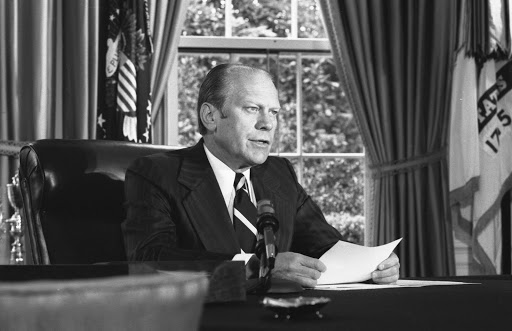
Doomed Presidency of Gerald Ford – America’s Unfinished War. The Fall of Saigon announced by President Ford on April 23, 1975.

Clipped from: http://www.history.com/this-day-in-history/ford-says-that-war-is-finished-for-america?

FORD SAYS THAT WAR IS FINISHED FOR AMERICA

At a speech at Tulane University, President Gerald Ford says the Vietnam War is finished as far as America is concerned. “Today, Americans can regain the sense of pride that existed before Vietnam. But it cannot be achieved by re-fighting a war.” This was devastating news to the South Vietnamese, who were desperately pleading for U.S. support as the North Vietnamese surrounded Saigon for the final assault on the capital city.

The North Vietnamese had launched a major offensive in March to capture the provincial capital of Ban Me Thuot (Darlac province) in the Central Highlands. The South Vietnamese defenders there fought very poorly and were quickly overwhelmed by the North Vietnamese attackers. Despite previous promises by both Presidents Richard Nixon and Gerald Ford to provide support, the United States did nothing. In an attempt to reposition his forces for a better defense, South Vietnamese President Nguyen Van Thieu ordered his forces in the Highlands to withdraw to more defensible positions to the south. What started out as a reasonably orderly withdrawal soon degenerated into a panic that spread throughout the South Vietnamese armed forces. The South Vietnamese abandoned Pleiku and Kontum in the Highlands with very little fighting and the North Vietnamese pressed the attack from the west and north. In quick succession, Quang Tri, Hue, and Da Nang in the north fell to the communist onslaught. The North Vietnamese continued to attack south along the coast, defeating the South Vietnamese forces at each encounter.

As the North Vietnamese forces closed on the approaches to Saigon, the politburo in Hanoi issued an order to Gen. Van Tien Dung to launch the “Ho Chi Minh Campaign,” the final assault on Saigon itself. Dung ordered his forces into position for the final battle.

The South Vietnamese 18th Division made a valiant final stand at Xuan Loc, 40 miles northeast of Saigon, in which the South Vietnamese soldiers destroyed three of Dung’s divisions. However, the South Vietnamese finally succumbed to the superior North Vietnamese numbers. With the fall of Xuan Loc on April 21 and Ford’s statement at Tulane, it was apparent that the North Vietnamese would be victorious. President Thieu resigned and transferred authority to Vice President Tran Van Huong before fleeing Saigon on April 25.

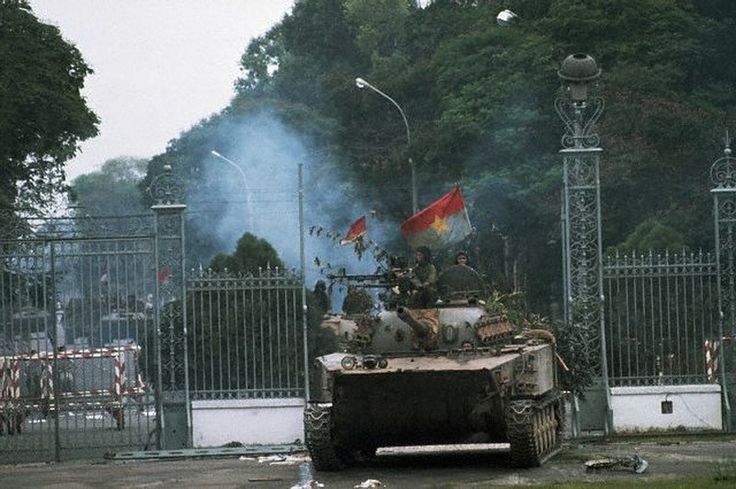
By April 27, the North Vietnamese had completely encircled Saigon and began to maneuver for their final assault. By the morning of April 30, it was all over. When the North Vietnamese tanks crashed through the gates of the Presidential Palace in Saigon, the South Vietnamese surrendered and the Vietnam War was officially over.

DOOMED PRESIDENCY OF GERALD FORD – AMERICA’S UNFINISHED WAR. NIXON-KISSINGER VIETNAM TREASON DID NOT FINISH AMERICA’S WAR ON COMMUNIST EXPANSIONISM.

NO CHINA, NO RUSSIA – U.S. MUST CHOOSE TIBET EQUILIBRIUM

 NO CHINA, NO RUSSIA – U.S. MUST CHOOSE TIBET EQUILIBRIUM

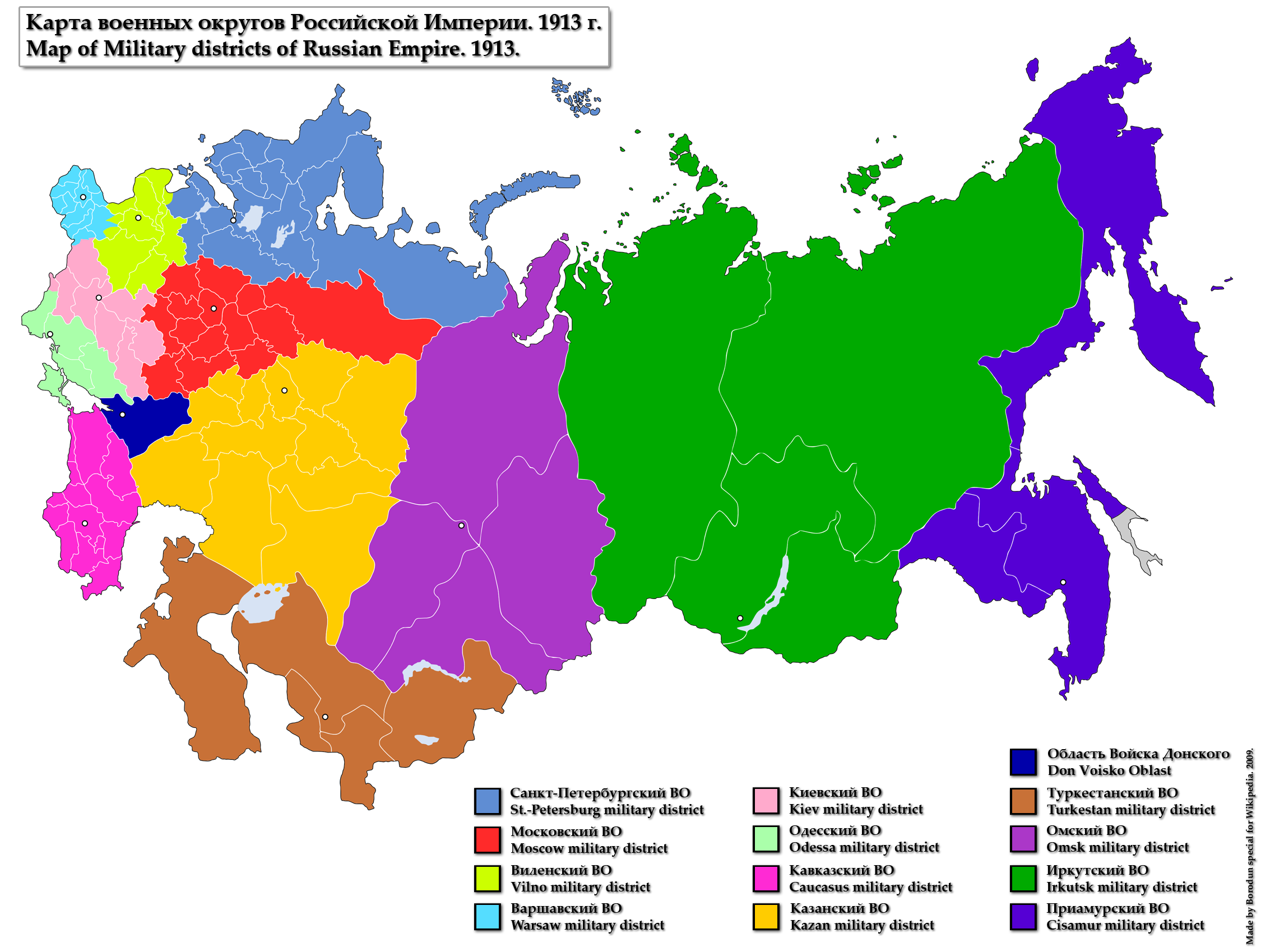
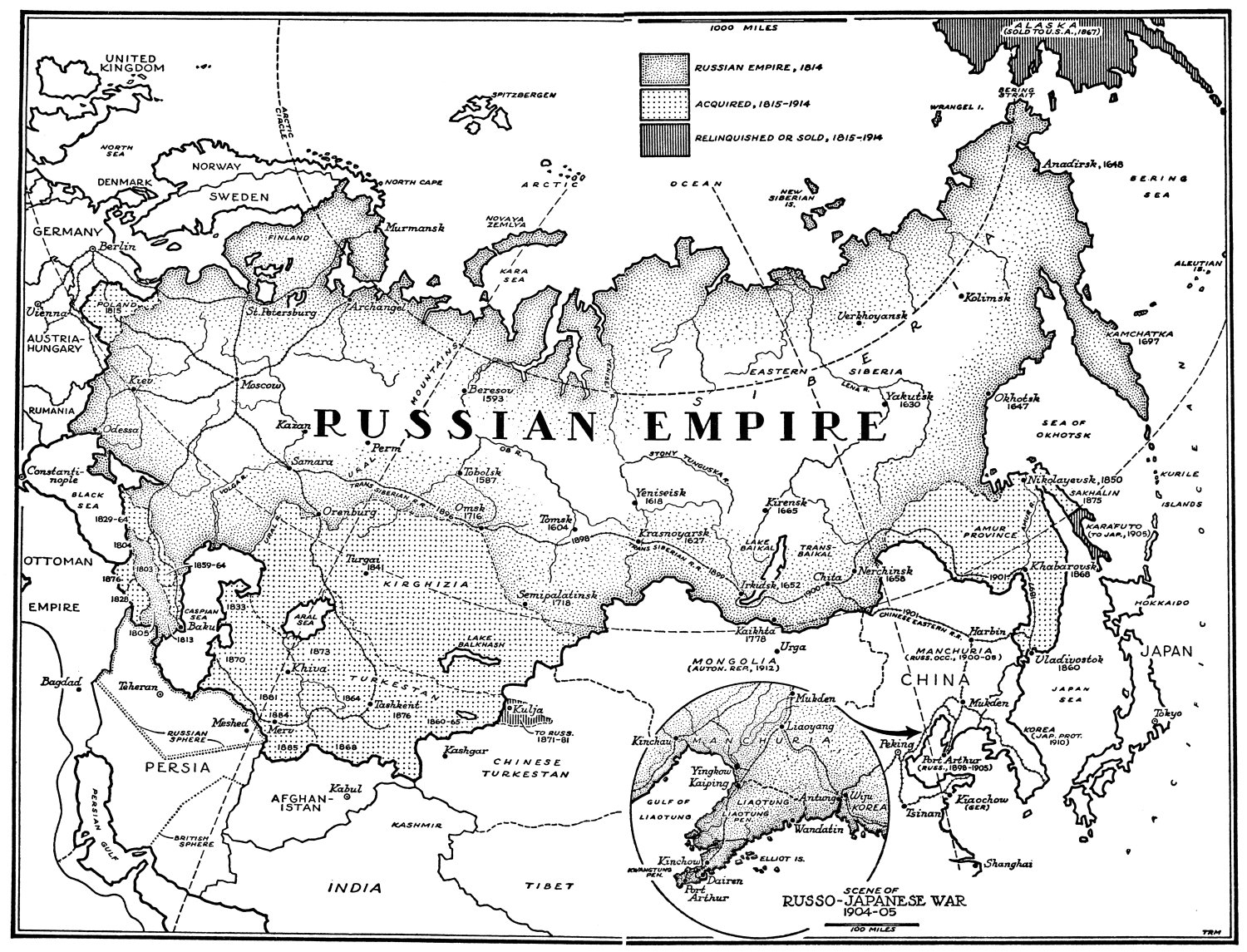
NO RUSSIA, NO CHINA – U.S. MUST CHOOSE TIBET EQUILIBRIUM. RUSSIAN EMPIRE IN 1913.

United States must define Foreign Policy before choosing allies. “AMERICA FIRST” Foreign Policy demands choosing “TIBET EQUILIBRIUM.”

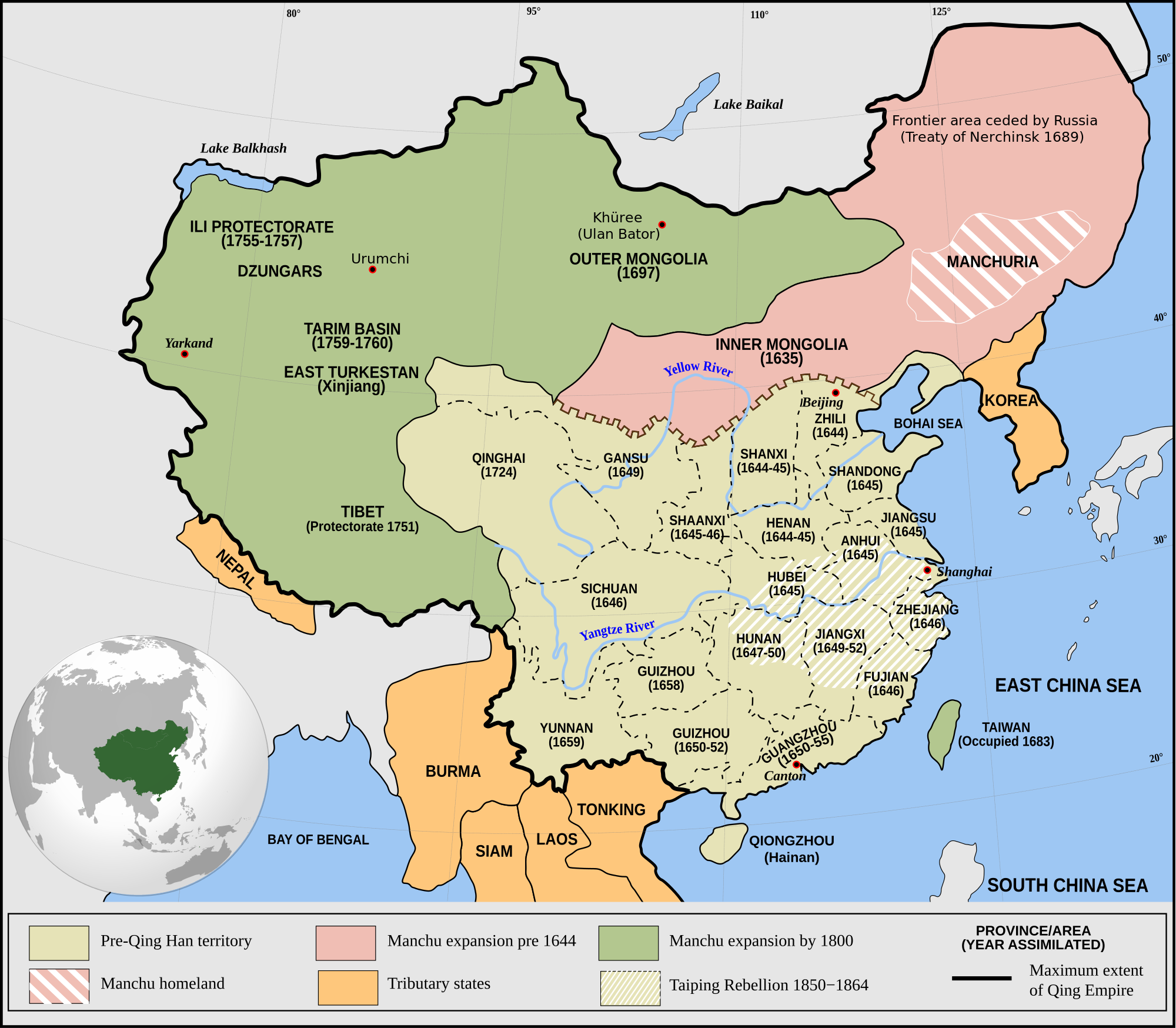
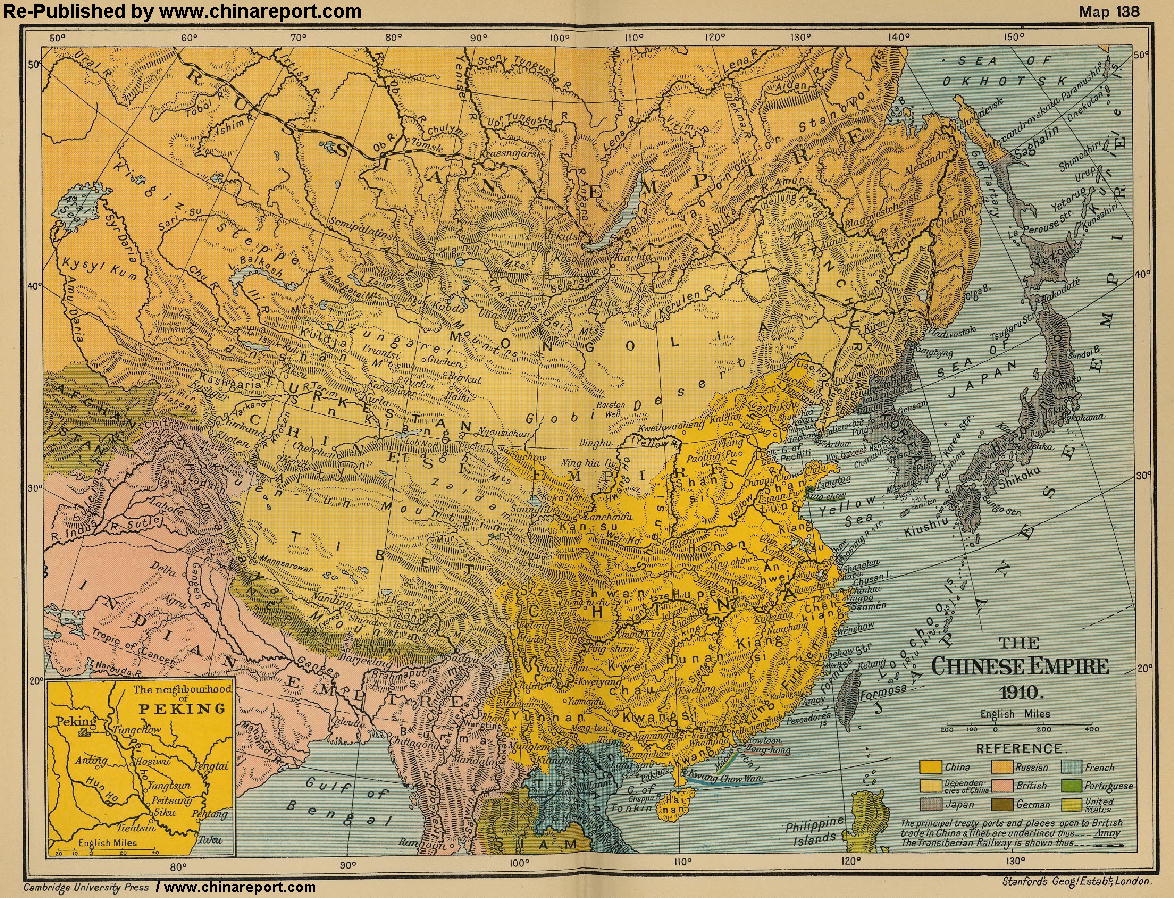
NO RUSSIA, NO CHINA – U.S. MUST CHOOSE TIBET EQUILIBRIUM. QING CHINA EMPIRE CIRCA. 1820.

Both Russia and China are major military powers of world competing for Superpower status. To achieve ‘Balance of Power’ to restore ‘Power Equilibrium’, America must choose Tibet because of its strategic location.

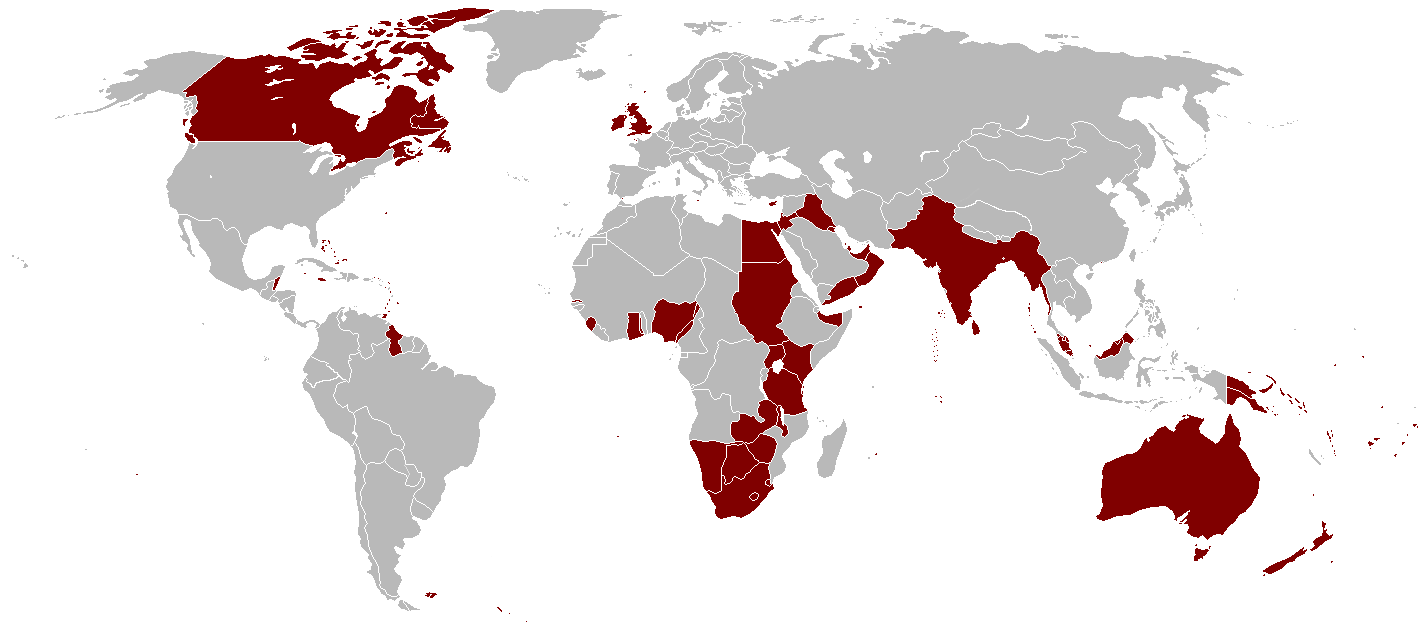
NO RUSSIA, NO CHINA – U.S. MUST CHOOSE TIBET EQUILIBRIUM. BRITISH EMPIRE 1921.

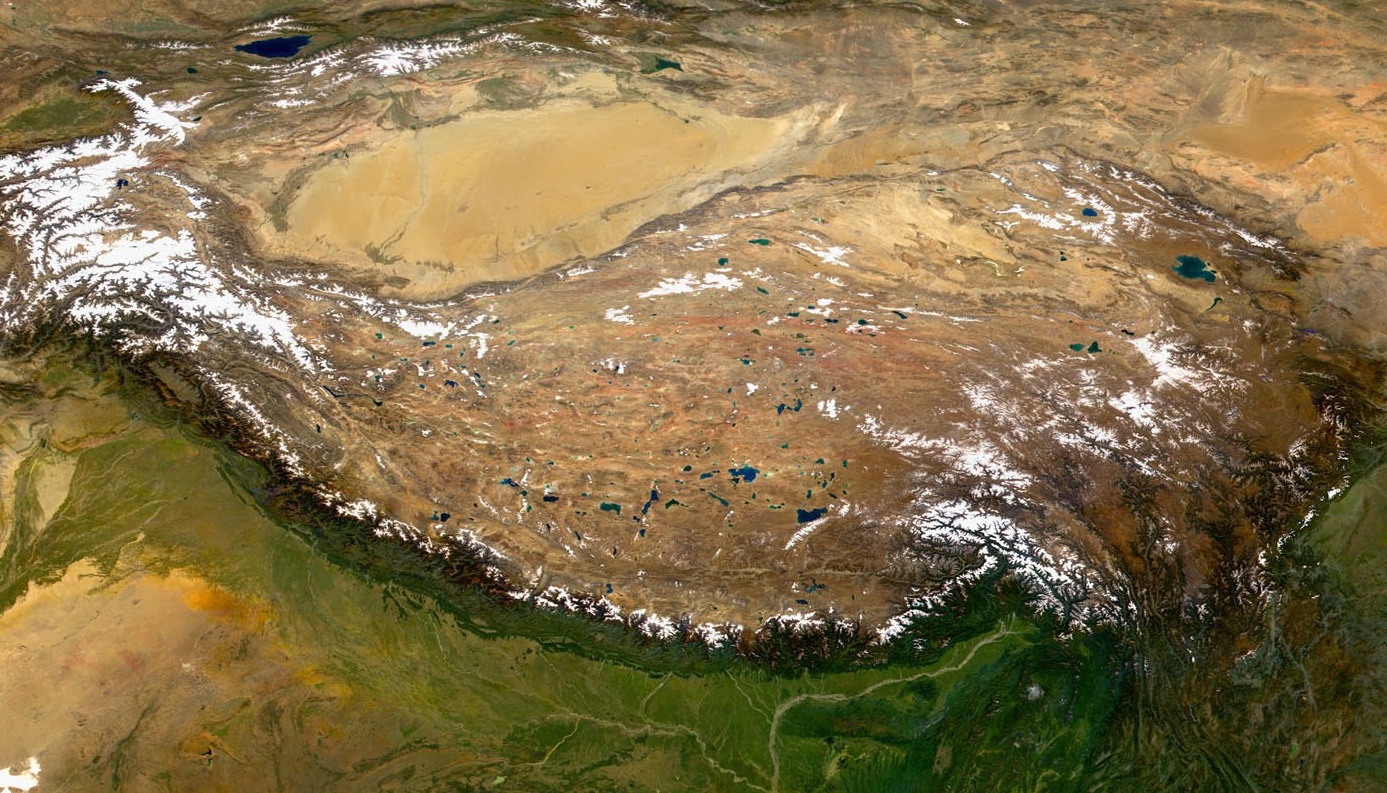
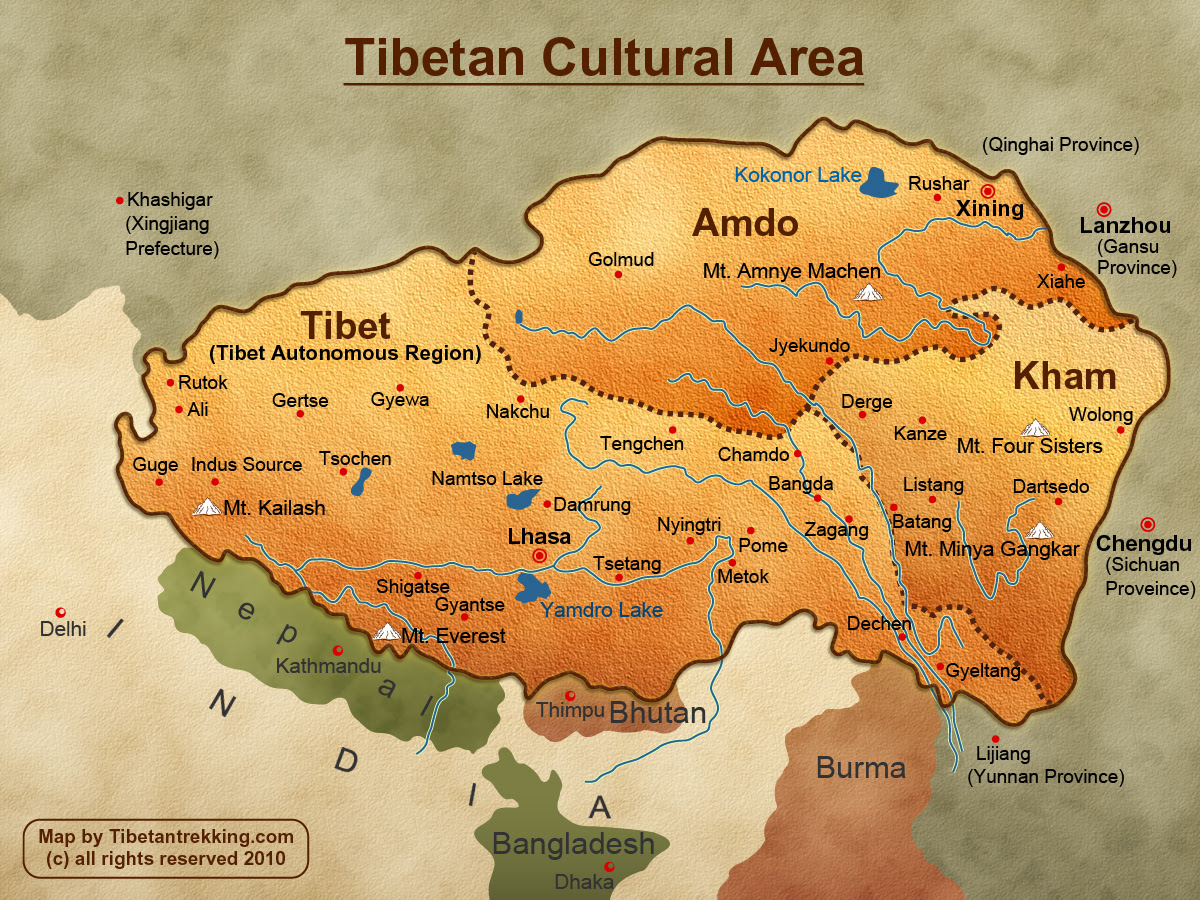
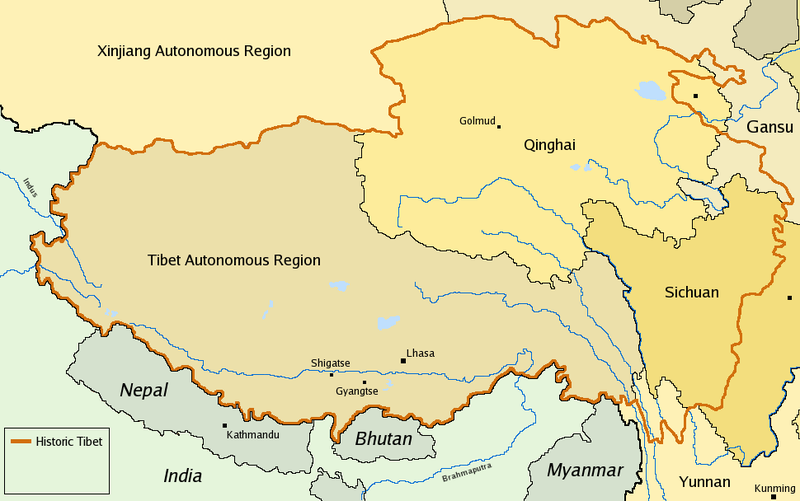
Tibet is second largest nation of the region and Tibet’s Independence from military occupation is the only real solution to contain and engage military powers like Russia and China.

NO RUSSIA, NO CHINA – U.S. MUST CHOOSE TIBET EQUILIBRIUM. A SATELLITE’S EYE VIEW OF TIBETAN PLATEAU.
  • Major Retd Rudranarasimham, DOOM DOOMA DOOMSAYER

CHINA OR RUSSIA? U.S. MAY HAVE TO CHOOSE AN ALLY

NEWSWEEK

Newsweek Europe

NO RUSSIA, NO CHINA – U.S. MUST CHOOSE TIBET EQUILIBRIUM.

© Provided by IBT Media (UK) RTX2QS13

This article originally appeared on The Conversation.

Forty-five years ago, last February, U.S. President Richard Nixon returned from a visit to China that shocked the world and unsettled leaders in Moscow, who were awaiting a visit from Nixon a few months later.

Soviet leaders wondered if they were finally witnessing the birth of a U.S.-China alliance that they had feared ever since the breakdown of the Sino-Soviet alliance in the early 1960s.

As Washington and the media convulse over every new outrage emanating from Moscow, while President Trump repeatedly asks, “Wouldn’t it be nice if we actually got along with Russia?” U.S. policymakers are faced with the same choice between Russia and China, though this time the stakes might be even higher.

The history of persistent tensions between Russia and China suggests two choices: Accommodate and reconcile with Russia to balance against the greater power—China. Or, align with China to defend a rules-based international order from its most powerful antagonist—Russia.

It should be clear by now that we can no longer oppose Russia and China at the same time. Though that route might seem tempting and natural, given the historical aspirations of U.S. foreign policy to protect territorial sovereignty, promote human rights and provide a framework for free trade, we are no longer equal to the task.

At a minimum, that would require decisive U.S. action in Syria, firm military support for the government in Kiev, a drastic military buildup of NATO forces across Eastern Europe and a more confrontational posture in the South and East China seas. Doing that would further stretch  a U.S. military that is already facing a personnel shortage. It would also represent a burden that the American people apparently no longer wish to carry.

Lost in the discussion of whether Trump’s “America First” bravado reflects militarism or isolationism are the ways in which our options have been shaped by the administration that preceded him.

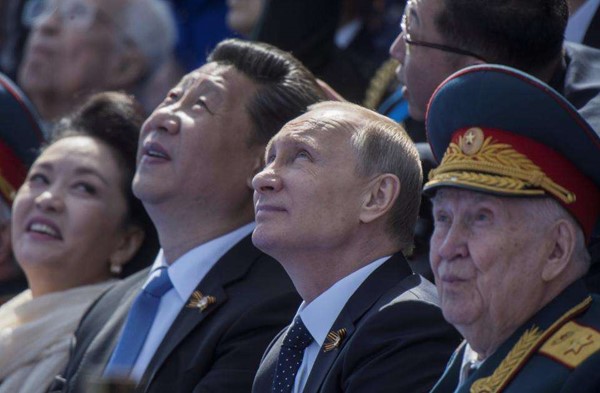
Russia’s President Vladimir Putin, second from right, and China President Xi Jinping watch the Victory Day parade at Red Square in Moscow, Russia, May 9, 2015. Reuters

We have only begun to reckon with the foreign policy legacy of Barack Obama, but he has clearly done more to shape the current global predicament than Trump has. When the Russian, Iranian and Turkish foreign ministers met in Moscow in the final weeks of the Obama administration to solve the Syrian crisis by themselves without inviting
the U.S., they were making a startling declaration: The nation that had once declared itself to be “indispensable” was now very clearly dispensable. It would have been unthinkable at any point since Pearl Harbor for American interests to be discounted so brazenly in solving the most pressing international crisis.

It is hard to separate the factors that brought us to this point. Is this simply an inevitable product of relative, or even absolute, American decline? Is it a product of a president who sought to “lead from behind” and whose fundamental foreign policy principle was that sins of commission are always worse than sins of omission? Or did Obama conclude he was dealing with a country, already exhausted by wars in Iraq and Afghanistan, that was no longer willing to shoulder the burden of defending the free world? Either way, Trump has inherited a country that is no longer willing and able to play the leadership role it once did in world affairs.

So where do we go from here? If we cannot oppose both Russia and China, then we need to compromise with at least one of them.

MAKE FRIENDS WITH RUSSIA?

Arguing for a Russian alignment is the notion that China already does more damage to American interests around the globe than Russia does. China damages U.S. economic interests through unfair trade practices, our standing in Asia by undermining our alliances, and our ability to promote democracy, particularly in Africa, by offering aid and investment without good governance conditions. As China grows more powerful and assertive, its efforts to drive the U.S. out of East Asia, coupled with increasing challenges to American interests around the globe, will amount to a full-spectrum challenge to the current U.S. position in the world.

In contrast, Russia’s challenges to American interests are relative pinpricks. Russia does not have the ability to turn either Eastern Europe or the Middle East into its own sphere of influence. It is even losing the competition for economic influence in Central Asia, its own post-Soviet backyard, to China.

Putin might not be an evil dictator bent on doing as much damage to the West as possible, but rather a spurned pragmatist with a realistic view of Russia’s position in the world who had initially hoped to cooperate with Western leaders, but has been embittered by poor treatment by them. Putin’s Russia, therefore, would represent not a mortal threat to the international world order, but rather a missed opportunity, one that can still perhaps be salvaged.

OR CHOOSE CHINA INSTEAD?

Alternatively, we could align with China against Russia.

This approach makes sense if you believe Putin began as a pragmatist, but that was only a temporary tack, given his KGB background and nationalist authoritarian inclinations. But now that he has seen how weak his opponents are and how much havoc he can wreak, he has set his sights higher. Fifteen years ago he might not have imagined he could break NATO or the EU, but now that seems within reach, and nothing will deter him from this chance to realize the fondest dreams of his Soviet predecessors. What could we possibly offer him to match such dreams? He would revel in the chaos that would follow.

Chaos, however, is precisely the opposite of what the leaders in Beijing desire. China’s resurgence is built on a world of peace and trade, a world ultimately sustained by American military strength. For China to seek to challenge such an order, it would have to imagine that it could not only fill the role the U.S. currently fills, but manage the transition in such a way as to avoid a chaotic interlude. Chinese leaders are far too clear-headed for such a gambit, and in any case they see no need to rush such a transition before conditions for it have matured.

President Xi Jinping is anyway preoccupied with ensuring the indefinite continuation of Communist Party rule. What could jeopardize that more than a world in chaos and economic disaster?

IS THE CHOICE EVEN OURS?

With Russia against China? With China against Russia?

There is no question such a choice is unpalatable. Not only would either alternative involve morally difficult concessions, but having to make the choice at all implies that the United States is no longer capable of defending the world order it has long sponsored. This is a difficult reality to accept.

And broaching the possibility of such a choice leads to more difficult questions.

Could Russia even be persuaded to align with the U.S. against China or China against Russia? What would we have to offer either side? What would this mean for our allies, especially in Europe and East Asia? The latter question might not be as insoluble as it may seem, because our allies have long since begun anticipating just such a scenario. But if we are no longer able and willing to perform the role we once did, we need to reckon with the consequences.

Jeremy Friedman is Assistant Professor, Business, Government, and the International Economy, Harvard Business School.


NO RUSSIA, NO CHINA – U.S. MUST CHOOSE TIBET EQUILIBRIUM. RUSSIAN EMPIRE 1914.                                                                                                                                                                                              
NO RUSSIA, NO CHINA – U.S. MUST CHOOSE TIBET EQUILIBRIUM. THE CHINESE  EMPIRE 1910.                                                                                                                                                                                      
NO RUSSIA, NO CHINA – U.S. MUST CHOOSE TIBET EQUILIBRIUM.                                      
NO RUSSIA, NO CHINA – U.S. MUST CHOOSE TIBET EQUILIBRIUM.

NIXON-KISSINGER VIETNAM TREASON – UNFINISHED WAR IN SOUTHERN ASIA

NIXON-KISSINGER VIETNAM TREASON – UNFINISHED WAR IN SOUTHERN ASIA

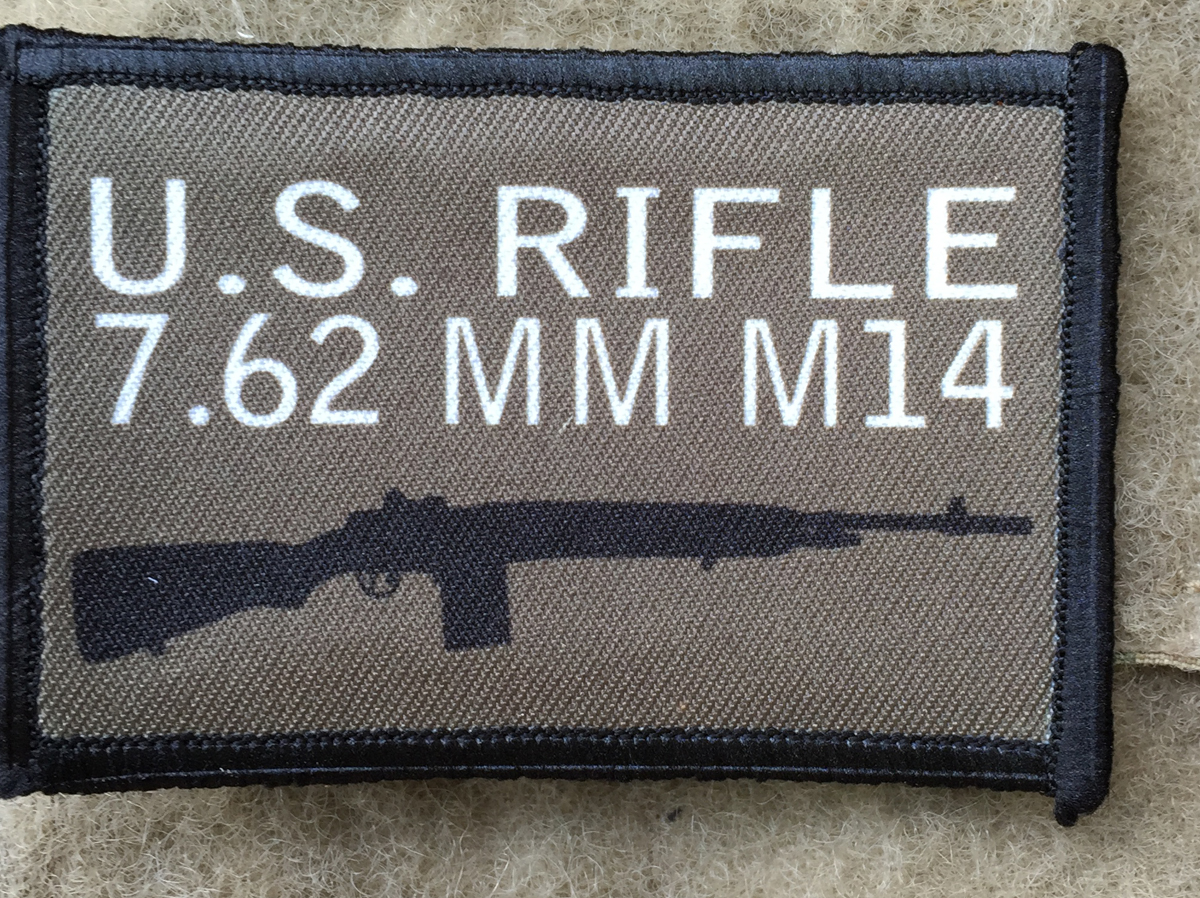
NIXON-KISSINGER VIETNAM TREASON – UNFINISHED WAR IN SOUTHERN ASIA. DOOMED GUN OF DOOM DOOMA SYMBOLIZES DOOMED US – CHINA POLICY.

United States fought War in Vietnam to engage and contain the spread of Communist influence in Southern Asia. Due to Nixon-Kissinger Vietnam Treason, this War has never finished. This War is about restoring Balance of Power in Southern Asia. The Power Equilibrium shifted dangerously in favor of Communists when Red China invaded and occupied Tibet, South Asia’s second largest nation. In terms of size, and geographical location, Tibet is of high priority as compared to defending territorial rights of nations like Japan, Philippines, or Vietnam. Red China cannot claim sovereignty over Tibet and her illegal military occupation cannot wipe out the long history of Tibet’s independence. Eviction of Tibet’s illegal military occupier represents Unfinished War in Southern Asia and it cannot be avoided.

NIXON-KISSINGER VIETNAM TREASON – UNFINISHED WAR IN SOUTHERN ASIA.

I will ask my readers to tell the US Congress and The White House to reverse the course of Nixon-Kissinger Doomed China Policy.

Rudranarasimham Rebbapragada

DOOM DOOMA DOOMSAYER

Our war with China another Vietnam War in the making

THE SOUTH CHINA SEA GAMBIT

NIXON-KISSINGER VIETNAM TREASON – UNFINISHED WAR IN SOUTHERN ASIA.

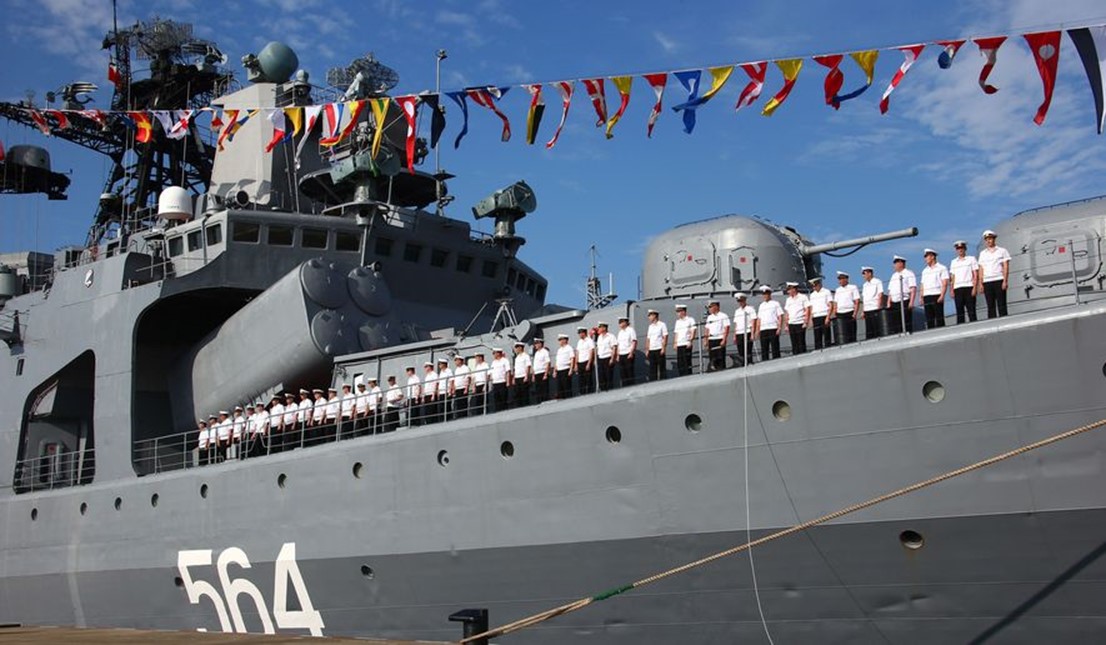
In this photo released by China’s Xinhua News Agency, a Russian naval ship arrives in port in Zhanjiang in Southern China’s Guangdong Province, Monday, Sept. 12, 2016. The Chinese and Russian navies launched eight days of war games.

By BRUCE FEIN – – FRIDAY, JANUARY 27, 2017

A disastrous, purposeless war with China to defend the global credibility of the United States is imminent. Only vocal citizen opposition to the war communicated to the Congress and the White House can prevent our self-ruination. It happened in 2013 to prevent President Obama from another trillion-dollar fool’s errand against Syria. The system still works, if citizens will use it.

Secretary of State-designate Rex Tillerson testified on Jan. 11, 2017, before the Senate Foreign Relations Committee that the United States would deny China access to islands in the South China Sea over which China claims sovereignty. (The artificial islands are thousands of miles from the continental United States and irrelevant to invincible self-defense). Mr. Tillerson declared that China’s building and militarization of the islands was “akin to Russia’s taking Crimea” from Ukraine.

He bugled: “We’re going to have to send China a clear signal that, first, the island-building stops and, second, your access to those islands also is not going to be allowed.” (How do you think the United States would respond if China denied us access to Guantanamo Bay Naval Base?)

The White House reiterated on Jan. 24, 2017, that the United States would prevent China from accessing the South China Sea islands China claims, and hinted at an American blockade. A blockade would mean war, according to a nationalist Chinese newspaper. (A blockade assumes a state of war.) Australia, a longstanding United States ally in the Asia Pacific region, balked at participation.

The White House – Tillerson bellicosity aligns with everything the United States has done since Secretary of State Hillary Clinton in 2011 announced a “pivot” to Asia to encircle China. We have sought to deny China a regional sphere of influence that we have exerted for almost two centuries beginning with the Monroe Doctrine. We have established a Marine training base in Darwin, Australia. We are building a THADD missile defense system in South Korea. We have negotiated the use of five military training bases in the Philippines. We have supported Vietnam in its South China Sea maritime dispute with China. We have sent aircraft carriers there. We have declared an obligation to defend Japan’s claim to the Senkaku/Diaoyu Islands disputed by China.

The United States has accused China of currency manipulation and threatened to impose prohibitive tariffs on Chinese imports.

These unfriendly acts are the very definition of encirclement.

Chinese resentment against the west and the United States has been building for centuries. The First Opium War (1839-42), fought by Britain, was precipitated by China’s refusal to legalize opium. It ended with the Treaty of Nanking, which indemnified merchants for confiscated opium, granted the British extraterritoriality, opened five treaty ports, and ceded Hong Kong.

The Second Opium War (1856-60) was fought by the British to compel China to open up its ports and interior to Western trade. Other Western powers piggybacked on Chinese concessions to Britain through most-favored-nation clauses in a series of “unequal treaties.”

The 1894-95 Sino-Japanese War concluded in the Treaty of Shimonoseki by which China was obliged to recognize the independence of Korea; to cede Taiwan, the Pescadores Islands, and the Liaodong (south Manchurian) Peninsula to Japan ; to pay an indemnity of 200,000,000 taels to Japan; and to open the ports of Shashi, Chongqing, Suzhou, and Hangzhou to Japanese trade.

These Western and Japanese humiliations sparked the 1900 Boxer Rebellion to expel western spheres of influence. An international force featuring British, Russian, American, Japanese, French and German troops relieved Peking (Beijing) after fighting their way through much of northern China. The victors agreed that China would not be partitioned further. In September 1901, the Peking (Beijing) Protocol was signed. Foreign nations received extremely favorable commercial treaties, foreign troops were permanently stationed in Peking (Beijing), and China was forced to pay $333 million dollars as penalty for its rebellion.

The United States intervened in the Chinese Civil War (1946-49) in favor of Gen. Chiang Kai-shek against Mao Zedong. After Chiang was driven off the mainland to Taiwan in 1949, the United States launched covert actions against the People’s Republic of China seeking the overthrow of Mao.

Gen. Douglas MacArthur’s adventurism during the Korean War provoked China to intervene with more than 1 million troops.

Depend upon it. What will provoke war against China will be a professed need to defend our credibility everywhere on the planet. It will be said that if we do not fight China over the South and East China Sea islands as we have threatened, Russia will be emboldened to attack the Baltic States or Eastern Europe, Iran will be emboldened to attack Israel and destabilize its Sunni rivals, and North Korea will be emboldened to attack South Korea and Japan.

The Han Chinese is a proud people, and China is a proud nation. China invented gunpowder and paper. It gave the world Confucius and Sun Tzu. It possesses hundreds of nuclear weapons. After suffering humiliation and subjugation by Western imperial powers for centuries, China will fight the United States for its own sphere of influence in the South China and East China Seas.

China will never bow to the double standards of the United States. We have intervened in Mexico, Cuba, Haiti, the Dominican Republic, Panama, Nicaragua, Guatemala, Chile and Grenada to maintain our sphere of influence in Central and South America and the Caribbean. Our schoolmarm-like rebuke of China over its assertion of regional hegemony takes audacity to a new level.

The Han Chinese is every bit or more nationalist than were the Vietnamese who bested the United States in the Vietnam War. The morale of United States troops in Vietnam suffered terribly because the war was about an abstraction — global American credibility — not about defending the United States from aggression.

The same will be true in our war with China, and the morale of our troops will suffer accordingly. We will be defeated for the same reasons we were defeated in the Vietnam War.

This looming calamity can be forestalled if American citizens immediately flood the White House and Congress with phone calls and emails voicing vehement opposing war with China absent actual unprovoked Chinese aggression against the United States or a Chinese declaration of war. That would represent the high water mark of self-government celebrated in the Declaration of Independence.

© Copyright 2017 The Washington Times, LLC|3600 New York Avenue NE | Washington, DC 20002 |202-636-3000


Inserted from <http://www.washingtontimes.com/news/2017/jan/27/us-impending-war-china/>

NIXON-KISSINGER VIETNAM TREASON – UNFINISHED WAR IN SOUTHERN ASIA. DOOMED GUN OF DOOM DOOMA SYMBOLIZES DOOMED US – CHINA POLICY.