The Material Basis of Spirituality Science. The Designer Cell

The Material Basis of Spirituality Science. Spiritual Optics. The Designing of the Red Blood Cells.

What it is to be a Substance? and What it is to Exist? We need to establish knowledge about the man and the world on a firm basis and the information it provides must be tested for its accuracy and consistency with an external reality. We have to make the fundamental distinction between the living and the non-living matter. The scientific advances of the 19th and 20th centuries reinforced the materialistic position concerning the basic similarity of organic living and inorganic physical matter. The man is viewed as a product of natural evolution and is thought to be subject to the same laws of Physics and Chemistry or mechanistic principles.

We need a methodology to study philosophy and to understand philosophical statements. Logical Positivism, also known as Scientific Empiricism aims to clarify concepts in both everyday and scientific language. It describes analysis of language as the function of philosophy. This analysis of language and of concepts is important to understand questions of belief and ideology which affect what we think we ought to do individually and socially. I would use this method of ‘Applied Philosophy’ to analyze the concept of Spiritual Optics, the Spiritual Connection between Energy and Life. The Laws of Thermodynamics are important unifying principles of Biology. The First Law of Thermodynamics, also known as the Law of Conservation of Energy, states that Energy can neither be created nor destroyed. Spiritual Optics accounts for the capacity of photoreception and the term Spiritual Light refers to the creation of Light by God to begin the designing of Matter, the designing of the Living Matter which lives by consuming Matter called Food which is created by the use of the creative mechanism called Photosynthesis. The Substance called Food describes the activities of Life. The Red Blood Cell delivers Oxygen for the oxidation of food substances.

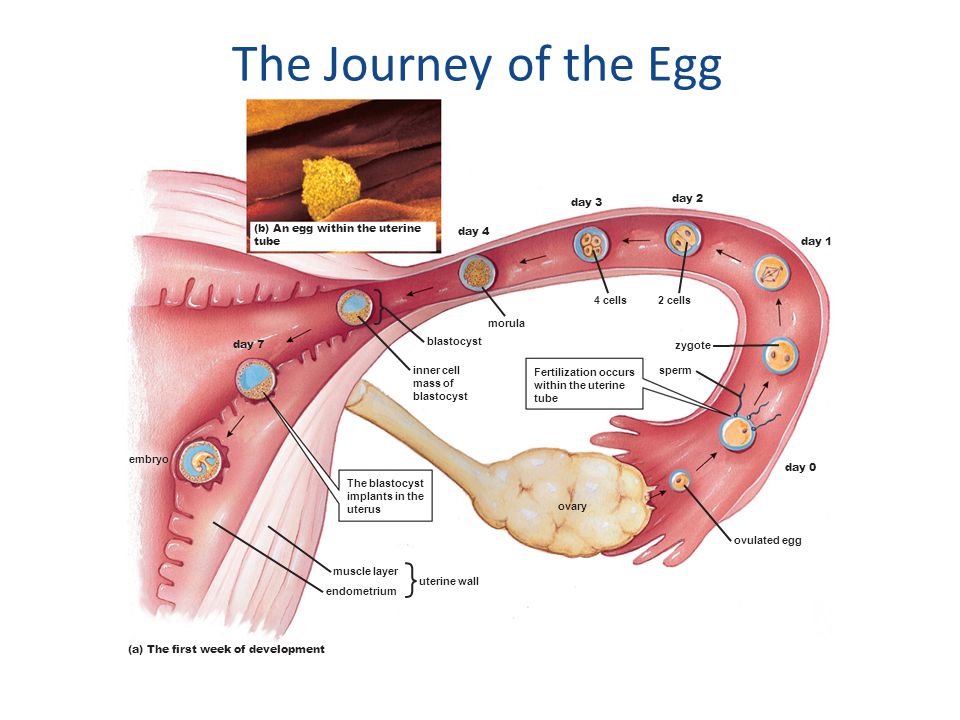
WholeDude - WholeDesigner - Red Blood Cells: In multicellular organisms, cells with the same genes must differentiate into many types. Complex control mechanisms determine which genes are active in a given cell at a given time. Human life begins as a single fertilized Egg Cell. The multicellular organism grows and develops as it has definite capabilities for differentiation. The "Design" of cells has been modified to serve the specialized functions of tissues and organs that comprise the human body. Red Blood Cells are "designed" to perform their highly specialized functions.
The Material Basis of Spirituality Science. Spiritual Optics. The Designing of the Red Blood Cell: In multicellular organisms, cells with the same genes must differentiate into many types. Complex control mechanisms determine which genes are active in a given cell at a given time. Human life begins as a single fertilized Egg Cell. The multicellular organism grows and develops as it has definite capabilities for differentiation. The “Design” of cells has been modified to serve the specialized functions of tissues and organs that comprise the human body. The Red Blood Cells are “designed” to perform their highly specialized functions.

If a man is viewed as a multicellular organism, the human subject finds his objective existence because of the living functions of the cells, tissues, and organ systems that provide the biological basis for that existence. In multicellular eukaryotes, cells with the same genes must differentiate into many types. Multicellularity is accomplished by definite capabilities for differentiation. The functional differentiation is not a simple process that can be called adaptation. To achieve differentiation, complex control mechanisms determine which genes are active in a given cell at a given time. The “Design” of cells has been modified by a predetermined plan to serve the specialized function of tissues and organs. The structural differentiation and the functional organization of various organ systems makes a man a very complex living organism. It must be clearly understood that the living cell is a thermodynamically unstable system. This means that without a continuous input of energy, a cell will degrade spontaneously into a nonliving collection of molecules. The cells that comprise the human organism derive their energy by oxidation of food substances such as glucose. The cells of the body require oxygen to obtain the energy stored in food substances. The loss of oxygen is very critical as there is no means of storing oxygen in the human body. During the entire course of human life, the human body requires continuous delivery of oxygen to its various cells, tissues, and organs. The Red Blood Cells display functional subordination to the requirements of the organism as a Whole. Altruism is a theory of conduct that regards the good of others as the end of moral action. The Red Blood Cells have very short, individual lifespans and the entire period of their existence involves unselfish concern for the welfare of other cells.

THE RED BLOOD CELL-ERYTHROCYTE-THE RED CORPUSCLE:

WholeDude - WholeDesigner - Red Blood Cell: Erythropoiesis. Red Blood Cells are formed in the bone marrow. Hemoglobin Synthesis begins during yhe Proerythroblast stage of the RBC Cycle. Heme synthesis takes place in the mitochondria and the protein, globin molecule is synthesized in ribosomes. The mature Red Cells have no nuclei, and no intracellular organelles like the mitochondria and the ribosomes.
The Material Basis of Spirituality Science. Spiritual Optics. The Designing of the Red Blood Cell: Erythropoiesis. Red Blood Cells are formed in the bone marrow. Hemoglobin Synthesis begins during the Proerythroblast stage of the RBC Cycle. Heme synthesis takes place in the mitochondria and the protein, globin molecule is synthesized in ribosomes. The mature Red Cells have no nuclei, and no intracellular organelles like the mitochondria and the ribosomes.
WholeDude - WholeDesigner - Red Blood Cell: Red Blood Cells are packed with hemoglobin. Each Red Cell contains over 600 million hemoglobin molecules.
The Material Basis of Spirituality Science. Spiritual Optics. The Designing of the Red Blood Cell: Red Blood Cells are packed with hemoglobin. Each Red Cell contains over 600 million hemoglobin molecules. A normal man has about 5 liters of blood containing more than 25 trillion Red Blood Cells. Each lives for about 100 to 120 days. Red Blood Cells sustain their meager energy needs by a form of anaerobic respiration. If man is viewed as a biotic community of cells, Red Cells show no concern for their individual gains or losses and they serve and contribute to the continuation of the Whole community.

Red Blood Cells, or Erythrocytes, or Red Corpuscles are tiny, flat, round, biconcave disks, with depressed center, averaging 7.5 microns in diameter. In its profile view, the Red Blood Cell appears dumbbell-shaped. A normal man has about 5  liters of blood containing more than 25 trillion Red Blood Cells. There are about 5.2 million Red Blood Cells per cubic millimetre of blood in adult humans. The normal lifespan of Red Cells is only about 100 to 120 days. More than 200 billion Red Cells are normally destroyed each day by the spleen and must be replaced. The creation of new Red Cells and their subsequent destruction proceeds during all the days of human life. The Red Cells give the blood its characteristic color. The cell is flexible and can change its shape to pass through extremely small blood vessels. It is covered with a membrane composed of lipids and proteins. The mature Red Blood Cells lacks a nucleus and hence cannot divide into new daughter cells. The mature Red Blood Cell also lacks intracellular organelles called mitochondria which provide energy for metabolic functions. During the course of its development and maturation, the nucleus and mitochondria disappear from the Red Cell. The amount of oxygen required by the Red Cell for its own metabolism is very low. The Red Cell shows the features of a careful design or plan that makes it to perform its function of delivering oxygen with great efficiency. In invertebrate organisms, the oxygen-carrying pigment called Heme is found in a free state in the plasma for they lack the Red Blood Cells. The concentration of Heme pigment and the biconcave shape of the Red Blood Cell makes it very efficient  to perform the function of exchange of gases; the Red Cell can deliver almost all of its oxygen it carries and free it into the tissues where there is demand for oxygen and its shape allows oxygen exchange at a constant rate over the largest possible area.

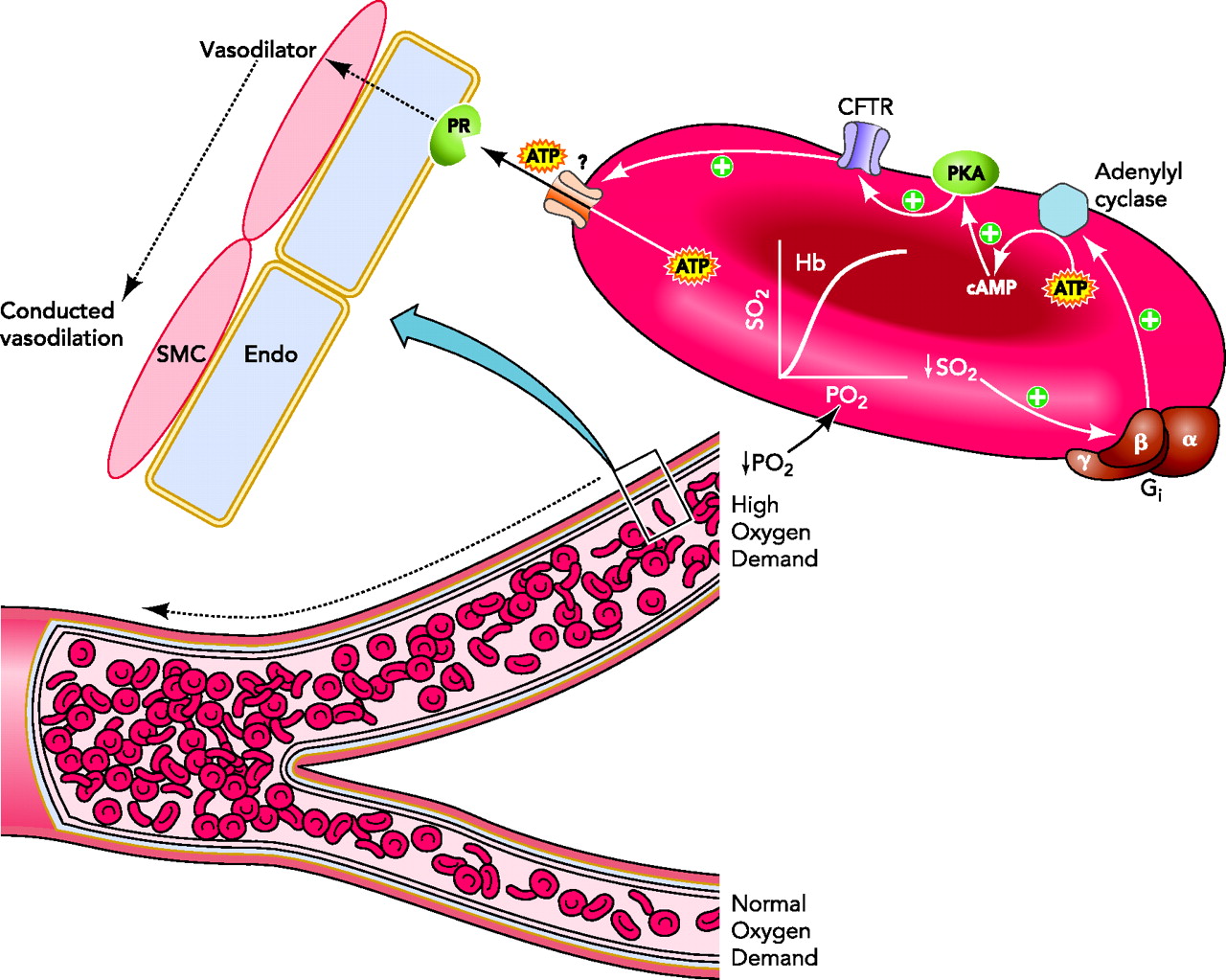
WholeDude - WholeDesigner - Red Blood Cell: The Red Cell has the ability to work as an oxygen sensor and it also has the ability to modulate the tone of the blood vessel in which it travels passively. By initiating a mechanism, the Red Cell can cause an effect called vasodilatation that would increase the flow of blood in microvasculature to meet the local tissue oxygen demand.
The Material Basis of Spirituality Science. Spiritual Optics. The Designing of the Red Blood Cell: The Red Cell has the ability to work as an oxygen sensor and it also has the ability to modulate the tone of the blood vessel in which it travels passively. By initiating a mechanism, the Red Cell can cause an effect called vasodilation that would increase the flow of blood in blood vessels to meet the local tissue oxygen demand.
WholeDude - Whole Designer - Red Blood Cell: The Red Cells move passively in the blood circulation, but can actively interact with the blood vessel in response to the oxygen tension of the tissues. These interactions are helped by PR(Purinergic Receptor), Erythrocyte-derived Adenosine triphosphate(ATP), Gi(Heterotrimeric G Protein), cAMP(3'5'-Adenosine monophosphate), PKA(Protein Kinase A), CFTR(Cystic fibrosis transmembrane conductance regulator, ? undientified conduit for ATP release + stimulation. Through oxygen-dependent release of the vasodilator ATP, signal transduction within the RBC and microvessels, the SMC(the smooth muscle cell) of the blood vessel is stimulated to dilate. The signals pass through the Endo(endothelium) or the cells that line the inner surface of the blood vessel.
The Material Basis of Spirituality Science. Spiritual Optics. The Designing of the Red Blood Cell: The Red Cells move passively in the blood circulation, but can actively interact with the blood vessel in response to the oxygen tension of the tissues. These interactions are helped by PR(Purinergic Receptor), Erythrocyte-derived Adenosine triphosphate(ATP), Gi(Heterotrimeric G Protein), cAMP(3’5′-Adenosine monophosphate), PKA(Protein Kinase A), CFTR(Cystic fibrosis transmembrane conductance regulator, ? unidentified conduit for ATP release + stimulation. Through oxygen-dependent release of the vasodilator ATP, signal transduction within the RBC and microvessels, the SMC(the smooth muscle cell) of the blood vessel is stimulated to dilate. The signals pass through the Endo(endothelium) or the cells that line the inner surface of the blood vessel.

The main function of the Red Cells is to transport oxygen from the lungs to the tissues and organs of the entire human body. During the process of oxidation, the cells generate carbon dioxide as a waste product which must be removed. The Red Cells carry carbon dioxide to the lungs and release it to be returned to the atmospheric air. This is possible because of hemoglobin which forms unstable, reversible bond with oxygen; in the oxygenated state it is called Oxyhemoglobin and is bright red in color. When oxygen is delivered, in the reduced state the hemoglobin is purple-blue and this color can be easily noticed from the color of the veins that return blood to heart from various parts of the body. Asphyxiation occurs when the blood contains an excess of substances like carbon dioxide, and carbon monoxide with which hemoglobin forms semipermanent or permanent compounds instead of reversible bonds that hemoglobin forms with oxygen.

WholeDude - WholeDesigner - Red Blood Cell: The Red Blood Cell is designed to efficiently perform its specialized functions.
The Material Basis of Spirituality Science. Spiritual Optics. The Designing of the Red Blood Cell: The Red Blood Cell is designed to efficiently perform its specialized functions.
WholeDude - WholeDesigner - Red Blood Cell: The regulation of oxygen delivery.
The Material Basis of Spirituality Science. Spiritual Optics. The Designing of the Red Blood Cell: The regulation of oxygen delivery. The Red Cell Membrane transport protein “Band 3” uses ion exchange transport mechanism to promote the release of oxygen from hemoglobin.
WholeDude - WholeDesigner - Red Blood Cell: Oxygen Delivery
The Material Basis of Spirituality Science. Spiritual Optics. The Designing of the Red Blood Cell: Oxygen Delivery is carefully regulated to maintain it at appropriate amounts as both excess and shortage in delivery of oxygen can be harmful.
WholeDude - WholeDesigner - Red Blood Cell: The Red Cell apart from delivering oxygen, plays a role in the regulation of blood flow.
The Material Basis of Spirituality Science. Spiritual Optics. The Designing of the Red Blood Cell: The Red Cell apart from delivering oxygen, plays a role in the regulation of blood flow. Red Cells sequentially consume and release Nitric Oxide (NO) for control of blood flow in response to changing oxygen levels.
WholeDude - WholeDesigner - Red Blood Cell: Metabolic Sensor in Red Cell, Ion Exchange Transport mechanism, Release of Nitric Oxide to modulate Vascular tone and to cause vasodilation.
The Material Basis of Spirituality Science. Spiritual Optics. The Designing of the Red Blood Cell: Metabolic Sensor in Red Cell, Ion Exchange Transport mechanism, Release of Nitric Oxide to modulate Vascular tone and to cause vasodilation.

HEME PIGMENT AND HEMOGLOBIN – THE MAGIC OF CREATION:

WholeDude - Wholedesigner - Red Blood Cell: The Magic of Creation will be appreciated by simply comparing Hemoglobin molecule with Chlorophyll molecule.
The Material Basis of Spirituality Science. Spiritual Optics. The Designing of the Red Blood Cell: The Magic of Creation will be appreciated by simply comparing  the structure of Hemoglobin molecule with Chlorophyll molecule. The affinity of Hemoglobin molecule for oxygen is predetermined by the ability of Chlorophyll molecule to trap radiant energy which is converted into chemical energy during the photosynthetic reaction. These molecules perform goal-oriented, sequential actions to achieve a predetermined purpose. Living things obtain energy not because of random, unguided, interactions of chemical molecules. 
WholeDude - WholeDesigner - Red Blood Cell: The designing effect of pigments. Among biochromes, Heme, and Chlorophyll are the most important pigment substances that provide a striking contrast in color while having similar molecular structures.
The Material Basis of Spirituality Science. Spiritual Optics. The Designing of the Red Blood Cell: The designing effect of pigments. Among biochromes, Heme, and Chlorophyll are the most important pigment substances that provide a striking contrast in color while having similar molecular structures.
WholeDesigner-Hemoglobin
The Material Basis of Spirituality Science. Spiritual Optics. The Designing of the Red Blood Cell: The four subunits( 2 alpha, and 2 beta chains) of tetrameric Hemoglobin molecules. The synthesis of these chains need genetic information derived  mainly from chromosomes 16 and 11. The Magic of Creation will be appreciated when its structure and function is compared with the structure and function of Chlorophyll molecules that impart green color to plants.
WholeDude - WholeDesigner - Red Blood Cell: Heme is a respiratory pigment found in the Red Blood Cells of all vertebrates and some invertebrates. Pigment  is a substance that implants color to materials. Plants derive their green color from Chlorophyll pigment, and blood derives it red color from Heme pigment. Both Chlorophyll and Heme are similar molecules containing ring structures called Porphyrins. Chlorophyll contains Magnesium and Heme contains Iron that imparts the red color.
The Material Basis of Spirituality Science. Spiritual Optics. The Designing of the Red Blood Cell: Heme is a respiratory pigment found in the Red Blood Cells of all vertebrates and some invertebrates. Pigment is a substance that imparts color to materials. Plants derive their green color from Chlorophyll pigment, and blood derives it red color from Heme pigment. Both Chlorophyll and Heme are similar molecules containing ring structures called Porphyrins. Chlorophyll contains Magnesium and Heme contains Iron that imparts the red color.

Adult hemoglobin is an alpha(2):beta(2) tetrameric hemeprotein; a combination of heme and the protein component called globin. Each subunit of a hemoglobin tetramer has a heme prosthetic group. The variations in amino acid composition impart marked differences in hemoglobin’s oxygen carrying properties. The quaternary structure of hemoglobin leads to physiologically important allosteric interactions between the subunits. Oxygen is incrementally loaded into the four subunits. In deoxygenated tissue, oxygen is incrementally unloaded from the four subunits and the affinity of hemoglobin for oxygen is reduced. Thus at the lowest oxygen tensions found in very active tissues, the bonding affinity of hemoglobin for oxygen is very low allowing maximal delivery of oxygen to the tissues. To maintain the status called good and positive health, the cells, tissues, and organs of the multicellular human organism have to be interacting with each other in a harmonious manner. These interactions during normal, good health display characteristics such as mutual assistance, mutual cooperation, mutual tolerance, and mutual functional subordination to provide a benefit to the human individual who lives because of the functions of the cells, tissues, and organs that comprise his human body.

SPIRITUAL BIOTIC INTERACTIONS – THE ROLE OF RED BLOOD CELLS:

WholeDude - WholeDesigner - Red Blood Cell: The nature of Spiritual Biotic Interactions that maintain man's existence can be studied by knowing the role of Red Blood Cells and their interaction with the tissues, and organs of the entire human body.
The Material Basis of Spirituality Science. Spiritual Optics. The Designing of the Red Blood Cell: The nature of Spiritual Biotic Interactions that maintain the man’s existence can be studied by knowing the role of Red Blood Cells and their interaction with the tissues, and organs of the entire human body.

The terrestrial human organism represents a biotic, or biological community of about 100 trillion, individual, independent, mostly autonomous living cells that participate in constant interactions with each other. These interactions at cellular level are dependent upon the cognitive nature of the living cell. The living cell has the ability to recognize the presence of other cells in its immediate, external environment. The life of all of the cells in this biotic community that forms the human body requires energy input from an external source. The term “Spiritual” describes a relationship, a partnership, an association, a bonding, or a connection between two living entities that can formulate an interaction that can display features such as assistance, cooperation, tolerance, subservience, subordination, sympathy, and compassion to provide some benefit to the partner that is participating in the biotic interaction. The Red Blood Cells interact with the cells of tissues, and organs of human body to provide them a service, assistance, or a benefit without seeking any benefit in return. The Red Blood Cells do not seek to reproduce, have very minimal requirement for energy and willingly deliver oxygen to the tissues and relieve them from the burden imposed by the waste products of their metabolic activities. The ‘spiritual’ nature of such interaction is a reflection of the ‘spiritual’ nature of the Creator of the living entities who could be called the Whole Artist, the Whole Designer, or the Whole Architect who meticulously planned and instituted the mechanisms and provided the necessary tools for such varied interdependent, and interrelated interactions between living cells. Thus, the Red Blood Cells constitute the principal stabilizing, connective linkage among the trillions of living cells that comprise the biological community which gets recognized as the human being.

What is Matter? and What is Spirit? What is the Color of Money? If materialism is about the influence of material wealth, I would like to use the Power/Force/Energy called Money to talk about Life and Death. The Laws of Conservation are applicable to both the living, and the non-living matter. Hence, it can be stated that “Life can neither be created nor destroyed.” If any person can refute my claim using valid, scientific information, I would offer the person a US $1,000 bill as a reward

Simon Cyrene

The Material Basis of Spirituality Science. Spiritual Optics. The Designing of the Red Blood Cells. The Dutch Microscopist Jan Swammerdam (1637-1680), the first person to describe the Red Blood Cells.

The Material Basis of Spirituality Science. The dynamic events of life and death.

What is Matter? and What is Spirit? If materialism is about the influence of material wealth, I would like to use the Power/Force/Energy called Money to talk about Life and Death. The Laws of Conservation are applicable to both the living, and the non-living matter. Hence, it can be stated that “Life can neither be created nor destroyed.” If any person can refute my claim using valid, scientific information, I would offer the person a US $1,000 bill as a reward

What it is to be a Substance? and What it is to Exist? We need to establish knowledge about the man on a firm basis and the information it provides must be tested for its accuracy and consistency with an external reality. We have to make the fundamental distinction between the living and the non-living matter. The scientific advances of the 19th and 20th centuries reinforced the materialistic position concerning the basic similarity of organic living and inorganic physical matter. The man is viewed as a product of natural evolution and is thought to be subject to the same laws of Physics and Chemistry or mechanistic principles.

We need a methodology to study philosophy and to understand philosophical statements. Logical Positivism, also known as Scientific Empiricism aims to clarify concepts in both everyday and scientific language. It describes analysis of language as the function of philosophy. This analysis of language and of concepts is important to understand questions of belief and ideology which affect what we think we ought to do individually and socially. I would use this method of ‘Applied Philosophy’ to analyze the philosophical doctrine of Gautama Buddha and his teaching about life and death.

THE MATERIAL BASIS OF SPIRITUALITY SCIENCE: LORD GAUTAMA BUDDHA CLAIMS THAT WHATEVER IS BORN, PRODUCED, OR CONDITIONED CONTAINS WITHIN ITSELF THE NATURE OF ITS OWN DISSOLUTION. LIFE IS CONDITIONED TO EXPERIENCE CHANGE UNDER THE INFLUENCE OF TIME AND LIVING THINGS ARE BORN TO EXPERIENCE DISSOLUTION AT THE END OF THEIR LIFETIME.

Gautama Buddha claims that whatever is born, produced, conditioned, contains within itself the nature of its own dissolution. The greatest miracle is that of explaining the truth and to make man realize it. What is the Truth? To know the truth about Life, we have to understand the influence of Time. Individual living entities exist during their own Lifetime while the vital principle that animates all Life remains imperishable, immortal, eternal, and unchanging. Time is defined as the duration in which things are considered as happening in the past, present, or future. Time is the measurement of duration, the period between two events during which something exists, happens, or acts. This concept of Time demands that we must make a fundamental distinction between static and dynamic events. Static is the term used to describe a body, mass, or force that is at rest or in equilibrium and hence it is inactive, stationary, not moving, or progressing. Life is a dynamic event in which the object called the living thing exists by a tendency towards change or productive activity. Life requires presence of a vital, energetic, animating principle that maintains the equilibrium called existence while responding to a flow of events that measure the duration of existence of that living thing. In my view, Death is also a dynamic event and it is not a static event as the change called Death inevitably flows to cause Rebirth. The flow of Life  must be synchronized with the flow of Time for both of them to proceed until Eternity. I describe Spirituality as the potency that generates the living experience of Peace, Harmony, and Tranquility in the Time and Life Interactions. To know this, we may have to know about  the Cyclical Changes of Matter, and the Cyclical Flow of Time. Chemistry is the Science that would give us understanding of Living Matter and of Cyclical Changes that are caused by Chemical Reactions. In the study of Life, Chemistry is the Science that describes the nature of ‘Spiritual Interactions’. The ‘Spiritual Interactions’ between Time and Matter  establish, support, and preserve the existence of Life on this planet Earth.

MATTER – CHEMICAL ELEMENTS AND CHEMICAL COMPOUNDS:

THE MATERIAL BASIS OF SPIRITUALITY SCIENCE: HENNIG BRAND (c. 1630-c. 1710), GERMAN ALCHEMIST WHO DISCOVERED PHOSPHORUS DURING c.1669 or 1674. I WOULD DESCRIBE CHEMISTRY AS THE SCIENCE OF SPIRITUAL INTERACTIONS.
The Material Basis of Spirituality Science: ROBERT BOYLE (1627-1691)THE FATHER OF MODERN CHEMISTRY. Anglo-Irish Physicist and Chemist who separated the Science of Chemistry from Alchemy. He gave the first precise definitions of a Chemical Element, a Chemical Reaction, and Chemical Analysis. He discovered Boyle’s Law (Gas Laws).

All ‘Matter’ is composed of fundamental materials called Chemical Elements. A substance that cannot be decomposed into simpler substances by ordinary chemical processes is by definition an Element. There are about 88 ‘naturally’ occurring Elements, and about 20 Elements are used in measurable amounts by most living organisms. Phosphorus is an essential Element to all Life as it is component of DNA and RNA that make up the genetic material of all cells and control reproduction of both the cell and the organism. Phosphorus  is part of the energy storage and utilization system at the cellular level. In addition, Carbon, Hydrogen, Nitrogen, Oxygen, Iron, Calcium, Potassium, Magnesium, Cobalt, Cadmium, Copper, Manganese, Zinc, Molybdenum, Boron, Sodium, Chlorine, Fluorine, Iodine, Sulfur, and Chromium are all essential to one form of life or another. Elements can combine with one another to form a wide variety of more complex substances called Chemical Compounds. A Chemical Compound is a substance in which two or more Elements are joined by Chemical Bonds. A Chemical Compound can be created or broken down by means of a Chemical Reaction but not by mechanical or physical separation techniques. It helps to make a distinction between Mixture and Compound. Most naturally occurring Matter represents Physical Mixtures of Chemical Compounds that could be separated using simple physical techniques. While the number of known Elements is small, the number of possible Compounds is almost ‘infinite’; perhaps a million or more Chemical Compounds are known to exist. When two or more Elements combine to form a Compound, they lose their separate identities, and the product called Chemical Compound has characteristics quite different from those of the constituent Elements. For example, the Common Salt or Sodium Chloride is combination of the highly reactive metallic element Sodium (Na) and the poisonous gas Chlorine (Cl). The unique taste and flavor imparted by Salt cannot be discovered by studying the physical and chemical properties of Sodium or Chlorine. Elements in Compounds always are combined in definite proportion. For instance, a molecule of Water is always made up of two Hydrogen (H) atoms and one Oxygen (O) atom. Again, I would like to pay attention to the fact of two gaseous elements, Hydrogen, and Oxygen with quite different physical and chemical properties can combine to form the Compound Water which has altogether different properties from either Hydrogen or Oxygen. The simple, pure, original, and sweet taste imparted by Fresh Water cannot be discovered in its constituent Elements. I have mentioned that the Element Phosphorus is basic to all Life. Phosphorus is discovered in c.1674 by Hennig Brand. It is an extremely poisonous, yellow to white, waxy, solid substance. When exposed to air, Phosphorus ignites spontaneously. Some of the commercial uses of Phosphorus include the making of detergents, toxic nerve gases and explosives. We have to learn to make the distinction between Chemical Elements and Chemical Compounds and apply this understanding to know the nature of relationship between things. Calcium Phosphate is the principal material found in bones and teeth. Adenosine triphosphate or ATP is the fundamental energy source in living things. It is very understandable that all Matter is composed of units called Atoms and the physical structure of Atom is well-known. We have to be very careful and avoid deriving understanding about Life and Living Matter from the descriptive knowledge derived from Quantum Physics. To understand the nature of living experience, we need Chemical Molecules and Chemical Compounds whose qualities and characteristics may not be discovered from the study of Nuclear Physics. The phenomenon of creating and breaking down Chemical Compounds in living organisms is known as Metabolism. A Chemical Compound’s smallest units are, Molecules, and Ions. A Molecule can exist in the free state and still retain the characteristics of the Element or Compound; a Molecule can be formed by an Element when it consists of one Atom, or two, or more similar Atoms; a Molecule can be formed by a Compound when it consists of two or more different Atoms. The term ‘Ion’ is used to describe an Atom or Molecule bearing an electric charge as a result of having a number of negative electrons unequal to the number of positive protons in its nuclei. ‘Ionization’ is the process that describes the formation of ‘Ions’ from neutral Atoms or Molecules. ‘Ions’ that are positively charged are known as ‘Cations’, and that are negatively charged are known as ‘Anions’. Simple ‘Ions’ consist of a single charged Atom; double, triple, or even higher positive or negative charges are possible. Oxidation of Hydrogen removes its single electron and gives H+ or cationic Hydrogen which contains no electrons and it has a nucleus which is composed of one proton. This cationic Hydrogen plays a particularly important role in the Acid-Base Chemistry of the human organism with many reactions exchanging protons between soluble molecules. The internal environment of a living cell includes Hydrogen, Potassium, Sodium, Magnesium, Calcium, Chloride, Sulfate, Phosphate and several organic acid ‘Ions’. The chemical events collectively called ‘Metabolism’ require the concentration of Hydrogen Ions and electrolytes to remain within narrow limits in the tissue cells and in the fluid which bathes them. The term ‘pH’ or ‘Acidity’ is a measure of the Hydrogen Ion concentration and a reading level of 7 indicates ‘Neutral’. Human life is possible only if the Hydrogen Ion concentration of body fluid is kept within a narrow range. In health, a blood Hydrogen Ion concentration of 36 – 44 nmol/Liter or pH level of 7.37 – 7.45 is maintained by several closely integrated but widely differing mechanisms.

THE CHEMICAL ELEMENTS AND CHEMICAL COMPOUNDS OF LIFE:

The Material Basis of Spirituality Science: HENRY CAVENDISH (1731-1810), British Chemist and Physicist noted for his discovery of Hydrogen, a gaseous Element during 1766. French Chemist Lavoisier named the gas Hydrogen in 1783. Hydrogen is the most abundant element in the universe and it is the major fuel in fusion reactions of the Sun. However, this gas in its free state is very rare in our planet Earth.
The Material Basis of Spirituality Science: Hydrogen, the most abundant Element in the universe is present in its diatomic, molecular form. Hydrogen is important for the formation of Stars. In this photo image, NGC 604, a giant region of ionized Hydrogen in the Triangulum Galaxy is seen.
The Material Basis of Spirituality Science: Hydrogen makes up most of the mass (over 90%)of the universe and about 75 % of natural Matter by number of Atoms.Naturally occurring atomic Hydrogen is rare on Earth because Hydrogen readily forms covalent Compounds with most Elements. Hydrogen is present in the Water Molecule and in most Organic Compounds found in living organisms. Hydrogen forms a vast variety of Compounds with Carbon that are called Hydrocarbons.

To understand Life, we have to know about Hydrogen as it is the fuel that Sun expends in its role as the Cosmic source of Energy that supports the biological existence of all terrestrial organisms. The man exists on the surface of planet Earth not on account of the merit of his physical, or mental work and effort. Firstly, the man has no direct access to this source of energy produced from Hydrogen fuel. If Hydrogen is important to support the existence of Life, we have to understand the nature of ‘Spiritual Interactions’. Secondly, Hydrogen is important as it is required to form the Water Molecule. However, Oxygen, a colorless, odorless, tasteless gas, is the most abundant Element at the surface of the Earth. In the terrestrial environment, Oxygen accounts for about half of the mass of the Earth’s crust, 89% of the mass of the oceans, and 23% of the mass of the atmosphere or 21% of its volume. Oxygen makes up about two-thirds of the human body. It is a vital substance which supports vital functions. Among Chemical Elements used by human body, Oxygen has the highest electronegativity and electron affinity. Oxygen can form ‘Anion’ with a double negative charge by accepting electrons from a donor like Hydrogen. Most of the Earth’s rocks and soils are principally compounds of Oxygen with Silicon and other metals. It is well understood that most organisms depend on Oxygen to sustain their biological processes. Biological Oxidation-Reduction Reactions are ultimately the sources of energy for the higher plants and animals. While speaking about importance of Oxygen in the biosphere, we must recognize that Oxygen is responsible for natural decomposition of all organic material. Waste products from activity of the living organisms, dead plants and animals decompose or oxidized through the agency of microorganisms. Thus,  Oxygen plays a key role both in its support of important processes of Life and Death. Organic decay and decomposition is of fundamental importance for Life to renew itself and to be reborn and to cause rebirth. The study of ‘Spiritual Interactions’ must include the study of Life and Death.

The Material Basis of Spirituality Science: Joseph Priestley and Karl Scheele were the first to isolate the gaseous Element during 1773-74 which was named by Antoine Laurent Lavoisier as Oxygen. It is a colorless, odorless, tasteless gas, and is the most abundant Element found on planet Earth.
The Material Basis of Spirituality Science: Oxygen makes up about 90% of Water, two-thirds of the human body, and 20% by volume of Air. Normal atmospheric Oxygen is a diatomic Molecule.
The Material Basis of Spirituality Science: The common Chemical Reaction in which Oxygen unites with another substance is called Oxidation.Combustion or rapid oxidation, the burning of s substance may generate light and heat. The process called Oxidation need not involve generation of light and heat. Oxygen itself does not burn. The Respiration of plants and animals is a form of Oxidation that is essential to liberation of the energy stored in such food materials as Carbohydrates, Fats, and Proteins. Oxygen is necessary to sustain Metabolism which primarily involves the Oxidation-Reduction Chemical Reactions. If the Oxygen concentration were to drop to about half its value in the atmosphere, humans could no longer survive. The loss of Oxygen is critical as the human body has no means of storing Oxygen. Because the human body stores no Oxygen, any interference with breathing and ventilation that lasts more than a few minutes can cause Death.
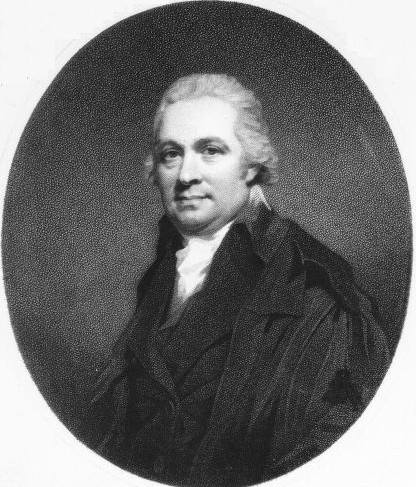
The Material Basis of Spirituality Science: Dr. Daniel Rutherford (1749-1819), Professor of Medicine & Botany, Edinburgh University, Scotland, discovered Nitrogen in 1772. Joseph Priestley and Henry Cavendish in England, and Carl W. Scheele in Sweden also get credit for the discovery of Nitrogen. The French Chemist Antoine Lavoisier proved that it is an Element.
The Material Basis of Spirituality Science: Adenosine triphosphate or ATP is a Nucleotide; the monomer unit of Nucleic Acid,contains a Purine or Nitrogenous base called Adenosine, a Sugar called Ribose and three Phosphate groups.In most Chemical Reactions of all cells in which transfer of energy occurs, the nucleotide ATP is involved. It functions as a Coenzyme in many enzyme-catalyzed reactions and helps in performance of chemical, electrical, and osmotic work in animals, plants, and microorganisms.
The Material Basis of Spirituality Science: Cyclic Adenosine Mono Phosphate or cAMP is formed from ATP by the catalytic action of the enzyme Adenyl Cyclase. It controls many important functions in the cell including the ability of the cell to generate electrical impulses and is called “Second Messenger.”It is responsible for the intracellular mediation of hormonal effects on various cellular processes; e.g., Lipid Metabolism, Membrane Transport by opening Ion Channels, and Cell Reproduction.
The Material Basis of Spirituality Science: All living organisms need organic nitrogen compounds such as Proteins, Vitamins like Thiamine and Riboflavin. In nature, Nitrogen from the air is ‘fixed’ by some bacteria and plants. It is then made available to all organisms through ‘Nitrogen Cycle’.
The Material Basis of Spirituality Science: Plants incorporate Carbon into Carbohydrates and other complex organic molecules by means of Photosynthesis. During Respiration or Cellular Oxidation, living organisms combine Oxygen with portions of Carbohydrate molecule, releasing Carbon in the form of Carbon dioxide and water.
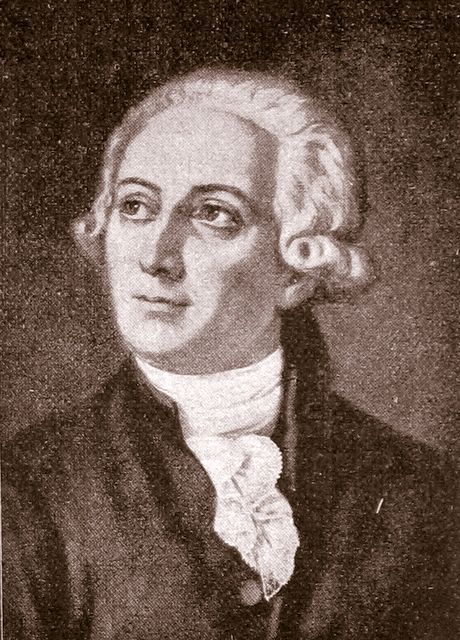
The Material Basis of Spirituality Science : ANTOINE LAURENT LAVOISIER (1743-1794), French Chemist and Physicist. He discovered the Composition of Water Molecule and of various other Organic Compounds.
The Material Basis of Spirituality Science: Water Molecule looks very simple and yet it plays a mysterious role inside all living cells. It is essential to Life and its propagation. Its Spiritual nature is revealed by its pure, original, and sweet taste it imparts apart from its role as a Chemical Compound. It is the main mode of transport of many Elements that are needed by living organisms. Water is the Agent that leaches Nutrient Elements and Compounds from rocks and soils and makes them available for use by plants ,and animals.
THE MATERIAL BASIS OF SPIRITUALITY SCIENCE: SUN THE COSMIC SOURCE OF ENERGY SHINES ALL THE TIME. IT IS APPARENTLY AN UNCHANGING EVENT. HOW DOES MAN MEASURE HIS TIME?
The Material Basis of Spirituality Science:The Flow of Time is measured as the duration or the interval between two events; Time exists for man and other living organisms as the measure of the period of duration from Sunrise to Sunset that causes an environmental change; the alternating periods of Light (DAY) and Darkness (NIGHT). Earth’s Rotational Spin transforms the instant called ‘FUTURE’ into an instant called ‘PAST’ without giving man any choice to know the instant called ‘PRESENT’. Earth’s Revolution brings Seasons that man experiences at regular and constant intervals of Time while man simply exists on the surface of planet Earth with no physical experience of Earth’s Motions through Space.
The Material Basis of Spirituality Science: The Biological Clock: Every Living System behaves as if it contains a highly dependable ‘CLOCK’. It is a self-sustained internal timing mechanism that controls the ability of an organism to synchronize its existence with events in its internal and external environment.Such Time-Dependent variability in Function is called a Biological Rhythm.

THE CYCLICAL FLOW OF LIFE, MATTER, AND ENERGY:

THE WATER OR HYDROLOGIC CYCLE:

The Material Basis of Spirituality Science: The Water Cycle or Hydrologic Cycle is necessary for the operation of all Nutrient Cycles. The energy for transportation of Water Molecules is provided by Sun and it is the Fundamental Basis for all other Time-Life Spiritual Interactions.
The Material Basis of Spirituality Science: The Carbon Cycle clearly illustrates complexity of relationships involved in the processes of Recycling Nutrient Elements in Nature. Life depends on the interwoven and interdependent relationships of green plants and animals, supplemented by the activities of bacteria, and the constant transport of nutrients within the Ecosystem and within organisms.
The Material Basis of Spirituality Science: Photosynthesis and Respiration are complementary functions and drive the Oxygen Cycle.Oxygen is necessary to sustain Metabolism. Oxygen is also important and is responsible for natural decomposition of organic material, waste products of Metabolism, oxidative decomposition of dead plants and animals through the agency of microorganisms.
The Material Basis of Spirituality Science: All living organisms participate in the Nitrogen Cycle. It includes the processes and Chemical Reactions involved in producing organic Nitrogen from inorganic Nitrogen and subsequently breaking down organic Nitrogen back to the inorganic form.
The Material Basis of Spirituality Science: Phosphorus recycles more slowly than other Nutrient Elements. Phosphates are taken up by the roots of green plants and used in organic synthesis. They are passed to animals through ‘Food Chains’. Ultimately, Phosphates are released to soil through bacterial and fungal decomposition after the death of an animal.
The Material Basis of Spirituality Science: We need to make distinction between the Chemical Element Phosphorus and Phosphate the Chemical Compound that supports Life. The Phosphate mineral found in the rocks may have taken millions of years before it became available to plant Life.
The Material Basis of Spirituality Science: Life depends on the interwoven and interdependent relationships between living organisms and the environment. No organism leads a truly independent existence of its own. Each organism lives by either consuming other organisms or the products from other organisms. In a Biological Community, Life and Death have a relationship which has a Spiritual Basis.

Simon Cyrene

What is Matter? and What is Spirit? If materialism is about the influence of material wealth, I would like to use the Power/Force/Energy called Money to talk about Life and Death. The Laws of Conservation are applicable to both the living, and the non-living matter. Hence, it can be stated that “Life can neither be created nor destroyed.” If any person can refute my claim using valid, scientific information, I would offer the person a US $1,000 bill as a reward.

Life can neither be created nor destroyed by man. The Law of Conservation of Matter and Spirit

What is Matter? and What is Spirit? If materialism is about the influence of material wealth, I would like to use the Power/Force/Energy called Money to talk about Life and Death. The Laws of Conservation are applicable to both the living, and the non-living matter. Hence, it can be stated that “Life can neither be created nor destroyed.” If any person can refute my claim using valid, scientific information, I would give the person a US $1,000 bill as a reward

What it is to be a Substance? and What it is to Exist? We need to establish knowledge about the man on a firm basis and the information it provides must be tested for its accuracy and consistency with an external reality. We have to make the fundamental distinction between the living and the non-living matter. The scientific advances of the 19th and 20th centuries reinforced the materialistic position concerning the basic similarity of organic living and inorganic physical matter. The man is viewed as a product of natural evolution and is thought to be subject to the same laws of Physics and Chemistry or mechanistic principles.

We need a methodology to study philosophy and to understand philosophical statements. Logical Positivism, also known as Scientific Empiricism aims to clarify concepts in both everyday and scientific language. It describes analysis of language as the function of philosophy. This analysis of language and of concepts is important to understand questions of belief and ideology which affect what we think we ought to do individually and socially. I would use this method of ‘Applied Philosophy’ to analyze the philosophical doctrine of ‘Materialism’ and to study the views and philosophy of Baruch Spinoza and his efforts to interpret human nature and human existence.

WholeDude - WholeDesigner - Matter and Spirit: Baruch(Benedict) Spinoza(1632-1677) Dutch philosopher taught that there is but one infinite substance called God or Nature having infinite attributes. He held that mind, and body as merely different aspects of a single substance. In his view, God is Nature in its fullness.
What is Matter? and What is Spirit? Baruch (Benedict) Spinoza (1632-1677) Dutch philosopher taught that there is but one infinite substance called God or Nature having infinite attributes. He held that mind, and body as merely different aspects of a single substance. In his view, God is Nature in its fullness.

Matter is an actual substance that has properties such as mass or weight, and occupies space. Matter has other attributes like motion, size, shape, and a form by which it may be recognized.

Materialism is defined as a system of thought that explains the nature of the world as entirely dependent on “matter” the final reality. Materialism as a philosophical doctrine deals with matter as the only reality and that everything in the world, including thought, will, and feeling can be explained only in terms of matter.

Baruch (Benedict) Spinoza, Dutch philosopher taught that there is but one infinite substance, God or Nature, having infinite attributes of which only thought and extension are knowable. He was excommunicated from his Jewish community.

Spinoza held that mind and body as merely different aspects of a single substance. In his view, God is Nature in its fullness. The Matter is immutable or indestructible, and Spinoza explained the indestructibility of matter is established by the uncreated and eternal nature of God. “By Body”, Spinoza writes, “I understand a mode which expresses in a certain and determinate manner the essence of God in so far as He is considered as the thing extended.”

This philosophical doctrine of Materialism is used in modern times to explain that comfort, pleasure, and wealth are the only goals or values of human life and human existence. The idea of materialism is used to contrast it with the spiritual, or intellectual goals, or values of human life.

In my view, man will not be able to define his purpose in life if there is a separation of matter and spirit. Man is a physical being with matter and form. To define the goals, or values of human life, man must understand what it is to be a substance and what it is to exist. If matter and spirit are separated, and if there is no unity between matter and spirit, human life would be simply impossible. The word or term ‘Spirit’ is associated with characteristics such as immutable, immortal, immovable, imperishable, indestructible, immaterial, eternal, and unchanging, or constant nature of a substance which withstands the influence of time.

If God is uncreated and is eternal, Spirit is a natural extension of God’s nature and shares the same attributes. To recognize the spiritual potential of a substance, we have to understand the nature of matter.

THE LAWS OF CONSERVATION – “LIFE IS NEITHER CREATED NOR DESTROYED”:

WHOLEDUDE - WHOLEDESIGNER - MATTER AND SPIRIT: If materialism is about the influence of money and material wealth, I would like to use the Power/Force/Energy called Money to talk about Life and Death. The Law of Conservation is applicable to both living, and non-living matter. If any person can refute my claim using valid, scientific information, I would give the person a US $1,000 bill as a reward.
What is Matter? and What is Spirit? If materialism is about the influence of material wealth, I would like to use the Power/Force/Energy called Money to talk about Life and Death. The Laws of Conservation are applicable to both the living, and the non-living matter. Hence, it can be stated that “Life can neither be created nor destroyed.” If any person can refute my claim using valid, scientific information, I would give the person a US $1,000 bill as a reward.

If materialism is about the influence of material wealth, I would like to use the Power/Force/Energy called Money to talk about Life and Death. The Laws of Conservation are applicable to both the living, and the non-living matter. Hence, if matter can neither be created nor destroyed, it can be stated that “Life can neither be created nor destroyed.” If any person can refute my claim using valid, scientific information, I would give the person a US $1,000 bill as a reward.

THE LAWS OF CONSERVATION OF MATTER:

WholeDude - WholeDesigner - Matter and Spirit: Antoine Laurent Lavoisier(1743-1794) French chemist and physicist, the founder of modern Chemistry. He gave the name Oxygen to the gaseous chemical element discovered by Joseph Priestley. He discovered the composition of Water molecule. He formulated the Law of Conservation of Mass.
What is Matter? and What is Spirit? Antoine Laurent Lavoisier(1743-1794) French chemist and physicist, the founder of modern Chemistry. He gave the name Oxygen to the gaseous chemical element discovered by Joseph Priestley. He discovered the composition of Water molecule. He formulated the Law of Conservation of Mass.

Chemical elements are the fundamental materials of which all matter is composed. There are about 107 known chemical elements. Chemical elements can combine with one another to form a wide variety of more complex substances called compounds. The number of possible compounds is infinite; perhaps a million chemical compounds are known.

When two or more elements combine to form a compound, they lose their separate identities and the product has characteristics quite different from those of the constituent elements. The gaseous elements hydrogen and oxygen with quite different properties can combine to form the compound water which has altogether different properties from either hydrogen or oxygen. Most of the naturally occurring matter represents physical mixtures of compounds.

The indestructibility of matter was explained by Lavoisier as the Law of Conservation. “We may lay it down as an incontestible axiom,” Lavoisier writes, “that in all the operations of art and nature, nothing is created; an equal quantity of matter exists both before and after the experiment.” What appears to be the destruction of a body is merely the transformation of its matter into another physical condition, without loss of mass unless there is an equivalent gain in energy. The total quantity of matter and energy remains constant throughout all physical changes. Material substances undergo changes when they interact with other material substances, but this “change” cannot be described as the permanent reality. The permanent reality describes the unchanging, or constant nature of chemical elements and molecules in spite of their tendency to interact with other elements and molecules.

WHOLEDUDE - WHOLEDESIGNER - MATTER AND SPIRIT: Water is the simplest and most abundant of all the molecules found in all living matter. The chemical composition of living matter reveals 70 to 80 percent as that of water. At the same time, water can exist as simple, physical, or non-living matter. I claim that water molecule has the potentiality to constitute living matter because of its spiritual nature.
What is Matter? and What is Spirit? Water is the simplest and most abundant of all the molecules found in all living matter. The chemical composition of living matter reveals 70 to 80 percent water. At the same time, water can exist as a simple, physical, or non-living matter. I claim that water molecule has the potentiality to constitute living matter because of its spiritual nature. Under the influence of time, living matter is transformed into molecules of non-living matter and yet the properties of molecules is fundamentally conserved allowing the change to proceed in either direction.

The Laws of Conservation are any of the several principles applied in Physics and Chemistry that state that certain properties of an isolated system remain constant with time. Each Law signifies that the nature of a substance or thing that does not change with the passage of time.

However, it must be noted that change is the pervasive phenomenon of the natural world. It is said that “Things in Nature Change with Time.” Although matter may change its form, or shape under the influence of time, its mass always remains the same. The Law of Conservation of Mass implies that matter can be neither created nor destroyed, that is, processes that change the physical, or chemical properties of substances within an isolated system leave the total mass unchanged. Similarly, The Law of Conservation of Energy implies that energy can be neither created nor destroyed, although it can be changed from one form (mechanical, kinetic, chemical, etc.,) into another form such as heat, or the energy consumed in the performance of work. In an isolated system, the sum of all forms of energy, therefore, remains constant. Every conservation law concerns a collection of two, or more objects, isolated from external influence, for which some physical quantity remains unchanged in time, or is conserved, quite apart from the details of what goes on between the interacting particles within the system. An important function of conservation laws is that they make it possible to predict the macroscopic behavior of a system without having to consider the microscopic details of the course of a physical process or chemical reaction. The fundamental character of these conservation laws is evident in the fact that each law may be deduced from or related to a symmetry property of space and time. The symmetry property of space and time determines the periodic frequency with which a natural change occurs while the nature or properties of things is conserved to allow the change to repeat itself in an expected manner.    

 SPIRIT-UNCHANGING NATURE IN A CHANGING WORLD:

WholeDude - WholeDesigner - Matter and Spirit: Many important biological processes involve Redox or Oxidation and Reduction Chemical Reactions. These chemical reactions reveal a dynamic process that is the characteristic of both Life and Death. If Life is explained by a series of chemical reactions, the same process continues into Death.
What is Matter? and What is Spirit? Many important biological processes involve Redox or Oxidation and Reduction Chemical Reactions. These chemical reactions reveal a dynamic process that is the characteristic of both Life and Death. If Life is explained by a series of chemical reactions, the same process continues into Death.

Natural Science, and Natural History is about the natural phenomenon called change. The systematized knowledge of Biological Sciences provide us with information about extinction which is the most common phenomenon in planet Earth’s Natural History. Earth has witnessed several major, and minor episodes called extinction during which certain life forms got wiped out.

While extinction is driven by climate change and its associated environmental change, life continues to exist on Earth without any apparent change in the chemical composition of living matter. Extinction involves the loss of forms and it does not involve a change in the nature of the corporeal substance that has the potential called Life and is known as Living Matter. In other words, it may be stated that if a change is observed in the natural world, it is always supported by an underlying, unchanging principle. While living things are born and die at the end of their lifetime, the matter or the corporeal substance which has the potential to establish Life remains unchanged and its nature is conserved and is not affected by time.

Under the influence of the cyclical flow of time, individual, living things are born and are dying while the Principle of Conservation maintains the unchanging nature of things that constitute Life or Living Matter. Life is established by a vital, animating principle called Spirit; the presence of Spirit can be related to the unchanging or immutable nature of Matter that gets the nature called Eternal, or Immortal, or Imperishable or Indestructible that overcomes the limitations imposed by Time and Space.

The Magic of Creation involves the use of a design, or plan to introduce the abilities such as thought, will, feelings, and cognition into the matter that reveals their presence or absence while passing through stages like Life and Death. The same chemical elements, chemical compounds, and chemical reactions operate in the state called living and death and both are maintained by the same unchanging nature of Matter and Spirit.

In my opinion, it may not be correct to regard Spirit as separate from Matter. It will not be correct to separate man into a physical body or matter, thinking substance or mind, and an immaterial substance called Spirit. There is no human existence if there is disunity or separation of Matter, Spirit, the Body, and the Mind. The uncreated, Eternal, Spiritual nature of God that is shared by Spirit and Matter would lead us to claim: “Life can neither be created nor destroyed.”

What is Matter? and What is Spirit? If materialism is about the influence of material wealth, I would like to use the Power/Force/Energy called Money to talk about Life and Death. The Laws of Conservation are applicable to both the living, and the non-living matter. Hence, it can be stated that “Life can neither be created nor destroyed.” If any person can refute my claim using valid, scientific information, I would give the person a US $1,000 bill as a reward.

Simon Cyrene

What is Matter? and What is Spirit? If materialism is about the influence of material wealth, I would like to use the Power/Force/Energy called Money to talk about Life and Death. The Laws of Conservation are applicable to both the living, and the non-living matter. Hence, it can be stated that “Life can neither be created nor destroyed.” If any person can refute my claim using valid, scientific information, I would give the person a US $1,000 bill as a reward.

THEORY OF MAN PRECEDES THEORY OF HEALTH

THEORY OF MAN PRECEDES THEORY OF HEALTH

In my analysis, there can be no ‘Theory of Health’ without sharing ‘Theory of Man’. The question, “What is health?” cannot be asked without raising the question, “What is man?”
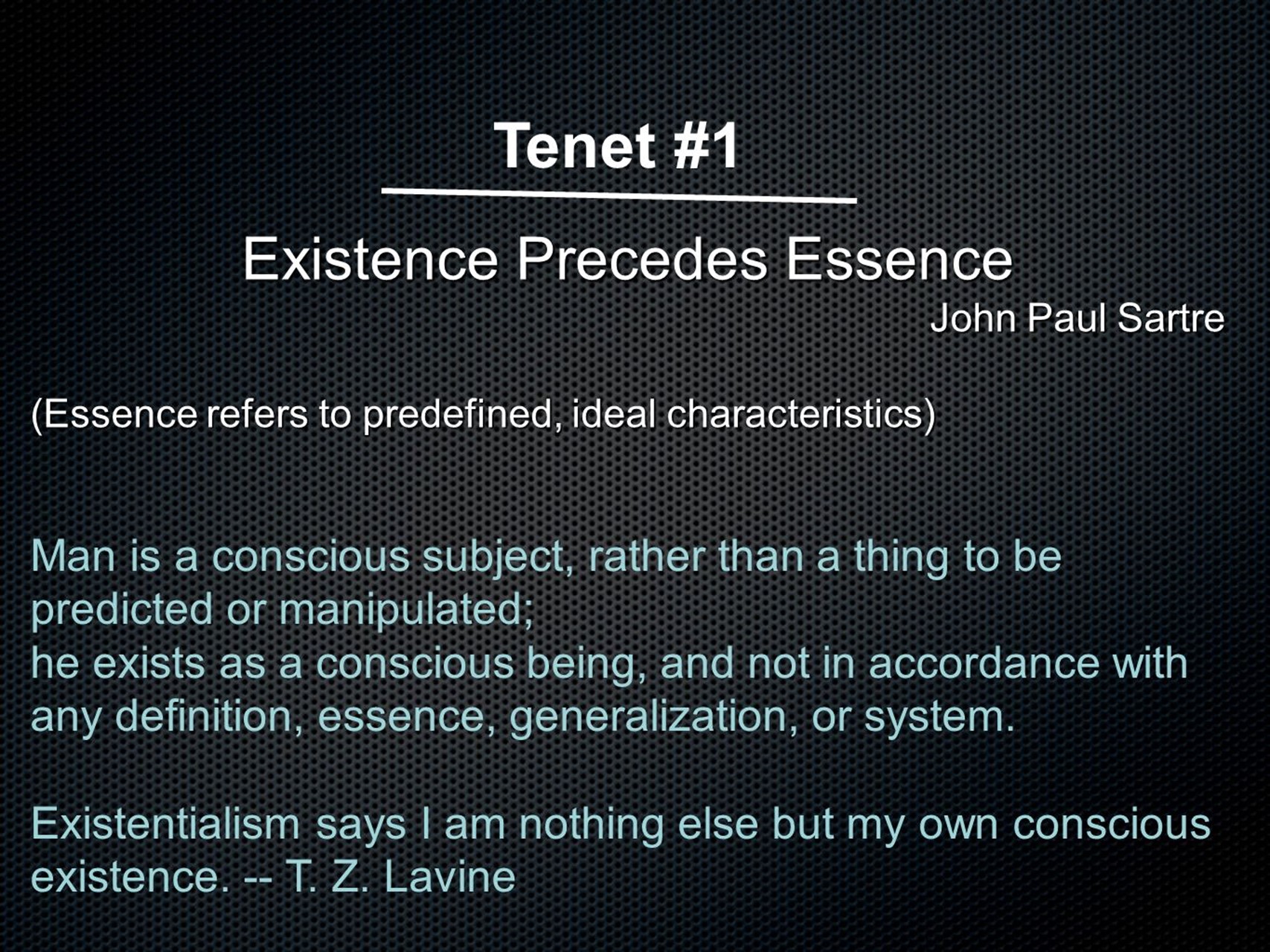
In my view, ‘existence of man always precedes essence of man’. For that reason, biological basis of man’s existence must be identified to define living entity called man.
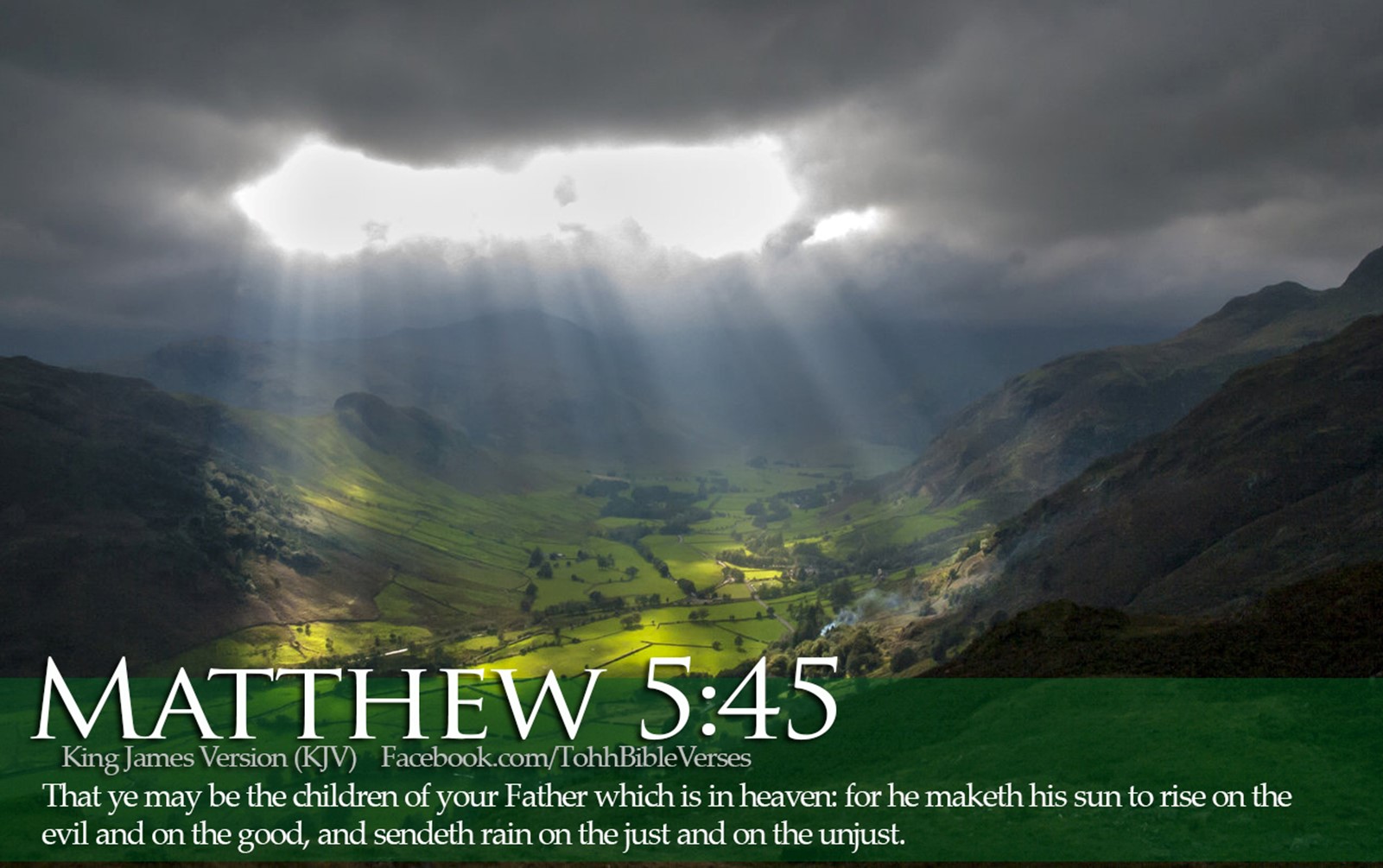
Man’s existence in any condition, good health or ill health, at any age, at any given time and place, depends upon Mercy, Grace, and Compassion( Sanskrit. KRUPA or KRIPA) of LORD God Creator. Man does not exist in Natural World because of his physical and mental work. Man needs input of matter and energy, from an external source, from the moment of conception until conclusion of his entire life journey. Man’s existence is always conditioned as he cannot regulate either internal, or external factors that determine the fact of his existence.
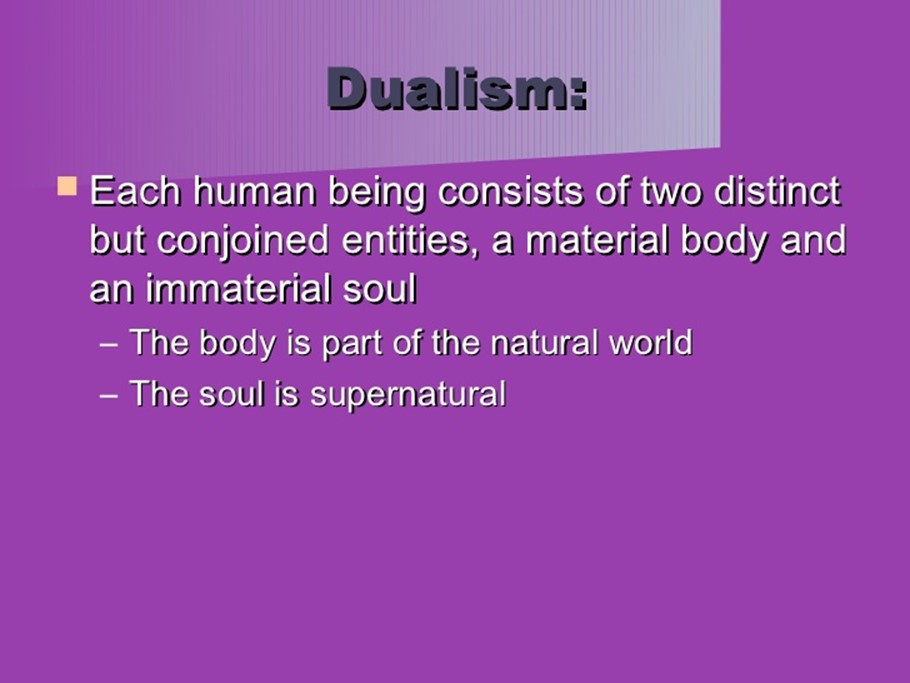
I invite my readers to review article titled “What is health?” published in Microbial Biotechnology by Dr. Harald Brüssow. I took freedom to add few comments to his article to help my readers to examine the topic in a critical manner.

Rudranarasimham Rebbapragada

BHAVANAJAGAT.ORG

What is health?

Clipped from: https://www.ncbi.nlm.nih.gov/pmc/articles/PMC3917469/

Microbial Biotechnology. 2013 Jul; 6(4): 341–348.

Published online 2013 May 6. doi:  10.1111/1751-7915.12063

PMCID: PMC3917469

PMID: 23647782

Harald Brüssow*

This article has been cited by other articles in PMC.

Summary

Medical Science fails to define the term ‘health’ for it fails to define the term ‘man’. To attach meaning to health, I must attach meaning to word called ‘man’.

Classical medical research is disease focused and still defines health as absence of disease. Languages, however, associate a positive concept of wholeness with health as does the WHO health definition. Newer medical health definitions emphasize the capacity to adapt to changing external and internal circumstances. The results of the 2010 Global Burden of Disease study provides keys for a quantifiable health metrics by developing statistical tools calculating healthy life expectancy. Of central social and economic importance is the question whether healthy ageing can be achieved. This concept hinges on theories on the biological basis of lifespan determination and whether negligible senescence and the compression of morbidity can be achieved in human societies. Since the health impact of the human gut microbiome is currently a topical research area, microbiologists should be aware of the problems in defining health.

Introduction

Man represents biological community of trillions of individuals; independent, living cells with individuality. Man is also natural host to trillions of microbes. Human life must be defined in terms of biotic interactions; both intraspecific, and interspecific biotic interactions.

Science has its fashions. Suddenly the leading science journals are full of articles about a specific topical research area. Sometimes, this wave of popularity follows a technological break-through which permits asking questions that were previously impossible to tackle or at least very hard to address experimentally. At other occasions, this cumulating of top-level research reports is the consequence of large international research efforts where grant agencies provided large amounts of money, which attracted many scientists to the field. In still other situations, the scientific community realizes that a certain field of scientific inquiry has simply been overlooked or neglected and the view offered by the new insights is exiting theoretical interest and promising practical applications. The human microbiome is currently such a fashionable field. Novel DNA sequencing techniques combined with new bioinformatic tools and the general progress of ‘–omics’ technologies offer the methods; major research grants on both sides of the Atlantic provided the money and the field has been an eye-opener for microbiologists which might be compared with the time of Leeuwenhoek when microbes in our mouth were first seen in the microscope and the time of Koch when the first isolated bacterial colonies were seen by the naked eye and linked to human disease. We perceive the human microbiome metagenome as our second human genome, as a source of human genetic variability (Schloissnig etal., 2013) and as a factor influencing human health (Clemente etal., 2012). The human gut microbiome has been associated with health issues of central importance such as obesity (Turnbaugh etal., 2006), healthy ageing (Claesson etal., 2012) and most recently cancer (Arthur etal., 2012), to quote only the most prominent fields. Probiotic bacteria have also been fashionable for a while (Thomas etal., 2010) and were judged to have a scientific basis (Neish, 2009), but scientific reports aroused less attention than gut microbiota research. Probiotics carry in their definition as ‘live health-promoting bacteria’ the concept that microbes can influence our health. But what is health? If you want to boost health, you must know what it is and how to measure it.

Health: ask the experts

I ask Medical Science to apply principles of Clinical Medicine not only to diagnose ill health but also to diagnose good and perfect or ‘Whole Health’ for man is created by entity called God who is always Perfect and Whole.

At school we heard of Socrates who asked people who are supposed to be experts and to get an answer from a dialogue with them. Therefore, I first went to health authorities like medical doctors and their authoritative textbooks that guided generations of medical students like Harrison’s Principles of Internal Medicine (Longo etal., 2011). In the 18th edition you find ample material on pathogens, even a chapter on the human microbiome (Gordon and Knight, 2011), a chapter on women’s health, but no definition of health. Overall, one gets the impression that medicine deals with disease and not health. In a recent meeting, one of my colleagues said that the US National Institutes of Health (NIH) should correctly be called National Institutes of Diseases reflecting this disease focus of medical research. Health is currently fashionable as ‘Global Health’, but again scientists working at institutes called like this or in such programmes deal mostly with diseases. After this disappointment, the author turned to PubMed with ‘health’ and ‘definition’ as search terms and got less than 20 papers – a quite surprising outcome for such a central question of the human society. Clearly there is a problem with the definition of the term ‘health’.

Health: ask the languages

None of the living functions performed by man involve the use of any known human language.

When a term is so self-evident and at the same time so elusive that no definition is provided in the scientific literature, it is frequently helpful to investigate the words we use when speaking about it. Naming is the first activity of human beings when trying to make order of things surrounding us. Words reflect the experience of many generations and words constitute a collective subconsciousness that determines still today our unexpressed thoughts and actions, more than we are aware of consciously. In the Oxford Dictionary ‘health’ is defined as ‘the state of being free from illness and injury’. It is obviously a negative definition. Such a definition reflects the current use of the words in the spoken language, but not necessarily its development over time. The English ‘health’ derives from Old English ‘hælth’, which is related to ‘whole’ ‘a thing that is complete in itself’ (Oxford Dictionary) derived from Old English ‘hal’ of Germanic origin (the addition of the w in whole/hal reflects a dialect pronunciation of the 15th century). In Middle English ‘hal’ also became ‘hail’ with the meaning of health in greetings and toasts. ‘hal’ is related to the Dutch ‘heel’ and the German ‘heil’. In German the connections between health, wholeness and salvation becomes even clearer than in English. ‘Heil-kunde’ and ‘Heil-kunst’ are still common German words for medicine, ‘Heiler’ is a traditional or alternative health provider; ‘heilfroh’ means wholly happy and refers to a relationship between health and happiness. ‘Heil’ has also religious meanings as seen from the German word ‘Heiland’ for the Christ as Savior (or for false prophets as in ‘Heil Hitler’). The German word conserved clear links with the religious and cultic realm in ‘heilig’ (English: holy) where ‘Heil’ is equivalent with salvation in the religious meaning (‘Seelen-heil’). These connotations are still vibrating consciously or unconsciously in native speakers when using these words. In fact, from this quasi-religious context the constitution of the WHO adopted in 1948 becomes understandable when stating ‘the following principles are basic to the happiness, harmonious relations and security of all peoples: Health is a state of complete physical, mental and social wellbeing and not merely the absence of disease or infirmity’. The definition has not been revised but was variously challenged for its ‘complete wellbeing’ as reflecting a fundamentalist view, referring to an ideal world of messianic expectations. Some scientists have therefore asked for redefining health to make it a realistic, measurable quantity (Saracci, 1997).

Since this language approach turned out to be revealing, let’s follow the relationship between health and wellness (are they synonyms or do they express distinct concepts?) and between health and disease (are they antonyms?). Disease is defined by the Oxford Dictionary as ‘disorder of structure or function in an organism that produces specific symptoms and is not the result of physical injury’; ‘dis-ease’ derives from the Old French ‘desaise’ (lack of ease). Wellness and illness is clearly a pair of antonyms. Illr is a Norse word for evil and was taken into Middle English with the meaning of wicked, malevolent. ‘Well’ (German: wohl) derives from a word common to many Germanic languages and means ‘in a good way’, initially as a contrast to wicked. As an adjective one of the meaning of ‘well’ is specifically ‘in good health’ (Oxford Dictionary). In German ‘wohl’ goes beyond good health, it alludes to psychological and emotional aspects (‘Wollust’: English: lust, but in Old English as in current German still in the sense of ‘pleasure’ and ‘delight’) and material wealth (‘Wohlstand’). Wellness thus goes beyond physical health and has a strong connotation of happiness, but also of hedonism (where pleasure is the chief good).

One might argue that these are linguistic associations restricted to Germanic languages. However, this is not the case: the Latin word pair ‘salus’–’malus’ has very similar connotations which were transmitted into modern Romanic languages (French: salut–maladie). In Latin ‘salus’ means health, rescue, redemption and wealth. It derives from ‘salvus’, Old Indian ‘sarvas’, which meant initially nothing else than ‘whole’. We see here again the notion of completeness with health. Malus which leads then to malady shares with the Germanic word ‘small’ a common root and thus refers to incompleteness. Malus has also moral connotation (Eritis sicut deus scientes bonum et malum – the snake in Genesis: you will be like God knowing the good and the evil). Disease has long been regarded as a celestial punishment for moral failing. In many traditional societies, health surveys should not miss to ask about ‘the evil eye’, underlining the widespread magic concepts on disease.

Redefining health: medical approaches

What is Spiritual Sickness? Lust, Avarice, Anger, Arrogance, Jealousy, Infatuation, and Miserliness are symptoms of Spiritual Sickness. Spiritual well-being is integral component of Whole Health.

Recently the need for a new definition of health was expressed by the British Medical Journal (Jadad and O’Grady, 2008). A discussion via global blog conversation was initiated on ‘How should health be defined?’ The participation rate was weak: only 38 communications were counted. In an influential blog, R. Smith (2008) confessed that this issue is for most doctors an uninteresting question since they are interested in disease and not health. Medical textbooks are a massive catalogue of diseases. Health is an illusion and according to the strict standards of the WHO definition, most people are unhealthy for most of the time, so far, his comments. Research-oriented doctors complained that the WHO definition has no direct operational value – it is so widely formulated that health outcome cannot easily be measured. Health like beauty is in the eyes of the beholder. It turned out that redefining health is an extremely ambitious and complex goal. A conference held in 2009 in the Netherlands (‘Is health a state or an ability? Towards a dynamic concept of health’) (Huber, 2010), an editorial by the Lancet (‘What is health? The ability to adapt’) (Anonymous, 2009) and an analysis in the BMJ (‘Health: how should we define it?’) (Huber etal., 2011) proposed a few conclusions. The preferred view on health was the ability to adapt and to self-manage. With respect to physical health the term of ‘allostasis’ was introduced – the maintenance of physiological homeostasis through changing circumstances. In the field of mental health, a sense of coherence was identified as defining criterion. Social health included people’s capacity to fulfil their potentials and obligations, the ability to manage their life and to participate in social activities including work. R. Smith summarized this into the phrase ‘health is the capacity to love and work’ attributed to Sigmund Freud. The Dutch conference highlighted a few important aspects. When applied to ‘successful or healthy ageing’ only a very small percentage of people would fit the WHO definition. When self-rating of well-being was used a much higher percentage rated themselves as successfully ageing and this rating was roughly constant over lifetime. With an ageing population chronic disease become a life condition to many people. The Stanford Chronic Disease Self-Management Programme uses strategies to enhance self-efficacy which resulted in fewer healthcare requests. Also, the WHO has added to this discussion. In preparation of the Ottawa Charter of 1986, the WHO defined health as the ability of an individual to realize aspirations and satisfy needs and to cope with the environment. Health was thus seen as a resource for everyday life. The WHO has also developed an International Classification of Functioning, Disability and Health assessing the performance of a task in real life situation. WHO surveys assessed an individual’s health state by asking for mobility, self-care, pain, cognition, interpersonal activities, vision, sleep and energy and affect. The answers go into a single metric reaching from death (0) to perfect health (1). The abovementioned Lancet editorial quoted the French physician G. Canguilhem who perceived health in his 1943 book The Normal and the Pathological not as something that can be defined statistically or mechanistically. Health is the ability to adapt to one’s environment and its own limitations. At the Dutch conference, a participant asked for the concept of ‘salutogenesis’ (becoming healthy) and more concrete research work in a field dominated by studies of pathogenesis (becoming ill). In practical terms it means that instead of carefully observing the conditions that lead from the healthy to the diseased state, research should also be conducted for the opposite process, i.e. the transition from the diseased to the healthy state. In some diseases the transition from health to malady is a way of no return and its inverse process of ‘salutogenesis’ is obviously difficult to study. However, for microbiologists the situation is easier. Many acute infectious diseases show a transition from health to disease followed by a return to the normal. Here ‘salutogenesis’ is commonly studied and had practical outcomes. For example, understanding the immune response to an infectious agent which led to the resolution of the disease was often instrumental for designing vaccine strategies.

Scaling health levels?

Scaling of health fundamentally relates to experience of satiation, satisfaction, or contentment from living condition. Dissatisfaction or lack of contentment is absence of health.

A fundamental question not yet addressed in our discussion is whether health is a state as opposed to the alternative state of disease. There are medical conditions that allow only two alternative conditions; a frequently quoted example is a woman in childbearing age who either is pregnant or is not pregnant. There is no condition where a woman is a bit pregnant, pregnancy is an all-or-nothing event allowing only a ‘plus’ and a ‘minus’ state and no transitions between both of them. At first glance, one might also take ‘health’ and ‘disease’ as alternative ‘plus’ and ‘minus’ states. The self-perception of a subject is a relative reliable measure differentiating a healthy state from a diseased state. In a prodromal phase of an infectious disease, we feel lousy before any overt disease symptoms are evident. During convalescence we feel the reverse process of returning vigor and strength. This distinction finds expression in our outer appearance allowing not only an experienced physician, but even an attentive layperson to differentiate these two states with a single look at a person. This experience speaks for health and disease as two alternative states. However, medical doctors use scoring systems to assess the health and disease status of patients to decide on medical interventions. To quote just two examples: the Karnofsky score runs from 100 (perfect health) to 0 (death) in steps of 10 and assesses the independence or dependence of patients on assistance for everyday activity or survival; its main purpose was to quantify the capacity of cancer patients to cope with chemotherapy. Another score rates the status of newborns: the Apgar score attributes up to two points each for the appearance, pulse, grimace, activity, respiration of the baby (despite this mnemonic, Apgar is named after an anesthesiologist). Apgar expresses the need for medical intervention by the pediatrician. Apgar scores of 7 or higher characterize healthy babies. These scoring systems are interesting since first, they put health and disease into the same measurable category and second, they anticipate that both health and disease states can be graded. By their design as indicators for medical intervention, these scoring systems have more graded disease levels than graded health levels, but this point can be quickly remedied by introducing a scoring system that depicts in analogy with the number line increasing positive integers to the right as indicators of a graded health level and increasing negative integers to the left as indicators of graded disease levels.

Around 0 is an indifference zone where the subject feels neither particularly healthy nor definitively ill. While numerous scoring systems exist to describe severity grades for many diseases, less scoring systems exist for assessing health levels. This situation could quickly be corrected: Physical strength or mental fitness could be measured quantitatively by performance tests on the subject or functional reserves could be measured by physiological tests on individual organ systems of the subject. Such physical types of test are frequently used in geriatric medicine.

This grading concept – oversimplified as it is – has interesting consequences. When physicians speak about health interventions, they speak mostly about disease interventions where a treatment shifts for example a person from disease level −7 to disease level −3 to remain in the analogy of this fictive scale. Over recent decades medical treatments were also increasingly applied on apparently healthy subjects, who show, but do not suffer, from pathophysiological states (e.g. hypertension, hypercholesterolemia) in order to prevent for example a shift from health level +3 to disease level −7 when the pathophysiological risk factor transforms into actual disease (e.g. myocardial infarct or stroke) (again in this fictive scale). However, physicians and the pharmaceutical industries have much less considered the possibility to increase health levels from for example health state +4 to health state +7 which increases physical and mental performance of the person or the functional reserves of the person’s organs. These health interventions were largely left to fitness centers and sport clubs and private activities of the individual. The aim of such nutrition and health interventions would be a better performance in everyday life, more pleasure (quality of life), but not necessarily disease prevention. However, increasing the functional reserve of the body necessarily creates a buffer such that extrinsic factors decreasing the health level do not result that quickly in disease as without this intervention.

Health: ask the Global Burden of Disease (GBD) 2010 survey

Burden of Disease, and Rewards of Health must be estimated after stating Purpose of Human Existence.

One might argue that health of an individual or a population is to a certain extent a lip service of the medical profession and the true interest of medical doctors is to cure or to prevent disease. Language-wise this focus is expressed by the now frequently used term of ‘ill health’ in the columns of leading journals like ‘Nature’ and ‘The Lancet’, which is of course a clear contradiction in terms and reflects the disease focus of medicine. One might suspect that economists and sociologists have a greater interest in the health of a population when focusing on the productivity and social ‘functioning’ of people. However, such an evaluation does not do justice to the epidemiological, statistical and intellectual efforts of the medical community to come to grip with these terms. The Herculean effort of the medical research field is illustrated by a whole issue of the Lancet describing the GBD Study 2010 in a series of articles (Das, 2012). Over 5 years 486 scientists from 302 institutions in 50 countries have collected data on ‘ill health’ and evaluated the data by using the most sophisticated statistical data treatment methods (Murray etal., 2012a). The results are stunning. It is here not the place to review these studies, but I want to share with the reader some excitement. From 1970 to 2010 global life expectancy at birth rose by 3–4 years every decade. The resolution of the data set is astonishing: you can for example compare life expectancy per region and per sex. You see then that women in Bangladesh increased their life expectancy from 47.5 years in 1970 to 71.0 years in 2010 (not a printing error). Or you get global life expectancy per 5-year intervals for both sexes, e.g. 80-year-old men had in 1970 a life expectancy of 5.8 years compared with 7.2 years in 2010 (‘the older you get, the healthier you have been’) (Wang etal., 2012). Or you get information on 235 leading causes of death separated by age and sex based on files compiling vital registrations, verbal autopsies and various surveillance data from 187 countries. You learn that mortality from communicable diseases has decreased over this time following major ameliorations in mortality from diarrheal diseases, measles and tetanus, but less so for respiratory infections and increases for HIV/AIDS. When the global years of life lost (YLL) is displayed separately for the causes and individual years between 1990 and 2010, the data analysis was so well performed that you see the 1995 famine in North Korea as a sudden increase in global death due to nutritional deficiencies and the 1994 genocide in Rwanda as an intentional injuries increase (Lozano etal., 2012).

In the context of our discussion another GBD 2010 report is even more interesting. Salomon and colleagues (2012) start their paper with the statement: ‘Improvement of population health means more than simply delaying death or increasing life expectancy at birth’. They continue: ‘With the trend of population ageing, the need to prioritize healthy ageing is increasingly recognized’. The authors of this paper focus on the description of ‘healthy life expectancy’ as a summary measure of population health. While this term has no philosophical or biological foundation, it is based on a lot of sound statistical reasoning. In fact, it goes back on a method developed 40 years ago by D. Sullivan. Healthy life expectancy is the number of years a person at a given age can expect to live in good health considering age-specific mortality, morbidity and functional health status. While health is here still largely defined negatively as the absence of disease, it becomes a measurable quantity and thus a simple logically appealing summary measure of population health. The GBD 2010 study goes even further by analyzing a composite metric that captures both premature mortality and the prevalence and severity of disease leading to the term of disability-adjusted life years (DALY) (Murray etal., 2012b). Health status was measured in other studies by the absence of disability expressed as activity restriction, or absence of dementia, or on a broader basis as a multidimensional expression of functioning. However, with a sufficiently large raw data set one can calculate the ‘healthy life expectancy’ in years. Then the difference between life expectancy minus healthy life expectancy can be interpreted as the average number of years of potentially healthy life lost to poor health. To get back to the above Bangladesh women who had in 2010 a life expectancy of 71 years, they had a healthy life expectancy of 59 years, for Canadian women the two figures were 83 and 68 years respectively. Despite different absolute numbers, women from both countries spent more than a decade with poor health. Interesting trends emerge: both for men and for women global healthy life expectancy has increased by about 4 years between 1990 and 2010 keeping with the overall trend of life expectancy increases. The gains in healthy life expectancy over the past 20 years have mainly been through reductions of child and adult mortality and not through reductions in years lost to disability (YLD). When looking into a study from member states of the European Union, larger variations were found for healthy life expectancy than for life expectancy (Jagger etal., 2008). These results are not just about statistics, they represent important elements for political decisions. The UN Millennium Development Goals have focused on the reduction of mortality from major killers like HIV, tuberculosis and malaria. With that focus life expectancy will (hopefully) increase, but it will have minor impact on healthy life expectancy. The computation of healthy life expectancy has changed over the years. Some used dichotomous weighting schemes categorizing people into either healthy or not. The new calculation accounts for the severity of disability calculated for 289 named diseases (Murray etal., 2012a) allowing thus a quantitative, gliding disability scale.

Ageing concepts

Every change or natural phenomenon such as aging is operated by underlying ‘Unchanging Principle’. For example, Chemical Compounds are operated by ‘Law of Definite Proportions’ or Proust’s Law of Definite Composition. Man, experiences aging changes while Chemical Elements and Chemical Compounds of his body remain unchanged.

The structure of the world population is dramatically changing with an increasing percentage of the human population living to old and very old age (Suzman and Haage, 2011). This phenomenon is not limited to the classical industrialized countries, until 2050 China is expected to reach 440 and 101 million inhabitants older than 60 and 80 years respectively (Shetty, 2012). This change in the population pyramid has not only important socioeconomic consequences (healthcare, pension funds), but affects also the health and disease discussion in an interesting way.

Like for health, everybody knows what ageing means, but definitions are again less obvious, and biologists have not yet developed a generally shared theory of ageing (Martin, 2011). Part of the problem might be that different organisms might have their own modes of ageing. Languages are not of much help: ‘age’ is something which can be very simply counted on a timescale. Different languages reflect a different attitude towards ageing: while in English ‘ageing’ implies deterioration, in Japanese it means just the advancement of age. A Japanese researcher has therefore defined ageing as a ‘regression of physiological function accompanied by advancement of age’ (Imahori, 1992). Medical doctors consequently differentiate a chronological and a physiological age of a person.

Medical gerontologists perceive ageing as a progressive decline in structure and function of the body (Ferruci and Studenski, 2011). Most prominent and very visible are the effects of ageing on body composition: lean body mass from muscles and visceral organs decrease steadily, muscle strength decreases (sarcopenia) and is a good predictor of mortality. Progressive demineralization leads to decline of bone strength that together with neurodegeneration induces unstable gait, poor balance and slow reaction times leading to falls and fractures resulting in increasing frailty. Memory decline and dementia are other neurological observations in some, but not all ageing persons. Decline of the sensory system is frequent (vision, hearing, taste). Another physiological change is declining resting metabolic rate with ageing, which is also a marker of illness. Homeostasis pathways (hormones, inflammatory mediators, antioxidants) change progressively with age inducing a lower resistance to stress. Normal ageing is also associated with a decline in food intake particularly in men which leads to malnutrition.

While ageing leads ultimately to death, great biological differences exist for lifespan and ageing process between different organisms. While the lifetime of fly’s measures in days, some ticks survive for decades and lobsters were reported to survive for more than 100 years without any apparent loss in fertility. Similar data have been reported for turtles, where older females lay more eggs than younger females, show no loss of vigor and no increase in mortality rate with increasing age (Finch, 2009). These observations led to the concept of negligible senescence and the Centenarian Species Project (Guerin, 2004). Negligible senescence contradicts Hamilton’s influential theory that natural selection shaped senescence (Hamilton, 1966) and ideas that late survival was sacrificed in evolution for reproduction (Kirkwood and Rose, 1991). Even today, Hamilton’s Forces of Natural Selection described in his 1966 paper were compared by evolution researchers to what is the Lorentz transformation for relativistic physics (Rose etal., 2007). Of course, working with long-lived animals which might have lifetimes longer than that of the researcher is not to the taste of geneticists who prefer short-lived animals like flies and worms or mostly mice where results are obtained within a grant period. However, negligible senescence would fit other theories, for example that of the French zoologist Buffon who suggested in the 18th century that the duration of life in animals corresponded to six to seven times that of the period of growth for the given animal. An animal which has undetermined growth like some reptiles (crocodiles for example grow as long as they live) could have a very long lifespan. Those zoologists might in fact be right who claim that lobsters die from predation, accident and infection but not as a consequence of ageing.

Many ideas have been developed by biologists on ageing: for example, Hayflick developed 40 years ago an argument that the finite number of cell doublings determines the lifespan of a species (Hayflick, 1968). Molecular biologists have added arguments to this idea by highlighting the importance of telomere length shortening with increasing cell divisions. Several other mechanisms and pathways have been revealed by molecular biologists and geneticists for the ageing process. Caloric restriction and longevity is another of the fruitful fields of ageing research. Whether it applies to monkeys as our closest relatives is currently the focus of much discussion (Mattison etal., 2012).

However, all what we have discussed so far fit more the fundamental interest of biologists than that of the medical doctor. For the present review let’s therefore focus on the human condition and the medical view on healthy ageing.

Healthy ageing

Man’s experience of time and its consequence called aging is operated by sensory experiences that are fundamentally false. Man’s existence demands influence of grand illusion that protects man from experiencing speed of planet Earth.

Thirty years ago, Fries (1980) published in The New England Journal of Medicine a seminal paper on ‘Ageing, natural death, and the compression of morbidity’ which heavily influenced the medical discussion on ageing. He starts with the statement that the length of life is fixed; speculations on immortality are rooted in human hope. The medical field assumes that death is always the result of a disease process, but due to his hypothesis of a set human lifespan, death might occur without overt disease when the normal span is lived. In his paper he depicted the ‘ideal’ human mortality curve in the absence of premature death: it is a sharp peak around the ‘naturally set’ human lifespan of 85 years. He arrived at this value from the extrapolation of life expectancy data at birth and at age 20 and 65 measured over the last century which intersect in his graph at 85 years. With that idealized model the survival curve of humans has a sharp rectangular form while the actual survival curve for humans at 1900 looked more like a triangle with a continuous decline of survival with age. In 1980 the survival curve took already a substantial rectangular form: much of the 1900-typical attrition over increasing age had been eliminated and the actual survival curve started to approach the ideal curve. He admitted that the average length of life was increasing, but he argues that this was due to a decrease in childhood mortality, not to a secular trend for an increase of life expectancy at age of 75 years. He highlighted that acute, usually infectious diseases determined mortality in the USA at 1900 and that chronic diseases have now superseded acute diseases. In his view health improvement must address chronic instead of acute diseases, morbidity and not mortality, quality of life rather than duration of life. Postponement of disease is more important than cure of a disease. Weight control, regular exercise, treatment of hypertension, elimination of smoking and alcohol over-consumption (today we would add an equilibrated diet) were the practical measures. With that focus of medical interventions, one could achieve what he called the compression of morbidity. A postponement of chronic disease would also result in a rectangularization of the morbidity and not only the mortality curve. Since loss of reserve function represented his operational definition of ageing, one could theoretically also achieve a compression of senescence. He postulated a plasticity of ageing against a non-elasticity of the human ideal lifespan.

It is interesting to compare the Fries’ model with the actual data set from the GBD 2010 study. Already in an analysis of demographic data from 2002, the WHO reported that precisely the very old age groups are growing the fastest worldwide. A cornerstone of Fries’ model is the lack in increase of centenarians over one century of observation. The WHO projects in contrast a 13-fold increase in centenarians over the next decades (Kalache etal., 2002). Better hygiene, nutrition and healthcare have increased life expectancy as also seen in GBD 2010. When the life expectancy of females in the most advanced nations is plotted against historical time, a straight line is observed showing a steady increase of 2.5 years longer life expectancy per decade between 1850 and 2000 (Suzman and Haage, 2011). Humans in some industrialized countries have now nearly reached the lifespan limits of Buffon’s formula, but the asymptotic behavior requested by a genetically fixed life expectancy was not yet observed. One central tenet of the Fries’ model is thus not confirmed. What about the compression of morbidity? GBD 2010 showed that countries with high life expectancy had mostly also lower age-specific disability than countries with low life expectancy. While an analysis of disability-adjusted life expectancy (DALE) with data from the GBD 1999 study (Mathers etal., 2001) showed still ‘some evidence to suggest that compression of morbidity may be occurring in some low mortality countries’, later analyses did not concur with this interpretation. According to GBD 2010, years lived with disability (YLD) rose despite a decrease in the prevalence of age-specific disability (Salomon etal., 2012). Simply, the decrease in disability did not keep pace with the increase in survival. A compression can only occur if healthy life expectancy would rise faster than life expectancy.

Globally, YLD rose from 583 million in 1990 to 777 million in 2010 (Vos etal., 2012). The main contributors at the global level were mental and behavioral disorders, musculoskeletal disorders, diabetes and endocrine diseases. The leading specific causes were the same in 2010 as in 1990: low back pain, major depressive disorders, iron-deficiency anemia, neck pain, chronic obstructive pulmonary disease, anxiety disorders, migraine, diabetes and falls. Rates of YLD per given number of people did not change, but since YLD rise steadily with age, population growth and ageing were the major drivers for the increase in YLD (Vos etal., 2012). The health system is thus confronted with a rising number of individuals with a range of disorders that largely cause disability but not mortality.

Outlook

John Milton in his epic poem of Paradise Lost, Book XI shared the golden principles of healthy aging. Nothing too much, the Law of Temperance helps man to live to his fullest potential.

I yield it just, said Adam, and submit.
But is there yet no other way, besides
These painful passages, how we may come
To Death, and mix with our connatural dust?

There is, said Michael, if thou well observe [ 530 ]
The rule of not too much, by temperance taught
In what thou eat and drink, seeking from thence
Due nourishment, not gluttonous delight,
Till many years over thy head return:
So may thou live, till like ripe Fruit thou drop [ 535 ]
Into thy Mothers lap, or be with ease
Gathered, not harshly plucked, for death mature:

In summary, GBD 2010 showed clear evidence of expansion, not compression of morbidity. An increase of the number of years lived in reduced health has implications beyond the person suffering from restricted health. Healthy ageing is a socioeconomic need since otherwise national health systems will not be able to stem the cost associated with managing increasing numbers of individuals suffering from various disease sequelae. If by preventive measures a healthy ageing could be achieved, the healthcare system could save cost and the individual could enjoy a greater quality of life for a longer period of life. This goal is quite ambitious though, but the incentive is great justifying the exploration of various associations with healthy ageing. In an accompanying review, I explore the data associating gut microbiota composition with healthy ageing and to what extent the gut microbiota composition can be changed by nutritional interventions (Brüssow, 2013).

Acknowledgments

I thank my colleagues Wolfram Brück for critical reading of the manuscript and Olga Sakwinska for stimulating discussions.

References

  • Anonymous. What is health? The ability to adapt. Lancet. 2009;373:781. [PubMed]
  • Arthur JC, Perez-Chanona E, Mühlbauer M, Tomkovich S, Uronis JM, Fan TJ, et al. Intestinal inflammation targets cancer-inducing activity of the microbiota. Science. 2012;338:120–123. [PMC free article] [PubMed]
  • Brüssow H. Microbiota and healthy ageing: observational and nutritional intervention studies. 2013. Microbial Biotechnology doi: 10.1111/1751-7915.12048. [Epub ahead of print] [PMC free article] [PubMed]
  • Claesson MJ, Jeffery IB, Conde S, Power SE, O’Connor EM, Cusack S, et al. Gut microbiota composition correlates with diet and health in the elderly. Nature. 2012;488:178–184. [PubMed]
  • Clemente JC, Ursell LK, Parfrey LW, Knight R. The impact of the gut microbiota on human health: an integrative view. Cell. 2012;148:1258–1270. [PMC free article] [PubMed]
  • Das P, Samarasekera U. The story of GBD 2010: a ‘super-human’ effort. Lancet. 2012;380:2067–2070. [PubMed]
  • Ferruci L, Studenski S. Clinical problems of aging. In: Longo DL, Fauci AS, Kasper DL, Hauser SL, Jameson JL, Loscalzo J, editors. Harrison’s Principles of Internal Medicine. 18th edition. New York, USA: McGraw-Hill; 2011. pp. 570–586.
  • Finch CE. Update on slow aging and negligible senescence – a mini-review. Gerontology. 2009;55:307–313. [PubMed]
  • Fries JF. Aging, natural death, and the compression of morbidity. New England Journal of Medicine. 1980;303:130–135. [PubMed]
  • Gordon JI, Knight R. The human microbiome. In: Longo DL, Fauci AS, Kasper DL, Hauser SL, Jameson JL, Loscalzo J, editors. Harrison’s Principles of Internal Medicine. 18th edition. New York, USA: McGraw-Hill; 2011. pp. 526–535.
  • Guerin JC. Emerging area of aging research: long-lived animals with ‘negligible senescence. Ann N Y Acad Sci. 2004;1019:518–520. [PubMed]
  • Hamilton WD. The molding of senescence by natural selection. J Theor Biol. 1966;12:12–45. [PubMed]
  • Hayflick L. Human cells and aging. Sci Am. 1968;218:32–37. [PubMed]
  • Huber M. 2010. Is health a state or an ability? Towards a dynamic concept of health [WWW document]. URL http://www.gezondheidsraad.nl/sites/default/files/bijlage%20A1004_1.pdf.
  • Huber M, Knottnerus JA, Green L, Horst H, Jadad AR, Kromhout D. How should we define health? BMJ. 2011;343:235–237. [PubMed]
  • Imahori K. How I understand aging. Nutritional Review. 1992;50:351–352. [PubMed]
  • Jadad AR, O’Grady L. How should health be defined? BMJ. 2008;337:1363–1364.
  • Jagger C, Gillies C, Moscone F, Cambois E, Van Oyen H, Nusselder W, Robine JM EHLEIS team. Inequalities in healthy life years in the 25 countries of the European Union in 2005: a cross-national meta-regression analysis. Lancet. 2008;372:2124–2131. [PubMed]
  • Kalache A, Aboderin I, Hoskins I. Compression of morbidity and active ageing: key priorities for public health policy in the 21st century. Bull World Health Organ. 2002;80:243–244. [PMC free article] [PubMed]
  • Kirkwood TB, Rose MR. Evolution of senescence: late survival sacrificed for reproduction. Philos Trans R Soc Lond B Biol Sci. 1991;332:15–24. [PubMed]
  • Longo DL, Fauci AS, Kasper DL, Hauser SL, Jameson JL, Loscalzo J, editors. Harrison’s Principles of Internal Medicine. 18th edition. New York, USA: McGraw-Hill; 2011.
  • Lozano R, Naghavi M, Foreman K, Lim S, Shibuya K, Aboyans V, et al. Global and regional mortality from 235 causes of death for 20 age groups in 1990 and 2010: a systematic analysis for the Global Burden of Disease Study 2010. Lancet. 2012;380:2095–2128. [PubMed]
  • Martin GM. The biology of aging. In: Longo DL, Fauci AS, Kasper DL, Hauser SL, Jameson JL, Loscalzo J, editors. Harrison’s Principles of Internal Medicine. 18th edition. New York, USA: McGraw-Hill; 2011. pp. 562–569.
  • Mathers CD, Sadana R, Salomon JA, Murray CJ, Lopez AD. Healthy life expectancy in 191 countries, 1999. Lancet. 2001;357:1685–1691. [PubMed]
  • Mattison JA, Roth GS, Beasley TM, Tilmont EM, Handy AM, Herbert RL, et al. Impact of caloric restriction on health and survival in rhesus monkeys from the NIA study. Nature. 2012;489:318–321. [PMC free article] [PubMed]
  • Murray CJ, Ezzati M, Flaxman AD, Lim S, Lozano R, Michaud C, et al. GBD 2010: design, definitions, and metrics. Lancet. 2012a;380:2063–2066. [PubMed]
  • Murray CJ, Vos T, Lozano R, Naghavi M, Flaxman AD, Michaud C, et al. Disability-adjusted life years (DALYs) for 291 diseases and injuries in 21 regions, 1990–2010: a systematic analysis for the Global Burden of Disease Study 2010. Lancet. 2012b;380:2197–2223. [PubMed]
  • Neish AS. Microbes in gastrointestinal health and disease. Gastroenterology. 2009;136:65–80. [PMC free article] [PubMed]
  • Rose MR, Rauser CL, Benford G, Matos M, Mueller LD. Hamilton’s forces of natural selection after forty years. Evolution. 2007;61:1265–1276. [PubMed]
  • Salomon JA, Wang H, Freeman MK, Vos T, Flaxman AD, Lopez AD, Murray CJ. Healthy life expectancy for 187 countries, 1990–2010: a systematic analysis for the Global Burden Disease Study 2010. Lancet. 2012;380:2144–2162. [PubMed]
  • Saracci R. The World Health Organization needs to reconsider its definition of health. BMJ. 1997;314:1409–1410. [PMC free article] [PubMed]
  • Schloissnig S, Arumugam M, Sunagawa S, Mitreva M, Tap J, Zhu A, et al. Genomic variation landscape of the human gut microbiome. Nature. 2013;493:45–50. [PMC free article] [PubMed]
  • Shetty P. Grey matter: ageing in developing countries. Lancet. 2012;379:1285–1287. [PubMed]
  • Smith R. 2008. The end of disease and the beginning of health [WWW document]. URL http://blogs.bmj.com/bmj/2008/07/08/richard-smith-the-end-of-disease-and-the-beginning-of-health/
  • Suzman R, Haage JG. World demography of aging. In: Longo DL, Fauci AS, Kasper DL, Hauser SL, Jameson JL, Loscalzo J, editors. Harrison’s Principles of Internal Medicine. 18th edition. New York, USA: McGraw-Hill; 2011. pp. 556–561.
  • Thomas DW, Greer FR American Academy of Pediatrics Committee on Nutrition, American Academy of Pediatrics Section on Gastroenterology, Hepatology, and Nutrition. Probiotics and prebiotics in pediatrics. Pediatrics. 2010;126:1217–1231. [PubMed]
  • Turnbaugh PJ, Ley RE, Mahowald MA, Magrini V, Mardis ER, Gordon JI. An obesity-associated gut microbiome with increased capacity for energy harvest. Nature. 2006;444:1027–1031. [PubMed]
  • Vos T, Flaxman AD, Naghavi M, Lozano R, Michaud C, Ezzati M, et al. Years lived with disability (YLDs) for 1160 sequelae of 289 diseases and injuries 1990–2010: a systematic analysis for the Global Burden of Disease Study 2010. Lancet. 2012;380:2163–2196. [PubMed]
  • Wang H, Dwyer-Lindgren L, Lofgren KT, Rajaratnam JK, Marcus JR, Levin-Rector A, et al. Age-specific and sex-specific mortality in 187 countries, 1970–2010: a systematic analysis for the Global Burden of Disease Study 2010. Lancet. 2012;380:2071–2094. [PubMed]
WHAT IS CONSCIOUSNESS? – IS THERE AWARENESS OF LIFE’S JOURNEY?

WHAT IS CONSCIOUSNESS? – IS THERE SELF-AWARENESS OF LIFE’S JOURNEY?

What is Consciousness? Is there Self-Awareness of Life’s Journey?

It is easy and convenient to use terms in conversation when no meaning is attached to the words used in conversation. It is unfortunate to note schools have not designed instructional programs to use words with well-defined meaning attached to them. Basic terms like, man, life, existence, consciousness, and self-awareness have to be used after giving or attaching meaning to those terms.

Consciousness fundamentally involves awareness of one’s own existence. For example, Amoeba proteus is aware or conscious of its own living condition at any given time, and place of its existence. Consciousness may include awareness of thoughts, moods, and feelings and yet it is not mental function. Consciousness is biological function, a characteristic of all living cells. In Clinical Medicine, consciousness is always evaluated and it does not involve taking educational, or occupational history. What you are is described by Science called Anatomy, and what you do is described by Science called Physiology. If Life is defined as ‘Knowledge in Action’, this Knowledge is not experience acquired by cells of human body through man’s learning process.

Life’s Journey relates to functional ability called locomotion which depends upon the nature of living, corporeal substance called protoplasm, or cytoplasm which always exists in perpetual state of motion. This living condition in perpetual motion is synchronized with motions of Earth that provide alternating periods of Light and Darkness called Day and Night while the Sun shines all the time. No instant during the entire period of one’s Life Journey is the same as another instant. Each living instant remains unique, or one of its own kind as no instant can repeat itself. During Life’s Journey, man has no consciousness or awareness of motion of his own living substance and has no consciousness or awareness of the motions of Earth. Man may have intellectual understanding of motions performed by his living substance and of Earth on which he finds his existence. This intellectual ability does not provide direct sensory experience of Journey performed by Living Substance or Earth. For that reason, I suggest that the “Journey” from point A to point B on the surface of Earth that man performs is predestined for man has no ability to control either motion of his living substance or motions of his earthly abode.

WHAT IS LIFE – LIFE IS KNOWLEDGE IN ACTION – Bhavanajagat
What is Consciousness? Is there Self-Awareness of Life’s Journey? On bhavanajagat.com

I always ask my readers to read cell anatomy and physiology to discuss any issue that pertains to life. The Cell Theory is verified Science; Cells are building blocks of life.

What is Consciousness? Is there Self-Awareness of Life’s Journey? On bhavanajagat.com

To speak of human consciousness or self-awareness, the discussion demands knowing Egg Cell as conscious entity.

File:Human Fertilization.png - Wikipedia, the free encyclopedia

This Egg Cell begins Life’s Journey from the instant called Ovulation, later, Conception, and until another instant called Implantation. Does this Journey from Ovulation, Conception, to Implantation requires Consciousness or Self-Awareness?

Rudranarasimham Rebbapragada
Ann Arbor, MI 48104-4162 USA
BHAVANAJAGAT.ORG


What is Consciousness? Is there Self-Awareness of Life’s Journey?

What is Consciousness? Is there Self-Awareness of Life’s Journey?


What is Consciousness? Is there Self-Awareness of Life’s Journey?

WHOLE SPIRITUALITY – WHOLE LIVING

THE ART OF SPIRITUAL LIVING :

THE ART OF SPIRITUAL LIVING : SPIRITUALITY IS NOT AN INQUIRY OR INVESTIGATION ABOUT EXISTENCE OF GOD. THE PURPOSE OF SPIRITUALITY IS NOT THAT OF BECOMING FAMOUS BY GETTING ELEVATED TO SAINTHOOD.

From the beginning of human history, the ideas about Spirituality included a desire to find Peace, Harmony, and Tranquility in all of man’s internal and external relationships, while man exists in a physical environment  as a member of a social community or society. Both religious thinkers and philosophers have contemplated that Spirituality involves a potency associated with a Principle called Soul or Spirit. In Indian tradition, the term “ATMA” or “ATMAN” refers to Self, Body, Mind, and Soul depending upon different circumstances. In the YOGA System of India, the YOGA practice uses the term ATMA to describe Mind.  The purpose of Yoga is to control the Mind and to draw it away from its attachment to sense objects. The term ‘Sensual’ refers to the body and the senses as distinguished from the Intellect, Spirit, or Soul. Sensual pertains to or it is about preoccupation with bodily or sexual pleasures. The term ‘Sensuous’ refers to a variety of things affecting, appealing to, or perceived by the senses. It implies easy susceptibility through the senses, enjoying the pleasures of sensation, and a strong appeal of that which is pleasing to the eye, ear, touch, etc., Since  experience of sensual enjoyment involves the Mind, in Indian tradition, Mind is  the Chief Sense Organ or ‘INDRIYA’. The term austerity describes a variety of spiritual practices. Austerity in relation to the Mind is a process that includes attributes such as Simplicity, Solemnity, Purity, and Control. Austerity aims to find Satisfaction through the use of Self-Discipline and Self-Restraint.  A variety of spiritual practices like austerity, repentance, penance, expiation, and purgation involve accepting  Satisfaction, a mental state that relieves the burden to take action to gratify the desires that seem to hold the Mind in a captive condition. In other words, the goal of Spirituality demands finding Contentment, Satiation, and Satisfaction in the living experience of man.

THE SIX INTERNAL ENEMIES OF MAN :

THE ART OF SPIRITUAL LIVING : INDIAN TRADITION DESCRIBES THE SIX INTERNAL ENEMIES OF MAN AS KAMA(LUST), KRODHA(ANGER), LOBHA(MISERLINESS), MADA(ARROGANCE), MATSARYA(JEALOUSY), AND MOHA(IGNORANCE + ILLUSION). THESE BEHAVIORAL TRAITS TOGETHER CONSTITUTE THE PROBLEM CALLED DESIRE. THE WILD HORSE REPRESENTS THE SENSUOUS NATURE OF SENSES THAT EXERT POWERFUL INFLUENCE ON MIND AND INTELLECT DRIVING MAN ALONG THE PATH TO FIND GRATIFICATION OF DESIRE.
THE ART OF SPIRITUAL LIVING : INDIAN TRADITION DESCRIBES THE SIX INTERNAL ENEMIES OF MAN AS KAMA(LUST), KRODHA(ANGER), LOBHA(MISERLINESS), MADA(ARROGANCE), MATSARYA(JEALOUSY), AND MOHA(IGNORANCE + ILLUSION) OR INFATUATION . THESE BEHAVIORAL TRAITS TOGETHER CONSTITUTE THE PROBLEM CALLED DESIRE. THE WILD HORSE REPRESENTS THE SENSUOUS NATURE OF SENSES THAT EXERT POWERFUL INFLUENCE ON MIND AND INTELLECT DRIVING MAN ALONG THE PATH TO FIND GRATIFICATION OF DESIRE.

In Indian tradition, the six internal enemies of man constitute a group called ‘ARI VARGA’ and these are 1. KAMA or Lust, 2. KRODHA or Anger, 3. LOBHA or Miserliness, 4. MADA or Arrogance(Self-Pride), 5. MATSARYA or Jealousy, and 6. MOHA or Ignorance + Illusion known as Infatuation.These behavioral traits drive man onto a path of Self-Destruction. These six kinds of behavior are aspects of Desire. The Art of Spiritual Living deals with this problem called ‘DESIRE’ that takes charge of Mind to drive man to take actions that leave him restless, agitated, confused, irritable, resentful, and frustrated if the overpowering Desire is not gratified.

THE ART OF SPIRITUAL LIVING : IT IS THE ART OF MASTERY OF MIND. THE UNBRIDLED, WILD HORSE SYMBOLIZES THE PROBLEM CALLED 'DESIRE', A CHARACTERISTIC OF HUMAN BEHAVIOR AND ACTIONS THAT ARE OBSERVED AS LUST, ANGER, MISERLINESS, GREED, JEALOUSY, AND ARROGANCE. TAMING THIS HORSE IS THE SUBJECT OF OUR STUDY CALLED SPIRITUALITY.
THE ART OF SPIRITUAL LIVING : IT IS THE ART OF MASTERY OF MIND . THE  HORSE IS BRIDLED TO CONTROL IT AND TO GUIDE IT ON A PATH USEFUL TO ITS RIDER . THE UNBRIDLED OR UNCONTROLLED HORSE TRAVERSES ON THE PATH THAT SYMBOLIZES THE PROBLEM CALLED ‘DESIRE’.  DESIRE IS A CHARACTERISTIC OF HUMAN BEHAVIOR AND ACTIONS THAT ARE OBSERVED AS LUST, ANGER, MISERLINESS, GREED, JEALOUSY, AND ARROGANCE .  TAMING THIS HORSE IS THE SUBJECT OF OUR STUDY CALLED SPIRITUALITY.

Behavioral Science includes any of several studies such as Sociology, Psychology, Anthropology, etc., that examine human activities, conduct, aptitude, manners, and responses that are observable. In Biology, Behavior explains an organism’s responses to stimulation or environment and the observed Behavior is often described as Biotic Interactions which could be Interspecific(interactions between different groups or species) or Intraspecific( within the same group or species, or within the same organism which could be a complex living system). The term Behavioral Therapy and Behavior Modification involve the use of techniques that seek to modify Human Behavior through application of the principles of conditioning in which rewards and reinforcements or punishments establish desired habits or patterns of Behavior. In Indian tradition, the analogy of a Chariot(“RATHA KALPANA” or the Metaphor of Chariot) helps to discuss the relationships between human body, organs of sense perception(Senses), Mind, Intellect which together constitute ‘The Lower-Self’ and Soul that constitutes ‘The Knowing-Self’ or ‘The Higher-Self’.

THE ART OF SPIRITUAL LIVING : IN THE DIVINE SONG, THE BHAGAVAD GITA, PANDAVA PRINCE ARJUNA INFORMS LORD KRISHNA THAT CONTROLLING MIND IS AN EXTREMELY DIFFICULT TASK. REFERENCE GITA CHAPTER VI, VERSE#34.

Pandava Prince Arjuna in The Bhagavad Gita, Chapter VI, Verse#34 stated the utmost difficult problem called controlling Mind :

“Chanchalam hi manah Krishna

pramathi balavad drdham

tasyaham nigraham manye

Vayor iva su-dushkaram,”

For the mind is restless, turbulent, obstinate, and very strong, and to subdue it is more difficult than controlling the wind. Mind is unsteady and unbridled for it gets easily distracted by the strong appeal of things which are pleasing to the senses. Mind when left alone to act by itself, will not be able to cope with the powerful influence called Desire.

THE ART OF SPIRITUAL LIVING : INDIAN TRADITION USES THE ANALOGY OF CHARIOT TO EXPLAIN THE HIERARCHICAL RELATIONSHIP BETWEEN INERT MATTER, BODY, SENSES, MIND, INTELLECT THAT CAN HELP TO CONTROL THE HORSES CALLED DESIRES.
THE ART OF SPIRITUAL LIVING : INDIAN TRADITION USES THE ANALOGY OF CHARIOT TO EXPLAIN THE HIERARCHICAL RELATIONSHIP BETWEEN INERT MATTER , BODY, SENSES, MIND, AND INTELLECT. THE HORSES REPRESENT SENSES THAT CONSTANTLY PURSUE TO TAKE THE PATH OF SENSUOUS GRATIFICATION. THE CHARIOTEER MUST USE REINS TO RESTRAIN , TO GUIDE , AND CHECKING THE SPEED AND THE DIRECTION OF MOVEMENT OF THE HORSES.

The word DESIRE or craving involves strong, persistent, and passionate feelings to covet, wish, or long for something and it specifically suggests a longing for something lacking or needed. Craving suggests a desire to gratify a physical appetite, an urgent need that stresses intensity or ardor. The term Covet apart from eagerness, earnestness, and wanting ardently, it involves wanting something that another person rightfully possesses. The term greed and avarice describe excessive desire for having especially wealth, a desire for more than one needs or deserves. Greedy behavior involves wanting or taking all that one can get with no thought of others’ needs. Being greedy implies an insatiable desire to possess or acquire something to an amount inordinately beyond what really needs or deserves. A miser is a greedy person, who is stingy and hoards money for its own sake, even at the expense of personal comfort. Miserliness is often makes the person wretched and unhappy as there is no experience of satisfaction even though the desire is gratified. The greedy behavior that involves the habit or act of eating or consuming too much food and drink is gluttonous or gluttony. A voracious person is greedy to devour or gorge large quantities of food. A ravenous person is wildly hungry, is very eager for gratification. Ravenous may  also describe insatiable pursuit for praise or social recognition. Such behaviors make the person rapacious; a person who takes things by force, by plundering, robbing or exploiting others. It leads to establishment of a pattern of behavior called predatory in which the person is waiting to seize the opportunity to take by force and is akin to an act of preying. The term lust describes excessive sexual desire especially the zeal or enthusiasm for unrestrained sexual gratification without idealized or spiritualized feelings like love, empathy, friendship, affection, compassion, respect, and commitment to defend the well-being of the person involved in the sexual interaction. The term Carnal describes preoccupation with bodily or sexual pleasures, sensual preoccupation with gratifying the bodily senses that generally involves grossness or lewdness. The behaviors characterized by greed, lust, and gluttony are acquisitive in nature as they stress exertion of effort in acquiring material possessions to an excessive amount or using people like material objects. The term grasping suggests an unscrupulous eagerness for gain that manifests itself in a seizing upon every opportunity to get what one desires. The problem of Desire is often accompanied by emotional feelings of anger, the feelings of resentful or revengeful displeasure that motivates the person to fight back at the supposed cause of the feelings. While anger is expressed in bodily language, facial expressions, words, and acts, the term rage  describes a sudden, violent outburst of anger in which self-control is lost. Greed when combined with feelings of anger is often transformed into jealousy, envy, animosity in which the person is resentfully suspicious of a rival or a rival’s influence. It arouses  feeling of strong dislike, hatred, ill will and hostility. The degree of a person’s susceptibility to Desire gets shaped by arrogance, or feelings of self-importance which  manifests as overbearing or unwarranted self-pride. Along with arrogance comes a behavior in which the arrogant person claims or seizes things for which he has no natural right. In Indian tradition, the problem of DESIRE is  manifestation of an underlying phenomenon called “MOH” or “MOHA.”  Intense desires are primarily driven by ignorance, problems of sense perception, and operation of a force or influence called ‘ILLUSION’. Moha is  operation of a false idea, a false conception, belief, or opinion which is not in accord with facts. Moha or Infatuation causes man’s alienation or estrangement from his true or real nature. The problem of Moha leads to obsession in which ideas, desires, emotions, etc., rule or take possession of a person and the resulting persistent desire cannot be gotten rid of by the use of reasoning or discernment.

THE ART OF SPIRITUAL LIVING : THE DIVINE SONG, THE BHAGAVAD GITA, CHAPTER III, KARMA YOGA, VERSE#5 STATES THAT ALL MEN ARE FORCED TO ACT HELPLESSLY ACCORDING TO THE IMPULSES BORN OF THE MODES OF MATERIAL NATURE OR PRAKRIT.
THE ART OF SPIRITUAL LIVING : THE DIVINE SONG, THE BHAGAVAD GITA, CHAPTER III, KARMA YOGA , VERSE#5 STATES THAT ALL MEN ARE FORCED TO ACT HELPLESSLY ACCORDING TO THE IMPULSES BORN OF THE MODES OF MATERIAL NATURE OR PRAKRIT. ALL HUMAN BEHAVIOR AND ACTIONS HAVE THEIR ORIGINS OFTEN  TRACED TO EXTERNAL ENVIRONMENTAL STIMULI .

In The Bhagavad Gita, Chapter III, KARMA YOGA, verse #5 Lord Krishna instructs that  men act helplessly according to the impulses born of the Modes of Material Nature or PRAKRIT; therefore, nobody can refrain from doing something, not even for a moment. The term ‘DRIVE’ describes any of the basic biological impulses or urges such as self-preservation, hunger, sex, etc., The term ‘Motivation’ explains the motive, the forces influencing people so as to control the making of their decisions that further provides incentive and causes a person to do something or act in a certain way. The term ‘Instinct’ describes an inborn tendency to behave in a way characteristic of a species. The behavior contributed by instincts is natural, unlearned, and is often involves a predictable response to an external, environmental stimulus. Impulsive behavior involves a sudden inclination to act, usually without premeditation. For impulsive behavior, the driving force, push, thrust, impetus and incitement to action arises from a state of mind or some external environmental stimulus. Psychologists find relationship between behavior and external environmental stimuli, Psychoanalysts define Instinct as a primal, psychic force or drive such as Fear, Love, and Anger. In Freudian Psychoanalysis, instincts are of two kinds, 1. The Life Instinct(EROS), and 2. The Death Instinct(Thanatos). Some instincts may help in a secondary or subordinate way just like an accomplice who aids or abets commission of an unlawful act .

THE ART OF SPIRITUAL LIVING : THE MASTERY OF MIND REQUIRES SOME BASIC UNDERSTANDING OF MENTAL FUNCTIONS AND THE CONVERSION OF MENTAL DESIRES INTO ACTION AND BEHAVIOR.
THE ART OF SPIRITUAL LIVING : THE MASTERY OF MIND REQUIRES SOME BASIC UNDERSTANDING OF MENTAL FUNCTIONS AND THE CONVERSION OF MENTAL DESIRES INTO ACTION AND BEHAVIOR . THE BLUE-COLORED AREA CALLED RETICULAR FORMATION REPRESENTS THE KNOWING-SELF OR THE HIGHER-SELF . THE CORTICAL AREAS OF THE BRAIN BELONG TO SELF OR THE LOWER-SELF .

The Art of Spiritual Living involves the Mastery of Mind to review, to guide, to regulate and to refrain man’s actions and responses to his Enemy called Desire which can overwhelm man’s ability to preserve and support his mortal existence. The coping mechanisms involved in Desire and its Gratification determine the degree of Satiation, Contentment, and Satisfaction man may obtain at any given instant of his life. Contentment and Satisfaction are the building blocks to give the living experience called Peace, Harmony, and Tranquility. I would further examine the practice called Self-Discipline, the chief ingredient of Spiritual Living in my next article.

Related Posts:

The Art of Knowing

The Knower, and The Knowing-Self 

HUMAN NATURE AND HUMAN BEHAVIOR                                                                                                                                                                                                                                                                                                                                                                                                                                                                                                                                                                                                                                                                                                                                                                  

WHOLE SPIRITUALITY – THE HIGHER SELF AND THE LOWER SELF

SPIRITUALITY SCIENCE – THE KNOWER – THE KNOWING-SELF :

SPIRITUALITY SCIENCE - THE KNOWER - THE KNOWING-SELF : WHO AM I ??? HOW DOES THE BODY KNOWS THE IDENTITY OF MAN WHO LIVES INSIDE THE BODY ??? IF THE BODY KNOWS ITS OWNER, OR IF THE OWNER KNOWS THE BODY HE OCCUPIES, THERE IS A FUNCTION CALLED KNOWING SELF.
SPIRITUALITY SCIENCE – THE KNOWER – THE KNOWING-SELF : WHO AM I ??? HOW DOES THE BODY KNOWS THE IDENTITY OF MAN WHO LIVES INSIDE THE BODY ??? IF THE BODY KNOWS ITS OWNER, OR IF THE OWNER KNOWS THE BODY HE OCCUPIES, THERE IS A FUNCTION CALLED KNOWING SELF.

WHO AM I ? THE INQUIRY ABOUT SELF :

Man’s role in the vast universe is insignificant. When man looks around, he as the rational observer gets easily overwhelmed by his irrelevance to the great universal order. Man has no choice other than that of knowing himself better. Man has to understand the truth and reliability of his own cognitive powers. Man has to know the truth about Self. Many of my Indian readers are familiar with India’s epic poem, Valmiki Ramayana. While Indians believe that Lord Rama is the Ultimate Reality or the Absolute Truth, in Ramayana’s Book Six, Yuddha Kanda, Sarga or Chapter 117(the final chapter), Prince Rama spoke to Lord Brahma(the Lord God Creator) inquiring, “I think of myself to be a human being by name Rama, the son of Dasaratha; You, as a gracious Divinity, tell me Who am I and Why I am like this ?” To know the truth and reality, man must begin his inquiry with the question, “WHO AM I ?”

SPIRITUALITY SCIENCE - THE KNOWER - THE KNOWING-SELF : MAN, THE ENTIRE HUMAN ORGANISM IS DERIVED FROM A SINGLE FERTILIZED EGG CELL .  HOW IS THE IDENTITY AND INDIVIDUALITY IS ESTABLISHED AND IS KNOWN IN THIS COMPLEX MULTICELLULAR ORGANIS ???
SPIRITUALITY SCIENCE – THE KNOWER – THE KNOWING-SELF : MAN, THE ENTIRE HUMAN ORGANISM IS DERIVED FROM A SINGLE FERTILIZED EGG CELL . HOW IS THE IDENTITY AND INDIVIDUALITY IS ESTABLISHED AND IS KNOWN IN THIS COMPLEX MULTICELLULAR ORGANISM ???

Man is a physical being, a being with Matter and Form. What is ‘real’ must be distinguished from what is called ‘appearance’. In Indian tradition, the human body is described as unreal as its Form or appearance is subject to constant change. At the same time, it must be recognized that Matter has no independent existence of its own, and Matter gets recognition when it exists while it is associated with a Form. The inquiry about Self must include both Matter and the Form. The existence of Self is known and is experienced by the part of the body called “The Knowing-Self.”

SPIRITUALITY SCIENCE - THE KNOWER - THE KNOWING-SELF : IN THE DIVINE SONG CALLED THE BHAGAVAD GITA, CHAPTER II, SANKHYA YOGA, VERSE#13, LORD KRISHNA EXPLAINS THE RELATIONSHIP BETWEEN MAN AND HIS CHANGING FORM OR APPEARANCE.
SPIRITUALITY SCIENCE – THE KNOWER – THE KNOWING-SELF : IN THE DIVINE SONG CALLED THE BHAGAVAD GITA, CHAPTER II, SANKHYA YOGA, VERSE#13, LORD KRISHNA EXPLAINS THE RELATIONSHIP BETWEEN MAN AND HIS CHANGING FORM OR APPEARANCE.

The Bhagavad Gita, Chapter II, Sankhya Yoga, verse#13 reads:

“dehinosmin yatha dehe kaumaram, yauvanam, jara

tatha dehantara praptir dhiras tatra na muhyati.”

As the embodied Soul continually passes in this body from boyhood to youth and then to old age, a man of courage must not grieve about the passing of Soul after the body dies. This verse needs a very careful interpretation for Matter is neither created nor destroyed. The condition called death applies to the Form or appearance while the Matter has the divine attribute called imperishability. The Soul preserves the Individuality of the Individual who passes through various stages like childhood, youth, and old age with varying physical identities.

SPIRITUALITY SCIENCE - THE KNOWER - THE KNOWING-SELF : IN INDIAN TRADITION, THE TOTAL MATERIAL SUBSTANCE OR MATTER IS CALLED BRAHMA AND LORD BRAHMA IS THE CREATOR AND IS ESSENTIALLY PRESENT IN THE MATTER THAT HE CREATES.
SPIRITUALITY SCIENCE – THE KNOWER – THE KNOWING-SELF : IN INDIAN TRADITION, THE TOTAL MATERIAL SUBSTANCE OR MATTER IS CALLED BRAHMA AND LORD BRAHMA IS THE CREATOR AND IS ESSENTIALLY PRESENT IN THE MATTER THAT HE CREATES.

The Bhagavad Gita, Chapter XIV, Gunatraya Vibhaga Yoga, Three Modes of Material Nature, verse#3 describes the total material substance as Brahma, is the source of birth, and in that Brahma, Lord Krishna causes pregnancy(or the generation of varied forms) and thereby causing the possibilities for the births of all living beings. If Matter is Brahma, Lord Krishna is the Creator of Form or appearance using His creative potency which in Indian tradition is described as ‘Maya Shakti’. Brahma, Prakriti or Material Nature describe the material substratum pervading physical existence. Inanimate and inert Earth, Water, Fire, Air, Ether along with Manas(the seat of Mind, Buddhi, Intellect), and Ahankara(EGO) together constitute Lord Krishna’s eightfold material energies or differentiated aspects of Matter.

SPIRITUALITY SCIENCE - THE KNOWER - THE KNOWING-SELF : MAN IN HIS INQUIRY ABOUT SELF, MUST UNDERSTAND THE RELATIONSHIP BETWEEN MATTER AND FORM AS BOTH REPRESENT THE DIVINE ATTRIBUTES OF A SINGLE INFINITE SUBSTANCE.
SPIRITUALITY SCIENCE – THE KNOWER – THE KNOWING-SELF : MAN IN HIS INQUIRY ABOUT SELF, MUST UNDERSTAND THE RELATIONSHIP BETWEEN MATTER AND FORM AS BOTH REPRESENT THE DIVINE ATTRIBUTES OF A SINGLE INFINITE SUBSTANCE.

Both Matter and Form represent the divine attributes of a single, infinite Substance. In the Bhagavad Gita, Chapter XIII, Kshetra – Kshetrajna Vibhaga Yoga, verses 1,2, and 3 describe the material body as the Field of Activity called ‘KSHETRA’ and one who knows this body is called the Knower of the Field of Activity or ‘KSHETRAJNA’. Lord Krishna further clarifies that He is also the Knower of the Field of Activity in all living bodies. In Indian tradition to understand the human body and its owner is called Knowledge or ‘JNANA’.

SPIRITUALITY SCIENCE - THE KNOWER - THE KNOWING-SELF : MATTER REPRESENTS GOD AS UNMANIFESTED REALITY FOR GOD'S FORM OR APPEARANCE CANNOT BE DISCERNED BY SIMPLY EXPLORING MATTER. THE LIVING THINGS ACQUIRE A HUGE DIVERSITY IN THEIR FORMS AND APPEARANCE BECAUSE OF A CREATIVE POTENCY THAT TRANSFORMS MATTER INTO LIVING FORMS.
SPIRITUALITY SCIENCE – THE KNOWER – THE KNOWING-SELF : MATTER REPRESENTS GOD AS UNMANIFESTED REALITY FOR GOD’S FORM OR APPEARANCE CANNOT BE DISCERNED BY SIMPLY EXPLORING MATTER. THE LIVING THINGS ACQUIRE A HUGE DIVERSITY IN THEIR FORMS AND APPEARANCE BECAUSE OF A CREATIVE POTENCY(MAYA SHAKTI) THAT TRANSFORMS MATTER INTO LIVING FORMS.

The subject of man’s inquiry about Self is not about investigating the Infinite Substance or Nature called God. Man must explore his own body and understand what he knows and as to how he knows his own identity. For purposes of clarity, I divide man into two categories; 1. SELF which represents man as a Physical, Mental, and Social being. Self represents the thinking person, and the feeling person, or the person having thoughts and feelings, and 2. THE KNOWING-SELF which represents man as a Moral and Spiritual being. The Knowing-Self is the seat of consciousness where the contents of consciousness are composed in a very selective manner. The Knowing-Self is responsible for the condition called ‘AROUSAL’ that can keep man fully alert and awake. The Knowing-Self knows man’s thoughts, feelings, actions, and sensory experiences. The Knowing-Self plays a central role in maintaining and sustaining the vital functions like circulation, and respiration to support existence.

SPIRITUALITY SCIENCE - THE KNOWER - THE KNOWING-SELF : IN THIS IMAGE OF HUMAN BRAIN, THE GREEN PORTION OF BRAIN STEM IS CALLED RETICULAR FORMATION. I AM PROPOSING TO CALL IT AS THE KNOWING-SELF AND IT IS THE "KNOWER" OF THE HUMAN BODY WHICH CONSTANTLY CHANGES ITS MORPHOLOGICAL APPEARANCE UNDER THE INFLUENCE OF TIME CALLED THE AGING PROCESS.
SPIRITUALITY SCIENCE – THE KNOWER – THE KNOWING-SELF : IN THIS IMAGE OF HUMAN BRAIN, THE GREEN PORTION OF BRAIN STEM IS CALLED RETICULAR FORMATION. I AM PROPOSING TO CALL IT AS THE KNOWING-SELF AND IT IS THE “KNOWER” OF THE HUMAN BODY WHICH CONSTANTLY CHANGES ITS MORPHOLOGICAL APPEARANCE UNDER THE INFLUENCE OF TIME CALLED THE AGING PROCESS.

Indian tradition and various religious and philosophical traditions speak about Soul, Spirit, and Atman without describing its precise location in the human body which is comprised of trillions of independent, individual living cells which have their own individual life span or lifetime. If the information about Soul, Spirit, and Atman is valid, there must be some useful or practical applications of that information. Indian tradition while being silent about the anatomical description of Soul, Spirit, and Atman, speaks about the hierarchical arrangement of mental functions and guides man to control or exercise supervision of his intellect, mind, sense organs, and the body.

SPIRITUALITY SCIENCE - THE KNOWER - THE KNOWING SELF : INDIAN TRADITION AND OTHER TRADITIONS OF WORLD DO NOT DESCRIBE THE PRECISE ANATOMICAL LOCATION OF SPIRIT, SOUL, OR ATMAN. THIS IMAGE DESCRIBES THE HIERARCHAL RELATIONSHIPS THAT MANAGE MAN'S MENTAL FUNCTIONS.
SPIRITUALITY SCIENCE – THE KNOWER – THE KNOWING SELF : INDIAN TRADITION AND OTHER TRADITIONS OF WORLD DO NOT DESCRIBE THE PRECISE ANATOMICAL LOCATION OF SPIRIT, SOUL, OR ATMAN. THIS IMAGE DESCRIBES THE HIERARCHICAL RELATIONSHIPS THAT MANAGE MAN’S MENTAL FUNCTIONS. THIS MODEL SUGGESTS THAT SOUL IS THE CONTROLLER OF INTELLECT, MIND, SENSE ORGANS, AND BODY.

SPIRITUALITY SCIENCE - THE KNOWER - THE KNOWING-SELF : THIS STATEMENT FOUND IN KATHA UPANISHAD IS OF INTEREST AS IT DESCRIBES THE STRUCTURAL, AND FUNCTIONAL ORGANIZATION OF MAN.
SPIRITUALITY SCIENCE – THE KNOWER – THE KNOWING-SELF : THIS STATEMENT FOUND IN KATHA UPANISHAD – 1:3:4  IS OF INTEREST AS IT DESCRIBES THE STRUCTURAL, AND FUNCTIONAL ORGANIZATION OF MAN.

Indian tradition uses the term “SELF” to describe Soul, Spirit, or Atman. The “SELF” is the ‘Knower’, the Controller, and the ‘Supreme Enjoyer’, or the ‘Indweller’ of the Body which is often called the house or a place of residence. For example, KathOpanishad(KATHA + UPANISHAD),1:3:4  states:

“Atmanam rathinam viddhi,

Sariram ratham eva cha,

Buddhim tu Sarathim viddhi,

Manah pragraham eva cha,

Indriyani hayan ahur,

Visayams tesu gocaran,

Atmendriya -Mano-yuktam

Bhoktety ahur Manisinah.”

This statement may not give the precise location of Soul or Atman in man’s human body but shows as to how man manages his intellect(BUDDHI) to apply restraint on his mind which in return controls the organs of sense perception which are in hot pursuit of desires and cravings of the body whose actions and responses are driven by the sensory experiences of various kinds. It uses the analogy of a  Chariot to assign Man and his organs to perform specific roles.

SPIRITUALITY SCIENCE - THE KNOWER - THE KNOWING-SELF : FROM KATHA UPANISHAD WE GET A DESCRIPTION OF MAN AND HIS STRUCTURAL AND FUNCTIONAL ORGANIZATION WHILE HE LIVES HIS LIFE CHASING HIS DESIRES.
SPIRITUALITY SCIENCE – THE KNOWER – THE KNOWING-SELF : FROM KATHA UPANISHAD WE GET A DESCRIPTION OF MAN AND HIS STRUCTURAL AND FUNCTIONAL ORGANIZATION WHILE HE LIVES HIS LIFE CHASING HIS DESIRES.

This statement must be carefully interpreted for it can have useful practical applications in promoting Man’s Physical, Mental, Social, Moral, and Spiritual Well-being.

SPIRITUALITY SCIENCE - THE KNOWER - THE KNOWING-SELF : USING THIS STATEMENT, I WANT TO DESCRIBE MAN, SELF, SOUL, SPIRIT, OR ATMAN AS RESIDING IN THE RETICULAR FORMATION OF BRAIN STEM.
SPIRITUALITY SCIENCE – THE KNOWER – THE KNOWING-SELF : USING THIS STATEMENT, I WANT TO DESCRIBE MAN, SELF, SOUL, SPIRIT, OR ATMAN AS RESIDING IN THE RETICULAR FORMATION OF BRAIN STEM.

Indian tradition is fully concerned about knowing the ‘identity’ of things. My concern is about the ‘unity’ of various parts to establish the Objective and the Subjective Reality of Man’s existence in the natural world. Man is a Mortal Being and his physical existence provides a finite experience for it is related, connected, bonded, associated, partnered or yoked with an Infinite Substance of which Soul, Spirit, or Atman is of interest for it brings Unity between the Infinite and Finite Man’s Physical Reality.

SPIRITUALITY SCIENCE - THE KNOWER - THE KNOWING-SELF : TO KNOW MAN, THE SELF, SOUL, SPIRIT, OR ATMAN AS THE KNOWER OF  BODY IS THE FIRST STEP IN MAN'S INQUIRY ABOUT SELF. THE KNOWLEDGE WILL HELP AND GUIDE MAN TO REACH HIS DESTINATION USING HIS BODY LIKE A CHARIOT.
SPIRITUALITY SCIENCE – THE KNOWER – THE KNOWING-SELF : TO KNOW MAN, THE SELF, SOUL, SPIRIT, OR ATMAN AS THE KNOWER OF BODY IS THE FIRST STEP IN MAN’S INQUIRY ABOUT SELF. THE KNOWLEDGE WILL HELP AND GUIDE MAN TO REACH HIS DESTINATION USING HIS BODY LIKE A CHARIOT.

Using the analogy of a ‘CHARIOT’, Man can reach the Final Destination or ‘The Goal’ using the Knowledge(JNANA) about Self, Soul, Spirit, or Atman.

Related Articles:

ADHYATMA VIDYA – THE KNOWLEDGE OF SPIRITUAL SELF

SPIRITUALISM – SELF AND THE KNOWING-SELF

SPIRITUALITY SCIENCE – THE ART OF KNOWING


WHOLE SPIRITUALITY – THE ART OF KNOWING

SPIRITUALITY SCIENCE – THE ART OF KNOWING :

When I write about Man as a Spiritual Being, the concern is not about glorifying people as saints. The issue is about man’s true or real nature. My theory of Spirituality is about “The Art of Knowing” that can provide tools to all people to know themselves in an objective manner. This is a simple challenge that can be accomplished without forcing people to attend Church or any other place of worship. The Art of Knowing does not involve what most people tend to recognize as spiritual practices such as Prayer, Meditation, Yoga, or Mysticism. The Art of Knowing simply involves training people to know what they know about others or about themselves. It must be noted that Life is essentially a state, a condition, or an act of knowing.

WHOLE INTUITION  VS  WHOLE MYSTICISM :

SPIRITUALITY SCIENCE - THE ART OF KNOWING : HENRI BERGSON(1859 - 1941), FRENCH PHILOSOPHER, WAS AWARDED THE 1927 NOBEL PRIZE IN LITERATURE. HE DESCRIBED INTUITION AS THE HIGHEST FORM OF KNOWING.
SPIRITUALITY SCIENCE – THE ART OF KNOWING : HENRI BERGSON(1859 – 1941), FRENCH PHILOSOPHER, WAS AWARDED THE 1927 NOBEL PRIZE IN LITERATURE .  HE DESCRIBED INTUITION AS THE HIGHEST FORM OF KNOWING.

Henri Bergson, French philosopher, Professor at the College de France, was awarded the 1927 Nobel Prize in Literature. His famous works include Time and Free Will(1889) and The Creative Mind(1934). Bergson’s dualistic philosophy holds that the world contains two opposing tendencies, the life force and the resistance of matter against that life force. The individual knows matter through intellect but through intuition perceives the life force and the reality of time, which is not a unit of measurement but duration in terms of life experience. Bergson considered intuition to be the highest state of human knowing and  held that mysticism is the perfection of intuition. Bergson emphasized the value of intuition in scientific thinking and argued that reality is beyond rational understanding. He formulated a Theory of Knowledge in which intuition plays a central role. He contended that the expansive and creative thrust of Life explained by Darwinian mechanism. Bergson claimed that ‘Evolution’ is creative and is not based upon mechanistic principles. For similar reasons, I shared my arguments to oppose Darwin’s Theory of Evolution. I formulated my theory of ‘The Law of Creation and Individuality’ for all known living things primarily exist as Individuals with Individuality and they have no choice other than that of existing as Individuals. In this article, I would like to recognize knowing as a basic cognitive function and this biological characteristic can be attributed to a popular term called ‘Spirit’ or ‘Soul’. In this context, I would like to interpret Bergson’s views about Knowing, Intuition, Mysticism, and the Reality of Time.

SPIRITUALITY SCIENCE -  THE ART OF KNOWING : HOW DO PLANTS KNOW WHAT THEY KNOW ???  PLANTS KNOW ABOUT LIGHT, THE LENGTH OF DAY, AND THE DURATION OF DARKNESS CALLED NIGHT. THERE IS NO "INTELLECT" INVOLVED IN THIS PROCESS OF KNOWING. THE ABILITY OF KNOWING LIGHT OR PHOTORECEPTION IS EXPLAINED BY PHOTOCHEMISTRY.
SPIRITUALITY SCIENCE – THE ART OF KNOWING : HOW DO PLANTS KNOW WHAT THEY KNOW ??? PLANTS KNOW ABOUT LIGHT, THE LENGTH OF DAY, AND THE DURATION OF DARKNESS CALLED NIGHT. THERE IS NO “INTELLECT” INVOLVED IN THIS PROCESS OF KNOWING. THE ABILITY OF KNOWING LIGHT OR PHOTORECEPTION IS EXPLAINED BY PHOTOCHEMISTRY.

Intuition provides immediate understanding and it describes the ability to perceive or know things without conscious reasoning. Intuition is about direct knowing or learning of something without using the faculties of mind such as Intellect. The doctrine of Intuitionism claims that things and principles are truly apprehended by Intuition. The doctrine called Ethics describes that fundamental moral principles or the rightness of acts is apprehended by Intuition. In Biology, I would like to use the term Intuition to things apprehended by ‘Innate Knowledge’, the Knowledge that is inherent and not acquired, the Knowledge that is implanted in the Substance or Material called Living Matter. Plants know Light not because of intellectual ability but on account of an innate ability or intuitive power.

SPIRITUALITY SCIENCE - THE ART OF KNOWING : AT A FUNDAMENTAL LEVEL, LIFE AND LIVING IS ABOUT KNOWING MATTER AS SELF OR NON-SELF. THIS IDENTIFICATION OF MATTER INVOLVES THE ABILITY TO RECOGNIZE MOLECULES OF MATTER . TO LEARN THE ART OF KNOWING, MAN HAS TO KNOW ABOUT THE MOLECULAR BASIS FOR EXISTENCE.
SPIRITUALITY SCIENCE – THE ART OF KNOWING : AT A FUNDAMENTAL LEVEL, LIFE AND LIVING IS ABOUT KNOWING MATTER AS SELF OR NON-SELF. THIS IDENTIFICATION OF MATTER INVOLVES THE ABILITY TO RECOGNIZE MOLECULES OF MATTER . TO LEARN THE ART OF KNOWING, MAN HAS TO KNOW ABOUT THE MOLECULAR BASIS FOR EXISTENCE .

To learn the Art of Knowing, man has to know that the physiological basis for existence is dependent upon Innate Knowledge with which the human organism recognizes matter( such as molecules of Oxygen, or energy-yielding molecules of food substances) and further exploits matter and energy to support and maintain its living functions. To the same extent, the human organism defends its own existence by recognizing the molecules as Self or Non-Self. The immune defense mechanisms that the human body uses to recognize viruses, bacteria, protozoa, and other foreign antigens involve the recognition of molecules.

SPIRITUALITY SCIENCE - THE ART OF KNOWING : WHAT IS THE MYSTERY OF LIFE ??? CAN MYSTICISM HELP TO KNOW THE HIDDEN TRUTHS ABOUT LIFE ??? WHAT IS THE MYSTICAL INFLUENCE OF TIME THAT DRIVES THE AGING PHENOMENON ???
SPIRITUALITY SCIENCE – THE ART OF KNOWING : WHAT IS THE MYSTERY OF LIFE ??? CAN MYSTICISM HELP TO KNOW THE HIDDEN TRUTHS ABOUT LIFE ??? WHAT IS THE MYSTICAL INFLUENCE OF TIME THAT DRIVES THE AGING PHENOMENON ???

What is the Mystery of Life ??? Can Mysticism help to know the hidden truths about Life ???  Mysticism is the doctrine about knowing reality through intense contemplation and other secret practices that involve mental concentration. Mysticism is found in several religions of the world. The criteria and conditions for mystical experience vary depending on the cultural traditions, but there are three common attributes of Mysticism : 1. The experience is immediate and overwhelming, divorced from the common experience of reality, 2. The experience or the knowledge imparted by it is self-authenticating, without need of further evidence or justification, and 3. The experience is ineffable, its essence incapable of being expressed or understood outside the experience itself. The focus of Mysticism is not about the physical reality called existence but it is about a direct and immediate experience of the sacred, or the knowledge derived from such an experience. Mysticism is about the practices of those who are initiated into the mysteries, the practice of putting oneself into direct relation with God, the Absolute or any Unifying Principle of Life.  Mystics believe that it is possible to achieve communion with God through their mystic practices. There are two general tendencies in the practice of Mysticism; 1. To regard God as outside the ‘Soul’ which rises to God by successive stages, and 2. To regard God as dwelling within the ‘Soul’ to be found by delving deeper into one’s own reality. Mysticism is extended to Magic, Occultism, and the Esoteric. Magic may involve the use of charms, spells, and rituals in seeking or pretending to cause or control events or govern certain natural and supernatural forces. Occultism is about hidden, concealed, and secret information that could be beyond human understanding. The Esoteric is about confidential, private, or withheld information that is intended for or understood by only a chosen few and as such the knowledge or information is beyond the understanding of most people. The rituals of Mysticism include meditation, prayer, and a variety of ascetic disciplines. If Mysticism is about Knowing the Secrets of Life, it does not demand the learning of Human Anatomy or Human Physiology, or any of the principles of Biology.

SPIRITUALITY SCIENCE - THE ART OF KNOWING : HOW DOES THE HUMAN ORGANISM KNOWS ABOUT ITS OWN LIFETIME ??? THE AGING PHENOMENON IS RELATED TO MAN'S PERCEPTION OF TIME. HOW IS TIME CONTROLLING OR OPERATING LIFE EXPERIENCE ???
SPIRITUALITY SCIENCE – THE ART OF KNOWING : HOW DOES THE HUMAN ORGANISM KNOWS ABOUT ITS OWN LIFETIME ??? THE AGING PHENOMENON IS RELATED TO MAN’S PERCEPTION OF TIME. HOW IS TIME CONTROLLING OR OPERATING LIFE EXPERIENCE ???

 Bergson claimed that the Reality of Time is not a Unit of Measurement but duration in terms of life experience. How does the human organism knows about its own lifetime??? The human organism experiences the Aging Phenomenon which is related to man’s perception of Time. How is Time controlling or operating life experience ???  The physical reality called existence is controlled, is operated, or is directly influenced by events in man’s external environment, and the most important change in the environment is the alternating periods of light and darkness called Day and Night.

SPIRITUALITY SCIENCE - THE ART OF KNOWING : THE HUMAN ORGANISM RUNS ITS LIVING FUNCTIONS AS IF OPERATED BY A PRECISE TIMEKEEPING DEVICE OR BIOLOGICAL CLOCK. MAN'S EXPERIENCE OF TIME IS RELATED TO SUN'S APPARENT MOTIONS IN THE SKY. MAN KNOWS THE REALITY OF TIME BECAUSE OF AN ILLUSION THAT CAUSES DAY AND NIGHT GIVING MAN THE PERCEPTION OF SUN'S APPARENT MOTION WHILE CONCEALING THE REALITY OF SUN'S MOTION IN THE MILKY WAY GALAXY.
SPIRITUALITY SCIENCE – THE ART OF KNOWING : THE HUMAN ORGANISM RUNS ITS LIVING FUNCTIONS AS IF OPERATED BY A PRECISE TIMEKEEPING DEVICE OR BIOLOGICAL CLOCK. MAN’S EXPERIENCE OF TIME IS RELATED TO SUN’S APPARENT MOTIONS IN THE SKY. MAN KNOWS THE REALITY OF TIME BECAUSE OF AN ILLUSION THAT CAUSES DAY AND NIGHT GIVING MAN THE PERCEPTION OF SUN’S APPARENT MOTION WHILE CONCEALING THE REALITY OF SUN’S MOTION IN THE MILKY WAY GALAXY.

Bergson may have used the term life force to describe the vital, animating Principle called Spirit or Soul. In my view, Soul is an animating Principle for it is fundamentally related to the functional ability called Knowing. Soul is a vital Principle for it is fundamentally related to the functional ability called Nutrition, the power of a living organism to exploit matter found in its external environment. The functional attributes of Soul are related to Knowledge that is inherent or Innate and not acquired as learned experience. Soul describes man’s intuitive ability to know the fact of his own existence in a given environment and to maintain that existence while experiencing the aging process under the external influence called Time.

SPIRITUALITY SCIENCE - THE ART OF KNOWING : BLAISE PASCAL(1623 - 1662), FRENCH SCIENTIST AND RELIGIOUS PHILOSOPHER CLAIMED THAT MAN IS INFINITELY REMOVED FROM COMPREHENDING THE EXTREMES ; THE END OF THINGS AND THEIR BEGINNINGS ARE HIDDEN.
SPIRITUALITY SCIENCE – THE ART OF KNOWING : BLAISE PASCAL(1623 – 1662), FRENCH SCIENTIST AND RELIGIOUS PHILOSOPHER CLAIMED THAT MAN IS INFINITELY REMOVED FROM COMPREHENDING THE EXTREMES ; THE END OF THINGS AND THEIR BEGINNINGS ARE HIDDEN .

While writing about The Art of Knowing, I would like to remind my readers that certain things could be hidden from the human perception and man has no ability to know things even if he knows the reality of those things. Blaise Pascal, the French scientist who founded the modern Theory of Probability had claimed : “Man is a nothing in comparison with the Infinite, an All in comparison with the Nothing, a mean between Nothing and Everything. Since he is infinitely removed from comprehending the extremes, the end of things and their beginnings are hopelessly hidden from him in an impenetrable secret; he is equally incapable of seeing the Nothing from which he was made, and the Infinite in which he swallowed up.”

SPIRITUALITY SCIENCE - THE ART OF KNOWING : WHICH HAS COME FIRST ??? THE CHICK OR THE EGG ??? SPIRITUALITY IS NOT ABOUT KNOWING THE BEGINNING OR THE ENDING OF THINGS. IT IS ABOUT THINGS THAT EXIST IN THE PRESENT.
SPIRITUALITY SCIENCE – THE ART OF KNOWING : WHICH HAS COME FIRST ??? THE CHICK OR THE EGG ??? SPIRITUALITY IS NOT ABOUT KNOWING THE BEGINNING OR THE ENDING OF THINGS. IT IS ABOUT THINGS THAT EXIST IN THE PRESENT.

Which came first, the Chick or the Egg ??? Spirituality Science is not about knowing the Beginning or the Ending of things. Spirituality is about things that exist in the ‘Present’. The Physical Reality of Man’s Subjective and Objective experience of his lifetime is a functional attribute of Soul or Spirit which gives Man the cognitive ability called Knowing . If Devotion is used as a scientific method of Inquiry, ‘The Art of Knowing’ is about Knowing Man as a Spiritual Being.

Related Articles:

SPIRITUALISM – SELF AND THE KNOWING-SELF

WHAT IS LIFE ? LIFE IS KNOWLEDGE IN ACTION

WHOLE SPIRITUALITY – WHOLE ILLUMINATION


WHOLE SPIRITUALITY- AHAM BRAHMASMI

SPIRITUALITY SCIENCE – AHAM BRAHMASMI – UNITY VS IDENTITY:

SPIRITUALITY SCIENCE - AHAM BRAHMASMI - UNITY VS IDENTITY : THIS ARTICLE IS DEDICATED TO THIS INDIAN LADY WHO SYMBOLIZES THE PRINCIPLE OF UNITY THAT APPEARS AS THE VERBAL SOUND OR SHABDA CALLED "ASMI" WHICH MEANS  ALWAYS PRESENT, OR EVER-EXISTING.
SPIRITUALITY SCIENCE – AHAM BRAHMASMI – UNITY VS IDENTITY : THIS ARTICLE IS DEDICATED TO THIS INDIAN LADY WHO SYMBOLIZES THE PRINCIPLE OF UNITY THAT APPEARS AS THE VERBAL SOUND OR “SHABDA”CALLED “ASMI” WHICH MEANS ALWAYS PRESENT, OR EVER-EXISTING.

This article is dedicated to this Indian Lady who symbolizes the Principle of Unity that appears as the verbal Sound or “SHABDA” called “ASMI” which means always present or ever-existing.

SPIRITUALITY SCIENCE - AHAM BRAHMASMI - UNITY VS IDENTITY : ON THIS MOST AUSPICIOUS DAY, DECEMBER 05, 2014, INDIANS ARE CELEBRATING THE FESTIVAL OF "KARTHIGAI DEEPAM" . "KARTHIKAI DEEPAM" OR 'KARTIKA DEEPAM'. SHOULD MAN SEARCH INWARDS OR SEARCH OUTWARDS TO FIND GOD??? I CAN SEARCH IF MY EXISTENCE IS SUPPORTED. FOR MY EXISTENCE, I DEPEND UPON THE ABILITY OF PLANTS CALLED PHOTORECEPTION.
SPIRITUALITY SCIENCE – AHAM BRAHMASMI – UNITY VS IDENTITY : ON THIS MOST AUSPICIOUS DAY, DECEMBER 05, 2014, INDIANS ARE CELEBRATING THE FESTIVAL OF “KARTHIGAI DEEPAM” . “KARTHIKAI DEEPAM” OR ‘KARTIKA DEEPAM’. SHOULD MAN SEARCH INWARDS OR SEARCH OUTWARDS TO FIND GOD??? I CAN SEARCH IF MY EXISTENCE IS SUPPORTED. FOR MY EXISTENCE, I DEPEND UPON THE ABILITY OF PLANTS CALLED PHOTORECEPTION.

Should man search inwards or search outwards to find God??? I can search, if and only if my existence is supported. For my existence, I depend upon the ability of plants called Photoreception. If God is Light, the Light that sustains Life is not about the human ability of sensory perception called Vision.

SPIRITUALITY SCIENCE - AHAM BRAHMASMI - UNITY VS IDENTITY : THE THOUGHTS OF VARIOUS INDIAN THINKERS HAVE TO BE CAREFULLY INTERPRETED. EVERYTHING THAT EXISTS IS NOT EXACTLY THE SAME OR IDENTICAL TO BRAHMAN. IT WILL BE CORRECT TO INTERPRET THE ABOVE STATEMENT IN THE CONTEXT OF UNITY BETWEEN ORDERS LIKE GOD, ENERGY, MATTER, AND LIVING THINGS. THIS UNITY OR EIKYATA IS THE FUNDAMENTAL BASIS FOR EXISTENCE AND IS CALLED "ASMI" TO DESCRIBE BRAHMAN AS THE 'CAUSE' OF EXISTENCE.
SPIRITUALITY SCIENCE – AHAM BRAHMASMI – UNITY VS IDENTITY : THE THOUGHTS OF VARIOUS INDIAN THINKERS HAVE TO BE CAREFULLY INTERPRETED. EVERYTHING THAT EXISTS IS NOT EXACTLY THE SAME OR IDENTICAL TO BRAHMAN. IT WILL BE CORRECT TO INTERPRET THE ABOVE STATEMENT IN THE CONTEXT OF UNITY BETWEEN ORDERS LIKE GOD, ENERGY, MATTER, AND LIVING THINGS. THIS UNITY OR EIKYATA IS THE FUNDAMENTAL BASIS FOR EXISTENCE AND IS CALLED “ASMI” TO DESCRIBE BRAHMAN AS THE ‘CAUSE’ OF EXISTENCE.

I am asking my readers, specially those who study Indian Schools of Thought, to recognize the need for careful interpretation of the insights provided by Indian thinkers. The concern is not about duality and differentiation. The problem is not that of establishing the exact  Identity between God and orders like Matter, Energy, Time, Space, Man, and Living Entities. The concern is about the fact of existence. Everything that exists is not exactly the same or identical to Brahman. It may be correct to state that everything finds its existence because of Unity or “EIKYATA”, the fundamental basis for existence and this Unity becomes the verbal Sound known as “ASMI” which describes BRAHMAN as the Cause of all that exists.

SPIRITUALITY SCIENCE - AHAM BRAHMASMI - UNITY VS IDENTITY : IN THIS PRESENTATION I WOULD LIKE TO STRESS THE IMPORTANCE OF THE VERBAL SOUND CALLED "ASMI" THAT DESCRIBES THE UNITY BETWEEN GOD AND MAN. HENCE THE ISSUE IS NOT THAT OF IDENTITY  OR DIFFERENTIATION BETWEEN MAN AND GOD.
SPIRITUALITY SCIENCE – AHAM BRAHMASMI – UNITY VS IDENTITY : IN THIS PRESENTATION I WOULD LIKE TO STRESS THE IMPORTANCE OF THE VERBAL SOUND CALLED “ASMI” THAT DESCRIBES THE UNITY BETWEEN GOD AND MAN. HENCE THE ISSUE IS NOT THAT OF IDENTITY OR DIFFERENTIATION BETWEEN MAN AND GOD.

It is indeed true that man’s existence on planet Earth could be short-lived, ephemeral, transitory, and may even last only one day. Man is an organism with a brief life cycle. But, the Physical Reality of this existence demands the Unity described by the verbal Sound called “ASMI” which means ‘always present’, or ‘ever-existing’. The Physical Dimension of human life and human existence cannot be rejected as unreal and it is not an illusion for there are always both Subjective and Objective criteria to verify and to validate the physical form and physical appearance that is associated with existence. Man’s true or real Essence called Self or ATMAN cannot manifest itself in the physical world without Unity between the mortal nature of man’s conditioned  existence and the eternal nature of Brahman which is always present, or ever-existing.

SPIRITUALITY SELF - AHAM BRAHMASMI - UNITY VS IDENTITY : THE SPIRIT, SOUL, OR ATMAN HAS TO BE INTERPRETED AS THE VITAL, ANIMATING PRINCIPLE THAT IS PRIMARILY INVOLVED IN ESTABLISHING MAN'S PHYSICAL EXISTENCE IN THE WORLD AND THE ISSUE IS NOT ABOUT ITS EXISTENCE WHEN SEPARATED FROM HUMAN BODY.
SPIRITUALITY SELF – AHAM BRAHMASMI – UNITY VS IDENTITY : THE SPIRIT, SOUL, OR ATMAN HAS TO BE INTERPRETED AS THE VITAL, ANIMATING PRINCIPLE THAT IS PRIMARILY INVOLVED IN ESTABLISHING MAN’S PHYSICAL EXISTENCE IN THE WORLD AND THE ISSUE IS NOT ABOUT ITS EXISTENCE WHEN SEPARATED FROM HUMAN BODY.

I use the word Spirit, Soul, or ATMAN to describe the Vital, Animating Principle that is involved in establishing man’s physical existence in the world. The issue is not about Soul or ATMAN’s existence when separated from its human body. The human form, the human appearance, and the human existence at any given age or condition is always dependent upon the Unity between Body and Soul.

SPIRITUALITY SCIENCE - AHAM BRAHMASMI - UNITY VS IDENTITY : THE EXISTENCE OF SELF OR ATMAN REPRESENTS THE CONDITION CALLED "ASMI" THE VERBAL SOUND FOR UNITY BETWEEN BRAHMAN, ATMAN, AND MAN.
SPIRITUALITY SCIENCE – AHAM BRAHMASMI – UNITY VS IDENTITY : THE EXISTENCE OF SELF OR ATMAN REPRESENTS THE CONDITION CALLED “ASMI” THE VERBAL SOUND FOR UNITY BETWEEN BRAHMAN, ATMAN, AND MAN.

It should not be of any surprise to note that ATMAN could be Unborn, Eternal, Everlasting, Immortal, and Imperishable. Those are the fundamental attributes of all Physical Matter that exists in this Universe. Matter is made up of Chemical Elements and the Fundamental Laws of Conservation state that Matter is neither created, nor destroyed.

SPIRITUALITY SCIENCE - AHAM BRAHMASMI - UNITY VS IDENTITY : TO UNDERSTAND THE CONCEPT OF UNITY AND UNIFYING PRINCIPLE, WE NEED NOT IGNORE THE BEAUTIFUL REALITY THAT MANIFESTS ITSELF IN NUMEROUS, COUNTLESS FORMS AND SHAPES.
SPIRITUALITY SCIENCE – AHAM BRAHMASMI – UNITY VS IDENTITY : TO UNDERSTAND THE CONCEPT OF UNITY AND UNIFYING PRINCIPLE, WE NEED NOT IGNORE THE BEAUTIFUL REALITY THAT MANIFESTS ITSELF IN NUMEROUS, COUNTLESS FORMS AND SHAPES. THERE ARE NO IDENTICAL LIVING THINGS. EVERY LIVING THING, EVERY MEMBER OF ALL KNOWN LIVING SPECIES SIMPLY EXIST AS INDIVIDUALS WITH INDIVIDUALITY AND THERE IS NO SECOND ONE OR A COPY, A TRUE REPLICA  OF THE ORIGINAL FORM.

To understand the concept of Unity and the Unifying Principle, we need not ignore the beautiful Reality that manifests itself in numerous, countless forms and shapes. There are no identical living things. Every living thing, every member of all known living species simply exist as Individuals with Individuality. The Statement about The Atman, “The One Without Second” is a mere reflection of the Reality that Science can experimentally verify. To know about Life, we have to know about each individual, living thing.

SPIRITUALITY SCIENCE - AHAM BRAHMASMI - UNITY VS IDENTITY : GOD IS DESCRIBED AS THE CREATOR, THE ARTIST, THE DESIGNER, AND THE ARCHITECT OF THE UNIVERSE. EVERY CREATED OBJECT EXISTS AS AN ORIGINAL, UNIQUE, DISTINCT, AND ONE OF ITS OWN KIND OF OBJECT. AND YET THIS DIFFERENTIATION IS DEPENDENT UPON A MATERIAL SUBSTANCE AND NATURE THAT IS SHARED BY ALL CREATED OBJECTS.
SPIRITUALITY SCIENCE – AHAM BRAHMASMI – UNITY VS IDENTITY : GOD IS DESCRIBED AS THE CREATOR, THE ARTIST, THE DESIGNER, AND THE ARCHITECT OF THE UNIVERSE. EVERY CREATED OBJECT EXISTS AS AN ORIGINAL, UNIQUE, DISTINCT, AND ONE OF ITS OWN KIND OF OBJECT. AND YET THIS DIFFERENTIATION IS DEPENDENT UPON A MATERIAL SUBSTANCE AND NATURE THAT IS SHARED BY ALL CREATED OBJECTS.

Brahman or God is variously described as the Creator, the Artist, the Designer, and the Architect of the Universe. Every created object exists as an original, unique, distinct, and one of its own kind of object. For the Architect uses Imagination to draw a Plan or Design, there is Unity while there is Diversity, Variation, and Differentiation of various parts that come together in Harmony to give the Whole Experience.

SPIRITUALITY SCIENCE - AHAM BRAHMASMI - UNITY VS IDENTITY : THE MORTALITY OF ALL LIVING THINGS RELATES TO THEIR INDIVIDUALISTIC IDENTITIES. DEATH INVOLVES THE SPECIFIC FORM AND ITS APPEARANCE AND NOT THE SUBSTANCE AND THE CHEMICAL ELEMENTS THAT CONSTITUTE PHYSICAL MATTER.
SPIRITUALITY SCIENCE – AHAM BRAHMASMI – UNITY VS IDENTITY : THE MORTALITY OF ALL LIVING THINGS RELATES TO THEIR INDIVIDUALISTIC IDENTITIES. DEATH INVOLVES THE SPECIFIC FORM AND ITS APPEARANCE AND NOT THE SUBSTANCE AND THE CHEMICAL ELEMENTS THAT CONSTITUTE PHYSICAL MATTER.

The discussion about Life and Death need not involve the separation of human body into separate or distinct parts like the Body, and Soul. At no time, the Body exists without its operating Principle called Soul, or ATMAN. The phenomenon of Death involves the physical form and appearance and not that of the Substance and the Chemical Elements that constitute the Living Things.

SPIRITUALITY SCIENCE - AHAM BRAHMASMI - UNITY VS IDENTITY : IT WILL BE DIFFICULT TO SPEAK OF ABSOLUTE, TOTAL IDENTITY BETWEEN GOD AND MAN FOR LORD KRISHNA IN THIS STATEMENT CLAIMS THAT HE IS THE CAUSE OF ALL THINGS, AND ALL THINGS EXIST IN HIM, WHILE HE NEED NOT DWELL IN THEM, OR CAN BE DETACHED FROM THEM.
SPIRITUALITY SCIENCE – AHAM BRAHMASMI – UNITY VS IDENTITY : IT WILL BE DIFFICULT TO SPEAK OF ABSOLUTE, TOTAL IDENTITY BETWEEN GOD AND MAN FOR LORD KRISHNA IN THIS STATEMENT CLAIMS THAT HE IS THE CAUSE OF ALL THINGS, AND ALL THINGS EXIST IN HIM, WHILE HE NEED NOT DWELL IN THEM, OR CAN BE DETACHED FROM THEM.

Man’s mortal or conditioned existence demands the operation of Unity or Unifying Principle that allows man and other living entities to exist in relationship with God. At the same time, Lord Krishna in the above image(The Bhagavad Gita, Chapter IX, Verse #4) clarifies that God’s Existence is Unconditioned and God does not depend upon man and other living entities to maintain or sustain His own eternal, everlasting Existence.

SPIRITUALITY SCIENCE - AHAM BRAHMASMI - UNITY VS IDENTITY :
SPIRITUALITY SCIENCE – AHAM BRAHMASMI – UNITY VS IDENTITY : I WOULD BE VERY CAREFUL TO INTERPRET THE ABOVE STATEMENT AS MAN HAS NO ABILITY TO SEPARATE THE LIVING ENTITY FROM ITS LIVING PRINCIPLE.. THE UNION OF BODY AND SOUL IS NOT ACCOMPLISHED BY MAN’S MENTAL OR PHYSICAL ACTIONS AND MAN EXISTS WITH NO CONTROL OR ABILITY TO RULE OR GOVERN HIS OWN EXISTENCE AT ANY GIVEN INSTANT.

Indian tradition such as the above image of a statement from Kathoponishad(KATHA+UPANISHAD) may suggest the separation of human body from its indwelling Soul, Atman, or PURUSHA, I would ask my readers to be very careful to make an interpretation after recognizing the simple fact that man has no ability to separate the living entity from its Living Principle. Man may kill himself, man can kill other men and other forms of Life. But, the Union of Body and its Soul or ATMAN, or PURUSHA is not accomplished by man’s mental, or physical actions. Man exists with no Control, or ability to Rule or Govern his own existence at any given instant.

SPIRITUALITY SCIENCE - AHAM BRAHMASMI - UNITY VS IDENTITY :
SPIRITUALITY SCIENCE – AHAM BRAHMASMI – UNITY VS IDENTITY : MAN IS NOT THE CAUSE OF HIS OWN EXISTENCE. MAN MAY DESCRIBE HIS EXISTENCE AS THAT OF UNITY BETWEEN MAN AND PURUSHA, THE ETERNAL, COSMIC PERSON. MAN’S LIFE AND EXISTENCE HAS SEVERAL DIMENSIONS AND THE PRINCIPLE OF UNITY OR UNIFYING PRINCIPLE REPRESENTS THAT SINGLE, HARMONIOUS EFFECT THAT BRINGS STRUCTURAL, AND FUNCTIONAL UNITY BETWEEN VARIOUS INTERACTING PARTS.

Indian Tradition often describes the Identity between the Self, ATMAN, and PURUSHA, the Eternal Cosmic Person. For I recognize that man is not the Cause or Originating Seed of his own existence, man must carefully describe his existence as that of Unity between man, and PURUSHA, the eternal Cosmic Person. Man is the result of the harmonious effect that brings Structural, and Functional Unity between various interacting parts such as the trillions of individual, independent, living cells that constitute the human organism.

SPIRITUALITY SCIENCE - AHAM BRAHMASMI - UNITY VS IDENTITY : THE COMPLEXITY OF BRAHMAN, THE PURUSHA, OR THE COSMIC PERSON CAN BE UNDERSTOOD BY VIEWING THIS IMAGE OF "VIRAT PURUSHA" IN WHICH EVERY ENERGY, FORCE, OR POWER IS DEPICTED WITH A DISTINCT PHYSICAL APPEARANCE AND FORM. MAN'S OWN PHYSICAL FORM AND APPEARANCE IS SIMPLY ONE AMONG THE NUMEROUS MANIFESTATIONS.
SPIRITUALITY SCIENCE – AHAM BRAHMASMI – UNITY VS IDENTITY : THE COMPLEXITY OF BRAHMAN, THE PURUSHA, OR THE COSMIC PERSON CAN BE UNDERSTOOD BY VIEWING THIS IMAGE OF “VIRAT PURUSHA” IN WHICH EVERY ENERGY, FORCE, OR POWER IS DEPICTED WITH A DISTINCT PHYSICAL APPEARANCE AND FORM. MAN’S OWN PHYSICAL FORM AND APPEARANCE IS SIMPLY ONE AMONG THE NUMEROUS MANIFESTATIONS.

The Complexity of BRAHMAN, THE PURUSHA, OR THE COSMIC PERSON can be understood by viewing the above image of “VIRAT PURUSHA” in which every Energy, Force, or Power is depicted with a distinct physical appearance and form. Man’s own physical form and appearance is derived from this Universal Form and it simply represents one aspect among the numerous manifestations. Hence I submit that the “MAHAVAKYA” or the Great Statement that appears in the Brihadarnyaka Upanishad, “AHAM BRAHMASMI” should be interpreted with a pinch of Salt and in Reality, man may speak of his Unity and not of Identity with “VIRAT PURUSHA.”

Related Articles:

SPIRITUALITY SCIENCE – ESSENCE AND EXISTENCE

SPIRITUALITY SCIENCE – ESSENCE, IDENTITY, UNITY, AND EXISTENCE

SPIRITUALITY SCIENCE – LIGHT OF LIGHTS


WHOLE SPIRITUALITY – WHOLE ILLUMINATION

SPIRITUALITY SCIENCE – LIGHT OF LIGHTS – THE PHENOMENON OF ILLUMINATION :

WHOLE SPIRITUALITY - WHOLE ILLUMINATION: TRIBUTE TO DR. SARVEPALLI ANANTA PADMANABHA RAO, M.S., PROFESSOR OF SURGERY AND FORMER DIRECTOR OF MEDICAL EDUCATION, GOVERNMENT OF ANDHRA PRADESH MEDICAL AND HEALTH SERVICES.
WHOLE SPIRITUALITY – WHOLE ILLUMINATION: TRIBUTE TO DR. SARVEPALLI ANANTHA PADMANABHA RAO, M.S., PROFESSOR OF SURGERY AND FORMER DIRECTOR OF MEDICAL EDUCATION, GOVERNMENT OF ANDHRA PRADESH MEDICAL AND HEALTH SERVICES.

Light is the source of illumination. Mind is the observer of illumination. Knowledge is the object of illumination. The phenomenon of Knowing involves Unity between source, object known and its Knower.

SPIRITUALITY SCIENCE - LIGHT OF LIGHTS - THE PHENOMENON OF ILLUMINATION : THE LIGHT IS THE SOURCE OF ILLUMINATION. THE KNOWLEDGE IS THE OBJECT OF ILLUMINATION. THE MIND IS THE OBSERVER OF ILLUMINATION. THERE IS UNITY BETWEEN THE SOURCE, THE OBJECT KNOWN, THE KNOWER TO MANIFEST THE PHENOMENA OF KNOWING.
SPIRITUALITY SCIENCE – LIGHT OF LIGHTS – THE PHENOMENON OF ILLUMINATION : LIGHT IS THE SOURCE OF ILLUMINATION. KNOWLEDGE IS THE OBJECT OF ILLUMINATION. MIND IS THE OBSERVER OF ILLUMINATION. THERE IS UNITY BETWEEN SOURCE, OBJECT KNOWN, AND KNOWER TO MANIFEST THE PHENOMENA OF KNOWING.

I am pleased to share an article titled “Light of Lights” published by Dr. Sarvepalli Anantha Padmanabha Rao, M.S. who served for many years as a Professor of Surgery, and as Director of Medical Education in the Government of Andhra Pradesh Medical and Health Services. It is important to know the views shared by the traditional thinkers of India. Indian Schools of Thought such as “ADVAITA”(NON-DUALISM) have formulated their theories about the true or real ‘essence of man or “SELF”(ATMAN) that may have independent existence while it is totally detached from the Body, and Mind of its thinker. While MYSTICISM is a part of various religious traditions, I am asking my readers to seek “WHOLE ILLUMINATION” by investigating and by exploring the basis for man’s existence in the natural world. Man needs connection, association, partnership, relationship, bonding, cooperation, assistance, patronage, or UNITY with a source of ENERGY that exists in the man’s external environment. Man can use introspection, meditation, or contemplative prayer in illuminating man’s “Inner World” or seek “Inner Vision”, a vision or illumination that describes Identity of man’s true or real “SELF'(ATMAN) and its perfect, complete, and wholesome Divine Nature.

THE PHENOMENON OF ILLUMINATION – THE PHENOMENON OF KNOWING:

SPIRITUALITY SCIENCE - LIGHT OF LIGHTS - THE PHENOMENON OF ILLUMINATION : THE ILLUMINED MIND KNOWS THE KNOWER, THE KNOWLEDGE, AND THE SOURCE OF KNOWLEDGE.
SPIRITUALITY SCIENCE – LIGHT OF LIGHTS – THE PHENOMENON OF ILLUMINATION : THE ILLUMINED MIND KNOWS THE KNOWER, THE KNOWLEDGE, AND THE SOURCE OF KNOWLEDGE.

The term illumination describes lighting or light. It is often used as the act or process of making something clearer or brighter or as a device for doing so. The word ‘illuminating’ or ‘illuminated’ is often applied to a clarification or explanation that sheds light on a subject that needs careful interpretation of information. In Physics, illumination is about intensity of light per unit of area; the luminous flux per unit area at any point on a surface exposed to incident light. It is also called ‘ILLUMINANCE’. However, in Biology, the phenomenon of Illumination requires the study of Optics, Photoreception, and Photochemistry. The biological processes that involve the response of a living thing to the Light stimulus need to be stated as Photochemical Reactions which could be energy dependent and involve the use of chemical energy provided by molecules of Adenosine Triphosphate(ATP). The Phenomenon of ‘ILLUMINATION’ in Biology requires operation of three conditions; 1. The Source of Light or Lighting, 2. The Object that is Illuminated, and 3. The Observer who has the Sensory Perception called Vision, or the ability called Photoreception to acknowledge the phenomenon that is observed. Using the nature of photochemical reaction that is observed, living things can be broadly classified into two kinds; 1. Plants that respond to Light stimulus to trap its radiant Energy but have no Sensory Perception called Vision, and 2. Animals(man included) that have the Sensory Perception called Vision but do not have ability to trap the Light  Energy. For human existence, we need all those three conditions, 1. The Sun as the Source of Light, 2. The Plants that trap the radiant energy of Sunlight using their ability called Photoreception, and 3. The man or Purusha who uses the ability called Sensory Perception or Vision and interprets that Light is God.

SPIRITUALITY SCIENCE - LIGHT OF LIGHTS - THE PHENOMENON OF ILLUMINATION : FOR MAN TO DESCRIBE HIS EXPERIENCE CALLED VISION, OR INNER VISION, APART FROM A SOURCE OF EXTERNAL OR INTERNAL LIGHT, NEEDS THE SUPPORT OF THE VITAL FUNCTION CALLED BREATHING(PRANA) THAT ESTABLISHES MAN AS A BREATHING LIVING THING(PRANI OR PRANAVANTA).
SPIRITUALITY SCIENCE – LIGHT OF LIGHTS – THE PHENOMENON OF ILLUMINATION : FOR MAN TO DESCRIBE HIS EXPERIENCE CALLED VISION, OR INNER VISION, APART FROM A SOURCE OF EXTERNAL OR INTERNAL LIGHT, NEEDS THE SUPPORT OF THE VITAL FUNCTION CALLED BREATHING(PRANA) THAT ESTABLISHES MAN AS A BREATHING LIVING THING(PRANI OR PRANAVANTA).

The above picture image of a verse from Brihadaranyak Upanishad 4:5:11 helps us to understand the nature of the vital function of Breathing and Respiration which is the physiological mechanism that man uses to oxidize food substances and derive energy which he further uses for his physical and mental work. If Vedas and Holy Scriptures are seen as the Source of knowledge, transmission of that Knowledge involves the use of Breathing. If “Knowing” is compared to the phenomenon of ‘ILLUMINATION’, the act of Knowing will only be possible if there is Unity between God, the Source of Knowledge, Knower, the Individual called JEEVA who performs all his living functions because of the Knowledge implanted in his substance that makes him a Sentient or Sensible thing, or establishes him as the “Knowing-Self.” The natural phenomenon of Life and Living can be defined as ‘Knowledge in Action’. In Indian tradition the “SELF” or “ATMAN” is the source of Inner Light that illuminates the entire human body. I am suggesting that the Light called SELF or ATMAN illuminates by making it possible for man to maintain his connection with an external source of energy present in the environment even while man may find perfect Identity with God through the process called Inner Vision, Introspection, Meditation, or Contemplative Prayers with an attitude of “Whole Detachment” with all things present in the external world. I like the presentation “LIGHT OF LIGHTS” for it nicely explains the thoughts of Shankara. The author concludes his presentation with a final statement, “TAT ASMI PRABHO.” It describes the Unity(ASMI) between man(TAT) and the LORD(PRABHU). Man’s ability of Sensory Perception called Vision, and the ability of Inner Vision are of secondary importance as Existence depends directly on the act of Breathing and the LORD provided Knowledge by performing that act of Breathing.

Rudranarasimham Rebbapragada
Ann Arbor, MI 48104-4162, USA
BHAVANAJAGAT.ORG

LIGHT OF LIGHTS

SPIRITUALITY SCIENCE - THE LIGHT OF LIGHTS - THE PHENOMENON OF ILLUMINATION : DR SARVEPALLI ANANTHA PADMANABHA RAO, M.S., PROFESSOR OF SURGERY, DIRECTOR OF MEDICAL EDUCATION, GOVERNMENT OF ANDHRA PRADESH, MEDICAL AND HEALTH SERVICES.
SPIRITUALITY SCIENCE – THE LIGHT OF LIGHTS – THE PHENOMENON OF ILLUMINATION : DR SARVEPALLI ANANTHA PADMANABHA RAO, M.S., PROFESSOR OF SURGERY, DIRECTOR OF MEDICAL EDUCATION, GOVERNMENT OF ANDHRA PRADESH, MEDICAL AND HEALTH SERVICES.

http://advaita-academy.org/blogs/sarvepalli.ashx#

SPIRITUALITY SCIENCE - LIGHT OF LIGHTS - THE PHENOMENON OF ILLUMINATION : THE DIVINE SONG CALLED THE BHAGAVAD GITA ILLUMINATED THE MIND OF PRINCE ARJUNA WITH KNOWLEDGE AND THE SOURCE OF ALL KNOWLEDGE.
SPIRITUALITY SCIENCE – LIGHT OF LIGHTS – THE PHENOMENON OF ILLUMINATION : THE DIVINE SONG CALLED THE BHAGAVAD GITA ILLUMINATED THE MIND OF PRINCE ARJUNA WITH KNOWLEDGE AND THE SOURCE OF ALL KNOWLEDGE.

Light illumines manifold objects in varying degrees of darkness; that is its property. Sources of such light may be external or internal to us. Examples of the former class are well-known, such as Sun, moon, fire, various kinds of lamps etc; The latter class, the internal, would be the psychic apparatus of man, comprising the sense organs, intelligence, intuition and above all the transcendental ‘Oversoul’ of R W Emerson the American philosopher. Vedanta too subscribes to such a transcendental super-conscious entity, illumining all, comprehending all and all-encompassing supreme Brahman. Flashes of intuition reveal discoveries which remain obscure prior to such overpowering experiences. Archimedes, crying out ‘eureka – eureka’ and Newton, when the apple fell and the law of gravitation revealed are instances of such intuitions . A deeper mental cloud prevents one from knowing who one exactly is in the ultimate analysis.

There is, in Greek mythology, a river named ‘Lethe’ whose waters, when drunk, would make the drinker profoundly forgetful.. One would forget, who one was, the ‘whence and wherefore’ of one’s own very self. A great philosopher likened our human predicament, to such a state of congenital amnesia, in which we lost our moorings, our “original innocence” as it were. Nescience is the technical term used for this state of primordial ignorance, which is said to cover one’s wisdom, ‘like smoke shrouds the fire or as dust sullies a mirror or as the womb envelops an embryo’ as th bhagavadgiitaa puts it. This is the ultimate darkness which needs for its dispelling, no less a light than that of the ‘Lord’, quoted in the GITA chapterXI-12 ever so stunningly – “if the light of a thousand suns were to blaze forth in the sky all at once, that might resemble the splendour of that exalted Being” – nothing short of an ‘apocalypse’, as it were, a revelation, of something not previously known or realized. Oppenheimer, the nuclear physicist, whose name is associated with the first atom bomb and who was a witness to its detonation.was so awe-struck at the sight that this line of the gItA chapter XI-32 flamed in his mind ” I am the full-blown, the all-destroying Time “. It was an indubitable intimation from the depths of his being and not much later, his intuitive insight was proved right, by the nuclear holocaust, the mayhem and the destruction at Hiroshima and Nagasaki it was cataclysmic in proportion

To Sankara, that transcendental spiritual genius, is ascribed a one-stanza poem, by name, ‘ekashlokI’. In it, is encapsulated the pith, the quintessence of the celebrated “mahAvAkya’s or the four great Vedic statements, called as such in the Advaita Vedanta. They are culled one from each of the four Vedas those statements or rather ‘truths’ are

a) ” praGYAnam Brahma, (Rigveda) pristine consciousness is Brahman.

b) ayam aatmaa Brahma (Atharva veda) – consciousness in all its apparent transformations is Brahman,

c) “tat tvam asi” (Samaveda)- You are, in essence, that consciousness, the eternal nitya, the unsullied shuddha, the fully awakened buddha, and unfettered – mukta ; the corollary follows that you are not the ignorant embodied jiiva, which you imagine you are.

d) (“aham Brahma asmi ” (Yajurveda) I am indeed that all-encompassing consciousness

It is with considerable trepidation that I have dared to translate the ‘mahaavaakya’s for fear that they may suffer the ‘noble transmutation from gold to lead’, in the process.

The order in which they are recounted here is not the temporal order in which they occur in the veda but they seem, to me, to be the order adopted by Sankara in this small ‘upadesha’ work, namely, the ekashlokii ’ As will become clear in the sequel, what is attempted here is not a word-for-word translation of the Sanskrit texts, not even a paraphrase but rather an unfolding of the traditional thought couched in the highly compressed poem

Before reproducing the Sanskrit verse, a short anecdotal account of the poignant scenario in which it is set, would be well in order, One might be tempted to ask ‘why only one verse-an ‘ekashlokI? Had not Sankara composed his shatashlokI of hundred verses and his upadesha sAhasrI of thousand teachings ? After all, what were the extenuating circumstances? As though in answer to such questions, a story is recounted thus: Sankara, on one of his peregrinations, chanced upon a spiritual aspirant who was in the throes of death. bemoaning his fate of his having ro die before he could get his ‘beatitude’. The compassionate master had empathy with the man’s plight and knowing well the shruti declaration that “he who departs from this world without realising the ‘axara‘, the Imperishable entity, is a veritable wretch a ‘kRRipaNa“, the master devised for him the shortest discourse and the ‘ekashlokI was the result. The verse was composed in a frisky meter named ‘shArdUla vikrIditam’ which has four quarters of 19 syllables each, to enable him to pack all the punch at his command, in a single stanza. This imaginative story illustrates the truth that, when an exceptional master and a pupil desperately thirsting for the ‘saving wisdom’ come together, spiritual enlightenment can not be far behind.

The poem runs as follows :-

kiMjyotistavabhAnumAnahanimeraatraupradiipAdikaM.

syAdevaMravidIpadarshanavidhaukiMjyotirAkhyaahi me.

cakShustasyanimiilanAdisamayekiMdhiirdhiyodarshane.

kiMtatrAhamatobhavAnparamakamjyotistadasmiprabho.

Unless the composition is split up at the right places, it would seem baffling at the first sight, to a beginner. The piece is in the form of a catechism or what in modern pedagogy would be called a ‘one on one’ interactive session. There are five question-answer pairs, one affirmation and one authoritative live-wire exhortation of the teacher and a final total concurrence, by the disciple, after his instant transformation. We shall now proceed with what may, euphemistically, be termed an exegesis of the verse. As will be seen in the sequel, what is attempted here is not a word-to-word rendering in to English, nor even a mere paraphrasing of the work; it is rather an attempt to enter to, and to bring out the traditional import of this Vedantic composition, to the extent my limited faculties permit. Much pertinent digression from the text has been indulged in, in the exposition.

The break up of the verse, is as follows :-

Q 1 :kim jyotih tava ? – what is your illuminator? By this question, the teacher is trying to ascertain a ‘baseline’, as it were, of the pupil’s understanding so as to lead him thence to higher levels. This was a well established methodology of spiritual instruction in the days of yore. It may be noted here that the question is a general one with no adjuncts of time or place specified. The student however thinks the question pertains to daytime and to things within his visual range.

A: bhhaanumaan ahani me – The daylight of the Sun sir. This answer establishes that the seeker has his vision riveted on the external objects – the out-going vision, the so-called ‘paraak pasyati’ concept of the KaThopaniShad.

Q 2 : raatrau ? what after Sun-down ? what illumines then ?

A: pradiipa aadikam– light of the various kinds of lamps which includes illumination from the moonlight, bonfires, lighted torches et cetera; it may be noted that the field being covered is still the outer world.

Affirmation : syaad evam. rightly so my dear; here the guru seems to be saying to himself “ Oh my! your answers are correct as far as they go; but they do not go very far. Here is the next question:

Q 3 Ravi diipa darshana vidhau kim jyotih ? Akhyaahi me – Now tell me what enables you to visualize the objects so illumined by the Sun, the lamps etc.Here the preceptor is shifting focus from the outer to the inner world of the mind. Even the sun, the lamps etc. stand in the relation of visible objects to the perceiving eye.

A: caxuH– “My eye, sir, is the perceiving light in this context” Now the student is made to understand the eye as the window to his inner cognitive apparatus – the mind.

Q4 : tasya nimiilana adi samaye ? If your eyes are shut, what then? The reasons for the shut-down may be many; one may choose to turn a blind eye like Nelson or to give a more noble example, one may actually be blind like Helen Keller. ‘ The word aadi’ in the Sanskrit original in the above question may include a legion instances The guru is taking the student in to deeper waters here, to turning his mind’s eye inward and enable him to watch the gyrations of his own mind

A: dhiiH, sir, it is my intellect that provides me the illumination necessary for my purposes, I can think thoughts that would navigate the scenes for me

Q 5: dhiyaH darshane (kim) ? you are right again my son! But thought is like a spring or a fountain. There must be some faculty to get to its mainspring its source as it were What ultimate light is it that stands as a ‘witness’ or ‘sAxI’ as it is technically termed, to your cognitive equipment?

A: ‘tatra aham ’ sir, Shorn of the baggage of all acquired accretions, appurtenances and appearances – in short, of all objective super-impositions I stand in all my majestic aloofness, and isolation (kaivalya). as ‘Myself’.

The great spiritual warrior in Sankara has finally drawn the bitterest foe of his pupil -‘the beginning-less spiritual ignorance’ to the edge of the precipice. with a view to pushing it over to its final annihilation. With a solemn and apocalyptic, coup de maître – a masterstroke, he is going to deliver the final push the student would be led to his beatitude meaning perfect blessedness or happiness. In devising this stepwise instruction Sankara has trodden the path of the ancient sages, established for ages. The famous dialogue between the sage YaaGYavalkya and Janaka the king in the BRRihadaaranyaka Upanishad chapter iv-3, the kaTha Upanishad III-10 as also the Bhavadgiitaa chapter III-42 have laid down the same rising hierarchical levels of consciousness viz – sense objects, sense organs, intelligence, intellect and the highest of all the PuruSha- the non plus ultra, higher than Which there can be nothing. To use the those very Sanskrit words pregnant with proven meaning – proven to mystic seers of all creeds and climes in their deepest visions down the millennia – saa kaashThaa, saa paraa gatiH. THAT is the summum bonum the last post

And what may that stupendous, staggering declaration be ? Let us see that in the next line:-

THE FINAL PUSH : ataH bhavaan paramakam jyotiH Therefore my child, you are verily that Light of lights, which the Vedanta asserts in stentorian voice and peremptory tone- tat tvam asi – THAT THOU ART . It is not the denoted dictionary meanings of the words of the scriptural testimony that will bring the peace that passes understanding but the inner experience of the truth which is transforming in nature

The finish : tat asmi prabho !!! Oh my master I am indeed that Light of Lights because I have just experienced that ecstatic mystic state, by your bounteous grace. It is another matter that the experience of that state can communicated in words only after descending somewhat from those Olympian heights. But at all events he has been raised to that dizzy altitude of sage-hood, the memory of which shall stamp its hallmark on every thought word and deed ever-after.

Related Articles:

WHAT IS LIFE – LIFE IS KNOWLEDGE IN ACTION

WHOLE DESIGNER – PHOTOCHEMISTRY

WHOLE DESIGNER – PHOTORECEPTION

WHOLE DESIGNER – CHLOROPHYLL

WHOLE DUDE – WHOLE DESIGNER