Whole Burden – Whole Compassion – The Celebration of Radha Ashtami

The celebration of the birth anniversary of Goddess Radha, the Goddess of Love, Mercy, Grace, and Compassion

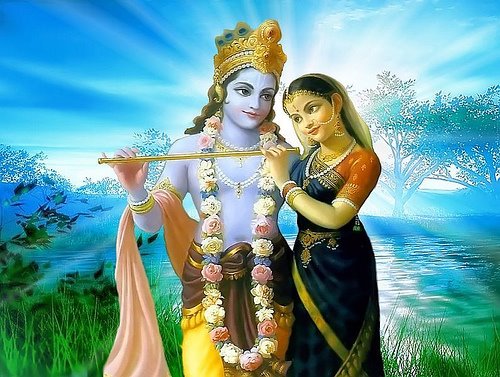
Radha Ashtami is a well-known Hindu festival to commemorate the birth anniversary of Goddess Radha, Shri Radha Rani, the consort of Lord Krishna. It falls on Ashtami Tithi, the eighth day. Of the Waxing Phase of the Moon, during Shukla Paksha of Bhadrapada month.

Radha Ashtami is a well-known Hindu festival to commemorate the birth anniversary of Goddess Radha, Shri Radha Rani, the consort of Lord Krishna. It falls on Ashtami Tithi, the eighth day. Of the Waxing Phase of the Moon, during Shukla Paksha of Bhadrapada month.

Radha Ashtami is a well-known Hindu festival to commemorate the birth anniversary of Goddess Radha, Shri Radha Rani, the consort of Lord Krishna. It falls on Ashtami Tithi, the eighth day. Of the Waxing Phase of the Moon, during Shukla Paksha of Bhadrapada month.

According to the Hindu beliefs, Goddess Radha is the incarnation or avatar of Goddess Lakshmi, the consort of Lord Vishnu, the Lord God Protector of the Hindu Trinity.

Radha Ashtami is a well-known Hindu festival to commemorate the birth anniversary of Goddess Radha, Shri Radha Rani, the consort of Lord Krishna. It falls on Ashtami Tithi, the eighth day. Of the Waxing Phase of the Moon, during Shukla Paksha of Bhadrapada month.

The occasion of Radha Ashtami falls 15 days after the festival of  Janmashtami, or Krishna Ashtami, the birth anniversary of Lord Krishna. It usually takes place in the month of August or September according to the Gregorian calendar.


Radha Ashtami is a well-known Hindu festival to commemorate the birth anniversary of Goddess Radha, Shri Radha Rani, the consort of Lord Krishna. It falls on Ashtami Tithi, the eighth day. Of the Waxing Phase of the Moon, during Shukla Paksha of Bhadrapada month.

Devotees keep fast on Radha Ashtami day. Goddess Radha is worshipped during Madhyahna Kala which is noon time according to Hindu division of the day.

Radha Ashtami is a well-known Hindu festival to commemorate the birth anniversary of Goddess Radha, Shri Radha Rani, the consort of Lord Krishna. It falls on Ashtami Tithi, the eighth day. Of the Waxing Phase of the Moon, during Shukla Paksha of Bhadrapada month.

Radha Ashtami is also known as Radhashtami and Radha Jayanti. In the Indian tradition, the Lord God Creator is the Controller of Power/Force/Energy that operates all interactions of the natural world, and the universe. The Lord God Creator separates Himself from the Power/Force/Energy that He Controls, Regulates, Sustains, and Operates. In the Indian tradition, the Power/Force/Energy or Shakti is personified as the consort of Lord God Creator. As the manifestations of Power/Force/Energy are varied, each attribute acquires a personality of its own and the man easily recognizes the nature of the blessings he receives from his benefactor. In the Indian tradition, Goddess Radha is the personification of Love that symbolizes the Spiritual Unity between the Original Source of Love and the physical manifestation of the Force called Love.

Radha Ashtami is a well-known Hindu festival to commemorate the birth anniversary of Goddess Radha, Shri Radha Rani, the consort of Lord Krishna. It falls on Ashtami Tithi, the eighth day. Of the Waxing Phase of the Moon, during Shukla Paksha of Bhadrapada month.

Living the Long Journey of Life with a heavy burden to serve the God of Compassion

Learn human anatomy to live the long journey of life with a heavy burden

So what is the Identity of this Human person or Human subject who experiences his life using the Sensory Experience such as taste? How does the living Human organism maintain its Identity and Individuality? Apart from the Cultural Traditions of India, several Schools of Religious Thought claim that the Human Individuality and true or real Identity is represented by Human Soul. Where does this soul exist in the human body? What is the location if the soul is present in the living person? Does man have a soul? How does the human organism acquires Knowledge about its own structures and the functions they perform? To know the burdens of Life, I ask my readers to know the reality of man and the nature of his existence.

A Force of Compassion to lift the heavy burden of life’s long journey

Alpha Orionis, Betelgeuse, a massive Red Supergiant Star is evaporating.
Krupa (Krupa) – A force to preserve the human existence. Alpha Orionis, Betelgeuse, a massive Red Supergiant Star is evaporating.

Alpha Orionis, or Betelgeuse is the largest and brightest Star visible to the naked eye near the Constellation of Orion. This mammoth star is slowly evaporating. This massive star is shedding weight and is near end of its life. This red Supergiant star is about 430 light years distant. If this star is now placed at the center of our Solar system, its plume would extend past the orbit of planet Jupiter. Sun towards the end of its life would also evaporate and its expanding plume would totally wipeout all living entities on planet Earth. When we speak about human existence, we need to understand man as a biological species. Like all other living creatures of this planet Earth, man is a mortal being. Whosoever had arrived on this planet, must also depart. Extinction is not merely a past geological event. The reign of Dinosaurs upon Earth ended 65 million years ago and it is marked as Cretaceous-Tertiary Extinction Event or K-T Event.

The Phenomenon of Extinction:   

Krupa (Krupa) – a force to preserve the human existence. The dimming of Betelgeuse, Orion Constellation.

Apart from Cosmic Radiation, and Massive Collision events involving asteroids, comets, or other heavenly bodies, there are biological factors involved in the phenomenon of Extinction. Man’s existence depends upon an orderly functioning of the universe. The existence of the Individual (microcosm) is linked to the existence of Cosmos (macrocosm).   

Is Man Born Free?   

Krupa (Kripa) – a force to preserve the human existence.

In the Sanskrit literature, the word ‘Daivam’ describes ‘Fate’. It conveys the sense of belief in God as the ‘Prime Cause’. If God is in control, man is not free to act as he pleases even in his own defense. We may not be able to conduct experiments and scientifically establish the fact that God is in control. What we clearly understand is that the man cannot govern or rule the cells that constitute his body and define his physical existence.

Krupa (Kripa) – a force for preservation of the human existence. Man cannot directly rule or govern or regulate the cellular functions of his own body.

Man is not an independent living entity. Man’s dependence upon external sources of energy, and the biological phenomenon of ‘cellular autonomy’ would not permit man to act as he pleases. Man is not in control of his existence. Man’s capacity to defend his own existence is limited and he continuously faces challenges to his existence from several different directions. If man is truly free, the Universe, the World, and the Society can place no constraints on him. Man is tied down, he is born in shackles without Freedom.   

Yes Indeed, Life is Complicated. The complexity of Life involves the conditioned or the dependent nature of the human existence. The man has no existence if he is not connected to an external source of energy. The external source of energy which supports the existence of Life is often described as the Divine Providence, the original source of Love, Mercy, Grace, and Compassion.

Radha Ashtami is a well-known Hindu festival to commemorate the birth anniversary of Goddess Radha, Shri Radha Rani, the consort of Lord Krishna. It falls on Ashtami Tithi, the eighth day. Of the Waxing Phase of the Moon, during Shukla Paksha of Bhadrapada month.

Whole Wisdom – Wisdom to Guide Humanity

Wisdom to Love, Believe and Live Today

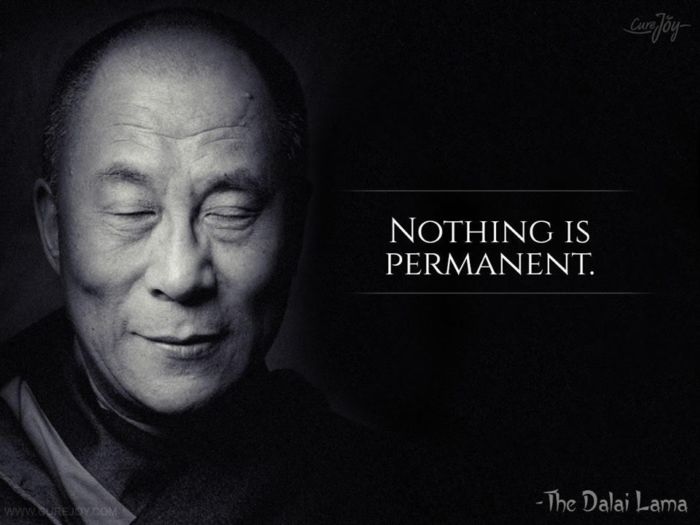
“There are only two days in the year that nothing can be done. One is called Yesterday and the other is called Tomorrow. Today is the right day to Love, Believe, Do and mostly Live.”

It was Yesterday or the day before, Red China attacked and occupied Tibet. I am not sure about my Tomorrow. I live Today. I have the chance to Believe. I have the chance to Hope. Today gives me the chance to express my Love. For I live Today, I Believe, I Hope, and I share my Love. I am seeking the Compassion of Lord Avalokitesvara to uplift Tibetans from pain and misery caused by military occupation of Tibet. While patience and perseverance provide the ability called endurance, it will not be enough to change the nature of Red China’s tyranny. I am seeking the Uplifting Power of Compassion to act as a Physical Force to move Red China’s military personnel out of Tibet without giving them any reason to experience pain or suffering.

Rudra Narasimham Rebbapragada
Ann Arbor, MI 48104-4162 USA
Special Frontier Force-Establishment 22-Vikas Regiment

DALAI LAMA’S WISDOM INSPIRES 2016

Ed Nakfoor, Business columnist 10:39 a.m. EST December 30, 2015

IMG_edwardnakfoor002.jpg_11_1_NF88S5BU.jpg_20141228.jpg
Ed Nakfoor

This is not one of those year-in-review columns. No rehashing of 2015 musings. No nostalgic look at what was or what could have been. No fixation on missed opportunities and lessons learned. While history is a wonderful teacher, better to not dwell there.

Conversely, this is not a column about predictions for 2016. I do not own a crystal ball, divining rod, dream catcher or any such tool to chart a course for success at work, with school or in life.

After all, even the wisest among us, with a track record of solid forecasts, can see them crumble when winds of unpredictability are whipped into a frenzy.
Rather, my message is focused less on the year ahead and more on the next few minutes, few hours … a day at most.

Originally …
My original idea was the annual “Merry Christmas” versus “Happy Holidays” dust up. I even wrote about 100 words before I shifted gears:
This was no frog in her throat. But something was there, preventing the words from forming. Finally, she coaxed them from her lips: “Have a happy holiday.”

She was not speaking to me. Rather, she was extending tidings of the season to the person with whom I was meeting. If my eyes did not roll then my sigh was weighted with disappointment; it was a few weeks ago so the details are a bit fuzzy. Regardless, merely the thought of it annoys me. After all, if the wisher of holiday cheer knew the other woman why not simply say “Merry Christmas?”

And with that I have officially entered the culture wars.

The issue is tiring. And so very silly, really. When the debate about the red Starbucks cup was in full throttle last month we discussed its news coverage in class. “Unbelievable,” I said, “the world is quite literally on fire and we’re debating the Christmas-worthiness of a cup.”

Although I do find it curious we do not have this conversation when the spring holidays arrive, clustered as they typically are; however in 2016 Easter, Passover, Greek Easter … the arrival of spring … are spaced far enough apart we do not have to contemplate an all-inclusive greeting for fear of committing what is fast becoming a crime against humanity: unwitting foot-in-mouth offense.

Presently …
Set to resume writing on Christmas Eve morning, though, I customarily scanned the news as the coffee brewed. Following a week of “best of” and “top stories” of 2015 I anticipated those headlines would have made their way to less prominent positions in the papers. Alas, not the case.

And so was born my message. Actually, it is borrowed from the Dalai Lama but the words came to mind as I dismissed the paper with a flourish.

“There are only two days in the year that nothing can be done. One is called Yesterday and the other is called Tomorrow. Today is the right day to Love, Believe, Do and mostly Live.”
I first read that on a framed canvas hanging in a friend’s kitchen. And I think of it often when frustration sets in, or my confidence takes a tumble, when the grip of writer’s block squeezes ever stronger, or as I gaze at the calendar wondering what is to come.

As I spend my few weeks off from school updating one syllabus and developing a new one for the upcoming winter term I think of that quote. As I sift through notes from last semester and scraps of paper on which I jotted ideas to create the best possible class I recall those words. Even as I write this wondering how readers will receive it and what my next topic will be I cannot help but remember this truism.

Indeed, recall rather than ruminate on the past, and prepare for but do not become preoccupied with the future.
Instead, think of 2016 as simply a collection of days. Each taken one at a time.

Ed Nakfoor is visiting assistant professor of journalism at Oakland University.

Contact him at edwardnakfoor@gmail.com.

Read or Share this story: http://www.hometownlife.com/story/news/local/birmingham/2015/12/30/dalai-lamas-wisdom-inspires/78070924/

“There are only two days in the year that nothing can be done. One is called Yesterday and the other is called Tomorrow. Today is the right day to Love, Believe, Do and mostly Live.”
 

Whole Health – The pursuit of Happiness through Spiritual Relationships

Mental Health and the Pursuit of Happiness through Spiritual Relationships

Mental stability and happiness are highly linked. It’s almost impossible to have one without the other, and it can be difficult to achieve both when you’re facing some form of adversity in life.

Mental Health and the Pursuit of Happiness through Spiritual Relationships

Emotional and mental health is important because it’s a vital part of your life and impacts your thoughts, behaviors and emotions.


Mental Health and the Pursuit of Happiness through Spiritual Relationships

Being healthy emotionally can promote productivity and effectiveness in activities like work, school or caregiving.

Mental Health and the Pursuit of Happiness through Spiritual Relationships

Spirituality Science – Clinical Medicine can verify the mental experience called Anand, Pure Joy, and Pure Bliss

Spirituality Science – Clinical Medicine Can Verify the Mental Experience called Anand, Pure Joy and Pure Bliss. Mental Health and the Pursuit of Happiness

As student of Medical Science involved in investigating man, I use the medical principles of Dynamic Equilibrium shared by Dr. Claude Bernard, Father of Physiology, and Dr. Walter B. Cannon who coined the phrase ‘Homeostasis’ to verify man’s Living Condition at any given time.

Spirituality Science – Clinical Medicine can verify the mental experience called Anand, Pure Joy, and Pure Bliss
SPIRITUALITY SCIENCE – WHOLE DYNAMICS – WHOLE EQUILIBRIUM: IN MAN, HEALTH IS RELATIVE EQUILIBRIUM OF BODY FORM AND FUNCTION WHICH RESULTS FROM ITS SUCCESSFUL DYNAMIC ADJUSTMENT TO FORCES TENDING TO DISTURB IT.

The Indian Tradition developed philosophical concept of “ANAND” often described as Pure Joy, or Pure Bliss. I can verify the same using the medical concept of Equilibrium. Students of Physics easily understand the Concept of Equilibrium and Balance.

Spirituality Science – Clinical Medicine can verify the mental experience called Anand, Pure Joy, and Pure Bliss

For example, if clinical examination of man reveals rapid pulse rate, respiration rate, high blood pressure, excessive perspiration, tremors and other signs and symptoms of physical, or mental imbalance, I will be able to easily rule out the Condition or State called “Anand.” In Clinical Medicine, Final Diagnosis is always arrived after conclusively eliminating other possible conditions.

Spirituality Science – Clinical Medicine Can Verify the Mental Experience called Anand, Pure Joy, and Pure Bliss.

Rudra Narasimham Rebbapragada
Ann Arbor, MI 48104-4162 USA
BHAVANAJAGAT


FROM: DEVINDER SINGH GULATI

Spirituality Science – Clinical Medicine Can Verify the Mental Experience called Truth, Consciousness, and Bliss.

ANAND (Sanskrit. Anand, from nand meaning “to rejoice” or “to delight”) denotes mystical experience, spiritual bliss or a state of consciousness such as that of a Jivan Mukta, i.e. one released while still in body. Anand in the Upanishadic texts is taken to be one of the three inherent attributes of Atman or Brahman, the other two being Sat and Chit. In the Taittiriya Upanishad (II. 15), it acquired this meaning of Pure Bliss.

http://www.sikhiwiki.org/index.php/Anand

The Self at the lowest or first stage of its evolution is defined as the Annamaya Kosa (the matter) which evolves successively into Pranamaya Kosa (life), Jnanamaya Kosa, man (mind or perceptual consciousness), Vijnanamaya Kosa (Self consciousness, The Knowing Self) and Anandamaya Kosa, Nondual Bliss. In SIKH theology too, Anand is one of the attributes of the Supreme Self; so it can be the state of the Individual Soul as well. GURU Amar Das`s composition Anandu, in the measure Ramkali, gives an exposition of the experience of Anand, of the Union with the Immaculate Hari attained through absorption in “Nam”, i.e. repetition of Divine Name.

That, indeed, which is Jīva (individual soul) is the all-blissful
Divine in disguise, descended to enjoy the self-luminous World
Brahman. This which is the experience of suffering is an experience made of bliss. The All-Blissful enjoys its bliss only.
Who indeed could dare enjoy that which is devoid of bliss? He
only could dare it who is all-blissful. As for him who is devoid of
bliss, he while enjoying the blissless, would still not enjoy it, would
rather perish without bliss. Who can become weak? He only can
who is all-powerful. The weak one indeed invaded by weakness
would not endure, but would perish without force. Who could enter Ignorance? Only He who is omniscient could enter it. As for
the ignorant, he could not endure in that darkness, non-being
would remain non-being only. It would perish without knowledge.
Ignorance is the play of knowledge, concealing itself in itself.
Weakness is the play of power, blisslessness the play of bliss, the
concealment of itself in itself.
Blissfully laughs the Jīva, blissfully cries, sheds tears, blissfully
throbs as if shining in dark Ānanda, agitated by tortures, blissfully
throbs agitated by violent pleasures. For the full enjoyment of the
dark ignorant portion of that Ānanda he (Jīva) conceals It, becoming obscure and ignorant.

Sri Aurobindo echos the Gurbani:

There is Brahman alone, the One without a second. Being and non-being are its forms and It is also beyond Being and Non-Being. There is nothing else except That. All that is contained in the three times and all that is beyond the three times is indeed that One Brahman alone. Whatever is in the universe, small or large, noble or mean, is Brahman alone, Brahman alone. The world is also Brahman. It is true, not false.

That alone is the Transcendent Being, beyond all the three times, beyond all the worlds, penetrating all the worlds, beyond Being, beyond Non-Being, All-Being, All-Consciousness, All-Bliss, without beginning and end, the eternal Divine.

He is without quality and supports all qualities. He has qualities, infinite qualities, and enjoys the state of being without quality. He Himself transcends the state of being without qualities and the state of being with qualities. He is neither without quality nor with quality because He is One and Single.

Spirituality Science – Clinical Medicine can verify the mental experience called Anand, Pure Joy, and Pure Bliss

http://www.auro-ebooks.com/sriaurobindopanishad/
Gulati

Mind and Face Relationship:

Spirituality Science – Clinical Medicine can verify the mental experience called Anand, Pure Joy, and Pure Bliss
MIND – FACE CONNECTION. FACIAL APPEARANCE OR COUNTENANCE PROVIDES CLUES TO IDENTIFY MENTAL STATE OR CONDITION.

From very ancient times, medical practitioners all over the world, recognized the connection between Mind and Face. The conditions that affect human body and mind can be diagnosed by careful examination of clues offered by Facial Appearance or Countenance.

For example, Indian tradition describes or uses the term “ANTAHKARANA” that includes four, different attributes of Mind. These are, 1. Manas or Manah associated with Thinking, Thoughts, or Power of Imagination, 2. Buddhi associated with Knowledge and Intellect, 3. Chitta associated with Mood such as Kindness, Love, Compassion, Anger, Fear, etc., and 4. Ahamkara associated with Self-Pride or attributes like Arrogance. Each of these Mental Conditions, States or Mental Faculties are often associated with expression of their contents on Face.

While practicing Clinical Medicine in Armed Forces, I gained practical experience of The Art of Diagnosing Positive, Good Health. Armed Forces demand that men and women should be physically and mentally fit at all times. In military practice, the doctor spends more time in conducting medical examination of people to assess their physical and medical fitness as compared to the time spend on examining people to diagnose Ill health, Sickness, or Disease. Observation of Facial Appearance provides important clues about Man’s mental and physical health. On several occasions, I have diagnosed or suspected serious medical conditions when patient simply arrives in the Clinic or Hospital for medical evaluation. People can be very good actors but it is not easy to express things on Face as the facial expression is not always directed by conscious mental activity like thinking or thoughts. For example, a good actor can project sense of Fear and generate facial expression of Fear but in reality it is not the same as Fear expressed on the face of a victim of Heart Attack or Myocardial Infarction.

Spirituality Science – Clinical Medicine can verify the mental experience called Anand, Pure Joy, and Pure Bliss

I agree that it will not be easy to diagnose Mental State, Physical State or Condition by simply examining one photo image. During Medical Examination, I keep the patient distracted and would not let him or her know that I am simultaneously evaluating Facial Expression while performing tests to recognize symptoms and signs caused by various health conditions. I want to assure you that your ‘inner experience’ of truth or reality can be verified by using The Art of Facial Diagnosis.

The Indian tradition describes the mental condition called ‘ANAND’ or Joy, or Bliss as the sign and symptom of Self-Realization. Self-Realized Soul can be medically diagnosed by careful examination of Facial Countenance.

Spirituality Science – Clinical Medicine can verify the mental experience called Anand, Pure Joy, and Pure Bliss

Rudra Narasimham Rebbapragada

Ann Arbor, MI 48104-4162 USA
BHAVANAJAGAT

Mental Health and the Pursuit of Happiness through Spiritual Relationships

Whole Bliss – The celebration of Akshaya Tritiya

The Discovery of Whole Joy, Whole Bliss, and Whole Satisfaction

The Discovery of Bliss on Akshaya Tritiya

The festival of Akshaya Tritiya is celebrated by Hindus and Jains around the world. Also known as Akti or Akha Teej, this day is believed to be one of the most auspicious occasions. This year, it falls on Wednesday, April 30.

The Discovery of Bliss on Akshaya Tritiya.

According to the Hindu calendar, Akshaya Tritiya falls on the third tithi called Tadiya (lunar day) of Shukla Paksha of the Vaisakha month. Going by the Gregorian calendar, it falls somewhere around April and May.

The Discovery of Bliss on Akshaya Tritiya. Wednesday, April 30, 2025 is the third day of the Waxing Crescent phase of the Moon in the Second Month of Vaisaka of Hindu Calendar.

One of the most important rituals includes worshipping Lord Vishnu on this day. For Hindus, the Sanskrit meaning of Akshaya Tritiya, the two words, holds a lot of importance. “Akshaya” means “never diminishing” and the term “Tritiya” signifies the third day of the illuminated half of Vaisakha month.

History and significance

The Discovery of Bliss on Akshaya Tritiya

People celebrate Akshaya Tritiya to bring good luck to their lives. As per common belief, buying gold and properties on this day brings prosperity and wealth in the future.

The Discovery of Bliss on Akshaya Tritiya.

Going by mythology, it is believed that a number of events took place on Akshaya Tritiya, making it an auspicious day.

The Discovery of Bliss on Akshaya Tritiya

As per one legend, on Akshaya Tritiya, Treta Yuga, the second of the four yugas, started and the sixth incarnation of Lord Vishnu, Parshuram, was born.

The Discovery of Bliss on Akshaya Tritiya.

Also, it is considered that Maharishi Ved Vyasa, the author of Mahabharata, started narrating the epic to Lord Ganesh on this day.

The Discovery of Bliss on Akshaya Tritiya.

It was on this occasion that Lord Krishna met his childhood friend Sudama.

The Discovery of Bliss on Akshaya Tritiya.

As per Hindu tradition, the river Ganga descended on Earth from heaven on Akshaya Tritiya.

The Discovery of Bliss on Akshaya Tritiya.

THE STORY OF AKSHAYA PATRA:

Akshaya Patra. Discover Bliss From an Empty Pot.

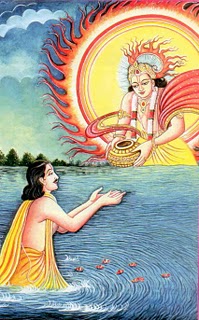
DHARMA RAJA, THE ELDEST OF PANDAVA PRINCES RECEIVING “AKSHAYA PATRA” FROM ‘SURYA BHAGAWAN’

The word ‘Akshaya Patra’ in Sanskrit language means an inexhaustible vessel. This pot could supply delicious meals in an endless manner. This story is found in the Indian Epic poem of Mahabharata. Akshaya Patra was a divine gift given to Dharmaraj by the Sun god, Surya. The pot was given to help the princely family of Pandavas to tide over their difficulties while they spent twelve years in the forest. They had to spend time in exile after losing their kingdom in a game of dice. Akshaya Patra would provide meals so that the Pandava family could keep up with the Indian traditions of hospitality.Also keeping in line with the tradition, each day Akshaya Patra would serve the final and last meal to the hostess. The hostess, Draupadi was very mindful of her traditional role and each day she would feed all the guests, all the dependents, all the family members and would then take the last meal.

THE DISCOVERY OF BLISS FROM AN EMPTY POT:

Akshaya Patra. Discover the Bliss From an Empty Pot.

As per the story from Mahabharata, one evening, Princess Draupadi finds herself in a troubled situation. A Hindu sage by the name of Durvasa with a large entourage of his disciples arrives at the forest abode of Pandava princes after hostess Draupadi took the last meal from Akshaya Patra. Since the pot cannot serve any more food, she prays to Lord Krishna seeking help to feed her guests. Lord Krishna appears before her and asks her to feed Him from Akshaya Patra. Draupadi regretfully answers that the pot is empty. He directs her to take a closer look. Princess Draupadi carefully reexamines the pot and discovers a single grain of rice that remained stuck in the pot. As instructed, she feeds the last grain from the pot to Lord Krishna and now the pot gets truly empty. However, Lord Krishna derived His satiation, complete satisfaction when the last grain from the pot got removed. Along with Lord Krishna’s experience of full satisfaction from eating a morsel of food, the entire party of guests experience full satiation and inform Princess Draupadi that she need not serve them any meal. Thus Princess Draupadi escapes from the duty of the hospitality tradition of actually feeding them that evening.

Discovery of Bliss on Akshaya Tritiya.

I am speaking of this story about Akshaya Patra to understand the concept about emptying the mind to discover pure consciousness. In Indian literature and idiom, the mind is often compared to a vessel or a pot. When all thoughts (or desires) are taken out of the mind, what would remain in the mind is like that single grain of rice that Draupadi discovered in the otherwise empty Akshaya Patra. In my analysis, this last grain of food represents the desire or attachment to life. When the desire or attachment to life is surrendered, the man attains the state of pure consciousness which discovers its unity with the Divine consciousness to provide the experience of Pure Bliss and Joy. Lord Krishna could have easily provided a hearty meal to the entire party of guests. He did not choose to provide happiness through gratification of the physical needs of the body. The pot, if seen as the representation of the mind, the mind gets truly emptied when the last grain or desire, or craving, or attachment is removed from it. Lord Krishna demonstrates that there is no need to fill-up the pot to feed our desires. He delivered Joy, Bliss, and the experience of perfect satisfaction after emptying the pot. Just like the empty Akshaya Patra that provided Bliss, when the last grain of desire or attachment is removed from the mind and given in offering to the Lord, the Lord would provide all that you may need without the physical gratification of the senses. Man at any given age, under all given circumstances, in good health, or ill-health exists in this physical world because of ‘God-Connection’, the Connection between man, the energy seeker, and God, the energy provider. When the God-Connection is recognized, the man experiences a sense of satisfaction, mental satiation, and he would have no desires to be gratified.

Bharat Darshan Discovers Bliss on Akshaya Tritiya.

Whole Dude – Whole Contentment

Whole Dude – Whole Contentment: Akshaya Paatra – Discover Bliss from an empty pot.

Excerpt: When the God-Connection is recognized, man experiences a sense of satisfaction, mental satiation, and contentment and he would have no further desires to be gratified.

Dharmaraja, the eldest of Pandava Princes receiving “Akshaya Paatra” from Surya Bhagavan

Whole Dude – Whole Contentment: Akshaya Patra. Discover Bliss From an Empty Pot.

The Story of Akshaya Paatra:

Whole Dude – Whole Contentment: Akshaya Paatra – Discover Bliss from an empty pot. There are several interesting legends associated with Akshaya Tritiya.

The word ‘Akshaya Paatra’ in the Sanskrit language means an inexhaustible vessel. This pot could supply delicious meals in an endless manner. This story is found in the Indian Epic poem of Mahabharata. Akshaya Paatra was a divine gift given to Dharmaraj by the Sun god, Surya. The pot was given to help the princely family of Pandavas to tide over their difficulties while they spent twelve years in the forest. They had to spend time in exile after losing their kingdom in a game of dice. Akshaya Paatra would provide meals so that the Pandava family could keep up with the Indian traditions of hospitality.Also keeping in line with the tradition, each day Akshaya Paatra would serve the final and last meal to the hostess. The hostess, Draupadi was very mindful of her traditional role and each day she would feed all the guests, all the dependents, all the family members and would then take the last meal.

The Discovery of Bliss from an Empty Pot:

Whole Dude – Whole Contentment: Akshaya Paatra – Discover Bliss from an empty pot.

As per the story from Mahabharata, one evening, Draupadi found herself in a troubled situation. A Hindu sage by the name of Durvasa with a large entourage of his disciples arrived at the forest abode of Pandavas after Draupadi had taken the last meal from Akshaya Paatra. She prayed to Lord Krishna seeking help to feed her guests. Lord Krishna appeared before her and asked her to feed Him from Akshaya Paatra. Draupadi regretfully answered that the pot was empty. He directed her to take a closer look. Draupadi carefully reexamined the pot and discovered a single grain of rice that was stuck in the pot. As instructed, she fed the last grain from the pot to Lord Krishna and now the pot became truly empty. Lord Krishna derived His satisfaction when the last grain from the pot was removed and simultaneously, the entire party of guests experienced full satiation and Draupadi escaped from the burden of actually feeding them that evening.

I am speaking of this story about Akshaya Paatra to understand the concept about emptying the mind to discover pure consciousness. In Indian literature and idiom, the mind is often compared to a vessel or a pot. When all thoughts ( or desires) are taken out of the mind, what would remain in the mind is like that single grain of rice that Draupadi had discovered in the otherwise empty Akshaya Paatra. This last grain would represent the pure consciousness which discovers its unity with the Divine consciousness to provide pure Bliss and Joy. Lord Krishna could have easily provided a hearty meal to the entire party of guests. He did not choose to provide happiness through gratification of the physical needs of the body. Akshaya Paatra if seen as the representation of the mind, the mind was truly emptied when the last grain was removed from it and Lord Krishna demonstrated that there is no need to fill-up the pot to feed our desires. He delivered Joy, Bliss, and a total sense of perfect satisfaction while the pot remained empty. Just like the empty Akshaya Paatra that provided Bliss, when the last grain of desire is removed from the mind and given in offering to the Lord, the Lord would provide all that you may need without physical gratification of the senses.

Man at any given age, under all given circumstances, in good health, or ill-health exists in this physical world because of ‘God-Connection’, the Connection between man, the energy seeker, and God, the energy provider. When the God-Connection is recognized, man experiences a sense of satisfaction, mental satiation, and contentment and he would have no further desires to be gratified.

Whole Dude – Whole Contentment: Akshaya Patra. Discover the Bliss From an Empty Pot.

Happy Ugadi, the Telugu New Year of Hope and Promise

Welcome to Ugadi, the Telugu New Year Subhakrutu on Saturday, April 02, 2022.
IN SEVERAL INDIAN TRADITIONS, THE NEW YEAR BEGINS DURING THE SPRING SEASON.

Spring is the season of the year between Winter and Summer. In the Northern Hemisphere it extends from the Vernal Equinox (day and night equal in length), March 20 or 21, to the Summer Solstice (year’s longest day), June 21 or 22. The Seasons come with cyclical frequency at the expected time while planet Earth and the rest of the Solar system partake the motion of Sun in the Milky Way Galaxy and their location in Space is never constant and is never the same.

Bharat Darshan – Welcome to Ugadi, the Telugu New Year Subhakrutu on Saturday, April 02, 2022. The first month of the Telugu Calendar, Chaitra begins on the first day of the Waxing Phase following the New Moon Day on Friday, April 01, 2022.

THE SPRING SEASON – A REASON FOR HOPE:

The Celebration of Spring Season. Spring Season brings a sense of Joy, uplifts the mood of man. The Joy could be compared to the sweetness of nectar gathered by butterflies from various Spring Season flowers.
The Celebration of Spring Season. Koel, the Nightingale of India is known because of its melodious call.

The arrival of Spring Season is celebrated with a sense of Joy in numerous cultures and human traditions. The reason for Joy is because of the Season giving a sense of Hope. The reason for Hope is that of rebirth, renewal, regeneration, regrowth, and rejuvenation. In Spring, we witness the plant and animal life getting revitalized. Things in Nature change with Time but Nature remains unchanged. Nature remains constant, immutable, unchanged, or eternal. Nature does not change as mass, energy, and momentum always remain unchanged. The Laws of Conservation stated by classical Physics state that mass and energy can be neither created nor destroyed. Each Law of Conservation signifies that Nature does not change with the passage of Time. We have hope as Nature exists without change. There is hope that we can recover and renew and restart if a process is broken or worn out. Nature’s ability to support and sustain Life is maintained by operation of The Laws of Conservation and by operation of the Fundamental Force called Gravitation.

THE LORD OF SPRING SEASON – LORD MADHAVA WITH GODDESS MADHAVI: In the Divine Song called Bhagavad Gita, Chapter X, ‘The Infinite Glories of the Ultimate Truth’-‘VIBHUTI VISTARA YOGA’ that describes the LORD God Creator’s Infinite Divine Attributes, in verse # 35, Lord Krishna describes Himself as The Lord of Spring Season – The Flowery Season: “Rtunam Kusumakarah.”

The other name for Spring Season, known as Vasant or Basant is MADHAVAM. Indian tradition describes ideas by attaching them to personalities. The person known as LORD MADHAVA is the consort of a person known as Goddess MADHAVI. She derives her name from the word MADHU which describes the nectar gathered by butterflies. Madhu is used to name the taste experience called Sweetness, the sweet substances like honey, sugar, Jaggery and any alcohol derived by fermentation of sugars. The Sweetness gives Joy and Happiness and a man can get easily addicted to its powerful intoxicating effect. The sweetness has to be experienced with a sense of restraint. The man experiences a sweet sensation called MADHURYA when he experiences MADHAVI as a FORCE/POWER/ENERGY called Mercy/Grace/Compassion. Spring Season is celebrated as MADHAVAM as Lord Madhava is the Controller of the FORCE/POWER/ENERGY of Mercy/Grace/Compassion described in the Sanskrit language as KRUPA. The man exists at all stages of his life because of God’s Mercy, Grace, and Compassion.

THE CELEBRATION OF TELUGU NEW YEAR – UGADI: 

The Celebration of Spring Season. Mangifera indica, the Cashew family of Anacardiaceae, the evergreen Mango tree is extensively grown across India. The unripe green fruits are used in the preparation of the traditional holiday dish in celebration of Ugadi festival. The fresh leaves are used in decorating the house. The taste and flavor of unripe Mango is unique, it is not sweet, it is not very sour or tart, and it is not bitter. Telugu people describe this taste as OGARU, the taste sensation imparted by eating unripe Pomegranate fruit.   Tamarindus indica, evergreen tree, a native of Africa, belongs to Pea family Fabaceae, the leaves are pinnately compound or feather-formed leaves, the freshly harvested fruits add rich golden color, a mild sour taste with a tinge of sweetness to the traditional holiday dish.
The Celebration of Spring Season. Tamarindus indica, evergreen tree, a native of Africa, belongs to Pea family Fabaceae, the leaves are pinnately compound or feather-formed leaves, the freshly harvested fruits add rich golden color, a mild sour taste with a tinge of sweetness to the traditional holiday dish.
The Celebration of Spring Season. The Neem tree is evergreen, known as Azadirachta indica, belongs to the Mahogany family Meliaceae and is popular for its medicinal properties. The flowers which impart a mild taste of bitterness add flavor to the traditional holiday dish.
The Celebration of Spring Season.The Covenant of Salt – The intimate connection of Salt with the idea of a Covenant or Binding Relationship between man and God or one person and another.
The Celebration of Spring Season. Sugarcane, Saccharum officinarum, a perennial grass gives the taste of Sweetness to the traditional holiday dish. Small chunks of Sugarcane are used and in addition freshly prepared sugar called Jaggery, Gur, Gud, or Bellam is used. The Covenant of Salt – The intimate connection of Salt with the idea of a Covenant or Binding Relationship between man and God or one person and another.

The Telugu speaking people of India follow the Lunar Calendar and the first month of the year ( March-April) is known as CHAITRA.

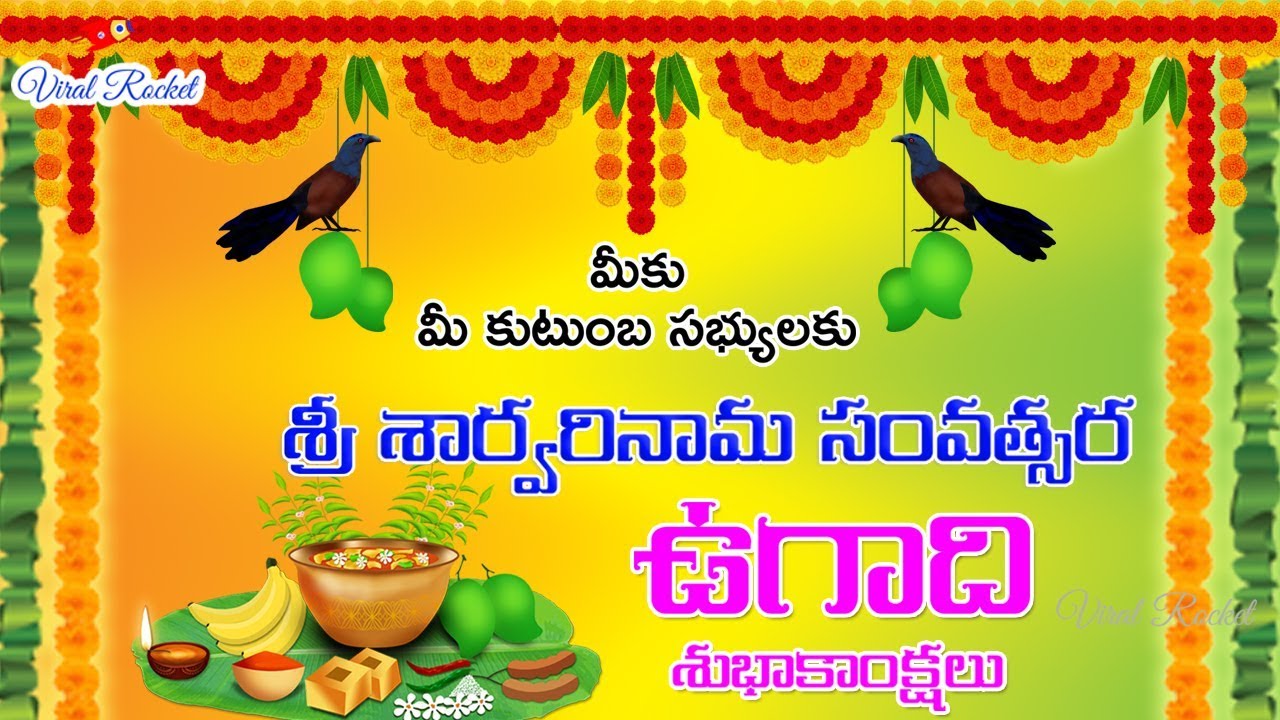
The Telugu New Year is traditionally celebrated as UGADI festival. A traditional holiday dish, a relish called ‘UGADI PACHADI’ is prepared to reflect the tastes and flavors of the Spring Season. Telugu people are celebrating the dawn of their New Year called SUBHAKRUTU which brings the Blessings of Peace and Harmony on Saturday, April 02, 2022. Happy Ugadi to all of you.

Bharat Darshan – Welcome to Ugadi, the Telugu New Year Subhakrutu on Saturday, April 02, 2022.
Bharat Darshan – Welcome to Ugadi, the Telugu New Year Plava on Tuesday, April 13, 2021. Chaitra (corresponds to April 13 to May 11) is the first month of the Telugu New Year 2021-22.
Bharat Darshan – Welcome to Ugadi, the Telugu New Year Sharvari on Wednesday, March 25, 2020.

THE CELEBRATION OF SPRING SEASON –  SATURDAY, APRIL 06, 2019.WELCOME TO THE TELUGU NEW YEAR VIKARI – UGADI CELEBRATION:

The Celebration of Spring Season. Saturday, April 6, 2019. Welcome to Telugu New Year ‘VIKARI’.
The Celebration of Spring Season on Saturday, April 06, 2019.
THE CELEBRATION OF SPRING SEASON ON SATURDAY, APRIL 06, 2019. BEGINNING OF TELUGU NEW YEAR VIKARI.                                                      
THE CELEBRATION OF SPRING SEASON ON WEDNESDAY, MARCH 29, 2017. THE DAWN OF TELUGU NEW YEAR “HEVILAMBA.”
CELEBRATION OF SPRING SEASON : WELCOME TO TELUGU NEW YEAR "MANMADHA." UGADI CELEBRATION ON MARCH 21, 2015. EVERY NATURAL PHENOMENON IS POSSIBLE BECAUSE OF AN UNCHANGING REALITY . THINGS IN NATURE CHANGE WITH TIME FOR THERE IS AN UNCHANGING TRUTH THAT OPERATES ALL MANIFESTATIONS .
THE CELEBRATION OF SPRING SEASON: WELCOME TO TELUGU NEW YEAR “MANMADHA.” UGADI CELEBRATION ON MARCH 21, 2015. EVERY NATURAL PHENOMENON IS POSSIBLE BECAUSE OF AN UNCHANGING REALITY. THINGS IN NATURE CHANGE WITH TIME FOR THERE IS AN UNCHANGING TRUTH THAT OPERATES ALL MANIFESTATIONS.

THE CELEBRATION OF SPRING SEASON: WELCOME TO TELUGU NEW YEAR “JAYA” – UGADI CELEBRATION ON MONDAY, MARCH 31, 2014:

THE CELEBRATION OF SPRING SEASON: THE BEGINNING OF THE NEW YEAR OR "UGADI" COMES WITH A NATURAL CHANGE IN THE ENVIRONMENT THAT BRINGS HOPE BY ITS RENEWAL, REGENERATION, REGROWTH, REVIVAL, AND REBIRTH. I SHARE THIS SENSE OF JOY WITH ALL MY READERS.
THE CELEBRATION OF SPRING SEASON: THE BEGINNING OF THE NEW YEAR OR “UGADI” COMES WITH A NATURAL CHANGE IN THE ENVIRONMENT THAT BRINGS HOPE BY ITS RENEWAL, REGENERATION, REGROWTH, REVIVAL, AND REBIRTH. I SHARE THIS SENSE OF JOY WITH ALL MY READERS.

TELUGU NEW YEAR VIJAYA: UGADI- THE DAWN OF NEW YEAR APRIL 11, 2013:

VIJAYA - TELUGU NEW YEAR 2013 - UGADI - GREETINGS: The Celebration of Spring Season.
VIJAYA – TELUGU NEW YEAR 2013 – UGADI – GREETINGS: The Celebration of Spring Season.

Simon Cyrene

Bharat Darshan – Welcome to Ugadi, the Telugu New Year on Saturday, April 02, 2022.
Saturday, April 01, 2022. Indians celebrate the traditional New Year.
Ugadi Greetings. Best Wishes for a Very Happy Telugu New Year.

THE THREE-DIMENSIONS OF FEMALE REINCARNATION OF THE DALAI LAMA

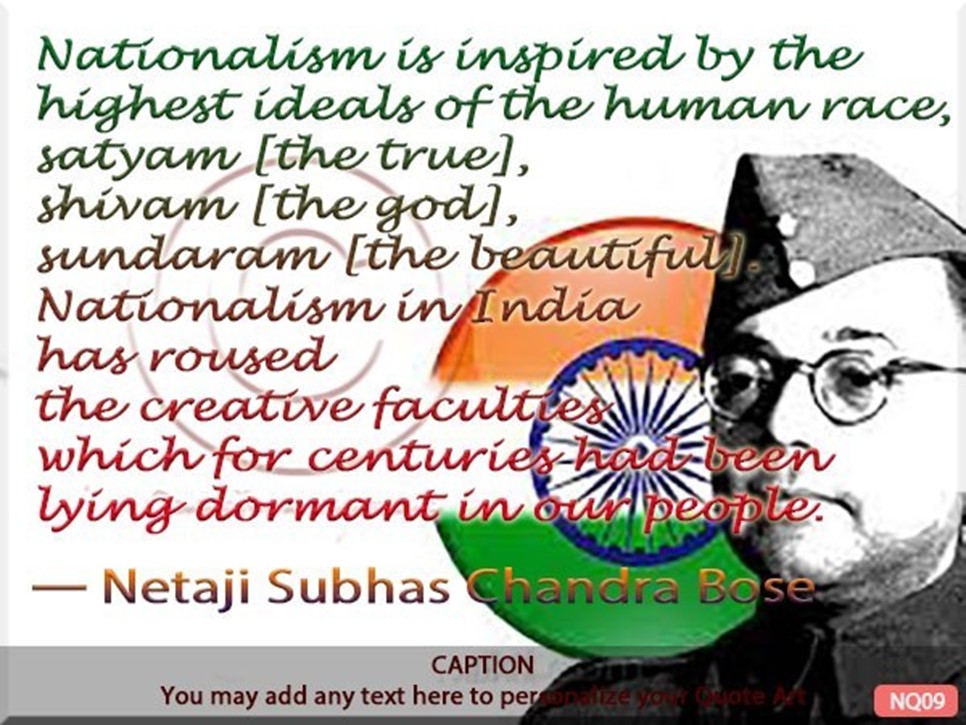
THE THREE-DIMENSIONS OF FEMALE REINCARNATION OF THE DALAI LAMA DESCRIBE THE IDEALS OF TIBETAN NATIONALISM.

Tibetan Nationalism is Defined by the Ideals of Truth, Bliss, and Beauty.

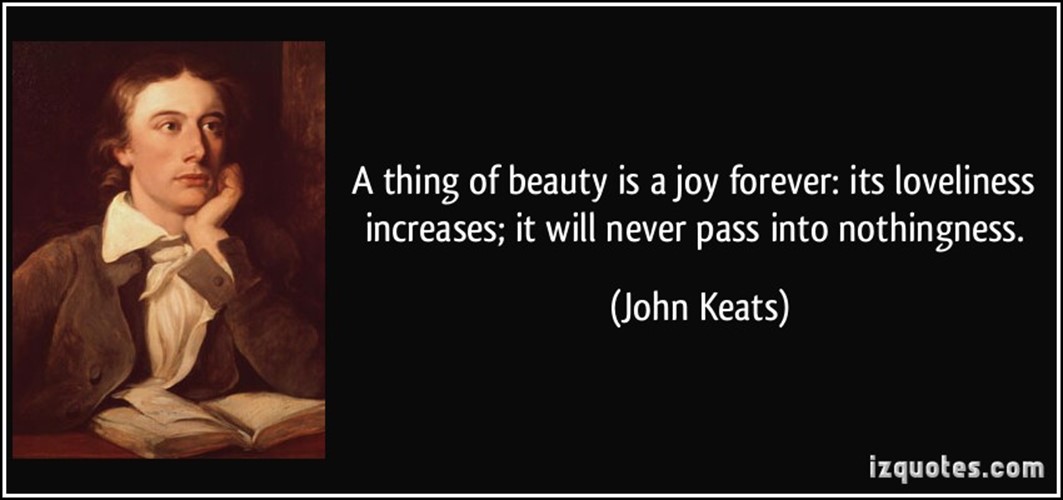
The Female Reincarnation of the Dalai Lama will be a ‘Thing of Beauty’ for it is Beauty accompanied by the Dimensions of Truth and Bliss. Buddha, the Most Compassionate Being has Three Dimensions. These are 1. Satyam (Truth), 2. Shivam (Bliss), and 3. Sundaram (Beauty).

Tibetan Nationalism will always be inspired by the highest ideals of humanity. The Female Reincarnation of the Dalai Lama will bring a Great “Joy Forever.”

Rudranarasimham Rebbapragada

Special Frontier Force

Tibetan Nationalism is Defined by the Ideals of Truth, Bliss, and Beauty.

Dalai Lama ‘deeply sorry’ for remarks about women

Clipped from: https://www.msn.com/en-za/news/world/dalai-lama-deeply-sorry-for-remarks-about-women/ar-AADNkCH

Tibetan Nationalism is Defined by the Ideals of Truth, Bliss, and Beauty.

© Getty

The Dalai Lama has apologized for controversial comments about the possibility of a woman succeeding him.

Speaking to the BBC last month, the Tibetan spiritual leader had said that any future female Dalai Lama should be “attractive”.

But a statement from his office apologized for his words, suggesting it had been a joke.

“He is deeply sorry that people have been hurt by what he said and offers his sincere apologies,” it said.

In the interview, the spiritual leader, who is 84 this week, touched on topics including US President Donald Trump, his dreams of returning to Tibet, and refugees.

However, it was his comments on the prospect of a female Dalai Lama that raised eyebrows.

“If a female Dalai Lama comes, she should be more attractive,” he said in English, while laughing

The statement apologized for any offence caused and put it down to a misunderstood joke.

The Dalai Lama “has a keen sense of the contradictions between the materialistic, globalized world he encounters on his travels and the complex, more esoteric ideas about reincarnation that are at the heart of Tibetan Buddhist tradition”, the statement said.

“However, it sometimes happens that remarks, which might be amusing in one cultural context, lose their humor in translation when brought into another. He regrets any offence that may have been given.”

Throughout his life, the Dalai Lama has opposed the objectification of women and supported gender equality, it added.

The statement also said comments in which he said refugees in the European Union should ultimately return home “may have been misinterpreted.”

“He certainly appreciates that many of those who leave their countries may not wish or be able to return,” it said,

However, there was no apology for his comments on Mr. Trump who, he said, had a “lack of moral principle.”

Watch: ‘Dalai Lama reaffirms belief female successor would have to be attractive’ (The Independent)

Tibetan Nationalism is inspired by the Ideals of Truth, Bliss, and Beauty.
Tibetan Nationalism is Defined by the Ideals of Truth, Bliss, and Beauty.