Whole Dude – Whole Artist – Whole Aesthetics: Beauty is in the eye of the beholder
What is Color and What is Coloration?
Whole Dude – Whole Artist – Whole Aesthetics: Beauty is in the eye of the beholder
The term ‘color’ refers to the spectral qualities of emitted or reflected light. The term ‘coloration’ is a dynamic and complex characteristic that has captured human interest and attention for a long time. The human interest to coloration ranges from purely aesthetic to the rigidly pragmatic.
Biological Coloration:
Whole Dude – Whole Artist – Whole Aesthetics: Beauty is in the eye of the beholder
Biological Coloration refers to the general appearance of an organism as determined by the quality and quantity of light that is reflected or emitted from its surface. This Coloration depends upon several factors:
1. The integrity and deployment of the structural units and features involved in the generation of color,
2. The color and distribution of the organism’s pigments, and the relative location of differently colored areas,
3. The shape, posture, position, and movement of the organism,
4. The quality and quantity of light striking the organism, including the seasonal light and temperature variations,
5. The psychological, behavioral, hormonal, and other physiological conditions associated with the use of color,
6. The visual capacity of the viewer.
The Concept of Whole Artist:
Whole Dude – Whole Artist – Whole Aesthetics: Beauty is in the eye of the beholder
The term artist is used to describe a person who works in, or is skilled in the technique of any of the fine arts, especially in painting, drawing, and sculpture. The term artistry describes the artistic ability which includes the use of imagination, a feeling for form, and a feeling for effect. I am using the term ‘Whole Artist’ to discover the person who may have used imagination to create forms to produce desired effects while the form itself lacks the cognitive abilities to generate its own form. Plants may produce flowers of different colors while they essentially lack cognitive abilities to recognize the visual effect of the color they produce. The study, the theory of beauty, or Aesthetics helps us to know the nature of the Whole Artist.
Whole Dude – Whole Artist – Whole Aesthetics: Beauty is in the eye of the beholder.
Aesthetics is a branch of philosophy dealing with the nature of art and the criteria of artistic judgment. Aesthetics involves the study or theory of beauty and of the psychological responses to it. Aesthetics has developed into a broad field of knowledge and inquiry. The term was coined by Alexander Gottlieb Baumgarten to denote a realm of concrete knowledge in which content is communicated in sensory form. Now the term is applied to the study of all the works of the fine arts, the useful arts (crafts) and natural phenomena (eg., landscapes, the human face and body) that have aesthetic value and generate an experience called aesthetic experience. Plato and Aristotle formulated the conception of art as an imitation of nature. Beauty inheres in the object itself and may be judged objectively. Hume identified beauty with that which pleases the observer. Baumgarten emphasized on the importance of feeling. If art imitates nature, the artist must deliberately alter nature by adding elements of feeling to perceive reality. The artistic process involves the use of illusion to mirror the creative process of the world.
Whole Dude – Whole Artist – Whole Aesthetics: Beauty is in the eye of the beholder.
Aesthetics involves the study of objects that have an inherent aesthetic quality to generate an aesthetic experience in the mind of an observer who has the capacity to interpret sensory information. An artist uses the artistic process to capture the creative process of the world by integrating illusion with reality.
I use the term ‘Whole Aesthetics’ to describe the integration of the human body with the principles of soul and spirit to bring ‘Whole Unity’ and ‘Whole Harmony’ between the conflicting elements of Dependence and Freedom by using an artistic process of combining Reality with Illusion. I use the term ‘Whole Aesthetics’ to describe the ‘Wholeness’ of Human Existence that requires the ‘Whole Harmony’ between Dependence and Freedom, the Whole Harmony between Illusion and Reality, the ‘Whole Unity’ between the human body, spirit and soul.
I find the application of this artistic process in the works of Whole Artist or Whole Designer who makes the man to live on the surface of a fast spinning object called planet Earth where the Power of Time churns every future instant into a past instant without ever giving man the chance to recognize the experience of a present instant. Whole Aesthetics captures the beauty of the reality of human existence derived from the experience of illusion.
Whole Designer – Whole Artist-Whole Aesthetics:
WholeDude – Whole Artist : Chilean Mimulus flowers. Mimulus luteus. Who is the artist that caused this visual effect?
Plants have the ability of Photoreception but do not have organs of sense perception like eyes. They produce flowers as if an artist is at work. The flowers below all have two things in common: They’re beautiful, and they remind the human eye of something else entirely. These are flowers are just stunning works of art by nature.I am pleased to share the photo images of Orchids to explain the concept of Whole Designer and Whole Artist.
Masters of Plant Pareidolia
Whole Dude – Whole Artist – Whole Aesthetics: Beauty is in the eye of the beholder.
Pareidolia is the tendency to see familiar or significant images in places where none is intended. Classic examples are sightings of Jesus or the Virgin Mary in wood grain or the pastime of looking for shapes in clouds. Pareidolia is encouraged in the Rorschach inkblot test. There are plenty of examples in the natural world, and orchids are particularly notable for looking like something else.
Monkey Face Orchid (Dracula simia)
Dracula simia is another species in the Dracula genus. As the name implies, the blooms of this orchid look exactly like a monkey’s face.
The monkey orchid (Orchis simia) is said to be shaped like a monkey’s body. A male monkey, to be sure.
Moth Orchid ( Phalaenopsis )
There are about 60 species of Moth Orchids (Phalaenopsis), which are native to Asia and popular among orchid growers. Many of them, if you look really close, appear to have a small bird emerging from their center. Get a closer look at this pink specimen.
Naked Man Orchid (Orchis italica)
Orchis italica is native to the Mediterranean area, and is sometimes called the Naked Man Orchid. You can see why. The blossoms even have little eyes and smiles!
Hooker’s Lips (Psychotria elata)
Orchids may be the masters of plant pareidolia, but they aren’t the only plants that look like something else. Psychotria elata is a tropical plant that produces the psychedelic chemical DMT. The plant is also called Hooker’s Lips. I can’t imagine why.
Dancing Girls (Impatiens bequaertii)
Laughing Bumble Bee Orchid (Ophrys bomybliflora)
While we can’t say that nature intended for an orchid to look like a male body or a flying duck, the orchid genus Ophrys has a simple reason for looking the way it does. The Bee Orchid (Ophrys apifera) bloom resembles a bee in order to attract bees. When a male bee tries to mate with the flower (because it’s so pretty), he ends up pollinating it. Using an insect to achieve plant sex is common, but using insect sex to achieve plant sex is brilliantly weird. It apparently works well, because Ophrys ranges over several continents.
Swaddled Babies (Anguloa uniflora)
Parrot Flower (Impatiens psittacina)
Snap Dragon Seed Pod (Antirrhinum)
Flying Duck Orchid (Caleana major)
The Australian orchid genus Caleana is still not fully classified, but it is commonly called the Flying Duck Orchid. The shape attracts the sawfly, which pollinates the plant. Each component of the flower is design to use the sawfly, like a bright color for it to see, a place to land, and a petal that traps the fly into taking a pollen-rich route out. That’s one smart duck!
An orchid that looks remarkably like a tiger
Happy Alien (Calceolaria uniflora)
And his fellow aliens
Angel Orchid (Habenaria grandifloriformis)
Dove Orchid Or Holy Ghost Orchid(Peristeria elata)
White Egret Orchid (Habenaria radiata )
The Darth Vader (Aristolochia salvadorensis)
An Orchid that looks like a Ballerina
Whole Dude – Whole Artist – Whole Aesthetics: Beauty is in the eye of the beholder.Whole Dude – Whole Artist – Whole Aesthetics: Beauty is in the eye of the beholder
Dr. Sarvepalli Radhakrishnan (1888 -1975). I met this President during his retired life at his residence in Mylapore,Madras (Chennai). I am related to this President on my maternal side. His daughter married my maternal grandfather’s( Dr. Kasturi. Narayana Murty, M.D. Professor of Medicine Madras Medical College, Madras ) younger brother Kasturi. Seshagiri Rao who practiced Law. Mylapore is my birthplace and I grew up there. The reasons for strengthening these connections are as follows: 1. Dr. Sarvepalli studied in Madras Christian College and worked in Presidency College, Madras. My father also studied and worked in Presidency College. I am related and worked with people who studied in Madras Christian College. 2. My father taught Indian History and Sarvepalli Gopal also taught Indian History. 3. Apart from my father, several of my relatives belong to Teaching Profession. 4. As a child, I was aware of Vice President and later President of India in the context of India’s Diplomacy during Cold War Era. 5. The 1962 War happened during his Presidency and Special Frontier Force was formulated during his Presidency. These events shaped my choice to serve in the Indian Army since September 1969. I was granted Direct Permanent Regular Commission in the Army Medical Corps in March 1973 while I served as Medical Officer at Doom Dooma, Assam with Special Frontier Force. Posted by Dr. Rudra Narasimham, Rebbapragada, B.Sc., M.B.B.S.
September 05, President Sarvepalli Radhakrishnan’s birthday is celebrated as Teachers’ Day in India. On Tuesday, September 05, 2023, I want to share my reflections on the philosophy of Sarvepalli Radhakrishnan.
In my analysis, President Sarvepalli Radhakrishnan, like all other Indian thinkers, thinks of Spirit, Soul, or Atman as an immaterial principle and hence fails to examine the Material Basis of Spirit and Soul, or Atman. At a fundamental level, he fails to make the distinction between Physical Matter and Living Matter. He discusses the nature of human form and human body without sharing any thought about the living corporeal substance of the human body and human form.
Dr. Sarvepalli Radhakrishnan and the history of Special Frontier Force, Establishment No. 22, Vikas Regiment: In India, school children celebrate Dr. Radhakrishnan’s birthday (05 September) as Teachers’ Day and every year that I spent as a student, I had a special reason to remember my family connection with his daughter.
Sarvepalli Radhakrishnan (1888—1975)
As an academic, philosopher, and statesman, Sarvepalli Radhakrishnan (1888-1975) was one of the most recognized and influential Indian thinkers in academic circles in the 20th century. Throughout his life and extensive writing career, Radhakrishnan sought to define, defend, and promulgate his religion, a religion he variously identified as Hinduism, Vedanta, and the Religion of the Spirit. He sought to demonstrate that his Hinduism was both philosophically coherent and ethically viable. Radhakrishnan’s concern for experience and his extensive knowledge of the Western philosophical and literary traditions has earned him the reputation of being a bridge-builder between India and the West. He often appears to feel at home in the Indian as well as the Western philosophical contexts, and draws from both Western and Indian sources throughout his writing. Because of this, Radhakrishnan has been held up in academic circles as a representative of Hinduism to the West. His lengthy writing career and his many published works have been influential in shaping the West’s understanding of Hinduism, India, and the East.
September 05. My Musings on President Sarvepalli Radhakrishnan’s Philosophy.This photo image shows Vice President Radhakrishnan at his New Delhi residence during 1960. I met President Radhakrishnan at his Mylapore, Madras (Chennai) residence after completion of his term of presidency in 1967. He prefers to read while relaxing in his bed. This is the image, I still carry in my memory.
Radhakrishnan located his metaphysics within the Advaita (non-dual) Vedanta tradition (sampradaya). And like other Vedantins before him, Radhakrishnan wrote commentaries on the Prasthanatraya (that is, main primary texts of Vedanta ): the Upanishads (1953),Brahma Sutra (1959), and the Bhagavadgita (1948).
As an Advaitin, Radhakrishnan embraced a metaphysical idealism. But Radhakrishnan’s idealism was such that it recognized the reality and diversity of the world of experience (Prakrit) while at the same time preserving the notion of a wholly transcendent Absolute (Brahman), an Absolute that is identical to the self (Atman). While the world of experience and of everyday things is certainly not ultimate reality as it is subject to change and is characterized by finitude and multiplicity, it nonetheless has its origin and support in the Absolute (Brahman) which is free from all limits, diversity, and distinctions (Nirguṇa). Brahman is the source of the world and its manifestations, but these modes do not affect the integrity of Brahman.
In this vein, Radhakrishnan did not merely reiterate the metaphysics of Shankara (8th century C.E.), arguably Advaita Vedanta’s most prominent and enduring figure, but sought to reinterpret Advaita for present needs. In particular, Radhakrishnan reinterpreted what he saw as Shankara’s understanding of Maya strictly as illusion. For Radhakrishnan, Maya ought not to be understood to imply a strict objective idealism, one in which the world is taken to be inherently disconnected from Brahman, but rather Maya indicates, among other things, a subjective misconception of the world as ultimately real. [See Donald Bauer, Maya in Radhakrishnan’s Thought: Six Meanings Other Than Illusion (1985) for a full treatment of this issue.]
The Material Basis of Spirituality Science. The Truth about Soul or Spirit. Adi Shankara (c. 788 A.D. – c. 820 A.D.), the founder of the Non-Dualist or ADVAITA School of Indian Philosophy has shared his ideas about human soul or spirit which is called ATMA or ATMAN in the Indian Sanskrit language. What is the Truth about Soul or Spirit?
President Sarvepalli Radhakrishnan just like Adi Shankara is fully convinced in his belief that ‘A’ (Soul or Spirit, or Atman) and the human body ‘B’ are not connected or related. It must be noted that, ‘A’ or “AHAM” refers to a singular person called ‘I’ and that singular person ‘I’ is in a state called ‘Being’, one who lives, or exists. If ‘A’ is stated to be existing as an entity called I am, I would like to ask the following questions:
1. Who is Existing?
2. What is Existing?
3. When it is Existing?
4. Where it is Existing?
5. Why it is Existing?
If the Subject ‘A’, or “AHAM” (I AM), has no size, no shape, and no form, how could we establish the fact that ‘A’ is existing?
Adi Shankara/ Dr Radhakrishnan fail to categorically state the place or site where Spirit, Soul, or Atman could be existing.
If ‘A’ is existing, we may like to know the purpose of this existence. If there is a purpose for the existence of ‘A’, the question would be, What is that purpose? How is the nature of ‘A’ or the nature of ‘C’ (Ultimate Reality or God) is related to its purpose?
The Truth and Reality about human Soul, or Spirit, or Atman can be verified, can be corroborated, and can be validated by knowing the structural, functional, mental, moral, social, and spiritual relationship, partnership, connection, association, or bonding between ‘A’, ‘B’, and ‘C’. Indian tradition suggests that the human body has three aspects; “Tri-ani-pada”, or three-in-one; and the three aspects of human body are, 1. Causal, 2. Spiritual, and 3. Material. There is a material connection between ‘A’, ‘B’, and ‘C’, if the human body has a ‘causal, and a ‘spiritual’ dimension.
It would be very interesting to note that Adi Shankara and Dr Radhakrishnan specifically avoid to describe the connection or relationship between the human Soul and the human Consciousness. In the Sanskrit language, Consciousness is called Chetana and this term is not explored to study the conscious dimension of the human body. Indian tradition believes that consciousness is the evidence for the presence of the human Soul and there is a structural and functional relationship between Soul and the Living human entity that is Conscious.
We need to explain the concepts of Subject-Object, Appearance-Reality, Perceptual-Categorical, Immanent-Transcendent, Regulative-Constitutive, Conditioned-Unconditioned Dualism in respect of man’s existence and man’s status in Nature.
September 05: President Sarvepalli Radhakrishnan fails to examine the Material Basis of Spirit, Soul, or Atman.
We need a methodology to study philosophy and to understand philosophical statements. Logical Positivism, also known as Scientific Empiricism aims to clarify concepts in both everyday and scientific language. It describes analysis of language as the function of philosophy. This analysis of language and of concepts is important to understand questions of belief and ideology which affect what we think we ought to do individually and socially. I would use this method of ‘Applied Philosophy’ to analyze the philosophical doctrine of ‘Advaita’ and to study the views and philosophy of Adi Shankara and his efforts to interpret the true or real identity.
In the study of a man, the know-er and the known are one. The man is the observer and the observed fact is that of the man’s nature. If a man has to know the truth about his true or real self, the man has to understand the truth and reliability of his own cognitive powers. If the Subject called man is identified as an Object called Soul, or Spirit, the Truth or Reality of Soul, or Spirit involves a structural/functional relationship between the Subject and its Object.
September 05. My Musings on the Philosophy of President Sarvepalli Radhakrishnan. MAN’S EXISTENCE IS SHAPED BY FLAT EARTH WITH ARCHED DOME EXPERIENCE.
Dr. Sarvepalli Radhakrishnan’s metaphysics fails to account for the existence of the Spirit in the physical, material, terrestrial, or immanent realm called Earth. Just like Shankara, Radhakrishnan claims that the Absolute (Brahman) is identical to the true or real Self (Atman) without clarifying the structural and the functional relationship between the human body and its indwelling Soul, Spirit, or Atman.
In any case, Hinduism cannot be defined as the Religion of the Spirit. In my experience, most Hindus worship Mother Earth as the physical manifestation of the Absolute (Brahman). In my analysis, the Spirituality of the Hindu experience always includes a Material Basis to account for the relationship between man, Earth, and God.
World Brahmin Day, June 01, 2023. Who am I? Why am I like this? The Discovery of Self
Brahmin, also spelled Brahman, Sanskrit Brāhmaṇa (“Possessor of Brahm”), highest ranking of the four varnas, or social classes, in India.
World Brahmin Day, June 01, 2023. Who am I? Why am I like this? The Discovery of Self
Brahmin is a varna as well as a caste within the Hindu society. In Vedic- and post-Vedic Indian subcontinent, Brahmins were designated as the priestly class as they served as priests (purohit, pandit, or pujari) and spiritual teachers (guru or acharya)
World Brahmin Day, June 01, 2023. Who am I? Why am I like this? The Discovery of Self
The term Knowledge is intimately associated with Brahman. Hence, the person identified as Brahmin is the Seeker of Knowledge, is the Teacher of Knowledge and the discoverer of his own true or real Self with the guidance of Knowledge.
World Brahmin Day, June 01, 2023. Who am I? Why am I like this? The Discovery of Self. Animate vs Inanimate Dualism. The separation of Man into perishable Body and Imperishable Soul is flawed.World Brahmin Day, June 01, 2023. Who am I? Why am I like this? The Discovery of Self
The Discovery of Real or True Self:
Adhyatma Vidya. The Knowledge of the Spiritual Self. The Great Banyan Tree of Kolkata has lived for over 250 years. This tropical fig tree known as Ficus benghalensis is native to India; ‘adventitious’ roots that grow from its branches go downwards and take root to form new trunks over a relatively wide area. In the Sanskrit language, the Sacred Fig or Ficus religiosa is known as ‘ASVATTHA’. In my opinion, Hindu Scriptures refer to Banyan tree as ‘ASVATTHA’. It is cherished for its everlasting or imperishable nature. If the tree is living, we need to know the nature of its substance that keeps it living.Adhyatma Vidya. The Knowledge of the Spiritual Self. The Banyan Tree offers an unusual appearance. It has roots that appear growing from its branches and the roots are located up in the air and away from the ground; it has trunks and branches growing downwards apart from the normal branches that grow upwards and outwards. Because of its adventitious roots, Banyan Tree spreads to cover a wide area and lives for a long time. Knowing and understanding this Asvattha Tree is important to gain the Knowledge of Vedas, the Hindu Scriptures that reveal the Knowledge of the Spiritual Self or Adhyatma Vidya.
The Knowledge of the Banyan Tree:
The Hindu Scripture, The Bhagavad Gita, Chapter XV known as Purusottama Yoga speaks about the nature of the Supreme Person. It metaphorically compares the Supreme Being to the popularly known Fig Tree or Asvattha.
Adhyatma Vidya. The Knowledge of the Spiritual Self. Ficus religiosa or the Bodhi Tree is often worshipped in India. The tree is also described as “Sthaanuu” which means immovable.
I ask readers to visualize the Banyan tree called Ficus benghalensis rather than the holy tree called Ficus religiosa, or the Bodhi tree under which Lord Gautama Buddha experienced Enlightenment.
Adhyatma Vidya. The Knowledge of Spiritual Self. The Knowledge of Banyan Tree.
The first verse reads as follows: Sri Bhagavan Uvacha: “Urdhva-Mulam adhah-sakham Asvattham prahur avyayam, Chandamsi yasya parnani yas tam Veda sa Veda-vit.”The Supreme Lord Krishna said: There is a (Banyan) Asvattha Tree which has its roots upward and its branches down and metaphorically it is imperishable, and the Vedic hymns are its leaves. One who knows this Tree is the Knower of the Vedas ( the person attains the Knowledge of the Ultimate Reality or the Supreme being).
When we know the Banyan Tree and its apparent imperishable quality, we may understand the true nature of man. The man is a spiritual being. The truth or falsity of this proposition depends on the fact of man’s having a substance that is of spiritual nature. Such a substance of spiritual kind is perceptible to the senses, is amenable to direct observation, and could be subject to verification by experimental science. To establish the fact of man’s spiritual nature, it needs reasoning based upon scientific validity.
The structure and the behavior of things contribute to their individual being and function. If the man has a set of defining features based upon his structure ( Human Anatomy ), function ( Human Physiology ), and behavior ( Human Behavioral Science ), the spiritual nature of man could be proved on theoretical and practical reasoning and could be verified by scientific experiments. I am not seeking to discover a soul or spirit that could have an existence independent of man’s physical being. However, it will be important to note that it is not possible to conceive of a soul or spirit if it is never associated with its human body. My purpose is that of describing the spiritual nature of the human organism and of other living beings. To understand the true nature of human being, we need to ascertain the validity of Knowledge that pertains to the Spiritual Self.
Man is a Mortal Being:
The man’s greatest need is not only to know the world around him but also to know himself better. The man must understand what it is to be a substance and what it is to exist. The man is a physical being or thing with matter and form. The corporeal body of man is composite of two principles; matter, and form. What is called matter is a potentiality, and what is called form is the actuality. The corporeal substance or matter called protoplasm becomes an actuality and is recognized as a living person because of the uniqueness of its genome that operates its living functions and defines its size, shape, color, and external form or morphological appearance. However, life comes into existence only when matter or substance has the ability to acquire energy from its external environment. The human being comes to life when his corporeal substance uses its ability and power called ‘Nutrition’ to acquire energy and matter from its environment.
Life begins with fertilization, the union of sperm with an egg cell, and this event called conception proceeds to develop a human being after an important event called implantation. The life journey after conception continues if there is a connection between the energy seeking embryo and its maternal energy provider. To exist means that the living entity is maintaining a relationship, a partnership, a connection, or association with its source of energy.
The man leads energy-dependent existence deriving energy and matter from nature which supports other living forms with a similar corporeal substance called protoplasm. The mortality of man must be understood as the dissolution of man’s physical form. The dissolution of a living man into non-living molecules and chemical elements would not alter the potentiality of protoplasm to acquire energy and matter to create its own substance.
Things in Nature change with Time, but what is called Human Nature remains unchanged even under the influence of Time. As per the Laws of Conservation of Mass and Energy, as described in classical Physics, mass or energy remain constant. The potentiality of living substance to acquire energy and matter to form its own kind of substance has remained unchanged or unaffected by major natural calamities and other cataclysmic events. Life forms perish and yet life continues as new life forms. During the billions of years of existence, planet Earth has experienced several minor, and major Extinction Events described in its geologic history.
The Science of Paleontology offers information to support a hypothesis based upon theoretical and empirical evidence to propose that the substance called protoplasm is eternal, immutable, and indestructible as the Chemical Elements that constitute protoplasm have those defining attributes such as immutability and imperishability. At a fundamental level, it could be stated that the man is a mortal, physical being who derives his physical form because of its association with an imperishable substance. During any stage of its existence, the form called man cannot be separated from the eternal, immortal, and imperishable nature of its chemical elements.
Adhyatma Vidya. The Knowledge of the Spiritual Self. California State Tree known as Redwood includes Sequoia sempervirens and the Giant Sequoia is known as Sequoia gigantea. The Redwoods are the most massive trees in the world and could attain a trunk diameter as large as 30 feet. They also include the tallest trees in the world averaging about 300 feet high. They include the oldest known living trees and may reach ages of over 3,000 years. What is that corporeal substance that is living apparently in an imperishable manner?Adhyatma Vidya. The Knowledge of the Spiritual Self.Sequoia sempervirens. The man has officially designated this tree as the State Tree of California State. What is the connection between man and plants or trees? What is the corporeal substance shared or common to all living entities?Adhyatma Vidya. The Knowledge of the Spiritual Self. Sequoia gigantea is a massive tree. A living thing has a form and has matter. We often recognize the form and give it a name. What about the “MATTER” that constitutes the substance of this living thing? We need to understand the ‘potentiality’ of the Matter to know the nature of the Form. The Form has no independent existence of its own. The Form lives if and only if it has Matter that is living.
What is Soul or Spirit?
Traditionally, man has been divided into two parts; body, and soul. In common usage, the term soul represents the immaterial aspect of a human being. The soul is further defined as that part of the individual which is considered to survive the death of the body. The term spirit is often used to describe a disembodied soul. On separation from the human body, the soul or spirit has a life of its own, a capacity for independent existence or self-subsistence which describes its immortality. I inform my readers to evaluate the possibility of immortality by understanding the immutable attributes of the Chemical Elements constituting the Living Matter.
The conceptions of Soul:
There are a variety of conceptions about the soul or spirit. Some of the traditional conceptions of the soul are the following:
1. The soul is the immaterial substance, form, or principle of self-motion, vitality, life force, or life in living things. The insentient body is completely distinct from the sentient soul.
2. Soul describes the Doctrine of the Self and is considered to be synonymous with the True-Self. In a human being, the soul confers the Individuality and its Human Nature.
3. The soul is often described as a thinking substance and is often equated with the mind. The soul has knowledge of itself by the reflection of its acts. The soul is the knower and it knows the physical, and mental acts of the human body where it resides.
4. The soul is important to maintain and to preserve life. The soul may not directly participate in the activities of the human body. However, the activities of the human body may have a polluting effect on the soul. If the soul is tainted or contaminated by the sinful acts of the body, the soul may obtain purification by its release from the body. Some form of human effort, activity, attitude, and behavior is essential to keep the soul in its natural, pure, and perfect condition.
5. The soul that has experienced the polluting effects by its association with a human body would be forced to experience perpetual reincarnation by a process called transmigration. The soul continues to reside as a prisoner in different bodies until such time it attains its original state or condition of purity and perfection.
6. The soul is a transcendental or noumenal object that is real but not visible and could not be detected by human sensory perception. The human body that is visible is, in fact, unreal or is a product of sensory illusion.
I ask my readers to attach a simple meaning to terms such as the soul or the spirit. It would be sufficient to describe the soul or the spirit as the vital, animating principle found in all living things.
The relationship between Soul and Human Body:
Most religions and cultures speak about the soul and describe it as some incorporeal or immaterial substance/principle of human life that is distinct from the body. Despite the frequent acceptance of the existence of a soul, different religions and philosophers have developed a variety of theories as to the nature of the soul and its relationship to the human body. There are divergent views about the origin of the soul, when and how it gets implanted into the human body, and the mortality or when and if the soul dies. I would like to share the view that is attributed to Lord Krishna, the avatar or reincarnation of Hindu God Lord Vishnu.
Adhyatma Vidya – The Bhagavad Gita:
The word ‘vidya’ is related to acquired knowledge or learned experience derived from studies or from instructions given by a teacher. The term ‘adhyatma’ pertains to the individual soul, Atma, or atman which describes the Spiritual Self. The phrase ‘Adhyatma Vidya’ could be described as the Knowledge of the Spiritual Self.
The legendary Indian Sage Veda Vyasa known as Krishna Dvaipayana was the author of the epic poem ‘The Mahabharata’ (Great Epic of the Bharata Dynasty). Veda Vyasa is recognized as the compiler of ancient Hindu texts known as the Vedas. The Book VI of Mahabharata narrates Lord Krishna’s conversation with Prince Arjuna while the warring parties of Pandavas and Kauravas had assembled at the battlefield of Kurukshetra. Lord Krishna reveals His views about the soul, the human body and their relationship in “The Song of the Lord” known as ‘The Bhagavad Gita’. These poems of The Bhagavad Gita give a synopsis of the religious thought and experience of Indians through the ages.
Spirituality Science. The Knowledge of Spiritual Self. Adhyatma Vidya. Bhagavad Gita, Chapter 10, text 39.
Chapter X of The Bhagavad Gita is titled ‘Vibhuti-Vistara Yoga’ and it describes the divine or transcendental attributes of the Supreme Lord. In verse #39, the Lord claims, “I am the generating seed of all existences. There is no being, moving or unmoving( “Chara-acharam” ) that can exist without Me.
Adhyatma Vidya. The Knowledge of the Spiritual Self.
Verse #32, the Lord proclaims, “….of all the branches of Learning and Knowledge, I am the Knowledge of the Spiritual Self (Adhyatma Vidya).
Adhyatma Vidya. The Knowledge of the Spiritual Self. In all living beings, I am consciousness.
In verse #22, the Lord describes the nature of His connection with the living beings that He has generated, “…. and in living beings, I am Consciousness (“Bhutanam Asmi Chetana”).” He also clarifies that Consciousness or Chetana as a different characteristic and separates it from the mind, intellect, and organs of sense perception. The mind is traditionally viewed as the major organ of sense perception, the seat of thoughts, intellect, emotions, feelings, and self-ego. Consciousness or Chetana is associated with the characteristics of a living being.
The Lord also cites The Vedanta Sutra to make the distinction between the body, the soul, and the Supersoul. The Vedanta, the insights from Vedic Scriptures describe three manifestations of the Supreme Lord’s Energy. These are 1. Annamoya or dependence upon Food for existence, 2. Pranamoya or the manifestation of the living symptoms and life forms, and 3. Jnanamoya or the Knowledge of the distinction between the body, the field of activity and the Knower who resides in the body. If a living being needs food for its existence and performs its living functions in a state or condition called awareness or consciousness, it could be described as the manifestation of the Supreme Lord’s Energy.
Adhyatma Vidya. The Knowledge of the Spiritual Self. I am ‘LIFE’ or “JEEVANAM” in all Living Entities.
In Chapter VII titled ‘Paramahamsa Vijnana Yoga’ or Knowledge of the Ultimate Truth, in verse #9 Lord Krishna claims: “I am the life (“Jivanam”) of all that lives.” He demonstrates a connection between life and consciousness to describe the spiritual nature of Self.
Adhyatma Vidya. The Knowledge of the Spiritual Self.Tat Asmi Prabhu – Fifth Mahavakya – Existence Precedes Essence.
The Chapter XIII of The Bhagavad Gita titled ‘Kshetra – Kshetrajna Vibhaga Yoga’ deals with the dichotomy or distinction between the material body, immortal soul, and the Supersoul. It states the view that the material body is called the field of activity or Kshetra. One who knows this body, the field of activity is called the Knower of the Field or Kshetrajna. The Knower of the Field is the Owner of the body. The Supreme Lord is also the Knower of the field of activity in all bodies( verse #3 ).
The Blessed Lord said: This body, O Kaunteya is called KSHETRA (the Field) and he who knows it is called KSHETRAJNA (the Knower-of-the-Field) by those who know them (KSHETRA and KSHETRAJNA) i. e. , by the sages .
In this human body, there is another indwelling Observer, a Sanctioner, a Preserver, an Enjoyer, and indeed ultimate Controller called ‘Paramatma’ or Supersoul. The Supreme Lord or Paramesvaram is residing equally in all living entities( verses # 23, 27, and 28 ).
Adhyatma Vidya. The Knowledge of the Spiritual Self. Body, Soul, and the Supersoul.
The final Chapter XVIII of The Bhagavad Gita titled ‘Moksha-Upadesa Yoga’ comes to an interesting conclusion about the Single Reality that pervades all existence that is divided into innumerable forms. Verse #20 reads as follows:
Understand that Knowledge by which one undivided, imperishable (Avyayam) reality is seen within all diverse living entities is in the nature of goodness (Satvikam).
What is that undivided reality that is imperishable that connects all the diverse, living entities?
The Body-Soul Dichotomy:
In the Indian tradition, the individual soul is known as Atma or Atman. The Supreme Soul or the Supersoul is known as Paramatma, Paramesvaram, or Brahman, the Ultimate Truth, and the Reality. However, the concepts about Atma or individual soul vary and the Hindus belong to different schools of thought. While the concepts about the individual soul are different, there is general agreement among various Indian thinkers and philosophers about the distinction between the material, insentient, and perishable human body and the immaterial, sentient, and imperishable or immortal soul. The soul is independent and is not attached and it still requires the substance of the corporeal body.
However, I am not able to draw that distinction between the Body and it’s embodied Soul as I am not able to make that separation from the substance and its function. To describe a function, I need the substance. Man lives and functions with consciousness because of the fundamental nature of the corporeal substance called protoplasm, and this substance is apparently imperishable, indestructible, and immortal. We could destroy the physical form of man and several other living forms, but man or nature and the influence of Time have not demonstrated an ability to destroy this living substance which has survived on planet Earth continuously over billions of years. Man cannot create life and man cannot destroy life. Man can only live or exist because of the spiritual nature of his corporeal substance with which he can not seek separation until the time of dissolution of his physical form after an event called death. After physical decomposition, the chemical elements get eventually taken up by other living things. The substance has a life of its own and continues to create the new substance of its own kind and becomes visible as a living life form with a different identity or morphological appearance.
Man is a Created Being:
Adhyatma Vidya. Knowledge of the Spiritual Self. Man is a created being. Spirituality explores the connection between man and his Creator. The Trimurti at Elephanta Island Cave Temples near Mumbai, India represents God as the Creator (Brahma), the Preserver (Vishnu) and the Destroyer (Shiva).
The status of man in nature describes the man as a created object; a new object, one of its own kind, distinctive, and unique which cannot be duplicated by using any known reproductive technology such as cloning. Genetically identical twins can still be separated as Individuals with Individuality.
The Eternal Reality of Soul’s Immortality:
Adhyatma Vidya. The Knowledge of the Spiritual Self. Ajanta Caves near Aurangabad, Maharashtra State, India, Fresco-type wall paintings. Man’s spiritual dimension describes man’s humanity, moral nature, individuality, and Consciousness.
Religious thinkers have further defined Soul as that part of the individual which partakes of divinity. People of all races, cultures, and religions would like to investigate the nature of this God-Connection as they perceive the world and the universe in which they exist as a fact of Creation. I have not discovered evidence that would fundamentally deny the fact of Creation.
Man is a Social Being:
French philosopher Auguste Comte(1798-1857) coined the term Sociology. He believed that the scientific study of social organization would make possible a reconstitution of the social order based on principles of moral progress.
Apart from being a created Physical being, the man is recognized as a Social being as he displays social instincts and social behaviors in all of his activities. A rudimentary understanding of Sociology or Theories of Social Science would clarify this matter. Social instincts and Social Behaviors are seen in all animals including bacteria.
At a cellular level, the social function is called ‘Association’. Man is an association of trillions of cells. Each human organ and organ system represents an association of cells that display functional subordination to perform selective tasks. Life is just impossible without social structure and organization.
Matter, Energy, and Knowledge:
The Greek philosopher Aristotle had observed that corporeal substances are composite of two principles, form and matter. What is called matter is a potentiality, what is called form is an actuality. The totality of things has been divided in various ways. The three fundamental distinctions are 1. the distinction between the natural and the supernatural, 2. the distinction between the material and the spiritual, and 3. the distinction between the lifeless and the living. When we make the distinction animate/inanimate, living/non-living, and inorganic/organic, a question arises about the nature of that distinction. The difference, is that one of kind or degree? The Mechanistic View claims the continuity of nature in terms of the universality of purely mechanical principles.
I define Life as the organization of matter with implanted supernatural Knowledge. The establishment of supernatural Knowledge in matter describes the operation of ‘God Principle’, Spirit, or Soul. Life comes into existence when matter and energy come together with the establishment of ‘God Connection’.
Life and Consciousness:
Amoeba proteus, the unicellular, protozoan organism is conscious or aware of its own state of existence. It has the abilities of Motion, Nutrition, and Reproduction. All of its living functions are goal-oriented. It responds to its environment and survives adverse environmental conditions by a process called encystment.
The basic characteristic of a Living Cell or organism is the presence of consciousness. I recognize a cell as a Living Cell if it displays functions that characterize the presence of awareness or consciousness. The Living Cell or Living Object need not be aware or conscious of the Subject who may be investigating or observing the properties of that Object. The Living Object needs to be aware of its own existence and its condition called Living. Atoms and molecules display their properties and interact according to the Laws of Physics and Chemistry. Living organic molecules show individualistic behaviors under experimental conditions that could be repeated and be verified. The Living Cell is very selective and it responds in a variable manner to physical and chemical stimuli. It can communicate or send signals to other Living Cells present in its environment. It responds according to its internal condition in relation to the environment in which it exists. The interactions of non-living physical matter are not goal-oriented. The interactions of Living matter are goal-oriented and they specifically achieve the purpose of sustaining, preserving, defending, and continuing the Living functions.
Life and Death is a continuous process:
When does Life begin? When does Life end? Life always comes into a state of existence from a previously existing Living Cell. Life and Death is a continuous process and is recognized by the presence of Consciousness and Individuality.
When does Life begin? When does Life end? Every Living Cell is derived from a previously existing Living Cell. Life has not experienced the final event called DEATH. Life continues its act of Living through a function called Reproduction. A given species is considered to be totally extinct only if there is no surviving member to represent that particular species. In spite of numerous major and minor extinction events, Life exists on planet Earth as if Life is imperishable.
The Soul and God Connection:
All types of Living Cells with or without nucleus represent thermodynamically unstable systems. Without a continuous input of energy, a Living Cell will degrade spontaneously into a nonliving collection of molecules. Biological existence is possible because of an association or connection, or partnership between energy seeker and energy provider.
There has been no clearly defined and universally accepted metaphysical conception of the term Soul. It is a term often used without a precise definition in philosophy, religion, or routine conversation. In this discussion, I face the problem of using words to which no definitive meaning is attached. If I make an attempt to define the word ‘God’, my readers may even speculate that I may belong to a new religious order. We need to come to a consensus even if an entity called ‘God’ does not exist.
Life is a condition that describes Synchronized Existence, the synchronization of activities, the connection between energy dependent life functions and its Source of Power.
A majority of life forms have synchronized their state of existence with an event that produces alternating periods of light and darkness while that source of light is not being turned ‘on’ and ‘off’. Rather we are forced to experience the effects of an illusion. Sunrise and Sunset is the reality that governs a majority of Biological Rhythms that control the life processes. The illusion is the necessary condition for the biological existence of Life.
WHO HAS ESTABLISHED THE CONNECTION BETWEEN AUTOTROPHS AND HETEROTROPHS? The creative mechanism to trap Solar Energy describes implanted Knowledge to formulate the connection between autotrophs and heterotrophs.In mitochondria, many substances(food) are oxidized and ATP, the energy-storing chemical of the Cell is produced. The most important equations for living things are mutually inverse. Respiration of humans and Cellular Respiration represents the reverse of Photosynthesis.
Soul and Death:
The idea of ‘Soul’ always comes in the context of Death. If the man is immortal, we will not be spending our time and energy to verify the existence of an immortal principle.
Red Blood Cells display functional subordination to serve the purpose of the Whole Organism. Functional differentiation and Functional Unity are important to support the existence of the Subject or Individual who is, in reality, an association of trillions of cells.
In a multicellular organism, the consciousness works both at the level of each individual cell and to establish the functioning of the organism as an individual unit. Without functional unity, the organism cannot maintain its biological existence. Cell differentiation is the process by which the individual cells use adaptation to perform specific tasks. Red Blood Cells perform specific tasks.
The neurobiological aspects of Consciousness:
Reticular Formation of Brain Stem has connections with almost all other parts of the Central Nervous System and it helps to coordinate and integrate actions of different parts of the CNS. It is important for Behavioral Arousal and the Capacity for Consciousness.
In the Human Brain Stem, several neurons, and nuclei which are in an area called Reticular Formation are functionally adapted to compose the contents of human consciousness. The Reticular Formation gives the Capacity for Consciousness. The contents of this consciousness are read in the cortical areas of the cerebral hemispheres and described as Cortical awareness.
Consciousness is awareness of existence, the facts that relate to the state or condition of existence. Behavioral Arousal and Cortical awareness of thoughts, feelings, and sensations is an important component of total Biological Existence.
Identity and Individuality:
The Eternal Reality of Soul’s Immortality is described in The Bhagavad Gita, Chapter II, verse 12. Lord Krishna spoke to the Pandava Prince Arjuna: “Na tv evaham jatu nasam na tvam neme JanadhipaH; Na chaiva na bhavisyamaH, sarve vayam ataH param.”
For each of us, our Individuality existed in the past and our Individuality will continue in the future without interruption. Certainly, never did I not exist, nor you, nor all these Kings and certainly never shall we cease to exist in the future.
The issue of spirituality, the nature of Soul and consciousness must be explored in the context of arriving at an understanding of man’s Identity and Individuality. If the man is viewed as an association of trillions of cells, we need to know the Identity of that Subject who lives because of the functions of the trillions of cells.
Rudra Narasimham Rebbapragada
Bhavanajagat
SPIRITUALITY SCIENCE – THE KNOWER – THE KNOWING-SELF: THE MAN, THE ENTIRE HUMAN ORGANISM IS DERIVED FROM A SINGLE FERTILIZED EGG CELL . HOW IS THE IDENTITY AND INDIVIDUALITY IS ESTABLISHED AND IS KNOWN IN THIS COMPLEX MULTICELLULAR ORGANISM ?
The Rudi-Grant ConnectionThe Rudi-Grant ConnectionThe Rudi-Grant ConnectionMyths and Legends guide us to explore the concept of Ultimate Reality
Myths and Legends guide us to explore the concept of Ultimate Reality
The Story of a Blessed Soul to explore the concept of Ultimate Reality. Shia Muslim Ruler of Golconda. Verily, a Blessed Soul. SULTAN ABUL HASAN QUTB SHAH (MAY PEACE BE UPON HIM).The Story of a Blessed Soul to explore the concept of Ultimate Reality
In 1965, while I was a student of Human Anatomy at Kurnool Medical College, I had the opportunity to know about Dr. J. C. B. Grant (1886-1973), the author of Grant’s Atlas of Anatomy. The 5th Edition of his Atlas was published in 1962 and was available in India in our Medical College Library.
Born in Loanhead (south of Edinburgh) in 1886, Grant studied medicine at the University of Edinburgh Medical School and graduated with an M.B., Ch.B. degree in 1908. While at Edinburgh, he worked under the renowned anatomist Daniel John Cunningham. Grant became a decorated serviceman of the Royal Army Medical Corps during the First World War before moving to Canada. He established himself as an ‘anatomist extraordinary’ at the University of Toronto, publishing three textbooks that form the basis of Grant’s Anatomy. The textbooks are still used in anatomy classes today, and made unforgettable memories for those who found themselves in his classes nearly a century ago. One of Grant’s many accomplishments was establishing a division of histology within the department.
The Story of a Blessed Soul to explore the concept of Ultimate Reality
As a medical student, I used Grant’s Atlas of Anatomy, the seminal work of Scottish-born Dr. John Charles Boileau Grant, who would become the chair of Anatomy at the University of Toronto in 1930 and retired in 1965.
Students continue to use Grant’s textbooks today, and for the more artistic anatomist there’s even a Grant’s Anatomy Coloring Book, published in 2018.
The Story of a Blessed Soul to explore the concept of Ultimate Reality
At the University of Toronto, Dr.McMurrich, Chair of Anatomy was succeeded as chairman in 1930 by Dr. John Charles Boileau Grant. Dr. Grant wrote three text books, of which “An Atlas of Anatomy” (published in 1943) rapidly gained international prominence and is still, one of the most widely used anatomical atlases in the world. It is now known as “Grant’s Atlas of Anatomy” and is in its tenth edition. The atlas was based on a series of elegant dissections done either by Grant or by others under his supervision. Many of these dissections are currently housed in Grant’s Museum at the University of Toronto.
The Rudi-Grant Connection is about knowing the man, the building blocks and the structural units and organization of the human body. To defend the human existence, the Rudi-Grant Connection lays the emphasis on knowing the person who is at risk apart from knowing the agent posing the risk.
THE IDENTITY OF MULTICELLULAR HUMAN ORGANISM:
The Story of a Blessed Soul to explore the concept of Ultimate Reality. Cunningham’s Manuals of Practical Anatomy provide me the learning tools to know and understand Man’s External and Internal Reality and its Identity as described by Cells, Tissues, Organs,and Organ Systems
Daniel John Cunningham was born on 15 April 1850 in Scotland. After his initial schooling at his home town, Crieff, he took up the study of medicine at the University of Edinburgh and passed with honours. He is best known for the excellent series of dissection manuals, namely Cunningham’s Dissection Manuals. Cunningham’s Manual of Practical Anatomy has provided me the learning tools to know and understand Man’s External and Internal Reality and its Identity as described by Cells, Tissues, Organs,and Organ Systems.
The Story of a Blessed Soul to explore the concept of Ultimate Reality. Cunningham’s Manuals of Practical Anatomy provide me the learning tools to know and understand Man’s External and Internal Reality and its Identity as described by Cells, Tissues, Organs,and Organ SystemsThe Story of a Blessed Soul to explore the concept of Ultimate Reality. Cunningham’s Manuals of Practical Anatomy provide me the learning tools to know and understand Man’s External and Internal Reality and its Identity as described by Cells, Tissues, Organs,and Organ SystemsThe Story of a Blessed Soul to explore the concept of Ultimate Reality. Cunningham’s Manuals of Practical Anatomy provide me the learning tools to know and understand Man’s External and Internal Reality and its Identity as described by Cells, Tissues, Organs,and Organ Systems
I learned the truths about the living human body and about Life while dissecting the dead human bodies in a systematic manner. The Manual of Practical Anatomy which guides us through this entire process was published in England. The author Dr. Daniel John Cunningham prepared the Manual while dissecting cadavers of British or Irish citizens. He had never encountered cadavers of Indian citizens. At Kurnool Medical College, Kurnool, Andhra Pradesh, India, where I was a student, the Department of Anatomy obtains dead bodies from Government General Hospital Kurnool and most of the deceased are the poor, illiterate, and uneducated people of that region. None of the deceased had the chance to know this man called Cunningham and Cunningham had no knowledge about the existence of these people who arrive on our dissection tables. But, as the dissection of the human body proceeds, inch, by inch, we recognize the anatomical parts as described by Cunningham. The manual also lists some anatomical variations and we very often exchange information between various dissection tables and recognize the variations mentioned. The dissections also involve slicing the organs and studying them, both macroscopically, and microscopically. We did not miss any part of the human body.
The Story of a Blessed Soul to explore the concept of Ultimate Reality. Skull anatomy, 1866 illustrations. This page is plate 7 from the first volume of ‘Atlas d’anatomie descriptive du corps humain’ (1844-1866) by French anatomists Constantin Bonamy and Paul Broca. This work described the anatomy of the human body with over 250 hand-coloured lithographs. The illustrations were by Emile Beau, with the text by Bonamy and Broca. The three volumes were bound as four books in 1866 when the atlas was completed. This page is from the first book ‘Locomotion’, a republication of the section on bones, ligaments and muscles that was first published in 1844.
So what is the Identity of this Human person or Human subject who experiences his life using the Sensory Experiences such as vision and taste? How does the living Human organism maintain its Identity and Individuality? Apart from the Cultural Traditions of India, several Schools of Religious Thought claim that the Human Individuality and true or real Identity is represented by Human Soul. Where does this soul exist in the human body? What is the location if the soul is present in the living person? Does man have a soul?How does the human organism acquires Knowledge about its own structures and the functions they perform?To discuss the concept of Ultimate Reality, I ask my readers to know the reality of man who is created and is constituted to exist as a Spiritual Being.
Myths, Legends, and Reality. A Temple to define the concept of Ultimate Reality
Myths, Legends, and Reality – Defining Indian Identity. Sree Seetha Ramachandra Swamy at Bhadradri. Temple of Lord Rama in Bhadrachalam defines the concept of Ultimate Reality.
SREE SEETHA RAMACHANDRA SWAMY SHRINE-TEMPLE OF LORD RAMA IN BHADRACHALAM
Myths, Legends, and Reality – Defining Indian Identity. A Temple to define the concept of Ultimate Reality.
This temple town of Bhadrachalam, located on the northern banks of the river Godavari in Khammam District of Telangana, India, best describes my Indian Identity as it brings together our myths, our legends and our quest for the “Ultimate Reality”.
Myths, Legends, and reality – Defining Indian Identity. A Temple to define the Ultimate Reality. The place described as Panchvati is in the vicinity of Bhadrachalam as per our local legend
This place is connected to events described in the epic poem of Ramayan which narrates Lord Rama’s journey in our Land. Rama while living in exile, camped in the forest by the name ‘Dandakaranya’ and His spouse Seetha was abducted and eventually, Rama and His brother Laxmana cross the river Godavari at this place in search of Seetha. A pious man known as Bhadra prayed at this place seeking Lord Rama’s return to this place. Much later, a simple tribal woman who lived in this area discovered the idols of ‘Vaikuntha Rama’ (for He carried the Sudarshana Chakra apart from the bow and arrow) with Seetha seated on His lap and the idol of Laxmana standing next to them.
Myths, Legends, and Reality -Defining Indian Identity. A Temple to define the concept of Ultimate Reality
Kancharla Gopanna, a Tahsildar (revenue official) of Palvancha Paragana, completed building this temple in 1674 A.D. The legend about the divine intervention and the miraculous release of Gopanna from the prison at the Golconda Fort is narrated in my entry titled, ‘The Benevolent Shia Ruler of Golconda-Verily, A Blessed Soul’.
ABOUT MYTHS AND LEGENDS:
Myths, Legends, and Reality. Defining Indian Identity. A Temple to define the concept of Ultimate Reality.
Myths are traditional stories which serve to explain our connection to God and the universe and hence they are not the same like the fictional stories. Myths exist in a historical context but may not be true historical accounts that are supported by scientific verification. Legends are stories handed down for generations among a people and popularly believed to have a historical basis but do not qualify for inclusion in a text book of history. As an Indian, I depend upon myths and legends to derive a sense of direction, a sense of guidance and a sense of hope for my human existence. They help me to know who I am and where I am going.
ABOUT REALITY AND ULTIMATE REALITY:
The influence called Time makes the distinction between Real and Unreal. A Temple to define the concept of Ultimate Reality
Indians are very concerned about the effects of Time . We practically witness in our daily lives the forceful consequences of time. Time changes the course of human life and time changes the physical world. However, the “Ultimate Reality” does not change, it is constant and it is eternal. Indians seek this Reality as it represents their natural home and that is their final destination on completion of the life’s journey. Since ‘TRUTH’ is unchanging in its character, is also described as the Reality that we cherish to experience.
Myths, Legends, and Reality. Defining Indian Identity. A Temple defines the concept of Ultimate Reality. The name Ra Ma represents Eternal Truth.
Millions of Indians express this desire for Truth and the Reality with a very simple statement. They claim that the name “RA MA” is eternal Truth. Our search for Truth and Reality becomes very easy if we just seek “RA MA”. Great powers on this earth had vainly tried to destroy our belief in RAMA. Mughal Emperor Babur destroyed the temple in Ayodhya which we consider as Rama’s birth place. The forces of Sultan Tughlak destroyed the Rama temple in my home town Rajahmundry. Mughal Emperor Aurangzeb destroyed countless number of temples and idols of Rama. Yet the myth and legend of Rama survives. At Bhadrachalam also known as Bhadra giri or Bhadradri (the hill of Bhadra), Sultan Tani Shah, a benevolent Shia Muslim ruler of Golconda, helped Kancharla Gopanna to maintain this temple. This devotee of Lord Rama is popularly known by the name Bhakta Rama Dasu.
WOULD IT BE POSSIBLE TO DESTROY RAMA?
Myths, Legends, and Reality. Defining Indian Identity. A Temple defines the concept of Ultimate Reality.
Many have tried to destroy the idols and images of Rama. For example, if some one would destroy the temple of Rama in Bhadrachalam, we still connect this place and the forest and the river with Rama’s life journey. If some one would destroy the forest, level the ground and change the course of the river, I would still look for the signs of His presence in the creation of the heavens and the earth. I would describe the blue sky as the color of Rama. If some one could destroy the blue sky and when I look up and see the dark sky, I would say that I am reminded of Lord Krishna who is described as black in color as dark as the sky of New Moon’s day. Our myths remind us that Rama and Krishna are one and the same. I do know people take great pride in their physical power but it may not be easy to wipe out a belief system which is more than the Idols which represent the Belief. The Indian Identity associated with Blue and Dark sky would survive as long as there is a sky above our heads and as long as the difference of night and day exists on this earth.
Myths, Legends, and Reality – Defining Indian Identity. A Temple to define the concept of Ultimate Reality.
” Lo! In the creation of the heavens and the earth and (in) the difference of night and day are tokens (of His sovereignty) for men of understanding”. Surah III, verse 190, Holy Book of Quran.
Myths, Legends, and Reality – Defining Indian Identity. A Temple to define the concept of Ultimate Reality.
Shia Muslim Ruler of Golconda. Verily, a Blessed Soul
Shia Muslim Ruler of Golconda. Verily, a Blessed Soul. SULTAN ABUL HASAN QUTB SHAH (MAY PEACE BE UPON HIM).Golconda Fort near the City of Hyderabad, the seat of Qutb Shahi Dynasty. GOLCONDA FORT- “GOLLA KONDA”(SHEPHERD’S HILL)
Quli Qutub Mulk, a Shia Muslim from Persia (present day Turkmenistan) with friends and a few relatives migrated to Delhi in the beginning of 16th century CE. He migrated south to Deccan and served Bahmani Sultan Mohammad Shah. He conquered Golconda and was appointed as the governor of the Telangana region (about the size of France) in 1512 CE. After the disintegration of the Bahmani Kingdom into the five Deccan Sultanates, Quli Qutub Mulk declared independence, assumed the title of ‘QUTUB SHAH’ and established the Qutb Shahi Dynasty of Golconda in 1518 CE. Qutub Shahis were great builders and patrons of learning. They not only patronized the Persian culture but also the regional culture of the Deccan, symbolized by the Telugu language and the Deccani idiom of Urdu. The Golconda rulers learned Telugu.
The Qutub Shahis was the ruling family of the kingdom of Golconda, DECCAN, southern India. They were Shia Muslims and belonged to a Turkmen tribe from the Turkmenistan-Armenia region. The dynasty ruled Golconda for 171 years until the Mughal Emperor Aurangazeb’s armies conquered the Deccan in 1687 CE. Abdullah Qutb Shah, the sixth ruler of the Qutb Shahi Dynasty (1626-1672 CE). Abdul Hasan Tana Shah married his daughter and gained access to power.Tana Shah (Abul Hasan Qutb Shah or Tanishah) (1672-1687 CE)
Sultan Abul Hasan Qutb Shah was the seventh and the last ruler of the Kingdom of Golconda (Deccan, Southern India) under the Qutb Shahi Dynasty. He ruled from 1672 CE to 1687 CE. He is also known as Abul Hasan Tana Shah and more popularly, he is known as TANI SHAH meaning benevolent ruler. He did not discriminate against those of other ethnicities or religions. He hired Hindus as his ministers and generals.
Akkanna, Madanna were secretaries to the prime minister during Abdullah Qutb Shah rule and their position helped Gopanna get a post as Palvancha Tehsildar. Sultan Tana Shah appointed Madanna as Prime Minister and Akkanna as Revenue Minister.
Madanna served as an official during Sultan Abdullah Qutb Shah’s rule. Madanna had a nephew by name Kancharla Gopanna and he helped Gopanna to be appointed as a “Tehsildar” (a revenue official) of Palvancha county.
Pokala Dhammakka, a tribal woman living in Bhadrareddypalem, found the central icon of Rama in an anthill.
During mid 17th century CE, Pokala Dhammakka, a tribal woman living in Bhadrareddypalem, found the central icon of Rama in an anthill. She dissolved the anthill using the water from the Godavari River. With the help of the villagers, Dhammakka constructed a mandapam (a temporary platform with a roof) and offered prayers to the deities. Following Abdullah Qutb Shah’s orders, Gopanna enforced the Jizyah tax (jizyah, also spelled jizya, historically, a tax paid by non-Muslim populations to their Muslim rulers., a penalty designed to make Hindus pay for not adopting Islam). Observing the dilapidated state of the worship site, Gopanna decided to build a temple for Rama, Seeta, and Laxmana idols by raising donations. In the initial attempt, Gopanna received harsh criticism from the local Hindus for enforcing the Jizyah tax. Dejected by numerous rebuffs, Gopanna decided to use a portion of the tax collected to build the temple and face the consequences. The temple was built by Gopanna in 1662 CE with a cost of nearly six lakh Varahas ( Gold coins). Abdullah Qutb Shah summoned Gopanna, who had no proper answer for misusing kingdom’s funds.
Sultan found Gopanna was guilty of the misuse of the funds and had him imprisoned at the Golconda Fort.
A LEGEND ABOUT DIVINE INTERVENTION:
Shia Ruler of Golconda, Verily, a Blessed Soul. A Temple to define the concept of Ultimate Reality.Did Lord Rama actually visit Golconda Fort to obtain the release of Kancharla Gopanna from the prison? Sultan Tani Shah believed that it was God or Allah who had come to him and cleared the debt owed by Gopanna. He further expressed that belief in his actions. He allowed Gopanna to complete the construction of Lord Rama’s Temple in Bhadrachalam and financially supported the maintenance of that Temple. By doing so, the Shia Ruler of Golconda gave us a chance to reflect upon Lord’s Mercy, Grace, and Compassion.
Gopanna spent about 12 years in prison. According to legend, God intervened on behalf of Gopanna to obtain his release from the prison at Golconda Fort.
RamaTanka Gold Coins given to Tana Shah are still in display at Bhadrachalam Temple.
As per the legend, Lord Rama in disguise had come before the King and returned the money owed by Gopanna and the debt was repaid with gold coins. God who came to rescue Gopanna from the prison had met the Sultan but not the prisoner. Upon his release from the prison, Gopanna did express his sorrow for missing the opportunity to meet the Lord. Gopanna was released from the prison and he successfully finished the construction of the Rama temple which stands even today. Sultan Tani Shah publicly acknowledged that he had met “ALLAH ” and recognized the fact of Gopanna’s release from the prison was made possible by divine intervention. He made permanent arrangements for the upkeep of this temple. The funds that were collected as tax from Palvancha county were allocated to the temple and also he had established an annual tradition of sending pearls to shower the Deity during the annual temple festival. This tradition of offering pearls was continued by the rulers of the princely State of Hyderabad popularly known as the ‘Nizams of Hyderabad’, who ruled the Telangana region continuously until India’s independence. The Hyderabad State became a part of the Indian Union and the State of Andhra Pradesh came into existence in 1956. The Government of Andhra Pradesh and later Telangana followed the tradition established by Sultan Tani Shah in the 17th century and the tradition of offering pearls to Lord Rama still exists.
VERILY A BLESSED SOUL:
Shia Ruler of Golconda, Verily a Blessed Soul.
Did Lord Rama actually visit Golconda Fort to obtain the release of Kancharla Gopanna from the prison? Sultan Tani Shah believed that it was God or Allah who had come to him and cleared the debt owed by Gopanna. He further expressed that belief in his actions. He allowed Gopanna to complete the construction of Lord Rama’s Temple in Bhadrachalam and financially supported the maintenance of that Temple. By doing so, the Shia Ruler of Golconda gave us a chance to reflect upon Lord’s Mercy, Grace, and Compassion.
This Lord Rama’s Temple in Bhadrachalam is a testimony about Lord’s Grace, Mercy, and Compassion.
This benevolent ruler defended the Golconda Fort for eight months when the Mughal Emperor Aurangzeb attacked it in 1687 A.D. In October 1687, the Fort was captured by bribery and Sultan Tani Shah was taken as a prisoner and was imprisoned in Daulatabad Fort until his death.
I would call Sultan Tani Shah is a Blessed Soul for he recognized God’s plan and purpose and supported Gopanna to build the temple and provided for the maintenance of the temple and gave us the opportunity to know about God’s Compassion, Grace, and Mercy. Secondly, Sultan Tani Shah received the biggest gift that a man could ever seek. Man always cherishes the idea of meeting his Creator, the Father in Heaven, Allah, the Lord, RAMA the divine reincarnation of Vishnu and very few actually realize that dream. Gopanna was rescued but could not meet RAMA. Sultan Tani Shah did not pray or ask for this favor from God. He is a Blessed Soul because God granted him that gift. He received a sensory experience of that Reality called God and I fully trust this experience he had shared with others. Sultan Tani Shah’s actions substantiate his claim. Most importantly, he did not seek any personal reward or personal gain while he acted in the obedience of a God he never actually believed and had never intended to worship in any manner. He acted without seeking the fruits of his actions. I bless this Shia Ruler of Golconda and pray for Lord’s Peace be upon him forever.
Shia Ruler of Golconda, Verily a Blessed Soul.This post is presented by the Rudi-Grant Connection
The Rudi doctrine of Detached Devotion. Sun is the original source of Life on planet Earth and yet the man and Sun are eternally separated.
Yes Indeed, Life is Complicated. The complexity of Life involves comprehending the problem of separation, estrangement, alienation, and even disinterest that keeps the Original Source of Life aloof from all Living Things while the fact of existence is operated by the principle of Unity between Life and the Original Source of Life.
Spirituality Science – The Concept of Detached Devotion:
Whole Devotion – The Rudi doctrine of Detached Devotion
I carefully examine the Indian Schools of Thought and in general they recommend preparing a seeker’s mind as the first step to commence study of Self or Adhyatma Vidya. The preparation the tradition recommends is that of severing attachments. In my analysis, breaking of attachments involves removal of all desires which includes the desire for Moksha, Mukti, Vimochan, Liberation, Salvation, Eternal Life, Everlasting Life, or Afterlife. The desire for Transcendence or reward of Life in Heaven/Paradise, the desire to avoid punishment of Life in Hell have to be discarded. To some extent, the concept of Nirvana demands not to desire even Higher or Perfect Knowledge.
Whole Devotion – The Rudi doctrine of Detached Devotion
It is apparent to most investigators to find God is in Creation and yet God is Detached. If God is Detached, it is impossible for me to get or seek attachment to God.
Whole Devotion – The Rudi doctrine of Detached Devotion
The entire creation abides in God and yet the Creator does not abide in His own creation. While God is detached, there is still Yoking, Joining, Coming Together, or Partnership, Association, and Bonding between Creation and Creator. I show Devotion for I lead conditioned or dependent Earthly Existence. I am not seeking my emancipation from my Dependence for it is operated by the Principle of Unity called “ASMI”, the Everlasting Principle in the Sanskrit Language. For I recognize my Unity, I have no other desires and I have no desire for some kind of mental attachment to God. The Concept of Personal God of Ramanuja, or of Surrender to God, or Saranagati of Madhva do not call for Attachment to God. In my view, devotional service to God is absence of all Attachments.
Whole Devotion – The Rudi doctrine of Detached Devotion
I accept the above concept of “ISLAM” for it does not demand Attachment to God to receive Higher Reward of Life in Paradise and does not impose the threat or Fear of Life in Hell while the holy scripture Quran speaks extensively about rewards and punishments.
Regulative and Constitutive Principles of Pure Reason:
Whole Devotion – The Rudi doctrine of Detached Devotion
Regulative Concepts & Principles, Constitutive Concepts & Principles are central to Kant’s philosophy. In the Critique of Pure Reason, this distinction marks the division between the Faculty of Reason and the Faculty of Understanding.
Whole Devotion – The Rudi doctrine of Detached Devotion
The Understanding is constitutive of the possibility of Experience. All Experience must conform to the Concepts & Principles of the Understanding, which are realized or instantiated in Experience; Experience contains Substances, Causal Connections and so on.
The Faculty of Reason, by contrast, is merely Regulative in relation to Experience. Although Reason too plays an indispensable role in Experience, the Concepts proper to it – the so-called ideas of Reason, such as the idea of God, or the idea of the World as a complete Totality cannot be realized or instantiated in Experience at all. Nevertheless, ideas of Reason still function legitimately to guide empirical inquiry into the objects that can be given in Experience.
We declare, for example, that the Things in the World must be so considered as if they had their existence from a Highest Intelligence. It indicates not how an Object is Constituted but rather, how we, under its guidance, are to seek the Constitution and Connection of the Objects of Experience in general. Thus, Regulative Concept & Principle helps in complete Understanding of the Constitution and Connection of the Objects of Experience.
In its regulative use, Reason guides our work in striving for Knowledge, helping us to correct errors and arrive at more comprehensive insights.
Regulative Principles govern the Existence of Appearance. Such Principles may not be proven since Existence cannot be constituted. For example, man has no ability to constitute Living Matter called Protoplasm while man has general understanding of its constituents. Man may not be able to prove and verify all the Regulative Principles of Human Existence for he cannot constitute Living Matter.
Kant discusses the Regulative Principles of Reason, which determine the limits of Reason.
Whole Devotion – The Rudi doctrine of Detached Devotion
The Principles that objectively state what is present in the Object itself, that is, what is the Constitution of Appearance. These Principles of Pure Understanding describe standard and necessary Constituents of the World of Appearance. Regulative Principles play no part in determining the Objective Character of the World of Appearance. They are maxims, neither provable nor disprovable and are not to be understood as true or false. They serve to guide our inquiry within Experience and lead us to transgress the limits of Reason from the Conditioned to the Unconditioned. For example, I mentioned several times in the past as to how Human Existence is possible only under the influence of Illusion and not that of Reality of Earth’s Speed.
What is “Pancha Prana?”
Whole Devotion – The Rudi doctrine of Detached Devotion. Cellular respiration is a set of metabolic reactions and processes that take place in the cells of organisms to convert biochemical energy from nutrients into adenosine triphosphate (ATP), and then release waste products.
In the Indian Tradition, Pancha Prana (Breath of Life or VAYU) is described as Vyana, Samana, Udana, Apana and Prana. The term or phrase ‘PRANA’ refers to air that is in the heart, and the word is generally used to describe the act of breathing or respiration, as a sign or mark of Life. In reality, this air or breath, or VAYU exists in the molecules of Hemoglobin contained in Red Blood Cells.
Whole Devotion – The Rudi doctrine of Detached Devotion
No religious doctrine mentions about Cellular Respiration. But, understanding of Existence and Life will be impossible without examining the Connection between Air, Breath, Vayu, Respiration and Food that sustains Life by providing Matter and Energy drawn from an external source. In Medical Science, the understanding of man involves study of Human Anatomy (Structure and Constitution of Cells, Tissues, Organs, and Organ Systems of Human Body), and Human Physiology (Regulation of Functions of various Cells, Tissues, Organs, and Organ Systems of Human Body).
When Does Life Begin?
Whole Devotion – The Rudi doctrine of Detached DevotionWhole Devotion – The Rudi doctrine of Detached Devotion
The understanding of Spirit or Soul begins with knowing as to When Life begins.
Whole Devotion – The Rudi doctrine of Detached Devotion
I ask my readers to begin their inquiry by studying the Single, Fertilized Egg Cell which initiates a man’s Life Journey. This Cell has Life, has ‘PRANA’ for it performs the vital function called ‘Cellular Respiration’.
The Rudi Doctrine of Detached Devotion: The existence of Life on planet Earth depends upon an external source of energy. But, Life is eternally separated from its original source of energy. What is the “Connection” between man and Sun? Does man have the physical and intellectual ability or capacity to harness Solar Energy to maintain his living functions?
The Rudolf-Rudi Connection formulates a Theory of Human Existence that refutes the doctrine of Existentialism
What is Matter? and What is Spirit? If materialism is about the influence of material wealth, I would like to use the Power/Force/Energy called Money to talk about Life and Death. The Laws of Conservation are applicable to both the living, and the non-living matter. Hence, it can be stated that “Life can neither be created nor destroyed.” If any person can refute my claim using valid, scientific information, I would give the person a US $1,000 bill as a reward.
Yes indeed, Life is complicated. The complexities of Life involve knowing What You Are (Essence) and What You Do (Existence). But, Existence precedes Essence.
What it is to be a Substance? and What it is to Exist? We need to establish knowledge about the man on a firm basis and the information it provides must be tested for its accuracy and consistency with an external reality. We have to make the fundamental distinction between the living and the non-living matter. The scientific advances of the 19th and 20th centuries reinforced the materialistic position concerning the basic similarity of organic living and inorganic physical matter. The man is viewed as a product of natural evolution and is thought to be subject to the same laws of Physics and Chemistry or mechanistic principles.
We need a methodology to study philosophy and to understand philosophical statements. Logical Positivism, also known as Scientific Empiricism aims to clarify concepts in both everyday and scientific language. It describes analysis of language as the function of philosophy. This analysis of language and of concepts is important to understand questions of belief and ideology which affect what we think we ought to do individually and socially. I would use this method of ‘Applied Philosophy’ to analyze the philosophical doctrine of ‘Existentialism’ and to study the views and philosophy of Jean Paul Sartre and his efforts to interpret the human nature and the human existence.
The Vitruvian Man c. 1492. The painting by Leonardo da Vinci displays the spirit of scientific inquiry. We must investigate the biological basis of Human Existence to know about Human Nature. The Nature is a reflection of the potency that keeps the Object existing.
What is man? The motivation for asking this question comes from a statement expressed in Sanskrit language, “Sarvesham Swastir Bhavatu”, which seeks the well-being of all humans, of all races, of all religions, of all cultures, and of all nations. Our efforts to support the well-being of man would be affected by our understanding the ‘real’ or ‘true’ nature of man. All human traditions, including religious, cultural, literary, philosophical, and scientific traditions make assumptions about human nature. The basic assumption about human nature is that of finding it displayed in thoughts, feelings, moods, and the actions and the behaviors that proceed from such mental states of the human individual.
I ask my readers to discover Human nature by understanding the biological basis for human existence. Human nature is a reflection of that potency that keeps the human object existing. To describe human nature from mental life or mental states of an individual causes Subject-Object Dualism. I try to know human nature by knowing the characteristics of the substance that exists. The substance when it performs its functions, the characteristics of its behavior could be observed in biotic interactions, the interactions of the cells, the tissues, the organs and the organ systems that constitute the human organism. I try to discover human nature of a subject who objectively exists because of the functions of the cells, the tissues, organs and organ systems that provide the basis for that existence.
Existentialism – The Philosophy of Human Existence:
Jean Paul Sartre (1905 – 1980), French novelist, playwright, and exponent of Existentialism.
The philosophical focus of Existentialism is concerned with the uniqueness of the individual human being, the meaning or purpose of human life as a subjective experience, and with the freedom of human individual. Sartre believed in the ability of every person to choose for himself his attitudes, purposes, values, and a way of life. Sartre’s thesis is that humans are essentially free, free to choose (though not free not to choose) and free to negate the given features of the world. In his novel, “Being and Nothingness” (1943), Sartre expresses an opinion that the only ‘authentic’ and genuine way of life is that freely chosen by each individual for himself. Sartre’s driving belief in Radical Freedom involves the ability to choose not only a course of action but also what one would become. According to Sartre, man is truly free, the world, whether material or social can place no constraints on him, not even to the extent of determining what would or would not be good reasons for following a given course of action. Sartre thought that there are no transcendent or objective values set for human beings and that there is no ultimate meaning or purpose inherent in human life. Sartre insists that the only foundation for values is human freedom and that there can be no external or objective justification for the values anyone chooses to adopt.
Human Consciousness and Human Existence:
Sartre divides the being, the existing realities into two categories;1. one category is called being- in-itself (L’etre- en-soi) which comprises the inanimate things such as rocks, and 2. the second category is being- for-itself (L’etre- pour-soi) which comprises beings that have feelings such as human beings. Sartre has effectively excluded a vast majority of living organisms from the category that he called being-for-itself. Sartre understands consciousness as an ability to know or be aware of feelings. His view is only partly correct. The true function of consciousness is awareness of the state, condition, and the fact of living. Hence, this Amoeba proteus is a conscious entity while it is living in its given environment.
Sartre makes a radical distinction between consciousness (L’etre-pour- soi, being-for-itself) and non-conscious objects (L’etre-en-soi, being-in-itself). Though it is correct that human beings have emotional feelings, thoughts, and moods, the nature of consciousness is the same in all living entities. The presence or absence of feelings is of no consideration to make the fundamental distinction between inanimate and animate beings. He focused on the opposition between objective things and human consciousness. This basic dualism is shown by the fact that consciousness necessarily has an object; it is always consciousness of something which is not itself. Consciousness makes the distinction between itself and its object. Sartre makes a conceptual connection between consciousness and nothingness. Human consciousness is a non-thing as its reality consists in standing back from things and taking a point of view on them. Because consciousness is a non-thing (Sartre’s “neant” literally means “nothingness”), it does not have any of the causal involvements that things have with other things. This means that consciousness and thus humans themselves are essentially free. In Sartre’s view, to pretend that we are not free is that of self-deception or bad faith (mauvaise foi). According to Sartre, the freedom of human consciousness is experienced by humans as a burden and it causes anguish. Sartre’s most basic point is that to be conscious is to be ‘free’.
In my view, the physiological function called consciousness primarily involves the awareness of my own energy dependent existence at a given particular time and place. In other words, I am Conscious for I know that I am not Free. Sartre’s concept of human freedom is a simple mental entity and it involves the freedom of imagination. However, man has a very limited freedom to convert his imagination into an external actuality. The man lacks total freedom and has no true freedom as he does not directly rule or govern even a single cell in his body which comprises of trillions of individual living cells which have functional autonomy and are independent entities while being part of a group.
Human Consciousness and Human Freedom:
Human Consciousness and Human Freedom – Sartre contends that we can never be just objects to be observed and accurately described. However, Biology describes man as a multicellular organism, man can view a cell from his own body and then the Subject viewing the Object and the Object that is viewed are the same and the Subject can accurately describe the Object. I observe cell structure and functions to understand human consciousness and human freedom.
I disagree with the view shared by Sartre and various others about the nature of human consciousness. The problem involves the description of consciousness as a mental function. Consciousness is a neurobiological function, and more importantly it is the basic living function. The living cell is aware or conscious of the fact of its own existence, it is conscious of itself and its internal condition, and it is conscious of its external environment and objects found in its external environment. Hence, consciousness must be described as a biological characteristic of living cells and living organisms. Consciousness describes the nature of the substance that is living, the matter that lives and is known as living matter. The living matter is conscious of its internal condition, a condition that demands the supply of energy from an external source to keep its existence. The biological properties of motion, and nutrition come into play because of this biological characteristic called consciousness. Hence it is a vital, or animating principle of all living cells and living organisms. The living cell because of its consciousness knows its nature of energy dependent existence and uses its power of motion and nutrition to attract substances found in its external environment to perform all other living functions to support its growth and maintenance. The fact of energy dependent existence and the consciousness of that conditioned existence displays the lack of human freedom in matters that pertain to human existence. A complex human living system exists because of harmonious interactions, partnership, relationship, and association between the cells, the tissues, the organs, and the organ systems that constitute the human individual. These biotic interactions display behavioral characteristics such as mutual assistance, mutual cooperation, mutual tolerance, mutual subservience, mutual functional subordination to provide benefits to each other to support the survival and reproductive success of each other. There is sympathy, compassion, and understanding for the needs of each other, the participants of a biotic or biological community or association of living cells that comprise the human person.
I observe the human organism and I can accurately describe that Spiritualism is the chief attribute of human existence and human nature. The man has no freedom and the man has no choice other than that of existing as a Spiritual Being. It is ironic that the man has no cortical or mental awareness of the spiritual nature of his own body and the substance that lives because of its nature. By seeking awareness of the underlying spiritual nature, the man will be able to live in harmony and peace within himself and with others in his environment. I agree with the view of Sartre and suggest that man’s existence precedes his essence. Sartre has failed to contemplate upon the biological basis of human existence and hence could not describe the reality of human essence and human nature. The Subjective Reality of physical existence precedes and defines the nature of human being. Who you are (your Essence) is defined by what you do (your Existence). To know the man’s essence, to describe the human nature, we need a man who is existing. If there is no living, physical being called man, it would serve us no purpose to know its nature or essence. In Spiritualism, the man’s essence and existence come together to establish the purpose of man in Life.
THE ART OF RECEIVING AND THE ART OF GIVING:
Ecology is the Science that deals with the relations between living organisms and their environment. Humans as individuals and as social or national groups have to make adjustments to their geographical, social, and biotic environments to live in peace and harmony. The Art of Receiving and The Art of Giving is inescapable and is inevitable consequence of human living and human life.
Sir Winston Churchill said, “You make a living by what you get. You make a life by what you give.” To add clarity to this quote, I would like to say that human existence depends upon receiving energy from an external source. Human nature involves sharing that energy with others. The human person comprises of about 100 trillion individual, living cells and at the same time there are about 10 times 100 trillion microorganisms that inhabit the human gastrointestinal tract. There is a mutually beneficial relationship between man the host and the microbes that inhabit the gastrointestinal tract. These microbes receive a fair share of energy and material that man consumes as food and drink. This relationship persists during the entire course of man’s life. If receiving is inescapable, giving is inevitable consequence of human living and human life. Spiritualism is the potency that gives the man the ability to Receive and to Give to others.
What is Matter? and What is Spirit? If materialism is about the influence of material wealth, I would like to use the Power/Force/Energy called Money to talk about Life and Death. The Laws of Conservation are applicable to both the living, and the non-living matter. Hence, it can be stated that “Life can neither be created nor destroyed.” If any person can refute my claim using valid, scientific information, I would give the person a US $1,000 bill as a reward
Rudolf is reborn as Rudi to describe the spiritual connection between the Cell and its Energy Provider
Rudi acknowledges his German heritage when he discovered the spiritual connection between man, food, and Providence.
Rudolf is Reborn as Rudi to describe the Spiritual Connection between the Cell and its Energy Provider. Photograph, 1893. Rudolf Virchow (1821-1902).
Whole Foods, Whole People, and Whole Planet are connected by a material substance called Protoplasm or Cytoplasm, a divine plan to provide nourishment to Life.
The Rudolf and Rudi Connection can be best described as the concept of Whole Spirituality, the three dimensional spiritual relationship between the multicellular human organism, food, and the Divine Providence.
Rudolf is reborn as Rudi to describe the Spiritual Connection between Cell and its Energy Provider. The 3-Dimensional Spiritual Relationship between Man, Food, and God.
Spiritualism – The Cell Theory of Spirituality:
Rudolf is Reborn as Rudi to describe the Spiritual Connection between the Cell and its Energy Provider. The Discovery of Whole Spirituality.
In Biology, cell is the basic or fundamental unit of structure, function, and organization in all living things or it is the building block of life. Let me begin with my respectful tribute to some of the people who contributed to ‘The Cell Theory’, one of the foundations of Biological Sciences. Cells were first observed in the 17th century shortly after the discovery of the microscope. Robert Hooke, british curator of instruments at The Royal Society of London, during 1665 coined the word cell. Dutch microscopist Antonie Van Leeuwenhoek (1632-1723) made over 247 microscopes and examined microorganisms and tissue samples. He gave the first complete descriptions of bacteria, protozoa (which he called animalcules), spermatozoa, and striped muscle. He also studied capillary circulation and observed Red Blood Cells.
Rudolf is Reborn as Rudi to describe the Spiritual Connection between the Cell and its Energy Provider. Robert Hooke, british curator of instruments at The Royal Society of London coined the term cell during 1665.Rudolf is Reborn as Rudi to describe the Spiritual Connection between the Cell and its Energy Provider. Dutch microscopist Antonie Van Leeuwenhoek (1668-80) studied capillary circulation and observed Red Blood Cells.
Improvements in microscopy during early 19th century permitted closer observation and the significance of cells had received better understanding. Matthias Jakob Schleiden (1838), German botanist, Theodor Schwann (1839), German physiologist, and Rudolf Virchow (1855), German pathologist, and others made important contributions to the Cell Theory that describes cell as the building block of all Life.
Rudolf is Reborn as Rudi to describe the Spiritual Connection between the Cell and its Energy Provider. Schleiden, Professor of Botany, The University of Jena studied plant structure under the microscope, published “Contibutions to Phytogenesis” (1838). He had also published the two-volume text of ‘Principles of Scientific Botany’.Rudolf is Reborn as Rudi to describe the Spiritual Connection between the Cell and its Energy Provider. Schwann founder of modern Histology extended the Cell Theory of Plants to animals in his ‘Microscopic Researches into Accordance in the Structure and Growth of Animals and Plants (1839).Rudolf is Reborn as Rudi to describe the Spiritual Connection between the Cell and its Energy Provider. Schwann discovered Myelin Sheath covering peripheral axons, now termed Schwann Cells. He coined the term ‘Metabolism’ for the chemical changes that take place in living tissues.Rudolf is Reborn as Rudi to describe the Spiritual Connection between the Cell and its Energy Provider. Rudolf Virchow, German pathologist in 1855 coined the biological dictum “OMNIS CELLULA E CELLULA” – All living cells arise only from pre-existing living cells.
The Cell is the smallest unit in the living organism that is capable of carrying on the essential life processes of sustaining metabolism for producing energy and reproducing. Many simple, small, single-celled organisms like Protozoa perform all life functions. In higher, complex, bigger, multicellular organisms, groups of cells are structurally and functionally differentiated into specialized tissues and organ systems. Thus, the Cell Theory includes the following foundational principles of the Biological Sciences:
1. All living things are made up of cells. Cell is the most elementary or basic unit of Life.
2. Cell is a fundamental unit of structure, function, and organization in all living things including plants and animals.
3. Cells only rise from division of previously existing cells.
4. All cells are similar in composition, form, and function. All cells are basically the same in chemical composition (in spite of variations) in organisms of similar species. For example, all the solid tissues in the human body can be shown to consist largely of similar cells; differing it is true, but that are essentially similar to an Ovum.
5. The cells exhibit functional autonomy. The activity of an organism depends on the total activity of ‘INDEPENDENT’ cells.
6. Energy flow (metabolism and biochemistry) occurs within cells.
7. Cells contain hereditary, biological information (DNA) which is passed from cell to cell during cell division.
Rudolf is Reborn as Rudi to describe the Spiritual Connection between the Cell and its Energy Provider.
The Cell Theory of Spirituality:
Rudolf is Reborn as Rudi to describe the Spiritual Connection between the Cell and its Energy Provider. The Discovery of Whole Spirituality at Whole Foods, Ann Arbor.
The basic or fundamental unit of life in the human organism is derived from the fertilized egg cell that eventually develops into a complete organism. The most significant feature of similarity between the cells of the human body is the presence of a soft, gelatinous, semi-fluid, granular material inside the cell. This substance known as Protoplasm or Cytoplasm, or Cytosol is similar to the ground substance found in the Ovum or the Egg Cell.
Rudolf is Reborn as Rudi to describe the Spiritual Connection between the Cell and its Energy Provider. Human Ovum Structure – The Cell Theory of Spirituality is based upon the Substance, Structure, Form, Organization, Function, Action and Interactions of this Single Fertilized Egg Cell that eventually develops into a complete human organism.
This viscous, translucent, colloidal substance is enclosed in a membrane called Cell Membrane, Plasma Membrane or Biological Membrane. A small spherical body called nucleus is embedded in the Protoplasm of the cell. The three essential features of any living cell in the human body are that of the presence of protoplasm, the nucleus, and the cell membrane.
Rudolf is Reborn as Rudi to describe the Spiritual Connection between the Cell and its Energy Provider.
Protoplasm – The Ground Substance of Spiritualism and Spirituality:
In the middle of the 19th century, various biologist started to recognize the importance of Juicy or Slimy contents of the cells. Purkinje (1839) gave the name protoplasm (Gr., Protos- primitive or first, plasma- substance) to the contents of the cells. This theory states that the cell is an accumulation of living substance or protoplasm, definitely limited in space and possessing a nucleus and a cell membrane .Rudolf is Reborn as Rudi to Describe the Spiritual Connection between the Cell and its Energy Provider.
I seek the existence of Soul or Spirit in a substance that is basic to life activities, and in a material that is responsible for all living processes. I, therefore, propose that the understanding of the true or real nature of this ground substance of all living matter will help man to discover peace, harmony, and tranquility in all of his internal and external relationships while man exists in a physical environment as a member of a social group, social community, and Society. In this blog post, I would like to pay my respectful tribute to Jan Evangelista Purkinje and Hugo Von Mohl for their great contribution to the scientific understanding of the living substance, living material, and living matter.
Rudolf is Reborn as Rudi to describe the Spiritual Connection between the Cell and its Energy Provider. Jan Evangelista Purkyne (Czech name), Jan Evangelista Purkinje (German name)also known as Johannes Evangelist Purkinje, b. December 17, 1787, d. July 28, 1869. The pioneer Czech experimental Physiologist whose investigations in the fields of Histology, Embryology,and Pharmacology helped create a modern understanding of the eye and vision, brain and heart function, mammalian reproduction, and the composition of cells.
Purkinje conducted his research on human vision at the University of Prague and later on, he served there as a Professor of Physiology (1850-69). He went to Germany and was appointed the Chair of Physiology and Pathology (1823-50) at the University of Breslau, Prussia. There Purkinje created the world’s first independent Department of Physiology (1839) and the first Physiological Laboratory (Physiological Institute, 1842). He is best known for his discovery of large nerve cells with many branching extensions found in the cortex of Cerebellum of the brain (Purkinje Cells, 1837). He discovered the fibrous tissue that conducts electrical impulses from the ‘pacemaker’ called Atrioventricular node or A-V node along the inside walls of the ventricles to all parts of the heart to help in Cardiac contractile function (Purkinje Fibers, 1839). In 1835, he invented and introduced the scientific term ‘Protoplasm’ to describe the ground substance found inside young animal embryo cells. He discovered the sweat glands of the skin (1833); he discovered the nine configuration groups of Fingerprints used in biometric identification of man (1823); he described the germinal vesicle or nucleus of the unripe ovum that now bears his name (1825), and he noted the protein digesting power of pancreatic extracts (1836).
Rudolf is Reborn as Rudi to describe the Spiritual Connection between the Cell and its Energy Provider. Hugo Von Mohl, b. April 08, 1805, d. April 01, 1872, German Botanist noted for his research on the anatomy and physiology of plant cells.
Hugo Von Mohl named the granular, colloidal material that made up the main substance of the plant cell as “Protoplasm” in 1846. Purkinje invented the word, but Hugo gave more clarity, understanding, and knowing the nature of this ground substance. He viewed cell as an “elementary organ” and in Physiology he explained Protoplasm as an organ of Motion or Movement, Nutrition, and Reproduction. It is the preliminary material in cellular generation. He was the first to propose that new cells are formed by division of preexisting cells and he had observed this process of Cell Division in the algal cells of Conferva glomerata. His observations are very important to understand the Cell Theory that explains cells as the basic building blocks of Life. He was the first to investigate the phenomenon of the stomatal openings in leaves.
Rudolf is Reborn as Rudi to describe the Spiritual Connection between the Cell and its Energy Provider. The Ground Substance of Spiritualism and Spirituality. The vital characteristics, the animating principles of Protoplasm could be known by observing Amoeba proteus. The Living Substance works as an organ of Motion or Movement, as an organ of Nutrition, and as an organ of Reproduction to generate new cells which have a life span of their own. In these physiological functions, I describe the characteristics such as Cognition, Consciousness, Memory, and Intelligence which have a Spiritual role as they bring functional unity and harmony in the interactions between different parts of the same individual organism while it exists in an environment as a member of a biological community.
Protoplasm is a complex, viscous, translucent solution of such materials as salts and simple sugars with other molecules, mostly proteins and fats, in a colloidal state, that is dispersed but not dissolved in one another. Carbon, Hydrogen, Oxygen, and Nitrogen constitute more than 90 percent of Protoplasm.
God created Cytoplasm or Protoplasm as the Ground Substance of Spirituality.God created Cytoplasm or Protoplasm as the Ground Substance of Spirituality.
It exhibits properties such as Protoplasmic Streaming or Cytoplasmic Streaming or Motion that is called “Amoeboid Movement.” It has the intrinsic power to change its shape and position.
Rudolf is Reborn as Rudi to describe the Spiritual Connection between the Cell and its Energy Provider. The importance of Protoplasmic or Cytoplasmic Streaming is displayed in the transportation of Neuropeptides from the sites of their Synthesis to the sites of their action at the axon terminal of the Nerve Cells.
Protoplasm has the power of Nutrition by which it can attract and obtain the materials necessary for its growth and maintenance from surrounding matter/environment.
God created Cytoplasm or Protoplasm as the Ground Substance of Spirituality.
The living functions such as Nutrition, Cellular Respiration, and Reproduction performed by Cytoplasm involve acquiring, processing, retaining, and using information to perform tasks in a sequential manner for a predetermined purpose and hence describe Consciousness, Memory, and Intelligence.
God created Cytoplasm or Protoplasm as the Ground Substance of Spirituality. Cellular respiration is a set of metabolic reactions and processes that take place in the cells of organisms to convert biochemical energy from nutrients into adenosine triphosphate (ATP), and then release waste products.God created Cytoplasm or Protoplasm as the Ground Substance of Spirituality.God created Cytoplasm or Protoplasm as the Ground Substance of Spirituality.God created Cytoplasm or Protoplasm as the Ground Substance of Spirituality.
The terms Soul and Spirit belong to the materialistic realm where the Physical Reality of man’s biological existence is established. I have not yet discovered any good reason to use the terms Soul and Spirit as a metaphysical or transcendental Reality.
The Inheritance of Cytoplasmic Membrane or Cell or Plasma Membrane:
God created Cytoplasm or Protoplasm as the Ground Substance of Spirituality. Living cells have a corporeal substance called Protoplasm that has the ability of Spiritual Biotic Interactions. The Biological Membrane or Cell Membrane separates the cell from its environment and other living cells present in the environment. Cells use unique proteins, biological molecules and receptor sites to recognize the other living cells and use chemical signals to facilitate the interactions. Such interactions between living cells have the characteristics of consciousness or awareness.God created Cytoplasm or Protoplasm as the Ground Substance of Spirituality. Cytoplasmic Membrane or Cell Membrane is an integral feature of Cytoplasm, a limiting membrane devised by Cytoplasm to create boundaries to perform its numerous living functions.
The Functions of Cytoplasmic Membrane or Cell Membrane or Biological Membrane:
1. Protection: It protects the cell from its surroundings or extracellular environment. Plant cell possess wall over the plasma membrane for extra protection and support.
2. Holding cell contents: Plasma membranes hold the semi fluid protoplasmic contents of the cell intact; thus keeping the individuality of the cell.
3. Selective Permeability: Cell membrane allows only selected or specific substances to enter into the cell and are impermeable to others.
Gases like O2 and CO2 can diffuse rapidly in solution through membranes.
Small compounds like H2O and methane can easily pass through where as sugars, amino acids and charged ions are transported with the help of transport proteins.
The size of the molecules which can pass through the plasma membrane is 1-15 A0. This property is responsible for keeping a cell ‘as a cell’, an individual unit.
4. Shape: It maintains form and shape of the cell. It serves as site of anchorage or attachment of the cytoskeleton; thus providing shape to the cell (especially in animal cells without cell wall).
5. Organelles: Cell membrane delimits or covers all sub-cellular structures or organelles like nucleus, mitochondria, plastids, Golgi apparatus, endoplasmic reticulum, microbodies etc. thus protecting them form the surroundings and also helps in maintaining a constant internal environment.
6. Compartmentalization: Cell membrane separate the cells from their external environment and cell organelle from cytosol. It help the cells and their organelles to have their own microenvironments, structural and functional individuality.
7. Cell Recognition: With the help of glycolipids and glycoproteins on its surface, cell membranes are able to differentiate similar cells from dissimilar ones, foreign substances and cells own materials. Cell recognition is useful for tissue formation and defence against microbes.
8. Antigens: Cell membranes possess antigens which determine blood grouping, immune response, acceptance or rejection of a transplant (graft rejection by MHC’s on plasma membrane).
9. Microvilli: They are microscopic finger like projections of plasma membrane present on some cells like intestinal epithelial cells, which are involved in a wide variety of functions, including increasing surface area for absorption, secretion, cellular adhesion etc.
10. Sheaths of cilia and flagella: Cilia and flagella are projections from the cell; made up of microtubules which are covered by an extension of the plasma membrane.
11. Cytoplasmic bridges in plasmodesmata and gap junctions: Plasmodesmata in plant cells and gap junctions in animal cells; meant for intercellular transport and communication, form cytoplasmic bridges between adjacent cells through plasma membrane.
12. Endocytosis and Exocytosis: Bulk intake of materials or endocytosis occurs through development of membrane vesicles or invagination and engulfing by plasma membrane.
Exocytosis: It is reverse of endocytosis that provides for releasing waste products and secretory materials ot of the cells with the help of plasma membrane.
13. Impulse transmission in neurons: The transmission of a nerve impulse along a neuron from one end to the other occurs as a result of electrical changes across the plasma membrane of the neuron
14. Cell metabolism: Cell membranes control cell metabolism through selective permeability and retentivity of substances in a cell.
15. Electron transport chain in bacteria: In bacteria; Electron transport chain is located in cell membrane.
16. Osmosis through cell membrane: It is movement of solvent molecules (generally water) from the region of less concentrated solution to the region of high concentrated solution through a semi permeable membrane. Here the semi permeable membrane that helps in osmosis is the cell membrane. Eg: Root cells take up water from the soil by osmosis
17. Carrier proteins for active transport: They occur in the cell membranes and control active transport of substances. Example, GLUT1 is a named carrier protein found in almost all animal cell membranes that transports glucose across the bilayer or plasma membrane.
18. Plasma Membrane enzymes: Many enzymes are present on the plasma membrane with wide variety of catalytic activity. Example: Red blood cell plasma membranes contain a number of enzymes such as ATPases, anion transport protein, glyceraldehyde 3-phosphate dehydrogenase, protein kinases, adenylate cyclase, acetylcholinesterase.
19. Cell Membrane Receptors: Receptor on the plasma membrane performs signal transduction, converting an extracellular signal into an intra-cellular signal. Membrane possess receptors for hormones, neurotransmitters, antibodies and several other biochemicals.
20. Plasma membrane assisted Cell movements: Undulation and pseudopodia are cell membrane phenomenon involved in cell movement. Amoeba, macrophages and WBCs move with the helps of temporary organelles like pseudopodia. Pseudopods are temporary cytoplasmic projections of the cell membrane in certain unicellular protists such as Amoeba. Some mammalian cells such as fibroblasts can move over a solid surface by wave like undulations of the plasma membrane.
The Ground Substance of Spiritualism and Spirituality. The vital characteristics, the animating principles of Protoplasm could be known by observing Amoeba proteus. The Living Substance works as an organ of Motion or Movement, as an organ of Nutrition, and as an organ of Reproduction to generate new cells which have a life span of their own. In these physiological functions, I describe the characteristics such as Cognition, Consciousness, Memory, and Intelligence as spiritual attributes of Life as they bring functional unity and harmony in the interactions between different parts of the same individual organism while it exists in an environment as a member of a biological community.
Rudolf is Reborn as Rudi to Describe the Spiritual Connection between the Cell and its Energy Provider.
The Spirituality of Substance, Function, Organization, Action, and Interactions:
Rudolf is Reborn as Rudi to describe the Spiritual Connection between the Cell and its Energy Provider. The Discovery of Whole Spirituality at Whole Foods, Ann Arbor.
To establish the biological existence of the human organism, I add the concept of Spiritualism and Spirituality to the Cell Theory.
God created Cytoplasm or Protoplasm as the Ground Substance of Spirituality.
The Single Fertilized Egg Cell has ground substance that is of Spiritual nature and the Spiritualism and Spirituality consists of the following functional, and organizational characteristics:
1. The Cell is Conscious of its own existence and knows its internal condition and knows it external environment.
2. The Cell is intelligent and it has the cognitive abilities like perception and memory to acquire information, to retain information, to recall information, and to use information in the performance of its complex tasks in a sequential manner.
3. The Cell has the ability to show characteristics such as mutual cooperation, mutual tolerance, and display functional subordination and subservience while being independent.
4. The Cell grows, divides, and develops into a complete organism while it acquires substances and energy from an external environment. The power of Protoplasm/Cytoplasm to attract matter found in its external environment is called Nutrition. The Cell continuously transforms matter to build matter of its own kind for its own benefit to sustain its existence with its own identity and individuality. The Organism represents a social group or a biological community of Cells. The Spiritual nature of Protoplasm/Cytoplasm brings this functional harmony and unity in the Social Group or Biotic Community of Cells by bringing together its Essence and Existence.
5. The Cell Theory is incomplete for it does not describe the conditioned nature of the Cell’s existence. The Cell represents a Living System that is thermodynamically unstable. It requires a constant supply of matter and energy from its external environment to sustain its living functions. The concept of Whole Spirituality formulates the connection between the Cell and its external source of matter and energy.
The Rudolf and Rudi Connection. The Discovery of Whole Spirituality. The Bone Marrow smear from a patient of Leukemia or Blood Cancer helps to illustrate the nature of Biotic Interactions in the Social Group or Biotic Community that represents the singularity called man. The true or real man can only be discovered by the microscopic study of the Cells that constitute the Organism.
The theoretical claims about Spirit and Soul, the religious and philosophical doctrines of Spiritualism and Spirituality must be verified using the Cell Theory that defines the human organism. To describe Soul or Spirit as nonmaterial or immaterial Self will not help man to know the real or true man.
God created Cytoplasm or Protoplasm as the Ground Substance of Spirituality.
Whole Foods, Whole People, and Whole Planet come together in a Wholesome Relationship as God is the Energy Provider, the Original Source of Matter and Energy for Life.
Rudolf is Reborn as Rudi to Describe the Spiritual Connection between the Cell and its Energy Provider.Rudolf is Reborn as Rudi to describe the Spiritual Connection between the Cell and its Energy Provider.
The Status of Man in Nature. Man vs Human: The Grasping ability of Hand can perform two functions; 1. The Power Grip, and 2. The Precision Grip. The image shows the anatomy of the distal phalanx and its relationship with soft structures that are related to refined manipulation of tools or objects held by the Grip. It can provide evidence to make the distinction between a human artist and a nonhuman artist.The Status of Man in Nature. Man vs Human: Human Hand has Grasping ability and it provides two kinds of Grip; 1. The Power Grip, and 2. The Precision Grip. Each human being can be identified as a specific Individual by gathering evidence from the use of the Precision Grip.
The term ‘man’ has been loosely applied to describe a variety of animal species that belong to Family Hominidae. To understand the status of man in nature, it would be helpful to make the distinctions between the Paleolithic, Archaic, or Ancient Man and Modern Man. Since the term ‘Man’ may cause confusion, a distinction between ‘Man’ and ‘Human’ is all the more important. The Hominids belong to Class-Mammals, Order-Primates, Suborder – Anthropoidea, Superfamily – Hominoidea, Family – Hominidae, Subfamily – Homininae which includes the Genus-Homo and species such as sapiens, erectus, habilis, and etc., The members of Hominidae Family show a unique specialization of the lower limb, the pelvis and leg to provide the support for bipedal propulsion of the body in the erect position or vertical gait. In Primates such as the apes and monkeys, the feet and toes have the characteristic called prehensility and the Hominids have lost that characteristic. The Hominids have a large and complicated brain, the visual sense is better developed with a corresponding reduction of the sense of smell. The hand with flattened nails and the true opposability of the thumb can perform two types of grasping function called, 1. The Power Grip and 2. The Precision Grip. The Hominid Family members have intensified mother-offspring relationship due to prolonged infant dependency. While the Hominid brain shows both qualitative and quantitative development, there are significant differences in the areas of the brain concerned with vision, muscular coordination, memory, learning, and communication. Hominids such as the Rhodesian Man and the Cro-Magnon Man had large skulls and their brains were larger as compared to that of Modern Man. The Hominid Family members share important skeletal features and similarities and yet the same time, the size and shape of the skull can be used to make distinctions between the various species. Similarly, while the skeletal features that contribute to the ability called ‘Precision Grip’ are common, in the use of this Grip each member demonstrates an originality with which the member can be identified as a specific Individual with Individuality.
The Status of Man in Nature. Man vs Human: While the Modern Man (Homo sapiens, sapiens) and Paleolithic Man (Homo sapiens, neanderthalis) NEANDERTHAL have similar skeletal features that contribute to the functional ability called the ‘Precision Grip’, the distinction between the two can be easily made when they perform functions making use of that Grip. A human artist can be distinguished from a Neanderthal artist.
THE CRO-MAGNON MAN AND THE MODERN MAN:
The Cro-Magnon Man is often described as Prehistoric Man or Early Man who lived 40,000 to 35,000 years ago. The Cro-Magnon is not a species or subspecies and as such is included in the Homo sapiens, sapiens species. However, there are some important differences between the two. The Cro-Magnon Man lived during European Upper Paleolithic Period and the fossil remains were discovered in 1868 in the big cave in Occitan, Southwestern France. During the Upper Paleolithic Period, there is evidence of communal hunting, man-made shelters, rock carvings and paintings and primitive belief systems like Magic and the Supernatural. The Cro-Magnon Man was about 6 feet (180 centimetres) tall, had a high forehead, short, wide face, prominent chin and a brain capacity of 1600 cubic centimetres, larger than the average for Modern Man which is about 1,350 cubic centimetres. He had used flint and bone tools and designed shell and ivory jewelry.
The Status of Man in Nature. Man vs Human: THE CRO-MAGNON MAN IS DESCRIBED AS PREHISTORIC MAN. HIS SKULL IS LARGER AND LESS ROUNDED IN SHAPE AS COMPARED TO THE SKULL OF MODERN MAN. THE DISTINCTION BETWEEN MAN AND HUMAN CAN BE MADE USING THE EVIDENCE GENERATED BY THE USE OF THE PRECISION GRIP.The Status of Man in Nature. Man vs Human: THE CRO_MAGNON MAN IS DESCRIBED AS EARLY MAN AND HIS SKULL BONES COULD BE EASILY DISTINGUISHED FROM THOSE OF MODERN MAN. APART FROM THE SIZE AND SHAPE OF THE SKULL, THE DISTINCTION BETWEEN HUMAN BRAIN AND CRO-MAGNON BRAIN CAN BE MADE BY COMPARING THE ARTISTIC WORKS OF BOTH.The Status of Man in Nature. Man vs Human: THE SKULL OF MODERN MAN IS DIFFERENT IN ITS APPEARANCE AS COMPARED TO THE SKULL OF THE CRO-MAGNON MAN. THE SCIENCE OF FORENSIC ANTHROPOLOGY HELPS TO ESTABLISH THE IDENTITY OF THE HUMAN INDIVIDUAL WITH VERY HIGH SPECIFICITY USING SEVERAL IDENTIFICATION MARKINGS OF THE SKULL AND FACIAL BONES.
THE EVIDENCE OF PRECISION GRIP: MAN vs HUMAN
The Cro-Magnon Man perished and fortunately we have evidence in the form of Prehistoric Art which includes sophisticated polychrome paintings of exquisite design. Magnificent cave paintings were discovered in Southwestern France and Northern Spain.
The Status of Man in Nature. Man vs Human: THE EVIDENCE OF PRECISION GRIP. LASCAUX CAVE PAINTINGS. Belong to the Aurignacian-Perigordian Period, c. 14,000 – c. 13,500 B.C. This artist has not provided sufficient evidence to know the artist as a ‘Human’ artist. The object depicted existed in the physical environment that was experienced by the artist.The Status of Man in Nature. Man vs Human: THE EVIDENCE OF PRECISION GRIP. MURALS AT ROUFFIGNAC – THE SOLUTREAN-MAGDALENIAN PERIOD, c. 14,000 – c. 9500 B.C. THIS ARTIST WAS NOT A HUMAN ARTIST AS THE OBJECTS DESCRIBED COULD BE FOUND IN THE PHYSICAL ENVIRONMENT DIRECTLY EXPERIENCED BY THE ARTIST.The Status of Man in Nature. Man vs Human: THE EVIDENCE OF PRECISION GRIP. NIAUX CAVE PAINTINGS, c.14,000-c. 9500 B.C., THE SOLUTREAN – MAGDALENIAN PERIOD. THIS ARTIST HAD NOT DEMONSTRATED THE POTENTIAL ABILITY TO MAKE A DRAWING OF AN OBJECT THAT WAS NOT DIRECTLY EXPERIENCED. THESE ANIMALS WERE FOUND IN THE NATURAL ENVIRONMENT EXPERIENCED BY THE ARTIST.The Status of Man in Nature. Man vs Human: THE EVIDENCE OF PRECISION GRIP. CAVE PAINTINGS OF ALTAMIRA, SPAIN, c. 14,000-c. 9500 B.C. THE USE OF THE PRECISION GRIP IS DEMONSTRATED BY THIS ARTISTIC DRAWING. BUT, THE ARTIST WAS NOT A HUMAN ARTIST WHO HAS THE POTENTIAL ABILITY TO DESCRIBE OBJECTS FOR WHICH THERE COULD BE NO PHYSICAL BASIS.
The painting of pictures on the walls of caves or on the rocks is a definitive evidence of the use of the Precision Grip and yet it does not constitute the evidence for the specific human ability and characteristic called Writing. The purpose of Writing is not simply about communication using written shapes or signs. It requires the development of specific areas of the brain that are associated with human speech. For example, Broca’s area produces verbs, builds sentences, and predicts what people are going to say. The brain area called Wernicke’s Area attaches meanings, images and feelings to sounds and to individual words. Human Speech and Writing has a spiritual attribute with which it can transcend the limitations set by natural boundaries and it extends across the barriers of Time when the thoughts of the dead and the living reach those as yet unborn. A Human Artist has the potential ability to draw and depict objects for which there could be no physical basis in the environment directly experienced by that Artist.
The Status of Man in Nature. Man vs Human: THE EVIDENCE OF PRECISION GRIP CANNOT PROVIDE CONCLUSIVE EVIDENCE OF THE PURELY HUMAN ABILITY CALLED WRITING. THE CRO-MAGNON MAN HAD APPARENTLY NOT DEVELOPED THE SPECIAL AREAS OF THE BRAIN THAT ARE IMPORTANT FOR HUMAN SPEECH AND WRITING. THE CHIEF AMONG THE BRAIN AREAS OF SPEECH IS BROCA’S AREA – BRAIN’S SPEECH CENTER.The Status of Man in Nature. Man vs Human: THE HANDAXES OF PALEOLITHIC PERIOD. HAND AX APPEARED ABOUT 700,000 YEARS AGO. THE USE OF AX DESCRIBES THE POWER GRIP, THE GRASPING ABILITY OF HAND. BOTH HUMANS AND THE PREHISTORIC MAN SHARE THIS CHARACTERISTIC GRASPING ABILITY.The Status of Man in Nature. Man vs Human: THE MESOLITHIC PERIOD (c. 10,000-c. 8000 B.C.) KUNDA TOOLS FOUND IN ESTONIA. THE TYPES OF TOOLS USED GENERALLY HELP US TO KNOW THE ABILITY CALLED DEXTERITY OR THE ABILITY TO MANIPULATE OBJECTS HELD BY THE HAND.The Status of Man in Nature. Man vs Human: THE NEOLITHIC PERIOD (c. 8000-c. 3500 B.C.) IS CHARACTERIZED BY POLISHED STONE TOOLS APART FROM POTTERY. THE EVIDENCE FOR A HUMAN ARTIST EMERGES FROM THE DESIGNING OR CRAFTING OF THE TOOLS.The Status of Man in Nature. Man vs Human: THE NEOLITHIC PERIOD SHOWS THE DEVELOPMENT AND SPREAD OF MODERN HUMAN CULTURE APART FROM THE INTRODUCTION OF A VARIETY OF TOOLS BEFORE THE BEGINNING OF BRONZE AGE (c.3500-1000 B.C.) ANIMALS CAN BE TRAINED TO USE TOOLS CRAFTED BY MAN. BUT A HUMAN ARTIST INVENTS TOOLS FOR A PURPOSE HE DISCOVERS USING THE POWER OF IMAGINATION.
It is important to make the distinction between the Prehistoric Man and the Modern Man to determine the Status of Man in Nature. The evidence for the Modern Man’s arrival on planet Earth begins in the Mesolithic Period or the Middle Stone Age at the end of the last glacial era, about 10,000 years ago. The Neolithic Period or the New Stone Age is the Old World Cultural Period (c. 8000-c. 3500 B.C.) which is characterized by polished stone tools, pottery, weaving, stock rearing, agriculture, megaliths like the Stonehenge and the first known human writing dates from 6000 B.C.
The Status of Man in Nature. Man vs Human: THE EVIDENCE OF PRECISION GRIP. MICHELANGELO BUONARROTI (1475-1564), ITALIAN SCULPTOR AND PAINTER WORKED ON THE CEILING OF THE SISTINE CHAPEL FROM 1508 TO 1512 TO CREATE THIS VISION OF PRIMORDIAL HUMANITY FOR WHICH THERE IS NO PHYSICAL BASIS IN THE ENVIRONMENT OF HIS LIFETIME. THIS IS THE EVIDENCE FOR A HUMAN ARTIST. IT DEMONSTRATES THE USE OF PRECISION GRIP, THE HUMAN HAND THAT GRASPED THE PAINTING BRUSH THAT CAN DRAW OBJECTS WITHOUT DIRECT EXPERIENCE OF SUCH OBJECTS.
Among animal species, only ‘Humans’ have the spiritual ability to communicate or describe things that may not exist in their immediate, physical environment. A Human Artist has the potential ability to write or depict objects for which there is no direct sensory experience. To make the distinction between the Prehistoric Man and the Modern Man, to discern the difference between Paleolithic Art and Human Art, I want to suggest that only a Human Artist has the potential, spiritual ability to draw and depict objects for which there could be no basis in the physical environment directly experienced by the Artist. To make the equation between Man and Human and to determine the Status of Man in Nature, the use of the Precision Grip provides decisive evidence.
The Status of Man in Nature. Man vs Human. Gods and Goddesses of Ancient Egypt provide the evidence for the use of Precision Grip with human imagination.
Welcome to Telugu New Year SRI “MANMADHA.” UGADI CELEBRATION ON MARCH 21, 2015. Best Wishes to all of my readers for Peace and Joy in Celebration of Spring Season.
Friday, March 20, 2015 is the first day of Spring Season. Today is also the day for Total Solar Eclipse and a New Moon.
THE CELEBRATION OF SPRING SEASON 2015 : FRIDAY, MARCH 20, 2015, THE FIRST DAY OF SPRING IS ALSO THE DAY FOR TOTAL SOLAR ECLIPSE .THE CELEBRATION OF SPRING SEASON : FRIDAY, MARCH 20, 2015 IS ALSO THE DAY FOR TOTAL SOLAR ECLIPSE . A VIEW OF ECLIPSE TAKEN AT FAEROE ISLANDS, NORWAY .
THE ART OF SPIRITUAL LIVING : SPIRITUALITY IS NOT AN INQUIRY OR INVESTIGATION ABOUT EXISTENCE OF GOD. THE PURPOSE OF SPIRITUALITY IS NOT THAT OF BECOMING FAMOUS BY GETTING ELEVATED TO SAINTHOOD.
From the beginning of human history, the ideas about Spirituality included a desire to find Peace, Harmony, and Tranquility in all of man’s internal and external relationships, while man exists in a physical environment as a member of a social community or society. Both religious thinkers and philosophers have contemplated that Spirituality involves a potency associated with a Principle called Soul or Spirit. In Indian tradition, the term “ATMA” or “ATMAN” refers to Self, Body, Mind, and Soul depending upon different circumstances. In the YOGA System of India, the YOGA practice uses the term ATMA to describe Mind. The purpose of Yoga is to control the Mind and to draw it away from its attachment to sense objects. The term ‘Sensual’ refers to the body and the senses as distinguished from the Intellect, Spirit, or Soul. Sensual pertains to or it is about preoccupation with bodily or sexual pleasures. The term ‘Sensuous’ refers to a variety of things affecting, appealing to, or perceived by the senses. It implies easy susceptibility through the senses, enjoying the pleasures of sensation, and a strong appeal of that which is pleasing to the eye, ear, touch, etc., Since experience of sensual enjoyment involves the Mind, in Indian tradition, Mind is the Chief Sense Organ or ‘INDRIYA’. The term austerity describes a variety of spiritual practices. Austerity in relation to the Mind is a process that includes attributes such as Simplicity, Solemnity, Purity, and Control. Austerity aims to find Satisfaction through the use of Self-Discipline and Self-Restraint. A variety of spiritual practices like austerity, repentance, penance, expiation, and purgation involve accepting Satisfaction, a mental state that relieves the burden to take action to gratify the desires that seem to hold the Mind in a captive condition. In other words, the goal of Spirituality demands finding Contentment, Satiation, and Satisfaction in the living experience of man.
THE SIX INTERNAL ENEMIES OF MAN :
THE ART OF SPIRITUAL LIVING : INDIAN TRADITION DESCRIBES THE SIX INTERNAL ENEMIES OF MAN AS KAMA(LUST), KRODHA(ANGER), LOBHA(MISERLINESS), MADA(ARROGANCE), MATSARYA(JEALOUSY), AND MOHA(IGNORANCE + ILLUSION) OR INFATUATION . THESE BEHAVIORAL TRAITS TOGETHER CONSTITUTE THE PROBLEM CALLED DESIRE. THE WILD HORSE REPRESENTS THE SENSUOUS NATURE OF SENSES THAT EXERT POWERFUL INFLUENCE ON MIND AND INTELLECT DRIVING MAN ALONG THE PATH TO FIND GRATIFICATION OF DESIRE.
In Indian tradition, the six internal enemies of man constitute a group called ‘ARI VARGA’ and these are 1. KAMA or Lust, 2. KRODHA or Anger, 3. LOBHA or Miserliness, 4. MADA or Arrogance(Self-Pride), 5. MATSARYA or Jealousy, and 6. MOHA or Ignorance + Illusion known as Infatuation.These behavioral traits drive man onto a path of Self-Destruction. These six kinds of behavior are aspects of Desire. The Art of Spiritual Living deals with this problem called ‘DESIRE’ that takes charge of Mind to drive man to take actions that leave him restless, agitated, confused, irritable, resentful, and frustrated if the overpowering Desire is not gratified.
THE ART OF SPIRITUAL LIVING : IT IS THE ART OF MASTERY OF MIND . THE HORSE IS BRIDLED TO CONTROL IT AND TO GUIDE IT ON A PATH USEFUL TO ITS RIDER . THE UNBRIDLED OR UNCONTROLLED HORSE TRAVERSES ON THE PATH THAT SYMBOLIZES THE PROBLEM CALLED ‘DESIRE’. DESIRE IS A CHARACTERISTIC OF HUMAN BEHAVIOR AND ACTIONS THAT ARE OBSERVED AS LUST, ANGER, MISERLINESS, GREED, JEALOUSY, AND ARROGANCE . TAMING THIS HORSE IS THE SUBJECT OF OUR STUDY CALLED SPIRITUALITY.
Behavioral Science includes any of several studies such as Sociology, Psychology, Anthropology, etc., that examine human activities, conduct, aptitude, manners, and responses that are observable. In Biology, Behavior explains an organism’s responses to stimulation or environment and the observed Behavior is often described as Biotic Interactions which could be Interspecific(interactions between different groups or species) or Intraspecific( within the same group or species, or within the same organism which could be a complex living system). The term Behavioral Therapy and Behavior Modification involve the use of techniques that seek to modify Human Behavior through application of the principles of conditioning in which rewards and reinforcements or punishments establish desired habits or patterns of Behavior. In Indian tradition, the analogy of a Chariot(“RATHA KALPANA” or the Metaphor of Chariot) helps to discuss the relationships between human body, organs of sense perception(Senses), Mind, Intellect which together constitute ‘The Lower-Self’ and Soul that constitutes ‘The Knowing-Self’ or ‘The Higher-Self’.
THE ART OF SPIRITUAL LIVING : IN THE DIVINE SONG, THE BHAGAVAD GITA, PANDAVA PRINCE ARJUNA INFORMS LORD KRISHNA THAT CONTROLLING MIND IS AN EXTREMELY DIFFICULT TASK. REFERENCE GITA CHAPTER VI, VERSE#34.
Pandava Prince Arjuna in The Bhagavad Gita, Chapter VI, Verse#34 stated the utmost difficult problem called controlling Mind :
“Chanchalam hi manah Krishna
pramathi balavad drdham
tasyaham nigraham manye
Vayor iva su-dushkaram,”
For the mind is restless, turbulent, obstinate, and very strong, and to subdue it is more difficult than controlling the wind. Mind is unsteady and unbridled for it gets easily distracted by the strong appeal of things which are pleasing to the senses. Mind when left alone to act by itself, will not be able to cope with the powerful influence called Desire.
THE ART OF SPIRITUAL LIVING : INDIAN TRADITION USES THE ANALOGY OF CHARIOT TO EXPLAIN THE HIERARCHICAL RELATIONSHIP BETWEEN INERT MATTER , BODY, SENSES, MIND, AND INTELLECT. THE HORSES REPRESENT SENSES THAT CONSTANTLY PURSUE TO TAKE THE PATH OF SENSUOUS GRATIFICATION. THE CHARIOTEER MUST USE REINS TO RESTRAIN , TO GUIDE , AND CHECKING THE SPEED AND THE DIRECTION OF MOVEMENT OF THE HORSES.
The word DESIRE or craving involves strong, persistent, and passionate feelings to covet, wish, or long for something and it specifically suggests a longing for something lacking or needed. Craving suggests a desire to gratify a physical appetite, an urgent need that stresses intensity or ardor. The term Covet apart from eagerness, earnestness, and wanting ardently, it involves wanting something that another person rightfully possesses. The term greed and avarice describe excessive desire for having especially wealth, a desire for more than one needs or deserves. Greedy behavior involves wanting or taking all that one can get with no thought of others’ needs. Being greedy implies an insatiable desire to possess or acquire something to an amount inordinately beyond what really needs or deserves. A miser is a greedy person, who is stingy and hoards money for its own sake, even at the expense of personal comfort. Miserliness is often makes the person wretched and unhappy as there is no experience of satisfaction even though the desire is gratified. The greedy behavior that involves the habit or act of eating or consuming too much food and drink is gluttonous or gluttony. A voracious person is greedy to devour or gorge large quantities of food. A ravenous person is wildly hungry, is very eager for gratification. Ravenous may also describe insatiable pursuit for praise or social recognition. Such behaviors make the person rapacious; a person who takes things by force, by plundering, robbing or exploiting others. It leads to establishment of a pattern of behavior called predatory in which the person is waiting to seize the opportunity to take by force and is akin to an act of preying. The term lust describes excessive sexual desire especially the zeal or enthusiasm for unrestrained sexual gratification without idealized or spiritualized feelings like love, empathy, friendship, affection, compassion, respect, and commitment to defend the well-being of the person involved in the sexual interaction. The term Carnal describes preoccupation with bodily or sexual pleasures, sensual preoccupation with gratifying the bodily senses that generally involves grossness or lewdness. The behaviors characterized by greed, lust, and gluttony are acquisitive in nature as they stress exertion of effort in acquiring material possessions to an excessive amount or using people like material objects. The term grasping suggests an unscrupulous eagerness for gain that manifests itself in a seizing upon every opportunity to get what one desires. The problem of Desire is often accompanied by emotional feelings of anger, the feelings of resentful or revengeful displeasure that motivates the person to fight back at the supposed cause of the feelings. While anger is expressed in bodily language, facial expressions, words, and acts, the term rage describes a sudden, violent outburst of anger in which self-control is lost. Greed when combined with feelings of anger is often transformed into jealousy, envy, animosity in which the person is resentfully suspicious of a rival or a rival’s influence. It arouses feeling of strong dislike, hatred, ill will and hostility. The degree of a person’s susceptibility to Desire gets shaped by arrogance, or feelings of self-importance which manifests as overbearing or unwarranted self-pride. Along with arrogance comes a behavior in which the arrogant person claims or seizes things for which he has no natural right. In Indian tradition, the problem of DESIRE is manifestation of an underlying phenomenon called “MOH” or “MOHA.” Intense desires are primarily driven by ignorance, problems of sense perception, and operation of a force or influence called ‘ILLUSION’. Moha is operation of a false idea, a false conception, belief, or opinion which is not in accord with facts. Moha or Infatuation causes man’s alienation or estrangement from his true or real nature. The problem of Moha leads to obsession in which ideas, desires, emotions, etc., rule or take possession of a person and the resulting persistent desire cannot be gotten rid of by the use of reasoning or discernment.
THE ART OF SPIRITUAL LIVING : THE DIVINE SONG, THE BHAGAVAD GITA, CHAPTER III, KARMA YOGA , VERSE#5 STATES THAT ALL MEN ARE FORCED TO ACT HELPLESSLY ACCORDING TO THE IMPULSES BORN OF THE MODES OF MATERIAL NATURE OR PRAKRIT. ALL HUMAN BEHAVIOR AND ACTIONS HAVE THEIR ORIGINS OFTEN TRACED TO EXTERNAL ENVIRONMENTAL STIMULI .
In The Bhagavad Gita, Chapter III, KARMA YOGA, verse #5 Lord Krishna instructs that men act helplessly according to the impulses born of the Modes of Material Nature or PRAKRIT; therefore, nobody can refrain from doing something, not even for a moment. The term ‘DRIVE’ describes any of the basic biological impulses or urges such as self-preservation, hunger, sex, etc., The term ‘Motivation’ explains the motive, the forces influencing people so as to control the making of their decisions that further provides incentive and causes a person to do something or act in a certain way. The term ‘Instinct’ describes an inborn tendency to behave in a way characteristic of a species. The behavior contributed by instincts is natural, unlearned, and is often involves a predictable response to an external, environmental stimulus. Impulsive behavior involves a sudden inclination to act, usually without premeditation. For impulsive behavior, the driving force, push, thrust, impetus and incitement to action arises from a state of mind or some external environmental stimulus. Psychologists find relationship between behavior and external environmental stimuli, Psychoanalysts define Instinct as a primal, psychic force or drive such as Fear, Love, and Anger. In Freudian Psychoanalysis, instincts are of two kinds, 1. The Life Instinct(EROS), and 2. The Death Instinct(Thanatos). Some instincts may help in a secondary or subordinate way just like an accomplice who aids or abets commission of an unlawful act .
THE ART OF SPIRITUAL LIVING : THE MASTERY OF MIND REQUIRES SOME BASIC UNDERSTANDING OF MENTAL FUNCTIONS AND THE CONVERSION OF MENTAL DESIRES INTO ACTION AND BEHAVIOR . THE BLUE-COLORED AREA CALLED RETICULAR FORMATION REPRESENTS THE KNOWING-SELF OR THE HIGHER-SELF . THE CORTICAL AREAS OF THE BRAIN BELONG TO SELF OR THE LOWER-SELF .
The Art of Spiritual Living involves the Mastery of Mind to review, to guide, to regulate and to refrain man’s actions and responses to his Enemy called Desire which can overwhelm man’s ability to preserve and support his mortal existence. The coping mechanisms involved in Desire and its Gratification determine the degree of Satiation, Contentment, and Satisfaction man may obtain at any given instant of his life. Contentment and Satisfaction are the building blocks to give the living experience called Peace, Harmony, and Tranquility. I would further examine the practice called Self-Discipline, the chief ingredient of Spiritual Living in my next article.
SPIRITUALITY SCIENCE – THE KNOWER – THE KNOWING-SELF :
SPIRITUALITY SCIENCE – THE KNOWER – THE KNOWING-SELF : WHO AM I ??? HOW DOES THE BODY KNOWS THE IDENTITY OF MAN WHO LIVES INSIDE THE BODY ??? IF THE BODY KNOWS ITS OWNER, OR IF THE OWNER KNOWS THE BODY HE OCCUPIES, THERE IS A FUNCTION CALLED KNOWING SELF.
WHO AM I ? THE INQUIRY ABOUT SELF :
Man’s role in the vast universe is insignificant. When man looks around, he as the rational observer gets easily overwhelmed by his irrelevance to the great universal order. Man has no choice other than that of knowing himself better. Man has to understand the truth and reliability of his own cognitive powers. Man has to know the truth about Self. Many of my Indian readers are familiar with India’s epic poem, Valmiki Ramayana. While Indians believe that Lord Rama is the Ultimate Reality or the Absolute Truth, in Ramayana’s Book Six, Yuddha Kanda, Sarga or Chapter 117(the final chapter), Prince Rama spoke to Lord Brahma(the Lord God Creator) inquiring, “I think of myself to be a human being by name Rama, the son of Dasaratha; You, as a gracious Divinity, tell me Who am I and Why I am like this ?” To know the truth and reality, man must begin his inquiry with the question, “WHO AM I ?”
SPIRITUALITY SCIENCE – THE KNOWER – THE KNOWING-SELF : MAN, THE ENTIRE HUMAN ORGANISM IS DERIVED FROM A SINGLE FERTILIZED EGG CELL . HOW IS THE IDENTITY AND INDIVIDUALITY IS ESTABLISHED AND IS KNOWN IN THIS COMPLEX MULTICELLULAR ORGANISM ???
Man is a physical being, a being with Matter and Form. What is ‘real’ must be distinguished from what is called ‘appearance’. In Indian tradition, the human body is described as unreal as its Form or appearance is subject to constant change. At the same time, it must be recognized that Matter has no independent existence of its own, and Matter gets recognition when it exists while it is associated with a Form. The inquiry about Self must include both Matter and the Form. The existence of Self is known and is experienced by the part of the body called “The Knowing-Self.”
SPIRITUALITY SCIENCE – THE KNOWER – THE KNOWING-SELF : IN THE DIVINE SONG CALLED THE BHAGAVAD GITA, CHAPTER II, SANKHYA YOGA, VERSE#13, LORD KRISHNA EXPLAINS THE RELATIONSHIP BETWEEN MAN AND HIS CHANGING FORM OR APPEARANCE.
The Bhagavad Gita, Chapter II, Sankhya Yoga, verse#13 reads:
“dehinosmin yatha dehe kaumaram, yauvanam, jara
tatha dehantara praptir dhiras tatra na muhyati.”
As the embodied Soul continually passes in this body from boyhood to youth and then to old age, a man of courage must not grieve about the passing of Soul after the body dies. This verse needs a very careful interpretation for Matter is neither created nor destroyed. The condition called death applies to the Form or appearance while the Matter has the divine attribute called imperishability. The Soul preserves the Individuality of the Individual who passes through various stages like childhood, youth, and old age with varying physical identities.
SPIRITUALITY SCIENCE – THE KNOWER – THE KNOWING-SELF : IN INDIAN TRADITION, THE TOTAL MATERIAL SUBSTANCE OR MATTER IS CALLED BRAHMA AND LORD BRAHMA IS THE CREATOR AND IS ESSENTIALLY PRESENT IN THE MATTER THAT HE CREATES.
The Bhagavad Gita, Chapter XIV, Gunatraya Vibhaga Yoga, Three Modes of Material Nature, verse#3 describes the total material substance as Brahma, is the source of birth, and in that Brahma, Lord Krishna causes pregnancy(or the generation of varied forms) and thereby causing the possibilities for the births of all living beings. If Matter is Brahma, Lord Krishna is the Creator of Form or appearance using His creative potency which in Indian tradition is described as ‘Maya Shakti’. Brahma, Prakriti or Material Nature describe the material substratum pervading physical existence. Inanimate and inert Earth, Water, Fire, Air, Ether along with Manas(the seat of Mind, Buddhi, Intellect), and Ahankara(EGO) together constitute Lord Krishna’s eightfold material energies or differentiated aspects of Matter.
SPIRITUALITY SCIENCE – THE KNOWER – THE KNOWING-SELF : MAN IN HIS INQUIRY ABOUT SELF, MUST UNDERSTAND THE RELATIONSHIP BETWEEN MATTER AND FORM AS BOTH REPRESENT THE DIVINE ATTRIBUTES OF A SINGLE INFINITE SUBSTANCE.
Both Matter and Form represent the divine attributes of a single, infinite Substance. In the Bhagavad Gita, Chapter XIII, Kshetra – Kshetrajna Vibhaga Yoga, verses 1,2, and 3 describe the material body as the Field of Activity called ‘KSHETRA’ and one who knows this body is called the Knower of the Field of Activity or ‘KSHETRAJNA’. Lord Krishna further clarifies that He is also the Knower of the Field of Activity in all living bodies. In Indian tradition to understand the human body and its owner is called Knowledge or ‘JNANA’.
SPIRITUALITY SCIENCE – THE KNOWER – THE KNOWING-SELF : MATTER REPRESENTS GOD AS UNMANIFESTED REALITY FOR GOD’S FORM OR APPEARANCE CANNOT BE DISCERNED BY SIMPLY EXPLORING MATTER. THE LIVING THINGS ACQUIRE A HUGE DIVERSITY IN THEIR FORMS AND APPEARANCE BECAUSE OF A CREATIVE POTENCY(MAYA SHAKTI) THAT TRANSFORMS MATTER INTO LIVING FORMS.
The subject of man’s inquiry about Self is not about investigating the Infinite Substance or Nature called God. Man must explore his own body and understand what he knows and as to how he knows his own identity. For purposes of clarity, I divide man into two categories; 1. SELF which represents man as a Physical, Mental, and Social being. Self represents the thinking person, and the feeling person, or the person having thoughts and feelings, and 2. THE KNOWING-SELF which represents man as a Moral and Spiritual being. The Knowing-Self is the seat of consciousness where the contents of consciousness are composed in a very selective manner. The Knowing-Self is responsible for the condition called ‘AROUSAL’ that can keep man fully alert and awake. The Knowing-Self knows man’s thoughts, feelings, actions, and sensory experiences. The Knowing-Self plays a central role in maintaining and sustaining the vital functions like circulation, and respiration to support existence.
SPIRITUALITY SCIENCE – THE KNOWER – THE KNOWING-SELF : IN THIS IMAGE OF HUMAN BRAIN, THE GREEN PORTION OF BRAIN STEM IS CALLED RETICULAR FORMATION. I AM PROPOSING TO CALL IT AS THE KNOWING-SELF AND IT IS THE “KNOWER” OF THE HUMAN BODY WHICH CONSTANTLY CHANGES ITS MORPHOLOGICAL APPEARANCE UNDER THE INFLUENCE OF TIME CALLED THE AGING PROCESS.
Indian tradition and various religious and philosophical traditions speak about Soul, Spirit, and Atman without describing its precise location in the human body which is comprised of trillions of independent, individual living cells which have their own individual life span or lifetime. If the information about Soul, Spirit, and Atman is valid, there must be some useful or practical applications of that information. Indian tradition while being silent about the anatomical description of Soul, Spirit, and Atman, speaks about the hierarchical arrangement of mental functions and guides man to control or exercise supervision of his intellect, mind, sense organs, and the body.
SPIRITUALITY SCIENCE – THE KNOWER – THE KNOWING SELF : INDIAN TRADITION AND OTHER TRADITIONS OF WORLD DO NOT DESCRIBE THE PRECISE ANATOMICAL LOCATION OF SPIRIT, SOUL, OR ATMAN. THIS IMAGE DESCRIBES THE HIERARCHICAL RELATIONSHIPS THAT MANAGE MAN’S MENTAL FUNCTIONS. THIS MODEL SUGGESTS THAT SOUL IS THE CONTROLLER OF INTELLECT, MIND, SENSE ORGANS, AND BODY.
SPIRITUALITY SCIENCE – THE KNOWER – THE KNOWING-SELF : THIS STATEMENT FOUND IN KATHA UPANISHAD – 1:3:4 IS OF INTEREST AS IT DESCRIBES THE STRUCTURAL, AND FUNCTIONAL ORGANIZATION OF MAN.
Indian tradition uses the term “SELF” to describe Soul, Spirit, or Atman. The “SELF” is the ‘Knower’, the Controller, and the ‘Supreme Enjoyer’, or the ‘Indweller’ of the Body which is often called the house or a place of residence. For example, KathOpanishad(KATHA + UPANISHAD),1:3:4 states:
“Atmanam rathinam viddhi,
Sariram ratham eva cha,
Buddhim tu Sarathim viddhi,
Manah pragraham eva cha,
Indriyani hayan ahur,
Visayams tesu gocaran,
Atmendriya -Mano-yuktam
Bhoktety ahur Manisinah.”
This statement may not give the precise location of Soul or Atman in man’s human body but shows as to how man manages his intellect(BUDDHI) to apply restraint on his mind which in return controls the organs of sense perception which are in hot pursuit of desires and cravings of the body whose actions and responses are driven by the sensory experiences of various kinds. It uses the analogy of a Chariot to assign Man and his organs to perform specific roles.
SPIRITUALITY SCIENCE – THE KNOWER – THE KNOWING-SELF : FROM KATHA UPANISHAD WE GET A DESCRIPTION OF MAN AND HIS STRUCTURAL AND FUNCTIONAL ORGANIZATION WHILE HE LIVES HIS LIFE CHASING HIS DESIRES.
This statement must be carefully interpreted for it can have useful practical applications in promoting Man’s Physical, Mental, Social, Moral, and Spiritual Well-being.
SPIRITUALITY SCIENCE – THE KNOWER – THE KNOWING-SELF : USING THIS STATEMENT, I WANT TO DESCRIBE MAN, SELF, SOUL, SPIRIT, OR ATMAN AS RESIDING IN THE RETICULAR FORMATION OF BRAIN STEM.
Indian tradition is fully concerned about knowing the ‘identity’ of things. My concern is about the ‘unity’ of various parts to establish the Objective and the Subjective Reality of Man’s existence in the natural world. Man is a Mortal Being and his physical existence provides a finite experience for it is related, connected, bonded, associated, partnered or yoked with an Infinite Substance of which Soul, Spirit, or Atman is of interest for it brings Unity between the Infinite and Finite Man’s Physical Reality.
SPIRITUALITY SCIENCE – THE KNOWER – THE KNOWING-SELF : TO KNOW MAN, THE SELF, SOUL, SPIRIT, OR ATMAN AS THE KNOWER OF BODY IS THE FIRST STEP IN MAN’S INQUIRY ABOUT SELF. THE KNOWLEDGE WILL HELP AND GUIDE MAN TO REACH HIS DESTINATION USING HIS BODY LIKE A CHARIOT.
Using the analogy of a ‘CHARIOT’, Man can reach the Final Destination or ‘The Goal’ using the Knowledge(JNANA) about Self, Soul, Spirit, or Atman.






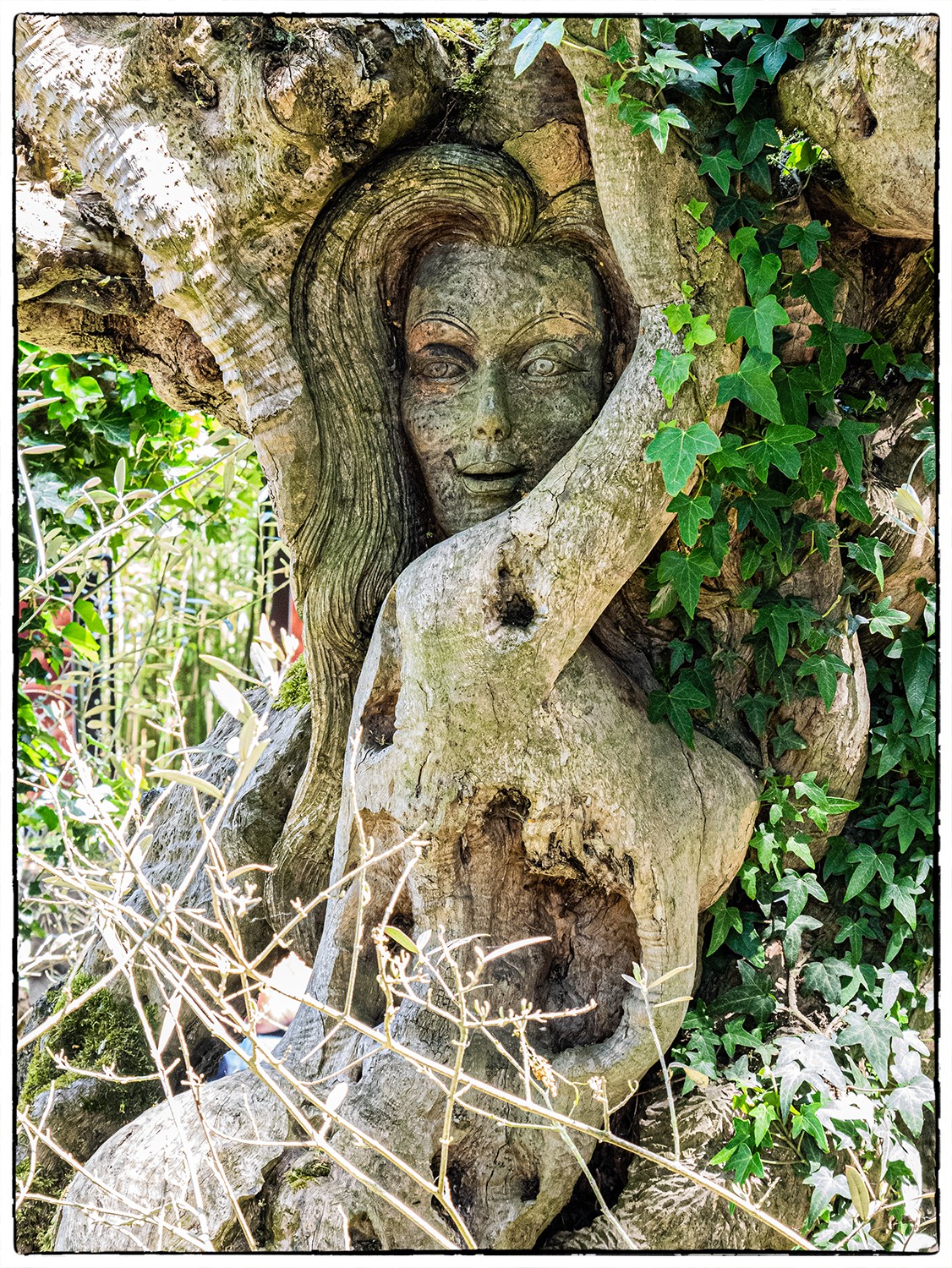


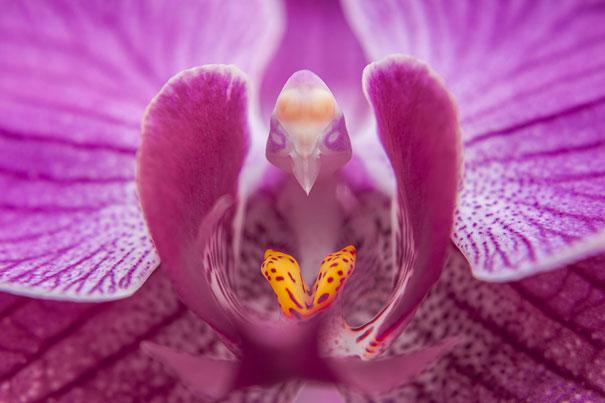




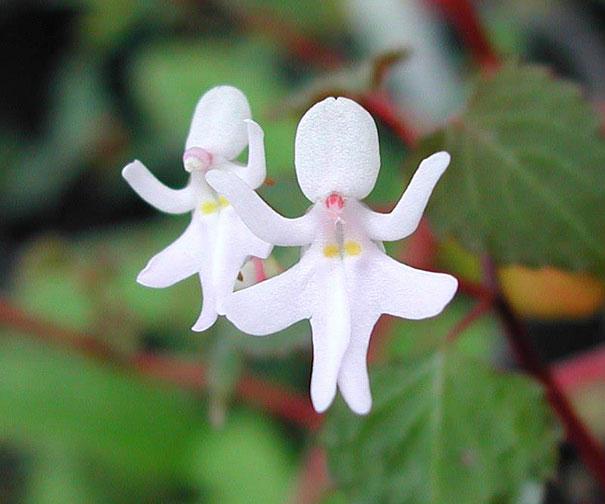







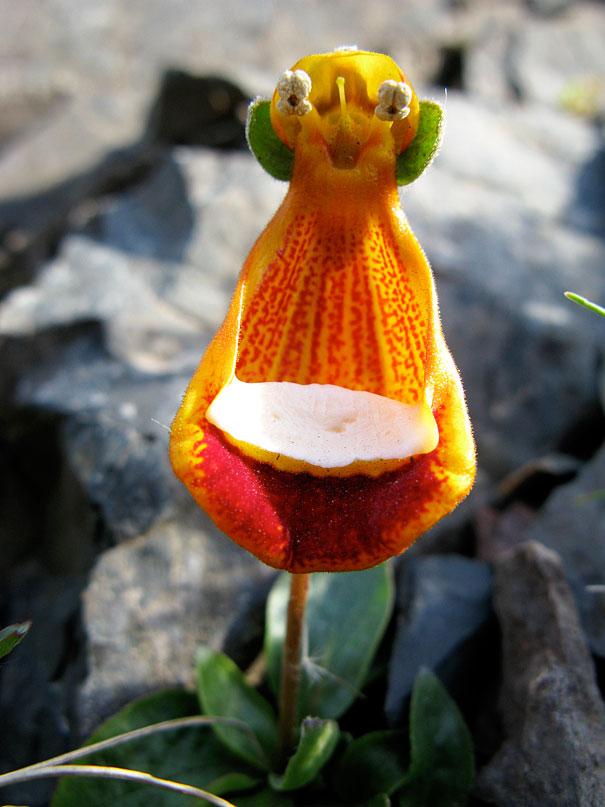




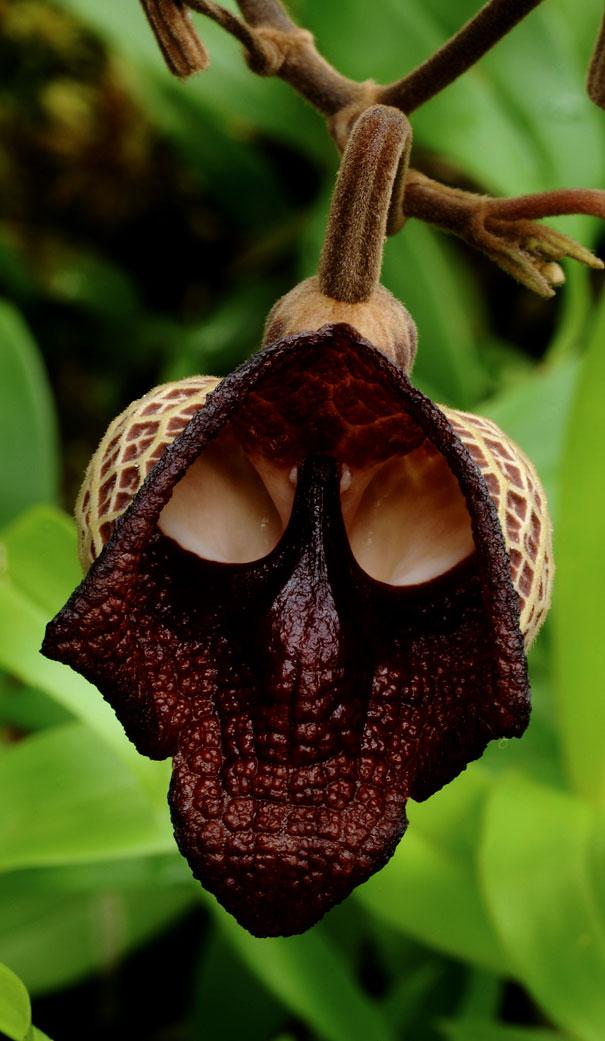


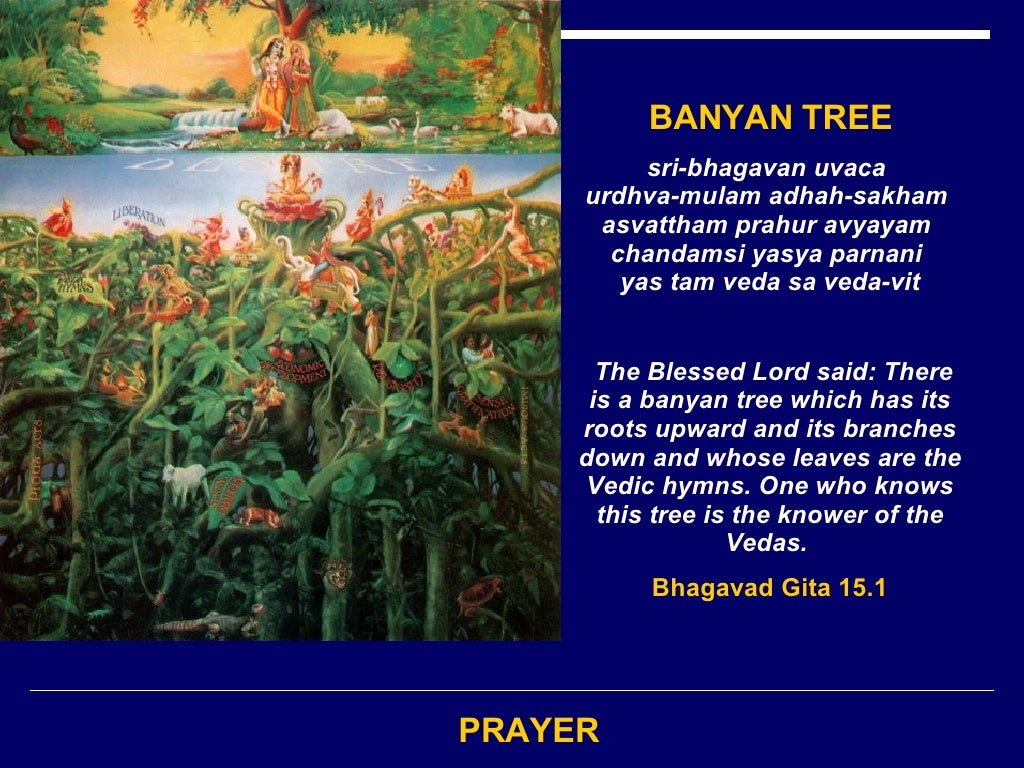


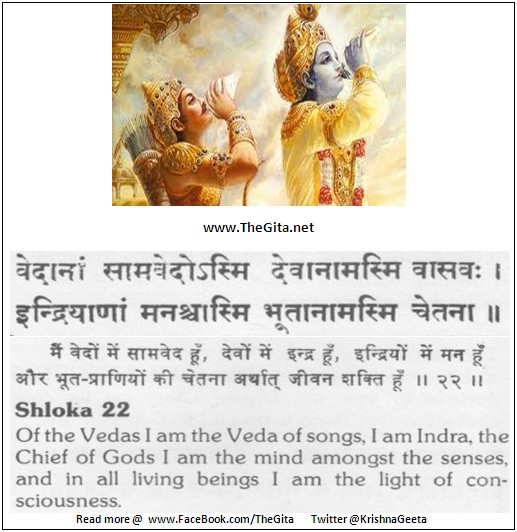
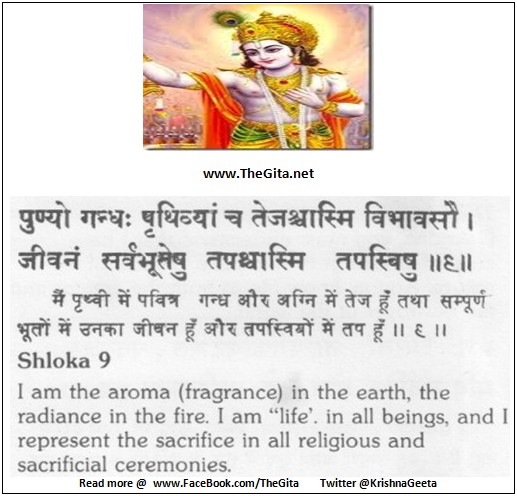

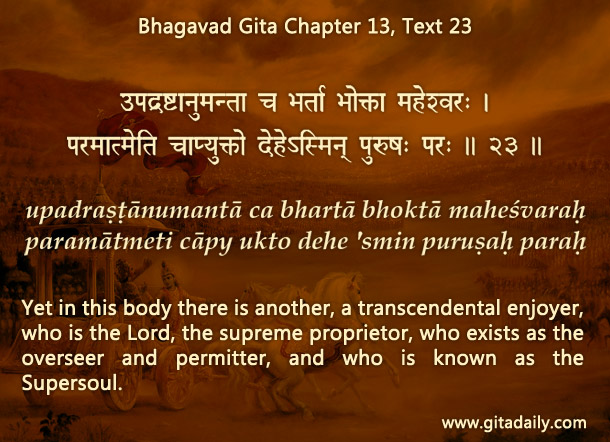



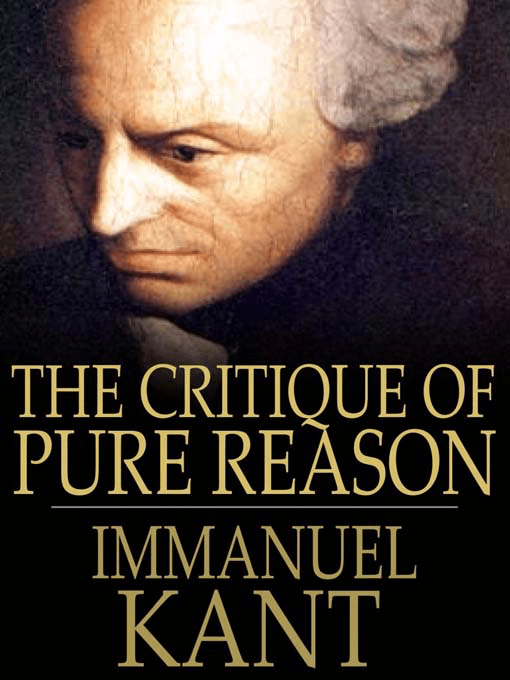







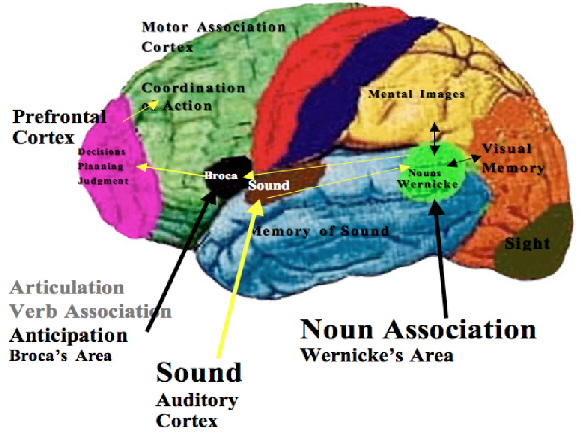










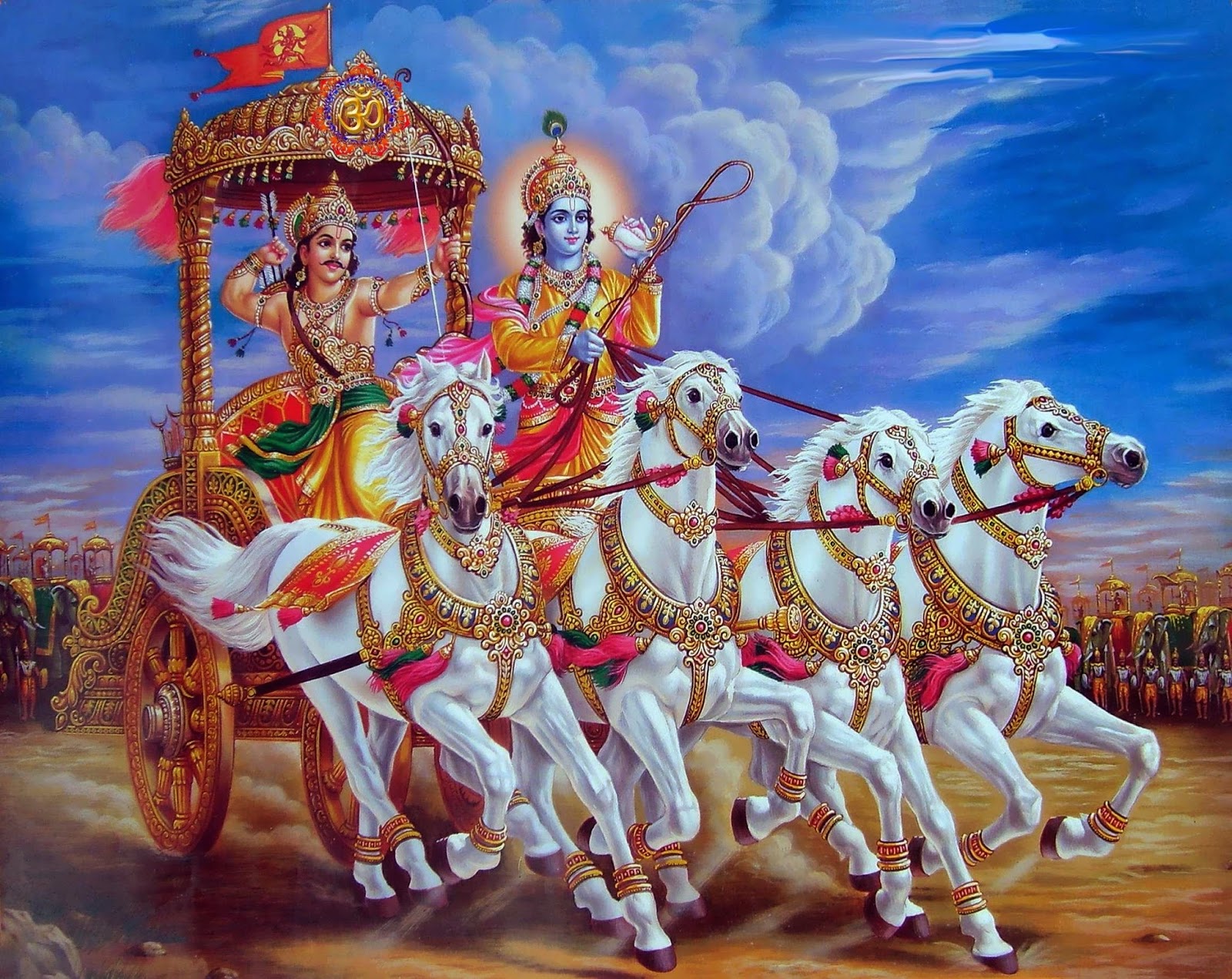



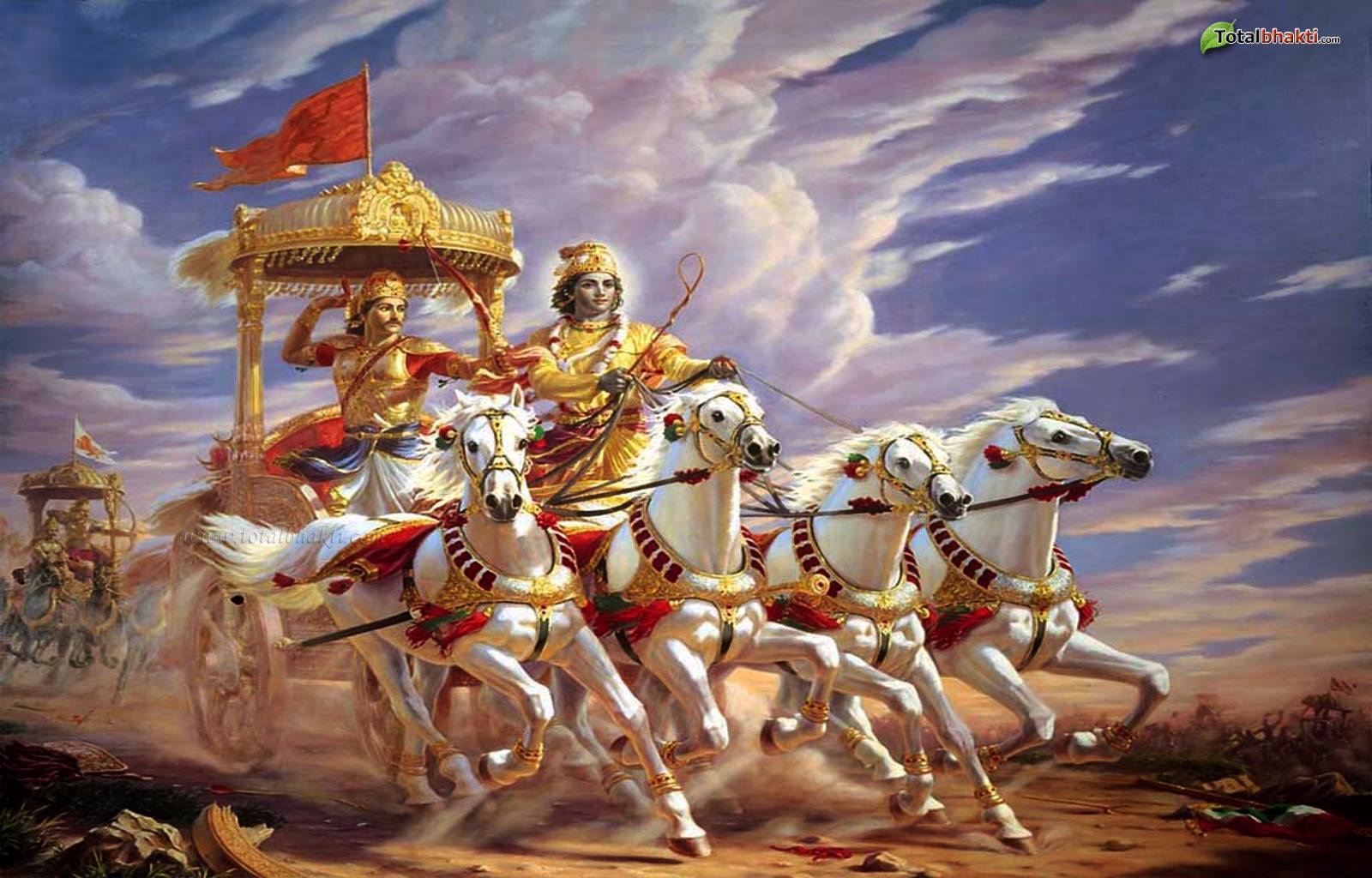
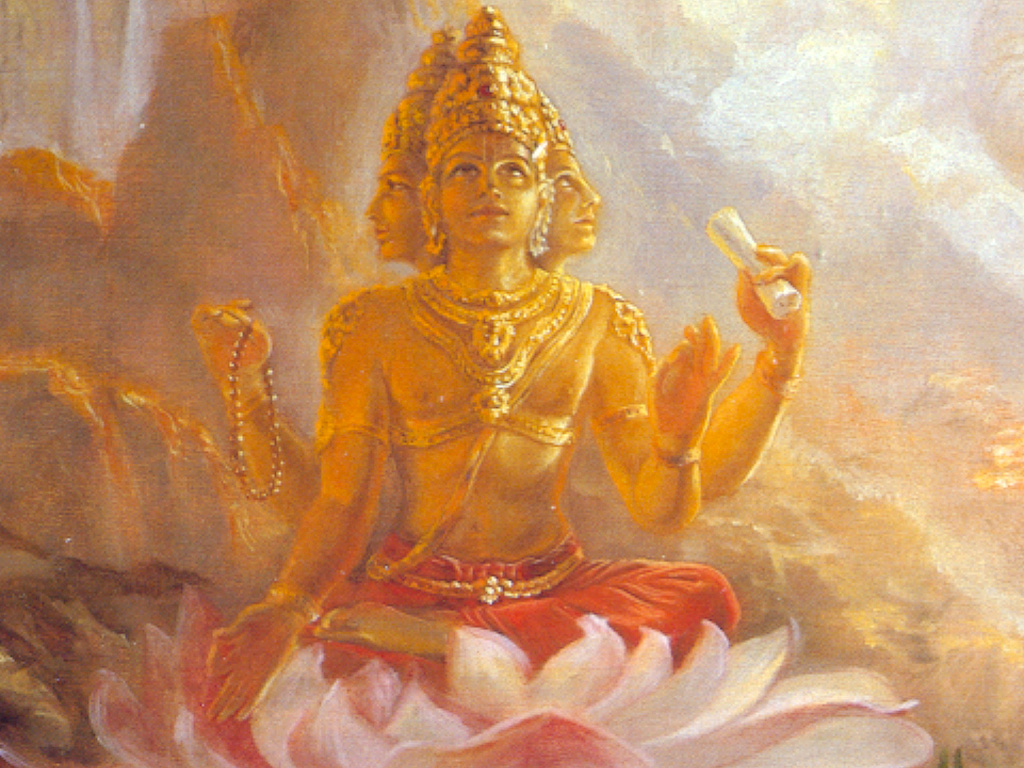


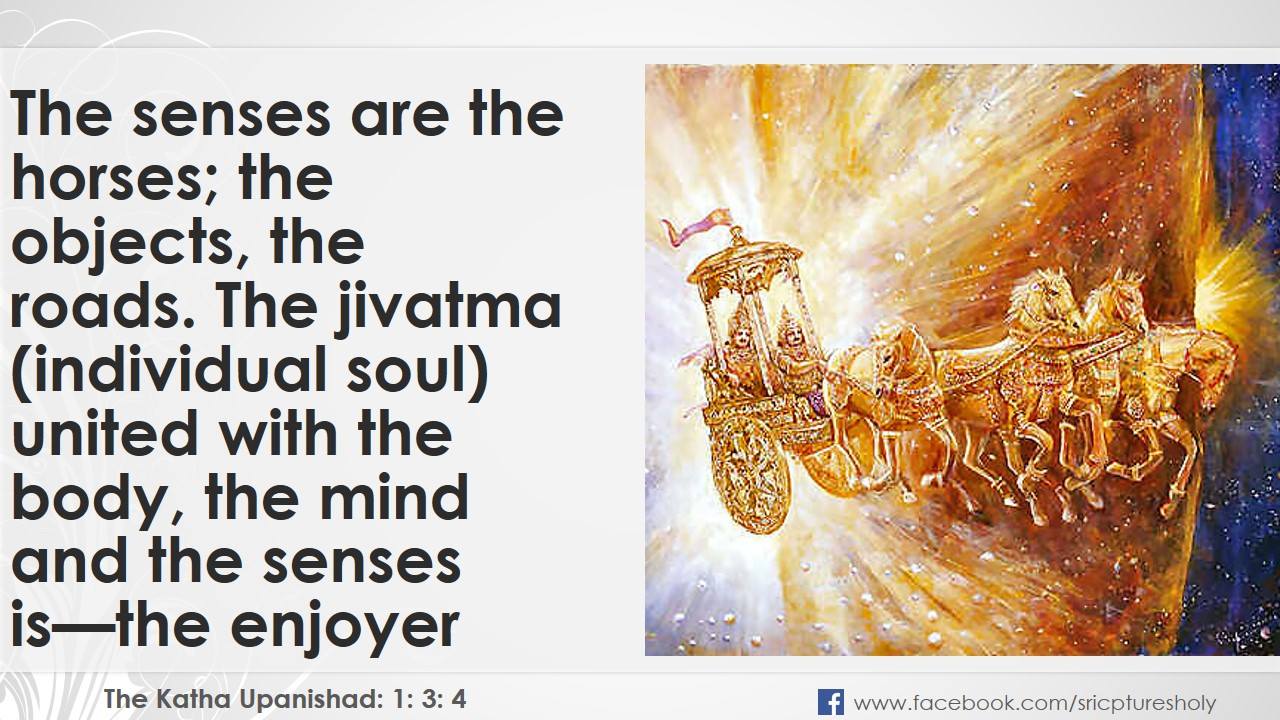


 Whole Dude - Whole Concept