Whole Dude – Whole Individualism

Whole Dude – Whole Individualism: The Doctrine of Individualism.
Whole Dude – Whole Individualism: IN SHANKARA’S ANALYSIS, MAN IS NOT SAVED BY ACQUIRED KNOWLEDGE. MAN CANNOT DIRECTLY RULE OR GOVERN HIS OWN BODY FOR CELLS ARE INDEPENDENT AND ENJOY CELLULAR AUTONOMY.
Whole Dude – Whole Individualism: The Doctrine of Individualism.

ManO bhudhyahamkaara Chittaani na aHam,

Na Karnam, na Jihvaa, na cha Ghraana Netram,

Na cha Vyoma Bhumir na Tejo na VaayuH,

Chidaananda RuupaH  ShivO aHam, ShivO aHam.

What is Individualism?

The word individual is derived from Latin, ‘Individualis’-that which is not divided-an individual. Individualism can be defined as follows:1. a belief that stresses the primary importance and worth of each person and in the virtues of self-reliance and personal independence, 2. the principle or practice of maintaining individuality or independence of the individual, 3. the principle or habit of or belief in independent thought or action, 4. the conception that all values, rights and duties originate in individuals, 5. a doctrine that the interests of the individual are or ought to be ethically paramount, and 6. the pursuit of individual rather than common or collective interests. The doctrine of Individualism may support a view that the interests of the individual should take precedence over the interests of the State or Social Group.

Indian Culture views human existence in absolute individualistic terms and the legacy of Indian Culture could be described as ‘Individualism’.

The Foundation for Individualism:

Bhagavad Gita - Individualism
Whole Dude – Whole Individualism: The Doctrine of Individualism.

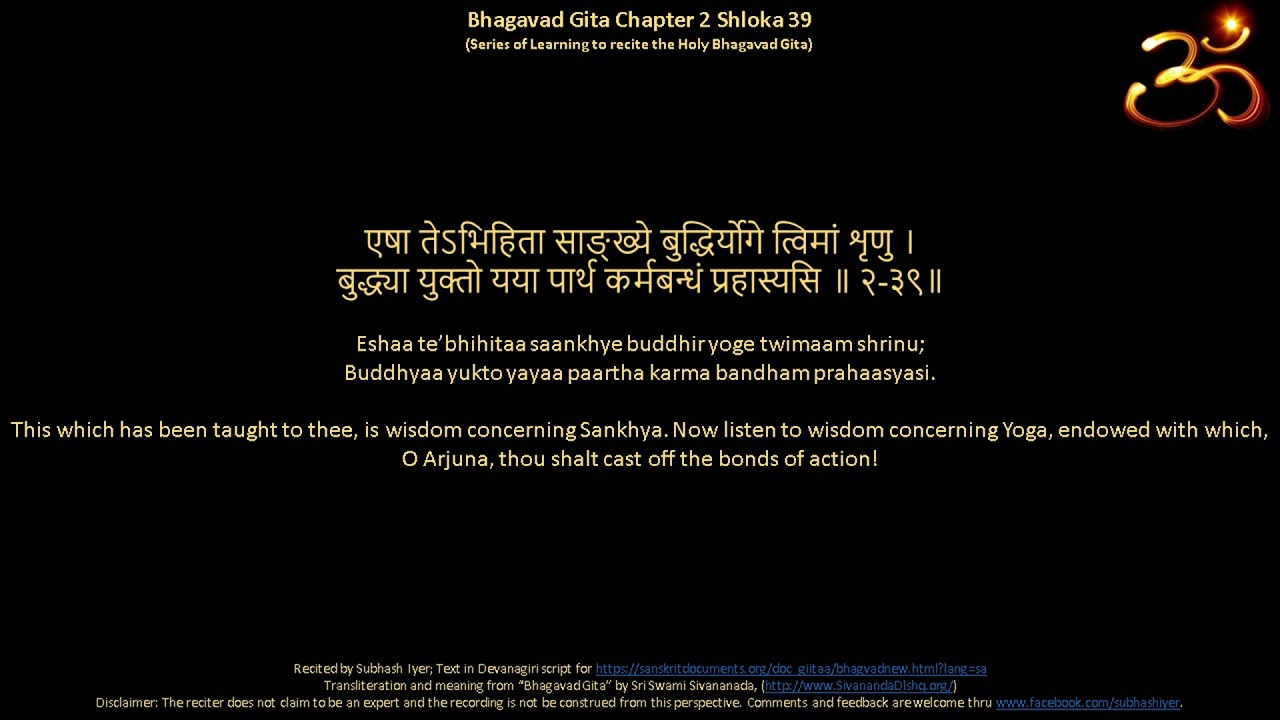
The Bhagavad Gita, Chapter II, Sankhya Yoga, verse 39, claims that the analytical knowledge derived from Samkhya philosophy gives the description of the nature of individual and individuality.

Whole Dude – Whole Individualism: The Doctrine of Individualism.

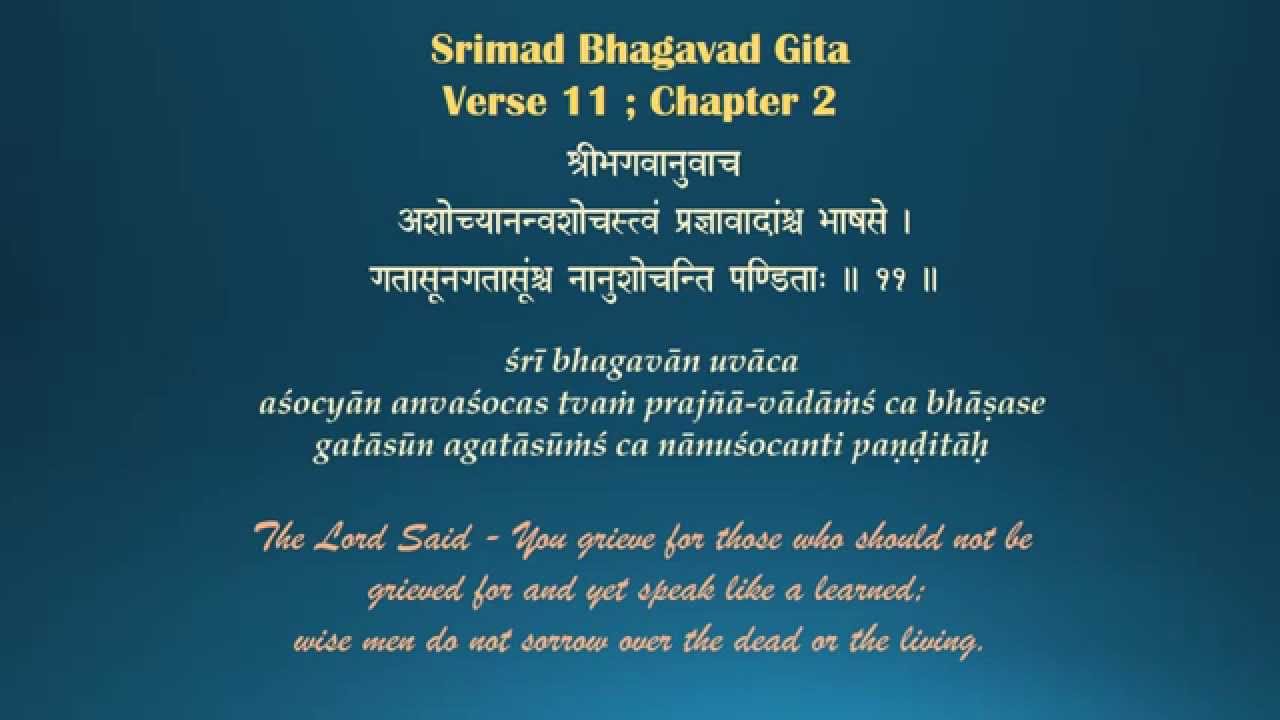
Chapter II, of the Bhagavad Gita explains this philosophy in several verses.Verse 11 claims that those who are wise lament neither for the living nor the dead.

Whole Dude – Whole Individualism: The Doctrine of Individualism.

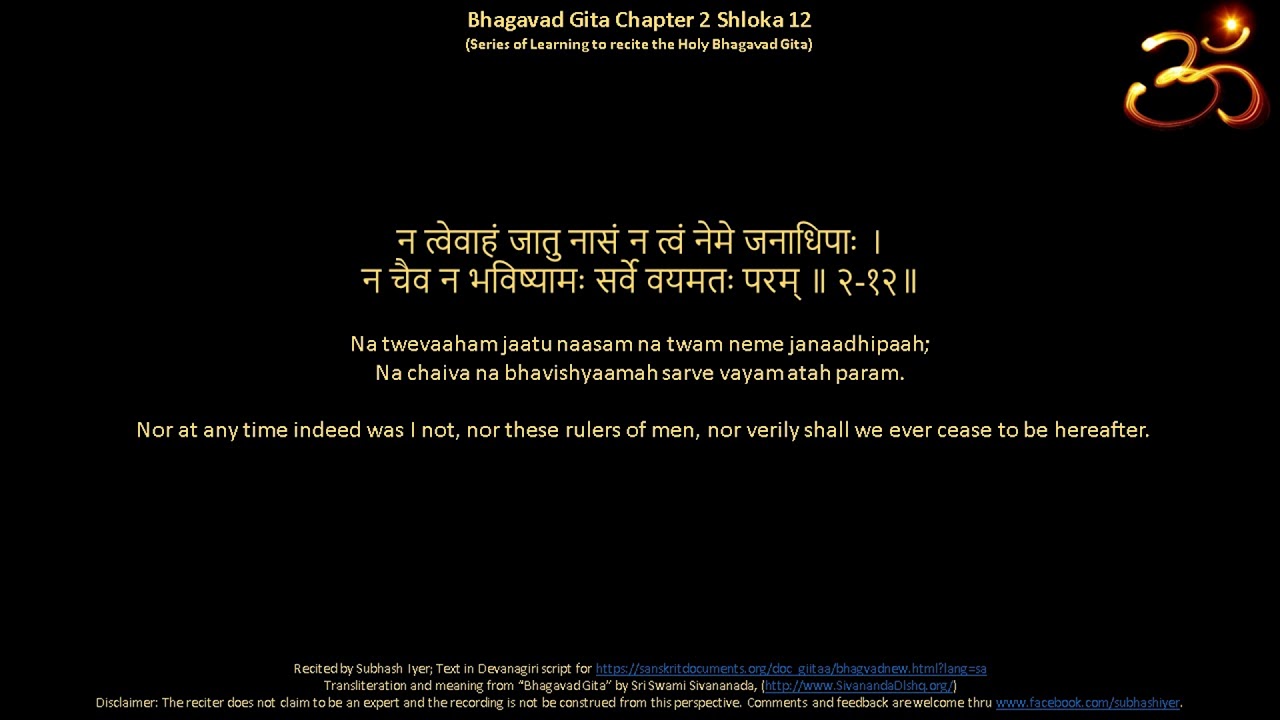
In verse 12, Lord Krishna states that there was never a time when He did not exist, nor Arjuna, nor all others in the battle field, and in the future there will never be a time when any of them cease to exist. Lord Krishna (The Supreme Individual Person) and also all other individuals are eternal persons.They existed as individuals in the past and they will continue to exist as individuals in the future.Their individuality existed in the past and their individuality will continue in the future without interruption. Lord Krishna clearly states that the individuality of all others will continue eternally. Hence, Indians do not accept the bodily conception of the living entities. Living entity is an individual soul and even though the body changes every moment, the soul does not undergo any change.

Whole Dude – Whole Individualism: The Doctrine of Individualism.

Verse 13, claims that the embodied soul continually passes, in this body, from boyhood to youth, and then to old age; similarly, the soul also passes into another body at death. By nature the human body is ever changing, and the soul is eternal.

Whole Dude – Whole Individualism: The Doctrine of Individualism.

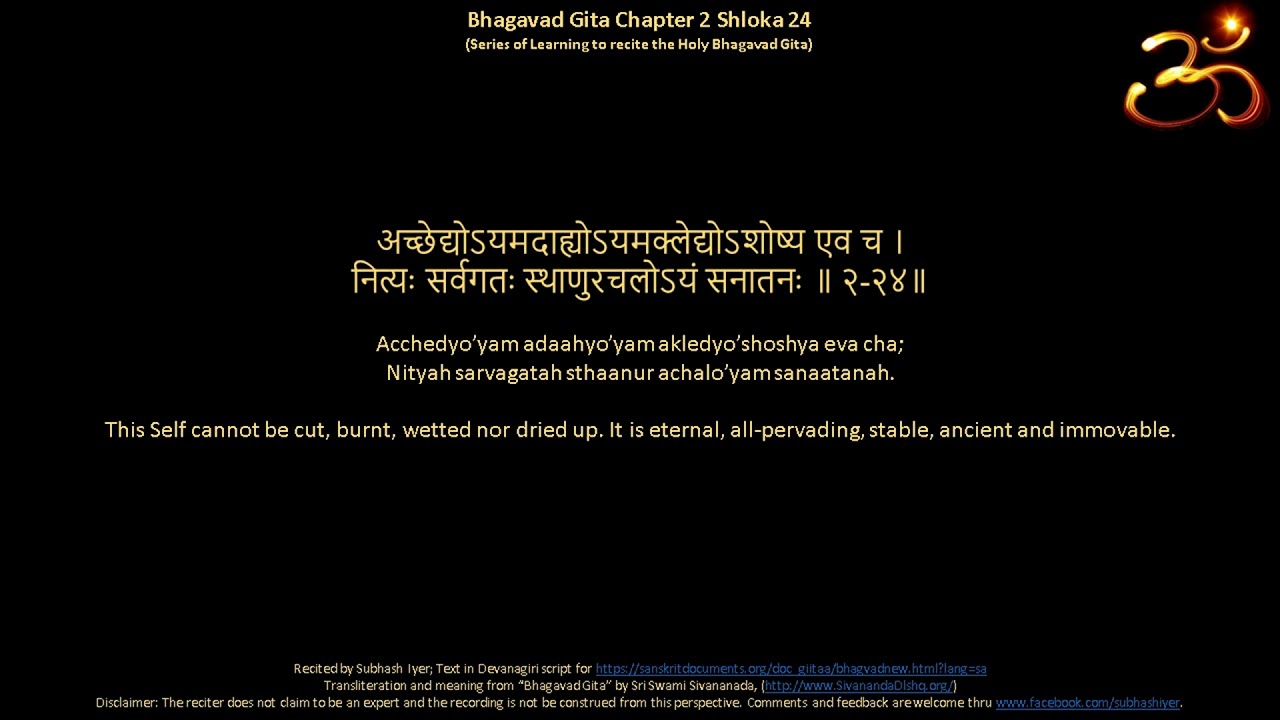
Verse 24 states that this individual soul is unbreakable and insoluble. He is everlasting, unchangeable, immovable, and eternally the same.

Whole Dude – Whole Individualism: The Doctrine of Individualism.

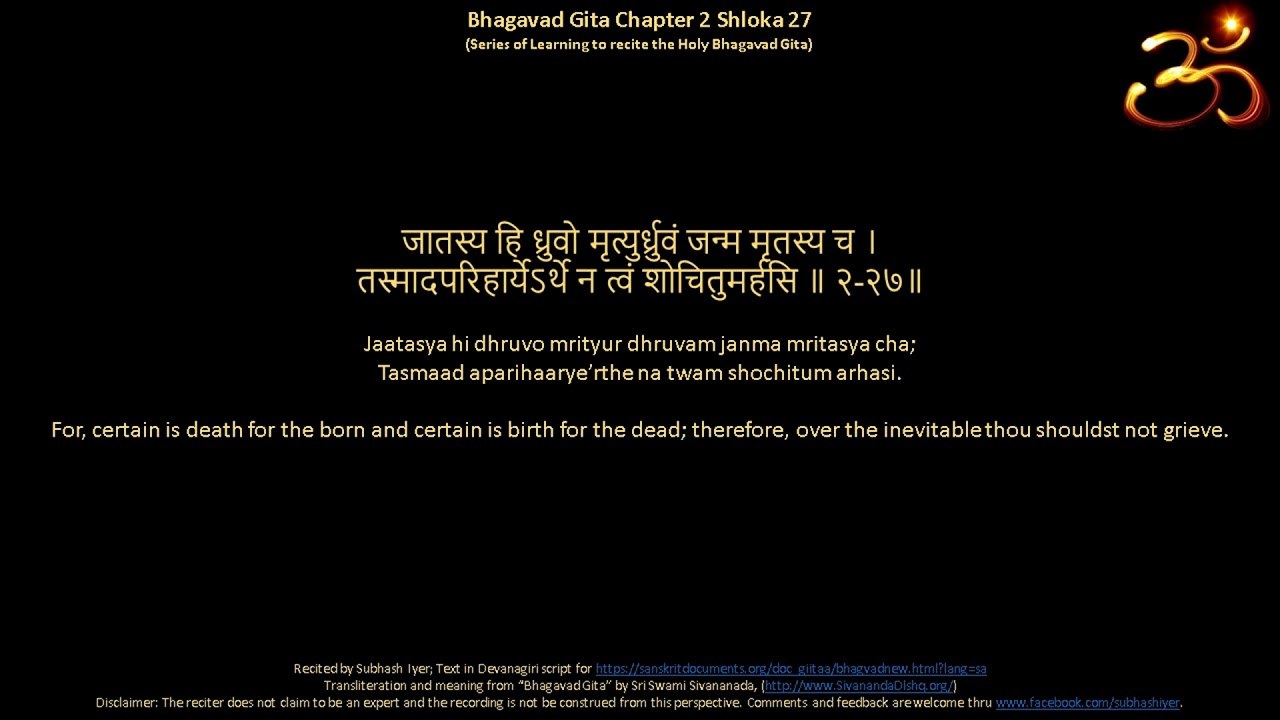
Finally, verse 27 establishes the foundation for ‘Individualism’ by stressing that ” For one who has taken his birth,death is certain; and for one who is dead, birth is certain.”

The Supremacy of Individual:

Whole Dude – Whole Individualism: The Primary importance of the Individual.

The primary importance of the individual is established by the Vedic statement “AHAM BRAHMASMI” which describes the True Identity of the Individual as that of Ultimate Reality known as Brahman. The following verse supports the idea that the Individual is a Whole entity as the Whole is derived from the Whole, perfect, Supreme Being:

Whole Dude – Whole Individualism: The Supremacy of Individual.

Om, purna mada, purna midam, purnaat purna mudachyate

Purnasya purna maadaya, purna meva vasishtyate.

“That” (is an indefinite term to designate the Invisible Absolute) is Whole (Perfect Substance with Perfect Nature and Quality); “This” (the visible, the phenomenal embodied Soul) is Whole, from the (invisible) Whole comes forth the (visible) Whole. Though the visible Whole is derived or deducted from that invisible Whole, yet the Whole remains unaltered and both retain their Perfect Condition called Whole. The human entity is virtually trapped in a repeated cycle of birth, death and rebirth.The ultimate purpose of human existence is to achieve Moksha (Liberation) or Mukti (Release) from this Cycle that is referred to as ‘Samsara’.

The Practice of Individualism:

Whole Dude – Whole Individualism: The Practice of Individualism

Individualism is built upon the value attached to knowing oneself. We are encouraged to look inwards and to reflect upon the nature of ‘SELF’. Self-Knowledge is considered to be more valuable than gaining knowledge of the material world.The following prayer which is known as Gayatri Mantra is one such example of motivating Individuals to look inwards. Similarly, Socrates suggests, “Know thyself, and you will know the universe and the gods.”

 Om Bhur Bhuva Suvah, Om tatsa vitur vareynyam

Bhargo Devasya dhee mahi dheeyo yo nah prachodayaat.

The Individual while firmly establishing his Individuality also takes complete responsibility for his actions.The Individual bears the burden for his own actions.

The Journey to Ultimate Individualism:

Whole Dude – Whole Individualism: The Doctrine of Individualism.

The Individual strives for self-reliance, learns to minimize the importance of all external relationships and concentrates upon developing an intimate relationship with his personal God.The following prayer is one such example of an Individual’s journey on the path of devotion (Bhakti).

Tva meva maata cha pitaa tva meva, Tva meva bandhu cha sakha tva meva,

Tva meva vidya, dravinam tva meva, Tva meva sarvam mama Deva Deva.

Devotion to God practically takes over, replaces and consumes the need for any other kind of external relationship such as man’s relationship to his mother, father, relatives, friends, and educational and material status.

The Goal of Absolute Individualism:

Whole Dude – Whole Individualism: The Doctrine of Individualism.

For the individual to win the battle of ‘Samsara’, to gain freedom from the cycle of birth and death, to declare victory over death and to finally reach the shore and complete the long and tiresome swim across the uncharted ocean, he is required to disentangle himself from the cobweb of relationships and set himself free. The following prayer known as Maha Mrityunjaya Mantra illustrates the point:

Whole Dude – Whole Individualism: The Doctrine of Individualism.

 Om,Triyambakam,Yajamahe sugandhim pushti vardhanam,

Urvaaru kamiva bhandha naat mrutyor muksheeya amrutaat.

Such liberated Individual who had freed himself from all external relationships would be able to proclaim his True Identity and the following verse written by Shri Shankaracharya is an example of an Individual who had reached the Goal Of Absolute Individualism:

Whole Dude – Whole Individualism: The Doctrine of Individualism.

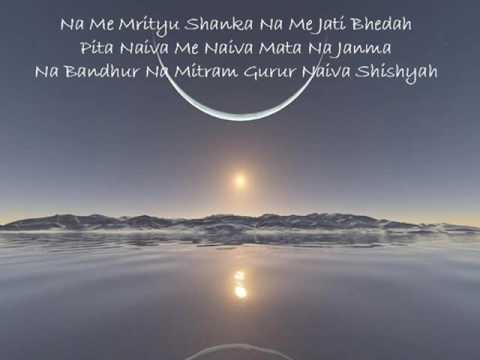
Na Mrityur, na Shankaa, na me Jaati bheydaH,

Pitaa naiva, me naiva Maataa, na Janma,

Na Bandhur,na Mitram, Gurur naiva  SishyaH,

Chidaananda RupaH  ShivO aHam, ShivO aHam.

Thus Indian Identity is none other than the identity of “SHIVA” whose Individualistic Identity is described as Sat+Chit+Ananda.

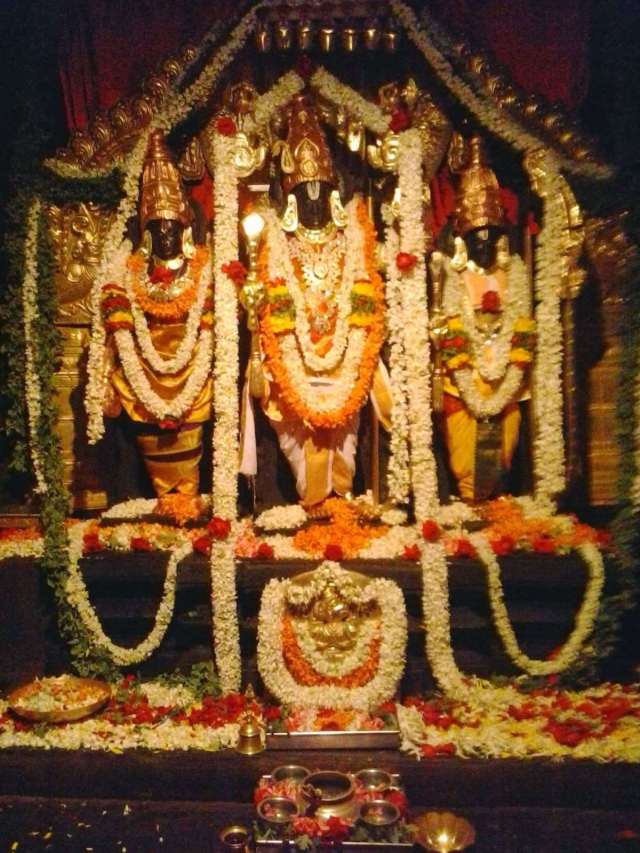
lord-rama-with-seetha-lakshmana-and-hanuman
Whole Dude – Whole Individualism: The Doctrine of Individualism. In the epic poem of Ramayana, the concept of Individualism is vividly portrayed.

In the Epic Poem of Ramayana, the concept of Individualism is vividly portrayed. Rama alone was required to live in the forest. He could have just refused to do so. No force upon earth could have moved Him but He made His own choice. Lakshmana made His own choice and accompanied His brother for a life in the forest. Rama made no decision about Seeta. He did not want her to accompany Him into the forest. Seeta made Her own decision. All of them express their own personal independence in unique manners.

Whole Dude – Whole Individualism: The Doctrine of Individualism. The Man has no choice other than that of existing as an Individual with Individuality. His genome is unique and one of its own kind.

Whole Dude – Whole Invention

Whole Dude – Whole Invention: The invention of Light Bulb and its connection to the Reality of Existence.

The Indian Tradition recognizes ‘Light’ as the manifestation of Ultimate Reality known as Param Brahma and Indians worship all sources of light including that of a light bulb.

Whole Dude – Whole Invention:The Light Bulb Connection to the Reality of Existence. Deepam Jyoti Param Brahma – Light and Ultimate Reality. The Indian Tradition recognizes ‘Light’ as the manifestation of Ultimate Reality known as Param Brahma and Indians worship all sources of light including that of a light bulb.
Whole Dude – Whole Invention: The Light Bulb Connection to the Reality of existence. Indians celebrate the festival of “KARTHIGAI DEEPAM” . “KARTHIKAI DEEPAM” OR ‘KARTIKA DEEPAM’. Should man search inwards or search outwards to find God? I can search if and only if my existence is supported. For my existence, I depend upon the ability of plants called photo-reception.

Deepam Jyoti Parabrahma
Deepam Sarva tamopaham

Deepena Saadhyathe Sarvam
Sandhya Deepam Namostute

Thomas Alva Edison - 'The Light Bulb' Connection to Indian Identity
Whole Dude – Whole Invention: The Light Bulb Connection. Thomas Alva Edison – A Great Inventor of Modern Times. His invention has connected me to my Indian Identity.

Firstly,I want to give my thanks to Mr.Thomas Alva Edison,the great American inventor. He is most famous for his development of the first commercially practical incandescent lamp (1879). Perhaps his greatest contribution, however, was the development of the world’s first central-electric-light-power station.We owe him thanks for making the human existence pleasant and comfortable. I also give my thanks to Nikola Tesla who is indeed the Genius Who Lit the World.  

Whole Dude – Whole Invention:The Light Bulb Connection. While speaking about Light and Electricity, I also pay my homage to Nikola Tesla, The Genius Who Lit the World.

What is this Light Bulb connection that may define the Indian Identity?      

Whole Dude – Whole Invention: The Light Bulb Connection. Indian Tradition recognizes ‘Light’ as the manifestation of Ultimate Reality known as Param Brahma and Indians worship all sources of light including that of a Light Bulb. This Light Bulb appears lit. What is the source of its energy?

I grew up in India. People visit a variety of temples to worship and to seek the presence of God.They do that at homes as well.When I was a boy, one of my early observations was that, in the evening hours as it gets dark after the sunset, when I flip the switch to turn the light on, my mother would pay respects to the light bulb. It is almost like a reflex behavior. I asked my mother about it.The instant the light bulb comes to life, it becomes a source of light and being a source of light, it would represent God. My mother told me that she would be reminded of God’s presence when the light bulb is switched on. My grandmother had also done the same thing.

We worship the light bulb as it gives us the awareness and makes us conscious of the reality of God.       

LIGHT AND CONSCIOUSNESS:  

Whole Dude – Whole Invention: Light is God, God is Light, the Light Bulb Connection to the Reality of Existence.

Light or JYOTI in the Sanskrit language represents the Eternal Reality. Jyoti is our conscious, its our awareness and it connects us to the Creator. This consciousness permeates all entities that are created and it includes all the Five Elements of Mother Nature.

Consciousness is a function which enables a living organism to be aware of its own state of existence and to maintain that state of existence. Living organisms are aware of their need for an external source of energy to sustain their state of existence. Living organisms exist as ‘Energy Seekers’ and to exist they need connection with a ‘Energy Provider’. Consciousness is a biological function which establishes the connection between ‘Energy Seeker’ and ‘Energy Provider’. Because of this awareness, all entities would recognize and respond to their Creator, the Prime Source of Energy and the Controller of Energy. In the Old Testament Book of Exodus, Chapter 14 narrates the story of  Moses leading the children of Israel on dry ground in the midst of Red Sea.      

Whole Dude – Whole Invention: The Old Testament Book of Exodus, Chapter 14, verse 16 :”But lift up your rod, and stretch your hand over the Sea and divide it. And the children of Israel shall go on dry ground through the midst of the Sea.”

Water one of the five elements of Nature has ‘awareness’, or ‘conscious’ of its Creator. Otherwise, how could Moses lead his people to ‘The Promised Land’ across the Sea? It is not just humans who possess the awareness of God. In India, in the State of Andhra Pradesh, there is a beautiful town known as SRI KALA HASTI. According to legend, at this place, a spider, a snake, an elephant, and a man worshiped Lord Shiva with an excellent sense of devotion.      

Sri Kalahasti Temple at Sri Kalahasti, Andhra Pradesh, India.
Whole Dude – Whole Invention: The Light Bulb Connection. Sri Kalahasti temple, India. All living entities are ‘CONSCIOUS’ and are aware of their existence and their living environment. Living Entities are also ‘CONSCIOUS’ of the Creator. The legend at Sri Kalahasti establishes the awareness of creatures like a spider, a snake, and an elephant and their desire to seek the LORD.

Light is God, God is Light, the Light Bulb Connection to the Reality of Existence

Indians light up a lamp as a ritual to worship a deity of their choice. In several parts of the world and in various cultural traditions, the use of light is prevalent and is a part of ritualistic worship. In the Land of India, light is not only used as part of a ritual but also is directly worshiped with the belief that light represents God. Light is also worshiped in a personal form known as JYOTI, the sister of SKANDA and the daughter of Lord Shiva and Mother Parvati.      

Goddess Jyothi, daughter of Parvati
Whole Dude – Whole Invention: Defining Indian Identity – The Light Bulb Connection. Deepam, Jyoti, or Light represents God. The personification of light is Goddess Jyoti, daughter of Parvati, the Divine Mother.
Whole Dude – Whole Invention: Defining Indian Identity – The Light Bulb Connection

  Asato ma Sadgamaya      

 Tamaso ma Jyotirgamaya      

 Mrutyor ma Amrutamgamaya      

Om, Shanti,Shanti,ShantiH.      

Whole Dude – Whole Invention: Defining Indian Identity – The Light Bulb Connection

The above is a prayer to lead us towards Right Conduct, to lead us from darkness towards LIGHT (ETERNAL REALITY) and to lead us from death towards Eternal Life.      

It is easy and simple to know the Indian Identity. Flip that light switch and let the ‘Light Bulb’ connect you to the Reality. The First Book of Moses called GENESIS, Chapter 1, verses 2, and 3 describe the creation of Light: Then God said, “Let there be light”; and there was light.

If light was not created, the physical matter could have simply existed as dark matter. I describe luminosity, the quality of giving off light as an event of creation.  

Whole Dude – Whole Invention: Defining Indian Identity – The Light Bulb Connection

Essence and Existence: 

Whole Dude – Whole Invention: Defining Indian Identity – The Light Bulb Connection

Man, the multicellular human organism exists as a physical, mental, social, moral, and spiritual being. Man’s existence is conditioned by the subjective reality called alternating periods of light and darkness known as day and night, and the unconditioned reality is that of Sun who shines with the same brightness all the time while man experiences Sunrise and Sunset.   

Whole Dude – Whole Invention: Defining Indian Identity – The Light Bulb Connection to the Reality of Existence.
Whole Dude – Whole Invention: Defining Indian Identity – The Light Bulb Connection to the Reality of Existence. Indian Tradition recognizes ‘Light’ as the manifestation of Ultimate Reality known as Param Brahma and Indians worship all sources of light including that of a Light Bulb. This Light Bulb appears lit. What is the source of its energy?

Earthly Existence is synchronized by the creation of Day and Night

Whole Dude – Whole Invention: Earthly Existence is Synchronized by the Creation of Day and Night. The Vitruvian Man c.1492. The painting by Leonardo da Vinci displays the spirit of scientific inquiry. The term Self-Realization describes complete fulfillment or full development of the Self and Man is not complete without full development of God-Connection. God-Realization is not about Faith or Belief in God. It is about understanding the connection between Man, the Energy Consumer, and God, the Energy Controller.

The Man’s Experience of Life in the Natural World

What it is to be a Substance? and What it is to Exist? We need to establish knowledge about the man on a firm basis and the information it provides must be tested for its accuracy and consistency with an external reality. We have to make the fundamental distinction between the living and the non-living matter. The scientific advances of the 19th and 20th centuries reinforced the materialistic position concerning the basic similarity of organic living and inorganic physical matter. The man is viewed as a product of natural evolution and is thought to be subject to the same laws of Physics and Chemistry or mechanistic principles.

We need a methodology to study philosophy and to understand philosophical statements. Logical Positivism, also known as Scientific Empiricism aims to clarify concepts in both everyday and scientific language. It describes analysis of language as the function of philosophy. This analysis of language and of concepts is important to understand questions of belief and ideology which affect what we think we ought to do individually and socially. I would use this method of ‘Applied Philosophy’ to analyze the concept of Spiritual Optics, the Spiritual dimension of the Man’s experience of Life in the Natural World.

The Beginning. The Story of Creation

Whole Dude – Whole Invention: Earthly Existence is Synchronized by the Creation of Day and Night.

The Holy Bible, The Old Testament, Book of Genesis, Chapter 1 (verses 1,3,4,5,14 and 15) describes the creation of day and night.   

In the beginning God created the heavens and the earth.   

And God said, “Let there be light,” and there was light.   

God saw that the light was good, and He separated the light from the darkness.   

God called the light “day,” and the darkness He called “night.” And there was evening, and there was morning – the first day.   

And God said, “Let there be lights in the expanse of the sky to separate the day from the night, and let them serve as signs to mark seasons and days and years, and let them be lights in the expanse of the sky to give light on the earth.”   

Whole Dude – Whole Invention: Earthly Existence is Synchronized by the Creation of Day and Night. .Are We Living in a Designer Universe? The Geocentric Model describes the Design Effect. Video Credit: NASA, Animation: James O’Donoghue  (JAXA)

Explanation: How does your favorite planet spin? Does it spin rapidly around a nearly vertical axis, or horizontally, or backwards? The featured video animates NASA images of all eight planets in our Solar System to show them spinning side-by-side for an easy comparison. In the time-lapse video, a day on Earth — one Earth rotation — takes just a few seconds. Jupiter rotates the fastest, while Venus spins not only the slowest (can you see it?), but backwards. The inner rocky planets, across the top, most certainly underwent dramatic spin-altering collisions during the early days of the Solar System. The reasons why planets spin and tilt as they do remains a topic of research with much insight gained from modern computer modeling and the recent discovery and analysis of hundreds of exoplanets: planets orbiting other stars.


Whole Dude – Whole Invention: Earthly Existence is Synchronized by the Creation of Day and Night. The First Book of Moses called GENESIS, Chapter 1, verse 4 :”And God saw the light, that it was good; and God divided the light from the darkness.”

Different planets have different rates of rotation. We use Earth’s spin to define coordinate systems for locating objects both on the ground and the sky. The timekeeping system that we use is related to the rotation of the Earth. My human existence in this Universe is synchronized with the rotational spin of the Earth. The spin gives me alternating periods of light and darkness known as Day and Night while the Sun is shining all the time. 

Synchronization of the External and Internal Environment of the Living Things

Whole Dude – Whole Invention: Earthly Existence is Synchronized by the Creation of Day and Night. The First Book of Moses called GENESIS, Chapter 1, verse 14: Then God said,”Let there be lights in the firmament of the heavens to divide the day from the night; and let them be for signs and seasons, and for days and years;”

The Biological Clock – Every living system studied behaves as if it contains a highly dependable clock. The specialized properties of this clock suggest that it involves some unique biological mechanism indissociable from life itself.   

Whole Dude – Whole Invention: Biological Clock is an internal-timing mechanism to synchronize biological functions.

The Biological Clock is a self-sustained internal timing mechanism that controls cyclic patterns, or rhythms, of a living organism. All organisms have this ability to synchronize their existence to events in both their internal or external environment. Because of this internal timing, certain physiological and behavioural events vary in intensity. Such time-dependent variability is expressed as a rhythm, or oscillation, with a frequency equal to that of the underlying biological clock. Biological clocks time the Solar day, the period of the Earth’s rotation relative to the Sun.    

Whole Dude – Whole Invention: Earthly Existence is Synchronized by the Creation of Day and Night. THE ETERNAL LAW OF AGING: THE EPIGENETIC CLOCK, HORVATH’S CLOCK IS A BIOLOGICAL CLOCK TO MEASURE THE AGE OF MOST HUMAN TISSUES, CELL TYPES, AND ORGANS IN THE SAME INDIVIDUAL WHICH CAN HELP IN PREDICTING THE AGING PROCESS.

The Biological Rhythm – Biological Rhythms represent the periodic biological fluctuation in an organism that corresponds to and is in response to periodic environmental change. The most important example of such environmental change is that of the cyclical variations in the relative position of the Earth to the Sun and the immediate effect of this variation is that of night alternating with day or the change from darkness to light. Biological Rhythms that occur once a day are called Circadian (Latin circa:”about,” di: “day,”), Solar day, diel, daily, diurnal (day-active), or nycthemeral rhythm. Circadian rhythms are the most pervasive rhythms regulating many events for every day in the lives of most living organisms. Circadian rhythms are synchronized to an external time-giving stimulus. The external stimulus that is important for most living organisms is that of Sunrise and Sunset, the daily light-dark cycle determined by Earth’s rotation.   

The Day Active or Diurnal Rhythm Regulating the Man   

Whole Dude – Whole Invention: Earthly Existence is Synchronized by the Creation of Day and Night: THE HUMAN ORGANISM RUNS ITS LIVING FUNCTIONS AS IF OPERATED BY A PRECISE TIMEKEEPING DEVICE OR BIOLOGICAL CLOCK. MAN’S EXPERIENCE OF TIME IS RELATED TO SUN’S APPARENT MOTIONS IN THE SKY. MAN KNOWS THE REALITY OF TIME BECAUSE OF AN ILLUSION THAT CAUSES DAY AND NIGHT GIVING MAN THE PERCEPTION OF SUN’S APPARENT MOTION WHILE CONCEALING THE REALITY OF SUN’S MOTION IN THE MILKY WAY GALAXY.

Within the 24-hour cycle (circadian), a person usually sleeps approximately 8 hours and is awake 16 hours. In man, the daily alteration of sleep and wakefulness is accompanied by many changes, including activities of the nervous and endocrine systems and the liver and kidneys. Daily variations occur in body temperature, in heart and respiratory rates, and in blood pressure and composition of the blood.There are daily variations in chemical syntheses and in cell divisions.   

Whole Dude – Whole Invention: Earthly Existence is Synchronized by the Creation of Day and Night: There are two kinds of biological responses or rhythms. 1. The activities like Sleep and Wakefulness are related to the fluctuations of physical environment such as darkness, and light, or night and day variation, and 2. The rhythms such as heartbeat, and respiratory rate occur without external geophysical correlates as a consequence of the movements of the Earth.

During the wakeful hours, mental and physical functions are most active and tissue-cell growth increases. During sleep, voluntary muscle activities nearly disappear and there is a decrease in metabolic rate, respiration, heart rate, and blood pressure. The activity of digestive system increases during the resting period, but that of the urinary system decreases. Hormones secreted by the body, such as the stimulant epinephrine (adrenaline) are released in maximal amounts about two hours before awakening so that the body is prepared for activity.   

Whole Dude – Whole Invention: Earthly Existence is Synchronized by the Creation of Day and Night. The Eternal Law of Aging: HUMAN EXISTENCE IS SYNCHRONIZED WITH DAILY CHANGES IN THE EXTERNAL ENVIRONMENT IN RESPONSE TO DAYLIGHT OR DARK.

If a person tries to break the circadian rhythm by ignoring sleep for a number of days, psychological disorders begin to arise.  

The Laws of Nature

Whole Dude – Whole Invention: Earthly Existence is Synchronized by the Creation of Day and Night. THE ETERNAL LAW OF AGING: THERE ARE SEVERAL THEORIES ABOUT SENESCENCE. APART FROM THE MEASUREMENT OF CHRONOLOGICAL AGE, IT WOULD BE VERY USEFUL TO ASSESS AND MEASURE THE BIOLOGICAL AGE OF THE HUMAN ORGANISM AS THAT WOULD HELP TO PREDICT AGE-RELATED CHANGES IN THE STRUCTURE AND FUNCTION AND INVENT INTERVENTION MECHANISMS TO REDIRECT OR REGULATE THE AGING PROCESS.

Diverse aspects of human physiology and behaviour show that human existence is synchronized with the Laws of Nature. When we live in accordance with the law, we get a chance to know the provider of the law.   

Simon Cyrene

Whole Dude – Whole Invention: Earthly Existence id Synchronized by the Creation of Day and Night. MAN’S EXISTENCE IS SHAPED BY FLAT EARTH WITH ARCHED DOME EXPERIENCE.

Whole Dude – Whole Hospitality

Whole Dude – Whole Hospitality: Defining Indian Identity – The Tradition of Hospitality. Honoring our fallen soldiers. The War Memorial in Walong, Arunachal Pradesh
Whole Dude – Whole Hospitality: Defining Indian Identity – The Tradition of Hospitality. I arrived at DumDuma (Doom Dooma) Airfield, Assam in 1972 after the successful conclusion of Operation Eagle, the military action in the Chittagong Hill Tracts, Bangladesh.
Whole Dude – Whole Hospitality: I had the wonderful opportunity to serve in the North East Frontier Agency (NEFA), Arunachal Pradesh during 1972-73, after Indian Army’s victory in Bangladesh. I camped at Walong visiting troops.
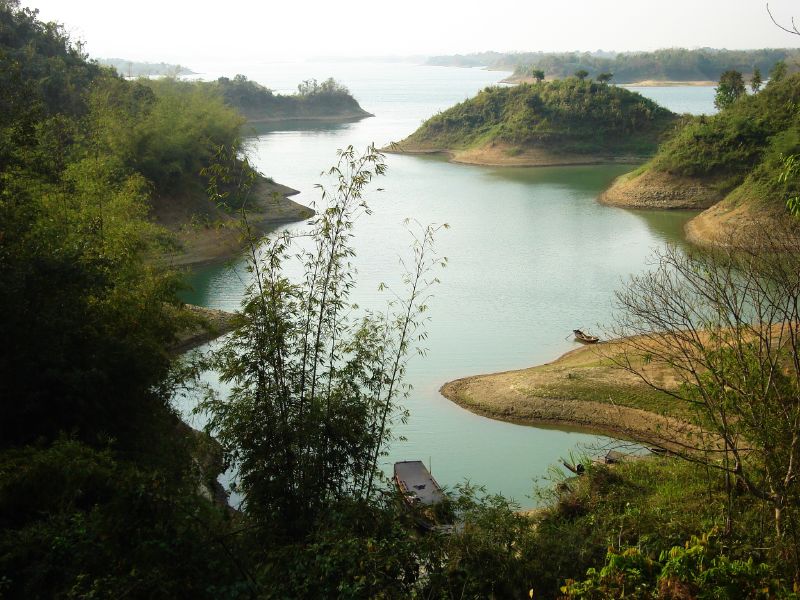
Whole Dude – Whole Hospitality: A view from a hill top near Walong, Arunachal Pradesh.
Whole Dude – Whole Hospitality: During the 1962 Chinese aggression Indian Army valiantly resisted the enemy’s attack in a historical battle at Namti Plains, near Walong, Arunachal Pradesh.
Whole Dude – Whole Hospitality: Suspension bridge across Lohit River near Chigwinti, Arunachal Pradesh.
Whole Dude – Whole Hospitality: This is a picture taken at Headquarters ‘D’ Sector, prior to my visit to Chigwinti, and Walong. I am seen here along with Major Deedar Singh, the Unit Adjutant, and Captain Roop Singh an Assistant Company Commander standing in the middle.

This entry is dedicated to the memory of those brave men who gave their precious lives fighting the massive Chinese aggression in 1962. I experienced the traditional Indian hospitality at a forward Company location in Arunachal Pradesh (North East Frontier Agency) and my memories are fresh after a lapse of nearly 35 years and the reason is that I still feel the same passion to serve our men who fight for our country.    

Service Award presented by all Officers D Sector, Establishment 22
Whole Dude – Whole Hospitality: Defining Indian Identity – The Tradition of Hospitality. A view of Lohit River at Walong, Anjaw District.

In 1962 while the Chinese attacked India, I was a first year student studying for a Bachelor of Science degree (3- Year Bachelor’s Degree Course) at Government Giriraj Arts College, Nizamabad, Andhra Pradesh. India was taken aback by this unprovoked and unexpected invasion across the Himalayan Frontier. There was a spontaneous reaction from people across our nation. Nizamabad was no exception and the Giriraj students took out a procession to condemn the enemy. I was not a student leader but I was the son of the Principal of the College. That placed me in the very first row of students who led the procession. At that time, I did not visualize myself that I would be wearing the Olive Green Indian Army Uniform.

Whole Dude – Whole Hospitality: Special Frontier Force – Lohit River: “WALONG WILL NEVER FALL AGAIN.”

By year 1972, I completed two years of service in Indian Army and the great moment in my life arrived when I stood before the War Memorial in WALONG. The following verses were inscribed on it:    

The sentinel hills that round us stand    

bear witness that we loved our land.    

Amidst shattered rocks and flaming pine    

We fought and died on Namti Plain.    

 O Lohit, gently by us glide    

pale stars above us softly shine    

as we sleep here in sun and rain.    

Whole Dude – Whole Hospitality: Defining Indian Identity – The Tradition of Hospitality.

Let us keep our collective memory afresh and pay tribute to these loyal sons of our land.    

The Tradition of Hospitality in India:    

Whole Dude – Whole Hospitality: Defining Indian Identity – The Tradition of Hospitality.

Hospitality is a fairly popular tradition for a variety of cultures across our globe. In India the tradition was well established a long time ago and we elevated it to a degree which may not be seen anywhere else in this world. The Vedic statement ” Athiti Devo Bhava ” is a thought that finds its expression only in our Land. The word ‘Athiti’ defines the guest as a person who could show up at your home without a prior notice or formal invitation and on a day and at a time of his own choice. Our literature is full of stories about this great tradition of hospitality and the episode described in the story of MAHA BHARATA shows the importance of preserving this tradition. Princess Draupadi was overwhelmed by the arrival of a large number of guests , while she and the Pandava Princes lost their kingdom and were living in the forest. She did not want to fail in her duty of being a good hostess. She was desperate and she met this challenge by earnestly praying to Lord Krishna. Upholding the principle of hospitality is very important to Lord Krishna and He gracefully provided the help Draupadi needed to serve her guests in accordance with our Dharma (Right Conduct). Her adherence to the tradition of hospitality truly defines the Indian Identity.    

Most of you would have experienced some act of hospitality or the other and I want to narrate a simple act of hospitality that I experienced at CHINGAWANTY ( or CHIGWINTI ) in Arunachal Pradesh and would take this opportunity to speak of my memorable experience at this forward Company location and describe this as our Indian Identity.    

The Tradition of Hospitality at Chingawanty (CHIGWINTI ):    

Whole Dude – Whole Hospitality: Defining Indian Identity – The Tradition of Hospitality

The Company Commander Major.G B Valenkar was the recipient of VIR CHAKRA award for his role in Operation Eagle, the military action that initiated the Liberation of Bangladesh in 1971 with attacks on the enemy posts in the Chittagong Hill Tracts. During Operation Eagle, we had worked together in the South Column Unit under the Command of Lieutenant Colonel B K Narayan.

Major Valenkar briefed me about the traditional hospitality of the men of his Company. Before the dinner was served, he told me that the men would continue to serve food till such time I announce that I am fully satiated and that I need no further servings. Then, they would bring one more final serving to ensure that I am truly satiated and well fed. I wanted to test the men and find out for myself their devotion to their hospitality tradition. After dinner was announced, I mentioned my preference for bread.

Whole Dude – Whole Hospitality: Defining Indian Identity – The Tradition of Hospitality.

Instead of ‘chapatis’, I told the men hosting my dinner, that I would like to be served with poori (soft, fluffy, deep-fried Indian Bread) to go with my meal. The dishes were served piping hot and the fried poori were made one after the other and a fresh serving would arrive just before I would finish the previous serving. The food was delicious and the mountain weather was cool and refreshing and I was young and had a healthy appetite.  I continued eating while having a pleasant conversation with Major.Valenkar and after several servings, the man stood before me respectfully and asked me to grant him some additional time before he could bring forth the next serving. He mentioned that the cook had run out of the dough he had prepared for the evening meal. I responded saying that I really need no further servings and asked him not to bother about preparing more dough. The man submitted that it would not be fair on my part to stop him at that juncture and stated that I could only stop him from serving only at a time when he is able to provide more servings. In the Indian Hospitality tradition, the guest is also expected to give his host a reasonable opportunity to fulfill his obligation and the host has also a right to derive a sense of satisfaction by observing the rules of hospitality. I had to concede and in a little while, he resumed his service. After eating to my heart’s content, I told him that I am really satiated. He agreed to bring in the final serving and he passed in the test and he did not give up until he made sure that I am fed till such time that I am fully fed.    

I am speaking of this hearty meal to just give you a chance to taste the passion that keeps us united and we relish the opportunity to serve our Land and defend its traditions of Valor and Hospitality.    

Whole Dude – Whole Hospitality: Defining Indian Identity – The Tradition of Hospitality

Annam Brahma raso Vishnu pakto Devo Maheshvarah    

Evam samchintya bhumjaano, drushti dosho na lipyate.    

Whole Dude – Whole Hospitality: The Hospitality Tradition is based upon the concept of Whole Food or Annapurna, the Goddess of Food

The above verse is asking us to consider both, the meal, and the person who is partaking the meal as God.   

Whole Dude – Whole Hospitality: Defining Indian Identity – The Tradition of Hospitality.


Whole Dude – Whole Tradition

Whole Dude – Whole Tradition: Defining Indian Identity-The Tradition of Ahimsa. The Tradition of Cow Worship and Cow Protection.

Lord Krishna in Bhagavad Gita, Chapter 11, Visvarupa-Darsana Yoga, The Vision of the Universal Form, verse 55 proclaims “Advesham Sarva Bhuteshu”- Being devoid of enmity towards all living entities is a must and laid the foundational principle of Ahimsa. Krishna is most popularly known as Govinda, a provider of a great sense of Joy to cattle.

Defining Indian Identity-Ahimsa-Mahatma Gandhi
Whole Dude – Whole Tradition: Defining Indian Identity. The Tradition of Ahimsa. Mahatma Gandhi was a staunch advocate of Cow Protection and Prevention of Animal Cruelty.

Mahatma Gandhi applied the principles of ‘Ahimsa’ to fight for India’s Freedom. 

“Cow protection to me is not mere protection of the cow. It means protection of all that lives and is helpless and weak in the world.” -Mahatma Gandhi.

Defining Indian Identity-Ahimsa-Lord Gautama Buddha
Whole Dude – Whole Tradition: Defining Indian Identity. The Tradition of Ahimsa. Lord Gautama Buddha preached Nonviolence and Kindness towards all living things.

Siddhartha Gautama Buddha lived in India, c. 563 B.C. – c. 483 B.C. was the founder of Buddhism. 

Lord Mahavira - The Tradition of Ahimsa
Whole Dude – Whole Tradition: Defining Indian Identity. The Tradition of Ahimsa. LORD MAHAVIRA – Jainism is founded in the 6th century B.C. emphasized the importance of reverence for all living things.

Lord Mahavira – Jainism is founded in the 6th century B.C. emphasized the importance of reverence for all living things. 

In the ancient land of India, the tradition and practice of ‘Ahimsa'(noninjury) has been well established. This entry is not intended to speak about the greatness of Lord Mahavira, Lord Gautama Buddha or Mahatma Gandhi. Their contributions are well-known and well-respected by all. As a beneficiary of this great tradition, I want to claim that Ahimsa helps humans as much as it promotes the well-being of animals. Animals give us a chance to learn and practice the habit of showing compassion. Animals may not be able to speak and communicate their fears, pain, and suffering. But they provide us with the skills to listen and know the emotion of fear. Animals give us the ability to discern pain when we are not in a position to speak for ourselves. I want to describe as to how a person, experienced in preventing cruelty to animals, is well equipped to rescue humans.  

Child Abduction and the story of a miraculous rescue:

Swami Karunyananda 1894 - 1997 - The Tradition of Ahimsa.
Whole Dude – Whole Tradition: Swami Karunyananda ( One who delights himself or experiences a sense of Joy by showing Karuna or Compassion. His birth name was Venkata Subbiah. His birthplace was Kammavarpalayam, a tiny village in Madras or Tamil Nadu State of India. He founded and established Sri Gowthami Jeevakarunya Sangham at Rajahmundry during 1940.

Swami Karunyananda, One who delights himself or experiences a sense of Joy by showing Karuna or Compassion. His birth name was Venkata Subbiah. His birthplace was Kammavarpalayam, a tiny village in Madras or Tamil Nadu State of India. He founded and established Sri Gowthami Jeevakarunya Sangham at Rajahmundry during 1940. 

Image result for gowthami jeevakarunya sangam, rajahmundry
Whole Dude – Whole Tradition: Defining Indian Identity – The Tradition of Ahimsa

I am narrating my personal story to recall an event and express my gratitude to a person whose name is not known to me but whom I remember for his timely intervention to rescue me. Otherwise, my life’s journey would have proceeded on an altogether different track. This very simple, down to earth, the unassuming person acted in a manner that had made a lasting impression on my mind and I am able to recollect the incident without any effort.

In 1951, that is 56 years ago, I lived in the town of Rajahmundry, East Godavari district of the present State of Andhra Pradesh. The town is on the left bank of river Godavari which enters the town from the north and flows towards the south. I lived in a residential neighborhood known by the name Innispet and it is located next to the river bank.

Those days, many of the streets had no given names and the houses had no designated house numbers. The part of the street where I  lived was later named as ‘KALABARGI VARI’ street. Our house was built by my grandfather (Late)Shri.R.Subbarao who had earlier worked as the District Public Prosecutor. I lived with my grandmother Smt. Lakshmi Narasamma, my parents and two elder brothers. My great-grandmother and my grandmother’s sister had also lived in this mansion. My younger brother and sister are not yet born. I may also mention that my father had chosen my personal name to be Rudra Narasimham and he had made this choice to please and honor my grandmother. For this reason, I had also enjoyed her affectionate treatment.

At the age of three and a half years, I was able to walk and move freely. My elder brothers had already joined schools. I whined about it and my father got me enrolled at King George Elementary School which was on the same street at a short distance from my home. The name King George reminds us of our colonial past. The School had a very modest structure. There was no kindergarten class and hence I joined the grade 1 class.

A little while after the monsoon season had finished, the School was temporarily closed because of a panic created by a string of child abduction incidents. My father was in the habit of going out for an evening walk. That day, the evening was cool and pleasant and the sky was clear. I insisted that I would accompany my father during his evening walk. He tried to talk me out of it and more so out of concern about the child lifting incidents. He left for his walk leaving me at home. I slipped out of the house and I thought I would be able to follow him from behind while he walked ahead of me.

I was walking south on the street and very soon lost sight of him. I kept walking, went past an intersection and at the next intersection, the street had ended. I made a right turn as I had noticed that a lot of people were walking in that direction towards the ‘Main Street’ of our town. The streets had no sidewalks and the pedestrians walk all over the street and there was not much of vehicular traffic.

Soon after I made the right turn, I was suddenly lifted up by a stranger and was handed over to a woman who accompanied him. I instantaneously recognized that I was in some big trouble. I started crying loudly but was not able to express my sense of fear in words. The pedestrian crowd around me paid no attention and my crying aroused no particular concern.

This terrible situation suddenly changed when a man wearing simple, white, hand-spun garments (‘KHADI’) came by riding on a bike. He spontaneously reacted to my crying. In my speechless voice, like any other dumb animal, I could communicate to him that I was very apprehensive and that I was gripped with a sense of fear and pain. He read my emotions correctly and he lost no time and decided to intervene.

He stopped the pair and started grilling them with questions and insisted that I was not their child. They initially argued that I was their child. My rescuer did not relent a bit and eventually, he demanded that the pair should accompany him to the Police Station to verify my identity. I remained a silent spectator and the sense of fear would not let me speak up the fact that I was not their child and that woman was not my mother.

As the heat of the argument built up, the pair decided to get away and the woman dropped me down leaving me with the man on the bike. I was at ease in the company of this unknown man and the sense of fear vanished and I stopped crying.

He placed me on the front bar of his bike. He inquired about my address. The only information that I could provide was that my house was located near a doctor’s clinic. Meantime, the evening had already turned into night. He decided to return me to my home. Before doing so, he took me to a street vendor selling sweets and snacks. He asked me to pick an item of my choice. He paid the merchant. After I finished eating my snack, I felt a lot more relaxed and was ready for the bike ride through the neighborhood.

After spending some time conversing with me, he began his search at the north end of the street where I lived. The street was fairly long and had several houses on either side. Those were the days when we had no television; before retiring for sleep, people were in the habit of relaxing in front of their homes after it gets dark. House after house, he was checking with people and was inquiring about any missing child.

Finally, we arrived at the intersection where my house stood on the street corner. At that point, to recognize my house was very easy for me. I saw my grandmother and my mother standing on the front porch with a very worried expression on their faces. The search was over and I simply jumped out from the bike and literally ran into my home. I was not around when my mother and grandmother thanked him for bringing me back home safely and they were shocked to know that I was briefly got abducted. Later, my mother tried to gently admonish me and asked if I would ever go out alone all by myself. By then, I had lost the fear that gripped my mind and I was happy with my experience of meeting this man who got me back home and very boldly I answered my mother that I am not afraid of going out on my own.  

This unknown man worked for a charitable organization by the name “Sri Gowthami Jeeva Karunya Sangham.” This organization provides animal shelters and a variety of humanitarian services. The employees patrol the streets on bikes to detect and to prevent cruelty to animals.

His belief in Ahimsa or Non-Injury, his personal experience in dealing with the pain and suffering of dumb animals had also given him the insight to recognize my plight when I was lifted up from the street. On a crowded street, while I was snatched, no one had paid attention to my cries, but for this person, the abduction would have proceeded unnoticed.

I describe that this person has the Indian Identity that I cherish and value. This Identity springs from our long-established Cultural tradition of Ahimsa. I would consider him to be a true practitioner of Ahimsa.

I have not personally known or seen Sri. Karunyananda (1894- 1997) who established Sri Gowthami Jeeva Karunya Sangham in Rajahmundry during the year 1940. Karunyananda was at Swami Sivananda’s Ashram at Rishikesh in northern India. Mahatma Gandhi visited Rishikesh and addressed the group of young ‘sanyasins’ at the Ashram. He encouraged them to render humanitarian service and serve others to practice the principle of ‘Ahimsa’ which involves treating all living entities with a sense of respect and dignity.

This concept of ‘Ahimsa’ reached me through the service rendered by a man who practiced the principle of ‘Ahimsa’ and gained the ability to recognize pain and suffering even when there is no verbal communication to express that condition.   

Dr. R. Rudra Narasimham, B.Sc., M.B.B.S.,  

Danavaipeta Municipal High School, Rajahmundry, East Godavari District, Andhra Pradesh, India,  

S.S.L.C.,  Class  of March   1961.

Whole Dude – Whole Tradition: Defining Indian Identity – The Tradition of Ahimsa. A tribute to the founder of Shri Gowthami Jeeva Karunya Sangham, Rajahmundry.


Whole Dude – Whole Greeting

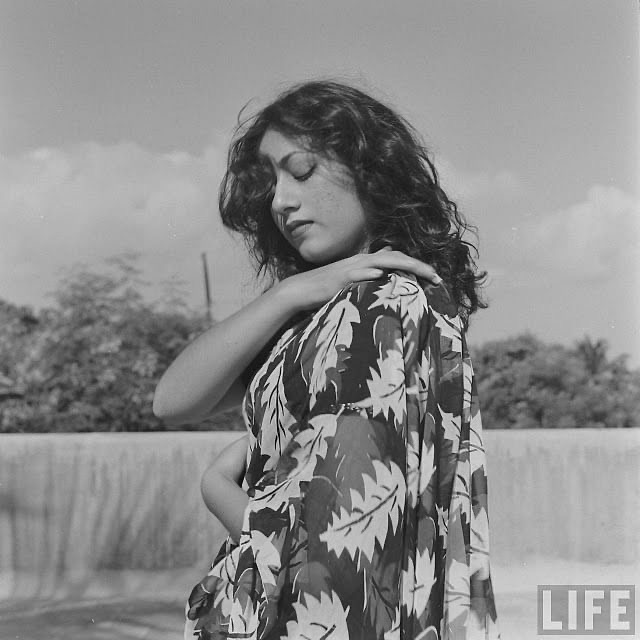
A Keralite Dancer in Sari( Mohini Attam: a dan...
Whole Dude – Whole Greeting: Defining Indian Identity – The Traditional Greeting.
Whole Dude – Whole Greeting: Om, Namah Sivaya – The Five Letter Mantra – Traditional Indian Greeting-Namaskar

TheTradition of Respect and Obedience: 

Whole Dude – Whole Greeting: Defining Indian Identity – The Traditional Greeting

Deuteronomy, 5th Book of Moses, The Old Testament, The Holy Bible: Chapter 10, verse 16:

“Circumcise therefore the foreskin of your heart, and be no more stiff necked.”

The word ‘Namah’ means one that bends which implies obedience. The one word ‘Namaskar’ represents the full spectrum of the legacy of India’s Culture.

Namah Shivaya:

Whole Dude – Whole Greeting: Defining Indian Identity – The Traditional Greeting. Five Letter Mantra for Learning. AUM NAMAH SHIVAYA. Namah is the most used Sanskrit word in all human interactions, worship, and the Learning Process.

I shall begin this entry with a traditional greeting. As a kid I was trained to greet and acknowledge others. The greeting is called ‘Namaskar’ or ‘Namaste’. I would begin by greeting all of you who may read this entry with my ‘Namaskar’. Namaskar is the essence of our Culture and this single word can represent the full spectrum of our Cultural legacy.

Whole Dude -Whole Greeting: Defining Indian Identity – The Traditional Greeting. Lieutenant General T A D’ Cunha, Director General of Ordnance Services is seen saluting the Corps Colors in this photo image taken during AOC 8th Reunion Celebration at AOC Centre Secunderabad.

I served in Uniform. The lesson I grasped is that to Salute is the foundation upon which the entire structure of military discipline is built.Service in the Armed Forces depends upon team work.The team structure depends upon the ability of team members to recognize and acknowledge each other at all times. I salute to acknowledge the person as a member of my team. Army accomplishes great things only when the team members follow this ground rule for their conduct and behavior. Namaskar is the tool given to me by the Culture of my Land and this tool shapes my attitude and personal behavior and this tool helps me to attain my life’s goals.

Defining Culture:

Whole Dude – Whole Greeting: Defining Indian Identity – The Traditional Greeting. Namaskar

Culture is defined as learned or acquired behavior in contrast to biological behavior which is genetically endowed. Human Culture is defined as learned behavior acquired by individuals as members of a social group.Culture denotes a people’s heritage of custom and belief. It is a system of ideas that has been transmitted down through the generations. It includes assumptions about the world, about life and existence, rules and ways to act, goals and ways of achieving them. People’s ideas about ways to live may shape the ways they actually do live.Beginning at birth, each individual is encultured by a body of norms governing behavior and other knowledge that the society has. Thus Cultural Heritage can be defined as the sum total of human knowledge and acquired behavior.

Whole Dude – Whole Greeting: Defining Indian Identity – The Traditional Greeting Namaskar

Namaskar represents the essence of my Cultural heritage. Culture gives people a sense of personal identity. Defining that ‘identity’ helps in understanding the Culture. Namaskar is the behavior I learned and Namaskar defines my ‘identity’. It is a behavior transmitted to me through the generations.

Culture of the Land:

Whole Dude – Whole Greeting: Defining Indian Identity – The Traditional Greeting. The Land of India or Bharat Varsha is traditionally identified as ‘KARMA KSHETRA’ or ‘KARMA BHUMI’.Human Existence is operated by the ‘Law of Karma’.

The Land of India in our Culture and tradition is referred to as the land of Bharat. My purpose is to learn the ideas and thoughts that have found their roots in this particular Land. Ideas and thoughts help in developing and defining our attitudes.Our attitudes are reflected in our behaviors.The behavior which springs from the seeds of ideas and thoughts that were planted in the soil could be described as the Culture of the Land. The ancient Hindu Scripture known as Rig Veda has recommended that we should keep our minds open to receive noble thoughts from all directions. I studied Natural Sciences and I gained much of my information from ideas and thoughts expressed in books that were published in the West.The basic idea and thought that I had received was that we need to carefully sort out the information that we gather. Assimilation of information would be possible only when facts are considered in a systematic manner. I learned about plants and animals as a part of my study called Biological Science. Living things are connected and are related to each other.This interconnectedness and the interrelatedness describes the ecological system.There is a great amount of diversity in nature.To understand living things, we need to group them and learn about them as a part of an ecological system. We can not understand existence if we look at individual creatures.The reactions between the players of a given geographical area gives a better understanding of life and existence. I would like to use this kind of scientific tool to identify ideas and thoughts.Some ideas and thoughts could be assigned to a particular land in the same manner that a natural scientist would identify some species are ‘NATIVE’ and others as ‘NON-NATIVE’ in the description of an Ecological System. To prove that an idea is culturally derived, we need to demonstrate that the idea is transmitted through generations.To arrive at ideas that originated in the Land of India, I would prefer to obtain a sense of direction from my great grand mother, my grand mothers and my mother. If an idea was not known to them, it may not be a part of my cultural legacy. If they had known very little, I would deem it as my good fortune and that little is my whole inheritance. Namaskar thus represents the best of my acquired knowledge.

The importance of Namaskar:

Whole Dude – Whole Greeting: Defining Indian Identity – The Traditional Greeting

The word Namaskar is usually accompanied with the action of joining hands and bringing them together in front of the body with the elbows flexed and the neck slightly bent forwards.The joining of hands symbolizes respect and the bending of the neck signifies obedience. A person with ‘stiff neck’ is generally considered to be disobedient, rude, arrogant or proud. Respect can not be shown if the person does not display an attitude of obedience.The very essence of Indian Culture can be stated as that of showing respect and obedience. This is the most important behavior that is expected of every one. It is not merely about showing respect and of obedience to the Gods that people worship. Even the Gods that people worship also implicitly observe the rule about showing respect and obedience.This social expectation rules every relationship and activity. It is the basic expectation, let it be parent-child relationship, husband-wife relationship, teacher-student relationship, employer-employee relationship, the Ruler and the subject relationship, the relationship between siblings and even between friends. Respectful conduct is expected while receiving guests, while dealing with any elderly person even though the person may not be related. In addition, several plants, trees, birds, animals, rivers, the sea and the the hills and mountains enjoy a special status and are treated with great respect.This social behavior is encouraged at all times and specially kids are trained and tutored to display this behavior. I grew up in India and my childhood is shaped by learning this behavior. Also my culture has given the freedom of choice. I am free to worship several entities in addition to God. If I am not inclined to worship God, I may choose a living person, a plant, a tree, an animal, some element of nature or even a name and shapeless stone and I am free to worship that object with the same and similar amount of respect that one may give to God.The Gods of my Culture would not get angry or jealous if I am totally preoccupied with showing respect to an object of my choice. Most people of the Land of India get used to showing respect to a variety of objects.

Showing respect and obedience is considered as the most important learning tool to acquire humility. Through humility, the individual can subdue his ‘ego’. Ego is viewed as a great obstacle in the pursuit of self-knowledge. Self-Knowledge is the chisel that lets an individual to break the shackles of all attachments. Freedom from all attachments is described as Moksha or Liberation and as Mukti or Release.This cultural norm of showing respect and obedience and the use of Namaskar would help us in attaining life’s goal or to realize man’s purpose in life.

Defining Indian Identity – The Traditional Greeting provides the tool to learn the cultural values of respect and obedience.

Whole Dude – Whole Ganges

Whole Dude – Whole Ganges: Defining Indian Identity – The Spirit of Nationalism. Mother Ganges is the Spirit of the Nation called India or Bharat.
Whole Dude – Whole Ganges: The Spirit of India

“….The Ganges,above all is the river of India,which has held India’s heart captive and drawn uncounted millions to her banks since the dawn of history.The story of the Ganges,from her source to the sea,from old times to new,is the story of India’s civilization and culture,of the rise and fall of empires,of great and proud cities,of adventures of man….”  

Discovery of India, Jawaharlal Nehru  

Whole Dude – Whole Ganges: Jawaharlal Nehru, India’s First Prime Minister speaks eloquently about River Ganges shaping the lives of Indians throughout History. Mother Ganges is the Spirit of the Nation.

Jis Desh Mein Ganga Behati Hai (The Country Where River Ganges Flows)

Whole Dude – Whole Ganges: WHAT IS INDIA? INDIA IS DEFINED AS THE LAND OR COUNTRY WHERE RIVER GANGES FLOWS. INDIA CAME INTO EXISTENCE WHEN GANGES STARTED FLOWING THROUGH THIS LAND. RIVER GANGES IS THE SPIRIT OF THIS NATION

Raj Kapoor won Filmfare’s Best Actor Award in 1961 for his portrayal of ‘Raju’, a song writer, in his film titled ‘Jis Desh Mein Ganga Behati Hai’. The picture was released during 1960 when I was twelve years old and was studying in VI-Form (S.S.L.C. Class of March 1961) in Danavaipeta Municipal High School, Rajahmundry, East Godavari District, Andhra Pradesh, India.We had a beautiful marble statue of Mahatma Gandhi right in front of our school.I studied Indian History as part of my school curriculum.I used to score well in my History tests. It was not too difficult for me to remember all those dates,names and other facts that constitute the subject matter of History. I have a deep sense of appreciation for all those leaders who orchestrated the political struggle against the British Rule.The Freedom Movement did indeed foster a sense of purpose and united people to achieve a common goal. It could be true that the fight against the Colonial powers gave a sense of Identity and very often the freedom fighters were called ‘Satyagrahis’. I have great admiration for their sense of patriotism and I am ever grateful for the sacrifices they made to win our independence. I saw this movie ‘ Jis Desh Mein ‘ just once and may have heard the title song on the radio on a few occasions.But the song , “Hotoan pe sachhai rahati hai, jahan dil me safaai rahati hai, Hum uss desh ke vaasi hai, Hum uss desh ke vaasi hai, Jis Desh Mein Ganga Behati Hai” never faded from my memory. 

Whole Dude – Whole Ganges: Defining Indian Identity – Mother Ganges is the Spirit of the Nation called India or Bharat

Ten years after seeing the movie, in the year 1970, at the age of 22 years , I was granted President’s Commission and joined the Indian Armed Forces in the rank of Lieutenant.While joining Service,we accept the risks that naturally accompany such an occupation and reflect upon the motivation that shapes the decision.I understand that the Freedom Struggle was important but that Struggle does not define my sense of National Identity.I have known that the country that we call India has existed long before the invasion by the Mughals,the country that we call India has existed during centuries of British Rule and now the country that we call India exists in spite of the changes in the political landscape and the political fortunes of the Parties that we elect from time to time. My sense of National Identity is not dependent upon the political history of our country. My sense of National Identity does not depend upon the language that I speak at home and it is not related to the regional customs pertaining to food or dress. I have known my country from its Cultural Traditions. In 1970,I joined the Indian Army to defend the country which lives in my mind as the Land where River Ganga flows.

Whole Dude – Whole Ganges: Mahatma Gandhi is revered as the Father of the Nation and had promoted the Spirit of Nationalism during India’s long Struggle for Freedom. But, Mother Ganges is the Spirit of this Nation called India or Bharat.

In my opinion, the country that we call India is not a mere political entity. It is true that India gained its political freedom in 1947. The country is existing ever since the River Ganges started flowing across its Land. 

I am not surprised that the song “Jis Desh Mein” still plays and I still hear the golden voice of immortal Mukesh, whenever my heart dreams about India. Most certainly, the Spirit of Nationalism is inspired by a history which reaches back to a period earlier than the British occupation of India.

Jis Desh Mein Ganga Behti Hai Lyric

Whole Dude – Whole Ganges: Defining Indian Identity – Mother Ganges is the Spirit of the Nation called India or Bharat.

hothon pe sachchaaee rahatee hain, jahaan dil mein safaee rahatee hain
hum us desh ke waasee hain, jis desh mein gangaa bahatee hain
hothon pe sachchaaee rahatee hain, jahaan dil mein safaee rahatee hain
hum us desh ke waasee hain, jis desh mein gangaa bahatee hain
mehmaan jo humaaraa hotaa hain, wo jaan se pyaaraa hotaa hain
jyaadaa kee nahee laalach hum ko, thode mein gujaaraa hotaa hain
thode mein gujaaraa hotaa hain

bachchon ke liye jo dharatee maan, sadiyon se sabhee kuchh sahatee hain

hum us desh ke waasee hain, jis desh mein gangaa bahatee hain

kuchh log jo jyaadaa jaanate hain, insaan ko kam pahachaanate hain

ye poorab hain, poorabawaale, har jaan kee kimat jaanate hain
milajul ke raho aaur pyaar karo, ik cheej yahee jo rahatee hain

jo jisase milaa sikhaa hum ne, gairon ko bhee apanaayaa hum ne
matalab ke liye andhe ho kar, rotee ko nahee poojaa hum ne
rotee ko nahee poojaa hum ne

ab hum to kyaa saaree duniyaan, saaree duniyaan se kahatee hain

hum us desh ke waasee hain, jis desh mein gangaa bahatee hain

Whole Dude – Whole Ganges: Defining Indian Identity – Mother Ganges is the Spirit of the Nation called India or Bharat.

Whole Dude – Whole Baptism

Whole Dude – Whole Baptism: Defining Indian Identity – The Tradition of River Worship. River Godavari at Rajahmundry
Whole Dude – Whole Baptism: Defining Indian Identity. The tradition of River Worship. River Godavari at Rajahmundry.

CULTURAL UNIFICATION OF INDIA – THE PRACTICE OF TIRTHA SNAN ( BATHING IN HOLY RIVERS )

Whole Dude – Whole Baptism: Defining Indian Identity. The tradition of River Worship. River Godavari at Rajahmundry.

Water plays an important role in a variety of Cultures and religious practices prevalent in this world.The role of water constitutes one of the most remarkable aspects of Indian religious life. Hindu religion is often described as Sanatana Dharma. The practice of bathing in a river is an unusual example of the continuance of an ancient tradition and hence I can refer to the practice of Tirtha Snan (The ritual of River Bathing) as “Sanatana” (of great antiquity) in its origin. Simply touching water is a purifying gesture in the Vedas. Pilgrimages (Tirtha Yatras) to holy rivers (Tirtha) was already known in Vedic and Epic times and it remains extremely popular up to the present day. In fact,my impression is that the practice has become more popular and a far greater number of people are participating due to the availability of modern time conveniences for travel and lodging.The news media consistently report that our river festivals such as “Kumbh Mela” and “Pushkarams” have established world records as the largest gathering of human beings upon this earth in one single day and for one single purpose.

The sacredness of a place is often due to the sanctity it derives from its location on the bank of a holy river (Tirtha Sthan or Tirtha Kshetra). The following verse is an example of such belief. The simple act of remembering the various places that River Ganges traverses through, is equivalent to the worship of all Gods and it bestows great blessings (Punya).

Tatra tatra sthita Ganga, Sarva Punya phala prada

Bhaveth smarana maatrena, Sarva Deva namaskruta.

Apart from bathing (Snan), holy waters are used in the ritualistic worship of deities,and the water used in the worship is used to sprinkle upon the heads of the devotees and also consumed by the devotee in acceptance of the blessings from the Deity. The devotee hopes for deliverance from sin or pollution (“Paap”), seeks preservation or enrichment of his religious merit (“Punya”), hopes for a reward such as rebirth in a heaven (“Swarg Lok”)and even total emancipation (“Moksha or Mukti”). There are instances when people had actually traveled to the holy city of Varanasi to die near the holy River Ganges. More often, the cremated remains, the ashes are carried by the loved ones and are physically sprinkled and immersed in the holy rivers such as Ganges to help the onward journey of the departed soul.

Whole Dude – Whole Baptism: Defining Indian Identity. The tradition of River Worship. River Godavari at Rajahmundry.

The worship of rivers and the practice of bathing is a belief that is connected with the traditional Indian views of earthly life. Indians believe in the theory of Karma. They believe that the acts of their present lives and their past lives would be a factor that determines the condition into which a being is reborn. The Karma binds the soul and compels it to go through an endless series of births and deaths. The cycle of birth, death and rebirth is called Samsara. In my previous entry, I described the fear of Samsara as the defining attribute of Indian Identity. The practice of bathing in a holy river is an example of the doctrine of Individualism. Even when millions of people travel and gather together to bathe in a river on one day, each is acting strictly to earn his own merit and to reap his own benefit and the community does not expect any share of the rewards that the bather may be granted. I bathe and wash my own sins and I can not be of any help to others if they carry the burden of their own sins. Each person has to accept individualistic responsibility for their own actions and if necessary they can seek help from others to get to the river and ask for assistance to bathe in the river.

Whole Dude – Whole Baptism: River worship appears to be a communal event but its usefulness is strictly individualistic in nature.

River worship appears to be a communal event but its usefulness is strictly individualistic in nature. Bathing is not viewed as a simple act of personal hygiene, it constantly reminds us of the need to seek purification and makes us aware of our responsibility for own actions and challenges us to face the consequences in our future lives. People are encouraged to seek the blessings that bathing in holy rivers would contribute even while they may be showering at home. The following verse is an example of our connection to the rivers that flow across our Land.

गङ्गे च यमुने चैव गोदावरि सरस्वति ।
नर्मदे सिन्धु कावेरि जलेऽस्मिन् संनिधिं कुरु ॥

Gange Cha Yamune Chaiva Godavari Saraswathi

Narmade Sindhu Kaveri Jalesmin Sannidhim Kuru

Meaning:
1: O Holy Rivers Ganga and Yamuna, and also Godavari and Saraswati,
2: O Holy Rivers Narmada, Sindhu and Kaveri; Please be Present in this Water (and make it Holy).

My introduction to River Worship

Whole Dude – Whole Baptism: Defining Indian Identity. The tradition of River Worship. The celebration of Godavari River.

Culture represents ideas and thoughts transmitted by one generation to the next. It indeed gives me a great pleasure to recall my learning of this unique Cultural Tradition while I lived at my Grandfather’s mansion in Innespeta of Rajahmundry town in East Godavari District of Andhra Pradesh. During 1950s, I lived with my parents,two brothers, grand mother, her sister and my great grand mother. The house had bath rooms and we had regular piped water supply from the municipality. We would generally shower at home and on important festival days, we would bathe in River Godavari. My great grand mother was an exception to this bathing practice. She firmly believed in the practice of river worship and adhered to it every single day and almost till her final days of earthly existence. She was of short stature and she was already in her ninety’s and due to her age, her spine curved and made her even smaller. Her vision had deteriorated and she was able to see only a few feet ahead of her. Our house was located at the corner of Kalabargivari Street and the Ramalayam street.The Lord Sri Rama Temple of Innespeta is a well known land mark and it stands next to the protective river embankment. The river bank is fairly wide, it includes the railway tracks and a motor-able road. Much later, the second rail cum road bridge was built across Godavari River using these railway tracks. My great grand mother would walk to the river all by herself and used a walking stick to support herself. The walk to the river is short but she faced a lot of dangers on the street. Those days, the vehicular traffic was not a problem and crossing the railway tracks was not a problem. The biggest threat was posed by the stray animals such as goats and cows that roam freely on the streets. She was practically defenseless. As young boys at home, myself and my elder brother were often given the chore of escorting my great grand mother during her walk to the river. When we followed her as her escort, the animals always behaved better and would not come to attack her. The reward myself and my brother Pratap reaped was that of getting into the emerald green, crystal clear, cool waters of River Godavari and frolic in the shallow waters as my great grand mother did her worship. But for my great grand mother’s tenacity and perseverance, myself and my brother would never have ventured to make a trip to the river in the morning.

Whole Dude – Whole Baptism: Defining Indian Identity. The tradition of River Worship. Pilgrims at Godavari River.

It was a joyful experience and the Tradition of River Worship gave us some very fond memories of our life in Rajahmundry. The following verse speaks of the importance that we attach to rivers of India and they are treated with great respect as they are deemed to be the same as Ganges:

Whole Dude – Whole Baptism: Defining Indian Identity. The tradition of River Worship.

Kaveri,Tungabhadra cha, Krishnaveni cha, Gautamee 

Bhagirathi cha vikhyata, Pancha Ganga prakirtita.

Whole Dude – Whole Baptism: Defining Indian Identity. The tradition of River Worship. River Godavari Bridge in Rajahmundry.
Whole Dude – Whole Baptism: River worship appears to be a communal event but its usefulness is strictly individualistic in nature.

Whole Dude – Whole Name


Kapaleeshwarar temple in Mylapore, Chennai.
Whole Dude – Whole Person: The Making of a Whole Name for the Whole Person. The Choice of the Name is predestined by the Science of Light called Jyotish .
Whole Dude – Whole Person: The Making of a Whole Name for the Whole Person. The Choice of the Name is predestined by the Science of Light called Jyotish.

The name ‘ Indian ‘ is related to the great river Sindhu which is also known as Indus. In 1492, Christopher Columbus sailed westwards towards setting sun to reach the shores of India. He discovered people living on islands whom he had mistakenly named as Indians. Apart from those island dwellers, the natives of the entire American continent, the so-called New World were named Indians. In spite of concerted efforts to rename them as Native Americans, the name Indian is still in use.  

Name is a very important tool to describe personal identity. The word name as a noun, describes a person, place or thing. It is also a word or words by which an object of thought is known. Indians did not choose the name India or Indian. However, the people of our Land of BHARAT, are extremely fond of choosing names. This fondness for selecting, using and remembering names is an important Cultural attribute which defines our identity. In my case, the choice of the Name is predestined by the Science of Light. Earthly events have celestial connections.  

The Tradition of Giving Names:  

Whole Dude – Whole Person: The Making of a Whole Name for the Whole Person. Lord Shiva is known as Rudra, Neela Kantha, Pasupati and several other names. This fondness for selecting, using, and remembering names is an important cultural attribute which defines Indian Identity. The Choice of my Name is predestined.

The name ” Rudra ” is one of the earliest names known to humanity. According to legend, the Vedic God Rudra acquired His name from His Creator Brahma. As per the story, a boy was seen ‘crying’ and ‘wandering’. The father had asked the boy the reason for his ‘howling’. The boy had answered that he was ‘weeping’ for he was not given a name. So, the father created a name by bringing together two Sanskrit words which mean ‘crying’ and ‘wandering’. Thus the name Ru+dra was born. This legend is an example of our emotional dependence upon the need for names. The major Deities such as VISHNU and SHIVA that Indians worship are known by thousands of names and remembering those names is deemed as an act of devoted worship. The use of these names is a fundamental right and I understand the term religious freedom in the context of my freedom to choose the name that I would worship. The religious experience that I had gained while growing up in India relates to the use of names as an act of worship. Worship would have no meaning or purpose and would not give me a sense of direction if I do not remember the beautiful names that I have come to know.  

A Personal Name and a Personal Story:

This landmark Temple of Kapaleeswara binds me to my birthplace of Mylapore, Madras(Chennai). The Presiding Diety of this Temple is chosen as my personal Protector and hence I am given the name of "RUDRA".
Whole Dude – Whole Person: The choice of my Name is predestined. This landmark Temple of Kapaleeswarar binds me to my birthplace Mylapore, Madras (Chennai). If my birthplace had been different, my Name would have been different. The Presiding Deity of this Temple is chosen as my personal Protector and hence I am given the name of RUDRA.

My personal name is very much a part of my personal story. If my birthplace had been different, my Name would have been different. My Name is chosen entirely due to the circumstances of my birth and I remain connected to the persons and the places for the rest of my life. I describe MYLAPORE of MADRAS city (CHENNAI) as my birth place and I describe RAJAHMUNDRY of East Godavari District as my native place.

Whole Dude – Whole Person: MY IDENTITY AND MY CONNECTION. I CALL MYSELF AS ‘REBBAPRAGADA’; MY MOTHER BELONGS TO THE ‘KASTURI’ FAMILY. THIS IS A PICTURE OF KASTURI BROTHERS. FROM LEFT TO RIGHT, 1. DR. KASTURI NARAYANA MURTHY, M.D. (MY MATERNAL GRANDFATHER), 2. KASTURI. SESHAGIRI RAO (MARRIED TO MRS. RUKMINI, DAUGHTER OF DR. SARVEPALLI RADHAKRISHNAN), 3. KASTURI NARASIMHA RAO, 4. KASTURI KRISHNA RAO, 5. KASTURI SOMESHWARA RAO, 6. KASTURI RAMACHANDRA RAO, AND 7. KASTURI SIVAPRASADA RAO (FAR RIGHT).

My mother had given birth to me at my maternal grandfather’s residence 2/37  KUTCHERY road in Mylapore. Corporation of Chennai, Public Health Department entered my birth in the Birth Register and issued a birth certificate which records my gender, the date and time of my birth, the place of my birth, the names of my father and mother, the registration number and it does not show my name as my parents did not give me a name while reporting my birth.

Whole Dude – Whole Person: My paternal grandfather. The family astrologer who had prepared my horoscope predicted an inauspicious event and the prediction came true five months after my birth. But the prediction did not deter my grandfather in any manner. My grandmother whose name I had acquired told me that my grandfather had loved me with all his heart without any concern about the astrological prediction.

I spent the years of my early childhood at my paternal grandfather’s mansion in INNESPETA of Rajahmundry, East Godavari District of Madras Presidency and later Andhra Pradesh, India.

As per the traditional belief and the practice of Vedic Astrology known as Jyotish (Science of Light),  my birth star predicted and warned about some forthcoming inauspicious events. The astrological calculations suggested that remedial action is needed to counter the negative aspects of the birth star. Accordingly, my father had performed a ritualistic worship popularly known as Rudra Abhishekam  and worshiped Lord Shiva at the beautiful KAPALEESWARAR temple of Mylapore. To ensure that I would always enjoy the blessings of Lord Shiva, my father decided to name me as Rudra. Hence, the name of Rudra instantly connects me to my birth place of Mylapore and to KAPALEESWARAR as my personal protector.

Whole Dude – Whole Person: What’s in a Name? The making of a Whole Name for the Whole Person. The choice of the Name is predestined by the Science of Light called Jyotish.

My birth star also had forewarned about consequences that would impact my paternal grandfather. There was no easy escape from the influences and the second part of my personal name was carefully chosen to please my paternal grandmother, Srimati. Lakshmi Narasamma. Because of the gender variation, the name Narasamma got transformed to Narasimham. This name immediately connects me to the Laws of Karma.

Whole Dude – Whole Person: The Making of a Whole Name for the Whole Person. The choice of the Name is predestined by the Science of Light called Jyotish.

These names are well-known and particularly in the southern States of India, the name Narasimham or variations of that name are frequently used. As long as I remain a conscious entity, my grandparents live in my consciousness. Astrology or Jyotish may not be a perfect Science. Horoscopes may not predict the future course of events in a person’s life. I exist in this world and I am known by a name which was specifically selected for me because of the predictions cast by my horoscope and the prediction came true and  I find enough justification for this Indian Cultural Tradition called Jyotish.   

Whole Dude – Whole person: The Rebbapragadas Group describes people related to this group of people and others connected to Rebbapragadas.

 A unique name and a unique perspective:  

In 1965, I joined Kurnool Medical College after I obtained a Bachelor of Science degree from Osmania University, Hyderabad. At Kurnool, a batch of B.Sc., degree students were directly admitted into the second year of the medical education program that awards the M.B.B.S degree. Professor Rama Murthy of the Anatomy Department was very fond of knowing and recognizing each of his students by their personal names. On the first day of our Anatomy class, the attendance register was not ready and Professor Rama Murthy had decided to call out names from the list of selected candidates. He very solemnly announced to the class that the roll call begins with a very angry and fiery name. We were intently listening to know what that name could be. Apparently, the list of selected students was prepared according to merit and my name was placed at the top of the list. He called my name and expressed his sense of disbelief. He asked me to verify my name and told the class that it was the first time in his life that he encountered a person with the personal name of Rudra Narasimham. His statement appears to be right and I have not known any other person who may have the same name. It is one of its own kind and is unique and special and these two names were put together to establish me as a Whole Person. 

Whole Dude – Whole Person: Socrates implored people to ‘know thy self.’ He had stated that the unexamined life is not worth living. Understanding life involves understanding personal identity and name is a word by which an object of thought is known.

The name Rudra, the first part of my first name is related to SHIVA who is recognized as the God of Learning. Shiva is like Socrates. Socrates of 5th century B.C. is claimed to be the father of western thought. He had implored people to “know thy self.” Socrates had stated that the ‘unexamined life is not worth living’. Shiva guides me to reflect upon life. Shiva encourages introspection, reflecting upon your own mind and thoughts. Shiva defines that the purpose of learning is to acquire the ability to think for oneself.

The name Narasimham represents to me a Whole Person who defends my right to choose the Name for my worship. The story about  PRAHLAD represents the Cultural importance attached to personal choice in matters of religious worship. Names of persons, places and the legends form a part of Cultural legacy of our Land and define the Indian Identity described by the Name Bharat. 

Whole Dude – Whole Name – The Making of a Name by the Science of Light. The performance of Rudra Puja at Kapaleeswarar Temple, Mylapore, Madras, Chennai was predestined.
Whole Dude – Whole Name – The Making of a Name by the Science of Light. Moola Star belongs to the Sagittarius constellation.
Whole Dude – Whole Name – The Making of a Name by the Science of Light. Moola Star of Sagittarius constellation.
Whole Dude – Whole Name – The Making of a Name by the Science of Light.

Whole Dude – Whole Learning

Whole Dude – Whole Learning: Defining Indian Identity – Idol Worship – A Learning Experience

Sri Raghavam Dasarathatmajam aprameyam  

Sita-patim Raghu kulanvaya ratna deepam  

Ajanubahum aravinda-dalayataksham  

Ramam nisachara vinashakaram Namami.  

Idol Worship – A Way of Life:  

Whole Dude – Whole Learning: Defining Indian Identity – Idol Worship – A Way of Life

Worship of idols and images is an part of daily life in many Indian homes. Long before its birth as a political entity, the Land of India was recognized by the outside world as a Land where people worship idols. The plurality of gods in daily worship is a way of life. Indian people worship idols and images of one or another of the innumerable gods in their homes, in public places as well as in temples.  

Childhood is a time of great learning experiences. A child imbibes Cultural values and learns Cultural traditions mainly at home while the child is dependent on and is educated by parents and other adults. Children acquire the Culture of the society they live in through a gradual learning process.  My childhood learning experience of idol worship occurred in two places. While I was in Mylapore (Madras/Chennai City), the day would generally begin with a small errand. Myself and my elder brother Pratap would go out with a basket and gather flowers by just walking around in the neighborhood. Every home would keep some flowering plants which are traditionally used in daily worship. We were fond of gathering a variety of flowers for my maternal grandmother’s morning worship. It was a pleasant task and the fragrance of ‘Parijatham’ flowers that we gathered still lingers in my memory. I also spent my early childhood in Rajahmundry at my paternal grandfather’s home in Innispeta. My grandmother would also worship the morning rising Sun before starting her idol worship. Very often, we wait in the courtyard and alert our grandmother when Sun shows up in the sky. During the monsoon season, one has to patiently wait for the rain clouds to drift and let the Sun come out. At the end of her worship, we were always ready to receive the offerings (PRASAD) and there was always a sense of pleasure while waiting for these daily morning treats. Childhood was spent in observing the adults and on special occasions, the children at home participate in the worship while the elders give directions. The worship at temples was done in the company of parents and elders.  

A Learning Experience from 1954:  

Whole Dude – Whole Learning: Defining Indian Identity – Idol Worship – A Way of Life

I was six years old and was a fourth class student at King George Elementary School, in Innispeta of Rajahmundry. One evening, just after it became dark, my father experienced sudden abdominal pain. The intensity of his pain was very severe and he was alarmed by his condition. As the pain persisted, he started pressing people to notify others about his predicament and I remember that he wanted that his younger brother (a doctor) who was then working in Nagpur City, should be alerted with a telegram. At one point of this painful state, my father had even asked that he should be laid on the floor in the anticipation of an impending death. My two elder brothers, Hari and Pratap, and myself watched this scene and were moved into action. At my eldest brother Hari’s initiative, the three of us proceeded to Lord Sri Rama’s temple which is located near the Godavari river bank, a short walking distance from our home. The temple was still open and had only a very few worshipers as night had set in. We stood before the idols in total silence and paid our respects with the traditional greeting of ‘Namaskar’. Temple worship is a simple act. You just need to come before the idol and you are not really required to speak out your concerns and spell out the reasons for seeking the darshan (viewing the idol). It took a couple of minutes and the priest graciously gave us a mango fruit as ‘prasad’. Those few minutes that I spent standing mutely before Rama’s idol at night-time, is the reason that I still remember and recall my father’s abdominal pain after a lapse of about fifty-three years. I went to the temple with a sense of anxiety and with a sense of expectation that visiting the idol of Rama would somehow help my father to get rid of that terrible pain. I silently communicated my concern to the idol and I received a response. The response that I received was that of reassurance and comfort. I felt immediately relieved of a burden and felt upbeat and the feeling was one of instant gratification. Myself and my brothers returned home from the temple. I wanted to tell my father about our visiting the temple and I wanted to assure him that he would be alright if he would take a few drops of the juice from the mango fruit that we received from the priest. When we got back, the scene had changed. I did not get a chance to speak to my father and offer him the mango fruit. He had a large vomiting and threw up the food that he ate before. It helped him, his pain started to subside and he could rest without further problems. We retired for the night and the next day was just a routine day at the school. We never discussed that painful episode again and the communication that I received from Rama’s idol got preserved in my memory and my family had no chance to know about it. 


Whole Dude – Whole Learning: LORD RAMA. His image or idol is worshiped by Indian people. Is that a false belief? Is that a superstition? What is true Worship?

The rest of the world may call my visiting Lord Rama’s idol as an act of superstition or false belief. My heart knows and my mind remembers that the idol gave me a sense of relief and comfort and my experience was real and genuine. Every one is welcome to take the place of that idol and if they are willing to be a source of comfort, and I am willing to have their darshan and worship them just like the idols that I would like to worship seeking a personal experience which is real while the basis for the belief is not easy to verify.  

Whole Dude – Whole Learning: The simplest form of Idol Worship involves standing before the Idol and greeting the Idol with palms pressed in front of you.

Whole Dude – Whole Etiquette

Whole Dude – Whole Etiquette: Goddess Sarasvati is known as the Goddess of Speech or Vag Devi and She symbolizes the importance of Speech Etiquette and Speech Discipline.
Whole Dude – Whole Etiquette: Mother India, or Bharat Mata is defined by Her Speech which is Sweet, Elegant, Pleasant, and gives pleasure and Happiness to all Her listeners.
Whole Dude – Whole Etiquette: India’s National Song, popularly known as ‘VANDE MATARAM’ was composed by Shri. Bankim Chandra Chatterjee/Chattopadhyay. It describes India’s Speech Tradition.

Bankim Chandra Chatterjee composed India’s  National Song BANDE MATARAM (“Hail to Thee, Mother”). “Vande Mataram” became the Mantra and slogan of people of India in their struggle for independence.

Whole Dude – Whole Etiquette: Defining Indian Identity. The Tradition of Speech Etiquette.

In the Song Vande Mataram, the Land of India is described as Suhasini, and Sumadhura Bhashini .Suhasini refers to a person who can speak in a pleasant manner without being rude or offensive and provide a sense of cheer and humor to the listener. Sumadhura Bhashini refers to a person who speaks good and sweet words which gives a sense of pleasure to the listener.  

Speech is the oral, audible expression of human language while talking. Man became characteristically human when he learned to speak. All human Culture and its propagation appears to depend on some form of language to serve as the vehicle for teaching, persuasion and tradition.

Speech is a very important aspect of human personality. Culture plays a significant role in the development of speech behavior. Particularly, in the Indian society, there are social expectations in the use of speech, speech mannerisms and in the observation of speech etiquette.The manner of speech is predictive of human behavior. Indians are expected to speak softly, in a sweet and pleasant manner. A loud-mouthed person is generally viewed as disrespectful, disobedient and disruptive. In the following poem, the famous Telugu Poet Vemana describes the importance of speech behavior. 

Whole Dude – Whole Etiquette: Telugu Poet, ‘SARVAJNA’, Yogi Vemana had described the importance of Speech Etiquette in a few simple sentences.

Sri Kumaragiri Vema Reddy is popularly known as Vemana, Yogi Vemana (Telugu: వేమన) was a telugu poet. C.P. Brown, known for his research on Vemana, estimates the year of birth to be the year 1652 based on some of his verses. Vemana was the third and youngest son of Gaddam Vema, then the king of Kondaveedu in Andhra Pradesh.

Whole Dude – Whole Etiquette: Defining Indian Identity. The Tradition of Speech Etiquette.

Brass can produce high volume sound as compared to Gold but we consider Gold to be a precious metal and value its high quality in spite of its lack of ability to generate a loud sound. People who are mean-spirited and low in virtue speak in tones that reflects a sense of arrogance and self-importance. People of high virtue and good character would speak in a gentle and pleasant manner that reflects a sense of humility and the listeners would be pleased by listening to the words spoken. While speaking, the pitch and the volume of the sound is less important and we need to focus on the contents of our speech and offensive words must never be spoken raising the volume of speech. 

Speech Etiquette and Indian Culture:  

Whole Dude – Whole Etiquette: Defining Indian Identity. The Tradition of Speech Etiquette.

Indian Culture describes “Saraswati” as the Goddess of Speech or “VAK”. She is known as VAG DEVI. Indians worship her to obtain fluency and to become eloquent speakers. Our identity is related to the quality and content of our speech. Speech mannerisms, speech etiquette and speech discipline are parts of the grooming process of the children in our homes. In fact, the Indian Tradition of Learning begins only after imparting the importance of Speech Etiquette in the learning Process. Children are generally counseled to use some restraint in their speech. There are several words and phrases that identify an Indian speaker according to their speech quality and content.The phrase ‘Su Bhasini’ directs us to use good and pleasing words. The phrase ‘Mita Bhasini’ directs us to speak to the point using only a few appropriate words. The phrase ‘Manjula Vani’ directs us to speak in a beautiful and elegant manner.

Whole Dude – Whole Etiquette: Indian Speech Etiquette is duly reflected in the Indian Traditional Greeting.

The Indian traditional greeting Namaskar or Namaste represents the devotion to showing respect and displaying an attitude of obedience in public conduct. We can only meet this Cultural expectation by using a manner of speech which would convey the qualities of respect and obedience.  

Whole Dude – Whole Etiquette: The Tradition of Speech Etiquette. Speech reflects the character of the person who is speaking.

Dr.Martin Luther King, the famous Civil Rights Leader of the United States wished for that day when his sons would not be judged by the color of their skin but by the content of their character. Similarly, a person’s identity should not be assumed by the person’s physical attributes but by his attitude and behavior. As an Indian, I wish to be identified not by the color of my skin. ‘Sumadhura Bhashini’ is the Cultural standard of our speech behavior. If you care enough, listen to me, my speech would reveal to you the country of my origin.  

Whole Dude – Whole Etiquette: Defining Indian Identity. The Tradition of Speech Etiquette.
Whole Dude – Whole Etiquette: Defining Indian Identity. The Tradition of Speech Etiquette. The Light reflects the traditions of Speech Etiquette.