Tibet Awareness – Starbucks Opens Up Shops on the Tibetan Plateau
Whole Dream – Starbucks Coffee Tastes Better if there is Freedom in the Air. I would be happy to sip a cup of hot, freshly brewed Starbucks coffee to begin my day in Lhasa on a bright note. The Coffee is going to taste better when there is Freedom in the thin air of Tibetan Plateau.
Any mountain climber will be able to describe the shortness of breath that normally comes with altitude. It’s not that the air has a lower percentage of oxygen – it’s around 21% wherever you stand in the world. But air pressure decreases the further you walk or fly from the sea’s surface, allowing the gas molecules to spread out in all directions, and a lung can only stretch so far to compensate. The Tibetan plateau is one of the highest regions on Earth. It has an average elevation of ∼4,000 m, a barometric pressure of <500 mmHg, and an ambient partial pressure of oxygen (Po2) of 80 mmHg. At more than 4,000m (13,000ft) above Sea Level, each breath contains around a third less oxygen than the same breath far below. At this altitude, the oxygen level in the air is roughly 60% of what is found at sea level, meaning people breathe in considerably less oxygen with each breath. Low oxygen levels can cause various health issues including nausea, dizziness, headaches, fatigue, and in severe cases, altitude sickness.
I am sharing this story published by Brandchannel with the hope generated by my prediction of Red China’s sudden downfall. There is a chance that I may be attending festivities in Lhasa to celebrate Tibet’s Liberation from Communist occupation. I would be happy to sip a cup of hot, freshly brewed Starbucks coffee to begin my day in Lhasa on a bright note. The Coffee is going to taste better when there is Freedom in the thin air of Tibetan Plateau.
BRANDCHANNEL:
Starbucks Opens Up Shops on the Tibetan Plateau
Posted September 15, 2015 by MARK J. MILLER
A trip to Tibet has long been considered a journey one takes when seeking internal peace. Escaping Western creature comforts can help an individual reprioritize what life is all about.
That image may still be true, but Starbucks is inching closer to getting its caffeine and sugar into the country. On Friday, it opened two locations on the Tibetan Plateau over the border in the northern Chinese city of Xining.
The locations are strangely only 300 meters away from each other in a city of 2.2 million people. “Young people are very excited by the Starbucks,” student Padma Yangkyi told the Xinhua News Agency. “The fondness for traditional buttered tea and Tibetan opera doesn’t weaken our love for coffee and pop songs.”
China now has about 1,700 Starbucks, passing Canada as the country with the second-most locations outside the US, according to Quartz. The plan is to double that number in the next five years.
It isn’t clear when Starbucks will get to Tibet proper but it seems inevitable. The Australian reports that new Sinopec gas stations have popped up, there’s a shiny new Tibet Tiandi Green Barley brewery, and China is pumping “capital into the area, funding new infrastructure and providing subsidies and assistance, including free education, to many of its population.”
A railway opened in 2006 that brings travelers from Qinghai, Tibet, saw 15 million tourists last year, up 20 percent from 2013. Where the people go, Starbucks will surely follow.
I would be happy to sip a cup of hot, freshly brewed Starbucks coffee to begin my day in Lhasa on a bright note. The Coffee is going to taste better when there is Freedom in the thin air of Tibetan Plateau.I would be happy to sip a cup of hot, freshly brewed Starbucks coffee to begin my day in Lhasa on a bright note. The Coffee is going to taste better when there is Freedom in the thin air of Tibetan Plateau.I would be happy to sip a cup of hot, freshly brewed Starbucks coffee to begin my day in Lhasa on a bright note. The Coffee is going to taste better when there is Freedom in the thin air of Tibetan Plateau.I would be happy to sip a cup of hot, freshly brewed Starbucks coffee to begin my day in Lhasa on a bright note. The Coffee is going to taste better when there is Freedom in the thin air of Tibetan Plateau.
Tibet Awareness – The Reality of Potala Palace, Lhasa, Tibet
Tibet Awareness – The Yoke of Occupation. Potala Palace, Lhasa, Tibet. China Showcases 50 Years of hold on Tibet with Big Parade.
On Tuesday, September 08, 2015, Red China hosted a ceremony in the square of Potala Palace, Lhasa, Tibet to celebrate formation of Tibet Autonomous Region or TAR on September 01, 1965. This celebration does not change the reality of Potala Palace. It stands as a proud symbol of Tibetan Independence and Tibetan Sovereignty. Potala Palace like the White House can only represent one form of national government. As long as the name ‘Potala Palace’ survives, it stands for a political institution called Ganden Phodrang.
CHINA SHOWCASES 50 YEARS OF HOLD ON TIBET WITH BIG PARADE
THE HINDU
BEIJING, September 8, 2015 Updated: September 8, 2015 18:38 IST
CHINA SHOWCASES 50 YEARS OF HOLD ON TIBET WITH BIG PARADE
PTI
CHINA SHOWCASES 50 YEARS OF HOLD ON TIBET WITH BIG PARADE. Performers carry a giant Chinese national emblem (right) and pictures of Chinese government leaders including President Xi Jinping, former leaders Hu Jintao, Jiang Zemin, Deng Xiaoping and Mao Zedong, during the celebration event at the Potala Palace marking the 50th anniversary of the founding of the Tibet Autonomous Region, in Lhasa, Tibet Autonomous Region, China, on Tuesday.
REUTERS
Performers carry a giant Chinese national emblem (right) and pictures of Chinese government leaders including President Xi Jinping, former leaders Hu Jintao, Jiang Zemin, Deng Xiaoping and Mao Zedong, during the celebration event at the Potala Palace marking the 50th anniversary of the founding of the Tibet Autonomous Region, in Lhasa, Tibet Autonomous Region, China, on Tuesday.
V GEETANATH
B RISHIKESH BAHADUR DESAI
China on Tuesday marked 50 years of Tibet’s amalgamation with the Communist giant, holding a grand parade in Lhasa showcasing its grip on the strategic Himalayan region even as it adopted a tough stance against the Dalai Lama, Tibetan religious leader, calling for a crackdown on “separatist forces.” A big meeting followed by a grand parade was held in front of the Potala Palace, traditional home of the Dalai Lama from where he fled to India in 1959, attended among others by senior official of the ruling Communist Party of China (CPC), Yu Zhengsheng, to mark 50 years of Tibet being declared as an autonomous province of China.
China’s claim
China says Tibet became a part of the country by “peaceful liberation” when Chinese troops invaded the Himalayan plateau in 1950 establishing Beijing’s control over it. The Tibet Autonomous Region was founded on September 1, 1965, after the establishment of the regional People’s Congress, the local legislature. Addressing the colourful ceremony, Mr. Yu, who is in-charge of minorities in China, stressed the legality of crackdown on separatists, the official characterisation of supporters of the Dalai Lama including Buddhist monks.
High-handedness charge
Overseas Tibetan groups accused the Chinese authorities of high-handed methods in dealing with those supporting the Dalai Lama, widely regarded as the spiritual head of Tibetan Buddhism.
Over 130 Tibetans, including monks, have committed self immolations in the recent years demanding the return of the Dalai Lama to Tibet. Calling for “strict adherence to the law in managing religious affairs in Tibet,” Mr. Yu said “law-based governance is fundamental to the long-term stability of Tibet.”
Policing of separatism
In a nationally telecast ceremony, Mr. Yu said policing of separatism must also be done legally while asserting that the crackdown on separatists would continue, scotching any hopes of reconciliation with the Dalai Lama under the new leadership headed by President Xi Jinping. Law-based governance in Tibet was also highlighted in a speech by Mr. Xi last month, state-run Xinhua news agency reported. Referring to security of Tibet which formed part of the India-China border, Mr. Yu also said: “Border areas must be well managed to successfully govern the country, and stability in Tibet is paramount to the management of these areas.”
Tibet Awareness – The Yoke of Occupation. Potala Palace, Lhasa, Tibet. China Showcases 50 Years of hold on Tibet with Big Parade.Tibet Awareness – The Yoke of Occupation. Potala Palace, Lhasa, Tibet. China Showcases 50 Years of hold on Tibet with Big Parade.Tibet Awareness – The Yoke of Occupation. Potala Palace, Lhasa, Tibet. China Showcases 50 Years of hold on Tibet with Big Parade.Tibet Awareness – The Yoke of Occupation. Potala Palace, Lhasa, Tibet. China Showcases 50 Years of hold on Tibet with Big Parade.Tibet Awareness – The Yoke of Occupation. Potala Palace, Lhasa, Tibet. China Showcases 50 Years of hold on Tibet with Big Parade.Tibet Awareness – The Yoke of Occupation. Potala Palace, Lhasa, Tibet. China Showcases 50 Years of hold on Tibet with Big Parade.Tibet Awareness – The Yoke of Occupation. Potala Palace, Lhasa, Tibet. China Showcases 50 Years of hold on Tibet with Big Parade.Tibet Awareness – The Yoke of Occupation. Potala Palace, Lhasa, Tibet. China Showcases 50 Years of hold on Tibet with Big Parade.Tibet Awareness – The Yoke of Occupation. Potala Palace, Lhasa, Tibet. China Showcases 50 Years of hold on Tibet with Big Parade.Tibet Awareness – The Yoke of Occupation. Potala Palace, Lhasa, Tibet. China Showcases 50 Years of hold on Tibet with Big Parade.Tibet Awareness – The Yoke of Occupation. Potala Palace, Lhasa, Tibet. China Showcases 50 Years of hold on Tibet with Big Parade.Tibet Awareness – The Yoke of Occupation. Potala Palace, Lhasa, Tibet. China Showcases 50 Years of hold on Tibet with Big Parade.
TIBET AWARENESS – POTALA PALACE, LHASA, TIBET – TIBET IS UNDER OCCUPATION. Red China has been using photo images of Tibet to promote Tibetan Tourism which fails to acknowledge Tibet’s Independence and Tibetans’ Right to Natural Freedom.
On September 01, 2015, Red China is celebrating a historical event that scars the beauty of Tibetan landscape. Red China brutally carved out a province that she calls Tibetan Autonomous Region or TAR where Tibetans have no autonomy and are denied Right to Self-Determination. Tibet has a total area of 965, 000 square miles and as such in terms of size, Tibet is world’s tenth largest nation.
I am sharing a few photo images of Tibet, its landscape and its people. Red China has been using photo images of Tibet to promote Tibetan Tourism which fails to acknowledge Tibet’s Independence and Tibetans’ Right to Natural Freedom.
TIBET AWARENESS – TIBET IS UNDER OCCUPATION. QINGHAI. TIBET PLATEAU.Red China has been using photo images of Tibet to promote Tibetan Tourism which fails to acknowledge Tibet’s Independence and Tibetans’ Right to Natural Freedom.TIBET AWARENESS – TIBET IS UNDER OCCUPATION. QINGHAI – TIBET PLATEAU.Red China has been using photo images of Tibet to promote Tibetan Tourism which fails to acknowledge Tibet’s Independence and Tibetans’ Right to Natural Freedom.TIBET AWARENESS – TIBET IS UNDER OCCUPATION. QINGHAI TIBET PLATEAU.Red China has been using photo images of Tibet to promote Tibetan Tourism which fails to acknowledge Tibet’s Independence and Tibetans’ Right to Natural Freedom.TIBET AWARENESS – TIBET IS UNDER OCCUPATION. QINGHAI. TIBET. Red China has been using photo images of Tibet to promote Tibetan Tourism which fails to acknowledge Tibet’s Independence and Tibetans’ Right to Natural Freedom.Red China has been using photo images of Tibet to promote Tibetan Tourism which fails to acknowledge Tibet’s Independence and Tibetans’ Right to Natural Freedom.Red China has been using photo images of Tibet to promote Tibetan Tourism which fails to acknowledge Tibet’s Independence and Tibetans’ Right to Natural Freedom.Red China has been using photo images of Tibet to promote Tibetan Tourism which fails to acknowledge Tibet’s Independence and Tibetans’ Right to Natural Freedom.Red China has been using photo images of Tibet to promote Tibetan Tourism which fails to acknowledge Tibet’s Independence and Tibetans’ Right to Natural Freedom.Red China has been using photo images of Tibet to promote Tibetan Tourism which fails to acknowledge Tibet’s Independence and Tibetans’ Right to Natural Freedom.Red China has been using photo images of Tibet to promote Tibetan Tourism which fails to acknowledge Tibet’s Independence and Tibetans’ Right to Natural Freedom.Red China has been using photo images of Tibet to promote Tibetan Tourism which fails to acknowledge Tibet’s Independence and Tibetans’ Right to Natural Freedom.Red China has been using photo images of Tibet to promote Tibetan Tourism which fails to acknowledge Tibet’s Independence and Tibetans’ Right to Natural Freedom.Red China has been using photo images of Tibet to promote Tibetan Tourism which fails to acknowledge Tibet’s Independence and Tibetans’ Right to Natural Freedom.Red China has been using photo images of Tibet to promote Tibetan Tourism which fails to acknowledge Tibet’s Independence and Tibetans’ Right to Natural Freedom.Red China has been using photo images of Tibet to promote Tibetan Tourism which fails to acknowledge Tibet’s Independence and Tibetans’ Right to Natural Freedom.Red China has been using photo images of Tibet to promote Tibetan Tourism which fails to acknowledge Tibet’s Independence and Tibetans’ Right to Natural Freedom.Red China has been using photo images of Tibet to promote Tibetan Tourism which fails to acknowledge Tibet’s Independence and Tibetans’ Right to Natural Freedom.Red China has been using photo images of Tibet to promote Tibetan Tourism which fails to acknowledge Tibet’s Independence and Tibetans’ Right to Natural Freedom.Red China has been using photo images of Tibet to promote Tibetan Tourism which fails to acknowledge Tibet’s Independence and Tibetans’ Right to Natural Freedom.Red China has been using photo images of Tibet to promote Tibetan Tourism which fails to acknowledge Tibet’s Independence and Tibetans’ Right to Natural Freedom.Red China has been using photo images of Tibet to promote Tibetan Tourism which fails to acknowledge Tibet’s Independence and Tibetans’ Right to Natural Freedom.Red China has been using photo images of Tibet to promote Tibetan Tourism which fails to acknowledge Tibet’s Independence and Tibetans’ Right to Natural Freedom.Red China has been using photo images of Tibet to promote Tibetan Tourism which fails to acknowledge Tibet’s Independence and Tibetans’ Right to Natural Freedom.Red China has been using photo images of Tibet to promote Tibetan Tourism which fails to acknowledge Tibet’s Independence and Tibetans’ Right to Natural Freedom.Red China has been using photo images of Tibet to promote Tibetan Tourism which fails to acknowledge Tibet’s Independence and Tibetans’ Right to Natural Freedom.Red China has been using photo images of Tibet to promote Tibetan Tourism which fails to acknowledge Tibet’s Independence and Tibetans’ Right to Natural Freedom.Red China has been using photo images of Tibet to promote Tibetan Tourism which fails to acknowledge Tibet’s Independence and Tibetans’ Right to Natural Freedom.Red China has been using photo images of Tibet to promote Tibetan Tourism which fails to acknowledge Tibet’s Independence and Tibetans’ Right to Natural Freedom.
Tibet Awareness – Potala Palace, Lhasa, Tibet is missing the Reincarnated Spirit it hosts
Potala Palace is built before the construction of The White House in Washington DC during presidency of George Washington. John Adams, the second President of the United States in 1797 was first to live there. Millions of tourists from Red China currently visit occupied Tibet and Potala Palace has become a place of tourist attraction for the 14th Dalai Lama lives in exile since March 1959. The geopolitical interests of all other independent, free, sovereign nations of this world will be best served by defeating Red China and evicting Red China’s occupying forces from Tibet.
I host ‘The Living Tibetan Spirits’ to promote ‘Tibet Awareness’. I acknowledge The Dalai Lama as the Supreme, Independent, Sovereign Authority, and Ruler of Tibet.
Tibet Awareness – Potala Palace, Lhasa, Tibet is missing the Reincarnated Spirit it hosts
The Great 5th Dalai Lama (1617 – 1682) founded the Ganden Phodrang Government of Tibet. Potala Palace was built-in Lhasa during the reign of the Great 5th Dalai Lama. The term ‘Sovereign’ is used to describe an entity that is above, superior to all others, Chief, greatest, Supreme in Power, Rank or Authority. Independence of Tibetan people is kept for much of its history as Tibet remained free of direct foreign control even while it came under foreign conquests by Mongol or Yunan Dynasty (1279 – 1368) and Qing, Ch’ing, or Manchu Dynasty (1644 – 1911). During the reign of the Great 13th Dalai Lama, Tibet declared full independence on February 13, 1913. Sovereign, Independent Tibet signed Mc Mahon Treaty in 1914 to come to an understanding about Tibet’s southern border with India. Tibet has not signed any treaty and has not concluded any agreement about border between Tibet and People’s Republic of China. The Seventeen-Point Plan or 17-Point Agreement that describe ‘measures for peaceful Liberation of Tibet’ do not compromise the power and authority of the Ganden Phodrang Government of Tibet to control Tibetan Affairs.
Potala Palace is built before the construction of The White House in Washington DC during presidency of George Washington. John Adams, the second President of the United States in 1797 was first to live there. Millions of tourists from Red China currently visit occupied Tibet and Potala Palace has become a place of tourist attraction for the 14th Dalai Lama lives in exile since March 1959. The geopolitical interests of all other independent, free, sovereign nations of this world will be best served by defeating Red China and evicting Red China’s occupying forces from Tibet.
The New Zealand Herald
CHRISTOPHER ADAMS @chrisadamsNZ
The Business Herald’s markets and banking reporter.
LEGACY OF DALAI LAMA FADES IN NEW TIBET
5:00 AM Saturday Aug 22, 2015
Former leader runs an exile government, but at home China is in control and tourists roam the palace.
Potala Palace is built before the construction of The White House in Washington DC during presidency of George Washington. John Adams, the second President of the United States in 1797 was first to live there. Millions of tourists from Red China currently visit occupied Tibet and Potala Palace has become a place of tourist attraction for the 14th Dalai Lama lives in exile since March 1959. The geopolitical interests of all other independent, free, sovereign nations of this world will be best served by defeating Red China and evicting Red China’s occupying forces from Tibet.
The Dalai Lama’s Potala Palace is now an attraction for Chinese tourists and its former resident lives in exile in India. Photo / AP It’s hard not to feel a sense of melancholy while passing through the Dalai Lama’s former quarters in Lhasa’s Potala Palace.
In one room visitors view the throne on which Tibet’s one-time ruler sat while addressing officials. Further on – reached through a network of narrow passageways – is his bedroom, the first of the palace’s 1000 rooms to catch the winter sun.
But the 14th and current Dalai Lama, Tenzin Gyatso, no longer walks these corridors. He fled south to India, where he established a government in exile, during the Tibetan uprising of 1959.
Nine years earlier, the army of the newly formed People’s Republic of China crossed the upper reaches of the Yangtze River and took control of Tibet. The region was formally incorporated into the communist state in 1951.
Today, the 80-year-old Dalai Lama remains in his Indian exile and an army of a different kind – hordes of Chinese tourists – file daily through his old quarters. Security guards in orange jumpsuits keep them in check, while red-robed monks stare at their smartphones or murmur prayers, seemingly oblivious to the crush of Chinese tourism surrounding them.
While access to Tibet is severely restricted for foreign journalists, the Herald was able to join an official media tour to Lhasa, the regional capital, this month. It gave a controlled yet intriguing glimpse into life in a region that, like the rest of China, is forging ahead in the quest for development.
Chinese rule of Tibet rests on a platform of economic growth and substantial state subsidies provided to the indigenous population. Hulking tower blocks are emerging from the barren earth on Lhasa’s western outskirts as investment pours in from the central government and wealthier, eastern provinces.
The region’s economy grew by 12 per cent last year, well ahead of the 7.4 per cent national rate. Access to the remote Himalayan region has been improved.
A high-altitude railway line linking Tibet to the rest of China opened in 2006 and carried 7.5 million passengers, more than twice the region’s population, in 2013. And in 2011 China’s then Vice-President, Xi Jinping, cut the ribbon on a 38km, four-lane highway running from Lhasa to the city’s Gongkar airport. It’s a feat of engineering, with numerous tunnels beneath the jagged mountains on the route.
“The driving force of the Tibetan economy is basically the investment drive, rather than trading,” said Yang Tao, of Beijing’s China Tibetology Research Centre. Despite the development, China’s control of Tibet remains a sensitive issue. Activists accuse Beijing of suppressing Tibetans’ cultural and religious freedoms amid a tide of Han Chinese migration into the region from other parts of the country.
Fatal anti-Chinese protests broke out in Tibet before the 2008 Beijing Olympics, and the Save Tibet organisation claims 142 Tibetans have self-immolated in China since 2009 in protest at Chinese rule of the region.
But China says its sovereignty over Tibet stretches back for centuries and the Tibetans were “liberated” from slavery and serfdom in 1951. The extent of Han migration is evident in Lhasa, where Mandarin language dominates the signs above the shops, largely run by Han Chinese, that line the city’s bustling streets.
Tibetan script is required, by law, to also appear. But more often than not, it is secondary to much larger Mandarin characters. The Chinese Government says the region’s population of more than three million remains more than 90 per cent Tibetan.
Potala Palace is built before the construction of The White House in Washington DC during presidency of George Washington. John Adams, the second President of the United States in 1797 was first to live there. Millions of tourists from Red China currently visit occupied Tibet and Potala Palace has become a place of tourist attraction for the 14th Dalai Lama lives in exile since March 1959. The geopolitical interests of all other independent, free, sovereign nations of this world will be best served by defeating Red China and evicting Red China’s occupying forces from Tibet.
Today, the 80-year-old Dalai Lama remains in his Indian exile and an army of a different kind – hordes of Chinese tourists – file daily through his old quarters. Photo / AP Jigme Wangtso, an ethnic Tibetan and director of Tibet’s Government Information Office, said there was a misconception that the Government initiated Han migration to Tibet.
“It is normal and natural for people to migrate,” he said, adding that migration was a two-way street, as large numbers of Tibetans had migrated to Chinese provinces. But international travel remains challenging for Tibetans who, according to Human Rights Watch, can face a five-year wait for passports.
Asked about the obvious presence of large numbers of migrants in Lhasa, Jigme suggested Tibetans were being confused with Han. “Don’t judge all as being Han,” he said. “Am I Han or Tibetan? I don’t wear Tibetan costume.”
He said he saw no proof of a separatist movement existing in Tibet today. He said most Tibetans did not have “any special attachment” to the exiled Dalai Lama and instead appreciated the improvements in living standards, in areas such as health and education, which China’s “preferential policies” had brought to Tibet.
“People are happy with the system,” he said. “He [the Dalai Lama] brought nothing for me.” We do not see any obvious signs of discontent in Lhasa.
But on our first day in the city, we see a convoy of more than 40 trucks filled with paramilitary officers in full riot gear, accompanied by tanks and water cannon vehicles. Our minders say the procession is “practice” for next month’s 50th anniversary of the Tibet Autonomous Region’s establishment.
In Lhasa’s Zhaxi community we are taken to the home of Tibetan local Communist Party chief Suolang Bazhu. His living room wall is adorned with photographs of party leaders, past and present, alongside a mural of the Potala Palace. Suolang, 72, says he has seen huge changes in Lhasa under Chinese rule.
“Ordinary people are usually very thankful for these changes because they lifted us from poverty,” he says. “We used to have nothing … but now we have everything.” State subsidies to Tibet were increased after the 2008 unrest, and in 2010 exceeded 100 per cent of the region’s gross domestic product for the first time, according to Andrew Fischer, of the Institute for Social Sciences in The Hague.
A “comfortable housing” programme has reportedly given millions of rural Tibetans new homes. Our group is taken to visit one relocation village, Dekyi, near Gongkar airport. It is part of the nationwide “New Socialist Countryside” project, which began in 2006. It aims to help the country’s more than 600 million-strong rural population catch up, economically, with those living in China’s booming cities.
In Dekyi, we are ushered into the home of Dawa, a 55-year-old farmer (like many Tibetans he has only one name). Dawa’s family was the first to move into the village, in early 2013 after their previous home was flooded. He says he received a 115,000 yuan ($27,195) subsidy to help build his new house, plus another 20,000 yuan to construct a yak stable.
The rights group Free Tibet says Tibetans often suffer in new housing colonies and towns because they don’t have the skills to compete for jobs in a different environment. There have also been accusations that many rural Tibetans have been forced to relocate.
But Dawa doesn’t have any complaints, or at least none that he will share with us. He says it was his decision to make the move, which has enabled him to increase his agricultural production “It would be impossible for me to have such a lifestyle without the subsidy of the Government,” he says.
Potala Palace is built before the construction of The White House in Washington DC during presidency of George Washington. John Adams, the second President of the United States in 1797 was first to live there. Millions of tourists from Red China currently visit occupied Tibet and Potala Palace has become a place of tourist attraction for the 14th Dalai Lama lives in exile since March 1959. The geopolitical interests of all other independent, free, sovereign nations of this world will be best served by defeating Red China and evicting Red China’s occupying forces from Tibet.Potala Palace is built before the construction of The White House in Washington DC during presidency of George Washington. John Adams, the second President of the United States in 1797 was first to live there. Millions of tourists from Red China currently visit occupied Tibet and Potala Palace has become a place of tourist attraction for the 14th Dalai Lama lives in exile since March 1959. The geopolitical interests of all other independent, free, sovereign nations of this world will be best served by defeating Red China and evicting Red China’s occupying forces from Tibet.Potala Palace is built before the construction of The White House in Washington DC during presidency of George Washington. John Adams, the second President of the United States in 1797 was first to live there. Millions of tourists from Red China currently visit occupied Tibet and Potala Palace has become a place of tourist attraction for the 14th Dalai Lama lives in exile since March 1959. The geopolitical interests of all other independent, free, sovereign nations of this world will be best served by defeating Red China and evicting Red China’s occupying forces from Tibet.Potala Palace is built before the construction of The White House in Washington DC during presidency of George Washington. John Adams, the second President of the United States in 1797 was first to live there. Millions of tourists from Red China currently visit occupied Tibet and Potala Palace has become a place of tourist attraction for the 14th Dalai Lama lives in exile since March 1959. The geopolitical interests of all other independent, free, sovereign nations of this world will be best served by defeating Red China and evicting Red China’s occupying forces from Tibet.Potala Palace is built before the construction of The White House in Washington DC during presidency of George Washington. John Adams, the second President of the United States in 1797 was first to live there. Millions of tourists from Red China currently visit occupied Tibet and Potala Palace has become a place of tourist attraction for the 14th Dalai Lama lives in exile since March 1959. The geopolitical interests of all other independent, free, sovereign nations of this world will be best served by defeating Red China and evicting Red China’s occupying forces from Tibet.Potala Palace is built before the construction of The White House in Washington DC during presidency of George Washington. John Adams, the second President of the United States in 1797 was first to live there. Millions of tourists from Red China currently visit occupied Tibet and Potala Palace has become a place of tourist attraction for the 14th Dalai Lama lives in exile since March 1959. The geopolitical interests of all other independent, free, sovereign nations of this world will be best served by defeating Red China and evicting Red China’s occupying forces from Tibet.Potala Palace is built before the construction of The White House in Washington DC during presidency of George Washington. John Adams, the second President of the United States in 1797 was first to live there. Millions of tourists from Red China currently visit occupied Tibet and Potala Palace has become a place of tourist attraction for the 14th Dalai Lama lives in exile since March 1959. The geopolitical interests of all other independent, free, sovereign nations of this world will be best served by defeating Red China and evicting Red China’s occupying forces from Tibet.Potala Palace is built before the construction of The White House in Washington DC during presidency of George Washington. John Adams, the second President of the United States in 1797 was first to live there. Millions of tourists from Red China currently visit occupied Tibet and Potala Palace has become a place of tourist attraction for the 14th Dalai Lama lives in exile since March 1959. The geopolitical interests of all other independent, free, sovereign nations of this world will be best served by defeating Red China and evicting Red China’s occupying forces from Tibet.Potala Palace is built before the construction of The White House in Washington DC during presidency of George Washington. John Adams, the second President of the United States in 1797 was first to live there. Millions of tourists from Red China currently visit occupied Tibet and Potala Palace has become a place of tourist attraction for the 14th Dalai Lama lives in exile since March 1959. The geopolitical interests of all other independent, free, sovereign nations of this world will be best served by defeating Red China and evicting Red China’s occupying forces from Tibet.Potala Palace is built before the construction of The White House in Washington DC during presidency of George Washington. John Adams, the second President of the United States in 1797 was first to live there. Millions of tourists from Red China currently visit occupied Tibet and Potala Palace has become a place of tourist attraction for the 14th Dalai Lama lives in exile since March 1959. The geopolitical interests of all other independent, free, sovereign nations of this world will be best served by defeating Red China and evicting Red China’s occupying forces from Tibet.Potala Palace is built before the construction of The White House in Washington DC during presidency of George Washington. John Adams, the second President of the United States in 1797 was first to live there. Millions of tourists from Red China currently visit occupied Tibet and Potala Palace has become a place of tourist attraction for the 14th Dalai Lama lives in exile since March 1959. The geopolitical interests of all other independent, free, sovereign nations of this world will be best served by defeating Red China and evicting Red China’s occupying forces from Tibet.Potala Palace is built before the construction of The White House in Washington DC during presidency of George Washington. John Adams, the second President of the United States in 1797 was first to live there. Millions of tourists from Red China currently visit occupied Tibet and Potala Palace has become a place of tourist attraction for the 14th Dalai Lama lives in exile since March 1959. The geopolitical interests of all other independent, free, sovereign nations of this world will be best served by defeating Red China and evicting Red China’s occupying forces from Tibet.
RED DRAGON – RED CHINA – DICTATORIAL REGIME: RED CHINA IS AUTOCRATIC, DOMINEERING, AND TYRANNICAL. RED CHINA’S MAO TSE-TUNG RULED OVER CHINA AS A DICTATOR AND THE COMMUNIST PARTY OF CHINA INHERITED HIS LEGACY.
Red China is autocratic, domineering, and tyrannical for she exercises power suppressing the views of other nations. Her actions are arbitrary, unreasoned, and unpredictable. Red China uses power or authority in accord only with her own will or desire. Red China’s Communist Party is a dictatorial regime that created territorial disputes with Tibet and all other regional neighbors to dominate them with her superior military power.
RED DRAGON – RED CHINA – DICTATORIAL REGIME: RED CHINA IS AUTOCRATIC, DOMINEERING, AND TYRANNICAL. RED CHINA’S MAO TSE-TUNG RULED OVER CHINA AS A DICTATOR AND THE COMMUNIST PARTY OF CHINA INHERITED HIS LEGACY.
ValueWalk
BRINDA BANERJEE
HERE’S THE LATEST ON THE SOUTH CHINA SEA ISSUE
The Philippines has confirmed that it will meet the United States’ appeals to resolve the South China Sea dispute. Following a regional security conference organized at Kuala Lampur, Albert del Rosario, the Secretary of Foreign Affairs of the Philippines, stated that, “As a means of de-escalating tensions in the region, the Philippines fully supports and will pro-actively promote the call of the United States on the ‘three halts’- a halt in reclamation, halt in construction and a halt in aggressive actions that could further heighten tensions.”
RED DRAGON – RED CHINA – DICTATORIAL REGIME. RED CHINA CREATED TERRITORIAL DISPUTES WITH ALL OF HER REGIONAL NEIGHBORS FOR SHE IS EVIL POWER.
The Foreign Affairs Secretary was quick to add that the Philippines would only observe these commitments if other claimants in the South China Sea dispute, including China, agree to do the same.
The South China Sea Issue
The South China Sea issue is one of the most compelling examples of maritime geopolitical disputes in the modern-day, with several nation-states laying claim over the sea. The claimants include Brunei, China, Malaysia, the Philippines, Taiwan and Vietnam.
The Spratly Islands – at the heart of the dispute, are a collection of 750 islands, reefs, cays and atolls in the South China Sea. The region is rich in extensive natural gas and oil reserves and is recognized for the fishing opportunities it offers. The islands enjoy a strategic location in Northeast Asia’s most prominent maritime commerce routes; the waterway facilitates international sea-borne trade worth $5 trillion every year.
It is widely acknowledged that authority over the islands will allow the controlling party unprecedented clout over any and all maritime activity in the region. As such, whoever controls the South China Sea will enjoy a monopoly over resources, commerce, military influence and geopolitical power in the region.
Tensions came to a head in 2014 when China began construction artificial islands in the sea. China has staked a claim over 3000 acres in the region, over the course of the last one-and-a-half years. The figure far outstrips the comparatively paltry 100 acres that have been reclaimed by Malaysia, the Philippines, Taiwan and Vietnam spread over four decades.
U.S. Concerns Over South China Sea ‘Militarization’
The United States remains opposed to the South China Sea island building project over the threat it poses to peace and security in the region. The South China Sea has become a severely disputed region, with numerous claimants, and the United States is concerned that any move to further these declarations will escalate hostilities.
Even as the primary players continue to debate the economic and trade repercussions of China establishing control over the entire sea, Washington’s reservations are rooted along security and military lines. The construction of military structures on the islands creates a severe threat to stability in the region an issue that has become a priority matter ever since the proposed use of the South Johnson Reef as a Chinese air base has come to light. Both the United States and Japan have formally expressed reservations over the possibility of China establishing maritime monopoly in the region.
U.S. Calls For ‘Three Halts’
In a bid to stabilize the situation and prevent the militarization of what is primarily a political and diplomatic conflict as yet, the United States has called for all the disputants in the South China Sea issue to observe ‘three halts’:
The stoppage of building infrastructure and islands in the sea. A stop to repossessing and reoccupying different islands in the sea. Desisting from any provocative action that carries the potential to exacerbate the conflict.Washington is committed to helping all the involved actors contain the conflict and solve the same through diplomatic channels.
The Chinese Position
Beijing maintains that China’s activities in the South China Sea fall within the purview of the country’s sovereign territorial rights. Asked to comment on the issue in March 2015, Foreign Ministry Spokesperson Hua Chunying said, “China’s normal construction activities on our own islands and in our own waters are lawful, reasonable and justifiable”. In the months since, China has offered greater insight into its actions in the region, claiming that the work on the islands was aimed at improving the livings conditions of those already inhabiting the islands. In a statement in April 2015, Ms. Chunying asserted that China has worked on the garrisons on the islands with a view to “Optimizing their functions, improving the living and working conditions of personnel stationed there, better safeguarding territorial sovereignty and maritime rights and interests, as well as better performing China’s international responsibility and obligation in maritime search and rescue, disaster prevention and mitigation, marine science and research, meteorological observation, environmental protection, navigation safety, fishery production service and other areas.”
By way of these explanations, Beijing has sought to establish its historical claim to the islands, stressing the existence of its structures and properties in the region prior to the dispute becoming an international issue. Beijing has also emphasized its intention to use the islands for public benefit, advancement and security.
In the time since, Chinese Foreign Minister Wang Yi, speaking at the recent bilateral talks, has shared that the general situation in the region is stable and that China is ready to work with all the concerned parties vis-a-vis regional peace and stability. Wang has asked that the dispute be resolved peacefully through negotiations and consultations.
International Law And Island Building
Under the United Nations Convention on the Law of the Sea (UNCLOS), countries must abide by the maritime jurisdiction awarded to them as per international law and recognise the rights of other countries over their portions of the world’s oceans. As such, countries cannot lay claims to the islands, marine life, natural resources and trade activities in the waters belonging to another country. The convention also stipulates that submerged entities that cannot sustain human habitation or economic activities will not be recognized as exclusive economic zones. This means that even if China were to establish its claim on the Spratly Islands,it would still control only 12 nautical miles of territorial waters without any exclusive economic privileges over at the same.
Other states in the region have recognized a catch in the aforementioned law: if any of the submerged entities are converted into islands capable of and characterized by human habitation, the UNCLOS stipulations would cease to apply. This realization has served as the primary driving force for the other states’ opposition to China’s construction of manmade islands on submerged bodies in the South China Sea.
The Chinese constructions are also in direct violation of the 2002 Declaration on the Conduct of Parties in the South China Sea. As per the treaty, the signees are to desist from engaging in any actions that carry the potential to escalate tensions amongst them. The agreement parties, of which China is one, have also vowed to refrain.
About the author
Brinda Banerjee is a researcher working on security, armed conflict and military policies.
BRINDA BANERJEE
Brinda Banerjee is a researcher working on security, armed conflict and military policies. She holds a Bachelor’s in Journalism (with Honors), a Master’s in Peace and Conflict Studies and is currently pursuing her Ph.D. in state responses to internal conflict. Brinda writes extensively about current events, conflict resolution and geopolitical dynamics in the modern world.
RED DRAGON – RED CHINA – DICTATORIAL REGIME. RED CHINA CREATED TERRITORIAL DISPUTES WITH ALL OF HER REGIONAL NEIGHBORS FOR SHE IS EVIL POWER.RED DRAGON – RED CHINA – DICTATORIAL REGIME. RED CHINA CREATED TERRITORIAL DISPUTES WITH ALL OF HER REGIONAL NEIGHBORS FOR SHE IS EVIL POWER.Red China Expansionism South China Sea. RED DRAGON – RED CHINA – DICTATORIAL REGIME. RED CHINA CREATED TERRITORIAL DISPUTES WITH ALL OF HER REGIONAL NEIGHBORS FOR SHE IS EVIL POWER.RED DRAGON – RED CHINA – DICTATORIAL REGIME. RED CHINA CREATED TERRITORIAL DISPUTES WITH ALL OF HER REGIONAL NEIGHBORS FOR SHE IS EVIL POWER.
The Evil Red Empire – Who can make War against Red China?
The Evil Red Empire – Who can make War against Red China?
Red Dragon is impressing nations of this world by expanding her military power. The New Testament Book Revelation, Chapter 13 describes a scenario which is relevant to the rising power of Red Dragon. I am quoting verses 1,2, and 4 from Revelation, Chapter 13:
The Evil Red Empire – Who can make War against Red China?
1. And the Dragon stood on the shore of the sea. And I saw a Beast coming out of the sea. He had ten horns and seven heads, with ten crowns on his horns, and on each head a blasphemous name.
2. The Beast I saw resembled a leopard, but had feet like those of a bear and a mouth like that of a lion. The Dragon gave the Beast his power and his throne and great authority.
4. Men worshiped the Dragon because he had given authority to the Beast, and they also worshiped the Beast and asked, “Who is like the Beast? Who can make war against him?”
The Evil Red Empire – Who can make War against Red China? Red China vs Tibet – David vs Goliath – Who can make War against the Beast?The Evil Red Empire – Who can make War against Red China? Red China vs Tibet – David vs Goliath – Who can make War against the Beast?
At Special Frontier Force, we do not worship The Dragon or The. We are trained to recognize Red China, Red Dragon, Scarlet Beast, and The Beast as our Adversary, Opponent, or Enemy. We describe War against Red China as a ‘Battle of Right Against Might’. Red Dragon used her military power and great authority to illegally occupy Tibet, her weak neighbor. If a War against Red China is the only solution to wipe out injustice in Tibet, we will confront Red China just like David challenged Goliath with a sling and a smooth pebble as his weapon of War.
The Evil Red Empire – Who can make War against Red China? Red China vs Tibet – David vs Goliath – Who can make War against the Beast?The Evil Red Empire – Who can make War against Red China? Red China vs Tibet – David vs Goliath – Who can make War against the Beast?
China: Milestones in the Dragon’s Rise
BY JOSEPH V. MICALLEF
JOSEPH V. MICALLEF
Best Selling Military History and World Affairs Author and Keynote Speaker
Posted: 06/20/2015 8:29 am EDT Updated: 06/20/2015 1:59 pm
The Evil Red Empire – Who can make War against Red China? Red China vs Tibet – David vs Goliath – Who can make War against the Beast? China’s First Aircraft Carrier
The passage of history is often marked by milestones whose significance lies less in the events they commemorate then it does in the underlying trends that they confirm and validate. These last weeks, were punctuated by a series of such milestones. By themselves, these events mark noteworthy developments in China’s contemporary history. Collectively, they underscore the far reaching changes that are transforming China and its growing role on the international stage.
Last week, the collective valuation of China’s publicly traded equity exceeded 10 trillion dollars for the first time in its history. Considering that forty odd years ago China’s equity markets were moribund, the benchmark is astonishing.
The Amsterdam, now part of the Euronext, and London stock exchanges, the world’s oldest, both of which have been around since the seventeenth centuries, are well below this level. The combined European exchanges, at 15 trillion dollars in valuation, and the combined value of the U.S. stock exchanges at 20 trillion, however, still, at least for now, exceed the capitalization of China’s public equity market by a considerable margin.
The Evil Red Empire – Who can make War against Red China? Red China vs Tibet – David vs Goliath – Who can make War against the Beast? Shanghai, Pudong Skyline
No doubt the “loose” monetary policies pursued by the major central banks has facilitated the rise in the value of China’s stock markets. Since the introduction of “quantitative easing” by the U.S. Federal reserve Bank in 2008 and similar policies by other central banks, the value of the world’s stock markets have doubled. China’s markets have more than quadrupled. Collectively, the world’s stock markets now represent about a quarter of the world’s combined financial assets.
In one sense the fact that China, the world’s second largest economy, should also have the world’s second highest valued equity market should not come as a big surprise. The two, while not inexorably linked, do tend to proceed in tandem. The rise in China’s economic power, which the rise in its stock markets underscore, however, has also fuelled a concomitant rise in China’s international military and political ambitions. Those ambitions and their consequences were driven home last week by a number of other events.
On June 6, Hungary became the first European nation to formally sign a cooperation agreement for China’s new “Silk Road” initiative to develop trade and transport infrastructure across Asia. The historic “silk road” was a system of overland caravan routes across central Asia that linked China, via the Black Sea and the Caspian Sea, with the Middle East, Russia and Europe. The trade route flourished in particular during the 13th and 14th century as a result of the Mongol conquest of much of Central Asia and China and resulted in the first significant and sustained contact between Medieval Europe and China.
This new initiative, first unveiled in 2014, represents a far more ambitious undertaking and consists of a number of far-ranging infrastructure projects including a network of railways, highways, oil and gas pipelines, power grids, Internet networks, maritime and other infrastructure links across Central, West and South Asia extending from the coastal cities of the South and East China Seas as far as Greece, Russia and Oman,
The Evil Red Empire – Who can make War against Red China? Red China vs Tibet – David vs Goliath – Who can make War against the Beast? Chinese Russian Summit, March 2015
This multi-trillion dollar investment program would represent an unprecedented expansion of Chinese political and economic influence across Central Asia resulting in trillions of dollars in trade and facilitate the expansion of Chinese exports to Europe. It would allow China to further cement its economic and trade relationships in the oil and mineral rich countries of Central Asia. Many of these nations, former Soviet Republics, are also being heavily wooed by Moscow to become part of Russia’s Eurasian Economic Union.
In the meantime along the South China Sea littoral, two other developments underscore the far reaching ripples of China’s ambitions. In recent months, Beijing has undertaken a massive land reclamation project designed to increase the surface area of a number of contested shoals in the South China Sea and allow the construction of air fields and permanent military facilities. The shoals are part of two island groups, the Paracel and the Spratly Islands.
Control of these islands has been disputed by the nations surrounding the South China Sea since at least the 3rd century BC. At stake, are fishing rights and the potential for vast untapped hydrocarbon reserves below the seafloor. The region also contains key maritime transit routes that are vital to the countries that border the South China Sea or its peripheral areas.
The Evil Red Empire – Who can make War against Red China? Red China vs Tibet – David vs Goliath – Who can make War against the Beast? Competing Territorial Claims in the South China Sea
Ironically, the practice of building up the shoals to allow permanent facilities was a practice that began with the Philippine and Vietnamese governments. China was late to the party but is now making up for its tardiness with an unprecedented program of land reclamation. Should Beijing succeed in enforcing its claims, the South China Sea would become a virtual Chinese lake and allow China to project military force from a string of newly created islands along its periphery.
China’s ambitions to control the South China Sea and its potential resources has raised concerns among the other countries that border the region. Two events in recent weeks, marking unprecedented cooperation among former enemies, underscore the gravity of those concerns.
On June 5, Japanese and Philippine media disclosed that from June 22 through the 26th Japan and the Philippines planned to hold a joint maritime drill in the South China Sea. This was the second such drill in as many months although Philippine government sources described this drill as the first “official” joint exercise between the two countries since the end of the Second World War.
The Evil Red Empire – Who can make War against Red China? Red China vs Tibet – David vs Goliath – Who can make War against the Beast? Japanese and Philippine Naval Forces Conduct Joint Drills in the South China Sea, May 2015
More significantly, in addition to pledging to strengthening security cooperation between the two countries and to concluding an agreement for the transfer of “defense equipment and technology and expanding bilateral and multilateral trainings and exercises”, the two countries also agreed to open discussions on a visiting forces agreement that would allow Tokyo access to Philippine military bases.
This is the first time that Japanese forces would have ongoing access to Philippine military facilities since the end of WW II. While the agreement stops short of a permanent Japanese military presence in the Philippines it does allow for a continuous rotation of Japanese Military Self Defense Forces (JMSDF) that would result in much the same thing.
The presence of Japanese military forces on the Philippines is not without some controversy. Eighty years of Philippine-Japanese cooperation have not entirely healed the scars of Japan’s brutal occupation of the Philippines during the Second World War.
In the meantime, on the opposite end of the South China Sea, two other historic enemies, Vietnam and the United States, announced that in July, Nguyen Phu Trong, the General Secretary of the Communist Party of Vietnam was expected to visit the United States.
The Evil Red Empire – Who can make War against Red China? Red China vs Tibet – David vs Goliath – Who can make War against the Beast? Chinese Island Building in the South China Sea
The visit caps a process of reconciliation between the two former combatants that began in 1995 when Washington finally opened diplomatic relations with Hanoi and which has seen the execution of a broad range of agreements between the two countries including, significantly, in 2014, the lifting of the U.S. embargo against supplying military hardware to Vietnam.
More significantly, Vietnam’s growing cooperation with the United States heralds a profound realignment of Hanoi’s foreign policy from an “unofficial” strategic partnership with China to a defacto strategic alignment with the United States. The fact that Hanoi is prepared to undertake such a realignment, notwithstanding its still broad ideological differences with Washington, underscores how significantly its attitude towards its former “strategic protector” and “big brother has changed.
Three events, none of which elicited more than a ripple of interest in the western media and which individually are unlikely to merit much more than a footnote in the broad sweep of China’s history. Collectively however, they underscore the profound, far-reaching changes that are realigning the political and strategic landscape of East Asia.
The Evil Red Empire – Who can make War against Red China? Red China vs Tibet – David vs Goliath – Who can make War against the Beast?The Evil Red Empire – Who can make War against Red China? Red China vs Tibet – David vs Goliath – Who can make War against the Beast?The Evil Red Empire – Who can make War against Red China? Red China vs Tibet – David vs Goliath – Who can make War against the Beast?The Evil Red Empire – Who can make War against Red China? Red China vs Tibet – David vs Goliath – Who can make War against the Beast?
I have been studying the aggressive nature of Red China since 1950s. The word ‘aggressor’ as a noun refers to a person or nation that is guilty of aggression or makes an unprovoked attack. Aggressive behavior, aggressive nature describe a mental inclination to start fights or quarrels, a readiness or willingness to take issue or engage in direct militant action. When I describe Red China as an “Aggressor Nation,” I am speaking about the practice or habit of being quarrelsome, destructively hostile to others, the use of unprovoked attacks or warlike acts. Red China is using her People’s Liberation Army violating her international obligations. Red China is aggressive for she displays boldness and because of her energetic pursuit of her own vested interests with a ruthless desire to dominate her weaker neighbors. Red China has formulated a State Policy called Expansionism which involves a vigorous, unrepentant espousal to use her military force or power to further her own ends.
I have been studying the aggressive nature of Red China since 1950s. The word ‘aggressor’ as a noun refers to a person or nation that is guilty of aggression or makes an unprovoked attack. Aggressive behavior, aggressive nature describe a mental inclination to start fights or quarrels, a readiness or willingness to take issue or engage in direct militant action. When I describe Red China as an “Aggressor Nation,” I am speaking about the practice or habit of being quarrelsome, destructively hostile to others, the use of unprovoked attacks or warlike acts. Red China is using her People’s Liberation Army violating her international obligations. Red China is aggressive for she displays boldness and because of her energetic pursuit of her own vested interests with a ruthless desire to dominate her weaker neighbors. Red China has formulated a State Policy called Expansionism which involves a vigorous, unrepentant espousal to use her military force or power to further her own ends.
Air Space Expansionism: I have been studying the aggressive nature of Red China since 1950s. The word ‘aggressor’ as a noun refers to a person or nation that is guilty of aggression or makes an unprovoked attack. Aggressive behavior, aggressive nature describe a mental inclination to start fights or quarrels, a readiness or willingness to take issue or engage in direct militant action. When I describe Red China as an “Aggressor Nation,” I am speaking about the practice or habit of being quarrelsome, destructively hostile to others, the use of unprovoked attacks or warlike acts. Red China is using her People’s Liberation Army violating her international obligations. Red China is aggressive for she displays boldness and because of her energetic pursuit of her own vested interests with a ruthless desire to dominate her weaker neighbors. Red China has formulated a State Policy called Expansionism which involves a vigorous, unrepentant espousal to use her military force or power to further her own ends.
Most journalists reporting on recent events in the South China Sea have used the term “Assertive” to describe the actions of Red China. The word ‘assertive’ emphasizes self-confidence and a persistent determination to express oneself or one’s opinions. Red China is claiming ‘sovereignty’ over most of the South China Sea. In this behavior, Red China is not simply asserting its opinion or view. Red China is using her military muscle to implement her own opinion and is responding with the use of her military power to any challenge or any action that may compromise her opinion.
Territorial Expansionism: I have been studying the aggressive nature of Red China since 1950s. The word ‘aggressor’ as a noun refers to a person or nation that is guilty of aggression or makes an unprovoked attack. Aggressive behavior, aggressive nature describe a mental inclination to start fights or quarrels, a readiness or willingness to take issue or engage in direct militant action. When I describe Red China as an “Aggressor Nation,” I am speaking about the practice or habit of being quarrelsome, destructively hostile to others, the use of unprovoked attacks or warlike acts. Red China is using her People’s Liberation Army violating her international obligations. Red China is aggressive for she displays boldness and because of her energetic pursuit of her own vested interests with a ruthless desire to dominate her weaker neighbors. Red China has formulated a State Policy called Expansionism which involves a vigorous, unrepentant espousal to use her military force or power to further her own ends.
I witnessed Red China’s unprovoked attack on Tibet during 1950 and I witnessed Red China’s unprovoked attack on India during 1962.
I have been studying the aggressive nature of Red China since 1950s. The word ‘aggressor’ as a noun refers to a person or nation that is guilty of aggression or makes an unprovoked attack. Aggressive behavior, aggressive nature describe a mental inclination to start fights or quarrels, a readiness or willingness to take issue or engage in direct militant action. When I describe Red China as an “Aggressor Nation,” I am speaking about the practice or habit of being quarrelsome, destructively hostile to others, the use of unprovoked attacks or warlike acts. Red China is using her People’s Liberation Army violating her international obligations. Red China is aggressive for she displays boldness and because of her energetic pursuit of her own vested interests with a ruthless desire to dominate her weaker neighbors. Red China has formulated a State Policy called Expansionism which involves a vigorous, unrepentant espousal to use her military force or power to further her own ends.
On May 16, 2015, US Secretary of State John Kerry visited Beijing and talked directly to Red China’s President, Prime Minister, and Foreign Minister expressing concerns about Red China’s use of its military muscle to exercise its control over much of the South China Sea. The latest encounter with US Navy Surveillance Plane clearly demonstrates Red China’s unwillingness to review her opinion of sovereignty claims.
I have been studying the aggressive nature of Red China since 1950s. The word ‘aggressor’ as a noun refers to a person or nation that is guilty of aggression or makes an unprovoked attack. Aggressive behavior, aggressive nature describe a mental inclination to start fights or quarrels, a readiness or willingness to take issue or engage in direct militant action. When I describe Red China as an “Aggressor Nation,” I am speaking about the practice or habit of being quarrelsome, destructively hostile to others, the use of unprovoked attacks or warlike acts. Red China is using her People’s Liberation Army violating her international obligations. Red China is aggressive for she displays boldness and because of her energetic pursuit of her own vested interests with a ruthless desire to dominate her weaker neighbors. Red China has formulated a State Policy called Expansionism which involves a vigorous, unrepentant espousal to use her military force or power to further her own ends.
Red China is an “Aggressor Nation” and using the words of Franklin Delano Roosevelt, I ask that she must be “Quarantined” until she recovers for her disease called “Aggression.”
U.S. vows to continue patrols after China warns spy plane
By David Brunnstrom
WASHINGTON (Reuters) – The United States vowed on Thursday to keep up air and sea patrols in international waters after the Chinese navy repeatedly warned a U.S. surveillance plane to leave the airspace over artificial islands China is creating in the disputed South China Sea.
The Chinese navy issued eight warnings to the crew of a U.S. P8-A Poseidon, the U.S. military’s most advanced surveillance aircraft, when it conducted the overflights on Wednesday, according to CNN, which was aboard the U.S. aircraft.
PERTH, AUSTRALIA – MARCH 28: A US Navy P-8A Poseidon departs Perth’s International Airport on March 28, 2014 in Perth, Australia. The Australian Maritime Safety Authority (AMSA) announced today the search area for missing flight MH370 has shifted closer to the Western Australian Coast after receiving radar analysis suggesting the airliner did not travel as far south as originally thought. The Malaysian airliner disappeared on March 8 with 239 passengers and crew on board and is suspected to have crashed into the southern Indian Ocean. (Photo by Matt Jelonek/Getty Images)
When the American pilots responded by saying the plane was flying through international airspace, a Chinese radio operator said with exasperation: “This is the Chinese navy … You go!” The Poseidon flew as low as 15,000 feet (4,500 meters), CNN said, and video provided by the Pentagon appeared to have been taken from directly above one artificial island.
The incident, along with recent Chinese warnings to Philippine military aircraft to leave areas around the Spratly archipelago in the South China Sea, suggested Beijing is trying to enforce a military exclusion zone above its new islands there. Some security experts worry about the risk of confrontation, especially after a U.S. official said last week that the Pentagon was considering sending military aircraft and ships to assert freedom of navigation around the Chinese-made islands.
Maritime Expansionism: I have been studying the aggressive nature of Red China since 1950s. The word ‘aggressor’ as a noun refers to a person or nation that is guilty of aggression or makes an unprovoked attack. Aggressive behavior, aggressive nature describe a mental inclination to start fights or quarrels, a readiness or willingness to take issue or engage in direct militant action. When I describe Red China as an “Aggressor Nation,” I am speaking about the practice or habit of being quarrelsome, destructively hostile to others, the use of unprovoked attacks or warlike acts. Red China is using her People’s Liberation Army violating her international obligations. Red China is aggressive for she displays boldness and because of her energetic pursuit of her own vested interests with a ruthless desire to dominate her weaker neighbors. Red China has formulated a State Policy called Expansionism which involves a vigorous, unrepentant espousal to use her military force or power to further her own ends. Mischief Reef 05 11 2015
An aerial photo taken though a glass window of a Philippine military plane shows the alleged on-going island building at Mischief Reef, South China Sea.
The senior U.S. diplomat for the East Asia, Assistant Secretary of State Daniel Russel, told a media briefing in Washington the U.S. reconnaissance flight was “entirely appropriate” and that U.S. naval forces and military aircraft would “continue to fully exercise” the right to operate in international waters and airspace.
He said the United States would go further to preserve the ability of all countries to move in international waters and airspace. “Nobody in their right mind is going to try to stop the U.S. Navy from operating – that would not be a good bet,” he said.
“But it’s not enough that a U.S. military plane can overfly international waters, even if there is challenge or hailing query … We believe that every country and all civilian actors should have unfettered access to international waters and international airspace.”
A spokesman for China’s Foreign Ministry said he was not aware of the incident. “China has the right to engage in monitoring in the relevant airspace and waters to protect the country’s sovereignty and prevent accidents at sea,” ministry spokesman Hong Lei said in a regular briefing. “We hope the relevant country can earnestly respect China’s sovereignty in the South China Sea.” HIVE OF CONSTRUCTION
Footage taken by the P8-A Poseidon over the new islands, and aired by CNN, showed a hive of construction and dredging activity, as well as Chinese navy ships nearby. CNN said it was the first time the Pentagon had declassified video of China’s building activity and audio of challenges to a U.S. aircraft.
“We were just challenged 30 minutes ago and the challenge came from the Chinese navy,” Captain Mike Parker, commander of U.S. surveillance aircraft deployed to Asia, told CNN on the flight. “I’m highly confident it came from ashore, this facility here,” Parker said, pointing to an early warning radar station on Fiery Cross Reef.
Military facilities on Fiery Cross Reef, including a 3,000-metre (10,000-foot) runway, could be operational by year’s end, one U.S. commander recently told Reuters, and Washington is concerned China will use it to press its extensive territorial claims at the expense of weaker rivals.
China claims sovereignty over most of the South China Sea, through which $5 trillion in ship-borne trade passes every year. The Philippines, Vietnam, Malaysia, Taiwan and Brunei also have overlapping claims. Chinese Foreign Minister Wang Yi last week asserted Beijing’s right to reclaim the reefs and said China’s determination to protect its interests was “as hard as a rock.”
China has also said it had every right to set up an Air Defense Identification Zone (ADIZ) in the South China Sea but that current conditions did not warrant one. ADIZs are used by some nations to extend control beyond national borders, requiring civilian and military aircraft to identify themselves or face possible military interception.
During the P8-A Poseidon mission, the pilot of a Delta Air Lines flight in the area spoke on the same frequency after hearing the Chinese challenges and identified himself as commercial. The Chinese voice reassured the pilot and the Delta flight went on its way, CNN said.
Delta Airlines did not immediately respond to a request for comment.
(Writing by Dean Yates, additional reporting by Michael Martina in Beijing and David Brunnstrom in Washington; Editing by Paul Tait, Jonathan Oatis and Steve Orlofsky
(c) Copyright Thomson Reuters 2015.
Yahoo – ABC News Networks
I have been studying the aggressive nature of Red China since 1950s. The word ‘aggressor’ as a noun refers to a person or nation that is guilty of aggression or makes an unprovoked attack. Aggressive behavior, aggressive nature describe a mental inclination to start fights or quarrels, a readiness or willingness to take issue or engage in direct militant action. When I describe Red China as an “Aggressor Nation,” I am speaking about the practice or habit of being quarrelsome, destructively hostile to others, the use of unprovoked attacks or warlike acts. Red China is using her People’s Liberation Army violating her international obligations. Red China is aggressive for she displays boldness and because of her energetic pursuit of her own vested interests with a ruthless desire to dominate her weaker neighbors. Red China has formulated a State Policy called Expansionism which involves a vigorous, unrepentant espousal to use her military force or power to further her own ends.Chinese Foreign Minister Wang Yi (R) and US Secretary of State John Kerry walk to a joint news conference following meetings at the Ministry of Foreign Affairs in Beijing May 16, 2015. The United States and China clashed over a territorial dispute in the South China Sea on Saturday, as China’s foreign minister asserted its sovereignty to reclaim reefs saying its determination to protect its interests is “as hard as a rock”.REUTERS/Saul Loeb/PoolU.S. Secretary of State John Kerry, left, shakes hands with Chinese Foreign Minister Wang Yi after their press conference following their meetings at the Ministry of Foreign Affairs in Beijing Saturday, May 16, 2015. Kerry is in China to press Beijing to halt increasingly assertive actions it is taking in the South China Sea that have alarmed the United States and China’s smaller neighbors. (Saul Loeb/Pool Photo via AP)U.S. Secretary of State John Kerry, left, and Chinese Premier Li Keqiang talk during a meeting at Zhongnanhai Leadership Compound in Beijing Saturday, May 16, 2015. The United States and China held firm Saturday to deep disagreements over increasingly assertive Chinese activity in disputed areas of the South China Sea, as Beijing politely but pointedly rejected U.S. Secretary of State John Kerry’s push for it to reduce tensions. (Saul Loeb/Pool Photo via AP)U.S. Secretary of State John Kerry (L) speaks with Chinese Premier Li Keqiang at the Zhongnanhai Leadership Compound in Beijing, China, May 16, 2015. The United States and China clashed over a territorial dispute in the South China Sea on Saturday, as China’s foreign minister asserted its sovereignty to reclaim reefs saying its determination to protect its interests is “as hard as a rock”. REUTERS/Kim Kyung-HoonU.S. Secretary of State John Kerry speaks during a joint press conference with Chinese Foreign Minister Wang Yi following their meetings at the Ministry of Foreign Affairs in Beijing Saturday, May 16, 2015. Kerry is in China to press Beijing to halt increasingly assertive actions it is taking in the South China Sea that have alarmed the United States and China’s smaller neighbors. (Saul Loeb/Pool Photo via AP)Chinese Foreign Minister Wang Yi (R) and US Secretary of State John Kerry speak following a joint news conference following meetings at the Ministry of Foreign Affairs in Beijing May 16, 2015. The United States and China clashed over a territorial dispute in the South China Sea on Saturday, as China’s foreign minister asserted its sovereignty to reclaim reefs saying its determination to protect its interests is “as hard as a rock”. REUTERS/Saul Loeb/PoolU.S. Secretary of State John Kerry attends a joint press conference with Chinese Foreign Minister Wang Yi following their meetings at the Ministry of Foreign Affairs in Beijing Saturday, May 16, 2015. Kerry is in China to press Beijing to halt increasingly assertive actions it is taking in the South China Sea that have alarmed the United States and China’s smaller neighbors. (Saul Loeb/Pool Photo via AP)U.S. Secretary of State John Kerry, left, and Chinese Foreign Minister Wang Yi hold a joint press conference following their meetings at the Ministry of Foreign Affairs in Beijing Saturday, May 16, 2015. Kerry is in China to press Beijing to halt increasingly assertive actions it is taking in the South China Sea that have alarmed the United States and China’s smaller neighbors. (Saul Loeb/Pool Photo via AP)U.S. Secretary of State John Kerry, left, and Chinese Foreign Minister Wang Yi shake hands after a press conference following meetings at the Ministry of Foreign Affairs in Beijing Saturday, May 16, 2015. U.S. Secretary of State John Kerry is urging China to halt increasingly assertive actions it is taking in the South China Sea. (AP Photo/Ng Han Guan, Pool)Chinese Foreign Minister Wang Yi speaks during a joint press conference following meetings with U.S. Secretary of State John Kerry at the Ministry of Foreign Affairs in Beijing, China, Saturday, May 16, 2015. Kerry is in China to press Beijing to halt increasingly assertive actions it is taking in the South China Sea that have alarmed the United States and China’s smaller neighbors. (Saul Loeb/Pool Photo via AP)Maritime Expansionism – South China Sea: I have been studying the aggressive nature of Red China since 1950s. The word ‘aggressor’ as a noun refers to a person or nation that is guilty of aggression or makes an unprovoked attack. Aggressive behavior, aggressive nature describe a mental inclination to start fights or quarrels, a readiness or willingness to take issue or engage in direct militant action. When I describe Red China as an “Aggressor Nation,” I am speaking about the practice or habit of being quarrelsome, destructively hostile to others, the use of unprovoked attacks or warlike acts. Red China is using her People’s Liberation Army violating her international obligations. Red China is aggressive for she displays boldness and because of her energetic pursuit of her own vested interests with a ruthless desire to dominate her weaker neighbors. Red China has formulated a State Policy called Expansionism which involves a vigorous, unrepentant espousal to use her military force or power to further her own ends.I have been studying the aggressive nature of Red China since 1950s. The word ‘aggressor’ as a noun refers to a person or nation that is guilty of aggression or makes an unprovoked attack. Aggressive behavior, aggressive nature describe a mental inclination to start fights or quarrels, a readiness or willingness to take issue or engage in direct militant action. When I describe Red China as an “Aggressor Nation,” I am speaking about the practice or habit of being quarrelsome, destructively hostile to others, the use of unprovoked attacks or warlike acts. Red China is using her People’s Liberation Army violating her international obligations. Red China is aggressive for she displays boldness and because of her energetic pursuit of her own vested interests with a ruthless desire to dominate her weaker neighbors. Red China has formulated a State Policy called Expansionism which involves a vigorous, unrepentant espousal to use her military force or power to further her own ends.I have been studying the aggressive nature of Red China since 1950s. The word ‘aggressor’ as a noun refers to a person or nation that is guilty of aggression or makes an unprovoked attack. Aggressive behavior, aggressive nature describe a mental inclination to start fights or quarrels, a readiness or willingness to take issue or engage in direct militant action. When I describe Red China as an “Aggressor Nation,” I am speaking about the practice or habit of being quarrelsome, destructively hostile to others, the use of unprovoked attacks or warlike acts. Red China is using her People’s Liberation Army violating her international obligations. Red China is aggressive for she displays boldness and because of her energetic pursuit of her own vested interests with a ruthless desire to dominate her weaker neighbors. Red China has formulated a State Policy called Expansionism which involves a vigorous, unrepentant espousal to use her military force or power to further her own ends.Air Space Expansionism: I have been studying the aggressive nature of Red China since 1950s. The word ‘aggressor’ as a noun refers to a person or nation that is guilty of aggression or makes an unprovoked attack. Aggressive behavior, aggressive nature describe a mental inclination to start fights or quarrels, a readiness or willingness to take issue or engage in direct militant action. When I describe Red China as an “Aggressor Nation,” I am speaking about the practice or habit of being quarrelsome, destructively hostile to others, the use of unprovoked attacks or warlike acts. Red China is using her People’s Liberation Army violating her international obligations. Red China is aggressive for she displays boldness and because of her energetic pursuit of her own vested interests with a ruthless desire to dominate her weaker neighbors. Red China has formulated a State Policy called Expansionism which involves a vigorous, unrepentant espousal to use her military force or power to further her own ends.Maritime Expansionism – South China Sea: I have been studying the aggressive nature of Red China since 1950s. The word ‘aggressor’ as a noun refers to a person or nation that is guilty of aggression or makes an unprovoked attack. Aggressive behavior, aggressive nature describe a mental inclination to start fights or quarrels, a readiness or willingness to take issue or engage in direct militant action. When I describe Red China as an “Aggressor Nation,” I am speaking about the practice or habit of being quarrelsome, destructively hostile to others, the use of unprovoked attacks or warlike acts. Red China is using her People’s Liberation Army violating her international obligations. Red China is aggressive for she displays boldness and because of her energetic pursuit of her own vested interests with a ruthless desire to dominate her weaker neighbors. Red China has formulated a State Policy called Expansionism which involves a vigorous, unrepentant espousal to use her military force or power to further her own ends.
The Evil Red Empire – Red China’s Nuclear Expansionism
Whole Evil – Red China’s Nuclear Expansionism: MAO ZEDONG PROCLAIMS THE BIRTH OF PEOPLE’S REPUBLIC OF CHINA ON OCTOBER 01,1949. HE WAS ENRAGED BY MOSCOW’S DECISION TO SUSPEND ASSISTANCE TO RED CHINA’S NUCLEAR PROGRAM ON JUNE 20, 1959. FROM THAT TIME RED CHINA PURSUED A VERY AMBITIOUS NUCLEAR POLICY TO COMPETE AGAINST UNITED STATES AND SOVIET UNION .THE EVIL RED EMPIRE – NUCLEAR EXPANSIONISM: RED CHINA CONDUCTED ITS FIRST NUCLEAR TEST ON OCTOBER 16, 1964 AT LOP NOR, INSIDE OCCUPIED TIBET . FROM THAT TIME SPECIAL FRONTIER FORCE STARTED MONITORING RED CHINA’S NUCLEAR ACTIVITIES INSIDE TIBET .
The US Department of Defense in its annual report of 2015 informed the US Congress on Red China’s nuclear capabilities apart from its advances in conducting conventional warfare. Special Frontier Force has been assisting US in monitoring Red China’s nuclear activities after it conducted its first Nuclear Test on October 16, 1964 at Lop Nor, inside Occupied Tibet. It is the only site Red China uses for its nuclear tests. It is important to remember that US President John F. Kennedy and Soviet Premier Nikita Khrushchev agreed for the first Limited or Partial Nuclear Test Ban Treaty during 1963. Since that time United States is making a steady progress on Nuclear Disarmament issue with full cooperation from the Soviet Union and later Russia.
THE EVIL RED EMPIRE – NUCLEAR EXPANSIONISM – NUCLEAR STRATEGY. RED CHINA DEVELOPED AND DEPLOYED A VARIETY OF BALLISTIC MISSILES THAT CAN EASILY TARGET MOST PLACES IN THE UNITED STATES.
I ask my readers to recognize the role played by Soviet Premier Nikita Sergeyevich Khrushchev(April 17, 1894 to September 11, 1971) in curbing Red China’s nuclear ambitions. Khrushchev was the USSR Communist Party Secretary from 1956 and its Premier from 1958 to 1964. In 1956, in the 20th Communist Party Congress, he gave his famous six-hour “Secret Speech” denouncing “The Crimes of the Stalin Era.” After the US, Britain, France, and Soviet Union Geneva Summit Conference in July 1955, he formulated a policy of “Peaceful Coexistence” with the West. He traveled to the US in 1959 and 1960. He stopped assisting Red China’s Nuclear Program on 20 June 1959. His insistence on “Peaceful Coexistence” with the West contributed to a rupture with Red China’s Mao Tse-Tung or Mao Zedong. Khrushchev eased relations with the West but antagonized Red China. Nixon-Kissinger took advantage of this Sino-Soviet Split to formulate US-China Relations without any concern for Red China’s Nuclear ambitions. United States and Soviet Union held Strategic Arms Limitation Talks from 1969 to 1972 (SALT I), Strategic Arms Limitation Talks from 1972 to 1979 (SALT II), Strategic Arms Reduction Talks (START) from 1982, signed several treaties in 1972, 1987, 1991, 1993 and more recently in April 2010.
While US and Russia continue to make progress in reducing strategic offensive arms, Red China rapidly pursued a Nuclear Expansionism Policy to strengthen its nuclear offensive capabilities and to establish itself as a global superpower that can seriously challenge the US supremacy in both conventional and nuclear warfare. Nixon-Kissinger initiative to befriend Red China during 1970-72 has totally compromised the US Nuclear Strategy, a costly mistake that the US would regret forever. United States has underestimated the nature of Red China’s Imperialism.
Pentagon report: Chinese ballistic missiles can target nearly the entirety of the US
By Jeremy Bender
China now has dozens of nuclear-capable missiles that could target almost the entirety of the US, according to the Department of Defense’s 2015 report on the Chinese military.
The annual report to Congress focuses on China’s military modernization, possible invasion plans for the self-governing and US-allied island of Taiwan, advances in space technology, and Beijing’s rapidly advancing missile capabilities.
China’s conventional capabilities are improving. But Beijing also now has what could be considered the ultimate military asset for a rising superpower: the ability to deliver nuclear warheads nearly anywhere on earth (outside of South America, at least).
The following map from the report highlights the maximum missile ranges of China’s medium and intercontinental ballistic missiles (ICBMs). The longest-ranging of the missiles, the CSS-4, can target almost the entirety of the US (except for Florida).
THE EVIL RED EMPIRE – NUCLEAR EXPANSIONISM – NUCLEAR STRATEGY. RED CHINA DEVELOPED AND DEPLOYED A VARIETY OF BALLISTIC MISSILES THAT CAN EASILY TARGET MOST PLACES IN THE UNITED STATES.
(Screenshot/Department of Defense)
The CSS-4 has the largest range of any Chinese ICBM. The missile is nuclear-capable, according to the DoD report, and is housed in silos across the Chinese countryside. Beijing is estimated to have between 50 and 60 silo-based ICBMs.
The DF-31A has the second-longest range of any Chinese missile. It is capable of hitting the majority of the US’ Pacific coast in addition to portions of the mid-West. Unlike the CSS-4, the DF-31A is a road-mobile missile. This means Beijing can move the ICBM to various points throughout the country to better target various locations and avoid possible incoming strikes.
The DF-31, the CSS-3, and the CSS-5 are all also road-mobile and nuclear-capable. But unlike the CSS-4 or the DF-31A, these missiles are intended for regional deterrence against neighboring powers like Russia and India.
Unlike the other land-based missiles on the chart, the JL-2 is a sea-based nuclear-capable ballistic missile. According to the DoD, the JL-2 will be carried by China’s future JIN-class ballistic missile submarine as a nuclear deterrent. So far China has commissioned four JIN-class submarines with a fifth one under construction. The Pentagon report expects the JIN to begin patrols in 2015.
THE EVIL RED EMPIRE – JL-2 IS A SEA-BASED NUCLEAR-CAPABLE BALLISTIC MISSILE CARRIED BY RED CHINA’S JIN-CLASS BALLISTIC MISSILE SUBMARINE.
(Navy Office of Legislative Affairs) A Chinese JIN-class submarine
The improvement in China’s nuclear deterrent has been spurred by developments in countries that China might consider to be its strategic competitors.
China modernized its missile forces because of “continued advances in the US and, to a lesser extent, Russian strategic ISR [Intelligence, surveillance and reconnaissance], precision strike, and missile defense capabilities,” the report notes.
Likewise, India’s own nuclear force has put pressure on China to continuously update and better its own capabilities.
Red China’s Nuclear Expansionism since 1964 while the US and the Soviets/Russia were engaged in Arms Control Negotiations:
I included photo images of historical progress being made by US and Soviet Union to reduce nuclear tensions by limiting offensive nuclear weapons and limiting antiballistic missiles.
The Evil Red Empire – Red China – Imperialist. Mao Zedong proclaims the founding of the People’s Republic of China in Peking on Oct. 1, 1949.
The term ‘Imperialism’ refers to extension of rule or influence by one government or nation over another. From the dawn of the written history, local rulers extended their realms by conquering other states. Industrial Revolution introduced a form of Imperialism in which Imperial State pursued the policy and practice of forming and maintaining an Empire in seeking to control raw materials and world markets by the conquest of other countries. The British Empire represented Imperialist Power called Great Britain. Marxists argued that Imperialism was the ultimate state of Capitalism. It gave an impression that Communism is fundamentally opposed to the practice of forming and maintain an Empire to control raw materials and global markets. The Evil Red Empire proclaimed by Mao Zedong or Mao Tse-Tung slowly transformed itself into an Imperial State. Now, Red China exploits raw materials and vast quantities of natural resources from nations across the globe and it supplies manufactured products to the rest of the world including all nations in the West which take pride in their belief called Capitalism.
US Secretary of State John Kerry visited Beijing on Saturday, May 16, 2015 with the hope of resolving the problems posed by Red China’s Empire building.
US Secretary of State John Kerry visited Beijing on Saturday, May 16, 2015 with the hope of resolving the problems posed by Red China’s Empire building. He is soundly rebuffed while Red China’s President Xi Jinping announced that the US-China relations are stable. The economic and political influence of Red China give it the status of Imperialist State. Red China acts and behaves in a most assertive manner that signifies her full confidence of her military power to defend its Empire built since 1949 without fighting bloody battles that were common in the past.
Despite tension, Xi says U.S.-China relations are stable
China’s relations with the United States remain stable, Chinese President Xi Jinping said on Sunday, as he sought to defuse tension over a territorial dispute in the South China Sea that has pitted Washington against Beijing.
“I look forward to continuing to develop this relationship with President Obama and to bring China-U.S. relations to a new height along a track of a new model of major country relationship,” Xi told U.S. Secretary of State John Kerry at the end of Kerry’s two-day trip to China.
Kerry’s trip has been dominated by deepening security concerns about Beijing’s maritime ambitions in the South China Sea. China’s rapid reclamation effort around seven reefs in the Spratly archipelago of the South China Sea has alarmed claimants such as the Philippines and Vietnam.
Kerry’s trip is intended to prepare for the annual U.S.-China Strategic and Economic Dialogue next month in Washington and Xi’s expected visit to Washington in September, a trip that Xi said he looked forward to.
Xi has repeatedly told Obama of his desire for a “new model of major country relationship,” in which China would be viewed as an equal global player.
US Secretary of State John Kerry visited Beijing on Saturday, May 16, 2015 with the hope of resolving the problems posed by Red China’s Empire building.
But the model also outlines a respect for “each other’s sovereign and territorial integrity as well as political system and development path”.
“In my view the China-U.S. relationship has remained stable,” Xi told Kerry at Beijing’s Great Hall of the People at a session open to reporters. China claims about 90 percent of the 3.5 million sq km (1.35 million sq mile) sea. The Philippines, Taiwan, Malaysia, Brunei and Vietnam also claim large parts of it.
Recent satellite images have shown that since about March 2014, China has conducted reclamation work at seven sites in the Spratlys and is constructing a military-sized air strip on Fiery Cross Reef and possibly a second on another reef.
The Philippines, a U.S. treaty ally, has called for urgent action. Kerry said the United States had stated its concerns about the pace and scope of China’s land reclamation in the South China Sea.
On Saturday, China’s top diplomat, Yang Jiechi, urged Kerry to “properly control our differences and sensitive issues” as well as “view our strategic intentions objectively and rationally”, according to a report by state-run China News Service.
“I hope the United States can do more for peace and stability in the region,” Yang, who holds the title of State Councillor, was quoted as telling Kerry, referring to the South China Sea. China has expressed its concern about a possible U.S. plan to send military aircraft and ships to assert freedom of navigation in the South China Sea. China rejects U.S. involvement in the dispute and has blamed the United States for stoking tension by encouraging countries to engage in “dangerous behavior”.
(Additional reporting and writing by Sui-Lee Wee; Editing by Robert Birsel)
The Evil Red Empire – The Red Dragon – The Expansionist
Whole Evil: The Evil Red Empire – The Red Dragon – The Expansionist
Red China’s Policy of Expansionism is formulated by Mao Zedong or Mao Tse-Tung the founder of China’s Communist Party. Tibet is her first victim. Red China’s claim for the entire South China Sea began with maps it published in 1947 in which she used “NINE- SEGMENTS” to demarcate its maritime boundaries. For Red China is unwilling to withdraw its fraudulent claims, Southeast Asia nations like Philippines, and Vietnam have to consider a military option to defend their territorial rights.
Red China’s claim for the entire South China Sea began with maps it published in 1947 in which she used “NINE- SEGMENTS” to demarcate its maritime boundaries.
China pursuing huge South China Sea land reclamation: US – Yahoo News
The Evil Red Empire – Red China – Expansionism: Manila, Philippines Protest- April 23, 2015Filipino fisherman Efren Montehermosa, 20, speaks about how his fishing boat was hit by Chinese Coastguard water cannon while he was fishing in Scarborough Shoal, on April 13, 2015, during an interview with Reuters at his home in coastal town of Infanta, Pangasinan in northern Philippines April 22, 2015. China on Wednesday defended the actions of its vessels in the disputed South China Sea after the Philippines accused China’s coast guard of using water cannon on Philippine fishing boats and urged Manila to increase its “education” of its fishermen. Filipino fishermen said that China’s coast guard boarded their fishing boats and threw away fish catch and fishing gear last week after spraying them with water in a disputed shoal in the South China Sea. REUTERS/Erik De CastroThe Evil Red Empire – Red China – Expansionism poses military threat to regional nations. April 19, 2015. Philippines – US Exercise BalikatanU.S. troops take their positions during a combined assault exercise at a beach facing one of the contested islands off the South China Sea known as Scarborough Shoal in the West Philippine Sea Tuesday, April 21, 2015 at the Naval Education and Training Command at San Antonio township, Zambales province, northwest of Manila, Philippines. More than ten thousand troops from both the US and Philippine militaries are taking part in the annual military drill that focuses on regional security, terrorism, disaster preparedness and inter operability of both countries. (AP Photo/Bullit Marquez)U.S. troops set up their mortars during a combined assault exercise with Philippine counterpart facing one of the contested islands in the South China Sea known as the Scarborough Shoal in the West Philippine Sea Tuesday, April 21, 2015 at the Naval Education and Training Command at San Antonio township, Zambales province, northwest of Manila, Philippines. More than ten thousand troops from both the U.S. and Philippine militaries are taking part in the annual military drill that focuses on regional security, terrorism, disaster preparedness and inter operability of both countries. (AP Photo/Bullit Marquez)THE EVIL RED EMPIRE – RED CHINA – EXPANSIONIST – FIERY CROSS REEF – Images taken on January 22, 2006 and April 02, 2015.Philippine Marines watch U.S. Navy amphibious assault vehicles storm the beach during a combined assault exercise facing one of the contested islands in the South China Sea known as the Scarborough Shoal in the West Philippine Sea Tuesday, April 21, 2015 at the Naval Education and Training Command at San Antonio township, Zambales province, northwest of Manila, Philippines. More than ten thousand troops from both the U.S. and Philippine militaries are taking part in the annual military drill that focuses on regional security, terrorism, disaster preparedness and inter operability of both countries. (AP Photo/Bullit Former police officer and mayor Abner Afuang, sets on fire to the first of two Chinese flag in protest against recent reclamation activities by China in the contested group of islands known as the Spratlys in the South China Sea Thursday, April 23, 2015 in Manila, Philippines. The reclamation works by China drew protests both from the Government and civil society groups which they claim are well within the Philippines Exclusive Economic Zone. (AP Photo/Bullit Marquez)Philippine Marines cheer as a U.S. Navy AAV (Amphibious Assault Vehicle) storms the beach during a combined assault exercise facing one of the contested islands in the South China Sea known as the Scarborough Shoal in the West Philippine Sea Tuesday, April 21, 2015 at the Naval Education and Training Command at San Antonio township, Zambales province, northwest of Manila, Philippines. More than ten thousand troops from both the U.S. and Philippine militaries are taking part in the annual military drill that focuses on regional security, terrorism, disaster preparedness and inter operability of both countries. (AP Photo/Bullit Marquez)RED DRAGON – RED CHINA – DICTATORIAL REGIME. RED CHINA CREATED TERRITORIAL DISPUTES WITH ALL OF HER REGIONAL NEIGHBORS FOR SHE IS EVIL POWER.
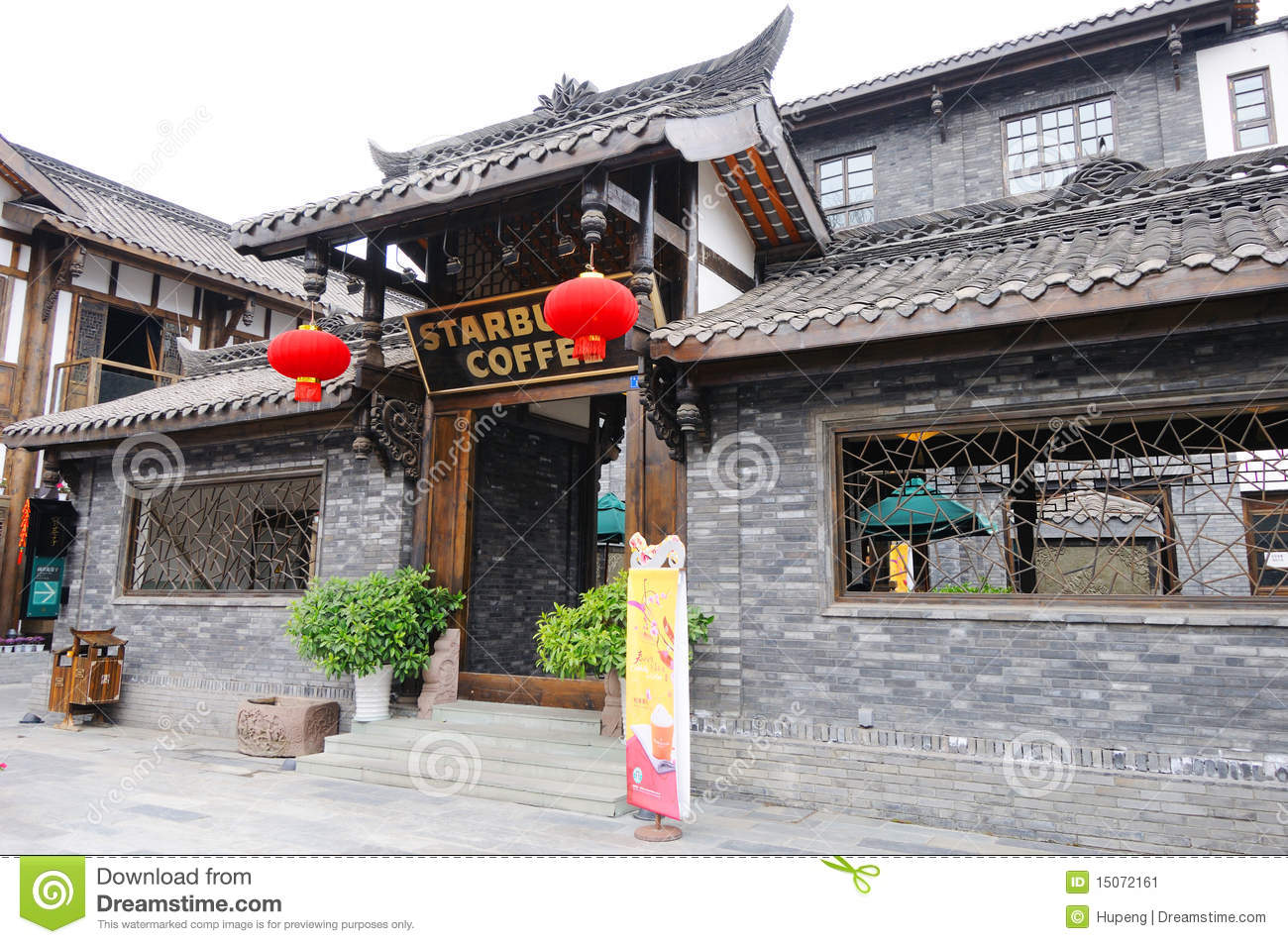


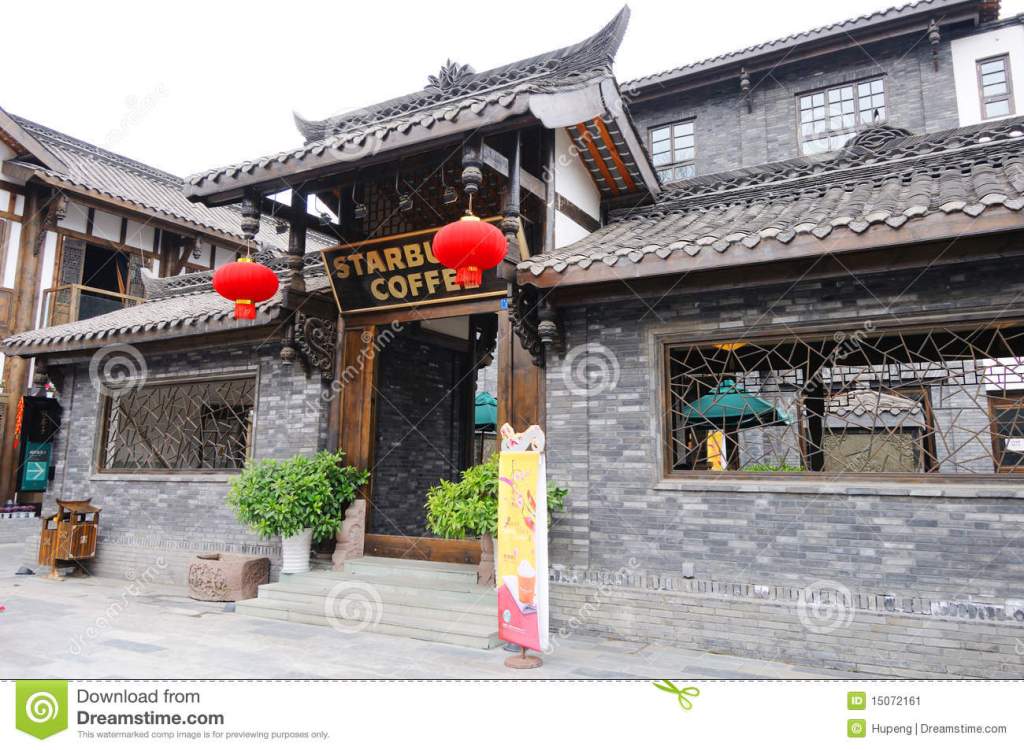

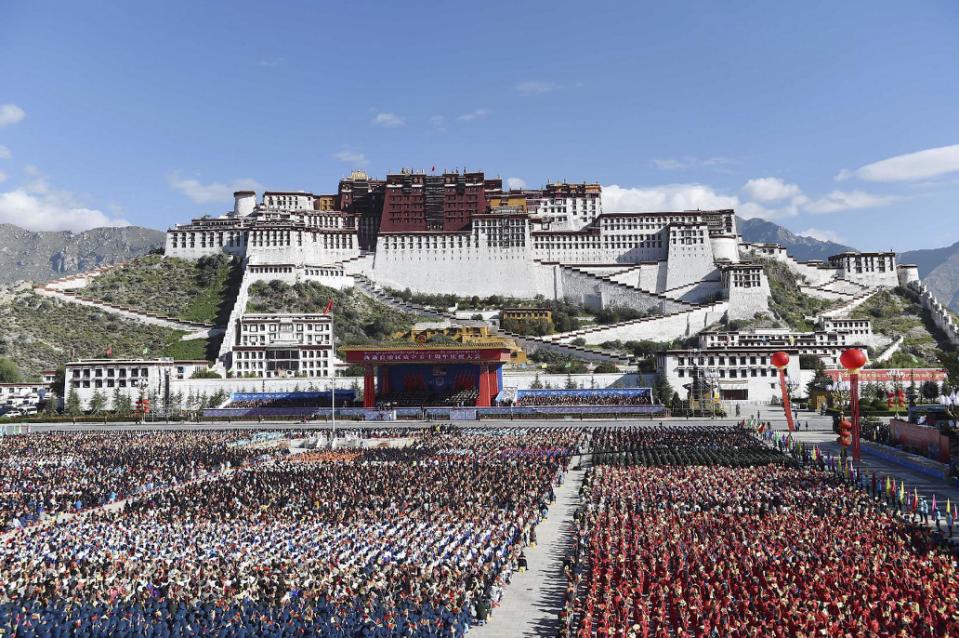

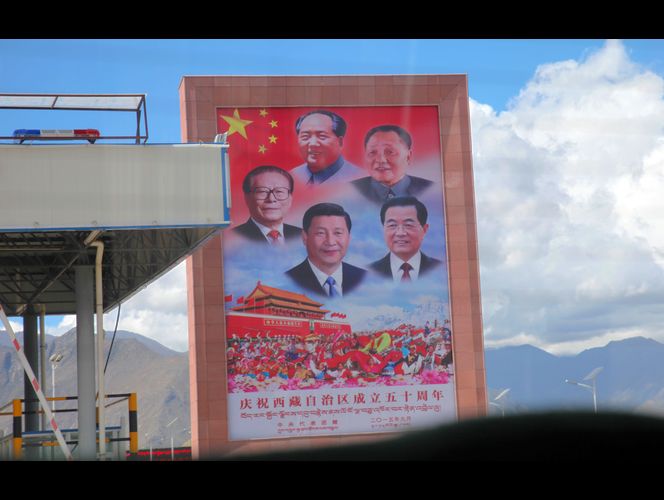


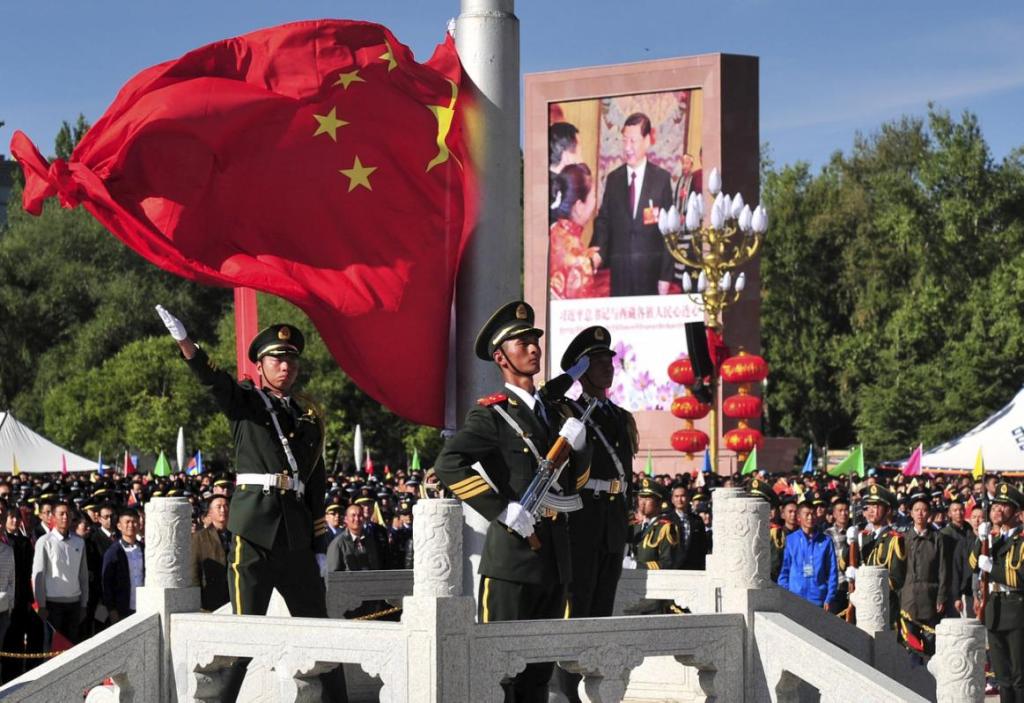
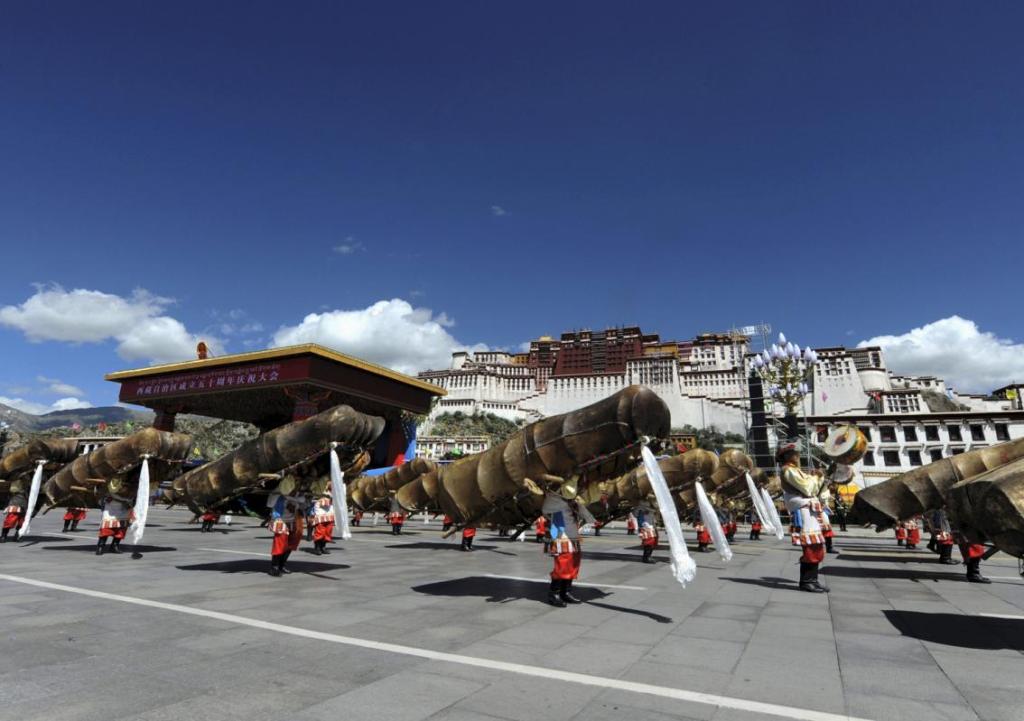
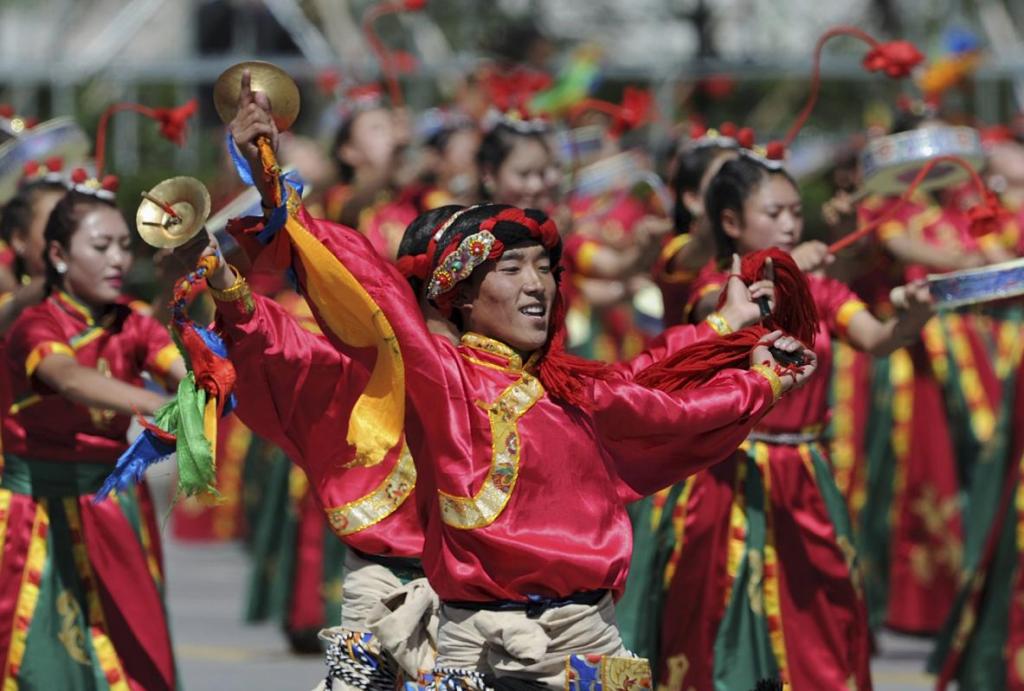
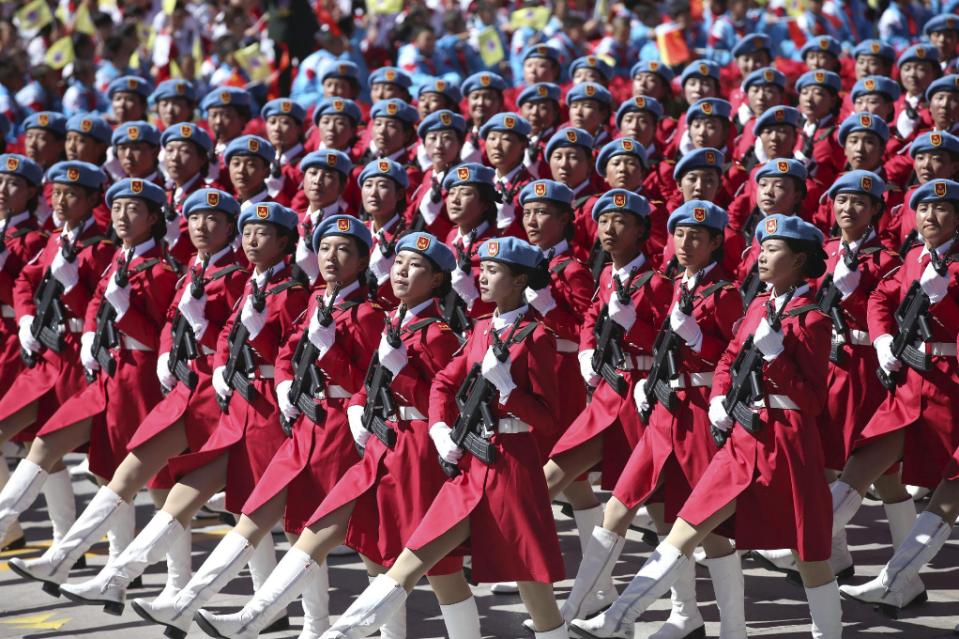
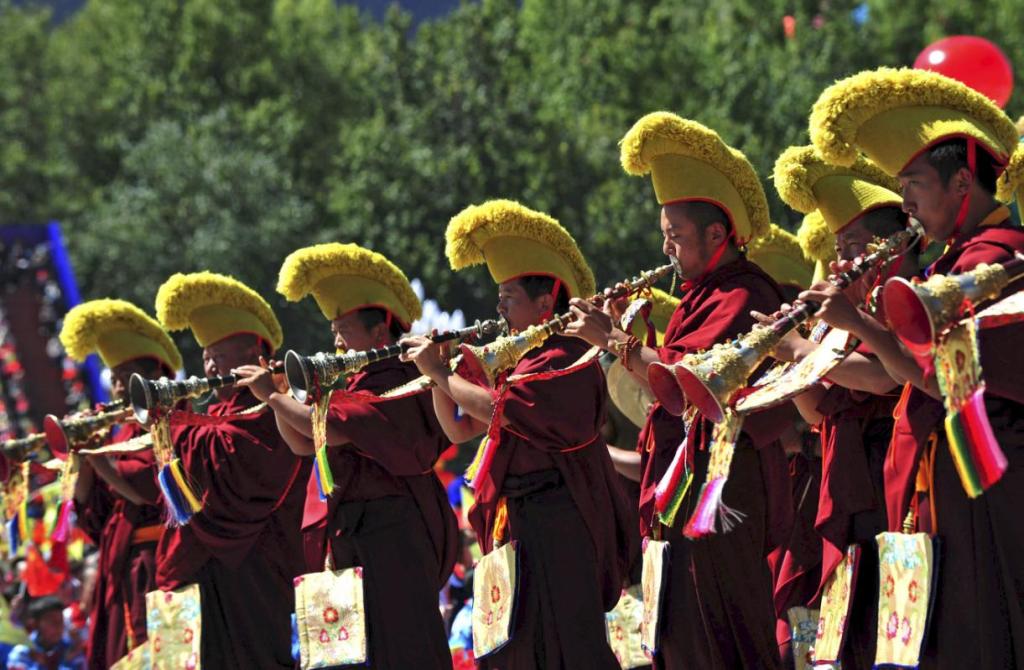
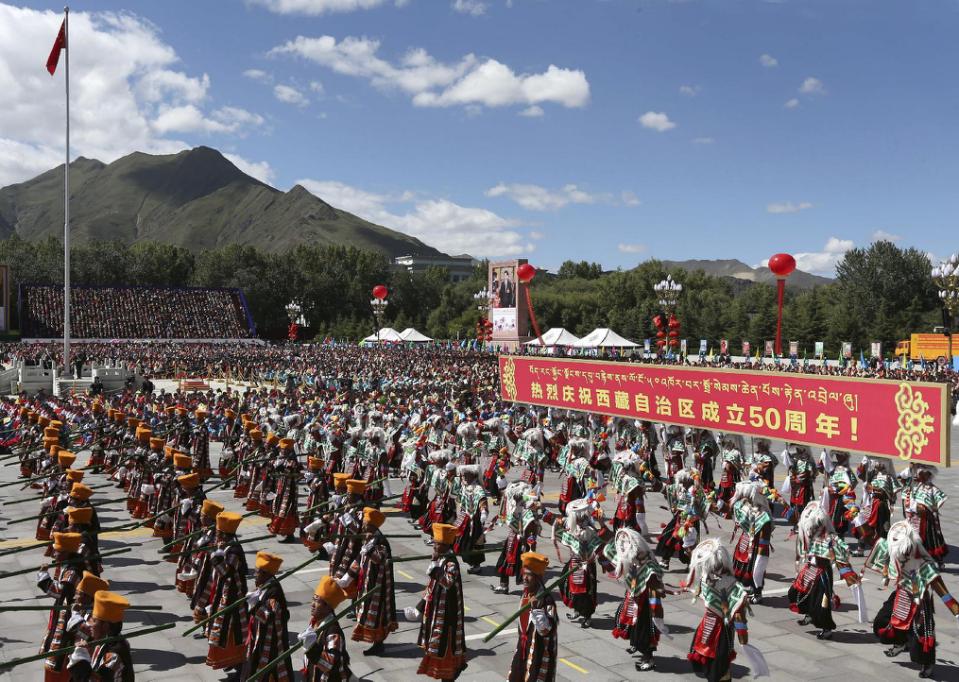
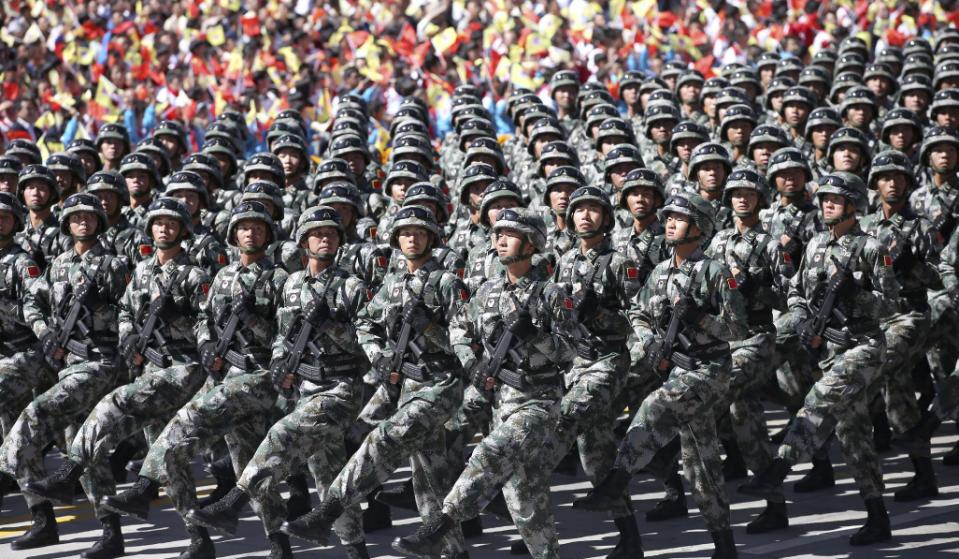
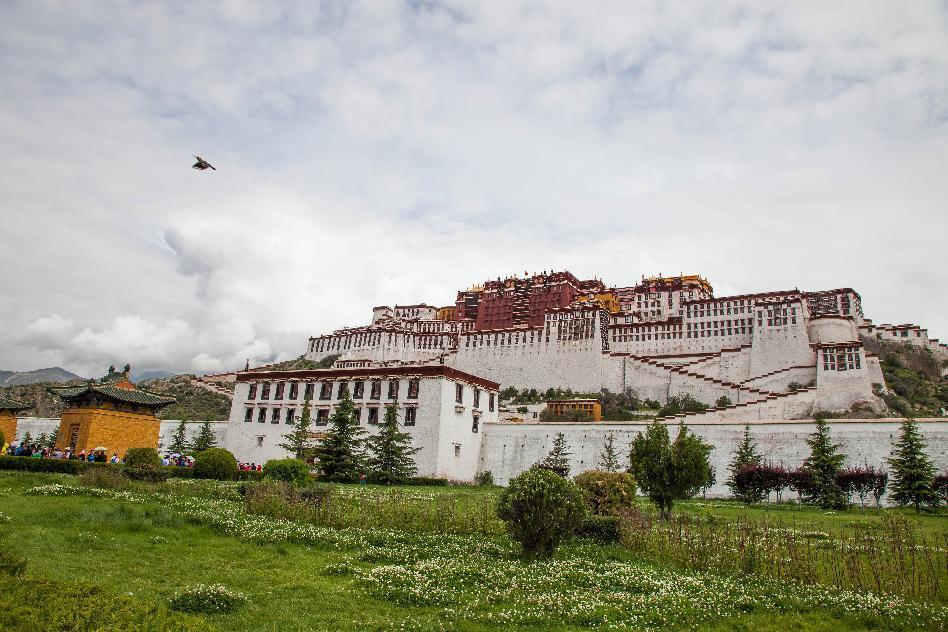
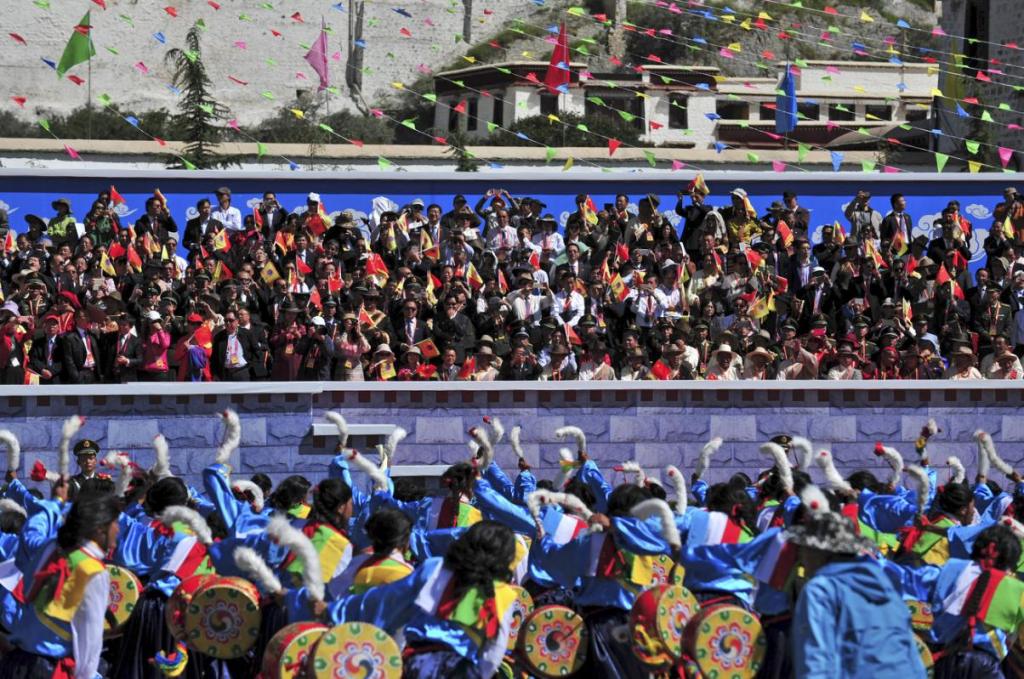
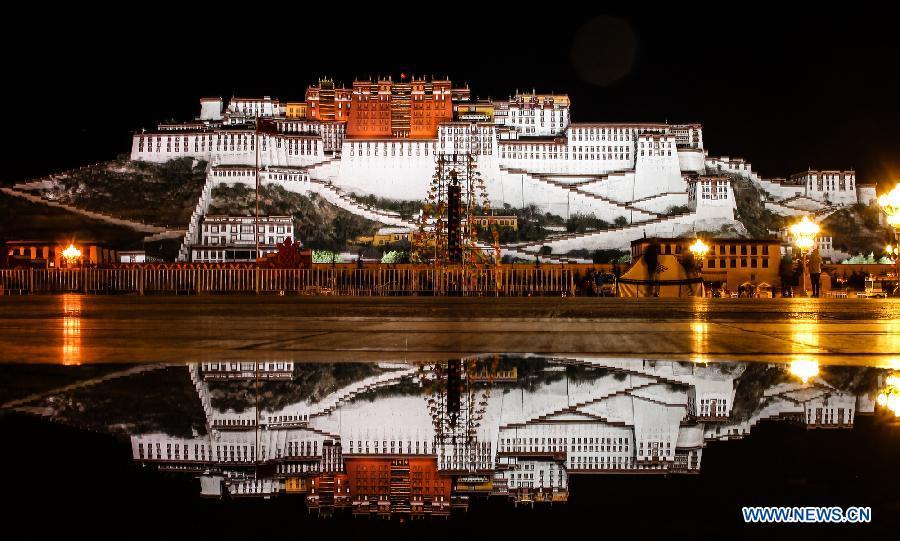
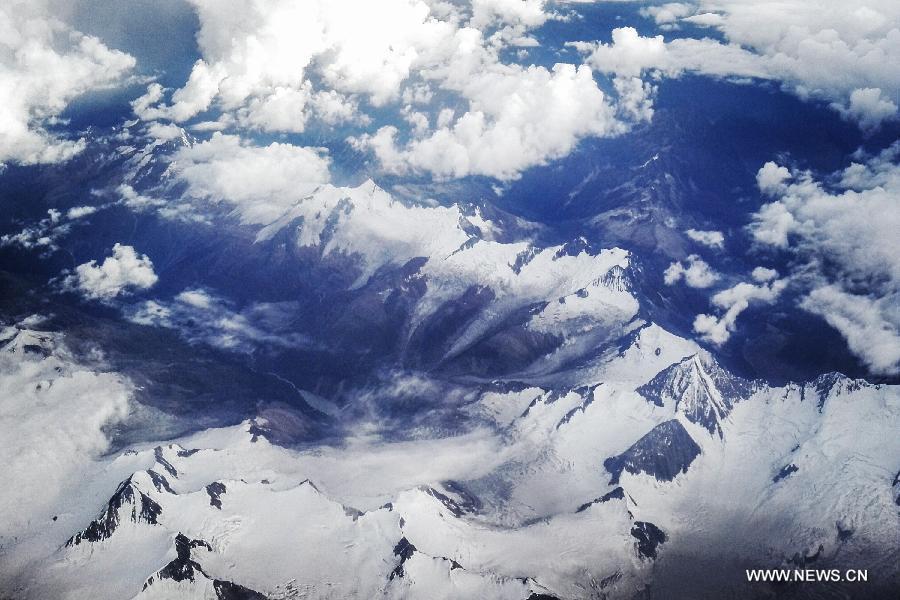
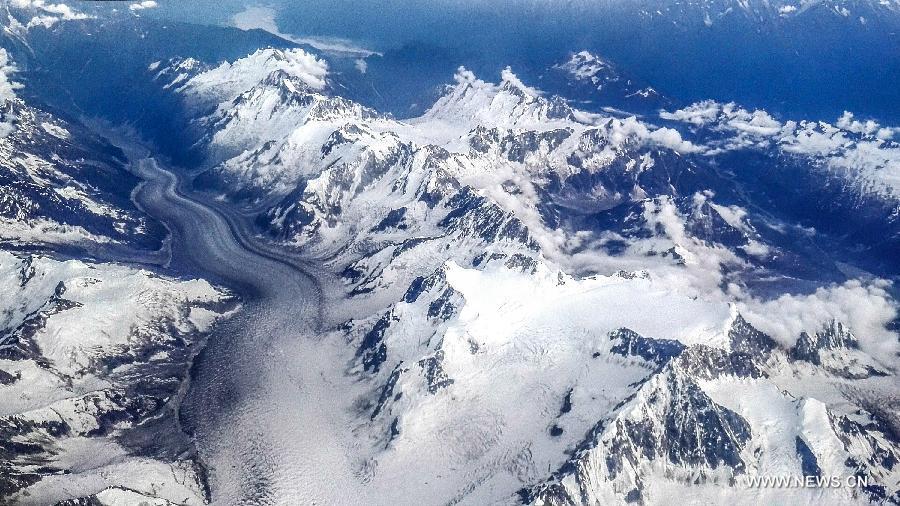
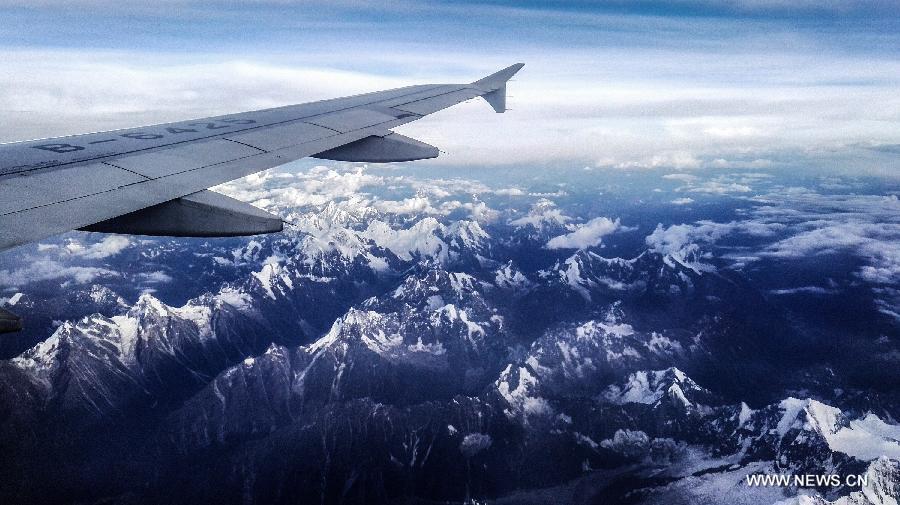
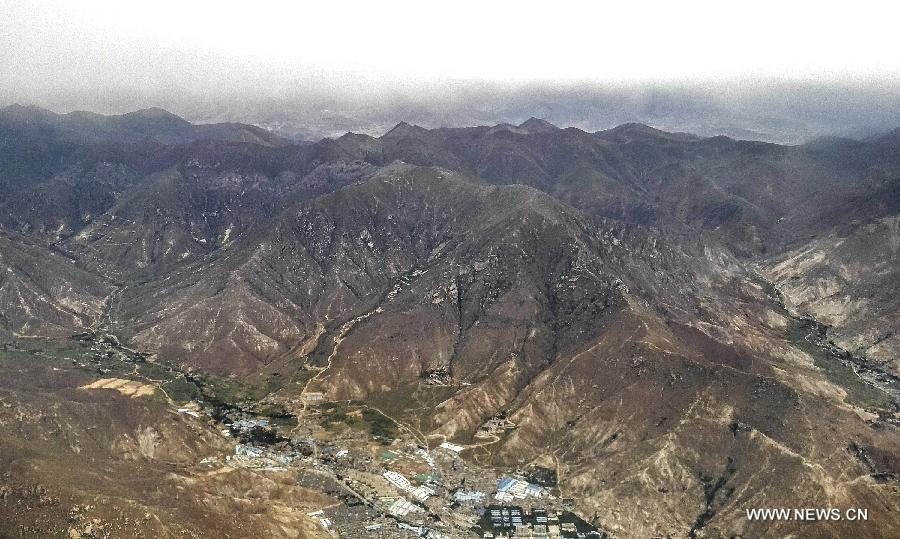
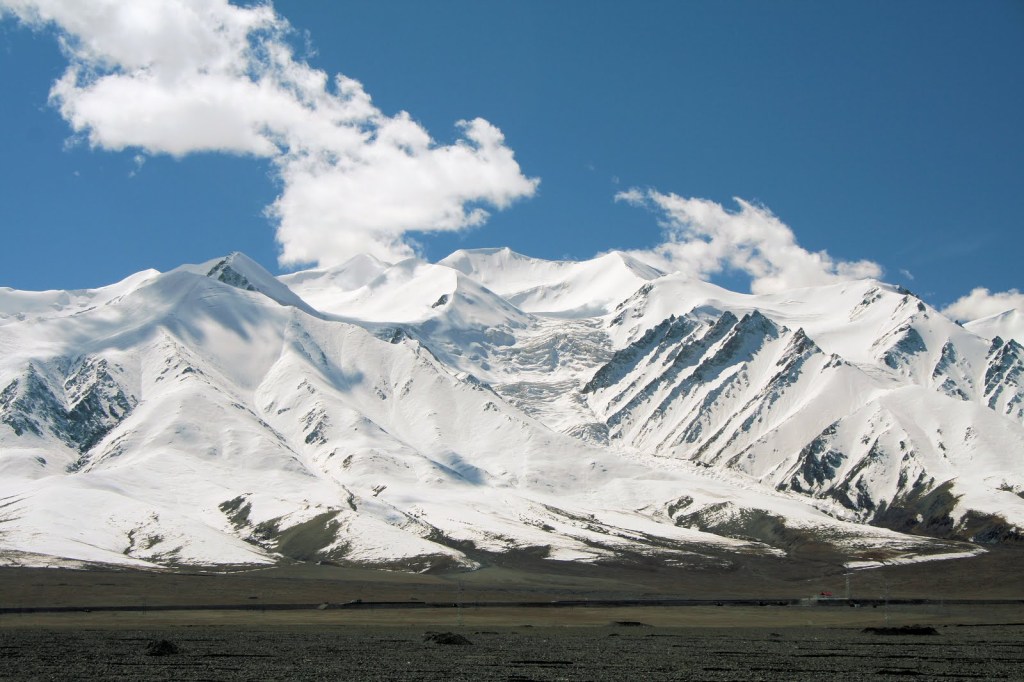


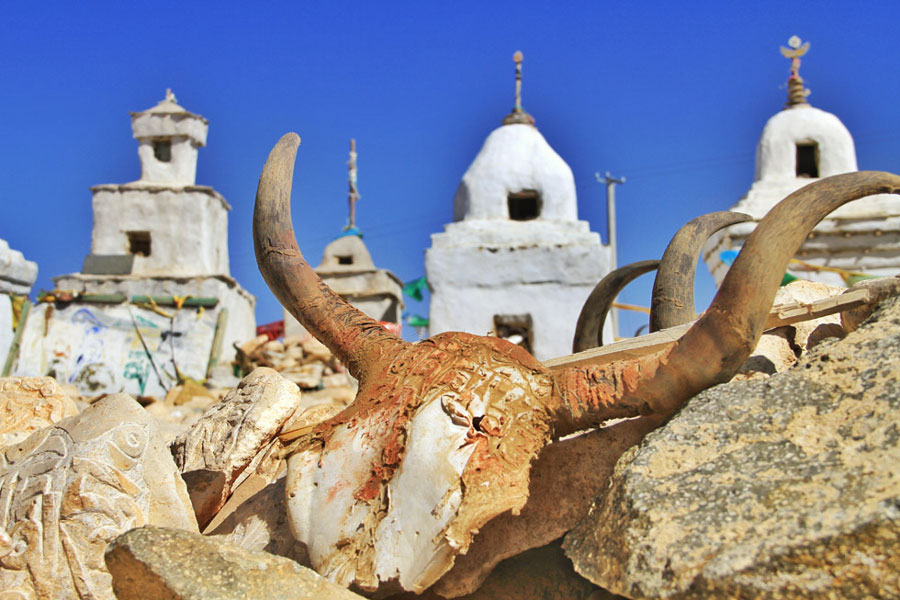

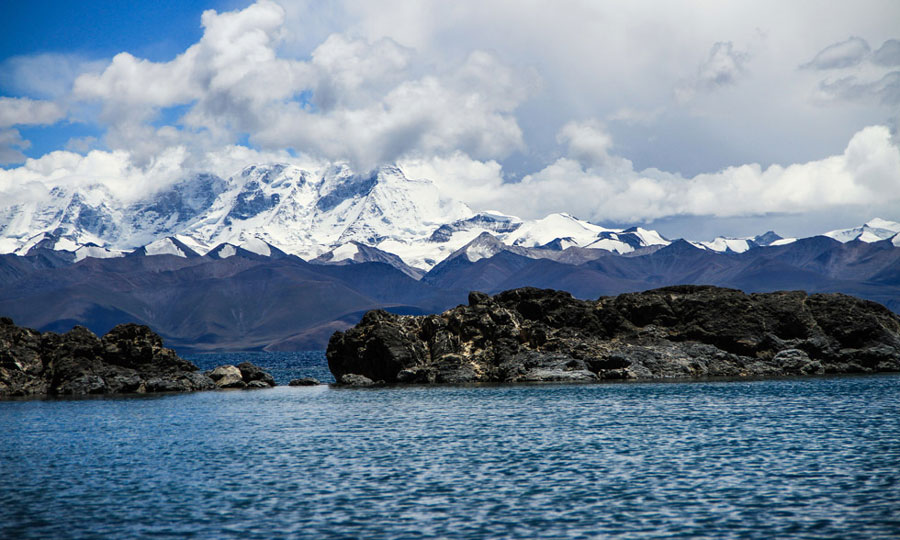
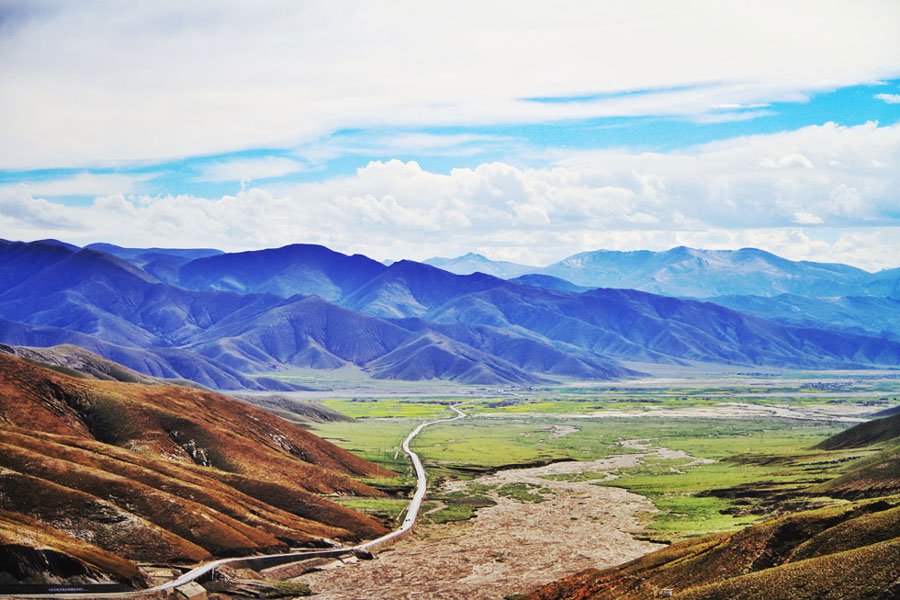
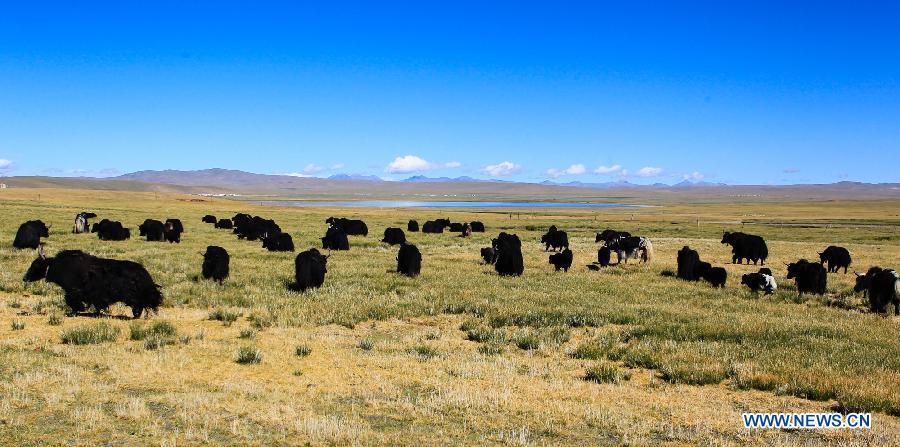
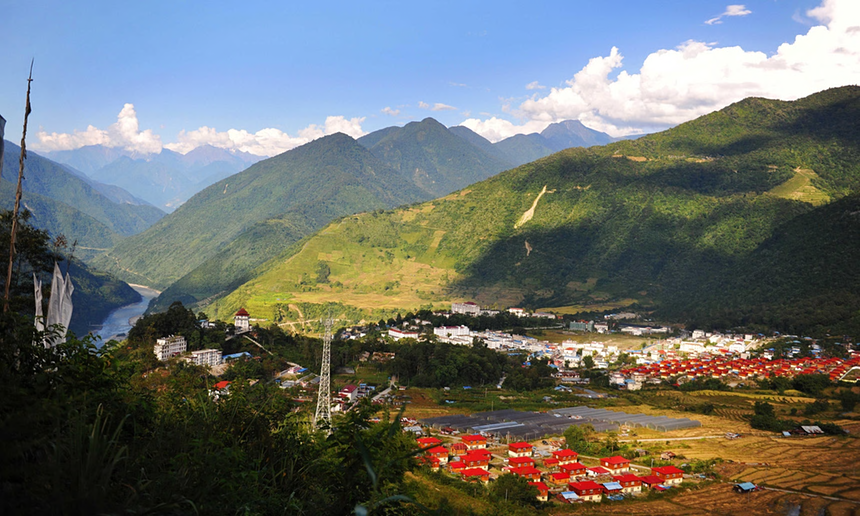
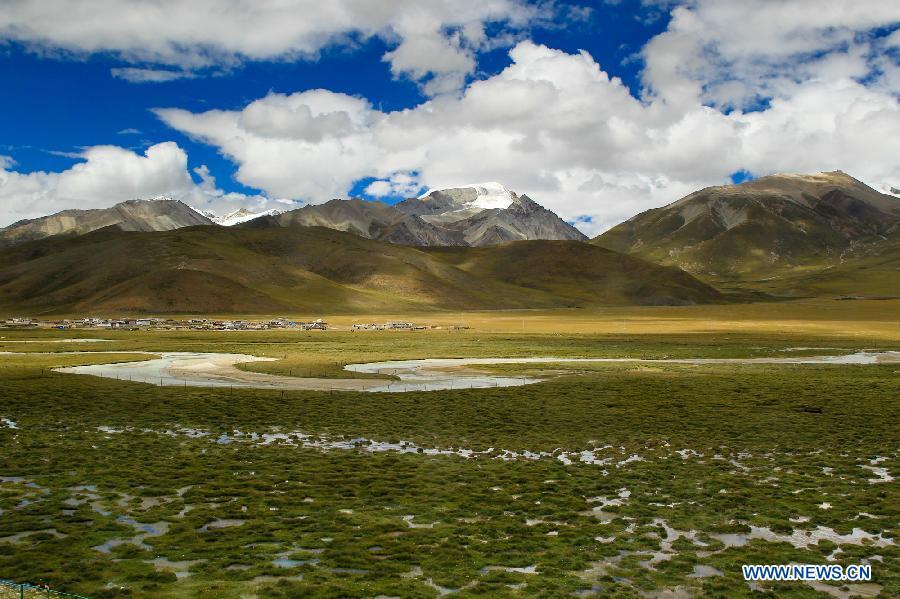
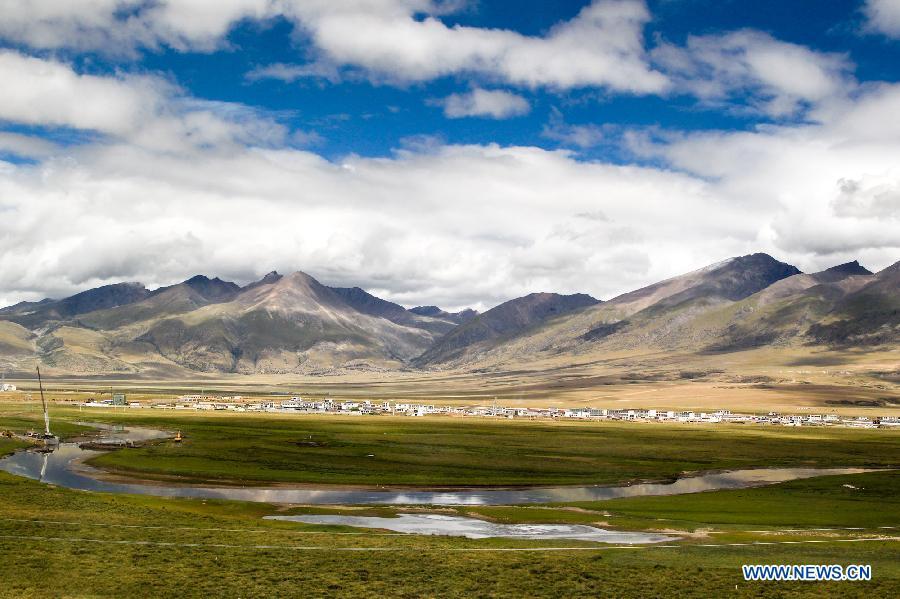
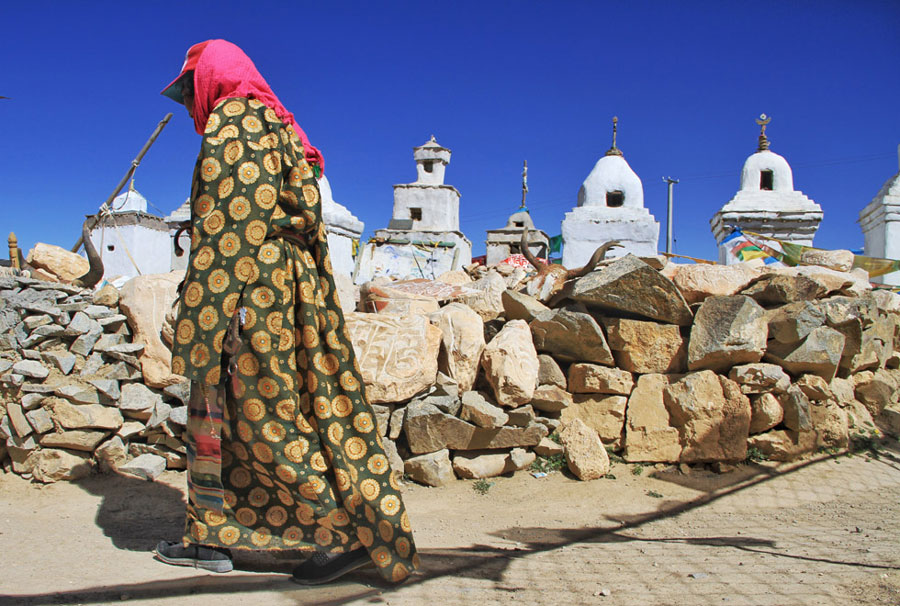
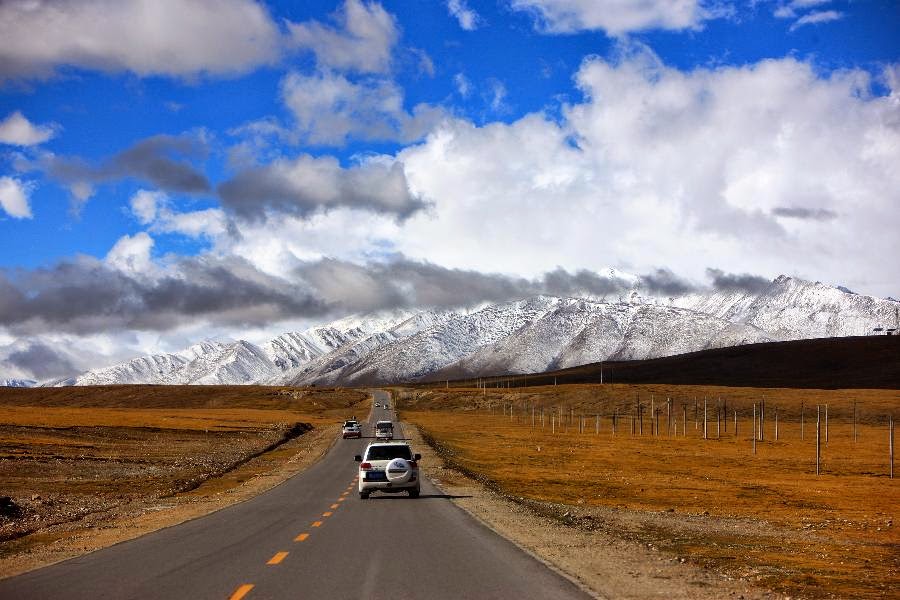

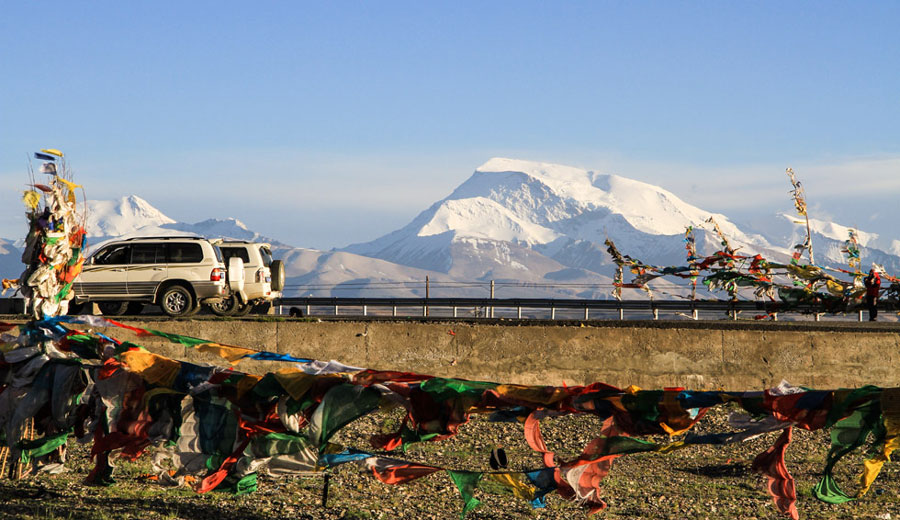
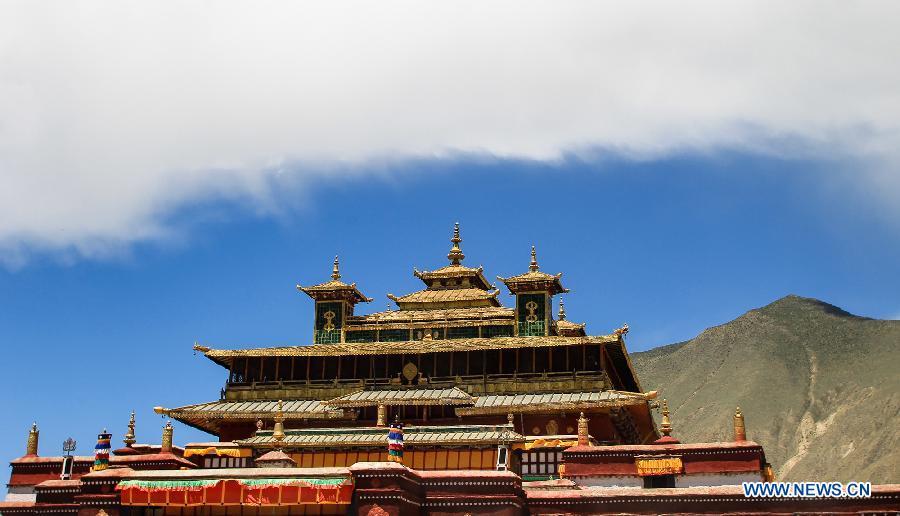
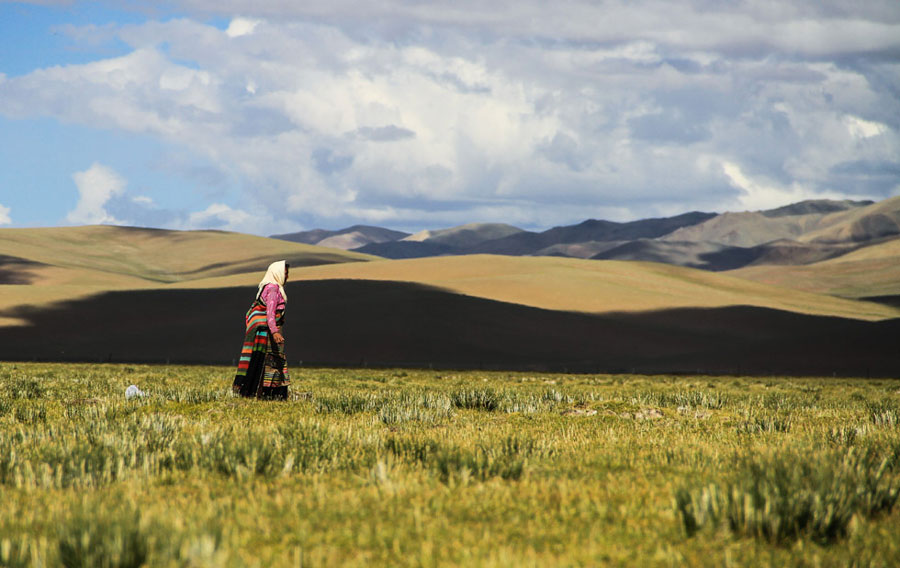

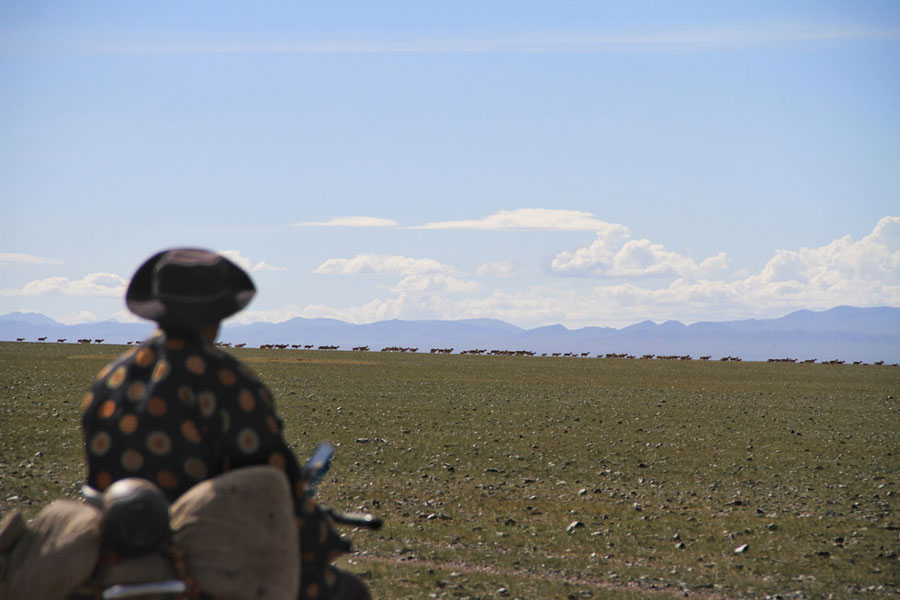


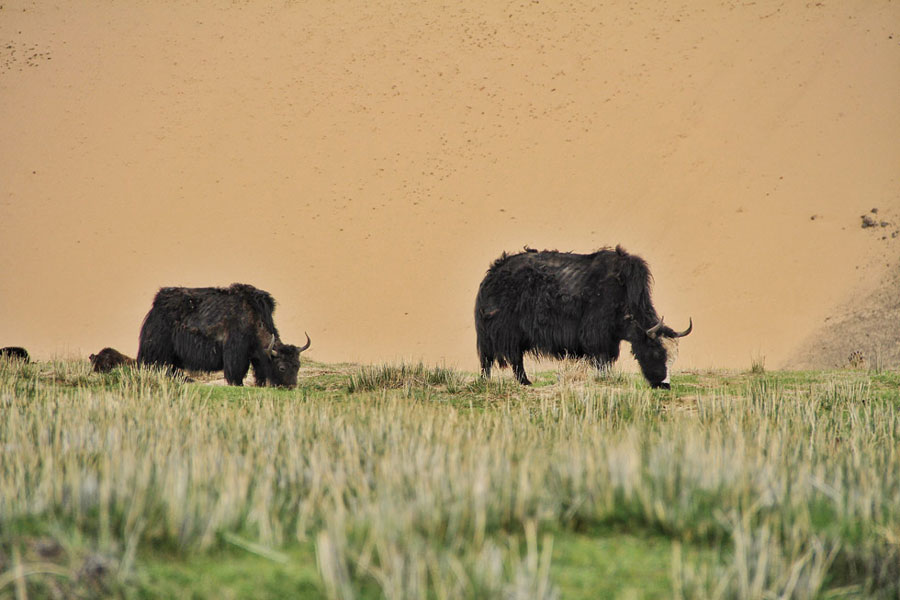
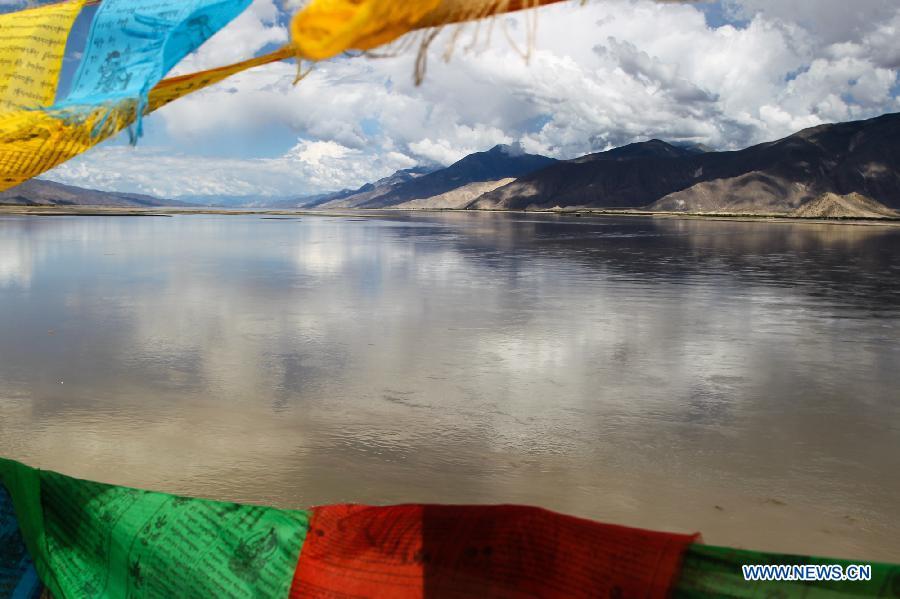
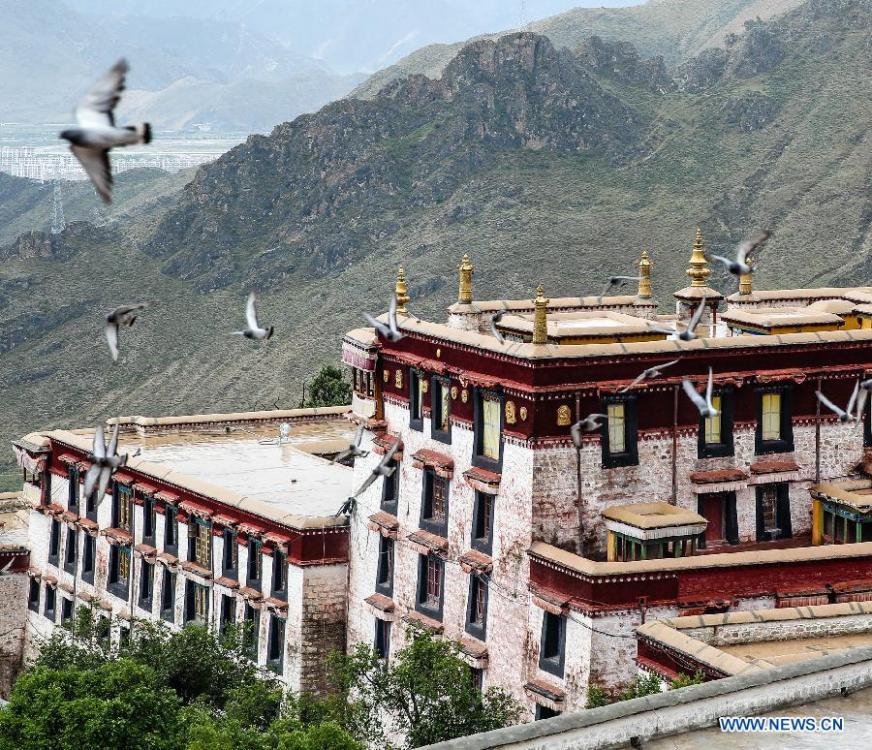
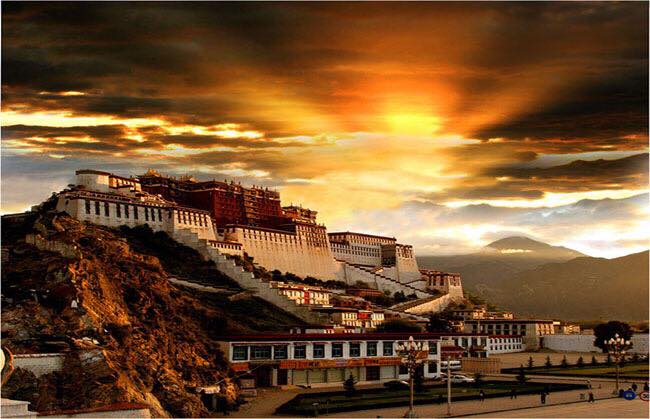

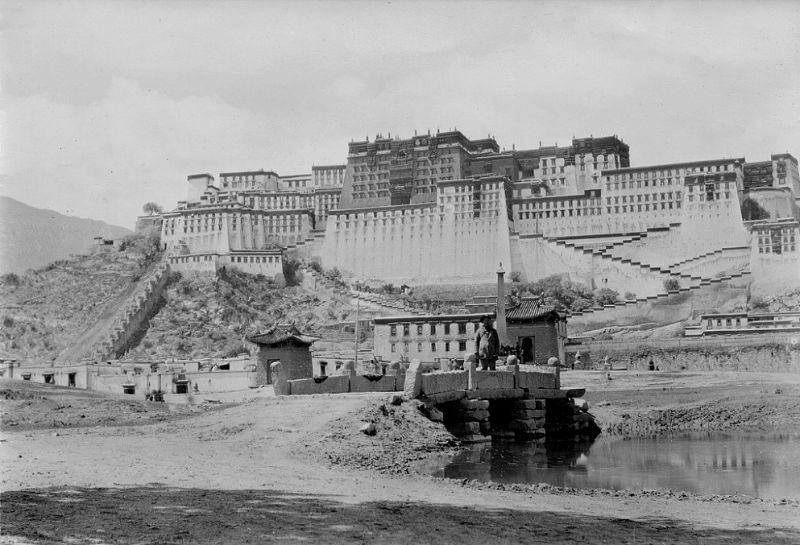


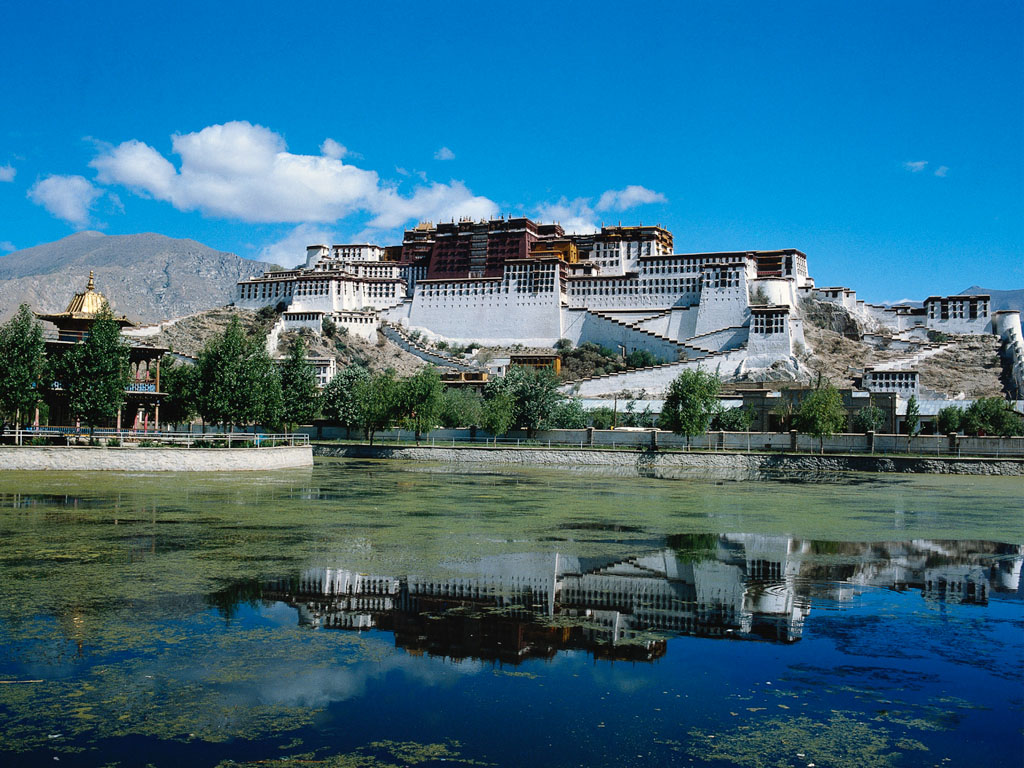


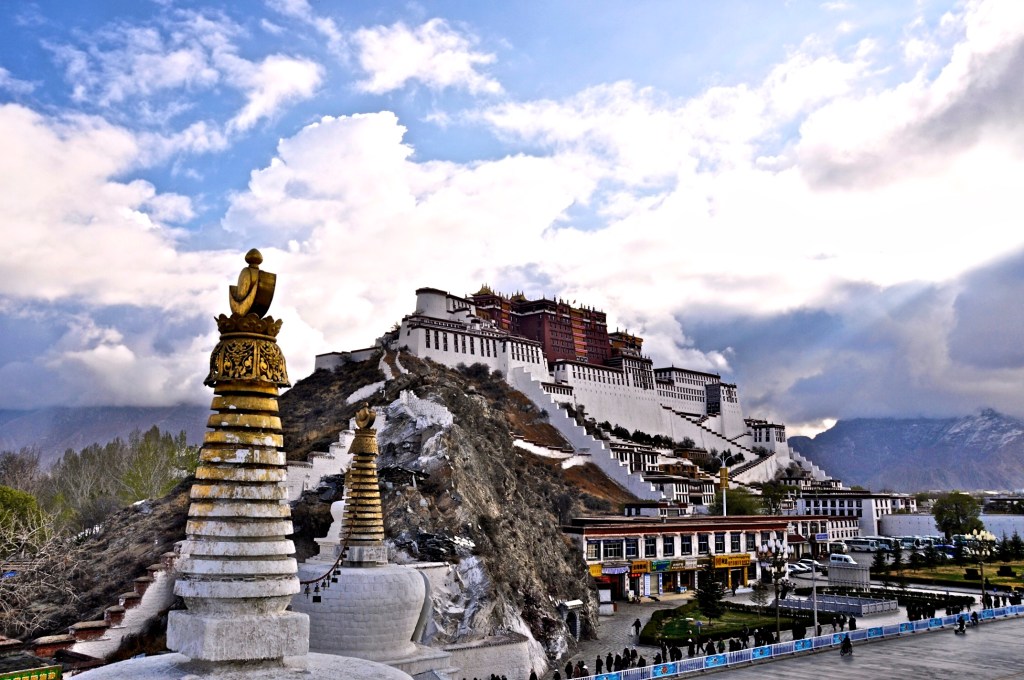


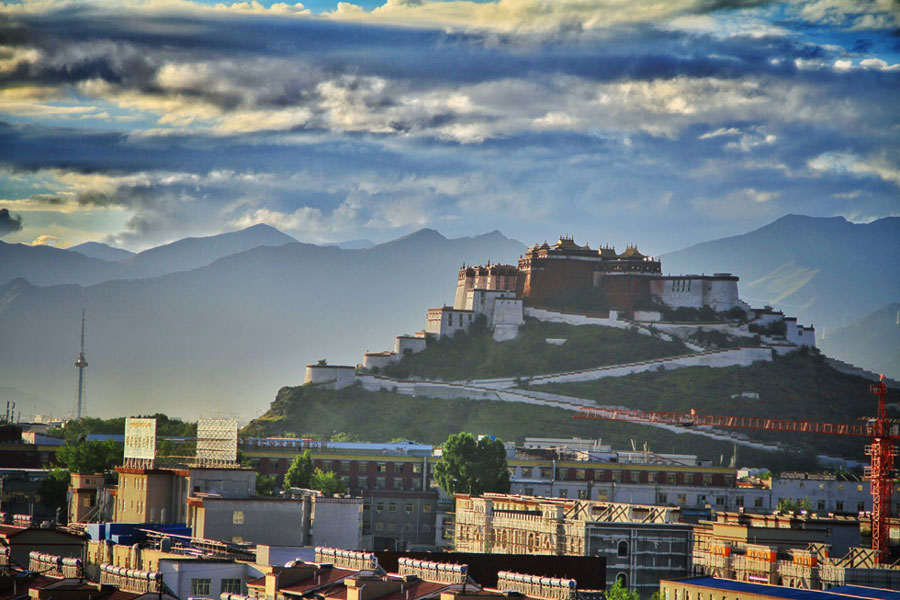

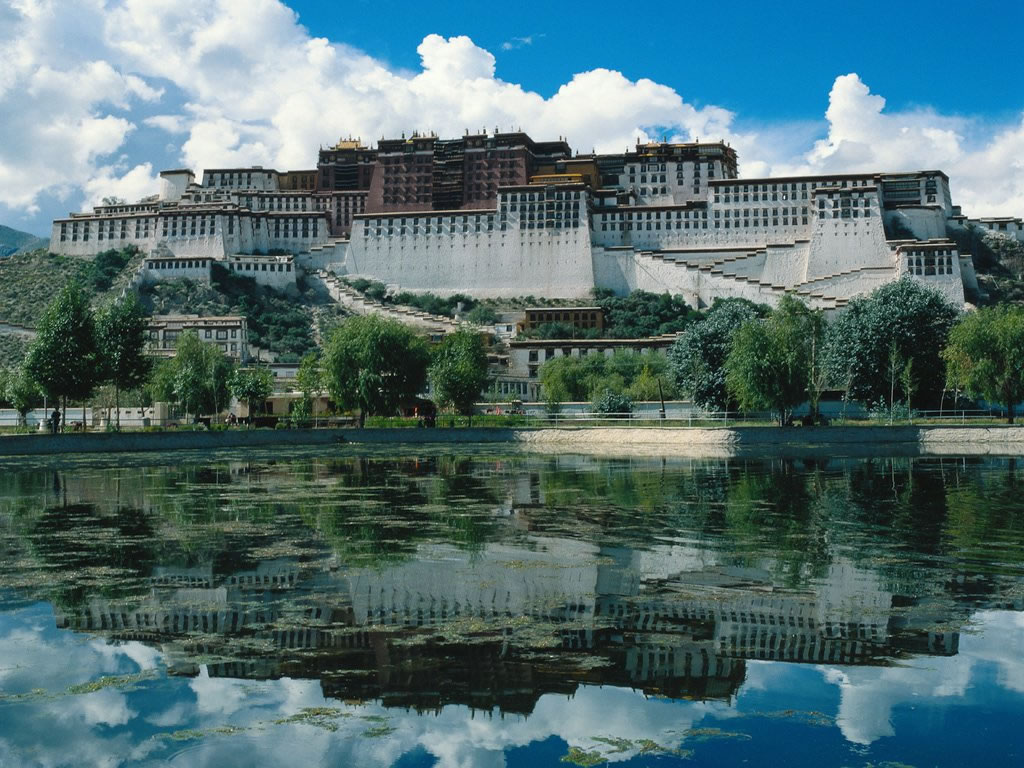


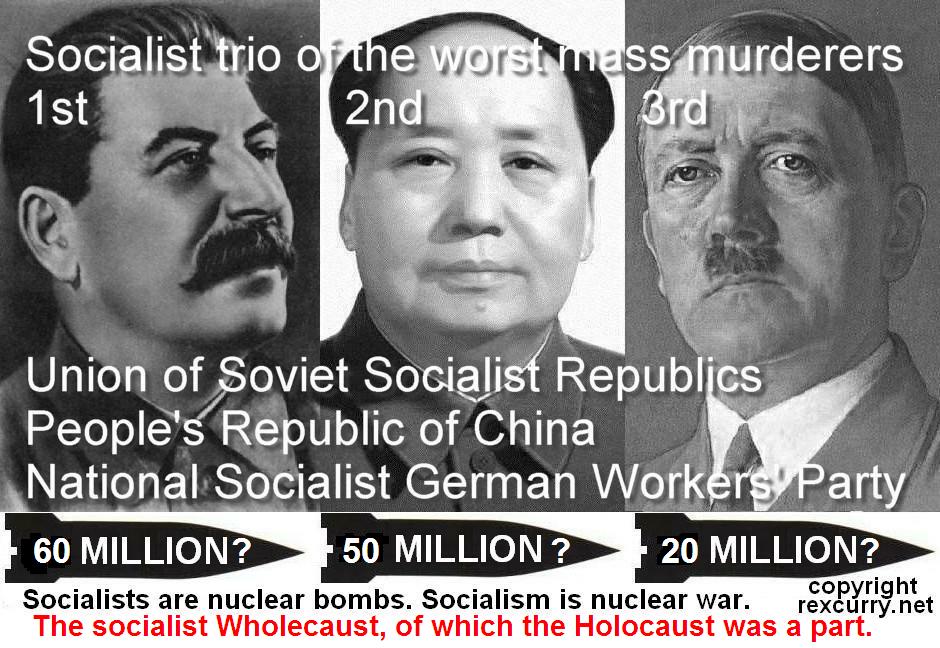
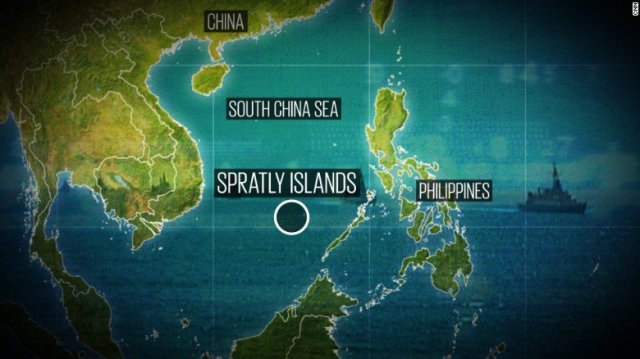




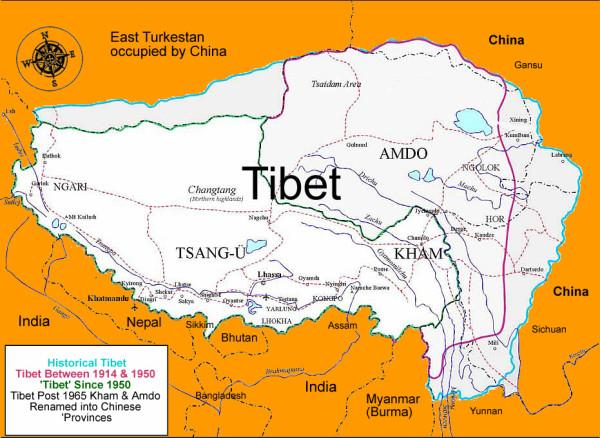

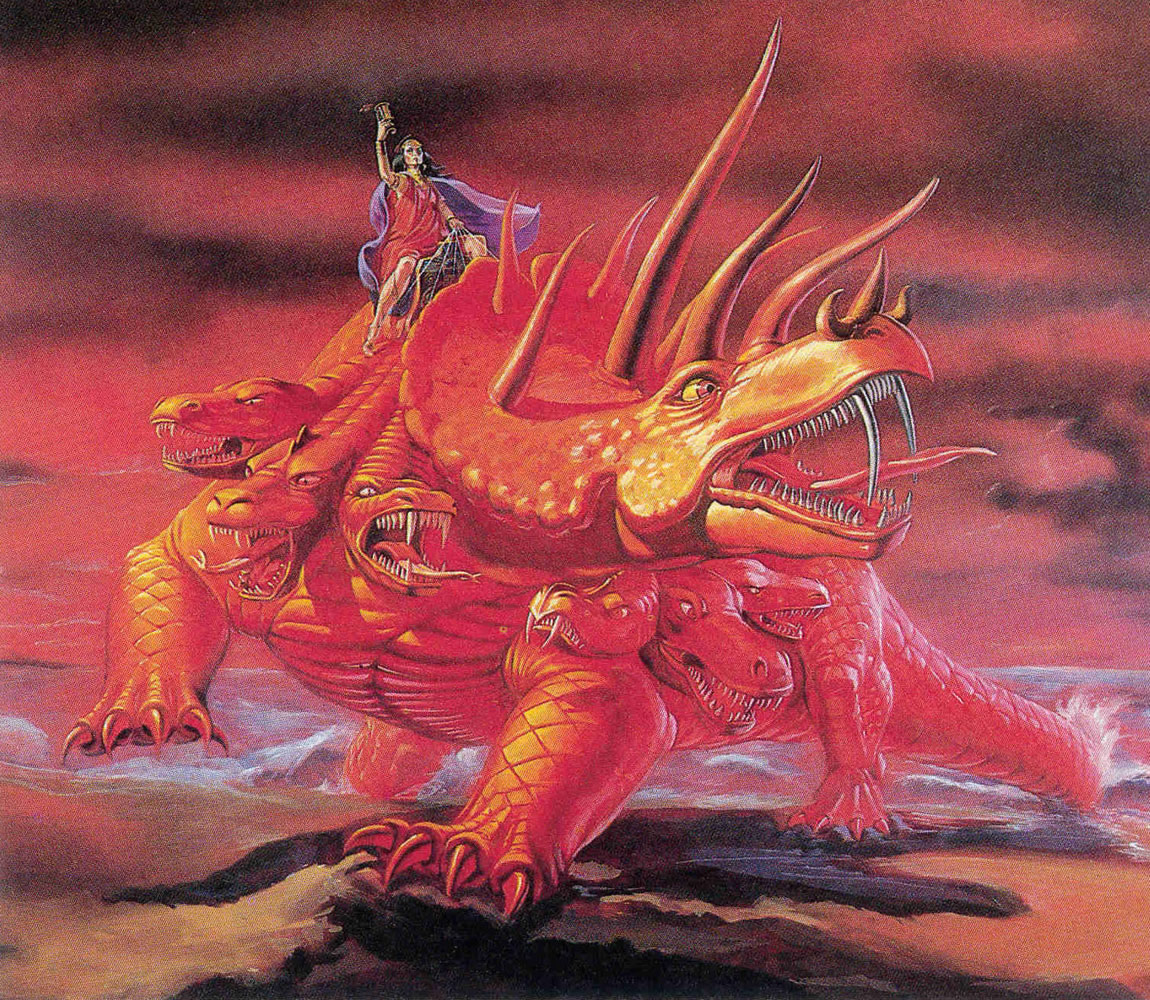

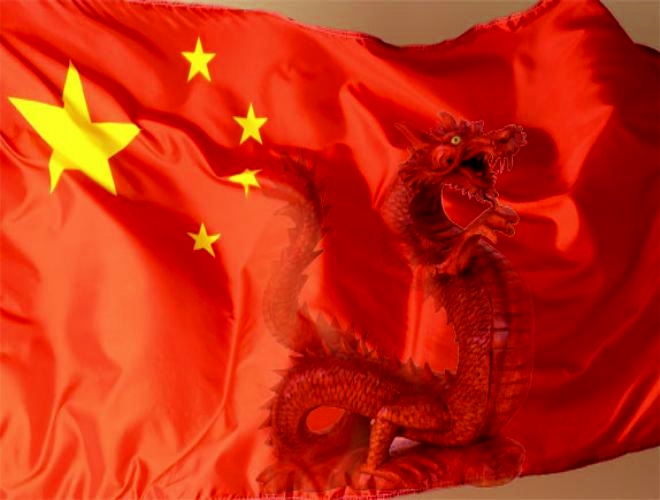



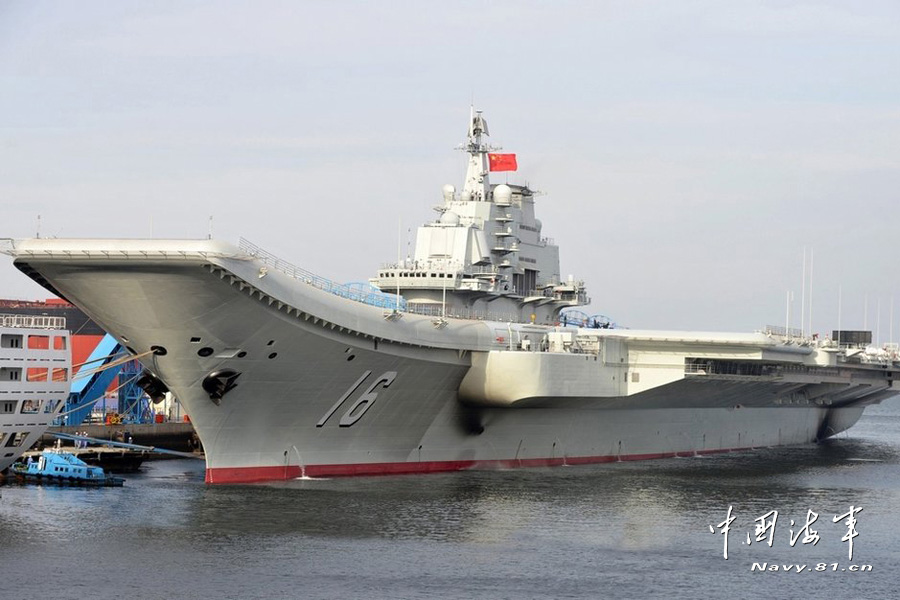
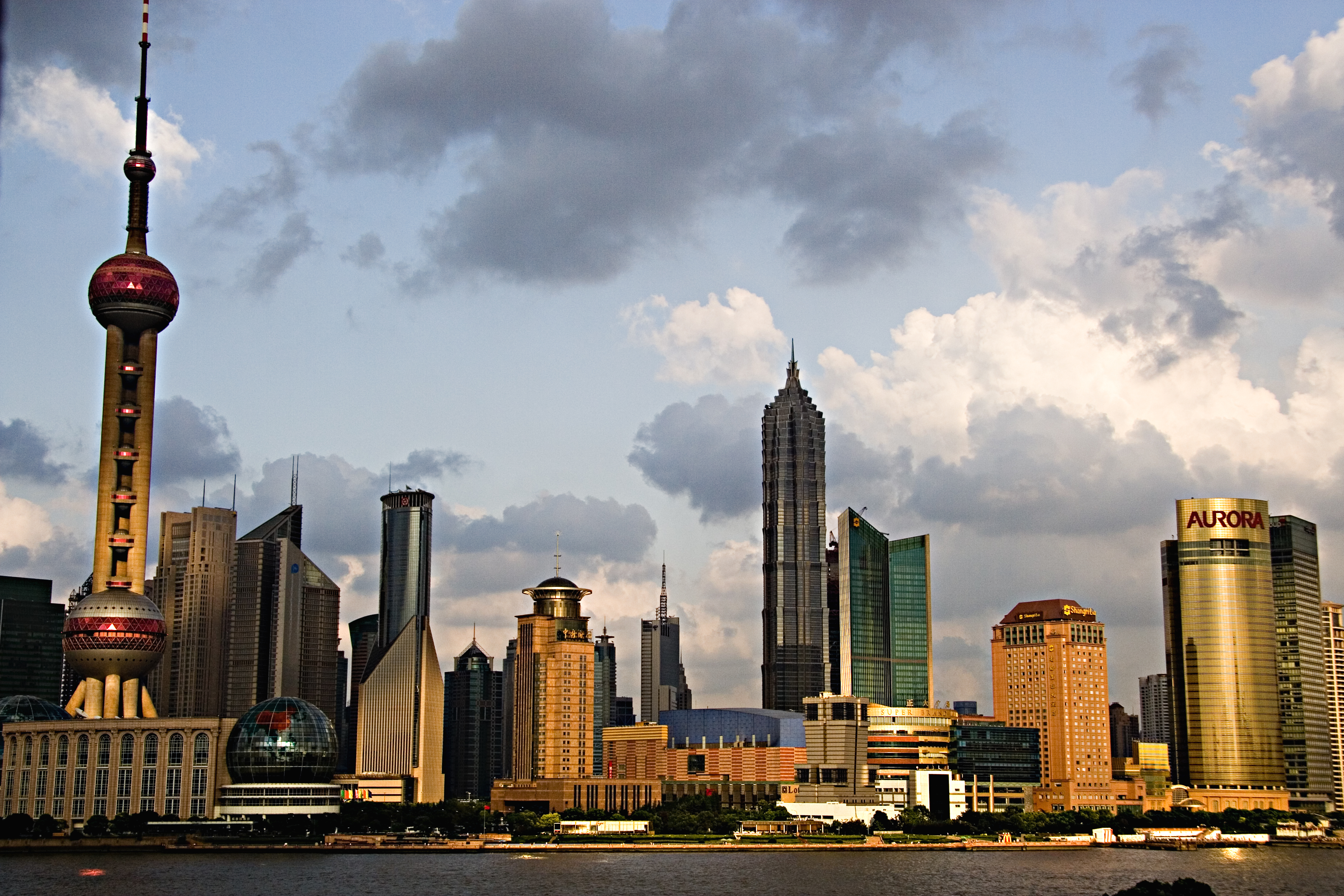
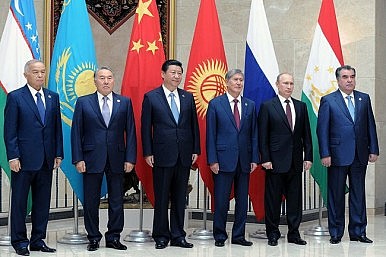
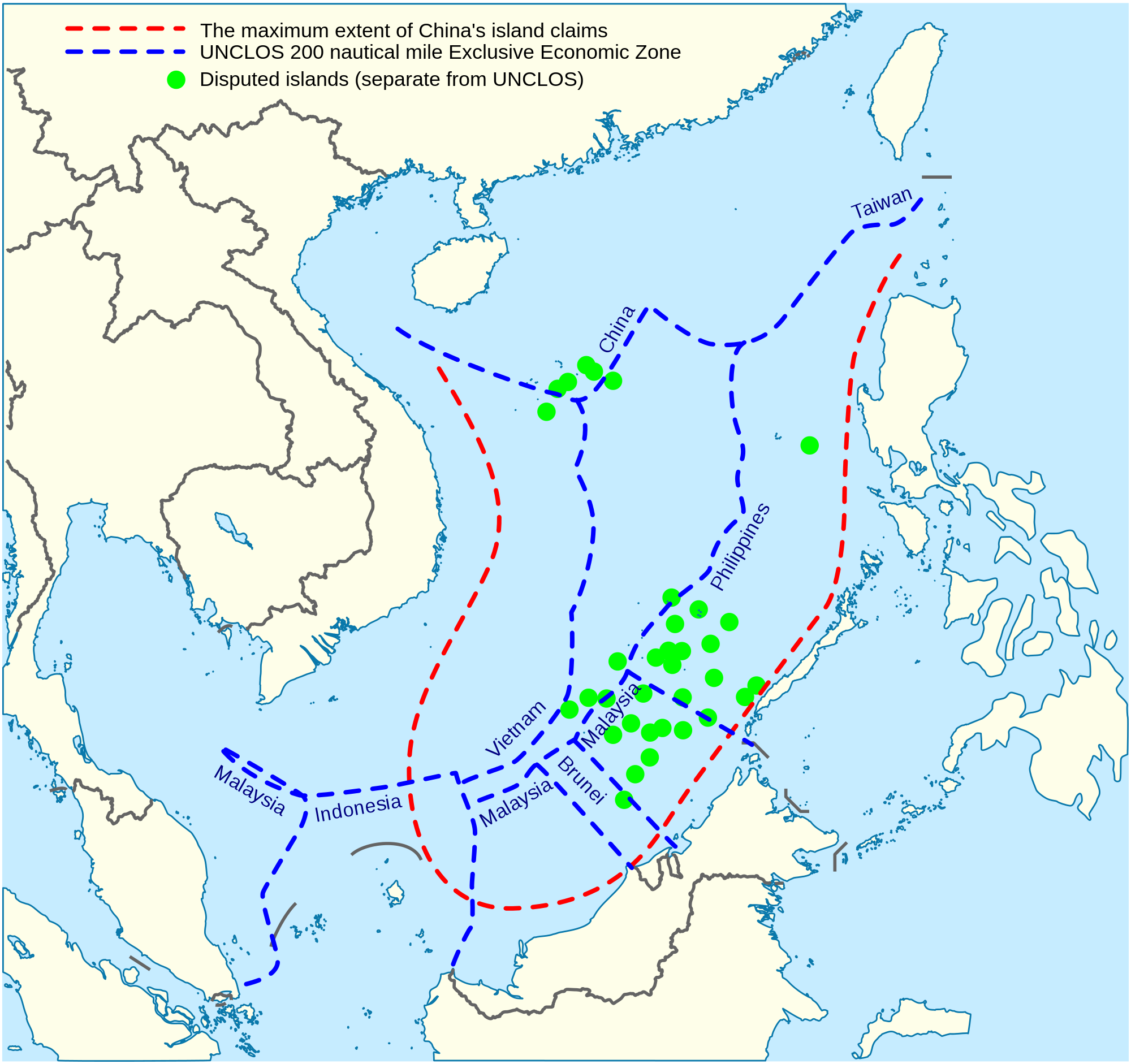
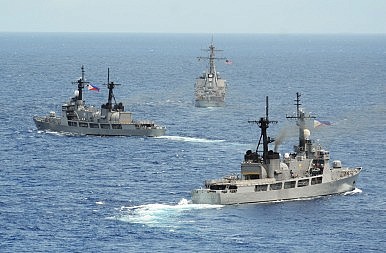
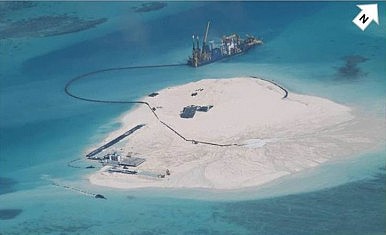




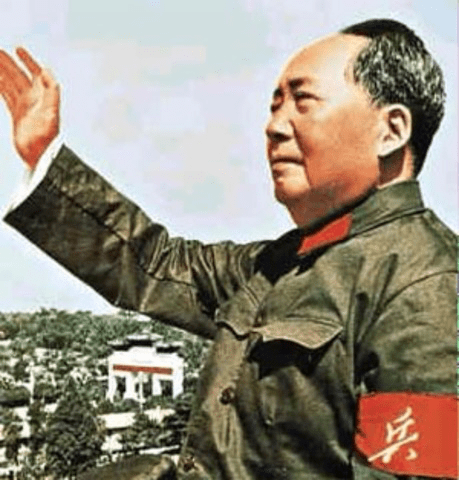

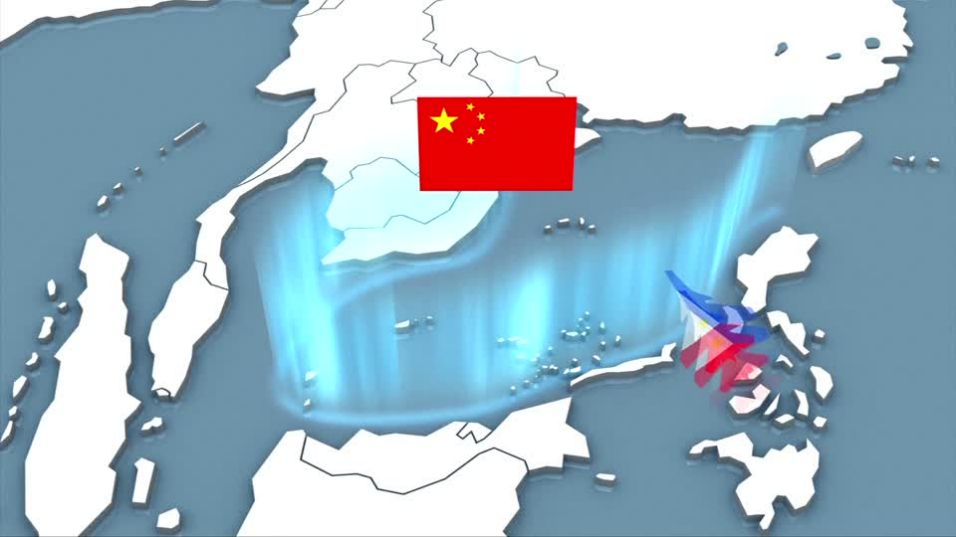

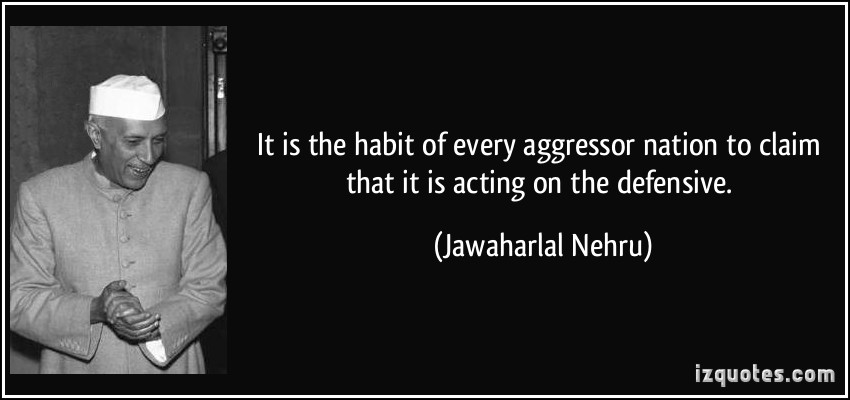

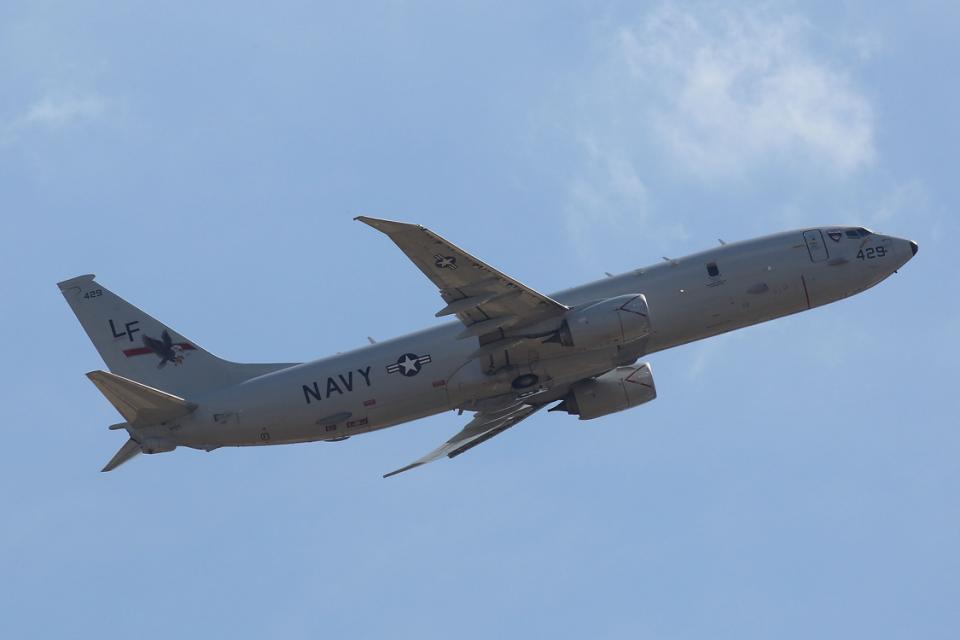
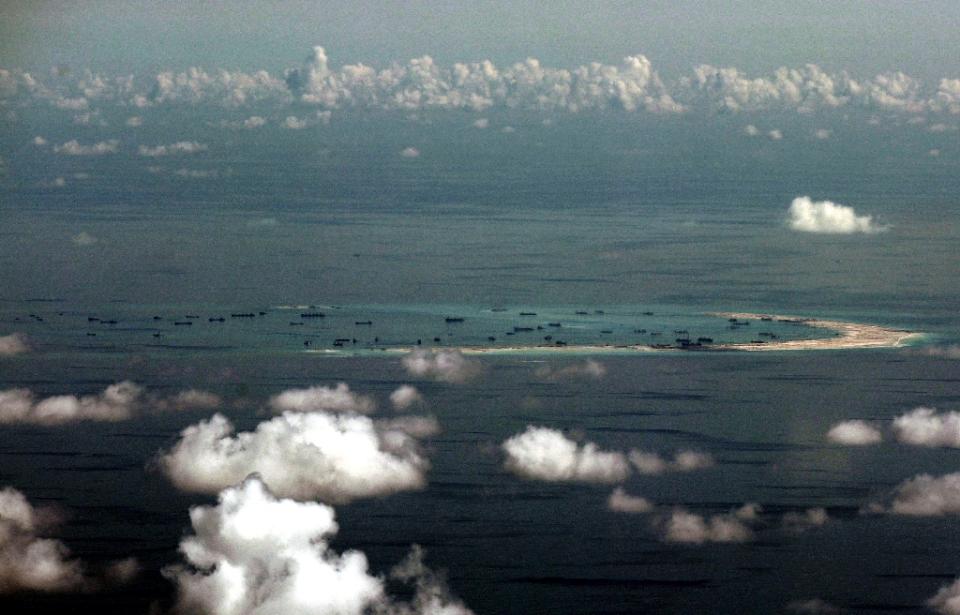


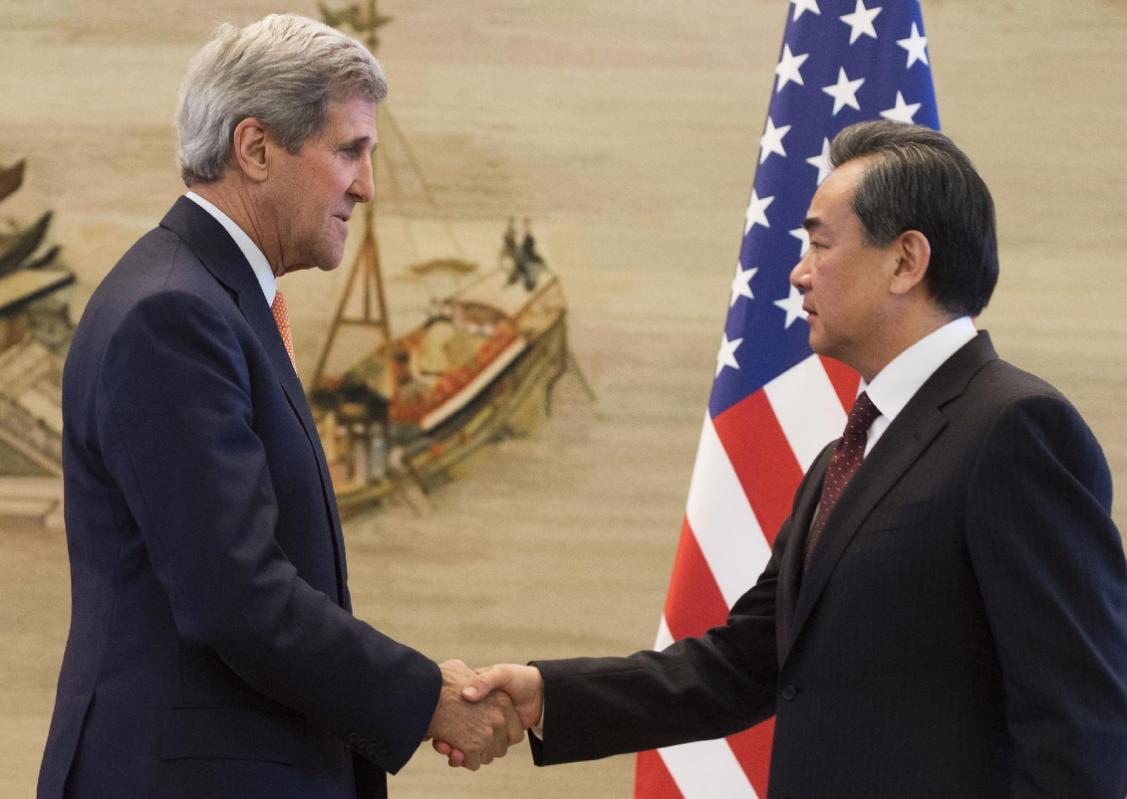
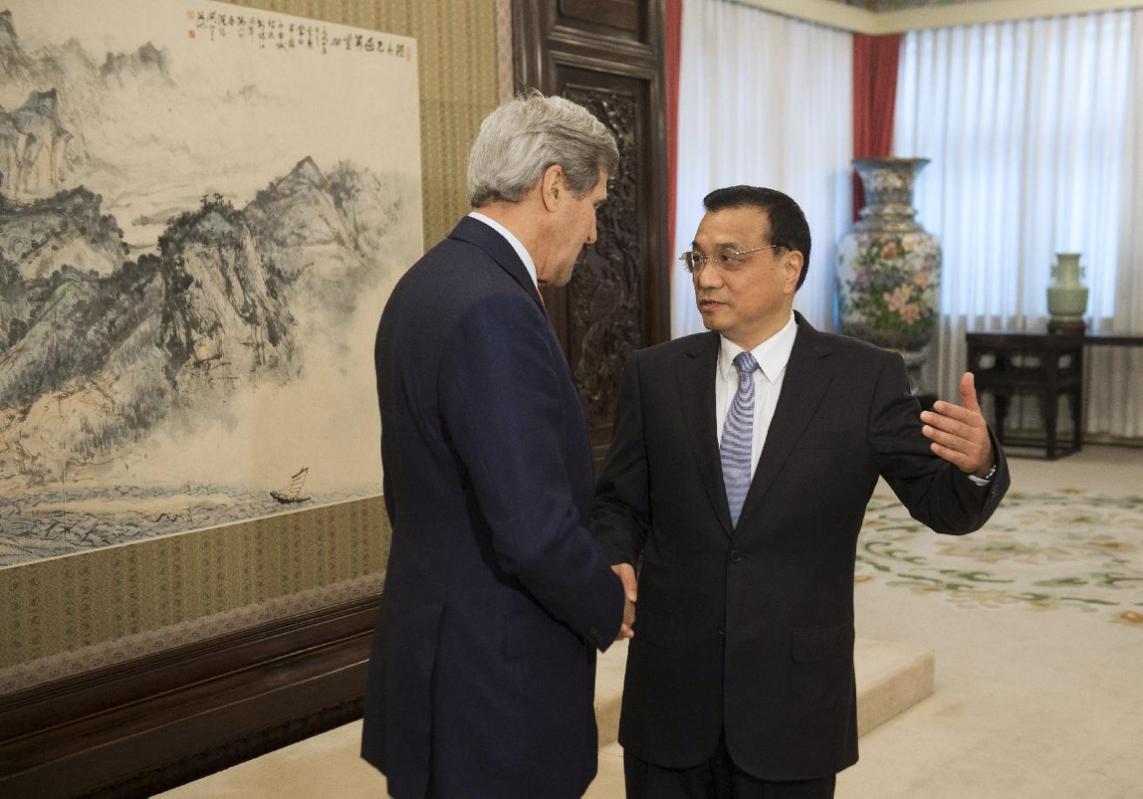
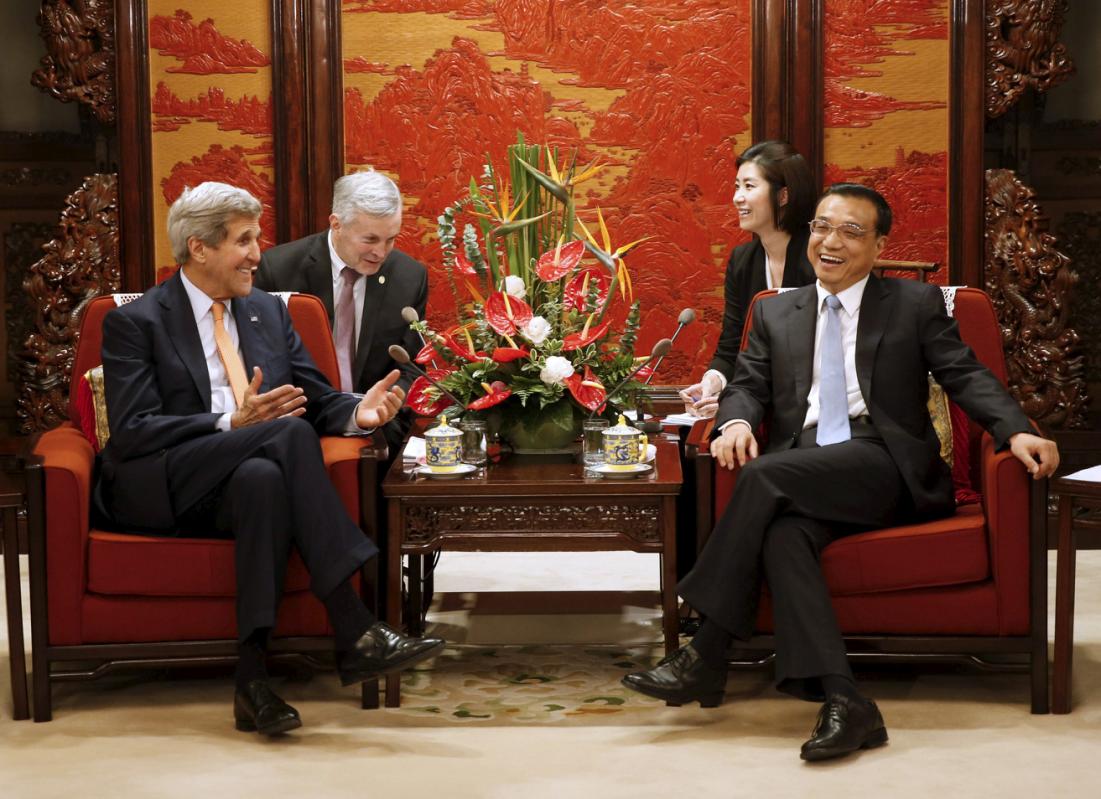
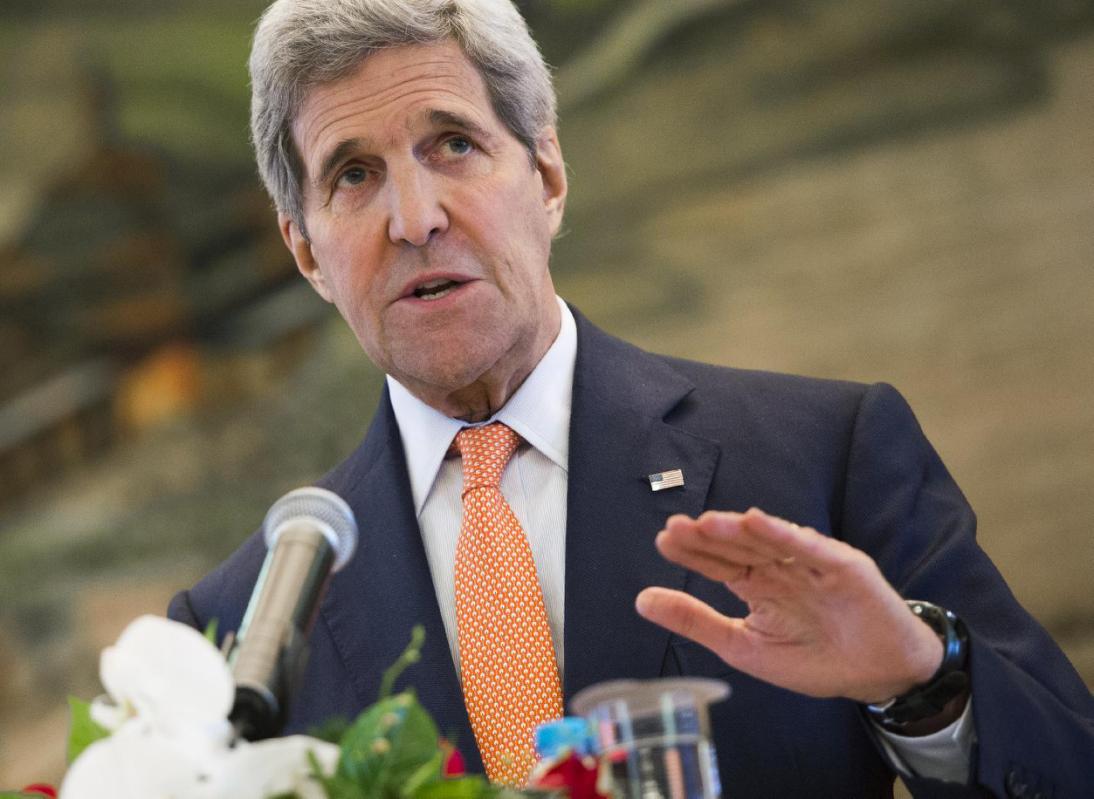

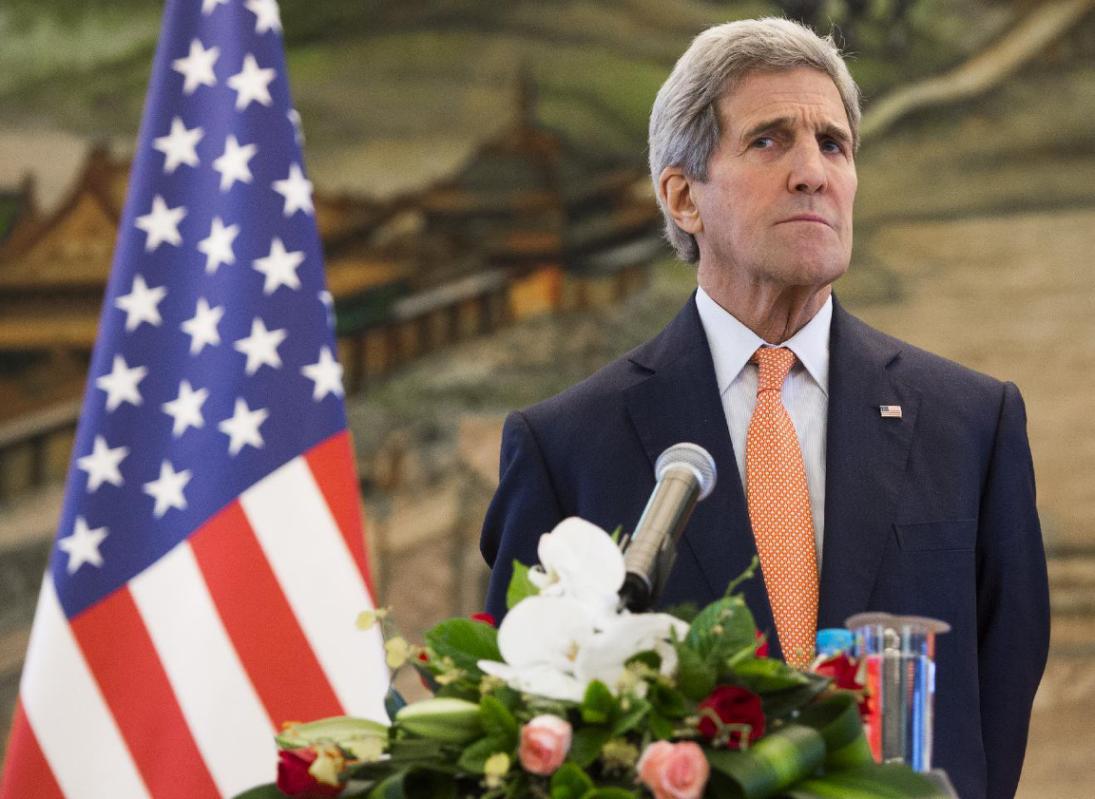
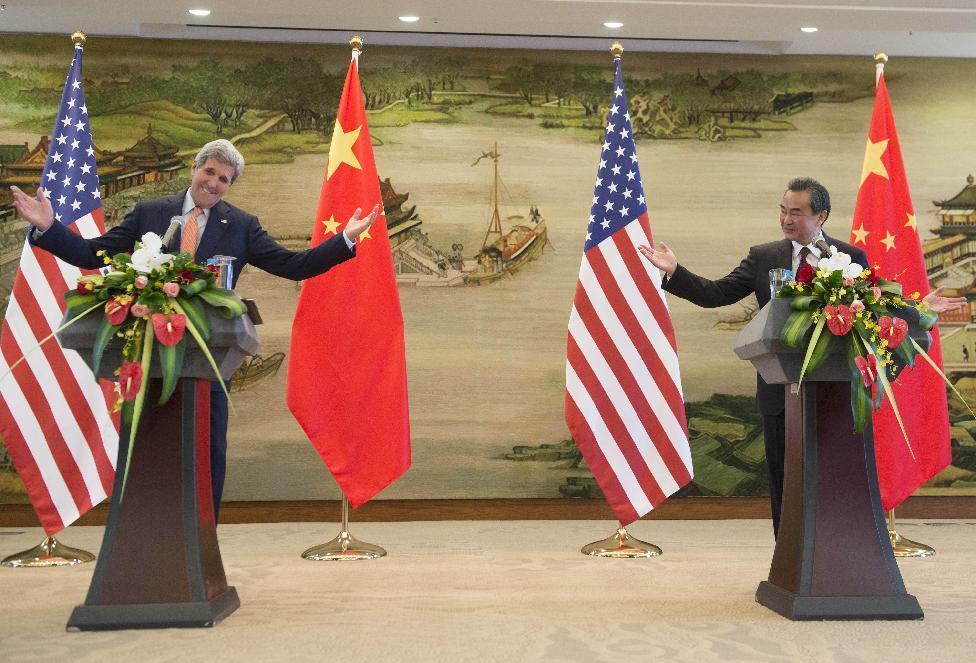
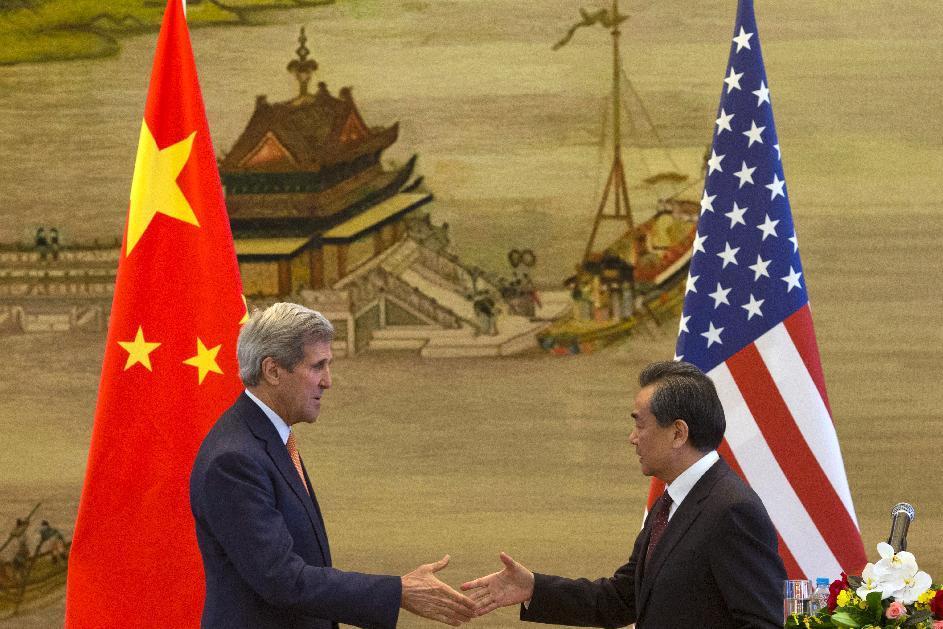
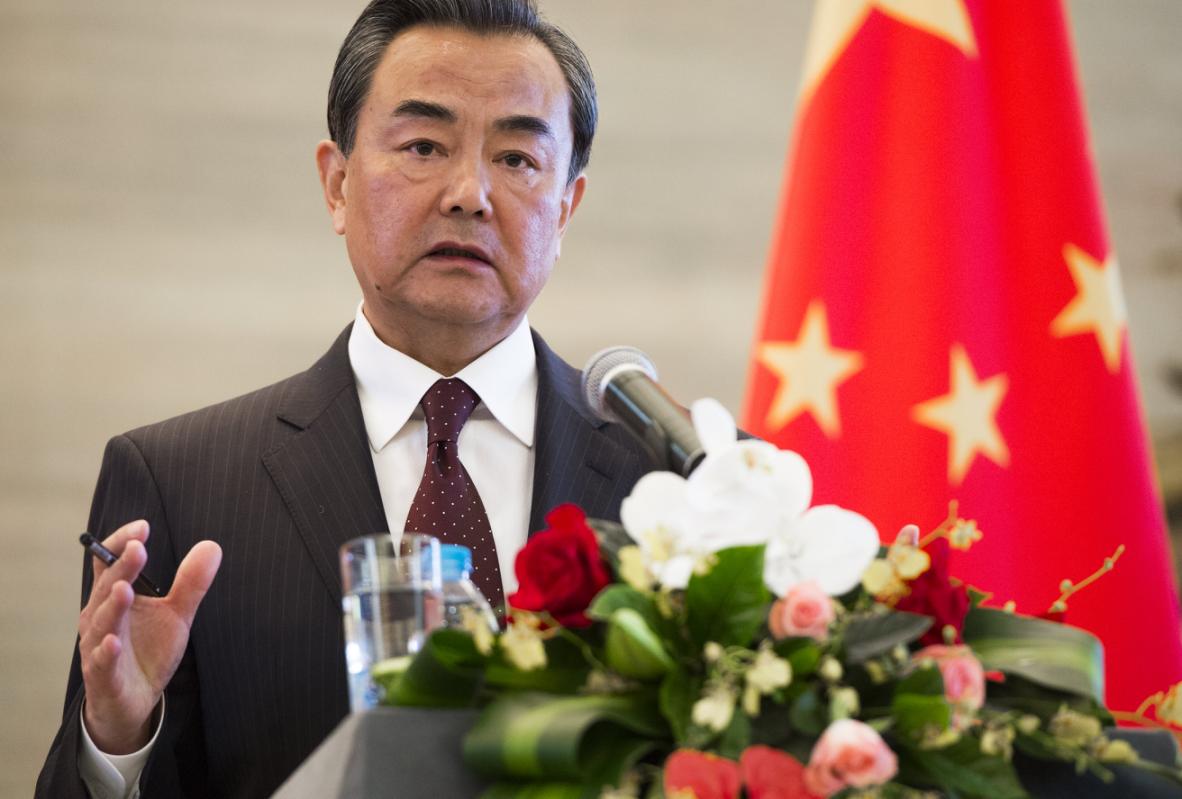
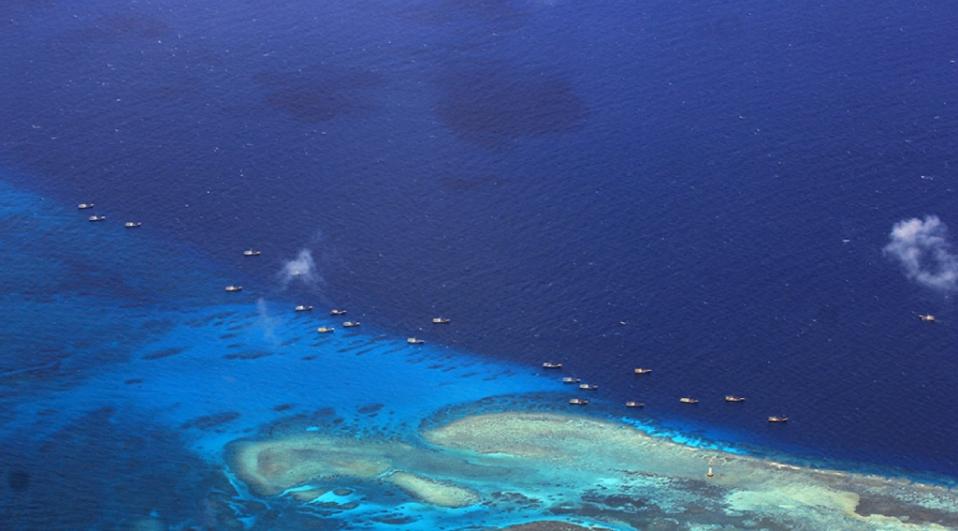
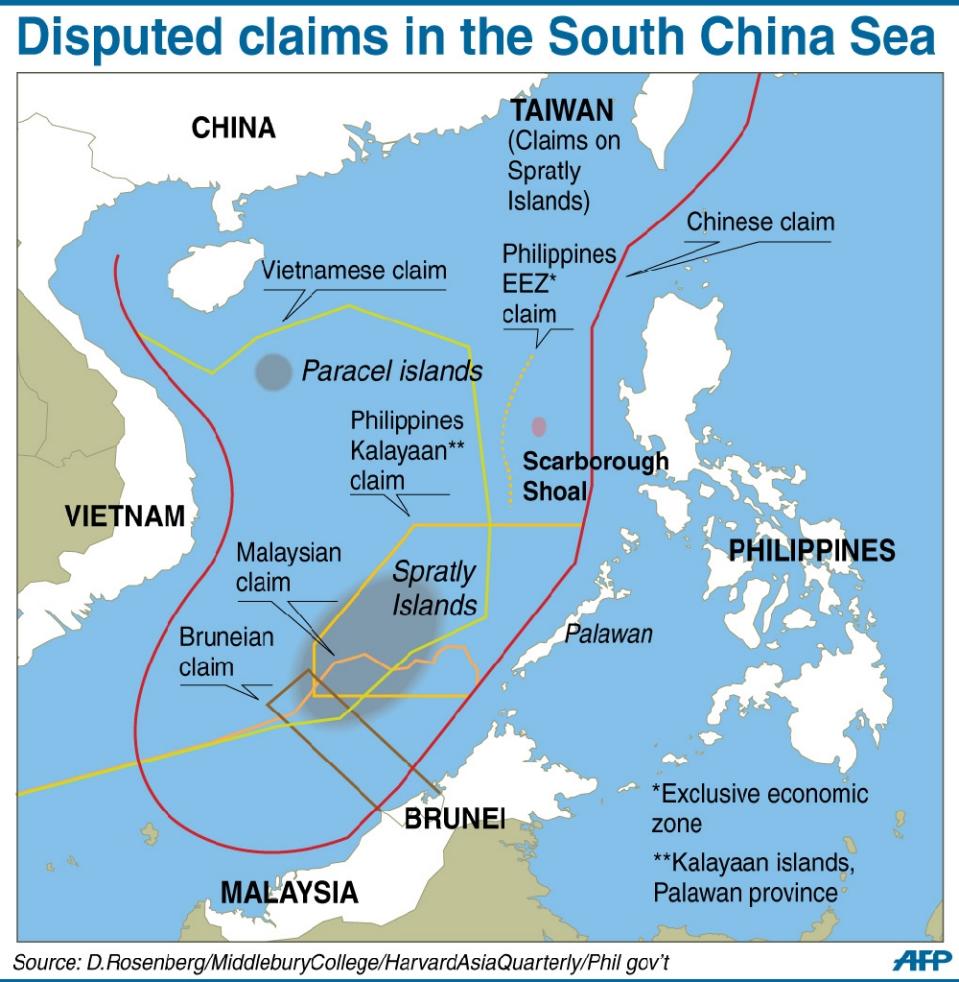


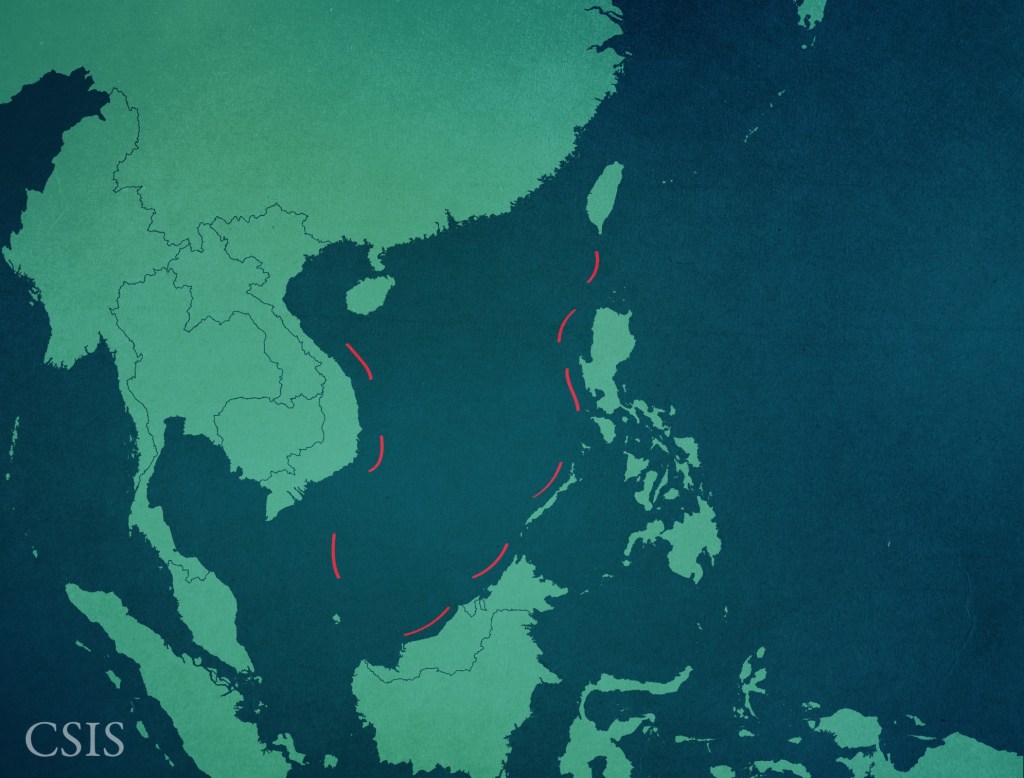



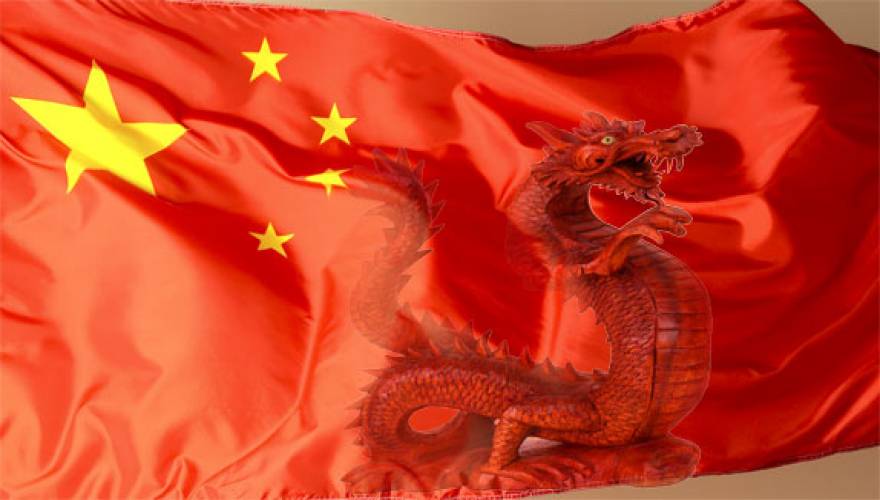






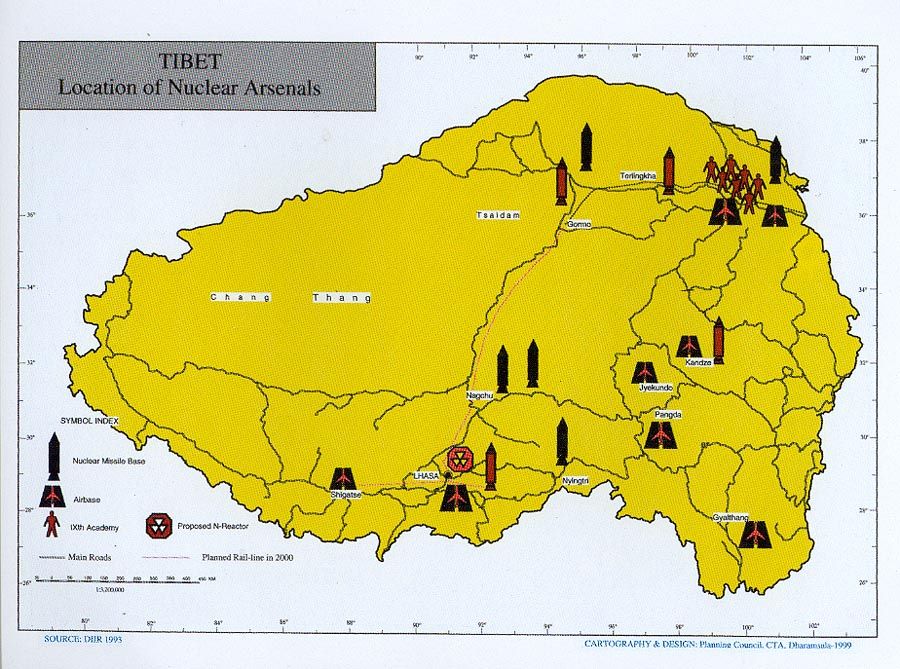
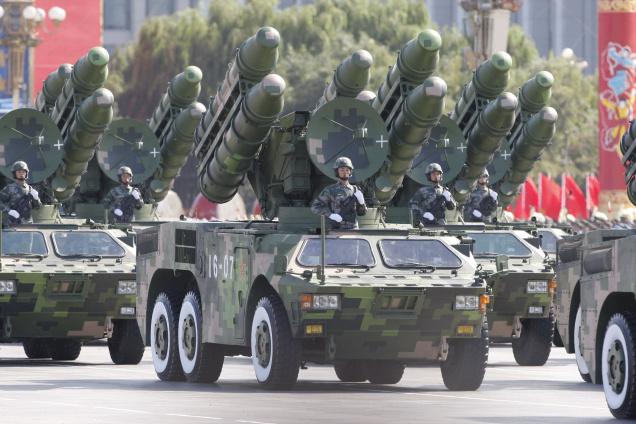

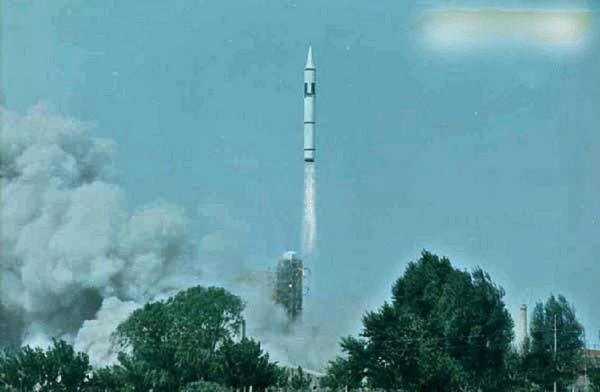
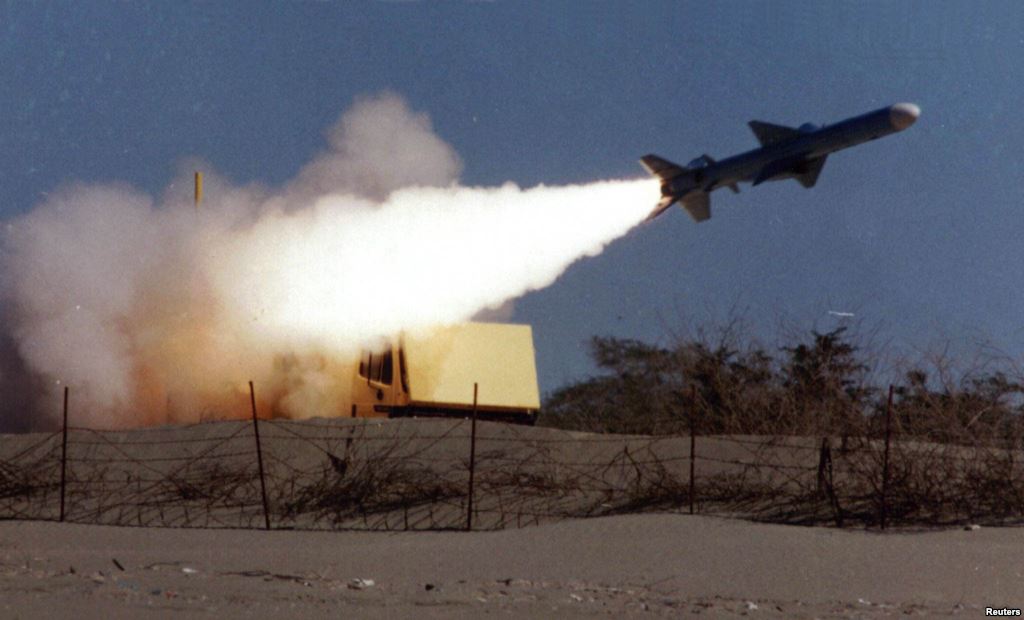
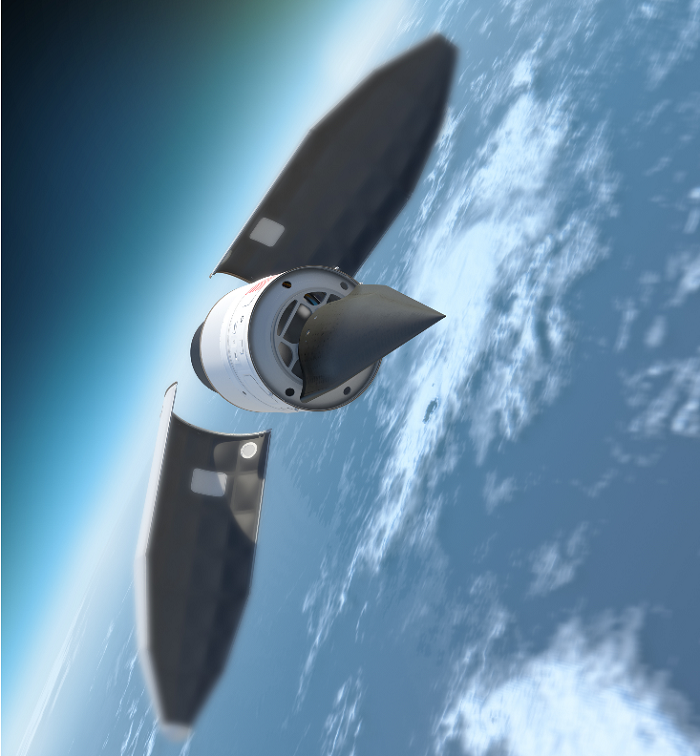
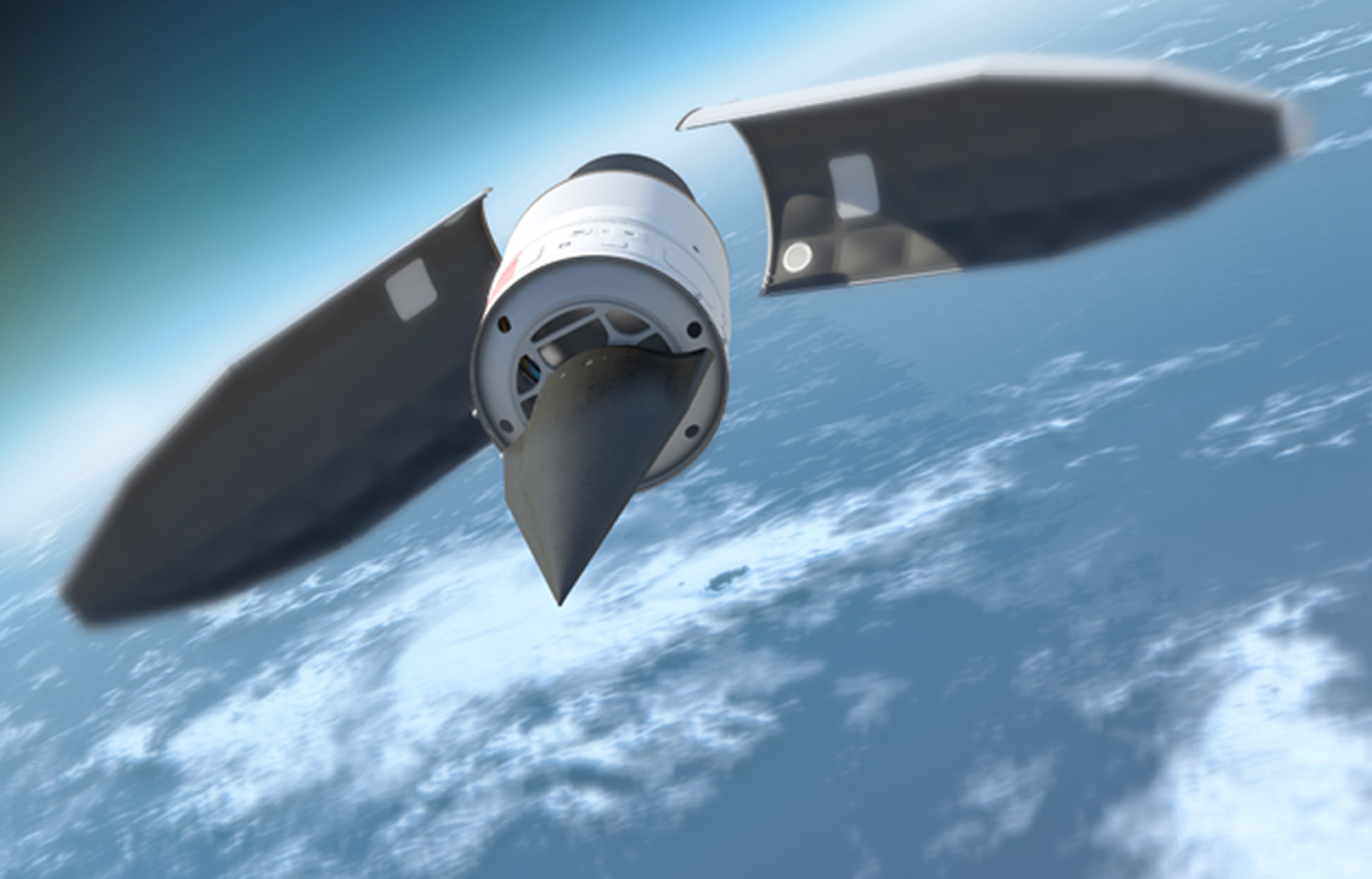
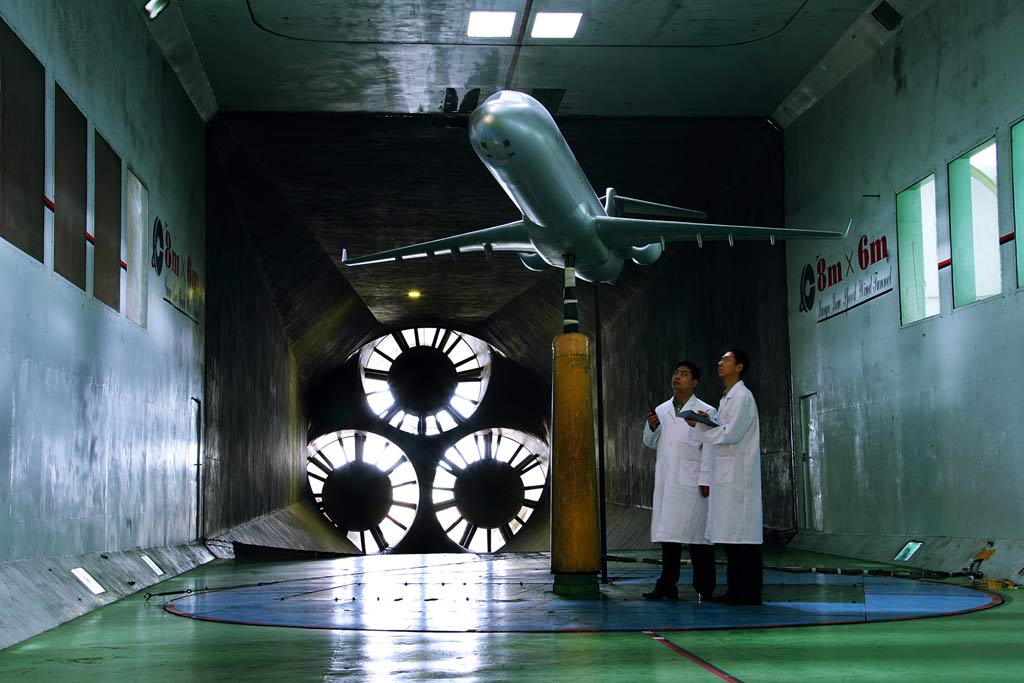
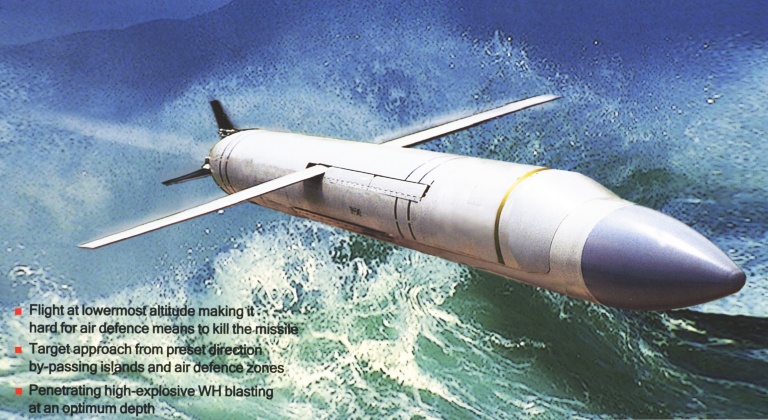


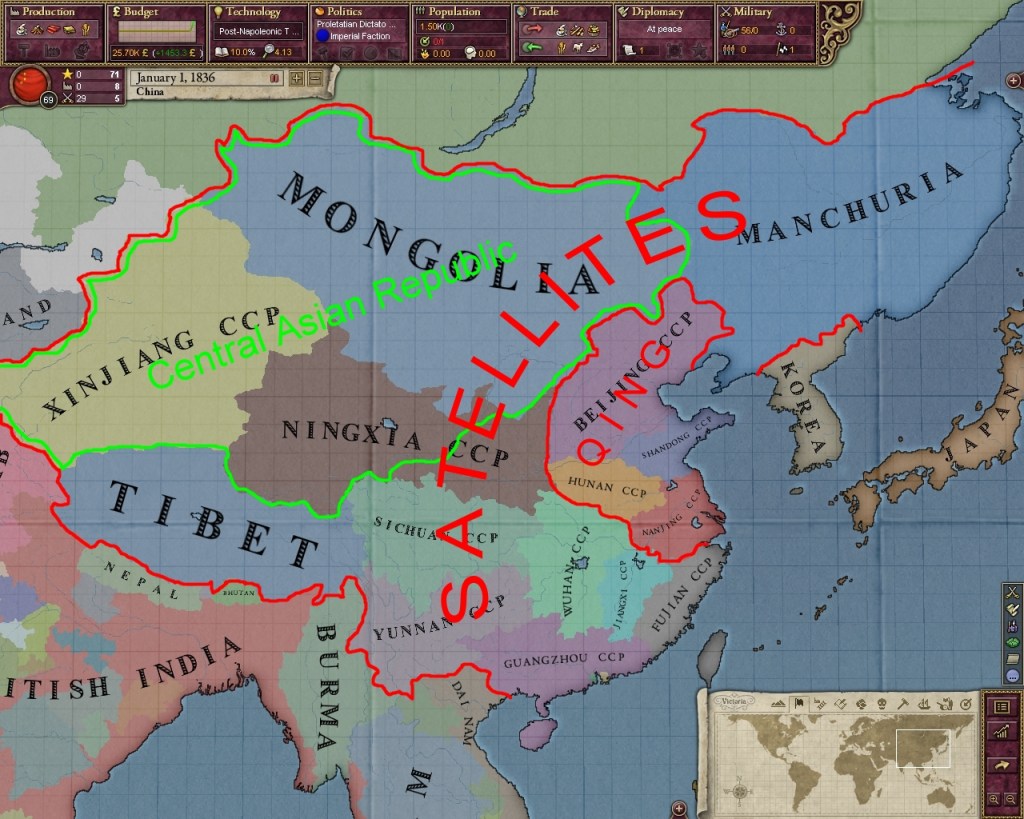
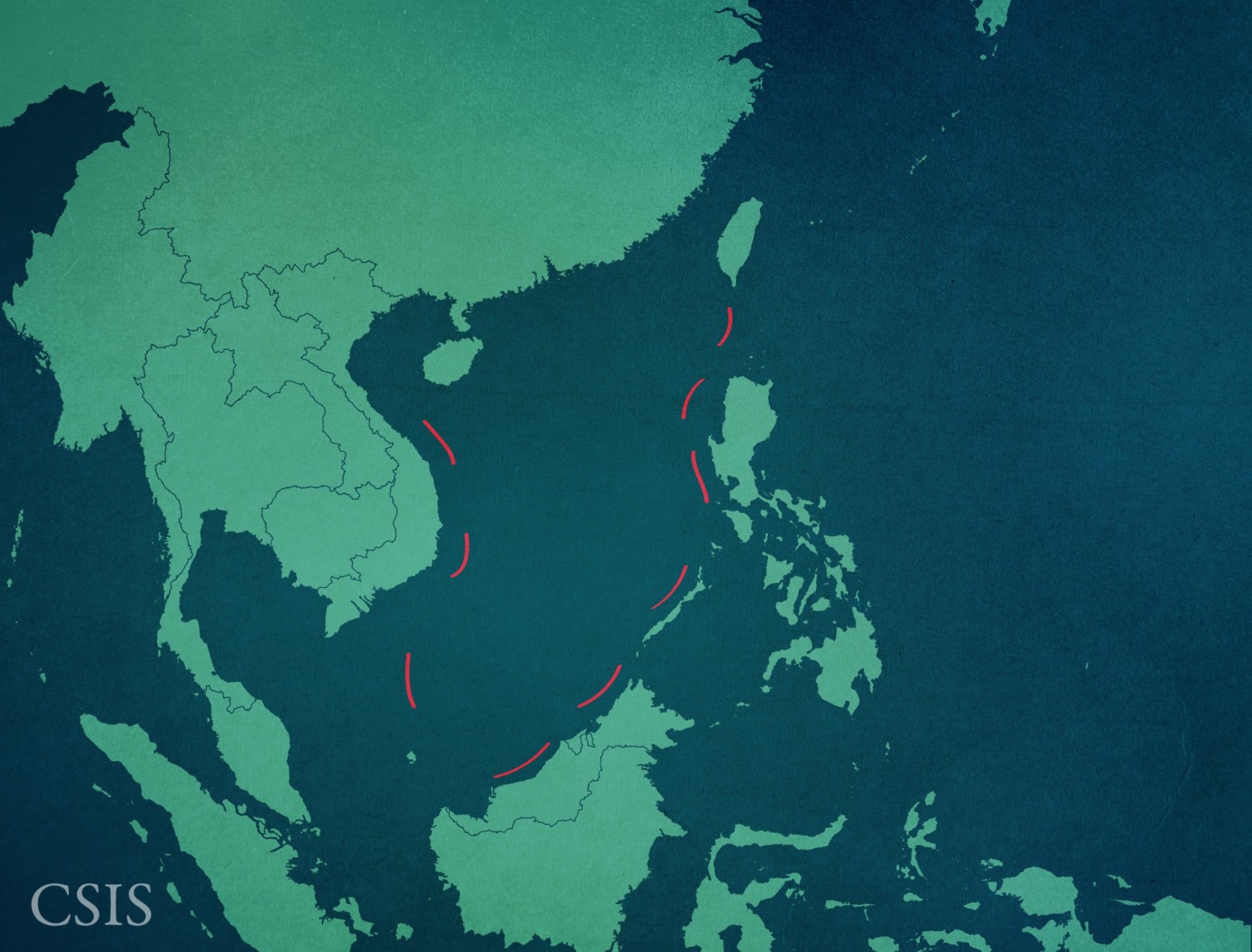
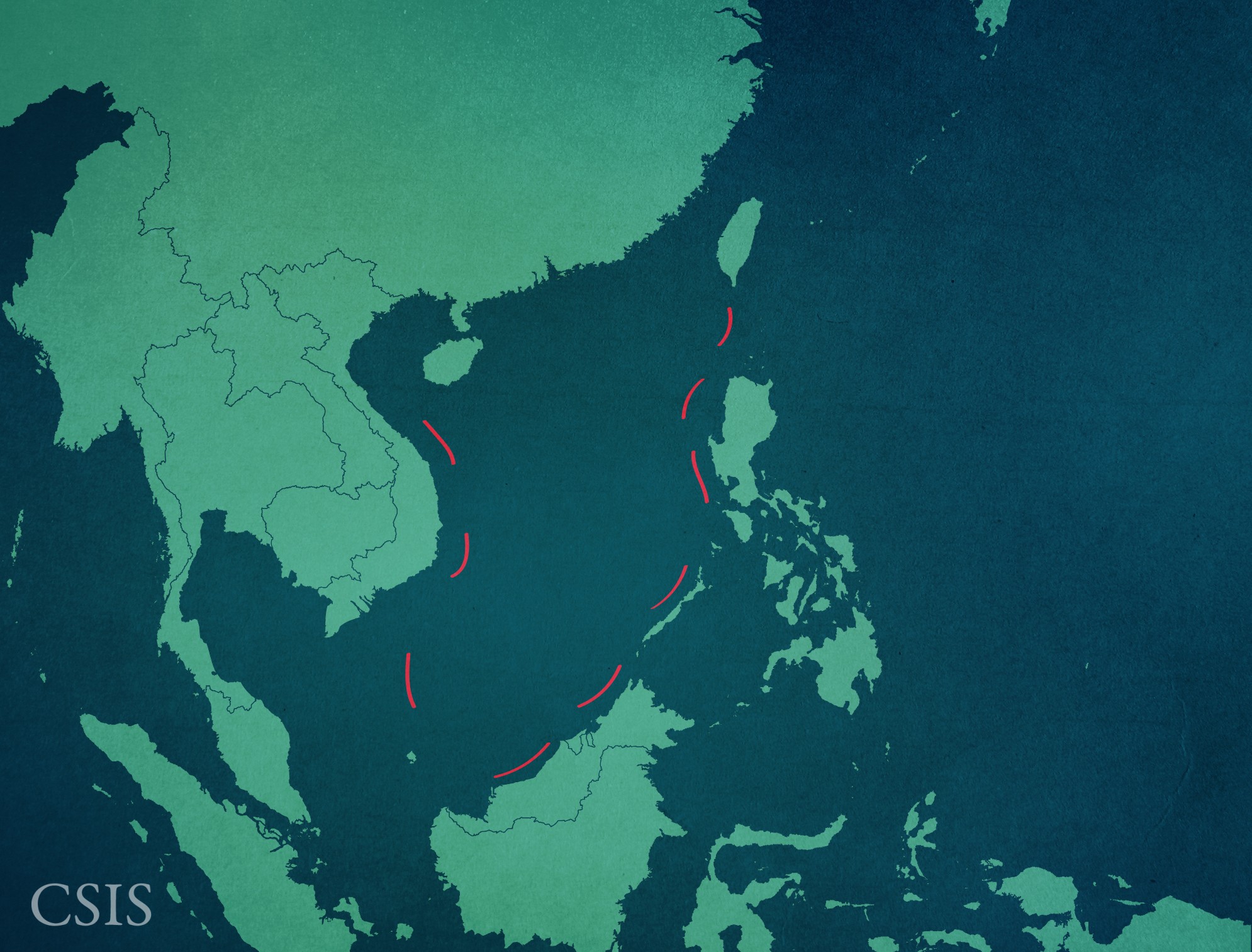
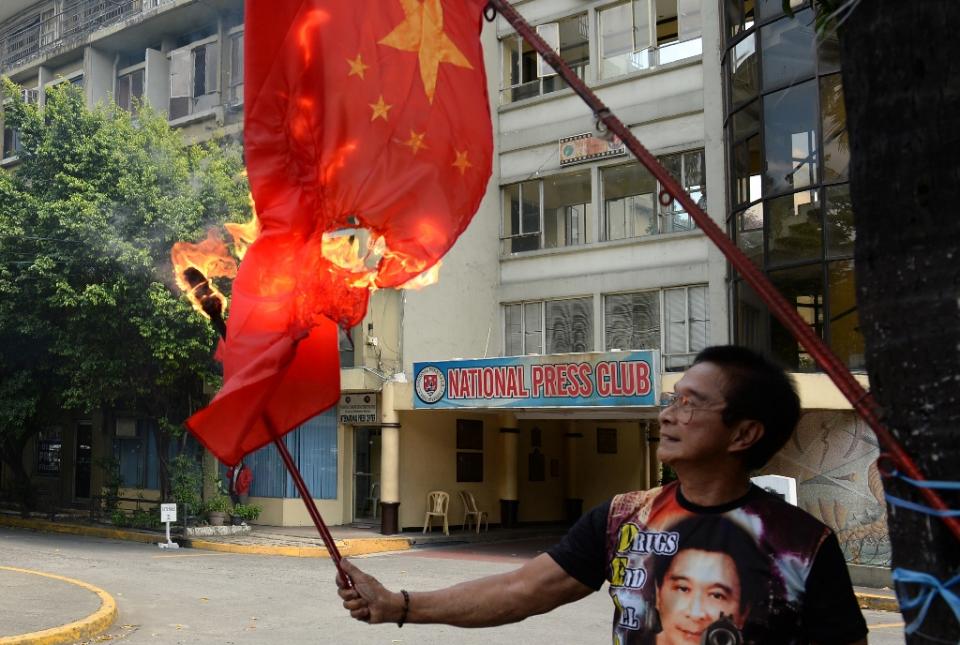

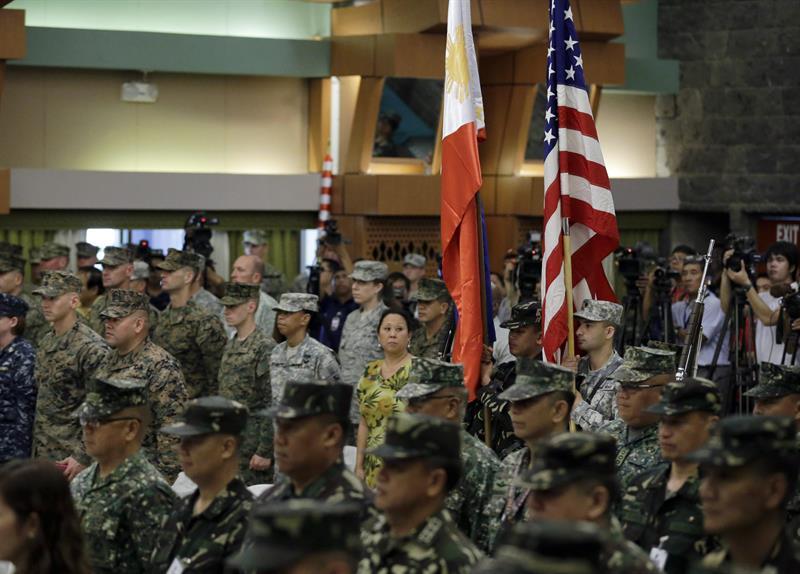
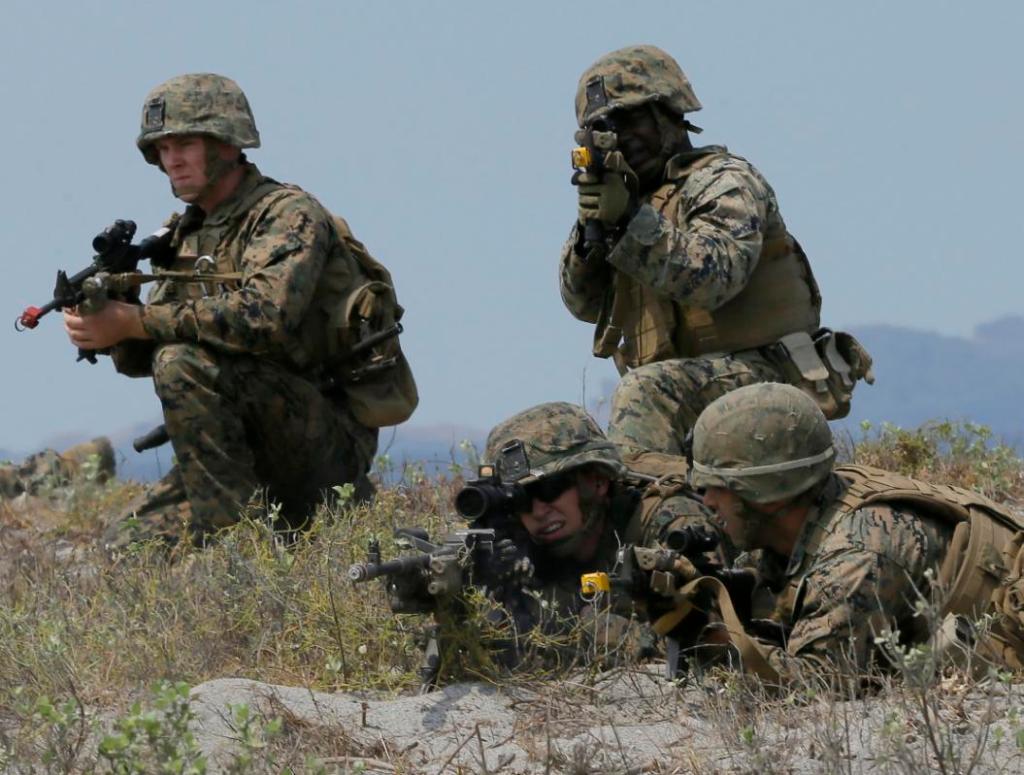

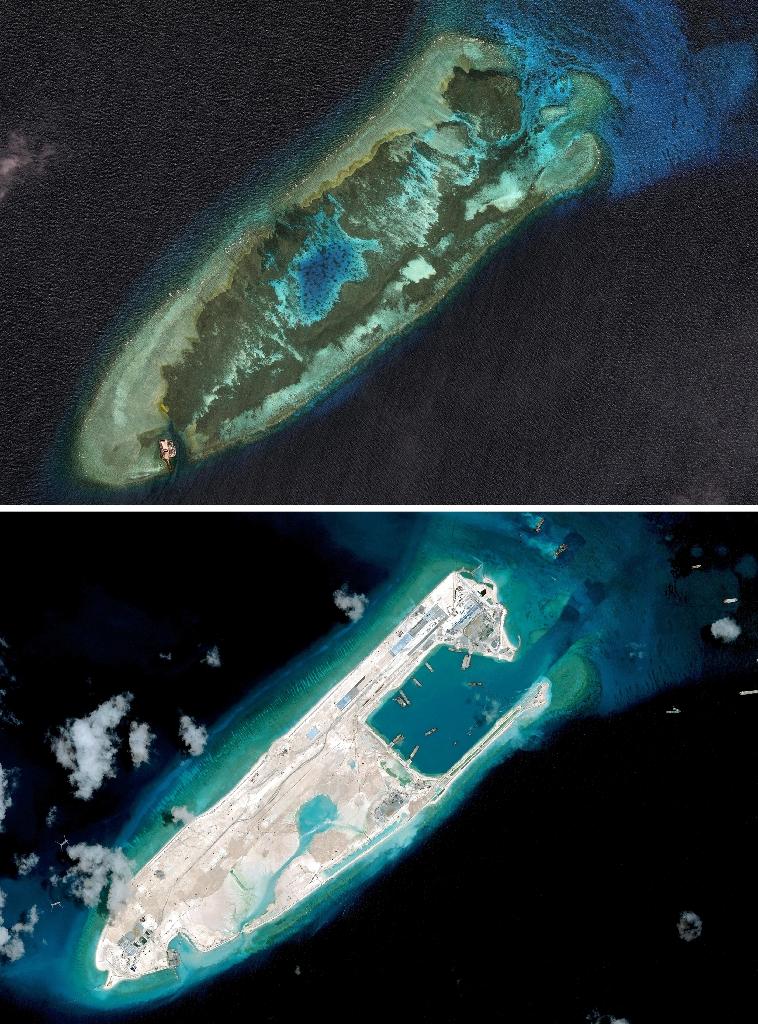

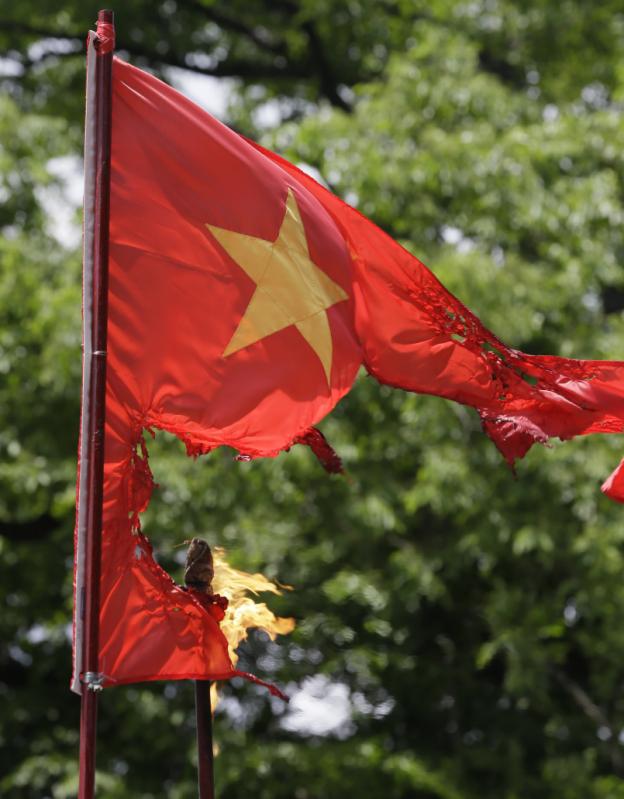

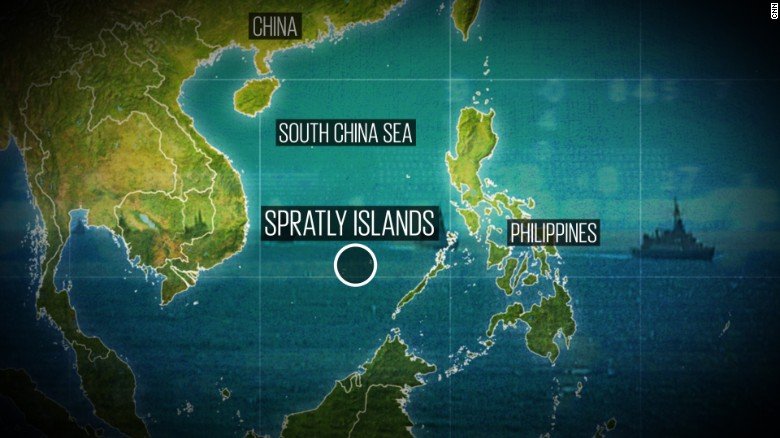
 Whole Dude - Whole Concept