TIBET EQUILIBRIUM. FORCED RESETTLEMENT OF TIBETAN NOMADS MUST STOP.
Tibet Equilibrium. Forced Resettlement of Tibetan Nomads Must Stop.
Tibet Equilibrium. Forced Resettlement of Tibetan Nomads Must Stop.
Tibet Equilibrium. Forced Resettlement of Tibetan Nomads Must Stop.
Tibet Equilibrium. Forced Resettlement of Tibetan Nomads Must Stop.
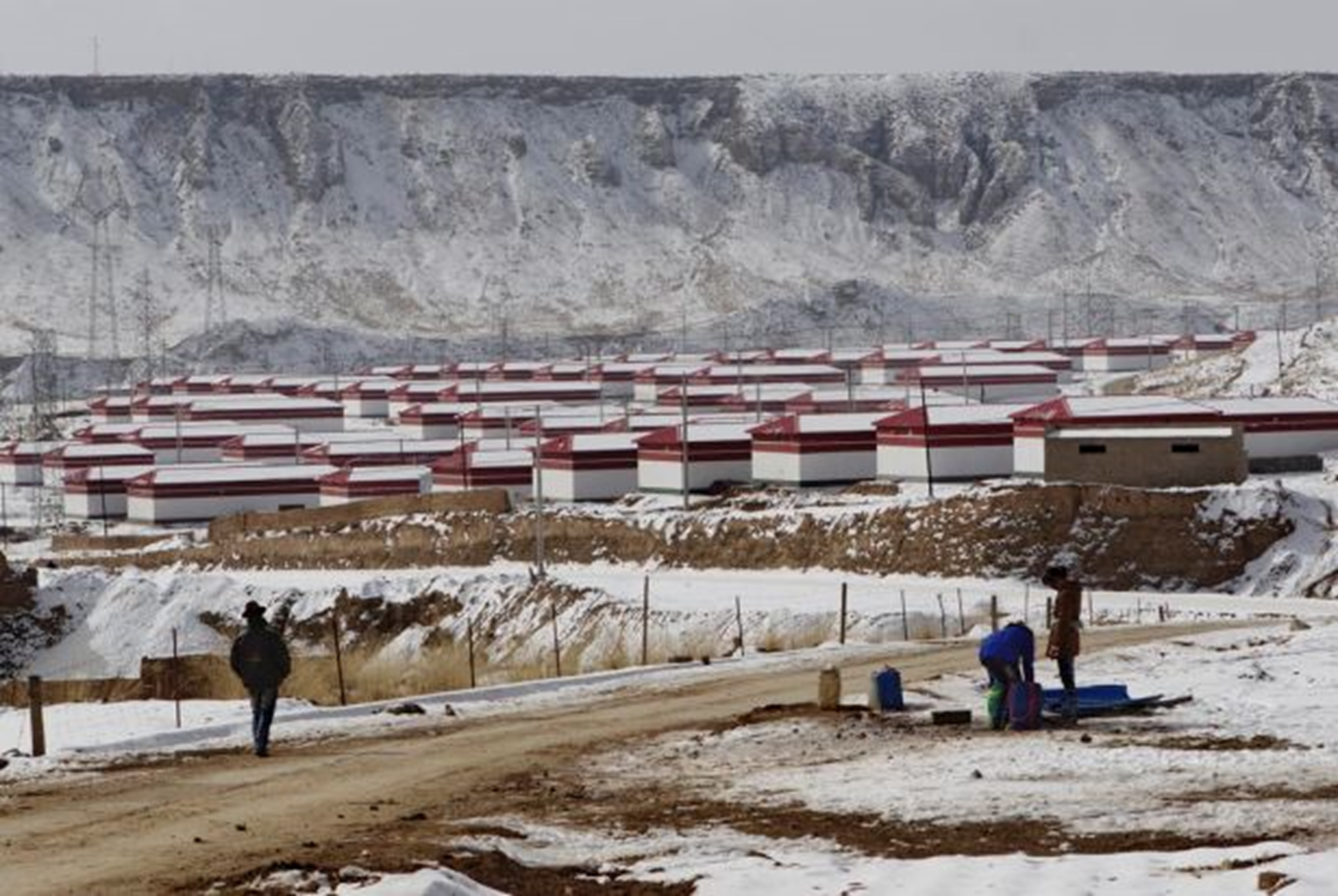
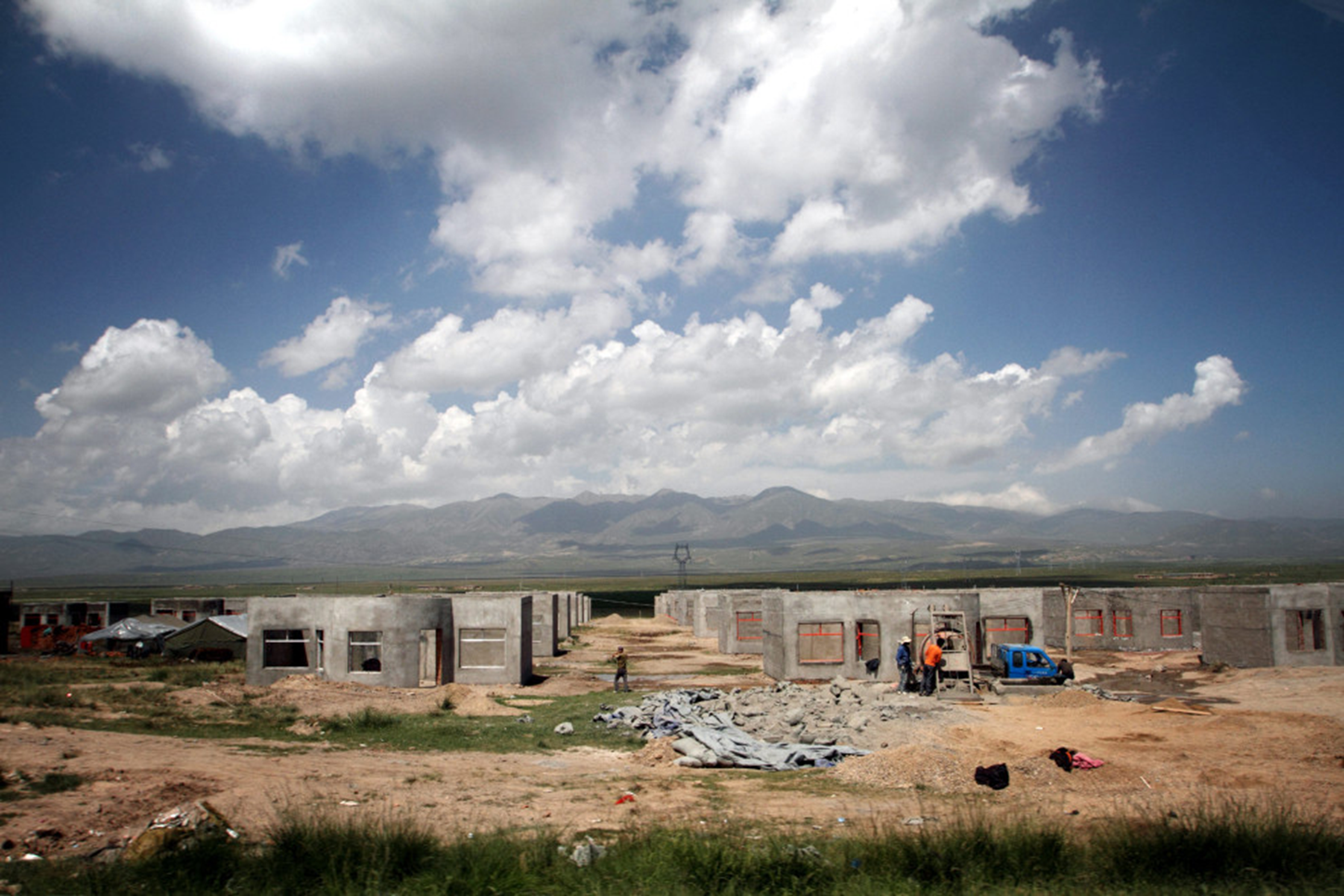
TIBETAN NOMADS RESETTLEMENT PROGRAM
Tibet Equilibrium. Forced Resettlement of Tibetan Nomads Must Stop.
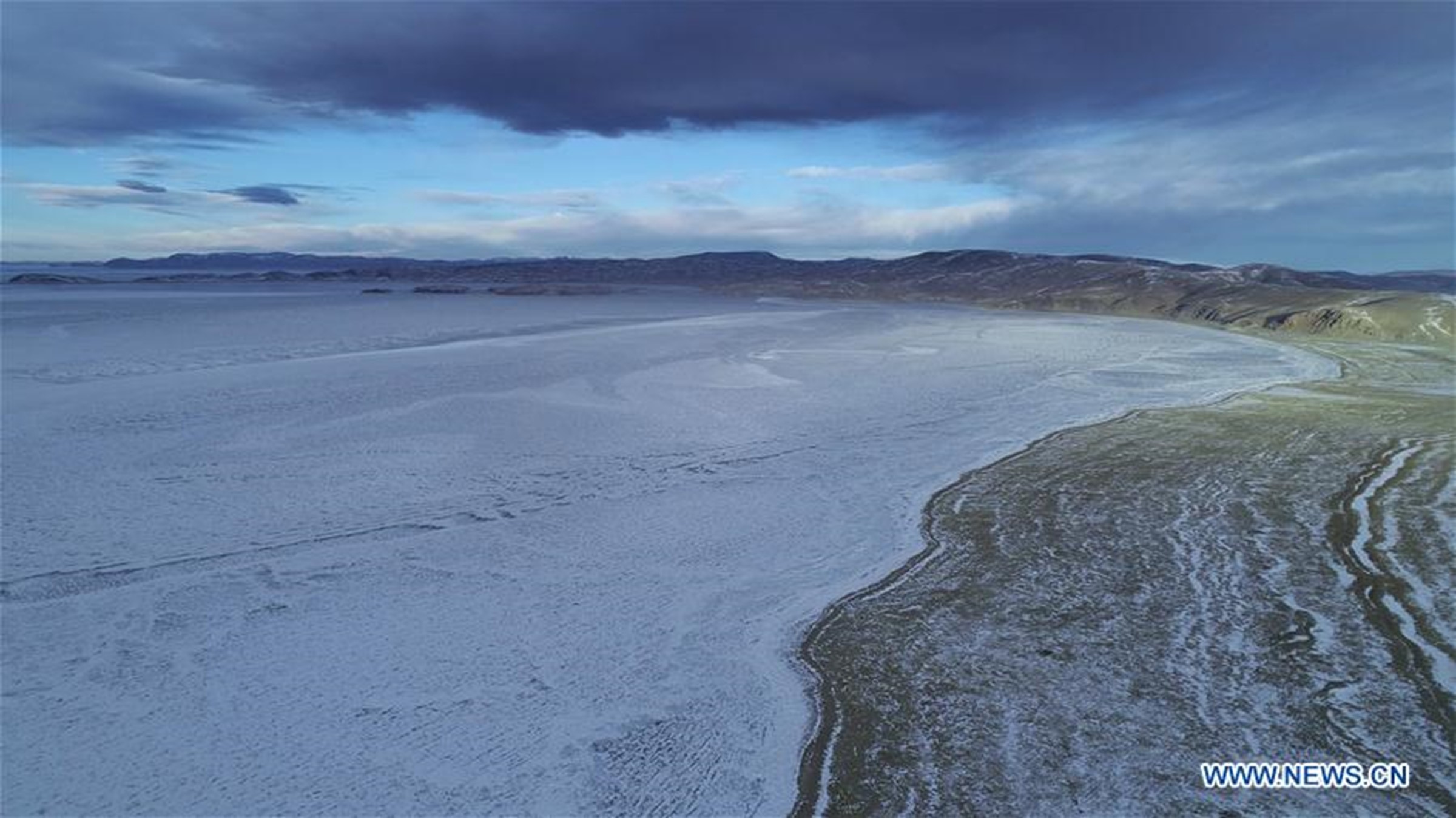
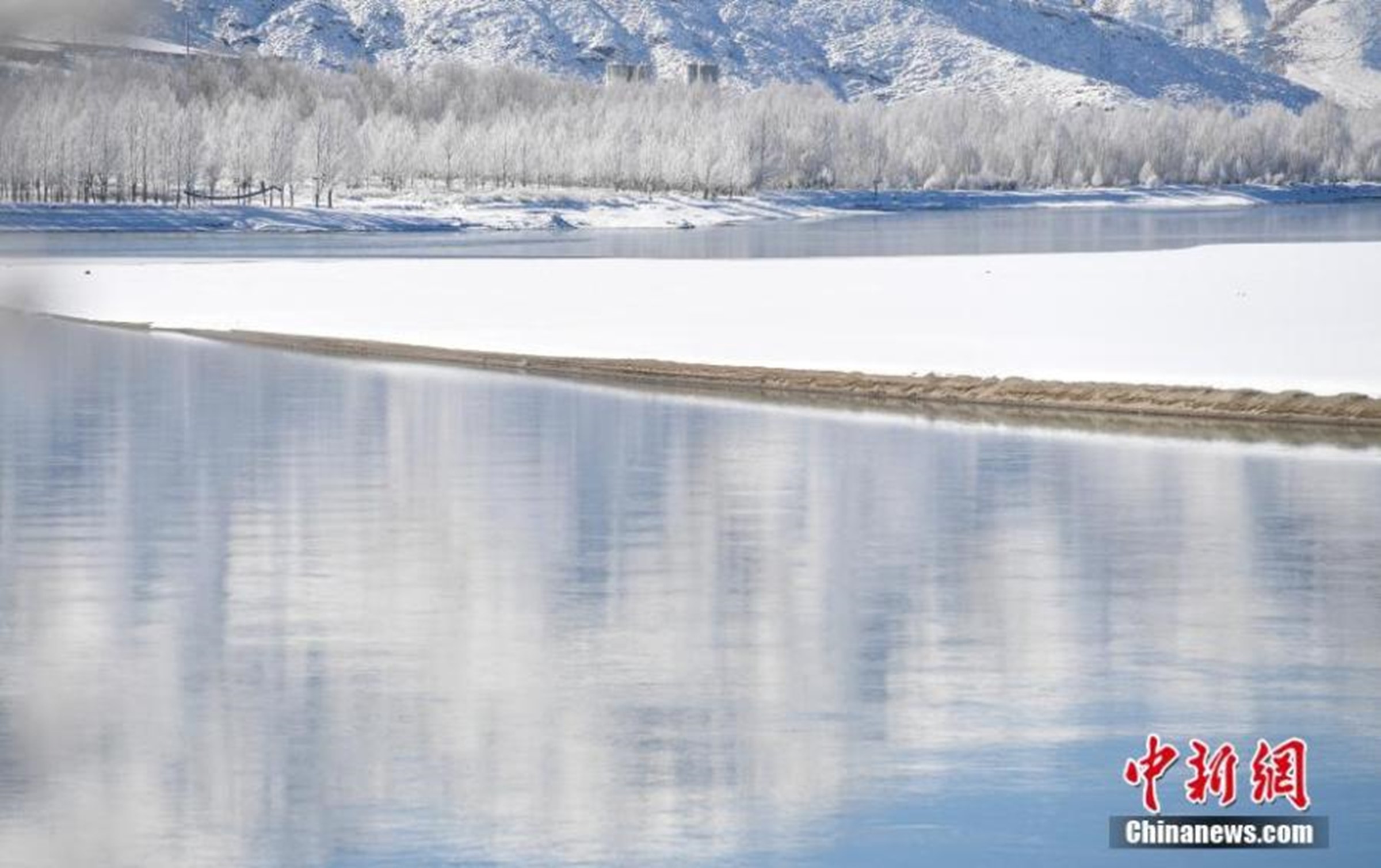
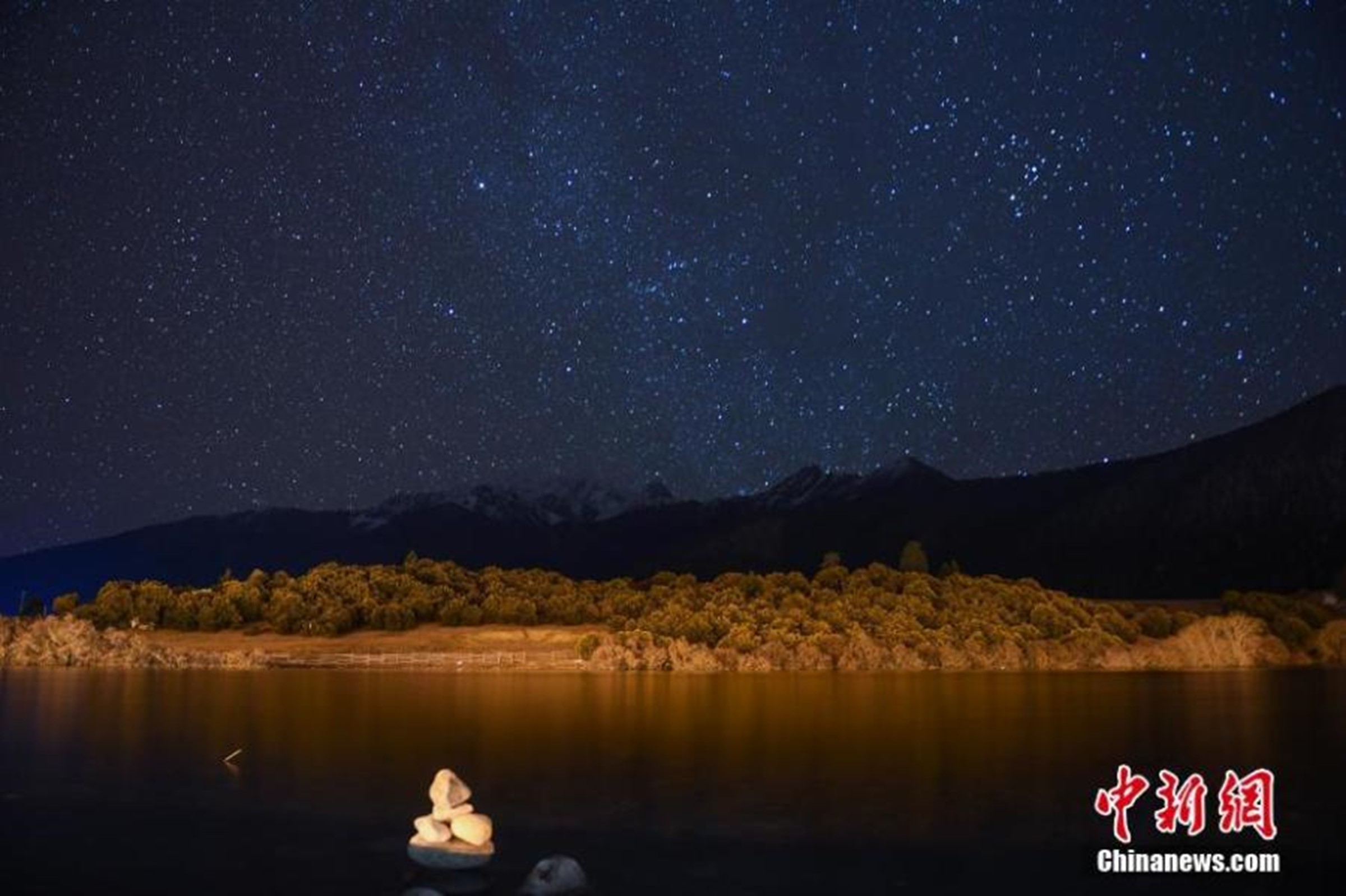
Photo taken on Jan. 18, 2019 shows the frozen Namtso Lake in Tibet. In the past, herdsmen in Tibet endured a ridiculously long, cold winter from October to the end of June, before moving to the summer meadow. They had no fixed residence and migrated when the seasons changed, taking their tents, kitchen utensils, and other necessities on horseback. Nowadays, most herdsmen benefit from local resettlement program. (Xinhua/Purbu Zhaxi)
Tibet Equilibrium. Forced Resettlement of Tibetan Nomads Must Stop.
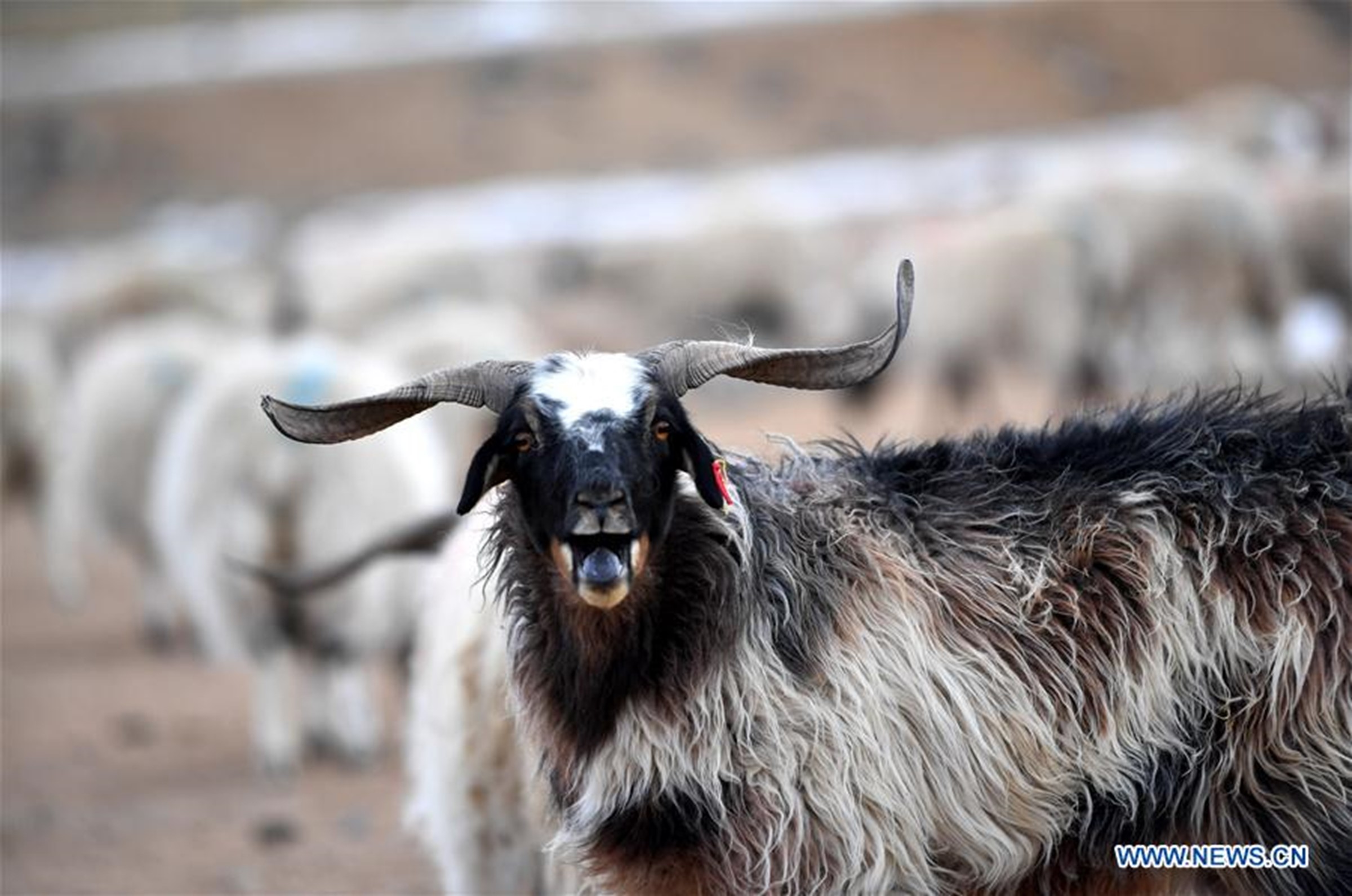
A sheep is seen at a herdsman resettlement site in Bange County, Tibet, Jan. 17, 2019. In the past, herdsmen in Tibet endured a ridiculously long, cold winter from October to the end of June, before moving to the summer meadow. They had no fixed residence and migrated when the seasons changed, taking their tents, kitchen utensils, and other necessities on horseback. Nowadays, most herdsmen benefit from local resettlement program. (Xinhua/Chogo)
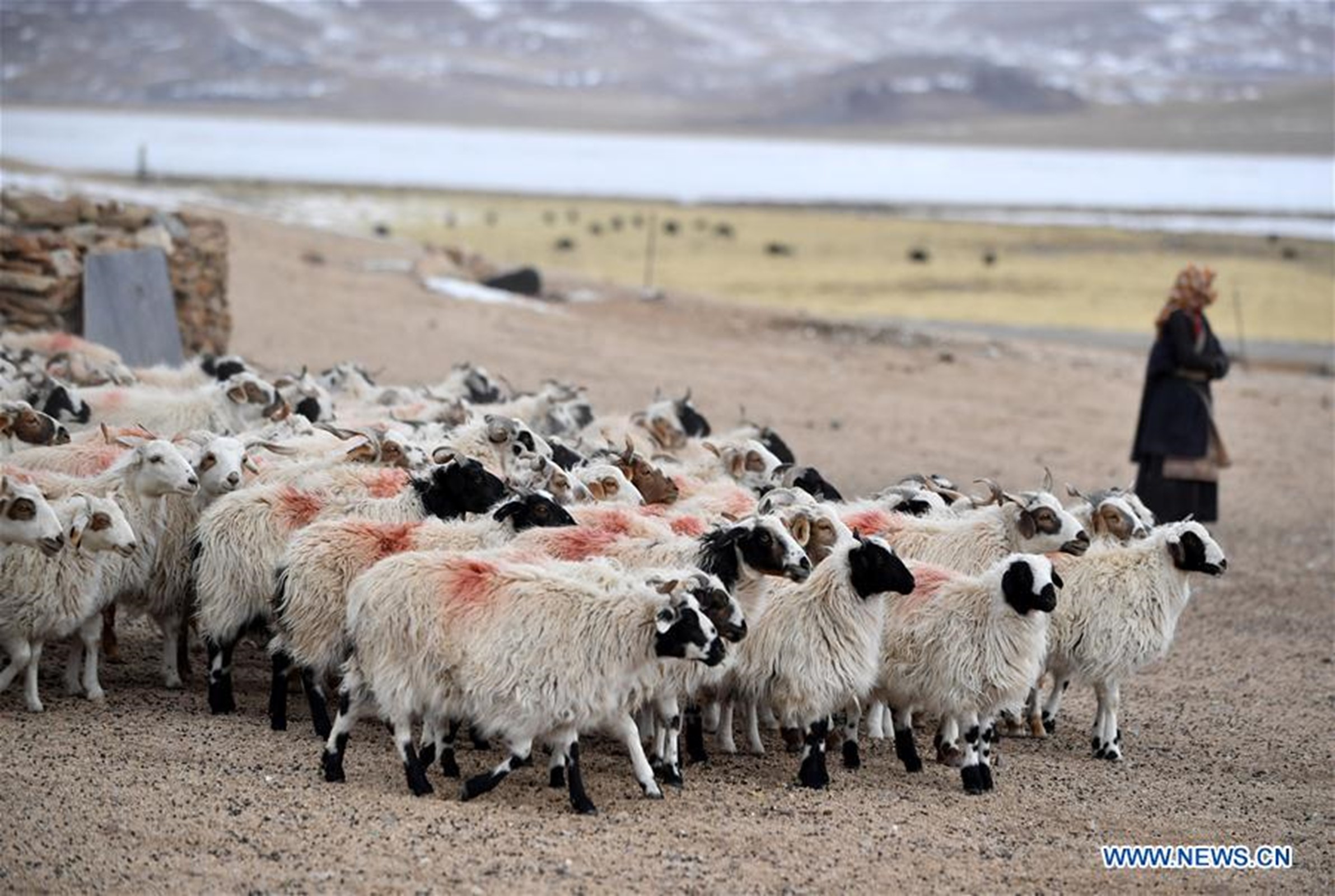
A herdswoman drives sheep at a herdsman resettlement site in Bange County, Tibet, Jan. 17, 2019. In the past, herdsmen in Tibet endured a ridiculously long, cold winter from October to the end of June, before moving to the summer meadow. They had no fixed residence and migrated when the seasons changed, taking their tents, kitchen utensils, and other necessities on horseback. Nowadays, most herdsmen benefit from local resettlement program. (Xinhua/Chogo)
Tibet Equilibrium. Forced Resettlement of Tibetan Nomads Must Stop.
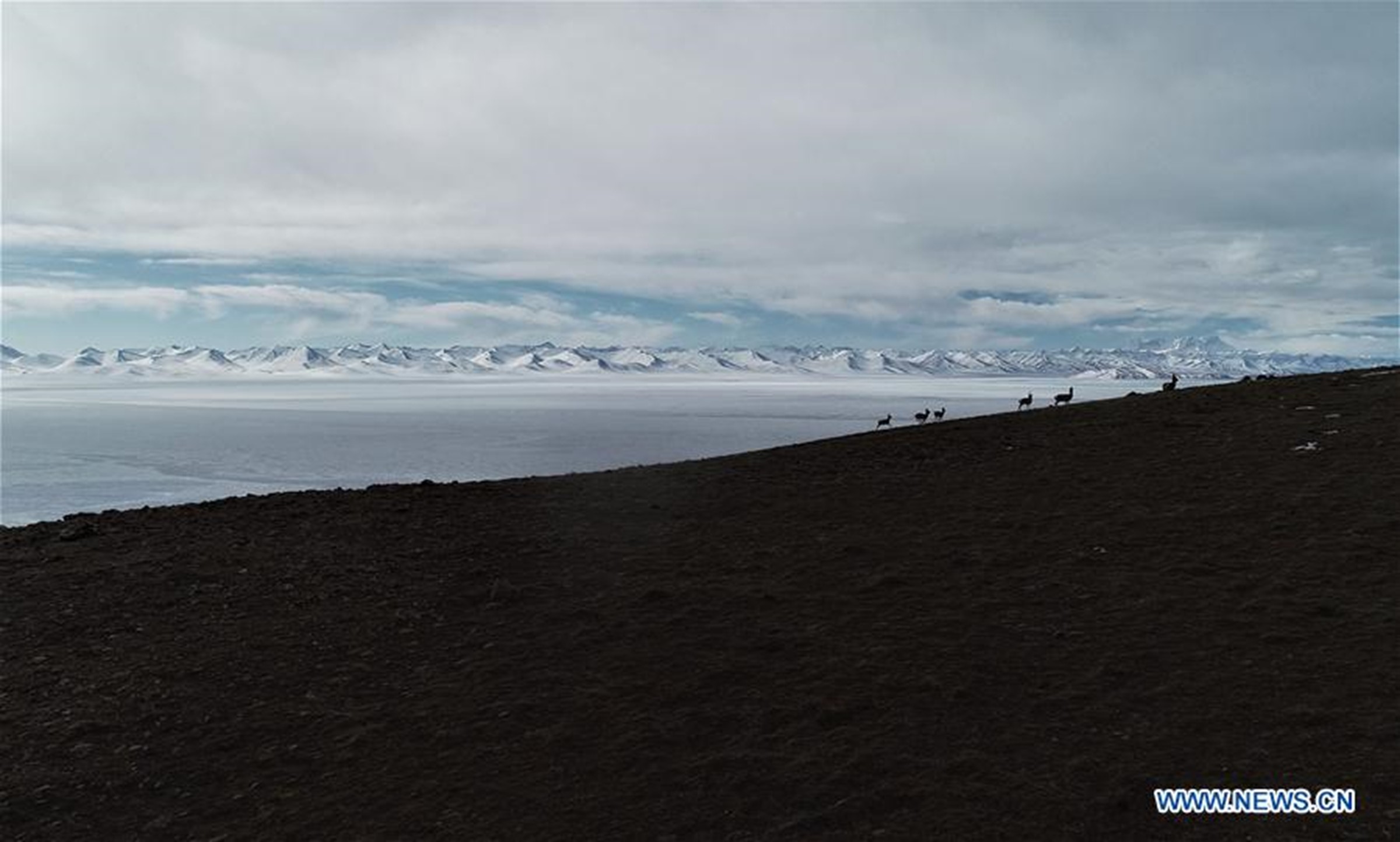
Gazelles are seen near the frozen Namtso Lake in Tibet, Jan. 17, 2019. Forced Resettlement of Tibetan Nomads. (Xinhua/Purbu Zhaxi)
Tibet Equilibrium. Forced Resettlement of Tibetan Nomads Must Stop.
Yaks are seen near the frozen Namtso Lake in Tibet, Jan. 17, 2019. Forced Resettlement of Tibetan Nomads. (Xinhua/Purbu Zhaxi)
Tibet Equilibrium. Forced Resettlement of Tibetan Nomads Must Stop.
Photo taken on Jan. 18, 2019 shows the frozen Namtso Lake in Tibet. In the past, herdsmen in Tibet endured a ridiculously long, cold winter from October to the end of June, before moving to the summer meadow. They had no fixed residence and migrated when the seasons changed, taking their tents, kitchen utensils, and other necessities on horseback. Nowadays, most herdsmen benefit from local resettlement program. (Xinhua/Purbu Zhaxi)
Tibet Equilibrium. Forced Resettlement of Tibetan Nomads Must Stop.
INTERNET SEARCH ENGINES MUST DEFEND FREE SPEECH RIGHTS
January 18. Internet Freedom Day. Internet Search Engines must defend Free Speech Rights.
In celebration of Internet Freedom Day on January 18, 2019, I advocate that Internet Search Engines must defend Free Speech Rights.
Rudranarasimham Rebbapragada
SPECIAL FRONTIER FORCE
Activists at Google’s London HQ protest Project Dragonfly | Business | Techworld
Google’s leaked plans for a censored Chinese search engine has sparked anger globally
This afternoon outside Google’s King’s Cross headquarters, a small group of protesters gathered to put pressure on the firm to scrap leaked plans for a censored Chinese search engine, codenamed Project Dragonfly.
The protest was orchestrated under the Stop Google Censorship campaign, which is comprised of groups associated with SumOfUs, the Tibetan independence movement, and Uighur Muslims. It was planned on the same day as Internet Freedom Day and was mirrored by planned gatherings outside Google offices in the US, Canada, India, Mexico, Chile, Argentina, Sweden, Switzerland, and Denmark.
January 18. Internet Freedom Day. Internet Search Engines must defend Free Speech Rights.
When Techworld arrived, two security guards were talking to the protest organizers, but they quickly departed on reassurances that the protest would be peaceful.
Outside the glass-fronted headquarters, based in Granary Square near King’s Cross Station, a group of between 10 to 15 protesters were gathered, some of them tending to clump of red balloons emblazoned with the Google logo dappled with the gold stars of the Chinese flag.
The Intercept first revealed the Dragonfly Project in August 2018, citing insider sources and a leaked company memo. Google was reportedly harvesting information from 265.com, a Chinese-language web directory purchased by the company in 2008 that redirected any search traffic to the biggest Chinese search engine, Baidu.
The Intercept claimed the project had been underway since spring of 2017, however, it was alleged by the publication that Google’s privacy team wasn’t notified of the use of 265.com in this way.
If launched, the search engine would have to cooperate with censorship laws from the Chinese government, including barring search results of certain publications such as the BBC, and certain search terms such as news, academic studies, and sex, as well as references to Tiananmen square and Tibetan independence.
But this isn’t the protester’s only qualm with the project, it’s also due to the requirements to comply with new Chinese Internet Security law introduced in 2018.
“One of the most damaging aspects of that law is that internet service providers are required to capture details of people using their services, and that would include Dragonfly,” John Jones, Free Tibet’s campaigns and communications manager told Techworld.
The law requires that the details of searchers on the service be made available to security services should they request them.
“In theory, someone could be arrested and imprisoned based on what they search for using Google’s search engine in China,” points out Jones. He says this is a particular concern for the group based on their understanding that there have been past incidences where Chinese citizens are imprisoned for searches through Chinese websites.
The Intercept reported in December 2018 that in the aftermath of their revelations, the project has stalled. Google itself also stated that it has no ambitions to launch in China. However, many see this as not truly indicative that its interest in the rising superpower has been extinguished.
“We can’t take anything for granted so we’re going to keep putting pressure on them and hopefully get some sort of acknowledgment from the company itself that this project has been scrapped,” says Jones.
Jones says the fact that Google has now distanced itself from the allegations shows that the company was cognizant of the bad optics surrounding developing something like this. But he doesn’t see the business as monolithic.
“There are the executives and there are the people developing the project, but then there’s also many of the staff who are decent people who are ideologically opposed to this,” says Jones, pointing to dissent from within the tech giant. “They’ve been the ones leaking the information about it, contacting journalists and in some cases even resigning – because they think it violates the vision they had when they started working for Google.”
The group claim that some of the employees emerging from Google had engaged with the protest, with one signaling support, and another saying that this was a topic of intense discussion within the offices too. Techworld can’t confirm this as no one approached the protesters during the time we were present.
The project also seems to signal a pivot in Google’s former position when it pulled out of the China market, citing – in addition to a cybersecurity attack – censorship and the company’s principles for free internet.
Although in its early days the company preached somewhat utopian ideals it recently dropped its infamous ‘don’t be evil’ slogan from its code of conduct.
The Project Dragonfly revelations came amidst domestic controversies in Silicon Valley. Google had been working with the US government on a drone program called Project Maven, while Amazon workers protested their company aiding Trump’s deportation agency ICE.
Jones sees this as a blueprint for what pressure on the company could potentially achieve in regard to China.
Success, according to Jones, would look like an open acknowledgment of Google that it will be canceling the Project Dragonfly search project. But he did acknowledge when asked by Techworld that China is not the only region where the titans of Silicon Valley have wormed their way into the state surveillance apparatus.
“From my point of view, any time they violate their own principles by handing over information that the user doesn’t know is being handed over they probably do need to examine themselves and be challenged for it and it doesn’t matter if it’s in China or the US,” Jones says. “The only difference is the extent to which they’re doing it and the possible penalty that someone can be paying. I’m sure if I was working on civil rights in the US I’d be up in arms about their past cases.”
The earlier Snowden revelations, meanwhile, proved that the intelligence agencies of the ‘Five Eyes’ governments – the USA, Canada, Britain, New Zealand, and Australia – had been collaborating on an intricate worldwide surveillance dragnet.
And amid questionable fears that Russian bot networks had impacted the result of the US presidential election in 2016, Facebook and other Silicon Valley companies have been working to black-ball news sources that they have labeled as ‘divisive’ – aided by the unabashedly pro-NATO think tank The Atlantic Council.
A separate media relations volunteer, Business Insider journalist Michael Selby-Green, acknowledged that most of the people in attendance were volunteers or full-timers at groups relating to Tibet or other NGOs that exert pressure in China. He said that the protest was kept deliberately small – with minimal public outreach – because the intention was to picket Google employees and passers-by.
Jones says the problem isn’t Google offering a service in China per se.
“We have absolutely no problem in theory if Google were to open a search engine in China free from constraints of the government, we’d be completely happy with it,” he says. “The minute they start colluding with governments that are repressing human rights and develop a tool that could help them such as tracking peoples’ searches, that’s when they’ve got to be challenged.”
Some would say that from a business perspective, that the company is loath to ignore such a vast emerging and potentially extremely lucrative market, however, Selby-Green says that this doesn’t make it justifiable.
“I don’t think the ends justify the means, you’ve got to say what your values are, and you have to stick to those I think,” Selby-Green says. “If Google’s values are internet freedom and things we hold dear in the west or think we do, then I think Google has to stand by that and sacrifice that market and the profits in that market if that’s what they hold dear.”
In 2018 Samm Sacks of the Henry Kissinger-supported think tank the CSIS detailed the ins and outs of the Cyber Internet Security Law – which was inspired at least in part by Europe’s General Data Protection Regulation, putting Chinese data regulations on more of an even footing with American and European laws, at least concerning personal data held by private companies.
She added at the time that for successful companies operating within the valuable China market, success is only possible with the support of the government. Countries seeking closer ties with China, meanwhile, are approaching its government for advice on how to govern the internet.
It could be argued that Google, which was reached for comment but has not responded, is stuck between a rock and a hard place concerning China.
Google will not want to ignore the country’s growing economy, but the project was leaked during a climate of increased western scrutiny directed at China, as well as an ongoing trade war between the USA and China and the arrest of Huawei CFO Meng Wanzhou in Canada.
Western intelligence has, meanwhile, warned of the over-reliance of Chinese infrastructure equipment from Huawei – although the German technology watchdog found no evidence of wrongdoing and the company has long been under the watch of cybersecurity experts at a center in Banbury, Oxfordshire.
January 18. Internet Freedom Day. Internet Search Engines must defend Free Speech Rights.
THE RECIPROCAL ACCESS TO TIBET ACT IS NOT FOR BOOSTING TOURISM
The Reciprocal Access to Tibet Act is not for boosting Tourism.
The Reciprocal Access to Tibet Act is not for promoting Tibetan Tourism. The ‘Access’ is demanded to monitor Human Rights violations in the Occupied Tibetan territory.
Rudranarasimham Rebbapragada
SPECIAL FRONTIER FORCE
The Reciprocal Access to Tibet Act is not for boosting Tourism.
China pledges easier foreign tourist access to Tibet amid U.S. pressure
The Reciprocal Access to Tibet Act is not for boosting Tourism.
BEIJING (Reuters) – The Chinese government in Tibet said it will boost numbers and cut waiting times for foreign tourists visiting the highly restricted region, amid renewed pressure from the United States for greater access for U.S. officials and journalists.
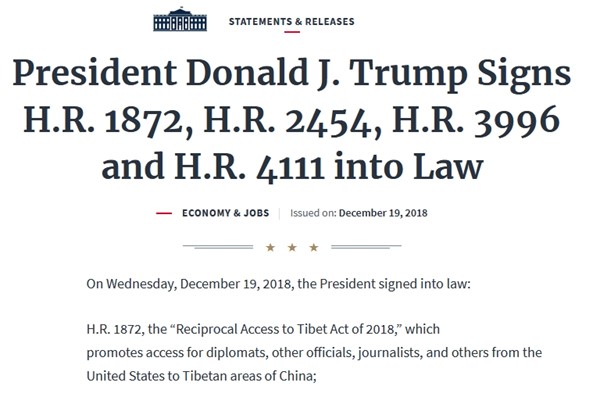
U.S. President Donald Trump signed into law the Reciprocal Access to Tibet Act in December, which seeks to press China to open the region by denying U.S. entry for officials deemed responsible for restricting access to Tibet.
Beijing denounced the law at the time as interference in China’s internal affairs, risking “serious harm” to ties with Washington.
China and the United States are engaged in talks to try to hammer out a deal to end a festering trade dispute that has threatened to sour the relationship across the board, including on issues such as security, influence and human rights.
The Tibetan government will shorten the time required for foreign tourists to gain access to the region by half and boost numbers by fifty percent, Qizhala, chairman of the regional government, said in an annual work report published by the official Tibet Daily newspaper on Friday.
Non-Chinese visitors must apply for a special permit to travel to remote, mountainous Tibet, which is usually granted for tourists provided they travel with approved tour companies but rarely for journalists and diplomats.
Beijing has ruled Tibet with an iron fist since Chinese Communist Party troops marched into the region in 1950 in what it terms a “peaceful liberation”.
Qizhala also pledged that the government in Tibet would “take a clear-cut stance in the fight against the Dalai clique”, a reference to exiled spiritual leader the Dalai Lama.
“We must improve the monastery management and service mechanisms to defend the bottom line of Tibetan Buddhism not being manipulated by foreign forces,” he said, and management of religious activities must prevent another “upsurge” of religion.
Rights groups and overseas activists say ethnic Tibetans face widespread restrictions under Chinese rule and the U.N. High Commissioner for Human Rights said in June conditions were “fast deteriorating”.
This year marks the 60th anniversary of a Tibetan uprising against Chinese rule in 1959. Supporters of Tibetan independence and of the Dalai Lama have staged protests in the past to mark the uprising’s anniversary, angering China.
China views the Dalai Lama, Tibet’s Buddhist spiritual leader who fled into exile in India after the failed uprising, as a dangerous separatist.
The Nobel Peace laureate denies espousing violence and says he only wants genuine autonomy for Tibet.
Reporting by Christian Shepherd; Editing by Paul Tait
The Reciprocal Access to Tibet Act is not for boosting Tourism.
ASIA REASSURANCE INITIATIVE ACT SYMBOLIZES THE COLD WAR IN ASIA
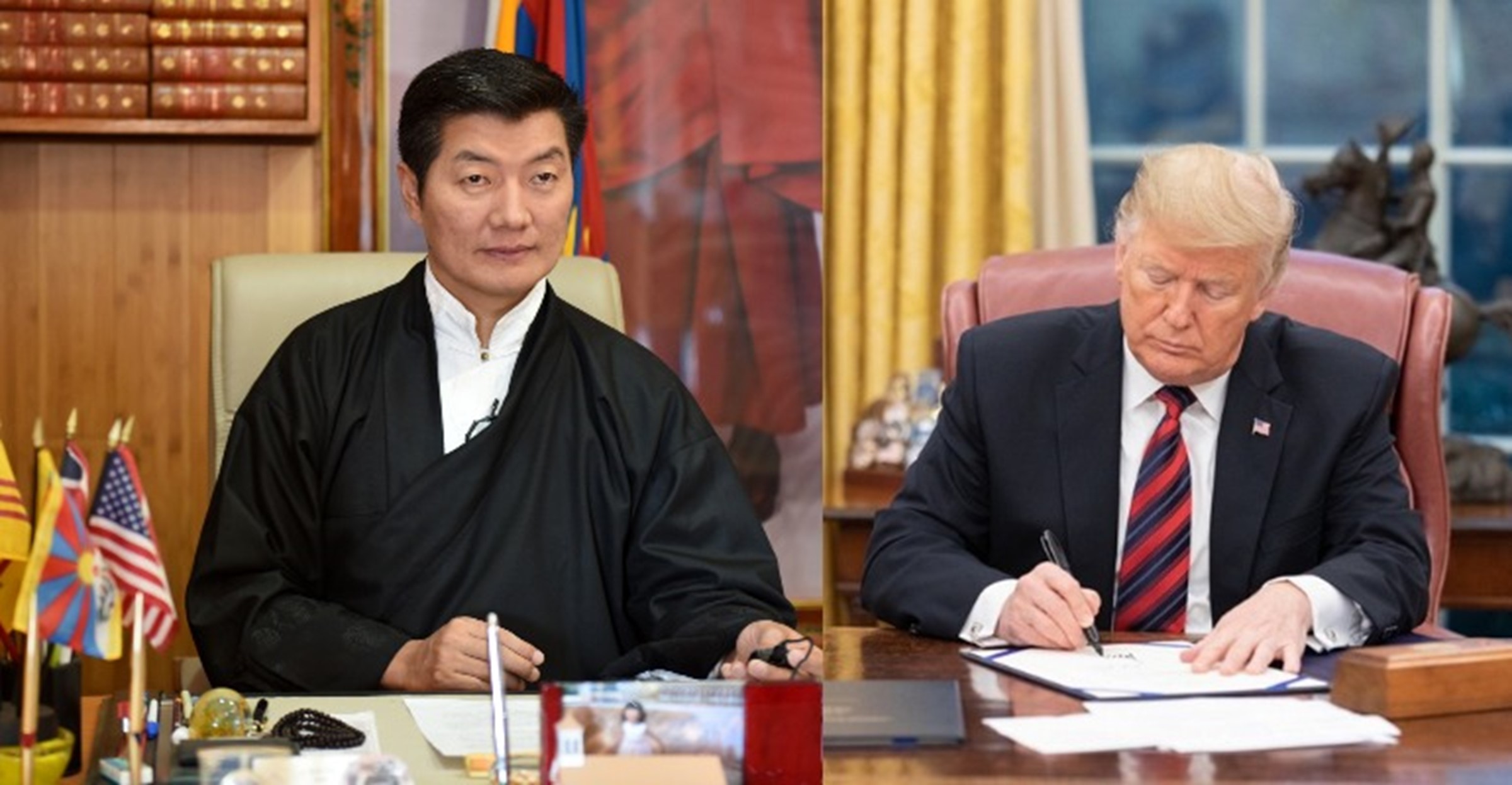
In my analysis, the Asia Reassurance Initiative Act symbolizes the reality of ‘The Cold War in Asia’. President of Tibet and the President of the United States have acknowledged the threat posed by the Enemy’s presence in Tibet.
Rudranarasimham Rebbapragada
SPECIAL FRONTIER FORCE
CTA President welcomes the enactment of Asia Reassurance Initiative Act (ARIA) | Central Tibetan Administration
CTA President hails the Asia Reassurance Initiative Act.
Dharamshala: President Dr Lobsang Sangay of Central Tibetan Administration hailed the enactment of the Asia Reassurance Initiative Act (ARIA) on Tuesday, saying that the passage is a much-welcomed move. US President Donald Trump signed the ARIA Act into law on 31 December 2018, having passed the Senate and the House on 4 and 12 December respectively.
President Dr Sangay thanked the US Congress for passing the Asia Reassurance Initiative Act, which references Tibet in terms of supporting “activities preserving cultural traditions and promoting sustainable development, education, and environmental conservation in Tibetan communities in the Tibet Autonomous Region and in other Tibetan communities in China, India, and Nepal.”
CTA President, in recent years, has made multiple visits to the United States and held high-level meetings in the Senate as well as the House of Representatives. During those meetings, he has relentlessly tabled the issue of prioritizing Tibet at the core of US policy. The Office of Tibet in Washington DC has also made tremendous efforts towards this.
“ARIA ensures that the US will continue to support Tibet by authorizing funds for Tibet-related programs and by highlighting Chinese human rights abuses against the Tibetan people,” said Senators Cory Gardner (R-Colo.) and Ed Markey (D-Mass.), the lead sponsors of the Act.
Matteo Mecacci, president of the International Campaign for Tibet said: “This Act rightly places the issue of Tibet within the parameters of US security interests. Tibet occupies an Asian fault zone of clashing cultures and big-power politics.”
The Act, known as ARIA, aims at enhancing American leadership in the Indo-Pacific region and strengthening cooperation with regional partners, including India and Taiwan. It says, “The United States has a fundamental interest in defending human rights and promoting the rule of law in the Indo-Pacific region.”
Following is the reference to Tibet in the Act. SEC. 409. AUTHORIZATION OF APPROPRIATIONS.
(a) Promotion of Democracy in the Indo-Pacific Region.– (1) In general.–There is authorized to be appropriated $210,000,000, for each of the fiscal years 2019 through 2023, to promote democracy, strengthen civil society, human rights, rule of law, transparency, and accountability in the Indo- Pacific region, including for universities, civil society, and multilateral institutions that are focusing on education awareness, training, and capacity building.
(2) Democracy in china. –Amounts appropriated pursuant to paragraph (1) shall be made available for United States Government efforts, led by the Assistant Secretary of State for Democracy, Human Rights, and Labor, to promote democracy, the rule of law, and human rights in the People’s Republic of China.
(3) Tibet. –Amounts appropriated pursuant to paragraph (1) shall be made available for nongovernmental organizations to support activities preserving cultural traditions and promoting sustainable development, education, and environmental conservation in Tibetan communities in the Tibet Autonomous Region and in other Tibetan communities in China, India, and Nepal.
The Act also recognizes India as a major Defense partner, the vital role of the strategic partnership between the United States and India in promoting peace and security in the Indo-Pacific region. Section 204 of the Act calls for strengthening and broadening of diplomatic, economic, and security ties between the two countries.
The Indo-Pacific is a biogeographic region, comprising the Indian Ocean and the western and central Pacific Ocean, including the South China Sea.
In my analysis, the Great Problem of Tibet cannot be resolved by sanctioning “Meaningful Autonomy” to Tibetan people as demanded by His Holiness the 14th Dalai Lama. In fact, Tibetans cannot hope for any kind of autonomy if the military occupation of Tibet prevails across Tibetan Territory.
Rudranarasimham Rebbapragada
SPECIAL FRONTIER FORCE
The Dangerous Military Occupation of Tibet.
Chinese military equips troops in Tibet with mobile howitzers: Report | India News – India TV
The Dangerous Military Occupation of Tibet.
Tuesday, January 08, 2019
Chinese military equips troops in Tibet with mobile
howitzers: Report
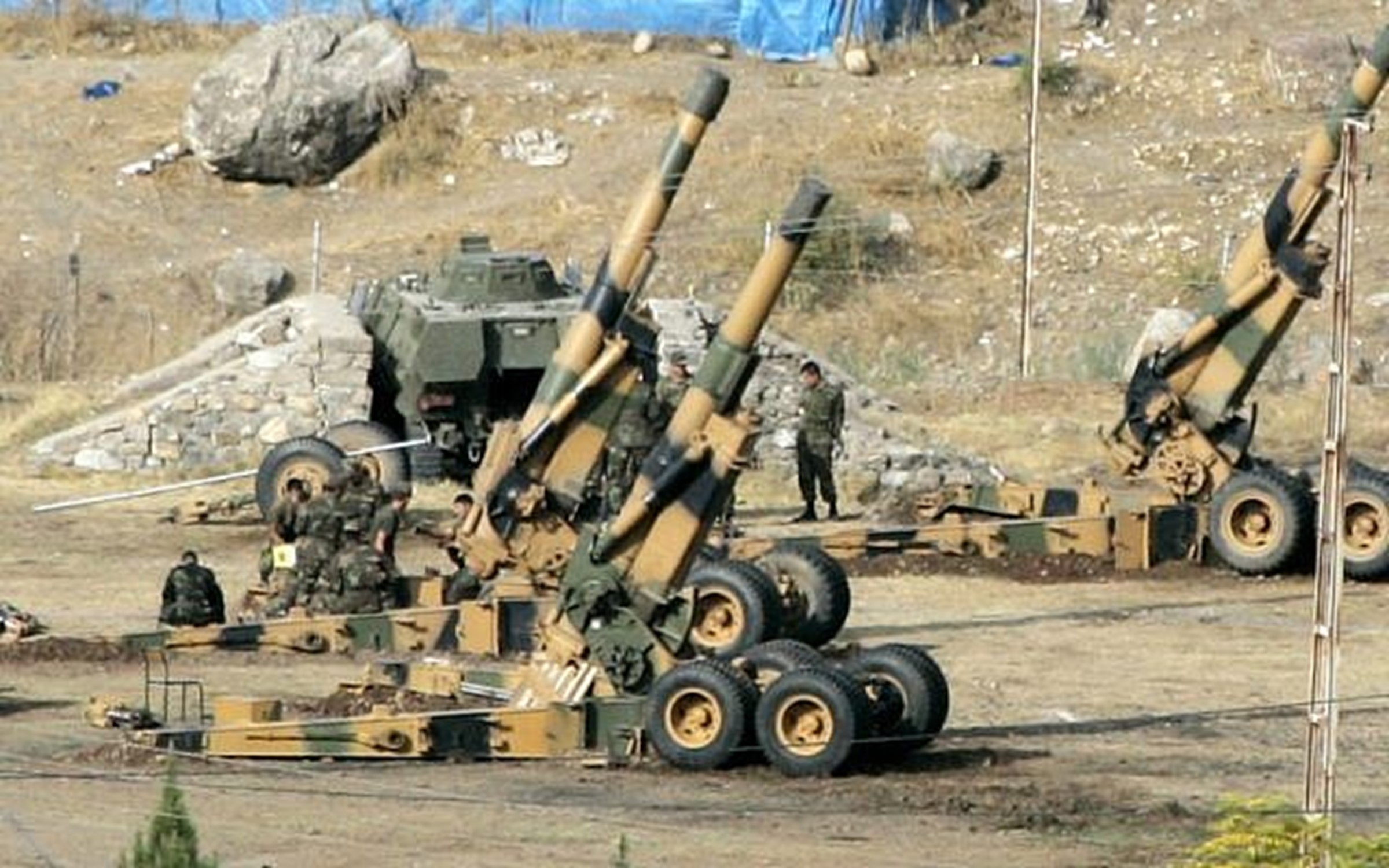
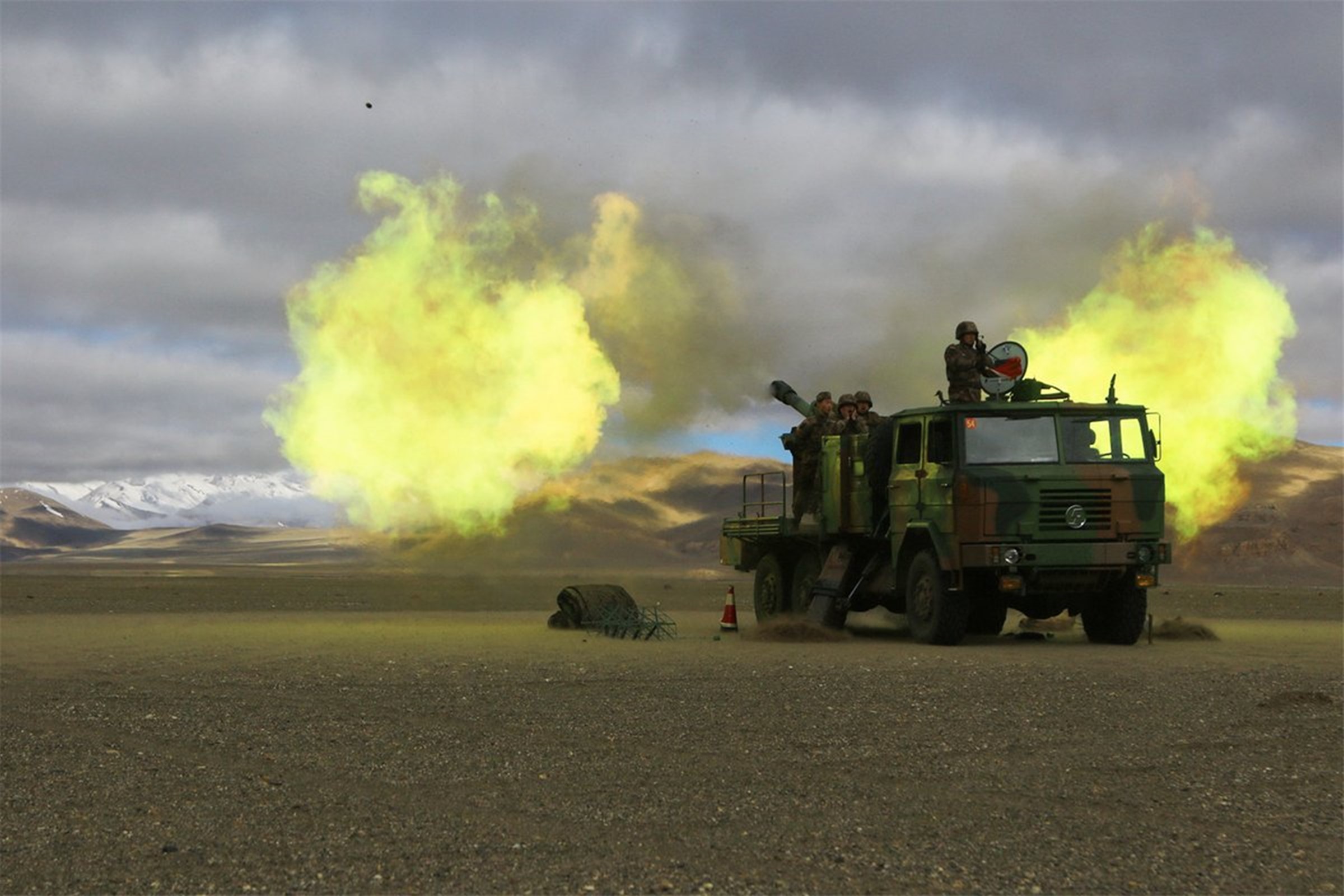
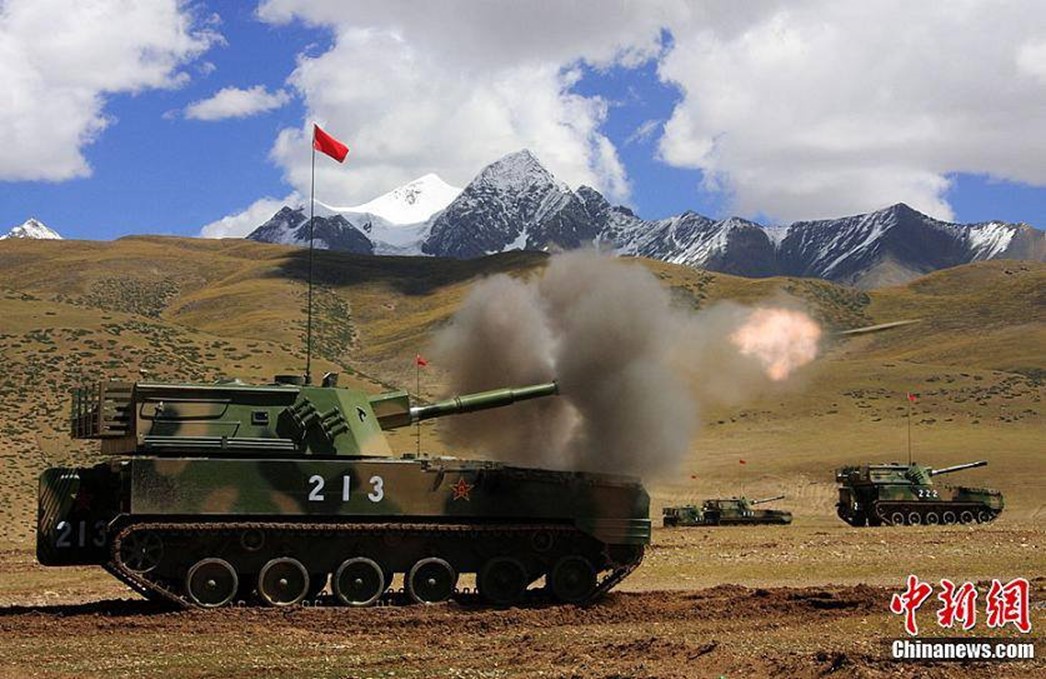
China’s People’s Liberation Army (PLA) stationed in Tibet Autonomous Region has been equipped with mobile howitzers which aims to boost the troops’ high-altitude combat capability to improve border security, state-run Global Times reported.
Reported by: PTI, Beijing [ Updated: January 08, 2019 16:53 IST ]
The Dangerous Military Occupation of Tibet.
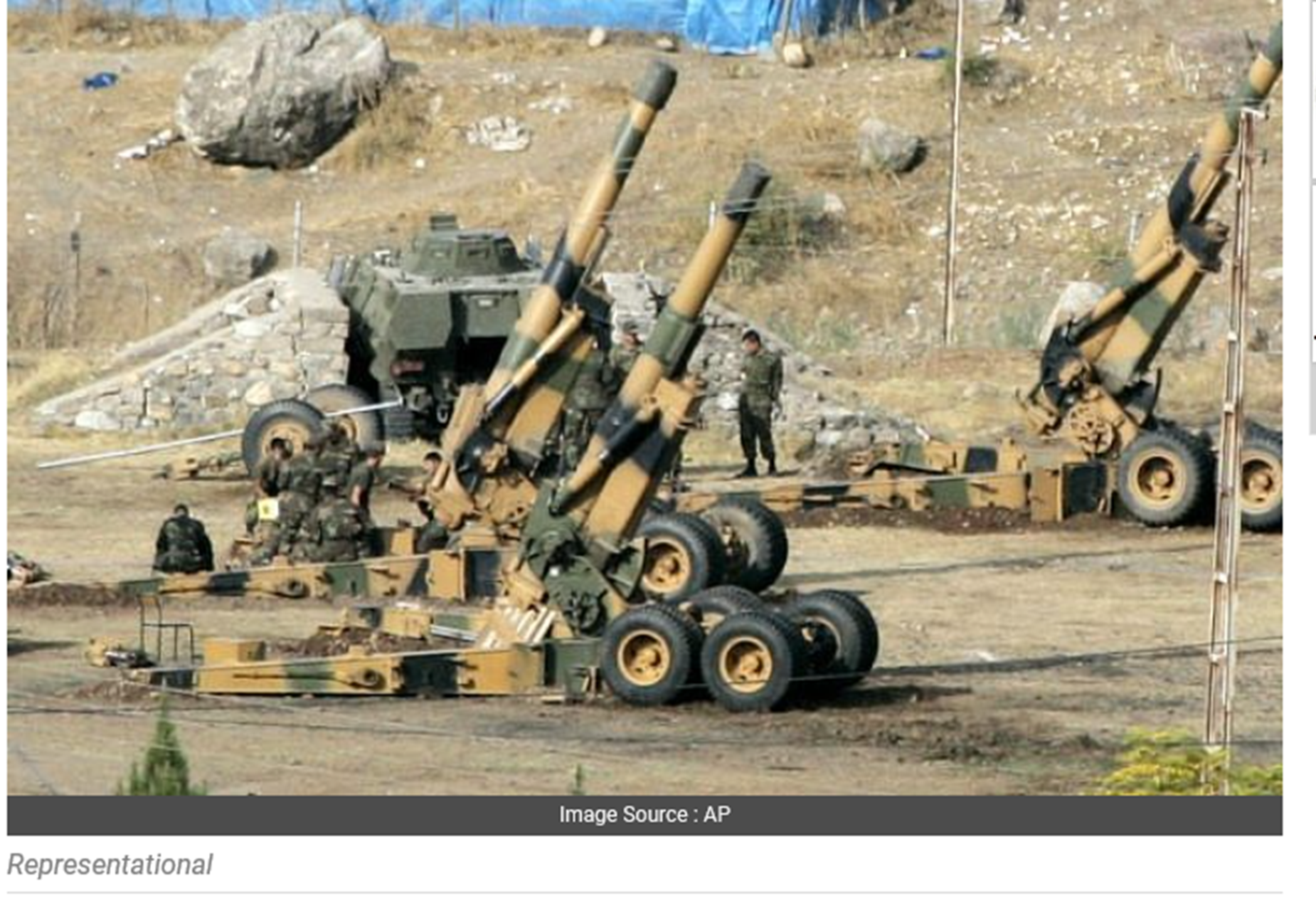
Image Source: AP
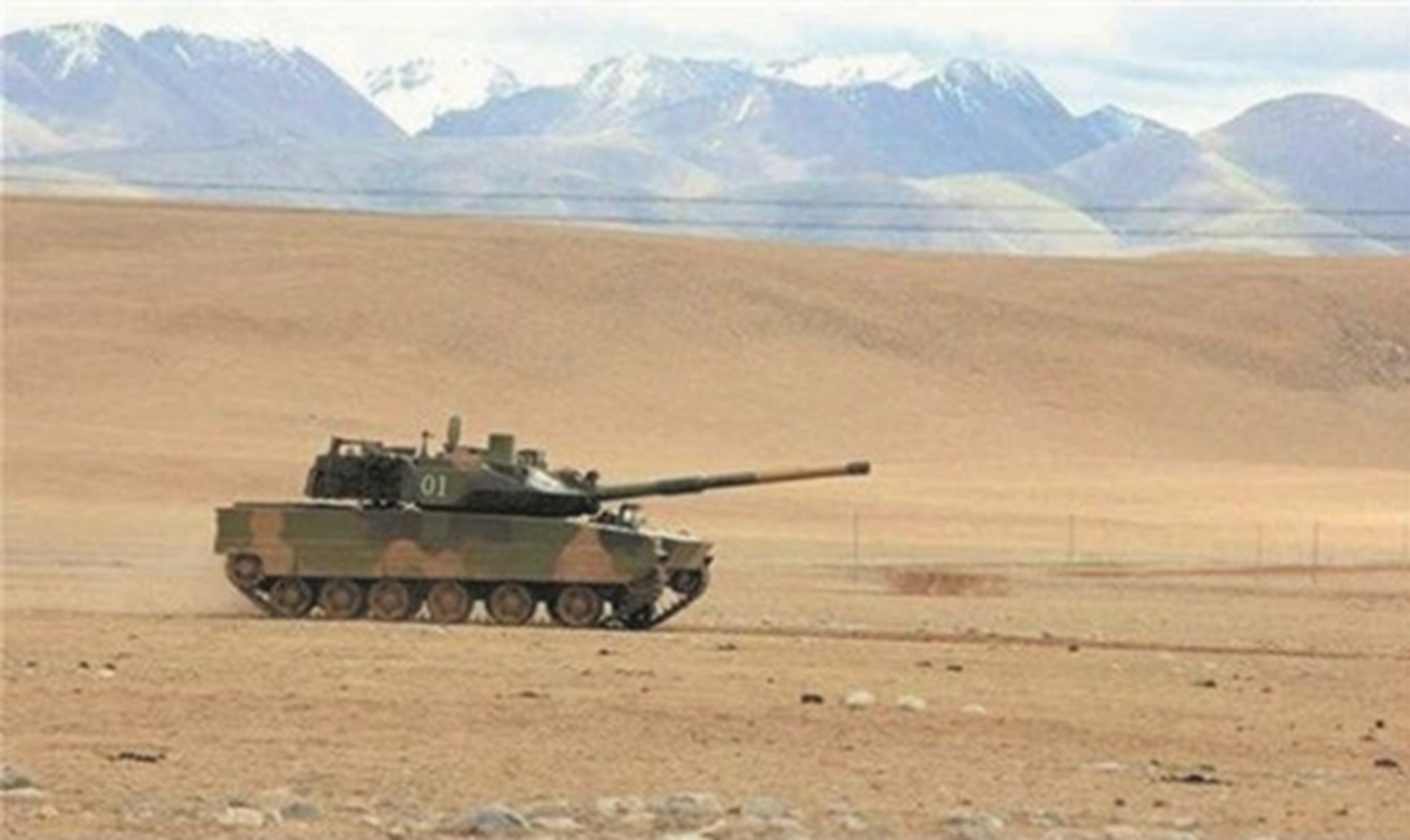
After the recent induction of lightweight battle tank in Tibet bordering India, the Chinese military has equipped its troops stationed at the Himalayan plateau with new vehicle-mounted howitzers to improve their combat capability, official media here reported on Tuesday.
China’s People’s Liberation Army (PLA) stationed in Tibet Autonomous Region has been equipped with mobile howitzers which aims to boost the troops’ high-altitude combat capability to improve border security, state-run Global Times reported.
It quoted Chinese military analysts as saying that the new equipment would be the PLC-181 vehicle-mounted howitzer. The announcement was made in an article released by the WeChat account of the PLA Ground Force on Saturday, the report said.
The equipment was used in an artillery brigade in Tibet during the 2017 China-India stand-off at Doklam, it said. Song Zhongping, a military expert and TV commentator, told Global Times that the howitzer has a 52-caliber cannon with a range of over 50 km and shoots laser-guided and satellite-guided projectiles.
It will boost the high-altitude combat capability of the PLA in Tibet, Song said.
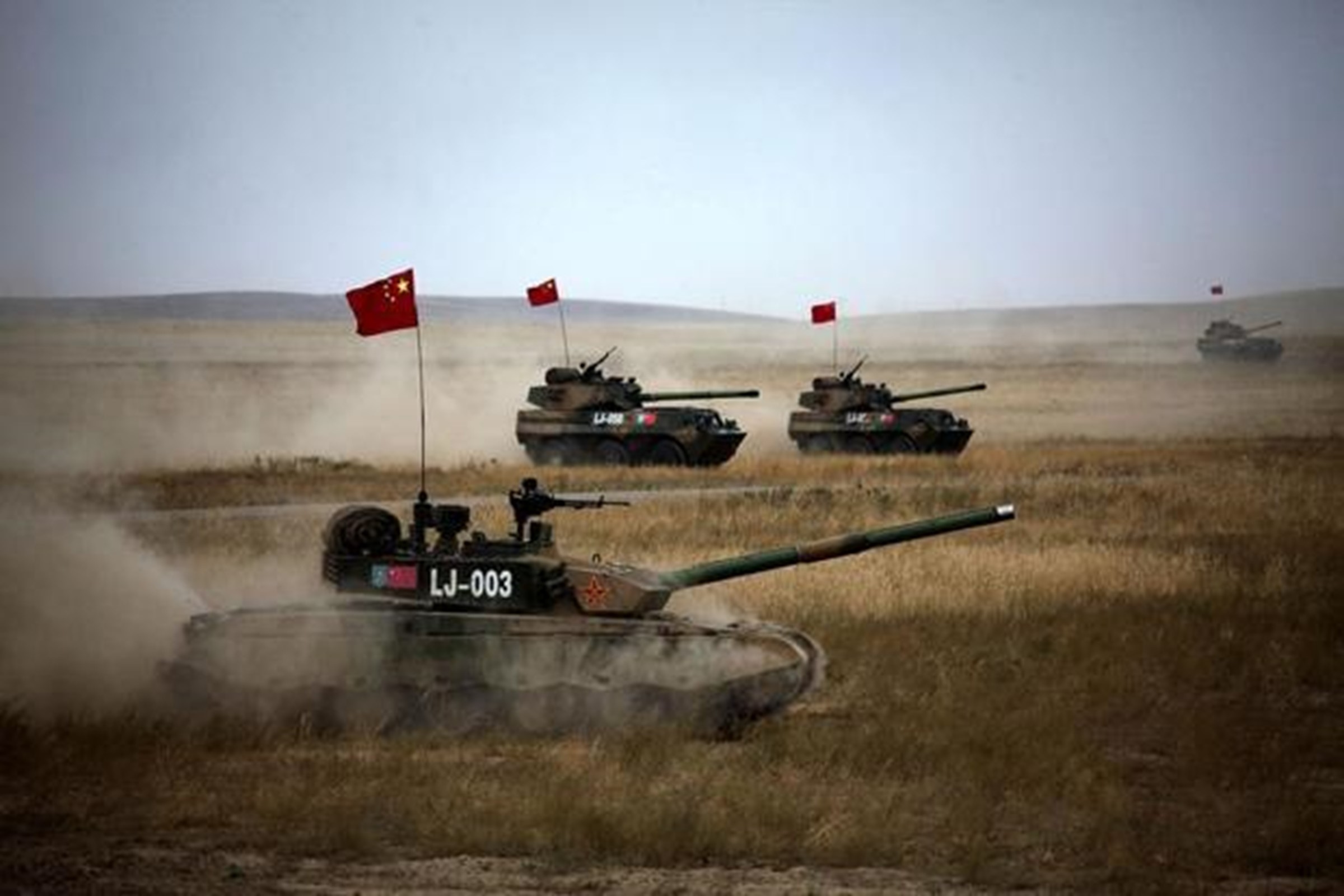
The induction of the mobile howitzers followed the move by the PLA to put into service the lightweight battle tank, which was tested by its military during exercises in Tibet held at the peak of the Doklam standoff.
The Type 15 has an engine capable of 1,000 horsepower and is significantly lighter than the PLA’s other main battle tanks in service, weighing about 32 to 35 tons. The tank meant for rugged and mountainous terrain of the Himalayan region.
The induction of the tank and the mobile howitzers highlighted the PLA’s efforts to reinforce its troops with new equipment despite steady normalization of military relations since last year.
As part of the military training in 2019, an artillery brigade in the Tibet Military Command ordered soldiers to take part in a military skills competition at a training ground on the Qinghai-Tibet Plateau 3,700 meters above sea level, the report said.
Last week, President Xi Jinping, who also heads the military, ordered the armed forces to enhance their combat readiness to make sure they are always ready for battle, saying risks and challenges for China are on the rise.
China’s border issue has not been completely resolved, and was challenged by pro-Tibet independence forces and terrorists, the report quoted analyst as saying.
Zhao Gancheng, director of the Centre for Asia-Pacific Studies at the Shanghai Institute for International Studies, told the daily that the military investment in Tibet has been rising, but is primarily meant for defense and not to provoke conflict with neighboring countries.
He said the PLA troops stationed in Tibet need to improve their combat capabilities in plateau areas and strengthen their willpower in extreme weather as they are primarily responsible for the border defense against terrorists and foreign invaders, he said.
To cope with altitude sickness, the PLA built oxygen stations for the soldiers in Tibet in 2015, which were used for medical purposes, but are now also being used regularly in training.
I am not a photographer, but my heart captures the brutality of Tibet’s military occupation without the use of any lens.
Rudranarasimham Rebbapragada
SPECIAL FRONTIER FORCE
AMAZING TIBET – PHOTOS SHOT BY XINHUA PHOTOGRAPHERS
AMAZING TIBET. BRUTAL MILITARY OCCUPATION.
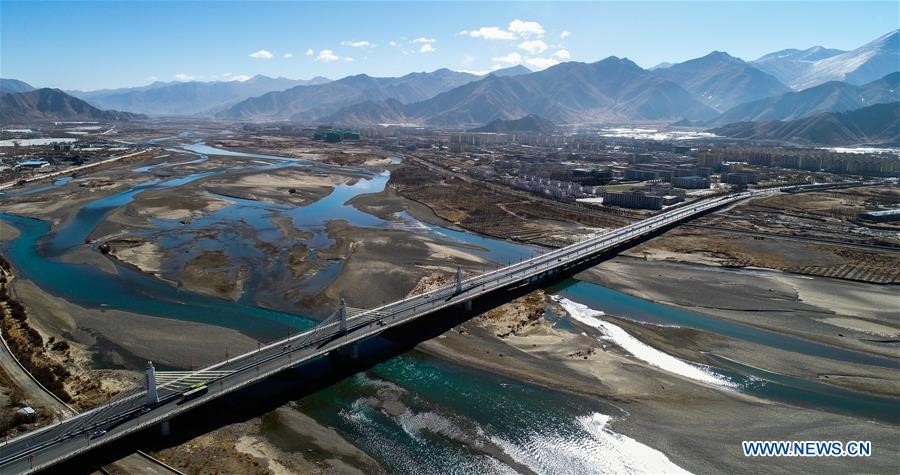
The aerial photo was taken on March 4, 2018, shows a newly-built bridge across the Lhasa River, a tributary of the Yarlung Zangbo River, Tibet. Amazing shots of Tibet in 2018 are seen through lenses of Xinhua photographers. (Xinhua/Jigme Dorje)
AMAZING TIBET. BRUTAL MILITARY OCCUPATION.
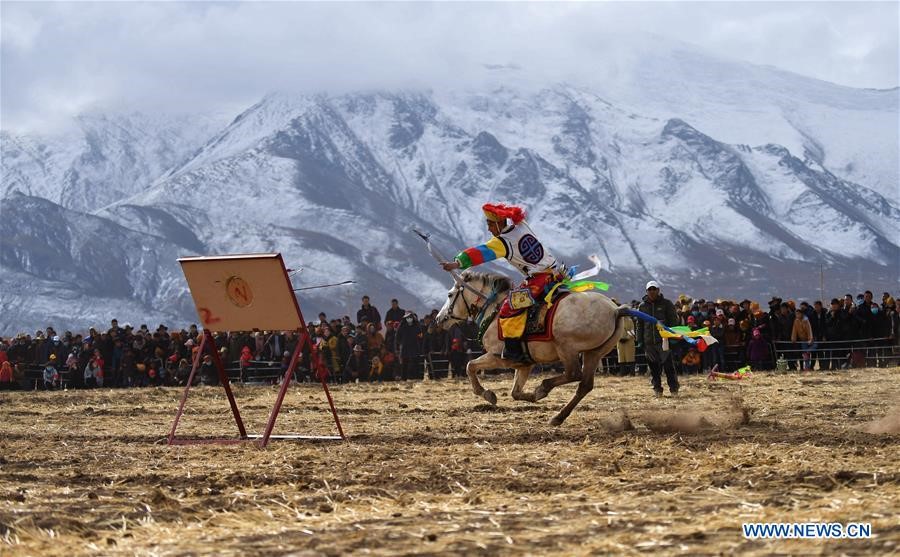
An archer shoots on horseback in an equestrian event in Jiangjiao Village of Lhasa, capital of Tibet, Feb. 25, 2018. Amazing shots of Tibet in 2018 are seen through lenses of Xinhua photographers. (Xinhua/Jigme Dorje)
AMAZING TIBET. BRUTAL MILITARY OCCUPATION.
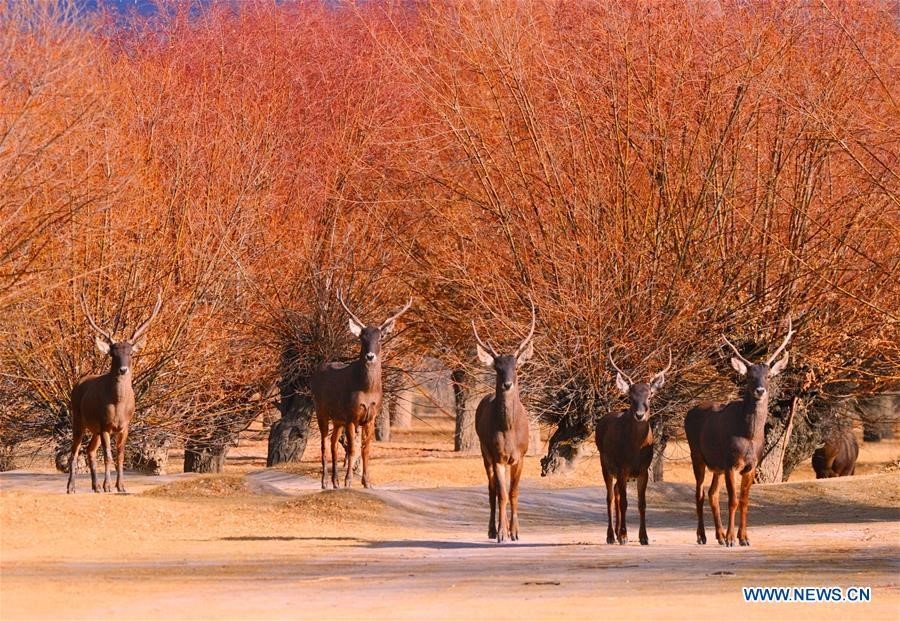
The photo was taken on Jan. 6, 2018 shows red deer in a forest of the nature reserve in Shannan City, Tibet. Amazing shots of Tibet in 2018 are seen through lenses of Xinhua photographers. (Xinhua/Zhang Rufeng)
AMAZING TIBET. BRUTAL MILITARY OCCUPATION.
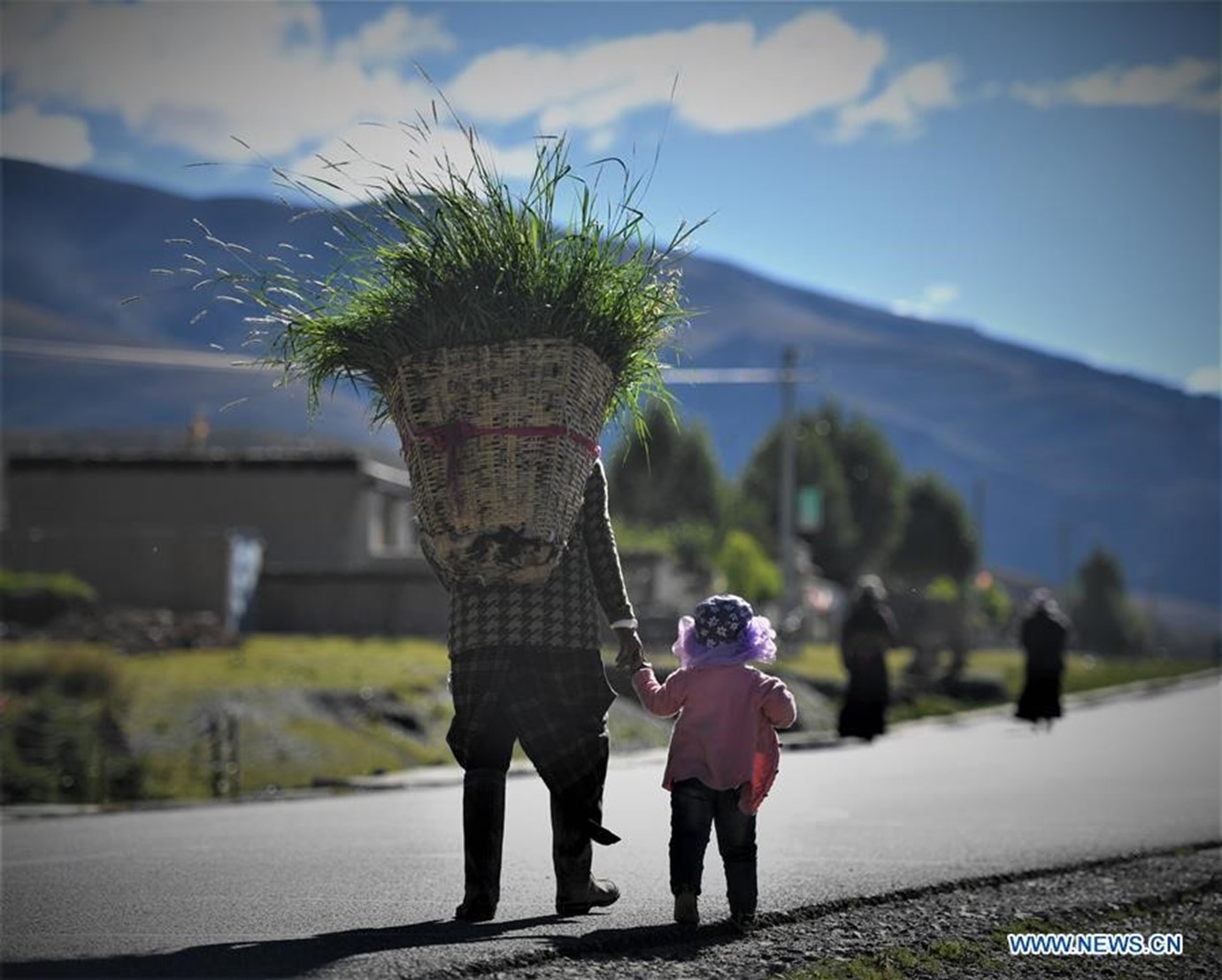
A woman carrying forage grass on her back is seen with her daughter in Dingri County in Xigaze, Tibet, Sept. 13, 2018. Amazing shots of Tibet in 2018 are seen through lenses of Xinhua photographers. (Xinhua/Purbu Zhaxi)
AMAZING TIBET. BRUTAL MILITARY OCCUPATION.
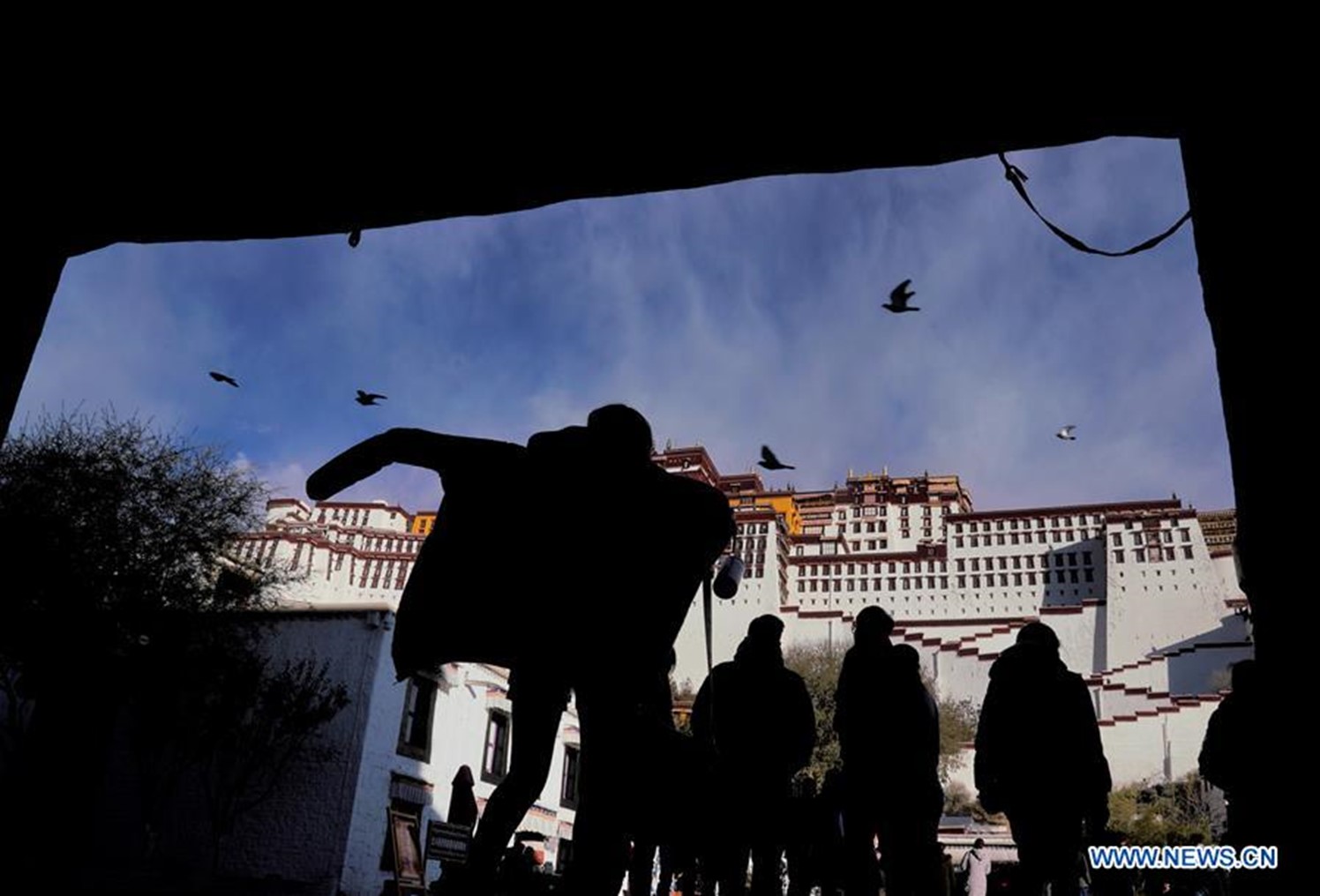
Tourists walk into the Potala Palace in Lhasa, Tibet, Nov. 15, 2018. Amazing shots of Tibet in 2018 are seen through lenses of Xinhua photographers. (Xinhua/Purbu Zhaxi)
A woman looks after her child during the break of mowing on a pasture in Damxung County, Tibet, Oct. 2, 2018. Amazing shots of Tibet in 2018 are seen through lenses of Xinhua photographers. (Xinhua/Purbu Zhaxi)
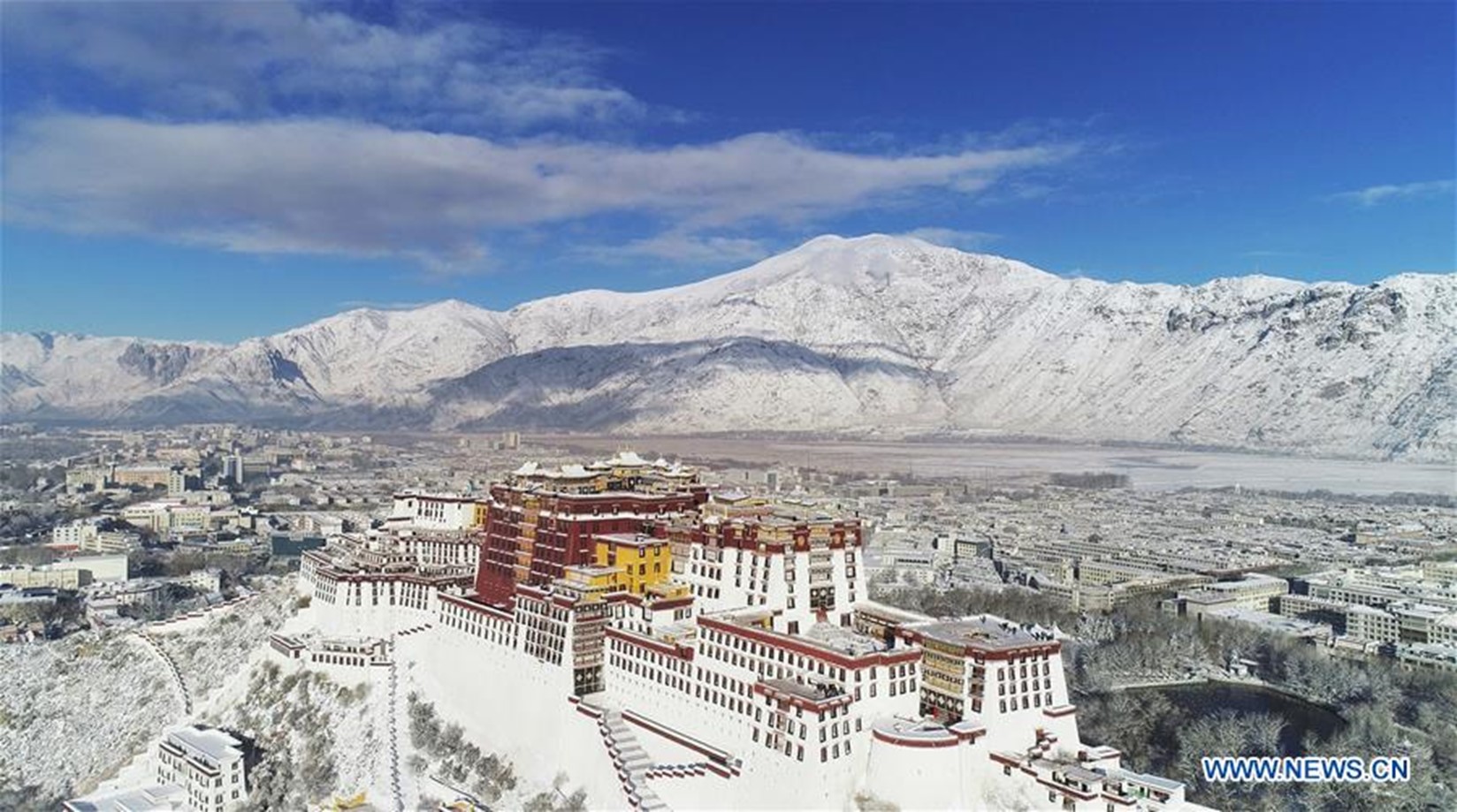
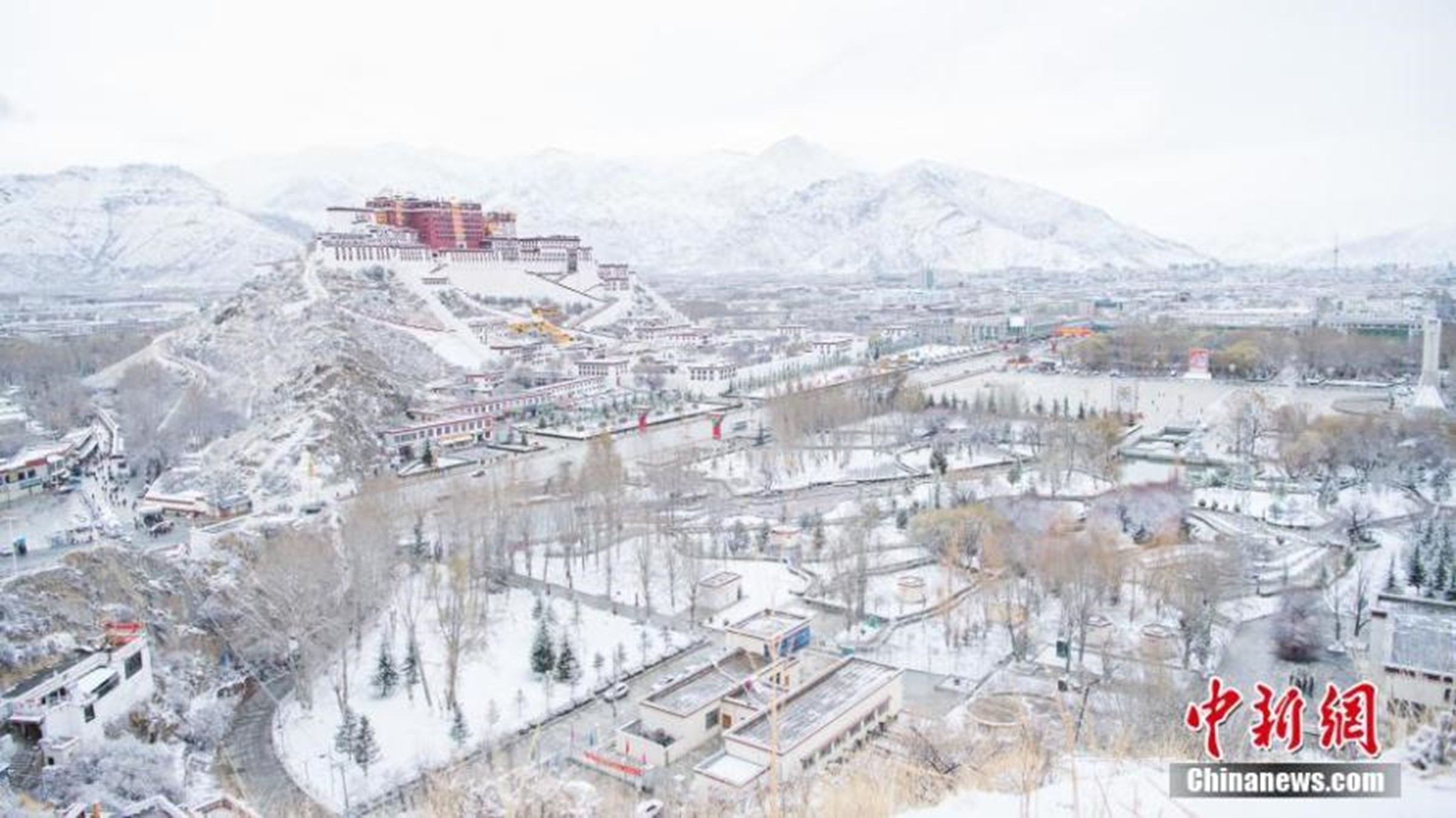
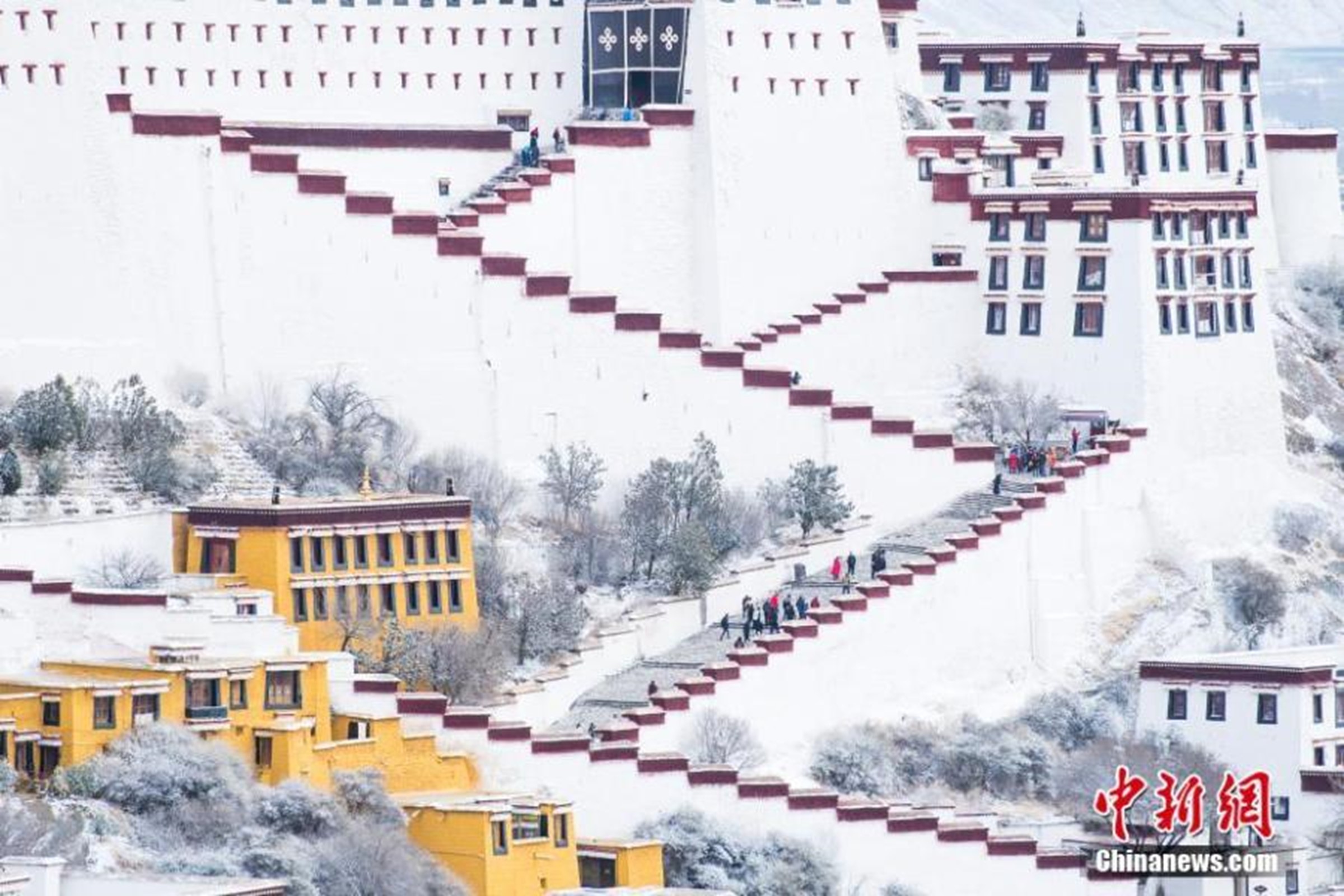
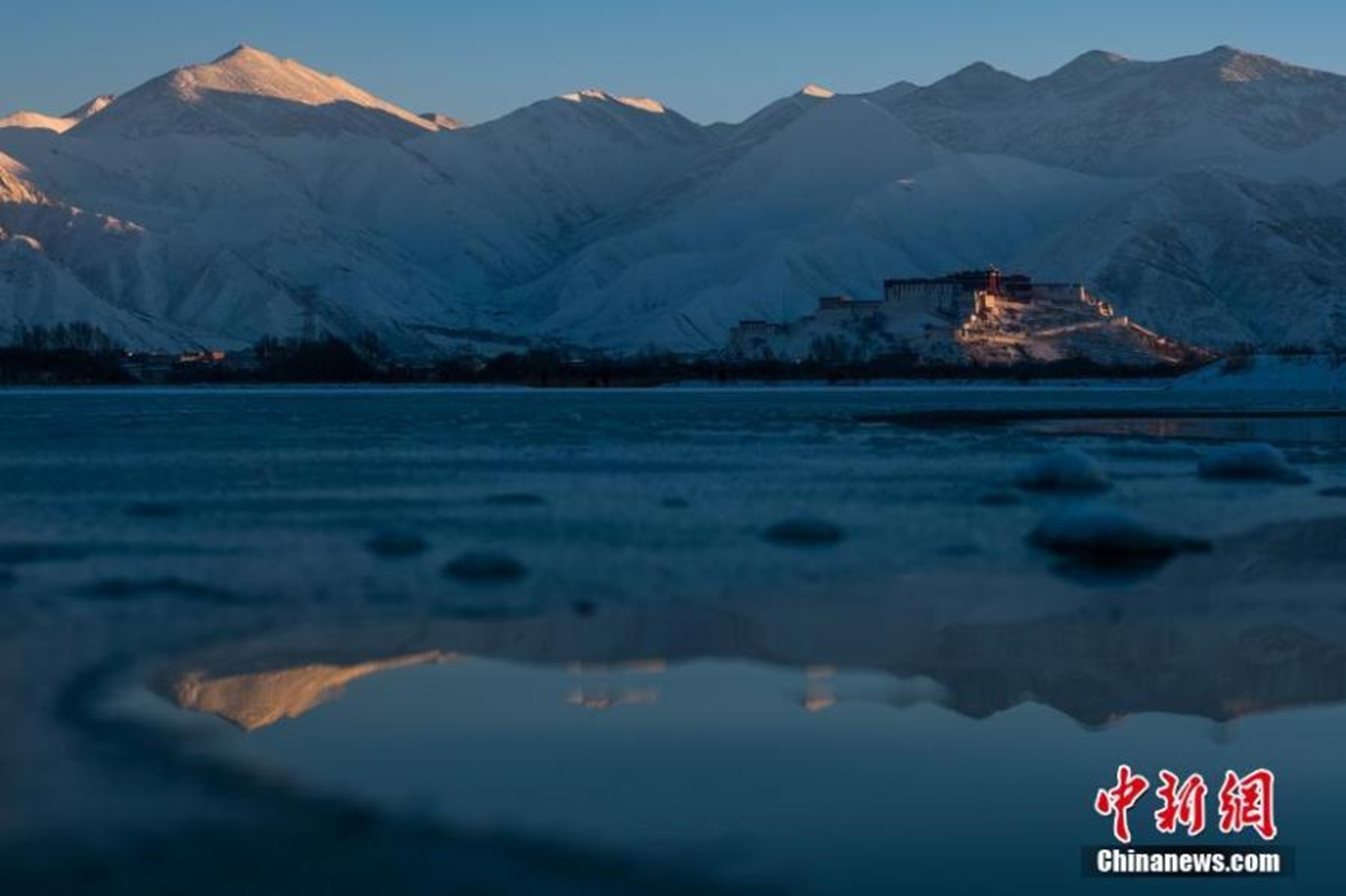
An aerial photo shows the snow-covered Potala Palace in Lhasa, capital of Tibet, Dec. 19, 2018. Amazing shots of Tibet in 2018 are seen through lenses of Xinhua photographers. (Xinhua/Purbu Zhaxi)
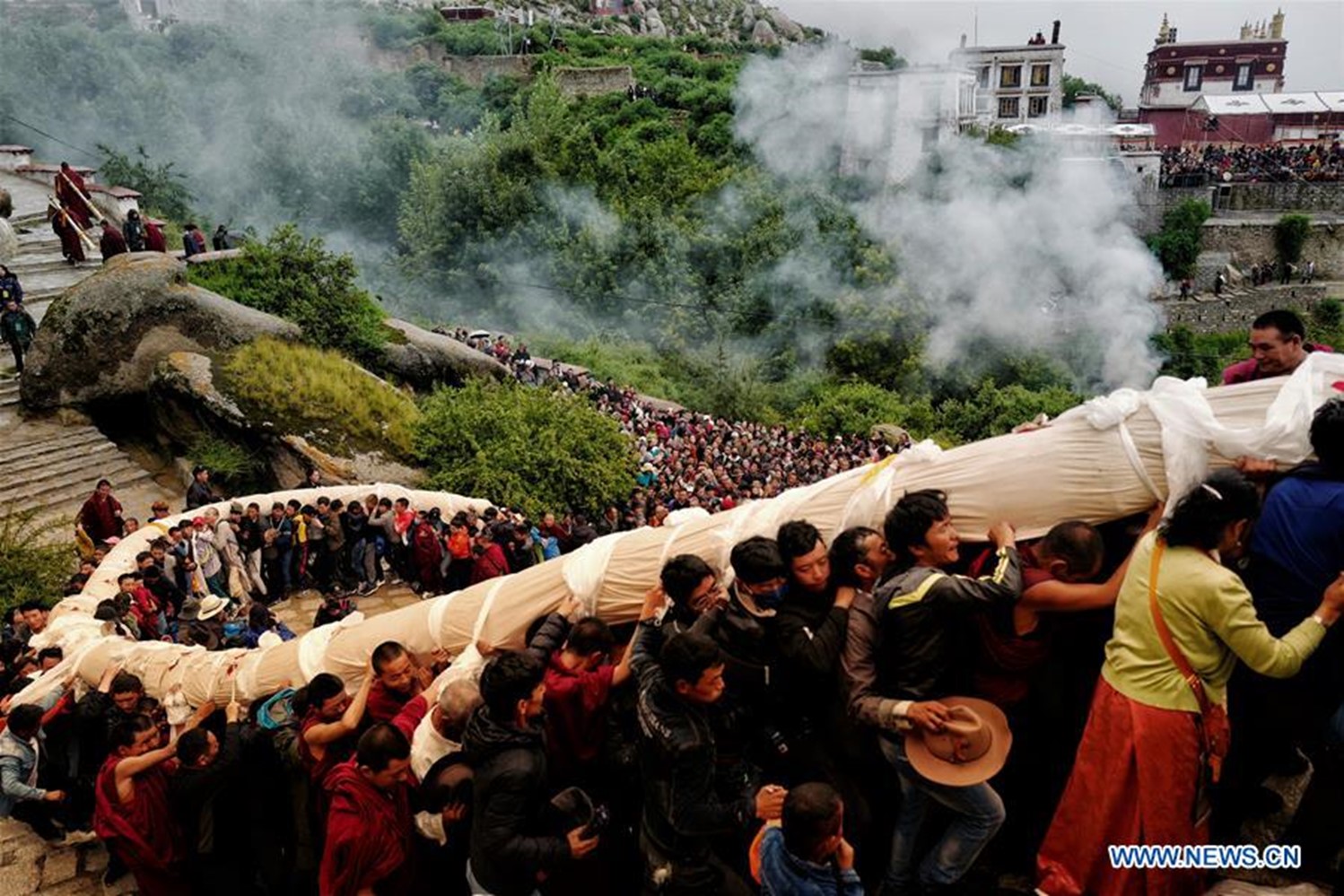
Buddhists and tourists participate in the sacred “sunning of the Buddha” ceremony to mark the start of the annual Shoton festival at the Zhaibung Monastery in Lhasa, capital of Tibet, Aug. 11, 2018. Amazing shots of Tibet in 2018 are seen through lenses of Xinhua photographers. (Xinhua/Purbu Zhaxi)
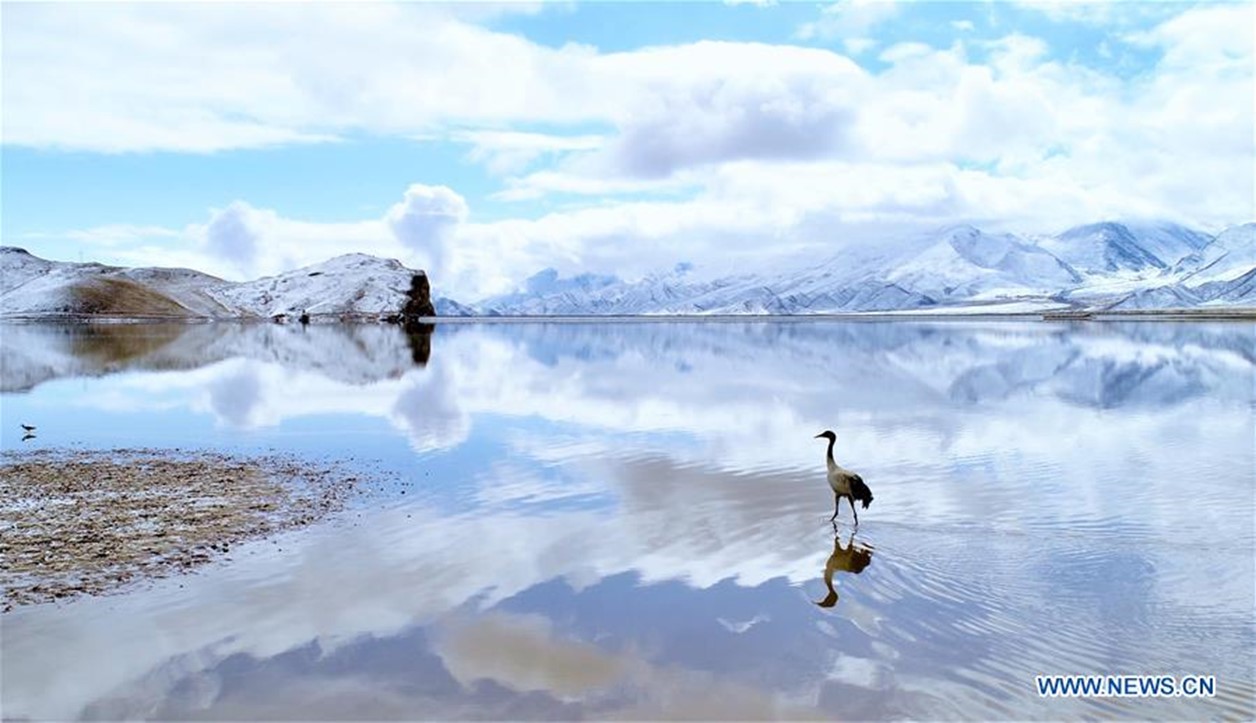
The aerial photo was taken on March 10, 2018 shows a black-necked crane in Linzhou County,Tibet. Amazing shots of Tibet in 2018 are seen through lenses of Xinhua photographers. (Xinhua/Purbu Zhaxi)
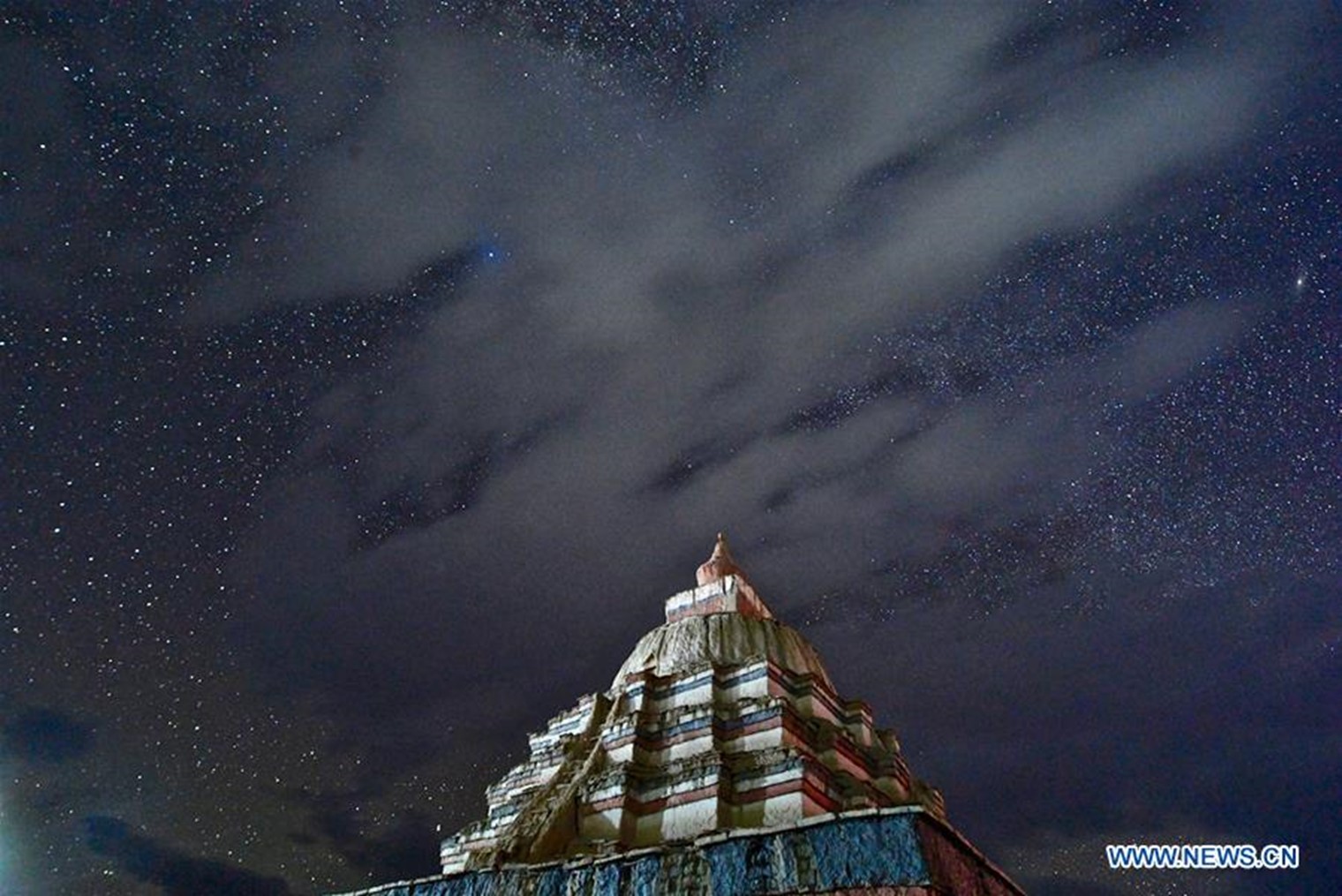
Photo taken on Sept. 11, 2018, shows the starry sky in Ngari, Tibet. The Ngari area has an average altitude of over 4,000 meters above sea level. Amazing shots of Tibet in 2018 are seen through lenses of Xinhua photographers. (Xinhua/)
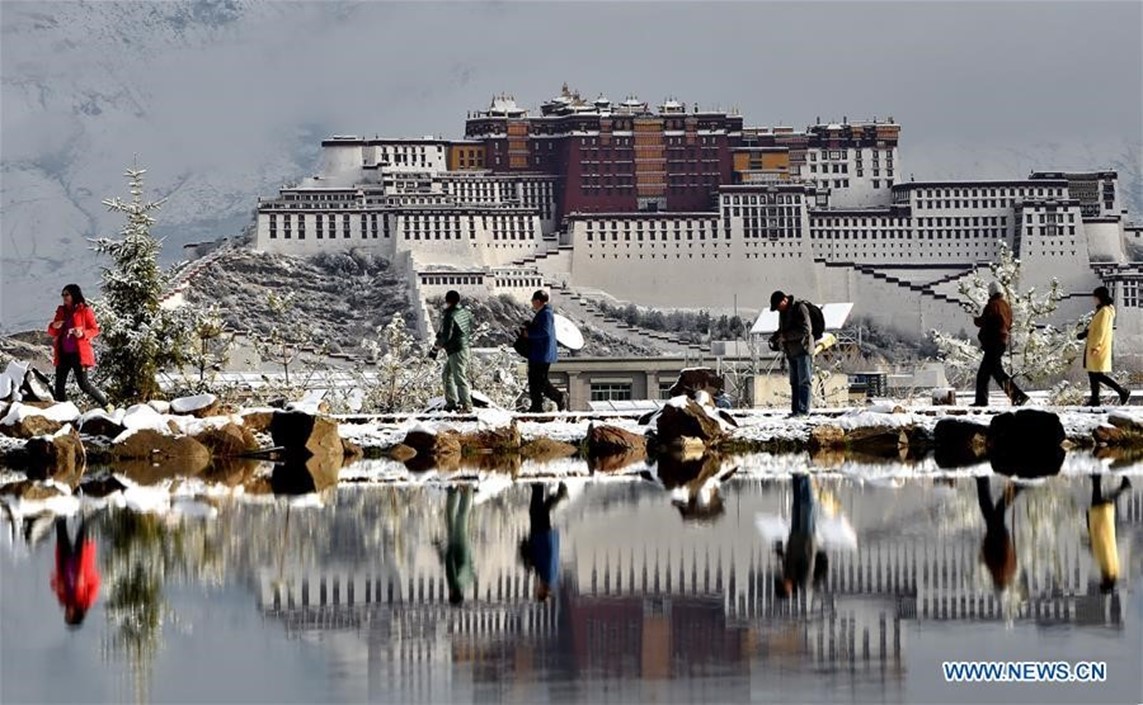
Photo taken on March 30, 2018, shows the Potala Palace after a snowfall in Lhasa, Tibet. Amazing shots of Tibet in 2018 are seen through lenses of Xinhua photographers. (Xinhua/Chogo)
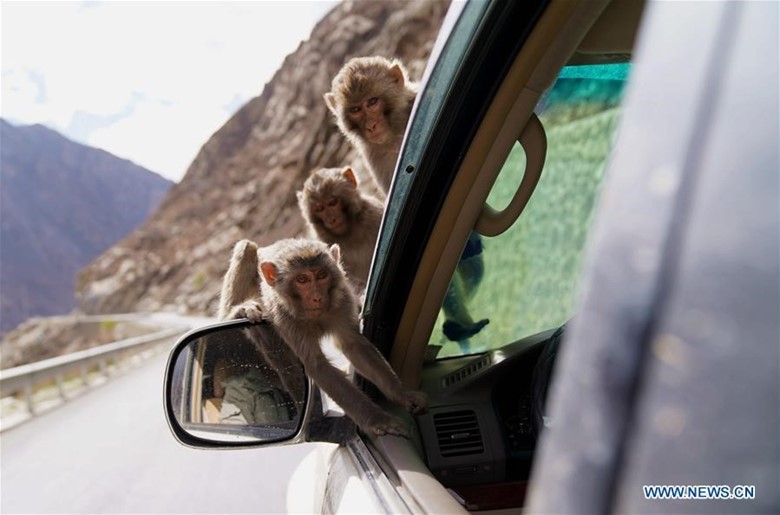
Wild monkeys cling to a car along the Provincial Highway No. 306 at Gyaca County, Tibet, April 23, 2018. Amazing shots of Tibet in 2018 are seen through lenses of Xinhua photographers. (Xinhua/Jigme Dorgi)
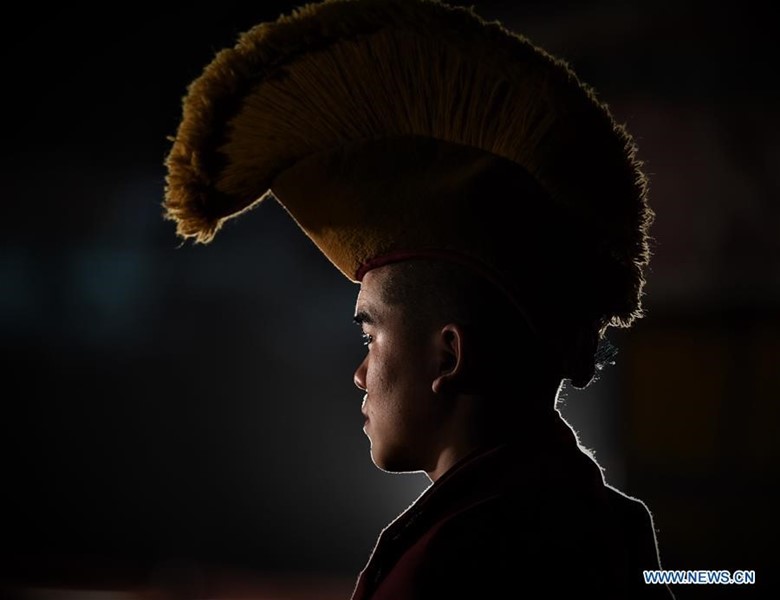
A monk is seen during the butter lamps lighting event at the Jokhang Temple in Lhasa, Tibet, Dec. 2, 2018. Amazing shots of Tibet in 2018 are seen through lenses of Xinhua photographers. (Xinhua/)
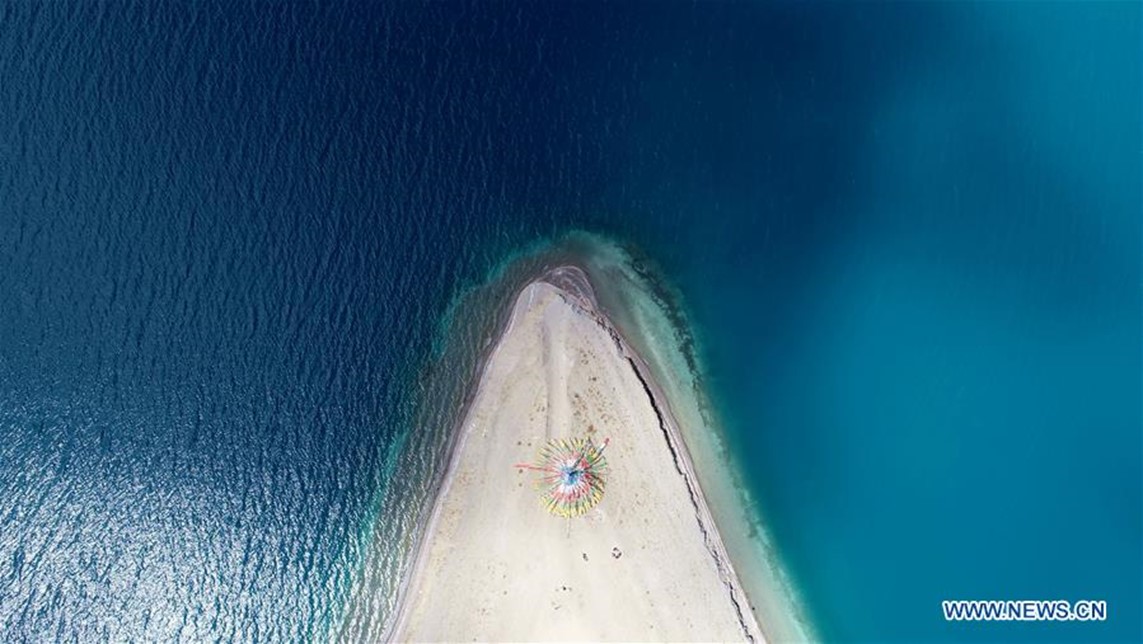
Aerial photo taken on May 27, 2018, shows the scenery of the Yamdrok Lake in Nagarze County of Shannan City, Tibet. Amazing shots of Tibet in 2018 are seen through lenses of Xinhua photographers. (Xinhua/Jigme Dorgi)
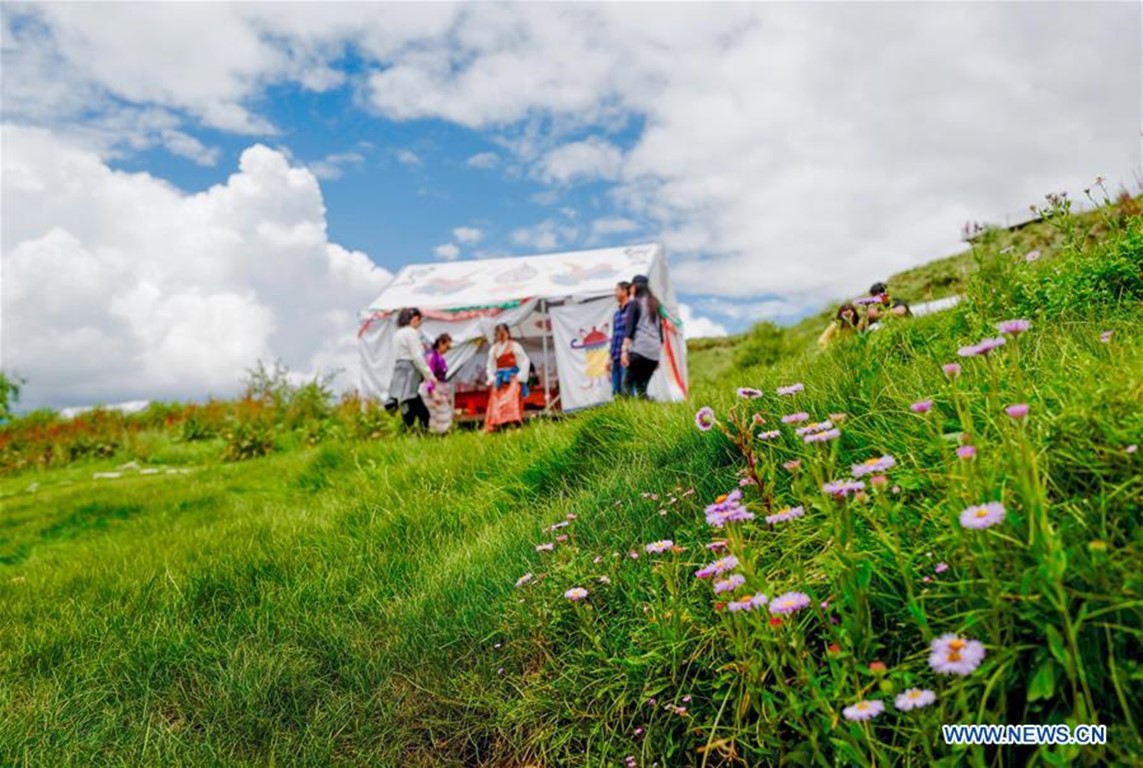
People enjoy “lingka”, meaning leisure time in woods, in the outskirts of Lhasa, Tibet, Aug. 4, 2018. Amazing shots of Tibet in 2018 are seen through lenses of Xinhua photographers. (Xinhua/Liu Jie)
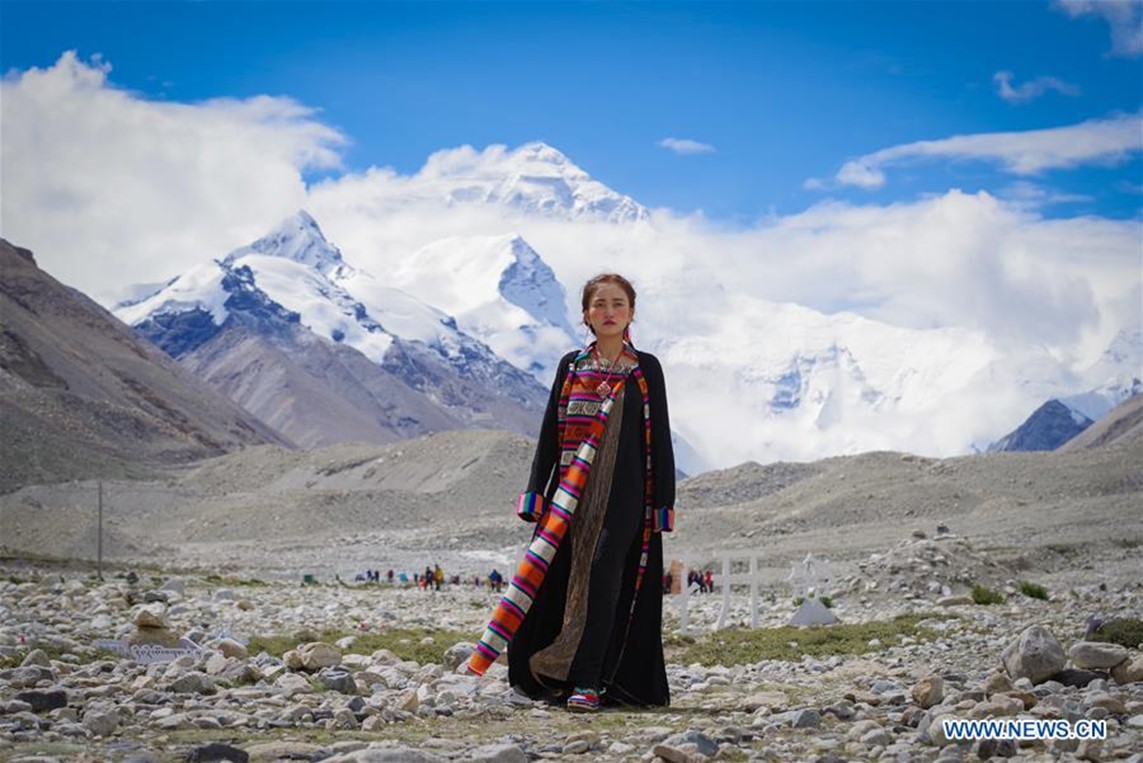
A model presents a creation during a folk costume show at the 5,200-meter-high base camp of the world’s highest peak Qomolangma, in Tibet, Aug. 18, 2018. Amazing shots of Tibet in 2018 are seen through lenses of Xinhua photographers. (Xinhua/Liu Dongjun)
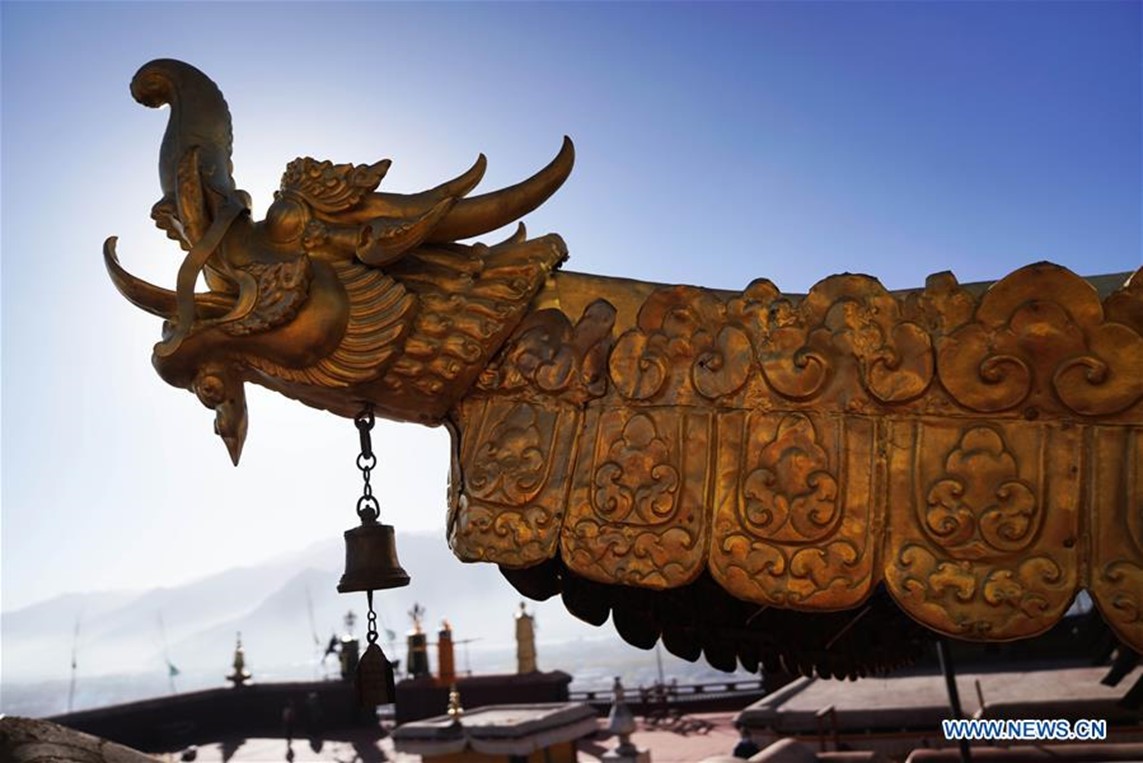
Photo taken on Nov. 7, 2018 shows a roof decoration of the Potala Palace in Lhasa, capital of southwest China’s Tibet Autonomous Region. The golden roofs of the Potala Palace shine in glory after more than 18 months of renovation work. Amazing shots of Tibet in 2018 are seen through lenses of Xinhua photographers. (Xinhua/Purbu Zhaxi)
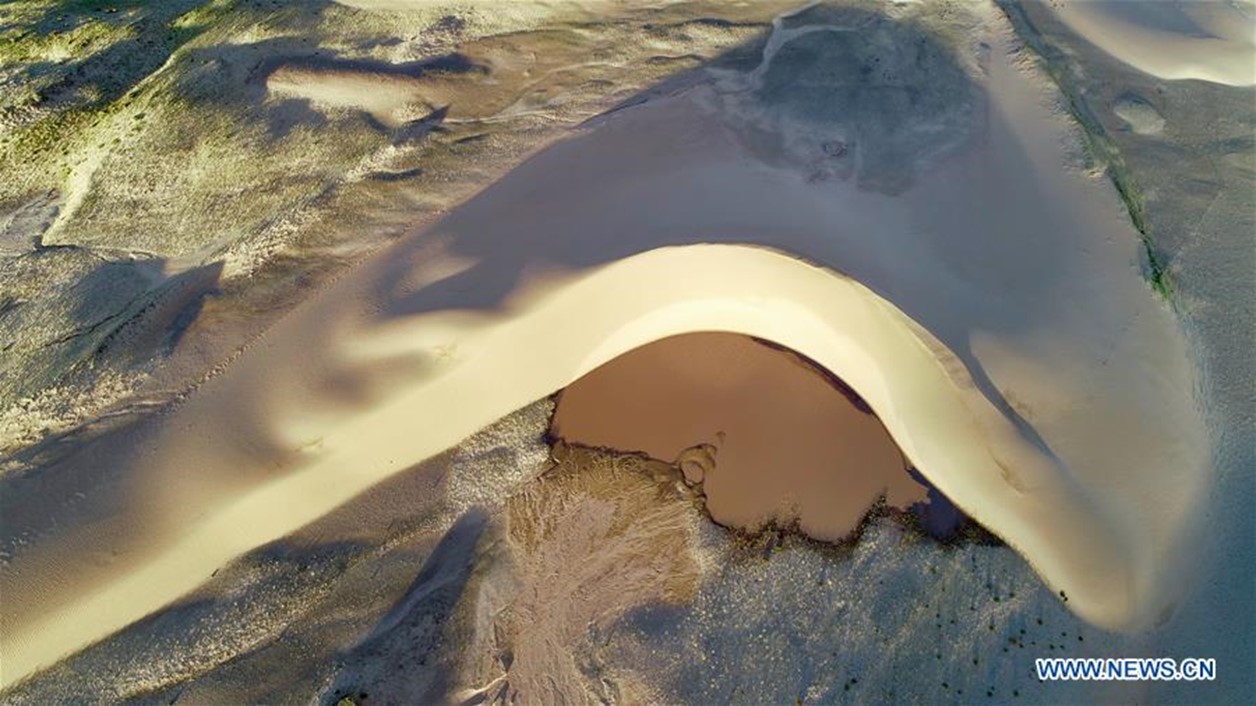
Photo taken on Sept. 8, 2018, shows sand dunes near the source of the Yarlung Zangbo River in Zhongba County of Xigaze, Tibet. Amazing shots of Tibet in 2018 are seen through lenses of Xinhua photographers. (Xinhua/)
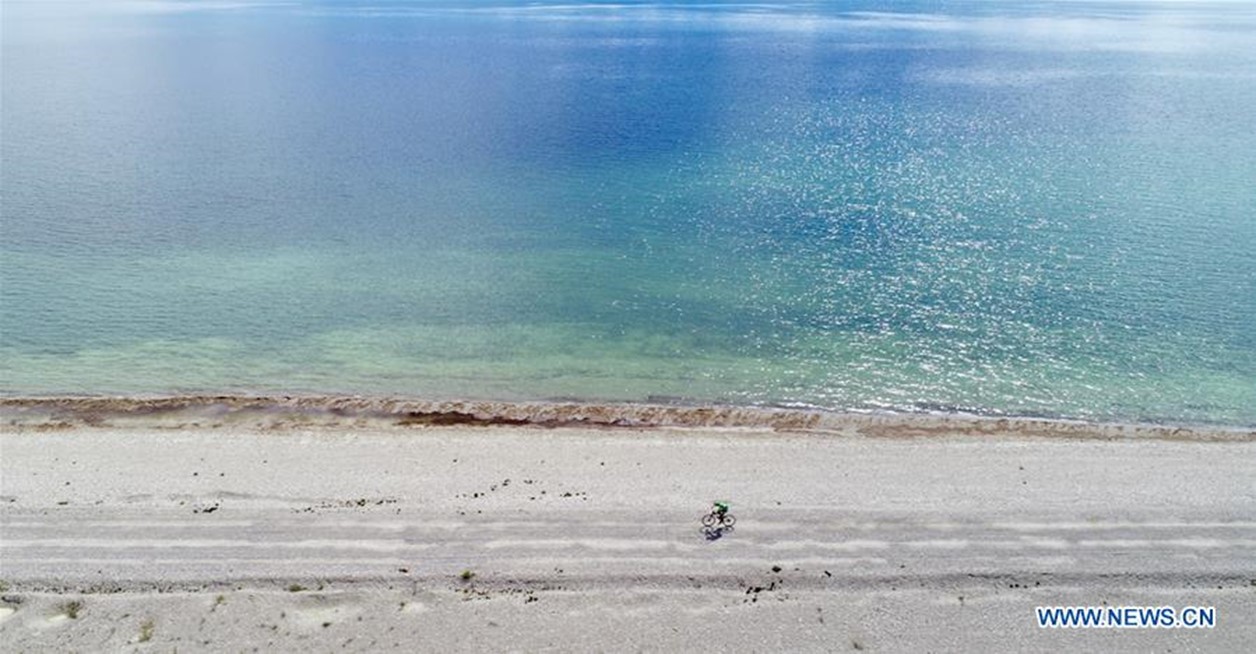
A cyclist rides during a cycling race around the holy lake Mapham Yutso in Pulan County of Ngari Prefecture, Tibet, Sept. 9, 2018. Amazing shots of Tibet in 2018 are seen through lenses of Xinhua photographers. (Xinhua/Purbu Zhaxi)
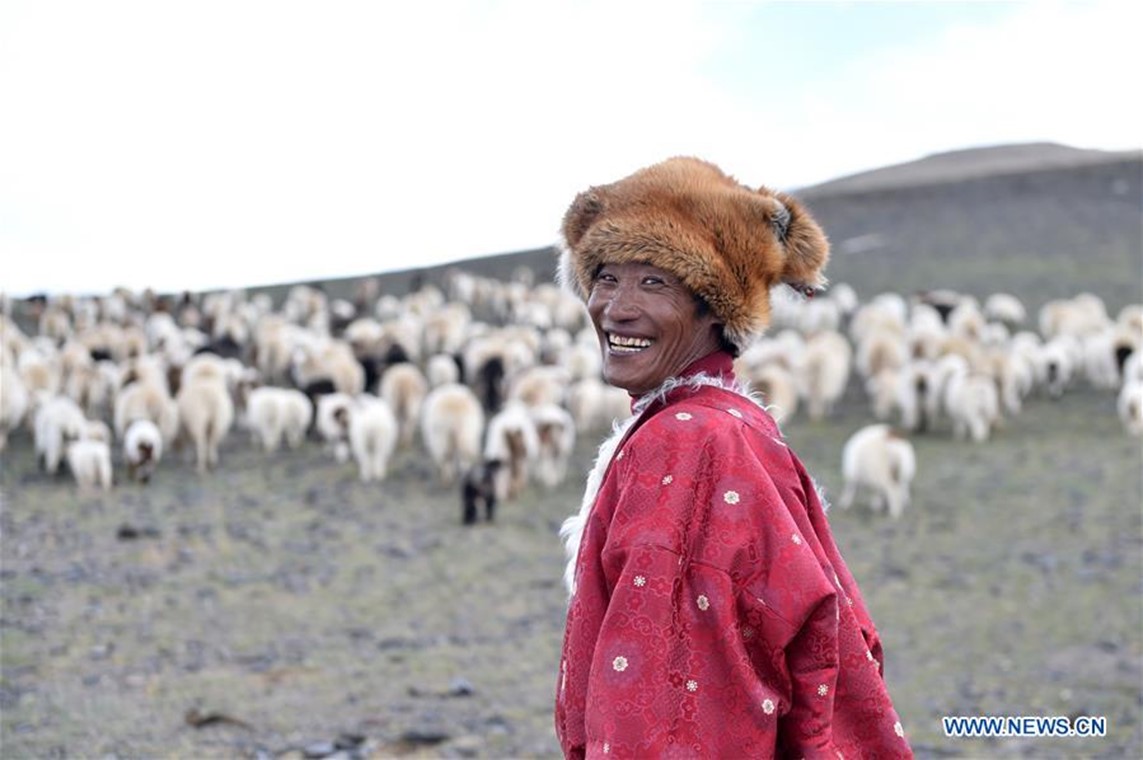
Rigzin, 49, smiles while grazing a flock of sheep in Rungma Town of Nyima County, Tibet, June 14, 2018. Rigzin and his family are to be relocated to a new home in Lhasa. Amazing shots of Tibet in 2018 are seen through lenses of Xinhua photographers. (Xinhua/Chogo)
Welcome to New Year 2019. If the New Year is like a blank book, and I hold the pen in my hands, I would love to send you these New Year Greetings from Tibet.














 Whole Dude - Whole Concept