BLESSED ARE THE PEACEMAKERS MARCHING FOR PEACE IN OCCUPIED TIBET
Blessed are the peacemakers marching for peace in Occupied Tibet.
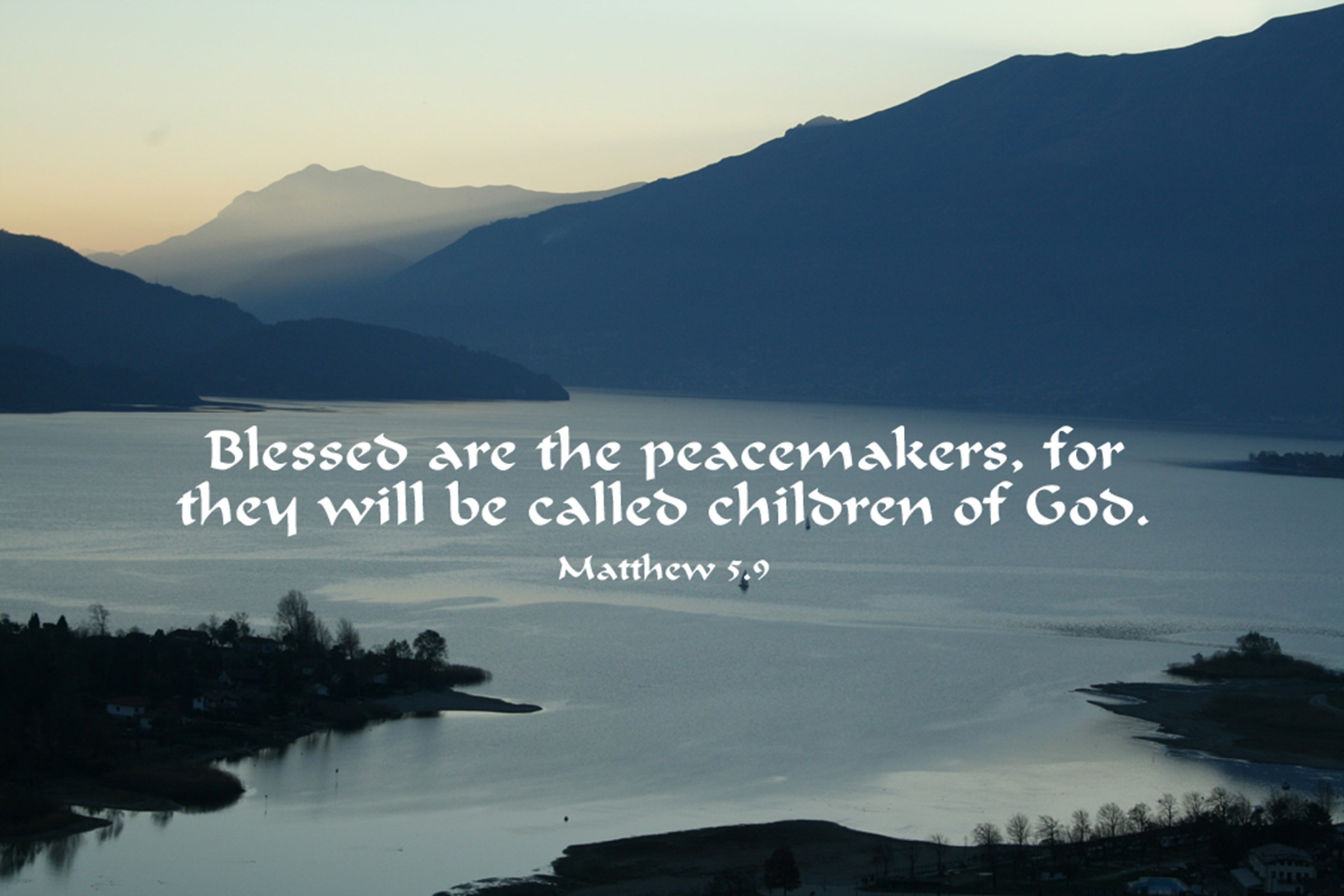
“Blessed are the peacemakers for they shall be called sons of God.” I invoke the blessings of God on Kunga Norbu and Adam Schaeuble who are walking to bring peace in Occupied Tibet by promoting the public awareness of the Great Tibet Problem.
Blessed are the peacemakers marching for peace in Occupied Tibet.
Kunga Norbu left, and Adam Schaeuble pose for a picture on the Big Four Bridge during their multi-state walking campaign to raise awareness about Tibet. Norbu is the nephew of the Dalai Lama, who gave his blessing for the trek, and suggested that the duo “create a wave of positivity.”
As they walked across Big Four Bridge that October Sunday, Kunga Norbu and Adam Schaeuble weren’t protesting anything.
The casual observer, though, might have thought differently.
A multicolored flag rested against Kunga’s shoulder as he strolled down the ramp into Jeffersonville. The emblem on it symbolized the country of his father’s birth, a nation no longer able to control the teachings of its past let alone its own future. Emblazoned on his and Adam’s yellow shirts were the words “Team Tibet” in crimson ink.
“If you walk anywhere and you’ve got a guy with a giant flag, people are probably like eyeballing you asking what kind of a thing is this? That’s the society that we live in,” said Adam. “Is this a good march or a bad march? Is this positive or is it negative? People almost always assume that it’s negative. But when we get to tell people about it, they realize it’s a cool, positive story.”
Louisville was stop number four on the duo’s eight-day walking tour to bring awareness about issues facing Tibet while also supporting and preserving Tibetan culture. On Oct. 4, they finished their journey in Columbus, Ohio with more than 200 miles walked.
“There are six million Tibetans in Tibet now,” Kunga said when discussing the treatment of Tibetan citizens by the Chinese government, the country that invaded Tibet in the 1950s. “We have to do something. We have to do anything. Even walking. Even one-mile.”
Kunga had completed this mileage before. In March of 2013, the Tibetan-American undertook a 230-mile trek from Washington, D.C., to New York City in memory of his brother Jigme. In 2011, Jigme lost his life when a sports utility vehicle struck him on a Florida road during a similar walk for Tibetan independence. He was 45.
But circumstances have since changed for the Bloomington resident. In January of 2015, a stroke wreaked havoc on Kunga’s body. After regaining most of his physical abilities through rehab, speech difficulties are the only remnants of the illness.
“When he starts talking about Tibet, he gets clearer,” Adam said. “Like his speech is more succinct. It’s like he’s talking from his heart. It’s really cool.”
Despite his health setbacks, the 55-year-old still wanted to honor his Tibetan heritage. His father, Thubten Norbu, established the Tibetan and Mongolian Buddhist Cultural Center in Bloomington and was a professor at Indiana University. Thubten, too, was a Buddhist lama, not to mention the older brother of His Holiness the Dalai Lama.
That’s right. Kunga is the Dalai Lama’s nephew.
Adam, on the other hand, has no Tibetan lineage. His friendship with Kunga brought him to this mission. Strangely enough, during high school, the now 38-year-old did a report on Tibet. Part of that assignment consisted of reading a book by — you guessed it — Professor Norbu, Kunga’s father.
Nine years ago, Kunga walked into the gym Adam owns. They quickly became pals. When Kunga’s brother died, Adam organized an Mt. Everest Challenge for his “gym family.” Participants climbed on an apparatus called Jacob’s Ladder in order to finish the steps Jigme wasn’t able to complete.
Knowing about his friend’s wish to do another walk that would bring awareness to Tibetan issues, Adam suggested they do a roughly week-long trek that would finish in Columbus, Ohio. Instead of traversing the whole way by foot on dangerous interstates, the pair would find trails in different Midwest cities. Kunga, Adam and anyone else who might want to come along would walk along these much safer paths to achieve their 200-mile goal.
“I’m like the big, noisy white Sherpa,” Adam said, referencing the Himalayan mountaineers who, at times, help climbers reach Mt. Everest.
Kunga liked the plan. In a March 2018 audience with the Dalai Lama, he asked for his uncle’s blessing. The Dalai Lama freely gave it and suggested to them an optimistic objective: Create a wave of positivity.
“That was his challenge for us, two people from two different cultures that are doing this because they are friends and support each other,” Adam said.
And, by just walking 200-miles with a Tibetan flag and their friendship, Kunga and Adam accomplished just this.
“The culture can’t be stamped out if people are still talking about what’s going on,” Adam said. “That’s the way we keep that culture alive. Just keep talking about it and share and share.”
— Amanda Hillard Beam is a Floyd County resident and Jeffersonville native. Contact her by email at adbeam47@aol.com.
Blessed are the peacemakers marching for peace in Occupied Tibet.
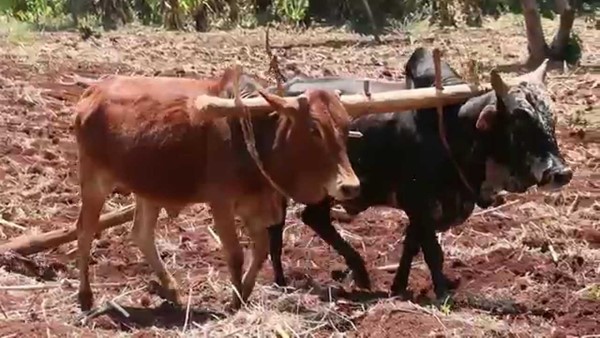
TIBET AWARENESS – UNEQUAL YOKING. TIBET IS SUBJECT TO BURDEN IMPOSED BY UNEQUAL YOKING WITH A MONSTROUS BEAST, UNEQUAL IN SIZE AND POWER.
Red China, using military force, yoked with Tibet. To perform farm work, farmers generally use two animals of same type, size, and strength to get work done without imposing unequal burden on animals yoked together. Red China is a huge, monstrous beast, and her Unequal Yoking with Tibet imposes burden called Subjection, Bondage, Servitude, Enslavement, Hardship, Trouble, Pain, and Suffering upon Tibetans.
TIBET AWARENESS – UNEQUAL YOKING. TIBET IS SUBJECT TO BURDEN IMPOSED BY UNEQUAL YOKING WITH A MONSTROUS BEAST, UNEQUAL IN SIZE AND POWER.
Tibet is under the Yoke of Burden, Control, Subjugation to become subservient to Red China’s Doctrine of Neocolonialism.
THINGS THAT SURPRISED ME ABOUT TIBET – FUN AND INTERESTING FACTS
Tibet Awareness – Unequal Yoking. The Burden of Military Occupation.
The country at the roof of the world, was very different from what I expected. Tibet, often considered the spiritual center of the world has more Buddhist monks, stupas and gods than any other place, yet it was anything but the peaceful and calm realm I had envisioned. Not that the available online resources lie about it, but more that there is a general lack of information beyond the Dalai Lama and the Chinese-Tibetan political situation, so my mind veered towards red-robed monks and the magical image of the Potala Palace. The list of things that surprised me about Tibet is quite long, but I will attempt to highlight the most relevant, the top 17 things that most people don’t know about Tibet or that will surprise any traveler to the oft-called Shangri-la.
1. Tibet facts – Tibet is developed and it has incredible infrastructure
Tibet Awareness – Unequal Yoking. Red China’s Subjugation of Tibet.
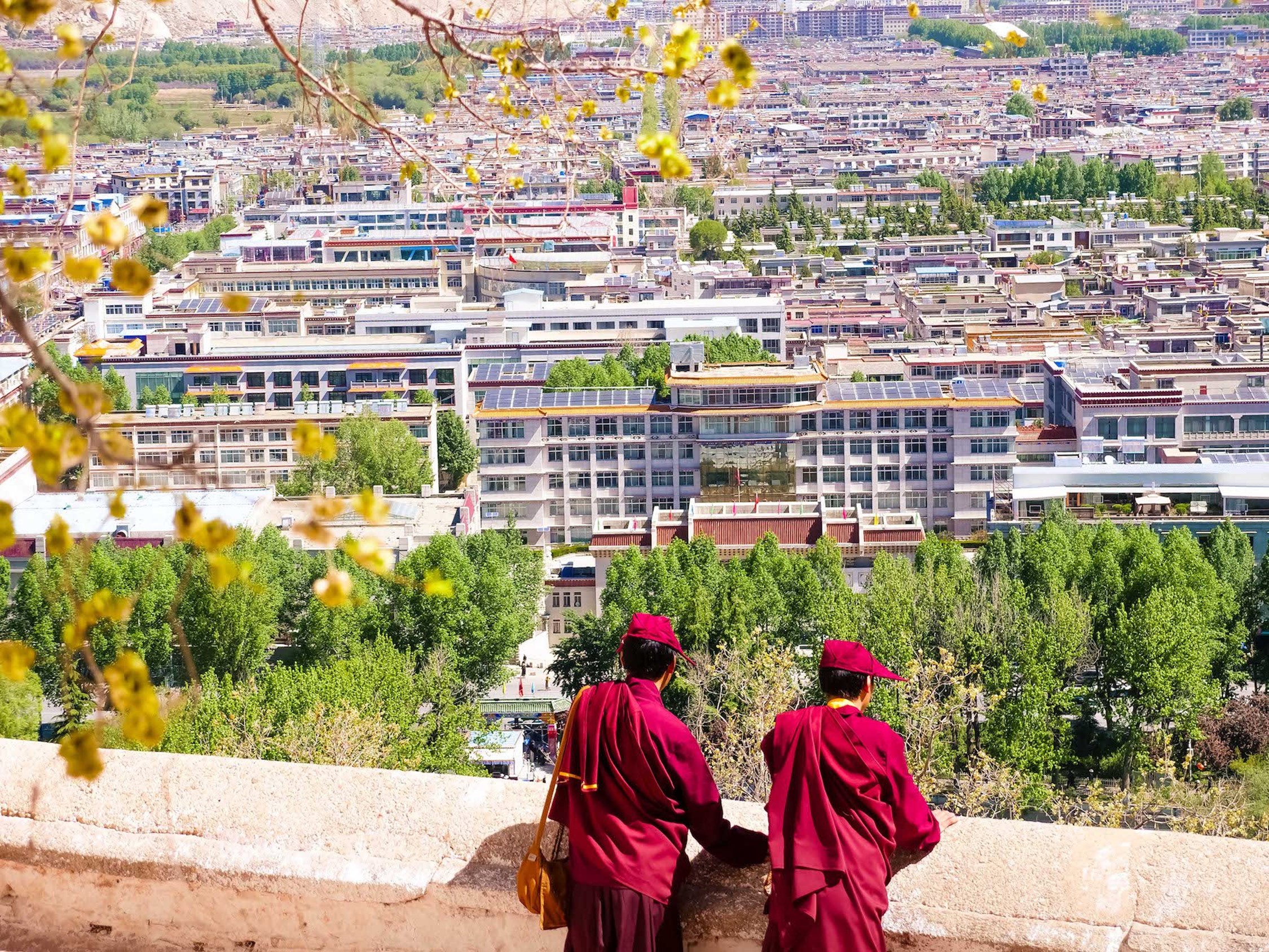
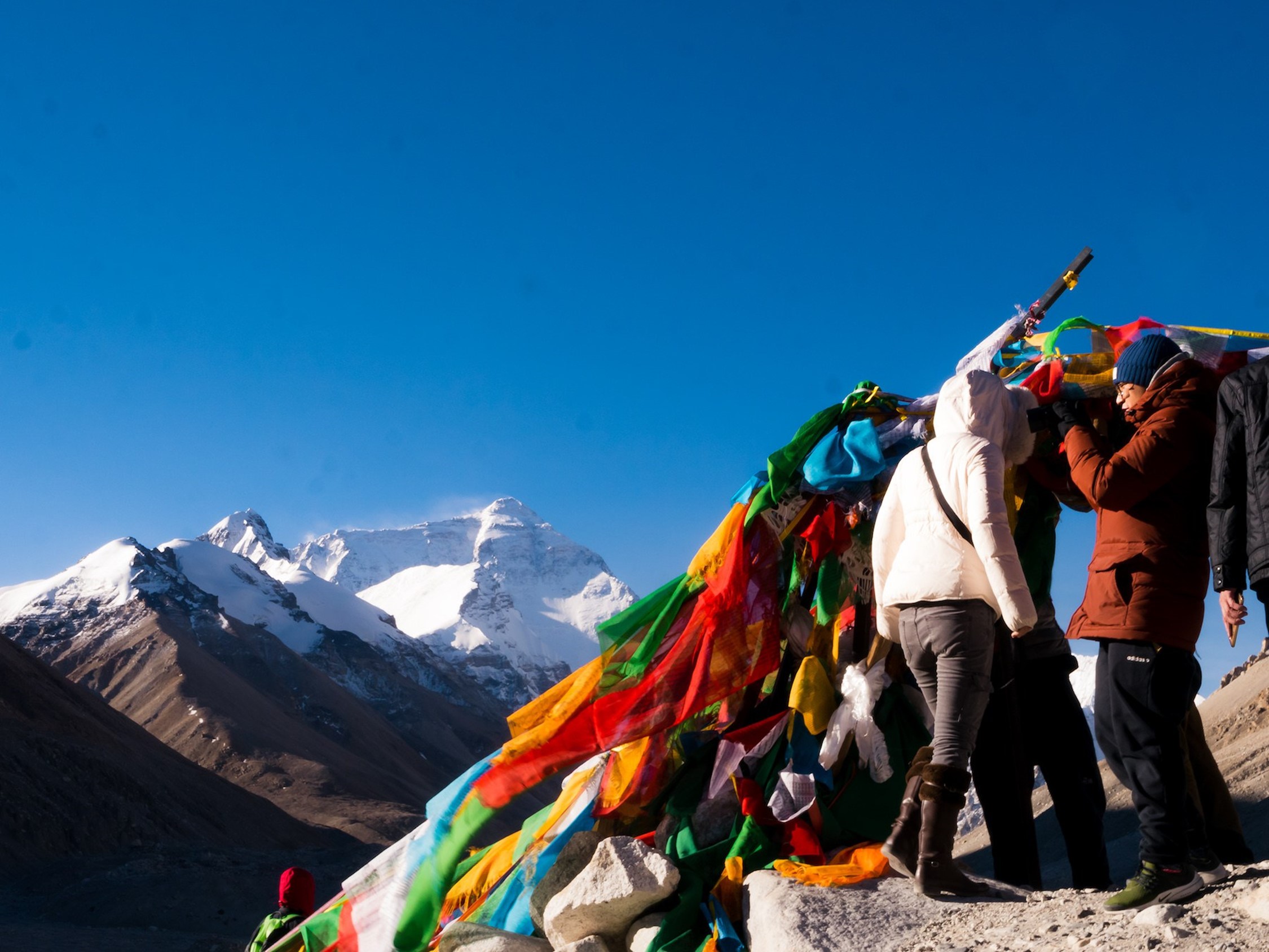
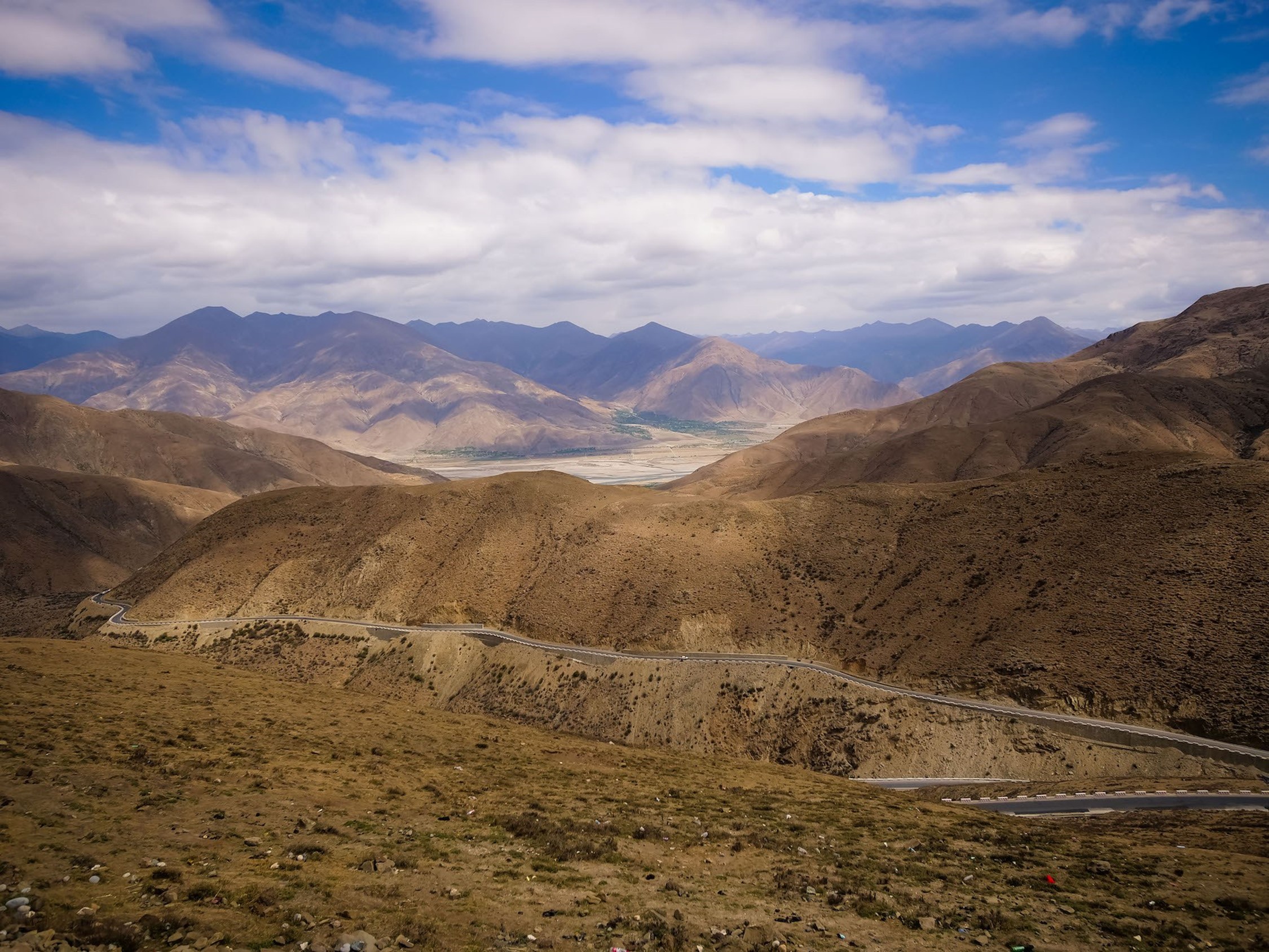
I visited with the utopian idea in my head that Tibet was going to be a peaceful and isolated place resembling Bhutan. But Tibet, or the Tibetan Autonomous Region, is a Chinese occupied territory that became part of China in 1950 and, as a result, for good or for bad, infrastructure has developed dramatically. Even the road that leads to the world’s highest mountain, Everest, is paved almost all the way, a far cry from the 9-14 day trek from Lukla Airport (the world’s most dangerous airport) to reach the Nepalese equivalent. In fact, we drove all the way to 5,200m to the tourist Everest Base Camp. Roads throughout the country are smooth and paved, including the Friendship Highway that links Shanghai with Kathmandu and runs for 5,900km, practically crossing Tibet.
Countless electricity lines crisscross the arid landscapes, at times, several electricity posts slashed my photographs. Even the most remote of villages have electricity and solar panels. Why? Tibet is China’s richest province, with deep reserves of gold, copper and other precious and valuable resources and infrastructure is essential to mine and exploit this natural wealth. As our train to Lhasa glided through the middle of nowhere, high up in the Tibetan Plateau, the lights of trucks carrying minerals to processing factories provided a continuous source of light in the darkest of nights. Those factories lit the horizon in sudden outbursts. Next to them, nomad villages built to accommodate the workers supporting the factories sprung as if mushrooming from the rocks and sand. There were many, and we were to see even more across Tibet.
2. Tibet facts – The issue of the Dalai Lama and the Panchen Lama
Tibet Awareness – Unequal Yoking. The Great Problem of Tibet.
The 14th Dalai Lama left Tibet after disagreement with the Chinese government about his successor, which made it too dangerous for him to stay and has lived in exile in Dharamsala, India, ever since. This shows his opposition to the occupation and his demands for true autonomy (not independence) for Tibet. The Chinese government recognizes Buddhism, a religion that is widely spread in the country despite communism, but nominated their own Panchen Lama, the successor to the Dalai Lama, in 1995, six years after the death of the previous Panchen Lama, following a traditional process using a golden urn that was used for the 10th, 11th and 12th Dalai Lamas. Their choice did not match that of the current Dalai Lama, whose successor has been kept in an unknown location in China ever since.
The Panchen Lama nominated by the Chinese Government has been receiving education in Buddhism and Tibetan culture since his enthronement at the Panchen Lama’s seat in Xigatse. His photograph can be seen across Tibet whereas having a photo of the 14th Dalai Lama is illegal and can carry fines or imprisonment. Tibetans often claim this misalignment about who the next Dalai Lama will be as the main attempt by the Chinese to eradicate Tibetan culture and identity.
3. Tibet facts – The highest country on the planet
Tibet Awareness – Unequal Yoking. Natural Freedom violated by Unnatural Occupation.
When I visited Bhutan I thought I was high. High on life, high on spirituality and high up in the mountains! One of the country’s nickname, “The Kingdom in the clouds”, clearly reflects its high altitude, with the capital at 2,300m and several peaks above 7,000m. Bhutan ranks as the highest country in the world when average altitudes are taken, despite some of the lowest parts are almost at sea level.
But that is just because Tibet is not officially recognized as a country by the UN because of Chinese veto, so it is just a region of China. Before Chinese occupation, Lhasa was the highest capital in the world as per the Guinness World Book of Records, but La Paz in Bolivia has taken that prize since Tibet became a part of China.
What makes Tibet’s altitude extra special is that, not only does it have the highest mountain in the world (Mount Everest), but also the highest average altitudes at 4,575m above sea level, the highest road, the highest toilet, the highest town (Whenzuan), the highest monastery and the highest train. Everything in Tibet is made of superlatives. We drove up mountain passes that are at 5,200m, we used the highest toilet in the world, located on the same mountain pass top, we took the train to Lhasa, which climbs to 4,500m and visited the world’s highest monastery, Rongbuk, at the foot of Everest Base Camp. Altitude is an undetachable synonym with Tibet.
4. Tibet facts – 40% less oxygen
Tibet Awareness – Unequal Yoking. Natural Conditions, Natural Factors, Natural Mechanisms, and Natural Events produce Natural Freedom in Tibet.
Tibet’s high altitude is the cause for the traveler’s worst nightmare: Altitude sickness. Because it is so high, the pressure is lower giving the sensation that there is less oxygen. I have extensively covered the topic of altitude sickness, because we felt it and felt it badly, but what I found most interesting is that it is not possible to descend in Tibet, the lowest altitude is already a whooping 3,500m above sea level.
5. Tibet facts – Permits, permits, permits
Tibet Awareness – Unequal Yoking.
Getting to Tibet is not particularly difficult. Travel restrictions have been lifted and you can go on a small private tour like I did with WildChina, without issues. It was a similar process to that for North Korea. You cannot travel independently, but you can pretty much visit anything as long as you are entering with a tour company. And, unlike North Korea, you can freely wander the streets or explore anything without a chaperon.
However, visiting Tibet does require a lot of planning ahead. You will need a Chinese visa first, which is required by almost all citizens and can take up to two weeks to process depending on your country of residence and which can be very costly (US$100 in Singapore). With a photocopy of that in hand, the travel agent will apply for a Tibetan permit which will be linked to your detailed itinerary. The permit can take anything from a week to 3 weeks so you should start the entire process about two months ahead to ensure everything is done on time as the processing timelines vary vastly from country to country (e.g. one of my friends took 2 weeks for the Chinese visa and 3 days for the Permit whereas I took 3 days for the visa and 3 weeks for the permit).
The permit is your passport into the Tibetan Autonomous Region and will be checked and rechecked a million times throughout the trip. Your guide will keep the permit with him or her throughout your stay. Every time you reach a new village the guide will be registering you, even for just one night, with the local Police, so your whereabouts are being monitored at all times. There were also 20 road checks through our 9 day journey and we were thoroughly scrutinized at the train station and airport before boarding. If you plan to visit Everest Base Camp, then you will need an additional permit and to go through a Military check-point at the park’s entry.
6. Tibet facts – Big Brother is watching
Tibet Awareness – Unequal Yoking.
The controls of visitors extend to the cars as well. All cars that take tourists around the country are owned by the government and kitted with two cameras and a radio system that communicates a central office to all the drivers. The cameras are constantly monitoring the driver and making sure that he is not doing anything against the Chinese rules. Every time the speed went above the marked limit, a message came through on the radio speakers to slow down. The speakers also shared a regular amount of updates and reminders about safety on the road. It was a constant reminder that our every move was being watched.
7. Tibet facts – Cold and high, but without snow
Tibet Awareness – Unequal Yoking.
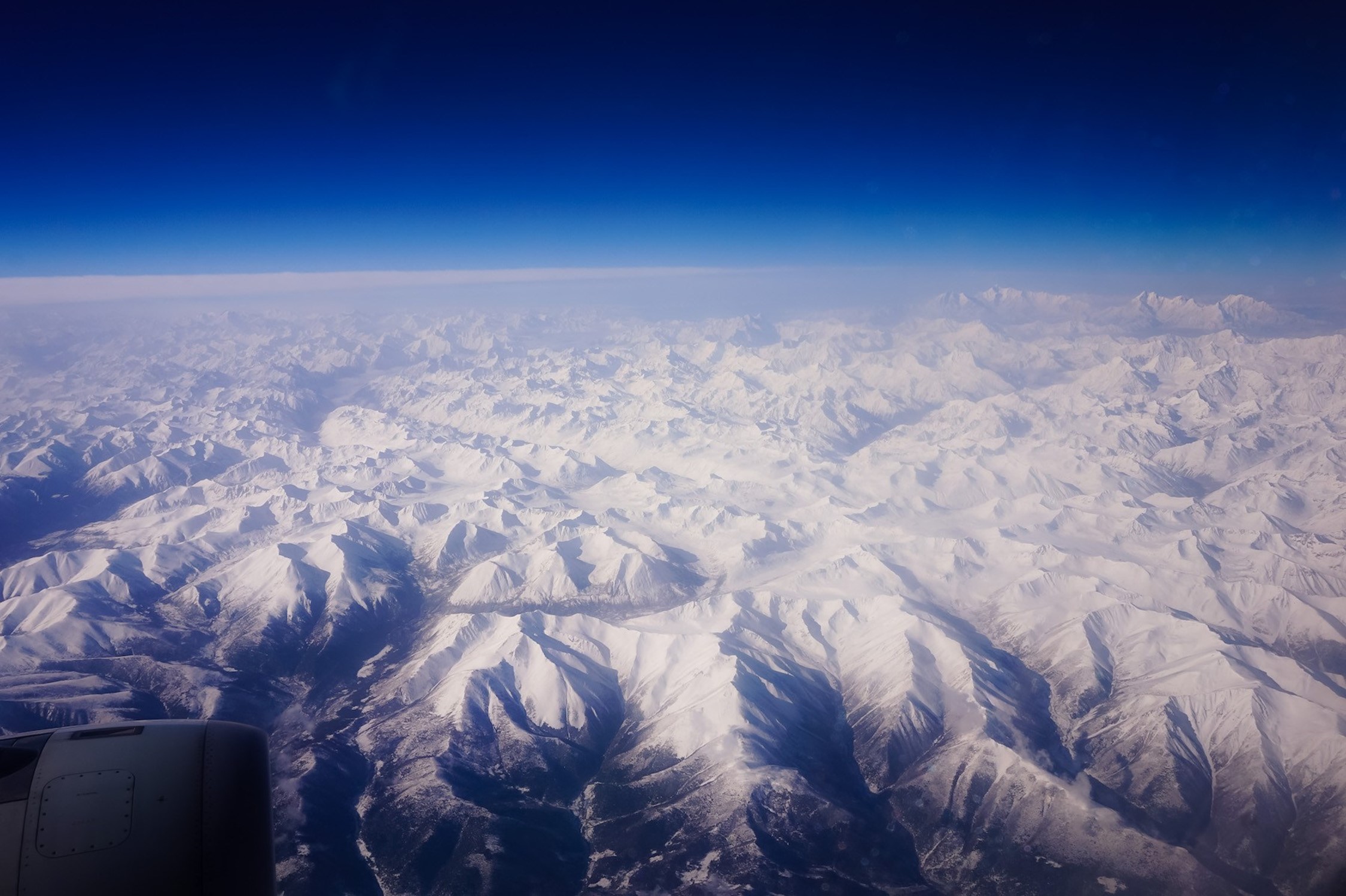
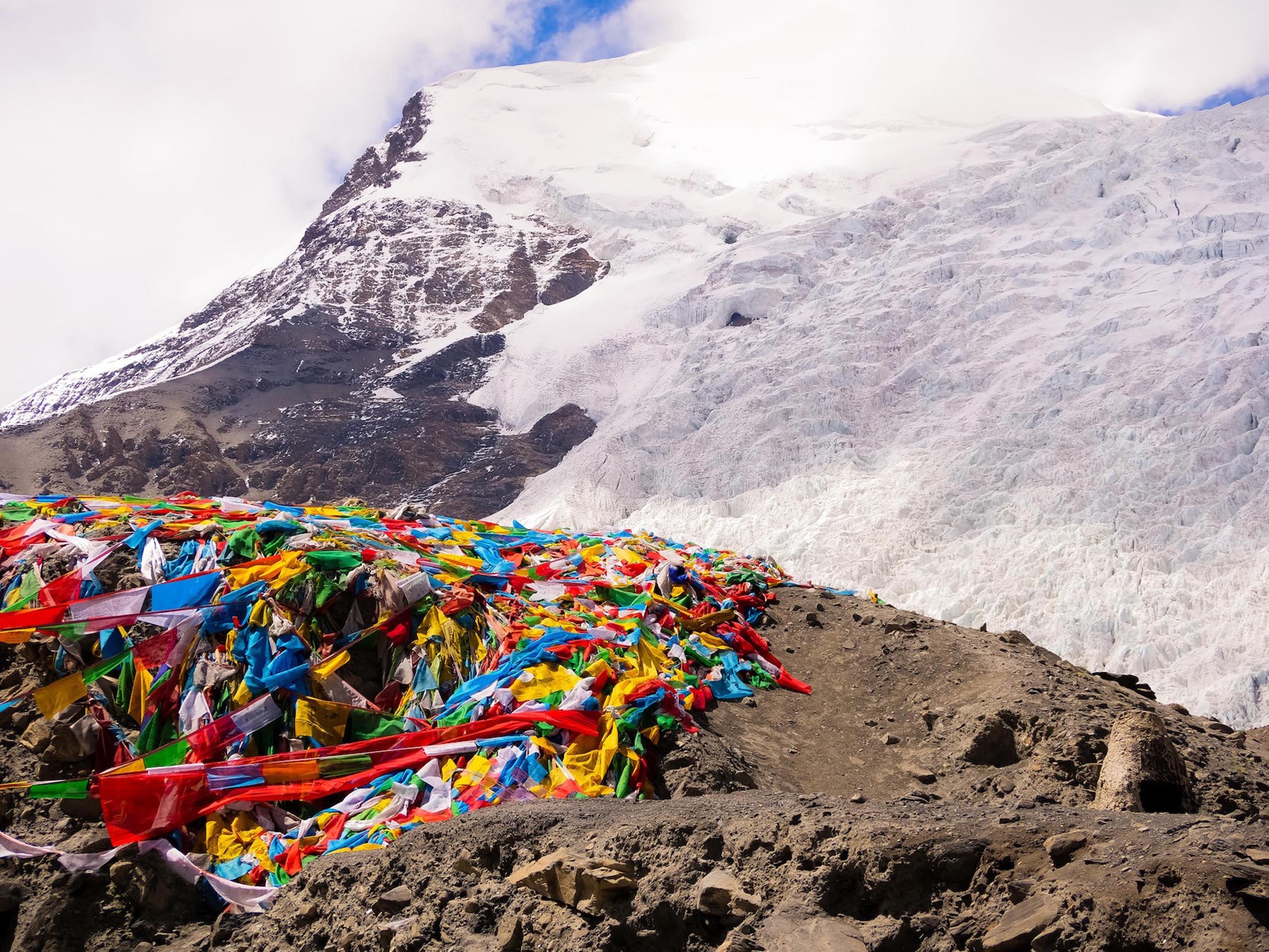
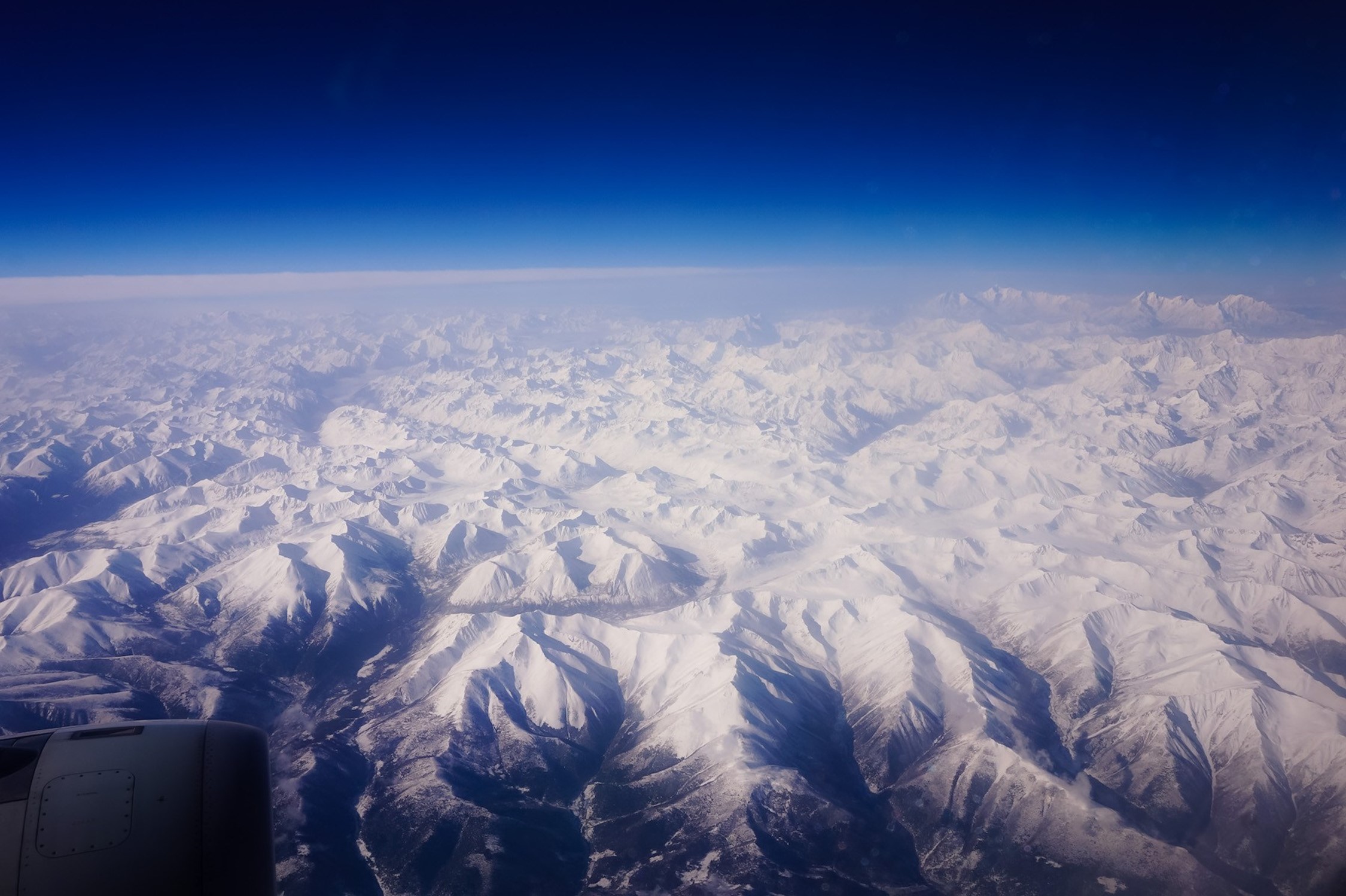
I was expecting the landscapes to be rocky, mountainous and majestic and for the snow to cap all mountain tops but Tibetan landscapes are rather brown and grey with very little snow. In fact, although we saw some snowflakes as we traversed the highest pass, at 5,200m, the majority of the mountains were devoid of that delicate white veil that tops other mountain ranges. Our guide confirmed that it does snow very little in Tibet and that pretty much all the snow we were seeing was permanent. The glaciers, receding as a result of global warming, were also perennial. The lack of snow is caused by the high Himalayan mountains that stop the clouds from emptying their bowels and providing rain or snow.
8. Tibet facts – Tibet was not always a peaceful nation
Tibet Awareness – Unequal Yoking.
I associated Tibet with peace, not least because the Dalai Lama has been an example of opposition to the Chinese occupation, something which got him the Nobel Peace Prize. But Tibet’s past wasn’t always as spiritual and peaceful as Buddhism advocates. Tibetan Kings fought and defended Tibet from assailants for centuries. Remnants of Medieval fortresses, city walls and castles can be seen across the country. Unlike Bhutan, who was never occupied by an international power, the English had several incursions in Tibet, as did the Mongols, Indians, Afghans, Nepali and various Chinese dynasties. So monks, and the Tibetan Kings, were a fearless army defending their territory since the 17th century until the Chinese occupation in the 1950s.
9. Tibet facts – Yak meat, yak butter, yak hair
Tibet Awareness – Unequal Yoking.
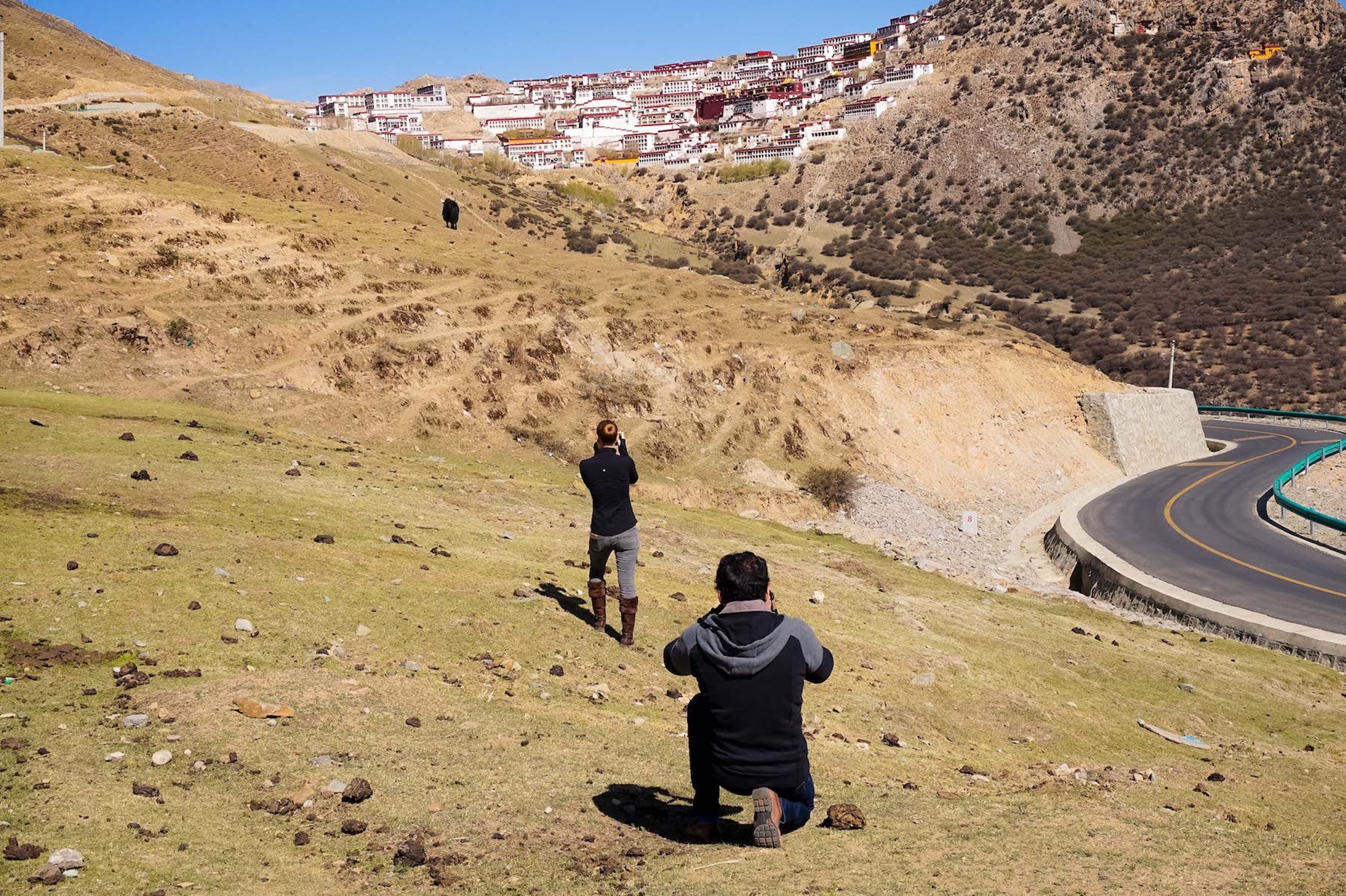
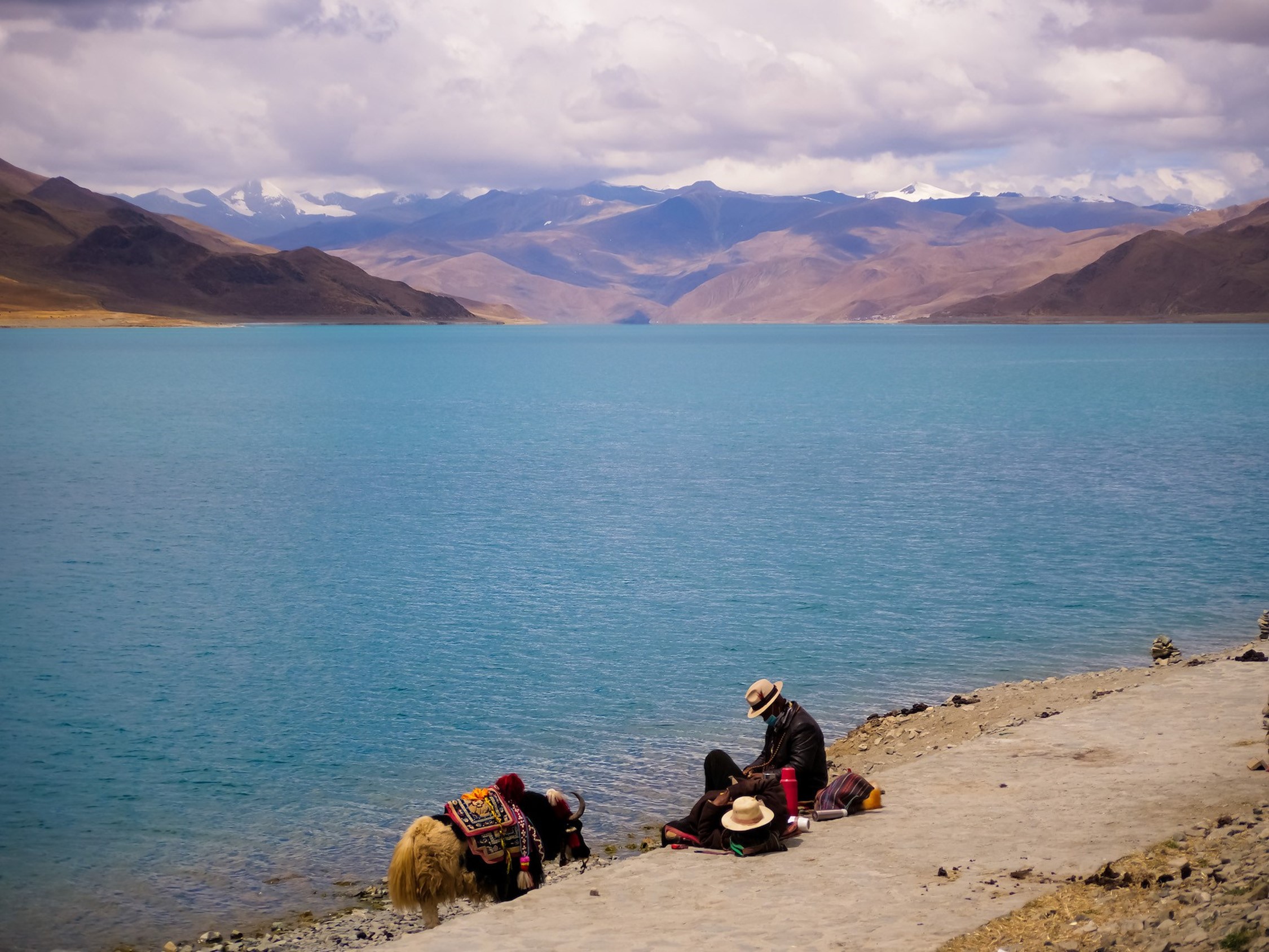
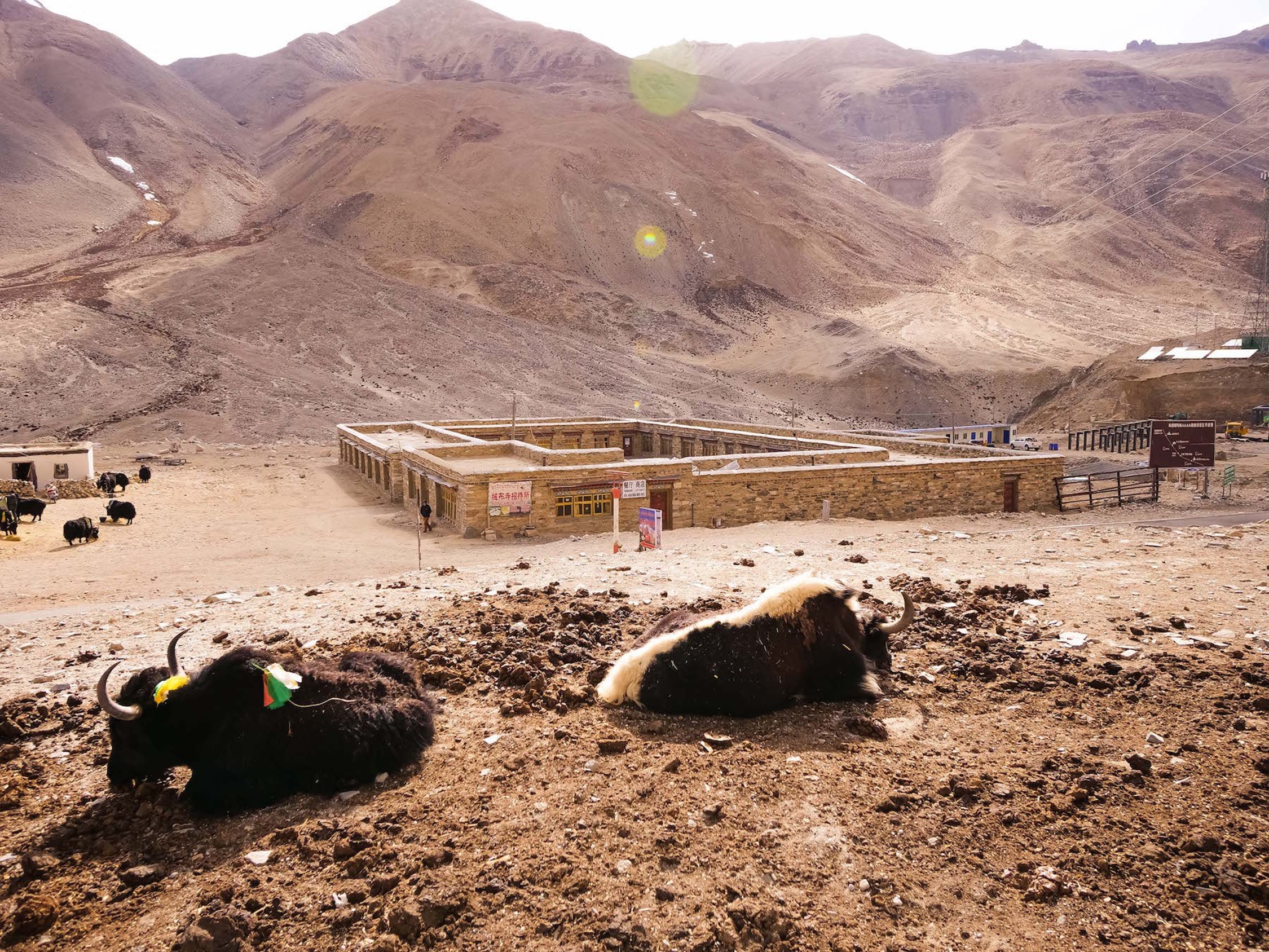
Tibet’s high altitudes and harsh conditions make life extremely hard and yaks are the lifeline for most Tibetans. Yak meat, leaner and lighter than beef, is ever present. Yaks are also used for milk and butter and their hair is used to make rugs and clothes, even to weave the cover ups that protect the Potala Palace – delicate paintings and carvings from the sun. Even yak dung is collected and dried to be used as fuel in the winter months. However, yaks are an endangered species and most of the animals seen roaming the fields are actually a blend between yak and cow.
10. Tibet facts – Photos of the Dalai Lama are illegal
Tibet Awareness – Unequal Yoking.
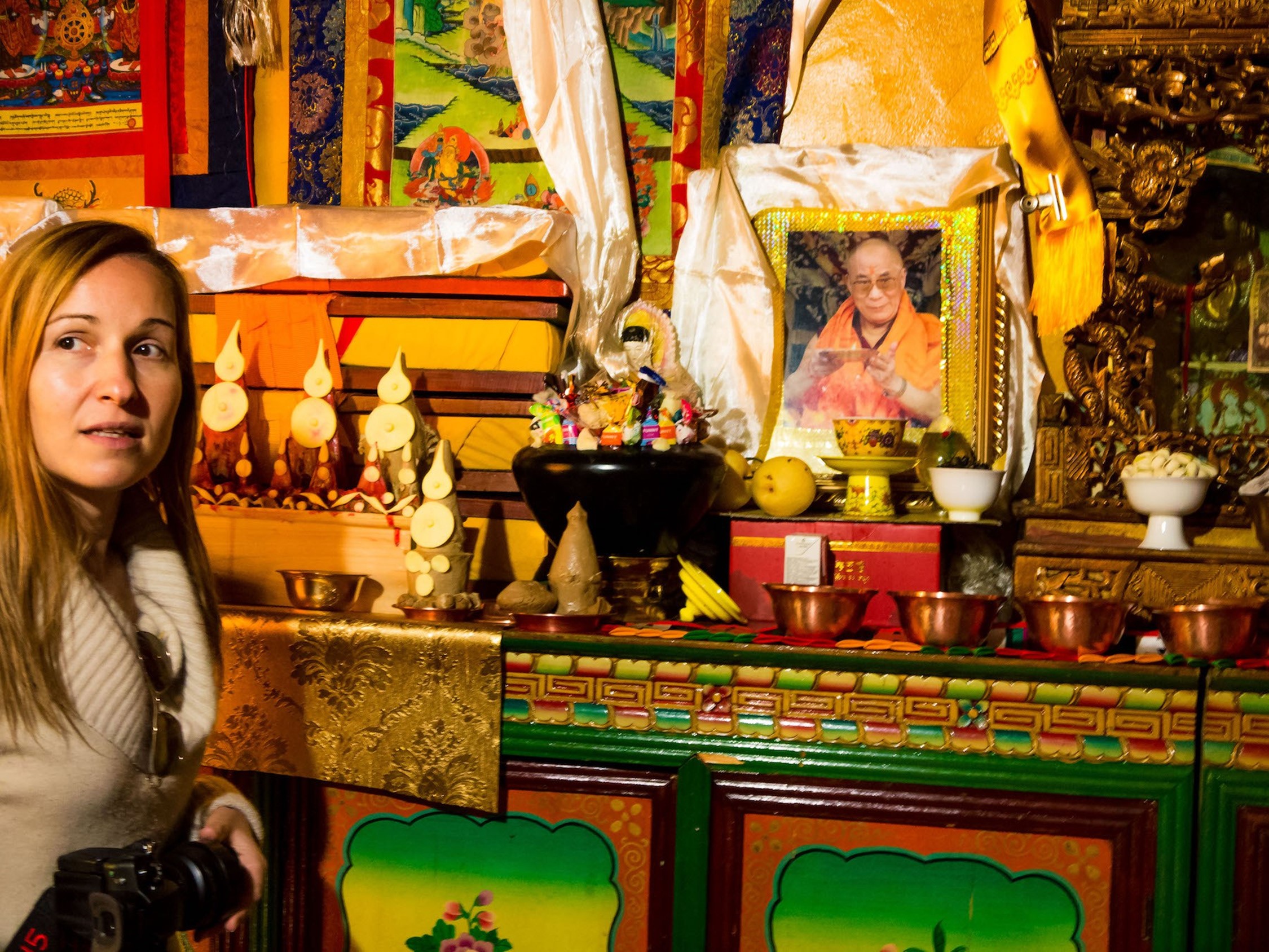
Almost everyone has a clear image in their heads of the current Dalai Lama. However, carrying or having his photo in Tibet could lead to imprisonment and punishment. None of the houses or temples we visited had any. Instead, the Panchen Lama, nominated by the Chinese Government, is to be displayed in homes and businesses. The prohibition extends to the Tibetan Flag, which does not fly anywhere in the country. Bright Chinese flags are hung on rooftop of houses, next to the colorful prayer flags.
11. Tibet facts – Shangri-la is the result of a misspelling
Tibet Awareness – Unequal Yoking.
Tibet is often referred to as the Shangri-la. The word has no meaning in Tibetan, although La does mean mountain pass and is attached to the end of all passes in Tibet. The word was first coined by the writer of the most famous novel about Tibet, Lost Horizon, in 1933. James Hilton probably misunderstood the word Shambala, which has a similar meaning in Tibetan Buddhism, and wrote Shangri-la instead. Since then, the word has been assimilated to a mythical place somewhere high in the mountains, a Heaven of sorts, a paradise on Earth, and is even the brand name of a luxury hotel chain whose eponymous Lhasa hotel I stayed at during my visit.
12. Tibet facts – The prostrations
Tibet Awareness – Unequal Yoking.
I had seen some images of devout Buddhists prostrating in key Buddhist temples and landmarks but nothing could prepare me for the absolute devotion and extreme prostrations that some engage in. Some people would spend their entire day prostrating and praying, continuously kneeling down and lying flat on the floor then standing up again. Most will be dressed appropriately, with hand and knee protection to allow them to glide. At some particularly holy places, like in front of the Jokhang Monastery or the Potala Palace, some extreme devotees would prostrate in the middle of the pavement and receive donations from passers-by.
13. Tibet facts – The toilets
I cannot talk about things which surprised me about Tibet and not mention the toilets. Although there are public toilets across the cities and main road stops, they smelled so bad and were so dirty at times that we opted for the nature toilet: behind a rock (because there are no trees in the mountains). Bringing wet wipes and tissue is not enough, one needs to bring a sort of perfume to put a couple of drops under the nose to enter some of the public toilets. All of Tibet’s toilets, barring the hotels, are squat toilets consisting of a hole on the floor with a drop which may sometimes not be very long. There are no doors to the public toilets which often times will have more than one hole next to each other. You may do your thing next to someone who is doing her thing, in the open. And if that was not enough, many people miss and the toilets are never cleaned. You get the picture. This remained the main topic of discussion among my group, a source of constant jokes and laughter, as we hunted for the cleanest, least smelling holes. I will leave it there.
14. Tibet facts – Kora
Tibet Awareness – Unequal Yoking.
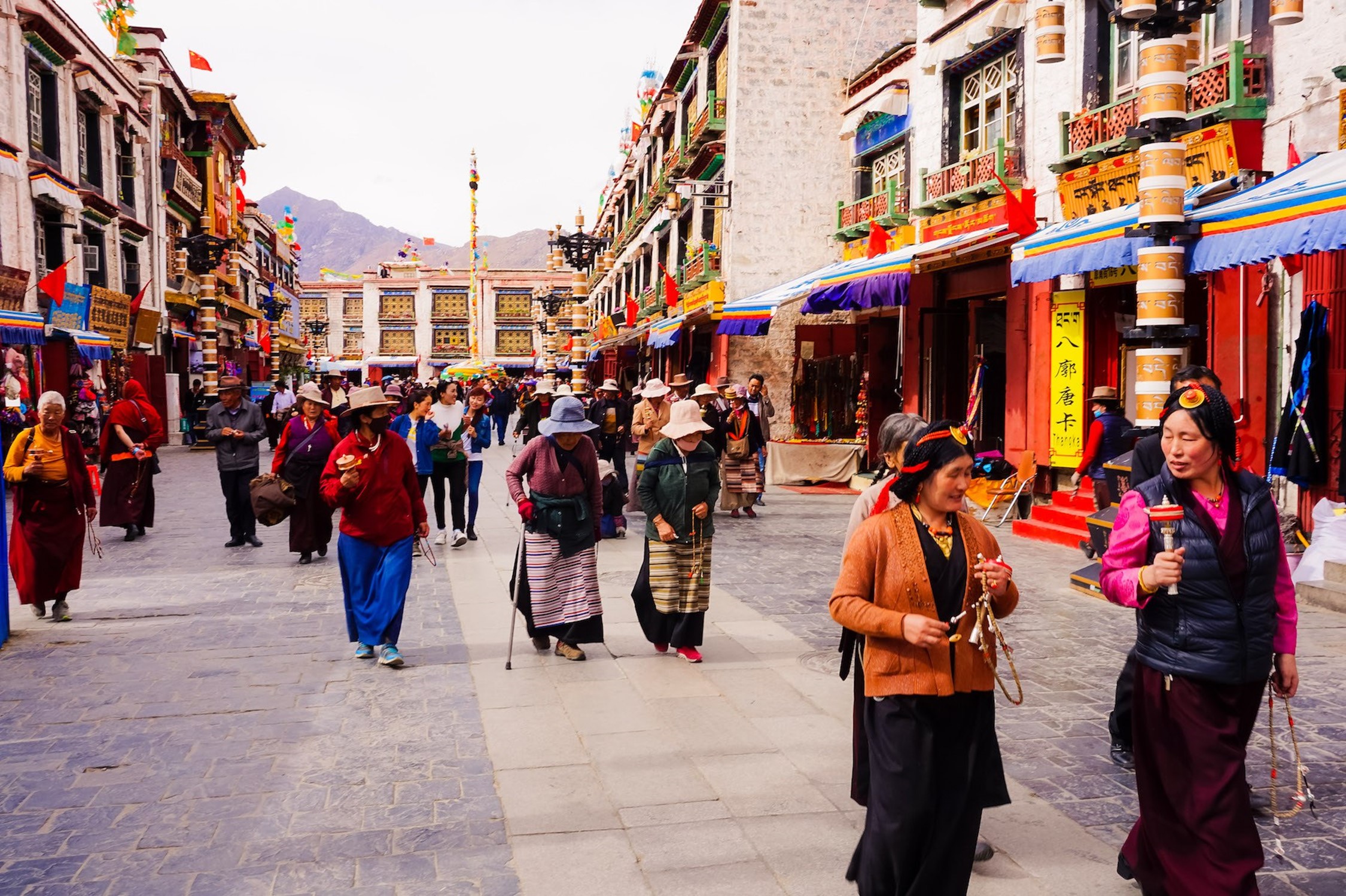
Tibetans go on walking and praying pilgrimages around main landmarks and monasteries. Much like the Camino de Santiago or the trip to Mecca, only shorter and more frequent. These walks are called Kora and can be taken around any monastery. The most common one is the one in Lhasa, around the Potala Palace or the Sera Monastery. Locals pray as they walk around, many of them will spin prayer wheels like in Bhutan. Some of the Kora can take up to a full day and the elderly may repeat them every day.
15. Tibet facts – Temple smell
Tibet Awareness – Unequal Yoking.
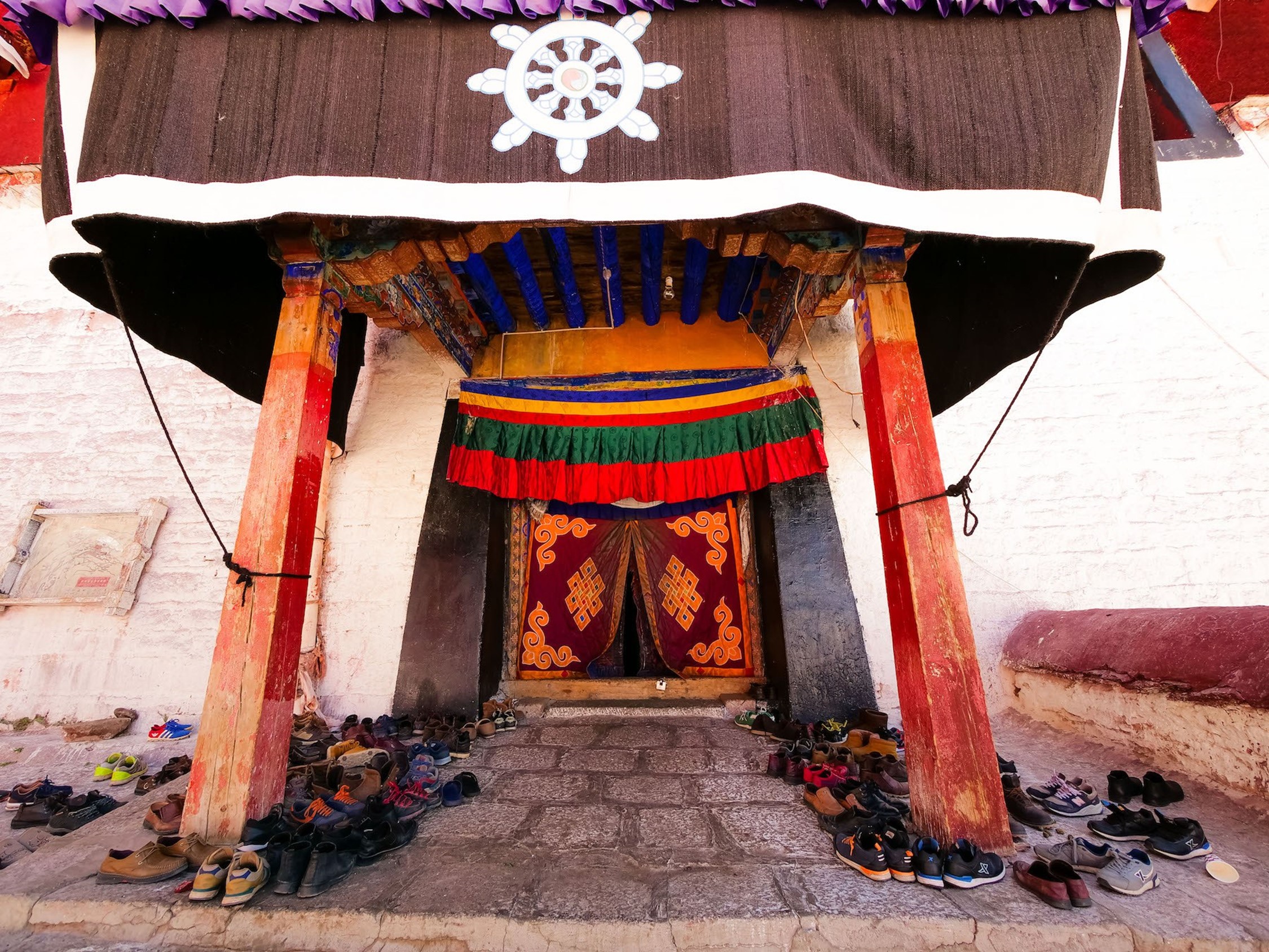
All temples and monasteries in Tibet have the same common smell of yak butter used in the butter lamps and fresh incense also burned across the country in houses and burners that can be found in public places.
16. Tibet facts – Paying for photographs
Tibet Awareness – Unequal Yoking.
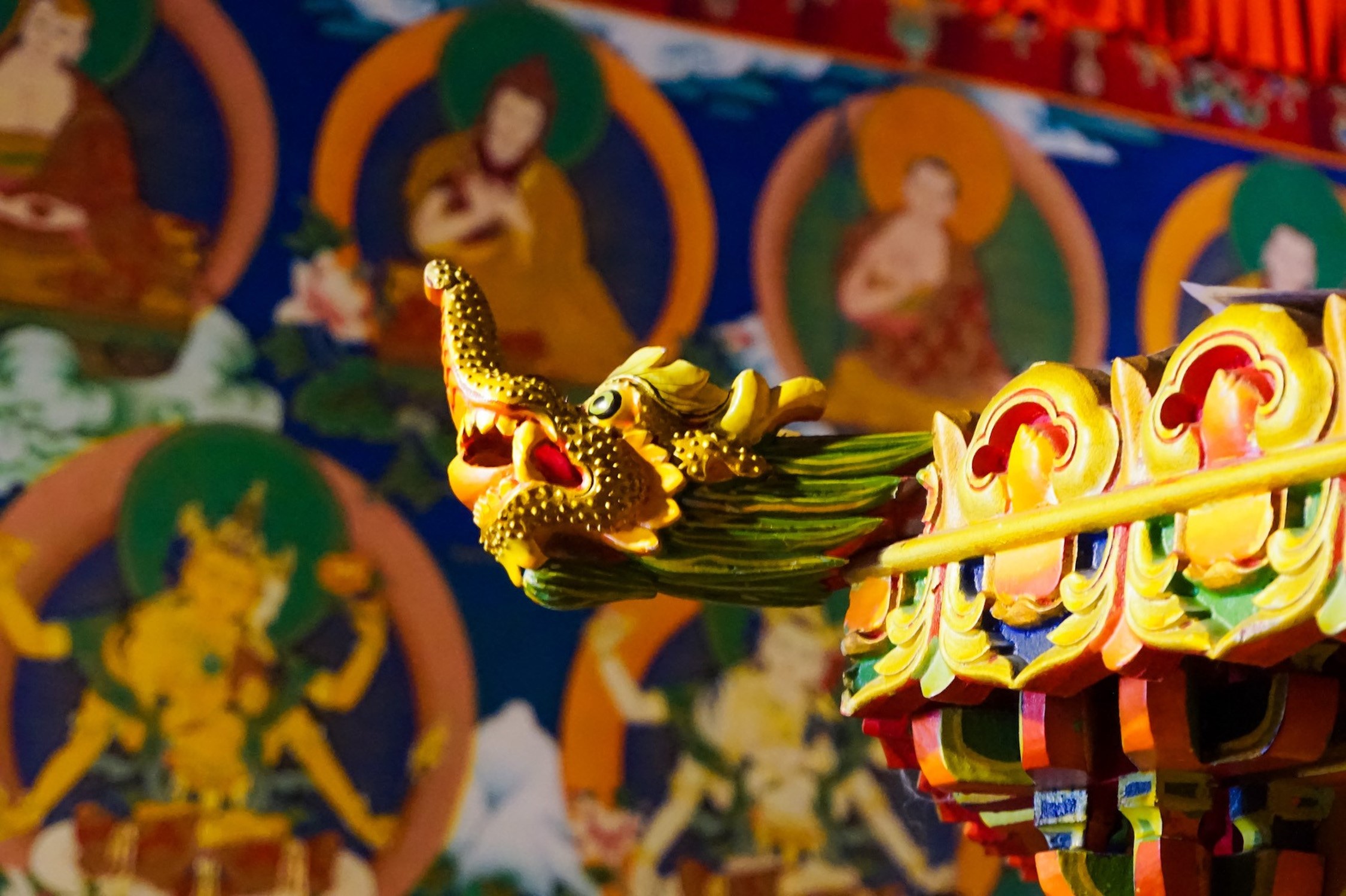
In Bhutan taking photos of temples and monasteries is simply not allowed. The interiors of the Buddhist buildings are usually covered from floor to ceiling with paintings and offerings in bright colors and gold and they are incredible to see and experience and provide a deep sense of spirituality. In Tibet you can photograph almost every landmark and interior as long as you pay a donation. At first we were surprised but relaxed as the money seemed more like a voluntary donation which we diligently dropped in bowls. But in some monasteries the monks would chase us for the donation, making us drop cameras for those who did not pay to avoid any photos being taken, and the initially innocuous amount started to amount to a small fortune as some temples started to ask for up to US$350 per hall for video, like in Shigatse. At US$2-4 per hall and an average of 3-5 halls worthwhile per monasteries I probably spent upwards of US$100 in photo donations, on top of the entry tickets. Considering these were religious places that were already filled with pilgrim donations (and stacks of money were stuffed inside God’s enclosures), the additional donation started to feel a bit much.
17. Tibet facts – Commercialized Everest Base Camp
Tibet Awareness – Unequal Yoking.
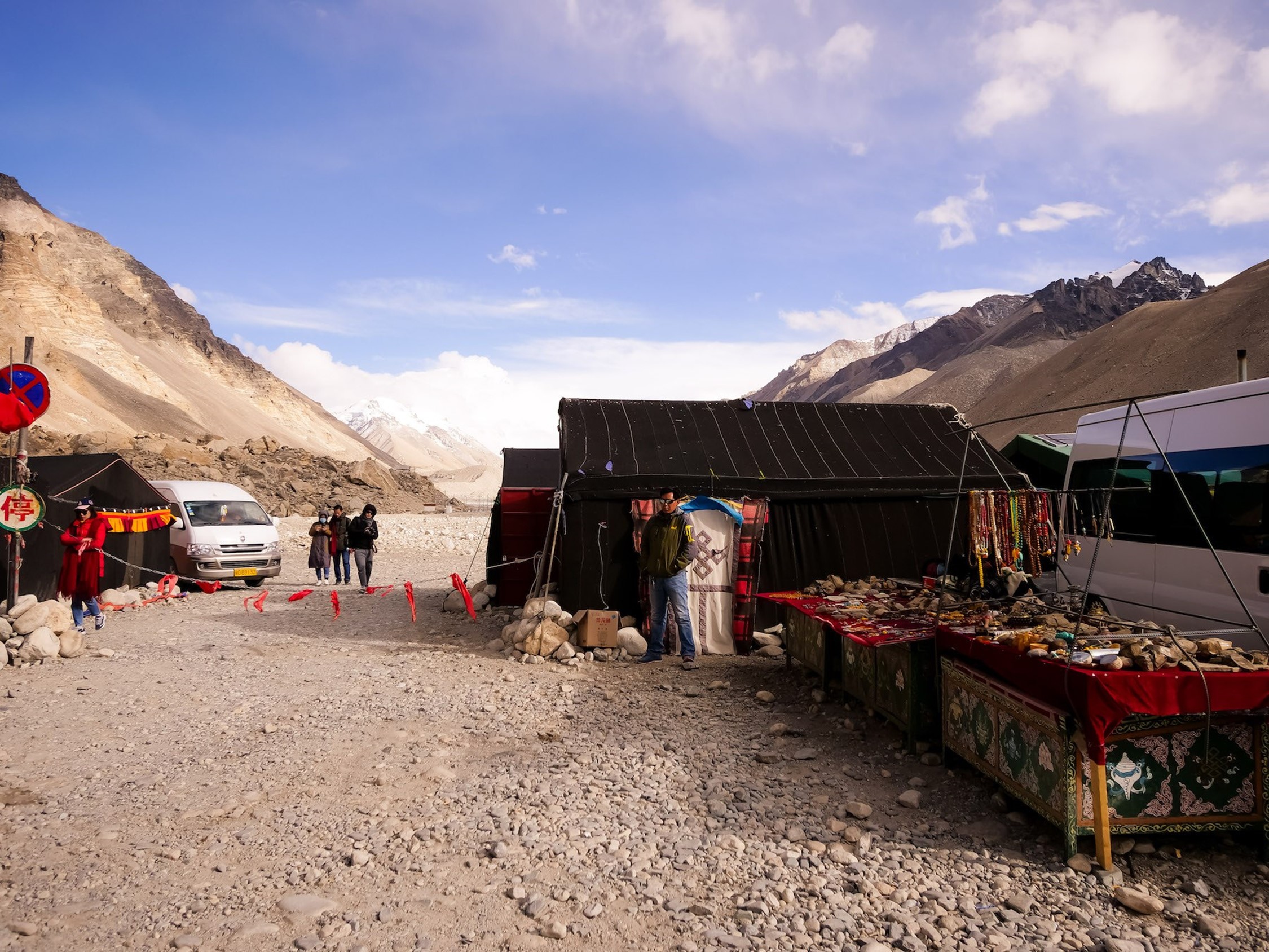
I can speak for myself, who paid a handsome amount to take a helicopter to the Nepali Base Camp well before this was a commercial venture offered to tourists. But on the Tibetan side, thanks to very good infrastructure, the Base Camp has been commercialized extensively. We slept 8km from the climber’s Base Camp in a tourist tented camp which advertised free WiFi and was filled with souvenir stalls albeit it offered very basic accommodation at sub-zero temperatures without heating. The Chinese government has announced plans to build a resort, museum and helipad a few kilometers from Base Camp, in Gangkar, to offer greater comfort and drive more tourism dollars into the country, although most visitors to Tibet are still local Chinese from other provinces. Serious trekkers no longer consider Everest a hard climb since so many people are attempting and reaching the summit every year. I can tell you the acclimatization to 5,200m was very tough.
18. Tibet facts – Speed limits
Tibet Awareness – Unequal Yoking.
We regularly saw cars stopped in the middle of the road. The Chinese authorities control speed limits in a very comical and questionable way: By putting road controls and checking how long it took you to get from one to the next. The speed limits on the road are low, about 35 km/h for many roads, making the trips longer than they should take given the great infrastructure. I already discussed before that the tourism vehicles cannot surpass the speed limit and if you do, the driver gets an announcement through the radio system. But, in addition, most roads have controls. You will get a stamp on a paper with the time you crossed the previous one and the policeman will check that it took you the stipulated amount of time to cover the distance. This was not an issue for us because we were not in a rush and were making plenty of photo stops. But the locals had to stop by the side of the road to waste some time before going through controls or speed cameras.
TIBET’S MILITARY OCCUPATION – THE GREAT TIBET PROBLEM
Historically Tibet came under military conquests by Mongol China and Manchu China and yet retained its independent way of living without any problem. The Evil Red Empire formulated by Red China’s Communist Party Chairman Mao Zedong unleashed a different kind of beast to rule over the lives of Tibetan people. During 1950s, both India and Tibet believed that the beast called ‘The Red Dragon’ can be appeased and treated her with patience, and tolerance seeking a peaceful resolution to the problem caused by Red China’s military invasion of Tibet in 1950. In 1959, Tibetans made an unsuccessful attempt to tame ‘The Red Dragon’ and their failure could be attributed to cunningness, craftiness of Red China which acts like a Jackal concealing her true intentions. Red China has become more confident over the years and thinks that there is no one besides her. Unlike in past, Tibet’s conquest by Red China has transformed Tibet into a colony from which China extracts all natural resources while maintaing a tight grip over the lives of people using her brute force. Red China developed road, rail, and air connections with Tibet to sustain its colonization denying Tibetans their natural rights to Freedom. I am expecting that Red China’s military grip over Tibet will slacken because of an unexpected strike that would bring The Red Dragon to her knees.
China is on an Airports and Infrastructure spree in Tibet
AUTHOR: CLAUDE APRI
AUGUST 4, 2015
Isn’t it strange that some of the most significant news are often missed in the cacophony of the ‘Breaking News’ channels?
On the same day, two game-changing pieces of information appeared in the Chinese media. Yet, they just looked innocuous.
The first one was about the 6th Tibet Work Forum. Was it held in Beijing or in the sea-resort of Beidaihe, where the top leaders escaped the unpleasant Beijing weather? I shall come back to it later.
The second information was the PLA/Civil integration for the management of the Lhasa airport; it has serious strategic implications for India, which is struggling to build some infrastructure in Arunachal and Ladakh.
Xinhua officially announced the vital airport integration to “strengthen aviation safety and combat support capabilities.”
A joint statement from the People Liberation Army Air Force (PLAAF) and General Administration of Civil Aviation (CAAC) said that the integration will include joint maintenance of airport support facilities, joint flight safety support and joint airport management.
Interestingly, the Lhasa Gongkar Airport in Tibet will be the first of the two pilot airports to implement the PLA/civil ‘integration’ (with the Sunan Shuofang Airport in Wuxi in Jiangsu province). The job should be completed during the second half of 2015.
The PLAAF/CAAC circular further affirms that “all the civil-military airports will conduct strengthened integration next year.”
To flood the Tibetan plateau with millions of Chinese tourists, a good infrastructure is required. Airports and the railway line are the backbones of a booming tourism in Tibet. The same infrastructure could be crucial in case of conflict with India; integration of the airport management was therefore required.
Once the Lhasa Gonggar Airport, located about 62 kilometres from the Tibetan capital has its joint PLA/Civil management, the other airports on the plateau will follow.
A couple of years ago, Xinhua had announced that the airport in Chamdo (known as the Bangda Airport) was reopened after major repairs. Xinhua reported then: “The Bangda Airport, the world’s highest-altitude civilian airport currently in use, is expected to resume operations.” It had temporarily been closed to repair a 19-year-old runway.
Also strategically important is the Nyingtri Mainling Airport, situated just north of the McMahon Line, the border with India; it serves Bayi, the main PLA garrison in the Tibetan Autonomous Region.
Ngari Gunsa Airport already used by the PLA posted opposite the Indian troops in Ladakh and Himachal Pradesh, started its operations in 2010, becoming the fourth civil airport in Tibet after Lhasa, Nyingchi and Chamdo airports.
Shigatse, the second city in Tibet is served by the railway line since August last year but also has the Shigatse Peace Airport, called Shigatse Air Base.
It was solely for military use until 2010, when a 100 million US $ expansion was completed.
The 4,411-metre-high Kardze Daocheng Yading airport, built in Kardze in Sichuan province was put into operation in 2014 (a year earlier than planned!). The Sichuan authorities planned to bring one million tourists to the area by 2015. But as important as tourism, the airport facilitates the transportation of fresh troops from the Military Area Command in Chengdu to Kardze prefecture. Kardze has been one of the most restive areas on the Tibetan plateau. With one stone, two birds are killed: the Tibetan protesters can be ‘pacified’ in no time and the deluge of Chinese tourists brings hefty revenues.
Another airport has come up in the Nagchu Prefecture of Tibet. Completed in 2014, the Nagchu Airport is now the highest airport in the world at 4,436 m.
The Modi Sarkar is aware of all this, but while China speedily builds Tibet’s infrastructure (using the perfect excuse of having to cater for millions of Han tourists), India develops its border areas at snail’s pace, struggling to create a semblance of infrastructure. It is true that the terrain is far more difficult in the Indian side, but so are the bureaucratic hurdles.
In Arunachal for example, the process indeed needs perseverance and an unshakable will to change the tide. Despite the declared resolve from the present Government, it may take years for proper roads to reach the remotest districts of Arunachal Pradesh…and stop the Chinese ‘visits’.
It is not an easy challenge, but Prime Minister Narendra Modi has realised that the North-East cannot be developed from Delhi. In his latest monthly radio programme Maan ki Baat, he announced that he was “deputing Central Government officials to find solutions to problems being faced by the region”.
One of the decisions taken by the Union Government has been to modify the guidelines of the Border Area Development Programme drafted some 10 years ago. According to the new notification,
“The main objective of the BADP is to meet the special developmental needs and well being of the people living in remote and inaccessible areas situated near the international border and to saturate the border areas with the entire essential infrastructure …(with a) participatory approach.”
I mentioned another information released by Xinhua the same day about the 6th Tibet Work Forum, which decides the fate of Tibet (as well as Tibet’s southern neighbours) for the next 5/10 years
The opening of the Forum just took place in Beidaihe, the sea-resort where the Communist leadership retires during the hot summer.
Xinhua reported that top Chinese leaders have met “to discuss economic and social development in Tibet, and how to ensure the autonomous region achieves prolonged stability.”
The statement of the Political Bureau of the Central Committee of the Communist Party of China (CPC) further noted: “Safeguarding national unity and strengthening ethnic unity should be highlighted in work involving Tibet.” The so-called stability is undoubtedly foremost in the mind of the leadership. The statement added:
“Efforts should be made to unswervingly carry out the anti-separatism battle, promote the region’s economic and social development, safeguard and improve people’s welfare, and enhance exchanges and integration of different ethnic groups.”
The Politburo (or probably an extended Politburo) is said to have agreed that “strengthening Tibetan infrastructure, helping it foster competitive industries while ensuring environmental protection are the means to achieve marked improvement in living conditions and more social cohesion,” were the priorities for the restive region.
The PLA/Civil integration of the airports in Tibet will certainly help Beijing to ‘strengthen the infrastructure’ and consolidate its presence on the Plateau.
To give an example of the seriousness of the situation for India, it is enough to quote the case of Metok, the last Tibetan village before the Yarlung Tsangpo/Brahmaputra enters Upper Siang district of Arunachal Pradesh.
China Tibet Online explains:
“The remoteness of the location, together with other reasons such as climate and geological condition, and economic development, led to the isolation of the region. Having no way linking it to the outside world until the end of 2013, Metok is the last county in China to have its road.”
Historically, this was a mythic place; only a very few intrepid pilgrims had visited the ‘hidden valley’. Now, Zhang Yuhui, an executive deputy director of Metok County affirmed that the income from tourism in Metok (which has 11,000 inhabitants only) has reached 1.6 billion US $, just in the matter of 2 years.
China Tibet Online says:
“Going to Metok had once been only the privilege of the ‘brave’ before the traffic was improved. After the opening of the road to Metok, self-driving travel became popular apart from hiking. Visitors from various places were attracted to this beautiful place.”
Can you believe that this tiny (though strategic valley) hosted 70,000 visitors in 2013, the first year the road was opened. It grew to 90,000 in 2014 and the Chinese government expects 130,000 visitors in 2015.
And this just a few kilometers north of the Indian border!
No other comment is required.
The Narendra Modi Sarkar has indeed to hurry up and undertake the development of the border on a war footing.
tibet military occupation airfields
tibet military occupation airport
tibet military occupation bangda airport
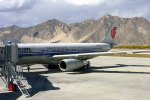
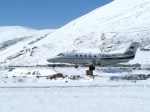
Chamdo Bamda Airport is the highest airport in the world, at an elevation of 4,334 metres (14,219 ft).
tibet military occupation daocheng yading airport garze sichuan province
tibet military occupation lhasa airport
tibet military occupation lhasa gonggar airport
OLYMPUS DIGITAL CAMERA
tibet military occupation qmado bangda airport
RED DRAGON – RED CHINA – OCCUPIER OF TIBET: ARCHAEOLOGICAL FINDINGS SUGGEST THAT PEOPLE OF ANCIENT TIBET HAD FACED THREATS OF FOREIGN CONQUESTS.








![[IMG]](https://i0.wp.com/img.niticentral.com/2015/08/840x420xtibet-airlines-airbus-A319-115-fsx2-840x420.jpg.pagespeed.ic.inMKE02TwQ.jpg)




 Whole Dude - Whole Concept