BEIJING DOOMED – CHINA’S DOOMSDAY DILEMMA

BEIJING DOOMED – CHINA’S DOOMSDAY DILEMMA

Beijing Doomed – China’s Doomsday Dilemma. Doom is just a stone’s throw away.

Thubten Samphel, Director of Tibet Policy Institute of Central Tibetan Administration described China’s Dalai Lama Dilemma.
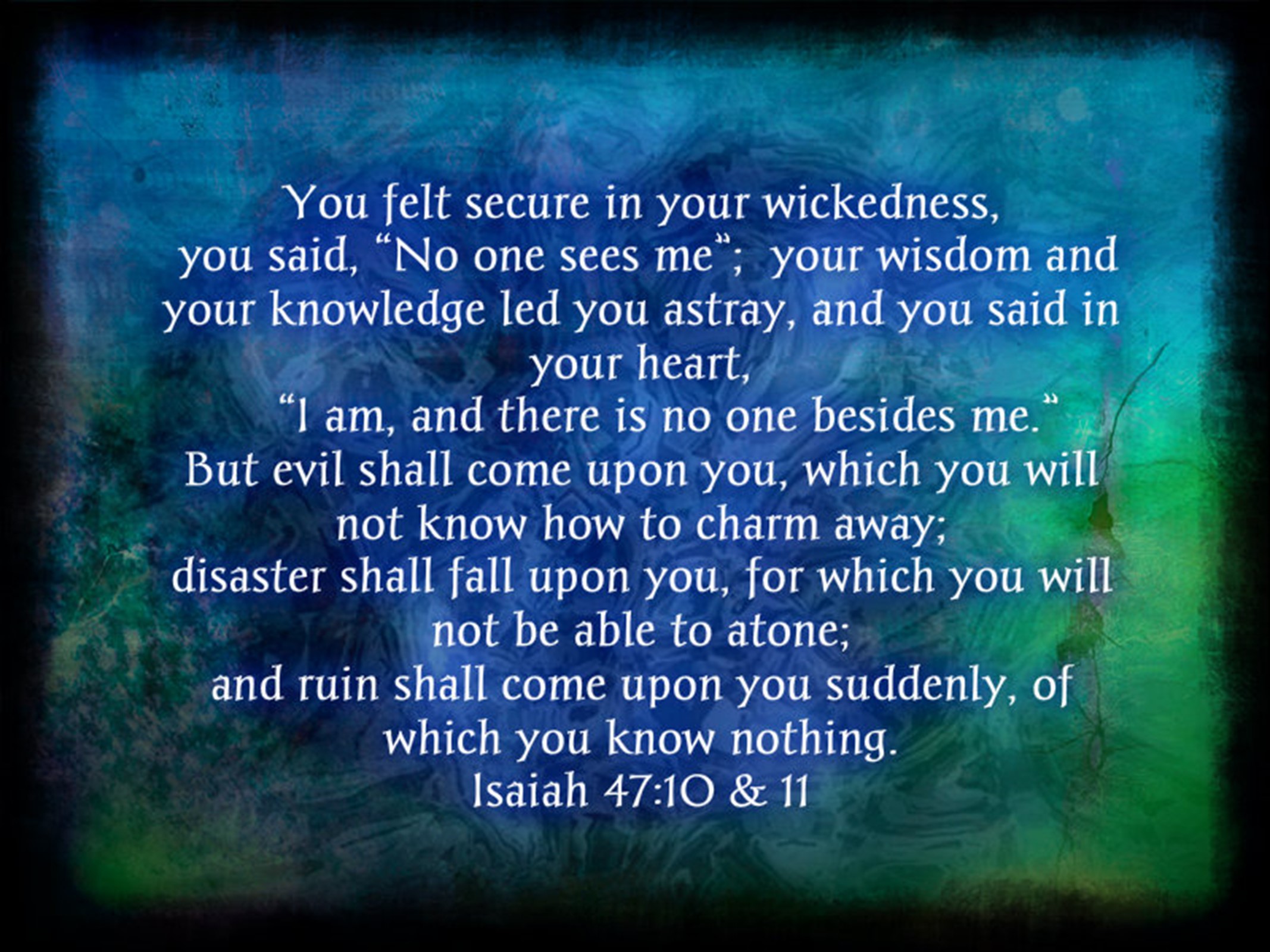
Beijing Doomed – China’s Doomsday Dilemma. No atonement to avoid disaster.

In my analysis, China must open her eyes to Doomsday Revelation shared by Doom Dooma Doomsayer. In my view, Beijing awaits catastrophe, disaster, calamity, cataclysm, apocalypse, or Doom as described in The Book of Revelation, Chapter 18.

Beijing Doomed – China’s Doomsday Dilemma. The Book of Revelation, Chapter 18 describes the downfall of evil empire.

China can be willing to pay the ransom but cannot ward off disaster which is just a stone’s throw away.

Rudranarasimham Rebbapragada

SPECIAL FRONTIER FORCE

Beijing Doomed – China’s Doomsday Dilemma. Doom is just a stone’s throw away.

CHINA’S DALAI LAMA DILEMMA – CENTRAL TIBETAN ADMINISTRATION

Clipped from: http://tibet.net/2018/07/chinas-dalai-lama-dilemma/

By Thubten Samphel

In his pursuit of the Chinese dream and the rejuvenation of the Chinese nation, President Xi Jinping has relentlessly tightened Party discipline and its grip on society. He has launched the Belt and Road Initiative (BRI), a project to vastly improve connectivity on land and at sea between Africa, the Middle East, and Europe through the construction of highways, airports, rail, and ports to facilitate trade and commerce between continents. It is hoped that Chinese investment in 64 countries would facilitate the flow of goods, minerals, gas, and foodstuff to China to keep its domestic economy humming and strengthen its outward power projection.

Under Xi, China has asserted its claims of sovereignty over the South China Sea not only through words but by concrete action. It is constructing artificial islands, which are being weaponized.

Xi’s China makes another claim of sovereignty over cyberspace. It is succeeding to a surprising degree. What information goes out of China and is allowed into the country is monitored and controlled by the Chinese Communist Party. Other authoritarian regimes are following suit.

China makes another claim of sovereignty. This time it is over Tibet’s spiritual space.  Whether the Party will succeed or not is another matter but its determination to do so is clear from a number of projects and policy directions.

In 2007, the Party issued a directive “the management measures for the reincarnation of living Buddhas in Tibetan Buddhism.” It is also known as order number five. Reincarnating Tibetan lamas must submit a “reincarnation application” to the Party for their reincarnation to be “approved.”

In 2016, China launched an online database of all reincarnating Tibetan lamas. Those not on the database are not “living Buddhas” in the Party’s eyes. And the Dalai Lama is not on the database.

Here the Party is confronted by the Dalai Lama dilemma. The Party wants the 15th Dalai Lama but not the 14th, who some senior cadres “ordered” him to reincarnate. In pursuit of this goal, the Party is moving aggressively in areas and countries that were not the fields of activities of the United Front, a Party organ considered its “magic weapon.”
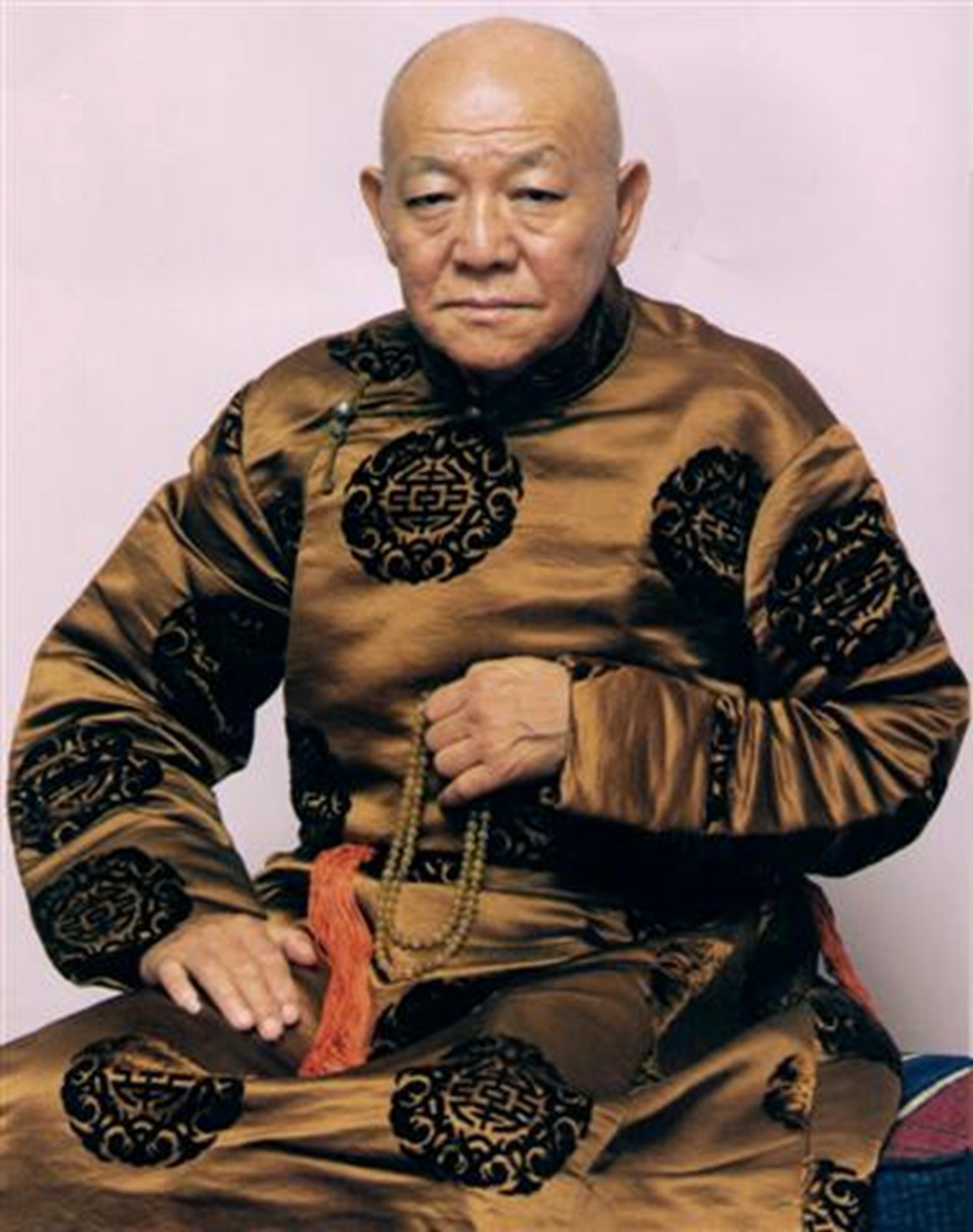
China’s Dalai Lama Dilemma. Khalkha Jetsun Dampa, Director of Tibet Policy Institute, Central Tibetan Administration.

                                     Khalkha Jetsun Dampa

Mongolia is the new field of activities of the United Front. These activities are made easier because Mongolia, a vast landlocked country with only two neighbors, China and Russia, is beholden to its powerful and dynamic southern neighbor for its economic wellbeing.  China is exploiting this Mongol vulnerability to “guide” Mongolia in its selection of Khalkha Jetsun Dampa, Mongolia’s highest reincarnate lama, whose previous reincarnation lived in Dharamsala for many years. China wants Mongolia to select the next reincarnation without any consultation with the Dalai Lama.

But the problem for China is that the Dalai Lama is enthroned at the very top of Tibet’s spiritual hierarchy. Reincarnating lamas’ spiritual legitimacy and acceptance by people, be they Tibetans, Mongolians or throughout the Buddhist Himalayan belt, derives from his recognition.

But China makes no pretense of its game plan in playing in Tibet’s spiritual realm. It is promoting the Beijing-appointed Panchen Lama, creating important platforms for him to gain wider acceptance. It is also promoting the late 10th Panchen Lama’s daughter in the hope she will throw her father’s spiritual weight to the Party’s choice of the next Dalai Lama. Beijing has lined up and is grooming young Tibetan lamas to help it choose the 15th Dalai Lama and to show to the world that there is Tibetan Buddhist church’s acceptance of its choice.

In making this plan’s the Party hopes that without a shot being fired it could appropriate the crown jewel of Tibet’s civilization and along with it the worldwide goodwill the present Dalai Lama has created for Tibet and its culture.

The problem for China is that the concept of reincarnation is a matter of faith and cannot be imposed through administrative diktat. That faith will be guided by the actions of the heads of all four schools of Tibetan Buddhism and that of Bon, Tibet’s homegrown religion, who fortunately are all in India. Above all, it will be determined by the decision of the 14th Dalai Lama.

*Thubten Samphel is the director of the Tibet Policy Institute, a research center of the Central Tibetan Administration. Views expressed here do not necessarily reflect those of the TPI.
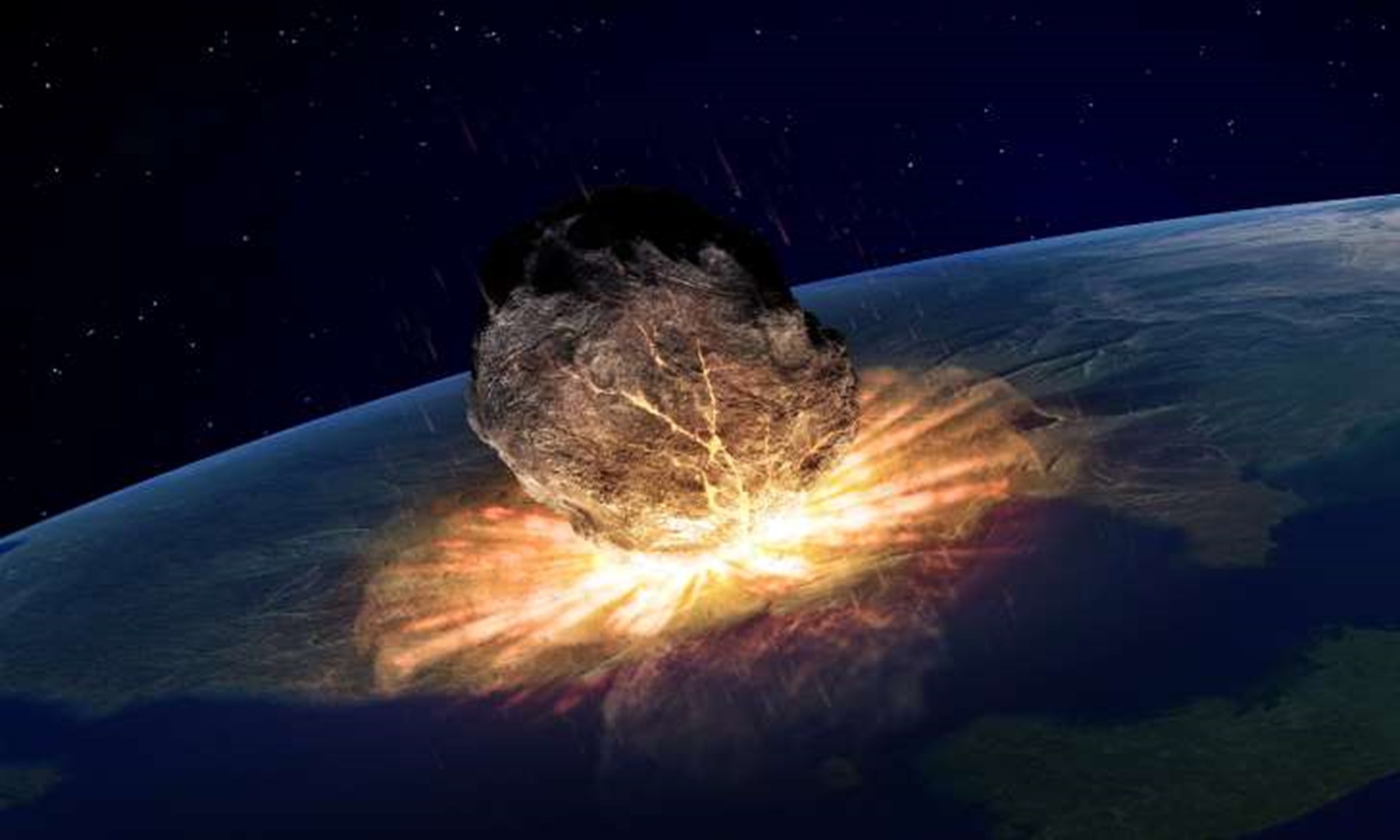
Beijing Doomed – China’s Doomsday Dilemma.


UNITED STATES OPPOSES TIBET’S MILITARY OCCUPATION

UNITED STATES OPPOSES TIBET’S MILITARY OCCUPATION

UNITED STATES OPPOSES TIBET'S MILITARY OCCUPATION WHILE THE DALAI LAMA IS FIGHTING THE PROBLEM WITH WISDOM AND COMPASSION AS HIS WEAPONS.
UNITED STATES OPPOSES TIBET’S MILITARY OCCUPATION WHILE THE DALAI LAMA IS FIGHTING THE PROBLEM WITH WISDOM AND COMPASSION AS HIS WEAPONS.

I am pleased to share Inquirer Opinion titled ‘TIBET AFTER THE DALAI LAMA’ authored by Brahma Chellaney. In his analysis, there is no specific mention about the United States and to the fact that US firmly stands opposed to Tibet’s military occupation. His Holiness the 14th Dalai Lama is addressing this problem with great patience and perseverance and has been fighting the challenge imposed by military occupation using Wisdom and Compassion as his only weapons. After the Dalai Lama, it is indeed true that there may not be another Spiritual Leader to provide guidance to tackle this problem causing misery, pain, and suffering to millions of Tibetans whose natural rights to Freedom are destroyed.

UNITED STATES OPPOSES TIBET'S MILITARY OCCUPATION. AFTER THE DALAI LAMA, RED CHINA IS DOOMED FOR HER FATE IS SEALED. DOOMSAYER OF DOOM DOOMA PREDICTS A CALAMITY THAT WILL CAUSE RED CHINA'S SUDDEN DOWNFALL.
UNITED STATES OPPOSES TIBET’S MILITARY OCCUPATION. AFTER THE DALAI LAMA, RED CHINA IS DOOMED FOR HER FATE IS SEALED. DOOMSAYER OF DOOM DOOMA PREDICTS A CALAMITY THAT WILL CAUSE RED CHINA’S SUDDEN DOWNFALL.

If human actions and human interventions fail to remove the problem of military occupation, I would expect a divine remedy in the form of an unexpected calamity, disaster, or catastrophe that Red China cannot ward off and from which Red China can save herself.

Rudranarasimham Rebbapragada
Ann Arbor, MI 48104-4162, USA
The Spirits of Special Frontier Force

 
  image          
The Spirits of Special Frontier ForceSpecial Frontier Force is a military organization funded by United States to secure Freedom &…
 
View on www.facebook.com Preview by Yahoo


INQUIRER.net

TIBET AFTER THE DALAI LAMA


By: BRAHMA CHELLANEY

TIBET AFTER THE DALAI LAMA - OPINION OF  BRAHMA CHELLANEY -  A PROFESSOR OF STRATEGIC STUDIES AT THE INDEPENDENT CENTRE FOR POLICY RESEARCH IN NEW DELHI.
TIBET AFTER THE DALAI LAMA – OPINION OF BRAHMA CHELLANEY – A PROFESSOR OF STRATEGIC STUDIES AT THE INDEPENDENT CENTRE FOR POLICY RESEARCH IN NEW DELHI.
 

01:16 AM July 8th, 2015

By: BRAHMA CHELLANEY July 8th, 2015 01:16 AM

NEW DELHI—On the 80th birthday of the 14th Dalai Lama, who has been in exile in India since 1959, Tibet’s future looks more uncertain than ever. During his reign, the Dalai Lama has seen his homeland—the world’s largest and highest plateau—lose its independence to China. Once he dies, China is likely to install a puppet as his successor, potentially eroding the institution.

China already appointed its pawn to the second-highest position in Tibetan Buddhism, the Panchen Lama, in 1995, after abducting the Tibetans’ six-year-old appointee, who had just been confirmed by the Dalai Lama. Twenty years later, the rightful Panchen Lama now ranks among the world’s longest-serving political prisoners. China also appointed the Tibetans’ third-highest religious figure, the Karmapa; but in 1999, at age 14, he fled to India.

This year marks one more meaningful anniversary for Tibet: the 50th anniversary of the founding of what China calls the “Tibet Autonomous Region.” The name is highly misleading. In fact, Tibet is ruled by China, and half of its historic territory has been incorporated into other Chinese provinces.

With its conquest of Tibet in 1950-1951, China enlarged its landmass by more than one-third and fundamentally altered Asia’s geostrategic landscape. China became neighbors with India, Nepal and Bhutan, and gained control over the region’s major river systems. Rivers that originate in water-rich Tibet are vital to support the world’s two most populous countries, China and India, as well as the arc of countries stretching from Afghanistan to Vietnam.

For China, capturing the 437-year-old institution of the Dalai Lama appears to be the final step in securing its hold over Tibet. After all, since fleeing to India, the Dalai Lama—Tibet’s rightful political and spiritual leader (though he ceded his political role to a democratically elected government in exile in 2011)—has been the public face of resistance to Chinese control of Tibet. In recent years, however, China has employed its growing influence—underpinned by the threat of diplomatic and economic pain—to compel a growing number of countries not to receive the Dalai Lama, thereby reducing his international visibility.

China’s government, having issued a decree in 2007 that bans senior lamas from reincarnating without official permission, is essentially waiting for the current Dalai Lama to die, so that it can exercise its self-proclaimed exclusive authority to select his successor. China’s leaders seem not to be struck by the absurdity of an atheist government choosing a spiritual leader. It is as if Mussolini had claimed that only he, not the College of Cardinals, could appoint the pope.

The aging Dalai Lama has publicly discussed a range of unorthodox possibilities for the future disposition of his soul—from being reincarnated as a woman to naming his successor while he is still alive. Moreover, he has suggested that the next Dalai Lama will be found in the “free world,” implying that he will be reincarnated as a Tibetan exile or in India’s Tawang district, where the sixth Dalai Lama was born in the 17th century.

Such declarations have motivated China to claim, since 2006, India’s entire Arunachal Pradesh state as “South Tibet” and to press India, in the negotiations over the long-disputed Himalayan border, to relinquish at least the part of the Tawang district located in that state. But the declaration that has most infuriated China was the one he made last December, suggesting that he would be the last Dalai Lama.

China knows that there is every reason to expect that restive Tibet, whose people have largely scorned the Chinese-appointed Panchen Lama as a fraud, would not accept its chosen Dalai Lama. If the Dalai Lama issued clear guidelines about his own reincarnation, Tibetans would be even less likely to accept China’s appointment. The question is why the Dalai Lama has hesitated to do so.

The biggest risk stemming from the Dalai Lama’s passing is violent resistance to Chinese repression in Tibet. As it stands, the Dalai Lama’s commitment to nonviolence and conciliation—exemplified in his “middle way” approach, which aims for Tibet to gain autonomy, but not independence—is helping to ensure that Tibetan resistance to Chinese rule remains peaceful and avoids overt separatism.

Indeed, over the last 60 years, Tibetans have pursued a model resistance movement, untainted by any links with terrorism. Even as China’s repression of Tibet’s religious, cultural and linguistic heritage becomes increasingly severe, Tibetans have not taken up arms. Instead, they have protested through self-immolation, which 140 Tibetans have carried out since 2009.

But, once the current Dalai Lama is gone, this approach may not continue. Younger Tibetans already feel exasperated by China’s brutal methods—not to mention its sharp rebuff, including in a recent white paper, of the Dalai Lama’s overtures. Against this background, a Chinese-appointed “imposter” Dalai Lama could end up transforming a peaceful movement seeking autonomy into a violent underground struggle for independence.

Given that the rightful Dalai Lama would be a small child, and thus incapable of providing strong leadership to the resistance movement, such an outcome would be all the more likely. China exploited just such a situation, when the current Dalai Lama was only 15, to invade and occupy Tibet.

After the 13th Dalai Lama died in 1933, a leaderless Tibet was plagued by political intrigue, until the present Dalai Lama was formally enthroned in 1950. The next power vacuum in the Tibetan hierarchy could seal the fate of the Dalai Lama lineage and propel Tibet toward a violent future, with consequences that extend far beyond that vast plateau. Project Syndicate

Brahma Chellaney, professor of strategic studies at the New Delhi-based Center for Policy Research and fellow at the Robert Bosch Academy in Berlin, is the author of nine books, including “Asian Juggernaut, Water: Asia’s New Battleground”; and “Water, Peace, and War: Confronting the Global Water Crisis.”

TAGS: China, Dalai Lama, Panchen Lama, Tibet, Tibet Autonomous Region, Tibetan Buddhism


© Copyright 1997-2015 INQUIRER.net | All Rights Reserved

After the Dalai Lama - Beijing Is Doomed -Asteroid day - Tunguska event
After the Dalai Lama – Beijing Is Doomed -Asteroid day – Tunguska event
After the Dalai Lama - Doomsayer of Doom Dooma predicts Divine intervention to end Tibet's military occupation.
After the Dalai Lama – Doomsayer of Doom Dooma predicts Divine intervention to end Tibet’s military occupation.
After the Dalai Lama - Doomsayer of Doom Dooma - Bejing is Doomed
After the Dalai Lama – Doomsayer of Doom Dooma – Bejing is Doomed
After the Dalai Lama - Doomsayer of Doom Dooma predicts - Beijing is Doomed - Asteroid
After the Dalai Lama – Doomsayer of Doom Dooma predicts – Beijing is Doomed – Asteroid
After the Dalai Lama - Asteroid Day - Doomsday revelation - Beijing is Doomed
After the Dalai Lama – Asteroid Day – Doomsday revelation – Beijing is Doomed
After the Dalai Lama - Beijing Is Doomed - Asteroid Day - Doomsday prophecy
After the Dalai Lama – Beijing Is Doomed – Asteroid Day – Doomsday prophecy