I am a refugee nailed to the Cross in a Nation that Trusts in God
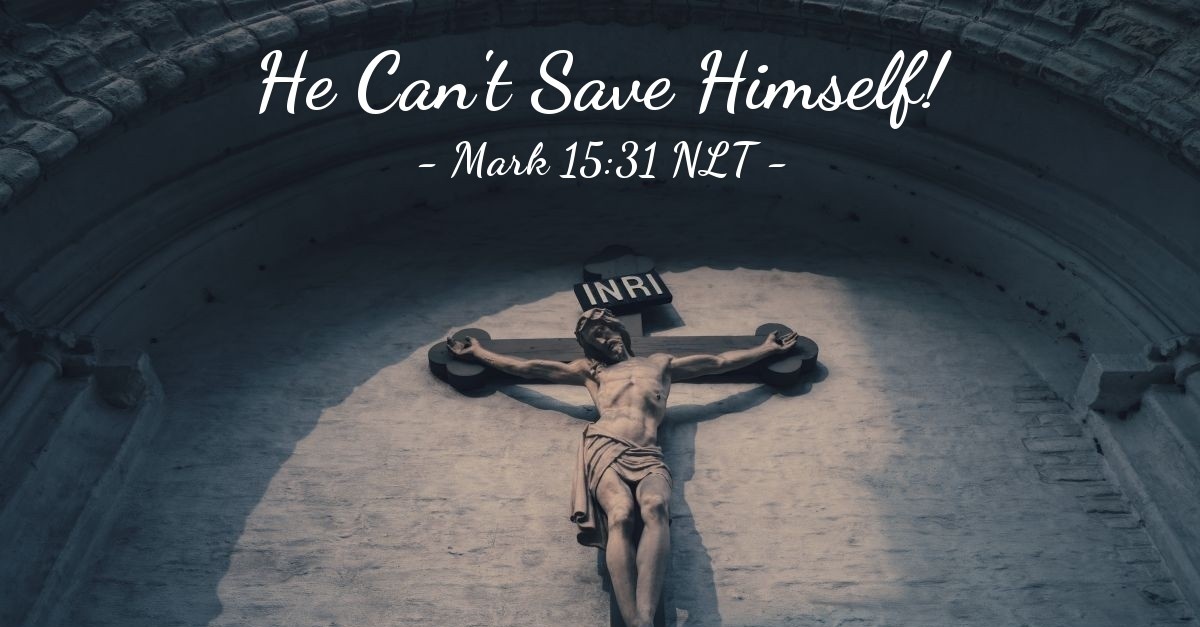
Whole Dude – Whole Trust – Whole Refugee: Special Service Award presented by all Officers, D-Sector, Establishment 22 on January 19, 1973Whole Dude – Whole Trust – Whole Refugee: I am nailed to the Cross to get to the Final Destination. Who am I? Why am I Like This? My physical identity keeps changing during all the phases of my Life. But, my Individuality remains the same and is not related to my Belief or Disbelief which is predestined.Whole Dude – Whole Trust – Whole Refugee: I am nailed to the Cross to get to the Final Destination. I am Simon Cyrene, the Twelfth disciple who took the place of Judas Iscariot during the earthly mission of Jesus Christ. The discipleship is always predestined by the Sovereign Grace and not by belief or disbelief, or free will.
I describe myself as Simon a Cyrenian bearing the burden of the cross under compulsion and following Jesus. I am drawn to follow Jesus and there is no free will involved. There are no exceptions to this rule.
Whole Dude – Whole Trust – Whole Refugee: I am nailed to the Cross to get to the Final Destination
I describe myself as the alien who carries the burden of the cross as Jesus slowly moves to reach His earthly destination. Jesus is spared from the burden of carrying the cross on the day of His crucifixion. My discipleship is predestined by the Sovereign Grace and not by my belief or disbelief, or free will.
I am in the City of Jerusalem and yet I am an alien for I am not a citizen of Rome, not a citizen of Israel, not a citizen of Judea, and not a citizen of Galilee. I follow Jesus but I have not yet entered the Kingdom of Heaven on Earth to claim the citizenship status.
Whole Dude – Whole Trust – Whole Refugee: I am nailed to the Cross to get to the Final Destination
For I describe myself as an alien, I bear the burden of the Cross as I painfully march towards my earthly destination and when the struggle finally reaches its conclusion, at the ninth hour, I ask myself, “My God, my God, Why have You forsaken me.”
Whole Dude – Whole Trust – Whole Refugee: I am nailed to the Cross to get to the Final Destination
“In God We Trust” – On JULY 30, 2024, I admit that I am a Refugee without a Refuge
On July 30, 2024, I reflect upon the National Motto that inspired my Journey to the United States. I arrived in the United States during the Presidency of Ronald Reagan.
Yes indeed, Life is Complicated. The complexities of the Life involve the complex political boundaries erected by people while the LORD God Creator is the One and Only One Owner of the Whole Planet.
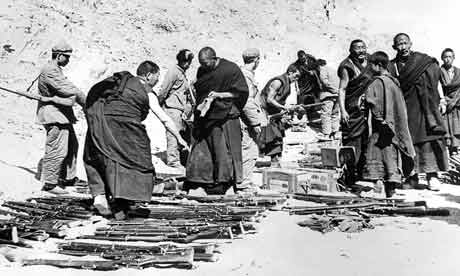
On July 30, 2024, I reflect upon the National Motto that inspired my Journey to the United States.Tibet Awareness – Project Circus. The quest for freedom in Occupied Tibet. A military training camp known as Camp Hale was established in Colorado under the supervision of CIA officers Roger E. McCarthy and John Reagan. On Saturday, July 30, 2024, I reflect on the National Motto to declare, “I am a Refugee without a Refuge.”“In God We Trust.” The Tibetan Resistance Movement trusts President Eisenhower. Mutual Trust, Respect, and Commitment formulate the US-India-Tibet Relations. On Tuesday, July 30, 2024, I reflect on the National Motto to declare, “I am a Refugee without a Refuge.”
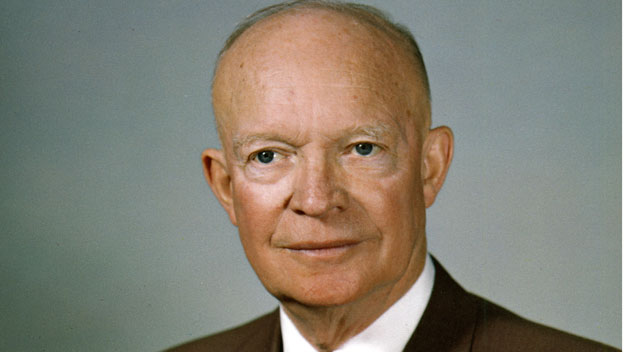
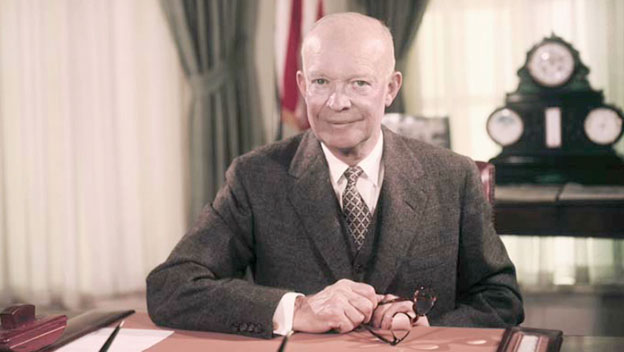
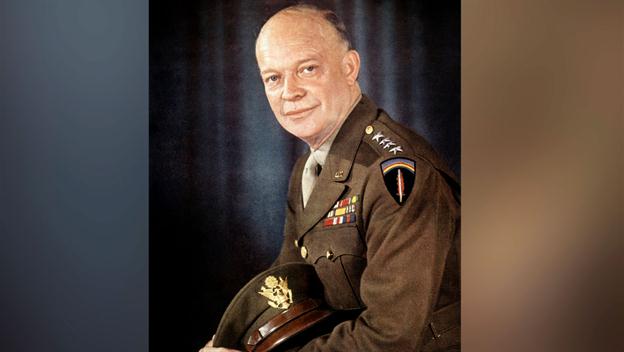
On July 30, 1956, US President Eisenhower signs “In God We Trust” into Law. The same year, President Eisenhower initiated action in support of the Tibetan Resistance Movement which contributed to the creation of a military organization known in India as the Special Frontier Force during the presidency of John F. Kennedy.
“In God We Trust.” – Special Frontier Force Trusts President Eisenhower. Trust, Respect, and Commitment formulate Relations between the US, India, and Tibet. On Tuesday, July 30, 2024, I reflect on the National Motto to declare, “I am a Refugee without a Refuge.”
President Eisenhower signs “In God We Trust” into law On this day in 1956, two years after pushing to have the phrase “under God” inserted into the pledge of allegiance, President Dwight D. Eisenhower signs a law officially declaring “In God We Trust” to be the nation’s official motto.
On July 30, 2024, I reflect upon the National Motto that inspired my Journey to the United States.
The law, Public Law. 84-140, also mandates that the phrase be printed on all American paper currency. The phrase had been placed on U.S. coins since the Civil War when, according to the historical association of the United States Treasury, religious sentiment reached a peak. Eisenhower’s treasury secretary, George Humphrey, had suggested adding the phrase to paper currency as well.
On July 30, 2024, I reflect upon the National Motto that inspired my Journey to the United States.On July 30, 2024, I reflect upon the National Motto that inspired my Journey to the United States.On July 30, 2024, I reflect upon the National Motto that inspired my Journey to the United States.On July 30, 2024, I reflect upon the National Motto that inspired my Journey to the United States.
Although some historical accounts claim Eisenhower was raised a Jehovah’s Witness, most presidential scholars now believe his family was Mennonite. Either way, Eisenhower abandoned his family’s religion before entering the Army and took the unusual step of being baptized relatively late in his adult life as a Presbyterian. The baptism took place in 1953, barely a year into his first term as president.
On July 30, 2024, I reflect upon the National Motto that inspired my Journey to the United States.
Although Eisenhower embraced religion, biographers insist he never intended to force his beliefs on anyone. In fact, the chapel-like structure near where he and his wife Mamie are buried on the grounds of his presidential library is called the “Place of Meditation” and is intentionally inter-denominational. At a Flag Day speech in 1954, he elaborated on his feelings about the place of religion in public life when he discussed why he had wanted to include “under God” in the pledge of allegiance: “In this way we are reaffirming the transcendence of religious faith in America’s heritage and future; in this way we shall constantly strengthen those spiritual weapons which forever will be our country’s most powerful resource in peace and war.”
On July 30, 2024, I reflect upon the National Motto that inspired my Journey to the United States.
The first paper money with the phrase “In God We Trust” was not printed until 1957. Since then, religious and secular groups have argued over the appropriateness and constitutionality of a motto that mentions “God,” considering the founding fathers’ dedication to maintaining the separation of church and state.
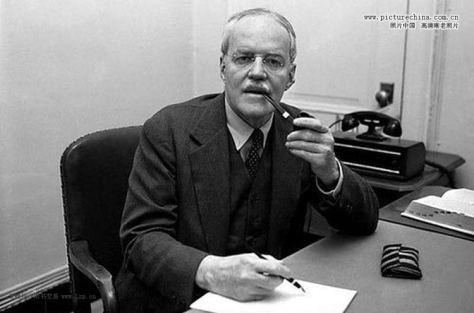
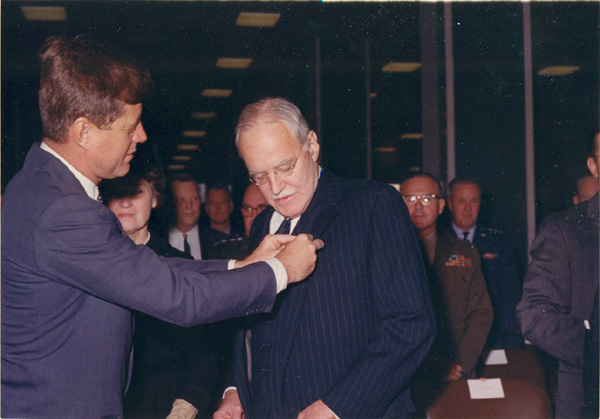
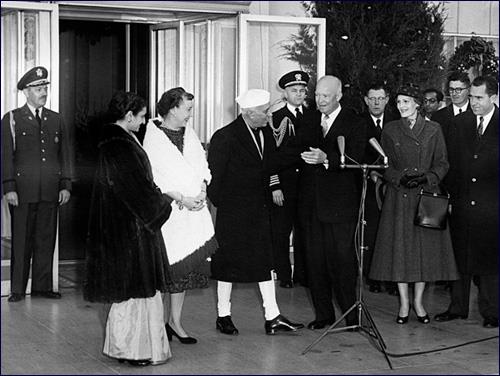
A U.S. Marine with “In God We Trust” printed on his helmet, waits in a bunker at Con Thien, two miles south of the demilitarized zone, Oct. 15, 1967. The Leathernecks have come under daily bombardment from Communist mortar and rocket positions in the DMZ. The Marine’s bunker is surrounded by sandbags, soggy from monsoon rains. (AP Photo/CJ). On July 30, 2024, I reflect upon the National Motto that inspired my Journey to the United States.“In God We Trust” – Special Frontier Force Trusts President Eisenhower. CIA Director Allen Welsh Dulles forged Trust derived relationships. On July 30, 2024, I reflect upon the National Motto that inspired my Journey to the United States.“In God We Trust” – Special Frontier Force Trusts President Eisenhower. CIA Director Allen Welsh Dulles, and President John F. Kennedy promoted national interests forging relationships. On July 30, 2024, I reflect upon the National Motto that inspired my Journey to the United States.The history of Special Frontier Force – Establishment No. 22 – Vikas Regiment: 1957 was a turning point. India had recognized that its foreign policy of political neutralism was of no use and had started depending upon the United States to address the military threat posed by China’s occupation of Tibet. But, the effort was too modest and both India and the United States had grossly underestimated the strength of the People’s Liberation Army. On July 30, 2024, I reflect upon the National Motto that inspired my Journey to the United States.“In God We Trust” – Special Frontier Force Trusts President Eisenhower. Trust in God is the Foundational Principle to formulate Foreign Relations. On July 30, 2024, I reflect upon the National Motto that inspired my Journey to the United States.“In God We Trust” – Special Frontier Force Trusts President Eisenhower. Trust in God is the Foundational Principle to define Foreign Policy. On July 30, 2024, I reflect upon the National Motto that inspired my Journey to the United States.“In God We Trust” – Special Frontier Force Trusts President Eisenhower. Trust is the Foundational Principle to define Relations. On July 30, 2024, I reflect upon the National Motto that inspired my Journey to the United States.“In God We Trust” – Special Frontier Force Trusts President Eisenhower. Belief in God, and Trust in Leadership. On July 30, 2024, I reflect upon the National Motto that inspired my Journey to the United States.“In God We Trust” – Special Frontier Force Trusts President Eisenhower. Trust survived the Test of Times. On July 30, 2024, I reflect upon the National Motto that inspired my Journey to the United States.“In God We Trust” – Special Frontier Force Trusts President Eisenhower for his principled Belief in God. On July 30, 2024, I reflect upon the National Motto that inspired my Journey to the United States.SPECIAL FRONTIER FORCE AT NATIONAL PRAYER BREAKFAST: THE HISTORY OF NATIONAL PRAYER BREAKFAST. IT WAS ORIGINALLY KNOWN AS PRESIDENTIAL PRAYER BREAKFAST. 34th US PRESIDENT EISENHOWER WITH 35th US PRESIDENT KENNEDY MET AT CAMP DAVID, MARYLAND ON APRIL 22, 1961. THEY FORMULATED THE US, INDIA, AND TIBET RELATIONS THAT CREATED SPECIAL FRONTIER FORCE. On July 30, 2024, I reflect upon the National Motto that inspired my Journey to the United States.“In God We Trust” – Special Frontier Force Trusts President Eisenhower who initiated Trusting Partnership between the US, India, and Tibet. On July 30, 2024, I reflect upon the National Motto that inspired my Journey to the United States.“In God We Trust” – Special Frontier Force Trusts President Eisenhower. December 16, 1956, witnessed a trusting relationship. Vice President Richard M. Nixon is my Witness. On July 30, 2024, I reflect upon the National Motto that inspired my Journey to the United States. “In God We Trust” – Special Frontier Force Trusts President Eisenhower. December 16, 1956. The US-India-Tibet Relations endure reflecting Trust. On July 30, 2024, I reflect upon the National Motto that inspired my Journey to the United States.“In God We Trust” – Special Frontier Force Trusts President Eisenhower. Relations derive Spiritual Strength from a Belief in God. On July 30, 2024, I reflect upon the National Motto that inspired my Journey to the United States..On July 30, 2024, I reflect upon the National Motto that inspired my Journey to the United States.On July 30, 2024, I reflect upon the National Motto that inspired my Journey to the United States.On July 30, 2024, I reflect upon the National Motto that inspired my Journey to the United States.On July 30, 2024, I reflect upon the National Motto that inspired my Journey to the United States.
“The reincarnation of the Dalai Lama is a historical, religious and political issue. There are established historical institutions and formalities for the reincarnation of the Dalai Lama,” Wang Neng Sheng, an official in the rank of vice minister in Tibet, told a small group of Indian journalists in Lhasa.
The Right to grant asylum to the next Dalai Lama.
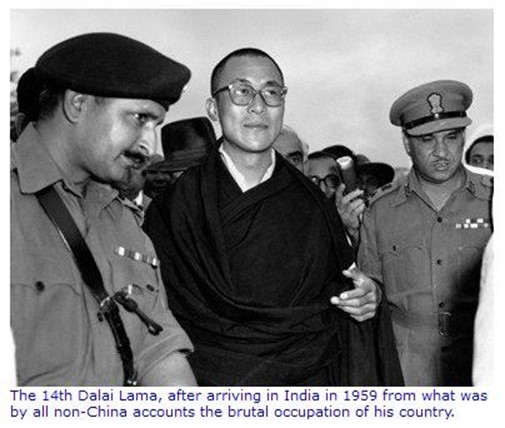
The 14th Dalai Lama fled to India in 1959 following a crackdown on an uprising by the local population in Tibet. (IE photo)
The successor of the Dalai Lama must be decided within China and any interference by India on the issue will impact bilateral ties, Chinese authorities have said. In first clear assertion on the sensitive issue, senior Chinese officials and experts said the reincarnation of the Dalai Lama must be approved by the Chinese government and the selection should take place within the country based on an over 200-year old historical process.
“The reincarnation of the Dalai Lama is a historical, religious and political issue. There are established historical institutions and formalities for the reincarnation of the Dalai Lama,” Wang Neng Sheng, an official in the rank of vice minister in Tibet, told a small group of Indian journalists in Lhasa. “The Dalai Lama’s reincarnation is not decided by his personal wish or by some group of people living in other countries,” he added.
Wang, the director general at the government of Tibet Autonomous Region, said the current Dalai Lama was recognized by Beijing and his successor must be found through the “draw of lots in golden urn process” within China. Echoing Wang’s views, Zha Luo, director at Beijing-based China Tibetology Research Centre, a government-run influential think tank, said any refusal by India to recognize the next Dalai Lama to be chosen within China will impact bilateral ties.
The 14th Dalai Lama fled to India in 1959 following a crackdown on an uprising by the local population in Tibet. India granted him political asylum and the Tibetan government-in-exile is based on Dharamsala in Himachal Pradesh since then.
The Dalai Lama is 84 years old now and the issue of his successor has gained prominence in the last couple of years. “It will be a major political difference that would impact bilateral relations and any wise political leader wouldn’t do that,” said Zha whose team advises central government on policy issues for Tibet said. He was asked what will happen if India refuses to recognize the next Dalai Lama chosen by China. “Since the reincarnation of the Dalai Lama is an important issue for China any friendly country or friend of China would not interfere or meddle on the issue,” he added. Zha, however, called it a hypothetical answer to a hypothetical question. India has maintained its stand on the Dalai Lama.
“Government of India’s position on His Holiness the Dalai Lama is clear and consistent. He is a revered religious leader and is deeply respected by the people of India. There is no change in that position. His Holiness is accorded all freedom to carry out his religious activities in India,” Ministry of External Affairs spokesperson had told a media briefings in March last year.
Wang said the process of selecting the next Dalai Lama must follow two clear steps: “It must go to draw of lots in the golden urn and the reincarnation must be recognized by the central government.” He said the “centrality” of the central government must be recognized and that any personal move by the current Dalai Lama on the issue is not going to be recognized by Chinese government or religious followers in Tibet.
“It was with the central government’s recognition that the Dalai Lama became the 14th Dalai Lama. Otherwise, he wouldn’t have been in that position,” Wang said. He alleged that the Dalai Lama has been “inciting” and “misguiding” young Tibetan people for his political motives.
Asked about the Dalai Lama’s comments that he was ready to accept Tibet as part of China, Wang said he has been resorting to political rhetoric without taking any action. “He still believes that Tibet is an independent country. Without any concrete moves from his side, his words do not mean anything,” he added. He said there were around 10 rounds of discussions between private representatives of the Dalai Lama and Beijing. The last round took place in 2011 in Beijing.
“The discussions were about the future of the Dalai Lama and did not include or touch on the topic of future of Tibet as a part of China’s sovereign territory,” Wang said. The Indian government had issued a note nearly a year back to senior officials, asking them not to attend events organized by the Tibetan government-in-exile. India has also been supporting the ‘One China’ policy, which states that Taiwan and Tibet are part of China’s mainland. Beijing made the ‘One-China’ policy a prerequisite for countries to establish diplomatic ties with it.
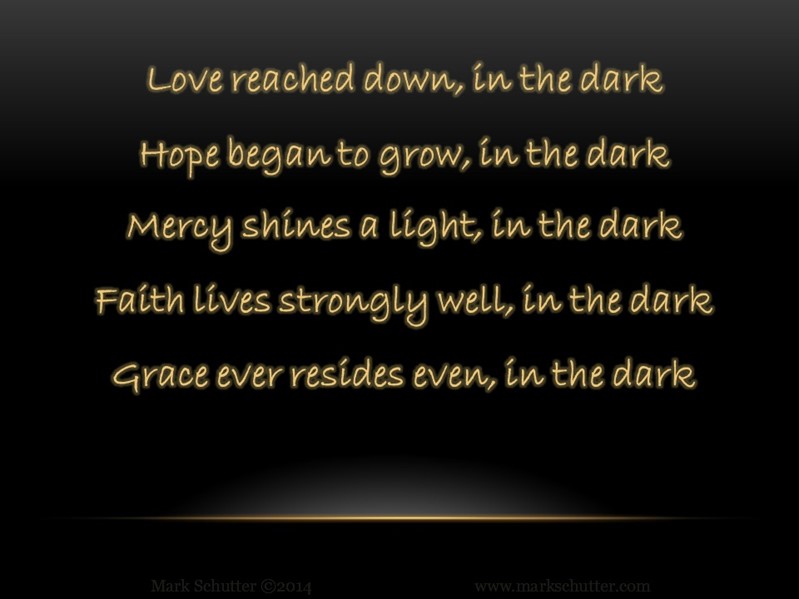
I AM A REFUGEE FINDING HOPE IN THE PERIOD OF DARKNESS.
I am a Refugee finding Hope in the Period of Darkness.
“We Tibetans are eternally grateful to the lineage of the Dalai Lamas and ever more so to His Holiness the 14th Dalai Lama for being our ray of hope and our source of strength in our times of darkness,” it said.
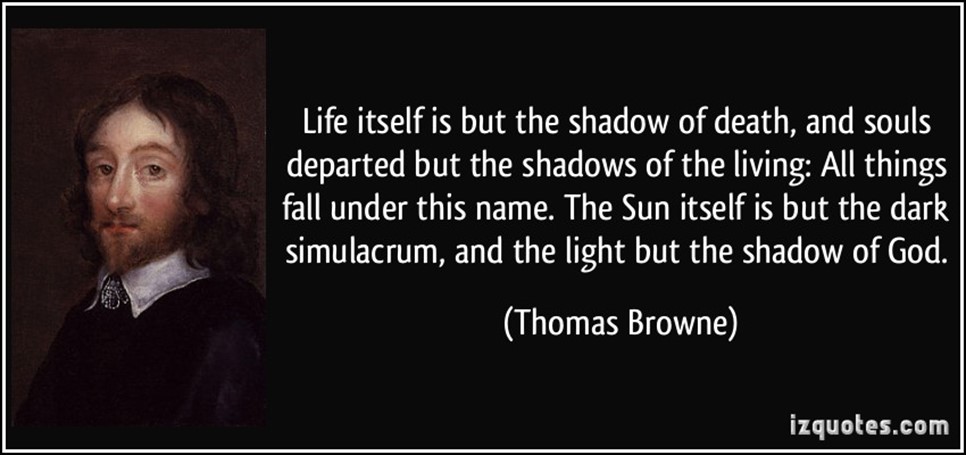
On behalf of ‘The Living Tibetan Spirits’, I pay my tribute to His Holiness the 14th Dalai Lama for giving me hope while I live my Life Under Shadow, envelope of Utter Darkness.
Rudranarasimham Rebbapragada
SPECIAL FRONTIER FORCE
I am a Refugee finding Hope in the Period of Darkness.
Tibet’s exile gov’t praises Dalai Lama on his 84th birthday – The Mainichi
I am a Refugee finding Hope in the Period of Darkness.
File photo taken in April 2019 shows the Tibetan spiritual leader, the 14th Dalai Lama. (Kyodo)
NEW DELHI (Kyodo) — The advisory board of the Tibetan government-in-exile released a statement celebrating the 84th birthday of the Dalai Lama on Saturday.
“We Tibetans are eternally grateful to the lineage of the Dalai Lamas and ever more so to His Holiness the 14th Dalai Lama for being our ray of hope and our source of strength in our times of darkness,” it said.
The statement said that, 60 years into exile, Tibetan cultural identity has been revived and preserved, a full-fledged democratic Central Tibetan Administration has been established, and “the spirit of Tibetans inside and outside Tibet remain strong and united.”
It added that the “Middle Way Approach” in resolving the Tibet issue through dialogue continues to be widely supported by many countries.
Born on July 6, 1935, in northeastern Tibet, the exiled spiritual leader was recognized as the reincarnation of the 13th Dalai Lama, Thubten Gyatso, at the age of 2.
In March 1959, the 14th Dalai Lama fled to India following a failed Tibetan uprising in 1959 against China’s control of the Buddhist region high in the Himalayas. He later set up the government-in-exile in Dharamsala, northern India.
He was awarded the Nobel Peace Prize in 1989 for his non-violent campaign for Tibet democracy and its people’s freedom but China always considers him as a hostile being for splitting Tibet from China. The Chinese government regards him as a dangerous separatist.
Succession plans for the octogenarian have been an issue of interest in recent years.
In April this year, he was discharged from a hospital in India’s capital New Delhi where he had been diagnosed with a chest infection.
I am a Refugee finding Hope in the Period of Darkness.
THE THREE-DIMENSIONS OF FEMALE REINCARNATION OF THE DALAI LAMA DESCRIBE THE IDEALS OF TIBETAN NATIONALISM.
Tibetan Nationalism is Defined by the Ideals of Truth, Bliss, and Beauty.
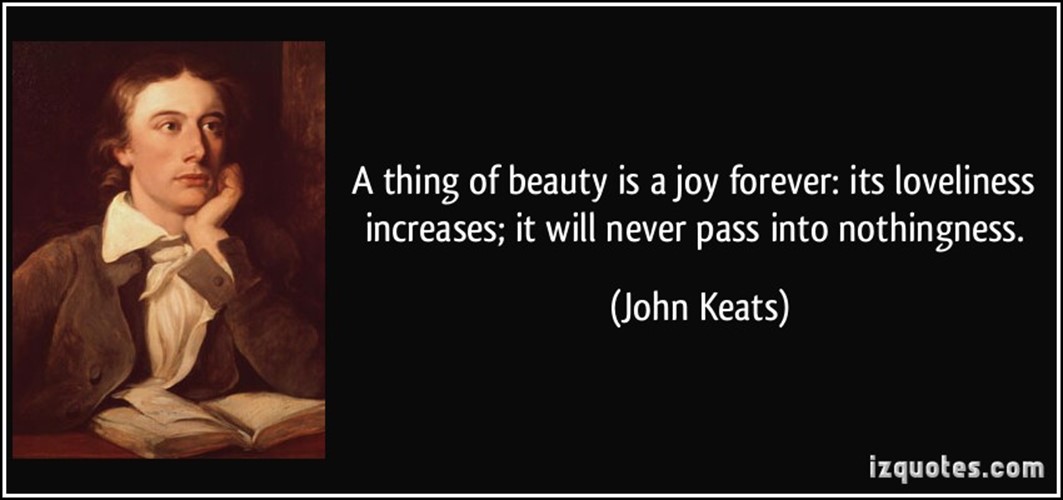
The Female Reincarnation of the Dalai Lama will be a ‘Thing of Beauty’ for it is Beauty accompanied by the Dimensions of Truth and Bliss. Buddha, the Most Compassionate Being has Three Dimensions. These are 1. Satyam (Truth), 2. Shivam (Bliss), and 3. Sundaram (Beauty).
Tibetan Nationalism will always be inspired by the highest ideals of humanity. The Female Reincarnation of the Dalai Lama will bring a Great “Joy Forever.”
Rudranarasimham Rebbapragada
Special Frontier Force
Tibetan Nationalism is Defined by the Ideals of Truth, Bliss, and Beauty.
The Dalai Lama has apologized for controversial comments about the possibility of a woman succeeding him.
Speaking to the BBC last month, the Tibetan spiritual leader had said that any future female Dalai Lama should be “attractive”.
But a statement from his office apologized for his words, suggesting it had been a joke.
“He is deeply sorry that people have been hurt by what he said and offers his sincere apologies,” it said.
In the interview, the spiritual leader, who is 84 this week, touched on topics including US President Donald Trump, his dreams of returning to Tibet, and refugees.
However, it was his comments on the prospect of a female Dalai Lama that raised eyebrows.
“If a female Dalai Lama comes, she should be more attractive,” he said in English, while laughing
The statement apologized for any offence caused and put it down to a misunderstood joke.
The Dalai Lama “has a keen sense of the contradictions between the materialistic, globalized world he encounters on his travels and the complex, more esoteric ideas about reincarnation that are at the heart of Tibetan Buddhist tradition”, the statement said.
“However, it sometimes happens that remarks, which might be amusing in one cultural context, lose their humor in translation when brought into another. He regrets any offence that may have been given.”
Throughout his life, the Dalai Lama has opposed the objectification of women and supported gender equality, it added.
The statement also said comments in which he said refugees in the European Union should ultimately return home “may have been misinterpreted.”
“He certainly appreciates that many of those who leave their countries may not wish or be able to return,” it said,
However, there was no apology for his comments on Mr. Trump who, he said, had a “lack of moral principle.”
Watch: ‘Dalai Lama reaffirms belief female successor would have to be attractive’ (The Independent)
Tibetan Nationalism is inspired by the Ideals of Truth, Bliss, and Beauty.Tibetan Nationalism is Defined by the Ideals of Truth, Bliss, and Beauty.
TIBETAN EXISTENCE. TO TWEET OR NOT TO TWEET IS THE QUESTION FOR THE FUTURE DALAI LAMA
Tibetan Existence. To tweet or not to tweet is the question for the future Dalai Lama.
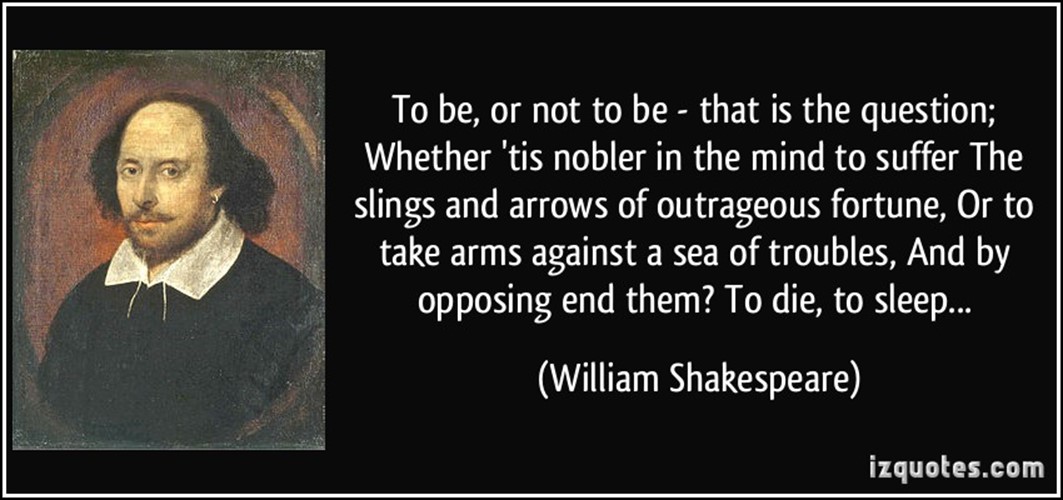
“To be, or not to be – that is the question.” Tibetan Existence is truly endangered by relentless, brutal military occupation since 1950. Tibetans face just one question. The question is, “How to Oppose the Occupation of Tibet?” Nothing else really matters. To tweet or not to tweet is the question for the future Dalai Lama.
Rudranarasimham Rebbapragada
Special Frontier Force
Tibetan Existence. To tweet or not to tweet is the question for the future Dalai Lama.
Twitter is canceling the Dalai Lama because he said a female successor should be ‘attractive’
Tibetan Existence. To tweet or not to tweet is the question for the future Dalai Lama.
The fourteenth Dalai Lama (83 years) and the spiritual guru of the Buddhists from Tibet (Photo by Pallava Bagla/Corbis via Getty Images)
The Dalai Lama, the exiled spiritual leader of Tibetan Buddhism, and the 14th person to hold the title, made waves this week when he said his successor, if a woman, needs to be physically attractive.
Rajini Vaidyanathan
✔ @BBCRajiniV
This was perhaps the most surprising moment in the interview. I asked the Dalai Lama if he stood by his earlier comment that if his successor was female, she should be attractive.
Tibetan Existence. To tweet or not to tweet is the question for the future Dalai Lama.
“You once said that you would be open to a female successor,” BBC News reporter Rajini Vaidyanathan asked the religious leader, in a video interview published Thursday on Twitter.
“That’s also possible,” the Dalai Lama confirmed.
“You also told one of my colleagues that, that female must be attractive, otherwise it’s not much use,” she continued. “…Can you see why that comment upset a lot of women?”
The Dalai Lama answered, “If a female Dalai Lama comes, she should be more attractive.” If not, “people, I think prefer, not see her, that face.”
The reporter asked, “It’s about who you are inside, isn’t it?”
“Yes, I think both,” he said. “Real beauty is inner beauty, that’s true. But we’re human beings. I think the appearance is also important.”
The religious leader also suggested that most people would prefer not to look at a “dead face” and argued that women in the public eye should wear makeup.
People took issue with his comments, calling his holiness “canceled.”
Author Jessica Valenti tweeted that this moment was “about as 2019 as it gets.”
Others just felt disappointed.
Some called out what they felt was the absurdity of his comments and made jokes.
One person even suggested singer and icon Dolly Parton step into the role.
These weren’t the only remarks the Dalai Lama made that raised eyebrows this week. He also told the BBC that European nations should be obliged to take in those who are fleeing their home countries, but that those people should ultimately be taught skills and return home, saying, “European countries should take these refugees and give them education and training, and the aim is – return to their own land with certain skills.”
He continued, “But the whole of Europe [will] eventually become Muslim country – impossible. Or African country, also impossible.”
Tibetan Existence. To tweet or not to tweet is the question for the future Dalai Lama.
I am a Refugee hosting ‘The Living Tibetan Spirits’ in my consciousness. I am disappointed with President Trump’s “Keep America First Policy” for he placed the Great Tibet Problem on ‘The Back Burner’.
Rudranarasimham Rebbapragada
SPECIAL FRONTIER FORCE
The Dalai Lama on Trump.
The Dalai Lama on Trump, women and going home – BBC News
He is, without a doubt, one of the best-known people on the planet. In an age where celebrity is worshipped, the Dalai Lama is a faith leader who has become a spiritual superstar.
As he approaches his 84th birthday, the monk who has handed out millions of handshakes and crafted as many inspirational quotes, is candid and at times shocking.
I met him at his residence high in the mountains, in the town of McLeod-Ganj near Dharamshala in the northern Indian state of Himachal Pradesh.
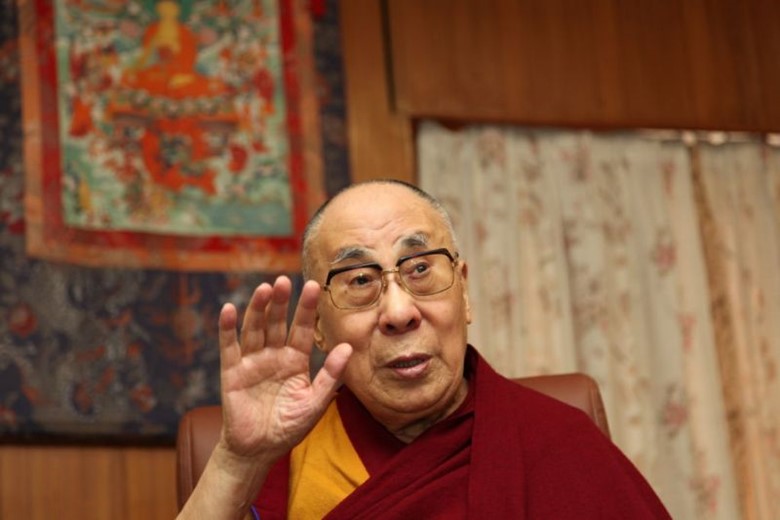
For a man so revered – seen as superhuman by many – he was refreshingly down to Earth. As he entered the room wearing his trademark red robes, assisted by his aides, he emanated the air of an approachable Clark Kent rather than an unearthly Superman.
And yet this is a man who has met world leaders and shared stages with pop stars and actors. A man who has long been a thorn in China’s side.
“One Chinese official once called me a demon,” he said laughing, before raising his hands to his head to mimic horns. “When I first heard that, my response was – yes, I’m a demon with horns.”
“I pity their ignorance, their political thinking is very narrow minded,” he added as he chuckled.
The Dalai Lama on Trump.
Image caption The view from the Dalai Lama’s residence in the northern Indian state of Himachal Pradesh
The grudge with China is longstanding and has defined his entire life. The Dalai Lama was forced to flee his home of Tibet in 1959 after China sent troops into the region.
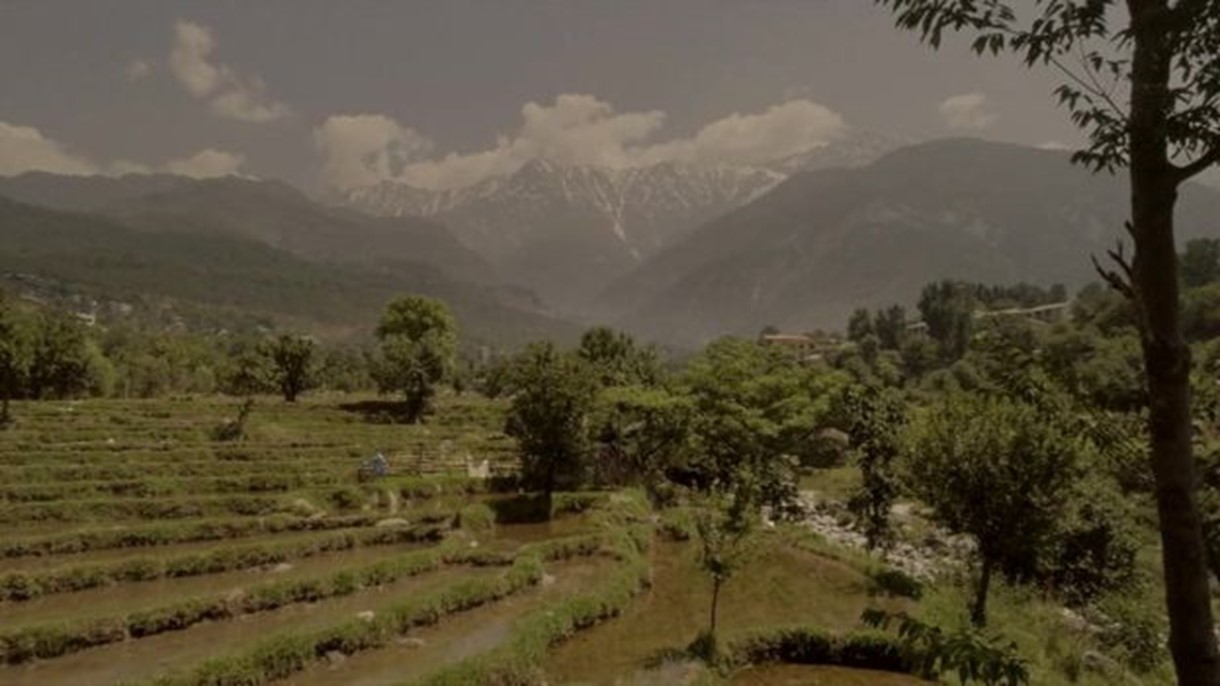
He sought refuge in India and for six decades has been living in exile in Dharamsala along with some 10,000 Tibetans. His monastery – which overlooks the snow-capped peaks of the Dhauladhar range in the Himalayas – is breathtakingly beautiful. But the view is bittersweet.
His life’s cause – to return home – remains a distant dream, even if he insists it may yet happen. “The Tibetan people have trust in me, they ask me [to] come to Tibet,” he says.
But in the next breath he adds that India has also become his “spiritual home”. An implicit acceptance, perhaps, that his goal of an autonomous Tibet is far from reality.
While he “formally” stepped down from political responsibilities in 2011, as the spiritual leader of the Tibetan people he has continued to be their figurehead.
The Dalai Lama on Trump
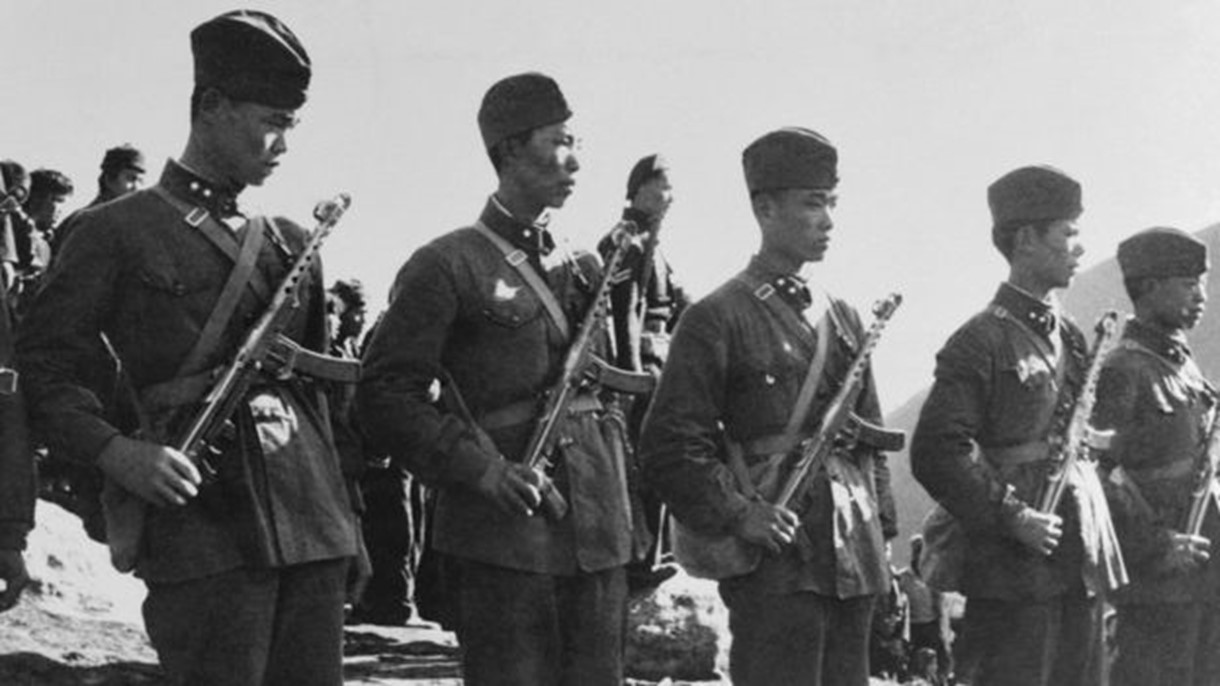
Image copyright Getty Images Image caption Chinese troops stand guard near the Tibet border in 1959
There haven’t been talks between his representatives and China for many years.
The Dalai Lama told me China’s President Xi Jinping had yet to ask him for a meeting. He did tell me that he had had some discussions with retired Chinese officials in the past few years, but none of these seem to have moved the dial.
In the 1950s, when China first sent troops in, Tibet was poor. Now it is an economic behemoth and its growing influence has in many ways overshadowed the Dalai Lama’s cause.
There was a time when the Dalai Lama was the toast of capitals around the world as US presidents lined up to meet him. George W Bush famously presented him with the Congressional gold medal while Barack Obama met him on several occasions, including in Delhi in 2017 after he left office.
But relations with the current occupant of the White House are very different. Despite being open to a meeting with President Donald Trump, the Dalai Lama told me that Mr. Trump, who is close to China’s Xi, had never asked for one.
The Dalai Lama’s advancing years may have curtailed his foreign travel schedule, but the spiritual leader says he hasn’t received a call from Mr. Trump either.
In a scathing assessment, he said the 45th president’s time in office was defined by a “lack of moral principle”, a contrast to remarks made in 2016 when he said he had “no worries” about a Trump presidency.
“When he became president, he expressed America first. That is wrong,” the Dalai Lama told me.
The withdrawal from the Paris climate accord and the migrant crisis are two big areas of concern. “When I saw pictures of some of those young children, I was sad,” he said of the situation at the US-Mexico border. “America… should take a global responsibility.”
The Dalai Lama is keen to separate his relationship with the president, or lack of one, with that of other American politicians. He highlights the vice-president’s support for the Tibetan people and the backing he has enjoyed from politicians in both houses of Congress.
President Trump’s apparent snub is reflective of the wider pressure Beijing can exert on those who engage with the Dalai Lama.
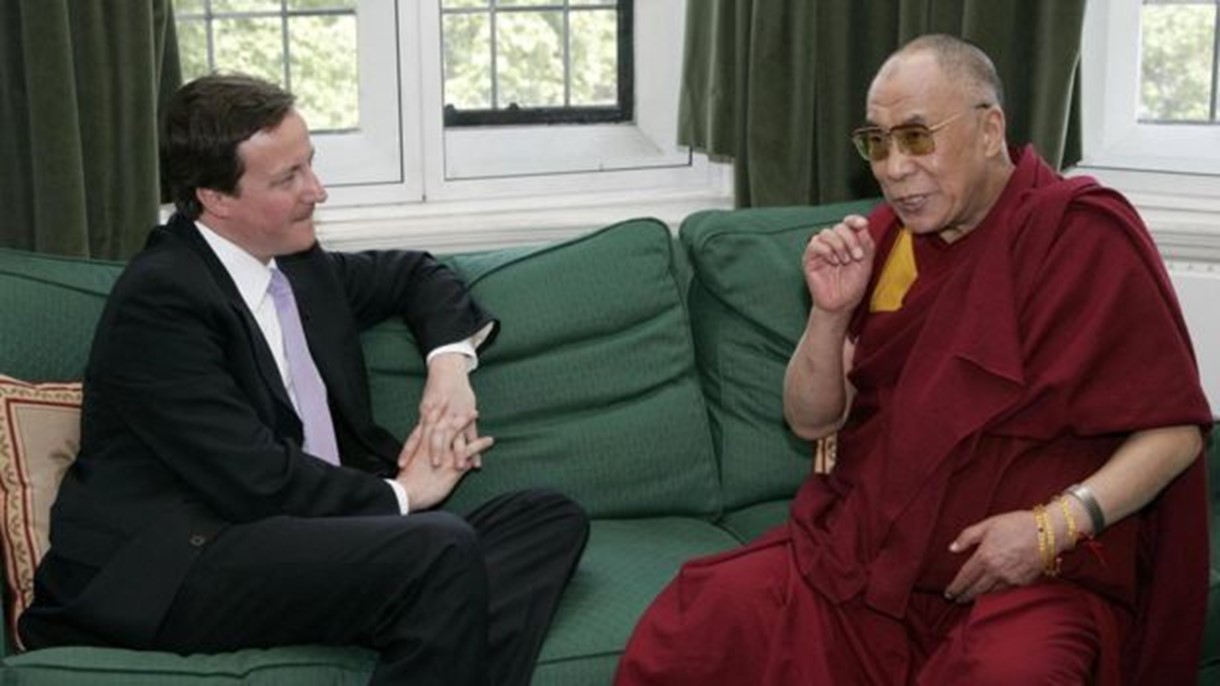
In 2012, China temporarily froze relations with the UK after David Cameron met him and. last year, the Indian government cancelled its plans for a celebration to mark 60 years of his exile, for fear it would upset Beijing.
The Dalai Lama on Trump
Image copyright PA Image caption David Cameron meets the Dalai Lama in 2008
The Dalai Lama’s world view is inherently global. When we discuss Brexit, he tells me that he is “an admirer of the European Union” pointing out that global partnerships have been key in avoiding major conflicts.
But the world’s most famous refugee has some surprising views on immigration.
In a speech last year, he said that refugees to the European Union should ultimately return home, adding that “Europe is for Europeans”, a statement he stood by when I challenged him on it.
“European countries should take these refugees and give them education and training, and the aim is return to their own land with certain skills,” he said.
The Dalai Lama believes the end game should be to rebuild the countries people have fled. But with some 70 million people displaced across the world according to the latest figures, what if people want to stay?
“A limited number is OK, but the whole of Europe [will] eventually become Muslim country, African country – impossible,” he said. A controversial viewpoint, and a reminder that while the Dalai Lama is a spiritual figurehead, he is also a politician with views and opinions like everyone else.
The Dalai Lama on Trump
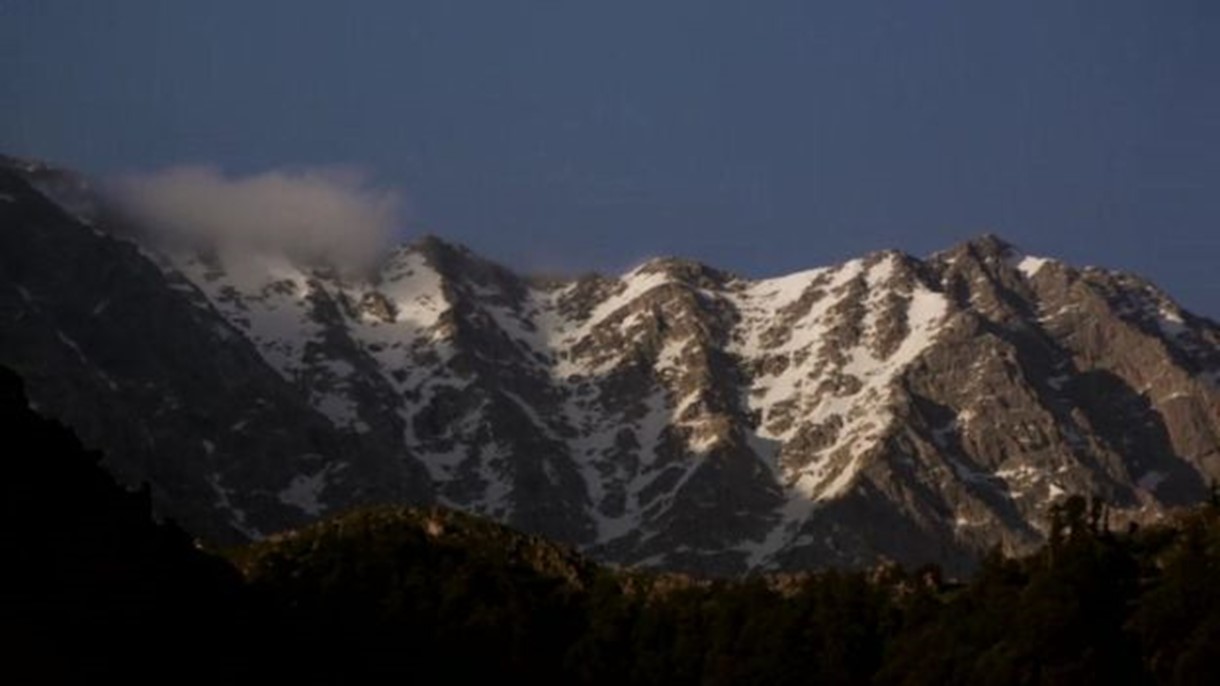
Image caption The Dalai Lama’s monastery overlooks the snow-capped peaks of the Dhauladhar range in the Himalayas
Later in our conversation I also challenged him on another remark he made in 2015, when he said if he was followed by a female Dalai Lama, she would have to be attractive.
In another surprise, he reaffirmed his belief that beauty matters as much as brains. “If a female Dalai Lama comes, she should be more attractive,” he told me while laughing.
His message seemed at odds for a man who preaches a message of tolerance and inner confidence, but the Dalai Lama told me that in Buddhist literature both inner and outer beauty matter. He also said that equality was important and was keen to stress that he supported women’s rights and equal pay in the workplace.
As the interview ended, I was struck by how unexpectedly frank our discussion had been, which reminded me of something the Dalai Lama had told me earlier in the day.
One advantage of not being able to return home to Tibet, he said, was that India is a free country where he can express himself openly.
The Dalai Lama’s message of unity is universal – but for a man famed for his compassion, he can also be controversial.
I am a Refugee. When will I find my Refuge? Father’s Day Lesson.
I believe in the doctrine called ‘Predestination’. I do not believe in Free-Will, or Will to Choose. I am not running away from God. I cannot choose to disobey God. It may seem that I am making choices and that I may have preplanned my moves. My Life’s Journey began in Mylapore, Madras, Chennai, India. Amongst other places, my Journey took me to Doom Dooma, Tinsukia District, Assam, India during 1972. While I worked in Doom Dooma, I got married during January 1973 as per God’s Plan. Eventually, I arrived in Ann Arbor, Michigan, the USA with the thoughts of Fear forcing me to live as a Refugee.
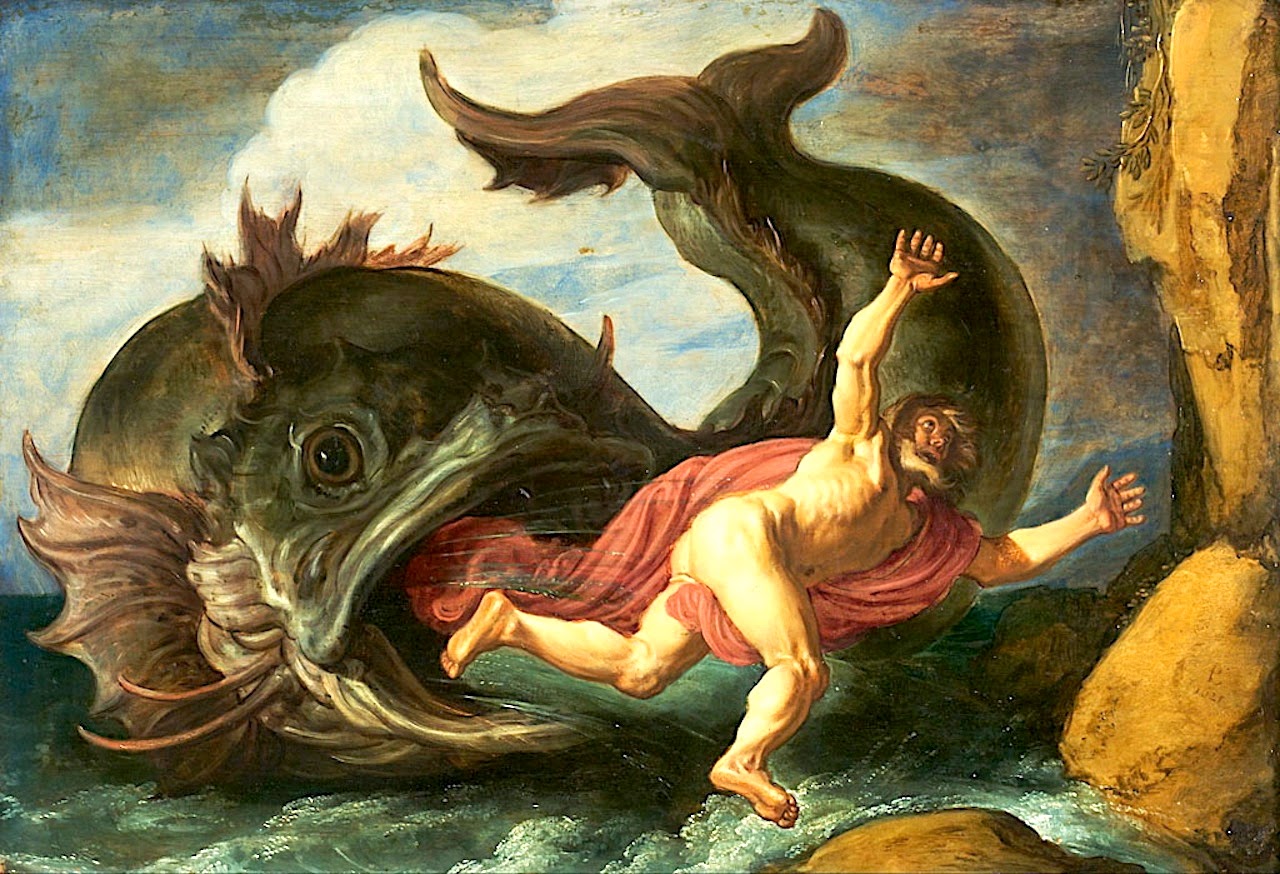
I find myself living and surviving inside the belly of a Big Fish or Great Whale. Prophet Jonah survived his ordeal just for three days and three nights. The Son of Man remained in the heart of the earth just for three days, and three nights.
I am living with the Hope that God has not forsaken me. God has not forgotten my plight or ordeal. God has a Plan for my Salvation. I am a Refugee for it is Predestined. But when will I find my Refuge?
Rudranarasimham Rebbapragada
SPECIAL FRONTIER FORCE
I am a Refugee. When will I find my Refuge? Father’s Day Lesson.I am a Refugee. When will I find my Refuge? Father’s Day Lesson. I am a Refugee. When will I find my Refuge? Father’s Day Lesson.I am a Refugee. When will I find my Refuge? Father’s Day Lesson.I am a Refugee. When will I find my Refuge? Father’s Day Lesson. I am a Refugee. When will I find my Refuge? Father’s Day Lesson. I am a Refugee. When will I find my Refuge? Father’s Day Lesson. I am a Refugee. When will I find my Refuge? Father’s Day Lesson. I am a Refugee. When will I find my Refuge? Father’s Day Lesson.
10 Great Lessons from the Book of Jonah
By Wayne Jackson
I am a Refugee. When will I find my Refuge? Father’s Day Lesson.
The prophet Jonah lived in the Galilean city of Gath-Hepher (about four miles north of Nazareth) during the reign of Jeroboam II (793-753 B.C.), king of Israel (cf. 2 Kgs. 14:25). Jeroboam II was northern Israel’s most powerful king, and during his administration, the borders of the nation were expanded to their greatest extent since the time of David and Solomon.
Assyria, however, five hundred miles to the east, was a constant threat. The fact of the matter is, due to Israel’s progressive rebellion, the prophets Hosea and Amos, contemporaries of Jonah, had declared that Jehovah would use Assyria as an instrument of punishment against his people (cf. Hos. 11:5; Amos 5:27). Any patriotic Israelite would have longed for Assyria’s destruction!
One can scarcely imagine, therefore, the consternation that must have filled Jonah’s heart when he received the Lord’s word instructing him to proceed to Nineveh, the capital city of Assyria, with a divine message.
Jonah’s Resistance
Although the prophet’s brief declaration to Nineveh was one of judgment, nonetheless, Jonah was aware of the fact that Jehovah is a “gracious God and merciful, slow to anger, and abundant in loving kindness” (Jon. 4:2). Hence, it was certain that if the inhabitants of that great city were responsive to his message, Heaven would certainly spare them. And Jonah did not want that.
Accordingly, Jonah went to Joppa where he boarded a ship bound for Tarshish, a Phoenician colony on the southwest coast of Spain some two thousand miles to the west. The express design of his trip was to flee from the presence of Jehovah (Jon. 1:3).
But, as every Bible student knows, his plans were soon thwarted. Where men propose, God can dispose!
When a great storm arose, and the inmates of the vessel feared for their very lives, Jonah confessed that he, as a refugee from the Lord, was the cause of the calamity. Though the prophet’s sailing companions did not like the idea, they ultimately were forced to accept Jonah’s suggestion that he be thrown overboard.
Down he went into the dark depths of the Mediterranean, seaweed swirling about his head (cf. Jon. 2:5). Presently, he was devoured by a great creature of the deep. One might almost say that the Lord sent Jonah to school for three days, and the classroom was the belly of a great sea-monster. The prophet matriculated wonderfully well, graduating with a diploma in “mission responsibility”!
Jonah Preaches to Nineveh
Making his way to Nineveh, a journey that would have taken more than a month and thus provided ample time for sober reflection, Jonah entered the great city with his blunt message (consisting of only five words in the Hebrew text):
“Yet forty days and Nineveh shall be overthrown.”
Amazingly, there was mass repentance, from the king (Ashur-dan III, according to Assyrian records) down to the commoner.
Jonah was quite distraught at this turn of events and he despaired, even to the point of wanting to die. Resolutely, he perched himself on a hilltop nearby, eagerly watching the city in hopes that the Lord would yet destroy it. His education was still incomplete!
As he sat in the scorching sun, God caused a shady vine to grow up for his refreshment and the prophet was glad. On the following day, however, Jehovah sent a worm to smite Jonah’s vine, and as the blistering sun beat upon his head, the man of God again lapsed into a state of abject depression.
Then came Heaven’s stinging rebuke. The Lord in effect said: “Jonah, why is it that you are so concerned with this vine—a mere plant which is temporal, and for which you did not labor; and yet, you evidence utterly no concern for the hapless inhabitants of Nineveh?”
The penetrating inquiry threw a divine floodlight upon the pathetic values of the man from Gath-Hepher.
10 Timeless Lessons from the Book of Jonah
The book of Jonah is filled with valuable information and timeless lessons. Perhaps we could reflect upon a few of these matters.
Jonah’s Story Validated by Christ
First, we should note that this marvelous narrative has suffered the brunt of the critics’ barbs for a long while. Because of the incident of Jonah being swallowed by the sea-creature, many modern scholars contend that the document is pure fiction (cf. Goodspeed 1946, 149).
Jesus Christ, however, did not so view it. He appealed to the narrative as genuine history (cf. Mt. 12:39-41), and this settles the issue for all who have any regard for the Savior’s deity.
Aside from the fact that this event doubtless involved a miracle, the circumstances are not beyond the realm of possibility even from a natural viewpoint (as employed in the providential operations of God). In fact, a number of similar cases have been documented in relatively modern times.
In 1891, a seaman was swallowed by a large sperm whale near the Falkland Islands. After three days, he was recovered, unconscious but alive, though there was some damage to his skin (Wilson 1927, 636). Some, however, dispute the credibility of this story.
Moreover, some critics argue that the book of Jonah depicts the prophet as being swallowed by a “great fish” (Jon. 1:17), while the New Testament suggests that the creature was a “whale” (Mt. 12:40). And, as any schoolboy knows, a whale is a mammal, not a fish.
The fallacy of this ill-conceived argument lies in the fact that both the Hebrew word dag and the Greek word, ketos are generic terms that can apply to any aquatic creature (cf. ASV fn). There is no error here.
The Sovereignty of Jehovah
The book of Jonah demonstrates the sovereignty of the Almighty as he employs his creation to accomplish the divine plan. The Lord controlled the elements of weather (Jon. 1:4, 11, 13, 15; 4:8), and he prepared a sea-creature, a vine, and a worm to do his bidding (Jon. 1:17; 4:6, 7).
God’s Interest in All People
This inspired document reveals the international interest of God, even in the Mosaic era.
Though Jehovah was working primarily through the Hebrew nation as an instrument for the sending of the promised Seed (Gen. 22:18), nevertheless, his compassion for all the people of the earth was abundantly manifested. And the sending of the “missionary,” Jonah, to these Gentile Ninevites was a clear demonstration of this.
God Is in Control
This narrative illustrates a truth so frequently suggested in the Old Testament, namely, that the Lord, not man, is in control of the destiny of nations.
Jehovah rules in the kingdoms of men and disposes of them according to his divine standard (cf. Psa. 22:28; Prov. 14:34; Dan. 2:21; 4:17). Those who think that nations stand or fall because of a “strong national defense” are woefully ignorant of biblical principles.
Nineveh was given forty days to repent. As a result, the nation was spared destruction for about a century and a half. Later, however, when Assyria degenerated again, she was destroyed and the prophet, Nahum, addresses this very matter. Nineveh fell to the Babylonians in 612 B.C.
Mankind is Accountable to the Lord
The book of Jonah demonstrates that ancient peoples who were outside of that Mosaic covenant relationship with Jehovah were nonetheless accountable to Heaven’s moral law.
Jehovah looked down upon Nineveh and observed the wickedness of these people (Jon. 1:2). Since sin is the transgression of divine law (1 Jn. 3:4; cf. Rom. 4:15), the Ninevites were obviously subject to such.
This powerful truth is in direct conflict with the modern theory which contends that those who are “outside of the church” are not subject to the marriage law of God (the design of which is to regulate human morality — cf. 1 Cor. 7:1ff; Heb. 13:4). The whole purpose of this novel concept, of course, is to justify adulterous relationships within the family of God!
People Can Change
This record reveals the power inherent within the word of God when such comes into contact with honest and good hearts (cf. Lk. 8:15). Though Jonah’s message was very brief (as indicated above), it produced the desired effect.
Again, some critics have faulted the divine account at this point, claiming that so trifling a sermon could hardly have produced the results described. But the objection, which stems strictly from subjective bias, ignores the biblical evidence, not the least of which is the testimony of Christ that “the men of Nineveh repented at the preaching of Jonah” (Mt. 12:41).
Besides that, historical records reveal that the notable city had suffered severe plagues in 765 and 759 B.C. The soil had thus been conditioned for Jonah’s “revival.”
Too, somehow or another the citizens of Nineveh had learned of the prophet’s “resurrection” from the belly of the “fish,” for, as Jesus noted, Jonah was a “sign” to that generation even as the raised Lord would be to his (cf. Lk. 11:30).
Repentance Requires Works
This instructive account, together with the inspired New Testament commentary which discusses it, underscores an important dimension to repentance.
Jesus declared that “the men of Nineveh repented at the preaching of Jonah” (Mt. 12:41), while the book of Jonah itself informs us that God “saw their [the people of Nineveh] works, that they turned from their evil way” (Jon. 3:10).
Thus, repentance is not, as some allege, a mere sorrow for sin. Rather, it requires turning away from evil conduct.
Moreover, this passage reveals that repentance is a work, and since repentance is essential to salvation (Lk. 13:3, 5; Acts 17:30), it conclusively follows that salvation is not exclusive of all types of works!
The Punishment of Hell
An intriguing passage in the book of Jonah illustrates a vital point about the punishment of the wicked after death.
In graphically poetic language, the agonizing prophet described his horrible ordeal in the sea monster’s belly as an experience akin to being in “hell.” He exclaims:
“I cried by reason of my affliction unto the Lord . . . out of the belly of hell cried I” (Jon. 2:2).
The Hebrew term is Sheol. Here it denotes the abode of the wicked prior to the Judgement.
Since crying out by reason of affliction certainly indicates conscious suffering, one may conclude that the state of the wicked dead is that of conscious torment—a truth affirmed elsewhere in the sacred record (cf. Lk. 16:23; 2 Pet. 2:9, ASV).
J.W. McGarvey has an excellent discussion of this point in his essay, “Destiny of the Wicked” (n.d., 429, 430).
Conditional Prophecy
Jonah’s message to Nineveh reveals that prophecy is sometimes conditional.
The prophet declared that the great city would be destroyed in forty days. But it survived for a century and a half beyond that time.
Clearly, therefore, the prediction of doom was conditioned upon Nineveh’s response to the prophetic message.
Millennialists would do well to learn from this principle of prophecy.
For example, Israel was promised inheritance of the land of Canaan. That promise, however, was conditioned upon their fidelity to God (cf. Josh. 22:4, 5; 23:1ff), and the time eventually came when they lost their deed to Palestine.
Typology in the Book of Jonah
The book of Jonah presents a beautiful type of the resurrection of Christ from the dead.
Though some modernists argue that the concept of a bodily resurrection of Christ from the dead was unknown in Old Testament times, Jesus demonstrated otherwise. He declared:
“[F]or as Jonah was three days and nights in the belly of the sea-monster; so shall the Son of man be three days and three nights in the heart of the earth” (Mt. 12:40).
Clearly, the Lord viewed Jonah’s three-day entombment as a foreshadowing of his resurrection from the grave, by which, of course, Christ was declared to be the Son of God with power (Rom. 1:4).
Conclusion
In his epistle to the Romans, Paul wrote:
“For whatsoever things were written aforetime [i.e., the Old Testament Scriptures] were written for our learning, that through patience and through the comfort of the scriptures we might have hope” (Rom. 15:4).
Surely the foregoing points of truth, as gleaned from the delightful book of Jonah, are illustrative of the truth of this rich passage.
Why not take some time and refresh yourself with a review of the edifying material in the book of Jonah.
Works Cited
Goodspeed, E. J. 1946. How to Read the Bible. Philadelphia, PA: John C. Winston Co.
McGarvey, J. W. n.d. The destiny of the Wicked. Lard’s Quarterly. Vol. 2.
Wilson, A. J. 1927. Princeton Theological Review, XXV, October.
Scripture References
Hosea 11:5; Amos 5:27; Jonah 4:2; Jonah 1:3; Jonah 2:5; Matthew 12:39-41; Jonah 1:17; Matthew 12:40; Jonah 1:4, 11, 13, 15, 4:8; Jonah 1:17, 4:6, 7; Genesis 22:18; Psalm 22:28; Proverbs 14:34; Daniel 2:21, 4:17; Jonah 1:2; 1 John 3:4; Romans 4:15; Hebrews 13:4; Luke 8:15; Matthew 12:41; Luke 11:30; Jonah 3:10; Luke 13:3, 5; Acts 17:30; Jonah 2:2; Luke 16:23; 2 Peter 2:9; Joshua 22:4, 5, 23:1; Romans 1:4; Romans 15:4
I left India on January 10, 1984 in search of my Refuge, in my quest to reach the Final Destination of my Life. I need the Protection. I need the Shelter. I need the Sanctuary. I need the Grace, Mercy, and Compassion of the Power which can grant me Asylum.
Prophet Jonah was caught up in the belly of a giant fish or the Whale just for three days. He prayed to God and God relented to release Jonah at the destination God has chosen.
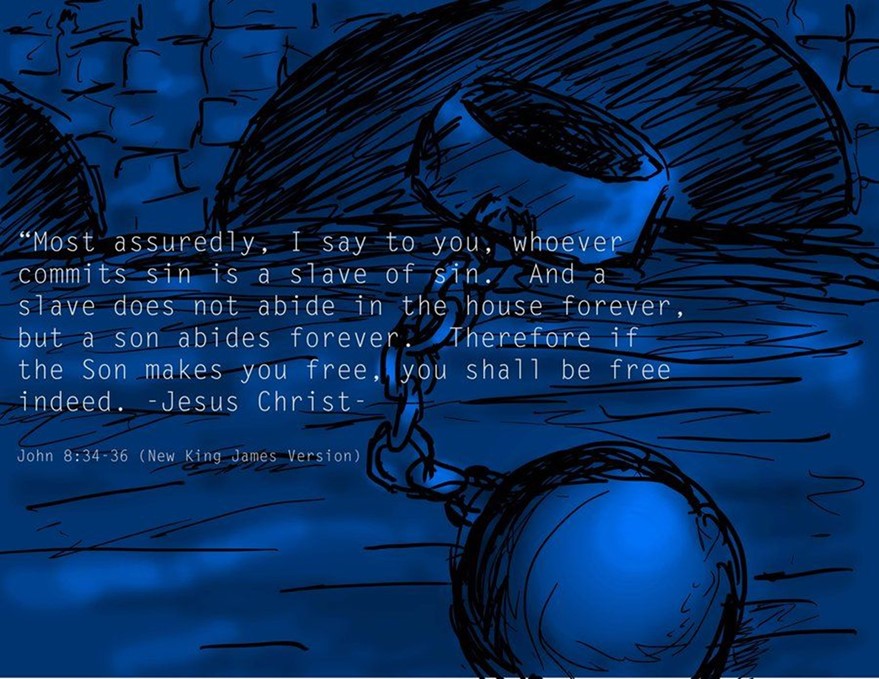
Just like Jonah, I am caught up in the belly of a giant fish or the Whale with no Freedom and no Free Will. I live but I survive as a Prisoner, a mere Slave, a Servant, and a Serf who lives without any choice of his own.
Just like Jonah, I declare, “In God We Trust,” the National Motto of a Superpower, a Giant among the Free Nations of the World. Salvation comes from the LORD. If I must preach God’s message to my Enemy, I ask God to release me on the shores of my Enemy’s Territory. I am just a Slave in a Free Country and I have no Freedom to move on my own accord.
The story of Jonah and the Whale, one of the oddest accounts in the Bible, opens with God speaking to Jonah, son of Amittai, commanding him to preach repentance to the city of Nineveh.
Synopsis
Jonah found God’s order unbearable. Not only was Nineveh known for its wickedness, but it was also the capital of the Assyrian empire, one of Israel’s fiercest enemies. Jonah, a stubborn fellow, did just the opposite of what he was told. He went down to the seaport of Joppa and booked passage on a ship to Tarshish, heading directly away from Nineveh. The Bible tells us Jonah “ran away from the Lord.”
In response, God sent a violent storm, which threatened to break the ship to pieces. The terrified crew cast lots, determining that Jonah was responsible for the storm. Jonah told them to throw him overboard. First, they tried rowing to shore, but the waves got even higher. Afraid of God, the sailors finally tossed Jonah into the sea, and the water immediately grew calm. The crew made a sacrifice to God, swearing vows to him.
Instead of drowning, Jonah was swallowed by a great fish, which God provided. In the belly of the whale, Jonah repented and cried out to God in prayer. He praised God, ending with the eerily prophetic statement, “Salvation comes from the Lord.” (Jonah 2:9, NIV)
Jonah was in the giant fish three days. God commanded the whale, and it vomited the reluctant prophet onto dry land. This time Jonah obeyed God. He walked through Nineveh proclaiming that in forty days the city would be destroyed. Surprisingly, the Ninevites believed Jonah’s message and repented, wearing sackcloth and covering themselves in ashes. God had compassion on them and did not destroy them.
Again Jonah questioned God because Jonah was angry that Israel’s enemies had been spared. When Jonah stopped outside the city to rest, God provided a vine to shelter him from the hot sun. Jonah was happy with the vine, but the next day God provided a worm that ate the vine, making it wither. Growing faint in the sun, Jonah complained again.
God scolded Jonah for being concerned about a vine, but not about Nineveh, which had 120,000 lost people. The story ends with God expressing concern even about the wicked.
Scripture References
2 Kings 14:25, The Book of Jonah, Matthew 12:38-41, 16:4; Luke 11:29-32.
Points of Interest
God commands everything in his Creation, from the weather to a whale, to carry out his plan. God is in control.
Jonah spent the same amount of time—three days—inside the whale as Jesus Christ did in the tomb. Christ also preached salvation to the lost.
It’s not important whether it was a great fish or a whale that swallowed Jonah. The point of the story is that God can provide a supernatural means of rescue when his people are in trouble.
Some scholars believe the Ninevites paid attention to Jonah because of his bizarre appearance. They speculate that the whale’s stomach acid bleached Jonah’s hair, skin, and clothing a ghostly white.
Jesus did not consider the book of Jonah to be a fable or myth. While modern skeptics may find it impossible that a man could survive inside a great fish for three days, Jesus compared himself to Jonah, showing that this prophet existed and that the story was historically accurate.
Question for Reflection
Jonah thought he knew better than God. But in the end, he learned a valuable lesson about the Lord’s mercy and forgiveness, which extends beyond Jonah and Israel to all people who repent and believe. Is there some area of your life in which you are defying God, and rationalizing it? Remember that God wants you to be open and honest with him. It’s always wise to obey the One who loves you most.












































 Whole Dude - Whole Concept