Whole Dude – Whole Worship: Defining Indian Identity – The Worship of Feet.
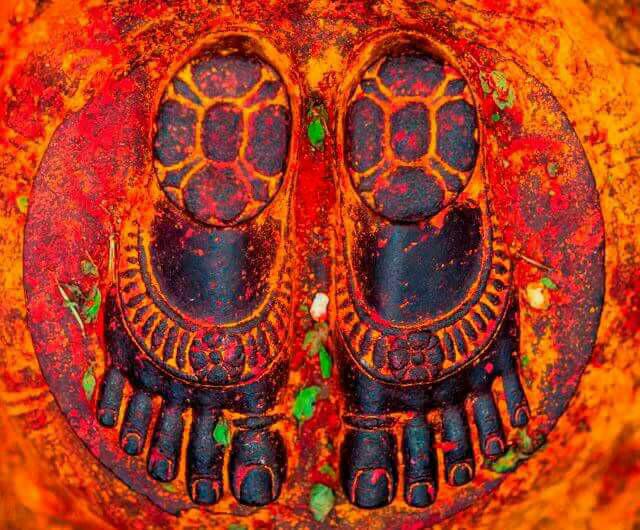
Excerpt: The worship of feet, or ‘Pada Sevanam’, is an integral part of Indian identity and the culture’s philosophy of total submission and surrender to a higher divine power. In the Hindu religion, this act signifies humility, protection, and reverence. This practice is deeply rooted in Indian epics like Ramayana, where feet touching was a significant gesture. In modern times, this tradition continues, seen in ordinary life situations, such as people paying respect to elders by touching their feet. Thus, the act of worshipping feet is a unique cultural hallmark that helps define the Indian identity.
Whole Dude – Whole Worship: Defining Indian Identity – The Worship of Feet.
I seek refuge of Sri Venkateswara’s feet, which are extolled (in the Rg Veda) as “Visnoh parame pade” (in the most exalted abode of Vishnu), which are, (again) extolled therein as “madhva utsa” (meaning the fountain the honey) as extremely enjoyable and which are indicated as such by the show of the palm of Thy hand.
Pada Vandanam, Pada Namaskaram, Pada Archanam, Pada Sevanam, Pada Puja or Worship of Feet:
Whole Dude – Whole Worship: Defining Indian Identity – The Worship of Feet.
The land of India is a very unique place on this planet where people are culturally endowed with an ardent desire to worship feet.No other society or social community has openly exhibited this behavioral trait and feet worship could be described as the hall-mark of Indian Identity.This tradition and literal practice of feet worship was well established by the time the epic poem of Ramayana was composed. In AYODHYA KANDA,we read the very moving account of Rama touching the feet of His father Dasaratha and queen mother Kaikeyi after having received the orders for his banishment to live in the forest for fourteen years. Later in ARANYA KANDA, we read about the younger brother Bharata who literally clung to the feet of Rama seeking His refuge. Eventually,Bharata carried Rama’s sandals keeping them on his head and installs them on the throne (PADUKAPATTABHISHEKAM) and served them with great devotion for fourteen long years during Rama’s exile.
Whole Dude – Whole Worship: Defining Indian Identity – The Worship of Feet.
India is the land where you witness people touching the feet of living persons as an act of worship.This is a fairly common event and sometimes the remembrance of such worship lingers in your mind.I would like to narrate one such event that I had witnessed in the past and my act of remembrance may add-on to the blessings these feet worshipers may be receiving even today.
I was traveling by train from Rajahmundry to Lucknow City to serve in the Indian Army Medical Corps. I was motivated by a desire to see the land of India with my own eyes and know its people. For the first time, I was traveling in a first class compartment and was the sole occupant. Later in the night, a lady entered the compartment and was apparently traveling alone. She was elegantly attired, looked modest and the picture of an upper middle class house wife. Early morning, when the train halted at a station, I did not realize that she had reached her destination. She was quietly seated, was not gathering her belongings and was not even looking outside to check if some one had arrived to receive her. After a little while, I had noticed three young men, well- dressed and well-groomed, all of them little older than me, checking the list of passenger names on the door of the train compartment and entered the compartment. They did not pay any attention to my presence. One after the other, they went forward to bend and touch her feet and paid their respects. The behavior of the young men that I was keenly observing was natural, spontaneous and unpretentious. That early morning hour, they were not putting up an act in a public place to impress any one. They acted in a deliberate, purposeful and reverential manner and I am very sure that they grew up in that manner and clearly they were not inhibited in displaying their respect in front of strangers. I was a silent spectator of this scene wherein an unassuming woman suddenly got transformed into a living deity. I can assure you that you would witness such a scene only in the Land of India. Hence, I would claim that the desire to worship the feet of a living person would define Indian Identity.
Whole Dude – Whole Worship: Defining Indian Identity – The Worship of Feet.
Every deity that Indians seek to worship are better pleased when we worship their feet. PRAHLADA describes “PADA SEVANAM” as one of the nine ways to worship VISHNU.
Whole Dude – Whole Worship: Ramayana gives detailed accounts of the Tradition of Feet Worship.Rama worshipped the feet of His father, mother, stepmothers and His Gurus. Bharata, the younger brother of Rama had installed the sandals (Padukas) worn by Rama upon the throne had worshipped them for fourteen years.
Indians worship feet not only as a sign of humility but also as a mark of submission, total surrender to the will of God. They touch feet as a plea for protection. This is not a mere religious rite or ritual and it actually shapes the attitudes and behavior of people. The final resting place for the individual souls (JEEVATMA)has been described as the Lotus Feet of the Lord. This is described as ‘CHARANAM’ (Feet of the Lord) ‘SHARANAM’ (Ultimate Refugee).
Whole Dude – Whole Worship: Defining Indian Identity – The Worship of Feet
Whole Dude – Whole Samsara: The Rudi-Grant Connection faces the Fear of Samsara.
Excerpt: The article looks into the concept of ‘Samsara,’ which is seen in Indian traditions as a representation of life’s journey – a challenging swim across an unknown and treacherous ocean. This journey incites a fear called ‘Fear of Samsara,’ contributing to feelings of apprehension and the intense fear of the human condition. This fear is considered unique to Indian cultural traditions, differentiating them from other global traditions like Christianity, Islam, and Judaism whose followers primarily fear the Lord. However, despite this anxiety, individuals rely on chants and signs such as ‘Abhaya Mudra’ (a sign of fearlessness) from deities for support and guidance during this strenuous journey.
Whole Dude – Whole Samsara: Defining Indian Identity – The Fear of Samsara. Samsara portrays the picture of life’s journey as a tedious,difficult and challenging swim across an unknown,uncharted and treacherous ocean.
The cultural traditions that originated in India motivate people to seek refuge or shelter at the Feet of the Lord by evoking a sense of fear and this fear is described as the fear of ” SAMSARA.” Samsara or Bhava describes the viewpoint about the human condition and deals with the problems of human existence. It contributes to a sense of apprehension and anxiety and the attitude it generates is one of intense fear and helplessness.
Whole Dude – Whole Samsara: Defining Indian Identity-The Fear of Samsara. Samsara portrays the picture of life’s journey as a tedious,difficult and challenging swim across an unknown,uncharted and treacherous ocean.
In one great leap of faith, Lord Hanuman jumps over the sea with utmost ease, whereas crossing the sea evokes only a sense of fear in my heart. I derive some hope from the legend about the land bridge (SETU) built by the army of monkeys.The Sea God promised them that the rocks and boulders used for the construction of the bridge will be held in place and stay afloat. He did that to please Lord Rama. During my perilous journey across the ocean of SAMSARA, I use the name “RAMA” and stay afloat.
Whole Dude – Whole Samsara: Samsara portrays the picture of life’s journey as a tedious,difficult and challenging swim across an unknown,uncharted and treacherous ocean. In the fearful journey described as ‘SAMSARA’, I use Lord Rama’s name as a ‘Life Jacket’ and also the name serves like a Beacon of Hope and provides a sense of direction while journeying across an uncharted, treacherous sea.
“The fear of the Lord is the beginning of Wisdom” says the Holy Bible, The Book of Proverbs, Chapter1, verse 7.
Whole Dude – Whole Samsara: Defining Indian Identity – The Fear of Samsara. Samsara portrays the picture of life’s journey as a tedious,difficult and challenging swim across an unknown,uncharted and treacherous ocean.
For the religious traditions that originated outside of India such as Judaism, Christianity and Islam, the fear of the Lord could be a primary motivating factor to seek the worship of the Lord. On the contrary, the religious traditions that originated in the Land of India, do not encourage their adherents to entertain any such fear of the Lord. In the Indian traditions, the Lord or the Deity that Indians choose to worship would receive them with a sign that proclaims ” Be Fearless.” The Lord reassures them with a sign that is popularly described as ABHAYA HASTA or ABHAYA MUDRA. In Indian literature, countless number of images, idols, paintings and drawings, there are invariable references to a consistent message of ABHAYA and naturally Indians are less concerned with ” The Fear of the Lord.”
Whole Dude – Whole Samsara – Whole Journey. Abhaya Mudra and Abhaya Hasta describe the positioning of hand to indicate as a sign that overcomes the sense of fear.Whole Dude – Whole Samsara: Defining Indian Identity – The Fear of Samsara. Samsara portrays the picture of life’s journey as a tedious,difficult and challenging swim across an unknown,uncharted and treacherous ocean.Whole Dude – Whole Samsara: Defining Indian Identity – The Fear of Samsara. Samsara portrays the picture of life’s journey as a tedious,difficult and challenging swim across an unknown,uncharted and treacherous ocean.
Samsara portrays the picture of life’s journey as a tedious,difficult and challenging swim across an unknown,uncharted and treacherous ocean.
Whole Dude – Whole Samsara: Defining Indian Identity – The Fear of Samsara. Samsara portrays the picture of life’s journey as a tedious,difficult and challenging swim across an unknown,uncharted and treacherous ocean.Whole Dude – Whole Samsara: Defining Indian Identity – The Fear of Samsara. Samsara portrays the picture of life’s journey as a tedious,difficult and challenging swim across an unknown,uncharted and treacherous ocean.Whole Dude – Whole Samsara: Defining Indian Identity – The Fear of Samsara. Samsara portrays the picture of life’s journey as a tedious,difficult and challenging swim across an unknown,uncharted and treacherous ocean.Whole Dude – Whole Samsara: Defining Indian Identity – The Fear of Samsara. Samsara portrays the picture of life’s journey as a tedious,difficult and challenging swim across an unknown,uncharted and treacherous ocean.
Samsara is also depicted as a serious disease entity afflicting a person’s health and is referred to as “Bhava Roga.” Others view Samsara as existence in a bottomless deep pit (“Aghada”)or that of being trapped in a deep well from where an escape would not be easy. The fear of Samsara/Bhava, the fear of the human condition, has nothing to do with physical courage. The powerful idea of Samsara inspires a sense of fear in the hearts of even the most courageous of all people. Cultural traditions that have their roots in the other parts of this planet may not be aware of this kind of fear and hence the fear of Samsara could be viewed as a feature that defines and molds the Indian Identity. Indians chant the Lord’s name as a medicine to cure this terrible disease and they seek Lord’s protection to reach the shore and complete the journey across the ocean.There are numerous references in the Indian literature.
Whole Dude – Whole Samsara – Whole Journey. My Life Journey started in Mylapore, Madras (Chennai City) on Kutchery Street near the Marina Beach.
Human existence is beset with countless uncertainties and difficulties which may arrive without any prior warning from different directions in an unpredictable manner. It is rational to approach life with a sense of apprehension and seek the help of the Lord who graciously held His right hand in a show of compassion and receives with a greeting of “Abhaya” and is willing to banish the fear of Samsara.
Whole Dude – Whole Samsara: Defining Indian Identity-The Fear of Samsara. The LORD is Male and Female at one and the same time. The right hand is held in the pose of Abhaya Mudra. Samsara portrays the picture of life’s journey as a tedious,difficult and challenging swim across an unknown,uncharted and treacherous ocean.Whole Dude – Whole Samsara – Whole JourneyWhole Dude – Whole Samsara: The Rudi-Grant Connection presents the post, The Fear of the Lord vs The Fear of Samsara
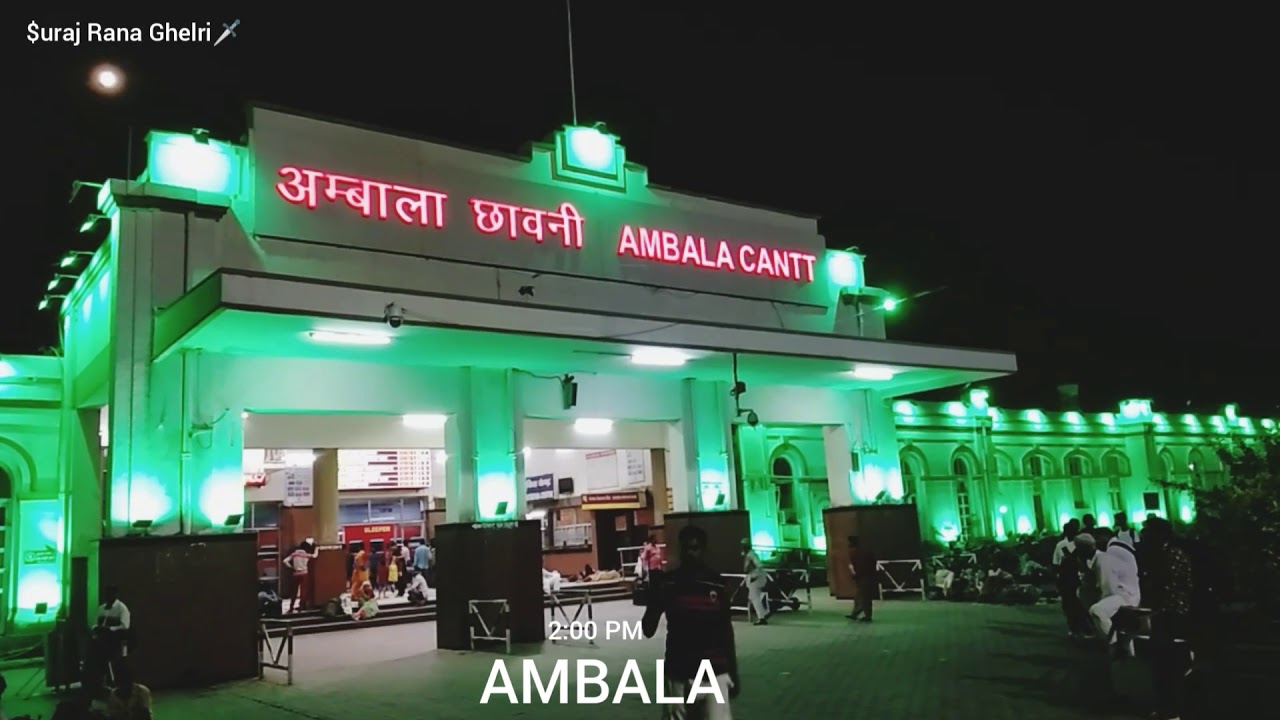
Whole Dude – Whole Listening: I arrived in Ambala Cantt in September 1970 on completion of Basic Medical Officers Course, BMOC 20/70 at AMC Centre and Officers Training School, Lucknow.
Excerpt: In 1970, Dr. R. Rudra Narasimham, while serving in the Military Hospital, Ambala Cantt, used an unconventional method to find a patient’s missing watch, leveraging the deep-seated Indian regard for truth. He listened to all the patients’ heartbeats, insinuating that he could identify the wrongdoer through this procedure. Ultimately, the missing watch was returned, saving the culprit public humiliation. This incident reflects the strong Indian sense of truth and the belief that it cannot remain concealed when one searches his own heart. Narasimham’s tale is a spiritual illustration that truth, represented by Lord Rama, and the essence of existence, is ultimately compassionate.
Defining Indian Identity -Finding Truth – Listening to the Heart. The Divine Mother is fondly remembered by invoking the numerous endearing names such as Amba, Durga, Parvati, and others.Whole Dude – Whole Listening: I served in Military Hospital, Ambala from September 1970 to September 1971. A view of the Medical Division at MH Ambala
While I was posted as an Intern at Military Hospital, Ambala, a patient of my Surgical Ward reported the problem of his missing watch.
To investigate the problem, I asked all the patients to come to my office and I carefully listened to their heartbeats. It was my impression that the missing watch was in the possession of one of the patients who was not its rightful owner.
I listened to their heart beats after I announced to them that I could discover the wrongful owner of the watch as the truth could be found in his heart. At the end of this listening session, I announced that I discovered the truth and asked the unspecified wrongful owner to return the watch to the place from where it was picked up, for that would give him a chance to avoid public exposure of his mischief. As expected by me, the missing watch found its way back to the bathroom from where it was picked up. The watch was returned to its rightful owner.
I listened to the hearts of my patients under the assumption that Indians have a deep sense of concern for truth and this concern about truth is a defining characteristic of Indian Identity. I would not suggest that my patients were gullible enough to trust my words about finding the culprit by listening to the heart sounds. They indeed have a true concern about the nature of truth and their inability to conceal truth from being revealed when man looks into his own heart in search of truth.
Dr. R. Rudra Narasimham, B.Sc., M.B.B.S.,
Personal Number – MS-8466 Rank Lieutenant/Captain Intern/Medical Officer ( 1970-71),
Military Hospital, Ambala, Haryana, India.
SPIRITUALITY SCIENCE – ESSENCE AND EXISTENCE – CHIDAMBARA RAHASYAM: LORD GOD IS JUST ONE AND THE SAME AND YET MAN KNOWS HIM BY DIFFERENT NAMES. IN THE INDIAN TRADITION, THE NAME RAMA IS THE PERSONIFICATION OF THE ABSOLUTE TRUTH OR THE ULTIMATE REALITY. LORD RAMA IS THE SOURCE OF KRUPA OR COMPASSION FOR HE HAS THE EXPERIENCE OF A LIFE JOURNEY IN HIS PHYSICAL MANIFESTATION AS A HUMAN BEING.
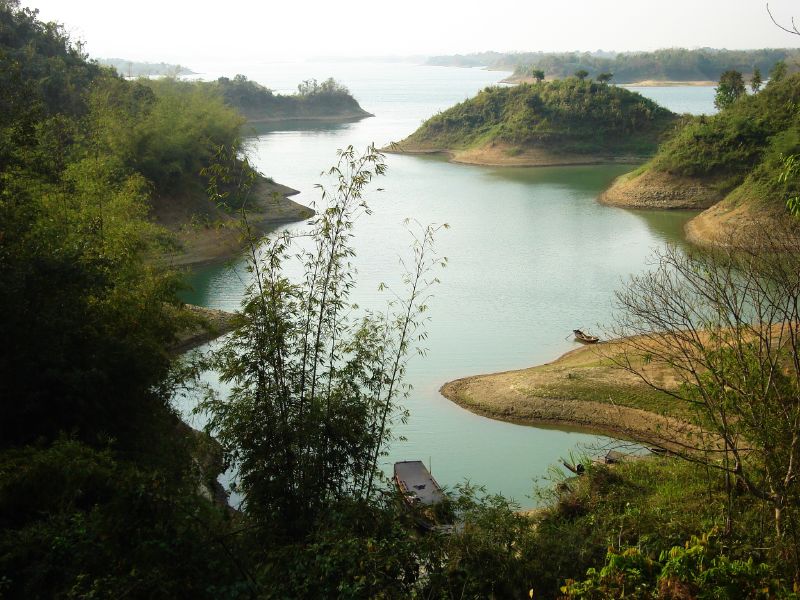
Operation Eagle 1971-72. A Sermon in Kaptai, Bangladesh
GLORIOUS QURAN – SURAH VIII – SPOILS OF WAR, VERSE 61: “AND IF THEY INCLINE TO PEACE, INCLINE THOU ALSO TO IT, AND TRUST IN ALLAH. LO! HE IS THE HEARER, THE KNOWER.”
Excerpt: The article details Operation Eagle 1971-72, a military operation conceived by then-Prime Minister Indira Gandhi with the goal of bringing peace to Bangladesh, then seeking independence from Pakistan. The summary emphasizes Lieutenant Colonel B K Narayan’s role as both an Islamic Scholar and a military leader serving in Operation Eagle. Narayan’s deep understanding of Islamic tradition and culture, as well as his efforts to foster peace, are highlighted through his leadership and actions, such as his execution of Friday Prayer Services for local Bangla Muslims. The author also asks the Indian Government to acknowledge the bravery showcased during the operation.
Operation Eagle 1971-72. A Sermon in Kaptai, Bangladesh.
THE GOSPEL ACCORDING TO SAINT MATTHEW, CHAPTER 5, VERSE 9: “BLESSEDARETHEPEACEMAKERS, FOR THEY WILL BE CALLED SONS OF GOD “
Operation Eagle 1971-72. A Sermon in Kaptai, Bangladesh.The military operation – Operation Eagle 1971 in the Chittagong Hill Tracts was inclined towards PEACE.OPERATION EAGLE 1971 IN THE CHITTAGONG HILL TRACTS IS INCLINED TOWARDS PEACE. WE DELIVERED PEACE TO PEOPLE OF BANGLADESH.
Operation Eagle 1971 was conceived by Prime Minister Indira Gandhi to deliver peace to the people of Bangladesh who had earlier declared their independence from Pakistan. I had the good fortune to serve under the Command of an Islamic Scholar who had performed Hajj and who had retained the entire book of Holy Quran in his memory and a true master of Islamic religious tradition and rituals of worship. Peace is the greeting of the Righteous. The Righteous while engaged in war are inclined towards Peace. My South Column Infantry Unit Commander of Operation Eagle, Lieutenant Colonel B K Narayan belonged to the Regiment of Artillery and during the time I spent with him I learned about the peace traditions of Righteous Muslims. Kindly read my personal tribute to this Islamic Scholar who had served Indian Army in its Olive Green Uniform.
I knew Colonel Narayan’s great admiration for Arab people. He always described them as peace-loving people. He knew this as a fact and it was based upon his understanding of Islamic Culture and traditions. I would describe Colonel Narayan as God’s humble servant. It is important to remember and pay tribute to such “peacemakers” as we can achieve true peace through reflecting and understanding the revelations from the Holy Scriptures of all people. The Regiment of Artillery of Indian Army must record this historical contribution made by a Gunner officer who served as an Infantry Commander during the Bangladesh Ops of 1971-72.
Dr. R. Rudra Narasimham, B.Sc., M.B.B.S.,
Personal Number: MS-8466; Rank: Captain; Branch: AMC/SSC
Medical Officer, South Column, Operation Eagle
Headquarters Establishment No. 22 C/O 56 APO
Operation Eagle 1971-72. A Sermon in Kaptai, BangladeshOperation Eagle 1971-72. A Sermon in Kaptai, Bangladesh.Operation Eagle 1971-72. A Sermon in Kaptai, Bangladesh
Special Frontier Force – Establishment Number. 22 – Operation Eagle – Liberation War of Bangladesh 1971:
OPERATION EAGLE 1971 – A SERMON IN KAPTAI BANGLADESH
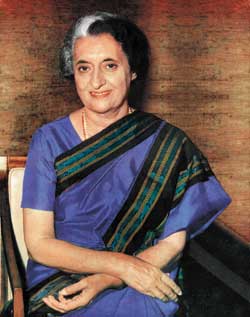
Indira Gandhi, Prime Minister of India had initiated Liberation of Bangladesh during 1971 with military action in Chittagong Hill Tracts. The battle plan of this military action is known as Operation Eagle. She had conceived this battle plan to bring peace in that region. She was inclined towards peace. She wanted to deliver peace to people of Bangladesh who had earlier declared their independence from Pakistan. During Operation Eagle 1971, I had served in South Column, an Infantry Unit Commanded by Lieutenant Colonel B K Narayan. He was a great Islamic Scholar. He had explained to me that PEACE is the greeting of Righteous people.
OPERATION EAGLE 1971:The Flag of The Regiment of Artillery of Indian Army. This is a story about a Gunner, an Officer of The Regiment of Artillery who had commanded an Infantry Unit during India-Pakistan War of 1971 and had planned and executed Infantry Assaults on Enemy Posts to Liberate Bangladesh. His Unit was the first to receive the Gallantry Awards of Vir Chakra during the Liberation War of Bangladesh.OPERATION EAGLE 1971:The Military Operation in Chittagong Hill Tracts during India-Pakistan War of 1971 aimed at restoring Peace and to deliver Peace to Bangladesh Muslims to help them live in Dignity. My Unit had captured Kaptai and this Dam was not targeted for inflicting any kind of damage.
OPERATION EAGLE 1971:My Unit never discussed any Battle Plan that required blowing up the Dam over Karnaphuli River at Kaptai.
A personal tribute to Lieutenant Colonel B K Narayan, an Islamic Scholar who served in Olive Green Uniform. The Imam of Friday Prayer in Kaptai on December 17, 1971
A Sermon in Kaptai, Bangladesh Ops 1971-72. A personal tribute to Lieutenant Colonel B K Narayan, The Regiment of Artillery. An Islamic Scholar who served in Olive Green Uniform. The Imam of Friday Prayer on December 17, 1971.
I was in college from 1962 to 1965 and obtained the Bachelor of Science degree from Osmania University, Hyderabad. I remember this period as the Golden Age of immortal Mohd. Rafi whose melodies still fill my ears. I grew up in this cradle of Urdu language Culture and had acquired my love for ghazals and qawwalis. I spent time in Lucknow, a crown jewel in the Urdu speaking world, where you meet in the market place, ordinary folks who speak in tones that have made the language famous for its sweetness. Much later, I had served in the Royal Oman Army and took my first lesson in Arabic language. My love for Urdu and my Knowledge of Arabic language pales when I write about this Islamic Scholar and Arabic language expert whom I met in India during 1971. He passed away on Sunday, May 2, 2004, in Bahrain where he worked for over 20 years as the Head of the Translation Department at the Bahrain Archives. This is not a tribute about his academic accomplishments, the books that he had published, his military career or about his famous friendly relationship with President Gamal Abdel Nasser and President Anwar Sadat of Egypt. I am writing this tribute to recognize his personal qualities and the values that he had promoted. I am writing this tribute to recognize him as a “peacemaker.” He represents a symbol of hope and the light that he had shown may lead us on to a path of peaceful co-existence.
A personal tribute to Lieutenant Colonel B K Narayan, an Islamic Scholar who served in Olive Green Uniform. The Imam of Friday Prayer in Kaptai on December 17, 1971: ” (This is) a Scripture that We have revealed unto thee, full of blessing, that they may ponder its revelations, and that men of understanding may reflect “.(Holy Book of Quran, Surah XXXVIII, “SAAD” verse 29)
I met Lieutenant Colonel.B K Narayan in Demagiri, Mizoram in October 1971. He hails from Karnataka, and he grew up as a Hindu. We gathered in Demagiri to make preparations to launch Operation Eagle in support of Bangla Muslims seeking freedom from military dictatorship imposed by Pakistan. In Demagiri, I reported to him to serve as his Medical Officer of the South Column Unit. He had the unique distinction of commanding an Infantry Unit in the conduct of War while he belonged to The Regiment of Artillery. I have not known a ‘GUNNER’ who could plan and execute Infantry Attacks on Enemy posts. Colonel Iqbal Singh, the Chief of Staff at the Force Headquarters also belonged to The Regiment of Artillery. But, the role played by Colonel Narayan as an Infantry Commander during War is exceptional and has no comparisons that I am aware of. I had the opportunity to converse with him for extended periods of time and came to know his admirable personality. It is not the knowledge of Arabic language that has made him unique and sets him apart from all other language experts. He is special because of his love for Islamic Culture and his ability to project the deep understanding of that Culture when he speaks to others. He performed the holy pilgrimage of Hajj and had observed all the rituals of that spiritual journey like a true and devout Muslim. When he narrated his Hajj experience, I could know the sense of joy and the purity of his intentions. His observance of Hajj, a ritual performed by all devout Muslims, was genuine, real to its core.
A Sermon in Kaptai, Bangladesh Ops 1971-72. A personal tribute to Lieutenant Colonel B K Narayan, an Islamic Scholar who served in Olive Green Uniform. On Friday, December 10, 1971, the South Column Unit under his Command fought a furious battle with Pakistan’s Security Forces just east of Barkal and forced them into a retreat On Friday, December 17, 1971, Colonel Narayan conducted the Friday Worship Service in Kaptai acting as the Imam of Friday Prayer.A personal tribute to Lieutenant Colonel B K Narayan, an Islamic Scholar who served in Olive Green Uniform. The Imam of Friday Prayer in Kaptai on December 17, 1971. The Kaptai Dam was not destroyed during the Bangladesh Ops 1971-72.
From Tlabung, Demagiri, South Column marched to Borunasury and then we marched towards Barkal after neutralizing the enemy post at Jalanpara and had encounters with aggressive enemy patrolling to resist our advance at two other locations. Finally, on Friday, December 10, 1971, the enemy fought a very decisive battle on the east side of Karnaphuli River to stop our advance towards Barkal. After losing the battle, the enemy promptly beat a retreat and withdrew from Barkal, Rangamati, Kaptai, and further moved out of Chittagong without putting up a fight. Col Narayan was able to quote the Quran from his memory and would convey his understanding of the verses with great clarity. I personally witnessed his amazing performance in a little town called KAPTAI, on the banks of Karnaphuli Lake, Rangamati Division of Bangladesh. He conducted the Friday Worship Service for the local Bangla Muslims and delivered a sermon which was received with great appreciation by the worshipers. His job in Uniform did not impose any obligation to organize such an event. He held that prayer meeting entirely on his own initiative and it was purely an expression of his love to worship in the Islamic tradition and it also affirms his faith that the worship of God is not limited by one single tradition.
A personal tribute to Lieutenant Colonel B K Narayan, an Islamic Scholar who served in Olive Green Uniform. The Imam of Friday Prayer in Kaptai on December 17, 1971:”And if they incline to peace, incline thou also to it, and trust in Allah. Lo! He is the Hearer, the Knower.”
The Friday Prayer Service was held at the State Guest House in Kaptai where I stayed after my Unit had captured Kaptai. It had a large Conference Room. Col Narayan contacted the Muslim Clerics of the local Masjid and they were absolutely delighted when they met him. His Scholarship and devotion to Islam had captivated them and they immediately agreed to convene the local congregation at the Guest House and organize the Friday Prayer Service. The Conference Hall got totally packed with worshipers. I could watch the proceedings directly from my room in the State Guest House. The Bangla Muslim Community of Kaptai were truly appreciative of Colonel Narayan and his military campaign for bringing Peace and Joy to their Community.
OPERATION EAGLE 1971:Major General Sujan Singh Uban, Inspector General of Special Frontier Force, was my Commander during Operation Eagle 1971 but he made no mention about ‘The Sermon in Kaptai’ in his book.OPERATION EAGLE 1971:THE SERMON IN KAPTAI, BANGLADESH. We had helped the Bangladesh Muslims to regain their freedom and dignity.The India-Pakistan War of 1971 and the Birth of Bangladesh are very significant achievements of Prime Minister Indira Gandhi. As I was then serving in an Establishment under the Cabinet Secretariat, I had direct and personal understanding of her Foreign Policy Initiatives. She had personally approved our military Operation in Chittagong Hill Tracts. In the conduct of this War, we had faced a very critical moment and it needed her personal intervention and a decision that she alone could make. I rendered my services and had overcome the challenge posed by that critical situation. The importance of this situation could be understood as it needed an intervention from the Prime Minister. I am now asking the Government of India to recognize my GALLANT response in enemy’s territory without any concern for my personal safety.OPERATION EAGLE 1971:Electricity generated at Kaptai helps to operate Chandraghona Paper Mills near Kaptai.An engineer who had worked in the Paper Mills at Chandraghona, a Bangla Muslim had helped my Unit during our military operation in Chittagong Hill Tracts.When our Unit reached Kaptai, the engineer happily returned to his home. I went and visited the Paper and Rayon Fiber Mill at Chandraghona.
Lieutenant Governor of Andaman & Nicobar Islands(December 1985 to December 1989) – Lieutenant General(Retd) TS Oberoi, PVSM, VrC., former General Officer Commanding-in-Chief, Headquarters Southern Command, Pune, former Inspector General, Special Frontier Force, former Commandant, Headquarters Establishment No. 22, Commander Operation Eagle 1971. He is the tall person in this photo wearing dark brown turban. I knew him since 1971. Under his able leadership, the Liberation of Bangladesh had commenced in the year 1971 during the Indo-Pak War.Apart from his military wisdom, he took a good care of all men under his Command. While I was proceeding to Chittagong Hill Tracts, he had individually greeted all the members of my team and had delayed the departure of aircraft to ensure that a hot breakfast was served to all the men boarding the aircraft. He paid personal attention to all the aspects of the military mission to ensure the wellbeing of men apart from achieving success in accomplishing the military task. The sense of warmth he radiated is easily felt when we meet him in person. His grandson provided me the link to this photo. Photo Credit – Trishna-Ajay-Picasa Web Album.
Whole Dude – Whole Fear: The Rudi-Grant Connection faces the Fear of Samsara.
Indian Identity is characterized by a “FEAR”. This is unlike the “FEAR OF THE LORD” described in Judaism, Christianity, and Islam. In the Land of Bharat, human existence is described as ‘SAMSARA’ or ‘BHAVA’. It is a fearful journey. It is a disease entity.
Whole Dude – Whole Fear:The Fear of Samsara. Samsara portrays the picture of life’s journey as a tedious,difficult and challenging swim across an unknown,uncharted and treacherous ocean.
The cultural traditions that originated in India motivate people to seek refuge or shelter at the Feet of the Lord by evoking a sense of fear and this fear is described as the fear of ” Samsara.” Samsara or Bhava describes the viewpoint about the human condition and deals with the problems of human existence. It contributes to a sense of apprehension and anxiety and the attitude it generates is one of intense fear and helplessness.
Whole Dude – Whole Fear: The Fear of Samsara. Samsara portrays the picture of life’s journey as a tedious,difficult and challenging swim across an unknown,uncharted and treacherous ocean.
In one great leap of faith, Lord Hanuman jumps over the sea with utmost ease, whereas crossing the sea evokes only a sense of fear in my heart. I derive some hope from the legend about the land bridge (Setu) built by the army of monkeys.The Sea God promised them that the rocks and boulders used for the construction of the bridge will be held in place and stay afloat. He did that to please Lord Rama. During my perilous journey across the ocean of Samsara, I use the name “RaMa” to stay afloat just like the stones used in the construction of the land bridge.
Whole Dude – Whole Fear: Samsara portrays the picture of life’s journey as a tedious,difficult and challenging swim across an unknown,uncharted and treacherous ocean. In the fearful journey described as ‘SAMSARA’, I use Lord Rama’s name as a ‘Life Jacket’ and also the name serves like a Beacon of Hope and provides a sense of direction while journeying across an uncharted, treacherous sea.Whole Dude – Whole Fear: The Fear of Samsara. Samsara portrays the picture of life’s journey as a tedious,difficult and challenging swim across an unknown,uncharted and treacherous ocean.
“The fear of the Lord is the beginning of Wisdom” says the Holy Bible, The Book of Proverbs, Chapter1, verse 7.
Whole Dude – Whole Samsara – Whole Journey. Abhaya Mudra and Abhaya Hasta describe the positioning of hand to indicate as a sign that overcomes the sense of fear.
For the religious traditions that originated outside of India such as Judaism, Christianity and Islam, the fear of the Lord could be a primary motivating factor to seek the worship of the Lord. On the contrary, the religious traditions that originated in the Land of India, do not encourage their adherents to entertain any such fear of the Lord. In the Indian traditions, the Lord or the Deity that Indians choose to worship would receive them with a sign that proclaims ” Be Fearless.” The Lord reassures them with a sign that is popularly described as Abhaya Hasta or Abhaya Mudra . In Indian literature, countless number of images, idols, paintings and drawings, there are invariable references to a consistent message of Abhaya and naturally Indians are less concerned with ” The Fear of the Lord.”
Whole Dude – Whole Fear: The Fear of Samsara. Samsara portrays the picture of life’s journey as a tedious,difficult and challenging swim across an unknown,uncharted and treacherous ocean.Whole Dude – Whole Fear: The Fear of Samsara. Samsara portrays the picture of life’s journey as a tedious,difficult and challenging swim across an unknown,uncharted and treacherous ocean.
Samsara portrays the picture of life’s journey as a tedious,difficult and challenging swim across an unknown,uncharted and treacherous ocean.
Whole Dude – Whole Fear: The Fear of Samsara. Samsara portrays the picture of life’s journey as a tedious,difficult and challenging swim across an unknown,uncharted and treacherous ocean.Whole Dude – Whole Fear: The Fear of Samsara. Samsara portrays the picture of life’s journey as a tedious,difficult and challenging swim across an unknown,uncharted and treacherous ocean.Whole Dude – Whole Fear: The Fear of Samsara. Samsara portrays the picture of life’s journey as a tedious,difficult and challenging swim across an unknown,uncharted and treacherous ocean.Whole Dude – Whole Fear: The Fear of Samsara. Samsara portrays the picture of life’s journey as a tedious,difficult and challenging swim across an unknown,uncharted and treacherous ocean.
Samsara is also depicted as a serious disease entity afflicting a person’s health and is referred to as ” Bhava Roga.” Others view Samsara as existence in a bottomless deep pit (“Aghada”)or that of being trapped in a deep well from where an escape would not be easy. The fear of Samsara/Bhava, the fear of the human condition, has nothing to do with physical courage. The powerful idea of Samsara inspires a sense of fear in the hearts of even the most courageous of all people. Cultural traditions that have their roots in the other parts of this planet may not be aware of this kind of fear and hence the fear of Samsara could be viewed as a feature that defines and molds the Indian Identity. Indians chant the Lord’s name as a medicine to cure this terrible disease and they seek Lord’s protection to reach the shore and complete the journey across the ocean.There are numerous references in the Indian literature.
Whole Dude – Whole Samsara – Whole Journey. My Life Journey started in Mylapore, Madras (Chennai City) on Kutchery Street near the Marina Beach.
Human existence is beset with countless uncertainties and difficulties which may arrive without any prior warning from different directions in an unpredictable manner. It is rational to approach life with a sense of apprehension and seek the help of the Lord who graciously held His right hand in a show of compassion and receives with a greeting of “Abhaya” and is willing to banish the fear of Samsara.
Whole Dude – Whole Fear: The Fear of Samsara. The LORD is Male and Female at one and the same time. The right hand is held in the pose of Abhaya Mudra. Samsara portrays the picture of life’s journey as a tedious,difficult and challenging swim across an unknown,uncharted and treacherous ocean.The Living SpiritThe Rudi-Grant ConnectionFrom Marina Beach to Englewood BeachWhole Dude – Whole JourneyWhole Dude – Whole Fear: The Fear of Samsara
Whole Dude – Whole Hospitality: Defining Indian Identity – The Tradition of Hospitality. Honoring our fallen soldiers. The War Memorial in Walong, Arunachal PradeshWhole Dude – Whole Hospitality: Defining Indian Identity – The Tradition of Hospitality. I arrived at DumDuma (Doom Dooma) Airfield, Assam in 1972 after the successful conclusion of Operation Eagle, the military action in the Chittagong Hill Tracts, Bangladesh.Whole Dude – Whole Hospitality: I had the wonderful opportunity to serve in the North East Frontier Agency (NEFA), Arunachal Pradesh during 1972-73, after Indian Army’s victory in Bangladesh. I camped at Walong visiting troops.Whole Dude – Whole Hospitality: A view from a hill top near Walong, Arunachal Pradesh.Whole Dude – Whole Hospitality: During the 1962 Chinese aggression Indian Army valiantly resisted the enemy’s attack in a historical battle at Namti Plains, near Walong, Arunachal Pradesh.Whole Dude – Whole Hospitality: Suspension bridge across Lohit River near Chigwinti, Arunachal Pradesh.Whole Dude – Whole Hospitality: This is a picture taken at Headquarters ‘D’ Sector, prior to my visit to Chigwinti, and Walong. I am seen here along with Major Deedar Singh, the Unit Adjutant, and Captain Roop Singh an Assistant Company Commander standing in the middle.
This entry is dedicated to the memory of those brave men who gave their precious lives fighting the massive Chinese aggression in 1962. I experienced the traditional Indian hospitality at a forward Company location in Arunachal Pradesh (North East Frontier Agency) and my memories are fresh after a lapse of nearly 35 years and the reason is that I still feel the same passion to serve our men who fight for our country.
Service Award presented by all Officers D Sector, Establishment 22Whole Dude – Whole Hospitality: Defining Indian Identity – The Tradition of Hospitality. A view of Lohit River at Walong, Anjaw District.
In 1962 while the Chinese attacked India, I was a first year student studying for a Bachelor of Science degree (3- Year Bachelor’s Degree Course) at Government Giriraj Arts College, Nizamabad, Andhra Pradesh. India was taken aback by this unprovoked and unexpected invasion across the Himalayan Frontier. There was a spontaneous reaction from people across our nation. Nizamabad was no exception and the Giriraj students took out a procession to condemn the enemy. I was not a student leader but I was the son of the Principal of the College. That placed me in the very first row of students who led the procession. At that time, I did not visualize myself that I would be wearing the Olive Green Indian Army Uniform.
Whole Dude – Whole Hospitality: Special Frontier Force – Lohit River: “WALONG WILL NEVER FALL AGAIN.”
By year 1972, I completed two years of service in Indian Army and the great moment in my life arrived when I stood before the War Memorial in WALONG. The following verses were inscribed on it:
The sentinel hills that round us stand
bear witness that we loved our land.
Amidst shattered rocks and flaming pine
We fought and died on Namti Plain.
O Lohit, gently by us glide
pale stars above us softly shine
as we sleep here in sun and rain.
Whole Dude – Whole Hospitality: Defining Indian Identity – The Tradition of Hospitality.
Let us keep our collective memory afresh and pay tribute to these loyal sons of our land.
The Tradition of Hospitality in India:
Whole Dude – Whole Hospitality: Defining Indian Identity – The Tradition of Hospitality.
Hospitality is a fairly popular tradition for a variety of cultures across our globe. In India the tradition was well established a long time ago and we elevated it to a degree which may not be seen anywhere else in this world. The Vedic statement ” Athiti Devo Bhava ” is a thought that finds its expression only in our Land. The word ‘Athiti’ defines the guest as a person who could show up at your home without a prior notice or formal invitation and on a day and at a time of his own choice. Our literature is full of stories about this great tradition of hospitality and the episode described in the story of MAHA BHARATA shows the importance of preserving this tradition. Princess Draupadi was overwhelmed by the arrival of a large number of guests , while she and the Pandava Princes lost their kingdom and were living in the forest. She did not want to fail in her duty of being a good hostess. She was desperate and she met this challenge by earnestly praying to Lord Krishna. Upholding the principle of hospitality is very important to Lord Krishna and He gracefully provided the help Draupadi needed to serve her guests in accordance with our Dharma (Right Conduct). Her adherence to the tradition of hospitality truly defines the Indian Identity.
Most of you would have experienced some act of hospitality or the other and I want to narrate a simple act of hospitality that I experienced at CHINGAWANTY ( or CHIGWINTI ) in Arunachal Pradesh and would take this opportunity to speak of my memorable experience at this forward Company location and describe this as our Indian Identity.
The Tradition of Hospitality at Chingawanty (CHIGWINTI ):
Whole Dude – Whole Hospitality: Defining Indian Identity – The Tradition of Hospitality
The Company Commander Major.G B Valenkar was the recipient of VIR CHAKRA award for his role in Operation Eagle, the military action that initiated the Liberation of Bangladesh in 1971 with attacks on the enemy posts in the Chittagong Hill Tracts. During Operation Eagle, we had worked together in the South Column Unit under the Command of Lieutenant Colonel B K Narayan.
Major Valenkar briefed me about the traditional hospitality of the men of his Company. Before the dinner was served, he told me that the men would continue to serve food till such time I announce that I am fully satiated and that I need no further servings. Then, they would bring one more final serving to ensure that I am truly satiated and well fed. I wanted to test the men and find out for myself their devotion to their hospitality tradition. After dinner was announced, I mentioned my preference for bread.
Whole Dude – Whole Hospitality: Defining Indian Identity – The Tradition of Hospitality.
Instead of ‘chapatis’, I told the men hosting my dinner, that I would like to be served with poori (soft, fluffy, deep-fried Indian Bread) to go with my meal. The dishes were served piping hot and the fried poori were made one after the other and a fresh serving would arrive just before I would finish the previous serving. The food was delicious and the mountain weather was cool and refreshing and I was young and had a healthy appetite. I continued eating while having a pleasant conversation with Major.Valenkar and after several servings, the man stood before me respectfully and asked me to grant him some additional time before he could bring forth the next serving. He mentioned that the cook had run out of the dough he had prepared for the evening meal. I responded saying that I really need no further servings and asked him not to bother about preparing more dough. The man submitted that it would not be fair on my part to stop him at that juncture and stated that I could only stop him from serving only at a time when he is able to provide more servings. In the Indian Hospitality tradition, the guest is also expected to give his host a reasonable opportunity to fulfill his obligation and the host has also a right to derive a sense of satisfaction by observing the rules of hospitality. I had to concede and in a little while, he resumed his service. After eating to my heart’s content, I told him that I am really satiated. He agreed to bring in the final serving and he passed in the test and he did not give up until he made sure that I am fed till such time that I am fully fed.
I am speaking of this hearty meal to just give you a chance to taste the passion that keeps us united and we relish the opportunity to serve our Land and defend its traditions of Valor and Hospitality.
Whole Dude – Whole Hospitality: Defining Indian Identity – The Tradition of Hospitality
Annam Brahma raso Vishnu pakto Devo Maheshvarah
Evam samchintya bhumjaano, drushti dosho na lipyate.
Whole Dude – Whole Hospitality: The Hospitality Tradition is based upon the concept of Whole Food or Annapurna, the Goddess of Food
The above verse is asking us to consider both, the meal, and the person who is partaking the meal as God.
Whole Dude – Whole Hospitality: Defining Indian Identity – The Tradition of Hospitality.
Whole Dude – Whole Tradition: Defining Indian Identity-The Tradition of Ahimsa. The Tradition of Cow Worship and Cow Protection.
Lord Krishna in Bhagavad Gita, Chapter 11, Visvarupa-Darsana Yoga, The Vision of the Universal Form, verse 55 proclaims “Advesham Sarva Bhuteshu”- Being devoid of enmity towards all living entities is a must and laid the foundational principle of Ahimsa. Krishna is most popularly known as Govinda, a provider of a great sense of Joy to cattle.
Whole Dude – Whole Tradition: Defining Indian Identity. The Tradition of Ahimsa. Mahatma Gandhi was a staunch advocate of Cow Protection and Prevention of Animal Cruelty.
Mahatma Gandhi applied the principles of ‘Ahimsa’ to fight for India’s Freedom.
“Cow protection to me is not mere protection of the cow. It means protection of all that lives and is helpless and weak in the world.” -Mahatma Gandhi.
Whole Dude – Whole Tradition: Defining Indian Identity. The Tradition of Ahimsa. Lord Gautama Buddha preached Nonviolence and Kindness towards all living things.
Siddhartha Gautama Buddha lived in India, c. 563 B.C. – c. 483 B.C. was the founder of Buddhism.
Whole Dude – Whole Tradition: Defining Indian Identity. The Tradition of Ahimsa. LORD MAHAVIRA – Jainism is founded in the 6th century B.C. emphasized the importance of reverence for all living things.
Lord Mahavira – Jainism is founded in the 6th century B.C. emphasized the importance of reverence for all living things.
In the ancient land of India, the tradition and practice of ‘Ahimsa'(noninjury) has been well established. This entry is not intended to speak about the greatness of Lord Mahavira, Lord Gautama Buddha or Mahatma Gandhi. Their contributions are well-known and well-respected by all. As a beneficiary of this great tradition, I want to claim that Ahimsa helps humans as much as it promotes the well-being of animals. Animals give us a chance to learn and practice the habit of showing compassion. Animals may not be able to speak and communicate their fears, pain, and suffering. But they provide us with the skills to listen and know the emotion of fear. Animals give us the ability to discern pain when we are not in a position to speak for ourselves. I want to describe as to how a person, experienced in preventing cruelty to animals, is well equipped to rescue humans.
Child Abduction and the story of a miraculous rescue:
Whole Dude – Whole Tradition: Swami Karunyananda ( One who delights himself or experiences a sense of Joy by showing Karuna or Compassion. His birth name was Venkata Subbiah. His birthplace was Kammavarpalayam, a tiny village in Madras or Tamil Nadu State of India. He founded and established Sri Gowthami Jeevakarunya Sangham at Rajahmundry during 1940.
Swami Karunyananda, One who delights himself or experiences a sense of Joy by showing Karuna or Compassion. His birth name was Venkata Subbiah. His birthplace was Kammavarpalayam, a tiny village in Madras or Tamil Nadu State of India. He founded and established Sri Gowthami Jeevakarunya Sangham at Rajahmundry during 1940.
Whole Dude – Whole Tradition: Defining Indian Identity – The Tradition of Ahimsa
I am narrating my personal story to recall an event and express my gratitude to a person whose name is not known to me but whom I remember for his timely intervention to rescue me. Otherwise, my life’s journey would have proceeded on an altogether different track. This very simple, down to earth, the unassuming person acted in a manner that had made a lasting impression on my mind and I am able to recollect the incident without any effort.
In 1951, that is 56 years ago, I lived in the town of Rajahmundry, East Godavari district of the present State of Andhra Pradesh. The town is on the left bank of river Godavari which enters the town from the north and flows towards the south. I lived in a residential neighborhood known by the name Innispet and it is located next to the river bank.
Those days, many of the streets had no given names and the houses had no designated house numbers. The part of the street where I lived was later named as ‘KALABARGI VARI’ street. Our house was built by my grandfather (Late)Shri.R.Subbarao who had earlier worked as the District Public Prosecutor. I lived with my grandmother Smt. Lakshmi Narasamma, my parents and two elder brothers. My great-grandmother and my grandmother’s sister had also lived in this mansion. My younger brother and sister are not yet born. I may also mention that my father had chosen my personal name to be Rudra Narasimham and he had made this choice to please and honor my grandmother. For this reason, I had also enjoyed her affectionate treatment.
At the age of three and a half years, I was able to walk and move freely. My elder brothers had already joined schools. I whined about it and my father got me enrolled at King George Elementary School which was on the same street at a short distance from my home. The name King George reminds us of our colonial past. The School had a very modest structure. There was no kindergarten class and hence I joined the grade 1 class.
A little while after the monsoon season had finished, the School was temporarily closed because of a panic created by a string of child abduction incidents. My father was in the habit of going out for an evening walk. That day, the evening was cool and pleasant and the sky was clear. I insisted that I would accompany my father during his evening walk. He tried to talk me out of it and more so out of concern about the child lifting incidents. He left for his walk leaving me at home. I slipped out of the house and I thought I would be able to follow him from behind while he walked ahead of me.
I was walking south on the street and very soon lost sight of him. I kept walking, went past an intersection and at the next intersection, the street had ended. I made a right turn as I had noticed that a lot of people were walking in that direction towards the ‘Main Street’ of our town. The streets had no sidewalks and the pedestrians walk all over the street and there was not much of vehicular traffic.
Soon after I made the right turn, I was suddenly lifted up by a stranger and was handed over to a woman who accompanied him. I instantaneously recognized that I was in some big trouble. I started crying loudly but was not able to express my sense of fear in words. The pedestrian crowd around me paid no attention and my crying aroused no particular concern.
This terrible situation suddenly changed when a man wearing simple, white, hand-spun garments (‘KHADI’) came by riding on a bike. He spontaneously reacted to my crying. In my speechless voice, like any other dumb animal, I could communicate to him that I was very apprehensive and that I was gripped with a sense of fear and pain. He read my emotions correctly and he lost no time and decided to intervene.
He stopped the pair and started grilling them with questions and insisted that I was not their child. They initially argued that I was their child. My rescuer did not relent a bit and eventually, he demanded that the pair should accompany him to the Police Station to verify my identity. I remained a silent spectator and the sense of fear would not let me speak up the fact that I was not their child and that woman was not my mother.
As the heat of the argument built up, the pair decided to get away and the woman dropped me down leaving me with the man on the bike. I was at ease in the company of this unknown man and the sense of fear vanished and I stopped crying.
He placed me on the front bar of his bike. He inquired about my address. The only information that I could provide was that my house was located near a doctor’s clinic. Meantime, the evening had already turned into night. He decided to return me to my home. Before doing so, he took me to a street vendor selling sweets and snacks. He asked me to pick an item of my choice. He paid the merchant. After I finished eating my snack, I felt a lot more relaxed and was ready for the bike ride through the neighborhood.
After spending some time conversing with me, he began his search at the north end of the street where I lived. The street was fairly long and had several houses on either side. Those were the days when we had no television; before retiring for sleep, people were in the habit of relaxing in front of their homes after it gets dark. House after house, he was checking with people and was inquiring about any missing child.
Finally, we arrived at the intersection where my house stood on the street corner. At that point, to recognize my house was very easy for me. I saw my grandmother and my mother standing on the front porch with a very worried expression on their faces. The search was over and I simply jumped out from the bike and literally ran into my home. I was not around when my mother and grandmother thanked him for bringing me back home safely and they were shocked to know that I was briefly got abducted. Later, my mother tried to gently admonish me and asked if I would ever go out alone all by myself. By then, I had lost the fear that gripped my mind and I was happy with my experience of meeting this man who got me back home and very boldly I answered my mother that I am not afraid of going out on my own.
This unknown man worked for a charitable organization by the name “Sri Gowthami Jeeva Karunya Sangham.” This organization provides animal shelters and a variety of humanitarian services. The employees patrol the streets on bikes to detect and to prevent cruelty to animals.
His belief in Ahimsa or Non-Injury, his personal experience in dealing with the pain and suffering of dumb animals had also given him the insight to recognize my plight when I was lifted up from the street. On a crowded street, while I was snatched, no one had paid attention to my cries, but for this person, the abduction would have proceeded unnoticed.
I describe that this person has the Indian Identity that I cherish and value. This Identity springs from our long-established Cultural tradition of Ahimsa. I would consider him to be a true practitioner of Ahimsa.
I have not personally known or seen Sri. Karunyananda (1894- 1997) who established Sri Gowthami Jeeva Karunya Sangham in Rajahmundry during the year 1940. Karunyananda was at Swami Sivananda’s Ashram at Rishikesh in northern India. Mahatma Gandhi visited Rishikesh and addressed the group of young ‘sanyasins’ at the Ashram. He encouraged them to render humanitarian service and serve others to practice the principle of ‘Ahimsa’ which involves treating all living entities with a sense of respect and dignity.
This concept of ‘Ahimsa’ reached me through the service rendered by a man who practiced the principle of ‘Ahimsa’ and gained the ability to recognize pain and suffering even when there is no verbal communication to express that condition.
Dr. R. Rudra Narasimham, B.Sc., M.B.B.S.,
Danavaipeta Municipal High School, Rajahmundry, East Godavari District, Andhra Pradesh, India,
S.S.L.C., Class of March 1961.
Whole Dude – Whole Tradition: Defining Indian Identity – The Tradition of Ahimsa. A tribute to the founder of Shri Gowthami Jeeva Karunya Sangham, Rajahmundry.
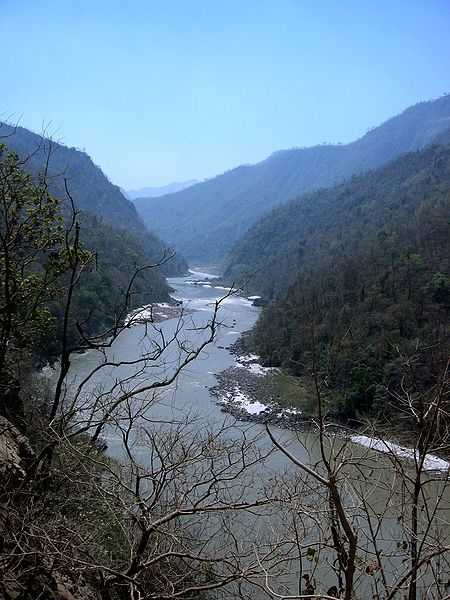
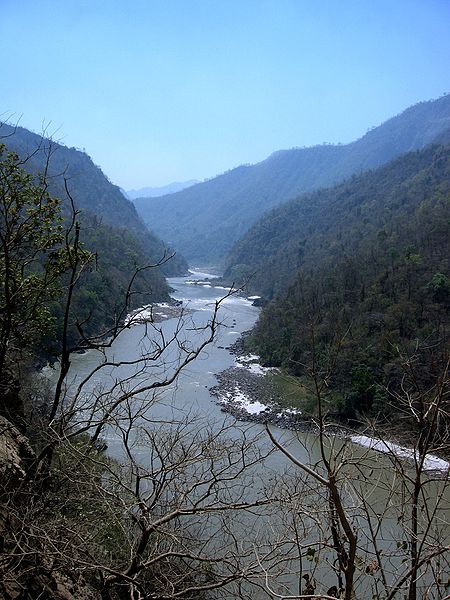
Whole Dude – Whole Ganges: Defining Indian Identity – The Spirit of Nationalism. Mother Ganges is the Spirit of the Nation called India or Bharat.Whole Dude – Whole Ganges: The Spirit of India
“….The Ganges,above all is the river of India,which has held India’s heart captive and drawn uncounted millions to her banks since the dawn of history.The story of the Ganges,from her source to the sea,from old times to new,is the story of India’s civilization and culture,of the rise and fall of empires,of great and proud cities,of adventures of man….”
Discovery of India, Jawaharlal Nehru
Whole Dude – Whole Ganges: Jawaharlal Nehru, India’s First Prime Minister speaks eloquently about River Ganges shaping the lives of Indians throughout History. Mother Ganges is the Spirit of the Nation.
Jis Desh Mein Ganga Behati Hai (The Country Where River Ganges Flows)
Whole Dude – Whole Ganges: WHAT IS INDIA? INDIA IS DEFINED AS THE LAND OR COUNTRY WHERE RIVER GANGES FLOWS. INDIA CAME INTO EXISTENCE WHEN GANGES STARTED FLOWING THROUGH THIS LAND. RIVER GANGES IS THE SPIRIT OF THIS NATION
Raj Kapoor won Filmfare’s Best Actor Award in 1961 for his portrayal of ‘Raju’, a song writer, in his film titled ‘Jis Desh Mein Ganga Behati Hai’. The picture was released during 1960 when I was twelve years old and was studying in VI-Form (S.S.L.C. Class of March 1961) in Danavaipeta Municipal High School, Rajahmundry, East Godavari District, Andhra Pradesh, India.We had a beautiful marble statue of Mahatma Gandhi right in front of our school.I studied Indian History as part of my school curriculum.I used to score well in my History tests. It was not too difficult for me to remember all those dates,names and other facts that constitute the subject matter of History. I have a deep sense of appreciation for all those leaders who orchestrated the political struggle against the British Rule.The Freedom Movement did indeed foster a sense of purpose and united people to achieve a common goal. It could be true that the fight against the Colonial powers gave a sense of Identity and very often the freedom fighters were called ‘Satyagrahis’. I have great admiration for their sense of patriotism and I am ever grateful for the sacrifices they made to win our independence. I saw this movie ‘ Jis Desh Mein ‘ just once and may have heard the title song on the radio on a few occasions.But the song , “Hotoan pe sachhai rahati hai, jahan dil me safaai rahati hai, Hum uss desh ke vaasi hai, Hum uss desh ke vaasi hai, Jis Desh Mein Ganga Behati Hai” never faded from my memory.
Whole Dude – Whole Ganges: Defining Indian Identity – Mother Ganges is the Spirit of the Nation called India or BharatWhole Dude – Whole Ganges: Defining Indian Identity – Mother Ganges is the Spirit of the Nation called India or Bharat
Ten years after seeing the movie, in the year 1970, at the age of 22 years , I was granted President’s Commission and joined the Indian Armed Forces in the rank of Lieutenant.While joining Service,we accept the risks that naturally accompany such an occupation and reflect upon the motivation that shapes the decision.I understand that the Freedom Struggle was important but that Struggle does not define my sense of National Identity.I have known that the country that we call India has existed long before the invasion by the Mughals,the country that we call India has existed during centuries of British Rule and now the country that we call India exists in spite of the changes in the political landscape and the political fortunes of the Parties that we elect from time to time. My sense of National Identity is not dependent upon the political history of our country. My sense of National Identity does not depend upon the language that I speak at home and it is not related to the regional customs pertaining to food or dress. I have known my country from its Cultural Traditions. In 1970,I joined the Indian Army to defend the country which lives in my mind as the Land where River Ganga flows.
Whole Dude – Whole Ganges: Mahatma Gandhi is revered as the Father of the Nation and had promoted the Spirit of Nationalism during India’s long Struggle for Freedom. But, Mother Ganges is the Spirit of this Nation called India or Bharat.
In my opinion, the country that we call India is not a mere political entity. It is true that India gained its political freedom in 1947. The country is existing ever since the River Ganges started flowing across its Land.
I am not surprised that the song “Jis Desh Mein” still plays and I still hear the golden voice of immortal Mukesh, whenever my heart dreams about India. Most certainly, the Spirit of Nationalism is inspired by a history which reaches back to a period earlier than the British occupation of India.
Jis Desh Mein Ganga Behti Hai Lyric
Whole Dude – Whole Ganges: Defining Indian Identity – Mother Ganges is the Spirit of the Nation called India or Bharat.
hothon pe sachchaaee rahatee hain, jahaan dil mein safaee rahatee hain hum us desh ke waasee hain, jis desh mein gangaa bahatee hain hothon pe sachchaaee rahatee hain, jahaan dil mein safaee rahatee hain hum us desh ke waasee hain, jis desh mein gangaa bahatee hain mehmaan jo humaaraa hotaa hain, wo jaan se pyaaraa hotaa hain mehmaan jo humaaraa hotaa hain, wo jaan se pyaaraa hotaa hain jyaadaa kee nahee laalach hum ko, thode mein gujaaraa hotaa hain thode mein gujaaraa hotaa hain
bachchon ke liye jo dharatee maan, sadiyon se sabhee kuchh sahatee hain
hum us desh ke waasee hain, jis desh mein gangaa bahatee hain
kuchh log jo jyaadaa jaanate hain, insaan ko kam pahachaanate hain kuchh log jo jyaadaa jaanate hain, insaan ko kam pahachaanate hain
ye poorab hain, poorabawaale, har jaan kee kimat jaanate hain milajul ke raho aaur pyaar karo, ik cheej yahee jo rahatee hain
jo jisase milaa sikhaa hum ne, gairon ko bhee apanaayaa hum ne jo jisase milaa sikhaa hum ne, gairon ko bhee apanaayaa hum ne matalab ke liye andhe ho kar, rotee ko nahee poojaa hum ne rotee ko nahee poojaa hum ne
ab hum to kyaa saaree duniyaan, saaree duniyaan se kahatee hain
hum us desh ke waasee hain, jis desh mein gangaa bahatee hain
Whole Dude – Whole Ganges: Defining Indian Identity – Mother Ganges is the Spirit of the Nation called India or Bharat.
Whole Dude – Whole Baptism: Defining Indian Identity – The Tradition of River Worship. River Godavari at RajahmundryWhole Dude – Whole Baptism: Defining Indian Identity. The tradition of River Worship. River Godavari at Rajahmundry.
CULTURAL UNIFICATION OF INDIA – THE PRACTICE OF TIRTHA SNAN ( BATHING IN HOLY RIVERS )
Whole Dude – Whole Baptism: Defining Indian Identity. The tradition of River Worship. River Godavari at Rajahmundry.
Water plays an important role in a variety of Cultures and religious practices prevalent in this world.The role of water constitutes one of the most remarkable aspects of Indian religious life. Hindu religion is often described as Sanatana Dharma. The practice of bathing in a river is an unusual example of the continuance of an ancient tradition and hence I can refer to the practice of Tirtha Snan (The ritual of River Bathing) as “Sanatana” (of great antiquity) in its origin. Simply touching water is a purifying gesture in the Vedas. Pilgrimages (Tirtha Yatras) to holy rivers (Tirtha) was already known in Vedic and Epic times and it remains extremely popular up to the present day. In fact,my impression is that the practice has become more popular and a far greater number of people are participating due to the availability of modern time conveniences for travel and lodging.The news media consistently report that our river festivals such as “Kumbh Mela” and “Pushkarams” have established world records as the largest gathering of human beings upon this earth in one single day and for one single purpose.
The sacredness of a place is often due to the sanctity it derives from its location on the bank of a holy river (Tirtha Sthan or Tirtha Kshetra). The following verse is an example of such belief. The simple act of remembering the various places that River Ganges traverses through, is equivalent to the worship of all Gods and it bestows great blessings (Punya).
Tatra tatra sthita Ganga, Sarva Punya phala prada
Bhaveth smarana maatrena, Sarva Deva namaskruta.
Apart from bathing (Snan), holy waters are used in the ritualistic worship of deities,and the water used in the worship is used to sprinkle upon the heads of the devotees and also consumed by the devotee in acceptance of the blessings from the Deity. The devotee hopes for deliverance from sin or pollution (“Paap”), seeks preservation or enrichment of his religious merit (“Punya”), hopes for a reward such as rebirth in a heaven (“Swarg Lok”)and even total emancipation (“Moksha or Mukti”). There are instances when people had actually traveled to the holy city of Varanasi to die near the holy River Ganges. More often, the cremated remains, the ashes are carried by the loved ones and are physically sprinkled and immersed in the holy rivers such as Ganges to help the onward journey of the departed soul.
Whole Dude – Whole Baptism: Defining Indian Identity. The tradition of River Worship. River Godavari at Rajahmundry.
The worship of rivers and the practice of bathing is a belief that is connected with the traditional Indian views of earthly life. Indians believe in the theory of Karma. They believe that the acts of their present lives and their past lives would be a factor that determines the condition into which a being is reborn. The Karma binds the soul and compels it to go through an endless series of births and deaths. The cycle of birth, death and rebirth is called Samsara. In my previous entry, I described the fear of Samsara as the defining attribute of Indian Identity. The practice of bathing in a holy river is an example of the doctrine of Individualism. Even when millions of people travel and gather together to bathe in a river on one day, each is acting strictly to earn his own merit and to reap his own benefit and the community does not expect any share of the rewards that the bather may be granted. I bathe and wash my own sins and I can not be of any help to others if they carry the burden of their own sins. Each person has to accept individualistic responsibility for their own actions and if necessary they can seek help from others to get to the river and ask for assistance to bathe in the river.
Whole Dude – Whole Baptism: River worship appears to be a communal event but its usefulness is strictly individualistic in nature.
River worship appears to be a communal event but its usefulness is strictly individualistic in nature. Bathing is not viewed as a simple act of personal hygiene, it constantly reminds us of the need to seek purification and makes us aware of our responsibility for own actions and challenges us to face the consequences in our future lives. People are encouraged to seek the blessings that bathing in holy rivers would contribute even while they may be showering at home. The following verse is an example of our connection to the rivers that flow across our Land.
Meaning: 1: O Holy Rivers Ganga and Yamuna, and also Godavari and Saraswati, 2: O Holy Rivers Narmada, Sindhu and Kaveri; Please be Present in this Water (and make it Holy).
My introduction to River Worship
Whole Dude – Whole Baptism: Defining Indian Identity. The tradition of River Worship. The celebration of Godavari River.
Culture represents ideas and thoughts transmitted by one generation to the next. It indeed gives me a great pleasure to recall my learning of this unique Cultural Tradition while I lived at my Grandfather’s mansion in Innespeta of Rajahmundry town in East Godavari District of Andhra Pradesh. During 1950s, I lived with my parents,two brothers, grand mother, her sister and my great grand mother. The house had bath rooms and we had regular piped water supply from the municipality. We would generally shower at home and on important festival days, we would bathe in River Godavari. My great grand mother was an exception to this bathing practice. She firmly believed in the practice of river worship and adhered to it every single day and almost till her final days of earthly existence. She was of short stature and she was already in her ninety’s and due to her age, her spine curved and made her even smaller. Her vision had deteriorated and she was able to see only a few feet ahead of her. Our house was located at the corner of Kalabargivari Street and the Ramalayam street.The Lord Sri Rama Temple of Innespeta is a well known land mark and it stands next to the protective river embankment. The river bank is fairly wide, it includes the railway tracks and a motor-able road. Much later, the second rail cum road bridge was built across Godavari River using these railway tracks. My great grand mother would walk to the river all by herself and used a walking stick to support herself. The walk to the river is short but she faced a lot of dangers on the street. Those days, the vehicular traffic was not a problem and crossing the railway tracks was not a problem. The biggest threat was posed by the stray animals such as goats and cows that roam freely on the streets. She was practically defenseless. As young boys at home, myself and my elder brother were often given the chore of escorting my great grand mother during her walk to the river. When we followed her as her escort, the animals always behaved better and would not come to attack her. The reward myself and my brother Pratap reaped was that of getting into the emerald green, crystal clear, cool waters of River Godavari and frolic in the shallow waters as my great grand mother did her worship. But for my great grand mother’s tenacity and perseverance, myself and my brother would never have ventured to make a trip to the river in the morning.
Whole Dude – Whole Baptism: Defining Indian Identity. The tradition of River Worship. Pilgrims at Godavari River.
It was a joyful experience and the Tradition of River Worship gave us some very fond memories of our life in Rajahmundry. The following verse speaks of the importance that we attach to rivers of India and they are treated with great respect as they are deemed to be the same as Ganges:
Whole Dude – Whole Baptism: Defining Indian Identity. The tradition of River Worship.
Kaveri,Tungabhadra cha, Krishnaveni cha, Gautamee
Bhagirathi cha vikhyata, Pancha Ganga prakirtita.
Whole Dude – Whole Baptism: Defining Indian Identity. The tradition of River Worship. River Godavari Bridge in Rajahmundry.Whole Dude – Whole Baptism: River worship appears to be a communal event but its usefulness is strictly individualistic in nature.
Whole Dude – Whole Learning: Defining Indian Identity – Idol Worship – A Learning Experience
Sri Raghavam Dasarathatmajam aprameyam
Sita-patim Raghu kulanvaya ratna deepam
Ajanubahum aravinda-dalayataksham
Ramam nisachara vinashakaram Namami.
Idol Worship – A Way of Life:
Whole Dude – Whole Learning: Defining Indian Identity – Idol Worship – A Way of Life
Worship of idols and images is an part of daily life in many Indian homes. Long before its birth as a political entity, the Land of India was recognized by the outside world as a Land where people worship idols. The plurality of gods in daily worship is a way of life. Indian people worship idols and images of one or another of the innumerable gods in their homes, in public places as well as in temples.
Childhood is a time of great learning experiences. A child imbibes Cultural values and learns Cultural traditions mainly at home while the child is dependent on and is educated by parents and other adults. Children acquire the Culture of the society they live in through a gradual learning process. My childhood learning experience of idol worship occurred in two places. While I was in Mylapore (Madras/Chennai City), the day would generally begin with a small errand. Myself and my elder brother Pratap would go out with a basket and gather flowers by just walking around in the neighborhood. Every home would keep some flowering plants which are traditionally used in daily worship. We were fond of gathering a variety of flowers for my maternal grandmother’s morning worship. It was a pleasant task and the fragrance of ‘Parijatham’ flowers that we gathered still lingers in my memory. I also spent my early childhood in Rajahmundry at my paternal grandfather’s home in Innispeta. My grandmother would also worship the morning rising Sun before starting her idol worship. Very often, we wait in the courtyard and alert our grandmother when Sun shows up in the sky. During the monsoon season, one has to patiently wait for the rain clouds to drift and let the Sun come out. At the end of her worship, we were always ready to receive the offerings (PRASAD) and there was always a sense of pleasure while waiting for these daily morning treats. Childhood was spent in observing the adults and on special occasions, the children at home participate in the worship while the elders give directions. The worship at temples was done in the company of parents and elders.
A Learning Experience from 1954:
Whole Dude – Whole Learning: Defining Indian Identity – Idol Worship – A Way of Life
I was six years old and was a fourth class student at King George Elementary School, in Innispeta of Rajahmundry. One evening, just after it became dark, my father experienced sudden abdominal pain. The intensity of his pain was very severe and he was alarmed by his condition. As the pain persisted, he started pressing people to notify others about his predicament and I remember that he wanted that his younger brother (a doctor) who was then working in Nagpur City, should be alerted with a telegram. At one point of this painful state, my father had even asked that he should be laid on the floor in the anticipation of an impending death. My two elder brothers, Hari and Pratap, and myself watched this scene and were moved into action. At my eldest brother Hari’s initiative, the three of us proceeded to Lord Sri Rama’s temple which is located near the Godavari river bank, a short walking distance from our home. The temple was still open and had only a very few worshipers as night had set in. We stood before the idols in total silence and paid our respects with the traditional greeting of ‘Namaskar’. Temple worship is a simple act. You just need to come before the idol and you are not really required to speak out your concerns and spell out the reasons for seeking the darshan (viewing the idol). It took a couple of minutes and the priest graciously gave us a mango fruit as ‘prasad’. Those few minutes that I spent standing mutely before Rama’s idol at night-time, is the reason that I still remember and recall my father’s abdominal pain after a lapse of about fifty-three years. I went to the temple with a sense of anxiety and with a sense of expectation that visiting the idol of Rama would somehow help my father to get rid of that terrible pain. I silently communicated my concern to the idol and I received a response. The response that I received was that of reassurance and comfort. I felt immediately relieved of a burden and felt upbeat and the feeling was one of instant gratification. Myself and my brothers returned home from the temple. I wanted to tell my father about our visiting the temple and I wanted to assure him that he would be alright if he would take a few drops of the juice from the mango fruit that we received from the priest. When we got back, the scene had changed. I did not get a chance to speak to my father and offer him the mango fruit. He had a large vomiting and threw up the food that he ate before. It helped him, his pain started to subside and he could rest without further problems. We retired for the night and the next day was just a routine day at the school. We never discussed that painful episode again and the communication that I received from Rama’s idol got preserved in my memory and my family had no chance to know about it.
Whole Dude – Whole Learning: LORD RAMA. His image or idol is worshiped by Indian people. Is that a false belief? Is that a superstition? What is true Worship?
The rest of the world may call my visiting Lord Rama’s idol as an act of superstition or false belief. My heart knows and my mind remembers that the idol gave me a sense of relief and comfort and my experience was real and genuine. Every one is welcome to take the place of that idol and if they are willing to be a source of comfort, and I am willing to have their darshan and worship them just like the idols that I would like to worship seeking a personal experience which is real while the basis for the belief is not easy to verify.
Whole Dude – Whole Learning: The simplest form of Idol Worship involves standing before the Idol and greeting the Idol with palms pressed in front of you.