The Problem of Red China – Absolute Power Corrupts Absolutely
THE PROBLEM OF RED CHINA – ABSOLUTE POWER CORRUPTS ABSOLUTELY. RED CHINA’S DICTATORIAL REGIME IS ENEMY OF LIBERTY, INDIVIDUAL RIGHTS, HUMAN FREEDOM, PEACE, DEMOCRACY AND JUSTICE
“Power corrupts, absolute power corrupts absolutely.” This statement is entirely true of Red China’s Dictatorial Regime. Red China’s use of ‘Absolute Power’ is Enemy of Liberty, Individual Rights, Human Freedom, Peace, Democracy, and Justice. There is no ‘Goodwill’ for Red China’s tyranny. I am not surprised to note that Red China cannot understand the problem of Terror. I predict the downfall of this utterly corrupt regime which is subjugating Tibet without any moral authority.
THE WASHINGTON POST
A Chinese official said the Dalai Lama supports the Islamic State. Ridiculous — and telling.
By EMILY RAUHALA
The Problem of Red China – Absolute Power Corrupts Absolutely.
Tibetan spiritual leader the Dalai Lama speaks at a peace conference in Bangalore, India. (AP/Aijaz Rahi)
It’s no secret that China’s leaders dislike the Dalai Lama. Over the years, Communist Party cadres have denounced the exiled spiritual leader as a “separatist,” a “splittist,” and a “wolf in monk’s robes.”
On Tuesday, the chairman of China’s top religious affairs committee, Zhu Weiqun, extended that war of words, telling a Chinese reporter that the Dalai Lama sympathized with the Islamic State.
“While the whole world has reached a preliminary consensus on fighting against IS and its cruel, violent behaviors, the Dalai Lama suggested listening, understanding and respecting them,” read an account of Zhu’s comments published by the Global Times, a Chinese newspaper known for its strident nationalism.
“This shows that the Dalai Lama, deep down, sympathizes or approves of ISIS.”
The interview came two days after the Dalai Lama told an Italian newspaper that dialogue was necessary to defeat extremists.
To tackle the Islamic State, “there has to be dialogue,” he told La Stampa on Monday, according to a report by the French news agency, Agence France Presse. “One has to listen, to understand, to have respect for the other person, regardless. There is no other way.” Zhu’s attempt to cast a call for dialogue as an endorsement of violence is telling — for two reasons.
First, it calls attention to the Chinese government’s ongoing effort to tarnish the Dalai Lama and, in so doing, try to nullify Tibetan demands for autonomy, religious freedom and human rights.
The Dalai Lama was born in what is today Qinghai province, moved to Lhasa as a child and, after a failed 1959 uprising against Chinese rule, fled over the Himalayas to India, where he has lived in exile ever since.
In the late 1980s, he publicly abandoned the pursuit of Tibetan independence in favor of what he calls “the Middle Way.” The strategy, which is unpopular among some Tibetans, seeks greater autonomy within the People’s Republic of China, not a new state.
But the central government insists the Dalai Lama is a determined separatist who works to divide China from abroad. They blame him — not economic, religious and cultural discrimination — for the riots that swept across the plateau in 2008, as well as more than 140 Tibetan self-immolations since 2009.
Indeed, in his interview with Global Times, Zhu reportedly said the Dalai Lama “incited” Tibetans to burn themselves to death. He called this “a form of violent extremism,” rhetorically linking public suicides in Tibetan areas to acts of terrorism committed by the Islamic State.
Second, and in a similar vein, Zhu’s comments come amid a post-Paris push to tie what is happening in China’s west to a global war on terror.
In the aftermath of the deadly attacks in Paris last month, China’s top leaders were quick to denounce the violence, but also used the moment to remind the world that, as Foreign Minister Wang Yi put it, China is “also a victim of terrorism.” There should be no “double standard” in how we think about terrorism, he said — a sentiment later echoed by Xi Jinping. The notion that the West dismisses China’s terror problem is popular here.
In 2014, attackers with knives slaughtered 29 people, and injured more than 100, in an attack at a train station in Kunming. Blocked from reporting at the scene, many foreign reporters avoided using the word “terrorism” or “terrorists” or did so quoting state media — a linguistic hedge that outraged many Chinese. The same sentiment proved salient after Paris. “In their eyes, only terrorist attacks that happen on Western soil can be called acts of terrorism,” read a China Daily editorial.
The challenge for those researching or writing about mass violence in China is that the word terrorism — tough to define in any context — is used in an extraordinary range of ways here. China’s top leaders have long warned against the “three evil forces”— terrorism, separatism and religious extremism — and use the words in almost interchangeable ways, observed Australian scholar James Leibold in a recent piece for the National Interest.
Acts of mass violence by Han Chinese are not treated as terrorism, he noted, but for Tibetan and Uighurs, a wide range of non-violent acts seem to count.
“The line between peaceful political activism and violent acts of terror is frequently blurred in China, as the sentencing of Uyghur scholar ILHAM TOHTI and the Tibetan monk TENZIN DELEK RINPOCHE on charges of terrorism and separatism suggests,” Leibold wrote.
“In Chinese discourse, terrorism is employed exclusively in reference to Tibetans and Uyghurs.”
That means that a Nobel Peace Prize winner like the Dalai Lama is an advocate, by Zhu’s count, of “forms of violent extremism.” And so is Abu Bakr al-Baghdadi.
Emily Rauhala is a China Correspondent for the Post. She was previously a Beijing-based correspondent for TIME, and an editor at the magazine’s Hong Kong office.
The Problem of Red China – Absolute Power Corrupts Absolutely. Red China Enemy of Democracy.The Problem of Red China – Absolute Power Corrupts Absolutely – Red China Enemy of Freedom.The Problem of Red China – Absolute Power Corrupts Absolutely – Red China Enemy of Justice.The Problem of Red China – Absolute Power Corrupts Absolutely – Red China Enemy of Liberty.The Problem of Red China – Absolute Power Corrupts Absolutely – Red China Enemy of Peace and Justice.The Problem of Red China – Absolute Power Corrupts Absolutely – Red China Enemy of Freedom, Liberty, Democracy, Peace, Justice and Goodwill for all men.
Tibet Consciousness – Red China’s Dictatorial Regime
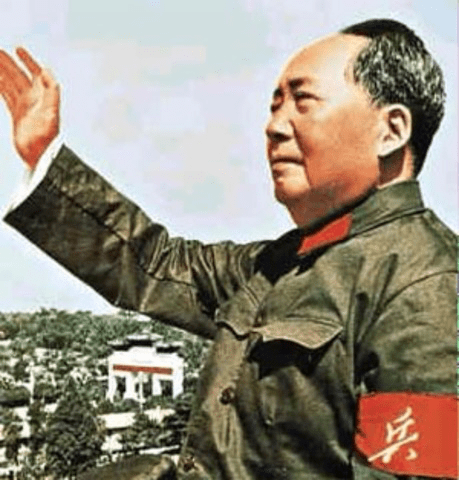
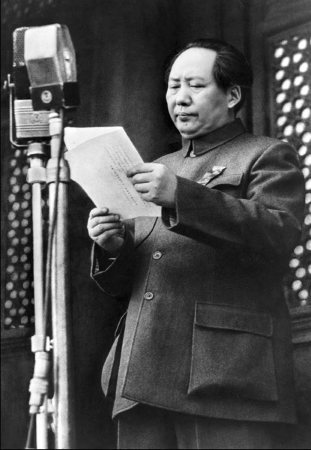
TIBET CONSCIOUSNESS – RED CHINA’S DICTATORIAL REGIME. RED CHINA’S COMMUNIST PARTY CHAIRMAN MAO ZEDONG FOUNDED CHINA’S DICTATORIAL REGIME ON OCTOBER 01, 1949. Red China’s Communist Party is a dictatorial regime for this one-party governance has absolute control of political, economic, and military power giving no room for any kind of dissent.
On this Thursday, December 10, 2015, World Human Rights Day, I state that Red China is autocratic, domineering, and tyrannical for she exercises power suppressing the views of all others. Her actions are arbitrary, unreasoned, and unpredictable. Red China uses power or authority in accord only with her own will or desire. Red China’s Communist Party is a dictatorial regime for this one-party governance has absolute control of political, economic, and military power giving no room for any kind of dissent.
CHINA CRACKS DOWN ON AGGRIEVED PARTY CADRES IN XINJIANG AND TIBET
Critics say hardline stance against ‘separatism and religious extremism’ has provoked significant disquiet
Tibet Consciousness – Red China’s Dictatorial Regime.Red China’s Communist Party is a dictatorial regime for this one-party governance has absolute control of political, economic, and military power giving no room for any kind of dissent.
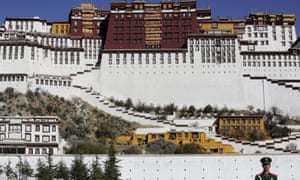
A paramilitary policeman stands guard in front of the Potala Palace in Lhasa, Tibet. Photograph: Damir Sagolj/Reuters
SIMON DENYER for the Washington Post
Tuesday 8 December 2015 04.32 EST Last modified on Tuesday 8 December 2015 04.34 EST
China has mounted an extraordinary set of attacks against Communist party members in the troubled western regions of Xinjiang and Tibet, with accusations of disloyalty, secret participation in religious activity, sympathy with the Dalai Lama and even support for terrorism.
The accusations reflect a hardening of the party’s stance in Buddhist Tibet and Muslim-majority Xinjiang, experts said, as well as President Xi Jinping’s determination to push for ideological purity within the party nationwide, quashing debate and dissent. But critics say they also reflect the fact that the party’s hardline approach towards crushing “the three evils of separatism, terrorism and religious extremism” in both regions has not only alienated many ordinary ethnic Tibetan and Uighur people but has also provoked significant disquiet in its own ranks. Some party officials openly criticise policies handed down from above, complained Xu Hairong, secretary of Xinjiang’s Commission for Discipline Inspection, making the unusual admission in a commentary published last month.
“Some waver on clear-cut issues of opposing ethnic division and safeguarding ethnic and national unity, and even support participating in violent terrorist attacks,” Xu wrote in his agency’s official newspaper.
“This does not mean the cadres participated in attacks,” said Nicholas Bequelin, East Asia director for Amnesty International, “but rather is the equivalent of local officials saying: ‘The central authorities are sending leaders who are so ham-fisted they have driven people to the edge and understandably they have started blowing up things.’”
With Xi taking the lead in formulating policy toward Xinjiang, “everybody has to march to the same drumbeat”, Bequelin said.
An article published last Friday on China Tibet Online, a party website, said that 355 party members had been punished in Xinjiang last year for violating “political discipline”.
The article said that one had joined a social media chat group titled “Uighur Muslim” that was meant to undermine ethnic unity, while another had reposted an interview given by the prominent Uighur intellectual Ilham Tohti, who was sentenced last year to life in prison on charges of advocating separatism.
Written by Zhao Zhao, the article said that some officials blame social problems on ethnic discrimination, thereby inciting ethnic hatred. “There is also a lack of faith in Marxism. Some grassroots party members even participate in religious activities,” he wrote, adding that this would never be allowed.
Tibet Consciousness – Red China’s Dictatorial Regime.Red China’s Communist Party is a dictatorial regime for this one-party governance has absolute control of political, economic, and military power giving no room for any kind of dissent.
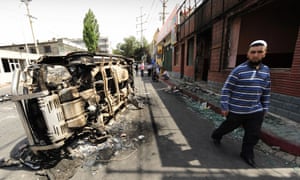
A street in Urumqi, in 2009, shows the scars of riots. Photograph: Peter Parks/Getty
Critics say there is widespread economic, cultural and religious discrimination against Uighurs and Tibetans. After 2009 riots in Xinjiang’s capital, Urumqi, left at least 192 people dead, the party acknowledged that it needed to address Uighur grievances, Bequelin said.
But later, with an increase in violent attacks by Uighurs, the party changed course, asserting at a major meeting on the region in 2014 that the priorities were stability and unity rather than economic development and combating discrimination.
The imprisonment of Tohti, a moderate economist whose work had detailed the problems Uighurs face, sent a strong signal to academics and party officials alike that the debate about discrimination had been closed, Bequelin said. The party now vehemently asserts that Uighur terrorism is directed by Islamist militants based abroad and is increasingly rooted in extremist ideas picked up on the internet.
At the same time, the Communist party has been recruiting, and the number of members in Xinjiang is reported to have risen by 21,000 to 1.45 million in 2014. And that has brought other problems.
“The Chinese Communist party believes that it is witnessing a ‘crisis of faith’ in Xinjiang and Tibet in particular,” said Julia Famularo, an international securities studies fellow at Yale University.
“It has actively endeavoured to draw ever greater numbers of ethnic minorities into the party, but it now fears that these new recruits possess only superficial loyalty to the party-state,” Famularo wrote in an email. “Beijing laments that these minority party members still make clandestine visits to mosques and monasteries, and that they still have stronger ties to their own people than to the party or to China.”
In Tibet, 15 party members were investigated last year and 20 this year for violating political discipline, China Tibet Online reported, saying that some had participated in organisations supporting “Tibetan independence”.
Last month, Tibet party boss Chen Quango said the party would go after officials who held “incorrect views” on minority issues or who “profess no religious belief but secretly believe,” including those who follow the Dalai Lama or listen to religious sermons.
China accuses the Dalai Lama, the exiled spiritual leader of Tibetan Buddhists, of trying to divide the country and pry Tibet away from China. The Dalai Lama insists he only wants meaningful autonomy for the region.
This article appeared in GUARDIAN WEEKLY, which incorporates material from the Washington Post
Tibet Consciousness – Red China’s Dictatorial Regime.Red China’s Communist Party is a dictatorial regime for this one-party governance has absolute control of political, economic, and military power giving no room for any kind of dissent.Tibet Consciousness – Red China’s Dictatorial Regime. Communist Party Dictator Chairman Mao Zedong subjugated Tibet.Red China’s Communist Party is a dictatorial regime for this one-party governance has absolute control of political, economic, and military power giving no room for any kind of dissent.DOOMED HUMAN RIGHTS IN OCCUPIED TIBET – TIBETANS HAVE NO SAFE PLACE TO LIVE.Tibet Consciousness – Red China’s Dictatorial Regime. Save Tibet from One-Party Dictatorship.Red China’s Communist Party is a dictatorial regime for this one-party governance has absolute control of political, economic, and military power giving no room for any kind of dissent.
Tibet Awareness – Red China does not want the World to know several truths
Tibet Awareness – Red China does not want the World to know several truths. Red China demands to control Tibetan Cultural Traditions and Social Institutions including Reincarnation of Dalai Lama.
Red China deliberately and purposefully distorts truth about her military occupation of Tibet. Red China claims that she has peacefully liberated Tibet from feudal rule. Apart from illegal occupation of Tibet, Red China conceals several truths which she doesn’t want the world to know. Apart from rest of the world, Chinese people have no access to truth about their own country.
Secrets China doesn’t want the world to know ….
TIBET CONSCIOUSNESS – GLOBAL WARMING – CLIMATE ACTION. RED CHINA REFUSES TO ACCEPT THE CAUSE OF GLOBAL WARMING. RED CHINA IS USING DECEPTION AND PROPAGANDA INSTEAD OF ADDRESSING CORE ISSUES.
1. Poverty.
Even though China is the world’s most populous country, at over 1.35 billion people, it still has some secrets it doesn’t want us to know.
Even though China is the world’s most populous country, at over 1.35 billion people, it still has some secrets it doesn’t want us to know. But we dug some of them up just for you! For instance, despite the fact that the US borrows a lot of money from China, a lot of it’s population is still living in utter poverty. In fact, about 100 million people in China are surviving on less than $1 a day, which works out to less than $365 a year! And nearly 400 million people live on less than $2 a day!
TIBET’S FREEDOM IS A NATURAL RIGHT .
2. Death Penalty.
NEVER FORGET JUNE 04, 1989 – TIANANMEN ANNIVERSARY – BEIJING DOOMED.
In 2005, China executed more than 4 times as many convicts as the rest of the world combined. That works out to over 1,770 executions, most of them done by firing squad.
3. Air Pollution.
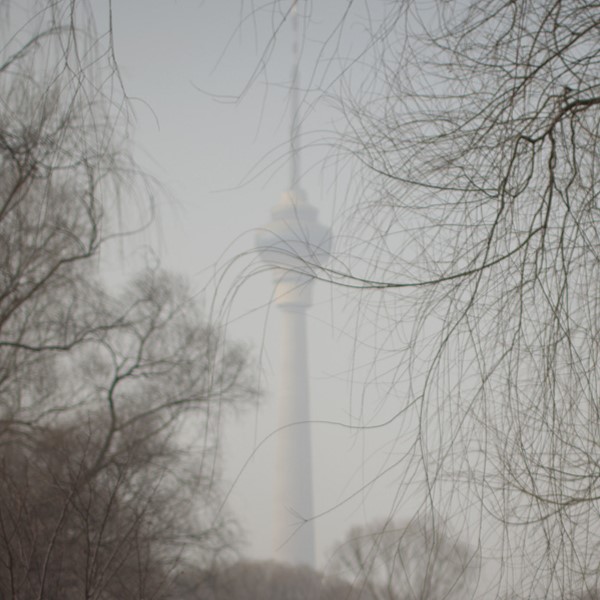
China’s air pollution is so bad from its rapid industrial growth that many people wear masks outside just to be able to breathe.
China’s air pollution is so bad from its rapid industrial growth that many people wear masks outside just to be able to breathe. But their problems aren’t limited to their own country. Due to the jet stream carrying their air over to the United States, much of that pollution has traveled to northern California. In fact, about a third of the air pollution in San Francisco comes from China!
4. Reincarnation.
The Chinese government has actually banned Buddhist monks from reincarnating. That is, unless they get permission from the government first. In reality, what seems ridiculous is actually a move to limit the influence of the Dalai Lama.
5. Empty Mall.
TIBET AWARENESS – RED CHINA – LIAR. EMPTY SHOPPING MALLS IN SHANGHAI.
China can proudly boast that it has the world’s largest mall, the New South China Mall, with space for 2,350 stores and 7,000,000 square feet of leasable space! The only problem is that 7 years after it opened it is still 99% empty. The only things actually in the mall are a few fast food stores near the entrance.
TIBET AWARENESS – RED CHINA – LIAR. MALL OF CHINA. WORLD’S LARGEST SHOPPING MALL.LONELY, AND EMPTY.TIBET AWARENESS – RED CHINA – LIAR. NEW SOUTH CHINA MALL. SIGN OF ECONOMIC MELTDOWN.TIBET AWARENESS – RED CHINA – LIAR. WORLD’S LARGEST SOUTH CHINA MALL IS EMPTY. ECONOMY BUSTED, WASTED, RUINED.TIBET AWARENESS – RED CHINA – LIAR. SOUTH CHINA MALL. WORLD’S LARGEST ABANDONED MALL.
6. Blocked Sites.
Facebook and Twitter have been blocked sites in China since 2009 and The New York Times has been blocked since a 2012 article didn’t please the government. They are going to lift the ban in what is called the Shanghai Free Trade zone soon but it is more of a business decision than anything else.
7. Cave Dwellers.
About 35 million people in China still live in caves. Most of these live in the Shaanxi province where the porous soil makes the caves easy to dig. They are often decorated or reinforced with bricks.
8. Water Contamination.
About 700 million Chinese people, or about half of their population, drink contaminated water every day. One of the biggest reasons is that only about 10 percent of the raw sewage produced by the big cities is treated and the rest is dumped straight into lakes and rivers where it leaks into ground water
9. Time Zones.
Back in 1949, China’s Communist regime decided that, even though the country is huge, in order to assert more control it all needed to be under the same time zone, Beijing Standard Time. This has led to ridiculous sunrise times such as 10am in certain parts of the country.
10. Piracy.
78% of the software installed on computers in China in 2010 was pirated. That is a really high number no matter how you look at it. Globally, the average piracy rate is still quite high at 42%, but it is almost twice that in China.
11. Birth Defects.
Birth defects are actually increasing in China by a rate of 40% since 2001. About 1.2 million babies are born in China every year with a birth defect, or about one every 30 seconds.
12. Christianity.
When you think of religion in China, probably the last thing that comes to mind is Christianity. But what is really surprising is that China has a booming Christian population of about 54 million people and growing. Soon they will have the largest Christian population in the world! They already have more Christians than Italy!
A note over here . Due to large masses of people turning to Christianity, the government is resorting to a specific quota of Christian conversions per month.
13. Dwarf Theme Park.
There is a place called the Kingdom of the Little People in China where people with dwarfism put on comical shows for tourists. There are over 100 dwarfs employed by the park.
14. Ghost Towns.
TIBET AWARENESS – RED CHINA – LIAR. RED CHINA’S GHOST CITIES.
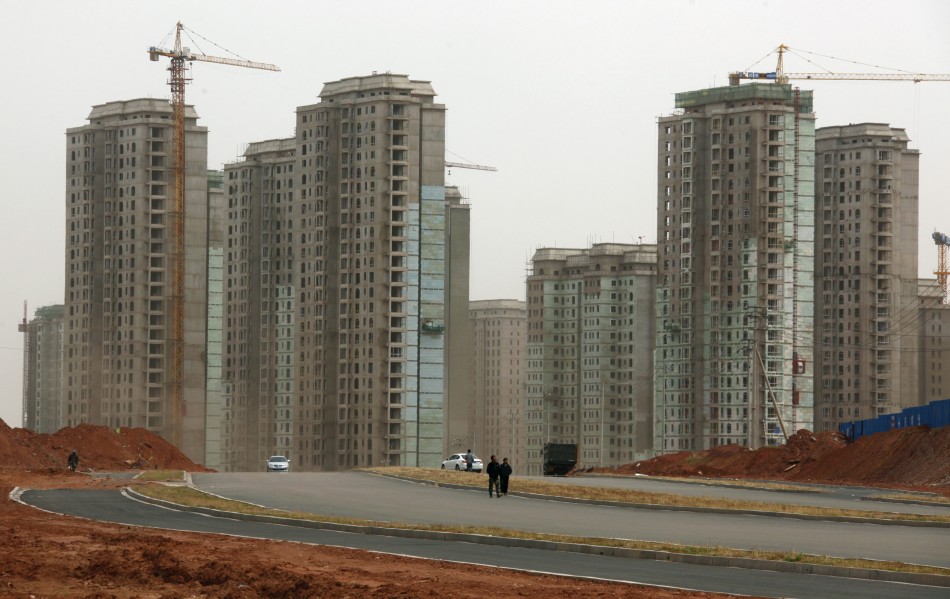
About 65 million homes sit vacant in China. This includes some entire towns that are completely devoid of people and they sit empty. These aren’t old houses and towns that died out. They are new cities and houses that were built in expectation of a population boom expanding into them that never happened.
TIBET AWARENESS – RED CHINA – LIAR. RED CHINA’S GHOST TOWNS. IMPENDING DEBT CRISIS.TIBET AWARENESS – RED CHINA – LIAR. CHINA’S GHOST TOWNS.TIBET AWARENESS – RED CHINA – LIAR. RED CHINA’S ECONOMIC CONTRADICTIONS. INVESTMENT FAILURES NOT REPORTED. CHINESE ECONOMY READY FOR MELTDOWN.
15. Gobi Desert.
China is home to the enormous Gobi desert which is already about 500,000 square miles or about the size of Peru and it’s only getting bigger.
China is home to the enormous Gobi desert which is already about 500,000 square miles or about the size of Peru and it’s only getting bigger. The Gobi is expanding at a rate of about 1,400 square miles a year due to over grazing, deforestation and water source depletion.
TIBET AWARENESS – RED CHINA – LIAR. CHINA’S WASTEFUL SPENDING. ABANDONED FACTORY.TIBET AWARENESS – RED CHINA – LIAR. A HORROR STORY. ABANDONED FACTORY OF CHINA.TIBET AWARENESS – RED CHINA – LIAR. CHINA’S EMPTY FACTORIES.TIBET AWARENESS – RED CHINA – LIAR. ABANDONED FACTORY. RED CHINA ON A SLIPPERY SLOPE.
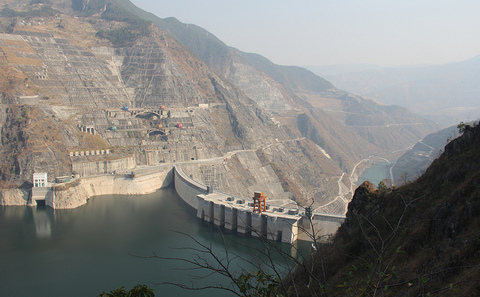
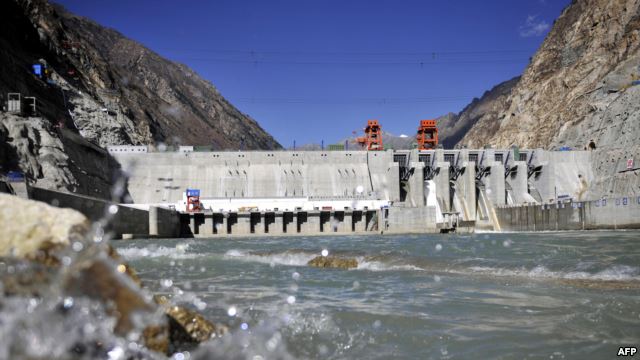
Tibet Consciousness – Red China – Neocolonialist: MEGA DAM ACROSS YARLUNG TSANGPO OR BRAHMAPUTRA RIVER IN OCCUPIED TIBET.
Red China’s Hydroelectric Dam across Yarlung Tsangpo, Yarlung Zangbo or Brahmaputra River in Occupied Tibet is the evidence to establish Red China as a Neocolonialist. Neocolonialism is revival of colonialist exploitation by a foreign power of a nation that has achieved independence. Colonialism is the system or policy by which a country maintains foreign colonies especially in order to exploit them economically. Colonization refers to extension of political and economic control over a nation by an occupying state that has military and technological superiority. Imperialism gets translated into colonizing force. Red China occupied Tibet and is relentlessly oppressing Tibetans to exert pressure to assimilate Tibetans to Red China’s way of life.
China’s 9700 Crore Dam on Brahmaputra in Tibet is Now Working
All India Press Trust of India Updated: October 13, 2015.
TIBET CONSCIOUSNESS – RED CHINA – NEOCOLONIALIST – $ 1.5 BILLION( 9700 CRORE INDIAN RUPEES) DAM ON YARLUNG ZANGBO, YARLUNG TSANGPO OR BRAHMAPUTRA RIVER IN OCCUPIED TIBET.
India is concerned that if the waters are diverted, then projects on the Brahmaputra, especially in Arunachal Pradesh, get affected.
Beijing, China: China today operationalised the largest dam in Tibet, built on river Brahmaputra, raising concerns in India over the likelihood of disrupting water supplies.
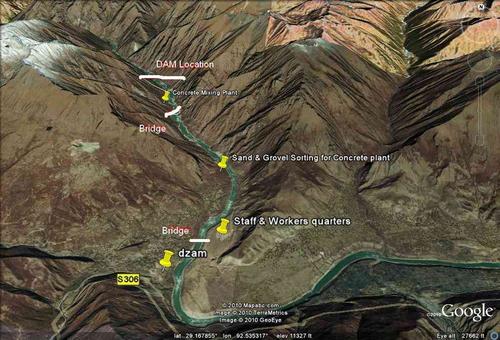
The Zam Hydropower Station has been built at a cost of $1.5 billion (approximately Rs 9764 crores).
All six of the station’s units were incorporated into the power grid today, the China Gezhouba Group, a major hydropower contractor based in Wuhan, capital of Hubei Province in central China, told state-run Xinhua news agency.
Located in the Gyaca County, Shannan Prefecture, the Zam Hydropower Station also known as Zangmu Hydropower Station, harnesses the rich water resources of Brahmaputra – known in Tibet as Yarlung Zangbo River – a major river which flows through Tibet into India and later into Bangladesh.
The dam, considered to be the world’s highest-altitude hydropower station and the largest of its kind, will produce produces 2.5 billion kilowatt-hours of electricity a year.
“It will alleviate the electricity shortage in central Tibet and empower the development of the electricity-strapped region. It is also an important energy base in central Tibet,” the company said.
Officials said when the electricity is ample in the summer season, part of the electricity will be transmitted to the neighbouring Qinghai province, Xinhua report said.
The first unit began operations last November.
Reports in the past said besides Zangmu, China is reportedly building few more dams. China seeks to allay Indian fears saying that they are the run-of-the-river projects which were not designed to hold water.
The dams also raised concerns in India over China’s ability to release water in times of conflict which could pose serious risk of flooding.
An Indian Inter-Ministerial Expert Group (IMEG) on the Brahmaputra in 2013 said the dams were being built on the upper reaches and called for further monitoring considering their impact on the flow of waters to the lower reaches.
The IMEG noted that the three dams, Jiexu, Zangmu and Jiacha are within 25 kilometres of each other and are 550 kilometres from the Indian border.
India has been taking up the issue with China for the past few years.
Under the understanding reached in 2013, the Chinese side agreed to provide more flood data of Brahmaputra from May to October instead of June to October in the previous agreements river water agreements in 2008 and 2010.
India is concerned that if the waters are diverted, then projects on the Brahmaputra, particularly the Upper Siang and Lower Subansari projects in Arunachal Pradesh, may get affected.
TIBET CONSCIOUSNESS – RED CHINA – NEOCOLONIALIST – ZANGMU DAM IN OCCUPIED TIBET.TIBET CONSCIOUSNESS – RED CHINA – NEOCOLONIALIST – ZANGMU HYDROPOWER STATION IN OCCUPIED TIBET.TIBET CONSCIOUSNESS – RED CHINA – NEOCOLONIALIST – COLONIAL EXPLOITATION IN OCCUPIED TIBET.TIBET CONSCIOUSNESS – RED CHINA – NEOCOLONIALIST – DAMMING YARLUNG TSANGPO – BRAHMAPUTRA IN OCCUPIED TIBETTIBET CONSCIOUSNESS – RED CHINA NEOCOLONIALIST – ZANGMU HYDROELECTRIC PROJECT IN OCCUPIED TIBET.TIBET CONSCIOUSNESS – RED CHINA – NEOCOLONIALIST – ZANGMU DAM IN OCCUPIED TIBET.TIBET CONSCIOUSNESS – RED CHINA – NEOCOLONIALIST – HUTOSHAN RESERVOIR IN OCCUPIED TIBET.
TIBET CONSCIOUSNESS – RED CHINA – NEOCOLONIALIST – ZANGMU DAM IN OCCUPIED TIBET.TIBET CONSCIOUSNESS – RED CHINA – NEOCOLONIALIST – ZANGMU DAM IN OCCUPIED TIBET.
Tibet Consciousness – Red China’s actions in Tibet are illegal, unlawful, and despotic
US Congressional-Executive Committee on China (www.cecc.gov) released a 336-page report that describes Communist China’s oppressive, repressive, brutal rule over Tibet. Red China’s use of power is cruel and unjust. Red China uses authority to overpower, to subdue, to crush, and to trample down any sign of Tibetan resistance that may question the legality of Red China’s governance of Tibet. US Congress has to categorically acknowledge Red China as “Usurper” of power in Tibet. Red China has taken, has assumed, has seized, and is in possession of Tibet without right. Red China’s actions in Tibet are illegal, arbitrary, despotic, violent, and remain unlawful.
US CONGRESS: CHINA TODAY IS MORE REPRESSIVE AND MORE BRUTAL
Monday, 12 October 2015 23:02 Yeshe Choesang, Tibet Post International
Washington, DC — An annual report released this week by the US Congressional-Executive Committee on China (CECC) criticised Beijing’s treatment of ethnic minorities, and noted deteriorating conditions in Xinjiang and Tibet.
The 336-page said it saw “a disturbing deterioration in human rights and rule of law conditions that pose a direct challenge to US national interests and US-China relations”.
The US commission said China was moving further away from a rule of law system and had increased pressure on civil society.
The Commission said that Beijing persists with its repressive policies in Tibet, denying adequate rights to Tibetans from protecting their culture, language, religion, and environment.
The annual report stated that “authorities continued to rein in media, opinion-makers, and Internet and social media users critical of government policies by shutting down popular chat site accounts, requiring real-name registration of accounts, and blocking services that allow Internet users to circumvent China’s “Great Firewall.” Foreign journalists continued to report harassment, surveillance, and restrictions on the free flow of news and information.”
The report recommends “greater public expression, including at the highest levels of the U.S. government, on the issue of press and Internet freedom; the expanded distribution of proven technologies to circumvent Internet restrictions in China; and the inclusion of the freedom of cross-border information as part of negotiations for the U.S.-China Bilateral Investment Treaty or future trade negotiations with China.”
The US report also noted deteriorating conditions in ethnic minority areas, from increased violence in the Xinjiang Uyghur Autonomous Region to harsher security measures and efforts to control Tibetan Buddhism in the so-called Tibet Autonomous Region. In addition, as Tibetan self-immolations continued, the Commission observed no sign of Chinese interest in resuming the long-stalled dialogue with the Dalai Lama’s representatives.
The report concluded that the Chinese government can best promote stability by respecting ethnic minorities’ right to maintain their language and culture and to practice freely their religion and urged Chinese administration to address these issues at bilateral security dialogues and exchanges with Chinese military or police officials.
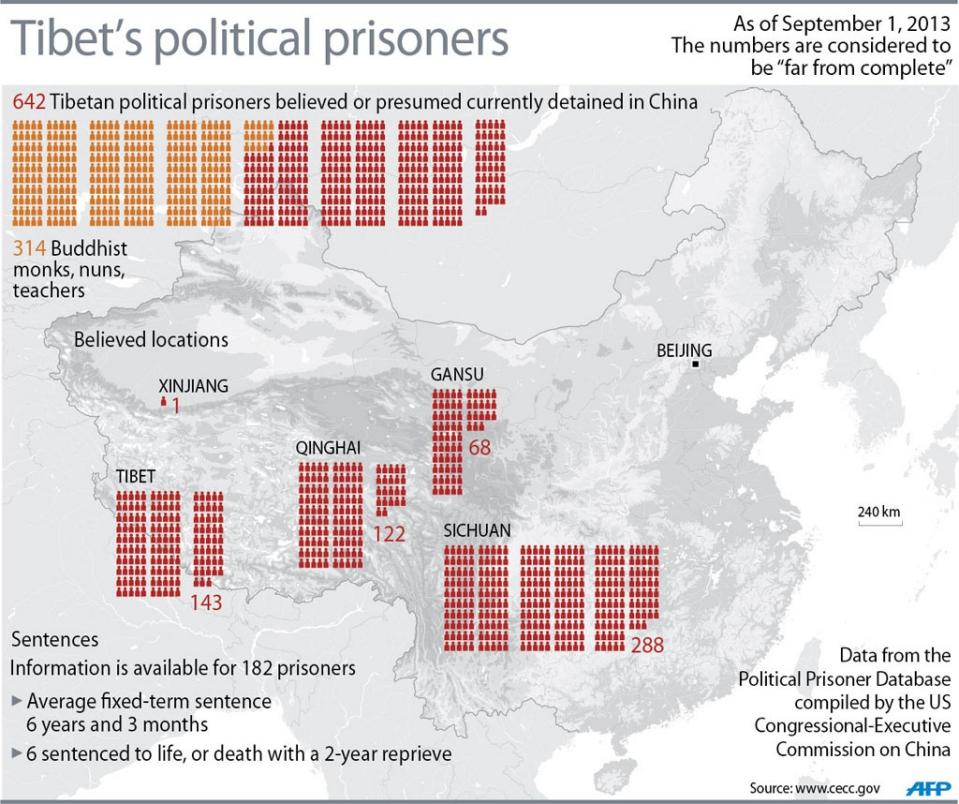
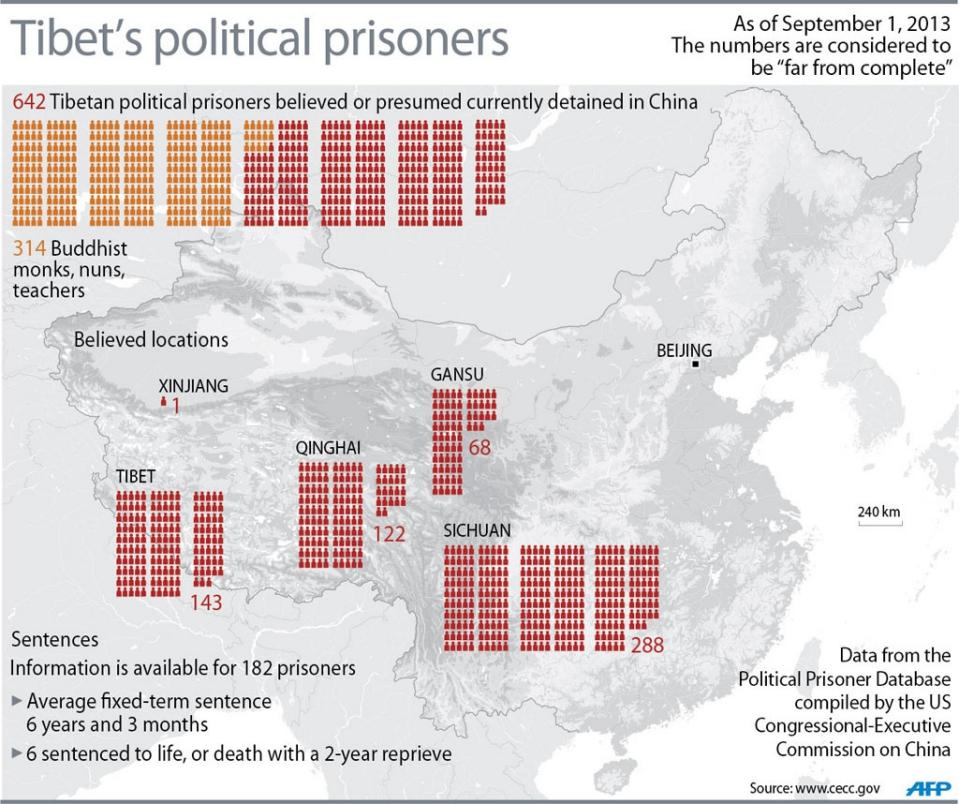
The report contains numerous other recommendations, including advocating the use of the Commission’s extensive Political Prisoner Database, with information on over 1,300 currently detained political and religious prisoners.
The report further recommended the US Congress and administration to urge the Chinese government to allow the free flow of information regarding incidents of violence in ethnic minority regions; allow journalists and international observers access to those areas in line with international standards; and ensure that U.S. counter-terrorism cooperation arrangements do not endorse the Chinese government’s suppression of its people.
Speaking at the release of the report, Representative Chris Smith, Chair of the Commission, said, “It has been another punishing year for human rights in China, as this report documents so well. President Xi has presided over an extraordinary assault on the rule of law and civil society using repressive and retrograde policies that threaten freedom advocates in China and challenge both U.S. interests and U.S.-China cooperation and goodwill.”
“U.S. leadership on human rights is needed now more than ever. We must not compromise on the need for fundamental freedoms or shy away from those who seek them. Clearly, our long-term strategic interests depend on the advance of human rights and the rule of law in China,” he added.
The report provides detailed analysis on 19 human rights and rule of law issues and offers specific recommendations on ways to make progress on these issues in the broader U.S.-China relationship. The full report can be accessed on the CECC’s website(www.cecc.gov).
TIBET AWARENESS – RED CHINA – NEOCOLONIALIST – MICROMANAGES TIBET. TIBET WILL SURVIVE. TIBET WILL ENDURE. TIBET WILL REEMERGE FROM THE SHADOWS OF OCCUPATION.
Red China after invading Tibet in 1950, systematically consolidated its occupation controlling every aspect of Tibetan life, economy, and governance. I predict Beijing’s sudden downfall due to a catastrophic event in her own territory. Tibet will survive. Tibet will endure. Tibet will reemerge from dark shadows of occupation.
China micromanages Tibet, floods it with money to woo locals
LHASA, China (AP) — Ji Yunpeng misses hot-pot dinners with his wife and daughter back in Beijing and fights insomnia caused by the high altitude in the Tibetan capital by playing computer games, and, occasionally, studying Tibetan Buddhism.
“It’s just out of pure intellectual curiosity,” he said, aware that genuine religious interest would be a breach of discipline in China’s nominally atheist Communist Party.
Ji is in Lhasa on a three-year loan from the Beijing municipal government to oversee the school curriculum in Tibetan classrooms. In return, he gets a double salary and a shortcut up the party ladder. Nearly 6,500 civil servants like him have been dispatched to manage hefty budgets and shape Tibet’s modernization.
They are the human face of top-down development that has poured more than $100 billion dollars into the region since 1952. Critics say that Beijing’s obsession with social stability also has led to widespread human right abuses. But as incomes finally begin to increase across the Tibetan countryside, Chinese authorities are hopeful they can dispel international criticism over their rule in Tibet while winning the hearts of Tibetans and pulling some of their loyalty away from the exiled Dalai Lama.
“The strategy for Tibet is now shifting from the overall kind of repression that we have seen in the past to actually moving toward luring sections of the community and trying to work with those who cooperate with the authorities,” Tibet researcher Tsering Shakya said in an interview from University of British Columbia in Vancouver.
For most Tibetans in exile, the region has been unlawfully occupied by China since it was overrun by the People’s Liberation Army in 1951, and no material gains justify Beijing’s repression. But even skeptics like Shakya acknowledge that “without its intervention, the disparities between the development in Tibet and in China would be even greater.”
In a sign of new confidence, authorities this month invited a handful of foreign media organizations, including The Associated Press, on a tightly scripted visit to showcase Tibet’s development, timed to the 50th anniversary of the creation of the Tibet Autonomous Region.
STRINGS-ATTACHED DEVELOPMENT
Ji oversees the $40 million dollar Lhasa-Beijing Experimental Middle School, where many of the 2,500 students are from rural Tibet. Acting as deputy to the head of Lhasa’s education bureau, Ji explains how the pupils are entitled to nine years of free schooling.
As government minders watched, a Tibetan teacher wrote in Tibetan on a chalkboard crowned by the national flag, the Communist Party emblem and a portrait of President Xi Jinping. School officials explained that all subjects are taught in Mandarin, China’s official language, but that the curriculum includes mandatory Tibetan language.
In Lhasa, Beijing has also paid for housing projects, hospitals, an amusement park, an $80 million stadium and the Tibet Yak Museum, honoring the “hairy cow” of the grasslands. “Beijing and Lhasa are still like two worlds apart,” Ji says. “But in a place like this, where things are still backward, there is a sense of achievement in every step forward.”
Robert Barnett, leading academic of Tibetan studies at Columbia University in New York, questions whether the two-decade-old policy is truly benefiting Tibetans. Economic gains of the development have for decades gone largely to migrants from China’s ethnic Han minority, who make up only 8 percent of the Tibet’s 3.2 million inhabitants. Only recently, he said, have they started to trickle down to the countryside.
“If you pour in money in that amount to an area that is fragile in its ecosystem and social composition and you just remove barriers for migration, you attract income seekers, with a huge negative effect and a domination of the economy,” Barnett said.
MOVING IN FROM GRASSLANDS
Perfectly identical “new socialist villages” have sprouted in the countryside of the Tibetan plateau during the past decade, compelling former nomads to take on a sedentary lifestyle, but also giving them immaculate two-floor villas with running water, latrines and biogas cookers.
Dawa, a 55 year-old herder resettled in Lhoka prefecture’s Gongkar county, proudly showed visiting officials and journalists how each member of the family now has a separate room. “Even in my dreams I never thought of having a house like this,” he said.
When repeatedly prompted about what he misses from his old life, Dawa paused and stared at the officials seated in his living room before answering. “We have become selfish,” he said finally. “Now that living standards have improved, eating a piece of meat doesn’t make me as happy as eating a potato once did.”
THE INFLUX OF TOURISTS
Looking ahead, the government hopes to develop the mineral water industry, wool garment weaving workshops and factories of byproducts of traditional Tibetan medicine that will directly benefit the locals. Tourism development is, however, the biggest priority.
With plans to go from 15.5 million tourists in 2014 — five times Tibet’s population and most of them Chinese — to 20 million in the next five years, the industry already is transforming Lhasa’s landscape. Four huge pyramids of concrete and glass, the skeleton of a 2,000 room five-star resort, are joining new shopping malls, karaoke parlors and theme parks. Visitors sweep through chambers of the labyrinthine Potala palace and compete for space with local pilgrims at the iconic Jokhang temple.
“There is a great deal of unhappiness and resentment among Tibetans over the way their culture and religion is being exploited,” said spokesman Alistair Currie of the London-based activist group Free Tibet, which is campaigning against foreign hotel chains in the autonomous region.
STABILITY ON THE PLATEAU
More than 140 Tibetans, men and women, lay people and monks, have died since 2009 protesting Beijing’s rule and demanding the return of the Dalai Lama, who fled to exile in 1959 following an aborted uprising by Tibet’s elites against the Communist Party.
Tibet’s security budget increased by 28 percent annually from 2007 to 2012, a similar pace as in Xinjiang, home to the Turkic-speaking and Islam-practicing Uighurs. The per capita spending in Tibet was 3.6 times the national average in 2012, said the Center for Human Rights and Democracy in Tibet.
Penpa Tashi, an ethnic Tibetan party member who is the region’s vice chairman, blames the tight security on unrest linked to the Dalai Lama, the spiritual leader of Tibetans, many of whom revere him as a demigod. “Only by remaining stable can we achieve development and improve people’s livelihood,” he said.
The paramilitary police who were ubiquitous following deadly riots in 2008 have retreated from the spotlight, leaving the streets in the hands of lightly armed patrols and police stations on every block. More subtle forms of surveillance — from CCTV cameras to plainclothes agents and monitored communications —have taken the lead.
COMMUNISTS IN THE MONASTERY
The party in the past installed “special working groups” at Tibet’s county levels to ensure patriotism. Those groups now have been extended to every village and every monastery, exercising an unprecedented level of control while also funneling money and resources to groups who cooperate.
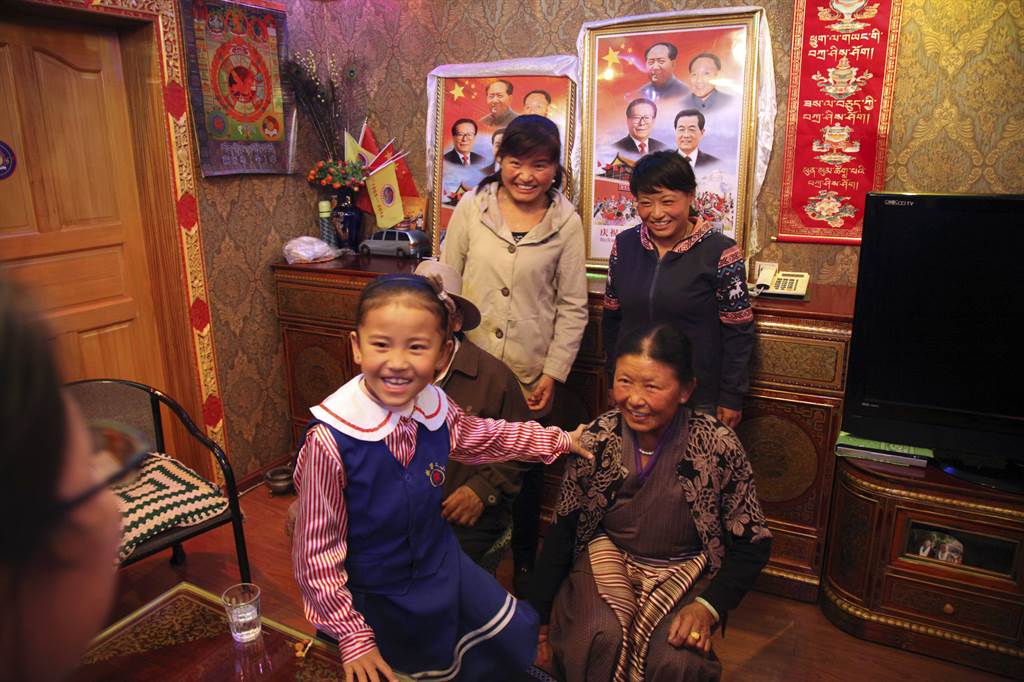
In Lhoka’s Tradruk monastery, the secular management office has obtained funds for the latest renovation of this 12-century-old institution, one of the earliest Buddhist constructions in Tibet. As Han Chinese workers placed the last slate slabs in a courtyard, congregation head Migmar Tsering explained how the monastery can get electricity, televisions and libraries in exchange for displaying the Communist leaders’ portraits and topping the complex with the red flag of China.
In addition, monks meet once a week with the monastery’s Communist Party branch to receive legal and patriotic education.
“We now enjoy complete freedom of religion,” Migmar Tsering, 43, said in an interview arranged by the county propaganda office. Shakya said the new system is actually helping to revive Buddhism throughout Tibet, although under the controlling eyes of the party.
However, other experts dispute that there has been any revival, especially given that the government has been providing the same figure of nearly 1,800 religious sites and more than 46,000 monks and nuns in the autonomous region since the early 90’s.
“You can have television sets, roads and flags in monasteries but you are not allowing the number of people to grow,” said Barnett, the Columbia University professor. “It’s hard to have monastic life thrive if you have a cadre team overseeing them.”
DALAI LAMA’S LONG SHADOW
The current, 14th Dalai Lama, who is now 80, remains the nemesis of China’s interests in Tibet. Despite an obsessive vilification of the man by Chinese government and party officials, he remains immensely popular and influential among Tibetan Buddhists.
He has said he may not reincarnate, to undercut Beijing’s plans to pick his successor. This has forced the atheist Communist Party to embrace a practice introduced seven centuries ago by a Qing dynasty emperor to control the selection by having names drawn from a government-controlled golden urn.
The region’s vice governor, Penpa Tashi, told reporters over a dinner of yak meat that, without doubt, the 15th Dalai Lama will be approved by the Chinese government and that the 14th has been an “anomaly” who made no contribution to Tibet’s development and sought only to split the region away from China.
“His attempt to split and destroy will never be realized,” he said. “The 14th Dalai is just like a pustule or a weed. A pustule must be squeezed to make the body healthier, the same way that a weed must be uprooted.”
TIBET AWARENESS – RED CHINA – NEOCOLONIALIST – MICROMANAGES TIBET. TIBET WILL SURVIVE. TIBET WILL ENDURE. TIBET WILL REEMERGE FROM SHADOWS OF OCCUPATION.TIBET AWARENESS – RED CHINA – NEOCOLONIALIST – MICROMANAGES TIBET. TIBET WILL SURVIVE. TIBET WILL ENDURE. TIBET WILL REEMERGE FROM SHADOWS OF OCCUPATION.TIBET AWARENESS – RED CHINA – NEOCOLONIALIST – MICROMANAGES TIBET. TIBET WILL SURVIVE. TIBET WILL ENDURE. TIBET WILL REEMERGE FROM SHADOWS OF OCCUPATION.TIBET AWARENESS – RED CHINA – NEOCOLONIALIST – MICROMANAGES TIBET. TIBET WILL SURVIVE. TIBET WILL ENDURE. TIBET WILL REEMERGE.TIBET AWARENESS – RED CHINA – NEOCOLONIALIST – MICROMANAGES TIBET. TIBET WILL SURVIVE. TIBET WILL ENDURE.TIBET AWARENESS – RED CHINA – NEOCOLONIALIST – MICROMANAGES TIBET. TIBET WILL SURVIVE. TIBET WILL ENDURE. BARLEY FIELD, NEYMO, TIBET.TIBET AWARENESS – RED CHINA – NEOCOLONIALIST. TIBET WILL SURVIVE. TIBET WILL ENDURE.TIBET AWARENESS – RED CHINA – NEOCOLONIALIST – MICROMANAGES TIBET. TIBET WILL SURVIVE. TIBET WILL ENDURE.TIBET AWARENESS – RED CHINA – NEOCOLONIALIST – MICROMANAGES TIBET. TIBET WILL SURVIVE. TIBET WILL ENDURE.TIBET AWARENESS – RED CHINA – NEOCOLONIALIST – MICROMANAGES TIBET. TIBET WILL SURVIVE. TIBET WILL ENDURE.TIBET AWARENESS – RED CHINA – NEOCOLONIALIST – MICROMANAGES TIBET. TIBET WILL SURVIVE. TIBET WILL ENDURE.TIBET AWARENESS – RED CHINA – NEOCOLONIALIST – MICROMANAGES TIBET. TIBET WILL SURVIVE. TIBET WILL ENDURE.TIBET AWARENESS – RED CHINA – NEOCOLONIALIST – MICROMANAGES TIBET. TIBET WILL SURVIVE. TIBET WILL ENDURE. TIBET WILL REEMERGE.
TIBET AWARENESS – RED CHINA – HEGEMONIST – CHINESE PREMIER DENG XIAOPING IN HIS SPEECH AT UN GENERAL ASSEMBLY DELIBERATELY, PURPOSEFULLY LIED ABOUT RED CHINA’S HEGEMONIST POLICY.
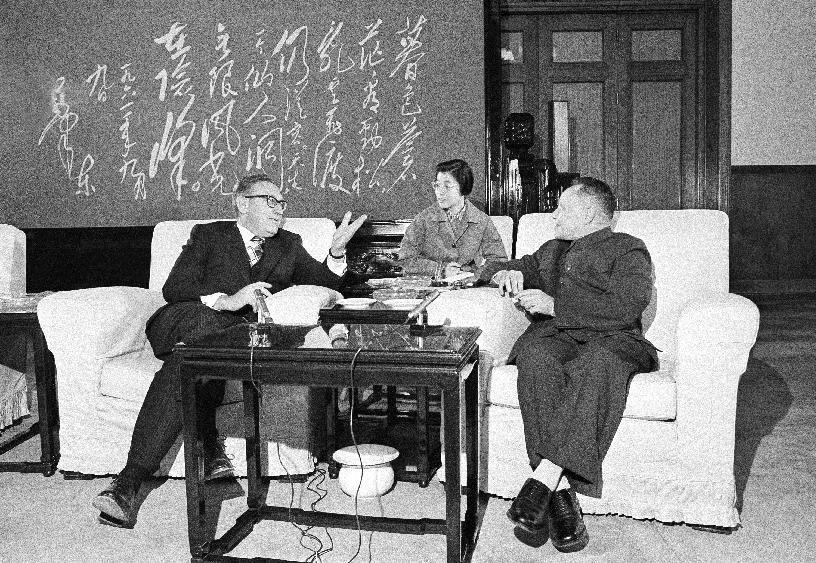
Chinese Premier Deng Xiaoping in 1974 during his maiden appearance at United Nations General Assembly assured UN members that China is not and never will be a superpower or seek dominance over others. Deng Xiaoping carefully avoided using the term “Hegemon” while describing Communist China’s state policy. Hegemonism is the policy or practice of a nation in aggressively expanding its influence over other countries. Hegemony refers to dominance of one nation over others. Tibet is the first victim of Red China’s Hegemonist Policy.
Tracing China’s long, convoluted relationship with the UN
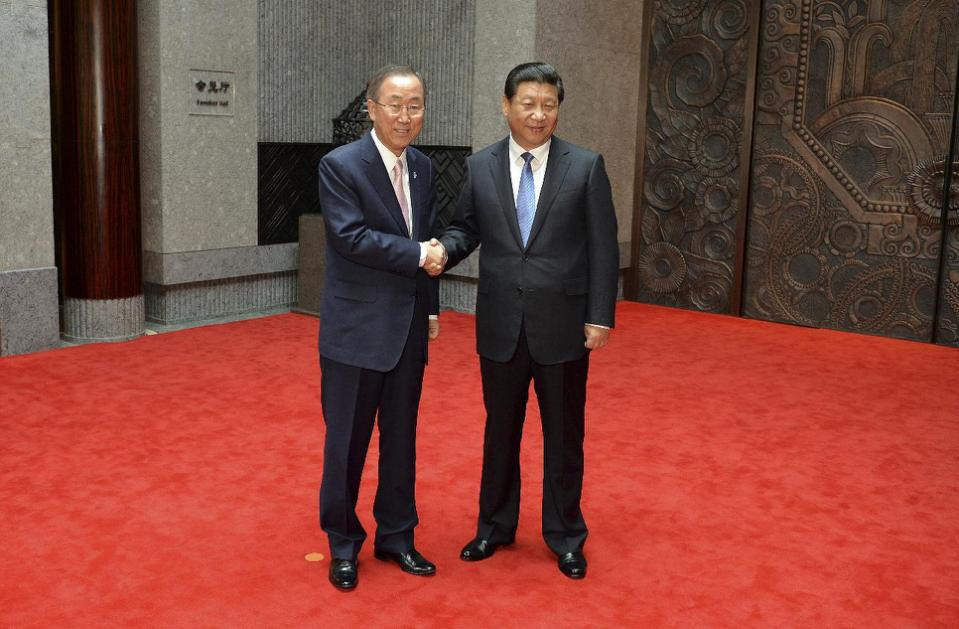
BEIJING (AP) — China’s President Xi Jinping is poised to address the U.N. General Assembly for the first time on Monday. Here are some milestones in China’s long, convoluted relationship with the world body:
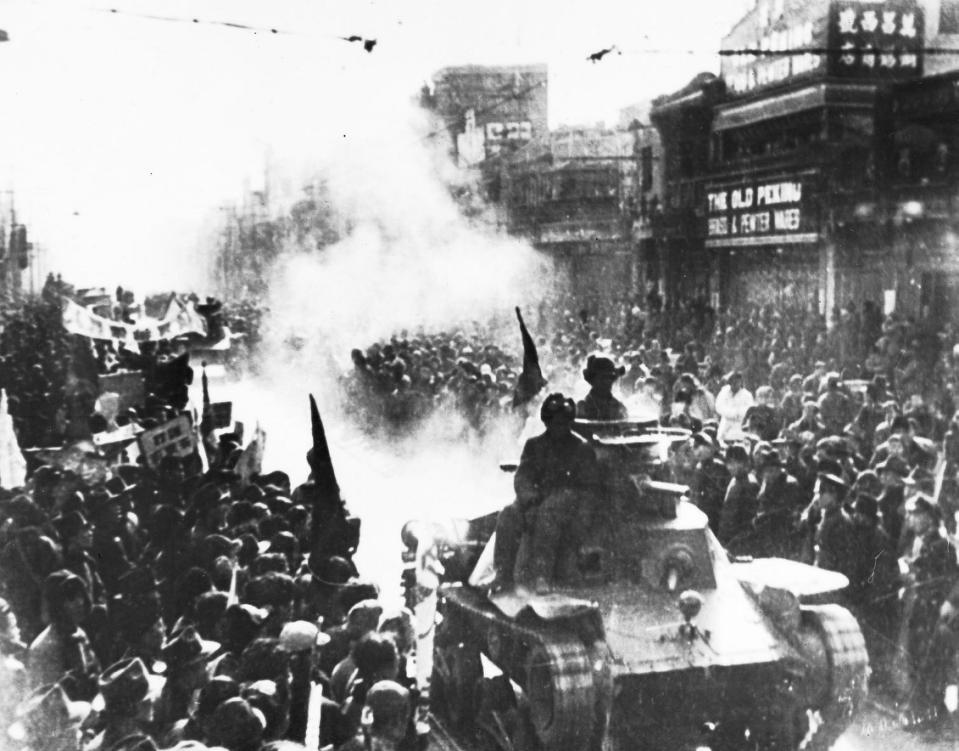
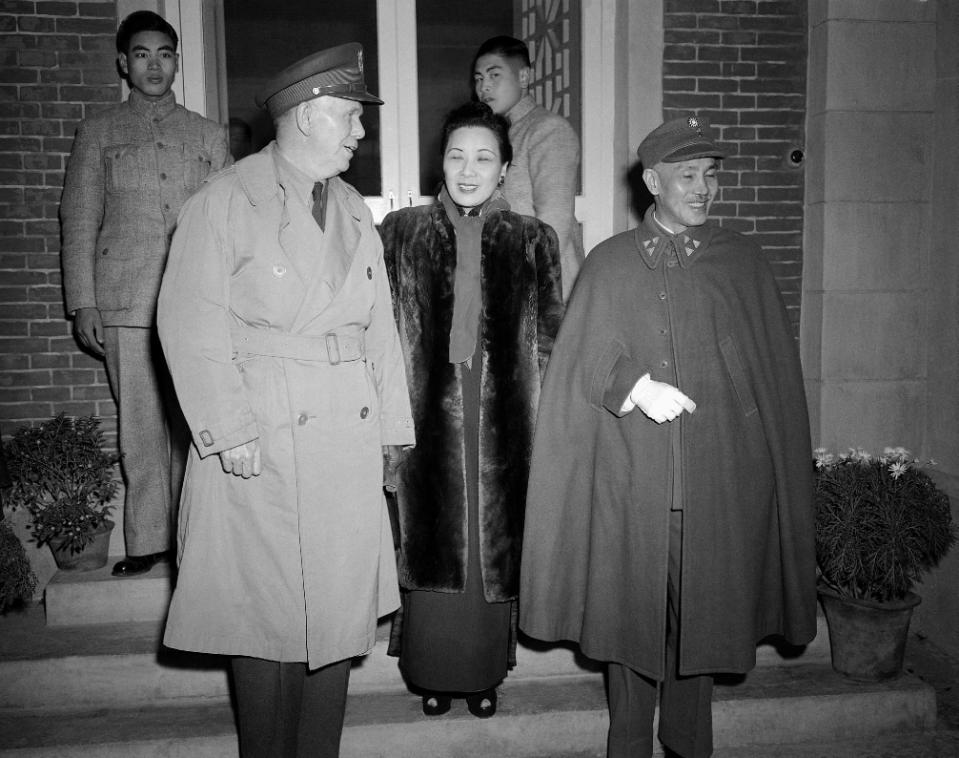
1945 — The Republic of China, led by Chiang Kai-shek, becomes the first nation to sign the U.N. charter. As one of the victors in World War II, China assumes one of five permanent seats on the U.N. Security Council over the objections of some world leaders, including Britain’s Winston Churchill. Chinese representatives also help draft and sign the Universal Declaration of Human Rights.
1949 — Chiang’s Nationalists lose the Chinese civil war to Mao Zedong’s Communists and retreat from the Chinese mainland to the island of Taiwan. The Republic of China, however, retains China’s Security Council seat with the key backing of the U.S. in order to restrain Mao’s ally, the Soviet Union, as the Cold War unfolds.
1950 — The Korean War breaks out. With Soviet encouragement, Chinese forces are sent to bolster North Korea’s military. The Security Council recognizes North Korea’s attack on the South as an invasion and dispatches a 21-nation force led by the U.S. to repulse the aggression. U.N. forces frequently fight against Chinese troops until the signing of an armistice in 1953.
1950s and 1960s — Mao’s People’s Republic of China attempts repeatedly to replace the ROC as the legitimate representative of China at the U.N. However, with Washington’s strong support, the Republic of China manages to hang on even as support in the General Assembly steadily erodes.
1971 — Amid a thaw in relations between Beijing and Washington, the People’s Republic of China secures the votes of 26 newly independent African nations and finally prevails in its campaign to win the China seat. Passed on the 21st attempt, U.N. Resolution 2758 expels the representatives of Chiang Kai-shek from the body, effectively casting Taiwan into the diplomatic wilderness.
1974 — Soon-to-be paramount leader Deng Xiaoping becomes the first major Chinese politician to address the General Assembly. In his speech, Deng assures the body that China is not and never will be a superpower or seek dominance over others (replacing “hegemon”), assertions increasingly at odds with China’s rising global influence in the 21st century.
1991 — The Republic of China applies to join the U.N. separately from mainland China as the representative of Taiwan and its related islands, saying that Resolution 2758 was irrelevant to Taipei’s status. The move is fiercely condemned by China and is never included in the General Assembly’s agenda or put to a formal vote.
1992 — Having dropped its objections to U.N. peacekeeping on grounds of non-intervention, China sends its first contribution in the form of an engineering company to join in a mission in Cambodia. In subsequent years, China becomes far and away the biggest contributor of personnel to peacekeeping operations among the five permanent Security Council, with more than 3,000 troops and police committed as of this year.
2013 — China is granted a seat on the U.N. human rights council despite frequent criticisms of its authoritarian political system and heavy restrictions on civil liberties. Opponents say that move not only provides cover for China’s detention of political opponents and other abuses, but also allows it to suppress all U.N. human rights initiatives and attempts to hold rights violators accountable.
Copyright 2015 The Associated Press. All rights reserved. This material may not be published, broadcast, rewritten or redistributed.
Yahoo – ABC News Network
Tibet is the first victim of Red China’s Hegemonist Policy.
FILE In this May 2, 1949 file photo, a column of Chinese Communist light tanks enter the streets of Peking, which are filled with people watching the conquerors pass. In 1949, Chiang Kai sheks Nationalists lost the Chinese civil war to Mao Zedongs Communists and retreat from the Chinese mainland to the island of Taiwan. The Republic of China, however, retained Chinas Security Council seat with the key backing of the U.S. in order to restrain Maos ally, the Soviet Union, as the Cold War unfolds. (AP Photo, File)FILE In this Dec. 22, 1945 file photo, Gen. George C. Marshall, left, special envoy of U.S. President Harry Truman to China with rank of ambassador, poses with Generalissimo Chiang Kai Shek, right, and Madame Chiang at Chiang’s Nanking home shortly after his arrival in Nanjing. In 1945 the Republic of China, led by Chiang Kai shek, became the first nation to sign the U.N. charter. As one of the victors in World War II, China assumed one of five permanent seats on the U.N. Security Council over the objections of some world leaders, including Britains Winston Churchill. Chinese representatives also helped draft and sign the Universal Declaration of Human Rights. (AP Photo, File)FILE In this Nov. 27, 1974 file photo, Chinese Premier Deng Xiaoping, right, listens to U.S. Secretary of State Henry Kissinger, left, during their meeting in Beijing. In 1974, soon to be paramount leader Deng became the first major Chinese politician to address the General Assembly. In his speech, Deng assured the body that China is not and never will be a superpower or seek dominance over others (replacing hegemon), assertions increasingly at odds with Chinas rising global influence in the 21st century. (AP Photo, File)FILE In this May 19, 2014 file photo, Chinese President Xi Jinping, right, shakes hands with United Nations Secretary General Ban Ki moon, left, as they pose for photos on the eve of the fourth Conference on Interaction and Confidence Building Measures in Asia (CICA) summit at the Xijiao State Guesthouse in Shanghai, China. Chinas President Xi is poised to address the U.N. General Assembly for the first time on Monday, Sept. 28, 2015. (Mark Ralston/Pool Photo via AP, File)
Tibet is the first victim of Red China’s Hegemonist Policy.
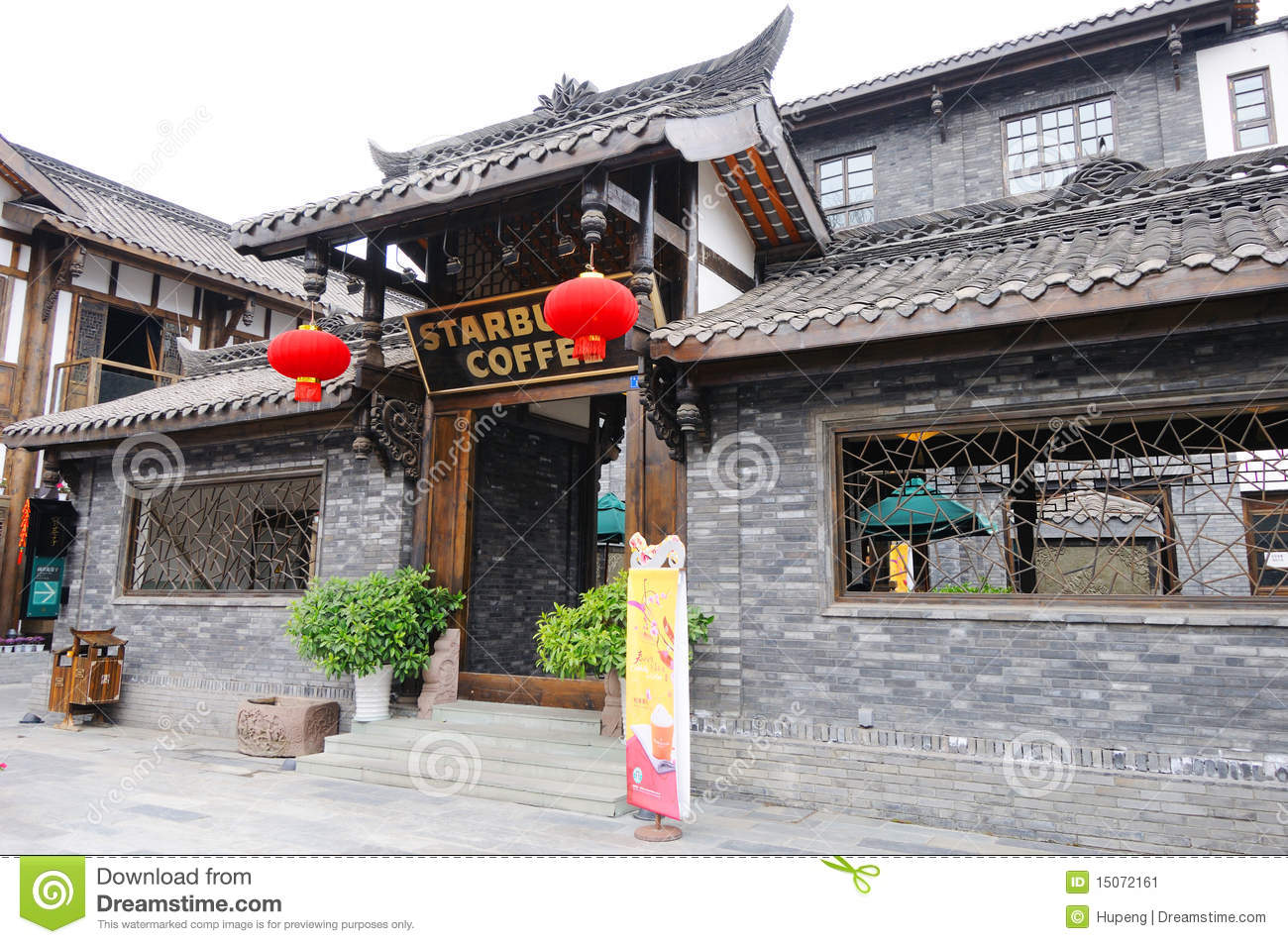
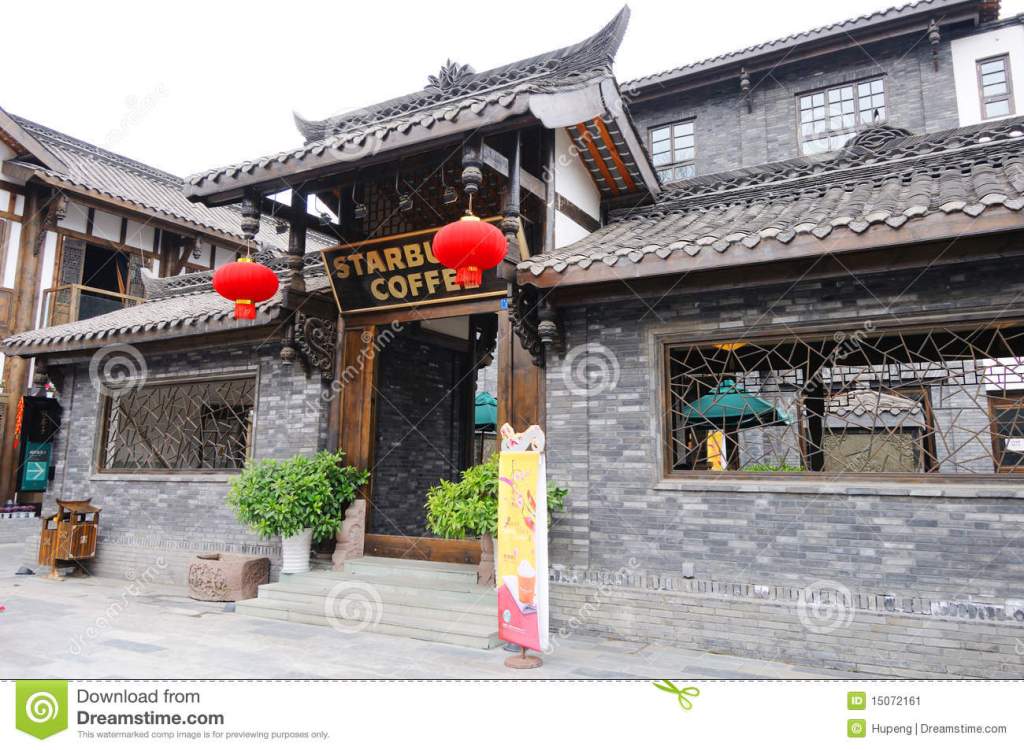
Tibet Awareness – Starbucks Opens Up Shops on the Tibetan Plateau
Whole Dream – Starbucks Coffee Tastes Better if there is Freedom in the Air. I would be happy to sip a cup of hot, freshly brewed Starbucks coffee to begin my day in Lhasa on a bright note. The Coffee is going to taste better when there is Freedom in the thin air of Tibetan Plateau.
Any mountain climber will be able to describe the shortness of breath that normally comes with altitude. It’s not that the air has a lower percentage of oxygen – it’s around 21% wherever you stand in the world. But air pressure decreases the further you walk or fly from the sea’s surface, allowing the gas molecules to spread out in all directions, and a lung can only stretch so far to compensate. The Tibetan plateau is one of the highest regions on Earth. It has an average elevation of ∼4,000 m, a barometric pressure of <500 mmHg, and an ambient partial pressure of oxygen (Po2) of 80 mmHg. At more than 4,000m (13,000ft) above Sea Level, each breath contains around a third less oxygen than the same breath far below. At this altitude, the oxygen level in the air is roughly 60% of what is found at sea level, meaning people breathe in considerably less oxygen with each breath. Low oxygen levels can cause various health issues including nausea, dizziness, headaches, fatigue, and in severe cases, altitude sickness.
I am sharing this story published by Brandchannel with the hope generated by my prediction of Red China’s sudden downfall. There is a chance that I may be attending festivities in Lhasa to celebrate Tibet’s Liberation from Communist occupation. I would be happy to sip a cup of hot, freshly brewed Starbucks coffee to begin my day in Lhasa on a bright note. The Coffee is going to taste better when there is Freedom in the thin air of Tibetan Plateau.
BRANDCHANNEL:
Starbucks Opens Up Shops on the Tibetan Plateau
Posted September 15, 2015 by MARK J. MILLER
A trip to Tibet has long been considered a journey one takes when seeking internal peace. Escaping Western creature comforts can help an individual reprioritize what life is all about.
That image may still be true, but Starbucks is inching closer to getting its caffeine and sugar into the country. On Friday, it opened two locations on the Tibetan Plateau over the border in the northern Chinese city of Xining.
The locations are strangely only 300 meters away from each other in a city of 2.2 million people. “Young people are very excited by the Starbucks,” student Padma Yangkyi told the Xinhua News Agency. “The fondness for traditional buttered tea and Tibetan opera doesn’t weaken our love for coffee and pop songs.”
China now has about 1,700 Starbucks, passing Canada as the country with the second-most locations outside the US, according to Quartz. The plan is to double that number in the next five years.
It isn’t clear when Starbucks will get to Tibet proper but it seems inevitable. The Australian reports that new Sinopec gas stations have popped up, there’s a shiny new Tibet Tiandi Green Barley brewery, and China is pumping “capital into the area, funding new infrastructure and providing subsidies and assistance, including free education, to many of its population.”
A railway opened in 2006 that brings travelers from Qinghai, Tibet, saw 15 million tourists last year, up 20 percent from 2013. Where the people go, Starbucks will surely follow.
I would be happy to sip a cup of hot, freshly brewed Starbucks coffee to begin my day in Lhasa on a bright note. The Coffee is going to taste better when there is Freedom in the thin air of Tibetan Plateau.I would be happy to sip a cup of hot, freshly brewed Starbucks coffee to begin my day in Lhasa on a bright note. The Coffee is going to taste better when there is Freedom in the thin air of Tibetan Plateau.I would be happy to sip a cup of hot, freshly brewed Starbucks coffee to begin my day in Lhasa on a bright note. The Coffee is going to taste better when there is Freedom in the thin air of Tibetan Plateau.I would be happy to sip a cup of hot, freshly brewed Starbucks coffee to begin my day in Lhasa on a bright note. The Coffee is going to taste better when there is Freedom in the thin air of Tibetan Plateau.
Tibet Awareness – The Reality of Potala Palace, Lhasa, Tibet
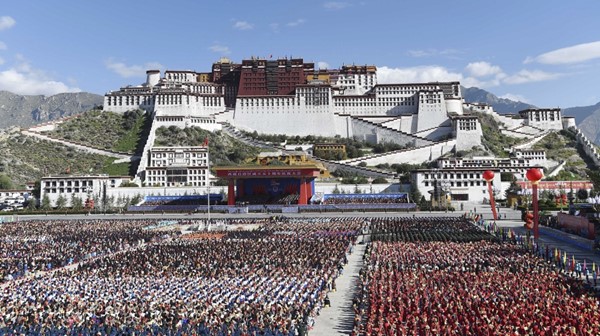
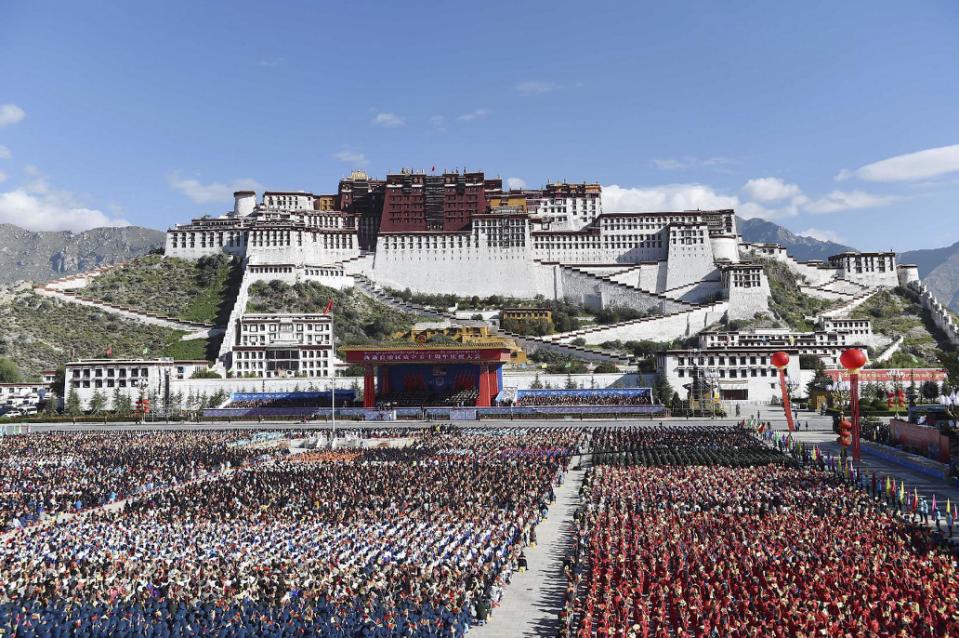
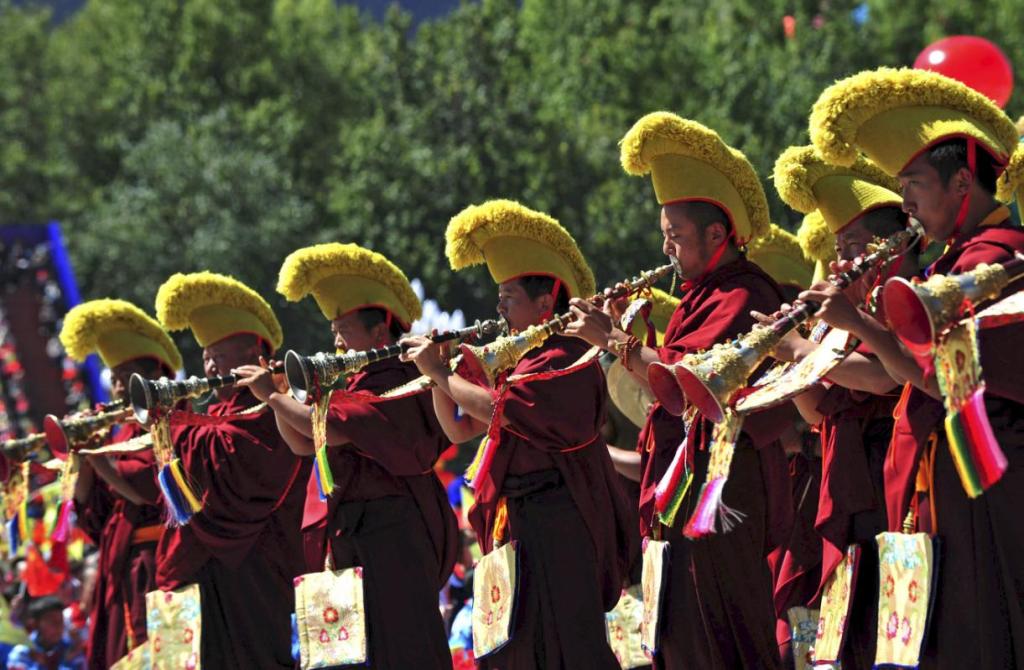
Tibet Awareness – The Yoke of Occupation. Potala Palace, Lhasa, Tibet. China Showcases 50 Years of hold on Tibet with Big Parade.
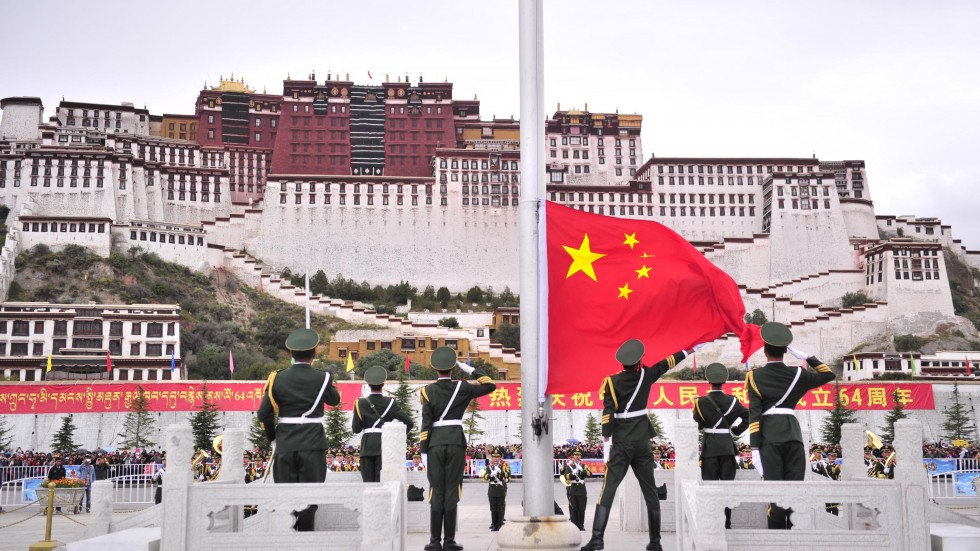
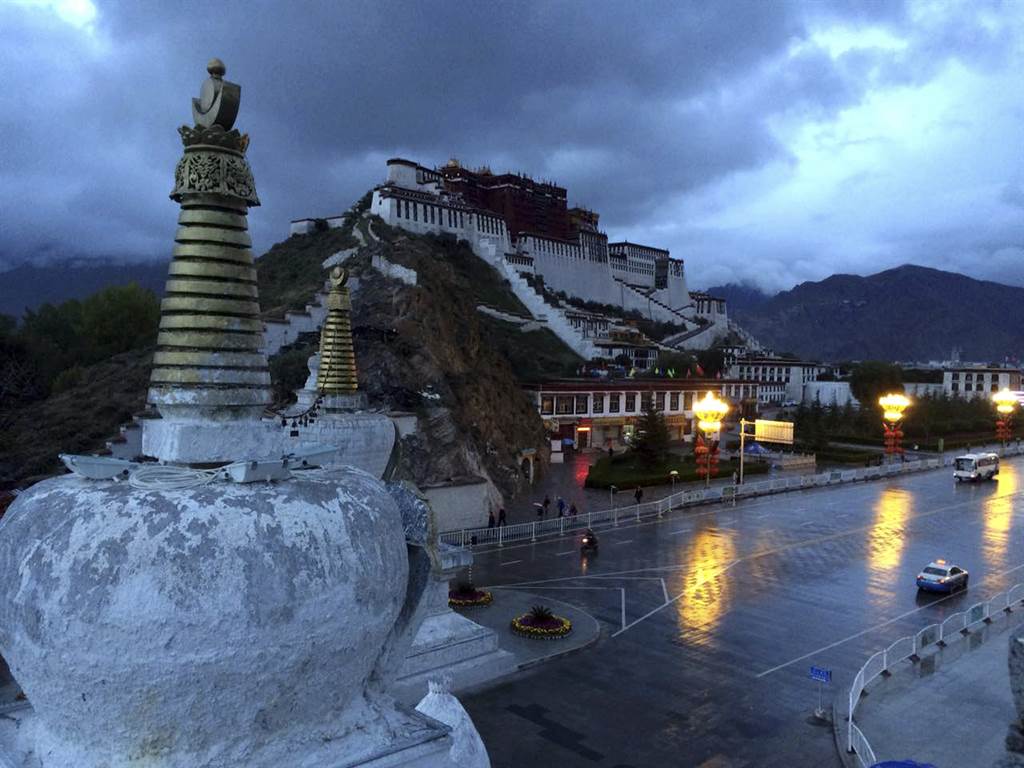
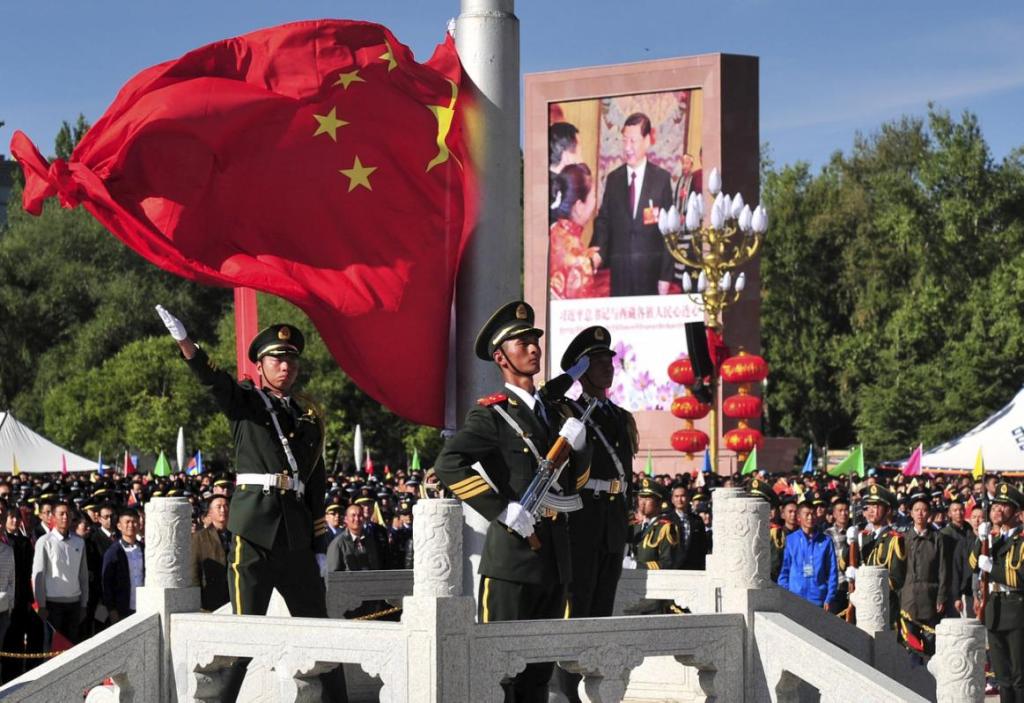
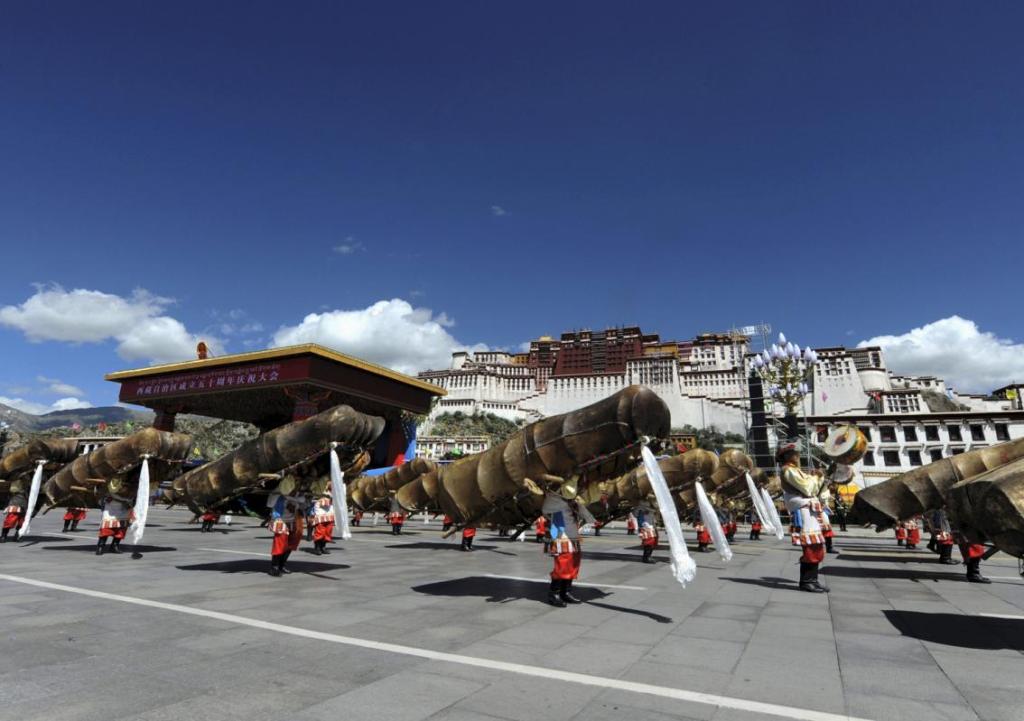
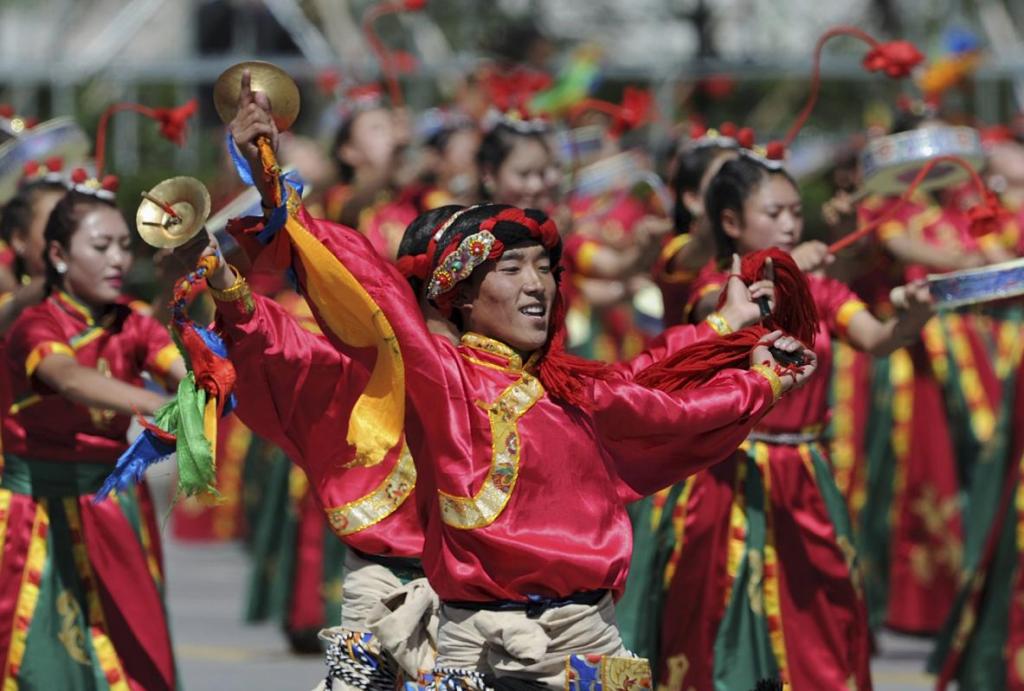
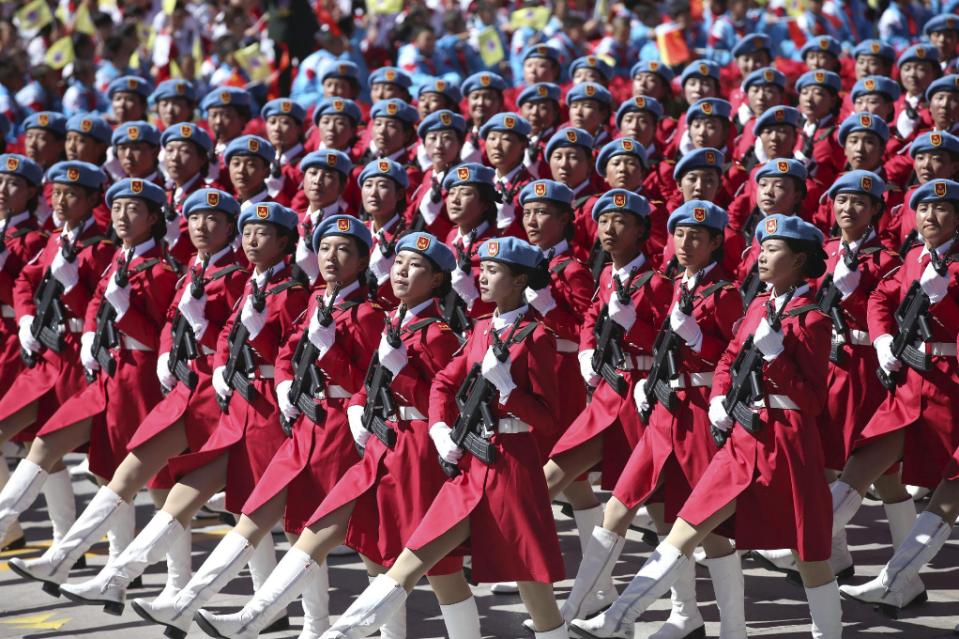
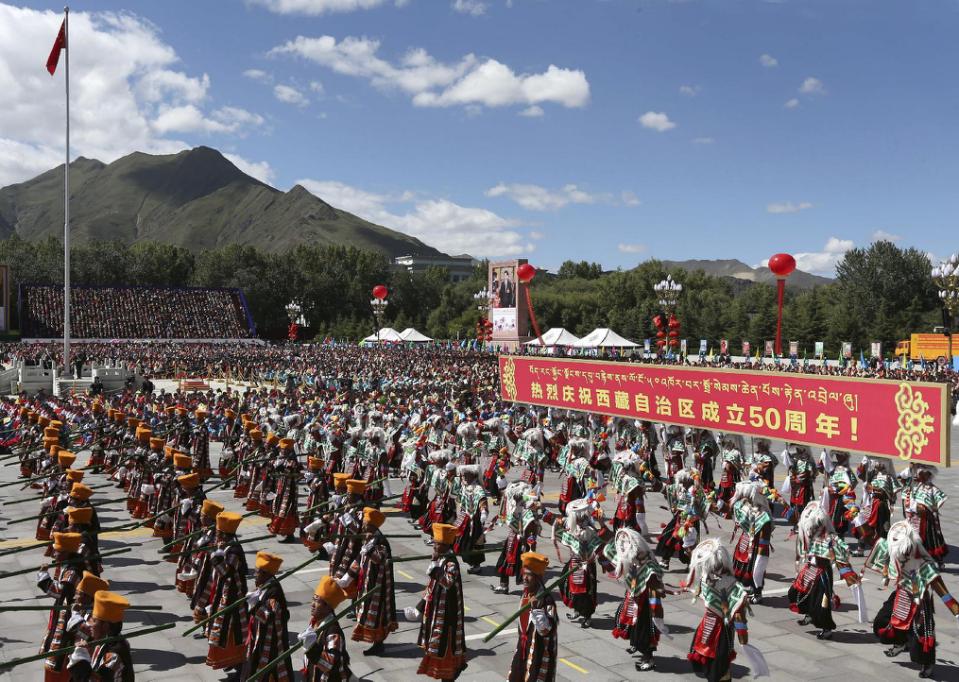
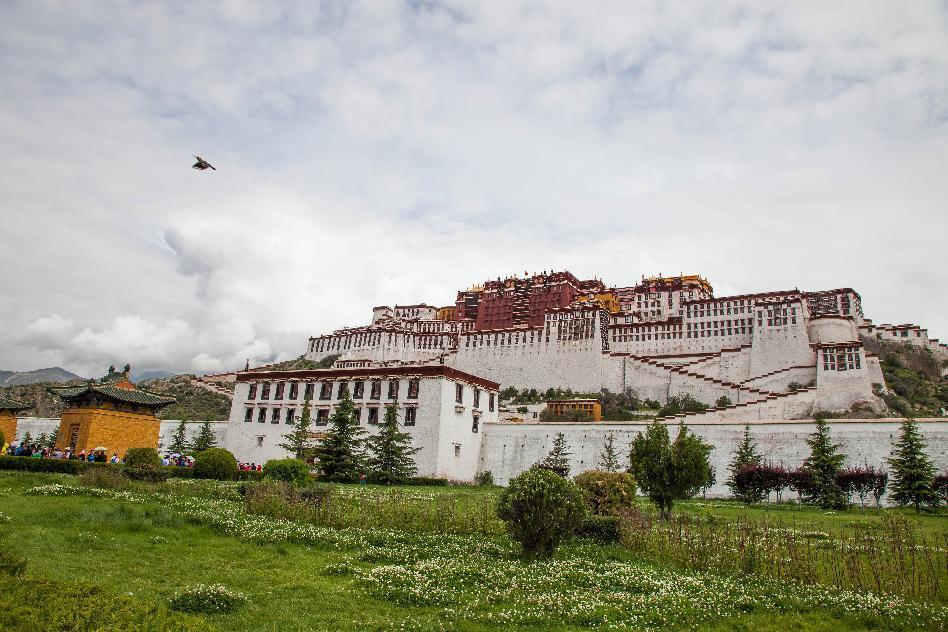
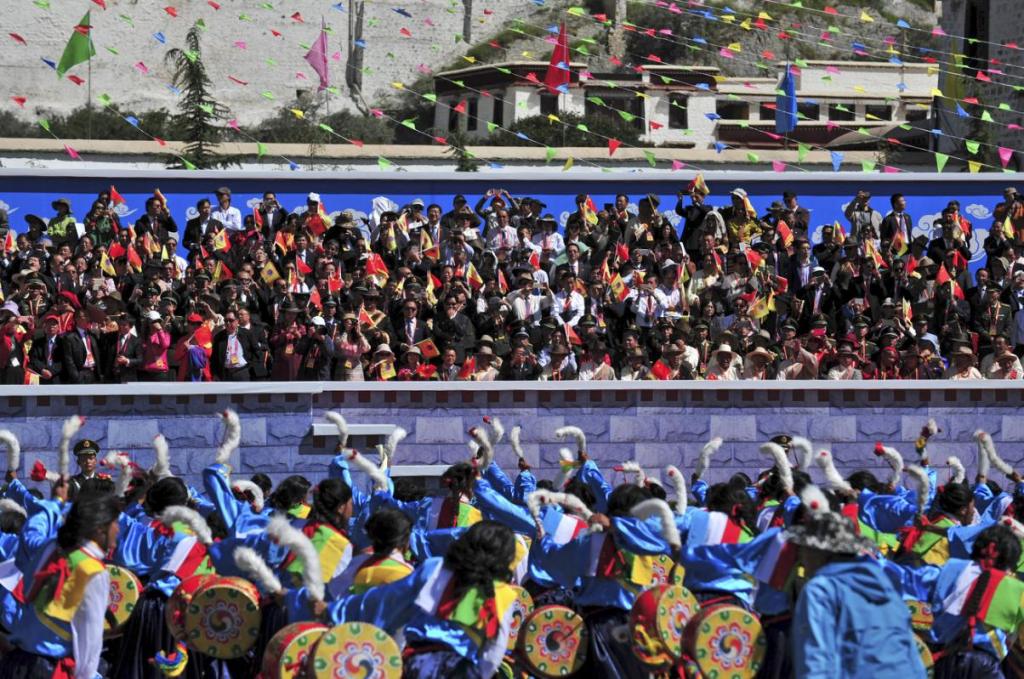
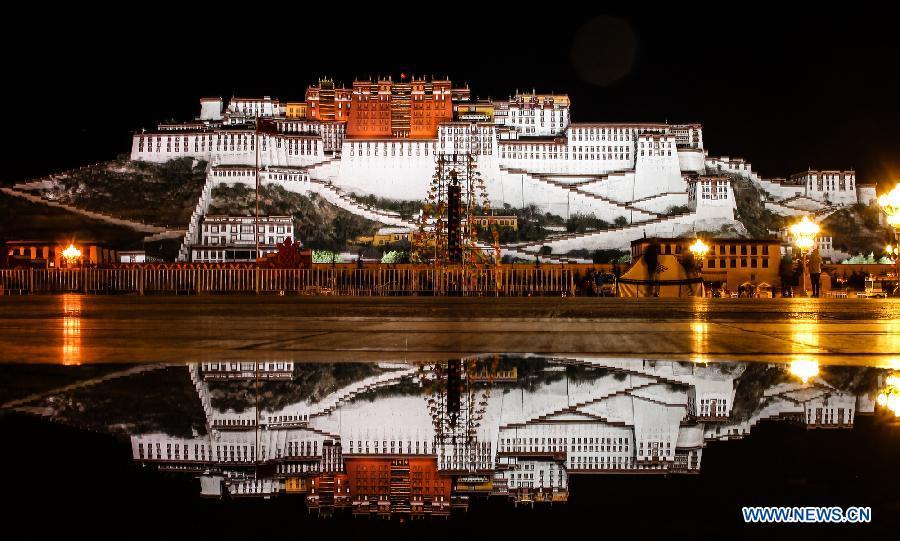
On Tuesday, September 08, 2015, Red China hosted a ceremony in the square of Potala Palace, Lhasa, Tibet to celebrate formation of Tibet Autonomous Region or TAR on September 01, 1965. This celebration does not change the reality of Potala Palace. It stands as a proud symbol of Tibetan Independence and Tibetan Sovereignty. Potala Palace like the White House can only represent one form of national government. As long as the name ‘Potala Palace’ survives, it stands for a political institution called Ganden Phodrang.
CHINA SHOWCASES 50 YEARS OF HOLD ON TIBET WITH BIG PARADE
THE HINDU
BEIJING, September 8, 2015 Updated: September 8, 2015 18:38 IST
CHINA SHOWCASES 50 YEARS OF HOLD ON TIBET WITH BIG PARADE
PTI
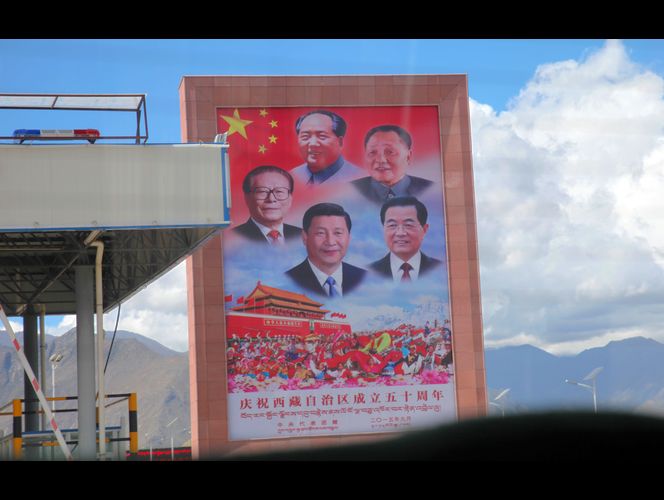
CHINA SHOWCASES 50 YEARS OF HOLD ON TIBET WITH BIG PARADE. Performers carry a giant Chinese national emblem (right) and pictures of Chinese government leaders including President Xi Jinping, former leaders Hu Jintao, Jiang Zemin, Deng Xiaoping and Mao Zedong, during the celebration event at the Potala Palace marking the 50th anniversary of the founding of the Tibet Autonomous Region, in Lhasa, Tibet Autonomous Region, China, on Tuesday.
REUTERS
Performers carry a giant Chinese national emblem (right) and pictures of Chinese government leaders including President Xi Jinping, former leaders Hu Jintao, Jiang Zemin, Deng Xiaoping and Mao Zedong, during the celebration event at the Potala Palace marking the 50th anniversary of the founding of the Tibet Autonomous Region, in Lhasa, Tibet Autonomous Region, China, on Tuesday.
V GEETANATH
B RISHIKESH BAHADUR DESAI
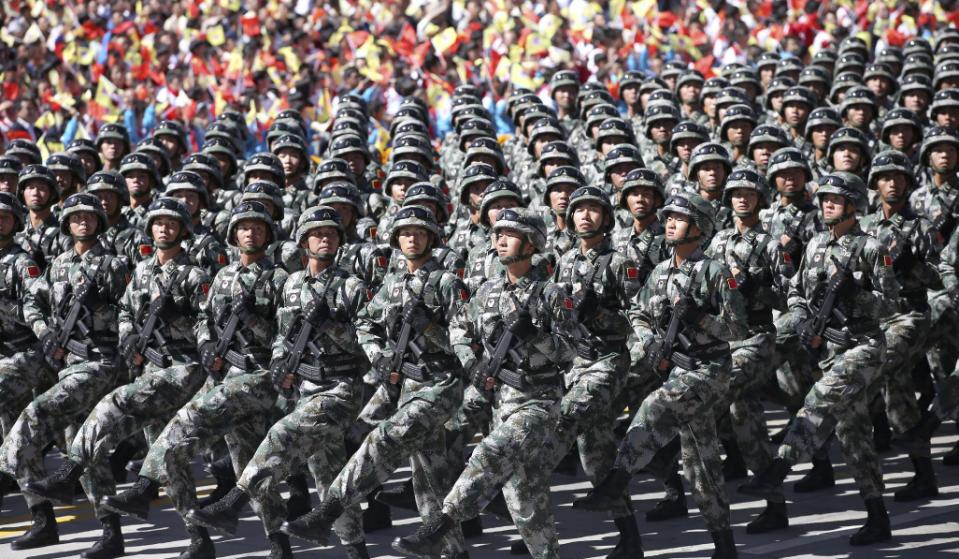
China on Tuesday marked 50 years of Tibet’s amalgamation with the Communist giant, holding a grand parade in Lhasa showcasing its grip on the strategic Himalayan region even as it adopted a tough stance against the Dalai Lama, Tibetan religious leader, calling for a crackdown on “separatist forces.” A big meeting followed by a grand parade was held in front of the Potala Palace, traditional home of the Dalai Lama from where he fled to India in 1959, attended among others by senior official of the ruling Communist Party of China (CPC), Yu Zhengsheng, to mark 50 years of Tibet being declared as an autonomous province of China.
China’s claim
China says Tibet became a part of the country by “peaceful liberation” when Chinese troops invaded the Himalayan plateau in 1950 establishing Beijing’s control over it. The Tibet Autonomous Region was founded on September 1, 1965, after the establishment of the regional People’s Congress, the local legislature. Addressing the colourful ceremony, Mr. Yu, who is in-charge of minorities in China, stressed the legality of crackdown on separatists, the official characterisation of supporters of the Dalai Lama including Buddhist monks.
High-handedness charge
Overseas Tibetan groups accused the Chinese authorities of high-handed methods in dealing with those supporting the Dalai Lama, widely regarded as the spiritual head of Tibetan Buddhism.
Over 130 Tibetans, including monks, have committed self immolations in the recent years demanding the return of the Dalai Lama to Tibet. Calling for “strict adherence to the law in managing religious affairs in Tibet,” Mr. Yu said “law-based governance is fundamental to the long-term stability of Tibet.”
Policing of separatism
In a nationally telecast ceremony, Mr. Yu said policing of separatism must also be done legally while asserting that the crackdown on separatists would continue, scotching any hopes of reconciliation with the Dalai Lama under the new leadership headed by President Xi Jinping. Law-based governance in Tibet was also highlighted in a speech by Mr. Xi last month, state-run Xinhua news agency reported. Referring to security of Tibet which formed part of the India-China border, Mr. Yu also said: “Border areas must be well managed to successfully govern the country, and stability in Tibet is paramount to the management of these areas.”
Tibet Awareness – The Yoke of Occupation. Potala Palace, Lhasa, Tibet. China Showcases 50 Years of hold on Tibet with Big Parade.Tibet Awareness – The Yoke of Occupation. Potala Palace, Lhasa, Tibet. China Showcases 50 Years of hold on Tibet with Big Parade.Tibet Awareness – The Yoke of Occupation. Potala Palace, Lhasa, Tibet. China Showcases 50 Years of hold on Tibet with Big Parade.Tibet Awareness – The Yoke of Occupation. Potala Palace, Lhasa, Tibet. China Showcases 50 Years of hold on Tibet with Big Parade.Tibet Awareness – The Yoke of Occupation. Potala Palace, Lhasa, Tibet. China Showcases 50 Years of hold on Tibet with Big Parade.Tibet Awareness – The Yoke of Occupation. Potala Palace, Lhasa, Tibet. China Showcases 50 Years of hold on Tibet with Big Parade.Tibet Awareness – The Yoke of Occupation. Potala Palace, Lhasa, Tibet. China Showcases 50 Years of hold on Tibet with Big Parade.Tibet Awareness – The Yoke of Occupation. Potala Palace, Lhasa, Tibet. China Showcases 50 Years of hold on Tibet with Big Parade.Tibet Awareness – The Yoke of Occupation. Potala Palace, Lhasa, Tibet. China Showcases 50 Years of hold on Tibet with Big Parade.Tibet Awareness – The Yoke of Occupation. Potala Palace, Lhasa, Tibet. China Showcases 50 Years of hold on Tibet with Big Parade.Tibet Awareness – The Yoke of Occupation. Potala Palace, Lhasa, Tibet. China Showcases 50 Years of hold on Tibet with Big Parade.Tibet Awareness – The Yoke of Occupation. Potala Palace, Lhasa, Tibet. China Showcases 50 Years of hold on Tibet with Big Parade.
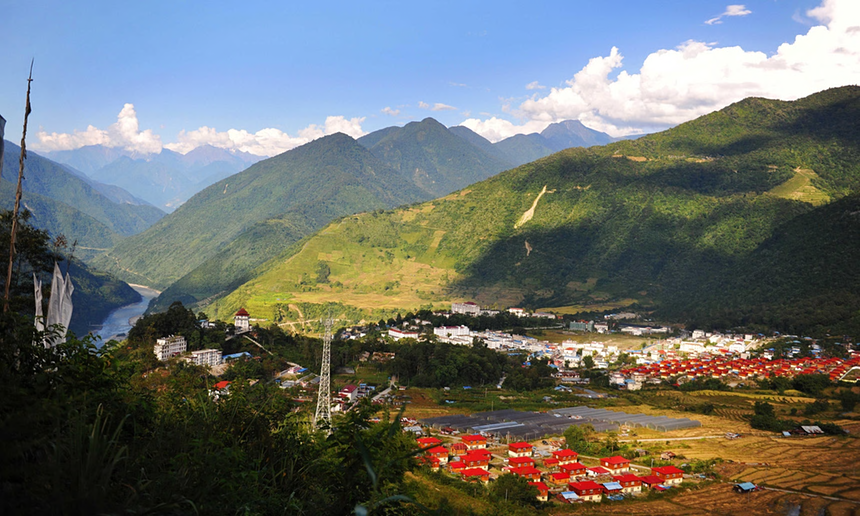
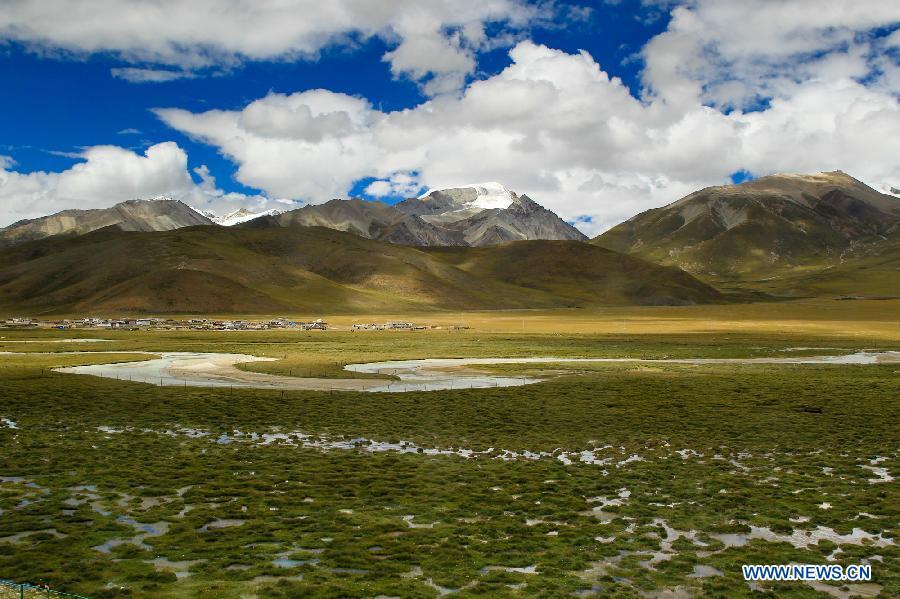
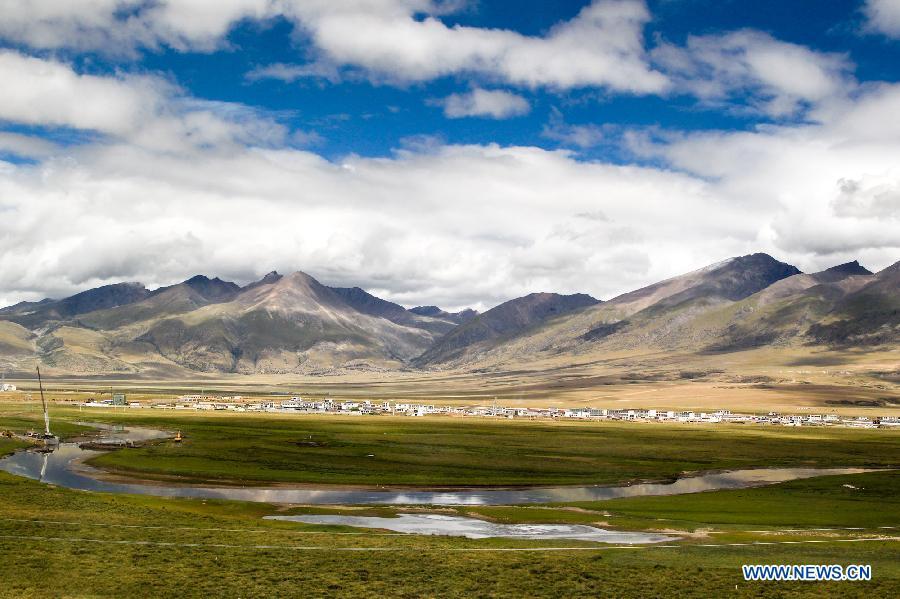
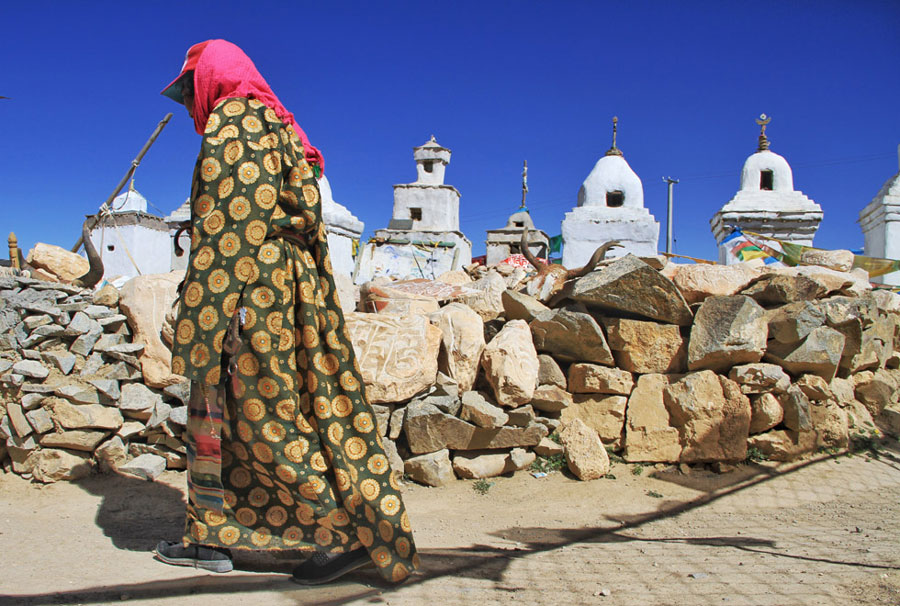
TIBET AWARENESS – POTALA PALACE, LHASA, TIBET – TIBET IS UNDER OCCUPATION. Red China has been using photo images of Tibet to promote Tibetan Tourism which fails to acknowledge Tibet’s Independence and Tibetans’ Right to Natural Freedom.
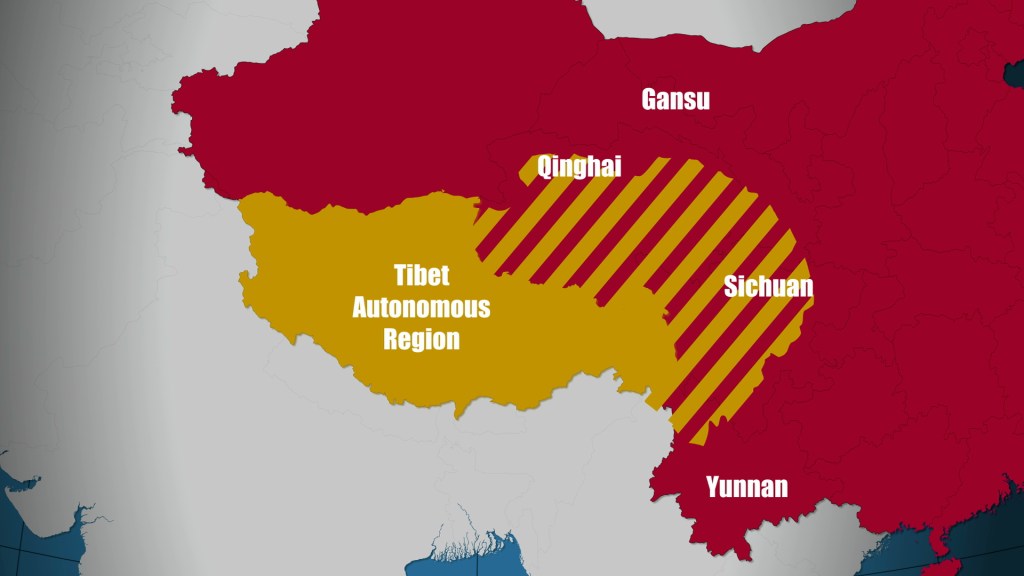
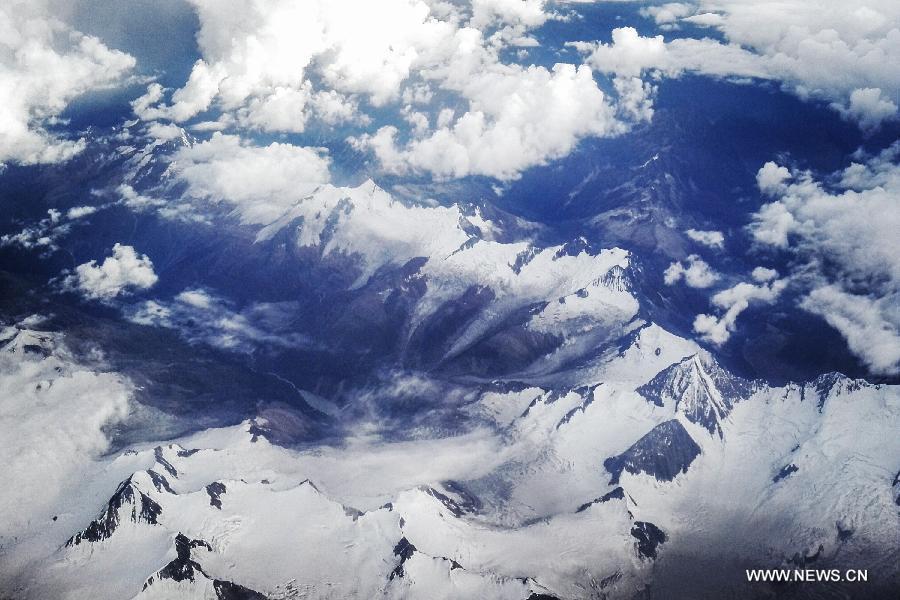
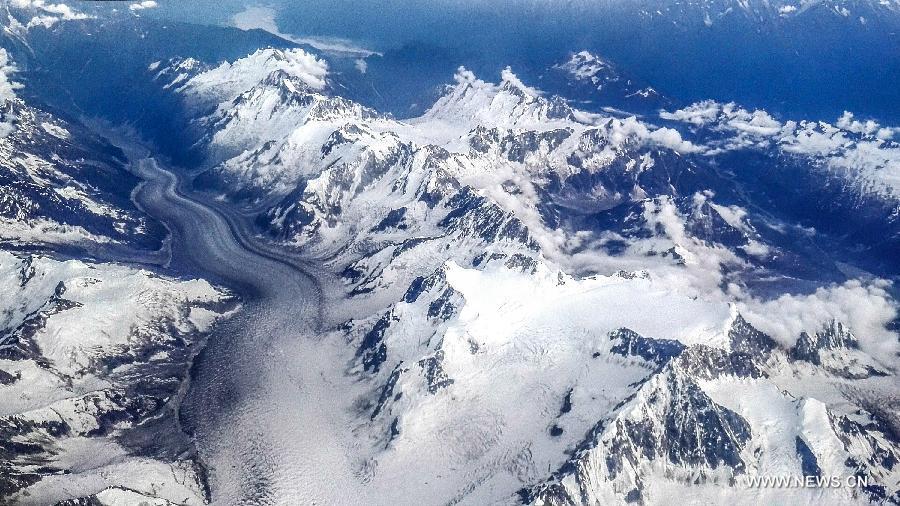
On September 01, 2015, Red China is celebrating a historical event that scars the beauty of Tibetan landscape. Red China brutally carved out a province that she calls Tibetan Autonomous Region or TAR where Tibetans have no autonomy and are denied Right to Self-Determination. Tibet has a total area of 965, 000 square miles and as such in terms of size, Tibet is world’s tenth largest nation.
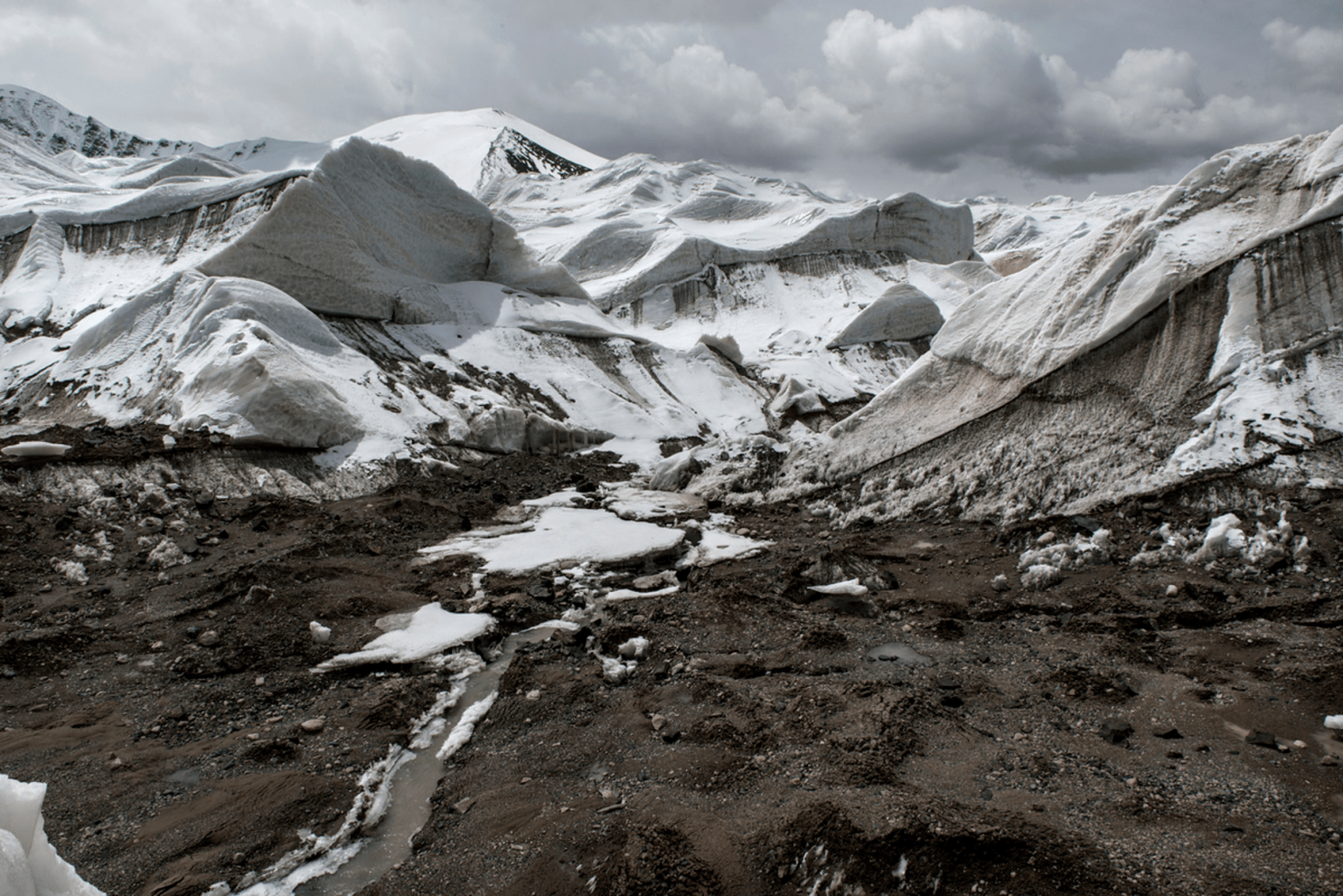
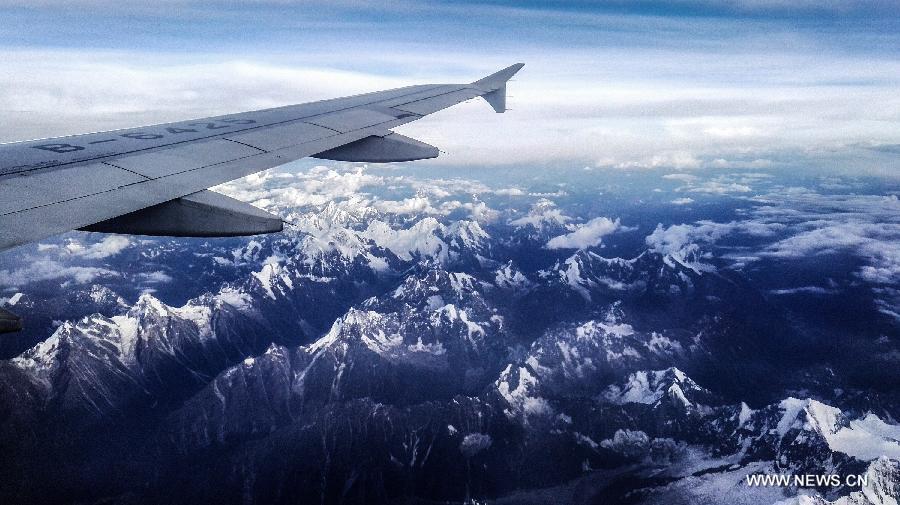
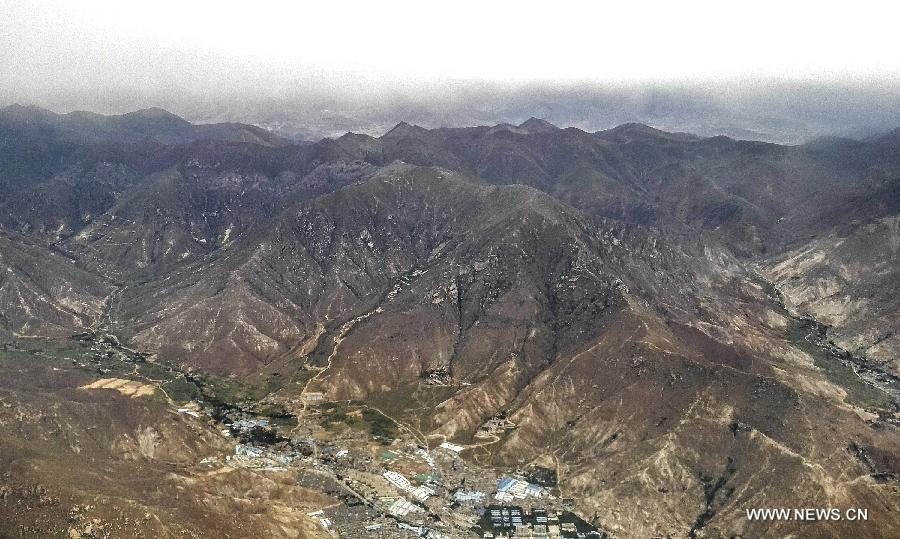
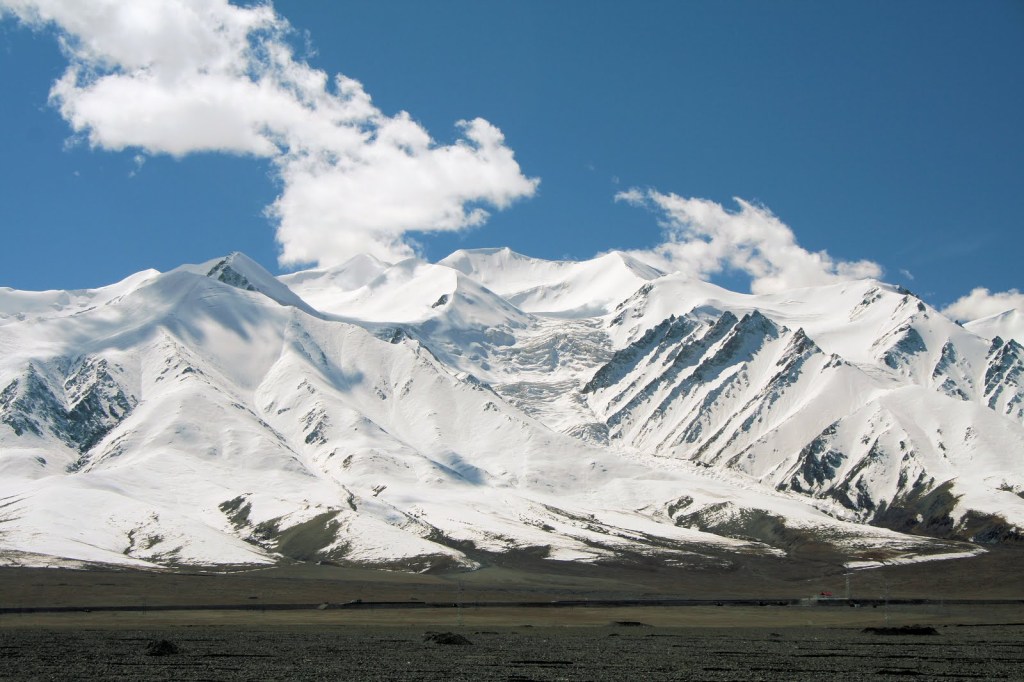
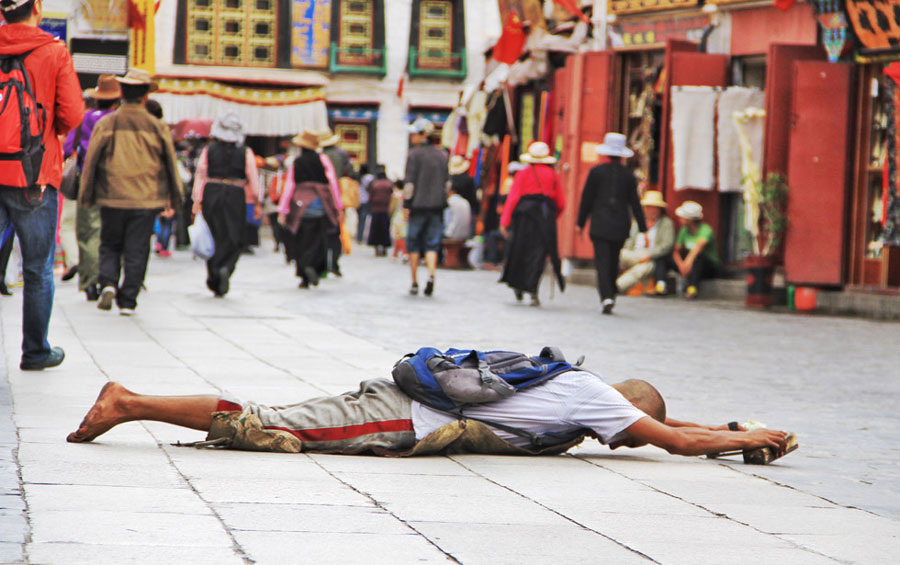
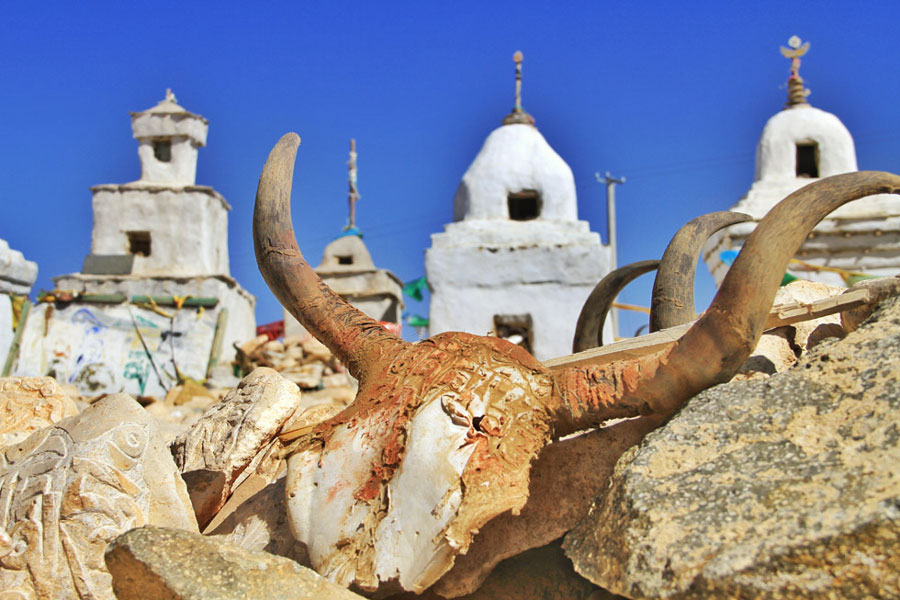
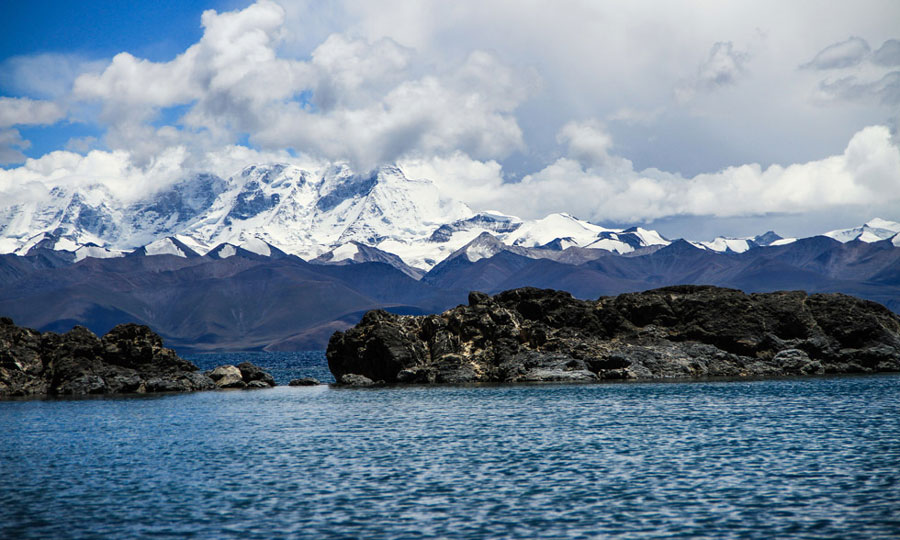
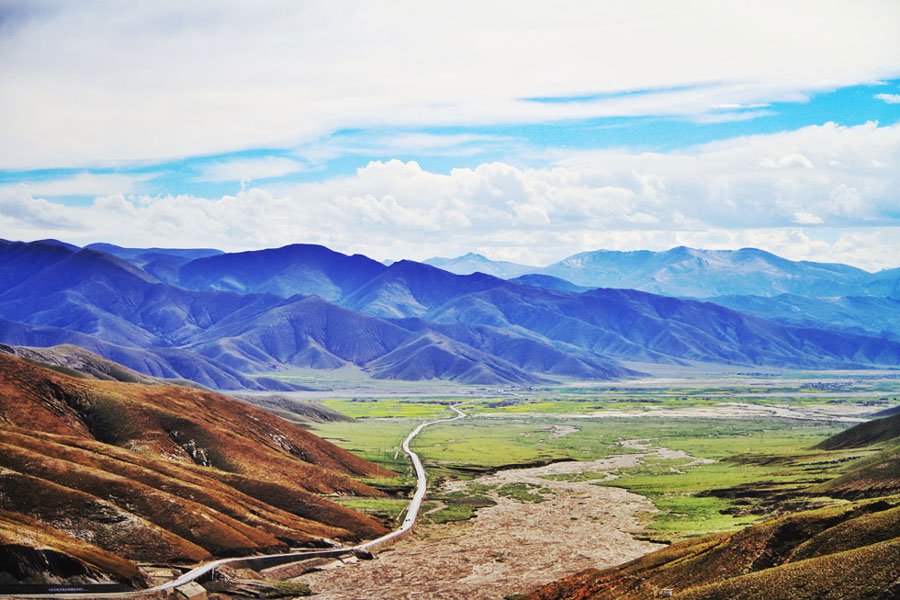
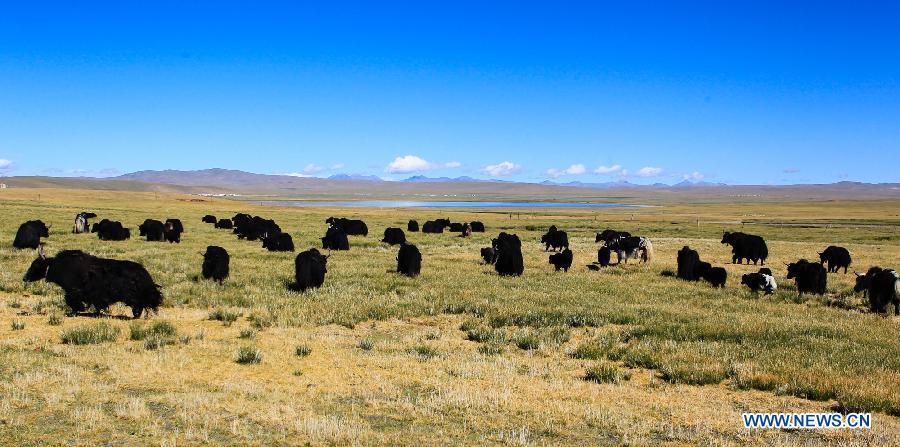
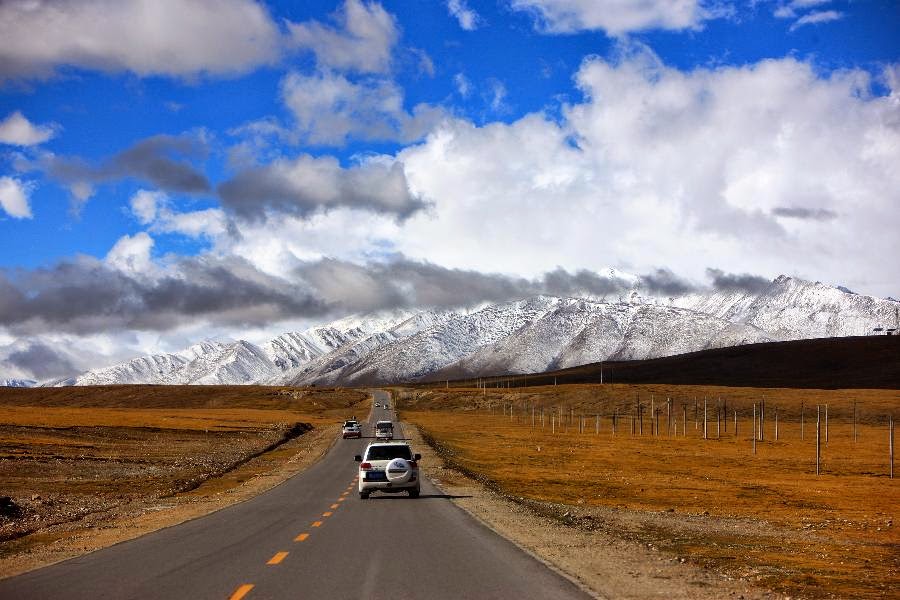
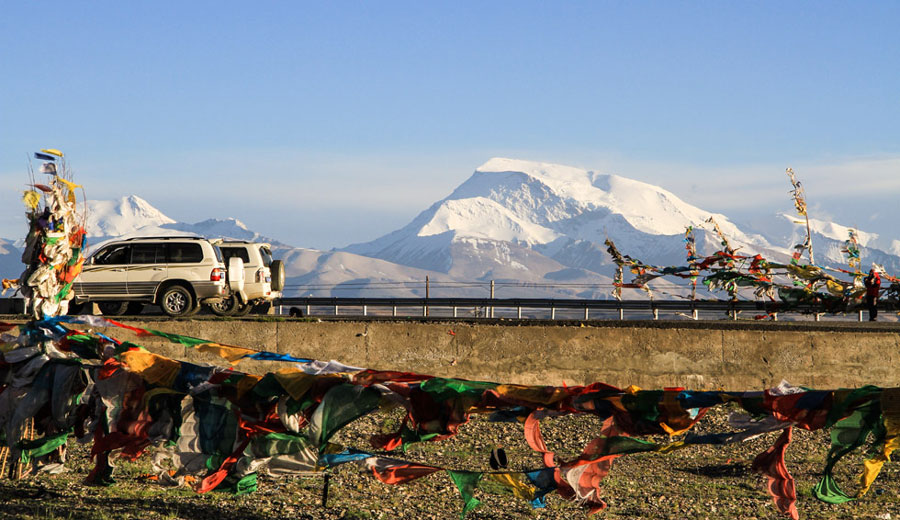
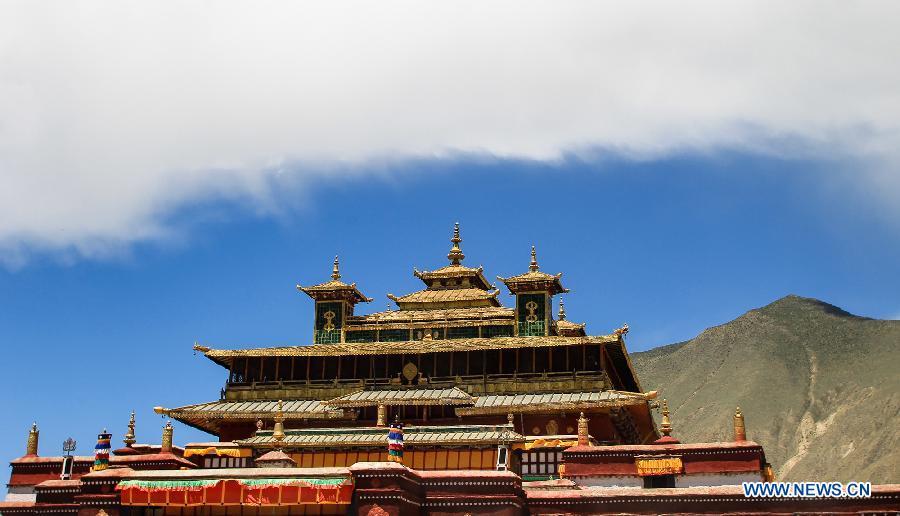
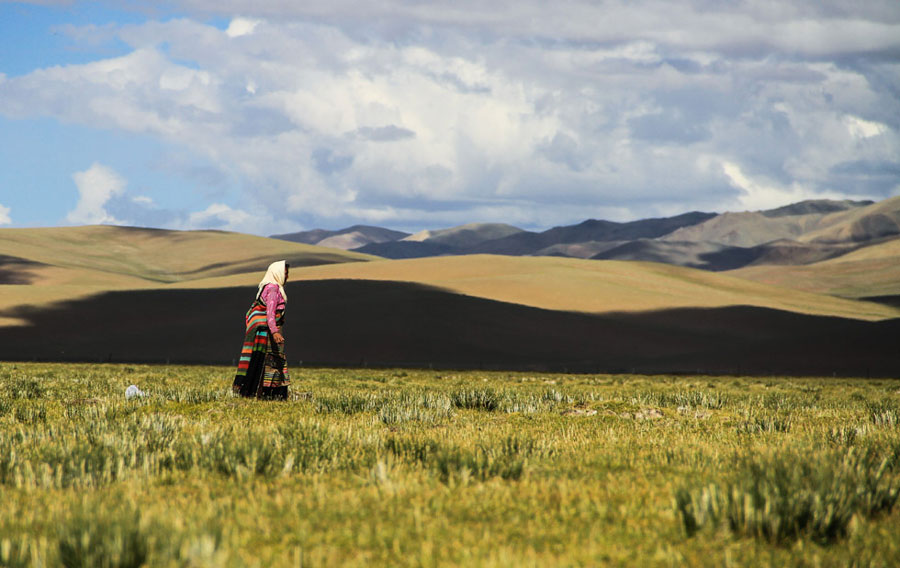
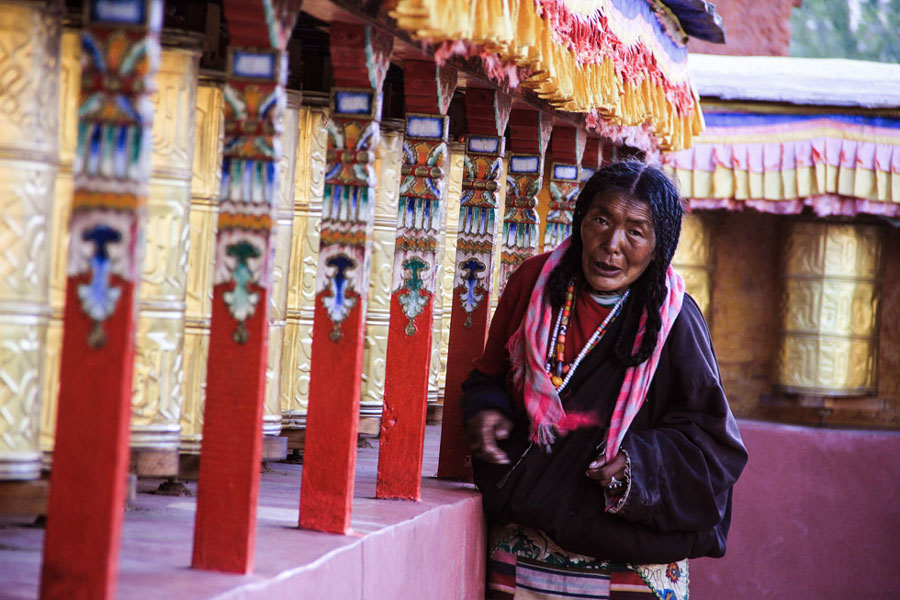
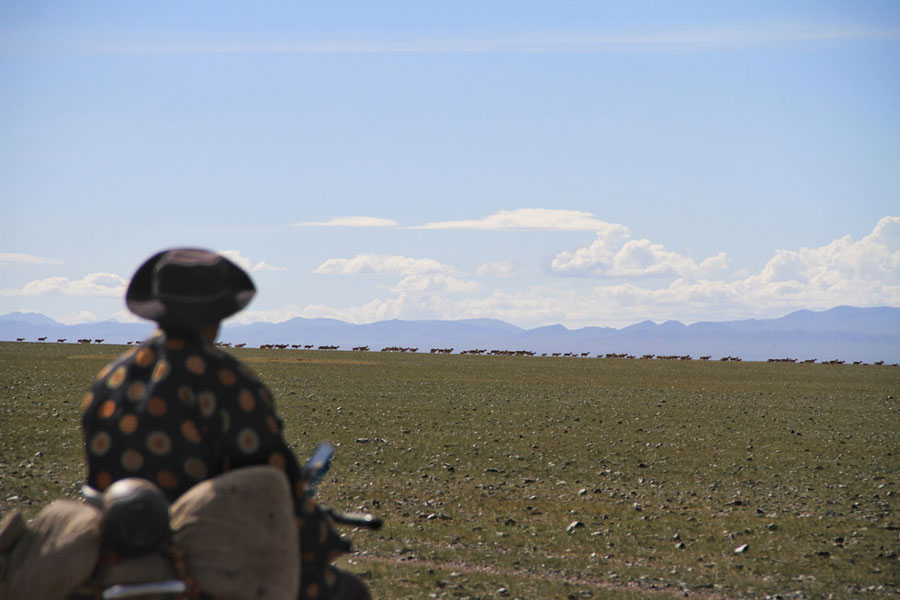
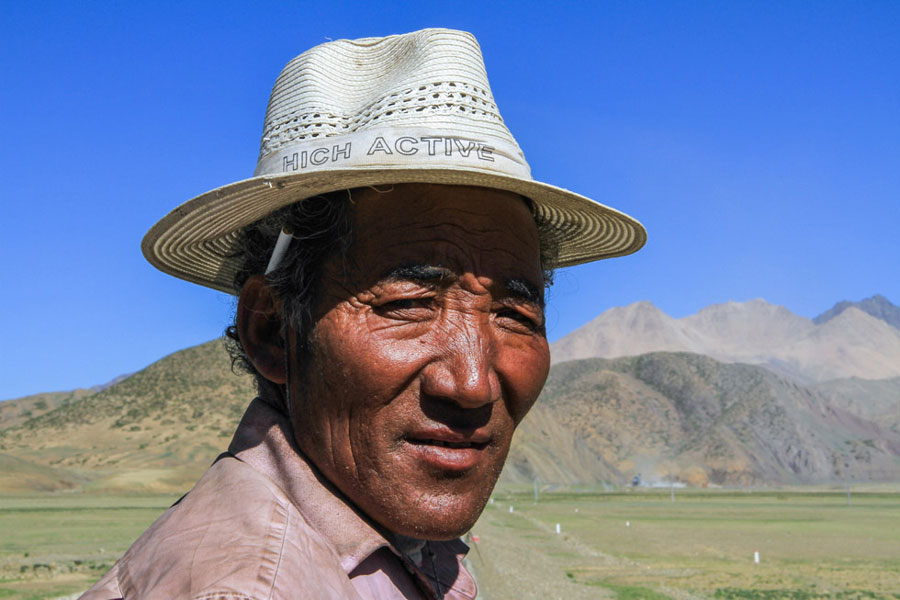
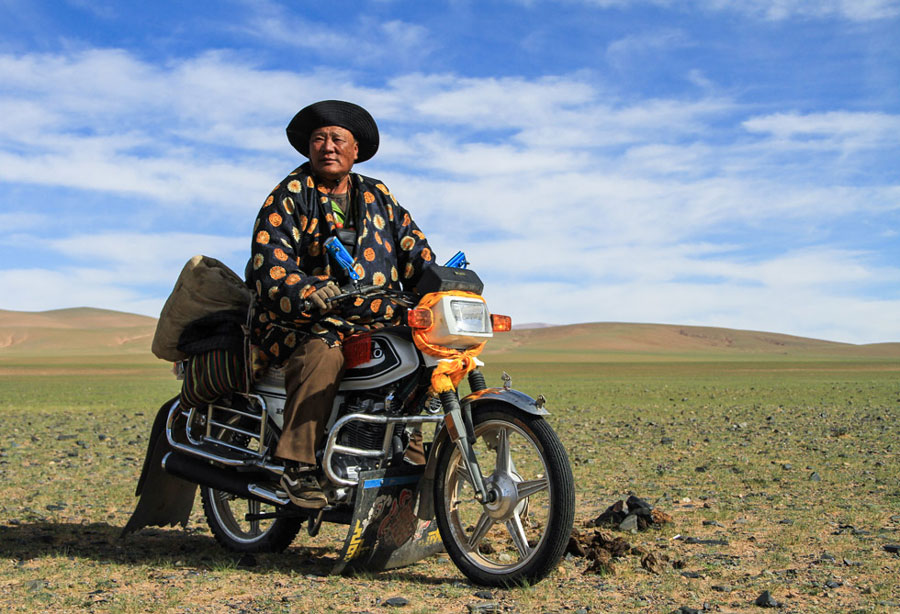
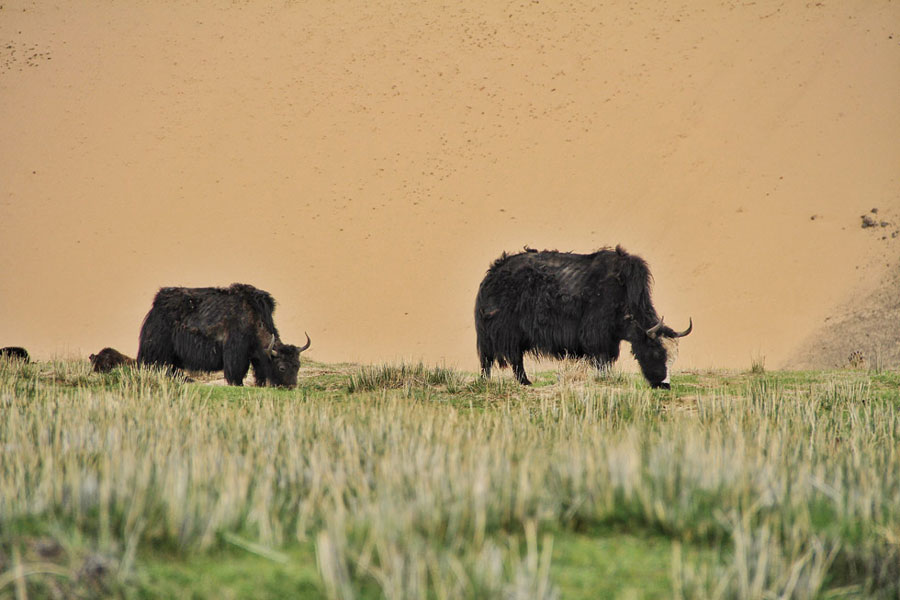
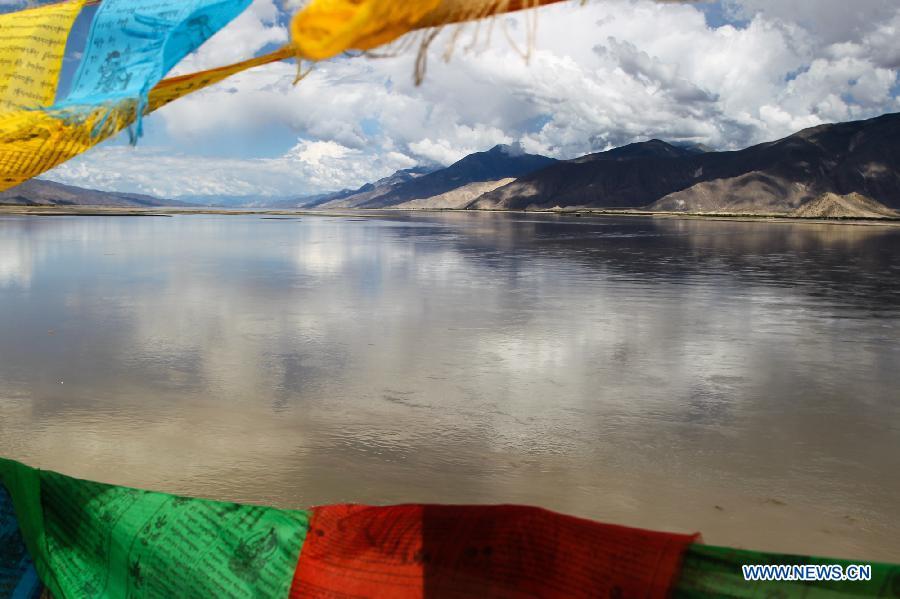
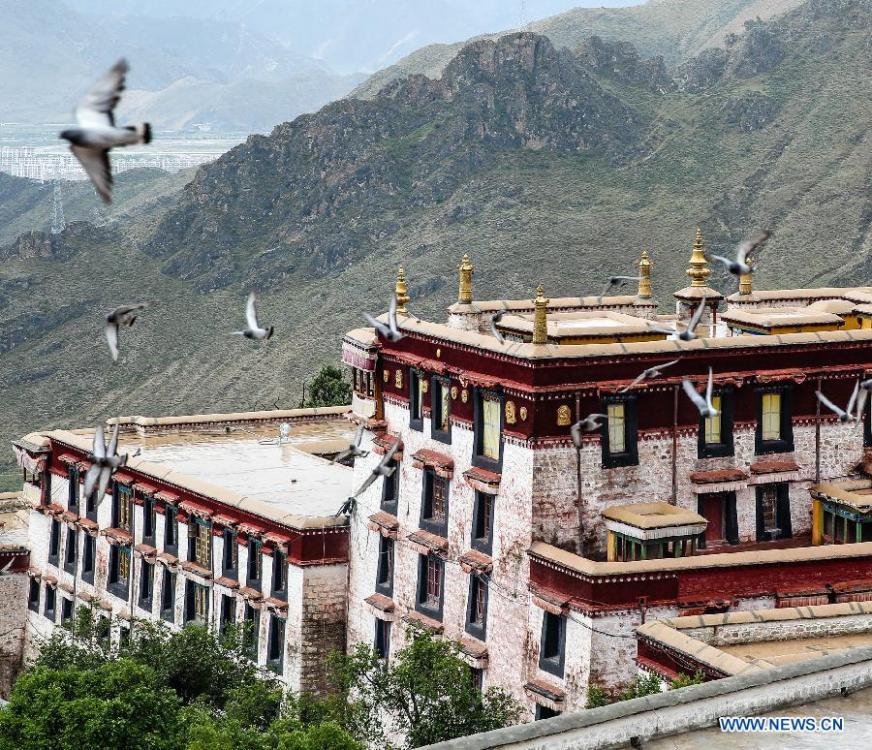
I am sharing a few photo images of Tibet, its landscape and its people. Red China has been using photo images of Tibet to promote Tibetan Tourism which fails to acknowledge Tibet’s Independence and Tibetans’ Right to Natural Freedom.
TIBET AWARENESS – TIBET IS UNDER OCCUPATION. QINGHAI. TIBET PLATEAU.Red China has been using photo images of Tibet to promote Tibetan Tourism which fails to acknowledge Tibet’s Independence and Tibetans’ Right to Natural Freedom.TIBET AWARENESS – TIBET IS UNDER OCCUPATION. QINGHAI – TIBET PLATEAU.Red China has been using photo images of Tibet to promote Tibetan Tourism which fails to acknowledge Tibet’s Independence and Tibetans’ Right to Natural Freedom.TIBET AWARENESS – TIBET IS UNDER OCCUPATION. QINGHAI TIBET PLATEAU.Red China has been using photo images of Tibet to promote Tibetan Tourism which fails to acknowledge Tibet’s Independence and Tibetans’ Right to Natural Freedom.TIBET AWARENESS – TIBET IS UNDER OCCUPATION. QINGHAI. TIBET. Red China has been using photo images of Tibet to promote Tibetan Tourism which fails to acknowledge Tibet’s Independence and Tibetans’ Right to Natural Freedom.Red China has been using photo images of Tibet to promote Tibetan Tourism which fails to acknowledge Tibet’s Independence and Tibetans’ Right to Natural Freedom.Red China has been using photo images of Tibet to promote Tibetan Tourism which fails to acknowledge Tibet’s Independence and Tibetans’ Right to Natural Freedom.Red China has been using photo images of Tibet to promote Tibetan Tourism which fails to acknowledge Tibet’s Independence and Tibetans’ Right to Natural Freedom.Red China has been using photo images of Tibet to promote Tibetan Tourism which fails to acknowledge Tibet’s Independence and Tibetans’ Right to Natural Freedom.Red China has been using photo images of Tibet to promote Tibetan Tourism which fails to acknowledge Tibet’s Independence and Tibetans’ Right to Natural Freedom.Red China has been using photo images of Tibet to promote Tibetan Tourism which fails to acknowledge Tibet’s Independence and Tibetans’ Right to Natural Freedom.Red China has been using photo images of Tibet to promote Tibetan Tourism which fails to acknowledge Tibet’s Independence and Tibetans’ Right to Natural Freedom.Red China has been using photo images of Tibet to promote Tibetan Tourism which fails to acknowledge Tibet’s Independence and Tibetans’ Right to Natural Freedom.Red China has been using photo images of Tibet to promote Tibetan Tourism which fails to acknowledge Tibet’s Independence and Tibetans’ Right to Natural Freedom.Red China has been using photo images of Tibet to promote Tibetan Tourism which fails to acknowledge Tibet’s Independence and Tibetans’ Right to Natural Freedom.Red China has been using photo images of Tibet to promote Tibetan Tourism which fails to acknowledge Tibet’s Independence and Tibetans’ Right to Natural Freedom.Red China has been using photo images of Tibet to promote Tibetan Tourism which fails to acknowledge Tibet’s Independence and Tibetans’ Right to Natural Freedom.Red China has been using photo images of Tibet to promote Tibetan Tourism which fails to acknowledge Tibet’s Independence and Tibetans’ Right to Natural Freedom.Red China has been using photo images of Tibet to promote Tibetan Tourism which fails to acknowledge Tibet’s Independence and Tibetans’ Right to Natural Freedom.Red China has been using photo images of Tibet to promote Tibetan Tourism which fails to acknowledge Tibet’s Independence and Tibetans’ Right to Natural Freedom.Red China has been using photo images of Tibet to promote Tibetan Tourism which fails to acknowledge Tibet’s Independence and Tibetans’ Right to Natural Freedom.Red China has been using photo images of Tibet to promote Tibetan Tourism which fails to acknowledge Tibet’s Independence and Tibetans’ Right to Natural Freedom.Red China has been using photo images of Tibet to promote Tibetan Tourism which fails to acknowledge Tibet’s Independence and Tibetans’ Right to Natural Freedom.Red China has been using photo images of Tibet to promote Tibetan Tourism which fails to acknowledge Tibet’s Independence and Tibetans’ Right to Natural Freedom.Red China has been using photo images of Tibet to promote Tibetan Tourism which fails to acknowledge Tibet’s Independence and Tibetans’ Right to Natural Freedom.Red China has been using photo images of Tibet to promote Tibetan Tourism which fails to acknowledge Tibet’s Independence and Tibetans’ Right to Natural Freedom.Red China has been using photo images of Tibet to promote Tibetan Tourism which fails to acknowledge Tibet’s Independence and Tibetans’ Right to Natural Freedom.Red China has been using photo images of Tibet to promote Tibetan Tourism which fails to acknowledge Tibet’s Independence and Tibetans’ Right to Natural Freedom.Red China has been using photo images of Tibet to promote Tibetan Tourism which fails to acknowledge Tibet’s Independence and Tibetans’ Right to Natural Freedom.


































 Whole Dude - Whole Concept