Communist China’s Sinister Plan of Sinicization of Tibet

Communist China’s Sinister Plan of Sinicization of Tibet.

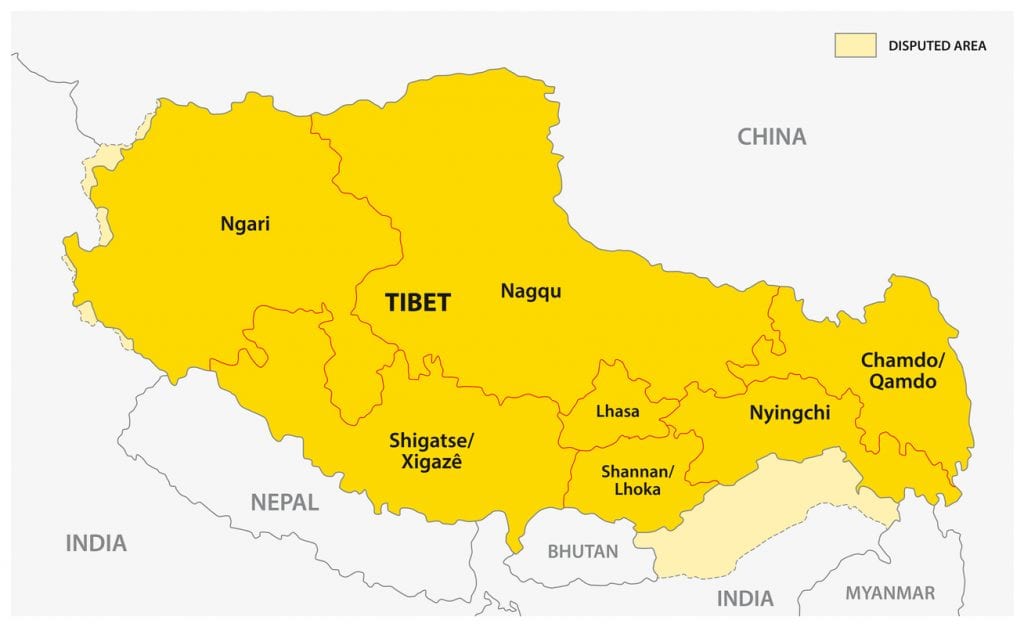
India is facing the inevitable consequences of Communist China’s Sinister Plan of Sinicization of Tibet using its military power since 1950.

Rudra Narasimham Rebbapragada

Special Frontier Force-Establishment No. 22-Vikas Regiment

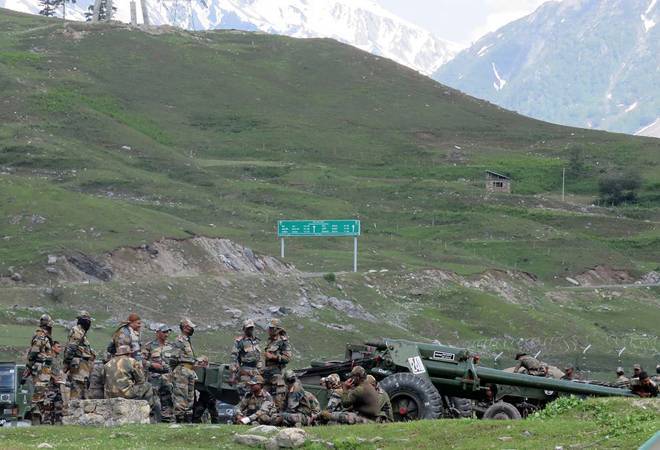
Special Frontier Force personnel were used  by Indian Army to occupy these strategic peaks in the Southern banks of Pangong Tso. This took the Chinese army by surprise. The occupation of these heights has shown Indian resolve to take the fight to the Chinese side. 

The Pangong Tso lake in Ladakh on the banks of which India and China have been engaged in a standoff for four months. India claimed on Monday that it pre-empted a move by the Chinese army to occupy Indian territory at a new point in the region. (AP file photo)

India says troops hold Himalayan hilltops after face-off with Chinese forces

By Devjyot Ghoshal  

Communist China’s Sinister Plan of Sinicization of Tibet. Reuters/Mukesh Gupta FILE PHOTO: A view of Pangong Tso lake in Ladakh region

NEW DELHI (Reuters) – A senior Indian official said on Tuesday Indian troops had deployed on four strategic hilltops after what New Delhi called an attempted Chinese incursion along the disputed Himalayan border, underlining simmering tensions between the Asian giants.

China denied that it had moved first, with an embassy spokeswoman in New Delhi accusing Indian troops of trespassing across the Line of Actual Control (LAC) – the de facto border – and conducting “flagrant provocations”.

Indian and Chinese troops have been locked in a high-altitude border confrontation for months in the western Himalayan region of Ladakh. The two sides have disputed the course of the frontier for more than half a century.

The Indian official, who was briefed on the latest incident, said the Indian troop move responded to an attempt by a large number of Chinese infantry to push through a key mountain pass late on Saturday.

“We mobilized and occupied the four heights,” the official said, adding all four hilltops were on India’s side of the LAC.

The Indian official said the Chinese soldiers were backed up by military vehicles and drew close enough to engage Indian troops in verbal arguments, but there were no clashes.

He said the incident occurred on the southern bank of Pangong Tso, a picturesque lake in the snow desert region where Indian and Chinese troops have been facing off since April.

The Indian official said the Chinese had also been consolidating positions on the northern bank of the lake with what appeared to be new defensive positions.

But Ji Rong, a spokeswoman for the Chinese embassy in New Delhi, said Indian troops had violated the LAC at Pangong Tso’s southern bank and near another mountain pass.

“What India has done runs counter to the efforts made by both sides for a period of time to ease and cool down the situation on the ground, and China is resolutely opposed to this,” she said.
“India … said it pre-empted Chinese military activity,” China’s state-backed Global Times said in an editorial. “The word ‘pre-empt’ shows it was Indian troops that first took destructive action, and the Indian troops initiated the stand-off this time.”

In June, 20 Indian soldiers were killed in hand-to-hand combat with Chinese troops in Ladakh’s Galwan area, the most serious clash between the two countries in 50 years.

Both sides then agreed to pull back with military chiefs in the region holding five rounds of talks. But the Indian military said this week Beijing had reneged on the deal by carrying out “provocative military movements to change the status quo”.

(Reporting by Devjyot Ghoshal; Editing by Sanjeev Miglani and Mark Heinrich)

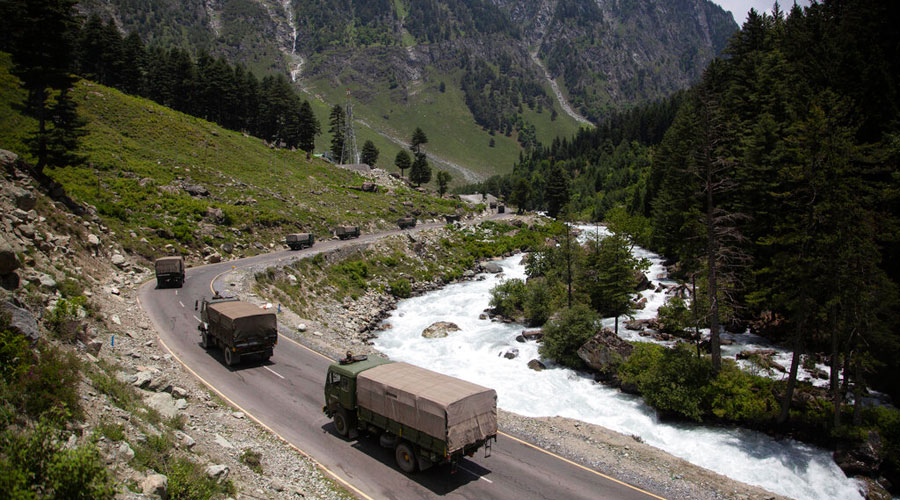
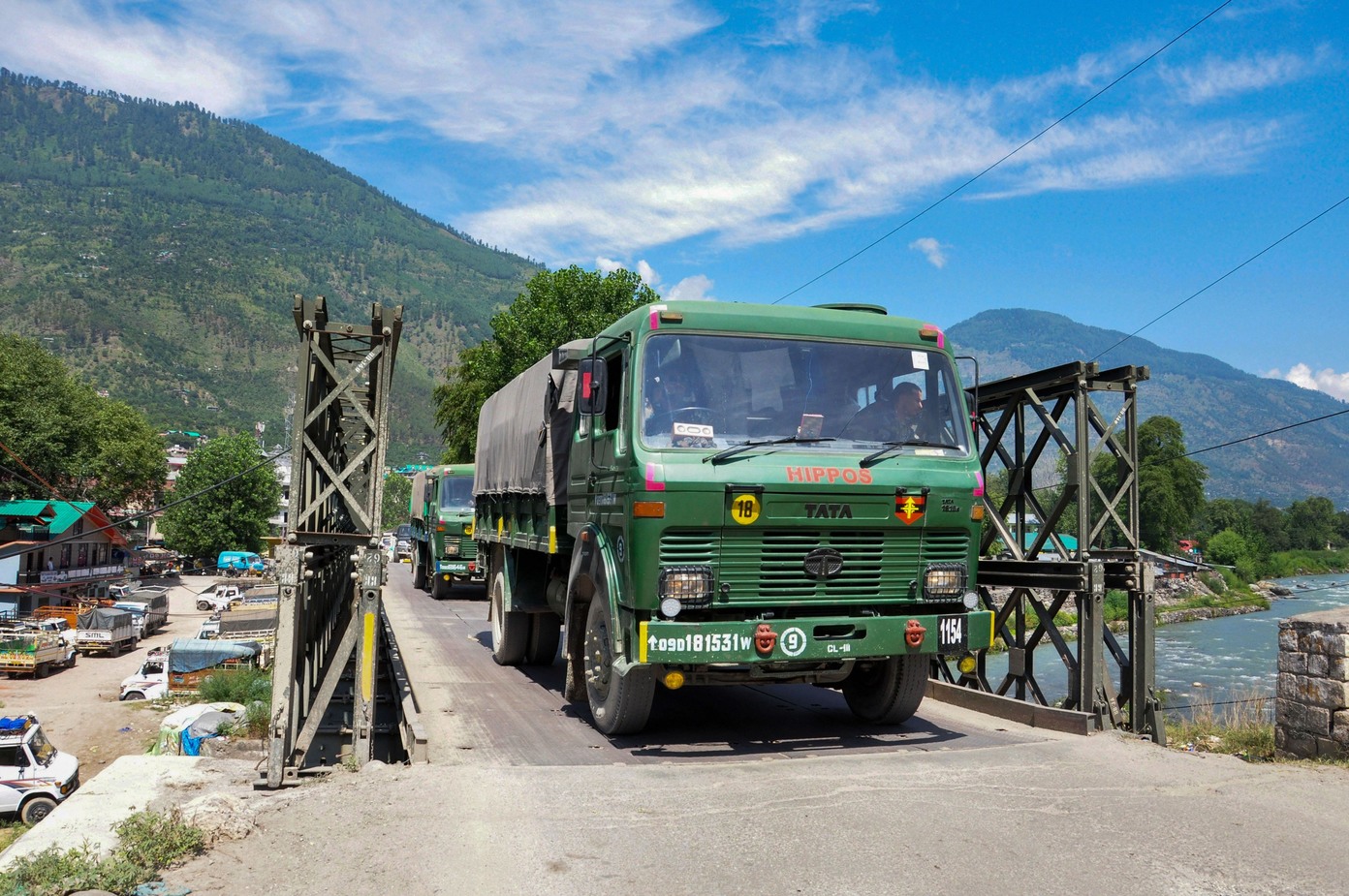
In this June 17, 2020, file photo, an Indian army convoy moves on the Srinagar- Ladakh highway at Gagangeer, north-east of Srinagar.
AP
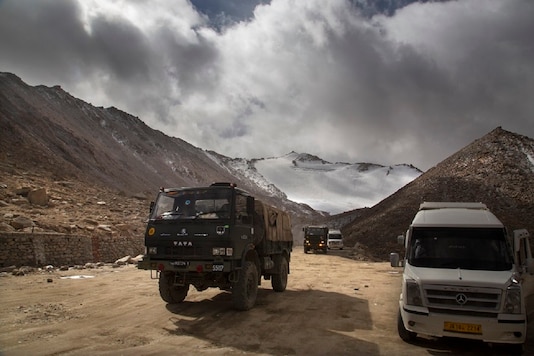
An Indian Army truck crosses Chang la pass near Pangong Lake in Ladakh region, India. (AP File Photo)
Indian Army thwarts fresh attempts by China’s PLA to change status quo in Pangong lake area in Ladakh
Indian Army is committed to maintaining peace and tranquility through dialogue, but is also equally determined to protect India’s territorial integrity: Spokesperson
PTI
Chinese troops carried out fresh “provocative action” in Pangong Tso Lake areas in Eastern Ladakh on Monday
Chinese armoured vehicles and battle tanks are positioned near the foothills of ‘Kala Top’, which is occupied by Indian forces
China took provocative action 31 August as talks were on, says India
Ladakh Clash: A Brigade Commander level flag meeting is in progress at Chushul. (File)

https://www.indiatoday.in/video/India/embed/MTcxNzA5NA==

The latest skirmish between the two sides took place along the Southern bank of the Pangong Tso, a glacial lake at 14,000 feet. This photo taken on September 14, 2018, shows a general view of Pangong Lake from the Indian-controlled side.
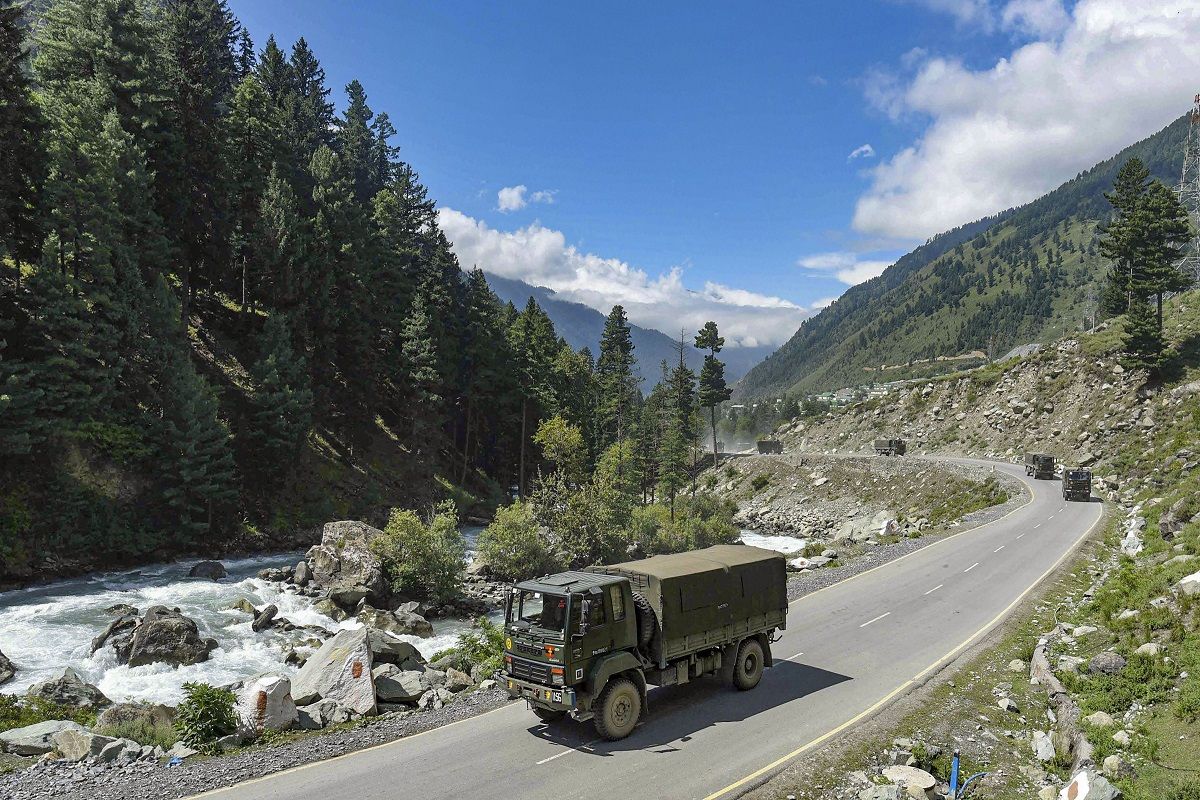
Indian Border Security Force (BSF) soldiers guard a highway leading towards Leh, bordering China, in Gagangir on June 17, 2020.
Communist China’s Sinister Plan of Sinicization of Tibet.

OPERATION EAGLE-THE GOLDEN EAGLE-THE BALD EAGLE-THE NIXON CONNECTION

From George L. MacGarrigle, The United States ...
Special Frontier Force-Establishment No. 22-Vikas Regiment-Operation Eagle 1971 and the Vietnam War.
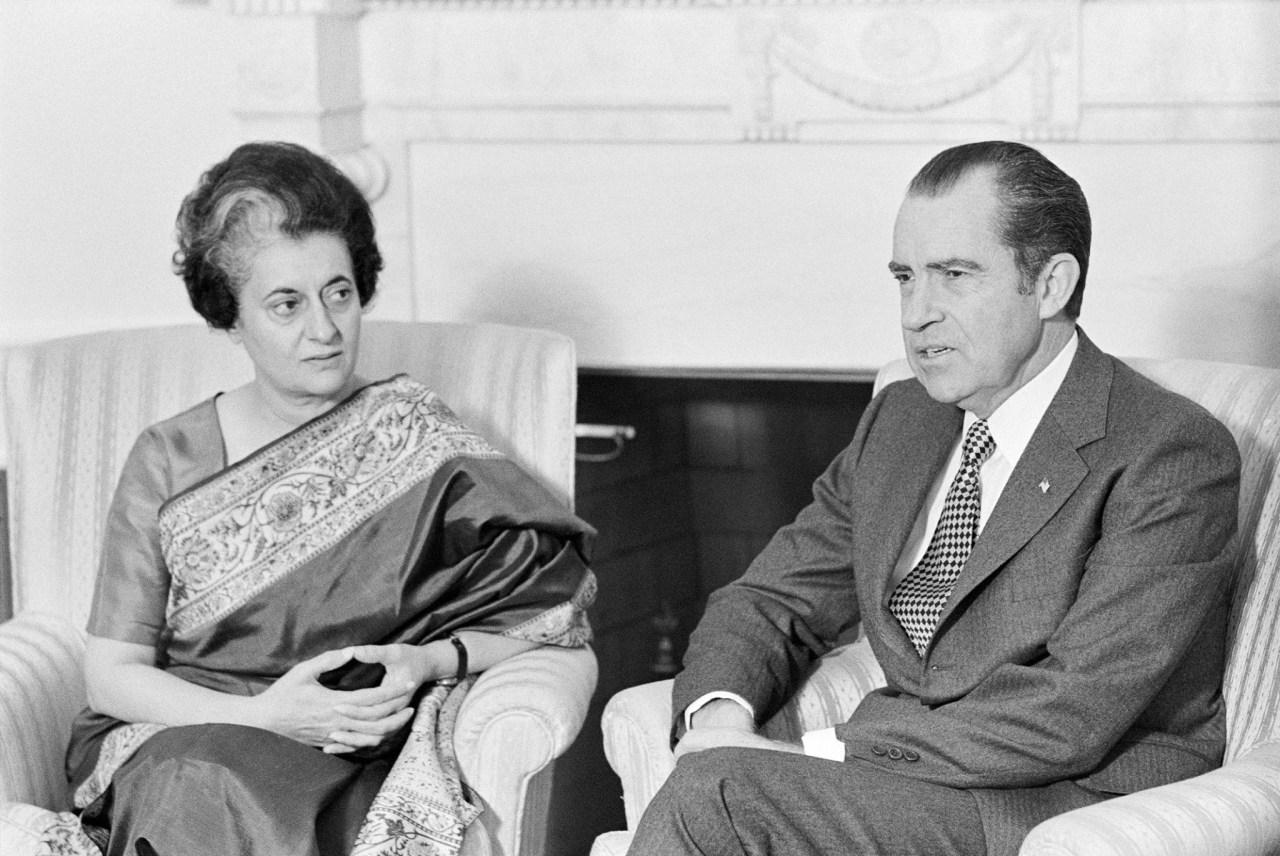
The Bald Eagle-The Golden Eagle-Operation Eagle: What is the Connection? Indian Prime Minister Indira Gandhi with the US President Richard Nixon at the White House, Washington, D.C. on November 04, 1971. The US did not sanction Operation Eagle.
The Bald Eagle-The Golden Eagle-Operation Eagle: What is the Connection? Indian Prime Minister Indira Gandhi with the US President Richard Nixon in Washington, D.C. on November 03/04, 1971. The US did not sanction Operation Eagle.
The Bald Eagle-The Golden Eagle-Operation Eagle: What is the Connection? Indian Prime Minister Indira Gandhi with the US President Richard Nixon in the White House, Washington, D.C. on November 03/04, 1971. The US did not sanction Operation Eagle.
The Bald Eagle-The Golden Eagle-Operation Eagle: What is the Connection? Indian Prime Minister Indira Gandhi with the US President Richard Nixon in Washington, D.C. on November 04, 1971. The US did not sanction Operation Eagle.
The Bald Eagle-The Golden Eagle-Operation Eagle: What is the Connection? Indian Prime Minister Indira Gandhi with the US President Richard Nixon in Washington, D.C. on November 03, 1971. The US did not sanction Operation Eagle.

SPECIAL FRONTIER FORCE-ESTABLISHMENT NO. 22-VIKAS REGIMENT- OPERATION EAGLE 1971 AND THE VIETNAM WAR:

THE EAGLE CONNECTION: THE BALD EAGLE-THE GOLDEN EAGLE-OPERATION EAGLE – WHAT IS THE CONNECTION?

The military action in the Chittagong Hill Tracts that initiated the Liberation of Bangladesh during 1971 is known as Operation Eagle. This military action used the military power of ‘The Bald Eagle’ and is executed by ‘The Golden Eagle’ without getting the formal approval or sanction of the US President.

Operation Eagle was a very modest military confrontation as compared to the Vietnam War. However, a comparison must be made to understand the use of military force to defeat an enemy to obtain a political objective. The Operation Eagle was executed using US weapons, ammunition, US military radios, medical supplies, assorted tools and equipment, field gear, and U.S. Military Field Rations-Meals Ready to Eat or MREs that the US Army was using in the conduct of the Vietnam War.

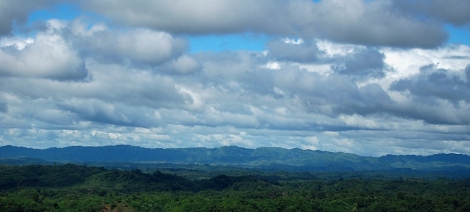
In a hilly, forest terrain, the use of aerial firepower or bombing campaigns will not dislodge the enemy. The enemy must be found on the ground and must be directly attacked. This is a view of Mizo Hills of India taken from Chittagong Hill Tracts in the foreground.

The military objectives of the Vietnam War could not be accomplished because of the reliance placed upon aerial bombardment to defeat the enemy. Operation Eagle was small in its scope and size. But, it did not rely upon the use of aerial bombardment. We operated on a ‘manpack’ basis, went in search of enemy positions, and directly challenged the enemy at his own post. United States failed to attack the enemy on the ground during the Vietnam War. To defend South Vietnam, the military strategy and planning would call for Infantry attacks on the enemy inside North Vietnam. United States used more bombs as compared to the number of bombs that were dropped during the Second World War and yet could not dislodge the enemy from his entrenched positions. We need to fight and engage the enemy on the ground. Secondly, during Nixon’s presidency(1969-1974), while engaged in War, the President conceded the battle by befriending the Enemy.

OPERATION EAGLE 1971 AND THE VIETNAM WAR INFANTRY WEAPONS AND FIELD GEAR:

OPERATION EAGLE 1971 AND THE VIETNAM WAR INFANTRY WEAPONS, FIELD GEAR AND COMMUNICATION EQUIPMENT. INDIA’S GOLDEN EAGLE SYMBOLIZES THE MILITARY OPERATION THAT WAS WAGED WITH THE MILITARY EQUIPMENT PROVIDED BY THE BALD EAGLE THAT SYMBOLIZES AMERICAN MILITARY POWER.

A military action by Infantry is best understood by examining the weapons that are used. During Operation Eagle 1971 and the Vietnam War, the Infantry used the same kinds of Infantry weapons. We must ignore the sophisticated technology and the firepower of United States Navy and Air Force. The battle must be won on the ground. During Operation Eagle 1971 we used the same Infantry weapons, equipment, and other supplies more effectively in our battle as compared to US Army in its combat missions against its enemy in Vietnam. We did not use helicopters as gunships or to attack the enemy in support of ground troops. I would like to share some of the photo images of the Infantry Weapons and equipment that were used in the Vietnam War and which I have seen during Operation Eagle 1971.

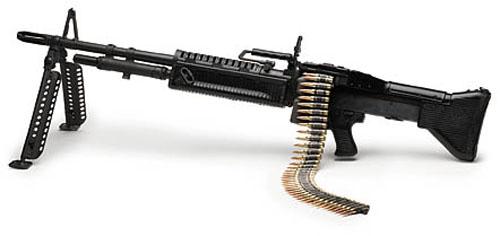
The General Purpose Machine Gun M60 was designed for use in the Vietnam War was equally useful for Operation Eagle in the Chittagong Hill Tracts.
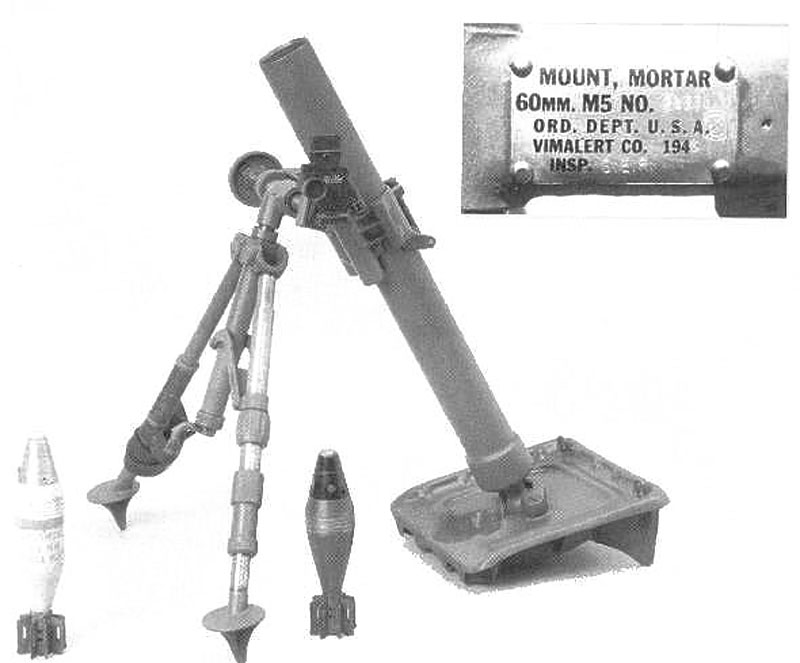
M1 Muzzle loading 81mm Mortar is a heavy piece of Infantry weapon which provides indirect fire support. During Operation Eagle, our men carried them on their backs and used them to fire upon the enemy patrols and enemy posts.
The most common weapon used by American Infantry Battalions in World War II, Korea, and Vietnam. Operation Eagle was fought on a manpack basis and this short-range, lightweight mortar was very useful.
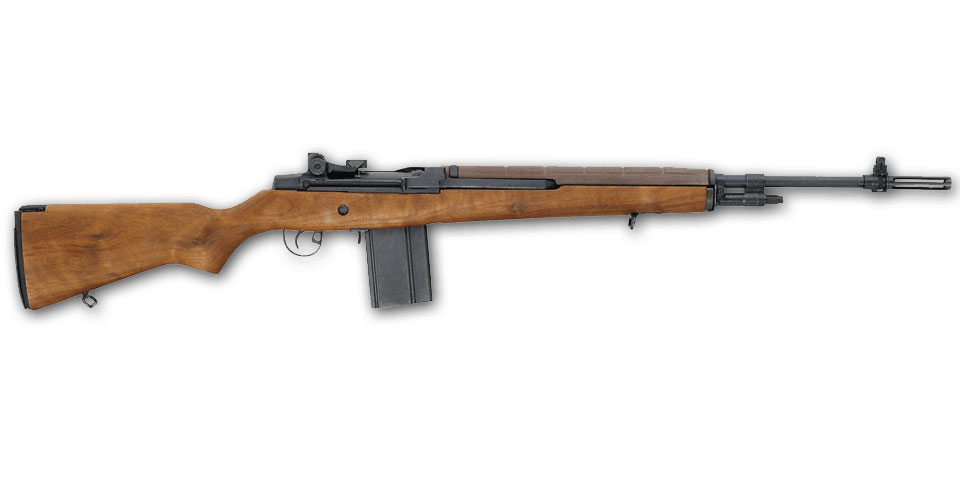
Rifle is the most basic Infantry weapon. M14 Infantry Assault Rifle was used in Vietnam. During Operation Eagle 1971, I politely refused to use this M14 Rifle as my personal weapon.The men used this Rifle. During Operation Eagle 1971, I could not bring my Sub Machine Gun or SMG and willingly participated in the battle without carrying the M14 Rifle.
During Operation Eagle 1971 we were not allowed the use of cameras or photography. I would have looked like this man wearing Olive Green Coat Poncho. I used US Army Cap-Field.
A Soldier needs his gun, boots, and clothing to protect himself. During Operation Eagle 1971, I used this US Army Nylon Poncho with Hood(Olive) to sleep on the ground and as a coat to protect myself from intense fog and dew prevalent in the Chittagong Hill Tracts.
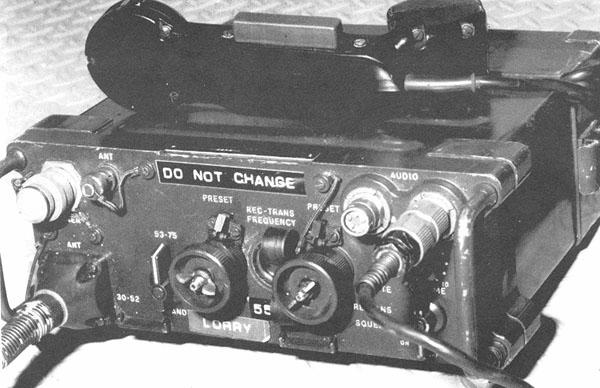
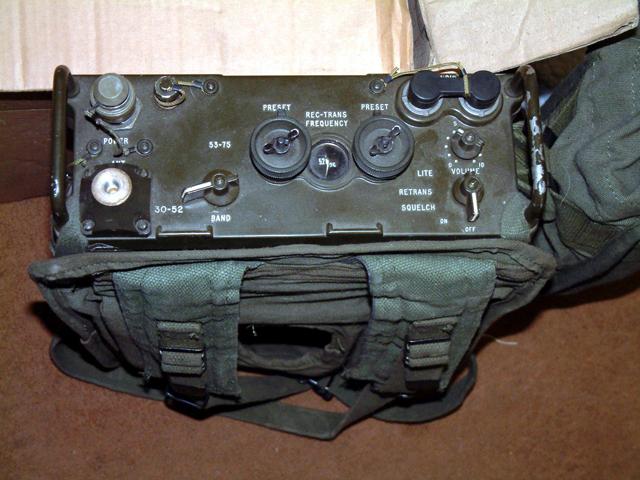
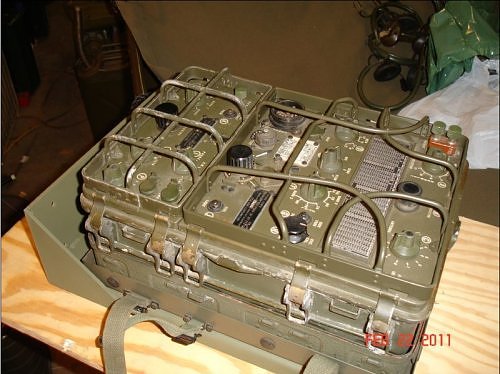
Short-range, manpack, portable, frequency modulated(FM) transceiver that provides two-way voice communication. Radio Set AN/PRC – 25 is used in the Vietnam War and I used the same in Operation Eagle. Two-way voice communications could be easily monitored by the enemy. Fortunately, It posed no problem as the enemy in the Chittagong Hill Tracts had no linguistic experts. I openly communicated with my Unit Commander in my native language of Telugu and there was absolutely no risk of revealing any sensitive information.
The Bald Eagle-The Golden Eagle-Operation Eagle: What is the Connection?
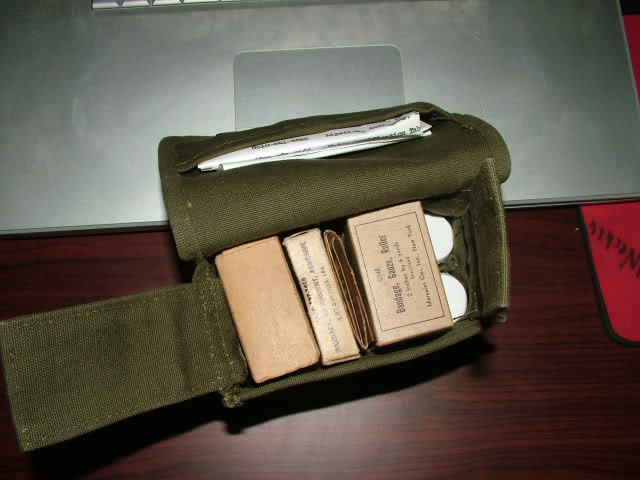
The U.S. Army uses a variety of Individual Field Medical Kits. The Kits issued to us during Operation Eagle 1971 were Olive Green Canvas pouches worn on the belts by each individual. The medical supplies included Water Purification Tablets for use in water bottles, anti-Malaria pills, Insect Repellent Solution(DBP), Insect Repellent Cream(DMP), Injectable Tubonic Morphine, tetracycline tablets, Multivitamin tablets, Field dressings, bandages and others. The Kits were not stamped but the contents reveal the place of origin.
Infantry marches on its feet. Boots are the most important equipment apart from Guns. I used Ankle Canvas Boots during Operation Eagle and marched on feet to fight and dislodge the enemy from the Chittagong Hill Tracts. The Canvas Boots lasted for the entire duration of Operation Eagle. They were better than the leather boots that I would use in other operational areas.

WAR AND PEACE – A FAILURE OF U.S. DIPLOMACY:

United States failed in Vietnam as it failed to develop a clear vision to achieve its goal of resisting and containing the expansion of Communist Power in Southeast Asia. U.S. efforts to stop the spread of Communism got derailed by Dr. Henry Kissinger who chose the option of backstabbing people who support the United States in its global mission to oppose Communism using diplomacy and military power. U.S. gave away a lot during the Paris Peace Talks basically defeating the accomplishments of its military and literally ridiculing their sacrifices. The several concessions given to the Peoples’ Republic of China to win its cooperation failed to stop the flow of military assistance to North Vietnam.

The establishment of US-China relations gave no advantage to the United States for its War in Vietnam. United States added insult to its own injuries by seeking the support of Communist China to attack India across its Himalayan frontier in the North East Frontier Agency in a vain bid to stop India in its efforts to liberate Bangladesh during 1971.

President Nixon and Dr Henry Kissinger failed in their attempt to block the launching of Operation Eagle, the Bangladesh Ops of 1971.
During 1971, Richard Nixon and Dr. Kissinger played on the Sino-Soviet Split. United States moved to normalize trade with China. Dr. Kissinger and President Nixon visited Peking(Beijing) to befriend Communist China. Did it stop China from delivering military assistance to North Vietnam? Did this famous meeting stop Hanoi’s EASTER OFFENSIVE in March 1972?
President Nixon met Communist China’s Prime Minister Chou Enlai. Did this act of friendship help the US Army in the Vietnam War? Could it stop Communist North Vietnam from launching its major invasion of South Vietnam during March 1972? Using this friendship, both President Nixon and Dr. Kissinger tried their best to stop India from Liberating Bangladesh during 1971. This Nixon and Chou Enlai friendship did not stop the Liberation of Bangladesh which India initiated with Operation Eagle in the Chittagong Hill Tracts.
Dr. Kissinger’s diplomatic initiatives totally fail the US Policy in Southeast Asia. Communist China remains a huge military threat in this region and United States fails in its mission to curb the expansion of Communist Power.

THE BALD EAGLE AND THE GOLDEN EAGLE CONNECTION :

The Bald Eagle and the Golden Eagle came together as Operation Eagle.

My Unit participated in Operation Eagle  during 1971-72 to gain practical experience of Infantry Combat Operations to fight against Communists in a future battle.

The Operation Eagle 1971-72 was inclined towards peace. It intended to deliver peace to the people of Bangladesh who declared their independence from Pakistan during March 1971.

The War in Vietnam is over and yet the threat of Communism still persists in Southeast Asia. To deliver peace to people of Southeast Asia, the United States must learn from its failure in Vietnam. The failure was not that of the US Army which willingly sacrificed the lives of over 58,000 of its fighting men and women. The US political leadership had failed the US military mission in Vietnam. United States must seek assistance from the people of Southeast Asia and fight its enemy on the ground and dislodge the enemy in a ground battle.

Dr. R. R. Narasimham, B.Sc., M.B.B.S.,

Service Number: MS-8466, Rank. Captain,

Branch:  Army Medical Corps/Short Service Regular Commission. Designation: Medical Officer, South Column Operation Eagle 1971-72.

Unit: Headquarters Establishment No. 22  C/O  56  APO.

Organization: Special Frontier Force-Establishment No. 22-Vikas Regiment

https://bhavanajagat.com/2008/08/18/international-control-commission-for-vietnam/

TIBET IS THE KEY FOR BALANCE OF POWER IN ASIA. #TIBETEQUILIBRIUM

TIBET IS THE KEY FOR BALANCE OF POWER IN ASIA. #TIBETEQUILIBRIUM

Tibet is the Key for Balance of Power in Asia. It is not Geometry. It is Geography that Matters. #TibetEquilibrium

In my analysis, it is not “Geometry” but it is “Geography” that Matters to secure the Balance of Power in Asia. I coined the phrase “Tibet Equilibrium,” #TibetEquilibrium to signify the importance of the landmass to achieve Power Equilibrium in Asia.

Rudra Narasimham Rebbapragada

SPECIAL FRONTIER FORCE

Pentagon steps up efforts to counter China’s rising power

 afp.com 

Maritime operations, missile tests, landing exercises: the Pentagon has been sharply stepping up its efforts to counter China’s growing military power, seen increasingly as a threat.

a large ship in the water: The US military has been using guided-missile destroyers like this one, the USS John McCain, seen here in a US Navy photo, as it seeks to enforce an international 'freedom of operation' near islands claimed by Beijing in the South China Sea
Tibet Equilibrium. Geography Matters. Tibet is the Key for Power Equilibrium in Asia.

© James VAZQUEZ The US military has been using guided-missile destroyers like this one, the USS John McCain, seen here in a US Navy photo, as it seeks to enforce an international ‘freedom of operation’ near islands claimed by Beijing in the South China Sea

On Friday an American warship approached the Paracel Islands, an island chain claimed by Beijing in the South China Sea, to affirm international “freedom of navigation” in the region.

The USS Wayne E. Meyer, a guided-missile destroyer, passed near the islands to contest Beijing’s sweeping claims to the seas around the archipelago, which is also claimed by Taiwan and Vietnam.

The Chinese claim would block “innocent passage” by other countries’ ships and is “not permitted by international law,” a US Seventh Fleet spokeswoman, Commander Reann Mommsen, said.
Friday’s was the sixth “freedom of navigation operation” — or FONOPS in naval jargon — this year, a clear acceleration in pace.

There were a total of eight in 2017 and 2018 and only six during the entire Obama presidency.

On Wednesday, the US Marine Corps announced it had conducted exercises on the Japanese islet of Tori Shima, hundreds of miles south of Tokyo, to practice landings on “hostile” shores and the seizure of landing strips.

a man wearing a suit and tie: Ryan McCarthy is seen on September 12, 2019 at his Senate confirmation hearing to become US secretary of the army, the position formerly held by Defense Secretary Mark Esper
Tibet Equilibrium. Geography Matters. Tibet is the Key for Power Equilibrium in Asia.

© MARK WILSON Ryan McCarthy is seen on September 12, 2019, at his Senate confirmation hearing to become US secretary of the army, the position formerly held by Defense Secretary Mark EsperThe exercises were clearly designed to highlight the ability of the American military to invade a disputed island and establish a supply base for aerial operations.

“This type of raid gives the commanders in the Indo-Pacific region the ability to project power and conduct expeditionary operations in a potentially contested littoral environment,” one of the officers in charge, Commander Anthony Cesaro, said in a statement.

Such a forthright description, coming from a Pentagon hardly known for unguarded talk, reflects the fresh impetus Defense Secretary Mark Esper has given to the US policy of “strategic rivalry” with China and Russia.

Esper, who chose Asia for his first overseas trip only weeks after being sworn in as Pentagon chief, has made clear that the US wants to rapidly deploy new missiles in Asia — possibly within months — to counter China’s rising military power.

– To ‘change the geometry’ –

On Thursday, acting US army secretary Ryan McCarthy, speaking in a Senate confirmation hearing, defended the development of such new missiles.

He said the new medium-range conventional missiles Washington wants to develop — now that the US is no longer constrained by the Intermediate Nuclear Forces (INF) treaty, which the Trump administration abandoned last year — would “change the geometry within Southeast Asia.”

“If we can get the appropriate partnerships, expeditionary basing rights with partners within the region,” McCarthy said, “we can change the geometry and basically reverse anti-access, area-denial capabilities that have been invested by near-peer competitors” — jargon for pushing back against sovereignty claims by China and Russia.

a large ship in the background: Sailors stand on the deck of the new Chinese guided-missile destroyer Nanchang as Beijing showed off its growing fleet on April 23, 2019 in the sea off eastern China's Shandong province
Tibet is the Key for Balance of Power in Asia. It is not Geometry. It is Geography that Matters. #TibetEquilibrium

© Mark Schiefelbein Sailors stand on the deck of the new Chinese guided-missile destroyer Nanchang as Beijing showed off its growing fleet on April 23, 2019 in the sea off eastern China’s Shandong province last month the Pentagon chose the Pacific Ocean for its first test of a conventional medium-range missile since the end of the Cold War — effectively driving a nail into the coffin of the INF treaty, which banned the use of land-based missiles with ranges of 500 to 5,500 kilometers (310 to 3,400 miles).

And in late August, Washington formally established its Space Command, or Spacecom, a new unified command charged with ensuring US domination in space, where China has been increasingly active.

Beijing rattled US military officials in 2007 when it launched a missile that located and then destroyed a Chinese satellite, in a dramatic demonstration of China’s growing ability to militarize space.

Tibet is the Key for Balance of Power in Asia. It is not Geometry. It is Geography that Matters. #TibetEquilibrium

THE DOOMED PRESIDENCY OF NIXON AND FORD

THE DOOMED PRESIDENCY OF NIXON AND FORD. DOOMED FOR NOT PLAYING THE ‘TIBET CARD’.

The doomed presidency of Nixon and Ford. Doomed for not playing the ‘Tibet Card’.
The doomed Presidency of Nixon and Ford. Doomed for not playing the ‘Tibet Card’.
The doomed Presidency of Nixon and Ford stands in Ann Arbor. Doomed for not playing the ‘Tibet Card’.
The doomed Presidency of Nixon and Ford. Doomed for not playing the ‘Tibet Card’.
The doomed Presidency of Nixon and Ford. Backstabbers of Tibetan Nation.
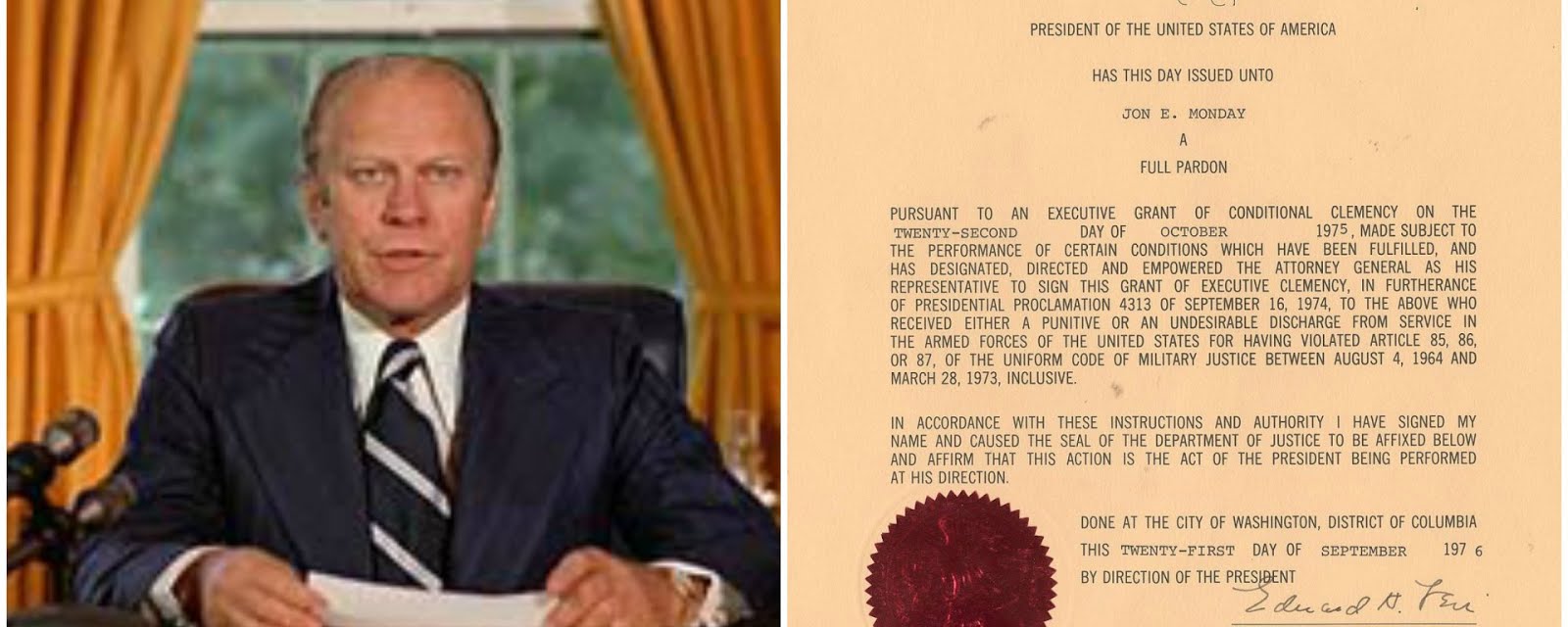
September 08, 1974. President Ford grants pardon to President Nixon. The doomed presidency of Nixon and Ford. Doomed for not playing the ‘Tibet Card’.

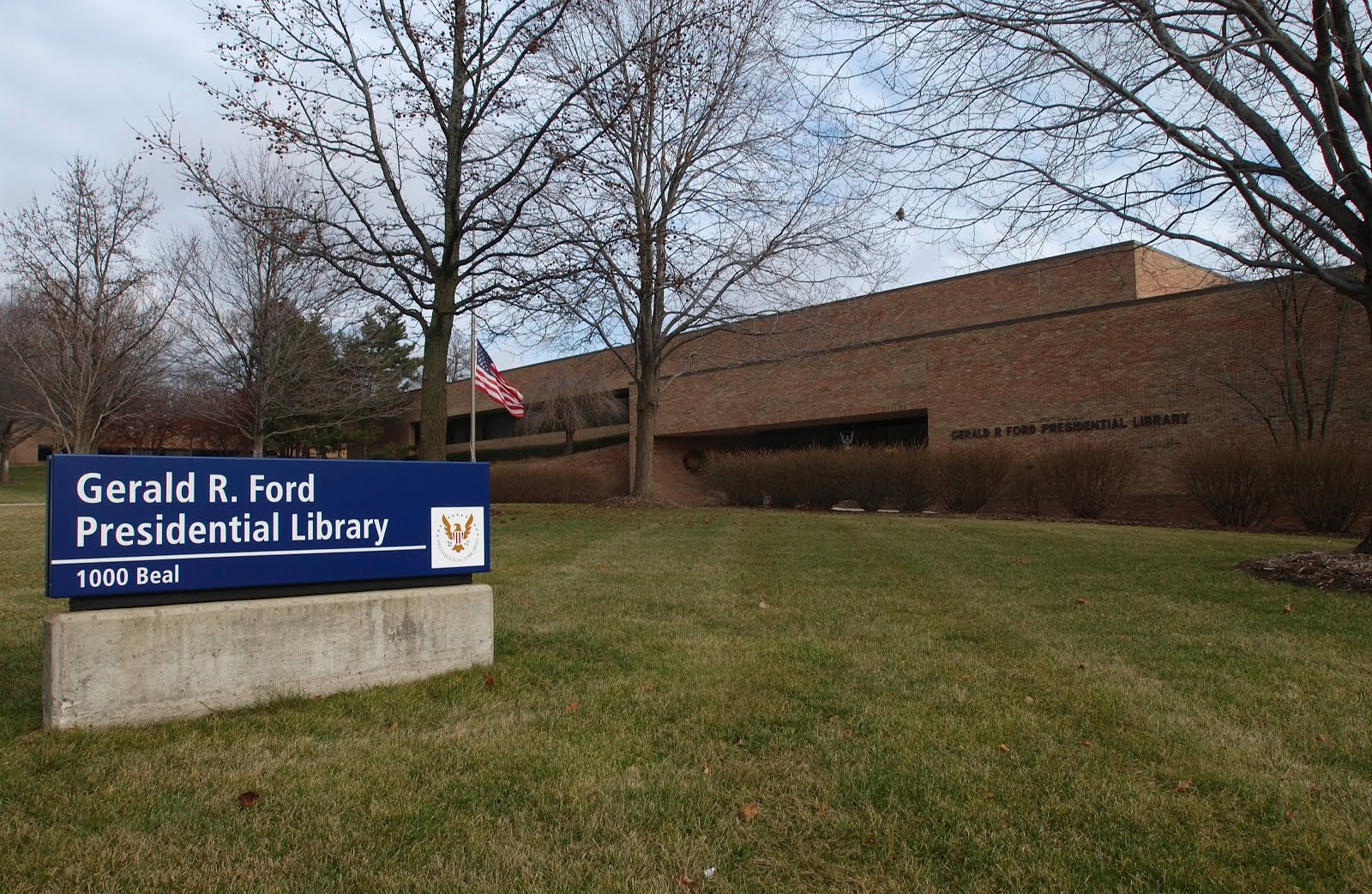
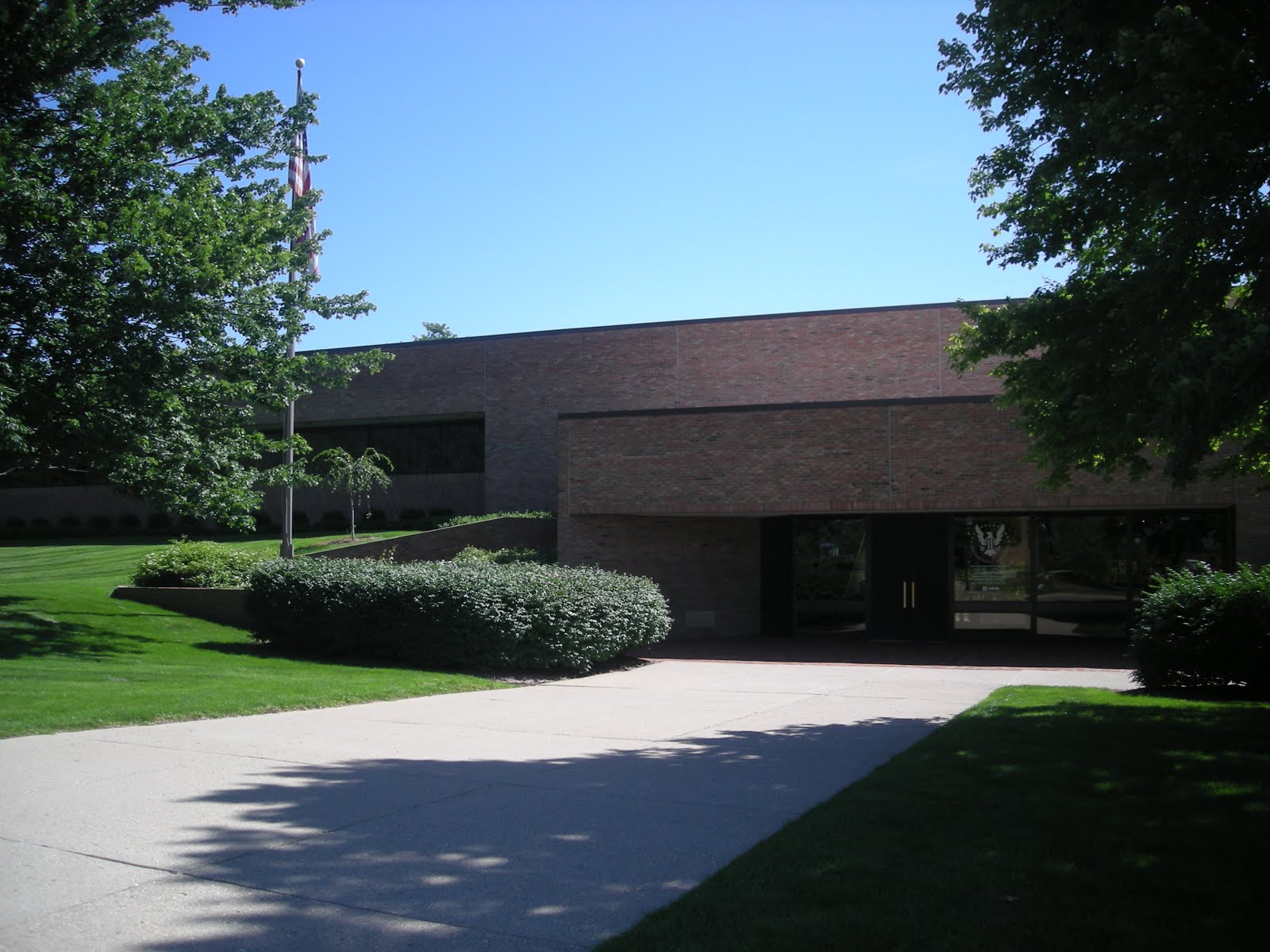
On September 08, 1974, President Gerald R. Ford grants unconditional pardon to Richard M Nixon, 37th President of the United States of America. I served in Special Frontier Force during the presidency of Nixon and Ford. I live in Ann Arbor, Michigan where I have the opportunity to visit Gerald R. Ford’s Presidential Library on the University of Michigan Campus. 

The doomed Presidency of Nixon and Ford. Nixon and Kissinger treacherous actions in the Vietnam War cannot be pardoned.
In my opinion, President Ford’s pardon may not include Nixon’s Vietnam Treason. I cannot grant pardon to Nixon for he had never admitted his crime of Betrayal, Treachery in the conduct of the Vietnam War. I still recognize Nixon and Ford as Backstabbers of Tibetan Nation. Their Presidency doomed for they failed to play the ‘Tibetan Card’.
 
Rudra Narasimham Rebbapragada
Ann Arbor, MI 48104-4162 USA


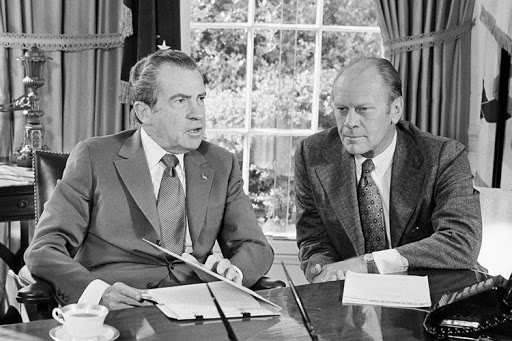
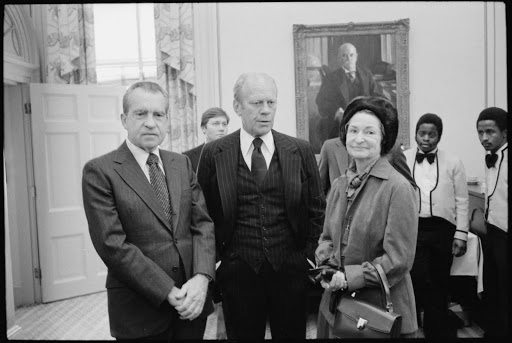
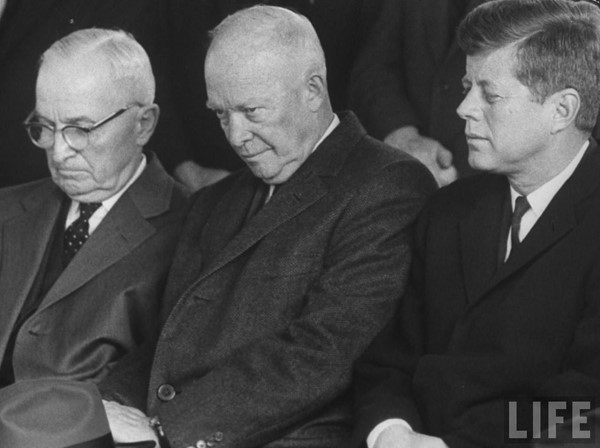
Nixon and Ford attending the funeral function of President Lyndon B. Johnson. The doomed Presidency of Nixon and Ford.

This Day in History: Ford pardons Nixon

SEPTEMBER 08
 
 
  •  
The Watergate scandal erupted after it was revealed that Nixon and his aides had engaged in illegal activities during his reelection campaign–and then attempted to cover up evidence of wrongdoing. With impeachment proceedings underway against him in Congress, Nixon bowed to public pressure and became the first American president to resign. At noon on August 9, Nixon officially ended his term, departing with his family in a helicopter from the White House lawn. Minutes later, Vice President Gerald R. Ford was sworn in as the 38th president of the United States in the East Room of the White House. After taking the oath of office, President Ford spoke to the nation in a television address, declaring, “My fellow Americans, our long national nightmare is over.”
 
Ford, the first president who came to the office through appointment rather than election, had replaced Spiro Agnew as vice president only eight months before. In a political scandal independent of the Nixon administration’s wrongdoings in the Watergate affair, Agnew had been forced to resign in disgrace after he was charged with income tax evasion and political corruption. Exactly one month after Nixon announced his resignation, Ford issued the former president a “full, free and absolute” pardon for any crimes he committed while in office. The pardon was widely condemned at the time.
 
Decades later, the John F. Kennedy Library Foundation presented its 2001 Profile in Courage Award to Gerald Ford for his 1974 pardon of Nixon. In pardoning Nixon, said the foundation, Ford placed his love of country ahead of his own political future and brought needed closure to the divisive Watergate affair. Ford left politics after losing the 1976 presidential election to Democrat Jimmy Carter. Ford died on December 26, 2006, at the age of 93.


The doomed presidency of Nixon and Ford. September 08, 1974. Doomed for not playing the 'Tibet Card'.
September 08, 1974. President Ford grants pardon to President Nixon. The doomed Presidency of Nixon and Ford. Doomed for not playing the ‘Tibet Card’.


BLESSINGS OF PEACE TO KOREA


BLESSINGS OF PEACE TO KOREA

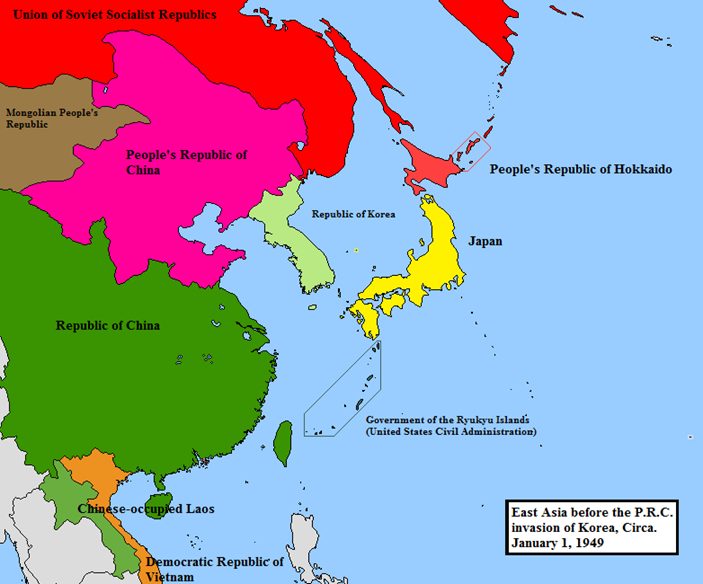
The Cold War in Asia. Blessings of Peace to Korea.

The spread of Communism to mainland China initiated ‘The Cold War in Asia’. People of the Korean Peninsula are fully entitled to their Freedom and the Blessings of Peace.

In my analysis, things in Asia will change if and only if China grants full, and “meaningful” autonomy to Tibetans who lost their freedom due to China’s military conquest of Tibet in 1950.

Rudranarasimham Rebbapragada

SPECIAL FRONTIER FORCE

Trump touts Kim meeting at DMZ as ‘legendary,’ but little has changed

By Eli Stokols and Victoria Kim

Jun 30, 2019 | 9:00 AM

| Seoul

The Cold War in Asia. Blessings of Peace to Korea.

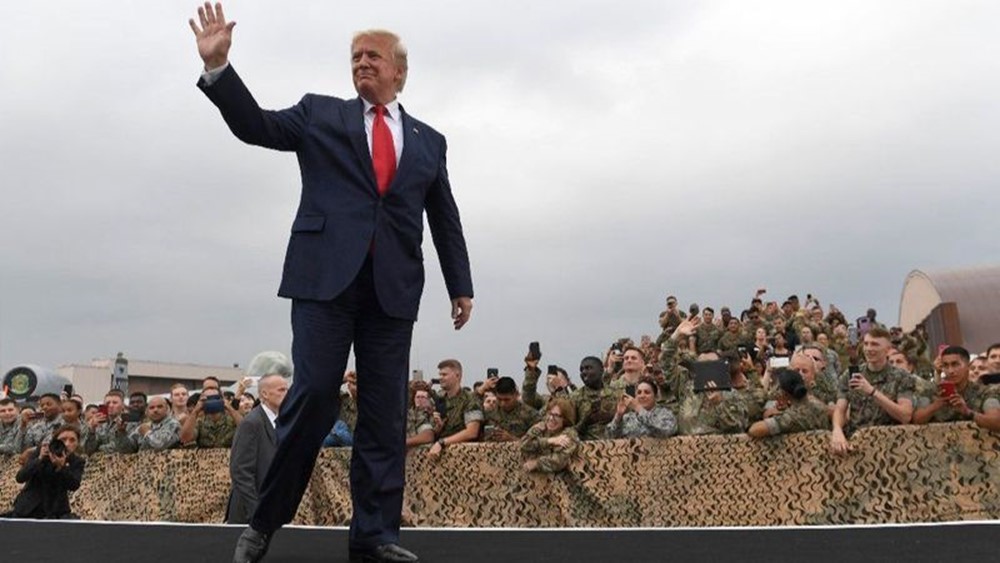
President Trump arrives to speak to troops at Osan Air Base in South Korea on Sunday shortly after a historic meeting with North Korean leader Kim Jong Un at the DMZ. (Susan Walsh / AP)

Moments before his meeting with Kim Jong Un, as President Trump stared into North Korea for the first time, he still nursed a familiar grievance: The media don’t appreciate his accomplishments.

Standing atop an observation point on the South Korean side of the demilitarized zone, Trump listened as a general briefed him on the military significance of the location. Then he gave his own assessment, in which he played a central role.

“There was great conflict here prior to our meeting in Singapore,” Trump said, referring to his first summit with Kim last year. “Tremendous conflict and death, all around them. And it’s now been extremely peaceful. It’s been a whole different world.”

“I say that for the press,” he went on. “They have no appreciation for what is being done, none. There was great conflict here prior to our meeting in Singapore. After our first summit, all of the danger went away.”

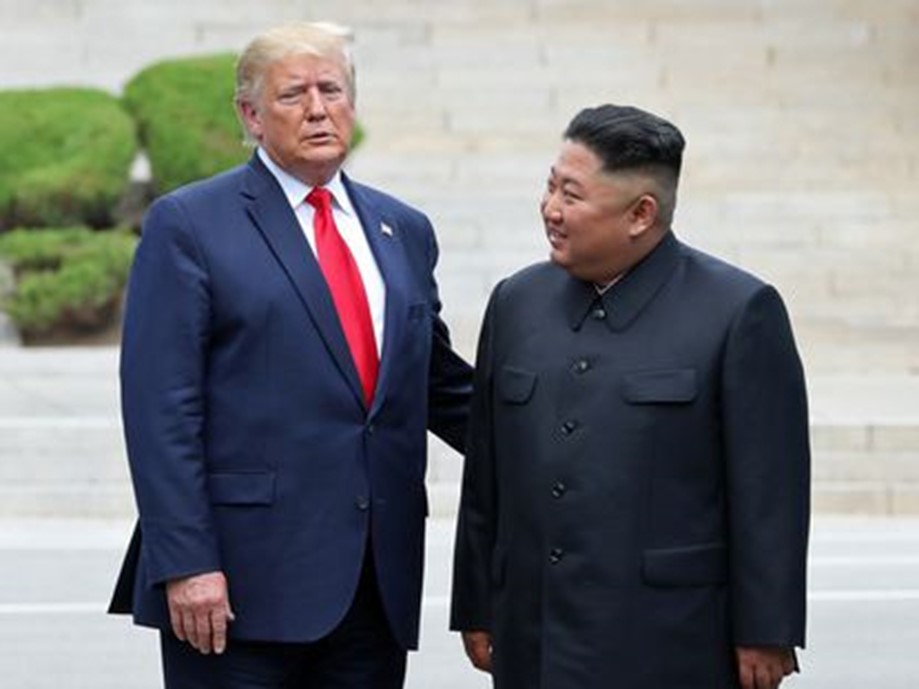
Trump called his impromptu meeting with Kim, in which he became the first U.S. president to set foot in North Korea, “historic” and “very legendary.”

Foreign policy analysts were less impressed.

“It’s only ‘historic’ if it leads to de-nuke negotiations, a verifiable agreement and a peace treaty,” said Victor Cha, a former national security council official who served as President George W. Bush’s envoy to North Korea. “Otherwise it’s just some nice pics and pageantry.”

Samantha Vinograd, who served on the national security council under President Obama, said Trump had effectively moved his own goalposts backward, tacitly walking away from his initial demand for complete and verifiable denuclearization of the Korean Peninsula.

“By shaking hands with Kim Jong Un at the DMZ with no preconditions attached, he’s really signaling that his metric for success at this point is the status quo, which is no long-range missile tests and no nuclear tests,” but North Korea keeping its nuclear arsenal, she said.
“Kim has no reason to denuclearize, but every reason to push Trump for what he’s wanted all along, phased sanctions relief.”

“North Korea under Trump is a normalized, nuclear power.”

A year after Trump’s first meeting with Kim, in Singapore, North Korea remains a dangerous adversary. Kim’s government has continued to develop its nuclear stockpile, which is larger and more powerful now than when Trump took office.

The North Koreans have stopped testing long-range missiles that have potential to reach U.S. territory, but have not dismantled them and continue to test missiles that appear designed to evade U.S. defenses and could threaten Japan and South Korea.

And even some of Trump’s top advisors doubt the North Koreans will ever agree to the U.S. demand that they give up the nuclear weapons that generations of the Kim family have pursued as the ultimate guarantee of their rule.

The practical upshot of Trump’s 53-minute meeting with Kim was an agreement to restart nuclear talks. The two sides would resume working-level discussions, Trump said — effectively a return to where negotiations stood 15 months ago.

“We are going to have teams, they are going to meet over the next weeks, they are going to start a process, and we will see what happens,” he said.

The Cold War in Asia. Blessings of Peace to Korea.

Trump meets Kim Jong Un at DMZ and becomes first sitting U.S. president to enter North Korea

By Eli Stokols and Victoria Kim

Jun 29, 2019 | 11:55 PM

Trump did not say if he and Kim discussed the economic sanctions that severely restrict North Korea’s exports and bar key imports, including oil. So far, the U.S. has said those won’t be lifted unless North Korea denuclearizes. Trump indicated the sanctions could be part of talks as negotiations resume.

“Sanctions remain, yes, but at some point, during the negotiations, things can happen,” he said. “At some point, look, I’m looking forward to taking them off.”

That’s a softer stance than Trump took at his previous meeting with Kim in Hanoi, when he walked out after Kim made an offer to dismantle only one part of the North’s extensive complex of nuclear facilities. At those talks, Secretary of State Michael R. Pompeo and national security advisor John Bolton, who are more hawkish toward North Korea than the president, were involved.

Bolton was far away, en route to a meeting in Mongolia on Sunday when Trump and Kim met. Pompeo accompanied Trump to South Korea, and the president’s daughter Ivanka and son-in-law, Jared Kushner, joined him in crossing the border into North Korea, an experience that Ivanka Trump later called “surreal.”

Pompeo told reporters traveling with him that if Trump’s action was a gamble, “it worked.”

“The president, by getting together with Chairman Kim today, broke through and was able to get us the opportunity to get back to the negotiating table,” he said. “It’s good for North Korea, it’s good for America, good for the world.”

Pompeo said he expected the working-level talks to begin around mid-July in a place to be determined. The U.S. delegation will be led by special representative Stephen Biegun, and the North Korean side will be represented by a foreign ministry official, possibly the foreign minister, Pompeo said.

For Trump, however, the details of denuclearization talks took second place to shaping public perceptions of his unorthodox diplomacy.

He boasted that “tremendous things are happening,” and even as he insisted, he’s in no hurry to cement a final agreement, he continued to carp at the media for refusing to join in the hagiography he relishes.

In his own version of the story, the Korean peninsula was “a fiery mess” until his election, which has brought about “two and a half years of peace.”

“You don’t report it accurately, but that’s OK,” Trump said to reporters after his talk with Kim had concluded. “Someday history will record it accurately.”

Trump’s political opponents took a more skeptical view.

Senate Democratic Leader Charles E. Schumer of New York said on Twitter that while Trump and Kim met, “North Korea continues to build nuclear weapons. Another typical Trump ‘show.'”

Democratic presidential hopeful Sen. Amy Klobuchar of Minnesota, interviewed on CNN, said Trump’s diplomacy with North Korea had little to show for itself.

Advertisement

“We’ve seen a history here,” she said. “Donald Trump announces these summits, and nothing really comes out of it.”

South Korean President Moon Jae-in, by contrast, who has staked his presidency on improving relations with North Korea, appeared eager to stoke Trump’s assessment of his role.

“I’d like to pay my tribute to the creative and bold approach that President Trump has demonstrated,” Moon said, after waiting in a separate room at the DMZ as Trump and Kim met.

“This has presented a big hope for the 80 million Korean people as well as the people of the whole world.”

The intensity with which the president tried to drive home his preferred narrative only highlighted how much he felt the need to do so — to proclaim a version of events that offers more than the reality that, after three meetings, North Korea continues to be a nuclear state, one that Trump himself has now legitimized on the world stage.

Kim has taken maximum advantage of Trump’s willingness to meet. At the DMZ, a coterie of North Korean state media accompanied him. They jostled with American and South Korean journalists to capture images of Kim once again walking shoulder to shoulder with Trump and the U.S. president stepping across the border.

The images and video from the meeting will boost Kim domestically, making up for the embarrassment he suffered after returning from February’s summit in Hanoi empty-handed.

Before heading to the DMZ, Trump bristled when asked what Kim had done in the four months since then to deserve another face-to-face meeting with the president.

Reminded by a reporter that Kim has continued to launch short-range missiles in recent months, Trump brushed off the tests.

“Small missiles,” he said. “Every country tests.”

Asked by another reporter if he was able to determine whether Kim had executed his former lead negotiator, which some South Korean media had reported, Trump couldn’t say for sure the status of the North Korean team.

“I can tell you the main person is [alive], we know that, and I would hope the rest are too,” he said. “I would really hope that the rest are too.”

At the end of his three-day Asia trip, before boarding Air Force One to return to Washington, Trump found a receptive audience for his version of events when he addressed troops at Osan Air Base in Seoul.

Using Marine One as a backdrop, Trump began his remarks by recounting his meeting with Kim, repeating his claim that the meeting came together in a day after he suggested the DMZ rendezvous in a tweet Saturday morning and again celebrating his handshake diplomacy as a major breakthrough.

“I actually stepped into North Korea and they say it’s a very historic moment,” Trump said.

Treating the speech to troops much like a campaign rally, Trump bashed Democrats, cursed and used a familiar and suspicious trope — claiming that some unidentified people had been deeply moved by his presence.

“Many people, I noticed, from Korea were literally in tears,” Trump said.

Staff writers Laura J. King and Tracy Wilkinson in Washington contributed to this report.

The Cold War in Asia. Blessings of Peace to Korea.


MARCH 29, 1973: THE UNFINISHED WAR TO CONTAIN COMMUNISM

MARCH 29, 1973: THE UNFINISHED WAR TO CONTAIN COMMUNISM


On March 29, 1973, the U.S. withdraws combat troops from Vietnam after the signing of the Vietnam Peace Agreement in Paris on January 29, 1973. However, the War to contain the threat posed by the spread of Communism to Asia is not over.


Rudranarasimham Rebbapragada

SPECIAL FRONTIER FORCE


Clipped from:

U.S. Withdraws from Vietnam-History


1973

U.S. withdraws from Vietnam


March 29. U.S. withdraws from Vietnam


Two months after the signing of the Vietnam peace agreement, the last U.S. combat troops leave South Vietnam as Hanoi frees the remaining American prisoners of war held in North Vietnam. America’s direct eight-year intervention in the Vietnam War was at an end. In Saigon, some 7,000 U.S. Department of Defense civilian employees remained behind to aid South Vietnam in conducting what looked to be a fierce and ongoing war with communist North Vietnam.

In 1961, after two decades of indirect military aid, U.S. President John F. Kennedy sent the first large force of U.S. military personnel to Vietnam to bolster the ineffectual autocratic regime of South Vietnam against the communist North. Three years later, with the South Vietnamese government crumbling, President Lyndon B. Johnson ordered limited bombing raids on North Vietnam, and Congress authorized the use of U.S. troops. By 1965, North Vietnamese offensives left President Johnson with two choices: escalate U.S. involvement or withdraw. Johnson ordered the former, and troop levels soon jumped to more than 300,000 as U.S. air forces commenced the largest bombing campaign in history.


During the next few years, the extended length of the war, the high number of U.S. casualties, and the exposure of U.S. involvement in war crimes, such as the massacre at My Lai, helped turn many in the United States against the Vietnam War. The communists’ Tet Offensive of 1968 crushed U.S. hopes of an imminent end to the conflict and galvanized U.S. opposition to the war. In response, Johnson announced in March 1968 that he would not seek reelection, citing what he perceived to be his responsibility in creating a perilous national division over Vietnam. He also authorized the beginning of peace talks.


Thanks for watching!

In the spring of 1969, as protests against the war escalated in the United States, U.S. troop strength in the war-torn country reached its peak at nearly 550,000 men. Richard Nixon, the new U.S. president, began U.S. troop withdrawal and “Vietnamization” of the war effort that year, but he intensified bombing. Large U.S. troop withdrawals continued in the early 1970s as President Nixon expanded air and ground operations into Cambodia and Laos in attempts to block enemy supply routes along Vietnam’s borders. This expansion of the war, which accomplished few positive results, led to new waves of protests in the United States and elsewhere.


Finally, in January 1973, representatives of the United States, North and South Vietnam, and the Vietcong signed a peace agreement in Paris, ending the direct U.S. military involvement in the Vietnam War. Its key provisions included a cease-fire throughout Vietnam, the withdrawal of U.S. forces, the release of prisoners of war, and the reunification of North and South Vietnam through peaceful means. The South Vietnamese government was to remain in place until new elections were held, and North Vietnamese forces in the South were not to advance further nor be reinforced.


However, the agreement was little more than a face-saving gesture by the U.S. government. Even before the last American troops departed on March 29, the communists violated the cease-fire, and by early 1974 full-scale war had resumed. At the end of 1974, South Vietnamese authorities reported that 80,000 of their soldiers and civilians had been killed in fighting during the year, making it the costliest of the Vietnam War.


On April 30, 1975, the last few Americans still in South Vietnam were airlifted out of the country as Saigon fell to communist forces. North Vietnamese Colonel Bui Tin, accepting the surrender of South Vietnam later in the day, remarked, “You have nothing to fear; between Vietnamese there are no victors and no vanquished. Only the Americans have been defeated.” The Vietnam War was the longest and most unpopular foreign war in U.S. history and cost 58,000 American lives. As many as two million Vietnamese soldiers and civilians were killed.


CHINA CAN’T HANDLE THE HEIGHTS OF TIBETAN UPRISING

CHINA CAN’T HANDLE THE HEIGHTS OF TIBETAN UPRISING

60th Anniversary of Tibetan National Uprising Day. China Can’t Handle the Heights of Tibetan Uprising.

In my analysis, China imposed travel restrictions for China can’t handle the Heights of Tibetan Uprising which is climbing to a new peak after 60-Years of pent up resentment opposing the military occupation of Tibet.

Rudranarasimham Rebbapragada

SPECIAL FRONTIER FORCE

No head for heights: China defends Tibet travel restrictions | Reuters

Clipped from: https://www.reuters.com/article/us-china-parliament-tibet-idUSKCN1QN1AW

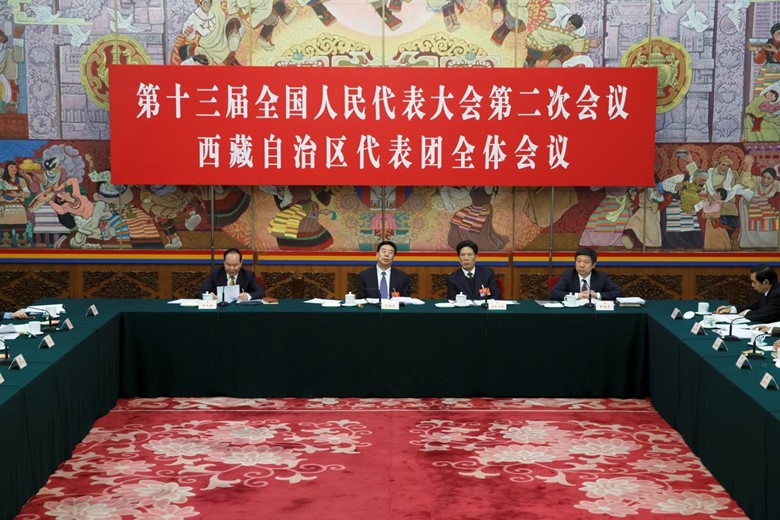
BEIJING (Reuters) – Foreigners can’t handle Tibet’s high altitude so China needs to restrict access, the top Chinese official in charge of the remote and mountainous region said on Wednesday, defending tough government restrictions on who can go there.

60th Anniversary of Tibetan National Uprising Day. China Can’t Handle the Heights of Tibetan Uprising.

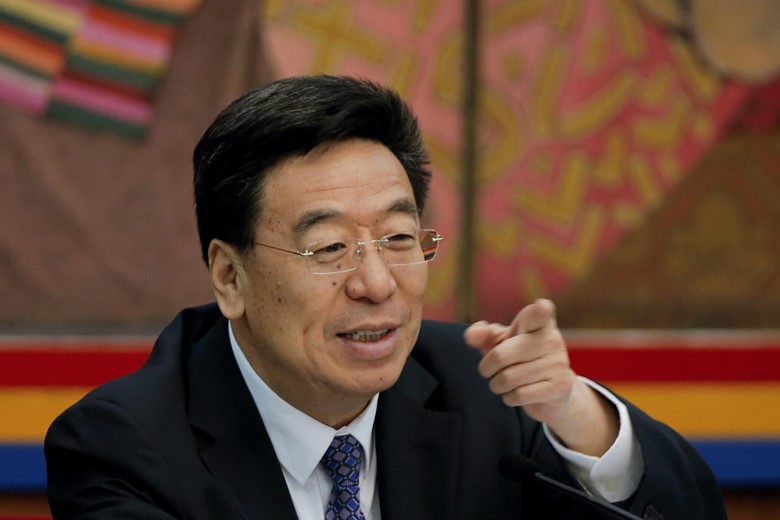
Communist Party Secretary of Tibet Autonomous Region Wu Yingjie and Governor of Tibet Autonomous Region Qizhala attend a news conference during the National People’s Congress (NPC) in Beijing, China, March 6, 2019. REUTERS/Thomas Peter

Access to Tibet, which China says it “peacefully liberated” in 1950, has become another irritant in ties with the United States after President Donald Trump signed into law a Reciprocal Access to Tibet Act in December.

That seeks to press China to open the region by denying U.S. entry to officials deemed responsible for restricting access to Tibet. China has denounced the law.

Speaking on the sidelines of China’s annual meeting of parliament, Tibet’s Communist Party boss Wu Yingjie said many Americans visit Tibet, especially older ones, and some foreign tourists “meet with mishap” at high altitude.

Tibetans have been finding foreigners who have died because of the harsh conditions, he said.

“The ordinary people tell us, there’s a tent, the people inside have been dead for many days, with the lack of oxygen,” Wu said. It was not clear what he was referring to and he did not elaborate.

“After considering the special geographical and climatic conditions, we adopted a series of regulations on foreigners entering Tibet in accordance with the law. This is not only for Americans. Other foreigners also have to complete these procedures.”

Tibet’s main city, Lhasa, is at about 3,650 meters (nearly 12,000 feet). Altitude sickness can affect some people at that height.

While some foreigners thank the government for the concern and help given them, only Americans “brood” about it, Wu said.

“This is really odd. If you have the opportunity go tell this to the American people.”

Non-Chinese visitors must apply for a special permit to travel to Tibet, which is usually granted for tourists provided they travel with approved tour companies but rarely for journalists and diplomats.

The government pledged in January to make access easier for foreign tourists.

60th Anniversary of Tibetan National Uprising Day. China Can’t Handle the Heights of Tibetan Uprising.

Rights groups and overseas activists say ethnic Tibetans face widespread restrictions under Chinese rule and the U.N. High Commissioner for Human Rights said in June conditions were “fast deteriorating”.

China routinely denies such accusations and says its rule of Tibet ended serfdom and brought prosperity to what was a backward region, and that it fully respects the rights of the Tibetan people.

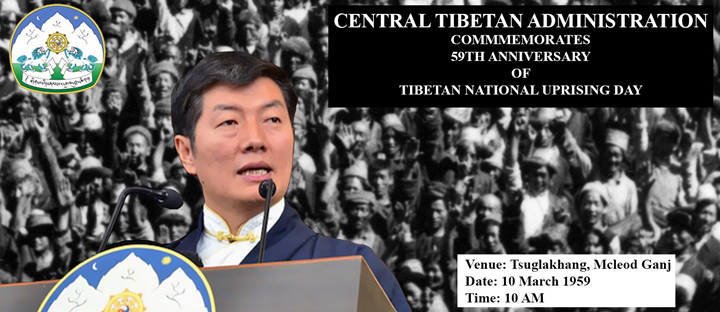
This year marks the 60th anniversary of a failed Tibetan uprising against Chinese rule in 1959, which resulted in Tibet’s Buddhist spiritual leader, the Dalai Lama, fleeing into exile in India.

China views the Nobel Peace laureate as a dangerous separatist. The Dalai Lama denies espousing violence and says he only wants genuine autonomy for Tibet.

Many Tibetans in China still deeply venerate the Dalai Lama, despite government restrictions on displays of his picture, especially in what China calls the Tibet Autonomous Region.

Wu said the Dalai Lama was not popular in Tibet.

“Since defecting, the Dalai Lama hasn’t done a single good thing for the people of Tibet,” he said.

“The people of Tibet have weighed things up, and really thank the Communist Party for the happy life they have brought them.”

Reporting by Michael Martina and Gao Liangping; Writing by Ben Blanchard; Editing by Robert Birsel

LIFE IN SHADOWS OF THE US, INDIA, AND TIBET RELATIONS

LIFE IN SHADOWS OF THE US, INDIA, AND TIBET RELATIONS

Life in Shadows of the US, India, and Tibet Relations.

I profoundly regret living my life in Shadows of the US, India, and Tibet Relations. I cherish the values of Freedom and Democracy. However, it will be an utter mistake to promote these values using undercover operations. Freedom is not about living life under the dark Shadows of Secrecy. If Democracy is about Transparency and Public Accountability, no democratically elected government should make use of Covert Operations to oppose the Tyranny and Despotism of the One-Party Communist Rule.

Rudranarasimham Rebbapragada

SPECIAL FRONTIER FORCE

Life in Shadows of the US, India, and Tibet Relations.

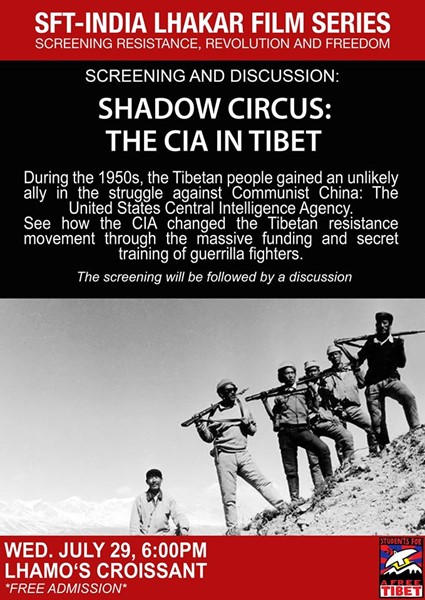
The Shadow Circus: The CIA in Tibet

Clipped from: https://www.msn.com/en-sg/news/other/the-shadow-circus-the-cia-in-tibet/vi-BBUcMij

Duration: 48:28

The Shadow Circus: The CIA in Tibet

Life in Shadows of the US, India, and Tibet Relations.

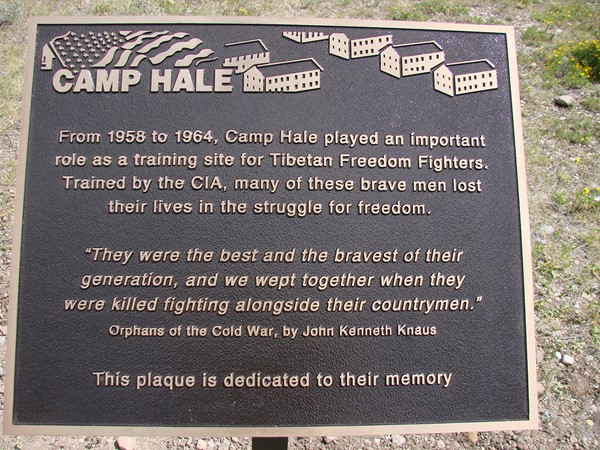
Between 1957 and 1969 the CIA armed, financed, and helped train Tibetan guerrillas who operated first inside Tibet, and later — after the Dalai Lama’s escape to India in 1959 — from a base in Mustang, a remote corner of northwestern Nepal. This project, code-named ST Circus, was one of the CIA’s longest-running covert operations. The withdrawal of the CIA’s support in 1969 was as abrupt as its initial involvement was unexpected.

Life in Shadows of the US, India, and Tibet Relations.


SPECIAL FRONTIER FORCE PAYS TRIBUTE TO JOHN DINGELL

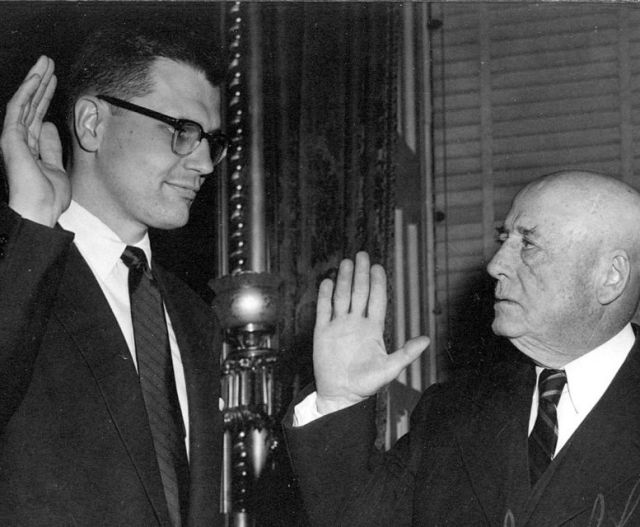
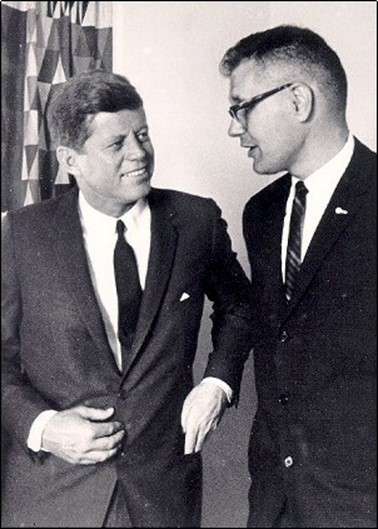
Whole Dude-Whole Representative: Representative John Dingell with the Speaker of the House Sam Rayburn taking his oath to the office in 1955.

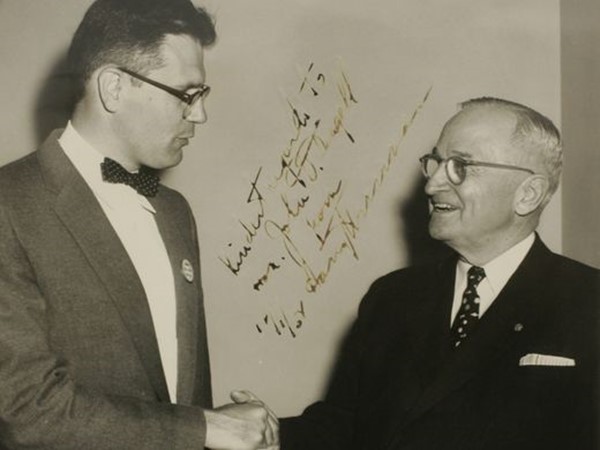
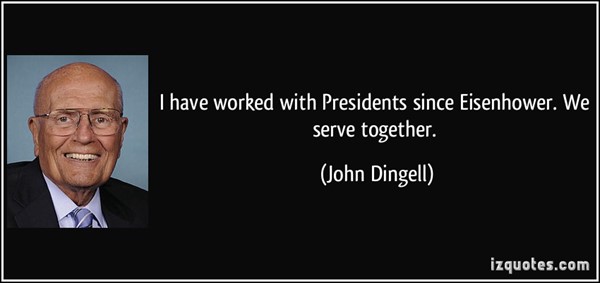
Special Frontier Force pays a respectful tribute to John Dingell the longest-serving member of the US House of Representatives. I acknowledge his support for the Tibetan Resistance Movement from its inception.

Rudranarasimham Rebbapragada

Special Frontier Force

Special Frontier Force pays a respectful tribute to Congressman John Dingell.
Special Frontier Force Pays a Respectful Tribute to the US House Representative John Dingell who served the architects of the Tibetan Resistance Movement from its inception.
Special Frontier Force pays a respectful tribute to the US House Representative John Dingell.

John Dingell on Foreign Policy

Democratic Representative (MI- 15)

Voted YES on deterring foreign arms transfers to China.

To authorize measures to deter arms transfers by foreign countries to the People’s Republic of China, A YES vote would grant the President the ability to place sanctions on any individual or country that violates the arms embargo, including:

  • Denial of participation in cooperative research and development
  • Prohibition of ownership and control of any business registered as a manufacturer or exporter of defense articles or services
  • Removal of all licenses relative to dual-use goods or technology
  • Prohibition of participation of any foreign military sales

Reference: East Asia Security Act; Bill HR 3100; vote number 2005-374 on Jul 14, 2005

Voted NO on Permanent Normal Trade Relations with China.

Vote to give permanent Normal Trade Relations [NTR] status to China. Currently, the NTR status for China is debated and voted on annually. The measure contains provisions designed to protect the United States from Chinese import surges and the administration would have to report annually on China’s compliance with the trade agreement. The bill establishes a commission to monitor human rights, labor standards, and religious freedom in China.

Reference: Bill sponsored by Archer, R-TX; Bill HR 4444; vote number 2000-228 on May 24, 2000

John Dingell, the longest-serving member of U.S. Congress, dead at 92

Special Frontier Force Pays a Respectful Tribute to the US Congress Representative John Dingell.

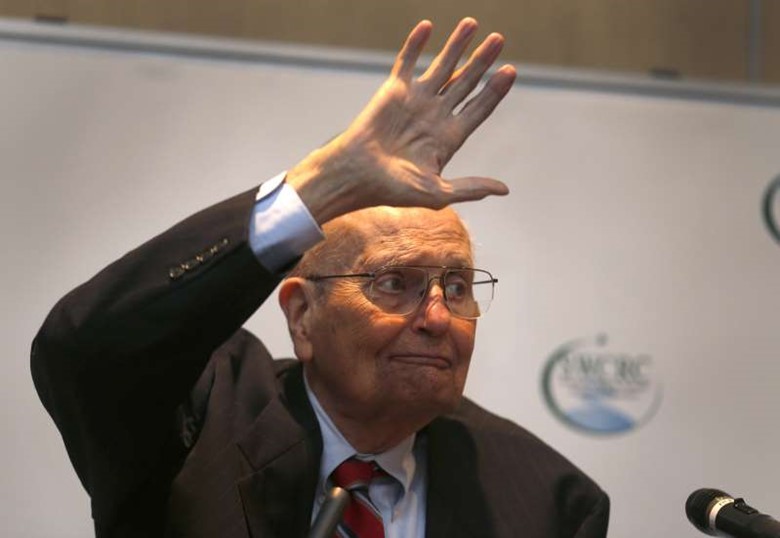
© Reuters/Rebecca Cook FILE PHOTO – Rep. John Dingell, D-Mich, acknowledges the audience during a luncheon in Southgate

WASHINGTON, Feb 7 (Reuters) – John Dingell, a gruff Michigan Democrat who entered the U.S. House of Representatives in 1955 to finish his late father’s term and became a legislative heavyweight and longest-serving member of Congress, died on Thursday. He was 92.

“Today the great State of Michigan said farewell to one of our greatest leaders. John Dingell will forever be remembered as ‘The Dean’ of Congress not simply for the length of his service, but for his unparalleled record of legislative accomplishments,” Michigan Governor Gretchen Whitmer wrote in a post on Twitter.

Dingell served 59 years in the House before retiring in 2015 because, as he said to a Michigan business group at the time, he could no longer “live up to my own personal standard” for serving in Congress.

On Wednesday, Dingell’s wife, Debbie Dingell, who was elected to succeed him, said on Twitter that she skipped Tuesday’s State of the Union address in Washington to be with him as his health declined.

The Detroit News reported he was in hospice care after being diagnosed with prostate cancer, which he had decided not to treat.

On Wednesday, Dingell dictated a tweet for his wife to write: “I want to thank you all for your incredibly kind words and prayers. You’re not done with me just yet.”

Democratic Senator Debbie Stabenow wrote in a post on Twitter: “We have been incredibly lucky to have you and will miss you dearly.”

(Reporting by David Shepardson, Eric Beech, and Makini Brice; Writing by Will Dunham; Editing by Bill Trott and Peter Cooney)

Special Frontier Force pays a respectful tribute to the US Congress Representative John Dingell.


TIBET EQUILIBRIUM 2019. DEFINING AMERICA’S MISSION ON THE SIXTH DAY OF FEBRUARY

TIBET EQUILIBRIUM 2019. DEFINING AMERICA’S MISSION ON THE SIXTH DAY OF FEBRUARY

Tibet Equilibrium 2019. Defining America’s Mission on the Sixth Day of February.

The Special Frontier Force which represents The Tibetan Resistance Movement to contain, to resist, to engage, to counteract, to “Roll-Back” the Spread of Communism, asks Americans to define their Mission on February 06, 2019 to restore Tibetan Equilibrium using the guidance provided by ‘The Reagan Doctrine of 1985’. Using President Reagan’s words, I ask Americans to do what is “Morally Right.”

Rudranarasimham Rebbapragada

SPECIAL FRONTIER FORCE

Tibet Equilibrium 2019. Defining America’s Mission on the Sixth Day of February.T

FEBRUARY 06, 1985. THE REAGAN DOCTRINE

Tibet Equilibrium 2019. Defining America’s Mission on the Sixth Day of February.

The “Reagan Doctrine” was used to characterize  the Reagan administration’s (1981-1988) policy of supporting anti-Communist insurgents wherever they might be. In his 1985 State of the Union address, President Ronald Reagan called upon Congress and the American people to stand up to the Soviet Union, what he had previously called the “Evil Empire”:

Reagan began his foreign policy comments with the dramatic pronouncement that, “Freedom is not the sole prerogative of a chosen few; it is the universal right of all God’s children.” America’s “mission” was to “nourish and defend freedom and democracy.” More specifically, Reagan declared that, “We must stand by our democratic allies. And we must not break faith with those who are risking their lives—on every continent, from Afghanistan to Nicaragua—to defy Soviet-supported aggression and secure rights which have been ours from birth.” He concluded, “Support for freedom fighters is self-defense.”

“We must stand by all our democratic allies. And we must not break faith with those who are risking their lives—on every continent, from Afghanistan to Nicaragua—to defy Soviet-supported aggression and secure rights which have been ours from birth.”

Breaking with the doctrine of “Containment,” established during the Truman administration—President Ronald Reagan’s foreign policy was based on John Foster Dulles’ “Roll-Back” strategy from the 1950s in which the United States would actively push back the influence of the Soviet Union. Reagan’s policy differed, however, in the sense that he relied primarily on the overt support of those fighting Soviet dominance. This strategy was perhaps best encapsulated in NSC National Security Decision Directive 75. This 1983 directive stated that a central priority of the U.S. in its policy toward the Soviet Union would be “to contain and over time reverse Soviet expansionism,” particularly in the developing world. As the directive noted:

“The U.S. must rebuild the credibility of its commitment to resist Soviet encroachment on U.S. interests and those of its Allies and friends, and to support effectively those Third World states that are willing to resist Soviet pressures or oppose Soviet initiatives hostile to the United States, or are special targets of Soviet policy.”

To that end, the Reagan administration focused much of its energy on supporting proxy armies to curtail Soviet influence. Among the more prominent examples of the Reagan Doctrine’s application, in Nicaragua, the United States sponsored the contra movement in an effort to force the leftist Sandinista government from power. And in Afghanistan, the United States provided material support to Afghan rebels—known as the mujahadeen—helping them end Soviet occupation of their country.

Tibet Equilibrium 2019. Defining America’s Mission on the Sixth Day of February.