LIVING TIBETAN SPIRITS PRAY FOR THE RESURRECTION OF AMERICAN VALUES

The Resurrection of American Values to reject the power of Evil.

On behalf of the Living Tibetan Spirits, I pray for the Resurrection of American Values, the foundational values that define America as a nation. My concern is not about the reincarnation of the Dalai Lama. The United States must overcome fear to expose evil actions of People’s Republic of China to occupy Tibet through acts of military aggression.

Rudra Narasimham Rebbapragada

Special Frontier Force-Establishment N0. 22-Vikas Regiment

Living Tibetan Spirits Pray for the Resurrection of American Values.

US Wants UN To Take Up Dalai Lama Succession: Envoy

The United States wants the United Nations to take up the Dalai Lama’s succession in an intensifying bid to stop China from trying to handpick his successor, an envoy said after meeting the Tibetan spiritual leader.

Sam Brownback, the US ambassador-at-large for international religious freedom, said he spoke at length about the succession issue with the 84-year-old Dalai Lama last week in the monk’s home-in-exile of Dharamsala, India.

Brownback said he told the Dalai Lama that the United States would seek to build global support for the principle that the choice of the next spiritual chief “belongs to the Tibetan Buddhists and not the Chinese government.”

Living Tibetan Spirits Pray for the Resurrection of American Values.

The Dalai Lama arrives for prayers wishing him a long life at the Tsuglagkhang temple in McLeod Ganj, India in September 2019 — the US wants the UN to look at the issue of who will succeed him Photo: AFP / Lobsang Wangyal

“I would hope that the UN would take the issue up,” Brownback told AFP after returning to Washington.

He acknowledged that China, with its veto power on the Security Council, would work strenuously to block any action, but he hoped countries could at least raise their voices at the United Nations.

“I think it’s really important to have an early global conversation because this is a global figure with a global impact,” he said.

“That’s the big thing that we’re really after now, to stir this before we’re right in the middle of it — if something happens to the Dalai Lama, that there has been this robust discussion globally about it ahead of time,” he said.

US religious freedom envoy Sam Brownback, seen here at a July 2019 ministerial meeting in Washington, is raising pressure over the Dalai Lama's succession
Living Tibetan Spirits Pray for the Resurrection of American Values.

US religious freedom envoy Sam Brownback, seen here at a July 2019 ministerial meeting in Washington, is raising pressure over the Dalai Lama’s succession Photo: AFP / MANDEL NGAN

“My estimation undoubtedly is that the (Chinese) communist party has thought a lot about this. So they’ve got a plan and I think we have to be equally aggressive with a plan.”

The Dalai Lama once traveled incessantly, drawing huge Western audiences with his good-humored lectures on compassion and happiness.

But the Nobel Peace Prize winner has slowed down and earlier this year suffered a chest infection, although he is not known to have serious health issues.

Brownback said he found the Dalai Lama “quite jovial” and that the monk had told him, “‘Look, I’m going to live another 15, 20 years; I’m going to outlast the Chinese government.'”

A Tibetan-in-exile carries a photograph of the Dalai Lama during celebrations marking the Lunar New Year in Kathmandu in February 2018
Living Tibetan Spirits Pray for the Resurrection of American Values.

A Tibetan-in-exile carries a photograph of the Dalai Lama during celebrations marking the Lunar New Year in Kathmandu in February 2018 Photo: AFP / PRAKASH MATHEMA

But Beijing has indicated it is waiting out the Dalai Lama, believing his campaign for greater Tibetan autonomy will end with him.

China, which argues that it has brought modernization and development to the Himalayan region, has increasingly hinted that it could name the next Dalai Lama, who would presumably be groomed to support Chinese rule.

In 1995, the officially atheist government selected its own Panchen Lama and detained a six-year-old identified for the influential Buddhist position — whom rights groups called the world’s youngest political prisoner.

Indian police detain Tibetan students as they protest against the visit of China's President Xi Jinping in Chennai in October 2019
Living Tibetan Spirits Pray for the Resurrection of American Values.

Indian police detain Tibetan students as they protest against the visit of China’s President Xi Jinping in Chennai in October 2019 Photo: AFP / STR

Mindful of Beijing’s plans, the 14th Dalai Lama has mused about breaking with the centuries-old tradition in which wandering monks look for signs that a young boy is a reincarnation.

He has said that he could pick his own successor, possibly a girl, or even declare himself the final Dalai Lama.

The US Congress has also stepped up efforts, including by mandating visa denials by the end of the year for Chinese officials unless Beijing eases restrictions on US diplomats, journalists and ordinary people seeking to visit Tibet.

Brownback said he would like access to Tibet, “but I want it unfettered.”

He said he similarly hoped to visit the western region of Xinjiang, which has drawn intense US scrutiny over the incarceration of one million Uighurs and other Turkic-speaking Muslims.

“It is part of the same war on faith,” Brownback said of Tibet and Xinjiang.

Brownback also visited Nepal, historically the gateway for Tibetans fleeing to India but which has increasingly clamped down under pressure from its giant northern neighbor.

Brownback said he raised fears for Tibetans with Nepal’s foreign minister, Pradeep Gyawali.

But he acknowledged Nepal’s difficult situation and said: “I would hate to be very harsh on the Nepalese because they’ve been so good over so many years to help the Tibetans.”

Brownback said that the burden was ultimately with China to allow freedom of movement — and not to interfere in Tibetan Buddhism.

“A government doesn’t own a religion,” he said. “A religion runs itself.”

“We hope we’ll get a number of other communities around the world to express similar positions and concerns.”

Living Tibetan Spirits Pray for the Resurrection of American Values.

OPERATION EAGLE-THE GOLDEN EAGLE-THE BALD EAGLE-THE NIXON CONNECTION

From George L. MacGarrigle, The United States ...
Special Frontier Force-Establishment No. 22-Vikas Regiment-Operation Eagle 1971 and the Vietnam War.
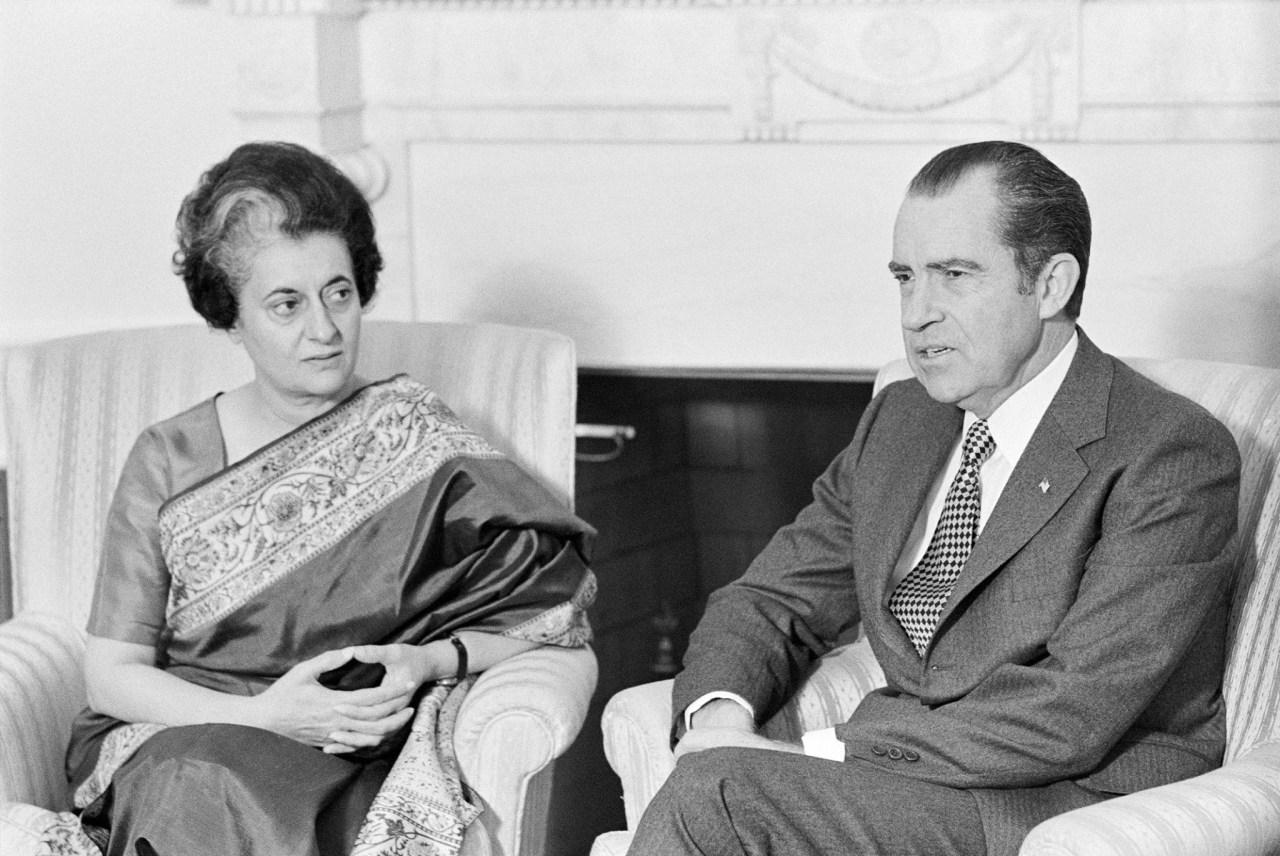
The Bald Eagle-The Golden Eagle-Operation Eagle: What is the Connection? Indian Prime Minister Indira Gandhi with the US President Richard Nixon at the White House, Washington, D.C. on November 04, 1971. The US did not sanction Operation Eagle.
The Bald Eagle-The Golden Eagle-Operation Eagle: What is the Connection? Indian Prime Minister Indira Gandhi with the US President Richard Nixon in Washington, D.C. on November 03/04, 1971. The US did not sanction Operation Eagle.
The Bald Eagle-The Golden Eagle-Operation Eagle: What is the Connection? Indian Prime Minister Indira Gandhi with the US President Richard Nixon in the White House, Washington, D.C. on November 03/04, 1971. The US did not sanction Operation Eagle.
The Bald Eagle-The Golden Eagle-Operation Eagle: What is the Connection? Indian Prime Minister Indira Gandhi with the US President Richard Nixon in Washington, D.C. on November 04, 1971. The US did not sanction Operation Eagle.
The Bald Eagle-The Golden Eagle-Operation Eagle: What is the Connection? Indian Prime Minister Indira Gandhi with the US President Richard Nixon in Washington, D.C. on November 03, 1971. The US did not sanction Operation Eagle.

SPECIAL FRONTIER FORCE-ESTABLISHMENT NO. 22-VIKAS REGIMENT- OPERATION EAGLE 1971 AND THE VIETNAM WAR:

THE EAGLE CONNECTION: THE BALD EAGLE-THE GOLDEN EAGLE-OPERATION EAGLE – WHAT IS THE CONNECTION?

The military action in the Chittagong Hill Tracts that initiated the Liberation of Bangladesh during 1971 is known as Operation Eagle. This military action used the military power of ‘The Bald Eagle’ and is executed by ‘The Golden Eagle’ without getting the formal approval or sanction of the US President.

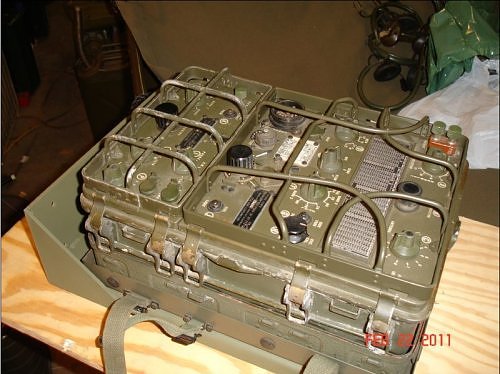
Operation Eagle was a very modest military confrontation as compared to the Vietnam War. However, a comparison must be made to understand the use of military force to defeat an enemy to obtain a political objective. The Operation Eagle was executed using US weapons, ammunition, US military radios, medical supplies, assorted tools and equipment, field gear, and U.S. Military Field Rations-Meals Ready to Eat or MREs that the US Army was using in the conduct of the Vietnam War.

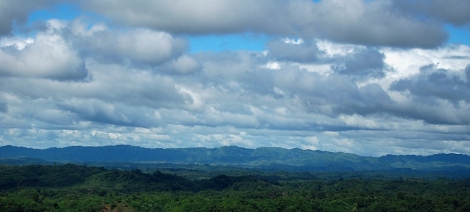
In a hilly, forest terrain, the use of aerial firepower or bombing campaigns will not dislodge the enemy. The enemy must be found on the ground and must be directly attacked. This is a view of Mizo Hills of India taken from Chittagong Hill Tracts in the foreground.

The military objectives of the Vietnam War could not be accomplished because of the reliance placed upon aerial bombardment to defeat the enemy. Operation Eagle was small in its scope and size. But, it did not rely upon the use of aerial bombardment. We operated on a ‘manpack’ basis, went in search of enemy positions, and directly challenged the enemy at his own post. United States failed to attack the enemy on the ground during the Vietnam War. To defend South Vietnam, the military strategy and planning would call for Infantry attacks on the enemy inside North Vietnam. United States used more bombs as compared to the number of bombs that were dropped during the Second World War and yet could not dislodge the enemy from his entrenched positions. We need to fight and engage the enemy on the ground. Secondly, during Nixon’s presidency(1969-1974), while engaged in War, the President conceded the battle by befriending the Enemy.

OPERATION EAGLE 1971 AND THE VIETNAM WAR INFANTRY WEAPONS AND FIELD GEAR:

OPERATION EAGLE 1971 AND THE VIETNAM WAR INFANTRY WEAPONS, FIELD GEAR AND COMMUNICATION EQUIPMENT. INDIA’S GOLDEN EAGLE SYMBOLIZES THE MILITARY OPERATION THAT WAS WAGED WITH THE MILITARY EQUIPMENT PROVIDED BY THE BALD EAGLE THAT SYMBOLIZES AMERICAN MILITARY POWER.

A military action by Infantry is best understood by examining the weapons that are used. During Operation Eagle 1971 and the Vietnam War, the Infantry used the same kinds of Infantry weapons. We must ignore the sophisticated technology and the firepower of United States Navy and Air Force. The battle must be won on the ground. During Operation Eagle 1971 we used the same Infantry weapons, equipment, and other supplies more effectively in our battle as compared to US Army in its combat missions against its enemy in Vietnam. We did not use helicopters as gunships or to attack the enemy in support of ground troops. I would like to share some of the photo images of the Infantry Weapons and equipment that were used in the Vietnam War and which I have seen during Operation Eagle 1971.

The General Purpose Machine Gun M60 was designed for use in the Vietnam War was equally useful for Operation Eagle in the Chittagong Hill Tracts.
M1 Muzzle loading 81mm Mortar is a heavy piece of Infantry weapon which provides indirect fire support. During Operation Eagle, our men carried them on their backs and used them to fire upon the enemy patrols and enemy posts.
The most common weapon used by American Infantry Battalions in World War II, Korea, and Vietnam. Operation Eagle was fought on a manpack basis and this short-range, lightweight mortar was very useful.
Rifle is the most basic Infantry weapon. M14 Infantry Assault Rifle was used in Vietnam. During Operation Eagle 1971, I politely refused to use this M14 Rifle as my personal weapon.The men used this Rifle. During Operation Eagle 1971, I could not bring my Sub Machine Gun or SMG and willingly participated in the battle without carrying the M14 Rifle.
During Operation Eagle 1971 we were not allowed the use of cameras or photography. I would have looked like this man wearing Olive Green Coat Poncho. I used US Army Cap-Field.
A Soldier needs his gun, boots, and clothing to protect himself. During Operation Eagle 1971, I used this US Army Nylon Poncho with Hood(Olive) to sleep on the ground and as a coat to protect myself from intense fog and dew prevalent in the Chittagong Hill Tracts.
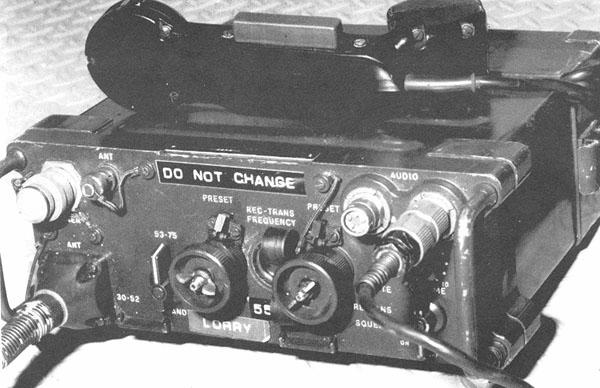
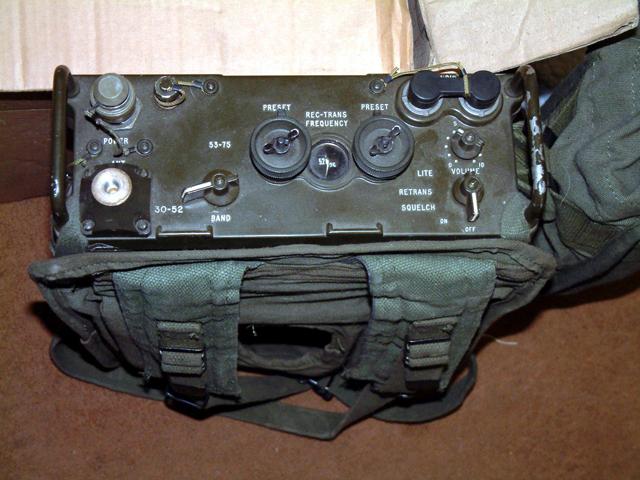
Short-range, manpack, portable, frequency modulated(FM) transceiver that provides two-way voice communication. Radio Set AN/PRC – 25 is used in the Vietnam War and I used the same in Operation Eagle. Two-way voice communications could be easily monitored by the enemy. Fortunately, It posed no problem as the enemy in the Chittagong Hill Tracts had no linguistic experts. I openly communicated with my Unit Commander in my native language of Telugu and there was absolutely no risk of revealing any sensitive information.
The Bald Eagle-The Golden Eagle-Operation Eagle: What is the Connection?
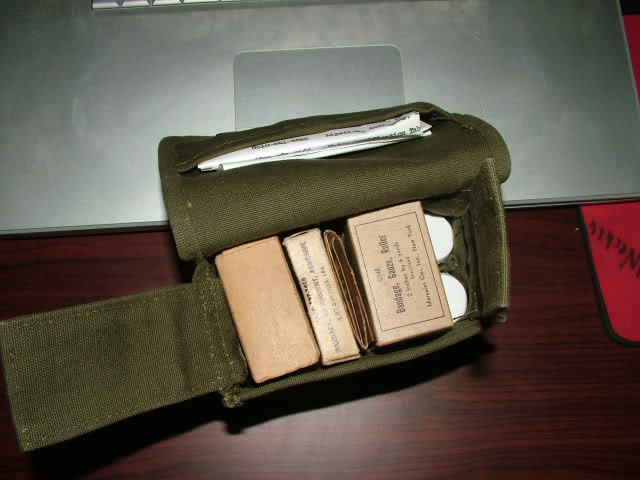
The U.S. Army uses a variety of Individual Field Medical Kits. The Kits issued to us during Operation Eagle 1971 were Olive Green Canvas pouches worn on the belts by each individual. The medical supplies included Water Purification Tablets for use in water bottles, anti-Malaria pills, Insect Repellent Solution(DBP), Insect Repellent Cream(DMP), Injectable Tubonic Morphine, tetracycline tablets, Multivitamin tablets, Field dressings, bandages and others. The Kits were not stamped but the contents reveal the place of origin.
Infantry marches on its feet. Boots are the most important equipment apart from Guns. I used Ankle Canvas Boots during Operation Eagle and marched on feet to fight and dislodge the enemy from the Chittagong Hill Tracts. The Canvas Boots lasted for the entire duration of Operation Eagle. They were better than the leather boots that I would use in other operational areas.

WAR AND PEACE – A FAILURE OF U.S. DIPLOMACY:

United States failed in Vietnam as it failed to develop a clear vision to achieve its goal of resisting and containing the expansion of Communist Power in Southeast Asia. U.S. efforts to stop the spread of Communism got derailed by Dr. Henry Kissinger who chose the option of backstabbing people who support the United States in its global mission to oppose Communism using diplomacy and military power. U.S. gave away a lot during the Paris Peace Talks basically defeating the accomplishments of its military and literally ridiculing their sacrifices. The several concessions given to the Peoples’ Republic of China to win its cooperation failed to stop the flow of military assistance to North Vietnam.

The establishment of US-China relations gave no advantage to the United States for its War in Vietnam. United States added insult to its own injuries by seeking the support of Communist China to attack India across its Himalayan frontier in the North East Frontier Agency in a vain bid to stop India in its efforts to liberate Bangladesh during 1971.

President Nixon and Dr Henry Kissinger failed in their attempt to block the launching of Operation Eagle, the Bangladesh Ops of 1971.
During 1971, Richard Nixon and Dr. Kissinger played on the Sino-Soviet Split. United States moved to normalize trade with China. Dr. Kissinger and President Nixon visited Peking(Beijing) to befriend Communist China. Did it stop China from delivering military assistance to North Vietnam? Did this famous meeting stop Hanoi’s EASTER OFFENSIVE in March 1972?
President Nixon met Communist China’s Prime Minister Chou Enlai. Did this act of friendship help the US Army in the Vietnam War? Could it stop Communist North Vietnam from launching its major invasion of South Vietnam during March 1972? Using this friendship, both President Nixon and Dr. Kissinger tried their best to stop India from Liberating Bangladesh during 1971. This Nixon and Chou Enlai friendship did not stop the Liberation of Bangladesh which India initiated with Operation Eagle in the Chittagong Hill Tracts.
Dr. Kissinger’s diplomatic initiatives totally fail the US Policy in Southeast Asia. Communist China remains a huge military threat in this region and United States fails in its mission to curb the expansion of Communist Power.

THE BALD EAGLE AND THE GOLDEN EAGLE CONNECTION :

The Bald Eagle and the Golden Eagle came together as Operation Eagle.

My Unit participated in Operation Eagle  during 1971-72 to gain practical experience of Infantry Combat Operations to fight against Communists in a future battle.

The Operation Eagle 1971-72 was inclined towards peace. It intended to deliver peace to the people of Bangladesh who declared their independence from Pakistan during March 1971.

The War in Vietnam is over and yet the threat of Communism still persists in Southeast Asia. To deliver peace to people of Southeast Asia, the United States must learn from its failure in Vietnam. The failure was not that of the US Army which willingly sacrificed the lives of over 58,000 of its fighting men and women. The US political leadership had failed the US military mission in Vietnam. United States must seek assistance from the people of Southeast Asia and fight its enemy on the ground and dislodge the enemy in a ground battle.

Dr. R. R. Narasimham, B.Sc., M.B.B.S.,

Service Number: MS-8466, Rank. Captain,

Branch:  Army Medical Corps/Short Service Regular Commission. Designation: Medical Officer, South Column Operation Eagle 1971-72.

Unit: Headquarters Establishment No. 22  C/O  56  APO.

Organization: Special Frontier Force-Establishment No. 22-Vikas Regiment

https://bhavanajagat.com/2008/08/18/international-control-commission-for-vietnam/

WHERE IS TIBET? INDIA AND CHINA ARE NOT NEIGHBORS

The Supreme Ruler of Tibet cannot be chosen by any foreign government.

India must resist China’s Tibet plan

PM Modi should encourage Beijing to talk to the Tibetans, and facilitate a Xi-Dalai Lama meeting

ANALYSIS Updated: Oct 08, 2019 19:25 IST

Amitabh Mathur

Amitabh Mathur

Tibetan spiritual leader Dalai Lama in New Delhi, April 22, 2018

Chinese President Xi Jinping is expected to arrive soon for his second informal meeting with Prime Minister Narendra Modi. The coming summit is taking place in the backdrop of important developments on which the two countries have taken confronting stands.

While China advised restraint on rising tensions with Pakistan following the Pulwama and Balakot episodes, it has openly criticized India on the recent constitutional and administrative changes in Jammu and Kashmir. It reiterated its claim on all of Ladakh, stating the changes violated China’s territorial integrity which it would not “idly watch”. It supported Pakistan in the United Nations and has additionally objected to the army exercise currently underway in Arunachal Pradesh, which it claims as its own. So, apart from the usual irritants in bilateral relations such as the border dispute and trade imbalance, not much progress is expected on the traditional faultlines in Sino-Indian relations.

Even though Tibet does not seem to figure on the agenda, the meeting will be followed by a particular interest in Dharamshala. This follows misgivings in some Tibetan quarters that New Delhi is gradually diluting its support to the Tibetan cause. This impression gained ground following the government’s direction to tone down the “Thank You India” program that the central Tibetan administration had planned in January 2018, and the subsequent directive that elected leaders and senior government officials should avoid sharing a public platform with the Dalai Lama. The recent war of words over the issue of Dalai Lama’s reincarnation has led to questions about whether there is an adequate realization, willingness, and preparation within the Government of India to thwart China’s design to ultimately install its own candidate in Potala Palace.

Though the Dalai Lama has spoken of various possibilities regarding his reincarnation, he has consistently rejected any Chinese government role in the process. He has stated that if he reincarnates, it will be in a free country, thereby ruling out China or Chinese-controlled Tibet. He has instructed Tibetans to reject any Chinese appointee as an imposter. The Chinese have been equally emphatic, declaring that choosing the next Dalai Lama is their historical prerogative. Chinese officials conveyed a blunt message to the Government of India by visiting Indian journalists that New Delhi’s failure to not recognize Beijing’s candidate would adversely affect bilateral ties.

To the Tibetans, the struggle to choose the Dalai Lama’s reincarnation reflects the struggle for the leadership of Tibetan Buddhism. More than political, the Tibetan struggle is a civilizational one for the survival of its unique culture and identity. It is sustained by a deep attachment to their spiritual leaders, the highest of whom is the Dalai Lama. China has not been able to dilute this loyalty to any significant extent. Its experiment to install an imposter Panchen Lama has failed. Attempts to mold an indoctrinated monastic order have also not succeeded. Its repressive measures indicate China remains wary of civil unrest of the kind that erupted in Tibet in 2008.

An authoritarian regime cannot countenance an institution not under its control. Therefore, appointing its own Dalai Lama is a strategic priority. What has encouraged Beijing to vehemently assert its intentions is its perception that international support for Tibet is flagging, and with its political and economic clout, it can deter countries from coming forward on the issue. It perhaps also believes that Tibetans, who identify all hopes and aspirations with the person of the 14th Dalai Lama, will not only be demoralized at his passing on, but also fragment into ineffectual uncoordinated groups, bereft of financial and political backers.

For New Delhi to acquiesce to any such Chinese design would be a folly. It must not fall prey to arguments that the passing on of the Dalai Lama would remove an obstacle to border settlement and normalize relations with China. Given its policy of regaining its lost territories, assertions on Arunachal Pradesh and Ladakh, its military build-up in Tibet, plans to build dams and divert river waters, and its undermining of India in its neighborhood, there can be no assuaging China. On the contrary, supporting the Tibetans strengthens India’s hand in dealing with China. New Delhi should take immediate steps to ascertain the Dalai Lama’s wishes on his reincarnation, and act proactively to ensure these will be endorsed by not just the Tibetans but for the Buddhist world at large. The US Congress has already passed the “Tibetan Policy and Support Act of 2019”, which has officially declared China has no role in selecting the reincarnation of the Dalai Lama.

Some Chinese scholars have argued that the approach to suppress Tibetan civilizational aspirations has neither succeeded nor is likely to. This should be our advice too to President Xi. The time has come for India to encourage China to convert its intermittent contacts with the Dalai Lama into formal or structured talks to find an acceptable solution. A bold step for Modi could be to facilitate a meeting between Xi Jinping and the Dalai Lama, like the one the latter held with Premier Chou en-Lai in New Delhi in 1956.

Amitabh Mathur is a former adviser to the ministry of home affairs on Tibetan affairs. The views expressed are personal

WHERE IS TIBET? INDIA AND CHINA ARE NOT NEIGHBORS.

The Supreme Ruler of Tibet cannot be chosen by any foreign government

HIS HOLINESS THE 14th DALAI LAMA – PRINCE OF PEACE: The Dalai Lama is seen seated on his throne in Potala Palace, Lhasa, Tibet in this photo image from 1956/1957.

Tibetan government passes a resolution on ‘reincarnation of Dalai Lama’

Tibetan parliament-in-exile speaker Pema Jungney. Photograph:( ANI ) Dharamsala, Himachal Pradesh, India Oct 06, 2019, 04.47 PM (IST)

In a strong message to China, Tibetan government-in-exile has passed a resolution reaffirming that the successor of Dalai Lama will be chosen by the spiritual leader himself and no nation has locus standi on the issue.

“No nation, government, entity or any individual can claim to recognize the reincarnation of His Holiness the Dalai Lama. The final authority on decisions regarding the reincarnation of His Holiness the Dalai Lama rests indisputably and completely with His Holiness the Dalai Lama himself and the concerned authorities of the Gaden Phodrang Trust,” Speaker Pema Jungney, Tibetan Parliament-in-Exile, told ANI on Saturday.

The resolution comes days ahead of Chinese President Xi Jinping’s visit to India.

Jungney made these remarks after a special meeting by Tibetan Parliament-in-Exile-at the Tibetan headquarters.

During the meeting, the two-page resolution was adopted which outrightly rejected China’s preposterous interference in the institution of Tibetan reincarnation and affirms the supreme authority of the Dalai Lama over Tibetan Buddhism.

The official document further challenged China’s advancing measures of control over Tibetan Buddhism and expressed outright rejection and contempt of the Order Number 5, a regulation issued in 2007 by China’s State Administration of Religious Affairs (SARA) for the so-called “management of the reincarnation of living Buddhas”.

The meeting was attended by 340 Tibetan authorities representing the three pillars of Tibetan democracy: The Kashag (cabinet); Tibetan Parliament-in-Exile and Tibetan Supreme Justice Commission.

STORY HIGHLIGHTS

The resolution comes days ahead of Chinese President Xi Jinping’s visit to India.
 

The Supreme Ruler of Tibet cannot be chosen by any foreign government.


LET FREEDOM FLOW DOWN THE LHASA RIVER

LET FREEDOM FLOW DOWN THE LHASA RIVER.

But let justice flow like a river and righteousness like an ever-flowing stream. AMOS 5:24

LET FREEDOM FLOW DOWN THE LHASA RIVER.

Scenery at Golden Pond Ecological Scenic Spot in Tibet


Let Freedom flow down the Lhasa River.

The photo was taken on Sept. 14, 2019, shows the scenery at the Golden Pond Ecological Scenic Spot in Dagze District of Lhasa, Tibet. (Photo: Xinhua)

LET FREEDOM FLOW DOWN THE LHASA RIVER.

The photo was taken on Sept. 14, 2019, shows the scenery at the Golden Pond Ecological Scenic Spot in Dagze District of Lhasa, Tibet. (Photo: Xinhua)

LET FREEDOM FLOW DOWN THE LHASA RIVER.

A butterfly lands on a flower in the Golden Pond Ecological Scenic Spot in Dagze District of Lhasa, Tibet, Sept. 14, 2019. (Photo: Xinhua)

LET FREEDOM FLOW DOWN THE LHASA RIVER.

The photo was taken on Sept. 14, 2019, shows the scenery at the Golden Pond Ecological Scenic Spot in Dagze District of Lhasa, Tibet. (Photo: Xinhua)

LET FREEDOM FLOW DOWN THE LHASA RIVER.

The photo was taken on Sept. 14, 2019, shows the scenery at the Golden Pond Ecological Scenic Spot in Dagze District of Lhasa, Tibet. (Photo: Xinhua)

LET FREEDOM FLOW DOWN THE LHASA RIVER.

The photo was taken on Sept. 14, 2019, shows the scenery at the Golden Pond Ecological Scenic Spot in Dagze District of Lhasa, Tibet. (Photo: Xinhua)

LET FREEDOM FLOW DOWN THE LHASA RIVER.


THE TIBETAN GOD OF SNOW INSULTED BY THE MILITARY OCCUPATION OF TIBET

The Tibetan God of Snow insulted by the military occupation of Tibet.

In my analysis, the Tibetan God of Snow, Khawa Karpo is insulted by the military occupation of Tibet. The eviction of the military occupier of Tibet is the only solution to save “The Third Pole” of the world.

Rudra Narasimham Rebbapragada

Special Frontier Force

The Tibetan God of Snow insulted by the military occupation of Tibet.

The Guardian

The world has the third pole – and it’s melting quickly

 Gaia Vince

Many moons ago in Tibet, the Second Buddha transformed a fierce nyen (a malevolent mountain demon) into a neri (the holiest protective warrior god) called Khawa Karpo, who took up residence in the sacred mountain bearing his name. Khawa Karpo is the tallest of the Meili mountain range, piercing the sky at 6,740 meters (22,112ft) above sea level. Local Tibetan communities believe that conquering Khawa Karpo is an act of sacrilege and would cause the deity to abandon his mountain home. Nevertheless, there have been several failed attempts by outsiders – the best known by an international team of 17, all of whom died in an avalanche during their ascent on 3 January 1991. After much local petitioning, in 2001 Beijing passed a law banning mountaineering there.

However, Khawa Karpo continues to be affronted more insidiously. Over the past two decades, the Mingyong glacier at the foot of the mountain has dramatically receded. Villagers blame disrespectful human behavior, including the inadequacy of prayer, greater material greed and an increase in pollution from tourism. People have started to avoid eating garlic and onions, burning meat, breaking vows or fighting for fear of unleashing the wrath of the deity. Mingyong is one of the world’s fastest shrinking glaciers, but locals cannot believe it will die because their own existence is intertwined with it. Yet its disappearance is almost inevitable.

Khawa Karpo lies at the world’s “third pole”. This is how glaciologists refer to the Tibetan plateau, home to the vast Hindu Kush-Himalaya ice sheet because it contains the largest amount of snow and ice after the Arctic and Antarctic – about 15% of the global total. However, a quarter of its ice has been lost since 1970. This month, in a long-awaited special report on the cryosphere by the Intergovernmental Panel on Climate Change (IPCC), scientists will warn that up to two-thirds of the region’s remaining glaciers are on track to disappear by the end of the century. It is expected a third of the ice will be lost in that time even if the internationally agreed target of limiting global warming by 1.5C above pre-industrial levels is adhered to.

Whether we are Buddhists or not, our lives affect, and are affected by, these tropical glaciers that span eight countries. This frozen “water tower of Asia” is the source of 10 of the world’s largest rivers, including the Ganges, Brahmaputra, Yellow, Mekong and Indus, whose flows support at least 1.6 billion people directly – in drinking water, agriculture, hydropower and livelihoods – and many more indirectly, in buying a T-shirt made from cotton grown in China, for example, or rice from India.

Joseph Shea, a glaciologist at the University of Northern British Columbia, calls the loss “depressing and fear-inducing. It changes the nature of the mountains in a very visible and profound way.”

Yet the fast-changing conditions at the third pole have not received the same attention as those at the north and south poles. The IPCC’s fourth assessment report in 2007 contained the erroneous prediction that all Himalayan glaciers would be gone by 2035. This statement turned out to have been based on anecdote rather than scientific evidence and, perhaps out of embarrassment, the third pole has been given less attention in subsequent IPCC reports.

There is also a dearth of research compared to the other poles, and what hydrological data exists has been jealously guarded by the Indian government and other interested parties. The Tibetan plateau is a vast and impractical place for glaciologists to work in and confounding factors make measurements hard to obtain. Scientists are forbidden by locals, for instance, to step out on to the Mingyong glacier, meaning they have had to use repeat photography to measure the ice retreat.

There is also a dearth of research compared to the other poles, and what hydrological data exists has been jealously guarded by the Indian government and other interested parties. The Tibetan plateau is a vast and impractical place for glaciologists to work in and confounding factors make measurements hard to obtain. Scientists are forbidden by locals, for instance, to step out on to the Mingyong glacier, meaning they have had to use repeat photography to measure the ice retreat.

One reason for the rapid ice loss is that the Tibetan plateau, like the other two poles, is warming at a rate up to three times as fast as the global average, by 0.3C per decade. In the case of the third pole, this is because of its elevation, which means it absorbs energy from rising, warm, moisture-laden air. Even if average global temperatures stay below 1.5C, the region will experience more than 2C of warming; if emissions are not reduced, the rise will be 5C, according to a report released earlier this year by more than 200 scientists for the Kathmandu-based International Centre for Integrated Mountain Development (ICIMOD). Winter snowfall is already decreasing and there are, on average, four fewer cold nights and seven more warm nights per year than 40 years ago. Models also indicate a strengthening of the south-east monsoon, with heavy and unpredictable downpours. “This is the climate crisis you haven’t heard of,” said ICIMOD’s chief scientist, Philippus Wester.

There is another culprit besides our CO2 emissions in this warming story, and it’s all too evident on the dirty surface of the Mingyong glacier: black carbon or soot. A 2013 study found that black carbon is responsible for 1.1 watts per square meter of the Earth’s surface of extra energy being stored in the atmosphere (CO2 is responsible for an estimated 1.56 watts per square meter). Black carbon has multiple climate effects, changing clouds and monsoon circulation as well as accelerating ice melt. Air pollution from the Indo-Gangetic Plains – one of the world’s most polluted regions – deposits this black dust on glaciers, darkening their surface and hastening melt. While soot landing on the dark rock has little effect on its temperature, snow and glaciers are particularly vulnerable because they are so white and reflective. As glaciers melt, the surrounding rock crumbles in landslides, covering the ice with dark material that speeds melt in a runaway cycle. The Everest base camp, for instance, at 5,300 meters, is now rubble and debris as the Khumbu glacier has retreated to the icefall.

The immense upland of the third pole is one of the most ecologically diverse and vulnerable regions on Earth. People have only attempted to conquer these mountains in the last century, yet in that time humans have subdued the glaciers and changed the face of this wilderness with pollution and other activities. Researchers are now beginning to understand the scale of human effects on the region – some have experienced it directly: many of the 300 IPCC cryosphere report authors meeting in the Nepalese capital in July were forced to take shelter or divert to other airports because of a freak monsoon.

But aside from such inconveniences, what do these changes mean for the 240 million people living in the mountains? Well, in many areas, it has been welcomed. Warmer, more pleasant winters have made life easier. The higher temperatures have boosted agriculture – people can grow a greater variety of crops and benefit from more than one harvest per year, and that improves livelihoods. This may be responsible for the so-called Karakoram anomaly, in which a few glaciers in the Pakistani Karakoram range are advancing in opposition to the general trend. Climatologists believe that the sudden and massive growth of irrigated agriculture in the local area, coupled with unusual topographical features, has produced an increase in snowfall on the glaciers which currently more than compensates for their melting.

Elsewhere, any increase in precipitation is not enough to counter the rate of ice melt and places that are wholly reliant on meltwater for irrigation are feeling the effects soonest. “Springs have dried drastically in the past 10 years without meltwater and because infrastructure has cut off discharge,” says Aditi Mukherji, one of the authors of the IPCC report.

Known as high-altitude deserts, places such as Ladakh in north-eastern India and parts of Tibet have already lost many of their lower-altitude glaciers and with them their seasonal irrigation flows, which is affecting agriculture and electricity production from hydroelectric dams. In some places, communities are trying to geoengineer artificial glaciers that divert runoff from higher glaciers towards shaded, protected locations where it can freeze over winter to provide meltwater for irrigation in the spring.

Only a few of the major Asian rivers are heavily reliant on glacial runoff – the Yangtze and Yellow rivers are showing reduced water levels because of diminished meltwater and the Indus (40% glacier-fed) and Yarkand (60% glacier-fed) are particularly vulnerable. So although mountain communities are suffering from glacial disappearance, those downstream are currently less affected because rainfall makes a much larger contribution to rivers such as the Ganges and Mekong as they descend into populated basins. Upstream-downstream conflict over extractions, dam-building, and diversions has so far largely been averted through water-sharing treaties between nations, but as the climate becomes less predictable and scarcity increases, the risk of unrest within – let alone between – nations grows.

Towards the end of this century, pre-monsoon water-flow levels in all these rivers will drastically reduce without glacier buffers, affecting agricultural output as well as hydropower generation, and these stresses will be compounded by an increase in the number and severity of devastating flash floods. “The impact on local water resources will be huge, especially in the Indus Valley. We expect to see migration out of dry, high-altitude areas first but populations across the region will be affected,” says Shea, also an author on the ICIMOD report.

As the third pole’s vast frozen reserves of freshwater make their way down to the oceans, they are contributing to sea-level rise that is already making life difficult in the heavily populated low-lying deltas and bays of Asia, from Bangladesh to Vietnam. What is more, they are releasing dangerous pollutants. Glaciers are time capsules, built snowflake by snowflake from the skies of the past and, as they melt, they deliver back into circulation the constituents of that archived air. Dangerous pesticides such as DDT (widely used for three decades before being banned in 1972) and perfluoroalkyl acids are now being washed downstream in meltwater and accumulating in sediments and in the food chain.

Ultimately the future of this vast region, its people, ice sheets and arteries depends – just as Khawa Karpo’s devotees believe – on us: on reducing our emissions of greenhouse gases and other pollutants. As Mukherji says, many of the glaciers that haven’t yet melted have effectively “disappeared because, in the dense air pollution, you can no longer see them”. 

The Tibetan God of Snow insulted by the military occupation of Tibet. © tupianlingang/iStock/Getty Images Meili(Meri) Snow Mountains. The photo is the Kawagebo peak in Meili(Meri) Snow Mountains. The glacier in the photo was called Mingyong glacier.

TIBETAN IDENTITY. THE CELEBRATION OF YOGURT BANQUET FESTIVAL

TIBETAN IDENTITY. THE CELEBRATION OF YOGURT BANQUET FESTIVAL

The Living Tibetan Spirits offer their prayers for the Blessings of Peace and Happiness as the Tibetans celebrate the Shoton, Yogurt Banquet Festival in Lhasa from August 30 to September 05.

Yogurt Festival celebrated in Tibet

By Palden Nyima in Lhasa, Tibet. chinadaily.com.cn 
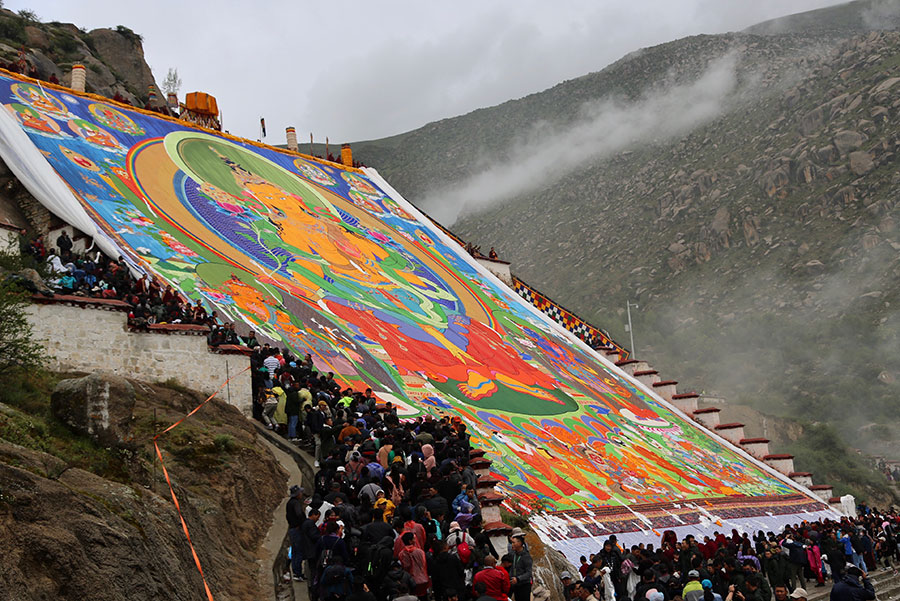
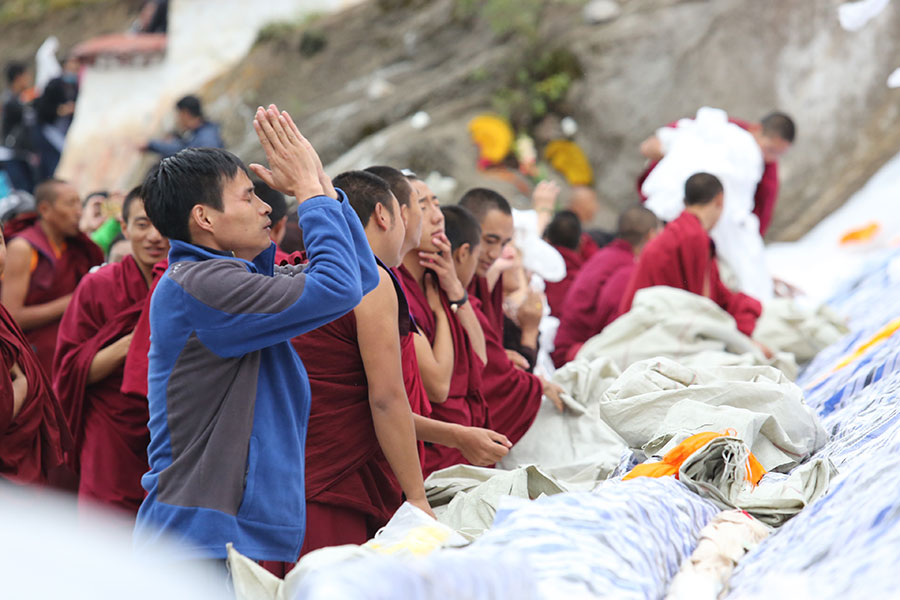
People visit a giant thangka exhibition to mark the start of the annual Shoton Yogurt Festival on Friday in Lhasa. [Photo by Palden Nyima/chinadaily.com.cn]

Thousands of Tibetans braved the rain to pay homage to giant thangka -religious images embroidered in silk -to mark the start of the annual Shoton, or Yogurt Festival, on Friday in Lhasa, capital of Tibet.

Continuous rain early in the morning and hot sun afterwards did not stop people from finishing the pilgrimage.

A devout Tibetan Buddhist prays in front of the exhibition of giant thangka on the annual Shoton Yogurt Festival on Friday in Lhasa. [Photo by Palden Nyima/chinadaily.com.cn

Accompanied by the sound of long bronze horns and religious chanting reverberating through the valley, Buddhist monks slowly unrolled the thangka on a hill slope aside the region’s Drepung Monastery.

The thangka was unrolled at the Drepung and Sera monasteries at 8 am.

According to an anonymous monk at the Drepung monastery, different from last year when the image of Buddha Shakyamuni was displayed, this year the image of the Future Buddha, known as Gyalwa Champa in the Tibetan language, was exhibited.

As it rained from time to time in the morning, monks covered the embroidery with thin plastic sheeting.

Tibetan Buddhists present money and khadaks, a white piece of silk, to Buddha and guests on Friday in Lhasa. [Photo by Palden Nyima/chinadaily.com.cn]

This year’s event will feature the traditional “sunning of the Buddha” ceremonies, as well as Tibetan opera performances, picnics in the Norbu Lingka Park, trekking, equestrian events, traditional music and dance, and an ethnic costume show.

“I got up at 3 am and started my pilgrimage trip in the rain from my home. It took me hours to pay the visit to the Buddha,” said Dorje Tashi, a 29-year-old resident of the region’s Doilungdechen district.

Tibetan Buddhists present money and khadaks, a white piece of silk, to Buddha and guests on Friday in Lhasa. [Photo by Palden Nyima/chinadaily.com.cn]

“This year, it is unusual – I had to pay my visit in the rain, however, I am very pleased that I could make it. I will all living beings peace and happiness,” said Dorje, adding that he also wishes the Buddha will bless him to bring good luck to him so that he cass pass the entrance exam at Tibet University.

The festival will last for one week from Aug 30 to Sep 5.

Shoton, which literally means “yogurt banquet festival,” is one of the most important festivals for Tibetans in Lhasa, and it dates back to the 17th century when it began as a religious ceremony for local residents to offer yogurt to the fifth Dalai Lama and monks in the Drepung Monastery after finishing their meditation retreats in the summer.

Shoton festival starts on the 29th day of the 6th Tibetan month. Tibetans use Lunar calendar. The festival date usually falls on August.

Drepung Monastery in Lhasa during celebration of Shoton Festival

Image result for Yogurt Banquet Festival, Lhasa

NATURE NURTURES TIBETAN IDENTITY OF TIBETAN NATION

NATURE NURTURES TIBETAN IDENTITY OF TIBETAN NATION

NATURE NURTURES TIBETAN IDENTITY OF TIBETAN NATION.
Nature, natural forces, natural mechanisms, natural factors, and natural conditions work in conjunction to nurture and shape the Tibetan Identity of Tibetan Nation.
Rudra Narasimham Rebbapragada
SPECIAL FRONTIER FORCE

NATURE NURTURES TIBETAN IDENTITY OF TIBETAN NATION.
Tibet has seen significant progress in restoring biodiversity.

BEIJING, Aug. 17, 2019 (Xinhua) — Tibet has seen significant progress in restoring biodiversity, with a forest coverage rate of 12.14 percent, said a white paper released in March this year by China’s State Council Information Office.

The population of Tibetan antelopes has grown from 60,000 in the 1990s to more than 200,000 and Tibetan wild donkeys have increased in numbers from 50,000 to 80,000, noted the document, titled “Democratic Reform in Tibet — Sixty Years On.”

Since the Qomolangma Nature Reserve was established in 1988, Tibet has set up 47 nature reserves of all kinds, including 11 at the state level, with the total area of nature reserves accounting for more than 34.35 percent of the total area of the autonomous region, the white paper said. Tibet has 22 eco-protection areas, including one at the state level, 36 counties in receipt of transfer payments from central finance for their key ecological roles, four national scenic areas, nine national forest parks, 22 national wetland parks, and three national parks, figures showed.

The central government has continued to increase eco-compensation for Tibet in return for its cost for protecting the eco-environment and the consequent losses in development opportunities. The white paper said that since 2001, the central government has paid 31.6 billion yuan (4.71 billion U.S. dollars) in eco-compensation to Tibet for protecting forests, grassland, wetland, and key ecological reserves.

Tourists visit the Tibet Garden at the Beijing International Horticultural Exhibition in Beijing, capital of China. (Xinhua/Ren Chao)

Tourists visit the Tibet Garden at the Beijing International Horticultural Exhibition in Beijing, capital of China. (Xinhua/Ren Chao)

Yaks on a wetland in northern Tibet. (Xinhua/Purbu Zhaxi)

Sea of clouds over Medog County, Tibet. (Xinhua/Li Xin)

The scenery of Bome County of Nyingchi, Tibet. (Xinhua/Li Xin)

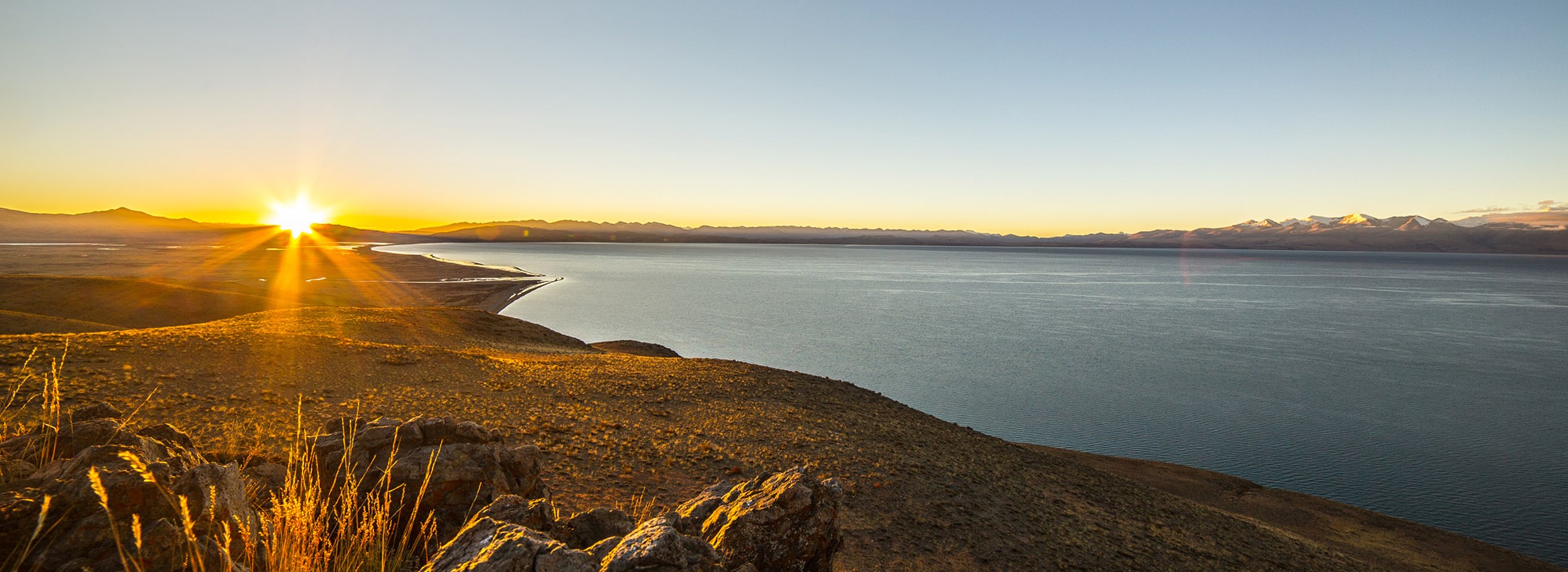
The scenery of Nam Co Lake in Tibet. (Xinhua/Li Xin)

The scenery of the Yamzbog Yumco Lake in Shannan, Tibet. (Xinhua/Jigme Dorje)

Tibetan wild donkeys on a pasture in Zanda County, Tibet. (Xinhua/Jigme Dorje)

The scenery of a part of a glacier in Rutog County of Ngari Prefecture, Tibet. (Xinhua/Jigme Dorje)

Banggong Co in Ngari Prefecture, Tibet. (Xinhua/Jigme Dorje)

Black-necked cranes in Linzhou County of Lhasa, Tibet. (Xinhua/Zhang Rufeng)

Glacier on the foot of Mount Qomolangma (Mount Everest) in Tibet. (Xinhua/Purbu Zhaxi)

Tangra Yumco Lake in Nagqu, Tibet. (Xinhua/Purbu Zhaxi)

Tibetan antelopes in Qiangtang National Nature Reserve in Tibet. (Xinhua/Purbu Zhaxi)

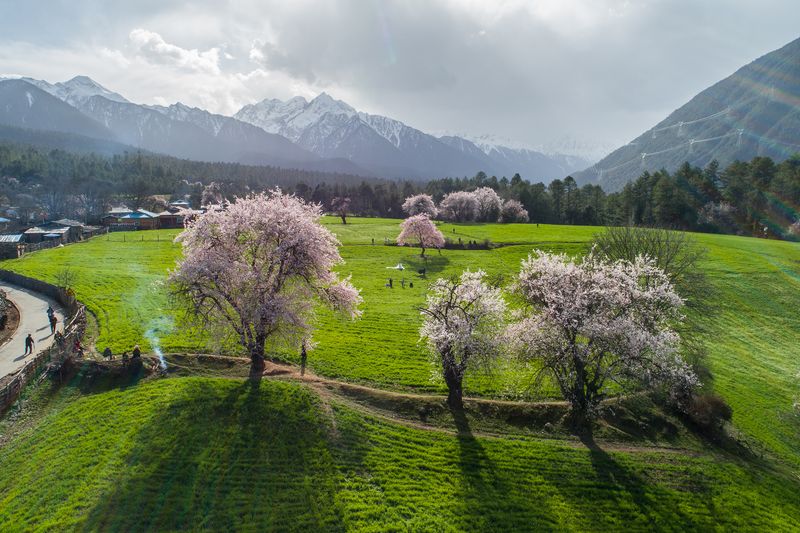
Peach flowers in the suburb of Lhasa, Tibet. (Xinhua/Purbu Zhaxi)

Trees planted along banks of the Yarlung Zangbo River (Brahmaputra River) in Tibet. (Xinhua/Purbu Zhaxi)

Lhalu Wetland National Nature Reserve in Lhasa, Tibet. (Xinhua/Purbu Zhaxi)

TIBETAN IDENTITY PERVADES TIBETAN AIRSPACE

TIBETAN NATION-TIBETAN IDENTITY-TIBETAN AIRSPACE

TIBETAN NATION-TIBETAN IDENTITY-TIBETAN AIRSPACE.

I experience Tibetan Identity when using Tibetan Airspace of Tibetan Nation.

Rudra Narasimham Rebbapragada

SPECIAL FRONTIER FORCE

Fly Over Lhasa in Tibet

Source: Xinhua| 2019-08-15 14:58:31|Editor: huaxia

My Prayers to Lhasa River.

Stunning aerial shots display captivating scenery of Lhasa at an altitude of 3,650 meters above sea level.

LHASA, Aug. 15, 2019 (Xinhua) — Lhasa, capital of Tibet, saw more than 6.42 million visitors to the city in the first half of 2019, up 18.72 percent year on year, according to the local tourism authorities.

The city raked in 10.9 billion yuan (1.58 billion U.S. dollars) from tourism in the same period, up 25.46 percent year on year, according to the Lhasa tourism development bureau.

Lhasa is home to some of the most renowned cultural and tourist sites such as the Potala Palace and Jokhang Temple.

The Potala Palace in Lhasa, the capital city of Tibet, Aug. 10, 2019. (Xinhua/Wang Yiliang)

Aerial view of the old town of Lhasa, the capital city of Tibet, Aug. 10, 2019. (Xinhua/Purbu Zhaxi)

The Potala Palace in Lhasa, the capital city of Tibet, Aug. 10, 2019. (Xinhua/Hou Dongtao)

Aerial view of the old town of Lhasa, the capital city of Tibet, May 16, 2019. (Xinhua/Zhang Rufeng)

The Potala Palace in Lhasa, the capital city of Tibet, Aug. 10, 2019. (Xinhua/Jigme Dorje)

The Lhalu wetland in Lhasa, the capital city of Tibet, June 5, 2019. (Xinhua/Purbu Zhaxi)

The Potala Palace square in Lhasa, Capital City of  Tibet, Aug. 10, 2019. (Xinhua/Wang Yiliang)

Aerial view of the old town of Lhasa, the capital city of Tibet, Aug. 10, 2019. (Xinhua/Jigme Dorje)

The Jokhang Temple in Lhasa, the capital city of Tibet, Aug. 10, 2019. (Xinhua/Purbu Zhaxi)

Aerial photo taken on Aug. 10, 2019, shows the Jokhang Temple in Lhasa, the capital city of Tibet, Aug. 10, 2019. (Xinhua/Purbu Zhaxi)

Aerial photo taken on Aug. 10, 2019, shows the Jokhang Temple in Lhasa, capital city Tibet. (Xinhua/Purbu Zhaxi)

The New Bridge in Lhasa, the capital city of Tibet, April 3, 2019. (Xinhua/Jigme Dorje)

The old town of Lhasa, the capital city of  Tibet, Aug. 10, 2019. (Xinhua/Purbu Zhaxi)

TIBETAN NATION-TIBETAN IDENTITY-TIBETAN AIRSPACE

LADAKH, THE BATTLEFIELD TO TEST THE US-INDIA-TIBET ALLIANCE

LADAKH, THE BATTLEFIELD TO TEST THE US-INDIA-TIBET ALLIANCE

Ladakh, the Battlefield to test the US-India-Tibet Alliance.

In my analysis, the importance of Ladakh lies in its value as the Battlefield to test the US-India-Tibet Alliance.

Rudra Narasimham Rebbapragada
Ann Arbor, Michigan, 48104-4162. USA
SPECIAL FRONTIER FORCE

Ladakh: the good, bad and ugly sides to India’s ‘Little Tibet’, high in the Himalayas

  • A new tunnel will provide year-round access to an area usually cut off by snow for seven months of the year
  • Even without it, Ladakh’s resources and environment are already being stretched to breaking point
Tim Pile

Tim Pile

Published: 1:45 pm, 1 Aug 2019

Pangong Tso, the highest salt lake in India. Photo: Shutterstock
Ladakh, the Battlefield to test the US-India-Tibet Alliance.

Pangong Tso, the highest salt lake in India. Photo: Shutterstock

The good

Known as Little Tibet due to a shared cultural and religious heritage, Ladakh (now, Union Territory of India) in the Indian State of Jammu and Kashmir, is about the size of England, with a population similar in number to that of the Hong Kong district of Wan Chai.

The name derives from “la dags” meaning “land of mountain passes” and it’s a region characterized by high-altitude desert hemmed in by the mighty Himalayan and Karakoram ranges.

Cut off from the rest of the country by snow for seven months of the year, India’s northernmost region comes alive in summer. Deserts with the texture of eczema are lubricated by rivers swollen with snowmelt and the run-off from dazzling turquoise lakes.

To reach Ladakh overland involves a journey along one of the world’s highest altitude roads. Photo: Tim Pile
Ladakh, the Battlefield to test the US-India-Tibet Alliance.


To reach Ladakh overland involves a journey along one of the world’s highest altitude roads. Photo: Tim Pile

Shaven-headed monks emerge from brilliant-white monasteries and squint in the piercing sunlight. Talking of which, Ladakh will soon be home to the world’s largest single-location solar photovoltaic plant.

It could certainly do with the extra energy – tourism is booming and has brought tangible economic benefits. In all, 327,366 people visited the city of Leh in 2018, a whopping 50,000 increase on the previous year.

The former royal palace in Leh.
Ladakh, the Battlefield to test the US-India-Tibet Alliance.


The former royal palace in Leh.

Many arrive in the state capital after completing one of the world’s great road trips. The 475km journey from Manali, in neighboring Himachal Pradesh, takes travelers between razor-sharp peaks and over high passes, including the 5,359-metre Khardung La, along one of the highest paved roads in the world.

The drive will become easier next year with the completion of the Rohtang Tunnel, a trans-Himalayan short cut that will reduce travel times and ensure year-round connectivity to Ladakh. A long-awaited railway line from Bilaspur to Manali and Leh will further open up the pristine region by 2022.

In another boost to the tourism sector, Prime Minister Narendra Modi inaugurated five new trekking routes during a visit to Leh in February.

Two locals, one with a Buddhist prayer wheel. Photo: Tim Pile
Ladakh, the Battlefield to test the US-India-Tibet Alliance.


Two locals, one with a Buddhist prayer wheel. Photo: Tim Pile

Before heading onto the mountain trails, get a feel for Leh by visiting the former royal palace. The 17th-century structure was modeled on the Potala Palace, in Tibet, and offers panoramic views of the dusty, medieval-looking settlement.

Besides its temples, markets, and monasteries, Leh is a city to observe and absorb. Pick a cafe, order a cup of yak-butter tea, relax and let the sights, smells, noise and color wash over you. Ladakh’s position at the crossroads of ancient trade routes can be seen in the weathered faces of its inhabitants. Kashmiri merchants rub shoulders with shepherds and Tibetan monks haggle with Punjabi businessmen.

The best-known of Ladakh’s attractions is a six-hour drive from Leh. Pangong Tso is the highest salt lake in India. The beauty spot draws movie buffs and Instagram­mers keen to see where the final scene of 2009 Bollywood blockbuster 3 Idiots was filmed.

Leh is a city of temples, and culturally close to Tibet in China. Photo: Tim Pile
Ladakh, the Battlefield to test the US-India-Tibet Alliance.


Leh is a city of temples, and culturally close to Tibet. Photo: Tim Pile

Next stop should be the spectacular Nubra Valley. Herders populate the high desert in summer, their yaks grazing near the snowline while tourists sign up for Bactrian camel safaris on the sand dunes of Hunder village, once a Silk Road staging post.

The bad

The farming of barley, wheat, and vegetables happen in a hurry hereabouts. No sooner are crops sown in the thin Ladakhi soil than winter starts drawing in and the ground becomes frozen solid for months on end. It’s enough to make villagers throw in the towel and head for the bright lights of Leh. That’s where fortunes are made, after all.

Except they’re not. Well, not for most Ladakhis anyway. The aforementioned tangible economic benefits accrue only to a small group of tour operators, hotel owners, and merchants, many of whom are from elsewhere in India and come to Leh solely for the tourist season.

A traffic jam at Khardung La. Photo: Tim Pile
Ladakh, the Battlefield to test the US-India-Tibet Alliance.


A traffic jam at Khardung La. Photo: Tim Pile

Subsistence farmers, who make up most of the popula­tion, have seen little improvement in their living conditions but are left to deal with the negative social, environmental and psychological impact of Ladakh’s change from an economy based on self-reliance to one driven by external market forces.

Writer and filmmaker Helena Norberg-Hodge feels the West has much to learn from the traditional Ladakhi way of life in terms of sustainability, diet, family values, and overall happiness. But instead, waves of wealthy outsiders descend on the pre-indus­trial region and leave locals, particularly the younger generation, feeling self-con­scious, backward and poor.

Tourism industry wages aren’t anywhere near enough for them to emulate the high consumption habits of rich visitors, so illegal means are adopted. Theft, once unheard of in Ladakh, has become a problem, as have children pestering people for money.

Feral cattle graze on rubbish left on the street. Photo: Shutterstock
Ladakh, the Battlefield to test the US-India-Tibet Alliance.


Feral cattle graze on rubbish left on the street. Photo: Shutterstock

An estimated 30,000 plastic water bottles are dumped in Leh every day. Like nearly everything else, they were trucked in across the Himalayas from thousands of kilometers away. Then there’s the diesel emitted from cars idling in traffic jams at Khardung La and other high-altitude bottlenecks.

The new Rohtang Tunnel will enable ever more sightseers to reach Ladakh but does little to suggest an enlightened model of sustainable travel is on the cards.

In recent years there has been a surge in the number of domestic tourists drawn up from the baking Indian plains by the snow-capped scenery that appears in television advertisements and Bollywood block­busters. In fact, 3 Idiots may end up being responsible for more damage to Ladakh’s environment than almost anything else.

A van negotiates a road fringed by deep snow. Diminishing snowfall is evidence of the impact of climate change in Ladakh. Photo: Tim Pile
Ladakh, the Battlefield to test the US-India-Tibet Alliance.


A van negotiates a road fringed by deep snow. Diminishing snowfall is evidence of the impact of climate change in Ladakh. Photo: Tim Pile

Almost. The effects of global climate breakdown are increasingly evident in the ecologically fragile Himalayas – just ask the locals. Ladakhis say they have never witnessed such erratic climatic conditions. Flash floods caused by short but heavy downpours are worrying enough, but a pattern of diminishing snowfall and resulting drought has more serious long-term implications.

The glacier on which Leh depends is predicted to melt completely within five or six years and hoteliers are already drilling boreholes in search of elusive groundwater.

The shortage isn’t helped by the rush to modernize. Replacing traditional dry toilets with Western flush systems places greater demands on scarce water resources, for example. As engineer and educator Sonam Wangchuk puts it: “If people from the big cities live simply, then people in the mountains could simply live.”

The ugly

An Air India plane approaches Leh airport. Photo: Shutterstock
Ladakh, the Battlefield to test the US-India-Tibet Alliance.


An Air India plane approaches Leh airport. Photo: Shutterstock

Fly, rather than take the bus, to Leh (3,500 meters above sea level), and the thumping headaches, dehydration and general lethargy that accompany altitude sickness will begin as soon as you reach the baggage carousel. You’ll need to rest for a day or two while the symptoms subside.

The cafes are OK but I’d steer clear of the yak-butter tea. Unless it’s for a bet.

Special Frontier Force – The War on Communism: Chinese military incursion into India demands a response. Expel Chinese nationals visiting India.