SEPTEMBER 07, 2017 – THE COLD WAR IN ASIA – UNCLE SAM’S UNFINISHED KOREA-VIETNAM WAR

SEPTEMBER 07, 2017 – THE COLD WAR IN ASIA – UNCLE SAM’S UNFINISHED KOREA-VIETNAM WAR

SEPTEMBER 07, 2017 – THE COLD WAR IN ASIA – UNCLE SAM’S UNFINISHED KOREA-VIETNAM WAR

On September 07, 2017 Uncle Sam’s Korea-Vietnam War remains unfinished. Uncle Sam’s real Enemy is neither Korea nor Vietnam. The real Enemy is the threat of spread of Communism in Asia. Nixon-Kissinger paved the way for Communist China’s admission to the United Nations and as Permanent Member of UN Security Council. Uncle Sam will never get the opportunity again to pass resolution in the United Nations for the use of force to repel the Communist North Korea.

Rudranarasimham Rebbapragada

DOOM DOOMA DOOMSAYER

UNITED NATIONS DEFEATS SOVIET MOTION – SEPTEMBER 07, 1950

Clipped from: http://www.history.com/this-day-in-history/united-nations-defeats-soviet-motion?

Cold War

1950

Slightly more than two months after the United Nations approved a U.S. resolution calling for the use of force to repel the communist North Korean invasion of South Korea, the Security Council rejects a Soviet resolution that would condemn the American bombing of North Korea. The Security Council action was another victory for the United States in securing U.N. support for the war in Korea.

In June 1950, armed forces from communist North Korea attacked South Korea. Days after the invasion, the United States secured approval in the U.N.’s Security Council for a resolution calling for the use of force to repel the communists. The Soviet Union could have vetoed the resolution, but its representatives were boycotting the Security Council because of the U.N. decision not to seat the communist government of the People’s Republic of China. Just a few days after the Security Council resolution was passed, President Harry S. Truman ordered U.S. military forces into South Korea. The introduction of the U.S. forces turned the tide of the war, and by September 1950, the North Korean forces were in retreat and U.S. planes were bombing military targets inside North Korea. On September 7, the Soviet representative on the Security Council proposed a resolution condemning the United States for its “barbarous” bombing of North Korea. Referring to U.S. policies in Korea as “Hitlerian,” the Russian representative called the bombings “inhuman.” The U.S. representative responded by charging the North Koreans with numerous war crimes, including murdering prisoners of war. He also denied that the bombings were “inhuman,” insisting that the United States was using every effort to warn North Korean civilians to stay away from the military targets being hit. He concluded by stating, “The moral is plain: Those who sow the wind will reap the whirlwind. Moral guilt rests heavily upon the aggressors.” By a vote of 9 to 1, the Security Council defeated the Soviet resolution, with only the Russian representative voting to support it.

The Security Council defeat of the Russian resolution was another victory for the United States in securing U.N. support for the war effort in Korea. This war marked the first time the United Nations had ever approved the use of force, and U.S. officials were determined to maintain U.N. support for what was, in effect, a U.S. military effort. America supplied the vast majority of the ground, air, and sea forces that responded to the Security Council’s resolution calling for the use of force in Korea. The Soviets, sensing the grave consequences of their absence from the vote on that resolution, now desperately tried to attack U.S. actions in Korea. As they discovered with the crushing defeat of their resolution condemning the U.S. bombings, it was too late.

Also on this day

1813

United States nicknamed Uncle Sam

On this day in 1813, the United States gets its nickname, Uncle Sam. The name is linked to Samuel Wilson, a meat packer from Troy, New York, who supplied barrels of beef to the United States Army during the War of 1812.Wilson (1766-1854) stamped the barrels with “U.S.” for United…

Vietnam War

1965

Marines launch Operation Piranha

U.S. Marines and South Vietnamese forces launch Operation Piranha on the Batangan Peninsula, 23 miles south of the Marine base at Chu Lai. This was a follow-up to Operation Starlight, which had been conducted in August. During the course of the operation, the Allied forces stormed a stronghold…

1967

McNamara Line announced

U.S. Secretary of Defense Robert S. McNamara announces plans to build an electronic anti-infiltration barrier to block communist flow of arms and troops into South Vietnam from the north at the eastern end of the Demilitarized Zone (DMZ). The “McNamara Line,” as it became known, would employ state-of-the-art, high-tech…

Created with Microsoft OneNote 2016.

STAND UP FOR NATURAL RIGHTS OF JEWS AND TIBETANS

STAND UP FOR NATURAL RIGHTS OF JEWS AND TIBETANS

STAND UP FOR NATURAL RIGHTS OF JEWS AND TIBETANS IN THEIR HOMELANDS.

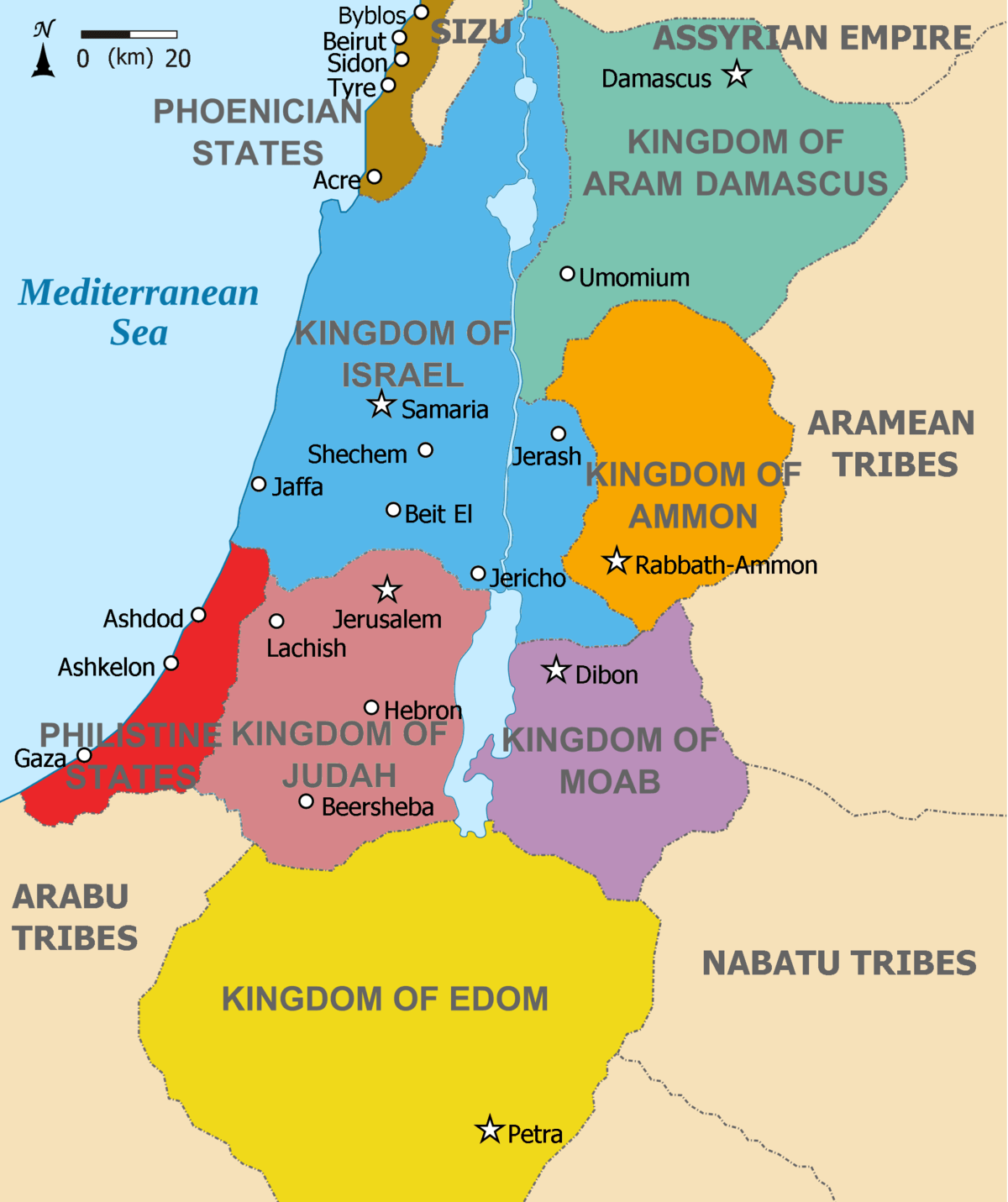
I stand up for Natural Rights of Jews to live in Judea and Samaria; and I stand up for Natural Rights of Tibetans to their ancestral Homeland. I support His Holiness the Dalai Lama’s Five-Point Peace Plan to stop Communist China’s Colonization of Tibet.

Rudranarasimham Rebbapragada

DOOM DOOMA DOOMSAYER

STAND UP FOR NATURAL RIGHTS OF JEWS AND TIBETANS. I SUPPORT DALAI LAMA’S FIVE-POINT PEACE PLAN. UNITE TIBET. STOP HAN CHINESE COLONIZATION OF TIBET.
STAND UP FOR NATURAL RIGHTS OF JEWS AND TIBETANS. STOP HAN CHINESE COLONIZATION OF TIBET.

BLOG: UN: JEWS CAN’T LIVE IN JUDEA AND SAMARIA, BUT 7.5 MILLION CHINESE CAN COLONIZE TIBET

STAND UP FOR NATURAL RIGHTS OF JEWS TO LIVE IN JUDEA AND SAMARIA.

http://www.americanthinker.com/blog/2017/08/un_jews_cant_live_in_judea_and_samaria_but_75_million_chinese_can_colonize_tibet.html

August 31, 2017

By Ezequiel Doiny

On August 30, 2017 Bloomberg reported,

“United Nations Secretary-General Antonio Guterres called on Israel to stop settlement construction in the West Bank…. We believe that settlement activity is illegal under international law.”

Why has United Nations Secretary-General Antonio Guterres never made similar statements about Tibet?

Stand Up for Natural Rights of Tibetans. Stop Han Chinese Tibet Colonization.

Tibetan students in New Delhi demonstrate at UN Information Center (photo: R.T.Y Rohini)

In his 5-point peace plan, the Dalai Lama called to stop Chinese colonization of Tibet.

“When the newly formed People’s Republic of China invaded Tibet in 1949/50, it created a new source of conflict.  This was highlighted when, following the Tibetan national uprising against the Chinese and my flight to India in 1959, tensions between China and India escalated into the border war in 1962.  Today large numbers of troops are again massed on both sides of the Himalayan border and tension is once more dangerously high.

“The real issue, of course, is not the Indo-Tibetan border demarcation.  It is China’s illegal occupation of Tibet, which has given it direct access to the Indian sub-continent.  The Chinese authorities have attempted to confuse the issue by claiming that Tibet has always been a part of China.  This is untrue.  Tibet was a fully independent state when the People’s Liberation Army invaded the country in 1949/50.

“Since Tibetan emperors unified Tibet, over a thousand years ago, our country was able to maintain its independence until the middle of this century.  At times Tibet extended its influence over neighboring countries and peoples and, in other periods, came itself under the influence of powerful foreign rulers – the Mongol Khans, the Gorkhas of Nepal, the Manchu Emperors and the British in India.

“It is, of course, not uncommon for states to be subjected to foreign influence or interference.  Although so-called satellite relationships are perhaps the clearest examples of this, most major powers exert influence over less powerful allies or neighbours.  As the most authoritative legal studies have shown, in Tibet’s case, the country’s occasional subjection to foreign influence never entailed a loss of independence.  And there can be no doubt that when Peking’s communist armies entered Tibet, Tibet was in all respects an independent state…

“Human rights violations in Tibet are among the most serious in the world.  Discrimination is practiced in Tibet under a policy of ‘apartheid’ which the Chinese call ‘segregation and assimilation’.  Tibetans are, at best, second class citizens in their own country.  Deprived of all basic democratic rights and freedoms, they exist under a colonial administration in which all real power is wielded by Chinese officials of the Communist Party and the army.

“Although the Chinese government allows Tibetans to rebuild some Buddhist monasteries and to worship in them, it still forbids serious study and teaching of religion.  Only a small number of people, approved by the Communist Party, are permitted to join the monasteries.

“While Tibetans in exile exercise their democratic rights under a constitution promulgated by me in 1963, thousands of our countrymen suffer in prisons and labor camps in Tibet for their religious or political convictions…

“The massive transfer of Chinese civilians into Tibet in violation of the Fourth Geneva Convention (1949), threatens the very existence of the Tibetans as a distinct people.  In the eastern parts of our country, the Chinese now greatly outnumber Tibetans.  In the Amdo province, for example, where I was born, there are, according to the Chinese statistics, 2.5 million Chinese and only 750,000 Tibetans.  Even in the so-called Tibet Autonomous Region (i.e., central and western Tibet), Chinese government sources now confirm that Chinese outnumber Tibetans.

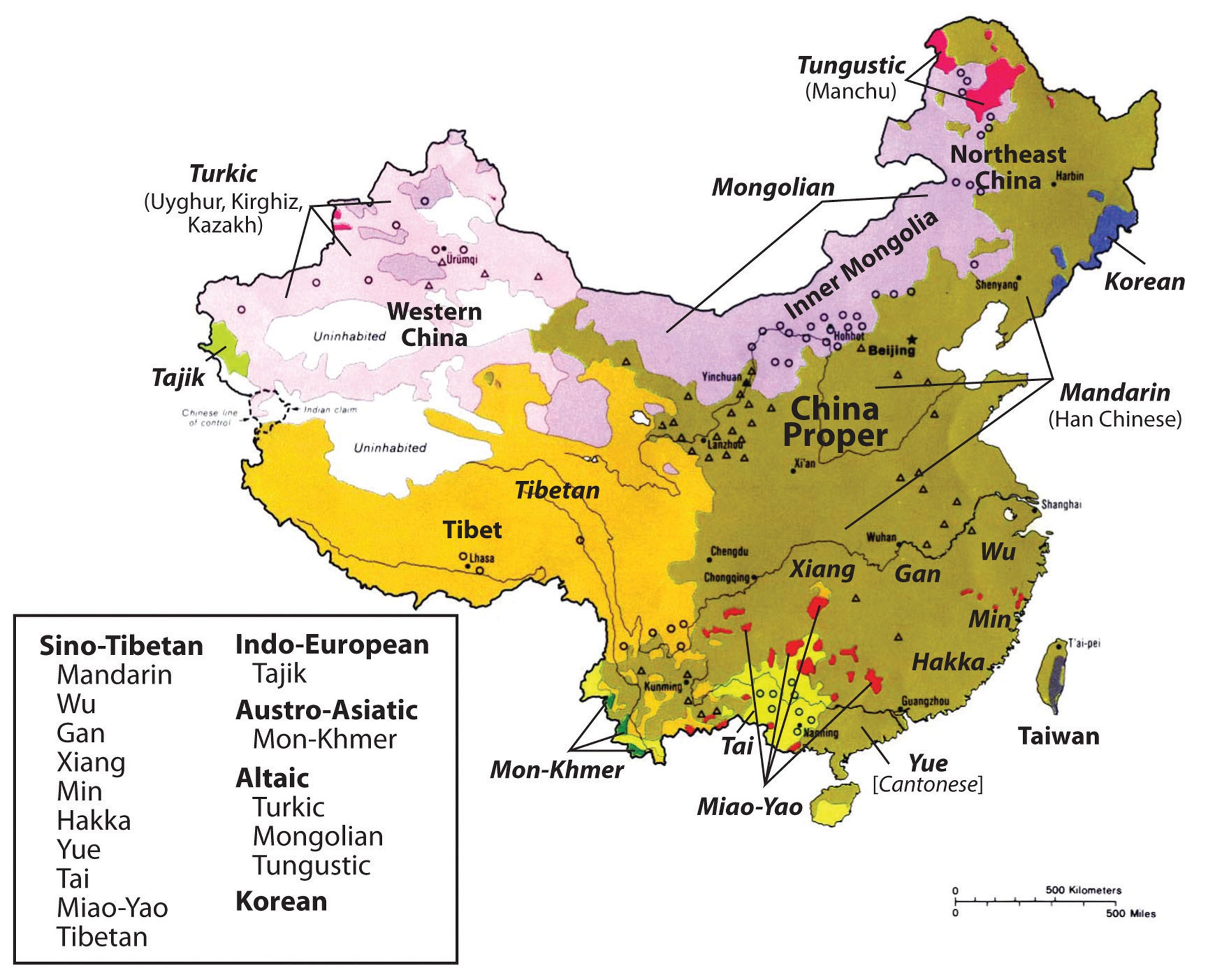
“The Chinese population transfer policy is not new.  It has been systematically applied to other areas before.  Earlier in this century, the Manchus were a distinct race with their own culture and traditions.  Today only two to three million Manchurians are left in Manchuria, where 75 million Chinese have settled.  In Eastern Turkestan, which the Chinese now call Sinkiang, the Chinese population has grown from 200,000 in 1949 to 7 million, more than half of the total population of 13 million.  In the wake of the Chinese colonization of Inner Mongolia, Chinese number 8.5 million, Mongols 2.5 million.

“Today, in the whole of Tibet 7.5 million Chinese settlers have already been sent, outnumbering the Tibetan population of 6 million.  In central and western Tibet, now referred to by the Chinese as the “Tibet Autonomous Region”, Chinese sources admit the 1.9 million Tibetans already constitute a minority of the region’s population.  These numbers do not take the estimated 300,000-500,000 troops in Tibet into account – 250,000 of them in so-called Tibet Autonomous Region.

“For the Tibetans to survive as a people, it is imperative that the population transfer is stopped and Chinese settlers return to China.  Otherwise, Tibetans will soon be no more than a tourist attraction and relic of a noble past. “

Why has United Nations Secretary-General Antonio Guterres never complained about Chinese settlements in Tibet as he complains against Jewish settlements?

In a better analogy of the Arab-Israeli conflict, Israel plays the role of Tibet, the dozens of Arab countries that surround it are like China. The Palestinian Arabs serve as the spearhead of the dozens of Arab Nations that are trying to engulf the world’s only Jewish State (smaller than New Jersey) the same way gigantic China is trying to absorb Tibet.

Since United Nations Secretary-General Antonio Guterres is not planning to go to the Tibet to condemn the Chinese presence there as illegal, he should not come to Israel to call for the ethnic cleansing of Jews from Judea and Samaria.

Stand Up for Natural Rights of Tibetans. Stop Han Chinese Colonization of Tibet, Inner Mongolia, Manchuria, and East Turkestan.

THE COLD WAR IN ASIA – INDIA – CHINA FEUD


THE COLD WAR IN ASIA – INDIA – CHINA FEUD


Border disputes and Border conflicts along Himalayan Frontier are mere symptoms of ‘The Cold War in Asia’. India – China feud will not be over until and unless the underlying problem is resolved. In the past, the United States fought bloody wars in Korea and Vietnam to contain the spread of Communism in Asia. I speak of ‘Unfinished Vietnam War’ as that War concluded prematurely without resolving the problem posed by Communism.


Rudranarasimham Rebbapragada

DOOM DOOMA DOOMSAYER


As China-India feud ebbs, tiny Bhutan reexamines its place in the world


By Annie Gowen


Asia & Pacific

August 29 at 2:24 PM


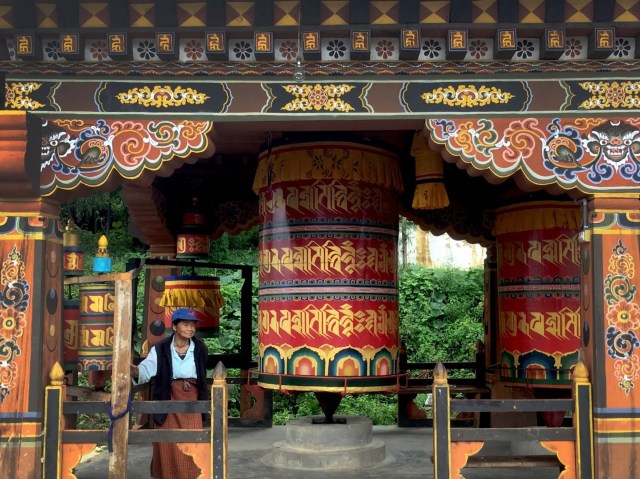
A woman stands near prayer wheels at an eighth-century temple in Paro, Bhutan. (Annie Gowen/The Washington Post)

THIMPHU, Bhutan — During the long weeks soldiers from two of the world’s largest armies camped on their doorstep, officials in the tiny Buddhist kingdom of Bhutan maintained a meditative silence.

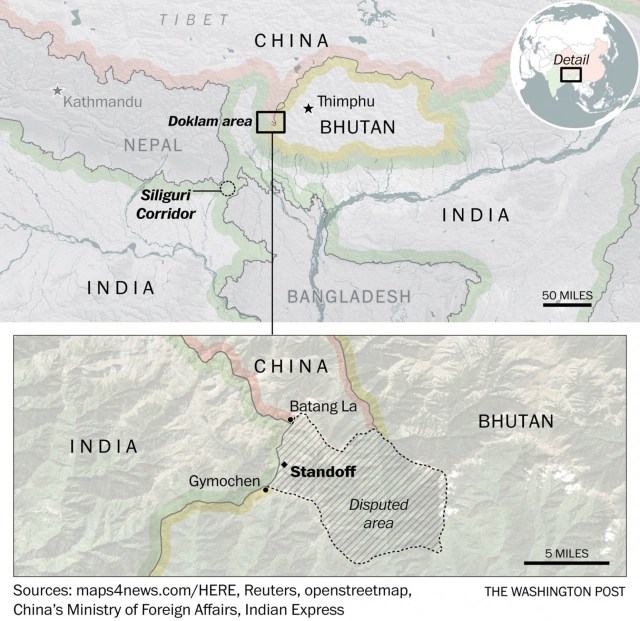
Government leaders resolutely declined to comment, and even the Bhutanese media largely refrained from covering the standoff, which began in mid-June when Indian troops crossed into a remote plateau claimed by Bhutan and confronted Chinese soldiers preparing to build a road there.

When the respective armies began withdrawing from the Doklam area Monday, the Himalayan nation of just under 800,000 finally exhaled, and analysts said that its temperance had helped defuse tension between the two nuclear-armed powers.

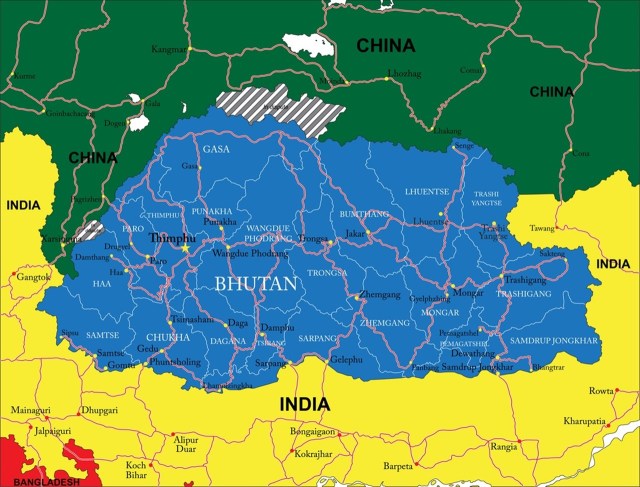
For years, Bhutan — a landlocked nation squeezed between the Tibet plateau to its north and India to its east, south and west — has trod a delicate balancing act between China and its great patron, India, which trains its soldiers, buys its hydroelectric power and gives it $578 million a year in aid.

In the country’s capital of Thimphu, India’s influence can be seen everywhere — from the army officers jogging on its streets to the laborers on Indian projects to build mountain roads.

“Bhutan is really caught between two sides, and the confrontation at Doklam has brought everything to the surface,” said Nirupama Menon Rao, India’s former foreign secretary and ambassador to China. “Bhutan has played this game of survival for a long, long time. Nobody does it better than them.”

But the dispute caused many in Bhutan to call for the country to reevaluate its close — some say suffocating — relationship with its southern neighbor.

“If India’s border closed tomorrow, we would run out of rice and a lot of other essentials in a few days. That is how vulnerable we are,” said Needrup Zangpo, the executive director of the Journalist Association of Bhutan. “Many Bhutanese resent this.”

The country — with stunning mountain passes, rippling Buddhist prayer flags and ancient temples — was until recently a monarchy, its villages isolated from much of the world for most of the past century. Television arrived in 1999, and even now, only about 60,000 tourists from outside the region visit each year, paying a hefty $250-a-day visa fee during the high season.

The tiny Himalayan nation of Bhutan was thrust into an international showdown as militaries from China and India were locked in a two-month standoff on a remote plateau in territory claimed by both Bhutan and China. (Annie Gowen/The Washington Post)

Its beloved and progressive fourth king, Jigme Khesar Namgyel Wangchuck, set the country on the path to democracy in 2008 and popularized the “gross national happiness” indicator, which rates quality of life, preservation of culture and environmental protection over economic output. In a 2015 study, more than 90 percent of residents said they experienced some level of happiness.

Bhutan’s long ties with India, by far its largest trading partner, were cemented in 1958, when India’s first prime minister, Jawaharlal Nehru, traveled through the mountains on a yak. The two countries already had agreed, in a 1949 treaty, that India would guide its foreign policy; the terms were softened and modified in 2007.

Bhutan has an ongoing border dispute and no official diplomatic ties with China, and India has frowned upon any change in this status quo. India cut off a cooking gas subsidy in 2013 because, some analysts said, it feared Bhutan’s then-government was growing closer to its northern neighbor. India has long seen Bhutan as an important ally against Chinese expansionism in the region.

A man spins a prayer wheel at the Memorial Stupa in Thimphu. (Annie Gowen/The Washington Post)

Thimphu is a still-quiet valley town, dotted with traditionally painted homes and apartments, that has modernized rapidly in the past 10 years and recently began having traffic jams.

Many of its younger, educated residents — who followed the China-India conflict on their mobile phones, via social media — said that the weeks-long standoff had raised questions about Bhutan’s place in the world and whether the country was being well served by maintaining such a close relationship with India while holding China at arm’s length.

Many of the tenants of Thimphu Tec Park, a government-owned business park that opened in 2011 as a symbol of the country’s aspirations, took a pragmatic view of China — saying they see it as a potential marketplace for fledgling Bhutanese entrepreneurs. Bhutan has long looked inward, they said, and now needs to start looking outward.

“I think because we are in a global community now, we should have good relations with both China and India,” said Jigme Tenzin, the young chief executive of Housing.bt, an online real estate portal. Unlike some of his peers, he cheerfully wears his gho, the robe-like garment that is the country’s national dress, including to international conferences, saying it helps set him apart from other Asian entrepreneurs.

When the Tec Park opened, it initially did not do well. But today, it has more than 700 Bhutanese employees, offices for several foreign companies and an incubation center for start-ups. One of the companies is trying to create a children’s cartoon in Bhutan’s national language, Dzongkha, to compete with the Hindi cartoons broadcast from India.

world

Launching a real estate start-up in a country where only about 37 percent of people are on the Internet has been a challenge, Tenzin says, as the needs of millennial apartment seekers do not always match up with the offerings of older property owners, most of whom are not online. He and his small band of employees ended up having to go door to door with brochures, trying to educate people.

“We’re in the middle of one foot in the future and one foot in the past,” he said with a laugh. “This transition is killing me.”

Three young boys pose for a photo at an eighth-century Buddhist temple in Thimphu, the capital of Bhutan. (Annie Gowen/The Washington Post)


Annie Gowen is The Post’s India bureau chief and has reported for the Post throughout South Asia and the Middle East.

Follow @anniegowen


Sat Mohabir

5:04 PM EDT

The picture is one-sided if you only look at India’s role in Bhutan. China has been making territorial claims against Bhutan one little slice at a time so much so that Bhutan’s highest mountain peak was ceded to China. Bhutan has lost significant territory to China already reducing its area from about 47.000 sq. km to about 38,000 sq. km and China still has border claims against Bhutan.  


If you think that China will stop claiming Bhutanese territory, you just have to look at the Philippines. “a Philippine lawmaker, Congressman Gary Alejano, released images showing Chinese coast guard, naval, and civilian vessels within a stone’s throw of Pag-asa, or Thitu, Island — a significant Philippine possession in the disputed Spratly group. ” And this is happening after a friendly relationship was established with Duterte. 


Or, you can look at Mongolia. China turned the screws on trade with Mongolia after Mongolia had the audacity to host the Dalai Lama. After Mongolia cried uncle and promised not to invite the Dalai Lama again, trade was normalized. 


We can look at the structure of loans China has made to friendly countries and see who is the main beneficiary but we will save that for another day. 


In other words, China is not the friendly power that those with rose-colored glasses portray it to be in comparison to India.


Rudranarasimham Rebbapragada

5:01 PM EDT

The Cold War in Asia: 


Border disputes, and Border conflicts along Himalayan Frontier are mere symptoms of ‘The Cold War in Asia’. The single-party governance of People’s Republic of China with no transparency and public accountability remains the core issue. In the past, United States fought bloody battles in Korea, and Vietnam to contain the spread of Communism in Asia. I speak of ‘Unfinished Vietnam War’ for that War concluded without resolving the problem.


  • washingtonpost.com
  • © 1996-2017 The Washington Post


Inserted from <https://www.washingtonpost.com/world/asia_pacific/as-china-india-feud-ebbs-tiny-bhutan-re-examines-its-place-in-the-world/2017/08/29/2820948a-8827-11e7-96a7-d178cf3524eb_story.html?utm_term=.6e2e1f7bf60c#comments>


THE COLD WAR IN ASIA – MAO ZEDONG DEAD WRONG IN TIBET

THE COLD WAR IN ASIA – MAO ZEDONG DEAD WRONG IN TIBET


Rudranarasimham Rebbapragada

Border tensions and border conflicts along Himalayan Frontier are mere symptoms of ‘The Cold War in Asia’. It started with Communist Party Chairman Mao Zedong’s Evil Plan of Expansionism. Mao Zedong ‘Dead Wrong’ in Tibet. He died but his Evil Plan still survives posing threat to Freedom, Democracy, Peace, and Justice in the entire Himalayan Territory shared by Tibet, India, Bhutan, and Nepal.

Rudranarasimham Rebbapragada

Doom Dooma Doomsayer

India, China agree to pull back troops to resolve tense border dispute

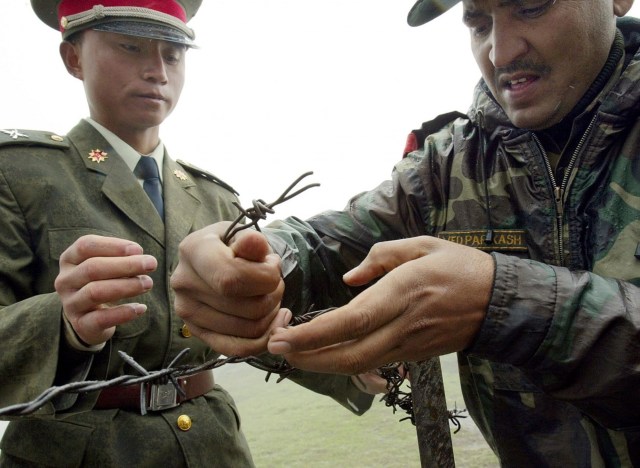
In July 2006, a Chinese and an Indian soldier place a barbed wire fence at a border crossing after a meeting between leaders from the two countries. (Desha-Kalyan Chowdhury/AFP/Getty Images)

By Simon Denyer and Annie Gowen

World

August 28 at 10:07 AM

BEIJING — India and China have withdrawn troops from a disputed Himalayan region on the border with China, foreign ministries from the two countries announced Monday, defusing a tense standoff that had threatened to provoke armed conflict between the nuclear-armed Asian rivals.

For the past two months, Indian and Chinese troops had faced off on a plateau in the Doklam area in the Himalayas, after Indian troops moved in to prevent the Chinese military from building a road into territory claimed by India’s close ally, Bhutan.

China had repeatedly and furiously denounced the Indian move as a direct infringement of its sovereignty, demanded an immediate and unconditional withdrawal, and warned that conflict was a real possibility if that didn’t happen.

[China and India are dangerously close to military conflict in the Himalayas]

On Monday, the two sides announced they had reached an agreement, with India saying its troops were disengaging, and China saying it would redeploy forces in response. By the evening, India said both sides had almost completed their withdrawal.

But it was not clear from both sides’ public statements if Beijing had offered any concessions in return for the Indian withdrawal, such as agreeing to halt the construction of the road. 

China said it would continue to patrol and garrison the area — as well as exercise its sovereign rights.

In a short statement, India’s Ministry of External Affairs said the two countries had maintained diplomatic communication over the dispute in recent weeks.

“During these communications, we were able to express our views and convey our concerns and interests,” it said. “On this basis, expeditious disengagement of border personnel at the face-off site at Doklam has been agreed to and is on-going.”

Later, it confirmed that forces from both sides were pulling back, adding that this process was “almost completed under verification.”

China’s Foreign Ministry said it was happy to confirm that all Indian “individuals and facilities” have withdrawn to the India side of the border. It also implied it would be reducing troop numbers in response to the Indian redeployment.

“The Chinese frontier defense force will continue to patrol and garrison in the Doklam area,” spokeswoman Hua Chunying told a regular news conference. “The situation at the spot has changed, and China will adjust and deploy according to current situation.”

Indian troops reportedly clashed with Chinese soldiers on Aug. 15. Tensions have been rising since Indian troops were sent to a remote area of the border in June to block China from building a road. (Reuters)

Hua said China will “exercise its sovereign rights according to the historical treaty and guard its territorial sovereignty.” 

China maintains the area in question was listed as on its side of the border under the 1890 “Convention Between Great Britain and China Concerning Sikkim and Tibet.”

Neither side, though, was willing to admit to having backed down.

“We remind India to learn the lessons from this incident, tangibly abide by the historical treaties and the basic principles of international law, and to meet China halfway, jointly guard the peace and tranquility of the border areas, and promote a healthy development of bilateral military relations,” Chinese Defense Ministry spokesman Wu Qian said in a statement.

India said it had always insisted on resolving the dispute through diplomatic channels. “Our principled position is that agreements and understandings reached on boundary issues must be scrupulously respected,” the Ministry of External Affairs said.

An Indian foreign ministry official also told the Associated Press that the two sides had agreed to return to the “status quo,” while cable news channel NDTV reported that Chinese bulldozers had been moved away, and road construction stopped, according to its sources — implying that India’s demand had been met.

Earlier on Monday, the state-owned China Daily newspaper had warned that India stood “to face retribution” over the incident, arguing that New Delhi was complacent if it thought China was not prepared for military conflict if necessary.

But Beijing will also have wanted to resolve the dispute ahead of a meeting scheduled to take place in China this weekend of heads of state from “BRICS” countries, a bloc composed of Brazil, Russia, India, China and South Africa.

“It’s hugely  good news,” said Wang Dehua, an Indian studies expert at the Shanghai Institute for International Studies. 

“We have avoided falling into the situation where two major countries with ancient civilizations become hostile enemies,” Wang said, while cautioning against declaring the incident a diplomatic victory for China.

He said China would try to address India’s security concerns when Prime Minister Narendra Modi visits for the summit but would continue building roads in border areas.

Mao Siwei, former consul general of China in the Indian city of Kolkata, said the statements were deliberately “vague” because of the sensitivity of the issue, and the reluctance of either side to show weakness.

“Judging from experience and common sense, I guess both sides have come to the following agreement: firstly, on principle, China would stop its road building and India would withdraw its troops; secondly, regarding the timing, India would withdraw first and China would withdraw later.”

In India, some experts also interpreted the statements — and New Delhi’s comments about having raised its security concerns — to mean that China had quietly agreed to stop building the road in question, but would not say so publicly.

“I very much doubt that India would have agreed to withdraw unless it involved, at the very least, a commitment from Beijing that it would halt construction of the disputed road,” said Shashank Joshi, an analyst with the Royal United Services Institute in London. 

“In these cases, clarity is the enemy of face-saving,” he added. “India will probably be comfortable with China spinning the agreement, because New Delhi is likely to have met its objectives: restoring the pre-June status quo. However, I imagine that India will now be vigilant, as China is likely to conduct more aggressive patrolling in Doklam in the future, having had its claims challenged in such serious fashion.”

The tiny Himalayan kingdom of Bhutan was inadvertently swept up into the dispute when Indian soldiers moved from a nearby garrison into territory Bhutan contests with China, to block a road-building crew from China’s People’s Liberation Army.

A few hundred troops from India and China were eventually deployed in a standoff that has produced harsh rhetoric — mostly from the Chinese side — and sparked a period of tension between the neighbors not seen for decades, analysts have said.

Although India and China have often sparred over the disputed areas along their estimated 2,200-mile border — and fought a brief war over it in 1962 — this clash was unusual because it involved a third country and came at a time when relations between India and China were at a low ebb.

Whether India — long a patron of Bhutan — moved in after coordinating with Bhutanese forces, as the Indians have said, or deployed on their own, as China claims, is the subject of much debate.

The Bhutan government was careful not to make comments and inflame tensions, and, aside from one brief statement from their Foreign Ministry, maintained a calculated silence throughout the dispute.

Gowen reported from New Delhi. Shirley Feng and Luna Lin in Beijing contributed to this report.


Simon Denyer is The Post’s bureau chief in China. He served previously as bureau chief in India and as a Reuters bureau chief in Washington, India and Pakistan.

Follow @simondenyer


Annie Gowen is The Post’s India bureau chief and has reported for the Post throughout South Asia and the Middle East.

  • © 1996-2017 The Washington Post
  •  


Inserted from <https://www.washingtonpost.com/world/india-withdraws-troops-from-disputed-himalayan-region-defusing-tension-with-china/2017/08/28/b92fddb6-8bc7-11e7-a2b0-e68cbf0b1f19_story.html?utm_term=.0422c7e45fcd>

THE COLD WAR IN ASIA – INDIA RESPECTS SOVEREIGNTY OF TIBET AND BHUTAN

THE COLD WAR IN ASIA – INDIA RESPECTS SOVEREIGNTY OF TIBET AND BHUTAN
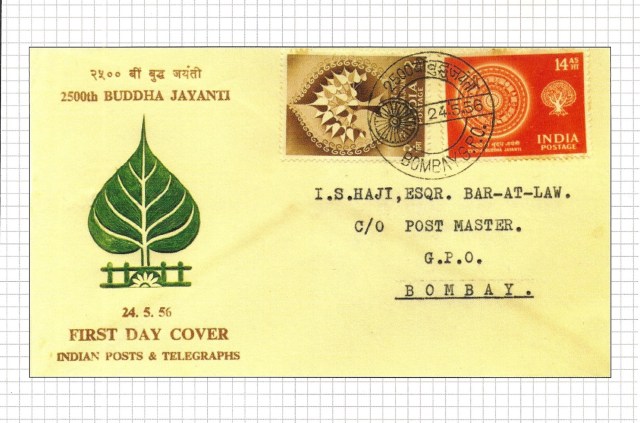
My ‘CIA CONNECTION’ is byproduct of ‘The Cold War in Asia’. In 1950s, India’s external relations along Himalayan Frontier were shaped by the fear of Communism spreading in Asia. For centuries, people of India, Tibet, and Bhutan lived with no major concerns about boundaries between these countries. Communist China’s Doctrine of Expansionism came into focus when Red China made claims of her sovereignty over territories of her neighbors.

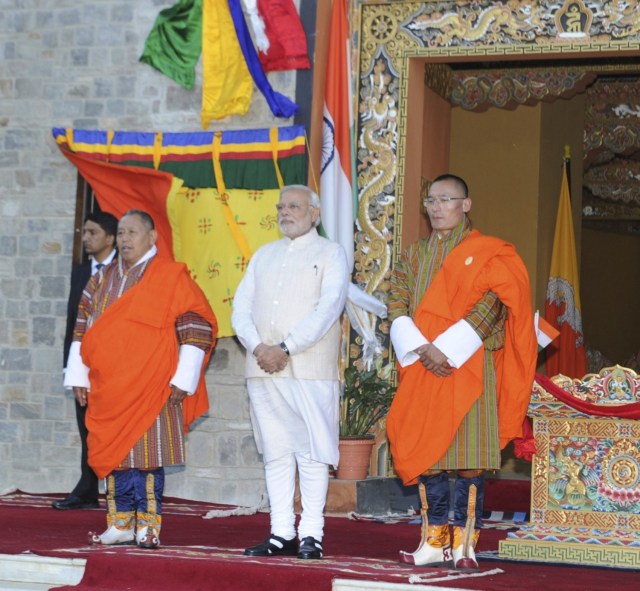
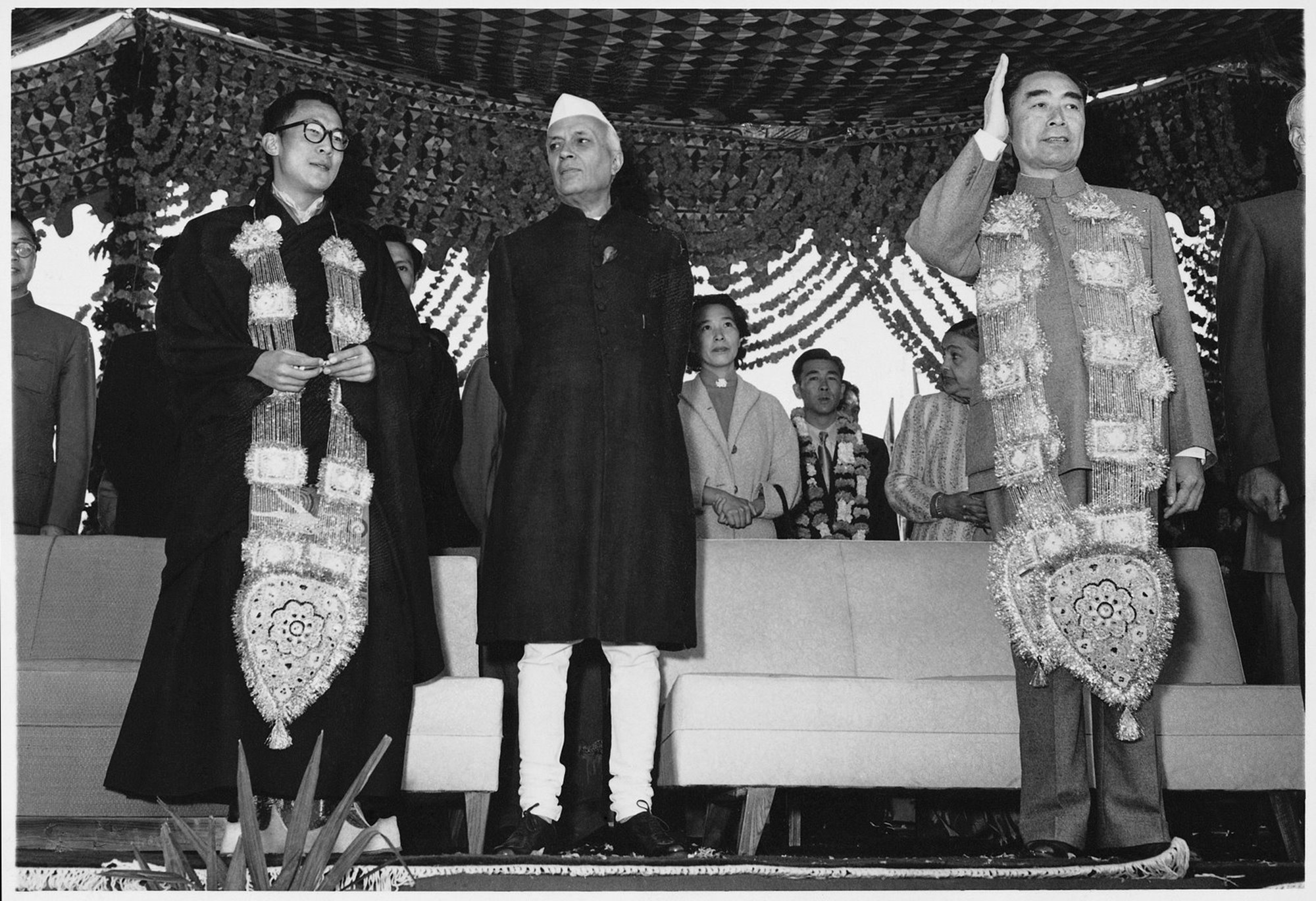
In May 1956, the 14th Dalai Lama visited New Delhi not to celebrate 2,500 Birth Anniversary of Gautama Buddha. He came to seek help and support for Tibet is the first victim of Red China’s Expansionism. Both India, and Tibet share this fear of Communism. In September 1958, Indian Prime Minister Jawaharlal Nehru visited Bhutan to forge relationships driven by fear of Communist Expansionism. India respects sovereignty of Tibet and Bhutan not because of religious or philosophical doctrine of Gautama Buddha but on account of fear of Expansionist Doctrine of Red China.

Rudranarasimham Rebbapragada

SPECIAL FRONTIER FORCE
DOKLAM STANDOFF: BHUTAN’S SOVEREIGNTY


Clipped from: https://thewire.in/159651/doklam-standoff-india-china-bhutan/

Today, as two Asian powers face off with Bhutan at the center of this delicate situation, the outcome will show whether the Asian century has a chance to be a peaceful one, or whether it will replay the violence of the colonial period.

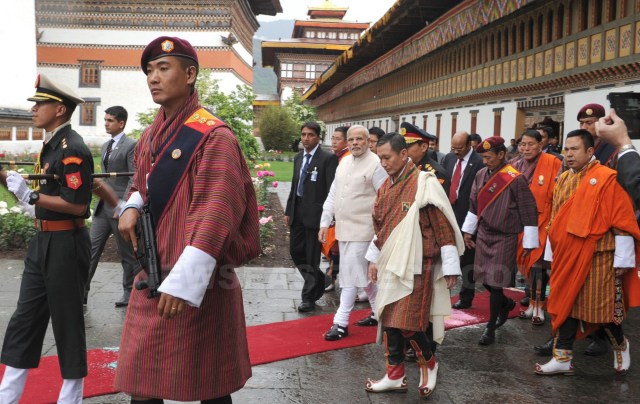
Jawaharlal Nehru at Paro 1958. Credit: India House, Thimphu

As the Doklam plateau stand-off continues well into its second month, analysts in India, China and globally have focused primarily on the India-China interaction. Those that have mentioned Bhutan – the Doklam plateau dispute is between Bhutan and China – have characterized Bhutan as either a protectorate, a state whose relationship with India limits its sovereign actions, or merely as a vassal state being bullied by India. These characterizations ignore Bhutan’s long history of fighting for its sovereignty as well the reasons (and context) in which Bhutan has pursued its special relationship with India.

The India-Bhutan relationship is often characterized by the grants and aid that India has extended to the small country, principally to the hydropower plants that provide Bhutan its largest single source of revenue. The political relationship, though, precedes the hydropower projects by decades, and is best seen in the context of Tibetan issues. The first official meeting between the leaders of the two countries after Independence took place after Jawaharlal Nehru, accompanied by a young Indira Gandhi, travelled to Bhutan via Sikkim, by plane, jeep, horseback and yak in 1958. Although the Chinese accorded a welcoming reception, and gave Nehru’s party an honor guard while passing through Chinese administered territory, the clouds of future conflict were already there.

In 1956, on a visit to India to commemorate the 2,500 birth anniversary of the Buddha, the 14th Dalai Lama had asked for refuge. In 1959, he and his entourage would flee Tibet, setting in place a conflict that continues today.

Bhutan would not have been unaware of these issues. The Haa Drung (administrator of Haa), Jigme Palden Dorji, who also acted as the prime minister of Bhutan, was in touch with Major General Enaith Habibullah, the first Commandant of the National Defence Academy, who was also quite close to Nehru. Furthermore the pressure on the monastic orders being brought to bear by the Chinese in Tibet would have been relayed very quickly to Bhutan, whose monastic order was closely linked to Tibet’s.

The relations between Tibet and Bhutan have historically been about monks. The establishment of Bhutan as a separate domain, Druk Yul, in the 17th Century under the Zhabdrung Ngawang Namgyal, was set off by the rejection of his claims to be the head of the monastic order headed by his Gyare clan. This claim was rejected by the 5th Dalai Lama, which led to the Zhabdrung being offered shelter in Bhutan and a series of battles that would end up establishing Bhutan’s independence.

In 1864 another war erupted, this time with the British. Ashley Eden, who had negotiated an agreement with Sikkim that stripped the Chogyal of his powers and utterly eviscerated the sovereignty of the Himalayan kingdom, was sent to negotiate a similar treaty with the Bhutanese. Instead he encountered Jigme Namgyal, the Black Regent. Namgyal forced Eden to sign a different treaty – one which committed the British to return the Assamese Duars already forcibly occupied by them.

Eden’s treatment was used as a pretext for war for Britain to forcibly capture the territory they wanted – ideal for growing tea, an enormously costly cash crop of that time, one for which the Opium Wars against China had also been launched. The ensuing Duar Wars are considered victories by both Bhutan and Britain. Bhutan lost the Duars, but retained its independence, even being paid a rent (though a small amount) by the British Empire for the Duars.
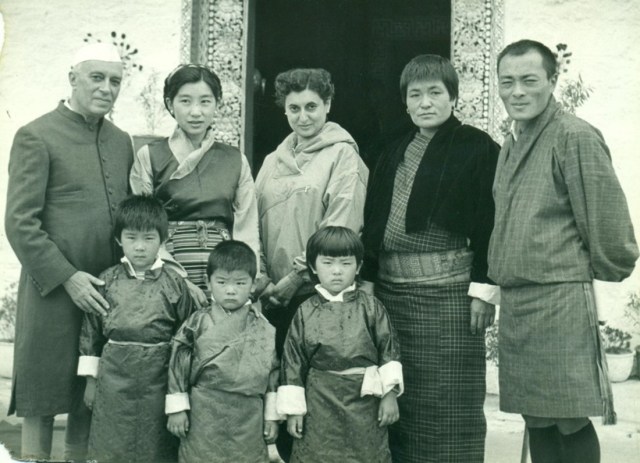
Jawaharlal Nehru, Indira Gandhi with the 3rd king’s family. Credit: India House, Thimphu

In 1903 another war loomed when the British wanted to send the Younghusband expedition to Tibet. Caught between the two powers, Ugyen Wangchuck, the son of Jigme Namgyal, initially prepared for war against the British. It was his cousin and close advisor, Ugyen Dorji, a well-established trader based out of Kalimpong, who advised against this. Ugyen Wangchuck’s father-in-law also advised against it. Listening to their advice, Ugyen Wangchuck became the key facilitator for the Younghusband expedition, negotiating on behalf of both the Tibetans and British. He was one of the few that tried to keep some semblance of order in an expedition in which the British machine gunned Tibetans armed with muzzle loaders, some of whom were just trying to get away from the field of battle at Chumik Shenko.

It was this expedition, and the laurels that Ugyen Wangchuck won as a negotiator for both the power in the north – Tibet – and the power in the South – Britain – that set the stage for him being formally invested with kingship in 1907. The Tibetans, who had never in their history turned to Bhutan for help, offered him new ceremonial headgear in a mark of great respect. The British offered him knighthood, making him a Knight Commander of the Indian Empire.

This is the history of independence that the 3rd King of Bhutan, the Druk Gyalpo Jigme Wangchuck, carried forward when he welcomed Nehru to Bhutan in 1958. The King would have been well aware of what was going on in Tibet and its potential ramifications for Bhutan, which Mao claimed as part of Tibet. This was partially based on the defeat of Bhutanese forces by the Tibetan ruler Pholhanas in 1730 and 1732, invited into the country by the then Penlop (Governor) of Paro Valley, and the subsequent dispatch of Bhutanese leaders to kowtow before the Qing throne.

It is therefore why Nehru’s promise to Bhutan in September 1958, at his first speech to the Bhutanese public in Paro, was so important:

“Some may think that since India is a great and powerful country and Bhutan a small one, the former might wish to exercise pressure on Bhutan. It is therefore essential that I make it clear to you that our only wish is that you should remain an independent country, choosing your own way of life and taking the path of progress according to your will.”

It was based on this promise that Indian assistance to Bhutan, initially by helping fund Bhutan’s Five Year Plans, began. At that time Bhutan had no currency of its own, and was the country with the lowest per capita GDP in South Asia. Today Bhutan’s per capita GDP is $2,870 while India’s is $1,850. That growth has been facilitated by Indian assistance, but is based on Bhutan’s freedom to develop the way it wanted.

In recent times that freedom has been what has come under strain, most obviously when the Indian state abruptly, and without any explanation, stopped a subsidy for LPG in Bhutan in 2013, between the first and second round of the Bhutanese general elections. The LPG subsidy had an immediate impact, the ruling party lost, and the LPG subsidy was resumed, again without any real explanation. This was seen by many Bhutanese as undue interference. But while the action may have generated much talk, evidence of its efficacy – if that is what one can call so ham-handed a move – is slight.
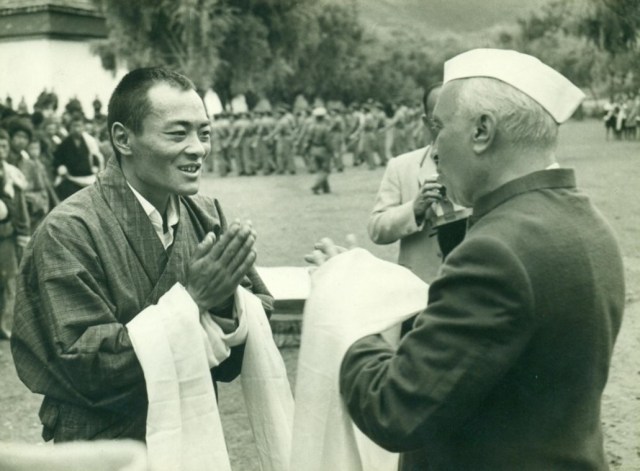
Nehru with Jigme Dorji Wangchuk. Credit: India House, Thimphu

Bhutan has two rounds of elections, with a run off between two leading parties in the second round. (In 2008 there were only two parties registered, so there was no run off.) In the first round of the 2013 elections, the Druk Phuensum Tshogpa, the governing party, received 44.5% of the vote, with the three Opposition parties, two of whom merged together after the first round, received the rest. In the second round, after the withdrawal of the subsidy, the DPT received 45% of the votes. The impact of the subsidy removal may have had more impact on commentary than voter share, much of which is determined by local issues. Bhutan experienced a painful currency crisis that had deeply eroded the DPT’s popularity. After the elections the former Bhutanese prime minister first accused the Bhutanese Election Commission of misconduct, and when directed by the king to direct those complaints to the chief election commission, resigned his post as a member of parliament. Such moves indicate that issues within Bhutan – as in every other country – have a greater impact on politics than any external meddling.

None of this should be used as an excuse for Indian high-handedness vis-à-vis Bhutan, but just goes to show that Bhutan has acted based on its own self-interest. It has done so as well when it comes to managing its foreign relations. The security and diplomatic support that Bhutan receives from India allows it to focus on issues of its core concern. The 4th King, Jigme Singye Wangchuck, who abdicated in 2006 in favor of his son after ruling for 34 years, had all the necessary weight to conduct foreign policy differently if he wanted to. He could have been a very prominent actor on the world stage, and certainly has enough personal connections with high-ranking diplomats to play that role even now, instead he focused almost entirely on internal issues. His son, the 5th King, Jigme Khesar Wangchuck, became one of the few heads of state to address the joint houses of parliament in Japan in 2011. He too, could easily be an important international actor, and yet both father and son have chosen to play their roles in a low key manner, and Bhutan has avoided international entanglements, while strengthening the country internally. Part of that strengthening is the hydropower dams, built by grant and aid by India, which supply India with cheap electricity and Bhutan with much needed revenue. Neither of these actions, of diplomacy, or economic planning, are examples of “vassalage”, of a state forced into a subservience by its larger neighbor. Instead it has been a complex and delicate furtherance of Bhutanese sovereignty that keep Bhutan secure and prosperous, leaving it free of the meddling that has compromised the sovereignty and security of its Himalayan neighbors – Sikkim, Tibet and Nepal.
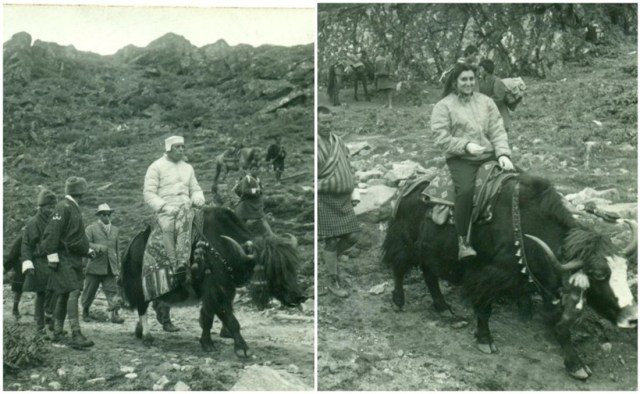
Nehru and Indira Gandhi on yaks. Credit: India House, Thimphu

The key question for those following the stand-off at Doklam is going to be this one: how will Bhutan continue to exercise its sovereignty? The challenge that China is throwing is not a merely military one, but rather the question of whether Bhutan’s old deal with India, or whether Chinese partnership will allow Bhutan greater freedom, and greater sovereignty.

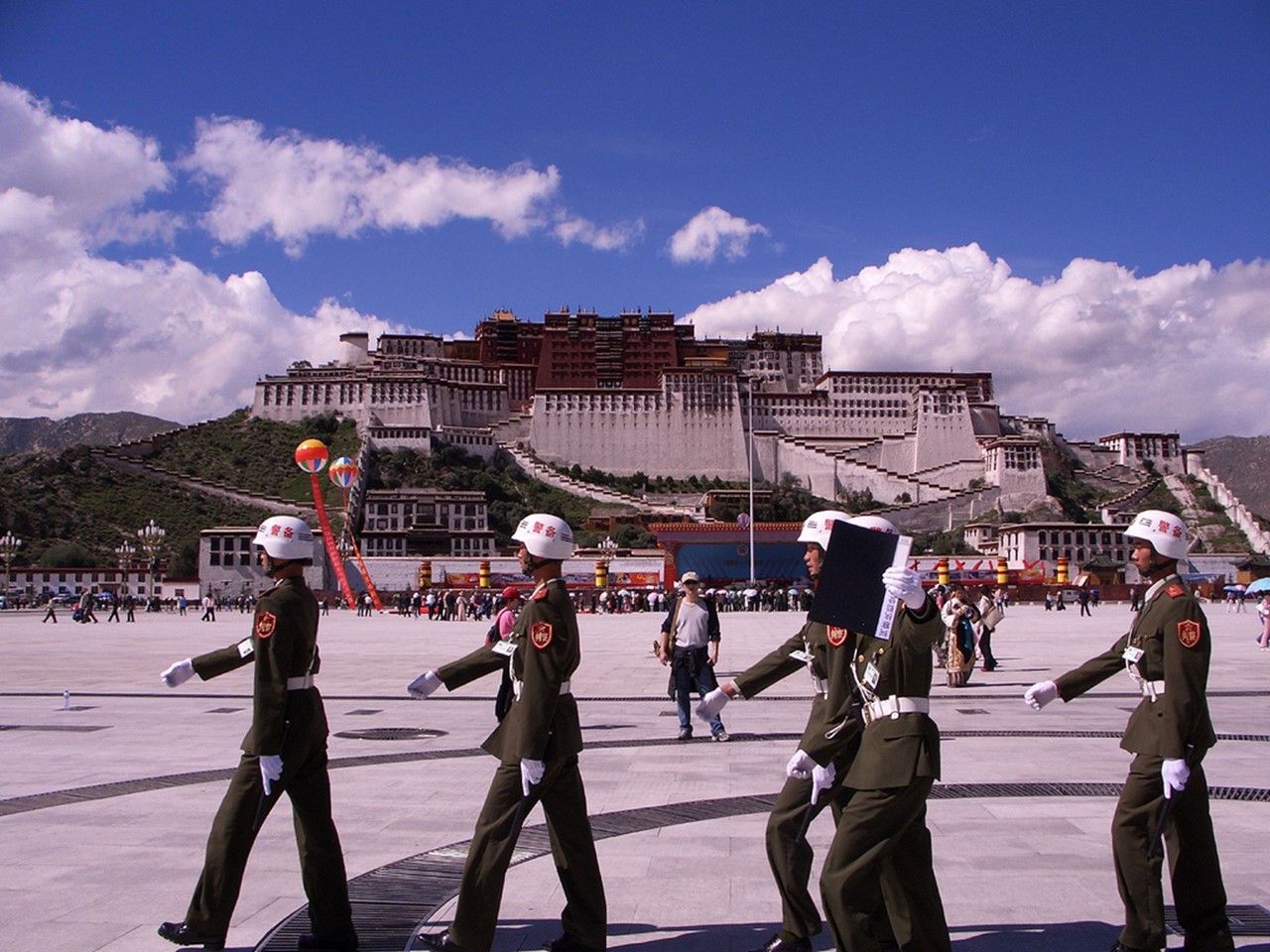
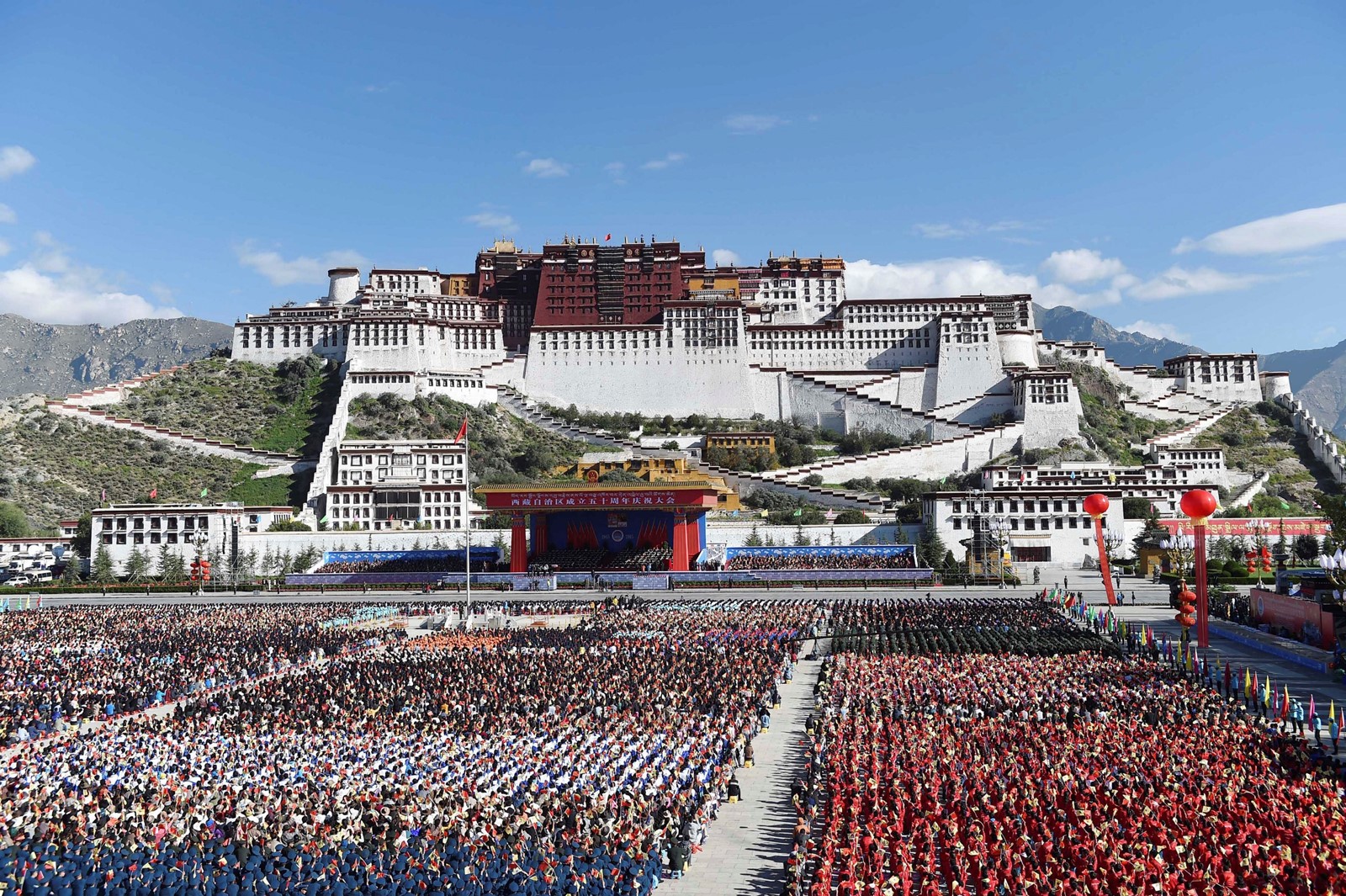
One answer to this is obvious. In Tibet the Potala palace has been reduced to a tourist attraction. The 14th Dalai Lama cannot visit, and is regularly vilified in the domestic press. Monasteries are severely constrained. Over the last few years more than a hundred Tibetans have immolated themselves. Although this has drawn scant criticism by global actors, such actions have their impact in Bhutan, where the monastic order is an important actor. Just this last week, the Nobel Laureate and long advocate for democracy, Liu Xiaobo, died in Chinese incarceration.

Yet the news from China is not all bad, nor is the news from India all good. As China invests in the grand Belt and Road Initiative (BRI), and Bhutan’s neighboring mountain state, Nepal, dreams of using BRI to link with the world, many admirers of China’s development model in Bhutan compare this to the situation in India’s northeast, where annual floods displace millions of poor, and atrocities by state forces and militants are as common as the entrenched poverty. Today Bhutan faces the challenge of managing its two gigantic neighbors, both of whom face massive internal challenges themselves. In the 18th Century, Prithvi Narayan Shah, the Gorkha King who unified Nepal, described this challenge as being like a yam between two boulders. Bhutan chose a different path, one that now means it stands as a peaceful anomaly in the midst of the contested border between the giants of Asia.

It will take great skill and wisdom to resolve this challenge from the power in the north and the power in the south. Bhutan has done this before, becoming not a yam to be crushed, but a bridge of understanding between vastly different cultures and polities. Nevertheless that incident led to massacres and was based on aggression, an outcome of colonial policies and fears. Today, as two Asian powers face off with Bhutan at the center of this delicate situation, the outcome will show whether the Asian century has a chance to be a peaceful one, or whether it will replay the violence of the colonial period. Much of that depends on how India and China, as well as Bhutan itself, manages its sovereignty. It is no small thing, and should not be ignored. To misquote George W. Bush, it would not be wise to underestimate Bhutan.


UNFINISHED VIETNAM WAR – THE ART OF KNOWING YOUR ENEMY – AMERICA’S ENEMY IN VIETNAM

 UNFINISHED VIETNAM WAR – THE ART OF KNOWING YOUR ENEMY – AMERICA’S ENEMY IN VIETNAM

Unfinished Vietnam War – The Art of Knowing Your Enemy – America’s Enemy in Vietnam. The Enemy remains Undefeated. The Enemy is alive in Tibet.


In my analysis, Vietnam War remains “Unfinished.” Firstly, the United States must define the term “ENEMY” to Know Enemy. United States recognized the threat posed by Communism to wage War to arrest the spread of Communism in South Asia. For that reason, United States began Vietnam War in response to threat posed by Soviet Union and People’s Republic of China.


Unfinished Vietnam War – The Art of Knowing Your Enemy – America’s Enemy in Vietnam. The Enemy remains Undefeated. The Enemy is alive in Tibet.

The threat posed by Communism in Asia endures as Communists are still governing Tibet, the second largest nation of South Asia. United States has no choice other than that of Knowing People’s Republic of China as “ENEMY.” The Enemy remains Undefeated. The Enemy is alive, not in Vietnam, but in Tibet.

Rudranarasimham Rebbapragada

SPECIAL FRONTIER FORCE

NORTH VIETNAM AND PEOPLE’S REPUBLIC OF CHINA SIGN AID AGREEMENT ON AUGUST 07, 1967

Clipped from: http://www.history.com/this-day-in-history/north-vietnam-and-peoples-republic-of-china-sign-aid-agreement?

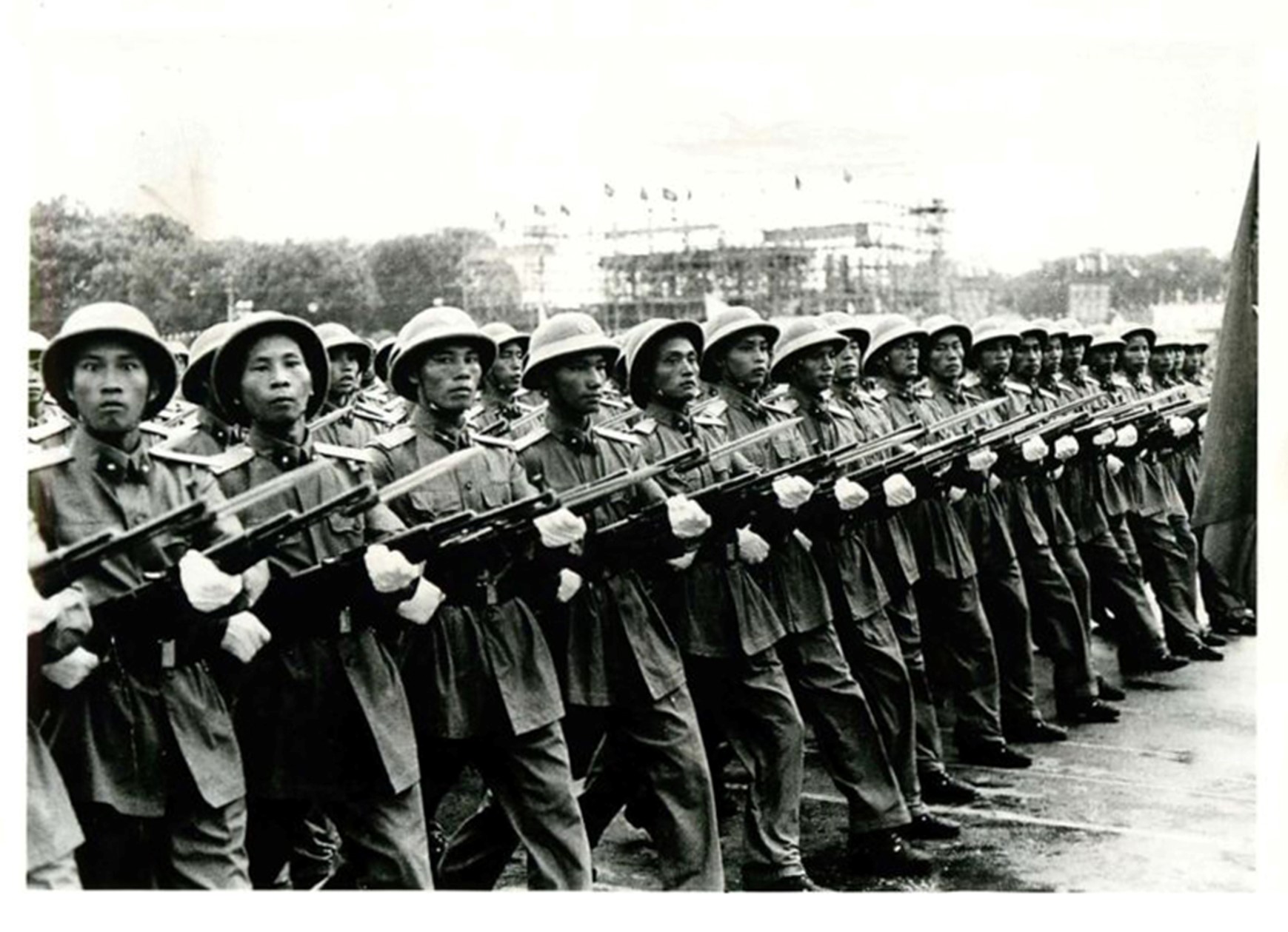
Unfinished Vietnam War – The Art of Knowing Your Enemy – America’s Enemy in Vietnam. The faces of these North Vietnamese Soldiers do not truly depict the Face of Enemy in Vietnam. The Enemy remains Undefeated. The Enemy is alive in Tibet.

The North Vietnamese newspaper Nhan Dan reports that the People’s Republic of China (PRC) has signed a new agreement to give Hanoi an undisclosed amount of aid in the form of an outright grant.

Chinese support to the Communists in Vietnam had begun with their backing of the Vietminh in their war against the French. After the French were defeated, the PRC continued its support of the Hanoi regime. In April 1965, the PRC signed a formal agreement with Hanoi providing for the introduction of Chinese air defense, engineering, and railroad troops into North Vietnam to help maintain and expand lines of communication within North Vietnam. China later claimed that 320,000 of its troops served in North Vietnam during the period 1965 to 1971 and that 1,000 died there. It is estimated that the PRC provided over three-quarters of the total military aid given to North Vietnam during the war.

Cold War

1964

Congress passes Gulf of Tonkin Resolution

Vietnam War


Tonkin Gulf Resolution is passed

Unfinished Vietnam War – The Art of Knowing Your Enemy – America’s Enemy in Vietnam. The Enemy remains Undefeated. The Enemy is alive in Tibet.
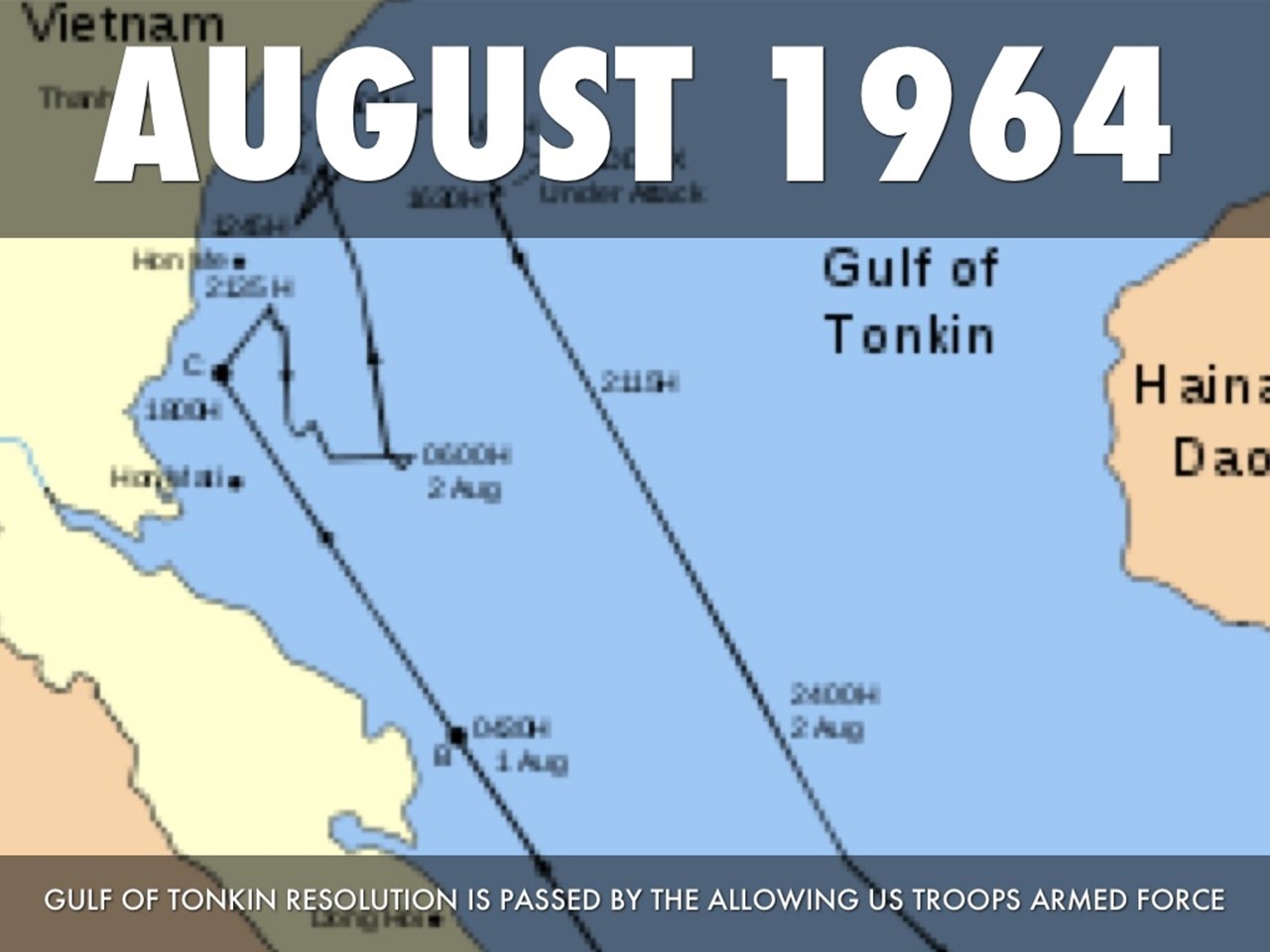
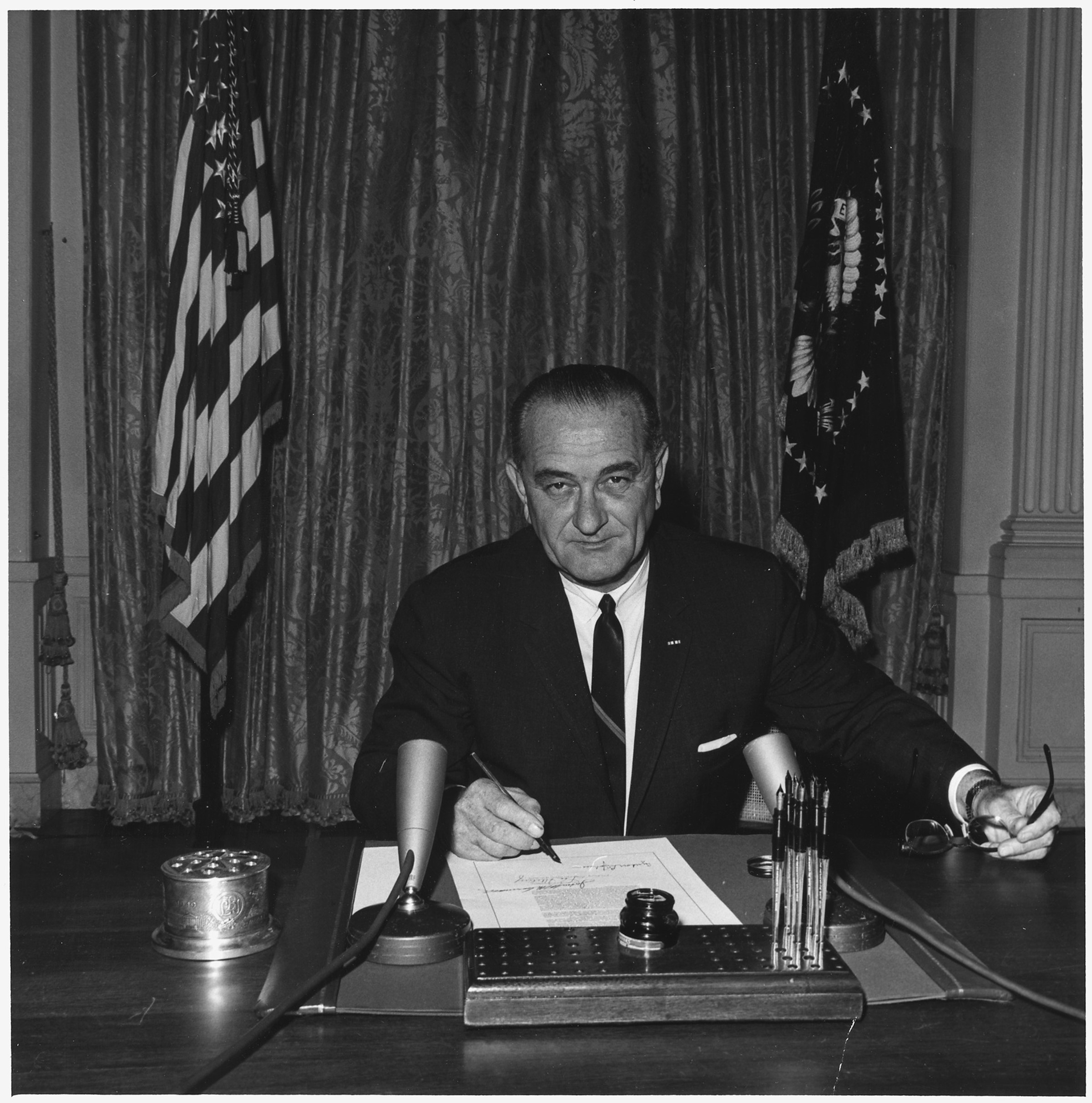
Unfinished Vietnam War – The Art of Knowing Your Enemy – America’s Enemy in Vietnam. On August 07, 1964 US President Lyndon B. Johnson signed into Law, Gulf of Tonkin Resolution. The Enemy remains Undefeated. The Enemy is alive in Tibet.

The U.S. Congress passes Public Law 88-408, which becomes known as the Tonkin Gulf Resolution, giving President Johnson the power to take whatever actions he deems necessary to defend Southeast Asia including “the use of armed force.” The resolution passed 82-2 in the Senate.

Unfinished Vietnam War – The Art of Knowing Your Enemy – America’s Enemy in Vietnam. The Enemy remains Undefeated. The Enemy is alive in Tibet.

THE COLD WAR IN ASIA – THE BATTLE AGAINST SPREAD OF COMMUNISM

THE COLD WAR IN ASIA – THE BATTLE AGAINST SPREAD OF COMMUNISM

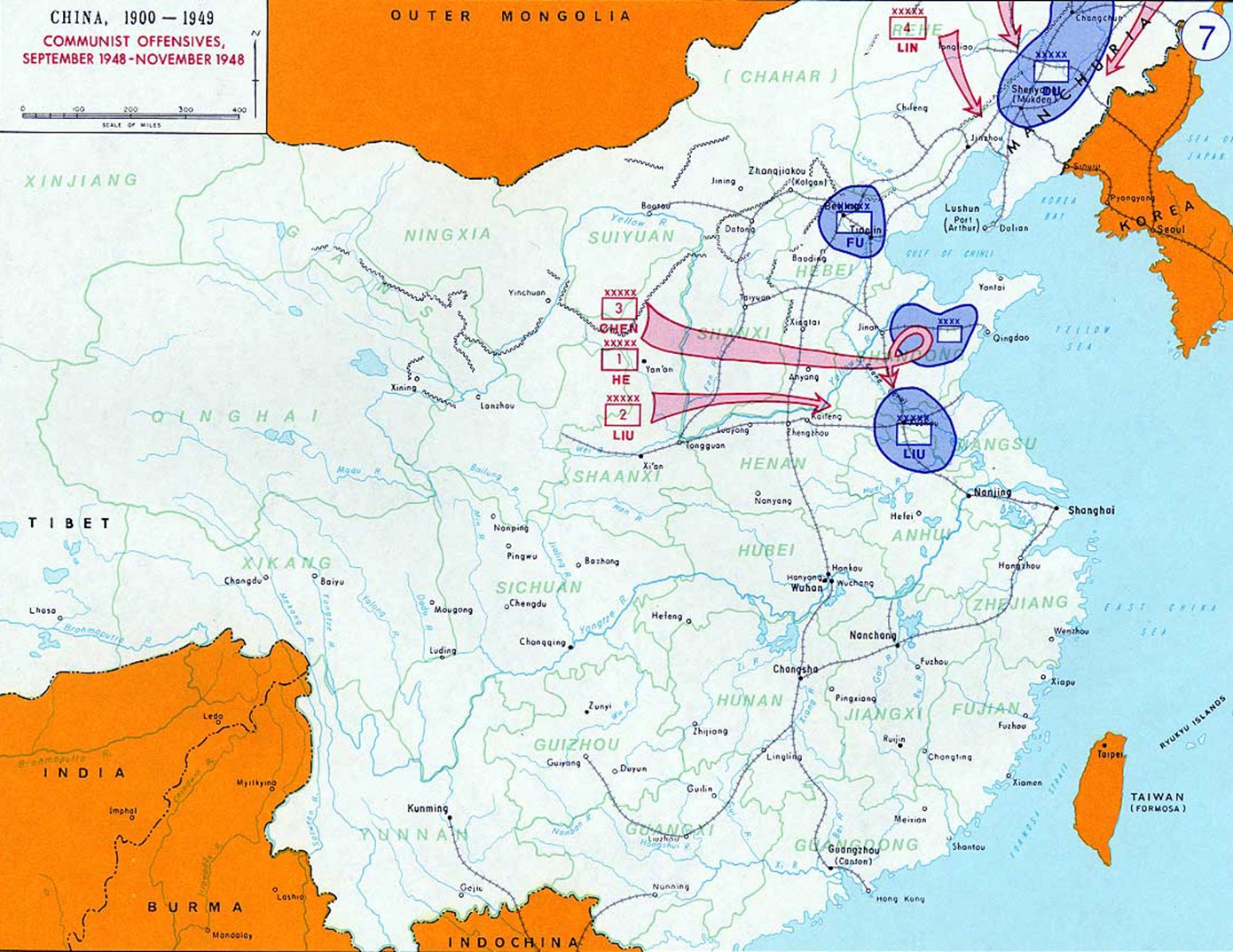
The Cold War in Asia – The Battle Against Spread of Communism. President Truman conceded the loss of China to Communists. The Cold War lingers due to incompatibility of Democracy and Communism.

United States supported Nationalist China during World War II to prevent Communist takeover of China.

The Cold War in Asia – Battle Against Spread of Communism. In August 1946, US placed embargo on further shipment of US arms to Nationalist China.

However, by 1944, the US relations with Nationalists cooled off. In August 1946, US placed embargo on further shipment of US arms to Nationalist China. The loss of China to Communists on October 01, 1949 resulted in the founding of the Republic of China in Taiwan (Portuguese Formosa) by Chan Kai-Shek and the Nationalists. It did not cause the end of Cold War in Asia. It continued to manifest itself with armed conflicts in Korea, Vietnam, Laos, and Cambodia.

The Cold War in Asia – The Battle Against Spread of Communism. Communist takeover of China in October 1949 alarmed the US, India, and Tibet. The threat remains the same.

I concede that The Cold War in Asia has not manifested as major armed conflict across Tibetan Plateau. It does not mean that there was no effort to checkmate the spread of Communism to Tibet. The United States and India tried to contain Communism that provoked Communist China’s attack across Himalayan Frontier during October 1962. The Communists claimed initial success of their armed aggression but declared unilateral cease-fire on November 21, 1962 to withdraw PLA forces from captured Indian territory.

The Cold War in Asia – The Spread of Communism. Unfinished Vietnam War. Communism poses the same threat as before. Vietnam War is not the last chapter of the history of Cold War in Asia.

In 1971-72, Nixon-Kissinger tried to normalize US – China relations without securing success in Vietnam. That was not the last chapter of The Cold War in Asia.

The Cold War in Asia – The Battle Against Spread of Communism in Asia. This Threat will persist as long as Communism survives in China.

Spread of Communism in Asia poses the same threat it had initially posed on October 01, 1949. Nations defending Freedom, Democracy, Peace, Justice, and Harmony have no other choice; they remain resolved to engage, to contain, to resist, to confront, and to combat the danger posed by Communist takeover of China.

Rudranarasimham Rebbapragada

SPECIAL FRONTIER FORCE

The Cold War in Asia – The Battle Against Spread of Communism. For success of Freedom, Democracy, Peace, Justice, and Harmony in Asia, Communism must be defeated.

HOW LONG CAN CHINA AND INDIA AVOID WAR IN THE HIMALAYAS?

Clipped from: https://www.yahoo.com/news/long-china-india-avoid-war-155933378.html

The Cold War in Asia – The Battle Against Spread of Communism. India, Tibet, Bhutan Border tensions need resolution through defeat of Communism.

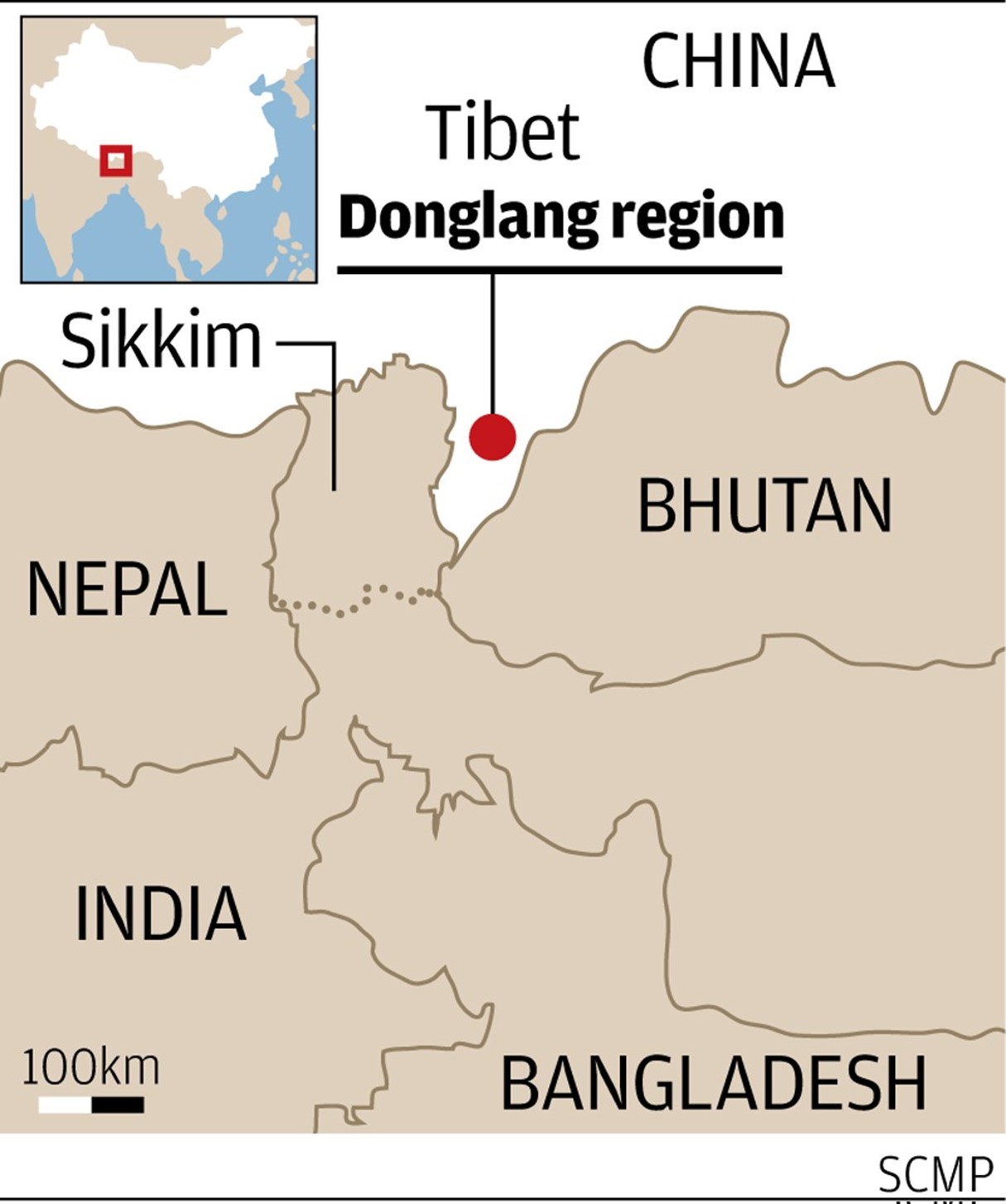
A remote corner of the Himalayas has become the unlikely scene of a major power standoff between China and India. Now entering its seventh week, the standoff centers on the tri-junction border shared by China, India, and Bhutan referred to as Doklam in India and Donglang in China. Neither side is spoiling for a fight, nor are they ready to back down anytime soon considering the security concerns, domestic political pressures, and regional reputational stakes. A series of quiet diplomatic interactions has not restrained the brinkmanship or ultimatums and the risk of a major armed clash between two Asian heavyweights remains.

China and India have sparred along the Himalayan border for decades, including a brief war (and clear Chinese victory) in 1962. In areas like Aksai Chin or Arunachal Pradesh, long-standing disputes still play out in regular diplomatic arguments. Yet until recently there seemed to be a settled status quo in the comparatively peaceful tri-national border area, which has special strategic significance, lying as it does above the 14-mile-wide Siliguri valley, or the “chicken’s neck,” that connects northeast India to the rest of the country. As it turns out, both sides had very different visions of just what that status quo was.

The clash of perceptions has left them both smarting, and dialed jingoistic language up to 11. To China, Doklam is its own sovereign territory based on treaties, tacit agreements, and de facto control. India considers Doklam a disputed territory and contends that any changes to the territory’s jurisdiction must be made in consultation with India per a 2012 understanding between the three parties.

Thus, when roughly 100 People’s Liberation Army (PLA) soldiers arrived on the Dolam plateau (an area within Doklam) on June 16 with bulldozers and earth moving machinery to improve and extend an existing Chinese road, a company-sized unit of Indian soldiers crossed into Dolam from a nearby Indian army post and interdicted the construction team. The Indian soldiers formed a “human chain” to physically obstruct the road-building project and urged the Chinese to “desist from changing the status quo.”

Since the Indian interdiction on June 18, PLA construction has halted and both sides remain at an impasse. Between 300-350 Indian troops have pitched tents near the standoff site and dug in for the long haul, supported by supply lines and 2,500 reinforcements. China recently threatened to move its own reinforcements into the area and conducted live-fire military exercises in Tibet. While Indian officials have voiced interest in dialogue, official Chinese statements demand India’s unconditional withdrawal before any talks can begin. After issuing a complaint against Chinese actions on June 20, Bhutan has otherwise remained studiously ambiguous as to its views of the standoff.

The Doklam standoff stems from China’s and India’s deep-seated suspicions about the other’s intentions. Conventional wisdom on international politics guides states to confront, not appease, those attempting to revise any status quo, lest it encourage further belligerence. But identifying exactly who the revisionist side is, and what the status quo was, is notoriously difficult in any case, because the definitions are vague and under-theorized. And it is especially hard amid the murky legacies of empire that make up the Himalayan frontiers.

For China, India’s military deployment into a disputed region is revising norms of sovereignty as well as long-standing public and private agreements. China believes its own actions and demands are sanctioned by existing agreements and understandings, and that India is subverting those agreements for unprecedented military deployments on foreign soil.

For India, China’s attempts to construct roads in disputed territories appears consistent with its previous “salami-slicing” maneuvers of unilaterally revising unsettled borders for territorial aggrandizement and expanded influence in the region. India believes China is deliberately exploiting the ambiguity of existing territorial disputes to expand its borders, influence, and offensive capability while its own actions are more explicitly legitimated by other treaties, arrangements, and security imperatives.

The historical and diplomatic ambiguity around the border has also created plenty of space for both sides to feel self-righteously aggrieved. China contends it has unquestioned sovereignty over Doklam based on an 1890 treaty between Great Britain and China delimiting the border between the Indian state of Sikkim and Tibet, as well as the boundary point with Bhutan. As both India and China have accepted this treaty, India had no legitimate grounds to cross the border and thus its actions constitute an “invasion” of Chinese territory. Secondly, China argues even if Doklam is disputed, India is still inappropriately interfering with and prejudicing a bilateral dispute between Bhutan and China.

India concedes its troops crossed an international border but into Bhutan, not China. India’s interdiction is furthermore justified by another treaty, India’s 2007 treaty of friendship with Bhutan, and both countries’ interest in halting China’s attempts to unilaterally revise the status quo. As several analysts have pointed out, the vagaries of colonial cartography and internal contradictions within the 1890 treaty mean it can actually be interpreted to support both Indian and Chinese claims.

Adding to the confusion is Bhutan’s ambiguous position. As a tiny Himalayan kingdom sandwiched between the region’s two major powers, Bhutan has enjoyed a “special relationship” with India since 1949 that some might describe more as suzerainty. While the 2007 India-Bhutan Friendship Treaty updates the 1949 agreement to accord Bhutan greater autonomy, India still wields considerable influence over Bhutan’s foreign policy. To justify its recent military actions, India has invoked an article which states that neither country will allow its territory to be used for activities that harm the other’s national security interests.

To date, however, Bhutan has yet to clarify whether India acted independently or at Bhutan’s request for military assistance in Doklam. China has argued that, absent a clear invitation, India lacks legitimate grounds for its involvement. India’s Ministry of External Affairs (MEA) has used more circumspect language like “coordination,” and has flubbed opportunities to clarify Bhutan’s request. It is possible Bhutan privately requested help or that India coerced its way into the dispute for its own security interests as it did in Sri Lanka in 1987.

Another point of contention is private diplomacy among the various actors. While not publicly brandished as justification, our sources suggest (and some reporting seems to corroborate) that PLA actions in Doklam may be based on a private understanding between China and Bhutan. Both countries have at least seven disputed territories between themselves and reports indicate Bhutan may have implicitly agreed to cede Doklam to China in the late 1990s — a period when China was busily cleaning up its frontiers — in favor of territorial gains on its northern border.

Thus, China deems its road-building in Doklam legitimate within this private, pre-settlement agreement, and fearing such a settlement, India’s military “invasion” seeks to challenge that agreement and Bhutan’s sovereignty. It is possible India was privy to this private Chinese-Bhutanese agreement over Doklam and may have tried to thwart it. Regardless, India would likely maintain that no formal agreement means no final settlement. In its diplomatic demarche to China on June 20, Bhutan stated that Chinese actions violated its 1988 and 1998 agreements prohibiting alteration of the status quo before the completion of negotiations. Moreover, another private and superseding 2012 agreement between India and China purportedly required the consultation of all three countries before a final determination on the tri-junction is made.

China also implicitly contends it has had a decades-long presence and effective jurisdiction over Doklam where Tibetan herdsman bring their livestock to graze. According to Chinese records, the PLA began patrolling Doklam once a year since 1975 and gradually extended its geographical coverage southward.

India argues the remoteness of Doklam, its harsh winters, and poor infrastructure mean China has not always exercised de facto control over the area. Bhutanese herdsman have also traditionally used Doklam as a grazing land, and security forces from all three countries have regularly patrolled the area, leading to occasional confrontations. China destroyed two Bhutanese military posts in 2007 and allegedly constructed Chinese posts at the same spot. One unofficial map circulated by Chinese bloggers even refers to a “line of actual control” between China and Bhutan, implying Bhutan exercises de facto control of Doklam.

China is also arguing that India’s actions are unprecedented. To China, India has not only interfered in a bilateral dispute but escalated it by deploying forces across a recognized international border into a third country. Indeed, even Indian observers have acknowledged Doklam is the first time India has engaged Chinese forces from the soil of a third country. Upending established norms of sovereignty through force in the name of self-defense could permit future “adventurism.”

Yet India’s argument is that it was responding to unprecedented Chinese revision of borders through road construction (both hardening and extension) in disputed territory. Such moves would create permanent facts on the ground with grave implications for Indian national security.

In our estimation, Chinese claims are vulnerable due to the ambiguity of treaty language, private agreements, and de facto possession claims. But Indian claims are by no means less vulnerable given the unprecedented nature of India’s actions on the plateau and Bhutan’s deafening silence. Both sides’ views of the status quo may appear to themselves entirely justifiable, yet to their adversary as thin gruel.

Seven weeks into the crisis, the continued impasse — and increasingly caustic rhetoric — indicates the potential for escalation remains high. The Indian national security advisor’s recent visit to Beijing did not yield any breakthroughs, contrary to some reporting. Aggressive signals of resolve like military exercises or mobilization or perceived windows of tactical opportunity in a different sector of the disputed India-China border could lead either side to miscalculate, resulting in accidental or inadvertent escalation. And any shooting that begins on the border could even expand into other domains like cyber- or naval warfare.

Despite the challenges, there are several possible resolutions in sight if both sides — and third parties trying to defuse tension — strive to understand what might seem like mutually incompatible perspectives.

For example, India could find alternative ways to grant Beijing a “win” by softening its position on China’s “One Belt, One Road” project, both sides could pursue international arbitration, or both sides could wait until harsh winter weather force both sides forces to quietly draw down.

Another “off ramp” to deescalate the crisis is a back-channel agreement with Bhutan appearing as the public arbiter, allowing both sides to save face. The most obvious solution, as many have identified, would be a mutual withdrawal and return to pre-June 16 positions – something which may already be slowly happening, as both draw back troops. For both sides to save face, the public narrative of their back-channel dialogue could rely on Bhutan.

For example, India could claim Bhutan “thanked” India for its support and commitment to upholding the bilateral friendship treaty, but after deploying its own monitoring force, Bhutan requests that India withdraw its forces. This would allow India to withdraw without appearing to bend to Chinese demands, send a message that China’s salami tactics will be challenged, and buttress its credibility with states concerned with Chinese encroachment. For its part, China can claim India withdrew first and quietly halt road construction until a final settlement is reached between itself and Bhutan. This would give all sides, including Bhutan, a face-saving exit necessary to appease domestic audiences. At the same time, India and China will have exchanged clear signals on just how serious they are about the border — and how dangerous assumptions about the other side can be.

Photo credit: DESHAKALYAN CHOWDHURY/AFP/Getty Images

The Cold War in Asia – The Battle Against Spread of Communism. Nations of Asia need to defeat Communism to resolve Border tensions and conflicts.
The Cold War in Asia – The Battle Against Spread of Communism. Border tensions and Border conflicts among Asian nations demand resolution through defeat of Communism.

THE COLD WAR IN ASIA – UNFINISHED VIETNAM WAR

THE COLD WAR IN ASIA – UNFINISHED VIETNAM WAR

The Cold War in Asia – Unfinished Vietnam War. Spread of Communism to Asia undermines Natural Freedom, Natural Balance, and Natural Equilibrium shaping living experience of people.

In my analysis, the border tensions between India and Communist China are mere symptoms of ‘The Cold War in Asia’.

Nations of ‘Free World’ were alarmed by the spread of Communism into Asia. United States spent billions of dollars to prevent Communist takeover of China. Having failed to do so, United States pursued a policy of containing the spread of Communism in Asia. In the battles of Korean Peninsula, and Vietnam, Communists prevailed with support from Soviet Union and Communist China.

India’s border tension problems began with Red China’s illegal occupation of Tibet since 1950. During 1960s and 1970s, the United States and India had opportunity to launch Tibet Campaign to defend Freedom, Democracy, Peace, and Justice in Asia. Most unfortunately, during 1971-72, Nixon-Kissinger Vietnam Treason placed ‘The Cold War in Asia’ on ‘back-burner’.

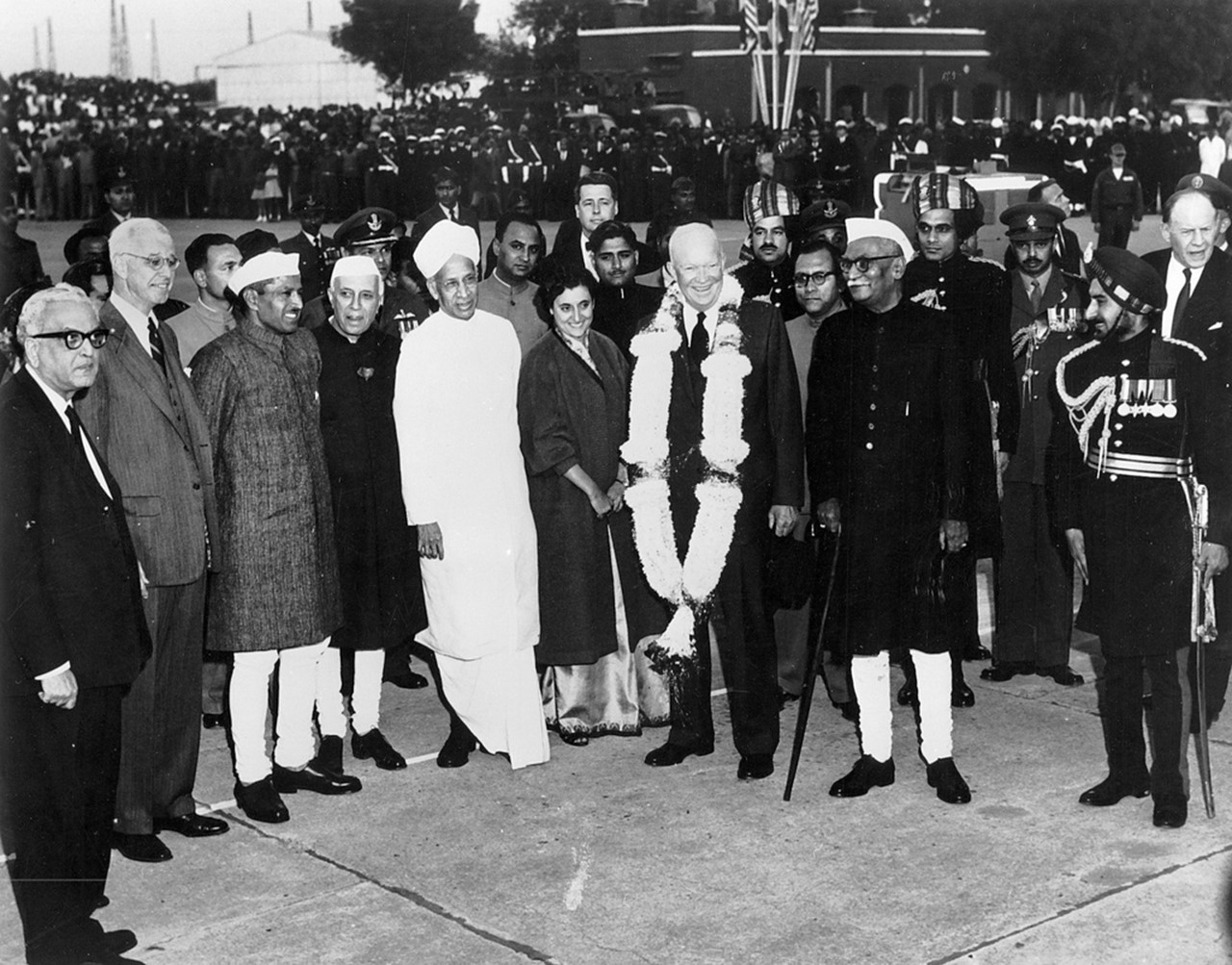
The Cold War in Asia – Unfinished Vietnam War. United States, India, and Tibet missed a golden opportunity to drive Communism out of Tibet. US President Eisenhower’s Visit to India during December 1956.
The Cold War in Asia – Unfinished Vietnam War. Both Tibet, and India hoped to contain threat posed by Communism through negotiations.

I am not surprised by Communist China’s military assertiveness for the US withdrew without accomplishing ‘War for Peace’ Mission fervently advocated by US President Dwight D. Eisenhower in December 1956 while on visit to India.

Rudranarasimham Rebbapragada

SPECIAL FRONTIER FORCE

CHINA’S TOUGH STANCE ON INDIA DISPUTE RAISING CONCERN ACROSS SOUTHEAST ASIA, ANALYSTS SAY

Clipped from: http://www.scmp.com/news/china/diplomacy-defence/article/2104093/chinas-tough-stance-india-dispute-raising-concern

Beijing’s handling of protracted conflict in Himalayas has had a spillover effect in the region and fueled suspicion

The Cold War in Asia – Unfinished Vietnam War. Border tensions, Border Conflicts along Himalayan Frontier are symptoms of spread of Communism in Asia.

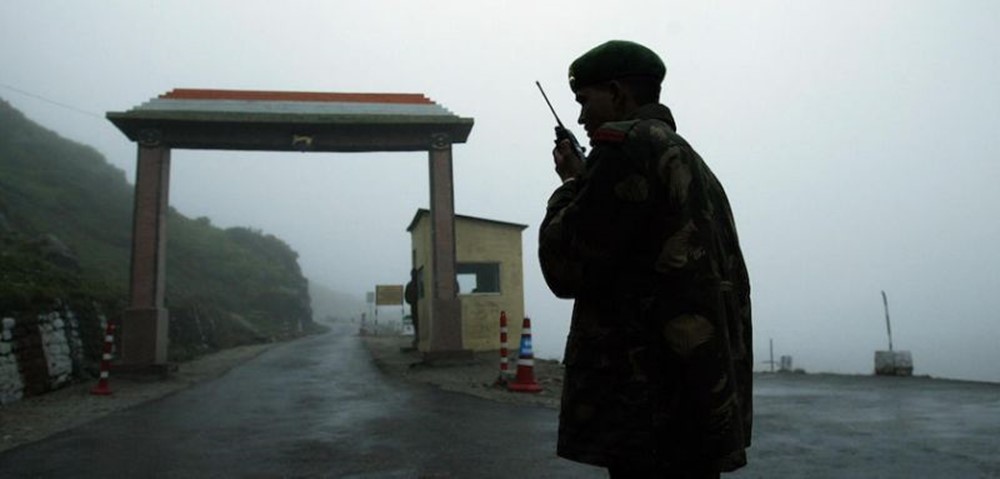
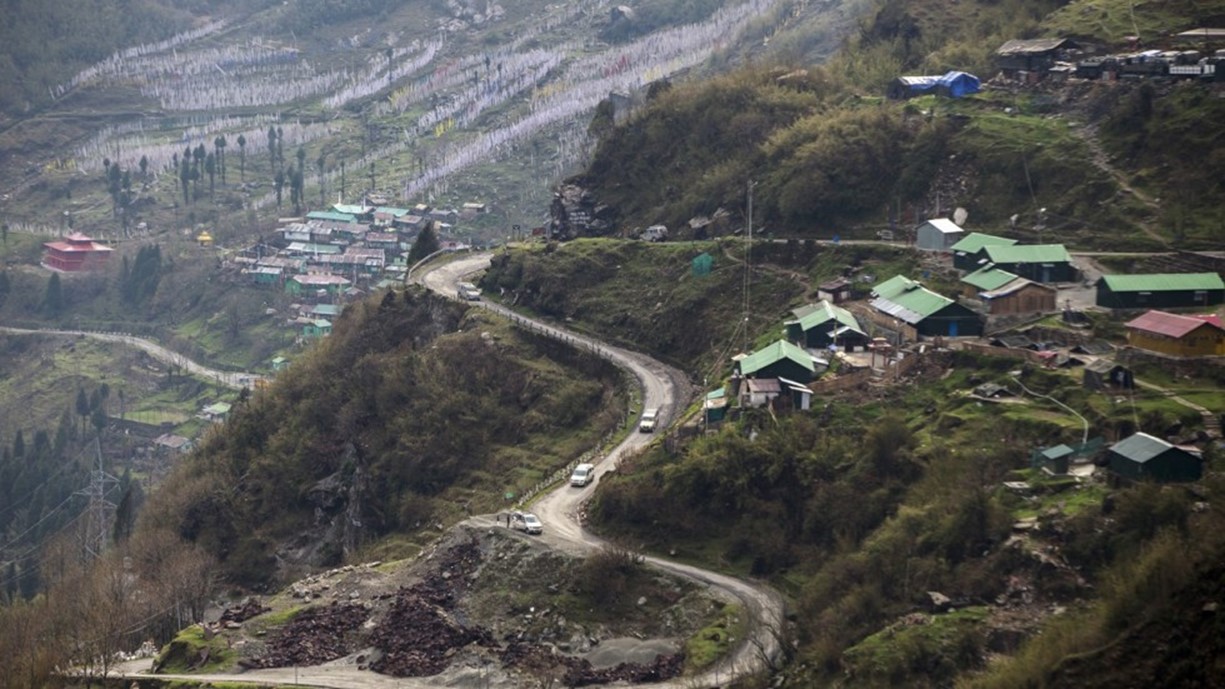
Vehicles travel along a mountain road near the Nathu La Pass, an open trading post in the Himalayas between India and China, in Sikkim, India. Photo: Bloomberg

The protracted border dispute between China and India in the Himalayas has created a “spillover effect” as China’s neighbors become unsettled by its tough handling of the escalating conflict between the two Asian giants, foreign policy experts have said.

China’s Foreign Minister Wang Yi and his Indian counterpart Smt. Sushma Swaraj are scheduled to attend the Asean foreign ministers’ meeting in Manila later this week. And while the North Korean nuclear crisis and South China Sea disputes are expected to dominate the meeting, analysts will also be keeping a close eye on how members of the 10-nation group interact with China and India.

Hostile border dispute with India could damage China’s global trade plan, experts warn

The Association of Southeast Asian Nations generally regards a robust Indian presence in the region as a useful deterrent against China, which has been increasingly assertive in its approach to handling territorial issues, as has been the case in the Himalayas.

The Cold War in Asia – Unfinished Vietnam War. Border tensions and Border Conflicts along Himalayan Frontier are symptomatic of Communist domination in Asia.

The disputed Doklam region (called Donglang by China) on the India, Bhutan and China tri-border. Graphic: SCMP

Are China-India trade ties turning sour amid border standoff?

China and India last week held their first substantial talks since the dispute broke out more than a month ago in the Doklam region, where the pair shares a border with Bhutan. Chinese State Councilor Yang Jiechi met Indian National Security Adviser Ajit Doval in Beijing, though neither showed any signs of backing down and tensions remain high.
Also last week, China’s Defence ministry issued its strongest warning yet to India, with a spokesman saying Beijing had stepped up its deployment along the unmarked border and would protect its sovereignty “at all costs”.

Richard Javad Heydarian, a political scientist at the Manila-based De La Salle University, said the stand-off in Doklam had had a “spillover effect” by fueling suspicion among countries that are caught in separate territorial disputes with China.

Dispatch from Doklam: Indians dig in for the long haul in standoff with China

“People are asking, if China is really peaceful, why are there so many countries having disputes with China?” he said.

Such sentiment may create fertile ground for Southeast Asian countries to leverage China’s influence with engagement with India.

Vietnam’s foreign minister and deputy prime minister, Pham Binh Minh, has called on India to play a greater role in the region and to partner with Southeast Asian countries on strategic security and promoting freedom of navigation in South China Sea.

The Cold War in Asia – Unfinished Vietnam War. Border Tensions, and Border Conflicts along Himalayan Frontier are symptomatic of spread of Communism in Asia.

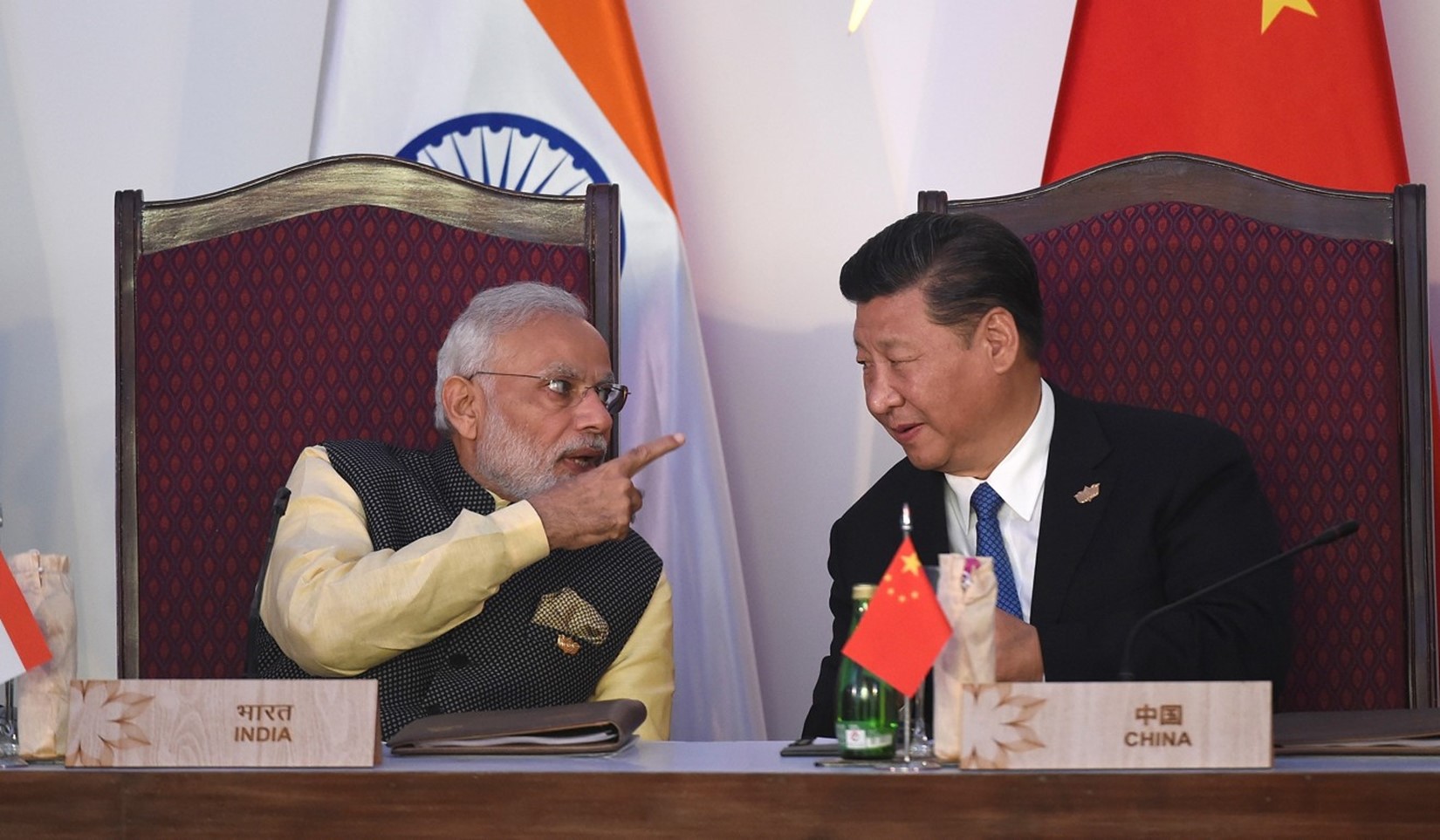
India Prime Minister Narendra Modi and President Xi Jinping at a BRICS leaders’ meeting with the bloc’s Business Council in Goa last October 16. Photo: AFP

A few days after Minh spoke, Vietnam granted Indian Oil firm ONGC Videsh a two-year extension on its plan to explore a Vietnamese oil block in an area of the South China Sea contested by China and Vietnam.

Analysts said recent developments have wide strategic implications – pointing to how Asia is increasingly defined by the China-India rivalry and the renewed tensions between the two Asian giants.

How India border stand-off gives China a chance to burnish its global image

Nisha Desai Biswal, former US assistant secretary of state for South and Central Asia, was quoted by Indian media PTI as saying that China needs to acknowledge that “there is growing strategic and security capability across Asia” and that “India is a force to be reckoned with”.

Wang Yi on Tuesday backed Philippines President Rodrigo Duterte’s idea of forming joint energy ventures in the disputed South China Sea, warning that unilateral action could cause problems and damage both sides.

The Cold War in Asia – Unfinished Vietnam War. Border Tensions and Border Conflicts along Himalayan Frontier are symptomatic of spread of Communism in Asia.

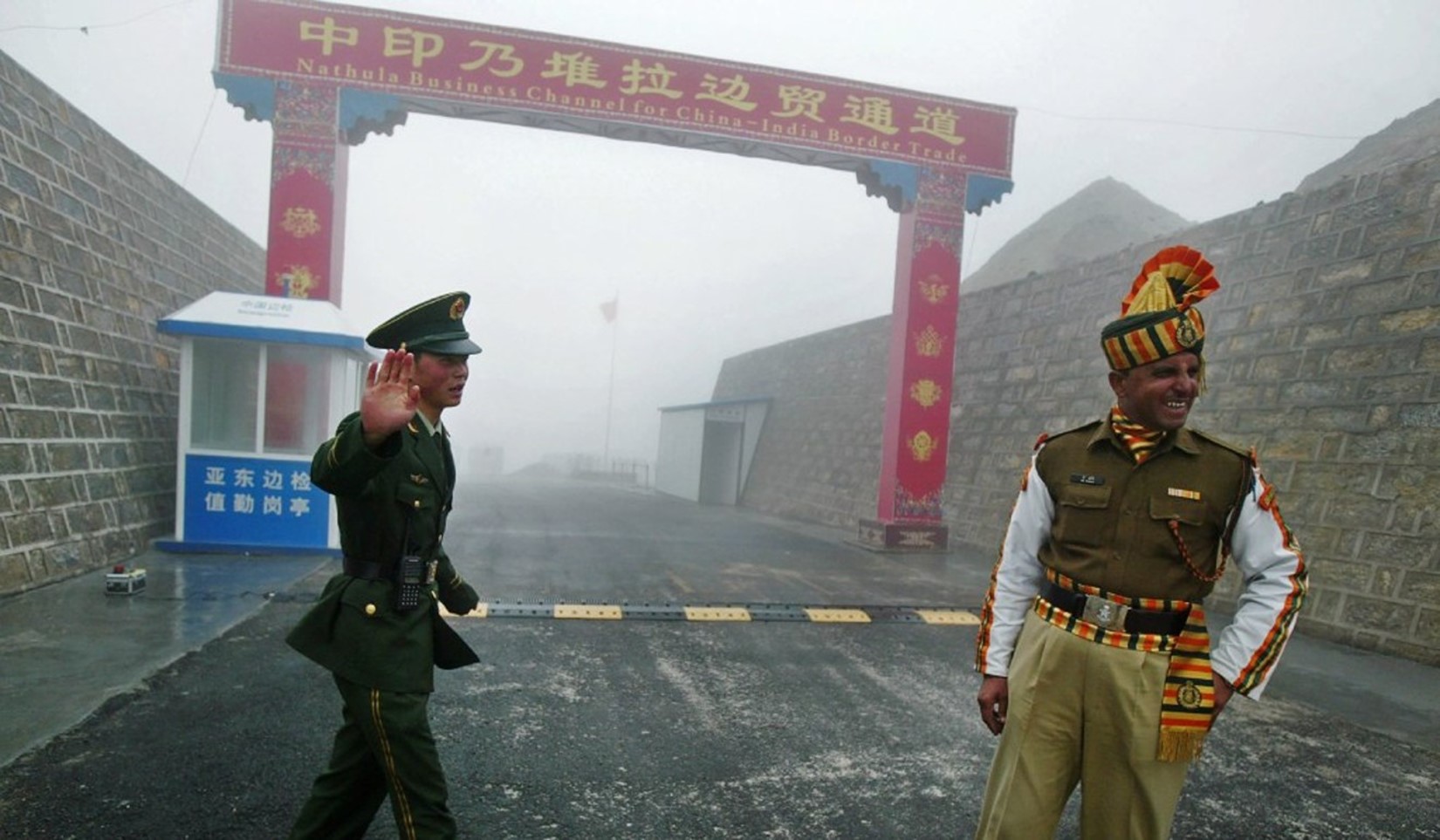
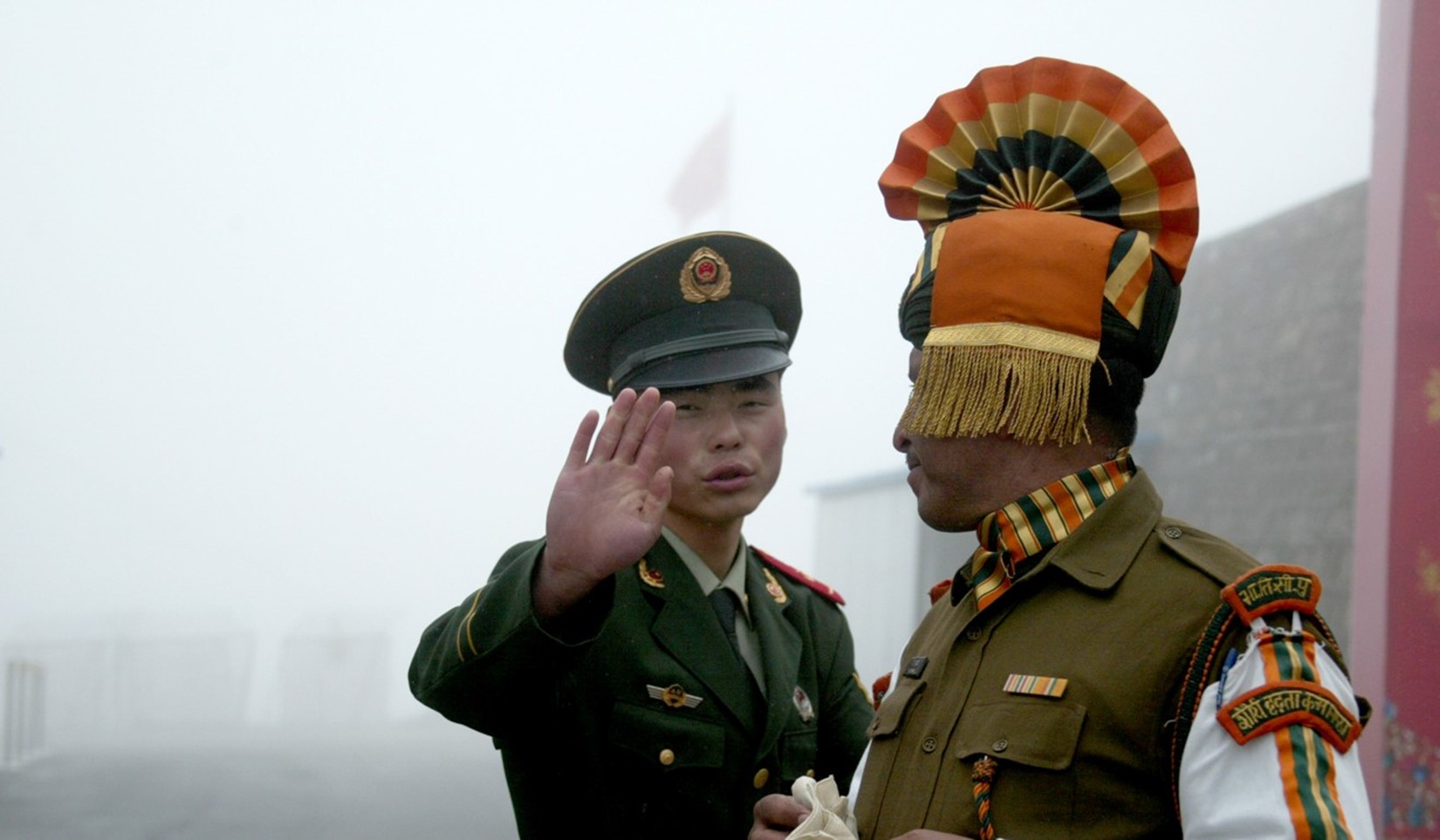
A Chinese soldier, left, is shown next to an Indian soldier at the Nathu La border crossing between India and China in India’s northeastern Sikkim state. Photo: AFP

Duterte on Monday said a partner had been found to develop oil fields and exploration, and exploitation would restart this year.

However, analysts warn that India’s strong position in the standoff has strengthened the hawkish voices in the Philippines who seize opportunities to criticize Duterte’s détente policy towards China and “push forward the narrative that the Philippines needs to be careful on how to approach China and its territorial expansion”, Heydarian said.

Explore the China-India border standoff

Under Indian Prime Minister Narendra Modi’s “Act East” policy, India in recent years has formed strategic partnerships with Southeast Asian countries including Vietnam, Indonesia, Malaysia and Singapore, and Northeast Asian countries including Japan and South Korea.

During the “India-Asean Delhi Dialogue IX” early this month, Indian External Affairs Minister Sushma Swaraj said New Delhi remained committed to enhancing maritime cooperation with Asean as well as upholding freedom of navigation and respect for international law in the region.
The Cold War in Asia – Unfinished Vietnam War. Border Tensions, and Border Conflicts along Himalayan Frontier are symptomatic of spread of Communism in Asia.
A Chinese soldier gestures as he stands near an Indian soldier on the Chinese side of the ancient Nathu La border crossing between India and China. Photo: AFP

Heydarian suggests that India’s upgrading of its strategic partnership with Asean and increasing its strategic presence in the South China Sea could be a way of pushing back against China.

Even a non-claimant Southeast Asian state such as Thailand “would see the benefit of China being challenged in the South Asia theatre”, said Thitinan Pongsudhirak, an international relations scholar at Bangkok-based Chulalongkorn University.

“India’s standing up to China can only be a boon for Southeast Asian countries even when they don’t say so openly,” he said, “Any major power keeping China in check can only yield geopolitical benefits to Southeast Asia as the region is wary of China’s growing assertiveness.”

China is being ‘unusually aggressive’ in border row

But Pongsudhirak also said that India, a “latecomer to Southeast Asia’s geopolitics”, still lacks strategic depth in terms of military reach and economic wherewithal. “But in combination with other middle powers like Japan, India can have a significant impact in Southeast Asia’s power dynamics,” he said.

Despite Southeast Asian countries’ welcoming attitude, India has remained cautious towards more strongly engaging with the region, observers said.

The Cold War in Asia – Unfinished Vietnam War. Border Tensions, and Border Conflicts along Himalayan Frontier represent Communist Expansionism in Asia.

An Indian Soldier stands at the Nathu La border crossing between India and China in India’s northeastern Sikkim state. Photo: Handout

“Southeast Asia is a natural extension of India’s security horizons in light of its growth as a regional power,” said Rajesh Manohar Basrur, a South Asia specialist with Nanyang Technological University.

Basrur said that while competition with China is a major driver of India’s engagement with Southeast Asia, India’s commitment to the region remains limited with measures amounting to no more than “symbolic acts such as military exercises, [to] generate a strategic environment aimed at building up political-psychological pressure on [China].”

Why India is cool towards China’s Belt and Road

Sourabh Gupta, a senior specialist at the Institute for China-America Studies in Washington, said that as India tries to limit fallout from its Doklam intervention, it will not want to expand the theatre of conflict or widen the geography of competition in the short-term.

“But I can foresee India making a qualitatively greater effort, albeit quietly, to build up Vietnam’s naval and law enforcement capacity to confront and deter Chinese assertiveness,” he said.

Gupta also warned that the situation in the South China Sea could lapse into even further conflict.

The Cold War in Asia – Unfinished Vietnam War. Border Tensions, and Border Conflicts along Himalayan Frontier are symptomatic of Communist Expansionism in Asia.

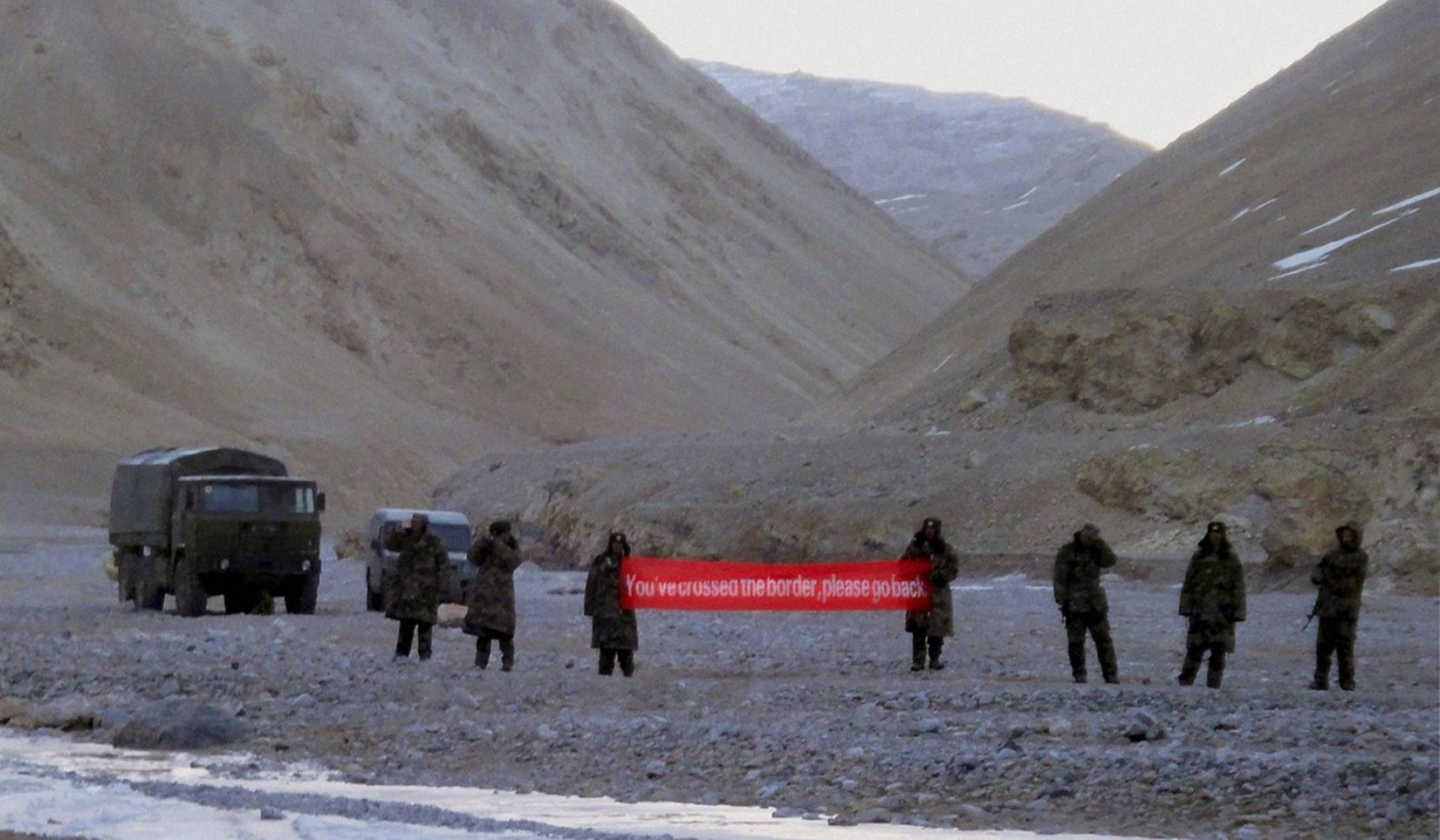
Chinese troops hold a banner which reads, “You’ve crossed the border, please go back.”

“India and China have a fairly rich menu of boundary management protocols which effectively translate into engagements between very lightly armed personnel from either side when a standoff breaks out,” he said.

“That is different from the situation in the South and East China Sea where engagement protocols are still very rudimentary and could see sharp escalatory spirals.”

The Cold War in Asia – Unfinished Vietnam War. Armed Conflicts in China, Korea, Vietnam, and Tibet could not checkmate spread of Communism in Asia.

TIBET EQUILIBRIUM – 66 YEARS AND COUNTING – TIBET AND CHINA

TIBET EQUILIBRIUM – 66 YEARS AND COUNTING – TIBET AND CHINA

TIBET EQUILIBRIUM – 66 YEARS AND COUNTING – TIBET AND CHINA.

American China Fantasy is Doomed. The reason is that of America’s Unfinished War in Asia. The Cold War in Asia is not about Tibet’s Independence or Autonomy. The Cold War is about engaging, containing, confronting, opposing, and resisting the threat posed by Communism and its influence in Asia.

Rudranarasimham Rebbapragada
DOOM DOOMA DOOMSAYER

TIBET EQUILIBRIUM – THE COLD WAR IN ASIA IS NOT ABOUT TIBET’S INDEPENDENCE OR AUTONOMY. ITS ABOUT SPREAD OF COMMUNISM.

SPECIAL PROSECUTOR TO INVESTIGATE NIXON-KISSINGER VIETNAM TREASON

SPECIAL PROSECUTOR TO INVESTIGATE NIXON-KISSINGER VIETNAM TREASON

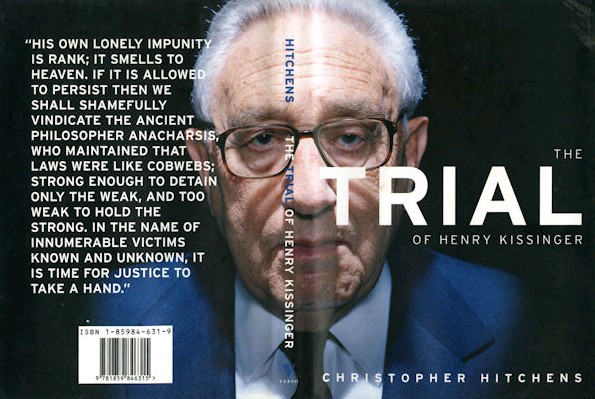
SPECIAL PROSECUTOR TO INVESTIGATE NIXON-KISSINGER VIETNAM TREASON. THE TRIAL OF HENRY KISSINGER.

Better Late Than Never. Dr. Henry A. Kissinger usurped the powers granted to the US Secretary of State while he worked as National Security Adviser during 1970-73. He is the architect of Doomed American Fantasy that formulated US – China relations while Americans were bleeding and dying in Vietnam to contain the spread of Communism in Southeast Asia. USA needs to find Special Prosecutor to investigate Nixon-Kissinger Vietnam Treason. I am waiting for “The Trial of Henry Kissinger”.

Rudranarasimham Rebbapragada

DOOM DOOMA DOOMSAYER

PRESIDENT TRUMP, HENRY KISSINGER MEET IN OVAL OFFICE AMID WATERGATE COMPARISONS – WHITE HOUSE, US PATCH 

Clipped from: https://patch.com/us/white-house/president-trump-henry-kissinger-meet-oval-office

In a surprise meeting, Trump sat down with the former secretary of State and official in the Nixon and Ford White Houses.

SPECIAL PROSECUTOR TO INVESTIGATE NIXON-KISSINGER VIETNAM TREASON. THE TRIAL OF HENRY KISSINGER FOR WAR CRIMES.

WASHINGTON, DC — President Trump invited the press into the Oval Office Wednesday for photos and brief questions with a guest that shocked many of the reporters in attendance: Henry Kissinger, the controversial former secretary of State and official in the Nixon and Ford White Houses. Trump called the meeting “an honor.” Earlier in the morning, Trump met with Russian Foreign Minister Sergey Lavrov and Russian Ambassador Sergey Kislyak — a choice many found shocking in light of Tuesday night’s firing of FBI Director James Comey, whose bureau is investigating ties between the president’s campaign and Russia.

Asked in the Oval Office meeting with Kissinger about the Comey termination, Trump said, “He wasn’t doing a good job. Very simple. He was not doing a good job.” (For more information on this and other political stories, subscribe to the White House Patch for daily newsletters and breaking news alerts.)

“With all the comparisons the Nixon era, Trump brings the press into the Oval to see him sitting w/ a key member of the Nixon administration,” tweeted Bloomberg and pool reporter Jennifer Epstein who attended the meeting.

The meeting with Kissinger, 93, was not on the president’s public schedule, and reporters thought they would be entering the meeting with Lavrov when Trump invited them in the office.

“We’re talking about Syria, and I think that we’re going to do very well with respect to Syria and things are happening that are really, really, really positive,” Trump said, according to the pool report. “We’re going to stop the killing and the death.”

He added that his meeting with Lavrov was “very, very good.” Both sides, he said, want to end “the killing — the horrible, horrible killing in Syria as soon as possible, and everybody is working toward that end.”

Kissinger is a deeply embattled figure. Many advocates and journalists have characterized him as a war criminal; the late Christopher Hitchens wrote a scathing book, which was turned into a documentary film, called “The Trial of Henry Kissinger” condemning the former secretary of State for his actions. In a contentious decision, the Nobel Prize committee awarded Kissinger the Peace Prize for negotiating a (ultimately unsuccessful) ceasefire in Vietnam.

According to a Politico profile published in December 2016, Kissinger has had a long-running relationship with Russian President Vladimir Putin. The former secretary of State has been working to get closer to Trump, Politico reports, in an attempt to potentially broker a deal with Russia.

Trump said that he’s been friends with Kissinger for a long time. Hillary Clinton, too, spoke of her relationship with Kissinger during the presidential campaign.

The Russian Embassy in the United States Sent out a picture of Trump meeting with Kislyak:

Lavrov also met with Secretary of State Rex Tillerson, and they appeared briefly in front of the press. While Tillerson answered no questions, a reporter asked the pair if Trump’s firing of Comey cast a shadow over the

meeting, apparently unaware of the news, appeared shocked by the information. “Was he fired?” he said. But then his tone changed: “You are kidding, you are kidding.”

AP Photo/Evan Vucci

Special Prosecutor to investigate Nixon-Kissinger Vietnam Treason. The Trial of Henry Kissinger. Bring him to Justice.