RED CHINA – RED ALERT – RED DRAGON COVETS ARCTIC: CHINESE NAVY DESTROYER WUHAN LEADS FIVE-SHIP SURFACE ACTION GROUP FROM CHINESE PEOPLE’S LIBERATION ARMY NAVY OR PLAN AS THEY MOVE INTO BERING SEA FOR THE FIRST TIME IN US HISTORY.
Five-ship Surface Action Group, three combat ships, a resupply vessel, and an amphibious ship, from Chinese People’s Liberation Army Navy or ‘PLAN’ for the first time in US history are spotted in Bering Sea while US President Barack Obama is visiting Alaska.
RED CHINA – RED ALERT – RED DRAGON COVETS ARCTIC. US JOINT CHIEFS OF STAFF GENERAL MARTIN DEMPSEY BRIEFED NEWS MEDIA AND FAILED TO ACKNOWLEDGE RED DRAGON’S INTENTIONS IN BERING SEA AND IN ARCTIC OCEAN.
US General Martin Dempsey assured news media that these Chinese navy vessels do not pose any threat to United States while they use international waters in close proximity to Alaska. Some news analysts have speculated that Red China is flexing her muscles to retaliate for US naval presence in South China Sea. In my view, Red Dragon covets Arctic to exploit its vast energy resources. Red China’s policy of Economic Expansionism aims at controlling world’s natural resources for her own economic advantage and to dominate nations of the world.
Five Chinese naval ships are currently positioned in the Bering Sea off the coast of Alaska, US officials confirm. It is believed to be the first time Chinese military vessels have been seen operating in the area.
Officials say they have been monitoring the ships’ activities, but said they were operating in international waters. In recent years Beijing has taken a more assertive stance on maritime territorial disputes with Japan and South East Asian nations.
‘Not threatening’
US defence officials have spotted three Chinese combat ships, a supply vessel and an amphibious ship moving toward the Aleutian Islands which is split between Russian and US control, according to the Wall Street Journal.
They were seen not far from where US President Barack Obama is visiting as part of his three-day tour of Alaska to raise awareness of the effects of climate change on the state.
“We are aware of the five People’s Liberation Army Navy (PLAN) ships in the Bering Sea. This is the first time we have observed PLAN ships in the Bering Sea,” US defence department spokesman Bill Urban told the BBC on Wednesday.
“We respect the freedom of all nations to operate military vessels in international waters in accordance with international law,” he said.
Another official told the Wall Street Journal the defence department did not “characterise anything they’re doing as threatening”. Peter Dutton, director of the China Maritime Studies Institute, described it as a big advancement in the way Chinese ships operate.
But, he tells the BBC, “it’s not a surprise in a sense that the Chinese have been continually expanding their presence in Eurasia”.
“They have conducted exercises with Russia in the Mediterranean and in the Sea of Japan… they have interest in the northern sea route so to see them off the coast of Alaska is the next evolutionary step along these lines.”
RED CHINA – RED ALERT – RED DRAGON COVETS ARCTIC: WHAT ARE RED CHINA’S TRUE INTENTIONS IN BERING SEA???
Patrick Cronin, of the Center for a New American Security, agrees, saying: “It’s part of a pattern over the last six years or so of China getting tougher in maritime space.” China wants to rewrite international maritime laws so that they are more favourable to its own interests, particularly in the South China Sea where rival countries are wrangling over territory, Mr Cronin adds.
China this year boosted its defence spending in a bid to modernise its forces, including developing stealth fighters and anti-satellite missiles, a move that has unnerved the US and its allies in the Asia-Pacific region.
President Xi Jinping will on Thursday preside over an enormous military parade in Beijing in commemoration of China’s World War Two victory over Japan 70 years ago.
Red China – Red Alert – Red Dragon Covets Arctic: Red Navy Missile Frigate Yancheng
RED CHINA – RED ALERT – RED DRAGON COVETS ARCTIC: WHAT ARE RED CHINA’S TRUE INTENTIONS IN BERING SEA???
red navy bering sea chinese destroyer wuhan leads1
red navy bering sea mockery1
red navy bering sea red china mocker1
red navy bering sea map1
the evil red empire the dragon covets the arctic the route to iceland1
RED CHINA – RED ALERT – RED DRAGON COVETS ARCTIC. US JOINT CHIEFS OF STAFF GENERAL MARTIN DEMPSEY BRIEFED NEWS MEDIA AND FAILED TO ACKNOWLEDGE RED DRAGON’S INTENTIONS IN BERING SEA AND IN ARCTIC OCEAN.
During the US President Barack Obama’s three-day visit to Alaska, Red China dispatched five of its naval vessels to Bering Sea. Red China became a permanent observer to the Arctic Council in 2013. Arctic Council’s members are eight Arctic States, Canada, Denmark, Finland, Iceland, Norway, Sweden, Russia, and the United States. Red China is interested in Arctic region’s vast energy reserves. This demonstration of Red China’s naval power is a clear indication of Red China’s assertion of her right to drill for Oil and Gas in Arctic Sea with or without consent of Arctic Council.
Chinese Navy Ships Spotted Off Alaska During Obama Visit
U.S. President Barack Obama (L) tours the Kotzebue Shore Avenue Project, an effort to protect against rising sea levels in Kotzebue, Alaska Sept. 2, 2015.
WILLIAM GALLO, VICTOR BEATTLE
Last updated on: September 03, 2015 7:31 AM
Five Chinese Navy ships have been spotted in international waters off the coast of Alaska, according to U.S. officials, in what many analysts see as a fresh attempt by Beijing to project military power far from its shores.
Pentagon spokesman Bill Urban on Wednesday confirmed the presence of the five vessels, noting that it is the first time the U.S. has observed Chinese Navy ships in the Bering Sea.
“We respect the freedom of all nations to operate military vessels in international waters in accordance with international law,” he said, adding that the U.S. military is tracking the ships.
White House spokesman Josh Earnest said U.S. officials have not detected any “threatening activities” by the ships, but said the intent of their presence was “still unclear.”
The Chinese ship deployment came as President Barack Obama visited Alaska to build support for his environmental policies to combat climate change.
The island village of Kivalina, an Alaska Native community of 400 people the White House chose to highlight as a community at risk from rising sea levels, can be seen from Air Force One as U.S. President Barack Obama flies to Kotzebue, Alaska Sept. 2, 201
Coincidence?
But it is not likely Beijing planned the deployment to coincide with Obama’s trip, said Ralph Cossa with the Center for Strategic and International Studies.
“I would guess that their presence during Obama’s visit is coincidental more than deliberate. Because deployment like that is normally planned months in advance and I don’t think anyone knew Obama was going to be in Alaska until a few days ago,” Cossa told VOA.
However, the presence of the ships is meant to send a message to the U.S., he added.
“What it’s saying is that at some point the Chinese are going to be just as obnoxious as we are when it comes to sailing around in international waters close to the other country’s shores, and we should get used to it,” he said.
The U.S. military has numerous bases in Asia and regularly conducts various air-and-ship-based activities off China’s coasts in international waters.
“And China has repeatedly expressed its concerns about that,” noted VOA Beijing correspondent William Ide. “It feels like China’s trying to say if you’re going to continue to do this, we’re going to do the same.”
U.S. officials say the Chinese flotilla is made up of three surface warfare ships, one amphibious assault ship, and a replenishment vessel.
If that is the case, the deployment represents less of a threat, and more of a projection of power, according to Scott Harold of the RAND Corporation.
“A replenishment vessel says to me this is in part a demonstration of its capacity to operate far from their shores,” Harold told VOA.
“And an amphibious assault vessel would be absurd as a threat. No one is going to invade the United States by ground or by sea, much less are they going to do it in Alaska. But it is a symbol of China’s ability to project naval or amphibious forces at some distance from China,” he said.
FILE – Chinese navy warships arrive at the seaport of Port Sudan.
Near-Arctic power
The deployment fits a larger pattern by China’s navy, which is rapidly modernizing and attempting to venture out well beyond its shores.
And even though it does not border the resource-rich polar region, Beijing has made it clear that it wants to be regarded internationally as a “near-Arctic power,” said Harold.
“Chinese leaders have clearly recognized that the resources that may be in the Arctic, the sea lines of communications that transit through the Arctic passageways that may open up as the ice melts are of tremendous potential value to China,” he said.
Underscoring the strategic importance of the Arctic, Obama this week used his Alaskan tour to push lawmakers to speed up construction of a new heavy icebreaker ship that can navigate the region year-round.
The U.S. has just two functioning icebreakers, while Russia has 41. China unveiled its own icebreaker vessel in 2012, and plans to finish construction of another by 2016.
ARCTIC DRAWS INTERNATIONAL COMPETITON FOR OIL
A new geopolitical “Great Game” is underway in earth’s northernmost region, the Arctic, where Russia has claimed a large area for resource development and President Barack Obama recently approved Shell Oil Company’s test-drilling project in an area under U.S. control. Greg Flakus reports.
red navy bering sea map
red navy in bering sea
the evil red empire the dragon covets the arctic the route to iceland
the evil red empire the dragon covets the arctic
RED CHINA – RED ALERT – RED DRAGON COVETS ARCTIC: CHINESE NAVY DESTROYER WUHAN LEADS FIVE-SHIP SURFACE ACTION GROUP FROM CHINESE PEOPLE’S LIBERATION ARMY NAVY OR PLAN AS THEY MOVE INTO BERING SEA FOR THE FIRST TIME IN US HISTORY.
red navy yancheng missile frigate
red navy bering sea red china mocker
red china red alert joint chiefs of staff general martin dempsey
Red China after her act of military aggression in 1950 and occupying Tibet had several opportunities to make amends to her evil actions and return to peaceful relationships with her neighbors. By choosing to use evil force, Red China has sealed her own fate. She has opted to “Live by the Sword, surely, she will Die by the Sword.” What she conquered by Sword, she will lose by Sword.
China denies all universal rights to Tibet even after 50 years of rule (Part-II) , AniNews.in
Beta Sep 1 2015, 9:07 am
China denies all universal rights to Tibet even after 50 years of rule (Part-II)
Sep 1, 8:27 am
HONG KONG, Sep.1(ANI): Its been more than 50 years since China established complete control over Tibet and in this period China has institutionalised a system of two policies – one for the Chinese people and another for the Tibetans. Hong Kong based Tibet watchers who on the condition of not being identified for fear of Chinese reprisal outlined a series of instances which prove that China has treated Tibet as nothing more than a Colony and as a strategic buffer against India. Experts point to the fact that China has accepted the Universal Declaration of Human Rights (UDHR) as a member of the United Nations. The declaration forms the basic charter of rights for all global citizens. However over the past many decades, adherence to the UDHR has been minimal at best as far as Tibet is concerned. When it comes to Tibet and Tibetans, they count for less than an average Han Chinese citizen, and actually don’t enjoy the rights they are entitled to as per international laws. The UDHR calls on governments to grant every human being these rights, but the reality is that not one of the UDHR rights is extended to the people of Tibet. For example Article 16 of the UDHR says that men and women of full age, without any limitation due to race, nationality or religion, have the right to marry and to create a family. They are also entitled to equal rights as when to marry, how to manage their marriage, and to decide when to dissolve it. The family, according to the UDHR, is the natural and fundamental group unit of society and is entitled to protection by society and the state. But, when comes to Tibet, since 1980, China has passed a series of measures related to marriage laws. Beijing has stopped the practice of polygamy in TAR, and has been actively promoting the mixed marriages between Tibetans and Han Chinese. The local administration has reportedly announced offers of special treatment to children born of such unions. Such incentives are publicised heavily by the state media. Tibetan poet Tsering Woeser says that “authorities use it as a tool”, and compared it to the Japanese police being encouraged to marry local women during Japan’s occupation of Taiwan. On the issue of owning property, the UDHR says no one shall be arbitrarily deprived of his or property, but in China-dominated TAR seizure of farmland for industry is arbitrary and common. Joel Brinkley of the Chicago Tribune adds that “China has evicted more than 400,000 Tibetans from their homelands” over the past few years, and believes that the intent behind this is to exploit Tibet’s vast mineral and water resources. The UDHR’s Article 18 talks about the right to freedom of thought, conscience and religion, but evidence has surfaced of the People’s Armed Police firing on unarmed Tibetan protestors calling for a semblance of religious freedom. During the Cultural Revolution, most, if not all, Tibetan monasteries (97 percent were actually closed down) were reportedly ransacked by the Communist Party. Currently, every monastery and nunnery is constantly under surveillance and subject to random checks by Communist Party officials. So-called Monastery Management Committees have been set up in increasing numbers to keep check on the activities of monks and nuns, and to control their numbers, particularly in the largest ones of Drepung, Sera and Ganden. Such checks extend to night raids for images of the Dalai Lama and other such “subversive” objects. For example, recently, a 13-year old nun, after participating in a peaceful protest, was held, interrogated, beaten and tortured. She was sentenced for singing nationalist songs – which does not exactly exemplify “freedom of thought”. On the issue of everyone having the right to express their opinion without interference and to seek, receive and impart information and ideas through any media and regardless of frontiers, which is enjoined in Article 19 of the UDHR, China routinely cuts off internet and phone-messaging services after each incident of self-immolation in TAR, of which there have been over 140 in the past six years. As for the right to expression and freedom of opinion, the armed crackdowns, the surprise arrests and the extrajudicial killings are indicative of a general intolerance to such niceties. The right to freedom of peaceful assembly and association as enshrined in Article 20, is regularly stamped out and quickly, with violence if required. Tibet and the Tibetan people have been compelled to identify with the People’s Republic of China. In April 2015, the Communist Party demanded that all Buddhist monasteries display the Chinese flag, or face punishment. This latest move is part of a drive to make places of worship ‘secularised’, and in line with Beijing’s ideologues. Article 21 of the UDHR allows every individual to take part in the government of his or her country, directly, or through freely chosen representatives, but in the case of China, democracy does not exist in the sense that it is understood the world over. The political representatives of the Chinese are not freely chosen, but are designated by the Communist Party. As such, not only Tibetans, but all citizens under the authority of the People’s Republic of China have no right of participation in their governance. Recently, China arrested ten Tibetans for protesting against the denial of welfare benefits to their community. Tibetans have been subject to “city moats” which prevent their access to their own cities. The ‘will of the people’ is a concept almost entirely alien to any Chinese citizen in conceptual and real terms. The right to social security, as enshrined in Article 22 of the UDHR, which calls for realisation both through national effort and international co-operation, is used to violate the rights of Tibetans further. Article 23 says everyone has the right to work, and to have free choice of employment, but in Chinese – ruled TAR, the resettlement policy violates this article, depriving Tibetan nomads of their free choice of employment. As far as just conditions of work, Tibetans are forced to learn Chinese in order to access any gainful employment, even as a construction worker. Tibetans claim that Chinese workers receive higher wages; the loss of jobs due to political activities is also very common. Even China admits that there is no minimum wage in the TAR. The right to rest and leisure, as well as reasonable limitation of working hours and periodic holidays with pay does not exist in Chinese-ruled TAR. Here, re-education is promoted through labor camps, and there is no semblance of worker’s rights to be defended here. Holidays, too, are out of the question, and there is no reasonable limitation on working hours. What about the right to an adequate standard of living, as enshrined in Article 25 of the UDHR? It simply does not exist in TAR. Pulmonary diseases are the most widespread affliction in Tibet. While prefectural and city hospitals are adequate in responding to such illnesses, there is very little recourse to proper medical care for nomadic tribes as village and township hospitals are extremely poor. The medical system is “clearly inequitable.” Distances across Tibet have also led to Chinese healthcare works failing to immunize children as “they don’t want to travel so far.” Access to medication is clearly segregated: Tibetan doctors are unable to purchase drugs from pharmaceutical companies, as only Chinese government workers and ‘officials with connections to the Chinese’ are given access. While officially, China’s ‘One Child’ policy does not extend to Tibetans as a community, in practice, birth control has actively been promoted in the TAR. Sterilisation can take place on the basis of volunteering or through forced abortions, which leaves a very chilling picture of healthcare in TAR. Article 26 of the UDHR talks of the right to education and the right to have free education at the elementary and fundamental stages, but in TAR, schooling is compulsory until secondary education, nominally “bilingually”, and guidelines are applied arbitrarily. The emphasis is on creating Chinese-medium schools in Tibetan areas despite the fact that Tibetan students want to be taught in Tibetan and learn more effectively when they are. Tibet has six institutes of higher learning, but only 60 percent of those selected for university in TAR are ethnic Tibetans, compared to the 97 percent share of population they reportedly enjoy. This demonstrates the fact that access to higher education is highly coloured by discriminatory policies. Indeed, state funds go disproportionally to schools where Chinese students predominate. Chinese authorities in TAR are on record, as saying that the purpose of giving an education to Tibetans is to see whether they are “opposed to or turn their hearts to the Dalai Clique and in whether they are loyal to or do not care about our great motherland and the great socialist cause..” China does not promote tolerance, but actively seeks to destroy it in TAR. The right freely to participate in the cultural life of the community as enjoined in the UDHR’s Article 27, is absent in TAR. The Chinese, admittedly, are very happy to impose limits on Tibetan intellectual production. Insofar as duties to the community are concerned, while keenly desired by the Tibetan people, is trounced upon, and all vestiges of rights for the minorities are virtually non-existent. China has a long history of using the justifications of human rights and economic prosperity “for all” to oppress those in Tibet, and nothing seems likely to change. The recently concluded 6th Tibet Work Forum on August 24 and 25 did not offer any guarantees for the future, but harped instead on the need to maintain stability, a buzzword to Tibetans that they can expect an even harsher regime ahead.(ANI)
THE EVIL RED EMPIRE – BEIJING IS DOOMED – NO ONE CAN SAVE RED CHINA
THE EVIL RED EMPIRE – BEIJING IS DOOMED – NO ONE CAN SAVE RED CHINA: Red China Arrogant Nation, Evil Power.
While Red China enjoys very impressive trade and commerce relations with a large number of nations of this world, it is not hard to reflect upon her sudden downfall. The word ‘Babylon’ symbolizes ‘evil’ and a seat of evil power. Man recognizes actions that unjustly harmful to others as ‘evil’ for those actions have consequences. The most important consequence of ‘evil’ action is that of a calamity, catastrophe, or disaster that will rapidly ruin the power wielded by ‘evildoer’. A man who chooses to act in evil manner causes his own downfall for there is no escape from consequences of evil acts. Red China cannot pay a ransom to ward off disaster that is sure to strike her. Using words of Prophet Isaiah, I would like to tell Red China, “There is not one that can save you.”
THE EVIL RED EMPIRE – BEIJING IS DOOMED – NO ONE CAN SAVE RED CHINA: The Fall of Babylon – Evil Empire – Prophet Isaiah
Isaiah 47 NIV – The Fall of Babylon – “Go down, sit – Bible Gateway ISAIAH 47 NEW INTERNATIONAL VERSION(NIV)
THE FALL OF BABYLON
47 “Go down, sit in the dust,
Virgin Daughter Babylon; sit on the ground without a throne, queen city of the Babylonians.[a] No more will you be called tender or delicate. 2 Take millstones and grind flour; take off your veil. Lift up your skirts, bare your legs, and wade through the streams. 3 Your nakedness will be exposed and your shame uncovered. I will take vengeance; I will spare no one.”
4 Our Redeemer—the Lord Almighty is his name—
is the Holy One of Israel.
5 “Sit in silence, go into darkness,
queen city of the Babylonians; no more will you be called queen of kingdoms. 6 I was angry with my people and desecrated my inheritance; I gave them into your hand, and you showed them no mercy. Even on the aged you laid a very heavy yoke. 7 You said, ‘I am forever— the eternal queen!’ But you did not consider these things or reflect on what might happen.
8 “Now then, listen, you lover of pleasure,
lounging in your security and saying to yourself, ‘I am, and there is none besides me. I will never be a widow or suffer the loss of children.’ 9 Both of these will overtake you in a moment, on a single day: loss of children and widowhood. They will come upon you in full measure, in spite of your many sorceries and all your potent spells. 10 You have trusted in your wickedness and have said, ‘No one sees me.’ Your wisdom and knowledge mislead you when you say to yourself, ‘I am, and there is none besides me.’ 11 Disaster will come upon you, and you will not know how to conjure it away. A calamity will fall upon you that you cannot ward off with a ransom; a catastrophe you cannot foresee will suddenly come upon you.
12 “Keep on, then, with your magic spells
and with your many sorceries, which you have labored at since childhood. Perhaps you will succeed, perhaps you will cause terror. 13 All the counsel you have received has only worn you out! Let your astrologers come forward, those stargazers who make predictions month by month, let them save you from what is coming upon you. 14 Surely they are like stubble; the fire will burn them up. They cannot even save themselves from the power of the flame. These are not coals for warmth; this is not a fire to sit by. 15 That is all they are to you— these you have dealt with and labored with since childhood. All of them go on in their error; there is not one that can save you.
Footnotes:
Isaiah 47:1 Or Chaldeans; also in verse 5
Cross references:
Isaiah 47:1 : S Job 2:13; S Isa 29:4 Isaiah 47:1 : S Isa 21:9; S 23:12 Isaiah 47:1 : Ps 137:8; Jer 50:42; 51:33; Zec 2:7 Isaiah 47:1 : Dt 28:56 Isaiah 47:2 : Ex 11:5; Mt 24:41 Isaiah 47:2 : S Jdg 16:21 Isaiah 47:2 : S Ge 24:65 Isaiah 47:2 : S Isa 32:11 Isaiah 47:3 : S Ge 2:25; Eze 16:37; Na 3:5 Isaiah 47:3 : S Isa 20:4 Isaiah 47:3 : S Isa 1:24; S 34:8 Isaiah 47:3 : Isa 13:18-19 Isaiah 47:4 : S Job 19:25 Isaiah 47:4 : S Isa 13:4 Isaiah 47:4 : Isa 48:2; Jer 50:34; Am 4:13 Isaiah 47:4 : S Isa 1:4; 48:17 Isaiah 47:5 : S Job 2:13 Isaiah 47:5 : Isa 9:2; 13:10 Isaiah 47:5 : S Isa 21:9 Isaiah 47:5 : ver 7; La 1:1; Rev 18:7 Isaiah 47:5 : S Isa 13:19; Rev 17:18 Isaiah 47:6 : S 2Ch 28:9 Isaiah 47:6 : S Dt 13:15; S Isa 42:24; Jer 2:7; 50:11 Isaiah 47:6 : Isa 10:13 Isaiah 47:6 : S Isa 14:6 Isaiah 47:7 : S Isa 10:13; Da 4:30 Isaiah 47:7 : S ver 5; Rev 18:7 Isaiah 47:7 : S Isa 42:23, 25 Isaiah 47:7 : S Dt 32:29 Isaiah 47:8 : S Isa 32:9 Isaiah 47:8 : S Isa 45:6 Isaiah 47:8 : Isa 49:21; 54:4; La 1:1; Rev 18:7 Isaiah 47:9 : S Ps 55:15; 73:19; 1Th 5:3; Rev 18:8-10 Isaiah 47:9 : S Isa 13:18 Isaiah 47:9 : Isa 4:1; Jer 15:8; 18:21 Isaiah 47:9 : ver 12; Na 3:4; Mal 3:5 Isaiah 47:9 : Dt 18:10-11; Rev 9:21; 18:23 Isaiah 47:10 : S Job 15:31; Ps 52:7; 62:10 Isaiah 47:10 : S 2Ki 21:16; S Isa 29:15 Isaiah 47:10 : S Isa 5:21 Isaiah 47:10 : Isa 44:20 Isaiah 47:11 : S Isa 10:3; S 14:15; S 21:9; S 31:2; Lk 17:27 Isaiah 47:11 : S Ps 55:15; S Isa 17:14; 1Th 5:3 Isaiah 47:12 : S ver 9; S Ex 7:11 Isaiah 47:13 : Isa 57:10; Jer 51:58; Hab 2:13 Isaiah 47:13 : S Isa 19:3; S 44:25 Isaiah 47:13 : ver 15; S Isa 5:29; 43:13; 46:7 Isaiah 47:14 : S Isa 5:24 Isaiah 47:14 : S Isa 30:30 Isaiah 47:14 : Isa 10:17; Jer 51:30, 32, 58 Isaiah 47:15 : Rev 18:11 Isaiah 47:15 : S ver 13; S Isa 44:17
Doomsayer of Doom Dooma predicts the fall of Evil Red Empire.The Evil Red Empire – Beijing is Doomed -Red China Arrogant Nation, Full of Self-Pride. EvilDoer.Doomsayer of Doom Dooma says Bejing is Doomed.Doomsayer of Doom Dooma shares Prophecy – Beijing is Doomed by asteroid impact.Doomsayer of Doom Dooma shares Prophecy – Catostrophe to strike Evil Red Empire.Asteroid Day – Doomsday Prophecy – The Fall of Evil Red Empire
Doomsayer of Doom Dooma says Bejing is Doomed.
Doomsayer of Doom Dooma shares Prophecy – Beijing is Doomed by asteroid impact.
Doomsayer of Doom Dooma shares Prophecy – Catostrophe to strike Evil Red Empire.
Asteroid Day – Doomsday Prophecy – The Fall of Evil Red Empire
THE EVIL RED EMPIRE – BEIJING IS DOOMED – NO ONE CAN SAVE RED CHINA: Red China Arrogant Nation, Evil Power.
The Evil Red Empire – Beijing is Doomed -Red China Arrogant Nation, Full of Self-Pride. EvilDoer.
WHAT IS TIBET’S FUTURE? KALSANT LHAMO LIGHTING BUTTER LAMPS FOR LOSAR CELEBRATION AT TSUGLAGKHANG TEMPLE, DHARAMSALA, INDIA.
I am pleased to share a story titled “Dalai Lama’s 80th birthday invites celebration and contemplation”, written by BARBARA DEMICK published by Los Angeles Times.
There is a sense of hope and optimism in Tibet, India, and the United States about Tibet’s future. The evidence to show that these three nations share a sense of optimism is the continued existence of a military organization known as Special Frontier Force. This military force is small in size and yet it reflects the strength and endurance of Tibetan Resistance Movement. Tibetans continue to resist military occupation of Tibet and are hopeful that Resistance would eventually prevail. His Holiness is hopeful for he knows Red China does not have moral strength to sustain her unjust occupation of Tibet. Many Tibetans are able to withstand pain, suffering, and misery caused by Red China’s brutal occupation and her use of repressive measures on account of virtues like patience, and perseverance. His Holiness is using the weapons of Wisdom and Compassion to fight against Evil Power.
I have lifetime affiliation to Tibetan Resistance Movement and I draw my sense of hope and optimism from an entirely different source. Red China’s sudden, unexpected downfall is shared by Apocalyptic Book of ‘REVELATION’ which describes a prophetic vision of a calamity, a catastrophe, and a disaster which will utterly ruin Red China in one single day.
Dalai Lama’s 80th birthday invites celebration and contemplation
By BARBARA DEMICK
WHAT IS TIBET’S FUTURE? REFLECTION AND CONTEMPLATION ON TIBET’S FUTURE AS HIS HOLINESS THE 14th DALAI LAMA CELEBRATES 80th BIRTHDAY ON MONDAY, JULY 06, 2015.
To hear the Dalai Lama laugh, his face lighting up in a beatific smile, it is easy to forget the cascade of disasters endured by the Tibetan Buddhist movement over the course of his life. Yet the list is long, and growing longer, as an ascendant China consolidates control over Tibet. On the cusp of the Dalai Lama’s 80th birthday Monday, which he will mark during a three-day visit to Anaheim, China’s rising economic clout is slowly strangling the movement for Tibetan independence and, in the process, nudging the charismatic Tibetan spiritual leader off the world stage. Under Chinese pressure, South Africa refused to grant him a visa last year to attend a gathering of Nobel laureates. Even Pope Francis, presumably worried about the fate of Chinese Catholics, declined to grant him an audience in December.
The 94,000-strong Tibetan community in India, which for years has operated a government in exile headquartered in this mountain resort, is shrinking as a result of tighter Chinese controls on borders and passports that keep the 6 million Tibetans living in China from leaving. At the same time, after a decades-long exodus, a new phenomenon is occurring: Tibetans are quietly requesting Chinese documents to go home, implicitly acknowledging that China’s rule over Tibet is here to stay. “Everybody knows that the economic situation is better over there than here,” said a Tibetan engineer in his 30s who is preparing to return soon and asked not to be named for fear of reprisals. “We’re paid very well back in Tibet and people feel it is better to go back home than to live here in a shack.” And yet Tibetans at home are not happy. Since 2009, 140 Tibetans have immolated themselves to protest Chinese policies that limit their freedom of movement, speech and religion, especially their right to venerate the Dalai Lama.
Exiled from his homeland since 1959, the Dalai Lama views these setbacks and challenges with the air of a man who meditates five hours a day and takes a transcendental approach to adversity. “I don’t consider China powerful at all,” he said during an interview at the sprawling complex of Buddhist temples here. “They may be powerful in their economics and weapons, but in terms of moral principles, they are very weak. The whole society is full of suspicion and full of distrust.” Looming over any discussion of Tibet is a simple actuarial fact: The Dalai Lama is in his final decades of life. At some point, Tibetan Buddhists will be faced with the loss of a man who has been revered as both a secular and spiritual leader and has given their Free Tibet movement a sense of moral authority throughout the world. That has set in motion in recent months a scramble for succession of a uniquely Buddhist variety, because the Dalai Lama’s successor is by tradition the reincarnation of his holiness. In March, the Chinese government once again signaled its intention to have a role in designating the legitimate heir, a plan that prompted the Dalai Lama to suggest that he may break with tradition and appoint his own successor or that he may not be reincarnated at all. “Reincarnation is not the business of the communists,” he said. +++ Born on July 6, 1935, the 14th Dalai Lama began life as Lhamo Dondrub in a village in China’s Qinghai province. As the story goes, the deceased 13th Dalai Lama was found with his head turned in that direction and a search party was sent to identify his reincarnation. They were delighted to find a precocious toddler who could correctly identify the Dalai Lama’s walking stick, rosary and drum. He was brought to Lhasa, the Tibetan capital, at age 4 and assumed rule over Tibet as a 15-year-old in 1950.
Dalai Lama jokingly critiques his portrait by President Bush ( REPUBLICAN ) during Dallas visit Bush, who has taken up painting in his retirement, included the Dalai Lama’s portrait among 30 paintings of world leaders unveiled in April 2014. At the time, he said he painted the renowned…
Tibet had been run as a de facto independent country in the chaotic early 20th century, but it had not been formally recognized. In 1949, Chinese Communists claimed power in distant Beijing and proved to be a force that the Himalayan mountain kingdom could not overcome. For China, the 965,000-square-mile region known as the Tibetan plateau, spread over strategic high ground in the center of Asia, is a crucial buffer from India, Nepal and Bangladesh. Encompassing roughly one-quarter of China’s landmass, it is the source of most of Asia’s largest rivers, supplying water to nearly half the world’s population. It also has the largest reserve of uranium in the world. The struggle to subdue Tibet has shaped the character of modern China, forcing it to become the kind of brutal imperial power the early communist ideologues once deplored. Beijing devotes inordinate military and diplomatic effort to defend its claim to Tibet, which it calls “a part of China since antiquity.” “The Chinese know that historically their empire was weak when control over the western borders lapsed,” said Sulmaan Wasif Khan, a specialist in Chinese foreign relations at Tufts University. Tibetan resistance to Chinese rule has been relatively nonviolent compared with ethnic disputes elsewhere, such as those involving Kurds or Chechens. Robert Barnett, a Tibet scholar at Columbia University in New York, counts only about 20 Han Chinese (the ethnic majority in China) who have been killed by political violence at the hands of Tibetans since the 1980s. The death toll among ethnic Tibetans is higher, in the hundreds including those who have self-immolated with calls for the Dalai Lama to return. If he dies in exile, though, that could change. “People may feel the Chinese forced him to die outside his country and caused him grief, and they could reap a terrible harvest of suffering,” Barnett said.
At the heart of the dilemma is the Dalai Lama. Although he abandoned calls for Tibetan independence in 1979, embracing instead a “middle way” in which Tibetans would enjoy autonomy and freedom of religion and speech under Chinese rule, the Chinese Communist Party reviles him as a separatist. “The Dalai party has never abandoned the use of violence to achieve their goal of full independence,” the State Council wrote in a “white paper” on Tibet released in mid-April. So anathema is the Dalai Lama to the Communist Party that he is treated as the one whose name cannot be mentioned. Tibetans dare not speak of him in public. Walking down the street with a portrait of the Dalai Lama will get one immediately arrested in most parts of China. Tiny medallions are routinely confiscated and destroyed. That causes a recurring cycle of ill will among Tibetans, whose reverence for their spiritual leader endures. People have crossed the Himalayas in flip-flops seeking a blessing from the Dalai Lama. Gonpo Tso, a 64-year-old Tibetan exile living in Dharamsala, says she could accept Chinese communist rule over Tibet if not for the slander of her spiritual leader.
“It gives such pain to my heart to hear the words they use about the Dalai Lama,” she said.
Tibetans remain deeply embittered about the horrors inflicted upon their society by the Communist Party from the 1950s through the 1970s: the mass starvation, the desecration of Buddhist monasteries, the arrests and executions. By the time of Mao Tse-tung’s demise in 1976, hundreds of thousands of Tibetans had perished. Some exile sources estimate up to 1.2 million deaths. Nevertheless, many Tibetans are quietly returning home, accepting that to live there they will lose many of the freedoms they enjoy in India. Consider the case of Lobsang, a Tibetan (like many, he has only one name) who trekked across the Himalayas as a 16-year-old monk to follow the Dalai Lama. Last year, Lobsang found himself among the crowd of hundreds of Tibetans outside the barbed wire-topped concrete walls of the Chinese Embassy in New Delhi. It is a place that Tibetans used to go to protest; now they line up starting at 3 a.m for documents that permit them to go home. “I felt such uneasiness being there,” said Lobsang, 34, a slightly built man who works as a Tibetan-language teacher and editor. “Here I was, as a Tibetan, asking the Chinese for permission to go back to my home.” Although the Tibetan exile community here reached a high of 118,000 in the mid-1990s, it dropped to 94,000 as of the most recent census, in 2009. Chinese state media say 80,000 Tibetan exiles have returned to visit or to live in Tibet since the 1980s. The Chinese are quietly encouraging those who elect to return.
“Back to the motherland,” crowed a headline last year on the Chinese-government website, Tibet.net. It quoted an elderly returnee exclaiming, “My hometown has gone through enormous changes. Living conditions are a lot better than before. There is also freedom of religion. Returning home was the right choice!”
Officially, the government in exile encourages Tibetans to return to their homeland to live or to visit. It now campaigns for more autonomy within China, for freedom of speech and religion and for preservation of the Tibetan language and culture.
But it is a sensitive subject for Tibetans, many of whom feel that returning is in effect a repudiation of the exile government and tacit recognition of China’s sovereignty over Tibet.
“People will tell you they are going back because they miss their families, but many are also disappointed in the Tibetan government,” said Tashi, 30, who has spent eight years in Dharamsala. He comes from China’s Sichuan province, which abuts Tibet and includes some traditionally Tibetan towns. “They see that the exile government cannot do anything for the people inside Tibet,” he added.
The Dalai Lama, though, exudes confidence. His handshake is firm. He carries a conversation in English without hesitation, pausing only on a few occasions to ask an assistant’s help in translating a complex thought. He stumbles only over a weak knee. In the rose garden outside his office, he seems inexhaustible as he greets a long reception line of misty-eyed acolytes, including Tibetans in sweeping cloaks, an Indian movie star, a British artist and a delegation of mainland Chinese. They cling to him and, reaching under the folds of crimson robes, kiss his brown lace-up shoes. The Dalai Lama obligingly strokes their cheeks and poses for photos, until his aides steer him away and with a squirt of hand sanitizer directs him to the interview. Among the droves of admirers who travel to northern India to pay homage to the Dalai Lama are many Han Chinese Buddhists, some well-to-do.
The Dalai Lama gives priority to meeting those Buddhists from the mainland, explaining to them his wishes for autonomy rather than independence. “They are our secret weapon,” joked Tenzin Taklha, the Dalai Lama’s chief secretary, pointing to a delegation that was visiting in early May. During his talks with the Chinese pilgrims, the Dalai Lama often goes out of his way to praise Chinese President Xi Jinping and his campaign against corruption.
Ending a centuries-old theocratic system, the Dalai Lama officially retired in 2011 as head of the exile government, giving up the leadership to an elected prime minister, Harvard-educated Lobsang Sangay. This fledgling experiment in democracy is something about which the Dalai Lama is very proud, but it has in effect thwarted talks with the Chinese, who will not negotiate with an exile government.
“They feel that would give credibility to my administration,” Lobsang Sangay said in an interview. “They want envoys of the Dalai Lama to talk to them directly like before.”
Although there have been no formal negotiations in five years, Chinese intermediaries have hinted that the Dalai Lama could be invited to China, if not to visit Tibet, then to make a pilgrimage to Mt. Wutai, a Buddhist holy site in Shanxi province.
“I have no preconditions for visiting Tibet or China. No conditions at all,” said the Dalai Lama, although he added, “I should have the freedom to teach and explain Buddha dharma to the Buddhists.”
The Dalai Lama said he approves of exiles returning to Tibet so that they can educate those who are there.
“Those Tibetans who are educated here and have a broader view of the world would be useful to the Tibetans inside Tibet. Therefore, I suggest that they go back and work,” he said.
The Dalai Lama, who has long played down any confrontation with China while calling for dialogue, said he has no objection to Tibetans learning Chinese or even joining the Communist Party.
In conversation, as in most other public pursuits, he is relentlessly cheerful, even giggly. He laughed off his setbacks, refusing to take the bait when asked questions designed to pique anger.
“Yes, it was the Chinese doing that South Africa denied me a visa,” he acknowledged without apparent rancor. As for the pope, he said, “I understand that the Vatican has to take care of Chinese Catholics in the People’s Republic of China. These are today’s realities.”
The Dalai Lama’s upcoming birthday is occasioning celebrations around the world.
The monk will spend his birthday at a three-day Global Compassion Summit in Anaheim, beginning Sunday. Last weekend, he made a surprise appearance at a music festival in Glastonbury, England, where singer Patti Smith, one of his many celebrity admirers, presented him with a birthday cake.
In China, Tibetan communities have been marking the birthday since the Tibetan New Year in February, in defiance of authorities. In May, a 35-year-old father of four in Sichuan province immolated himself to protest a crackdown on birthday celebrations.
On the Tibetan calendar, the birthday fell on June 21 and was marked by prayer ceremonies and picnics held mostly out of view of authorities.
Among Tibetans the birthday also has occasioned trepidation: It is a reminder, in a society that believes in a succession of lives, of the tyranny of mortality when it comes to their spiritual leader.
The rudest question to ask the Dalai Lama — and one that no one can resist — is what happens after he dies. The Dalai Lama is so tired of being asked about his health that his secretary, Tenzin Taklha, who is also his nephew, hands interviewers an 11-page primer entitled “Statement of His Holiness the Fourteenth Dalai Lama, Tenzin Gyatso, on the issue of His Reincarnation.”
According to Buddhist doctrine, the Dalai Lama should be reincarnated in the body of a newborn boy who will become the 15th Dalai Lama, after being identified by the proper religious authorities.
In the statement, however, the Dalai Lama leaves open the possibility that he, as a “superior Bodhisattva … can manifest his own emanation before death.” Practically speaking, that means he could name his successor, possibly an adult who has been groomed for the position.
The succession question has been pushed aside for another decade: The Dalai Lama says he will wait until he is about 90 and then convene an advisory group of high lamas to resolve it. One option, he has said, would be to discontinue the tradition of the Dalai Lama entirely.
Despite its professed atheism, the Chinese government wants to control the process. The State Religious Affairs Bureau Order No. 5 prohibits the reincarnation of a monk without a permit.
Beijing has indicated it will put forth its own candidate as the reincarnated Dalai Lama, setting the stage for an inevitable conflict because China’s choice is unlikely to be accepted by most Tibetans.
In 1995, the Chinese government picked a 6-year-old child to succeed the Panchen Lama, the second highest figure in Tibetan Buddhism. Another child who was selected by the Tibetans was whisked away by Chinese authorities (supposedly for his own protection) and hasn’t been heard from since.
The Dalai Lama has rejected all attempts at Chinese intervention though. “First of all, these people do not understand the theory of rebirth. Secondly, they had no knowledge of Tibetan tradition and do not know the history of successive Dalai Lamas, Panchen Lamas and other reincarnated lamas of Tibet. I feel that the Chinese officials should pay more attention and study these histories in an unbiased and objective manner.”
Some Tibetans are exasperated by the Dalai Lama’s lack of urgency. The Chinese … will find some cute little Tibetan boy they can control. – Jamyang Norbu, Tibetan novelist
“He is acting very irresponsibly,” said Jamyang Norbu, a Tibetan novelist and essayist who lives in Tennessee. “The Chinese have already set up a commission to pick the next Dalai Lama. If we don’t get in on the game, they will do it before us. They will find some cute little Tibetan boy they can control.”
Norbu, who tends to articulate frustrations that few others voice publicly, has long criticized the Dalai Lama for being too soft on China. “It is not that the Tibetan people have given up their goals,” he said. “His holiness has given up.”
WHAT IS TIBET’S FUTURE? : ON MARCH 10, 2014 TIBETAN STUDENTS IN DHARAMSALA MARCH IN SUPPORT OF TIBETAN UPRISING DAY.WHAT IS TIBET’S FUTURE? TSUGLAGKHANG MONASTERY, McLEOD GANJ, DHARAMSALA, INDIA. MONKS DRYING CLOTHES.WHAT IS TIBET’S FUTURE? TASHI IN BLACK TENT CAFE, McLEOD GANJ SAYS FINDING JOBS HAS BECOME DIFFICULT. HE MAY RETURN TO TIBET TO FIND EMPLOYMENT.WHAT IS TIBET’S FUTURE? THESE TWO KIDS, TENZIN DHAYSEL(LEFT), AND TENZIN NORZOM ARE BORN IN INDIA TO TIBETAN PARENTS LIVING IN EXILE. McLEOD GANJ, DHARAMSALA.WHAT IS TIBET’S FUTURE? EXILED TIBETANS CELEBRATING TIBETAN NEW YEAR “LOSAR” AT TSUGLAGKHANG TEMPLE. GREET EACH OTHER “TASHI DELEK.”WHAT IS TIBET’S FUTURE? A YOUNG MONK BY NAME TENZIN SONAN IN TRAINING AT TSECHOKLING MONASTERY.WHAT IS TIBET’S FUTURE? TSECHOKLING MONASTERY, McLEOD GANJ, DHARAMSALA, INDIA. TIBETAN BUDDHISM REQUIRES INSTRUCTION AND TRAINING FROM A VERY YOUNG AGE. TIBETANS COME TO INDIA FOR FREEDOM OF EDUCATION.WHAT IS TIBET’S FUTURE? TIBETAN BUDDHISM ATTRACTS MONKS FROM TIBET, NEPAL, AND INDIA TO LIVE AND STUDY IN MONASTERIES FROM YOUNG AGE.WHAT IS TIBET’S FUTURE? KALSANT LHAMO LIGHTING BUTTER LAMPS FOR LOSAR CELEBRATION AT TSUGLAGKHANG TEMPLE, DHARAMSALA, INDIA.WHAT IS TIBET’S FUTURE? TIBETAN UPRISING DAY, MARCH 10, 2014. YOUNG TIBETAN MONKS PROTESTING TIBET’S MILITARY OCCUPATION.
The Dalai Lama leaves a Tibetan “long life ceremony” held for him last year in Dharamsala, India. He will celebrate his 80th birthday at a three-day event in Anaheim.
future of tibet
future of tibet 1
future of tibet 2
future of tibet 3
TIBET AWARENESS – TIBET OF MY CONSCIOUSNESS – TIBET BURNING.
future of tibet 5
WHAT IS TIBET’S FUTURE? REFLECTION AND CONTEMPLATION ON TIBET’S FUTURE AS HIS HOLINESS THE 14th DALAI LAMA CELEBRATES 80th BIRTHDAY ON MONDAY, JULY 06, 2015.
WHAT IS TIBET’S FUTURE? : ON MARCH 10, 2014 TIBETAN STUDENTS IN DHARAMSALA MARCH IN SUPPORT OF TIBETAN UPRISING DAY.
WHAT IS TIBET’S FUTURE?
TSUGLAGKHANG MONASTERY, McLEOD GANJ, DHARAMSALA, INDIA.
WHAT IS TIBET’S FUTURE? TASHI IN BLACK TENT CAFE, McLEOD GANJ SAYS FINDING JOBS HAS BECOME DIFFICULT. HE MAY RETURN TO TIBET TO FIND EMPLOYMENT.
WHAT IS TIBET’S FUTURE? THESE TWO KIDS, TENZIN DHAYSEL(LEFT), AND TENZIN NORZOM ARE BORN IN INDIA TO TIBETAN PARENTS LIVING IN EXILE.
WHAT IS TIBET’S FUTURE? EXILED TIBETANS CELEBRATING TIBETAN NEW YEAR “LOSAR” AT TSUGLAGKHANG TEMPLE. GREET EACH OTHER “TASHI DELEK.”
WHAT IS TIBET’S FUTURE? A YOUNG MONK BY NAME TENZIN SONAN IN TRAINING AT TSECHOKLING MONASTERY.
WHAT IS TIBET’S FUTURE? TSECHOKLING MONASTERY, McLEOD GANJ, DHARAMSALA, INDIA. TIBETAN BUDDHISM REQUIRES INSTRUCTION AND TRAINING FROM A VERY YOUNG AGE. TIBETANS COME TO INDIA FOR FREEDOM OF EDUCATION.
WHAT IS TIBET’S FUTURE? TIBETAN BUDDHISM ATTRACTS MONKS FROM TIBET, NEPAL, AND INDIA TO LIVE AND STUDY IN MONASTERIES FROM YOUNG AGE.
WHAT IS TIBET’S FUTURE? KALSANT LHAMO LIGHTING BUTTER LAMPS FOR LOSAR CELEBRATION AT TSUGLAGKHANG TEMPLE, DHARAMSALA, INDIA.
WHAT IS TIBET’S FUTURE? TIBETAN UPRISING DAY, MARCH 10, 2014. YOUNG TIBETAN MONKS PROTESTING TIBET’S MILITARY OCCUPATION.
THE EVIL RED EMPIRE – RED CHINA – RED DRAGON ALERT
THE EVIL RED EMPIRE – RED CHINA – RED DRAGON ALERT: COUNTRIES OF ASIA ARE FINALLY RESPONDING TO THREATS POSED BY RED CHINA’S EXPANSIONISM.
Countries that share South and East China Sea have sighted the Red Dragon and started responding to threat the Beast poses. It is very unfortunate to note that these nations practically had no ability to respond when Red Dragon attacked Tibet and occupied that nation in 1950. Since Red Dragon has a policy of extending her territory in all directions, Red Dragon must be confronted from all directions.
PHILIPPINES IN US, JAPAN NAVAL DRILLS AMID CHINA SEA ROW
U.S. Navy Rear Admiral William Merz delivers a statements during the opening ceremony of Cooperation Afloat Readiness and Training (CARAT) 2015 at navy headquarters in Puerto Princesa city, Palawan, west Philippines June 22, 2015. The Philippines will hold separate naval exercises with U.S. and Japanese forces this week on a Philippine island that is not far from the disputed Spratly archipelago, where China’s rapid creation of seven island outposts is stoking regional tensions. REUTERS/Romeo Ranoco
Philippines in US, Japan naval drills amid China sea row
.
Puerto Princesa (Philippines) (AFP) – The Philippines Monday began separate but simultaneous naval exercises with the United States and Japan, amid shared and growing concern at Chinese island-building in the disputed South China Sea.
Manila has been holding the naval drills with its longtime ally Washington since 1995. But the exercise with Tokyo, a World War II foe, is only its second ever after one earlier this year. This week’s Cooperation Afloat Readiness and Training (CARAT) drill with Washington will include a P-3 Orion aircraft, of the type used by the US to monitor the South China Sea.
China claims almost the entire Sea despite competing claims from the Philippines, Brunei, Malaysia, Taiwan and Vietnam, and has been taking strong action including reclamation to assert sovereignty.
“CARAT remains a practical way to address shared maritime security priorities, enhance our capabilities, and improve interoperability between our forces,” the US exercise commander, Rear Admiral William Merz, said at the opening ceremony in Puerto Princesa city on the southwestern Philippine island of Palawan.
Rear Admiral Leopoldo Alano, commander of the Philippine Fleet, described the drill as a great opportunity “to gain valuable experience and increase our interoperability.”
THE EVIL RED EMPIRE – RED CHINA – RED DRAGON – ALERT : US AND PHILIPPINES ARE CONDUCTING NAVAL DRILLS IN RESPONSE TO “RED ALERT.”
US Marines board on an amphibious assault vehicle after a mock beach assault drill with their Philippines partners …
The drills will also feature for the first time the littoral combat ship USS Fort Worth, and involve the rescue and salvage ship USNS Safeguard. While it does not take sides in the dispute, the US has in recent weeks intensified its criticism of China’s reclamation work, which has created new islands including airstrips on reefs and shoals also claimed by its neighbours.
The US says the activities could pose a threat to freedom of navigation.
China said last week its land reclamation in the disputed Spratly islands would finish soon but be followed by “facility construction”.
The Philippines has asked a United Nations tribunal to reject China’s claims to most of the Sea, a move angrily rejected by Beijing which says the world body has no authority in the matter.
This week’s naval exercise will be held both on Palawan, the closest land mass to the disputed reefs and waters, and in the Sulu Sea to the east of the island. The Filipino forces in the drills, including the US-acquired frigates BRP Ramon Alcaraz and BRP Gregorio del Pilar, also regularly patrol the South China Sea.
The exercise will focus on combined maritime operations, mobile dive and salvage training, coastal riverine operations and maritime patrol and reconnaissance along with seminars ashore, the US Navy said.
Japan, which has its own maritime dispute with China in the East China Sea, has also expressed concern at Beijing’s reclamation further south. On Monday it began three days of drills with the Philippine Navy involving a Japanese P-3C patrol aircraft.
The drills, which will also include a Philippine Navy aircraft, will focus on joint search and rescue operations on the high seas, the Philippine Navy said. They will take place in international airspace and outside Philippine territorial waters, it said in a statement. South China Sea Philippines
RED CHINA – RED DRAGON – RED ALERT – Philippines joins US and Japan in military drills.
RED CHINA – RED DRAGON – RED ALERT – Japan and Philippines naval exercise.
U.S. Navy Rear Admiral William Merz delivers a statements during the opening ceremony of Cooperation Afloat Readiness and Training (CARAT) 2015 at navy headquarters in Puerto Princesa city, Palawan, west Philippines June 22, 2015. The Philippines will hold separate naval exercises with U.S. and Japanese forces this week on a Philippine island that is not far from the disputed Spratly archipelago, where China’s rapid creation of seven island outposts is stoking regional tensions. REUTERS/Romeo Ranoco
THE EVIL RED EMPIRE – RED CHINA – RED DRAGON – ALERT : US AND PHILIPPINES ARE CONDUCTING NAVAL DRILLS IN RESPONE TO “RED ALERT.”
THE EVIL RED EMPIRE – RED CHINA – RED DRAGON ALERT: COUNTRIES OF ASIA ARE FINALLY RESPONDING TO THREATS POSED BY RED CHINA’S EXPANSIONISM.
SPECIAL FRONTIER FORCE JOINS PRAYERS FOR TIBETAN UNITY AND TIBETAN SOLIDARITY
SPECIAL FRONTIER FORCE JOINS PRAYERS FOR TIBETAN UNITY AND TIBETAN SOLIDARITY : TIBETAN SPIRITUAL LEADER HIS HOLINESS THE 14th DALAI LAMA CELEBRATED HIS 80th BIRTHDAY ON JUNE 21, 2015 AT MCLEOD GANJ, DHARAMSALA, INDIA. HE IS LIVING IN EXILE FOR 56 YEARS SINCE MARCH 31, 1959.
Special Frontier Force joins Tibetan Prayers for His Holiness the 14th Dalai Lama at his 80th Birthday Celebration held on June 21, 2015 at McLeod Ganj, Dharamsala, India.
SPECIAL FRONTIER FORCE JOINS PRAYERS FOR TIBETAN UNITY AND TIBETAN SOLIDARITY. ON HIS HOLINESS THE 14th DALAI LAMA’S 80th BIRTHDAY, SPECIAL FRONTIER FORCE EXTENDS ITS WARMEST GREETINGS TO ALL TIBETAN PEOPLE DEMANDING UNITY OF FRAGMENTED TIBETAN TERRITORY.
On this happy occasion, on behalf of Special Frontier Force, I join Tibetan Prayers seeking Tibetan Unity and Tibetan Solidarity. Unity is the quality of being one in spirit, sentiment, purpose, and feelings. Unity brings the complete agreement of opinion, purpose, interest, and actions. Unity leads to perfect concord, harmony, and establishes fact of being a totality to make a group or body of people to work together with constancy, continuity, or fixity of purpose. Tibetan Solidarity demands combination or agreement of all citizens of Tibet; and it includes Tibetans residing in Occupied Tibet and Tibetan Exile community living in different parts of world.
Special Frontier Force Joins Tibetan Prayers for Unity and Solidarity. Tibetan Territory is fragmented by Red China – Subjugator – Occupation of Tibet
Tibetan Land is fragmented and my foremost concern is that of Unity of Place, Uniting broken Tibetan Territory and bring it together as a single Unit or Province, or Region while Tibet remains under military occupation. I ask my readers and the rest of global community to extend support for uniting Tibetan regions occupied by People’s Republic of China.
TIBETANS PRAY FOR DALAI LAMA AT 80th BIRTHDAY CELEBRATION
BY LOBSANG WANGYAL WITH CLAIRE COZENS IN NEW DELHI.
Dharamsala (India) (AFP) – The Dalai Lama marked his official 80th birthday on Sunday, with prayers and celebrations at his hometown in exile but little to show for decades of lobbying seeking greater Tibetan autonomy.
The Nobel laureate will be in the United States when he turns 80 on July 6, but Sunday is his official birthday according to the Tibetan lunar calendar, and he celebrated with his family, fans and followers in Dharamsala.
The jovial Tibetan spiritual leader told fellow exiles and Indian and foreign dignitaries that he expected to live another 20 years and would continue to work for the promotion of compassion and religious harmony.
“I hope you will join me again to celebrate my 90th birthday,” he said in a speech at the Tsuglakhang Temple in Dharamsala, the north Indian hill town where he has lived since fleeing Tibet in 1959 after a failed uprising against Chinese rule.
The leader of the government-in-exile wished the Dalai Lama a happy birthday on behalf of all Tibetans, thanking him for his lifelong commitment to safeguarding Tibet and its culture and for his teachings on “universal responsibility to foster religious harmony worldwide”.
“You have empowered us with democracy and hope… for the people around the world, you are the beacon of hope and light to all the people,” Lobsang Sangay told an 8,000-strong crowd.
SPECIAL FRONTIER FORCE JOINS TIBETAN PRAYERS FOR TIBETAN UNITY AND TIBETAN SOLIDARITY IN CELEBRATION OF HIS HOLINESS THE 14th DALAI LAMA’S 80th BIRTHDAY AT TSUGLAKHANG TEMPLE, McLEOD GANJ, DHARMSALA, INDIA ON JUNE 21, 2015.
The Dalai Lama (R) greets thousands of his followers at his 80th birthday celebrations at Tsuglakhang Temple.
“For Tibetans, you are the life and the soul of Tibet.”
The event included traditional dancing and a special long-life prayer for the Buddhist spiritual leader, who shows no sign of slowing down. Although he has officially given up his political role, the Dalai Lama maintains a hectic schedule of foreign travel and is due to visit Britain this month before travelling on to the United States.
But his retirement from politics in 2011 was a reminder to exiled Tibetans that the man who remains the universally recognised face of the movement will not be around forever.
“The two big questions are what will happen after he’s gone and whether Tibetans inside and outside China will look to his replacement in the same way,” said Jayadeva Ranade, president of the Centre for China Analysis and Strategy in New Delhi.
SPECIAL FRONTIER FORCE JOINS TIBETAN PRAYERS AND CELEBRATION OF HIS HOLINESS THE 14th DALAI LAMA’S 80th BIRTHDAY AT TSUGLAKHANG TEMPLE.
Exile Tibetans prepare to sing to the Dalai Lama at his 80th birthday celebrations at Tsuglakhang temple.
Sunday’s ceremony in Dharamsala — home to thousands of Tibetan refugees — is a time for celebration, but also for reflection on the Dalai Lama’s push for greater autonomy for Tibet under Chinese rule.
The elderly monk’s promotion of non-violence along with his ready laugh have made him a global peace icon and kept Tibet firmly in the global spotlight. He has been a unifying force for Tibetans inside and outside the mountainous region, but has little to show for his decades of lobbying.
Formal negotiations with Beijing broke down in 2010 after making no headway, and many exiled Tibetans remain deeply sceptical about renewing them.
– Questions over succession –
SPECIAL FRONTIER FORCE JOINS TIBETAN PRAYERS FOR UNITY AND SOLIDARITY WHILE ENDURING MILITARY OCCUPATION SINCE 1950.
The Dalai Lama, pictured in Copenhagen in February. The exiled Tibetan spiritual leader maintains a …
Beijing accuses the Dalai Lama of trying to split Tibet from the rest of China and has called him a “wolf in sheep’s clothing”. In 2011 the Dalai Lama delegated his political responsibilities to a prime minister elected by Tibetan exiles in an attempt to lessen his own totemic status and secure the movement’s future after his death.
But he remains the most powerful rallying point for Tibetans, both in exile and in their homeland. Last year he told German newspaper Welt am Sonntag that doctors had told him he could live to 100, adding, “in my dreams I will die at the age of 113 years.”
Nonetheless advancing years have raised succession questions. The soul of a senior lama is believed to be reincarnated after death in the body of a child.
Traditionally the search for a new Dalai Lama is conducted by high lamas — senior monks who fan out across Tibet to look for the child who shows signs of being the reincarnation. China however has indicated it will have the final say over the appointment of a new Tibetan spiritual leader — raising fears of two competing Dalai Lamas. This happened in 1995 when Beijing rejected the Dalai Lama’s choice to be the next Panchen Lama, the second-highest ranking Tibetan Buddhist, and instead picked its own.
The 14th Dalai Lama has repeatedly said he may not be reincarnated — to the apparent frustration of Beijing. “The Dalai Lama institution will cease one day,” he told the BBC in December.
“Much better that a centuries-old tradition cease at the time of a popular Dalai Lama.”
Tibetan Unity Tibetan Solidarity at Tsuglakhang Temple McLeod Ganj, Dharamsala,India.
Tibetan Unity Tibetan Solidarity at Dharamsala, India: Singers performing at the celebration of His Holiness the 14th Dalai Lama’s 80th Birthday on June 21, 2015.
Tibetan Unity Tibetan Solidarity symbolized by Mani Prayer Wheels.
Tibetan spiritual leader the Dalai Lama greets devotees as he arrives to attend an official prayer ceremony to mark his 80th birthday in Dharmsala, India, Sunday, June 21, 2015. The Dalai Lama was born on July 6 according to the Gregorian calendar but his birthday this year falls on June 21 according to the lunar calendar followed traditionally by Tibetans. (AP Photo/Ashwini Bhatia)
Tbetan Unity Tibetan Solidarity : Happy Birthday to His Holiness the 14th Dalai Lama.
SPECIAL FRONTIER FORCE JOINS PRAYERS FOR TIBETAN UNITY AND TIBETAN SOLIDARITY. ON HIS HOLINESS THE 14th DALAI LAMA’S 80th BIRTHDAY, SPECIAL FRONTIER FORCE EXTENDS ITS WARMEST GREETINGS TO ALL TIBETAN PEOPLE DEMANDING UNITY OF FRAGMENTED TIBETAN TERRITORY.
Tibetan spiritual leader the Dalai Lama speaks to a crowd of devotees gathered to mark his 80th birthday in Dharmsala, India, Sunday, June 21, 2015. The Dalai Lama was born on July 6 according to the Gregorian calendar but his birthday this year falls on June 21 according to the lunar calendar followed traditionally by Tibetans. (AP Photo/Ashwini Bhatia)
Tibetan Unity Tibetan Solidarity: A Prayer for Democracy, Freedom, and Peace in Occupied Tibet.
Tibetan Unity Tibetan Solidarity: A PRAYER ON 80th Birthday of His Holiness the 14th Dalai Lama.
SPECIAL FRONTIER FORCE JOINS PRAYERS FOR TIBETAN UNITY AND TIBETAN SOLIDARITY : TIBETAN SPIRITUAL LEADER HIS HOLINESS THE 14th DALAI LAMA CELEBRATED HIS 80th BIRTHDAY ON JUNE 21, 2015 AT MCLEOD GANJ, DHARAMSALA, INDIA. HE IS LIVING IN EXILE FOR 56 YEARS SINCE MARCH 31, 1959.
THE EVIL RED EMPIRE – RED CHINA – CYBERSPACE INVASION
THE EVIL RED EMPIRE – RED CHINA – CYBERSPACE INVASION :The U.S. Office of Personnel Management building in Washington June 5, 2015. In the latest in a string of intrusions into U.S. agencies’ high tech systems, the Office of Personnel Management (OPM) suffered what appeared to be one of the largest breaches of information ever on government workers. The office handles employee records and security clearances. REUTERS/Gary Cameron
Red China has successfully launched a ‘Cyberspace Invasion’ and has stolen US assets without need for Land, Air, or Sea Invasion. Red China has to be recognized as “AGGRESSOR” and her aggressive actions and behavior demand a meaningful response and not diplomatic negotiations about cybersecurity. To describe ‘Cyberspace Invasion’ as “DATA BREACH” will compromise Homeland Security.
U.S. EMPLOYEE DATA BREACH TIED TO CHINESE INTELLIGENCE
By Joseph Menn
SAN FRANCISCO (Reuters) – The Chinese hacking group suspected of stealing sensitive information about millions of current and former U.S. government employees has a different mission and organizational structure than the military hackers who have been accused of other U.S. data breaches, according to people familiar with the matter.
While the Chinese People’s Liberation Army typically goes after defense and trade secrets, this hacking group has repeatedly accessed data that could be useful to Chinese counter-intelligence and internal stability, said two people close to the U.S. investigation.
Washington has not publicly accused Beijing of orchestrating the data breach at the U.S. Office of Personnel Management (OPM), and China has dismissed as “irresponsible and unscientific” any suggestion that it was behind the attack.
Sources told Reuters that the hackers employed a rare tool to take remote control of computers, dubbed Sakula, that was also used in the data breach at U.S. health insurer Anthem Inc last year.
The Anthem attack, in turn, has been tied to a group that security researchers said is affiliated with China’s Ministry of State Security, which is focused on government stability, counter-intelligence and dissidents. The ministry could not immediately be reached for comment.
THE EVIL RED EMPIRE – RED CHINA – CYBERSPACE INVASION :Employees of the U.S. Office of Personnel Management return to their building during the lunch hour in Washington June 5, 2015. In the latest in a string of intrusions into U.S. agencies’ high tech systems, the Office of Personnel Management (OPM) suffered what appeared to be one of the largest breaches of information ever on government workers. The office handles employee records and security clearances. REUTERS/Gary Cameron
Employees of the U.S. Office of Personnel Management return to their building during the lunch hour …
In addition, U.S. investigators believe the hackers registered the deceptively named OPM-Learning.org website to try to capture employee names and passwords, in the same way that Anthem, formerly known as Wellpoint, was subverted with spurious websites such as We11point.com, which used the number “1” instead of the letter “l”.
Both the Anthem and OPM breaches used malicious software electronically signed as safe with a certificate stolen from DTOPTOOLZ Co, a Korean software company, the people close to the inquiry said. DTOPTOOLZ said it had no involvement in the data breaches.
The FBI did not respond to requests for comment. People familiar with its investigation said Sakula had only been seen in use by a small number of Chinese hacking teams.
“Chinese law prohibits hacking attacks and other such behaviors which damage Internet security,” China’s Foreign Ministry said in a statement. “The Chinese government takes resolute strong measures against any kind of hacking attack. We oppose baseless insinuations against China.”
MANY UNKNOWNS
THE EVIL RED EMPIRE – RED CHINA – CYBERSPACE INVASION OF UNITED STATES OFFICE OF PERSONNEL MANAGEMENT .
Most of the biggest U.S. cyber attacks blamed on China have been attributed, with varying degrees of certitude, to elements of the Chinese army. In the most dramatic case two years ago, the U.S. Justice Department indicted five PLA officers for alleged economic espionage.
Far less is known about the OPM hackers, and security researchers have differing views about the size of the group and what other attacks it is responsible for.
People close to the OPM investigation said the same group was behind Anthem and other insurance breaches. But they are not yet sure which part of the Chinese government is responsible.
“We are seeing a group that is only targeting personal information,” said Laura Gigante, manager of threat intelligence at FireEye Inc, which has worked on a number of the high-profile network intrusions.
CrowdStrike and other security companies, however, say the Anthem hackers also engaged in stealing defense and industry trade secrets. CrowdStrike calls the group “Deep Panda,” EMC Corp’s RSA security division dubs it “Shell Crew,” and other firms have picked different names.
THE EVIL RED EMPIRE – RED CHINA – CYBERSPACE INVASION :The Homeland Security Department headquarters in northwest Washington, Friday, June 5, 2015. China based hackers are suspected once again of breaking into U.S. government computer networks, and the entire federal workforce could be at risk this time. The Department of Homeland Security said in a statement that data from the Office of Personnel Management the human resources department for the federal government and the Interior Department had been compromised. (AP Photo/Susan Walsh)
The Homeland Security Department headquarters in northwest Washington, Friday, June 5, 2015. China-b …
The OPM breach gave hackers access to U.S. government job applicants’ security clearance forms detailing past drug use, love affairs, and foreign contacts that officials fear could be used for blackmail or recruiting.
In contrast to hacking outfits associated with the Chinese army, “Deep Panda” appears to be affiliated with the Ministry of State Security, said CrowdStrike co-founder Dmitri Alperovitch.
Information about U.S. spies in China would logically be a top priority for the ministry, Alperovitch said, adding that “Deep Panda’s” tools and techniques have also been used to monitor democracy protesters in Hong Kong.
An executive at one of the first companies to connect the Anthem and OPM compromises, ThreatConnect, said the disagreements about the boundaries of “Deep Panda” could reflect a different structure than that in top-down military units.
“We think it’s likely a cohort of Chinese actors, a bunch of mini-groups that are handled by one main benefactor,” said Rich Barger, co-founder of ThreatConnect, adding that the group could get software tools and other resources from a common supplier.
“We think this series of activity over time is a little more distributed, and that is why there is not a broad consensus as to the beginning and end of this group.”
(The story corrects third paragraph to remove erroneous reference to Department of Homeland Security)
(Reporting by Joseph Menn in San Francisco; Additional reporting by Jeremy Wagstaff in Singapore, and Ben Blanchard and Paul Carsten in Beijing; Editing by Tiffany Wu)
THE EVIL RED EMPIRE – RED CHINA – CYBERSPACE INVASION :Employees of the U.S. Office of Personnel Management return to their building during the lunch hour in Washington June 5, 2015. In the latest in a string of intrusions into U.S. agencies’ high tech systems, the Office of Personnel Management (OPM) suffered what appeared to be one of the largest breaches of information ever on government workers. The office handles employee records and security clearances. REUTERS/Gary Cameron
THE EVIL RED EMPIRE – RED CHINA – CYBERSPACE INVASION :The U.S. Office of Personnel Management building in Washington June 5, 2015. In the latest in a string of intrusions into U.S. agencies’ high tech systems, the Office of Personnel Management (OPM) suffered what appeared to be one of the largest breaches of information ever on government workers. The office handles employee records and security clearances. REUTERS/Gary Cameron
THE EVIL RED EMPIRE – RED CHINA – CYBERSPACE INVASION :The Homeland Security Department headquarters in northwest Washington, Friday, June 5, 2015. China based hackers are suspected once again of breaking into U.S. government computer networks, and the entire federal workforce could be at risk this time. The Department of Homeland Security said in a statement that data from the Office of Personnel Management the human resources department for the federal government and the Interior Department had been compromised. (AP Photo/Susan Walsh)
THE EVIL RED EMPIRE – RED CHINA – CYBERSPACE INVASION OF UNITED STATES OFFICE OF PERSONNEL MANAGEMENT .
THE EVIL RED EMPIRE – RED CHINA VS VIETNAM – SOUTH CHINA SEA DISPUTE.
People of Vietnam fought prolonged battles with French and later United States. In my assessment, Vietnamese people are driven by a sense of nationalism and they never belonged to either Soviet or Red China brand of Communism. Vietnam is getting ready to face the military challenge imposed by Red China’s Expansionist Policy. Special Frontier Force wanted to support United States during Vietnam War and it is not a desire to engage people of Vietnam in a battle. Vietnam War represented an opportunity to engage Red China in a battle and weaken her ability to supply arms and ammunition to North Vietnam across a border they share. As Vietnam prepares to defend against Red China’s aggressive behavior, Special Frontier Force will be willing to join hands with people of Vietnam in a confrontation that will halt Red China’s empire building activity.
Vietnam fishermen ‘attacked by Chinese boats’: state media
A Vietnamese fishing crew said they were attacked by a Chinese vessel using water cannon in disputed waters near the flash point Paracel Islands, Vietnam’s state media reported Monday.
The wooden Vietnamese fishing boat from central Quang Ngai province was near the Paracels — known as Hoang Sa in Vietnamese — on June 7 when it was attacked by a red-and-white painted Chinese vessel, the Lao Dong newspaper said.
“The crew signalled to the (Chinese) boat not to use water cannon as they feared their boat would sink, but they fired the water directly at them,” the report said. One of the 13-man crew was knocked over and broke his leg during the altercation, the report said, quoting the crew.
A number of Vietnamese state-run newspapers ran photos of the sailor with his leg in plaster. In a separate incident, on June 10, another Vietnamese fishing boat in the same area was surrounded by four Chinese boats and had their equipment and catch stolen, the Lao Dong newspaper said.
Fishermen unload a catch in port in the Vietnamese central coastal city of Da Nang (AFP Photo/)
The communist neighbours are locked in a longstanding maritime dispute over islands and fishing rights in the South China Sea.
Last year, tensions came to a head when Beijing moved a deep water oil rig into waters claimed by Hanoi, triggering deadly anti-China riots in Vietnam. Swept along by nationalist sentiment and forced to venture further out to sea to fill their nets, Vietnam’s commercial fishing fleet have often found themselves on the front lines of the maritime dispute.
Both Vietnam and China claim full sovereignty over the Paracel Islands, which Beijing have controlled since 1974 after seizing them from the then-South Vietnam regime in a brief battle. China’s claim to almost the entire South China Sea conflicts with those of the Philippines, Vietnam, Malaysia and Taiwan.
Vietnam’s Ministry of Foreign Affairs did not immediately respond to a request for comment.
It surprises me to note that news media give attention to threats posed to national entities like Taiwan, Japan, Philippines, Indonesia, Malaysia, Vietnam, and Brunei but pay no attention to ‘The Great Problem of Tibet’. To provide some perspective on this issue, I ask my readers to compare the land area of these nations:
THE EVIL RED EMPIRE – RED CHINA – THE GREAT PROBLEM OF TIBET : TIBET HAS LAND AREA OF 870, 000 SQUARE MILES. TIBET IS LARGER IN SIZE COMPARED TO ASIAN NATIONS LIKE JAPAN, TAIWAN, PHILIPPINES, INDONESIA, MALAYSIA, VIETNAM, AND BRUNEI. TIBET IS THREE-TIMES LARGER THAN TEXAS STATE OF UNITED STATES .
Land area of Tibet includes Tibet Autonomous Region(TAR) and Tibetan territory annexed to Qinghai, Gansu, Sichuan, and Yunnan Provinces of People’s Republic of China. To give a better understanding of the size of Tibet, it may be compared to Texas, largest State in the coterminous United States. Land area of Texas is 268, 820 square miles. Tibet is larger than three States of Texas combined.
Special Frontier Force welcomes attention given to security risks posed by Red China to countries of Asia and those threats cannot be resolved without including solution to ‘The Great Problem of Tibet.’
TAIWAN COAST GUARD LAUNCHES NEW SHIPS AS SOUTH CHINA SEA TENSIONS RISE
Taiwan coast guard launches new ships as South China Sea tensions rise
By J.R. Wu June 6, 2015
Taiwan Coast Guard’s new patrol ship, the 3000-ton “Ilan” (L), is seen during a commissioning …
Taiwan Coast Guard patrol ships are seen during a drill held about 4 nautical miles out of the port of Kaohsiung, southern Taiwan, June 6, 2015. Taiwan’s coast guard on Saturday commissioned its biggest ships for duty, in the form of two 3,000 ton patrol vessels, as Taipei boosts its defences amid concerns about China’s growing footprint in the disputed South China Sea. REUTERS/Pichi Chuang
By J.R. Wu
KAOHSIUNG, Taiwan (Reuters) – Taiwan’s coast guard on Saturday commissioned its biggest ships for duty in the form of two 3,000-ton patrol vessels, as the island boosts defenses amid concerns about China’s growing footprint in the disputed South China Sea.
The new vessels will be able to dock at a new port being constructed on Taiping Island, the largest of the naturally occurring Spratly Islands in the South China Sea, before the end of this year.
Taiwan’s coast guard has had direct oversight of the 46-ha (114-acre) island, also known as Itu Aba, since 2000.
“Taiping Island’s defense capabilities will not be weak,” said Wang Chung-yi, minister of the Coast Guard Administration, referring to recent upgrading done on the 1,200-metre (yards) long airstrip on Taiping and the building of a new port, which he said could be completed as early as October this year.
“As far as Taiping Island is concerned, we still maintain not so much a military as a civil role,” Wang told Reuters in an interview in Taipei. Taiwan will not create conflict, but if it is provoked “we will not concede,” he said.
Taiwan Coast Guard patrol ships are seen during a drill held about 4 nautical miles out of the port of Kaohsiung, southern Taiwan, June 6, 2015. Taiwan’s coast guard on Saturday commissioned its biggest ships for duty, in the form of two 3,000 ton patrol vessels, as Taipei boosts its defences amid concerns about China’s growing footprint in the disputed South China Sea. REUTERS/Pichi Chuang
Taiwan Coast Guard patrol ships and helicopters from National Airborne Service Corps are seen during …
Unlike the Philippines and Vietnam, Taiwan has largely avoided becoming ensnared in public disputes with China over the South China Sea, through which $5 trillion in ship-borne trade passes every year.
Beijing claims most of the South China Sea, while the Philippines, Brunei, Malaysia, Taiwan and Vietnam also have overlapping claims.
Rival claims by Taiwan and China go back to before defeated Nationalists fled to Taiwan after losing a civil war with the Communists in 1949. Beijing sees self-ruled Taiwan as a renegade province to be retaken one day and bans actions that would confer sovereignty, such as negotiating territorial disputes in the South China Sea.
Taiwan President Ma Ying-jeou boarded one of the new ships on Saturday, observing rescue drills in waters off the southern Taiwan port city of Kaohsiung. One of the vessels will be sent to the South China Sea, while the other will be assigned to waters north of Taiwan where it has overlapping claims with Japan.
Japan’s Yomiuri newspaper reported on Saturday that Group of Seven leaders meeting in Germany on Sunday would express their concern over any unilateral action to change the status quo in the East and South China Seas.
China has been criticized for extensive reclamation work and moves to turn submerged rocks into man-made structures. The United States last week said Beijing had placed mobile artillery systems in contested territory.
Red China Territorial and Maritime Claims in South China Sea
Red China – Land Reclamation Activity in South China Sea.
Taiwan Coast Guard patrol ships are seen during a drill held about 4 nautical miles out of the port of Kaohsiung, southern Taiwan, June 6, 2015. Taiwan’s coast guard on Saturday commissioned its biggest ships for duty, in the form of two 3,000 ton patrol vessels, as Taipei boosts its defences amid concerns about China’s growing footprint in the disputed South China Sea. REUTERS/Pichi Chuang
Taiwan Coast Guard patrol ships are seen during a drill held about 4 nautical miles out of the port of Kaohsiung, southern Taiwan, June 6, 2015. Taiwan’s coast guard on Saturday commissioned its biggest ships for duty, in the form of two 3,000 ton patrol vessels, as Taipei boosts its defences amid concerns about China’s growing footprint in the disputed South China Sea. REUTERS/Pichi Chuang
Special Frontier Force Joins Tibetan Prayers for Unity and Solidarity. Tibetan Territory is fragmented by Red China – Subjugator – Occupation of Tibet
The Evil Red Empire – Red China – Land, Sea, and Airspace Expansionism – South China Sea.
THE EVIL RED EMPIRE – RED CHINA – THE GREAT PROBLEM OF TIBET : TIBET HAS LAND AREA OF 870, 000 SQUARE MILES. TIBET IS LARGER IN SIZE COMPARED TO ASIAN NATIONS LIKE JAPAN, TAIWAN, PHILIPPINES, INDONESIA, MALAYSIA, VIETNAM, AND BRUNEI. TIBET IS THREE-TIMES LARGER THAN TEXAS STATE OF UNITED STATES .
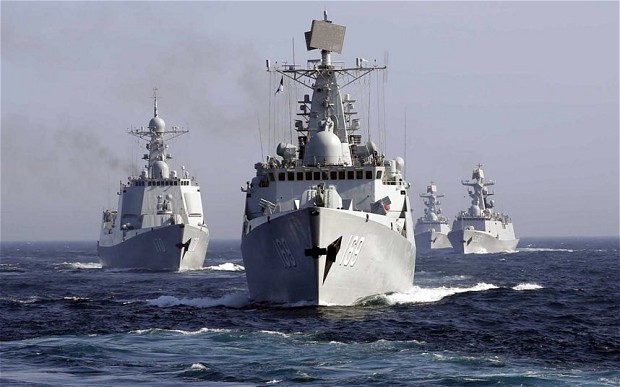



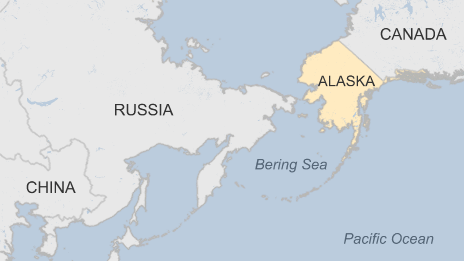






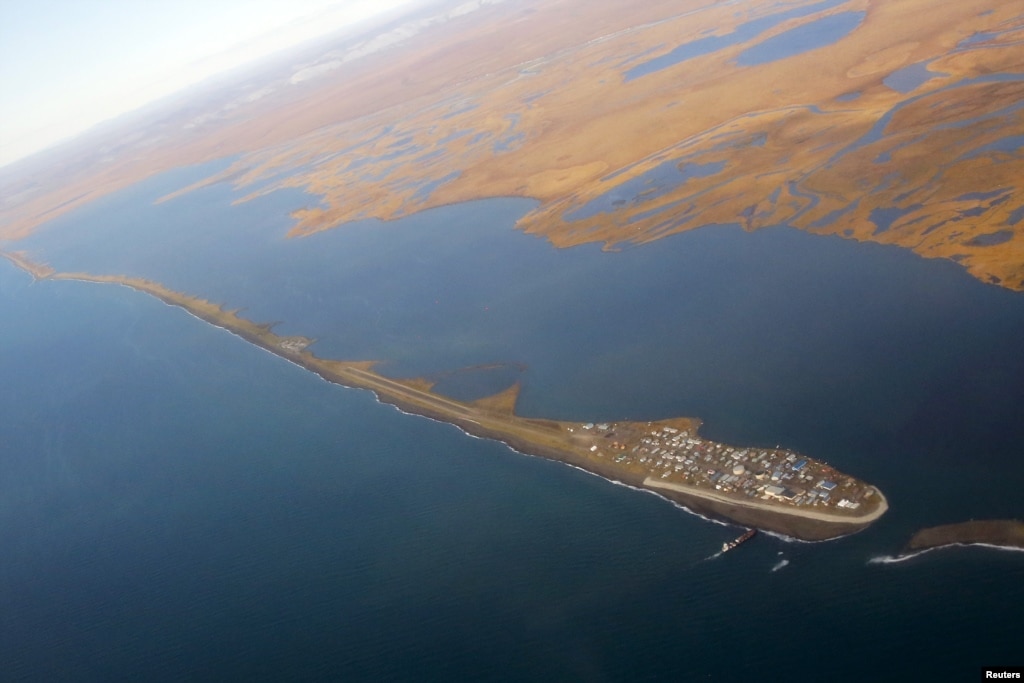
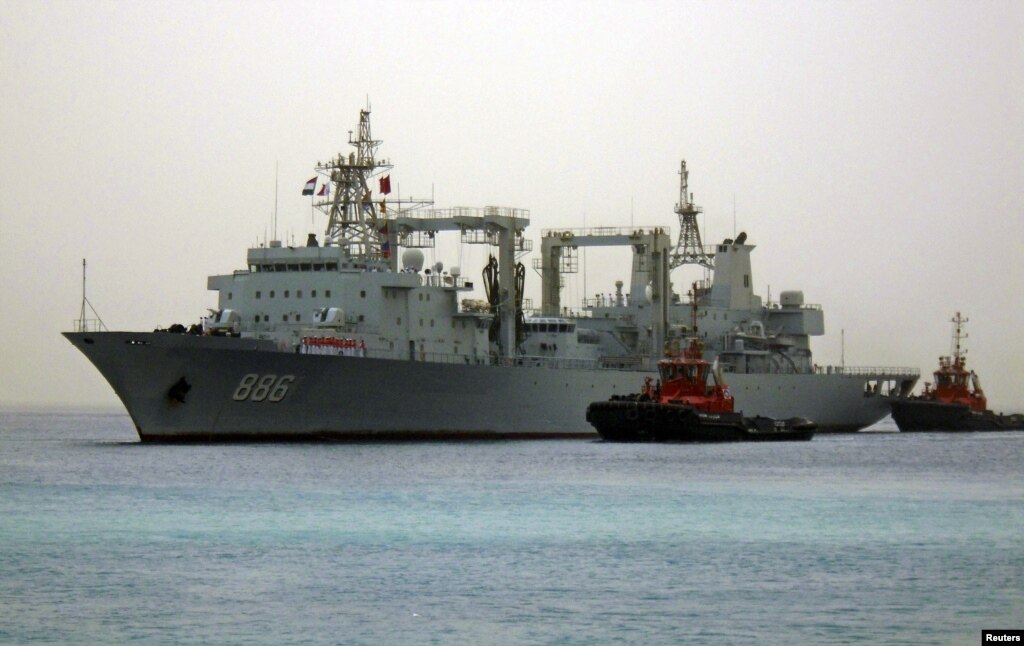
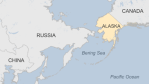

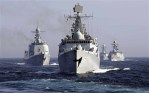

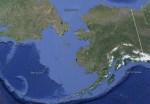










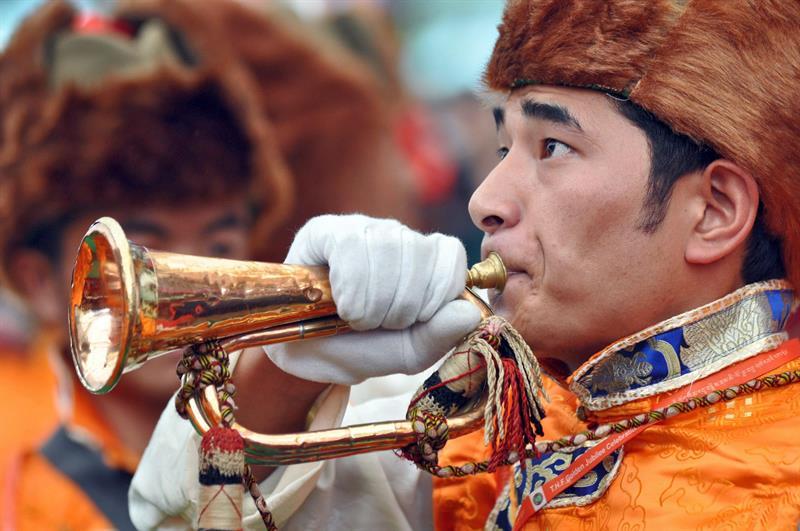
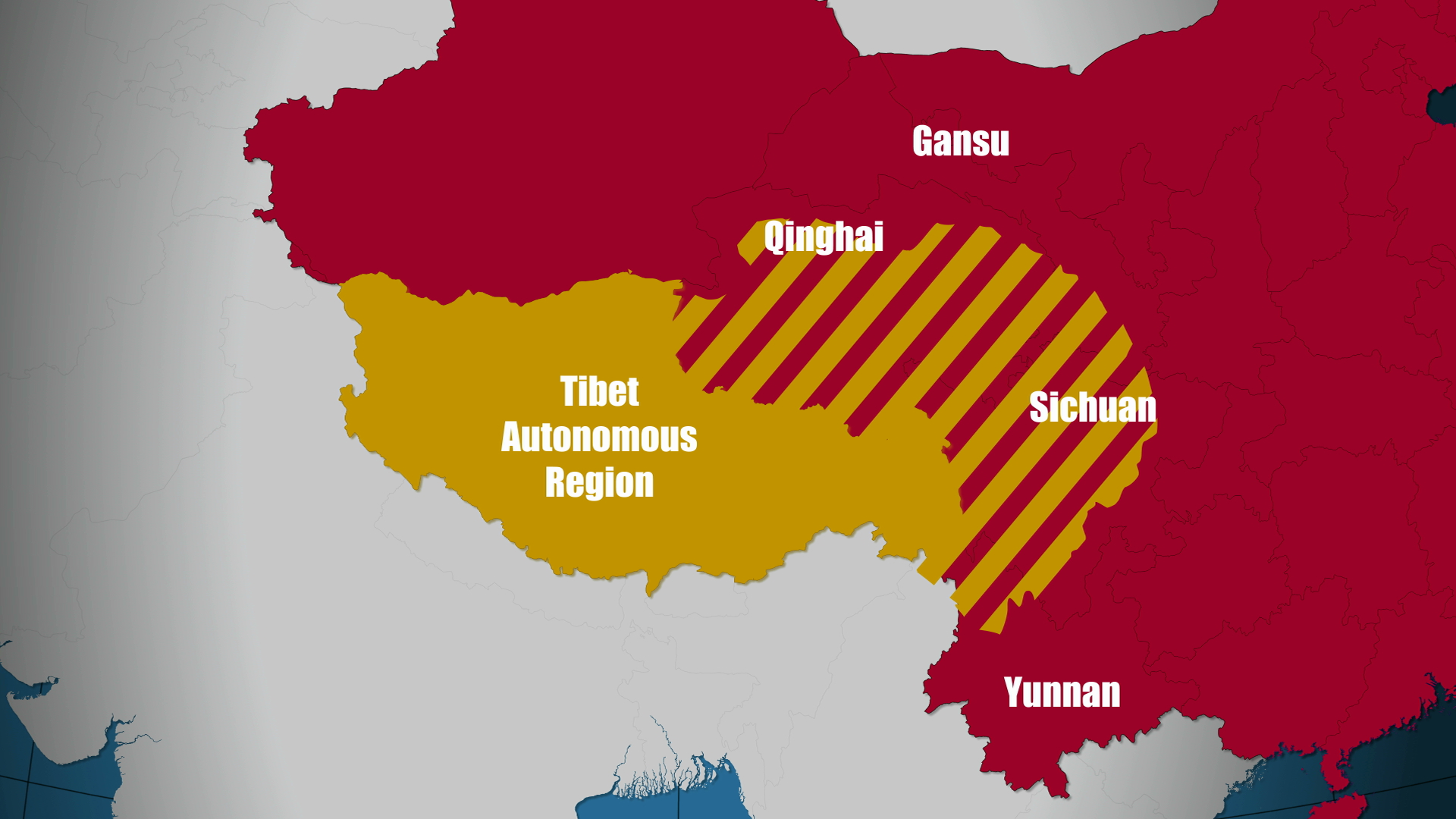


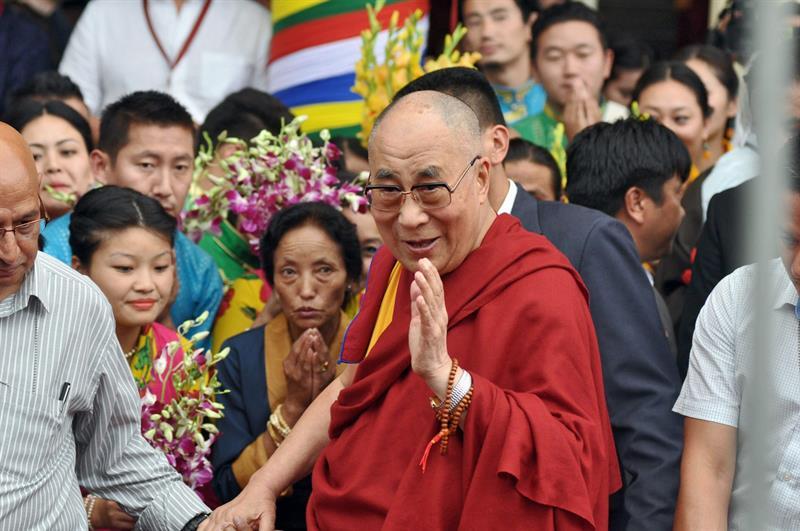
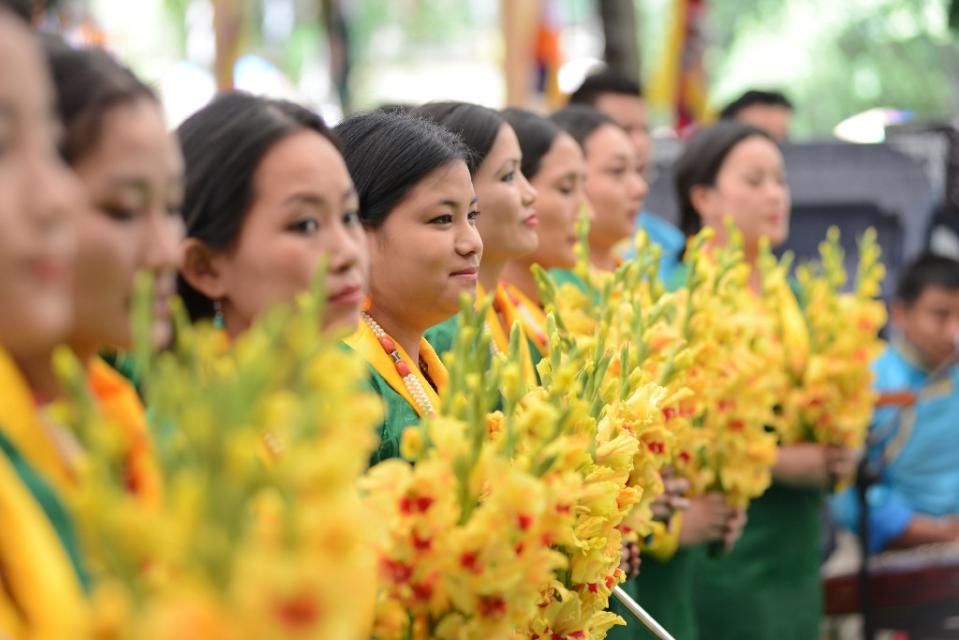


















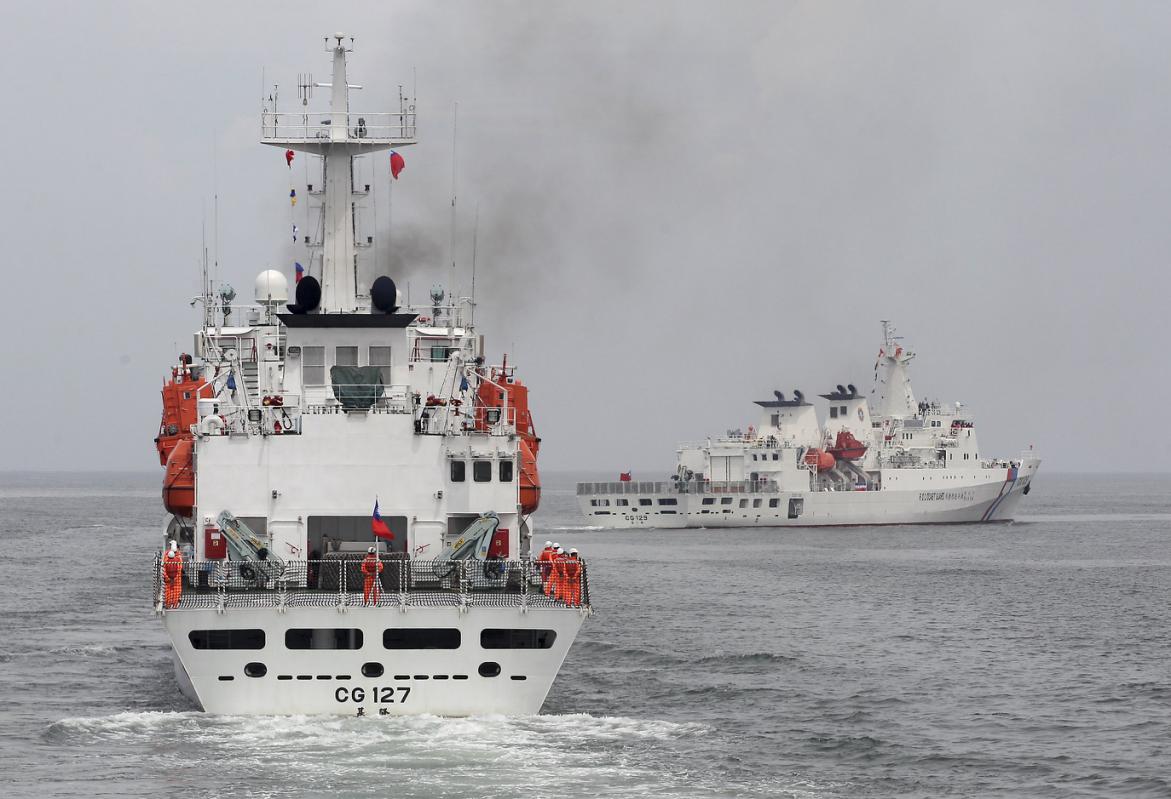
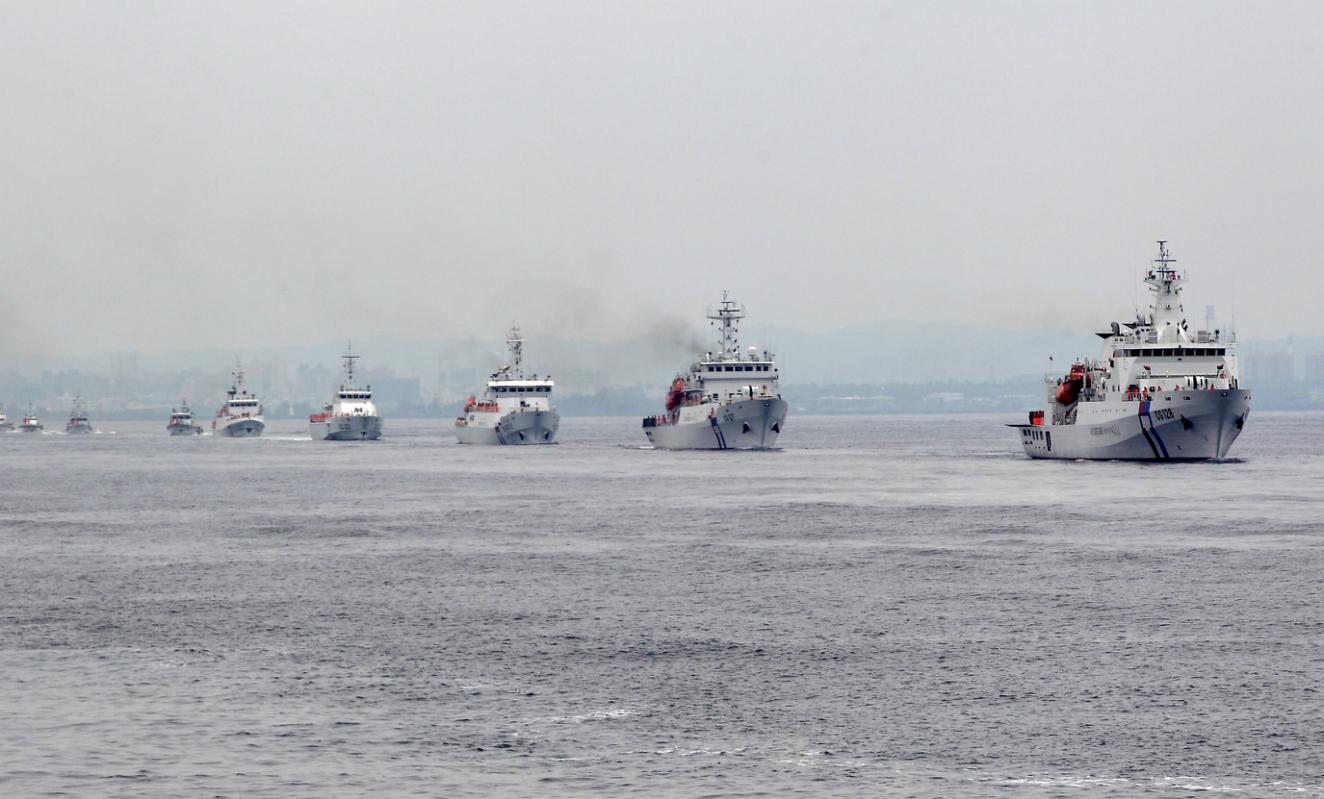
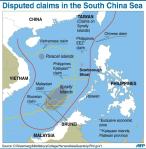
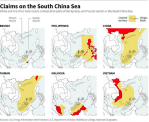





 Whole Dude - Whole Concept