THE BATTLE FOR TIBETAN SOUL – REINCARNATION vs RESURRECTION
The Battle for Tibetan Soul. Reincarnation vs Resurrection.
I coined the phrase “Living Tibetan Spirits” to describe the Tibetan Soldiers with whom I worked in Establishment No. 22 or Special Frontier Force while taking part in Operation Eagle, the military action that initiated Liberation of Bangladesh by attacking the enemy posts in the Chittagong Hill Tracts. These Tibetans lost their mortal lives while dreaming about Freedom in Occupied Tibet. As per Tibetan traditions, the deceased Tibetan Soldiers have no chance to reincarnate to fulfill their wishes. The privilege called ‘Reincarnation’ is accessible to a select few highly accomplished Lamas of great wisdom. I chose the option called ‘Resurrection’ to keep them alive by hosting their Spirits in my living Consciousness.
The Battle for Tibetan Soul. Reincarnation vs Resurrection.
WASHINGTON: The United States believes that the decision on picking the next Dalai Lama should be as per Tibet’s religious traditions and that it is not a role of the state, a top Trump administration official has told lawmakers, hinting that it will oppose any move by China to impose its own Dalai Lama.
The United States has a very clear position that religious decisions should be made within religious organizations and that this isn’t the role of the state, Laura Stone, acting deputy assistant secretary of state for East Asian and Pacific Affairs, told the Senate Foreign Relations Subcommittee on East Asia, the Pacific and International Cybersecurity Policy during a Congressional hearing.
Stone was responding to a question from Senator Cory Gardner.
China has said that they will pick the next Dalai Lama. The Tibetan policy, in 2002, mandated that American officials visit Tibet on a regular basis. I want to get into both. If China proceeds and tries to impose a Dalai Lama what will the US response be? the senator had asked.
Gardner said it was clear that this Congress would not recognize a Chinese imposition.
Stone said the senator asking such a question was an important signal to the Chinese government that this was the kind of issue that the United States was watching very closely and at very senior levels.
I wouldn’t want to prejudge exactly how this, a future scenario, would roll out but I would like to lay a marker that that is the clear position of the United States government and, I think, widely supported within the American society, that those are the kinds of decisions that should be made by religious communities on their own and without outside interference, she asserted.
In his remarks, Gardner said the crackdown in the Tibet Autonomous Region was intensifying while Beijing continued to refuse negotiations with the Central Tibetan Administration.
Human rights defenders are routinely jailed, tortured, and otherwise deprived of liberty. A genuine freedom of speech and assembly are nonexistent. Corruption and abuse of power are rampant. The judicial system is a tool of the state and the party and not an impartial arbiter of legal disputes, he said.
The United State, Stone said, was deeply concerned at the lack of meaningful autonomy for the Chinese people. We have certainly pressed for the release of detained activists throughout the entire country, but very importantly, on the Tibet plateau and in historical Tibet, she said.
The US has been pushing for access to Tibet with the Chinese authorities, Stone said, adding I know that’s an important issue. We do want to work with Congress on that shared goal and we do continue to have very serious concerns about the ability of the Tibetan people to continue to have the ability to express their unique culture, their unique language, and their religious practices.”
Senators Gardner and Ed Markey reflected the sentiments of the US Congress, seeking equal access of Americans to China as being done by the US to the Chinese. A legislation is being moved in the Congress in this regard.
We need to consider reciprocal access as part of our policy in approach to Tibet and to China and what’s being done to address this and to promote our access to Tibet. Do you share the goals of our Reciprocal Act?” he asked.
In the absence of such a reciprocity, the Act calls for sanctions against Chinese officials.
We certainly share the goals and we do look forward to working with you to figure out how best to achieve those goals, Stone said, confirming that the US government would implement the provisions of the Reciprocal Act if signed into law.
The Battle for Tibetan Soul. Reincarnation vs Resurrection.
BLESSINGS FOR PEACE – MY PRAYERS TO TIBET’S MOUNTAINS FOR JUSTICE
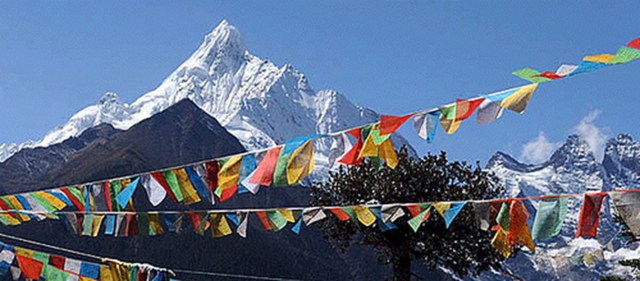
Peace, Harmony, and Tranquility define the Tibetan Living Experience. Tibetans pray to their Mountains to receive the Blessings for Peace. I am praying to Tibet’s Mountains to give us Justice in addition to Peace.
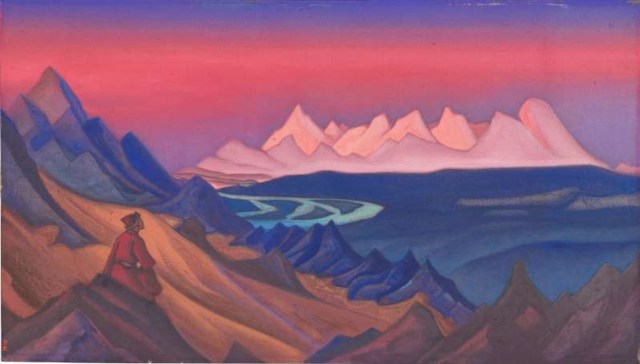
The painting – titled “Tangla. The Song about Shambhala” – shows a mythical paradise. Shambhala is believed to be the birthplace of Kalki, the tenth incarnation of Lord Vishnu.
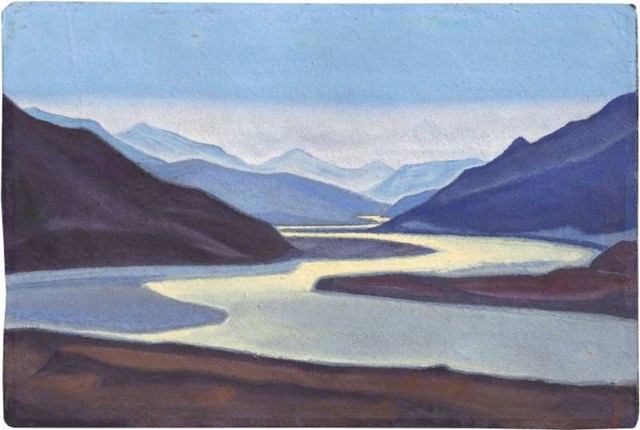
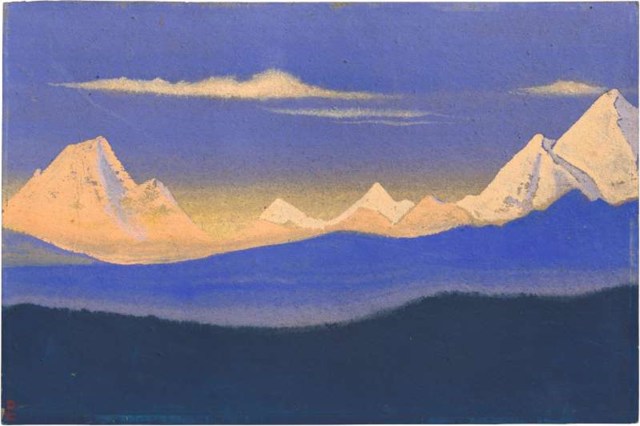
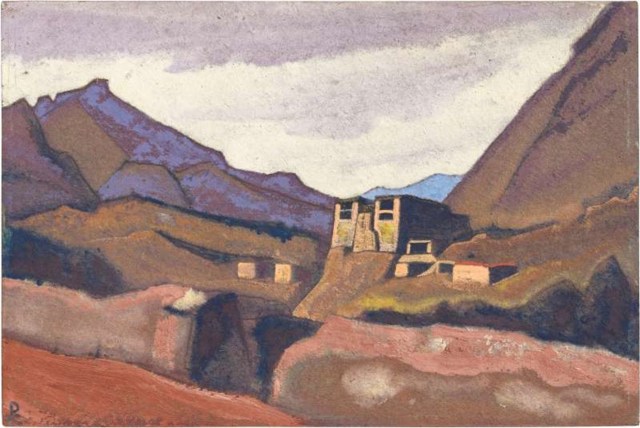
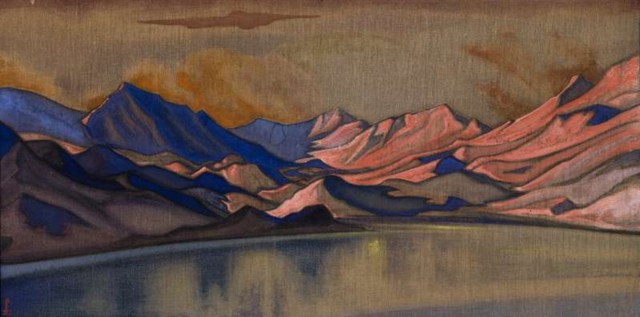
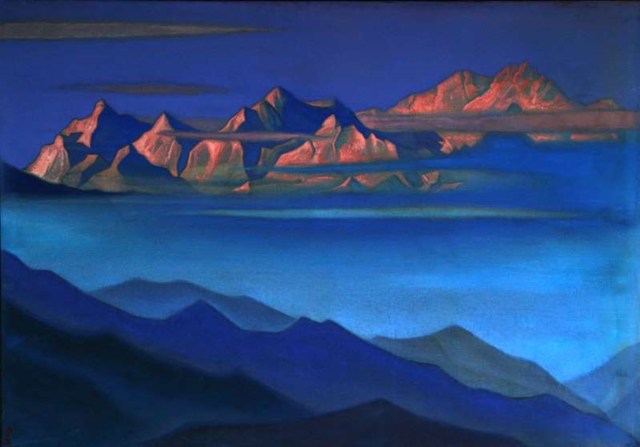
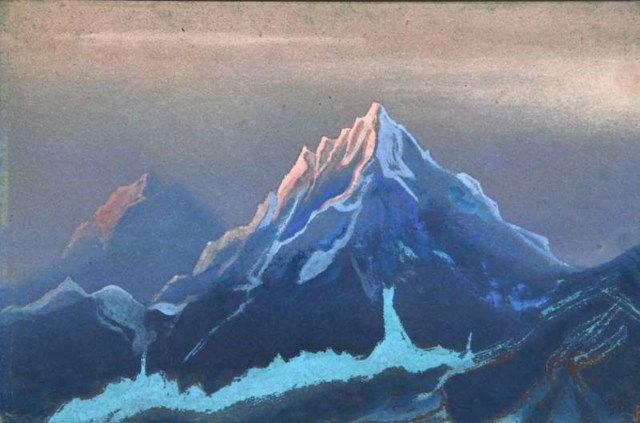
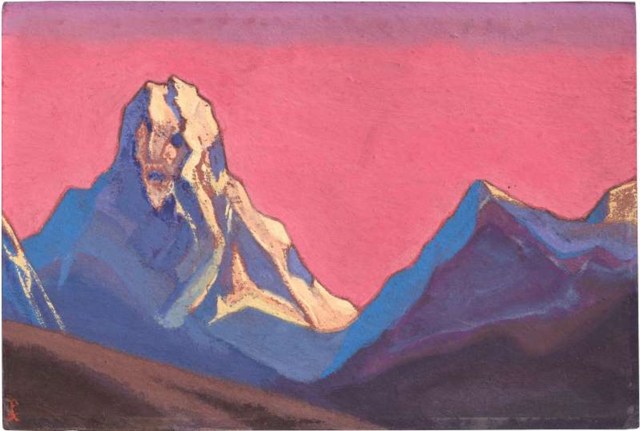
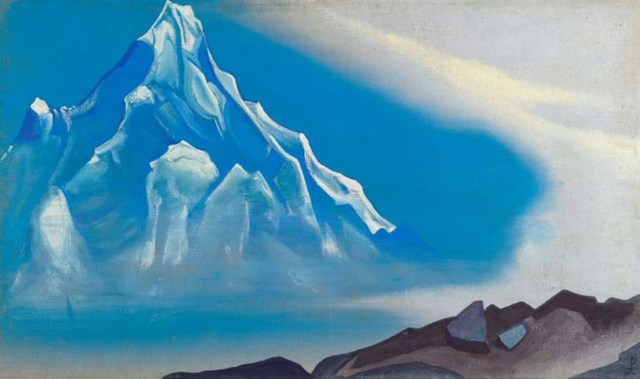
From the meandering Brahmaputra River winding its way through the Himalayas to the magnificent vision of the Kangchenjunga melding with the sky above, here are some colorful and dramatic paintings of Tibet’s mountains.
Brahmaputra River is shown flowing through a path between lofty mountain peaks in this painting titled “Brahmaputra.”. (Found in the collection of State Museum of Oriental Art in Moscow, Russia.)
The painting – titled “Tangla. The Song about Shambhala” – shows a mythical paradise. Shambhala is believed to be the birthplace of Kalki, the tenth incarnation of Lord Vishnu. (Found in the collection of State Museum of Oriental Art.)
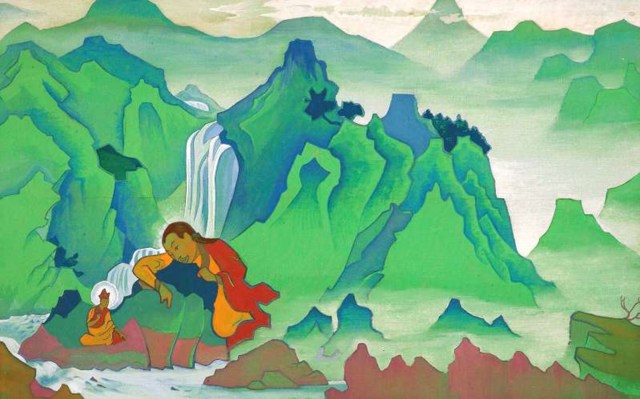
A 1924 work titled “Padma Sambhava.” Padmasambhava was an Indian sage who is said to have introduced Tantric Buddhism to Bhutan and Tibet in the eighth century. (Found in the collection of the Nicholas Roerich Museum in New York City, New York, U.S.)
An illustration, titled “Kangchenjunga,” of world’s third highest mountain. (Found in the collection of the International Centre of the Roerichs in Moscow.)
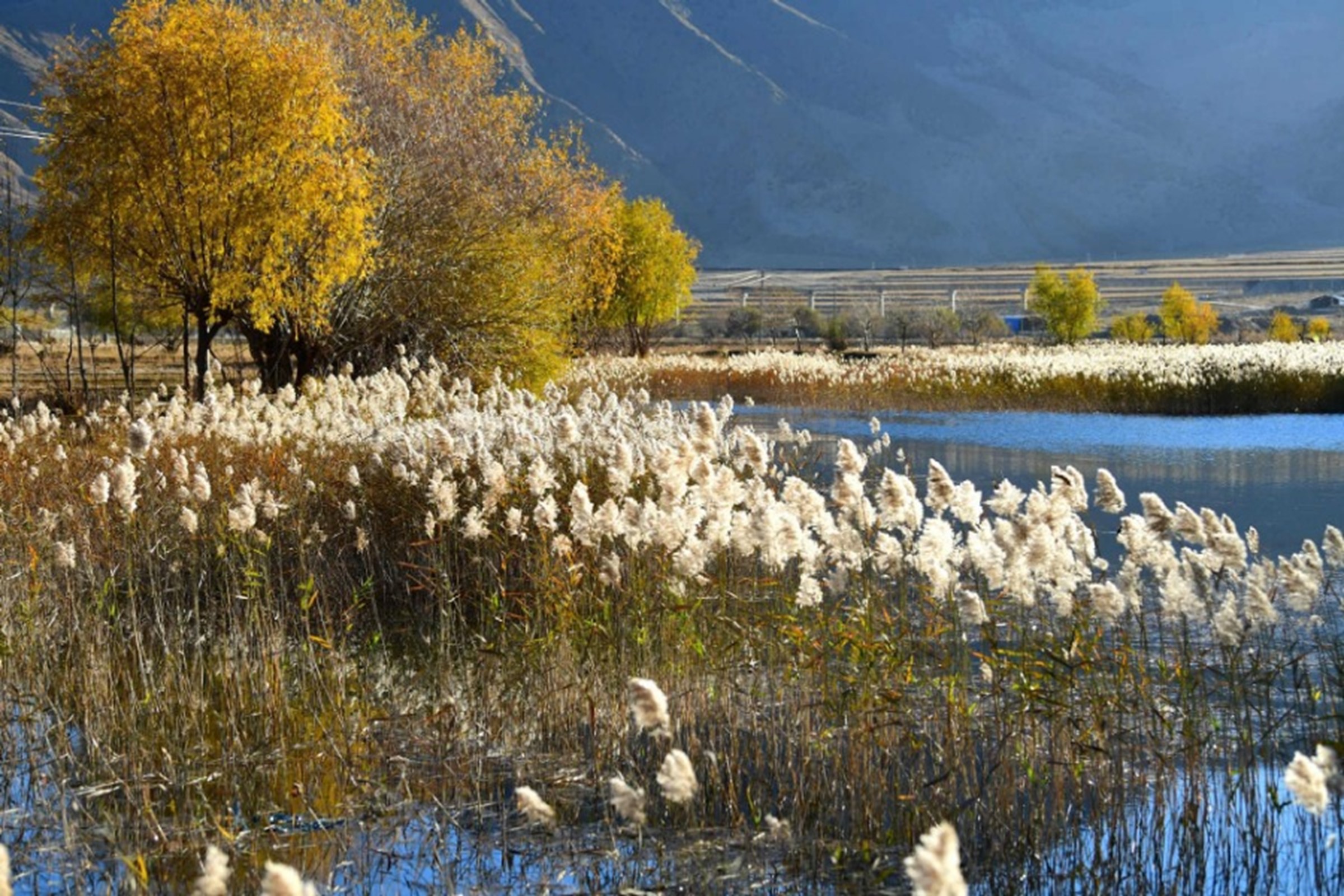
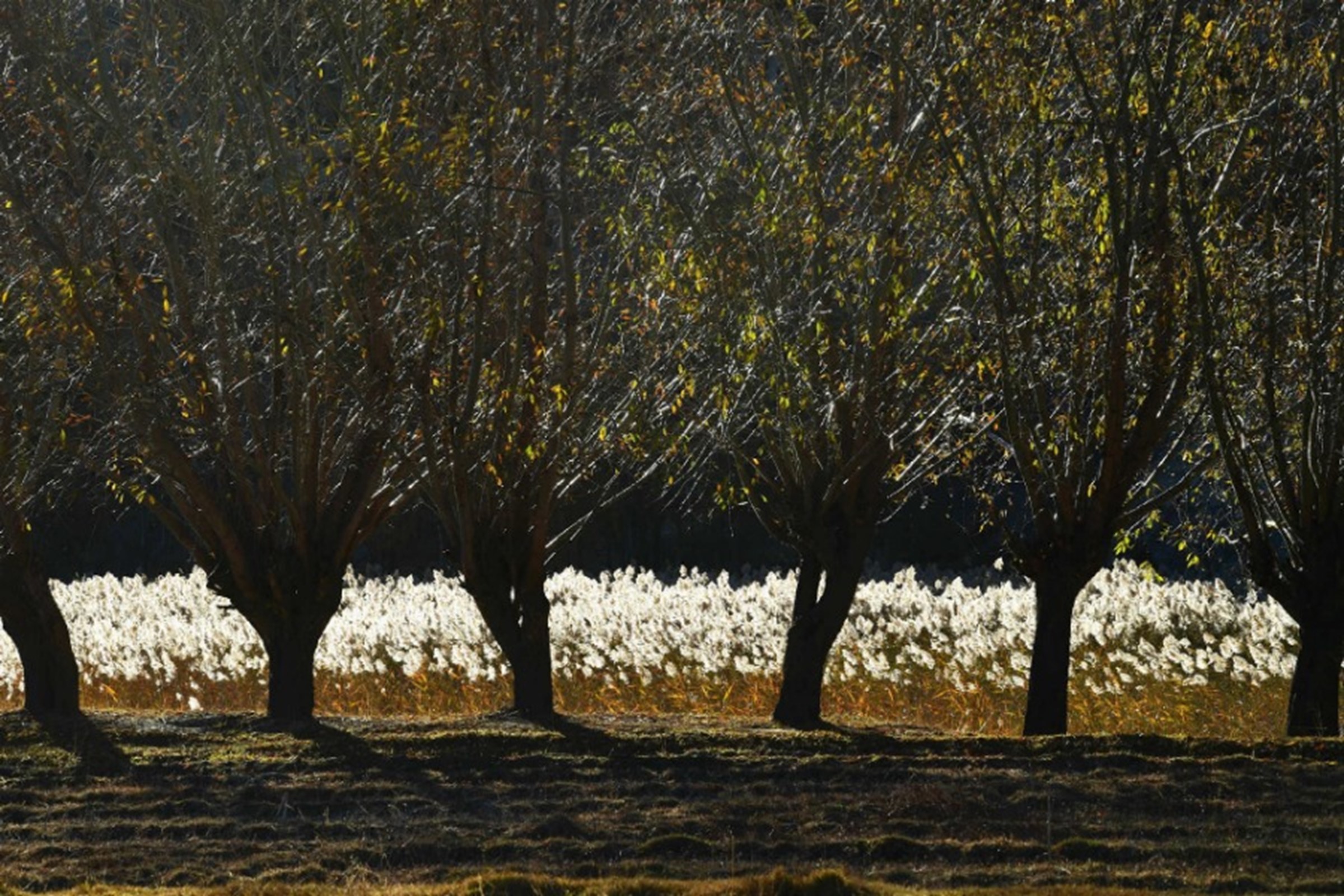
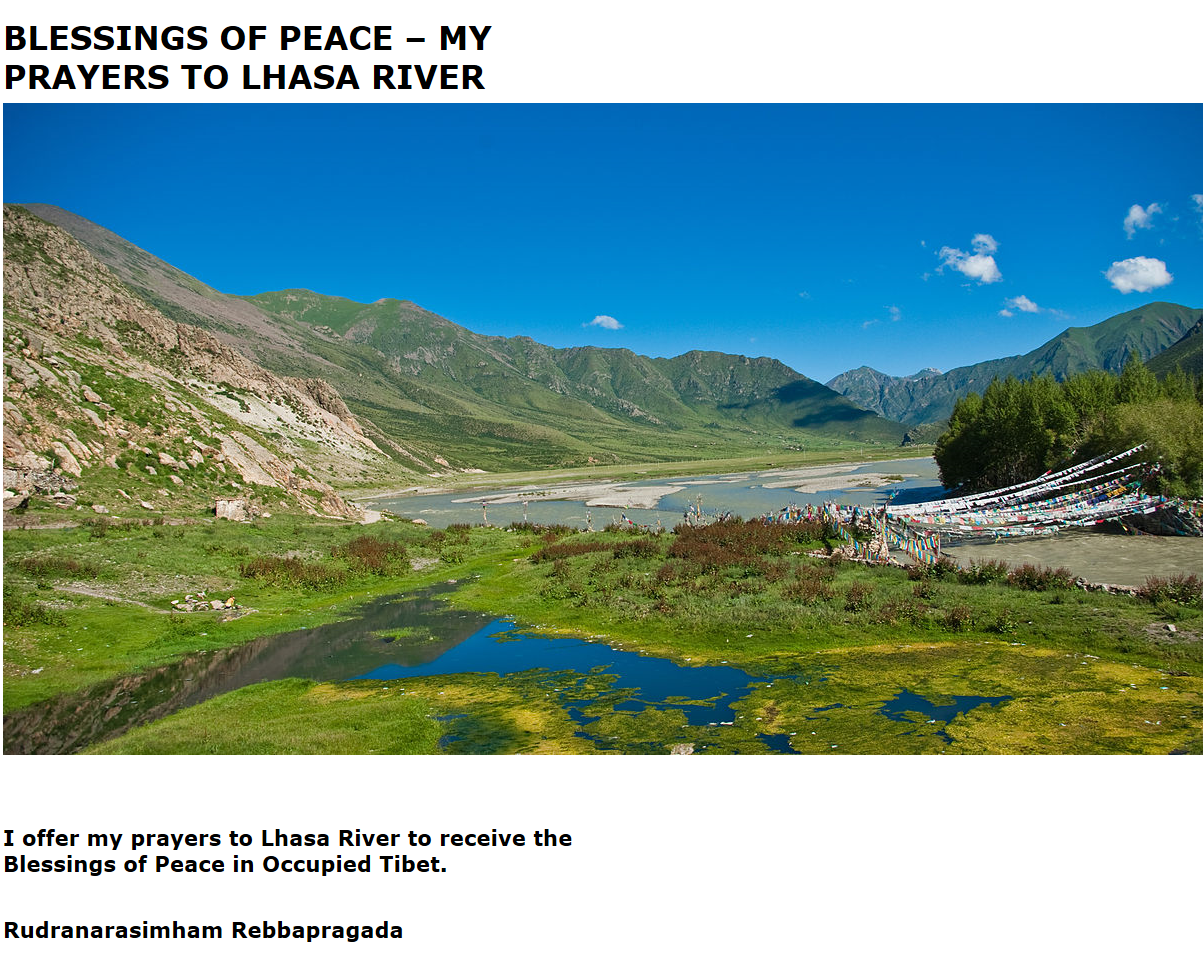
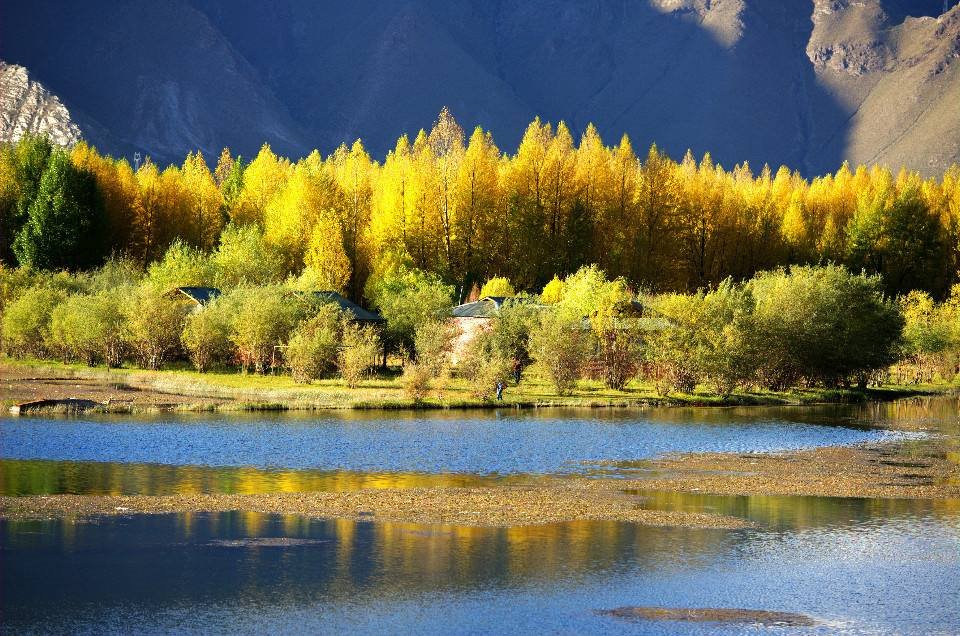
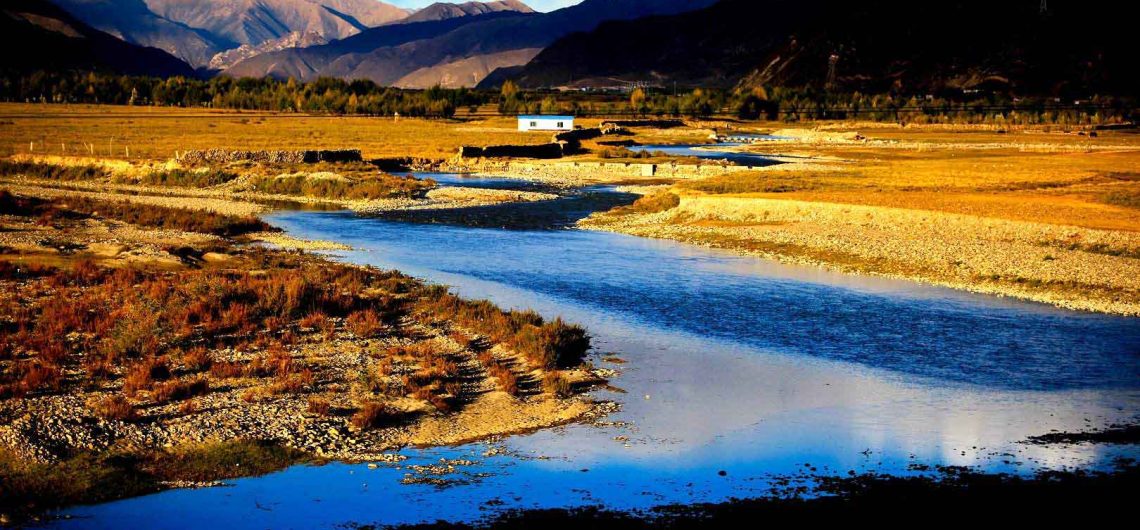
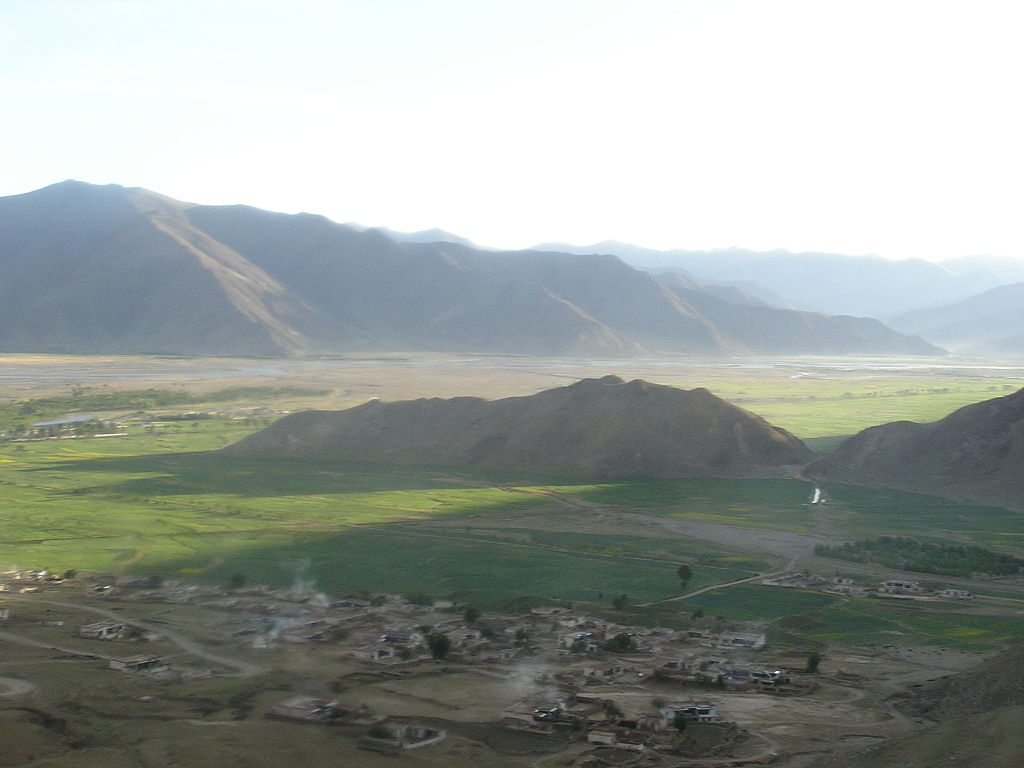
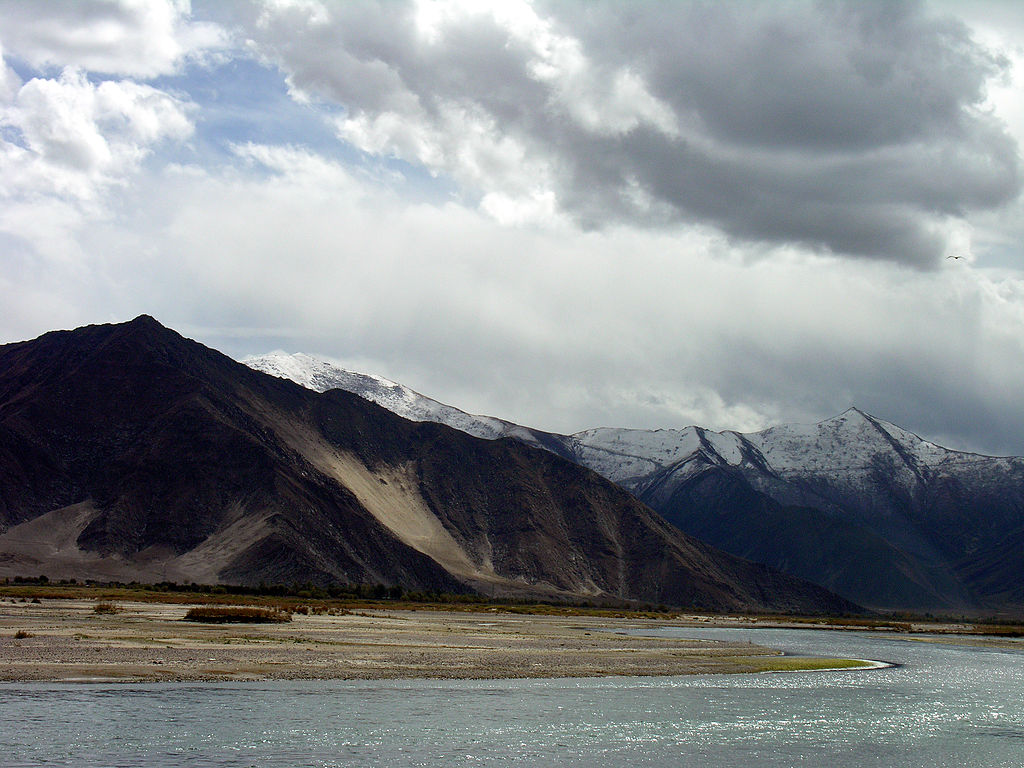
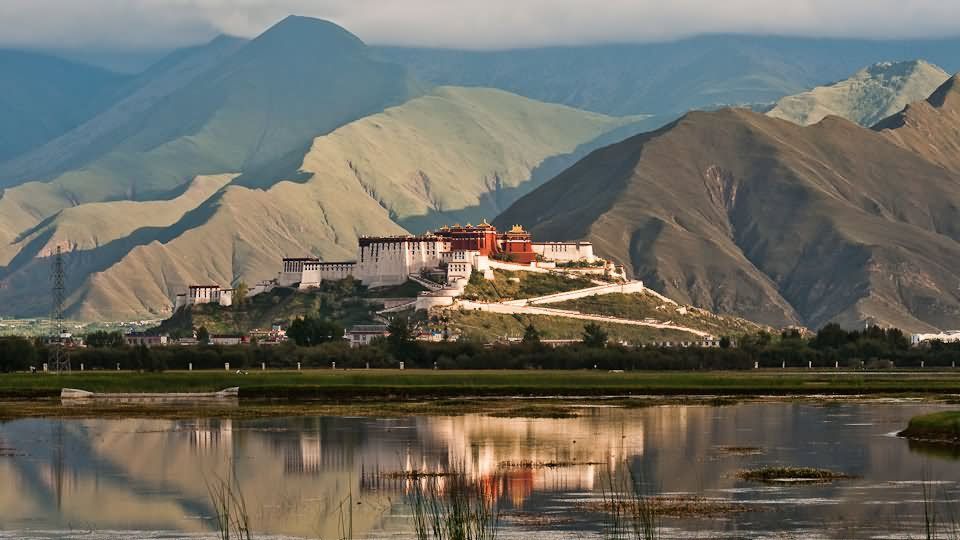
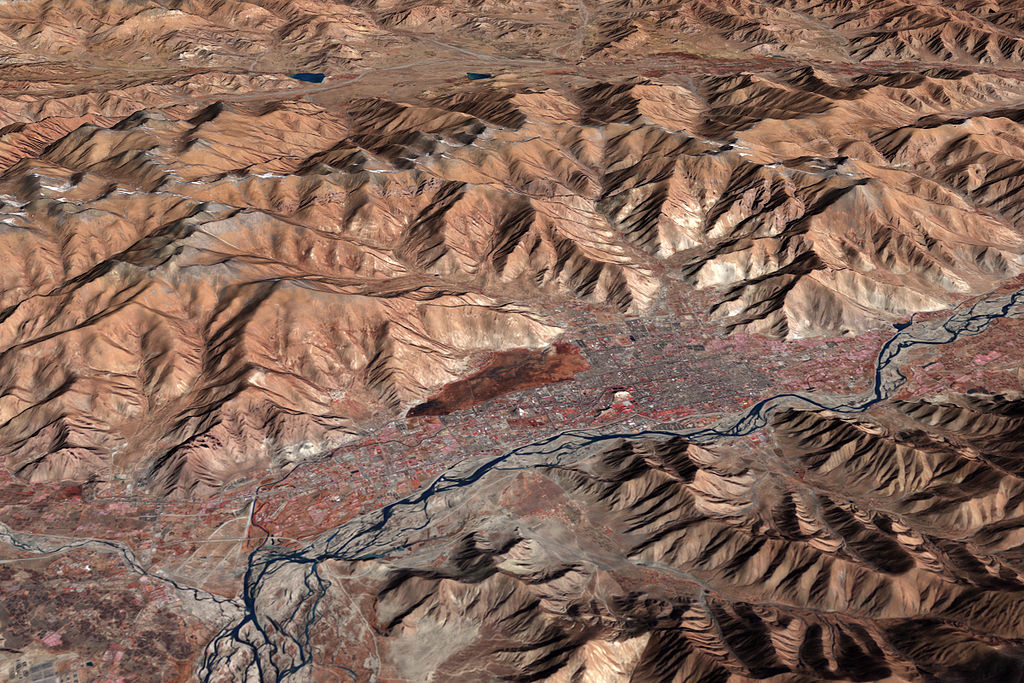
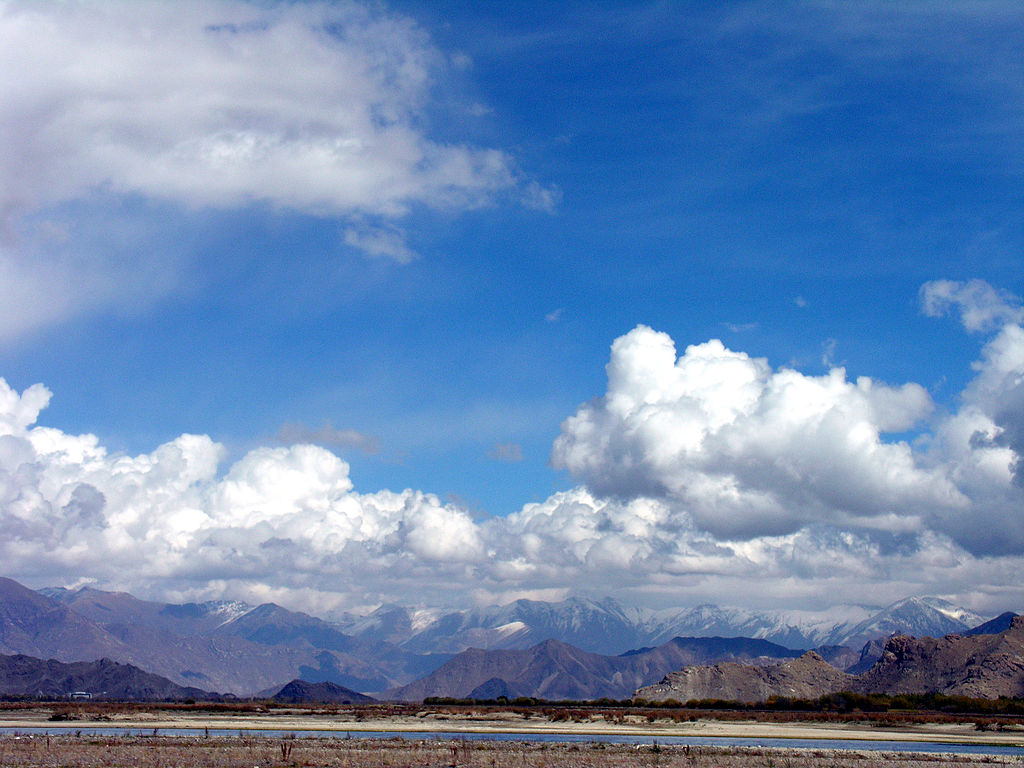
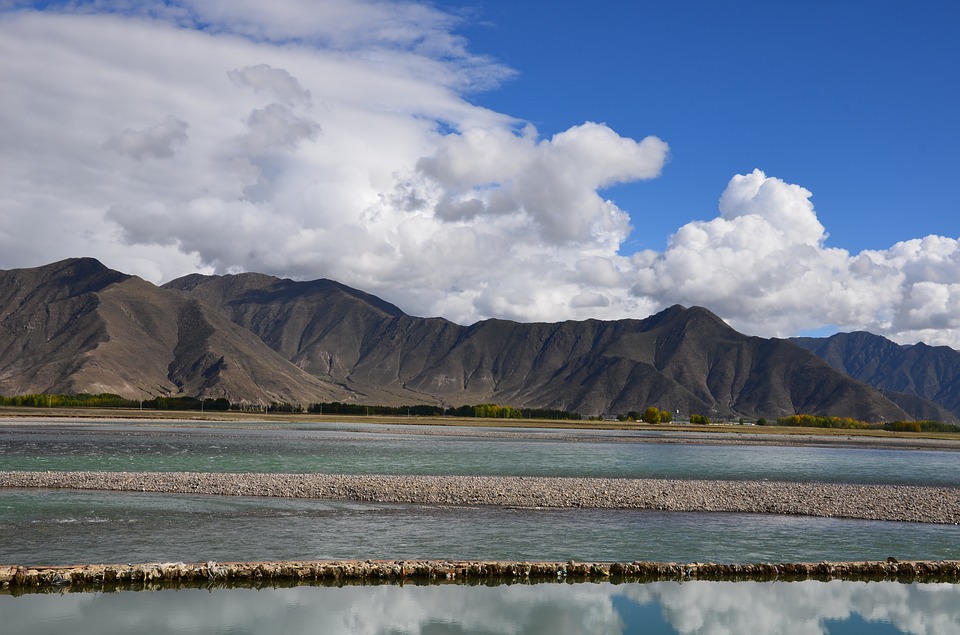
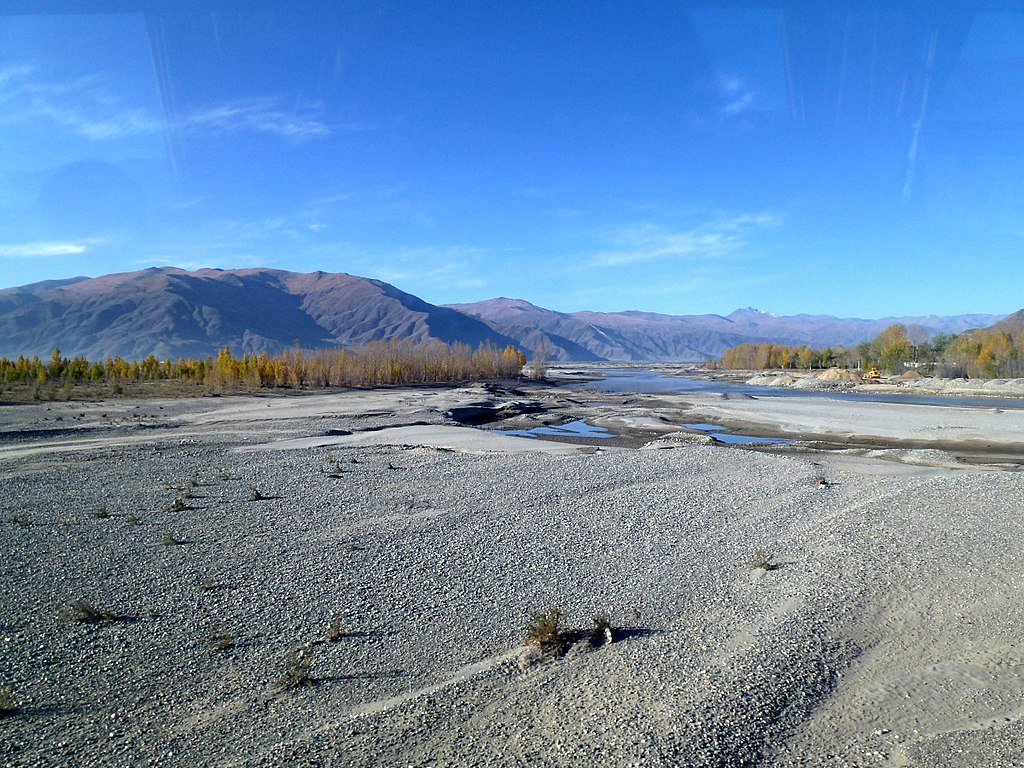
Prayers to Lhasa RiverMy Prayers to the Mother River of Tibet.My Prayers to the River of Happiness.My Prayers to Kyi-chu River.My Prayers to Holy River of Tibet.My Prayers to Lhasa River.Lhasa, Potala und Medizinberg von Osten. My Prayers to Lhasa River.My Prayers to Lhasa River.My Prayers to Lhasa River.My Prayers to Lhasa River.My Prayers to Lhasa River.My Prayers to Lhasa River.
PRAYERS FOR THE DAWN OF FREEDOM AT THE GRAND SEAT OF THE SUN
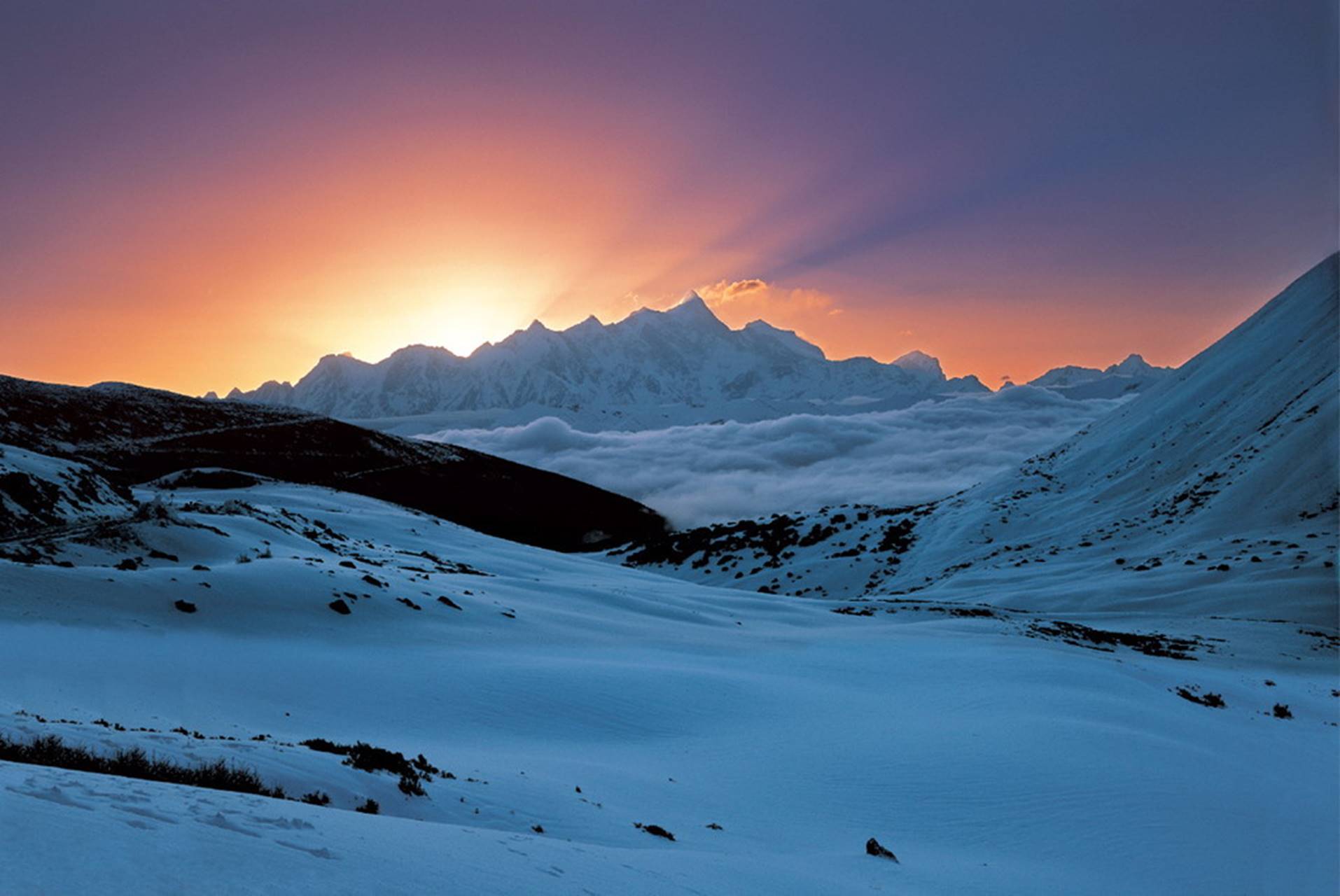
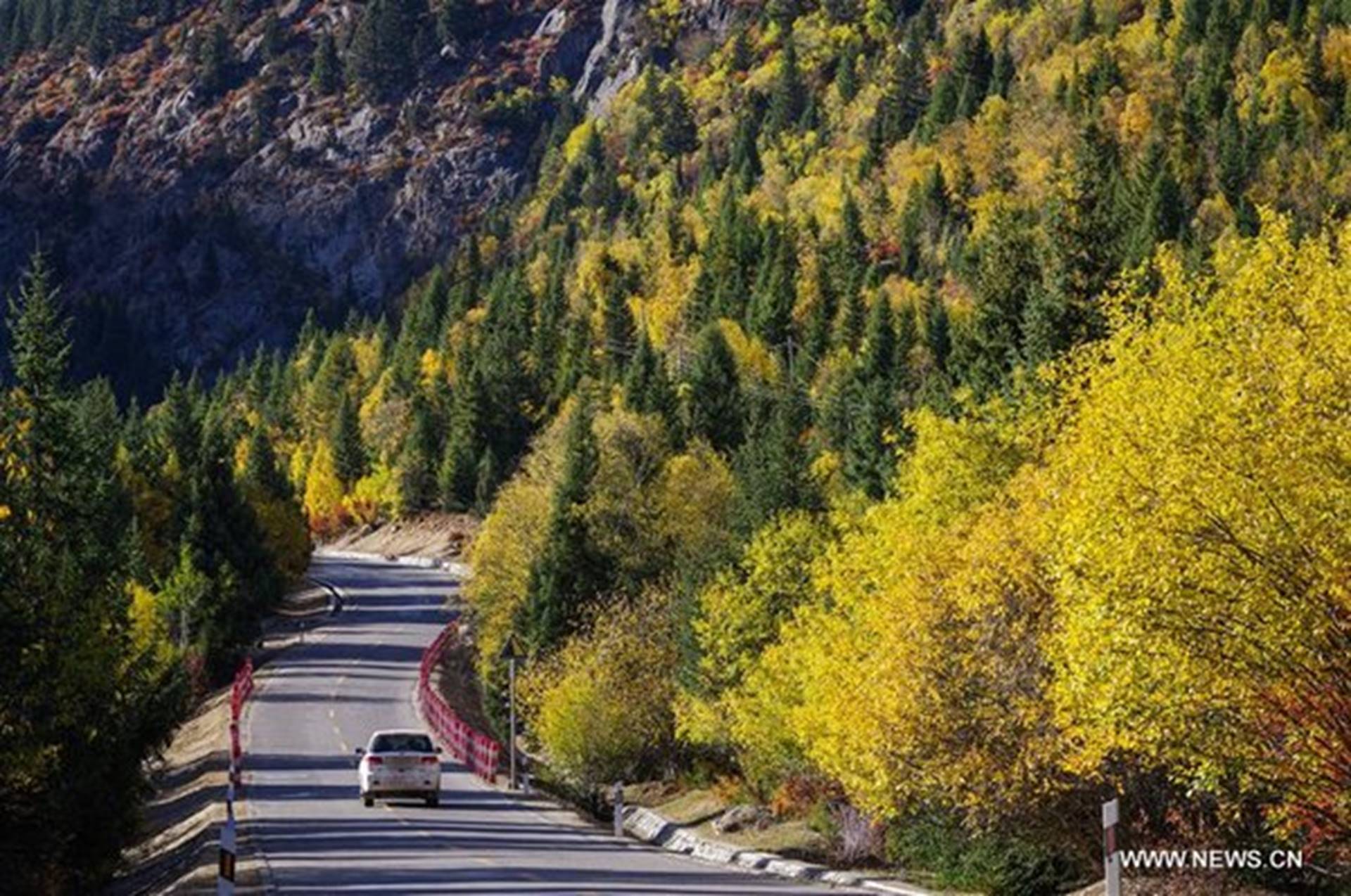
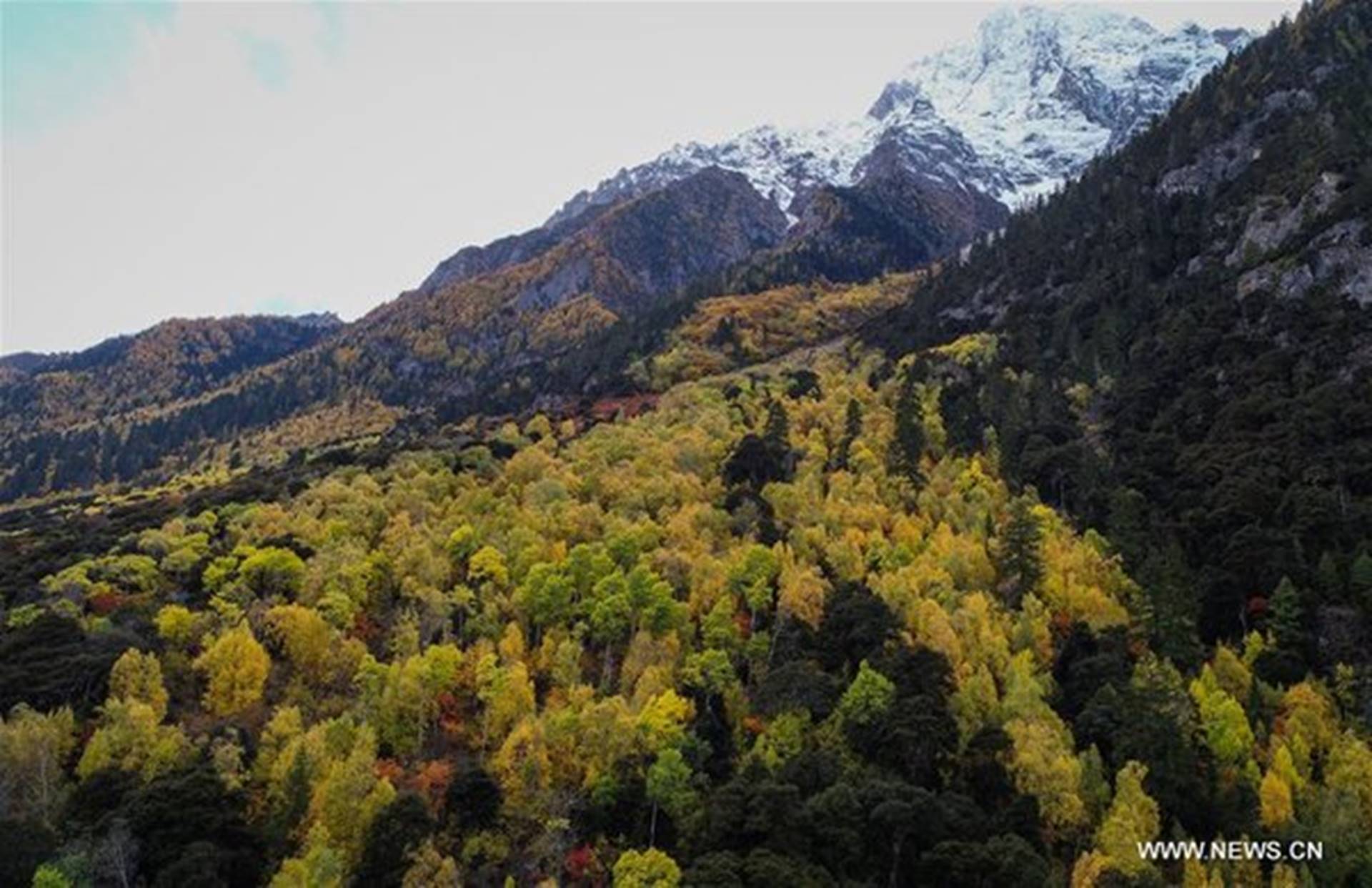
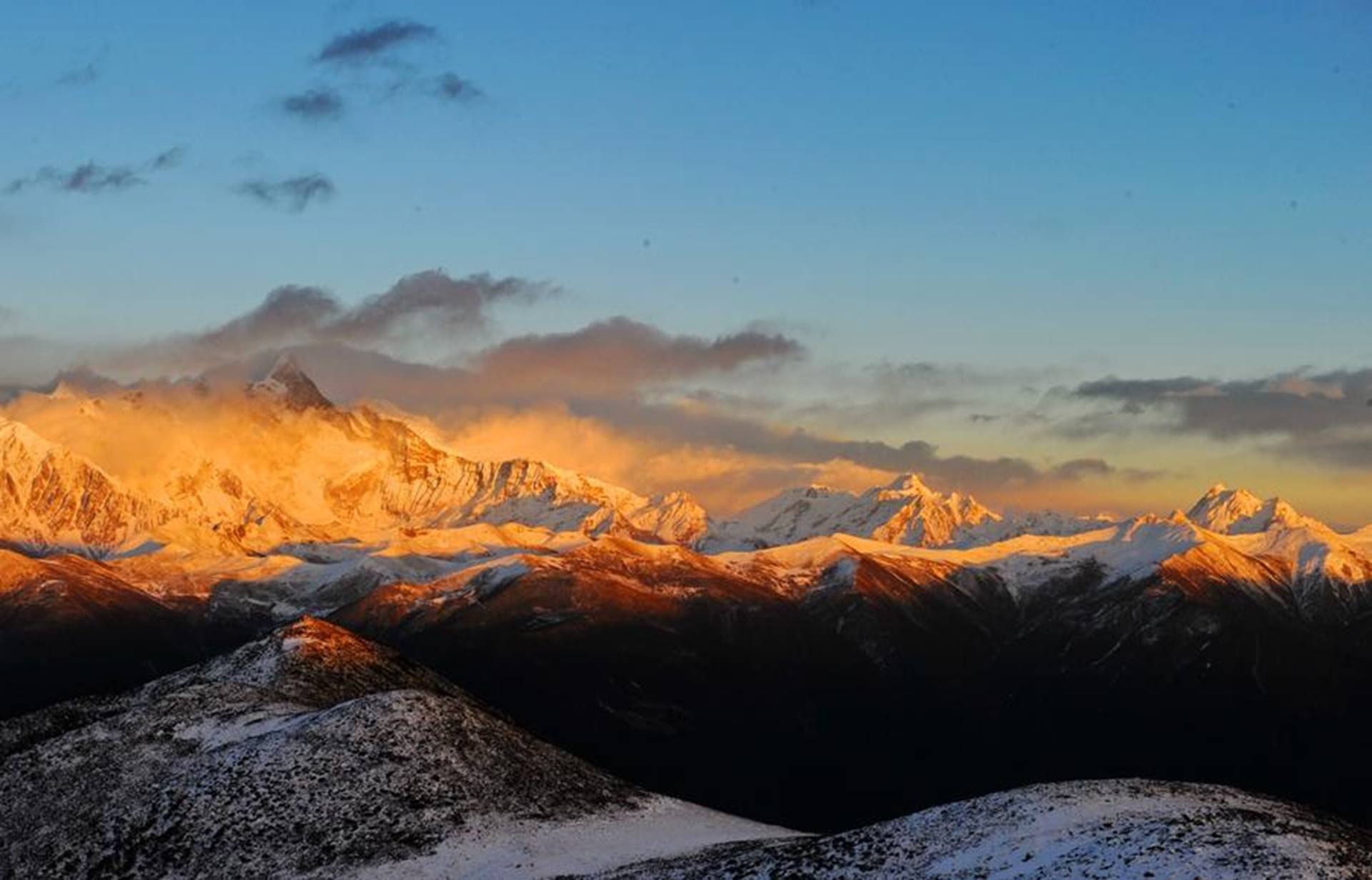
Prayers for the dawn of freedom at The Grand Seat of the Sun, Nyingchi, Tibet.
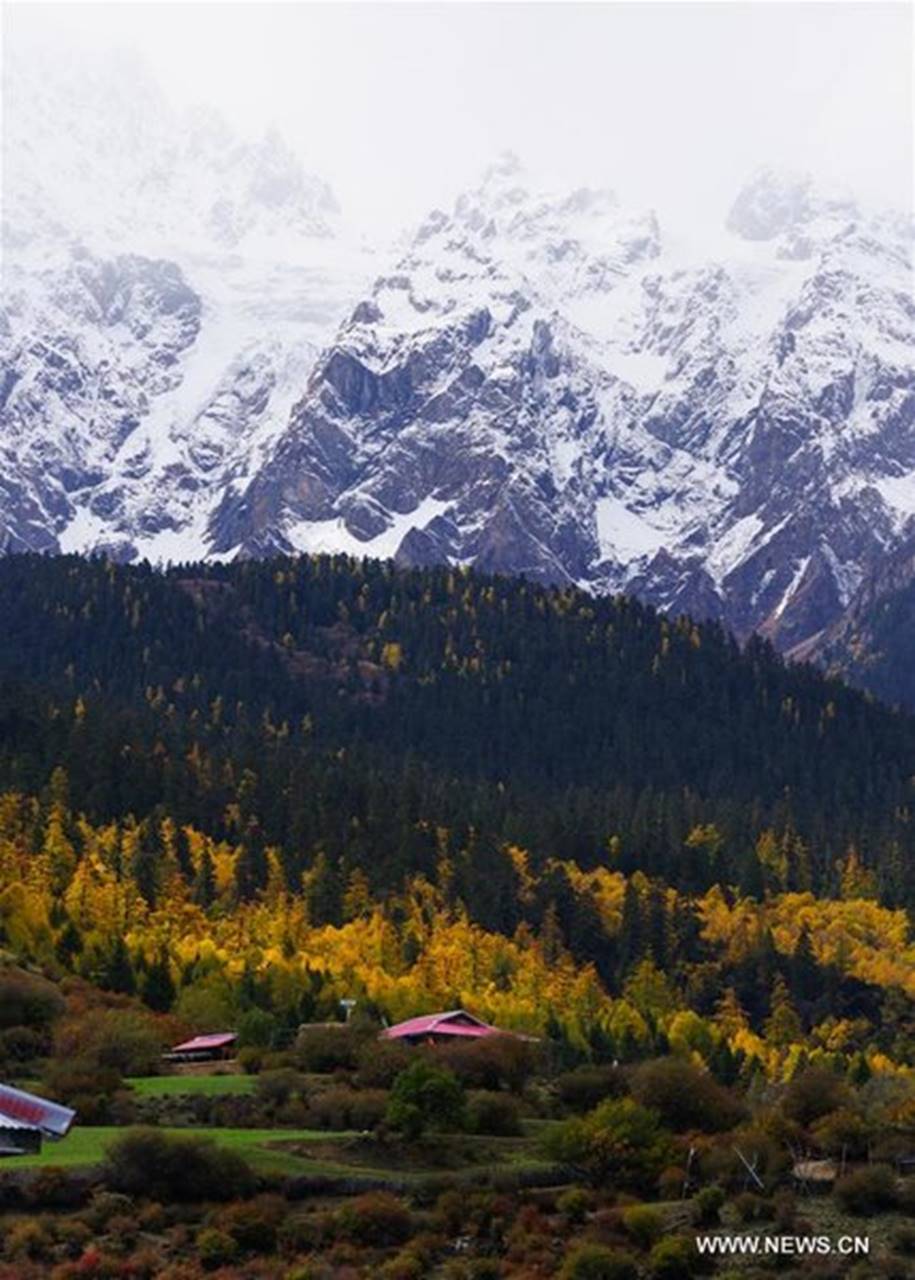
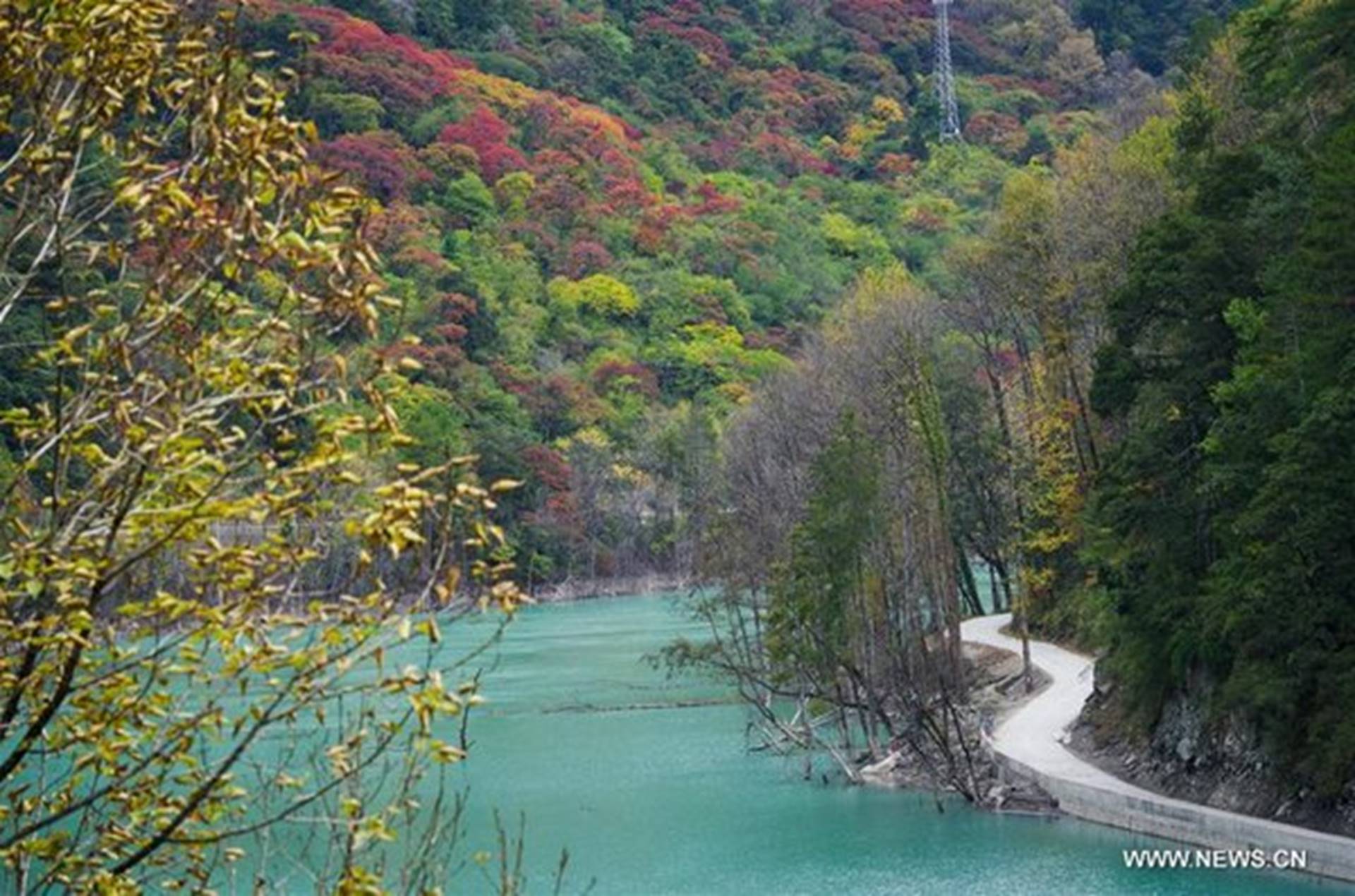
“Nyingchi” means “the Grand Seat of the Sun” in the language of Tibetan. It is noted for its green mountains and clear water. The Himalaya and Tangula Mountains wind their ways from west to east like two colossal dragons and join the Henduan Mountains in the east. The city of Nyingchi, lying in the southeast of Tibet, is in the embrace of these three mountain ranges. Nyingchi is also called “the Switzerland of Tibet” and “the Jiangnan of Tibet” (Jiangnan means the fertile and prosperous area in the south of the Yangtze.)
The primitive forest of Nyingchi is well-preserved in which one can easily find the upright ancient plateau Tibetan cypress, the Himalaya cold cedar, the “living plant fossil”- the tree bracken and a vast variety of azaleas. Nyingchi is therefore entitled “the Natural Museum and “the Natural Gene Pool”. The area around the Buqun Lake is deemed to be the place where the wild man was living.
I am offering my prayers for the dawn of freedom at ‘The Grand Seat of the Sun’.
TIBET EQUILIBRIUM IS BALANCE BETWEEN NATURE AND POLITICAL POWER
Tibet Equilibrium is Balance Between Nature and Political Power.
In my analysis, the Tibetan Resistance Movement primarily aims at achieving the Balance between Natural Freedom and Political Power of any entity that rules over the lives of Tibetan People. For centuries, on account of Tibet Equilibrium, Tibetans enjoyed independent lifestyles despite military conquests of Tibet by Yuan and Manchu Dynasties of China. Red China’s military invasion, military occupation and colonization of Tibet impose severe strains on Nature as well as all denizens of Tibetan Plateau.
Tibetans are left with no choice other than that of Resistance for Red China rules over Tibet with Iron Fist severely undermining the experience of Natural Balance, Natural Harmony, and Natural Tranquility, the gifts of Nature and Natural Conditions presiding over Tibetan Existence from the beginning of its long History.
Tibet Equilibrium can be defined as the Balance Between Nature and Political Power.
Nik Fes – Sep 17, 2018
Tibet Equilibrium can be defined as the Balance Between Nature and Political Power.
The Chinese Tibet Autonomous Region wants to put environmental protection measures before the development of tourism. Nature and tourism need to coexist in balance.
The tourism industry in the region has developed rapidly in recent years and has become a growth driver, said Qizhala, the chairman of the local government.
Tourism contributes to Tibet’s GDP with at least 30%, according to him. The number of tourists from home and abroad arriving in Tibet annually is expected to reach 30 million, compared to 10 million in 2012 and 20 million in 2015.
Despite the incredible tourism book, the local government has always emphasized environmental protection. Experts have also advised balancing environmental protection, nature and tourism. Efforts are being made to prevent “blind development and overdevelopment,” as described by Qizhala.
The region plans to reduce the number of tourists who want to visit vantage points near glaciers, such as Qomolangma mountain. A cap on visits to Mount Qomolangma is set to be established and implemented in 2019.
“We always have to keep an eye on the minimum standard of environmental protection,” Qizhala said. Since 2009, a total of 9.6 billion yuan ($1.4 billion) has been invested in environmental protection in the region. Last year alone, 1.14 billion yuan was invested.
In order to protect wildlife better, a mechanism was introduced in 2015 to provide compensation to farmers and shepherds who have suffered wildlife losses. So far, 85 million yuan has been spent on it.
Regarding the future, Yao Tandong, director of the Institute for the Qinghai-Tibet Plateau suggests that more national parks be built to make better use of tourism resources and protect the environment.
The region is considering setting up four national parks. These include Tibet’s largest lake, the mountain Qomolangma, the Yarlung Zangbo, and the earth forest of the Kingdom of Guge. Once these scenic national parks have been established, consistent planning for their protection can be implemented to minimize the environmental damage caused by tourism, Qizhala concluded.
Tibet Equilibrium is Balance Between Nature and Political Power.
TUESDAY, SEPTEMBER 11, 2018 – REMEMBERING THE CONSONANCE AND THE DISSONANCE IN HUMAN NATURE
Tuesday, September 11, 2018. Remembering the consonance and the dissonance in human nature. Tower of Voices, Flight 93 National Memorial Site, Pennsylvania.
On Tuesday, September 11, 2018, the 17th Anniversary of 911 attacks on the United States, I reflect upon the consonance and dissonance in human nature. The serenity and nobility of the site in Pennsylvania depict the dimension of consonance and the crash of Flight 93 depicts the dimension of dissonance when the world and man are viewed as the works of God.
I define the United States using its national motto which proclaims, “In God We Trust.” For we trust in God, it is rational to claim that man is constituted as a Spiritual Being in God’s own image. I have a great problem in accounting for man’s evil thoughts and actions that cause pain and suffering. The wickedness of man got exposed on Tuesday, September 11, 2001. For God’s creation is perfect, there can never be two opposing or self-contradicting dimensions of human nature. Man’s spiritual nature reveals the consonance, the resonance of God’s nature in His work. How does the dissonance intrude into the world? How can the man be estranged, separated, or alienated from his own true or original nature?
Tuesday, September 11, 2018. Remembering the consonance and the dissonance in human nature. Reflections at Flight 93 National Memorial Site, Pennsylvania.
In my analysis, the prophecy of Isaiah has come true. Man is cursed to suffer. There can be no healing without conversion by the Spirit.
Tuesday, September 11, 2018. Remembering the consonance and the dissonance in human nature. Reflections at Flight 93 National Memorial Site.
Tuesday, September 11, 2018. Remembering the consonance and the dissonance in human nature. Reflections at Flight 93 National Memorial Site in Pennsylvania.
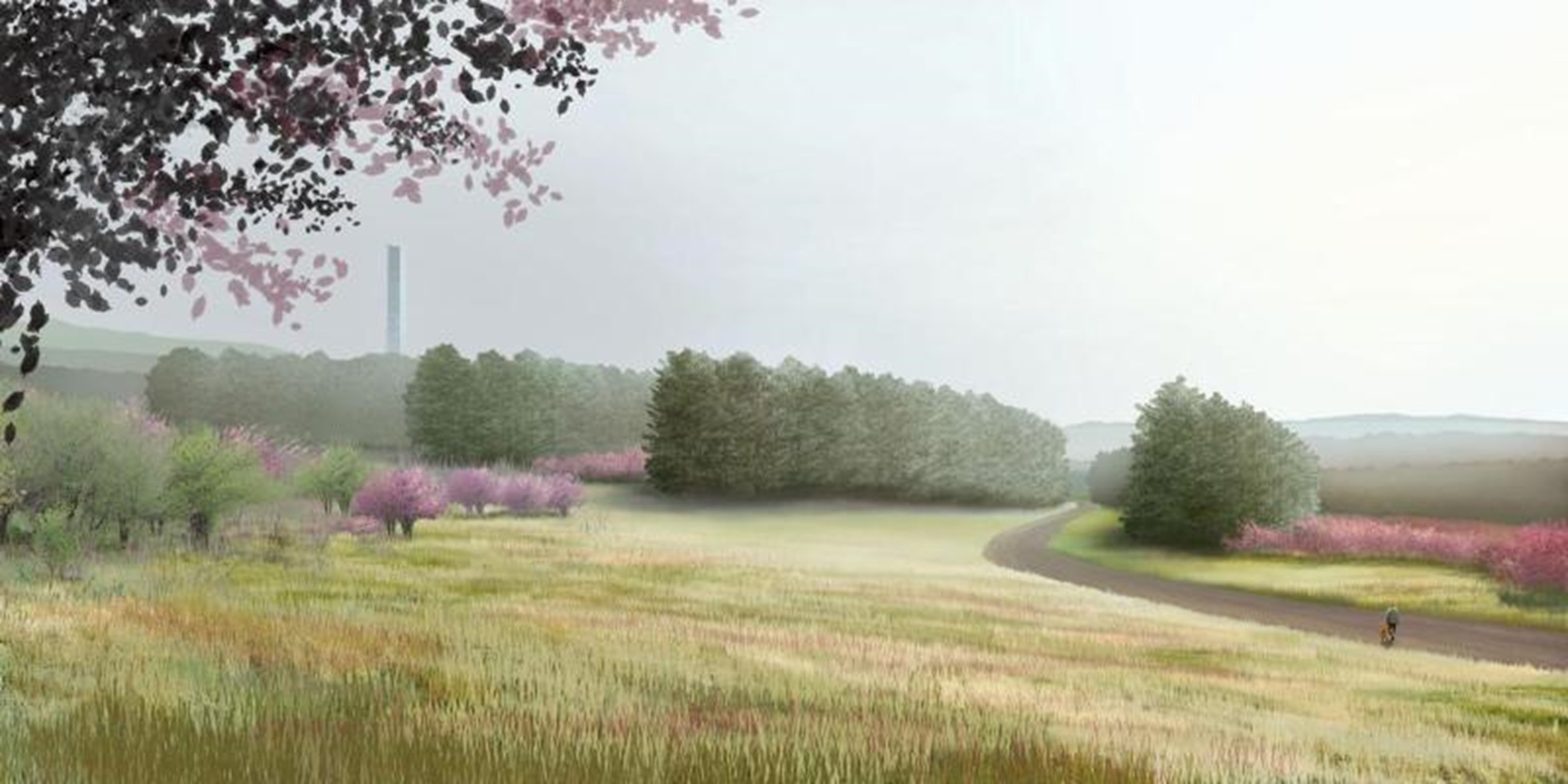
The Tower of Voices is conceived as a monumental, ninety-three feet tall musical instrument holding forty wind chimes, representing the forty passengers and crew members. The intent is to create a set of forty tones (voices) that can connote through consonance the serenity and nobility of the site while also through dissonance recalling the event that consecrated the site.
Artwork courtesy of bioLinia and Paul Murdoch Architects.
Tuesday, September 11, 2018. Remembering the consonance and the dissonance in human nature. Reflections at Flight 93 National Memorial Site in Pennsylvania.
The wind chimes inside the Tower of Voices. The chimes will be constructed of polished aluminium tubes ranging 8-16 inches in diameter and approximately five to ten feet in length. The size of each chime is dependent on the musical note and associated frequency that it is intended to produce.
Artwork courtesy of bioLinia and Paul Murdoch Architects.
Overview
The Tower of Voices serves as both a visual and audible reminder of the heroism of the forty passengers and crew of United Flight 93. On September 09, 2018 Flight 93 National Memorial will host a dedication event to complete the final phase of construction and complete the permanent memorial.
The tower is conceived as a monumental, ninety-three feet tall musical instrument holding forty wind chimes, representing the forty passengers and crew members. It is intended to be a landmark feature near the memorial entrance, visible from US Route 30/Lincoln Highway. The Tower of Voices will provide a living memorial in sound to remember the forty through their ongoing voices.
The tower project will be constructed from 2017 to 2018 with a dedication of the project on September 9, 2018. Funding for the design and construction of the project is provided through private donations to the National Park Foundation and the Friends of Flight 93 National Memorial.
Uniqueness of Design
There are no other chime structures like this in the world. The shape and orientation of the tower are designed to optimize airflow through the tower walls to reach the interior chime chamber. The chime system is designed using music theory to identify a mathematically developed range of frequencies needed to produce a distinct musical note associated with each chime. The applied music theory allows the sound produced by individual chimes to be musically compatible with the sound produced by the other chimes in the tower. The intent is to create a set of forty tones (voices) that can connote through consonance the serenity and nobility of the site while also through dissonance recalling the event that consecrated the site.
Design Features
The tower is approximately ninety-three feet tall from the base to the top with some height variations. The Tower cross-section is a “C” shape with a fifteen foot outside diameter and eleven foot inside diameter. The “C” shape allows sound to reflect outwardly from the open side in a fan-shaped pattern. The chimes will be suspended a minimum of twenty feet above the main plaza and will be suspended from the interior walls of the tower up to the top.
The tower walls will be constructed of precast concrete segments linked by connectors. The chimes will be constructed of polished aluminium tubes ranging eight to sixteen inches in diameter and approximately five to ten feet in length. The size of each chime is dependent on the musical note and associated frequency that it is intended to produce. Chimes of this size and magnitude do not currently exist in the world. The chimes are wind activated and will have internal strikers attached to sails projecting from the bottom of each chime.
Surrounding Landscape
The tower is located on an oval concrete plaza that is built on top of an earth mound to create an area more prominent on the landscape. The plaza includes two curved concrete benches facing the opening of the tower.
The tower is surrounded by concentric rings of white pines and deciduous plantings. The concentric plantings may be interpreted as resonating “sound waves” from the Tower, alluding to the auditory qualities of the chimes housed within. A direct paved path leads to the tower from the parking lot. A longer, meandering crushed stone path winds through the trees and allows visitors an alternative approach to the tower. All other landscaped areas of the project will be planted with a native wildflower seed mix similar to other landscaped areas of the park.
Tuesday, September 11, 2018. Remembering the consonance and the dissonance in human nature. Reflections at Flight 93 National Memorial Site in Pennsylvania.
SEPTEMBER 08, 2018 – INTERNATIONAL LITERACY DAY TRIBUTE TO THE GREAT MASTERS OF NALANDA
September 08, 2018. International Literacy Day Tribute to the Great Masters of Nalanda.
On Saturday, September 08, 2018, International Literacy Day, I pay my tribute to the Seventeen Great Masters of Nalanda Buddhist Monastery. I invite my readers to know about these great teachers and their contributions to the Literacy Traditions of Humanity.
September 08, 2018. International Literacy Day Tribute to the Great Masters of Nalanda.
International Literacy Day is a holiday which is celebrated annually on September 8th. The purpose of this day is to raise the world’s awareness of literacy issues that are faced by people all over the world and to endorse campaigns that help increase literacy for all people. It was originally established by UNESCO – the United Nations Educational, Scientific & Cultural Organization – in 1965.
To combat worldwide issues of illiteracy, UNESCO proclaimed September 8th as International Literacy Day in 1965. The purpose of this observational day was not only to combat illiteracy but also to promote literacy as a tool that could empower individuals as well as whole communities. It is from these humble beginnings that International Literacy Day has bloomed into a tool that could help millions of people around the globe.
As of 2016, about 775 million adults lack even the most basic, minimum literacy skills all over the world. This means that about 1 in 5 adults in the world – or about 20 % of all people – are not literate. Of that 20%, about 66% of those are women. About 75 million of the world’s children are not in school or have dropped out before they have finished. However, thanks to the efforts of UNESCO & World Literacy Day, more and more people are becoming literate and about 4 billion people are currently literate, as of now.
International Literacy Day Customs & Traditions
Every year, UNESCO issues a theme for the celebration of International Literacy Day. For instance, in 2011, the theme was “Literacy & Peace,” in 2013, the theme was “Literacy for the 21st Century” and in 2015, the theme was “Literacy and Sustainable Societies.”
UNESCO and its partners use these themes to highlight the programs which it and its partners use to tackle various parts of the literacy issues in the world. As a result of some of these programs, attention is often raised in the media about literacy issues. Especially on the Internet where the hashtag #literacyday has been trending for the last few years.
International Mother Language Day
International Mother Language Day is an annual worldwide observance that falls on February 21st. This day not only celebrates language diversity all over the world but also remembers the killing of four students on February 21, 1952. These students were killed because they campaigned to officially use their mother language in Bangladesh.
History of International Mother Language Day
International Mother Language Day was originally a social movement that started to defend a person’s right to speak and write in one’s mother language. February 21st was picked as the date because that is when students who were attending the University of Dhaka, Jagannath University and Dhaka Medical College were murdered by police while they were demonstrating for the right to speak in their mother tongue – Bengali. This started a social movement that began to snowball over the next few decades.
Eventually, this social movement was picked up by a Bengali named Rafiqul Islam that was living in Vancouver, British Columbia in Canada. He decided to send a letter to the United Nation to ask for a day to be established that would preserve and protect the languages of the world. In his letter, he stated that February 21st should be the day on which it is celebrated in honor of the killings in Dhaka. This would eventually lead to the proposal of resolution A/RES/61/266.
Finally, in 1999, the United Nations General Assembly passed resolution A/RES/61/266. This resolution set February 21st as International Mother Language Day and called on all member states to promote this observational holiday as a way to promote the preservation and protection of all languages used by people all over the world.
International Mother Language Day Customs & Traditions
Officially, UNESCO and many of its partners promote a number of linguistic and cultural diversity events on International Mother Language Day. Many universities all over the world will host a mother language day and some governments will issue a proclamation on this day. In Bangladesh, people lay flowers at the martyr’s monument known as Shaheed Minar. Also, there are various awards and prizes for the literacy competitions that promote multiculturalism and multilingualism are held on this day.
DALAI LAMA LAUDS NALANDA PRIESTS FOR LOGICAL BUDDHIST TEACHINGS
September 08, 2018. International Literacy Day Tribute to the Great Masters of Nalanda.
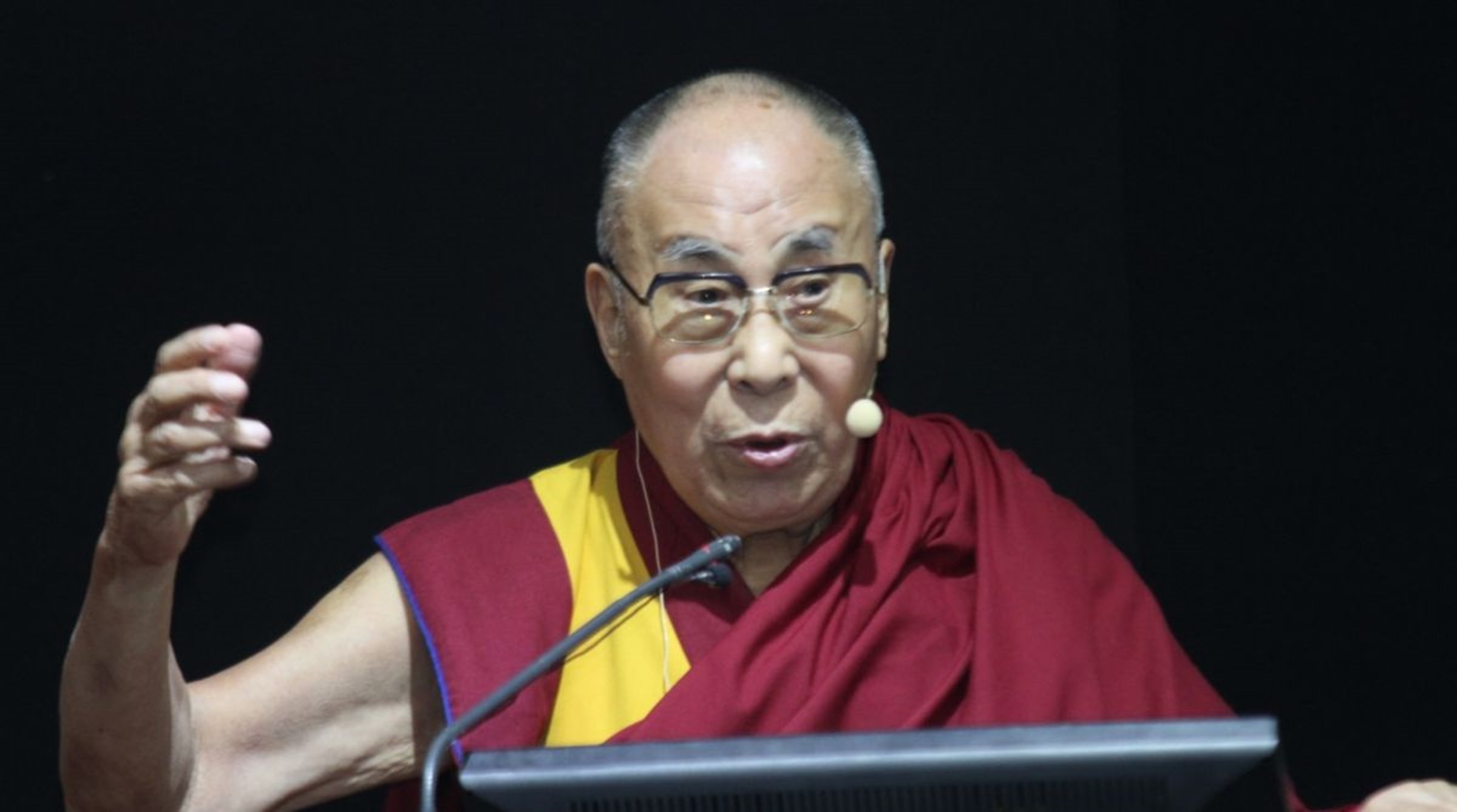
Tibetan spiritual leader, the Dalai Lama.(Photo: IANS)
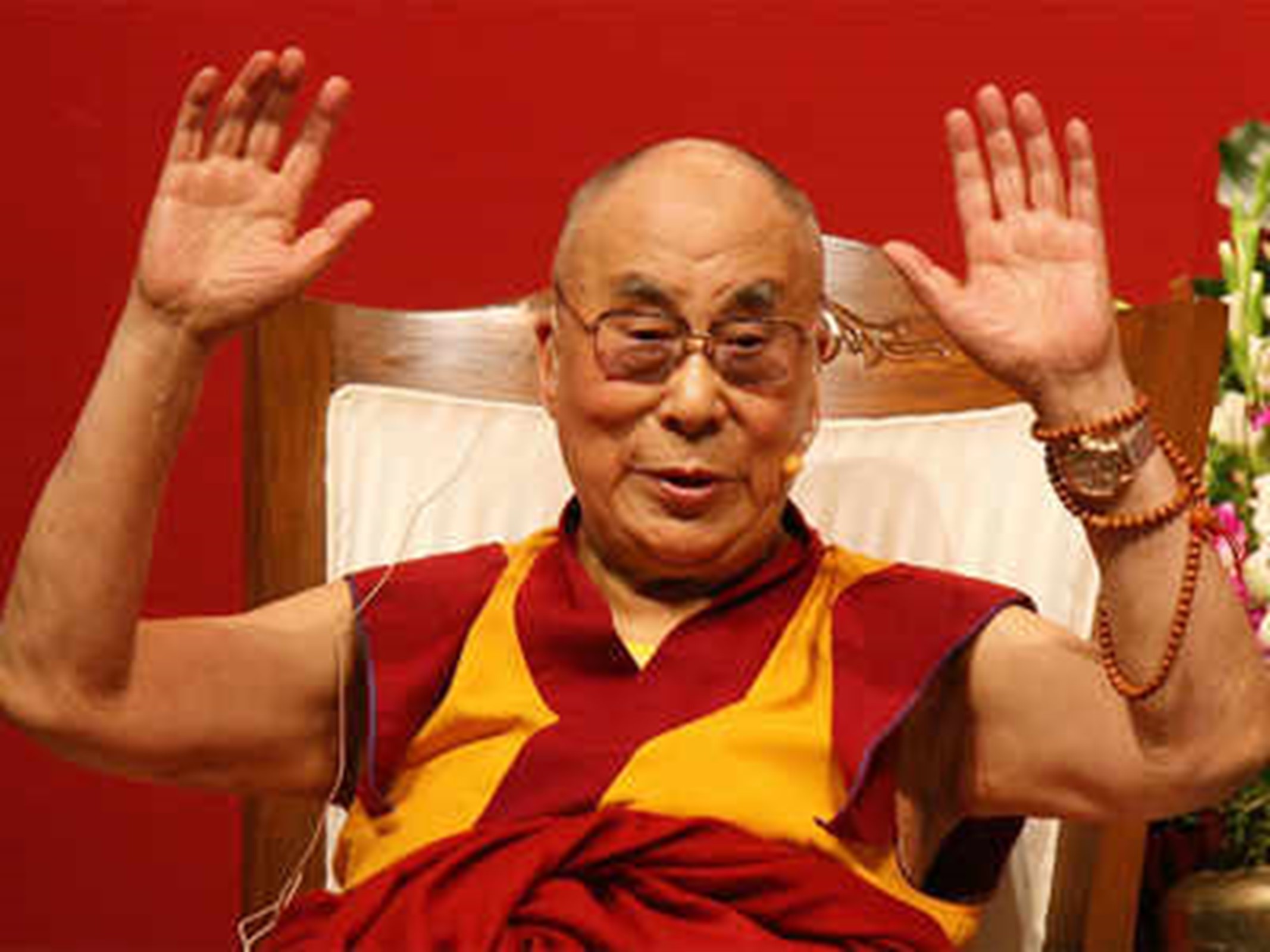
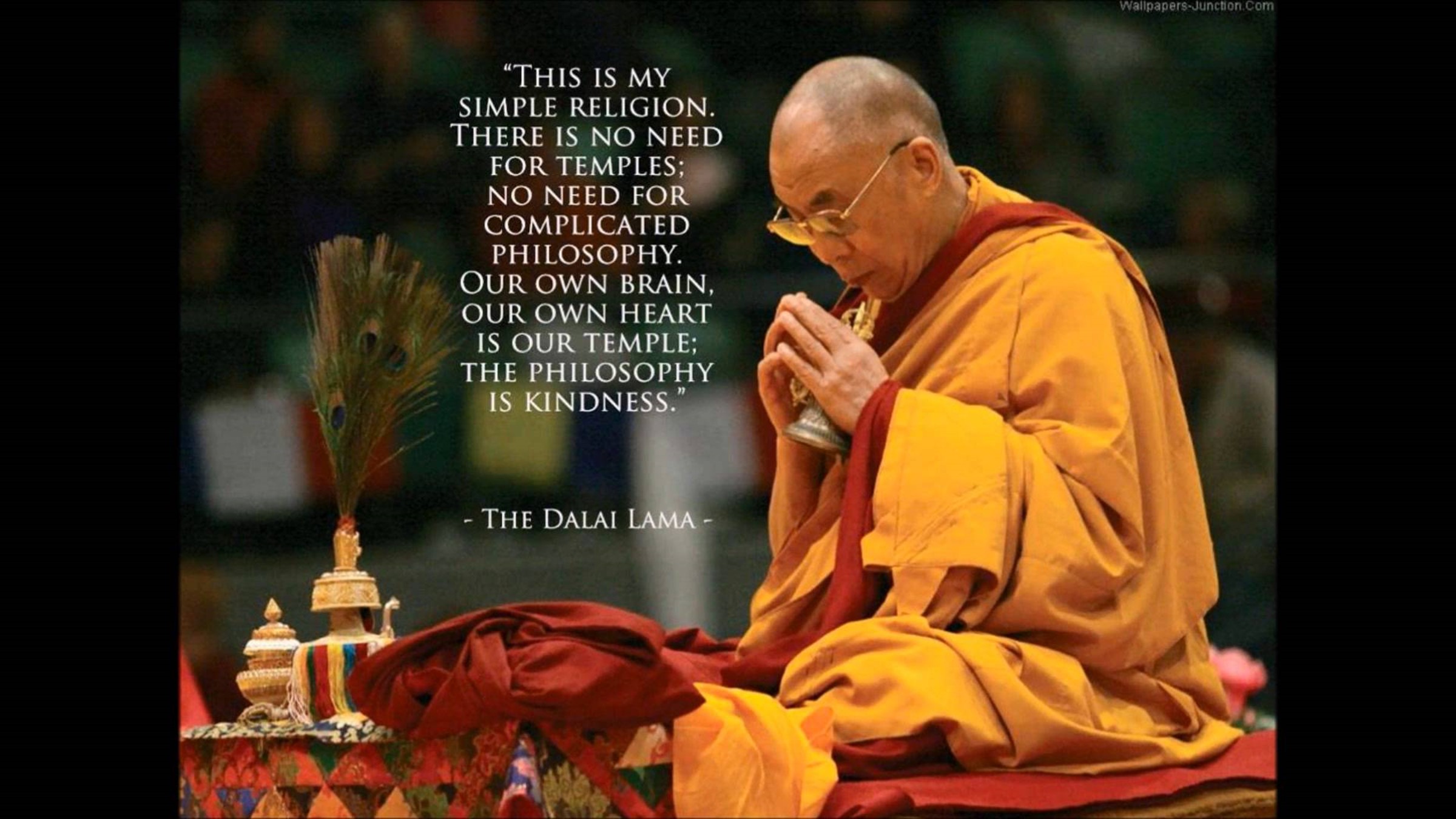
Tibetan spiritual leader Dalai Lama on Monday praised the seventeen pandits (priests) of Nalanda for their logical way of teaching Buddhism and said he himself is one of their biggest admirers.
“The only complete and detailed explanation of the ancient Nalanda teaching has persevered in the Tibetan language which is the reason that the Chinese people who are interested in learning Buddhism, are learning the Tibetan language,” he said.
He said the ancestors of Tibetan people had well preserved this knowledge for thousands of years, which enabled Tibetans to expertise in promoting the knowledge in the Tibetan language.
“It is the duty of Tibetan people to continue the practical teachings of those ancestors while at the same time take pride in possessing such vast and profound knowledge passed by them,” he said.
He said he respects all kinds of religious beliefs which only teach love and compassion as the ultimate source of human happiness.
He cited an example of how humans are born out of love and how they survive on love. He emphasised that the masters of Nalanda encourage its followers to approach their teaching with logic and reason rather than following it blindly. Thus, people should experiment and research on the teachings of those masters in light of reason, he added.
He urged the Tibetan people to preserve the rich Tibetan language as it has the potential to serve all the sentient beings on earth. He assured the people that he would live for hundred years to serve humanity and especially to lead the cause of Tibet under his guidance.
TIBET AWARENESS – THE GREAT MASTERS OF NALANDA
I am pleased to share an article titled ‘The Seventeen Pandits of Nalanda Monastery’ by Professor James Blumenthal Ph.D. who gives a brief account of Nalanda University and its great influence upon Tibetan Buddhism. I pay my respectful tribute to Professor Blumenthal who passed away on October 09, 2015. May LORD GOD bless his soul.
Rudranarasimham Rebbapragada
Ann Arbor, MI 48104-4162, USA
THE GREAT MASTERS OF NALANDA – CENTER OF BUDDHIST LEARNING IN ANCIENT INDIA:
September 08, 2018. International Literacy Day Tribute to the Great Masters of Nalanda.September 08, 2018. International Literacy Day Tribute to the Great Masters of Nalanda. Acharya Nagarjuna.
TIBET AWARENESS – THE GREAT MASTERS OF NALANDA. ACHARYA NAGARJUNA.
September 08, 2018. International Literacy Day Tribute to the Great Masters of Nalanda. ACHARYA NAGARJUNA.
TIBET AWARENESS – THE GREAT MASTERS OF NALANDA. ACHARYA NAGARJUNA.
September 08, 2018. International Literacy Day Tribute to the Great Masters of Nalanda. ARYADEVA.
TIBET AWARENESS – THE GREAT MASTERS OF NALANDA. ARYADEVA.
September 08, 2018. International Literacy Day Tribute to the Great Masters of Nalanda. ASANGA.
TIBET AWARENESS – THE GREAT MASTERS OF NALANDA. ASANGA.
September 08, 2018. International Literacy Day Tribute to the Great Masters of Nalanda. VASUBANDHU.
TIBET AWARENESS – THE GREAT MASTERS OF NALANDA. VASUBANDHU.
September 08, 2018. International Literacy Day Tribute to the Great Masters of Nalanda. Dignaga.
TIBET AWARENESS – THE GREAT MASTERS OF NALANDA. DIGNAGA.
September 08, 2018. International Literacy Day Tribute to the Great Masters of Nalanda. Dharmakirti.
TIBET AWARENESS – THE GREAT MASTERS OF NALANDA – DHARMAKIRTI.
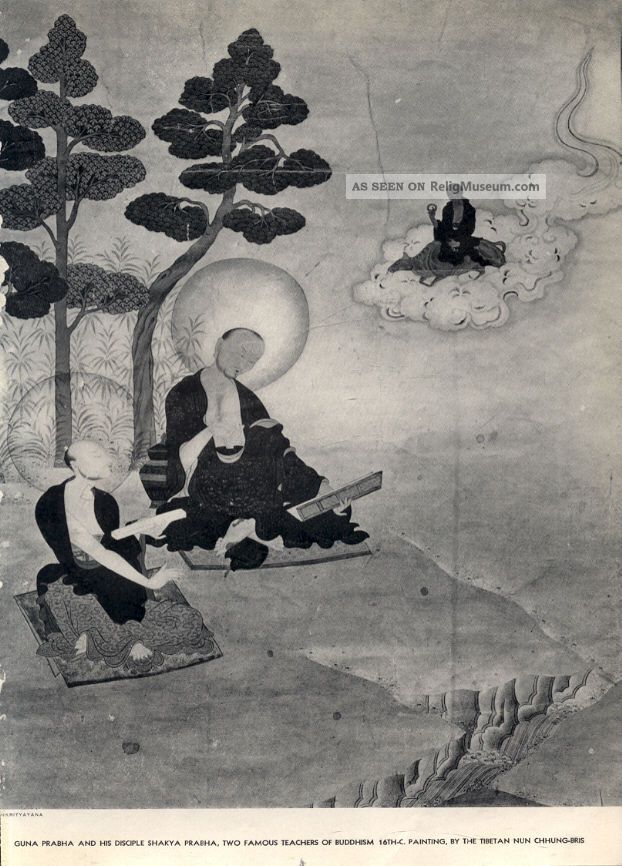
September 08, 2018. International Literacy Day Tribute to the Great Masters of Nalanda. Guna Prabha and Shakya Prabha.
TIBET AWARENESS – THE GREAT MASTERS OF NALANDA. GUNA PRABHA AND HIS DISCIPLE SHAKYA PRABHA.
September 08, 2018. International Literacy Day Tribute to the Great Masters of Nalanda. Buddhapalita.
TIBET AWARENESS – THE GREAT MASTERS OF NALANDA. BUDDHAPALITA.
September 08, 2018. International Literacy Day Tribute to the Great Masters of Nalanda. Bhavaviveka.
TIBET AWARENESS – THE GREAT TEACHERS OF NALANDA. BHAVAVIVEKA.
September 08, 2018. International Literacy Day Tribute to the Great Masters of Nalanda. Bhavaviveka.
TIBET AWARENESS – THE GREAT MASTERS OF NALANDA. ACHARYA BHAVAVIVEKA.
September 08, 2018. International Literacy Day Tribute to the Great Masters of Nalanda. Chandrakirti.
TIBET AWARENESS – THE GREAT MASTERS OF NALANDA. CHANDRAKIRTI.
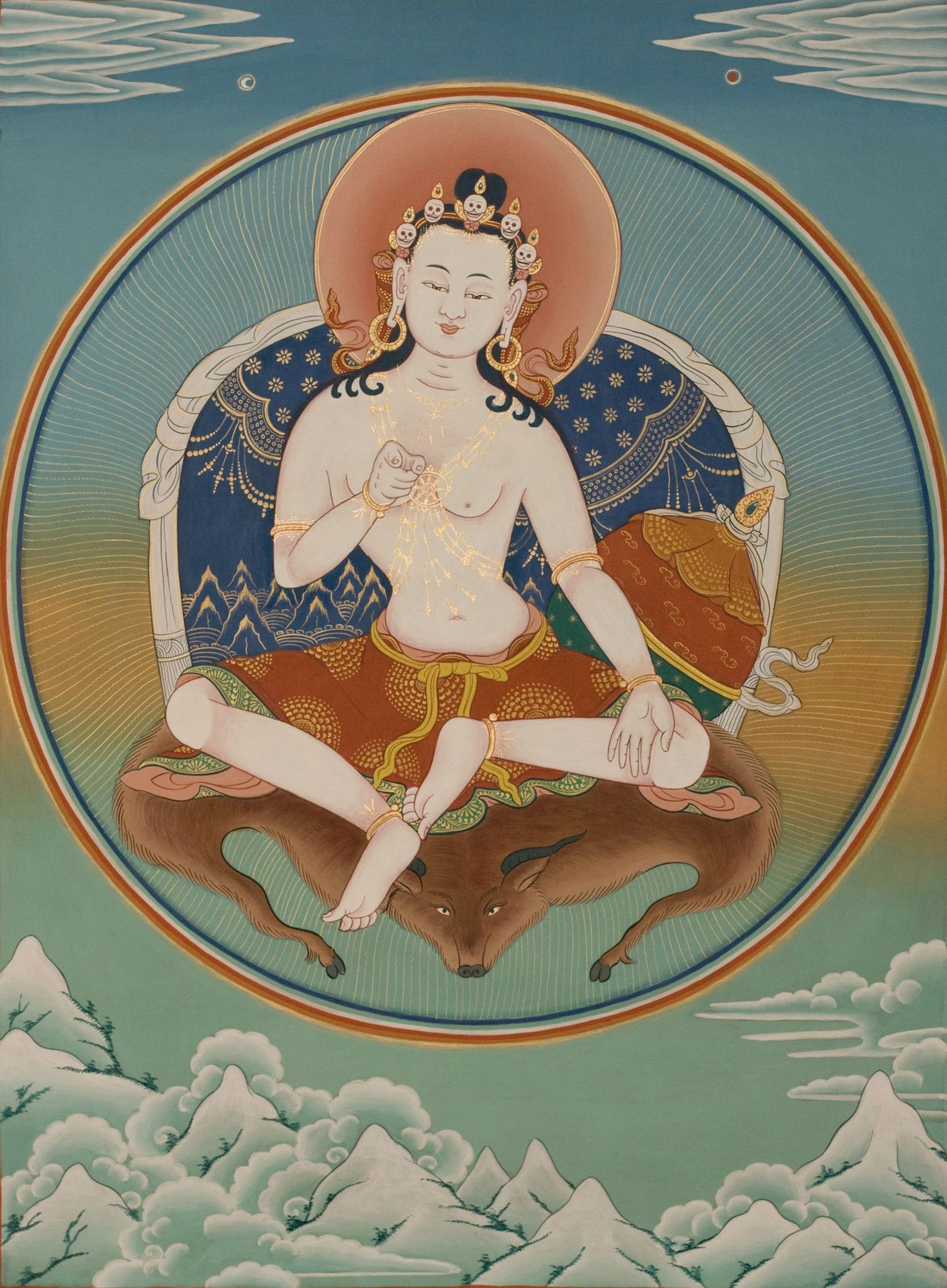
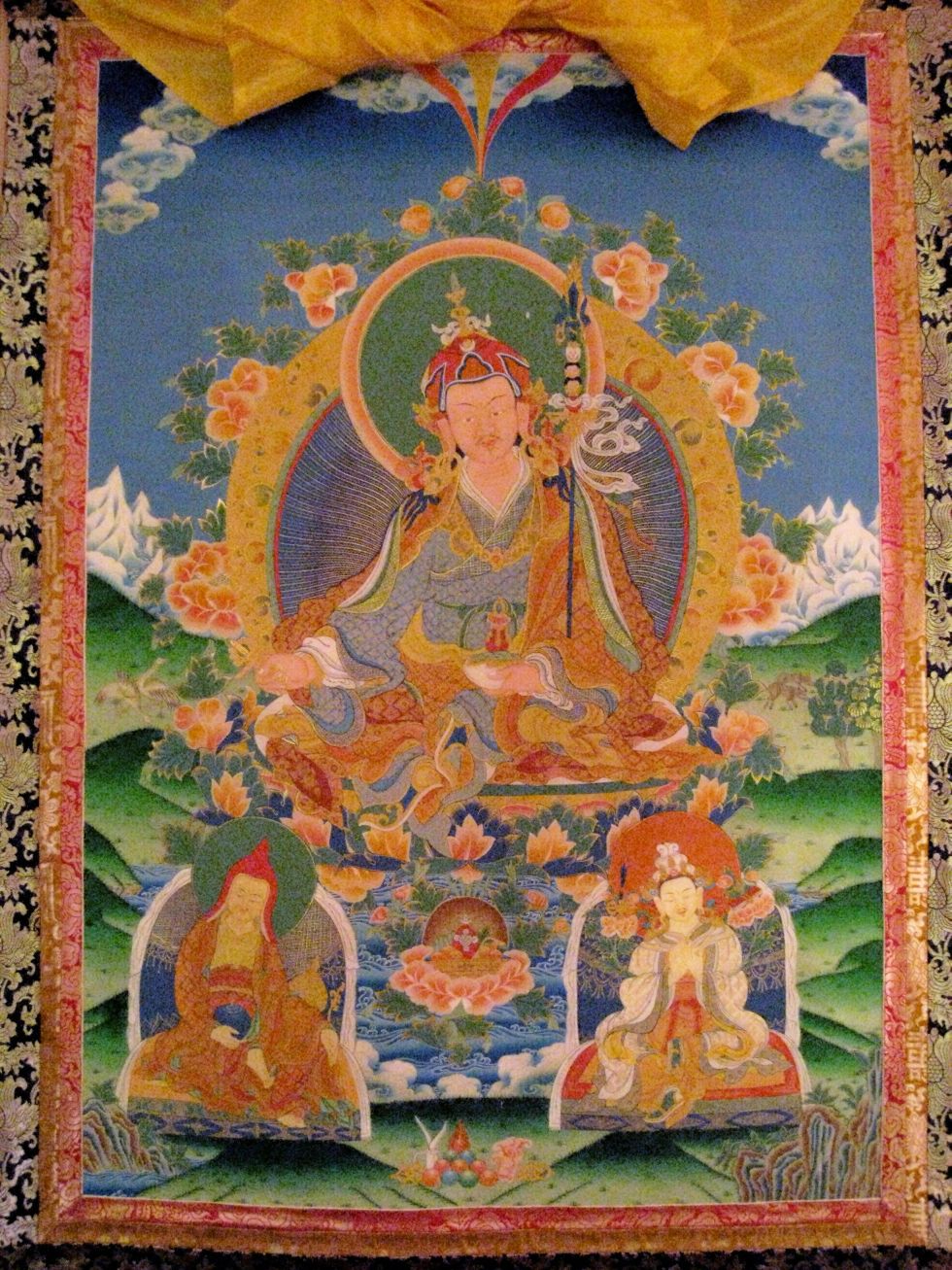
September 08, 2018. International Literacy Day Tribute to the Great Masters of Nalanda. Padmasambhava, Shantarakshita.
TIBET AWARENESS – THE GREAT MASTERS OF NALANDA. SHANTARAKSHITA.
September 08, 2018. International Literacy Day Tribute to the Great Masters of Nalanda. Shantarakshita.
TIBET AWARENESS – THE GREAT MASTERS OF NALANDA. SHANTARAKSHITA.
September 08, 2018. International Literacy Day Tribute to the Great Masters of Nalanda. Kamalashila, Bhavanakrama.
TIBET AWARENESS – THE GREAT MASTERS OF NALANDA. KAMALASHILA.
September 08, 2018. International Literacy Day Tribute to the Great Masters of Nalanda. Kamalashila, Bhavanakrama.
TIBET AWARENESS – THE GREAT MASTERS OF NALANDA. KAMALASHILA. BHAVANAKRAMA – THREE STAGES OF MEDITATION.
September 08, 2018. International Literacy Day Tribute to the Great Masters of Nalanda. Haribhadra.
TIBET AWARENESS – THE GREAT MASTERS OF NALANDA. HARIBHADRA.
September 08, 2018. International Literacy Day Tribute to the Great Masters of Nalanda. Vimuktisena.
TIBET AWARENESS – THE GREAT MASTERS OF NALANDA. VIMUKTISENA.
September 08, 2018. International Literacy Day Tribute to the Great Masters of Nalanda. Shantideva.
TIBET AWARENESS – THE GREAT MASTERS OF NALANDA. SHANTIDEVA.
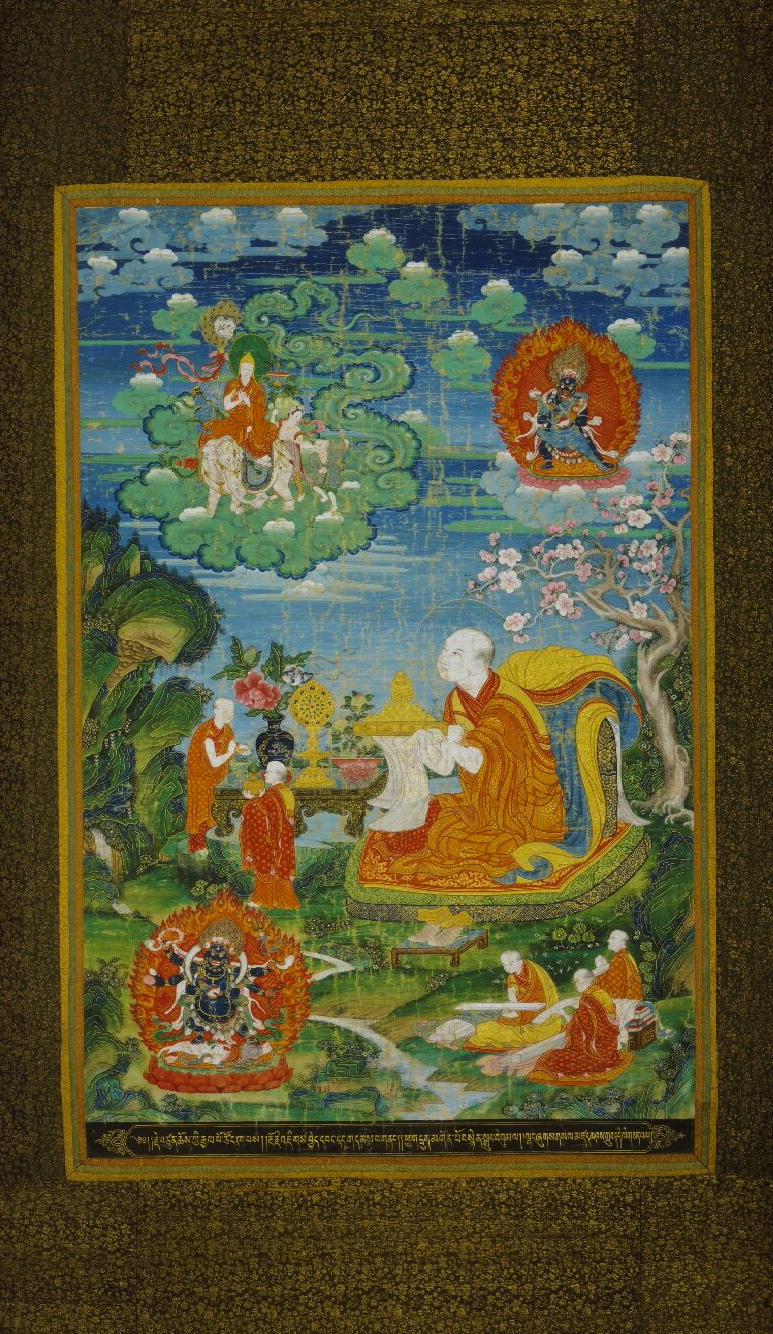
September 08, 2018. International Literacy Day Tribute to the Great Masters of Nalanda. Atisha.
TIBET AWARENESS – THE GREAT MASTERS OF NALANDA. ATISHA.
September 08, 2018. International Literacy Day Tribute to the Great Masters of Nalanda. Atisha.
TIBET AWARENESS – THE GREAT TEACHERS OF NALANDA. ATISHA.
THE SEVENTEEN PANDITS OF NALANDA MONASTERY
BY JAMES BLUMENTHAL, INFO-BUDDHISM.COM
Posted on October 8th, 2015
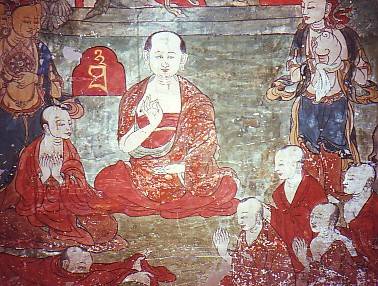
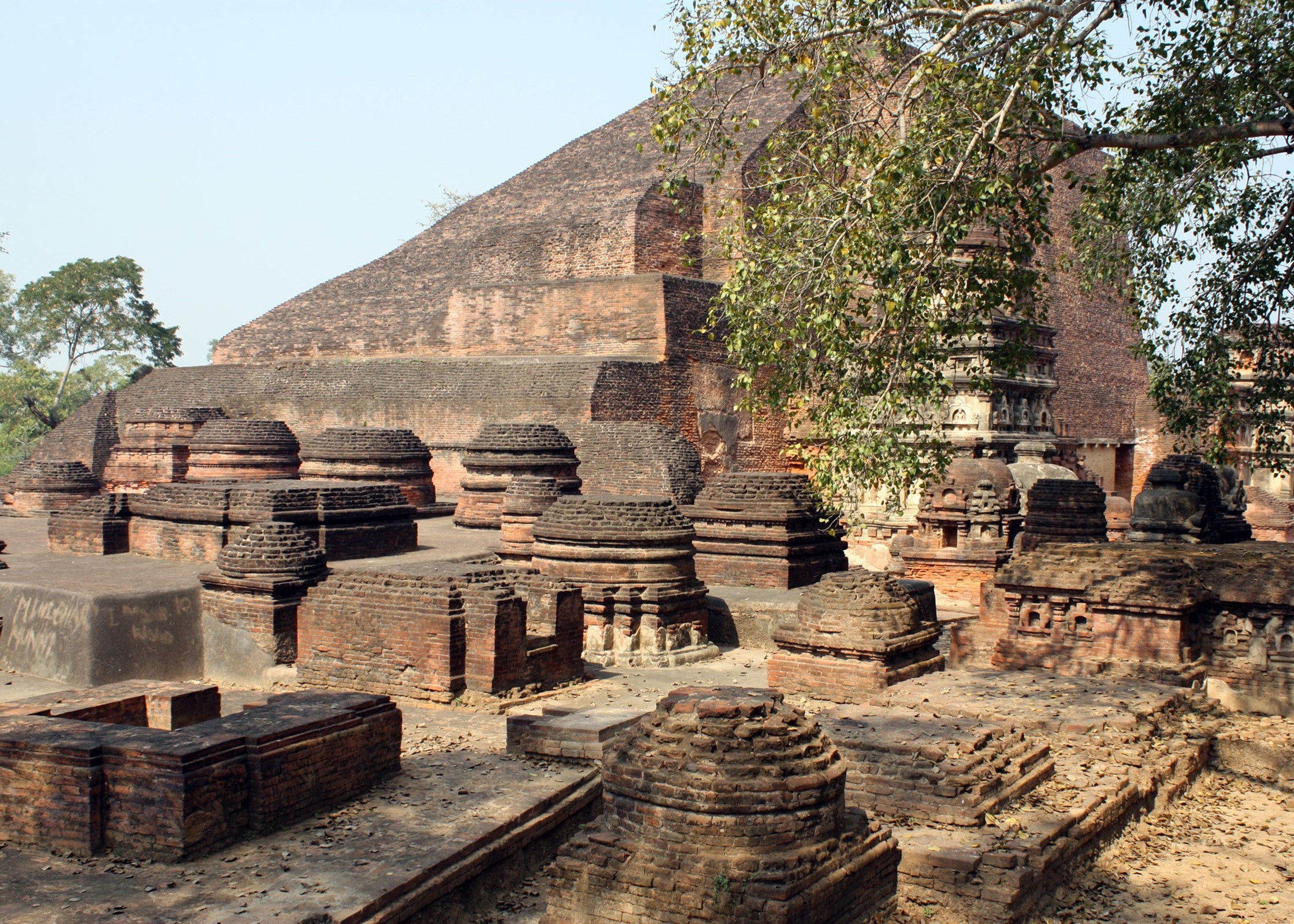
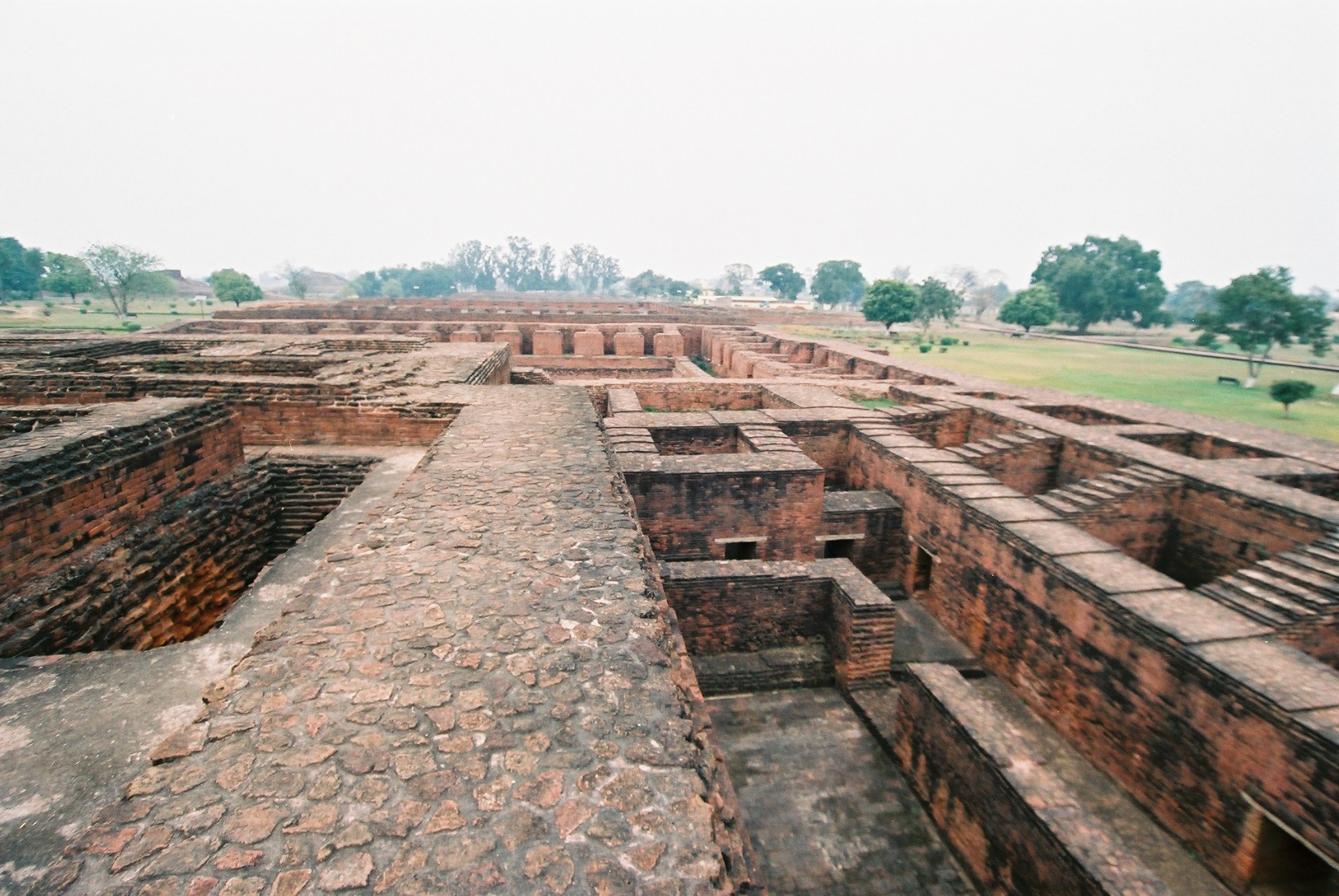
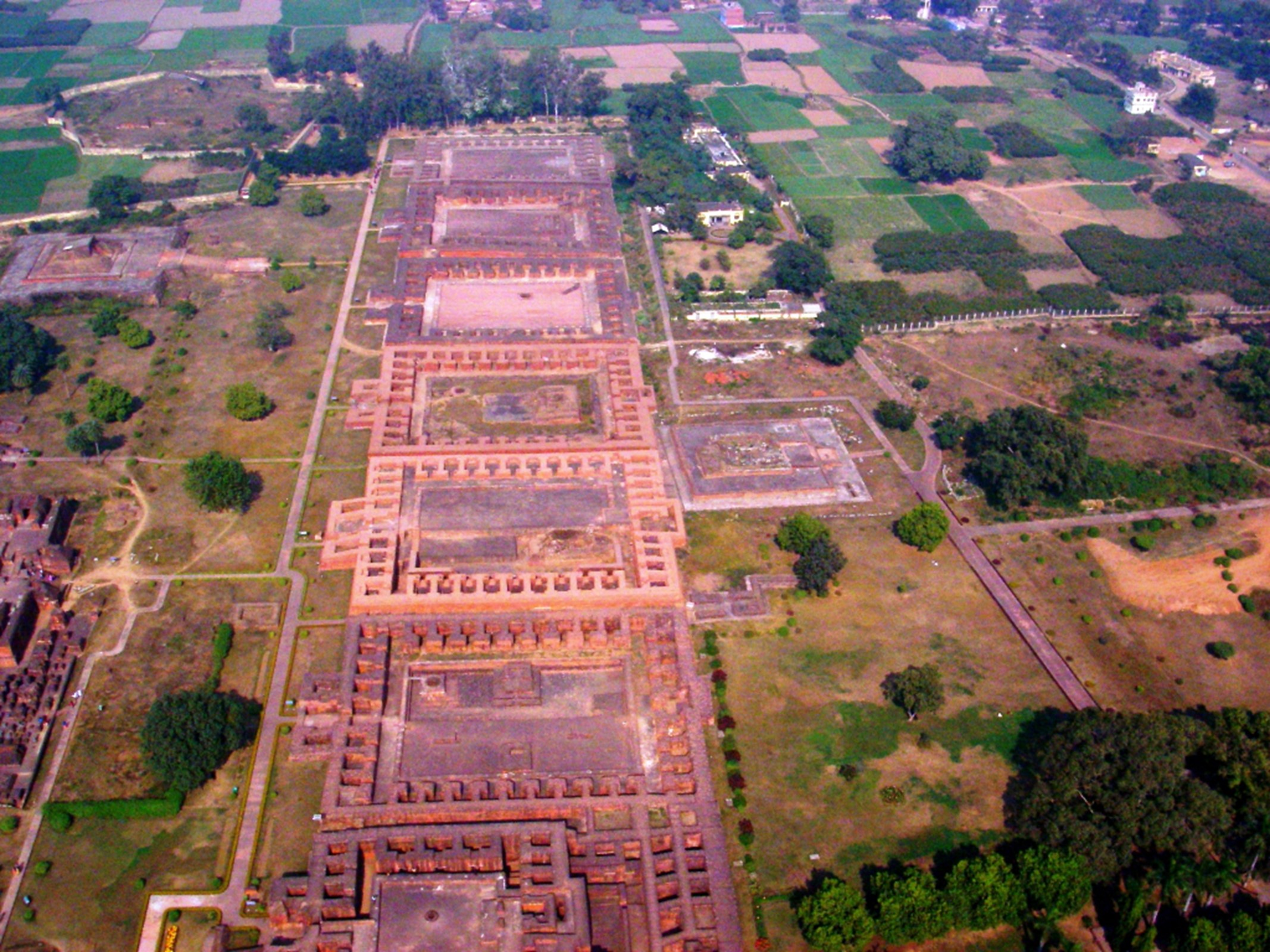
Oregon, USA — Nalanda Monastic University was the greatest center of Buddhist learning in India’s glorious past. With upwards of 30,000 monks and nuns including 2,000 teachers living, studying and practicing there during its heyday, Nalanda was unmatched.
Established during the Gupta Dynasty in the late 5th to early 6th century C.E. under the patronage of the Gupta king Shakraditra, the institution survived for six hundred years, through the Pala Dynasty, until ultimately being destroyed in 1203 by Turkish Muslim invaders. In 1204 the last throne-holder (abbot) of Nalanda, Shakyashribhadra, fled to Tibet. In the intervening centuries, however, many of India’s greatest Buddhist masters trained and taught at Nalanda.
Nalanda’s renown as a center for higher learning spread far. It attracted students from as far away as Greece, Persia, China and Tibet. Although Buddhism was naturally the central focus of study, other subjects including astronomy, medicine (Ayurveda), grammar, metaphysics, logic, philosophy of language, classical Hindu philosophy, non-Indian philosophy and so forth were all regularly studied. Chinese pilgrims who visited Nalanda in the 7th century C.E. give detailed accounts of the physical premises and activities in their travelogues. For example, they describe three nine-story buildings comprising the library that housed millions of titles in hundreds of thousands of volumes on a vast variety of topics!
Much like the large Gelug monasteries of Sera, Drepung and Ganden, living quarters were divided according to regions of the world from which the monks and nuns came. There are clear records of a well-populated Tibet Vihara at Nalanda during the later period. In fact, history reveals that at one point there was a Tibetan gatekeeper at Nalanda. The gatekeepers were traditionally the top scholars/debaters at the institution. Their job was to stand “guard” at the gate and defeat in debate any non-Buddhist who proposed to challenge the scholarship and ideas of the institution. If they could not defeat the gatekeeper in debate, they would not be allowed further into the monastery.
The Seventeen Pandits of Nalanda Monastery refers to a grouping of seventeen of the most important and influential Mahayana Buddhist masters from India’s past. His Holiness the Dalai Lama frequently refers to himself as a follower of the lineage of the seventeen Nalanda masters today. He even wrote an exquisite poem in praise of the seventeen.
So who were they? Historically speaking, this particular grouping of Indian masters seems to have become prominent quite recently and to be based on attributions of lam-rim (stages of the path) lineages in Tibet. A likely predecessor to this grouping is an Indian reference to the Six Ornaments of the Southern Continent (i.e., India) and the Two Excellent Ones. These eight form the core of the seventeen.
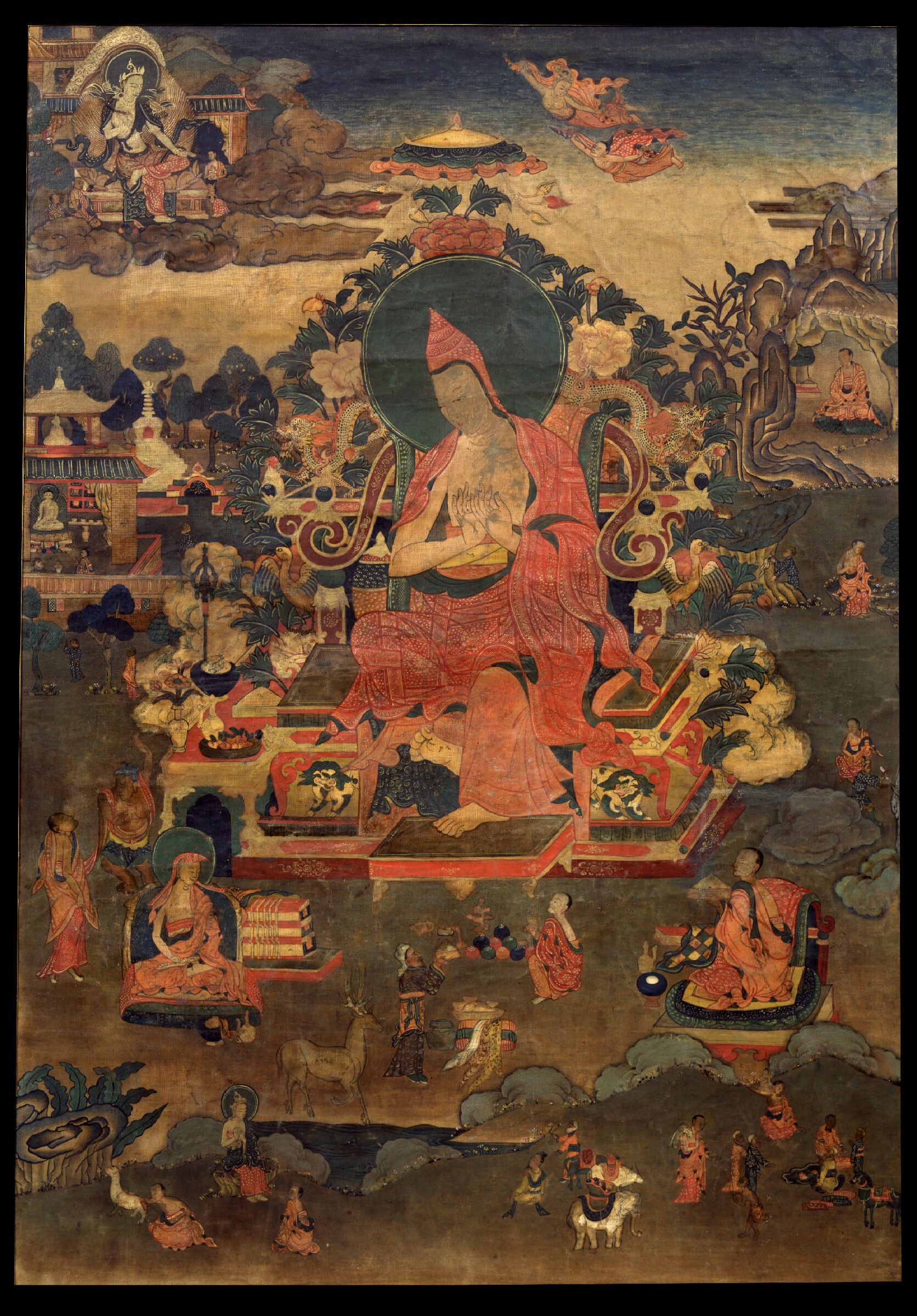
The Six Ornaments first include Nagarjuna (c. 2nd century C.E.), the revealer of the Perfection of Wisdom Sutras and the systematizer and founder of the Middle Way (Madhyamaka) school of Buddhist philosophy. The most famous treatise of his six texts of reasoning is The Fundamental Wisdom of the Middle Way, probably the single most analyzed, commented upon and discussed philosophical treatise in Buddhism’s history.
The second of the six ornaments is Aryadeva (c. 3rd century C.E.) who is sometimes referred to as Nagarjuna’s heart disciple and sometimes simply as his first authoritative commentator. Like Nagarjuna, Aryadeva is universally revered as an authoritative voice for all subsequent Middle Way commentators and is most well-known for his treatise The Four Hundred Stanzas.
Aryadeva was born as the son of a Sinhalese king and is considered the co – founder of Mahayana philosophy
In addition to the two Middle Way school masters, included among the six ornaments are the two earliest masters from the Mind-Only school (Yogachara/Chittamatra): Asanga (300–390 C.E.), the founder, and his disciple and half-brother, Vasubandhu (c. 4th century C.E.) one of the system’s earliest and most authoritative commentators. In addition to his own treatises, Asanga is also famous, according to tradition, for retrieving the five Maitreya Buddha texts¹ directly from Maitreya in his pure land, Tushita. With regards to Vasubandhu, before becoming a leading exponent of the Mind-Only school, he wrote a famous treatise from the perspective of the Great Exposition school (Vaibhashika) entitled The Treasure of Knowledge (Abhidharmakosha) which is utilized extensively in Tibetan scholastic studies. Traditionally, seven years is dedicated to the study of this text in the Gelug geshe curriculum.
Two additional Mind-Only school proponents round out the six ornaments: Dignaga (6th century C.E.) and Dharmakirti (600–660 C.E.). The two are most famous as the groundbreakers in Buddhist logic and epistemology. Specifically, they wrote philosophical treatises on the contents and means of accruing valid knowledge. They argued that from the Buddhist perspective there were two sources of valid knowledge: logical inference and direct perception. Much of their writings were detailed elaborations on these topics.
The Two Excellent Ones refers to the two great Vinaya masters: Gunaprabha (c. 9th century C.E.) andShakyaprabha. Gunaprabha was a disciple of Vasubandhu’s and is most famous for his treatise, the Vinaya Sutra. Shakyaprabha was a disciple of Shantarakshita (also among the seventeen) and the other major teacher of vinaya among the seventeen. He is particularly associated Mulasarvastivada-vinaya line which has been followed in Tibet since the time of the early Dharma King, Ralpachen (born c. 806 C.E.). His teacher Shantarakshita began this ordination lineage in Tibet when he ordained the first seven Tibetan monks and founded Samye Monastery.
Beyond the Six Ornaments and Two Excellent Ones, are nine additional Indian Buddhist masters, each of whom profoundly impacted the shapes of Indian and/or Tibetan Buddhism for centuries.
Buddhapalita (470–550 C.E.) was one of the great commentators on Nagarjuna’s Madhyamaka thought. He is the earliest Indian Madhyamaka specifically identified as a proponent of the sub-school of Madhyamaka known in Tibet as the Middle Way Consequence school (Prasangika-Madhyamaka). He received this designation in Tibet due to his use of a form of reasoning that drew out the absurd logical consequences of the philosophical rivals of Madhyamakas when he commented on Nagarjuna’s root text on wisdom.
Buddhapalita was subsequently criticized by another Madhyamaka master, Bhavaviveka (500–578 C.E.). He argued that a proper Madhyamaka commentator ought to do more than show the absurdities of other’s views; they also have a responsibility to establish the view of emptiness and to do so with autonomous inferences (svatantranumana). He subsequently became known in Tibet as the “founder” and primary proponent of a sub-school of Madhyamaka known as the Middle Way Autonomy school (Svatantrika-Madhyamaka).
Chandrakirti (600–650 C.E.) is revered by many in Tibet as the founder of the Middle Way Consequence school, often regarded as the highest Buddhist philosophical explanation of reality. He famously came to the defense of Buddhapalita’s use of consequentialist reasoning contra Bhavaviveka’s criticism. In a line of thinking further developed by Je Tsongkhapa (1357–1419 CE) they argued that a Madhyamaka philosopher ought not to utilize autonomous inferences because the very use of that sort of reasoning entailed the acceptance of an inherent nature in the subject of the argument. Since the existence of an inherent nature in anything was precisely what Nagarjuna was refuting, the use of autonomous inference seemed like a fatal flaw for a Madhyamaka. Though historical evidence suggests that Chandrakirti’s views likely did not have extensive support in India until the late period there, by the 13th century in Tibet, his views on a proper understanding of Madhyamaka began to dominate the philosophical landscape and continue to today.
Shantarakshita (725–788 C.E.) was a towering figure in late Indian Buddhist philosophy and immensely influential in Tibet. Philosophically, he is famous for integrating the three major lines of Mahayana philosophy into an integrated coherent system. These were the Madhyamaka, the Yogachara and the logico-epistemological thought of Dharmakirti. Beyond India, he spent the last seventeen years of his life in Tibet, ordaining its first monks and serving as abbot of it first monastery. Moreover, probably nobody has exerted a greater influence on Tibetan Buddhism in terms of the way in which Tibetans approach philosophy. Shantarakshita virtually taught Tibetans how to do philosophy during the early dissemination of the Dharma there.
Two of Shantarakshita’s disciples (in addition to Shakyabhadra mentioned above) are also included in the list of seventeen. Kamalashila (c. 8th century C.E.) likewise was an immensely important figure in India and Tibet. Like his teacher, Kamalashila wrote extensively on Madhyamaka and pramana (logic and epistemology) as well as on meditation theory and practice.
His three Stages of Meditation (Bhavanakrama) texts are among the most cited in traditional Tibet expositions on the topics. Moreover, also like his teacher, he spent extensive time in Tibet during the early dissemination. He famously and successfully defended the Indian gradual approach to enlightenment at the Great Debate at Samye (also called the Council of Lhasa) against the instantaneous approach advocated by Hvashang Mohoyen, the Chinese master. Tibetan histories often recount that since that time Tibetan have followed the Indian method.
Haribhadra (700–770 C.E.), the last of Shantarakshita’s disciples included in the group of seventeen, wrote the most famous and commonly utilized of the 21 Indian commentaries on The Ornament of Clear Realizations by Maitreya and the Mahayana path system in general. The other major commentator on The Ornament of Clear Realizations to be included among the seventeen is Vimuktisena (c. 6th century C.E.) whose text Illuminating the Twenty Thousand: A Commentary on the Ornament is likewise extensively cited by subsequent Tibetan authors.
Shantideva (c. 8th century C.E.) composed what is perhaps the most important and influential classic on how to practice in the Mahayana tradition: A Guide to the Bodhisattva’s Way of Life (Bodhisattvacharyavatara) while a monk at Nalanda. His text on the development of bodhichitta and the practice of the six perfections is revered and studied extensively by all Tibetan traditions. His Holiness the Dalai Lama often refers to his favorite passage in Buddhist literature as coming from the dedication section of this text: “As long as space endures, as long as sentient being remain, may I too remain, to dispel the miseries of the world.”
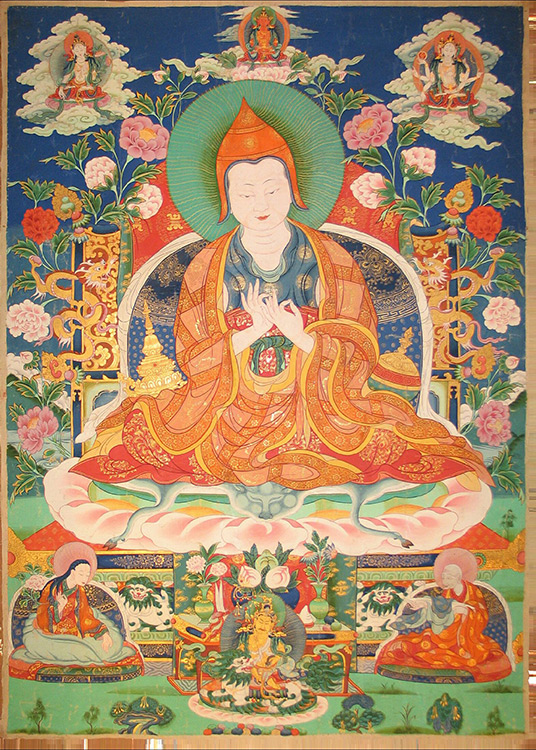
The final master included among the seventeen was the Bengali scholar-adept Atisha (980–1054 C.E.), who was a critical figure in the later dissemination of Buddhism in Tibet. Like many of the others on this list, Atisha’s impact on the shape of Tibetan Buddhism was immense. His classic, The Lamp for the Path to Enlightenment (Bodhipathpradipa) is widely regarded as the root text on the graduated stages of the path presentation found in Tibetan classics like Je Tsongkhapa’s The Great Treatise on the Stages of the Path to Enlightenment (also commonly referred to by the abbreviated Tibetan name, Lamrim Chenmo), Gampopa’s Jeweled Ornament of Liberation and Patrul Rinpoche’s The Words of My Perfect Teacher among others. In addition to the stages of the path teachings, Atisha also introduced the lojong, or mind training, tradition of Mahayana practice in Tibet. Lojong teachings are quintessential Mahayana teachings in that their aim is to eliminate both the self-cherishing attitude and self-grasping by teaching means to cultivate the altruistic compassion of bodhichitta and the direct realization of emptiness. Like the stages of the path teachings, the mind training tradition is one that is embraced by all Tibetan lineages.
Together the seventeen great masters of Nalanda monastery represent the real high points of Indian Mahayana. The inspiration and teachings of these great masters continue to bless practitioners of the Mahayana to the present day.
Notes
¹ The five Maitreya texts are: The Ornament of Clear Realization (Abhisamayalamkara), The Ornament of Mahayana Sutras (Mahayanasutralamkara), Distinguishing the Middle from the Extremes (Madhyantavibhaga), Distinguishing Phenomena and the Nature of Phenomena (Dharma-dharmata-vibhaga), and The Sublime Continuum (Uttaratantra).
JAMES BLUMENTHAL, Ph.D. is an associate professor of Buddhist philosophy at Oregon State University and professor of Buddhist Studies at Maitripa College. He is the author of The Ornament of The Middle Way: A Study of the Madhyamika Thought of Shantarakshita along with more than 40 articles in scholarly journals and popular periodicals on various aspects of Buddhist thought and practice. He recently finished work with Geshe Lhundup Sopa on Steps on the Path: Vol. IV, a commentary on the ‘ Shamatha’ chapter of Lamrim Chanmo of Tsongkhapa which is due for publication in the fall.
TIBET AWARENESS – THE GREAT MASTERS OF NALANDA UNIVERSITY. ‘SEVENTEEN PANDITS OF NALANDA MONASTERY’ BY PROFESSOR JAMES BLUMENTHAL, Ph.D., OREGON STATE UNIVERSITYOn blogs.oregonstate.edu
September 08, 2018. International Literacy Day Tribute to the Great Masters of Nalanda.
TIBET AWARENESS – THE GREAT MASTERS OF NALANDA
September 08, 2018. International Literacy Day Tribute to the Great Masters of Nalanda.
TIBET AWARENESS – GREAT MASTERS OF NALANDA. BUDDHIST CENTER OF LEARNING WHICH FLOURISHED FROM 427 TO 1197 CE. AT NALANDA, BIHAR, INDIA.
September 08, 2018. International Literacy Day Tribute to the Great Masters of Nalanda.
TIBET AWARENESS – SEVENTEEN MASTERS OF NALANDA MONASTIC UNIVERSITY. THIS CENTER OF BUDDHIST LEARNING FLOURISHED FOR 600 YEARS. THE CAMPUS COMMUNITY OF 30,000 MONKS, NUNS INCLUDED 2,000 TEACHERS.
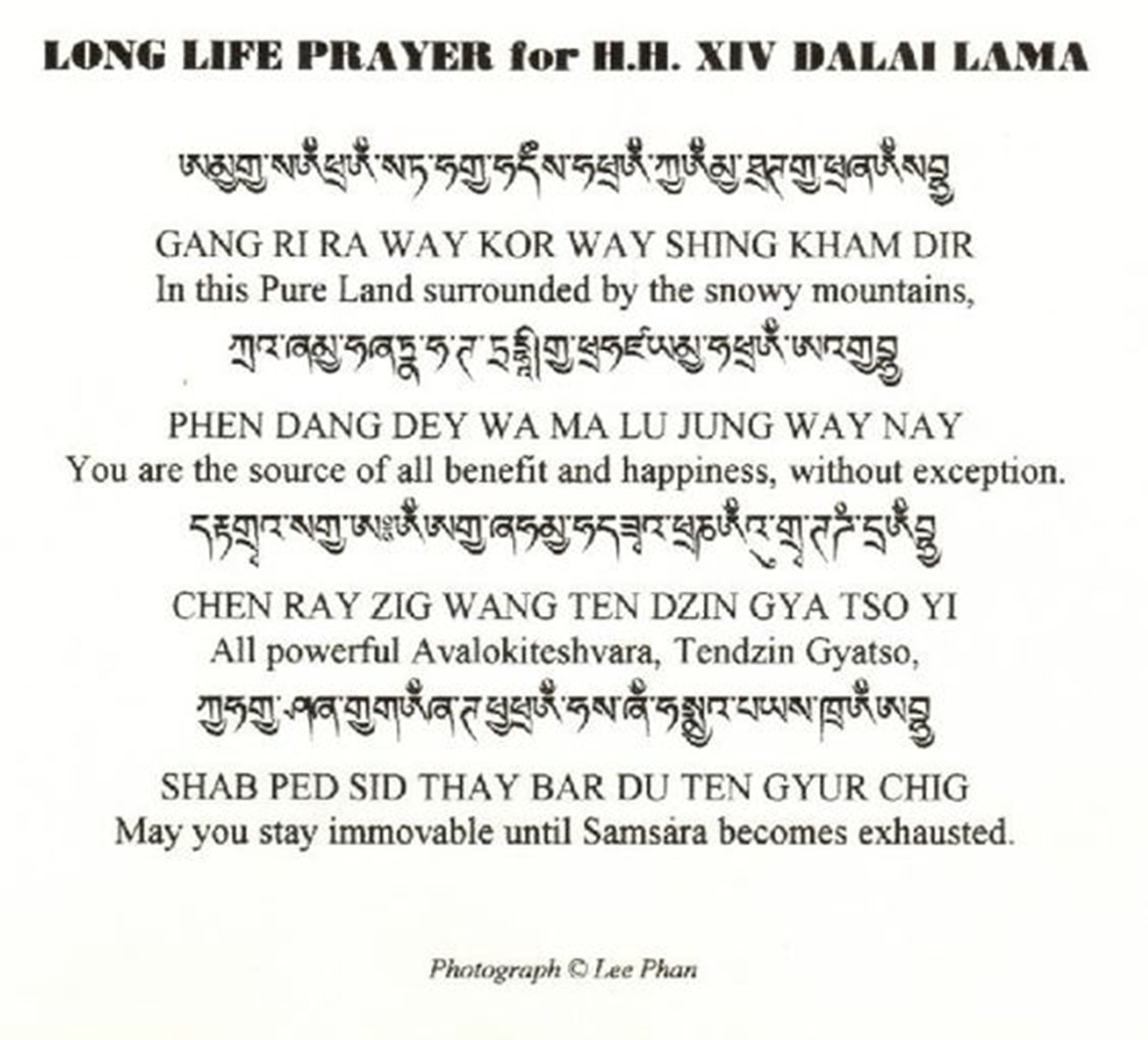
Living Tibetan Spirits invoke the Blessings of Peace and Long Life of His Holiness the Dalai Lama.
The Dalai Lama speaks on the first day of his four-day teaching at the request of a group from South Asia at the main temple in McLeodganj on Tuesday. Photo: Kamaljeet
Tribune News Service
Dharamshala, September 4
Amid concerns regarding his health, Tibetan spiritual leader Dalai Lama said he would live around 100 years.
“With your prayers and wishes, I assure you I would live around 100 years,” said the Dalai Lama, addressing representatives of three regions of Tibet at Tsuglagkhang, the main temple in Dharamshala, yesterday. “I would serve the humanity,” he said.
Recently, news reports had raised concerns regarding the health of the Dalai Lama and suggesting that he was suffering from prostate cancer. However, later both the Dalai Lama and his personal physician declined the reports.
Tibetans representing Tibet’s three traditional provinces and Tibetans from Kalimpong, Gangtok, Darjeeling and Ravangla offered long life prayers to the Dalai Lama yesterday.
Thanking the participants and organizers for the ceremony, the Dalai Lama praised the 17 pandits of Nalanda for their logical way of teaching the Buddhism.
“The detailed explanation of the ancient Nalanda teachings has only been preserved in the Tibetan language which is why people from China are interested in learning the Buddhism,” said the Dalai Lama.
Speaking of the ancient Nalanda Buddhist teaching, he said the ancestors of Tibetans had well-preserved this knowledge which enabled Tibetans to get expertise in promoting the knowledge in their language. The Dalai Lama said it was the duty of the Tibetans to continue the practical teachings of the ancestors while, at the same time, taking pride in possessing such a vast knowledge.
“I respect all kinds of religious beliefs which only teach love and compassion as the ultimate source of human happiness,” he said.
Meanwhile, drawing the attention of the gathering, the Dalai Lama emphasized that the masters of Nalanda encouraged its followers to approach their teaching with logic and reason rather than following it blindly.
Living Tibetan Spirits invoke the Blessings of Peace and Long Life of His Holiness the Dalai Lama.
Tibet Awareness – Unconventional Warfare to Fight Against the Devil
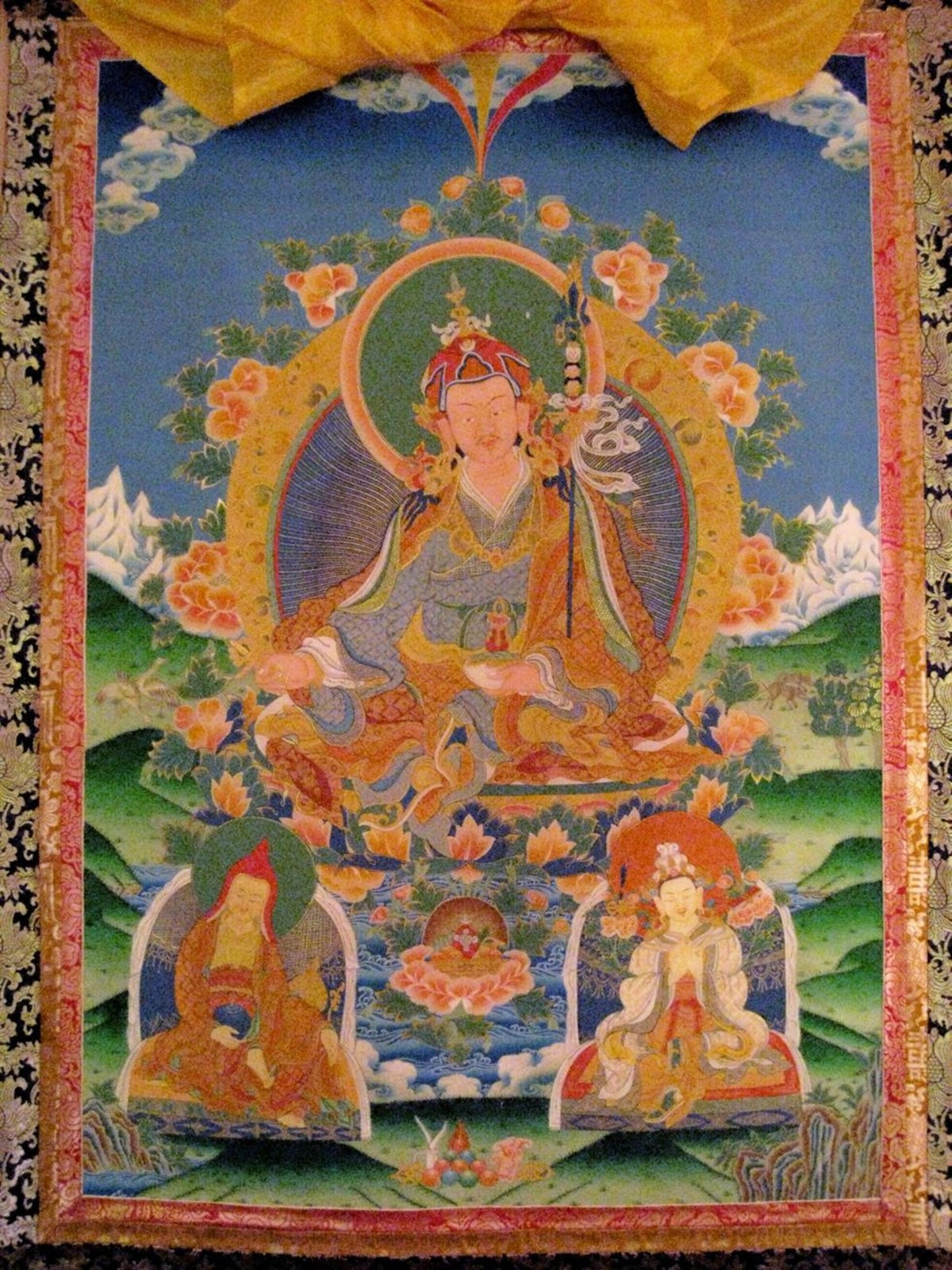
Blessings for Peace. A Charming Way to Fight Against The Devil. Guru Padmasambhava, Shantirakshita (Protector of Peace).
Living Tibetan Spirits seek the Blessings of Guru Padmasambhava, Shantarakshita (Protector of Peace) to fight against the Devil giving us pain, and misery by robbing the Natural Freedom that Tibetans inherited entirely due to Natural Conditions, Natural Causes, Natural Factors, and Natural Mechanisms. Freedom in Tibet is the gift of Mother Nature. Whereas Occupation is the Sickness imposed by the Evil Power called The Red Dragon. In the fight against the Evil Power occupying Tibet, Living Tibetan Spirits embrace both conventional, and unconventional tactics of Warfare.
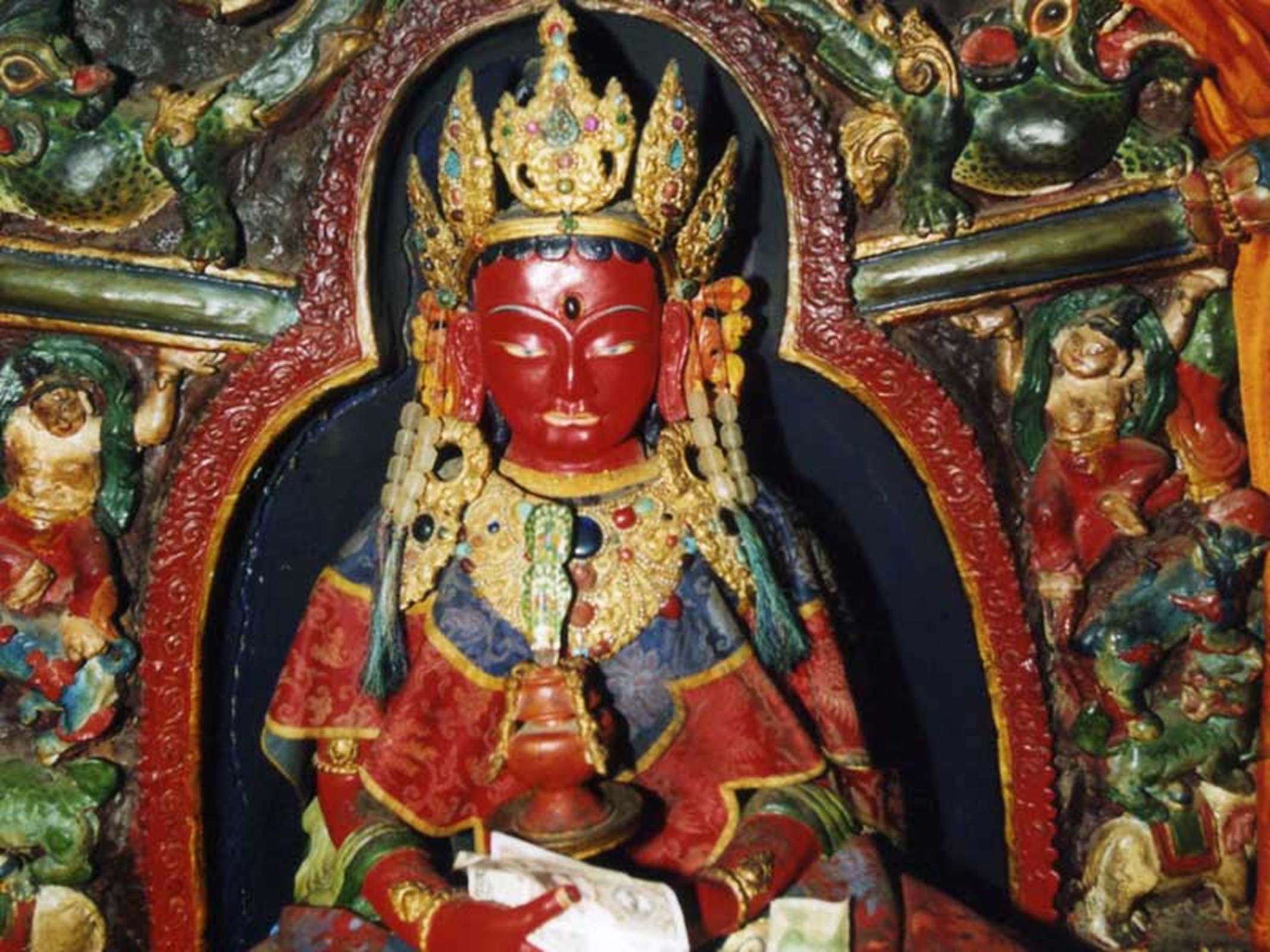
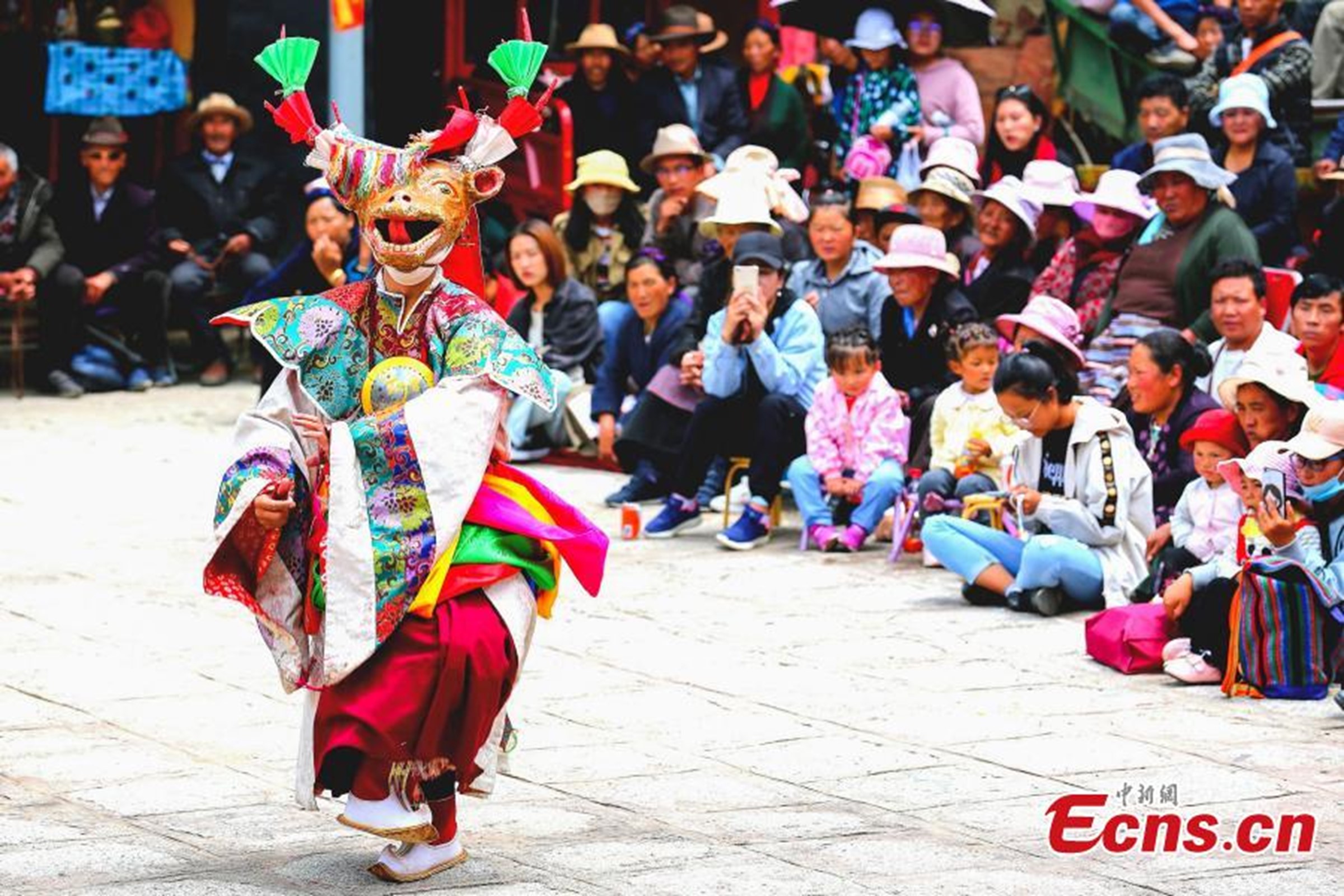
Blessings for Peace. A Charming Way to Fight Against The Devil. The Protector of Peace at Tsurphu Monastery, Tibet.
TSURPHU CHAM DANCE FESTIVAL, TSURPHU MONASTERY FESTIVAL
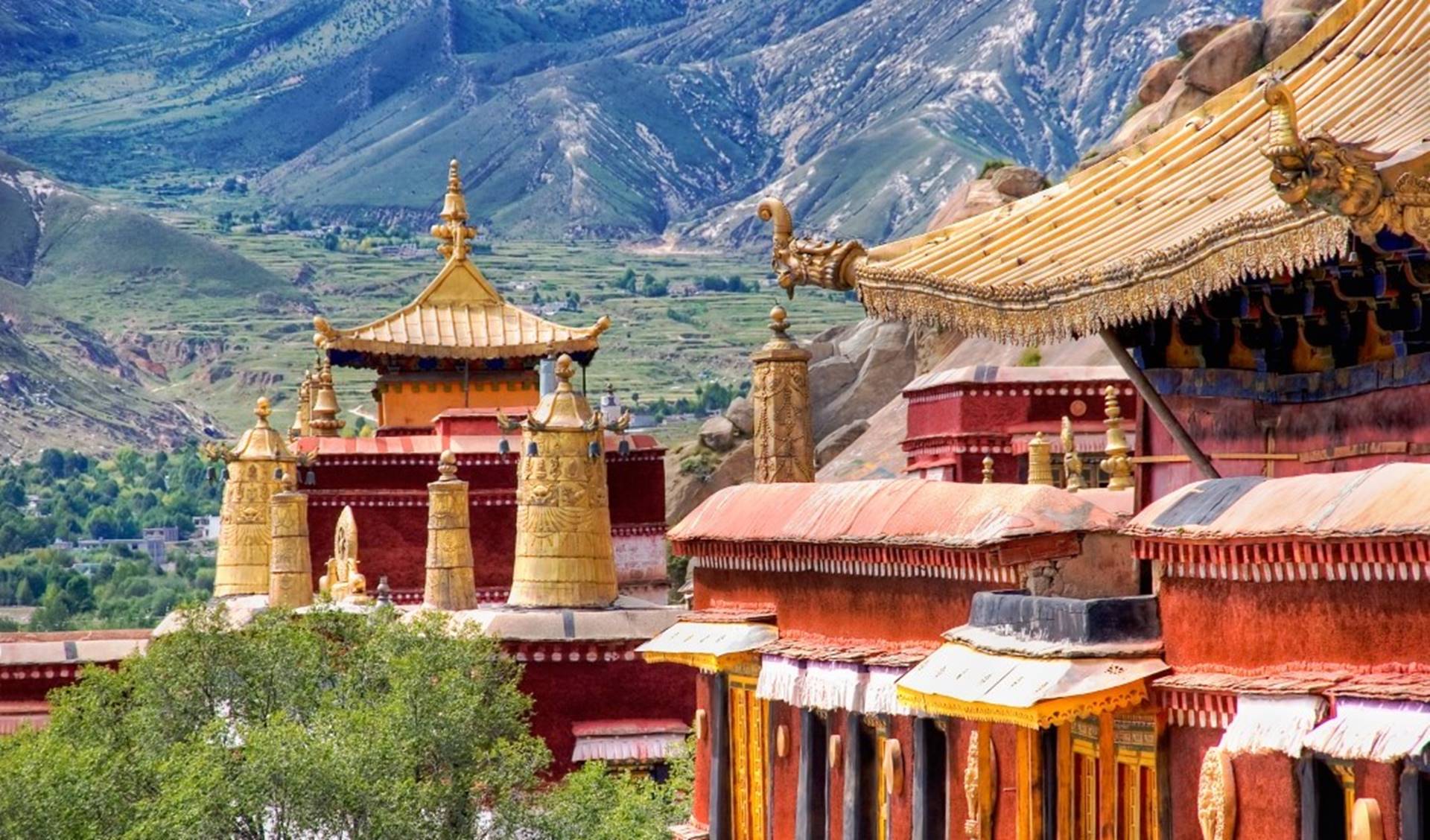
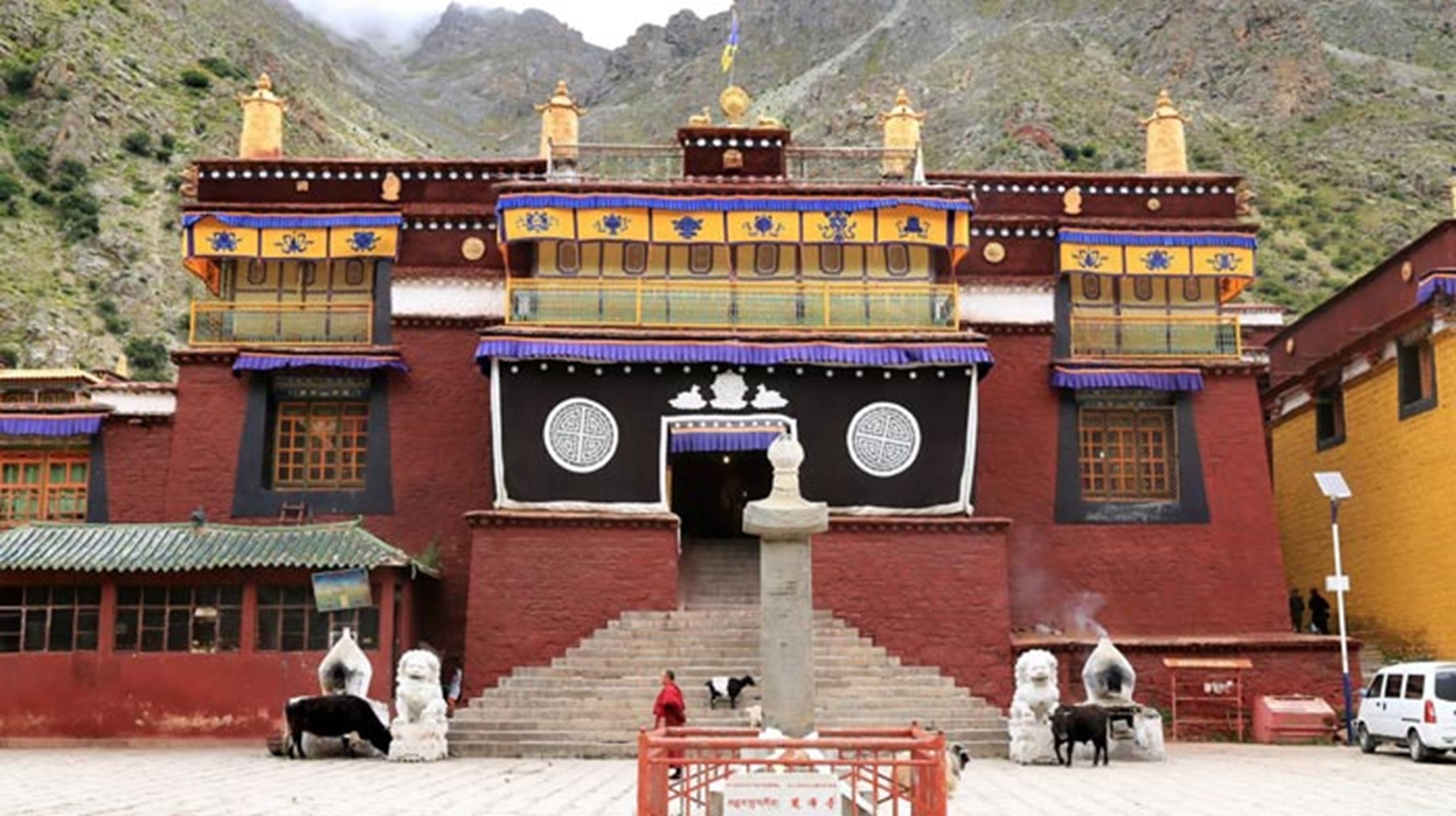
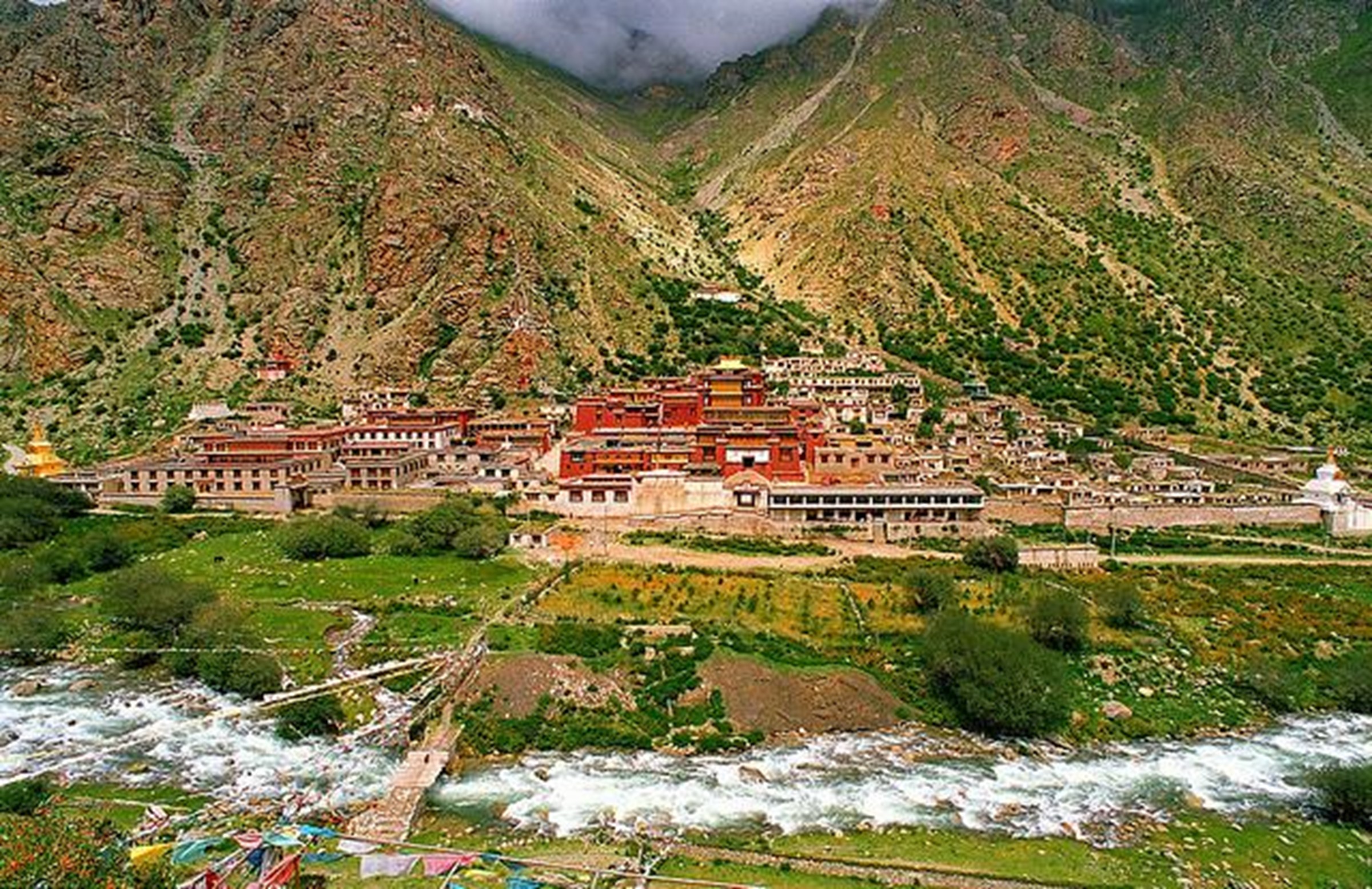
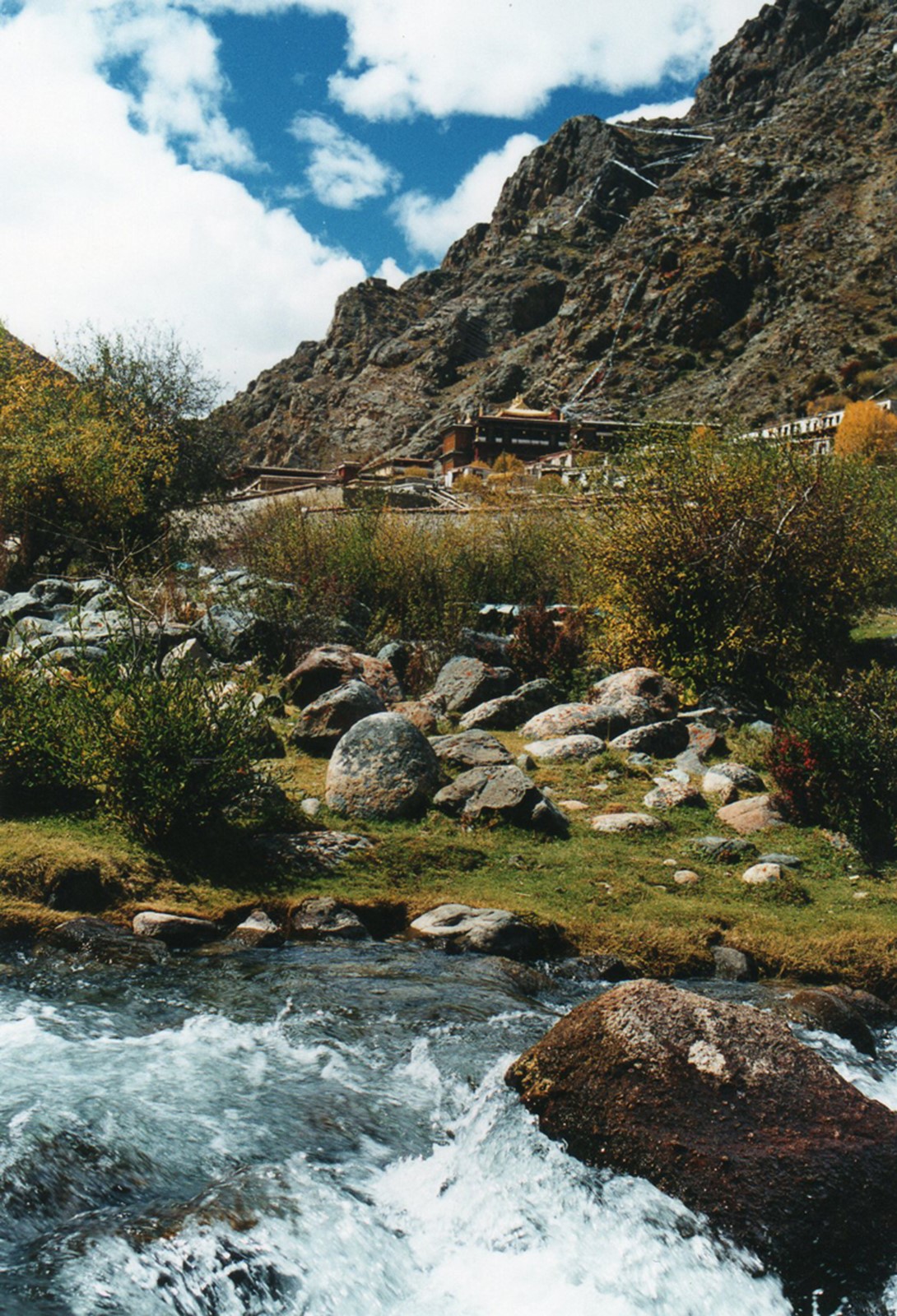
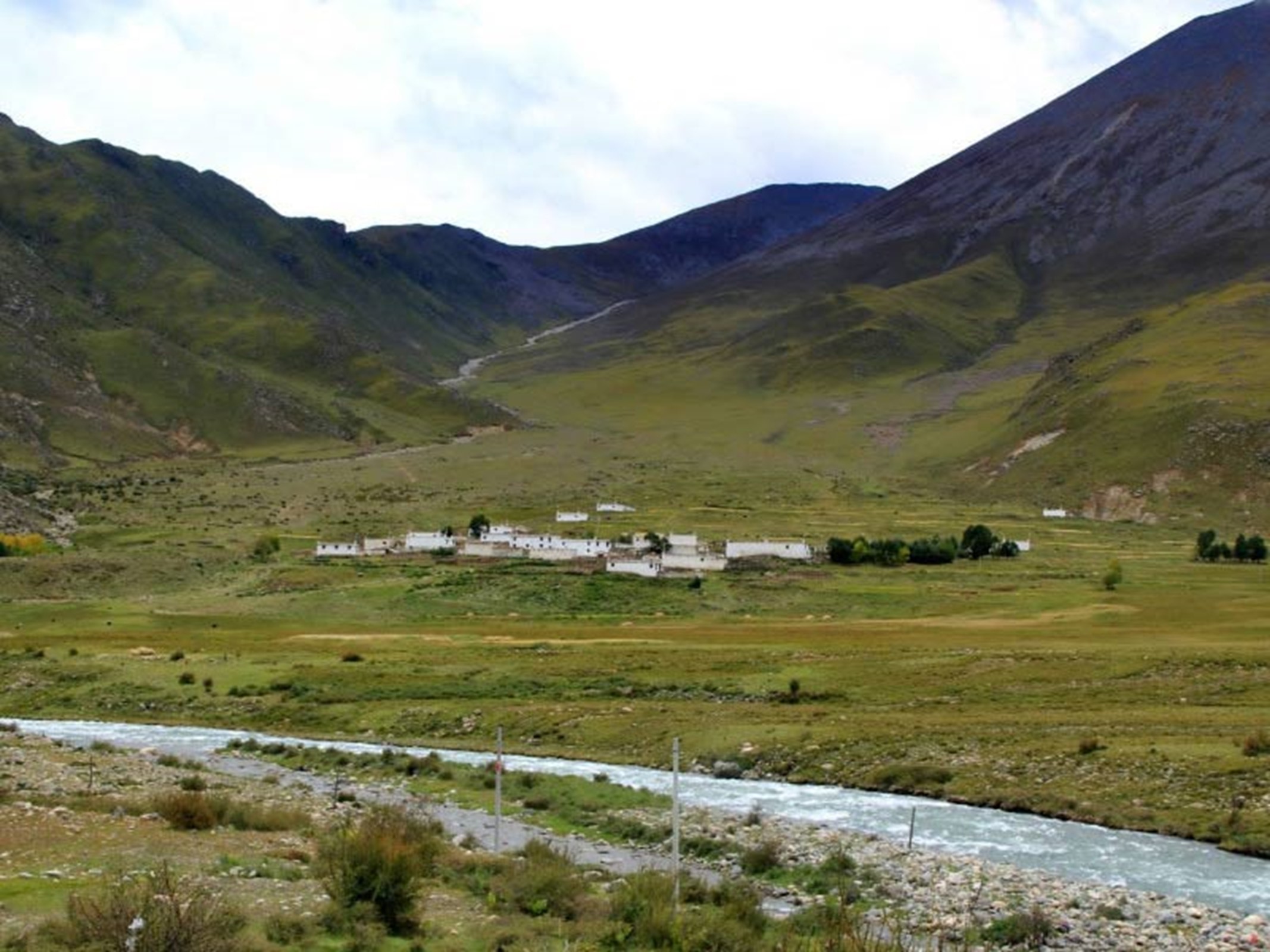
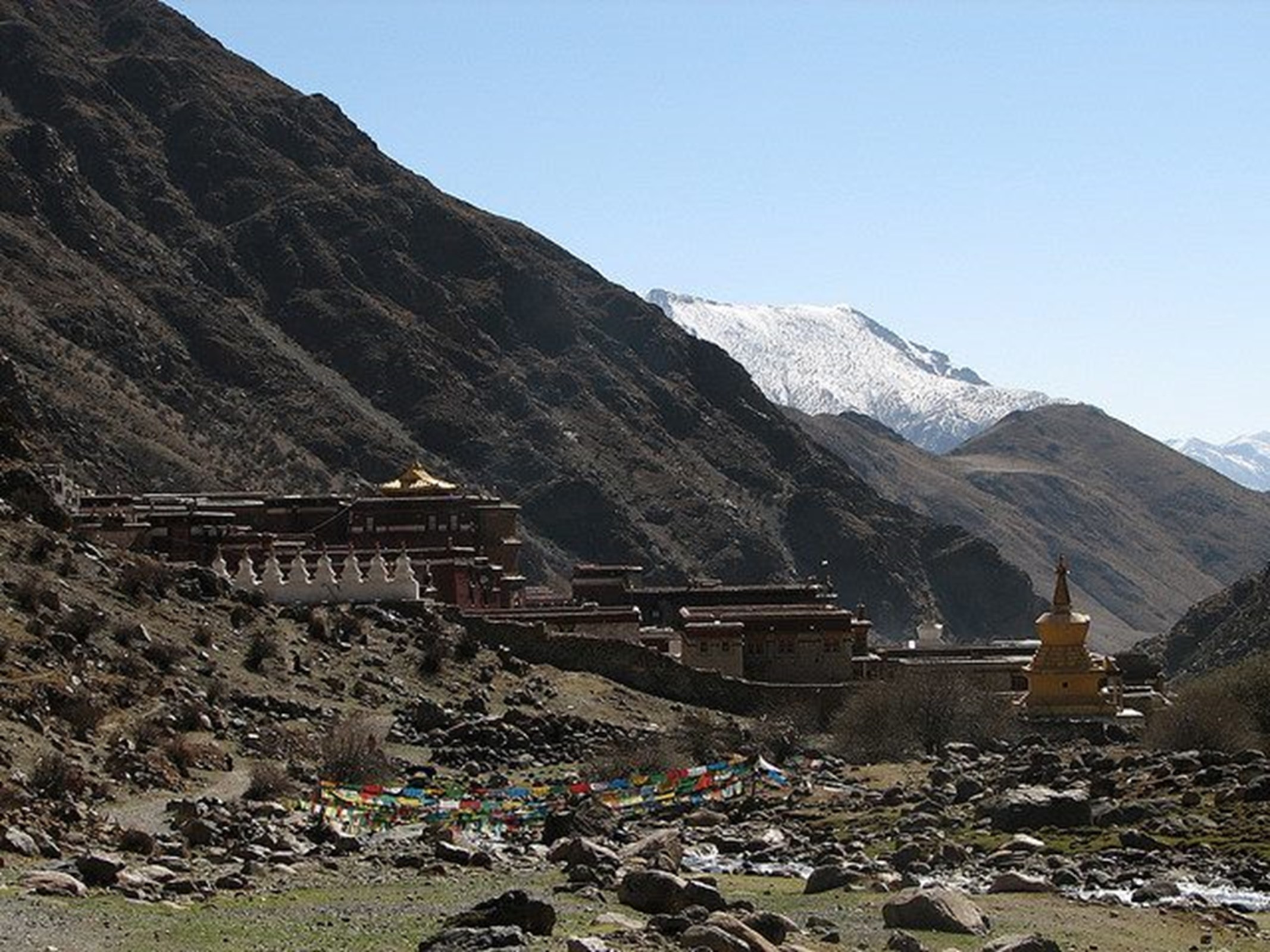
With the altitude of 4,300m, Tsurphu Monastery lies at the upper reach of Tsurphu river, about 70 km to the west of Lhasa. It was established by Dusum Khyenpa, the 1st Karmapa, and became the patriarch temple for Karma Kargyu to pass on and carry forward Tibetan Buddhism. Tsurphu Monastery has already been 800 years of history.
Blessings for Peace. A Charming Way to Fight Against The Devil. Tsurphu Cham Dance Festival.
Tsurphu Monastery is the most important temple for Karma Kargyu in Tibet.
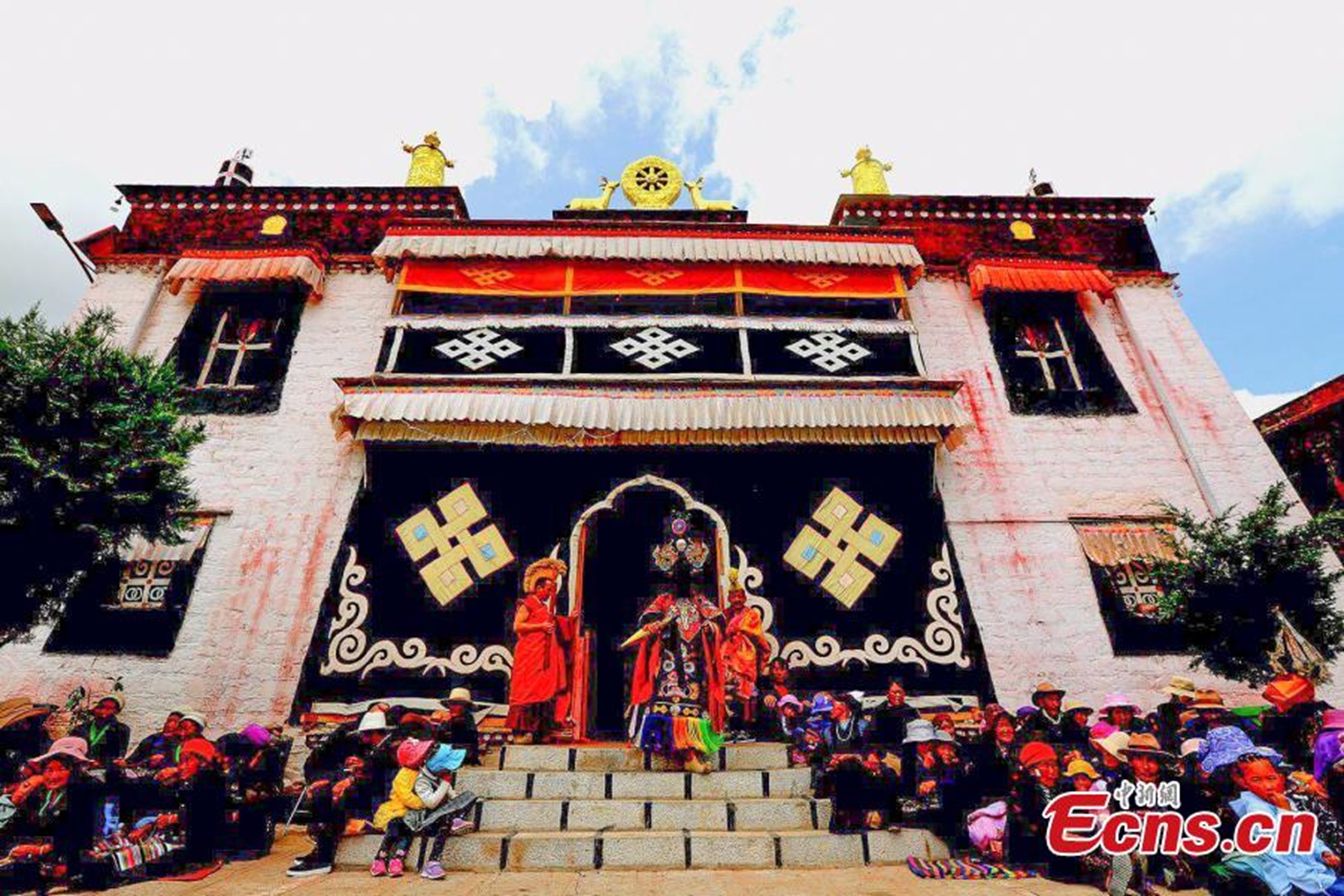
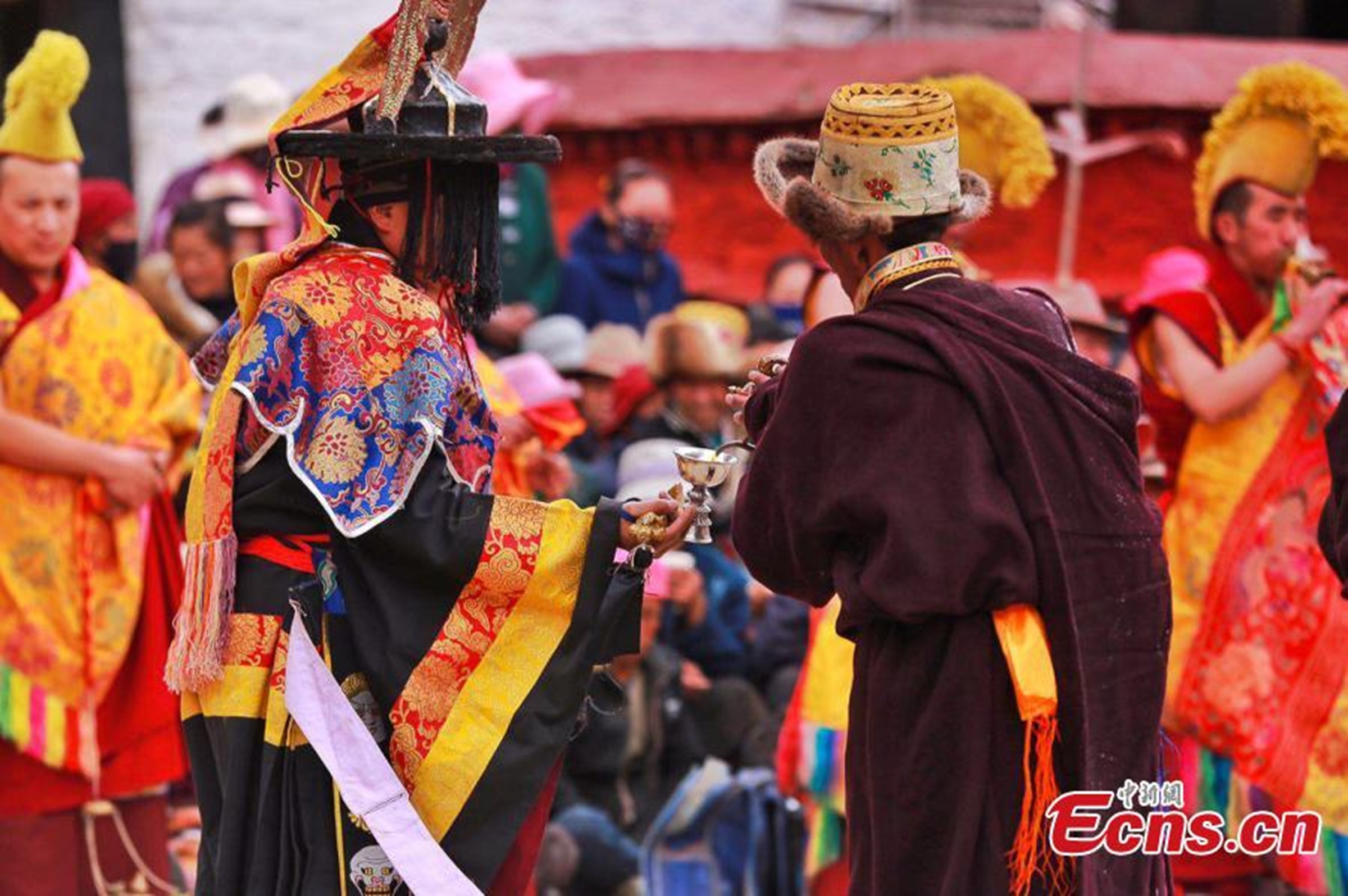
Tsurphu Cham Dance Festival falls on the 10th day of the fourth month in Tibetan Calendar. This Cham dance festival is celebrated to commemorate the great Indian guru Padmasambhava who came to Tibet and devoted himself in promoting Buddhism. During the Tsurphu Festival, you can also observe some other religious activities, like grand dharma assembly, Buddha exhibition, etc.
Blessings for Peace. A Charming Way to Fight Against The Devil. Tsurphu Cham Dance Festival.
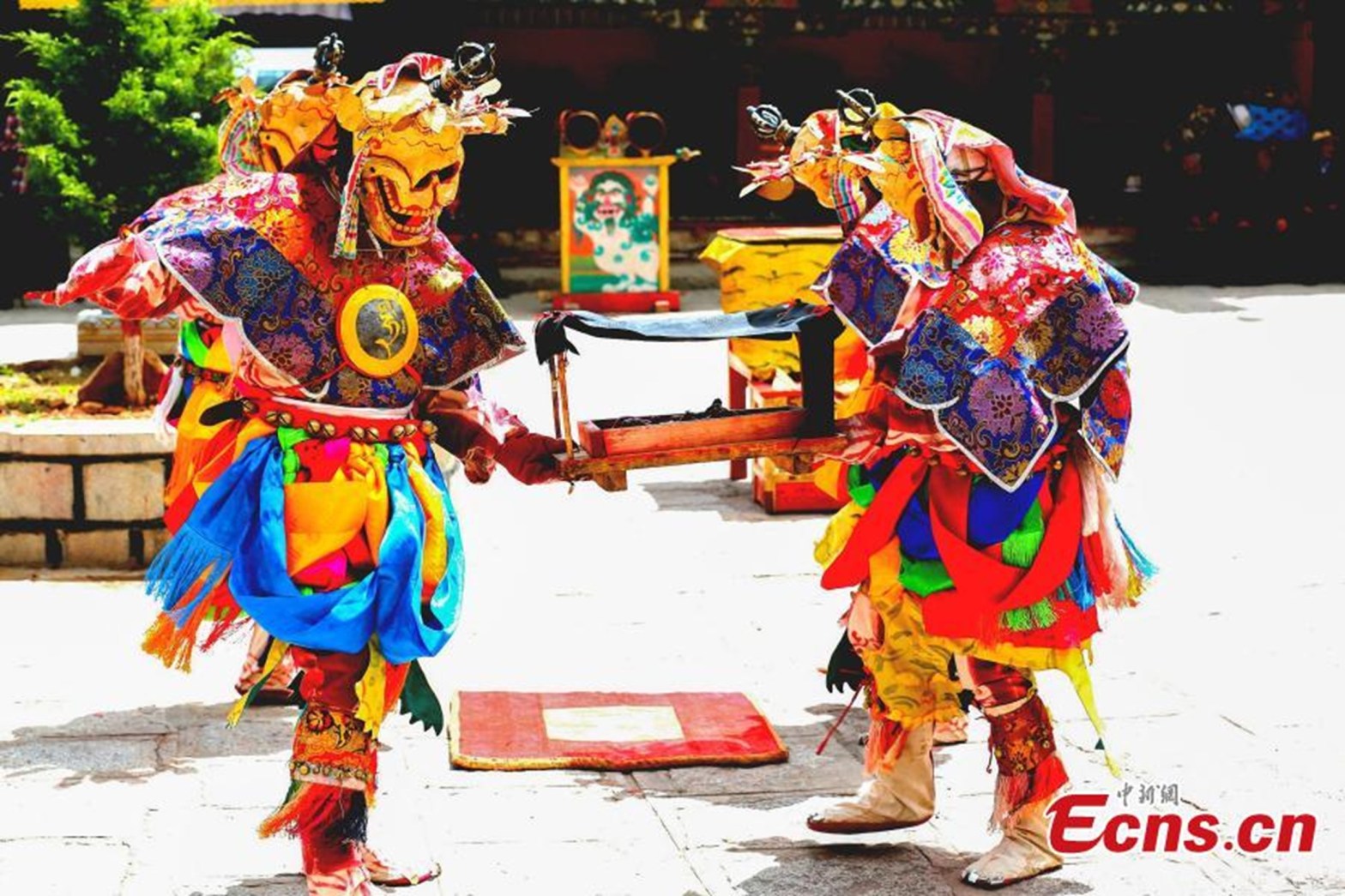
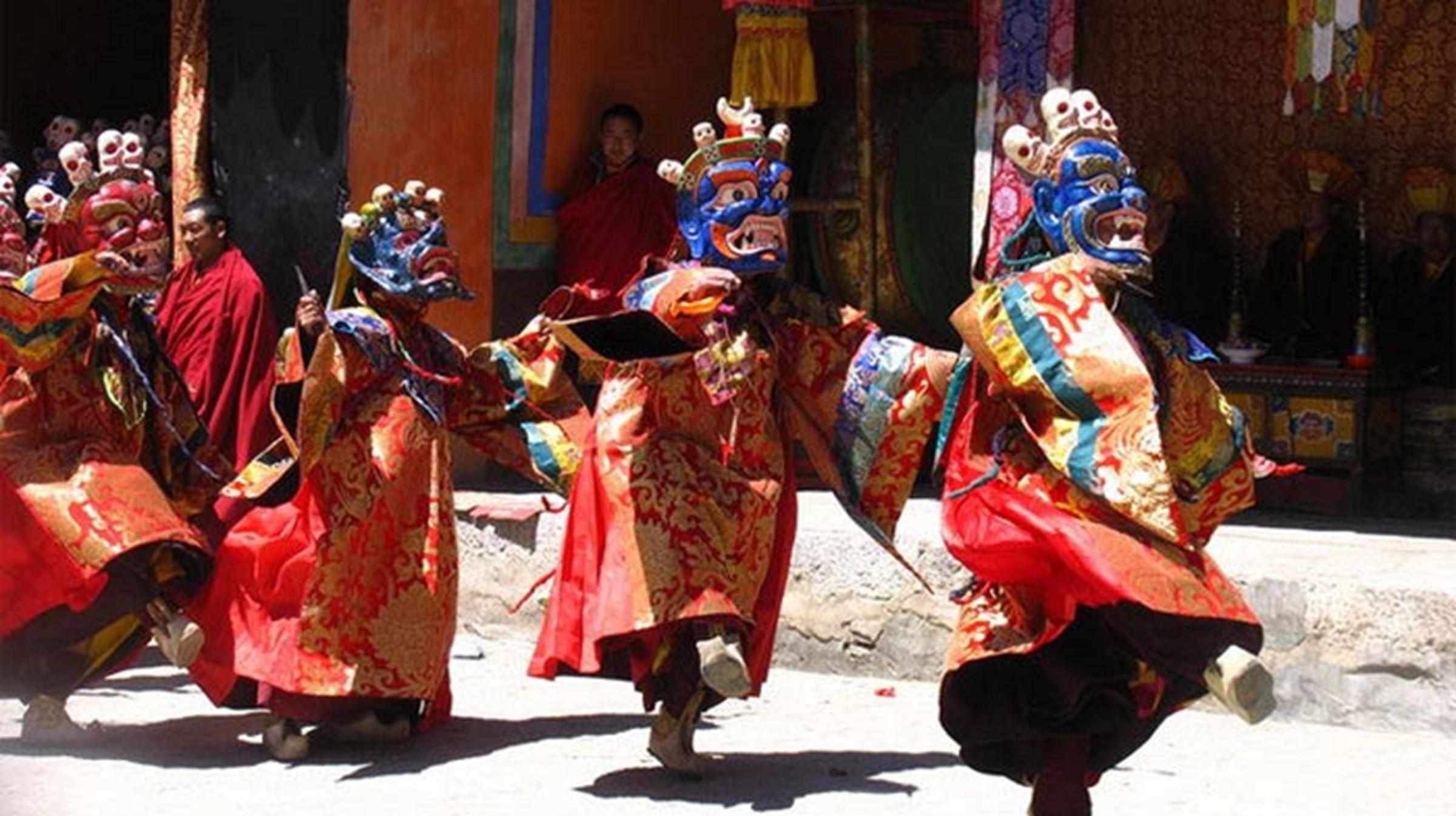
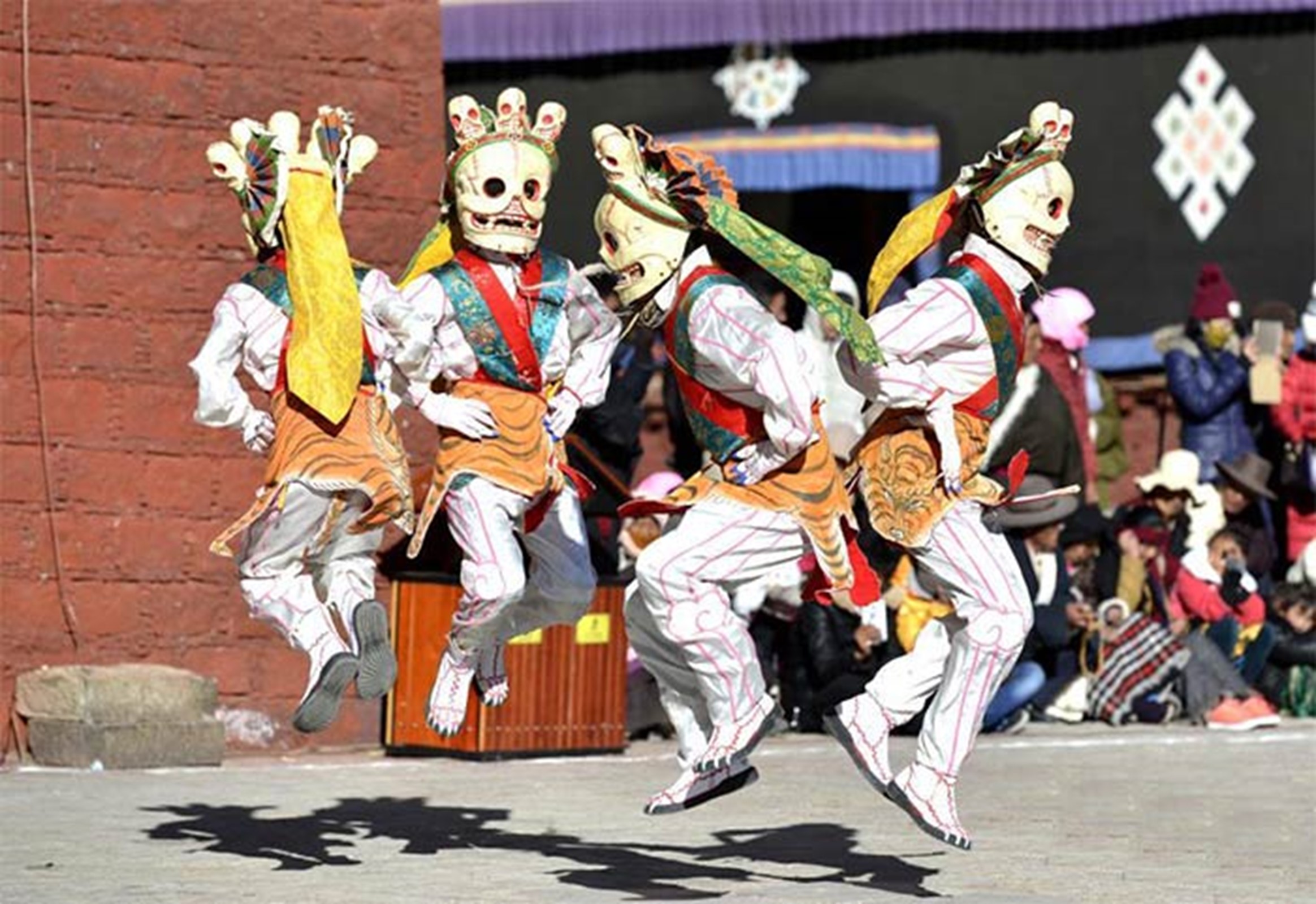
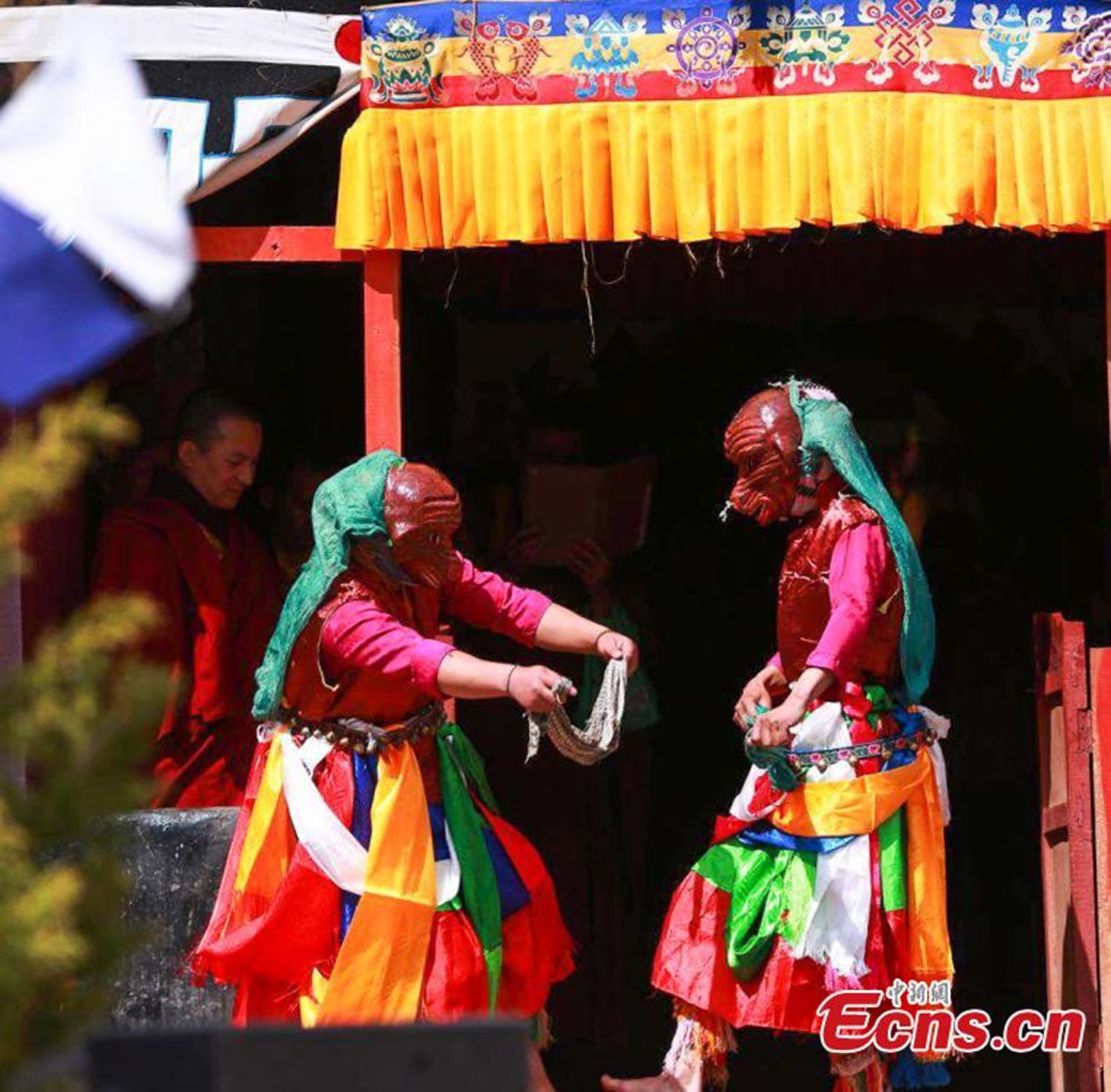
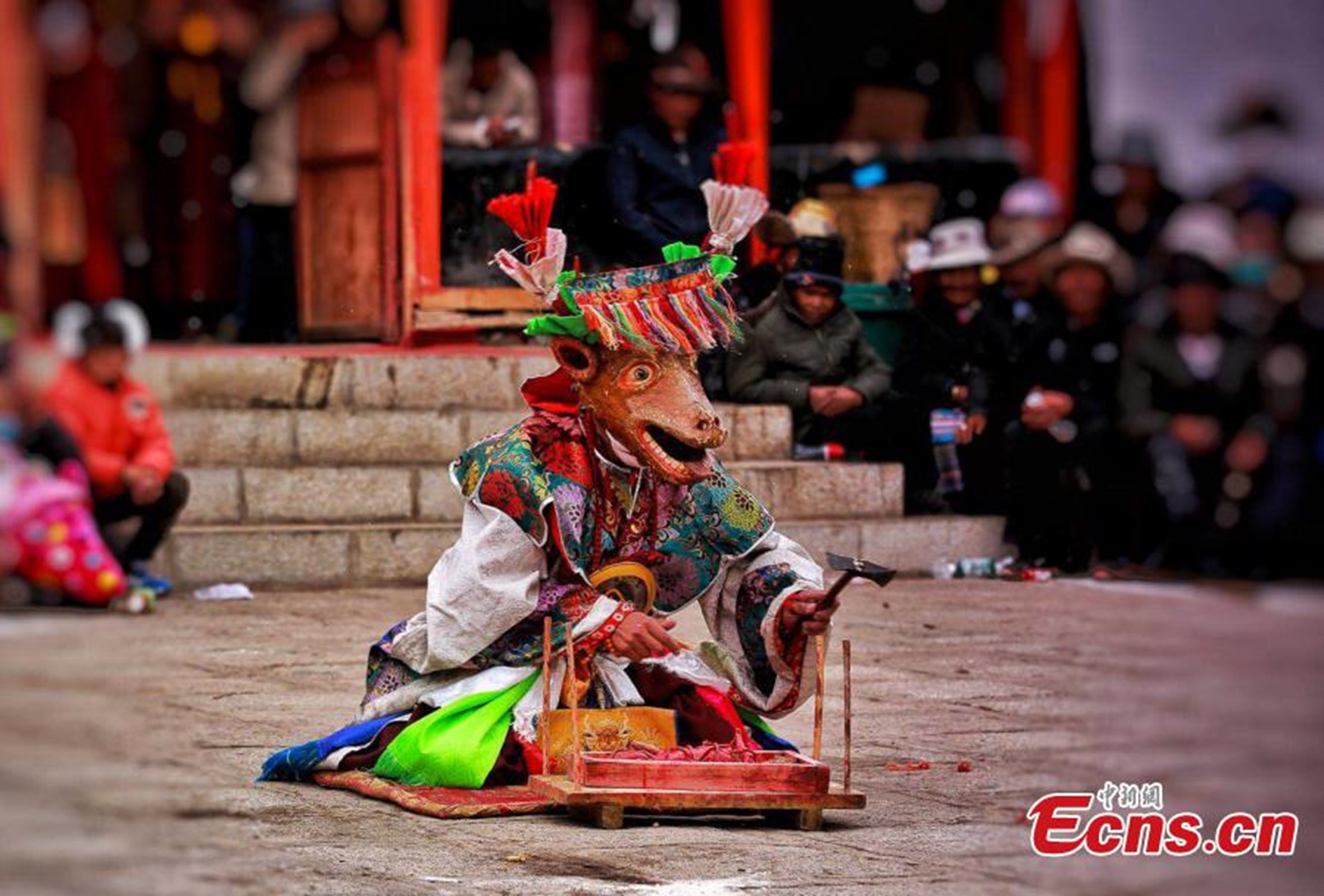
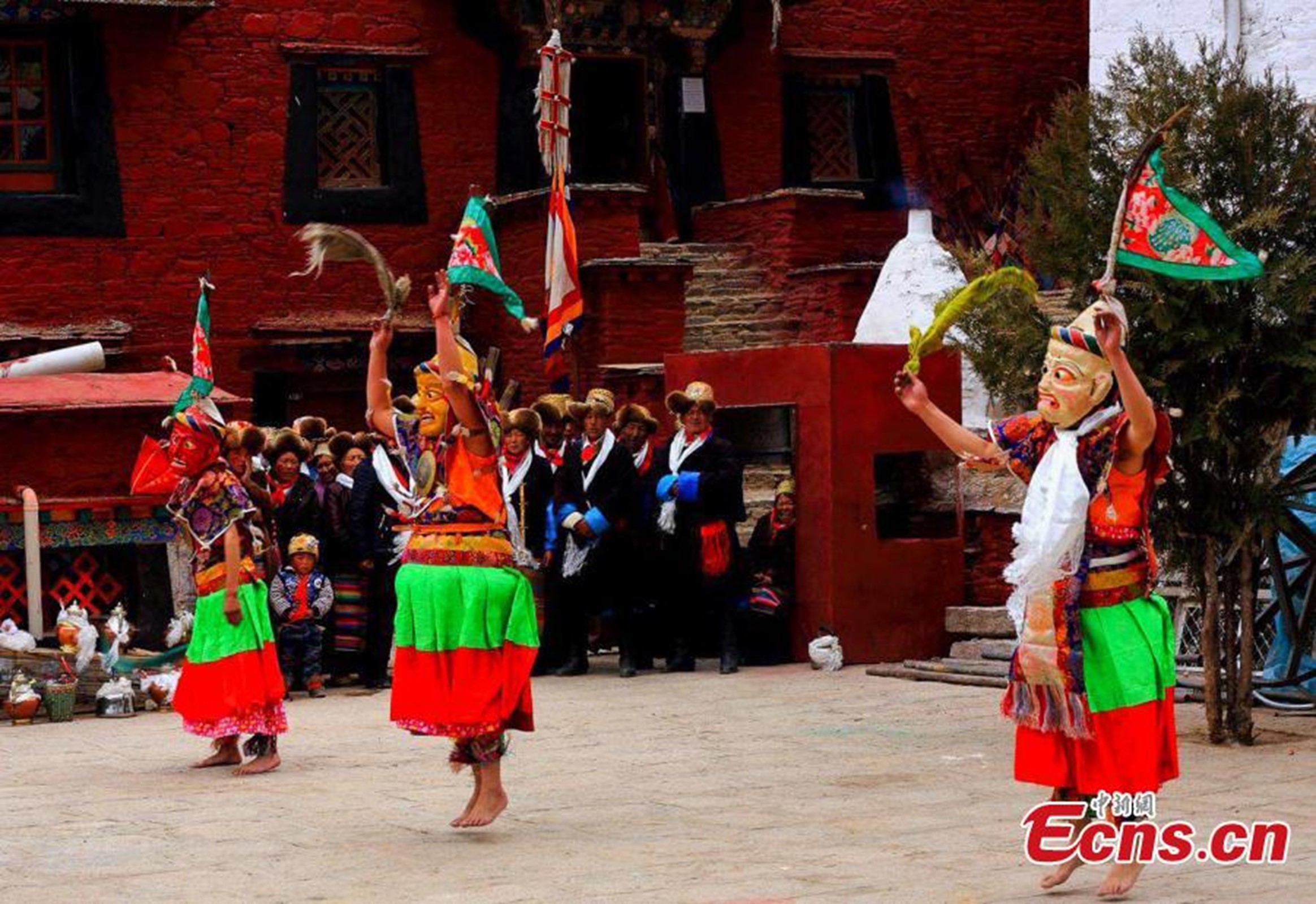
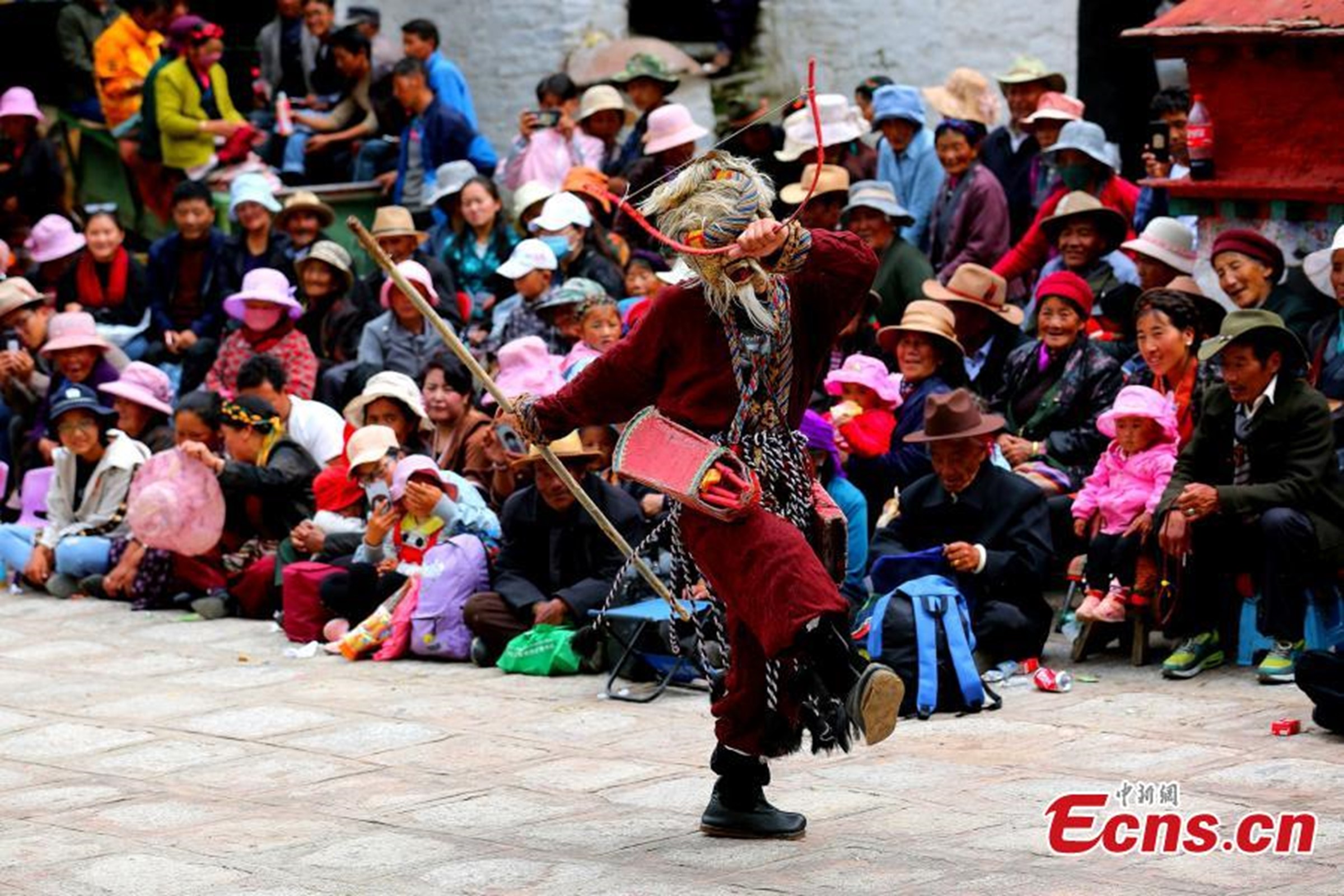
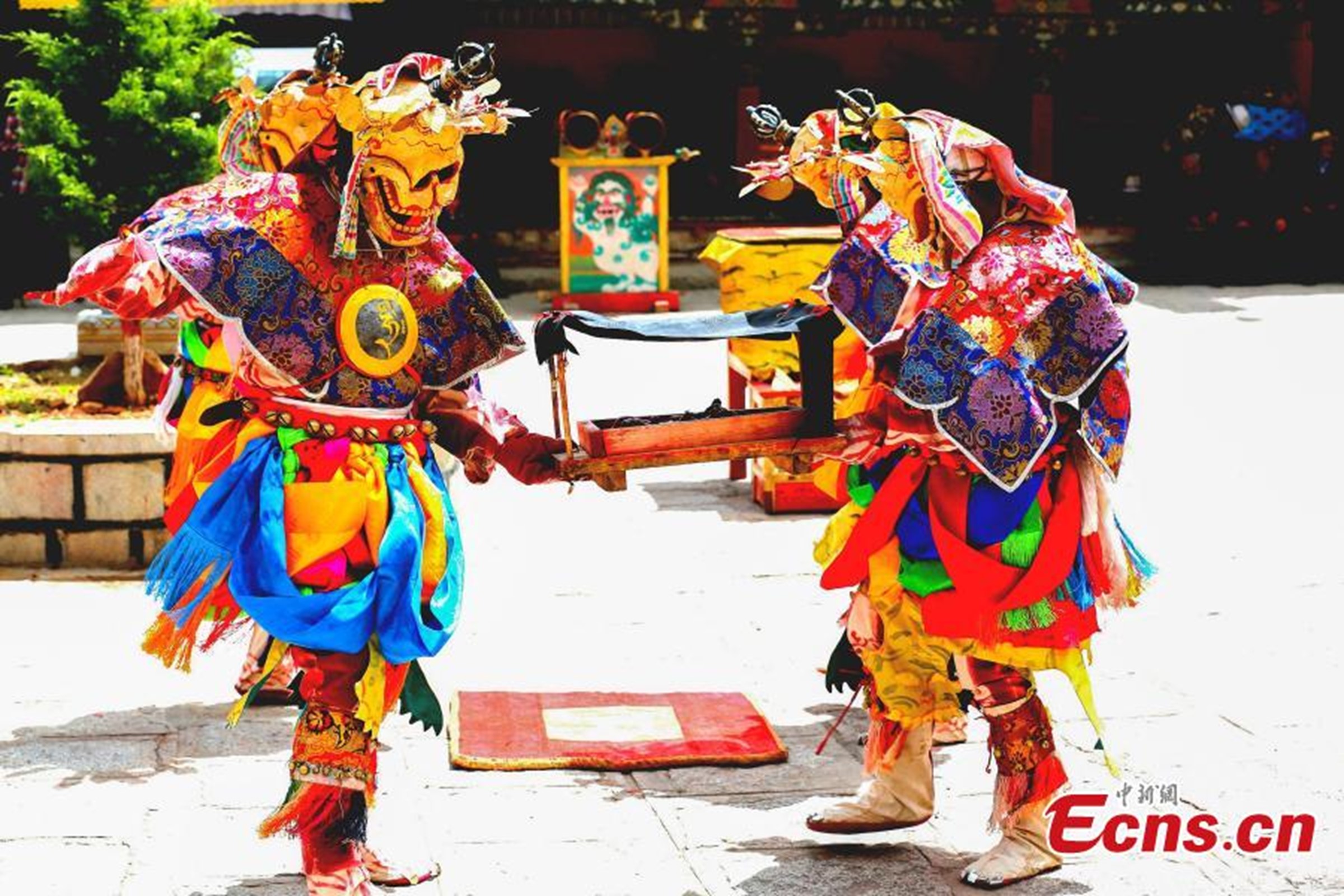
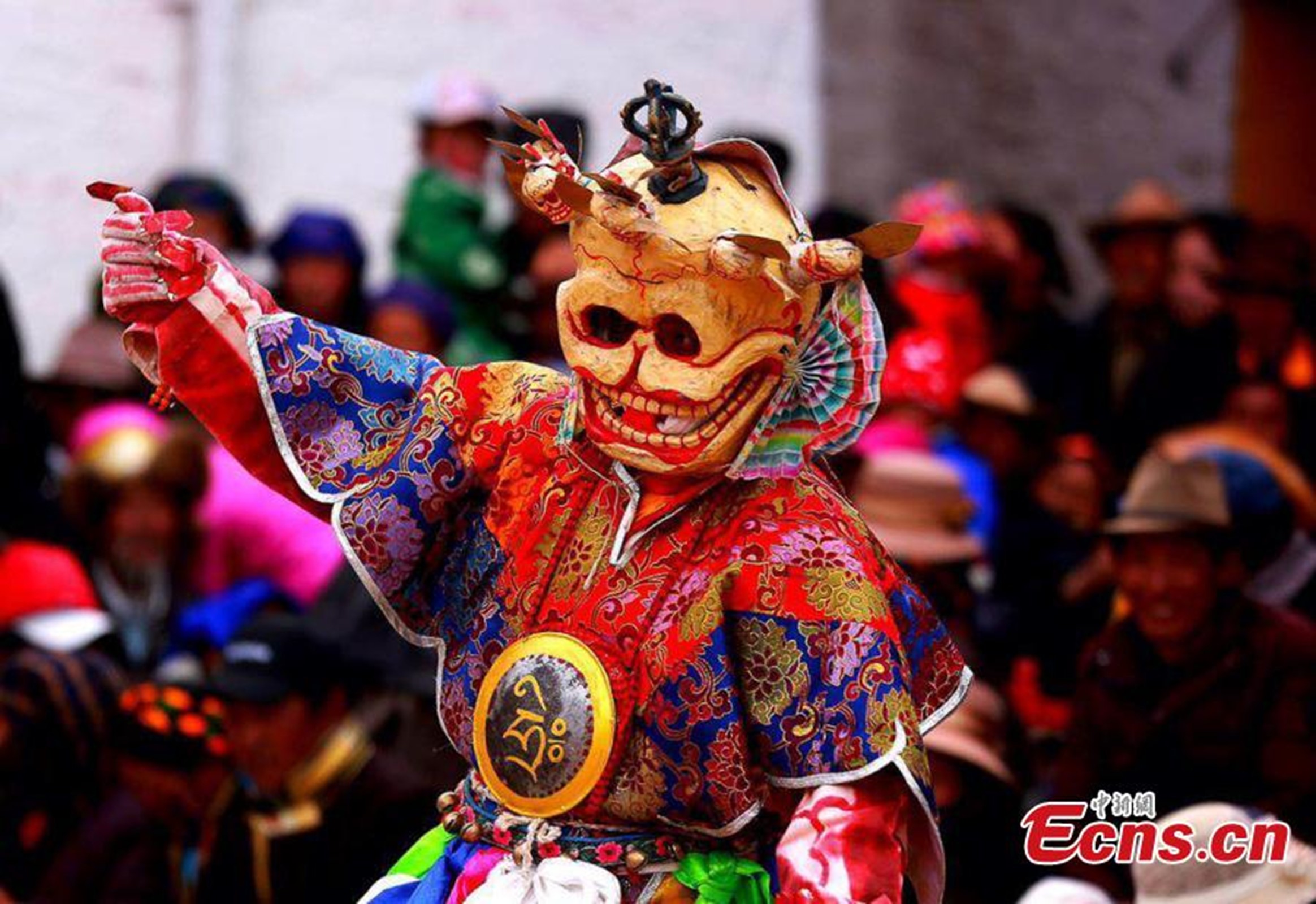
Cham dance is performed during Tsurphu Festival.
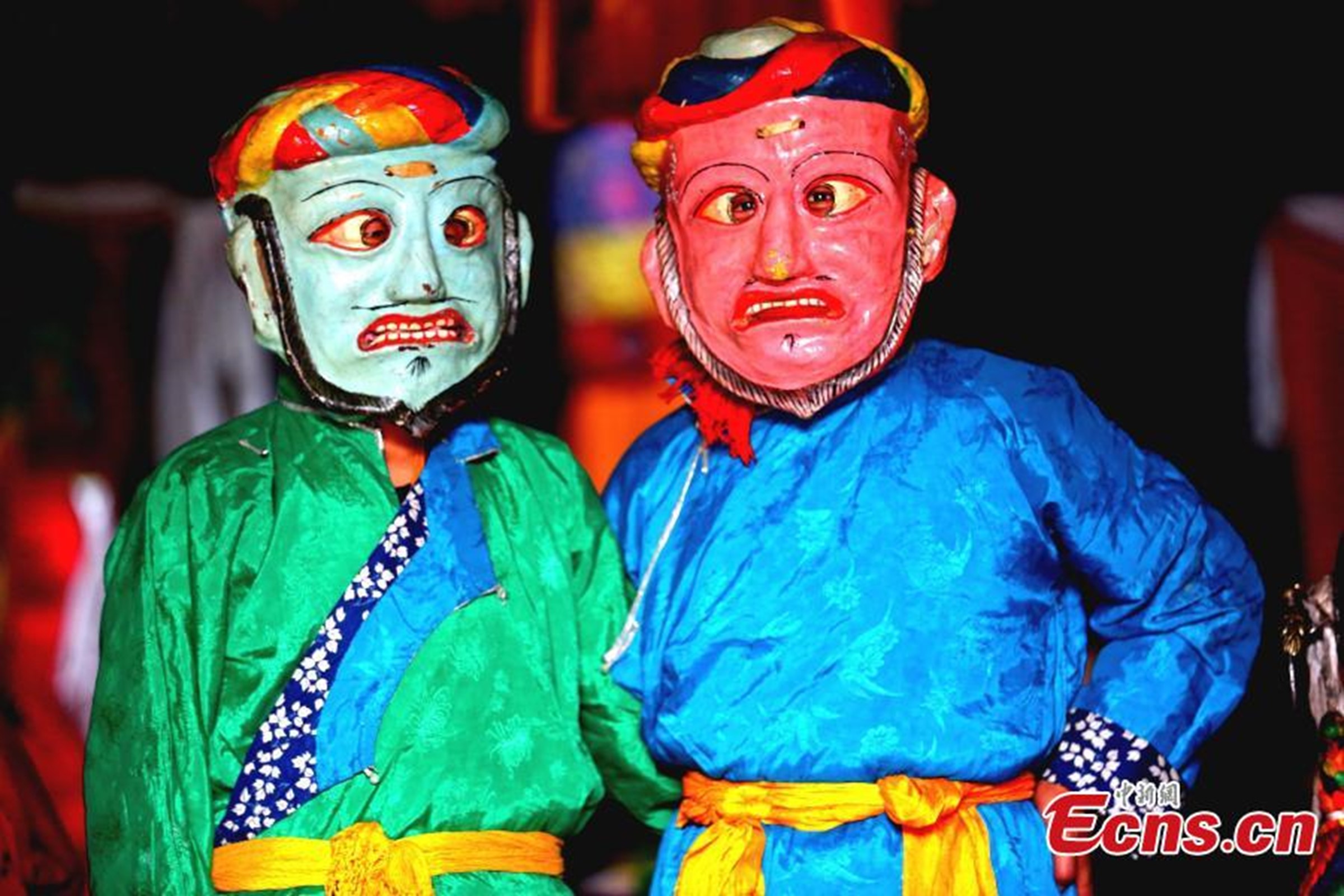
Cham dance in Tsurphu Monastery is a kind of Tibetan art and performance. It has plots, characters, music and dances. However, Cham dance is different from Tibetan Opera and has greater significance in religion. Not only can it entertain the audience but also advocate Tibetan Buddhism. It’s a grand religious activity organized by the temple. As for famous Tibetan monasteries, they have their own Cham group and make uniform Cham masks, dance costumes, ornamentations and musical instruments, etc. Usually, those items are treasured very well in the temple. Cham dancers have to pass through several religious rituals before using them.
Blessings for Peace. A Charming Way to Fight Against The Devil. Tsurphu Cham Dance Festival.
Lots of Tibetans are watching Cham dance outside Tsurphu Temple.
There are many strict rules on Cham performance. Major roles are played by monks and dancers should be flexible and alert. All of them shall be completely into the roles even before the play. Body movements, facial expressions, hand gestures and dance steps must be elegant and smooth. In other words, as long as they put on Cham costumes and masks, they need to be like the real deities. It’s said that deities would get angry if they failed to meet those requirements and something bad would happen to relevant personnel. In addition to appreciating the Cham dance, Tibetan people also worship Buddha and receive blessings at Tsurphu Monastery.
If you are interested in Tibetan Buddhism and Cham dance, taking part in Tsurphu Cham Dance Festival is an excellent chance to feel religious atmosphere you couldn’t afford to miss. After visiting Tsurphu Monastery, you can also try to trek from Tsurphu to Yampachen and the scenery along the route will never let you down.
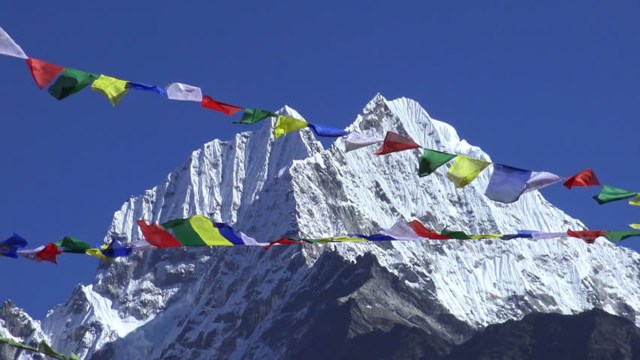
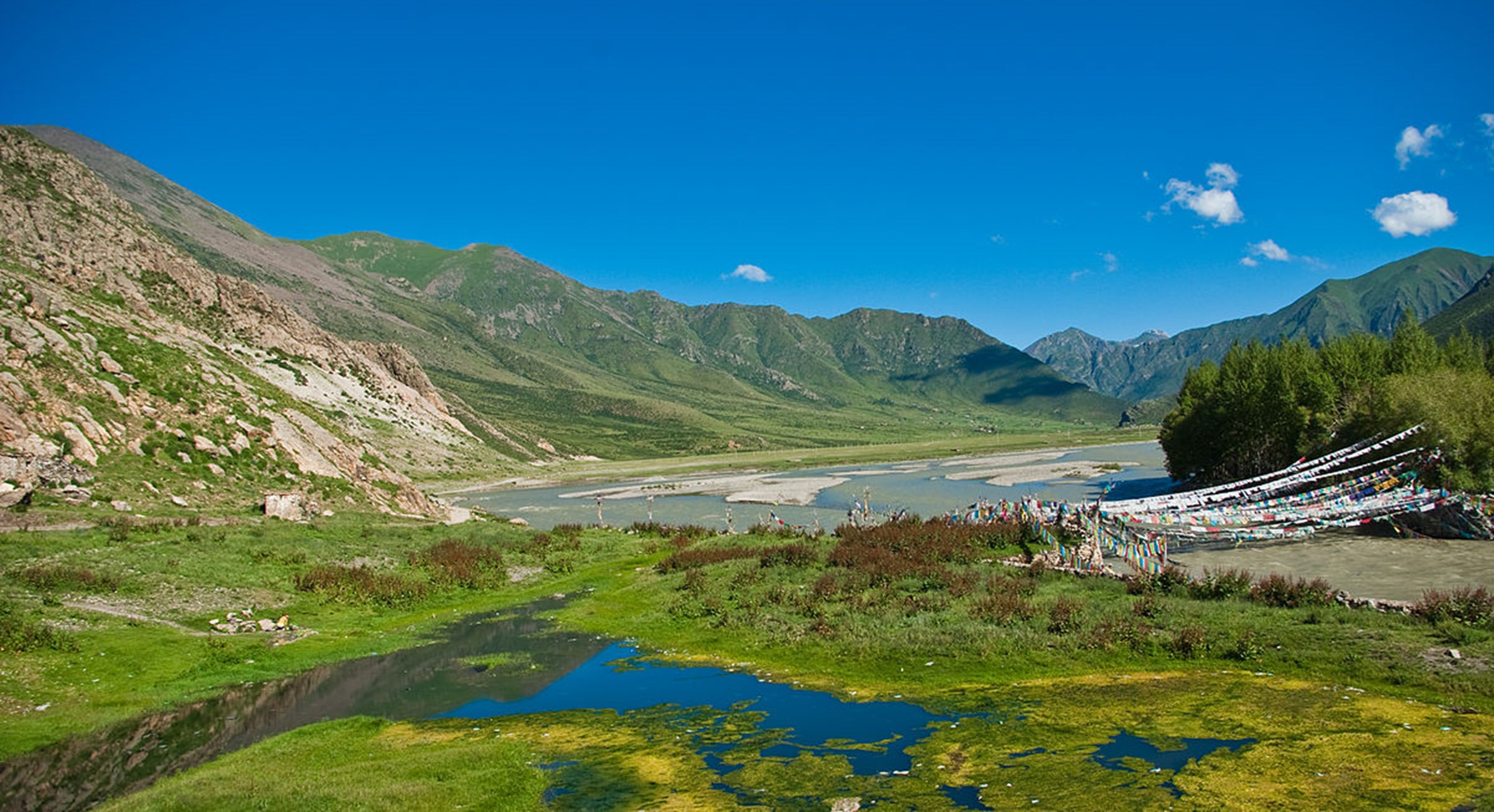
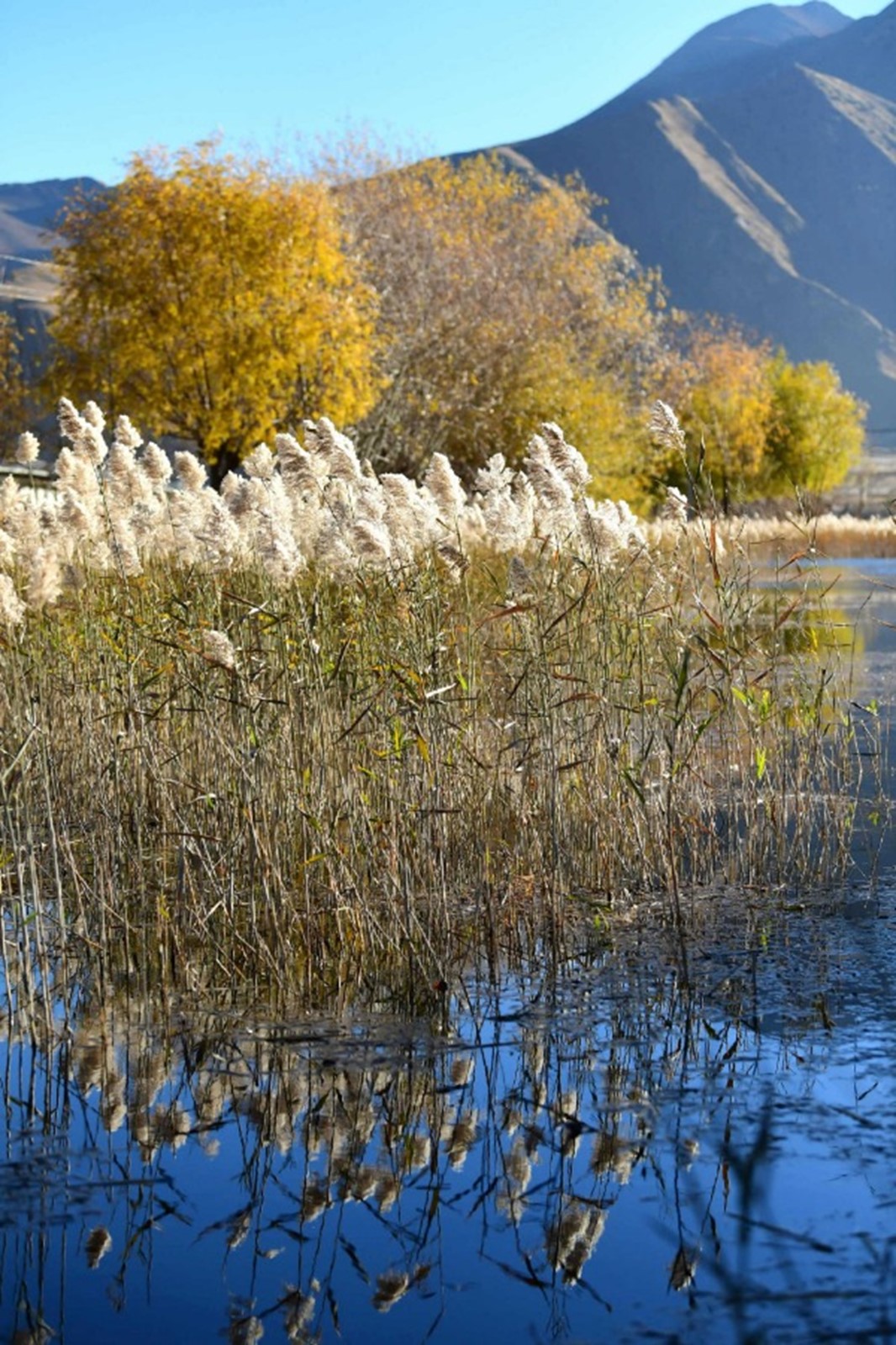
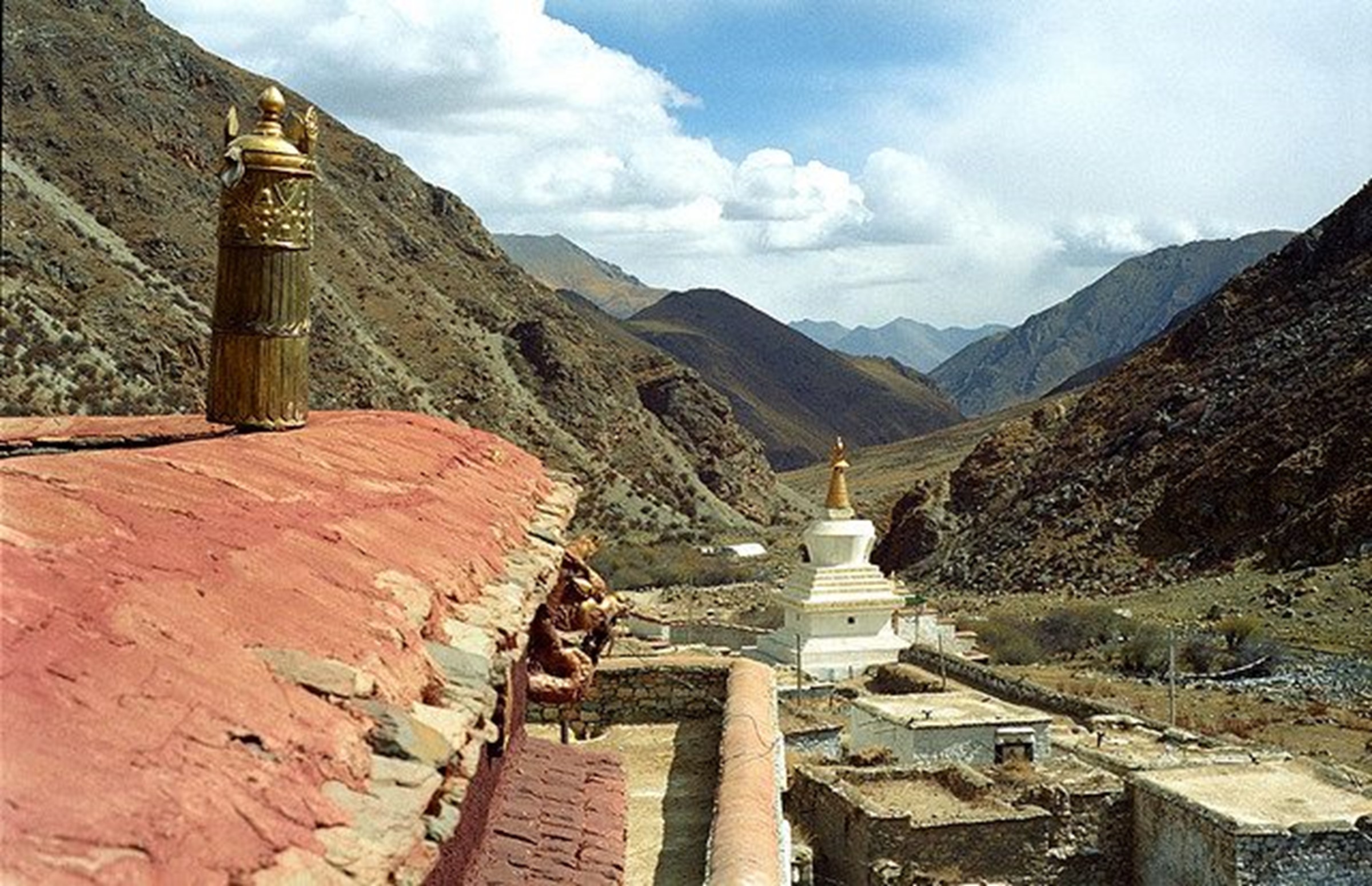
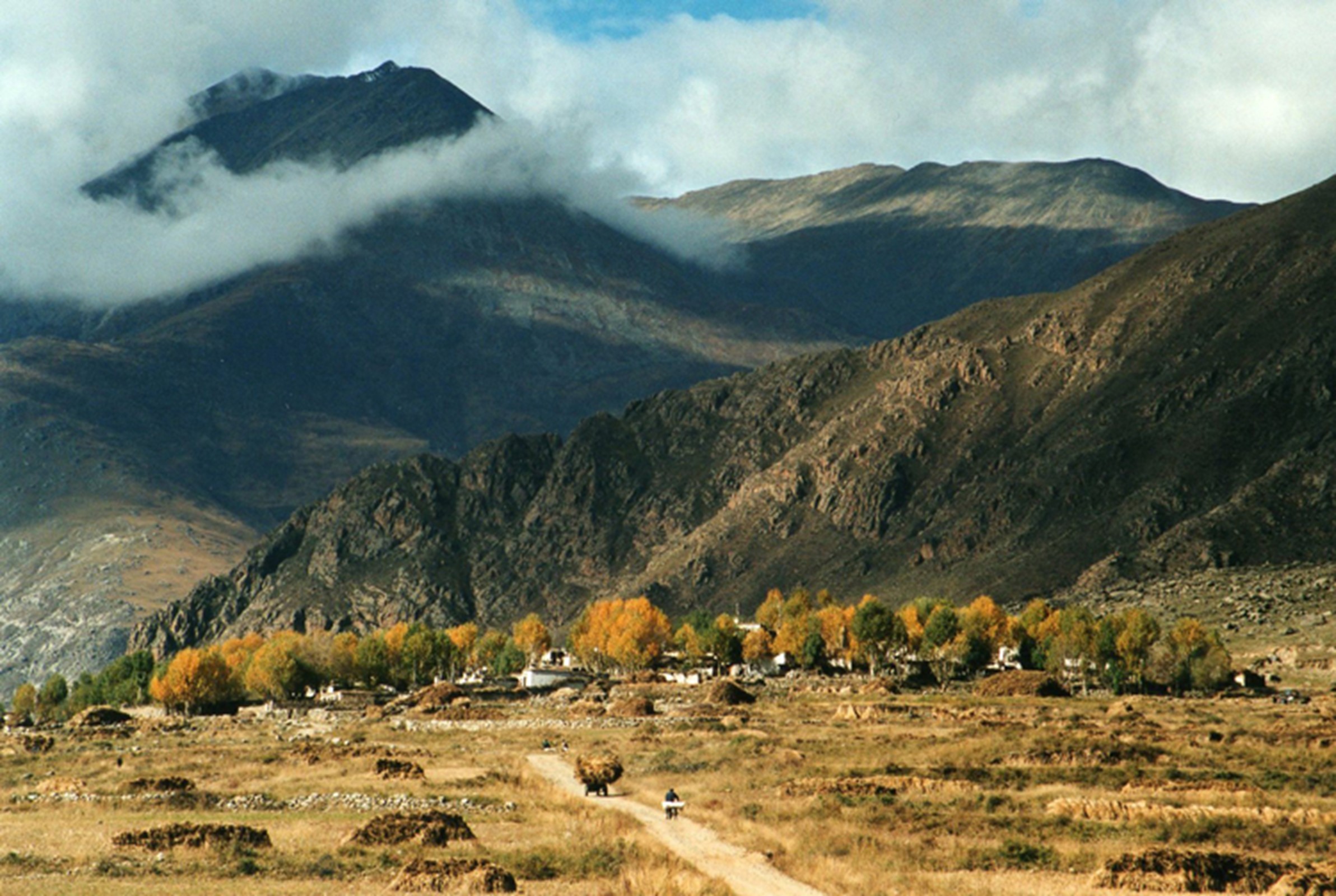
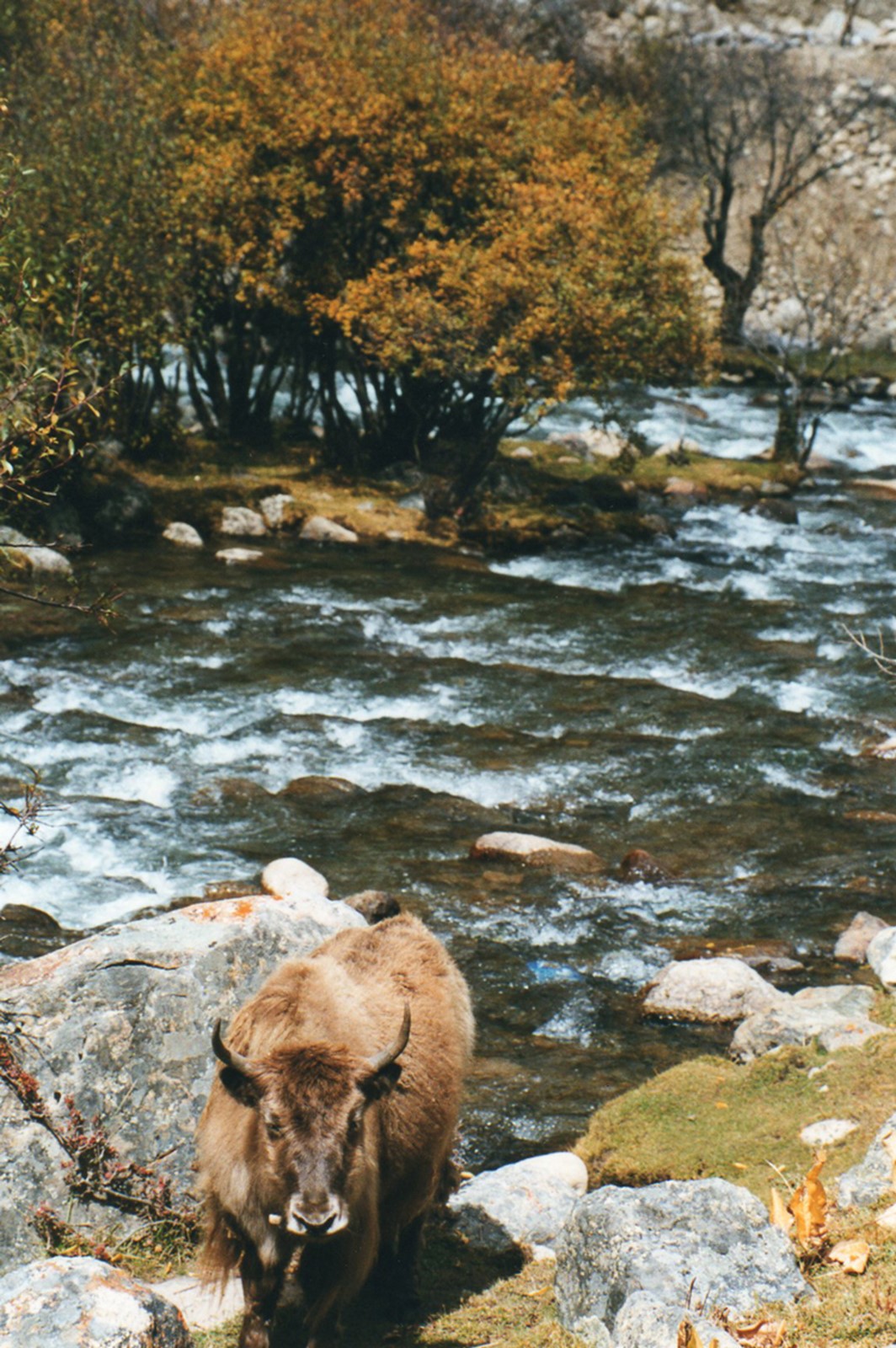
Blessings for Peace. A Charming Way to Fight Against The Devil. Tsurphu Cham Dance Festival at Tsurphu Monastery, Tibet.Blessings for Peace. A Charming Way to Fight Against The Devil. Tsurphu Monastery, Tibet.Blessings for Peace. A Charming Way to Fight Against The Devil at Tsurphu Monastery, Tibet.Blessings for Peace. A Charming Way to Fight Against The Devil at Tsurphu Monastery, Tibet.Blessings for Peace. A Charming Way to Fight Against The Devil at Tsurphu, Tibet. Freedom and Peace are gifts of Mother Nature.Blessings for Peace. A Charming Way to Fight Against The Devil at Tsurphu Monastery.Blessings for Peace. A Charming Way to Fight Against The Devil. Freedom and Peace are the gifts of Mother Nature at Tsurphu, Tibet.Blessings for Peace. A Charming Way to Fight Against The Devil. Peace and Freedom are the gifts of Mother Nature at Tsurphu, Tibet.Blessings for Peace. A Charming Way to Fight Against The Devil at Tsurphu Monastery, Tibet.Blessings for Peace. Prayer Flags at Tsurphu, Tibet describe Peace and Freedom as the gifts of Mother Nature.Blessings for Peace. A Charming Way to Fight Against The Devil at Tsurphu Monastery, Tibet.Blessings for Peace. A Charming Way to Fight Against The Devil at Tsurphu Monastery, Tibet.Blessings for Peace. A Charming Way to Fight Against The Devil at Tsurphu Monastery, Tibet.Blessings for Peace. A Charming Way to Fight Against The Devil at Tsurphu Monastery, Tibet.Blessings for Peace. A Charming Way to Fight Against The Devil at Tsurphu Monastery, Tibet.Blessings for Peace. A Charming Way to Fight Against The Devil at Tsurphu Monastery, Tibet.Blessings for Peace. A Charming Way to Fight Against The Devil at Tsurphu Monastery, Tibet.Blessings for Peace. A Charming Way to Fight Against The Devil at Tsurphu Monastery, Tibet.BLESSINGS FOR PEACE. A CHARMING WAY TO FIGHT AGAINST THE DEVIL AT TSURPHU Monastery, Tibet.
































 Whole Dude - Whole Concept