IN MICHIGAN, MARIJUANA IS LEGAL, BUT FREE SPEECH IS ILLEGAL
Marijuana faces the second phase of legalization in small-town Michigan
Joel Bissell | MLive.com
(Joel Bissell | MLive.com file photo)
By Amy Biolchini | abiolch1@mlive.com
The promise of marijuana legalization was attractive to voters in November 2018: even in many parts of small-town Michigan, the proposal passed.
But that doesn’t mean rural Michigan is ready for a weed shop.
Now marijuana in Michigan is undergoing its second phase of legalization as every city, township and village is grappling with if — or where — they want the cannabis industry.
Not on Main Street: Michigan communities confront legal weed
More than a quarter of Michigan cities and townships have banned retail recreational marijuana businesses.
Of the 792 cities and townships that passed Proposal 1, 308 have ended up banning adult-use marijuana businesses so far, according to an analysis by MLive. That’s about 39 percent.
Put another way: of the 600-plus communities that have banned recreational marijuana businesses, about half passed Proposal 1, according to an analysis by MLive.
Map: Michigan communities that have banned adult-use marijuana businesses
Scroll over cities and townships to see how they voted on the marijuana legalization ballot question — Proposal 1 — in November 2018.
Bruce Barcott, deputy editor of the marijuana news and information website Leafly, called the phenomenon of local bans on cannabis businesses the “second phase of legalization.”
“Smaller municipalities tend to want the big cities to go first and offer them reassurance that the sky won’t fall, that crime rates won’t skyrocket, that teen access won’t go up,” Barcott said.
The trend repeats itself throughout states that have legalized marijuana for adult-use, Barcott said.
“California really has a problem with local bans, and it’s stifling the transition from the illicit market to the legal regulated market,” Barcott said. “They’re not seeing as much tax revenue as they had planned for because so many counties and towns have prohibited farmers and stores from opening up shop.”
Banning legal marijuana businesses in a community only allows the black market to thrive, Barcott said.
“You’re enabling and encouraging the illicit sale of cannabis,” Barcott said.
Emergency rules for the adult-use marijuana industry were released by state officials in July, giving Michigan’s local governments a matter of months to react. Communities without a ban on businesses in place by the time the state starts taking business license applications Nov. 1 risk losing control over how and where the industry operates in their towns.
Residents recently tried to overturn bans on marijuana businesses in two Michigan towns by collecting signatures and putting initiatives on the ballot. But in Highland Park, a city of 11,776 people in Wayne County, and in Vanderbilt, a village of 562 people in northern Michigan, the efforts failed at the polls.
Voters say no to marijuana businesses across Michigan
Three Michigan communities decided to ban marijuana businesses at the polls Tuesday.
Both communities had passed Proposal 1 in November 2018. The bans on marijuana businesses still stand.
Barcott said that’s partly due to the timing of elections. The big legalization proposals tend to be timed with large-turnout elections with presidential or gubernatorial races on the ballot, he said.
“The theory is that you get a wide and deep pools of voters in those legalization votes and then when the town votes on it, it tends to be in the very small turnout primary elections,” Barcott said. “Those are the hardcore city council-watching voters. They tend to be more conservative they tend to be older.”
— Amy Biolchini is the marijuana beat reporter for MLive. Contact her with questions, tips or comments at abiolch1@mlive.com. Read more from MLive about medical and recreational marijuana.
WholeDude
Comment History
You posted on Marijuana faces the second phase of legalization in small-town Michigan:
Content disabled.
“Reply to @WholeDude: Why the content of my comment is disabled? I am speaking the Plain Truth.”
You posted on Marijuana faces the second phase of legalization in small-town Michigan:
Content disabled.
“Reply to @higgy78: I am not free to respond to your view. I tickled the censor dragon. One of my posts is disabled and another post’s content is awaiting moderation.”
You posted on Marijuana faces second phase of legalization in small-town Michigan:
“Reply to @seattle slew: The usual guy may fall asleep like the usual guy going back to his work aft…”
You posted on Marijuana faces second phase of legalization in small-town Michigan:
“Reply to @seattle slew: Thank you. I am glad for you brought up the issue of sex in this conversati…”
You posted on Marijuana faces the second phase of legalization in small-town Michigan:
Content disabled.
“Reply to @Heyspike: Thank you. For me, the US seems like a prison. My mental “highs” do not give me…”
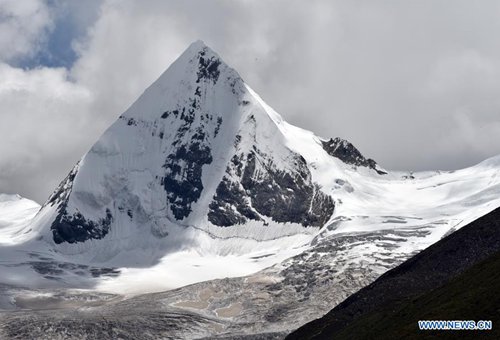
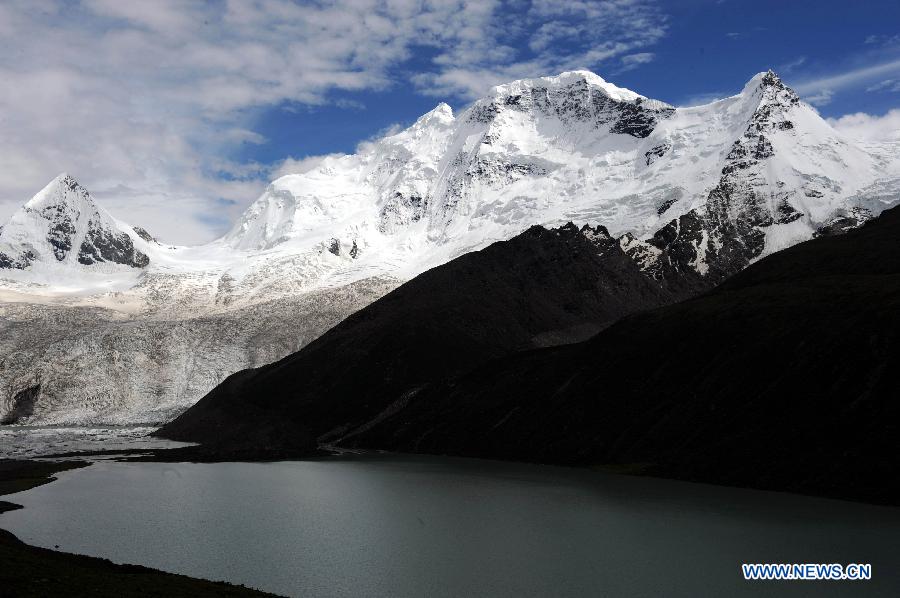
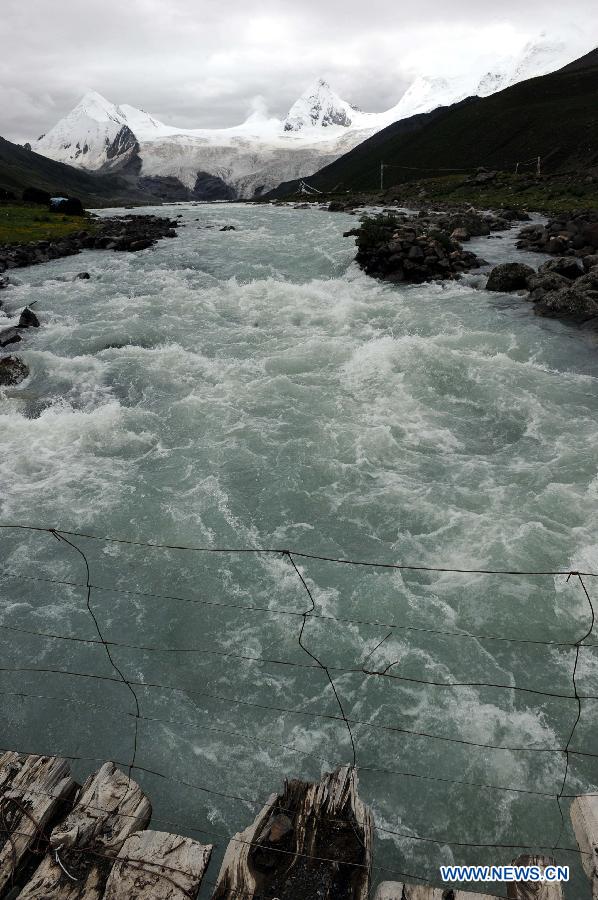
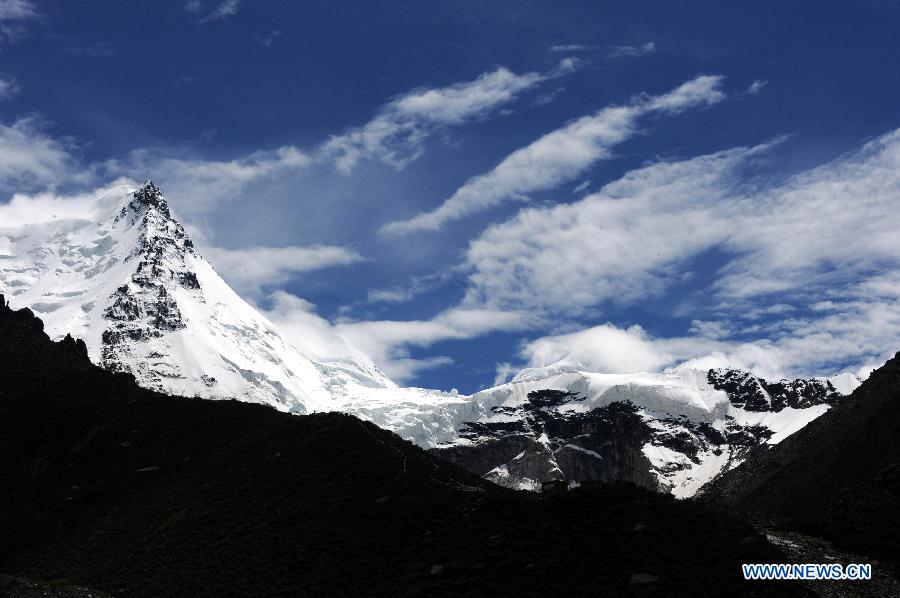
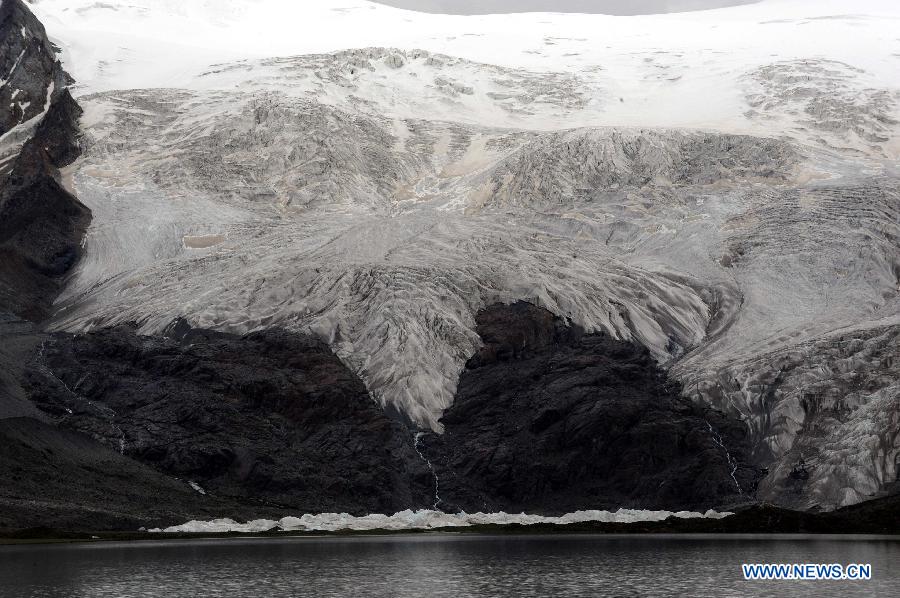
Photo taken on Aug. 24, 2019, shows the glaciers on the Sapukonglagabo Mountain in Biru County of Nagqu, Tibet. (Photo: Xinhua)
Photo taken on Aug. 24, 2019, shows the glaciers on the Sapukonglagabo Mountain in Biru County of Nagqu, Tibet. (Photo: Xinhua)
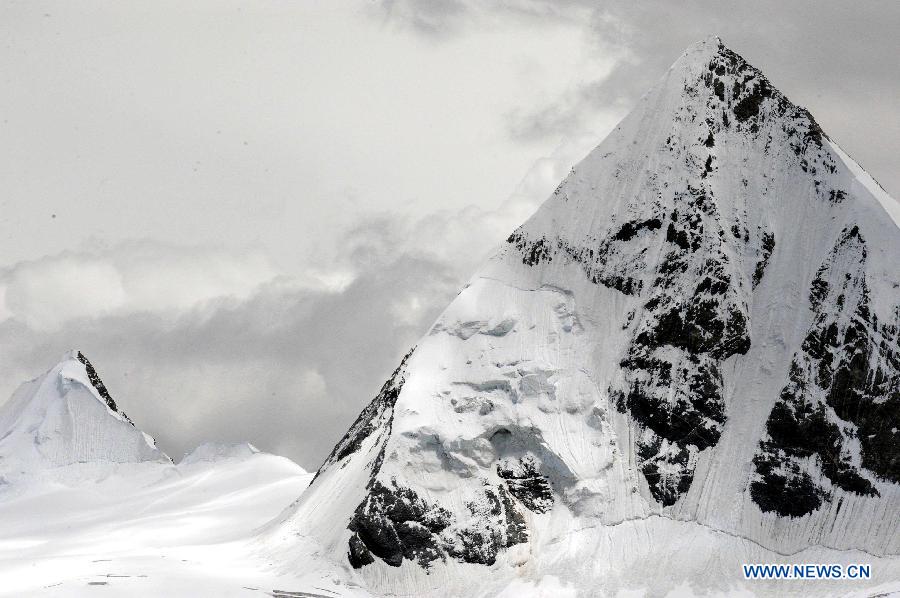
Photo taken on Aug. 24, 2019, shows the Sapukonglagabo Mountain in Biru County of Nagqu, Tibet. (Photo: Xinhua)
Photo taken on Aug. 24, 2019, shows the Sapukonglagabo Mountain in Biru County of Nagqu, Tibet. (Photo: Xinhua)
A visitor takes photos of the Sapukonglagabo Mountain in Biru County of Nagqu, Tibet, Aug. 24, 2019. (Photo: Xinhua)
Photo taken on Aug. 24, 2019, shows the Sapukonglagabo Mountain in Biru County of Nagqu, Tibet. (Photo: Xinhua)
Photo taken on Aug. 24, 2019, shows the Sapukonglagabo Mountain in Biru County of Nagqu, Tibet. (Photo: Xinhua)
There are many famous glaciers in Tibet, however, we know only a few of them. So today let me show one which locates on the Sapukonglagabo Mountain in Biru County of Nagqu Prefecture.
NATURE NURTURES TIBETAN IDENTITY OF TIBETAN NATION
NATURE NURTURES TIBETAN IDENTITY OF TIBETAN NATION.
Nature, natural forces, natural mechanisms, natural factors, and natural conditions work in conjunction to nurture and shape the Tibetan Identity of Tibetan Nation.
Rudra Narasimham Rebbapragada
SPECIAL FRONTIER FORCE
NATURE NURTURES TIBETAN IDENTITY OF TIBETAN NATION.
Tibet has seen significant progress in restoring biodiversity.
BEIJING, Aug. 17, 2019 (Xinhua) — Tibet has seen significant progress in restoring biodiversity, with a forest coverage rate of 12.14 percent, said a white paper released in March this year by China’s State Council Information Office.
The population of Tibetan antelopes has grown from 60,000 in the 1990s to more than 200,000 and Tibetan wild donkeys have increased in numbers from 50,000 to 80,000, noted the document, titled “Democratic Reform in Tibet — Sixty Years On.”
Since the Qomolangma Nature Reserve was established in 1988, Tibet has set up 47 nature reserves of all kinds, including 11 at the state level, with the total area of nature reserves accounting for more than 34.35 percent of the total area of the autonomous region, the white paper said. Tibet has 22 eco-protection areas, including one at the state level, 36 counties in receipt of transfer payments from central finance for their key ecological roles, four national scenic areas, nine national forest parks, 22 national wetland parks, and three national parks, figures showed.
The central government has continued to increase eco-compensation for Tibet in return for its cost for protecting the eco-environment and the consequent losses in development opportunities. The white paper said that since 2001, the central government has paid 31.6 billion yuan (4.71 billion U.S. dollars) in eco-compensation to Tibet for protecting forests, grassland, wetland, and key ecological reserves.
Tourists visit the Tibet Garden at the Beijing International Horticultural Exhibition in Beijing, capital of China. (Xinhua/Ren Chao)
Tourists visit the Tibet Garden at the Beijing International Horticultural Exhibition in Beijing, capital of China. (Xinhua/Ren Chao)
Yaks on a wetland in northern Tibet. (Xinhua/Purbu Zhaxi)
Sea of clouds over Medog County, Tibet. (Xinhua/Li Xin)
The scenery of Bome County of Nyingchi, Tibet. (Xinhua/Li Xin)
The scenery of Nam Co Lake in Tibet. (Xinhua/Li Xin)
The scenery of the Yamzbog Yumco Lake in Shannan, Tibet. (Xinhua/Jigme Dorje)
Tibetan wild donkeys on a pasture in Zanda County, Tibet. (Xinhua/Jigme Dorje)
The scenery of a part of a glacier in Rutog County of Ngari Prefecture, Tibet. (Xinhua/Jigme Dorje)
Banggong Co in Ngari Prefecture, Tibet. (Xinhua/Jigme Dorje)
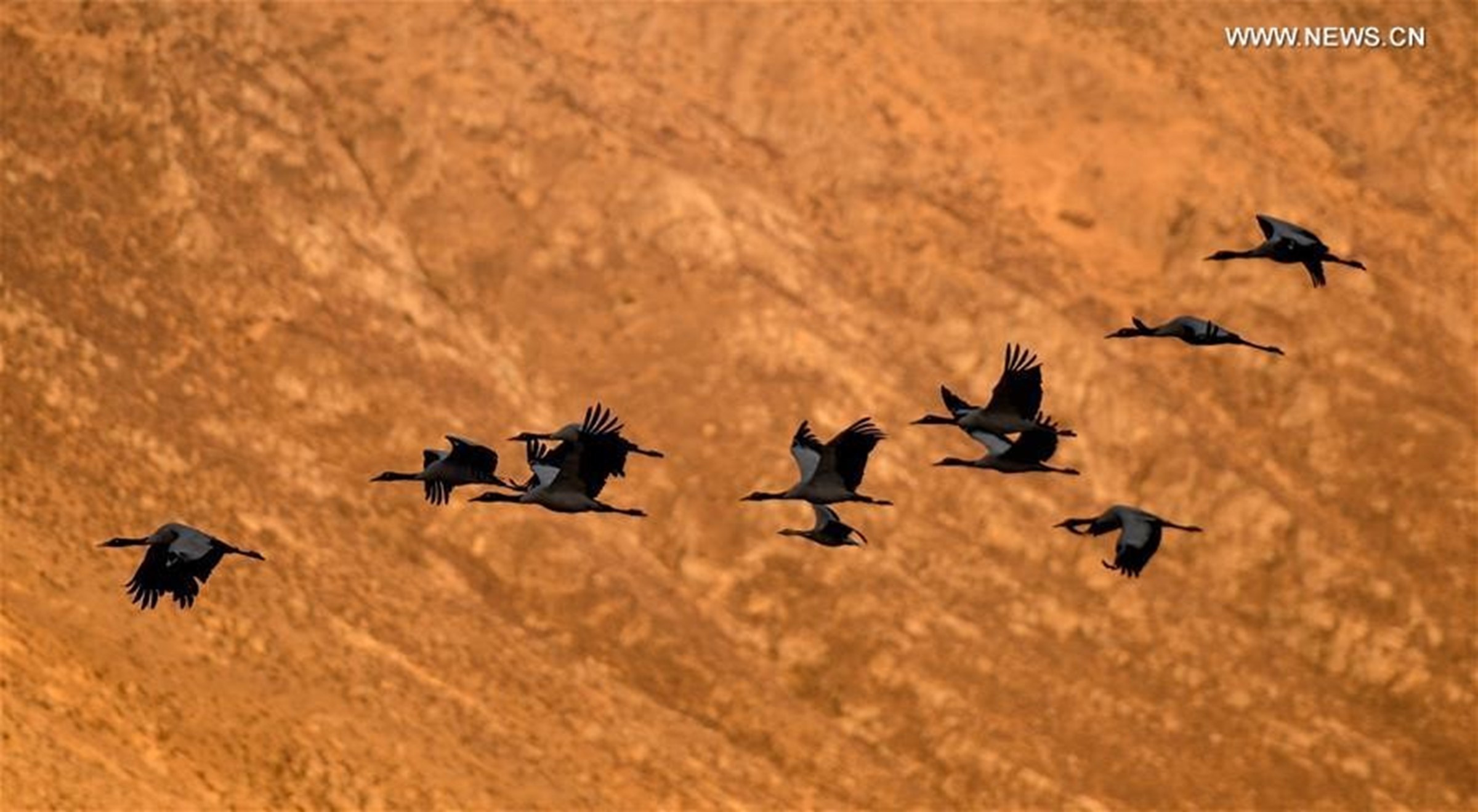
Black-necked cranes in Linzhou County of Lhasa, Tibet. (Xinhua/Zhang Rufeng)
Glacier on the foot of Mount Qomolangma (Mount Everest) in Tibet. (Xinhua/Purbu Zhaxi)
Tangra Yumco Lake in Nagqu, Tibet. (Xinhua/Purbu Zhaxi)
Tibetan antelopes in Qiangtang National Nature Reserve in Tibet. (Xinhua/Purbu Zhaxi)
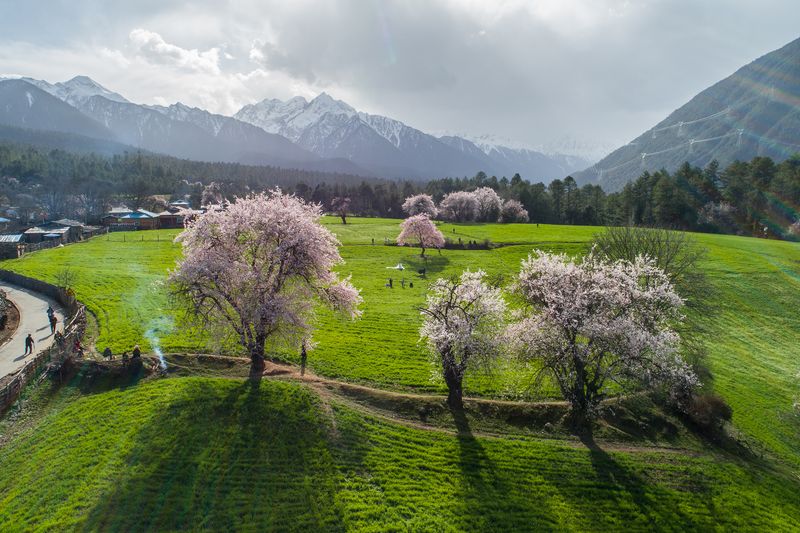
Peach flowers in the suburb of Lhasa, Tibet. (Xinhua/Purbu Zhaxi)
Trees planted along banks of the Yarlung Zangbo River (Brahmaputra River) in Tibet. (Xinhua/Purbu Zhaxi)
Lhalu Wetland National Nature Reserve in Lhasa, Tibet. (Xinhua/Purbu Zhaxi)
Stunning aerial shots display captivating scenery of Lhasa at an altitude of 3,650 meters above sea level.
LHASA, Aug. 15, 2019 (Xinhua) — Lhasa, capital of Tibet, saw more than 6.42 million visitors to the city in the first half of 2019, up 18.72 percent year on year, according to the local tourism authorities.
The city raked in 10.9 billion yuan (1.58 billion U.S. dollars) from tourism in the same period, up 25.46 percent year on year, according to the Lhasa tourism development bureau.
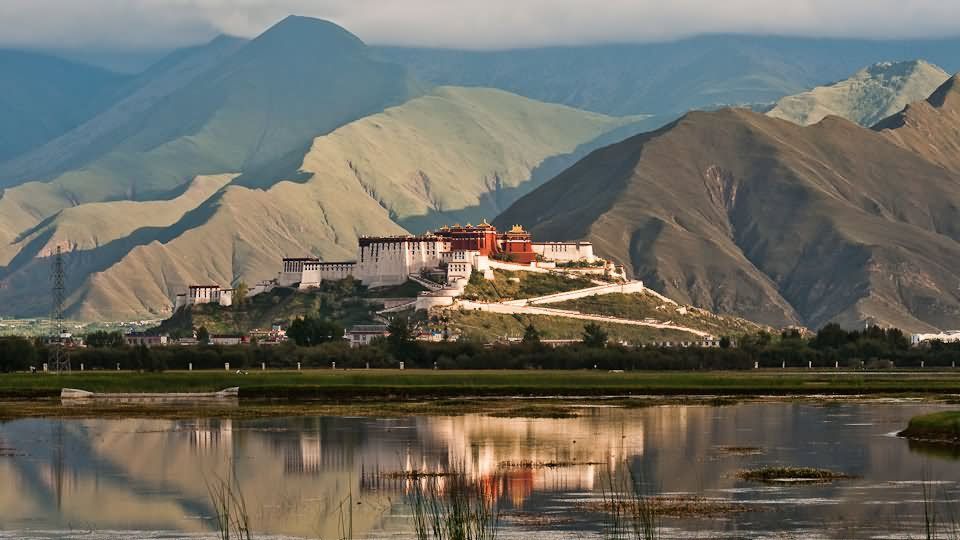
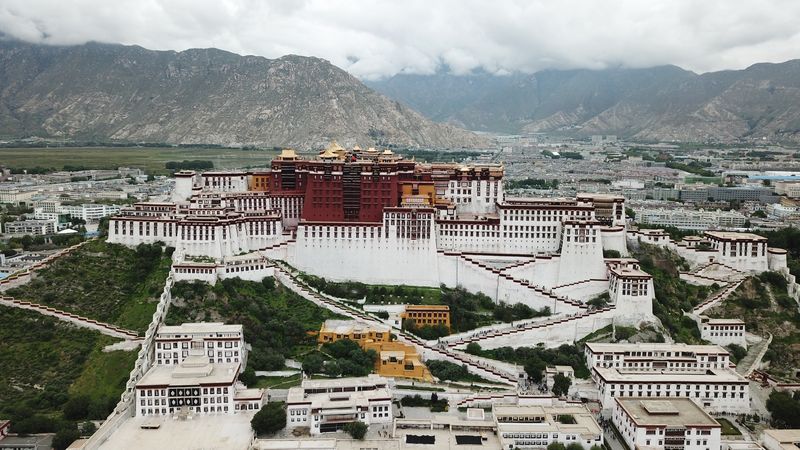
Lhasa is home to some of the most renowned cultural and tourist sites such as the Potala Palace and Jokhang Temple.
The Potala Palace in Lhasa, the capital city of Tibet, Aug. 10, 2019. (Xinhua/Wang Yiliang)
Aerial view of the old town of Lhasa, the capital city of Tibet, Aug. 10, 2019. (Xinhua/Purbu Zhaxi)
The Potala Palace in Lhasa, the capital city of Tibet, Aug. 10, 2019. (Xinhua/Hou Dongtao)
Aerial view of the old town of Lhasa, the capital city of Tibet, May 16, 2019. (Xinhua/Zhang Rufeng)
The Potala Palace in Lhasa, the capital city of Tibet, Aug. 10, 2019. (Xinhua/Jigme Dorje)
The Lhalu wetland in Lhasa, the capital city of Tibet, June 5, 2019. (Xinhua/Purbu Zhaxi)
The Potala Palace square in Lhasa, Capital City of Tibet, Aug. 10, 2019. (Xinhua/Wang Yiliang)
Aerial view of the old town of Lhasa, the capital city of Tibet, Aug. 10, 2019. (Xinhua/Jigme Dorje)
The Jokhang Temple in Lhasa, the capital city of Tibet, Aug. 10, 2019. (Xinhua/Purbu Zhaxi)
Aerial photo taken on Aug. 10, 2019, shows the Jokhang Temple in Lhasa, the capital city of Tibet, Aug. 10, 2019. (Xinhua/Purbu Zhaxi)
Aerial photo taken on Aug. 10, 2019, shows the Jokhang Temple in Lhasa, capital city Tibet. (Xinhua/Purbu Zhaxi)
The New Bridge in Lhasa, the capital city of Tibet, April 3, 2019. (Xinhua/Jigme Dorje)
The old town of Lhasa, the capital city of Tibet, Aug. 10, 2019. (Xinhua/Purbu Zhaxi)
LADAKH, THE BATTLEFIELD TO TEST THE US-INDIA-TIBET ALLIANCE
Ladakh, the Battlefield to test the US-India-Tibet Alliance.
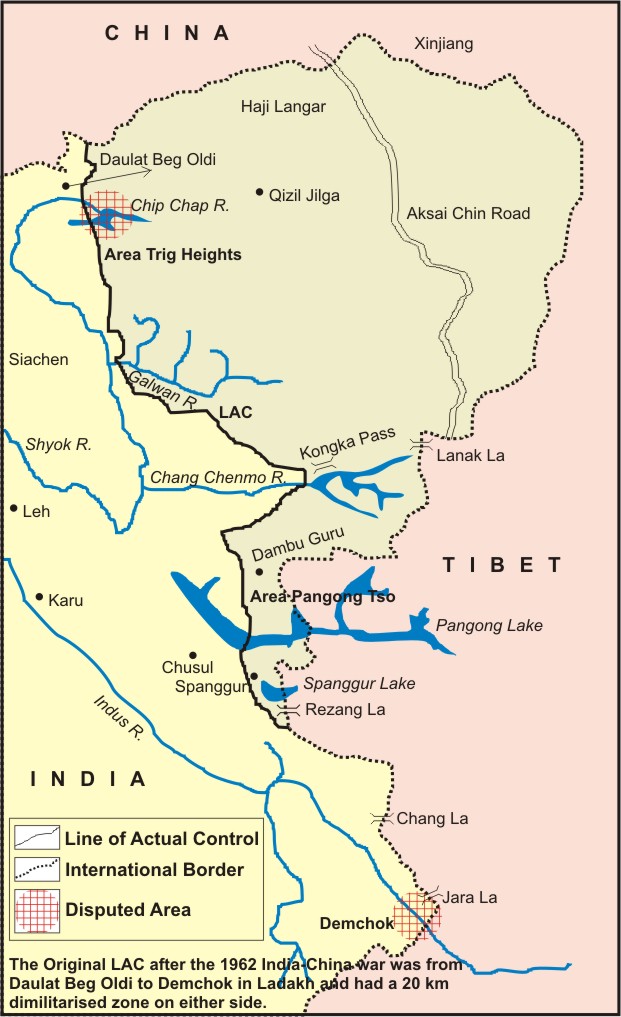
In my analysis, the importance of Ladakh lies in its value as the Battlefield to test the US-India-Tibet Alliance.
Rudra Narasimham Rebbapragada
Ann Arbor, Michigan, 48104-4162. USA
SPECIAL FRONTIER FORCE
Ladakh: the good, bad and ugly sides to India’s ‘Little Tibet’, high in the Himalayas
A new tunnel will provide year-round access to an area usually cut off by snow for seven months of the year
Even without it, Ladakh’s resources and environment are already being stretched to breaking point
Tim Pile
Published: 1:45 pm, 1 Aug 2019
Ladakh, the Battlefield to test the US-India-Tibet Alliance.
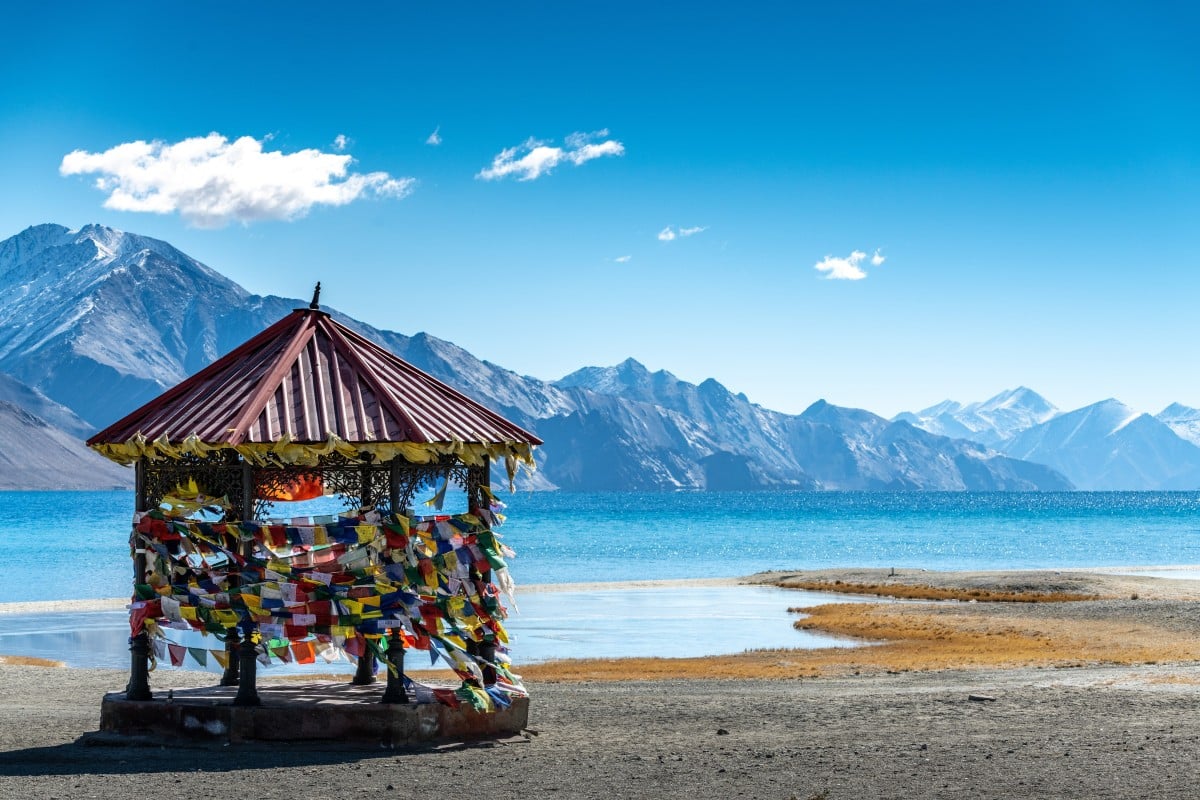
Pangong Tso, the highest salt lake in India. Photo: Shutterstock
The good
Known as Little Tibet due to a shared cultural and religious heritage, Ladakh (now, Union Territory of India) in the Indian State of Jammu and Kashmir, is about the size of England, with a population similar in number to that of the Hong Kong district of Wan Chai.
The name derives from “la dags” meaning “land of mountain passes” and it’s a region characterized by high-altitude desert hemmed in by the mighty Himalayan and Karakoram ranges.
Cut off from the rest of the country by snow for seven months of the year, India’s northernmost region comes alive in summer. Deserts with the texture of eczema are lubricated by rivers swollen with snowmelt and the run-off from dazzling turquoise lakes.
Ladakh, the Battlefield to test the US-India-Tibet Alliance.
To reach Ladakh overland involves a journey along one of the world’s highest altitude roads. Photo: Tim Pile
Shaven-headed monks emerge from brilliant-white monasteries and squint in the piercing sunlight. Talking of which, Ladakh will soon be home to the world’s largest single-location solar photovoltaic plant.
It could certainly do with the extra energy – tourism is booming and has brought tangible economic benefits. In all, 327,366 people visited the city of Leh in 2018, a whopping 50,000 increase on the previous year.
Ladakh, the Battlefield to test the US-India-Tibet Alliance.
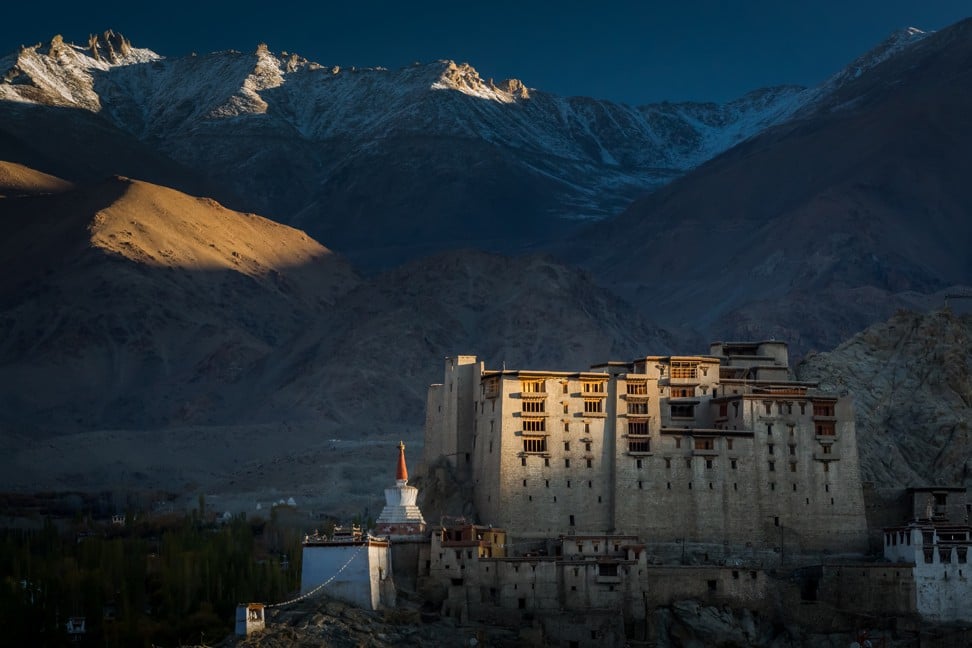
The former royal palace in Leh.
Many arrive in the state capital after completing one of the world’s great road trips. The 475km journey from Manali, in neighboring Himachal Pradesh, takes travelers between razor-sharp peaks and over high passes, including the 5,359-metre Khardung La, along one of the highest paved roads in the world.
The drive will become easier next year with the completion of the Rohtang Tunnel, a trans-Himalayan short cut that will reduce travel times and ensure year-round connectivity to Ladakh. A long-awaited railway line from Bilaspur to Manali and Leh will further open up the pristine region by 2022.
In another boost to the tourism sector, Prime Minister Narendra Modi inaugurated five new trekking routes during a visit to Leh in February.
Ladakh, the Battlefield to test the US-India-Tibet Alliance.
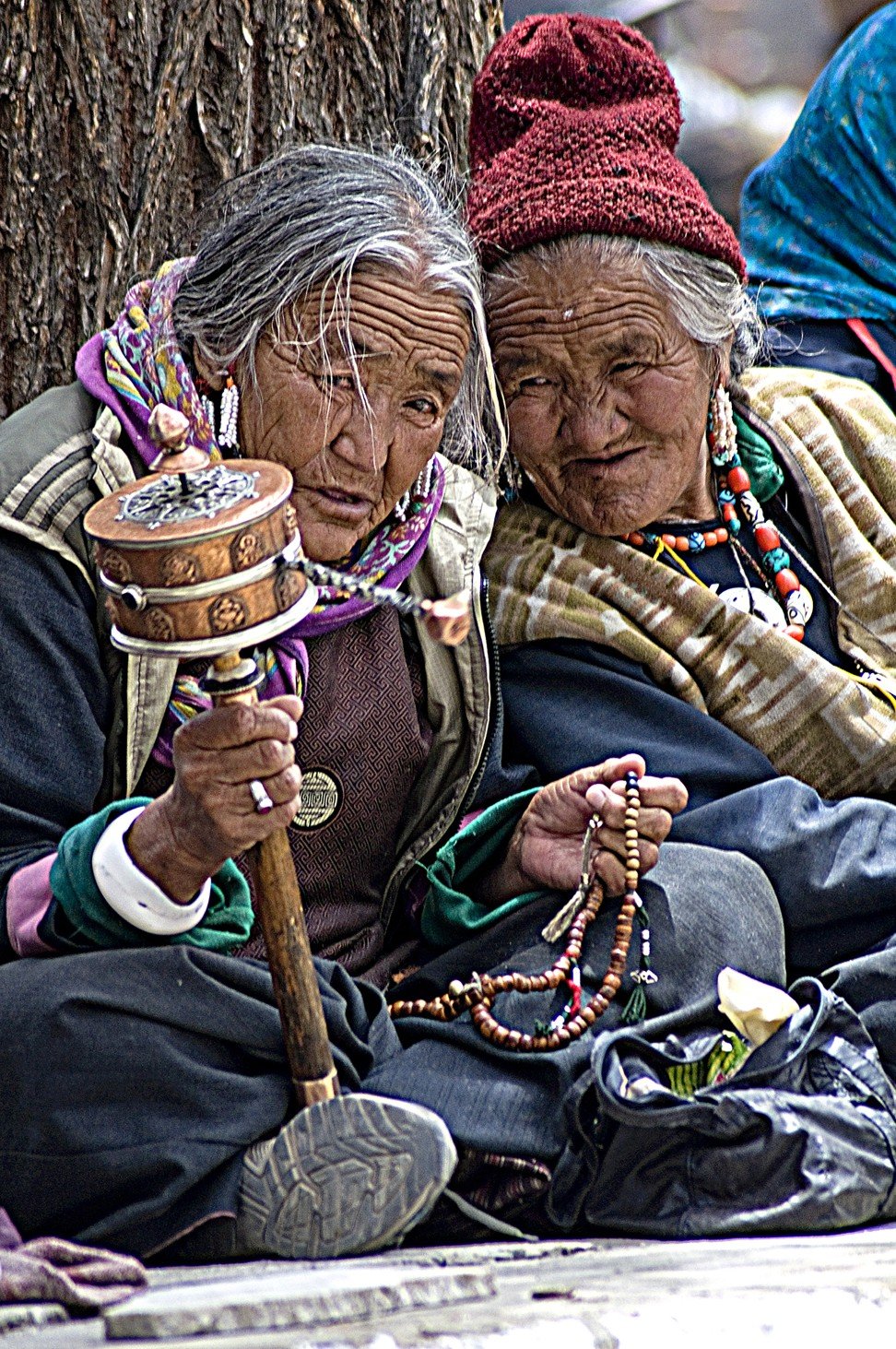
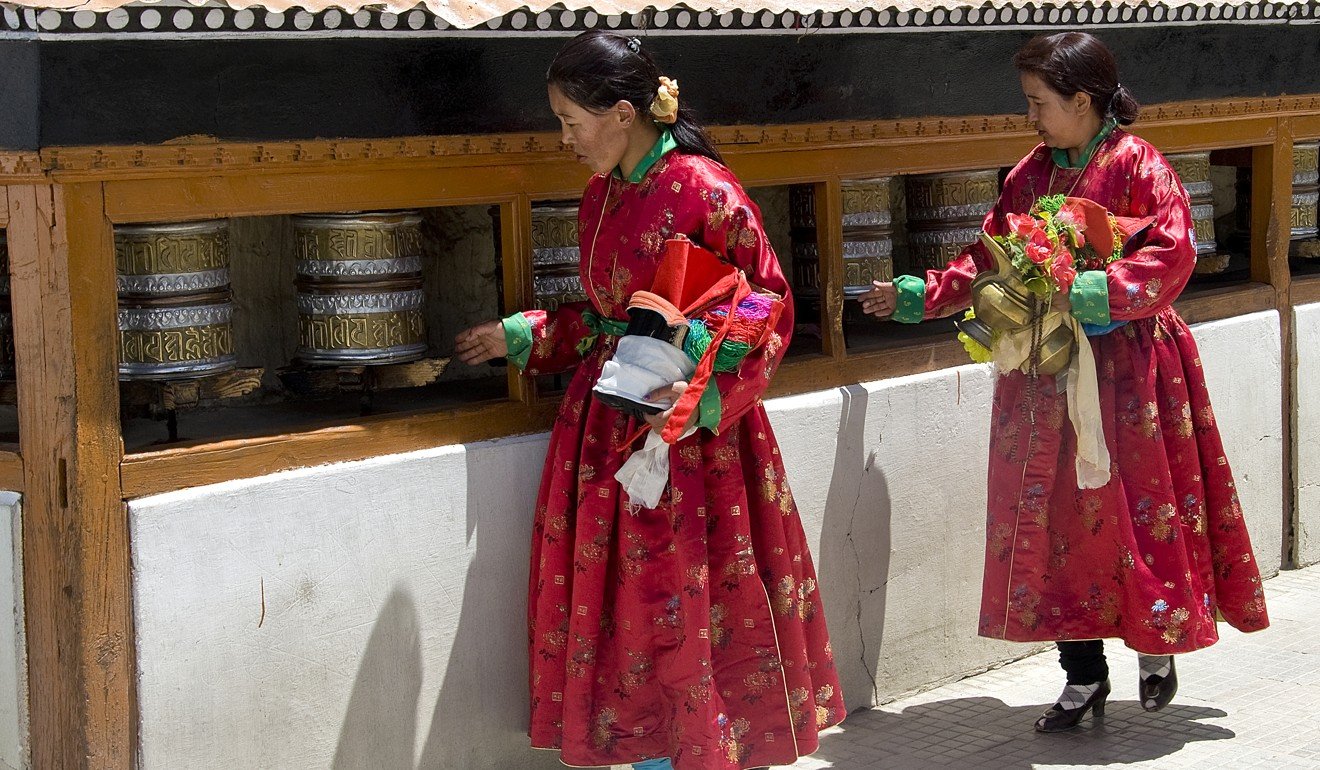
Two locals, one with a Buddhist prayer wheel. Photo: Tim Pile
Before heading onto the mountain trails, get a feel for Leh by visiting the former royal palace. The 17th-century structure was modeled on the Potala Palace, in Tibet, and offers panoramic views of the dusty, medieval-looking settlement.
Besides its temples, markets, and monasteries, Leh is a city to observe and absorb. Pick a cafe, order a cup of yak-butter tea, relax and let the sights, smells, noise and color wash over you. Ladakh’s position at the crossroads of ancient trade routes can be seen in the weathered faces of its inhabitants. Kashmiri merchants rub shoulders with shepherds and Tibetan monks haggle with Punjabi businessmen.
The best-known of Ladakh’s attractions is a six-hour drive from Leh. Pangong Tso is the highest salt lake in India. The beauty spot draws movie buffs and Instagrammers keen to see where the final scene of 2009 Bollywood blockbuster 3 Idiots was filmed.
Ladakh, the Battlefield to test the US-India-Tibet Alliance.
Leh is a city of temples, and culturally close to Tibet. Photo: Tim Pile
Next stop should be the spectacular Nubra Valley. Herders populate the high desert in summer, their yaks grazing near the snowline while tourists sign up for Bactrian camel safaris on the sand dunes of Hunder village, once a Silk Road staging post.
The bad
The farming of barley, wheat, and vegetables happen in a hurry hereabouts. No sooner are crops sown in the thin Ladakhi soil than winter starts drawing in and the ground becomes frozen solid for months on end. It’s enough to make villagers throw in the towel and head for the bright lights of Leh. That’s where fortunes are made, after all.
Except they’re not. Well, not for most Ladakhis anyway. The aforementioned tangible economic benefits accrue only to a small group of tour operators, hotel owners, and merchants, many of whom are from elsewhere in India and come to Leh solely for the tourist season.
Ladakh, the Battlefield to test the US-India-Tibet Alliance.
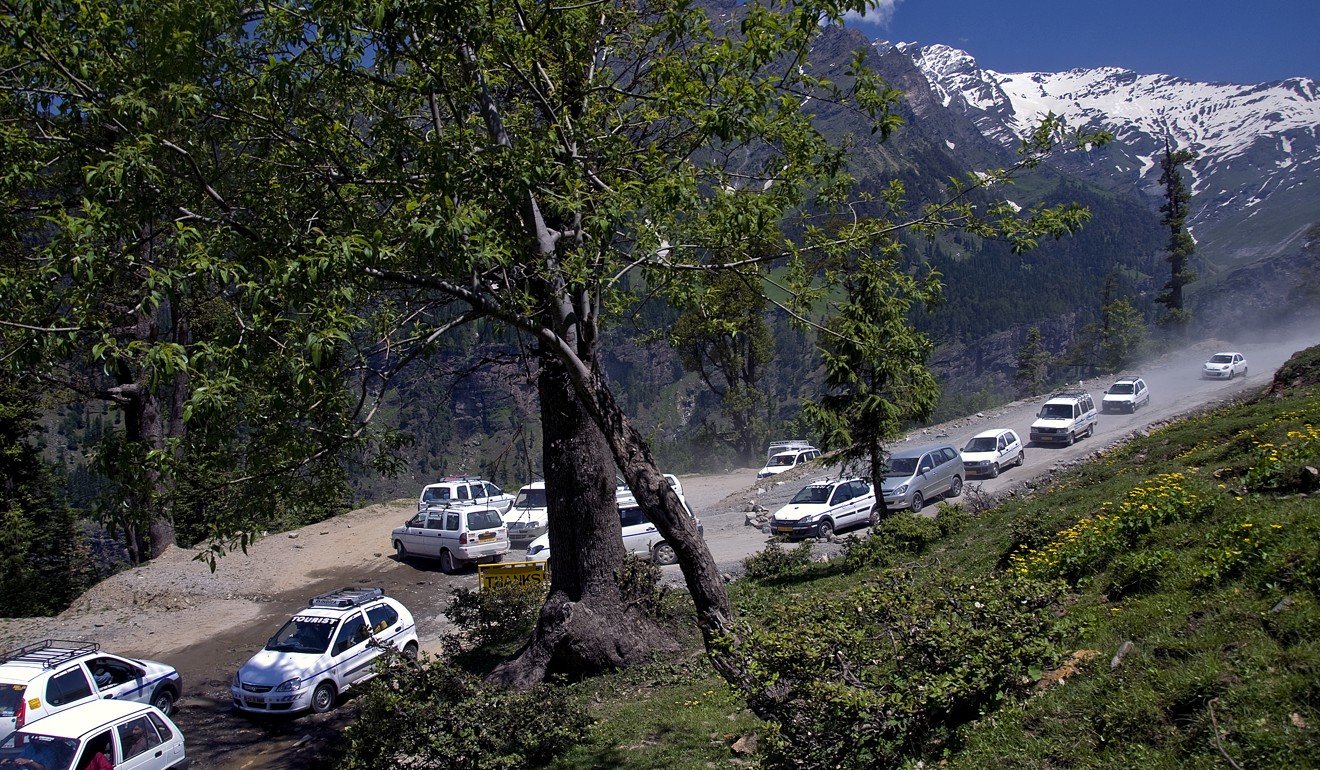
A traffic jam at Khardung La. Photo: Tim Pile
Subsistence farmers, who make up most of the population, have seen little improvement in their living conditions but are left to deal with the negative social, environmental and psychological impact of Ladakh’s change from an economy based on self-reliance to one driven by external market forces.
Writer and filmmaker Helena Norberg-Hodge feels the West has much to learn from the traditional Ladakhi way of life in terms of sustainability, diet, family values, and overall happiness. But instead, waves of wealthy outsiders descend on the pre-industrial region and leave locals, particularly the younger generation, feeling self-conscious, backward and poor.
Tourism industry wages aren’t anywhere near enough for them to emulate the high consumption habits of rich visitors, so illegal means are adopted. Theft, once unheard of in Ladakh, has become a problem, as have children pestering people for money.
Ladakh, the Battlefield to test the US-India-Tibet Alliance.
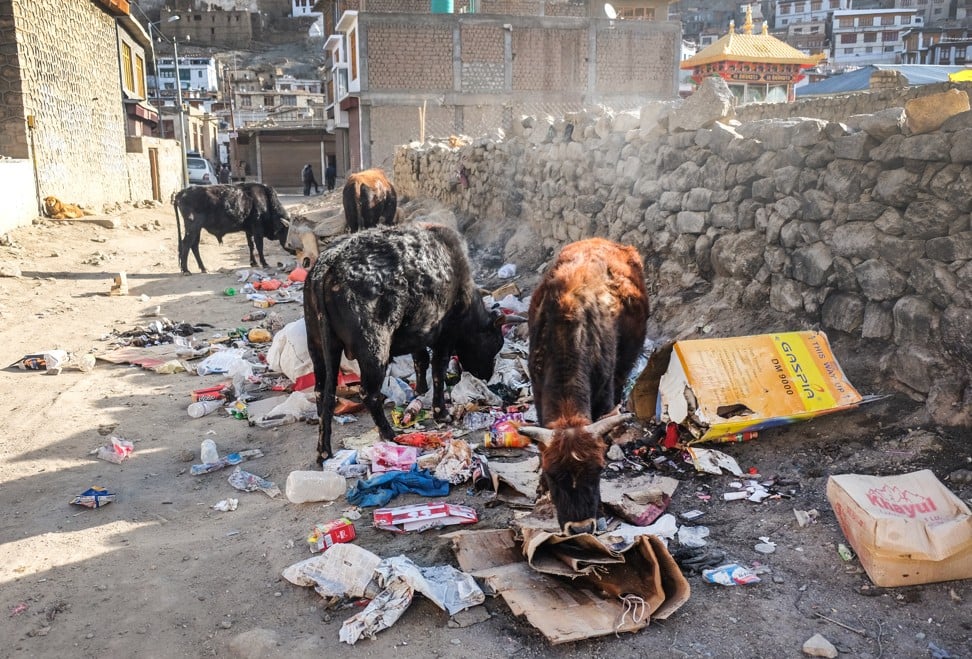
Feral cattle graze on rubbish left on the street. Photo: Shutterstock
An estimated 30,000 plastic water bottles are dumped in Leh every day. Like nearly everything else, they were trucked in across the Himalayas from thousands of kilometers away. Then there’s the diesel emitted from cars idling in traffic jams at Khardung La and other high-altitude bottlenecks.
The new Rohtang Tunnel will enable ever more sightseers to reach Ladakh but does little to suggest an enlightened model of sustainable travel is on the cards.
In recent years there has been a surge in the number of domestic tourists drawn up from the baking Indian plains by the snow-capped scenery that appears in television advertisements and Bollywood blockbusters. In fact, 3 Idiots may end up being responsible for more damage to Ladakh’s environment than almost anything else.
Ladakh, the Battlefield to test the US-India-Tibet Alliance.
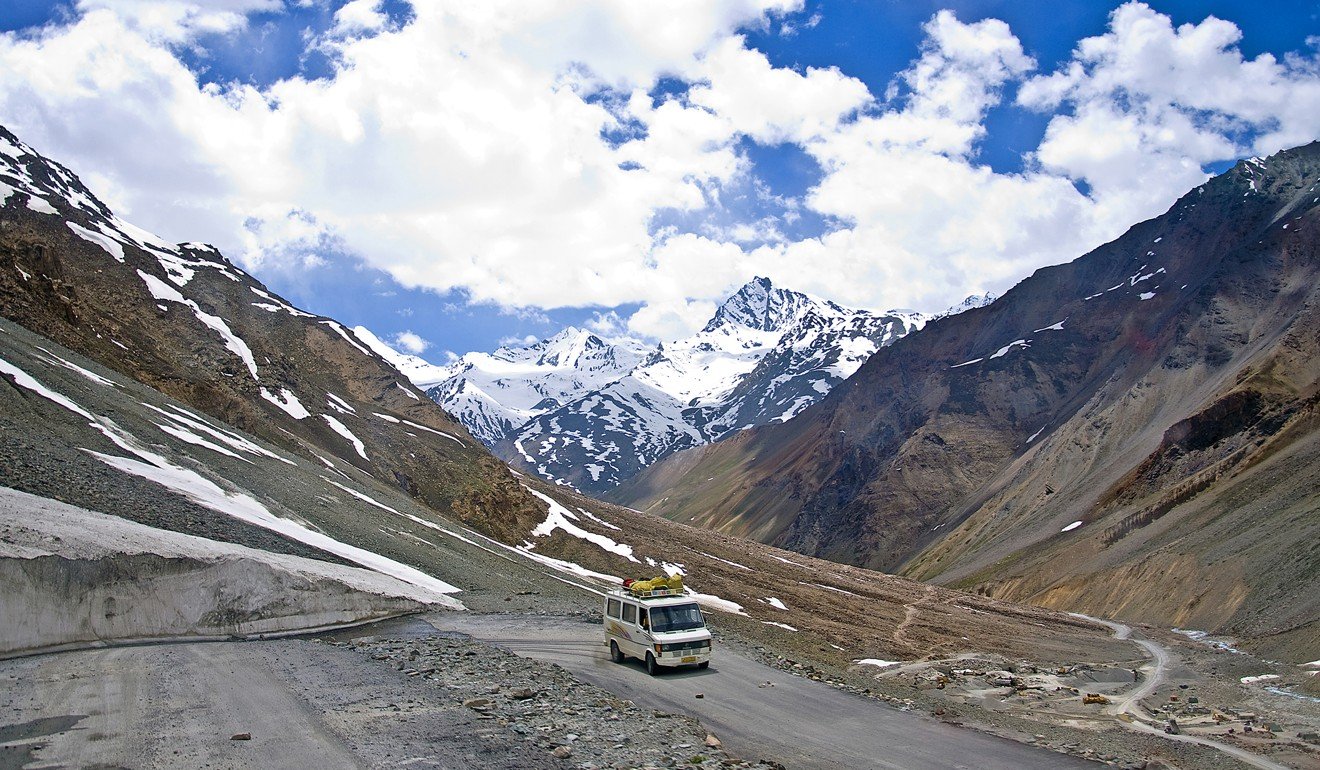
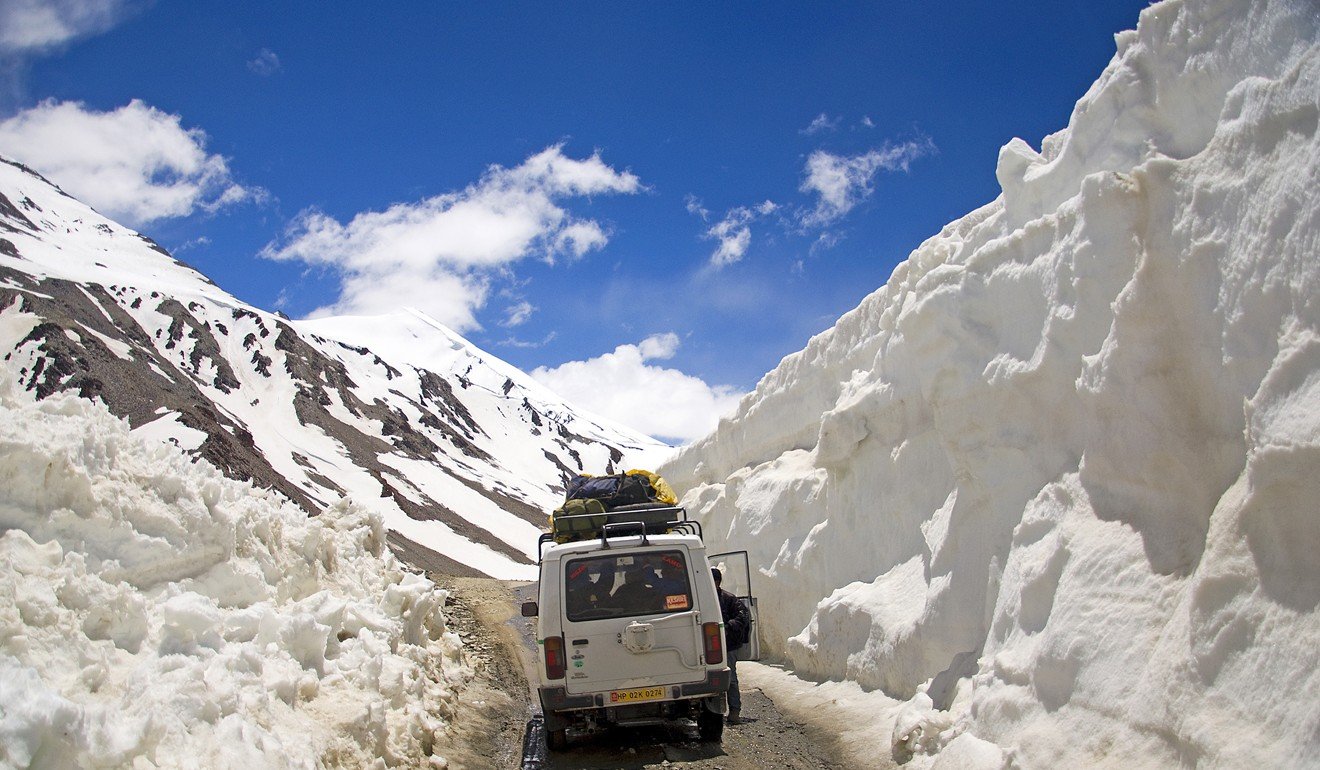
A van negotiates a road fringed by deep snow. Diminishing snowfall is evidence of the impact of climate change in Ladakh. Photo: Tim Pile
Almost. The effects of global climate breakdown are increasingly evident in the ecologically fragile Himalayas – just ask the locals. Ladakhis say they have never witnessed such erratic climatic conditions. Flash floods caused by short but heavy downpours are worrying enough, but a pattern of diminishing snowfall and resulting drought has more serious long-term implications.
The glacier on which Leh depends is predicted to melt completely within five or six years and hoteliers are already drilling boreholes in search of elusive groundwater.
The shortage isn’t helped by the rush to modernize. Replacing traditional dry toilets with Western flush systems places greater demands on scarce water resources, for example. As engineer and educator Sonam Wangchuk puts it: “If people from the big cities live simply, then people in the mountains could simply live.”
The ugly
Ladakh, the Battlefield to test the US-India-Tibet Alliance.
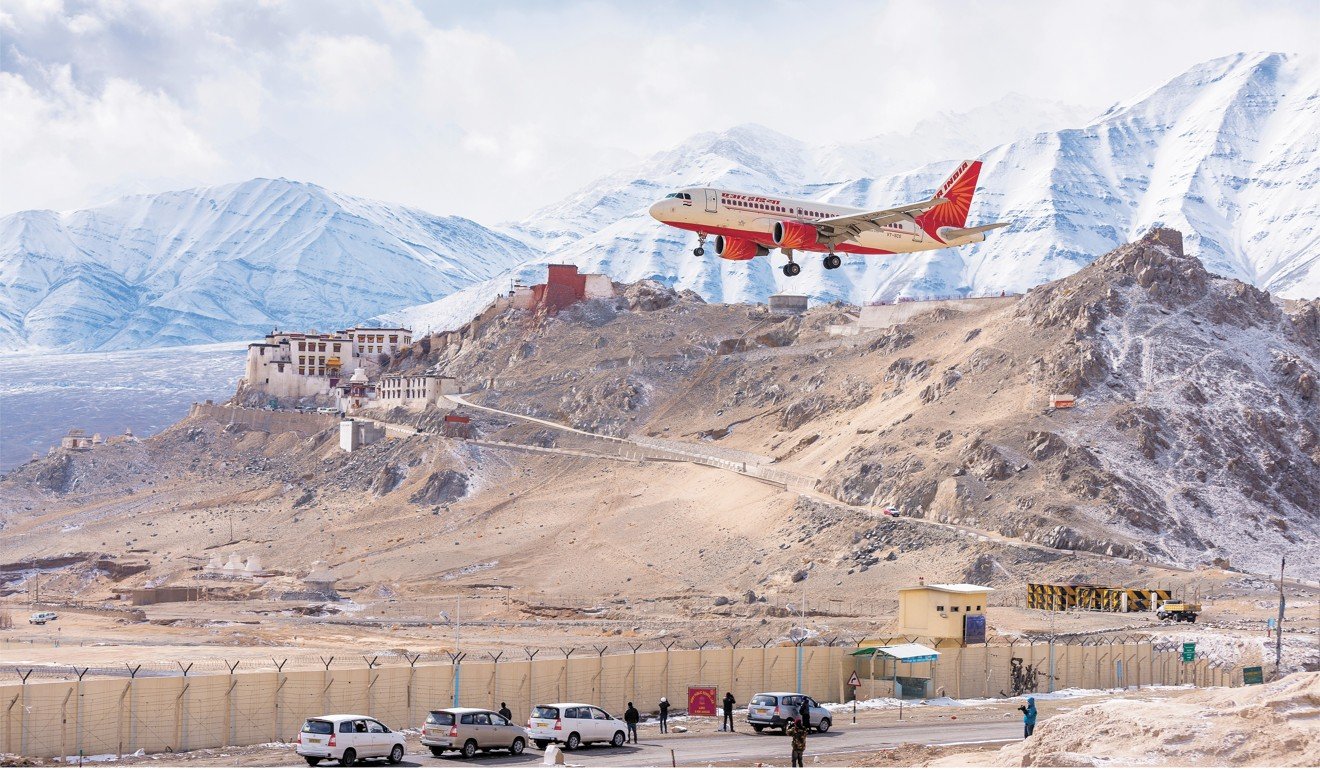
An Air India plane approaches Leh airport. Photo: Shutterstock
Fly, rather than take the bus, to Leh (3,500 meters above sea level), and the thumping headaches, dehydration and general lethargy that accompany altitude sickness will begin as soon as you reach the baggage carousel. You’ll need to rest for a day or two while the symptoms subside.
The cafes are OK but I’d steer clear of the yak-butter tea. Unless it’s for a bet.
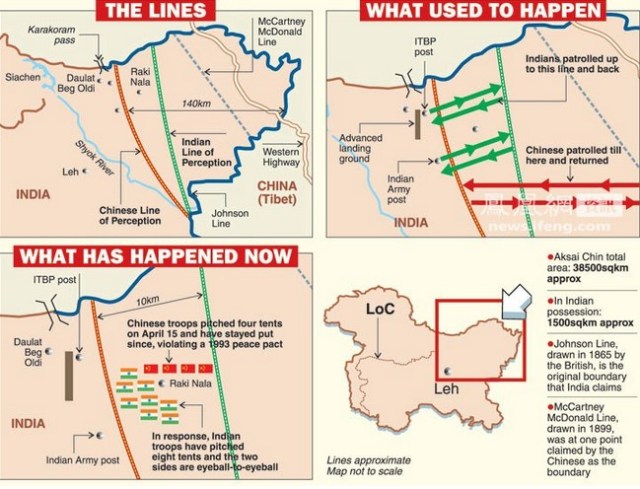
Special Frontier Force – The War on Communism: Chinese military incursion into India demands a response. Expel Chinese nationals visiting India.
REMEMBERING AUGUST 08, 1974 – NIXON RESIGNS. I AM A REFUGEE. A SLAVE IN FREE NATION.
On August 08, 1974, I was stationed at Military Hospital Wing, Headquarters Establishment Number. 22, C/O 56 APO, of Special Frontier Force. Because of my lifetime regimental affiliation to Special Frontier Force, Nixon/Kissinger lives in my memory for his actions providing aid and comfort to Enemy while we dedicated our lives to secure Democracy, Freedom, Peace, and Justice in Occupied Tibet.
REMEMBERING AUGUST 08, 1974 – NIXON RESIGNS. I AM A REFUGEE. A SLAVE IN FREE NATION.
In my analysis, Nixon-Kissinger Vietnam Treason predetermined my Refugee Status, the Status of a Slave living in a Free Nation.
Remembering August 08, 1974 – Nixon Resigns.I am a Refugee.A SLAVE IN FREE NATION.
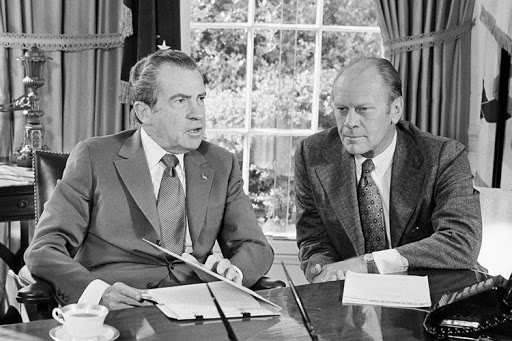
On this day in 1974, on an evening televised address, President Richard M. Nixon announces his intention to become the first president in American history to resign. With impeachment proceedings underway against him for his involvement in the Watergate affair, Nixon was finally bowing to pressure from the public and Congress to leave the White House. “By taking this action,” he said in a solemn address from the Oval Office, “I hope that I will have hastened the start of the process of healing which is so desperately needed in America.”
In an evening televised address, President Richard M. Nixon announces his intention to become the first president in American history to resign. With impeachment proceedings underway against him for his involvement in the Watergate affair, Nixon was finally bowing to pressure from the public and Congress to leave the White House. “By taking this action,” he said in a solemn address from the Oval Office, “I hope that I will have hastened the start of the process of healing which is so desperately needed in America.”
Just before noon the next day, Nixon officially ended his term as the 37th president of the United States. Before departing with his family in a helicopter from the White House lawn, he smiled farewell and enigmatically raised his arms in a victory or peace salute. The helicopter door was then closed, and the Nixon family began their journey home to San Clemente, California. Minutes later, Vice President Gerald R. Ford was sworn in as the 38th president of the United States in the East Room of the White House. After taking the oath of office, President Ford spoke to the nation in a television address, declaring, “My fellow Americans, our long national nightmare is over.” He later pardoned Nixon for any crimes he may have committed while in office, explaining that he wanted to end the national divisions created by the Watergate scandal.
On June 17, 1972, five men, including a salaried security coordinator for President Nixon’s reelection committee, were arrested for breaking into and illegally wiretapping the Democratic National Committee headquarters in the Washington, D.C., Watergate complex. Soon after, two other former White House aides were implicated in the break-in, but the Nixon administration denied any involvement. Later that year, reporters Carl Bernstein and Bob Woodward of The Washington Post discovered a higher-echelon conspiracy surrounding the incident, and a political scandal of unprecedented magnitude erupted.
In May 1973, the Senate Select Committee on Presidential Campaign Activities, headed by Senator Sam Ervin of North Carolina, began televised proceedings on the rapidly escalating Watergate affair. One week later, Harvard law professor Archibald Cox was sworn in as special Watergate prosecutor. During the Senate hearings, former White House legal counsel John Dean testified that the Watergate break-in had been approved by former Attorney General John Mitchell with the knowledge of White House advisers John Ehrlichman and H.R. Haldeman and that President Nixon had been aware of the cover-up. Meanwhile, Watergate prosecutor Cox and his staff began to uncover widespread evidence of political espionage by the Nixon reelection committee, illegal wiretapping of thousands of citizens by the administration, and contributions to the Republican Party in return for political favors.
In July, the existence of what was to be called the Watergate tapes–official recordings of White House conversations between Nixon and his staff–was revealed during the Senate hearings. Cox subpoenaed these tapes, and after three months of delay President Nixon agreed to send summaries of the recordings. Cox rejected the summaries, and Nixon fired him. His successor as special prosecutor, Leon Jaworski, leveled indictments against several high-ranking administration officials, including Mitchell and Dean, who were duly convicted.
Public confidence in the president rapidly waned, and by the end of July 1974, the House Judiciary Committee had adopted three articles of impeachment against President Nixon: obstruction of justice, abuse of presidential powers, and hindrance of the impeachment process. On July 30, under coercion from the Supreme Court, Nixon finally released the Watergate tapes. On August 5, transcripts of the recordings were released, including a segment in which the president was heard instructing Haldeman to order the FBI to halt the Watergate investigation. Three days later, Nixon announced his resignation.
At the Republican National Convention in Miami, Richard M. Nixon and Spiro T. Agnew are chosen as the presidential and vice-presidential nominees for the upcoming election. In his speech accepting the nomination, Nixon promised to “bring an honorable end to the war in Vietnam.”
1973 Vice President Agnew under attack Vice President Agnew branded reports that he took kickbacks from government contracts in Maryland as “damned lies.” Agnew had taken a lot of heat in the media when he assumed a leadership position as Nixon’s point man on Vietnam. He frequently attacked the student protest movement.
Remembering August 08, 1974. Nixon Resigns. I am a Refugee. A Slave in Free Nation.
TIBETAN NATION-TIBETAN IDENTITY-PHOTO PILGRIMAGE TO TIBET
Tibetan Nation. Tibetan Identity. Photo Pilgrimage to Tibet.
I discover the Tibetan Nation and Tibetan Identity through my photo pilgrimage to Tibet.
Rudra Narasimham Rebbapragada
SPECIAL FRONTIER FORCE
Tibetan Nation. Tibetan Identity. Photo Pilgrimage to Tibet.
Photographer records Tibet with passion
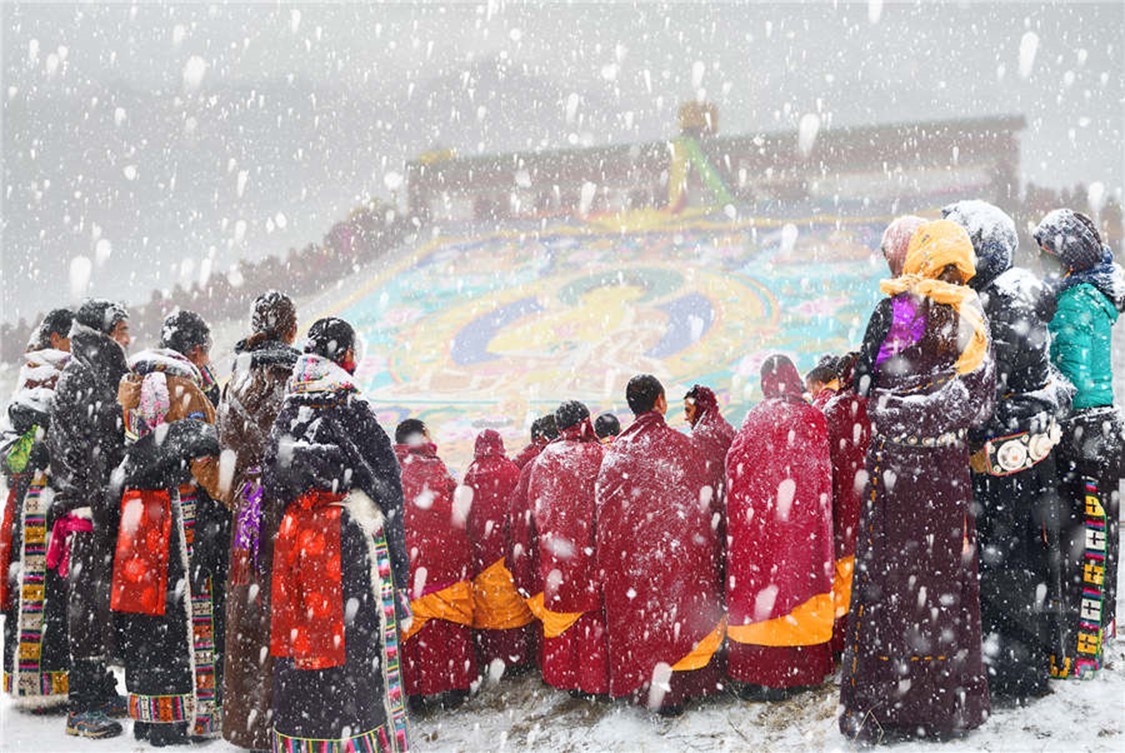
The Buddha’s Day at Langmu Temple in Gannan during the 2019 Festival celebration [Photo by Hu Guoqing/cpanet.org.cn]
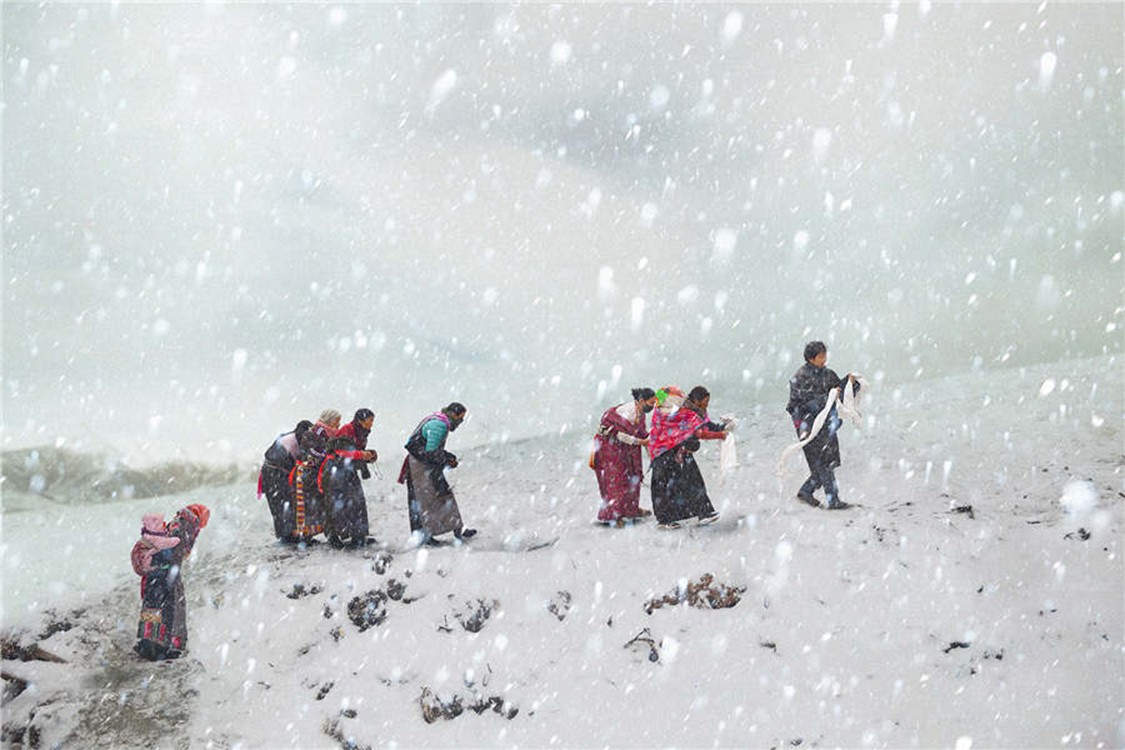
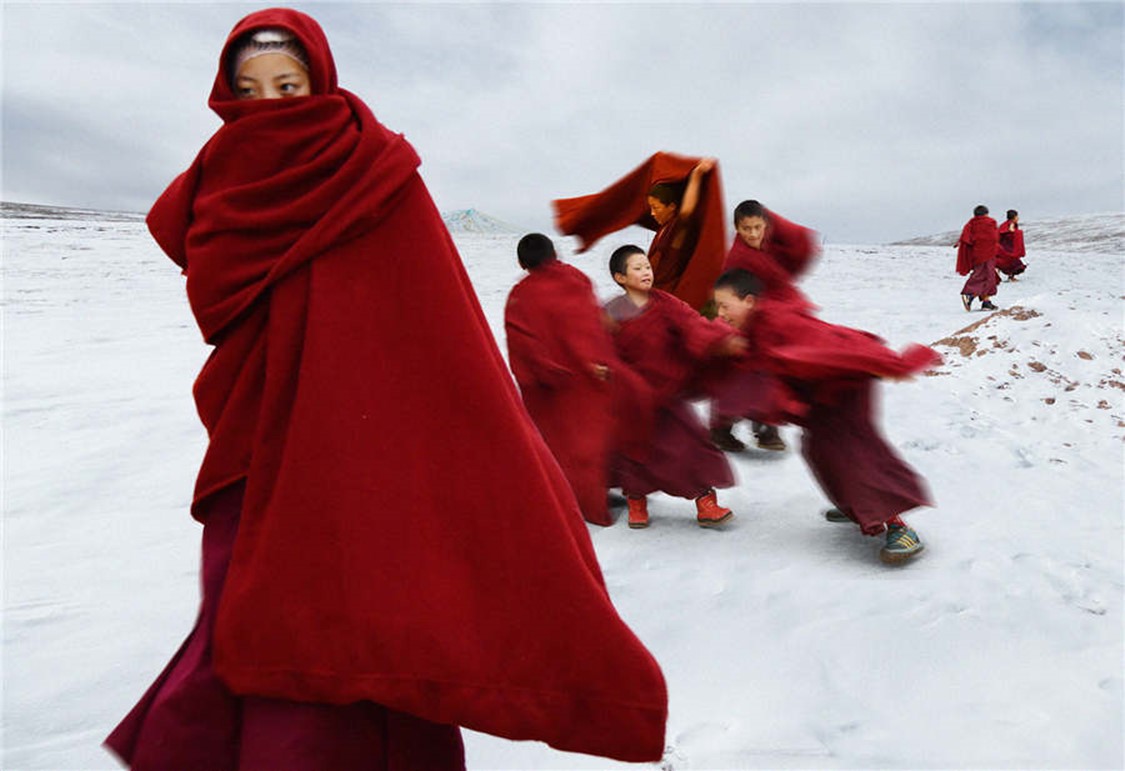
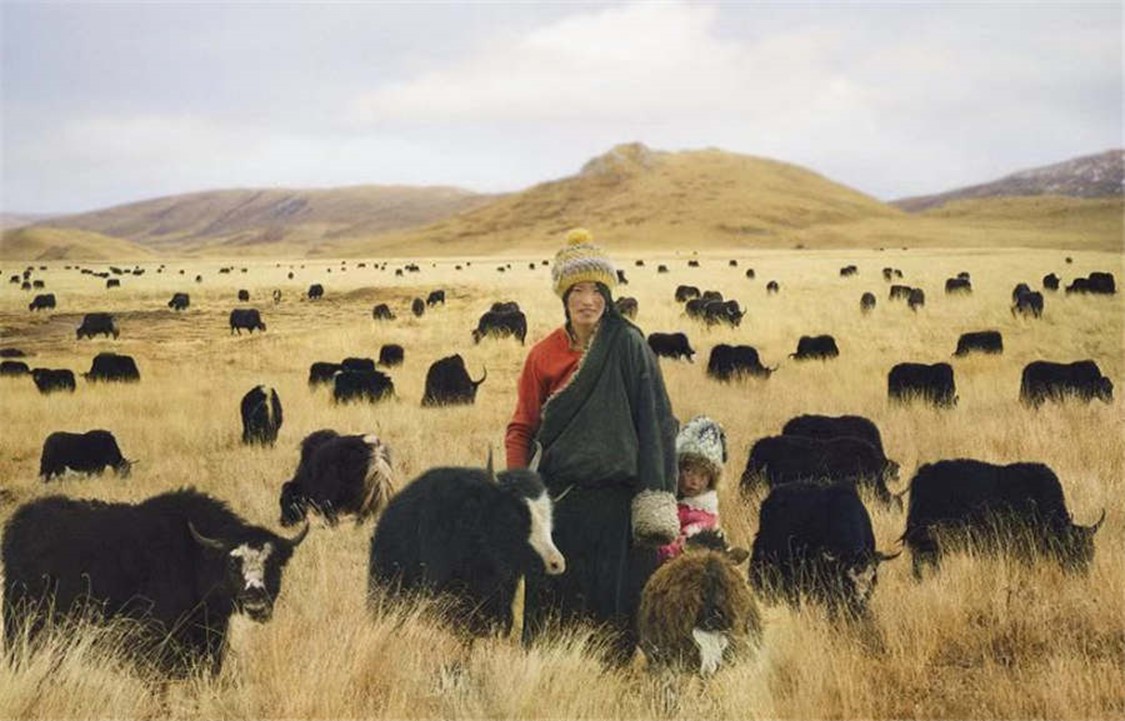
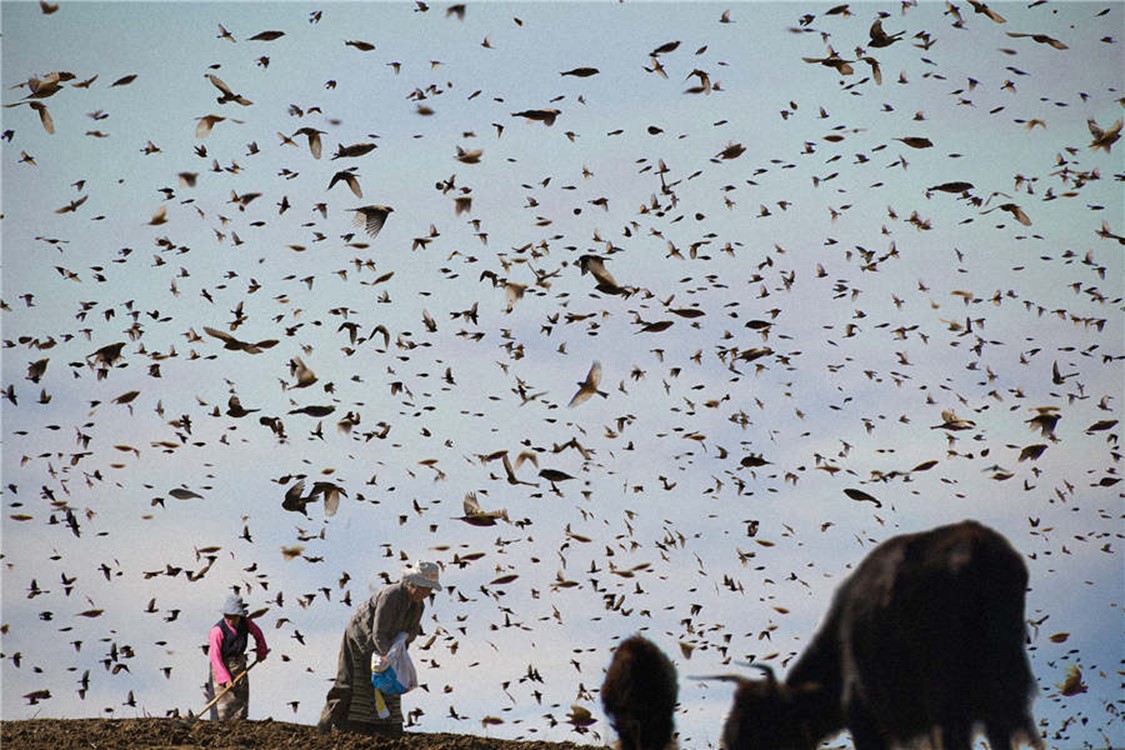
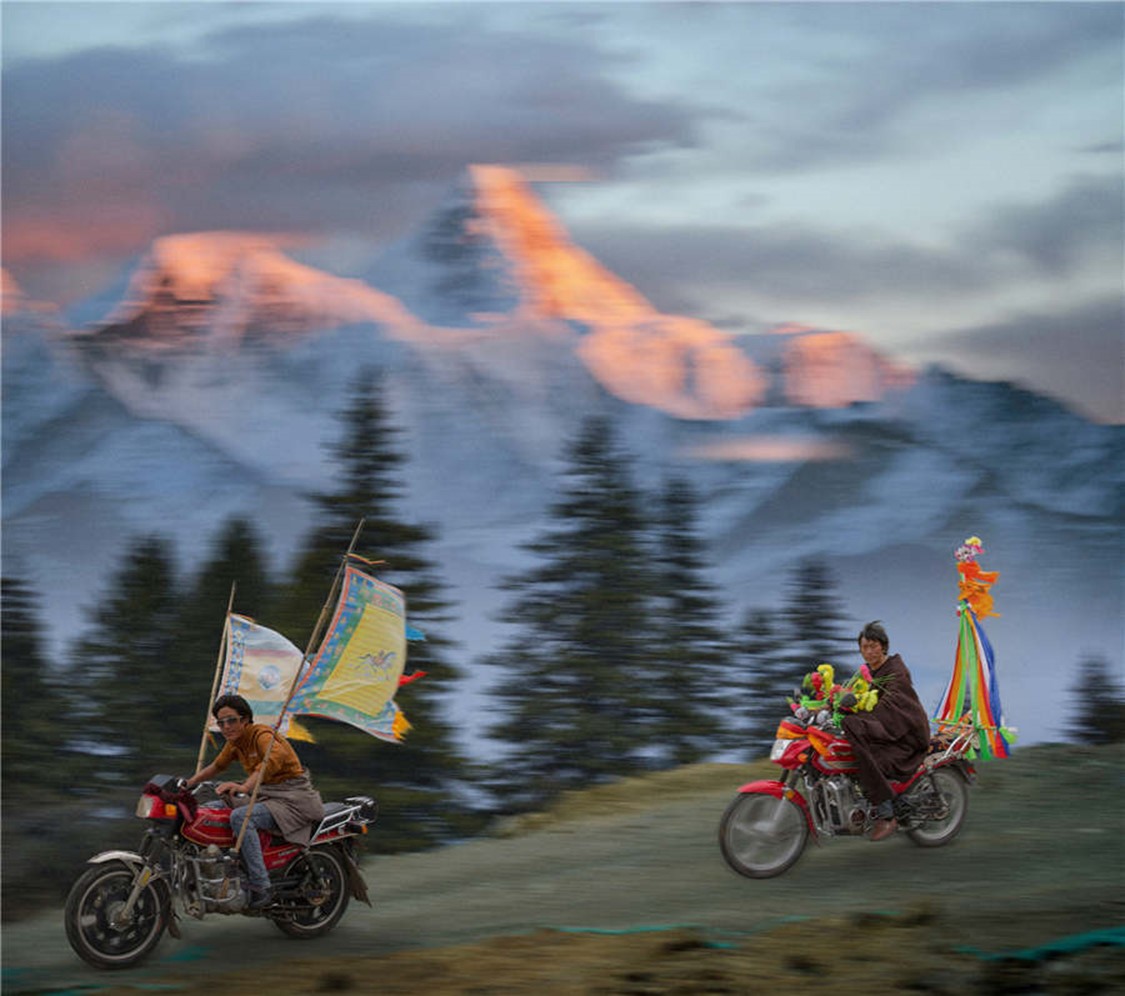
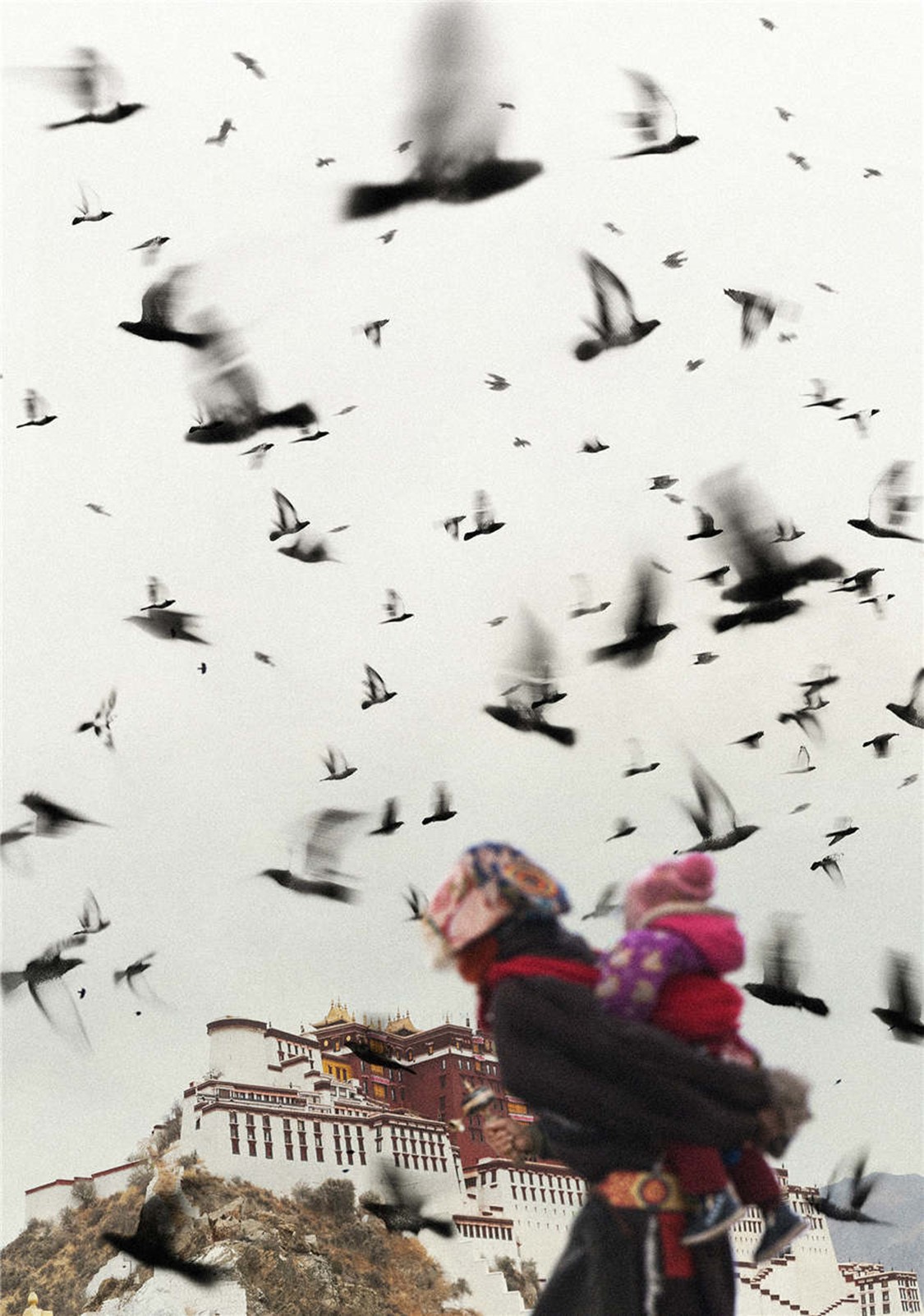
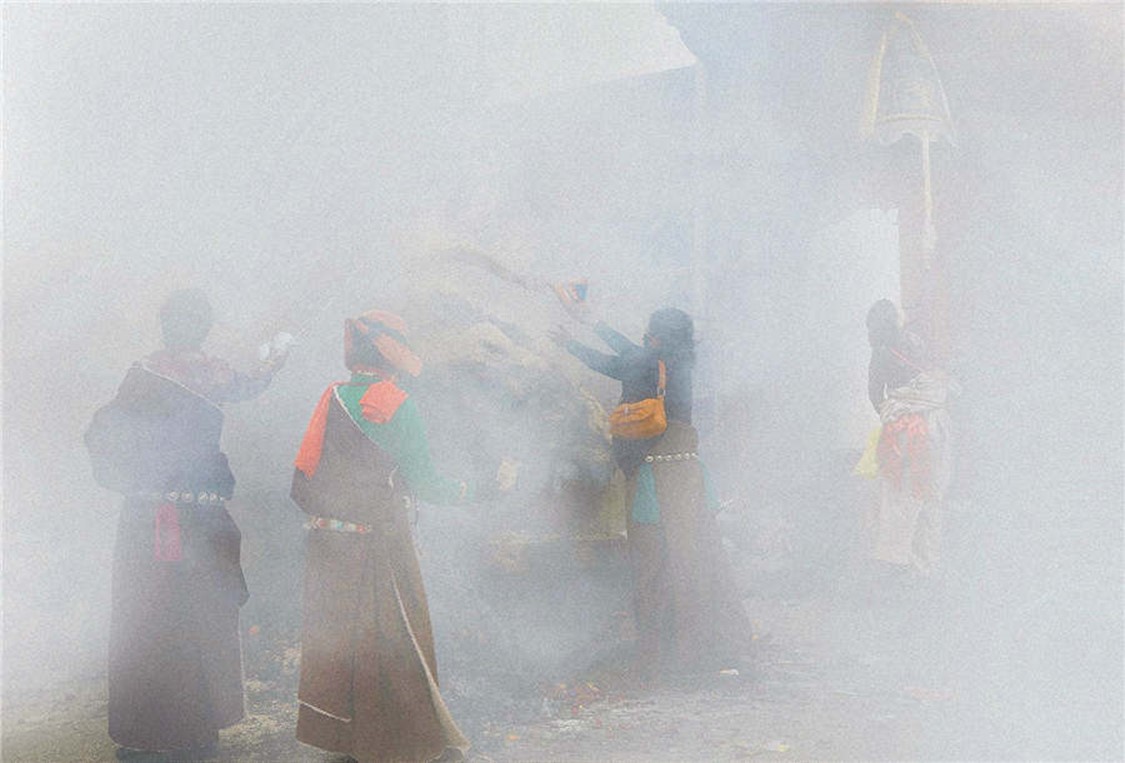
Photographer Hu Guoqing has been closely following and capturing life in Tibet for more than ten years, travelling to the region eight times. His most recent visit included a trip to the Langmu Temple in Gannan, where he observed the grand Buddha Worshipping Festival.
Every year on January 13th of the Chinese lunar calendar, thousands of monks gather in Langmu Temple to participate in the Festival, which is also known as the Buddha Show Festival.
Monks carry huge statues of the Thangka Buddha to a fixed platform at the foot of the monastery for people to worship. Tibetan people wear beautiful clothes, bring a year’s harvest as part of a personal pilgrimage, and conduct small-scale material exchange. The most important thing during the event is the grand scene of worshipping the Buddha.
This year, the Festival experienced intense snowfall, adding to the grandeur of the event.
Hu Guoqing is a member of the China Photographers Association, and has won several photography awards, such as the 10th China Photography Award, and the 2014 Top Ten Creative Photographer in China
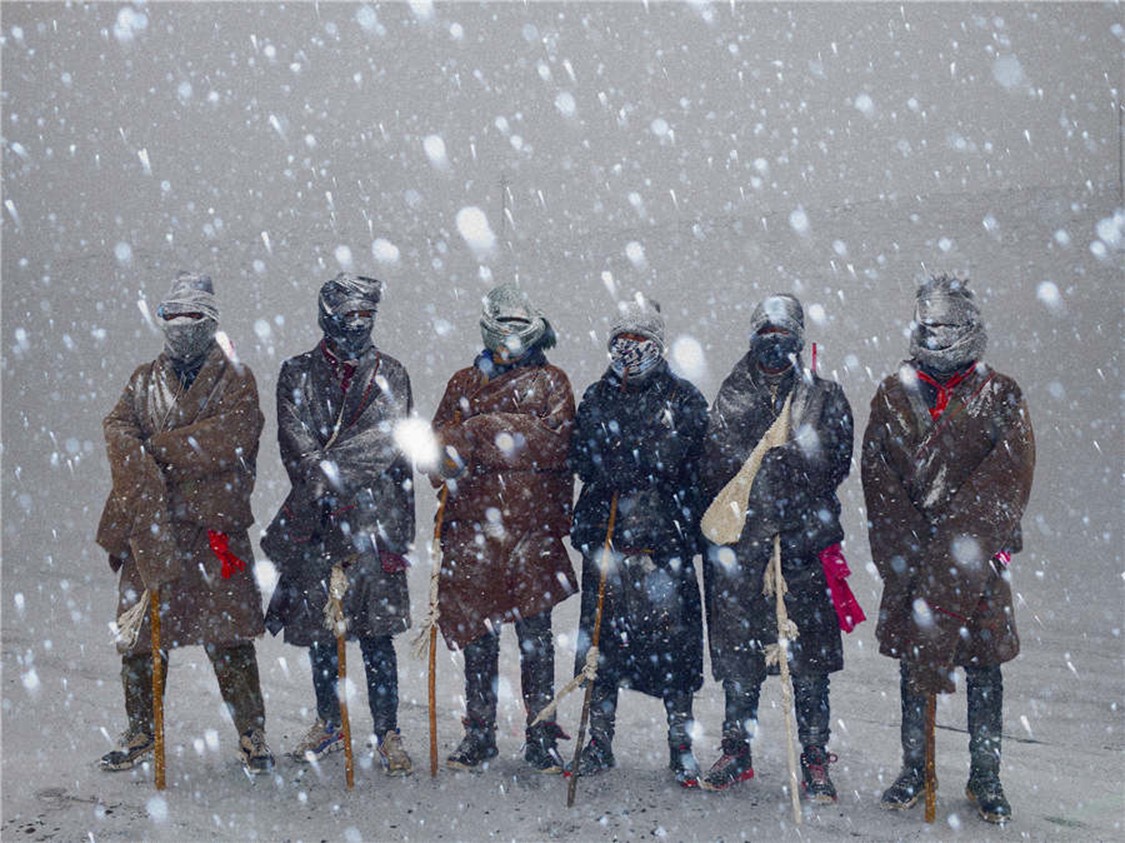
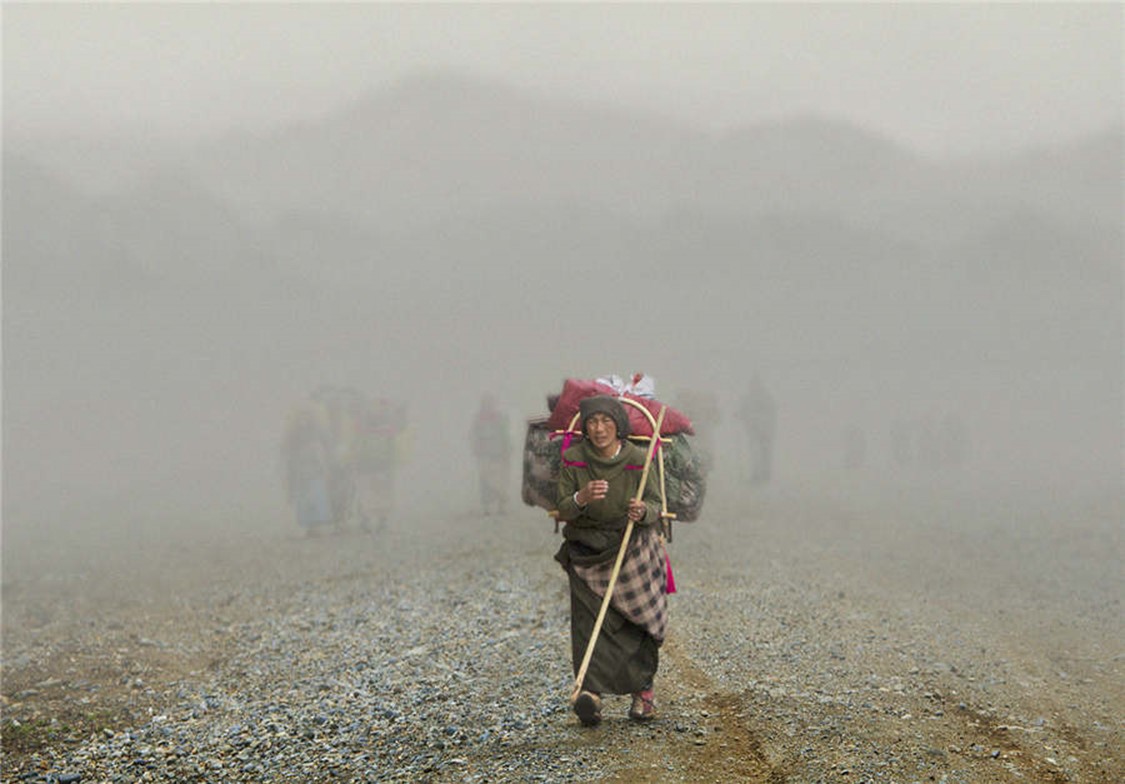
Pilgrims in the snow [Photo by Hu Guoqing/cpanet.org.cn]
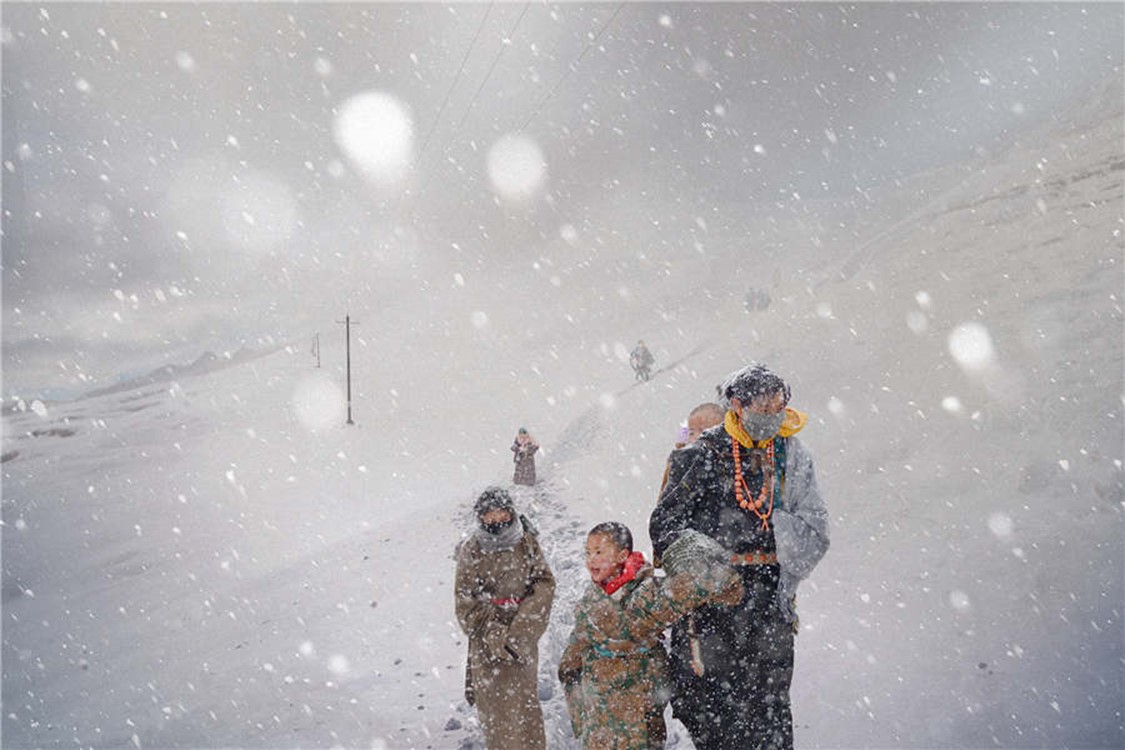
Followers on their way to the Buddha’s Day event [Photo by Hu Guoqing/cpanet.org.cn]
Followers in the snow [Photo by Hu Guoqing/cpanet.org.cn]
Some disciples of the Buddhist Academy [Photo by Hu Guoqing/cpanet.org.cn]
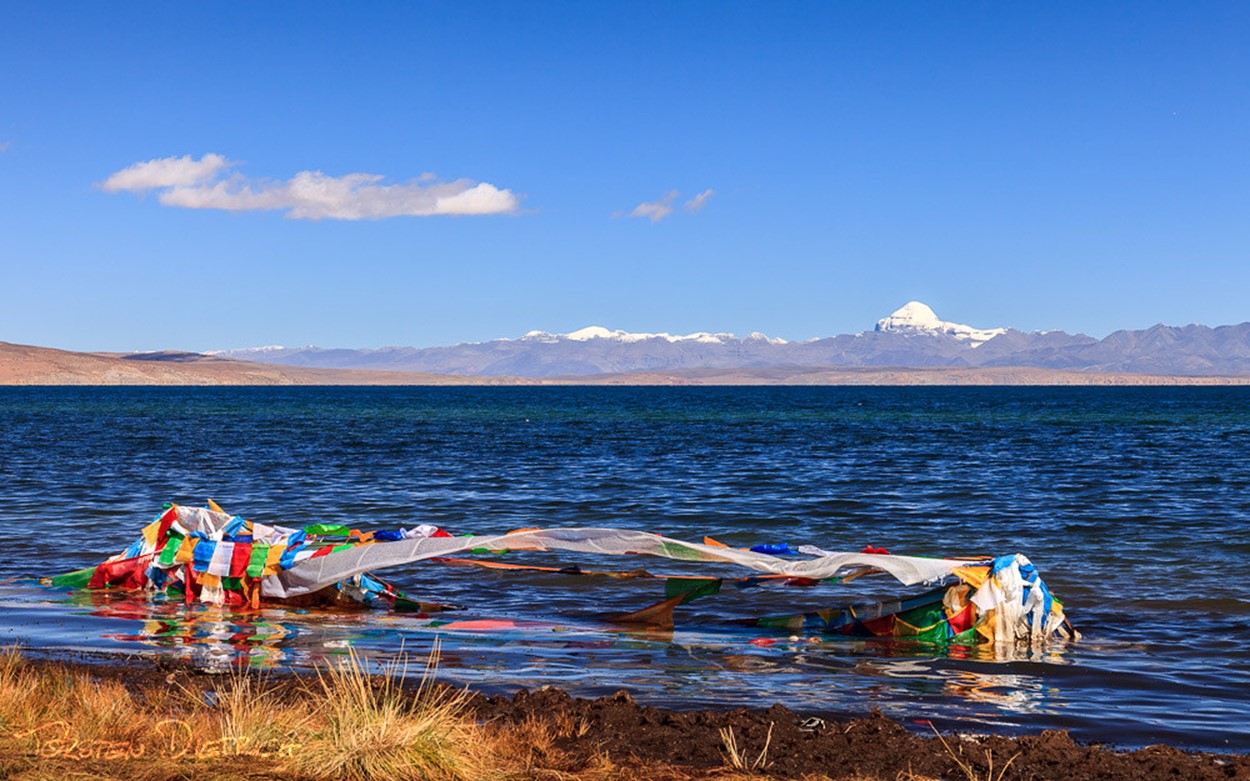
People climb Mount Kailash in Tibet [Photo by Hu Guoqing/cpanet.org.cn]
Tibetan people and yaks [Photo by Hu Guoqing/cpanet.org.cn]
The season of sowing Highland Barley [Photo by Hu Guoqing/cpanet.org.cn]
Tibetan people cross the grasslands of Gongga Mountain [Photo by Hu Guoqing/cpanet.org.cn]
Potala Palace Square, Lhasa [Photo by Hu Guoqing/cpanet.org.cn]
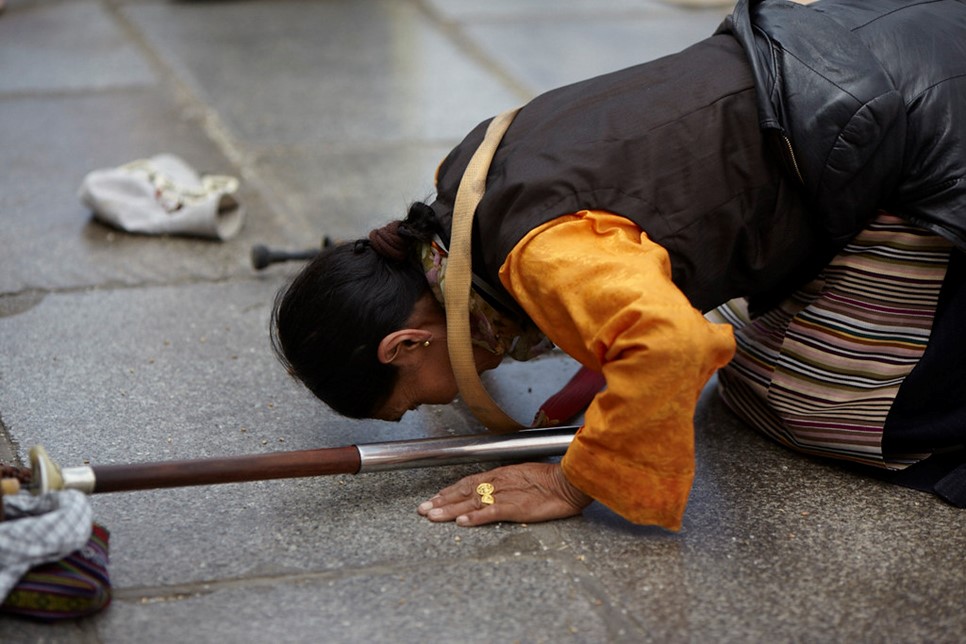
Pilgrims during prayers [Photo by Hu Guoqing/cpanet.org.cn]
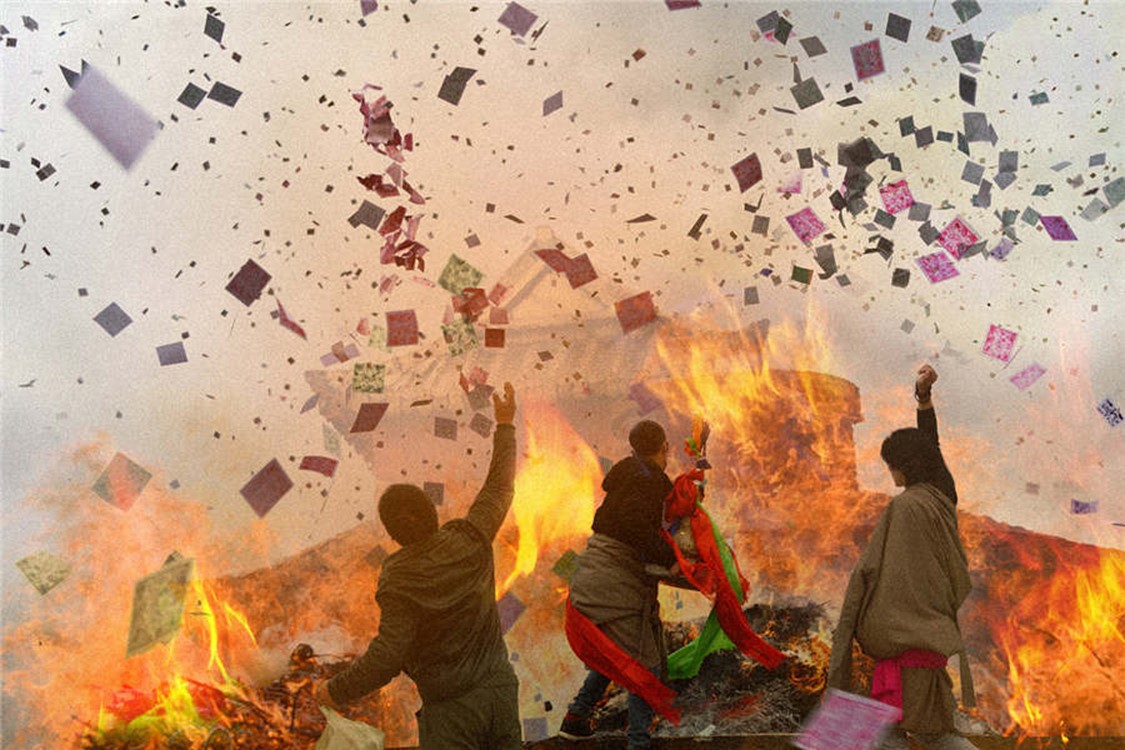
Pilgrims scatter longda, little pieces of paper printed with horses and beasts , for blessings [Photo by Hu Guoqing/cpanet.org.cn]
Tibetan Nation. Tibetan Identity. Photo Pilgrimage to Tibet.
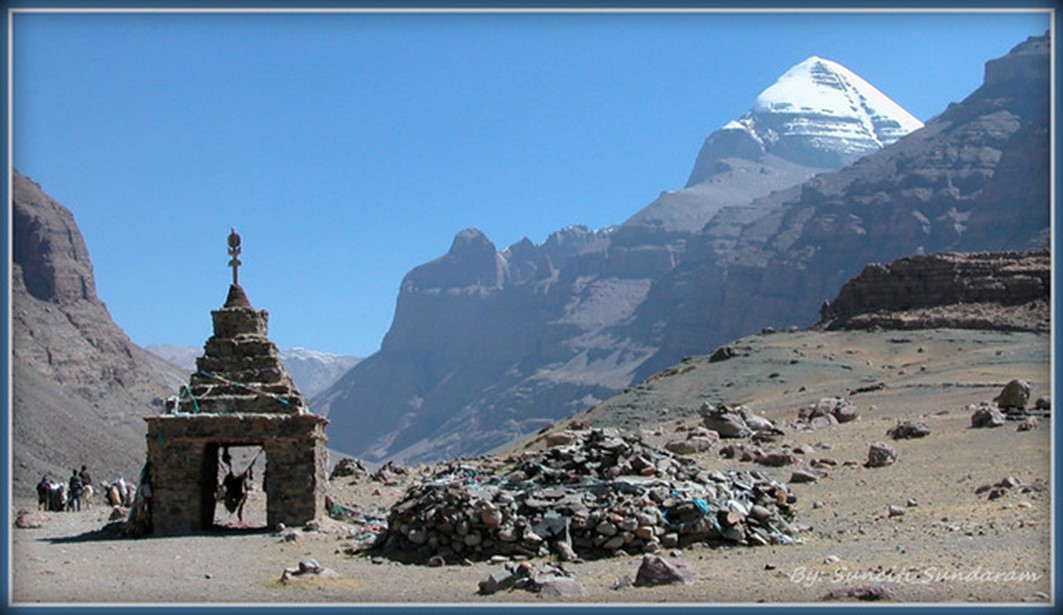
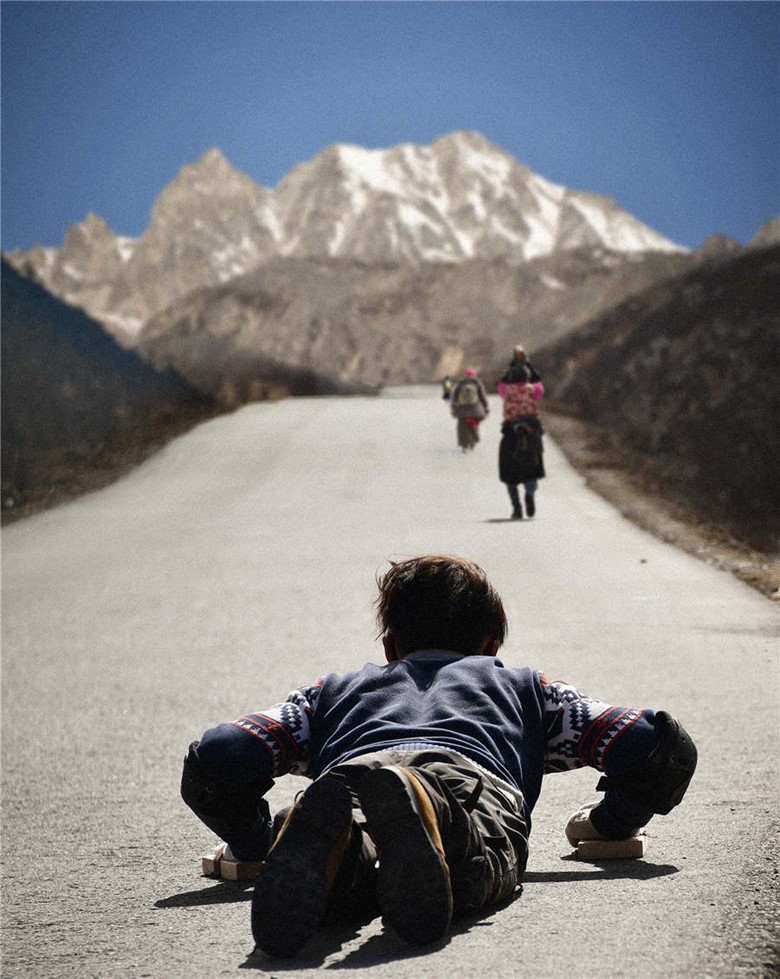
The road to the holy mountain [Photo by Hu Guoqing/cpanet.org.cn]
Tibetan Nation. Tibetan Identity. Photo Pilgrimage to Tibet.
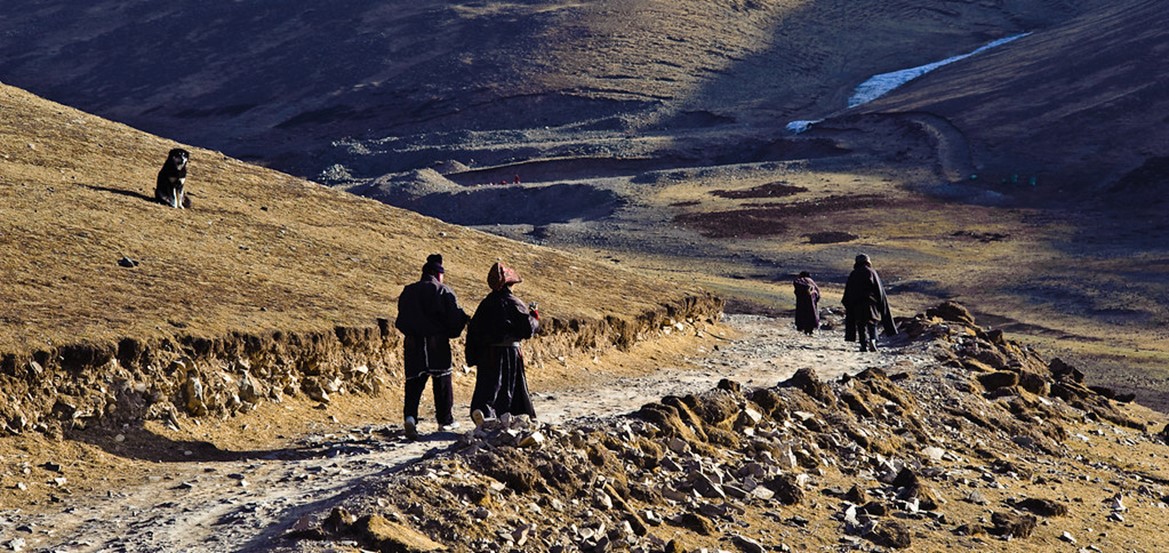
Followers walk around the mountain to pilgrimage [Photo by Hu Guoqing/cpanet.org.cn]
Tibetan Nation-Tibetan Identity. Photo Pilgrimage to Tibet.
TIBETAN NATIONAL IDENTITY BLESSED BY LAKE MANASAROVAR
Tibetan National Identity Blessed by Lake Manasarovar.
Tibetan National Identity is blessed by Lake Manasarovar.
Rudranarasimham Rebbapragada
SPECIAL FRONTIER FORCE
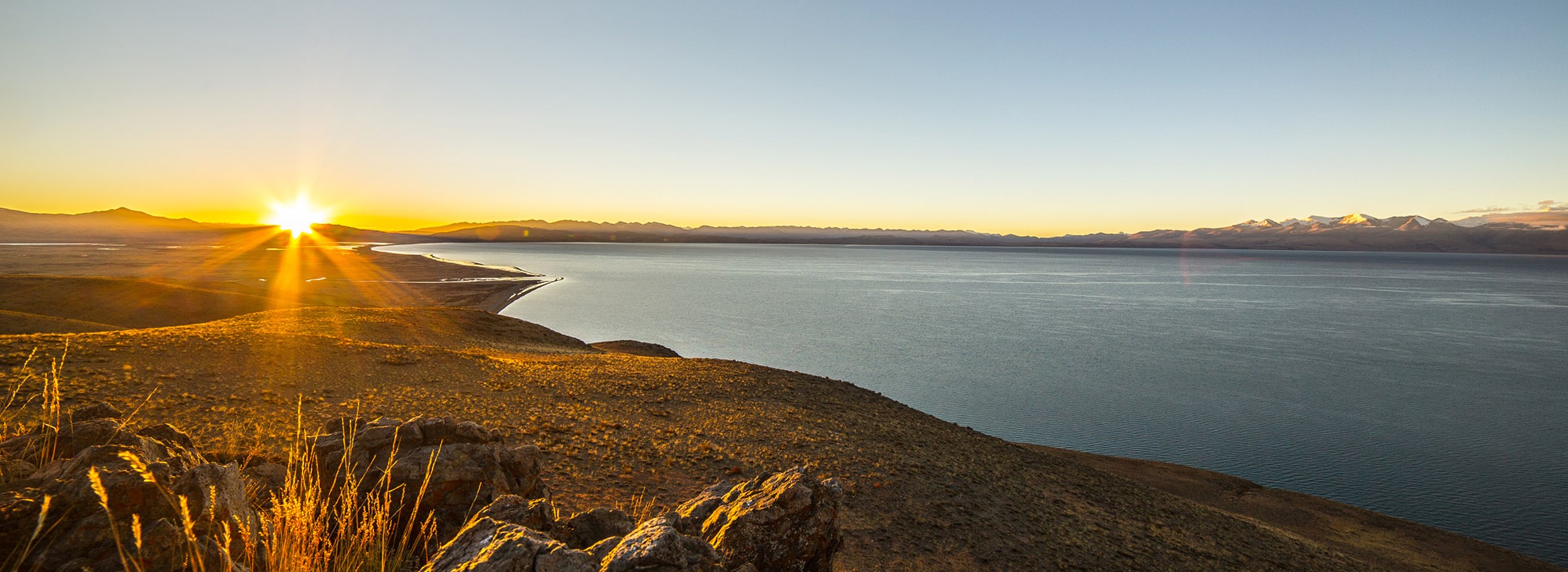
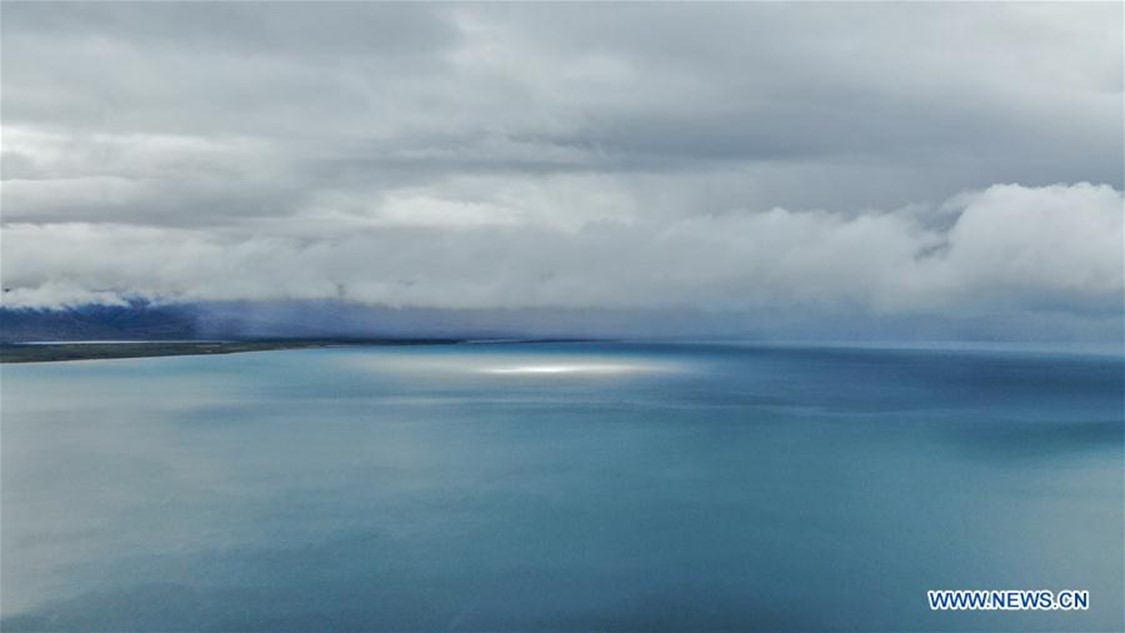
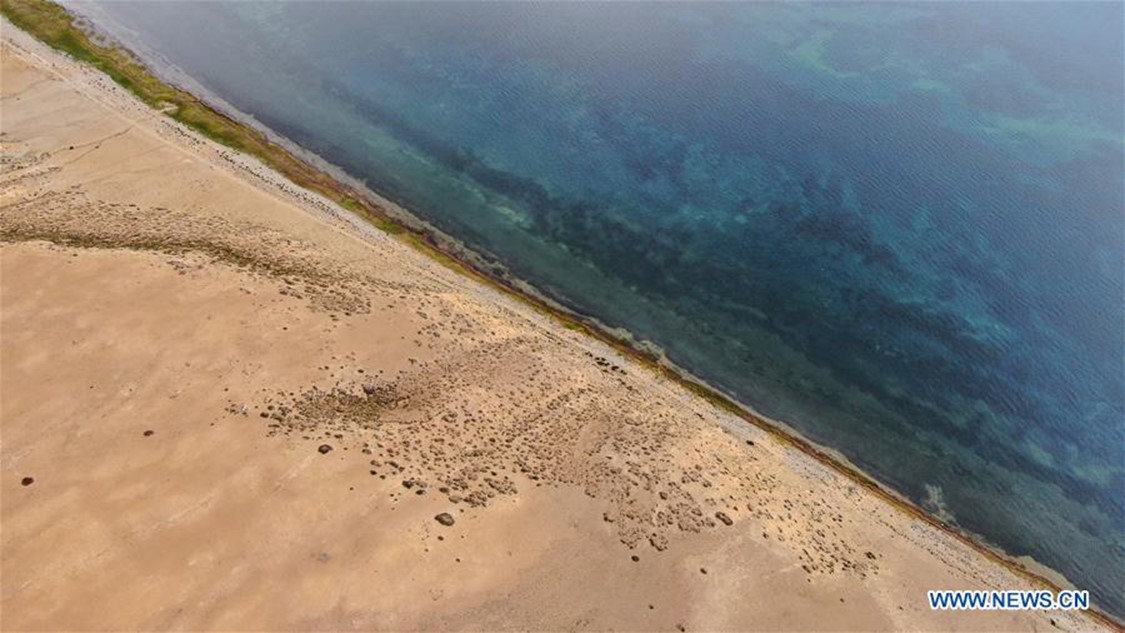
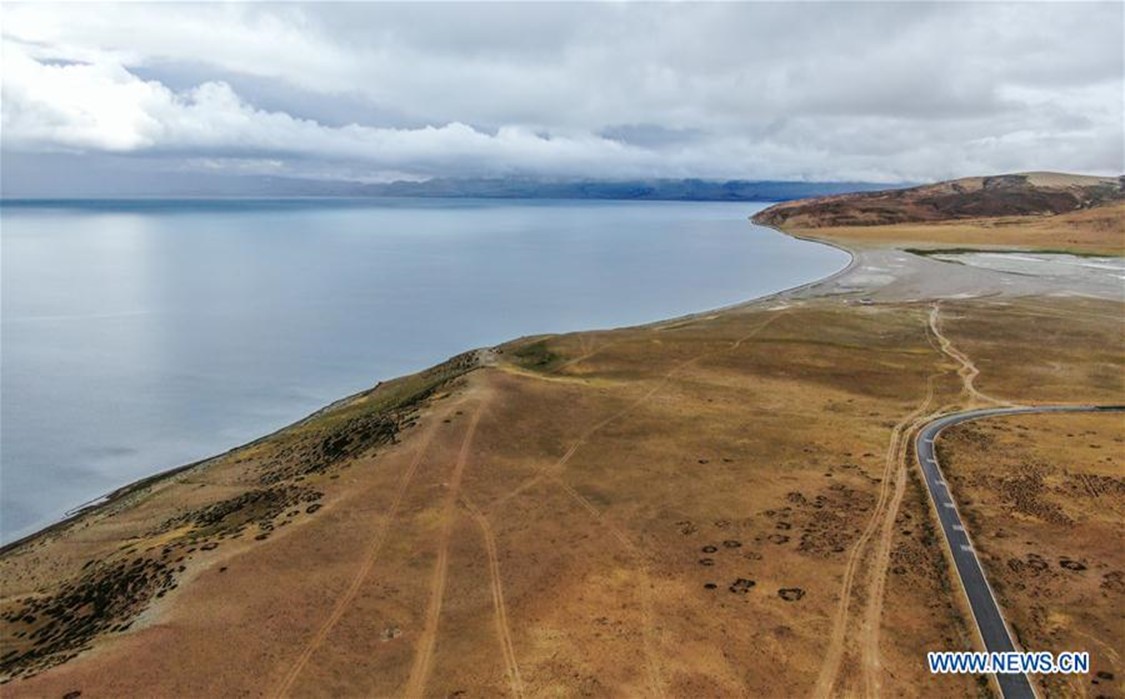
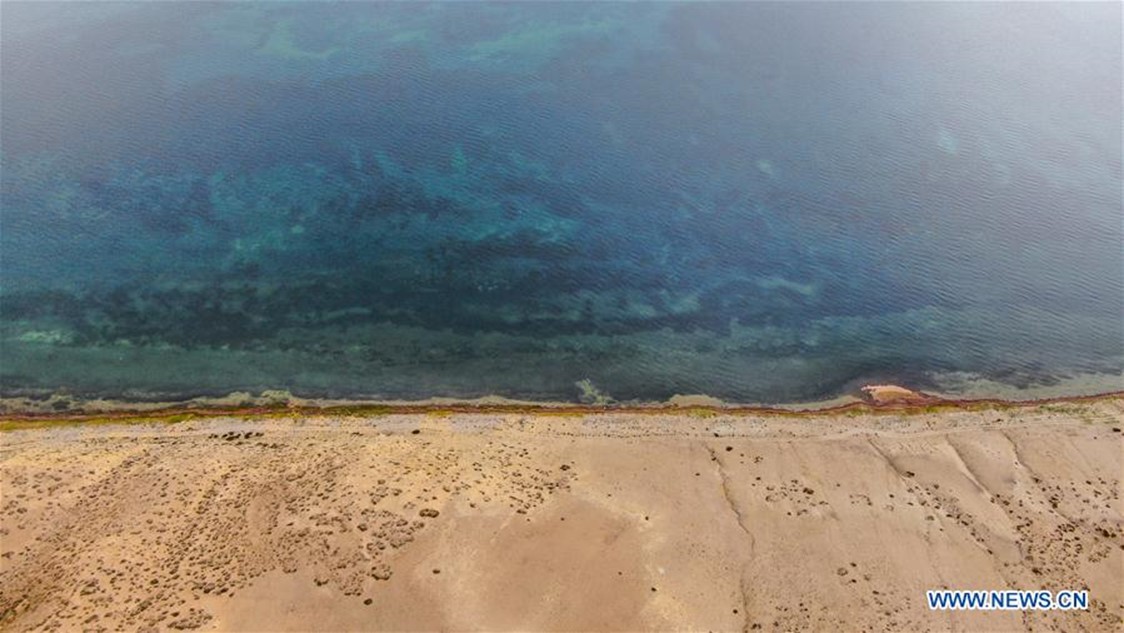
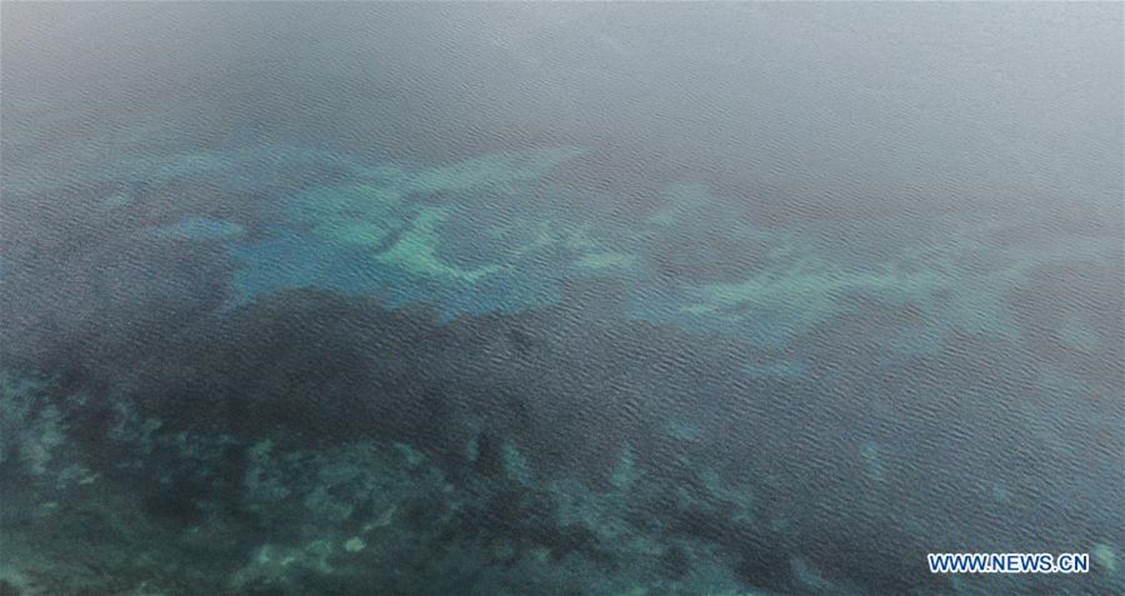
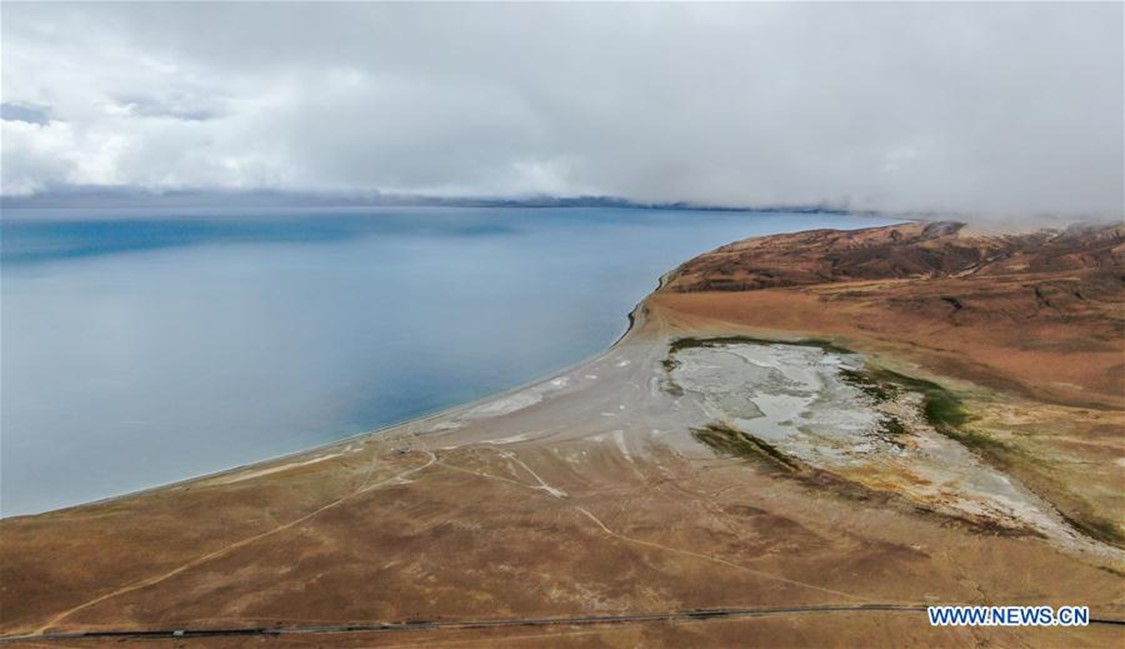
The scenery of Lake Manasarovar, Tibet
Tibetan National Identity Blessed by Lake Manasarovar.
The aerial photo was taken on July 27, 2019, shows Lake Manasarovar, a holy lake, in Ali Prefecture, Tibet. Lake Manasarovar, along with Lake Namtso and Lake Yamzhog Yumco, is regarded as the three holy lakes of Tibet. (Xinhua/Jigme Dorje)
Tibetan National Identity Blessed by Lake Manasarovar.
The aerial photo was taken on July 27, 2019, shows Lake Manasarovar. (Xinhua/Jigme Dorje)
Tibetan National Identity Blessed by Lake Manasarovar.
The aerial photo was taken on July 27, 2019, shows Lake Manasarovar, a holy lake, in Ali Prefecture, Tibet. Lake Manasarovar, along with Lake Namtso and Lake Yamzhog Yumco, is regarded as the three holy lakes of Tibet. (Xinhua/Jigme Dorje)
Tibetan National Identity Blessed by Lake Manasarovar.
The aerial photo was taken on July 27, 2019, shows Lake Manasarovar, a holy lake, in Ali Prefecture, Tibet. Lake Manasarovar, along with Lake Namtso and Lake Yamzhog Yumco, is regarded as the three holy lakes of Tibet. (Xinhua/Jigme Dorje)
Tibetan National Identity Blessed by Lake Manasarovar.
The aerial photo was taken on July 27, 2019, shows Lake Manasarovar, a holy lake, in Ali Prefecture, Tibet. Lake Manasarovar, along with Lake Namtso and Lake Yamzhog Yumco, is regarded as the three holy lakes of Tibet. (Xinhua/Jigme Dorje)
Tibetan National Identity Blessed by Lake Manasarovar.
The aerial photo was taken on July 27, 2019, shows Lake Manasarovar, a holy lake, in Ali Prefecture, Tibet. Lake Manasarovar, along with Lake Namtso and Lake Yamzhog Yumco, is regarded as the three holy lakes of Tibet. (Xinhua/Jigme Dorje)
Tibetan National Identity Blessed by Lake Manasarovar.
The aerial photo was taken on July 27, 2019, shows Lake Manasarovar, a holy lake, in Ali Prefecture, Tibet. Lake Manasarovar, along with Lake Namtso and Lake Yamzhog Yumco, is regarded as the three holy lakes of Tibet. (Xinhua/Jigme Dorje)
Tibetan National Identity Blessed by Lake Manasarovar.
LAKE MANASAROVAR-THE SWEET WATERS OF TIBETAN NATIONALISM
Tibetan Nationalism springs from the fresh waters of Lake Manasarovar.
The photo was taken on July 21, 2019, shows a herd of cattle by the Mapam Yumco Lake in Burang County of Ngari Prefecture, Tibet. Located on an altitude of 4,588 meters at the Qinghai-Tibet Plateau, the 412-square-kilometer lake is a sacred Hindu and Buddhist site as well as a renowned tourist attraction. (Xinhua/Chogo)
Tibetan Nationalism springs from the fresh waters of Lake Manasarovar.
The photo was taken on July 21, 2019, shows a white pagoda by the Mapam Yumco Lake in Burang County of Ngari Prefecture, Tibet. Located on an altitude of 4,588 meters at the Qinghai-Tibet Plateau, the 412-square-kilometer lake is a sacred Hindu and Buddhist site as well as a renowned tourist attraction. (Xinhua/Chogo)
Tibetan Nationalism springs from the fresh waters of Lake Manasarovar.
The photo was taken on July 21, 2019, shows the engraved stones by the Mapam Yumco Lake in Burang County of Ngari Prefecture, Tibet. Located on an altitude of 4,588 meters at the Qinghai-Tibet Plateau, the 412-square-kilometer lake is a sacred Hindu and Buddhist site as well as a renowned tourist attraction. (Xinhua/Chogo)
Tibetan Nationalism springs from the fresh waters of Lake Manasarovar.
The photo was taken on July 21, 2019, shows the scenery of Mapam Yumco Lake in Burang County of Ngari Prefecture, Tibet. Located on an altitude of 4,588 meters at the Qinghai-Tibet Plateau, the 412-square-kilometer lake is a sacred Hindu and Buddhist site as well as a renowned tourist attraction. (Xinhua/Chogo)
Tibetan Nationalism springs from the fresh waters of Lake Manasarovar.
The photo was taken on July 21, 2019, shows a white pagoda and a lama by the Mapam Yumco Lake in Burang County of Ngari Prefecture, Tibet. Located on an altitude of 4,588 meters at the Qinghai-Tibet Plateau, the 412-square-kilometer lake is a sacred Hindu and Buddhist site as well as a renowned tourist attraction. (Xinhua/Chogo)
BEIJING DOOMED: 3 Giant Asteroids Zip Past Earth On Wednesday
Beijing Doomed.
On Wednesday, July 24, 2019 NASA detected three massive asteroids currently headed for Earth.
In my analysis of Chapter 18, The Revelation, the Doom of Babylon is near. But, Babylon remains a Mystery. Where is Babylon? In my view, Shanghai City, the largest City of the world could be “BABYLON” described in the Doomsday Prophecy.
Rudranarasimham Rebbapragada
SPECIAL FRONTIER FORCE
Beijing Doomed.
NASA Asteroid Tracker: 3 Giant Asteroids Zip Past Earth On Wednesday
Beijing Doomed. 3 massive asteroids getting closer to Earth.
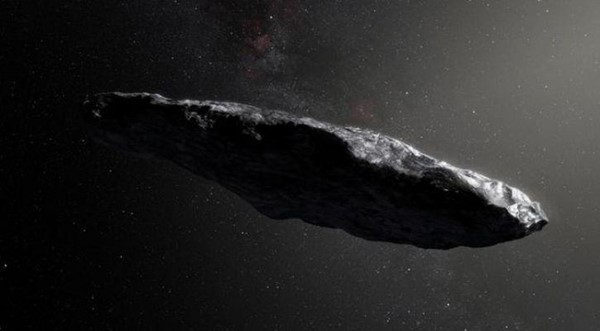
NASA has detected three massive asteroids that are currently headed for Earth. According to the agency’s Center for Near Earth Object Studies (CNEOS), one of the approaching asteroids will fly closer than the Moon.
The first asteroid that will visit Earth on Wednesday is 2015 HM10. This asteroid is currently traveling at a speed of 21,273 miles per hour and is about 360 feet long. At its current size, the asteroid is bigger than the Statue of Liberty.
2015 HM10 is expected to fly past Earth on July 24 at 6:00 am ST. It will approach the planet from a distance of 0.03135 astronomical units or around 2.9 million miles away.
This asteroid was first observed on April 18, 2015. According to its trajectory record, 2015 HM10 is a frequent visitor to Earth and Jupiter’s vicinity.
Trailing behind 2015 HM10 is the asteroid known as 2019 OD. This near-Earth object is also 360 feet long. It is traveling at a much faster speed compared to 2016 HM10 at 43,000 miles per hour.
Out of the three asteroids that will fly past Earth on Wednesday, 2019 OD will approach the closest. According to CNEOS’ data, the asteroid will only be about 0.00239 astronomical units or around 222,160 miles from Earth on July 24 at 1:31 pm ST. This means 2019 OD will be flying much closer than the distance between the Earth and the Moon, which is around 238,900 miles.
Shortly after 2019 OD’s close-Earth approach, the asteroid will fly near the Moon at around 1:44 pm ST.
The last asteroid that’s set to zip past Earth on Wednesday is 2019 OE. According to CNEOS, this asteroid has a velocity of around 20,000 miles per hour. Compared to the first two asteroids, 2019 OE is much smaller with an estimated diameter of 174 feet.
2019 OE is will approach Earth on July 24 at 2:36 pm ST. Like 2019 OD, 2019 OE will also zip past the planet at a close distance. Based on the data collected by CNEOS, the asteroid will be about 0.00646 astronomical units or around 600,500 miles from the planet’s center during its approach.






















 Whole Dude - Whole Concept