WholeDude – WholeDesigner – Whole Phenomenon: Northern Lights are described as a natural phenomenon. What is Phenomenon? Can we know Reality through Human Experience?
The word “Phenomenon” is described as any event, circumstance, or experience that is apparent to the senses and that can be scientifically described or apprised. Phenomenology is described as a study of perceptual experience. Edmund Gustav Albrecht Husserl(1859-1938), German philosopher and mathematician is the founder of Phenomenology. He offered a descriptive study of consciousness for the purpose of discovering the laws by which experiences of the objective world or of pure imagination can occur. It is my impression that all human experiences of the objective world and of human imagination can occur only under the influence of the Power/Force/Energy called Illusion which is popularly described as “MAYA” in Indian Sanskrit language. To facilitate man’s powers of sensory and intuitive perception, it demands the operation of a mechanism called ‘Illusion’. Man has no choice other than that of gaining perceptual experience under the influence of Mercy, Grace, and Compassion that establishes, supports, and sustains human existence. In this context of the fundamental basis for human existence, the term “Whole Phenomenon” can be stated as any event, circumstance, or experience that can be known by human senses, or the mental faculty called intuition under the influence of Illusion.
THE PHILOSOPHY OF CONSCIOUSNESS:
WholeDude – WholeDesigner – Whole Phenomenon: “Pure Phenomenology claims to be the science of pure phenomena. This concept of the phenomenon, which was developed under various names as early as the eighteenth century without being clarified is what we shall have to deal with first of all.” – Edmund Husserl, the Founder of Phenomenology.
I share the same concern that was expressed by Edmund Husserl, the Founder of Phenomenology. We need to clarify the term phenomenon and it will become apparent that there can never be a Science of Pure Phenomena as the Subjective and Objective reality of man’s physical existence on planet Earth’s surface depends upon the experience of Illusion. Husserl shared the maxim of the “Philosophy of Consciousness” which states, “All consciousness is consciousness of something.” His chief works were ‘Logical Investigations'(1900-1901), ‘Ideas for a Pure Phenomenology'(1907), ‘Cartesian Meditations(1931), and ‘Experience and Judgment'(1939). Husserl offered a descriptive study of consciousness, he gave a description of the consciousness of time, he discussed a person’s experience of other minds and humans’ lived relationship with the world. He concluded that consciousness has no life apart from the objects it considers. But, in his later works he denied the existence of objects outside of consciousness. Husserl developed a philosophical method devoid of presuppositions by focusing purely on phenomena and elucidating their meaning through intuition. He held that experience is the source of all knowledge. His method of ‘phenomenological reduction’ excludes anything that cannot be perceived, and thus is not immediately given to the consciousness. Husserl’s method involves the study of phenomena, or appearances of human experience while attempting to suspend all consideration of their objective reality or subjective association. He wanted to avoid all philosophical, and scientific presuppositions. He wanted to discover the essential structures and relationships of the phenomena as well as the acts of consciousness in which the phenomena appeared. In his later work, he had suspended or excluded all beliefs about the external existence of the objects of consciousness. In his opinion, this suspension of all references to the reality of the thing experienced left the person with nothing but the experience itself. Husserl divided this experience into the “noesis”(act of consciousness) and the “noema”(object of consciousness). In my view, Husserl had missed to state his understanding of the ‘Seat of Consciousness’. If consciousness is about the experience of something, that experience demands the existence of some material substance, or a Seat of Consciousness. I can mentally imagine the existence of immaterial things, and yet the experience of immaterial objects or things by acts of intuition need a seat of consciousness.
THE METHOD OF PHENOMENOLOGICAL REDUCTION:
WholeDude – WholeDesigner – Whole Phenomenon: The natural phenomenon called Earth’s Rotation is never experienced by the consciousness of man. The reality of Earth’s motions, the Angular Speed, the Linear Velocity is not experienced at all. Man simply exists because of this exclusion or suspension of consciousness.
Husserl proposed the methodological suspension of all judgments about the character and even about the existence of the objects of consciousness in order to describe experience from inside. He was concerned about what it meant for something to appear, or to be a phenomenon. He found it necessary to suspend judgment about the given reality of things, to “bracket” the data or consciousness, in order to describe them. He had used this method to examine imaginary objects just like other physical objects. He concluded that consciousness is dependent on the object it considers. He had observed, “If all consciousness is subject to essential laws in a manner similar to that in which spatial reality is subject to mathematical laws, then these essential laws will be of most fertile significance in investigating facts of the conscious life of human and brute animals.” While I am not opposed to his phenomenological method, I want to observe that the ‘WholeDesigner’ has already imposed a suspension, or exclusion upon man’s cognitive abilities. Man can only perceive the reality of this physical world as a product of Illusion and will never have consciousness of the fact of its speed of rotational spin.
Life depends upon a virtually uninterrupted supply of materials or matter for its metabolism. If the word Spirit or Soul is defined as the vital, animating principle found in all living things, we need to understand the relationship between Matter and Spirit. The concern about the importance of matter is often ridiculed as Materialism, and man is often directed to value Spiritualism where the point of emphasis is man’s direct relationship with God. The separation of Matter and Spirit as two distinct entities will not help us to understand the reality of human existence. Man has to know that there is no disunity between Matter and Spirit. If Spirit is the medium of direct relationship between man and God, the nature of this medium is discovered from the nature of matter that man consumes as food and drink to establish his life.
WHAT IS MANNA? WHAT IS IT? IS IT FOOD?:
WholeDude – WholeDesigner – Spirit: What is Manna? What is it? Is it Food? Manna is described as a special substance provided for the Hebrews during the exodus from Egypt. The name is of uncertain meaning. This substance or matter had saved the lives of Hebrews and had specifically protected them from hunger and thirst, the two primary sensations that reveal man’s dependence upon physical matter for his conditioned existence. Its miraculous delivery from heaven shows the nature of relationship between man, matter, spirit, and God.
The Old Testament Book of Exodus(Chapter 4, verse #4) and the Book of Numbers(Chapter 11, verse#9) describe “Manna” coming with the dew, and may have collected in dewdrops. It was white, of delicious flavor, and resembled the seed of coriander, and it was both tasty, and nourishing. Being seed like in form, it had to be ground and was used in making bread. As soon as other food was available, the miraculous supply of Manna ceased(The Book of Joshua, Chapter 5, verse #12). No known substance meets the description of this food material. The Bible makes it certain that Manna came as a temporary provision and Hebrew writers described it as “corn from heaven”, bread from heaven, and as “angels’ bread.” However, I see its importance from the statement made by Jesus to make a distinction between physical matter, and Spirit or Spiritual Matter.
GOD IS THE SOURCE OF LIFE WITH MATTER AND SPIRIT:
WholeDude – WholeDesigner – Spirit: God has absolute Life in Himself and is the source of all Life. If God is uncreated, Life is Eternal, Immortal, Imperishable, Indestructible, Immutable, Immovable, and is uncreated. The Gospel According to Apostle John, Chapter 5, verse#26 states:”For as the Father has Life in Himself, so He has granted the Son to have Life in Himself.” It must be noted that Spirit inhabits the entire body and is not limited to some unknown area of brain, or heart. Spirit belongs to both flesh, and blood. The condition called “Death” is a variable condition like the dimensions of Matter, Energy, Space, and Time, the building blocks used in the plan and in the design of all things present in the universe.
Life is a complex concept with varied shades of meaning. It may denote physical or natural life. The term Life is often used to describe the actions, or experiences, the activities, and the relations that make up Life. If Spirit is the vital principle of Life, or Breath of Life, God has infused Spirit into the substance of man making him a living Soul. This Spirit inhabits the entire body of the person and makes man a Spiritual being. The Old Testament Book of Genesis, Chapter 2, verse#7 proclaims: “The Lord God formed the man from the dust of the ground and breathed into his nostrils the breath of life, and the man became a living being.” The problem of physical death, the period of man’s earthly existence, and the duration of man’s lifetime has to be explained taking into account the imperishable nature of Matter and the Laws of Conservation of Mass and Energy. Jesus speaks to Nicodemus, who was described as a leading Pharisee, and a member of the Sanhedrin. He came to Jesus by night and the conversation is reported in the New Testament Book of John, Chapter 3, verses 1 to 21. He instructed him: “Jesus answered, I tell you the truth, no one can enter the Kingdom of God unless he is born of the water and the Spirit. Flesh gives birth to flesh, but the Spirit gives birth to Spirit”(verses 5 and 6) and made Nicodemus aware of his need by announcing the necessity of a new birth in order “to see the Kingdom of God.” Man is constituted as a Spiritual being and due to the intervention of sin, man has become ignorant of his own true, or real spiritual nature. To save himself from the burden imposed by sin, man has to be infused with Spirit and Jesus says that man who is born, must experience rebirth. Jesus further explained this relation between Matter and Spirit in the Book of John, Chapter 6, in several verses(#25-69). In verse#35 Jesus declared: “I am the Bread of Life. He who comes to me will never go hungry and he who believes in me will never be thirsty.” Jesus has clearly recognized that Matter and Spirit serve the same function, the function of supporting Life in two different dimensions. Jesus is the source of Life and Spirit and that Spirit inhabits His entire body, in flesh and blood, and is not limited to a secret hiding place in either mind or heart. The Old Testament Book of Leviticus, Chapter 17, verse#14 states: “because the life of every creature is its blood.” If Life is associated with blood, Spirit is also associated with blood. In John 6:63, Jesus states: “The Spirit gives life; the flesh counts for nothing. The words I have spoken to you are Spirit and they are life.” Man who faces the burden of sin called Death, is required to infuse himself with Spirit, and the source of this Spirit is the Word that was spoken.
THE LIVING WATERS – THE SATIATION OF HUNGER AND THIRST – THE EXPERIENCE OF JOY:
WholeDude – WholeDesigner – Spirit: The Concept of Living Waters. Jesus talks with a Samaritan woman at Jacob’s Well near the village of Sychar. Apparently, Jesus was thirsty like any other human being and had asked the woman to serve Him water and carefully explained as to how the physical matter or substance called water can become the “Living Waters” in both physical Life and Spiritual Life. Water is physical matter and is the most important chemical molecule of all physical Life. And in a similar manner, when infused with Spirit, it becomes the source for eternal Life. The satisfaction of both physical, and Spiritual hunger and thirst is experienced by man.
It is very easy to understand the experience called thirst. Hunger and Thirst are the symptoms that define the nature of man’s conditioned existence. The conversation between Jesus and a Samaritan woman at Jacob’s Well near the village of Sychar is reported in the New Testament Book of John, Chapter 4, verses # 4 to 42. It is abundantly clear that the nature of Spirit can be understood from the nature of Matter as both of them have a role in providing sustenance to man and maintain his Life. To fetch water from a well, man needs tools like a rope, and a cistern. Similarly, man needs the tools called Faith and Belief to insert or to infuse, or imbibe Spirit into his mind, heart, and body and gain access to eternal Life. Just like the rope, and the cistern, to quench Spiritual Thirst, and to feed Spiritual Hunger, man needs tools called Faith and Belief. When man’s thirst, and hunger are fully satisfied, the satiated person gets the experience called Contentment. When Spiritual Thirst, and Spiritual Hunger are satiated, man gets the experience called Joy. The human experience called Joy is as real as the experience of hunger and thirst.
WholeDude – WholeDesigner – Spirit: Matter and Spirit Relationship: The Living Waters: The New Testament, The Gospel According to John, Chapter 3, verse#5 , Jesus answered, “I tell you the truth, no one can enter the Kingdom of God unless he is born of the water and the Spirit.” Water is physical matter but it is derived from an Infinite Substance called God and hence it can be a source of eternal Life.
In my opinion, Matter, and Spirit work together to establish man’s relationship with God. For God is the only unchangeable, or eternal reality; wherever man is, in Life or in Death, God will be there. If this relationship pertains to a matter of Faith and Belief, The Old Testament Book of Psalms, The Book of King David, Psalm 16, verse #10 gives the Hope:
“Because you will not abandon me to the grave,
nor will you let your Holy one see decay.”
Life means the experience of Peace, Harmony, Tranquility, Hope, Fear, Love, Joy, and Wisdom. The problem of Death is experienced as a Fear as Death means the inability to have subjective experience associated with Life. But, man does not exist in the physical world because of the abilities of his physical, or mental work. Man exists because of the nature of Matter, and Spirit and this nature is only an extension of the Divine Nature.
Photoperiodism is described as the behavioral or physiological reaction of an organism to changes of duration in daily, seasonal, or yearly periods of light and darkness. The changes in activities occur on daily basis as well as with a consistent pattern when the seasons change. For example, the Autumn or Fall season in the Northern Hemisphere includes the months of September, October, and November. Fall is the season of the year in which many trees change in their appearance; the color of their leaves changes and then trees lose their leaves. Autumn is the season that comes between Summer, and Winter seasons. In the astronomical year, the Fall season is the period between the Autumnal Equinox and the Winter Solstice. The characteristic of Fall is the beginning of decline in activities of several living organisms to prepare for subsequent changes expected to come in future. Daily periods of light and darkness determine to a great extent when seasonal activities occur. An important prerequisite to the response to light that occurs in Winter and Spring is exposure to short days or long nights in Autumn. This phase of the annual cycle is called the Preparatory Phase. This preparation is important for the subsequent response. Under experimental conditions it is shown that the failure to complete the Preparatory Phase will undermine the organism’s subsequent response to changes in the next phase.
Hence, Autumn is a season of preparation for the arrival of Winter and Spring seasons. This preparation has the characteristics of planning, and designing the responses of organisms to forthcoming events in future. This ability to connect the activities of past, and present with activities that occur in future requires the operation of an unchanging principle that is not influenced by the changes of time.
The colorful changes that we witness during the Autumn season would relate us to the works of a Whole Designer, a Whole Architect, a Whole Planner, and a Whole Artist.
Whole Dude – Whole Designer – Photoperiodism: Autumn Season is a Preparatory Phase. This preparation is important for the subsequent response. Autumn is a Season of Preparation for the arrival of Winter and Spring Seasons. It displays all the characteristics of Planning and Designing the responses of organisms to forthcoming events in near future.
Autumnal Equinox:
Equinox (aequus=Equal + nox=night) is the time when the Sun crosses the equator, making night and day of equal length in all parts of Earth.
Whole Dude – Whole Designer – Photoperiodism: Autumnal Equinox. In the Northern Hemisphere it occurs on September 22/23, the point at which the Sun appears to cross the celestial equator from north to south. This crossing marks the beginning of Autumn and on that date, night and day are of equal length.Whole Dude – Whole Designer – Photoperiodism: Vernal Equinox, and Autumnal Equinox are two points on the celestial sphere where the ecliptic( the path of Sun’s apparent motion in the sky) and the celestial equator intersect. Daily periods of light and darkness determine to a great extent when seasonal activities among living organisms occur. Man exists on the surface of planet Earth experiencing the daily alternating periods of light and darkness and marks his calendar as seasons bring changes with marked regularity.
Photoperiodism was first reported in 1920 when the flowering of certain plants was demonstrated to be controlled by the daily duration of light. The photoperiodic response of plants may actually depend on the duration of the darkness. Some of the conspicuous activities of animals closely correlated with certain seasons of the year or with changes in day length are bird migration, reproduction and changes in coat and plumage. In most birds, mammals, and other vertebrates, breeding is seasonal. For species such as brook trout, deer, sheep, and goats breeding begins in Autumn. The light stimulates the release of special hormones from the brain which in turn stimulate the pituitary gland which secretes the hormones that function to control the growth of the reproductive organs. The length of the dark period and the ratio of light to darkness are important factors in determining the reproductive response. Practical applications of knowledge of photoperiodism are common in poultry management, for the length of daylight affects laying, sperm production, and bodyweight of the fowl.
Whole Dude – Whole Designer – Photoperiodism: Practical applications of knowledge of photoperiodism are common in Poultry Management, for the length of daylight affects laying, sperm production, and bodyweight of the fowl.
The most conspicuous seasonal change in coat and plumage occurs in those mammals and birds that are white in Autumn and Winter and brown in Spring and Summer.
Whole Dude – Whole Designer – Photoperiodism: The seasonal change in coat is conspicuous in this hare which is brown during Spring and Summer, and changes to white during Autumn, and Winter.Whole Dude – Whole Designer – Photoperiodism: Rock Ptarmigan, Lagopus muta exhibits a seasonal change in its plumage coloration; it turns from brown to white during Autumn and Winter.
Photoperiodism – Biological Rhythms and Biological Clock:
Whole Dude – Whole Designer – Photoperiodism
Organisms have synchronized their living functions to their rhythmic environments and have become periodic in diverse aspects of their physiology and behavior. Periodic biological phenomena fall into two distinct, different categories: 1. Those correlated with periodic changes of the planet or geophysical correlates, and 2. Those correlated to an internal timing mechanism often called the ‘Biological Clock’. The living things to some extent behave like ‘Living Clocks’; 1. A timing capacity geared to the rhythmic variations of the natural environment, the alternating periods of light and darkness called day and night, and 2. A timing capacity that operates in response to the flow of time as the planet Earth spins and moves without providing sensory stimuli of its motions.
Timing information continuously flows in from the environment and no organism can exist under constant conditions of life. All life exists on planet Earth which exists in a constant state of motion as a member of the Solar System which also exists in a constant state of motion.
The biological rhythm results in part as a direct response to the environment and in part as an indirect response via the complex clock-timed organization.
Whole Dude – Whole Designer – Photoperiodism: There are two kinds of biological responses or rhythms. 1. The activities like Sleep and Wakefulness are related to the fluctuations of physical environment such as darkness, and light, or night and day variation, and 2. The rhythms such as heartbeat, and respiratory rate occur without external geophysical correlates as a consequence of the movements of the Earth.Whole Dude – Whole Designer – Photoperiodism: Man’s biological functions are influenced by the WholeSpin. Man has sensory awareness of that part of Earth’s spin that causes an environmental change called Day/Night. Otherwise, man is blissfully unaware of the aspect of Earth’s Spin that happens all the time without any perceptible change. But, man is always influenced by the flow of time and his existence is measured as if there is a precise internal clock.
Whole Dude – Whole Spin:
Whole Dude – Whole Designer – Photoperiodism: The WholeSpin is a unique mechanism that is indissociable from Life itself. While the Sun shines with all its brightness 24-hours all the time, the Whole Spin allows man to experience alternating periods of light (Day), and darkness (Night) to plan his physiological functions and activities in the external environment. There is this equally important aspect of the WholeSpin; man’s existence on the surface of planet Earth depends upon the lack of direct sensory awareness of the speed/velocity of Earth’s Spin.
Biological Clocks time the Solar Day, the period of Earth’s spin or rotation relative to the Sun. While Earth spins or rotates, man experiences the illusion of Sun’s apparent motion across the path called Ecliptic and exists on the surface of Earth in a state of blissful ignorance of Earth’s Angular Speed, or Linear Velocity.The daily rhythm of about 24 hours’ duration makes it appear as though the organism is keeping track of each day and behaves as if it is a Living Clock. Light appears to be the dominant Phase Setter or Synchronizer of activity pattern during the 24-hour cycles. The 24-hour rhythms are called Solar Day, Circadian, Diel, Daily, Diurnal (day-active), and Night-Active rhythms. Plants show their daily rhythm in sleep movements such as the daytime raising and nighttime lowering of their leaves, and the timing of flowering activity. In man, the daily alternation of sleep and wakefulness is accompanied by many chemical and physiological changes that include the activities of the nervous, endocrine systems, and the liver and kidneys. Daily variations occur in body temperature, in heart and respiratory rates, and in blood pressure and composition of blood. There are daily variations in chemical syntheses and in cell divisions. Living systems display a timing capacity and behave as if they contain a highly dependable clock. The specialized properties of this clock suggest that it involves some unique biological mechanism indissociable from life itself.
I suggest that all natural phenomena require the operation of an unchanging condition that gives the opportunity to the change that is manifested. The change called Day and Night, and the changes called Seasons are manifested because of an unchanging condition; the fact of the Sun shining with its full brightness 24-hours, and at all times.
The rhythmically recurring phenomena called biological rhythms operate under the influence of an unchanging, vital, animating principle called Soul, or Spirit which is not influenced by time or external geophysical correlates. The designing of Matter, Energy, Space, and Time relationships can be studied as Spiritual Optics.
Whole Dude – Whole Designer – Photoperiodism: The designing of Matter, Energy, Space, and Time relationships can be studied as Spiritual Optics.
Whole Dude – Whole Designer – Photoreception: Photoreception is the biological response of organism to stimulation by light. Such responses to environmental stimuli demonstrate the presence of consciousness, the awareness of an organism of the fact of its own existence in a given external environment.
Photoreception is the biological response of an organism to stimulation by light. It is not the same as the Photoelectric Effect which non-living matter such as metals can exhibit. Among living things, the presence of consciousness is displayed by their biological responses to environmental stimuli.
Whole Dude – Whole Designer – Photoreception:
In plants the primary photoreceptive response is described as photosynthesis, a photobiological process which leads to the conversion of carbon dioxide and water to the essential nutritive elements of all life using the energy of the Sun.
Photoreception is the mechanism by which animals receive sensory information transmitted by light of different qualities and wavelengths. Just like photosynthesis, the function called vision is a vital photobiological process that is required to support existence. At a fundamental level, the visual function is concerned with supporting existence. Visual clues assist in finding food, to avoid threats to existence, and help to achieve reproductive success.
Almost all organisms derive their food directly, or indirectly from the organic compounds formed within plants during photosynthesis. The stored chemical energy in those organic compounds is essential for growth, repair, reproduction, movement, and other vital functions. In animals, the ability of photoreception is dependent upon the chemical energy provided by organic molecules called Adenosine Triphosphate or ATP that is produced by intracellular organelles called mitochondria which use the chemical reaction called oxidation-reduction to oxidize the organic molecules created by plants using photosynthetic energy.
Whole Dude – Whole Designer – Photoreception: God is viewed as the Creator of Light.
Thus photoreception is the fundamental photobiological process that maintains life on planet Earth. If God is viewed as the Creator of Light, Photoreception could be stated as the most important feature of a Whole Design to establish life on planet Earth.
For man has the capacity called vision, he should be able to visualize the Whole Design used by the Whole Designer, or Whole Architect, a Master Planner. Man gained insights about photoreception and the photosynthetic process over several centuries of careful observations and scientific experimentation.
Photoreception and Plant Growth:
Whole Dude – Whole Designer – Photoreception: Aristotle, 384-322 B.C. Greek philosopher and Father of Science thought that plants grow by obtaining all the components from the soil. For several centuries his view remained unopposed.
It will be interesting to note that Aristotle, 384-322 B.C. Greek philosopher held the view that the plants grow by obtaining all the components from the soil.
Whole Dude – Whole Designer – Photoreception: Jan Baptist van Helmont (1579/1580-1644), Belgian chemist, physiologist, and physician identified the gas carbon dioxide. He conducted experiments and proved that water provided the material for growth of plants.
Johannas(Jan) Baptista van Helmont (1580-1644), Belgian chemist, physiologist, and physician conducted experiments to show that water provided the growth material to plants. He studied gases, and identified carbon dioxide.
Whole Dude – Whole Designer – Photoreception: Stephen Hales (1677-1761), English botanist, physiologist, clergyman pioneered quantitative experimentation in plant and animal physiology. First to note the relationship between plant growth and Sunlight.
Stephen Hales studied plant growth, plant transpiration, and found that air is necessary to the food-making process in plants. He was the first to note the relationship between the process of plant growth and Sunlight.
Whole Dude – Whole Designer – Photoreception: Joseph Priestly (1733-1804)English theologian and scientist used techniques to study gases. He discovered that plants release “dephlogisticated” air, the gas that Lavoisier later named as Oxygen.
Joseph Priestly, during 1774 studied gases and found that plants produced a gas that he called “dephlogisticated” air. He stated that the most important equations for living things are mutually inverse. In terms of gases exchanged, the respiration of humans represented the reverse of what plants do. He had concluded that some of the mass of plants comes from the air.
Whole Dude – Whole Designer – Photoreception: Antoine Laurent Lavoisier (1743-1794), French chemist & physicist, Founder of Modern Chemistry named the gas discovered by Priestly as Oxygen. Lavoisier discovered the chemical composition of water and discovered the concept of Oxidation, a fundamental chemical reaction that characterizes living functions.
Antoine Laurent Lavoisier had correctly identified oxygen and discovered the chemical composition of water. He had described the role of oxygen in respiration.
Whole Dude – Whole Designer – Photoreception: Jan Ingenhousz (1730-1799), Dutch-born British physician is best known for his discovery of the process of Photosynthesis.
Jan Ingenhousz discovered that light plays a major role in the process by which green plants in Sunlight absorb carbon dioxide and release oxygen. In 1779 he published his study on the chemical effects of plant physiology: “Experiments Upon Vegetables, Discovering Their Great Power of Purifying the Common Air in Sun-shine and of Injuring It in the Shade and at Night. He found that light is necessary for the restoration of air quality, only the green parts of the plant actually perform photosynthesis while all living parts of the plant damage the air by respiration.
Whole Dude – Whole Designer – Photoreception: Jean Senebier (1742-1809), Swiss botanist, and naturalist. He had confirmed the findings of Jan Ingenhousz. Green plants consume carbon dioxide and release oxygen under the influence of Sunlight.
Jean Senebier had published several papers on plant physiology: 1782 – Physico-Chemical Memoirs on the influence of Light; 1783 – Research on the Influence of Sunlight; 1788 – Experiments on the Action of Sunlight on Vegetation; and 1800 – Plant Physiology. He had established that Light is the agent responsible for the fixation of carbon dioxide and that oxygen is liberated only in the presence of carbon dioxide.
Whole Dude – Whole Designer – Photoreception: Nicolas Theodore de Saussure (1767-1845), Swiss chemist and plant physiologist proved Stephen Hale’s theory that plants absorb water and carbon dioxide in Sunlight and increase in weight
Nicolas Theodore de Saussure was a student of Jean Senebier. His published articles include; 1797 – Articles on carbonic acid and its formation in plant tissues; 1804 – Chemical Research on Vegetation; and 1808 – Biochemical Reactions in Plant Cells. He proved Stephen Hales’ theory that plants absorb water and carbon dioxide in Sunlight and increase in weight. He had also demonstrated that plants are dependent upon the absorption of nitrogen from soil.
Whole Dude – Whole Designer – Photoreception: Hugo von Mohl (1805-1872), German botanist did research on the anatomy and physiology of plant cells. In 1837 he had observed tiny, green organelles called chloroplasts that are found in the plant cells.Whole Dude – Whole Designer – Photoreception: Julius Robert von Mayer (1814-1878), German Surgeon and scientist recognized that plants convert solar energy into chemical energy. Oxidation is the primary source of energy.Whole Dude – Whole Designer – Photoreception: Julius von Ferdinand Gustav Sachs (1832-1897), German botanist had greatly advanced the knowledge of Plant Physiology. He had discovered that Starch is produced in Chloroplasts which were exposed to Sunlight.
Julius von Sachs during 1865 proved that Chlorophyll was not generally diffused in all the tissues of a plant but instead was confined to special bodies within the cell which were later named Chloroplasts. His research during 1862-64 proved that the starch present in the chloroplasts is a product that results from the absorption of carbon dioxide, and starch is the first visible product of Photosynthesis.
Whole Dude – Whole Designer – Photoreception: Richard Martin Willstatter (1872-1942), German chemist received the 1915 Nobel Prize for Chemistry. He studied the structure of plant pigments and found that Chlorophyll is a mixture of Chlorophyll a and Chlorophyll b. He had discovered the similarity between blood pigment Heme and Chlorophyll.
Richard Martin Willstatter studied the structure of Chlorophyll and other plant pigments. He found that the blood pigment Heme bears a structural resemblance to the Porphyrin compound found in Chlorophyll. He had also discovered the structure of many of the pigments of flowers and fruits.
Whole Dude – Whole Designer – Photoreception: Robert Hill also known as Robin Hill (1899-1991), British plant biochemist demonstrated “Hill Reaction” of Photosynthesis proving that oxygen evolved during the ‘Light’ phase of photosynthesis.
Robert Hill made significant contribution to the understanding of the photosynthetic process. During 1937, he had established the concept of light-activated electron-transporting photosynthetic chain to release oxygen from water.
Whole Dude – Whole Designer – Photoreception: Otto Heinrich Warburg (1883-1970), German chemist won the 1931 Nobel Prize for Medicine or Physiology. He had the unique distinction of getting recommended for a second Nobel Prize during 1944. He researched cellular respiration and had also studied Photosynthesis.
In this story on Photoreception, I must mention the name of Otto Heinrich Warburg who had investigated Photosynthesis and demonstrated that the process consists of several distinct steps and found that a variety of molecules are involved in the photoreaction.
Whole Dude – Whole Designer – Photoreception: Melvin Ellis Calvin (1911-1997), American chemist received the 1961 Nobel Prize for Chemistry. He discovered the Path of Carbon in the entire cycle of Photosynthesis.
Melvin Elvis Calvin worked with Andrew Benson, and James Bassham to trace the path of carbon molecule during the entire process of Photosynthesis.
Whole Dude – Whole Designer – Photoreception: Starting from 1930s attention is focussed upon the nature of biological electron-transport molecules involved in Photochemical reactions.Whole Dude – Whole Designer – Photoreception: The membrane proteins are important to make use of the function called Photoreception. Chloroplast is 4 to 6 microns in length, 1 to 2 microns in width, discoid or ellipsoid in shape. It is surrounded by two lipoprotein membranes. Inside the membranes form lamellae in a granular fluid known as stroma. The lamellae form disk-like structures called Thylakoids which are stacked to form structures called grana. The two phases of photosynthesis, 1. Light phase (absorption of light energy) and 2. Dark phase (Carbon fixation) take place inside the Chloroplast. Whole Dude – Whole Design – Photoreception: Electron micrograph of Chloroplast.Whole Dude – Whole Designer – Photoreception: Electron Transfer System of the Photosynthetic Photochemical Reaction.Whole Dude – Whole Designer – Photoreception: Light Harvesting System to establish Photoreception as a biological function.Whole Dude – Whole Designer – Photoreception: The membrane proteins of pigments involved in Photoreception involve the characteristics of intelligent functions or immanent actions that are distinct from mechanical actions.
Photoreception – Vision:
Whole Dude – Whole Designer – Photoreception
The photochemical events in vision involve the protein Opsin and the isomers of Retinal. Nerve impulses are generated by changes in the shape of proteins. The activation of visual pigment called Rhodopsin causes the nerve impulse. The photoreceptor cells of eye absorb light through a layer of pigment and convert it into a stimulus directed toward the nervous system where it is recognized. The pigment responsible for nerve excitation consists of the chemical compound Chromophore which absorbs light, and a protein complex known as Opsin. The Chromophore contained in all visual pigments is nearly identical. Variations in the range of wavelength reception by different pigments are the result of differences in the structure of animal proteins. To describe very briefly, the process of photo or light reception involves the conversion of the light stimulus into a nerve response which is caused by changes in the electrochemical equilibrium of cell membranes.
Whole Dude – Whole Designer – Photoreception: Photoreception by human eye requires energy and the energy is acquired by oxidation of organic molecules created during the Photosynthetic process. Plants have the ability called Photoreception and yet they do not have the capacity called Vision. Man has the ability called Photoreception and performs the sensory function called Vision and yet he directly, or indirectly depends upon the photorecognitive abilities of plants that cannot see the products of their photosynthetic function.
Photoreception is an intelligent function that leads to immanent actions in which the living thing senses, grows, and develops performing those actions. Photoreception in living things is unlike the mechanical action performed by a camera made by man. Photoreception is created to synchronize the existence of the two major systems of life; plants and animals perform their living functions to complement the functions and actions of each other. Hence Photoreception could be described as the spiritual basis for all kinds of existence on planet Earth.
Whole Dude – Whole Designer – Photochemistry: Johann Heinrich Schulze or Schultz (1687-1744), German Professor of Anatomy had discovered in 1727 that the phenomenon of darkening of silver salts was caused by light and not heat. He used those effects to capture temporary photographic images.
Photochemistry is the study of chemical processes that are exclusively brought about by the interaction of light with matter. The term design describes the action to make a plan, a pattern and carry out the execution by artistic arrangement in a skillful way. Artists, Designers, and Architects are persons who make plans, patterns, the artful scheme for the arrangement of parts, the details, the form, the substance, the color, etc., so as to produce an artistic unit.
The study of Photochemistry helps us to recognize the artistic work of a Whole Designer, a Whole Architect, and a Whole Artist who may have used Light, Matter, Color, Space, and Time to create living systems which are interdependent, interrelated, and interconnected.
The existence of two major systems of Life, plants, and animals is perfectly synchronized and each performs its living functions to complement the living functions performed by the other. Photochemistry establishes the fundamental basis for this spiritual relationship among living systems.
I am pleased to narrate my story about Photochemistry sharing the images of a number of chief players who contributed to the understanding of the design that formulates the interaction between the Laws of Physics, Chemistry, and Biology to generate this amazingly wonderful artistic unit called planet Earth which provides the home to all living things.
The Law of Photochemistry:
Whole Dude – Whole Designer – Photochemistry: Theodor von Grotthuss (1785-1822), German chemist in 1817 stated the first law of PhotochemistryWhole Dude – Whole Designer – Photochemistry: John William Draper (1811-1882), American chemist, physician, photographer conducted research in Photochemistry. He produced the first clear photograph of human face. He had confirmed the claim made by Grotthus; only light that is absorbed by a system can cause a photochemical reaction.
Grotthuss – Draper Law of Photochemistry: Light must be absorbed by a chemical substance in order for a photochemical reaction to take place. Photochemical reactions are chemical processes initiated by the absorption of energy in the form of visible, infrared or ultraviolet radiation. Johann Heinrich Schulze had discovered in 1727 that silver nitrate darkens upon exposure to light. The darkening of silver salts is a phenomenon known since the 16th century and possibly earlier and the effect of light on chemical substances was not understood. The art and science of Photography is based on a photochemical process, the action of light on grains of silver chloride, or silver bromide.
Whole Dude – Whole Designer – Photochemistry: Heinrich Rudolf Hertz (1857-1894), German physicist while experimenting on electromagnetic waves, discovered the Photoelectric Effect in which light falling on special surfaces can generate electricity.
Heinrich Rudolf Hertz who expanded James Clerk Maxwell’s electromagnetic theory discovered the Photoelectric Effect in 1887. His research contributed to the development of radio, television, and radar.
The Photoelectric Effect:
Whole Dude – Whole Designer – Photochemistry: Albert Einstein (1879-1955), American theoretical physicist received the 1921 Nobel Prize for Physics particularly for his work on Photoelectric Effect.
Photoelectric effect describes the emission of electrons by substances when light falls on their surface. Light energy is transferred in discrete packets, or photons. The energy of each photon is equal to the frequency of the light multiplied by Planck’s Constant “h”. Light imparts energy to a charged particle when one of its photons collides with the particle. In a photochemical process, one atom or molecule absorbs a single quantum of light energy called photon. The immediate consequence of the absorption of one photon by one atom or molecule is called the primary photochemical process. The basic process by which light is absorbed by matter was first proposed by Albert Einstein (1905). His Theory of Light has established that a beam of light is a beam of photons, or quanta (energy packets) of electromagnetic radiation.
Whole Dude – Whole Designer – Photochemistry: The Photoelectric Effect describes the emission of electrons by substances when light falls on their surface.WholeDude – WholeDesigner – Photochemistry: The energy change initiating a photochemical process always involves excitation of one electron from a state of low energy to a state of higher energy. The energy content of light depends upon its frequency.
When a quantum of light energy (a photon) is absorbed by a molecule, the direct consequence of this interaction is that the molecule is raised to an electronically excited state. The electronically excited state can be viewed as a molecule in which the distribution of the electrons about the atoms that compose the molecule is changed relative to the normal, or ground state of the molecule. Because the electronic distribution affects such properties as bond strengths and molecular geometry, many changes can take place in an electronically excited state that may not occur in the normal, or ground state. The consequences of the absorption of light by a chemical molecule and the subsequent formation of an electronically excited state can be grouped into two main classes; 1. Physical processes, and 2. Chemical processes. In a Photophysical process, a molecule undergoes no direct change in its chemical identity. Examples: Fluorescence, Phosphorescence, and the Photoelectric Effect. In Photochemical processes some change takes place in the bonding arrangement of the atoms in the molecule. Simple photochemical reactions involve the breaking or rearranging of a chemical bond, or both. Visible light and Ultraviolet light are intrinsically energetic enough to break several types of chemical bonds. Photochemistry differs from most other aspects of Chemistry in one regard. If an atom or molecule absorbs energy from a beam of light, it gains far more energy than it ever could by other methods; eg. from ordinary heating. Consequently, photochemical processes are sometimes extremely efficient for the conversion of energy from light into Chemical energy. The most important photochemical process for living systems is the process of Photosynthesis.
Photoelectric Cell:
Photoelectric Cell or Photocell is a device whose electrical characteristics vary when light is incident upon it. Three different kinds of Photoelectric Cells exist that use the three different forms of the Photophysical reaction called the Photoelectric Effect. 1. The Photoconductive Cell, known as a Photoresistor is the sensor that scans codes on grocery items in Supermarkets at Checkout Counters.
Whole Dude – Whole Designer – Photochemistry: Photoconductive Cell or Photoresistor is popularly used in Supermarkets to scan the codes on grocery items at Checkout Counters.
2. The Photoemissive Cell; Phototubes, “Electric Eyes” that trigger the automatic opening of doors are examples of the Photoemissive Cells.
Whole Dude – Whole Designer – Photochemistry: Photoemissive Cells. A common example is the Electric Eye that triggers the automatic opening of doors.
3. The Photovoltaic Cell used in Fiber Optics technology, and the Solar Cells are common examples of Photovoltaic Cells which convert light energy into electric energy. For Solar Cells, Solar Energy, or Sun is the source of light and it has several applications.
Whole Dude – Whole Designer – Photochemistry: Photovoltaic Cell, Solar Cell uses Sunlight as the source of energy and converts it into electric energy.
Photochemical reactions that play a vital role in biological systems are called Photobiological processes. Photochemistry establishes relationship between the laws of Physics, and Chemistry with the living functions to synchronize the interactions between Light and Matter that is important for Life to exist on planet Earth.
Whole Dude-Whole Designer-Chlorophyll: Cyanobacterial chains (Blue-Green Algae) appear Blue-Green as the Green pigment is masked by the presence of other pigments. They could be some of the oldest living organisms of planet Earth. Their use of photosynthesis to convert Carbon Dioxide into organic compounds with the release of Oxygen into atmosphere serves a basic purpose to support the existence of other living organisms that depend upon Oxygen.Whole Dude-Whole Designer-Chlorophyll: These filaments of Cyanobacteria are thought to be algae in the past. We speak about the Theory of Evolution and in reality the Chlorophyll molecules have retained their molecular structure over billions of years without any apparent modification.Whole Dude-Whole Designer-Chlorophyll: Chlorella vulgaris, spherical, unicellular organisms with Chlorophyll pigment have no capacity called visual perception. However, man can easily recognize the green coloration and can look for the presence of Chlorophyll. In the final analysis, the function of the design is not simply a matter of producing visual satisfaction.
The word Chlorophyll is derived by combining two Greek words; Chloros means green, and Phyllon means a leaf. It refers to the green pigment found in the Cyanobacteria (Blue-Green algae), and in the chloroplasts of Grass-Green algae, and plant cells. Chlorophyll occurs in five forms; especially Chlorophyll a, and Chlorophyll b. Chlorophyll a is the most widely distributed form in nature.
Whole Dude-Whole Designer-Chlorophyll: This simple, unicellular, flagellate organism called Chlamydomonas, Grass-Green algae, Division Chlorophyta, contains the photosynthetic pigments Chlorophyll a and b, and Xanthophyll in the same proportions as those seen in other higher plants.Whole Dude-Whole Designer-Chlorophyll: Chlorophyll pigments are found in all green plant cells and they are the most important biomolecules in nature.
The pigments of biological tissues that reflect or transmit light are known as biochromes. Apart from causing, or generating color, biochromes play a pivotal role in metabolic processes. Chlorophyll is a nitrogenous biochrome, an organic molecule that contains nitrogen. It is the only substance in nature that has the ability to trap and store the energy of Sunlight. It absorbs light most strongly in the blue portion of the electromagnetic spectrum followed by the red portion. It is a poor absorber of green and near-green portions of the spectrum. The green portion of the spectrum is reflected and thus Chlorophyll appears green.
Whole Dude-Whole Designer-Chlorophyll: Pierre Joseph Pelletier (1788-1842), French chemist worked along with Joseph Bienaime Caventou (1795-1877) at Ecole de Pharmacie Paris and first isolated Chlorophyll in 1817. They established the basis for Alkaloid Chemistry. They paved the way for the use of chemical compounds found in the nature.WholeDude-WholeDesigner-Chlorophyll: Joseph Bienaime Caventou (1795-1877), French chemist was the first to isolate Chlorophyll and shares this credit with Pelletier.
French chemists, Joseph Bienaime Caventou and Pierre Joseph Pelletier get the credit for first isolating Chlorophyll in 1817. They paved the way for research on natural organic compounds and had established the foundation for Alkaloid Chemistry. They isolated several plant alkaloids like Quinine, Strychnine, Emetine, and Caffeine. The general molecular structure of Chlorophyll was first described by Hans Fischer, a German chemist in 1940. Fischer investigated pigments in blood, bile, and Chlorophyll in leaves. He was awarded 1930 Nobel Prize for Chemistry.
Whole Dude-Whole Designer-Chlorophyll: Hans Fischer (1881-1945), German chemist investigated Chemistry of Pyrrole compounds from which the pigments found in blood, bile, and leaves are derived. He was awarded 1930 Nobel Prize for Chemistry.
Pyrrole describes a class of organic compounds of the heterocyclic series characterized by a ring structure composed of four carbon atoms and one nitrogen atom. In Chlorophyll, four Pyrrole rings (Tetrapyrrole) are joined in a larger ring system known as Porphyrin. Porphyrins are a group of water-soluble, nitrogenous Pyrrole derivatives that combine with either Iron, or Magnesium. Chlorophyll has a Porphyrin ring (Chlorin ring) coordinated to a central Magnesium ion.
Whole Dude-Whole Designer-Chlorophyll: Chlorin ring, Tetrapyrrole Porphyrin Ring called Chlorophyll with central ion of Magnesium.WholeDude-WholeDesigner-Chlorophyll: Robert Burns Woodward (1917-1979) American chemist who worked at Harvard University published a total synthesis of Chlorophyll molecule in 1960. He synthesized many complex natural products. He was awarded 1965 Nobel Prize for Chemistry.
Robert Burns Woodward, American chemist who worked at Harvard University determined the structure of organic compounds such as Penicillin, Terramycin, and Aureomycin. During 1940s, he had synthesized many complex natural products including Quinine, Cholesterol, Cortisone, Strychnine, Lysergic Acid, Reserpine, Cephalosporin, and Colchicine. He was the first to synthesize Chlorophyll during 1960.
Whole Dude-Whole Designer-Chlorophyll: Three-dimensional view of Chlorophyll molecule.Whole Dude-Whole Designer-Chlorophyll: The light absorption spectra of chlorophyll molecules a and b.
The Chlorophyll molecule is the active part that absorbs the Sunlight. In order to do this job called photo reception, Chlorophyll needs to be attached to the backbone of a very complicated protein. This protein may look haphazard in design, but it has exactly the correct structure to orient the Chlorophyll molecules in the optimal position to enable them to react with Carbon Dioxide, and Water molecules in a very efficient manner. The Chlorophyll photosynthetic pigments performs the light harvesting function because of Chlorophyll-Protein Complex that is part of the Thylakoid Membrane of the Chloroplast, the disc-like structures in which the pigment is found.
Whole Dude-Whole Designer-Chlorophyll: Thylakoid Membrane bound proteins form a Complex with Chlorophyll pigments to perform the photosynthetic function.
Whole Designer – Whole Architect:
Whole Dude – Whole Designer -Chlorophyll: Chlorophyll molecule is the green pigment found in the Chloroplasts of plant cells is uniquely capable of converting active light energy into a latent form(Glucose or Sugar)using the photosynthetic mechanism. Carbon is the central or key element in the compounds of which organisms are composed; the Carbon is derived from the Carbon Dioxide found in atmospheric air or dissolved in water. Plants incorporate Carbon into Carbohydrates and other complex organic molecules. During Respiration or Oxidation, Oxygen combines with portions of Carbohydrate molecule, releasing Carbon in the form of Carbon Dioxide and Water.
Chlorophyll is not simply about generating coloration in plant leaves. It describes the work, the imagination, the inspiration used by a Master Architect who uses matter, energy, time, space, and color in a very creative manner.
The green pigment called Chlorophyll is the only substance in nature able to trap and store the energy of Sunlight. The light absorbed by Chlorophyll molecules is mainly in the red and blue-violet parts of the visible spectrum; the green portion is not absorbed but reflected, and thus Chlorophyll appears Green. The function of Light and Color is that of Creation of Life.
Whole Dude – Whole Colors: The green pigment called Chlorophyll is the only substance in nature able to trap and store the energy of Sunlight. The light absorbed by Chlorophyll molecules is mainly in the red and blue-violet parts of the visible spectrum; the green portion is not absorbed but reflected, and thus Chlorophyll appears Green. The function of Light and Color is that of Creation of Life.
WHOLEDUDE – WHOLE MACHINE: What gives man the ability to perform physical, and mental actions? Can man implant Soul/Spirit in the Computer Machine???
The Machine of a New Soul is an article published by The Economist and it discusses the idea of producing better Computer Networks by understanding Brain Processes. This article is based upon the assumption that human brain, or mind is the seat of all human knowledge and it ignores the existence of knowledge that is innate to all living things. I describe Innate Knowledge as the intuitive ability with which each individual, independent, living cell performs very complex, sequential, purposeful functions to maintain its own existence. When knowledge is implanted in the substance, it becomes conscious, sensible, and intelligible and it becomes separated, or distinct from non-living, and other living matter. The term intellect should not be limited to the discerning ability of mind, or brain. If the term intellect refers to the ability to perform intelligent actions, we have to consider that all living functions have the characteristics of intelligent actions as compared to mechanical or transitive actions that could be performed by non-living things.
At a fundamental level, the Computer, the machine can only perform mechanical actions, and not intelligent actions. The reason is that of the Computer lacking the intellect to perform intelligent actions. For all living things, the primary intelligent action is that of acquiring energy from external environment, and further manipulating, and transforming that energy to perform actions to repair, maintain, and to build its own structures to further its growth and development. The Computer takes no initiative of its own to acquire energy from its external environment. The Computer cannot manipulate, or transform the energy supplied to it; it cannot use energy to further improve its growth, and development by adding its own material, or structures. A Computer basically lacks the intellect, and knowledge of a virus particle which knows, and has the ability to enter its host, gain energy from the host, and use the machinery of the host to manufacture millions of its own copies. Man can use the Computer Machine to perform complex functions with a great degree of accuracy, and speed, but man lacks the intellect to create an intelligent Computer Machine. Man has the ability to perform a variety of physical, and mental tasks, but the question is; Can man implant the vital, animating principle called Soul/Spirit in the Computer Machine??? Without a Soul/Spirit, the Computer can only exist as a simple Machine that performs mechanical actions as directed.
WHOLE DUDE – WHOLE MACHINE: Man performs both mechanical, and intelligent functions. Can transplant intellect in a Computer Machine to perform Intelligent, or Immanent Actions???WHOLEDUDE – WHOLE MACHINE: What is that Connection, or Process that Brain, or Mind(the Nerve Cell Neuron) uses to acquire energy from its environment to perform its functions??? Computer can only exist as a Machine that performs mechanical functions as it is not Connected to the source of Energy called Divine Providence.
Volume 408, Number 8847, Pages 67-69
Neuromorphic computing
The machine of a new soul
Computers will help people to understand brains better.
And understanding brains will help people to build better computers.
ANALOGIES change. Once, it was fashionable to describe the brain as being like the hydraulic systems employed to create pleasing fountains for 17th-century aristocrats’ gardens. As technology moved on, first the telegraph network and then the telephone exchange became the metaphor of choice. Now it is the turn of the computer. But though the brain-as-computer is, indeed, only a metaphor, one group of scientists would like to stand that metaphor on its head. Instead of thinking of brains as being like computers, they wish to make computers more like brains. This way, they believe, humanity will end up not only with a better understanding of how the brain works, but also with better, smarter computers. These visionaries describe themselves as neuromorphic engineers. Their goal, according to Karlheinz Meier, a physicist at the University of Heidelberg who is one of their leaders, is to design a computer that has some—and preferably all—of three characteristics that brains have and computers do not. These are: low power consumption (human brains use about 20 watts, whereas the supercomputers currently used to try to simulate them need megawatts); fault tolerance (losing just one transistor can wreck a microprocessor, but brains lose neurons all the time); and a lack of need to be programmed (brains learn and change spontaneously as they interact with the world, instead of following the fixed paths and branches of a predetermined algorithm). To achieve these goals, however, neuromorphic engineers will have to make the computer-brain analogy real. And since no one knows how brains actually work, they may have to solve that problem for themselves, as well. This means filling in the gaps in neuroscientists’ understanding of the organ. In particular, it means building artificial brain cells and connecting them up in various ways, to try to mimic what happens naturally in the brain. Analogous analogues The yawning gap in neuroscientists’ understanding of their topic is in the intermediate scale of the brain’s anatomy. Science has a passable knowledge of how individual nerve cells, known as neurons, work. It also knows which visible lobes and ganglia of the brain do what. But how the neurons are organised in these lobes and ganglia remains obscure. Yet this is the level of organisation that does the actual thinking—and is, presumably, the seat of consciousness. That is why mapping and understanding it is to be one of the main objectives of America’s BRAIN initiative, announced with great fanfare by Barack Obama in April. It may be, though, that the only way to understand what the map shows is to model it on computers. It may even be that the models will come first, and thus guide the mappers. Neuromorphic engineering might, in other words, discover the fundamental principles of thinking before neuroscience does. Two of the most advanced neuromorphic programmes are being conducted under the auspices of the Human Brain Project (HBP), an ambitious attempt by a confederation of European scientific institutions to build a simulacrum of the brain by 2023. The computers under development in these programmes use fundamentally different approaches. One, called SpiNNaker, is being built by Steven Furber of the University of Manchester. SpiNNaker is a digital computer—ie, the sort familiar in the everyday world, which process information as a series of ones and zeros represented by the presence or absence of a voltage. It thus has at its core a network of bespoke microprocessors. The other machine, Spikey, is being built by Dr Meier’s group. Spikey harks back to an earlier age of computing. Several of the first computers were analogue machines. These represent numbers as points on a continuously varying voltage range—so 0.5 volts would have a different meaning to 1 volt and 1.5 volts would have a different meaning again. In part, Spikey works like that. Analogue computers lost out to digital ones because the lack of ambiguity a digital system brings makes errors less likely. But Dr Meier thinks that because they operate in a way closer to some features of a real nervous system, analogue computers are a better way of modelling such features. Dr Furber and his team have been working on SpiNNaker since 2006. To test the idea they built, two years ago, a version that had a mere 18 processors. They are now working on a bigger one. Much bigger. Their 1m-processor machine is due for completion in 2014. With that number of chips, Dr Furber reckons, he will be able to model about 1% of the human brain—and, crucially, he will be able to do so in real-time. At the moment, even those supercomputers that can imitate much smaller fractions of what a brain gets up to have to do this imitation more slowly than the real thing can manage. Nor does Dr Furber plan to stop there. By 2020 he hopes to have developed a version of SpiNNaker that will have ten times the performance of the 1m-processor machine.
SpiNNaker achieves its speed by chasing Dr Meier’s third desideratum—lack of a need to be programmed. Instead of shuttling relatively few large blocks of data around under the control of a central clock in the way that most modern computers work, its processors spit out lots of tiny spikes of information as and when it suits them. This is similar (deliberately so) to the way neurons work. Signals pass through neurons in the form of electrical spikes called action potentials that carry little information in themselves, other than that they have happened. Such asynchronous signalling (so-called because of the lack of a synchronizing central clock) can process data more quickly than the synchronous sort, since no time is wasted waiting for the clock to tick. It also uses less energy, thus fulfilling Dr Meier’s first desideratum. And if a processor fails, the system will re-route around it, thus fulfilling his second. Precisely because it cannot easily be programmed, most computer engineers ignore asynchronous signalling. As a way of mimicking brains, however, it is perfect. But not, perhaps, as perfect as an analogue approach. Dr Meier has not abandoned the digital route completely. But he has been discriminating in its use. He uses digital components to mimic messages transmitted across synapses—the junctions between neurons. Such messages, carried by chemicals called neurotransmitters, are all-or-nothing. In other words, they are digital. The release of neurotransmitters is, in turn, a response to the arrival of an action potential. Neurons do not, however, fire further action potentials as soon as they receive one of these neurotransmitter signals. Rather, they build up to a threshold. When they have received a certain number of signals and the threshold is crossed—basically an analogue process—they then fire an action potential and reset themselves. Which is what Spikey’s ersatz neurons do, by building up charge in capacitors every time they are stimulated, until that threshold is reached and the capacitor discharges. Does practice make perfect? In Zürich, Giacomo Indiveri, a neuromorphic engineer at the Institute of Neuroinformatics (run jointly by the University of Zürich and ETH, an engineering university in the city) has also been going down the analogue path. Dr Indiveri is working independently of the HBP and with a different, more practical aim in mind. He is trying to build, using neuromorphic principles, what he calls “autonomous cognitive systems”—for example, cochlear implants that can tell whether the person they are fitted into is in a concert hall, in a car or at the beach, and adjust their output accordingly. His self-imposed constraints are that such things should have the same weight, volume and power consumption as their natural neurological equivalents, as well as behaving in as naturalistic a way as possible. Part of this naturalistic approach is that the transistors in his systems often operate in what is known technically as the “sub-threshold domain”. This is a state in which a transistor is off (ie, is not supposed to be passing current, and thus represents a zero in the binary world), but is actually leaking a very tiny current (a few thousand-billionths of an amp) because electrons are diffusing through it. Back in the 1980s Carver Mead, an engineer at the California Institute of Technology who is widely regarded as the father of neuromorphic computing (and certainly invented the word “neuromorphic” itself), demonstrated that sub-threshold domains behave in a similar way to the ion-channel proteins in cell membranes. Ion channels, which shuttle electrically charged sodium and potassium atoms into and out of cells, are responsible for, among other things, creating action potentials. Using sub-threshold domains is thus a good way of mimicking action potentials, and doing so with little consumption of power—again like a real biological system. Dr Indiveri’s devices also run at the same speed as biological circuits (a few tens or hundreds of hertz, rather than the hyperactive gigahertz speeds of computer processors). That allows them to interact with real biological circuits, such as those of the ear in the case of a cochlear implant, and to process natural signals, such as human speech or gestures, efficiently. Dr Indiveri is currently developing, using the sub-threshold-domain principle, neuromorphic chips that have hundreds of artificial neurons and thousands of synapses between those neurons. Though that might sound small beer compared with, say, Dr Furber’s putative million-processor system, it does not require an entire room to fit in, which is important if your goal is a workable prosthetic body part. Unusually, for a field of information technology, neuromorphic computing is dominated by European researchers rather than American ones. But how long that will remain the case is open to question, for those on the other side of the Atlantic are trying hard to catch up. In particular, America’s equivalent of the neuromorphic part of the Human Brain Project, the Systems of Neuromorphic Adaptive Plastic Scalable Electronics, SyNAPSE, paid for by the Defence Advanced Research Projects Agency, is also sponsoring two neuromorphic computers. The Yanks are coming One of these machines is being designed at HRL Laboratories in Malibu, California—a facility owned jointly by Boeing and General Motors. Narayan Srinivasa, the project’s leader, says his neuromorphic chip requires not a single line of programming code to function. Instead, it learns by doing, in the way that real brains do. An important property of a real brain is that it is what is referred to as a small-world network. Each neuron within it has tens of thousands of synaptic connections with other neurons. This means that, even though a human brain contains about 86 billion neurons, each is within two or three connections of all the others via myriad potential routes. In both natural brains and many attempts to make artificial ones (Dr Srinivasa’s included) memory-formation involves strengthening some of these synaptic connections and pruning others. And it is this that allows the network to process information without having to rely on a conventional computer program. One problem with building an artificial small-world network of this sort, though, is connecting all the neurons in a system that has a lot of them. Many neuromorphic chips do this using what is called cross-bar architecture. A cross-bar is a dense grid of wires, each of which is connected to a neuron at the periphery of the grid. The synapses are at the junctions where wires cross. That works well for small circuits, but becomes progressively less wieldy as the number of neurons increases. To get around this Dr Srinivasa employs “synaptic time multiplexing”, in which each physical synapse takes on the role of up to 10,000 virtual synapses, pretending to be each, in turn, for 100 billionths of a second. Such a system requires a central clock, to co-ordinate everything. And that clock runs fast. A brain typically operates at between 10Hz and 100Hz. Dr Srinivasa’s chip runs at a megahertz. But this allows every one of its 576 artificial neurons to talk to every other in the same amount of time that this would happen in a natural network of this size. And natural networks of this size do exist. C. elegans, a tiny nematode worm, is one of the best-studied animals on the planet because its developmental pathway is completely prescriptive. Bar the sex cells, every individual has either 959 cells (if a hermaphrodite) or 1,031 (if male; C. elegans has no pure females). In hermaphrodites 302 of the cells are neurons. In males the number is 381. And the animal has about 5,000 synapses. Despite this simplicity, no neuromorphic computer has been able to ape the nervous system of C. elegans. To build a machine that could do so would be to advance from journeyman to master in the neuromorphic engineers’ guild. Dr Srinivasa hopes one of his chips will prove to be the necessary masterpiece. In the meantime, and more practically, he and his team are working with AeroVironment, a firm that builds miniature drones that might, for example, fly around inside a building looking for trouble. One of the team’s chips could provide such drones with a brain that would, say, learn to recognise which rooms the drone had already visited, and maybe whether anything had changed in them. More advanced versions might even take the controls, and fly the drone by themselves. The other SyNAPSE project is run by Dharmendra Modha at IBM’s Almaden laboratory in San Jose. In collaboration with four American universities (Columbia, Cornell, the University of California, Merced and the University of Wisconsin-Madison), he and his team have built a prototype neuromorphic computer that has 256 “integrate-and-fire” neurons—so called because they add up (ie, integrate) their inputs until they reach a threshold, then spit out a signal and reset themselves. In this they are like the neurons in Spikey, though the electronic details are different because a digital memory is used instead of capacitors to record the incoming signals. Dr Modha’s chip has 262,000 synapses, which, crucially, the neurons can rewire in response to the inputs they receive, just like a real brain. And, also like those in a real brain, the neurons remember their recent activities (which synapses they triggered) and use that knowledge to prune some connections and enhance others during the process of rewiring. So far, Dr Modha and his team have taught their computer to play Pong, one of the first (and simplest) arcade video games, and also to recognise the numbers zero to nine. In the number-recognition program, when someone writes a number freehand on a touchscreen the neuromorphic chip extracts essential features of the scribble and uses them to guess (usually correctly) what that number is.
This may seem pretty basic, but it is intended merely as a proof of principle. The next bit of the plan is to scale it up. One thing that is already known about the intermediate structure of the brain is that it is modular. The neocortex, where most neurons reside and which accounts for three-quarters of the brain’s volume, is made up of lots of columns, each of which contains about 70,000 neurons. Dr Modha plans something similar. He intends to use his chips as the equivalents of cortical columns, connecting them up to produce a computer that is, in this particular at least, truly brainlike. And he is getting there. Indeed, he has simulated a system that has a hundred trillion synapses—about the number in a real brain. After such knowledge There remains, of course, the question of where neuromorphic computing might lead. At the moment, it is primitive. But if it succeeds, it may allow the construction of machines as intelligent as—or even more intelligent than—human beings. Science fiction may thus become science fact. Moreover, matters may proceed faster than an outside observer, used to the idea that the brain is a black box impenetrable to science, might expect. Money is starting to be thrown at the question. The Human Brain Project has a €1 billion ($1.3 billion) budget over a decade. The BRAIN initiative’s first-year budget is $100m, and neuromorphic computing should do well out of both. And if scale is all that matters, because it really is just a question of linking up enough silicon equivalents of cortical columns and seeing how they prune and strengthen their own internal connections, then an answer could come soon. Human beings like to think of their brains as more complex than those of lesser beings—and they are. But the main difference known for sure between a human brain and that of an ape or monkey is that it is bigger. It really might, therefore, simply be a question of linking enough appropriate components up and letting them work it out for themselves. And if that works perhaps, as Marvin Minsky, a founder of the field of artificial intelligence put it, they will keep humanity as pets.
Whole Dude-Whole Designer: Biological Coloration. Hyacinthine Macaws – Anodorhynchus hyacinthinus. The visual, sensory experience of this color is a dynamic, complex event.
The term design means to make a plan, a pattern, or outline and carry out the execution by artistic arrangement in a skillful way. To produce an artistic unit, the designer will arrange the parts; details of form, color, etc., to fit into the artful scheme. Unlike an artist, the Whole Designer creates the whole scene using own imaginative power. In other words, the Whole Designer begins with the creation of Elements before putting them together.
Whole Dude – Whole Designer. The Whole Designer begins with the creation of Elements before putting them together.
Whole Dude – Whole Tweet. When there is no sound, there is no echo.
Whole Dude – Whole Tweet
Whole Dude-Whole Tweet: The Cuckoo of India called “KOEL”, Eudynamys scolopacea symbolizes the thoughts that I “Tweet.”
I only want to be heard and I do not want to be seen. I speak about the relation between sound and echo, the song and the singer, the Creator, and the created.
WholeDude – Whole Inventor : A special tribute to Dr. Douglas Carl Engelbart who introduced the use of a device called ‘Mouse’ to control the operations of a computer. This photo is from 1968 showing the device. He died at the age of 88-years in California, on Tuesday night, July 02, 2013.
WholeDude – Whole Inventor: The patent for the first computer mouse.
WholeDude – Whole Inventor: A special tribute to Dr. Douglas Carl Engelbart the inventor of computer mouse. The prototype of the first computer mouse.
The term ‘inventor’ is used to describe a person who devises a new contrivance. This is a post to pay tribute to Dr. Douglas Carl Engelbart who during 1968 invented the first computer ‘mouse’ and has revolutionized the manner in which people can use the electronic medium to communicate with each other, and to perform a myriad of functions with absolute ease. I am happy to acknowledge the thirty-year track record of Engelbart in predicting, designing, and implementing the future of organizational computing. The invention of ‘mouse’, a device to control the desktop computer has helped the development of interactive computer technologies. Engelbart had authored over 25 publications, generated 20 patents, including the patent for the first computer mouse. In the late 1980s the mouse became the standard way to control a desktop computer.
AP VISIONARY: Douglas Engelbart poses with the computer mouse he designed, in this 1997 picture.
The first computer mouse was a wooden shell with metal wheels. The man behind it, tech visionary Doug Engelbart, has died at 88 after transforming the way people work, play and communicate.
The mild-mannered Engelbart had audacious ideas. Long before Apple founder Steve Jobs became famous for his dramatic presentations, Engelbart dazzled the industry at a San Francisco computer conference in 1968.
Working from his house with a homemade modem, he used his lab’s elaborate new online system to illustrate his ideas to the audience, while his staff linked in from the lab. It was the first public demonstration of the mouse and video teleconferencing, and it prompted a standing ovation.
“We will miss his genius, warmth and charm,” said Curtis R. Carlson, the CEO of Stanford Research Institute International, where Engelbart used to work. “Doug’s legacy is immense. Anyone in the world who uses a mouse or enjoys the productive benefits of a personal computer is indebted to him.”
Back in the 1950s and 1960s, when mainframe computers took up entire rooms and were fed data on punch cards, Engelbart already was envisioning a day when computers were far more intuitive to use.
One of the biggest advances was the mouse, which he developed in the 1960s and patented in 1970. The idea was way ahead of its time. The mouse didn’t become commercially available until 1984, with the release of Apple’s then—revolutionary Macintosh computer. Engelbart conceived the mouse so early in the evolution of computers that he and his colleagues didn’t profit much from it. The technology passed into the public domain in 1987, preventing him from collecting royalties on the mouse when it was in its widest use. At least 1 billion have been sold since the mid-1980s.
Now, their usage is waning as people merely swipe their finger across a display screen.
“There are only a handful of people who were as influential,” said Marc Weber, founder and curator of the Internet history program at the Computer History Museum, where Engelbart had been a fellow since 2005. “He had a complete vision of what computers could become at a very early stage.”
Among Engelbart’s other key developments in computing, along with his colleagues at SRI International and his own lab, the Augmentation Research Center, was the use of multiple windows. His lab also helped develop ARPANet computer network, the government research network that led to the Internet.
Engelbart played down the importance of his inventions, stressing instead his vision of using collaboration over computers to solve the world’s problems. “Many of those firsts came right out of the staff’s innovations even had to be explained to me before I could understand them,” he said in a biography written by his daughter.
In 1997, Engelbart won the most lucrative award for American inventors, the $500,000 Lemelson-MIT Prize. Three years later, President Bill Clinton bestowed Engelbart with the National Medal of Technology “for creating the foundations of personal computing.”
Douglas Carl Engelbart was born January 30, 1925, and studied electrical engineering, taking two years off during World War II to serve as a Navy electronics and radar technician in the Philippines. It was there that he read Vannevar Bush’s “As We May Think” and was inspired by the idea of a machine that would aid human cognition. Engelbart later(1955) earned his PhD. at University of California, Berkeley, but after joining the faculty, he was warned by a colleague that if he kept talking about his “wild ideas” he’d be an acting assistant professor forever. So he left for the Stanford Research Institute, now SRI International.
Engelbart is survived by his wife, Karen O’Leary Engelbart; his four children, Diana, Christina, Norman and Greda, and nine grandchildren.

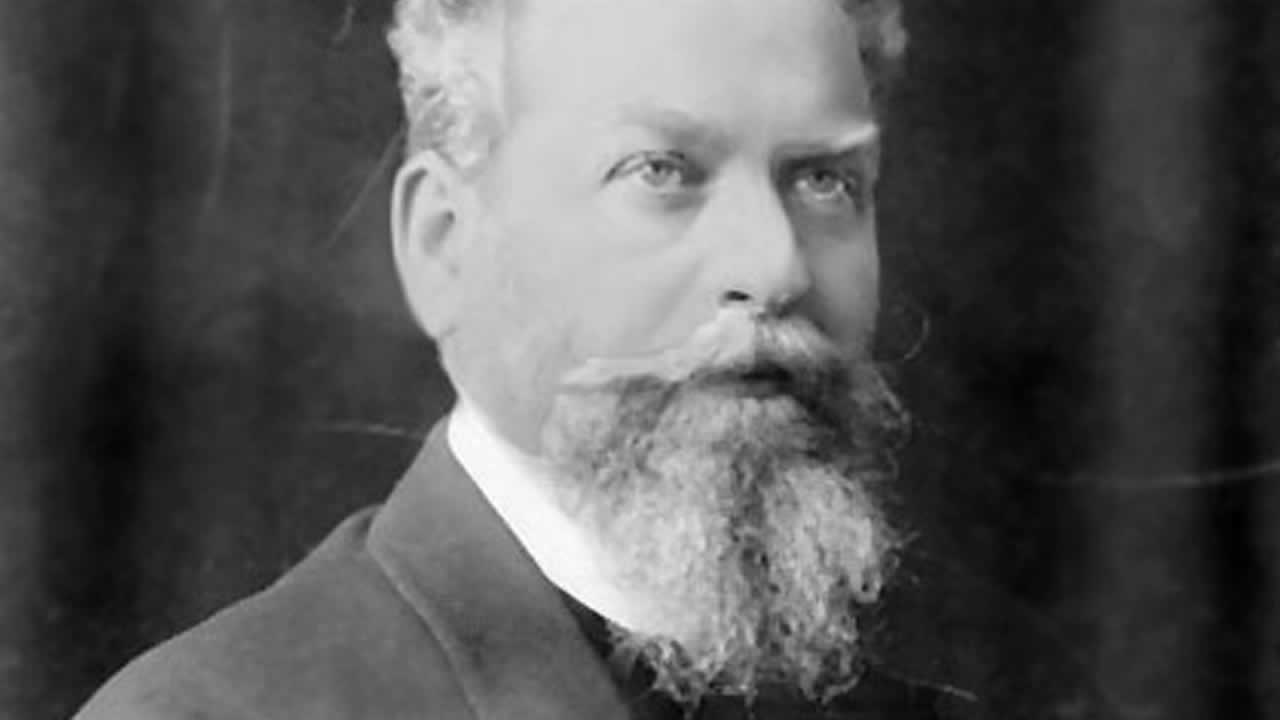











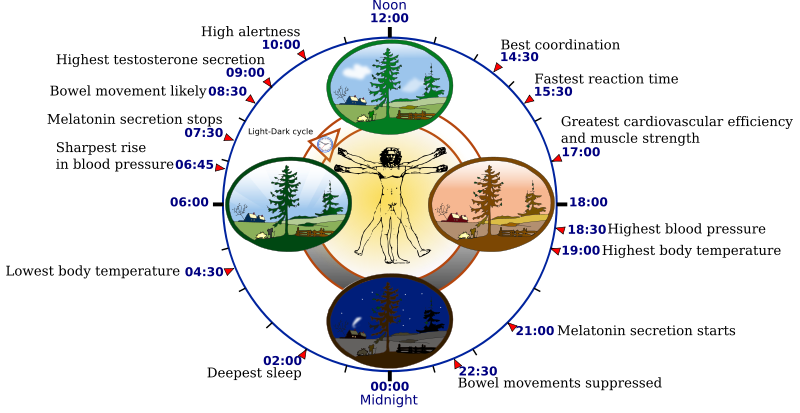


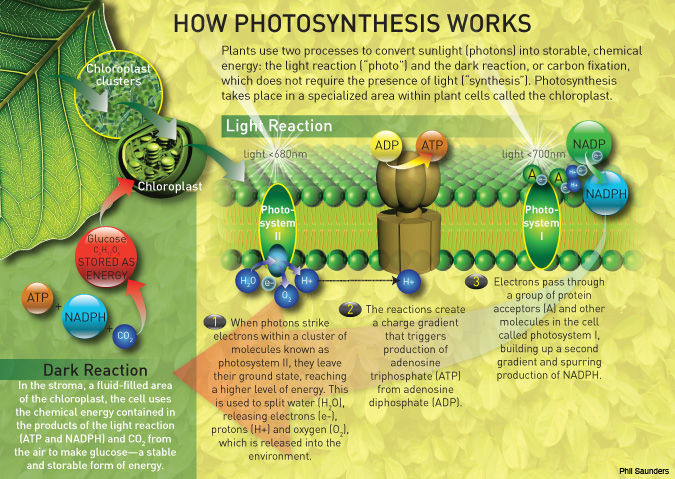


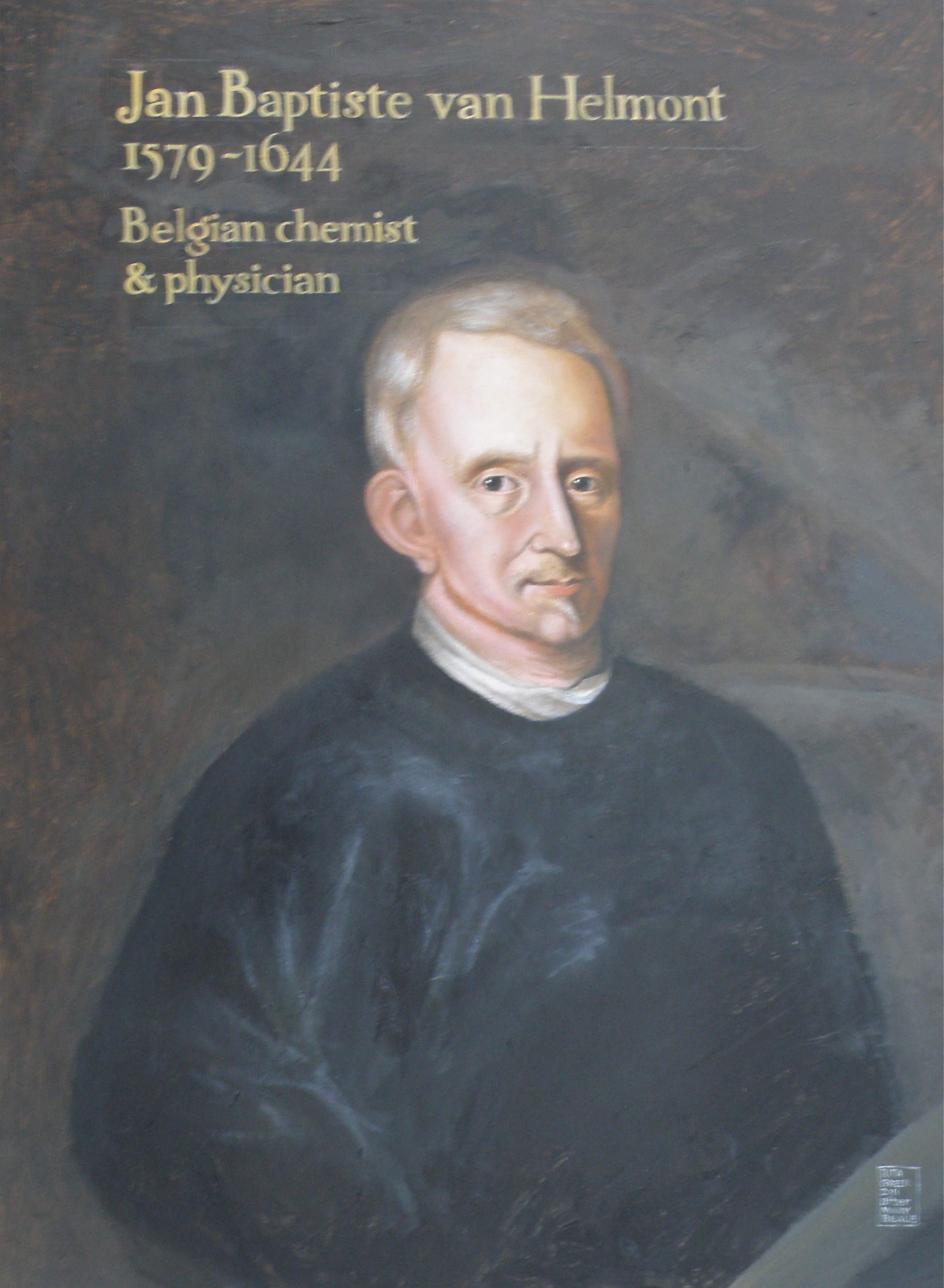
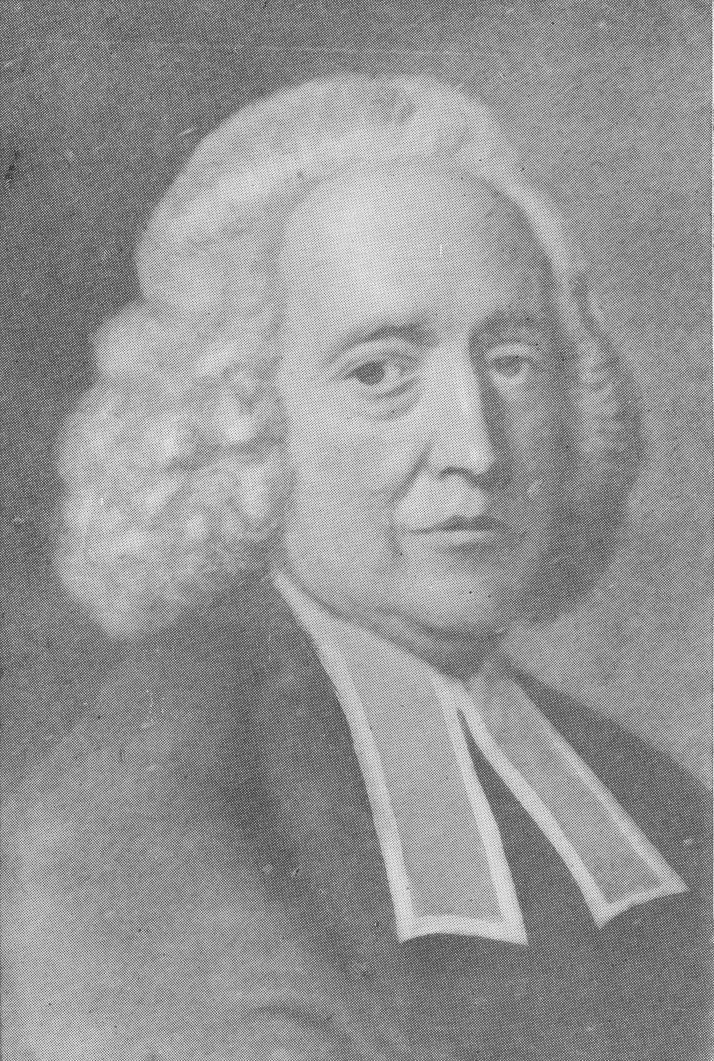

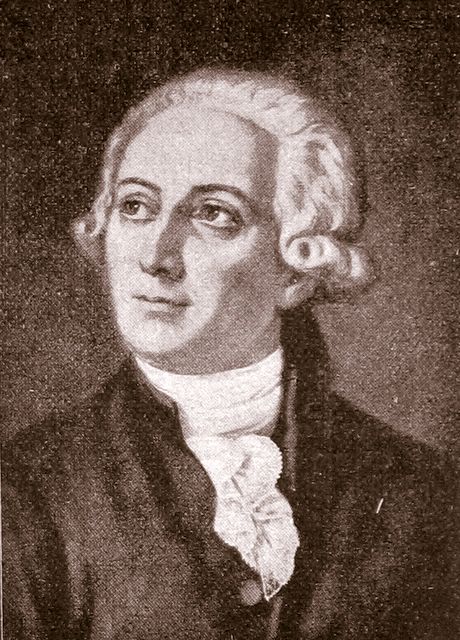
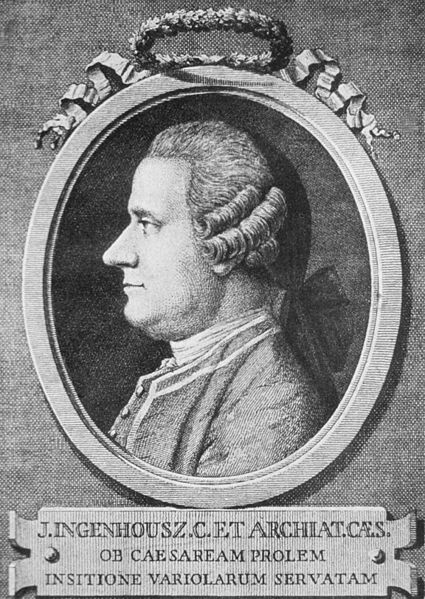

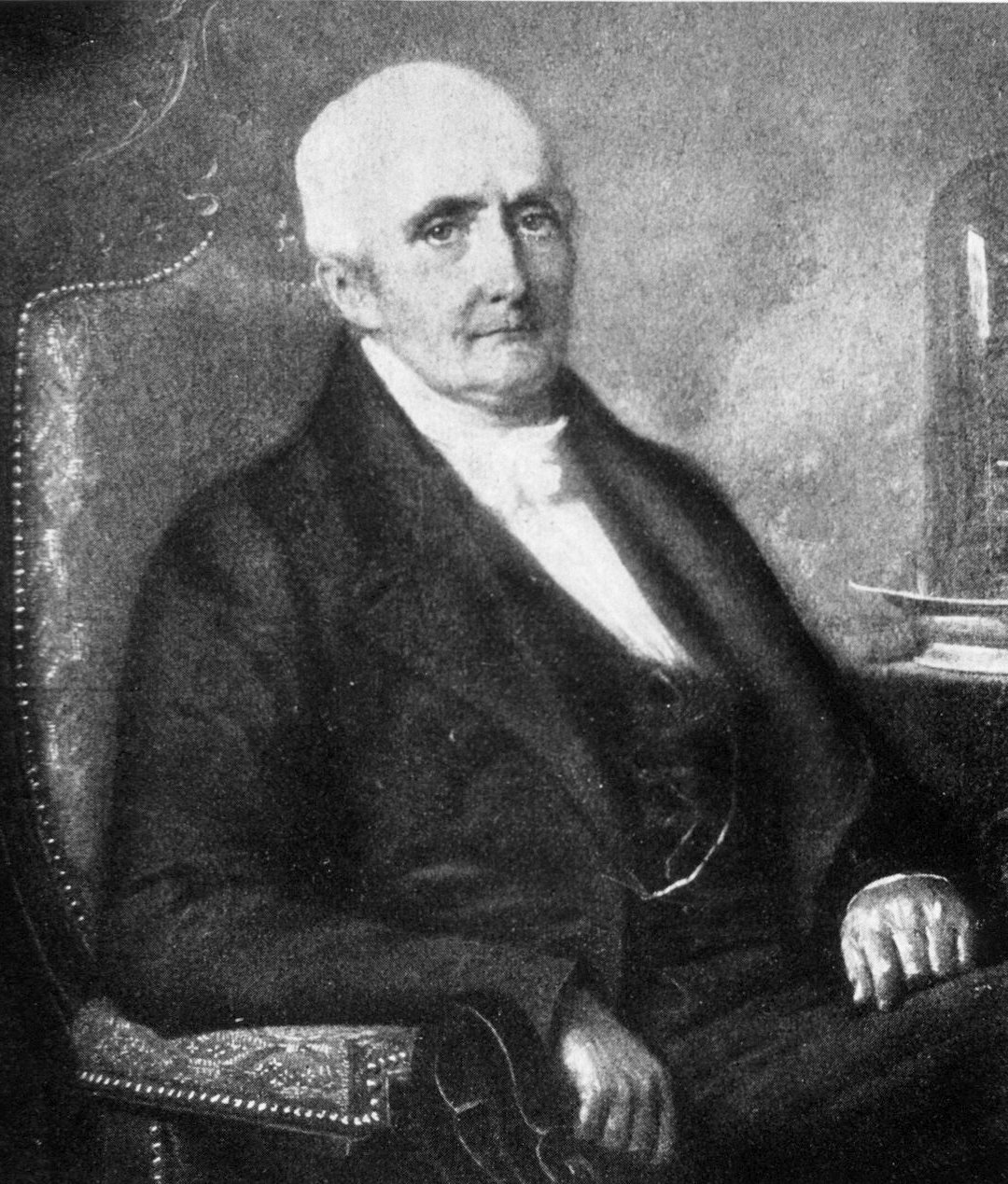
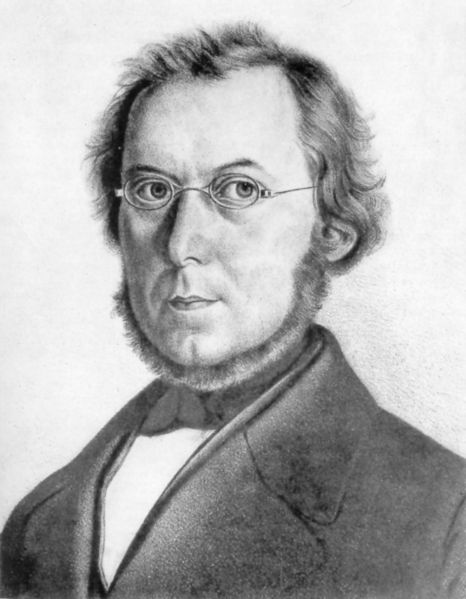


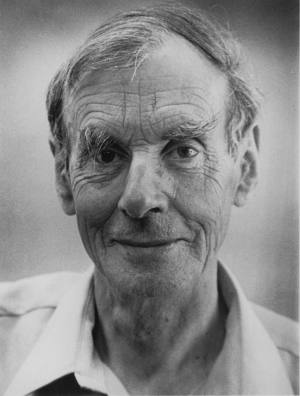


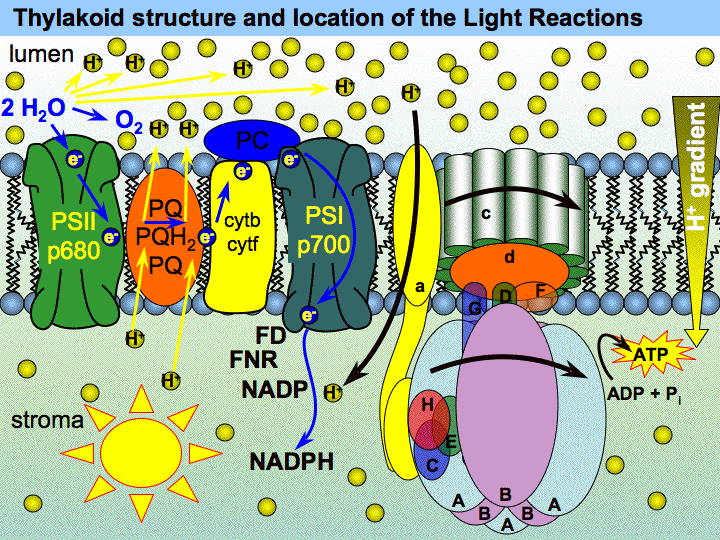

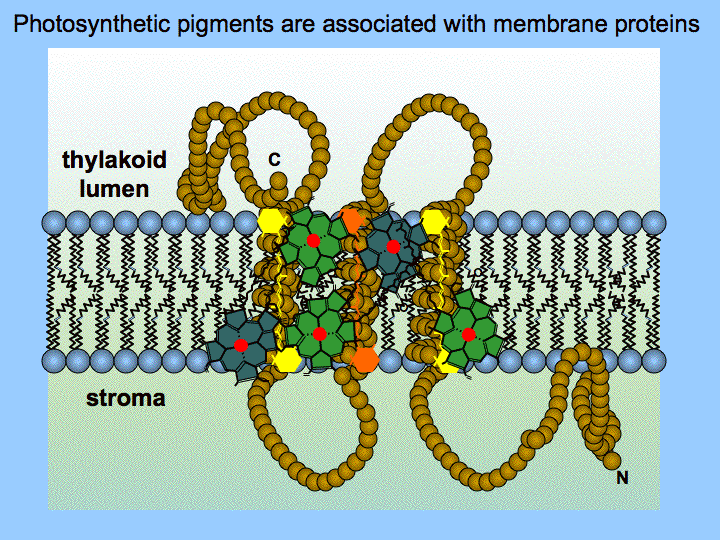
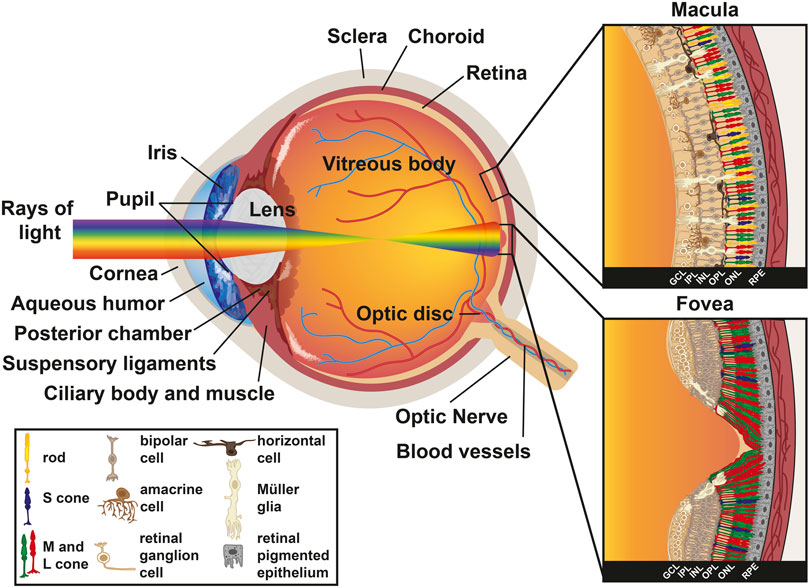


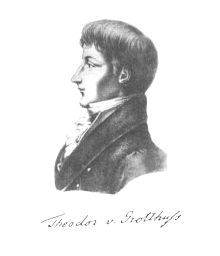


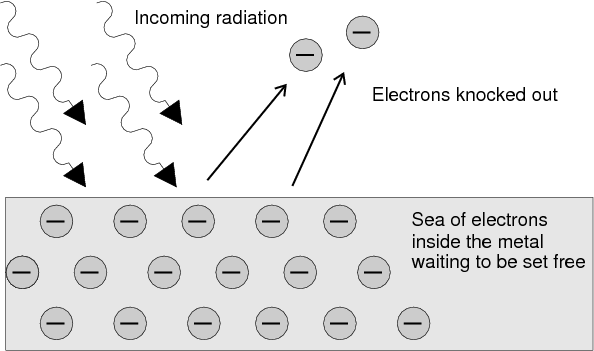

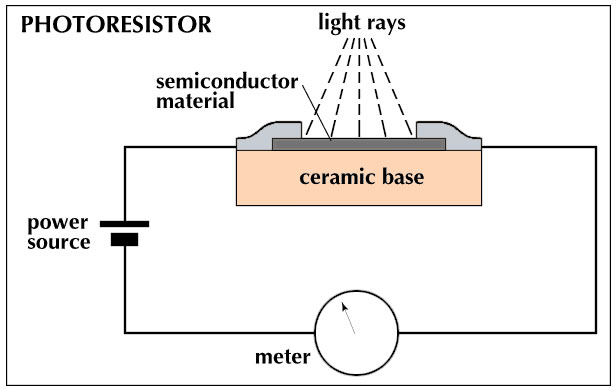


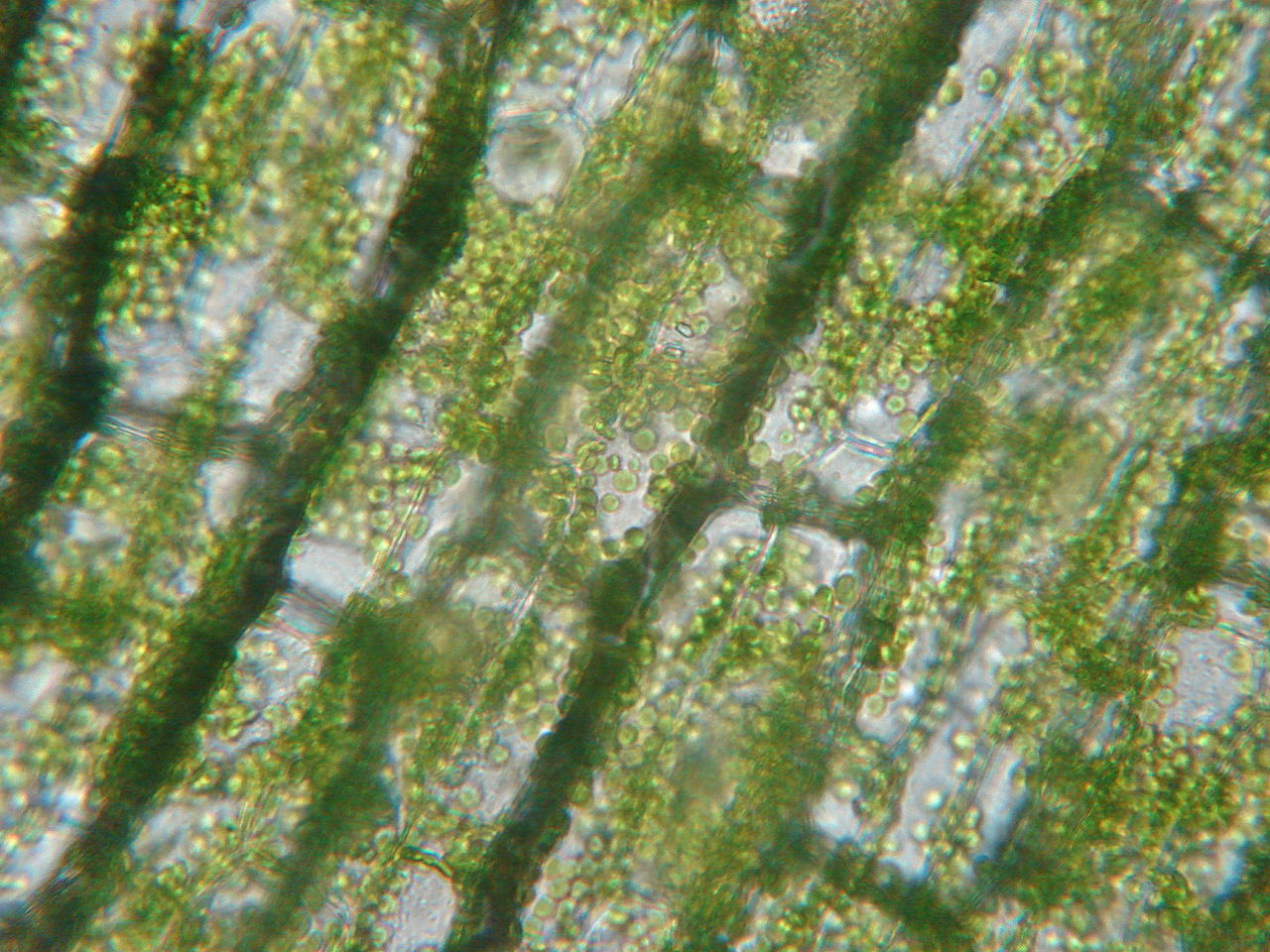
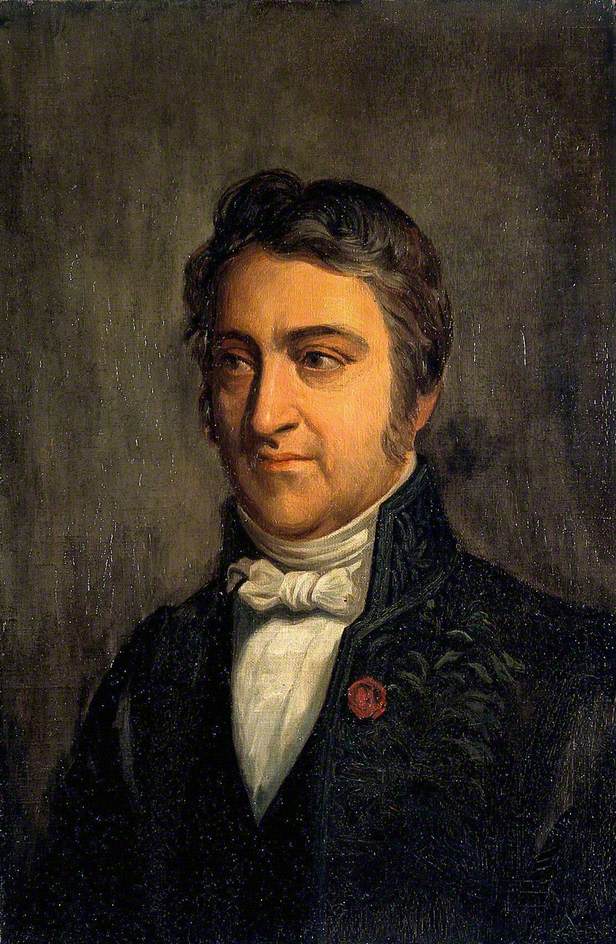


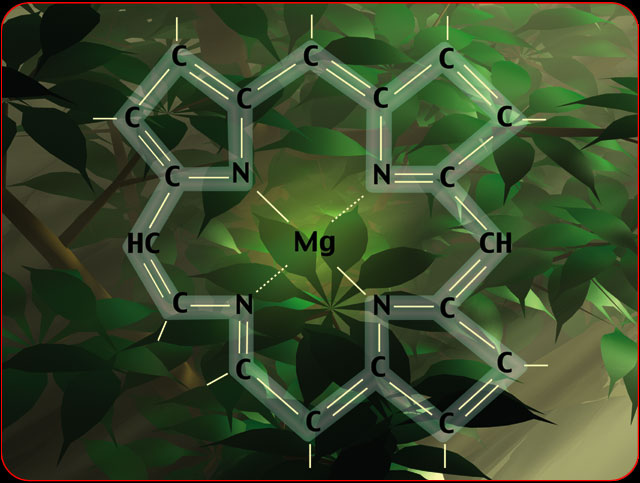
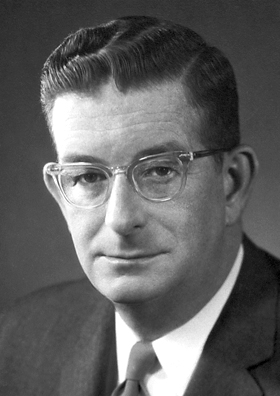
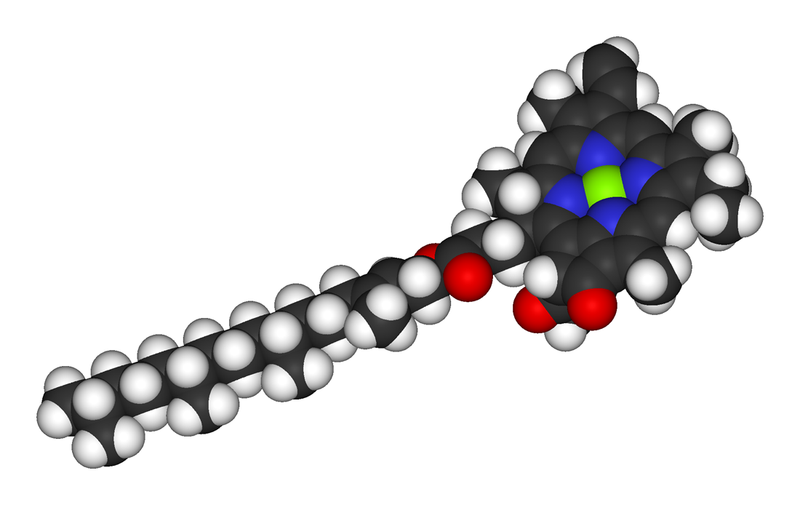


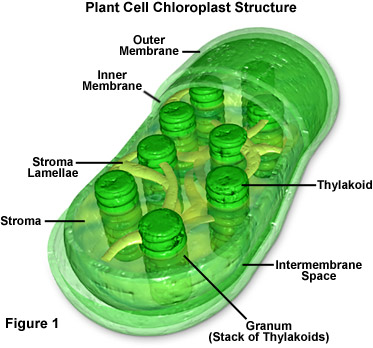


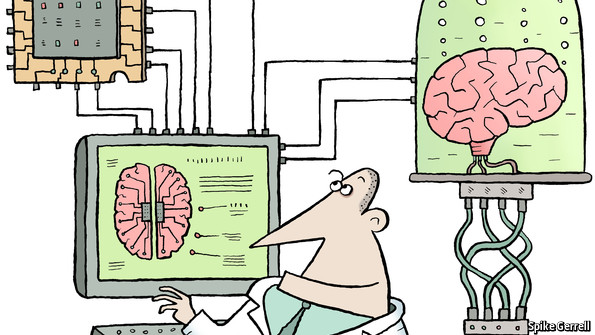
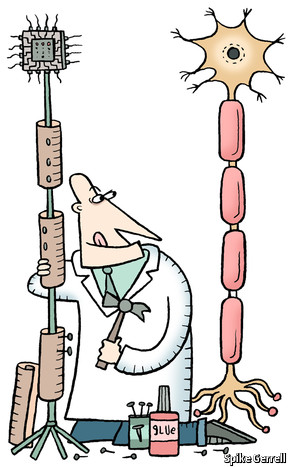






 Whole Dude - Whole Concept