March 29, 1973 – A milestone in the saga of Nixon-Kissinger Vietnam Treason
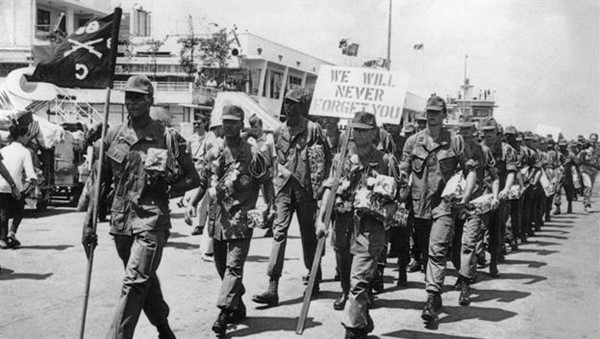
On March 29, 1973, the U.S. withdraws combat troops from Vietnam after the signing of the Vietnam Peace Agreement in Paris on January 29, 1973. However, the War to contain the threat posed by the spread of Communism to Asia is not over.
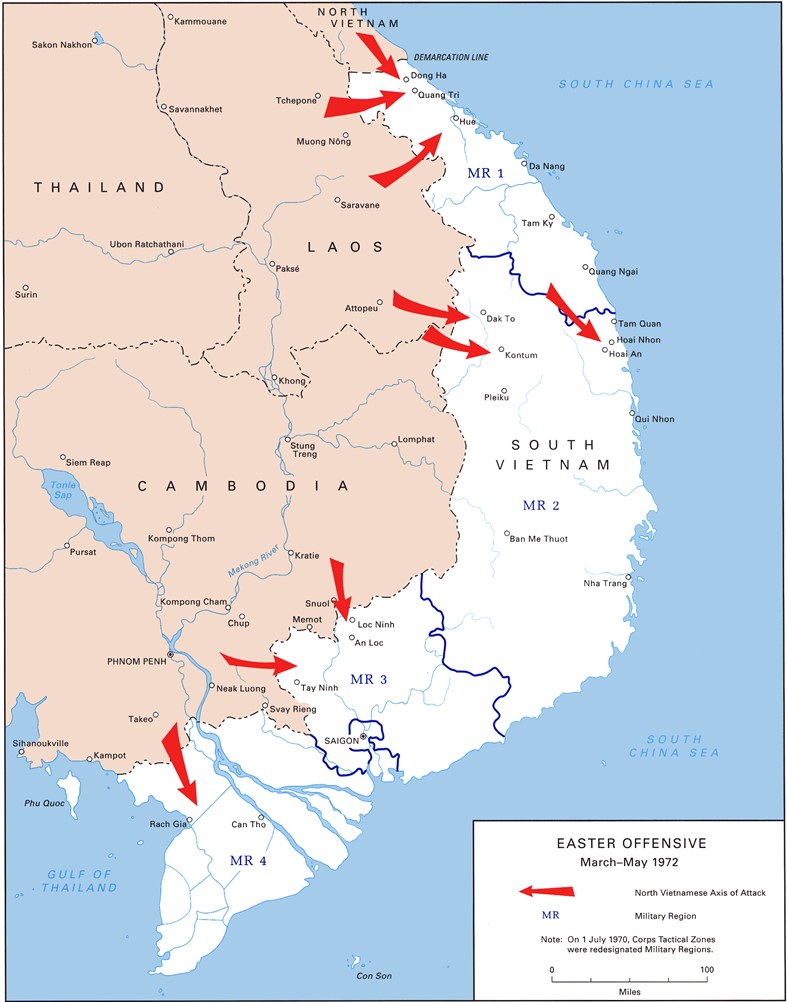
On September 12, 1972, US President Richard M Nixon was briefed about the presence of large numbers of North Vietnamese troops inside South Vietnam. This crucial factor was not taken into consideration by Dr. Henry Kissinger when he signed Paris Peace Accords in January 1973. Further, US President Nixon gave false promise to South Vietnam when he assured them of continued US support in the War on Communism.
Rudra Narasimham Rebbapragada
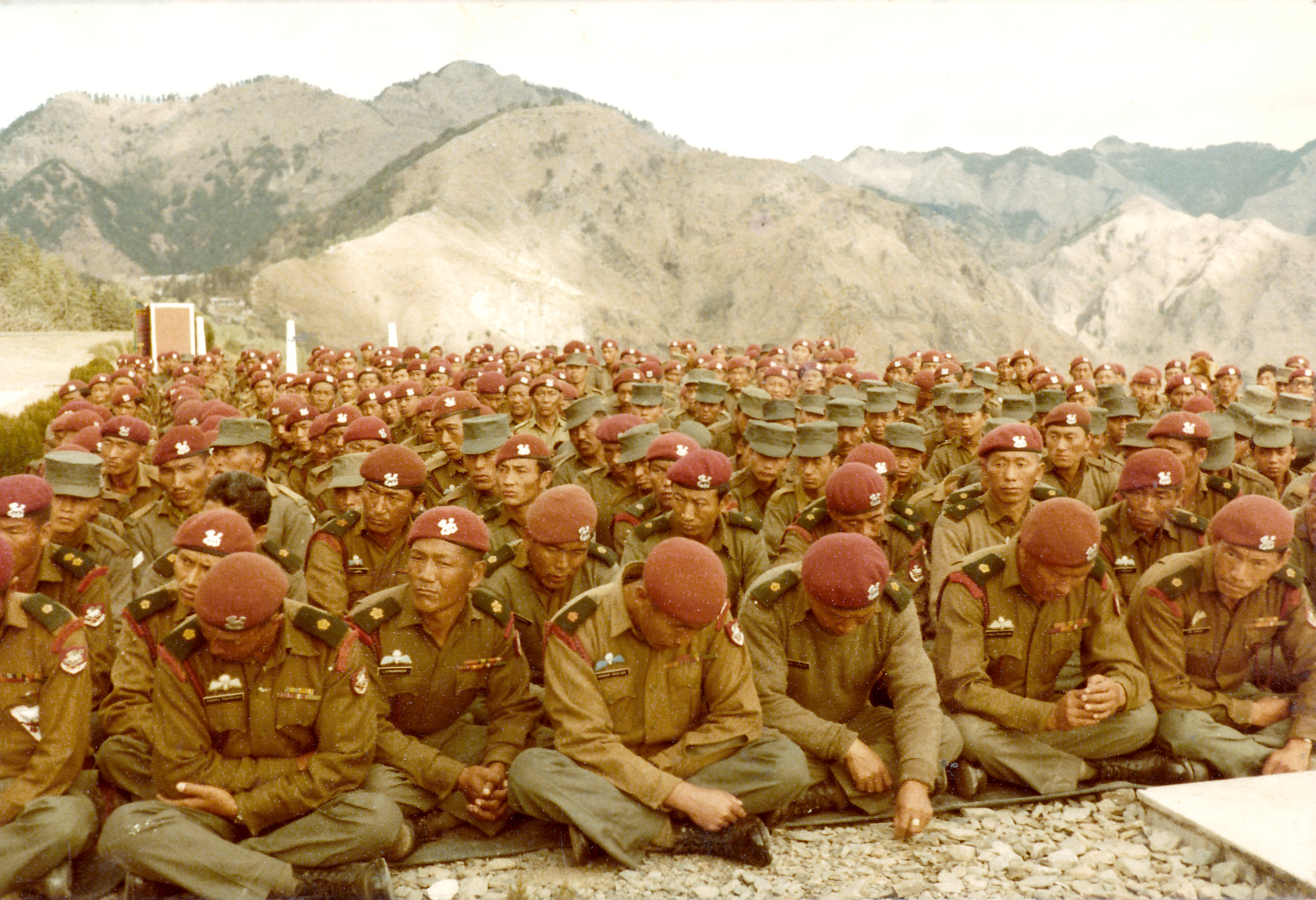
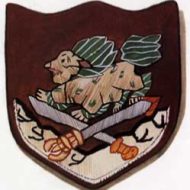
Special Frontier Force-Establishment-22-Vikas Regiment
The US Intelligence Gathering Mission in India

Composition: Primarily made up of Tibetan refugees who remain loyal to His Holiness the 14th Dalai Lama and receive their orders from the Tibetan Government-in-Exile.

Clipped from:
U.S. Withdraws from Vietnam-History
1973
U.S. withdraws from Vietnam
March 29. U.S. withdraws from Vietnam
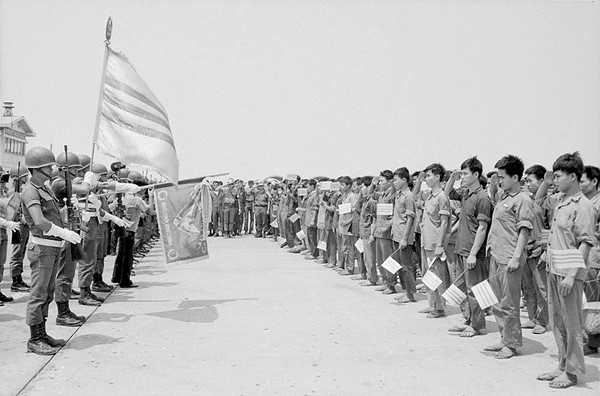
Two months after the signing of the Vietnam peace agreement, the last U.S. combat troops leave South Vietnam as Hanoi frees the remaining American prisoners of war held in North Vietnam. America’s direct eight-year intervention in the Vietnam War was at an end. In Saigon, some 7,000 U.S. Department of Defense civilian employees remained behind to aid South Vietnam in conducting what looked to be a fierce and ongoing war with communist North Vietnam.
In 1961, after two decades of indirect military aid, U.S. President John F. Kennedy sent the first large force of U.S. military personnel to Vietnam to bolster the ineffectual autocratic regime of South Vietnam against the communist North. Three years later, with the South Vietnamese government crumbling, President Lyndon B. Johnson ordered limited bombing raids on North Vietnam, and Congress authorized the use of U.S. troops. By 1965, North Vietnamese offensives left President Johnson with two choices: escalate U.S. involvement or withdraw. Johnson ordered the former, and troop levels soon jumped to more than 300,000 as U.S. air forces commenced the largest bombing campaign in history.
During the next few years, the extended length of the war, the high number of U.S. casualties, and the exposure of U.S. involvement in war crimes, such as the massacre at My Lai, helped turn many in the United States against the Vietnam War. The communists’ Tet Offensive of 1968 crushed U.S. hopes of an imminent end to the conflict and galvanized U.S. opposition to the war. In response, Johnson announced in March 1968 that he would not seek reelection, citing what he perceived to be his responsibility in creating a perilous national division over Vietnam. He also authorized the beginning of peace talks.
In the spring of 1969, as protests against the war escalated in the United States, U.S. troop strength in the war-torn country reached its peak at nearly 550,000 men. Richard Nixon, the new U.S. president, began U.S. troop withdrawal and “Vietnamization” of the war effort that year, but he intensified bombing. Large U.S. troop withdrawals continued in the early 1970s as President Nixon expanded air and ground operations into Cambodia and Laos in attempts to block enemy supply routes along Vietnam’s borders. This expansion of the war, which accomplished few positive results, led to new waves of protests in the United States and elsewhere.
Finally, in January 1973, representatives of the United States, North and South Vietnam, and the Vietcong signed a peace agreement in Paris, ending the direct U.S. military involvement in the Vietnam War. Its key provisions included a cease-fire throughout Vietnam, the withdrawal of U.S. forces, the release of prisoners of war, and the reunification of North and South Vietnam through peaceful means. The South Vietnamese government was to remain in place until new elections were held, and North Vietnamese forces in the South were not to advance further nor be reinforced.
However, the agreement was little more than a face-saving gesture by the U.S. government. Even before the last American troops departed on March 29, the communists violated the cease-fire, and by early 1974 full-scale war had resumed. At the end of 1974, South Vietnamese authorities reported that 80,000 of their soldiers and civilians had been killed in fighting during the year, making it the costliest year of the Vietnam War.
On April 30, 1975, the last few Americans still in South Vietnam were airlifted out of the country as Saigon fell to communist forces. North Vietnamese Colonel Bui Tin, accepting the surrender of South Vietnam later in the day, remarked, “You have nothing to fear; between Vietnamese there are no victors and no vanquished. Only the Americans have been defeated.” The Vietnam War was the longest and most unpopular foreign war in U.S. history and cost 58,000 American lives. As many as two million Vietnamese soldiers and civilians were killed.

