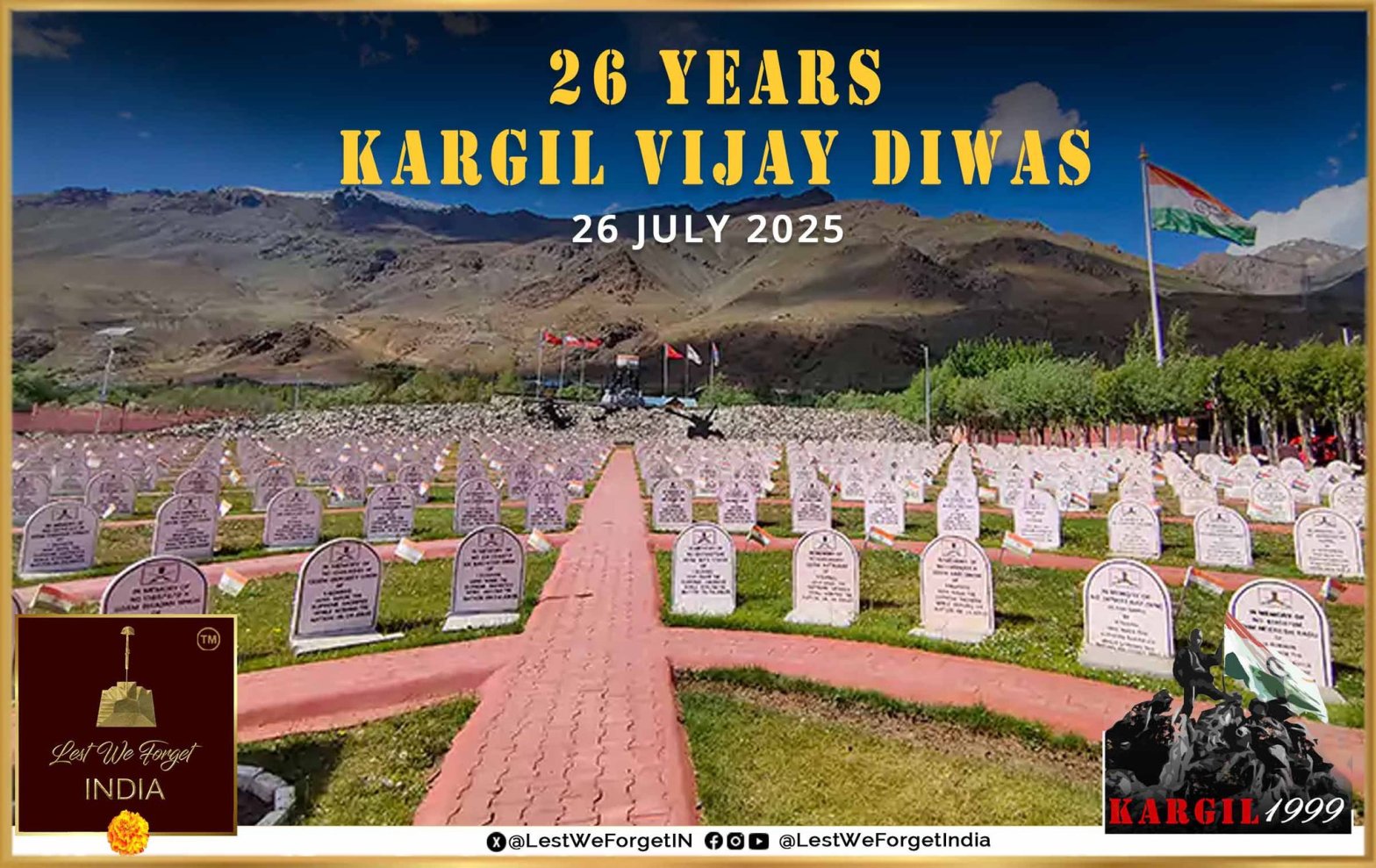
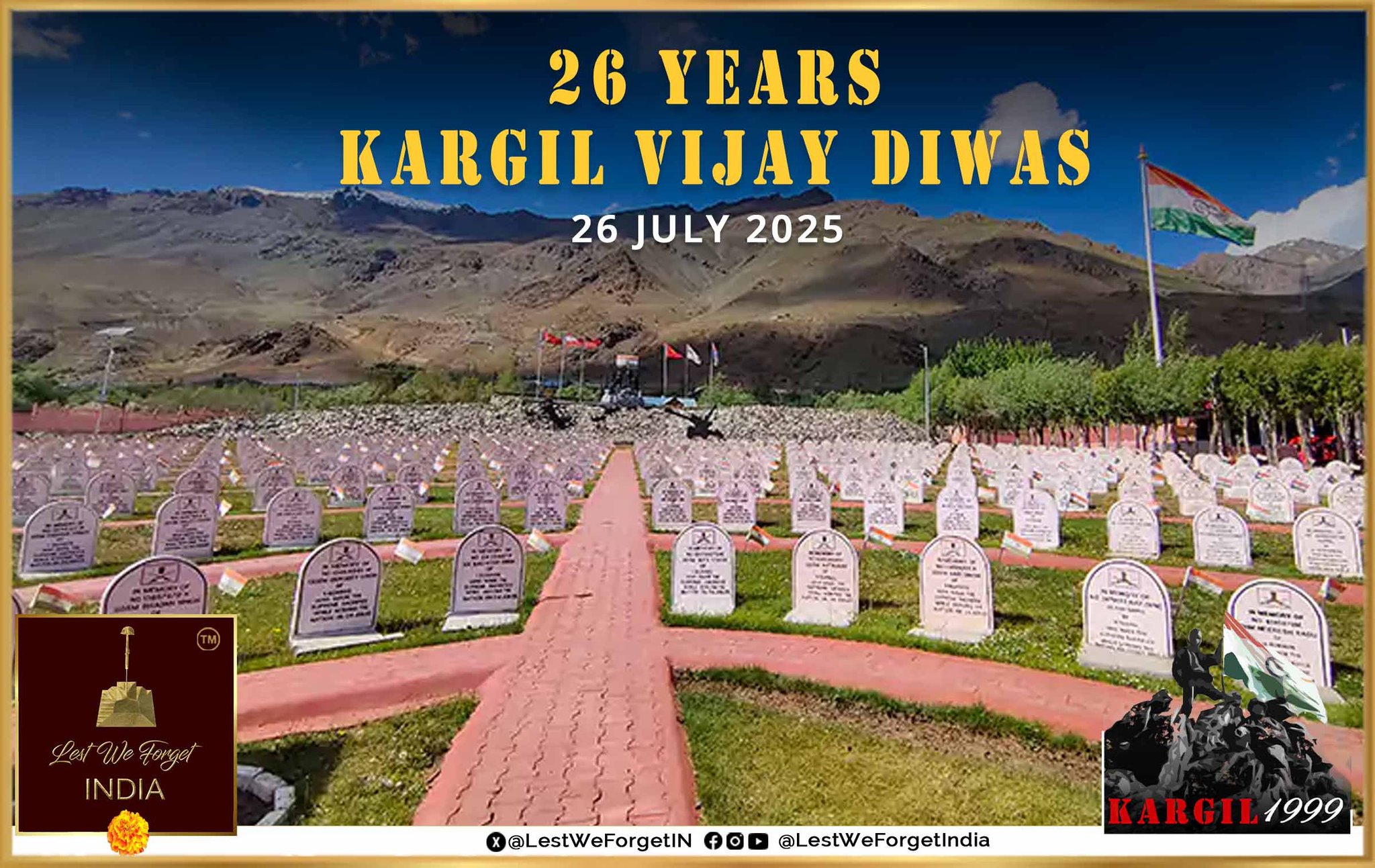
Saturday, July 26, 2025. Special Frontier Force commemorates the Victory in Kargil War of 1999. The 26th Anniversary of Kargil Vijay Diwas.Saturday, July 26, 2025. Special Frontier Force commemorates the Victory in Kargil War of 1999. The 26th Anniversary of Kargil Vijay Diwas.Saturday, July 26, 2025. Special Frontier Force commemorates the Victory in Kargil War of 1999. The 26th Anniversary of Kargil Vijay Diwas.Saturday, July 26, 2025. Special Frontier Force commemorates the Victory in Kargil War of 1999. The 26th Anniversary of Kargil Vijay Diwas.Saturday, July 26, 2025. Special Frontier Force commemorates the Victory in Kargil War of 1999. The 26th Anniversary of Kargil Vijay Diwas.Saturday, July 26, 2025. Special Frontier Force commemorates the Victory in Kargil War of 1999. The 26th Anniversary of Kargil Vijay Diwas.Saturday, July 26, 2025. Special Frontier Force commemorates the Victory in Kargil War of 1999. The 26th Anniversary of Kargil Vijay Diwas.
All said and done, the Kargil War stands out as the proud symbol of Indian Identity and Indian Unity while confronting an adverse situation imposed by the evil, unfair, and unjust actions of India’s Enemy.
26th July is an important date in my memory for I joined the Indian Army Medical Corps at Lucknow on this date in 1970.
Saturday, July 26, 2025. Special Frontier Force commemorates the Victory in Kargil War of 1999. The 26th Anniversary of Kargil Vijay Diwas.
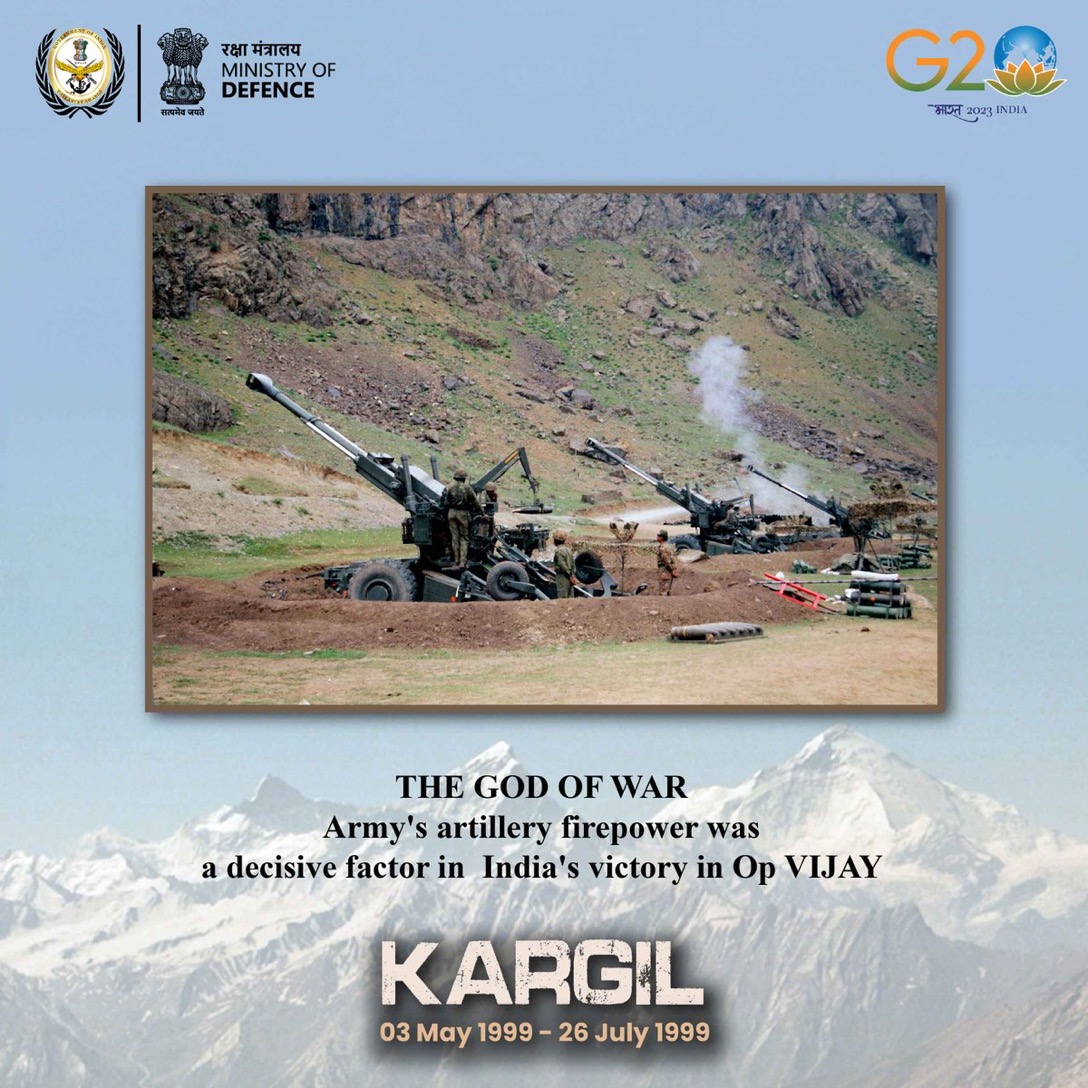
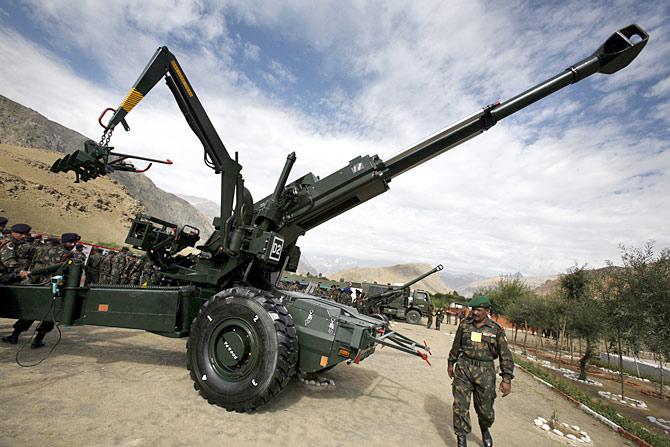
The Bofors 155mm howitzers played a remarkable role in the Kargil War. I know the Indian Army Chief who purchased the Bofors Guns that played a major role in the Kargil War of 1999. General Krishnaswamy Sundarji, PVSM (28 April 1928 – 8 February 1999), was the Chief of Army Staff of the Indian Army from 1986 to 1988. He was the last former British Indian Army officer to command the Indian Army. I served under his Command when he was the General Officer-Commanding-in-Chief of the First Armoured Division between 1976-78.
I commemorate the Victory in Kargil War of 1999 to acknowledge the fact of Special Frontier Force’s participation in this herculean war effort.
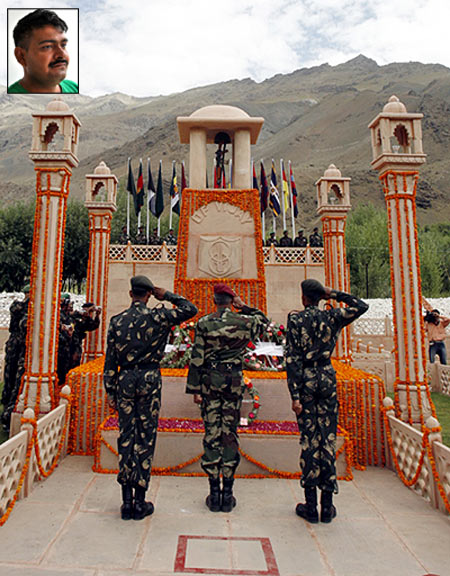
Saturday, July 26, 2025. Special Frontier Force commemorates the Victory in Kargil War of 1999. The 26th Anniversary of Kargil Vijay Diwas.Every year, the Indian Army soldiers prepare to celebrate Kargil Vijay Diwas (Victory day) celebrations at the war memorial in Drass
Saturday, July 26, 2025. Special Frontier Force commemorates the Victory in Kargil War of 1999. The 26th Anniversary of Kargil Vijay Diwas.Saturday, July 26, 2025. Special Frontier Force commemorates the Victory in Kargil War of 1999. The 26th Anniversary of Kargil Vijay Diwas.
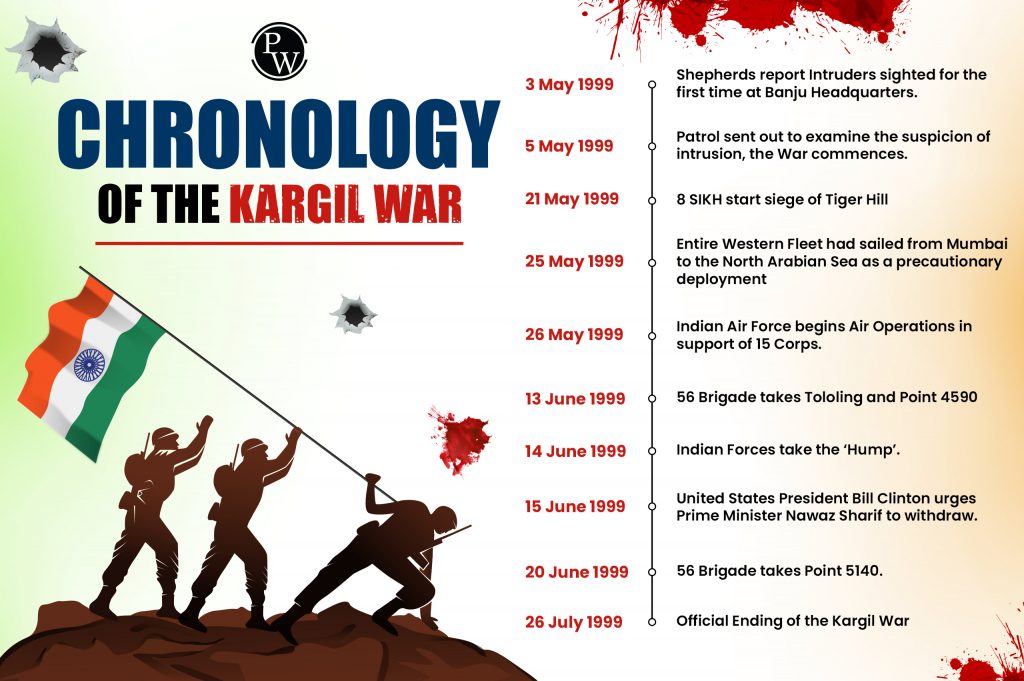
Kargil Vijay Diwas: The 26th Anniversary of Kargil Vijay Diwas will be celebrated across the country on Saturday, July 26, 2025. The Indian armed forces defeated attempts by Pakistan to capture strategic heights in Kargil in 1999. The military action to evict the enemy occupier was named ‘Operation Vijay’. It was on July 26, 1999, Indian Army had declared successful culmination of ‘Operation Vijay’, declaring a victory after nearly three-month-long battles against Pakistan on the icy heights of Kargil. India had lost 527 soldiers in the war.
Saturday, July 26, 2025. Special Frontier Force commemorates the Victory in Kargil War of 1999. The 26th Anniversary of Kargil Vijay Diwas. General VP Malik, Indian Army Chief, during Kargil conflict. (Express Archive Photo)
The nation is remembering its war heroes and paying tributes to Martyrs on Kargil Vijay Diwas. As many as 527 soldiers from the Indian Armed Forces lost their lives during the war. The Kargil Vijay Diwas not only embarks upon India’s win but also pays homage to the fallen heroes who fought valiantly for the nation, and sacrificed their lives to make ‘Operation Vijay’ a success.
The occasion commemorates the glorious victory of the Indian armed forces against the Pakistan Army intruders in the Kargil, Drass and Batalik sectors in 1999.
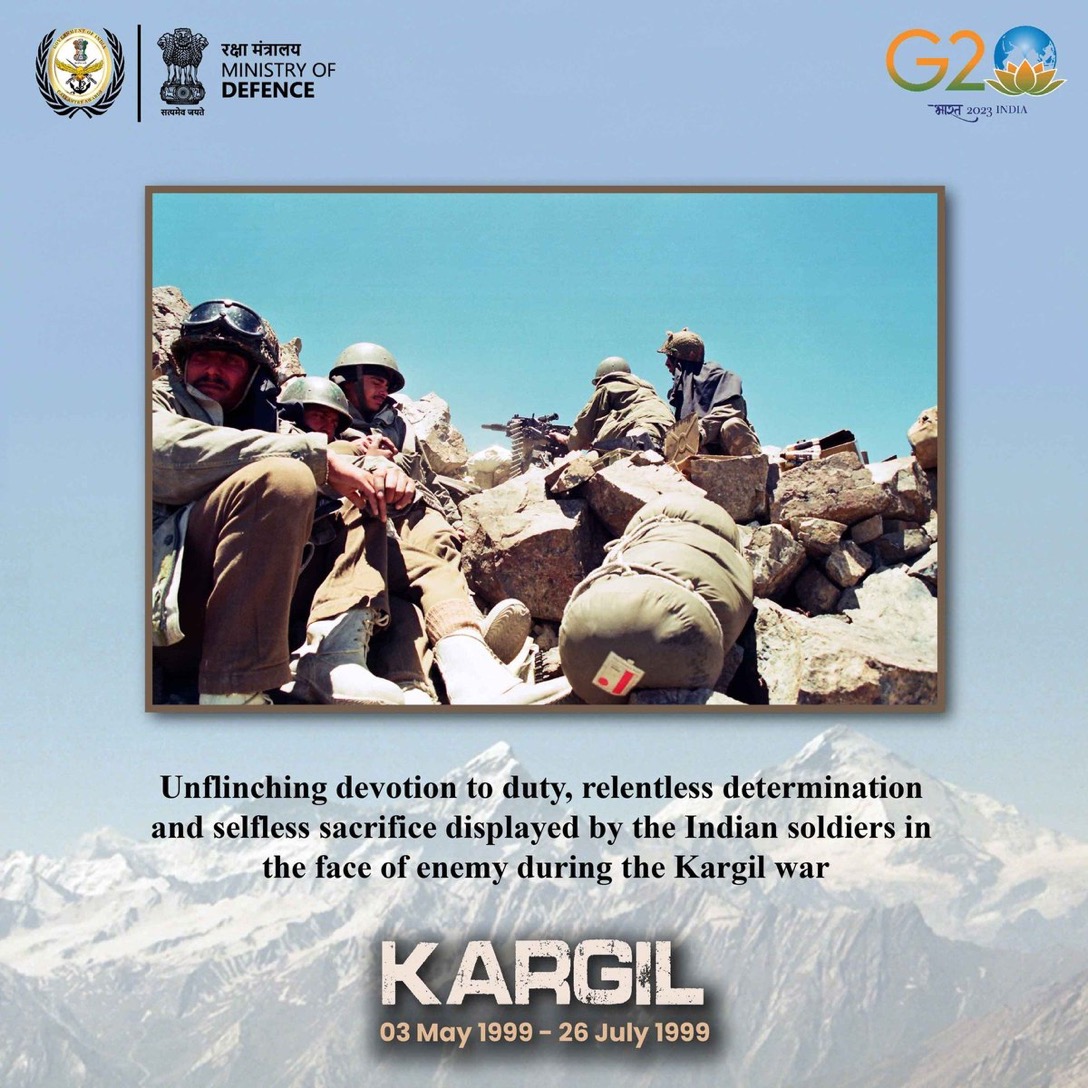
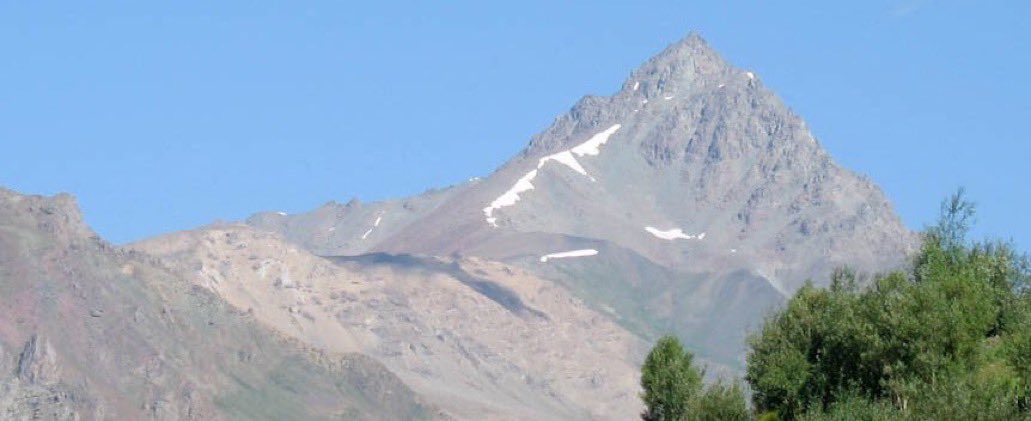
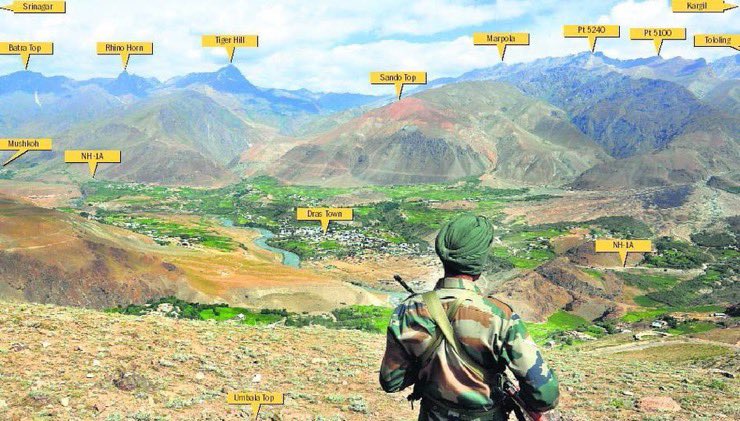
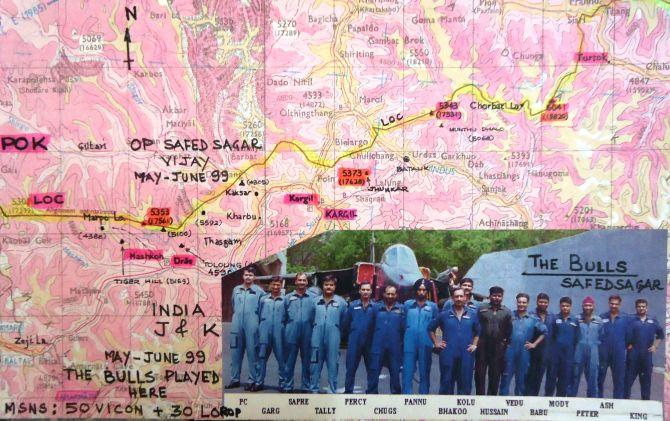
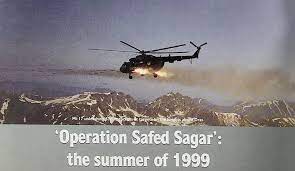
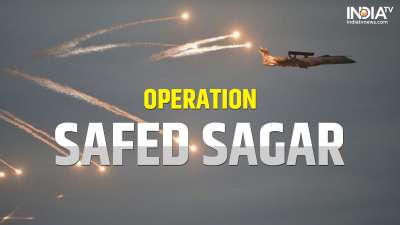
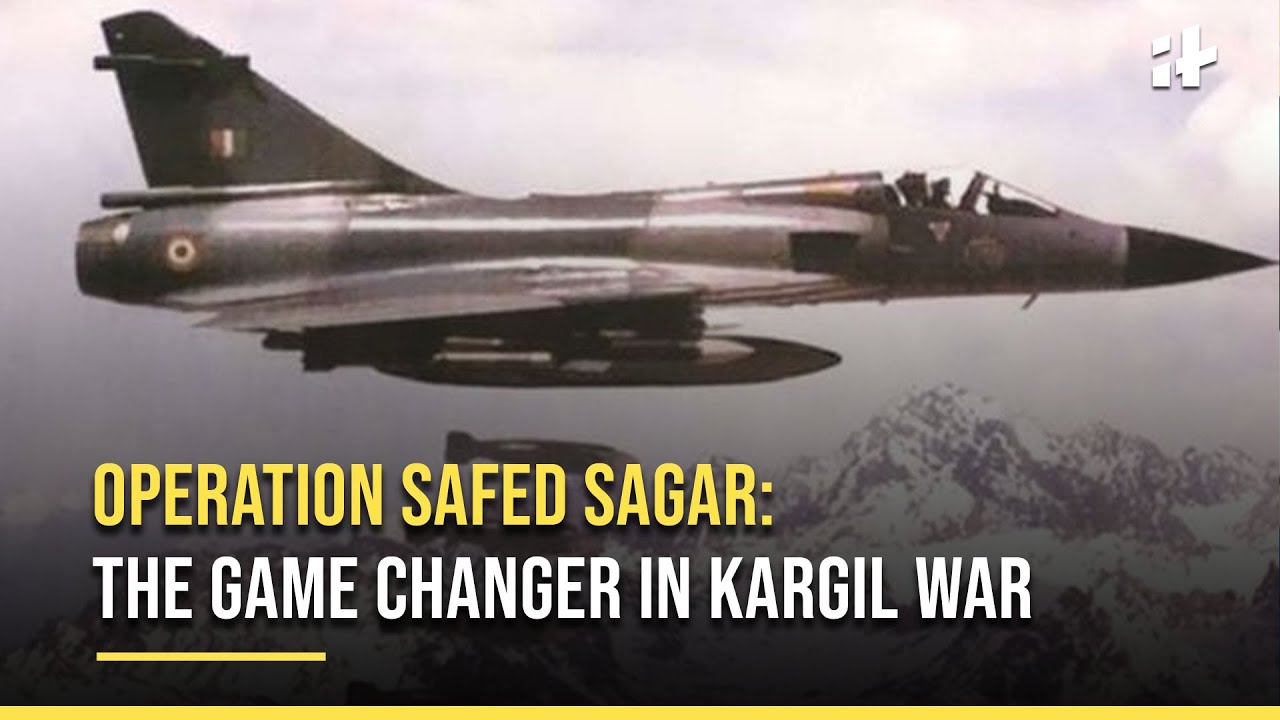
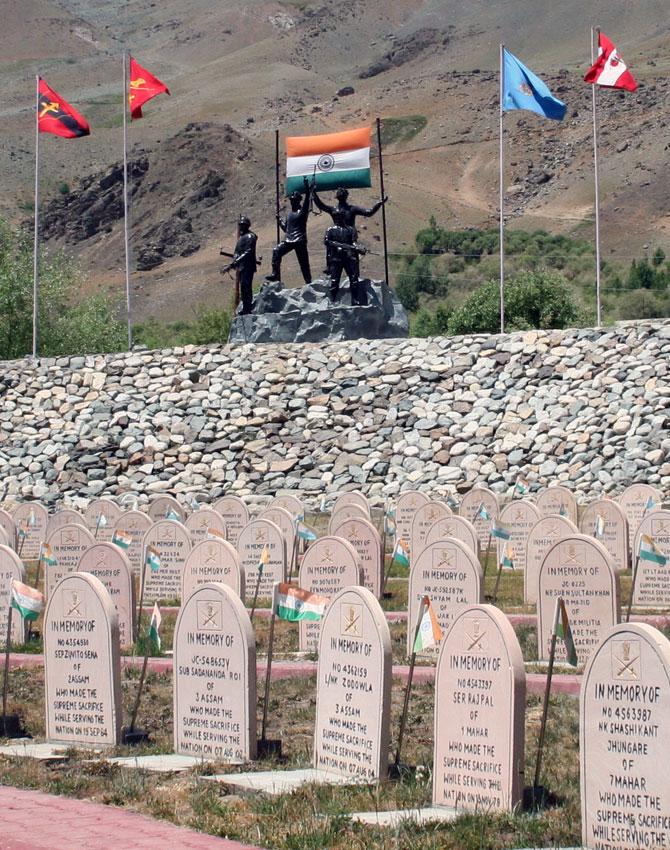
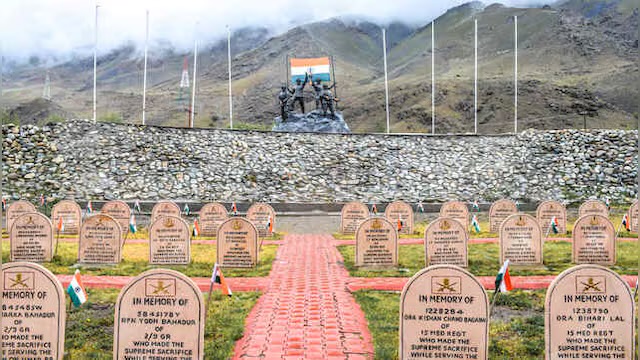
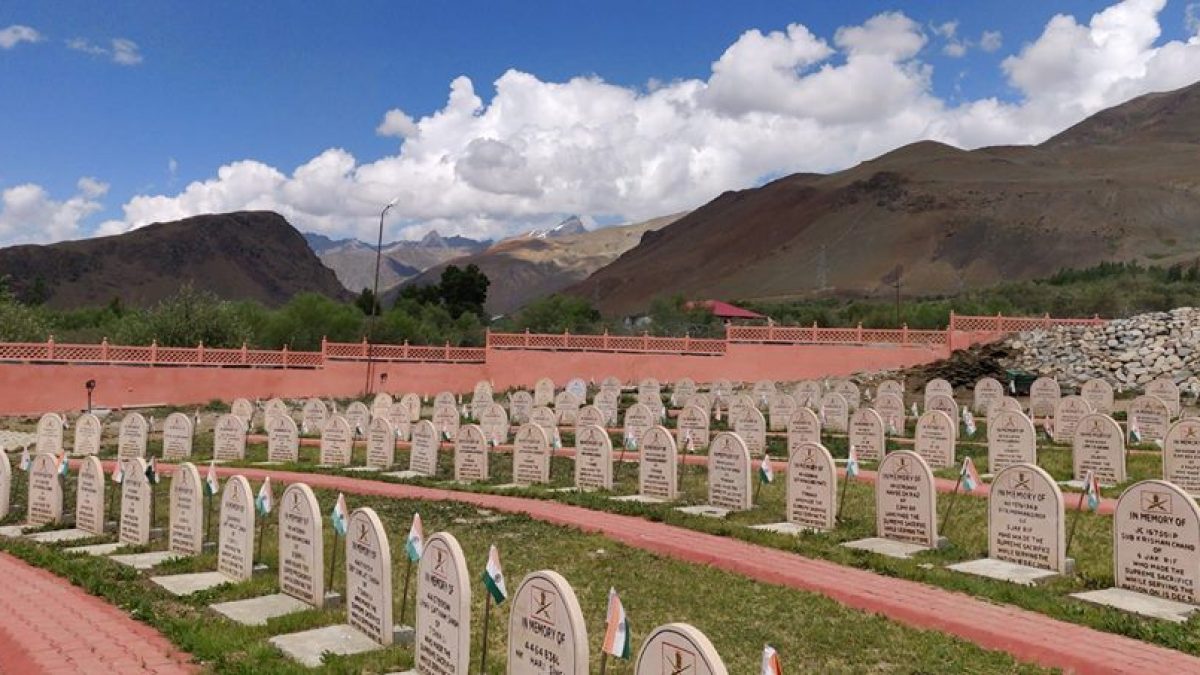
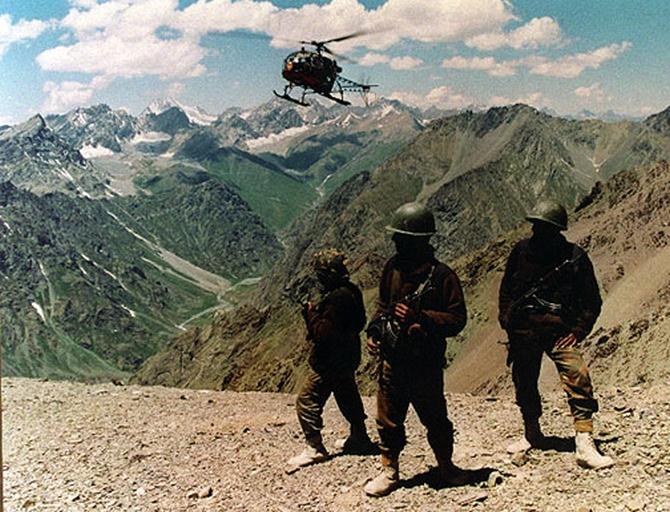
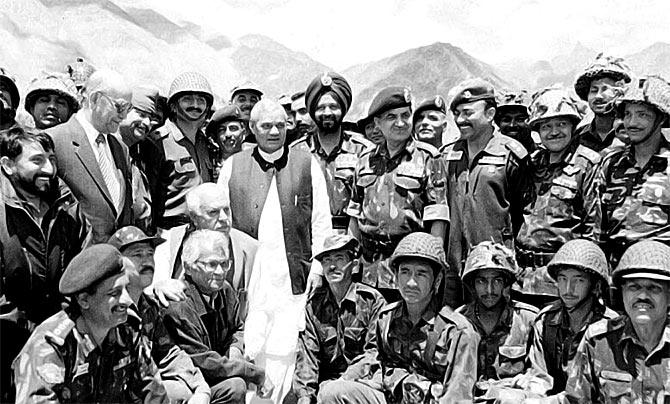
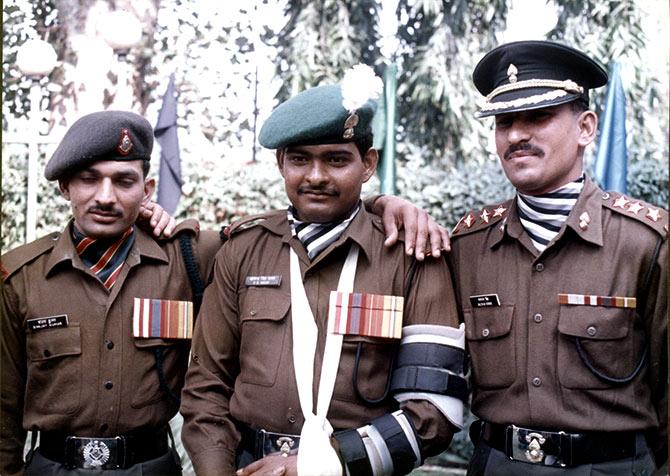
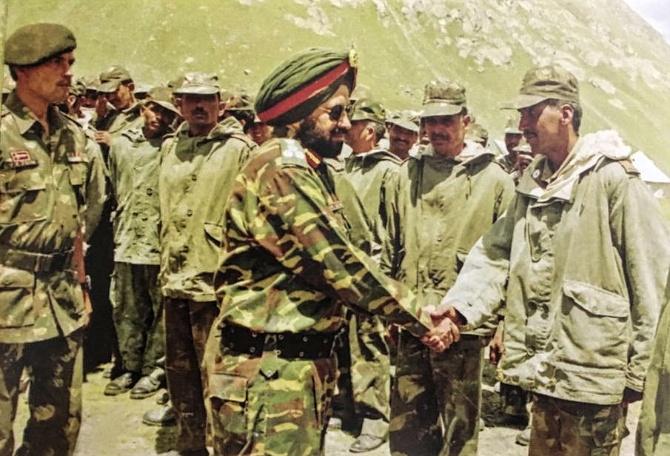
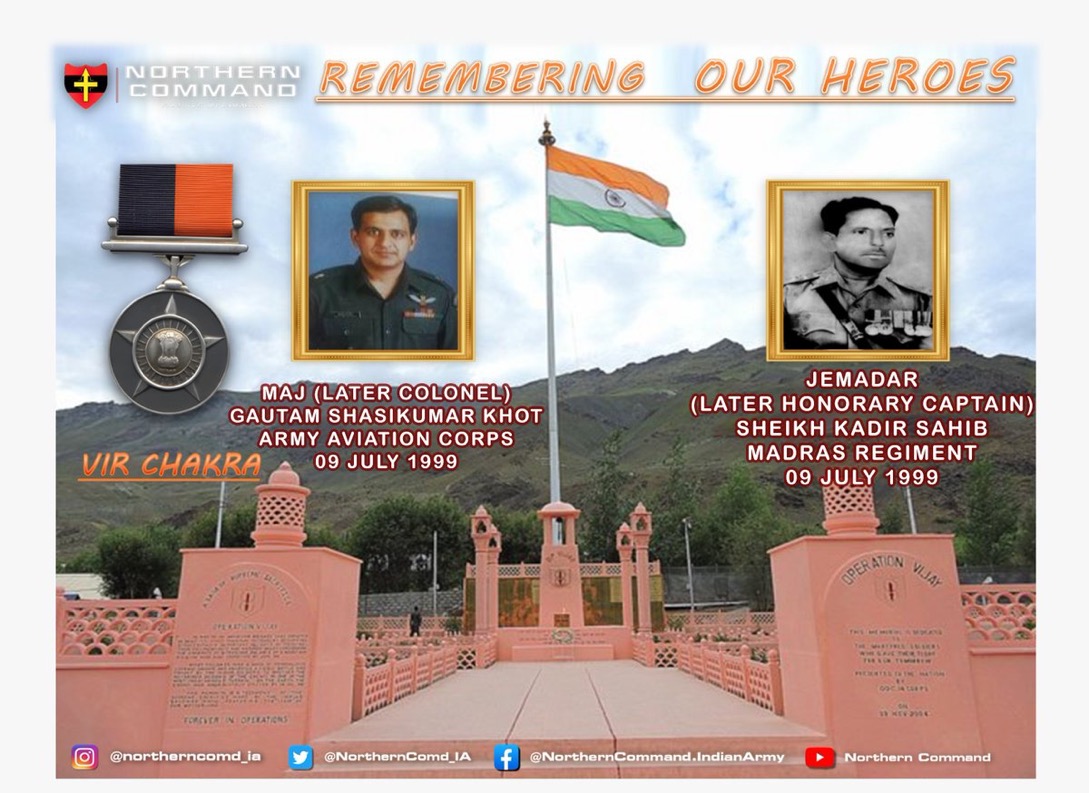
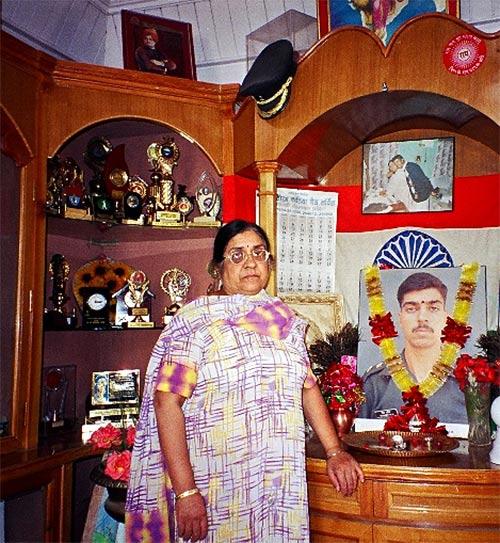
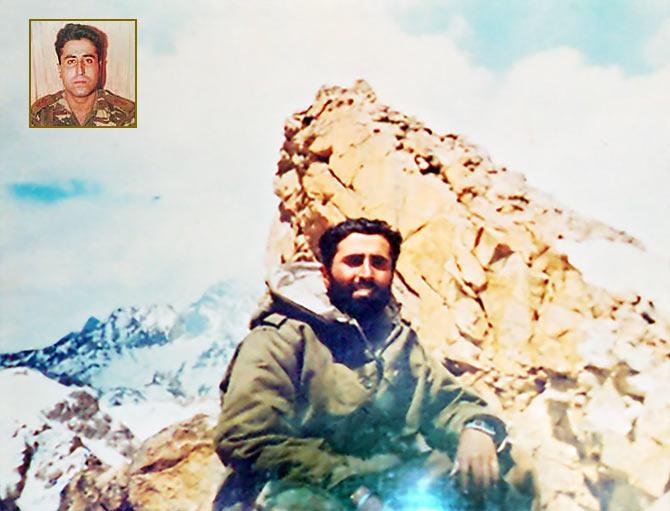
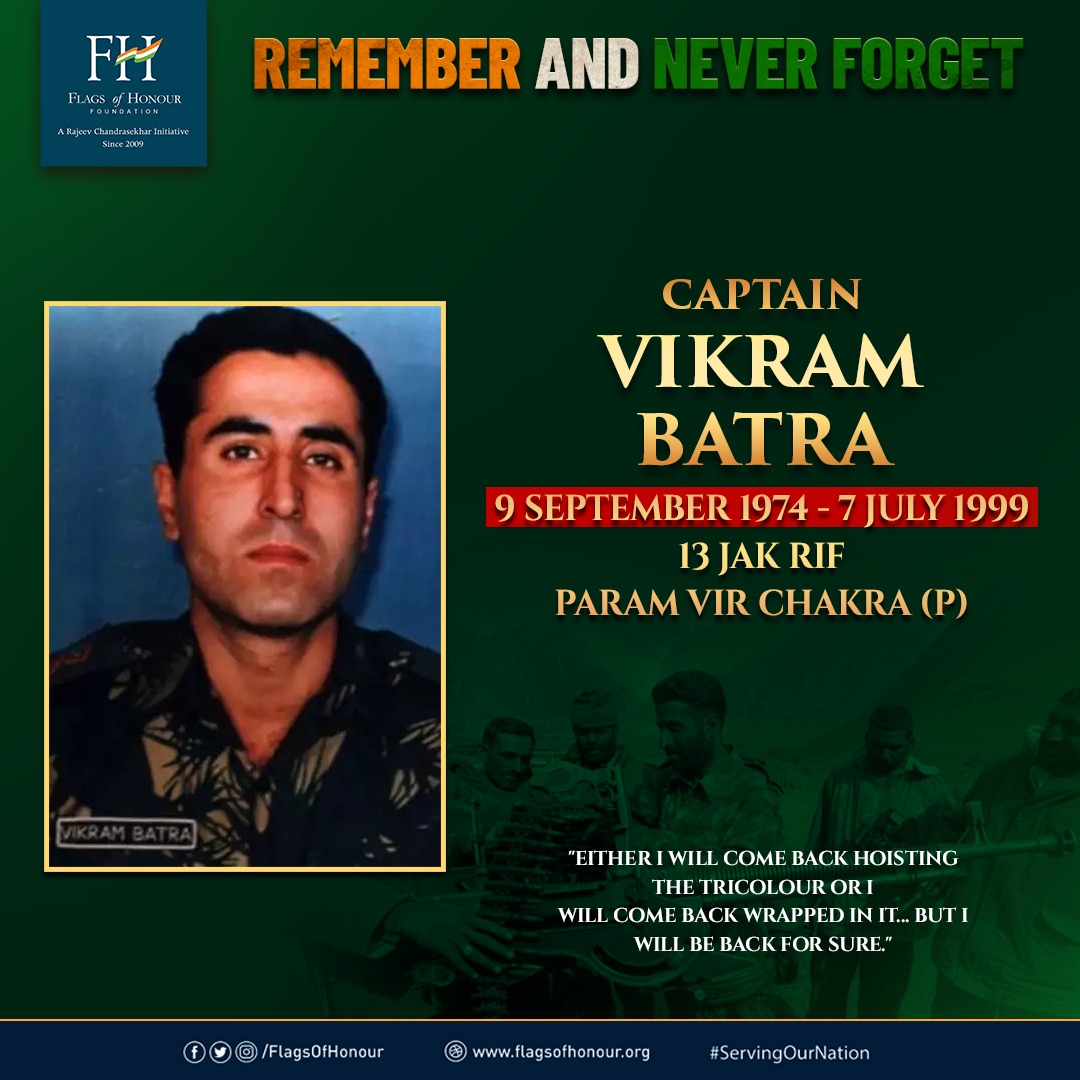
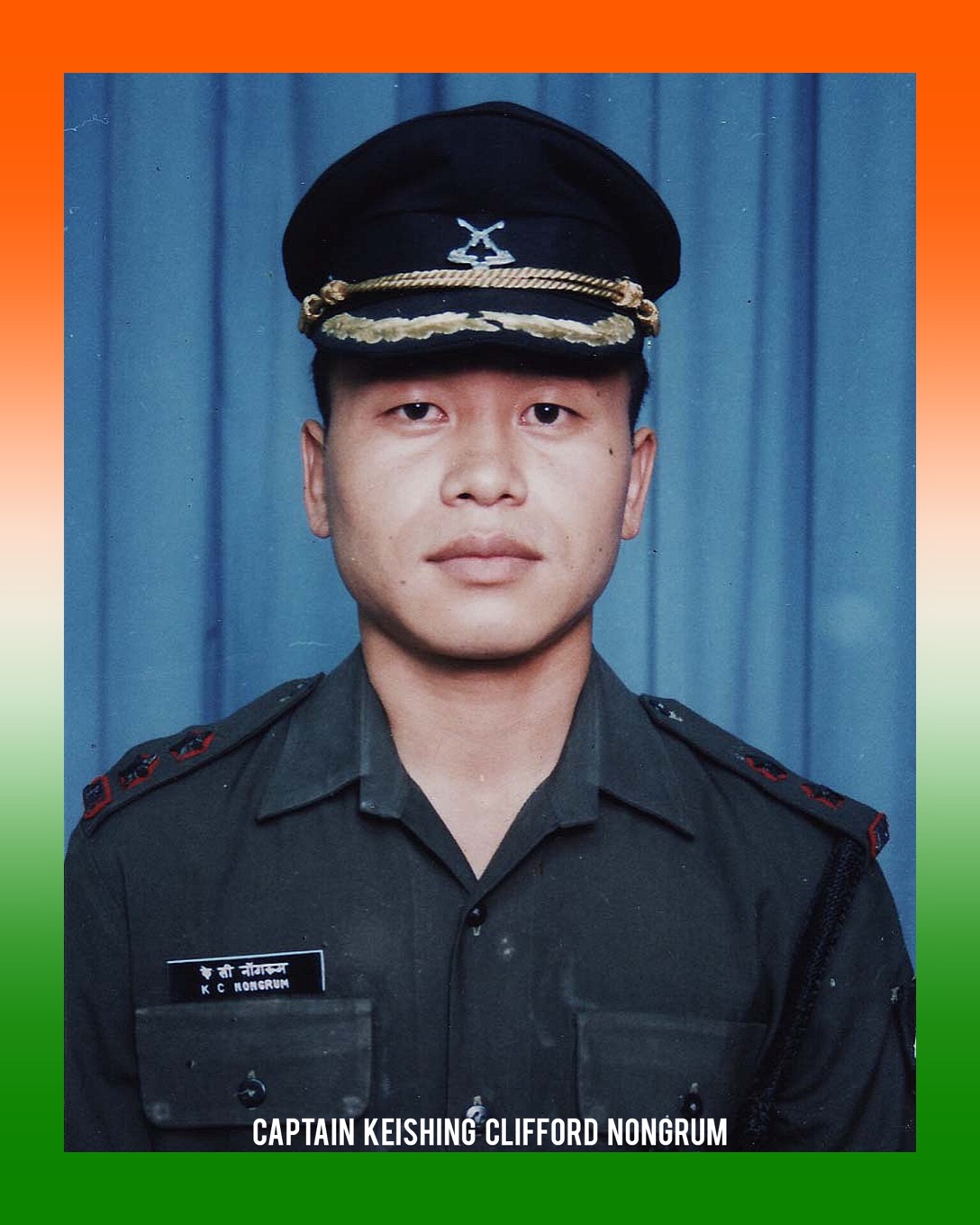
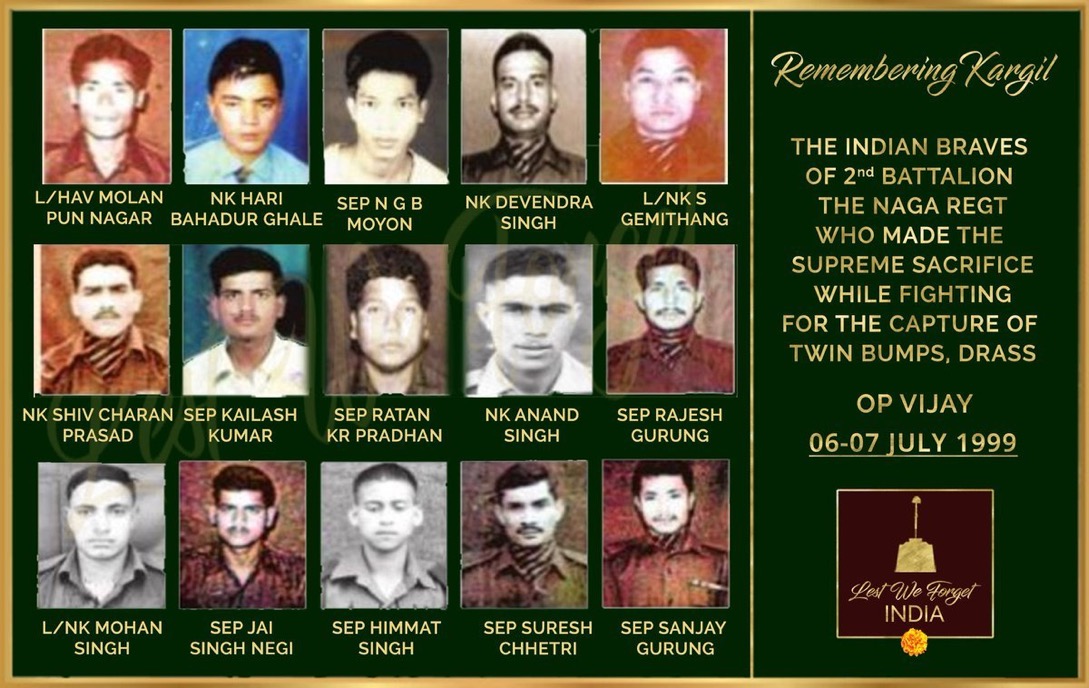
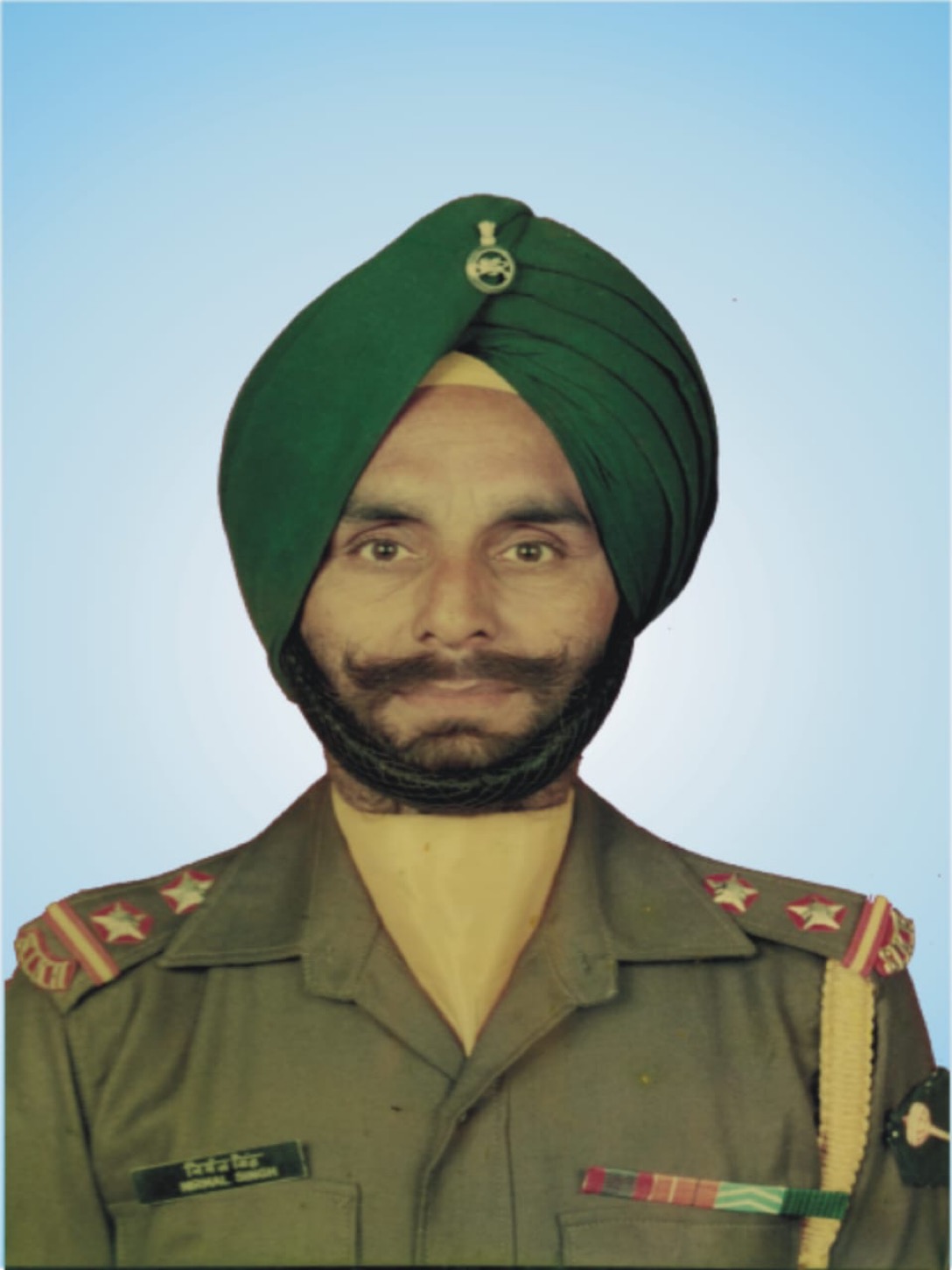
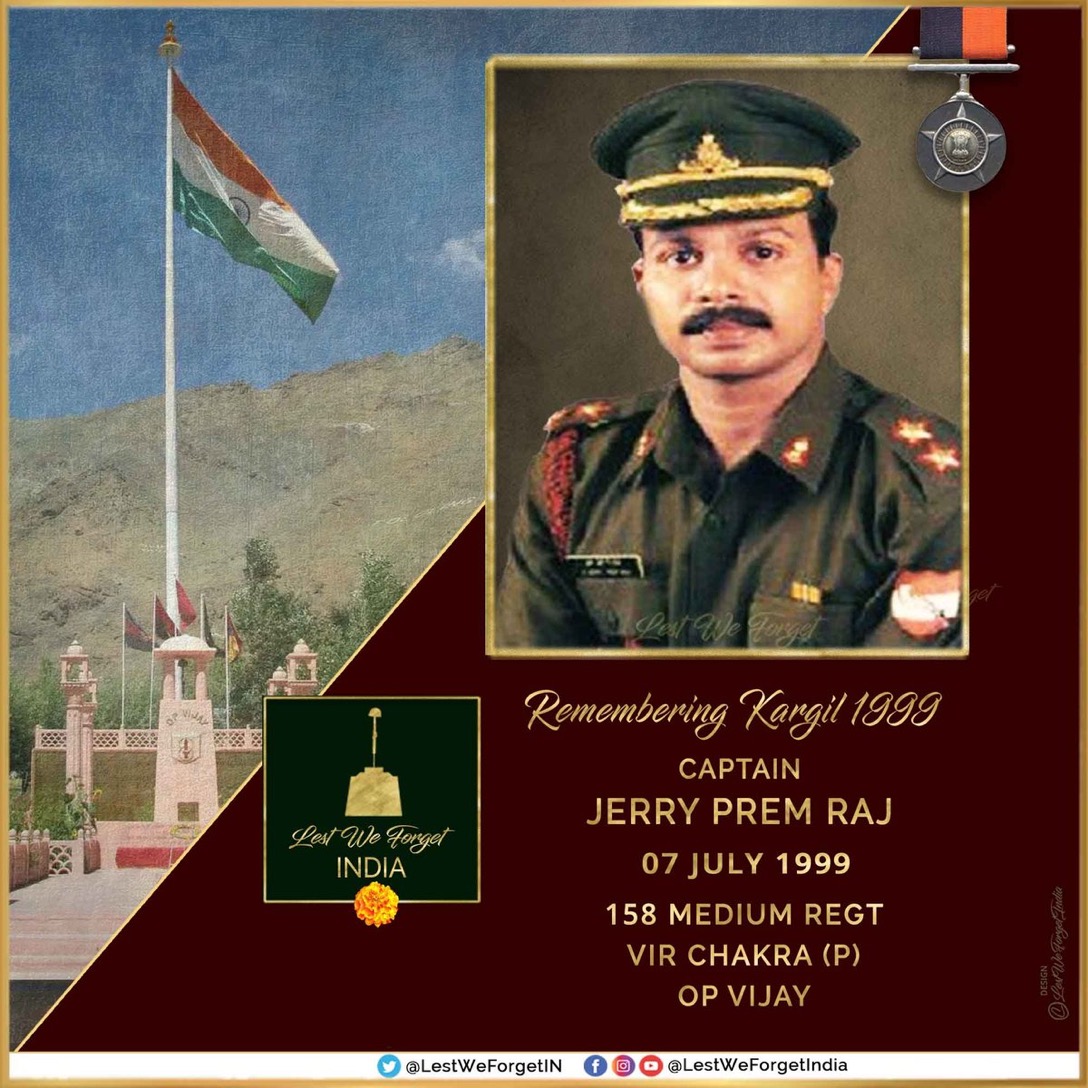
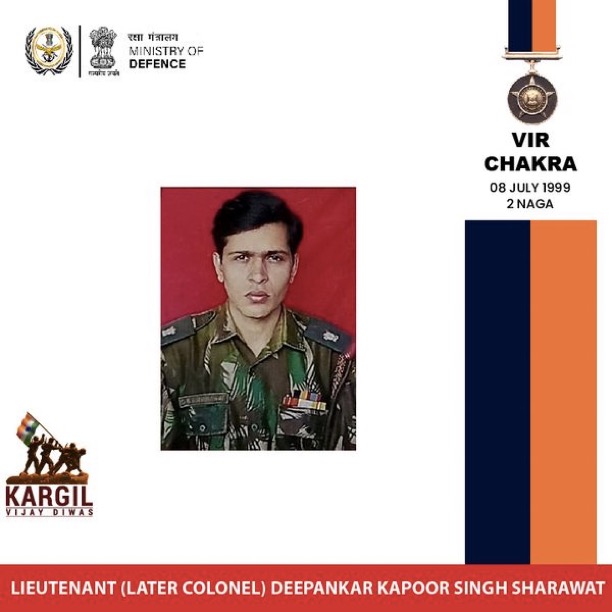
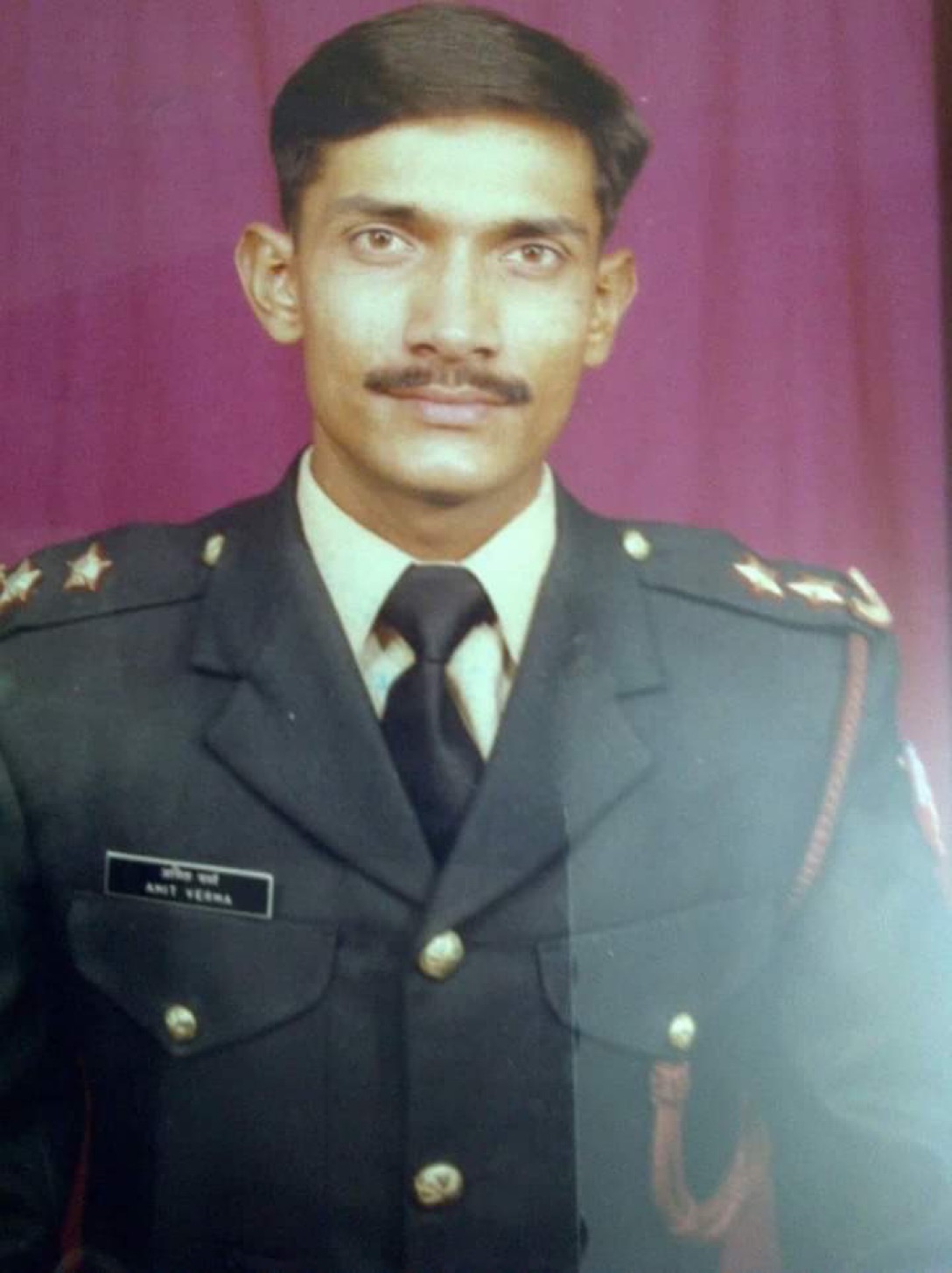
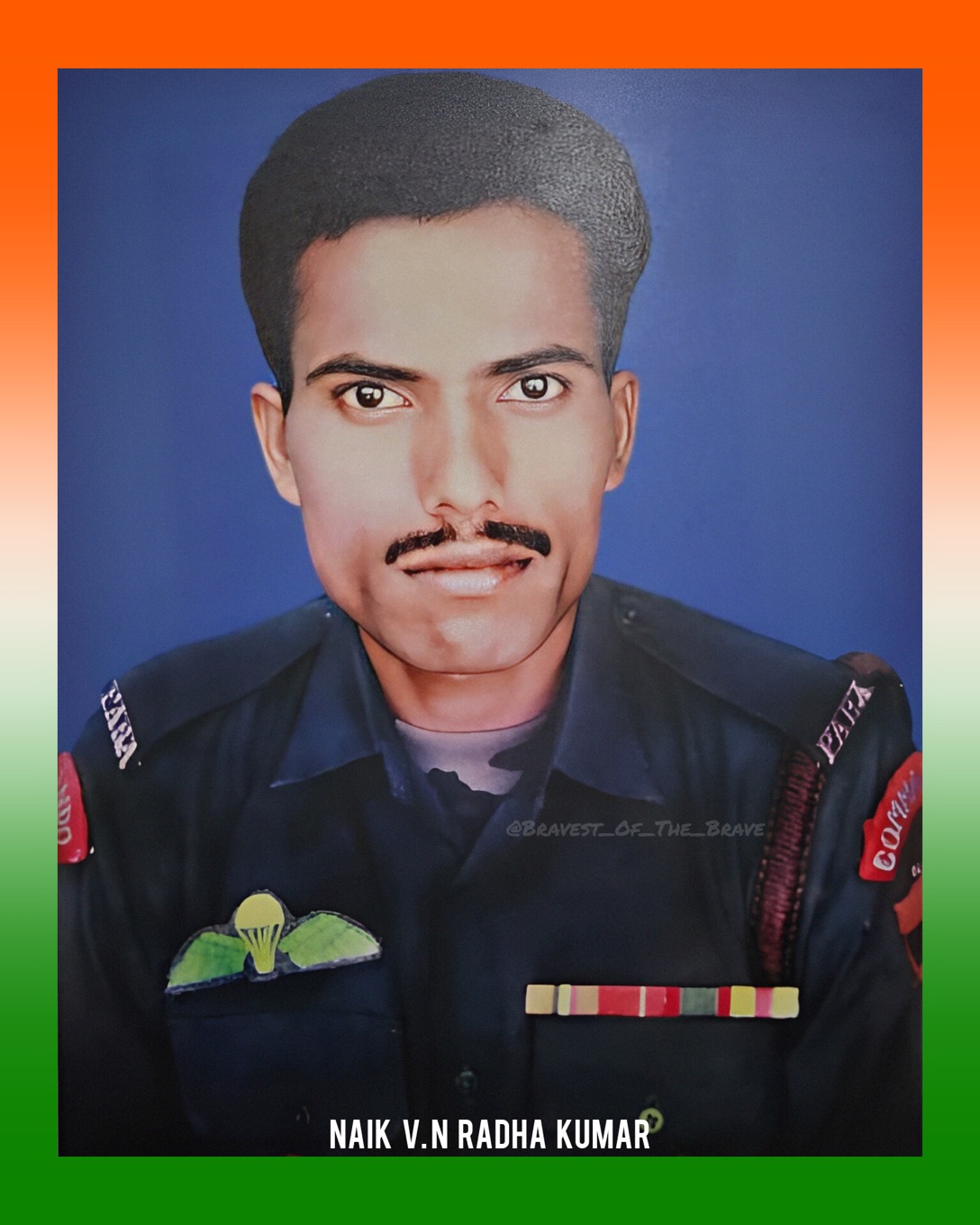
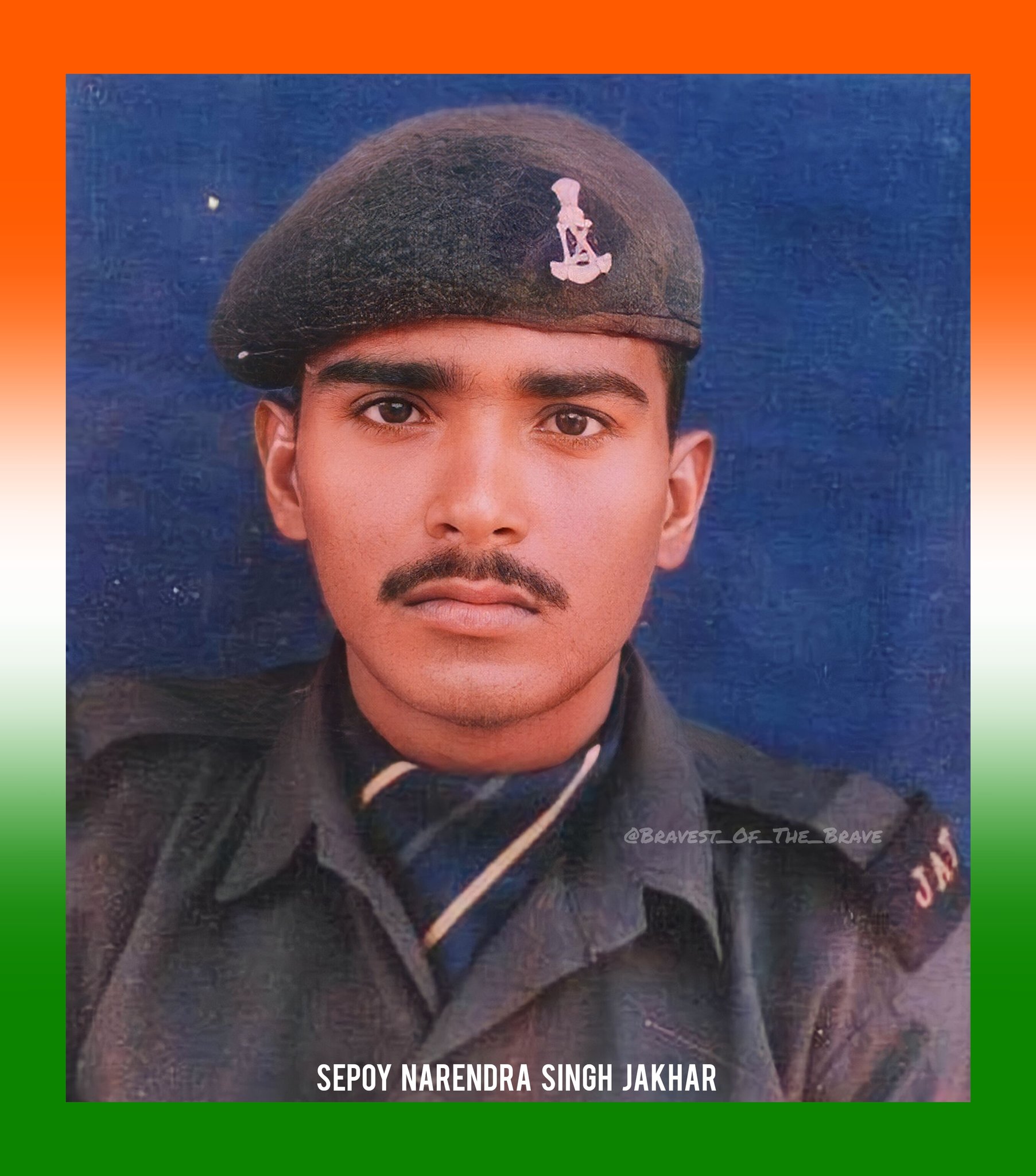
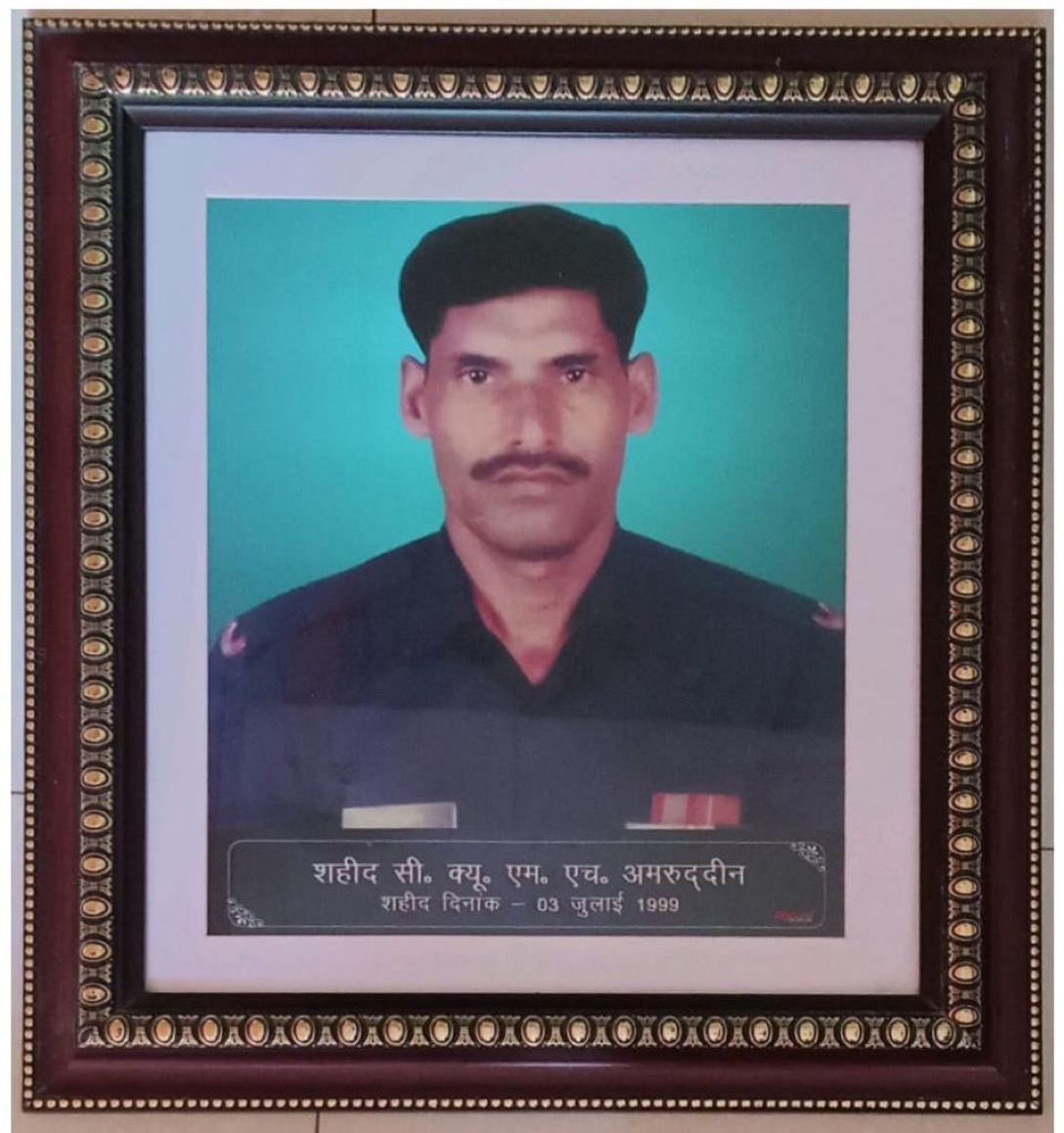
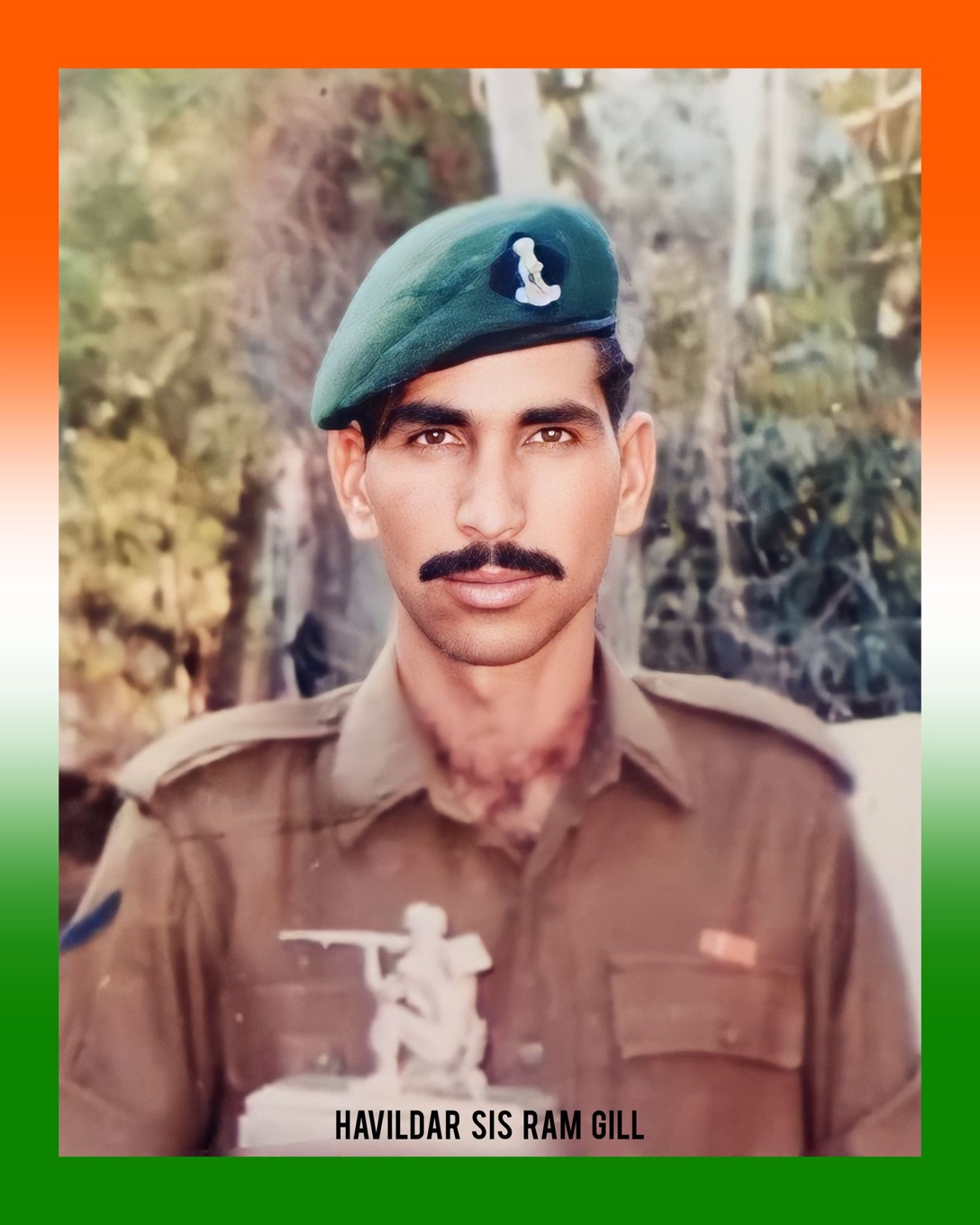
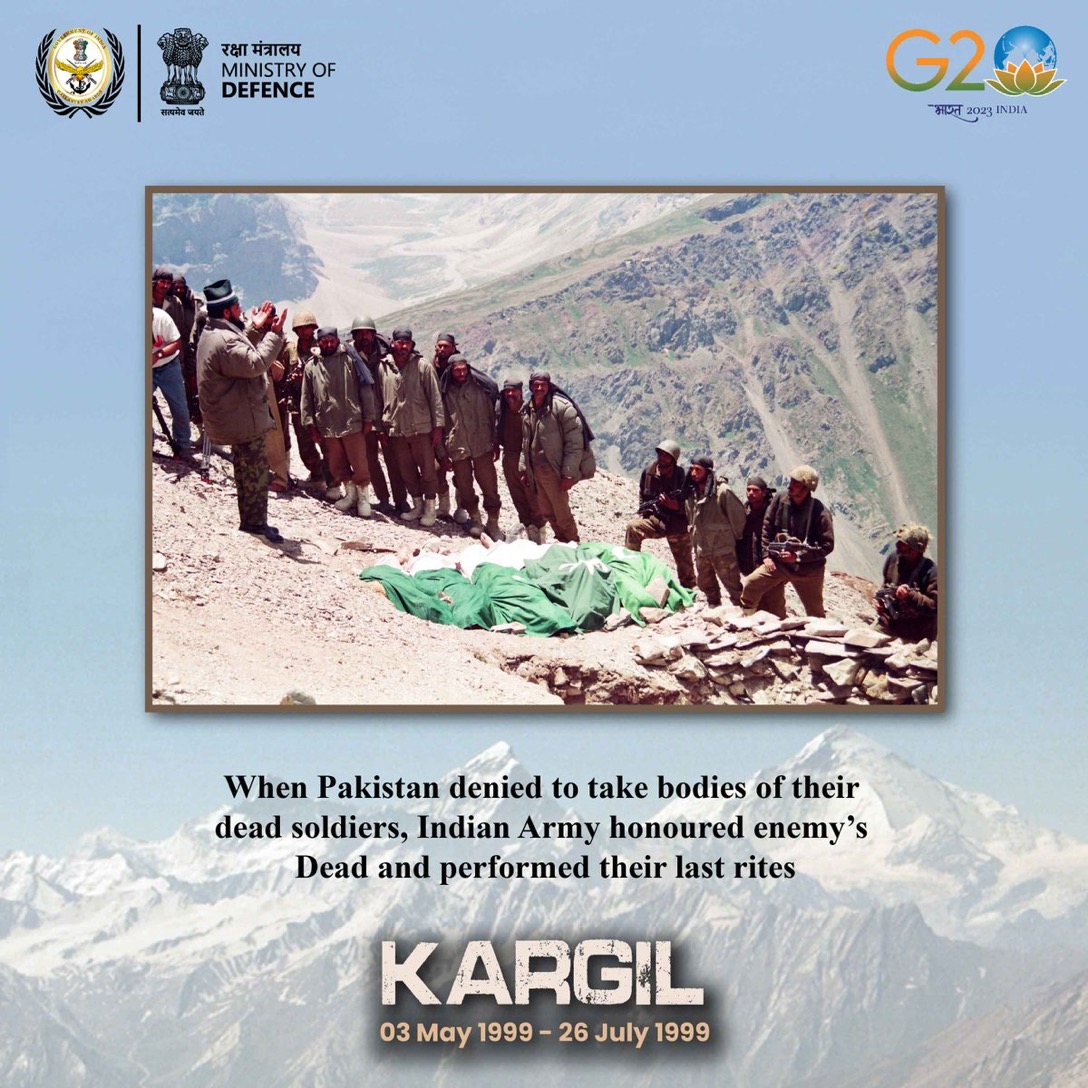
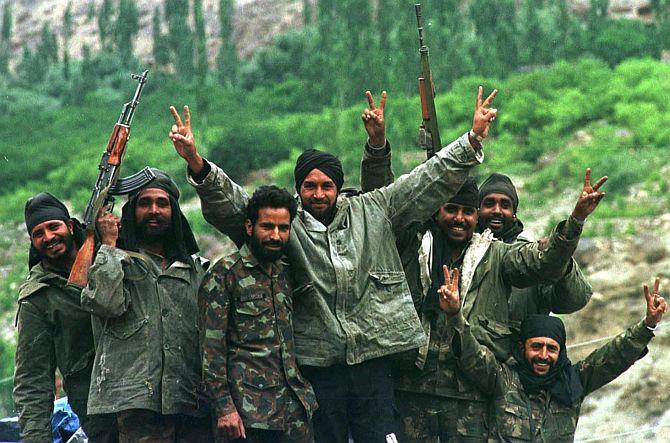
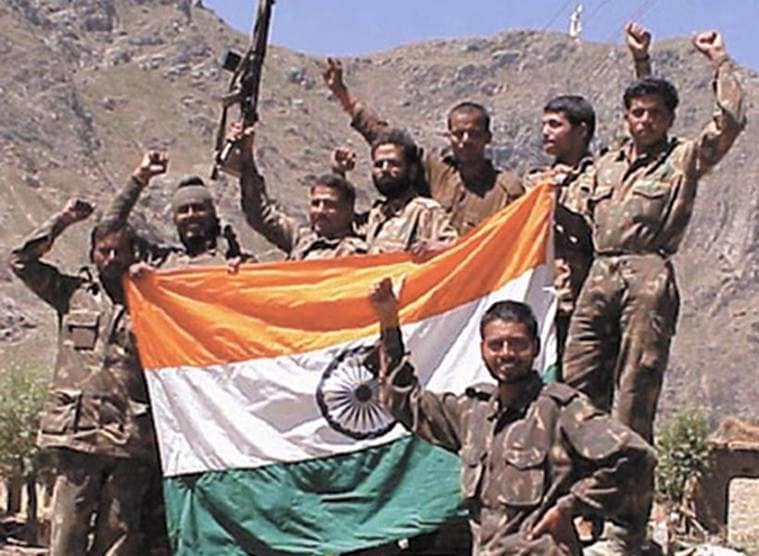
Battle of Tiger Hill, Drass Sector, July 02-04, 1999.Saturday, July 26, 2025. Special Frontier Force commemorates the Victory in Kargil War of 1999. The 26th Anniversary of Kargil Vijay Diwas.Saturday, July 26, 2025. Special Frontier Force commemorates the Victory in Kargil War of 1999. The 26th Anniversary of Kargil Vijay Diwas.Kargil 2021: Chief of Defence Staff General Bipin Rawat visits Dras Sector along the Line of Control (LOC)Indian Army soldiers during a special event narrating the stories of Operation VIJAY at Lamochen near Dras in Ladakh, Sunday, July 25, 2021. (PTI)The Indian Air Force code named its Operation as Op Safed Sagar (Operation White Sea).The Indian Air Force code named its Operation as Op Safed Sagar (Operation White Sea).Saturday, July 26, 2025. Special Frontier Force commemorates the Victory in Kargil War of 1999. The 26th Anniversary of Kargil Vijay Diwas.The Indian Air Force code named its Operation as Op Safed Sagar (Operation White Sea).Friday, July 26, 2024. Special Frontier Force commemorates the Victory in Kargil War of 1999. The 25th Anniversary of Kargil Vijay Diwas. The Indian Air Force code named its Operation as Op Safed Sagar (Operation White Sea).Friday, July 26, 2024. Special Frontier Force commemorates the Victory in Kargil War of 1999. The 25th Anniversary of Kargil Vijay Diwas. The Indian Air Force code named its Operation as Op Safed Sagar (Operation White Sea).The Kargil War Memorial at the foothill of Tololing hill, where Indian troops fought one of the toughest battles of the Kargil war. The memorial has the tombstones of the martyrs and a museum.The Kargil War Memorial at the foothill of Tololing hill, where Indian troops fought one of the toughest battles of the Kargil war. The memorial has the tombstones of the martyrs and a museum.The Kargil War Memorial at the foothill of Tololing hill, where Indian troops fought one of the toughest battles of the Kargil war. The memorial has the tombstones of the martyrs and a museum.Indian soldiers on a mountain peak during the war. The Pakistan army had captured nearly 100 km of Indian territory inside the Line of Control. Indian soldiers paid in their blood to regain the land. Photograph: Rediff.comThe Indian Prime Minister Atal Bihari Vajpayee along with the Defence Minister George Fernandes, crouching, third from left, the Jammu and Kashmir Governor Girish Chandra ‘Gary’ Saxena, standing second from left, and the Indian Army Chief General Ved Prakash Malik, fourth from right, meet the troops in Kargil. Photograph: Rediff.comParam Vir Chakra awardees Rifleman Sanjay Kumar, left, and Grenadier Yoginder Yadav, center, with Mahavir Chakra awardee Lieutenant (now Colonel) Balwan Singh, right. Grenadier Yadav and Lieutenant Balwan Singh were in the commando platoon that led the final assault on Tiger Hill. Their bravery that night is the stuff of legend. Photograph: Rediff.com.Saturday, July 26, 2025. Special Frontier Force commemorates the Victory in Kargil War of 1999. The 26th Anniversary of Kargil Vijay Diwas.Saturday, July 26, 2025. Special Frontier Force commemorates the Victory in Kargil War of 1999. The 26th Anniversary of Kargil Vijay Diwas.Saturday, July 26, 2025. Special Frontier Force commemorates the Victory in Kargil War of 1999. The 26th Anniversary of Kargil Vijay Diwas.Saturday, July 26, 2025. Special Frontier Force commemorates the Victory in Kargil War of 1999. The 26th Anniversary of Kargil Vijay Diwas.Captain Vikram Batra in the Drass sector.Special Frontier Force pays tribute to Kargil War Hero, Captain Vikram Batra, 13 Jammu and Kashmir Rifles, who made the supreme sacrifice on July 07, 1999.Saturday, July 26, 2025. Special Frontier Force commemorates the Victory in Kargil War of 1999. The 26th Anniversary of Kargil Vijay Diwas.Special Frontier Force pays tribute to Kargil War Hero, Captain Keishing Clifford Nongrum, 12 JAK LI, who made the supreme sacrifice on July 01, 1999Special Frontier Force pays tribute to Kargil War Heroes of the Naga Regiment who made the supreme sacrifice on July 06-07, 1999.Special Frontier Force pays tribute to Kargil War Hero,Subedar Nirmal Singh, VrC, 8 SIKH who made the supreme sacrifice on July 05, 1999.Special Frontier Force pays tribute to Kargil War Hero, Captain Jerry Prem Raj, 158 Medium Regiment (Artillery) who made the supreme sacrifice on July 07, 1999.Special Frontier Force pays tribute to Kargil War Hero, Lieutenant Deepankar Kapoor Singh Sharawat, 2 NAGA for his gallant action on July 08, 1999.Special Frontier Force pays tribute to Kargil War Hero, Captain Amit Velma, 9 MAHAR, who made the supreme sacrifice on July 04, 1999.Special Frontier Force pays tribute to Kargil War Hero, Naik V.N. Radha Kumar, 9 Para SF who made the supreme sacrifice on July 01, 1999.Special Frontier Force pays tribute to Kargil War Hero, Sepoy Narendra Singh Jakhar, 8 JAT who made the supreme sacrifice on July 09, 1999.CQMH Amruddin, 22 Grenadiers made the supreme sacrifice on July 03, 1999.Havildar Sis Ram Gill, Vir Chakra, 8 JAT made the supreme sacrifice on July 09, 1999.Saturday, July 26, 2025. Special Frontier Force commemorates the Victory in Kargil War of 1999. The 26th Anniversary of Kargil Vijay Diwas.Indian soldiers during the Kargil War.Saturday, July 26, 2025. Special Frontier Force commemorates the Victory in Kargil War of 1999. The 26th Anniversary of Kargil Vijay Diwas.The Bofors 155mm howitzers played a remarkable role in the Kargil War. Photograph: Fayaz Kabli/ReutersIndian soldiers show the victory sign in Drass after India captured Tiger Hill on July 4, 1999. Photograph: Kamal Kishore/ReutersSaturday, July 26, 2025. Special Frontier Force commemorates the Victory in Kargil War of 1999. The 26th Anniversary of Kargil Vijay Diwas.Naik Digendra Kumar served the 2nd Battalion of the Rajputana Rifles during the 1999, Kargil War before retiring in 31st July, 2005. He was awarded the Mahavir Chakra on 15th August 1999, for his heroism in the battlefield.Major Vivek Gupta of the 2nd Battalion, Rajputana Rifles, died in the Kargil conflict on June 12, 1999, after capturing two important posts in the Drass sector. He was felicitated with Maha Vir Chakra for his heroism at the war front.July 26, 2024. Special Frontier Force commemorates the Victory in Kargil War of 1999. Colonel Sonam Wangchuk is an Indian Army officer serving the Ladakh scouts regiment. In the 1999 Kargil War, then Major Wangchuk led an operation against Pakistani troops on Chorbat La Top, for which he was awarded the Maha Vir Chakra.Major Rajesh Singh Adhikari was an Indian Army Officer who died in the Battle of Tololing on May 30, 1999 during the Kargil War. He was awarded the gallantry honor, Maha Vir Chakra for his bravery in warfare.Indian Army Major Padmapani Acharya of the 2nd Battalion, Rajputana Rifles, was killed by the enemy at Lone Hill on June 28, 1999, during the Kargil conflict. He was awarded the Maha Vir Chakra for his heroic act of bravery despite succumbing to injuries.Lieutenant Keishing Clifford Nongrum of the 12th Battalion, Jammu and Kashmir Light Infantry, attained martyrdom on July 1st, 1999 while capturing Point 4812 during the Kargil War. He was honored with Maha Vir Chakra for his chivalry in the combat operations.Captain Anuj Nayyar was an Indian Army officer of the 17th Battalion, Jat Regiment, who laid down his life while battling at the Tiger Hill on 7th July 1999 during the Kargil War. He was posthumously awarded the Maha Vir Chakra for his exemplary valor during combat operations.The Victorious Indian Army Jawans of 18 Grenadiers after recapturing the Tiger Hill in Drass sector of Jammu and Kashmir. (Express archive)Saturday, July 26, 2025. Special Frontier Force commemorates the Victory in Kargil War of 1999. The 26th Anniversary of Kargil Vijay Diwas.
TE3N MOVIE REVIEW – VICTORY OVER DEATH. Reliance Big Entertainment Pvt Ltd is distributing TE3N Movie exhibiting my portrait in Section.15 of DVD – Bollywood Movie TE3N.
To Whomsoever it may concern:
This letter informs of my legal right to distribute some contents of TE3N Movie DVD distributed by Reliance Big Entertainment Pvt Ltd., Mumbai – 400055, India.
TE3N MOVIE REVIEW – VICTORY OVER DEATH. Reliance Big Entertainment Pvt Ltd is distributing TE3N Movie exhibiting my portrait in Section.15 of DVD.
TE3N Movie Review – Victory Over Death – Psychology of Warfare
TE3N MOVIE REVIEW – VICTORY OVER DEATH. Reliance Big Entertainment Pvt Ltd is distributing TE3N Movie exhibiting my portrait in Section.15 of DVD.
Reliance Big Entertainment Private Ltd, Grandeur, 8th Floor, Veera Desai Road Extension, Oshiwara, Andheri (West), Mumbai – 400053, India. And Reliance Big Entertainment Private Ltd, 502, Plot No. 91/94, Prabhat Colony, Santacruz (E), Mumbai – 400053, India.
Dear Sir,
Subject: TE3N Pre-recorded DVD, PKD: July/2016, Section.15, Photo Images Reference: Electronic mail dated July 26, 2016 sent to customercare
1. Reliance Big Entertainment Pvt.Ltd is distributing TE3N Movie DVD exhibiting my portrait in Section.15 of DVD.
TE3N MOVIE REVIEW – VICTORY OVER DEATH: Reliance Big Entertainment Private Ltd is distributing TE3N Movie DVD that exhibits my Photo Image of 1972 in Section.15 of DVD.
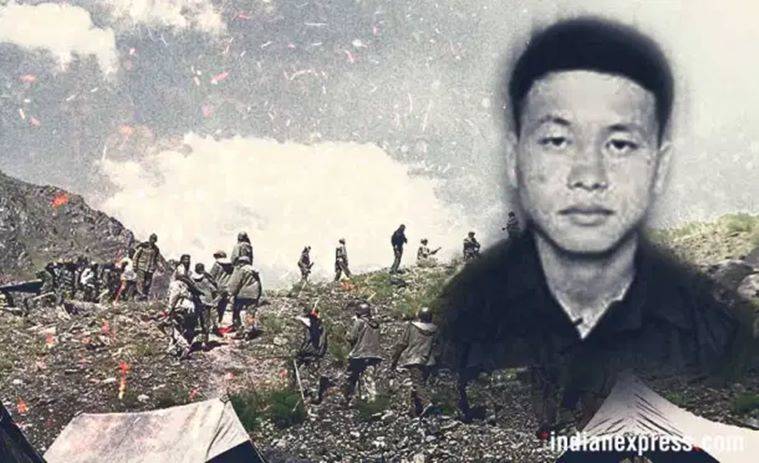
TE3N MOVIE REVIEW – VICTORY OVER DEATH. Reliance Big Entertainment Pvt Ltd is distributing TE3N Movie DVD that exhibits my Photo Image of my stolen Indian Army Picture ID of 1972 in Section.15 of DVD. 2. In the Indian traditions of my Telugu or Andhra Family, such a framed portrait seen mounted on a wall in a living room is often used to show respect to a deceased person. TE3N Movie used my stolen Indian Army Picture ID photo image to prepare this framed portrait in a manner to indirectly claim the death of the person shown in the image. It is reasonable to assume that TE3N Movie Producer and Director have counted me among War Dead while knowing that I am a living person. In other words, the display of a portrait of a living person on a wall implies a non-verbal death threat or death wish.
3. I inform you that I have a legal right to distribute a few contents of TE3N Movie DVD to counteract the impression given to TE3N Movie DVD viewers.
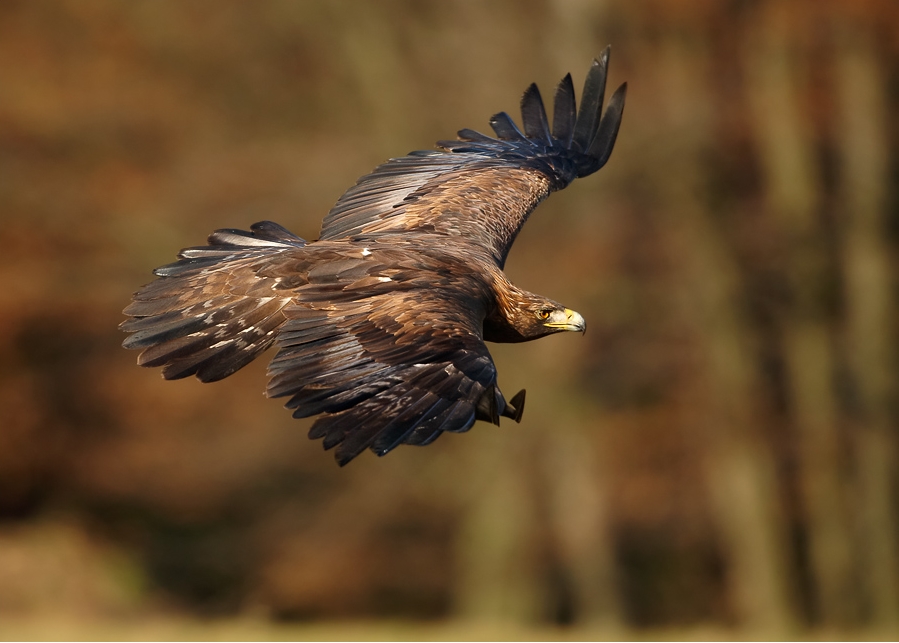
Special Frontier Force – Operation Eagle – Liberation War of Bangladesh 1971:
The Victory Over Death – The Psychology of Warfare. The Connection between the Fruit and the Vine. To overcome the Fear of Death, the man is encouraged to sever the attachment to the Cycle of Life and Death which separates man from his true or real immortal essence. OPERATION EAGLE IS THE CODE NAME FOR MILITARY ACTION THAT INITIATED THE LIBERATION OF BANGLADESH ON NOVEMBER 03, 1971 WITH STRIKES ON THE ENEMY MILITARY POSTS IN THE CHITTAGONG HILL TRACTS.
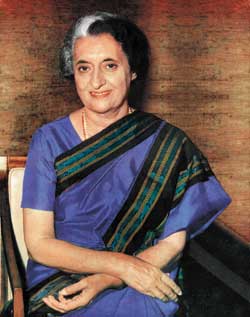
Indira Gandhi, Prime Minister of India initiated the Liberation of Bangladesh during 1971 with military action in the Chittagong Hill Tracts. The battle plan of this military action is known as Operation Eagle. This blog post is related to the war experience obtained by conducting the military operation in the Chittagong Hill Tracts.
The Victory Over Death – The Psychology of Warfare. The Connection between the Fruit and the Vine. To overcome the Fear of Death, the man is encouraged to sever the attachment to the Cycle of Life and Death which separates man from his true or real immortal essence. Kachumbar/Cucumber, Cucumis sativus, a native of India. THE VICTORY OVER DEATH – BREAK THE PEDICLE OF ATTACHMENT – Man is attached to his life by a pedicle or attachment called ‘the fear of death’. Man conquers Death and can declare his Victory over Death by simply severing this attachment that arouses the sense of fear of Death. Spiritualism is the potency that brings man’s Essence and Existence to come together to establish the subjective reality of man in the physical world or the material realm. This hymn called ‘Mrityunjaya Maha Mantra’in praise of Lord Shiva known as ‘Triyambaka appears in the ancient Vedic Book of Rig Veda.’
This hymn in praise of Lord Shiva also known as ‘Triyambaka’ appears in the ancient Vedic Book of Rig Veda. It expresses a very unique idea or concept about conquering death. This idea has originated in India as this idea relates to a plant that is a native of India. Man is mortal, and just like a fully ripened fruit falls off from a tree, a man ripe in his age, even when not afflicted by any disease or sickness, would meet natural physical death. This Mantra suggests that a man can become immortal (a person who has consumed the divine nectar known as ‘Amrita’) and conquer physical death (Mrityu) by simply severing his psychological attachment to his own life and liberating (Mukshiya) himself from bondage. This Mantra compares the act of cutting attachments to free oneself (Mukti) to secure victory (Jaya) over physical death (Mrityu) to the act of harvesting Cucumbers (Urvaru). The pedicle (Kamiva or the stalk of the fruit) should be severed to separate the fruit from its attachment (Bandhan) to the Vine.
The Victory Over Death – The Psychology of Warfare. The Connection between the Fruit and the Vine. To overcome the Fear of Death, the man is encouraged to sever the attachment to the Cycle of Life and Death which separates man from his true or real immortal essence.
Cucumber, Cucumis sativus is a vine fruit. It is a member of the Cucurbitaceae family. It is native to northwestern India and is being cultivated for thousands of years. The fruit is harvested in the immature stage and is eaten in its unripe, green form. The ripe fruit turns bitter and is not eaten. The fruit is firmly attached to the vine by its stalk or pedicle. The unripe, green fruit would not naturally fall off from the vine. The farmer harvests the Cucumber by cutting off the pedicle( Kamiva).
The Victory Over Death – The Psychology of Warfare. The Connection between the Fruit and the Vine. To overcome the Fear of Death, the man is encouraged to sever the attachment to the Cycle of Life and Death which separates man from his true or real immortal essence. Dosakayi, a popular Cucumber of Telugu people.
This analogy of severing the connection and freeing the Cucumber also implies that man should not wait until he reaches a very ripe age to conquer physical death. A man who is still at an unripe age or still young in years, just like the unripe and green fruit of Cucumber, should plan to overcome death or his ‘liberation’ from death, by cutting away the stalk or pedicle which symbolizes attachment (bandhan). The attachment in the context of man and his mortality could be described as his ‘Fear of Death’. By overcoming his ‘Fear of Death’, a man’s attachment to the ‘Vine of Life’ is severed and he is ‘Liberated’ (Mukshiya) from Death (Mrityu). As long as the ‘Fear of Death’ is alive, man cannot win his battle against Death and mortality. To achieve ‘immortality’, man must conquer his ‘Fear of Death’. Indians seek to praise (Yajamahe) the Lord known as ‘Triyambaka’ for He had declared His victory over Death (Mrityu) by burning away all of His desires and had become Free from all Attachments. Lord Shiva physically demonstrates His Freedom from Attachments by covering His entire body with ashes (Bhasma), the burnt residue of His desires.
The Psychology of Warfare:
An Infantry soldier to ‘attack’ his enemy’s position has to physically ‘advance’ towards the entrenched enemy and directly confront the enemy. The assault on the enemy’s position or site is carefully planned and the Infantry soldier is physically, and psychologically ready for his task which exposes him to the threat of death. The soldier loosens the attachment called the ‘Fear of Death’ in his march towards the enemy. A man who is tied down by the ‘Fear of Death’ cannot physically move towards his enemy who symbolizes the threat of death.
Victory over Death – The Psychology of Warfare: We helped the Bangla Muslims to regain their freedom and dignity. The India-Pakistan War of 1971 and the Birth of Bangladesh are very significant achievements of Prime Minister Indira Gandhi. As I was then serving in an Establishment under the Cabinet Secretariat, I had direct and personal understanding of her Foreign Policy Initiatives. She personally approved our military Operation in the Chittagong Hill Tracts. In the conduct of this War, we faced a very critical moment and it needed her personal intervention and a decision that she alone could make. I rendered my services and had overcome the challenge posed by that critical situation. The importance of this situation could be understood as it needed an intervention from the Prime Minister. I am now asking the Government of India to recognize my Gallant response to conduct a rescue mission in enemy’s territory without any concern for my personal safety.
I participated in the 1971 War of Liberation of Bangladesh. The men of my Unit did not recite the ‘Mrityunjaya Maha Mantra’, but they used its concept in their psychological preparation for War and in their attack on their enemy’s positions. Our success in 1971 over the enemy demonstrates that the concept of breaking the stalk or pedicle is useful to gain victory over the ‘Fear of Death’ before we actually meet the threat of Death.
Psychology of Warfare – Victory over Death: To defend her true nature, to preserve her essence, to resist the violation of her personal dignity and honor, Rani Padmini of Chittorgarh, India courageously responded to a difficult and challenging life situation by an act of self-immolation. Her physical being was destroyed by the fire which she had willingly embraced and yet her spirit has survived. She has declared Victory over Death and she lives as an immortal person in the hearts of Indians and gives them a sense of Pride and Identity. Indian Culture and Tradition glorify the act of giving life to resist the Enemy.
In my blog post titled “Proud to be an Indian”, dated Monday, September 17, 2007, I described the ability to conquer fear as Courage. Courage does not mean the absence of Fear. Rani Padmini has truly immortalized herself by her victory over the Fear of Death. She defeated her enemy’s intention to violate her personal dignity and honor. She could embrace fire for she had overcome the Fear of Death. She lives in our hearts today as a truly “Immortal” person. She is described as a person who declared Victory over Death (Mrityun Jaya).
Psychology of Warfare – Victory over Death: To defend her true nature, to preserve her essence, to resist the violation of her personal dignity and honor, Rani Padmini of Chittorgarh, India courageously responded to a difficult and challenging life situation by an act of self-immolation. Her physical being was destroyed by the fire which she had willingly embraced and yet her spirit has survived. She has declared Victory over Death and she lives as an immortal person in the hearts of Indians and gives them a sense of Pride and Identity. Indian Culture and Tradition glorify the act of giving life to resist the Enemy.
WholeDude – Whole Victory – Kashmir: Indian Armed Forces perform duties with commendable devotion and dedication to defend Indian Union from attacks by its enemies.
VICTORY IN THE VALLEY
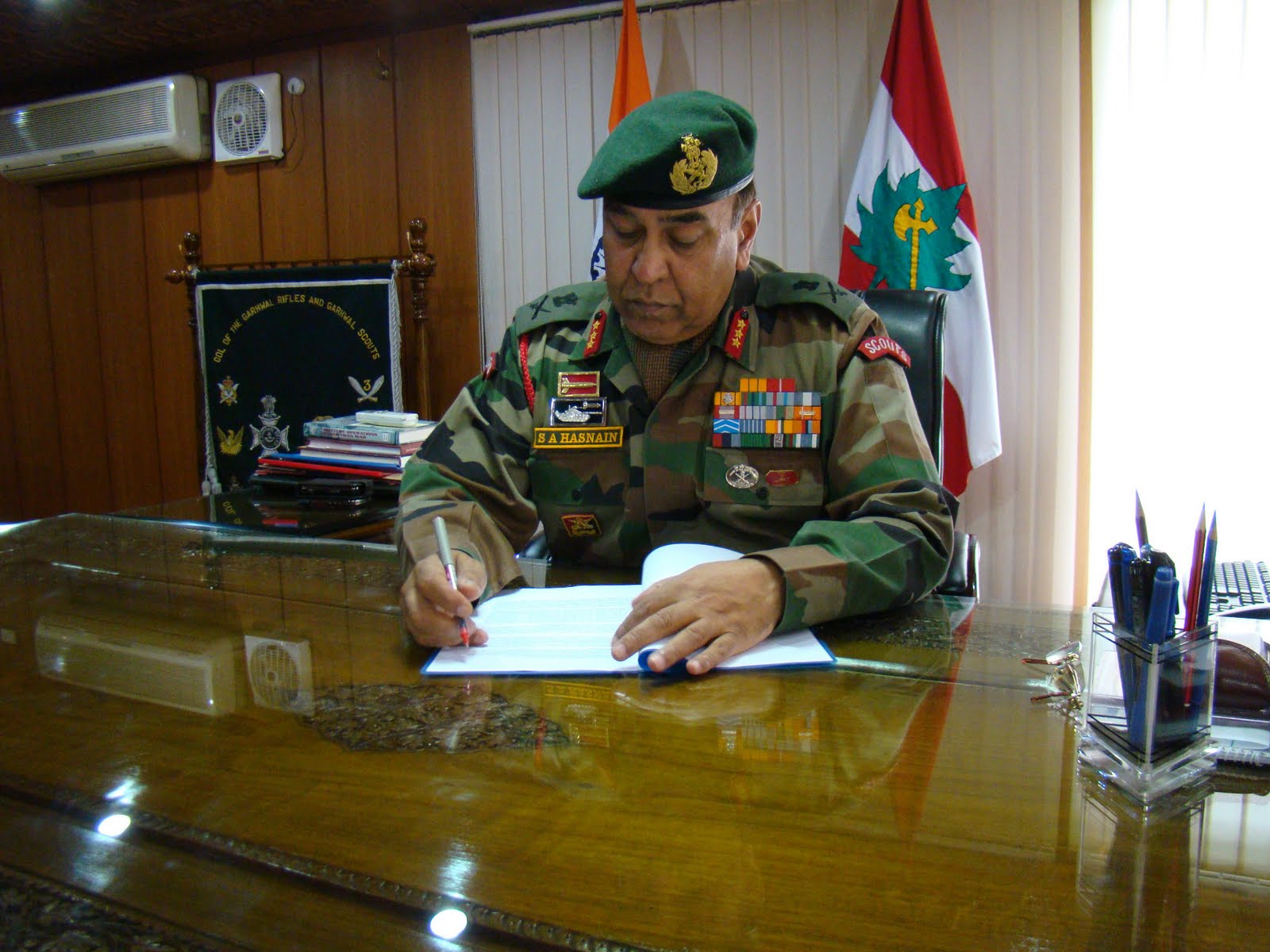
WholeDude – WholeVictory – Kashmir: Lieutenant General Syed Hasnain shares his vision about the role of Indian Armed Forces in Kashmir and predicts a Victory in all its aspects.
Lt Gen Syed Ata Hasnain Indian Express, Wed Dec 11 2013
Define what it means before you decide what the army should do. For the first time in years, a newspaper’s leadership has thrown up a serious strategic issue for debate. Kashmir is far too complex for inexperienced minds to fully comprehend and there are so many stakeholders it confounds even those who have a semblance of an idea. In a recent article in this paper (‘Disarming Kashmir’, Indian Express, December 7,), Editor-in-Chief Shekhar Gupta talks about victory in the 24-year standoff and the necessity of an early withdrawal of the army from Kashmir’s hinterland. We must first highlight what Gupta is seeking through this thought-provoking article. He says the army has become weary and therefore less professional, having lost soldiers in tactical operations this year. He wants the army to strengthen the LoC and de-escalate in the Valley, because Kashmiris, he says, must get a part of the “peace” dividend. He takes a dig, saying that some respected general with five tenures in the Valley had told him that, having defeated the Lashkar, the army has only been building golf courses and guest houses for the last five years. He adds that if any of these bad boys show their faces in Kashmir again, the army can come back to sort them out. He claims that the military objective in Kashmir (if any was spelt out) has been achieved and, that the UPA government has veritably introduced a concept of governance — veto power (on strategic decisions) for the army. One of the most important points Gupta makes is, “you cannot find a Kashmir settlement with Pakistan before embracing your own Kashmiris and restoring trust with them first”. On the face of it, this article evokes negatives all the way but re-reads throw up issues which need serious pondering. Unfortunately, not many are aware of the degree of intellectual analysis that the army itself has done of its role in Kashmir. It recently organised a full deliberation on the concept of victory at the Army War College, Mhow.
The first question is: have we ever enunciated an aim in Kashmir? In all these years, there never has been a clearly stated political aim given to the security forces. The informally stated military aim was stabilisation by controlling infiltration and eliminating terrorists. No one realises that in such situations, political and military aims cannot be separated. In 2011, we enunciated our own joint politico-military aim for our commanders — “integrate Jammu and Kashmir with mainstream India, politically, economically, socially and psychologically”. We were clear that eliminating terrorists was the easiest part of this war, that eliminating “terrorism” was the real challenge. I wish Gupta had faulted the army for not demanding the articulation of a politico-military aim as fighting without an aim is actually unfair. The lack of such an aim results in exactly what Gupta has done — declaring victory prematurely. Victory has to be measured against an aim, or else all kinds of versions are thrown around. We also have to measure victory against a realistic assessment of the future. Afghanistan 2014 with all its imponderables looms before us; any idea of victorious peace and subsequent actions has to be connected to it. Incidentally, I am speaking of victory as not against the people of Kashmir but for them, and against the intent of Pakistan, the separatists and terror groups.
It is essential to explain a few things to those with limited military orientation. First, Kashmir is a case of rim-land insurgency. It is not the LoC alone that needs to be strong. In the event of conventional war with Pakistan, the hinterland of Kashmir is as important as the LoC. It is here that the strategic assets exist, along with strategic arteries, which can be choked in war. Remember, in each Indo-Pak war, Pakistan has depended on the Kashmiri people to rise against us. Second, the larger number of incidents, and the loss of brave soldiers, this year should make us re-evaluate the actual military situation in the Valley. Ironically, this is least important in assessing victory. In counter-insurgency/ counter-terrorism campaigns, the answer finally lies in what the people think. Third, in all these years, no serious attempt was made to project to the Kashmiri people how and why their future lay only with India. The only agency that did this was the army. No government agency has ever put together a psychological campaign to win the confidence of the people. The army did it because it is a part of its professional responsibility and all international military counter-insurgency experience talks of winning hearts and minds (WHAM). The “hearts doctrine” articulated by the army in 2011-12 was the first strategically oriented WHAM programme in Kashmir. Separatism and radicalism run hand in hand in the Valley and it will take years of committed campaigning before these are diluted — the on and off presence of terror groups doesn’t help. Who has the capability to strategize, plan and stay committed to such a campaign but the army? To presume that the army has done its job and should hand over the responsibility to civilian agencies is absolutely correct, provided there are agencies who can take it forward to “peace”. If there is none, why rue the army’s insistence that its work must not be undone? Twenty-four years of institutional wisdom need not be sacrificed in the urgency for declaring a premature victory.
A few other observations by Gupta are designed to provoke non-intellectual minds, but they deserve a brief comment. The number of soldiers lost in negative incidents in a year is never reflective of the capability of an army fighting terrorism. Moreover, the deployment of the regular army in the hinterland is at its minimum today. The army’s Rashtriya Rifles (RR) operates in the hinterland and its soldiers never get exhausted because it has a well-thought-out relief programme. Tactical minds within the RR also rue their presence among the populace, to neutralise just a handful of terrorists each year. This really is the problem — a misunderstanding that the RR’s task is to kill terrorists alone, and not recognising that the task of a counter-insurgency force is to cement the separatist population with the mainstream. There is something else that our countrymen need to know about the RR: the professional and experienced military force is our add-on resource for conventional operations, especially now that 110 wings of Pakistan’s Frontier Corps (the country’s virtual RR) have received operational experience and modern weaponry to make them force multipliers. That is a major reason the RR cannot be disbanded or re-deployed for counter-insurgency tasks in Naxal-affected areas.
To claim victory over terror groups is premature also because the number of surrendered terrorists in the Valley (all with different shades of antipathy to the establishment) is higher than the number of terrorists in holding camps and launch pads in PoK. None of the promises (by the state government or the police) to these surrendered terrorists has been fulfilled, creating a potential resource for home terror.
Gupta’s most potent statement is, “Because its (the government’s) politics is frozen, it has introduced an unprecedented new factor in Indian policymaking: a veto for the army”. Seeking and giving professional military advice is a part of governance and on Siachen, Kashmir or Manipur, the army has offered just that. If you go by this accusation, every proposal by the army should have been accepted. In the case of Siachen, it is the trust deficit that prevents the vacation of the Saltoro Ridge; on the Armed Forces (Jammu and Kashmir) Special Powers Act, 1990, the government almost relented but the only organisation that offered a rationale for its retention was the army. Its arguments went well beyond the ordinary, explaining just how it was balancing hard and soft power in the emerging situation and just how the AFSPA was only an umbrella to be used in an emergency. The army likes a cemented victory and celebration for the people, not a half-baked one which gives adversaries reason for glee.
The general with five tenures in Kashmir who says the army is out of a job needs to revisit Kashmir. Not a single new golf course has come up and yes, guest rooms are indeed necessary to ensure that more armchair strategists visit Kashmir to be briefed at Keran, Machel, Gurez, Uri, Sopore, Tral and Shopian, before passing judgement on their professional army. Don’t just visit Srinagar, Gulmarg and Pahalgam to make up your mind because the advice you will then proffer will never meet the professional needs of our army or that of our nation. Learn to trust your army — it is your army.
The writer Syed Ata Hasnain is a recently retired Lt. General, is a former general officer commanding of the Srinagar-based 15 Corps.





















 Whole Dude - Whole Concept