Whole Dude – Whole Unrest

Tibetan Consciousness Movement spreads in Occupied Tibet

A Thanka painting inside the Namgyal Institute...
Whole Dude – Whole Unrest. A Thanka painting inside the Namgyal Institute.

Excerpt: Special Frontier Force – The Doctrine of Tibetan Resistance: The Problem of War and Peace in Tibet. Can we order Peace for the sake of War, and not War for the sake of Peace? It may be argued that Peace is Inevitable or it may be stated that War is Inevitable. The problem is the absence of Natural Order, Natural Condition, Natural Power, and Natural Authority in the Land of Tibet and in the lives of Tibetans. I state that Resistance is Inevitable, Resistance will Endure, and Resistance will Prevail if there is no Natural Order in Tibet. Tibet can Resist, Tibet will Resist, and Tibetan Resistance will Prevail until the Natural Order is restored in Tibet.Tibetan Identity is a reflection of Tibetan Consciousness and Tibetan Resistance is the natural reaction to occupation.

Whole Dude – Whole Unrest: This Yak dressed up in Tibetan Costume symbolizes the Tibetan Consciousness Movement. The Consciousness of The Living Tibetan Spirits includes the Land, the People, the denizens of Tibet.

The Living Tibetan Spirits appreciate the following article published by Mr. Bahukutumbi.Raman, the former associate of Mr. R. N. Kao of the Intelligence Bureau, and the Secretary (Research) of the Research and Analysis Wing (R&AW) from 1968 to 1977. During 1971, Mr. R. N. Kao and Mr. B. Raman visited my Organization that was commanded by Major General Sujan Singh Uban, Inspector General Special Frontier Force. Mr. B. Raman also served as Additional Secretary, the Cabinet Secretariat, Government of India.
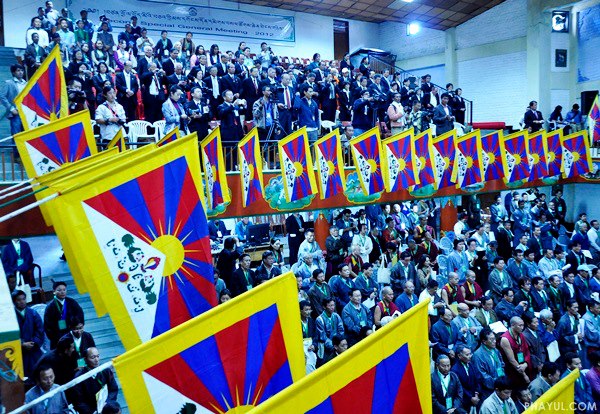
Whole Dude – Whole Unrest: For the purpose of working out a response to the current tragic situation in Tibet, a Special General Meeting of Tibetans was held at Dharamshala, India.

The Tibetan Spirits live in my consciousness and we recognize the Tibetan Consciousness Movement. The Tibetan Identity will survive in spite of illegal occupation of Tibet. We have set our minds free and freedom is the state of our minds and freedom is the condition of our Spirits.

WHOLE DUDE – WHOLE UNREST: OLD FLAMES NEVER DIE – TIBETAN CONSCIOUSNESS MOVEMENT

http://www.southasiaanalysis.org/papers48/paper4747.html

CHINA: Tibetan-Consciousness Movement spreads

Whole Dude – Whole Unrest: Tibetan Consciousness Movement.

By B. Raman 26/10/2011


The unrest in the Tibetan areas of China —Tibet, Qinghai, Sichuan and Yunnan— continues in different forms. The unrest was triggered off in March last by unhappiness among the Tibetans of Sichuan over the continued suppression of their political, religious and ethnic rights by the Chinese authorities and over their attempts to punish anyone who proclaimed his or her loyalty to His Holiness the Dalai Lama.
2. The unrest in the Tibetan areas of Sichuan has taken the form of a chain of self-immolations by young Tibetan monks of the large Kirti monastery. The Chinese authorities have not been able to stop these acts or attempted acts of self-immolation despite their removing a large number of monks of the monastery to a military detention camp euphemistically called a re-education centre and punishing those present at the time of the self-immolations on charges of abetment to suicide. They have also been forcing senior monks to come out with statements condemning self-immolations as unBuddhist and have launched a campaign against His Holiness for not condemning self-immolations.
3. Despite these suppressive measures, acts or attempted acts of self-immolation continue with nine so far. In the latest incident reported on October 17, 2011, a nun is reported to have committed self-immolation. This is the first instance of a self-immolation by a nun in the history of Tibetan Buddhism. Wamgmo, the 20-year-old nun, was from the Mamo or Dechen Choekorling Nunnery, which has about 350 nuns in Ngaba. Nuns from here had also participated in the March 2008 protest movement,
4. The same day, the Chinese police opened fire on a group of protesting Tibetans, injuring two of them. There were no fatalities. The shooting followed a protest the previous day in the Khekor township of Serthar (in Chinese, Seda) county of the Kardze (in Chinese, Ganzi) prefecture. A group of seven Tibetans protested in front of the local police station and shouted slogans calling for freedom for Tibet, the return of His Holiness from exile and the release from jail of His Holiness the Panchen Lama, chosen by the Dalai Lama in accordance with Tibetan Buddhist traditions. The Chinese have jailed him and the Communist Party of China has nominated its own Panchen Lama who has not been accepted by the Tibetans.
5. The self-immolations in Sichuan have been accompanied by protests and commercial strikes by Tibetans in the towns and villages to which those committing self-immolation belonged. The Tibetan community of Sichuan observed a day of fasting and protest on October 19 to express solidarity with the families of those who committed self-immolation. The acts of self-immolation have not so far spread to other Tibetan areas outside Sichuan.
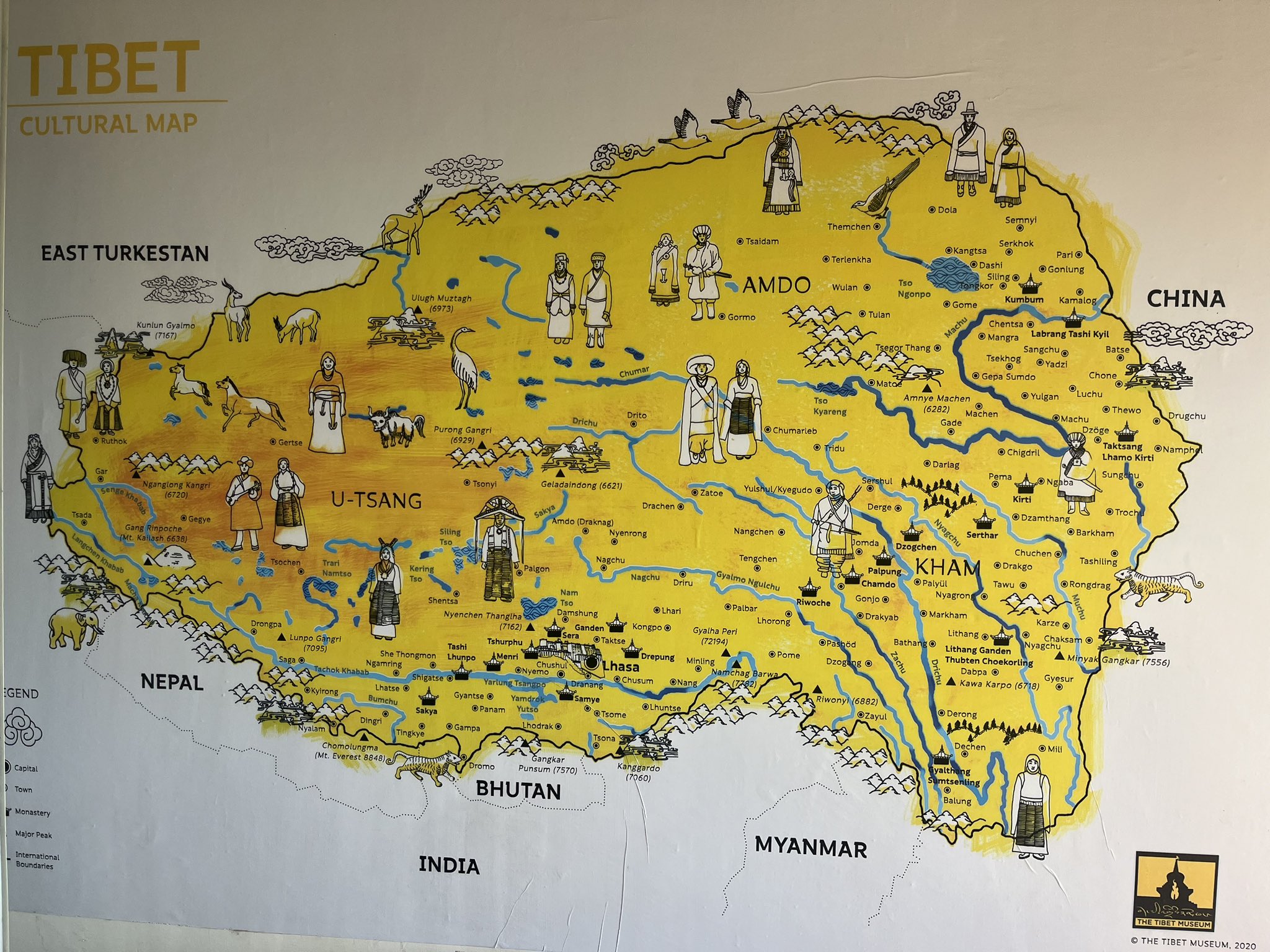
6. However, a Tibetan-consciousness movement has been spreading right across the Tibetan belt. The objective of the movement is to enhance the consciousness of the Tibetans–particularly the youth— about the distinct nature of the Tibetan culture as distinguished from the Han culture and to impress upon the youth the importance of preserving the Tibetan culture and maintaining their loyalty and devotion to His Holiness the Dalai Lama. The monasteries have been in the forefront of this movement.
7. As part of this Tibetan-consciousness movement, Tibetans are being encouraged to dress in typical Tibetan style, speak among themselves only in the Tibetan language, eat only Tibetan food and participate in joint prayer meetings. Reports received from Tibet and other Tibetan areas say that thousands of Tibetans–many of them youth—are participating in the peaceful gatherings organised by this movement. The Chinese authorities have till now refrained from disrupting this movement lest it led to any violence.
8.At the Sershul monastery in the Kardze (in Chinese, Ganzi) Tibetan Autonomous Prefecture of the Sichuan province, more than 20,000 Tibetan monks and others gathered from Oct. 6-13 to take part in discussions on Tibetan-consciousness. In an earlier Tibetan-consciousness gathering from Oct. 2-5 at the Dzogchen monastery, also in Kardze, a senior religious leader spoke to more than 10,000 Tibetans on the Tibetan identity. Pledges to struggle for Tibetan freedom through non-violent means were taken
9. Similar gatherings were held in eight other places during September and October, including one gathering of about 1,400 monks in Nangchen in the Yulshul (in Chinese, Yushu) Tibetan Autonomous Prefecture of Qinghai province.
10. The absence of acts of self-immolation, protest meetings and commercial strikes in Tibet itself should not be misconstrued to mean that the struggle for Tibetan rights, which led to a mass flare-up in 2008, is showing signs of subsiding. It has taken a different form. The presence of thousands of Tibetans–particularly Tibetan youth— in the Tibetan-consciousness gatherings in Tibet speaks of the continuing pride of the Tibetans in their Tibetan personality, culture and religious faith.
11. The Tibetan struggle for the protection and preservation of their self-identity and their loyalty and devotion to His Holiness remain as strong as ever. What should be encouraging is that a new generation Tibetan activists, different from those who were in the vanguard of the 2008 flare-up, has emerged and is now leading the Tibetan struggle. The new generation believes in a peaceful struggle. It feels that the violence of March 2008 played into the hands of the Chinese and enabled them to use brutal force to suppress the movement.
Whole Dude – Whole Unrest: Tibetan Consciousness Movement

Whole Dude – Whole Resistance

Flag of Tibet
Whole Dude – Whole Resistance: Resistance is inevitable, Resistance will endure and Resistance will prevail if there is no Natural Order in Tibet.

Excerpt: Special Frontier Force – The Doctrine of Tibetan Resistance: The Problem of War and Peace in Tibet. Can we order Peace for the sake of War, and not War for the sake of Peace? It may be argued that Peace is Inevitable or it may be stated that War is Inevitable. The problem is the absence of Natural Order, Natural Condition, Natural Power, and Natural Authority in the Land of Tibet and in the lives of Tibetans. I state that Resistance is Inevitable, Resistance will Endure, and Resistance will Prevail if there is no Natural Order in Tibet. Tibet can Resist, Tibet will Resist, and Tibetan Resistance will Prevail until the Natural Order is restored in Tibet.Tibetan Identity is a reflection of Tibetan Consciousness and Tibetan Resistance is the natural reaction to occupation.

Tibetan Consciousness and Tibetan Resistance:

Whole Dude – Whole Resistance: Dr. Lobsang Sangay assumed the Office of the Chief on the Tibetan Exile Cabinet on August 08, 2011. On his maiden visit to United States, he spoke to the press on Wednesday, November 02, at the National Press Club. He urged the Obama administration to take a stronger stance of Tibet as China’s repressive policy is pushing Tibetans to desperation.

I am not surprised to read that Tibetans are expressing their sense of resentment and frustration by acts of self-immolation.

Whole Dude – Whole Resistance: To defend her true nature, to preserve her essence, to resist the violation of her personal dignity and honor, Rani Padmini of Chittorgarh, India courageously responded to a difficult and challenging life situation by an act of self-immolation. Her physical being was destroyed by the fire which she had willingly embraced and yet her spirit has survived. She has declared Victory over Death and she lives as an immortal person in the hearts of Indians and gives them a sense of Pride and Identity. Indian Culture and Tradition glorify the act of giving life to resist the Enemy.

I grew up in India and I am proud to be an Indian because of the Courage displayed by Rani Padmini of Chittorgarh while she confronted her enemy. She preserved her Essence by ending her Existence. She acted as an Individual who faced a tough challenge posed by her enemy’s intention to violate her and dishonor her spiritual Essence.

Whole Dude – Whole Resistance: Resistance is inevitable, Resistance will endure and Resistance will prevail if there is no Natural Order in Tibet.

In Tibet, I describe the problem as that of foreign occupation. The foreign invader imposed his identity across the Land of Tibet. Historically, Tibetans witnessed foreign conquests, but the Land was never subjugated by the invading forces. The Tibetan Identity has survived and the foreign domination died its natural death. The occupation by Communist China not only disrupted the natural sense of freedom enjoyed by Tibetans, but also is wiping out the Identity of the Land of Tibet and all of its denizens. As long as Tibetans are conscious of their Identity, they would continue to resist foreign occupation. The international community must not remain as silent spectators. The global community of nations had responded in the past to help Jews and to stop Nazi persecution of Jews. Communist China must be contained and the Land known as Tibet must exist with its own Identity and we should not recognize occupation as a final event.

Whole Dude – Whole Resistance: Resistance is inevitable, Resistance will endure and Resistance will prevail if there is no Natural Order in Tibet. India’s perspective on Tibetan Resistance.

I am pleased to share an article written by Bahukutumbi Raman. Mr. Raman served in Intelligence Bureau along with Mr. R. N. Kao who got appointed as Secretary (Research) of India’s Research and Analysis Wing from 1968 to 1977. Mr. Raman also served as Additional Secretary, Cabinet Secretariat, Government of India. If my recollection is correct, both Mr. R. N. Kao and Mr. B. Raman visited my Organization during 1971 while I served under the Command of Major General Sujan Singh Uban, the Inspector General of Special Frontier Force.

http://www.southasiaanalysis.org/papers48/paper4760.html

Tibetan Unrest shows Signs of Spreading from Sichuan to Tibet

By B. Raman 2/11/2011

The unrest of Tibetan monks, which has so far led to 10 attempts to commit self-immolation –seven of them successful resulting in deaths— in Western Sichuan, is now showing signs of spreading to Tibet. However, there are no reports so far of any attempted self-immolation in Tibet.
2. The unrest in Tibet is showing signs of taking a more violent form directed against Han targets instead of self-immolation. The Chinese authorities have banned all religious activities at the historic Karma monastery in Tibet’s Chamdo prefecture following a bomb explosion at a government building there on October 26, 2011. It has been reported that nearly all the monks at the monastery in the Dzagyu Karma township where the blast occurred have fled from the area, fearing that they might be arrested and detained in a military detention camp as the Chinese have done to a large number of monks of the Kirti monastery in Western Sichuan following the first incident of self-immolation of a young monk in March last.
3. For some week now, there have been reports of anger among the Tibetans in the Dzagyu Karma area over the re-settlement of a large number of Hans from other provinces in the rural areas under the pretext of undertaking development projects for the Tibetans. Before the blast, anonymous leaflets circulating in the area had warned as follows: “Anyone who settles in the rural area should speak Tibetan. Otherwise, we will not accept them. If this policy of settling Chinese in Tibetan rural areas is not stopped, we will protest and may be forced to resort to violence.”
4. After the blast, Chinese security forces surrounded the Karma monastery, on the eastern bank of the Dzachu River in Chamdo (in Chinese, Changdu) prefecture and founded in the 12th century. They allegedly suspected that monks in the monastery were behind the blast, which badly damaged the building but caused no casualties. The Chinese security forces claimed to have found in the area of the blast posters and leaflets calling for Tibetan independence.
5. Fearing that the Tibetan refugees in Nepal (about 20,000) may play a role in spreading the unrest to Tibet from Nepalese territory, the Chinese Embassy in Kathmandu is reported to have stepped up pressure on the Nepalese Government to arrest what the Embassy described as the splittist elements in the local Tibetan refugee community. Chinese concerns have increased following an attempt by some members of the Tibetan refugee community in Nepal to hold a prayer meeting in memory of those who committed self-immolation in Sichuan. Following pressure from the Chinese Embassy, the Nepalese authorities are reported to have arrested about 100 refugees who participated in the prayer meeting.
6.In the meanwhile, Lobsang Sangay, the newly elected head of the Tibetan Government-in-exile in Dharamshala, has arrived in Washington DC to testify before a Congressional Committee on the human rights situation in the Tibetan areas of China. While expressing his readiness for talks with the Chinese authorities, he blamed the Chinese refusal to accept the reality of the ground situation in the Tibetan areas for the continuing unrest. He added: “The actions of Tibetans who pour gasoline over themselves are clear indications of their desperation and frustration and of the urgency of the situation inside Tibet.”

Whole Dude – Whole Resistance: Resistance is inevitable, Resistance will endure and Resistance will prevail if there is no Natural Order in Tibet. India’s perspective on Tibetan Resistance.

Whole Dude – Whole Perseverance

SPECIAL FRONTIER FORCE – THE DOCTRINE OF TIBETAN RESISTANCE:

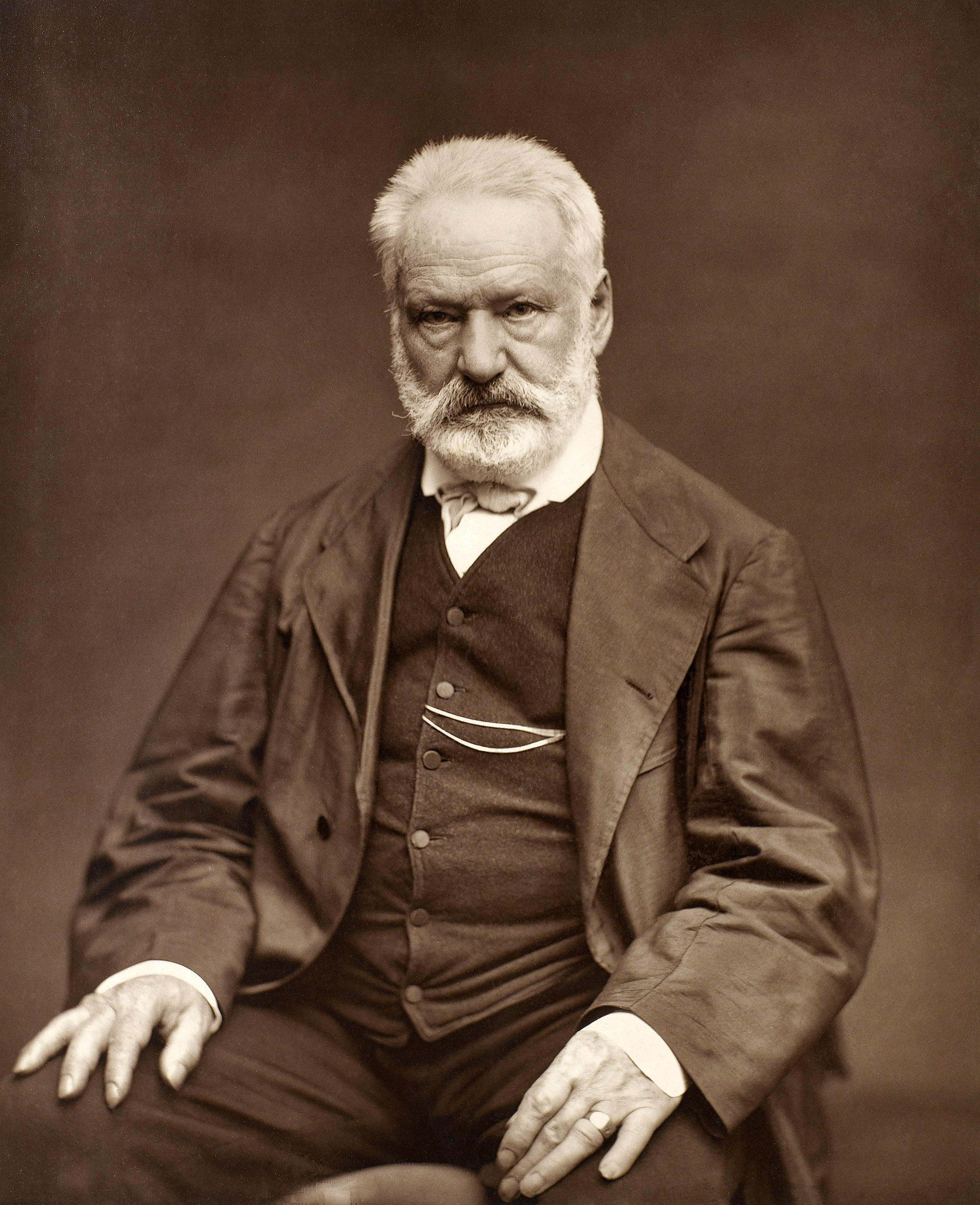
Special Frontier Force - Tibtean Resistance: Victor Marie Hugo(1802 - 1885), French novelist, romantic poet, and dramatist had defended Freedom and had opposed authoritarianism. In his Romantic vision of world order, the force of any army cannot deter the force of an idea. Man has a natural tendency to accept certain types of authority that could be consistent with the Natural Order and rejects other kinds of rule by Force.
Special Frontier Force – Tibetan Resistance: Victor Marie Hugo (1802 – 1885), French novelist, romantic poet, and dramatist defends Freedom and opposes authoritarianism. In his Romantic vision of world order, the force of any army cannot deter the force of an idea. Man has a tendency to accept certain types of authority that could be consistent with the Natural Order and rejects other kinds of rule by Force. Peace is associated with Natural State and War is associated with transgression of Natural Condition.

Excerpt: Special Frontier Force – The Doctrine of Tibetan Resistance: The Problem of War and Peace in Tibet. Can we order Peace for the sake of War, and not War for the sake of Peace? It may be argued that Peace is Inevitable or it may be stated that War is Inevitable. The problem is the absence of Natural Order, Natural Condition, Natural Power, and Natural Authority in the Land of Tibet and in the lives of Tibetans. I state that Resistance is Inevitable, Resistance will Endure, and Resistance will Prevail if there is no Natural Order in Tibet. Tibet can Resist, Tibet will Resist, and Tibetan Resistance will Prevail until the Natural Order is restored in Tibet.

Special Frontier Force - The Doctrine of Tibetan Resistance: The tools of Tibetan Resistance are 1. Patience, 2. Persistence, and 3. Perseverance. Man opposes the reign of force by standing firm or by working against the force without yielding. To oppose and to withstand a force, man needs the virtues of Temperance, Tolerance, and Tranquility to remain calm, unperturbed to maintain "Inner Peace" while reacting to an external force. The virtue of Perseverance triumphs for it preserves the "Inner Peace" while the external reality is described by Violence or War.
Special Frontier Force – The Doctrine of Tibetan Resistance: The tools of Tibetan Resistance are 1. Patience, 2. Persistence, and 3. Perseverance. Man opposes the reign of force by standing firm or by working against the force without yielding. To oppose and to withstand a force, man needs the virtues of Temperance, Tolerance, and Tranquility to remain calm, unperturbed to maintain “Inner Peace” while reacting to an external force. The virtue of Perseverance triumphs for it preserves the “Inner Peace” while the external reality is described by Violence or War.
Special Frontier Force - Tibetan Resistance: Can we order 'Peace' for the sake of 'War', and not 'War' for the sake of 'Peace'??? We may argue about the inevitability of War and Peace. In Tibet, since 1950, there is no 'Natural Order'. Resistance is the Symptom of the lack of 'Natural Order'.
Special Frontier Force – Tibetan Resistance: Can we order ‘Peace’ for the sake of ‘War’, and not ‘War’ for the sake of ‘Peace’? We may argue about the inevitability of War and Peace. In Tibet, since 1950, there is no ‘Natural Order’. Resistance is the Symptom of the lack of ‘Natural Order’. Tibet refused to surrender its Freedom and chose to offer Resistance to the War of Occupation imposed by the People’s Republic of China.

In 1950, People’s Republic of China imposed its War on Tibet. Tibet’s military occupation is the perpetuation of this condition, or state of War. Tibet has two choices in its response to China’s War; 1.Tibet can surrender to China to embrace its reign by force, or 2. Tibet can resist and stand firm against its rule by external force. Man accepts or reconciles to the use of force, power, and authority that is consistent with his natural condition or natural state. The first act of resistance is the product of man’s cognitive ability to recognize his Enemy and distinguish the Enemy from his Friend. The truth about War and Peace can be stated in simple and clear terms. It is as simple as the recognition of Black and White colors. Enemy is Black. Friend is White. War is Black and Peace is White. Occupation is Black, and Liberation is White. Occupation is the Enemy and Freedom is the Friend in simple Black and White terms. There is no Resistance if Enemy is not known or not recognized. Once Enemy is recognized, Resistance acquires the Force of a Duty. Resistance is the rejection of Enemy’s Power, and Resistance is the nonacceptance of Enemy’s authority.

THE DOCTRINE OF TIBETAN RESISTANCE:

Special Frontier Force - Tibetan Resistance: The Doctrine and the Philosophy of Tibetan Resistance to China's War of Occupation is based on the Force or Power of an Idea that concludes that the Enemy has no Power over your Mind and the Enemy cannot exercise authority over your Mind. Resistance begins when man sets his Mind Free. Resistance is Freedom in Action without any sense of Fear.
Special Frontier Force – Tibetan Resistance: The Doctrine and the Philosophy of Tibetan Resistance to China’s War of Occupation is based on the Force or Power of an Idea that concludes that the Enemy has no Power over your Mind and the Enemy cannot exercise authority over your Mind. Resistance begins when man sets his Mind Free. Resistance is Freedom in Action without any sense of Fear.

The tools of Tibetan Resistance are 1. Patience, 2. Persistence, and 3. Perseverance. Man opposes the reign of force by standing firm or by working against the force without yielding. To oppose and to withstand a force, man needs the virtues of Temperance, Tolerance, and Tranquility to remain calm, unperturbed to maintain “Inner Peace” while reacting to an external force. The virtue of Perseverance triumphs for it preserves the “Inner Peace” while the external reality is described by Violence or War.

Special Frontier Force – Tibetan Resistance: The Doctrine and the Philosophy of Tibetan Resistance to China’s War of Occupation is based on the Force or Power of an Idea that concludes that the Enemy has no Power over your Mind and the Enemy cannot exercise authority over your Mind. Resistance begins when man sets his Mind Free. Resistance is Freedom in Action without any sense of Fear.

Resistance is the rejection of Enemy’s Power over your Life. Resistance is the nonacceptance of Enemy’s authority over your Mind. The Enemy gets no shelter and the Enemy gets no Protection in the Mind of a person who Resists. Tibetans choose Life to resist their Enemy. Tibetans in their Deaths, defy the Purpose of their Enemy.

Special Frontier Force - Tibetan Resistance: Tibetans choose Life to Resist their Enemy. In Death, Tibetans defy the Purpose of their Enemy. In recent times, a number of Tibetans to defy the purpose of their Enemy have killed themselves in acts of Self Immolations.
Special Frontier Force – Tibetan Resistance: Tibetans choose Life to Resist their Enemy. In Death, Tibetans defy the Purpose of their Enemy. In recent times, a number of Tibetans to defy the purpose of their Enemy have killed themselves in acts of Self Immolation.
SPECIAL FRONTIER FORCE - TIBETAN RESISTANCE: The Potala Palace, Lhasa, Tibet is the symbol of Natural Authority and is the seat of Natural Power in Tibet. The Chain is the symbol of Tibet's Occupation, the existence that violates the Principle of Natural State or Natural Condition.
SPECIAL FRONTIER FORCE – TIBETAN RESISTANCE: The Potala Palace, Lhasa, is the symbol of Natural Authority and is the seat of Natural Power in Tibet. The Chain is the symbol of Tibet’s Occupation, the Tyranny, the Oppression that violates the Principle of Natural State or Natural Condition.
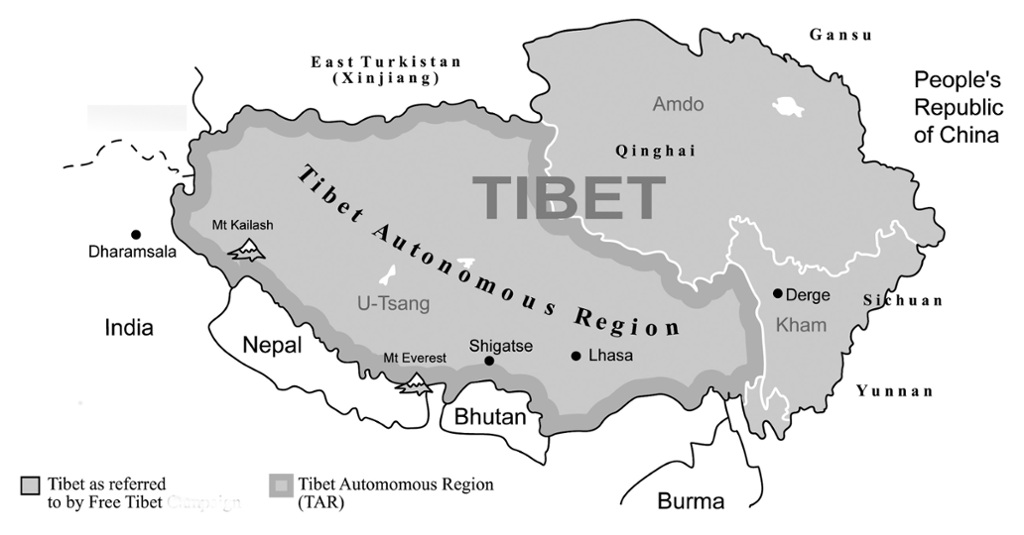
SPECIAL FRONTIER FORCE - TIBETAN RESISTANCE: The Doctrine or the Philosophy of Tibetan Resistance involves the Art of Saying "NO" to the Enemy. The three original provinces of Tibet, U-Tsang, Kham, and Amdo constitute Tibetan territory and Tibetans reject the Tibetan Autonomous Region or TAR created by Communist China during 1965.
SPECIAL FRONTIER FORCE – TIBETAN RESISTANCE: The Doctrine or the Philosophy of Tibetan Resistance involves the Art of Saying “NO” to the Enemy. The three original provinces of Tibet, U-Tsang, Kham, and Amdo constitute Tibetan territory and Tibetans reject the Tibetan Autonomous Region or TAR created by Communist China during 1965.

Tibet during the course of its history has come under foreign conquests. The Yuan, Mongol Dynasty founded by Kublai Khan conquered Tibet during 1279. Similarly, when the Ching or Manchu ruled over China, Tibet came under the nominal protection of Manchus. However, Tibetans retained their natural way of life, and for all practical purposes, Tibet existed in its Natural State or Natural Condition for several centuries. The rule by the political and religious institution of the Dalai Lama or the Ganden Phodrang Government founded in 1642 represents the seat of Natural Power or Natural Authority to which Tibetans yield in obedience. Communist China’s invasion of Tibet in 1950 is accompanied by a different purpose. The purpose of China’s military conquest is that of occupation, subjugation, and exploitation of the Land of Tibet, its people and all of its natural resources. The purpose of Tibetan Resistance is the quest for a Life with Dignity. Can we order Peace, Justice, and Honor for the sake of War? Can we order War for the sake of Peace, Justice, and Honor? How could we define the purpose of War and Peace in Tibet?

WAR AND PEACE IN TIBET:

Special Frontier Force - Tibetan Resistance: The Problem of War and Peace in Tibet. Can we order Peace for the sake of War, and not War for the sake of Peace? It may be argued that Peace is Inevitable or it may be stated that War is Inevitable. The problem is the absence of Natural Order, Natural Condition, Natural Power, and Natural Authority in the Land of Tibet and in the lives of Tibetans. I would state that Resistance is Inevitable, Resistance will Endure, and Resistance will Prevail if there is no Natural Order in Tibet.
Special Frontier Force – Tibetan Resistance: The Problem of War and Peace in Tibet. Can we order Peace for the sake of War, and not War for the sake of Peace? It may be argued that Peace is Inevitable or it may be stated that War is Inevitable. The problem is the absence of Natural Order, Natural Condition, Natural Power, and Natural Authority in the Land of Tibet and in the lives of Tibetans. I state that Resistance is Inevitable, Resistance will Endure, and Resistance will Prevail if there is no Natural Order in Tibet.

The term Resistance describes the organized underground movement in a country fighting against a foreign occupying power. Special Frontier Force – Establishment No. 22 represents the fact of a military alliance or military pact between Tibet, India, and the United States to fight the occupation of Tibet by its Enemy. Its military mission includes the use of force to evict the occupier of Tibet.

Special Frontier Force – Tibetan Resistance: The Problem of War and Peace in Tibet. Can we order Peace for the sake of War, and not War for the sake of Peace? It may be argued that Peace is Inevitable or it may be stated that War is Inevitable. The problem is the absence of Natural Order, Natural Condition, Natural Power, and Natural Authority in the Land of Tibet and in the lives of Tibetans. I state that Resistance is Inevitable, Resistance will Endure, and Resistance will Prevail if there is no Natural Order in Tibet.

Sigmund Freud observes: “War is not to be abolished; so long as the conditions of existence among the nations are so varied, and the repulsions between Peoples so intense, there will be , there must be Wars.” Communist China’s military power, military strategy, and military tactics will not assure the surrender of Freedom and acceptance of its power and authority in Tibet. China cannot impose its Peace by the use of its military power in Tibet.

Tibetan Resistance is a mere symptom of the absence of Natural Order in Tibetan Existence. Tibet can Resist, Tibet will Resist, and Tibet will Prevail in its Resistance until its Natural Order is restored and let its Natural Condition to operate the lives of Tibetans.

Special Frontier Force – Tibetan Resistance: The Problem of War and Peace in Tibet. Can we order Peace for the sake of War, and not War for the sake of Peace? It may be argued that Peace is Inevitable or it may be stated that War is Inevitable. The problem is the absence of Natural Order, Natural Condition, Natural Power, and Natural Authority in the Land of Tibet and in the lives of Tibetans. I state that Resistance is Inevitable, Resistance will Endure, and Resistance will Prevail if there is no Natural Order in Tibet.