Whole Dude – Whole Vikas – Whole Journey: My reflections on Mylapore, Madras, Chennai Family Connections
Yes Indeed, Life is Complicated. The complexity of Life is about the nature of the man’s life journey. How would I know if every move I make has been predestined? How could I make this journey from Mylapore, Madras to Ann Arbor, Michigan? Do I have the free will to make the choices for the moves I choose? My Birthplace: Who chooses the Date, the Time, and the Place of Birth and Death?
Reflections on my Mylapore, Madras, Chennai Family Connections
Whole Dude – Whole Vikas – Whole Journey: My reflections on Mylapore, Madras, Chennai Family Connections. I was born in Mylapore at my maternal grandfather’s residence on Kutchery Street with Santhome Cathedral on the east and the Kapaleeswarar Temple on the west. My national identity is derived from a mansion located on Royapettah High Road in Mylapore.
Dr Sarvepalli Radhakrishnan (05 September 1888 to 17 April 1975), the second President of the Republic of India is known to me from my early childhood.
Whole Dude – Whole Vikas – Whole Journey: My reflections on Mylapore, Madras, Chennai Family Connections. I was born in Mylapore at my maternal grandfather’s residence on Kutchery Street with Santhome Cathedral on the east and the Kapaleeswarar Temple on the west. My national identity is derived from a mansion located on Royapettah High Road in Mylapore.
Dr Sarvepalli Radhakrishnan belonged to Mylapore, Madras City (Chennai) and his residence was on Royapettah High Road which is renamed as Dr Radhakrishnan Salai. His daughter, Rukmini was married to the younger brother of my maternal grandfather, Her residence was near Luz Corner, Mylapore. My grandfather, Dr. Kasturi. Narayana Murthy, M.D., lived at 2/37 Kutchery Street in Mylapore. I was born in my grandfather’s residence. There are four dimensions of my Identity shaped by my birthplace, the neighborhood where I was born. These are my personal identity, the choice of my personal name associated with a Temple in my neighborhood, my national identity associated with a mansion that I visited as a child, and my social identity associated with the celebration of Buddha Jayanti as a kid and the marital identity shaped by the Cathedral very close to my birthplace which predetermined my choice to accept a Church Wedding at age 25.
Whole Dude – Whole Vikas – Whole Journey: My reflections on Mylapore, Madras, Chennai Family Connections. I was born in Mylapore at my maternal grandfather’s residence on Kutchery Street with Santhome Cathedral on the east and the Kapaleeswarar Temple on the west. My national identity is derived from a mansion located on Royapettah High Road in Mylapore.Whole Dude – Whole Vikas – Whole Journey: My reflections on Mylapore, Madras, Chennai Family Connections. I was born in Mylapore at my maternal grandfather’s residence on Kutchery Street with Santhome Cathedral on the east and the Kapaleeswarar Temple on the west. Luz Corner, Mylapore.
While I lived in Mylapore and later during my regular summer vacations spent in Madras City, I used to visit Dr. Radhakrishnan’s daughter’s residence daily. At that time, Dr. Radhakrishnan served as the first Vice President of India (1952-1962).
Whole Dude – Whole Vikas – Whole Journey: My reflections on Mylapore, Madras, Chennai Family Connections. I was born in Mylapore at my maternal grandfather’s residence on Kutchery Street with Santhome Cathedral on the east and the Kapaleeswarar Temple on the west. My national identity is derived from a mansion located on Royapettah High Road in Mylapore.Whole Dude – Whole Vikas – Whole Journey: My reflections on Mylapore, Madras, Chennai Family Connections. I was born in Mylapore at my maternal grandfather’s residence on Kutchery Street with Santhome Cathedral on the east and the Kapaleeswarar Temple on the west. My national identity is derived from a mansion located on Royapettah High Road in Mylapore.Whole Dude – Whole Vikas – Whole Journey: My reflections on Mylapore, Madras, Chennai Family Connections. I was born in Mylapore at my maternal grandfather’s residence on Kutchery Street with Santhome Cathedral on the east and the Kapaleeswarar Temple on the west. My national identity is derived from a mansion located on Royapettah High Road in Mylapore.Whole Dude – Whole Vikas – Whole Journey: My reflections on Mylapore, Madras, Chennai Family Connections. I was born in Mylapore at my maternal grandfather’s residence on Kutchery Street with Santhome Cathedral on the east and the Kapaleeswarar Temple on the west. My national identity is derived from a mansion located on Royapettah High Road in Mylapore.Whole Dude – Whole Vikas – Whole Journey: My reflections on Mylapore, Madras, Chennai Family Connections. I was born in Mylapore at my maternal grandfather’s residence on Kutchery Street with Santhome Cathedral on the east and the Kapaleeswarar Temple on the west. My national identity is derived from a mansion located on Royapettah High Road in Mylapore.Whole Dude – Whole Vikas – Whole Journey: My reflections on Mylapore, Madras, Chennai Family Connections. I was born in Mylapore at my maternal grandfather’s residence on Kutchery Street with Santhome Cathedral on the east and the Kapaleeswarar Temple on the west. My national identity is derived from a mansion located on Royapettah High Road in Mylapore.Whole Dude – Whole Vikas – Whole Journey: My reflections on Mylapore, Madras, Chennai Family Connections. I was born in Mylapore at my maternal grandfather’s residence on Kutchery Street with Santhome Cathedral on the east and the Kapaleeswarar Temple on the west. My national identity is derived from a mansion located on Royapettah High Road in Mylapore.Whole Dude – Whole Vikas – Whole Journey: My reflections on Mylapore, Madras, Chennai Family Connections. I was born in Mylapore at my maternal grandfather’s residence on Kutchery Street with Santhome Cathedral on the east and the Kapaleeswarar Temple on the west. My national identity is derived from a mansion located on Royapettah High Road in Mylapore. A view of Marina Beach, Mylapore.
I clearly remember the celebration of 2500th Birth Anniversary of Gautama Buddha on May 24, 1956, while I was in Mylapore, Madras City (Chennai).
Whole Dude – Whole Vikas – Whole Journey: My reflections on Mylapore, Madras, Chennai Family Connections. I was born in Mylapore at my maternal grandfather’s residence on Kutchery Street with Santhome Cathedral on the east and the Kapaleeswarar Temple on the west. My national identity is derived from a mansion located on Royapettah High Road in Mylapore. My Musings on Buddha Purnima. I am a Refugee. Who is my Refuge?Whole Dude – Whole Vikas – Whole Journey: My reflections on Mylapore, Madras, Chennai Family Connections. I was born in Mylapore at my maternal grandfather’s residence on Kutchery Street with Santhome Cathedral on the east and the Kapaleeswarar Temple on the west. My national identity is derived from a mansion located on Royapettah High Road in Mylapore. My Musings on Buddha Purnima. I am a Refugee. Who is my Refuge?
In India’s capital City of New Delhi, the celebration of Buddha Jayanti was attended by His Holiness the 14th Dalai Lama and the 10th Panchen Lama Rinpoche. The Institution of Dalai Lama is the central focus of Tibetan Cultural Identity and Tibetan national character.
I want to share my reflections on my Mylapore, Madras, Chennai Family Connections. This relationship connects several important events of my life’s journey. For I believe in the doctrine of predestination, I can trace my life’s journey as a series of predetermined events.
In my analysis, the time and the place are of equal importance in the formulation of predetermined events. I shall discuss the role of time and place in the context of three issues; 1. Birth Place, 2. Relationships, for example, Radhakrishnan worked in Presidency College, Madras where my father studied and worked, and 3. The Final Destination.
My Birthplace: Who chooses the Date, the Time, and the Place of Birth and Death?
Whole Dude – Whole Vikas – Whole Journey: My reflections on Mylapore, Madras, Chennai Family Connections. I was born in Mylapore at my maternal grandfather’s residence on Kutchery Street with Santhome Cathedral on the east and the Kapaleeswarar Temple on the west.Whole Dude – Whole Vikas – Whole Journey: My reflections on Mylapore, Madras, Chennai Family Connections. I was born in Mylapore at my maternal grandfather’s residence on Kutchery Street with Santhome Cathedral on the east and the Kapaleeswarar Temple on the west.Whole Dude – Whole Vikas – Whole Journey: My reflections on Mylapore, Madras, Chennai Family Connections. I was born in Mylapore at my maternal grandfather’s residence on Kutchery Street with Santhome Cathedral on the east and the Kapaleeswarar Temple on the west.Whole Dude – Whole Vikas – Whole Journey: My reflections on Mylapore, Madras, Chennai Family Connections. I was born in Mylapore at my maternal grandfather’s residence on Kutchery Street with Santhome Cathedral on the east and the Kapaleeswarar Temple on the west.Whole Dude – Whole Vikas – Whole Journey: My reflections on Mylapore, Madras, Chennai Family Connections. I was born in Mylapore at my maternal grandfather’s residence on Kutchery Street with Santhome Cathedral on the east and the Kapaleeswarar Temple on the west.Whole Dude – Whole Vikas – Whole Journey: My reflections on Mylapore, Madras, Chennai Family Connections. I was born in Mylapore at my maternal grandfather’s residence on Kutchery Street with Santhome Cathedral on the east and the Kapaleeswarar Temple on the west.Whole Dude – Whole Vikas – Whole Journey: My reflections on Mylapore, Madras, Chennai Family Connections. I was born in Mylapore at my maternal grandfather’s residence on Kutchery Street with Santhome Cathedral on the east and the Kapaleeswarar Temple on the west. This landmark Temple of Kapaleeswarar binds me to my birthplace of Mylapore, Madras (Chennai). The Presiding Deity of this Temple is chosen as my personal Protector and hence I am given the name of “RUDRA.”Whole Dude – Whole Vikas – Whole Journey: My reflections on Mylapore, Madras, Chennai Family Connections. I was born in Mylapore at my maternal grandfather’s residence on Kutchery Street with Santhome Cathedral on the east and the Kapaleeswarar Temple on the west.Kapaleeswarar temple in Mylapore, Madras. A view of the eastern Gopuram from inside the temple. My personal name was decided under the influence of the Date, the Time, and the Place of my birth. What’s in a Name?The Rudra Dimension of ShivaWhat’s in a Name? NarasimhaWhole Dude – Whole Vikas – Whole Journey: My reflections on Mylapore, Madras, Chennai Family Connections. I was born in Mylapore at my maternal grandfather’s residence on Kutchery Street with Santhome Cathedral on the east and the Kapaleeswarar Temple on the west.The Making of a Whole Name for the Whole Person. The Choice of the Name is predestined by the Science of Light called Jyotish. My birth sign: SagittariusMy birth Star: MoolaSagittarius constellationMoola Star of SagittariusKey Themes of Moola Birth StarWhole Dude – Whole Vikas – Whole Journey: My reflections on Mylapore, Madras, Chennai Family Connections. I was born in Mylapore at my maternal grandfather’s residence on Kutchery Street with Santhome Cathedral on the east and the Kapaleeswarar Temple on the west.The Making of a Whole Name for the Whole Person. The choice of Name is predestined by the Science of Light called Jyotish.Whole Dude – Whole Vikas – Whole Journey: My reflections on Mylapore, Madras, Chennai Family Connections. I was born in Mylapore at my maternal grandfather’s residence on Kutchery Street with Santhome Cathedral on the east and the Kapaleeswarar Temple on the west.What’s in a Name? The making of a Whole Name for the Whole Person. The choice of the Name is predestined by the Science of Light called Jyotish.Whole Dude – Whole Vikas – Whole Journey: My reflections on Mylapore, Madras, Chennai Family Connections. I was born in Mylapore at my maternal grandfather’s residence on Kutchery Street with Santhome Cathedral on the east and the Kapaleeswarar Temple on the west. Even Lord Narasimha’s mystical appearance out of a pillar was decided under the influence of the Date, the Time, and the Place predetermined for the killing of the Demon King Hiranyakashipu.
Mylapore, Madras, Chennai, my birthplace predetermined my connection to Radhakrishnan as well as my connection to my wife who is also born on the fifth day of September.
Whole Dude – Whole Vikas – Whole Journey: My reflections on Mylapore, Madras, Chennai Family Connections. I was born in Mylapore at my maternal grandfather’s residence on Kutchery Street with Santhome Cathedral on the east and the Kapaleeswarar Temple on the west. My marital identity is shaped by the Cathedral very close to my birthplace which predetermined my choice to accept a Church Wedding at age 25. Whole Dude – Whole Vikas – Whole Journey: My reflections on Mylapore, Madras, Chennai Family Connections. I was born in Mylapore at my maternal grandfather’s residence on Kutchery Street with Santhome Cathedral on the east and the Kapaleeswarar Temple on the west. My marital identity is shaped by the Cathedral very close to my birthplace which predetermined my choice to accept a Church Wedding at age 25. Whole Dude – Whole Vikas – Whole Journey: My reflections on Mylapore, Madras, Chennai Family Connections. I was born in Mylapore at my maternal grandfather’s residence on Kutchery Street with Santhome Cathedral on the east and the Kapaleeswarar Temple on the west. My marital identity is shaped by the Cathedral very close to my birthplace which predetermined my choice to accept a Church Wedding at age 25.Whole Dude – Whole Vikas – Whole Journey: My reflections on Mylapore, Madras, Chennai Family Connections
Radhakrishnan studied in Madras Christian College and later worked in Presidency College, Madras. My wife talks about Madras Christian College for her father, and four of her brothers studied there. In February 1973, just after I got married, I visited Madras Christian College along with my wife to meet her younger brother who was studying there for his Master of Science degree.
Whole Dude – Whole Vikas – Whole Journey: My reflections on Mylapore, Madras, Chennai Family Connections
My father studied in Presidency College, Madras and later worked there during my early childhood years spent in Mylapore. Apart from Radhakrishnan, his son, Sarvepalli Gopal also worked in Presidency College.
My Relationships
Whole Dude – Whole Vikas – Whole Journey: My reflections on Mylapore, Madras, Chennai Family Connections. My birth Star: Moola Nakshatra predestined my relationships.
In October 1962, my connection to Radhakrishnan was shaped by Communist China’s attack on India across the Himalayan Frontier. On one hand the Spirit of Nationalism inspired me to serve in the Indian Army, and on the other hand, it profoundly influenced my thinking about choosing a life partner. At the same time, the 1962 India-China War prepared a very special place to render my military service while I am still a college student. In September 1969, I was granted the Short Service Regular Commission to serve in the Indian Army Medical Corps. My educational career prepared me for this role as well as giving me the opportunity to find a partner who accepted my passion to serve in the Olive-Green military uniform. I got married in January 1973 while I was serving in D Sector, Establishment 22 and was stationed at Doom Dooma, Tinsukia District, Assam. My journey from Mylapore to Chakrata, from Chakrata to Doom Dooma, from Doom Dooma to Ann Arbor, USA was predestined and cannot be explained as personal choices I made.
Vikas Regiment of Special Frontier Force is known by the study of its military mission
Special Frontier Force-Establishment No. 22-Vikas Regiment: This badge represents a military alliance/pact between India, Tibet, and the United States of America. Its first combat mission was in the Chittagong Hill Tracts which unfolded during October 1971. It was named Operation Eagle. It accomplished its mission of securing peace in the region that is now known as Republic of Bangladesh.The History of Special Frontier Force-Establishment No. 22-Vikas Regiment: “AHIMSA PARAMO DHARMAH; DHARMA HIMSA TATHIVA CHA.” Both India and Tibet recognize Non-Violence or Ahimsa as the highest principle. The military organization, Special Frontier Force-Establishment No. 22-Vikas Regiment represents the second part of the statement; Violence or Himsa is equally the highest principle when it is necessary to defend the righteous.
The military organization which is known as Special Frontier Force-Establishment No. 22-Vikas Regiment came into its existence during the presidency of Dr. Sarvepalli Radhakrishnan, the second President of the Republic of India, 13 May 1962 to 13 May 1967. While Special Frontier Force is a product of Cold War Era secret diplomacy, I share my personal story, the events from early childhood, that shaped the rest of my life and has formulated my bonding with this Organization and my desire to accomplish its military mission.
The military organization which is known as Special Frontier Force-Establishment No. 22-Vikas Regiment came into its existence during the presidency of Dr. Sarvepalli Radhakrishnan, the second President of the Republic of India, 13 May 1962 to 13 May 1967Dr. Sarvepalli Radhakrishnan and the history of Special Frontier Force-Establishment No. 22-Vikas Regiment: In India, school children celebrate Dr. Radhakrishnan’s birthday (05 September) as Teacher’s Day and every year that I spent as a student, I had a special reason to remember my family connection with his daughter and the Indian President. He correctly predicted the need for military action to fight injustice and during his Presidency, India bravely resisted the Chinese aggression and thousands of Indian Army soldiers gave their precious lives to defend India. It inspired me to serve in the Indian Armed Forces to continue the task of opposing, and resisting the threat posed by Communist China.
India – Tibet Relations From 1950 to 1962:
The history of Special Frontier Force-Establishment No. 22-Vikas Regiment: The Celebration of 2500th Anniversary of the birth of Gautama Buddha (Buddha Jayanti) in New Delhi on May 24, 1956 displays the historical connection between India, and Tibet. Prime Minister Nehru, President Rajendra Prasad, the 14th Dalai Lama, and the 10th Panchen Lama, Rinpoche are seen in this photo image. Because of Gautama Buddha, India, and Tibet are natural allies. But, the complex, political, and military relationship developed as a reaction to the People’s Republic of China’s invasion of Tibet in 1950.The History of Special Frontier Force-Establishment No. 22-Vikas Regiment: The President of India Babu Rajendra Prasad with the visiting His Holiness the 14th Dalai Lama, and Panchen Lama Rinpoche. India, and Tibet, during 1956 tried to resolve the crisis imposed by China using peaceful, diplomatic negotiations.The History of Special Frontier Force-Establishment No. 22-Vikas Regiment: The military occupation of Tibet by Communist China shaped the historical, cultural, religious relationship between India, and Tibet. It commenced an entirely new era in which both India and Tibet are driven by the same kind of security concerns. Prime Minister Chou En-Lai represents the face of that danger that forced Prime Minister Nehru to know and appreciate the nature of Tibetan Nation as represented by the 14th Dalai Lama and the 10th Panchen Lama Rinpoche.
India achieved its full independence from the British rule on August 15, 1947. India became the Republic of India on January 26, 1950. Dr. Babu Rajendra Prasad became the first President of the Republic of India. The first general elections were held in 1952, and Dr. Sarvepalli Radhakrishnan, who was at that time-serving as India’s ambassador to the Soviet Union, was elected as the first Vice President and he served a second term as the Vice President from 1957 to 1962. India witnessed a major military threat to its Himalayan frontier when the People’s Republic of China sent its army during October 1950 to occupy Tibet while Tibetans had no ability to resist such a massive, military invasion of their territory. Tibet tried to resolve the issue using diplomacy. Tibet requested India to bring the issue to the attention of the United Nations to adopt a resolution against the Communist invasion. At that time Tibet was still following the policy of political isolationism, and neutralism and was not recognized by the United Nations as a member nation. The United States was fighting the Korean War and was fully interested in preventing the spread of Communism in Asia. However, Tibet did not request for direct, US military intervention. India did not have the necessary military force of its own to intervene inside Tibet. At the same time, India also actively pursued its own policy of political neutralism that is known as the Nonaligned Movement to reduce the political tensions caused by the Cold War. India thought that the crisis in Tibet could be resolved by directly negotiating with China without involving the United Nations and without antagonizing its security interests in defending Kashmir from military aggression by Pakistan and its allies in the West. During 1951 Communist China had imposed a 17-Point Agreement on Tibet while Tibetans had no capacity to defend their rights; the Agreement of the Central People’s Government and the Local Government of Tibet on 23rd May 1951 to take measures for the “Peaceful Liberation of Tibet.” China started quoting this agreement to justify its illegal and unjust military occupation of Tibet. It must be clearly understood that the Great Fifth Dalai Lama founded the “Ganden Phodrang” Government of Tibet in 1642. The successive Dalai Lamas have headed the Tibetan State for nearly four centuries. Towards the end of the Qing Dynasty or Ching Dynasty, the Great 13th Dalai Lama declared Tibet’s Independence from Manchu China. From 1911 to 1950 – 39-Years, Tibet was an independent Nation before the creation of this political entity called The People’s Republic of China.
Tibet tried its very best to appease the Communist Party Chairman Mao Tse-Tung until 1954-1955. China took full political, and military advantage of Tibet’s isolationism and took every possible measure to deny the freedom that Tibetans had enjoyed for several centuries in spite of sporadic foreign invasions by the Mongols, and later by the Manchus. In the past, the foreign rulers of Tibet did not intervene in Tibet’s internal affairs and their traditional style of governance through the institution of the Dalai Lama or the “Ganden Phodrang” Government continued for four centuries.
The history of Special Frontier Force-Establishment No. 22-Vikas Regiment: The photo image of His Holiness the 14th Dalai Lama in Peking. Tibet tried its very best to appease the Communist Party Chairman Mao Tse-Tung until 1954-1955. China took full political, and military advantage of Tibet’s isolationism and took every possible measure to deny the freedom that Tibetans had enjoyed for several centuries in spite of sporadic foreign invasions by the Mongols, and later by the Manchus. In the past, the foreign rulers of Tibet did not intervene in Tibet’s internal affairs and their traditional style of governance through the institution of the Dalai Lama or the “Ganden Phodrang” Government continued for four centuries.The History of Special Frontier Force-Establishment No. 22-Vikas Regiment: His Holiness the 14th Dalai Lama with India’s President and Vice President. Both India and Tibet had strongly desired to resolve the conflict with communist China using diplomacy. The existence of an autonomous Tibetan nation serves the best interests of Indian national security.
Both India and Tibet had strongly desired to resolve the conflict with communist China using diplomacy. The existence of an autonomous Tibetan nation serves the best interests of Indian national security.India and Tibet had no intentions to formulate a military alliance/pact in response to China’s military occupation. They had expected that China would consent to release its military grip and allow full autonomy.
The History of Special Frontier Force-Establishment No. 22-Vikas Regiment: India and Tibet had no intentions to formulate a military alliance/pact in response to China’s military occupation. They had expected that China would consent to release its military grip and allow full autonomy. A banquet held in Ashoka Hotel, New Delhi in 1956 to honor the visiting Head of State, the 14th Dalai Lama of Tibet who is seen seated between Prime Minister Jawaharlal Nehru and his daughter Ms. Indira Gandhi.
India desired to promote international peace and tried to avoid armed conflicts. The burden imposed by China’s military occupation of Tibet was viewed with concern, but India tried the use of diplomacy and avoid war.India and Tibet tried to cultivate a friendly relationship with China and its failure was caused by China’s policy of Expansionism.
The photo images of Prime Minister Chou En-Lai, Prime Minister Jawaharlal Nehru, and the 14th Dalai Lama demonstrate the desire of India to promote peaceful co-existence. These efforts towards peaceful co-existence with Communist China had utterly failed during 1957-58. Establishment No. 22 represents the failure of India’s peace initiative. The military occupation of Tibet is not a friendly posture and China could not be trusted as a friend.
The History of Special Frontier Force-Establishment No. 22-Vikas Regiment: Both India and Tibet desired friendly and peaceful relations with China. Prime Minister Chou En-Lai is seen here with the 14th Dalai Lama, Indian Prime Minister Jawaharlal Nehru, and his daughter Ms. Indira Gandhi during his visit to New Delhi in 1956. These efforts towards peaceful co-existence with Communist China had utterly failed during 1957-58.The history of Special Frontier Force-Establishment No. 22-Vikas Regiment: India and Tibet tried to cultivate a friendly relationship with China and its failure was caused by China’s policy of Expansionism. Prime Minister Chou En-Lai’s visit to New Delhi in 1956.The History of Special Frontier Force-Establishment No. 22-Vikas Regiment: India desired to promote international peace and tried to avoid armed conflicts. The burden imposed by China’s military occupation of Tibet was viewed with concern, but India tried the use of diplomacy and avoid war. A ceremony to honor Prime Minister Chou En-Lai, and the 14th Dalai Lama during their visit to New Delhi in 1956.The History of Special Frontier Force-Establishment No. 22-Vikas Regiment: The photo images of Prime Minister Chou En-Lai, Prime Minister Jawaharlal Nehru, and the 14th Dalai Lama demonstrate the desire of India to promote peaceful co-existence. Establishment No. 22 represents the failure of India’s peace initiative. The military occupation of Tibet is not a friendly posture and China could not be trusted as a friend.
While Tibet tried its very best to please the Communist leaders of China, India had also pursued a similar policy to befriend China to address the problem of the military threat posed by the military occupation of Tibet. The “Panchsheela” Agreement of 1954 between India and People’s Republic of China recognizes Chinese sovereignty over Tibet, and India agreed to withdraw its very small, military presence in Tibet. India believed that China would grant full autonomy to Tibet and preserve the political, and cultural institutions of Tibet.
It must be noted that Tibet did not recognize or endorse the Panchsheela Agreement made by India and China.
The history of Special Frontier Force-Establishment No. 22-Vikas Regiment: Chinese Prime Minister Zhou En-Lai visited New Delhi, India in June 1954 after his initiative called the Five Principles of Peaceful Coexistence (PANCHSHEEL). The first President of India, Rajendra Prasad (first right), Vice President Radhakrishnan third right, and India’s Prime Minister Jawaharlal Nehru is at the far left.
Indian Vice President Dr. Radhakrishnan made an unsuccessful attempt to resolve the problem of the military occupation of Tibet. He visited Peking during September/October 1957 and met with various Communist Party leaders including Chairman Mao Tse-Tung, and President Liu Shao-Chi (Liu Shaoqi), and Party General Secretary Teng Hsiao-Ping (Deng Xiaoping).Indian Vice President Radhakrishnan could not get any concessions from the Communist leaders. China had determined to pursue a policy of Expansionism and had tripled the size of its country using its superior military power.
The history of Special Frontier Force-Establishment No. 22- Vikas Regiment: Indian Vice President Dr. Radhakrishnan made an unsuccessful attempt to resolve the problem of the military occupation of Tibet. He visited Peking during September 1957 and met with various Communist Party leaders including Chairman Mao Tse-Tung, and President Liu Shao-Chi (Liu Shaoqi), and Party General Secretary Teng Hsiao-Ping (Deng Xiaoping).The history of Special Frontier Force-Establishment No. 22- Vikas Regiment: Indian Vice President Radhakrishnan visited Peking during September/October 1957 and could not get any concessions from the Communist leaders. China had determined to pursue a policy of Expansionism and had tripled the size of its country using its superior military power.
The Origin of Vikas Regiment of Special Frontier Force – Establishment No. 22:
The history of Special Frontier Force-Establishment No. 22- Vikas Regiment: 1957 was a turning point. India had recognized that its foreign policy of political neutralism was of no use and had started depending upon the United States to address the military threat posed by China’s occupation of Tibet. But, the effort was too modest and both India and the United States had grossly underestimated the strength of the People’s Liberation Army. Camp Hale at Colorado represents one aspect of CIA operation and had been called ST CIRCUS.
The need for the use of military force became inevitable after China made it abundantly clear that it would not negotiate its military occupation of Tibet and would not allow the traditional form of Tibetan Government as represented by the Institution of the Dalai Lama. The Tibetan Resistance Movement began with a very modest attempt to train some Tibetan nationals to fight the Chinese People’s Liberation Army that occupied Tibet.
1957 was a turning point. India had recognized that its foreign policy of political neutralism was of no use and had started depending upon the United States to address the military threat posed by China’s occupation of Tibet. But, the effort was too modest and both India and the United States had grossly underestimated the strength of the People’s Liberation Army. Camp Hale at Colorado represents one aspect of CIA operation and had been called ST CIRCUS.
The history of Special Frontier Force-Establishment No. 22-Vikas Regiment can be traced back to 1957-58 when the CIA launched Operation ST CIRCUS. This Commemoration on September 10, 2010, was the first time that the US had officially acknowledge the CIA operation with the Tibetans and it includes the Mustang (Nepal) Operation.
During 1957 it became very clear that Communist China would not relax its military grip over Tibet, and the hopes for limited Tibetan autonomy evaporated. Both India, and Tibet had agreed to seek American military intervention, and it must be believed that India only wanted a covert, military operation to build and establish a Tibetan Resistance Movement to challenge and overthrow the Chinese military regime in Tibet. The climax of this Tibetan Resistance was during March 1959, and China using its vastly superior military power easily crushed this Tibetan Uprising. His Holiness the 14th Dalai Lama had no choice; he and his close followers fled Tibet to seek political asylum in India.
The arrival of His Holiness the 14th Dalai Lama in India to seek political asylum represents the failure of CIA’s covert operation inside Tibet. CIA had grossly underestimated the intelligence capabilities of Communist China.
The history of Special Frontier Force-Establishment No. 22-Vikas Regiment: The arrival of His Holiness the 14th Dalai Lama in India to seek political asylum represents the failure of CIA’s covert operation inside Tibet. CIA had grossly underestimated the intelligence capabilities of Communist China.
India received His Holiness the 14th Dalai Lama with due dignity reflecting India’s belief that the Dalai Lama is the traditional Head of Tibet, an autonomous nation.
The military tyranny imposed by Communist China’s occupation had forced Tibet to break-free from its traditional policy of political isolationism and it is not a big surprise if Tibet finds India as its natural ally.
The history of Special Frontier Force-Establishment No. 22: The Journey of a political refugee. His Holiness the 14th Dalai Lama arrived in India on 31 March 1959 and was presented a Guard of Honor by the Assam Rifles in the Tawang Sector of the North East Frontier Agency which is renamed as Arunachal Pradesh.The history of Special Frontier Force-Establishment No. 22-Vikas Regiment: Indian President Babu Rajendra Prasad received His Holiness the 14th Dalai Lama with due dignity reflecting India’s belief that the Dalai Lama is the traditional Head of Tibet, an autonomous nation.The history of Special Frontier Force-Establishment No. 22-Vikas Regiment: The military tyranny imposed by Communist China’s occupation had forced Tibet to break-free from its traditional policy of political isolationism and it is not a big surprise to find India as its natural ally. Vice President Radhakrishnan is seen with His Holiness the 14th Dalai Lama.
The 1962 India – China War:
The History of Special Frontier Force-Establishment No. 22-Vikas Regiment: Prior to the 1962 India-China War, the Tibetan Resistance Movement had no permanent base in India. The War had forced India to strengthen the Tibetan Resistance Movement and provide it a permanent base within Indian territory. Indian Armed Forces played a major role in training the members of Special Frontier Force with financial, and technical assistance provided by the United States.
I must admit that the Chinese brutal attacks across the Himalayan frontier during October 1962 came as a shocking surprise to me and to most people all over India. To some extent, India, Tibet, and the United States had lacked the intelligence capabilities to know the intentions and the capabilities of their enemy. The costs of this 1962 War would be known if China takes courage and openly admits the numbers of its soldiers wounded, and killed in action. China paid a heavy price and had utterly failed to obtain legitimacy for its military occupation of Tibet.
The history of Special Frontier Force-Establishment No. 22-Vikas Regiment: The 1962 War between India and China paved the way towards a better understanding of India’s security concerns and the need for military alliance/pact with a friendly power like the United States to meet the challenge posed by Communist China. I appreciate Prime Minister Jawaharlal Nehru for his idealistic views and aspiration to be known as a peacemaker. He finally recognized the need for a strong, well-equipped Army.
The 1962 War of Aggression launched by Communist China had a decisive influence on my personal life. I was a college student, and I was in the first year of my 3-year Bachelor of Science degree course. I felt a strong urge to join India’s Armed Forces to specifically address the military threat posed by China. The 1962 War was a conflict imposed by China to teach India a lesson. Later, official documents released by China describe that Chairman Mao Tse-Tung took punitive action to teach a lesson to India when it launched a massive war of retribution attacking Indian Army positions across the entire Himalayan frontier in October 1962. Chairman Mao Tse-Tung was angered by the support extended by India to Tibet to counter the military occupation. Chairman Mao resented India’s role in helping the covert operation of the Central Intelligence Agency and had called it an “Imperialist” conspiracy or plot against China. China had utterly failed to achieve its objectives and the War ended when China declared a unilateral ceasefire on November 21, 1962, and withdrew from the captured Himalayan territory. It should be noted that India did not request China to declare this ceasefire. India did not promise that it will withhold the support that it extends to the Tibetan Government-in-Exile. The Secret White House Recordings of the US President John F Kennedy reveal that Kennedy had threatened to nuke China in 1962 and I must say that the threat achieved its purpose and had forced China to stop its military aggression and withdraw unilaterally without demanding any concessions from India, or Tibet.
The Birth of Vikas Regiment of Special Frontier Force-Establishment No. 22:
The History of Special Frontier Force-Establishment No. 22-Vikas Regiment: The People’s Republic of China could not alter the course of India’s foreign policy. The 1962 War launched by China ended very abruptly when China declared a unilateral ceasefire and withdrew from the captured territory on November 21, 1962. President Kennedy played a decisive role by threatening to “NUKE” China.
President John F. Kennedy immediately responded to the Chinese attack on India. Apart from delivery of arms and ammunition, and other military supplies, American aircraft carried out photo missions over the Indo-Tibetan border. In a meeting held on November 19, 1962 at the White House, President Kennedy, Dean David Rusk (Secretary of State), Averell Harriman (Assistant Secretary of State for Far Eastern Affairs), Robert McNamara (Secretary of Defense), General Paul Adams (Chief of the US Strike Command), John Kenneth Galbraith (US Ambassador to India), John A McCone (Director of Central Intelligence Agency), Desmond Fitzgerald (the Far Eastern CIA Chief), James Critchfield (the Near East CIA Chief), John Kenneth Knaus (CIA’s Tibet Task Force), and David Blee (CIA Station Chief in New Delhi) had decided upon a military aid package in support of the newly created military organization in India which was initially named as Establishment No. 22 and later the name Special Frontier Force was added to describe the location of its headquarters in New Delhi.
The History of Special Frontier Force-Establishment No. 22-Vikas Regiment: In the Cold War Era of Silence and Secrecy, India was fortunate to find the Assistant Secretary of State for Far Eastern Affairs, Averell Harriman who played a crucial role in developing the military response to the 1962 War.The History of Special Frontier Force-Establishment No. 22-Vikas Regiment: John Kenneth Galbraith, the US Ambassador to India played a very helpful role to bring India, and the United States to come together on mutual security concerns and to build a personal relationship between the leaders. This photo image is from 1961 taken during Prime Minister Nehru’s visit to Washington D.C.The history of Special Frontier Force-Establishment No. 22-Vikas Regiment: President Radhakrishnan visiting Indian Army units during the 1962 India-China War. India withstood the attack by Communist China and it soon recovered from its wounds and regained its full confidence to engage China on the battlefield.The history of Special Frontier Force-Establishment No. 22-Vikas Regiment: President Radhakrishnan with Officers of Indian Army during the 1962 India-China War. India understood the need for better preparedness to fight future wars and decided to maintain its support to His Holiness the 14th Dalai Lama, the Head of Tibetan nation who was granted political asylum in India.The History of Special Frontier Force-Establishment No. 22-Vikas Regiment: President Radhakrishnan is seen speaking to news reporters during the 1962 War. India was not deterred by Chinese aggression and had boldly continued the support it extended to the Tibetan Government-in-Exile.
The 1962 India-China War, a military conflict that was initiated by China accomplished the exact opposite of what China had planned to accomplish.
1. India became more firmly aligned with the United States discarding its original policy of political neutralism.
2. The level of cooperation between the Central Intelligence Agency and India’s Research and Analysis Wing (RAW-The Intelligence Bureau of India) became greatly enhanced.
3. India started increasing its own defense-preparedness and strengthened its military capabilities to fight a future war with China.
4. India was not deterred by the Chinese attack and decided to substantially increase its involvement with the Tibetan Resistance Movement. India made the commitment to provide a permanent base to the Tibetan Resistance Movement apart from hosting the Tibetan Government-in-Exile.
5. India, Tibet, and the United States joined together in a military alliance/pact leading to the creation of the military organization called the Establishment No. 22 which is later formally named The Special Frontier Force to describe its official Headquarters in New Delhi.
President Radhakrishnan’s Historic Visit to The United States on June 03/04, 1963:
The History of Special Frontier Force-Establishment No. 22-Vikas Regiment is linked to the presidency of John F. Kennedy.
After the conclusion of the 1962 War with China, Prime Minister Jawaharlal Nehru’s personal health demanded a serious attention and President Radhakrishnan performed the historical journey to the United States on June 03/04 to meet the US President John F. Kennedy to express India’s solidarity with the United States in promoting Peace and Democracy, and the visit displays the trust, and confidence placed by India in the future of their mutual military assistance, and cooperation. I am happy to share several photo images of that visit.
President John F. Kennedy is known to me for he founded the military organization called the Special Frontier Force-Establishment No. 22-Vikas Regiment, in 1962 to secure Freedom, Democracy, Peace, and Justice in the occupied Land of Tibet. President Kennedy acted as a ‘True Neighbor’ of Tibet when he acted with compassion after recognizing the plight of helpless Tibetan people. The United States must reflect its true national values in the manner in which it treats its alien residents.Whole Dude – Whole Vikas – Whole Journey: My reflections on Mylapore, Madras, Chennai Family ConnectionsWhole Dude – Whole Vikas – Whole Journey: My reflections on Mylapore, Madras, Chennai Family ConnectionsThe History of Special Frontier Force-Establishment No. 22-Vikas Regiment: June 03/04, 1963. The historic visit by President Radhakrishnan to affirm India’s friendly relationship with the United States in their policy towards China.The History of Special Frontier Force-Establishment No. 22-Vikas Regiment: June 03/04, 1963. President Radhakrishnan’s visit affirms the appreciation for American support during the 1962 India-China War.Whole Dude – Whole Vikas – Whole Journey: My reflections on Mylapore, Madras, Chennai Family ConnectionsWhole Dude – Whole Vikas – Whole Journey: My reflections on Mylapore, Madras, Chennai Family ConnectionsWhole Dude – Whole Vikas – Whole Journey: My reflections on Mylapore, Madras, Chennai Family ConnectionsThe History of Special Frontier Force-Establishment No. 22-Vikas Regiment: June 03, 1963, Indian President Radhakrishnan by his visit acknowledges the India-Tibet-US military alliance/pact to oppose the military threat posed by China.The History of Special Frontier Force – Establishment No. 22-Vikas RegimentWhole Dude – Whole Vikas – Whole Journey: My reflections on Mylapore, Madras, Chennai Family ConnectionsWhole Dude – Whole Vikas – Whole Journey: My reflections on Mylapore, Madras, Chennai Family ConnectionsWhole Dude – Whole Vikas – Whole Journey: My reflections on Mylapore, Madras, Chennai Family Connections
I met President Radhakrishnan at his Mylapore residence after his retirement during 1967. At that time, both of us were not aware that the very first posting of my career in the Indian Armed Forces would be that of Special Frontier Force-Establishment No. 22 that was created during his presidency. In India, Dr. Sarvepalli Radhakrishnan is recognized as a teacher, philosopher, and a statesman. He is never described as the Supreme Commander of the Indian Armed Forces. I was granted Commission to serve in the Indian Army at the pleasure of the President of India, and my posting order to serve as a Medical Officer in Establishment No. 22 – Special Frontier Force was issued under the authority of the Ministry of Defence which functions under the powers sanctioned by the President of India.
The history of Special Frontier Force-Establishment No. 22-Vikas Regiment: This photo image shows Vice President Radhakrishnan at his New Delhi residence during 1960. The events from 1957 to 1962 shaped Indian foreign policy and it paved the way for alignment with the United States to oppose the military threat posed by the People’s Republic of China. I met President Radhakrishnan at his Mylapore, Madras(Chennai) residence after completion of his term of presidency in 1967. He prefers to read while relaxing in his bed. This is the image, I still carry in my memory.The history of Special Frontier Force-Establishment No. 22-Vikas Regiment: This is a photo image taken at Sarasawa airfield that proudly displays the National Flag of Tibet. Special Frontier Force is a living military organization that is facing its future with hope and encouragement from the United States, India, and Tibet.Whole Dude – Whole Vikas – Whole Journey: My reflections on Mylapore, Madras, Chennai Family Connections
Whole Dude – Whole Day: The Celebration of Birthday at Whole Foods, Ann Arbor.
At Whole Foods, Ann Arbor, the Celebration of Birthday got transformed into Whole Day Celebration.
Whole Dude – Whole Day: The Celebration of Birthday at Whole Foods
The Whole Dude brings the Whole Self to work and hence the Birthday Celebration is named as Whole Day Celebration.
Whole Dude – Whole Day: Whole Team – Whole Congratulations – Whole Gift: To give “Whole Congratulations” to my “Whole Team” Members, Whole Dude decides to spend “Whole Dough” to offer “Whole Gift” for the very special Celebration on Whole Day. Certain Terms and Conditions apply.
Birthday vs Whole Day Celebration:
Whole Dude – Whole Day: Whole Team – Whole Congratulations – Whole Gift: To give “Whole Congratulations” to my “Whole Team” Members, Whole Dude decides to spend “Whole Dough” to offer “Whole Gift” for the very special Celebration on Whole Day. Certain Terms and Conditions apply.
The Whole Day Celebration is unlike the routine Birthday Celebration. The following Terms and Conditions apply to the Whole Day Celebration to make the distinction between Whole Day and Birthday Celebration:
Must be an eligible Whole Team Member and receive the specially designed Celebration Card just meant for You.
Whole Team Members who want to participate in the Whole Day Celebration must sign on the Celebration Card to give the Birthday Greetings to the Whole Person who is Celebrating Birthday.
The Whole Person celebrating Birthday spends Whole Dough to offer Whole Gifts to all the Whole Team Members who sign the Celebration Card joining the Whole Day Celebration.
Whole Team Members transform the Birthday Celebration into Whole Day Celebration when they receive their Whole Gifts and the Whole Person gets no Gift on his/her Birthday.
Whole Dude – Whole Name
Bharat Darshan – The tradition of choosing names using the Science of Light called Jyotish.
Excerpt: The choice of my Name is predestined by the Date, Time and the Place of Birth and their relationship to the Science of Light called Jyotish. The people of Land of Bharat are extremely fond of choosing names. This fondness for selecting, using and remembering names is an important Cultural attribute which defines the Indian Identity. In my case, the choice of the Name is predestined by the Science of Light. Earthly events have celestial connections. For every name that appears in my blog post, there is a specific legend that describes the origin of that name.
What’s in a Name?The Rudra Dimension of ShivaWhat’s in a Name? NarasimhaBharat Darshan: The Making of a Whole Name for the Whole Person. The Choice of the Name is predestined by the Science of Light called Jyotish.
The name ‘ Indian ‘ is related to the great river Sindhu which is also known as Indus. In 1492, Christopher Columbus sailed westwards towards setting sun to reach the shores of India. He discovered people living on islands whom he had mistakenly named as Indians. Apart from those island dwellers, the natives of the entire American continent, the so-called New World were named Indians. In spite of concerted efforts to rename them as Native Americans, the name Indian is still in use.
Name is a very important tool to describe personal identity. The word name as a noun, describes a person, place or thing. It is also a word or words by which an object of thought is known. Indians did not choose the name India or Indian.
Bharat Darshan: What’s in a Name? The Making of a Whole Name for the Whole Person. The Choice of the Name is predestined by the Science of Light called Jyotish .
The people of Land of Bharat are extremely fond of choosing names. This fondness for selecting, using and remembering names is an important Cultural attribute which defines the Indian Identity. In my case, the choice of the Name is predestined by the Science of Light. Earthly events have celestial connections. For every name that appears in my blog post, there is a specific legend that describes the origin of that name
The Tradition of Giving Names:
Bharat Darshan: The Making of a Whole Name for the Whole Person. Lord Shiva is known as Rudra, Neela Kantha, Pasupati and several other names. This fondness for selecting, using, and remembering names is an important cultural attribute which defines Indian Identity. The Choice of my Name is predestined.
The name ” Rudra ” is one of the earliest names known to humanity. According to legend, the Vedic God Rudra acquired His name from His Creator Brahma. As per the story, a boy was seen ‘crying’ and ‘wandering’. The father asked the boy the reason for his ‘howling’. The boy answered that he was ‘weeping’ for he was not given a name. So, the father created a name by bringing together two Sanskrit words which mean ‘crying’ and ‘wandering’. Thus the name Ru+dra was born. This legend is an example of our emotional dependence upon the need for names. The major Deities such as VISHNU and SHIVA that Indians worship are known by thousands of names and remembering those names is deemed as an act of devoted worship. The use of these names is a fundamental right and I understand the term religious freedom in the context of my freedom to choose the name that I want to worship. The religious experience that I gained while growing up in India relates to the use of names as an act of worship. Worship would have no meaning or purpose and would not give me a sense of direction if I do not remember the beautiful names that I have come to know.
A Personal Name and a Personal Story:
Bharat Darshan: What’s in a Name? The Making of a Whole Name for the Whole Person. The Choice of the Name is predestined by the Science of Light called Jyotish.Bharat Darshan: The choice of my Name is predestined. This landmark Temple of Kapaleeswarar binds me to my birthplace Mylapore, Madras (Chennai). If my birthplace had been different, my Name would have been different. The Presiding Deity of this Temple is chosen as my personal Protector and hence I am given the name of RUDRA.
My personal name is very much a part of my personal story. If my birthplace had been different, my Name would have been different. My Name is chosen entirely due to the circumstances of my birth and I remain connected to the persons and the places for the rest of my life. I describe Mylapore, Madras city (Chennai) as my birth place and I describe Rajahmundry of East Godavari District as my native place.
Bharat Darshan: MY IDENTITY AND MY CONNECTION. I CALL MYSELF AS ‘REBBAPRAGADA’; MY MOTHER BELONGS TO THE ‘KASTURI’ FAMILY. THIS IS A PICTURE OF KASTURI BROTHERS. FROM LEFT TO RIGHT, 1. DR. KASTURI NARAYANA MURTHY, M.D. (MY MATERNAL GRANDFATHER), 2. KASTURI. SESHAGIRI RAO (MARRIED TO MRS. RUKMINI, DAUGHTER OF DR. SARVEPALLI RADHAKRISHNAN), 3. KASTURI NARASIMHA RAO, 4. KASTURI KRISHNA RAO, 5. KASTURI SOMESHWARA RAO, 6. KASTURI RAMACHANDRA RAO, AND 7. KASTURI SIVAPRASADA RAO (FAR RIGHT).
My mother gave birth to me at my maternal grandfather’s residence 2/37 Kutchery Road in Mylapore during the month called Dhanurmasam that represents Sun’s transit in Sagittarius.
Bharat Darshan: What’s in a Name? The Making of a Whole Name for the Whole Person. The Choice of the Name is predestined by the Science of Light called Jyotish.Bharat Darshan: What’s in a Name? The Making of a Whole Name for the Whole Person. The Choice of the Name is predestined by the Science of Light called Jyotish.Bharat Darshan: What’s in a Name? The Making of a Whole Name for the Whole Person. The Choice of the Name is predestined by the Science of Light called Jyotish.Bharat Darshan: What’s in a Name? The Making of a Whole Name for the Whole Person. The Choice of the Name is predestined by the Science of Light called Jyotish. Mylapore subdivision of Madras (Chennai) City.
I am born on a Friday night, at 4:30 A.M or the early morning hours of Saturday as the day begins at Sunrise. My grandfather’s residence on Kutchery Road is located at a short distance from Santhome Cathedral on the East, and Kapaleeswarar Temple on the West.
Bharat Darshan: What’s in a Name? The Making of a Whole Name for the Whole Person. The Choice of the Name is predestined by the Science of Light called Jyotish. A view of Kutchery Road with the spire of Santhome Cathedral.
The Corporation of Chennai, Public Health Department entered my birth in the Birth Register and issued a certificate which records my gender, the date and time of my birth, the place of my birth, the names of my father and mother, the registration number and it does not show my name as my parents did not give me a name while reporting my birth. Much later, while living in the United States, I contacted the City Corporation requesting the City Public Health Officer to add my name to my own birth record and my request was not granted for the City requires the signatures of two witnesses.
Bharat Darshan – The Making of a Name by the Science of Light. The performance of Rudra Puja at Kapaleeswarar Temple, Mylapore, Madras, Chennai was predestined.
I spent the years of my early childhood at my paternal grandfather’s mansion in Innespeta, Rajahmundry, East Godavari District of Madras Presidency and later Andhra Pradesh, India.
My birth sign: SagittariusMy birth Star: MoolaSagittarius constellationMoola Star of SagittariusKey Themes of Moola Birth StarBharat Darshan: The Making of a Whole Name for the Whole Person. The choice of Name is predestined by the Science of Light called Jyotish.
As per the traditional belief and the practice of Vedic Astrology known as Jyotish (Science of Light), my Birth Star Moola predicted and warned about some forthcoming inauspicious events.
Bharat Darshan: The Making of a Whole Name for the Whole Person. The Key Themes of Birth Star Moola Nakshtra.
The astrological calculations suggested that remedial action is needed to counter the negative aspects of the Moola Birth Star.
Bharat Darshan – The Making of a Name by the Science of Light.
Accordingly, my father performed a ritualistic worship popularly known as Rudra Abhishekam and worshiped Lord Shiva at the beautiful Kapaleeswarar Temple of Mylapore.
Bharat Darshan: What’s in a Name? The making of a Whole Name for the Whole Person. The choice of the Name is predestined by the Science of Light called Jyotish.
To ensure that I would always enjoy the blessings of Lord Shiva, my father decided to name me as Rudra. Hence, the name of Rudra instantly connects me to my birth place of Mylapore and to Lord Kapaleeswarar who was chosen as my personal protector.
Bharat Darshan: What’s in a name? My paternal grandfather. The family astrologer who had prepared my horoscope predicted an inauspicious event and the prediction came true five months after my birth. But the prediction did not deter my grandfather in any manner. My grandmother whose name I had acquired told me that my grandfather had loved me with all his heart without any concern about the astrological prediction.
My birth star also forewarned about consequences that impact my paternal grandfather. There was no easy escape from the influences and the second part of my personal name was carefully chosen as Narasimham to please my paternal grandmother, Lakshmi Narasamma. Because of the gender variation, her name Narasamma got transformed to Narasimham. This name immediately connects me to the Laws of Karma.
Bharat Darshan: The Making of a Whole Name for the Whole Person. The choice of the Name is predestined by the Science of Light called Jyotish.
The names Rudra and Narasimham are well-known and particularly in the southern States of India, the name Narasimham and numerous variations of that name are frequently used. As long as I remain a conscious entity, my grandparents live in my consciousness.
Bharat Darshan – The Making of a Name by the Science of Light. Moola Star belongs to the Sagittarius constellation.
Astrology or Jyotish may not be a perfect Science. Horoscopes may not precisely predict the future course of events in a person’s life. I exist in this world and I am known by a name which was specifically selected for me because of the predictions cast by my horoscope and the predictions came true and I find enough justification for this Indian Cultural Tradition called Jyotish.
Bharat Darshan: The Making of a Whole Name for the Whole Person. The Rebbapragadas Group describes people related to this group of people and others connected to Rebbapragadas.
A unique name and a unique perspective:
Bharat Darshan – The making of a Whole Name for the Whole Person: The decision to serve in the Indian Army Medical Corps was made at Kurnool and I was granted Short Service Regular Commission in the rank of Second Lieutenant after an interview conducted at the Principal’s Office in the Administrative Block of Kurnool Medical College. Dr. Bhasker Reddy, Principal conducted this interview along with a team of Army Medical Corps Medical Officers.
In 1965, I joined Kurnool Medical College after I obtained a Bachelor of Science degree from Osmania University, Hyderabad. At Kurnool, a batch of B.Sc., degree students were directly admitted into the second year of the medical education program that awards the M.B.B.S degree. Professor Rama Murthy of the Anatomy Department was very fond of knowing and recognizing each of his students by their personal names. On the first day of our Anatomy class, the attendance register was not ready and Professor Rama Murthy decided to call out names from the list of selected candidates. He very solemnly announced to the class that the roll call begins with a very angry and fiery name. We were intently listening to know what that name could be. Apparently, the list of selected students was prepared according to merit and my name was placed at the top of the list. He called my name and expressed his sense of disbelief. He asked me to verify my name and told the class that it was the first time in his life that he encountered a person with the personal name of Rudra Narasimham. His statement appears to be right and I have not met any other person who may have the same name. It is one of its own kind and is unique and special and these two names were put together to establish me as a Whole Person.
Bharat Darshan: The Making of a Whole Name for a Whole Person. Socrates implored people to ‘know thy self.’ He had stated that the unexamined life is not worth living. Understanding life involves understanding personal identity and name is a word by which an object of thought is known.
The name Rudra, the first part of my first name is related to Lord Shiva who is recognized as the God of Learning. Shiva is like Socrates. Socrates of 5th century B.C. is claimed to be the father of western thought. He implores people to “know thy self.”Socrates states that the ‘unexamined life is not worth living’. Shiva guides me to reflect upon life. Shiva encourages introspection, reflecting upon your own mind and thoughts. Shiva defines that the purpose of learning is to acquire the ability to think for oneself.
Bharat Darshan: What’s in a Name? The Making of a Whole Name for the Whole Person. The Choice of the Name is predestined by the Science of Light called Jyotish.
The name Narasimham represents to me a Whole Person who defends my right to choose the Name for my worship. The story about Prince Prahlad of Bhagavata Purana, the epic poem called Bhagavatam, represents the cultural importance attached to personal choice in matters of religious worship. Names of persons, places and the legends form a part of Cultural Legacy of our Land and define the Indian Identity described by the Name Bharat.
Bharat Darshan – The Making of a Whole Name for the Whole Person by the Science of Light. Moola Star of Sagittarius constellation.
Whole Dude – Whole Person: The Making of a Whole Name for the Whole Person. The Choice of the Name is predestined by the Science of Light called Jyotish .Whole Dude – Whole Person: The Making of a Whole Name for the Whole Person. The Choice of the Name is predestined by the Science of Light called Jyotish.
The name ‘ Indian ‘ is related to the great river Sindhu which is also known as Indus. In 1492, Christopher Columbus sailed westwards towards setting sun to reach the shores of India. He discovered people living on islands whom he had mistakenly named as Indians. Apart from those island dwellers, the natives of the entire American continent, the so-called New World were named Indians. In spite of concerted efforts to rename them as Native Americans, the name Indian is still in use.
What’s in a Name?The Rudra Dimension of ShivaWhat’s in a Name? NarasimhaWhole Dude – Whole Person: The Making of a Whole Name for the Whole Person. The Choice of the Name is predestined by the Science of Light called Jyotish.
Name is a very important tool to describe personal identity. The word name as a noun, describes a person, place or thing. It is also a word or words by which an object of thought is known. Indians did not choose the name India or Indian. However, the people of our Land of BHARAT, are extremely fond of choosing names. This fondness for selecting, using and remembering names is an important Cultural attribute which defines our identity. In my case, the choice of the Name is predestined by the Science of Light. Earthly events have celestial connections.
The Tradition of Giving Names:
Whole Dude – Whole Person: The Making of a Whole Name for the Whole Person. Lord Shiva is known as Rudra, Neela Kantha, Pasupati and several other names. This fondness for selecting, using, and remembering names is an important cultural attribute which defines Indian Identity. The Choice of my Name is predestined.
The name ” Rudra ” is one of the earliest names known to humanity. According to legend, the Vedic God Rudra acquired His name from His Creator Brahma. As per the story, a boy was seen ‘crying’ and ‘wandering’. The father had asked the boy the reason for his ‘howling’. The boy had answered that he was ‘weeping’ for he was not given a name. So, the father created a name by bringing together two Sanskrit words which mean ‘crying’ and ‘wandering’. Thus the name Ru+dra was born. This legend is an example of our emotional dependence upon the need for names. The major Deities such as VISHNU and SHIVA that Indians worship are known by thousands of names and remembering those names is deemed as an act of devoted worship. The use of these names is a fundamental right and I understand the term religious freedom in the context of my freedom to choose the name that I would worship. The religious experience that I had gained while growing up in India relates to the use of names as an act of worship. Worship would have no meaning or purpose and would not give me a sense of direction if I do not remember the beautiful names that I have come to know.
A Personal Name and a Personal Story:
Whole Dude – Whole Person: The choice of my Name is predestined. This landmark Temple of Kapaleeswarar binds me to my birthplace Mylapore, Madras (Chennai). If my birthplace had been different, my Name would have been different. The Presiding Deity of this Temple is chosen as my personal Protector and hence I am given the name of RUDRA.
My personal name is very much a part of my personal story. If my birthplace had been different, my Name would have been different. My Name is chosen entirely due to the circumstances of my birth and I remain connected to the persons and the places for the rest of my life. I describe MYLAPORE of MADRAS city (CHENNAI) as my birth place and I describe RAJAHMUNDRY of East Godavari District as my native place.
Whole Dude – Whole Person: MY IDENTITY AND MY CONNECTION. I CALL MYSELF AS ‘REBBAPRAGADA’; MY MOTHER BELONGS TO THE ‘KASTURI’ FAMILY. THIS IS A PICTURE OF KASTURI BROTHERS. FROM LEFT TO RIGHT, 1. DR. KASTURI NARAYANA MURTHY, M.D. (MY MATERNAL GRANDFATHER), 2. KASTURI. SESHAGIRI RAO (MARRIED TO MRS. RUKMINI, DAUGHTER OF DR. SARVEPALLI RADHAKRISHNAN), 3. KASTURI NARASIMHA RAO, 4. KASTURI KRISHNA RAO, 5. KASTURI SOMESHWARA RAO, 6. KASTURI RAMACHANDRA RAO, AND 7. KASTURI SIVAPRASADA RAO (FAR RIGHT).
My mother had given birth to me at my maternal grandfather’s residence 2/37 KUTCHERY road in Mylapore. Corporation of Chennai, Public Health Department entered my birth in the Birth Register and issued a birth certificate which records my gender, the date and time of my birth, the place of my birth, the names of my father and mother, the registration number and it does not show my name as my parents did not give me a name while reporting my birth.
Whole Dude – Whole Person: My paternal grandfather. The family astrologer who had prepared my horoscope predicted an inauspicious event and the prediction came true five months after my birth. But the prediction did not deter my grandfather in any manner. My grandmother whose name I had acquired told me that my grandfather had loved me with all his heart without any concern about the astrological prediction.
I spent the years of my early childhood at my paternal grandfather’s mansion in INNESPETA of Rajahmundry, East Godavari District of Madras Presidency and later Andhra Pradesh, India.
My birth sign: SagittariusMy birth Star: MoolaSagittarius constellationMoola Star of SagittariusKey Themes of Moola Birth StarWhole Dude – Whole Person: The Making of a Whole Name for the Whole Person. The choice of Name is predestined by the Science of Light called Jyotish.
As per the traditional belief and the practice of Vedic Astrology known as Jyotish (Science of Light), my birth star predicted and warned about some forthcoming inauspicious events. The astrological calculations suggested that remedial action is needed to counter the negative aspects of the birth star. Accordingly, my father had performed a ritualistic worship popularly known as Rudra Abhishekam and worshiped Lord Shiva at the beautiful KAPALEESWARAR temple of Mylapore. To ensure that I would always enjoy the blessings of Lord Shiva, my father decided to name me as Rudra. Hence, the name of Rudra instantly connects me to my birth place of Mylapore and to KAPALEESWARAR as my personal protector.
Whole Dude – Whole Person: What’s in a Name? The making of a Whole Name for the Whole Person. The choice of the Name is predestined by the Science of Light called Jyotish.
My birth star also had forewarned about consequences that would impact my paternal grandfather. There was no easy escape from the influences and the second part of my personal name was carefully chosen to please my paternal grandmother, Srimati. Lakshmi Narasamma. Because of the gender variation, the name Narasamma got transformed to Narasimham. This name immediately connects me to the Laws of Karma.
Whole Dude – Whole Person: The Making of a Whole Name for the Whole Person. The choice of the Name is predestined by the Science of Light called Jyotish.
These names are well-known and particularly in the southern States of India, the name Narasimham or variations of that name are frequently used. As long as I remain a conscious entity, my grandparents live in my consciousness. Astrology or Jyotish may not be a perfect Science. Horoscopes may not predict the future course of events in a person’s life. I exist in this world and I am known by a name which was specifically selected for me because of the predictions cast by my horoscope and the prediction came true and I find enough justification for this Indian Cultural Tradition called Jyotish.
Whole Dude – Whole person: The Rebbapragadas Group describes people related to this group of people and others connected to Rebbapragadas.
A unique name and a unique perspective:
In 1965, I joined Kurnool Medical College after I obtained a Bachelor of Science degree from Osmania University, Hyderabad. At Kurnool, a batch of B.Sc., degree students were directly admitted into the second year of the medical education program that awards the M.B.B.S degree. Professor Rama Murthy of the Anatomy Department was very fond of knowing and recognizing each of his students by their personal names. On the first day of our Anatomy class, the attendance register was not ready and Professor Rama Murthy had decided to call out names from the list of selected candidates. He very solemnly announced to the class that the roll call begins with a very angry and fiery name. We were intently listening to know what that name could be. Apparently, the list of selected students was prepared according to merit and my name was placed at the top of the list. He called my name and expressed his sense of disbelief. He asked me to verify my name and told the class that it was the first time in his life that he encountered a person with the personal name of Rudra Narasimham. His statement appears to be right and I have not known any other person who may have the same name. It is one of its own kind and is unique and special and these two names were put together to establish me as a Whole Person.
Whole Dude – Whole Person: Socrates implored people to ‘know thy self.’ He had stated that the unexamined life is not worth living. Understanding life involves understanding personal identity and name is a word by which an object of thought is known.
The name Rudra, the first part of my first name is related to SHIVA who is recognized as the God of Learning. Shiva is like Socrates. Socrates of 5th century B.C. is claimed to be the father of western thought. He had implored people to “know thy self.”Socrates had stated that the ‘unexamined life is not worth living’. Shiva guides me to reflect upon life. Shiva encourages introspection, reflecting upon your own mind and thoughts. Shiva defines that the purpose of learning is to acquire the ability to think for oneself.
The name Narasimham represents to me a Whole Person who defends my right to choose the Name for my worship. The story about PRAHLAD represents the Cultural importance attached to personal choice in matters of religious worship. Names of persons, places and the legends form a part of Cultural legacy of our Land and define the Indian Identity described by the Name Bharat.
Whole Dude – Whole Name – The Making of a Name by the Science of Light. The performance of Rudra Puja at Kapaleeswarar Temple, Mylapore, Madras, Chennai was predestined.Whole Dude – Whole Name – The Making of a Name by the Science of Light. Moola Star belongs to the Sagittarius constellation.Whole Dude – Whole Name – The Making of a Name by the Science of Light. Moola Star of Sagittarius constellation.Whole Dude – Whole Name – The Making of a Name by the Science of Light.
Whole Dude – Whole Person: The Making of a Whole Name for the Whole Person. The Choice of the Name is predestined by the Science of Light called Jyotish .Whole Dude – Whole Person: The Making of a Whole Name for the Whole Person. The Choice of the Name is predestined by the Science of Light called Jyotish.
The name ‘ Indian ‘ is related to the great river Sindhu which is also known as Indus. In 1492, Christopher Columbus sailed westwards towards setting sun to reach the shores of India. He discovered people living on islands whom he had mistakenly named as Indians. Apart from those island dwellers, the natives of the entire American continent, the so-called New World were named Indians. In spite of concerted efforts to rename them as Native Americans, the name Indian is still in use.
What’s in a Name?The Rudra Dimension of ShivaWhat’s in a Name? NarasimhaWhole Dude – Whole Person: The Making of a Whole Name for the Whole Person. The Choice of the Name is predestined by the Science of Light called Jyotish.
Name is a very important tool to describe personal identity. The word name as a noun, describes a person, place or thing. It is also a word or words by which an object of thought is known. Indians did not choose the name India or Indian. However, the people of our Land of BHARAT, are extremely fond of choosing names. This fondness for selecting, using and remembering names is an important Cultural attribute which defines our identity. In my case, the choice of the Name is predestined by the Science of Light. Earthly events have celestial connections.
The Tradition of Giving Names:
Whole Dude – Whole Person: The Making of a Whole Name for the Whole Person. Lord Shiva is known as Rudra, Neela Kantha, Pasupati and several other names. This fondness for selecting, using, and remembering names is an important cultural attribute which defines Indian Identity. The Choice of my Name is predestined.
The name ” Rudra ” is one of the earliest names known to humanity. According to legend, the Vedic God Rudra acquired His name from His Creator Brahma. As per the story, a boy was seen ‘crying’ and ‘wandering’. The father had asked the boy the reason for his ‘howling’. The boy had answered that he was ‘weeping’ for he was not given a name. So, the father created a name by bringing together two Sanskrit words which mean ‘crying’ and ‘wandering’. Thus the name Ru+dra was born. This legend is an example of our emotional dependence upon the need for names. The major Deities such as VISHNU and SHIVA that Indians worship are known by thousands of names and remembering those names is deemed as an act of devoted worship. The use of these names is a fundamental right and I understand the term religious freedom in the context of my freedom to choose the name that I would worship. The religious experience that I had gained while growing up in India relates to the use of names as an act of worship. Worship would have no meaning or purpose and would not give me a sense of direction if I do not remember the beautiful names that I have come to know.
A Personal Name and a Personal Story:
Whole Dude – Whole Person: The choice of my Name is predestined. This landmark Temple of Kapaleeswarar binds me to my birthplace Mylapore, Madras (Chennai). If my birthplace had been different, my Name would have been different. The Presiding Deity of this Temple is chosen as my personal Protector and hence I am given the name of RUDRA.
My personal name is very much a part of my personal story. If my birthplace had been different, my Name would have been different. My Name is chosen entirely due to the circumstances of my birth and I remain connected to the persons and the places for the rest of my life. I describe MYLAPORE of MADRAS city (CHENNAI) as my birth place and I describe RAJAHMUNDRY of East Godavari District as my native place.
Whole Dude – Whole Person: MY IDENTITY AND MY CONNECTION. I CALL MYSELF AS ‘REBBAPRAGADA’; MY MOTHER BELONGS TO THE ‘KASTURI’ FAMILY. THIS IS A PICTURE OF KASTURI BROTHERS. FROM LEFT TO RIGHT, 1. DR. KASTURI NARAYANA MURTHY, M.D. (MY MATERNAL GRANDFATHER), 2. KASTURI. SESHAGIRI RAO (MARRIED TO MRS. RUKMINI, DAUGHTER OF DR. SARVEPALLI RADHAKRISHNAN), 3. KASTURI NARASIMHA RAO, 4. KASTURI KRISHNA RAO, 5. KASTURI SOMESHWARA RAO, 6. KASTURI RAMACHANDRA RAO, AND 7. KASTURI SIVAPRASADA RAO (FAR RIGHT).
My mother had given birth to me at my maternal grandfather’s residence 2/37 KUTCHERY road in Mylapore. Corporation of Chennai, Public Health Department entered my birth in the Birth Register and issued a birth certificate which records my gender, the date and time of my birth, the place of my birth, the names of my father and mother, the registration number and it does not show my name as my parents did not give me a name while reporting my birth.
Whole Dude – Whole Person: My paternal grandfather. The family astrologer who had prepared my horoscope predicted an inauspicious event and the prediction came true five months after my birth. But the prediction did not deter my grandfather in any manner. My grandmother whose name I had acquired told me that my grandfather had loved me with all his heart without any concern about the astrological prediction.
I spent the years of my early childhood at my paternal grandfather’s mansion in INNESPETA of Rajahmundry, East Godavari District of Madras Presidency and later Andhra Pradesh, India.
My birth sign: SagittariusMy birth Star: MoolaSagittarius constellationMoola Star of SagittariusKey Themes of Moola Birth StarWhole Dude – Whole Person: The Making of a Whole Name for the Whole Person. The choice of Name is predestined by the Science of Light called Jyotish.
As per the traditional belief and the practice of Vedic Astrology known as Jyotish (Science of Light), my birth star predicted and warned about some forthcoming inauspicious events. The astrological calculations suggested that remedial action is needed to counter the negative aspects of the birth star. Accordingly, my father had performed a ritualistic worship popularly known as Rudra Abhishekam and worshiped Lord Shiva at the beautiful KAPALEESWARAR temple of Mylapore. To ensure that I would always enjoy the blessings of Lord Shiva, my father decided to name me as Rudra. Hence, the name of Rudra instantly connects me to my birth place of Mylapore and to KAPALEESWARAR as my personal protector.
Whole Dude – Whole Person: What’s in a Name? The making of a Whole Name for the Whole Person. The choice of the Name is predestined by the Science of Light called Jyotish.
My birth star also had forewarned about consequences that would impact my paternal grandfather. There was no easy escape from the influences and the second part of my personal name was carefully chosen to please my paternal grandmother, Srimati. Lakshmi Narasamma. Because of the gender variation, the name Narasamma got transformed to Narasimham. This name immediately connects me to the Laws of Karma.
Whole Dude – Whole Person: The Making of a Whole Name for the Whole Person. The choice of the Name is predestined by the Science of Light called Jyotish.
These names are well-known and particularly in the southern States of India, the name Narasimham or variations of that name are frequently used. As long as I remain a conscious entity, my grandparents live in my consciousness. Astrology or Jyotish may not be a perfect Science. Horoscopes may not predict the future course of events in a person’s life. I exist in this world and I am known by a name which was specifically selected for me because of the predictions cast by my horoscope and the prediction came true and I find enough justification for this Indian Cultural Tradition called Jyotish.
Whole Dude – Whole person: The Rebbapragadas Group describes people related to this group of people and others connected to Rebbapragadas.
A unique name and a unique perspective:
In 1965, I joined Kurnool Medical College after I obtained a Bachelor of Science degree from Osmania University, Hyderabad. At Kurnool, a batch of B.Sc., degree students were directly admitted into the second year of the medical education program that awards the M.B.B.S degree. Professor Rama Murthy of the Anatomy Department was very fond of knowing and recognizing each of his students by their personal names. On the first day of our Anatomy class, the attendance register was not ready and Professor Rama Murthy had decided to call out names from the list of selected candidates. He very solemnly announced to the class that the roll call begins with a very angry and fiery name. We were intently listening to know what that name could be. Apparently, the list of selected students was prepared according to merit and my name was placed at the top of the list. He called my name and expressed his sense of disbelief. He asked me to verify my name and told the class that it was the first time in his life that he encountered a person with the personal name of Rudra Narasimham. His statement appears to be right and I have not known any other person who may have the same name. It is one of its own kind and is unique and special and these two names were put together to establish me as a Whole Person.
Whole Dude – Whole Person: Socrates implored people to ‘know thy self.’ He had stated that the unexamined life is not worth living. Understanding life involves understanding personal identity and name is a word by which an object of thought is known.
The name Rudra, the first part of my first name is related to SHIVA who is recognized as the God of Learning. Shiva is like Socrates. Socrates of 5th century B.C. is claimed to be the father of western thought. He had implored people to “know thy self.”Socrates had stated that the ‘unexamined life is not worth living’. Shiva guides me to reflect upon life. Shiva encourages introspection, reflecting upon your own mind and thoughts. Shiva defines that the purpose of learning is to acquire the ability to think for oneself.
The name Narasimham represents to me a Whole Person who defends my right to choose the Name for my worship. The story about PRAHLAD represents the Cultural importance attached to personal choice in matters of religious worship. Names of persons, places and the legends form a part of Cultural legacy of our Land and define the Indian Identity described by the Name Bharat.
Whole Dude – Whole Person: What’s in a name? The choice of my Name is predestined by the Science of Light called Jyotish. Kapaleeswarar temple in Mylapore, Madras. This Temple contributed to the first part of my first name. A view of the eastern Gopuram from inside the temple. (Photo credit: Wikipedia)


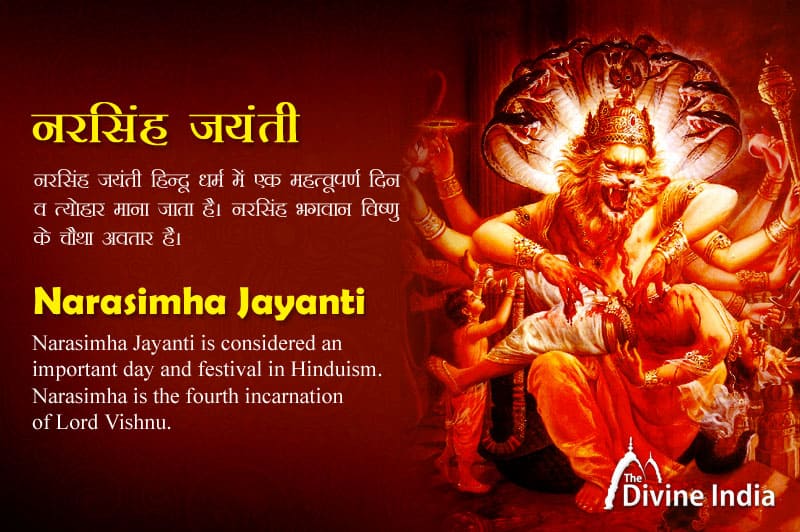
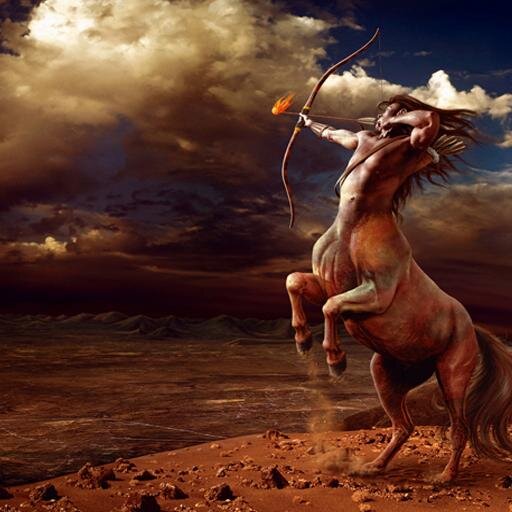
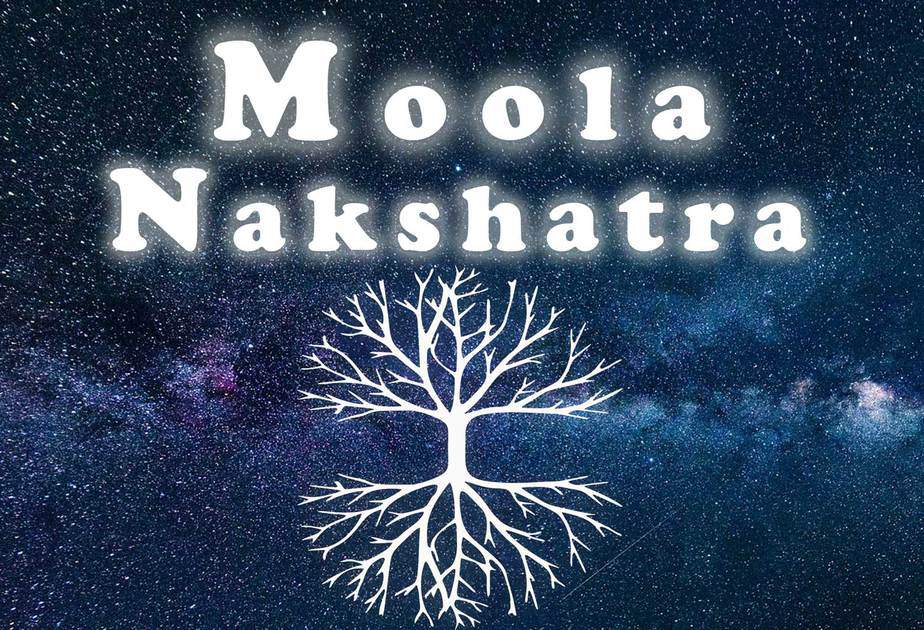

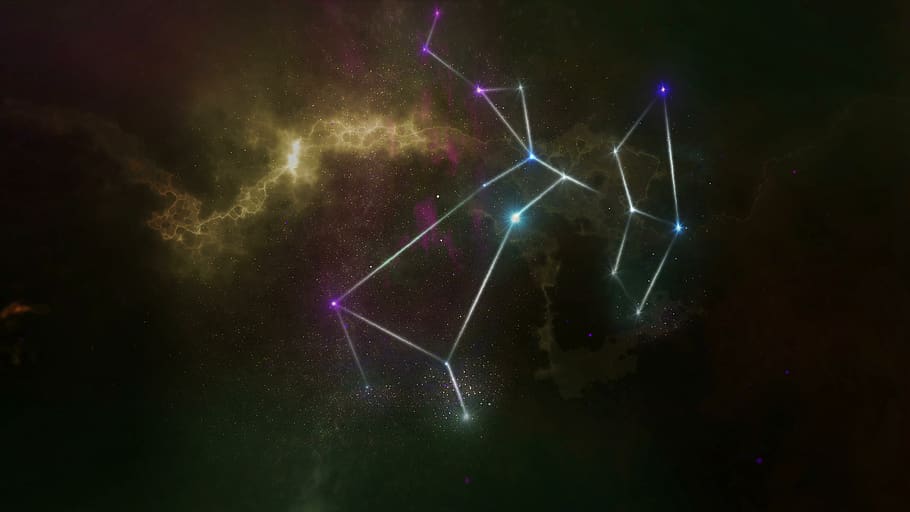

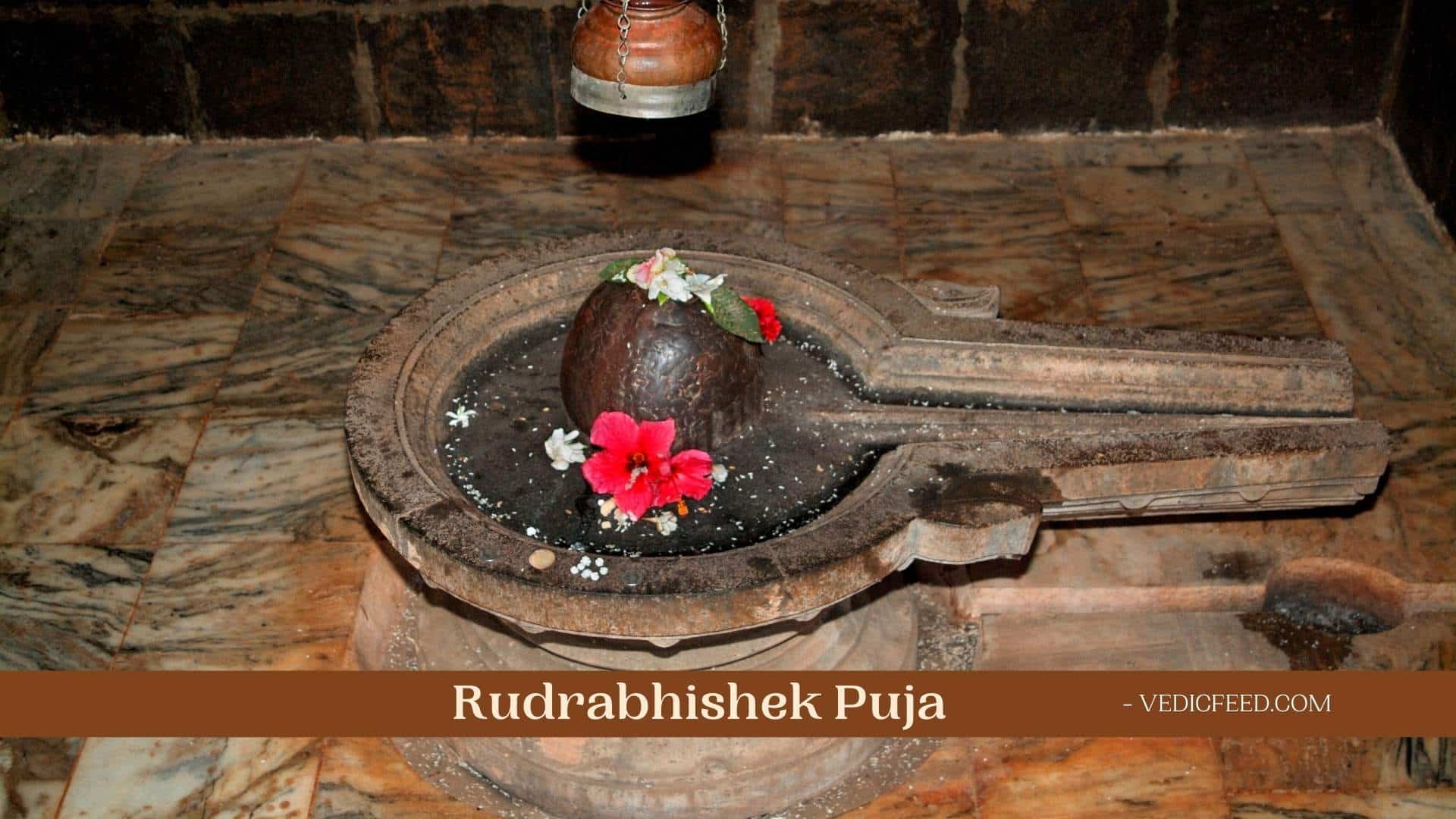


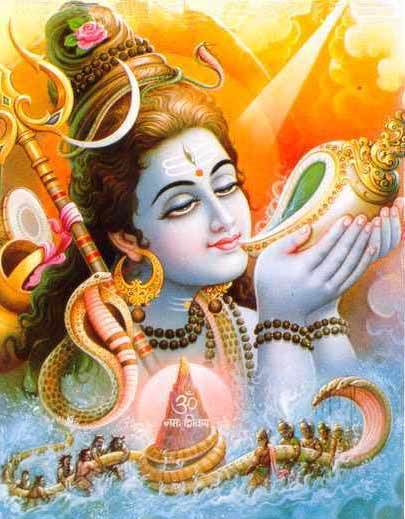


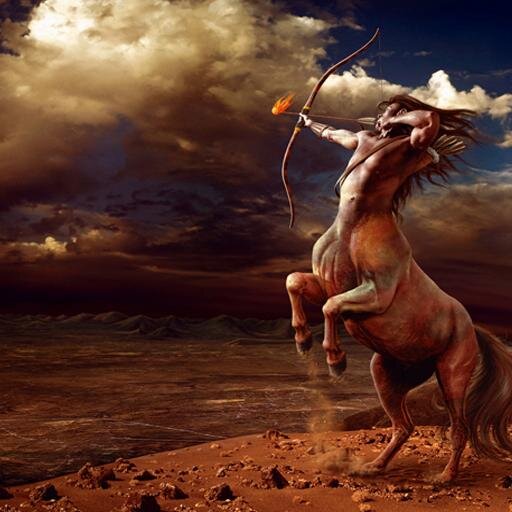

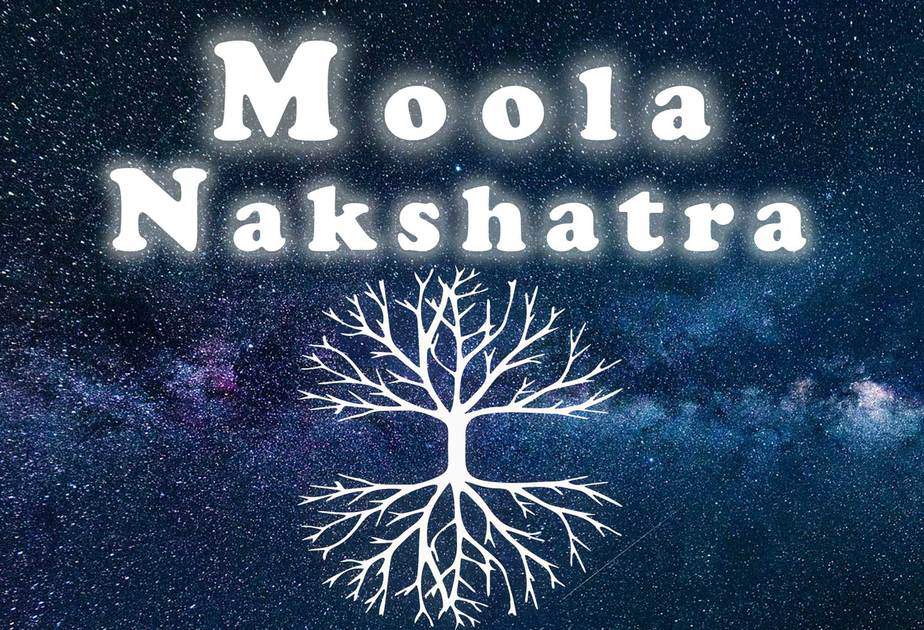


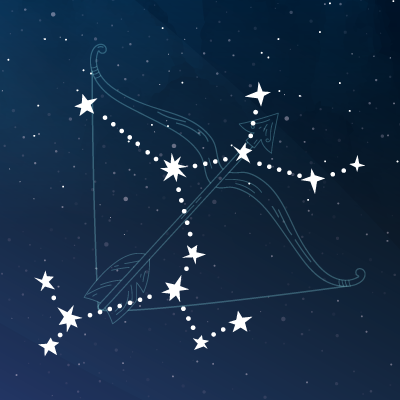


 Whole Dude - Whole Concept