Three interesting facts about Bollywood Movie TE3N:
Bollywood Movie TE3N inspires me to recount my 1972 Journey from Kaptai to Kolkata
Bollywood Movie TE3N is a suspense thriller set in Kolkata. Industry’s best actors Amitabh Bachchan, Vidya Balan and Nawazuddin Siddiqui coming together in one film. There are three interesting facts about Movie TE3N which refers to the numerical number 3. 1. As the movie is set in Kolkata, it reminds me of my lifetime’s first journey, a maiden Sea Voyage of Three Days to the City of Kolkata. 2. Interestingly, this movie features a scene in which a framed portrait of my Indian Army Photo ID Card is displayed. The Indian Army Photo ID I had on Tuesday, January 25, 1972, the day I visited Kolkata and during the Liberation War of Bangladesh was different from the photo image featured in movie TE3N. The photo image shown in movie TE3N in June 2016 was from photo image of February 1972 that was taken after my posting to Doom Dooma, Tinsukia District, Assam. 3. As a survivor of childhood abduction, the theme of movie TE3N is of great interest to me for it involves the suspense associated with the effort to find the child abductor.
TE3N Movie inspires me to review my 1972 Journey from Kaptai, Bangladesh to Kolkata, India
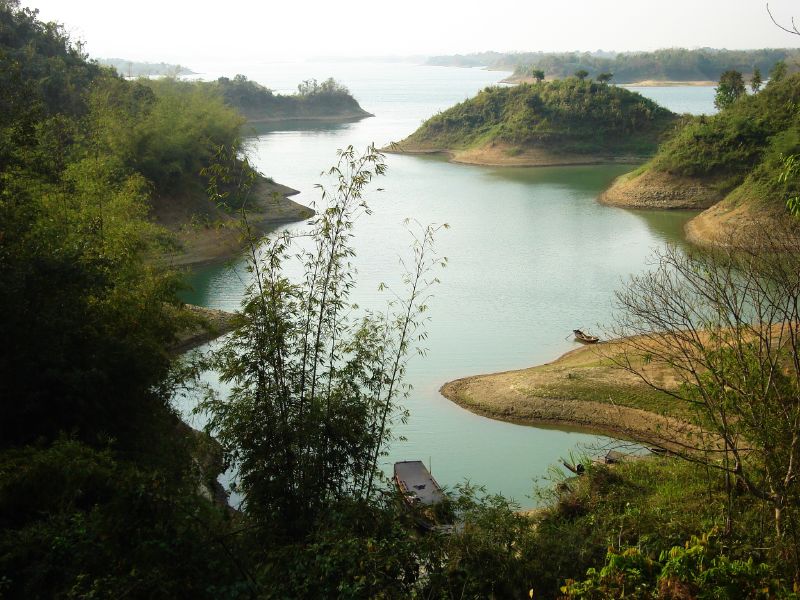
TE3N Movie inspires me to review my 1972 Journey from Kaptai, Bangladesh to Kolkata, IndiaTE3N Movie inspires me to Review My Journey From Kaptai To Kolkata. I was at Kaptai, Rangamati Hill District, Bangladesh on January 10, 1972, while Bangabandhu Shiek Mujibur Rehman arrived at Palam Airport, New Delhi.TE3N Movie inspires me to Review My Journey From Kaptai To Kolkata. I was at Kaptai, Rangamati Hill District, Bangladesh on January 10, 1972, while Bangabandhu Shiek Mujibur Rehman arrived at Palam Airport, New Delhi.TE3N Movie inspires me to Review My Journey From Kaptai To Kolkata. I was at Kaptai, Rangamati Hill District, Bangladesh on January 10, 1972, while Bangabandhu Shiek Mujibur Rehman arrived at Palam Airport, New Delhi.TE3N inspires me to reviews My Journey From Kaptai to Kolkata. I was at Kaptai, Rangamati Hill District, Bangladesh on January 10, 1972 when Bangabandhu Shiek Mujibur Rehman arrived as Palam Airport, New Delhi.
TE3N Movie produced by Sujoy Ghosh and directed by Ribhu Das Gupta inspires me to Review My Three Days or “TEEN (3) Din” Journey to Kolkata ( formerly known as Calcutta) in January 1972. I was camping at Kaptai, Rangamati Hill District of Chittagong Division during January 1972. On January 10, 1972, Bangabandhu Shiek Mujibur Rehman arrived at Palam Airport, New Delhi. He returned to Dhaka and assumed office as the first Prime Minister of independent Bangladesh on January 12, 1972.
TE3N Movie inspires me to Review My Journey From Kaptai to Kolkata. On January 10, 1972, I was at Kaptai, Rangamati Hill District, Bangladesh while Bangabandhu Shiek Mujibur Rehman arrived at Palam Airport, New Delhi.He was appointed as the first Prime Minister of independent Bangladesh on January 12, 1972.TE3N Movie inspires me to Review My Journey From Kaptai to Kolkata. On January 10, 1972, I was at Kaptai, Rangamati Hill District, Bangladesh while Bangabandhu Shiek Mujibur Rehman arrived at Palam Airport, New Delhi.He was appointed as the first Prime Minister of independent Bangladesh on January 12, 1972.TE3N Movie inspires me to Review My Journey From Kaptai to Kolkata. On January 10, 1972, I was at Kaptai, Rangamati Hill District, Bangladesh while Bangabandhu Shiek Mujibur Rehman arrived at Palam Airport, New Delhi.He was appointed as the first Prime Minister of independent Bangladesh on January 12, 1972.TE3N Movie inspires me to Review My Journey From Kaptai to Kolkata. On January 10, 1972, I was camping at Kaptai, Rangamati Hill District, Bangladesh while Bangabandhu Shiek Mujibur Rehman arrived at Palam Airport, New Delhi. Later, during February 1972, he visited Kolkata.
Operation Eagle concluded its Bangladesh Operations on January 22, 1972. Special Frontier Force contracted Indian Merchant Navy Cargo Vessel to arrange our departure from Port of Chittagong to Port of Kolkata, a distance of about 361 nautical miles. Our ship may have traveled at a speed of about 5 knots/hour and my maiden Sea Voyage took 3 days (Teen =3 in Hindi). We arrived in Kolkata on Tuesday, January 25, 1972.
1871 and 1971, One Hundred Years Apart, Southern Column vs South Column. The Military Expeditions to Demagiri, Mizo Hills. On Saturday, January 22, 1972, the South Column departed from Chittagong Sea Port after their successful execution of the military expedition to the Chittagong Hill Tracts launched from Demagiri, Tlabung, Lushai, Mizo Hills.1871 and 1971, One Hundred Years Apart, Southern Column vs South Column. The Military Expeditions to Demagiri, Tlabung, Lushai, Mizo Hills. On Saturday, January 22, 1972, the South Column boarded a hired Indian Merchant Vessel to depart from Chittagong Sea Port.
My Journey to Kolkata – Past is not Dead – It’s Not Even Past
The Fifth Army – The Untold Story from the Chittagong Hill Tracts: In 1971, Special Frontier Force initiated Liberation of Bangladesh with military action in the Chittagong Hill Tracts with Battle Plan Code-named Operation Eagle. This Operation is not governed by Army Act 1950.
My Past is not Dead for I survived my childhood abduction. My Past is not even Past for it just resurfaced in Kolkata.
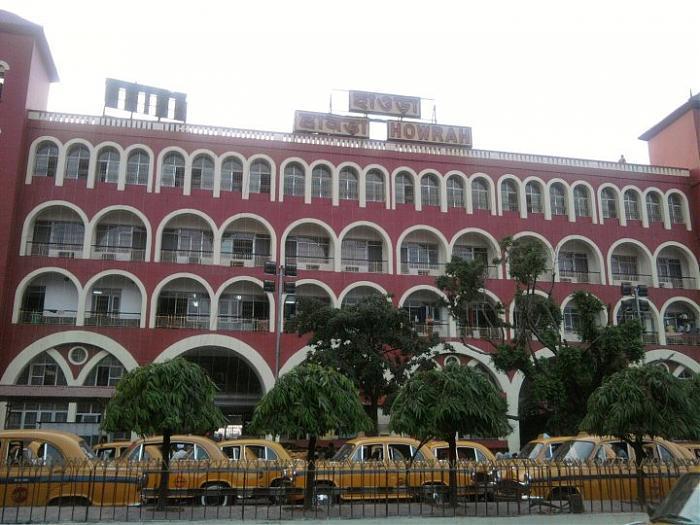
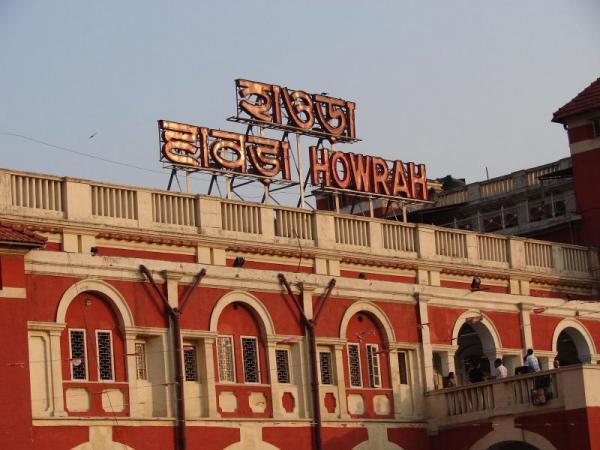
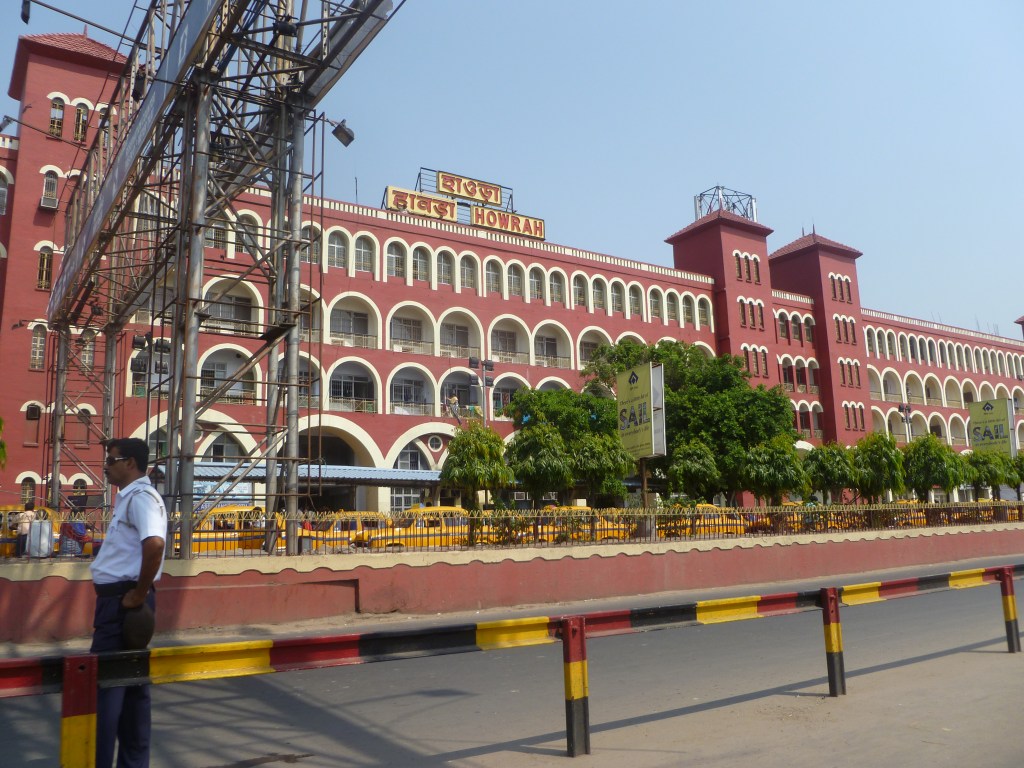
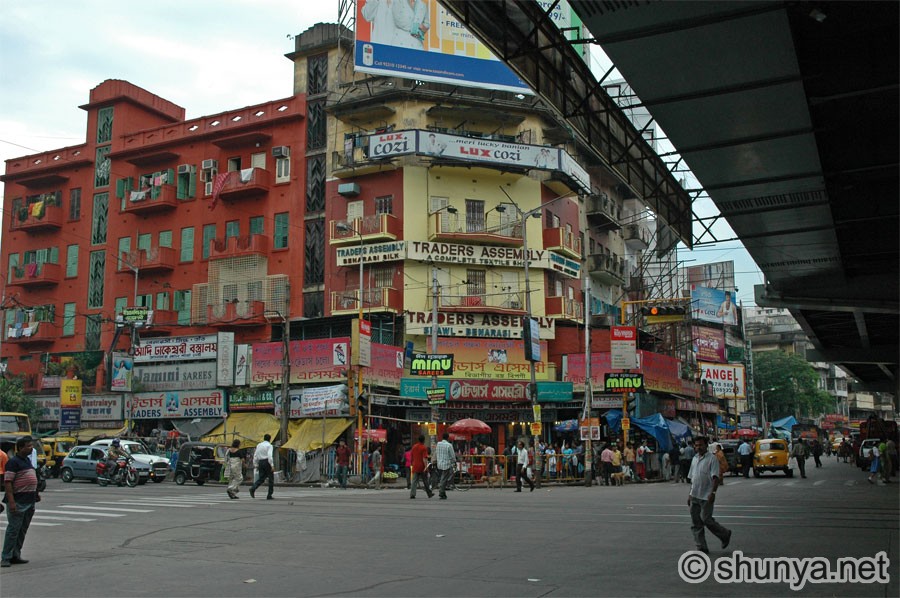
This Movie takes me back to Kolkata which I visited for the first time in my life when I sailed from Chittagong Harbor on Saturday, January 22, 1972 to arrive at Kidderpore(?) Docks in Calcutta on Tuesday, 25 January, 1972 still wearing the badges of rank of a Lieutenant in spite of my promotion to the rank of Captain on July 26, 1971. After disembarking at Kolkata port, there were no formalities, and we quickly proceeded to military vehicles that were waiting to take us to Howrah Railway Station, the oldest railway station in India. I received information that the Train is not ready to depart giving me several hours to spend in Kolkata.
TE3N Movie inspires me to Review My Journey From Kaptai, Bangladesh to Kolkata, India during January 1972. My maiden Sea Voyage took Three (3) days or ‘Teen Din’. We immediately proceeded to Howrah Railway Station (Howrah Junction).TE3N Movie inspires me to Review My Journey From Kaptai to Kolkata in January 1972. My maiden Sea Voyage took Three (3) Days or ‘Teen Din’. I was at this Howrah Station on January 25, 1972.TE3N Movie inspires me to Review My Journey From Kaptai to Kolkata in January 1972. My maiden Sea Voyage took Three (3) Days or ‘Teen Din’. I was at this Howrah Station on January 25, 1972.TE3N Movie inspires me to Review My Journey From Kaptai to Kolkata in January 1972. My maiden Sea Voyage took Three (3) Days or ‘Teen Din’. I was at this Howrah Station on January 25, 1972TE3N Movie inspires me to Review My Journey From Kaptai to Kolkata in January 1972. My maiden Sea Voyage took Three (3) Days or ‘Teen Din’. I was at this Howrah Station on January 25, 1972.
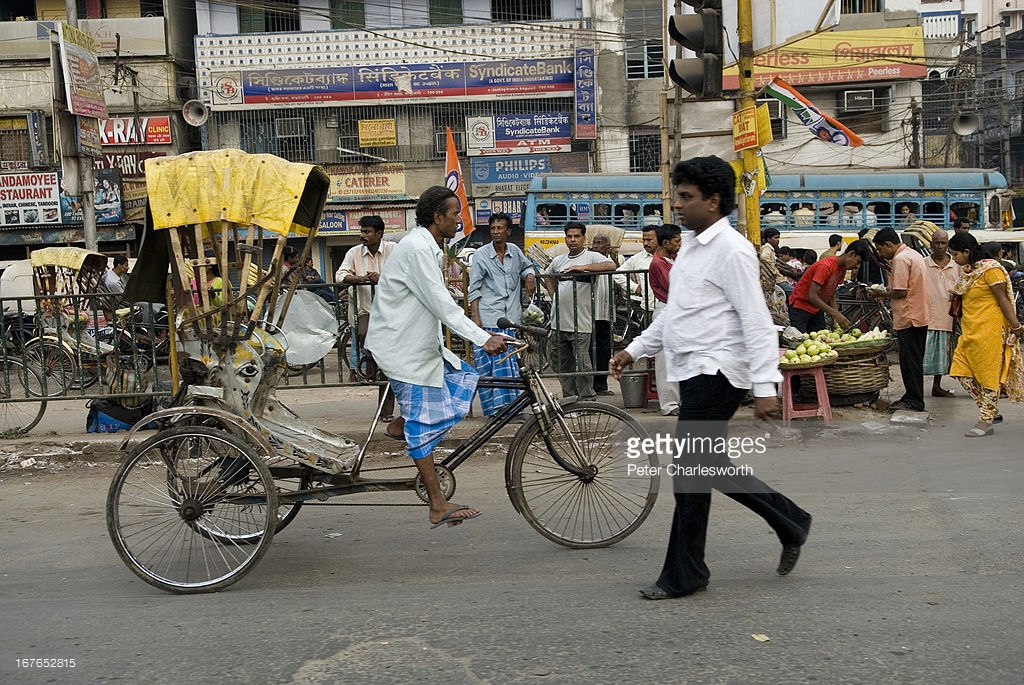
I took a ride in Cycle Rickshaw to reach Purna Das Road, Gariahat, via Rash Behari Avenue after crossing Howrah Bridge for the first time in my life. My eldest brother lived in Gariahat and was working in Hindustan Lever Company (Unilever of India) factory famous for its Lipton Tea. It was a long road journey but the ride was pleasant. Myself and my brother walked over to my uncle’s house for he lived in the same neighborhood. My uncle served in Indian Airlines as a Pilot. I returned to Howrah Station using the City Bus Service to continue my train journey to Dehradun.
TE3N Movie inspires me to Review My Journey From Kaptai to Kolkata, my maiden Sea Voyage of Three (3) Days or ‘Teen Din’ in January, 1972. On January 25, 1972, I crossed Howrah Bridge riding in a Cycle Rickshaw or pedicab.TE3N Movie inspires me to Review My Journey From Kaptai to Kolkata, my maiden Sea Voyage of Three (3) Days or ‘Teen Din’ in January, 1972. On January 25, 1972, I crossed Howrah Bridge riding in a Cycle Rickshaw or pedicab.TE3N Movie asks me to Review my Journey From Kaptai to Kolkata of Three (3) Days or ‘Teen Din’ in January, 1972. I visited Gariahat, Calcutta on January 25, 1972.TE3N Movie asks me to Review my Journey From Kaptai to Kolkata of Three (3) Days or ‘Teen Din’ in January, 1972. I visited Gariahat, Calcutta on January 25, 1972.
I never expected that I would serve in Assam – North East Frontier Agency (NEFA) or Arunachal Pradesh or D Sector (Delta Sector) of Special Frontier Force. I was keen to visit Leh, Ladakh or A Sector (Alpha Sector) of Special Frontier Force. In my debriefing interview held in January 1972, I expressed my desire to serve in Ladakh Sector and eventually visit the entire Himalayan Frontier from West to East. Ignoring my desire to be dispatched to Ladakh or “Alpha Sector”, Special Frontier Force Headquarters in New Delhi decided to post me to Assam/NEFA or “Delta Sector.” To my surprise, I took a flight provided by Aviation Research Centre (ARC) at Sarsawa Airfield to reach Doom Dooma town, a name I never heard before. However, it is famous for its Tea Gardens and it seems Hindustan Lever had a large factory to process tea leaves. I had no time to visit that place. But, my camp is surrounded by Tea estate with plenty of Orange trees used to provide cover apart from fruits. It was again, a pleasant surprise as they used to sell us fresh fruit across our barbed wire fence. We used to buy bucketfuls of fresh oranges for our Officers Mess as they were so cheap. As water in that area is not very good, we used to drink freshly squeezed orange juice all the time. We used to visit Tea plantations where lot of friends known to my Unit Officers worked as managers. Many of them served in Army or Police before.
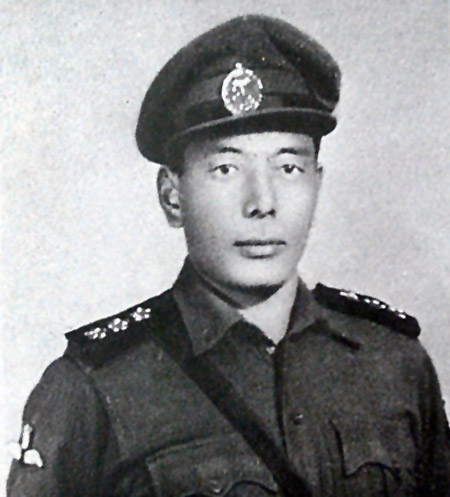
The Fifth Army – The Untold Story from the Chittagong Hill Tracts. I joined the Indian Army Medical Corps in the rank of Lieutenant and was issued an Army Photo ID at AMC Centre, Lucknow. On July 26, 1971, I was promoted to the rank of Captain and as my Unit could not verify the Gazette of India Notification, I continued to wear the badges of rank of a Lieutenant until February 1972. The Passport photo with the badges of rank of Captain for the above Army Photo ID was taken in a photo studio in Doom Dooma, Tinsukia District, Assam.
My picture image that appears in TE3N Movie was taken in a photo studio at Doom Dooma and I still have two copies of the same. I lost that Picture ID Card when my belongings (suitcase) got stolen. This is the only photo image of my Army ID that still lives today and I have not saved copies of others.
In this picture, I have no medal ribbons to display. The medals for participation in the India-Pakistan War of 1971 had arrived later.
My lifetime’s first journey to the City of Kolkata. Poorvi Star was awarded for my Service in the Eastern Sector during India-Pakistan War of 1971My lifetime’s first journey to the City of Kolkata. Sangram Seva Medal was awarded for my Service during India-Pakistan War of 1971.
It surprises me to find Bollywood Movie ‘TE3N’ includes a scene in which my Indian Army Photo ID picture is revealed. This Army ID along with my army uniform and other belongings contained in a black leather suitcase that I purchased in Kaptai of Bangladesh during 1971 Liberation War got stolen at Cuttack railway station while I was traveling to Tinsukia, after my 1972 annual leave at Rajahmundry. I tried to contact a person who was proceeding to the Aviation Research Centre (ARC), Charbatia Air Base which was a clear mistake I made.
Whole Facts – Bollywood Movie TE3N relates to Three interesting Facts of my Life Journey. My Indian Army Picture ID Card was stolen at Cuttack Railway Station as I got distracted by making an attempt to contact a person proceeding to Aviation Research Centre (ARC), Air Base at Charbatia.
I lodged a complaint with Cuttack Railway Police and could not get immediate assistance from duty Police Constable. For I missed my train journey to Tinsukia, Assam, I was left with no alternative and had to call the Aviation Reserach Centre (ARC), Charbatia to provide me with assistance to travel to Doom Dooma Air Base. ARC Charbatia provided me with immediate assistance and provided air lift to reach Doom Dooma Air Field. For the loss of my Indian Army Picture ID Card in 1972, my Commandant at Head Quarters Establishment 22 at Chakrata punished me on January 10, 1973 with an official, verbal Reprimand that entered into my Service Record in ‘Blue Ink’. This disciplinary action taken on January 10, 1973 lives in my memory for it also revealed the problem of Espionage at Chakrata that ultimately impacted my career in Indian Army.
In recent months, when I reviewed that theft, it aroused a suspicion of some unknown enemy agent who may have stolen my Army Photo ID Card at Cuttack Railway Station as I got distracted by my desire to find a person who was proceeding to Charbatia and was in the same train that I was traveling. Since TE3N movie is entirely shot in Kolkata, the stolen Army ID Card may have resurfaced in Kolkata to get included with three other photo images in a scene imaginatively created by the Movie Director. I will be happy to recover my Army Picture ID Card if the film company found it in Kolkata. I have noticed increased site visits to my blog post in which I included this photo, and now I think this movie released on June 10, 2016 could be the reason.
Special Frontier Force – Operation Eagle – Liberation War of Bangladesh 1971:
Major General Sujan Singh Uban, the Commander of Special Frontier Force.The Commander of the ‘Fifth Army’ in Chittagong Hill Tracts.
General Sujan Singh Uban had narrated his story in his book titled ‘The Phantoms of Chittagong : The Fifth Army in Bangladesh.
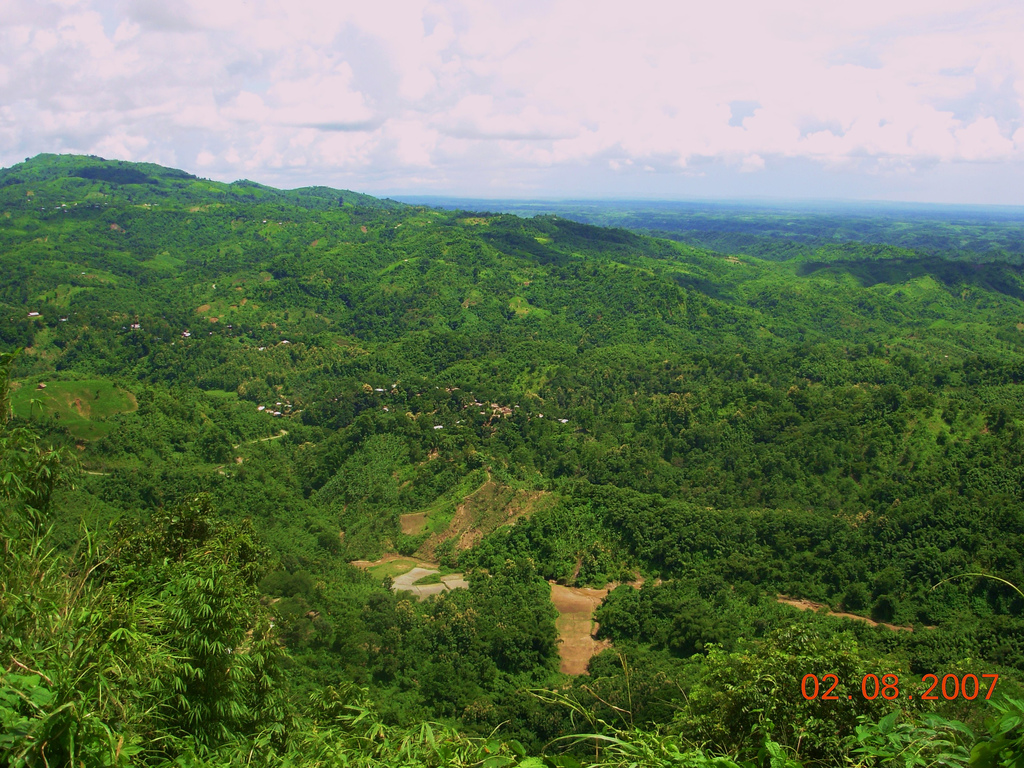
Lieutenant Governor of Andaman & Nicobar Islands (December 1985 to December 1989) – Lieutenant General TS Oberoi, PVSM, VrC., former General Officer Commanding-in-Chief, Headquarters Southern Command, Pune, former Inspector General, Special Frontier Force, former Commandant, Headquarters Establishment No. 22. He is the tall person in this photo wearing dark brown turban. I knew him since 1971. Under his able leadership, the Liberation of Bangladesh had commenced in the year 1971 during the Indo-Pak War.Apart from his military wisdom, he took a good care of all men under his Command. While I was proceeding to the Chittagong Hill Tracts, he had individually greeted all the members of my team and had delayed the departure of aircraft to ensure that a hot breakfast was served to all the men boarding the aircraft. He paid personal attention to all the aspects of the military mission to ensure the wellbeing of men apart from achieving success in accomplishing the military task. The sense of warmth he radiated is easily felt when we meet him in person. His grandson provided me the link to this photo. Photo Credit – Trishna-Ajay-Picasa Web Album.The Fifth Army – The Untold Story from the Chittagong Hill Tracts. A VIEW OF INDIAN MIZO HILLS FROM CHITTAGONG HILL TRACTSThe Fifth Army – The Untold Story from the Chittagong Hill Tracts. Rivers and streams flow throughout the region of Chittagong Hill Tracts.The Fifth Army – The Untold Story from the Chittagong Hill Tracts Early morning dense fog and mist in the Chittagong Hill Tracts.The Fifth Army – The Untold Story from the Chittagong Hill Tracts. I used a large waterproof poncho to get protection from early morning mist and dew.The Fifth Army – The Untold Story from the Chittagong Hill Tracts. The Fifth Army operated in the Chittagong Hill Tracts.The Fifth Army – The Untold Story from the Chittagong Hill Tracts. Chittagong Hill Tracts is sparsely populated with isolated dwellings.The Fifth Army – The Untold Story from the Chittagong Hill TractsThe Fifth Army – The Untold Story from the Chittagong Hill Tracts. The Simplicity of Chakma Existence.The Fifth Army – The Untold Story from the Chittagong Hill Tracts. The Chakma posed no threat but we had avoided direct contact. The Chakma Ruler or King had earlier announced his support of Pakistan’s military regime.The Fifth Army – The Untold Story from the Chittagong Hill Tracts. I had camped at Kaptai Lake and it is memorable.The Fifth Army – The Untold Story from the Chittagong Hill Tracts. I had regularly visited men deployed in Kaptai Lake Area.The Fifth Army – The Untold Story from the Chittagong Hill Tracts. We had never executed the plan to blow up the dam over Karnaphuli River at Kaptai; we have indeed carried some explosives and as the Enemy withdrew his forces, we had no need to blow up the Dam on Karnaphuli River.The Fifth Army – The Untold Story from the Chittagong Hill Tracts. For brief moments during 1971, messages in Telugu language had appeared in the radio waves transmitted across the Chittagong Hill Tracts.The Fifth Army – The Untold Story from the Chittagong Hill Tracts. We had operated in an area under the operational control of IV CORPS but did not provide the details of our operation to either IV Corps or HQ Eastern Command.In the history of Indian Army Medical Corps for the first time during 1971 I had provided the services of a Medical Officer, a Nursing Assistant, and an Ambulance Assistant.I was trained in the use of a 9 mm SMG or Sten Gun. I had chosen to march into enemy territory without my personal weapon to defend myself. I did not throw away my weapon and I did not surrender my weapon to the enemy which are crimes under law. War is a team effort. My contribution to this team effort is not based upon firing bullets from my Sten Gun. I had totally discarded any concerns about my personal safety and worked for the success of the team. I have shown Courage by not carrying this Sten Gun and in following my team like a shadow and confronting the enemy as a Team.The Indo-Pak War of 1971 and the Birth of Bangladesh are very significant achievements of Prime Minister Indira Gandhi. As I was then serving in an Establishment under the Cabinet Secretariat, I had direct and personal understanding of her Foreign Policy Initiatives. She had personally approved the ‘Fifth Army’s military Operation in Chittagong Hill Tracts. In the conduct of this War, we had faced a very critical moment and it needed her personal intervention and a decision that she alone could make. I rendered my services and had overcome the challenge posed by that critical situation. The importance of this situation could be understood as it needed an intervention from the Prime Minister. I am now asking the Government of India to recognize my GALLANT response in enemy’s territory without any concern for my personal safety.
I am pleased to claim that I had established an entirely new record in providing medical support to the battle wounded in an operational area of Chittagong Hill Tracts during Operation Eagle 1971, Liberation War of Bangladesh. To provide medical support to the battle casualties, I reached the casualties at the enemy post that we had just captured. I was the only Army Medical Corps person on the ground. We had no stretchers, blankets, and resuscitation fluids. The casualties could not be airlifted as per the prior Medical Evacuation Plan. The men felt outraged. I comforted them with my assurance that I would accompany them to the nearest helipad that was located over forty miles away at the Border Security Force outpost of Bonapansuria near the border in the Indian Mizo Hills. The men prepared improvised stretchers. We had no Infantry Officer to accompany us. A party of about 65 men, a Bangla Refugee as a guide, carried all the battle casualties in stretchers and had camped overnight in the forest and had reached the helipad at Bonapansuria the next day morning. I had acted as the Medical Officer, the Nursing Assistant, and an Ambulance Assistant for the battle wounded during this foot journey through the difficult hilly and forest terrain. My patients reached the Field Hospital in Lungleh in very good spirits and in a stable condition in spite of being critically wounded.
Lungleh, or Lunglei, was the destination for my battle wounded patients. The Flag of the Indian Army Medical Corps.
The sense of resolve, determination, and confidence with which I had accompanied my patients and had performed a foot journey walking over forty miles through the forests of Chittagong Hill Tracts during Operation Eagle 1971 had given the sense of comfort and reassurance the men needed to boost up their morale. In the medical evacuation of battle casualties from the battle field, Army Medical Corps typically uses several Nursing Assistants and Ambulance Assistants who perform a variety of tasks. I had the unique privilege to perform their duties for I have a true sense of appreciation for the valuable services they render in providing patient care and comfort. I had actually self-learned the tasks they perform and knew it would be of a great value and an asset for my success as a Medical officer of Indian Army.
The Fifth Army – The Untold Story from the Chittagong Hill Tracts: In 1971, Special Frontier Force initiated Liberation of Bangladesh with military action in the Chittagong Hill Tracts with Battle Plan Code-named Operation Eagle. This Operation is not governed by Army Act 1950.TE3N Movie asks me to Review My Journey From Kaptai To Kolkata. My Photo Image of 1972 resurfaced in Calcutta in June 2016. The Past is Never Dead for I survived my childhood abduction.TE3N Movie asks me to Review My Three (3) Days or ‘Teen Din’ Journey From Kaptai to Calcutta during January 1972. I visited my eldest brother living in Gariahat on Tuesday, January 25, 1972.
Special Frontier Force – The Problem of Espionage:
Special Frontier Force-The Problem of Espionage: The Chinese military philosopher in a military treatise known as PING-FA(The Art of War) written c. 400 BC mentions the use of secret agents and the importance of good intelligence.Special Frontier Force-The Problem of Espionage: Establishment No. 22 or Special Frontier Force represents a military alliance/pact between the United States, India, and Tibet to confront the military threat posed by the Communist Red Dragon’s occupation of Tibet since 1950. It is no surprise that at Special Frontier Force we have constantly experienced the problem of espionage orchestrated by the People’s Republic of China.
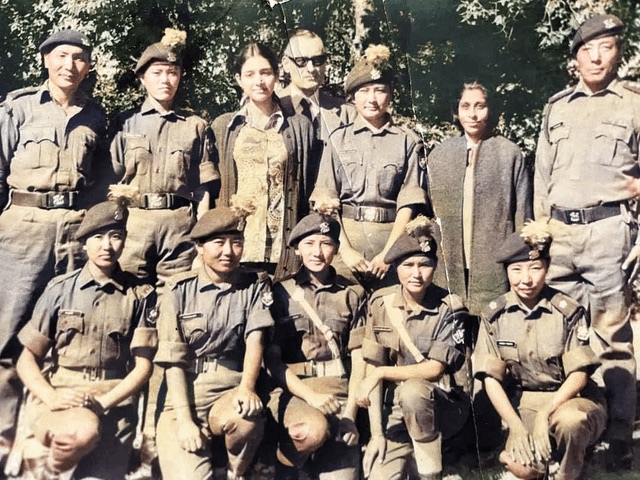
To obtain knowledge of the enemy’s intentions intelligence systems have been in use from ancient times. The concept of intelligence is not new. The military treatise “PING-FA”(The Art of War) written c. 400 BC by the Chinese philosopher Sun-Tzu mentions the use of secret agents and the importance of good intelligence. The intelligence service of the People’s Republic of China is known as the Social Affairs Department. The term espionage describes the process of obtaining information using spies, secret agents, and involves the use of illegal monitoring devices. At Establishment No. 22 or Special Frontier Force the evidence for espionage conducted by the People’s Republic of China is revealed by the photo images obtained by China’s spies and secret agents. After an investigation, the Department of Security of Central Tibetan Administration had dismissed from Service its top military leader/Political Leader/Dapon Radug (or Ratuk) Ngawang during 1976. Another Senior Political Leader Jamba Kalden had voluntarily retired from Service during 1977 after admitting that he had failed to stop or prevent the acts of espionage. It is very interesting to mention that Dapon Ratuk Ngawang had actually escorted His Holiness the 14th Dalai Lama on his way to India after the failed National Uprising Day (March 10, 1959 ) in Lhasa, Tibet. Ratuk Ngawang, is currently 85-years old (in 2013, the original date of this article), is not formally charged for any crime or illegal activity by the Government of India or Tibetan Government-in-Exile. After his retirement, he was permitted to live in India in the Capital City of New Delhi and he draws a modest amount of pension for the years he spent in Service. I had worked with him at Establishment No. 22/Special Frontier Force from September 1971 to December 1974. His wife was in charge of the camp where we trained the female paratroopers of SFF. She released some of the prohibited, illegal photo images captured by the enemy agents sheltered by Ratuk Ngawang. I am fully convinced that he supported espionage activity at my military organization.
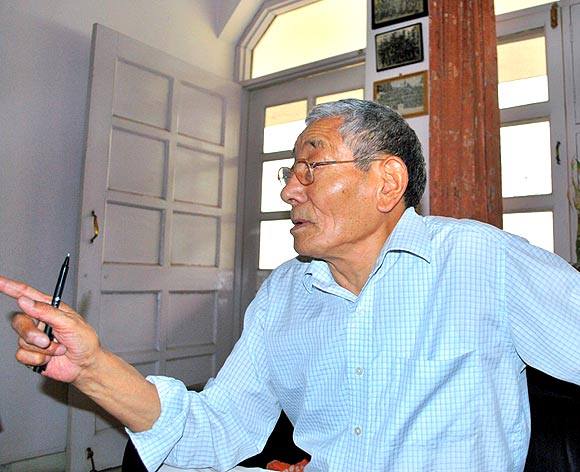
Special Frontier Force – The Problem of Espionage.January 21 is Squirrel Appreciation Day. My reflections on “Chakrata Karma” with the help of a Squirrel Story. During January 1974, there was an attempt on my life at the Military Hospital Wing, Chakrata. This type of Charcoal burner was placed in my duty room in an attempt to poison me. I suspect the involvement of Political Leader Ratuk Ngawang and his wife who could have used a Tibetan female nurse to place this burner in the small duty room.Special Frontier Force-The Problem of Espionage: Chinese Intelligence correctly guessed that the 14th Dalai Lama had escaped from Lhasa to seek asylum in India after the failed Day of National Uprising in Tibet. Peking(Beijing) had announced that the 14th Dalai Lama had arrived in India, a day before New Delhi could make a formal announcement. Chinese intelligence always remained ahead of the United States, India, and Tibet.Special Frontier Force-The Problem of Espionage: 54 years ago, His Holiness the 14th Dalai Lama had arrived in India on March 31, 1959. A Guard of Honor was presented by the Assam Rifles after he crossed into India’s North East Frontier Agency(Arunachal Pradesh) at Chutangmu/Khenzimani in TAWANG sector. The Chinese intelligence pursued him constantly monitoring his movements and activities all these years.Special Frontier Force-The Problem of Espionage: Dapon/Political Leader Radug Ngawang served in Establishment No. 22 or Special Frontier Force after arriving in India along with His Holiness the 14th Dalai Lama. The Tibetan Government-in-Exile had simply dismissed him from Service and had spared him from punitive retaliatory action even after knowing that he had harbored Communist spy or spies. His Holiness treated him with mercy and compassion in due recognition of his past performance before falling prey to Chinese influence.Special Frontier Force-The Problem of Espionage: This is the photo image of Ratuk or Radug Ngawang at 84-years of age. While giving interviews to Indian news media and other writers, Ngawang had shared photo images that were illegally taken at Establishment No. 22 or Special Frontier Force where such photography is strictly forbidden. I have no hesitation to identify him as a Communist Agent who had supported espionage activity.
The term ‘intelligence’ is used to describe government operations that involve evaluation of information concerning the strength, activities, and probable course of action of its opponents. Espionage involves the gathering of ‘intelligence’ information which is further used in evaluation to design a political or a military course of action to deter the enemy. Radug Ngawang had exposed his participation in espionage by releasing the following photo images that were taken at Establishment No. 22/Special Frontier Force during 1971-1975 prior to his dismissal from Service in 1976. He clearly understands that the possession of these images is illegal and he is fully aware of the fact that the people shown in the images had no clue that they were being secretly photographed and did not know that the photo images will be released without official permission..
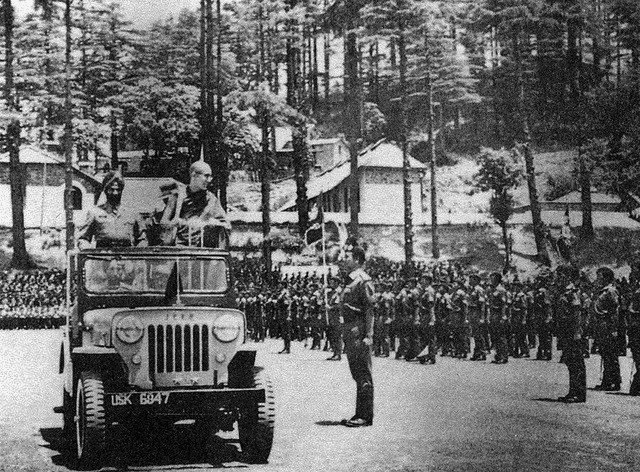
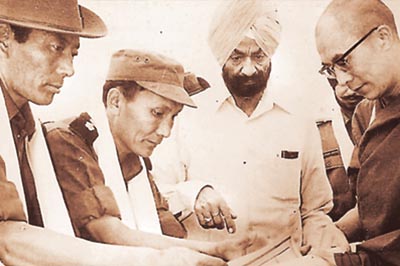
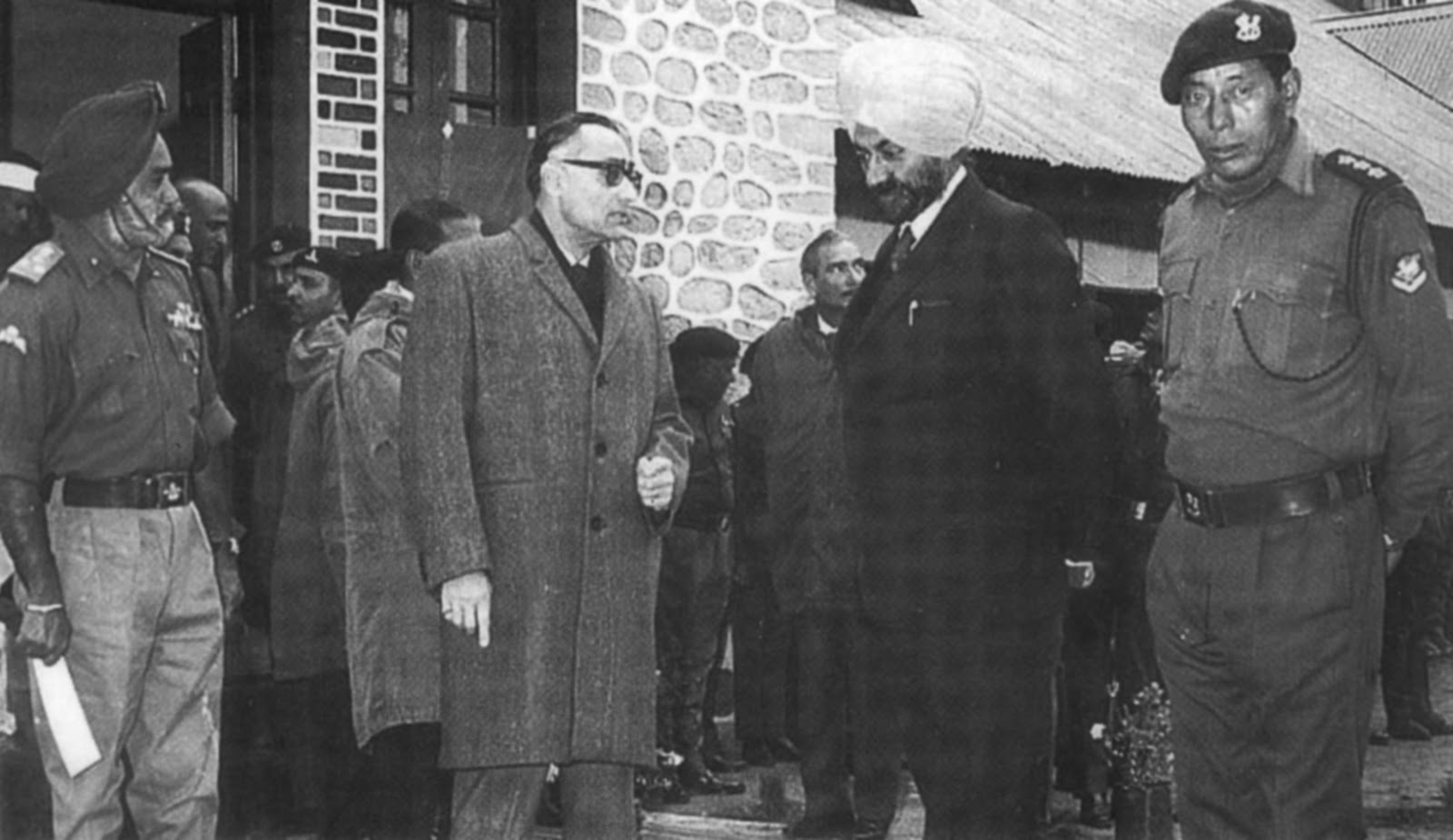
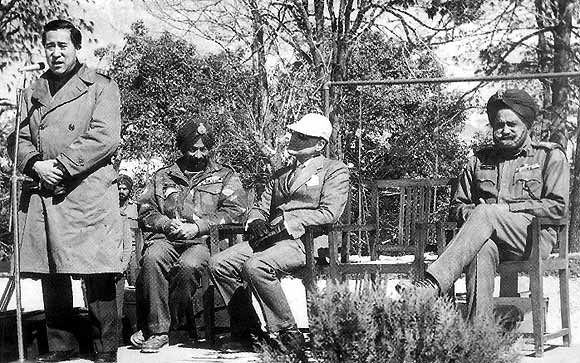
Special Frontier Force-The Problem of Espionage-Photo provided by Dapon/Political Leader Ratuk Ngawang. In this illegally taken photo image, Gyalo Thondup, the 14th Dalai Lama’s elder brother is seen addressing the Tibetan men who serve in Establishment No. 22/Special Frontier Force and had encouraged them to join the War of Liberation of Bangladesh 1971. From right to left the persons seated is 1. Brigadier T S Oberoi, Commandant Establishment No. 22, 2. Mr. R. N. Kao, the Secretary, Directorate General of Security and RAW(Research and Analysis Wing), and 3. Major General Sujan Singh Uban, the Inspector General Special Frontier Force. None of us were aware that this photo was taken. Photography was strictly forbidden.Special Frontier Force-The Problem of Espionage: This is an illegal photo image shared by Political Leader Ratuk Ngawang who is at far left. His Holiness the 14th Dalai Lama (right), Major General Sujan Singh Uban, the Inspector General Special Frontier Force (second from right), and Senior Political Leader Jamba Kalden (third from right). A Chinese spy (later discovered in the robes of a Buddhist monk) secretly took this photo on June 03, 1972 when His Holiness visited Establishment No. 22 for the very first time after its inception in November 1962. These Political Leaders lost their jobs because of the problem of espionage.Special Frontier Force-The Problem of Espionage: Political Leader Ratuk Ngawang is seen standing at right looking towards the photographer. This illegal photo image was shared by Ratuk Ngawang and it helps me to identify him as a Communist Agent who had harbored Chinese spy/spies at Establishment No. 22. Other people, Major General Sujan Singh Uban Inspector General Special Frontier Force (second from right), Mr. R. N. Kao Secretary Directorate General of Security-Research and Analysis Wing-RAW (third from right), and Brigadier T S Oberoi Commandant Establishment No. 22 (far left). I served with these people including Ratuk Ngawang from September 1971 to December 1974 and I can very easily confirm that this photo is the evidence of the problem of espionage.Special Frontier Force-The Problem of Espionage: For the first time in the history of our military pact and alliance with Tibet, His Holiness the 14th Dalai Lama, the Head of Tibetan Government-in-exile had accepted our invitation to visit Establishment No. 22. This was entirely a private visit and it was kept as a ‘top secret’. Photography during this visit on June 03, 1972 was strictly forbidden. However, Political Leader Ratuk Ngawang had a copy of this photo and he had shared the same with a news reporter who had interviewed him at his house in New Delhi several years after his dismissal from Service during 1976. Senior Political Leader Jamba Kalden had become a victim of this espionage and had to retire from Service for he had failed to prevent this crime.Special Frontier Force-Establishment No. 22 – The Problem of Espionage – Illegal photo image was taken on June 03, 1972. His Holiness the 14th Dalai Lama maintained a safe distance from the activities of Establishment No. 22/Special Frontier Force. However, during 1971-72 he had to make an exception as he had granted his permission to train his men by allowing their participation in the Liberation War of Bangladesh 1971. I participated in this military action known as ‘Operation Eagle’. In an attempt to stall this military operation, Dr. Henry Alfred Kissinger, the US Secretary of State had personally urged China’s Prime Minister Zhou Enlai to attack India across the Himalayan frontier(North East Frontier Agency-NEFA-Arunachal Pradesh). China did not comply with that request as China gave a high priority to secure the defeat of the US Army in Vietnam.Special Frontier Force – Establishment No. 22 – The Problem of Espionage – Illegal photo image was taken on June 03, 1972. This was a historical moment and yet it was not expected to be captured in a photo image. A Chinese spy dressed in the robes of a Buddhist monk was later arrested at Establishment No. 22. I was informed about the death of this spy on January 10, 1973. I do not know the exact date of death. The body was cremated according to Buddhist rites and the cause of death was not confirmed by an autopsy. Indian Intelligence Bureau official had expressed his sense of indignation and was totally dismayed by the attitude of Political Leader Ratuk Ngawang who had failed to deliver the spy to Indian Intelligence Bureau for their interrogation and investigation of the problem of espionage. The fact that this photo image exists is the clearest evidence of the Chinese espionage at Establishment No. 22-Special Frontier Force.Special Frontier Force – Establishment No. 22 – The Problem of Espionage – Illegal photo image was taken during Prime Minister Indira Gandhi’s visit to recognize the female paratroopers of SFF. This was a historical moment and yet it was not expected to release this photo image.Special Frontier Force – Establishment No. 22 – The Problem of Espionage – Illegal photo image was taken during Secretary R N Kao’s visit to recognize the female paratroopers of SFF. This was a historical moment and yet it was not expected to release this photo image.
While I served in Special Frontier Force-Establishment No. 22 from September 1971 to December 1974, I interacted with Political leader Ratuk Ngawang on numerous occasions during our routine training activities. I never had the opportunity to medically examine him or interview him at my Medical Inspection Room/Hospital Wing of Establishment No. 22. I am not surprised to know about his dismissal from Service during 1976 after the Tibetan Government-in-Exile had decided not to frame any charges against him. I have no doubt in my mind that he is not fit to be a member of the Tibetan Resistance Movement. He lost his desire to resist the Enemy.
Rudra N. Rebbapragada, Ann Arbor, Michigan, USA.,
Organization: The Spirits of Special Frontier Force.
Establishment No. 22 – Operation Eagle: This badge represents a military alliance/pact between India, Tibet, and the United States of America. Its first combat mission was in the Chittagong Hill Tracts which unfolded on 03 November 1971. It was named Operation Eagle. It accomplished its mission of securing peace in the region that is now knownas Republic of Bangladesh.
TROUBLE IN TIBET – PROBLEM OF ESPIONAGE. DEATH OF DAPON/POLITICAL LEADER RATUK NGAWANG ON FEBRUARY 07, 2016 AT AGE 90 EXPOSES “INCONVENIENT TRUTH.”
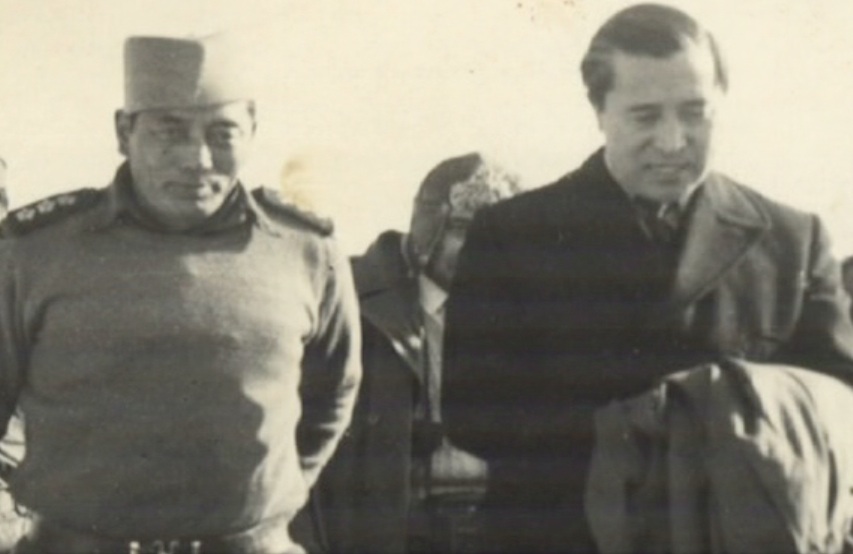
For the United States, India, and Tibet, the problem of espionage is an ‘Inconvenient Truth’. Death of Political Leader Ratuk Ngawang on February 07, 2016 at age 90 again exposes the problem of espionage that overshadows ‘Trouble in Tibet’. For example, his death is reported in news media with a photo image (Ratu Ngawang & Gyalo Thondup) obtained by some unknown Chinese agent using hidden camera. The fact that Political Leader Ratuk Ngawang shared such photo images taken by hidden cameras with news media clearly establishes his collaboration with enemy agents or spies.
I worked with Political Leader Ratuk Ngawang from September 1971 to December 1974 while I served in Establishment No. 22. I lost my sense of respect for him on January 10, 1973. I was not a direct eye-witness, but on that day I learned about a disturbing incident at our Camp. I did not inquire about the precise date and time of that incident. It was about cremation of a Tibetan Buddhist monk who apparently died while he was in custody of Political Leader Ngawang. None of was serving in Establishment No. 22 at that time got a chance to see or speak to that Tibetan monk arrested by him. This monk worked in our Camp apparently performing simple, religious duties. Political Leader Ngawang was in charge of a secret, internal investigation to probe an incident that dates back to June 03, 1972 and he never shared his findings. He took several months and arrested this monk sometime before January 10, 1973. Political Leader Ngawang reported findings of his investigation after death of this arrested person. He did not request for autopsy to confirm the cause of prisoner’s death. He reported it as a natural event and immediately proceeded with cremation as per Tibetan tradition. No formal Court of Inquiry was appointed to ascertain the cause of death due to procedural reasons.
TROUBLE IN TIBET – PROBLEM OF ESPIONAGE. POLITICAL LEADER RATUK NGAWANG INTERVIEWED BY INDIAN JOURNALIST TO WHOM HE SUPPLIED PHOTOS CAPTURED BY HIDDEN CAMERAS.
Eventually, in 1976 Political Leader Ngawang prematurely retired from Service with his retirement income benefits. He received official pardon and lived his life in Samyeling Tibetan Colony Manjuka Tilla, Delhi. My suspicions about Political Leader Ngawang’s collaboration with enemy agents or spies got aroused when he shared several photo images(illegally obtained using hidden cameras) with Indian journalists who interviewed him for two different stories long after 1976. Indian newspapers published those photo images.
I recognize Ratuk Ngawang’s service in support of Freedom in Tibet but he could not live up to his commitment.
TROUBLE IN TIBET – PROBLEM OF ESPIONAGE. DAPON/POLITICAL LEADER RATUK NGAWANG OF ESTABLISHMENT 22 DIED ON FEBRUARY 07, 2016 AT AGE 90. HE SHARED THIS PHOTO IMAGE WITH INDIAN NEWS MEDIA. HE IS STANDING LEFT(IN UNIFORM) NEXT TO GYALO THONDUP, BROTHER OF HIS HOLINESS THE 14th DALAI LAMA. PHOTO ILLEGALLY TAKEN USING HIDDEN CAMERA AT CHAKRATA, INDIA.
Ratu with Gyalo Thondup at Chakrata/file(*Phayul.com may have to disclose name of the “OWNER” of this ‘FILE’ Photo.)
DHARAMSHALA, February 9: A former soldier in the Chushi Gangdruk and one of the founding members of the Special Frontier Force, an Indian paramilitary troop comprising of Tibetan recruits, have breathed his last on February 7, 2016 at his residence at the Samyeling Tibetan Colony in Majnuka Tilla, Delhi. Ratuk Ngawang was born in Kham Lithang in 1926. A close confidante of Adruk Gonpo Tashi, the businessman who founded the Tibetan resistance army in the guise of a business group, Ratuk Ngawang rose to the top of this resistance army. Ngawang was a part of the Chushi Gangdruk troops that accompanied the young Dalai Lama on his flight to India, one of his biggest contribution to the Tibetan people.
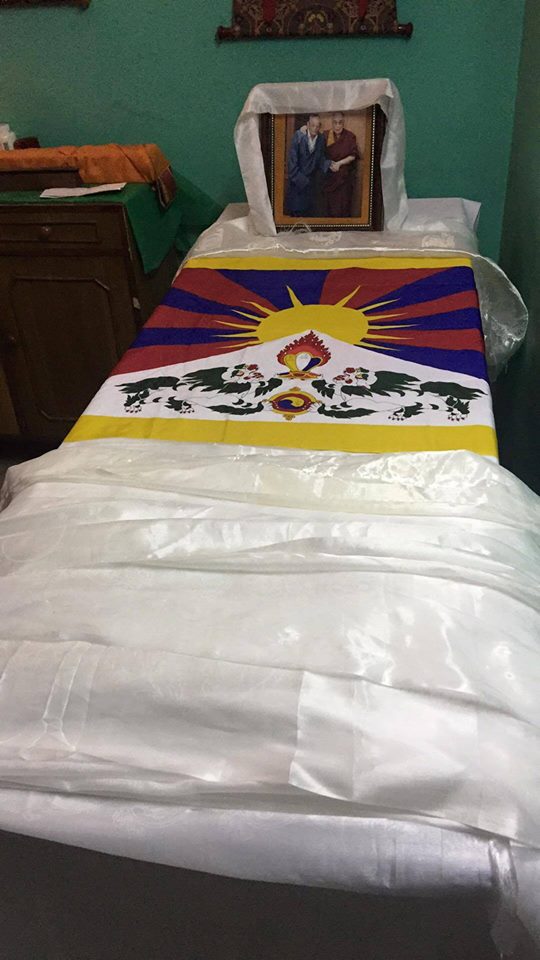
TROUBLE IN TIBET – PROBLEM OF ESPIONAGE. POLITICAL LEADER/DAPON RATUK NGAWANG DIES AT 90. PROBLEM OF CHINESE ESPIONAGE EXPOSED. HIS HOLINESS GAVE HIM OFFICIAL PARDON. HE WAS FORGIVEN BUT ‘INCONVENIENT TRUTH’ REMAINS.
Ratu Ngawang lay in rest, Family photo.
Ratu Ngawang was roped in by Gyalo Thondup to lead the Tibetan Special Frontier Force, which also came to be known as the 22, courtesy its first Inspector General Sujan Singh Uban who hailed from the 22 Mountain Regiment. Ratu Ngawang played a key role in recruitment of Tibetan youth into the newly created Tibetan regiment(**this is incorrect for recruits owed allegiance to Tibet and Tibet’s Supreme Ruler) which was a brainchild of Pandit Nehru and the CIA in tackling China. Ratu Ngawang led one of the three columns that set on foot into the marshy tracts of Chittagong in the 1971 Bangladesh war. The Tibetan participation in the 1971 war is a little known fact amongst Indian public as the Tibetans were not officially on the battlefield. Ratu Ngawang led the North Column(*** this is incorrect; Political Leader of North Column died in action, killed by enemy fire) while Pekar Thinlay and Gyato Thondup led the South Column and Central Column respectively. 51 Tibetan soldiers lost their lives in the war that gave birth to Bangladesh as a new country. “I have enrolled myself in the Special Frontier Force with an aim to fight the Chinese. I lured the new recruits by telling them that it was an opportunity to fight the Chinese. I was myself ready to die fighting the Chinese,” Ratu recalled telling his boss Sujan Singh Uban when he was asked about the possibility of the Tibetan soldiers joining the Bangladesh War in 1971, in an interview(**** This statement shows that he did not understand the purpose of joining the Bangladesh War. It gave men combat experience to prepare them for a future war to evict military occupier of Tibet). Reactions to the news of his death on social networking sites hail him as a true hero of Tibet. Ratu Ngawang la is survived by his wife Dechen Wangmo and four children. He was 90.
ILLEGAL PHOTO IMAGES TAKEN BY HIDDEN CAMERAS SUPPLIED TO INDIAN JOURNALISTS BY DAPON/POLITICAL LEADER RATUK NGAWANG AFTER HIS RETIREMENT IN 1976. THERE WAS NO OFFICIAL PHOTOGRAPHER.
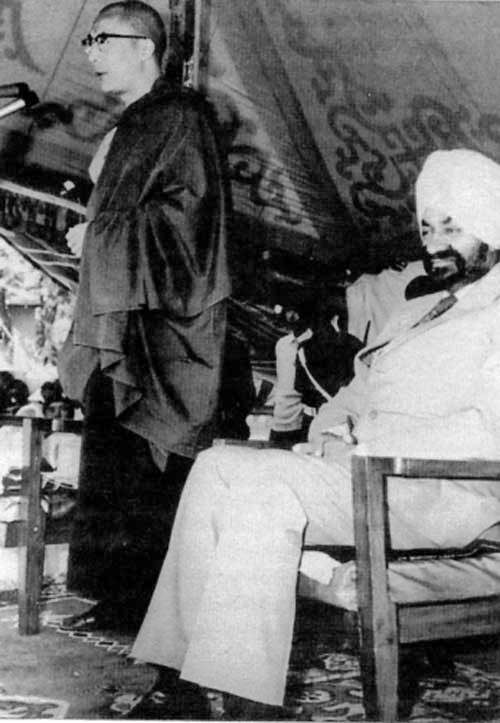
TROUBLE IN TIBET – PROBLEM OF ESPIONAGE. DAPON/POLITICAL LEADER WITH GYALO THONDUP, BROTHER OF DALAI LAMA. PHOTO APPARENTLY TAKEN IN 1971. PHOTOGRAPHED BY UNKNOWN CHINESE SPY WHO WORKED IN CHAKRATA .TROUBLE IN TIBET – PROBLEM OF ESPIONAGE. DAPON/POLITICAL LEADER RATUK NGAWANG SUPPLIED THIS ILLEGAL PHOTO IMAGE TAKEN BY CHINESE SPY TO INDIAN JOURNALIST. HIS HOLINESS THE DALAI LAMA WITH MAJOR GENERAL SUJAN SINGH UBAN ON JUNE 03, 1972.TROUBLE IN TIBET – PROBLEM OF ESPIONAGE. DAPON/POLITICAL LEADER RATUK NGAWANG ARRESTED A TIBETAN BUDDHIST MONK WHO CAPTURED THIS ILLEGAL PHOTO IMAGE ON JUNE 03, 1972. THAT TIBETAN PRISONER, SUSPECTED CHINESE SPY DIED MYSTERIOUSLY SOMETIME BEFORE JANUARY 10, 1973. DALAI LAMA WITH MAJOR GENERAL SUJAN SINGH UBAN.Ratu Ngawang (far left), former Dapon/Political Leader of Establishment 22, escorted the Dalai Lama (right) on his way to India in 1959. Seen here with Sujan Singh Uban (2nd from right), the first inspector-general of the regiment, in Chakrata, June 03, 1972. Photo taken by Chinese Spy.TROUBLE IN TIBET – PROBLEM OF ESPIONAGE. DAPON/POLITICAL LEADER RATUK NGAWANG SUPPLIED THIS ILLEGAL PHOTO IMAGE TAKEN BY CHINESE SPY TO INDIAN JOURNALIST AFTER HE RETIRED FROM SERVICE AT ESTABLISHMENT NO. 22.TROUBLE IN TIBET – PROBLEM OF ESPIONAGE. ILLEGAL PHOTO IMAGE TAKEN BY CHINESE SPY AT ESTABLISHMENT NO. 22. DAPON/POLITICAL LEADER RATUK NGAWANG HAD POSSESSION OF THIS IMAGE AND SUPPLIED IT TO A JOURNALIST.TROUBLE IN TIBET – PROBLEM OF ESPIONAGE. DAPON/POLITICAL LEADER RATUK NGAWANG SUPPLIED THIS PHOTO IMAGE AFTER HE RETIRED FROM SERVICE AT ESTABLISHMENT NO. 22. THIS IMAGE WAS NOT INTENDED FOR PUBLIC RELEASE.TROUBLE IN TIBET – PROBLEM OF ESPIONAGE. DAPON/POLITICAL LEADER RATUK NGAWANG SUPPLIED THIS PHOTO IMAGE AFTER HE RETIRED FROM SERVICE AT ESTABLISHMENT NO. 22. THIS IMAGE WAS NOT INTENDED FOR PUBLIC RELEASE.















 Whole Dude - Whole Concept