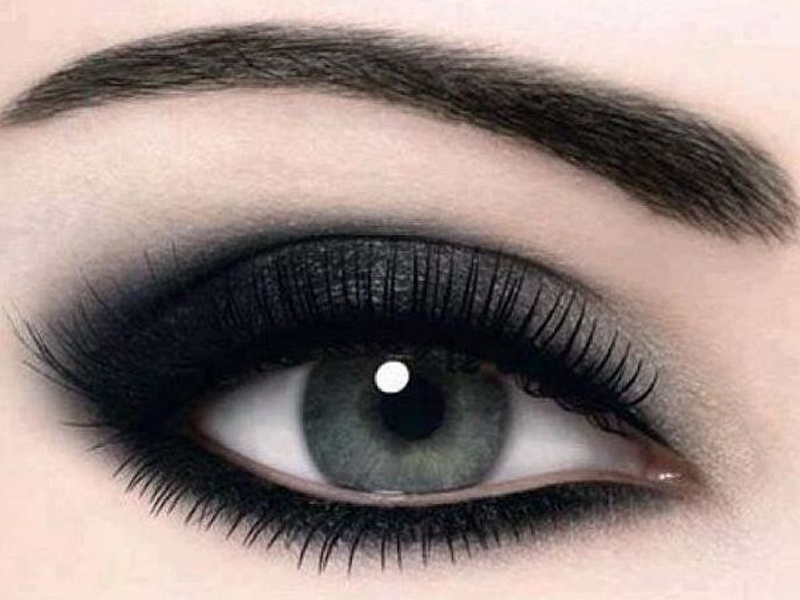
Beauty is in the eye of the beholder:

What is Color and What is Coloration?
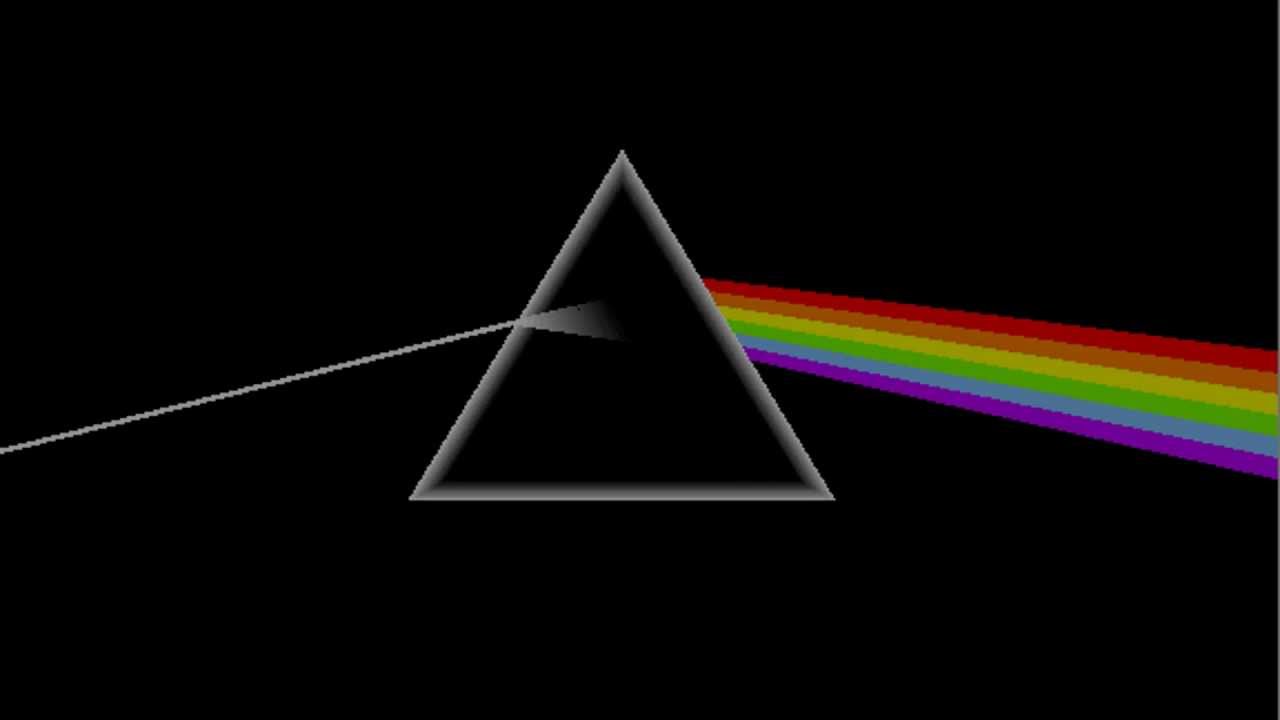
The term ‘color’ refers to the spectral qualities of emitted or reflected light. The term ‘coloration’ is a dynamic and complex characteristic that has captured human interest and attention for a long time. The human interest to coloration ranges from purely aesthetic to the rigidly pragmatic.
Biological Coloration:

Biological Coloration refers to the general appearance of an organism as determined by the quality and quantity of light that is reflected or emitted from its surface. This Coloration depends upon several factors:
1. The integrity and deployment of the structural units and features involved in the generation of color,
2. The color and distribution of the organism’s pigments, and the relative location of differently colored areas,
3. The shape, posture, position, and movement of the organism,
4. The quality and quantity of light striking the organism, including the seasonal light and temperature variations,
5. The psychological, behavioral, hormonal, and other physiological conditions associated with the use of color,
6. The visual capacity of the viewer.
The Concept of Whole Artist:

The term artist is used to describe a person who works in, or is skilled in the technique of any of the fine arts, especially in painting, drawing, and sculpture. The term artistry describes the artistic ability which includes the use of imagination, a feeling for form, and a feeling for effect. I am using the term ‘Whole Artist’ to discover the person who may have used imagination to create forms to produce desired effects while the form itself lacks the cognitive abilities to generate its own form. Plants may produce flowers of different colors while they essentially lack cognitive abilities to recognize the visual effect of the color they produce. The study, the theory of beauty, or Aesthetics helps us to know the nature of the Whole Artist.

Aesthetics is a branch of philosophy dealing with the nature of art and the criteria of artistic judgment. Aesthetics involves the study or theory of beauty and of the psychological responses to it. Aesthetics has developed into a broad field of knowledge and inquiry. The term was coined by Alexander Gottlieb Baumgarten to denote a realm of concrete knowledge in which content is communicated in sensory form. Now the term is applied to the study of all the works of the fine arts, the useful arts (crafts) and natural phenomena (eg., landscapes, the human face and body) that have aesthetic value and generate an experience called aesthetic experience. Plato and Aristotle formulated the conception of art as an imitation of nature. Beauty inheres in the object itself and may be judged objectively. Hume identified beauty with that which pleases the observer. Baumgarten emphasized on the importance of feeling. If art imitates nature, the artist must deliberately alter nature by adding elements of feeling to perceive reality. The artistic process involves the use of illusion to mirror the creative process of the world.

Aesthetics involves the study of objects that have an inherent aesthetic quality to generate an aesthetic experience in the mind of an observer who has the capacity to interpret sensory information. An artist uses the artistic process to capture the creative process of the world by integrating illusion with reality.
I use the term ‘Whole Aesthetics’ to describe the integration of the human body with the principles of soul and spirit to bring ‘Whole Unity’ and ‘Whole Harmony’ between the conflicting elements of Dependence and Freedom by using an artistic process of combining Reality with Illusion. I use the term ‘Whole Aesthetics’ to describe the ‘Wholeness’ of Human Existence that requires the ‘Whole Harmony’ between Dependence and Freedom, the Whole Harmony between Illusion and Reality, the ‘Whole Unity’ between the human body, spirit and soul.
I find the application of this artistic process in the works of Whole Artist or Whole Designer who makes the man to live on the surface of a fast spinning object called planet Earth where the Power of Time churns every future instant into a past instant without ever giving man the chance to recognize the experience of a present instant. Whole Aesthetics captures the beauty of the reality of human existence derived from the experience of illusion.
Whole Designer – Whole Artist-Whole Aesthetics:

Plants have the ability of Photoreception but do not have organs of sense perception like eyes. They produce flowers as if an artist is at work. The flowers below all have two things in common: They’re beautiful, and they remind the human eye of something else entirely. These are flowers are just stunning works of art by nature.I am pleased to share the photo images of Orchids to explain the concept of Whole Designer and Whole Artist.
Masters of Plant Pareidolia
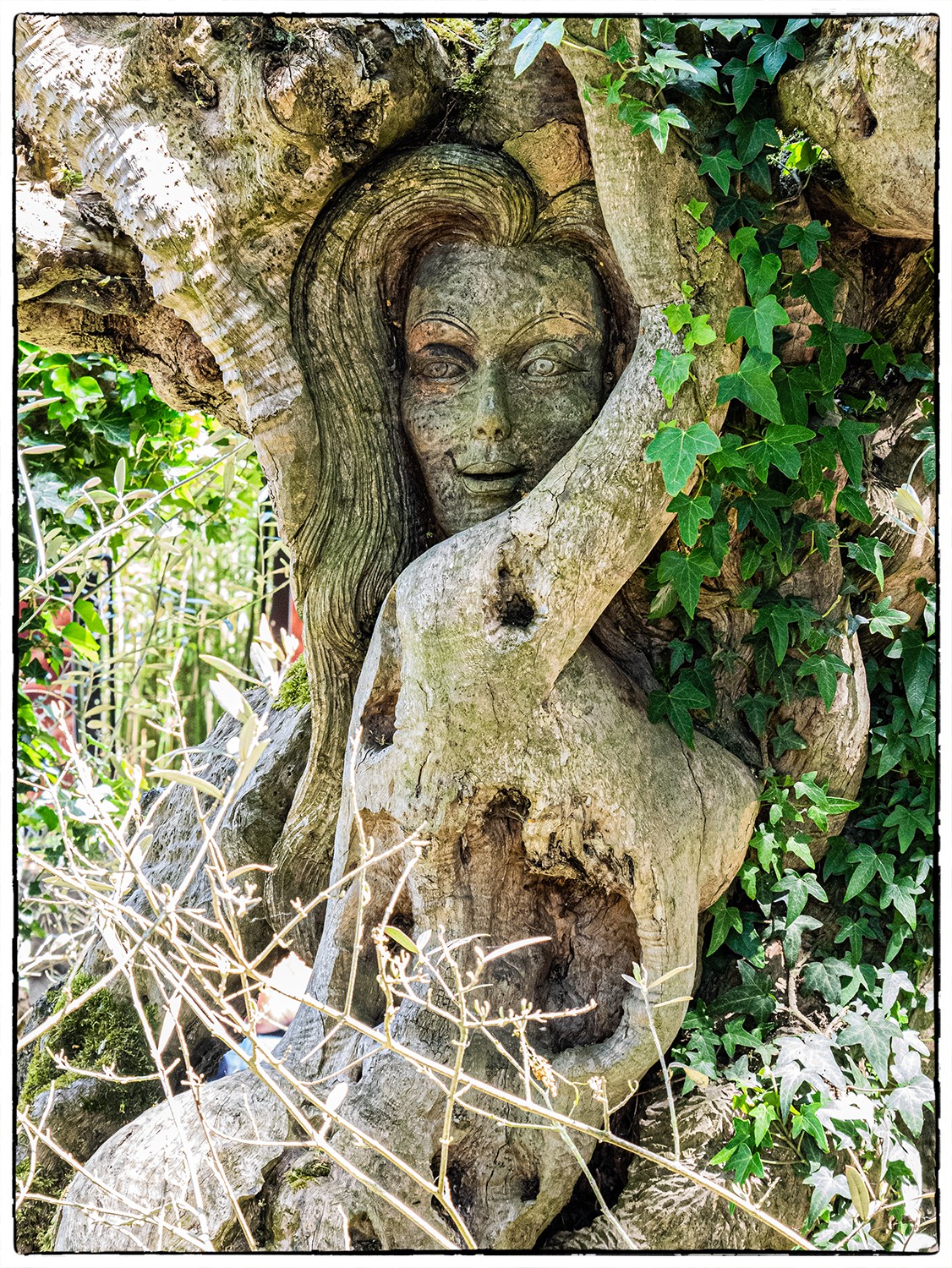
Pareidolia is the tendency to see familiar or significant images in places where none is intended. Classic examples are sightings of Jesus or the Virgin Mary in wood grain or the pastime of looking for shapes in clouds. Pareidolia is encouraged in the Rorschach inkblot test. There are plenty of examples in the natural world, and orchids are particularly notable for looking like something else.
Monkey Face Orchid (Dracula simia)
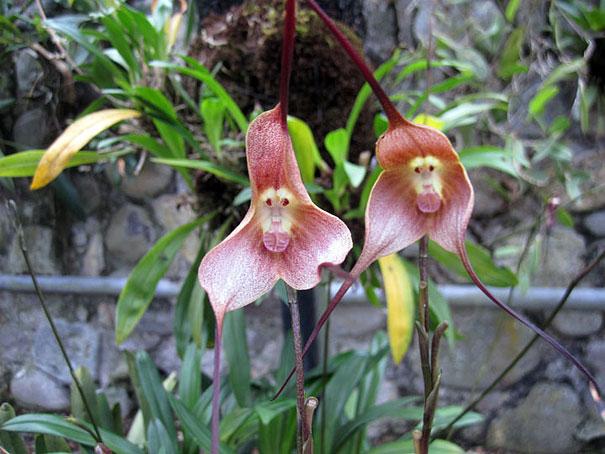
Dracula simia is another species in the Dracula genus. As the name implies, the blooms of this orchid look exactly like a monkey’s face.
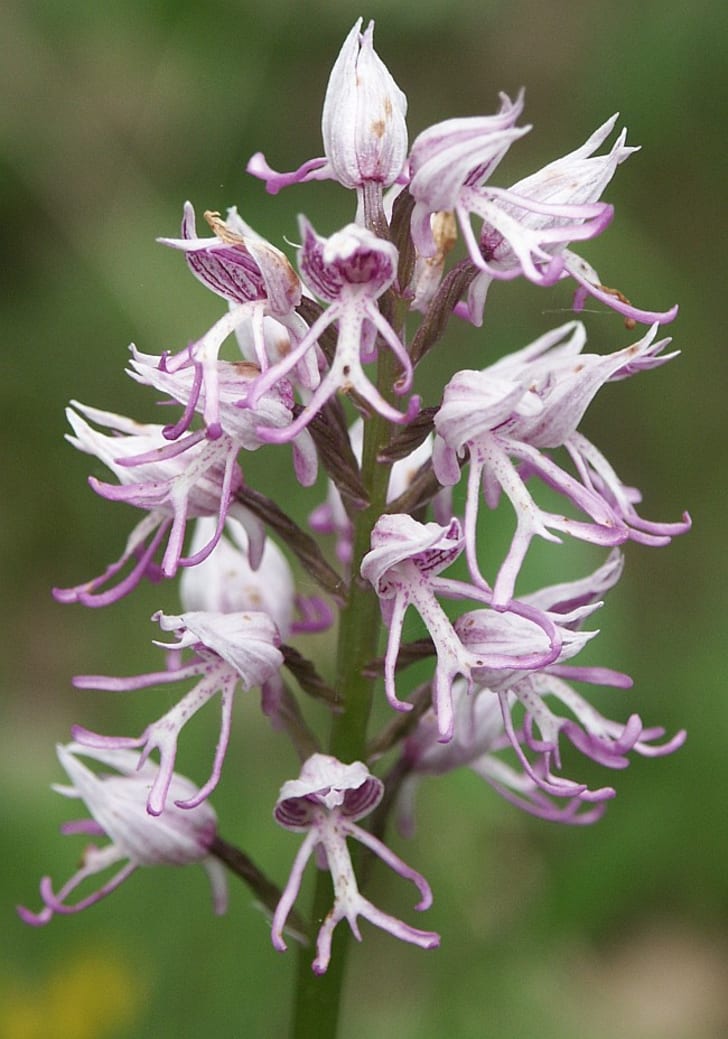
The monkey orchid (Orchis simia) is said to be shaped like a monkey’s body. A male monkey, to be sure.
Moth Orchid ( Phalaenopsis )
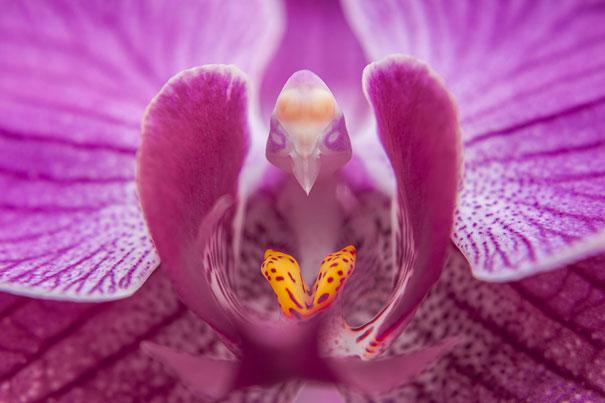

There are about 60 species of Moth Orchids (Phalaenopsis), which are native to Asia and popular among orchid growers. Many of them, if you look really close, appear to have a small bird emerging from their center. Get a closer look at this pink specimen.
Naked Man Orchid (Orchis italica)
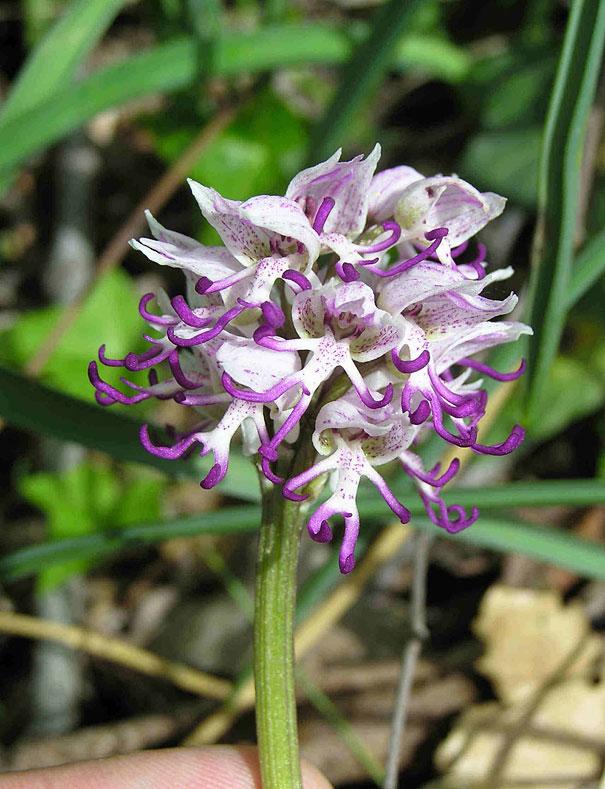
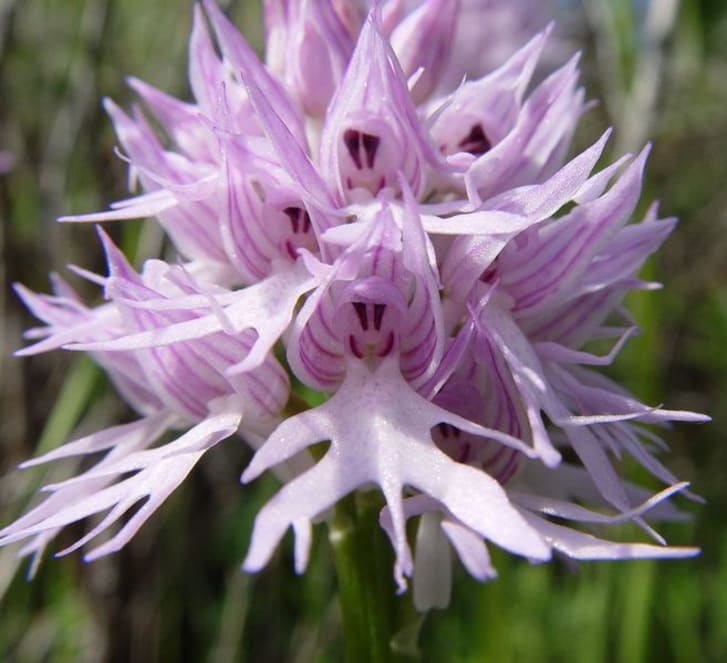
Orchis italica is native to the Mediterranean area, and is sometimes called the Naked Man Orchid. You can see why. The blossoms even have little eyes and smiles!
Hooker’s Lips (Psychotria elata)
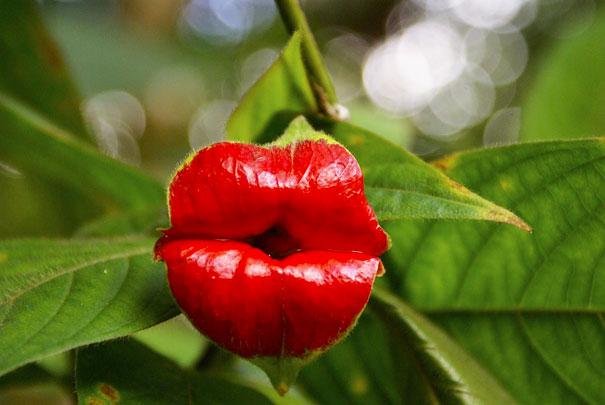
Orchids may be the masters of plant pareidolia, but they aren’t the only plants that look like something else. Psychotria elata is a tropical plant that produces the psychedelic chemical DMT. The plant is also called Hooker’s Lips. I can’t imagine why.
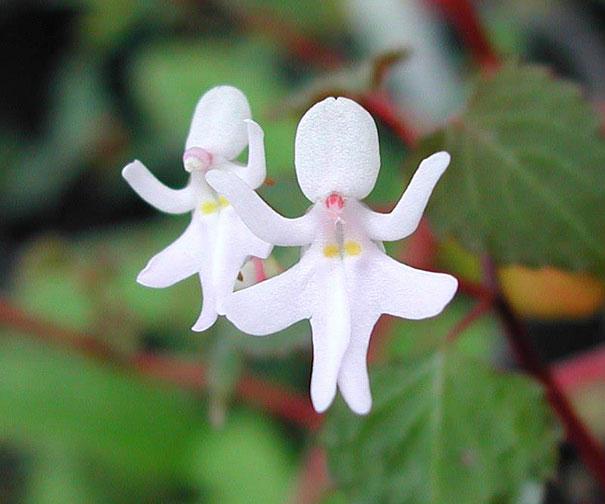
Dancing Girls (Impatiens bequaertii)
Laughing Bumble Bee Orchid (Ophrys bomybliflora)
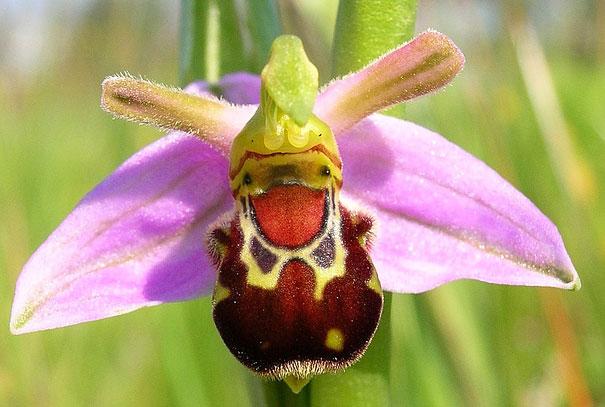
While we can’t say that nature intended for an orchid to look like a male body or a flying duck, the orchid genus Ophrys has a simple reason for looking the way it does. The Bee Orchid (Ophrys apifera) bloom resembles a bee in order to attract bees. When a male bee tries to mate with the flower (because it’s so pretty), he ends up pollinating it. Using an insect to achieve plant sex is common, but using insect sex to achieve plant sex is brilliantly weird. It apparently works well, because Ophrys ranges over several continents.
Swaddled Babies (Anguloa uniflora)

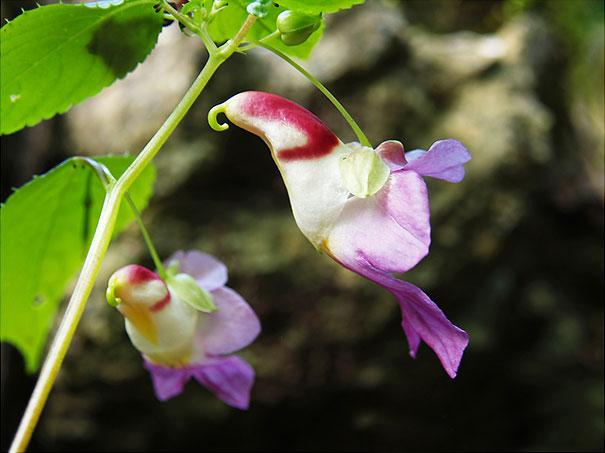
Parrot Flower (Impatiens psittacina)
Snap Dragon Seed Pod (Antirrhinum)

Flying Duck Orchid (Caleana major)

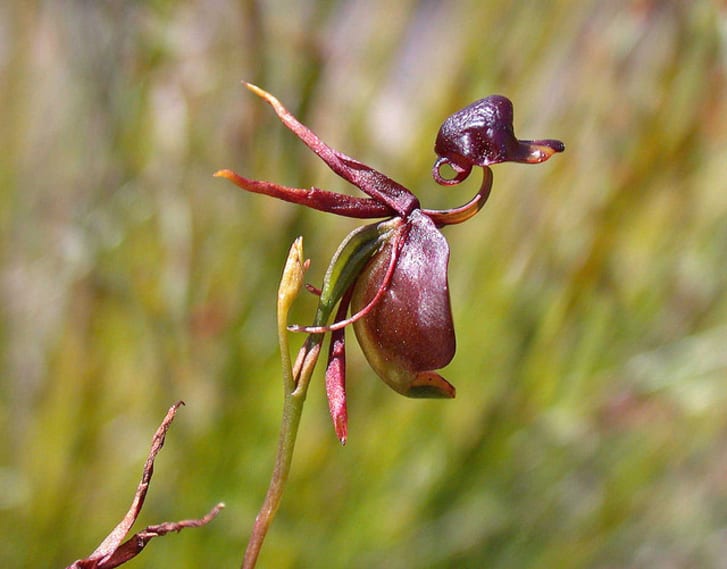
The Australian orchid genus Caleana is still not fully classified, but it is commonly called the Flying Duck Orchid. The shape attracts the sawfly, which pollinates the plant. Each component of the flower is design to use the sawfly, like a bright color for it to see, a place to land, and a petal that traps the fly into taking a pollen-rich route out. That’s one smart duck!
An orchid that looks remarkably like a tiger

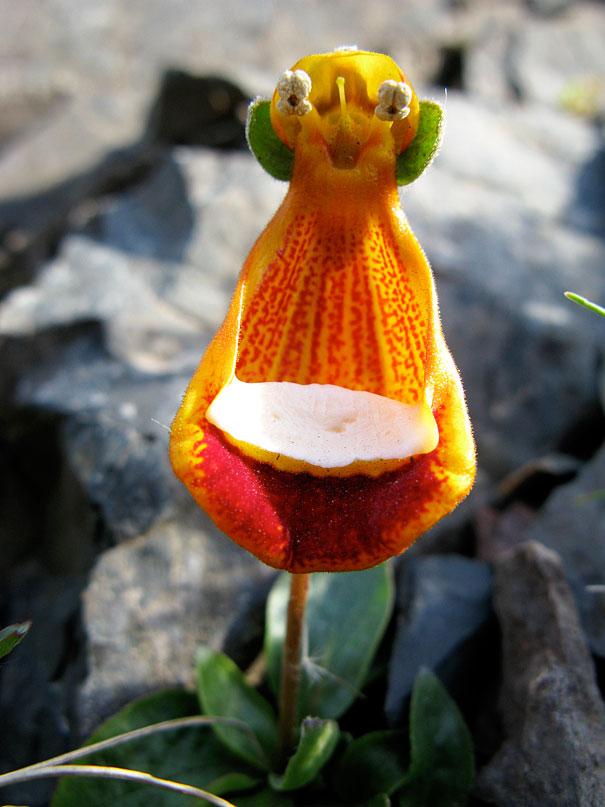
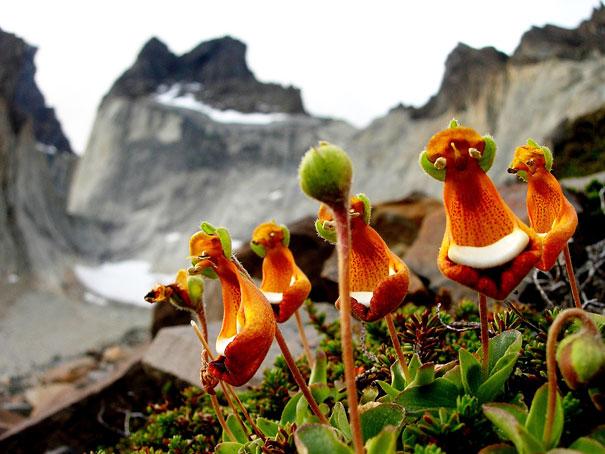
Happy Alien (Calceolaria uniflora)
And his fellow aliens
Angel Orchid (Habenaria grandifloriformis)

Dove Orchid Or Holy Ghost Orchid (Peristeria elata)

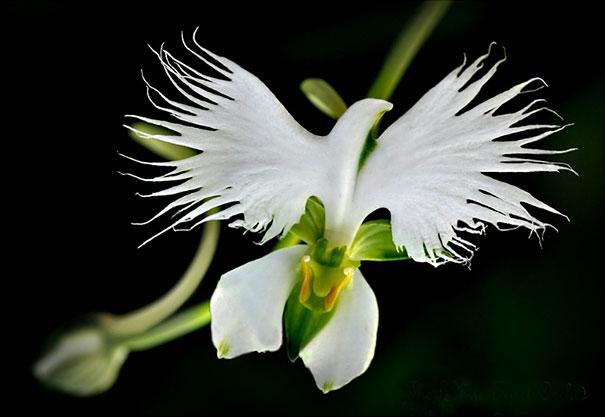
White Egret Orchid (Habenaria radiata )
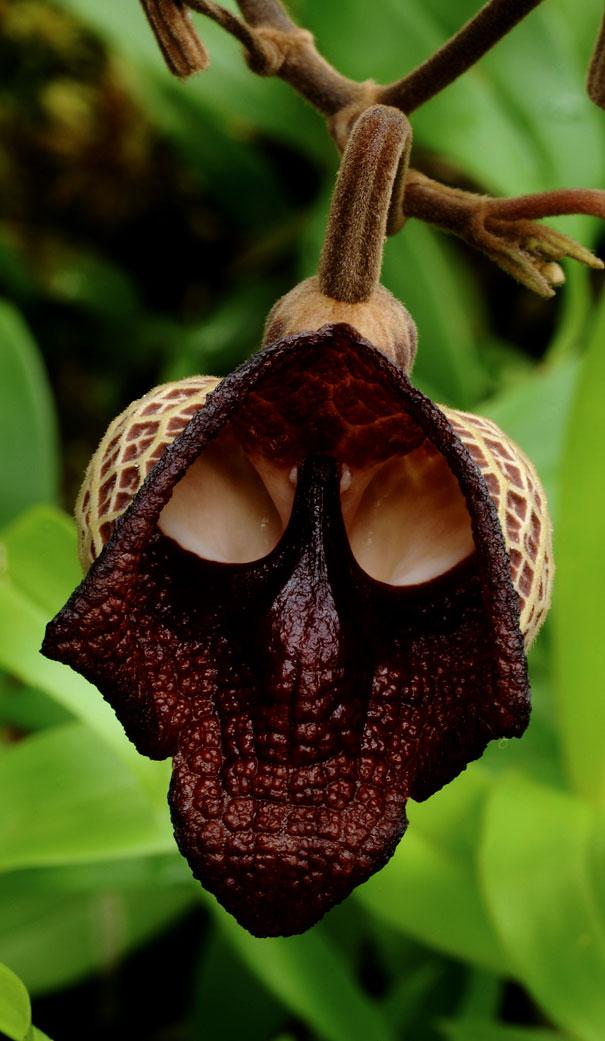
The Darth Vader (Aristolochia salvadorensis)
An Orchid that looks like a Ballerina




 Whole Dude - Whole Concept