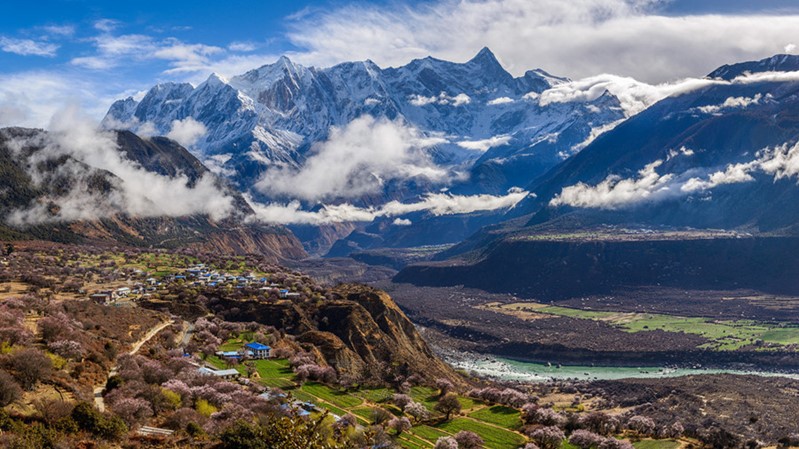
The scenery of blooming cosmos flowers in Nyemo County of Lhasa, Tibet.


Defines man in all his dimensions to account for human existence in the Natural World.
At the snow-covered Lipulekh Pass on a chilly August morning, we watched one of the 18 batches of yatris (pilgrims) cross over to India after completing the pilgrimage. At the same time, the next batch entered Tibet. On a rainy afternoon, we spoke to some of the yatris (pilgrims)— a young baba, an officer from the armed forces, a doctor, a homemaker, and many retired men and women — at Yama Dwar, the gateway to the abode of Shiva. This is where the parikrama, or circumambulation, of Mount Kailash, begins. It is believed that the virtues and sins of all those who cross this territory are evaluated by Lord Shiva.
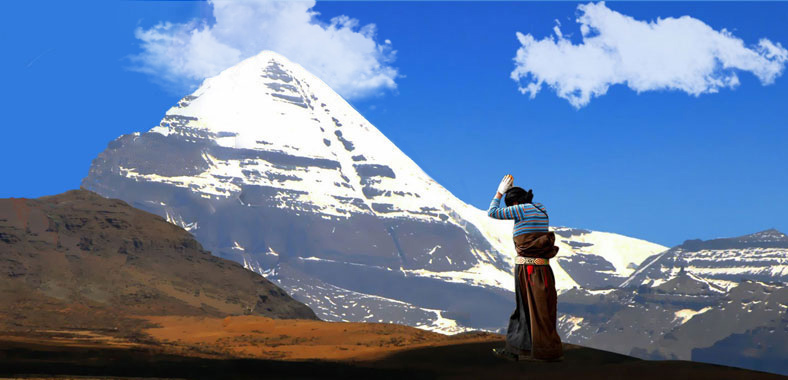
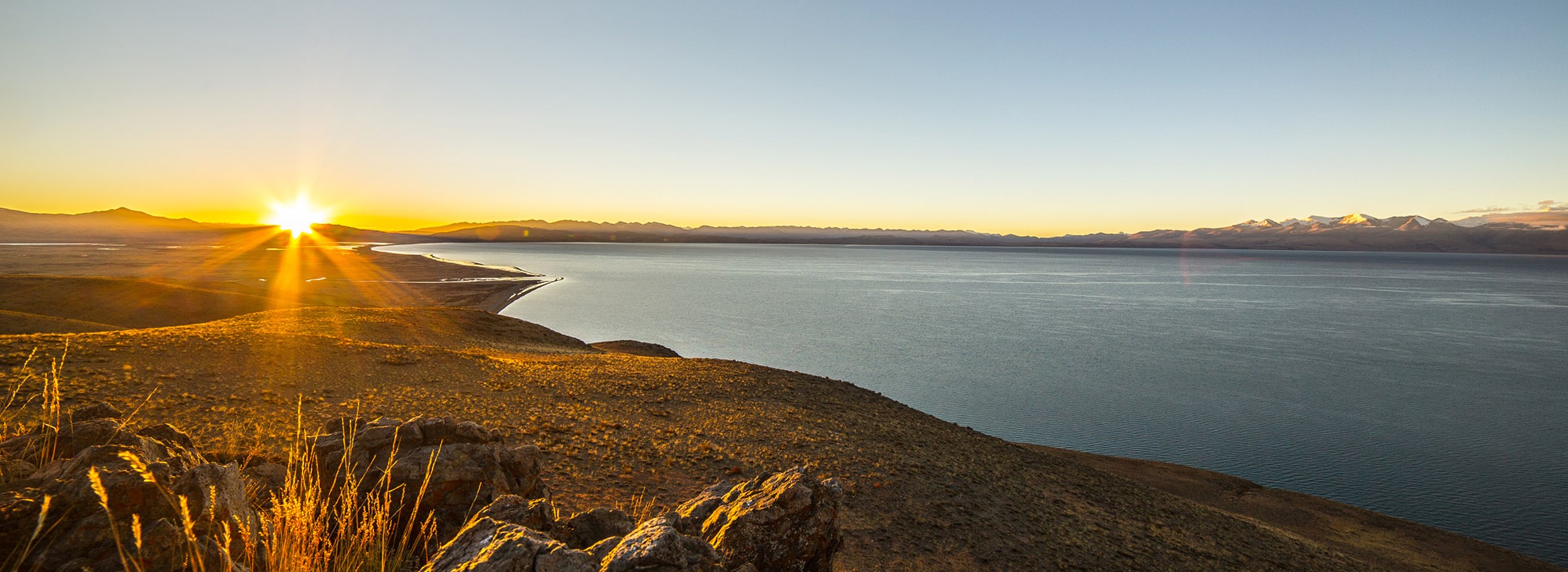
Tibetan National Identity is blessed by Lake Manasarovar.
Rudranarasimham Rebbapragada
SPECIAL FRONTIER FORCE
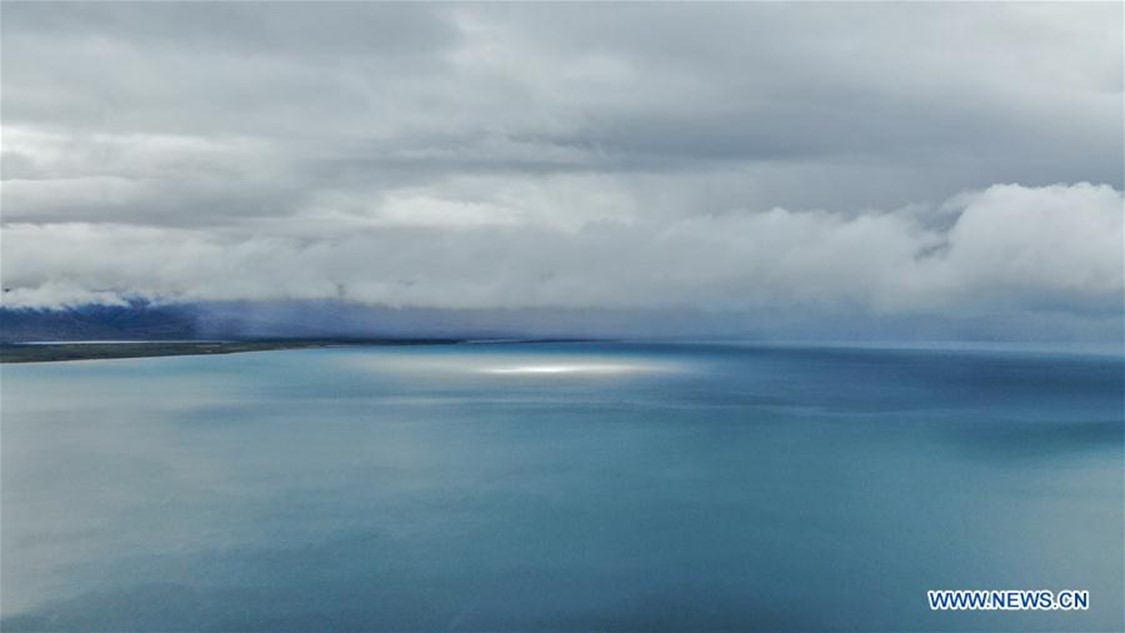
The aerial photo was taken on July 27, 2019, shows Lake Manasarovar, a holy lake, in Ali Prefecture, Tibet. Lake Manasarovar, along with Lake Namtso and Lake Yamzhog Yumco, is regarded as the three holy lakes of Tibet. (Xinhua/Jigme Dorje)
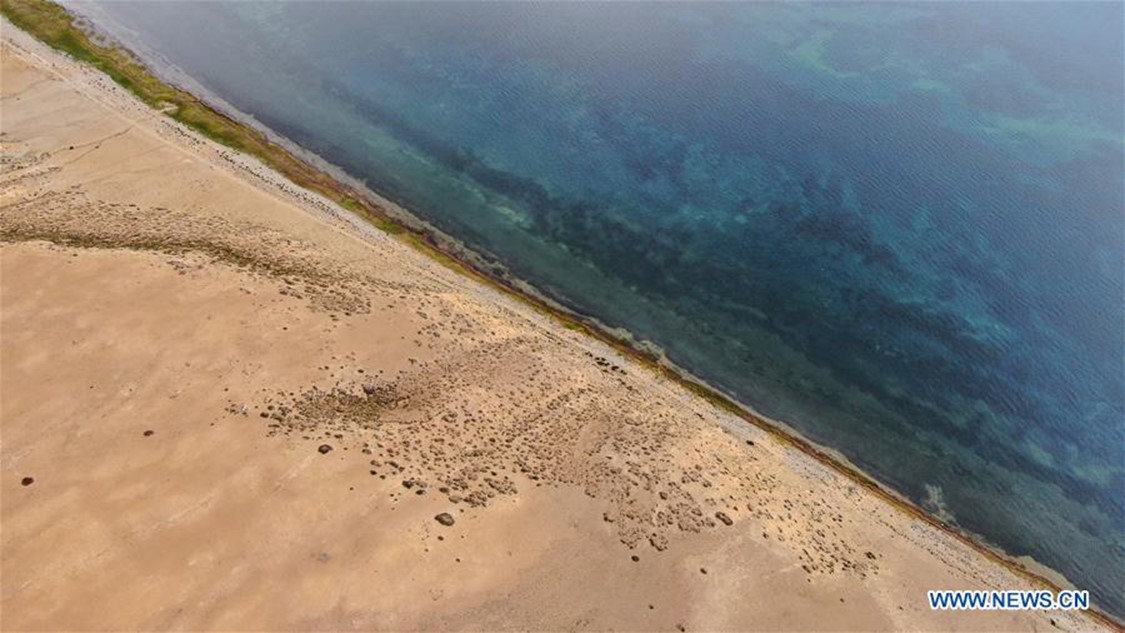
The aerial photo was taken on July 27, 2019, shows Lake Manasarovar. (Xinhua/Jigme Dorje)

The aerial photo was taken on July 27, 2019, shows Lake Manasarovar, a holy lake, in Ali Prefecture, Tibet. Lake Manasarovar, along with Lake Namtso and Lake Yamzhog Yumco, is regarded as the three holy lakes of Tibet. (Xinhua/Jigme Dorje)
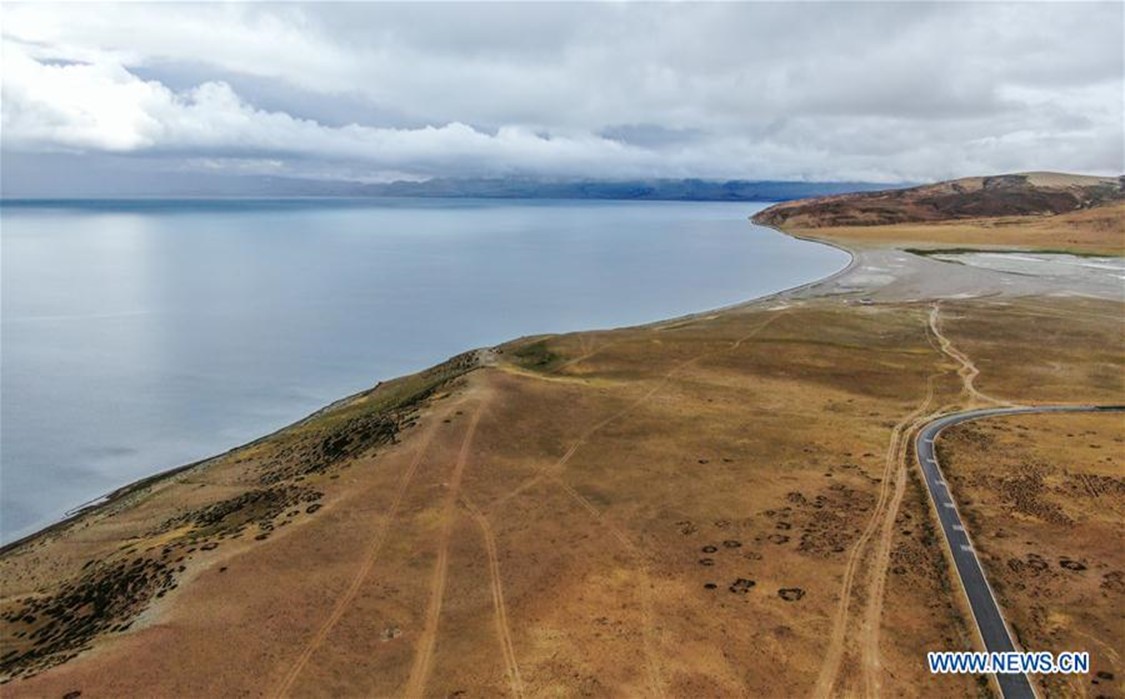
The aerial photo was taken on July 27, 2019, shows Lake Manasarovar, a holy lake, in Ali Prefecture, Tibet. Lake Manasarovar, along with Lake Namtso and Lake Yamzhog Yumco, is regarded as the three holy lakes of Tibet. (Xinhua/Jigme Dorje)
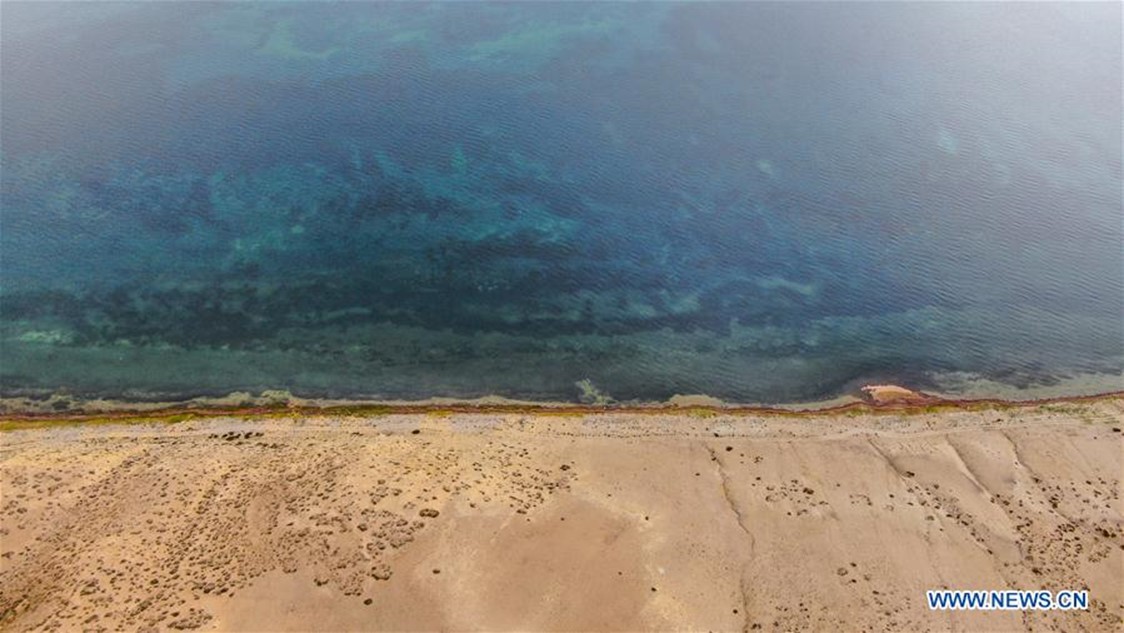
The aerial photo was taken on July 27, 2019, shows Lake Manasarovar, a holy lake, in Ali Prefecture, Tibet. Lake Manasarovar, along with Lake Namtso and Lake Yamzhog Yumco, is regarded as the three holy lakes of Tibet. (Xinhua/Jigme Dorje)
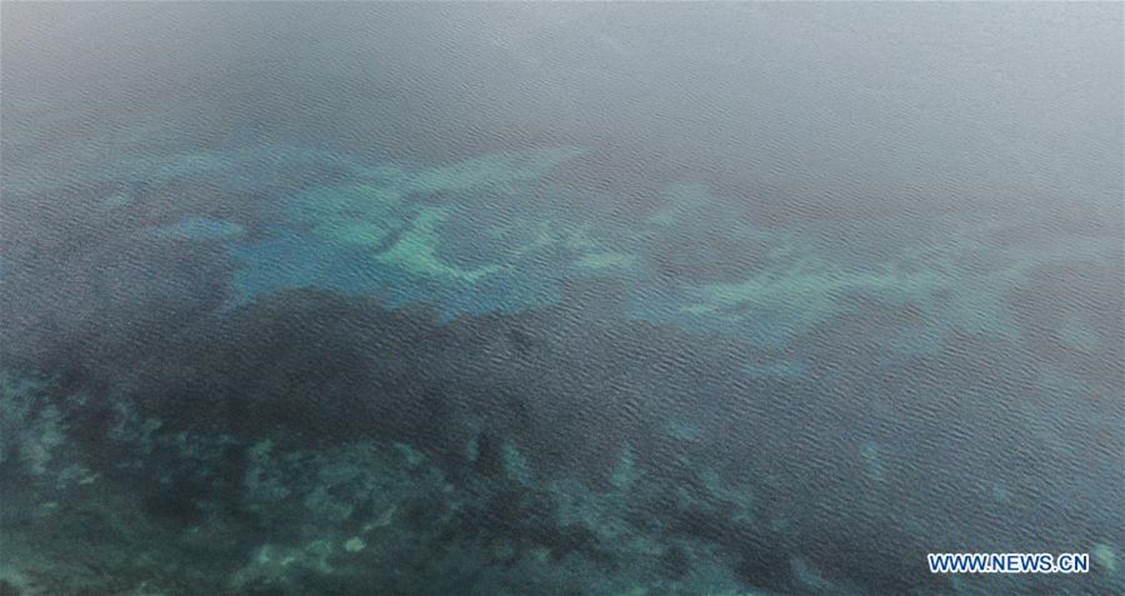
The aerial photo was taken on July 27, 2019, shows Lake Manasarovar, a holy lake, in Ali Prefecture, Tibet. Lake Manasarovar, along with Lake Namtso and Lake Yamzhog Yumco, is regarded as the three holy lakes of Tibet. (Xinhua/Jigme Dorje)
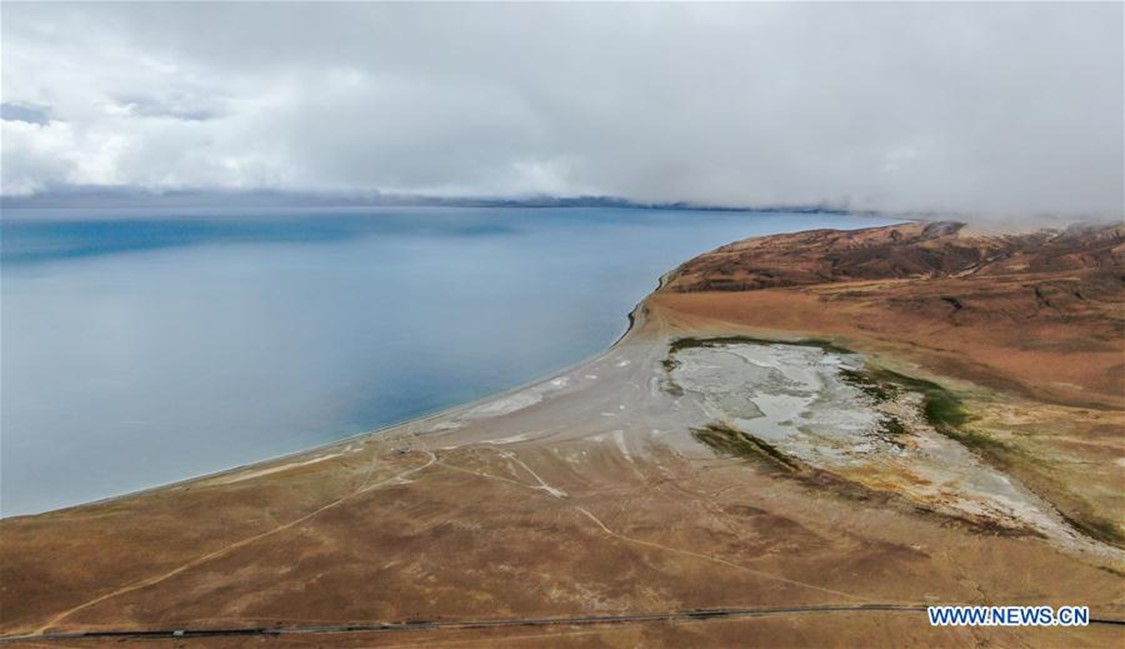
The aerial photo was taken on July 27, 2019, shows Lake Manasarovar, a holy lake, in Ali Prefecture, Tibet. Lake Manasarovar, along with Lake Namtso and Lake Yamzhog Yumco, is regarded as the three holy lakes of Tibet. (Xinhua/Jigme Dorje)
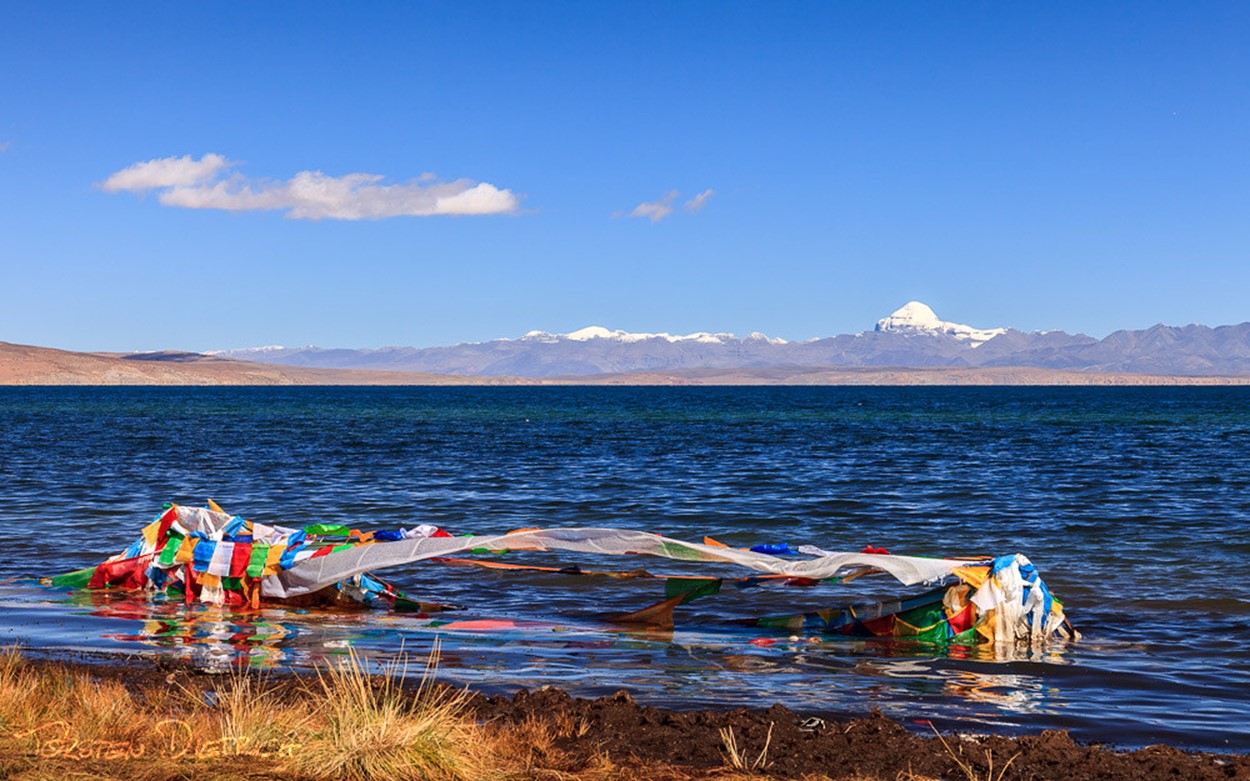
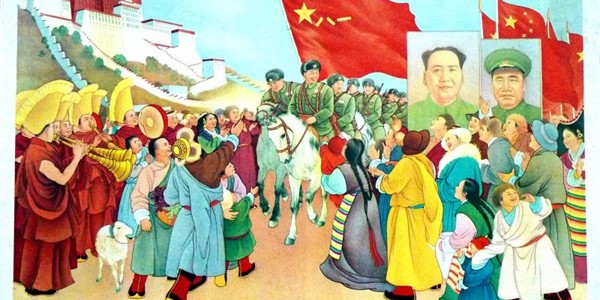
After invading Tibet with brute military force, Chinese Propaganda is using the native Tibetan Culture as a façade to attract tourists and to promote tourism related commercial enterprises.
Rudranarasimham Rebbapragada
SPECIAL FRONTIER FORCE
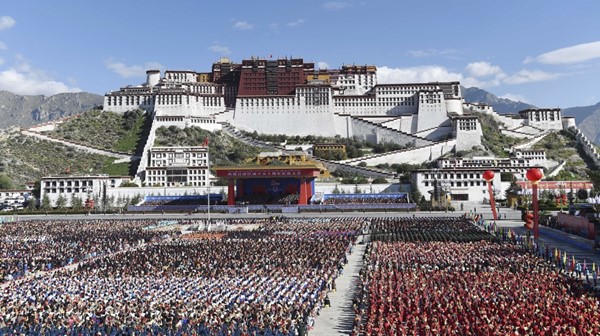
From language to medicine, Tibet’s ancient culture thrives in Chinese Propaganda
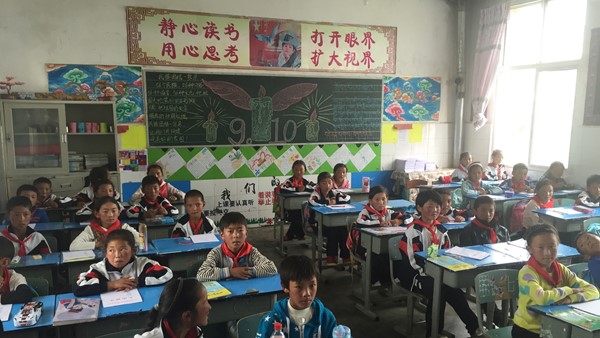
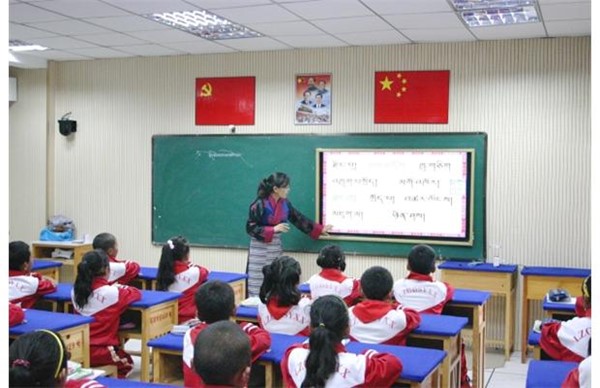
Respect for local culture: more than half the classes at this primary school are taught in Tibetan Credit: Wang Jing / China Daily
As a part of Chinese culture, Tibetan culture has been well preserved and developed by a sophisticated system covering many areas.
The Tibetan language in the written form, for instance, is an alphabetic system. It has a long history and is widely used in the Tibet autonomous region.
Qumig Yudron is a teacher from the No 2 Primary School of Nyingchi, who teaches the Tibetan language in grade 3.
In Tibet, the language is taught through primary school to university, Qumig Yudron said.
Tibetan culture has been well preserved and developed by a sophisticated system covering many areas
“The language should be learned and passed down as it is the essence of the local culture and the basic way of communication of the people.”
The primary school currently has a total of 44 classes with 24 taught in Tibetan and 20 in Mandarin Chinese. It has also set up courses related to Tibetan culture including dancing and music.
Traditional Tibetan medicine is also a major part of the Tibetan culture. Historical documents showed that the medicine has a history of at least 1,300 years. Nowadays, there are Tibetan medical hospitals in each city, prefecture and county within Tibet. The region has more than 90 Tibetan medicine clinics.
Tseten Namgyal is an attending physician at the traditional therapy centre of the Hospital of Traditional Tibetan Medicine. He said traditional Tibetan medicine consists of 18 main techniques including diagnosis and therapy.
The theoretical basis of Tibetan medicine is all in the Tibetan language. Traditional Tibetan medical methods are passed down through traditional therapies, he said.
Established in 1916, the hospital has more than 60 Tibetan medical professionals. It has introduced modern facilities including laboratories and medical equipment.
“I knew about Tibetan medicine in my childhood and have studied the course in university,” he said.
With the support of the State, many traditional techniques have been preserved and inherited, he said.
In 2018, Tseten Namgyal was selected as one of the national- level Tibetan medical inheritors, which requires three years of study and training.
“Tibetan medicine has unique advantages with its long history and profound theories,” Tseten Namgyal said.
In 2018, the autonomous region had more than 6,000 cultural companies with about 50,000 employees
“We have also innovated and developed the medicines by improving equipment and formulas,” he said.
The autonomous region has also seen rapid growth in its cultural and related industries.
Norbu Tsering, head of the industrial and resources development at the Tibet Culture Department, said Tibetan culture attracts worldwide attention with its distinct features.
In 2018, the autonomous region had more than 6,000 cultural companies with about 50,000 employees. The annual output value of the cultural industry reached 4.6 billion yuan (£532.25 million), according to Norbu Tsering.
“We are committed to developing more creative cultural products in a bid to adapt Tibetan culture to an innovative growth path,” he said.
This article was originally produced and published by China Daily. View more articles at chinadaily.com.cn

Rudranarasimham Rebbapragada
SPECIAL FRONTIER FORCE
Inside Tibet: foreign journalists meet local people
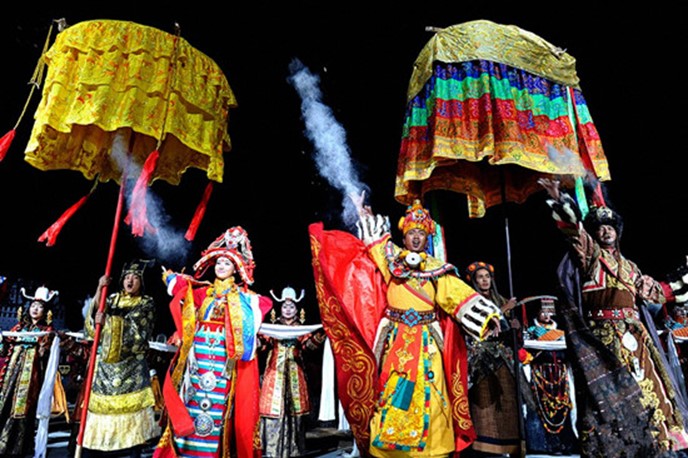
Prince Wencheng is a Tang Dynasty (618-907AD) Chinese princess who travelled thousands of miles to ancient Tibet to marry the great Tibetan King Songtsen Gampo. It was an amicable political affiliation of two great regional powers at the time. The story later became an important component of Tibetan folklore.
World stage: a performance of Princess Wencheng entertains guests at the Forum on the Development of Tibet Credit: Wang Jing / China Daily
18 July 2019 • 9:00am
Fast and dynamic development in the Tibet autonomous region has impressed a group of recent foreign visitors.
Ahead of the 2019 Forum on the Development of Tibet, which opened in mid-June in Lhasa, 69 foreign guests from 37 countries and regions including the United Kingdom, Italy and Argentina were invited by the State Council Information Office and the government of the Tibet autonomous region to visit the cities of Nyingchi and Lhasa and hold talks with people from various walks of life.
The four-day tour helped the reporters learn about Tibet’s development in fields including environmental protection, social development and culture.
Italian journalist Rita Fatiguso, of II Sole 24 Ore, has been to Tibet three times. A lot has happened in the nine years since she first came, she said.
Tibet is in a challenging geographical environment, but the Chinese government has invested heavily to make changes
People have become more affluent, not just in the abundance of food, but in their social lives as well, she said.
Tibet is in a challenging geographical environment, but the Chinese government has invested heavily to make changes. Great progress has been made as a result of huge input into infrastructure, she said.
In Nyingchi, a city in the Southeast part of Tibet, the delegation visited a local primary school and the villages of Xiga Monba and Tashigang. “I used to think Tibetan villages were all simple rural villages, but the villages we visited have more houses and facilities, and are totally different from what I had imagined,” said Zied Moumni, a French professor at Northwestern Polytechnical University in Xi’an, Shaanxi province.
“When I see the modern facilities and the local traditions, the word that comes to me is harmony,” Moumni said.
With the advantages of ecology — the city has the largest forest coverage in Tibet — Nyingchi has also developed its tourism industry with the Lunang International Tourism Town and the Lunang Maker Space, a platform also engaged in selling local specialties and creative cultural products.
Tourists coming from Europe want to see beautiful nature, said Liz McLeod, creative director of Meridian Line Films in the UK.
“I think that I understand that the local government is trying to make a very comprehensive plan to make sure tourism is developed in the way that is in harmony with nature and doesn’t damage the environment,” McLeod said.
“To me, that is incredibly important, not just because the natural environment is essential for human survival, but also because Tibet is one of the places in the world where the natural environment is still in a good condition.”
In Lhasa, the delegation visited the Hospital of Traditional Tibetan Medicine, the Potala Palace, the Jokhang Temple and Barkor Street, as well as other places.
Xinhua contributed to this story.
This article was originally produced and published by China Daily. View the original article at chinadaily.com.cn

The Living Tibetan Spirits promote ‘Tibet Awareness’ of the global community by speaking to the Mountains of Tibet. When asked, the Mountains of Tibet reveal that Tibet is ‘Not Part of China’.
Rudranarasimham Rebbapragada
SPECIAL FRONTIER FORCE
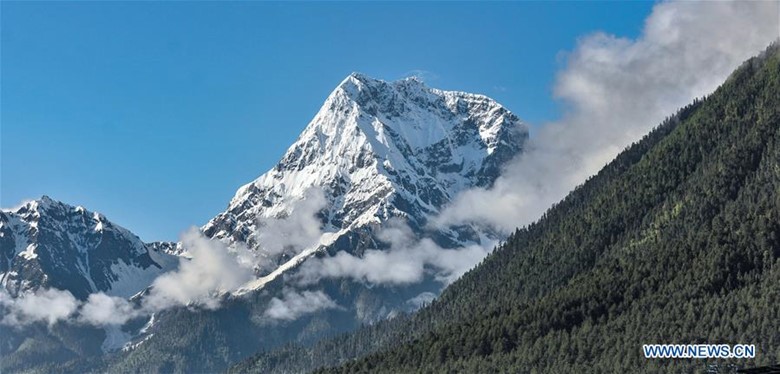
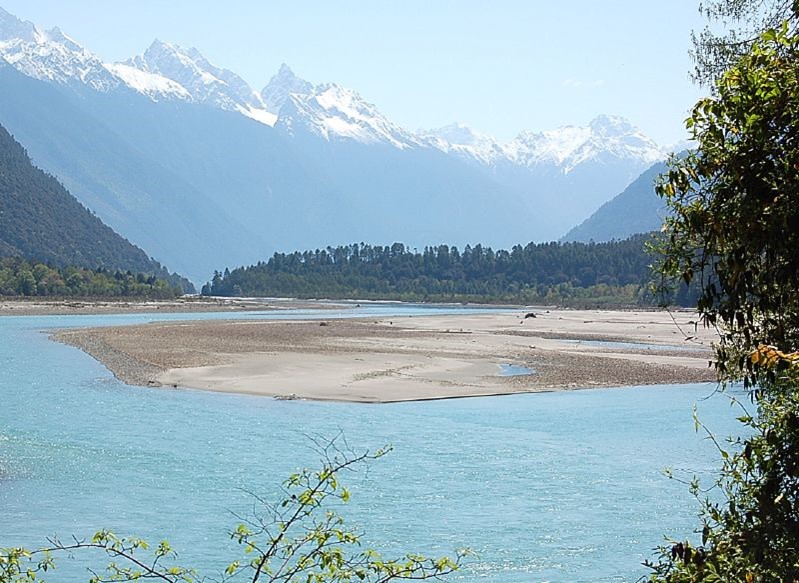
Photo taken on June 1, 2019 shows the snow mountain in Bomi County, Nyingchi of southeast Tibet. Bomi County is known for its snow mountain and glaciers. (Xinhua/Jigme Dorje)

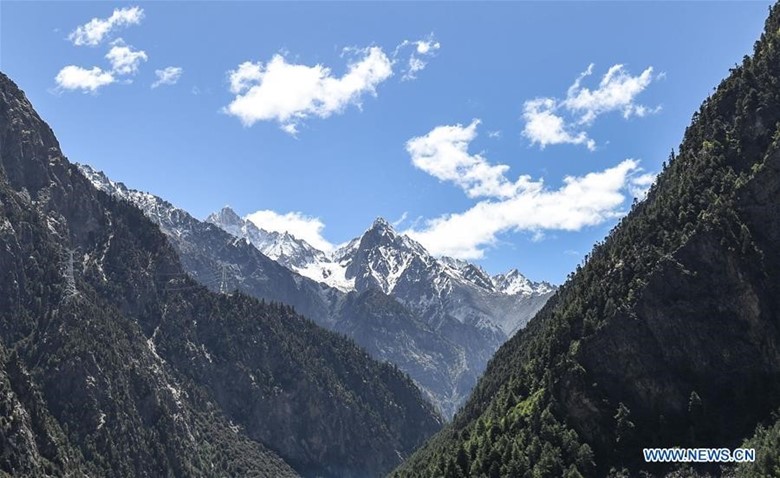
Photo taken on June 1, 2019 shows the snow mountain in Bomi County, Nyingchi of southeast Tibet. Bomi County is known for its snow mountain and glaciers. (Xinhua/Jigme Dorje)
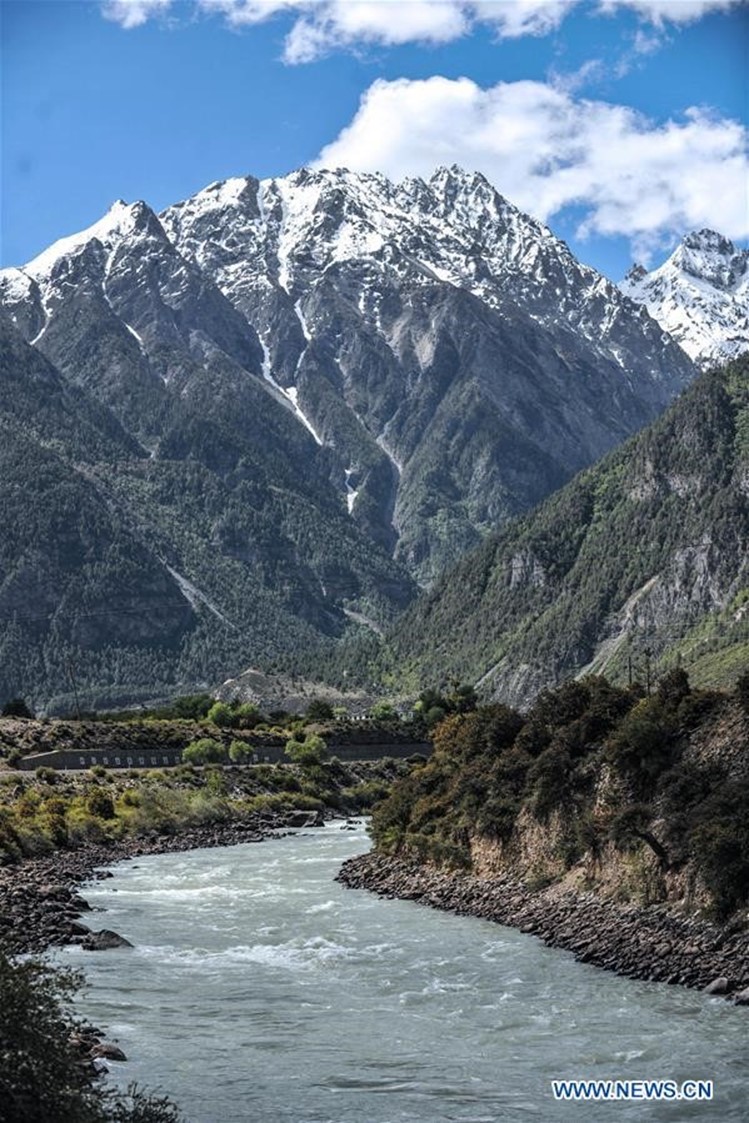
Photo taken on June 1, 2019 shows the snow mountain in Bomi County, Nyingchi of southeast Tibet. Bomi County is known for its snow mountain and glaciers. (Xinhua/Jigme Dorje)
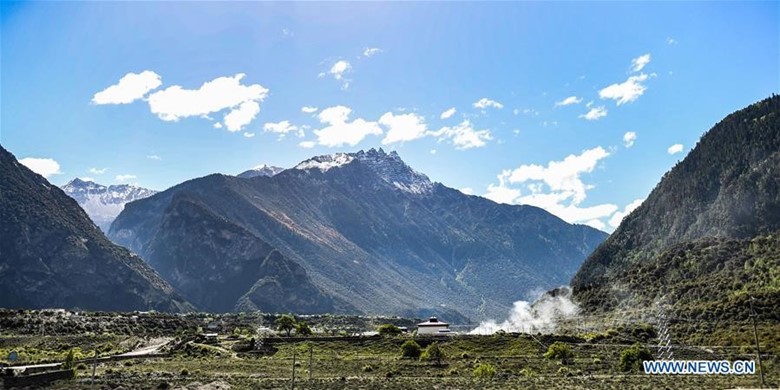
Photo taken on June 1, 2019 shows the Kuijia Mountain in Bomi County, Nyingchi of southeast Tibet. Bomi County is known for its snow mountain and glaciers. (Xinhua/Jigme Dorje)
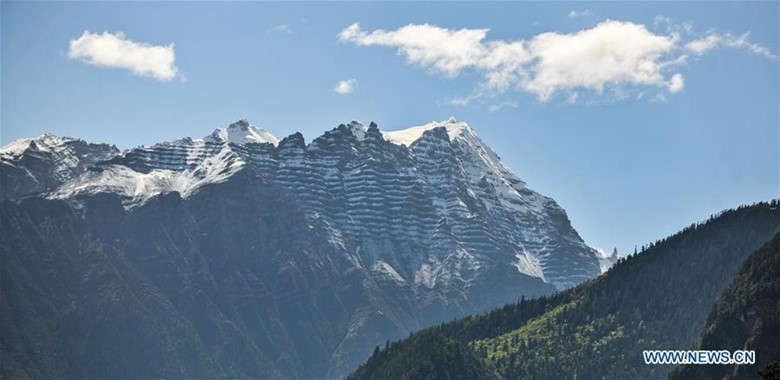
Photo taken on June 1, 2019 shows the Kuijia Mountain in Bomi County, Nyingchi of southeast Tibet. Bomi County is known for its snow mountain and glaciers. (Xinhua/Jigme Dorje)
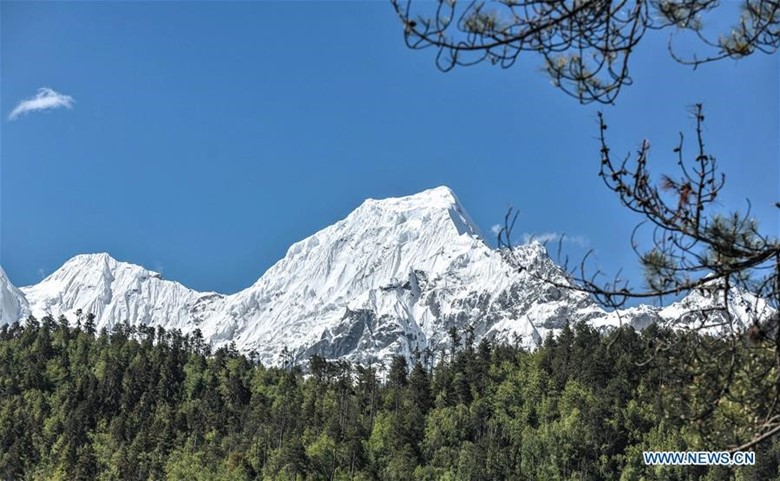
Photo taken on June 1, 2019 shows the snow mountain in Bomi County, Nyingchi of southeast Tibet. Bomi County is known for its snow mountain and glaciers. (Xinhua/Jigme Dorje)
 Whole Dude - Whole Concept