Whole Dude – Whole Life: Transient Being vs Eternal Being. The Two Facets of the Human Existence. The Two Facets of the Lotus Flower. Mortal vs Everlasting Life.
The Experience of Life in the Natural World
Whole Dude – Whole Life: Transient Being vs Eternal Being. The Two Facets of the Human Existence. The Two Facets of the Lotus Flower.Mortal vs Everlasting Life.
What it is to be a Substance? and What it is to Exist? We need to establish knowledge about the man on a firm basis and the information it provides must be tested for its accuracy and consistency with an external reality. We have to make the fundamental distinction between the living and the non-living matter. The scientific advances of the 19th and 20th centuries reinforced the materialistic position concerning the basic similarity of organic living and inorganic physical matter. The man is viewed as a product of natural evolution and is thought to be subject to the same laws of Physics and Chemistry or mechanistic principles.
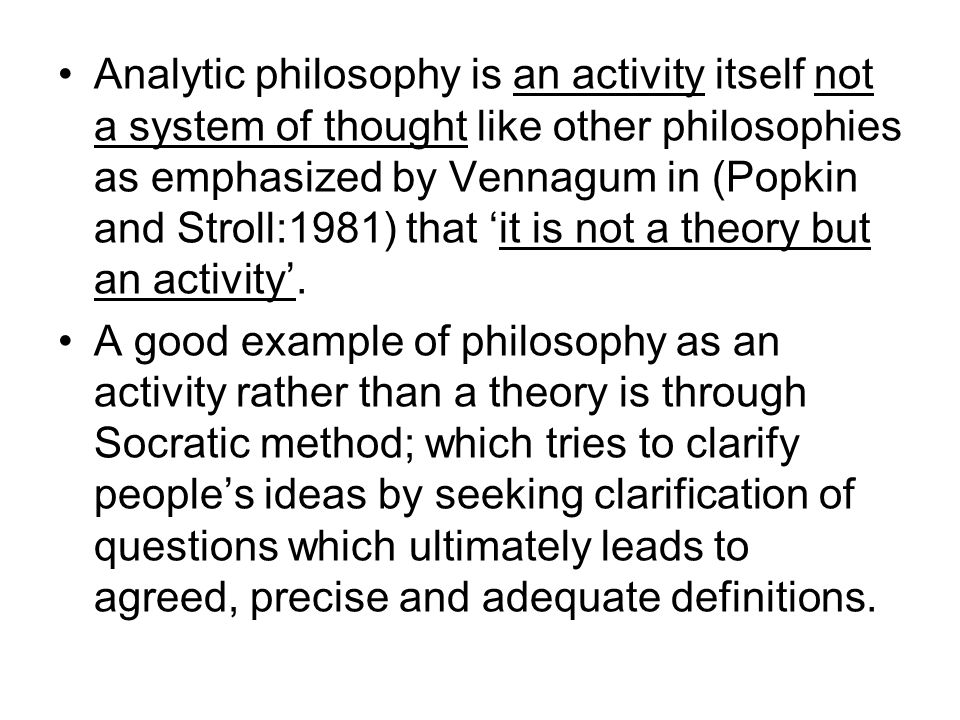
We need a methodology to study philosophy and to understand philosophical statements. Logical Positivism, also known as Scientific Empiricism aims to clarify concepts in both everyday and scientific language. It describes analysis of language as the function of philosophy. This analysis of language and of concepts is important to understand questions of belief and ideology which affect what we think we ought to do individually and socially.
Whole Dude – Whole Life: Transient Being vs Eternal Being. The Two Facets of the Human Existence. The Two Facets of the Lotus Flower.Mortal vs Everlasting Life.Whole Dude – Whole Life: Transient Being vs Eternal Being. The Two Facets of the Human Existence. The Two Facets of the Lotus Flower.Mortal vs Everlasting Life.
I use this method of ‘Analytic Philosophy’ to analyze the concept of Spiritual Optics, the Spiritual dimension of the Man’s experience of Life in the Natural World. There are two facets of the man’s experience of his own existence. These are, 1. The Identity which keeps changing or varying over the entire lifetime, and 2. The Individuality which continues to be the same without changing under the influence of time. The man can be presented as the constantly changing or varying, transitory, mortal, physical being on the basis of his Identity and on the flip side there is the dimension of unvarying, unchanging, constant, and eternal being defined by his Individuality.
The Lotus Effect -The Two Facets of Lotus Flower
Whole Dude – Whole Life: Transient Being vs Eternal Being. The Two Facets of the Human Existence. The Two Facets of the Lotus Flower. Mortal vs Everlasting Life.
Botanist Wilhelm Barthlott of the University of Bonn in Germany discovered in 1982 that the lotus leaf has a naturally self-cleaning, water-repellent surface. The secret lies in waxy microstructures and nanostructures that, by their contact angle with water, cause water to bead and roll away just like mercury. Barthlott patented his discovery, calling it the Lotus Effect.
Whole Dude – Whole Life: Transient Being vs Eternal Being. The Two Facets of the Human Existence. The Two Facets of the Lotus Flower. Mortal vs Everlasting Life.
While Barthlott takes credit for his discovery of the waxy surface of the lotus leaf, Indians have known the Lotus, an aquatic plant, for a very long time. Lord Vishnu, the Protector always carries a Lotus flower in his hand, He is generally depicted in images in a lying pose with a lotus springing out of His belly button, His eyes are always compared to the petals of the Lotus flower and His consort Goddess Lakshmi prefers to be seated on top of a Lotus flower. Indians use the Lotus flower for their worship and in Indian Art and Literature, Lotus finds a prominent place and the Lotus is given the official status of the National Flower. Indians are also equally impressed about the waxy nature of the surface of the lotus leaf and they know that the surface causes the water to bead and the drops rollaway with great ease. This phenomenon is very often used to describe the transient nature of human existence.
But, the Lotus is the only flower that is constantly held in the hand of Eternal God.
Two Faces of the Coin – Two Facets of Existence:
Whole Dude – Whole Life: Transient Being vs Eternal Being. If Identity described by the Phenotype establishes one face of the Coin, the Individuality describes the second face of the same coin and is established by the Genotype. The same Individual with the same Genotype exists as different Individuals with varying features of Identification. Whole Dude – Whole Life: Transient Being vs Eternal Being. Identity and Individuality are the two sides of the same Coin. The Phenotype establishes the Identity, and the Genotype establishes the Individuality of a Living Cell or of a Living Organism.Whole Dude – Whole Life: Transient Being vs Eternal Being. The Two Facets of the Human Existence. The Two Facets of the Lotus Flower. Mortal vs Everlasting Life.
The coins that we use are minted with two different faces and we need to flip the coin to see the face on the opposite side. So also, human existence has its two sides, an eternal entity and at the same time a transient, perishable, temporary, ephemeral, fleeting, and finite entity. I would refer to the following two verses to illustrate this view-point.
THE BHAGAVAD GITA, CHAPTER II, VERSE 13:
Whole Dude – Whole Life: Transient Being vs Eternal Being. The Two Facets of the Human Existence.The Two Facets of the Lotus Flower. Mortal vs Everlasting Life.
“As the embodied soul continually passes, in this body, from boyhood to youth, and then to old age, similarly, the soul also passes into another body at death. The self-realized soul is not bewildered by such a change”.
Since every living entity is an individual soul, each is changing his body at every moment, manifesting sometimes as a child, sometimes as a youth, and sometimes as an old man, the spirit soul however remains the same and does not undergo any change. The individual soul eventually changes the body itself, the soul transmigrates from one body to another body and hence death is viewed as the soul changing bodies from old to new one. According to one’s work in the present life, the living entity experiences enjoyment or suffering with the changing of bodies. This view helps the individual not to lament about death.
SHANKARA’S BHAJA GOVINDAM AND NIRVANA SHATAKAM LYRICS:
Whole Dude – Whole Life: Transient Being vs Eternal Being. The Two Facets of the Human Existence. The Two Facets of the Lotus Flower. Mortal vs Everlasting Life.
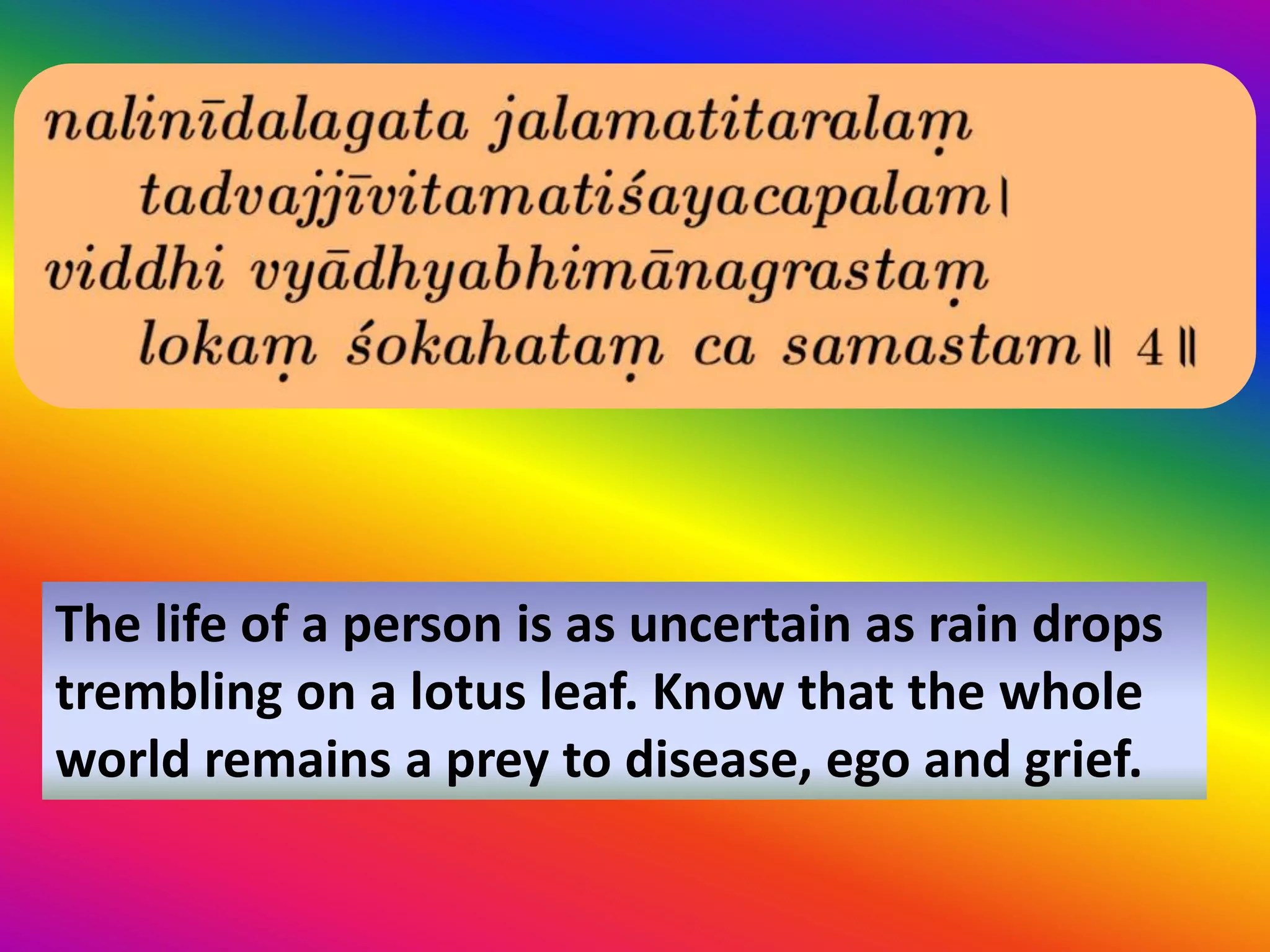
The life of a man is as uncertain as rain drops trembling on a lotus leaf. Know that the whole world remains a prey to disease, ego and grief.
Whole Dude – Whole Life: Transient Being vs Eternal Being. The Two Facets of the Human Existence. The Two Facets of the Lotus Flower. Mortal vs Everlasting Life.
The ‘ADVAITA’ school of Indian philosophy was founded by the great teacher Shankara who is popularly referred to as Adi Shankaracharya. He composed lyrics known as Bhaja Govindam (Praise Lord Vishnu, the Protector) in which he describes the transient, ephemeral, and fleeting nature of human life and existence.
He compares human life to that of the bead of water drop on the surface of the Lotus leaf. He reminds us to understand that the body’s existence is very temporary and he observes that the entire humanity is suffering due to sickness caused by ignorance which makes people to crave with a sense of attachment and desire to keep their impermanent existence.
Whole Dude – Whole Life: Transient Being vs Eternal Being. The Two Facets of the Human Existence. The Two Facets of the Lotus Flower. Mortal vs Everlasting Life.
The very same Adi Shankaracharya in the lyrics known as Nirvana Shatakam describes the individual entity as an embodied Soul. The Soul is eternal but the physical body is temporary and just like the water drop on the surface of the Lotus leaf, the drop could roll away any moment, and the Soul may change bodies sooner than we wish or desire. There is no point in cultivating a sense of attachment to the body as the Soul is not willing to cling to the physical body.
Man is a created being, exists as an Individual with Individuality, and has living substance constituted by Chemical Elements that are immortal, imperishable, or eternal. However, Man, the physical being with a shape and form is transient as he is born with a plan for the dissolution of its form.
Whole Dude – Whole Life: Transient Being vs Eternal Being. The Two Facets of the Human Existence. The Two Facets of the Lotus Flower. Mortal vs Everlasting Life. The Lotus Leaf displays the dimension of Transient Being, and the Flower symbolizes the dimension of Eternal Being as the Everlasting God is always seen holding the Lotus Flower.Whole Dude – Whole Life: Transient Being vs Eternal Being. The Two Facets of the Human Existence. The Two Facets of the Lotus Flower. Mortal vs Everlasting Life. The Lotus Leaf displays the dimension of Transient Being, and the Flower symbolizes the dimension of Eternal Being as the Everlasting God is always seen holding the Lotus Flower
Whole Dude – Whole Realism: Half Full or Half Empty? – What is the real Question?
Half Full or Half Empty is not the Right Question – Can You Drink the Cup I Drink?
Whole Dude – Whole Realism: Half Full or Half Empty? – What is the real Question? Can You Drink the Cup I Drink?
Excerpt: When I drink from the ‘Cup of my Life’; What I truly experience from my life, the reality of my condition is more important than my attitude towards existence. The man has no hope to find happiness until and unless he renounces all desires including the desire to find happiness. The man has no choice other than that of living in the moment without concern for either pessimism or optimism. The attitude of dispassion automatically excludes both pessimism and optimism.
Whole Dude – Whole Realism: Half Full or Half Empty? What is the real Question? Can You Drink the Cup I Drink?
HALF FULL OR HALF EMPTY? IS THAT REALLY IMPORTANT?
Whole Dude – Whole Realism: Half Full or Half Empty? – What is the real Question? Can You Drink the Cup I Drink?
I drank from that cup. Now, the cup could be described as half full or half empty. Is that really important? The cup that I drink from gives me pain and I experience suffering. What would be the right question if I have to drink from that cup? What I truly experience from my life, the reality of my condition is more important than my attitude towards my existence. The issue is not about optimism or pessimism. I need to focus on knowing the reality and I need to face the reality about what I experience when I drink from that Cup of my Life.
IS IT POSSIBLE FOR THIS CUP TO BE TAKEN AWAY FROM ME ?
Whole Dude – Whole Realism: Half Full or Half Empty? – What is the real Question? Can You Drink the Cup I Drink?
I would answer this question from a reading from The New Testament of The Holy Bible. I would like to quote verses 36 to 44, chapter 26, The Gospel According to Matthew.
Whole Dude – Whole Realism: Half Full or Half Empty? – What is the real Question? Can You Drink the Cup I Drink?
36. Then Jesus came with His disciples to a place called Gethsemane and said to them, “Sit here while I go and pray over there.”
Whole Dude – Whole Realism: Half Full or Half Empty? – What is the real Question? Can You Drink the Cup I Drink?
37. And He took with Him Peter and the two sons of Zebedee, and He began to be sorrowful and deeply distressed.
Whole Dude – Whole Realism: Half Full or Half Empty? – What is the real Question? Can You Drink the Cup I Drink?
38. Then He said to them, “My soul is exceedingly sorrowful, even to death. Stay here and watch with Me.”
Whole Dude – Whole Realism: Half Full or Half Empty? – What is the real Question? Can You Drink the Cup I Drink?
39. He went a little farther and fell on His face, and prayed, saying, “O My Father, if it is possible let this cup pass from Me; nevertheless not as I will, but as You will.”
Whole Dude – Whole Realism: Half Full or Half Empty? – What is the real Question? Can You Drink the Cup I Drink?
40. Then He came to the disciples and found them sleeping, and said to Peter, “What! Could you not watch with Me one hour?
41.”Watch and pray, lest you enter into temptation. The spirit indeed is willing, but the flesh is weak.”
Whole Dude – Whole Realism: Half Full or Half Empty? – What is the real Question? Can You Drink the Cup I Drink?
42. Again, a second time, He went away and prayed, saying, “O My Father, if this cup cannot pass away from Me unless I drink it, may Your will be done.”
43. And He came and found them asleep again, for their eyes were heavy.
Whole Dude – Whole Realism: Half Full or Half Empty? – What is the real Question? Can You Drink the Cup I Drink?
44. So He left them, went away again, and prayed the third time, saying the same words.
Whole Dude – Whole Realism: Half Full or Half Empty? – What is the real Question? Can You Drink the Cup I Drink?
Jesus had prayed three times, saying the same words. It was not possible for the cup to pass away and Jesus had to drink from the cup.
Whole Dude – Whole Realism: Half Full or Half Empty? – What is the real Question? Can You Drink the Cup I Drink?
THE TEACHINGS OF GAUTAMA BUDDHA:
Whole Dude – Whole Realism: Lord Gautama Buddha has laid the foundation for understanding Pain and Suffering that is implicit in Human Existence. Half Full or Half Empty? – What is the real Question? Can You Drink the Cup I Drink?
At age 29, Prince Siddhartha realized that humans are subject to old age, sickness, disability and death. He became aware of the suffering implicit in human existence. Buddha described the nature of reality and Dharma (“true law”) as the Four Noble Truths (1) life is fundamentally disappointment and suffering; (2) suffering is a result of one’s desires for pleasure, power, and continued existence; (3) to stop disappointment and suffering one must stop desiring and (4) the way to stop desiring and thus suffering is the Noble Eightfold Path- right views, intention, speech, conduct, livelihood, effort, mindfulness, and concentration.
From the hymns popularly known as Bhaja Govindam, while I drink from the Cup of my Life, I will keep contemplate on the concept of dispassion:
“KASYA SUKHAM NA KAROTI VIRAGAH”
Whole Dude – Whole Realism: Half Full or Half Empty? What is the real Question? Can You Drink the Cup I Drink?
Living in temples or at the foot of trees, sleeping on the ground, wearing deer-skin, renouncing all possessions and their enjoyment – to whom will not dispassion bring happiness?
The verse 19 in Shankaracharya’s Bhaja Govindam questions, “Kasya sukham na karoti viragah?”, which means, “What pleasure cannot be given by dispassion?” It gives all the pleasures because you are so totally living in the moment.
The man has no hope to find happiness until and unless he renounces all desires including the desire to find happiness. The man has no choice other than that of living in the moment without concern for either pessimism or optimism. The attitude of dispassion automatically excludes both pessimism and optimism.
Whole Dude – Whole Realism: Half Full or Half Empty? – What is the real Question?Whole Dude – Whole Realism: Half Full or Half Empty doesn’t change the reality of the experience.Whole Dude – Whole Realism: The Cup of Life holds for me Pain, Humiliation, and Loss of Face.
Human existence evokes a sense of fear and anxiety from two directions. 1. The fear is associated with the idea that the journey is long and tedious and the uncertainty of reaching the final destination. 2. The anxiety is because of the fact that the life span is over as the time marches on relentlessly. The passage of day and night, the change of seasons, the spring and the winter, the life span is over even if the individual wants to cling to his life.
Whole Dude – Whole Peace
The life span is often compared to bubbles and beads on the surface of lotus leaf. The water beads and the air bubbles exist only for a moment evoking a sense of anxiety about the transient, ephemeral, mortal existence. The long journey generates fear and the short life span produces anxiety. When the heart is troubled and when the mind is afraid, there is no peace.
Searching for Peace when the heart is troubled:
Whole Dude – Whole Peace
1. Rejoice in the Lord always. I will say it again: Rejoice! Let your gentleness be evident to all. The Lord is near. Do not be anxious about anything, but in everything, by prayer and petition, with thanksgiving, present your requests to God. And the peace of God, which transcends all understanding, will guard your hearts and your minds in Christ Jesus. (PHILIPPIANS4:4-7)
Whole Dude – Whole PeaceWhole Dude – Whole Peace: The Fruit of Spirit is Love
2.But the fruit of the Spirit is love, joy, peace, patience, kindness, goodness, faithfulness, gentleness and self-control. (GALATIANS 5:22-23)
Whole Dude – Whole Peace
3. “Peace I leave with you; my peace I give you. I do not give to you as the world gives. Do not let your hearts be troubled and do not be afraid”. (JOHN14:27)
Whole Dude – Whole PeaceWhole Dude – Whole PeaceWhole Dude – Whole PeaceWhole Dude – Whole PeaceWhole Dude – Whole Peace: Peace is attained through the idea of Refuge and Strength
Walong Will Never Fall AgainWalong Will Never Fall Again
Whole Dude – Whole Promise – Walong Will Never Fall Again
Whole Dude – Whole Promise: Walong Will Never Fall Again
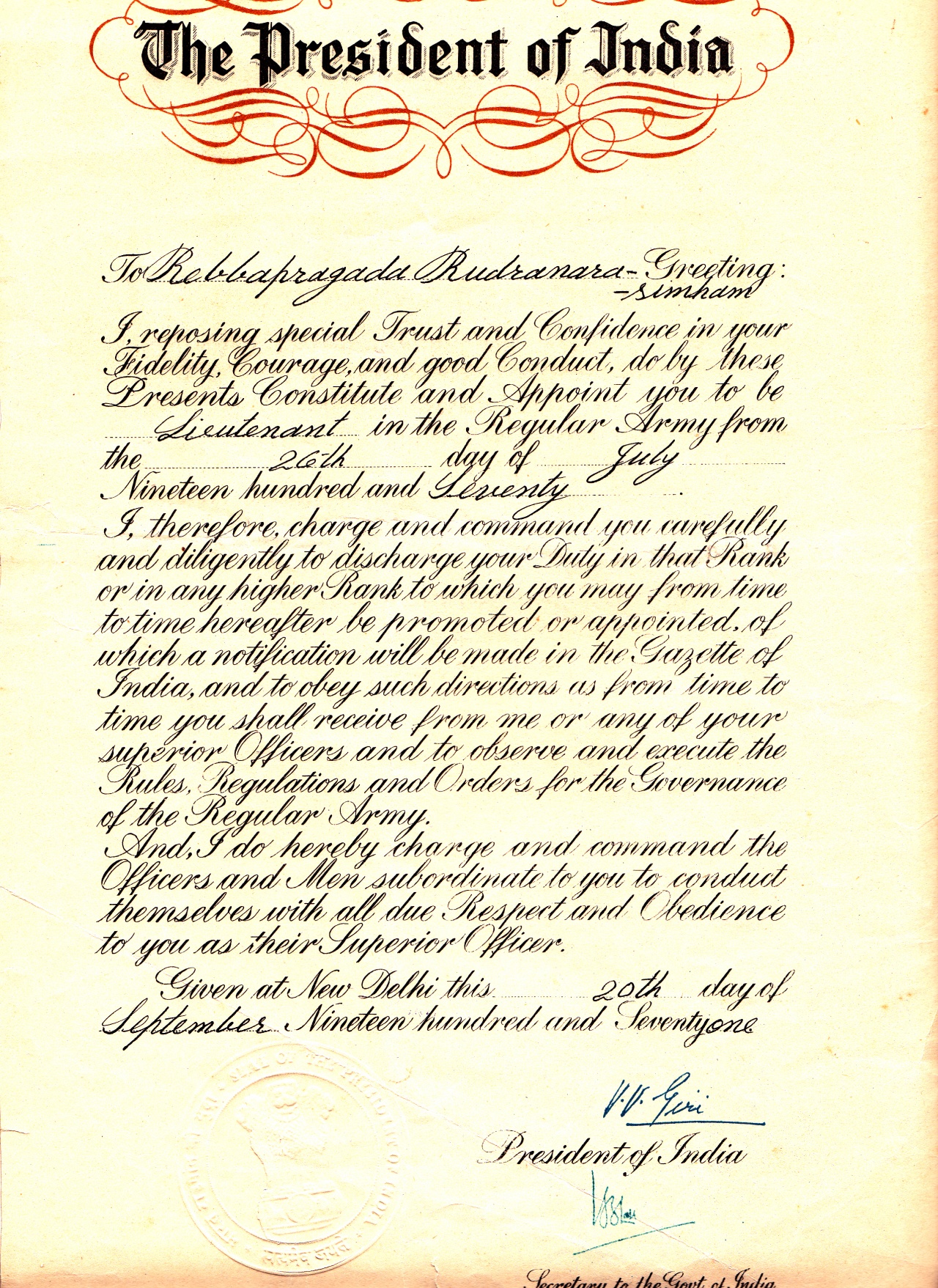
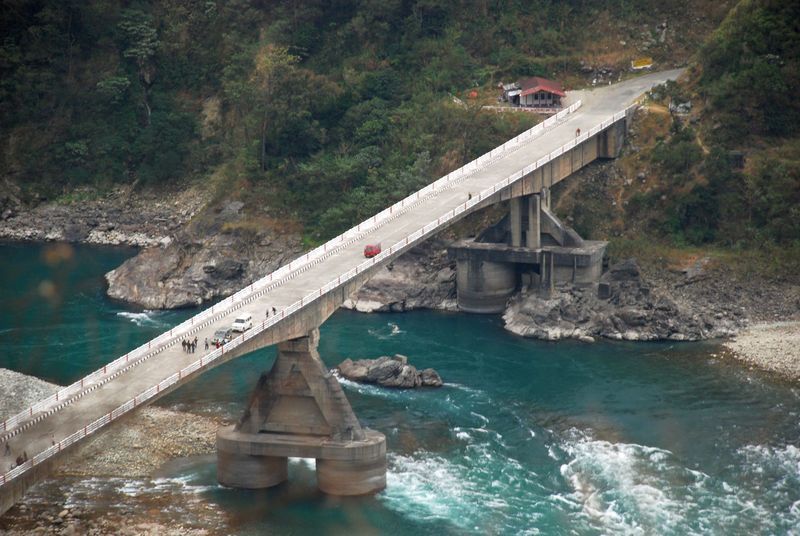
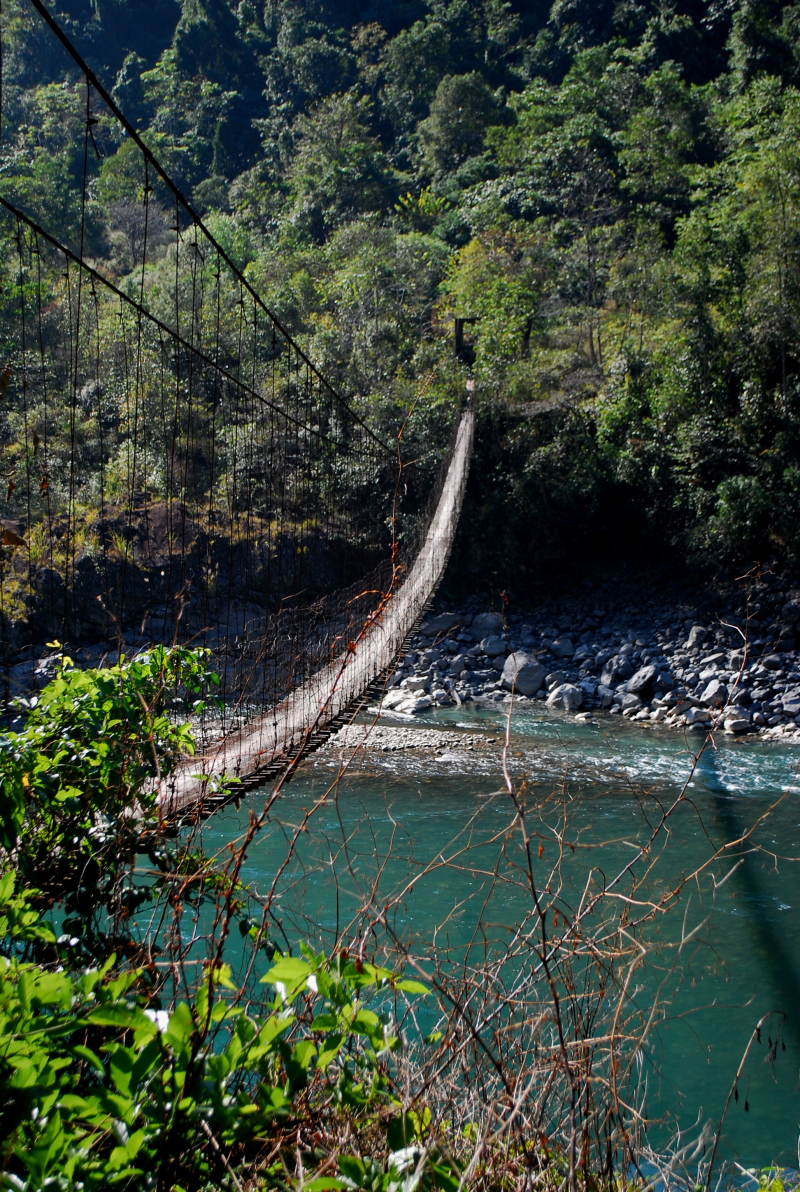
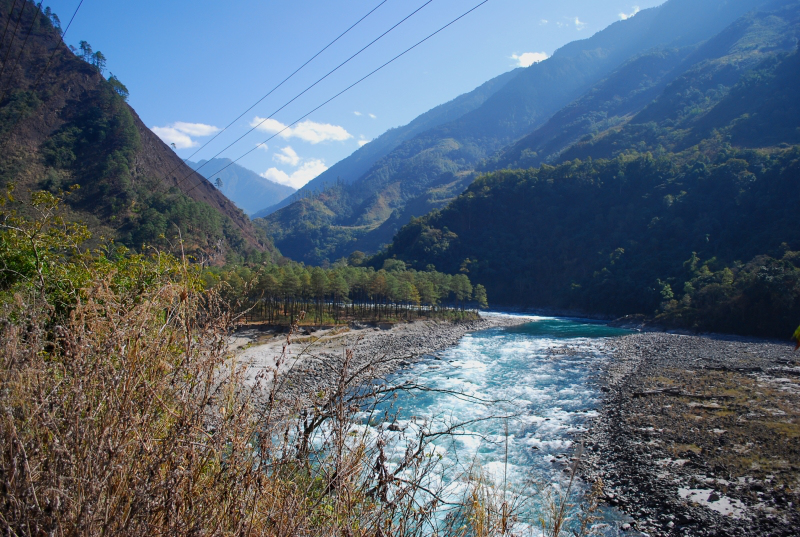
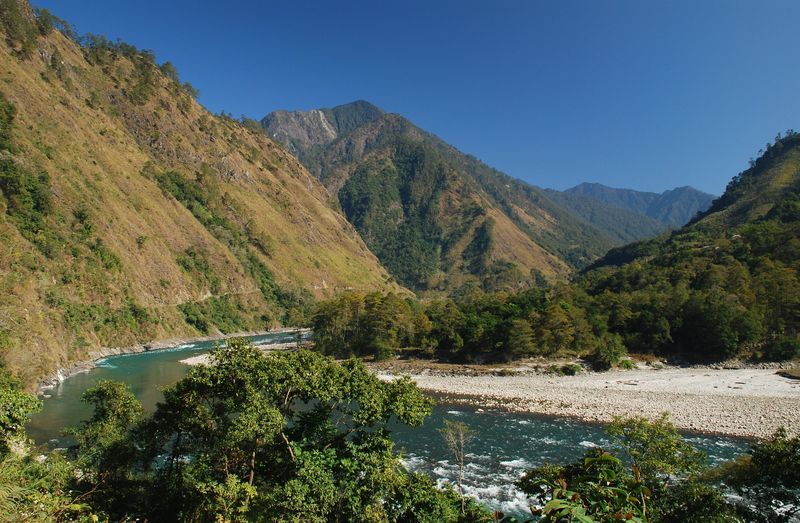
This is my special tribute to Lohit River and I post this blog to remember my life’s journey; a journey from 1962 to 1972. During 1962, I was a student at Giriraj Government Arts College, Nizamabad, Andhra Pradesh (now Telengana), India and I was studying in the First Year of a 3-Year Bachelor of Science Degree Course. During October 1962, when China attacked India across the Himalayan Frontier, Indian people spontaneously reacted condemning the act of Chinese aggression. It gave me a strong motivation to serve the country to defend the Northern Frontier. My dream came true during 1969 when I was granted Short Service Regular Commission to join the Indian Army Medical Corps.
Whole Dude – Whole Promise: Walong Will Never Fall AgainWhole Dude – Whole Promise: Walong Will Never Fall Again
On completion of my basic military and professional training, I was deputed to Special Frontier Force and I had the proudest moment of my life when I visited the War Memorial in Walong, Lohit District, North East Frontier Agency (NEFA) during 1972. I got married during January 1973, while I was serving in the North East Frontier Agency and Lohit River is my witness to my Life’s Journey and Commitment.
Whole Dude – Whole Promise: Walong Will Never Fall Again. Special Frontier Force – Lohit River: Walong War Memorial
Whole Dude – Whole Promise: Walong Will Never Fall Again. SPECIAL FRONTIER FORCE – LOHIT RIVER: Map of Anjaw District, Arunachal Pradesh State, India.
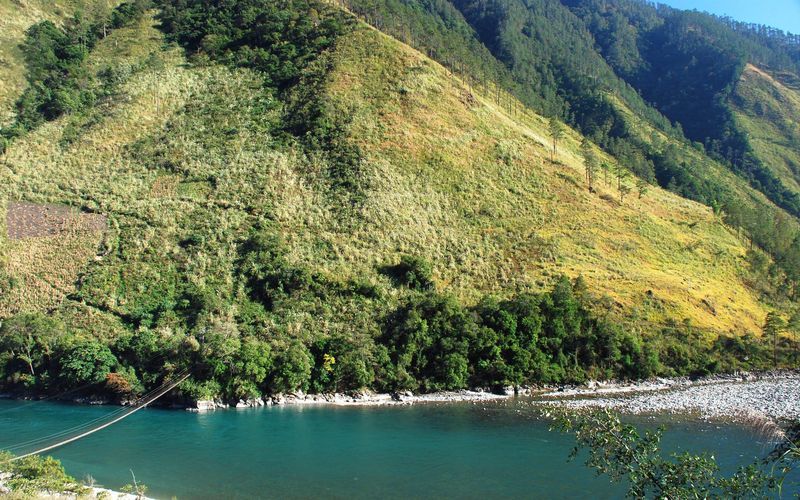
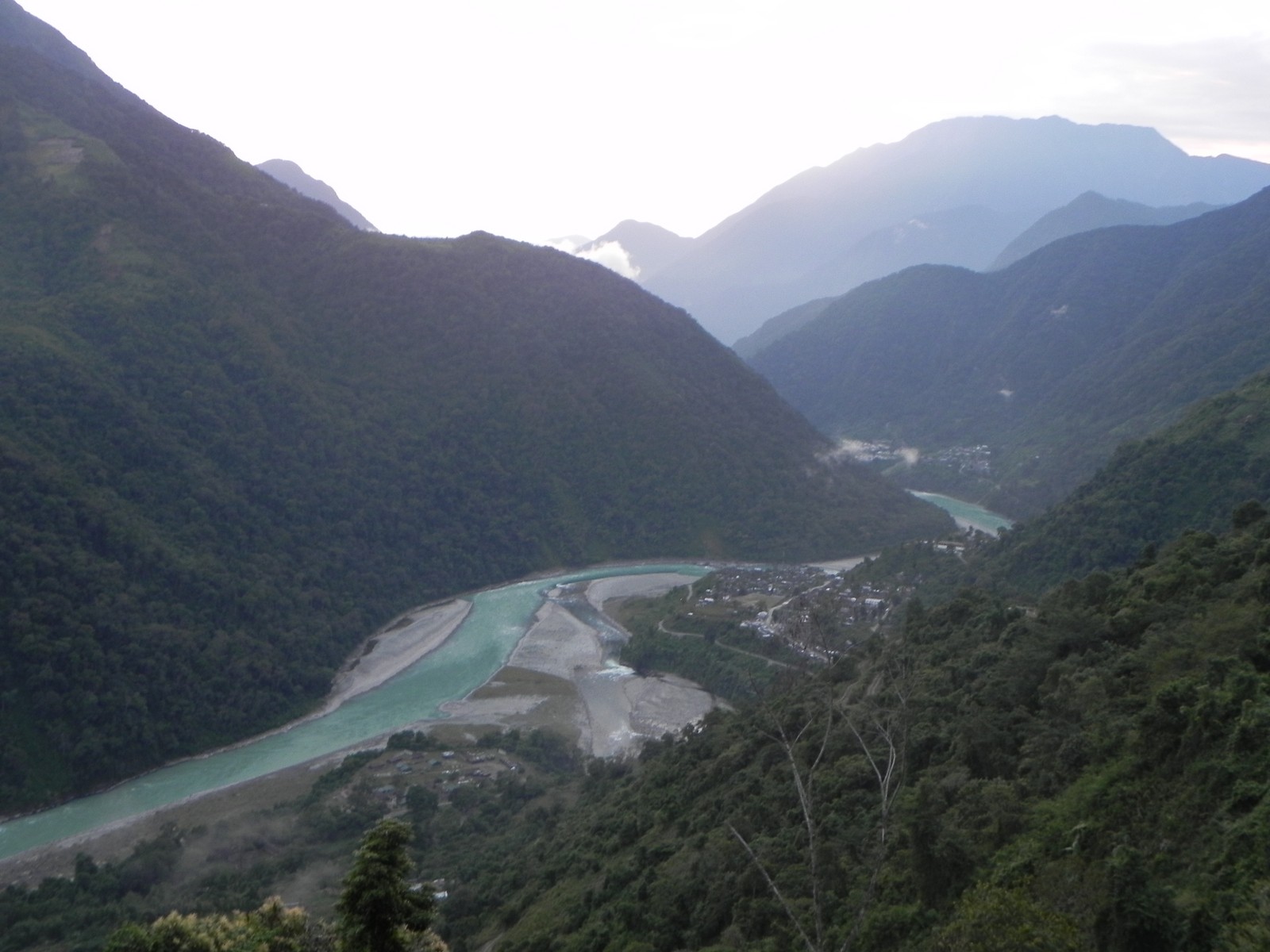
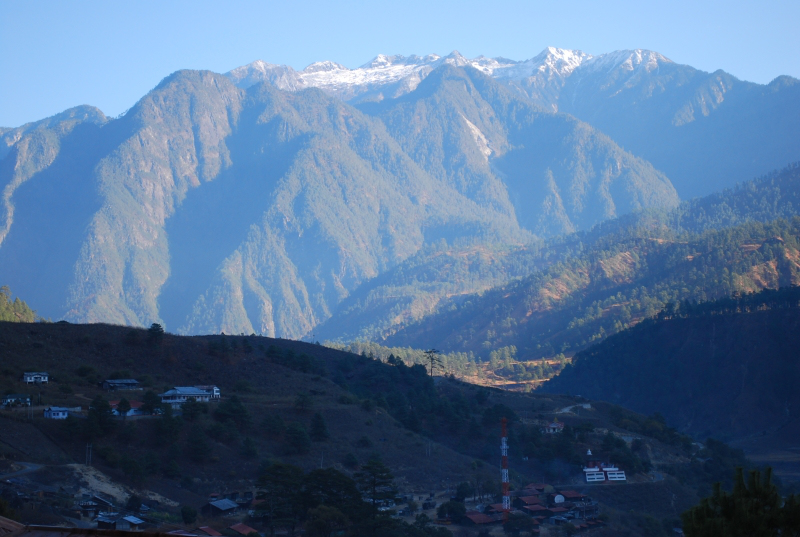
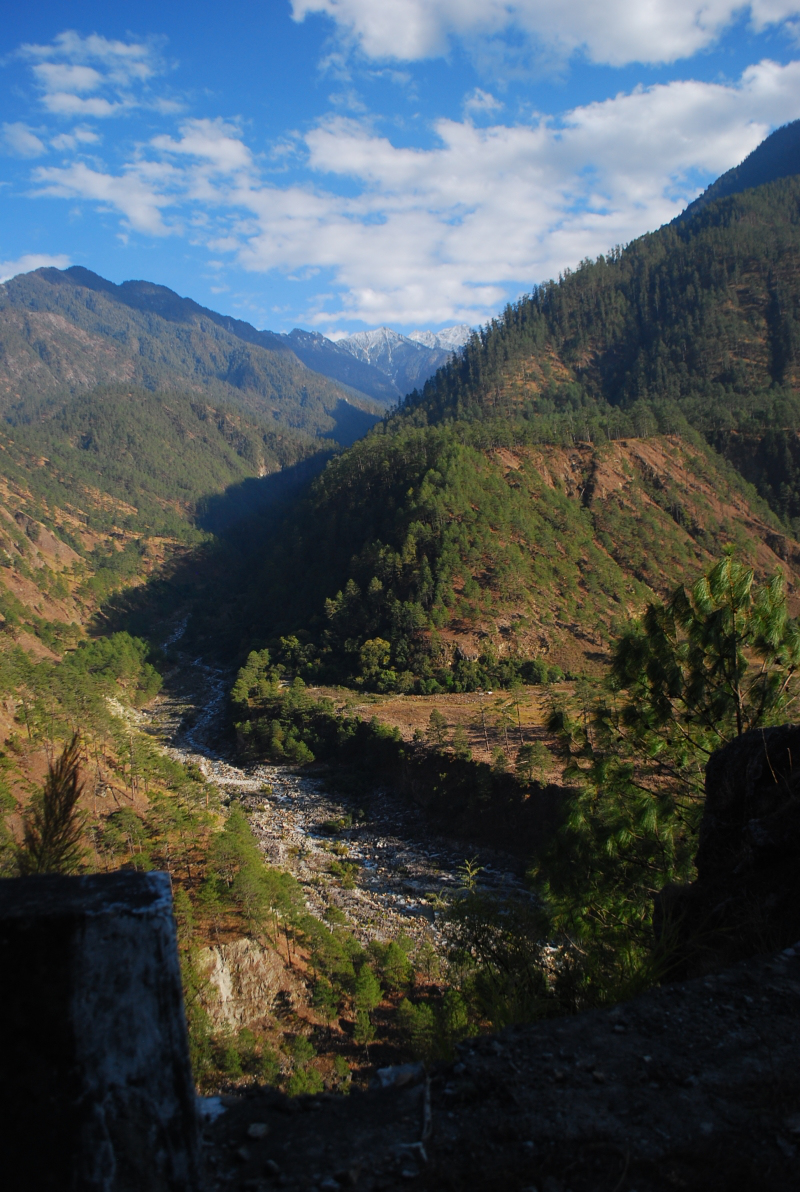
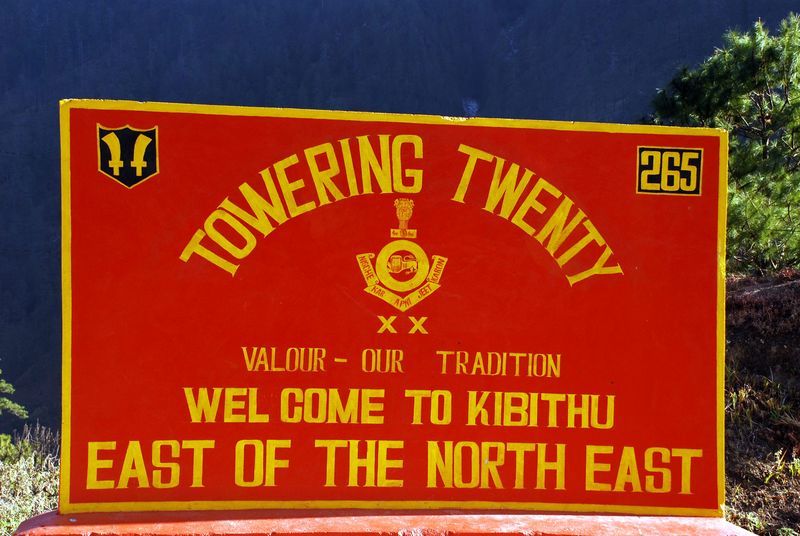
I am pleased to share an article titled ‘China opens new highway near Arunachal Pradesh Border’ written by Ananth Krishnan that was published in the HINDU on November 01, 2013. I had served in that area and the military organization in which I had served discouraged photography and I did not take photos of the natural scenery of that area. I would like to share some photo images published by http://GreenerPasturesInd.Wordpress.com and others, particularly the images of Lohit River that flows down the Anjaw District of Arunachal Pradesh.
The North East Frontier Agency (NEFA) was constituted in 1912-13. To settle the border between India and Tibet, Sir Henry McMahon, Secretary in the Indian Foreign Department represented Great Britain at a conference held in Simla during 1913-14. The Simla Accord or Simla Agreement between India, Tibet, and China resulted in the McMahon Treaty and the McMahon Line established the official border between India and Tibet. India after gaining her independence and after becoming an independent Republic has ratified the McMahon Treaty. People’s Republic of China which came into existence during 1949 had opposed this Treaty and had occupied Tibet during 1950 rejecting the status of Tibet of being an independent nation. The Communist China’s occupation of Tibet has posed a military threat to Peace and Democracy in Southeast Asia and Tibet’s Head of State, His Holiness the 14th Dalai Lama fled to India during March 1959 as a consequence of China’s repressive, brutal military actions. On August 26, 1959, in this northeast frontier sector, China’s People’s Liberation Army crossed the McMahon Line for the first time to capture an Indian border post. China abandoned this post during 1961 and launched a major offensive war during October 1962 attacking Indian Army positions in the entire North East Frontier Agency. Due to the firm intervention by the US President John F. Kennedy, China declared unilateral ceasefire and withdrew its forces from all the areas it had captured in the North East Frontier Agency. One of the consequences of this 1962 War of China’s Aggression on India was the creation of a military alliance/pact between India, Tibet, and the United States to defend the border and to challenge the military occupation of Tibet. This military pact/alliance has established a military organization called Establishment No. 22 which is later given the name of Special Frontier Force. I had served in Special Frontier Force along with Tibetan soldiers and we were defending North East Frontier Agency during that period of my military service. The North East Frontier Agency became Indian Union Territory and was named Arunachal Pradesh on January 20, 1972. The State of Arunachal Pradesh was formed on February 20, 1987.
Whole Dude – Whole Promise: Walong Will Never Fall Again
I arrived in Doom Dooma (Dum Duma) during February 1972 after my successful participation in the military action called ‘Operation Eagle’ which initiated the Liberation of Bangladesh on November 03, 1971 with attacks on Pakistan’s military border posts in the Chittagong Hill Tracts. The United States had withdrawn its CIA personnel from our Organization prior to the launch of Operation Eagle. However, our military alliance/pact withstood the test of the times. In 1972, CIA contacted my Unit in North East Frontier Agency and requested us for our assistance to plant monitoring devices to record data from China’s underground nuclear tests in occupied Tibet. China’s occupation of Tibet, it claims for Indian territory and China’s military build up still pose a grave threat to Peace and Freedom in Southeast Asia.
Whole Dude – Whole Promise: Walong Will Never Fall Again.Special Frontier Force – Lohit River: I was based at Dum Duma (Doom Dooma) Airfield during 1972-73.Whole Dude – Whole Promise: Walong Will Never Fall Again. Special Frontier Force – Lohit River: Lohit River enters the plains and flows as the Brahmaputra River.Whole Dude – Whole Promise: Walong Will Never Fall Again. Special Frontier Force – Lohit River: At the southern end of Lohit District, Lohit River enters the plains.Whole Dude – Whole Promise: Walong Will Never Fall Again. Special Frontier Force – Lohit River: The bridge near Parasuram Kund also known as Brahma Kund.Whole Dude – Whole Promise: Walong Will Never Fall Again. Special Frontier Force – Lohit River: This Border Road along Lohit River did not exist during 1972-73. I had the pleasure of trekking along this route.Whole Dude – Whole Promise: Walong Will Never Fall Again. Special Frontier Force – Lohit River: Suspension Bridge across Lohit River.Whole Dude – Whole Promise: Walong Will Never Fall Again. Special Frontier Force – Lohit River: A Special Tribute to Lohit River.Whole Dude – Whole Promise: Walong Will Never Fall Again. Special Frontier Force – Lohit River: This bridge swings in the air and is commonly called “JHULA” which refers to the swing found in recreational parks and playgrounds.Whole Dude – Whole Promise: Walong Will Never Fall Again. Special Frontier Force – Lohit River: Walong ValleyWhole Dude – Whole Promise: Walong Will Never Fall Again. Special Frontier Force – Lohit River: Parashuram KundWhole Dude – Whole Promise: Walong Will Never Fall Again. Special Frontier Force – Lohit River: A view taken at Hayuliang.Whole Dude – Whole Promise: Walong Will Never Fall Again. Special Frontier Force – Lohit River: Hayuliang-Walong Road.Whole Dude – Whole Promise: Walong Will Never Fall Again. Special Frontier Force – Lohit River:Whole Dude – Whole Promise: Walong Will Never Fall Again. Special Frontier Force – Lohit River:Whole Dude – Whole Promise: Walong Will Never Fall Again. Special Frontier Force – Lohit River:Whole Dude – Whole Promise: Walong Will Never Fall AgainWhole Dude – Whole Promise: Walong Will Never Fall Again. Special Frontier Force – Lohit River: Walong, Anjaw District.Whole Dude – Whole Promise: Walong Will Never Fall Again. Special Frontier Force – Lohit River: Trip to KibithuWhole Dude – Whole Promise: Walong Will Never Fall Again. Special Frontier Force – Lohit River: Mishmi HillsWhole Dude – Whole Promise: Walong Will Never Fall Again. Special Frontier Force – Lohit River: HayuliangWhole Dude – Whole Promise: Walong Will Never Fall Again. Special Frontier Force – Lohit River: The Border Post at KibithuWhole Dude – Whole Promise: Walong Will Never Fall Again. Special Frontier Force – Lohit River: Lohit River near India – Tibet Border.Whole Dude – Whole Promise: Walong Will Never Fall Again. Special Frontier Force – Lohit River:
Rudra Narasimham Rebbapragada
SERVICE INFORMATION:
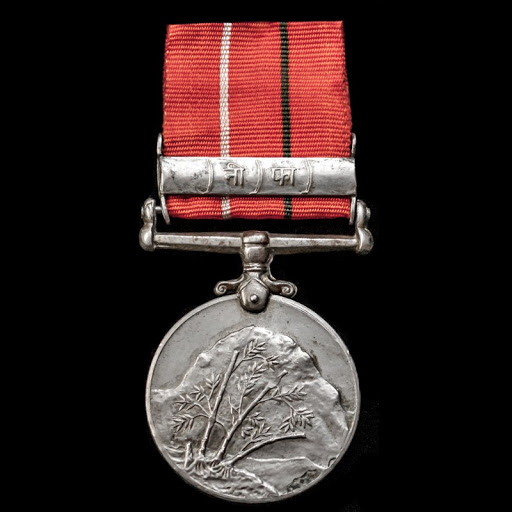
Whole Dude – Whole Promise: Walong Will Never Fall Again.Service Award presented by all Officers D Sector, Establishment 22 in January 1973.Whole Dude – Whole Promise: Walong Will Never Fall Again
R. Rudra Narasimham, B.Sc., M.B.B.S., Personal Numbers: MS-8466/MR-03277K, Rank: Major, Branch: Army Medical Corps/Short Service Regular Commission (1969-1972); Direct Permanent Commission (1973-1984). Designation:Medical Officer. Unit:Establishment No.22 (1971-1974)/South Column,Operation Eagle (1971-1972). Organization: Special Frontier Force.
Published in the HINDU: November 1, 2013 03:14 IST
BEIJING, November 1, 2013
China opens new highway near Arunachal Pradesh border
Ananth Krishnan
Nearly 1 billion Yuan project comes to light after seven failed attempts over the past 50 years
China on Thursday opened a new highway that links what the government has described as Tibet’s “last isolated county” – located near the border with Arunachal Pradesh – with the rest of the country and will now provide all-weather access to the strategically important region. Chinese state media have hailed the opening of the highway to Medog – which lies close to the disputed eastern section of the border with India – as a technological breakthrough, with the project finally coming to fruition after seven failed attempts over the past fifty years. China started attempting to build the highway to Medog – a landlocked county in Tibet’s Nyingchi prefecture – in the 1960s, according to State media reports, in the aftermath of the 1962 war with India. With Thursday’s opening of the road, every county in Tibet is now linked through the highway network, underlining the widening infrastructure gulf across the disputed border, even as India belatedly pushes forward an upgrading of border roads in more difficult terrain. The official Xinhua News Agency on Thursday described Medog as “the last roadless county in China”. Before this week, Medog was the only one of China’s 2,100 counties to remain isolated from the highway network, according to State broadcaster China Central Television (CCTV). What the project will do State media reports have focused on the development benefits that the project would bring and have sought to play down the strategic dimensions. Local officials said the road’s opening will bring down commodity prices and widen access to healthcare. The road will also provide access to the border county for nine months of the year. That the government was willing to spend as much as 950 million Yuan – or $ 155 million – on a 117-km highway, with ostensibly few economic returns expected, has underscored the project’s importance to State planners. Local officials said prior to the opening of the highway, reaching Medog required traversing the treacherous Galung La and Doxong La mountains at an altitude of 4,000 metres. With frequent landslides, the road was often rendered impassable. Now, the road will be accessible for “8 to 9 months per year, barring major natural disasters”, Ge Yutao, Communist Party head of the transportation department for the Tibet Autonomous Region (TAR), told Xinhua. Work on the 117-km road began in 2009, a year after the project was given the green light by the State Council, or Cabinet. Renewed attention on infrastructure projects The opening of the road comes at a time when there has been renewed attention on infrastructure projects in border areas in India and China. Last week, both countries signed a Border Defence Cooperation Agreement (BDCA) during Prime Minister Manmohan Singh’s visit to Beijing, aimed at expanding confidence-building measures. The agreement calls for setting up channels of communication between military commands, increasing the number of border personnel meetings, and formalizing rules suchas no tailing of patrols, to build trust and avoid incidents. The agreement does not specify or limit either country’s plans to boost infrastructure – an issue that, analysts say, has in the past triggered tensions along the disputed Line of Actual Control (LAC), most notably in April when a Chinese incursion sparked a three-week-long stand-off in Depsang, Ladakh. Han Hua, a South Asia scholar at Peking University, suggested in a recent interview that the “basic reason” for the incident was “too much construction” along the border. The Chinese side, she acknowledged, did not have to build closer to the disputed LAC because their infrastructure, as well as more favourable terrain enabled quicker mobilisation. “If we don’t have the overall collaboration of the military, policy-makers and decision-makers on both sides,” she said, “it will be difficult to avoid such incidents.” ‘India’s plans will not be limited’
The BDCA, Indian officials said, will not limit India’s plans to upgrade infrastructure. It recognises the principle of equal and mutual security, which allows either side to pursue its security in its own way. At the same time, officials say the BDCA will still help “regulate activity” along the border by opening up new channels of communication, even as the border continues to remain a matter of dispute. On Thursday, Chinese Defence Ministry spokesperson Yang Yujun told a regular press conference that military personnel would hold “regular meetings” and “make joint efforts” to maintain peace in border areas, following the signing of the BDCA. The agreement, he said according to a Xinhua report, “summarised good practices and experiences on the management of differences in China-India border areas”.
Keywords: Sino-Indian border, Arunachal-China border, infrastructure, Tibet Autonomous Region
Whole Dude – Whole Promise: Walong Will Never Fall Again. Special Frontier Force – Lohit River: I was based at Doom Dooma or Dum Duma during 1972-73.Whole Dude – Whole Promise: Walong Will Never Fall Again. Special Frontier Force – Lohit River: Landscape of Anjaw DistrictWhole Dude – Whole Promise: Special Frontier Force – Lohit River: “WALONG WILL NEVER FALL AGAIN.”
Whole Dude – Whole Opportunity: Iran – A Missed Opportunity? My military service in Royal Oman Army 1984-86.
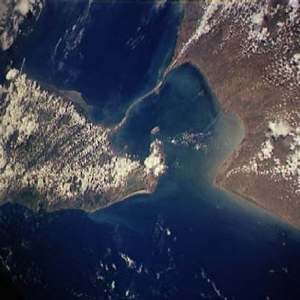
The Strait of Hormuz
Whole Dude – Whole Opportunity: The rugged sea coast of Musandam Peninsula where I had worked hard patrolling the coastline, visiting remote villages, looking for Iranian infiltrators. Iran is just 18 miles away. I used to look towards Bandar Abbas of Iran which is clearly visible while I used to drive over these hill cliffs. I had a sense of fascination for Hormuz region of Iran. Parsi community of India had arrived from Hormuz. My military career in Indian Army had started under General Manek Shaw. Prime Minister Indira Gandhi’s husband Feroze Gandhi was a Parsi by birth. I had actually visited Iranian Embassy in Muscat. The Staff were excited to receive me as I went there in my military uniform and they had recognized that I was stationed at Khasab defending Strait of Hormuz. They wanted to help me but they had no powers. I was not seeking a tourist visa. I had reconciled. It was not God’s Plan. When God plans your Journey, there would be no obstacles. His uplifting power would enable you to overcome all obstacles.
The Strait of Hormuz connects Persian Gulf with Gulf of Oman and kindly view the enlarged picture and you would appreciate the maritime boundaries between Iran and Oman and the narrow shipping lanes that are vital for global energy supply. I served in The Sultanate of Oman’s Land Forces and also took part in the operations conducted by The Sultanate of Oman’s Air force, Navy and Coast Guard almost on a daily basis while I was stationed at Al-KHASAB air base.
Whole Dude – Whole Opportunity: Iran – A Missed Opportunity? My military service in Royal Oman Army 1984-86. The Gulf Crisis in Qatar – The US Military Presence in Oman. The Khasab airfield.
My Unit Hq PENSEC is responsible for the security of the Musandam Peninsula and also safeguard Oman’s territorial waters. We keep a 24 hours watch on all the vessels that transit through the Strait of Hormuz and provide navigational guidance and assistance as needed. Apart from keeping this vigil and monitoring the activity in the narrow shipping lanes, we regularly patrol all the coastal villages and contact the residents on a regular basis and gather information about any possible cross border infiltration. I used to make my trips using a variety of modes of transportation that included boats, smaller naval vessels, helicopters and land rovers. There are very few roads and the terrain is rocky and very rough. The villages are literally cut off from the rest of the country. Oman’s Ministry of Health runs clinics and hospitals at places like Khasab and Bukha and the smaller village communities have no such facilities and I have not noticed even grocery stores as the places are remote and inaccessible. I made a very dramatic impact upon the Village Patrolling operations in Musandam Peninsula and successfully redirected the military security and intelligence operation to provide assistance to the villagers.
Whole Dude – Whole Opportunity: Iran – A Missed Opportunity? My military service in Royal Oman Army 1984-86.Whole Dude – Whole Opportunity: Iran – A Missed Opportunity? My military service in Royal Oman Army 1984-86.Whole Dude – Whole Opportunity: Iran – A Missed Opportunity? My military service in Royal Oman Army 1984-86.Whole Dude – Whole Opportunity: Iran – A Missed Opportunity? My military service in Royal Oman Army 1984-86.Whole Dude – Whole Opportunity: Iran – A Missed Opportunity? My military service in Royal Oman Army 1984-86.
I used to spend my time talking to the residents, provide free medicine and arrange free helicopter trips to obtain hospital care in Khasab. Many of them needed dental treatment and were not able to visit a dentist. I could use the military helicopters to take them to the dentist and bring them back to their homes at the end of their appointments. During all of my trips, women, children, the elderly and others used to come out of their dwellings and line up to converse with me. To my utter surprise, sometimes I used to meet women from Hyderabad, India who had married Omani citizens. During my journeys, I used to get a very clear view of the coastline of Iran and I was told that many villagers regularly do their shopping at Bandar-e-Abbas of Iran.
Iran – A Missed Opportunity?
Whole Dude – Whole Opportunity: Iran – A Missed Opportunity? My military service in Royal Oman Army 1984-86. Musandam Peninsula, Oman
Before I moved to Oman in January 1984, I made an attempt to find employment in Iran. I visited the beautiful Iranian Consulate in Hyderabad, India. Several of my friends who were then serving in the Medical and Health Services of the Government of Andhra Pradesh, had been to Iran on 5-years deputation, gave me a very good account of their service conditions and experience in Iran. I was looking for an opportunity to serve in the Iranian Armed Forces and was not really keen to take up a job with their Ministry of Health. Simultaneously, I found this opportunity in Oman to serve as an Officer with a good contract from their Ministry of Defense. Interestingly, I had again gone to the Iranian Embassy in Muscat, Oman in July, 1986 looking for an opportunity to live in Iran. I met with their senior officials who received me with great courtesy. Very regretfully, they claimed that their hands are tied and they could not give me the type of Visa I wanted. However, they sincerely appreciated my desire to work and live in Iran. If God is willing, may be I would get a third chance to knock on the doors of some Iranian Embassy. When I look back into our history, the story of Aryan Migration to Iran interests me a lot and I also recognize that Persian was the Court language during the long rule by Mughals (Moguls) and I love listening to ‘ghazals’, the lyrics composed in the Indian language Urdu which is enriched with the ideas and thoughts that are expressed in the Persian language.
Whole Dude – Whole Opportunity: Iran – A Missed Opportunity? My military service in Royal Oman Army 1984-86. The Gulf Crisis in Qatar – The US Military Presence in Oman. Khasab.Whole Dude – Whole Opportunity: It was in the Sultanate of Oman I came to know that the phrase “In God We Trust” is the Official Motto of the United States of America when I read a news story published in The Oman Daily Observer, Oman’s only English language news paper. While serving in Oman, I had visited Masirah island, served at Sultanate of Oman’s Airforce Base at Thumrait. After the Gulf Wars, American military operations based in Oman have become widely known. I had served at different locations including Muaskar Al Murtafaa (MAM -The Ministry of Defence and Force Medical Services Headquarters), Jebel Akhdar, Rustaq,Thumrait, Aydim, Salalah,Raysut,Dhofar region, As Seeb Airforce Base, Ghalla,Bait Al Falaj, Nizwa and other places. I had traveled by road, by sea, and in air on various assignments. At Khasab, I had also provided support to Sultanate of Oman’s Naval base at Goat Island.
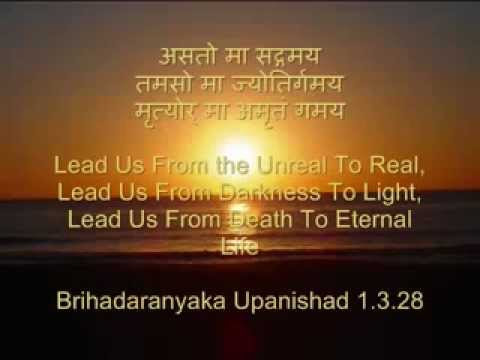
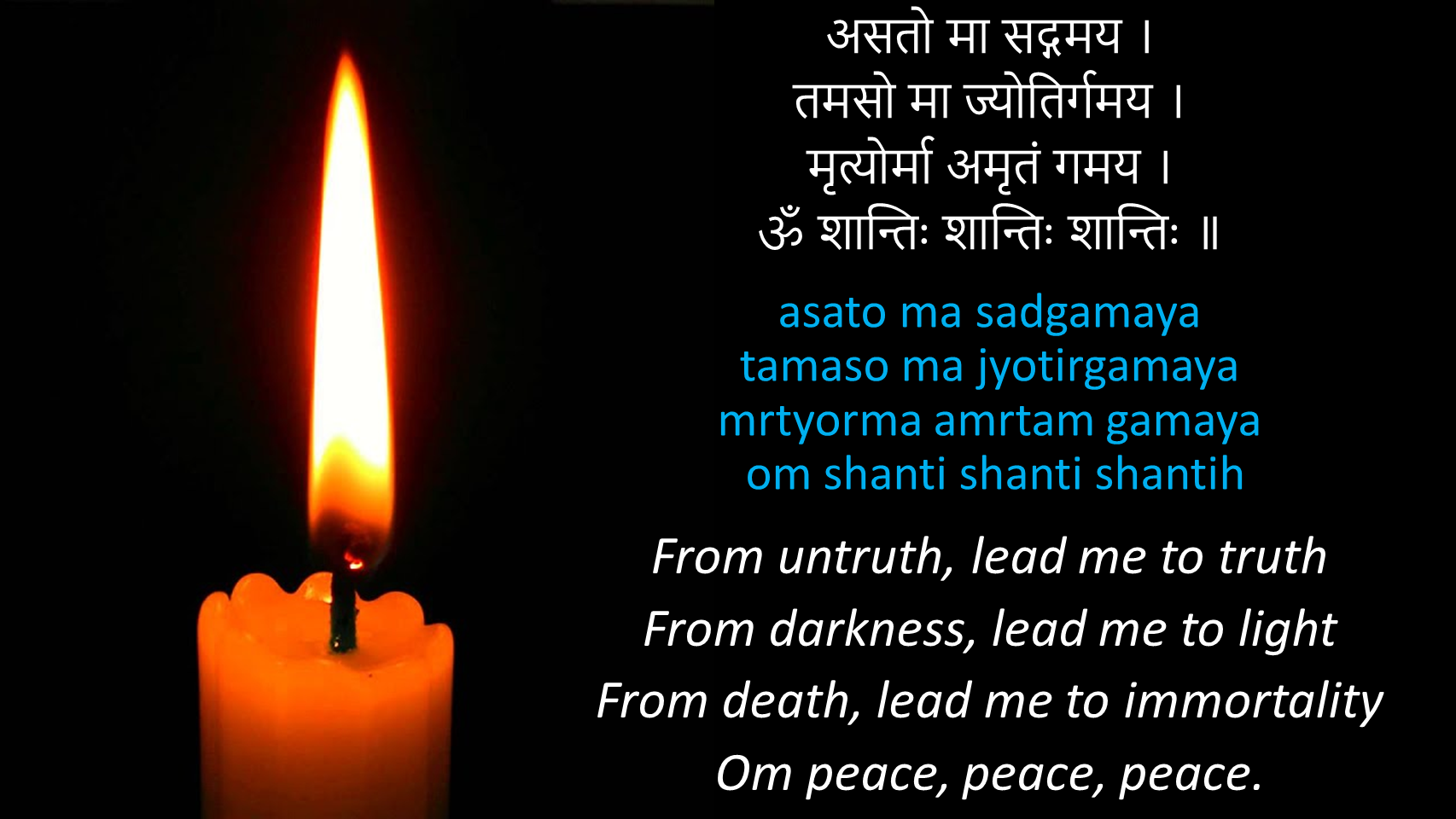
OM SHANTI, SHANTI, SHANTI Lead me from unreal to Real, Lead me from darkness (ignorance) to enlightenment, Lead me from death to immortality, Let there be Peace, Peace and nothing other than Peace. Aum, asatoma sadgamaya, Tamasoma Jyotir gamaya, Mrityorma Amrutam gamaya Aum Shanti, Shanti, Shanti hi.
Whole Dude – Whole GraceWhole Dude – Whole Grace: BLESSINGS FOR WHOLE PEACE: “Om, Sarvesham Swastir Bhavatu (May Well-being be unto all), Sarvesham Shantir Bhavatu (May Peace be unto all), Sarvesham Purnam Bhavatu (May Fulfillment be unto all), Srarvesham Mangalam Bhavatu (May Prosperity be unto all), Om Shanti, Shanti, Shanti.”
Whole Dude – Whole Himalayas: From Kashmir to Kanyakumari – One Land and One Destiny. India must defend Tibet to defend its Himalayan Frontier.
Excerpt: The article talks about the geographical history and future of India, specifically focusing on the Himalayas. It explains that India was part of a supercontinent called Pangea and moved towards Euro Asia to form the Himalayas. It further elaborates on how the Indian plate continues to collide beneath Tibet, causing shifts in the landscape. The post raises concerns about the potential disappearance of Nepal and the threat of global warming on the Himalayan glaciers, which are vital water sources. It concludes with the idea that India must defend Tibet and the Himalayas, as its destiny is strongly tied to their well-being.
Whole Dude – Whole Himalayas: From Kashmir to Kanyakumari – One Land and One DestinyWhole Dude – Whole Himalayas: From Kashmir to Kanyakumari – One Land and One Destiny.Whole Dude – Whole Himalayas: From Kashmir to Kanyakumari – One Land and One Destiny.
The Continental Shuffle
Whole Dude – Whole Himalayas: From Kashmir to Kanyakumari – One Land and One Destiny
The Land of India as we know today did not exist when our planet Earth was created and had arrived to take its place in the solar system.Our lives depend upon the life giving force of the rivers that flow down our Land and the most important rivers such as Sindhu, Ganges and Brahmaputra take their birth in the Himalayan mountains.We need to know about the formation of the Himalayas, the future of Himalayas and also know the consequences of climate change and be aware of the dangers of losing the glaciers which are the life giving source of our fresh water.We need to defend our Himalayan Frontier as our destiny is inexorably linked to their health and vitality. In an emotional sense, the idea of defending Himalayas has a great appeal and in response to the Chinese aggression in 1962, I served in the Indian Army to defend the Himalayan frontier. Apart from the threat posed by the enemy, we need to understand the bigger threat of global warming and its impact upon the Himalayan glaciers.
Whole Dude – Whole Himalayas: From Kashmir to Kanyakumari – One Land and One Destiny
Over 250 million years ago, India, Africa, Australia, South America and Antarctica were all one continent called Pangea and is also known as Gondwana Land.
Whole Dude – Whole Himalayas: From Kashmir to Kanyakumari – One Land and One Destiny
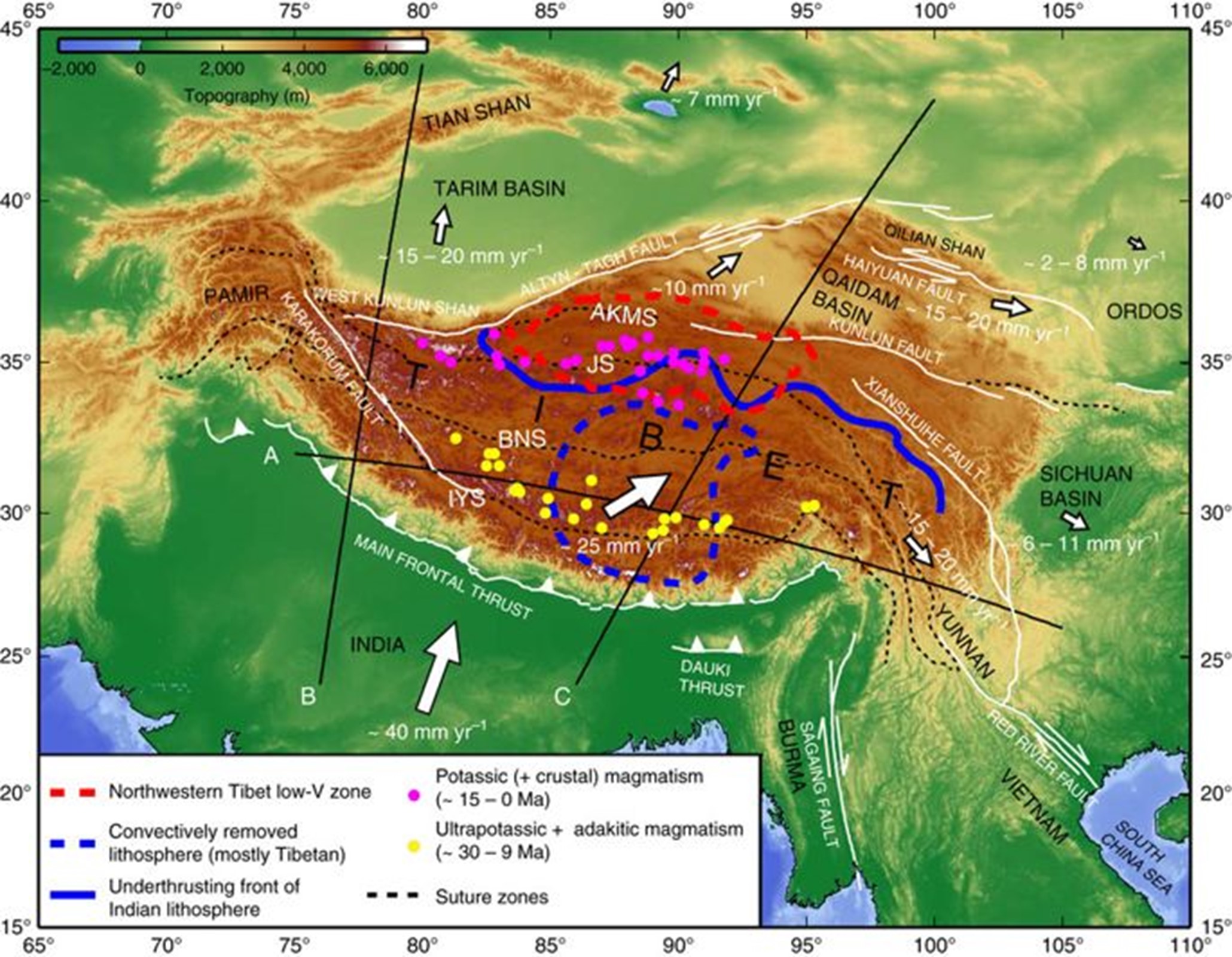
Over the next several million years, this giant southern continent proceeded to break up, forming the continents we know today. What ultimately formed the majestic Himalayas about 60 million years ago, was the rapid movement of India northward toward the continent of Euro Asia (Laurasia). India charged across the equator at rates up to 15 cm/year in the process closing an ocean named Tethys that separated fragments of Pangea. This ocean is entirely gone today.
Whole Dude – Whole Himalayas: From Kashmir to Kanyakumari – One Land and One Destiny
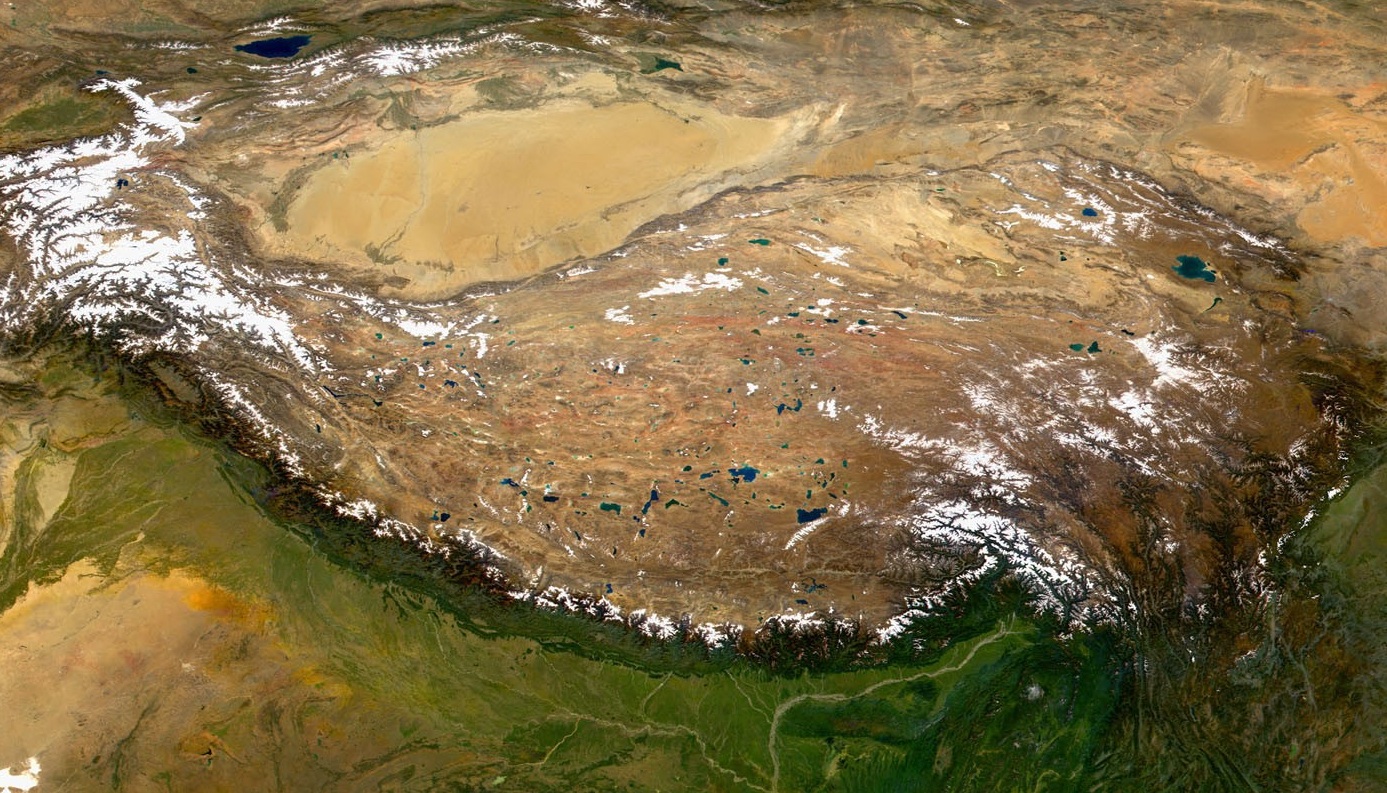
To understand the fascinating mechanics of the collision of India with Asia, we must first look beneath the Earth’s surface. For at least 80 million years, the oceanic Indian Plate continued its inexorable collision with southern Asia, including Tibet. The Indian sub-continent began to be driven horizontally beneath Tibet like a giant wedge, forcing Tibet upwards and this process continues today. In about 10 million years, India will plow into Tibet a further 180 km and the country of Nepal will technically cease to exist. But the mountain range we know as the Himalaya will not go away.
We are assured that the Himalaya would continue to exist in the future but our future depends upon the survival of the snow fields of the Himalaya.
Whole Dude – Whole Himalayas: From Kashmir to Kanyakumari – One Land and One DestinyWhole Dude – Whole Himalayas: From Kashmir to Kanyakumari – One Land and One DestinyWhole Dude – Whole Himalayas: From Kashmir to Kanyakumari – One Land and One DestinyWhole Dude – Whole Himalayas: From Kashmir to Kanyakumari – One Land and One DestinyWhole Dude – Whole Himalayas: From Kashmir to Kanyakumari – One Land and One DestinyBharat Darshan: From Kashmir to Kanyakumari – One Land and One DestinyBharat Darshan: From Kashmir to Kanyakumari – One Land and One Destiny
Whole Dude – Whole Himalayas: A satellites eye view of Tibetan Plateau.
Bharat Darshan: From Kashmir to Kanyakumari – One Land and One DestinyWhole Dude – Whole Peninsula: From Kashmir to Kanyakumari – One Land and One Destiny.
Excerpt: The article talks about the geographical history and future of India, specifically focusing on the Himalayas. It explains that India was part of a supercontinent called Pangea and moved towards Euro Asia to form the Himalayas. It further elaborates on how the Indian plate continues to collide beneath Tibet, causing shifts in the landscape. The post raises concerns about the potential disappearance of Nepal and the threat of global warming on the Himalayan glaciers, which are vital water sources. It concludes with the idea that India must defend Tibet and the Himalayas, as its destiny is strongly tied to their well-being.
Whole Dude – Whole Peninsula: From Kashmir to Kanyakumari – One Land and One Destiny.
The Continental Shuffle
Whole Dude – Whole Peninsula: From Kashmir to Kanyakumari – One Land and One Destiny
The Land of India as we know today did not exist when our planet Earth was created and had arrived to take its place in the solar system.Our lives depend upon the life giving force of the rivers that flow down our Land and the most important rivers such as Sindhu, Ganges and Brahmaputra take their birth in the Himalayan mountains.We need to know about the formation of the Himalayas, the future of Himalayas and also know the consequences of climate change and be aware of the dangers of losing the glaciers which are the life giving source of our fresh water.We need to defend our Himalayan Frontier as our destiny is inexorably linked to their health and vitality. In an emotional sense, the idea of defending Himalayas has a great appeal and in response to the Chinese aggression in 1962, I served in the Indian Army to defend the Himalayan frontier. Apart from the threat posed by the enemy, we need to understand the bigger threat of global warming and its impact upon the Himalayan glaciers.
Whole Dude – Whole Peninsula: From Kashmir to Kanyakumari – One Land and One Destiny
Over 250 million years ago, India, Africa, Australia, South America and Antarctica were all one continent called Pangea and is also known as Gondwana Land.
Whole Dude – Whole Peninsula: From Kashmir to Kanyakumari – One Land and One Destiny
Over the next several million years, this giant southern continent proceeded to break up, forming the continents we know today. What ultimately formed the majestic Himalayas about 60 million years ago, was the rapid movement of India northward toward the continent of Euro Asia (Laurasia). India charged across the equator at rates up to 15 cm/year in the process closing an ocean named Tethys that separated fragments of Pangea. This ocean is entirely gone today.
Whole Dude – Whole Peninsula: From Kashmir to Kanyakumari – One Land and One Destiny
To understand the fascinating mechanics of the collision of India with Asia, we must first look beneath the Earth’s surface. For at least 80 million years, the oceanic Indian Plate continued its inexorable collision with southern Asia, including Tibet. The Indian sub-continent began to be driven horizontally beneath Tibet like a giant wedge, forcing Tibet upwards and this process continues today. In about 10 million years, India will plow into Tibet a further 180 km and the country of Nepal will technically cease to exist. But the mountain range we know as the Himalaya will not go away.
We are assured that the Himalaya would continue to exist in the future but our future depends upon the survival of the snow fields of the Himalaya.
Whole Dude – Whole Peninsula: From Kashmir to Kanyakumari – One Land and One Destiny. India must defend Tibet to defend its Himalayan Frontier.Bharat Darshan: From Kashmir to Kanyakumari – One Land and One DestinyBharat Darshan: From Kashmir to Kanyakumari – One Land and One DestinyBharat Darshan: From Kashmir to Kanyakumari – One Land and One DestinyBharat Darshan: From Kashmir to Kanyakumari – One Land and One DestinyBharat Darshan: From Kashmir to Kanyakumari – One Land and One DestinyBharat Darshan: From Kashmir to Kanyakumari – One Land and One Destiny
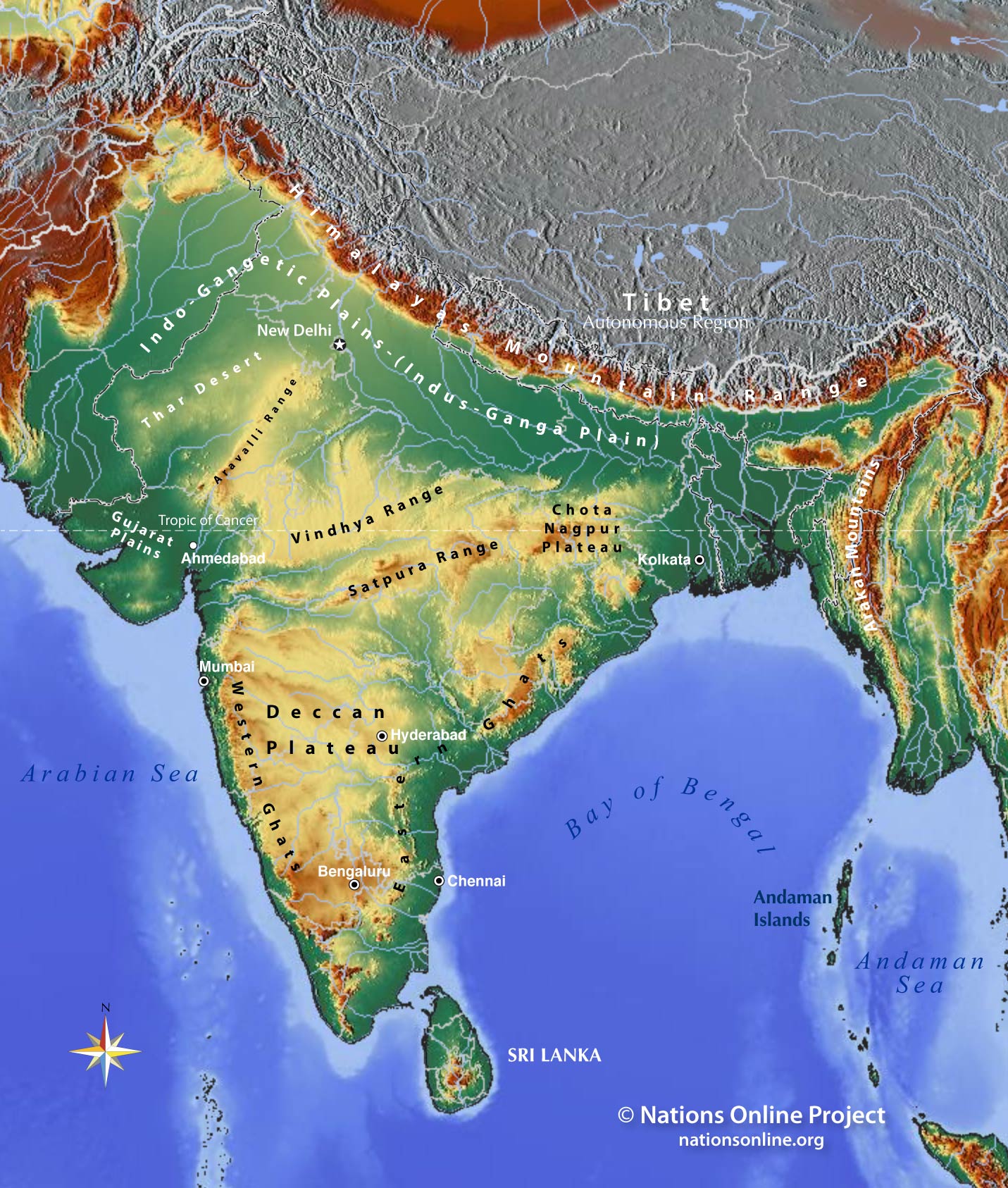
From Kashmir to Kanyakumari, Indian People belong to this Indian Landmass and hence have a common Destiny.
Bharat Darshan: From Kashmir to Kanyakumari – One Land and One Destiny
Whole Dude – Whole Bridge: Taj Mahal or Setu Bandhanam – Who lifted the stones?
Excerpt: The author, a proponent of rational thinking, emphasizes the credit due to the nameless workers who built India’s monumental structures, including the Taj Mahal and ‘Adam’s Bridge’ or Setu Bandhanam. He argues that the bridge popularly known as Ram Setu is not merely a symbol of royal orders, but represents the heritage of their builders, possibly of Dravidian origin. The author advocates for the preservation of Adam’s Bridge as a World Heritage Site, similar to the Taj Mahal and the Pyramids. He affirms that the Indian government shouldn’t destroy this structure to build a shipping channel, as once attempted, later suspended by India’s Supreme Court.
Whole Dude – Whole Bridge: Taj Mahal or Setu Bandhanam – Who lifted the stones? SETU SAMUDRAM – LORD RAMA’S BRIDGE ACROSS THE SEA – THE STORY OF RAMAYANA GIVES A VERY VIVID ACCOUNT OF THIS BRIDGE CONSTRUCTION.
I would very much love to be known as a rational thinker and my faith is just a byproduct of my rational thinking. I started my life in Mylapore, Madras and shared my story as to how Dravida MunnetraKazhagam gave me concerns about my Identity. Kindly refer to my entry titled ‘Defining Indian Identity – The Language Factor’
I grew up in the Smarta tradition founded by Adi Shankaracharya, and rational thinking is always acceptable to me. The ancient Land of India is known for lively debates and the battle of intellects at all of its seats of higher learning.
Whole Dude – Whole Bridge: Taj Mahal or Setu Bandhanam – Who lifted the stones?
We often attach too much importance to the Kings and the Emperors who had ordered building of monuments such as the Pyramids or the Taj Mahal. The real credit should be given to those nameless workers who had actually labored, carved and lifted the stones and made the monuments a cherished reality.
The ‘Adam’s Bridge has generated some controversy. The DMK Party leader M.K. Karunanidhi would prefer to view this structure as the legacy of Prince Rama, an Aryan person. I would like to say that we must give recognition to the denizens who had lived south of Vindhya mountains. They lifted the stones and the trees and built this land connection to Sri Lanka. If these workers were of Dravidian origin, the Adam’s Bridge represents the heritage of Dravidians.
Whole Dude – Whole Bridge: Taj Mahal or Setu Bandhanam – Who lifted the stones? Adam’s Bridge, Lord Rama’s Bridge across the Sea, Setu Bandhanam – Sage Valmiki gave a very detailed account of its construction in his epic poem known as Ramayana. I give credit to all those denizens of Southern India who had lifted the stones and trees to participate in this Herculean Project.
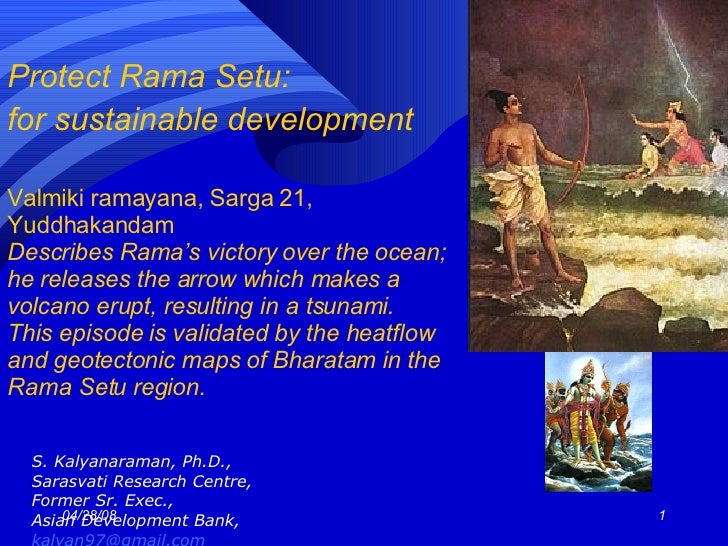
India’s epic poem Valmiki Ramayan describes building of a Causeway across the narrow strait that separates India and Sri Lanka.
Whole Dude – Whole Bridge: Taj Mahal or Setu Bandhanam – Who lifted the stones?Whole Dude – Whole Bridge: Taj Mahal or Setu Bandhanam – Who lifted the stones?Whole Dude – Whole Bridge: Taj Mahal or Setu Bandhanam – Who lifted the stones?Whole Dude – Whole Bridge: Taj Mahal or Setu Bandhanam – Who lifted the stones?Whole Dude – Whole Bridge: Taj Mahal or Setu Bandhanam – Who lifted the stones?
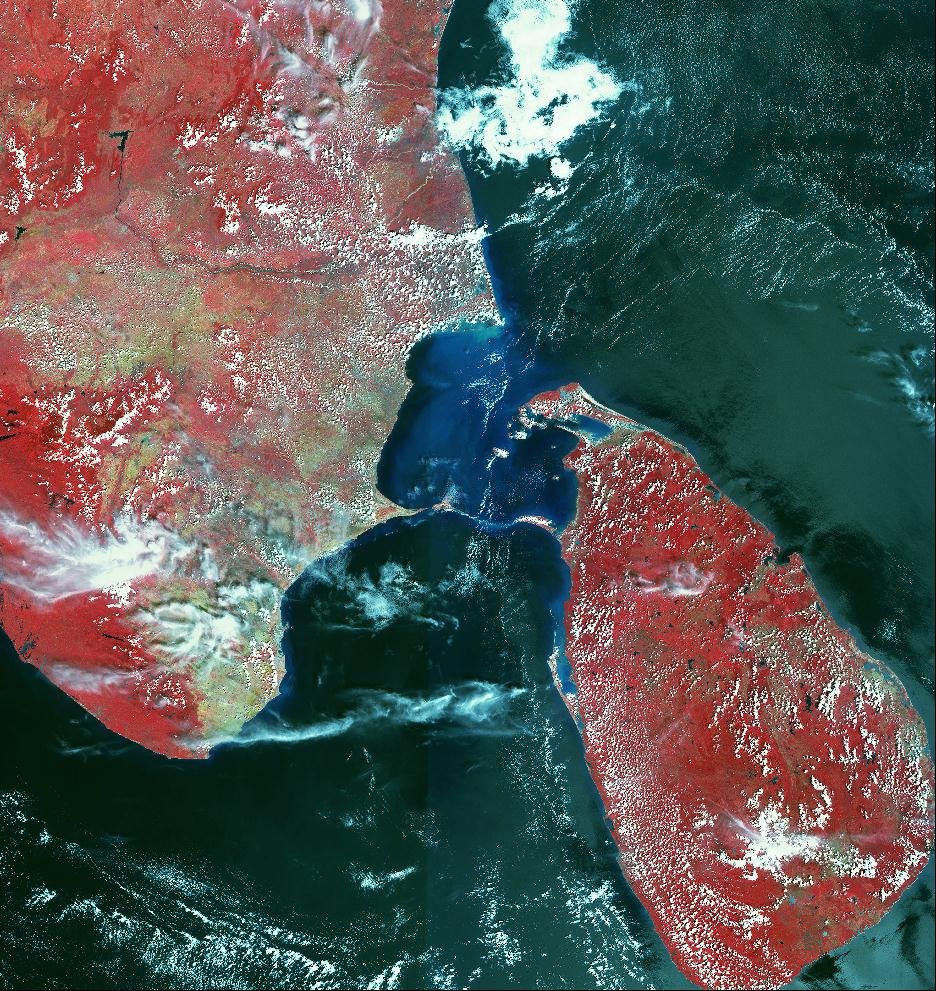
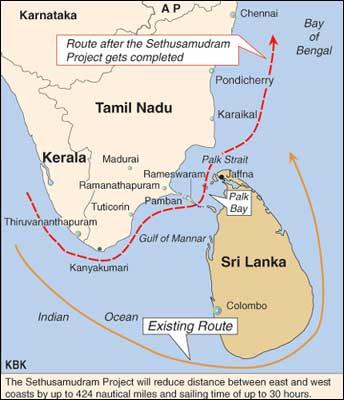
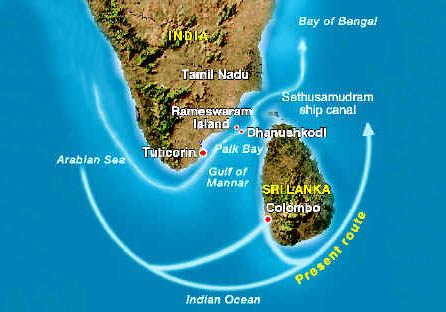
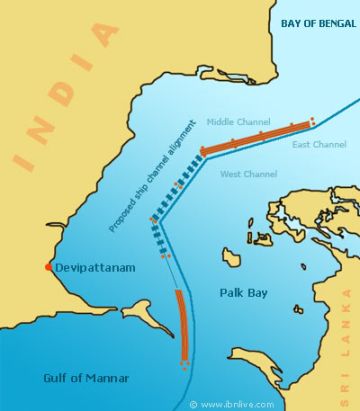
Apart from literary evidence, there is evidence particularly gathered by satellite images to verify the fact of a Causeway built over shallow waters. This historical construction may belong to 5076 BCE and this site deserves protection as World Heritage Site just like the Pyramids or Taj Mahal. In the past, Supreme Court of India restrained Government of India from constructing a shipping channel called ‘Setu Samudram’ and the project was suspended. In my view, Government of India has no right to destroy this site for purposes of building a shipping channel.
Whole Dude – Whole Bridge: Taj Mahal or Setu Bandhanam – Who lifted the stones?Whole Dude – Whole Bridge: Taj Mahal or Setu Bandhanam – Who lifted the stones?Whole Dude – Whole Bridge: Taj Mahal or Setu Bandhanam – Who lifted the stones?Whole Dude – Whole Bridge: Taj Mahal or Setu Bandhanam – Who lifted the stones?Whole Dude – Whole Bridge: Taj Mahal or Setu Bandhanam – Who lifted the stones?Whole Dude – Whole Bridge: Taj Mahal or Setu Bandhanam – Who lifted the stones?
India’s epic poem Valmiki Ramayan describes building of a Causeway across the narrow strait that separates India and Sri Lanka. Apart from literary evidence, there is evidence particularly gathered by satellite images to verify the fact of a Causeway built over shallow waters. This historical construction may belong to 5076 BCE and this site deserves protection as World Heritage Site just like the Pyramids or Taj Mahal. In the past, Supreme Court of India restrained Government of India from constructing a shipping channel called ‘Sethu Samudram’ and the project was suspended. In my view, Government of India has no right to destroy this site for purposes of building a shipping channel.
RAM SETU – Engineering Marvel of 5076 BCE...
Whole Dude – Whole Bridge
This film brings to light the layers of bridge construction, and the month and the year, when the Rama Setu (bridge) was built . Watch it and share it with others. It is not just another story, but a 7100 year old engineering marvel of our INDIAN – CIVILIZATION.
Whole Dude – Whole Bridge: Bharat Darshan – Ram Setu – World Heritage SiteWhole Dude – Whole Bridge: BHARAT DARSHAN – RAM SETU – WORLD HERITAGE SITEWhole Dude – Whole Bridge: Bharat Darshan – Ram Setu – World Heritage SiteWhole Dude – Whole Bridge: Bharat Darshan – Ram Setu – World Heritage SiteWhole Dude – Whole Bridge: Bharat Darshan – Ram Setu – World Heritage SiteWhole Dude – Whole Bridge: The Bridge must be preserved to show respect to the heritage of the workers who lifted the stones.Whole Dude – Whole Bridge: Who lifted the stones to construct the Bridge? It is their Heritage.
Whole Dude – Whole Lifting: Taj Mahal or Setu Bandhanam – Who lifted the stones?
Excerpt: The author, identifying as a rational thinker, questions who truly deserves credit for historical structures like the Taj Mahal or the Setu Bandhanam (Adam’s Bridge). They believe such recognition should go to the nameless workers who constructed these impressive works, rather than the kings and emperors who ordered their creation. Expressing a concern about personal and cultural identity, they imply that the credit for structures like Adam’s Bridge could potentially belong to the Dravidian people of Southern India, rather than simply to legendary figures like Prince Rama, as the epic poem Valmiki Ramayana would suggest. Also mentioned, is the importance of preserving such historical structures for their heritage significance.
Whole Dude – Whole Lifting: Taj Mahal or Setu Bandhanam – Who lifted the stones? SETU SAMUDRAM – LORD RAMA’S BRIDGE ACROSS THE SEA – THE STORY OF RAMAYANA GIVES A VERY VIVID ACCOUNT OF THIS BRIDGE CONSTRUCTION.
I would very much love to be known as a rational thinker and my faith is just a byproduct of my rational thinking. I started my life in Mylapore, Madras and shared my story as to how Dravida MunnetraKazhagam gave me concerns about my Identity. Kindly refer to my entry titled ‘Defining Indian Identity – The Language Factor’
I grew up in the Smarta tradition founded by Adi Shankaracharya, and rational thinking is always acceptable to me. The ancient Land of India is known for lively debates and the battle of intellects at all of its seats of higher learning.
Whole Dude – Whole Lifting: Taj Mahal or Setu Bandhanam – Who lifted the stones?
We often attach too much importance to the Kings and the Emperors who had ordered building of monuments such as the Pyramids or the Taj Mahal. The real credit should be given to those nameless workers who had actually labored, carved and lifted the stones and made the monuments a cherished reality.
The ‘Adam’s Bridge has generated some controversy. The DMK Party leader M.K. Karunanidhi would prefer to view this structure as the legacy of Prince Rama, an Aryan person. I would like to say that we must give recognition to the denizens who lived south of Vindhya mountains. They lifted the stones and the trees and built this land connection to Sri Lanka. If these workers were of Dravidian origin, the Adam’s Bridge represents the heritage of Dravidians.
Whole Dude – Whole Lifting: Taj Mahal or Setu Bandhanam – Who lifted the stones? Adam’s Bridge, Lord Rama’s Bridge across the Sea, Setu Bandhanam – Sage Valmiki gave a very detailed account of its construction in his epic poem known as Ramayana. I give credit to all those denizens of Southern India who had lifted the stones and trees to participate in this Herculean Project.
India’s epic poem Valmiki Ramayan describes building of a Causeway across the narrow strait that separates India and Sri Lanka.
Whole Dude – Whole Lifting: Taj Mahal or Setu Bandhanam – Who lifted the stones?Whole Dude – Whole Lifting: Taj Mahal or Setu Bandhanam – Who lifted the stones?Whole Dude – Whole Lifting: Taj Mahal or Setu Bandhanam – Who lifted the stones?Whole Dude – Whole Lifting: Taj Mahal or Setu Bandhanam – Who lifted the stones?Whole Dude – Whole Concept: Taj Mahal or Setu Bandhanam – Who lifted the stones?
Apart from literary evidence, there is evidence particularly gathered by satellite images to verify the fact of a Causeway built over shallow waters. This historical construction may belong to 5076 BCE and this site deserves protection as World Heritage Site just like the Pyramids or Taj Mahal. In the past, Supreme Court of India restrained Government of India from constructing a shipping channel called ‘Setu Samudram’ and the project was suspended. In my view, Government of India has no right to destroy this site for purposes of building a shipping channel.
Whole Dude – Whole Concept: Taj Mahal or Setu Bandhanam – Who lifted the stones?Whole Dude – Whole Lifting: Taj Mahal or Setu Bandhanam – Who lifted the stones?Whole Dude – Whole Lifting: Taj Mahal or Setu Bandhanam – Who lifted the stones?Whole Dude – Whole Lifting: Taj Mahal or Setu Bandhanam – Who lifted the stones?Whole Dude – Whole Lifting: Taj Mahal or Setu Bandhanam – Who lifted the stones?Whole Dude – Whole Lifting: Taj Mahal or Setu Bandhanam – Who lifted the stones?Whole Dude – Whole Lifting: Bharat Darshan – Ram Setu – World Heritage Site






































 Whole Dude - Whole Concept


