I ask Michigan Medicine and University of Michigan to share its educational experience and publish its Theory of Man
Whole Dude – Whole Education: Michigan Medicine asks, “How many years you have spent in the School?” I ask Michigan Medicine and University of Michigan to share its educational experience and publish its Theory of Man
Excerpt: The Michigan Medicine AHEAD study is examining the efficacy of a medication aimed at preventing Alzheimer’s Disease in individuals at increased risk of developing the disease. The study has, however, faced criticism regarding its focus on years of schooling and its lack of a research protocol to verify the identity and individuality of the human organism. Critics assert that biological processes like the flow of biological information and protein synthesis are not influenced by education level and that individuality should not be tied to factors such as race and ethnicity. The conceptualization of “life as knowledge in action” and that it is an interplay of cellular function and knowledge must be explored.
Whole Dude – Whole Education: Michigan Medicine asks, “How many years you have spent in School?” I ask Michigan Medicine and University of Michigan to share its educational experience and publish its Theory of Man.
The AHEAD Study is researching the safety and effectiveness of an investigational medication in people who might be at increased risk for developing memory loss associated with Alzheimer’s Disease. The study is looking for participants age 55-80 years old, who have generally normal memory function in daily life, and who are not being treated for memory problems. For individuals age 55-64 years old, an additional risk factor is required, such as a parent or sibling with Alzheimer’s Disease or previous biomarker testing showing increased risk for developing Alzheimer’s Disease. This study sees participants in Ann Arbor. Contact Lauren Mackenzie at spearsl@med.umich.edu or 734-232-2415.
Whole Dude – Whole Education: Michigan Medicine asks, “How many years you have spent in the School?” I ask Michigan Medicine and University of Michigan to share its educational experience and publish its Theory of Man.
On Tuesday, December 05, 2023, at the Michigan Clinical Research Unit (MCRU) at the Cardiovascular Center (CVC), I was interviewed for participating in the AHEAD Study and I completed the Stage 1A of the Screening process. I am asked to provide information about the most important occupation of my life, my sexual orientation, my race and ethnicity in the context of my place of birth and the country of origin, the total number of years I spent in the School to register my personal identity for participation in the Medical Research Project.
Whole Dude – Whole Education: Michigan Medicine asks, “How many years you have spent in the School?” I ask Michigan Medicine and University of Michigan to share its educational experience and publish its Theory of Man.
The AHEAD Study Research Protocol has not identified the basis for discovering the identity of a multicellular human organism. I can answer the questions I am asked. Do I have the ability to communicate my answers to the cells of my own body and reflect that identity in the living functions they perform to keep me alive?
Theory of Man precedes Theory of Health
Whole Dude – Whole Education: Michigan Medicine asks, “How many years you have spent in the School?” I ask Michigan Medicine and University of Michigan to share its educational experience and publish its Theory of Man.The Rudolf-Rudi Connection Supports the Doctrine of Static Taxonomy of Immutable Species
In my analysis, there can be no ‘Theory of Health’ without sharing a ‘Theory of Man’. The question, “What is health?” cannot be asked without raising the question, “What is man?”
Whole Dude – Whole Education: Michigan Medicine asks, “How many years you have spent in the School?” I ask Michigan Medicine and University of Michigan to share its educational experience and publish its Theory of Man.The Rudolf-Rudi Connection Supports the Doctrine of Static Taxonomy of Immutable Species
In my view, ‘ the existence of a man always precedes the essence of the man’. For that reason, the biological basis of the man’s existence must be identified to define the living entity called man. The natural event called ‘death’ precedes the natural event called ‘birth’ which heralds the arrival of newborn Life. The newborn always arrives after several programmed cellular death events.
Whole Dude – Whole Education: Michigan Medicine asks, “How many years you have spent in the School?” I ask Michigan Medicine and University of Michigan to share its educational experience and publish its Theory of Man.The Rudolf-Rudi Connection Supports the Doctrine of Static Taxonomy of Immutable Species
The man’s existence in any condition, good health or ill-health, at any age, at any given time and place, depends upon Divine Providence characterized as Mercy, Grace, and Compassion (Sanskrit. Krupa) of LORD God Creator. The man does not exist in the natural world because of his physical and mental work. The man needs input of matter and energy, from an external source, from the moment of conception to the conclusion of his entire life journey. The man’s existence is always conditioned as he cannot regulate, control, operate, rule, or govern either internal, or external factors that determine the fact of his existence.
The Medical Science fails to define the term ‘health’ for it fails to define the term ‘man’. To attach meaning to health, I must attach meaning to the word called ‘man’. I categorically inform Michigan Medicine and University of Michigan not to withhold their educational experience as a professional secret.
Whole Dude – Whole Education: Michigan Medicine asks, “How many years you have spent in the School?” I ask Michigan Medicine and University of Michigan to share its educational experience and publish its Theory of Man.The Rudolf-Rudi Connection Supports the Doctrine of Static Taxonomy of Immutable Species
The man represents a biological or biotic community of trillions of individuals; independent, living cells with individuality. The Man is also a natural host to trillions of microbes. Human life must be defined in terms of biotic interactions; both intraspecific, and interspecific biotic interactions.
I ask Michigan Medicine and University of Michigan to apply the principles of Clinical Medicine not only to diagnose ill health but also to diagnose good and perfect or ‘Whole Health’ for the man is created by entity called God who is always Perfect and Whole.
Theory of Man–The Spectrum of Seven Colors
Whole Dude – Whole Education: Michigan Medicine asks, “How many years you have spent in the School?” I ask Michigan Medicine and University of Michigan to share its educational experience and publish its Theory of Man.The Rudolf-Rudi Connection Supports the Doctrine of Static Taxonomy of Immutable Species
My ‘Theory of Man’ defines the Man as the ‘Spectrum of Seven Colors’. Isaac Newton could easily verify his ‘Theory of Light’ by conducting his critical experiment in which he used two prisms to breakdown and to reconstitute white light rays. In case of Man, such experimental verification is not possible as Science does not have the capability to breakdown the man and reconstitute him. However, Science provides verified information about the building blocks of life and about basic living functions such as ‘Metabolism’ which essentially involve making, breaking, and repairing ‘Molecules of Life’.
Whole Dude – Whole Education: Michigan Medicine asks, “How many years you have spent in the School?” I ask Michigan Medicine and University of Michigan to share its educational experience and publish its Theory of Man.The Rudolf-Rudi Connection Supports the Doctrine of Static Taxonomy of Immutable Species
Man – The Spectrum of Seven Colors
Whole Dude – Whole Education: Michigan Medicine asks, “How many years you have spent in the School?” I ask Michigan Medicine and University of Michigan to share its educational experience and publish its Theory of Man.The Rudolf-Rudi Connection Supports the Doctrine of Static Taxonomy of Immutable Species
For purposes of defining Man the concept of Light Spectrum is useful. Light Spectrum appears continuous with no distinct boundaries.
Whole Dude – Whole Education: Michigan Medicine asks, “How many years you have spent in the School?” I ask Michigan Medicine and University of Michigan to share its educational experience and publish its Theory of Man.The Rudolf-Rudi Connection Supports the Doctrine of Static Taxonomy of Immutable Species
The ‘Singularity’ called Man can be easily witnessed at conception at the stage of Single, fertilized Egg Cell.
Whole Dude – Whole Education: Michigan Medicine asks, “How many years you have spent in the School?” I ask Michigan Medicine and University of Michigan to share its educational experience and publish its Theory of Man.The Rudolf-Rudi Connection Supports the Doctrine of Static Taxonomy of Immutable Species.Theory of Man precedes the Theory of Health. Spirituality Science. Spiritual Functions of Human Ovum or Egg Cell. Is it conscious?
The study of Man during all stages of his physical existence provides information about Man’s Seven Dimensions or Seven Colors. These are, 1. The Physical, Mortal Being, 2. The Mental Being, 3. The Social Being, 4. The Moral Being, 5. The Spiritual Being, 6. The Created Being, and 7. The Rational Being. Science called Cell & Molecular Biology can account for biomolecules of life and yet do not explain or account for the constitution of Man as a Rational Being.
Whole Dude – Whole Education: Michigan Medicine asks, “How many years you have spent in the School?” I ask Michigan Medicine and University of Michigan to share its educational experience and publish its Theory of Man.The Rudolf-Rudi Connection Supports the Doctrine of Static Taxonomy of Immutable Species.Theory of Man precedes the Theory of Health.
Whole Dude – Whole Species: Michigan Medicine asks, What is your Race and What is your Ethnicity?
The Rudolf-Rudi Connection rejects the concept of race and ethnicity to identify the Anatomically Modern Man called Homo sapiens sapiens
Whole Dude – Whole Species: Michigan Medicine asks, What is your Race and What is your Ethnicity?
Excerpt: The Michigan Medicine AHEAD study is examining the efficacy of a medication aimed at preventing Alzheimer’s Disease in individuals at increased risk of developing the disease. The study has, however, faced criticism regarding its focus on years of schooling and its lack of a research protocol to verify the identity and individuality of the human organism. Critics assert that biological processes like the flow of biological information and protein synthesis are not influenced by education level and that individuality should not be tied to factors such as race and ethnicity. The conceptualization of “life as knowledge in action” and that it is an interplay of cellular function and knowledge must be explored.
Whole Dude – Whole Species: Michigan Medicine asks, What is your Race and What is your Ethnicity?
The AHEAD Study is researching the safety and effectiveness of an investigational medication in people who might be at increased risk for developing memory loss associated with Alzheimer’s Disease. The study is looking for participants age 55-80 years old, who have generally normal memory function in daily life, and who are not being treated for memory problems. For individuals age 55-64 years old, an additional risk factor is required, such as a parent or sibling with Alzheimer’s Disease or previous biomarker testing showing increased risk for developing Alzheimer’s Disease. This study sees participants in Ann Arbor. Contact Lauren Mackenzie at spearsl@med.umich.edu or 734-232-2415.
Whole Dude – Whole Species: Michigan Medicine asks, What is your Race and What is your Ethnicity?
On Tuesday, December 05, 2023, at the Michigan Clinical Research Unit (MCRU) at the Cardiovascular Center (CVC), I was interviewed for participating in the AHEAD Study and I completed the Stage 1A of the Screening process. I am asked to provide information about the most important occupation of my life, my sexual orientation, my race and ethnicity in the context of my place of birth and the country of origin, the total number of years I spent in the School to register my personal identity for participation in the Medical Research Project. The Research Protocol has not identified the basis for discovering the identity of a multicellular human organism. I can answer the questions I am asked. Do I have the ability to communicate my answers to the cells of my own body and reflect that identity in the living functions they perform to keep me alive?
The Rudolf-Rudi Connection Supports the Doctrine of Static Taxonomy of Immutable Species and rejects the concept of race and ethnicity to identify the Anatomically Modern Man called Homo sapiens sapiens
The Rudolf-Rudi Connection Supports the Doctrine of Static Taxonomy of Immutable Species
Yes indeed, Life is complicated. The phenomenon of Life demands the interdependence, interconnectedness, and interrelatedness of a varied range of immutable species. Today, some anthropologists entirely reject the concept of “RACE.” However, they stress the heterogeneity of world population. In Biology, the term ‘race’ is used to describe a subspecies, or variety, or breed.At the same time the present Identification Technology such as the Fingerprints, Iris Scans, Facial Recognition Technology, Skin Surface Texture Recognition Technology allows the recognition of each member of the Human Species as a specific Individual with Individuality.
Spirituality Science – The Human Species:
SPIRITUALITY SCIENCE – THE HUMAN SPECIES: Carolus Linnaeus. Taxonomist, was the founder of the binomial system of nomenclature and the originator of modern scientific classification of plants and animals. The Rudolf-Rudi Connection Supports the Doctrine of Static Taxonomy of Immutable Species is the branch of Natural Science that deals with systematic categorization of organisms.
Carolus Linnaeus also known as Carl Linnaeus, (b. May 23, 1707, d. January 10, 1778) Swedish botanist, a doctor of medicine, and explorer was the first to frame principles for defining genera and species of organisms and to create a uniform system for naming them. The static concept of species or the morphological concept of species was proposed by Carolus Linnaeus. As per Linnaeus, species are fixed and immutable entities, there is no change in the species and do not vary in form, size or shape.
Linnaeus published his Systema Naturae in 1735 and Genera Plantarum in 1737. He presented and explained his classification system that was based mainly on flower parts which tend to remain unchanged from generation to generation.
SPIRITUALITY SCIENCE – THE HUMAN SPECIES: LINNAEUS DIVIDED ORGANISMS INTO TWO KINGDOMS – 1. ANIMALIA (ANIMALS), AND 2. PLANTAE (PLANTS). THE KINGDOMS ARE DIVIDED INTO THE FOLLOWING CATEGORIES: PHYLUM OR DIVISION, CLASS, ORDER, FAMILY, GENUS, AND SPECIES USING TRAITS AND CHARACTERISTICS THAT CAN BE OBSERVED.
Linnaeus in his Systema Naturae gives a very precise description of man, placing him among the Class – Mammals, in the Order of Primates which includes the apes. Further, Linnaeus describes the varieties of man such as The Asian, The African, and The European. He depends only on external characteristics to place objects into a rational set of categories. Thus Linnaeus formulates a Static Taxonomy in which Species of living things appear to be immutable in type throughout the ages. The Species, the fundamental unit of Classification, consists of populations of morphologically similar individuals that share the similar collection of characteristics whose combination is unique to the Species. In other words, Species is distinguished by its ability to maintain its stability from generation to generation. Since Species is self-perpetuating, they maintain the stability of all other groupings like the genera, phyla, and families which remain fixed from generation to generation. Apart from the observed stability of all recognized Species, the chemical molecules that are essential to compose the Living Matter, Material, or Substance called Protoplasm have always maintained their stability. For example, water molecule is the most important of all the biomolecules of Life and its chemical composition and properties are held stable over billions of years.
The Natural Law of Propagation:
SPIRITUALITY SCIENCE – THE HUMAN SPECIES: THE FRENCH NATURALIST GEORGES LOUIS LECLERC COMTE DE BUFFON (1707-1788) DETERMINED SPECIES NOT BY THEIR PHYSICAL APPEARANCES BUT BY THEIR REPRODUCTIVE HISTORY. IN HIS VIEW, THE APES AND OTHER ANIMALS LACK THE ABILITY TO SPEAK; “THE STYLE IS THE MAN HIMSELF.”
The French naturalist Buffon in his monumental compendium on Natural History (44 Volumes), Histoire Naturelle General et Particuliere – 1749-1804, describes man as a zoological species. Buffon determined species not by their physical appearances but by their reproductive history. Two individual animals or plants are of the same Species if they can produce fertile offspring. Species are known only through the history of its natural propagation. By the law of natural propagation, offspring will always be of the same species as the parent organism. A Species always breeds true. Its members always generate organisms which can be classified as belonging to the same Species, however much they vary among themselves as individuals within the group. The sub-groups, the races or varieties of Species are able to breed with one another, but diverse Species cannot interbreed. Organisms different in Species cannot reproduce productively and if crossbred, like the horse and the ass, they produce a sterile hybrid like the mule.
The Natural Law of Propagation can be described as “The Law of Creation and Individuality.” Each kind of living thing always arrives as an original, distinctive, unique, and one of its own kind of object. No living thing has an independent choice of its own and there is no choice other than that of existing as a created object that can be identified as a specific individual thing with Individuality. Even with the use of the latest reproductive technology such as cloning, man cannot use the reproductive process to cause the existence of two identical living things.
The term ‘Species’ must be used for purposes of ease and convenience as they are trillions of Individual living things with Individuality. In my view, the French naturalist Buffon had defined the term ‘Species’ correctly using the Natural Law of Propagation.
The Natural History of Man:
SPIRITUALITY SCIENCE – THE HUMAN SPECIES: THE STUDY OF THE NATURAL HISTORY OF MAN WAS STIMULATED BY THE ENCOUNTERS WITH THE GREAT ANTHROPOID APES OF AFRICA AND ASIA.
When man is viewed as the subject of scientific investigation, the empirical knowledge of man is provided by observations of his structure (ANATOMY), functions (PHYSIOLOGY), his behavior (PSYCHOLOGY), his culture (ANTHROPOLOGY), and his past (ARCHAEOLOGY).
SPIRITUALITY SCIENCE – THE HUMAN SPECIES: THE DISCOVERY OF THE CHIMPANZEE AND THE ORANGUTAN (MAN OF THE WOODS IN MALAY LANGUAGE) RAISED QUESTIONS ABOUT THE STATUS OF APES AND THEIR RELATION TO MAN.SPIRITUALITY SCIENCE – THE HUMAN SPECIES: DR. EDWARD TYSON, M.D., CONDUCTED STUDIES (1699) SPONSORED BY THE ROYAL SOCIETY OF LONDON TO ANALYZE IN GREAT DETAIL THE SIMILARITIES AND DISSIMILARITIES BETWEEN A CHIMPANZEE AND A MAN.
The study of the Natural History of Man was stimulated by the encounters with the great anthropoid Apes of Africa and Asia at the beginning of the 16th century. The discovery of the Chimpanzee and the Orangutan (meaning “Man of the Woods” in Malay language) raised questions about the status of Apes and their relation to Man. Dr. Edward Tyson, M.D., conducted studies (1699) sponsored by the Royal Society of London to analyze in great detail the similarities and the dissimilarities between a Chimpanzee and a man. For Tyson, the Chimpanzee was the missing link between animal and Man. But, Tyson and Darwin have no evidence to show that Chimpanzee or any other intermediate Species can actually transform its genome by gradual modification and appear in the physical world as a brand new Human Species.
SPIRITUALITY SCIENCE – THE HUMAN SPECIES: THE GERMAN PHYSIOLOGIST, COMPARATIVE ANATOMIST, AND SCHOLAR, JOHANN FRIEDRICH BLUMENBACH (1752-1840) IS RECOGNIZED AS THE FATHER OF PHYSICAL ANTHROPOLOGY. HE SHOWED THE VALUE OF COMPARATIVE ANATOMY IN THE STUDY OF MAN’S HISTORY.SPIRITUALITY SCIENCE – THE HUMAN SPECIES: BLUMENBACH HAD A COLLECTION OF 60 HUMAN SKULLS AND HE PROPOSED ONE OF THE EARLIEST CLASSIFICATIONS OF THE RACES OF MANKIND USING COMPARATIVE ANATOMY.
Johann Friedrich Blumenbach is recognized as the Father of Physical Anthropology for his work De Generis Humani Varietate Nativa (1775-76). His research in the measurement of human skulls led him to divide mankind into five great families; Caucasian, Mongolian, Malayan, Ethiopian, and American. Human Species may include varieties that can be grouped into Races by using some common morphological traits.
SPIRITUALITY SCIENCE – THE HUMAN SPECIES: Modern Facial Recognition and Identification Technology allows the identification of each member of the Human Species as a specific Individual with Individuality. Two human faces are never alike and the variation can be detected.
At the same time the present Identification Technology such as the Fingerprints, Iris Scans, Facial Recognition Technology, Skin Surface Texture Recognition Technology allows the recognition of each member of the Human Species as a specific Individual with Individuality.
The Origin of Species – The Theory of Evolution:
SPIRITUALITY SCIENCE – THE HUMAN SPECIES: CHARLES DARWIN’S ORIGIN OF SPECIES (1859) PROPOSED A MECHANISTIC, NONPURPOSIVE ACCOUNT OF EVOLUTION AS THE PRODUCT OF THE NATURAL SELECTION OF RANDOMLY PRODUCED GENETIC MUTATIONS.
Charles Darwin had no particular problem with the term ‘Species’ and in his view, Species is the term used to signify “a set of individuals closely resembling each other” – a class of plants or animals having certain characteristics. However, he wanted to seek a genealogical relationship among the various forms of life. His ideas demand a dynamic or genealogical classification of living things. While holding that new Species originate in the course of time, Darwin formulated a view about the Origin of Species and their differentiation, and the factors or circumstances under which some life forms cease to have the status of species or become extinct.
But, Darwin fails to fully account for the reality called existence. There is no Natural Law or Principle that can fully account for the existence of Life on planet Earth.
SPIRITUALITY SCIENCE – THE HUMAN SPECIES: THE ORIGIN OF HUMAN SPECIES HAS TO BE CAREFULLY EXAMINED TO INVESTIGATE THE DESCENT OF MODERN MAN OR THE HUMAN SPECIES FROM THE MEMBERS OF THE HOMINID FAMILY. IN THE GENUS CALLED HOMO, THE HUMAN SPECIES HAS ALONE SURVIVED AFTER IT EMERGED AS A BRAND NEW SPECIES THAT NEVER EXISTED BEFORE.SPIRITUALITY SCIENCE – THE HUMAN SPECIES: TO EXPLAIN THE ORIGIN OF HUMAN SPECIES, THE HOMINID TIMELINE MUST BE STUDIED TO ASCERTAIN THE POSSIBILITY OF THE DESCENT OF MODERN MAN FROM ANY OF THE SPECIES OF THE PREHISTORIC MAN. THE ARRIVAL OF THE BRAND NEW HUMAN SPECIES IS ACCOMPANIED BY AN UNEXPLAINED LOSS OF ALL OTHER HOMINID SPECIES.SPIRITUALITY SCIENCE – THE HUMAN SPECIES: DARWIN’S THEORY OF EVOLUTION HAS TO EXPLAIN THE NATURAL BASIS OR MECHANISM OF THE ORIGIN OF THE HUMAN SPECIES. DARWIN HAD FAILED TO ACCOUNT FOR THE NATURAL CONDITIONS SUCH AS THE CLIMATE, FOOD AVAILABILITY, AND HABITAT THAT FAVOR THE EXISTENCE OF THE BRAND NEW HUMAN SPECIES WHILE OTHER MEMBERS OF THE HOMO GENUS HAD NO CHANCE TO KEEP THEIR EXISTENCESPIRITUALITY SCIENCE – THE HUMAN SPECIES: THE HUMAN FAMILY COMPRISING OF DIFFERENT SPECIES MUST BE STUDIED TO KNOW IF RANDOM, UNGUIDED, PURPOSELESS MUTATIONS OR CHANGES IN GENES CAN BRING ABOUT THE SPECIFIC CHANGES THAT ESTABLISH THE MORPHOLOGICAL VARIATIONS THAT ARE OBSERVED. IF THE NATURAL CLIMATIC CONDITIONS AND OTHER FACTORS CAN SUPPORT THE EXISTENCE OF THE HUMAN SPECIES, IT MUST BE EXPLAINED AS THE CAUSE OF THE EXTINCTION OF ALL OTHER SPECIES OF THE HOMO GENUS.
Evolutionary Biology describes Man as a direct descendant of nonhuman Primates. From the interpretation of fossils have arisen concepts of mutation (the process by which the genetic material of a cell is altered), transformism (the theory that one Species is changed into another) and Evolution through mechanistic, unguided, purposeless and random events.
At a fundamental level, The Great Chain of Living Beings has to be explained as a Continuity while the individual Species of Living Beings arrive as a sequence of discrete, creative steps. The precise physical form of Man as a special form or as a Human Species has to be explained by describing the role of natural factors and natural conditions of climate or environment that may determine the actual characteristics of a given Species. The morphological variations among the various members of the Homo Genus have to be related to the variations in diet, physical activity, and physical climatic conditions and the observed variations must explain the reproductive success or failure of the Species.
In my view, the substance or material called the Living Matter always exists with the same chemical composition resisting any influence of changing Time. Because of this Unchanging Principle, the Principle of Unity, the observed phenomenon of Biodiversity is manifested in the natural world.The forms assumed by the Living Matter have always varied to demonstrate the operation of a creative mechanism that maintains the stability of each Species while generating variations among members of the same Species and between different Species.
I would further seek to explain the arrival of the Human Species as a Creative Event as other member Species of the Genus Homo disappeared simultaneously without any specific contribution made by the Nature or the natural living conditions that prevail on planet Earth.
The Rudolf-Rudi Connection. The Theory of Evolution by Natural Selection is not supported by the Cell Theory
The Rudolf-Rudi Connection at Whole Foods. Rudolf-Rudi refute the Theory of Evolution by Natural Selection.
Yes indeed, Life is complicated. If Life is a discussion about the Living Things, the conversation pertains to the two basic principles about the constitution of the Living Things. The principles are, 1. Form, and 2. Matter. The Theory of Evolution by Natural Selection tries to account for the phenomenon of biodiversity without giving attention to the Unchanging Nature, Composition, and Functions of the Living Matter described by Science as Protoplasm or Cytoplasm, a gelatinous Substance common to all Living Things. Rudolf-Rudi refute the Theory of Evolution by Natural Selection for there is no evolutionary change in the building blocks of Life.
Spirituality Science – Human Evolution:
The Rudolf-Rudi Connection at Whole Foods. Rudolf-Rudi refute the Theory of Evolution by Natural Selection. Charles Darwin’s great contributions to Biology: “The Origin of Species by means of Natural Selection: Or the Preservation of Favoured Races in the Struggle of Life”(1859), The Descent of Man (1871), The Expression of the Emotions in Man and Animals (1872).
Darwin’s Theory of Evolution involves the notion of a common ancestor for both man and the anthropoid apes. “In The Descent of Man” (1871), Charles Darwin shared a view of man’s origin by a process of natural variation from an ancestral type. We have yet to discover a common ancestor for both the anthropoid apes such as the Gorilla and the Anatomically Modern Man. Both Gorilla and Chimpanzee are natives of Africa and they exist with 48 chromosomes as compared to man’s genome that consists of 46 chromosomes.
Evolution by Natural Selection
The Rudolf-Rudi Connection at Whole Foods. Rudolf-Rudi refute the Theory of Evolution by Natural Selection.
Rudolf Virchow believed the idea that humans were the descendants of apes was an attack on society’s moral foundations. In 1858, Darwin and Wallace’s theory of evolution by natural selection was unleashed on an unsuspecting world.
In its early years the theory of evolution was highly controversial and was fiercely debated. Virchow opposed the theory from the beginning and never relented in his opposition.
When Charles Darwin published his On the Origin of Species in 1858, Virchow was already publicly speaking out against the naturalist’s views on evolution.
In fact, in 1877, he said the idea that man had descended from apes was an attack on society’s moral foundations. He voiced his opinion that teaching the theory of evolution should not be permitted in Germany’s public schools.
Even after Darwin published his groundbreaking report, Virchow continued to speak against him and insisted that evolution was simply a hypothesis and subject to change. He was so adamant in his decision that he succeeded in getting natural history removed from school curriculum in favor of alternate hypotheses. Until he died, he insisted evolution was merely one of the multiple theories to explain human existence and required further evidence.
The Rudolf-Rudi Connection at Whole Foods. Rudolf-Rudi refute the Theory of Evolution by Natural Selection.
Virchow continued to research and write about the human body as a microcosm for society at large. Perhaps the most well-known contribution Rudolf Virchow made to the medical field was his research on cell theory. Virchow asserted that living cells do not spontaneously occur, but instead come from another living cell by way of cell division. He referred to the body as a “cell state in which each cell is a citizen.” Diseases, therefore, were just “conflict[s] between the citizens of the state, caused by outer forces.”
The Rudolf-Rudi Connection at Whole Foods. Rudolf-Rudi refute the Theory of Evolution by Natural Selection. SPIRITUALITY SCIENCE – HUMAN EVOLUTION: “IN THE DESCENT OF MAN”(1871), CHARLES DARWIN SHARED A VIEW OF MAN’S ORIGIN BY A PROCESS OF NATURAL VARIATION FROM AN ANCESTRAL TYPE. WE HAVE YET TO DISCOVER A COMMON ANCESTOR FOR BOTH THE ANTHROPOID APES SUCH AS THE GORILLA AND THE MAN.
The Rudolf-Rudi Connection at Whole Foods. Rudolf-Rudi refute the Theory of Evolution by Natural Selection. SPIRITUALITY SCIENCE – HUMAN EVOLUTION: EVOLUTIONARY BIOLOGISTS CLAIM THAT MAN HAS ARRIVED OR DESCENDED FROM AN ANCESTOR WITH 48 CHROMOSOMES AND CLAIM THAT ANCESTOR IS VERY LIKELY TO HAVE A GENOME SIMILAR TO THAT OF APES SUCH AS CHIMPANZEE AND BONOBO.
Human Chromosome #2 attracted a lot of attention for the nearest ape relative bonobo has near identical DNA sequences . But, the problem is that of the separation of these DNA sequences into two chromosomes called #2 a, and #2 b giving the apes a genome with 48 chromosomes.
The Rudolf-Rudi Connection at Whole Foods. Rudolf-Rudi refute the Theory of Evolution by Natural Selection. SPIRITUALITY SCIENCE – HUMAN EVOLUTION: Chromosome #2 IS THE SECOND LARGEST HUMAN CHROMOSOME. IT CONTAINS 1,491 GENES AND MILLIONS OF BASE PAIRS.
It would be very easy to speculate that the Human Chromosome #2 can result from an end to end fusion of two ancestral chromosomes such as the Chromosome #2 a, and Chromosome #2 b.
The Rudolf-Rudi Connection at Whole Foods. Rudolf-Rudi refute the Theory of Evolution by Natural Selection. SPIRITUALITY SCIENCE – HUMAN EVOLUTION: IT IS NOT LIKELY TO PRODUCE HUMAN CHROMOSOME #2 FROM FUSION OF CHROMOSOMES #2 a and #2 b. APES DO NOT HAVE A FUSED CHROMOSOME.
Man and apes exist with genomes that are almost identical and yet man cannot directly descend from the anthropoid apes. The fusion of Chromosomes #2 a, and #2 b would cause the production of a non-viable mutant or an individual who may not produce any offspring. Firstly, we need a male and a female with this fused chromosome in their gametes; the sperm and the egg to produce an offspring with a unique set of 46 chromosomes; 22 pairs of autosomes and a pair of (XY or XX) of Sex Chromosomes X,Y. It requires two identical, rare, mutant, male and female to produce offspring and to establish an entirely new population. The Theory of Evolution proposes that random, unguided, mutations lead to changes in a Species and eventually lead to its descent as a new Species. If fusion of two, distinct, separate chromosomes such as #2 a, and #2 b is required, the fusion event must happen in a Hominid population about 10,000 years ago and this population would have no relationship with the living apes.
The Origin of Human Races:
The Rudolf-Rudi Connection at Whole Foods. Rudolf-Rudi refute the Theory of Evolution by Natural Selection.SPIRITUALITY SCIENCE – HUMAN EVOLUTION: THE PROBLEM OF HUMAN EVOLUTION HAS TO DEAL WITH TWO BASIC ISSUES; 1. THE DISCOVERY OF HUMAN ANCESTORS, AND 2. THE ORIGIN OF HUMAN RACES.The Rudolf-Rudi Connection at Whole Foods. Rudolf-Rudi refute the Theory of Evolution by Natural Selection. SPIRITUALITY SCIENCE – HUMAN EVOLUTION: AMONG ANTHROPOLOGISTS THERE ARE TWO VIEWS ABOUT THE EXISTENCE OF HUMAN RACES; 1.MONOGENY, AND 2. POLYGENY.
The term “RACE” describes any of the different varieties or populations of human beings distinguished by physical traits such as hair, eyes, skin color, shape of body and head, facial features, and blood traits. These physical traits or characteristics are transmitted by heredity. However, it must be noted that such traits are highly variable, not every member of a race will exhibit all distinguishing traits. But, it is very clear that Human Races or varieties arose in response to inbreeding and not on account of interbreeding of different subspecies.
The Rudolf-Rudi Connection at Whole Foods. Rudolf-Rudi refute the Theory of Evolution by Natural Selection. SPIRITUALITY SCIENCE – HUMAN EVOLUTION: ANTHROPOLOGISTS HAD INITIALLY DESCRIBED THREE PRIMARY DIVISIONS OF PEOPLE; 1. CAUCASOID, 2. MONGOLOID, AND 3. NEGROID. MEMBERS OF HUMAN SPECIES SHARE A COMMON HUMAN NATURE WHILE THERE IS VARIATION IN MORPHOLOGICAL APPEARANCES.
Anthropologists had initially described three primary divisions of people, 1. Caucasoid, 2. Mongoloid, and 3. Negroid. Thomas Huxley in his paper titled “On the Geographical Distribution of the Chief Modifications of Mankind” (1870), had described racial varieties such as Bushman, Africoid, Negritoes, Melanochroi, Australoids, Xanthochroi, Polynesians, Mongoloids A, B, & C, and Esquimaux.
The Rudolf-Rudi Connection at Whole Foods. Rudolf-Rudi refute the Theory of Evolution by Natural Selection.SPIRITUALITY SCIENCE – HUMAN EVOLUTION: THOMAS HUXLEY DURING 1870 DESCRIBED THE GEOGRAPHICAL DISTRIBUTION OF VARIOUS RACIAL VARIETIES. JOHANN FRIEDRICH BLUMENBACH (1775/76) DIVIDED MANKIND INTO FIVE GREAT FAMILIES – CAUCASIAN, MONGOLIAN, MALAYAN, ETHIOPIAN, AND AMERICAN.
It is of no surprise to note the controversy regarding the terms used to identify the varieties of mankind. As such there is no agreement and the word ‘Species’ has no defined meaning. There are two schools of thought to account for the apparent variations among the members of the Human Species. Monogeny describes a view that all human races came from a common ancestor. Polygeny is a view that asserts the separate creation of races.
The Biological Basis for Human Races:
The Rudolf-Rudi Connection at Whole Foods.Rudolf-Rudi refute the Theory of Evolution by Natural Selection. SPIRITUALITY SCIENCE – HUMAN EVOLUTION: THE VARIATIONS AMONG MEMBERS OF THE SAME SPECIES AND OF DIFFERENT SPECIES CANNOT BE IGNORED. WHILE ALL LIVING BEINGS ARE FUNDAMENTALLY ALIKE FOR THE LIVING MATTER OR LIVING SUBSTANCE IS THE SAME. THE VARIATIONS IN FORM DEMANDS THE OPERATION OF A MOST CREATIVE PROCESS.
Today, some anthropologists entirely reject the concept of “RACE.” However, they stress the heterogeneity of world population. In Biology, the term ‘race’ is used to describe a subspecies, or variety, or breed. The search for a common ancestor for the entire Human Species is not yet over. In recent times, the techniques of DNA extraction and genomic sequencing have advanced. Evolutionary geneticists are describing their findings with a degree of boldness by simply studying the DNA and using the finding to predict the behavior and nature of the Homo Species members.
The Rudolf-Rudi Connection at Whole Foods. Rudolf-Rudi refute the Theory of Evolution by Natural Selection, SPIRITUALITY SCIENCE – HUMAN EVOLUTION: HOMO FLORESIENSIS, ABOUT 3 FEET TALL, DISCOVERED IN LIANG BUA CAVE, ON THE ISLAND FLORES, INDONESIA. THE FLORES MAN HAS A FOSSIL RECORD THAT EXTENDS FROM 38,000 YEARS TO 12,000 YEARS AGO AND MYSTERIOUSLY DISAPPEARED.The Rudolf-Rudi Connection at Whole Foods. Rudolf-Rudi refute the Theory of Evolution by Natural Selection. SPIRITUALITY SCIENCE – HUMAN EVOLUTION: HOMO SAPIENS IDALTU HAS BROW RIDGES, PROMINENT JAW AND GLOBULAR HEAD, WITH SLOPING FOREHEAD. THE SKULLS of 160,000 YEARS OLD IDALTU MAN DISCOVERED IN ETHIOPIA.The Rudolf-Rudi Connection at Whole Foods. Rudolf-Rudi refute the Theory of Evolution by Natural Selection. SPIRITUALITY SCIENCE – HUMAN EVOLUTION: THE IDALTU MAN, ANATOMICALLY SPEAKING WAS AT THE THRESHOLD OF MODERN HUMAN SPECIES BUT WAS NOT FULLY A MODERN HUMAN BEING.The Rudolf-Rudi Connection at Whole Foods. Rudolf-Rudi refute the Theory of Evolution by Natural Selection,SPIRITUALITY SCIENCE – HUMAN EVOLUTION: THIS REPLICA MAY REPRESENT A DENISOVAN GIRL WHOSE FINGER BONE CALLED PHALANX WAS DISCOVERED IN DENISOVA CAVE, ALTAI MOUNTAINS OF SOUTHERN SIBERIA. THE DENISOVA WAS MORE SIMILAR TO NEANDERTALS THAN TO MODERN HUMANS.The Rudolf-Rudi Connection at Whole Foods. Rudolf-Rudi refute the Theory of Evolution by Natural Selection. SPIRITUALITY SCIENCE – HUMAN EVOLUTION: HOMO SAPIENS RED DEER DISCOVERED IN MALUDONG OR RED DEER CAVE, YUNNAN PROVINCE, SOUTHERN CHINA HAD LIVED FROM 14,500 TO 11,500 YEARS AGO. RED DEER CAVE PEOPLE ARE NOT CLASSIFIED AS MODERN HUMANS.
To resolve the problems about finding the biological basis for human races, we may have to take the help of the Science called Immunology that deals with man’s ability to defend his own existence by recognizing Self and Non-Self marker proteins (antigens), the protein molecules that cover the surfaces of every cell in the human body.
The Law of Creation and Individuality:
The Rudolf-Rudi Connection at Whole Foods. Rudolf-Rudi refute the Theory of Evolution by Natural Selection. SPIRITUALITY SCIENCE – HUMAN EVOLUTION: THE MAJOR HISTOCOMPATIBILITY COMPLEX (MHC) IS THE HUMAN LEUKOCYTE ANTIGEN (HLA) GENE CLUSTER ON CHROMOSOME 6. HUMAN ORGANS AND TISSUES CANNOT BE TRANSPLANTED OR GRAFTED INTO THE BODIES OF UNRELATED INDIVIDUALS. HUMAN IDENTITY MUST BE DISCOVERED AT MOLECULAR LEVEL TO ESTABLISH THE AFFINITY BETWEEN TWO HUMAN INDIVIDUALS.The Rudolf-Rudi Connection a Whole Foods. Rudolf-Rudi refute the Theory of Evolution by Natural Selection. SPIRITUALITY SCIENCE – HUMAN EVOLUTION: HUMAN IDENTITY INVOLVES THE SURFACE MARKER PROTEINS FOUND ON EVERY CELL. TRANSPLANTED ORGANS AND TISSUES COULD BE REJECTED AS FOREIGN(NON-SELF) BY A HOST OR RECIPIENT FOR THE ANTIGENS ARE RECOGNIZED AS NON-SELF. SIMILARLY, INFECTIOUS AGENTS AND PATHOGENS ARE RECOGNIZED GIVING THE BODY THE ABILITY TO RESIST INFECTIONS.SPIRITUALITY SCIENCE – HUMAN EVOLUTION: HUMAN IDENTITY INVOLVES THE SURFACE MARKER PROTEINS FOUND ON EVERY CELL. TRANSPLANTED ORGANS AND TISSUES COULD BE REJECTED AS FOREIGN (NON-SELF) BY A HOST OR RECIPIENT FOR THE ANTIGENS ARE RECOGNIZED AS NON-SELF. SIMILARLY, INFECTIOUS AGENTS AND PATHOGENS ARE RECOGNIZED GIVING THE BODY THE ABILITY TO RESIST INFECTIONS.
The many aspects of immunological recognition is more important than that of the recognition of ancestral Species from which the Human Species may have arrived or descended. The HLA antigens are very remarkable for the extensive degree of genetic polymorphism; that is the variability between individuals is very great and there could be no two identical individuals as unrelated individuals have different HLA antigens. Histocompatibility is a condition of compatibility between the tissues of a graft or transplant and the tissues of the body receiving the graft or transplant. The understanding of histocompatibility is important for the success of organ transplantation and it clearly demonstrates that the Human Species has no choice other than that of existing as Specific Individuals with Individuality.
The Rudolf-Rudi Connection Supports the Doctrine of Static Taxonomy of Immutable Species and rejects the concept of race and ethnicity to identify the Anatomically Modern Man called Homo sapiens sapiens. The Text Book of Cellular Pathology published by German Pathologist Rudolf Virchow.
The concept of descent from another Species cannot account for immunological recognition which formulates the basis for histocompatibility and Immunity from infections.
The Rudolf-Rudi Connection Supports the Doctrine of Static Taxonomy of Immutable Species and rejects the concept of race and ethnicity to identify the Anatomically Modern Man called Homo sapiens sapiens
Whole Dude – Whole Standards: Michigan Medicine asks, What is the Most Important Occupation of Your Life?
Michigan Medicine asks, What is the Most Important Occupation of Your Life? University of Michigan must gather occupational data following the Standards prescribed by Clinical Medicine
Whole Dude – Whole Standards: Michigan Medicine asks, What is the Most Important Occupation of Your Life? The Answer is Grocery Clerk at Whole Foods.
Excerpt: The Michigan Medicine AHEAD study is examining the efficacy of a medication aimed at preventing Alzheimer’s Disease in individuals at increased risk of developing the disease. The study has, however, faced criticism regarding its focus on years of schooling and its lack of a research protocol to verify the identity and individuality of the human organism. Critics assert that biological processes like the flow of biological information and protein synthesis are not influenced by education level and that individuality should not be tied to factors such as race and ethnicity. The conceptualization of “life as knowledge in action” and that it is an interplay of cellular function and knowledge must be explored.
Whole Dude – Whole Standards: Michigan Medicine asks, What is the Most Important Occupation of Your Life? The Answer is Grocery Clerk at Whole Foods
The AHEAD Study is researching the safety and effectiveness of an investigational medication in people who might be at increased risk for developing memory loss associated with Alzheimer’s Disease. The study is looking for participants age 55-80 years old, who have generally normal memory function in daily life, and who are not being treated for memory problems. For individuals age 55-64 years old, an additional risk factor is required, such as a parent or sibling with Alzheimer’s Disease or previous biomarker testing showing increased risk for developing Alzheimer’s Disease. This study sees participants in Ann Arbor. Contact Lauren Mackenzie at spearsl@med.umich.edu or 734-232-2415.
Whole Dude – Whole Standards: Michigan Medicine asks, What is the Most Important Occupation of Your Life? The Answer is Grocery Clerk at Whole Foods
On Tuesday, December 05, 2023, at the Michigan Clinical Research Unit (MCRU) at the Cardiovascular Center (CVC), I was interviewed for participating in the AHEAD Study and I completed the Stage 1A of the Screening process. I am asked to provide information about the most important occupation of my life, my sexual orientation, my race and ethnicity in the context of my place of birth and the country of origin, the total number of years I spent in the School to register my personal identity for participation in the Medical Research Project. The Research Protocol has not identified the basis for discovering the identity of a multicellular human organism. I can answer the questions I am asked. Do I have the ability to communicate my answers to the cells of my own body and reflect that identity in the living functions they perform to keep me alive?
Fair Labor Standards Act (FLSA) makes False Assumptions
Yes indeed, Life is Complicated. The Complexities of Life involve the man-made or human laws that control, regulate, govern, and operate the man’s Work Life without any concern for the scientific basis for the man’s existence in the natural world.
Whole Dude – Whole Standards: The Rudi Connection at Whole Foods Rejects the Fundamentally Flawed Fair Labor Standards Act (FLSA). Scales weighing work and life on blue background. Balance, career, time management and stress concept. Flat design. Vector illustration.
The Fair Labor Standards Act (FLSA) is flawed as all of its assumptions about Life and Living Things are false.
Whole Dude – Whole Standards: The Rudi Connection at Whole Foods Rejects the Fundamentally Flawed Fair Labor Standards Act (FLSA).
All living things are complex. All living things are intelligent. All living things process and use very complex information to perform the basic living functions such as the Metabolism to survive in nature.
Whole Dude – Whole Standards: In my analysis, FLSA is fundamentally flawed for it divides workers into categories such as “White Collar” and “Blue Collar” without understanding the basis for the man’s existence in the natural world.
The Fair Labor Standards Act (FLSA) was signed into law on June 25, 1938 claiming that it will provide protection to people working in the US.
Whole Dude – Whole Standards: Knowledge Work vs Manual Work. In my analysis, FLSA is fundamentally flawed for it divides workers into categories such as “White Collar” and “Blue Collar” without understanding the basis for the man’s existence in the natural world.
In my analysis, FLSA is fundamentally flawed for it divides workers into categories such as “White Collar” and “Blue Collar” without understanding the basis for the man’s existence in the natural world.
Whole Dude – Whole Standards: Knowledge Work vs Manual Work. The Fair Labor Standards Act (FLSA) is fundamentally flawed.
There can be no distinction such as the Skilled and Unskilled among the workers as Life can only be defined as ‘Knowledge in Action’. All human beings process similar kind of information and use chemical energy to perform similar kinds of sequential, guided, purposeful and goal-oriented actions described as ‘Metabolism’. In fact, no man can perform Unskilled work.
Whole Dude – Whole Standards: In my analysis, FLSA is fundamentally flawed for it divides workers into categories such as “White Collar” and “Blue Collar” without understanding the basis for the man’s existence in the natural world.
I ask the US Congress and The US Department of Labor to discard the flawed Act and dump it into the dustbin to put an end to the division of workers into White and Blue Collar. As such, each employee and his or her employer must make the determination about compensation or remuneration and agree upon the terms for wages and benefits for performing any kind of labor.
Whole Dude – Whole Standards: In my analysis, FLSA is fundamentally flawed for it divides workers into categories such as “White Collar” and “Blue Collar” without understanding the basis for the man’s existence in the natural world. Whole Dude – Whole Standards: In my analysis, FLSA is fundamentally flawed for it divides workers into categories such as “White Collar” and “Blue Collar” without understanding the basis for the man’s existence in the natural world.
In my view, the Natural Sciences and the Medical Science in particular does not validate the concept of the White-Collar or the Managerial Class as no human being performs executive, administrative, or professional service while operating the metabolic functions of human bodies of their own. No man lives as the boss, the manager, the administrator, the executive officer, the ruler, the governor, or the controller of his own body.
Whole Dude – Whole Standards: The Hourly vs the Salaried Employees. The Fair Labor Standards Act (FLSA) is fundamentally flawed.
I ask my readers to reject the assumptions and the criteria described by the Fair Labor Standards Act as they contribute to Unequal Employment Opportunities at the American Workplace. As such the Fair Labor Standards Act is not consistent with the Natural Law principle of Equality that formulates the Supreme Law of this Land.
Whole Dude – Whole Standards: In my analysis, FLSA is fundamentally flawed for it divides workers into categories such as “White Collar” and “Blue Collar” without understanding the basis for the man’s existence in the natural world.
FACT SHEET – WAGE AND HOUR DIVISION (WHD) – U.S. DEPARTMENT OF LABOR
Whole Dude – Whole Standards: In my analysis, FLSA is fundamentally flawed for it divides workers into categories such as “White Collar” and “Blue Collar” without understanding the basis for the man’s existence in the natural world.
Fact Sheet #17S: Higher Education Institutions and Overtime Pay Under the Fair Labor Standards Act (FLSA)
The FLSA requires that a non-exempt employee receive minimum wages for his or her work, as well as overtime wages whenever he or she works more than 40 hours in a workweek. Section 13(a)(1) of the FLSA, however, exempts certain employees who perform bona fide executive, administrative, professional, and outside sales duties from minimum wage and overtime requirements. These exemptions are often called the “white-collar” exemptions. This fact sheet discusses the applicability of these exemptions to jobs that are common in higher education institutions.
Whole Dude – Whole Standards: The Exempt vs the Non-Exempt Employees. The Fair Labor Standards Act (FLSA) is fundamentally flawed.
General Requirements for Exemptions
To qualify for a white collar exemption, an employee must generally satisfy three tests:
1. The employee must be paid on a salary basis that is not subject to reduction based on the quality or quantity of work (the “salary basis test”), rather than, for example, on an hourly basis;
2. The employee must receive a salary at a rate not less than $455* per week (the “salary level test”); and
3. The employee’s primary duty must involve the kind of work associated with the exempt status sought, such as executive, administrative, or professional work (the “duties test”).
A teacher is exempt if his or her primary duty is teaching, tutoring, instructing, or lecturing to impart knowledge, and if he or she is performing that duty as an employee of an educational establishment. See 29 C.F.R. § 541.303. Educational establishments include elementary school systems, secondary school systems, institutions of higher education, and other educational institutions. See 29 C.F.R. § 541.204(b). If a bona fide teacher meets this duty requirement, the salary level and salary basis tests do not apply. See 29 C.F.R. §§ 541.303(d), 541.600(e). Given these standards, professors, instructors, and adjunct professors typically qualify for this exemption.
A faculty member who teaches online or remotely also may qualify for this exemption. The regulations do not restrict where bona fide teaching may take place, to whom the knowledge can be imparted, or how many hours a teacher must work per week to qualify for the exemption. The exemption would therefore ordinarily apply, for example, to a part-time faculty member of an educational establishment whose primary duty is to provide instruction through online courses to remote non-credit learners. The exemption could likewise apply, for example, to an agricultural extension agent who is employed by an educational establishment to travel and provide instruction to farmers, if the agent’s primary duty is teaching, instructing, or lecturing to impart knowledge. To determine a teacher’s primary duty, the relevant inquiry in all cases is the teacher’s actual job duties. Job titles or full/part-time status alone do not determine exempt status.
A teacher does not become non-exempt merely because he or she spends a considerable amount of time in extracurricular activities (such as coaching athletic teams or supervising student clubs), provided the teacher’s primary duty is teaching.
Coaches
Athletic coaches employed by higher education institutions may qualify for the teacher exemption. After all, teaching may include instructing student-athletes in how to perform their sport. But a coach will not qualify for the exemption if his or her primary duties are recruiting students to play sports or visiting high schools and athletic camps to conduct student interviews. The amount of time the coach spends instructing student-athletes in a team sport is relevant, but not the exclusive factor, in determining the coach’s exempt status.
Professional Employees
The FLSA provides for several kinds of exempt professional employees—such as learned professionals, creative professionals, teachers, and employees practicing law or medicine. In higher education, employees eligible for the professional exemption are often either teachers (as discussed above) or learned professionals (as described below). To qualify as a learned professional, the employee must satisfy three requirements:
1. The employee’s primary duty must be the performance of work requiring advanced knowledge;
2. The advanced knowledge must be in a field of science or learning; and
3. The advanced knowledge must be customarily acquired by a prolonged course of specialized intellectual instruction.
See 29 C.F.R. § 541.301. Unless the employee is a teacher or practicing law or medicine, he or she must also satisfy the above-referenced salary basis and salary level tests to be an exempt professional.
In higher education, examples of exempt non-teacher learned professionals generally include certified public accountants, psychologists, certified athletic trainers, and librarians. Postdoctoral fellows, who conduct research at a higher education institution after completing their doctoral studies, likewise generally meet the duties requirements of the learned professional exemption, and they may additionally qualify for the teacher exemption if teaching is their primary duty. Of course, an employee’s qualification for the exemption depends on his or her actual job duties and education. Job titles alone are not sufficient for determining whether an employee satisfies the duties test.
Administrative Employees
Various employees at higher educational institutions may qualify as exempt administrative employees. The administrative exemption applies when the following requirements are met:
1. The employee’s compensation must satisfy the above-referenced salary basis and salary level tests;
2. The employee’s primary duty must be the performance of office or non-manual work directly related to the management or general business operations of the employer or the employer’s customers; and
3. The employee’s primary duty must include the exercise of discretion and independent judgment with respect to matters of significance.
See 29 C.F.R. § 541.200. Such administrative employees in higher education might include, for example, admissions counselors or student financial aid officers. An employee’s qualification for the exemption depends on his or her actual job duties; job titles alone are not sufficient for determining whether an employee satisfies the duties test.
Notably, there are specific regulatory provisions for certain administrative employees—known as “academic administrative employees”—whose primary duty is performing administrative functions directly related to academic instruction or training in an educational establishment. To be exempt as an academic administrative professional:
1. The employee must satisfy the above-referenced salary basis and salary level tests or receive a salary of at least the entrance salary for teachers in the same educational establishment; and
2. The employee’s primary duty must be to perform administrative functions directly related to academic instruction or training in an educational establishment.
See 29 C.F.R. § 541.204. Employees who work in higher education but whose work does not relate to the educational field (such as work in general business operations) do not qualify as exempt academic administrative employees. See id.
In higher education institutions, exempt academic administrative personnel generally include department heads, intervention specialists who are available to respond to student academic issues, and other employees with similar responsibilities. Exempt administrative personnel would likewise generally include academic counselors who administer school testing programs, assist students with academic problems, and advise students concerning degree requirements. Again, whether an employee satisfies the duties test for these exemptions depends on the employee’s actual job duties, not just the employee’s job title.
Executive Employees
To qualify for the executive exemption, an employee must satisfy the following tests:
1. The employee must receive compensation that satisfies the above-referenced salary basis and salary level tests;
2. The employee’s primary duty must be managing the enterprise or a customarily recognized department or subdivision thereof;
3. The employee must customarily and regularly direct the work of at least two or more other full-time employees or their equivalent (for example, one full-time and two half-time employees); and
4. The employee must have the authority to hire or fire other employees, or in the alternative, the employee’s suggestions and recommendations as to the hiring, firing, advancement, promotion, or any other change of status of other employees must be given particular weight.
See 29 C.F.R. § 541.100. Various positions in higher education institutions might qualify for the executive exemption, including deans, department heads, directors, and any other manager or supervisor whose job duties and compensation satisfy the above criteria.
Student-Employees
As a general matter, most students who work for their college or university are hourly non-exempt workers and do not work more than 40 hours per week. The following, however, are examples of students who often receive a salary or other non-hourly compensation:
· Graduate Teaching Assistants. Graduate teaching assistants whose primary duty is teaching are exempt. Because they qualify for the teacher exemption, they are not subject to the salary basis and salary level tests.
· Research Assistants. Generally, an educational relationship exists when a graduate or undergraduate student performs research under a faculty member’s supervision while obtaining a degree. Under these circumstances, the Department would not assert that an employment relationship exists with either the school or any grantor funding the student’s research. This is true even though the student may receive a stipend for performing the research.
· Student Residential Assistants. Students enrolled in bona fide educational programs who are residential assistants and receive reduced room or board charges or tuition credits are not generally considered employees under the FLSA. They therefore are not entitled to minimum wages and overtime under the FLSA.
An employment relationship will generally exist when a student receives compensation and his or her duties are not part of an overall education program. For example, students who work at food service counters, sell programs or usher at events, or wash dishes in dining halls and anticipate some compensation (for example, money or meals) are generally considered employees entitled to minimum wage and overtime compensation.
Compensatory Time at Public Universities
Public universities or colleges that qualify as a “public agency” under the FLSA may compensate non-exempt employees with compensatory time off (or “comp time”) in lieu of overtime pay. A college or university is a public agency under the FLSA if it is a political subdivision of a State. When determining whether a college or university is a “political subdivision,” the Department considers whether (1) the State directly created the entity, or (2) individuals administering the entity are responsible to public officials or the general electorate.
If the public university or college qualifies as a public agency, non-exempt employees generally may not accrue more than 240 hours of comp time. However, employees engaged to work in a public safety activity, an emergency response activity, or a seasonal activity may accrue as much as 480 hours of comp time. See 29 U.S.C. 207(o)(3)(A). Private higher education institutions may not pay employees comp time in lieu of overtime pay.
Where to Obtain Additional Information
This publication is for general information and is not a regulation. For additional information, visit our Wage and Hour Division Website: http://www.wagehour.dol.gov and/or call our toll-free information and helpline, available 8 a.m. to 5 p.m. in your time zone at: 1-866-4USWAGE (1-866-487-9243).
The Department of Labor is undertaking rulemaking to revise the regulations located at 29 C.F.R. part 541, which govern the exemption of executive, administrative, and professional employees from the Fair Labor Standards Act’s minimum wage and overtime pay requirements. Until the Department issues its final rule, it will enforce the part 541 regulations in effect on November 30, 2016, including the $455 per week standard salary level. These regulations are available at: https://www.dol.gov/whd/overtime/regulations.pdf.
Whole Dude – Whole Standards: In my analysis, FLSA is fundamentally flawed for it divides workers into categories such as “White Collar” and “Blue Collar” without understanding the basis for the man’s existence in the natural world. Whole Dude – Whole Standards: In my analysis, FLSA is fundamentally flawed for it divides workers into categories such as “White Collar” and “Blue Collar” without understanding the basis for the man’s existence in the natural world. Whole Dude – Whole Standards: In my analysis, FLSA is fundamentally flawed for it divides workers into categories such as “White Collar” and “Blue Collar” without understanding the basis for the man’s existence in the natural world.
The Rudi Connection at Whole Foods describes Intelligence as a Spiritual Function
The Rudolf-Rudi Connection Describes the Cognitive Dimension of Spirituality Science.
Yes indeed, Life is complicated. To know about the complexities of Life, the man requires a theory of Knowledge. How does the multicellular organism called man knows the fact of its own existence? How does the multicellular organism knows the Identity of the singularity called man who exists in the world reaping the benefits of life supporting living functions performed by the independent, individual building blocks of his body? The Rudolf-Rudi Connection at Whole Foods describes The Cognitive Theory of Human Existence.
SPIRITUALISM AND INTELLIGENCE:
Spiritualism and Intelligence :I would like to pay my tribute to Albert Einstein (b. March 14, 1879, d. April 18, 1955), German-American Physicist who won the Nobel Prize for Physics in 1921 and who developed the Special and General Theories of Relativity, Photon Theory of Light, Photoelectric Law, and work in theoretical Physics such as the equivalence of Mass and Energy. The scientific inquiry of Intelligence would establish its biological basis and show that all living organisms are Intelligent.
What is Man? I would begin this investigation by sharing my motivation for asking this question. The motivation comes from a statement that is expressed in Sanskrit language: “SARVESHAM SVASTIR BHAVATU”, a statement that seeks the well-being of all people, of all races, of all cultures, of all religions, and of all nations.
WHAT IS MAN? SPIRITUAL BEING AND SELF-REALIZATION. SPIRITUALITY IS NOT LEARNED OR ACQUIRED EXPERIENCE.
The meaning and purpose of life are affected by whatever we think is the real or true nature of man. It is important to recognize that our efforts to support the well-being of man would require correct understanding and knowledge of the real or true man.
WHAT IS INTELLIGENCE?
SPIRITUALISM AND CONSCIOUSNESS: Amoeba proteus is a living organism as it has the ability to perform vital, living functions.
Intelligence can only exist in living matter and living entities. The word Intelligence (Latin. Intelligentia) involves perception, discernment, the ability to learn or understand from experience, and the ability to acquire and retain knowledge. Intelligence is associated with all-around effectiveness of a living organism to maintain its existence. Intelligence influences a broad range of living functions and could be observed in the performance of those functions.
The potentiality or capacity called Intelligence has a biological basis. However, in popular usage, Intelligence is used to describe the cognitive (knowing) component distinct from the affective (emotional), and motivational (drive) components of human behavior. Very often, people use the term Intelligence to describe the variations in the ability to learn, to function in society and to behave according to contemporary social expectations. I would like to differ from this conception of Intelligence as an innate ‘brain- power’- a mental faculty which distinguishes the more highly evolved animals from simple organisms, and tries to measure Intelligence levels and the differences among individuals and separate geniuses from average persons.
It is not reasonable to think of Intelligence as an exclusive function or faculty of the mind. Psychologists who describe the psychological basis of Intelligence tend to view Intelligence as a combination of the innate characteristics of an individual’s Central Nervous System which is molded by experience, learning, heredity, and environmental factors. Psychologists describe Intelligence as a collection of a large number of highly varied, although overlapping mental skills and abilities. Intelligence may include about 120 specific abilities which are grouped under three categories as: 1. logical processes, 2. the kinds of information processed, and 3. the products of such information processed (eg. classes, systems, relations).
It is understandable to know Intelligence as multidimensional and Intelligence serves as the basis for the performance of a wide variety of functions that involve knowing information, use or application of information, and physical performance or observed behavior which could be called Intelligent Behavior. Still, there is no single definition of Intelligence. There is no agreement if Intelligence could be directly observed and be accurately measured. Intelligence remains as a hypothetical ability. There is an abstract faculty that apprehends, conceptually and perceptually, relations among objects.
I present this abstract function of Intelligence to recognize relations among objects as a feature of a living cell and its ability to recognize the presence of other living cells present in its environment, its ability to recognize substances present in its environment, its ability to selectively use or dispose of molecules, its ability to express cooperation, tolerance, mutual assistance, defence, communication, and functional subordination in various biotic interactions with its own being, or in its interactions with other living species.
My purpose is that of recognizing the fact of Intelligence as the characteristic of all living organisms and living cells and it could be important to recognize the association between Intelligence and Consciousness as the basis for a living entity to exist in its environment. We cannot afford to ignore the fact that millions of human beings have perished because of Intelligence displayed in operation and behavior of a variety of Viruses, Bacteria, Protozoa, and other parasites.
SPIRITUALISM AND INTELLIGENCE:
Intelligence is a Spiritual Function: The single fertilized egg cell grows, develops, and differentiates to produce all the tissues and organ systems of the human being. Brain, the chief organ of the Central Nervous System is derived from this fertilized egg cell. This Egg Cell is Intelligent and Intelligence represents an Innate ability and capacity to learn and adapt, to acquire, to retain, and to use Knowledge in the performance of a wide range of living functions.Spiritualism and Intelligent Behavior: Human Embryo Implantation at about 6 days after fertilization of egg cell is an example of Intelligent Behavior. Intelligence is identified as the Cognitive or Knowing aspect that is distinct from the Affective or Emotional aspect, and Motivation or Drive aspect of Human Behavior. Human Embryo is Conscious and Intelligent for it knows about its condition, or state, and the fact of living.
We must make a distinction between Intelligence and Intellect, the mental function which is associated with Thinking. Brain like all other organs and tissues of the human body grows and develops from the protoplasm of a single, fertilized egg cell. The intellectual abilities of brain are dependent upon the basic, underlying nature and ability of its living matter or protoplasm. Intelligence represents innate ability or capacity to learn and adapt. It describes the ability to acquire new knowledge from experience. This potentiality and capacity of Intelligence is reflected in mental abilities like creative thinking and analytical thinking.
In my view, both Consciousness, and Intelligence are the defining features of Soul or Spirit. For that reason, I submit that the living matter or protoplasm is of Spiritual nature as it knows to formulate its relations with other living entities with a nature that exhibits traits of Compassion, Sympathy, and Understanding to achieve both internal, and external Harmony, Tranquility, and Peace to support its existence and living condition. Man because of his intellectual abilities entertains thoughts about immortality, eternal life, and everlasting life as he recognizes the potentiality and capacity of his Intelligence that sustains and maintains his living condition.
The Rudolf-Rudi Connection proposes a Cognitive Theory of Human Existence
The Rudolf-Rudi Connection Describes the Cognitive Dimension of Spirituality Science.
Spiritualism – The Cognitive Science of Spirituality:
The term cognition is derived from Latin word cognitio which means knowledge which is related to the Latin word cognoscere ( co-, together + gnoscere, know) which means the act or process of knowing. Cognitive Science involves the study of all human activities related to knowledge. These activities include attention, creativity, memory, perception, problem solving, thinking, and the use of language.
The Rudolf-Rudi Connection Describes the Cognitive Dimension of Spirituality Science.
Cognition is the process involved in knowing, or the act of knowing which includes awareness and judgment. Cognition is often viewed as a psychological function and its nature is described as the relationship between the knowing mind and external reality.
The Rudolf-Rudi Connection Describes the Cognitive Dimension of Spirituality Science. All the Structural Units of the Cell perform the Cognitive Functions in support of Existence of the Living Organism.
The Cognitive Science of Spirituality that I would like to describe is related to the cognitive abilities of a living cell or living organism; the abilities such as recognition, responsiveness, communication using signals, memory, ability to process, store, retrieve, and use information that could be innate or acquired, the ability of adaptation to changing internal or external environmental conditions, and the fact of awareness of its own existence; the awareness of its internal condition, and the awareness of its external environment.
Amoeba proteus and The Cognitive Science of Spiritualism. To understand the human person as a Spiritual being, we need to know and understand the Spiritual nature of Living Matter or Living Substance and describe its Cognitive abilities.
The purpose of the Cognitive Science of Spirituality is not that of describing a cognitive theory of human personality. The Behavioral Science is primarily involved in the study of stimuli and responses; it observes human activities particularly social behavior and not that of higher mental processes which are not available to direct examination. While Cognitive Science is concerned with mind’s ability to acquire, process, store, and use information, the information processed need not be represented in cortical awareness. Cognitive Psychology does not rely on conscious introspection or mental reflection.
The Rudolf-Rudi Connection Describes the Cognitive Dimension of Spirituality Science.
The Cognitive Science of Spirituality that I describe does not involve acts of Meditation or mental introspection to discover the spiritual nature of man. I suggest that Spiritualism can be understood without regard to the machinery of brain/mind’s information processing. The organism that we all know as Amoeba (Greek word – ‘Amoibe’ which means change) is a spiritual entity as it is Conscious or Aware of its existence, it shows responsiveness by changing its shape as it likes, it is Intelligent for it uses, processes, stores, retrieves, and uses information to perform its metabolic functions, and it displays abilities such as adaptation and memory of its acquired experience. I tend to view these biological functions and characteristics as an attribute of the spiritual nature of its living substance and this spiritual nature brings functional harmony to sustain its existence as a biological entity.
The Theory of Knowledge and the Cognitive Science of Spiritualism:
Bertrand Arthur William Russel, b. May. 18, 1872, d. February. 02, 1970. English logician and philosopher, best known for his work in mathematical logic, his advocacy of both Pacifism and Nuclear Disarmament. He received the Nobel Prize for Literature in 1950.
I am not concerned about Bertrand Russell’s skeptical atheist temperament. The Spiritualism that I describe is not about religious faith or belief and the Spirituality that I write about is not concerned with religious practices or rituals. I claim that man is a Spiritual being because of the spiritual nature of his living matter or living substance. It is important to know that Russell was determined not to be beguiled by human pretensions to knowledge. He had never supported unbacked assumptions either about the foundations of knowledge or about what may be said to exist. He endorsed the application of rationality to all aspects of human thought and language. He was seriously concerned with the application of logical analysis to epistemological questions and attacked this problem by trying to breakdown human knowledge into minimum statements that were verifiable by empirical observation, reason, and logic. He was convinced that all knowledge is dependent on sense experience. His primary aim was to inquire with skeptical intent, “how much we can be said to know and with what degree of certainty or doubtfulness.” In 1898, with Trinity Fellow G.E. Moore, he rebelled against Idealism and became an Empiricist, a Positivist, and a Physical Realist or a Materialist. He held that the scientific view of the world is largely the correct view. He addressed the problem of the pretensions of human knowledge in his books, An Inquiry into Meaning and Truth (1940) and Human Knowledge, Its Scope and Limits (1948). His aim was also analytic and he assumed that it is possible to infer something about the world from the language in which it is correctly described. Russell analyzed that language must be used to state its minimum requirements, its atomic facts and avoid the use of descriptive phrases which may postulate the existence of objects. He held that a proposition is a picture of the facts that it asserts and must have in a sense the same structure. He stressed the importance of similarity of structure as a criterion in inferring causal relationships.
The Rudolf-Rudi Connection Describes the Cognitive Dimension of Spirituality Science.
In a Lecture titled ‘Why I am not a Christian’ given on March 06, 1927, Russell explained the nature of his beliefs about God and Mortality. In his opinion and personal belief, he held the view that Life suitable to Protoplasm could be possible under certain physical conditions like temperature. Russell’s speculative assumption about the existence of Life or Protoplasm is not supported by scientific evidence. He had no scientific data to support his view. The ideal conditions for Life and Protoplasm exist right now and what we know is that Life is always born from previously existing Life. However, he had concluded his Lecture by stating that, “it needs hope for the future……., the future that our intelligence can create.”
The Rudolf-Rudi Connection Describes the Cognitive Dimension of Spirituality Science. How Photosynthesis Works? It does not depend upon Human Intelligence or Physical Work.
Russell’s assumption that human intelligence is the basis for man’s biological existence is incorrect and is not consistent with the scientific reality about human existence and its nature. At a very fundamental level, man’s ability to acquire energy from an external source in the physical environment does not depend upon his physical or mental work or effort. If green plants with Chloroplasts have the ability to trap Sun’s energy, it could not be attributed to man’s intelligence. The fact of Chloroplasts and their ability is not dependent on man having any kind of intelligence. Russell’s theoretical claims have no relationship with observational evidence and his opinions could be easily refuted for lack of validity. Physical Sciences and Biological Sciences provide accepted body of information about the world and human body. We need to arrange this information into a meaningful pattern and interpret it to describe the reality.
The purpose of the Cognitive Science of Spiritualism is to describe and codify observations and experiences to explain the biological basis for human organism in its given environment as an individual, and as a member of a biological community.
Whole Dude – Whole Standards: Michigan Medicine asks, What is the Most Important Occupation of Your Life? University of Michigan must gather occupational data following the Standards prescribed by Clinical Medicine
Whole Dude – Whole Skepticism: Descartes, Rene (b. March 31, 1596, d. February 11, 1650), French Mathematician and Father of Modern Philosophy.
Could we extend scientific methodology of investigation into every field of inquiry? Could we find Truth, and Reality as an external experience? Is it possible to visualize Truth and Reality in the realm of Intuition and Conscience? Jean Jacques Rousseau, the French philosopher suggests that man has to find his way to his pure nature, and this through feelings. Man’s duty is to look for his most deep interior feelings and follow them. Rene Descartes advances a philosophy based on certitude. He seeks to devise a method of inquiry for reaching the Truth. He proposes a method for guaranteeing Knowledge. He argues that in order to provide a secure foundation for Knowledge it is necessary to discover “clear and distinct ideas” that could not be doubted and could serve as a basis for deriving further truths. He finds such an idea in the proposition “I think, therefore I am” (“cogito, ergosum”). Descartes stresses a world of metaphysical truths that could be discovered by pure reason. He subjects his beliefs to a series of skeptical hypotheses. He invokes skepticism as a means of reaching certainty. As per his conclusion, “I think, therefore I am” is beyond skeptical doubt.
Cartesian Philosophy – The Value of “Systematic Doubt”:
Whole Dude – Whole Skepticism: Human body is composed of cells and each of these cells is a conscious entity. Consciousness is a biological, cellular function which brings about Functional Unity of the Whole Organism. Cellular consciousness provides the abilities of recognition, association, and cooperation between cells. Cells are characterized by Adaptive Subordination to meet the requirements of the organism as a whole. Rene Descartes proposition to divide human body into two parts; a thinking part, and a mechanical part is incorrect.
I truly admire Descartes for adopting a strategy of withholding his belief from anything that is not entirely certain and indubitable. Skepticism is an attitude that rejects claims to certainty. Its basic philosophical contention is that the possibility of knowledge is limited by the limitations of the mind itself or by the inaccessibility of the object. Descartes is known as the Father of the Mind-Body Problem. He claims that human beings are composites of two kinds of substances, mind and body. A mind is a conscious or thinking being, that is, it understands, wills, senses, and imagines. A body is a being extended in length, width, and breadth. He thinks that minds are indivisible, whereas bodies are infinitely divisible. The “I” of the “I think, therefore I am” is the mind that he claims could exist without being extended, so that it can in principle survive the death of the body. Descartes argues that colors, sounds, tastes, heat, cold, and pain are merely sensations existing in mind/thought and that there is nothing in bodies that resembles the sensation. He thinks that all complex functioning of living organisms including human bodies could be explained solely by mechanistic physics. He even denies that consciousness could be attributed to animals in order to explain their behavior. Descartes influenced the whole course of philosophical enquiry. Using the same Cartesian Philosophy, I find the proposition of Descartes to be invalid and incorrect based upon my understanding of human body, mind, and consciousness. The proposition which I would use is, “I am Consciousness, therefore I am”. This clear, and distinct idea, which is beyond doubt would help me to discover man’s awareness of God or what I describe as the “God Connection”. This “Connection” is the foundation for man’s existence in the natural world.
Spiritualism: My Spiritual Journey – The Inquiry about Self, Spirit and Soul
Whole Dude – Whole Skepticism: Vitruvian Man by Leonardo Da Vinci (c. 1492). This picture is used as the cover page for Best & Taylor’s Text Book of Human Physiology. Medical Science and Medical Education is knowledge built upon the foundations of understanding and knowing Human Anatomy (Structure) and Human Physiology (Function).
The understanding of ‘self’, spirit, and soul demands the learning of the structure and functional organization of the being that exists.
The Identity of Multicellular Human Organism:
Whole Dude – Whole Skepticism: Daniel John Cunningham is best known for the excellent series of dissection manuals, namely Cunningham’s Dissection Manuals. Cunningham’s Manuals of Practical Anatomy provide me the learning tools to know and understand Man’s External and Internal Reality and its Identity as described by Cells, Tissues, Organs,and Organ SystemsWhole Dude – Whole Skepticism: Dr. Daniel John Cunningham (1850-1909), Chair of Anatomy, University of Cambridge has provided this Manual of Practical Anatomy to help medical students dissect human cadavers and learn Human Anatomy. Whether humans know and understand Human Anatomy and Physiology or not, they come into existence with full functional knowledge of every constituent cell in the body. The Human Body has Innate Knowledge of its own Structure and Function. I acquired this Knowledge from uneducated individuals who gifted their bodies to promote Medical Education.
I learned about human body while dissecting the body in a systematic manner. The Manual of Practical Anatomy which guides us through this entire process was published in England. The author Dr. Daniel John Cunningham prepared the Manual while dissecting cadavers of British or Irish citizens. He had never encountered cadavers of Indians. At Kurnool Medical College, Kurnool, Andhra Pradesh, India, where I was a student, the Department of Anatomy obtains dead bodies from the Government General Hospital and most of the deceased are the poor, illiterate people of that region. None of the deceased had a chance to know this man called Cunningham and Cunningham had no knowledge about the existence of these people who had arrived on our dissection tables. But, as the dissection of the human body proceeded, inch, by inch, we recognized the anatomical parts as described by Cunningham. The manual also lists some anatomical variations and we very often exchanged information between various dissection tables and recognized the variations mentioned. The dissections also involves slicing the organs and studying them, both macroscopically, and microscopically. We did not miss any part of the human body. So what is the Identity of this Human person or Human subject? How does the living Human organism maintains its Identity and Individuality? Apart from the Cultural Traditions of India, several Schools of Religious Thought claim that the Human Individual and its Identity is represented by Human Soul. Where does this soul exist in the human body? What is the location if soul is present in the living person? Does man have a soul?
The Knowledge of Field and The Field of Activity: Kshetra and Kshetra Jnana:
Whole Dude – Whole Skepticism: In the Indian tradition, the human body is described as Kshetra or the Field of Activity.
The term soul has to be carefully defined if I have to find it by exploring the human body. In the Indian tradition, the human body is described as Kshetra or Field. The individual who knows and enjoys this body, kshetra, or field is described as Purusha. The knowledge of the body is called Kshetra Jnana. The person called Purusha explores his body called kshetra and acquire knowledge called Kshetra Jnana. So, I explored my body to find out if I have a soul and as to where it exists. I can explore my body while I am alive. If I am dead, only a different living person may get the opportunity to explore my dead body, but he may not be able to discover the soul which may have already departed from the body. If soul exists in the cadaver, Cunningham would not have missed it, and we the diligent students dissecting human cadavers would not have missed it. By definition, soul does not exist in dead bodies. It has something to do with life and the characteristics of a living person or organism. With the intellectual insight I had gained by studying human anatomy, I can explore my living body without placing it on a dissection table.
The Functional Unity of Multicellular Human Organism:
Whole Dude – Whole Skepticism: Adaptive Subordination of Red Blood cells to the requirements of the whole Human Organism. The mature RBCs have no nuclei and they cannot divide. They are exclusively adapted to transport Oxygen and serve the Human Organism. During the life span of Human Organism, the RBCs live for short periods of time and are constantly replaced by new RBCs.
Humans are multicellular organisms. Who or what is the Subject who lives because of the functions of the trillions of cells? Multicellularity found in complex organisms like humans is accompanied by definite capabilities of cells for differentiation. The design of cells has been modified to serve specialized functions of tissues and organs. To achieve proper numerical balance between functionally related cell groups, the death of many cells is necessary for others to reach maturity. This programmed cell death plays an important role during embryological growth and development of human fetus. Waves of genetically driven cell deaths are critical to the proper modeling of organs, and organ systems. Such programmed cell death events are essential if the organism as a whole is to develop its normal final form by which its Identity as an Individual is established. The constituent cells of the organism do not display functional individuality while living as individuals. The cell in a complex organism is not truly an independently functioning unit. The cell exists and functions to achieve Unity of the Organism as a Whole. The one very important part of the environment of a cell is other cells. The Consciousness, the Awareness of individual cells in multicellular organism functions to achieve the Functional Unity of the Whole Organism. Consciousness brings Functional Unity by providing the abilities of recognition, association, and cooperation between all the cells of the multicellular organism. Multicellular organisms are characterized by the ‘Adaptive Subordination’ of the constituent cells to the requirements of the organism as a Whole. For example, mature Red Blood Cells or RBCs have no nuclei and they cannot divide or replicate. They are exclusively adapted to transport Oxygen and serve the whole human organism. The RBCs have short lives as individual cells. The human organism has a life span of its own. During the life time of a human person, RBCs live for short periods of time and are constantly replaced by new RBCs. Thus it may be stated that the purpose of Consciousness at cellular level is to foster Functional Unity of the multicellular organism and establish it as an Individual. If the term ‘Soul’ represents the Identity of this Individual, the Soul is a functional attribute of Consciousness at cellular level.
The Physiological Basis of Human Soul:
Whole Dude – Whole Skepticism: Reticular Formation is shown as a single ‘red’ bar in this figure. It consists of numerous Brain Stem nuclei. It is a network of nerve pathways and nuclei throughout the Brain Stem. A single neuron in this network may have synapses/connections with as many as 25,000 other neurons/nerve cells.Whole Dude – Whole Skepticism: The two components of Consciousness: 1.Capacity for consciousness is an upper Brain-Stem Function and 2. the Content of consciousness is a Function of the Cerebral Cortex. The Reticular Formation which is located in the central Brain Stem helps to coordinate and integrate actions of different parts of the Central Nervous System such as regulation of muscle and reflex activity;central transmission and composition of sensory impulses; respiration; cardiovascular responses; behavioral arousal; and sleep.
I explored my body called Kshetra. The Kshetra Jnana, or Knowledge of my body is as follows: My soul is represented by an anatomical structure described as Reticular Formation in the Brain Stem. Just like my body is composed of trillions of individual cells which collectively represent and establish my physical identity in this world, my soul derives its existence and identity from trillions of these individual units or cells that comprise my body. My soul is actually a composite of trillions of units of consciousness of trillions of individual cells that comprise my human body. The Functional Unity in relation to Consciousness is achieved in the Reticular Formation, the site where Consciousness of the Whole human organism is composed and then is relayed to the Cerebral hemispheres. It is just like a picture or a photo which represents trillions of spots of varying degrees of light intensity or brightness. The term soul has to be defined as the manifestation of “Consciousness”. If there is no “Consciousness”, there is no soul. The existence of soul is witnessed by the presence of “Consciousness”. This biological characteristic described as “Consciousness” exists in every single living cell. If a living organism is made up of one single cell, it has a soul as manifested by its “Consciousness”. For the human person, when identified as an Individual, the anatomical location of his Soul is the Reticular Formation of the Brain Stem which receives input from the rest of the body and shapes the information and sends it to Thalamus and to Cortical Areas of the Brain which provide the awareness, the functional knowledge with which the human organism exists as a living entity. Man enjoys an existence characterized by Peace, Harmony, and Tranquility, as the Soul, or the Life Principle operates most of the vital functions of the complex organism without relaying all the information to the cortical areas where it would be then known to the Man who exists because of these vital functions. Thereby, Man is protected from a huge information overload that is not compatible with mental peace and equilibrium.
Whole Dude – Whole Skepticism: Lord Krishna in the Hindu Scripture of Bhagavad Gita, Chapter 10, The Opulence of the Absolute, verse 22 claims, “…in living beings I am Consciousness.” Similarly, in Chapter 7, verses 9 and 10, Lord Krishna claims, “I am the life of all that lives”, “I am the Original seed of all existences.”
Michigan Medicine AHEAD Study must share its Theory of Consciousness.
I ask Michigan Medicine to acknowledge the Spiritual Dimension of Consciousness:
Whole Dude – Whole Consciousness: I ask Michigan Medicine to acknowledge the Spiritual Dimension of Consciousness.
The AHEAD Study is researching the safety and effectiveness of an investigational medication in people who might be at increased risk for developing memory loss associated with Alzheimer’s Disease. The study is looking for participants age 55-80 years old, who have generally normal memory function in daily life, and who are not being treated for memory problems. For individuals age 55-64 years old, an additional risk factor is required, such as a parent or sibling with Alzheimer’s Disease or previous biomarker testing showing increased risk for developing Alzheimer’s Disease. This study sees participants in Ann Arbor. Contact Lauren Mackenzie at spearsl@med.umich.edu or 734-232-2415, Clinical Research Coordinator, Neurology Clinical Trials Organization (NeCTO), NCAC.
Whole Dude – Whole Consciousness: The Vitruvian Man. c. 1492. The painting by Leonardo da Vinci displays the spirit of scientific inquiry. The inquiry of Man must begin with the investigation of Consciousness.
What is Man? The motivation for asking this question comes from a statement expressed in Sanskrit language: “Sarvesham Swastir Bhavatu,” a statement which seeks the well-being of all humans, of all races, of all cultures, of all religions, and of all nations. The meaning and purpose of human life are affected by whatever we think is the real or true nature of man. More importantly, our efforts to support the well-being of Man require the correct understanding and knowledge of the real or true Man.
Whole Dude – Whole Consciousness. Firstly, I ask my readers to make the distinction between consciousness and Mind, a specialized organ associated with functions like sense perception, thoughts, feelings, intellect, and self-pride.
Consciousness is the biological characteristic of Life or of living matter and this functional attribute must be distinguished from ‘Mind’, the chief organ of Sense Perception (such as vision, hearing, taste, smell, and touch ), the seat of thoughts, feelings, moods, cravings, emotional states, dreams, intellect, and self-pride. Knowledge about Self begins with Consciousness and not as sense experience.
The Theory of Consciousness:
Whole Dude – Whole Consciousness: In the Divine Song of the Lord known as the Bhagavad Gita, Chapter X, Vibhuti-Vistara Yoga, The Opulence of The Absolute, verse 22, Lord God Krishna states: “Indriyanam Manah, bhutanam asmi Chetana.” The Divine is associated with the attribute called Mind, the chief organ of Sense Perception and other mental functions; and among all living entities the Divine is associated with the function known as Chetana or Consciousness.
“Indriyanam Manah, Bhutanam Asmi Chetana”: Mind and Consciousness:
BG 10.22: I am the Samaveda amongst the Vedas, and Indra amongst the celestial gods. Amongst the senses I am the mind; amongst the living beings I am consciousness.
I propose The Theory of Consciousness to explain the Spiritual nature of Consciousness which is stated in the Divine Song known as the Bhagavad Gita. Human Mind and its uniqueness as an organ of Sense Perception (such as vision, hearing, taste, smell, and touch), the seat of thoughts, dreams, emotions, desires and cravings, intellect, and self-pride represents the operation of a divine attribute, or of divine potency. The Human Mind is not an attribute that is shared by all living entities. The biological attribute that is shared by all living entities is known as Consciousness. The contents of Consciousness would help us to identify Consciousness as the following: 1. Consciousness is a mental experience, 2. Consciousness is a sense experience, 3. Consciousness is a homeostatic experience, 4. Consciousness is a social experience, 5. Consciousness is a moral experience, and 6. Consciousness is a spiritual experience. These various aspects of Consciousness could be verified by examining the features of Man that identify him as a Physical, Mental, Social, Moral, and Spiritual being. At a fundamental level, the role of Consciousness in a living organism relates to its ability to acquire energy from its external environment. A living cell is conscious or aware of its energy dependent existence in the given environment. The nature of conditioned existence that involves dependence upon continuous supply of energy from an external source is the essential, or primary content of Consciousness. In the human organism, the cells of the gastrointestinal tract are primarily involved in energy acquisition. The cells of the brain are not involved in primary energy acquisition. The cells of the human gastrointestinal tract have the awareness or Consciousness of the substances present in the digestive tract, they recognize the presence and nature of specific molecules, and interact with them in selective manners either to absorb or reject those substances for the benefit of the entire human organism.
Hence, The Theory of Consciousness that I propose defines Consciousness as the spiritual mechanism to support the living organism to maintain its living functions.
“I am Consciousness” – Man’s Essence and Existence:
I describe a Man who exists in the physical world because of his Consciousness which is the functional characteristic of Man’s corporeal substance and this functional mechanism is operated by Spiritualism, the potency that brings human essence and existence to come together.
Whole Dude – Whole Consciousness: It would be helpful to understand the difference between Spiritualism and the Philosophy of Existentialism shared by Jean Paul Sartre. The Man described by Sartre “exists” in his thoughts, feelings, and consciousness that is viewed as a mental or psychological function. The ‘Consciousness’ described by Sartre is not the Essence of a Substance and he thought of it as ‘Nothingness’. I describe a Man who exists in the physical world because of his Consciousness which is the functional characteristic of Man’s corporeal substance and this functional mechanism is operated by Spiritualism, the potency that brings human essence and existence to come together.
In the proposition, “I am Consciousness,” the subject known as “I am” is related to an object or an idea described as “Consciousness.” The truth or reality of a relationship or correspondence between the subject and its object could be verified. The subject is the entire human organism consisting of trillions of individual cells which function as tissues, organs and organ systems of the human body. The subject “I am” cannot be merely defined as a single, individual, specific organ like brain or the entity called mind. The functional relationship between the subject and the object operates and involves the activities of the entire organism and not limited to the activities of brain, or mind. The body organ called brain has no independent existence of its own. Brain and its neuronal structures, tissues, and cells need energy to sustain their metabolic functions and activities.
The process, the mechanism, and the power by which a living cell acquires energy to perform its living functions is called ‘Nutrition’. Consciousness is the awareness of energy dependent existence in a given external environment. Consciousness is the biological characteristic of all living cells irrespective of their functional adaptation, functional differentiation, functional subordination and identification as specific organs or tissues such as brain and nerves. The idea or object called “Consciousness” is fundamentally related to the subject called “I am” both at the level of the entire or Whole Organism and at the level of individual living cells that constitute the Organism.
Hence, Spiritualism could be stated as the potency of the subject called “I am” who is associated with the object called “Consciousness” to maintain his own existence and living functions.
Just like the Sun who illuminates the entire living world, the soul within the body illuminates the entire field of activity of the physical body by Chetana or Consciousness (Bhagavad Gita, Chapter 13, verse 34). This view as stated suggests that consciousness is the proof or the symptom of the presence of the soul.
Whole Dude – Whole Consciousness: The Spiritual Dimension of Consciousness.
Michigan Medicine AHEAD Study inquires about the number of years spent in the School. The Flow of Biological Information in the Living Organisms is not determined by the Schooling Experience.
Whole Dude – Whole Conscious: Michigan Medicine AHEAD Study has no Research Protocol to verify the Identity and Individuality of the Complex, Multicellular, Human Organism
Excerpt: The Michigan Medicine AHEAD study is examining the efficacy of a medication aimed at preventing Alzheimer’s Disease in individuals at increased risk of developing the disease. The study has, however, faced criticism regarding its focus on years of schooling and its lack of a research protocol to verify the identity and individuality of the human organism. Critics assert that biological processes like the flow of biological information and protein synthesis are not influenced by education level and that individuality should not be tied to factors such as race and ethnicity. The conceptualization of “life as knowledge in action” and that it is an interplay of cellular function and knowledge must be explored.
Whole Dude – Whole Conscious: Michigan Medicine AHEAD Study has no Research Protocol to verify the Identity and Individuality of the Complex, Multicellular, Human Organism but is concerned about the years spent in School
Man describes his identity in terms of his personal name, age, gender, race, ethnicity, place of origin, language, religion, education, political, occupational, or social affiliation. In reality, the man is an association of trillions of individual cells. Michigan Medicine should have known better and must use valid, verified principles to identify every Human Being as a Specific Individual with Individuality without depending upon unverified claims about Race and Ethnicity. The years spent in the School by any research subject will not determine the flow of biological information and the rate of amyloid protein synthesis in the human body.
The AHEAD Study is researching the safety and effectiveness of an investigational medication in people who might be at increased risk for developing memory loss associated with Alzheimer’s Disease. The study is looking for participants age 55-80 years old, who have generally normal memory function in daily life, and who are not being treated for memory problems. For individuals age 55-64 years old, an additional risk factor is required, such as a parent or sibling with Alzheimer’s Disease or previous biomarker testing showing increased risk for developing Alzheimer’s Disease. This study sees participants in Ann Arbor. Contact Lauren Mackenzie at spearsl@med.umich.edu or 734-232-2415, Clinical Research Coordinator, Neurology Clinical Trials Organization (NeCTO), NCAC.
Whole Dude – Whole Conscious: Michigan Medicine AHEAD Study has no Research Protocol to verify the Identity and Individuality of the Complex, Multicellular, Human Organism
On Tuesday, December 05, 2023, at the Michigan Clinical Research Unit (MCRU) at the Cardiovascular Center (CVC), I was interviewed for participating in the AHEAD Study and completed the Stage 1A of the Screening process. I am asked to provide information about the total number of years I spent in the School to register my personal identity for participation in the Medical Research Project. The Research Project needs to be more concerned with the flow of biological information in the cells of body that actually determines the rate of Protein Synthesis. Alzheimer’s Disease is associated with the symptoms of cognitive impairment which impacts the human memory function. For that reason, the Research protocol must include a statement about the term consciousness used by people in their daily conversation to discuss the issues relating to cognition and memory.
The Rudi Connection at Whole Foods explains the Totality of Consciousness
Whole Dude – Whole Conscious: The Rudi Connection at Whole Foods asks, What is Consciousness?
Yes indeed, Life is complicated. The complexities of Life can only be understood by knowing the fundamental living functions that are the characteristics of Life. A thing has Life if it knows the fact of its own living condition called existence. What is that exists and knows that it exists?
Whole Dude – Whole Conscious: The Rudi Connection at Whole Foods asks, What is Consciousness? Dr. Oliver Wendell Holmes, Professor of Anatomy and Physiology, Dean of the Harvard Medical School 1847-1882 says, “To live is to function and that is all there is in living.” Life is defined by the nature of its living functions. Consciousness is the absolute characteristic of all living functions and so I define Life as “Knowledge in Action.”
Dr. Oliver Wendell Holmes, Professor of Anatomy and Physiology, Dean of the Harvard Medical School (1847-1882) views Life in terms of performing the living functions. He says, ”To live is to function and that is all there is in living.” Life is defined by the nature of its living functions. Consciousness is the absolute characteristic of all living functions. Life involves the fact of knowing information or knowledge and hence Life can be defined as Knowledge in Action.
What is Consciousness?
Whole Dude – Whole Conscious: The Rudi Connection at Whole Foods asks, What is Consciousness? Why is this baby crying? Is it hunger? Is it thirst? Is it a wet diaper? Is it earache? Is it fever? Is it too hot? Is it too cold? Is it gripes or colic? Is it to get attention? Is it Consciousness? The baby is aware of something. The baby is aware of its own existence in an environment and is also aware of its internal condition.
Consciousness is described as a state of knowing, or awareness, or recognizing the existence, truth, or fact of ‘something’. What is that ‘something’ that is known or recognized by Consciousness? I propose to explore the contents of Consciousness to answer the question of what is Consciousness?
Consciousness is a Sense Experience:
Whole Dude – Whole Conscious: The Rudi Connection at Whole Foods asks, What is Consciousness? Is it awareness of Sense Perception? Is it awareness of Thought? Is it awareness of Mood and Feeling? Is it awareness of Existence? Can there be any Perception without Existence? What is that Exists and Knows that it Exists?
The Neural Correlates of Consciousness defined by Mormann & Koch explores Consciousness as a Sense Experience. It fails to describe the Totality of Consciousness. Can there be any Sense Experience or Sense Perception without the fact of Existence? What is that Exists and knows that it Exists?
Whole Dude – Whole Conscious: The Rudi Connection at Whole Foods asks, What is Consciousness? The Neural Correlates of Consciousness defined by Mormann & Koch explores Consciousness as a sense experience. It fails to understand the Totality of Consciousness.
Consciousness is generally viewed as a form of relationship or act of the mind towards objects in nature. Consciousness has been described as a continuous field or stream of mental sense-data. Some biologists and neurophysiologists view Consciousness as a brain function and describe it as an exclusive function of the nerve cells; neuronal and axonal function. Dr. Florian Mormann and Dr. Christof Koch have defined Neural Correlates of Consciousness (Florian Mormann & Christof Koch (2007) NCC, Scholarpedia 2(12):1740) as the minimal neuronal mechanisms jointly sufficient for any one specific conscious percept. Further, Mormann & Koch state that, “Consciousness is a puzzling, state-dependent property of certain types of complex, biological, adaptive, and highly connected systems. A Science of Consciousness must strive to explain the exact relationship between phenomenal, mental states and brain states.” They have posed the question: ” What is the nature of the relationship between the immaterial, conscious mind and its physical basis in the electro-chemical interactions in the body? The answer to their question is very simple. Consciousness is related to a material substance that is called Protoplasm and electro-chemical interactions in the body describe the properties of this living substance or material. The brain cells and all other cells of the body have the same basic features; they are constituted by Protoplasm which has a Biological Membrane to define the limits of the Cell. Mormann & Koch also erroneously suggest that, “Only a few particular systems can experience anything, why they are Conscious and other systems such as the enteric nervous system or the immune system are not Conscious.” The enteric nervous system does in fact provide a wide range of Conscious experiences. A baby would respond with a cry when it experiences gripes or colic. In the practice of Clinical Medicine, evaluation of pain as a symptom and as a diagnostic clinical sign plays a very significant role. The pain experienced by an individual with gastrointestinal, or genitourinary problems, or from inflammation of tissues and organs, and from problems with skeleton and musculature is registered by Consciousness. The immune system behaves in a Conscious manner and displays specificity, selectivity, and memory.
Whole Dude – Whole Conscious: The Rudi Connection at Whole Foods asks, What is Consciousness? Cognition is a natural, biological function of all living things and of all the individual blocks of Life called Cells.
A Living Cell is a highly complex, biological, adaptive, and highly connected system known in Natural Science.
Whole Dude – Whole Conscious: The Rudi Connection at Whole Foods asks, What is Consciousness? Can any function be performed without the cognitive element called functional awareness?
A simple understanding of various cell functions would explain this issue. For example, mitochondria are organelles found within most cells which provide the cells with energy. Extensive protein translocation occurs in mitochondria where about one thousand different polypeptides are imported from the cytosol. This event is orchestrated by distinct translocation machineries in the outer and the inner mitochondrial membranes. Mitochondria display functional awareness and perform the task of oxidising sugars and fats in a deliberate, and sequential manner that involves the use of different enzymes to facilitate each chemical reaction.
Consciousness is a Physical or Body Experience – The Concept of Homeostasis:
Whole Dude – Whole Conscious: The Rudi Connection at Whole Foods asks, What is Consciousness? Consciousness as a physical or body experience. The concept of Homeostasis.
Apart from thoughts, intellect, feelings, moods, and perception of various sensory information, man is aware of the fact of and the state or condition of his physical existence. Man is aware or Conscious of hunger, thirst, and sexual drive. Man is aware of vital functions like respiration, and circulation. Man is alerted and often reacts with a sense of fear when these vital functions are disturbed or threatened in a significant manner. Consciousness or awareness includes awareness of bodily functions such as appetite, lack of appetite, nausea, vomiting sensation, deglutition (the act of swallowing food and drink), satiation, and the functions of excretion and the associated sensations like the fullness of the bladder, and rectum. The human organism has awareness of its internal condition such as the state of hydration, water and electrolyte balance, and acid/base balance. The chemical events collectively called “metabolism” require concentration of hydrogen ions and electrolytes to remain within narrow limits in the tissue cells and in the fluids which bathes them. Body responds to both volume changes and changes in the osmotic pressure of the body fluids. Life is possible only if the hydrogen ion concentration of body fluid is kept within a narrow range. In health, a blood hydrogen ion concentration of 36-44 nmol/liter or pH 7.37 – 7.45 is maintained by several closely integrated but widely differing mechanisms. 19th century French physiologist Claude Bernard defines “Homeostasis” as “all the vital mechanisms, varied as they are, have only one object; that of preserving constant the conditions of life.” All living things maintain a constant internal environment or Internal Milieu. Living cells and organisms are aware or Conscious of the environment in which they exist as well as the state of their own internal environment making possible to witness this phenomenon of Homeostasis.
Consciousness is a Cellular Experience:
Whole Dude – Whole Conscious: The Rudi Connection at Whole Foods asks, What is Consciousness? All the solid tissues in the human body consist of cells that are essentially similar to an Ovum.
Dr. Oliver Wendell Holmes, the former Dean of Harvard Medical School had defined Life by stating that, “To live is to function and that is all there is in living.” Who or what is the subject who lives because of its living functions? Consciousness is a cellular experience of the cells of the brain and the body. It is an experience shared by the Whole Organism. It is an experience shared by all the living cells. The living functions of cells include uptake and conversion of nutrients, synthesis of new molecules, production of energy, and regulation and coordination of metabolic sequences apart from the function of reproduction by asexual cell division. All the solid tissues in the human body can be shown to consist largely of similar cells, differing it is true, but that are essentially similar to an ovum. The most significant feature of similarity between the cells is presence of a soft, gelatinous, semi-fluid, granular material inside the cell. This substance known as Protoplasm is similar to that found in the ovum or the egg cell. This viscous, translucent, colloidal substance is enclosed in a membrane called Plasma Membrane or Biological Membrane. A small, spherical body called nucleus is embedded in the protoplasm. The protoplasm could be differentiated into cytoplasm/cytosol, and nucleoplasm based upon its location. Cytoplasm refers to protoplasm located outside the nucleus. Nucleoplasm refers to the protoplasm located inside the nucleus. The two essential features of any living cell in the human body are that of presence of protoplasm and the nucleus. The most striking characteristics of protoplasm are its vital properties of “MOTION”, and “NUTRITION.” Protoplasm has the intrinsic power to change its shape and position and the motion is described as amoeboid movement as the motion is similar to the motion that is observed in Amoeba proteus. Nutrition is the power which protoplasm has of attracting or drawing the materials that are necessary for its growth and maintenance from surrounding matter/environment. Nutrition is not a passive, unguided, and physical event. The Biological Membrane or the Plasma Membrane allows a highly controlled exchange of matter across the barrier it poses; some compounds are able to pass through the Membrane easily, others are completely blocked. The Biological Membrane helps to maintain cell’s internal environment or constant interior milieu in which intracellular reactions occur. To maintain life, the cell not only repairs or replaces, (or both) its structures by continual synthesis of new organic molecules. This is characteristic of functional awareness or Consciousness that is at work at the cellular level. The human organism uses a repair process and it is described as Inflammation and Repair. Wound healing, and hemostasis (or blood leakage or bleeding from an injured blood vessel is controlled) are natural mechanisms operated by Cellular Consciousness. Human existence is possible because of this valuable and protective healing process which comes into immediate play after an injury or damage. Similarly, the human organism defines its identity and defends its existence by deploying unique protein molecules such as the antibodies. Antibodies recognize their antigens or foreign protein molecules with high affinity and extreme selectivity. The ability to develop specific immunity to infection is only one consequence of a wider capacity in the individual to recognize and to specifically respond to the foreignness of an extensive range of biological substances that are not normally present in the body of that individual. The adaptive immune system remembers that particular infectious agent and can prevent it causing disease later. The immune system consists of a variety of molecules and cells that are distributed throughout the body. They play an important role in inflammation, tissue damage and repair, the killing of bacteria, viruses, and tumor cells. Cellular Consciousness defends human existence.
Consciousness is a Social Experience:
Whole Dude – Whole Conscious: The Rudi Connection at Whole Foods asks, What is Consciousness? The Social Awareness of Red Blood Cells: Metabolic Sensor in Red Cell, Ion Exchange Transport mechanism, Release of Nitric Oxide to modulate Vascular tone and to cause vasodilation.
Sociology lays claim to the whole of human life beyond the biological level because virtually all human activities possess a social aspect. Consciousness can be viewed as the capacity in an individual to form harmonious relations with others and to participate in or contribute constructively to changes in the social environment. Man is a social being and he is aware of the social structures and the social organization that he is part of. Parental instincts and social instincts describe an aspect of social behavior exhibited by all animals. Animals exhibit social behaviors and form parental societies to care for their offspring. Bacteria come together to live as colonies. At cellular level, the social aspect of Consciousness is reflected by the cell’s abilities such as association, cooperation, communication using signaling molecules, recognition, and functional subordination in its interactions with other living cells present in its environment. In an Ecological System, the Consciousness plays the role to establish the interrelatedness, the interdependence, and the interconnectedness.
Consciousness is a Moral Experience:
The Rudi Connection at Whole Foods asks, What is Consciousness?
Consciousness is the attribute of a conscientious person. Conscious behavior is often described as conscientious action that is scrupulous, characterized by or done with careful attention. Conscience describes awareness of one’s own acts and the application of knowledge to discern an act as right or wrong, good or evil, selfish or altruistic. Man has the intrinsic ability to recognize his acts of transgression or sinful conduct. Man is a creature with conscience and hence exists as a Moral Being.
Consciousness is a Spiritual Experience:
The Rudi Connection at Whole Foods asks, What is Consciousness?
The word spiritual is often used to describe the fact of having a relationship based on sympathy of thought or feeling. Consciousness has a spiritual function as it establishes a relationship between the energy dependent living cell and its energy provider. The living cell is a thermodynamically unstable system. This means that without continuous input of energy, a cell will degrade spontaneously into a nonliving collection of molecules. The life journey of the human organism begins as a single cell, that of a fertilized egg cell. This single fertilized egg cell is Conscious of its existence, is Conscious of its energy dependence and it promptly connects itself to its energy provider. Human life begins to move forward when this egg cell implants itself into the maternal tissue and the biological mother has no cortical awareness of this implantation. Cortical awareness does not describe the Totality of Consciousness. The Science of Consciousness must describe the mental, the sensory, the physical, the cellular, the social, the moral, and the spiritual aspects of Consciousness.
Consciousness is Awareness of Existence in any given Environment:
Whole Dude – Whole Conscious: The Rudi Connection at Whole Foods asks, What is Consciousness? Amoeba proteus – Is this organism aware of its own existence in an environment? Is it aware of what goes on around it and what goes on within it?
Consciousness describes the condition of an individual; the condition of knowing, awareness, or recognizing the fact, the state, and the act of existence or living in a given environment. Thus, Consciousness is a natural principle that could explain what an individual knows and experiences about the world around one and inside one. There are two aspects of Consciousness that is registered subjectively by an individual; 1. Consciousness is a state of knowing or awareness of what goes on around an individual, and 2. Consciousness is a state of knowing or awareness of what goes on within the individual. Who is this individual who has ability to know and be aware of its external and internal environment? The term environment refers to all the conditions, circumstances, and influences surrounding, and affecting existence of a given individual, or group of individuals. The individual is a living organism and the organism could be unicellular or multicellular.
Consciousness and Material Substance:
Whole Dude – Whole Conscious: The Rudi Connection at Whole Foods asks, What is Consciousness? Consciousness is an absolute attribute of Life; it is the fundamental characteristic of living matter or living substance described as Protoplasm, Cytoplasm, Cytosol, Nucleoplasm and etc.,
Consciousness is an absolute attribute of Life; it is the fundamental characteristic of living matter or living substance described as Protoplasm or Cytoplasm, the essential living matter or material substance of all animal, and plant cells. Wherever Protoplasm is found, irrespective of the size, shape, and form of the cell or of the living organism, the contents of its Consciousness could be discovered.
Consciousness – The Law of Individuality and Creation:
Whole Dude – Whole Conscious: The Rudi Connection at Whole Foods asks, What is Consciousness? Identity and Individuality are the two sides of the same Coin. The genome establishes the Identity, and Consciousness establishes the Individuality of a Living Cell or of a Living Organism.
The contents of Consciousness vary from individual to individual. There are individualistic variations in the contents of Consciousness. There can never be two identical living individuals. Even when the cells are cloned and have the same or identical genomes, the state, or condition of Protoplasm that is Conscious is never identical. With the same genome, or different genomes, the living cells can only exist or live as individuals and they have no other choice. The living substance is the same, and the nature of Consciousness is the same and yet the contents of Consciousness are not the same. This Individualistic variation of Consciousness is the characteristic of what I describe as ‘The Law of Individuality and Creation’.
The Principles of Consciousness:
Whole Dude – Whole Conscious: The Rudi Connection at Whole Foods asks, What is Consciousness? Consciousness is the natural, vital principle that moves and animates all Life. The Living Cell knows the fact of its existence, it knows as to where it exists, and knows as to how it is existing.
Consciousness is the natural principle, the vital principle that moves and animates all Life. It has a set of defining features; it is the principle by which a living cell or organism knows the fact of its own existence, it knows as to where it exists, and knows as to how it is existing. Cognition is described as the act of knowing. Cognitive Science involves the study of all human activities related to Knowledge. These activities include attention, creativity, memory, perception, problem solving, thinking, and the use of language. Cognition is the process involved in knowing, or the act of knowing which includes awareness and judgment. The nature of cognition, the relationship between the knowing mind and external reality, is applicable in the study of living functions that are characteristic of the living substance or material called Protoplasm. The functions at cellular level that require cognition include nutrition, reproduction, metabolism, and association with other living cells present in the immediate environment. The human brain is often viewed as the Seat of Knowledge. Human brain’s ability to acquire, process, store, and use information is essentially a function of the Protoplasm of the brain cells. Cognitive functions like perception and memory would establish Protoplasm as the Seat of Knowledge.
Consciousness in the Human Organism:
Whole Dude – Whole Conscious: The Rudi Connection at Whole Foods asks, What is Consciousness? The Human Organism is an association of trillions of individual living cells. Consciousness serves the purpose of Functional Unity and all the cells display adaptive functional subordination to serve the purpose of the Whole Organism or the Individual. There are two distinct aspects of human Consciousness;1. The Capacity for Consciousness, and 2. The Contents of Consciousness.
There are two distinct aspects of human Consciousness namely the Capacity for Consciousness and the Contents of Consciousness. When Consciousness is viewed as a psychological or strictly as a mental function, it is represented by the Contents of Consciousness, function of Cerebral Cortex. When Consciousness is understood as a biological or living function, it is represented by the aspect of Capacity for Consciousness. The upper Brain Stem, the neural structures like the Reticular Formation, and Thalamus function to compose the contents of Consciousness and project the contents to the cerebral hemispheres via the tracts of the Ascending Reticular Activating System. Integrity of these neurons and neural connections is important to maintain the alertness, and Arousal State of the Whole Organism in its relationship to its environment and internal maintenance of coordination of various living functions.
The Grading of Consciousness in Clinical Medicine:
Whole Dude – Whole Conscious: The Rudi Connection at Whole Foods asks, What is Consciousness? The grading of consciousness in clinical medicine involves the examination of eyes; eye opening, the size and the response of the pupil to light stimulus.
Apart from philosophers, psychologists, psychics, theologians and others, the term Consciousness is frequently used by the practitioners of Clinical Medicine. It is a useful term with several practical applications in management of individuals with a variety of conditions that impact the neural functions, particularly the Arousal. In medical practice, the assessment and grading of Consciousness serves the purpose of being good predictor of the eventual long-term outcome or prognosis of the underlying disease or medical condition.
Whole Dude – Whole Conscious: The Rudi Connection at Whole Foods asks, What is Consciousness? In Clinical Medicine, the medical practitioner evaluates the Level of Arousal or Alertness of his patient.
In Clinical Medicine, the medical practitioner evaluates the Level of Arousal or Alertness of his patient. The different levels of Consciousness are :
a. alert or awake, fully Conscious and fully Oriented to person, place, and time. This Orientation represents the normal operation of Higher Intellectual Functions. A person who is Conscious, but is under influence of alcohol or other psychotropic drugs, neural stimulants or depressants may not be fully oriented.
b. phase of automatism – the person is not fully alert as in Sleep-walking, or recovering from the effects of anesthesia.
c. Lethargic – drowsy, sleepy, but easily arousable.
d. Delirium – a state of mental confusion, a toxic condition, altered physical, and mental state or condition.
e. Stupor – semiconscious, responsive only to painful stimuli.
f. Coma – Unconscious or not responsive to painful stimuli.
Similarly, the Edinburgh method of grading Consciousness is:
Grade 0 – Fully Conscious
Grade 1 – drowsy but responsive to vocal command.
Grade 2 – Unconscious but responsive to minimal painful stimuli.
Grade 3 – Unconscious but just responsive to strong painful stimuli.
Grade 4 – Unconscious with no response to verbal commands and all other painful stimuli.
The Glasgow Coma Scale (GCS ) is universally used in assessment of the head injury victim. This Scale measures and provides a score that ranges from 3 to 15 points by evaluating three kinds of responses from the patient.
1. Eye Opening: Spontaneous eye opening=4; Eye opening in response to command=3; Eye opening in response to painful stimuli=2; and no response of eye opening=1.
2. Motor Response: Obeys commands=6; Localizes pain=5; Shows flexion(decorticate) response to pain=3; Shows extension (decerebrate) response to pain=2; and no response (no reflex muscular activity)=1.
3. Vocal Response: Oriented to person, place, and time=5; Confused=4; Shows inappropriate speech=3; Makes incomprehensible sounds=2; and no vocal sounds=1.
Such neurological evaluations are repeated periodically to record significant changes in the medical condition of the patient. However, it must be noted that Clinical Medicine always evaluates totality of all living functions and the medical usage of the terms Conscious and Unconscious represent a careful interpretation in the context of the medical condition of the patient.
The Totality of Consciousness:
Whole Dude – Whole Conscious: The Rudi Connection at Whole Foods asks, What is Consciousness?
The Science of Consciousness must explore and investigate the entire contents of Consciousness. By understanding the nature of experience provided by the Totality of Consciousness, the condition, the state, or the act of being Conscious could be explained.
Consciousness is a Mental Experience:
The term consciousness is most widely used as meaning “attention to the contents or workings of one’s own mind.” English philosopher John Locke defined Consciousness as a psychological condition; it is described as perception of what passes in a man’s own mind.
In the Indian tradition, mental activities are of four kinds and collectively constitute what is named as Antahkarana; these are : 1. Manas or Manah- the seat of thoughts, 2. Buddhi or intellect and knowledge, 3. Chitta or the seat of emotions such as Kindness and Love, and 4. Ahamkara or self-ego.
The mental experience or knowing of these activities of thoughts, intellect, moods, feelings, and self-ego describe Consciousness as a mental experience. Using this view, many philosophers, religious thinkers, and mystics have shared their experience of different levels of Consciousness and have given names to the higher levels or states of Consciousness. Terms such as Pure Consciousness, Cosmic Consciousness, and Super Consciousness may describe some kind of mental experience and such terms may not add any information to understand the Totality of Consciousness and its experience.
Whole Dude – Whole Conscious: The Rudi Connection at Whole Foods asks, What is Consciousness? The Neural Correlates of Consciousness defined by Mormann & Koch basically ignores existence of specific Conscious percept like NUTRITION by which the Living Organism shows its awareness of Energy dependence for its existence or living.
Rudolf is reborn as Rudi to describe the spiritual connection between the Cell and its Energy Provider
Rudolf is reborn as Rudi to describe the spiritual connection between Cell and its Energy Provider.
Rudi acknowledges his German heritage at Whole Foods when he discovered the spiritual connection between man, food, and Providence.
Rudolf is Reborn as Rudi to describe the Spiritual Connection between the Cell and its Energy Provider. Photograph, 1893. Rudolf Virchow (1821-1902).
Whole Foods, Whole People, and Whole Planet are connected by a material substance called Protoplasm or Cytoplasm, a divine plan to provide nourishment to Life.
Rudolf is Reborn as Rudi to describe the Spiritual Connection between the Cell and its Energy Provider. The Discovery of Whole Spirituality at Whole Foods, Ann Arbor.
The Rudolf and Rudi Connection at Whole Foods, Ann Arbor can be best described as the concept of Whole Spirituality, the three dimensional spiritual relationship between the multicellular human organism, food, and the Divine Providence.
Rudolf is reborn as Rudi to describe the Spiritual Connection between Cell and its Energy Provider. The 3-Dimensional Spiritual Relationship between Man, Food, and God.
Spiritualism – The Cell Theory of Spirituality:
Rudolf is Reborn as Rudi to describe the Spiritual Connection between the Cell and its Energy Provider. The Discovery of Whole Spirituality at Whole Foods, Ann Arbor.
In Biology, cell is the basic or fundamental unit of structure, function, and organization in all living things or it is the building block of life. Let me begin with my respectful tribute to some of the people who contributed to ‘The Cell Theory’, one of the foundations of Biological Sciences. Cells were first observed in the 17th century shortly after the discovery of the microscope. Robert Hooke, british curator of instruments at The Royal Society of London, during 1665 coined the word cell. Dutch microscopist Antonie Van Leeuwenhoek (1632-1723) made over 247 microscopes and examined microorganisms and tissue samples. He gave the first complete descriptions of bacteria, protozoa (which he called animalcules), spermatozoa, and striped muscle. He also studied capillary circulation and observed Red Blood Cells.
Rudolf is Reborn as Rudi to describe the Spiritual Connection between the Cell and its Energy Provider. Robert Hooke, british curator of instruments at The Royal Society of London coined the term cell during 1665.Rudolf is Reborn as Rudi to describe the Spiritual Connection between the Cell and its Energy Provider. Dutch microscopist Antonie Van Leeuwenhoek (1668-80) studied capillary circulation and observed Red Blood Cells.
Improvements in microscopy during early 19th century permitted closer observation and the significance of cells had received better understanding. Matthias Jakob Schleiden (1838), German botanist, Theodor Schwann (1839), German physiologist, and Rudolf Virchow (1855), German pathologist, and others made important contributions to the Cell Theory that describes cell as the building block of all Life.
Rudolf is Reborn as Rudi to describe the Spiritual Connection between the Cell and its Energy Provider. Schleiden, Professor of Botany, The University of Jena studied plant structure under the microscope, published “Contibutions to Phytogenesis” (1838). He had also published the two-volume text of ‘Principles of Scientific Botany’.Rudolf is Reborn as Rudi to describe the Spiritual Connection between the Cell and its Energy Provider. Schwann founder of modern Histology extended the Cell Theory of Plants to animals in his ‘Microscopic Researches into Accordance in the Structure and Growth of Animals and Plants (1839).Rudolf is Reborn as Rudi to describe the Spiritual Connection between the Cell and its Energy Provider. Schwann discovered Myelin Sheath covering peripheral axons, now termed Schwann Cells. He coined the term ‘Metabolism’ for the chemical changes that take place in living tissues.Rudolf is Reborn as Rudi to describe the Spiritual Connection between the Cell and its Energy Provider. Rudolf Virchow, German pathologist in 1855 coined the biological dictum “OMNIS CELLULA E CELLULA” – All living cells arise only from pre-existing living cells.
The Cell is the smallest unit in the living organism that is capable of carrying on the essential life processes of sustaining metabolism for producing energy and reproducing. Many simple, small, single-celled organisms like Protozoa perform all life functions. In higher, complex, bigger, multicellular organisms, groups of cells are structurally and functionally differentiated into specialized tissues and organ systems. Thus, the Cell Theory includes the following foundational principles of the Biological Sciences:
1. All living things are made up of cells. Cell is the most elementary or basic unit of Life.
2. Cell is a fundamental unit of structure, function, and organization in all living things including plants and animals.
3. Cells only rise from division of previously existing cells.
4. All cells are similar in composition, form, and function. All cells are basically the same in chemical composition (in spite of variations) in organisms of similar species. For example, all the solid tissues in the human body can be shown to consist largely of similar cells; differing it is true, but that are essentially similar to an Ovum.
5. The cells exhibit functional autonomy. The activity of an organism depends on the total activity of ‘INDEPENDENT’ cells.
6. Energy flow (metabolism and biochemistry) occurs within cells.
7. Cells contain hereditary, biological information (DNA) which is passed from cell to cell during cell division.
Rudolf is Reborn as Rudi to describe the Spiritual Connection between the Cell and its Energy Provider.
The Cell Theory of Spirituality:
Rudolf is Reborn as Rudi to describe the Spiritual Connection between the Cell and its Energy Provider. The Discovery of Whole Spirituality at Whole Foods, Ann Arbor.
The basic or fundamental unit of life in the human organism is derived from the fertilized egg cell that eventually develops into a complete organism. The most significant feature of similarity between the cells of the human body is the presence of a soft, gelatinous, semi-fluid, granular material inside the cell. This substance known as Protoplasm or Cytoplasm, or Cytosol is similar to the ground substance found in the Ovum or the Egg Cell.
Rudolf is Reborn as Rudi to describe the Spiritual Connection between the Cell and its Energy Provider. Human Ovum Structure – The Cell Theory of Spirituality is based upon the Substance, Structure, Form, Organization, Function, Action and Interactions of this Single Fertilized Egg Cell that eventually develops into a complete human organism.
This viscous, translucent, colloidal substance is enclosed in a membrane called Cell Membrane, Plasma Membrane or Biological Membrane. A small spherical body called nucleus is embedded in the Protoplasm of the cell. The three essential features of any living cell in the human body are that of the presence of protoplasm, the nucleus, and the cell membrane.
Rudolf is Reborn as Rudi to describe the Spiritual Connection between the Cell and its Energy Provider.
Protoplasm – The Ground Substance of Spiritualism and Spirituality:
Rudolf is Reborn as Rudi to Describe the Spiritual Connection between the Cell and its Energy Provider.
I seek the existence of Soul or Spirit in a substance that is basic to life activities, and in a material that is responsible for all living processes. I, therefore, propose that the understanding of the true or real nature of this ground substance of all living matter will help man to discover peace, harmony, and tranquility in all of his internal and external relationships while man exists in a physical environment as a member of a social group, social community, and Society. In this blog post, I would like to pay my respectful tribute to Jan Evangelista Purkinje and Hugo Von Mohl for their great contribution to the scientific understanding of the living substance, living material, and living matter.
Rudolf is Reborn as Rudi to describe the Spiritual Connection between the Cell and its Energy Provider. Jan Evangelista Purkyne (Czech name), Jan Evangelista Purkinje (German name)also known as Johannes Evangelist Purkinje, b. December 17, 1787, d. July 28, 1869. The pioneer Czech experimental Physiologist whose investigations in the fields of Histology, Embryology,and Pharmacology helped create a modern understanding of the eye and vision, brain and heart function, mammalian reproduction, and the composition of cells.
Purkinje conducted his research on human vision at the University of Prague and later on, he served there as a Professor of Physiology (1850-69). He went to Germany and was appointed the Chair of Physiology and Pathology (1823-50) at the University of Breslau, Prussia. There Purkinje created the world’s first independent Department of Physiology (1839) and the first Physiological Laboratory (Physiological Institute, 1842). He is best known for his discovery of large nerve cells with many branching extensions found in the cortex of Cerebellum of the brain (Purkinje Cells, 1837). He discovered the fibrous tissue that conducts electrical impulses from the ‘pacemaker’ called Atrioventricular node or A-V node along the inside walls of the ventricles to all parts of the heart to help in Cardiac contractile function (Purkinje Fibers, 1839). In 1835, he invented and introduced the scientific term ‘Protoplasm’ to describe the ground substance found inside young animal embryo cells. He discovered the sweat glands of the skin (1833); he discovered the nine configuration groups of Fingerprints used in biometric identification of man (1823); he described the germinal vesicle or nucleus of the unripe ovum that now bears his name (1825), and he noted the protein digesting power of pancreatic extracts (1836).
Rudolf is Reborn as Rudi to describe the Spiritual Connection between the Cell and its Energy Provider. Hugo Von Mohl, b. April 08, 1805, d. April 01, 1872, German Botanist noted for his research on the anatomy and physiology of plant cells.
Hugo Von Mohl named the granular, colloidal material that made up the main substance of the plant cell as “Protoplasm” in 1846. Purkinje invented the word, but Hugo gave more clarity, understanding, and knowing the nature of this ground substance. He viewed cell as an “elementary organ” and in Physiology he explained Protoplasm as an organ of Motion or Movement, Nutrition, and Reproduction. It is the preliminary material in cellular generation. He was the first to propose that new cells are formed by division of preexisting cells and he had observed this process of Cell Division in the algal cells of Conferva glomerata. His observations are very important to understand the Cell Theory that explains cells as the basic building blocks of Life. He was the first to investigate the phenomenon of the stomatal openings in leaves.
Rudolf is Reborn as Rudi to describe the Spiritual Connection between the Cell and its Energy Provider. The Ground Substance of Spiritualism and Spirituality. The vital characteristics, the animating principles of Protoplasm could be known by observing Amoeba proteus. The Living Substance works as an organ of Motion or Movement, as an organ of Nutrition, and as an organ of Reproduction to generate new cells which have a life span of their own. In these physiological functions, I describe the characteristics such as Cognition, Consciousness, Memory, and Intelligence which have a Spiritual role as they bring functional unity and harmony in the interactions between different parts of the same individual organism while it exists in an environment as a member of a biological community.
Protoplasm is a complex, viscous, translucent solution of such materials as salts and simple sugars with other molecules, mostly proteins and fats, in a colloidal state, that is dispersed but not dissolved in one another. Carbon, Hydrogen, Oxygen, and Nitrogen constitute more than 90 percent of Protoplasm.
The Rudolf-Rudi Connection at Whole Foods. God created Cytoplasm or Protoplasm as the Ground Substance of Spirituality.The Rudolf-Rudi Connection at Whole Foods. God created Cytoplasm or Protoplasm as the Ground Substance of Spirituality.
It exhibits properties such as Protoplasmic Streaming or Cytoplasmic Streaming or Motion that is called “Amoeboid Movement.” It has the intrinsic power to change its shape and position.
Rudolf is Reborn as Rudi to describe the Spiritual Connection between the Cell and its Energy Provider. The importance of Protoplasmic or Cytoplasmic Streaming is displayed in the transportation of Neuropeptides from the sites of their Synthesis to the sites of their action at the axon terminal of the Nerve Cells.
Protoplasm has the power of Nutrition by which it can attract and obtain the materials necessary for its growth and maintenance from surrounding matter/environment.
The Rudolf-Rudi Connection at Whole Foods. God created Cytoplasm or Protoplasm as the Ground Substance of Spirituality.
The living functions such as Nutrition, Cellular Respiration, and Reproduction performed by Cytoplasm involve acquiring, processing, retaining, and using information to perform tasks in a sequential manner for a predetermined purpose and hence describe Consciousness, Memory, and Intelligence.
The Rudolf-Rudi Connection at Whole Foods. God created Cytoplasm or Protoplasm as the Ground Substance of Spirituality. Cellular respiration is a set of metabolic reactions and processes that take place in the cells of organisms to convert biochemical energy from nutrients into adenosine triphosphate (ATP), and then release waste products.The Rudolf-Rudi Connection at Whole Foods. God created Cytoplasm or Protoplasm as the Ground Substance of Spirituality.The Rudolf-Rudi Connection at Whole Foods. God created Cytoplasm or Protoplasm as the Ground Substance of Spirituality.The Rudolf-Rudi Connection at Whole Foods. God created Cytoplasm or Protoplasm as the Ground Substance of Spirituality.
The terms Soul and Spirit belong to the materialistic realm where the Physical Reality of man’s biological existence is established. I have not yet discovered any good reason to use the terms Soul and Spirit as a metaphysical or transcendental Reality.
The Inheritance of Cytoplasmic Membrane or Cell or Plasma Membrane:
The Rudolf-Rudi Connection at Whole Foods. God created Cytoplasm or Protoplasm as the Ground Substance of Spirituality. Living cells have a corporeal substance called Protoplasm that has the ability of Spiritual Biotic Interactions. The Biological Membrane or Cell Membrane separates the cell from its environment and other living cells present in the environment. Cells use unique proteins, biological molecules and receptor sites to recognize the other living cells and use chemical signals to facilitate the interactions. Such interactions between living cells have the characteristics of consciousness or awareness.The Rudolf-Rudi Connection at Whole Foods. God created Cytoplasm or Protoplasm as the Ground Substance of Spirituality. Cytoplasmic Membrane or Cell Membrane is an integral feature of Cytoplasm, a limiting membrane devised by Cytoplasm to create boundaries to perform its numerous living functions.
The Functions of Cytoplasmic Membrane or Cell Membrane or Biological Membrane:
1. Protection: It protects the cell from its surroundings or extracellular environment. Plant cell possess wall over the plasma membrane for extra protection and support.
2. Holding cell contents: Plasma membranes hold the semi fluid protoplasmic contents of the cell intact; thus keeping the individuality of the cell.
3. Selective Permeability: Cell membrane allows only selected or specific substances to enter into the cell and are impermeable to others.
Gases like O2 and CO2 can diffuse rapidly in solution through membranes.
Small compounds like H2O and methane can easily pass through where as sugars, amino acids and charged ions are transported with the help of transport proteins.
The size of the molecules which can pass through the plasma membrane is 1-15 A0. This property is responsible for keeping a cell ‘as a cell’, an individual unit.
4. Shape: It maintains form and shape of the cell. It serves as site of anchorage or attachment of the cytoskeleton; thus providing shape to the cell (especially in animal cells without cell wall).
5. Organelles: Cell membrane delimits or covers all sub-cellular structures or organelles like nucleus, mitochondria, plastids, Golgi apparatus, endoplasmic reticulum, microbodies etc. thus protecting them form the surroundings and also helps in maintaining a constant internal environment.
6. Compartmentalization: Cell membrane separate the cells from their external environment and cell organelle from cytosol. It help the cells and their organelles to have their own microenvironments, structural and functional individuality.
7. Cell Recognition: With the help of glycolipids and glycoproteins on its surface, cell membranes are able to differentiate similar cells from dissimilar ones, foreign substances and cells own materials. Cell recognition is useful for tissue formation and defence against microbes.
8. Antigens: Cell membranes possess antigens which determine blood grouping, immune response, acceptance or rejection of a transplant (graft rejection by MHC’s on plasma membrane).
9. Microvilli: They are microscopic finger like projections of plasma membrane present on some cells like intestinal epithelial cells, which are involved in a wide variety of functions, including increasing surface area for absorption, secretion, cellular adhesion etc.
10. Sheaths of cilia and flagella: Cilia and flagella are projections from the cell; made up of microtubules which are covered by an extension of the plasma membrane.
11. Cytoplasmic bridges in plasmodesmata and gap junctions: Plasmodesmata in plant cells and gap junctions in animal cells; meant for intercellular transport and communication, form cytoplasmic bridges between adjacent cells through plasma membrane.
12. Endocytosis and Exocytosis: Bulk intake of materials or endocytosis occurs through development of membrane vesicles or invagination and engulfing by plasma membrane.
Exocytosis: It is reverse of endocytosis that provides for releasing waste products and secretory materials ot of the cells with the help of plasma membrane.
13. Impulse transmission in neurons: The transmission of a nerve impulse along a neuron from one end to the other occurs as a result of electrical changes across the plasma membrane of the neuron
14. Cell metabolism: Cell membranes control cell metabolism through selective permeability and retentivity of substances in a cell.
15. Electron transport chain in bacteria: In bacteria; Electron transport chain is located in cell membrane.
16. Osmosis through cell membrane: It is movement of solvent molecules (generally water) from the region of less concentrated solution to the region of high concentrated solution through a semi permeable membrane. Here the semi permeable membrane that helps in osmosis is the cell membrane. Eg: Root cells take up water from the soil by osmosis
17. Carrier proteins for active transport: They occur in the cell membranes and control active transport of substances. Example, GLUT1 is a named carrier protein found in almost all animal cell membranes that transports glucose across the bilayer or plasma membrane.
18. Plasma Membrane enzymes: Many enzymes are present on the plasma membrane with wide variety of catalytic activity. Example: Red blood cell plasma membranes contain a number of enzymes such as ATPases, anion transport protein, glyceraldehyde 3-phosphate dehydrogenase, protein kinases, adenylate cyclase, acetylcholinesterase.
19. Cell Membrane Receptors: Receptor on the plasma membrane performs signal transduction, converting an extracellular signal into an intra-cellular signal. Membrane possess receptors for hormones, neurotransmitters, antibodies and several other biochemicals.
20. Plasma membrane assisted Cell movements: Undulation and pseudopodia are cell membrane phenomenon involved in cell movement. Amoeba, macrophages and WBCs move with the helps of temporary organelles like pseudopodia. Pseudopods are temporary cytoplasmic projections of the cell membrane in certain unicellular protists such as Amoeba. Some mammalian cells such as fibroblasts can move over a solid surface by wave like undulations of the plasma membrane.
The Ground Substance of Spiritualism and Spirituality. The vital characteristics, the animating principles of Protoplasm could be known by observing Amoeba proteus. The Living Substance works as an organ of Motion or Movement, as an organ of Nutrition, and as an organ of Reproduction to generate new cells which have a life span of their own. In these physiological functions, I describe the characteristics such as Cognition, Consciousness, Memory, and Intelligence as spiritual attributes of Life as they bring functional unity and harmony in the interactions between different parts of the same individual organism while it exists in an environment as a member of a biological community.
Rudolf is Reborn as Rudi to Describe the Spiritual Connection between the Cell and its Energy Provider.
The Spirituality of Substance, Function, Organization, Action, and Interactions:
Rudolf is Reborn as Rudi to describe the Spiritual Connection between the Cell and its Energy Provider. The Discovery of Whole Spirituality at Whole Foods, Ann Arbor.
To establish the biological existence of the human organism, I add the concept of Spiritualism and Spirituality to the Cell Theory.
The Rudolf-Rudi Connection at Whole Foods. God created Cytoplasm or Protoplasm as the Ground Substance of Spirituality.
The Single Fertilized Egg Cell has ground substance that is of Spiritual nature and the Spiritualism and Spirituality consists of the following functional, and organizational characteristics:
1. The Cell is Conscious of its own existence and knows its internal condition and knows it external environment.
2. The Cell is intelligent and it has the cognitive abilities like perception and memory to acquire information, to retain information, to recall information, and to use information in the performance of its complex tasks in a sequential manner.
3. The Cell has the ability to show characteristics such as mutual cooperation, mutual tolerance, and display functional subordination and subservience while being independent.
4. The Cell grows, divides, and develops into a complete organism while it acquires substances and energy from an external environment. The power of Protoplasm/Cytoplasm to attract matter found in its external environment is called Nutrition. The Cell continuously transforms matter to build matter of its own kind for its own benefit to sustain its existence with its own identity and individuality. The Organism represents a social group or a biological community of Cells. The Spiritual nature of Protoplasm/Cytoplasm brings this functional harmony and unity in the Social Group or Biotic Community of Cells by bringing together its Essence and Existence.
5. The Cell Theory is incomplete for it does not describe the conditioned nature of the Cell’s existence. The Cell represents a Living System that is thermodynamically unstable. It requires a constant supply of matter and energy from its external environment to sustain its living functions. The concept of Whole Spirituality formulates the connection between the Cell and its external source of matter and energy.
The Rudolf and Rudi Connection. The Discovery of Whole Spirituality at Whole Foods, Ann Arbor. The Bone Marrow smear from a patient of Leukemia or Blood Cancer helps to illustrate the nature of Biotic Interactions in the Social Group or Biotic Community that represents the singularity called man. The true or real man can only be discovered by the microscopic study of the Cells that constitute the Organism.
The theoretical claims about Spirit and Soul, the religious and philosophical doctrines of Spiritualism and Spirituality must be verified using the Cell Theory that defines the human organism. To describe Soul or Spirit as nonmaterial or immaterial Self will not help man to know the real or true man.
The Rudolf-Rudi Connection at Whole Foods. God created Cytoplasm or Protoplasm as the Ground Substance of Spirituality.
The Rudolf and Rudi Connection. The Discovery of Whole Spirituality at Whole Foods, Ann Arbor
Whole Foods, Whole People, and Whole Planet come together in a Wholesome Relationship as God is the Energy Provider, the Original Source of Matter and Energy for Life.
Rudolf is Reborn as Rudi to Describe the Spiritual Connection between the Cell and its Energy Provider.Rudolf is Reborn as Rudi to describe the Spiritual Connection between the Cell and its Energy Provider.
Michigan Medicine AHEAD Study inquires about the number of years spent in the School. The Flow of Biological Information in the Living Organisms is not determined by the Schooling Experience.
Michigan Medicine AHEAD Study has no Research Protocol to verify the Identity and Individuality of the Complex, Multicellular, Human Organism
Excerpt: The Michigan Medicine AHEAD study is examining the efficacy of a medication aimed at preventing Alzheimer’s Disease in individuals at increased risk of developing the disease. The study has, however, faced criticism regarding its focus on years of schooling and its lack of a research protocol to verify the identity and individuality of the human organism. Critics assert that biological processes like the flow of biological information and protein synthesis are not influenced by education level and that individuality should not be tied to factors such as race and ethnicity. The conceptualization of “life as knowledge in action” and that it is an interplay of cellular function and knowledge was also explored.
Michigan Medicine AHEAD Study has no Research Protocol to verify the Identity and Individuality of the Complex, Multicellular, Human Organism but is concerned about the years spent in School.
Man describes his identity in terms of his personal name, age, gender, race, ethnicity, place of origin, language, religion, education, political, occupational, or social affiliation. In reality, the man is an association of trillions of individual cells. Michigan Medicine should have known better and must use valid, verified principles to identify every Human Being as a Specific Individual with Individuality without depending upon unverified claims about Race and Ethnicity. The years spent in the School by any research subject will not determine the flow of biological information and the rate of amyloid protein synthesis in the human body.
The AHEAD Study is researching the safety and effectiveness of an investigational medication in people who might be at increased risk for developing memory loss associated with Alzheimer’s Disease. The study is looking for participants age 55-80 years old, who have generally normal memory function in daily life, and who are not being treated for memory problems. For individuals age 55-64 years old, an additional risk factor is required, such as a parent or sibling with Alzheimer’s Disease or previous biomarker testing showing increased risk for developing Alzheimer’s Disease. This study sees participants in Ann Arbor. Contact Lauren Mackenzie at spearsl@med.umich.edu or 734-232-2415, Clinical Research Coordinator, Neurology Clinical Trials Organization (NeCTO), NCAC.
Michigan Medicine AHEAD Study has no Research Protocol to verify the Identity and Individuality of the Complex, Multicellular, Human Organism
On Tuesday, December 05, 2023, at the Michigan Clinical Research Unit (MCRU) at the Cardiovascular Center (CVC), I was interviewed for participating in the AHEAD Study. I am asked to provide information about the total number of years I spent in the School to register my personal identity for participation in the Medical Research Project. The Research Project needs to be more concerned with the flow of biological information in the cells of body that actually determines the rate of Protein Synthesis.
Spirituality Science: What do you do for a Living?
Spirituality Science: What do you do for a Living? Goddess Sarasvati symbolizes the pursuit of Knowledge and Wisdom and helps me to define Life as Knowledge in Action.
This blog post is dedicated to Goddess Sarasvati, the Goddess of Pure Knowledge and Perfect Wisdom.
Spirituality Science: What do you do for a Living?
The question, “What do you do for a Living” must be answered by attaching meaning to terms such as ‘Life’, and ‘Living’ using the information provided by Science. If the human Subject called “I” is existing, it has to be accounted for by the description of functions performed to maintain or sustain the fact of its existence.
What are Living Functions?
Spirituality Science. What do you do for Living? THE PROCESS, THE MECHANISM CALLED CELLULAR RESPIRATION IS NOT LEARNED OR ACQUIRED EXPERIENCE. NO SPIRITUAL TEACHER, NO SPIRITUAL MASTER, AND NO SPIRITUAL GUIDE CAN IMPLANT THIS KNOWLEDGE IN MAN.
At a fundamental level, the Living System called man is thermodynamically unstable and it means that the System demands a constant supply of energy from an external source. The process or the mechanism called ‘Cellular Respiration’ is involved in energy acquisition, energy manipulation, energy transformation, and energy expenditure involved in the performance of the numerous Living Functions that establish the fact of the Living Thing existing in its given environment at any given place and time.
Spirituality Science: What do you do for a Living? THE LIVING CELL IS THERMODYNAMICALLY UNSTABLE. TO EXIST, THE LIVING CELL NEEDS CONTINUOUS SUPPLY OF MATTER AND ENERGY FROM ITS EXTERNAL ENVIRONMENT. PROTOPLASM OR CYTOPLASM USES THE POWER OF NUTRITION TO ACQUIRE MATTER AND ENERGY FROM ITS EXTERNAL ENVIRONMENT AND ENABLES THE LIVING CELL TO PERFORM A VARIETY OF LIVING FUNCTIONS CALLED METABOLISM.
The Knowledge Theory vs The Living Functions:
Spirituality Science: What do you do for a Living? What is the role of acquired knowledge, learned experience, or education in the performance of the living functions?Spirituality Science: What do you do for Living? Many important biological processes involve Redox or Oxidation and Reduction Chemical Reactions. These chemical reactions reveal a dynamic process that is the characteristic of both Life and Death. If Life is explained by a series of chemical reactions, the same process continues into Death.
I ask my readers to carefully examine the role of Knowledge in the performance of human living functions. The man exists in the physical world, not on account of learned experience, or acquired Knowledge which he may use in the performance of actions that relate to his social occupation that provides him with earnings or income with which he caters for his physiological needs like food, water, clothing, and housing. Man’s physical and mental work is not the ultimate basis of his existence. For example, the man has no direct sensory awareness of the numerous Redox or Oxidation and Reduction Chemical Reactions involved in the dynamic process called Life and Death.
What is Knowledge?
Spirituality Science: What do you do for a Living?
Knowledge is defined as the act, fact, or state of knowing a range of information. The act of knowing requires knowledge or information relevant to a particular act. The state of knowledge describes the condition that characterizes an object in which such knowledge or information exists. If knowledge is defined as a fact of knowing some information, it describes a clear perception, or understanding, or awareness, or cognizance of information that pertains to that fact.
Spirituality Science: What do you do for a Living?
Knowledge can only exist, can only be found in an object which has the abilities of perception, understanding, awareness, or cognition. In other words, knowledge is an attribute of the act, fact, or state of living.
Spirituality Science: What do you do for a Living? Expression of Biological Information. DNA & Genetic Information. Operon. Abilities of DNA. Produce polypeptide. Forming new DNA. DNA as genetic material. Gene hypothesis. Protein synthesis. Griffith (1931) Beadle & Tatum (1944) Replication. Avery et. al (1944) Hershey & Chase.
A living object is the seat of knowledge and the presence of knowledge could be verified or detected in any of the actions or activities of that living matter. The act of living requires a state or condition of knowing information relevant to sustaining life’s functions.
Spirituality Science: What you do for a Living? If the human brain or mind is viewed as the Seat of Knowledge, hands, and feet, or the muscles used in vocalization are the sites where Knowledge is transformed into Action.
In common usage, the word knowledge is used to describe all that has been perceived or grasped by the human brain or mind. The learning, the body of facts, principles, etc., accumulated by man is stated as his knowledge. The state of knowing becomes evident only when knowledge is transformed into action. The man displays knowledge in the use of his hands and feet in the performance of his actions. Man can communicate his knowledge in his speech, in his writings, and in his use of a variety of tools, instruments, gadgets, and machines. If the human brain or mind is viewed as the seat of knowledge, hands, and feet, or the muscles used in vocalization are the sites where knowledge is transformed into action.
Spirituality Science: What you do for a Living?
Knowledge involves receiving/storing information at one site and using that information in the performance of action at a different site. The ability and the quality of a man’s function reflect upon his state of knowledge relative to that function. Knowledge is verified during its application to perform a function. This concept or understanding of knowledge in action could also be used in the context of describing functions at the cellular level.
Spirituality Science: What do you do for a Living? The Da Vinci Telerobotic Surgical System permits the surgeon to perform an operation on a patient from a remote site. The mechanical robotic arm could perform tasks with great precision while it has no knowledge of its own.
While information can be found in books, in writings, in speech/ speech recordings, and etc., it should not be described as knowledge. A robotic, mechanical arm could perform tasks with great precision while it has no knowledge of its own. Knowledge, awareness, and ability to use information exist only as an attribute of life or as an act of living.
What is Life? Life is Knowledge in Action:
Spirituality Science: What do you do for a Living? Anatomy of Plant Cell clearly illustrates that Life exists because of the establishment of Knowledge, the source of Information for a variety of biological functions.Spirituality Science: What do you do for a Living? Both Bacterial(Prokaryotic), Animal, and Plant(Eukaryotic) Cells share similar Characteristics. The Living Cell functions by application of the information contained in its genetic material. Use of information to perform action describes the Knowing and it represents Knowledge in Action.Spirituality Science: What you do for a Living? Virus particles composed of Nucleic Acids either RNA or DNA within a case of Protein, in it’s Free State the Virus particle behaves like Inert matter and when it infects living cells of plants, animals, or bacteria the Virus starts replicating using the Chemical Energy and Nucleic Acid synthesizing abilities of the host Cell. The Application of Knowledge in Viral Replication is very interesting.Spirituality Science: What do you do for a Living? The Structure of the Influenza Virus reveals its Functional Organization. Each function involves the application of Knowledge. This Knowledge is derived from its hereditary information.Spirituality Science: What do you do for a Living? The Virus exists because of genetic material which provides it the information to perform its function that is characteristic of its existence.What is Life? Life is Knowledge in Action. A living cell performs a variety of functions that are characteristic of its life. The Cell Structure known as Nucleus is the Seat of Knowledge. In structures known as Chromosomes it stores hereditary, and biological information for its growth, development, replication, reproduction, and metabolic functions such as protein synthesis for its growth and maintenance. Protein Synthesis takes place in structures known as Ribosomes that are located in Cytoplasm outside the Nucleus. Nucleus transfers information to Ribosomes by using Transfer RNA. Nucleus provides only information and to use that information for its function of Protein Synthesis, the Ribosome derives Energy from another Cell Structure known as Mitochondrion. This process of Cellular Function describes Knowledge in Action.
Life is described as a state of an organism characterized by certain processes or abilities that include metabolism, nutrition, growth, motion, replication, reproduction, responsiveness to stimuli, and awareness of its own condition of existence or living in an environment. The act of living could be stated by describing the functions that characterize life. Functions depend upon the use of information; the information that is stored at a particular site or location is transferred to a different site or location where it is transformed into action which constitutes the nature of functioning. Life is always associated with its living functions and these functions depend upon the use of energy. If the Nucleus is viewed as the Seat of Knowledge of a Living Cell, it communicates its Knowledge to another Cell Structure known as Ribosome which is the Site of Action for the Knowledge transferred from the Nucleus. The Ribosome performs its action of Protein Synthesis drawing Energy provided by another Cell Structure known as Mitochondrion. So also the human brain provides information and sends signals to muscles to perform actions. Muscle cells perform actions drawing Energy from Mitochondria of their Cells. This process called Living depends upon the use of Energy. If Life is a manifestation of an Energy or Life Force, Life could be defined as Knowing the Connection between ‘energy-Seeker’ (or energy-demanding molecules) and an ‘Energy-Provider’ or Source of Energy (or energy-yielding molecules). Life and its functions are evidence of its State of Knowledge. Hence, Life could be defined as “Knowledge in Action.” Life comes into existence or into a state called Living, and Life begins with the establishment of Knowledge in an object or matter that gains the identity of a Living Organism.
Spirituality Science: What do you do for a Living?
Michigan Medicine asks, What is the Most Important Occupation of Your Life? The Answer is Grocery Clerk at Whole Foods
Michigan Medicine asks, What is the Most Important Occupation of Your Life? University of Michigan is grading Occupations of people without disclosing its Research Protocol
Michigan Medicine asks, What is the Most Important Occupation of Your Life? The Answer is Grocery Clerk at Whole Foods
Excerpt: The Michigan Medicine AHEAD study is examining the efficacy of a medication aimed at preventing Alzheimer’s Disease in individuals at increased risk of developing the disease. The study has, however, faced criticism regarding its focus on years of schooling and its lack of a research protocol to verify the identity and individuality of the human organism. Critics assert that biological processes like the flow of biological information and protein synthesis are not influenced by education level and that individuality should not be tied to factors such as race and ethnicity. The conceptualization of “life as knowledge in action” and that it is an interplay of cellular function and knowledge must be explored.
Michigan Medicine asks, What is the Most Important Occupation of Your Life? The Answer is Grocery Clerk at Whole Foods
The AHEAD Study is researching the safety and effectiveness of an investigational medication in people who might be at increased risk for developing memory loss associated with Alzheimer’s Disease. The study is looking for participants age 55-80 years old, who have generally normal memory function in daily life, and who are not being treated for memory problems. For individuals age 55-64 years old, an additional risk factor is required, such as a parent or sibling with Alzheimer’s Disease or previous biomarker testing showing increased risk for developing Alzheimer’s Disease. This study sees participants in Ann Arbor. Contact Lauren Mackenzie at spearsl@med.umich.edu or 734-232-2415.
Michigan Medicine asks, What is the Most Important Occupation of Your Life? The Answer is Grocery Clerk at Whole Foods
On Tuesday, December 05, 2023, at the Michigan Clinical Research Unit (MCRU) at the Cardiovascular Center (CVC), I was interviewed for participating in the AHEAD Study and I completed the Stage 1A of the Screening process. I am asked to provide information about the most important occupation of my life, my sexual orientation, my race and ethnicity in the context of my place of birth and the country of origin, the total number of years I spent in the School to register my personal identity for participation in the Medical Research Project. The Research Protocol has not identified the basis for discovering the identity of a multicellular human organism. I can answer the questions I am asked. Do I have the ability to communicate my answers to the cells of my own body and reflect that identity in the living functions they perform to keep me alive?
Michigan Medicine asks, What is the Most Important Occupation of Your Life? The Answer is Grocery Clerk at Whole Foods
Michigan Medicine may not understand the concept of Dignity of Labor and the Research protocol fails to provide a yardstick to measure the importance of any given human occupation.I claimed that the occupation of Grocery Clerk at Whole Foods is the most important occupation of my life for it gives me the opportunity to share my concept of Whole Spirituality which accounts for the physiological basis of my human existence.
The Rudolf-Rudi Connection formulates a Theory of Human Existence that refutes the doctrine of Existentialism
Michigan Medicine asks, What is the Most Important Occupation of Your Life? The Answer is Grocery Clerk at Whole Foods. The Rudolf-Rudi Connection formulates a Theory of Human Existence that refutes the doctrine of Existentialism.
Yes indeed, Life is complicated. The complexities of Life involve knowing What You Are (Essence) and What You Do (Existence). But, Existence precedes Essence.
Michigan Medicine asks, What is the Most Important Occupation of Your Life? The Answer is Grocery Clerk at Whole Foods. What is Matter? and What is Spirit? If materialism is about the influence of material wealth, I would like to use the Power/Force/Energy called Money to talk about Life and Death. The Laws of Conservation are applicable to both the living, and the non-living matter. Hence, it can be stated that “Life can neither be created nor destroyed.” If any person can refute my claim using valid, scientific information, I would give the person a US $1,000 bill as a reward.
What it is to be a Substance? and What it is to Exist? We need to establish knowledge about the man on a firm basis and the information it provides must be tested for its accuracy and consistency with an external reality. We have to make the fundamental distinction between the living and the non-living matter. The scientific advances of the 19th and 20th centuries reinforced the materialistic position concerning the basic similarity of organic living and inorganic physical matter. The man is viewed as a product of natural evolution and is thought to be subject to the same laws of Physics and Chemistry or mechanistic principles.
We need a methodology to study philosophy and to understand philosophical statements. Logical Positivism, also known as Scientific Empiricism aims to clarify concepts in both everyday and scientific language. It describes analysis of language as the function of philosophy. This analysis of language and of concepts is important to understand questions of belief and ideology which affect what we think we ought to do individually and socially. I use this method of ‘Applied Philosophy’ to analyze the philosophical doctrine of ‘Existentialism’ and to study the views and philosophy of Jean Paul Sartre and his efforts to interpret the human nature and the human existence.
Michigan Medicine asks, What is the Most Important Occupation of Your Life? The Answer is Grocery Clerk at Whole Foods. The Vitruvian Man c. 1492. The painting by Leonardo da Vinci displays the spirit of scientific inquiry. We must investigate the biological basis of Human Existence to know about Human Nature. The Nature is a reflection of the potency that keeps the Object existing.
What is man? The motivation for asking this question comes from a statement expressed in Sanskrit language, “Sarvesham Swastir Bhavatu”, which seeks the well-being of all humans, of all races, of all religions, of all cultures, and of all nations. Our efforts to support the well-being of man would be affected by our understanding the ‘real’ or ‘true’ nature of man. All human traditions, including religious, cultural, literary, philosophical, and scientific traditions make assumptions about human nature. The basic assumption about human nature is that of finding it displayed in thoughts, feelings, moods, and the actions and the behaviors that proceed from such mental states of the human individual.
I ask my readers to discover Human nature by understanding the biological basis for human existence. Human nature is a reflection of that potency that keeps the human object existing. To describe human nature from mental life or mental states of an individual causes Subject-Object Dualism. I try to know human nature by knowing the characteristics of the substance that exists. The substance when it performs its functions, the characteristics of its behavior could be observed in biotic interactions, the interactions of the cells, the tissues, the organs and the organ systems that constitute the human organism. I try to discover human nature of a subject who objectively exists because of the functions of the cells, the tissues, organs and organ systems that provide the basis for that existence.
Existentialism – The Philosophy of Human Existence:
Michigan Medicine asks, What is the Most Important Occupation of Your Life? The Answer is Grocery Clerk at Whole Foods. Jean Paul Sartre (1905 – 1980), French novelist, playwright, and exponent of Existentialism.
The philosophical focus of Existentialism is concerned with the uniqueness of the individual human being, the meaning or purpose of human life as a subjective experience, and with the freedom of human individual. Sartre believed in the ability of every person to choose for himself his attitudes, purposes, values, and a way of life. Sartre’s thesis is that humans are essentially free, free to choose (though not free not to choose) and free to negate the given features of the world. In his novel, “Being and Nothingness” (1943), Sartre expresses an opinion that the only ‘authentic’ and genuine way of life is that freely chosen by each individual for himself. Sartre’s driving belief in Radical Freedom involves the ability to choose not only a course of action but also what one would become. According to Sartre, man is truly free, the world, whether material or social can place no constraints on him, not even to the extent of determining what would or would not be good reasons for following a given course of action. Sartre thought that there are no transcendent or objective values set for human beings and that there is no ultimate meaning or purpose inherent in human life. Sartre insists that the only foundation for values is human freedom and that there can be no external or objective justification for the values anyone chooses to adopt.
Human Consciousness and Human Existence:
Sartre divides the being, the existing realities into two categories;1. one category is called being- in-itself (L’etre- en-soi) which comprises the inanimate things such as rocks, and 2. the second category is being- for-itself (L’etre- pour-soi) which comprises beings that have feelings such as human beings. Sartre has effectively excluded a vast majority of living organisms from the category that he called being-for-itself. Sartre understands consciousness as an ability to know or be aware of feelings. His view is only partly correct. The true function of consciousness is awareness of the state, condition, and the fact of living. Hence, this Amoeba proteus is a conscious entity while it is living in its given environment.
Sartre makes a radical distinction between consciousness (L’etre-pour- soi, being-for-itself) and non-conscious objects (L’etre-en-soi, being-in-itself). Though it is correct that human beings have emotional feelings, thoughts, and moods, the nature of consciousness is the same in all living entities. The presence or absence of feelings is of no consideration to make the fundamental distinction between inanimate and animate beings. He focused on the opposition between objective things and human consciousness. This basic dualism is shown by the fact that consciousness necessarily has an object; it is always consciousness of something which is not itself. Consciousness makes the distinction between itself and its object. Sartre makes a conceptual connection between consciousness and nothingness. Human consciousness is a non-thing as its reality consists in standing back from things and taking a point of view on them. Because consciousness is a non-thing (Sartre’s “neant” literally means “nothingness”), it does not have any of the causal involvements that things have with other things. This means that consciousness and thus humans themselves are essentially free. In Sartre’s view, to pretend that we are not free is that of self-deception or bad faith (mauvaise foi). According to Sartre, the freedom of human consciousness is experienced by humans as a burden and it causes anguish. Sartre’s most basic point is that to be conscious is to be ‘free’.
In my view, the physiological function called consciousness primarily involves the awareness of my own energy dependent existence at a given particular time and place. In other words, I am Conscious for I know that I am not Free. Sartre’s concept of human freedom is a simple mental entity and it involves the freedom of imagination. However, man has a very limited freedom to convert his imagination into an external actuality. The man lacks total freedom and has no true freedom as he does not directly rule or govern even a single cell in his body which comprises of trillions of individual living cells which have functional autonomy and are independent entities while being part of a group.
Human Consciousness and Human Freedom:
Michigan Medicine asks, What is the Most Important Occupation of Your Life? The Answer is Grocery Clerk at Whole Foods.Human Consciousness and Human Freedom – Sartre contends that we can never be just objects to be observed and accurately described. However, Biology describes man as a multicellular organism, man can view a cell from his own body and then the Subject viewing the Object and the Object that is viewed are the same and the Subject can accurately describe the Object. I observe cell structure and functions to understand human consciousness and human freedom.
I disagree with the view shared by Sartre and various others about the nature of human consciousness. The problem involves the description of consciousness as a mental function. Consciousness is a neurobiological function, and more importantly it is the basic living function. The living cell is aware or conscious of the fact of its own existence, it is conscious of itself and its internal condition, and it is conscious of its external environment and objects found in its external environment. Hence, consciousness must be described as a biological characteristic of living cells and living organisms. Consciousness describes the nature of the substance that is living, the matter that lives and is known as living matter. The living matter is conscious of its internal condition, a condition that demands the supply of energy from an external source to keep its existence. The biological properties of motion, and nutrition come into play because of this biological characteristic called consciousness. Hence it is a vital, or animating principle of all living cells and living organisms. The living cell because of its consciousness knows its nature of energy dependent existence and uses its power of motion and nutrition to attract substances found in its external environment to perform all other living functions to support its growth and maintenance. The fact of energy dependent existence and the consciousness of that conditioned existence displays the lack of human freedom in matters that pertain to human existence. A complex human living system exists because of harmonious interactions, partnership, relationship, and association between the cells, the tissues, the organs, and the organ systems that constitute the human individual. These biotic interactions display behavioral characteristics such as mutual assistance, mutual cooperation, mutual tolerance, mutual subservience, mutual functional subordination to provide benefits to each other to support the survival and reproductive success of each other. There is sympathy, compassion, and understanding for the needs of each other, the participants of a biotic or biological community or association of living cells that comprise the human person.
I observe the human organism and I can accurately describe that Spiritualism is the chief attribute of human existence and human nature. The man has no freedom and the man has no choice other than that of existing as a Spiritual Being. It is ironic that the man has no cortical or mental awareness of the spiritual nature of his own body and the substance that lives because of its nature. By seeking awareness of the underlying spiritual nature, the man will be able to live in harmony and peace within himself and with others in his environment. I agree with the view of Sartre and suggest that man’s existence precedes his essence. Sartre has failed to contemplate upon the biological basis of human existence and hence could not describe the reality of human essence and human nature. The Subjective Reality of physical existence precedes and defines the nature of human being. Who you are (your Essence) is defined by what you do (your Existence). To know the man’s essence, to describe the human nature, we need a man who is existing. If there is no living, physical being called man, it would serve us no purpose to know its nature or essence. In Spiritualism, the man’s essence and existence come together to establish the purpose of man in Life.
THE ART OF RECEIVING AND THE ART OF GIVING:
Michigan Medicine asks, What is the Most Important Occupation of Your Life? The Answer is Grocery Clerk at Whole Foods. Ecology is the Science that deals with the relations between living organisms and their environment. Humans as individuals and as social or national groups have to make adjustments to their geographical, social, and biotic environments to live in peace and harmony. The Art of Receiving and The Art of Giving is inescapable and is inevitable consequence of human living and human life.
Sir Winston Churchill said, “You make a living by what you get. You make a life by what you give.” To add clarity to this quote, I would like to say that human existence depends upon receiving energy from an external source. Human nature involves sharing that energy with others. The human person comprises of about 100 trillion individual, living cells and at the same time there are about 10 times 100 trillion microorganisms that inhabit the human gastrointestinal tract. There is a mutually beneficial relationship between man the host and the microbes that inhabit the gastrointestinal tract. These microbes receive a fair share of energy and material that man consumes as food and drink. This relationship persists during the entire course of man’s life. If receiving is inescapable, giving is inevitable consequence of human living and human life. Spiritualism is the potency that gives the man the ability to Receive and to Give to others.
Michigan Medicine asks, What is the Most Important Occupation of Your Life? The Answer is Grocery Clerk at Whole Foods. What is Matter? and What is Spirit? If materialism is about the influence of material wealth, I would like to use the Power/Force/Energy called Money to talk about Life and Death. The Laws of Conservation are applicable to both the living, and the non-living matter. Hence, it can be stated that “Life can neither be created nor destroyed.” If any person can refute my claim using valid, scientific information, I would give the person a US $1,000 bill as a reward
Rudolf is reborn as Rudi to describe the spiritual connection between the Cell and its Energy Provider
Michigan Medicine asks, What is the Most Important Occupation of Your Life? The Answer is Grocery Clerk at Whole Foods. Rudolf is reborn as Rudi to describe the spiritual connection between Cell and its Energy Provider.
Rudi acknowledges his German heritage at Whole Foods when he discovered the spiritual connection between man, food, and Providence.
Michigan Medicine asks, What is the Most Important Occupation of Your Life? The Answer is Grocery Clerk at Whole Foods.Rudolf is Reborn as Rudi to describe the Spiritual Connection between the Cell and its Energy Provider. Photograph, 1893. Rudolf Virchow (1821-1902).
Whole Foods, Whole People, and Whole Planet are connected by a material substance called Protoplasm or Cytoplasm, a divine plan to provide nourishment to Life.
Michigan Medicine asks, What is the Most Important Occupation of Your Life? The Answer is Grocery Clerk at Whole Foods.Rudolf is Reborn as Rudi to describe the Spiritual Connection between the Cell and its Energy Provider. The Discovery of Whole Spirituality at Whole Foods, Ann Arbor.
The Rudolf and Rudi Connection at Whole Foods, Ann Arbor can be best described as the concept of Whole Spirituality, the three dimensional spiritual relationship between the multicellular human organism, food, and the Divine Providence.
Michigan Medicine asks, What is the Most Important Occupation of Your Life? The Answer is Grocery Clerk at Whole Foods.Rudolf is reborn as Rudi to describe the Spiritual Connection between Cell and its Energy Provider. The 3-Dimensional Spiritual Relationship between Man, Food, and God.
Spiritualism – The Cell Theory of Spirituality:
Michigan Medicine asks, What is the Most Important Occupation of Your Life? The Answer is Grocery Clerk at Whole Foods.Rudolf is Reborn as Rudi to describe the Spiritual Connection between the Cell and its Energy Provider. The Discovery of Whole Spirituality at Whole Foods, Ann Arbor.
In Biology, cell is the basic or fundamental unit of structure, function, and organization in all living things or it is the building block of life. Let me begin with my respectful tribute to some of the people who contributed to ‘The Cell Theory’, one of the foundations of Biological Sciences. Cells were first observed in the 17th century shortly after the discovery of the microscope. Robert Hooke, british curator of instruments at The Royal Society of London, during 1665 coined the word cell. Dutch microscopist Antonie Van Leeuwenhoek (1632-1723) made over 247 microscopes and examined microorganisms and tissue samples. He gave the first complete descriptions of bacteria, protozoa (which he called animalcules), spermatozoa, and striped muscle. He also studied capillary circulation and observed Red Blood Cells.
Michigan Medicine asks, What is the Most Important Occupation of Your Life? The Answer is Grocery Clerk at Whole Foods.Rudolf is Reborn as Rudi to describe the Spiritual Connection between the Cell and its Energy Provider. Robert Hooke, british curator of instruments at The Royal Society of London coined the term cell during 1665.Michigan Medicine asks, What is the Most Important Occupation of Your Life? The Answer is Grocery Clerk at Whole Foods. Rudolf is Reborn as Rudi to describe the Spiritual Connection between the Cell and its Energy Provider. Dutch microscopist Antonie Van Leeuwenhoek (1668-80) studied capillary circulation and observed Red Blood Cells.
Improvements in microscopy during early 19th century permitted closer observation and the significance of cells had received better understanding. Matthias Jakob Schleiden (1838), German botanist, Theodor Schwann (1839), German physiologist, and Rudolf Virchow (1855), German pathologist, and others made important contributions to the Cell Theory that describes cell as the building block of all Life.
Michigan Medicine asks, What is the Most Important Occupation of Your Life? The Answer is Grocery Clerk at Whole Foods.Rudolf is Reborn as Rudi to describe the Spiritual Connection between the Cell and its Energy Provider. Schleiden, Professor of Botany, The University of Jena studied plant structure under the microscope, published “Contibutions to Phytogenesis” (1838). He had also published the two-volume text of ‘Principles of Scientific Botany’.Michigan Medicine asks, What is the Most Important Occupation of Your Life? The Answer is Grocery Clerk at Whole Foods.Rudolf is Reborn as Rudi to describe the Spiritual Connection between the Cell and its Energy Provider. Schwann founder of modern Histology extended the Cell Theory of Plants to animals in his ‘Microscopic Researches into Accordance in the Structure and Growth of Animals and Plants (1839).Michigan Medicine asks, What is the Most Important Occupation of Your Life? The Answer is Grocery Clerk at Whole Foods.Rudolf is Reborn as Rudi to describe the Spiritual Connection between the Cell and its Energy Provider. Schwann discovered Myelin Sheath covering peripheral axons, now termed Schwann Cells. He coined the term ‘Metabolism’ for the chemical changes that take place in living tissues.Michigan Medicine asks, What is the Most Important Occupation of Your Life? The Answer is Grocery Clerk at Whole Foods.Rudolf is Reborn as Rudi to describe the Spiritual Connection between the Cell and its Energy Provider. Rudolf Virchow, German pathologist in 1855 coined the biological dictum “OMNIS CELLULA E CELLULA” – All living cells arise only from pre-existing living cells.
The Cell is the smallest unit in the living organism that is capable of carrying on the essential life processes of sustaining metabolism for producing energy and reproducing. Many simple, small, single-celled organisms like Protozoa perform all life functions. In higher, complex, bigger, multicellular organisms, groups of cells are structurally and functionally differentiated into specialized tissues and organ systems. Thus, the Cell Theory includes the following foundational principles of the Biological Sciences:
1. All living things are made up of cells. Cell is the most elementary or basic unit of Life.
2. Cell is a fundamental unit of structure, function, and organization in all living things including plants and animals.
3. Cells only rise from division of previously existing cells.
4. All cells are similar in composition, form, and function. All cells are basically the same in chemical composition (in spite of variations) in organisms of similar species. For example, all the solid tissues in the human body can be shown to consist largely of similar cells; differing it is true, but that are essentially similar to an Ovum.
5. The cells exhibit functional autonomy. The activity of an organism depends on the total activity of ‘INDEPENDENT’ cells.
6. Energy flow (metabolism and biochemistry) occurs within cells.
7. Cells contain hereditary, biological information (DNA) which is passed from cell to cell during cell division.
Michigan Medicine asks, What is the Most Important Occupation of Your Life? The Answer is Grocery Clerk at Whole Foods.Rudolf is Reborn as Rudi to describe the Spiritual Connection between the Cell and its Energy Provider.
The Cell Theory of Spirituality:
Michigan Medicine asks, What is the Most Important Occupation of Your Life? The Answer is Grocery Clerk at Whole Foods.Rudolf is Reborn as Rudi to describe the Spiritual Connection between the Cell and its Energy Provider. The Discovery of Whole Spirituality at Whole Foods, Ann Arbor.
The basic or fundamental unit of life in the human organism is derived from the fertilized egg cell that eventually develops into a complete organism. The most significant feature of similarity between the cells of the human body is the presence of a soft, gelatinous, semi-fluid, granular material inside the cell. This substance known as Protoplasm or Cytoplasm, or Cytosol is similar to the ground substance found in the Ovum or the Egg Cell.
Michigan Medicine asks, What is the Most Important Occupation of Your Life? The Answer is Grocery Clerk at Whole Foods.Rudolf is Reborn as Rudi to describe the Spiritual Connection between the Cell and its Energy Provider. Human Ovum Structure – The Cell Theory of Spirituality is based upon the Substance, Structure, Form, Organization, Function, Action and Interactions of this Single Fertilized Egg Cell that eventually develops into a complete human organism.
This viscous, translucent, colloidal substance is enclosed in a membrane called Cell Membrane, Plasma Membrane or Biological Membrane. A small spherical body called nucleus is embedded in the Protoplasm of the cell. The three essential features of any living cell in the human body are that of the presence of protoplasm, the nucleus, and the cell membrane.
Michigan Medicine asks, What is the Most Important Occupation of Your Life? The Answer is Grocery Clerk at Whole Foods.Rudolf is Reborn as Rudi to describe the Spiritual Connection between the Cell and its Energy Provider.
Protoplasm – The Ground Substance of Spiritualism and Spirituality:
Michigan Medicine asks, What is the Most Important Occupation of Your Life? The Answer is Grocery Clerk at Whole Foods.In the middle of the 19th century, various biologist started to recognize the importance of Juicy or Slimy contents of the cells. Purkinje (1839) gave the name protoplasm (Gr., Protos- primitive or first, plasma- substance) to the contents of the cells. This theory states that the cell is an accumulation of living substance or protoplasm, definitely limited in space and possessing a nucleus and a cell membrane .Michigan Medicine asks, What is the Most Important Occupation of Your Life? The Answer is Grocery Clerk at Whole Foods.Rudolf is Reborn as Rudi to Describe the Spiritual Connection between the Cell and its Energy Provider.
I seek the existence of Soul or Spirit in a substance that is basic to life activities, and in a material that is responsible for all living processes. I, therefore, propose that the understanding of the true or real nature of this ground substance of all living matter will help man to discover peace, harmony, and tranquility in all of his internal and external relationships while man exists in a physical environment as a member of a social group, social community, and Society. In this blog post, I would like to pay my respectful tribute to Jan Evangelista Purkinje and Hugo Von Mohl for their great contribution to the scientific understanding of the living substance, living material, and living matter.
Michigan Medicine asks, What is the Most Important Occupation of Your Life? The Answer is Grocery Clerk at Whole Foods.Rudolf is Reborn as Rudi to describe the Spiritual Connection between the Cell and its Energy Provider. Jan Evangelista Purkyne (Czech name), Jan Evangelista Purkinje (German name)also known as Johannes Evangelist Purkinje, b. December 17, 1787, d. July 28, 1869. The pioneer Czech experimental Physiologist whose investigations in the fields of Histology, Embryology,and Pharmacology helped create a modern understanding of the eye and vision, brain and heart function, mammalian reproduction, and the composition of cells.
Purkinje conducted his research on human vision at the University of Prague and later on, he served there as a Professor of Physiology (1850-69). He went to Germany and was appointed the Chair of Physiology and Pathology (1823-50) at the University of Breslau, Prussia. There Purkinje created the world’s first independent Department of Physiology (1839) and the first Physiological Laboratory (Physiological Institute, 1842). He is best known for his discovery of large nerve cells with many branching extensions found in the cortex of Cerebellum of the brain (Purkinje Cells, 1837). He discovered the fibrous tissue that conducts electrical impulses from the ‘pacemaker’ called Atrioventricular node or A-V node along the inside walls of the ventricles to all parts of the heart to help in Cardiac contractile function (Purkinje Fibers, 1839). In 1835, he invented and introduced the scientific term ‘Protoplasm’ to describe the ground substance found inside young animal embryo cells. He discovered the sweat glands of the skin (1833); he discovered the nine configuration groups of Fingerprints used in biometric identification of man (1823); he described the germinal vesicle or nucleus of the unripe ovum that now bears his name (1825), and he noted the protein digesting power of pancreatic extracts (1836).
Michigan Medicine asks, What is the Most Important Occupation of Your Life? The Answer is Grocery Clerk at Whole Foods.Rudolf is Reborn as Rudi to describe the Spiritual Connection between the Cell and its Energy Provider. Hugo Von Mohl, b. April 08, 1805, d. April 01, 1872, German Botanist noted for his research on the anatomy and physiology of plant cells.
Hugo Von Mohl named the granular, colloidal material that made up the main substance of the plant cell as “Protoplasm” in 1846. Purkinje invented the word, but Hugo gave more clarity, understanding, and knowing the nature of this ground substance. He viewed cell as an “elementary organ” and in Physiology he explained Protoplasm as an organ of Motion or Movement, Nutrition, and Reproduction. It is the preliminary material in cellular generation. He was the first to propose that new cells are formed by division of preexisting cells and he had observed this process of Cell Division in the algal cells of Conferva glomerata. His observations are very important to understand the Cell Theory that explains cells as the basic building blocks of Life. He was the first to investigate the phenomenon of the stomatal openings in leaves.
Michigan Medicine asks, What is the Most Important Occupation of Your Life? The Answer is Grocery Clerk at Whole Foods.Rudolf is Reborn as Rudi to describe the Spiritual Connection between the Cell and its Energy Provider. The Ground Substance of Spiritualism and Spirituality. The vital characteristics, the animating principles of Protoplasm could be known by observing Amoeba proteus. The Living Substance works as an organ of Motion or Movement, as an organ of Nutrition, and as an organ of Reproduction to generate new cells which have a life span of their own. In these physiological functions, I describe the characteristics such as Cognition, Consciousness, Memory, and Intelligence which have a Spiritual role as they bring functional unity and harmony in the interactions between different parts of the same individual organism while it exists in an environment as a member of a biological community.
Protoplasm is a complex, viscous, translucent solution of such materials as salts and simple sugars with other molecules, mostly proteins and fats, in a colloidal state, that is dispersed but not dissolved in one another. Carbon, Hydrogen, Oxygen, and Nitrogen constitute more than 90 percent of Protoplasm.
Michigan Medicine asks, What is the Most Important Occupation of Your Life? The Answer is Grocery Clerk at Whole Foods.The Rudolf-Rudi Connection at Whole Foods. God created Cytoplasm or Protoplasm as the Ground Substance of Spirituality.Michigan Medicine asks, What is the Most Important Occupation of Your Life? The Answer is Grocery Clerk at Whole Foods.The Rudolf-Rudi Connection at Whole Foods. God created Cytoplasm or Protoplasm as the Ground Substance of Spirituality.
It exhibits properties such as Protoplasmic Streaming or Cytoplasmic Streaming or Motion that is called “Amoeboid Movement.” It has the intrinsic power to change its shape and position.
Michigan Medicine asks, What is the Most Important Occupation of Your Life? The Answer is Grocery Clerk at Whole Foods.Rudolf is Reborn as Rudi to describe the Spiritual Connection between the Cell and its Energy Provider. The importance of Protoplasmic or Cytoplasmic Streaming is displayed in the transportation of Neuropeptides from the sites of their Synthesis to the sites of their action at the axon terminal of the Nerve Cells.
Protoplasm has the power of Nutrition by which it can attract and obtain the materials necessary for its growth and maintenance from surrounding matter/environment.
Michigan Medicine asks, What is the Most Important Occupation of Your Life? The Answer is Grocery Clerk at Whole Foods.The Rudolf-Rudi Connection at Whole Foods. God created Cytoplasm or Protoplasm as the Ground Substance of Spirituality.
The living functions such as Nutrition, Cellular Respiration, and Reproduction performed by Cytoplasm involve acquiring, processing, retaining, and using information to perform tasks in a sequential manner for a predetermined purpose and hence describe Consciousness, Memory, and Intelligence.
Michigan Medicine asks, What is the Most Important Occupation of Your Life? The Answer is Grocery Clerk at Whole Foods.The Rudolf-Rudi Connection at Whole Foods. God created Cytoplasm or Protoplasm as the Ground Substance of Spirituality. Cellular respiration is a set of metabolic reactions and processes that take place in the cells of organisms to convert biochemical energy from nutrients into adenosine triphosphate (ATP), and then release waste products.Michigan Medicine asks, What is the Most Important Occupation of Your Life? The Answer is Grocery Clerk at Whole Foods. The Rudolf-Rudi Connection at Whole Foods. God created Cytoplasm or Protoplasm as the Ground Substance of Spirituality.Michigan Medicine asks, What is the Most Important Occupation of Your Life? The Answer is Grocery Clerk at Whole Foods.The Rudolf-Rudi Connection at Whole Foods. God created Cytoplasm or Protoplasm as the Ground Substance of Spirituality.Michigan Medicine asks, What is the Most Important Occupation of Your Life? The Answer is Grocery Clerk at Whole Foods.The Rudolf-Rudi Connection at Whole Foods. God created Cytoplasm or Protoplasm as the Ground Substance of Spirituality.
The terms Soul and Spirit belong to the materialistic realm where the Physical Reality of man’s biological existence is established. I have not yet discovered any good reason to use the terms Soul and Spirit as a metaphysical or transcendental Reality.
The Inheritance of Cytoplasmic Membrane or Cell or Plasma Membrane:
Michigan Medicine asks, What is the Most Important Occupation of Your Life? The Answer is Grocery Clerk at Whole Foods. The Rudolf-Rudi Connection at Whole Foods. God created Cytoplasm or Protoplasm as the Ground Substance of Spirituality. Living cells have a corporeal substance called Protoplasm that has the ability of Spiritual Biotic Interactions. The Biological Membrane or Cell Membrane separates the cell from its environment and other living cells present in the environment. Cells use unique proteins, biological molecules and receptor sites to recognize the other living cells and use chemical signals to facilitate the interactions. Such interactions between living cells have the characteristics of consciousness or awareness.Michigan Medicine asks, What is the Most Important Occupation of Your Life? The Answer is Grocery Clerk at Whole Foods.The Rudolf-Rudi Connection at Whole Foods. God created Cytoplasm or Protoplasm as the Ground Substance of Spirituality. Cytoplasmic Membrane or Cell Membrane is an integral feature of Cytoplasm, a limiting membrane devised by Cytoplasm to create boundaries to perform its numerous living functions.
The Functions of Cytoplasmic Membrane or Cell Membrane or Biological Membrane:
1. Protection: It protects the cell from its surroundings or extracellular environment. Plant cell possess wall over the plasma membrane for extra protection and support.
2. Holding cell contents: Plasma membranes hold the semi fluid protoplasmic contents of the cell intact; thus keeping the individuality of the cell.
3. Selective Permeability: Cell membrane allows only selected or specific substances to enter into the cell and are impermeable to others.
Gases like O2 and CO2 can diffuse rapidly in solution through membranes.
Small compounds like H2O and methane can easily pass through where as sugars, amino acids and charged ions are transported with the help of transport proteins.
The size of the molecules which can pass through the plasma membrane is 1-15 A0. This property is responsible for keeping a cell ‘as a cell’, an individual unit.
4. Shape: It maintains form and shape of the cell. It serves as site of anchorage or attachment of the cytoskeleton; thus providing shape to the cell (especially in animal cells without cell wall).
5. Organelles: Cell membrane delimits or covers all sub-cellular structures or organelles like nucleus, mitochondria, plastids, Golgi apparatus, endoplasmic reticulum, microbodies etc. thus protecting them form the surroundings and also helps in maintaining a constant internal environment.
6. Compartmentalization: Cell membrane separate the cells from their external environment and cell organelle from cytosol. It help the cells and their organelles to have their own microenvironments, structural and functional individuality.
7. Cell Recognition: With the help of glycolipids and glycoproteins on its surface, cell membranes are able to differentiate similar cells from dissimilar ones, foreign substances and cells own materials. Cell recognition is useful for tissue formation and defence against microbes.
8. Antigens: Cell membranes possess antigens which determine blood grouping, immune response, acceptance or rejection of a transplant (graft rejection by MHC’s on plasma membrane).
9. Microvilli: They are microscopic finger like projections of plasma membrane present on some cells like intestinal epithelial cells, which are involved in a wide variety of functions, including increasing surface area for absorption, secretion, cellular adhesion etc.
10. Sheaths of cilia and flagella: Cilia and flagella are projections from the cell; made up of microtubules which are covered by an extension of the plasma membrane.
11. Cytoplasmic bridges in plasmodesmata and gap junctions: Plasmodesmata in plant cells and gap junctions in animal cells; meant for intercellular transport and communication, form cytoplasmic bridges between adjacent cells through plasma membrane.
12. Endocytosis and Exocytosis: Bulk intake of materials or endocytosis occurs through development of membrane vesicles or invagination and engulfing by plasma membrane.
Exocytosis: It is reverse of endocytosis that provides for releasing waste products and secretory materials ot of the cells with the help of plasma membrane.
13. Impulse transmission in neurons: The transmission of a nerve impulse along a neuron from one end to the other occurs as a result of electrical changes across the plasma membrane of the neuron
14. Cell metabolism: Cell membranes control cell metabolism through selective permeability and retentivity of substances in a cell.
15. Electron transport chain in bacteria: In bacteria; Electron transport chain is located in cell membrane.
16. Osmosis through cell membrane: It is movement of solvent molecules (generally water) from the region of less concentrated solution to the region of high concentrated solution through a semi permeable membrane. Here the semi permeable membrane that helps in osmosis is the cell membrane. Eg: Root cells take up water from the soil by osmosis
17. Carrier proteins for active transport: They occur in the cell membranes and control active transport of substances. Example, GLUT1 is a named carrier protein found in almost all animal cell membranes that transports glucose across the bilayer or plasma membrane.
18. Plasma Membrane enzymes: Many enzymes are present on the plasma membrane with wide variety of catalytic activity. Example: Red blood cell plasma membranes contain a number of enzymes such as ATPases, anion transport protein, glyceraldehyde 3-phosphate dehydrogenase, protein kinases, adenylate cyclase, acetylcholinesterase.
19. Cell Membrane Receptors: Receptor on the plasma membrane performs signal transduction, converting an extracellular signal into an intra-cellular signal. Membrane possess receptors for hormones, neurotransmitters, antibodies and several other biochemicals.
20. Plasma membrane assisted Cell movements: Undulation and pseudopodia are cell membrane phenomenon involved in cell movement. Amoeba, macrophages and WBCs move with the helps of temporary organelles like pseudopodia. Pseudopods are temporary cytoplasmic projections of the cell membrane in certain unicellular protists such as Amoeba. Some mammalian cells such as fibroblasts can move over a solid surface by wave like undulations of the plasma membrane.
The Ground Substance of Spiritualism and Spirituality. The vital characteristics, the animating principles of Protoplasm could be known by observing Amoeba proteus. The Living Substance works as an organ of Motion or Movement, as an organ of Nutrition, and as an organ of Reproduction to generate new cells which have a life span of their own. In these physiological functions, I describe the characteristics such as Cognition, Consciousness, Memory, and Intelligence as spiritual attributes of Life as they bring functional unity and harmony in the interactions between different parts of the same individual organism while it exists in an environment as a member of a biological community.
Michigan Medicine asks, What is the Most Important Occupation of Your Life? The Answer is Grocery Clerk at Whole Foods.Rudolf is Reborn as Rudi to Describe the Spiritual Connection between the Cell and its Energy Provider.
The Spirituality of Substance, Function, Organization, Action, and Interactions:
Michigan Medicine asks, What is the Most Important Occupation of Your Life? The Answer is Grocery Clerk at Whole Foods.Rudolf is Reborn as Rudi to describe the Spiritual Connection between the Cell and its Energy Provider. The Discovery of Whole Spirituality at Whole Foods, Ann Arbor.
To establish the biological existence of the human organism, I add the concept of Spiritualism and Spirituality to the Cell Theory.
Michigan Medicine asks, What is the Most Important Occupation of Your Life? The Answer is Grocery Clerk at Whole Foods.The Rudolf-Rudi Connection at Whole Foods. God created Cytoplasm or Protoplasm as the Ground Substance of Spirituality.
The Single Fertilized Egg Cell has ground substance that is of Spiritual nature and the Spiritualism and Spirituality consists of the following functional, and organizational characteristics:
1. The Cell is Conscious of its own existence and knows its internal condition and knows it external environment.
2. The Cell is intelligent and it has the cognitive abilities like perception and memory to acquire information, to retain information, to recall information, and to use information in the performance of its complex tasks in a sequential manner.
3. The Cell has the ability to show characteristics such as mutual cooperation, mutual tolerance, and display functional subordination and subservience while being independent.
4. The Cell grows, divides, and develops into a complete organism while it acquires substances and energy from an external environment. The power of Protoplasm/Cytoplasm to attract matter found in its external environment is called Nutrition. The Cell continuously transforms matter to build matter of its own kind for its own benefit to sustain its existence with its own identity and individuality. The Organism represents a social group or a biological community of Cells. The Spiritual nature of Protoplasm/Cytoplasm brings this functional harmony and unity in the Social Group or Biotic Community of Cells by bringing together its Essence and Existence.
5. The Cell Theory is incomplete for it does not describe the conditioned nature of the Cell’s existence. The Cell represents a Living System that is thermodynamically unstable. It requires a constant supply of matter and energy from its external environment to sustain its living functions. The concept of Whole Spirituality formulates the connection between the Cell and its external source of matter and energy.
Michigan Medicine asks, What is the Most Important Occupation of Your Life? The Answer is Grocery Clerk at Whole Foods.The Rudolf and Rudi Connection. The Discovery of Whole Spirituality at Whole Foods, Ann Arbor. The Bone Marrow smear from a patient of Leukemia or Blood Cancer helps to illustrate the nature of Biotic Interactions in the Social Group or Biotic Community that represents the singularity called man. The true or real man can only be discovered by the microscopic study of the Cells that constitute the Organism.
The theoretical claims about Spirit and Soul, the religious and philosophical doctrines of Spiritualism and Spirituality must be verified using the Cell Theory that defines the human organism. To describe Soul or Spirit as nonmaterial or immaterial Self will not help man to know the real or true man.
Michigan Medicine asks, What is the Most Important Occupation of Your Life? The Answer is Grocery Clerk at Whole Foods.The Rudolf-Rudi Connection at Whole Foods. God created Cytoplasm or Protoplasm as the Ground Substance of Spirituality.
Michigan Medicine asks, What is the Most Important Occupation of Your Life? The Answer is Grocery Clerk at Whole Foods.The Rudolf and Rudi Connection. The Discovery of Whole Spirituality at Whole Foods, Ann Arbor
Whole Foods, Whole People, and Whole Planet come together in a Wholesome Relationship as God is the Energy Provider, the Original Source of Matter and Energy for Life.
Michigan Medicine asks, What is the Most Important Occupation of Your Life? The Answer is Grocery Clerk at Whole Foods.Rudolf is Reborn as Rudi to Describe the Spiritual Connection between the Cell and its Energy Provider.Michigan Medicine asks, What is the Most Important Occupation of Your Life? The Answer is Grocery Clerk at Whole Foods.Rudolf is Reborn as Rudi to describe the Spiritual Connection between the Cell and its Energy Provider.Michigan Medicine asks, What is the Most Important Occupation of Your Life? The Answer is Grocery Clerk at Whole Foods.
Whole Dude – Whole Human: The Status of Man in Nature. Who or What formed the Man?
Whole Dude – Whole Human: The Status of Man in Nature. Who or What formed the Man? MICHELANGELO’S FAMOUS PAINTING IN SISTINE CHAPEL– MAN IS ADDED TO NATURE BY A SPECIAL ACT OF CREATION
Man is a Created Being:
Whole Dude – Whole Human: The Status of Man in Nature. Who or What formed the Man?Whole Dude – Whole Human: The Status of Man in Nature. Who or What formed the Man?
“You turn things upside down,
as if the potter were thought to be like the clay!
Whole Dude – Whole Human: The Status of Man in Nature. Who or What formed the Man?Whole Dude – Whole Human: The Status of Man in Nature. Who or What formed the Man?
The Place of Man in the Order of Nature:
Does man have an animal ancestry?
Could we view the behavior of man and animals and the phenomena of intelligence or mind and the constitution of psyche in confirmation with the doctrine of evolution?
There are two different views about the place of man in nature.
Man is a special creation in body and soul:
Whole Dude – Whole Human: The Status of Man in Nature. Who or What formed the Man?
Plants and animals did not actually exist when the world began. The Book of Genesis speaks about the successive appearance of the various forms of life. The actual production of plants and animals in their various kinds is an act of creation. An increase in the number of species upon earth is merely a matter of addition, they attribute stability to each species new as well as old. Man is simply added to the life forms already in existence without any change in the status as species of the pre-existing forms. To quote from the Book of Psalms, 104:24
Whole Dude – Whole Human: The Status of Man in Nature. Who or What formed the Man?
“How many are your works, O LORD !
In wisdom you made them all;
the earth is full of your creatures.”
The first appearance of man at a historical moment was an act of spontaneous generation, due to a special act of creation. Man is created as an individual human soul.
So God created man in his own image,
in the image of God He created him ;
male and female He created them. (Book of Genesis 1:27)
Whole Dude – Whole Human: The Status of Man in Nature. Who or What formed the Man?
Man is essentially and abruptly distinct from animals. Man and ape as they now exist in the world, are essentially distinct – different in kind.
“the Lord God formed the man from the dust of the ground and breathed into his nostrils the breath of life, and the man became a living being.” (Book of Genesis 2:7)
Whole Dude – Whole Human: The Status of Man in Nature. Who or What formed the Man?
The Law of Biogenesis – Like generating Like:
Whole Dude – Whole Human: The Status of Man in Nature. What or Who formed the Man?
An important fact about generation or reproduction is that a species always breeds true; its members always generate organisms which can be classified as belonging to the same species however much they vary among themselves as individuals within the group. Furthermore, the subgroups the races or varieties of species are able to breed with one another, but diverse species cannot interbreed. If crossbred, like the horse and the ass, they produce a sterile hybrid like the mule.
Whole Dude – Whole Human: The Status of Man in Nature. Who or What formed the Man?
Species are distinguished by their stability from generation to generation. Species are thus self-perpetuating, they in turn give stability to all the larger groupings – the genera, phyla, families – which remain as fixed from generation to generation as the species which constitute them. Nobody has actually observed or demonstrated the transformation of one species into a different species. Species of living things appear to be fixed in number and immutable in type throughout the ages.
Whole Dude – Whole Human: The Status of Man in Nature: Species are recognized on the basis of their morphology (size, shape, and appearance) and, more recently, by genetic analysis. For example, there are up to species of butterfly; they are often very different in appearance and do not interbreed.
By the Law of Natural Generation, offspring will always be of the same species as the parent organisms. No origin of species would be possible except by a special act of creation. If in the course of ages new species have arisen, their appearance cannot be accounted by natural generation.
Whole Dude – Whole Human: The Status of Man in Nature. Who or What formed the Man?
Modern science tends to affirm the Law of Biogenesis, living organisms are generated only by living organisms.
Life could have sprung up from the nature of what is void of life
Whole Dude – Whole Human: The Status of Man in Nature. Who or What formed the Man?
In the words of Aristotle, “nature proceeds little by little from things lifeless to animal life.” In terms of structure and function, animals and plants tend to demonstrate a common scheme and this analogy of forms seem to be produced in accordance with a common type. They have an actual kinship due to descent from a common parent. The facts of comparative anatomy and embryology reveal affinities in organic structure and development between organisms distinct in species. The geological record of earth indicates the great antiquity of life upon the earth, also gives evidence of the cataclysmic changes in the earth’s surface with consequences for the survival of life. The fossil remains of forms of life now extinct are not dissimilar from species alive in the present age. The Theory of Evolution describes a developmental or genetic relation among the various forms of life.
Charles Darwin claims that new species do originate in the course of time. He describes the circumstances under which new species arise and other forms become extinct. He formulates the various factors in the differentiation of species. A new species does not require a special act of creation and it is entirely the result of a natural process which requires no factors other than those at work every day in the life, death, and breeding of plants and animals. According to Darwin, new species arises when, among the varieties of an existing species, certain intermediate forms become extinct, and the surviving varieties become more sharply separated from one another in type, and in the course of many generations of inbreeding, also tend to breed true. The process of natural selection may exterminate the parent-forms and the intermediate links. Thus the origin of species is associated with the extinction of intermediate varieties, combined with the survival of one or more of the extreme varieties. This theory requires the existence of an infinite number of intermediate members lying between two given species.
Man is a by-product of the evolutionary process and has arrived from already existing organic forms by “descent with modification.” Man is a species and differs from other animals only by continuous variation. Man and ape differ only in degree and intermediate varieties have existed to account for their descent from a common ancestor. The genetic code of man and other primates is nearly identical and they also share the same pseudo genes (genes that are present but their character is not expressed). Man and the anthropoid apes have descended from a common ancestral form which is now extinct as are also many of the intermediate varieties in the chain of development -some fossil remains supply some of the missing links. Some of the transitional forms which are described as part-ape, part-human are identified as ‘Australopithecus’, and ‘paranthropines’. Man has become a distinct species through the extinction of intermediate varieties and he differs from animals in an accidental manner.
The Law of Individuality and Creation:
Whole Dude – Whole Human: The Status of Man in Nature. Who or What formed the Man?
Ultimately, each individual living creature differs from every other in the same group with whom, at the same time, it shares certain characteristics of the race, the species, the genus, and all the larger classes to which they belong. This uniqueness is important to describe the intrinsic value of human life and the notion of Human Individuality and Individualism. Man has arrived as an individual and essentially exists as an individual as per the Law of Individuality, a biological characteristic of all living organisms and creatures.
We have two choices about the position of man in nature. There is an aspect of human existence which is not governed by our choice. Man, when viewed as a physical being, the physical being is mortal and would eventually die and everything that is born comes with its own plan for its dissolution. If man is a created being, he would exist as a spiritual being, and spirituality describes the connection between man and his Creator. If an immortal principle is involved in the creation of man, the nature or essence of man would describe the nature of that immortal principle.
Whole Dude – Whole Human: The Status of Man in Nature. Who or What formed the Man?
“By the sweat of your brow
you will eat your food
until you return to the ground,
since from it you were taken;
for dust you are
and to dust you will return.” (Genesis, Chapter 3, verse 19)
Whole Dude – Whole Human: The Status of Man in Nature. Who or What formed the Man?
Whole Dude – Whole Mother: Goddess Annapurna is depicted as The Mother Principle of human creation and existence. The celebration of maternal cytoplasmic inheritance.
Excerpt: This piece pays tribute to Mother, focusing on the significance of maternal cytoplasmic inheritance in human creation and existence. The author extols the divine principles of fatherhood and motherhood, which shape life through a three-fold inheritance: the human genome, cytoplasmic inheritance, and the inheritance of the physical and social environment. The author emphasizes the role of the mother cell in bequeathing life, energy, and knowledge, via the cell or biological membrane, cytoplasm and its organelles such as mitochondria – the cellular powerhouse. The mother cell also carries unique attributes that, in combination with paternal genes, ensure every human being displays their distinct individuality. The cell’s functionality in acquiring and distributing energy, and its cytoplasmic intelligence, are ascribed to maternal cytoplasmic inheritance.
Whole Dude – Whole Mother: Tridevi, the Divine Trinity, or Three-in-One Concept of Motherhood. 1. Mother is the Original Source of the Living Matter, 2. Mother is the Original Source of Life Force, Prana or Energy obtained by oxidation of food, and 3. Mother is the Original Source of Consciousness and Intellect.
I coined the phrase Whole Mother to represent the concept of Tridevi, the Divine Trinity, or Three-in-One Concept of Motherhood. 1. Mother is the Original Source of the Living Matter, 2. Mother is the Original Source of Life Force, Prana or Energy obtained by oxidation of food, and 3. Mother is the Original Source of Consciousness and Intellect.
Whole Dude – Whole Mother: Goddess Annapurna is depicted as The Mother Principle of human creation and existence. The celebration of maternal cytoplasmic Inheritance.
I account for my human existence using the phrase Whole Inheritance which includes the contributions of the Divine Principle, the Father Principle, and the Mother Principle. The term inheritance must include the inheritance of Matter and Knowledge from Mother apart from the genome as the fact of existence needs the support from an external environment at any given time and place.
Whole Dude – Whole Mother: The Mother Principle of human creation and existence. The celebration of maternal cytoplasmic inheritance.
The Divine Principle ensures the creation of the newborn who arrives in a physical and social environment to exist as an Individual with Individuality, an original, one of its own kind of object without any exceptions.
Whole Dude – Whole Mother: The Mother Principle of human creation and existence. The celebration of maternal cytoplasmic inheritance. THE ENTIRE HUMAN ORGANISM IS DERIVED FROM A SINGLE FERTILIZED EGG CELL. HOW IS THE IDENTITY AND INDIVIDUALITY IS ESTABLISHED AND IS KNOWN IN THIS COMPLEX MULTICELLULAR ORGANISM?Whole Dude – Whole Mother: Goddess Annapurna is depicted as The Mother Principle of human creation and existence. The celebration of maternal cytoplasmic inheritance.
In Hinduism, a god (Deva) is often accompanied by a goddess (Devi), who is acknowledged as his Shakti or his feminine divine strength while in Physics there is no gender identity in the description of Energy/Power/Force.
Whole Dude – Whole Mother: Goddess Annapurna is depicted as The Mother Principle of human creation and existence. The celebration of maternal cytoplasmic inheritance.
The food we eat every day not only serves to satisfy our taste buds but also offers nourishment that ultimately leads to growth and development. In Hinduism, this food that we consume daily is associated with a goddess – Annapurna.
Whole Dude – Whole Mother: Goddess Annapurna is depicted as The Mother Principle of human creation and existence. The celebration of maternal cytoplasmic inheritance.
Annapurna Devi is believed to be the divinity of food and nourishment in Hindu Dharma. She is the goddess who delivers food for all living beings on earth. The name ‘Annapurna’ itself stands for ‘giver of sufficient food’ with ‘Anna’ signifying ‘food or grain’ and ‘Poorna’ meaning one who is complete, perfect, or whole. The equivalent of her name in English language would be ‘Whole Food’ or Whole Foods’.
Whole Dude – Whole Mother: Goddess Annapurna is depicted as The Mother Principle of human creation and existence. The celebration of maternal cytoplasmic inheritance. Apart from man, Lord Shiva also needs this Spiritual Source of Sustenance provided by Goddess Annapurna.
With the blessings of Annapurna Devi, we can consume food and survive in this world. She not only offers nutrition to the physical body but also to the soul in terms of enlightenment and provides energy to achieve wisdom and knowledge. Goddess Annapurna is believed to be an avatar of Goddess Parvati, the spouse of Lord Shiva and is one of the many forms of Shakti. Apart from man and all other living things, Lord Shiva needs the spiritual medium of Anna Purna or Whole Food for his Spiritual Wellbeing. As per legend, Lord Shiva receives this Spiritual Source of Sustenance as alms and collects the offering in His begging bowl.
The Celebration of Maternal Cytoplasmic Inheritance
Whole Dude – Whole Mother: The Mother Principle of human creation and existence. The celebration of maternal cytoplasmic Inheritance.
The establishment of human existence primarily involves three kinds of inheritance. 1. The Inheritance of the Human Genome, 2. The Cytoplasmic Inheritance which includes the inheritance of cytoplasm and its organelles, the Cell Membrane or Biological Membrane, and 3. The Inheritance of Physical and Social Environment that supports the existence
Whole Dude – Whole Mother: The Mother Principle of human creation and existence. The celebration of maternal cytoplasmic inheritance. The Human Genome is just one dimension of the 3-dimensional inheritance.Whole Dude – Whole Mother: The Mother Principle of human creation and human existence. The celebration of maternal cytoplasmic Inheritance. The Divine attribute of Motherhood is the Maternal Cytoplasmic Inheritance. Whole Dude – Whole Mother: The Mother Principle of human creation and existence. The celebration of maternal cytoplasmic Inheritance.
The Inheritance of Cell or Biological Membrane:
Whole Dude – Whole Mother: Living cells have a corporeal substance called Protoplasm that has the ability of Spiritual Biotic Interactions. The Biological Membrane or Cell Membrane separates the cell from its environment and other living cells present in the environment. Cells use unique proteins, biological molecules and receptor sites to recognize the other living cells and use chemical signals to facilitate the interactions. Such interactions between living cells have the characteristics of consciousness or awareness.
The Functions of Biological Membrane:
Whole Dude – Whole Mother: The Mother Principle of human creation and existence. The celebration of maternal cytoplasmic inheritance.
1. Protection: It protects the cell from its surroundings or extracellular environment. Plant cell possess wall over the plasma membrane for extra protection and support.
2. Holding cell contents: Plasma membranes hold the semi fluid protoplasmic contents of the cell intact; thus keeping the individuality of the cell.
3. Selective Permeability: Cell membrane allows only selected or specific substances to enter into the cell and are impermeable to others.
Gases like O2 and CO2 can diffuse rapidly in solution through membranes.
Small compounds like H2O and methane can easily pass through where as sugars, amino acids and charged ions are transported with the help of transport proteins.
The size of the molecules which can pass through the plasma membrane is 1-15 A0. This property is responsible for keeping a cell ‘as a cell’, an individual unit.
4. Shape: It maintains form and shape of the cell. It serves as site of anchorage or attachment of the cytoskeleton; thus providing shape to the cell (especially in animal cells without cell wall).
5. Organelles: Cell membrane delimits or covers all sub-cellular structures or organelles like nucleus, mitochondria, plastids, Golgi apparatus, endoplasmic reticulum, microbodies etc. thus protecting them form the surroundings and also helps in maintaining a constant internal environment.
6. Compartmentalization: Cell membrane separate the cells from their external environment and cell organelle from cytosol. It help the cells and their organelles to have their own microenvironments, structural and functional individuality.
7. Cell Recognition: With the help of glycolipids and glycoproteins on its surface, cell membranes are able to differentiate similar cells from dissimilar ones, foreign substances and cells own materials. Cell recognition is useful for tissue formation and defence against microbes.
8. Antigens: Cell membranes possess antigens which determine blood grouping, immune response, acceptance or rejection of a transplant (graft rejection by MHC’s on plasma membrane).
9. Microvilli: They are microscopic finger like projections of plasma membrane present on some cells like intestinal epithelial cells, which are involved in a wide variety of functions, including increasing surface area for absorption, secretion, cellular adhesion etc.
10. Sheaths of cilia and flagella: Cilia and flagella are projections from the cell; made up of microtubules which are covered by an extension of the plasma membrane.
11. Cytoplasmic bridges in plasmodesmata and gap junctions: Plasmodesmata in plant cells and gap junctions in animal cells; meant for intercellular transport and communication, form cytoplasmic bridges between adjacent cells through plasma membrane.
12. Endocytosis and Exocytosis: Bulk intake of materials or endocytosis occurs through development of membrane vesicles or invagination and engulfing by plasma membrane.
Exocytosis: It is reverse of endocytosis that provides for releasing waste products and secretory materials ot of the cells with the help of plasma membrane.
13. Impulse transmission in neurons: The transmission of a nerve impulse along a neuron from one end to the other occurs as a result of electrical changes across the plasma membrane of the neuron
14. Cell metabolism: Cell membranes control cell metabolism through selective permeability and retentivity of substances in a cell.
15. Electron transport chain in bacteria: In bacteria; Electron transport chain is located in cell membrane.
16. Osmosis through cell membrane: It is movement of solvent molecules (generally water) from the region of less concentrated solution to the region of high concentrated solution through a semi permeable membrane. Here the semi permeable membrane that helps in osmosis is the cell membrane. Eg: Root cells take up water from the soil by osmosis
17. Carrier proteins for active transport: They occur in the cell membranes and control active transport of substances. Example, GLUT1 is a named carrier protein found in almost all animal cell membranes that transports glucose across the bilayer or plasma membrane.
18. Plasma Membrane enzymes: Many enzymes are present on the plasma membrane with wide variety of catalytic activity. Example: Red blood cell plasma membranes contain a number of enzymes such as ATPases, anion transport protein, glyceraldehyde 3-phosphate dehydrogenase, protein kinases, adenylate cyclase, acetylcholinesterase.
19. Cell Membrane Receptors: Receptor on the plasma membrane performs signal transduction, converting an extracellular signal into an intra-cellular signal. Membrane possess receptors for hormones, neurotransmitters, antibodies and several other biochemicals.
20. Plasma membrane assisted Cell movements: Undulation and pseudopodia are cell membrane phenomenon involved in cell movement. Amoeba, macrophages and WBCs move with the helps of temporary organelles like pseudopodia. Pseudopods are temporary cytoplasmic projections of the cell membrane in certain unicellular protists such as Amoeba. Some mammalian cells such as fibroblasts can move over a solid surface by wave like undulations of the plasma membrane.
Whole Dude – Whole Mother: The Mother Principle of human creation and existence. The celebration of maternal cytoplasmic inheritance. Cell Membrane imposes Physical Barrier between Cell and its immediate External Environment. In addition, Cell Membrane creates numerous Compartments to segregate or isolate Chemical Reactions and Events within the Cell. Membrane has remarkable Cognitive Abilities.
In this article, I present the Mother Principle as Goddess Annapurna, a special spiritual dimension of Goddess Parvati, the consort of Lord Shiva. Goddess Annapurna symbolizes the harmonious blending or coming together of Matter, Energy and Knowledge. My understanding of Mother and Motherhood comes from the study of the building blocks of Life. The most important building block of human life is the fertilized Egg Cell.
Whole Dude – Whole Mother: The Mother Principle of human creation and existence. The celebration of maternal cytoplasmic Inheritance. The newborn baby upon separation from its mother begins life as an independent living entity by initiation of its vital, living functions such as Respiration and Circulation. To survive in physical world, the baby needs the ability to breathe on its own and circulate the vital supply of Oxygen to all tissues and organs of the entire body.Whole Dude – Whole Mother: The Mother Principle of human creation and existence. Goddess Annapurna symbolizes the harmonious blending of Matter, Energy, and Knowledge using a creative process called Anna (Food) + Purna (Whole, Complete, and Perfect)
The Father and the Mother – The Principles governing Life:
Whole Dude – Whole Mother: The Mother Principle called Goddess Annapurna symbolizes the harmonious coming together of Food, Energy and Knowledge to perform the complex living functions. The celebration of maternal cytoplasmic inheritance
Father is described as the male parent, an ancestor, an originator, and as a Controller. Very often, in the Land of India, God is considered as both the Father and the Mother of all life forms. Mother is described as the female parent and something that is regarded as a ‘Source’. In the Indian tradition, Father may be viewed as the ‘Prime Cause’ and Mother as the Source of ‘Prime Energy’. Mother is the source of energy in performance of all kinds of actions and in accomplishment of all kinds of work. The Mother Principle represents the Endeavor/Work/Effort that makes action possible.
Whole Dude – Whole Mother: The Mother Principle of human creation and existence. Matru Devo Bhava. Tridevi, the Divine Trinity, or Three-in-One Concept of Motherhood. 1. Mother is the Original Source of the Living Matter, 2. Mother is the Original Source of Life Force, Prana or Energy obtained by oxidation of food, and 3. Mother is the Original Source of Consciousness and Intellect.
If Life is defined as function at the level of biological molecules, Mother represents the Source or the Origin of these organic molecules; Mother is the Source of Energy for the synthesis of these organic molecules; and Mother is the Source of Knowledge that provides the ability of recognition and the ability to use the molecules in a sequential manner to manage the biochemical reactions of these organic molecules to function as Life.
Mother – Source of Life:
Whole Dude – Whole Mother: The Mother Principle of human creation and existence. The celebration of maternal cytoplasmic inheritance. The Divine attribute of Motherhood is the Maternal Cytoplasmic Inheritance. Goddess Laxmi is the Divine Provider of Life, Food, and Well-being.
The complex, multicellular human organism begins as a single cell. That single cell is the source of life, energy, and knowledge.
Whole Dude – Whole Mother: The Mother Principle of human creation and existence. The celebration of maternal cytoplasmic inheritance. The Biological Dictum states “EX OVO OMNIA” – Everything comes from the Egg.Whole Dude – Whole Mother: The celebration of maternal cytoplasmic inheritance. The Biological Dictum – “OMNIS CELLULA E CELLULA” means all cells from (previously existing) cells.Whole Dude – Whole Mother: The Divine attribute of Motherhood is the Maternal Cytoplasmic Inheritance of Life, Energy, and Knowledge.The Law of Biogenesis states that organisms arise only by the reproduction of other organisms. This cell known as Oocyte develops into Human Ovum or Egg Cell which begins the life of a new human organism after an event called Fertilization.
I, as a human organism exist in this world as I arrived from a previously existing ‘Mother Cell’. By repeated cell growth and cell division or replication known as ‘Mitosis’, the human organism grows and develops into a form containing trillions of cells. This process of development is called ‘Morphogenesis’ which involves not only cell growth but differentiation into specialized types of cells. All the tissues and organs of which the human body is composed have originally developed from a microscopic cell known as ‘Ovum’ or the ‘Egg Cell’. This Ovum or Egg Cell may be regarded as a perfect cell and could be described as ‘Mother Cell’. All the solid tissues in the human body can be shown to consist largely of similar cells; it is true that they may differ, but they are essentially similar to an Ovum. The Ovum is a reproductive cell that is adapted to meet the nutritional requirements of the early developmental stages of the embryo. It is always a large cell because it contains sufficient cytoplasmic substance for the development of a self-sufficient embryo. Some of the substance which is packaged in yolk particles contains cell components; typically an Ovum contains sufficient quantities of components for many cells. Thus the Ovum need not grow as it divides; as the nuclei divide, the cytoplasm subdivides until the Ovum consists of a large number of normal-sized cells. By contrast, the male reproductive cells known as ‘Spermatozoa’ contain very little cytoplasm and they cannot further divide into new cells.
THE Source of Life – Protoplasm:
Whole Dude – Whole Mother: The Divine attribute of Motherhood is the Maternal Cytoplasmic Inheritance of Life, Energy, and Knowledge.There is similarity between the cells of a man and that of his Mother Cell or Egg Cell called Ovum.Whole Dude – Whole Mother: Tridevi, the Divine Trinity, or Three-in-One Concept of Motherhood. 1. Mother is the Original Source of the Living Matter, 2. Mother is the Original Source of Life Force, Prana or Energy obtained by oxidation of food, and 3. Mother is the Original Source of Consciousness and Intellect.Whole Dude – Whole Mother: Tridevi, the Divine Trinity, or Three-in-One Concept of Motherhood. 1. Mother is the Original Source of the Living Matter, 2. Mother is the Original Source of Life Force, Prana or Energy obtained by oxidation of food, and 3. Mother is the Original Source of Consciousness and Intellect.Whole Dude – Whole Mother: Tridevi, the Divine Trinity, or Three-in-One Concept of Motherhood. 1. Mother is the Original Source of the Living Matter, 2. Mother is the Original Source of Life Force, Prana or Energy obtained by oxidation of food, and 3. Mother is the Original Source of Consciousness and Intellect. The celebration of maternal cytoplasmic inheritance.
The most significant feature of the similarity between the cells of a man and that of the ‘Mother Cell’ from which he had arrived is presence of a soft gelatinous, semi-fluid, granular material inside the cell. This substance known as ‘Protoplasm’ is similar to that found in the Ovum. The Ovum consists of this viscous, translucent, colloidal substance enclosed in a membrane called Plasma Membrane. A small spherical body called nucleus is embedded in the protoplasm. The protoplasm could also be differentiated into cytoplasm and nucleoplasm based upon its location. Cytoplasm refers to protoplasm located outside the nucleus. Nucleoplasm refers to protoplasm located inside the nucleus. The two essential features of any living cell in the human body are that of presence of protoplasm and the nucleus.
The most striking characteristics of protoplasm are its vital properties of “Motion” and “Nutrition”. Protoplasm has the intrinsic power to change its shape and position. Motion of protoplasm is called ‘amoeboid movement’ as it resembles the movements observed in the Amoeba proteus animalcule. Nutrition is the power which protoplasm has of attracting itself the materials necessary for its growth and maintenance from surrounding matter and environment. The Egg Cell or the Ovum is the Source or the Mother of Life. This living matter, living substance, or corporeal material has divine attributes. It is conscious, it is aware, and it performs cognitive functions to sustain its own living condition.
Heredity is the sum of all biological processes by which particular characteristics are transmitted from parents to their offspring. A child inherits a genetic constitution from its biological parents. This hereditary endowment, the total of the genes that the child has received from both parents is called the genotype. The genotype of an individual is formed from the constituents of the genotypes of his parents. The genotype in a fertilized Egg Cell influences the developmental pattern of the child. Progeny is not exact duplicates of their parents and usually vary in many traits. Heredity and Variation are two sides of the same coin. The outward appearance of an organism is called the phenotype. The same individual shows different phenotypes in childhood, in adulthood, and in old age. The genotype, on the other hand, does not change during an individual’s life. Each cell in the human body contains the same total genetic information that was present in the fertilized Egg. However, the cells are not identical. In different types of cells, groups of genes are controlled (in effect switched on and off) by various biochemical processes, so that each cell manufactures the proteins and structures needed for it to function. Cells are regulated by the DNA in the nucleus and by the transfer of selected portions of the DNA information to the cytoplasm through the intermediate molecules of ‘Messenger RNA’. It is estimated that, on average, only about 10 percent of the genes of any cell are functional; selection of functional genes varies with the type of cell. This biological phenomenon of selective gene functioning may contribute to what I term as ‘The Law of Individuality’. Deoxyribonucleic acid or DNA accounts for the ability of all living matter to replicate itself exactly and to transmit genetic information from parent to offspring. The child maintains its individuality by selectively switching the inherited DNA on and off. The Law of Individuality applies to all living organisms. Despite the basic biological, chemical, and physical similarities found in all living things, diversity of life exists not only among and between species but also within every natural population.
The Mother Cell is the Source of Life for its child and yet the child comes into existence as a brand new and original product with its own Identity and Individuality. The Mother Cell does not manufacture the new multicellular organism called child. A child is always a created object even when it derives its life from a Mother Cell.
Whole Dude – Whole Mother: The celebration of maternal cytoplasmic inheritance. The Divine attribute of Motherhood is the Maternal Cytoplasmic Inheritance.The Divine Phenomenon – A child always comes into existence as a created object even when it derives its life from a Mother Cell.
Mother – Source of Energy:
Whole Dude – Whole Mother: Tridevi, the Divine Trinity, or Three-in-One Concept of Motherhood. 1. Mother is the Original Source of the Living Matter, 2. Mother is the Original Source of Life Force, Prana or Energy obtained by oxidation of food, and 3. Mother is the Original Source of Consciousness and Intellect.The celebration of maternal cytoplasmic inheritance. The Divine Source of Energy.
To maintain life an organism not only repairs or replaces (or both) its structures by a constant supply of the materials of which it is composed but also keeps its life processes in operation by a steady supply of energy.
Whole Dude – Whole Mother: God created Cytoplasm or Protoplasm as the Ground Substance of Spirituality.
Living systems must be supplied energy for continual synthesis of new organic molecules and to replace or to repair broken organic molecules. This functional activity; the processes of synthesis and breakdown of organic molecules by a living cell, is known as metabolism. Metabolism involves a living system’s continual exchange of some of its materials with its surroundings, principally in the process of building up or destroying its protoplasm. growth involves a higher rate of synthesis of protoplasm than a rate of breakdown of that matter.
Whole Dude – Whole Mother: Adenosine Tri Phosphate or ATP is a Nucleotide; the monomeric unit of Nucleic Acid,contains a Purine or Nitrogenous base called Adenosine, a Sugar called Ribose and three Phosphate groups.In most Chemical Reactions of all cells in which transfer of energy occurs, the nucleotide ATP is involved. It functions as a Coenzyme in many enzyme-catalyzed reactions and helps in the performance of chemical, electrical, and osmotic work in animals, plants, and microorganisms.
Organisms acquire energy for their metabolism by two general methods and could be classified as autotrophs or self feeders and heterotrophs or feeders of other organisms. Plants are known as Photoautotrophs as they acquire useful free energy from the energy of Sunlight. In a process known as Photosynthesis, plants use Sunlight to break water into Oxygen and Hydrogen. Hydrogen is then combined with Carbon dioxide to produce such energy-rich molecules as Adenosine triphosphate (ATP) and carbohydrates and the Oxygen is released back into the atmosphere.
Humans and most other animals are known as heterotrophs – these organisms acquire energy by the controlled breakdown of pre-existing organic molecules (food) supplied by other organisms. Humans utilize the atmospheric Oxygen (released by plant life) to combine chemically with organic matter (food) they have eaten and release Carbon dioxide and water as waste products. Metabolic processes do not occur in one step. It is not similar to burning sugar in air.
Whole Dude – Whole Mother: Cellular respiration is a set of metabolic reactions and processes that take place in the cells of organisms to convert biochemical energy from nutrients into adenosine triphosphate (ATP), and then release waste products.
The glucose, a simple sugar is broken down by a series of successive and coordinated steps, each mediated by a particular and specific enzyme. The human organism extracts useful energy by a metabolic process described as Oxidation-Reduction Reactions. The glucose is broken down in a series of about 71 enzymatically catalyzed steps. The first 11 of these biochemical reactions do not involve the use of Oxygen. These Oxidation-Reduction Reactions occur in intracellular organelles known as Mitochondria in the cytoplasm of cells.
Mitochondria – The Powerhouse of Cells:
Whole Dude – Whole Mother: The Divine attribute of Motherhood is the Maternal Cytoplasmic Inheritance. In Mitochondria, many substances are oxidized and ATP, the energy-storing chemical of the cell is produced. This energy is utilized in a variety of cellular functions and activities.
Mitochondria are typically sausage-shaped particles about 0.5 to one micron wide and about 5 to 10 microns long. They are surrounded by an outer unit membrane which controls the passage of material into and out of the mitochondria and govern their internal environment. The inner membrane is the site of the respiratory functions that make the mitochondria the so-called Powerhouse of the Cell. The inner membrane is folded repeatedly into shelf like folds called cristae which contain the enzymes that play an essential role in conversion of the energy of foodstuffs into the energy used for cellular activities.
Mitochondria and Chloroplasts – A Divine Source for Energy Acquisition:
Whole Dude – Whole Mother: The Divine attribute of Motherhood is the Maternal Cytoplasmic Inheritance. Both Mitochondria and the Chloroplasts are semi-independent and self-reproducing parts of the Living Cells. It is a Divine Mechanism to provide Energy for Metabolism the characteristic of Living Matter.Whole Dude – Whole Mother: The celebration of maternal cytoplasmic inheritance. The Divine attribute of Motherhood is the Maternal Cytoplasmic Inheritance.The Mitochondria have a degree of “AUTONOMY” and they are unlike the other components of cells.
Mitochondria and Chloroplasts found in the green plant cells perform the same fundamental processes. The Chloroplasts contain the green colored pigment known as Chlorophyll. The Chloroplasts convert the energy of Sunlight into energy-rich ATP and use ATP to convert Carbon into specific organic substances. The most important equations for living things are mutually inverse. Respiration of human organisms represents the reverse of Photosynthesis of Green Plants. Both Mitochondria and the Chloroplasts are semi-independent and self-reproducing parts of the living cells. They have a degree of autonomy and they are unlike the other components of cells. Mitochondria contain DNA in the form of a Chromosome arranged in a ring. The DNA of Mitochondria has different distribution of bases from that of the DNA found in the Chromosomes present in the nucleus. Mitochondria carry the genes for their own replication and for the enzymes found in them. They can synthesize some of their own proteins and reproduce by themselves. In one respect the mitochondria function as the parts of the cells and in another respect, they behave like independent organisms that reproduce on their own.
The Mother Cell is the source of Mitochondria found in all the cells of my human body. During the Growth and Development of Human Embryo and Fetus, all the newly formed cells contain Mitochondria derived from the Egg Cell. Hence, mother as a biological parent represents the Source of Energy for all the Living Functions and activities of her children. I cannot move a muscle in my body without drawing energy supplied by the maternal Mitochondria which continue to live and replicate establishing my mother as the Source of Energy for my existence during my entire Life’s Journey.
Mother – Source of Knowledge:
Whole Dude – Whole Mother: The Divine attribute of Motherhood is the Maternal Cytoplasmic Inheritance. Goddess Sarasvati is the Divine Mother of Knowledge. Indian Tradition recognizes Mind, and Intellect as aspects of Material Energies. Life functions with Knowledge implanted into Living Organisms which display the characteristics of awareness, responsiveness, alertness, and consciousness.
Life is the state of an individual characterized by the capacity to perform certain functional activities including the ability of responsiveness. Life is further characterized by presence of complex transformation of organic molecules and by organization of such molecules into the successively larger units of protoplasm, cells, organs, and tissues. Hence, I have defined Life as “Knowledge in Action.”
Responsiveness represents the ability of an organism to change in response to alteration in its environment. Responsiveness, alertness, awareness, and consciousness separates living from nonliving matter and defines life’s underlying principle. Living cells are aware or conscious of the environment in which they exist as well as the state of their own internal environment. The one very important part of environment of a cell is other cells. The ability called awareness and responsiveness is important for recognition, association, and cooperation between cells. Cells function together by exchanging chemical signals.
THE Cytoplasmic or Maternal Inheritance:
Whole Dude – Whole Mother: Tridevi, the Divine Trinity, or Three-in-One Concept of Motherhood. 1. Mother is the Original Source of the Living Matter, 2. Mother is the Original Source of Life Force, Prana or Energy obtained by oxidation of food, and 3. Mother is the Original Source of Consciousness and Intellect.The celebration of maternal cytoplasmic Inheritance. Mitochondria are inherited from maternal cytoplasm.
Deoxyribonucleic acid or DNA accounts for the ability of all living matter to replicate itself exactly and to transmit genetic information from parent to offspring. While offspring inherit a genetic constitution and hereditary traits from both parents, some characteristics are inherited through the maternal line only. For example, there are no Chlorophyll containing Chloroplasts in pollen grains of (male) flowers. The act of Pollination does not contribute this most important characteristic known as Chloroplasts. Chloroplasts are found only in the Egg Cells of (female) flowers. Similarly, humans inherit the Powerhouses called Mitochondria only from Maternal cytoplasm. A Cytoplasmic Inheritance is entirely Maternal. Human functions that involve Sensory Perception, Mental Cognition, Learning, and the functions of Memory and Consciousness should be viewed as functions of the cytoplasm. Cytoplasm represents the Seat of Knowledge. Man begins Life as a single cell with its cytoplasm. The cell grows and divides while building more of its cytoplasm. Knowledge is the Fact of Knowing, the State of Knowing, and the Act of Knowing a range of information. The Mother or the Source of Knowledge is the Maternal Cytoplasm inherited from the Egg Cell, Ovum, or the Mother Cell.
Whole Dude – Whole Mother: Tridevi, the Divine Trinity, or Three-in-One Concept of Motherhood. 1. Mother is the Original Source of the Living Matter, 2. Mother is the Original Source of Life Force, Prana or Energy obtained by oxidation of food, and 3. Mother is the Original Source of Consciousness and Intellect.


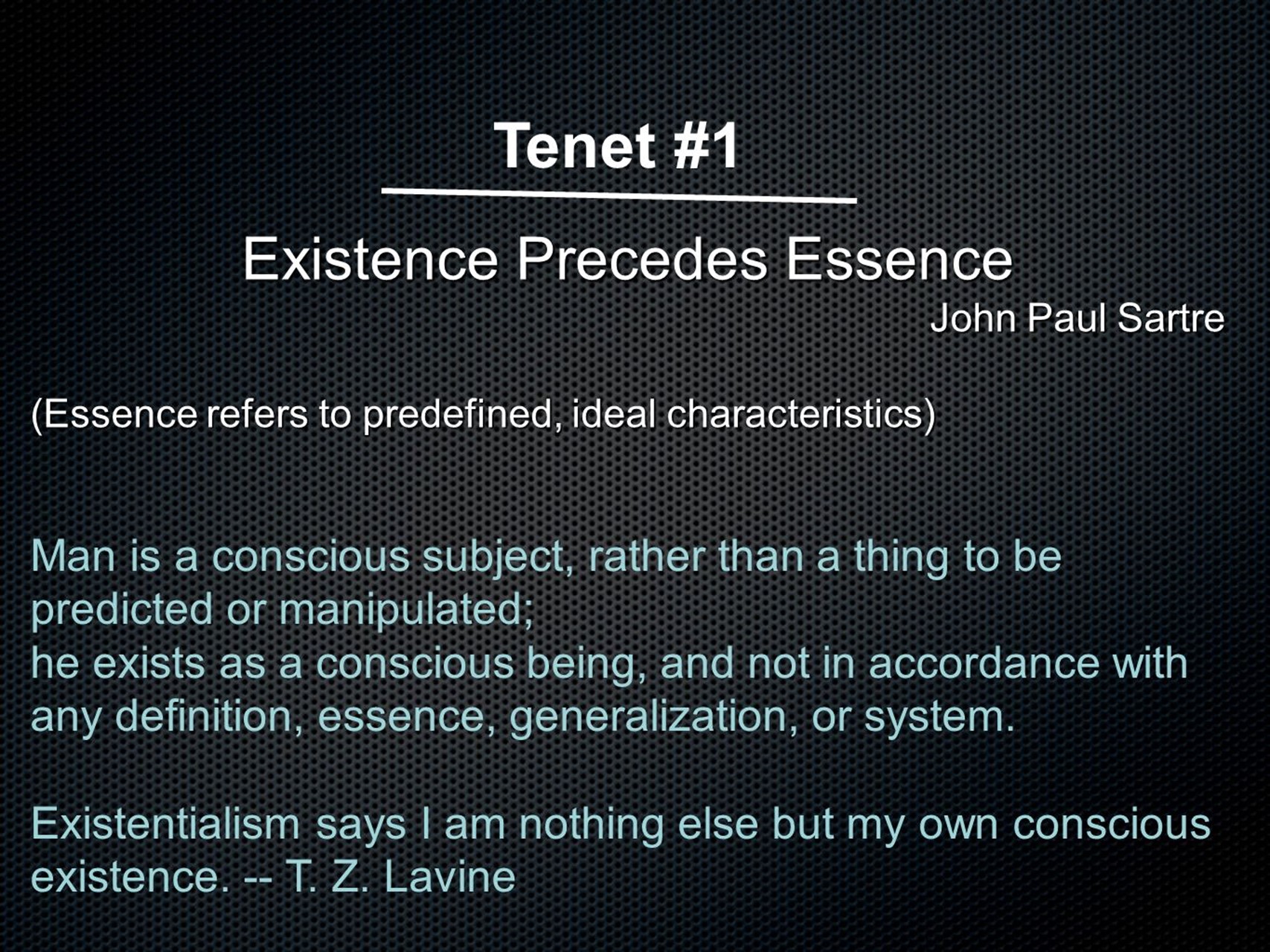




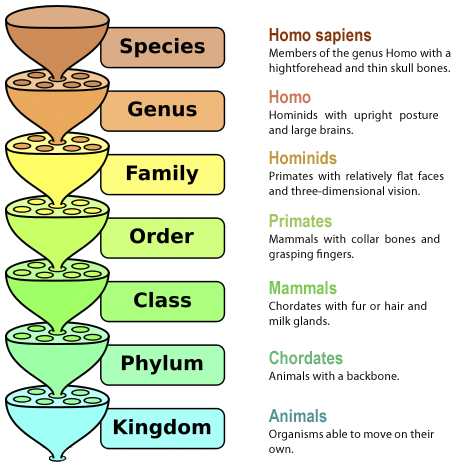


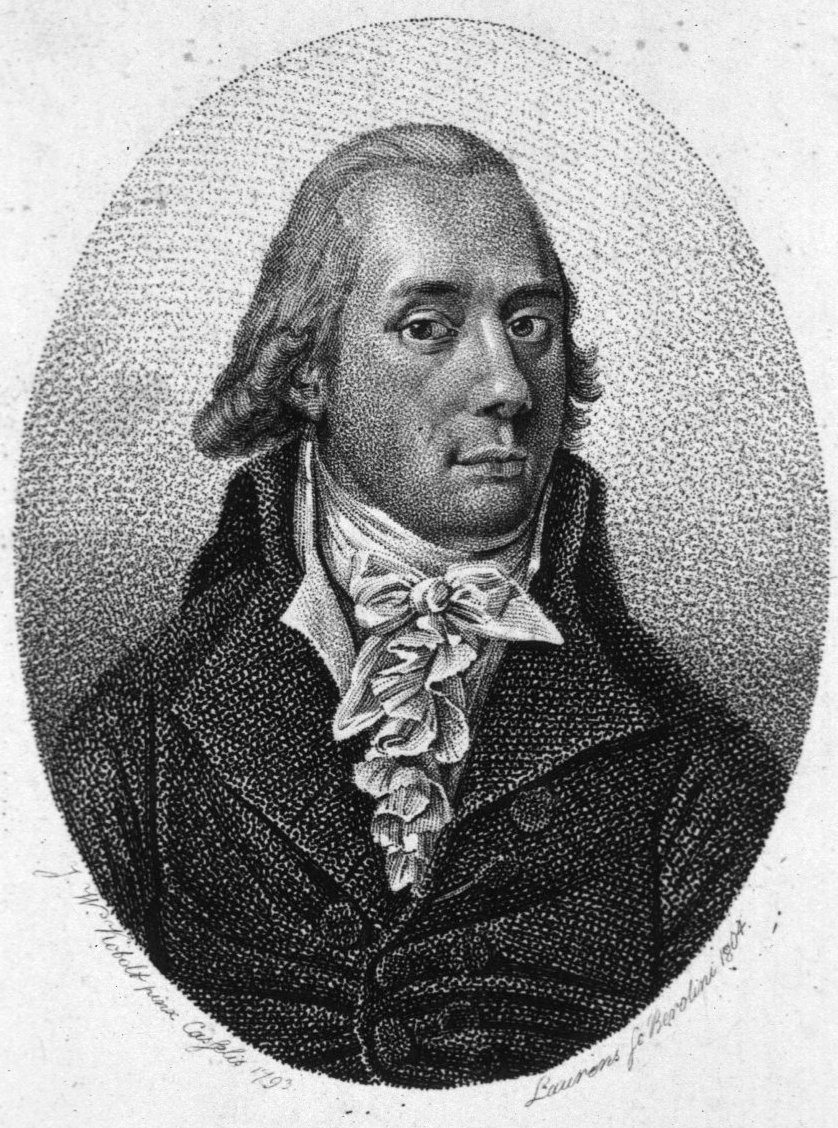

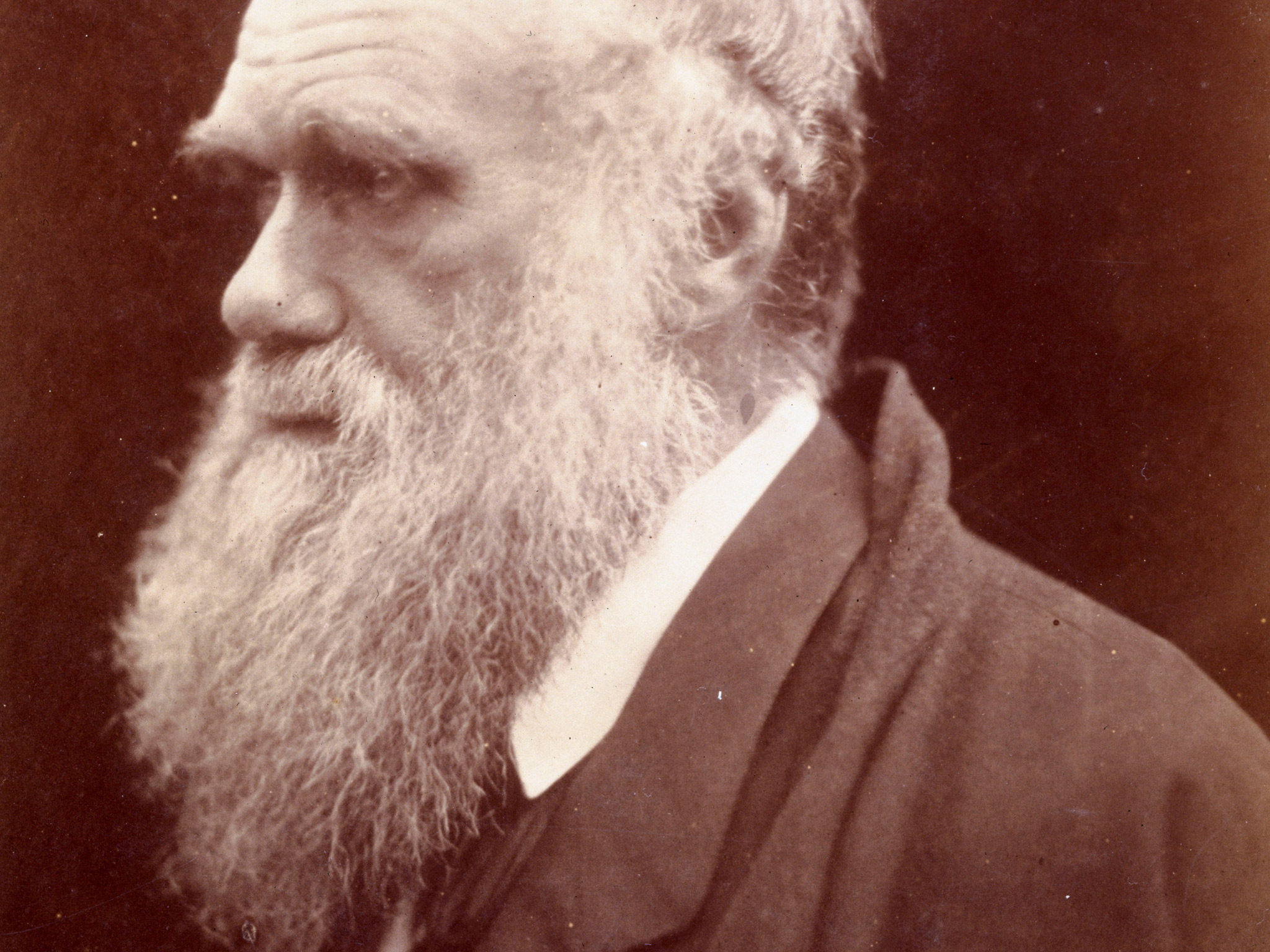


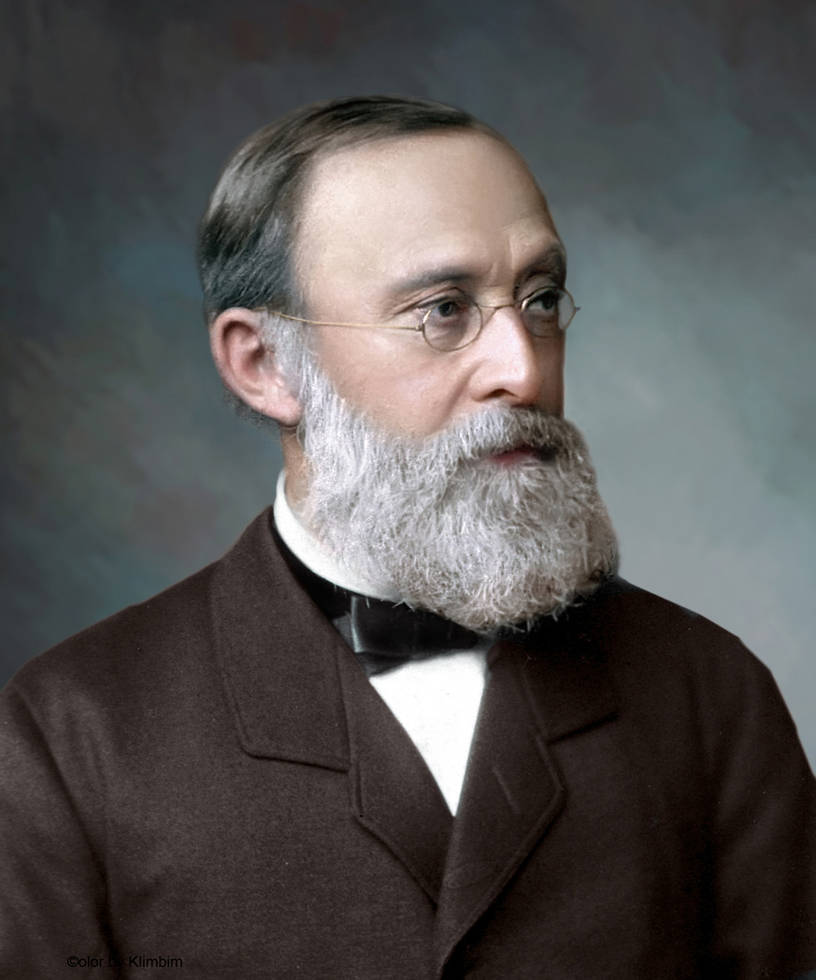

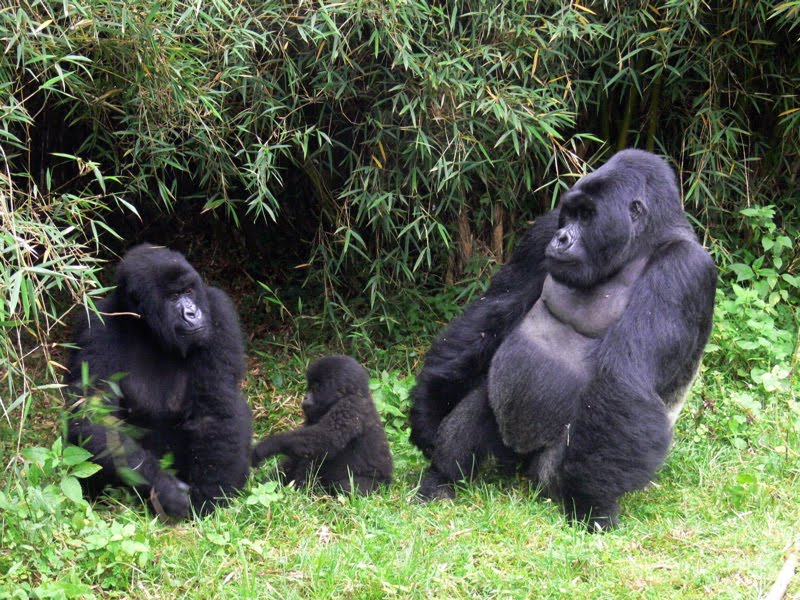


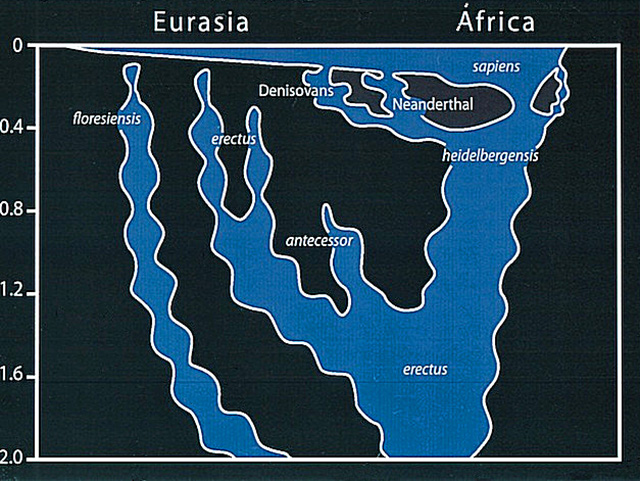


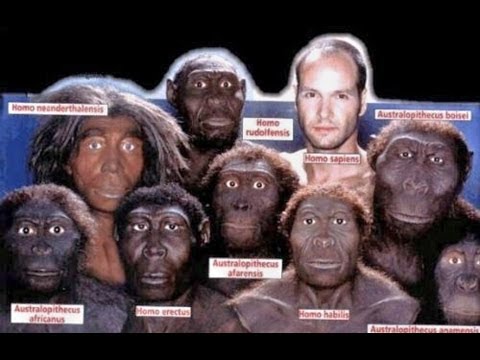


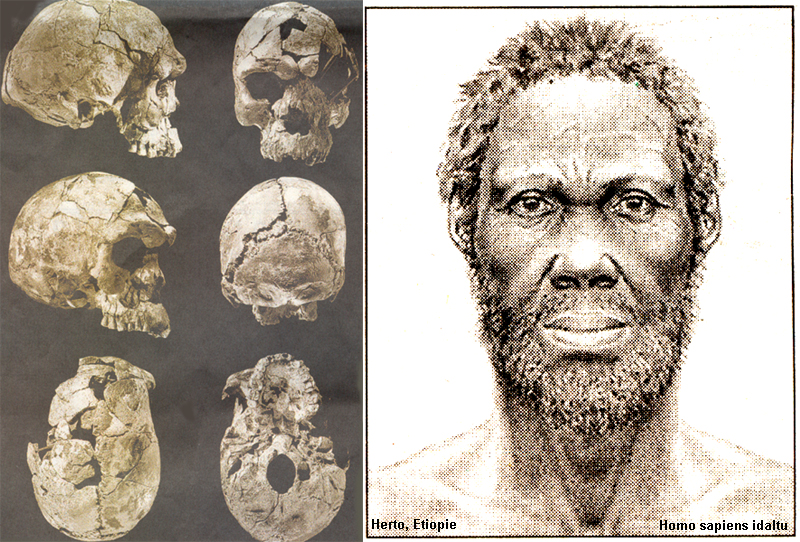

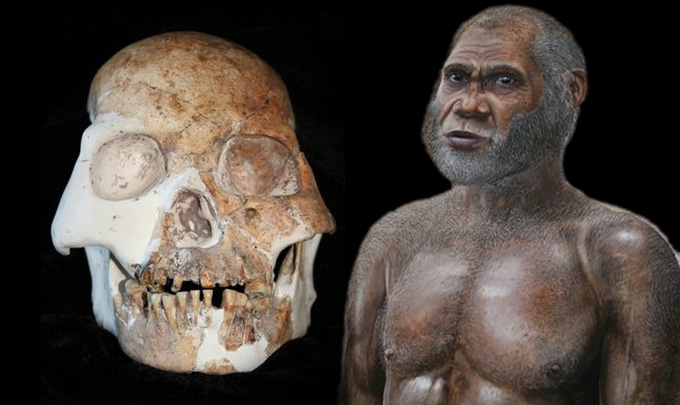


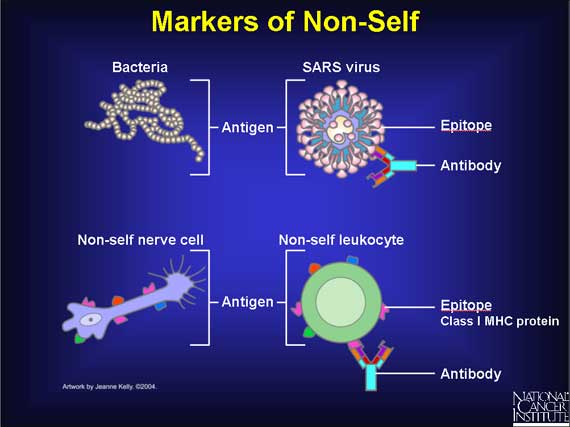


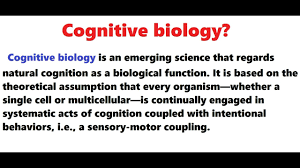
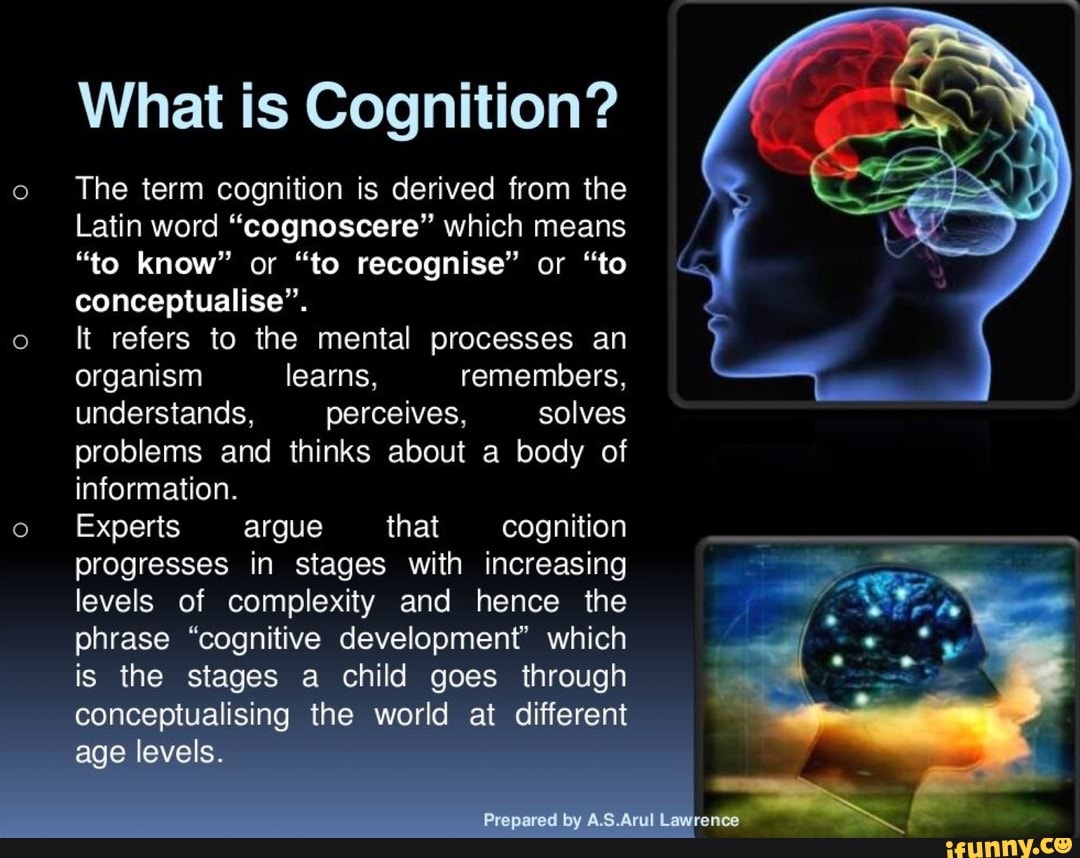


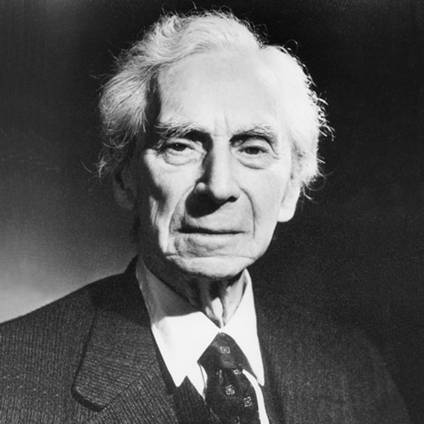


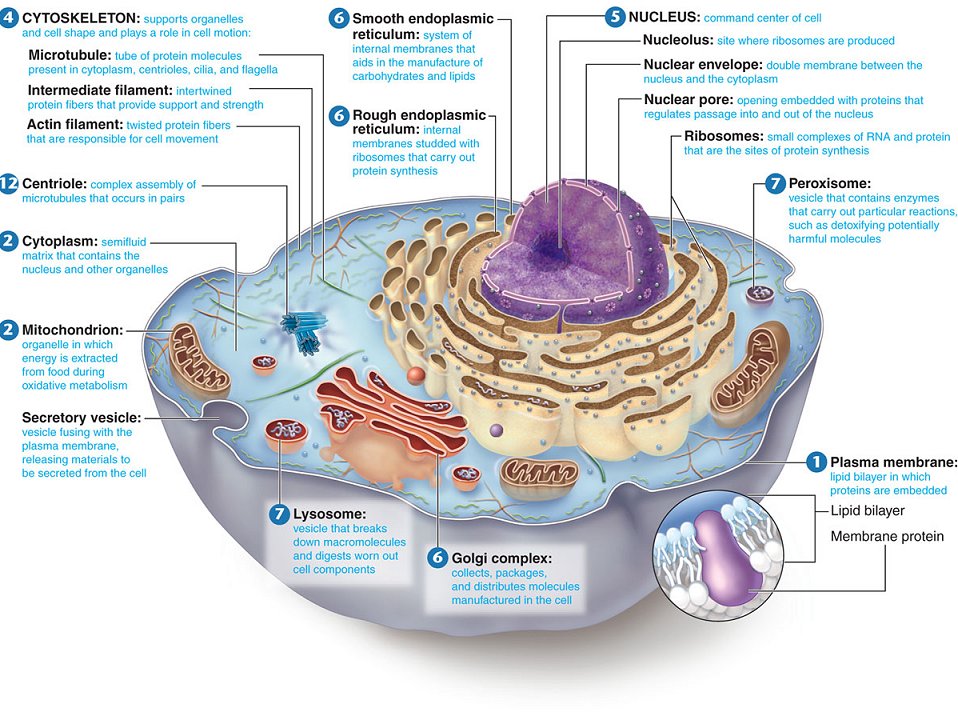




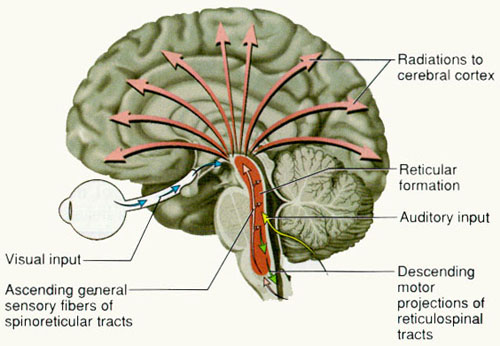
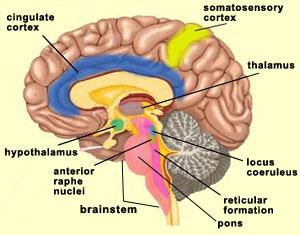
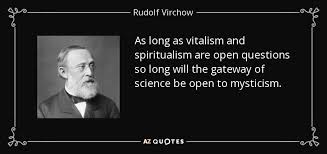


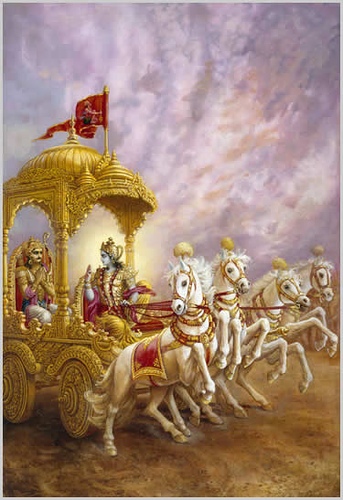


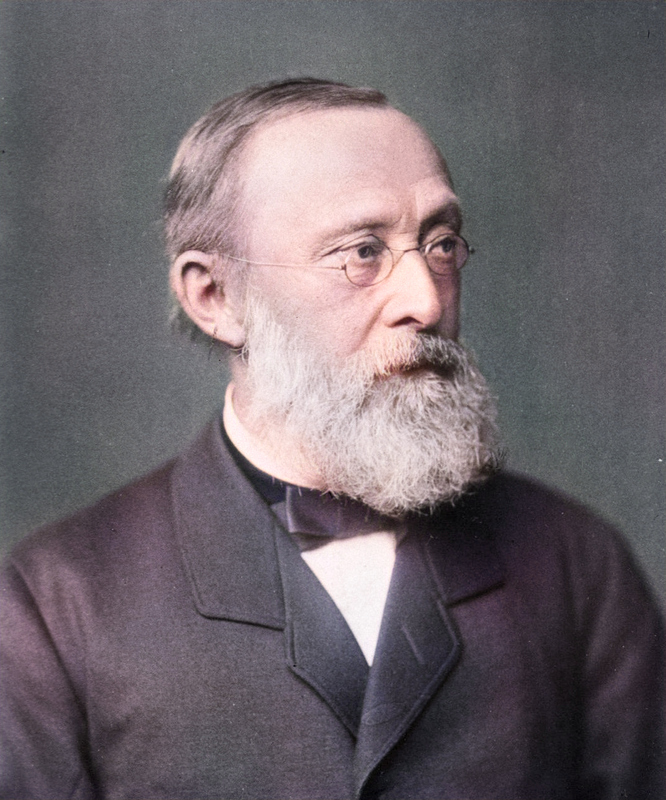


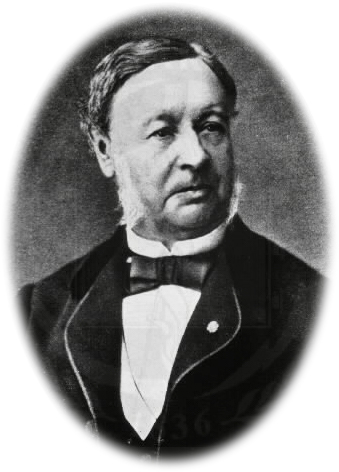


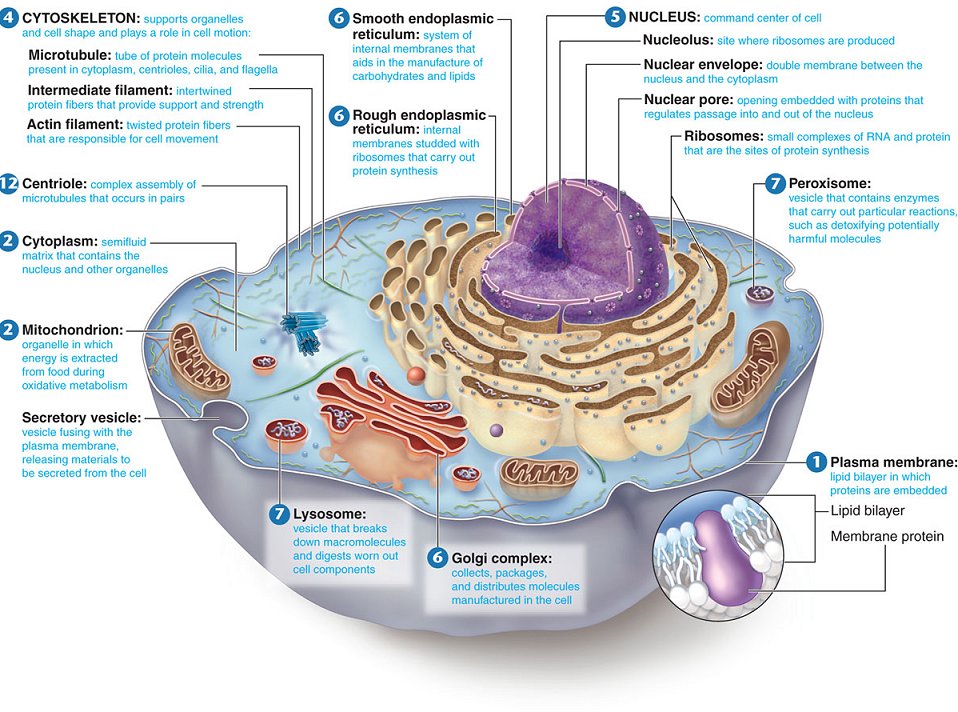






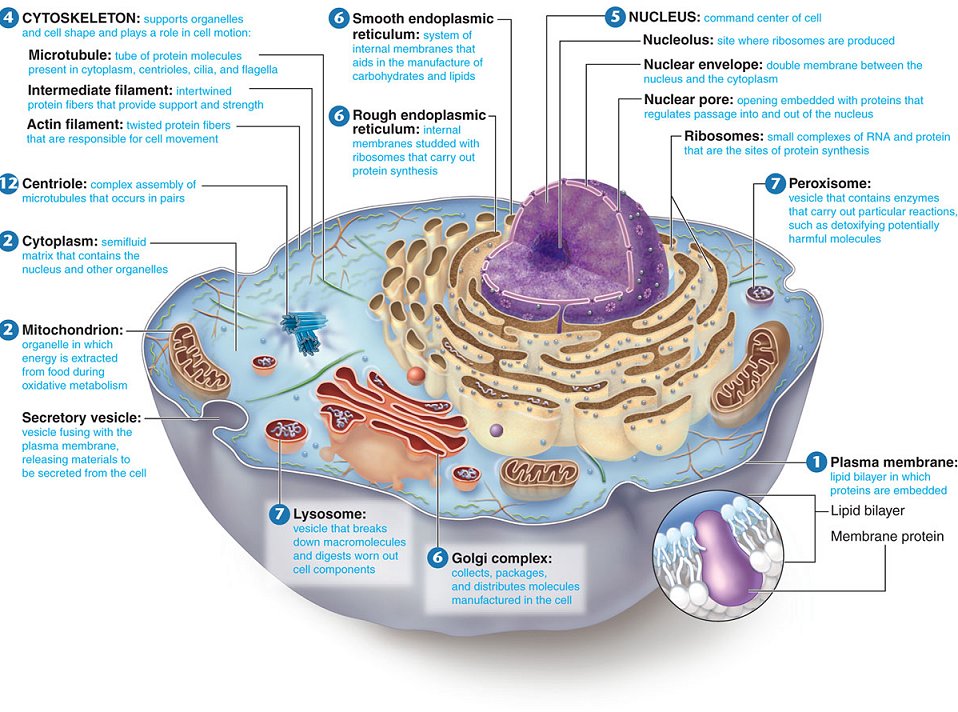


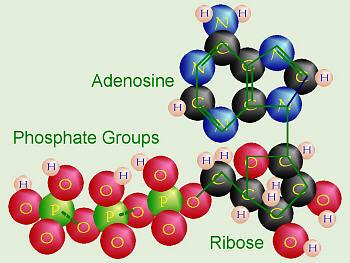


 Whole Dude - Whole Concept