I AM A REFUGEE. I DO NOT ENJOY AMERICA’S FREEDOM. MY FREEDOM IS STOLEN.
His Holiness the Dalai Lama had to flee from Tibet in 1959 for he sensed a threat to his life from the Chinese authority. I joined the Tibetan Resistance Movement in India on September 22, 1971. I experienced threat to my existence on three separate occasions from the Chinese authority that forces the Dalai Lama to live in Exile. The threat posed by China has stolen my freedom.
I AM A REFUGEE. I DO NOT ENJOY AMERICA’S FREEDOM.
I have chosen the profile imageof my stolen Indian Army picture ID to describe my plight on account of my stolen freedom. My Indian Army picture ID was stolen in 1972 at Cuttack, near CharbatiaAir Base operated by Aviation Research Centre (ARC). My Indian Army picture ID was purposefully stolen because of my association with The Research and Analysis Wing (R&AW or RAW), the Intelligence Agency of India which formulated my association with The U.S. Central Intelligence Agency (CIA). My stolen Indian Army ID of 1972 resurfaced in Indian Movie TE3Nin 2016. It accounts for the loss of my freedom and the fear it arouses in my heart since 1972.
Rudra Narasimham Rebbapragada
SPECIAL FRONTIER FORCE-ESTABLISHMENT NO. 22
Am a refugee but I enjoy India’s freedom: Dalai Lama
By: FE Online | Published: October 14, 2019, 4:16:48 PM
I am a Refugee. I do not enjoy America’s Freedom for I have no Refuge.
Dalai Lama has been living in India since 1959. He had to flee Tibet after he sensed a threat to his life from the Chinese authority in the wake of Tibetan uprising. Former Prime Minister Jawahar Lal Nehru offered Dalai Lama to set up the Government of Tibet in Exile in Dharamshala, Himachal Pradesh.
I am a Refugee. I do not enjoy America’s Freedom.
Tibetan spiritual leader Dalai Lama on Sunday hailed India for its freedom and said that he has been here for the last 60 years as a refugee but still enjoys the freedom that this country offers. “We already enjoy freedom in India. It’s been 60 years…one way, I am a refugee, but I enjoy India’s freedom,” he said while responding to a question on his freedom struggle for Tibet. When asked about whether he thinks that Tibetans can get freedom by living in India, Dalai Lama said that he had tried to go back to Tibet but that could not happen because there was no freedom to preserve “our own culture”. The spiritual leader said that he had also appealed to the United Nations in this regard.
“At that time Pandit (Jawahar Lal) Nehru advised me that the United Nations can not do much…sooner or later much better to approach Chinese and talk to China. I think that was realistic advice. And in 74, we decide(ed) not to take independence, (we) tried to remain within the Republic of China but we should have got certain rights (from China) for the preservation of our own culture,” he told news agency ANI.
HISTORY OF THE US-INDIA-TIBET RELATIONS. I AM A REFUGEE. I DO NOT ENJOY AMERICA’S FREEDOM.
LADAKH, THE BATTLEFIELD TO TEST THE US-INDIA-TIBET ALLIANCE
Ladakh, the Battlefield to test the US-India-Tibet Alliance.
In my analysis, the importance of Ladakh lies in its value as the Battlefield to test the US-India-Tibet Alliance.
Rudra Narasimham Rebbapragada
Ann Arbor, Michigan, 48104-4162. USA
SPECIAL FRONTIER FORCE
Ladakh: the good, bad and ugly sides to India’s ‘Little Tibet’, high in the Himalayas
A new tunnel will provide year-round access to an area usually cut off by snow for seven months of the year
Even without it, Ladakh’s resources and environment are already being stretched to breaking point
Tim Pile
Published: 1:45 pm, 1 Aug 2019
Ladakh, the Battlefield to test the US-India-Tibet Alliance.
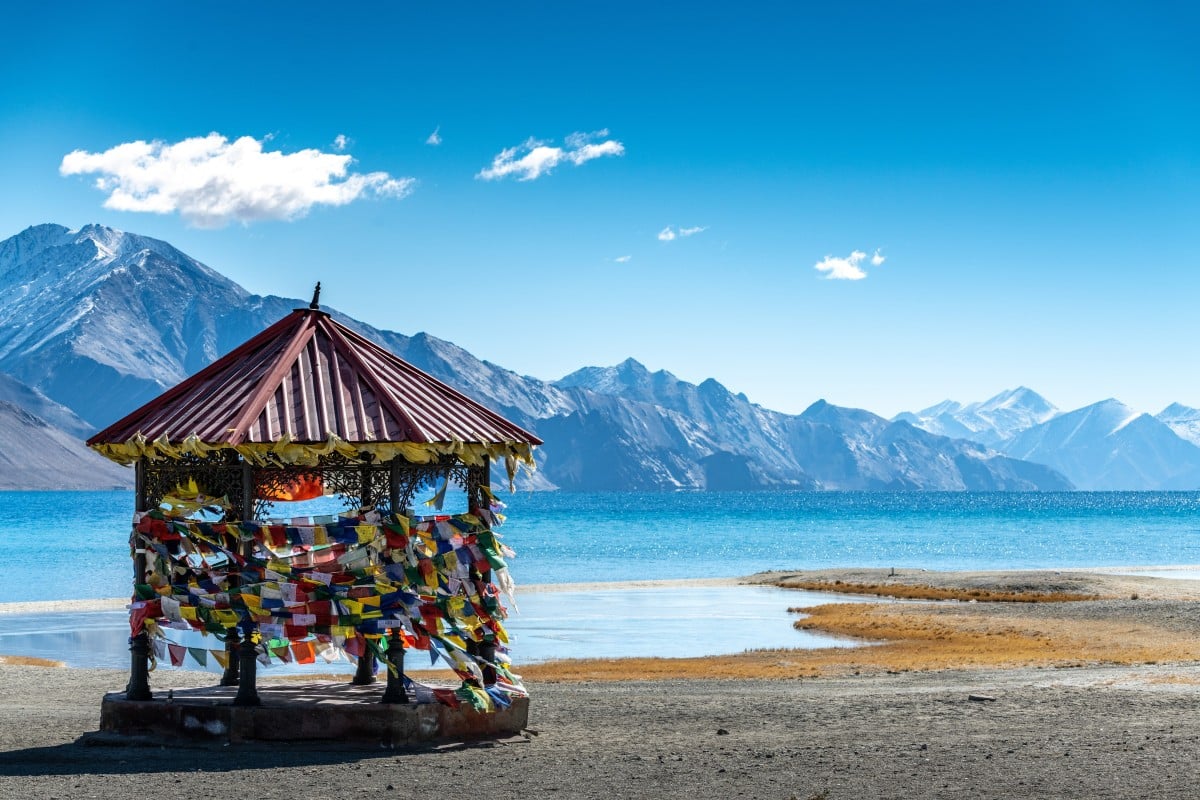
Pangong Tso, the highest salt lake in India. Photo: Shutterstock
The good
Known as Little Tibet due to a shared cultural and religious heritage, Ladakh (now, Union Territory of India) in the Indian State of Jammu and Kashmir, is about the size of England, with a population similar in number to that of the Hong Kong district of Wan Chai.
The name derives from “la dags” meaning “land of mountain passes” and it’s a region characterized by high-altitude desert hemmed in by the mighty Himalayan and Karakoram ranges.
Cut off from the rest of the country by snow for seven months of the year, India’s northernmost region comes alive in summer. Deserts with the texture of eczema are lubricated by rivers swollen with snowmelt and the run-off from dazzling turquoise lakes.
Ladakh, the Battlefield to test the US-India-Tibet Alliance.
To reach Ladakh overland involves a journey along one of the world’s highest altitude roads. Photo: Tim Pile
Shaven-headed monks emerge from brilliant-white monasteries and squint in the piercing sunlight. Talking of which, Ladakh will soon be home to the world’s largest single-location solar photovoltaic plant.
It could certainly do with the extra energy – tourism is booming and has brought tangible economic benefits. In all, 327,366 people visited the city of Leh in 2018, a whopping 50,000 increase on the previous year.
Ladakh, the Battlefield to test the US-India-Tibet Alliance.
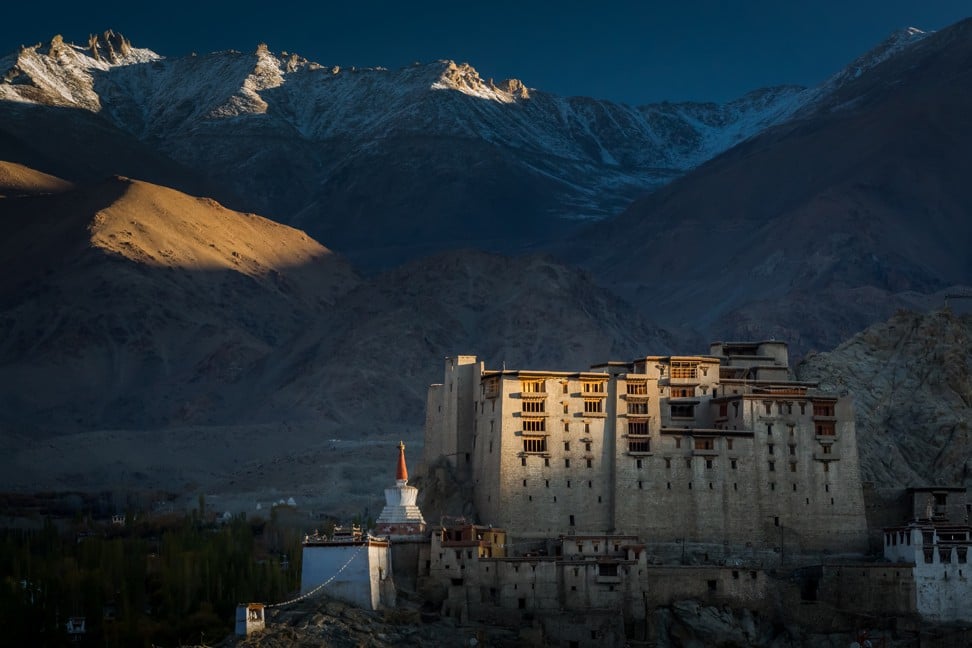
The former royal palace in Leh.
Many arrive in the state capital after completing one of the world’s great road trips. The 475km journey from Manali, in neighboring Himachal Pradesh, takes travelers between razor-sharp peaks and over high passes, including the 5,359-metre Khardung La, along one of the highest paved roads in the world.
The drive will become easier next year with the completion of the Rohtang Tunnel, a trans-Himalayan short cut that will reduce travel times and ensure year-round connectivity to Ladakh. A long-awaited railway line from Bilaspur to Manali and Leh will further open up the pristine region by 2022.
In another boost to the tourism sector, Prime Minister Narendra Modi inaugurated five new trekking routes during a visit to Leh in February.
Ladakh, the Battlefield to test the US-India-Tibet Alliance.
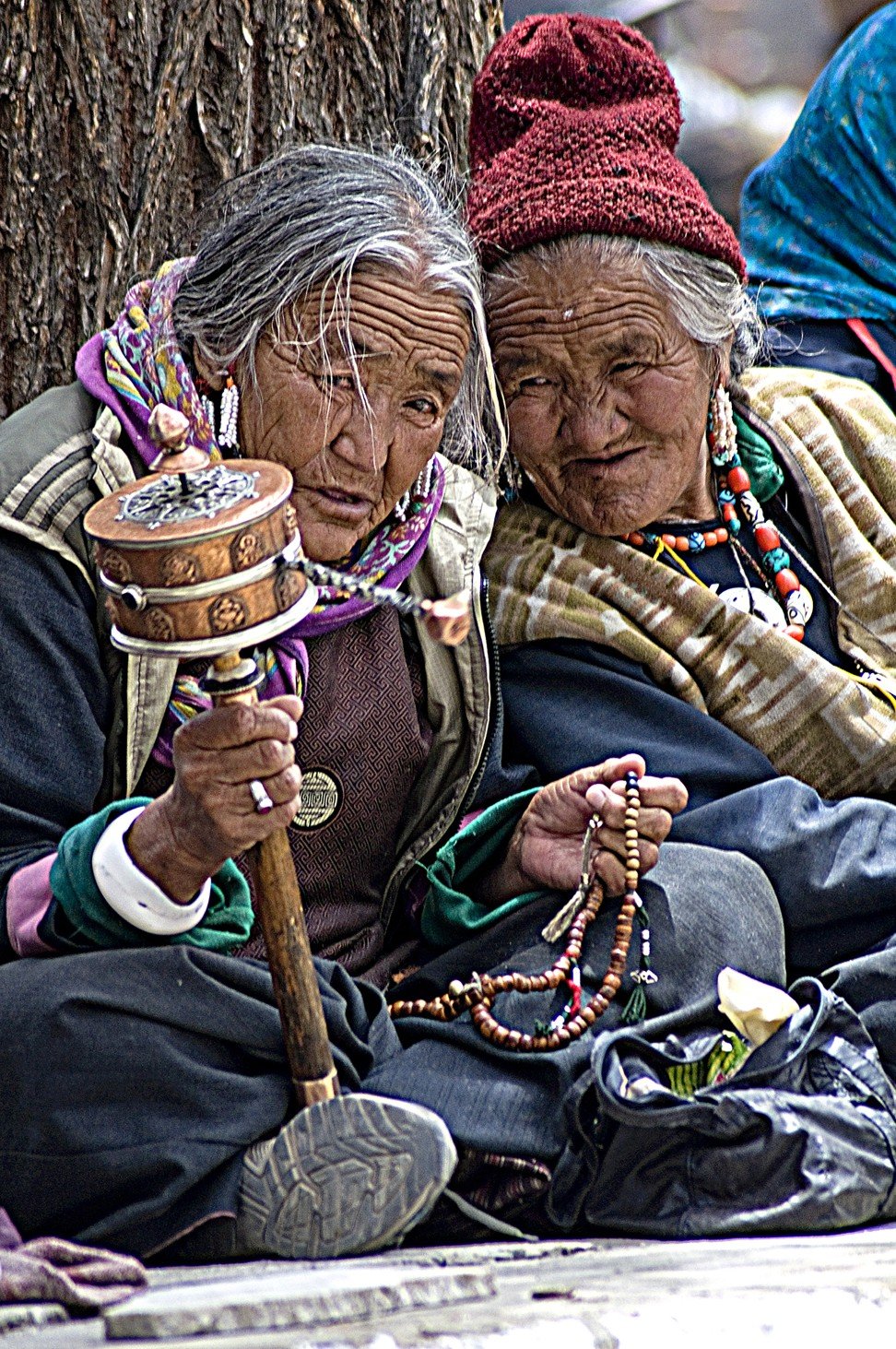
Two locals, one with a Buddhist prayer wheel. Photo: Tim Pile
Before heading onto the mountain trails, get a feel for Leh by visiting the former royal palace. The 17th-century structure was modeled on the Potala Palace, in Tibet, and offers panoramic views of the dusty, medieval-looking settlement.
Besides its temples, markets, and monasteries, Leh is a city to observe and absorb. Pick a cafe, order a cup of yak-butter tea, relax and let the sights, smells, noise and color wash over you. Ladakh’s position at the crossroads of ancient trade routes can be seen in the weathered faces of its inhabitants. Kashmiri merchants rub shoulders with shepherds and Tibetan monks haggle with Punjabi businessmen.
The best-known of Ladakh’s attractions is a six-hour drive from Leh. Pangong Tso is the highest salt lake in India. The beauty spot draws movie buffs and Instagrammers keen to see where the final scene of 2009 Bollywood blockbuster 3 Idiots was filmed.
Ladakh, the Battlefield to test the US-India-Tibet Alliance.
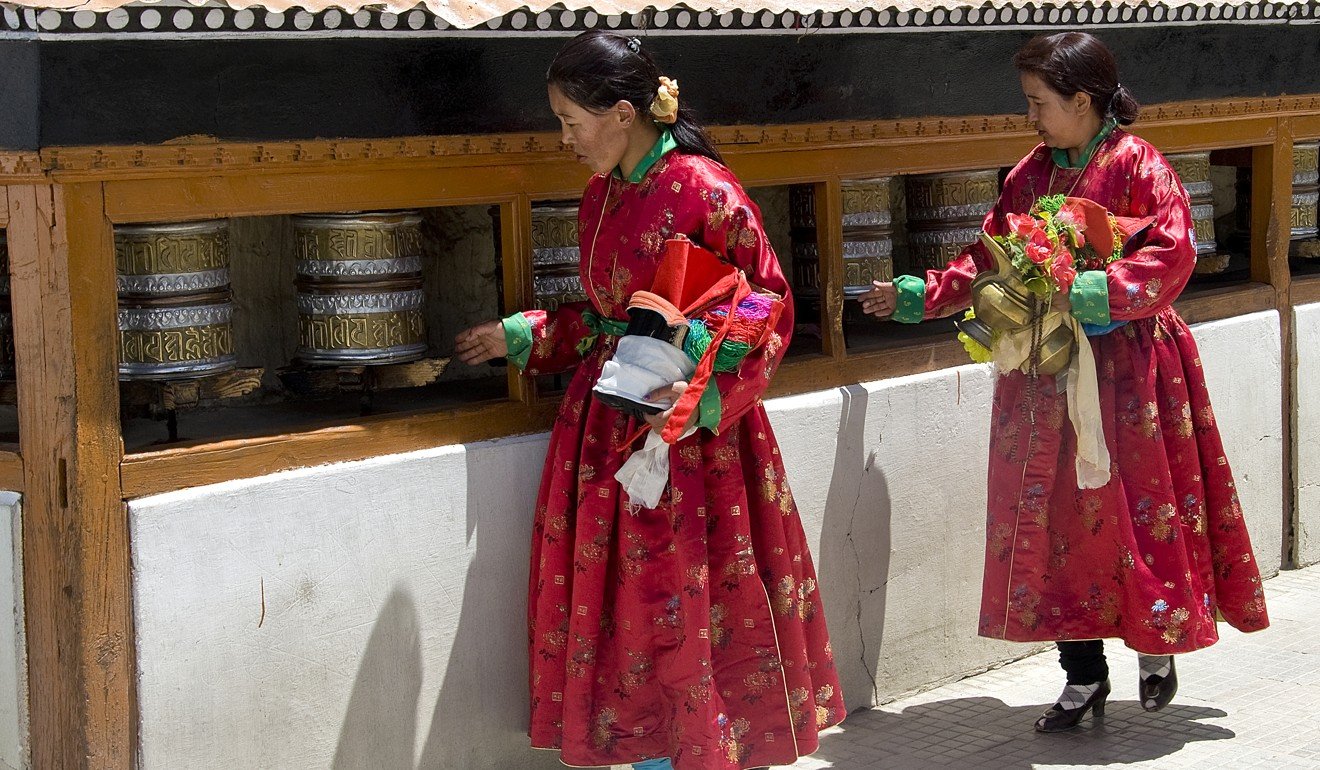
Leh is a city of temples, and culturally close to Tibet. Photo: Tim Pile
Next stop should be the spectacular Nubra Valley. Herders populate the high desert in summer, their yaks grazing near the snowline while tourists sign up for Bactrian camel safaris on the sand dunes of Hunder village, once a Silk Road staging post.
The bad
The farming of barley, wheat, and vegetables happen in a hurry hereabouts. No sooner are crops sown in the thin Ladakhi soil than winter starts drawing in and the ground becomes frozen solid for months on end. It’s enough to make villagers throw in the towel and head for the bright lights of Leh. That’s where fortunes are made, after all.
Except they’re not. Well, not for most Ladakhis anyway. The aforementioned tangible economic benefits accrue only to a small group of tour operators, hotel owners, and merchants, many of whom are from elsewhere in India and come to Leh solely for the tourist season.
Ladakh, the Battlefield to test the US-India-Tibet Alliance.
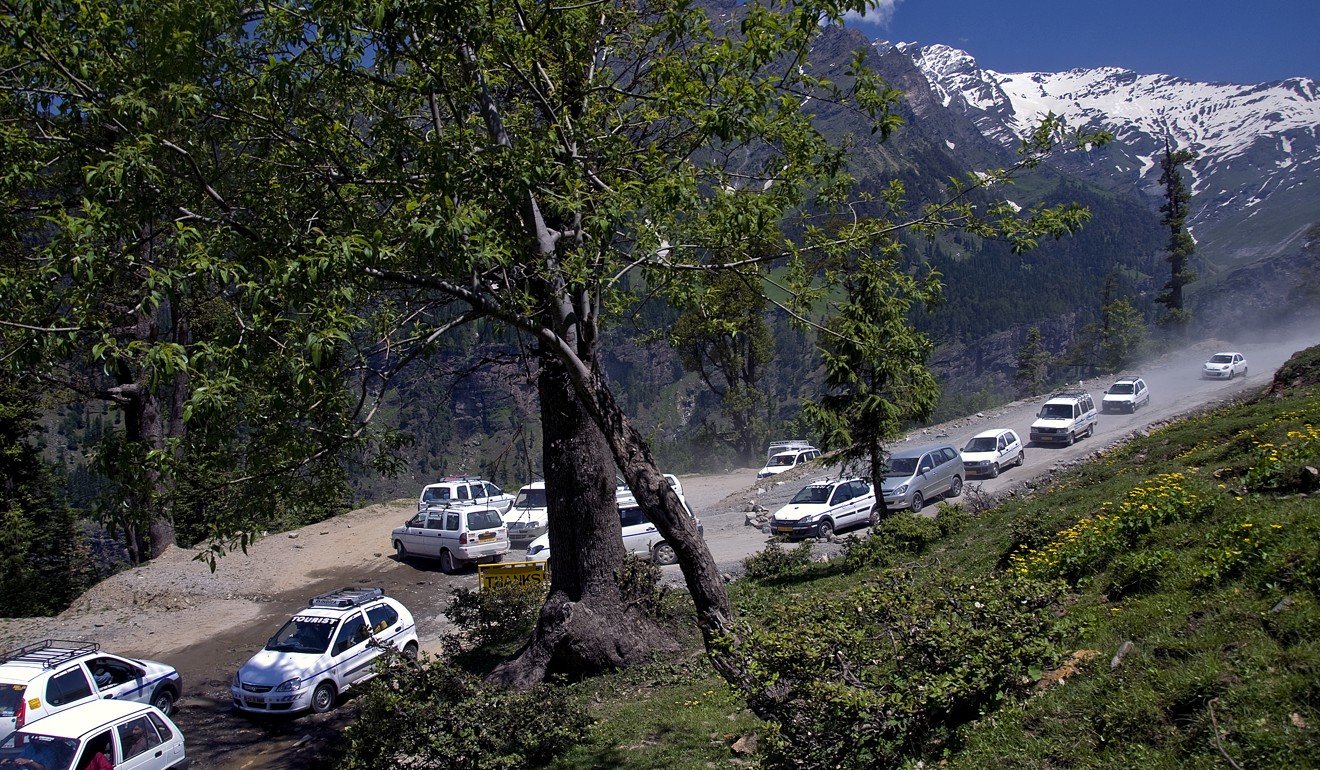
A traffic jam at Khardung La. Photo: Tim Pile
Subsistence farmers, who make up most of the population, have seen little improvement in their living conditions but are left to deal with the negative social, environmental and psychological impact of Ladakh’s change from an economy based on self-reliance to one driven by external market forces.
Writer and filmmaker Helena Norberg-Hodge feels the West has much to learn from the traditional Ladakhi way of life in terms of sustainability, diet, family values, and overall happiness. But instead, waves of wealthy outsiders descend on the pre-industrial region and leave locals, particularly the younger generation, feeling self-conscious, backward and poor.
Tourism industry wages aren’t anywhere near enough for them to emulate the high consumption habits of rich visitors, so illegal means are adopted. Theft, once unheard of in Ladakh, has become a problem, as have children pestering people for money.
Ladakh, the Battlefield to test the US-India-Tibet Alliance.
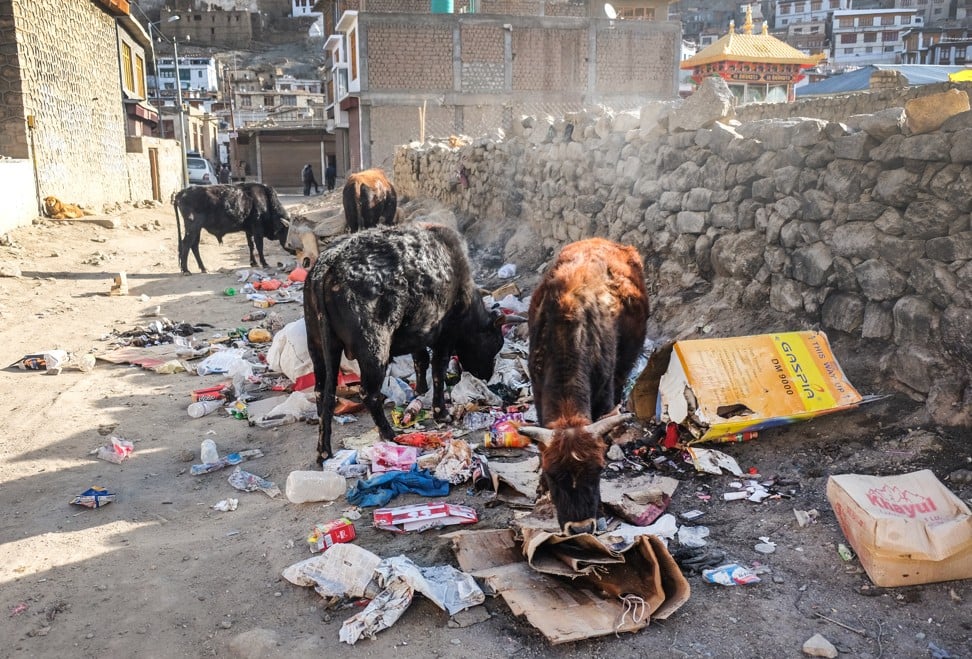
Feral cattle graze on rubbish left on the street. Photo: Shutterstock
An estimated 30,000 plastic water bottles are dumped in Leh every day. Like nearly everything else, they were trucked in across the Himalayas from thousands of kilometers away. Then there’s the diesel emitted from cars idling in traffic jams at Khardung La and other high-altitude bottlenecks.
The new Rohtang Tunnel will enable ever more sightseers to reach Ladakh but does little to suggest an enlightened model of sustainable travel is on the cards.
In recent years there has been a surge in the number of domestic tourists drawn up from the baking Indian plains by the snow-capped scenery that appears in television advertisements and Bollywood blockbusters. In fact, 3 Idiots may end up being responsible for more damage to Ladakh’s environment than almost anything else.
Ladakh, the Battlefield to test the US-India-Tibet Alliance.
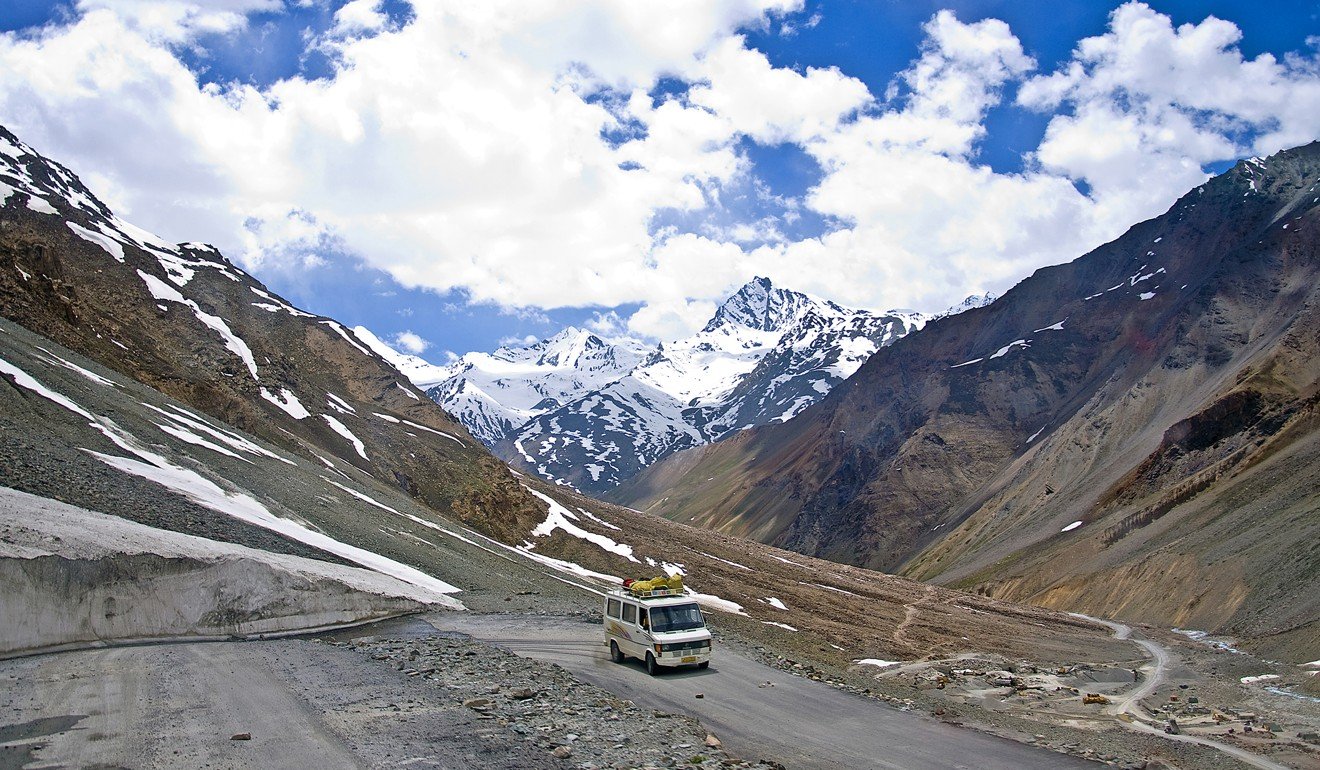
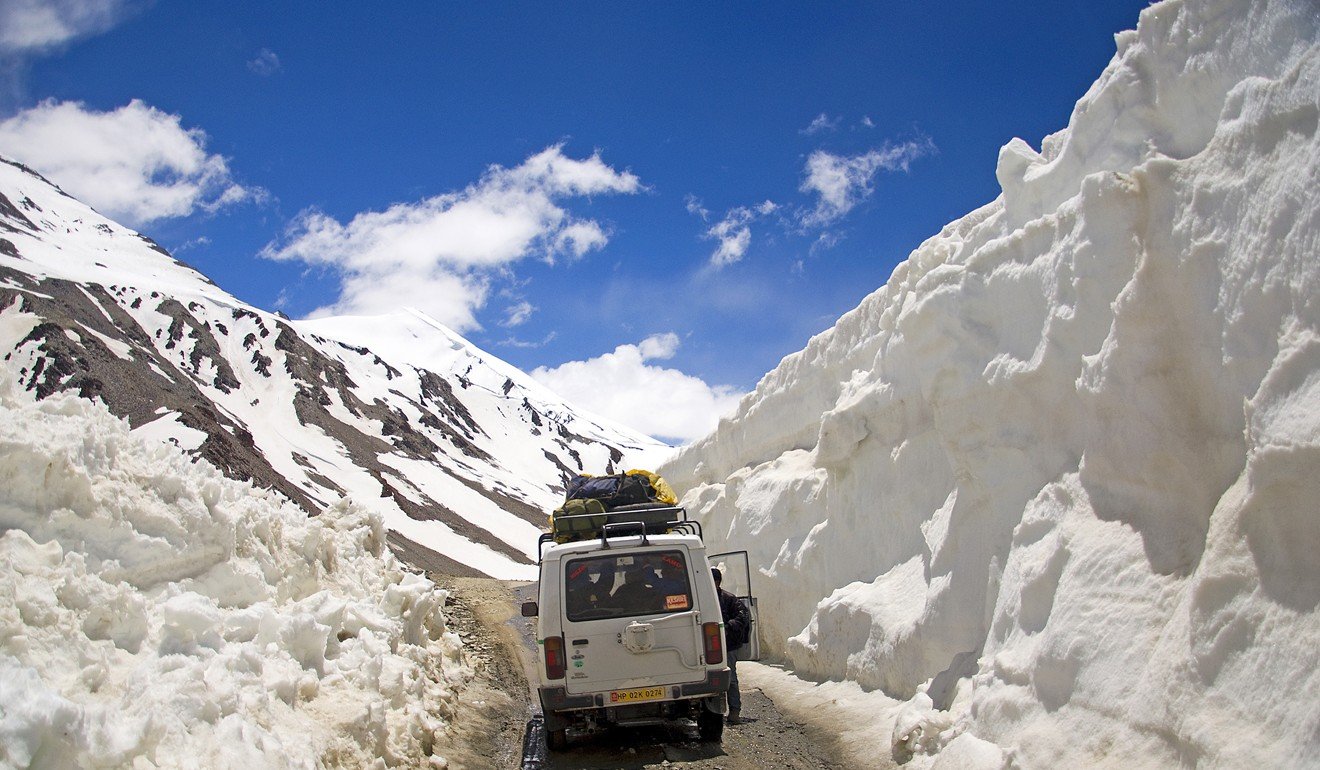
A van negotiates a road fringed by deep snow. Diminishing snowfall is evidence of the impact of climate change in Ladakh. Photo: Tim Pile
Almost. The effects of global climate breakdown are increasingly evident in the ecologically fragile Himalayas – just ask the locals. Ladakhis say they have never witnessed such erratic climatic conditions. Flash floods caused by short but heavy downpours are worrying enough, but a pattern of diminishing snowfall and resulting drought has more serious long-term implications.
The glacier on which Leh depends is predicted to melt completely within five or six years and hoteliers are already drilling boreholes in search of elusive groundwater.
The shortage isn’t helped by the rush to modernize. Replacing traditional dry toilets with Western flush systems places greater demands on scarce water resources, for example. As engineer and educator Sonam Wangchuk puts it: “If people from the big cities live simply, then people in the mountains could simply live.”
The ugly
Ladakh, the Battlefield to test the US-India-Tibet Alliance.
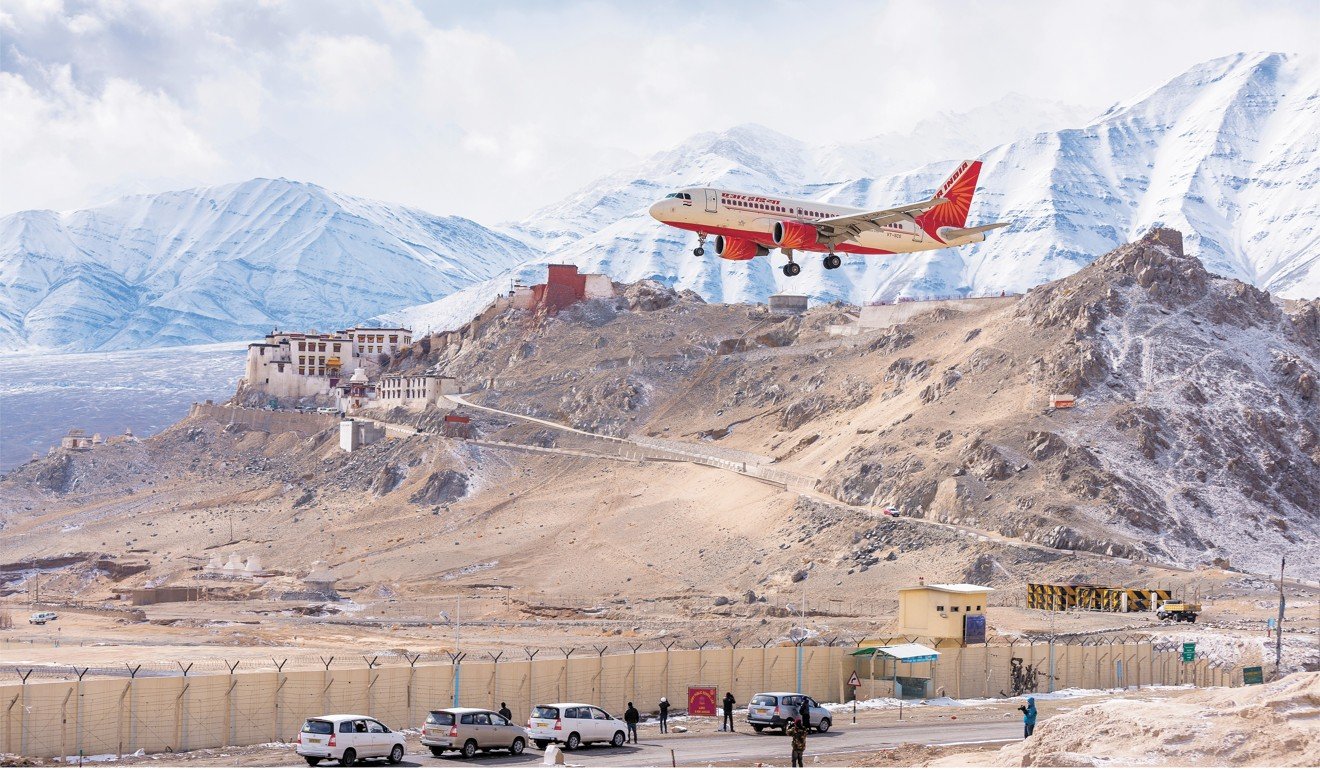
An Air India plane approaches Leh airport. Photo: Shutterstock
Fly, rather than take the bus, to Leh (3,500 meters above sea level), and the thumping headaches, dehydration and general lethargy that accompany altitude sickness will begin as soon as you reach the baggage carousel. You’ll need to rest for a day or two while the symptoms subside.
The cafes are OK but I’d steer clear of the yak-butter tea. Unless it’s for a bet.
Special Frontier Force – The War on Communism: Chinese military incursion into India demands a response. Expel Chinese nationals visiting India.
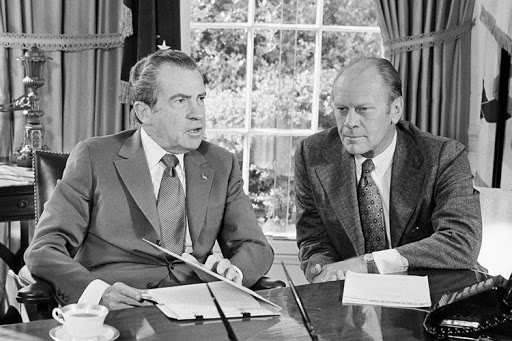
REMEMBERING AUGUST 08, 1974 – NIXON RESIGNS. I AM A REFUGEE. A SLAVE IN FREE NATION.
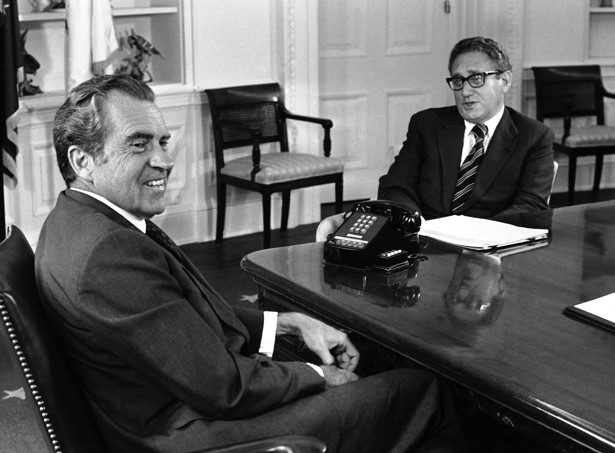
On August 08, 1974, I was stationed at Military Hospital Wing, Headquarters Establishment Number. 22, C/O 56 APO, of Special Frontier Force. Because of my lifetime regimental affiliation to Special Frontier Force, Nixon/Kissinger lives in my memory for his actions providing aid and comfort to Enemy while we dedicated our lives to secure Democracy, Freedom, Peace, and Justice in Occupied Tibet.
REMEMBERING AUGUST 08, 1974 – NIXON RESIGNS. I AM A REFUGEE. A SLAVE IN FREE NATION.
In my analysis, Nixon-Kissinger Vietnam Treason predetermined my Refugee Status, the Status of a Slave living in a Free Nation.
Remembering August 08, 1974 – Nixon Resigns.I am a Refugee.A SLAVE IN FREE NATION.
On this day in 1974, on an evening televised address, President Richard M. Nixon announces his intention to become the first president in American history to resign. With impeachment proceedings underway against him for his involvement in the Watergate affair, Nixon was finally bowing to pressure from the public and Congress to leave the White House. “By taking this action,” he said in a solemn address from the Oval Office, “I hope that I will have hastened the start of the process of healing which is so desperately needed in America.”
In an evening televised address, President Richard M. Nixon announces his intention to become the first president in American history to resign. With impeachment proceedings underway against him for his involvement in the Watergate affair, Nixon was finally bowing to pressure from the public and Congress to leave the White House. “By taking this action,” he said in a solemn address from the Oval Office, “I hope that I will have hastened the start of the process of healing which is so desperately needed in America.”
Just before noon the next day, Nixon officially ended his term as the 37th president of the United States. Before departing with his family in a helicopter from the White House lawn, he smiled farewell and enigmatically raised his arms in a victory or peace salute. The helicopter door was then closed, and the Nixon family began their journey home to San Clemente, California. Minutes later, Vice President Gerald R. Ford was sworn in as the 38th president of the United States in the East Room of the White House. After taking the oath of office, President Ford spoke to the nation in a television address, declaring, “My fellow Americans, our long national nightmare is over.” He later pardoned Nixon for any crimes he may have committed while in office, explaining that he wanted to end the national divisions created by the Watergate scandal.
On June 17, 1972, five men, including a salaried security coordinator for President Nixon’s reelection committee, were arrested for breaking into and illegally wiretapping the Democratic National Committee headquarters in the Washington, D.C., Watergate complex. Soon after, two other former White House aides were implicated in the break-in, but the Nixon administration denied any involvement. Later that year, reporters Carl Bernstein and Bob Woodward of The Washington Post discovered a higher-echelon conspiracy surrounding the incident, and a political scandal of unprecedented magnitude erupted.
In May 1973, the Senate Select Committee on Presidential Campaign Activities, headed by Senator Sam Ervin of North Carolina, began televised proceedings on the rapidly escalating Watergate affair. One week later, Harvard law professor Archibald Cox was sworn in as special Watergate prosecutor. During the Senate hearings, former White House legal counsel John Dean testified that the Watergate break-in had been approved by former Attorney General John Mitchell with the knowledge of White House advisers John Ehrlichman and H.R. Haldeman and that President Nixon had been aware of the cover-up. Meanwhile, Watergate prosecutor Cox and his staff began to uncover widespread evidence of political espionage by the Nixon reelection committee, illegal wiretapping of thousands of citizens by the administration, and contributions to the Republican Party in return for political favors.
In July, the existence of what was to be called the Watergate tapes–official recordings of White House conversations between Nixon and his staff–was revealed during the Senate hearings. Cox subpoenaed these tapes, and after three months of delay President Nixon agreed to send summaries of the recordings. Cox rejected the summaries, and Nixon fired him. His successor as special prosecutor, Leon Jaworski, leveled indictments against several high-ranking administration officials, including Mitchell and Dean, who were duly convicted.
Public confidence in the president rapidly waned, and by the end of July 1974, the House Judiciary Committee had adopted three articles of impeachment against President Nixon: obstruction of justice, abuse of presidential powers, and hindrance of the impeachment process. On July 30, under coercion from the Supreme Court, Nixon finally released the Watergate tapes. On August 5, transcripts of the recordings were released, including a segment in which the president was heard instructing Haldeman to order the FBI to halt the Watergate investigation. Three days later, Nixon announced his resignation.
At the Republican National Convention in Miami, Richard M. Nixon and Spiro T. Agnew are chosen as the presidential and vice-presidential nominees for the upcoming election. In his speech accepting the nomination, Nixon promised to “bring an honorable end to the war in Vietnam.”
1973 Vice President Agnew under attack Vice President Agnew branded reports that he took kickbacks from government contracts in Maryland as “damned lies.” Agnew had taken a lot of heat in the media when he assumed a leadership position as Nixon’s point man on Vietnam. He frequently attacked the student protest movement.
Remembering August 08, 1974. Nixon Resigns. I am a Refugee. A Slave in Free Nation.
I AM A REFUGEE FINDING HOPE IN THE PERIOD OF DARKNESS.
I am a Refugee finding Hope in the Period of Darkness.
“We Tibetans are eternally grateful to the lineage of the Dalai Lamas and ever more so to His Holiness the 14th Dalai Lama for being our ray of hope and our source of strength in our times of darkness,” it said.
On behalf of ‘The Living Tibetan Spirits’, I pay my tribute to His Holiness the 14th Dalai Lama for giving me hope while I live my Life Under Shadow, envelope of Utter Darkness.
Rudranarasimham Rebbapragada
SPECIAL FRONTIER FORCE
I am a Refugee finding Hope in the Period of Darkness.
Tibet’s exile gov’t praises Dalai Lama on his 84th birthday – The Mainichi
I am a Refugee finding Hope in the Period of Darkness.
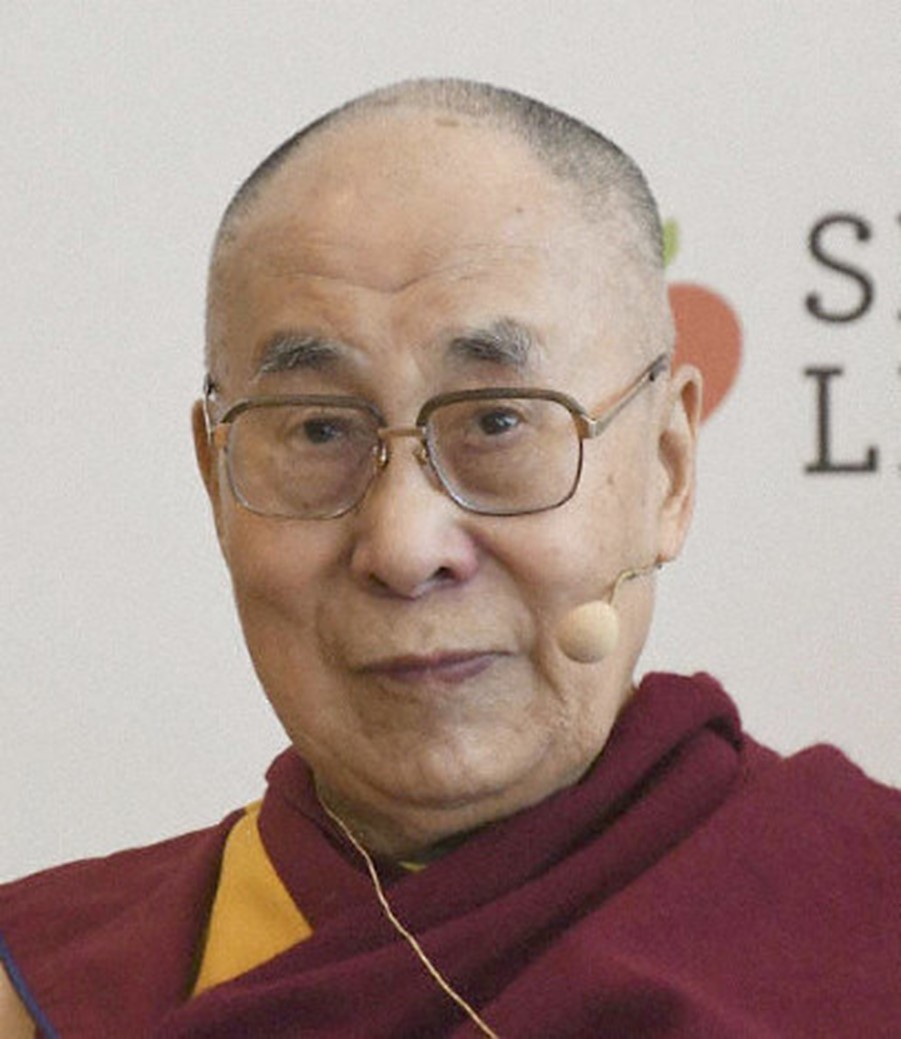
File photo taken in April 2019 shows the Tibetan spiritual leader, the 14th Dalai Lama. (Kyodo)
NEW DELHI (Kyodo) — The advisory board of the Tibetan government-in-exile released a statement celebrating the 84th birthday of the Dalai Lama on Saturday.
“We Tibetans are eternally grateful to the lineage of the Dalai Lamas and ever more so to His Holiness the 14th Dalai Lama for being our ray of hope and our source of strength in our times of darkness,” it said.
The statement said that, 60 years into exile, Tibetan cultural identity has been revived and preserved, a full-fledged democratic Central Tibetan Administration has been established, and “the spirit of Tibetans inside and outside Tibet remain strong and united.”
It added that the “Middle Way Approach” in resolving the Tibet issue through dialogue continues to be widely supported by many countries.
Born on July 6, 1935, in northeastern Tibet, the exiled spiritual leader was recognized as the reincarnation of the 13th Dalai Lama, Thubten Gyatso, at the age of 2.
In March 1959, the 14th Dalai Lama fled to India following a failed Tibetan uprising in 1959 against China’s control of the Buddhist region high in the Himalayas. He later set up the government-in-exile in Dharamsala, northern India.
He was awarded the Nobel Peace Prize in 1989 for his non-violent campaign for Tibet democracy and its people’s freedom but China always considers him as a hostile being for splitting Tibet from China. The Chinese government regards him as a dangerous separatist.
Succession plans for the octogenarian have been an issue of interest in recent years.
In April this year, he was discharged from a hospital in India’s capital New Delhi where he had been diagnosed with a chest infection.
I am a Refugee finding Hope in the Period of Darkness.
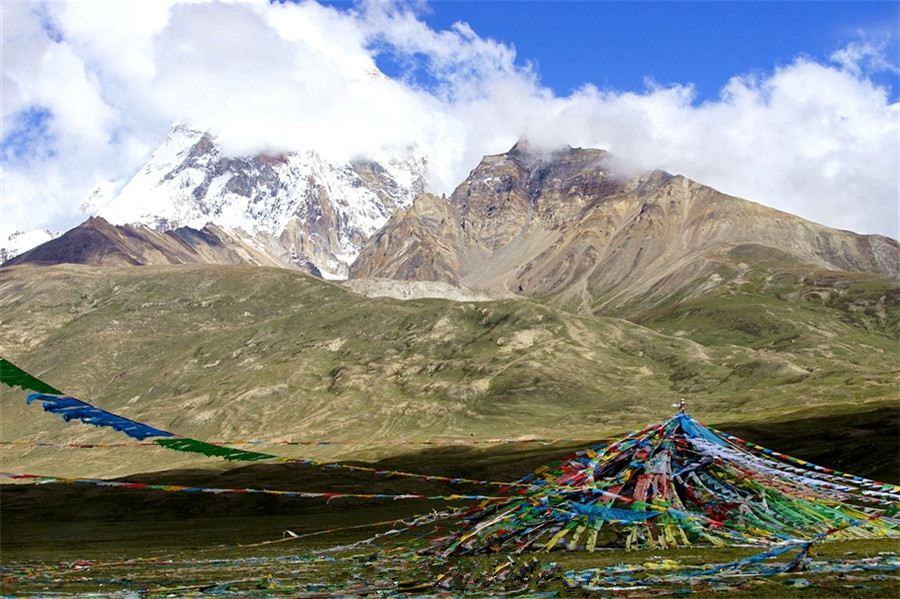
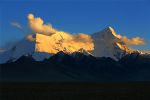
BLESSINGS OF MOUNT CHOMOLHARI, YADONG COUNTY, TIBET
Blessings of Mount Chomolhari, Tsang Province, Shigatse City, Tibet. Never a part of China. The military conquest and occupation of Tibet will never alter the history of this Land and its inhabitants.
Tibet Awareness – Blessings of Mount Chomolhari proclaim Tibet is Never a Part of China
Tibet Awareness – Blessings of Mount Chomolhari proclaim Tibet is Never a Part of China
Wetland scenery near Mount Chomolhari in Shigatse, Tsang Province, Tibet
I AM A REFUGEE WITH NO REFUGE ON WORLD REFUGEE DAY
I host ‘The Living Tibetan Spirits’ in my Consciousness. I am a Refugee and I have no Refuge on World Refugee Day.
I host ‘The Living Tibetan Spirits’ in my Consciousness. On Thursday, June 20, 2019, I observe the World Refugee Day with the feelings of hopelessness for I am a Refugee and I have no Refuge.
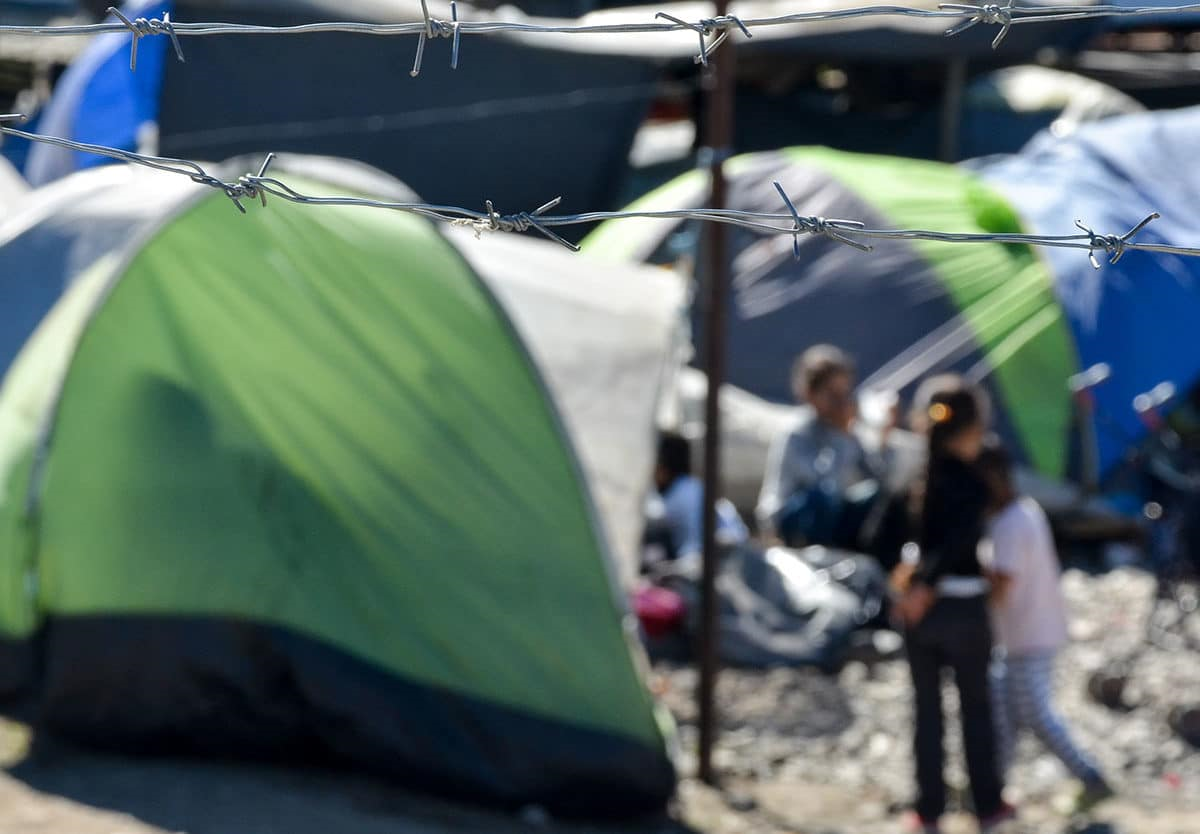
Each June 20, the globe comes together to honor World Refugee Day. The United Nations General Assembly launched the holiday in 2000, and since then, the worldwide community has spent the day focused on ways to improve the lives of refugees. Most of us know that refugees are forced to leave their homes due to war, terror, or other crises—but fleeing their home country is often just the beginning of a difficult journey. Many refugees find themselves living in camps until they are resettled—some of which are dangerous or not well-equipped for long term living. Refugees don’t always have a say in which country they are ultimately relocated to, and the bureaucratic process involved in finding their new home can take years. Worldwide refugee crises have taken center stage in the news in recent years, so it’s more important than ever to share support and to celebrate World Refugee Day.
How to Observe World Refugee Day
Attend a United Nations event
The UN plans to host live digital events on World Refugee Day discussing the world refugee crisis, future goals surrounding the topic, and how to make a difference. Be on the lookout for summaries of the events’ happenings or see if you can attend for yourself.
Be a friend to refugees in your community
Reach out to refugees in your area. Consider inviting them into your home for dinner, or to spend a few nights in your guest room if they’re in need of somewhere to stay. Introduce them to your local community so they’ll have an easier time getting to know their new neighborhood. Simply being a friend can make a major positive impact in someone’s life and serving as a guide to the community can be incredibly helpful.
Use your job to make a difference
No matter what you do for a living, there’s a good chance that your professional skills can be used to improve the lives of others. Volunteer your work-related talents to local refugee organizations. Last year, the UN shared a goal that someday soon, every refugee would have the opportunity for an education, a safe place to live, and ways to work and contribute to their communities. Chances are, you’ve got a skill or talent that can help in working toward one of those goals. If you own a business or are a hiring manager, you may also consider employing local refugees who need work.
Why World Refugee Day is Important
It builds empathy and raises awareness
The vastness of the world refugee crisis can be hard to grasp but raising awareness can help make it easier for others to understand the extent of what refugees around the world are going through. It also builds a sense of empathy and compassion that brings people together from all walks of life, and that’s always a positive thing
It provides an incentive to create a more peaceful world
In a more peaceful world, fewer people would be forced to flee their homes due to violence and unrest. Naturally, this would make for a significant decrease in suffering around the world. While working towards greater peace isn’t something that can happen overnight, it’s an important goal, and World Refugee Day reminds us of just how vital it is.
It encourages us to be better friends, neighbors, and citizens
It’s easy to feel helpless in the face of such a massive worldwide crisis but taking small steps can help make a difference. World Refugee Day encourages all of us to think creatively about what we can do to help. It also motivates everyone celebrating the holiday to be better neighbors to refugees living in their communities and to be more compassionate world citizens in general.
I left India on January 10, 1984 in search of my Refuge, in my quest to reach the Final Destination of my Life. I need the Protection. I need the Shelter. I need the Sanctuary. I need the Grace, Mercy, and Compassion of the Power which can grant me Asylum.
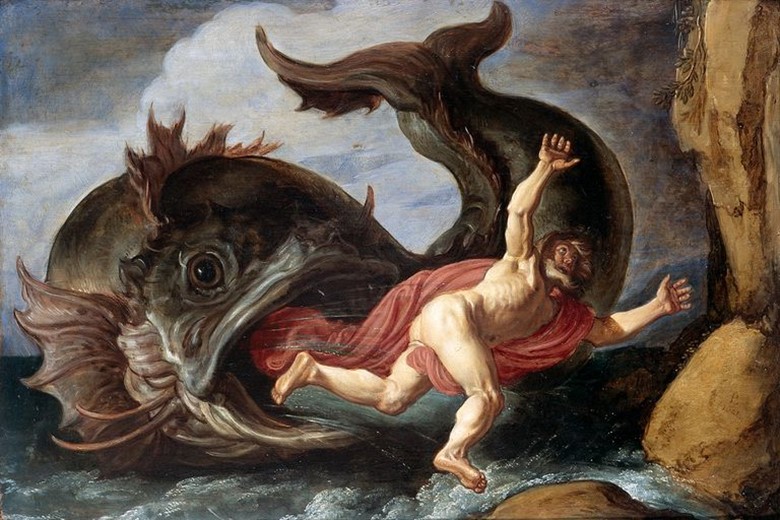
Prophet Jonah was caught up in the belly of a giant fish or the Whale just for three days. He prayed to God and God relented to release Jonah at the destination God has chosen.
Just like Jonah, I am caught up in the belly of a giant fish or the Whale with no Freedom and no Free Will. I live but I survive as a Prisoner, a mere Slave, a Servant, and a Serf who lives without any choice of his own.
Just like Jonah, I declare, “In God We Trust,” the National Motto of a Superpower, a Giant among the Free Nations of the World. Salvation comes from the LORD. If I must preach God’s message to my Enemy, I ask God to release me on the shores of my Enemy’s Territory. I am just a Slave in a Free Country and I have no Freedom to move on my own accord.
The story of Jonah and the Whale, one of the oddest accounts in the Bible, opens with God speaking to Jonah, son of Amittai, commanding him to preach repentance to the city of Nineveh.
Synopsis
Jonah found God’s order unbearable. Not only was Nineveh known for its wickedness, but it was also the capital of the Assyrian empire, one of Israel’s fiercest enemies. Jonah, a stubborn fellow, did just the opposite of what he was told. He went down to the seaport of Joppa and booked passage on a ship to Tarshish, heading directly away from Nineveh. The Bible tells us Jonah “ran away from the Lord.”
In response, God sent a violent storm, which threatened to break the ship to pieces. The terrified crew cast lots, determining that Jonah was responsible for the storm. Jonah told them to throw him overboard. First, they tried rowing to shore, but the waves got even higher. Afraid of God, the sailors finally tossed Jonah into the sea, and the water immediately grew calm. The crew made a sacrifice to God, swearing vows to him.
Instead of drowning, Jonah was swallowed by a great fish, which God provided. In the belly of the whale, Jonah repented and cried out to God in prayer. He praised God, ending with the eerily prophetic statement, “Salvation comes from the Lord.” (Jonah 2:9, NIV)
Jonah was in the giant fish three days. God commanded the whale, and it vomited the reluctant prophet onto dry land. This time Jonah obeyed God. He walked through Nineveh proclaiming that in forty days the city would be destroyed. Surprisingly, the Ninevites believed Jonah’s message and repented, wearing sackcloth and covering themselves in ashes. God had compassion on them and did not destroy them.
Again Jonah questioned God because Jonah was angry that Israel’s enemies had been spared. When Jonah stopped outside the city to rest, God provided a vine to shelter him from the hot sun. Jonah was happy with the vine, but the next day God provided a worm that ate the vine, making it wither. Growing faint in the sun, Jonah complained again.
God scolded Jonah for being concerned about a vine, but not about Nineveh, which had 120,000 lost people. The story ends with God expressing concern even about the wicked.
Scripture References
2 Kings 14:25, The Book of Jonah, Matthew 12:38-41, 16:4; Luke 11:29-32.
Points of Interest
God commands everything in his Creation, from the weather to a whale, to carry out his plan. God is in control.
Jonah spent the same amount of time—three days—inside the whale as Jesus Christ did in the tomb. Christ also preached salvation to the lost.
It’s not important whether it was a great fish or a whale that swallowed Jonah. The point of the story is that God can provide a supernatural means of rescue when his people are in trouble.
Some scholars believe the Ninevites paid attention to Jonah because of his bizarre appearance. They speculate that the whale’s stomach acid bleached Jonah’s hair, skin, and clothing a ghostly white.
Jesus did not consider the book of Jonah to be a fable or myth. While modern skeptics may find it impossible that a man could survive inside a great fish for three days, Jesus compared himself to Jonah, showing that this prophet existed and that the story was historically accurate.
Question for Reflection
Jonah thought he knew better than God. But in the end, he learned a valuable lesson about the Lord’s mercy and forgiveness, which extends beyond Jonah and Israel to all people who repent and believe. Is there some area of your life in which you are defying God, and rationalizing it? Remember that God wants you to be open and honest with him. It’s always wise to obey the One who loves you most.
THE SPIRITS OF SPECIAL FRONTIER FORCE ASK THE US TO TALK TO THE DALAI LAMA
The Spirits of Special Frontier Force ask the US to talk to the Dalai Lama.
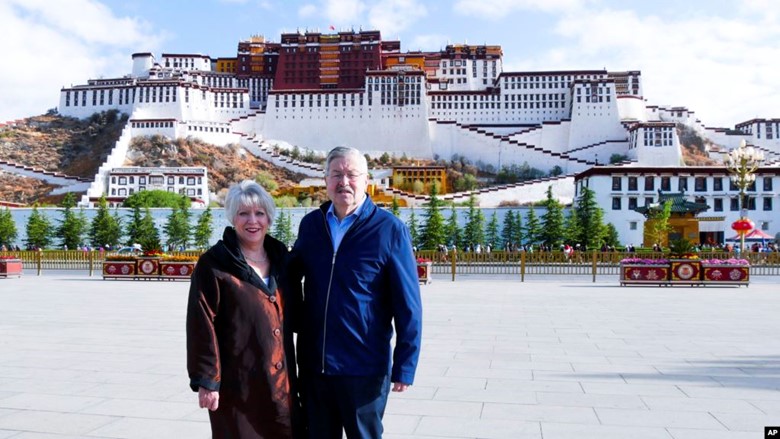
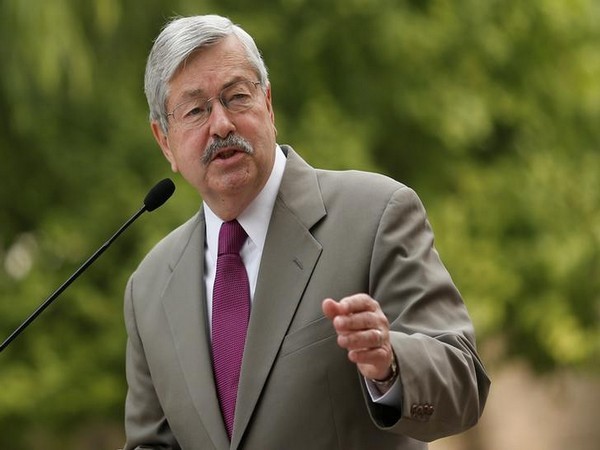
I thank the US Ambassador Terry Branstad for inviting China to talk to the Dalai Lama. The Spirits of Special Frontier Force invite the US President Donald Trump to talk to the Dalai Lama.
The Spirits of Special Frontier Force ask the US to talk to the Dalai Lama.
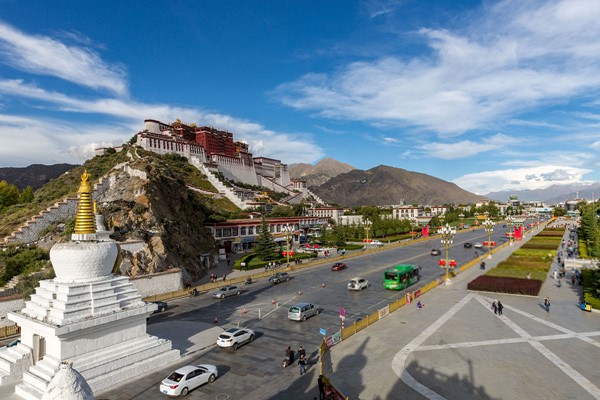
U.S. Ambassador to China Terry Branstad and his wife, Christine, pose in front of the Potala Palace in Lhasa in western China’s Tibet Autonomous Region, May 22, 2019.
In a rare visit to Tibet, U.S. Ambassador to China Terry Branstad urged Beijing to engage in substantive dialogue with exiled Tibetan Buddhist leader the Dalai Lama, a spokesperson to the U.S. Embassy said Saturday.
Branstad also “expressed concerns regarding the Chinese government’s interference in Tibetan Buddhists’ freedom to organize and practice their religion,” an embassy statement said.
The U.S. envoy also raised long-standing worries about the lack of consistent access to the Tibetan Autonomous Region, or TAR.
The Spirits of Special Frontier Force ask the US to talk to the Dalai Lama.
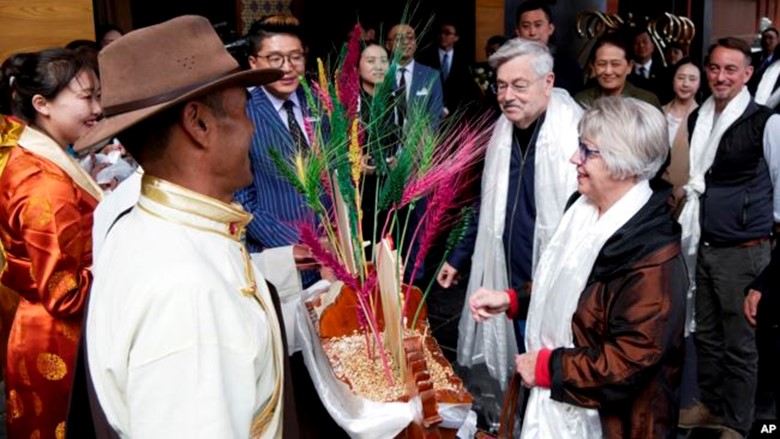
U.S. Ambassador to China Terry Branstad and his wife, Christine, are greeted in Lhasa in western China’s Tibet Autonomous Region, May 21, 2019. Branstad made a rare visit to Tibet to meet local officials and raise concerns about restrictions on Buddhist practices and the preservation of the Himalayan region’s unique culture and language.
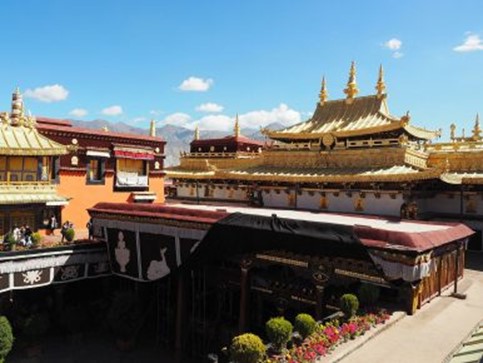
China restricts access to Tibet by foreigners, especially journalists and diplomats. But, during the trip hosted by the Tibet Autonomous Region government, Branstad was given access to important religious and cultural sites, including the Potala Palace, Jokhang Temple, Norbulingka and Sera Monastery in the Tibetan capital, Lhasa. He also met with senior Tibetan religious and cultural leaders, the embassy said.
In addition to the TAR, Branstad also visited neighboring Qinghai province. Qinghai is a traditionally Tibetan region also known as Amdo and the birthplace of the Dalai Lama, Tibet’s exiled Buddhist leader.
The Chinese government is accused of committing human rights violations and imposing harsh restrictions on the practice of religion and culture in the region. But Beijing insists that Tibetans enjoy extensive freedoms and economic growth.
Regarding the U.S. envoy’s trip, Chinese Foreign Ministry spokesman Lu Kang said China welcomed Branstad to witness the “earthshaking changes in the people’s production and life since Tibet’s peaceful liberation more than 60 years ago.”
Branstad’s trip to Tibet was the first to the region by an American envoy in four years. The rare visit to the TAR and neighboring Qinghai province began May 19 and ended Saturday.
The Spirits of Special Frontier Force ask the US to talk to the Dalai Lama.
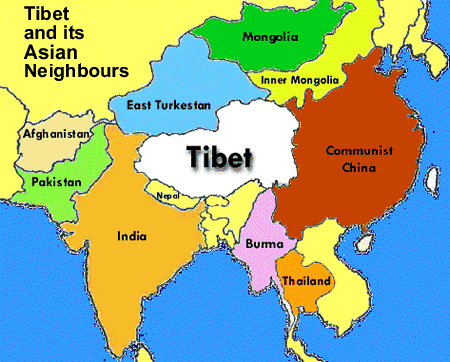
Where is Tibet? The US-China Fantasy Relationship.
WHERE IS TIBET? THE US-CHINA FANTASY RELATIONSHIP
In my analysis, the US-China relationship is just a ‘Fantasy’ for the adulterous relationship began without taking into consideration the fact of Tibet’s legitimate presence among the global community of nations.
Rudranarasimham Rebbapragada
SPECIAL FRONTIER FORCE
Where is Tibet? The US-China Fantasy Relationship
Where Does Tibet Fit Into the US-China Relationship? | The Diplomat
Where is Tibet? The US-China Fantasy Relationship.
Image Credit: Flickr/ Laika ac
With the U.S. ambassador’s visit, Tibet may again be poised to play a larger role in US-China relations.
Through May 25, U.S. Ambassador Terry Branstad is on a rare visit to Tibet, the first by a U.S. envoy to the Chinese autonomous region since 2015. His trip includes official meetings and stops at religious and cultural sites in bid to raise concerns about religious freedom restrictions and cultural and linguistic preservation, according to the State Department.
Tibet, geographically on China’s western flank, is a gateway to South Asia, and has been a perennial source of political sensitivity for Beijing. China’s trepidation over foreign influence and the U.S. connection to Tibet is not completely unfounded. Prior to the normalization of China-U.S. relations, the CIA funneled funding to the Dalai Lama — an influential spiritual leader of Tibetan Buddhism now exiled in India — and the Tibetan community to support covert activities against China. The program was canceled as then-President Richard Nixon set off on his landmark trip to Beijing in 1972. Since then, U.S. ties to Tibet have been kept more at an arm’s length, with periodic calls for the upholding of individual rights broadly and the provision of aid to safeguard Tibetan identity. And over the past year, Beijing’s approach to Tibet has attracted less attention in the United States than the Chinese government’s expansive security policies in neighboring Xinjiang, another nominally autonomous ethnic region in China.
The ethno-religious identity and status of Tibetan Buddhists lies at the heart of tensions between central authorities, the local government, and the local population. While the region is administered by the People’s Republic of China, China’s sovereign claim is contested by some groups. Beijing traces is control back to the rule of the Ming and Qing dynasties, and of course a 1951 agreement that declared Tibet’s “peaceful liberation”; others hold that the People’s Liberation Army invaded and occupied the territory. Under Beijing’s administration, religious and other activities are restricted to quell and thwart dissent and uprisings. Although detention centers have been piloted in Xinjiang, Tibet is also subject to heightened cybersurveillance, a repertoire of surveillance and repression by authorities, and the promotion of Han Chinese migration and mixed marriages to the region to bolster “national unity.”
This week’s high-profile U.S. visit in Tibet may be appealing to both Beijing and Washington, albeit for different reasons. Certainly, both are looking to frame their relationship in terms that extend beyond trade disagreements as the latest round of bilateral negotiations crumbles. A successful trip in Beijing’s eyes will highlight the coexistence of Han Chinese and Tibetans, the modernization of Tibet, and initiatives to support Tibetan culture, language, and Buddhism; a stark contrast from Beijing’s policies toward Muslim communities in neighboring Xinjiang. Conversely, for Washington, this trip can be viewed as a move by the Trump administration to demonstrate the U.S. commitment to protecting human rights, a facet of Trump’s foreign policy that has been criticized, notably in the context of U.S.-China relations.
However, it may be hard to disentangle the actual motivations for the Tibet visit. Instead, the Trump administration, frustrated by the state of trade negotiations, may be taking a more instrumental position toward Tibet and using it to indirectly pressure Beijing over a political charged region. Even if the trip is motivated by a desire to raise rights awareness, one visit to Tibet by Branstad is unlikely to overturn criticisms that the Trump administration is reluctant to center human rights issues as a key component of the U.S.-China relationship. This criticism has been voiced both by international rights watchdogs, like Human Rights Watch, and from bipartisan members of the U.S. Congress, frustrated by the executive branch’s slowed actions. Washington, once a pioneer on these issues, has ceded its international leadership role under the current administration in favor of issuing human rights criticisms more selectively.
With respect to Tibet, some have expressed concern that China’s growing international power may have dampened support and narrowed the political space for the “Free Tibet” movement. Still, the United States passed the Reciprocal Access to Tibet Act in late 2018, which would require the U.S. government to punish officials who restrict access to Tibet for U.S. diplomats, journalists, academics, and other citizens traveling to the region. Although the law may unintentionally lead to a dip in visits by Tibetan delegations to the United States, the ratcheting up of pressure may possibly nudge China to review the ways in which it accords access to Tibetan areas.
Nevertheless, it remains to be seen if Tibetans will stand to benefit from the temporary diplomatic spotlight brought by Branstad’s brief tour.
Where is Tibet? The US-China Fantasy Relationship.
THE DALAI LAMA TRAPPED IN EXILE. FREE TIBET HOPE IS ALIVE
In my analysis, the Dalai Lama remains trapped in Exile as the asylum was granted under terms and conditions approved by the United States and India. However, it is entirely true to claim that the hopes of Tibetans to secure their Political Freedom is alive.
Rudranarasimham Rebbapragada
Special Frontier Force
How the Dalai Lama Negotiated the Future of His Nation in Exile | Flashback | OZY
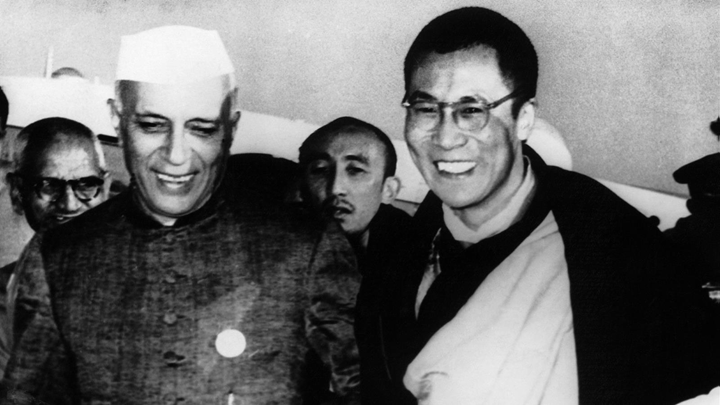
The Dalai Lama (right) welcomed by Indian Prime Minister Nehru on his arrival at the Delhi airport, where they celebrated the 2,500th anniversary of Buddhism. The Dalai Lama would be welcomed in India again three years later, but to live there in exile.
At just 25, he won over India’s prime minister, securing himself and his people a measure of stability.
The Dalai Lama was just 23 when he was forced to flee his home country, accompanied by a small entourage and eventually followed by thousands of Tibetan refugees. He had been formally recognized as the reincarnation of the Dalai Lama at age 4 but had assumed his political duties as a teenager. He was already a leader, and as he and his entourage of 80 traveled from the Lhasa plateau to the Indian border at Chutangmu, someone — probably Indian officers — snapped a color photograph of the young Dalai Lama, his brown boots firmly in stirrups, while a knot of men doff their hats and lower their heads in respect.
He had been forced to flee the Norbulingka, his summer palace, in disguise two weeks earlier, shortly before the Chinese military fired hundreds of artillery shells into the building and declared Tibet an autonomous region of China. Crossing over to the Indian side on March 31, 1959, he was flown to the colonial-era Indian hill station of Mussoorie. Here, the 23-year-old Tibetan reincarnate would meet the 69-year-old Indian prime minister, Jawaharlal Nehru, on April 24, 1959 — and secure a future for his fleeing people.
The minutes of that meeting, preserved in the papers of former Indian Foreign Secretary Subimal Dutt, show an inversion of roles as we see them today: The Dalai Lama was the young neophyte and Nehru the elder statesman. In a meeting lasting over three hours, the two spoke through an Indian government translator as there had not been time for a translator to come from the Tibetan side, and His Holiness knew only a smattering of Hindi, and no English.
Yet, the young monk had already displayed canniness in political affairs, deftly dealing with Chinese authorities. Letters he wrote to Chinese government representatives in Tibet immediately prior to his escape were intentionally misleading, he later admitted to Nehru, painting himself as a victim of reactionaries and promising to secretly work with China. Chinese authorities used the letters to claim that the Dalai Lama had been abducted by India and statements he made upon arrival condemning China’s actions had been dictated by Indians.
After the meeting, Nehru spoke to the Indian Parliament on April 27. “Even though he is young,” Nehru said, referring to the Dalai Lama, “I could not easily imagine that he could be coerced into doing something he did not wish.”
For Nehru, the situation with China was a balancing act. India saw China as one of the newly independent nations with whom it had a struggle against imperialism in common. India was one of the first nations to recognize the People’s Republic of China in 1950, and officially recognized Tibet as part of China. Nehru had no interest in going to war. But the Dalai Lama’s reports of indiscriminate killings within Tibet and the “sham autonomy” the region had been afforded aroused his sympathy, if not a promise of military aid. “Ultimately if Tibet’s independence is to be achieved,” Nehru told the young Buddhist, “it will be due to its own people’s courage and ability to stand up to suffering.”
Nehru wasn’t alone in refusing to act, and he knew it. In 2019, the Dalai Lama recalled Nehru explaining that the U.S., preoccupied with the Korean Peninsula at the time, wouldn’t risk a fight with China to help Tibet. And his objections weren’t just ideological: India’s military capabilities weren’t up to war with China, particularly not over regional concerns. But eventually, Tibet would play a major role in the monthlong India-China war of 1962, in which China eventually triumphed. But Nehru dissuaded the Tibetans from pushing their cause at the U.N., recognized Chinese sovereignty and urged the Dalai Lama to enter talks with the Chinese.
In the end, the Dalai Lama’s flight and India’s decision to grant him asylum — albeit not in a legal sense — gets to the heart of two nation-building processes in Asia.
In the end, the Dalai Lama’s flight and India’s decision to grant him asylum — albeit not in a legal sense — gets to the heart of two nation-building processes in Asia.
Nehru was not offering an intervention. He could and did, however, offer refuge. What came from the meeting with the Dalai Lama, says Amitabh Mathur, former adviser on Tibet affairs to the government of India, was “to keep the civilizational struggle alive, keep their identity alive.” Large tracts of land were given to Tibetans to establish settlements, complete with monastic institutions and schools, to allow them to preserve the religious and cultural foundations of their society. Care was taken that the settlements be in a welcoming climate for mountain-raised Tibetans.
Today, the status of Tibetans in India is nuanced. They are not legally citizens but have voting rights, officially since 2014. They elect a Tibetan parliament in exile, based out of Dharamshala, which performs administrative functions including taxes and running censuses and places like schools.
In the end, the Dalai Lama’s flight and India’s decision to grant him asylum — albeit not in a legal sense — gets to the heart of two nation-building processes in Asia. India and China are still scrapping over borders, as evidenced by the standoff over a road in Doklam less than two years ago. And China is still violently asserting authority over its borderlands, like Xinjiang, where a recent crackdown on the Uighur minority has raised an international alarm.
Tibetans have not been allowed to return to their territory, but when Nehru let them stay and build a community in India, he furthered their cause. As Nehru would state in the meeting, “the Dalai Lama being in India keeps alive the question of Tibet in the minds of the world.”












 Whole Dude - Whole Concept