



Defines man in all his dimensions to account for human existence in the Natural World.
SEPTUAGENARIAN OF SPECIAL FRONTIER FORCE CELEBRATES 69th REPUBLIC DAY OF INDIA
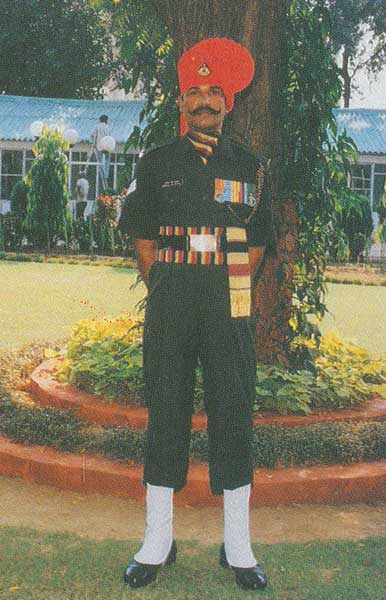
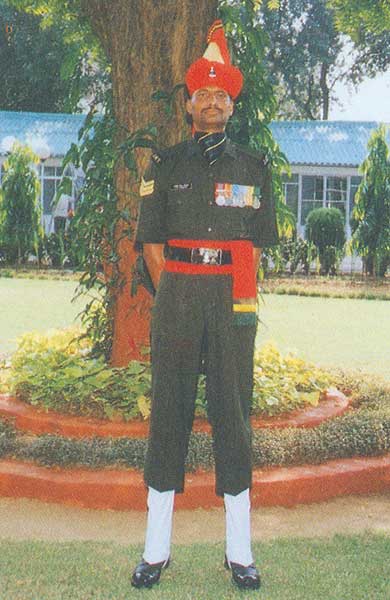
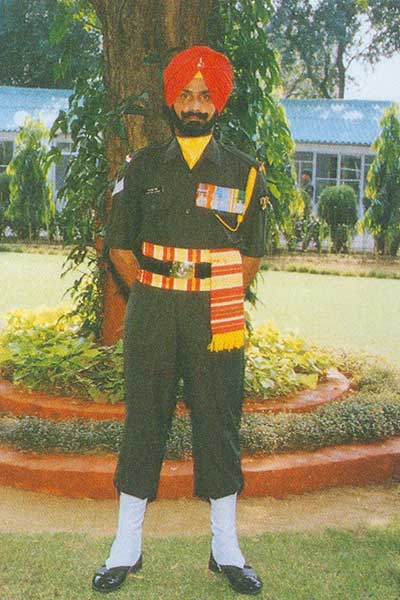
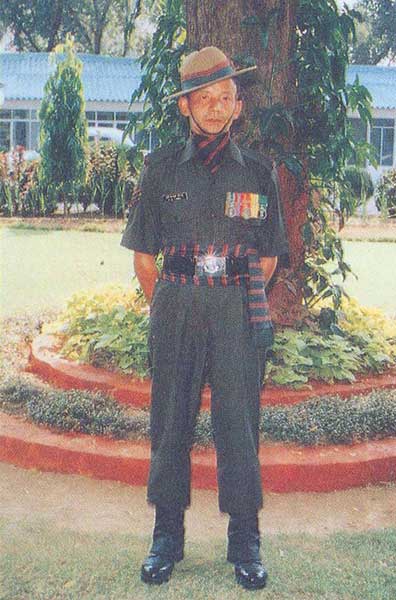
Septuagenarian of Special Frontier Force reminds his readers about Tibet’s military occupation since 1950. He is celebrating 69th Republic Day of India while Asia’s third largest nation remains under Colonial Oppression, Repression, Suppression, and Tyranny imposed by People’s Republic of China.
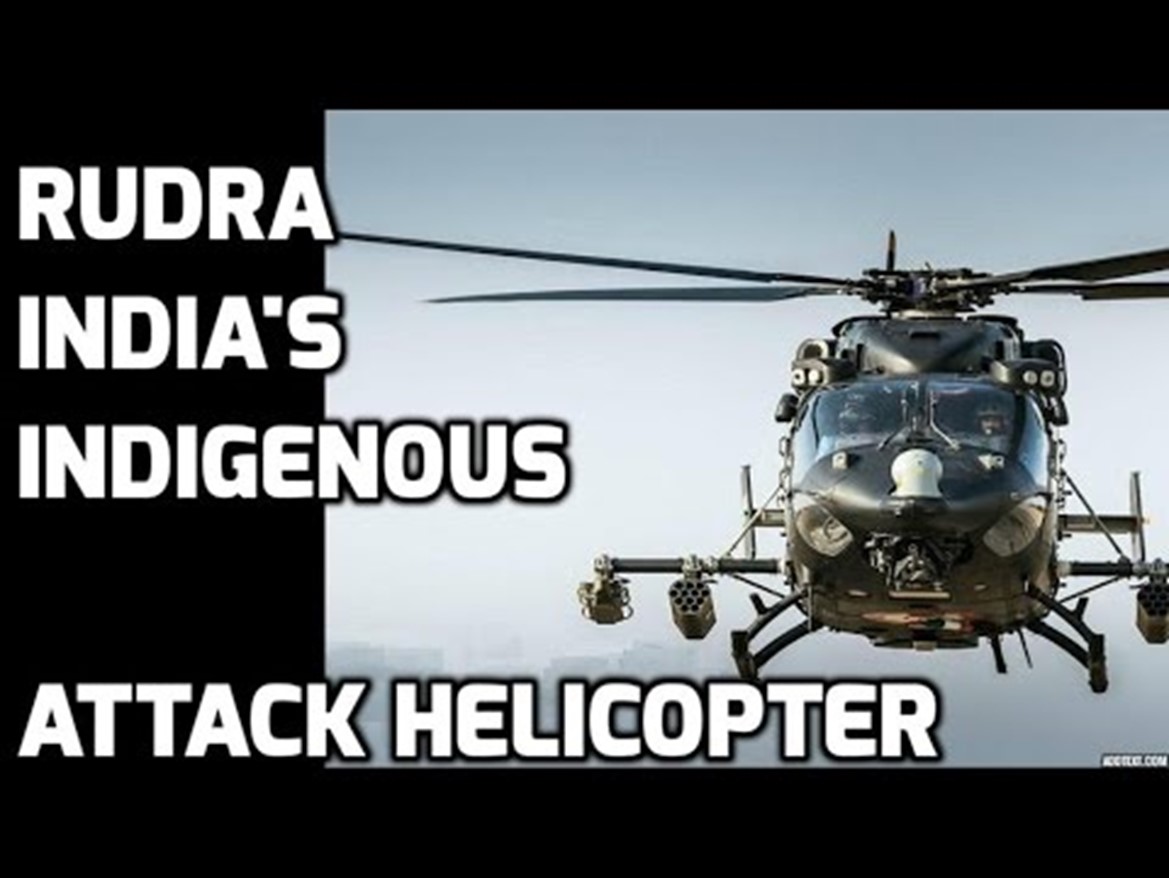
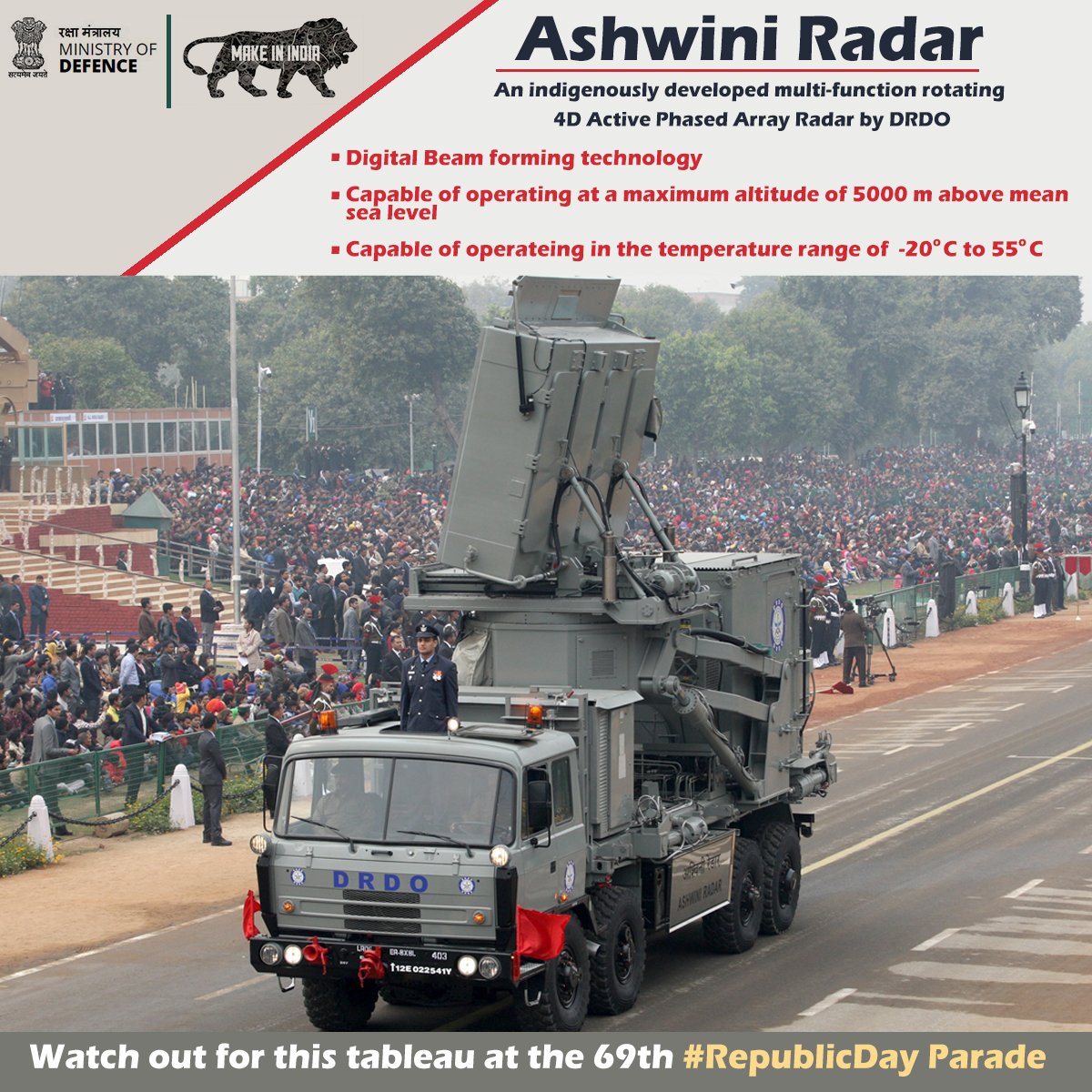
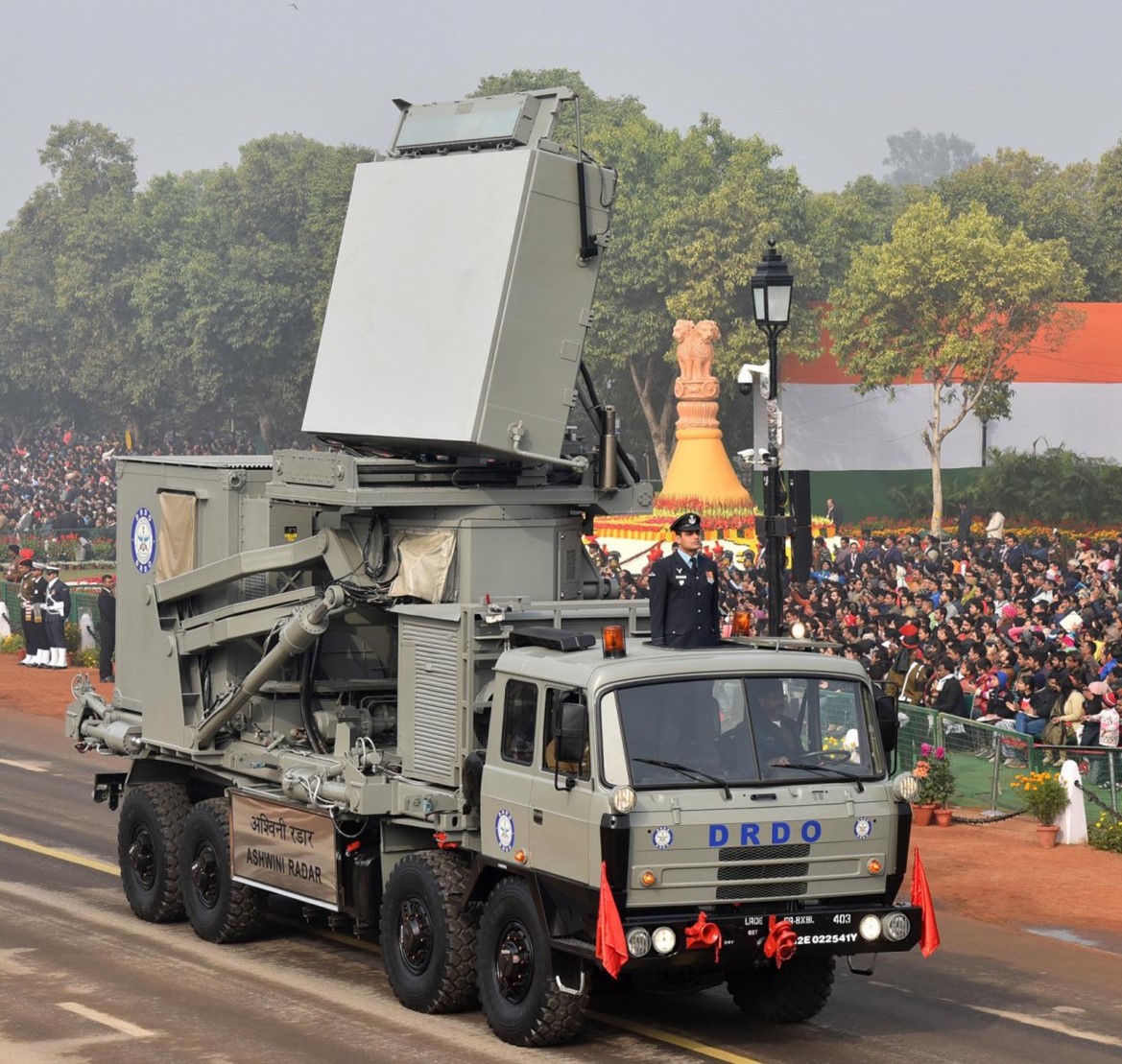
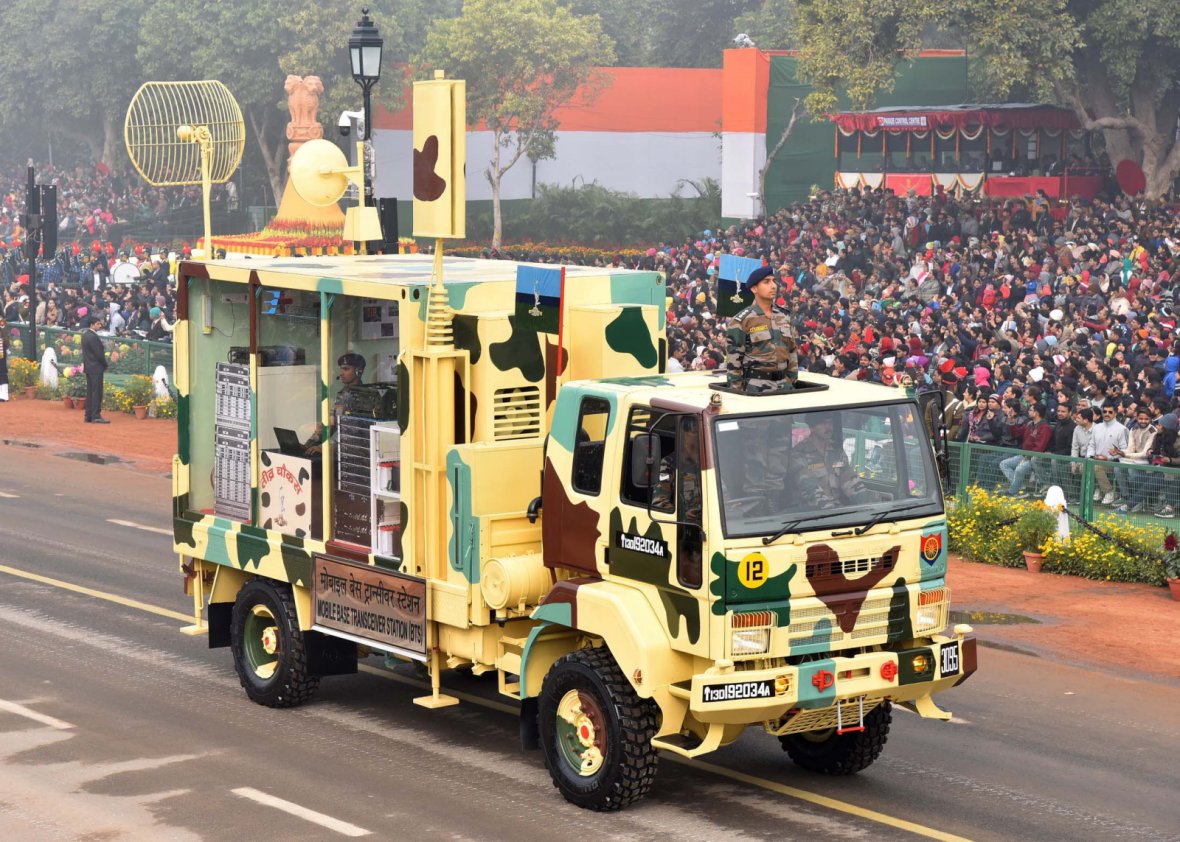
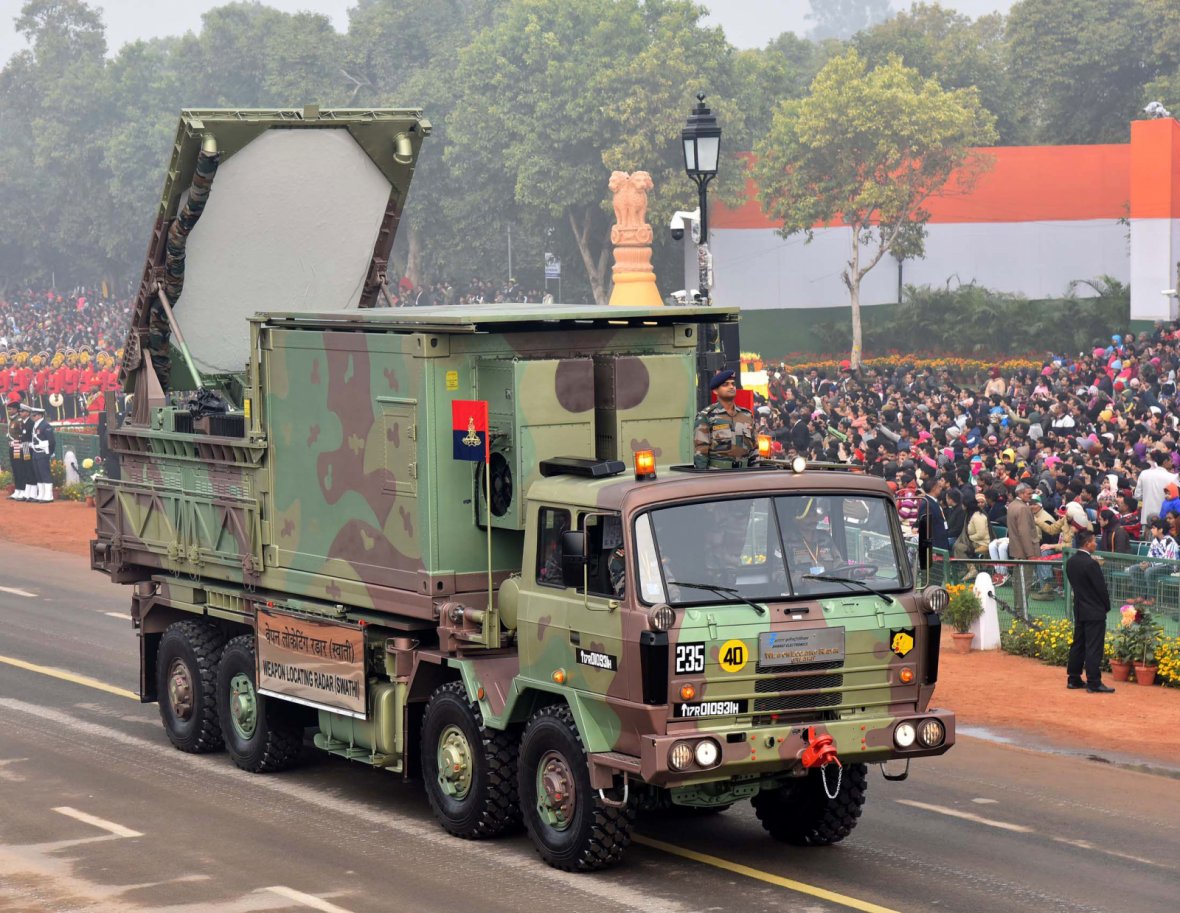
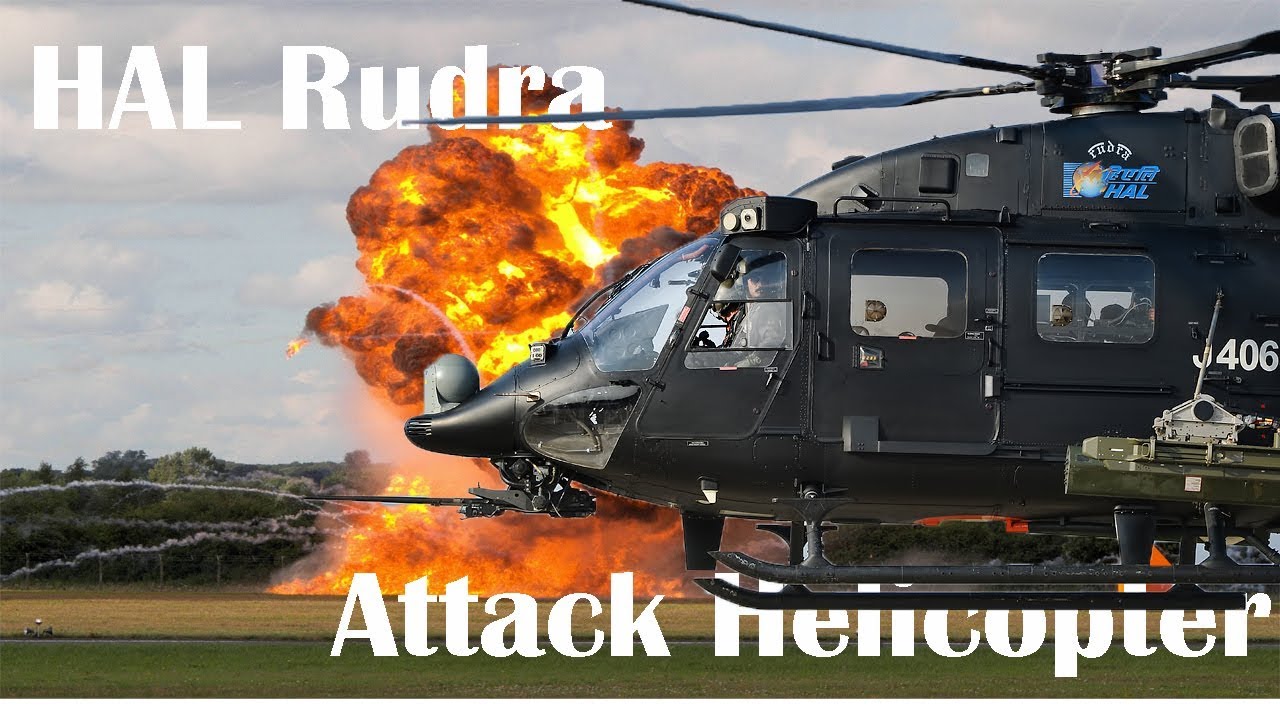
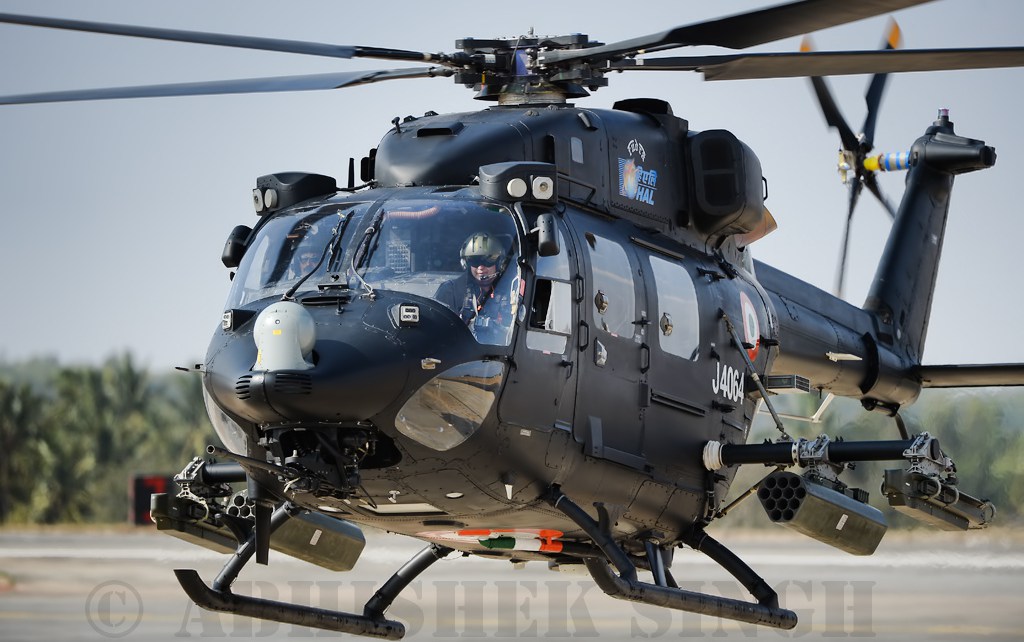
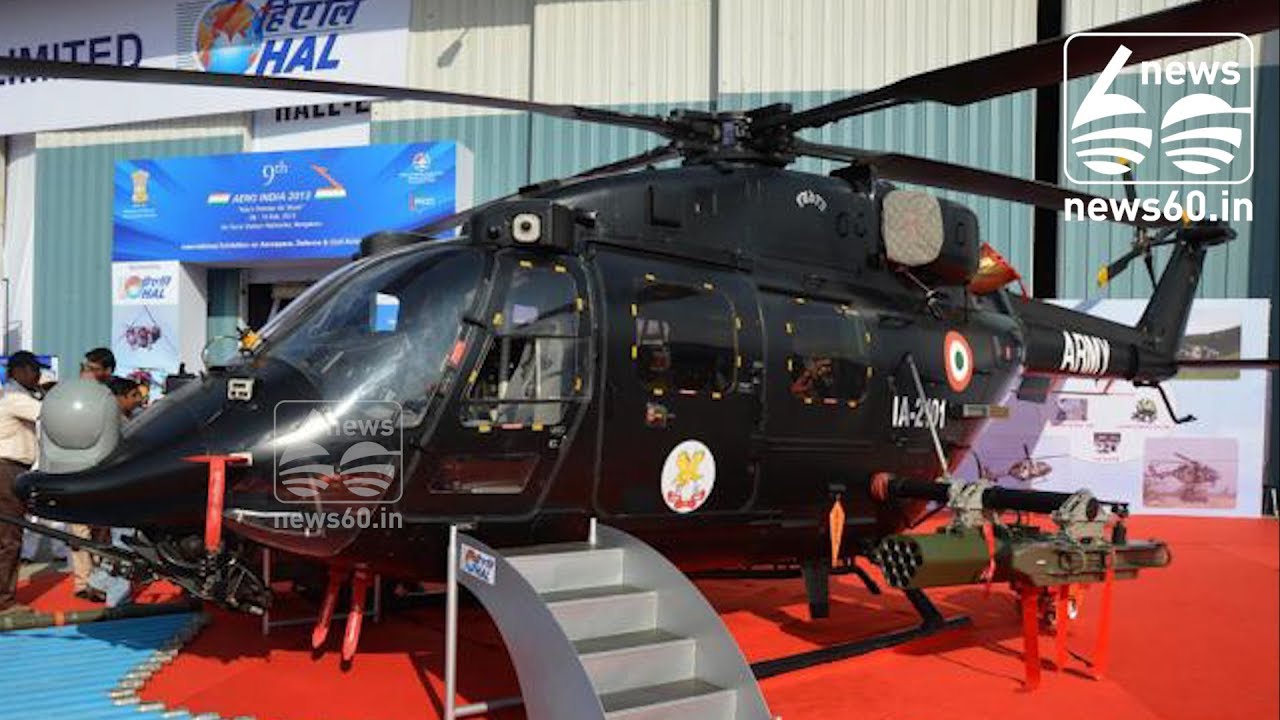
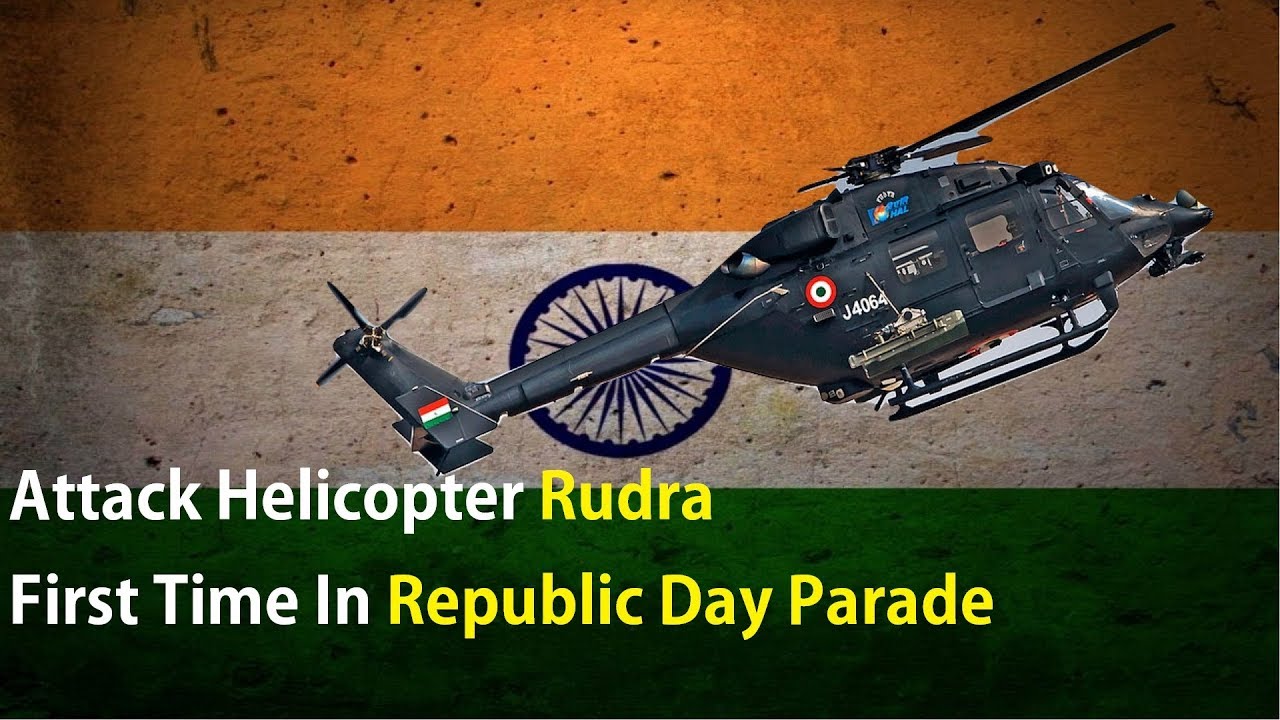
This Year’s Republic Day is of great interest for it gives me (Rudra) to speak about Rudra’s Maiden Appearance apart from ‘ASHWINI’ ( my son’s first name) Radar developed by Defence Development and Research Organization(DRDO). This Father-Son first-time appearance in 69th Republic Day Parade defines the term ‘KARMA’.
Rudra narasimham Rebbapragada

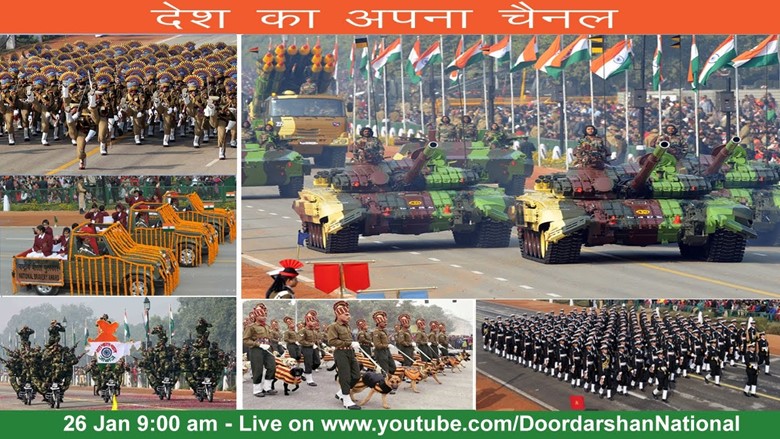
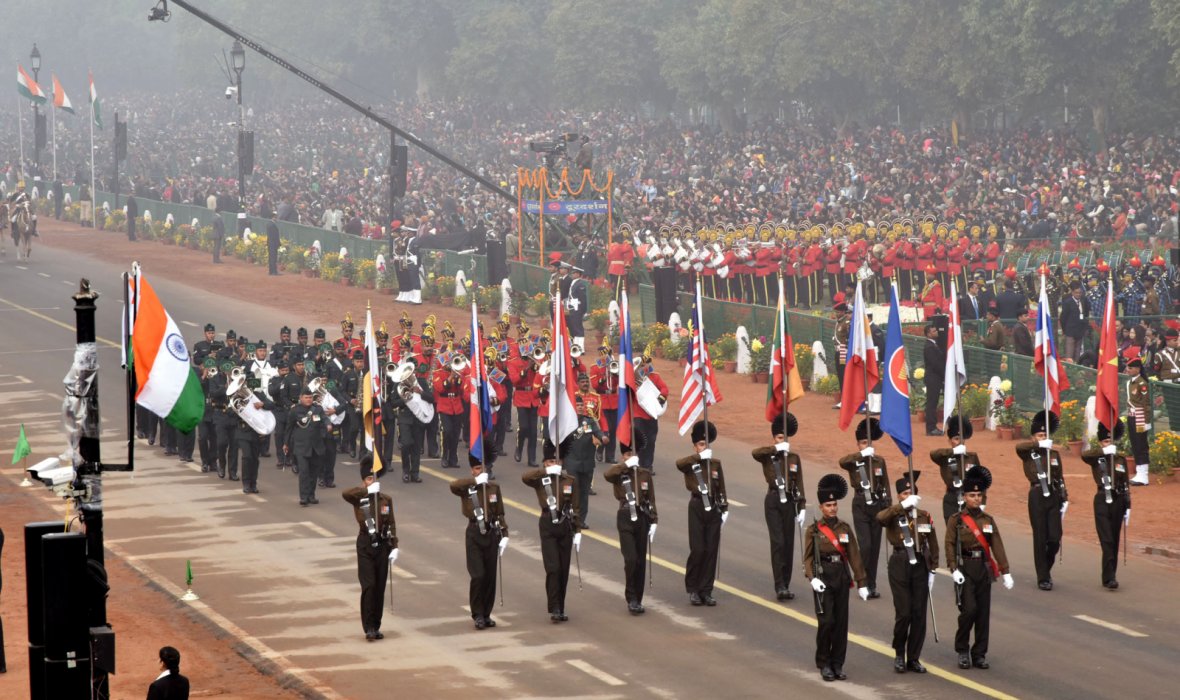
INDIA CELEBRATES 69th REPUBLIC DAY IN PRESENCE OF 10 ASEAN LEADERS
Clipped from: https://www.bloombergquint.com/politics/2018/01/26/india-celebrates-69th-repulic-day-in-presence-of-10-asean-leaders
India today celebrated its 69th Republic Day with a grand display of the country’s military might and rich cultural diversity in presence of leaders from all the ASEAN nations, in a historic first and unprecedented strategic outreach to the powerful bloc.
This is for the first time that leaders from 10 countries attended the annual celebrations as chief guests, and the overwhelming presence of the ASEAN leadership is seen as reflection of India’s growing stature as a major power in the region where China has been expanding its footprint.
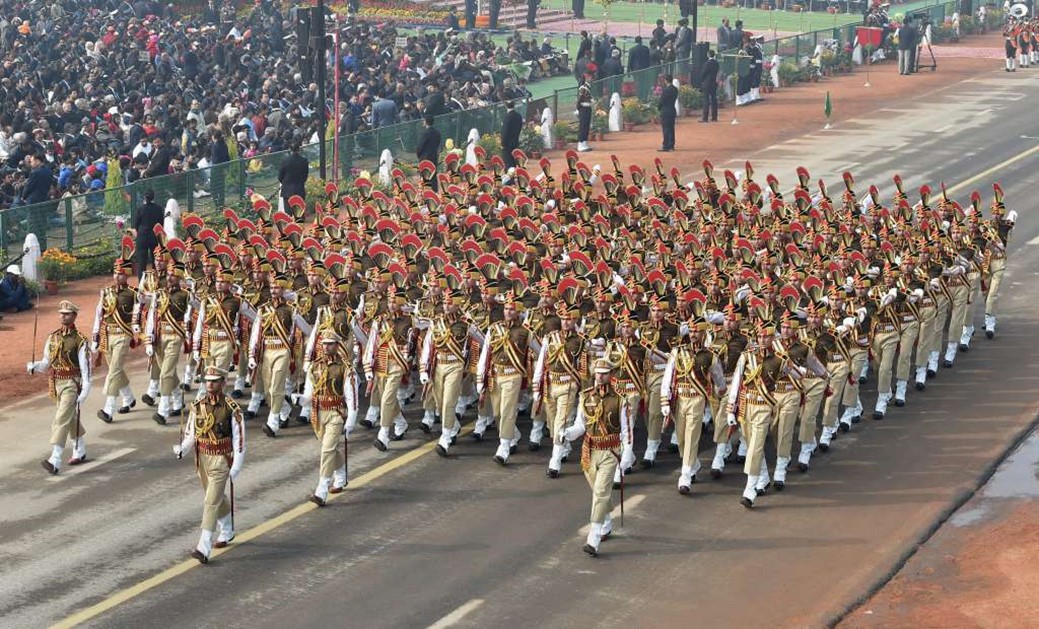
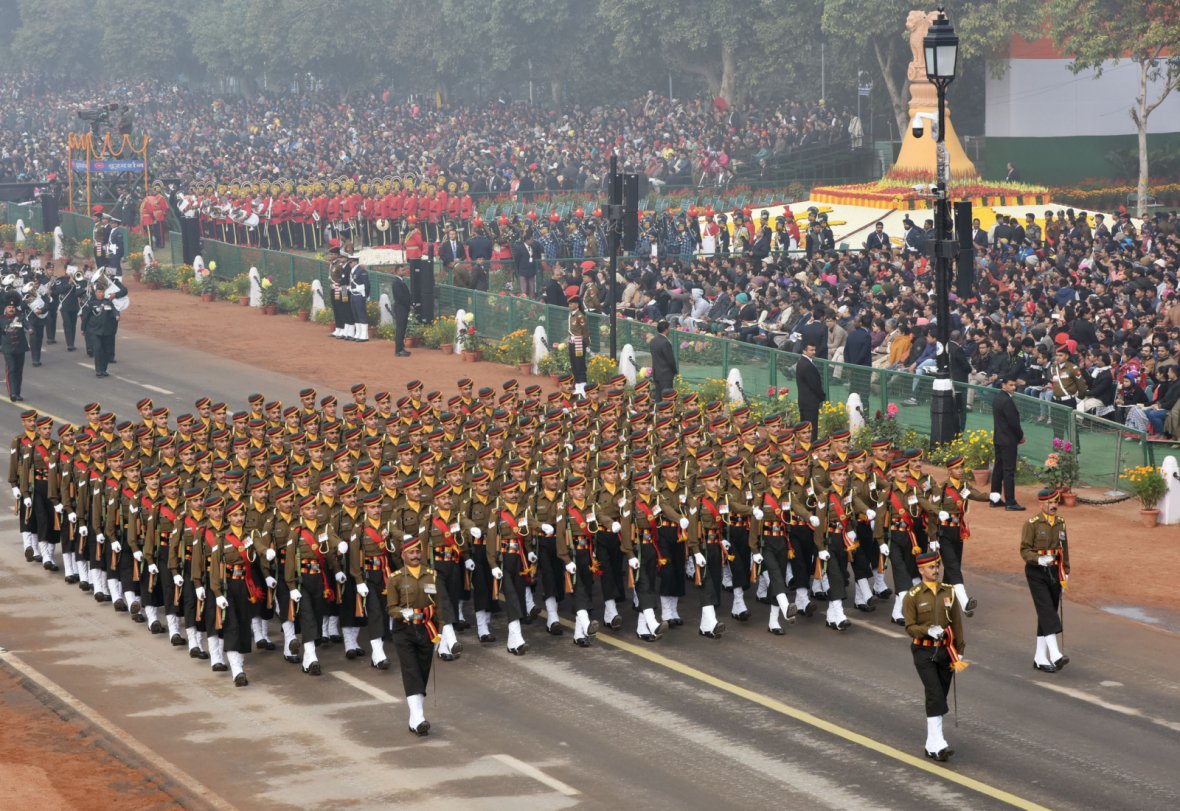
Marching contingent of Delhi Police during 69th Republic Day Parade at Rajpath in New Delhi. (Image: PTI)
Thousands of people on both sides of the Rajpath, India’s ceremonial boulevard facing the seat of power on the Raisina Hill, braved the winter chill and cheered loudly as the marching contingents and tableaux went past them.
Myanmar’s State Counsellor Aung San Suu Kyi, Vietnam Prime Minister Nguyen Xuan Phuc, Philippines President Rodrigo Duterte, Thai Prime Minister Gen Prayut Chan-o-cha, Singaporean Premier Lee Hsien Loong and Brunei’s Sultan Haji Hassanal Bolkiah were among the ASEAN leaders who attended the event.
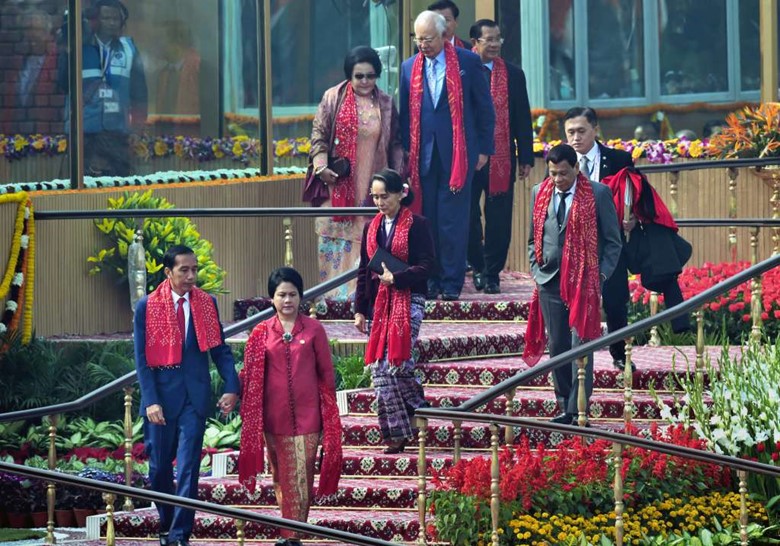
Chief guests and heads of states of Governments of ASEAN nations leave after attending the 69th Republic Day function at Rajpath in New Delhi. (Image: PTI)
Indonesian President Joko Widodo, Malaysian Prime Minister Najib Razak, Prime Minister of Laos Thongloun Sisoulith and Cambodian Premier Hun Sen also watched the grand parade.
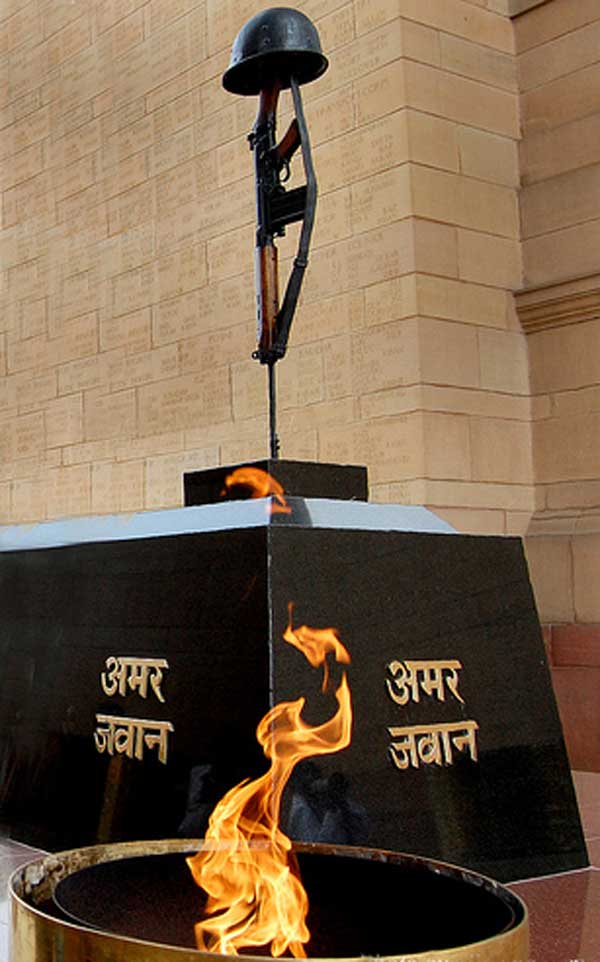
In a series of tweets, Modi talked about India’s partnership with Asean and yesterday’s India-Asean Commemorative Summit. “Their presence with us is an unprecedented gesture of goodwill from Asean nations.” Before the beginning of the ceremony marking the date when India’s Constitution came into force way back in 1950, Prime Minister Narendra Modi, wearing a saffron, red and green safa (headgear), paid homage to the martyrs by laying a wreath at Amar Jawan Jyoti at the India Gate.
The parade was commanded by Lt General Asit Mistry, General Officer Commanding, Headquarters Delhi Area. The supreme commander of the Indian armed forces President Ram Nath Kovind took the salute at the parade.
India’s highest peacetime military decoration Ashok Chakra was posthumously given to IAF Garud commando Corporal Jyoti Prakash Nirala, who laid down his life after gunning down two terrorists in Jammu and Kashmir.
The award was received by Corporal Nirala’s wife Sushmanand and his mother Malti Devi.
The celebrations were attended by most of the Union ministers, including Home Minister Rajnath Singh, Finance Minister Arun Jaitley, Health Minister JP Nadda, Information and Broadcasting Minister Smriti Irani, Law Minister Ravi Shankar Prasad and Environment Minister Harsh Vardhan.
Congress President Rahul Gandhi also attended the parade.
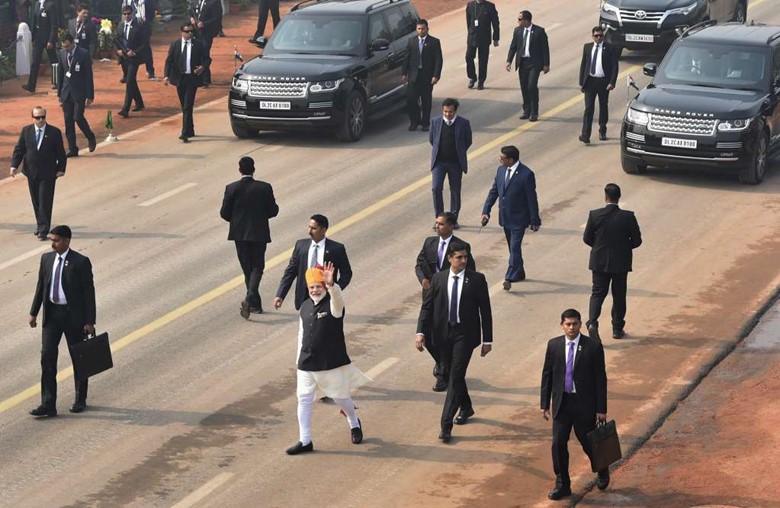
Prime Minister Narendra Modi waves at the crowd during the 69th Republic Day Parade at Rajpath. (Image: PTI)
He was seen sitting in the middle rows and chatting with senior Congress leaders and Leader of the Opposition in the Rajya Sabha Ghulam Nabi Azad.
India’s former prime minister Manmohan Singh, Delhi chief minister Arvind Kejriwal and deputy chief minister of Delhi Manish Sisodia were also present on the occasion.
A march-past by the Army personnel carrying the ASEAN flag also featured during the parade. The Army personnel also carried the flags of the 10 Asean nations in the parade.
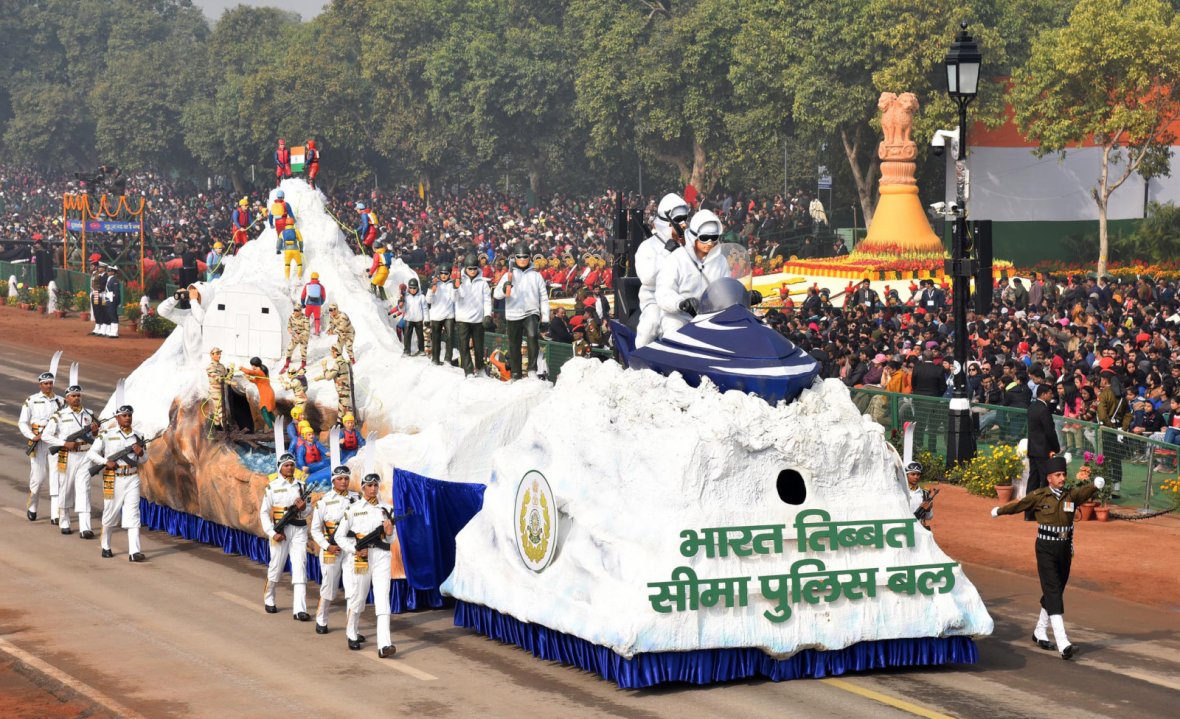
Twenty three tableaux, including those representing various states, ministries, the All India Radio among others, rolled down the Rajpath.
Tableaux from 14 states and Union territories showcased the historical, art and cultural heritage of the country.
The highlight of the parade was the motorcycle contingent, ‘Seema Bhawani’, comprising women personnel of the BSF that showcased their skills for the first time at the parade.
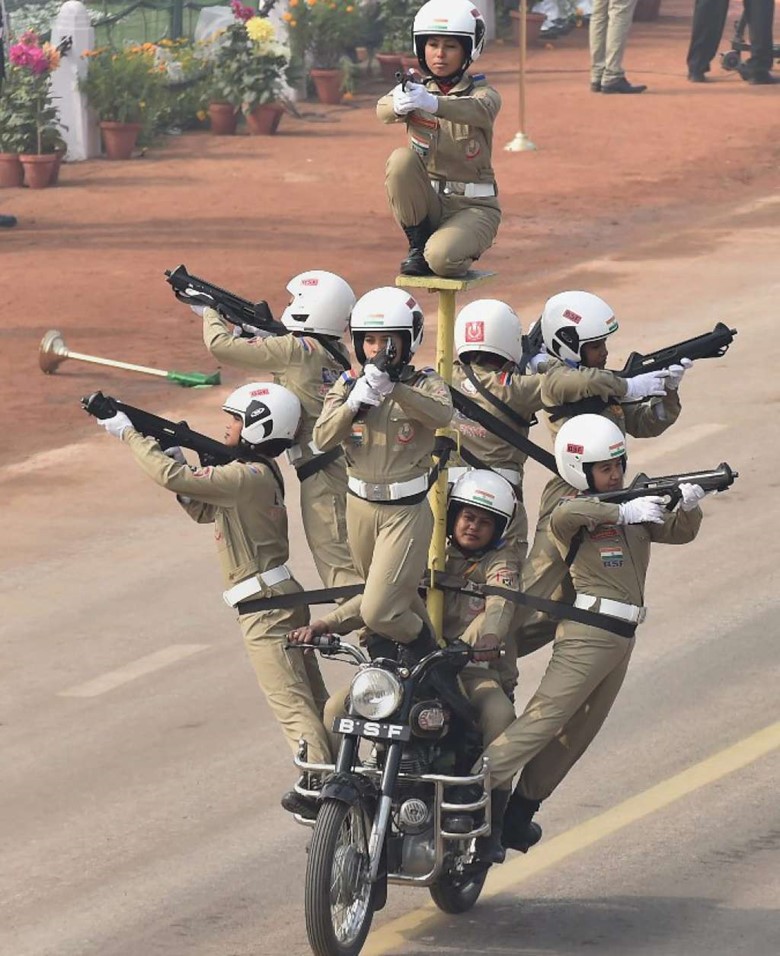
BSFs all-women team Seema Bhawani performs on motorcycles during 69th Republic Day Parade at Rajpath in New Delhi. (Image: PTI)
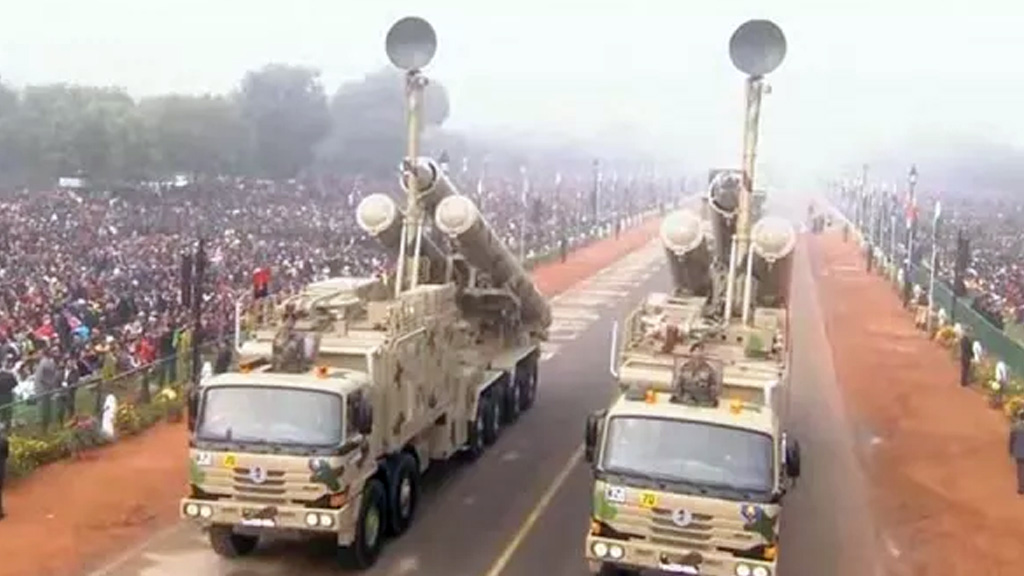

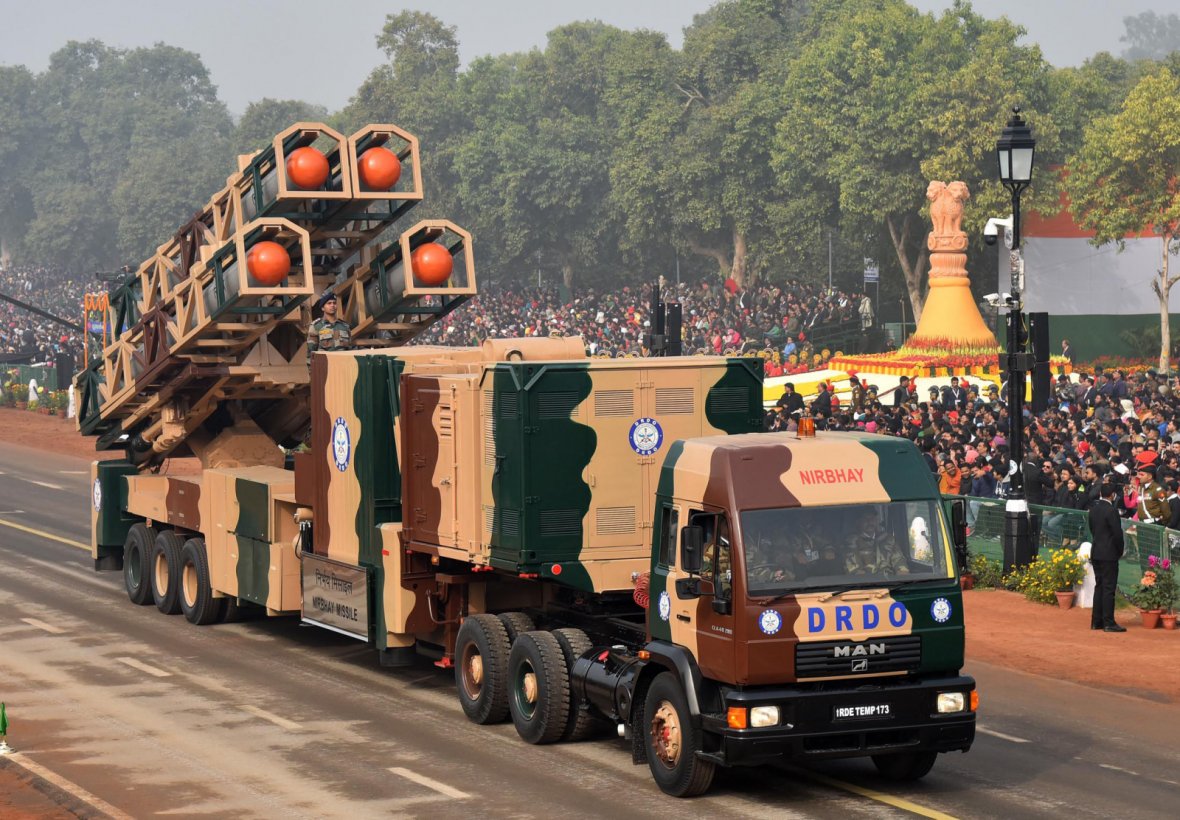
The Indian Army’s T-90 tank (Bhishma), Ballway Machine Pikate (II/IIK), Brahmos Missile System, Weapon Locating Radar (Swathi), Bridge Laying Tank T-72, Mobile Base Transceiver Station and Akash Weapon System were also showcased at the parade.
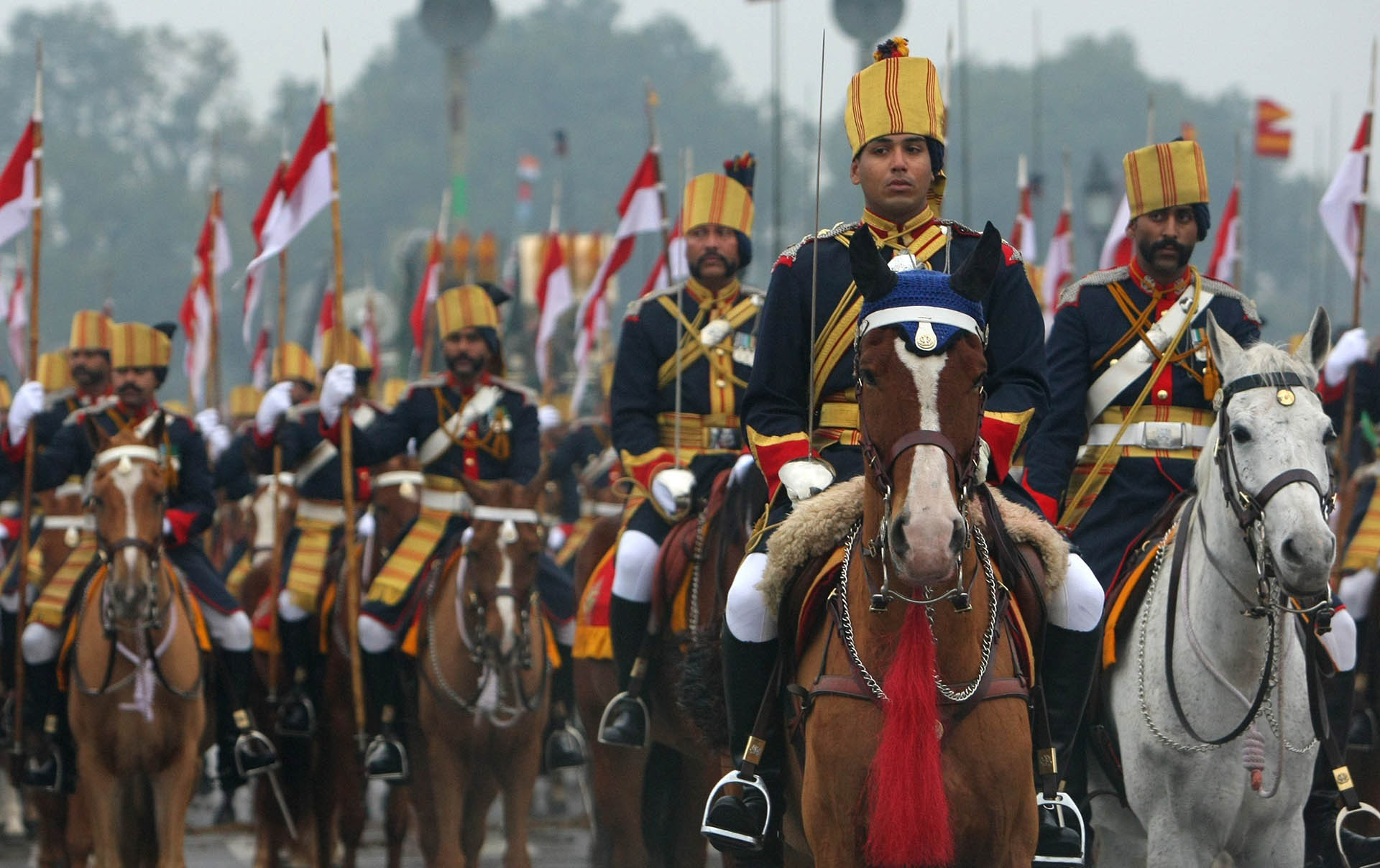
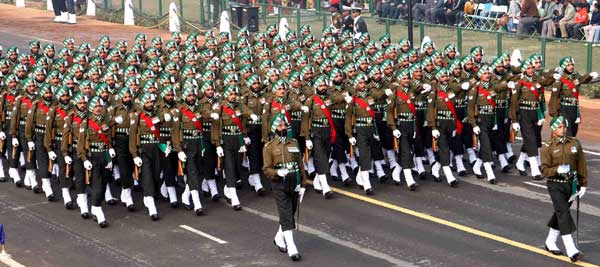
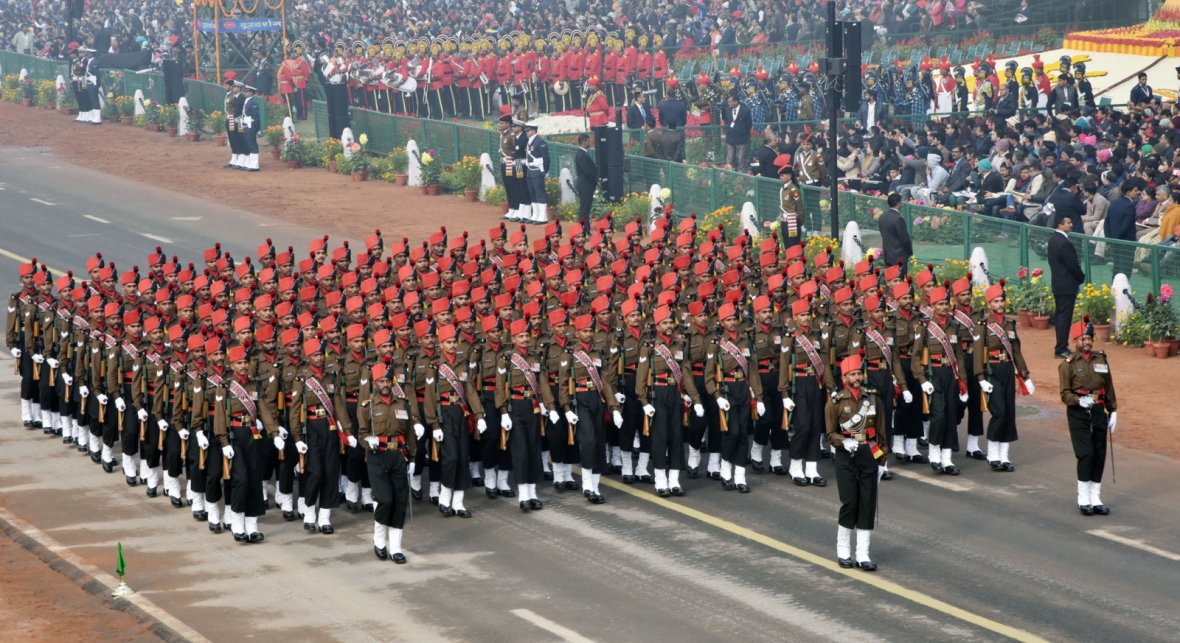
The marching contingent of the Army included horse- mounted columns of the 61st Cavalry, the Punjab Regiment, Maratha Light Infantry, the Dogra Regiment, Ladakh Scouts and the Regiment of Artillery and 123 Infantry Battalion — Territorial Army (Grenadiers).
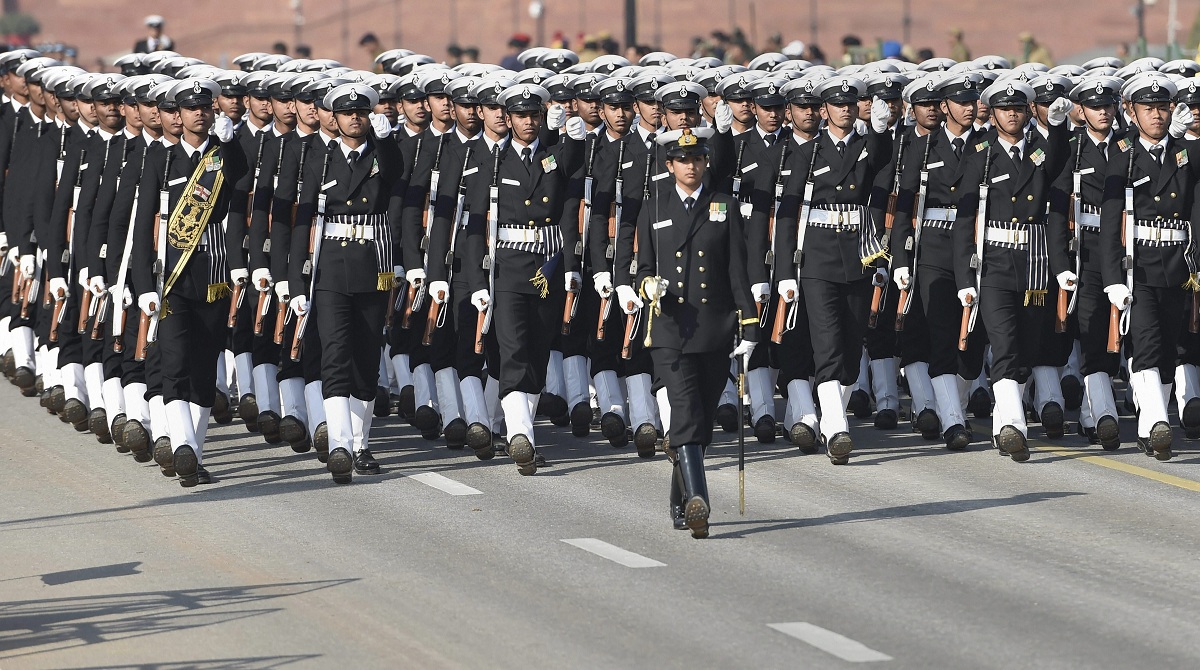
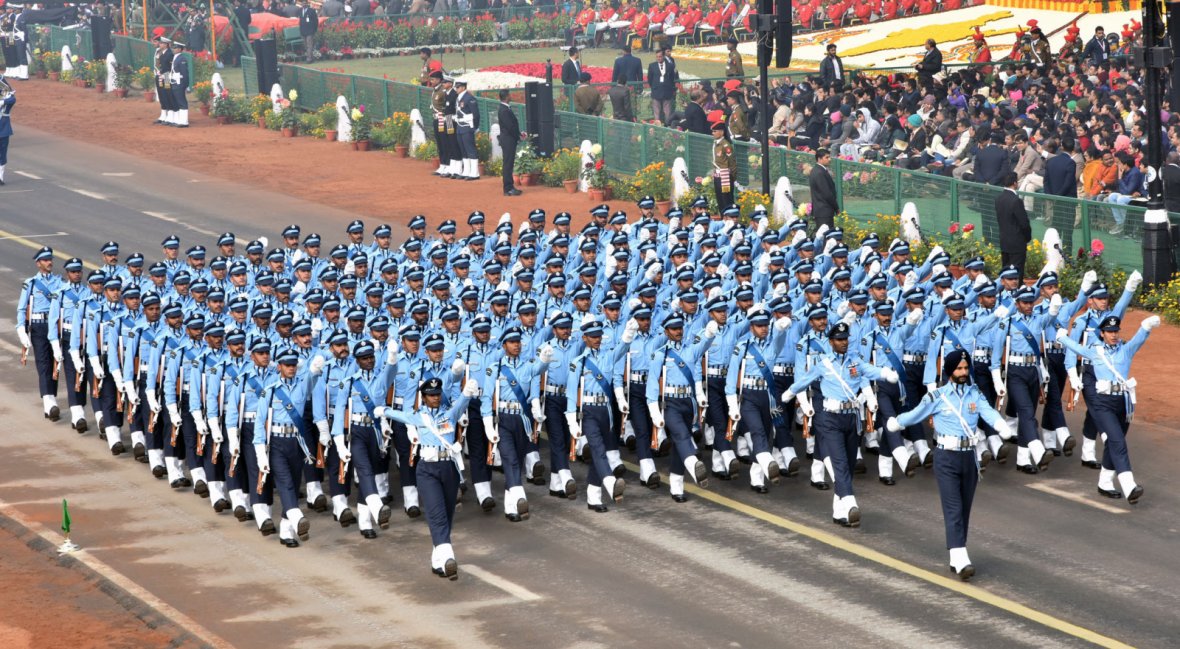
The marching contingent of the Navy, comprising 144 young sailors, was led by Lieutenant Tushar Gautam, while the Indian Air Force contingent, comprising 144 men, was led by Squadron Leader Attal Singh Sekhon.
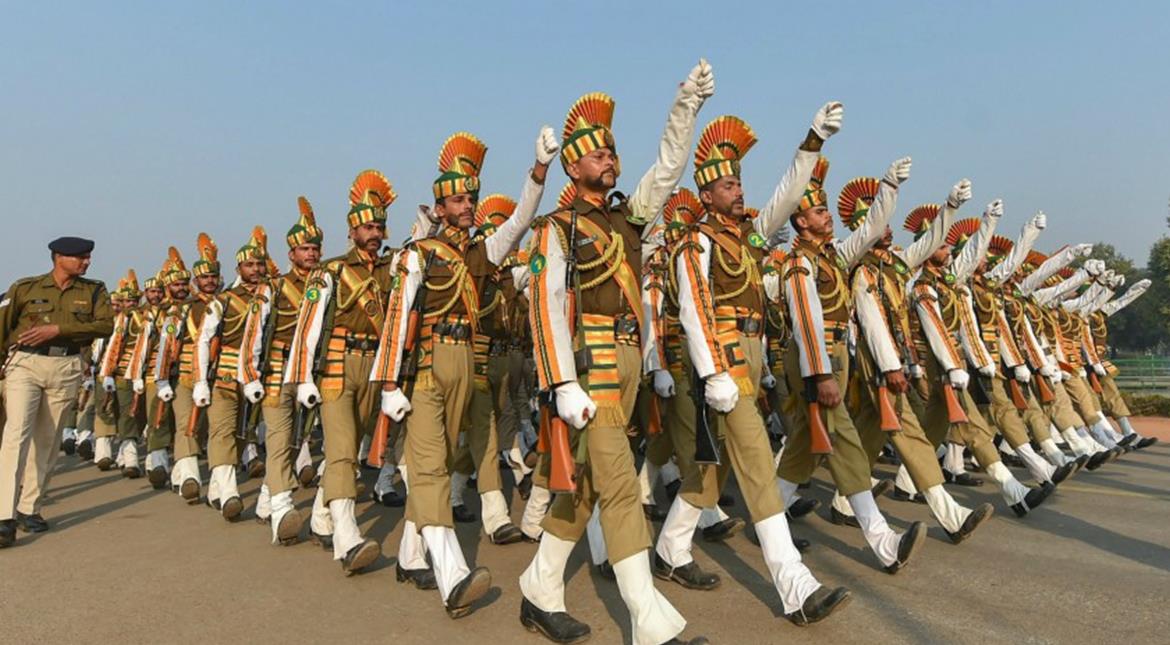
The paramilitary and other auxiliary civil forces, including the Border Security Force, also marched on Rajpath.
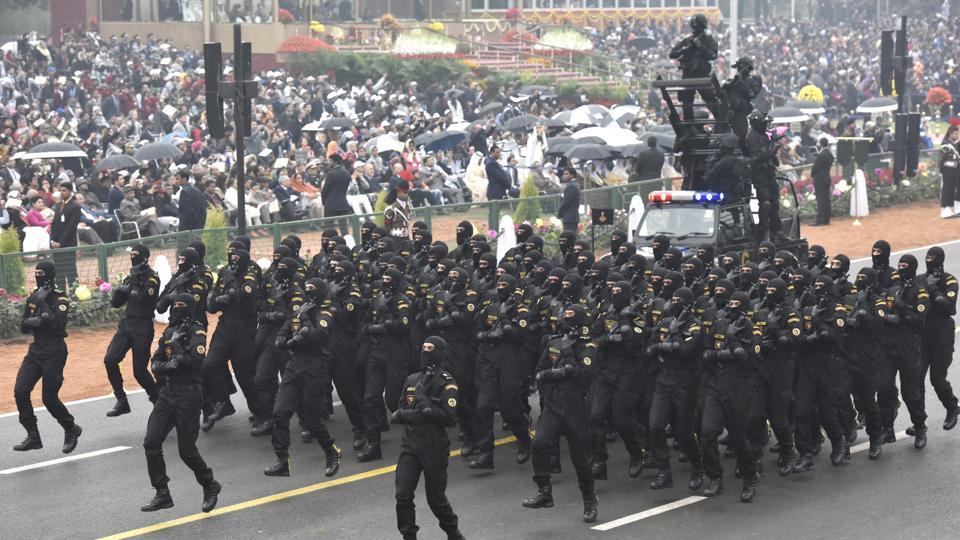
Camel contingents, Indian Coast Guard, Sashastra Seema Bal, Indo Tibetan Border Police, the Delhi Police, National Cadet Corps and National Service Scheme were also among the marching contingents at the parade.
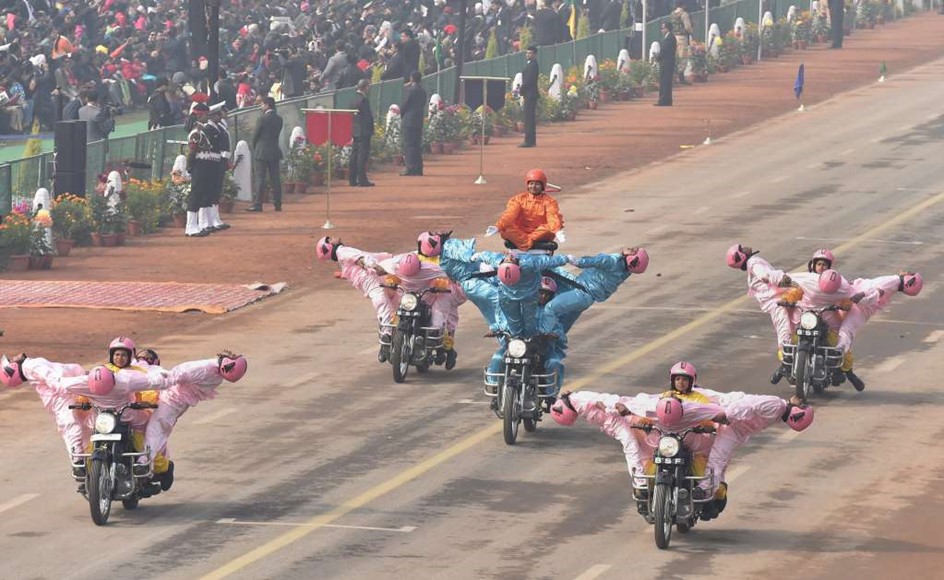
BSFs all-women team Seema Bhawani performs on motorcycles during 69th Republic Day Parade at Rajpath in New Delhi on Friday. (Image: PTI)
There were a number of interesting Tableaux that rolled down Rajpath.
This year, the Indian Navy’s Tableau showcased the theme ‘Indian Navy – Combat Ready Force for National Security’.
The Navy also showcased its Indigenous Aircraft Carrier (IAC) Vikrant, which will be commissioned in 2020, while the Defence Development and Research Organization exhibited the ‘Nirbhay’ missile and the Ashwini radar system.
The theme of the Indian Air Force tableau was ‘Indian Air Force Encouraging Indigenization’ which displayed models of the Tejas Multi-role Fighter Aircraft, Rudra Helicopter, Ashwini Radar and the Akash missile system.
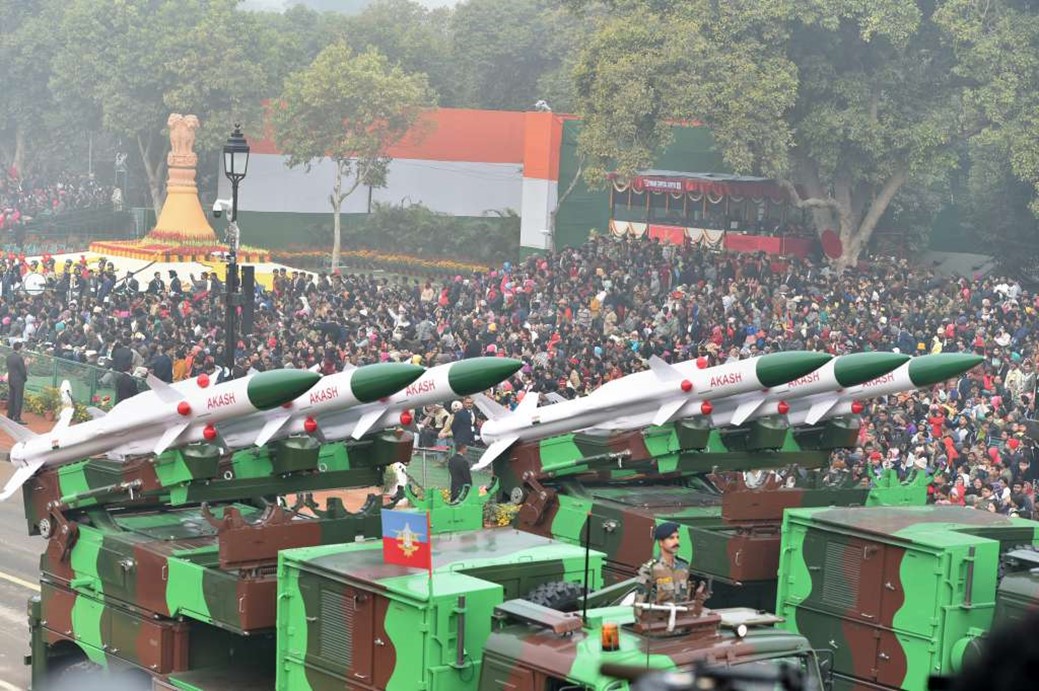
A display of Akash weapon system at Rajpath during the 69th Republic Day Parade, in New Delhi. (Image: PTI)
The All India Radio tableau featured Modi’s monthly address ‘Mann Ki Baat’ and was one of the many firsts this year.
An Income Tax Department tableau, about special anti- black money drive launched post-demonetization, that rolled down Rajpath, was also on the list of many firsts.
On behalf of the central government, 61 tribal guests from various parts of the country had been invited to witness the Republic Day celebrations. Fifteen of the 18 children who won the National Bravery Award also participated in the parade. Three children, including two girls, have received the award posthumously.
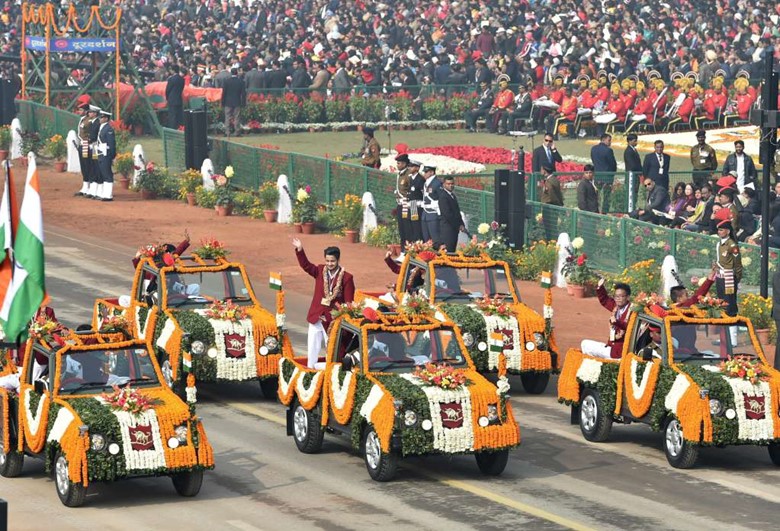
Recipients of National Bravery Awards 2017 wave at the crowd during the 69th Republic Day Parade at Rajpath in New Delhi. (Image: PTI)
Of the 18 children, seven are girls and 11 are boys.
In the children’s section, over 800 boys and girls drawn from three schools in Delhi along with a group of school children from Nagpur and Dimapur, performed colorful dances on different themes.
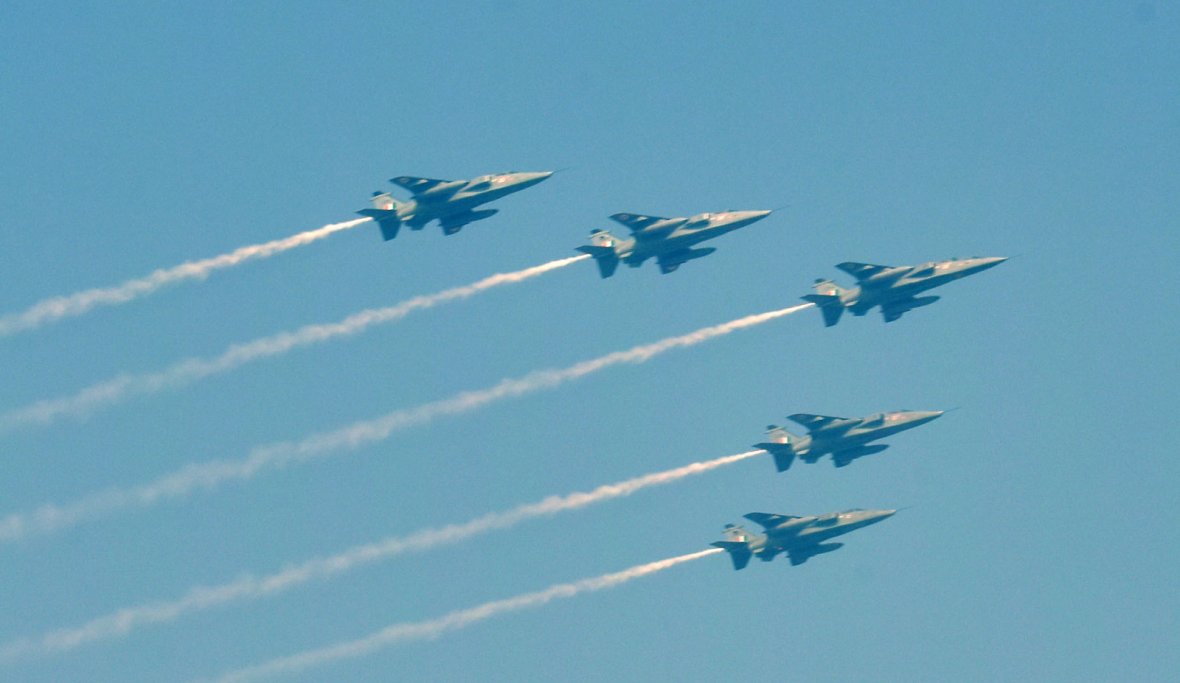
The grand finale of the parade was a spectacular fly past by MI-17 and RUDRA armed helicopters along with a number of IAF aircraft. The fly past commenced with the ‘Rudra’ formation comprising three ALH Mk IV WSI helicopters in ‘Vic’ formation, followed by the ‘Hercules’ formation comprising three C-130J Super Hercules aircraft.
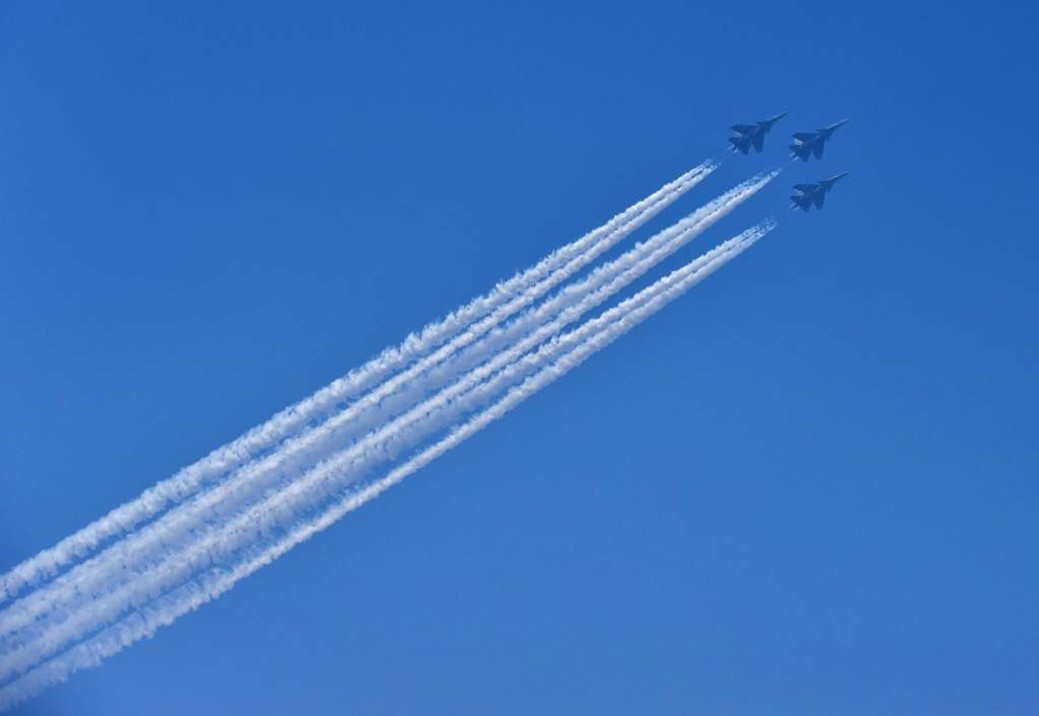
IAFs Su-30MKI planes fly past during 69th Republic Day Parade at Rajpath in New Delhi. (Image: PTI)
Trailing them was the ‘Netra’ which is an Airborne Early Warning and Control System Aircraft also known as ‘Eye in the Sky’.
‘Netra’ was followed by the ‘Globe formation’ comprising one C-17 Globemaster flanked by two Su-30 MKIs among others.
Minutes before the parade began, the prime minister, Defence Minister Nirmala Seetharaman and Chiefs of the Army, Navy and Air Force paid tributes at the ‘Amar Jawan Jyoti’, the war memorial at India Gate where an eternal flame burns in memory of those who laid down their lives defending the frontiers of the nation.
As per tradition, after unfurling the national flag, the national anthem played followed by a 21 gun salute.
The ceremony ended also with the playing of the national anthem and the release of thousands of balloons.
Modi and President Kovind also waved to the crowd after the conclusion of the ceremony and were greeted with loud cheers.
Earlier, Modi greeted citizens on occasion of the Republic Day, tweeting, “Greetings on #RepublicDay. Jai Hind.”

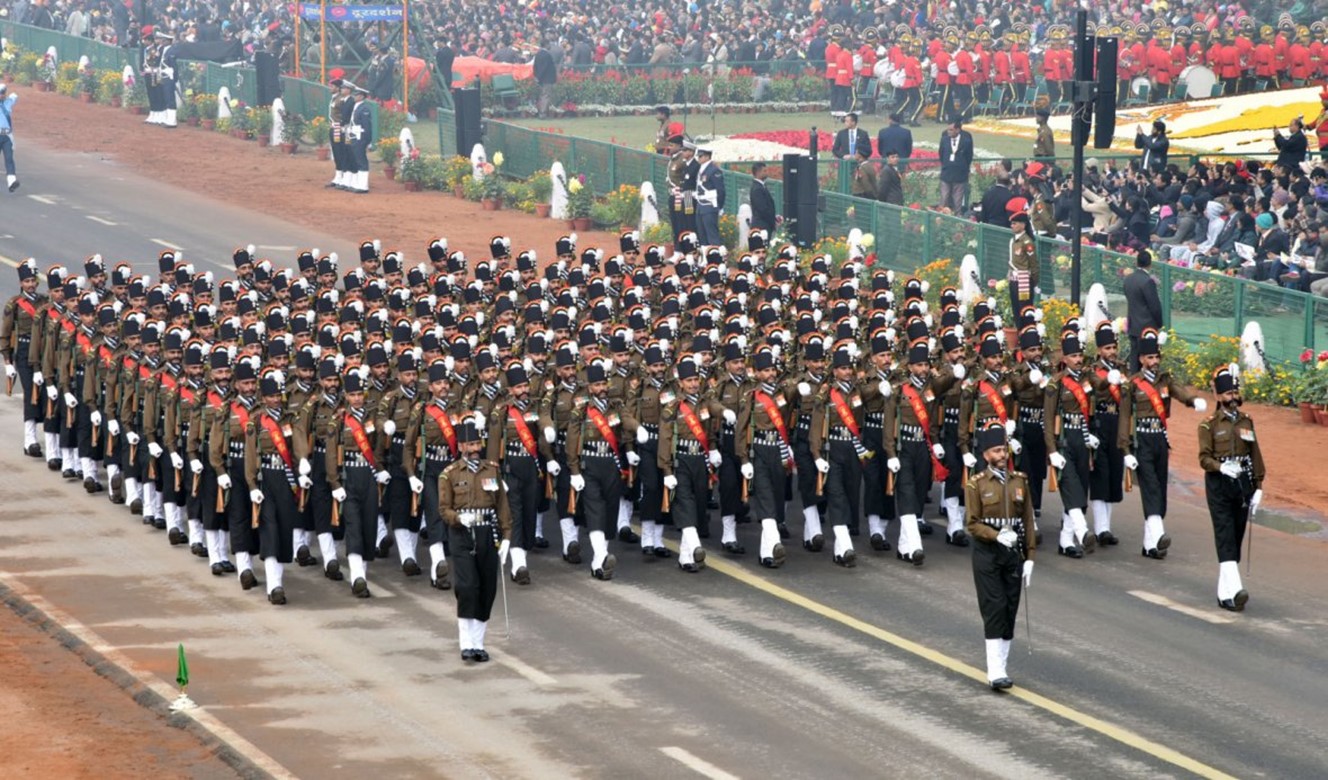
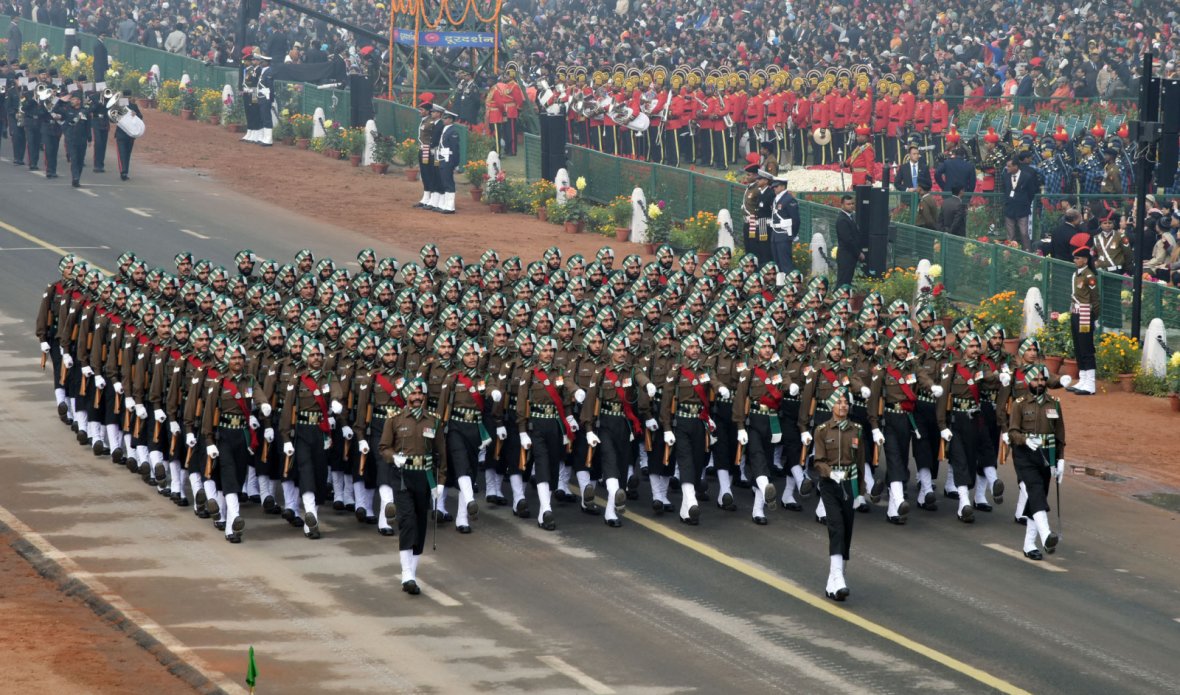


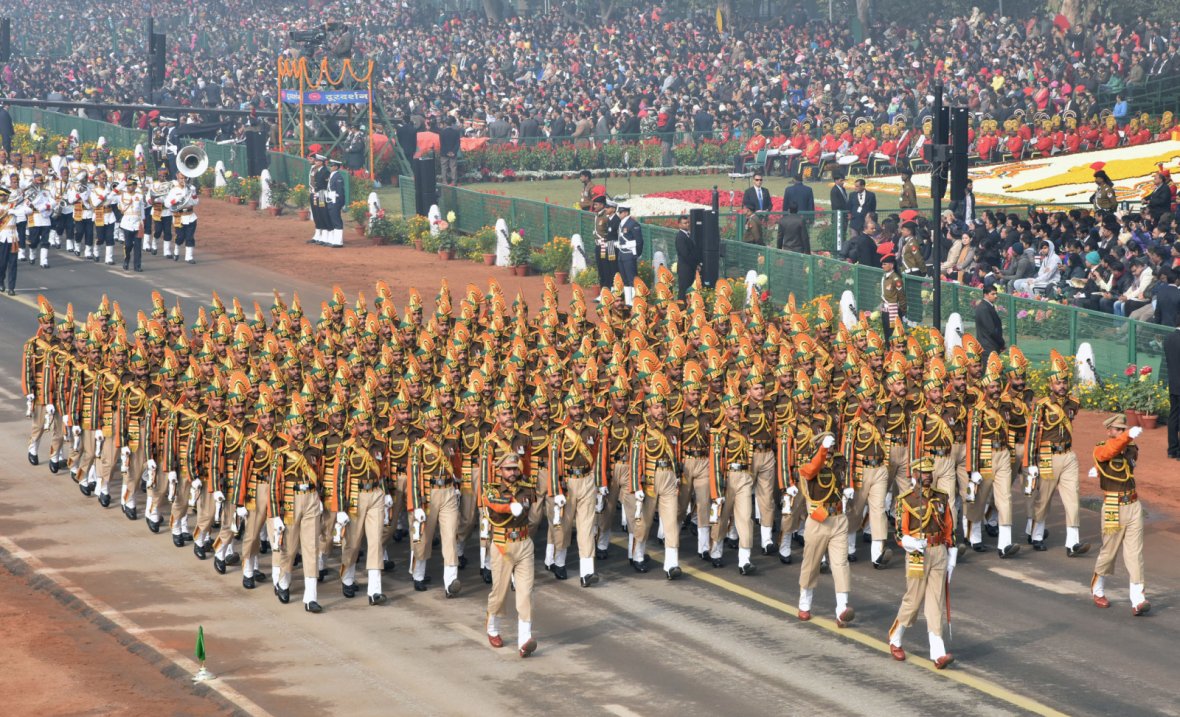
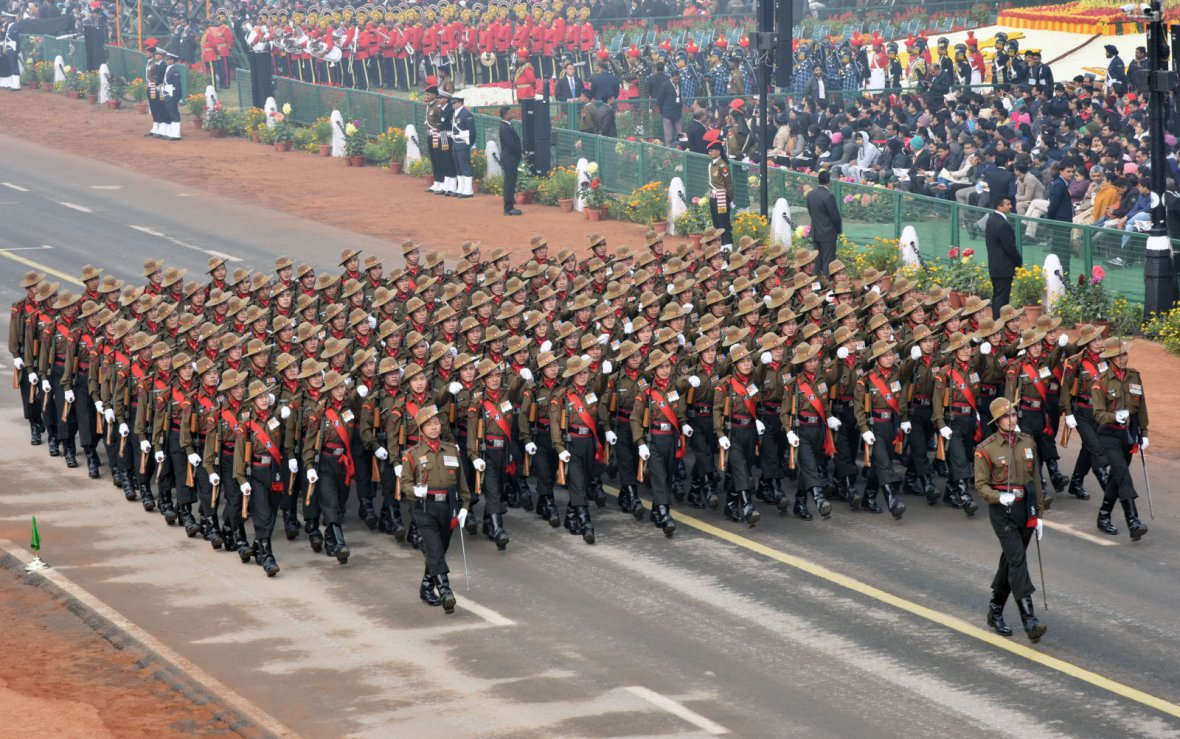

BHARAT DARSHAN – TRIBUTE TO INDIAN ARMY INFANTRY REGIMENTS
BHARAT DARSHAN – TRIBUTE TO INDIAN ARMY INFANTRY REGIMENTS

In celebration of Republic Day of India on January 26, 2018, I pay my tributes to Infantry Regiments of Indian Army who defend our Republic.
Rudranarasimham Rebbapragada
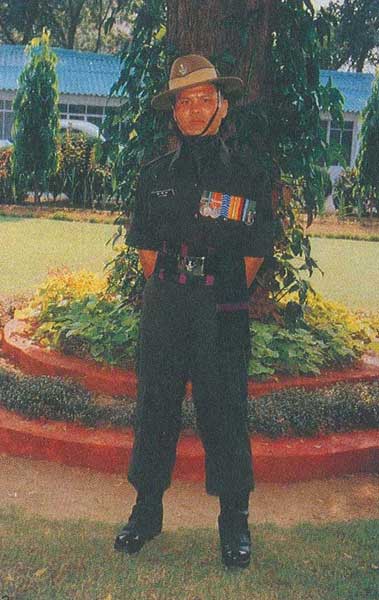
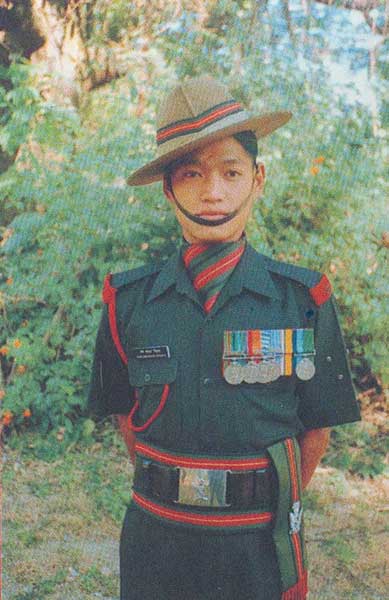
SPECIAL FRONTIER FORCE
INFANTRY REGIMENTS: THE CUTTING EDGE OF SOLDIERING – INDIAN DEFENCE REVIEW
Clipped from: http://www.indiandefencereview.com/spotlights/infantry-regiments-the-cutting-edge-of-soldiering/0/
“It is one of the simplest truths of war that the thing which enables an infantry soldier to keep going with his weapons is the near presence or the presumed presence of a comrade”
S.L.A. Marshal ‘Men Against Fire’, 1947
The Indian civilization is a rich mosaic of many diverse ethnic groups and cultures, a Rainbow Coalition. Waves of successive emigrations from the Central Asian heartland to the rich alluvial plains of India created this melting pot of many cultures and ethnic groups. The Indian Army is a microcosm that faithfully represents the rich and vibrant diversity of the Indian macrocosm. India can boast of many fighting ethnic groups who have thousands of years of soldiering behind them. Some of the ethnic groups found in our Regiments today were mentioned in the epic Mahabharata some 3500 years ago. The Mahabharata mentions the Dogratas and Tigratas (the Dogras of today) it mentions the soldiers of Mathura (Ahirs, Jats, Yadavas) and Maghada (Bihar).
It also mentions Naga warriors (like Ghatotkach) and warriors from Kamrupa (Assam) who were experts in handling war elephants. The famed fighting ethnic groups like Dogras, Rajputs, Sikhs, Jats, Gorkhas, Garhwalis, Kumaonis, Biharis and Assamese were molded by the British into the European Regimental system. Initially, the British Indian units did their own recruitment. Then a mother or base depot was established to train and supply recruits. These metamorphosed into the Regimental Centers that today train and supply recruits to various battalions of the Regiment (that are generally serially numbered). Thus, depending upon the size of the Regiment, a Centre could feed from six to twenty battalions.
The Regimental Centre is the ‘alma mater’; it is the repository of its traditions, trophies and artifacts. The new recruit joins the Centre, becomes a trained soldier, takes his oath of loyalty and joins his Battalion. Some two decades later he returns to the Regimental Centre for his release and discharge drill. He goes back home as a retired soldier and pensioner. This unique Regimental system creates a mini ethno-universe of sorts – a cultural microcosm that faithfully replicates and preserves the cultural and ethnic background and context that the recruit comes from. It is the primary system of bonding for combat and creates an extended family system. It gives the recruit and young officer an identity and a deep sense of belonging. It forges the bonds of camaraderie and trust that see the soldier through the stress and trauma of combat.
The recruit is taught to die for the Izzat, the honor, of his Paltan and the Colors of his Regiment. The central credos are ‘Nam’, ‘Namak’ and ‘Nishan’. Nam signifies the good name of the unit, Namak signifies fidelity to the salt and the oath the soldier takes, the Nishan is its sacred flag or emblem that can never be lowered on the battlefield. It must always flutter triumphantly. It is an amazing system for combat motivation and bonding. The Regimental system has stood the test o repeated wars and conflicts.
Indian Regiments have performed superbly in the first and Second World Wars in diverse battlefields over the whole world. Post-Independence they have kept up this sterling performance. The most recent test of the Regimental system came with Kargil and once again the sterling worth of the Indian Regimental system and the ethos it generates was proved beyond a shadow of doubt. The CNN, BBC, Star TV and other channels put martial India on telematic display for the whole world to see.
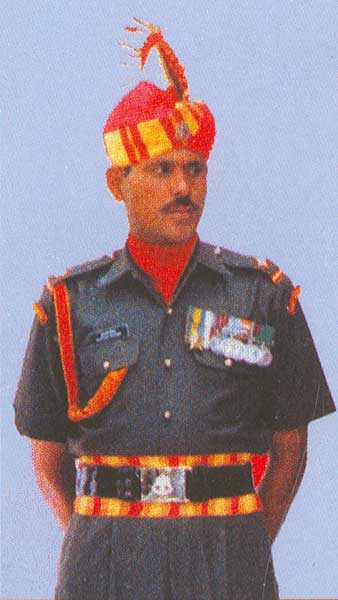
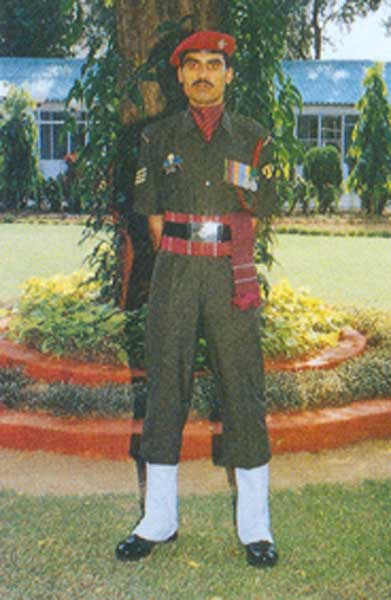
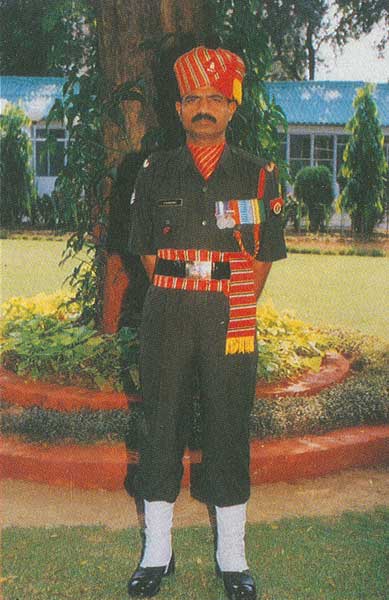
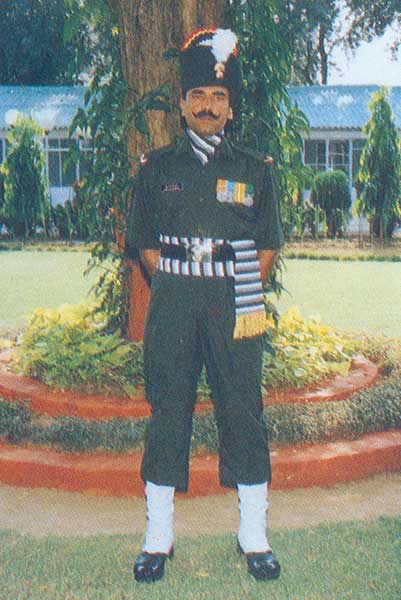
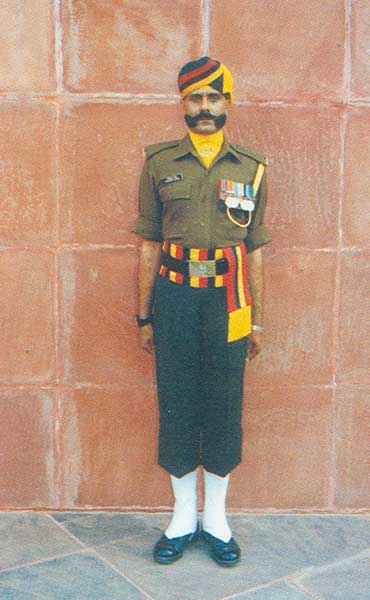
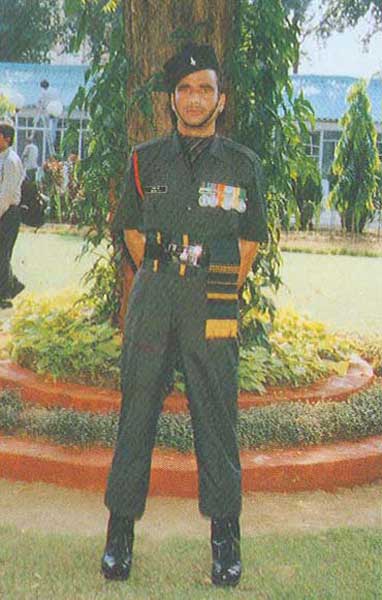
The Regimental system, in essence, is the primary basis for combat motivation in the Indian Army. It provides a sense of military identity – through unique and colorful uniforms and accoutrement – hackles, lanyards, cap badges and shoulder flashes and ornate turbans that tie the recruit to centuries of martial traditions of bravery and sacrifice as a way of life. Regiments have their Colors, their sacred Flags. They have their battle honors, their rich customs and traditions and rituals. Rituals tie us to our origins. These weave the skein of a distinct ethno identity dedicated to fostering combat bonds, cohesion and tremendous motivation.
On Republic Day the Indian Regiments present a carnival of colors, pomp and pageantry. Beyond these colors and ceremonials, however, lies a matchless system for combat bonding and combat motivation that has stood the test of time. This Rainbow of Regiments has served India very well in all her wars. These have become unique and immortal national institutions beyond compare. These must be nurtured and preserved. The Indian Army has three types of Regiments:-
· Single Class: Like the Sikhs, Dogras, Jats or Garhwalis. These have troops from a single class.
·
· Fixed Class: Regiments like the Grenadiers, Rajputana Rifles, Rajputs or Kumaonis have fixed ethnic groups, viz Dogras and Jats, Jats and Rajputs, or Ahirs and Kumaonis or Dogras and Sikhs or Rajputs and Gujjars etc.
·
· All India All Class: These were generally raised in the post-independence period and contain a heterogeneous mix of all Indian classes. Stellar examples are the Guards and Parachute Regiments or the Mechanized Infantry Regiment.
From these simple organizational ingredients has been born a tremendous system of combat cohesion, combat bonding and combat motivation. Men do not sacrifice themselves in the battlefield for the pay they get. Many years ago Philip Mason had written “Men may come to the colors for pay, but it is not for the pay alone that they win the Victoria Cross”. The Regimental system motivates them to make the supreme sacrifice.
In the pages that follow, the colorful Regiments of the Indian Army are presented in brief outline.
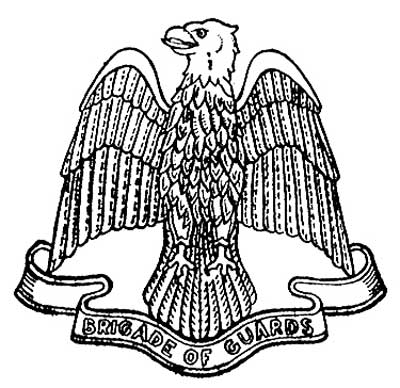
The Brigade of the Guards
The first all class mixed regiment was raised in August 1949, by grouping the senior most battalions from four senior infantry regiments. The Regiment was accorded the senior position in the infantry and takes first rank in the arm.
Punjab, Grenadiers, Rajputana Rifles and Rajput Regiments provided the battalions that started the Brigade of the Guards. Succeeding battalions were raised by direct recruitment. Its battalions have formed part of United Nation forces in Gaza (Middle East) and Angola.
The Regiment is to wholly convert to Mechanized Infantry role. One of its battalions is operating anti-tank guided missiles at present while four of its battalions are in Recce & Support role.
Guards have made a special name for themselves in the Indian Army, by their combat record and excellence in almost all fields of war and peace. The regimental insignia is the mythological eagle king, Garuda. The Regimental Centre is in Kamptee, near Nagpur, in Maharashtra.
The Chief of Army Staff is the Honorary Colonel, and President of India is the Colonel in Chief. 4 Guards Mechanized (1 Rajput) has the unique distinction of having an extra Junior Commissioned Officer on its establishment to carry the Honorary Color (the only battalion in the entire Commonwealth awarded this honor for collective gallantry).
Pre-Independence. Delhi 1803; Egypt 1876-1917; British East Africa 1878; Afghanistan 1878-80; Kandahar 1880; Burma 1891; China 1900; East Africa 1914-1916; Mesopotamia 19141918, Egypt 1915, Gallipoli 1915, France and Flanders 1915, Kutal Amarah 1915; Palestine 1916-1918; Tigris 1916; Macedonia 1918; Afghanistan 1919; Donbaik 1943; Italy 1943-1945; Burma 1945; J&..K 1947-1948; Selinghar; Carnatic; Mysore; Ava; Pegu; Suez Canal; Neils, Krithia; Loos; Aden; Point-551; Kanghaw; Naushera; Mangalore; Hyderabad; Gaza; Megiodo; Nablus; Curais; Seringapatnam; Beurabone; Punjab; Multan; Persia; Reshire; Khooshab; Central India; Basra; Shaiba; Ctesiphon; Defence of Kut-AI-Amarnath; Sidi Barrani; Keren; Cassino; Castele Hill; Leswarree; Deig; Bharatpore; Khelat; Mahrakpore; Chillanwallah; Gujarat and Punjab.
Post-Independence. Akhaura, Burki, Gadra Road, Hilli, Naushera, Gurais, Shingo River Valley, Sylhet and Ganga Sagar.
Theatre Honors. J&K 1947-1948, Rajasthan-1965, Punjab-1965, East Pakistan-1971 and J&K-1971.
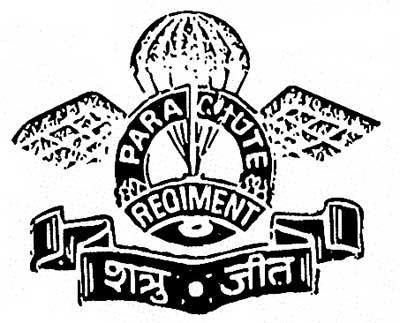
The Parachute Regiment
50 Independent Parachute Brigade was the first Indian airborne formation. It was raised in 1945. Subsequently, 51 Parachute Brigade was also raised in 1965 but converted in 1976 to an infantry brigade. The Paratroopers saw their first airborne action in 1945 when a battalion group was dropped at Elephant Point for the battle of Rangoon.
After Independence, in 1952, these specially trained Parachute Units from The Punjab, Maratha and Kumaon Regiments were transferred to the newly raised Parachute Regiment. These formed the 1 Para (1/2 Punjab) 2 Para (3 Maratha) and 3 Para (1 Kumaon). Subsequent to this, five Parachute Battalions and two Parachute (Commando) Battalions were raised. However, 8 Para was converted in 1976 and converted to 16 Mahar and later to 12 Mechanized Infantry.
The Parachute Regiment undertook its first post-independence airborne operation when 2 Parachute battalion group was dropped near Tangail in Bangladesh on 11 December 1971 and was also the first unit of the Indian Army to enter Dhaka. The 9 and 10 Para Commandos proved their mettle in 1971 by conducting lightning raids in Mandhol (across Munawar Tawi) and in Chachro (Sind) respectively.
The Parachute Regiment took active part in the liberation of Goa in 1961 and in Operation Pawan (Sri Lanka) with nearly 80% of the Regiment deployed in the Island in 1987-89. 3 Para and 6 Para conducted air landed operations in aid of the Government of Maldives. The Parachute Battalions have in addition to their participation in other campaigns, formed part of United Nations Operations in Gaza and Korea. Today, the Parachute Regiment is perhaps the only Regiment to have taken part in every theatre and every operation in and outside the country.
Recently, the Parachute Commando Battalions of the Regiment have been redesignated as the Parachute (Special Forces) Battalions. On 1 February 1996, 21 Maratha Light Infantry joined the Regiment designated as 21 Parachute (Special forces).
As a recognition of its distinguished service, the Regiment was presented its new colors by the President on 6 Oct 1967.
Pre-Independence. Lucknow, Sholinghur, Carnatic, Mysore, Mehidpore, Nagpur, Nowah, Central India, Ava, Pegu, Abyssinia, Afghanistan, Burma, China, Helles, Aden, Megiddo, Baghdad, Basra, Laos, Suez Canal, Egypt, North West Frontier, Mesopotamia, East Africa, Defence of Kut-AI-Amara, Khan Baghdadi, Persia, Shaiba, Ctesiphon, Tigris, Sharon, Palestine, Nablus, British Somali Land, Pratelle Pass, San Martino Sogliano, Barbera, North Africa, Shweli, Keren, Mersa Matruh, Monte Cavallo, Monte Farneto, lleastello, Monte Della Gorace, Indica Bridge Head, Italy, Magwe, Kama and Sittang.
Post-Independence. Bridge and Chachro, Shelatang, Naushera, punch, Jhanger, Jammu & Kashmir, Hajipir, Poongli, Bridge and Chachro.
The Mechanized Infantry Regiment
It is the youngest regiment of the -Indian Army and is a unique blend of military heritage originating since 1776 and the latest state of the art equipment profile. After 1965 Indo-Pak war, a need was felt to provide matching mobility to infantry units operating with Armoured formations. In 1969 some of the oldest battalions from various infantry regiments were equipped with Armoured Personnel Carriers (APCs), TOPAZ, SKOT and BTR-60. These battalions remained affiliated with their erstwhile Infantry Regiments and Regimental Centres.
Fourteen old infantry battalions which were mechanized are 1 Madras (raised – 1776), 1 Jat LI (raised 1803), 1/8 Gorkha Rifles (raised 1824), 1 Sikh (raised 1846), 14 Kumaon (raised 1832), 1 Garhwal Rifles (raised 1886),1 Dogra (raised 1887), 7 Punjab (raised 1941), 7 Grenadiers (raised 1949, 20 Maratha LI (raised 1949), 18 Rajputana Rifles (raised 1941), 16 Mahar (raised 1965), 18 Rajput (raised 1941) and 16 JAK Rifles (raised 1976).
In 1977-78 Mechanized Infantry units were equipped with BMP-1 Infantry Combat Vehicles (lCVs). To fulfill the requirement of the common battle and training philosophy of mechanized warfare, the Mechanized Infantry Regiment was raised on 2 April 1979 and the affairs of the regiment were transferred from Directorate General of Infantry to Directorate General Mechanized Forces. The Regiment was raised and nurtured under the watchful eyes of its first Colonel of the Regiment, General K Sundarji, PVSM, ADC. New Battalions were raised by pooling in manpower from old battalions.
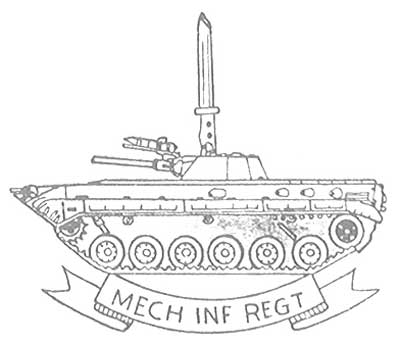
The Regimental crest is a rifle bayonet mounted on the’ BMP1, depicting the infantry and mechanized facets of the Regiment. The President conferred Colors to the Regiment on 24 February 1988 at Mechanized Infantry Regiment~1 Centre (MIRe), Ahmednagar, in a unique parade where 14 Colors were laid down and 24 Colors presented.
The Regiment has actively participated in ‘Operation Pawan’ in Srilanka, ‘Operation Rakshak’ in Punjab and Jammu & Kashmir and ‘Operation Vijay’ in Jammu & Kashmir. The Regiment has the unique distinction of operating in the High Altitude Areas of Ladakh and Sikkim. It also specializes in amphibious, heliborne and airborne Operations. The Regiment has successfully participated UN Peace Keeping Operations in Somalia, Angola and Sierra Leone. The Regiment is affiliated to the Indian Naval Ship Gharial.
The Punjab Regiment
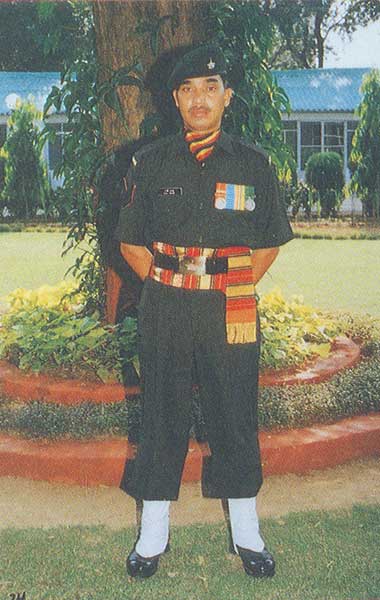
The Punjab Regiment is one of the oldest regiment of the Indian Army. It traces its origin to 1761 when the first battalion was raised at Trichinopoly. The first four battalions of what later became the 2nd Punjab Regiment and finally the Punjab Regiment were raised during the hostilities in the Carnatic in South India between 1761 and 1776. The numbers and titles of the battalions changed during the successive reorganizations of the Madras Presidency Army and later of the Indian Army during the 18th, 19th and 20th Centuries. The names changed from Coast Sepoys to Carnatic Battalions to Madras Native Infantry to The Punjab Regiment.
The Regimental Centre was first raised at Loralai and was shifted to Multan in 1922, Meerut in 1929 and its present location in Ramgarh, Bihar in 1976. In 1951, four battle experienced battalions of the former princely states of Punjab joined the Regiment. These were a battalion each from the Jind and Nabha States Forces and the First and Second Battalions of Patiala Infantry. They are now designated as the 13, 14, 15 and 16 Punjab. Additional battalions were raised since 1963. The class composition of the Regiment is Sikh and Dogras at 50 percent each. There are also other Indian classes from north India represented in .some battalions of the Regiment.
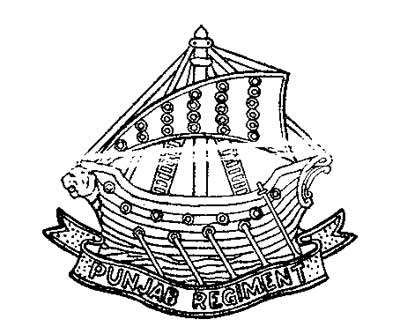
The Regiment insignia is a Galley, an ancient Greek or Roman warship with a bank of oars and sail. It is perhaps the only Infantry insignia of a naval vessel anywhere. It was awarded to the 69th Punjabis (later 2nd Battalion of 2nd Punjab Regiment) in recognition of the readiness to serve overseas, after the battalion had fought in eight overseas campaigns by 1824. In recent years the Punjab Regiment has contributed towards United Nations Peacekeeping Operations by sending two of its battalions overseas, i.e. in Gaza and Angola (3 and 14 Punjab, respectively). First and Second battalion of Punjab Regiment were chosen to form the elite 1 Parachute (Special Force) and 1 Guards, respectively. The motto of the Regiment is Sthal wa Jal, or, By Land and Sea. The Regimental Centre is at Ramgarh, Bihar.
Pre-Independence. Sholinghur, Carnatic, Mysore, Mehidpore, Ava, China, Pegu, Lucknow, Burma, Afghanistan, Loos, Flanders, Hellis, Krithia, Gallipoli, Suez, Egypt, Sharon, Nablus, Palestine, Aden, Kut-al-Amara, Baghdad, Mesopotamia, North Western Frontier, Mersa Metruh, Buthidaung, Ngakyedauk Pass, Imphal, Kangla Tongbi, Tonzang, Kennedy Peak, Meiktila, Pyinmana, Malaya, Ipoh, Singapore, Kern and Casa Bettini.
Post-Independence. Zoji La, Ichhogil, Dograi, Barki, Kalidhar, Bedori, Nangi Tekri, Brachil Pass, Longewala and Garibpur.
The Madras Regiment
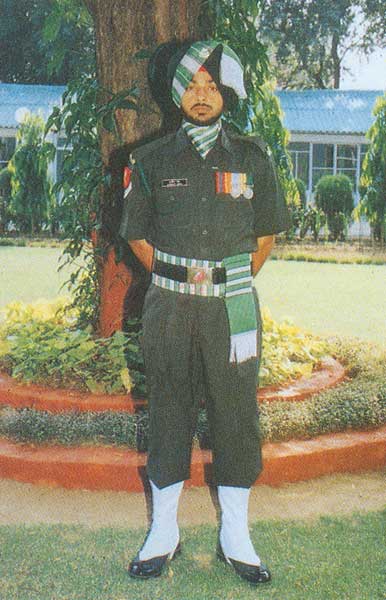
The Madras Regiment today stands firmly and proudly on the deep rooted foundation of valour and sacrifice displayed by the warriors of South India. The four great Kingdoms of Chalukyas, Cholas, Pandiyas and Cheras ruled various parts of South India till the end of 9th Century AD. Medieval India saw the rise of the Cholas whose empire extended from West Bengal in the east to south of Bombay in the west and covering the entire South India less the Cheras in Travancore and encompassing the islands of Sri Lanka, Malaysia, Cambodia and Sumatra. The soldiers of the Madras Regiment are the descendants of the Pallavas, Cholas’ Pandiyas, Telugus and Cheras whose history of valour is unparalleled.
The origin of the Madras Regiment in Its present form can be traced to the occasion when the levies were organized into companies of 100 men each, and two battalions were thus raised on 4 December 1758 and placed under Command Colonel (later Lord) Robert Clive to defend Fort St George at Madras. Thus, the Madras Regiment became the oldest element of Indian Infantry. The number of battalions of the Regiment soon increased to a maximum of 52 battalions in 1826.
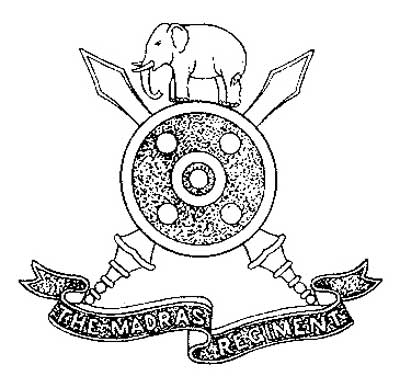
In a significant event, influencing the turn of history, the Madras Native Infantry spearheaded the storming of Seringapatnam Fort in the Fourth Mysore War in 1799. On 23 September 1803, the Madras army under Marquise Wellesley defeated the Peshwa army at a place called Assaye and won the acclaim of all. In recognition of the fierce fighting capabilities displayed during the battle of Assaye, the insignia of an Assaye Elephant was awarded to the Madras Native Infantry and the same is worn on the belt by all ranks of the Regiment to this day.
Despite outstanding services rendered during many wars, as part of the overall reductions during the period 1870-1903, the Regiment was reduced to 20 battalions and another 15 battalions were converted to First, Second and Eighth Punjab Regiment. Between 1923-28, on grounds of economy, the Regiment was further reduced to only four Territorial battalions and one University Training Corps battalion.
After independence, the Infantry battalions of Travancore, Cochin and Mysore State force were amalgamated into the Madras Regiment.
Post-independence saw the consolidation of the Regiment and re-affirmation of the versatility and valour of the South Indian troops when the battalions of the Regiment fought fierce battles during J&K operations in 1947-48. Sino-Indian conflict 1962. Indo-Pak War 1965 and 1971. The deployment of as many as seven battalions of the Regiment in Sri Lanka during ‘Operation Pawan’ in 1987-89 was a testimony to the faith the Indian Army reposed in the loyalty, dedication and valour of the troops of the Madras Regiment. Two battalions of the Regiment have been awarded unit Citation by the COAS in recognition of their splendid service in combating insurgency in J&K/Punjab. Further, two battalions of the Regiment served the nation on the world’s highest battlefield in the subzero Siachen Glacier.
The Grenadiers
The oldest Grenadier Regiment of the armies in the Commonwealth belongs to the Indian Army. A composite battalion comprising Grenadier companies of Bombay Sepoys won the famous battle of Talegaon in t 778. By t 784, the group of Grenadier companies had been given the title of Bombay Grenadiers.
The concept of ‘Grenadiers’ evolved from the practice of selecting the bravest and strongest men for the most dangerous tasks in combat. The Grenadiers have one of the longest unbroken records of existence in the Indian Army.
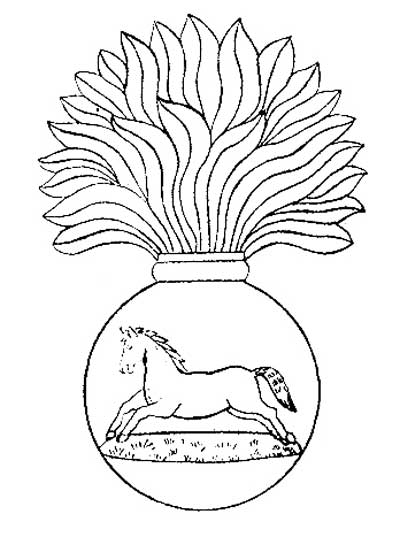
The Grenadiers have as their insignia, the brass grenade with a white horse worn on the uniform with a white hackle.
The motto of the regiment is ‘Sarvada Shaktishali‘ or Ever Powerful.
The Regimental Centre is at Jabalpur, Madhya Pradesh.
Pre-Independence. Mangalore, Mysore, Seringapatnam, Egypt, Kirkee, Koregaum, Beni AIi, Meanee, Hyderabad, Multan, Punjab, Central India, Abyssinia, Kandahar, Afghanistan 1878-80, Burma 1885-87, Somalil and, Afghanistan 1919, Great War, Egypt, Gaza, Megiddo, Nablus, Palestine, Aden, Tigris, Kut-el-Amara, Baghdad, Mesopotamia, Africa, Kohima, Kalewa, Meiktila, Taungtha and Pwabwe.
Post-Independence. Gurais, Asal Uttar, Jarpal and Chakra.
The Maratha Light Infantry
The Maratha military qualities were brilliantly optimized in their historic campaigns against the Mughals and the British, under the leadership of Shivaji and succeeding rulers. Maratha armies, comprising both infantry and light cavalry with the Maratha naval power had dominated the military scene in India for three centuries.
One of the famous regiments of the Indian Army, the Maratha Light Infantry is also one of the oldest. Its First battalion, also known as the Jangi Paltan, was raised in 1768 as part of the Bombay Sepoys. The Second battalion had earned the sobriquet of Kali Panchwin.
The Marathas came to special attention in the Great War and have maintained a record of dependability in war and peace.
The class composition of the Regiment is primarily formed by the hardy, frugal, and disciplined people form the former Maratha Empire. The men are drawn from the State of Maharashtra with some percentage from the Marathi speaking areas of Karnataka including Coorg. The Regiment also recruits Muslims from the recruiting areas. The Regimental Centre is at Belgaum, Karnataka.
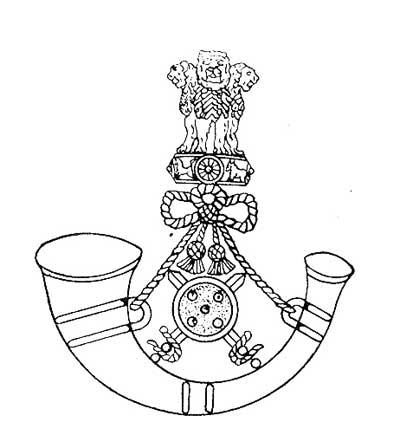
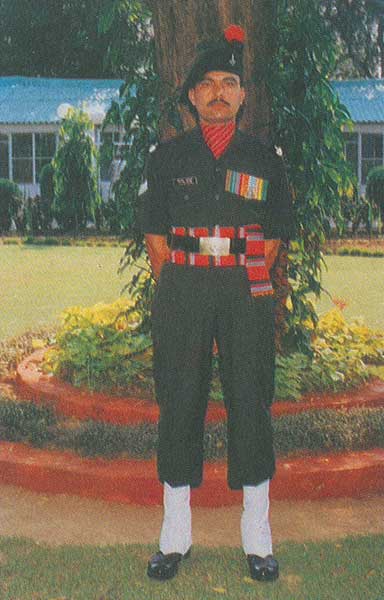
The quick moving Marathas with their traditions of mountain warfare were ideally suited to and were formed into a light infantry regiment. The Regimental insignia is a bugle and cords with a pair of crossed swords and a shield. They chose the bugle for their insignia, as it best represented the light infantry mode of combat by skirmishers, controlled by orders issued on the bugles. The Regiment were the insignia with a red and green hackle.
Pre-Independence. Mysore, Seedaseer, Seringapatnam, Beni-bu-Ali, Kahun, Multan, Gujarat, Punjab, Central India, China, Abyssinia, Afghanistan, Burma, British East Africa, Basra, Shaiba, Ctesiphon, Kut-al-Amara, North West Frontier, Baghdad, Megiddo, Sharon, Nablus, Palestine, Sharqat, Mesopotamia, Persia, Tobruk, Keren, Sangro, Tengnooupal, Sangshak, Gothic Line, Ruywa and Senio.
Post-Independence. Naushera, Jhangar, Barki, Hussainiwala, Jamalpur, Burj and Sudih.
The Rajputana Rifles
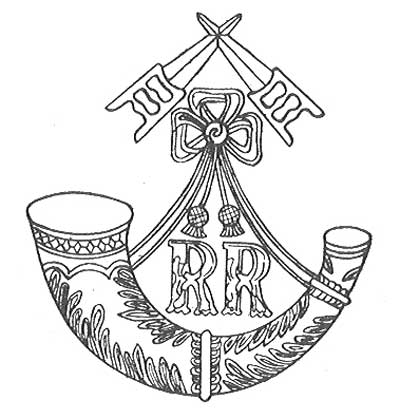
The Rajputana Rifles is the senior most Rifle Regiment of the Indian Army. Its first battalion was raised as far back as in January 1775, as it stands today was formed in 1921-22 during general re-organization of the Indian army. the following battalion of Bombay and Bengal Army were grouped together to form the sixth group, the Rajputana Rifles:-
· 104 Wellesley’s Rifles – 1 RAJ RIF (1775)
· 120 (PWO) Rajputana Infantry – 2 RAJ RIF (1817)
· 122 Rajputana Infantry – 3 RAJ RIF (1818)
· 123 Outram’s Rifles – 4 RAJ RIF (1820)
· 125 Napier’s Rifles – 5 RAJ RIF (1835)
· 13 Rajputs (Shekhawati) – 10 RAJ RIF (1835) (The Regimental Centre)
· 4th Prince Albert Victor’s Rajputs – 105 INF BN (TA) RAJ RIF (1922)
·
Each of these battali9ons had a long and glorious past. They have taken part in some of the bloodiest battles in many theatres of the world. The Rajputana Rifles has the unique honor of having won the first Victoria Cross of the Indian Army in 1856. This was awarded to Captain John Augustus Wood of the 2nd Battalion in the Battle of Reshire in Persia.
During World War II, the battalion of this Regiment fought in every theatre in which the Indian Army was involved. Three of them, the 1st, 4th and medium Machine Gun Battalion fought in Eritrea in North Africa and Italy as part of the famous 4th Indian Division, whose fighting record was among the finest in World War II. It was in the fighting in Keren in Eritrea that Sub Richpal Ram of the 4th Battalion won a Victoria Cross (Posthumous), the first VC of the Battalion and that of the Division in World War II. The second Victoria Cross of the Regiment, during World War II, was won by Company Havildar Major Chhelu Ram again of the 4th Battalion, at Djembe in Tunisia at the end of the North African Campaign. This battalion alone won nearly eighty gallantry awards including two Victoria Crosses in a five year campaign.
The outbreak of hostilities in Kashmir again saw the Rajputana Rifles in the thick of battle. Company Havildar Major Piru Singh of the 6th Battalion earned for the Regiment its first Param Vir Chakra at Tithwal. During the brief period of the Jammu and Kashmir operations the Regiment was awarded 1 PVC, 2 MVCs. 14 VrCs and 49 Mentioned-in-Dispatches. In 1970, Captain Umed Singh Mahra of a young battalion the 19th, won for the Regiment its first Ashok Chakra in Counter Insurgency Operations.
Pre Independence. Mysore, Seringapatnam. Bourbon, Kirkee 1817. Beni Boo Ali, Meeanee 1943, Hyderabad, Aliwal1846, Multan, Punjab, Reshire, Bushire 1856, Khooshab, Persia, Central India, Kandahar-1880, Chitral, Afghanistan. Burma, British East Africa, China, Afghanistan 1919, Givenchy 1914, Neuve Chapel, Aubers, Festubert, France and Flanders. Egypt, Gaza, Nebi Samweil, Jerusalem, Tel Assur, Megiddo, Sharon, Palestine, Basra, Shaiba, Defence of Kut-al-Arpara, Tigris 1916, Ctesiphon. Baghdad, Mesopotamia, Persia, Abyssinia 1940-41, Syria, 1941, North Africa 1940-1943, Italy 1943-1945, Malaya 1941-42 and Burma 1942-45.
Post-Independence. Punch, Asal Uttar, Charwa, J&K 1965, Basantar and Mynamati.
The Rajput Regiment
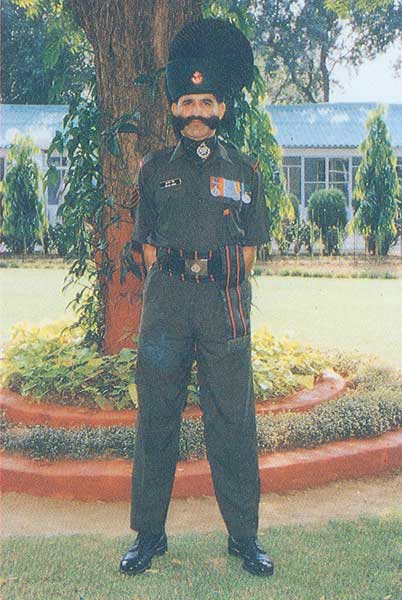
The Rajput Regiment is from the Bengal Native Infantry (BNI) lineage. 31st Bengal Native Infantry, raised in 1778, later became 3 Rajput. The Rajput Regiment has long beef) praised for its fidelity and courage. 1 Rajput and 2 Rajput (then 2/15th BNI and 1/16th BNI), fought with great courage in the capture of the fort at Bharatpur.
The men had loyally retained the Colors which had been shot to pieces in the earlier battles for the fort, and stitched it up again to raise it at the fort after it was taken.
The Regiment draws its men from Uttar Pradesh, Rajasthan, Madhya Pradesh, Haryana, Bengal and Punjab. It thus has almost all classes in it, viz Rajputs, Gujjars, Brahmins, Bengalis, Muslims, Jats, Ahirs, Sikhs (M&.R) and Dogras.
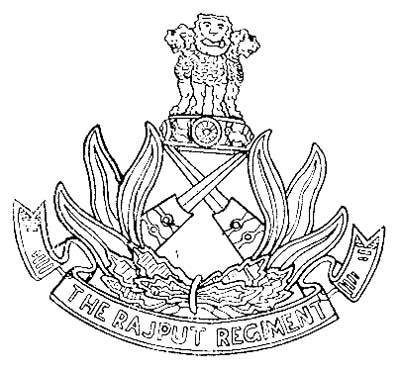
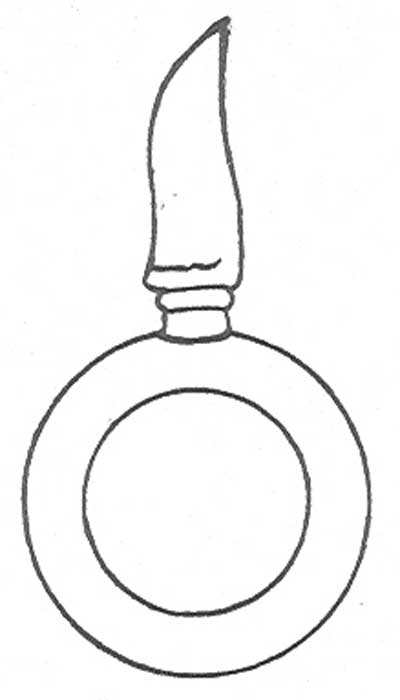
The regimental insignia is a pair of crossed Katars (Rajput daggers) flanked by three Ashok leaves on either side.
The regimental motto is Sarvatra Vijay, or, Victorious everywhere. The Regimental Centre is at Fatehgarh in Uttar Pradesh.
Pre-Independence. Delhi 1803, Laswarree, Deig, Bharatpore, Afghanistan 1839, Khelat, Cabool 1842, Maharajpore, Moodkee, Ferozeshah, Aliwal, Sobraon, Chillanwallah, Gujarat, Punjab, Lucknow (With a Turreted Gateway), Central India, China 1858-59, Afghanistan 1878-80, Tel El Kabir, Egypt 1882, Burma 1885-87, Pekin 1900, China 1900, Afghanistan 1919,Macedonia 1918, Suez Canal, Egypt 1915, Aden, Basra, Kut Al Amara 1915, Ctesiphon, Defence of Kut-Al-Amara, Tigris 1916, Mesopotamia 1914-18, Persia 1915-18, North West Frontier India 1915-17, Donbaik, North Abakan and Pint 551, Defence of Alamein Line, Kohima, El Alamein, Razabil, Nagakyedauk Pass, Relief of Kohima, Taungtha, Sittang 1945, Tiddim Road, Hong Kong, Meiktila, Capture of Meiktila, Defence of Meiktila Rangoon Road.
Post-Independence. Naushera, Zoji La, Khinsar, Madhumati River, Belonia, Khansama and Akhaura.
The Jat Regiment
The Jat Regiment claims its origins from the Calcutta Native Militia raised in 1795, which later became an infantry battalion of the Bengal Army. After 1860, there was a substantial increase in the recruitment of the Jats in the Indian Army, however, the Class Regiment the Jats was initially created as infantry units in 1897 from old battalions of the Bengal Army.
In January 1922, at the time of the grouping of the Class Regiments of the Indian Army, the IX Jat Regiment was formed by bringing under a single regiment, four Active and one Training Battalion.
Jats are known in Indian history for their skill with weapons and in combat. They had formed part of almost all successful armies of Indian feudal states.
The Regimental insignia is the Roman numeral nine representing its ninth position in the regimental hierarchy of the Indian Army of the 1920s.
The insignia also has a bugle indicating the Light Infantry antecedents of two of its battalions. The Regiment draws its manpower mainly from the peasantry, except a few battalions which have a mixed composition.
The Regimental Centre is at Bareilly, UP, one of the few Centres to remain throughout at its place of origin since January 1922.
Pre-Independence. Nagpur, Afghanistan, Ghazni, Kandahar, Kabul, Maharajpur, Sobraon, Multan, Gujarat, Punjab, Ali Masjid, China, Kandahar 1880, Afghanistan 1879-80, Burma 1885-87, China 1900, Afghanistan 1919, La Bassee, Festubert, Neuve Chappelle, France and Flanders, Shaiba, Ctesiphon, Defence of Kut-al-Amara, Tigris, Khan Baghdadi, Mesopotamia, North West Frontier. Razabil, Kanglatongbi, Kampar, Malaya, Burma, Nungshigum, Jitra, Muar and North Africa.
Post-Independence. Zoji La, Rajauri, J&K 1947-48, Ladakh, Phillora, Dograi, Punjab 1965, J&.K 1971 and East Pakistan 1971.
The Sikh Regiment
The SIKH Regiment is one of the highest decorated regiments of the Indian Army, with 72 Battle Honors, 15 Theatre Honors and 5 COAS Unit Citations besides 2 PVCs, 14 MVCs, 5 Kirti Chakras, 67 Vir Chakras and 1596 other gallantry awards. The chequered history of the Regiment spanning 154 years is bloodied with heroic deeds of valour and courage which have few parallels if any.
Although the Regiment’s official history dates back to 1846, the biological heritage has its roots in the noble teachings and sacrifices made by the ten Gurus. The SIKH Regiment of today has imbibed the culture and chivalry of Sher-e-Punjab Maharaja Ranjit Singh’s erstwhile KHALSA Army. The ethos and traditions of the Regiment got formalized with the raising of ‘Regiment of Ferozepore SIKHS’ and ‘Regiment of Ludhiana SIKHS’ on 1 August 1846 by Captain G Tebbs and Lieutenant Colonel P Gordon respectively. A major portion of the substance of the Regiment traces its origins to Maharaja Ranjit Singh’s Army. With a humble beginning of two battalions in 1846, today the SIKH fraternity has grown 20 battalion strong.
The Battle of SARAGARHI fought by 36th Sikh (now 4 Sikh) in 1897, is an epitome of VAL OUR, COURAGE, BRAVERY and SACRIFICE.
Havildar Issar Singh with 21 Other Ranks made the supreme sacrifice repulsing 10,000 of the enemy. This sacrifice was recognized by the British Parliament, when it rose to pay its respects to these brave young soldiers. All 22 were awarded the Indian Order of Merit, the then highest decoration for the Indian soldiers. This ‘Kohinoor’ of the SIKH Regiment is one of the ten most famous battles of the world. Even to this date, this battle forms part of school curriculum in France.
12th September 1897, the day of Battle of SARAGARHI is celebrated as the REGIMENTAL BATTLE HONOURS DAY.
The Regimental insignia comprises the sharp edged quoit, or Chakra which the Khalsa armies had used in combat. The Chakra rings on lion, symbolic of the name (Singh) every Sikh carries. The Regimental motto is Nische Kar Apni Jeet Karon, (Resolved to Win) taken from the Sikh warrior’s I prayer before battle. The Regiment draws its men I from amongst the hardy Jat Sikhs. The Regimental Centre is at Ramgarh Cantt (Bihar).
Pre Independence. Arrah, Behar, Lucknow, China, Ali Masjid, Ahmed Khel, Kandahar, Afghanistan, Suakin, Tofrek, Chitral, Samana, Tirah, Malakand China 1900, NW Frontier, La Bassee, St Julien, Armentieres, Aubers, Givenchy, Tsing-Tao, Neuve Chappelle, Festubert, Yepares, Tigris, Suez Canal, Sari Beir, Helles, Krithia, Suvla, Gallipoli, Egypt, Baghdad, Mesopotamia, Kut el Amara, Sharqat, Megiddo, Persia, Sharon, Afghanistan t 919, Mersa Metruh, Omars, Deir ul Sein, North Abakan, Buthidaung, Kangala Tongbi, Nyangyu, Irrawaddy, Shandatgyi, Keren, Sittang, Kauntan, Niyor, Coriano, Paggio san Giovanni Gothic Line, Monte Calvo, San Marino, Agordat, Kama and Saragarhi.
Post-Independence. Sri Nagar, Tithwal, Raja Picquet, Barki, OP Hill, Parbat AIi, Punch and Siramani.
The Sikh Light Infantry
The Sikh Light Infantry finds its origins in the Sikh Pioneers raised in 1857. ‘Sikh Pioneers were used in various campaigns in India and abroad, and highly regarded for their determined resolve to complete the assigned tasks against all opposition.
The Sikh Pioneers were later merged with the Sappers and Miners. The World War and its need for additional troops saw the rise of the, Mazhabi and Ramdasia Sikhs as a regiment in 1941.
This designation was changed to the Sikh Light Infantry in 1944.
In view of its linkages with the Pioneers the Sikh Light Infantry received its earlier seniority after the Sikh Regiment.
The Sikh Light Infantry draws its man power from the Mazhabi and Ramdasia elements -amongst the Sikhs. They had long formed part of the armies of the Sikhs’ Tenth Guru and in later Khalsa armies.
The regimental insignia is the quoit, or the chakra used by the Sikhs in combat, mounted with a kirpan the Sikh dagger.
The regimental motto is Deg Teg Fateh (prosperity in Peace and Victory in War), a phrase taken from the Sikh scriptures.
The Regimental Centre is at Fatehgarh, Uttar Pradesh.
Pre-Independence. Taku Forts, Pekin, Abyssinia, Peiwar Hotal, Charasia, Afghanistan, Kabul, Kandahar, Chitral,’ Egypt, Gaza, Megiddo, Sharon, Nablus, Palestine, Aden, Meiktila, Burma, Rangoon Road, Paybwe and Sittang.
Post-Independence. OP Hill, Kalidhar, Fatehpur and Parbat Ali.
The Dogra Regiment
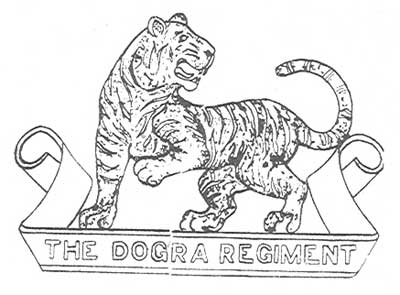
The Regimental insignia is the tiger, revered as the mount of Goddess Durga, who is a widely worshipped deity in the Dogra hills. The Regimental motto is Kartavyam Anvatma (Duty before Self). The Regimental Centre is at Faizabad, Uttar Pradesh.
The Dogras who form the hardy and loyal population of the hill regions of Himachal Pradesh, Punjab and J&.K have a lot traditional soldiering. They had been in the service of the British for some years as part of the Frontier Force. The Dogras formed into a regiment in 1887, and three Dogra Regiments were raised as part of the Bengal Infantry.
During the World. War, more Dogra battalions were added and after 1947 the Dogra Regiment gained further in the additional battalions raised as part of the Army’s post-1962 expansion. The Dogra Scouts come under the aegis of the Dogra Regiment.
The Regiment has earned respect as a disciplined and dependable group of Infantry. Enrolling in the army has long been the ambition and career motivation of the hill regions of the Dogras. The earnings from the military service have been well spent for over a century in the otherwise economically backward hill region of the Dogras.
Soldiering not only became a substantial part of the economic structure of the Dogra Hills, but created social and cultural traditions built on the people’s association with the army.
The Regimental insignia is the tiger, revered as the mount of Goddess Durga, who is a widely worshipped deity in the Dogra hills. The Regimental motto is Kartavyam Anvatma (Duty before Self). The Regimental Centre is at Faizabad, Uttar Pradesh.
Pre-Independence. Chitral, Malakand, Punjab Frontier, La Bassee, Fesulbert, Givenchy, Neuve Chappelle, Aubers, Egypt, Megiddo, Nablus, Palestine, Tigris, Kut el Amara, Baghdad, Mesopotamia, North West Frontier, Afghanistan, Kota Bahru, Donbaik, Nungshgum, Kennedy Peak and Magwe.
Post-Independence. Jhangar, Rajauri, Uri, Asal Uttar, Haji Pir, RajaPicquet, OP Hill, Punjab 1965, Siramani, Saudih, Dera Baba Nanak, Chandgram and Punjab 1971.
The Garhwal Rifles
The Garhwal Himalayas form a stark and rugged terrain. The people inhabiting the area are equally rugged and frugal and provide fine military and infantry material to the army. Serving in the army has been a long tradition in the Garhwal hills. Families have sent their sons to the army for generations. In the remote areas of the hills, earnings of the soldiers have sustained the local economy for years.
Garhwalis were taken in military service by the British as early as 1815. They had, however, been enlisted in the five regiments of the Gorkhas belonging to the Bengal Infantry and the Punjab frontier Force. In April 1887, the raising of 2nd Battalion the 3rd Gorkha Rifles was ordered with a class composition of Six Garhwali and two Gorkha companies.
In 1891, the two Gorkha Companies were separated and the remaining six Garhwali companies were redesignated as 39th the Garhwal Regiment of the Bengal Infantry.
Another battalion was added to the Regiment and both took part in the Great War.
The Garhwalis were the ‘find’ of the period and proved themselves in Flanders and other battles in Europe, despite the heavy casualties suffered. Later these battalions also served in Mesopotamia and Salonika.
After independence, the Regiment gained in strength and proved itself in many campaigns. The Regimental insignia is the Maltese Cross.
The Regimental Centre is at Lansdowne, Uttar. Pradesh.
Pre-Independence. La Bassee, Armentiers, Festubert, Neuve Chappelle, Aubers, Egypt, Khan Baghdadi, Sharquat, Mesopotamia, Macedonia, Afghanistan, Gallabat, Barentu, Keren, Massawa, Amba Alagi, North Africa, Malaya, Citta di Castello, Yenaungyaung, Monywa, North Abakan, Ngakyedauk Pass, Ramree, Taungup, Burma, Punjab Frontiers, France and Flanders and Kauntam.
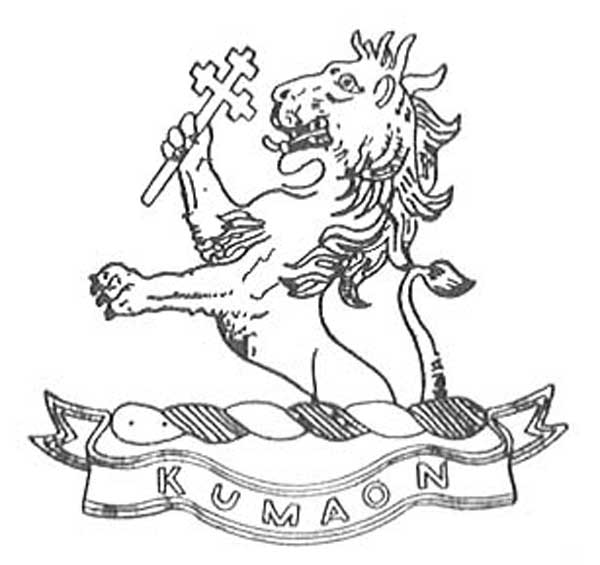
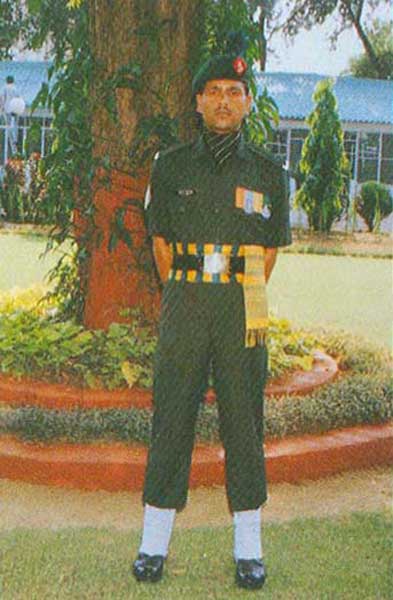
The Kumaon Regiment
The Kumaonis, like the Garhwalis, had been in British military service since the early 19th Century. As part of the North Indian class, who had joined the military of the East India Company’s forces, the Kumaonis had moved to other states in search of military service. They thus formed part of the Hyderabad Contingent, which was raised, trained and led by British officers under Henry Russell, but paid by the Nizam of Hyderabad.
After 1857, in keeping with the class based composition of the infantry, the Regiment comprised Rajputs, Jats and Muslims. After the Great War, some Kumaoni battalions were raised separately, but the Hyderabadis continued and fought with distinction in the World War.
The Muslim composition of the Hyderabadis had been discontinued in the mid-1920s.
The troops were mostly from the area which is today Uttar Pradesh. In 1945, the Hyderabadis became the Kumaon Regiment. When the Naga Regiment and the Kumaon Scouts were raised, they came under the aegis of the Kumaon Regiment.
The regimental insignia is the demi-rampant lion, which formed part of the arms of the Russell family, whose ancestor had started the body of troops now formed into Kumaon Regiment.
The class composition of the Regiment is 75 percent Kumaonis and 25 percent Ahirs/Rajputs. The Regimental Centre is at Ranikhet, Uttar Pradesh.
Pre-Independence. Nagpur, Mehidpore, Nawah, Central India, Burma 1885-87, China, Megiddo, Sharon, Palestine, Tigris, Khan Baghdadi, Mesopotamia, Persia, North West Frontier, East Africa, North Africa, Malaya, Slim River, Bishenpur, Kangaw, Shweli, Magwe, Kama and Sittang.
Post-Independence. Srinagar (Badgam), Rezangla, Gadra City, Bhaduria, Daudkandi, Sanjoi Mirpur and Shamsher Nagar.
The Assam Regiment
The Regiment was raised on 15 June 1941 to meet the claim by the then undivided State of Assam for its own fighting unit to counter the threat of the Japanese invasion of India. The young Regiment soon proved its capabilities within three years of its raising, at the consecutive battles of Jessami, the epic defense of Kohima and capture of Aradura, all of which were awarded as Battle Honors to the Regiment.
The Regiment earned high praise for its combat skills in World War II. After Independence, the Regiment gained in strength and its battalions have taken part in all wars and counter-insurgency operations with distinction. It was awarded a Battle Honor for its tenacious defense at Chamb (1971).
Two battalions were part of the Indian Peace Keeping Forces in Sri Lanka in 1988 and a battalion sent to Cambodia in 1993 as part of the United Nations Transitional Authority in Cambodia. A Territorial Army battalion and a Rashtriya Rifles battalion are affiliated to the Regiment.
The class composition of the Regiment includes Nagas, Mizos, Assamese, tribes of Arunachal Pradesh and other North Easterf1 tribes.
Two battalions also have Dogras, Garhwalis, Gorkhas and South Indian classes. The unique cultural and tribal character of the Regiment makes for a fine combination of cheerful, tough and willing soldiers who excel in’ 9perations in mountainous and jungle terrain.
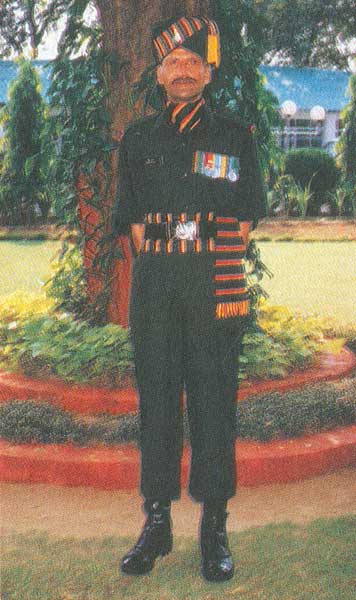
The Regimental insignia is the single-horned Rhinoceros of Assam.
The Regimental motto is Asam Vikram (Unique Valour).
The Regiment colors are Black and Gold (State colors of undivided Assam) and Scarlet (the color of the Infantry).
Badges of rank are Silver and Black. The side arm is the ‘dah’. Its Regimental language is Hindi. The Regimental Centre is at Shillong.
Pre-Independence. Jessami, Kohima, Aradura, Kyaukmyaung Bridgehead, Mawlaik and Toungoo.
Post-Independence. Chamb.
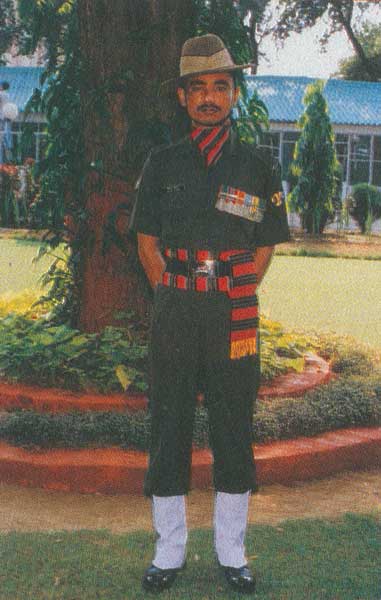
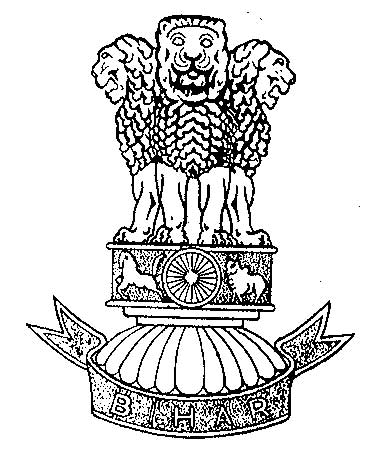
Bihar Regiment
Bihar is the cradle of ancient Indian civilizations and empires. Hindu, Buddhist and Muslim influences intermingled to produce a soldiery which was traditionally arms bearing, disciplined and deeply religious.
The Bihar Regiment claims its origins from the Sepoy battalions raised in 1758 by Clive at Patna. These were formed by the men from the Bhojpuri region of Bihar. Their success in combat had impressed the local ruler Mir Kasim, to begin raising units trained in western combat techniques.
The Bihari battalions raised by Mir Kasim had not only done well, but beaten the British in some engagements. The Bihari, of, poorbiaj purviah soldier thereafter continued to provide the backbone of the Bengal Infantry of the British.
The Bihari – particularly the Brahman – was not only an excellent soldier, he was also quick to learn and apply the tactical drills with initiative. He was disciplined when led by good officers, but capable of hostility when his beliefs and customs were disregarded.
The 1857 revolt against the introduction of greased cartridges, was led by the Bihari troops, who preferred being blown by the guns to losing their faith.
Biharis thereafter were not encouraged to enter military service until after the Great War, when they were accepted in the Hyderabad Regiment which later became the Kumaon regiment. 1st Bihar Battalion owes its origins to the Kumaonis. The 2nd was raised in 1942 as part of the Bihar Regiment.
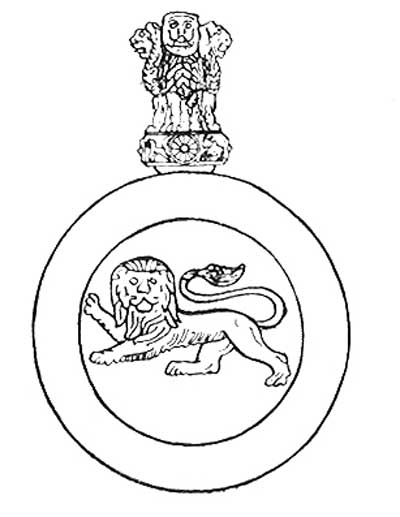
The regimental insignia is the Ashoka Lion. The Regimental Centre is at Danapur, Bihar. The Regimental motto is Karam Hi Dharam.
Pre-Independence. Haka and Gangaw.
Post-Independence. Akhaura
The Mahar Regiment
Mahars have a long and proud tradition of bearing arms. They were the respected members of Shivaji’s and later of the Maratha armies. After the British trained and drilled Indian Infantry was formed in the early 19th Century, Mahars formed part of the Bombay Presidency Army. They had particularly distinguished themselves in the battle for the defense of Koregaon in 1818.
A Mahar battalion was raised in 191 7 and took part in the Great War, but was later merged with another regiment. Between the two wars, the Mahars .had persistently sought a regiment for themselves for service in the army. These efforts, marked by the quality and level of arguments advanced by the Mahar leader, Dr BR Ambedkar, resulted in the Mahar Regiment being raised in 1941.
The Regiment fought in Burma, Persia and Iraq in the World War. In 1946, the Regiment converted to the specialist role of fielding medium machine guns, and for a decade and a half rendered most effective support in combat.
The men carried the heavy weapons in every terrain and never failed to hold their ground in Defence.
During the disturbed conditions in the aftermath of partition, the Regiment helped in the safe transfer of lakhs of refugees, in the face of violent armed mobs.
In 1956, the Regiment absorbed three battalions of the Border Scouts, which had been earlier raised for manning the disturbed Punjab border. The class composition of the Regiment changed over the years, to accept men from all states and classes while retaining basic Mahar composition in some battalions.
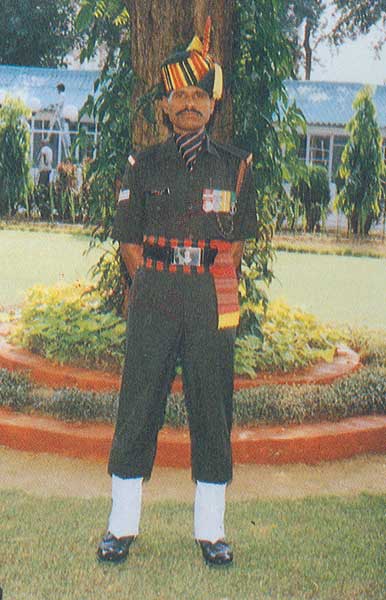
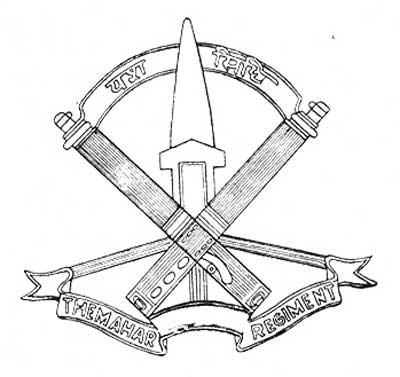
The regimental insignia is a pair of crossed Vickers medium machine guns with a dagger.
The regiment motto is Yash Siddhi (Success &. Attainment). The Regimental Centre is at Saugor, Madhya Pradesh.
Punjab & Kashmir 1947-48, Ladakh 1967, Asal Uttar, Jaurian Kalit, Kalidhar, Tilakpur-Muhadipur, Sehjra, Harar Kalan, Parbat AIi, Thanpir and Shamsher Nagar.
Jammu And Kashmir Rifles
The J&K Rifles is a unique Indian Regiment.
It is a historic Regiment (dating back to 1821) that was not raised by the British but by an intrepid Indian ruler called Gulab Singh.
Gulab Singh was one of the ablest Generals of Maharaja Ranjit Singh and later became the rule of the Jammu and Kashmir State. He and his legendary General Zorawar Sing led many spectacular campaigns to add Ladakh, Baltistan, Hunza and Skardu to the State territories.
Zorawar Singh mounted a breath-taking invasion of Tibet in 1841. The stat force fought as imperial Service troops in both the World Wars (under their own native officer). They distinguished themselves in East Africa, Palestine and Burma.
Their grimmest hour came in the 1947-48 Pakistani invasion of Kashmir. It was their heroic stand that gained time for the entry of the Indian Army and thus saved the Vale of Kashmir. They paid a steep price in blood and sacrificed over 76 officers, 31 JCOs and 1,085 Other Ranks. For their gallant stand they earned three Maha Vir Chakras, 20 Vir Chakras and 52 Mentioned in Dispatches.
The J&K State Forces are the only erstwhile Princely State Forces of India to be absorbed en bloc into the Indian Army as a distinct and separate Regiment. In 1963, the designation was changed to Jammu and Kashmir Rifles. After conversion, the Ladakh Scouts came under the aegis of the Regiment.
During the recent Kargil conflict, they created an unprecedented record of sorts, when 18 J&K Rifles won two Param Vir Chakras in a single campaign. Ladakh Scouts has recently acquired the status of a Regiment.
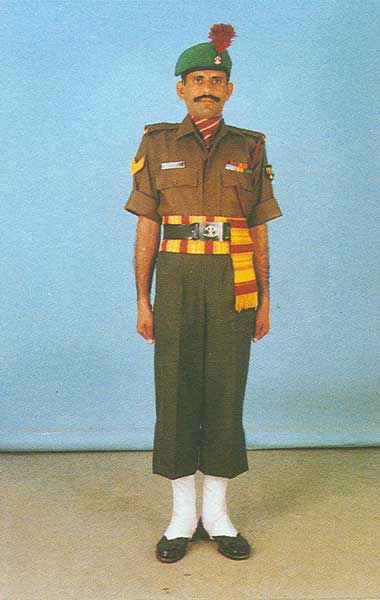
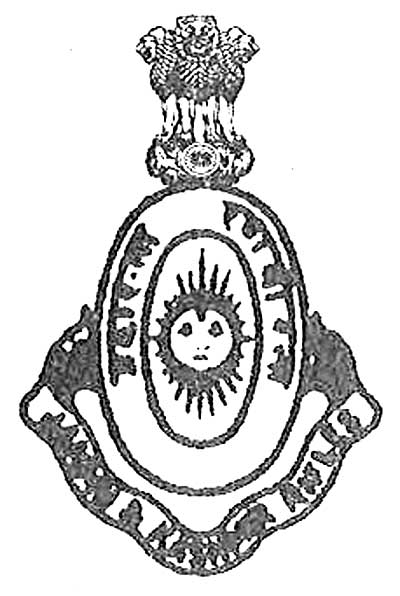
The Regiment has a class composition of 75 percent Dogras with Gorkhas, Sikhs and Muslims forming the other 25 percent. The Regimental insignia is an oval around the stat emblem of the sun. The Regimental motto is Prashasta Ranvirta (Valour in War is praise worthy) The Regimental Centre is at Jabalpur, Madhya Pradesh.
Pre-Independence. Ladakh 1834-40, Baltistan, Tibet, Gilgit, Yasin, Darel, Hunza, Nagar, Chilas, Chitral, Megiddo, Nablus, Kilimanjaro, Beho-Beho, Sharon, Palestine, East Africa, Afghanistan, Kennedy Peak and Meiktila.
The Naga Regiment
The Naga Regiment is the youngest Regiment of the Indian Army. The Nagas were quite well represented in the Assam Regiment and they also had an access to other Arms and Services. During 1960, the delegation of the Naga Peoples Convention put forward the proposal for a separate regiment to fulfill their desire of playing a greater role in the Defence Forces of India.
First Battalion (1 Naga) of the Regiment was raised at the Kumaon Regimental Centre, Ranikhet on 1 November 1970 under the Command of Lt Col RN Mahajan, VSM. Being the only battalion, it was then designated as the NAGA Regiment. The manpower to raise this battalion was provided by battalions of Kumaon, Garhwal and Gorkha (3 GR) regiments. Sixty nine Nagas were enrolled directly from rehabilitation camps of underground Nagas.
However, the Regiment was to comprise 50 percent Nagas and remainder 50 percent of an equal number of Kumaoni, Garhwali and Gorkhas.
Since many Kumaon battalions had been associated with Nagaland, particularly in the years preceding the raising of Naga Regiment, it was affiliated to the Kumaon Regiment for all regimental matters.
The second battalion (2 Naga) was raised on 11 February 1985 at Haldwani.
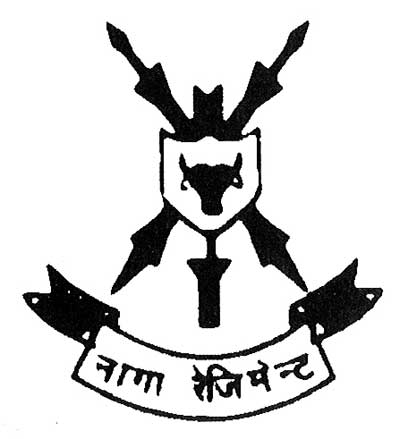
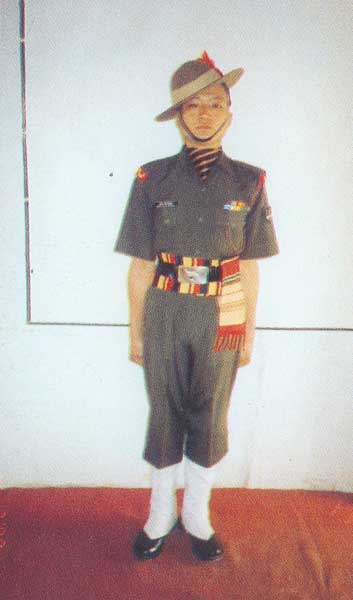
The traditional Naga weapons viz the Dah, the Spear and the prestigious Mithun have been integrated into the Regimental Crest. The Regiment’s colors are Gold, Green and Red, the gold of the rising sun, the green of Infantry and red the color of authority among Nagas.
1 Naga was presented with ‘Colors’ on 6 May 1978 at Dehradun by Shri Neelam Sanjeeva Reddy, the President of India and 2 Naga was presented with ‘Colors’ on 10 May 1990 by Gen VN Sharma, PVSM, ADC, the Chief of the Army Staff.
1 Naga took part in Bangladesh operations and earned a name for the Regiment. It was awarded one Vir Chakra and three Sena Medals. The battalion was the first one to be inducted into Op Vijay in Drass Sector on 11 May 99. During this operation, the battalion captured Black Rock, Thumbs Up, tyramid (all part of Point 5140), Pimple Hill (later named as Naga Hill) and Point 5060.
The battalion was awarded with two Vir Chakras and two Sena Medals for their outstanding performance during this operation.
2 Naga has been awarded ‘COAS Unit Citation’ twice and both times for valour and chivalry in the face of the enemy. This battalion also took active part in ‘Op Vijay’. The battalion has earned one MVC, two VrC, one YSM, one VSM and nine Sena Medals.
The Jammu and Kashmir Light Infantry
India’s first Light Infantry Regiment was born out of the peoples’ response in 1947, to the invasion of Kashmir by Pakistan. In the difficult days of the invasion, the population formed local Defence groups.
These were later organized into militias responsible for specific sectors, e.g.; Leh, Bubra, Jammu, Punch etc. Over a period, these were grouped into Militia battalions. Two of these were later converted into the Ladakh Scouts.
The militia battalions operated with skill on the Line of Control, and III the 1971 War with Pakistan earned three battle honors in 1972, the militia battalions were brought on par with the army units, and in 1976 designated the Jammu and Kashmir Light Infantry.
Since then, battalions of the Light Infantry have served with honor in different parts of the country, in Sri Lanka and part of the United Nations Force in Somalia. Appropriately, a battalion of the Regiment earned great honor in operations at 21,000 feet in the Siachen Glacier sector of Jammu and Kashmir.
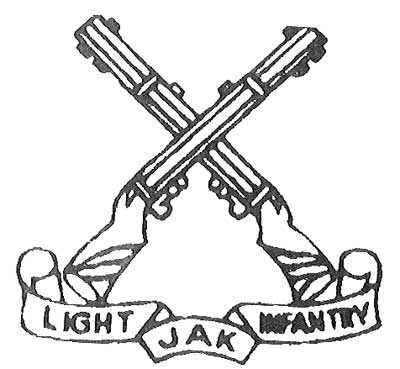
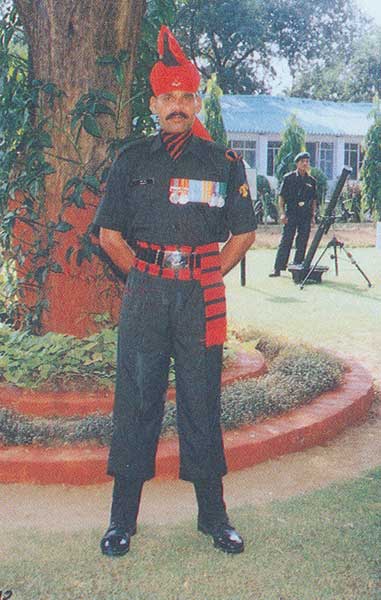
The Regiment has 50 percent Muslims and 50 percent of the other ethnic groups of the state of Jammu and Kashmir. The insignia of the Regiment is a pair of crossed rifles. The motto of the Regiment is ‘BaHdanam Vir Lakshanam’. The Regimental Centre is at Srinagar.
Post-Independence. Laleali, Picpuet 707, Shingo River Valley and Gutrain.
1 Gorkha Rifles
Gorkhas from Nepal had extended their empire into Kumaon, Garhwal and Kangra hills by the mid- 18th Century. The Gorkha War of 1815 was the result of the interface between the Gorkhas and the British at the time. Always on the lookout for reliable soldiers, the British started a Gorkha (Nusseree) battalion in the Shiflla hills.
Before long, this battalion had made its mark in the battle for Bharatpur in 1826. In 1850, the battalion was termed 66th Gorkha Light Infantry and later the First Gorkha Light Infantry. It became the First King George’s Own Gorkha Rifles in 1910 (Malaun Regiment).
After independence, the designation I changed to the present one. The Regiment’s other battalions were raised after 1959. The Regiment has a proud combat record 1 and has always lived up to its reputation.
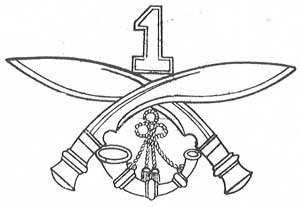
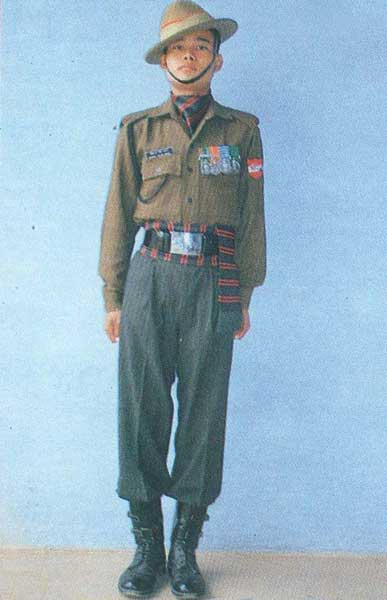
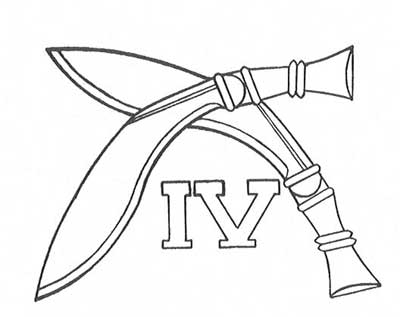
The Regiment draws its manpower from the Gurung and Magar clans of the Gorkhas. The regimental insignia is a pair of crossed kukris with the numeral 1 above.
The Regimental Centre is at Sabathu, Himachal Pradesh, where the First Battalion was raised in 1815.
The motto of the regiment is ‘Kayar Hunu Bhanda Marnu Ramro’ (It is better to die than to be a coward).
Pre-Independence. Bharatpur, Aliwal, Sobraon, Afghanistan 1878, Punjab Frontier, Tirah, Givenchy, Neuve Chappelle, Ypres, St Julien, Festubert, Loos, Megiddo: Sharon, Palestine, Tigris, Kut-al-Amara, Baghdad, Mesopotamia, France and Flanders 1914-15, NW Frontier, Afghanistan 1919, Jitra, Kampar, Shenam Pass, Bishenpur, Myinmu Bridge Ukhrul and Kyaukse.
Post-Independence. Kalidhar and Darsana.
3 Gorkha Rifles
1st Battalion, 3rd Gorkha Rifles was raised on 24 April, 1815 as “Kumaon Battalion”. In 1907, the. Regiment was redesignated as 3rd Queen Alexandra’s Own Gorkha Rifles. The Regiment presently comprises five battalions.
During the First World War, the Regiment distinguished itself in France, Gaza and Palestine and won 18 battle honors.
During the Second World War, the Regiment fought in Burma, Malaya, Java, Indonesia, Iraq, Persia, Palestine, North Africa and Cyprus and again proved its mettle.
Past-Independence, the Regiment won the Battle Honor “Pir Kanthi” in Uri Sector in 1948 and “Shingo” in the Kargil Sector in 1971.
1/3 GR has the distinction of being the first battalion in the past-Independence period to carry out amphibious operations during the 1971 operation. Colonel JR Chitnis, CO 1/3 GR was honoured with the Ashoka Chakra (Posthumous) in Nagaland in 1956.
The Regimental Centre combined with that of 9th Gorkha Rifles is located at Varanasi, Uttar Pradesh. The Regiment draws its manpower from the Gurung, Thapa, Magar and Pun clans of Central Nepal and from the Indian Domiciled Gorkhas.
Pre-Independence. Ahmedkhel, Afghanistan, Burma, Chitral, Terab, Punjab Frontier, La Bassee, Armentieres, Givenchy, Festubert, Neuve Chappelle, Aubers, France, Banders, Egypt, Gaza, EI Mughar, Nebi Samwil, Jerusalem, Tell Assur, Megiddo, Sharon, Palestine, Sharqat, Mesopotamia, Dierel Sheing, North Africa, Sittang, Kyaukse, Tuitum, Imphal, Bishenpur, Sakwang, Shenam Pass, Tengaupal, II Castella, Mante Della Gargancce, Mante Farneta, Mante Cavallo., Italy, Defence of Mel<tila, Rangaan Raad, Paybwe and Pegu.
Post-Independence. Pir Kanthi and Shinga River.
4 Gorkha Rifles
Forty years after the first three battalions of Gorkhas were raised, ‘extra’ battalions were raised and named as such. 33 Extra Gorkha Regiment was raised in 1857 at Pithoragarh. It became the Fourth Gorkha Rifles of the Bengal Infantry and after the Coronation Durbar at Delhi, became the Prince of Wales’ Own 4th Gorkhas.
After independence it is known as the 4th Gorkha Rifles. It operated in the Lushai hills in 1871, in China in 1900, and in Europe and Mesopotamia during the Great War. There were four battalions of the Regiment in the World War.
One of the battalions formed part of the Chindits under Wingate. The third Battalion fought a fine action at Bilafond La, at heights of nearly 20,000 feet in 1987. Major Jackson in his book on the British Indian Army has called Fourth Gorkhas as the most travelled in the Indian Army.
The Regiment’s manpower is from the Magars and Gurungs of Nepal. Its Regimental Centre is at Sabathu, Himachal Pradesh. The Motto of the Regiment is ‘Kayar Hunu Bhanda Marnu Ram ro , (It is better to die than to be a coward).
Pre-Independence. Ali Masjid, Kabul, Kandahar, Afghanistan, Waziristan, Chitral, Tirah, Punjab Frontier, China, Afghanistan 1919, Givenchy, Neuve Chappelle, Ypres, St Julienne, Aubers, Festubert, France and Flanders 1914- 15, Gallipoli, Egypt, Tigris, Kut al Amara, Baghdad, Mesopotamia, North West Frontier, Baluchistan, Iraq, Syria, The Cauldron. North West Frontier, Baluchistan, The Cauldron, North Africa, Trestina, Monte Cedrone, Italy, Pegu, Chindits, Bishenpur, Shwebo. Mandalay and Burma.
5 Gorkha Rifles (Frontier Force)
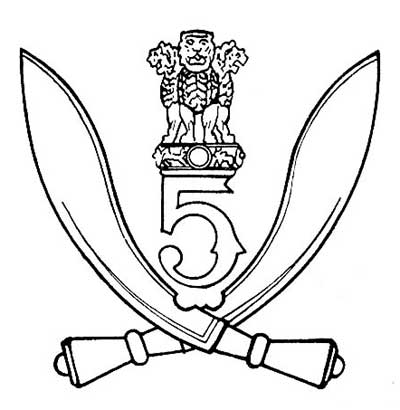
5 Gorkha Rifles was originally raised as 25th Punjab Infantry or The Hazara Gorkha Battalion on 22 May 1858 at Abbottabad. Later rechristened as 5th Gorkha (Rifle) in 1891, the Regiment has since acquitted itself with a dazzling record of military victories, valour and array of awards not forgetting the unique feature of winning two VCs on a single day.
It is the only Regiment to have won nine VCs in the Great Wars and has 49 battle honors to its credit. It saw hard fought actions in the scorched deserts of Gallipoli and Mesopotamia and rugged clime of Afghanistan during the First World War with an enviable martial account.
The British conferred the title ‘Royal’ on the Regiment in 1921 in recognition of its superlative combat services in the World Great War. The Second World War too bore the testimony of sustained military glories with the ‘Fighting Fifth’ fighting their way through Iraq, Iran, Palestine, Italy, Lebanon, Burma, Java, Malaya and Siam.
In the post-independence era, the battalions of the Regiment continued with their forays in all the wars with élan and heroism now typical to the Regiment. In the Hyderabad action the Regiment claimed one Ashok Chakra. Zojila pass was captured paving the way for link up with Leh in 1948 and Dera Baba Nanak Bridge was captured in 1965.
The 1971 war with Pakistan yet again endorsed the stoic resilience and fortitude of the Regiment when a battalion executed the first ever heliborne operations well behind the enemy lines, where it fought one of the fiercest battles in Sylhet.
Concurrently, another battalion captured ‘Sehjra Bridge’ in Bangladesh. On the Western frontier infiltration was undertaken in the Chicken Neck Sector with a masterly technique that completely surprised the enemy. The Regiment was honoured with 4 MVCs together with 5 Battle Honors. In Sri Lanka the Regiment earned one MVC and two VrCs.
The eminent personalities associated with the Regiment include Lt Gen ZC Bakshi, PVSM, MVC, VrC, VSM, till date considered one of highly decorated fighting Generals and Lt Gen SK Sinha, PVSM, ADC the former Vice Chief of Army Staff, Ambassador of Nepal and Governor of Assam.
Pre-Independence. Peiwar Kotal, Charasia, Kabul-1879, Kandahar-1880, Afghanistan 1878-80, Punjab Frontier, Helles, Krithia, Suvla, Sari Bair, Gallipoli, Suez Canal, Egypt-1915-16, Khan Baghdadi, Mesopotamia-1916-18, NW Frontier-1917, Afghanistan-1919, NW Frontier-1930, Sangro, Caldari, Cassino II, St Angelo in Teodice, Rocca D’Are, Rippa Ridge, Femina Morta, Monts San Bartolo, Sittang, Kyaukse, Yenangyaung, Stockades, Buthidaung, Imphal, Sakawng, Bishenpur, Shenam Pass and Irrawaddy.
Post-Independence. Zoji La, Kargil, J&K 1947-48, Charwa, Sehjra, Sylhet, J&K 1971 and East Pakistan 1971.
8 Gorkha Rifles
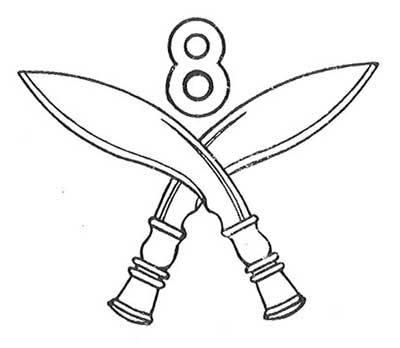
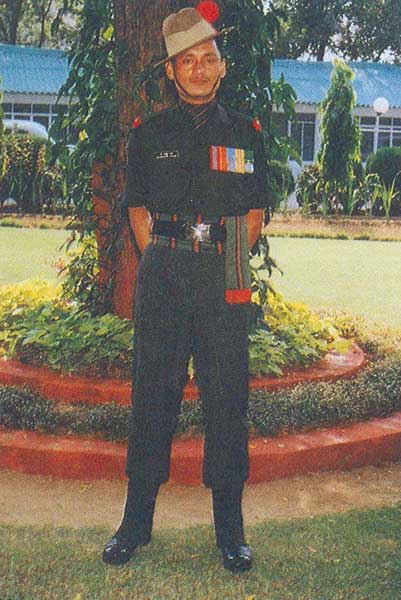
The Shiny Eight, popularly known in the Gorkha fraternity of the Indian Army, finds its roots of lineage to 16 Sylhet Local Battalion raised in 1824 and since then the identity of the Regiment has undergone transitions over the period to its present designation as the Eight Gorkha Rifles in 1907. The chronicles of the Regiment, spanning 176 glorious years, are replete with astonishing tales of heroism, guts and sacrifice. Little wonder that the Regiment has acquired an enviably long tally of 56 Battle Honors, 4 VCs, 1 PVC and 4 ACs.
Military assignments commenced as soon after the raising of the Regiment when the first battalion formed the spearhead for operations in Burma War of 1824-25. The services of the Regiment were to be requisitioned again when the British went to War with Bhutan in 1864. Two battalion columns of the Regiment sallied forth, shoulder to shoulder to crush the Bhutanese revolts and the stronghold of Devnageri.
The first VC came to the Regiment in October 1879 in its first ever operational mission when its units were summoned to deal with Naga rebels. This was the first time that a regular army unit was ever employed in the Naga Hills. The Young Husband Expedition of 1904 was another jewel in the crown that brought VC again to the Regiment. Braving the high altitude climes of Tibet, the expeditionary force successfully stormed through the Tibetan fortress of Gyantse at 19000 feet.
World War I testified the enigmatic valour and heroism of the Regiment during the course of combat services in Italy, France, Mesopotamia and Egypt. 15 battle honors were earned during the period. 8 GR battalions also saw active overseas actions in Iraq. Egypt, Libya, Tobruk, EI Alamein and Burma during World War II where the Regiment earned one VC and 22 Battle Honors.
Soon after partition, the First battalion saw action in the J&K operations of 1948. When the Pakistanis were all out to seize Kashmir by brute force, Lt Col Hari Chand with a handful of men marched on an unconventional route from Kulu to Leh at an altitude of 18,000 ft. and destroyed enemy guns, which forced them to withdraw from this sector and saved Leh from falling into enemy hands.
For this dauntless and gallant action, Lt Col Hari Chand was awarded Maha Vir Chakra. In the Chinese aggression of October 1962, Maj Dhan Singh Thapa, earned laurels for the Regiment while defending Pangong Lake (Ladakh Sector) with ferocious tenacity and held on magnificently against Chinese human wave attacks. Maj Dhan Singh Thapa was honoured with the PVC for his steadfastness and valour in this operation.
The Regiment also exhibited sterling combat performances during 1965 and 1971 Indo-Pak conflicts during which 4 MVCs and Battle Honors came its way. The Regiment was also actively involved in the operations in Sri Lanka and brought home one MVC and four VrCs. The 7th Battalion was raised on 1 July 1979 at Shillong, consequent to the 15t Battalion becoming Mechanized.
Field Marshal SHFJ Manekshaw, MC, is the most celebrated personality of the Regiment. His contribution in the Indo-Pak War of 1971 is now a legend in the military history of the Indian Armed Forces.
9 Gorkha Rifles
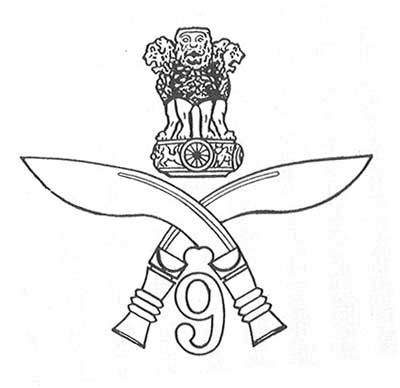
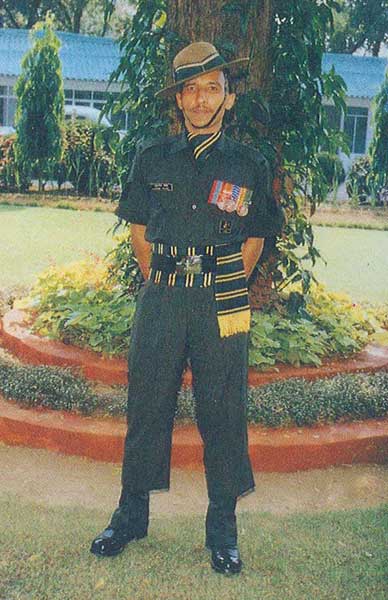
The history of the 9 Gorkha Rifles dates back to 1817, when it was raised as Infantry Levy at Fatehgarh. In 1823, it became a regular unit as part of the Bengal Native Infantry. After the reorganizations post-1857, the designation was changed to 9 Bengal Native Infantry with one of its companies formed by Gorkhas and other hill men.
By then the Regiment had fought at Bharatpur, and in the difficult battle of Sobraon in the Anglo Sikh War. In 1893, the Regiment became a wholly Gorkha unit of Khas Gorkhas, i.e.; those who were more closely linked to Hindu ways as compared to the Buddhist ways of other Gorkha clans. In 1901, the Regiment was designated 9 Gorkha Rifles.
9 GR fought in the Great War in Europe and in the inter-war years took part in the operations in the North West Frontier. In World War II, it fought in Italy and North Africa.
The 3rd and 4th Battalions formed part of the Chindits in Burma, and earned a high reputation in Long Range Penetration operations.
In 1962, 1/9 GR fought under the most demanding conditions on Namka Chu in NEFA (Arunachal Pradesh).
The Regiment continued the fine traditions in 1965 and 1971, and earned Battle Honors and gallantry awards.
The Regiment recruits the Chhetri, Khatri, and Thakurs from Nepal. Domiciled Indian Gorkhas are also taken, who form about 20 percent of the strength. The Regimental Centre is at Varanasi, Uttar Pradesh.
Pre-Independence. Bharatpur, Sobraon, Afghanistan (1879-80), Punjab Frontier, La Bassee, Festubert, Armentiers, Givenchy, Neuve Chappelle, Aubers, Loos, France and Flanders, Tigris, Kut-al-Amara, Mesopotamia, Djebel-el-Maida, Djembe Garcia, Ragoubet Souissi, Chindit, Tavoleto, Hangman’s Hill, San Marino, Baghdad and Cassino.
Post-Independence. Phillora, Kumarkhali and Dera Baba Nanak.
11 Gorkha Rifles
First Raising. The history of 11th Gorkha Rifles in fact dates back to the year 1918. Four battalions were raised in Mesopotamia and Palestine in May 1918 by pooling companies from other Gorkha Regiments and Garhwal Rifles. These battalions also saw action in the Third Afghan War. The battalions were later demobilized from the Indian Army.
The Second Raising. At the time of Independence, when the division of the Indian Armed Forces was being done, the question of the future employment of Gorkha troops also came up. At that time there were ten Gorkha Regiments in the Indian Army, each with two battalions. To settle the issue the Govt of India, Nepal and Britain considered the matter and a Tripartite Agreement was signed on 9 November 1947.
As per this agreement the 2nd, 6th, 7th and 10th Gorkha Rifles were transferred to the British Army while the remaining six Gorkha Regiments were to continue service with the Indian Army. Troops of the 7th and 10th Gorkha Rifles hailed from Eastern Nepal and were of mainly Rai and Limbu castes.
Transfer of troops to the British Army was to be on a purely voluntary basis. A referendum was held in the presence of representatives of the India and Nepalese Governments. Troops form the 7th and 10th Gorkha Rifles opted against transfer to the British Army in large numbers. 2/7 GR located at Santa Cruz Bombay as a whole opted against transfer to the British Army.
There was no Gorkha Regiment, left in the Indian Army with troops from Eastern Nepal. Keeping in mind the large numbers of non-optees and their fighting qualities it was decided to re-raise the 11th Gorkha Rifles. Thus on 1 January 1948, the Regimental Centre and 3/11 GR (with strength from 2/7 GR) were raised at Palampur and Santa Cruz, Bombay, respectively.
In 1948, as the number of non-optees increased the Fourth and the Fifth were also raised. Later the First and the Second were raised on 1 September 1960 and 11 January 1963. The 107 Inf Bn (TA) Affiliated to the Regiment was raised on 1 October 1960. The Sixth and Seventh were raises after the 1962 Chinese invasion.
Battalions of the 11the Gorkha Rifles gave participated in practically all operations undertaken by the Indian Army since Independence, I.e. Hyderabad (1948), J&K, 1948, 1965, Chola (1967) where the seventh fought a gallant action against the Chinese in a localized border engagement and 1971.
The First and Second battalions of the Regiment have operated with distinction in anti-militant operations in Assam and J&K, respectively, and won unit citations with the COAS Scroll of Appreciation.
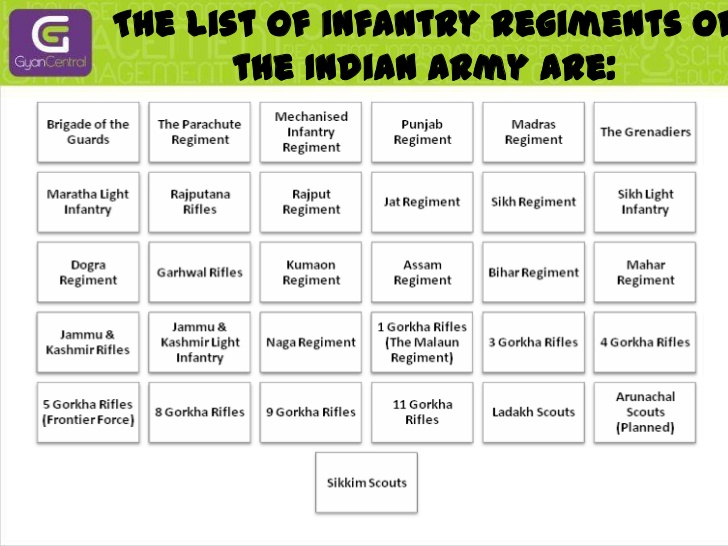
Created with Microsoft OneNote 2016.
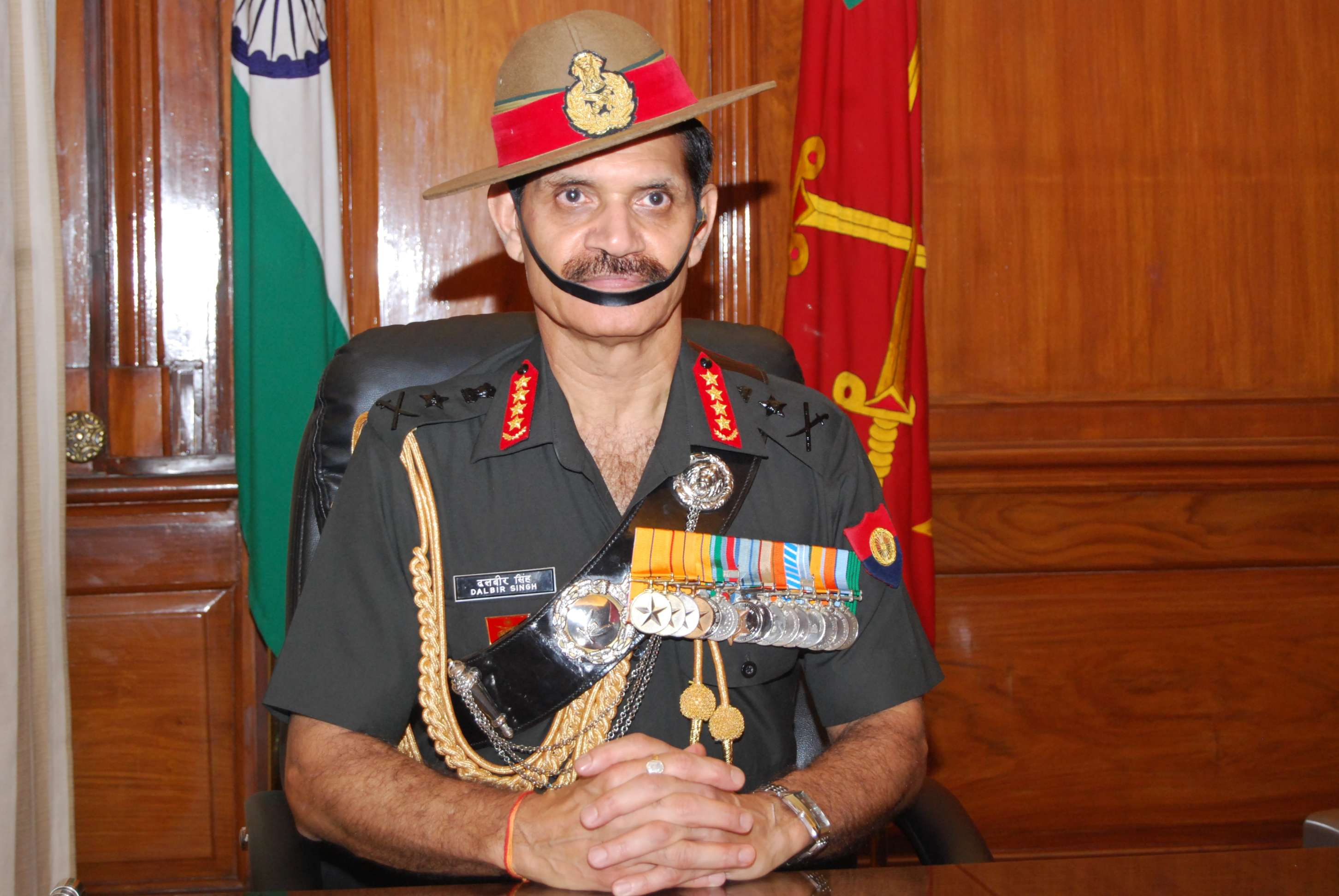
On behalf of Special Frontier Force. Establishment 22, Vikas Regiment, I am very pleased to share this post on the Indian Armed Forces.
Rudra Narasimham Rebbapragada
Ann Arbor, MI 48104-4162, USA
Special Frontier Force, Establishment 22, Vikas Regiment
Facts About The Indian Armed Forces That’ll Make You Respect
Them Even More
The Indian Armed Forces, consisting of the Indian Army, the Indian Air Force, the Indian Navy and the Indian Coast Guard are India’s shield and sword, which keep our interests safe, our enemies at bay and the people of our country secure and free. They are respected and adored for their valor and sense of duty by the entire country. Many of us would know about their triumphs and stellar contributions to civilian life. But here are a few facts which will increase your respect for the Indian military ten-fold.
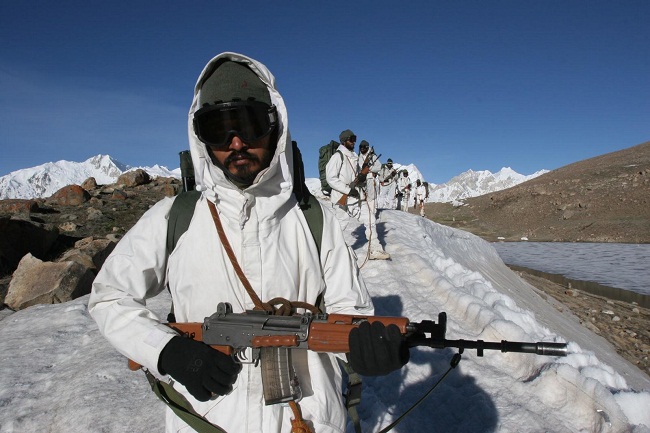
All serving and reserve personnel have actually “opted” for service. There is a provision for conscription (forced recruitment) in the constitution, but it has never been used.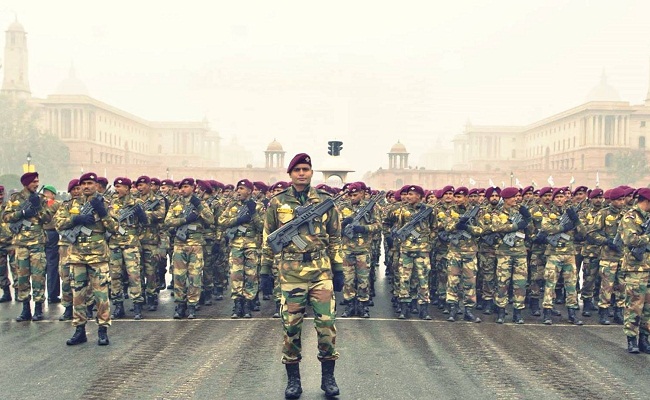

The Indian army’s High Altitude Warfare School (HAWS) is one of the most elite military training centers in the world and is frequented by Special Ops teams from the U.S, U.K & Russia. U.S Special Forces trained at HAWS before their deployment during the invasion of Afghanistan.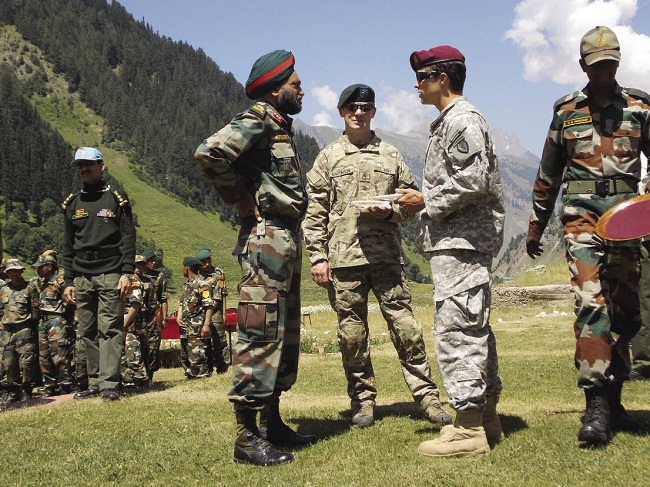

Till date, it is considered to be one of the CIA’s biggest failures in espionage and detection.
Soldiers are recruited based on their overall merit and fitness based on stringent tests and trials. And once a citizen of India joins the forces, he/she becomes a soldier. Nothing else. Nothing more.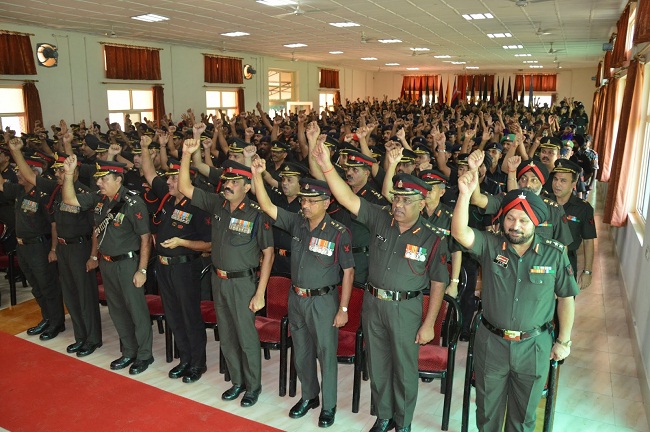
The Battle of Longewala was fought in December 1971 between India and Pakistan, in which just 120 Indian Soldiers with 1 jeep mounted M40 recoilless rifle held the fort against 2000 Pakistani soldiers backed by 45 tanks and 1 mobile infantry brigade. Despite being heavily out-numbered, the Indian soldiers held their ground throughout the night and with the help of the Air Force, were able to completely rout the aggressors.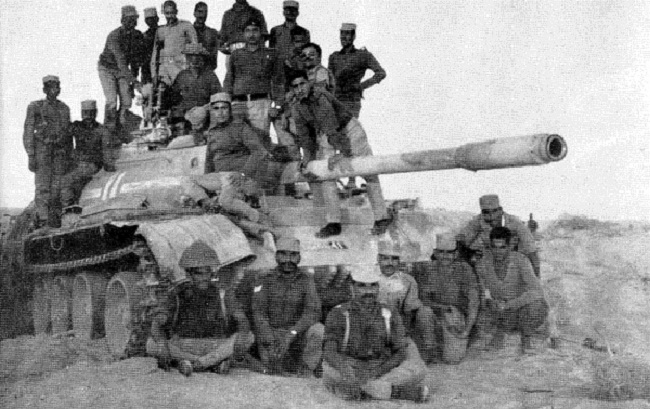
It was carried out by the Indian Air Force to evacuate civilians affected by the floods in Uttarakhand in 2013. It was the biggest civilian rescue operations in the world carried out by any Air Force using helicopters. During the first phase of the operation from 17 June 2013, the IAF airlifted a total of about 20,000 people; flying a total of 2,140 sorties and dropping a total of 3,82,400 kg of relief material and equipment.


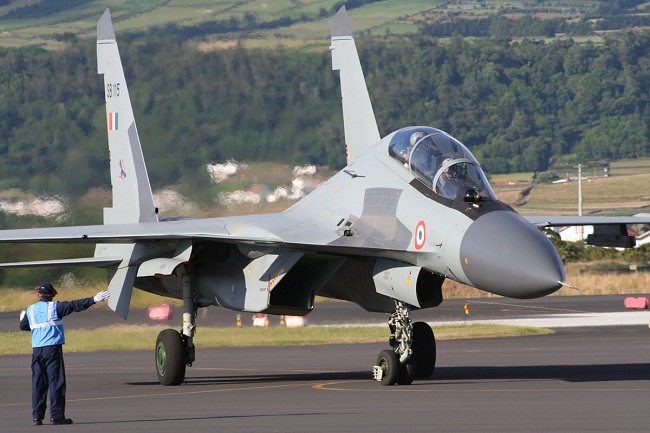
The Bailey Bridge is the highest bridge in the world. It is located in the Ladakh valley between Dras and Suru rivers in the Himalayan mountains. It was built by the Indian Army in August 1982.
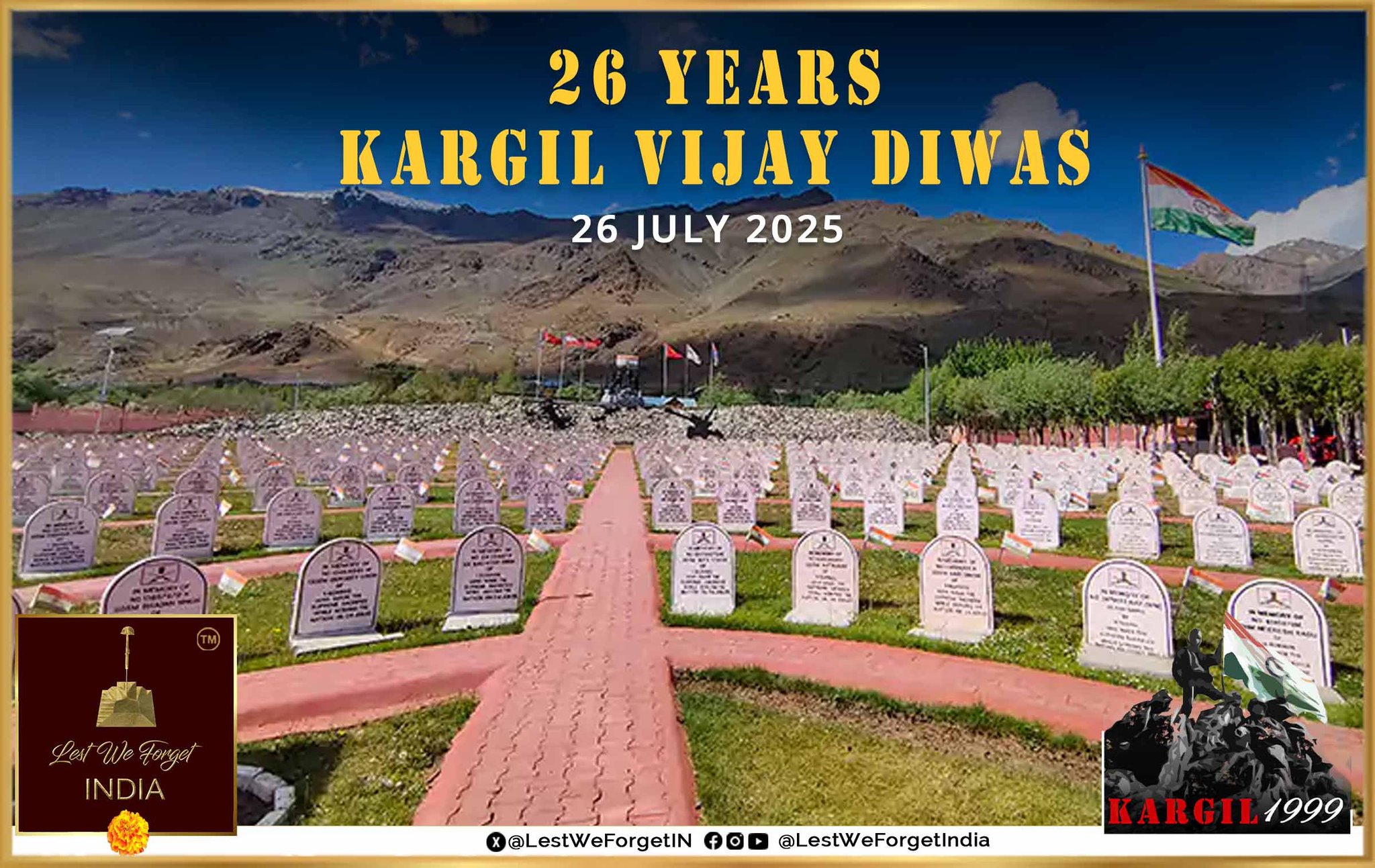

The MES and Border Roads Organisation (BRO) are together responsible for the construction and maintenance of some of the most awesome roads and bridges ever to have been built. To name a few, the Khardungla Pass (the highest motorable road in the world), the Magnetic Hill in Leh, etc.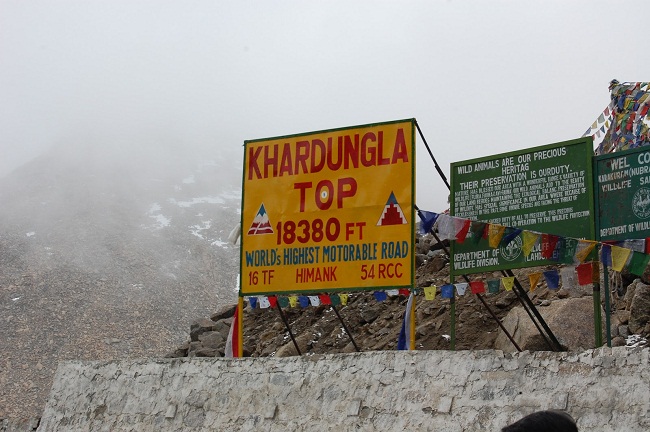

This is the largest number of POWs taken into custody since World War II. The war resulted in the creation of the independent state of Bangladesh.
I WISH TO ADD THE FOLLOWING AS AN HONORARIUM TO ALL OUR SOLDIERS (RECEIVED FROM A FRIEND)
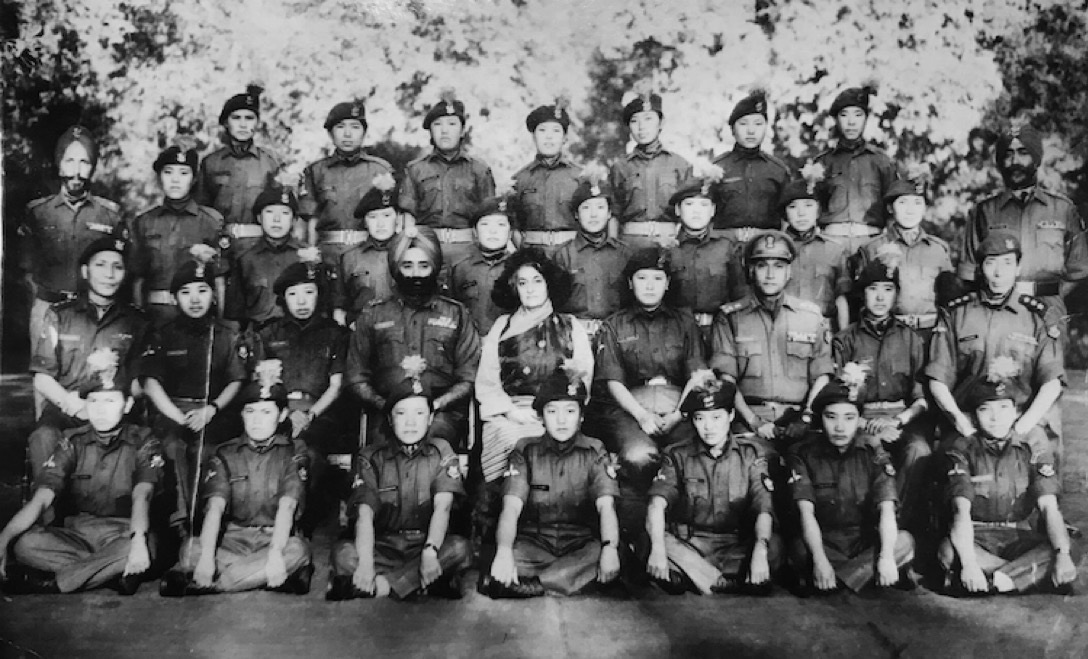
THE FINAL INTERVIEW WITH GOD.
MOST TOUCHING THE FINAL INSPECTION
The soldier stood and faced God,
which must always come to pass.
He hoped his shoes were shining,
Just as brightly as his brass.
‘Step forward now, you soldier,
How shall I deal with you?
Have you always turned the other cheek?
To My Church have you been true?’
The soldier squared his shoulders and said,
‘No, Lord, I guess I isn’t.
Because those of us who carry guns,
Can’t always be a saint.
I’ve had to work most Sundays,
And at times my talk was tough.
And sometimes I’ve been violent,
Because the world is awfully rough.
But, I never took a penny,
That wasn’t mine to keep…
Though I worked a lot of overtime,
When the bills got just too steep.
And I never passed a cry for help,
Though at times I shook with fear.
And sometimes, God, forgive me,
I’ve wept unmanly tears.
I know I don’t deserve a place,
Among the people here.
They never wanted me around,
Except to calm their fears.
If you’ve a place for me here, Lord,
It needn’t be so grand.
I never expected or had too much,
But if you don’t, I’ll understand.
There was a silence all around the throne,
Where the saints had often trod.
As the soldier waited quietly,
For the judgment of his God.
‘Step forward now, you soldier,
You’ve borne your burdens well.
Walk peacefully on Heaven’s streets,
You’ve done your time in Hell.’
Author Unknown~
Don’t Break This – Without Apology
Thinking of all the soldiers of the free world.
I’m not breaking this one. If I get it a 1000 times, I’ll forward it a 1000 times! Let us pray
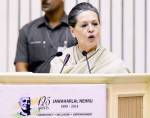
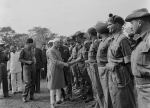
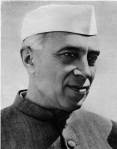

A Prayer chain for our military… Don’t break it!
Send this on after a short prayer for our soldiers – Please Don’t break it!
GOD BLESS YOU FOR PASSING IT ON!
JAI HIND
TODAY IS THE OLDEST YOU’VE EVER BEEN,YET THE YOUNGEST YOU’LL EVER BE,SO ENJOY THIS DAY WHILE IT LASTS AND LIVE LIFE TO THE FULLEST WHILE YOU CAN……..
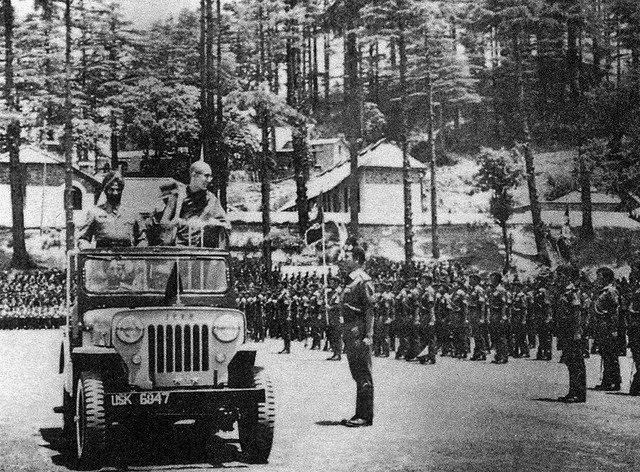
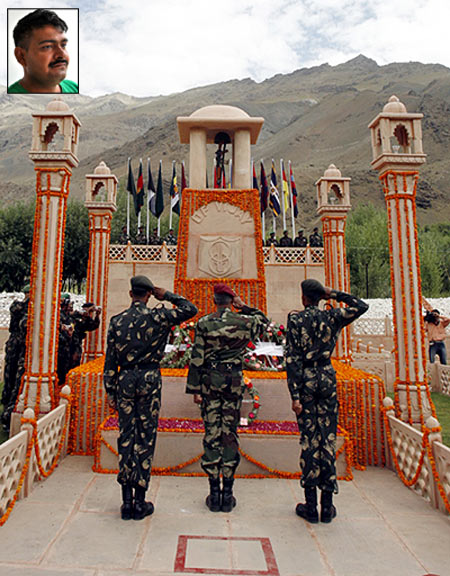
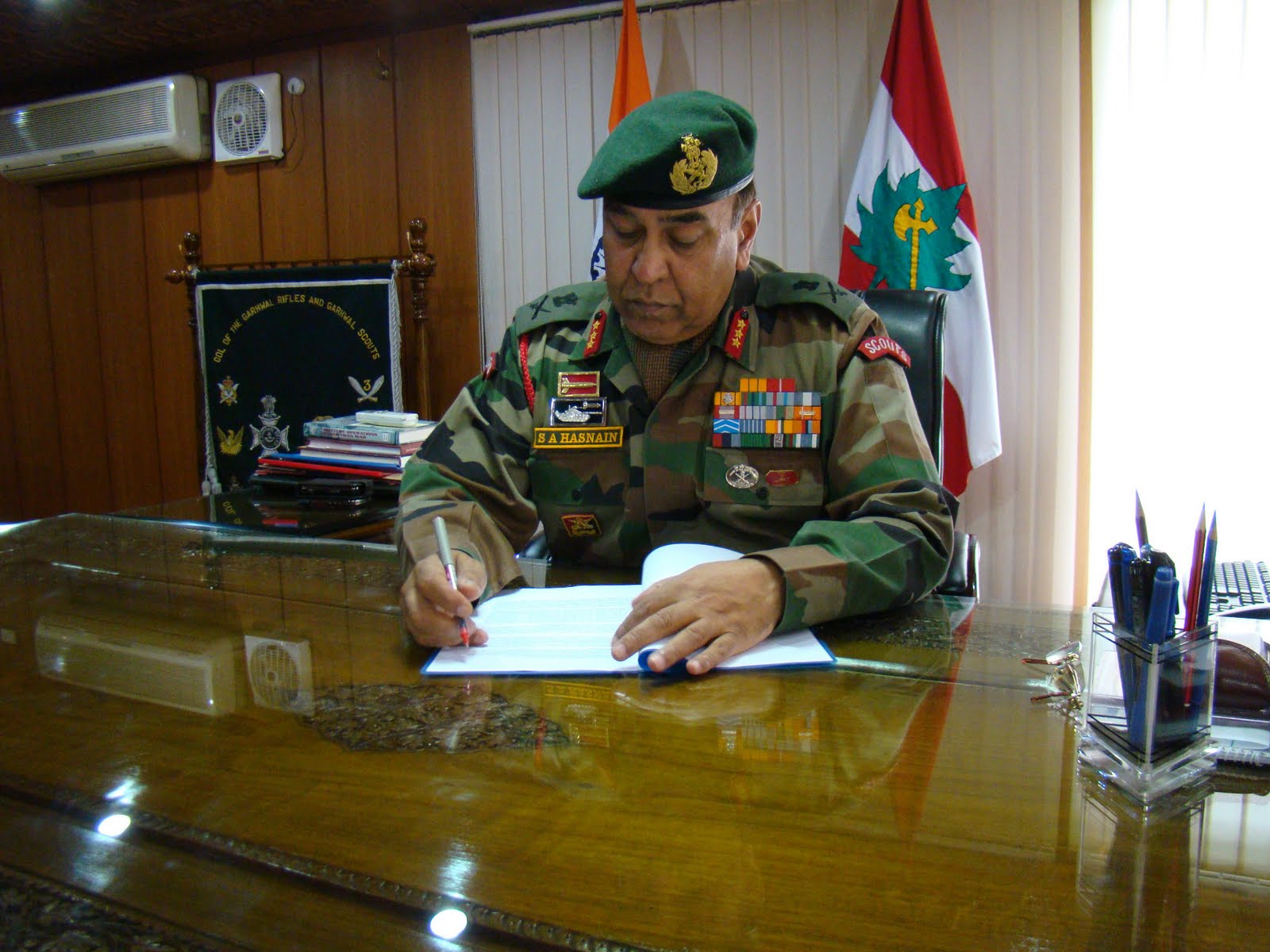
Lt Gen Syed Ata Hasnain
Indian Express, Wed Dec 11 2013
Define what it means before you decide what the army should do.
For the first time in years, a newspaper’s leadership has thrown up a serious strategic issue for debate. Kashmir is far too complex for inexperienced minds to fully comprehend and there are so many stakeholders it confounds even those who have a semblance of an idea. In a recent article in this paper (‘Disarming Kashmir’, Indian Express, December 7,), Editor-in-Chief Shekhar Gupta talks about victory in the 24-year standoff and the necessity of an early withdrawal of the army from Kashmir’s hinterland. We must first highlight what Gupta is seeking through this thought-provoking article. He says the army has become weary and therefore less professional, having lost soldiers in tactical operations this year. He wants the army to strengthen the LoC and de-escalate in the Valley, because Kashmiris, he says, must get a part of the “peace” dividend. He takes a dig, saying that some respected general with five tenures in the Valley had told him that, having defeated the Lashkar, the army has only been building golf courses and guest houses for the last five years. He adds that if any of these bad boys show their faces in Kashmir again, the army can come back to sort them out. He claims that the military objective in Kashmir (if any was spelt out) has been achieved and, that the UPA government has veritably introduced a concept of governance — veto power (on strategic decisions) for the army. One of the most important points Gupta makes is, “you cannot find a Kashmir settlement with Pakistan before embracing your own Kashmiris and restoring trust with them first”.
On the face of it, this article evokes negatives all the way but re-reads throw up issues which need serious pondering. Unfortunately, not many are aware of the degree of intellectual analysis that the army itself has done of its role in Kashmir. It recently organised a full deliberation on the concept of victory at the Army War College, Mhow.
The first question is: have we ever enunciated an aim in Kashmir? In all these years, there never has been a clearly stated political aim given to the security forces. The informally stated military aim was stabilisation by controlling infiltration and eliminating terrorists. No one realises that in such situations, political and military aims cannot be separated. In 2011, we enunciated our own joint politico-military aim for our commanders — “integrate Jammu and Kashmir with mainstream India, politically, economically, socially and psychologically”. We were clear that eliminating terrorists was the easiest part of this war, that eliminating “terrorism” was the real challenge. I wish Gupta had faulted the army for not demanding the articulation of a politico-military aim as fighting without an aim is actually unfair. The lack of such an aim results in exactly what Gupta has done — declaring victory prematurely. Victory has to be measured against an aim, or else all kinds of versions are thrown around. We also have to measure victory against a realistic assessment of the future. Afghanistan 2014 with all its imponderables looms before us; any idea of victorious peace and subsequent actions has to be connected to it. Incidentally, I am speaking of victory as not against the people of Kashmir but for them, and against the intent of Pakistan, the separatists and terror groups.
It is essential to explain a few things to those with limited military orientation. First, Kashmir is a case of rim-land insurgency. It is not the LoC alone that needs to be strong. In the event of conventional war with Pakistan, the hinterland of Kashmir is as important as the LoC. It is here that the strategic assets exist, along with strategic arteries, which can be choked in war. Remember, in each Indo-Pak war, Pakistan has depended on the Kashmiri people to rise against us. Second, the larger number of incidents, and the loss of brave soldiers, this year should make us re-evaluate the actual military situation in the Valley. Ironically, this is least important in assessing victory. In counter-insurgency/ counter-terrorism campaigns, the answer finally lies in what the people think. Third, in all these years, no serious attempt was made to project to the Kashmiri people how and why their future lay only with India. The only agency that did this was the army. No government agency has ever put together a psychological campaign to win the confidence of the people. The army did it because it is a part of its professional responsibility and all international military counter-insurgency experience talks of winning hearts and minds (WHAM). The “hearts doctrine” articulated by the army in 2011-12 was the first strategically oriented WHAM programme in Kashmir. Separatism and radicalism run hand in hand in the Valley and it will take years of committed campaigning before these are diluted — the on and off presence of terror groups doesn’t help. Who has the capability to strategize, plan and stay committed to such a campaign but the army? To presume that the army has done its job and should hand over the responsibility to civilian agencies is absolutely correct, provided there are agencies who can take it forward to “peace”. If there is none, why rue the army’s insistence that its work must not be undone? Twenty-four years of institutional wisdom need not be sacrificed in the urgency for declaring a premature victory.
A few other observations by Gupta are designed to provoke non-intellectual minds, but they deserve a brief comment. The number of soldiers lost in negative incidents in a year is never reflective of the capability of an army fighting terrorism. Moreover, the deployment of the regular army in the hinterland is at its minimum today. The army’s Rashtriya Rifles (RR) operates in the hinterland and its soldiers never get exhausted because it has a well-thought-out relief programme. Tactical minds within the RR also rue their presence among the populace, to neutralise just a handful of terrorists each year. This really is the problem — a misunderstanding that the RR’s task is to kill terrorists alone, and not recognising that the task of a counter-insurgency force is to cement the separatist population with the mainstream. There is something else that our countrymen need to know about the RR: the professional and experienced military force is our add-on resource for conventional operations, especially now that 110 wings of Pakistan’s Frontier Corps (the country’s virtual RR) have received operational experience and modern weaponry to make them force multipliers. That is a major reason the RR cannot be disbanded or re-deployed for counter-insurgency tasks in Naxal-affected areas.
To claim victory over terror groups is premature also because the number of surrendered terrorists in the Valley (all with different shades of antipathy to the establishment) is higher than the number of terrorists in holding camps and launch pads in PoK. None of the promises (by the state government or the police) to these surrendered terrorists has been fulfilled, creating a potential resource for home terror.
Gupta’s most potent statement is, “Because its (the government’s) politics is frozen, it has introduced an unprecedented new factor in Indian policymaking: a veto for the army”. Seeking and giving professional military advice is a part of governance and on Siachen, Kashmir or Manipur, the army has offered just that. If you go by this accusation, every proposal by the army should have been accepted. In the case of Siachen, it is the trust deficit that prevents the vacation of the Saltoro Ridge; on the Armed Forces (Jammu and Kashmir) Special Powers Act, 1990, the government almost relented but the only organisation that offered a rationale for its retention was the army. Its arguments went well beyond the ordinary, explaining just how it was balancing hard and soft power in the emerging situation and just how the AFSPA was only an umbrella to be used in an emergency. The army likes a cemented victory and celebration for the people, not a half-baked one which gives adversaries reason for glee.
The general with five tenures in Kashmir who says the army is out of a job needs to revisit Kashmir. Not a single new golf course has come up and yes, guest rooms are indeed necessary to ensure that more armchair strategists visit Kashmir to be briefed at Keran, Machel, Gurez, Uri, Sopore, Tral and Shopian, before passing judgement on their professional army. Don’t just visit Srinagar, Gulmarg and Pahalgam to make up your mind because the advice you will then proffer will never meet the professional needs of our army or that of our nation. Learn to trust your army — it is your army.
The writer Syed Ata Hasnain is a recently retired Lt. General, is a former general officer commanding of the Srinagar-based 15 Corps.


I am a native of Rajahmundry of East Godavari District, Andhra Pradesh, India by way of my family connections. I lived only a small part of my life in my hometown. Within those few years, Rajahmundry very graciously connected me to the nation that we know as India. On one hand, I was introduced to the traditions of River Worship and Idol Worship, I got acquainted with the ideas of Ahimsa (non-injury), and at the same time I was also introduced to India’s history of foreign occupation, the pain imposed by the Muslim invaders, the struggle for Independence from the British Rule and equally important is the social awakening of the people. During the 19th century, India saw the rise of nationalism and simultaneously there was a wish to reform the society. The natives of Rajahmundry received inspiration from a variety of sources.
Ms. Annie Besant who became the President of the Theosophical Society in 1907 visited Rajahmundry twice and established a place of worship known as ‘Divya Gjyan Samaj’ in a residential sub-division of Rajahmundry which is still known as ‘ALCOT GARDENS’ (named after Theosophist Henry Steel Olcott).

Bipin Chandra Pal (1858-1932), the leader of ‘Vande Mataram’ nationalist movement visited Rajahmundry in April 1907.

Alluri Sita Ramaraju (1898-1924) was inspired by the patriotic zeal of the revolutionaries in Bengal and waged a brief war against the British winning the hearts of the natives of Rajahmundry.

He was born into a poor Brahmin family at Rajahmundry in 1848. About one hundred years later, when I arrived in Innespeta subdivision of Rajahmundry, the first time I had known this great man was during a visit to the municipal park on the Main Road, just a short walking distance from my grandparents’ house. There is a very imposing statue and people spoke about him with pride and admiration. My eldest brother, Hari was a student at the Veeresalingam Theistic High School in Innespeta. During the academic year 1952-53, I studied in 3rd grade at ‘Shade Girls High School’ located near ‘Kambala Cheruvu’ (Lake Kambala) while my family resided in Danavaipeta subdivision of Rajahmundry. Myself and my elder brother Pratap used to walk to the school and the easiest way to reach the school was a private road which traverses the Veeresalingam Gardens. The subdivisions of Danavai peta and the Danavai Pond and Prakasam Nagar are located on the southern side of the Gardens and Gandhi Nagar is located along the northern perimeter of the Gardens. The school is at a short distance from the north-west entrance to the Gardens. Apart from the tombs of Veeresalingam and his wife Rajya Lakshmi, the Gardens had a venue to conduct marriage functions and there was a Home for Widows. On our way to the school, we used to enter the Widow’s Home and a classmate of ours by name Sai Baba would join us in the walk to the school. On our return trip, the three of us used to reach the Home and after leaving Sai Baba, myself and my brother would resume our walk to our residence in Danavaipeta. There were several occasions when we would wait at the Home while Sai Baba’s mother would be breastfeeding him. During that school year, it was my daily experience and I knew that my friend and his mother derived their support from this great benefactor known as Veeresalingam.
As my family lived on the outer fringes of Veeresalingam Gardens during the most part of my later school years at Danavaipeta Municipal High School, walking across the Gardens and playing cricket in the evening in the open areas of the Garden became a part of my daily routine. The Gardens had several flowering plants and fruit-bearing trees and to celebrate the festival of Ganesh we used to gather from the Gardens several flowers, leaves, and fruits which are required for the worship. At the same time, I also knew about ‘Hithakarani Samajamu’. Veeresalingam donated all his lifetime earnings and had established this trust in 1907. Addepalli Vivekananda Devi, a social worker, and educationist lived in Danavaipeta and I had seen her several times and I was aware that she was continuing the relentless effort started by Veeresalingam to empower women and for the uplifting of women.

In 1968, Ms. Addepalli Vivekananda Devi successfully established Srimati. Kandukuri Rajya Lakshmi College for Women near the Lake known as ‘Danavai Gunta’. My sister and a sister-in-law studied in this College.
Veeresalingam was influenced by the ideals of ‘BRAHMO SAMAJ‘ founded by the great social reformers of Bengal, Raja Ram Mohan Roy, Keshub Chunder Sen, and Iswar Chandra Vidya Sagar who did much work for women’s emancipation. Veeresalingam was the pioneer of social reform in Andhra areas of the Madras Presidency apart from his remarkable contributions to Telugu literature and for the cause of education.

During the course of life, moments slip away and fortunately, they are laid into account. If there are no memories, there is no life worth speaking about.
Dr. R. Rudra Narasimham, B.Sc., M.B.B.S.,
Danavaipeta Municipal High School, Rajahmundry,
S.S.L.C. Class, March 1961

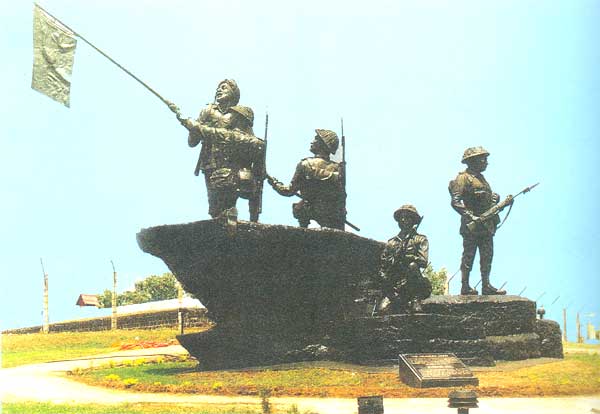
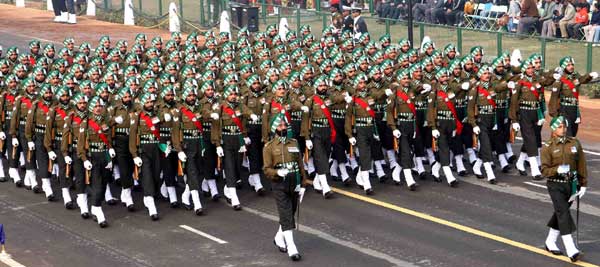

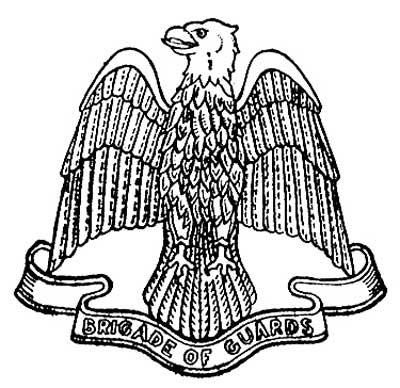
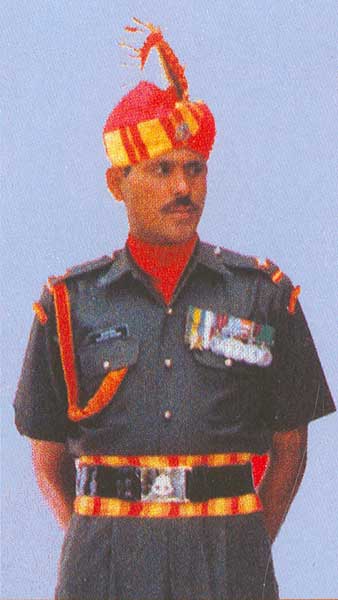


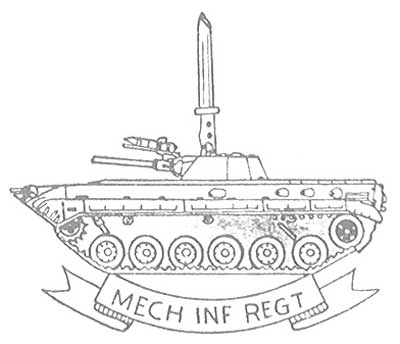
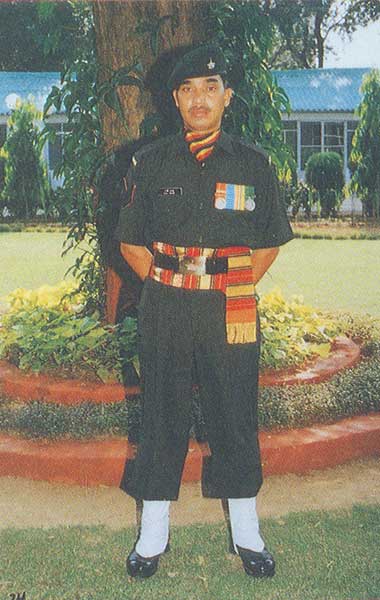
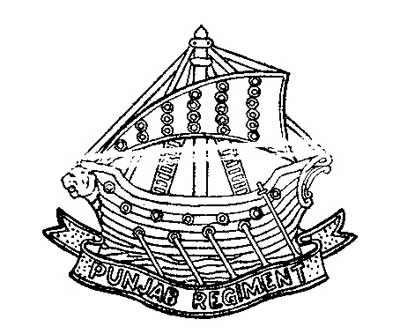
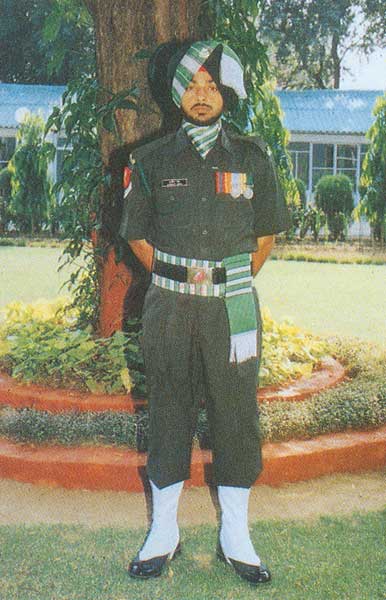
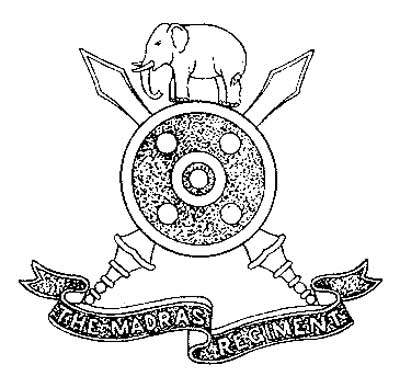
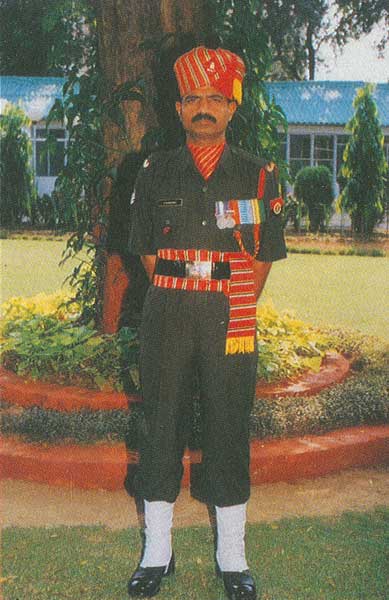
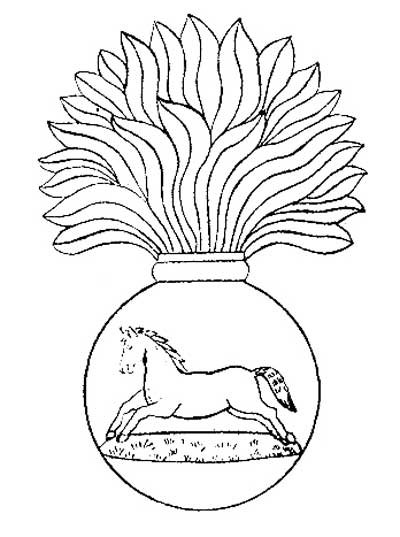

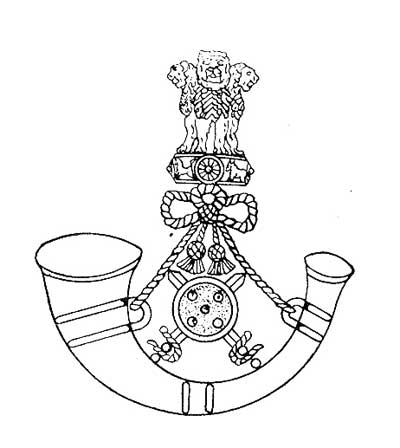

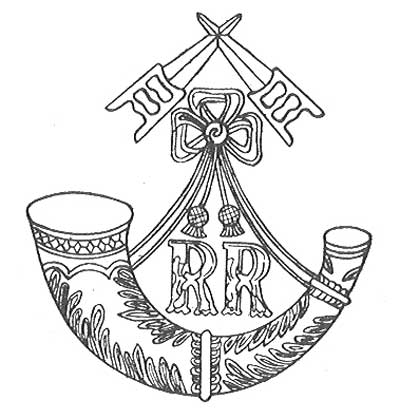
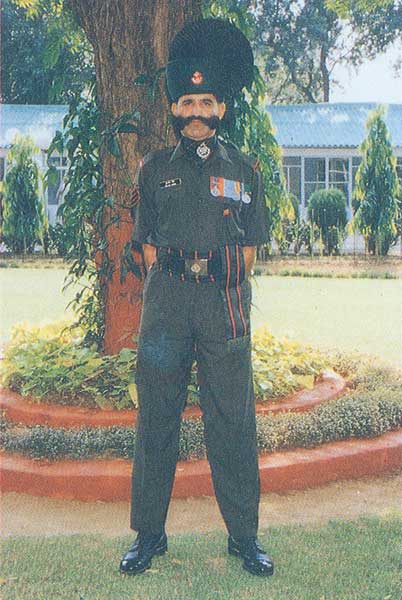


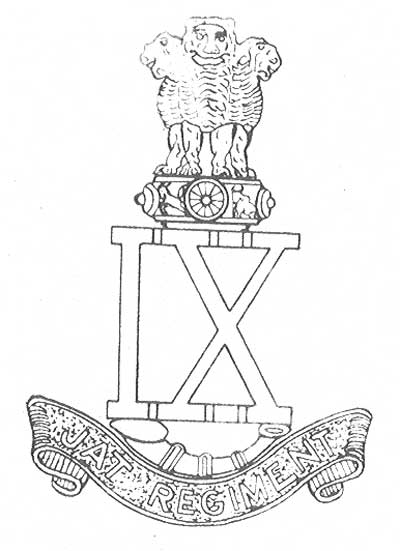
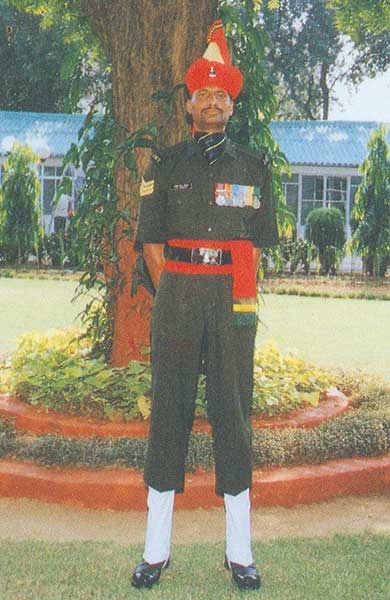
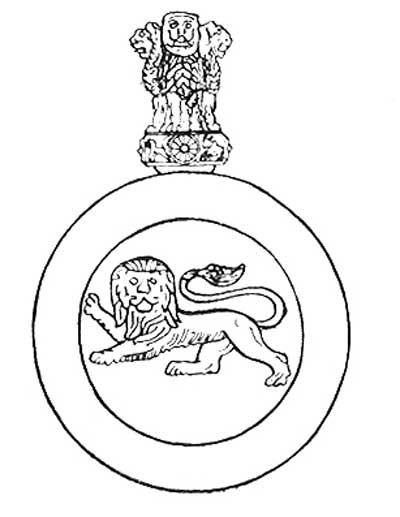
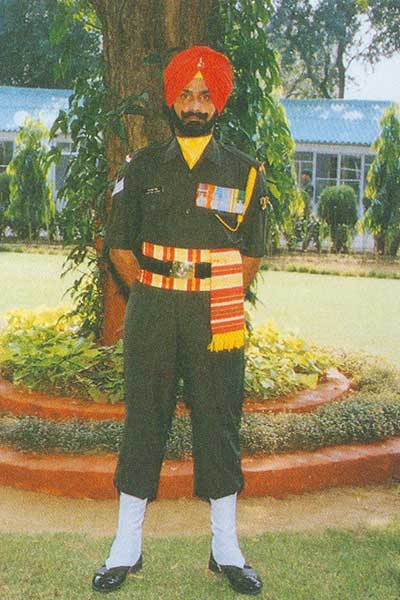
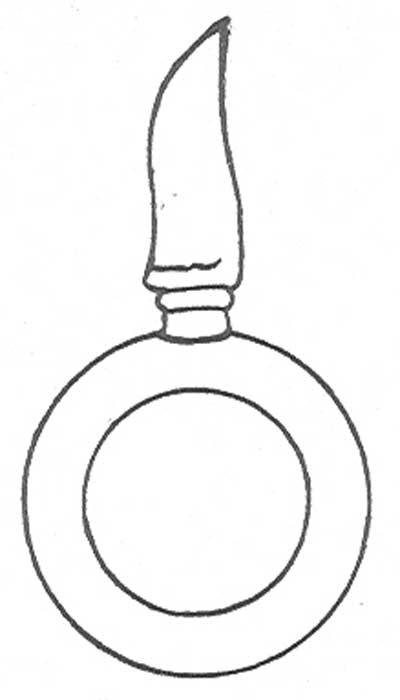
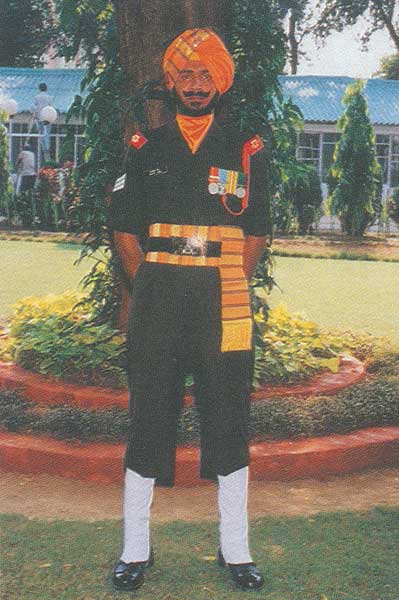
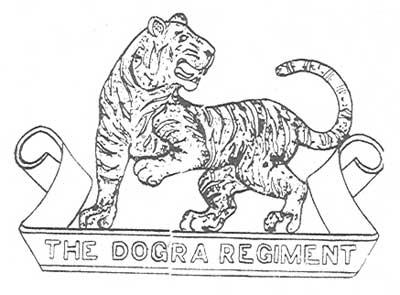
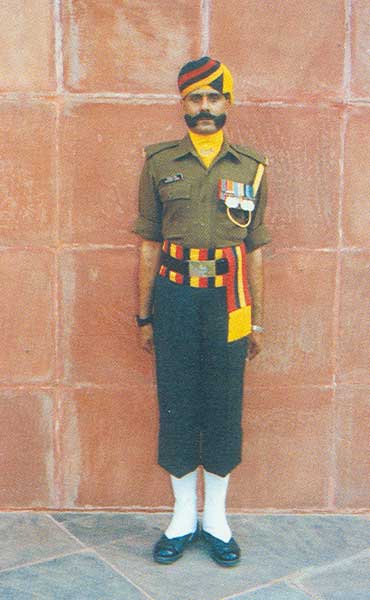
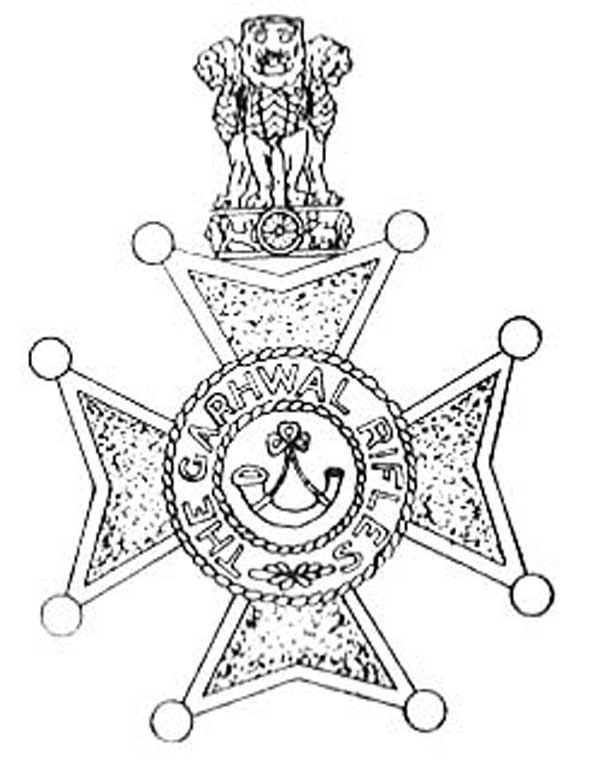
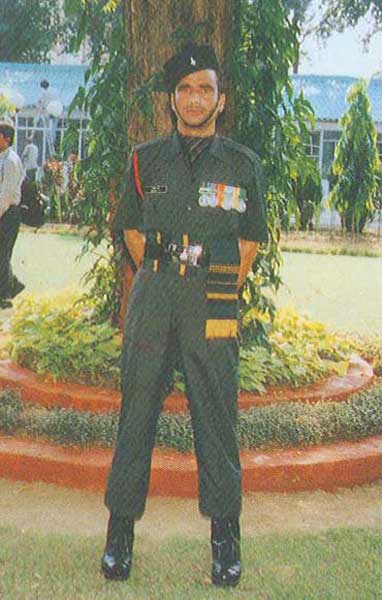


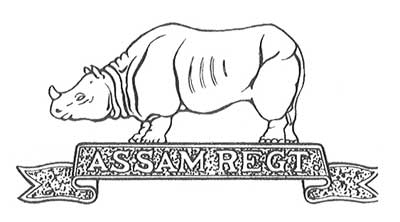

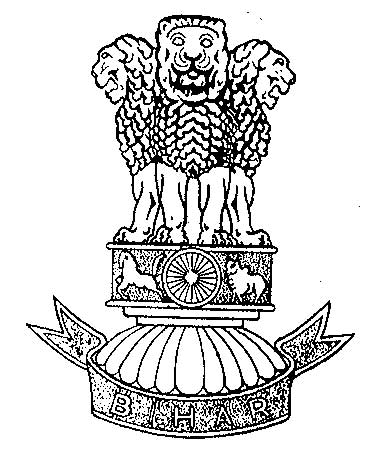

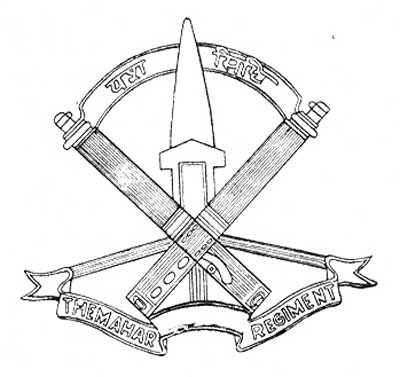
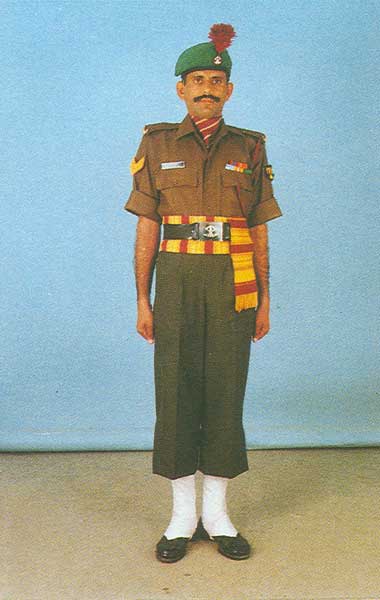
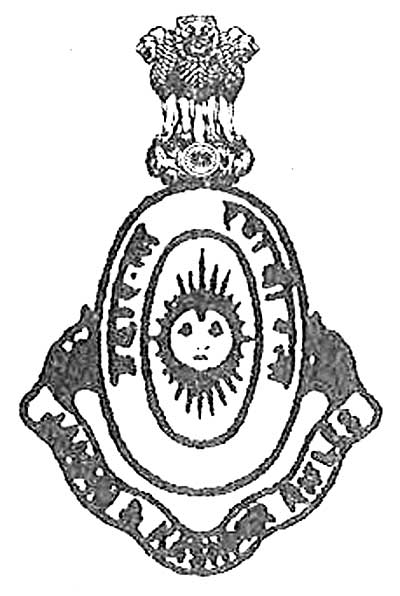
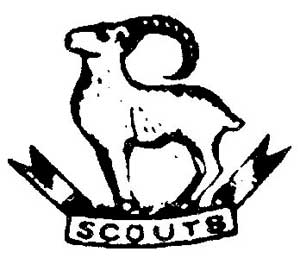
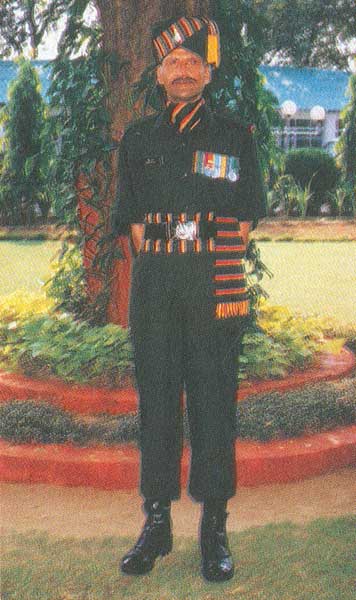

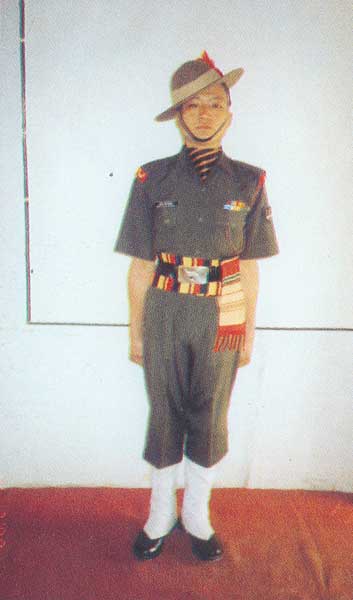
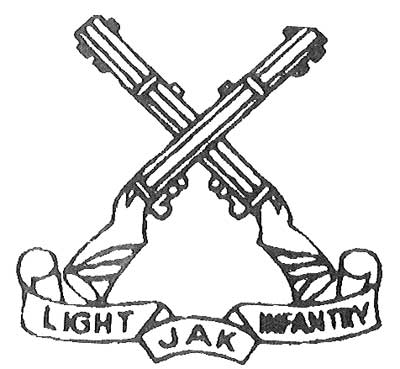


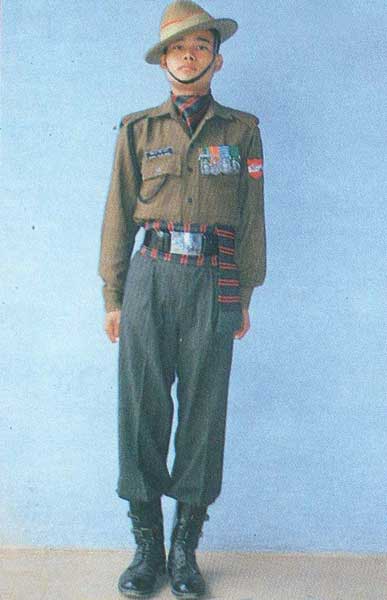
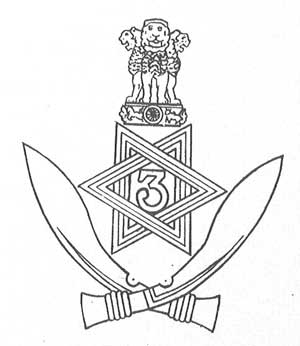
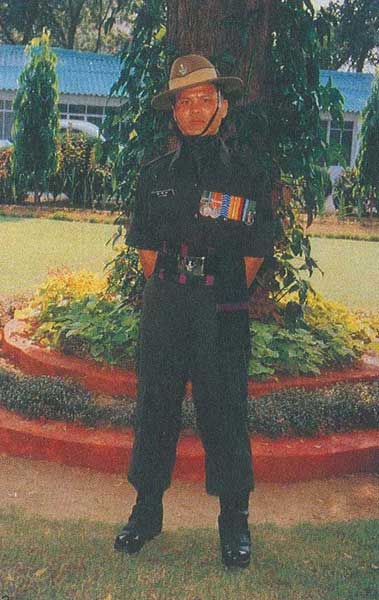
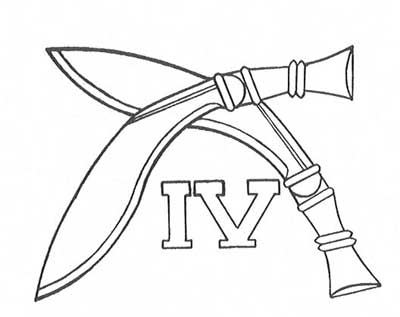
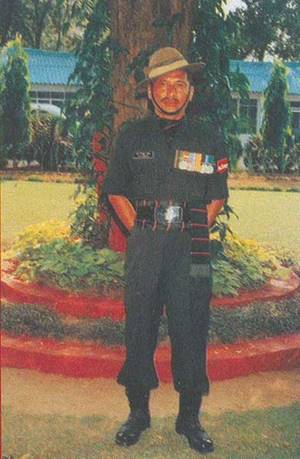
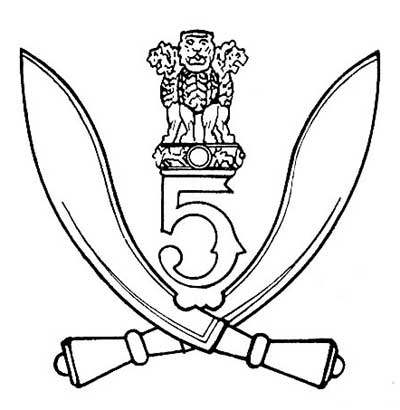

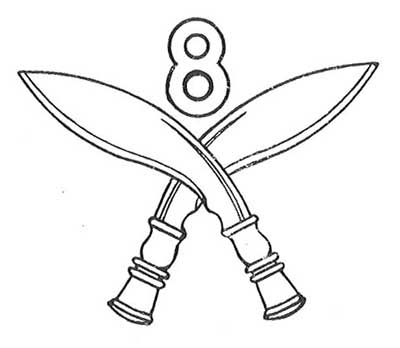
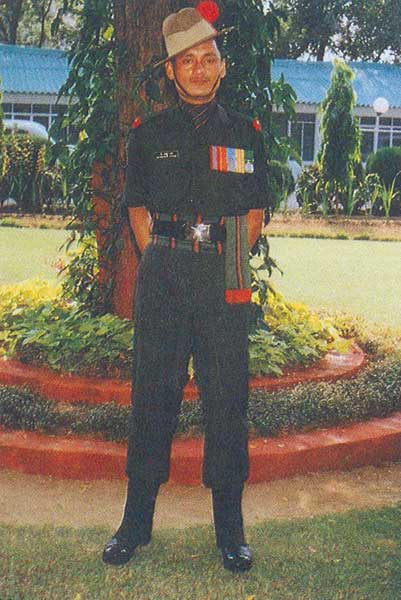


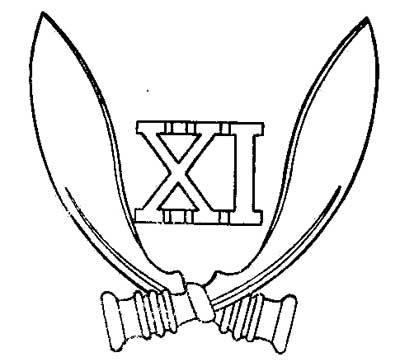
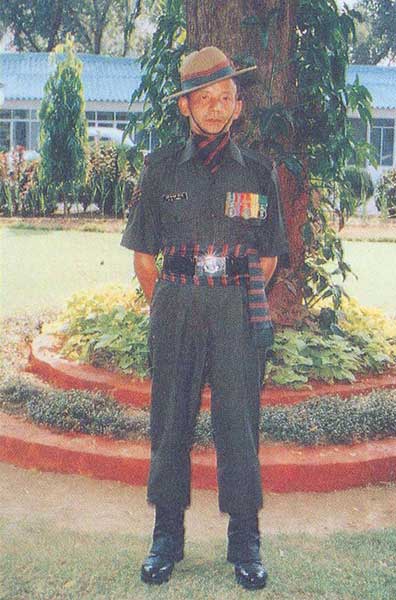
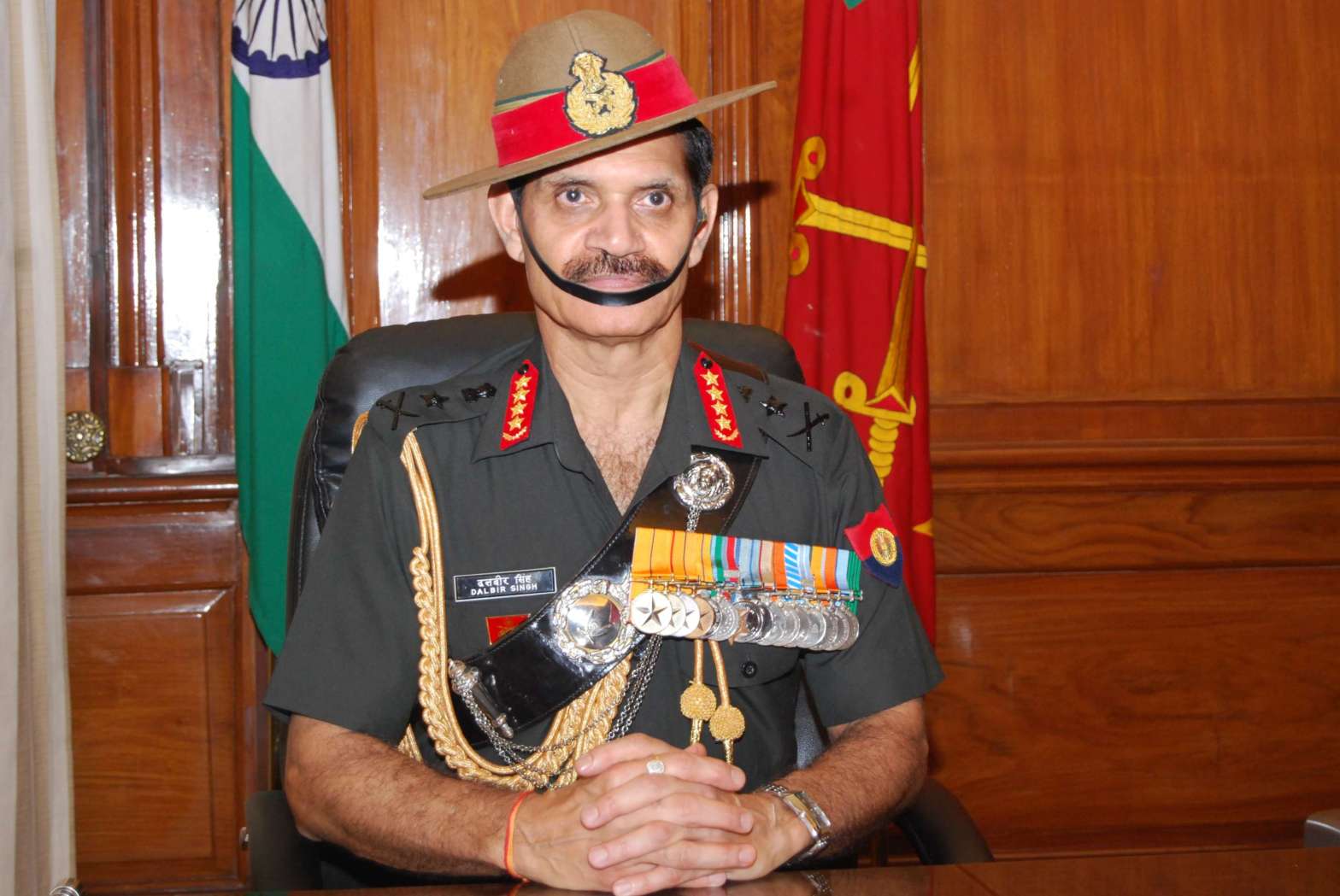


 Whole Dude - Whole Concept