WHOLE SPIRITUALITY – WHOLE MOLECULE


Tobacco mosaic virus
Tobacco mosaic virus (Photo credit: Wikipedia)

SPIRITUALISM – THE MOLECULAR BASIS OF SPIRITUALITY :

The molecules and processes responsible for energy acquisition, energy manipulation, growth and reproduction are basically similar in all life-forms. To understand life, consideration must be given to describe the molecules that determine its structure and to the ways in which molecules are organized. The Molecular Basis of Spirituality describes the organization of molecules that is responsible for the coordination of living functions and living activities of life-forms. Spiritualism involves the capacity or capability to organize molecules to establish the reality of biological existence by any life-form. To explain the Molecular Basis of Spirituality, I would begin with the simplest life-forms that we know.

THE FOUNDERS OF VIROLOGY – THE STUDY OF VIRUSES :


Dmitri Ivanovsky( Dmitri Iosifovich Iwanowski ), Russian Botanist in 1892, discovered the filterable nature of a very tiny agent that causes Tobacco Mosaic Disease.


Martinus Beijerinck, the Dutch Microbiologist in 1898 named the mysterious infectious agent that causes Tobacco Mosaic Disease as ‘VIRUS’.

I am glad to pay my respectful tribute to Dmitri Ivanovsky, Russian Botanist, and to Martinus Beijerinck, the Dutch Microbiologist, the founders of Virology, the Study of Viruses. Ivanovsky studied the Tobacco Mosaic Disease during 1892. By conducting experiments he had demonstrated that the disease is caused by a filterable agent smaller than bacteria. In 1898, Beijerinck independently replicated Ivanovsky’s experiments and found that the infectious agent could only reproduce by infecting leaves of the Tobacco plant. He named the mysterious infectious agent as Tobacco Mosaic Virus- the first Virus recognized.

THE STUDY OF VIRUSES, VIRIONS, VIROIDS, AND VIRUSOIDS :


Virus is a complex, molecular life-form that blurs the boundaries of living and non-living material.

Viruses are small masses of material( 100 – 2,000 angstrom ), complex molecular life-forms that blur the boundaries of living and non-living material. Most Viruses are smaller than the wavelength of visible light. They are extremely small and can only be seen with an electron microscope. As compared to light microscope, electron microscope can increase magnification from 1,000 – 2,000 diameters to around 300, 000 diameters. Viruses are 1,000 times more plentiful in water than originally suspected and hence Viruses could be the most numerous life-forms on Earth. Many hundreds of different types of Viruses exist and all of them need living cells to serve them as hosts. Viruses can only complete their life cycles as parasites as they reproduce only within the cells of their hosts, upon which they depend for many of their fundamental life processes. While many Viruses are harmless to their hosts, certain Viruses are responsible for important diseases of humans, animals, and plants. Many Viruses are known to man by the specific disease entities that they cause: Smallpox, Chickenpox, Measles, Mumps, Yellow fever, Polio myelitis, Rabies, Influenza, and the Common Cold. All of us without any exception would get the chance of experiencing the bouts of one or the other Viral infections.


The DNA of Herpes Virus particle is enclosed by an icosahedral(20-sided) shell of 162 protein units, or capsomers, and by an outer spiked lipoprotein envelope. It causes infectious diseases in man like Chickenpox and Shingles.

A complete virus particle or Virion consists of one molecule of Nucleic Acid, single or double-stranded, either DNA or RNA depending on the specific Virus. It has a protein coat called Capsid which consists of a specific number of protein molecules or Capsomers in a definitive arrangement. In some Viruses, the outer coat has lipid(fat) and carbohydrate. The protein coat helps the survival of the Virus while it exists outside a living cell. The protein coat is also concerned with the mechanisms by which the Virus enters and infects the host cell.


To understand the concept of Spiritualism as a functional relationship that generates Peace, Harmony and Tranquility, we must know the nature of biotic interaction called Parasitism that causes Disease. Millions of human lives have perished due to the scourge of Viral Diseases that afflict humankind. This Retrovirus called Human Immunodeficiency Virus(HIV) is responsible for Acquired Immune Deficiency Syndrome or AIDS.

During the stage of its life cycle, when the Virus is free and infectious, the virus particle or Virion is inert, and does not carry out the usual functions of a living entity, such as reproduction or growth in numbers. The propagation of a Virus requires the internal environment of a complete cell, including its biochemical machinery. The Virus loses the protein coat upon entry into a cell, after which the genetic material of the Virus reproduces using materials made by the host cell. The Virus leaves the host cell surrounded by the protein coat, the characteristics of these protein molecules are determined by the genes in the Virus, but the protein molecules are synthesized by the host cell. Viruses are often described as “naked genes” which have discarded all other attributes of complete cells. The Virion or virus particle contains the knowledge or biological information that is needed for its replication. However, to perform that reproductive function, a Virus needs the host cell’s chemical energy, and protein-and nucleic-acid synthesizing ability.


Viroids and Virusoids are the smallest and simplest form of all recognized Viruses and Self-replicating Molecules.They lack the protective shell of protein coat that most other Viruses have.

Viroids and Virusoids are the smallest and simplest form of all recognized Viruses and Self-replicating Molecules. Viroids are composed of nothing more than a single circular strand of genetic material and cause major disease in plants. Since Viroids lack the protective shell of protein, they do not even spread easily from one cell or plant to another. The genetic material of Viroid is RNA which has a length of only a few hundred ribonucletids(200-400). Viroids are described as molecules of “naked RNA” that are significantly smaller than the genome of the smallest Virus. They are also called ‘subviral particles’. Viroids/Virusoids “infect” other Viruses, and use the replication process of the host Virus to replicate themselves instead. Viroids are responsible for a number of serious diseases of economically important plants like the Coconut Palm and Chrysanthemums. Episomes are pieces of self-replicating genetic molecules found in some bacterial cells. These are similar to Viruses except for the fact that they only reproduce themselves when their host cells do, whereas Viruses reproduce themselves hundreds of times and often generate the signs and symptoms of the infectious disease they cause in the host.

RNA MOLECULE AS GENETIC MATERIAL :


The only human disease caused by a Viroid is HEPATITIS- D. The Viroid is enclosed in Hepatitis B Virus Capsid. Viroids use different strategies for encouraging host Viruses/cells to replicate its RNA molecule.

The RNA-containing Viruses are unique among living systems. They use RNA as their primary genetic material. Retroviruses produce the enzyme called RNA-directed DNA Polymerase or Reverse Transcriptase, which can make a DNA molecule from the Viral RNA molecule. This DNA molecule formed from RNA then serves as the principal genetic molecule within the infected, host cell. Retrovirus uses a life process that is termed ‘reverse transcription’. Two Retroviruses are associated with human leukemia which are Cancer of T-cells. The Retrovirus known as Human Immunodeficiency Virus or HIV is responsible for Acquired Immunodeficiency Syndrome or AIDS.

THE NUCLEIC ACID MOLECULE – THE ESSENCE AND EXISTENCE OF LIFE :
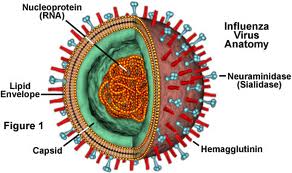
 

The Influenza Virus has the ability to cause pandemic(world-wide)infection of humans. The pandemic of 1918 is estimated to have killed 21-22 million people worldwide. The Virus got its name from the word “INFLUENCE” from an observation made more than 400 years ago that epidemics of respiratory illness occurred under the “influence” of planets and other astrological events. The term ‘spiritualism’ or ‘spirituality’ does not describe the ‘essence’ or character of this Viral Nucleic Acid Molecule.


Nucleic Acids are organic substances that are characteristic of all living things. These organic molecules are not found in nature except as components or products of organisms. They are called macromolecules; molecules of molecular weight greater than 10,000 daltons or 10,000 times the weight of a Hydrogen atom. These molecules are long chains or polymers that consist of chains of smaller units called monomers. Each Nucleic Acid chain is composed of subunits called nucleotides, each of which is composed of a specific sugar molecule( Deoxyribose or Ribose ), a molecule of Phosphoric Acid, and a molecule of one of four organic bases: Adenine(A), Guanine(G), Cytosine(C), and Thymine(T). The two chief types of Nucleic Acid are DNA( Deoxyribo Nucleic Acid ), and RNA( Ribo Nucleic Acid ). DNA contains the sugar deoxyribose and RNA contains the sugar ribose, and the base Uracil(U) instead of Thymine(T). The specific sequences of nucleotides constitute the genetic information of the life-form. Each three-nucleotide sequence specifies one particular amino acid. The long sequences of nucleotides thus correspond to the sequences of amino acids in the proteins that are synthesized. In order to be expressed as protein, the genetic information is carried to the protein-synthesizing machinery called Ribosomes found in the cytoplasm of the cell. Forms of RNA mediate this process and are important in the expression of the genetic code contained in the DNA for the synthesis of proteins. Although the triplet nucleotide code seems to be universal, the actual sequences of the nucleotides vary according to the species and individual organism. The Nucleic Acid Molecules, DNA/RNA is the substance of heredity; it carries the ‘essence’ or character of an organism from one generation to next generation. But, in the study of Viruses we have found that this ‘essence’ is not displayed until its ‘existence’ is supported and is established in a complete living cell. The Nucleic Acid Molecules do not have the capacity or capability of acquiring energy from their external environment. The Virion or virus particle is inert until it finds a host cell to establish its life as a living thing. The Nucleic Acid Molecules are important to establish the ‘essence’ of an organism and I find the characteristics called ‘Spiritualism’ or ‘Spirituality’ in the functional organization of those Molecules that establish the ‘existence’ of a living entity.

THE MOLECULAR BASIS OF SPIRITUALITY :

Smallpox or Variola was one of the worst scourges ever to afflict human beings. The Smallpox Vaccine developed by Dr. Edward Jenner, British Surgeon in 1796 was the first successful Immunization against any Infectious Disease or Agent. In October 1979, the World Health Organization(WHO) declared that the world is Smallpox Free. Spiritualism and Spirituality seek to establish Peace, Harmony, and Tranquility in all functional Biotic Interactions within the Individual and within the Biotic or Biological Community.


The purpose and goal of Spiritualism or Spirituality is that of generating Peace, Harmony, and Equilibrium in all functional relationships within the Individual and between members of the Biotic or Biological Community. The disease, the disability, the morbidity, and death caused by Viral infections demonstrate the consequences of Biotic Interactions called Parasitism. The functional organization of a variety of Molecules that provide the functional ability called ‘Existence’ that establishes a living entity is the chief attribute of the ground substance found inside the Living, Complete Cell and the viral particles have no such functional organizational capacity or capability. The Spirit or Soul represents the ‘Knower’ of the Function and is the Architect of Molecular Organization that causes ‘Existence’. The role of various other Molecules, the Molecules concerned with Life, found in living cells will be given further consideration in my next blog post to demonstrate the ‘spiritual’ nature of the Protoplasm, the ground substance, the living material, or living matter that constitutes Life.

Dr. R. Rudra Narasimham, B.Sc., M.B.B.S.,

Kurnool Medical College, Kurnool, Andhra Pradesh, India,

M.B.B.S.  Class  of  April,  1970.

Biographical Information :

1. Place of Birth : Mylapore, Madras City, Chenna Patnam, Chennai, Madras State, Tamil Nadu, India. Born: Hindu, Brahmin(Niyogi-Smartha), Telugu Speaking.

2. Date and Place of Marriage : January 29, 1973, Congregational Town Church, Cuddapah, Kadapa District, Andhra Pradesh, India.

WHOLE SPIRITUALITY – WHOLE CELL

A diagram of a typical prokaryotic cell. This ...
A diagram of a typical prokaryotic cell. This diagram, made in Adobe Illustrator, is an improved version of a similar diagram, Image:Prokaryote cell diagram.svg, which was also made by LadyofHats. Besides general appearance changes, this version adds plasmids and pili, and notes that DNA is circular. (Photo credit: Wikipedia)

SPIRITUALISM – THE CELL THEORY OF SPIRITUALITY :

In Biology, cell is the basic or fundamental unit of structure, function, and organization in all living things or it is the building block of life. Let me begin with my respectful tribute to some of the people who contributed to ‘The Cell Theory’, one of the foundations of Biological Sciences. Cells were first observed in the 17th century shortly after the discovery of the microscope. Robert Hooke, british curator of instruments at The Royal Society of London, during 1665 coined the word cell. Dutch microscopist Antonie Van Leeuwenhoek(1632-1723) made over 247 microscopes and examined microorganisms and tissue samples. He gave the first complete descriptions of bacteria, protozoa( which he called animalcules ), spermatozoa, and striped muscle. He also studied capillary circulation and observed Red Blood Cells.


Robert Hooke, british curator of instruments at The Royal Society of London coined the term cell during 1665.


Dutch microscopist Antonie Van Leeuwenhoek(1668-80) studied capillary circulation and observed Red Blood Cells.

Improvements in microscopy during early 19th century permitted closer observation and the significance of cells had received better understanding. Matthias Jakob Schleiden(1838), german botanist, Theodor Schwann(1839), german physiologist, and Rudolf Virchow(1855), german pathologist, and others made important contributions to The Cell Theory that describes cell as the building block of all Life.


Schleiden, Professor of Botany, The University of Jena studied plant structure under the microscope, published “Contibutions to Phytogenesis”(1838). He had also published the two-volume text of ‘Principles of Scientific Botany’.


Schwann founder of modern Histology extended the Cell Theory of Plants to animals in his ‘Microscopic Researches into Accordance in the Structure and Growth of Animals and Plants(1839).


Schwann discovered Myelin Sheath covering peripheral axons, now termed Schwann Cells. He coined the term ‘Metabolism’ for the chemical changes that take place in living tissues.
Rudolf Virchow,german pathologist in 1855 coined the biological dictum “OMNIS CELLULA E CELLULA” – All living cells arise only from pre-existing living cells.

The Cell is the smallest unit in the living organism that is capable of carrying on the essential life processes of sustaining metabolism for producing energy and reproducing. Many simple, small, single-celled organisms like Protozoa perform all life functions. In higher, complex, bigger, multicellular organisms, groups of cells are structurally and functionally differentiated into specialized tissues and organ systems. Thus, The Cell Theory includes the following foundational principles of the Biological Sciences:

1. All living things are made up of cells. Cell is the most elementary or basic unit of Life. 

2. Cell is a fundamental unit of structure, function, and organization in all living things including plants and animals.

3. Cells only rise from division of previously existing cells.

4. All cells are similar in composition, form, and function. All cells are basically the same in chemical composition( in spite of variations ) in organisms of similar species. For example, all the solid tissues in the human body can be shown to consist largely of similar cells; differing it is true, but that are essentially similar to an Ovum.

5. The cells exhibit functional autonomy. The activity of an organism depends on the total activity of ‘INDEPENDENT’ cells.

6. Energy flow( metabolism and biochemistry ) occurs within cells.

7. Cells contain hereditary, biological information(DNA) which is passed from cell to cell during cell division.

THE CELL THEORY OF SPIRITUALITY :

The basic or fundamental unit of life in the human organism is derived from the fertilized egg cell that eventually develops into a complete organism. The most significant feature of similarity between the cells of the human body is the presence of a soft, gelatinous, semi-fluid, granular material inside the cell. This substance known as Protoplasm or Cytoplasm, or Cytosol is similar to the ground substance found in the Ovum or the Egg Cell. This viscous, translucent, colloidal substance is enclosed in a membrane called Plasma Membrane or Biological Membrane. A small spherical body called nucleus is embedded in the Protoplasm of the cell. The two essential features of any living cell in the human body are that of the presence of Protoplasm and the nucleus.


Human Ovum Structure – The Cell Theory of Spirituality is based upon the Substance, Structure, Form, Organization, Function, Action and Interactions of this Single Fertilized Egg Cell that eventually develops into a complete human organism.

THE SPIRITUALITY OF SUBSTANCE, FUNCTION, ORGANIZATION, ACTION, AND INTERACTIONS :

To establish the biological existence of the human organism, I add the concept of Spiritualism and Spirituality to The Theory of Cell. The Single Fertilized Egg Cell has ground substance that is of Spiritual nature and the Spiritualism and Spirituality consists of the following functional, and organizational characteristics:

1. The Cell is Conscious of its own existence and knows its internal condition and knows it external environment.

2. The Cell is Intelligent and it has the Cognitive abilities like perception and memory to acquire information, to retain information, to recall information, and to use information in the performance of its complex tasks in a sequential manner.

3. The Cell has the ability to show characteristics such as mutual cooperation, mutual tolerance, and display functional subordination and subservience while being independent.

4. The Cell grows, divides, and develops into a complete organism while it acquires substances and energy from an external environment and it continuously transforms matter to build matter of its own kind for its own benefit to sustain its  existence with its own identity, individuality while the Organism represents a social group or a biological community. The Spiritual nature of the substance brings this functional harmony and unity by bringing together its Essence and Existence.

The theoretical claims about Spirit and Soul, the religious and philosophical doctrines of Spiritualism and Spirituality must be verified using The Cell Theory that defines the human organism. To describe Soul or Spirit as  nonmaterial Self will not help man to know the real or true man.

WHOLE SPIRITUALITY – WHOLE BIOLOGY

Principle of ECG formation, fast Deutsch: Prin...
Principle of ECG formation, fast Deutsch: Prinzip der EKG-Darstellung, schnell (Photo credit: Wikipedia)

SPIRITUALISM – THE BIOLOGICAL BASIS OF SPIRITUALITY :

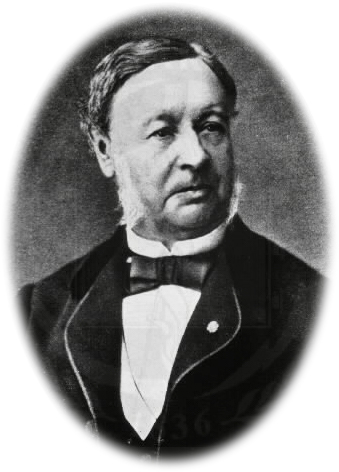
From the beginning of human history, the ideas and concepts about Spiritualism and Spirituality included a desire to find Peace, Harmony, and Tranquility in the living human experience and it is concerned about the experience of Happiness, Joy, and Bliss which is described as ‘ANANDA’ in Sanskrit language. Thinkers have contemplated that Spiritualism or Spirituality may involve a potency that is associated with an intelligent, immaterial substance called Spirit. The term Soul is often used to describe the immortal, immutable aspect of man who is separate from his body. The term Spirit is used to describe a thing that may have an independent existence of its own apart from the physical body and it may survive after the death of the body. The ideas or concepts about Soul or Spirit appear to be valid and upon verification, I seek the existence of Soul or Spirit in a substance that is basic to life activities, and in a material that is responsible for all living processes. I, therefore, propose that the understanding of the true or real nature of this ground substance of all living matter will help man to discover Peace, Harmony, and Tranquility in all of his internal and external relationships while man exists in a physical environment as a member of a social group, social community, and Society. In this blog post, I would like to pay my respectful tribute to Jan Evangelista Purkinje and Hugo Von Mohl for their great contribution to the scientific understanding of the living substance, living material, and living matter.

JAN EVANGELISTA PURKINJE – JAN EVANGELISTA PURKYNE :


Jan Evangelista Purkyne(Czech name), Jan Evangelista Purkinje(German name)also known as Johannes Evangelist Purkinje, b. December 17, 1787, d. July 28, 1869. The pioneer Czech experimental Physiologist whose investigations in the fields of Histology, Embryology,and Pharmacology helped create a modern understanding of the eye and vision, brain and heart function, mammalian reproduction, and the composition of cells.


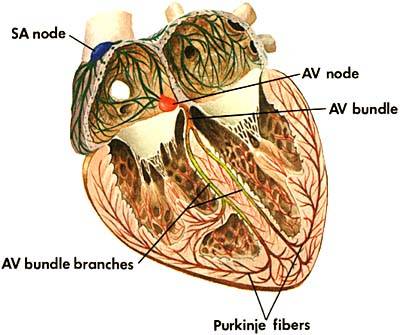
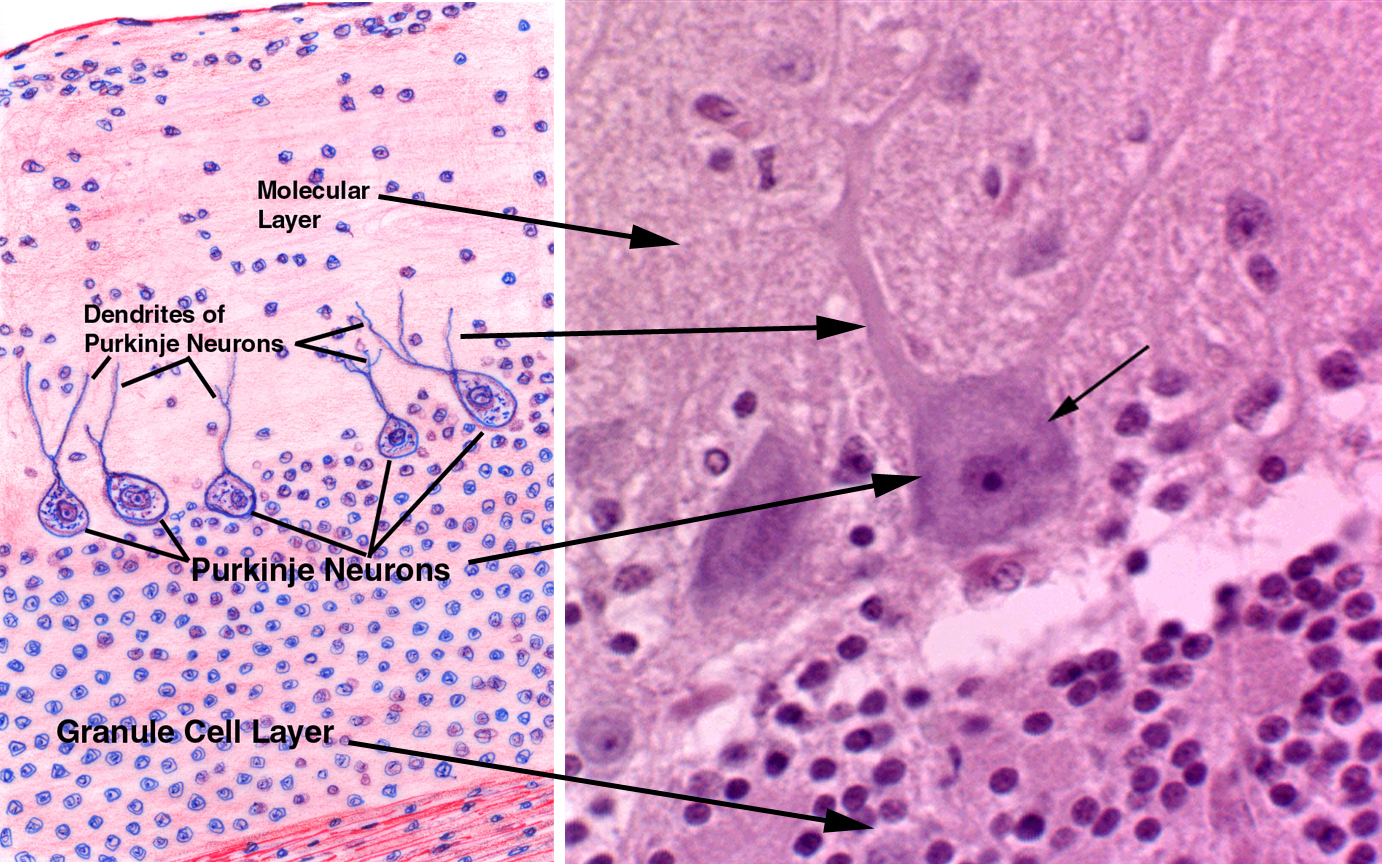
Purkinje conducted his research on human vision at the University of Prague and later on, he served there as a Professor of Physiology(1850-69). He went to Germany and was appointed the Chair of Physiology and Pathology(1823-50) at the University of Breslau, Prussia. There Purkinje created the world’s first independent Department of Physiology(1839) and the first Physiological Laboratory(Physiological Institute, 1842). He is best known for his discovery of large nerve cells with many branching extensions found in the cortex of Cerebellum of the brain(Purkinje Cells, 1837). He discovered the fibrous tissue that conducts electrical impulses from the ‘pacemaker’ called Atrioventricular node or A-V node along the inside walls of the ventricles to all parts of the heart to help in Cardiac contractile function(Purkinje Fibers, 1839). In 1835, he invented and introduced the scientific term ‘Protoplasm’ to describe the ground substance found inside young animal embryo cells. He discovered the sweat glands of the skin(1833); he discovered the nine configuration groups of Fingerprints used in biometric identification of man(1823); he described the germinal vesicle or nucleus of the unripe ovum that now bears his name(1825), and he noted the protein digesting power of pancreatic extracts(1836).


Purkinje Fibers and Cardiac Contraction. The spiritual nature of protoplasm brings functional unity among the cells, tissues, and organ systems of the human body.


Purkinje Nerve Cells or neurons found in Cerebellum of brain.Protoplasm is a spiritual substance that brings functional unity between the cells, tissues, and organ systems of the human body.


Fingerprint Identification: By using the current biometric identification technologies, each human being including identical twins could be known as specific individuals. Protoplasm is a spiritual substance that establishes the Individuality while the genome presents the morphological appearance and physical identity of man.


HUGO VON MOHL :

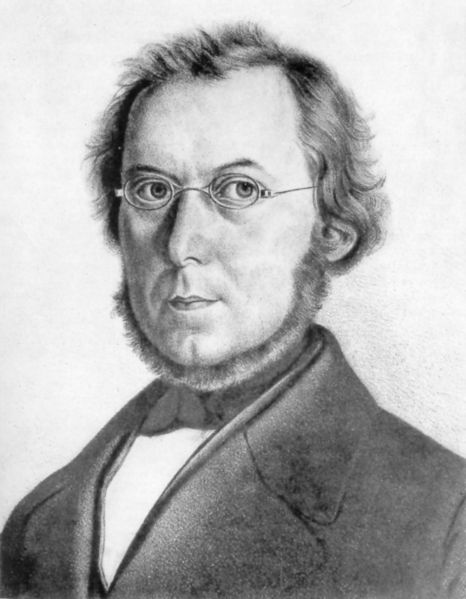
Hugo Von Mohl, b. April 08, 1805, d. April 01, 1872, German Botanist noted for his research on the anatomy and physiology of plant cells.

Hugo Von Mohl named the granular, colloidal material that made up the main substance of the plant cell as “Protoplasm” in 1846. Purkinje had invented the word, but Hugo gave more clarity, understanding, and knowing the nature of this ground substance. He viewed cell as an “elementary organ” and in Physiology he explained Protoplasm as an organ of Motion or Movement, Nutrition, and Reproduction. It is the preliminary material in cellular generation. He was the first to propose that new cells are formed by division of preexisting cells and he had observed this process of Cell Division in the algal cells of Conferva glomerata. His observations are very important to understand the Cell Theory that explains cells as the basic building blocks of Life. He was the first to investigate the phenomenon of the stomatal openings in leaves.

PROTOPLASM – THE GROUND SUBSTANCE OF SPIRITUALISM AND SPIRITUALITY :


The Ground Substance of Spiritualism and Spirituality. The vital characteristics, the animating principles of Protoplasm could be known by observing Amoeba proteus. The Living Substance works as an organ of Motion or Movement, as an organ of Nutrition, and as an organ of Reproduction to generate new cells which have a life span of their own. In these physiological functions, I describe the characteristics such as Cognition, Consciousness, Memory, and Intelligence which have a Spiritual role as they bring functional unity and harmony in the interactions between different parts of the same individual organism while it exists in an environment as a member of a biological community.

Protoplasm is a complex, viscous, translucent solution of such materials as salts and simple sugars with other molecules, mostly proteins and fats, in a colloidal state, that is dispersed but not dissolved in one another. Carbon, Hydrogen, Oxygen, and Nitrogen constitute more than 90 percent of Protoplasm. It exhibits properties such as Protoplasmic Streaming or Cytoplasmic Streaming or Motion that is called “Amoeboid Movement.” It has the intrinsic power to change its shape and position. It has the power of Nutrition by which it can attract and obtain the materials necessary for its growth and maintenance from surrounding matter/environment. These functions involve acquiring, processing, retaining, and using information to perform tasks in a sequential manner for a predetermined purpose and hence describe Consciousness, Memory, and Intelligence. The terms Soul and Spirit belong to the materialistic realm where the Physical Reality of man’s biological existence is established. I have not yet discovered any good reason to use the terms Soul and Spirit as a metaphysical or transcendental Reality.

WHOLE SPIRITUALITY – WHOLE COGNITION

SPIRITUALISM – THE COGNITIVE SCIENCE OF SPIRITUALITY :

The term cognition is derived from Latin word ‘cognitio’ which means knowledge which is related to the Latin word ‘cognoscere( co-, together + gnoscere, know) which means the act or process of knowing. Cognitive Science involves the study of all human activities related to knowledge. These activities include attention, creativity, memory, perception, problem solving, thinking, and the use of language. Cognition is the process involved in knowing, or the act of knowing which includes awareness and judgment. Cognition is often viewed as a psychological function and its nature is described as the relationship between the knowing mind and external reality. The Cognitive Science of Spirituality that I would like to describe is related to the cognitive abilities of a living cell or living organism; the abilities such as recognition, responsiveness, communication using signals, memory, ability to process, store, retrieve, and use information that could be innate or acquired, the ability of adaptation to changing internal or external environmental conditions, and the fact of awareness of its own existence; the awareness of its internal condition, and the awareness of its external environment.

Amoeba proteus and The Cognitive Science of Spiritualism. To understand the human person as a Spiritual being, we need to know and understand the Spiritual nature of Living Matter or Living Substance and describe its Cognitive abilities.

The purpose of the Cognitive Science of Spirituality is not that of describing a cognitive theory of human personality. The Behavioral Science is primarily involved in the study of stimuli and responses; it observes human activities particularly social behavior and not that of higher mental processes which are not available to direct examination. While Cognitive Science is concerned with mind’s ability to acquire, process, store, and use information, the information processed need not be represented in cortical awareness. Cognitive Psychology does not rely on conscious introspection or mental reflection. The Cognitive Science of Spirituality that I describe does not involve acts of Meditation or mental introspection to discover the spiritual nature of man. I suggest that Spiritualism can be understood without regard to the machinery of brain/mind’s information processing. The organism that we all know as Amoeba( Greek word – ‘Amoibe’ which means change) is a spiritual entity as it is Conscious or Aware of its existence, it shows responsiveness by changing its shape as it likes, it is Intelligent for it uses, processes, stores, retrieves, and uses information to perform its metabolic functions, and it displays abilities such as adaptation and memory of its acquired experience. I tend to view these biological functions and characteristics as an attribute of the spiritual nature of its living substance and this spiritual nature brings functional harmony to sustain its existence as a biological entity.

THE THEORY OF KNOWLEDGE AND THE COGNITIVE SCIENCE OF SPIRITUALISM :

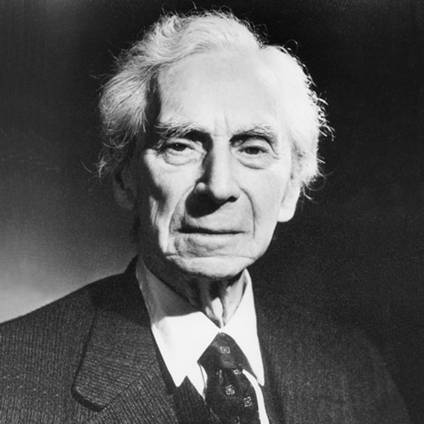
Bertrand Arthur William Russel, b. May. 18, 1872, d. February. 02, 1970. English logician and philosopher, best known for his work in mathematical logic, his advocacy of both Pacifism and Nuclear Disarmament. He received the Nobel Prize for Literature in 1950.

I am not concerned about Bertrand Russell’s skeptical atheist temperament. The Spiritualism that I describe is not about religious faith or belief and the Spirituality that I write about is not concerned with religious practices or rituals. I claim that man is a Spiritual being because of the spiritual nature of his living matter or living substance. It is important to know that Russell was determined not to be beguiled by human pretensions to knowledge. He had never supported unbacked assumptions either about the foundations of knowledge or about what may be said to exist. He endorsed the application of rationality to all aspects of human thought and language. He was seriously concerned with the application of logical analysis to epistemological questions and attacked this problem by trying to breakdown human knowledge into minimum statements that were verifiable by empirical observation, reason, and logic. He was convinced that all knowledge is dependent on sense experience. His primary aim was to inquire with skeptical intent, “how much we can be said to know and with what degree of certainty or doubtfulness.” In 1898, with Trinity Fellow G.E. Moore, he rebelled against Idealism and became an Empiricist, a Positivist, and a Physical Realist or a Materialist. He held that the scientific view of the world is largely the correct view. He addressed the problem of the pretensions of human knowledge in his books, An Inquiry into Meaning and Truth(1940) and Human Knowledge, Its Scope and Limits(1948). His aim was also analytic and he assumed that it is possible to infer something about the world from the language in which it is correctly described. Russell analyzed that language must be used to state its minimum requirements, its atomic facts and avoid the use of descriptive phrases which may postulate the existence of objects. He held that a proposition is a picture of the facts that it asserts and must have in a sense the same structure. He stressed the importance of similarity of structure as a criterion in inferring causal relationships. In a Lecture titled ‘Why I am not a Christian’ given on March 06, 1927, Russell explained the nature of his beliefs about God and Mortality. In his opinion and personal belief, he held the view that Life suitable to Protoplasm could be possible under certain physical conditions like temperature. Russell’s speculative assumption about the existence of Life or Protoplasm is not supported by scientific evidence. He had no scientific data to support his view. The ideal conditions for Life and Protoplasm exist right now and what we know is that Life is always born from previously existing Life. However, he had concluded his Lecture by stating that, “it needs hope for the future……., the future that our intelligence can create.” His assumption that human intelligence is the basis for man’s biological existence is incorrect and is not consistent with the scientific reality about human existence and its nature. At a very fundamental level, man’s ability to acquire energy from an external source in the physical environment does not depend upon his physical or mental work or effort. If green plants with Chloroplasts have the ability to trap Sun’s energy, it could not be attributed to man’s intelligence and the fact of Chloroplasts and their ability is not dependent on man having any kind of intelligence. Russell’s theoretical claims have no relationship with observational evidence and his opinions could be easily refuted for lack of validity. Physical Sciences and Biological Sciences provide accepted body of information about the world and human body. We need to arrange this information into a meaningful pattern and interpret it to describe the reality. The purpose of the Cognitive Science of Spiritualism is to describe and codify observations and experiences to explain the biological basis for human organism in its given environment as an individual, and as a member of a biological community.