Tibet Awareness – Mount Qomolangma Speaks the Truth
The Plain and Simple Truth, Nothing but Truth, the Whole Truth, a Truth that is tall and high like the highest Mountain known to us as Mount Everest; Tibet is Never a Part of China.
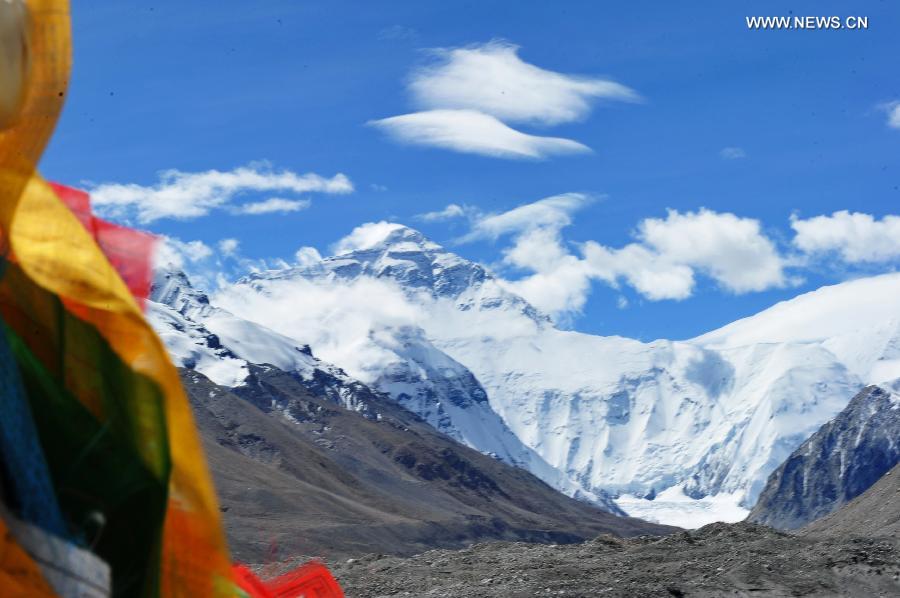
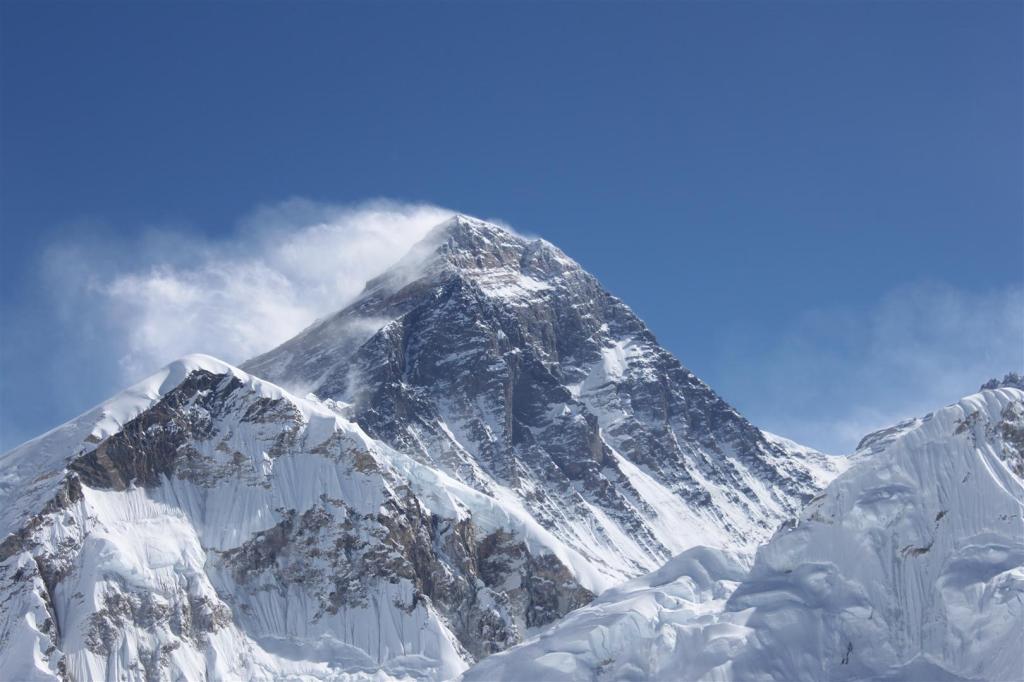
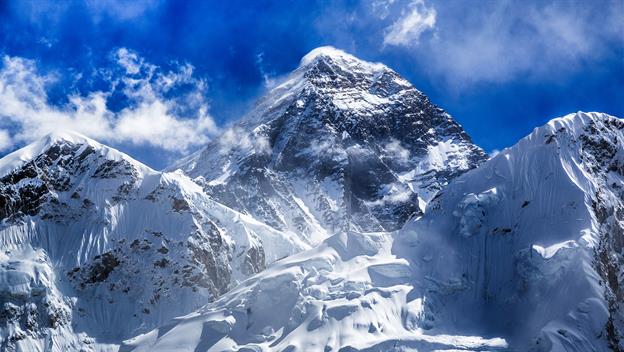
As the fair weather increases in autumn, lots of tourists are attracted to the Mount Everest Base Camp to enjoy the distant view of Mount Qomolangma at an altitude of 5,200 meters. These tourists are afraid of speaking the Truth. But, if you care to ask Mount Qomolangma, the Truth will be known in one instant. The Plain and Simple Truth, Nothing but Truth, the Whole Truth, a Truth that is tall and high like the highest Mountain known to us as Mount Everest; Tibet is Never a Part of China.
Rudra Narasimham Rebbapragada Ann Arbor, MI 48104-4162, USA Special Frontier Force-Establishment 22-Vikas Regiment
Tourists attracted by Mount Qomolangma in autumn Xinhua, September 21, 2015 Photo taken on Sept. 16, 2015 shows the scenery of Mount Qomolangma, southwest Tibet. As the fair weather increases in autumn, lots of tourists were attracted to the Everest Base Camp to enjoy the distant view of Mount Qomolangma at an altitude of 5,200 meters. (Xinhua/Zhang Rufeng)
The Plain and Simple Truth, Nothing but Truth, the Whole Truth, a Truth that is tall and high like the highest Mountain known to us as Mount Everest; Tibet is Never a Part of China.The Plain and Simple Truth, Nothing but Truth, the Whole Truth, a Truth that is tall and high like the highest Mountain known to us as Mount Everest; Tibet is Never a Part of China.The Plain and Simple Truth, Nothing but Truth, the Whole Truth, a Truth that is tall and high like the highest Mountain known to us as Mount Everest; Tibet is Never a Part of China.The Plain and Simple Truth, Nothing but Truth, the Whole Truth, a Truth that is tall and high like the highest Mountain known to us as Mount Everest; Tibet is Never a Part of China.The Plain and Simple Truth, Nothing but Truth, the Whole Truth, a Truth that is tall and high like the highest Mountain known to us as Mount Everest; Tibet is Never a Part of China.The Plain and Simple Truth, Nothing but Truth, the Whole Truth, a Truth that is tall and high like the highest Mountain known to us as Mount Everest; Tibet is Never a Part of China.The Plain and Simple Truth, Nothing but Truth, the Whole Truth, a Truth that is tall and high like the highest Mountain known to us as Mount Everest; Tibet is Never a Part of China.The Plain and Simple Truth, Nothing but Truth, the Whole Truth, a Truth that is tall and high like the highest Mountain known to us as Mount Everest; Tibet is Never a Part of China.The Plain and Simple Truth, Nothing but Truth, the Whole Truth, a Truth that is tall and high like the highest Mountain known to us as Mount Everest; Tibet is Never a Part of China.The Plain and Simple Truth, Nothing but Truth, the Whole Truth, a Truth that is tall and high like the highest Mountain known to us as Mount Everest; Tibet is Never a Part of China.The Plain and Simple Truth, Nothing but Truth, the Whole Truth, a Truth that is tall and high like the highest Mountain known to us as Mount Everest; Tibet is Never a Part of China.The Plain and Simple Truth, Nothing but Truth, the Whole Truth, a Truth that is tall and high like the highest Mountain known to us as Mount Everest; Tibet is Never a Part of China.
The Supreme Ruler of Tibet cannot be chosen by any foreign government. Red China is a Liar for she deliberately distorts historical information and reinvents history to justify her evil actions.
On behalf of Special Frontier Force I am pleased to share an article published by ‘The Tibet Post’ which categorically asserts that “Tibet Was Never Part of China.” I thank Central Tibetan Administration(CTA) for releasing their 21-page document which debunks Red China’s claims about Tibet’s status.
Red China is a Liar for she deliberately distorts historical information and reinvents history to justify her evil actions. The Supreme Ruler of Tibet cannot be chosen by any foreign government.
Rudra Narasimham Rebbapragada Ann Arbor, MI 48104-4162, USA Special Frontier Force-Establishment 22-Vikas Regiment
HISTORY IS AGAINST CHINA; CTA SAYS TIBET WAS NEVER PART OF CHINA
Monday, 07 September 2015 12:32 Molly Lortie, Tibet Post International
Red China is a Liar for she deliberately distorts historical information and reinvents history to justify her evil actions. The Supreme Ruler of Tibet cannot be chosen by any foreign government.
Dharamshala — In response to the most recent white paper regarding Tibet issued by the Chinese Communist Party in August, the India based Central Tibetan Administration has released a 21-page document attempting to set the record straight regarding the historical timeline China has claimed.
While China observed its 50th anniversary of the establishment of the ‘Tibet Autonomous Region,’ the 21-page document entitled “TIBET WAS NOT A PART OF CHINA BUT MIDDLE WAY REMAINS A VIABLE SOLUTION,” was released by Sikyong Dr Lobsang Sangay, accompanied by DIIR Secretary Sonam Norbu Dagpo, DIIR Secretary Tashi Phuntsok and Tibet Policy director, Thubten Samphel.
The CTA revisits the elongating historical claims that China stakes over Tibet. Reminding us that, “the white paper on Tibet in 2004 claims that ‘Tibet became part of the territory of China in the 13th century.’ On the other hand, the Chinese Republican-era scholars assert that Tibet became a vassal state of China during the Qing period (1644-1911). Now, with its latest white paper, China has again shifted the goal post and states that Tibet has been an integral part of China since ‘antiquity’.”
The CTA goes on to refute each of China’s claims, revisiting the history of the region. In terms of the vague ‘antiquity’ that China most recently claims, the rise of the Tibetan Empire was in the seventh century CE, when both the King of Nepal and Emperor of China courted the Tibetan Empire and each offered their daughters to the Tibetan Emperor for marriage.
The first to suggest that this claim to Tibet holds no weight was the former Vice-chairman, of the standing committee of the National People’s Congress of China, who refuted his own government’s claim in 1989, saying, “some historians claim that Tibet had been a part of China from antiquity, some others claim since the time of Tibetan king Songtsen Gampo through his marriage to the Chinese princess. I do not agree with both these views. When you talk about antiquity, there is no time line or if it is from the time of Songtsen Gampo’s marriage, we all know that the first queen of Songtsen Gampo was Nepal’s princess in which case Tibet should be part of Nepal. How can we explain this?”
Going on to counter the claim that Tibet became a part of China during the 13th century, the CTA revisits Tibet’s history with Mongolia at the time. “The Yuan dynasty was a Mongol empire and its ruler Genghis Khan and his successors conquered vast territories in Europe and Asia, including China. By 1279, the Chinese Song dynasty in southern China fell before the advancing Mongols. The Mongols’ conquest of China was complete. Today, China claims the Yuan Dynasty to be its own dynasty and, by doing so, it lays claim to all Mongol conquests, at least in the eastern half of the Mongol Empire.”
However, a Tibeto-Mongol relationship was established in 1240, when a Mongol expedition was launched to Tibet, thus leading to a religious relationship between the Mongol leaders and Tibetan religious hierarchs. It is well known that Kublai Khan embraced Tibetan Buddhism, adopting it as the official religion of his empire. “In gratitude, Kublai Khan offered his Tibetan lama political authority over all Tibet in 1254, conferring various titles on him. This Tibeto-Mongol relationship continued to exist even after the fall of the Yuan Dynasty.”
The dates of these expeditions, relations and invasions fail to match the timeline that the Chinese government claims. “The year of Mongol military expedition to Tibet in 1240 preceded the Mongol invasion of China’s Song Empire in 1279 by 39 years. This debunks China’s claim over Tibet based on the relations between Mongol Empire and Tibet’s Sakya Lamas.” The CTA concludes that even if by transitive property all Mongol conquests were in fact Chinese conquests, the Tibeto-Mongol relationship predated the fall of the Chinese Song Empire.
Finally, in opposition to China’s final claim that Tibet was acquired during the Qing Dynasty, the CTA’s response uses a statement made by the imperial envoy and commander of the Manchu army, General Fu K’angan, to the Eighth Dalai Lama in 1792, showing the nature of the ‘regulations’ imparted by the Manchu emperor after he assisted the Tibetans in expelling the Gorkhas from Tibet. The statement clearly exudes the Emperor’s context as a protector or assister, rather than a ruler ordering his subjects, as the statement ends with, “The Tibetans may, therefore, decide for themselves as to what is in their favour and what is not or what is heavy and what is light, and make a choice on their own.”
Furthermore, after the conclusion of all the history that China claims made Tibet a part of China, it was in 1914 that Tibet signed a bilateral treaty with British India called the Simla Agreement, legitimizing Tibet’s independent status. Mao Zedong himself remarked after the long march that China’s only foreign debt was to the Tibetans for the provisions we owe them.
The CTA succeeded in using the history against China to refute their broken record that Tibet was at any point in history, part of China. The CTA suggests that the recent most intrusion into Tibet’s history is a blatant attempt of the Communist party to doctor history, to literally stretch the truth, in attempt to legitimize their continued occupation of the region, when in reality the history is against them.
Red China is a Liar for she deliberately distorts historical information and reinvents history to justify her evil actions. The Supreme Ruler of Tibet cannot be chosen by any foreign government.Red China is a Liar for she deliberately distorts historical information and reinvents history to justify her evil actions. The Supreme Ruler of Tibet cannot be chosen by any foreign government.Red China is a Liar for she deliberately distorts historical information and reinvents history to justify her evil actions. The Supreme Ruler of Tibet cannot be chosen by any foreign government.Red China is a Liar for she deliberately distorts historical information and reinvents history to justify her evil actions. The Supreme Ruler of Tibet cannot be chosen by any foreign government.Red China is a Liar for she deliberately distorts historical information and reinvents history to justify her evil actions. The Supreme Ruler of Tibet cannot be chosen by any foreign government.Red China is a Liar for she deliberately distorts historical information and reinvents history to justify her evil actions. The Supreme Ruler of Tibet cannot be chosen by any foreign government.Red China is a Liar for she deliberately distorts historical information and reinvents history to justify her evil actions. The Supreme Ruler of Tibet cannot be chosen by any foreign government.Red China is a Liar for she deliberately distorts historical information and reinvents history to justify her evil actions. The Supreme Ruler of Tibet cannot be chosen by any foreign government.Red China is a Liar for she deliberately distorts historical information and reinvents history to justify her evil actions. The Supreme Ruler of Tibet cannot be chosen by any foreign government.
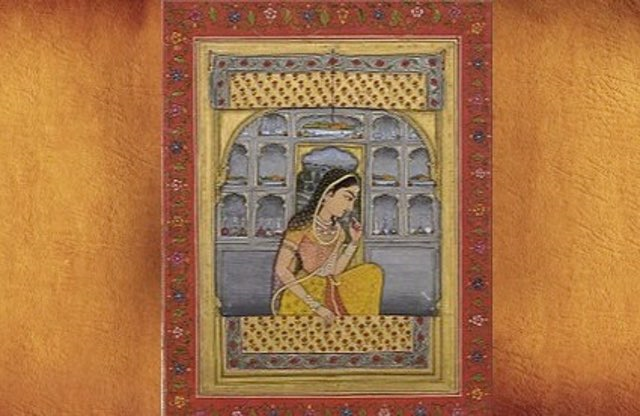
Whole Dude – Whole Pride: To defend her true nature, to preserve her essence, to resist the violation of her personal dignity and honor, Rani Padmini of Chittorgarh, India had courageously responded to a difficult and challenging life situation by an act of self-immolation. Her physical being was destroyed by the fire which she had willingly embraced and yet her spirit has survived. She declared Victory over Death and she lives as an immortal person in the hearts of Indians and gives them a sense of Pride and Identity. Indian Culture and Tradition glorify the act of giving life to resist the Enemy.
Excerpt: The post discusses the story of Rani Padmini of Chittorgarh, India who defended her honor by self-immolation. Her act, embodying courage and resistance, is revered as a symbol of pride in Indian culture. The author, a former Indian Army Officer, serves up personal insights about courage alongside the historical context, framing it as not the absence of fear but the ability to act despite it. The narrative underscores how individuals’ essence can transcend their existence, as illustrated by Rani Padmini’s enduring legacy.
RANI PADMINI OF CHITTORGARH
I had the good fortune to serve in the Indian Army and had the opportunity to take part in the Liberation War of Bangladesh in 1971. During my school years, I was a student of Indian History and always performed exceedingly well in that subject. In 1962, when China launched a massive attack across our Himalayan frontier, I was a young college student and took part in a protest march to express my resentment. I participated in the National Cadet Corps training but I never had the physical strength and profile to qualify myself to join Army and fight a battle on behalf of my country. I went to Medical School and in the pre-final year, I was selected in an interview and was granted the rank of Second Lieutenant and joined the Army Medical Corps. I could join the battle in support of those brave and strong men who confront the enemy. Army Service gave me the opportunity to know people of this Land and their great traditions. I take pride in the fighting spirit of each one of them, to name a few, the Jat, the Rajput, the Sikh, the Dogra, the Garhwal, the Kumaon, the Gorkha, the Maratha, the Mahar and the Madras.
I contemplate on ideas of dignity, pride, honour and courage. I knew my men well. I know their strength as well as their fears. I understood that the word courage does not mean being fearless. I see courage as the ability to meet your challenge and perform your duty in spite of fear. The ability to conquer fear is courage and it is not the absence of fear.
Whole Dude – Whole Pride: Rani Padmini – Her Essence and Her Existence. She defended her essence and destroyed her physical existence and her essence still lives in the heart of Indians and gives them a sense of pride. She declared her Victory over Death.
ESSENCE AND EXISTENCE:
What you are is your essence and what you do is your existence. Man is a physical, mental, social, moral, and spiritual being. Man’s essence is defined by the contents of his character and conduct. Rani Padmini had set values and had defined her existence in terms of those values that she had cherished. She responded with a great sense of courage and dissolved her physical existence to defend her essence; the sense of dignity and the sense of honor was her true nature, and her physical being merely existed to project her essence. She declared her Victory over Death and her spirit, her essence, her true nature still lives in the hearts of Indians making her an immortal being.
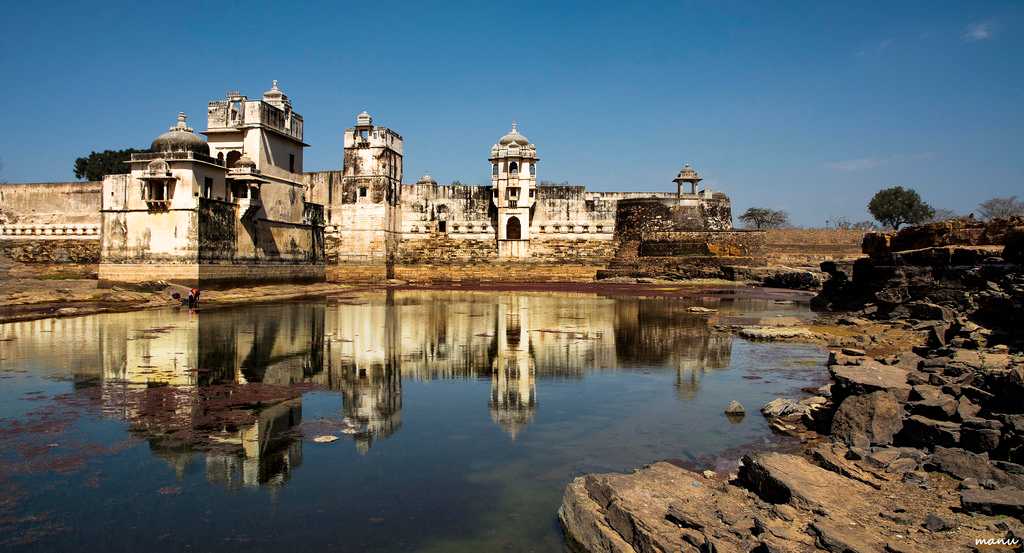
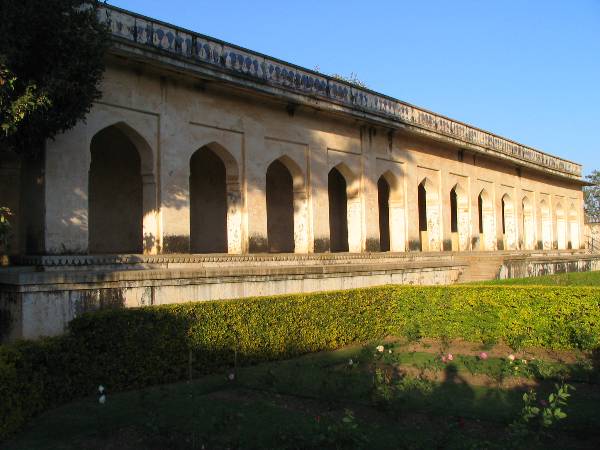
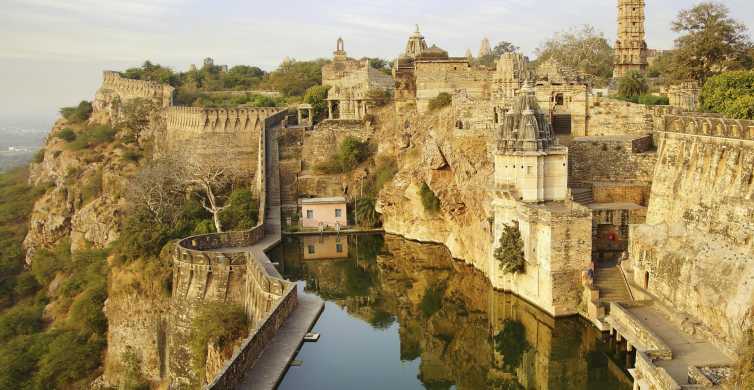
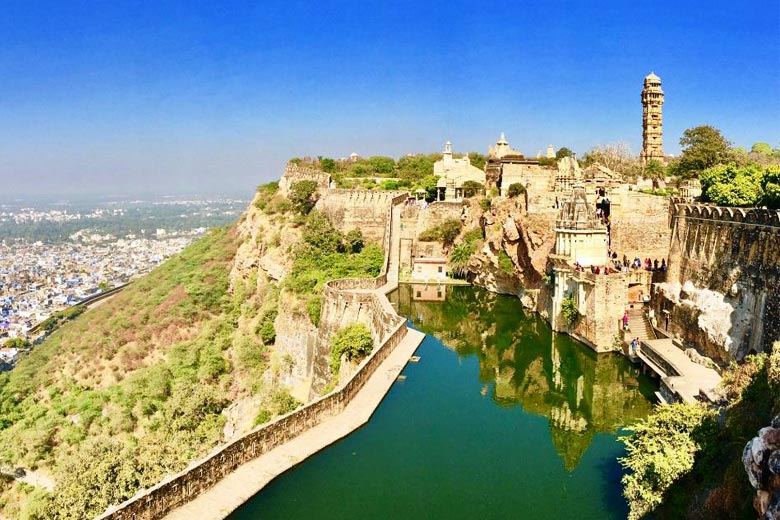
Whole Dude – Whole Pride: Essence and Existence- Indians express their Essence in the manner they exist. Rani Padmini of Chittorgarh expressed her essence as a moral, and spiritual being by ending her physical existence. Sanskrit is the Cultural tool that Indians use to define their Essence.Whole Dude – Whole Pride: Rani Padmini of Chittorgarh displayed her Essence by detaching herself from her Existence.Whole Dude – Whole Pride: Proud to be an Indian. The Legacy of Rani Padmini of Chittorgarh. The palace on the right is where Padmini is supposed to have stood. WHOLE DUDE – WHOLE PRIDE: PROUD TO BE AN INDIAN – THE LEGACY OF RANI PADMINI OF CHITTORGARH. THE PLACE OF JAUHAR.WHOLE DUDE – WHOLE PRIDE: PROUD TO BE AN INDIAN – THE LEGACY OF RANI PADMINI OF CHITTORGARH. RANA RATAN SINGH PALACE.WHOLE DUDE – WHOLE PRIDE: PROUD TO BE INDIAN – THE LEGACY OF RANI PADMINI OF CHITTORGARH. PADMINI MAHALWHOLE DUDE – WHOLE PRIDE: PROUD TO BE AN INDIAN – THE LEGACY OF RANI PADMINI OF CHITTORGARH. VIEW OF CORRIDOR AT PADMINI PALACE.Whole Dude – Whole Pride: The Legacy of Rani Padmini of Chittorgarh.Whole Dude – Whole Pride: The Legacy of Rani Padmini of Chittorgarh.Whole Dude – Whole Pride: The Legacy of Rani Padmini of ChittorgarhWhole Dude – Whole Pride: The Legacy of Rani Padmini of Chittorgarh.
A photo and a bit of Indian History. A decorated Gateway at Warangal, India stands for the glorious rule of the Kakatiya Dynasty during 12th Century A.D.
Excerpt: The post delves into the significance of Indian history and how it bears relevance to the author’s personal life. Central to the narrative is the Kakatiya Dynasty which ruled Telugu-speaking regions in the 12th century, with a focus on King Prataprudra’s reign. Emphasis is put on the legacy of the dynasty, and the heritage value it imparts on modern Telugu people. It also draws attention to the circumstances surrounding King Prataprudra’s demise, where he upheld his honor and dignity despite being captured by an enemy. The author’s and his brother’s names, Pratap and Rudra, are nods to these historical figures, reflecting their father’s admiration for the period.
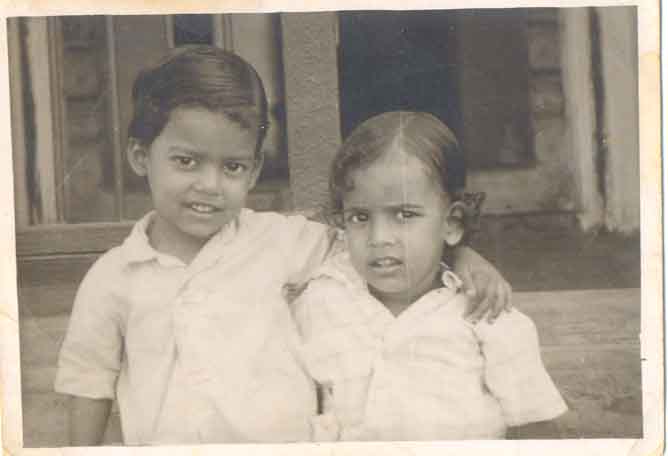
A Photo and a bit of Indian History. PRATAP-RUDRA: The names speak for themselves. It is a testimony to the influence of Kakatiya Dynasty over Telugu speaking people.
My elder brother Pratap and me (Rudra) come together as Prataparudra. Does that name sound familiar to you? My father taught Indian History all his life and he was clearly inspired by the names of the legendary figures found in our history books. He selected names to reflect his admiration for people who lived before and who had established a glorious period in the collective memory of Indians.
My elder brother got his name Pratap to remind us of the bravery of Rana Pratap who challenged the Mughal emperor Akbar.
Telugu people also take pride in the legacy of the great Kakatiya Dynasty that ruled much of the Telugu speaking areas in 12th century A.D. The famous Thousand-Pillar Temple in Hanamkonda near Warangal was built in 1162 A.D. by the Kakatiya king Rudra Deva (1158-1195 A.D.) who is also known as Prataparudra I. One of the few queens in Indian history and a most prominent ruler of Kakatiya Dynasty was Rani Rudrama Devi (1262-1295 A.D.). Her grandson, Prataprudra ascended the throne in 1280 A.D. During his reign, art and literature flourished. The conquest of South India (Deccan) by the Delhi Sultanate started in 1296 by Alauddin Khilji. The first invasion in 1303 A.D. was repulsed by the valiant resistance of the Kakatiya army. The Khilji dynasty ended and Ghiyasuddin Tughlaq ascended the Delhi throne in 1320 A.D. The first attack by Muhammad bin Tughlaq was repulsed. During 1321 A.D. after an initial failed attempt, a much larger force attacked the Warangal Fort for the second time and finally King Prataparudra was taken prisoner. While being taken as a prisoner to Delhi, King Prataparudra released his life into the loving embrace of River Narmada and preserved his dignity. Maharana Pratap, Chatrapati Shivaji and King Prataparudra are our national heroes because of their resistance to foreign rulers and occupation.
A photo and a bit of history. The name Rudra derives its historical importance when it is united with the name Pratap when it becomes Prataprudra.
ESSENCE AND EXISTENCE: Who you are (your essence) is defined by what you do (your existence). King Prataprudra desired to exist as a man of honor and integrity and defended the dignity of his existence and did not desire to yield his dignity to keep his existence. Indian tradition makes a distinction between the Subjective Reality of Existence and the Objective Reality of Existence. The Subjective Reality of King Prataprudra who was taken as a prisoner by his enemy was not consistent with the Objective Reality of Existence of King Prataprudra as defined by his nature. The King took the extreme measure to destroy the reality of his subjective existence as a prisoner and upheld the true nature of his essence which was consistent with the Objective Reality of his existence. By killing the prisoner, the King became an immortal individual. The prisoner had died and the King lives in the hearts of Telugu people.
Our names have stories to tell and guide us to revisit the history and we take pride in our Telugu heritage.
A Photo and a bit of Indian History. PRATAP-RUDRA: The names speak for themselves. It is a testimony to the influence of Kakatiya Dynasty over Telugu speaking people.
PRATAP-RUDRA: The names speak for themselves. It is a testimony to the influence of Kakatiya Dynasty over Telugu speaking people.
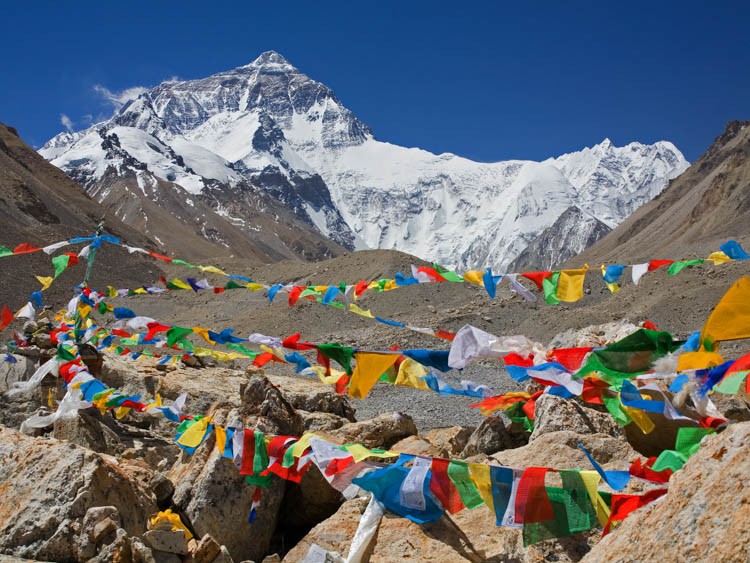

 Photo taken on Sept. 16, 2015 shows the scenery of Mount Qomolangma, southwest Tibet. As the fair weather increases in autumn, lots of tourists were attracted to the Everest Base Camp to enjoy the distant view of Mount Qomolangma at an altitude of 5,200 meters. (Xinhua/Zhang Rufeng)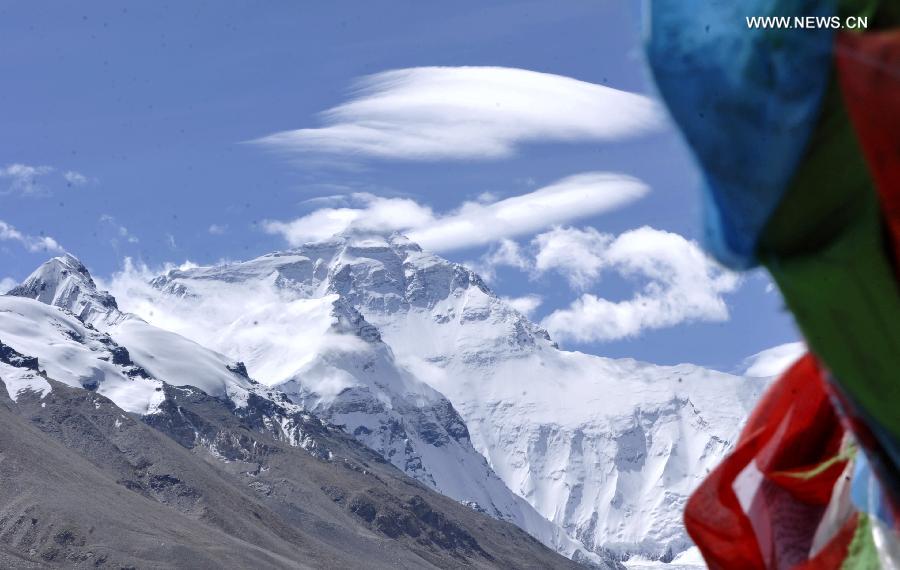















 Whole Dude - Whole Concept