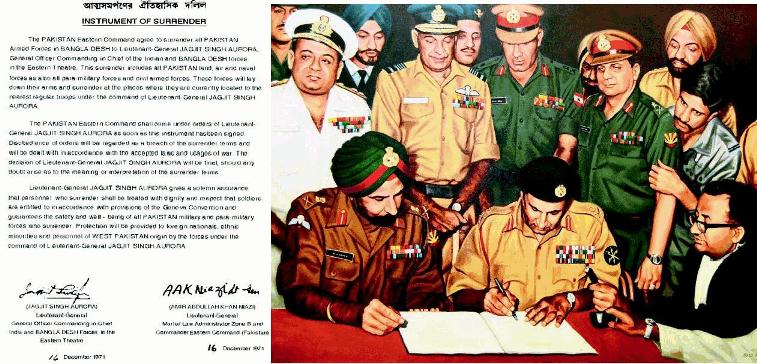
Whole Review – Movie TE3N Reveals My Tibet Connection by grouping four photo images in a single screenshot: SURRENDER AGREEMENT SIGNED IN DHAKA ON DECEMBER 16, 1971.Whole Review – Movie TE3N Reveals My Tibet Connection by grouping four photo images in a single screenshot: LIBERATION OF BANGLADESH ON DECEMBER 16, 1971.Whole Review – Movie TE3N Reveals My Tibet Connection by grouping four photo images in a single screenshot: Pakistan Surrenders on December 16, 1971.Movie TE3N Reveals my Tibet Connection by using Four Photo images grouped together in a single screenshot. Liberation of Bangladesh on December 16, 1971.Movie TE3N Reveals my Tibet Connection by grouping four photo images in a single screenshot. Surrender Agreement in Dhaka on December 16, 1971.TE3N Movie Reviews my Tibet Connection by grouping together four photo images. Pakistan surrenders in Dhaka on December 16, 1971.
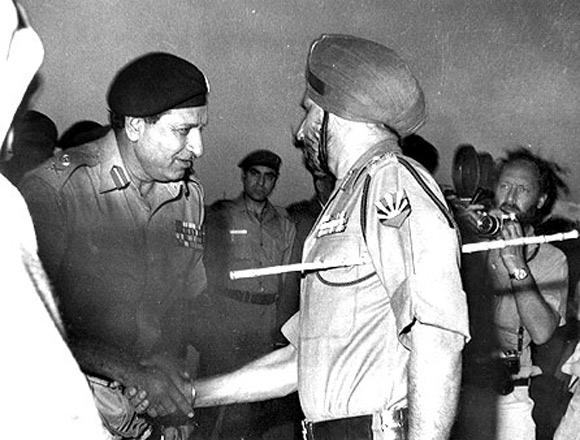
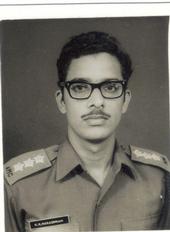
TE3N Movie Producer Sujoy Ghosh and Director Ribhu Das Gupta imaginatively created a screenshot grouping four different photo images to describe my Tibet Connection; These are,
1. Surrender Agreement signed in Dhaka on December 16, 1971 leading to creation of independent nation of Bangladesh,
Lieutenant General Dalbir Singh AVSM VSM, General Officer-in-Command, Eastern Command of Indian Army had served as the Inspector General of Special Frontier Force prior to his promotion to the rank of Lieutenant General. He served in the rank of Brigadier during the 1971 War but Movie TE3N chose this photo image.
2. Lieutenant General Dalbir Singh Suhag, General Officer Commanding-in-Chief, Headquarters Eastern Command, Kolkata, who actually participated in the 1971 War while serving in the rank of Brigadier,
TE3N Movie Reviews my Tibet Connection by grouping four photo images in a single screenshot. My Indian Army Picture ID photo image of 1972 taken at Doom Dooma, Tinsukia District, Assam, India. In reality, I participated in the 1971 War wearing the badges of rank of Lieutenant and not Captain
3. My Indian Army Picture ID photo image of 1972 taken in Doom Dooma while I was posted to D Sector, Establishment 22 after the 1971 War, and
Lieutenant General T S Oberoi, the Southern Army Commander during 1983, the former Inspector General of Special Frontier Force is seen in this photo wearing a helmet. The photo was taken during 1982 while he visited Army Service Corps Centre, Bangalore. In reality, he served as my Brigade Commander during the 1971 War.
4. Lieutenant General Thirath Singh Oberoi PVSM VrC, General Officer Commanding-in-Chief, Headquarters Southern Command Pune while he visited Army Service Corps Centre in Bangalore in 1982. In reality, T S Oberoi served in the rank of Brigadier during the 1971 War.
Photo images 2, 3, and 4 are related for they relate to our military service at Special Frontier Force, Establishment 22 now known as Vikas Regiment. In November 1971, Special Frontier Force initiated Liberation of Bangladesh with military action in the Chittagong Hill Tracts and so, these images relate to the photo image of the Surrender Agreement signed in Dhaka on December 16, 1971.
Beijing is Doomed – Revelation Unsealed
TE3N Movie explores my Tibet Connection. Beijing is Doomed – Revelation Unsealed. Strike by Heavenly Object.
I kept silent about my participation in Operation Eagle, Bangladesh Ops for a very long time and none of you heard that word from me until 2010 when I started my demand for gallantry award after His Holiness the Dalai Lama’s visit to Ann Arbor, Michigan on March 03/04, 2008. I did not invite him to visit Ann Arbor, and I had no time to meet him. I read news media coverage, particularly the story published by The Ann Arbor News of this event. Prior to this date, I did not speak or write about him. I realized that the time has come to describe my Tibet Connection. If I had really cared about getting Gallantry Award, I would have reacted in January 1972 when my Unit Commander informed me that the Indian Army Medical Directorate did not forward my gallantry award citation on time to Army Headquarters, MS Branch. The citation was not lost. It was not sent in time for its consideration. I raised the issue in 2010, for it is important to disclose my Tibet Connection.
I want to receive Gallantry Award recommended in 1971 War. However, it is not an acknowledgment of my service in Indian Army. The award was recommended by my Unit Commander who knew that I deliberately chose to enter Enemy territory without carrying my service weapon. Under Army Act, the refusal to carry personal weapon, the concealing or disposal of personal weapon, or not using weapon against Enemy are punishable offenses. My Unit (South Column, Op Eagle, Establishment 22 – Special Frontier Force) is not subject to Army Act. They have not threatened to discipline me. Rather, they have shown appreciation for my determination to work without my personal weapon. I made that decision because of my Tibet Connection.
While most of you may have read about speeches or quotes from speeches given by the Dalai Lama, may not be knowing about an assurance the Dalai Lama has given to his followers. Dalai Lama lives on the hope that China’s Communist Regime would experience sudden downfall. Many in the Tibetan Exile community share this hope as they believe or have faith in his words. I acknowledge my Tibet Connection, but I am not follower of the Dalai Lama. So, I had to investigate his statement and subject it to my rational analysis, a scientific method which I call Devotional Inquiry. I use the term Devotion not in the context of any kind of worship service or prayerful thought. I don’t look inwards. I look for answers examining the reality of external world.
For example, many Christians believe in the Future Coming of Christ or Advent. This hope comes from The New Testament Book of Revelation. Over 2,000 years have passed, many believers lived and died and yet the prophecy has not come true. I looked at various possibilities to account for Dalai Lama’s hope for the sudden, unexpected downfall of China. He has not shared or further explained the mechanism to trigger a sudden downfall of Communist China. World War II came to an abrupt stop when US bombed Hiroshima and Nagasaki. Japan surrendered in August 1945. I ruled out the possibility of China surrendering in World War III. Regimes have changed after public revolts like American Revolution, French Revolution, Red Revolution, and October Revolution of China. In fact, Tibet formally declared Full Independence on February 13, 1913 after the downfall of Manchu China following 1911 Revolution. We have seen some protests in China during 1989, protests in Hong Kong, and signs of severe labor unrest in China. But, I am not expecting a Great Proletarian Revolution to cause China’s downfall. If not political unrest, I considered the possibility of economic meltdown and severe or Great Depression. It is a good possibility as their Communist – Capitalist Economy will fail and is currently failing.
Historically, we have records of great empires rising and falling. People have given a variety of reasons to account for rise and fall of empires. Diseases like Malaria may account for fall of Roman Empire. Apart from health and sickness, people have cultural beliefs. Jews may believe in Messiah, Christians believe in the Kingdom of Heaven, Buddhists believe in Reincarnation of Compassionate Buddha (Maitreya), and Hindus may believe in Reincarnation of Lord Vishnu to change World Order to restore Peace and Justice.
Being student of Biology, I looked at Natural Causes and Natural Mechanisms that can significantly impact life on Earth. Natural calamities like floods, earthquakes, and hurricanes can have devastating effect. But, most major and minor mass extinction events have extraterrestrial causes such as Radiation or impact or collision by celestial objects like comets or asteroids. Planet Earth experienced several such collision events. At K-T Junction, about 65 million years ago, the entire Dinosaur population got wiped out while Life on Earth continued to multiply. In most recent times, during Geological Epoch called Holocene, entire species of Hominin Family got wiped out with the exception of Anatomically Modern Man leaving no surviving prehistoric man such as Neanderthal, Denisova, or Cro-Magnon. But, in terms of Science, these are all random, unguided events that can be interpreted as accidents and are not purposeful actions.
I account for human life as series of guided, goal-oriented, sequential, purposeful actions which demand synchronization with events in external environment such as periods of light and darkness, and Conservation of Mass, Energy, and Momentum. While planet Earth is spinning at great speed and is moving all the time, I sleep and get up in Ann Arbor as if Earth is a stationary object. I am not predicting a random, spontaneous event or natural calamity that may cause sudden downfall of China.
I looked at Book of Revelation written by Prophet John who most Christian theologians think of as Apostle John, one of Jesus Christ’s Twelve Disciples. Apparently, he wrote this Book while imprisoned in a small island far away from Babylon. But, that is not important. Historical Babylonian Empire had fallen several centuries before birth of Jesus Christ. There was no Evil Babylon when John wrote his Revelation Prophecy. Babylon is thought of a ‘code’ name for some unknown Evil Empire. Some think, that the term ‘Evil Empire’ or ‘Babylon’ may refer to Rome or even China in the East which was not a great empire at the time of writing that Book.
Chapter 18, Book of Revelation, that describes sudden downfall of Babylon was inspired by The Old Testament Book of Isaiah, a Hebrew Prophet. His prophecy came true when Persian Emperor Cyrus defeated and vanquished Babylon and graciously permitted rebuilding of Second Temple in Jerusalem long before the birth of Jesus Christ. So John has no reason to make prophecy about Babylon while he lived during the lifetime of Jesus and His Crucifixion.
I accept the scenario described in Chapter 18, Book of Revelation. I am not claiming a new prophetic vision. I am simply unsealing the mystery of Babylon. When I state, “Beijing is Doomed,” I am not visualizing natural accident or natural calamity. China’s downfall will come by guided, goal-oriented, purposeful, sequential actions following its strike by a heavenly object such as asteroid, large stone which will collide with China’s largest City of Shanghai.
Doomsayer of Doom Dooma – Revelation – Photo Image in Bollywood Movie – TE3N
TE3N MOVIE EXPLORES MY TIBET CONNECTION BY GROUPING TOGETHER FOUR PHOTO IMAGES IN A SINGLE SCREENSHOT.
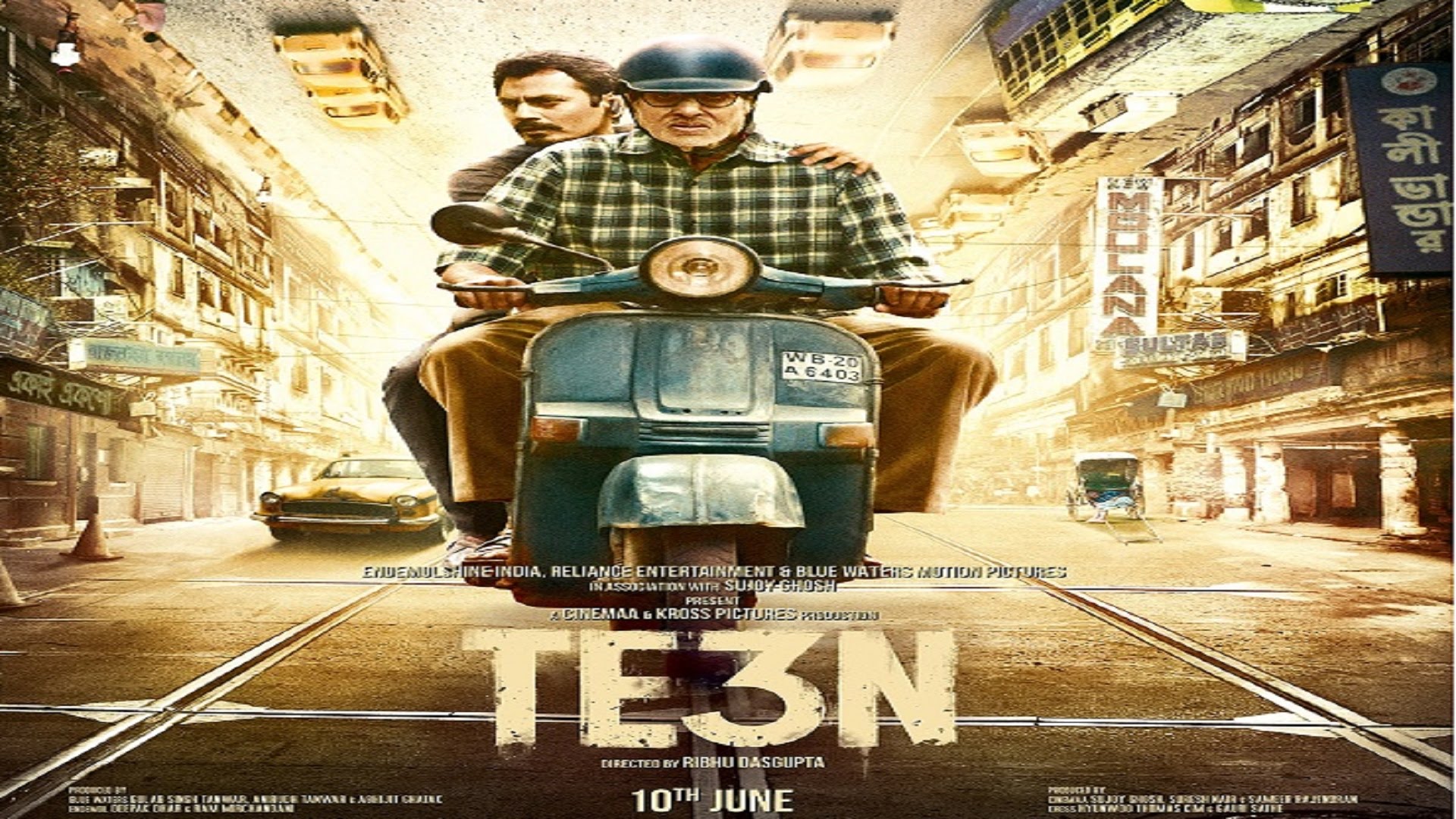
TE3N is a suspense thriller set in Kolkata. Industry’s best actors Amitabh Bachchan, Vidya Balan and Nawazuddin Siddiqui coming together in one film.
Story in detail:
It’s been 8 years since John Biswas (Amitabh Bachchan) lost his granddaughter, Angela, in a tragic kidnapping incident that scarred him & his wife Nancy forever. But eight years later, while the world has moved, John hasn’t given up his relentless quest for justice.
He continues to visit the police station where he’s shunned & ignored every day. The only person whose help he seeks is Martin Das (Nawazuddin Siddiqui), an ex-cop turned priest who has one thing in common with John – the death of Angela had a life altering impact on both men.
But then, 1 day, 8 years after that tragic incident, there’s another kidnapping & everything about it echoes of similarity with the kidnapping of Angela. Father Martin is once again dragged into the investigation by cop Sarita Sarkar (Vidya Balan).
Doomsayer of Doom Dooma – Beijing is Doomed: In 1972, a Chinese spy who infiltrated my military camp in Doom Dooma sent my photo image to Peking (Beijing).
It comes as a big surprise to find my stolen Indian Army Photo ID image from 1972 is revealed in a brief screenshot of this Movie.
Doomsayer of Doom Dooma – Revelation
TE3N Movie explores my Tibet Connection. Beijing is Doomed.
I use my Indian Army Photo ID image of 1972 to describe my connection with City of Doom Dooma, Tinsukia District, Assam, India. I unsealed the prophecy shared by Book of Revelation, Chapter 18 that gives detailed account of sudden, unexpected, downfall of Evil Empire in one single day.
TE3N Movie explores my Tibet Connection using photo image taken at Doom Dooma in 1972. Beijing is Doomed.TE3N Movie explores my Tibet Connection using single screenshot of photo image taken at Doom Dooma, Tinsukia District, Assam. Beijing is Doomed.TE3N Movie explores my Tibet Connection. Beijing is Doomed.TE3N Movie explores my Tibet Connection. Beijing is Doomed.TE3N Movie explores my Tibet Connection. Beijing is Doomed.TE3N Movie explores my Tibet Connection. Beijing is Doomed. Mystery of Revelation 18: 1-24 Unsealed.TE3N Movie explores my Tibet Connection. Mystery of Babylon Unsealed. Beijing is Doomed.TE3N Movie explores my Tibet Connection. Mystery of Babylon Unsealed. Beijing is Doomed.TE3N Movie explores my Tibet Connection. Mystery of Babylon Unsealed. Beijing is Doomed.TE3N Movie explores my Tibet Connection. Mystery of Babylon Unsealed. Beijing is Doomed.
My Indian Army Photo ID image taken in 1972 at Doom Dooma serves just one purpose; it unseals Revelation Prophecy and it helps me to announce, “BEIJING IS DOOMED.”
Whole Review – Movie TE3N Reveals My Tibet Connection by grouping four photo images in a single screenshot. Special Service Award presented by all Officers D Sector, Establishment 22, at Doom Dooma, Tinsukia District, Assam, India.
Movie TE3N Reveals My lifetime affiliation with Vikas Regiment
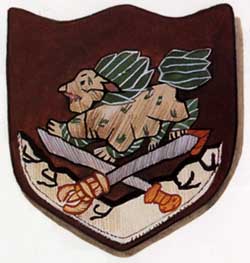
TE3N Movie on Netflix.com reveals my lifetime affiliation with Vikas Regiment also known as Establishment No. 22, Special Frontier Force.: This badge depicting the Snow Lion represents a military alliance/pact between India, Tibet, and the United States of America. Its first combat mission was in the Chittagong Hill Tracts which unfolded during October 1971. It was named Operation Eagle. It accomplished its mission of securing peace in the region that is now known as Republic of Bangladesh.
I served in Special Frontier Force- Headquarters Establishment No. 22-Vikas Regiment from September 22, 1971, to December 10, 1974. My affiliation with Vikas Regiment survives to this date as I host ‘The Living Tibetan Spirits’ in my consciousness since 1971 Bangladesh Ops (India-Pakistan War of 1971 that lead to the Liberation of Bangladesh). Because of my affiliation with Vikas Regiment, my Indian Army Picture ID photo image of 1972 appears in a scene in the TE3N movie of 2016.
I have three reasons why I reside in the United States since July 1986.
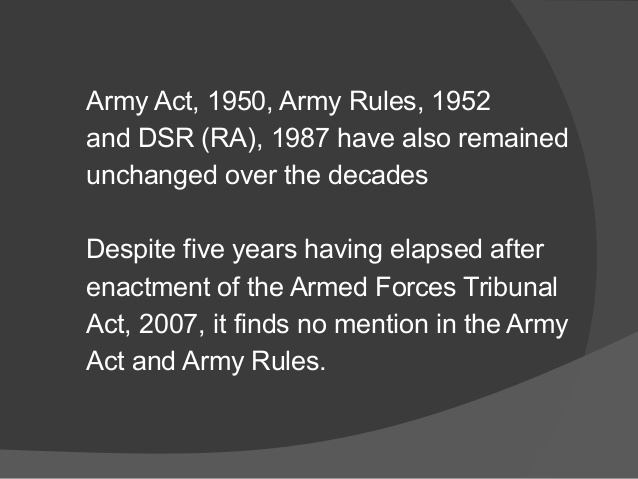
TE3N Movie Review – Indian Army vs Special Frontier Force. Army Act 1950 did not govern my Military Conduct during 1971 Bangladesh Ops for the Act does not govern Special Frontier Force.
My first reason to reside in the United States is that of staying away from India, the country of my origin.
THE TE3N MOVIE OF 2016 ON NETFLIX.com REVEALS MY LIFETIME AFFILIATION WITH VIKAS REGIMENT SINCE 1971.
My second reason to reside in the United States is that of staying away from the military organization called Special Frontier Force which is also popularly known as Establishment No. 22 which is renamed as Vikas Regiment.
THE TE3N MOVIE OF 2016 ON NETFLIX.com REVEALS MY LIFETIME AFFILIATION WITH VIKAS REGIMENT SINCE 1971
The third reason for residing in the United States is that of my Enemy keeping me under surveillance while the Government of India denies me my right to Self-Defense.
TE3N MOVIE OF 2016. THE TE3N MOVIE DVD IS DISTRIBUTED BY RELIANCE ENTERTAINMENT AND NETFLIX.com. IT REVEALS MY LIFETIME AFFILIATION WITH VIKAS REGIMENT SINCE 1971
In the interests of promoting transparency and public accountability in governance by either Public or Private entities, I am sharing the contents of my electronic communication with Reliance Entertainment.
THE TE3N MOVIE OF 2016 REVEALS MY LIFETIME AFFILIATION WITH VIKAS REGIMENT SINCE 1971.
TE3N Pre-recorded DVD – Photo Images.
Dear Sir,
1. On behalf of Special Frontier Force, I am pleased to inform you that a few photo images included in the screenshot of Section.15 of TE3N Pre-recorded DVD, PKD: July/2016 belong to our military organization, people currently affiliated to the organization under terms and conditions established by Government of India.
2. The Movie TE3N is the remake of a South Korean film, and inclusion of the photo images of personnel affiliated to Special Frontier Force is of interest. My organization would like to mention that the Movie Production Team made the decision to use these images giving general public or viewers a mistaken notion about our identity. Special Frontier Force represents a military organization distinct from the Indian Army while it draws Indian Army personnel apart from other nationals.
3. I warmly appreciate artistic freedom exercised by Producer Sujoy Ghosh and Director Ribhu Dasgupta in producing Movie TE3N.
Thanking You,
Yours Sincerely,
Rudra Narasimham Rebbapragada Ann Arbor, MI 48104-4162 USA SPECIAL FRONTIERFORCE-ESTABLISHMENT No. 22-VIKAS REGIMENT
TE3N MOVIE OF 2016. THE TE3N MOVIE DVD DISTRIBUTED BY RELIANCE ENTERTAINMENT REVEALS MY AFFILIATION WITH VIKAS REGIMENT.TE3N MOVIE OF 2016. THE MOVIE IMAGE OF MS-8466 CAPTAIN R R NARASIMHAM, AMC REVEALS MY AFFILIATION WITH VIKAS REGIMENT.TE3N MOVIE OF 2016. INDIA-PAKISTAN WAR, THE BANGLADESH OPs, OPERATION EAGLE, 1971-72 REVEALS MY AFFILIATION WITH VIKAS REGIMENT SINCE 1971. TE3N MOVIE OF 2016. OPERATION EAGLE, 1971 INDIA – PAKISTAN WAR, BANGLADESH OPs REVEAL MY AFFILIATION WITH VIKAS REGIMENT. TE3N Movie of 2016 reveals my affiliation with Vikas Regiment. The1972 Indian Army Picture ID Image of MS-8466 Captain R R Narasimham, AMC TE3N MOVIE OF 2016 REVEALS MY AFFILIATION WITH VIKAS REGIMENT. SPECIAL FRONTIER FORCE CELEBRATES ITS PARTNERSHIP WITH INDIAN ARMED FORCES.
Special Frontier Force – Establishment 22 – Operation Eagle – Grant of Gallantry Award
Special Frontier Force – Establishment 22 – Operation Eagle – Grant of Gallantry Award: An open letter to President of India about the sanction of Gallantry Award for participation in Special Frontier Force Operation Eagle during Liberation of Bangladesh 1971-72: OPERATION EAGLE IS THE CODE NAME FOR MILITARY ACTION THAT INITIATED THE LIBERATION OF BANGLADESH ON NOVEMBER 03, 1971 WITH STRIKES ON THE ENEMY MILITARY POSTS IN THE CHITTAGONG HILL TRACTS.
Excerpt: Special Frontier Force – Operation Eagle – Bangladesh Liberation War of 1971-72. Sanction of Gallantry Award. It must be clearly noted that the eligibility criteria for the grant of military awards, decorations and honours were included in the Battle Plan of Operation Eagle which was duly approved and sanctioned by the Prime Minister of India.
Special Frontier Force – Establishment 22 – Operation Eagle – Grant of Gallantry Award: An open letter to President of India about the sanction of Gallantry Award for participation in Special Frontier Force Operation Eagle during Liberation of Bangladesh 1971-72. Special Service Award Presented by Establishment – 22Establishment No. 22 – Operation Eagle: The Shoulder Badge of Special Frontier Force. Its first combat mission was in the Chittagong Hill Tracts which unfolded on 03 November 1971. It was named Operation Eagle. It accomplished its mission of securing peace in the region that is now knownas Republic of Bangladesh.Operation Eagle – Gallantry Award: Flight Lieutenant Parvez Rustom Jamasji, Indian Air Force Helicopter Pilot provided airlift to the battle casualties in the conduct of Operation Eagle, Bangladesh Ops in the Chittagong Hill Tracts.Operation Eagle – Gallantry Award: Service Number IC-22805 Major Survendra Singh Negi, The Grenadiers, served as a Company Commander, South Column, Operation Eagle, Bangladesh Ops, the Chittagong Hill Tracts.
Government of India, Department of Administrative Reforms & Public Grievances Portal to receive Petitions and Grievances: www.pgportalgov.in/
Registration Number: DARPG/E/2013/82597
Name of Complainant:Rebbapragada Pratap Narayan
Date of Receipt: 07 September 2013
Received by: Department of Administrative Reforms and Public Grievances
1. My younger brother, Service Number: MS-8466/MR-03277K, Name:R. Rudra Narasimham (or R. R. Narasimham) served as Medical Officer in the Army Medical Corps from 26 July 1970 to 10 January 1984 after the grant of Short Service Commission (September 1969) and Direct Permanent Commission (March 1973). He served in the rank of Lieutenant/Captain at Establishment No. 22/Special Frontier Force from 22 September 1971 to 18 December 1974.
2. He had served under the command of Major General Sujan Singh Uban, Inspector General Special Frontier Force and took part in Operation Eagle from November 1971 to January 1972. Operation Eagle had initiated the Liberation of Bangladesh with military action in the Chittagong Hill Tracts. The Brigade Commander of Operation Eagle was Brigadier T S Oberoi, the Commandant, Establishment No. 22. The Chief Staff Officer was Colonel Iqbal Singh. My brother served in the South Column Unit that was commanded by Lieutenant Colonel BK Narayan. During November 1971, his Unit had attacked and captured an enemy post defended by regular troops of Pakistan’s Army. In this Infantry attack, my brother was at the front line marching with the men. The two Company Commanders, Major Savendra Singh Negi (Grenadiers), and Major G B Velankar (SFF-EST No. 22, a Civilian Officer) who led the assault on the enemy position were awarded the Gallantry Award of Vir Chakra. My brother who took part in this action with the men of these two Company Commanders was also recommended to receive the Gallantry Award of Vir Chakra. The citation for the grant of this Gallantry Award was initiated by Lieutenant Colonel BK Narayan, it was seen by Colonel Iqbal Singh, the Chief Staff Officer, it was reviewed and recommended by Brigadier T S Oberoi and it was finally approved by Major General Sujan Singh Uban, IG SFF who had recommended it and sent it directly to the Director of Medical Services, DMS (Army), Medical Directorate, New Delhi for favour of sending the citation to the MS Branch, Army Hq for their necessary action to sanction the Gallantry Award.
3. It must be clearly noted that the eligibility criteria for the grant of military awards, decorations and honours were included in the Battle Plan of Operation Eagle which was duly approved and sanctioned by the Prime Minister of India.
The Prime Minister’s Office (PMO) and the Cabinet Secretariat are fully aware of the terms and conditions for the grant of awards to members who took part in Operation Eagle. My brother is requesting that the Gallantry Award to be granted as approved and recommended by the Inspector General of Special Frontier Force. My brother applied for Direct Permanent Commission during September 1972 and his application for AMC Examination held in September 1972 includes the remarks of recommendation signed by Colonel Iqbal Singh who had mentioned the citation, and had substantially quoted the citation giving the full details of my brother’s gallant response in the face of enemy action. This application for Permanent Regular Commission in the Army Medical Corps is archived at the Medical Personnel Records Section (Officers)/ MPRS(O), Office of the DGAFMS, Ministry of Defence, New Delhi.
4. If you need any further information, kindly write to me and I will be happy to provide the same.
Current Status: Received the Grievance
Grievance Status for registration number: DARPG/E/2013/82597
Grievance Concerns To
Name Of Complainant
R Pratap Narayan
Date of Receipt
07/09/2013
Received By Ministry/Department
Administrative Reforms and Public Grievances – Nodal Agency
Grievance Description
1. My younger brother, Service Number: MS-8466/MR-03277K, Name:R. Rudra Narasimham (or R. R. Narasimham) served as Medical Officer in the Army Medical Corps from 26 July 1970 to 10 January 1984 after the grant of Short Service Commission (September 1969) and Direct Permanent Commission (March1973). He served in the rank of Lieutenant/Captain at Establishment No. 22/Special Frontier Force from 22 September 1971 to 18 December 1974.
2. He had served under the command of Major General Sujan Singh Uban, Inspector General Special Frontier Force and took part in Operation Eagle from November 1971 to January 1972. Operation Eagle had initiated the Liberation of Bangladesh with military action in the Chittagong Hill Tracts. The Brigade Commander of Operation Eagle was Brigadier T S Oberoi, the Commandant, Establishment No. 22. The Chief Staff Officer was Colonel Iqbal Singh. My brother served in the South Column Unit that was commanded by Lieutenant Colonel BK Narayan. During November 1971, his Unit had attacked and captured an enemy post defended by regular troops of Pakistan’s Army. In this Infantry attack, my brother was at the front line marching with the men. The two Company Commanders, Major Savendra Singh Negi (Grenadiers), and Major G B Velankar (SFF-EST No. 22, a Civilian Officer) who led the assault on the enemy position were awarded the Gallantry Award of Vir Chakra. My brother who took part in this action with the men of these two Company Commanders was also recommended to receive the Gallantry Award of Vir Chakra. The citation for the grant of this Gallantry Award was initiated by Lieutenant Colonel BK Narayan, it was seen by Colonel Iqbal Singh, the Chief Staff Officer, it was reviewed and recommended by Brigadier T S Oberoi and it was finally approved by Major General Sujan Singh Uban, IG SFF who had recommended it and sent it directly to the Director of Medical Services, DMS (Army), Medical Directorate, New Delhi for favour of sending the citation to the MS Branch, Army Hq for their necessary action to sanction the Gallantry Award.
3. It must be clearly noted that the eligibility criteria for the grant of military awards, decorations and honours were included in the Battle Plan of Operation Eagle which was duly approved and sanctioned by the Prime Minister of India. The Prime Minister’s Office(PMO) and the Cabinet Secretariat are fully aware of the terms and conditions for the grant of awards to members who took part in Operation Eagle. My brother is requesting that the Gallantry Award to be granted as approved and recommended by the Inspector General of Special Frontier Force. My brother applied for Direct Permanent Commission during September 1972 and his application for AMC Examination held in September 1972 includes the remarks of recommendation signed by Colonel Iqbal Singh who had mentioned the citation, and had substantially quoted the citation giving the full details of my brother’s gallant response in the face of enemy action. This application for Permanent Regular Commission in Army Medical Corps is archived at the Medical Personnel Records Section(Officers)/ MPRS(O), Office of the DGAFMS, Ministry of Defence, New Delhi.
4. If you need any further information, kindly write to me and I will be happy to provide the same.
Current Status
Case Disposed of
Date of Action
11/03/2016
Remarks
Redressed vide DGMS (Army)/DGMS-3D (Comp) vide their letter No B/74303/MOD/475/2013/DGMS-3D (Comp) dt 01 Sep 2014
Reply Document
Telephone: 23093735 B/74303/MOD/475/2013/DGMS-3D(Comp) Shri R Pratap Narayan F/o MR-03277K Ex AMC Offr R R Narasimham
Dte Gen of Med Services (Army) Adiutant General’s Branch Integrated HQ of MOD (Army) L” Block, New Delhi- 110001 01 Sep 2014
DISPOSALOFCOMPLAINT/PETITIONS: MR-03277K EX AMC OFFR RR NARASIMHAM
1 Refer to your petition dt 07 Sep 2013. 2 In this regard, it is intimated that no record is available with this Dte Gen regarding grant of gallantry award or proposal for grant of the same in r/o MR-03277K EX AMC Offr R R Narasimham.
This is for vour info please.
(Y S Reddy)
Lt Col
OIC Complaint Cell for DGMS (Army)
Copy to :- MoD/D(Med) 0/o DGAFMS (Complaint Cell) for info and closing the dy entry please wrt ID Note number 20(1)/2013/D(Medical) dt 12 Nov 2013. for info and closing the dy entry please wrt your office Note No 44712/DGAFMS/Addl DGAFMS/HR/147/2013 dt 26 Dec 2013 and 44712/DGAFMS/Addl DGAFMS/HR/ 141/2013 dt 26 Dec 2013.
It must be clearly noted that the eligibility criteria for the grant of military awards, decorations and honours were included in the Battle Plan of Operation Eagle which was duly approved and sanctioned by the Prime Minister of India.Special Frontier Force – Establishment 22 – Operation Eagle – Grant of Gallantry Award: An open letter to President of India about the sanction of Gallantry Award for participation in Special Frontier Force Operation Eagle during Liberation of Bangladesh 1971-72.
The Military Expeditions to Demagiri, Tlabung, Lushai, Mizo Hills. A Tribute to Tibetan Martyrs
Whole Dude – Whole Expedition: 1871 and 1971, One Hundred Years Apart, Southern Column vs South Column. The Military Expeditions to Demagiri, Tlabung,Lushai, Mizo Hills. This Memorial Stone was erected in Demagiri in honor of Captain Thomas Herbert Lewin, the Deputy Commissioner of the Chittagong Hill Tracts who built a fort in Demagiri to serve as the Force Headquarters of the British Indian Army First Lushai Expedition of 1871-72.
Excerpt: I am sharing this story about the British Indian Army First Lushai Expedition of 1871-72 to honor the memory of the Tibetan soldiers who arrived in Demagiri, Tlabung, Lushai or Mizo Hills in October 1971 and gave their precious lives during the military action in the Chittagong Hill Tracts initiating the Liberation of Bangladesh. On behalf of The Living Tibetan Spirits, I ask that a Memorial Stone be erected in Demagiri, Tlabung, the place which served as the Force Headquarters of The Fifth Army in Bangladesh under the command of Major General Sujan Singh Uban, the Inspector General of Special Frontier Force.
Whole Dude – Whole Expedition: 1871 and 1971, One Hundred Years Apart, Southern Column vs South Column. The Military Expeditions to Demagiri, Tablung, Lushai, Mizo Hills. Captain Lewin the founder of Demagiri Military Settlement lived in Demagiri for about nine years. Whole Dude – Whole Expedition: 1871 and 1971, One Hundred Years Apart, Southern Column vs South Column. The Military Expeditions to Demagiri, Tablung, Lushai, Mizo Hills. Captain Lewin befriended the native people by learning their language and their cultural traditions.
Captain Thomas Herbert Lewin was appointed as the Deputy Commissioner and Political Agent for the Chittagong Hill Tracts in March 1866. He held that post until 1875. In 1874, he was made an honorary Lieutenant Colonel.. He made his first camp at Chandraghona and later in Rangamati. He was the founder of a military camp and settlement at Demagiri ahead of the British Indian Army First Lushai Expedition of 1871-72.
Whole Dude – Whole Expedition: 1871 and 1971, One Hundred Years Apart, Southern Column vs South Column. The Military Expeditions to Demagiri, Mizo Hills. A view of Demagiri, Tlabung on the banks of the Khawthlang Tuipui or Karnaphuli River, the border between Mizo Hills and the Chittagong Hill Tracts.
The British Indian Army Lushai Expedition of 1871 to 1872 was a punitive incursion under the command of Generals Brownlow and Bourchier. General Charles Henry Brownlow commanded the Southern Column or the Chittagong Column for the Lushai Expedition and then served as Assistant Military Secretary for India for ten years. General George Bourchier commanded the East Frontier District, and in 1871 to 1872 he commanded the Cachar Column or the North Column in the Lushai Expedition.
In 1871, the British Indian Army military expedition named the Southern Column started from Kasalong in Rangamati and it followed the course of Karnaphuli River to reach Demagiri, Tlabung in Lushai, Mizo Hills. Whereas in 1971, the Special Frontier Force military expedition named the South Column started from Demagiri and initially it was an overland incursion followed by the use of passenger boat service to reach Rangamati and used captured vehicles to advance to Kaptai by road and launched a separate airborne operation to secure the Naval Base at Chittagong Sea Port. The South Column reached Chittagong by road taking advantage of the vehicles left behind by the enemy but camped in Kaptai and around the Kaptai Lake until the conclusion of the Campaign in the Chittagong Hill Tracts.
Whole Dude – Whole Expedition: 1871 and 1971, One Hundred Years Apart, Southern Column vs South Column. The Military Expeditions to Demagiri, Mizo Hills. A view of the Khawthlang Tuipui or Karnaphuli River near Demagiri, Tlabung, Lushai, Mizo Hills.
The objectives of the British Indian Army First Lushai Expedition were to rescue British subjects who had been captured by the Lushais (Mizos) in raids into Assam—including a six-year-old girl called Mary Winchester—and to convince the hill tribes of the region that they had nothing to gain and everything to lose by placing themselves in a hostile position towards the British Government. Mary Winchester, or Zolûti to Mizos, (1865–1955) was a Scottish girl who was captured and held hostage by the Lushai, Mizo tribes of Lushai Hills, Mizo Hills in 1871, and rescued by the British expedition in 1872.
Captain Thomas Herbert Lewin signed a Peace Treaty with Mizo Chief Rothangpuia of Thangluah clan following which he shifted his headquarters from Rangamati to Demagiri, Tlabung. The Mizos called him Thangliana or the Man of Great Fame. Captain Lewin returned to England due to ill health, was made an honorary Lieutenant Colonel and received a Colonel’s pension. He returned to India in 1875 to take up the post of Deputy Commissioner of Cooch Behar, and later became Deputy Commissioner of Darjeeling, where he remained until his retirement in 1879. In 1885, Thomas Herbert bought Parkhurst, a house in Abinger, near Dorking, Surrey where he lived until his death in 1916. Lewin was the author of several works on India and Indian languages.
The Story of South Column
Whole Dude – Whole Expedition: 1871 and 1971, One Hundred Years Apart, Southern Column vs South Column. The Military Expeditions to Demagiri, Tlabung, Lushai, Mizo Hills. On completion of my Medical Internship at Military Hospital, Ambala Cantonment, Haryana, I joined Establishment 22 (Two-Two) on September 22, 1971.Whole Dude – Whole Expedition: 1871 and 1971, One Hundred Years Apart, Southern Column vs South Column. The Military Expeditions to Demagiri, Mizo Hills. The Story of South Column begins in October 1971.Whole Dude – Whole Expedition: 1871 and 1971, One Hundred Years Apart, Southern Column vs South Column. The Military Expeditions to Demagiri, Tlabung, Lushai, Mizo Hills. During October 1971, I provided the medical support to Bangla Freedom Fighters training at a Camp on the eastern bank of the Yamuna River near Dakpathar Barrage.
I joined duty at the Military Hospital Wing of Establishment 22 (Two-Two) on September 22, 1971 and at the end of the month I was sent on temporary duty to provide medical support to Bangla Freedom Fighters training on the eastern banks of the Yamuna River between the Shivalik Hills and Dakpathar Barrage across the Yamuna River. This Training Camp was commanded by Lieutenant Colonel Prasanta Coomar Purkayastha, The Regiment of Garhwal Rifles. I did not take my service weapon to perform this duty while the men did receive weapon training. I returned to Chakrata during the third week of October 1971 and was not yet aware of any battle plan to take military action in support of the Bangla refugees in India.
On October 19, 1971, while serving in the Military Hospital Wing of Establishment 22 (Two-Two) in Chakrata, I was asked to provide medical support to the Mobile Reserve Force (MRF), Kailana Camp in Chakrata Cantonment. I was not briefed about the nature of my temporary duty and I moved to the MRF Kailana Camp with a steel trunk and a bedding, a heavy load of personal belongings.
Whole Dude – Whole Expedition: 1871 and 1971, One Hundred Years Apart, Southern Column vs South Column. The Military Expeditions to Demagiri, Tlabung, Lushai, Mizo Hills From the Military Hospital Wing, Chakrata Camp, I proceeded on temporary duty to the Mobile Reserve Force, Kailana Camp in Chakrata Cantonment without taking my service weapon, the 9 mm Sub Machine Gun, SMG (Carbine, Machine, Sten)..
As an Officer of the Indian Army, I received training in the use of a 9 mm Sub Machine Gun known as Sten Gun or SMG (Carbine, Machine, Sten) and had always passed in my weapon training tests. It is a devastating close-range weapon. It is a compact, lightweight automatic weapon firing pistol ammunition and it would fire without any lubrication. The personal weapon is held in the Unit Quarter Guard (Armory) and is generally taken out for range practice and weapon training during peacetime and is carried during the performance of active duty deployment either training or actual combat operations. I proceeded for this assignment at MRF, Kailana Camp without taking my personal weapon and ammunition as it was primarily a peacetime assignment. My Movement Order did not specify that I must draw the service weapon and ammunition prior to proceeding on this duty. However, the men were personally briefed to prepare for a wartime duty and I was in the Hospital and did not listen to the motivational speech given by Gyalo Thondup, the brother of His Holiness the 14th Dalai Lama.
Whole Dude – Whole Expedition: 1871 and 1971, One Hundred Years Apart, Southern Column vs South Column. The Military Expeditions to Demagiri, Tlabung, Lushai, Mizo Hills. THE PROBLEM OF ESPIONAGE. ILLEGAL PHOTO IMAGE TAKEN BY CHINESE SPY AT ESTABLISHMENT NO. 22. DAPON/POLITICAL LEADER RATUK NGAWANG HAD POSSESSION OF THIS IMAGE AND SUPPLIED IT TO A JOURNALIST. Gyalo Thondup, 14th Dalai Lama’s brother gave a motivational speech at the Mobile Reserve Force Kailana Camp in Chakrata during the third week of October 1971. Special Secretary Mr. R.N. Kao is flanked by Major General Sujan Singh Uban (Left) and Brigadier T S Oberoi (Right).Whole Dude – Whole Expedition: 1871 and 1971, One Hundred Years Apart, Southern Column vs South Column. The Military Expeditions to Demagiri, Tlabung, Lushai, Mizo Hills. The Key Players met in Chakrata. Brigadier T S Oberoi (extreme left) seen with Special Secretary Mr. R. N. Kao, and Major General Sujan Singh Uban, the Inspector General of Special Frontier Force, and Tibetan Political Leader at extreme right.Whole Dude – Whole Expedition: The Fifth Army in Bangladesh. Establishment No. 22 – Operation Eagle: This badge represents a military alliance/pact between India, Tibet, and the United States of America. Its first combat mission was in the Chittagong Hill Tracts which unfolded on Thursday, October 28, 1971 when South Column crossed the international boundary West of Borunasury Border Security Force Company Post. It was named Operation Eagle. It accomplished its mission of securing peace in the region that is now known as Republic of Bangladesh. The Badge is not worn on uniforms during active duty.Whole Dude – Whole Expedition: 1871 and 1971, One Hundred Years Apart, Southern Column vs South Column. The Military Expeditions to Demagiri, Tlabung, Lushai, Mizo Hills. I proceeded from Mobile Reserve Force Kailana Camp, Chakrata in Uttarakhand to the Aviation Research Centre Airbase in Sarsawa on October 20, 1971 without carrying my service weapon.Whole Dude – Whole Expedition: 1871 and 1971, One Hundred Years Apart, Southern Column vs South Column. The Military Expeditions to Demagiri, Tlabung, Lushai, Mizo Hills.My journey begins at Mobile Reserve Force Kailana Camp, Chakrata after I was attached to the Mobile Reserve Force on October 19, 1971.Whole Dude – Whole Expedition: 1871 and 1971, One Hundred Years Apart, Southern Column vs South Column. The Military Expeditions to Demagiri, Mizo Hills. The story of South Column begins at Mobile Reserve Force Kailana Camp, Chakrata. Apart from Chakrata, troops had also arrived in Demagiri from other locations.Whole Dude – Whole Expedition: 1871 and 1971, One Hundred Years Apart, Southern Column vs South Column. The Military Expeditions to Demagiri, Mizo Hills. On October 20, 1971, I moved from Kailana Camp, Chakrata to Sarsawa, near Saharanpur travelling by road in a military convoy.Whole Dude – Whole Expedition: 1871 and 1971, One Hundred Years Apart, Southern Column vs South Column. The Military Expeditions to Demagiri, Mizo Hills. On October 20, 1971, I moved from Chakrata to Sarsawa, near Saharanpur by road. A view of the bridge over the Tons River at Kalsi, near Dakpathar.Whole Dude – Whole Expedition: 1871 and 1971, One Hundred Years Apart, Southern Column vs South Column. The Military Expeditions to Demagiri, Mizo Hills. After arriving in Sarsawa on October 20, 1971, I was issued a Movement Order to proceed on duty described as Operation Eagle. I proceeded on this duty with a heavy load of my personal belongings and without my personal service weapon and ammunition. A view of Sarsawa Airfield. On October 21, 1971, for the early morning takeoff, the runway was lit by rows of flaming torches.Whole Dude – Whole Expedition: 1871 and 1971, One Hundred Years Apart, Southern Column vs South Column. The Military Expeditions to Demagiri, Mizo Hills. OPERATION EAGLE IS THE CODE NAME FOR MILITARY ACTION THAT INITIATED THE LIBERATION OF BANGLADESH DURING OCTOBER-NOVEMBER 1971 WITH STRIKES ON THE ENEMY MILITARY POSTS IN CHITTAGONG HILL TRACTS.Whole Dude – Whole Expedition: 1871 and 1971, One Hundred Years Apart, Southern Column vs South Column. The Military Expeditions to Demagiri, Mizo Hills. I took an early morning flight on October 21, 1971 from Sarsawa Air Force Station to Kumbhigram Air Force Station.Whole Dude – Whole Expedition: 1871 and 1971, One Hundred Years Apart, Southern Column vs South Column. The Military Expeditions to Demagiri, Mizo Hills. On October 20, 1971 I was deployed for the military action code-named Operation Eagle at Sarsawa, near Saharanpur. My Movement Order did not provide any details and there was no briefing to keep the battle plan as a secret.1871 and 1971, One Hundred Years Apart, Southern Column vs South Column. The Military Expeditions to Demagiri, Mizo Hills. The Antonov An-12 is a four-engined turboprop transport aircraft designed in the Soviet Union. The above photo image is used just for the illustrative purpose. We were not permitted to take any photographs in the conduct of the covert military mission code named Operation Eagle.
At Sarsawa Air Force Station, I boarded the Antonov An-12, Soviet designed transport aircraft in the early morning hours of October 21, 1971. The runway was illuminated by rows of flaming torches on either side. The Commandant of Establishment 22 (Two-Two) Brigadier T S Oberoi delayed the departure of the flight until a hot breakfast was served to all the men boarding the aircraft. The men were fully armed and were dressed in combat gear and I was the only exception proceeding on Operation Eagle mission without carrying a service weapon. I was permitted to carry the heavy load of my personal belongings as the nature of the mission was not formally disclosed. While we boarded the aircraft in a single file, Brigadier T S Oberoi warmly shook hands of each person. He wished me all the best and did not inquire about my service weapon as the mission remained a secret and its objectives were not disclosed in Sarsawa. I was just taking part in an unknown military mission and did not even know the destination of this morning flight from Sarsawa Airfield until the aircraft landed in Kumbhigram Airfield near Silchar City in Cachar District, Assam. However, I checked the Movement Order that was issued to me. The Commandant of Establishment 22 has the authority to sanction my move from the Military Hospital Wing to the Mobile Reserve Force Base, Kailana Camp in Chakrata and from there to Sarsawa airfield where we often go for parachuting or para jumping. The Inspector General of Special Frontier Force has the authority to sanction my move from Chakrata to any other location within India. The Inspector General does not have the sanctioning power to ask me to move across the boundaries of India. The Movement Order deploying me for Operation Eagle that I received in Sarsawa did not specify any particular location but the Move was sanctioned by the Cabinet Secretariat, the Prime Minister’s Office (PMO), the executive branch of the Government of India which has the sanctioning power to move me to any location in India as well as across the borders of India. Before boarding the Antonov An-12 transport aircraft in Sarsawa, I knew I may have to move across the borders of India but had no clue about its precise location. I was not briefed and I did not ask any questions as my mission was still under the wraps of operational security. On October 21, 1971, I was blissfully unaware of the existence of a place known as Demagiri in Lushai, Mizo Hills. On that date I am aware of the training imparted to Bangla Freedom Fighters but had no clue about an impending operation that follows the course of the British Indian Army’s First Lushai Expedition of 1871-72.
1871 and 1971, One Hundred Years Apart, Southern Column vs South Column. The Military Expeditions to Demagiri, Tlabung, Lushai, Mizo Hills. On October 21, 1971, I boarded the Antonov An-12 transport aircraft in Sarsawa without knowing the destination of my air flight.1871 and 1971, One Hundred Years Apart, Southern Column vs South Column. The Military Expeditions to Demagiri, Mizo Hills. On October 21, 1971, I arrived in Kumbhigram Air Force Station, Cachar District, Assam and camped near the runaway to begin the road journey to Lushai, Mizo Hills on October 22, 1971.1871 and 1971, One Hundred Years Apart, Southern Column vs South Column. The Military Expeditions to Demagiri, Mizo Hills. The 3-ton Lorry shown in this picture is used just for the illustrative purpose.. In 1971, the Indian Army was using TATA Mercedes Benz 3-ton Lorry for the transportation of men and supplies.1871 and 1971, One Hundred Years Apart, Southern Column vs South Column. The Military Expeditions to Demagiri, Mizo Hills. On October 22, 1971, I moved from Kumbhigram, Cachar District, Assam to Aizawl, Mizo Hills in a military convoy and halted there for the night at the Border Roads Task Force (BRTF), Project Pushpak, Officers Mess.1871 and 1971, One Hundred Years Apart, Southern Column vs South Column. The Military Expeditions to Demagiri, Mizo Hills. On October 22, 1971, I arrived in Aizawl and spent the night at the Officers Mess of the Border Roads Task Force (BRTF), Project Pushpak.1871 and 1971, One Hundred Years Apart. Southern Column vs South Column. The Military Expeditions to Demagiri, Tlabung, Lushai, Mizo Hills. On October 23, 1971, I moved from Aizawl to Lunglei, Mizoram for another night halt at Border Roads Task Force (BRTF), Project Pushpak Officers Mess in Lunglei. A view of Mizo Hills, Aizawl.1871 and 1971, One Hundred Years Apart, Southern Column vs South Column. The Military Expeditions to Demagiri, Mizo Hills. On October 24, 1971, I moved from Lunglei to Demagiri, Tlabung.1871 and 1971, One Hundred Years Apart, Southern Column vs South Column. The Military Expeditions to Demagiri, Mizo Hills. On October 24, 1971, the military convoy moved from Lunglei to arrive in Demagiri. 1871 and 1971, One Hundred Years Apart, Southern Column vs South Column. The Military Expeditions to Demagiri, Mizo Hills. I arrived in Demagiri on October 24, 1971. I walked up to the Khawthlang Tuipui, Karnaphuli River bank and looked for signs of activity across the border. Surprisingly, the area looked uninhabited while in Demagiri the streets were crowded with Bangla refugees.
October 1971, Operation Eagle Deployment at Demagiri, Tlabung
1871 and 1971, One Hundred Years Apart, Southern Column vs South Column. The Military Expeditions to Demagiri, Tlabung, Lushai, Mizo Hills. On Monday, October 25, 1971, I selected Vietnam War Era US Army Infantry Assault M14 Rifle as my service weapon.Operation Eagle. The military action to initiate the Liberation of Bangladesh involved the use of this US Marine Corps Service Rifle. 1871 and 1971, One Hundred Years Apart, Southern Column vs South Column. The Military Expeditions to Demagiri, Tlabung, Lushai, Mizo Hills. The M14 Rifle was issued to me on Monday, October 25, 1971. On Tuesday, October 26, 1971, I returned the Gun to the Armory at Force Headquarters, Operation Eagle, Demagiri (Tlabung).1871 and 1971, One Hundred Years Apart, Southern Column vs South Column. The Military Expeditions to Demagiri, Tlabung, Lushai, Mizo Hills. On Monday, October 25, 1971, I was offered Hungarian AK-47 Assault Rifle to use as my issued or authorized weapon. I selected the US Army M14 Infantry Assault Rifle recommended by the Company Commanders of South Column.
Friday, October 01, 1971 to Friday, October 15, 1971: I was at a Training Camp with Bangla Freedom Fighters near Dakpathar Barrage across the Yamuna River, Uttarakhand, India.
Tuesday, October 19, 1971: Moved from the Military Hospital Wing, Headquarters Establishment 22, Chakrata to the Mobile Reserve Force, Kailana Camp, Chakrata Cantonment.
Wednesday, October 20, 1971: Moved from Mobile Reserve Force, Kailana Camp, Chakrata to Sarsawa Airfield, near Saharanpur by road in a military convoy.
Thursday, October 21, 1971: Moved from Sarsawa Airfield to Kumbhigram Airfield, Cachar District, Assam in the Antonov An-12 transport aircraft. The air flight was provided by Aviation Research Centre. The Movement Order described the move as Operation Eagle deployment and did not specify the name of any location.
Friday, October 22, 1971: Moved from Kumbhigram Airfield, Assam, to Border Roads Task Force Camp, Project Pushpak, Aizawl, Mizoram by military convoy.
Saturday, October 23, 1971: Moved from Aizawl to Border Roads Task Force Camp, Project Pushpak, Lunglei, Mizoram by military convoy.
Sunday, October 24, 1971: Moved from Lunglei to the Force Headquarters, Operation Eagle Camp in Demagiri, Tlabung, Mizo Hills by road convoy. I viewed the Khawthlang Tuipui, Karnaphuli River. Found several Bangla refugees on the streets of Demagiri.
Monday, October 25, 1971: I was informed that I am posted as the Medical Officer of South Column under the Command of Lieutenant Colonel B K Narayan, the Regiment of Artillery. Attended the first briefing by Colonel Narayan. Briefed about the battle plan to operate on Manpack basis to assault the enemy posts in the Chittagong Hill Tracts. I reviewed the options for my service weapon. I viewed the Hungarian AK-47 Assault Rifle and the US Marine Corps M14 Rifle. On the recommendation of the Company Commanders of South Column, I selected the US Marine Corps M14 Rifle.
Tuesday, October 26, 1971: Attended the second briefing by South Column Commander B K Narayan. Discussed the options for my service weapon. Took permission to return the US Marine Corps M14 Rifle and to serve in the military mission without carrying any service weapon and ammunition. Deposited all the heavy personal belongings in the store of Quartermaster of Force Headquarters Camp in Demagiri. Collected all the field gear, rations, medical supplies required for the conduct of operational tasks on the manpack basis.
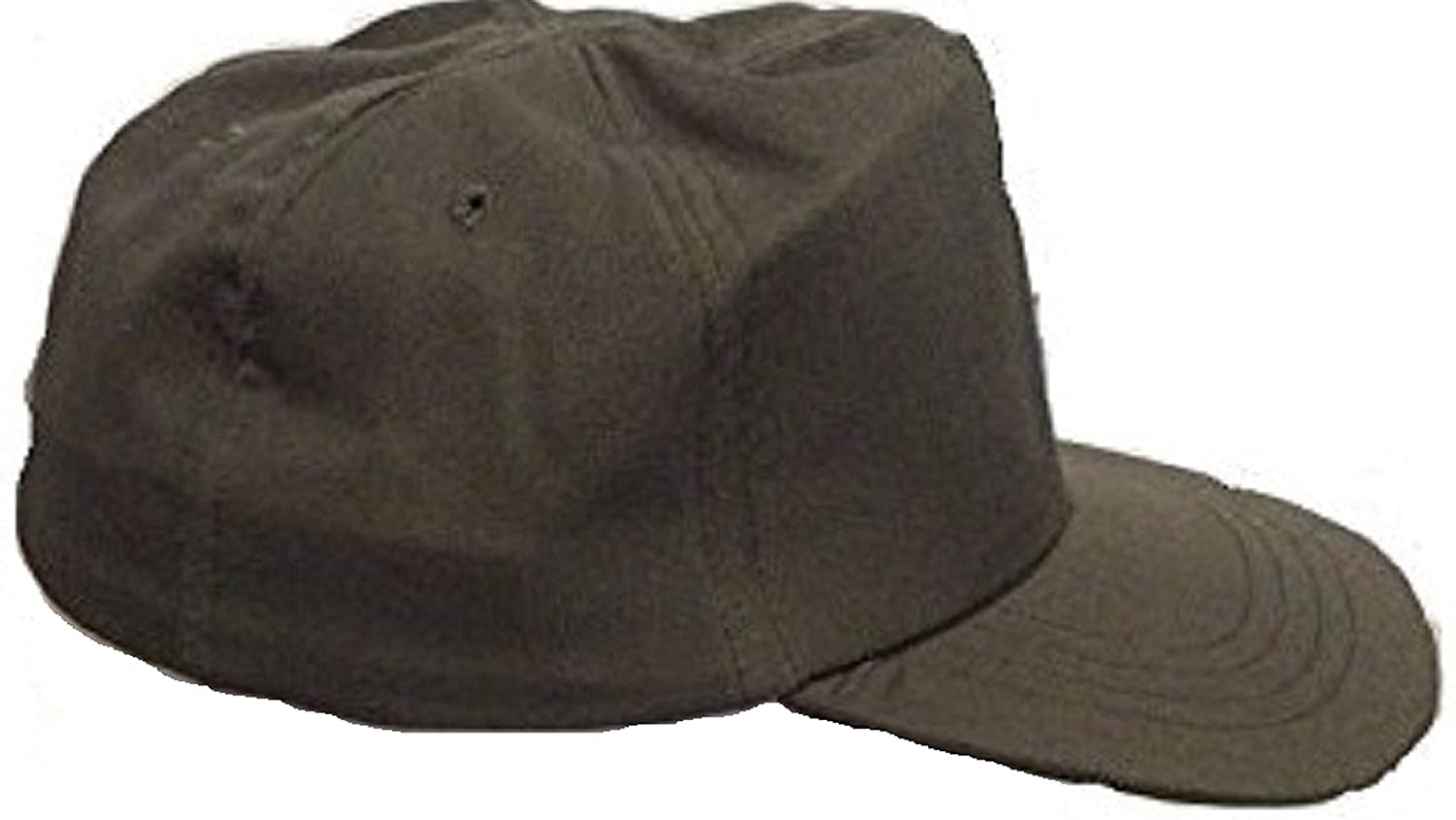
1871 and 1971, One Hundred Years Apart, Southern Column vs South Column. The Military Expeditions to Demagiri, Tlabung, Lushai, Mizo Hills. American made High-Explosive Fragmentation Mark II Hand Grenade. OPERATION EAGLE 1971. Pakistan’s Army uses this type of hand grenades. During Operation Eagle, the India-Pakistan War of 1971, I collected two such hand grenades at the enemy post that we captured. I removed the Detonator to safely handle the grenade. I took them home and presented them to my father as a piece of evidence of my participation in the War. My father was afraid to keep my evidence. The Grenades were buried in Alcot Gardens, Rajahmundry. 1871 and 1971, One Hundred Years Apart, Southern Column vs South Column. The Military Expeditions to Demagiri, Tlabung, Lushai, Mizo Hills.The General Purpose Machine Gun M60 was designed for use in the Vietnam War was equally useful for our Infantry Operation Eagle in the Chittagong Hill Tracts. 1871 and 1971, One Hundred Years Apart, Southern Column vs South Column. The Military Expeditions to Demagiri, Tlabung, Lushai, Mizo Hills. M1 Muzzle loading 81mm Mortar is a heavy piece of Infantry weapon which provides indirect fire support. During Operation Eagle, our men had carried them on their backs and used them to fire upon the enemy patrols whenever they had confronted us. 1871 and 1971, One Hundred Years Apart, Southern Column vs South Column. The Military Expeditions to Demagiri, Tlabung, Lushai, Mizo Hills. The most common weapon used by American Infantry Battalions in World War II, Korea, and Vietnam. Operation Eagle was fought on a manpack basis and this short-range, lightweight mortar was very useful. 1871 and 1971, One Hundred Years Apart, Southern Column vs South Column. The Military Expeditions to Demagiri, Tlabung, Lushai, Mizo Hills AN/PRC-77 Backpack radio set is similar to the AN/PRC-25 radio set. This has the additional ability to scramble voice communications while being transmitted. The US Army used the same radio sets in Vietnam. .1871 and 1971, One Hundred Years Apart, Southern Column vs South Column. The Military Expeditions to Demagiri, Tlabung, Lushai, Mizo HillsShort-range, manpack, portable, frequency modulated (FM) transceiver that provides two-way voice communication. Radio Set AN/PRC – 25 is used in the Vietnam War and I had used the same in Operation Eagle. .1871 and 1971, One Hundred Years Apart, Southern Column vs South Column. The Military Expeditions to Demagiri, Tlabung, Lushai, Mizo Hills Operation Eagle: Fifth Army in Bangladesh. We used the Collapsible, Tri-fold, Entrenching Tool used by the US Army in Vietnam. .1871 and 1971, One Hundred Years Apart, Southern Column vs South Column. The Military Expeditions to Demagiri, Tlabung, Lushai, Mizo Hills Infantry marches on its feet. Boots are the most important equipment apart from Guns. I had used Ankle Canvas Boots used by the US Army in Vietnam, during Operation Eagle and had marched on feet to fight and dislodge the enemy from the Chittagong Hill Tracts. .1871 and 1971, One Hundred Years Apart, Southern Column vs South Column. The Military Expeditions to Demagiri, Tlabung, Lushai, Mizo Hills. A Soldier needs his gun, boots, and clothing to protect himself. During Operation Eagle 1971, I had used this US Army Nylon Poncho with Hood (Olive) to sleep on the ground and as a coat to protect myself from intense fog and dew prevalent in the Chittagong Hill Tracts. 1871 and 1971, One Hundred Years Apart, Southern Column vs South Column. The Military Expeditions to Demagiri, Tlabung, Lushai, Mizo Hills.During Operation Eagle 1971 we were not allowed the use of cameras or photography. I would have looked like this man wearing Olive Green Coat Poncho. I had used US Army Cap-Jungle. 1871 and 1971, One Hundred Years Apart, Southern Column vs South Column. The Military Expeditions to Demagiri, Tlabung, Lushai, Mizo Hills. The US Army Lightweight, Olive Green, Field Patrol Cap or Cap Jungle was worn by me during the entire duration of the military expedition.1871 and 1971, One Hundred Years Apart, Southern Column vs South Column. The Military Expeditions to Demagiri, Tlabung, Lushai, Mizo Hills.U.S. Army uses a variety of Individual Field Medical Kits. The Kits issued to us during Operation Eagle 1971 were Olive Green Canvas pouches worn on the belts by each individual. The medical supplies included Water Purification Tablets for use in water bottles, anti-Malaria pills, Insect Repellent Solution (DBP), Insect Repellant Cream (DMP), Injectable Tubonic Morphine, Oxytetracycline tablets, Multivitamin tablets, Field dressings, bandages and others. The Kits were not stamped but the contents reveal the place of origin. 1871 and 1971, One Hundred Years Apart, Southern Column vs South Column. The Military Expeditions to Demagiri, Tlabung, Lushai, Mizo Hills.Operation Eagle. We used the same Water Purification Tablets and Water Canteens used by the US Army in Vietnam. 1871 and 1971, One Hundred Years Apart, Southern Column vs South Column. The Military Expeditions to Demagiri, Tlabung, Lushai, Mizo Hills. Field Rations supplied in Demagiri. Kraft processed Cheddar Cheese in Blue tins.1871 and 1971, One Hundred Years Apart, Southern Column vs South Column. The Military Expeditions to Demagiri, Tlabung, Lushai, Mizo Hills. Field Rations supplied in Demagiri. Nestle’s Condensed Milk. Image used for illustrative purpose.
In October 1971, the US Army in Vietnam was using the same items and supplies that I was supplied in Demagiri. After the Sunset, South Column began its tactical move to Borunasury, a Border Security Force Company Post located South of Demagiri. The South Column marched in single file along a narrow walking trail observing absolute silence and without the use of lights. The trail was not maintained and was broken at several places with steep trenches and we had to very slowly negotiate these obstacles maintaining the distance between the person ahead and the person behind. Sometimes, we were forced to stop the march as the advance elements checked the route for any possible threats. We were in an area known for Mizo rebel activity and took precautions to avoid getting ambushed. I still remember the moment when I watched a bunch of snakes crawling under my legs while I rested on the trail using my heavy backpack as my support. I just silently watched the snakes without making any move and they moved quickly without noticing my presence.
Wednesday, October 27, 1971: Camped at Borunasury Border Security Force Company Post preparing for the next tactical move to assault the enemy post at Jalanpara, the Chittagong Hill Tracts located across the international boundary West of Borunasury. Using binoculars, we could watch activity at Jalanpara Camp as the enemy prepared trenches around the Camp.
Thursday, October 28, 1971: Crossed the international boundary West of Borunasury under the cover of darkness wading through the waters of a narrow stream. After marching through the forest for several hours, wading through shallow streams, avoiding all known walking trails and beaten paths, the South Column decided to Camp in the forest near an abandoned Chakma hut. One Company of South Column moved to a location just East of Jalanpara enemy camp to keep the enemy engaged while the assault gets launched from North of Jalanpara enemy camp.
Friday, October 29, 1971: The march resumed in the morning to reach a place North of Jalanpara enemy post to secure the enemy’s supply chain. Wading through the forest streams posed its own problems like leeches and my feet got soaked for so long, the skin simply peeled off. After Sunset, the enemy patrol spotted our movement and fired upon our position. We remained calm taking cover in trench pits and kept the enemy patrol at bay by very restrained response with a very few men returning the fire. The enemy patrol went back and didn’t get the chance to estimate the size of our force.
Saturday night, October 30/early morning hours of Sunday, October 31, 1971: Two Companies of South Column with Company Commanders Major Savendra Singh Negi, the Grenadiers, Major (Honorary) G B Velankarmove South along the trail to assault the enemy post at Jalanpara.The enemy resisted the assault fiercely shooting the made in China machine guns and I was able to hear the bouts of coughing noise of the gunfire for several hours. Finally, the enemy was neutralized and the machine gun fire stopped.
Sunday, October 31, 1971: South Column Commander radioed me and spoke to me using my mother tongue Telugu. We knew the composition of the enemy troops and we knew that they would not be able to decipher the words spoken in Telugu. He asked me to come to the enemy post at Jalanpara. I moved there with four men providing me the escort. South Column lost nine Tibetan men in the action due to hostile fire and had 13 battlefield casualties. South Column cremated the bodies of the battlefield dead as per the Tibetan Customs. I was informed that an airlift of the battlefield casualties was not possible as the helicopter flight across the international boundary was not sanctioned. The men were utterly surprised and reacted with anger. I spoke to the men giving them the assurance that I can take care of the situation. I made a decision to evacuate the casualties to Borunasury Border Security Force Company Post in India by using improvised stretchers. South Column assembled a party of about sixty or sixty five men to lift the stretchers and to provide armed escort to the evacuation team. We marched to Borunasury Border Security Force Post on foot and had to halt the march after 4 hours due to night fall. During the night of Sunday, October 31, 1971, I continued to monitor the condition of the battle casualties providing nursing care and support. For this battlefield casualty evacuation, I performed the duties of the Army Medical Corps Medical Officer, Nursing Assistant, as well as Ambulance Assistant. The services of the AMC Nursing Assistants of the South Column could not be spared for this ground evacuation from Jalanpara as we had to be on alert for an enemy counterattack.
1871 and 1971, One Hundred Years Apart, Southern Column vs South Column. The Military Expeditions to Demagiri, Tlabung, Lushai, Mizo Hills. The Mi-4 was a Soviet design medium-lift helicopter designed to carry 1,600 kgs of weight or 16 troops and had a maximum range of 500 km at typical speeds of 140 kmph to 160 kmph.The helicopters could be loaded up to the maximum since the sortie durations were not more than an hour or so in duration and the missions could be flown with less fuel..
Monday, November 01, 1971: The ground evacuation of the battle casualties resumed before dawn and I reached Borunasury Border Security Force Company Post early in the morning and prepared the battle casualties for airlift to the Field Hospital in Lunglei, Mizoram. Flight Lieutenant Jadhav of Aviation Research Centre (ARC) arrived at the helipad in Mi-4 Helicopter. Operation Eagle was provided airlift support by two ARC Mi-4 Helicopters.
On Monday, November 01, 1971, myself and the battle casualty evacuation team marched back to Jalanpara and the foot journey took about eight hours. I had a very surprising encounter with a Chakma youth who stopped me asking for medical assistance.
The Slow and Tedious Military Campaign in the Forests of the Chittagong Hill Tracts
1871 and 1971, One Hundred Years Apart, Southern Column vs South Column. The Military Expeditions to Demagiri, Mizo Hills. THE FIFTH ARMY IN BANGLADESH – THE CHITTAGONG HILL TRACTS. I arrived in Demagiri on October 24, 1971 and I attended the first briefing by Lieutenant Colonel B K Narayan on October 25, 1971.THE FIFTH ARMY IN BANGLADESH – THE CHITTAGONG HILL TRACTS. THE DIFFERENCE BETWEEN THE INDIAN ARMY AND THE FIFTH ARMY IN BANGLADESH . WE USED THE SAME WEAPONS AND EQUIPMENT USED BY THE US ARMY IN VIETNAM.1871 and 1971, One Hundred Years Apart, Southern Column vs South Column. The Military Expeditions to Demagiri, Tlabung, Lushai, Mizo Hills. Special Frontier Force-Establishment No. 22-Operation Eagle:. In 1971, Special Frontier Force initiated Liberation of Bangladesh with military action in the Chittagong Hill Tracts with Battle Plan Code-named Operation Eagle. This Operation is not governed by Army Act 1950.1871 and 1971, One Hundred Years Apart, Southern Column vs South Column. The Military Expeditions to Demagiri, Mizo Hills.Whole Dude – Whole Expedition: In 1971, Special Frontier Force initiated Liberation of Bangladesh with military action in the Chittagong Hill Tracts with Battle Plan Code-named Operation Eagle. This Operation is not governed by Army Act 1950.
Tuesday, November 02, 1971: At Jalanpara, we expected the enemy to regroup and launch a counterattack the Company Post we captured. It did not happen. We used the beaten track to march towards Barkal which was our next target. As we marched out of Jalanpara in single file, an hour before the Sunset, we had an encounter with an enemy patrol. The advance party of the South Column exchanged fire with the enemy patrol keeping them at bay. The enemy patrol withdrew but left behind a booby trap using hand grenades and a trip wire. Several men marched over the trip wire without noticing it. Soon, the booby trap was discovered, but it was too late. A young Tibetan soldier had hit the trip wire setting off a loud explosion. I immediately rushed forward to see if I could provide some medical care and support. The blast force was too severe and hit him over the abdomen spilling his intestines. He died almost instantaneously. The South Column had decided to cremate him at that site on the forest trail. It taught us a bitter lesson about the use of the beaten tracks.
1871 and 1971, One Hundred Years Apart, Southern Column vs South Column. The Military Expeditions to Demagiri, Tlabung, Lushai, Mizo Hills. Made in China High-Explosive Fragmentation Hand Grenade found during Operation Eagle 1971. Chinese Army uses the same hand grenades. Pakistan receives arms and ammunition from Communist China apart from the massive military aid it receives from the United States of America. In the Indo-Pak War of 1971, we captured enemy posts and recovered arms and ammunition that were made in China. 1871 and 1971, One Hundred Years Apart, Southern Column vs South Column. The Military Expeditions to Demagiri, Tlabung, Lushai, Mizo Hills.
During the month of November 1971, our march towards Barkal was hampered by the enemy sending heavily armed patrols waiting for us on the tracks we tried to use to reach the Karnaphuli River at Barkal. At the least on two occasions, we had prolonged exchanges of gunfire and we had to use the 81mm Mortar Bombs to checkmate the enemy patrol parties. It took us a while to locate the enemy’s camp in the forest East of Barkal.
Friday, December 10, 1971: The South Column launched a decisive attack on the enemy camp on a hill feature East of Barkal. The assault started early in the morning before the Sunrise to take advantage of the very dense fog. But, it was not much of a surprise. The enemy was fully prepared and the resistance was fierce. The South Column experienced the worst loss of battle dead in this attack. I duly identified all the battle dead and prepared the documentation before the South Column prepared individual graves to bury them on the side of the forest trail near the hill post East of Barkal. The battle wounded were airlifted to the Field Hospital in Lunglei. I met Flight Lieutenant Parvez Rustom Jamsaji, the Mi-4 helicopter pilot for the first time on Friday, December 10, 1971 when he had arrived at that South Column location.
1871 and 1971, One Hundred Years Apart, Southern Column vs South Column. The Military Expeditions to Demagiri, Mizo Hills.1871 and 1971, One Hundred Years Apart, Southern Column vs South Column. The Military Expeditions to Demagiri, Mizo Hills.The Mi-4 was a Soviet design medium-lift helicopter designed to carry 1,600 kgs of weight or 16 troops and had a maximum range of 500 km at typical speeds of 140 kmph to 160 kmph.The helicopters could be loaded up to the maximum since the sortie durations were not more than an hour or so in duration and the missions could be flown with less fuel. On Friday, December 10, 1971, the Mi-4 helicopter was loaded up to the maximum capacity to provide airlift support to the battlefield casualties.
Friday, December 10, 1971: The Battle for Barkal was intense. The enemy withdrew from the hill post taking away the battle wounded and battle dead casualties. The South Column captured an enemy soldier who could not run away because of his ankle injury. I treated this prisoner of war and got him airlifted to the Field Hospital, Lunglei.
Monday, December 13, 1971: The Indian Air Force sent a sortie in support of the advance of the South Column to capture Barkal. The IAF pilots were in contact with the South Column as they targeted the enemy’s fortified bunkers on the hill ridge that overlooks the Karnaphuli River.
Monday, December 13, 1971: The South Column crossed the Karnaphuli River using very small fishing boats left behind my the local fishermen on the east bank of the River. It involved the making of several trips. The enemy and even the civilian population of Barkal had fully withdrawn and I could not find any person in this small village. I visited the enemy’s fortified bunkers on the top of the hill ridge. The bunker roofs were riddled with large gaping holes. Apparently, the enemy withdrew from the post on Sunday, December 12, 1971. I checked the Medical Clinic in Barkal. There were no signs of any casualties from the air raid by the Indian Air Force.
1871 and 1971, One Hundred Years Apart, Southern Column vs South Column. The Military Expeditions to Demagiri, Mizo Hills. The South Column crossed the Karnaphuli River on Monday, December 13, 1971 to capture Barkal.1871 and 1971, One Hundred Years Apart, Southern Column vs South Column. The Military Expeditions to Demagiri, Mizo Hills. The South Column advanced to Rangamati hiring a passenger boat service on Monday, December 13, 1971. The passenger boat came to Barkal from Rangamati.
Monday, December 13, 1971: The South Column advanced to Rangamati after the Sunset. A large crowd of Bangla citizens had gathered to greet us as we disembarked from the passenger boat. The crowd was cheering, wild with excitement and enthusiasm as the enemy withdrew from Rangamati prior to the arrival of the South Column.
Tuesday, December 14, 1971: The South Column advanced to Kaptai by road taking advantage of the vehicles abandoned by the enemy.
Friday, December 17, 1971: The South Column deployed itself in Kaptai and a few locations around the Kaptai Lake. Lieutenant Colonel B K Narayan, the South Column Commander officiated as the Imam of the Friday Morning Prayer Service held at the Kaptai Guest House where we camped. A very large number of Bangla citizens of Kaptai attended this Prayer Service and the large conference hall at the Guest House was fully packed.
Soon after capturing Kaptai, South Column Commander Colonel B K Narayan and myself along with our Bangla guide Mr. Siddique Ahmed went to Chandraghona using a captured enemy car. Mr. Siddique Ahmed worked as an engineer in the Chandraghona (Karnaphuli) Paper Mills before he joined the Bangla Freedom Movement.
1871 and 1971, One Hundred Years Apart, Southern Column vs South Column. The Military Expeditions to Demagiri, Mizo Hills. The Bangla Guide assigned to South Column, Mr. Siddique Ahmed worked as engineer at Chandraghona (Karnaphuli) Paper Mills, Chandraghona. We visited the Paper Mills soon after capturing Kaptai.1871 and 1971, One Hundred Years Apart, Southern Column vs South Column. The Military Expeditions to Demagiri, Mizo Hills. Soon after capturing Kaptai, South Column Commander Colonel B K Narayan, myself, and our Bangla guide Mr. Siddique Ahmed visited Chandraghona. A view of the Karnaphuli River at Chandraghona.
Tuesday, December 14, 1971 to Saturday, January 22, 1972: I camped in Kaptai and could fortunately enjoy the comforts of residing in the Guest House whose staff prepared and served hot meals using our military rations. I could purchase a few personal care items and some casual wear at the local market in Kaptai. I was visiting the Company locations deployed around the Kaptai Lake using the speedboats the enemy abandoned.
1871 and 1971, One Hundred Years Apart, Southern Column vs South Column. The Military Expeditions to Demagiri, Mizo Hills.1871 and 1971, One Hundred Years Apart, Southern Column vs South Column. The Military Expeditions to Demagiri, Mizo Hills.1871 and 1971, One Hundred Years Apart, Southern Column vs South Column. The Military Expeditions to Demagiri, Mizo Hills.1871 and 1971, One Hundred Years Apart, Southern Column vs South Column. The Military Expeditions to Demagiri, Mizo Hills.1871 and 1971, One Hundred Years Apart, Southern Column vs South Column. The Military Expeditions to Demagiri, Mizo Hills.1871 and 1971, One Hundred Years Apart, Southern Column vs South Column. The Military Expeditions to Demagiri, Mizo Hills.1871 and 1971, One Hundred Years Apart, Southern Column vs South Column. The Military Expeditions to Demagiri, Mizo Hills.1871 and 1971, One Hundred Years Apart, Southern Column vs South Column. The Military Expeditions to Demagiri, Mizo Hills1871 and 1971, One Hundred Years Apart, Southern Column vs South Column. The Military Expeditions to Demagiri, Mizo Hills.1871 and 1971, One Hundred Years Apart, Southern Column vs South Column. The Military Expeditions to Demagiri, Mizo Hills.1871 and 1971, One Hundred Years Apart, Southern Column vs South Column. The Military Expeditions to Demagiri, Mizo Hills1871 and 1971, One Hundred Years Apart, Southern Column vs South Column. The Military Expeditions to Demagiri, Mizo Hills.1871 and 1971, One Hundred Years Apart, Southern Column vs South Column. The Military Expeditions to Demagiri, Mizo Hills1871 and 1971, One Hundred Years Apart, Southern Column vs South Column. The Military Expeditions to Demagiri, Tlabung, Lushai, Mizo Hills. The South Column was camping in Kaptai on Monday, January 10, 1972, the Homecoming Day of Bangabandhu Sheikh Mujibur Rahman.1871 and 1971, One Hundred Years Apart, Southern Column vs South Column. The Military Expeditions to Demagiri, Mizo Hills.1871 and 1971, One Hundred Years Apart, Southern Column vs South Column. The Military Expeditions to Demagiri, Mizo Hills.1871 and 1971, One Hundred Years Apart, Southern Column vs South Column. The Military Expeditions to Demagiri, Mizo Hills.
The Return Trip From Chittagong to Amritdhara Bhavan, 97-A Rajpur Road, Dehradun
Whole Dude – Whole Expedition: 1871 and 1971, One Hundred Years Apart, Southern Column vs South Column. The Military Expeditions to Demagiri, Mizo Hills. On Saturday, January 22, 1972, the South Column departed from Chittagong Sea Port after their successful execution of the military expedition to the Chittagong Hill Tracts launched from Demagiri, Tlabung, Lushai, Mizo Hills.Whole Dude – Whole Expedition: 1871 and 1971, One Hundred Years Apart, Southern Column vs South Column. The Military Expeditions to Demagiri, Tlabung, Lushai, Mizo Hills. On Saturday, January 22, 1972, the South Column boarded a hired Indian Merchant Vessel to depart from Chittagong Sea Port.Whole Dude – Whole Expedition: The Expedition to Mizo Hills concluded by our return to Kolkata Port from Chittagong Port after 3-days Sea Voyage.Whole Dude – Whole Expedition: The Expedition to Mizo Hills concluded with a 3-Day Sea Voyage from Chittagong to Kolkata Sea Port. Military Trucks were waiting on the Dock and took us to Howrah Junction Railway Station for a Military Special Train Journey to Dehradun.Whole Dude – Whole Expedition: The Expedition to Mizo Hills concluded with a 3-Day Sea Voyage from Chittagong to Kolkata Sea Port. Military Trucks were waiting on the Dock and took us to Howrah Junction Railway Station for a Military Special Train Journey to Dehradun.Whole Dude – Whole Expedition: My Expedition started at Chakrata and it proceeded to Mizo Hills via Sarsawa Airfield and on the return trip, we took a ship to Kolkata Sea Port and from Howrah Railway Junction we returned to Dehradun in a Military Special Train. I did not immediately return to Chakrata as I was granted the Balanace of Annual Leave of 1971.Please read the story “Mavericks of Fifth Army” published by Colonel Satish Singh Lalotra who served as Company Commander, D Sector, Special Frontier Force during 1993-95.Whole Dude – Whole Expedition: 1871 and 1971, One Hundred Years Apart, Southern Column vs South Column. The Military Expeditions to Demagiri, Tlabung, Lushai, Mizo Hills. Just like this Camp Hale Memorial Plaque in Colorado, USA, I am asking for a Memorial Plate to be placed in Demagiri, Tlabung, Lushai, Mizo Hills, India.





















 Whole Dude - Whole Concept


